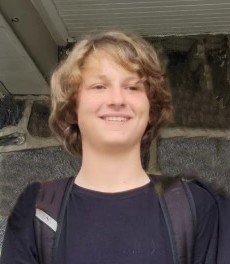
A Montgomery County elementary school teacher and wrestling coach sexually assaulted three boys he encountered online, including one of his former students, prosecutors said Saturday.
Jason Theodore, 54, began the assaults in 2019, plying the boys with marijuana and alcohol before forcing them to perform sex acts on him, according to the affidavit of probable cause for his arrest.
He told one of the victims, then 14, “I love how tiny you are,” police said.
Theodore, of Upper Gwynedd, has been charged with involuntary deviate sexual intercourse, statutory sexual assault, unlawful contact with a minor, and related crimes.
He remained in custody, denied bail. There was no indication he had hired an attorney.
For years, Theodore worked as a physical education teacher at Montgomery Township Elementary and a wrestling coach at Pennbrook Middle School, both in the North Penn School District, according to prosecutors.
In a statement, North Penn School District Superintendent Todd M. Bauer said that Theodore was placed on administrative leave after district officials were notified by Upper Gwynedd police about their investigation into his alleged behavior.
North Penn is cooperating with police, and Bauer said counselors are available to students.
The investigation into Theodore began Sept. 9, when one of the victims filed a police report saying Theodore had sexually assaulted him starting in 2019, when he was 13 years old, the affidavit said.
The boy was 17 when they last had contact in 2022. He told police that he befriended Theodore through Snapchat, and that Theodore had used a pseudonym and lied about his age, portraying himself to be much younger.
From 2019 to 2022, Theodore repeatedly sexually assaulted him, sometimes recording the encounters. On one occasion, Theodore pressured him into having sexual contact with another teen, the affidavit said.
That second teen later told police he met Theodore in a chat room in 2020 when he was 16 and later began messaging him on Snapchat. When the two finally met up, the teen recognized Theodore immediately as his former teacher and wrestling coach, and realized Theodore had sought him out after seeing him in the chat room.
Like the first teen, the second teen said Theodore sexually assaulted him, and in his case continued to do so after he became an adult. He told police he “felt coerced and groomed by Theodore, resulting in long lasting embarrassment and shame about the physicality between him and Theodore,” the affidavit said.
The third victim said he met Theodore when he was 14, in 2020, and that Theodore sexually assaulted him on three occasions, usually in Theodore’s vehicle.
In an interview with police, Theodore admitted that he was attracted to “younger males,” but denied being involved with anyone underage, the affidavit said.
When an officer mentioned the first victim’s name, Theodore became flushed and hid his face, but said he didn’t know the person the officer was referring to, the affidavit said.
Theodore is scheduled to appear before a district judge for a preliminary hearing on Thursday.
Gov. Josh Shapiro’s administration will rescind a series of proposed vaccination and disease-tracking regulations that reignited public outrage toward restrictive pandemic-era policies in Pennsylvania — a decision made after receiving more than 10,000 comments opposing the changes, the Pennsylvania Department of Health said Friday.
The department will withdraw the regulations, incorporate feedback, and resubmit the public health rules “once Pennsylvanians’ feedback has been adequately incorporated,” Neil Ruhland, a spokesperson for the department, said in a statement.
Shapiro’s administration earlier this year submitted the proposed regulations aimed at combating infectious diseases to the Independent Regulatory Review Commission, a little-known board that assesses and approves new state regulations, requiring public input before they can be implemented. These regulations had been in progress for years, but were not introduced to the public until June 4.
The public comment period coincided with a high-profile clash between Shapiro and U.S. Secretary of Health and Human Services Robert F. Kennedy Jr. over two infant deaths that Pennsylvania attributed to measles — the first deaths from the highly contagious and preventable disease in the state in 35 years. And it quickly refueled public disapproval of government mandates enacted during the COVID-19 pandemic.
The 502-page proposed regulations would have expanded the state health department’s investigatory powers deemed necessary to track, prevent, contain, or mitigate a contagious disease. Republican state lawmakers and thousands of enraged constituents were especially concerned by a provision that would allow the state health department or local health authorities to enter schools or private properties to investigate alleged outbreaks or review vaccination records. They also criticized the health department’s effort to change references to a “pregnant woman” to a “pregnant individual” throughout the policy, claiming it was an effort to remove women from the state’s public health rules.
The pushback comes at a time when federal health officials, under Kennedy, who has a history of anti-vaccine activism, have worked to reduce the number of childhood vaccination recommendations — and as childhood vaccination rates hit new lows in Pennsylvania. The effort has prompted Shapiro and other Democratic governors to sign executive orders to protect vaccine access. Setting vaccination mandates for schoolchildren falls to the states, not the federal government.
The proposals rescinded Friday will not affect federal or state executive orders related to vaccination access.
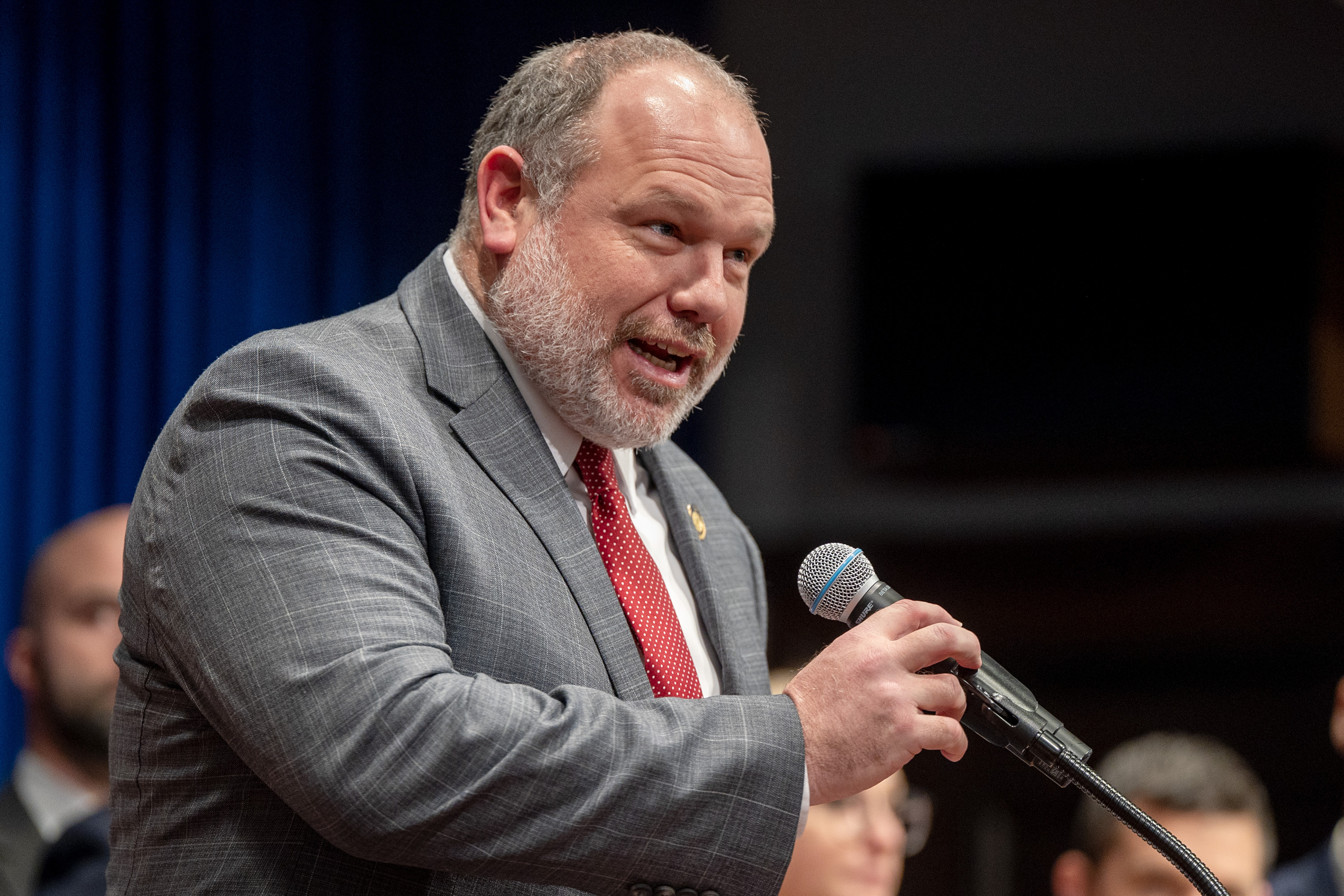
State House Minority Leader Jesse Topper (R., Bedford) during a news conference at the Capitol in Harrisburg Feb. 3, 2026.Tom Gralish / Staff Photographer
House Minority Leader Jesse Topper (R., Bedford) was among the first officials last month to raise alarm about the proposed regulations. In a statement Friday, he said it was the “correct and logical conclusion” for the health department, following the outpouring of public opposition.
Senate Majority Leader Joe Pittman (R., Indiana) called Friday’s announcement “a tremendous victory for the grassroots efforts of Pennsylvanians.”
”This is a stark reminder that we must continue to be vigilant when the Executive Branch attempts overreach,” Pittman said in a statement. “We cannot and will not allow actions like we saw taken by the Executive Branch during the height of the COVID-19 pandemic to be put in place again.”
Nearly all of the members of the Republican caucuses in Pennsylvania’s Senate and House submitted letters in opposition to the proposed regulations, arguing they were more restrictive than the ones enacted during the COVID-19 public health emergency and would infringe on Pennsylvanians’ constitutional rights.
“The proposed regulations represent executive-branch overreach reminiscent of what we experienced during the COVID-19 pandemic — but this time, the rules would be permanent,” Senate President Pro Tempore Kim Ward (R., Westmoreland) said in a statement last week. “Every Pennsylvanian should understand these regulations and how they could impact their lives.”
At least one Democrat — State Rep. Dan Frankel (D., Allegheny), who chairs the House Health Committee — submitted his support during the public comment period for updating the state’s existing communicable disease rules. Even so, his remarks recommended several changes to the proposed regulations, including to how the state would evaluate some vaccination exemptions to consider how children will be affected if their parent forgoes the preventive measures.
Senate Minority Leader Jay Costa (D., Allegheny) said in a statement Friday he was looking forward to continuing the conversation about the regulations, adding that “public trust and buy-in is crucial to effective governance.”
Beth Rementer, a spokesperson for House Democrats, said Friday that Shapiro’s administration was “acting responsibly” by considering public opinion.
“After all, that’s how government is supposed to work,” Rementer said.
Shapiro’s administration has rescinded at least 11 other regulation proposals since taking office in 2023, according to administration officials. But a deluge of feedback is rare, and most proposed regulations receive around five public comment submissions, a Shapiro administration official said.
Monday was the final day for public comment submissions. As part of their opposition campaign, Republican lawmakers encouraged their constituents to voice their opinion as part of public comment. By the end of the day, the review commission had received more than 10,000 comments opposing the regulations.
“The Department of Health received a historically high volume of feedback during the public commentary period, and it is clear additional stakeholder input is needed,” Ruhland said in the statement.
Shapiro, a Democrat, is seeking reelection in November. His GOP challenger, State Treasurer Stacy Garrity, has criticized Shapiro over the proposed regulations, calling them “mandates that would make draconian COVID-era restrictions blush.”
On Friday, Garrity celebrated the regulation withdrawal, and in a statement called Shapiro “the least transparent governor in America” who “got caught trying to sneak a 502 page invasion of privacy and parental rights through.”
A spokesperson for Shapiro declined to comment Friday, deferring to the state health department.
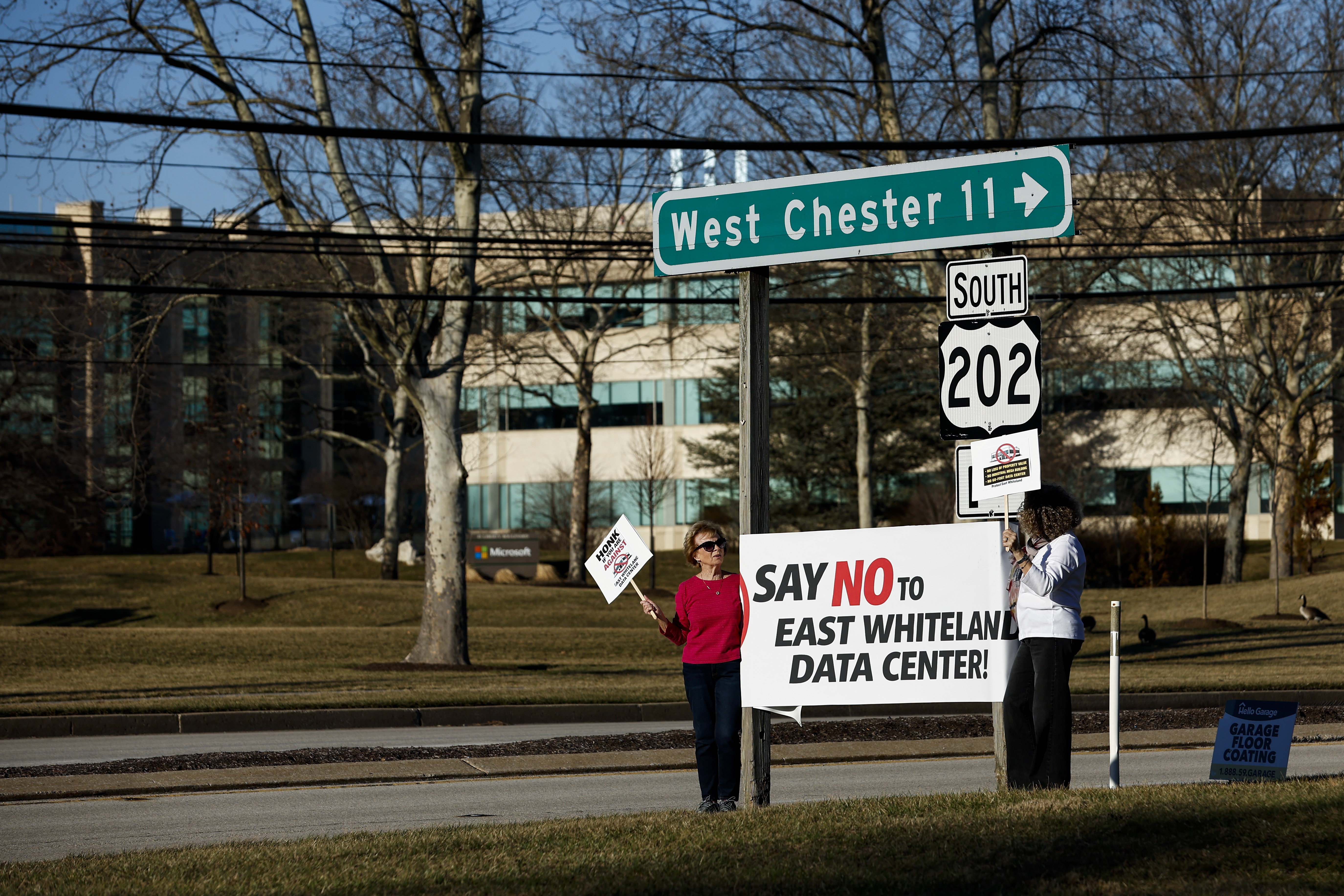
As East Whiteland grapples with the community’s resounding pushback to a planned 1.5 million-square-foot data center being built, its elected officials have approved an ordinance that would set greater restrictions for any similar proposals in the future.
The ordinance doesn’t affect the project, which is slowly taking shape at the former 79-acre Cyprus Foote Mineral Co. property. But the data center’s existence, which has faced staunch community opposition, is certainly what launched the new ordinance, penned in a collaboration between township staff, consultants, and community members.
“I think this sends the right message,” said resident Tony Gianino, who served on the committee to draft the ordinance. “I know it’s been a little contentious over the last eight or nine months, and I think that we’re not looking at this as a negative, but as a positive, and as a foothold moving forward.”
In East Whiteland, the ordinance will establish limitations on how close a data center can be to homes, schools, daycares, parks, or churches. It addresses noise, water usage, cooling systems, power supply, and more.
It’s not a slam dunk,severalsaid Thursday; some speakers were already suggesting amendments. State Sen. Katie Muth, who represents the area and is a frequent flier at data center meetings, suggested changes on portions of the ordinance, quipping, “I would love to have a township to refer to that has a really great ordinance. If you make those changes, you will be that township.”
Scott Lambert, the board’s chairman, acknowledged it was a living document.
“Whatever goes on the books tonight, it’s not permanent. It can be amended going forward,” he said. “We’re not locked into this particular ordinance and the specifics at this point in time.”
Still, there was applause when the officials voted to approve the measure.
But the effects of data centers don’t stop at the municipal line. East Whiteland residents have been watching nearby Charlestown, which updated its zoning to allow for data centers to be built on the East Whiteland border.
“I do hope other communities look at this and end up utilizing it, especially Charlestown,” Lambert said. “I hope they do take a look at what we have and implement, to protect both communities.”
This suburban content is produced with support from the Leslie Miller and Richard Worley Foundation and The Lenfest Institute for Journalism. Editorial content is created independently of the project donors. Gifts to support The Inquirer’s high-impact journalism can be made at inquirer.com/donate. A list of Lenfest Institute donors can be found at lenfestinstitute.org/supporters.
Brandon Parish, former owner of the Kibitz Room in King of Prussia and deli manager at the original Cherry Hill location, has filed for personal bankruptcy, months after his Montgomery County restaurant closed amid mounting debts.
Parish owes creditors nearly $1.8 million, including $1.2 million to Hanover Community Bank for a small-business loan, and has about $15,500 in assets, according to documents filed in U.S. Bankruptcy Court for the Eastern District of Pennsylvania.
The 33-year-old King of Prussia resident filed for bankruptcy in early September, five months after he and his father, Neil, were evicted from their storefront in the Valley Forge Center on U.S. Route 202. Their landlord won a judgment for more than $194,000 in rent and fees.
The restaurant was in business for a year.
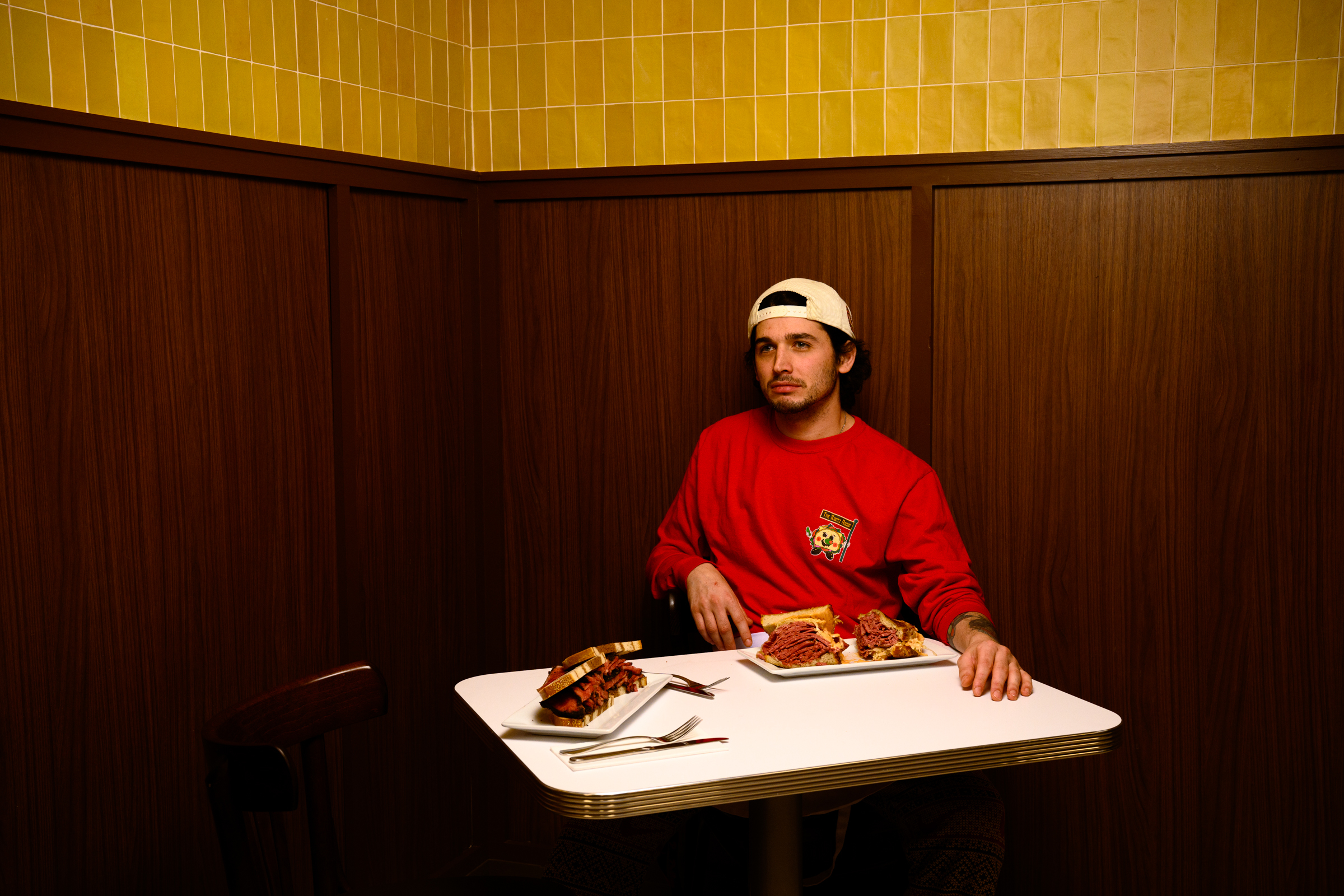
Brandon Parish sits at a table at the now-closed Kibitz Room in King of Prussia in April 2025.Kriston Jae Bethel / For The Inquirer
The restaurant also owed more than $135,000 to distributor Foods Galore, a debt listed in Parish’s personal bankruptcy filing alongside more than $140,000 owed to other business vendors and related services.
The King of Prussia location’s debts are “going to take some work to clean up,” Brandon Parish said in April, noting the expansive full-service restaurant strayed too far from its over-the-counter roots. “Obviously, it’s been a disaster since day one. Nothing went as planned. But we’ll have to figure all that out.”
Meanwhile, the Cherry Hill Kibitz Room — a separate business that had been owned by Brandon Parish’s mother, Sandy — abruptly closed and filed for bankruptcy earlier this year. Neil and Brandon Parish, backed by outside investors, negotiated a deal in bankruptcy court to buy the Cherry Hill equipment and sign a new lease there, though neither Parish would be an owner. The Springdale Road deli reopened in May, with the Parish men behind the counter.
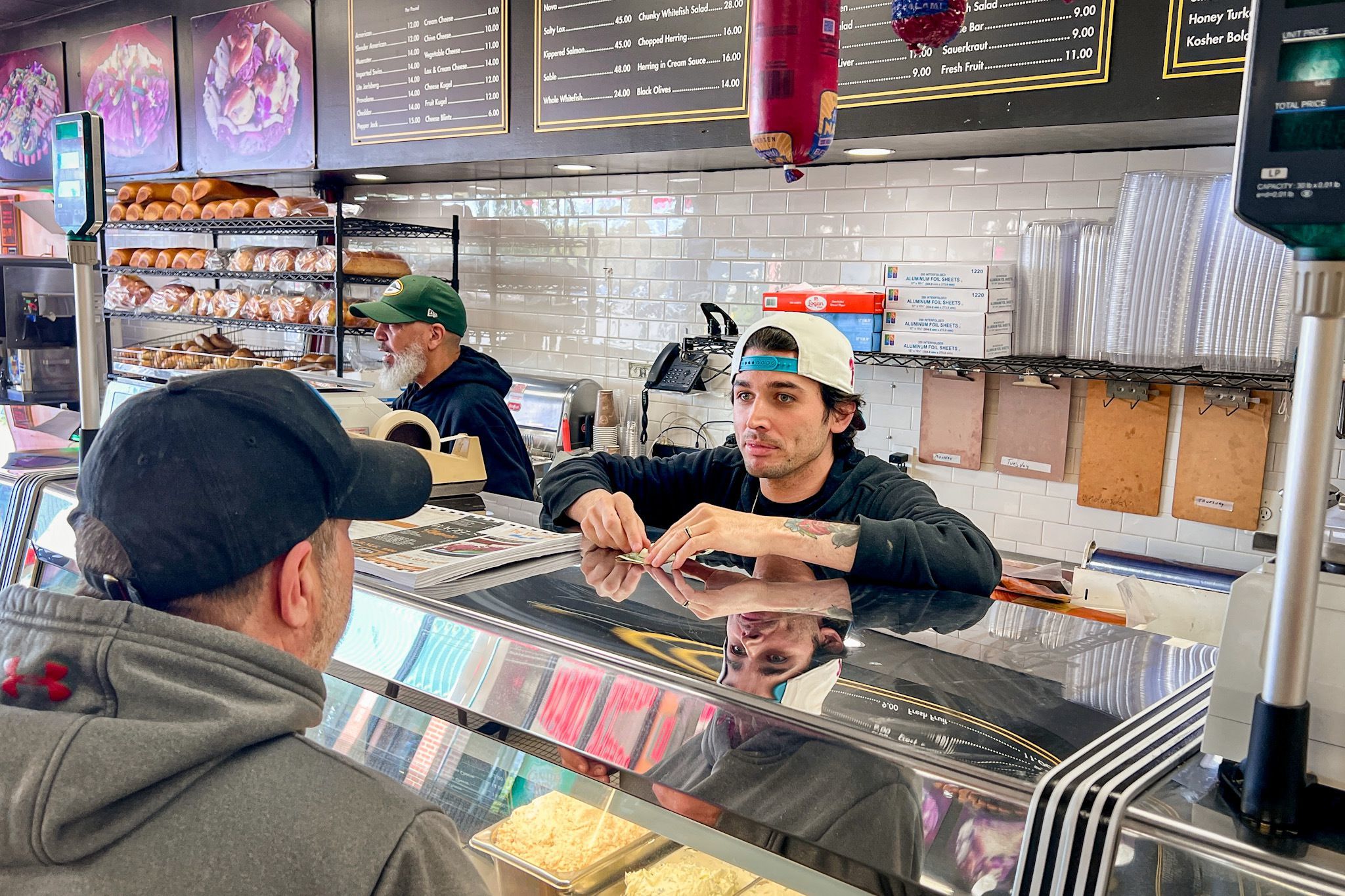
Brandon Parish (right) waits on a customer at the Kibitz Room in Cherry Hill on May 1. Michael Klein / Staff
Brandon Parish’s personal bankruptcy case will not impact operations at the Cherry Hill deli since he is only an employee, according to a spokesperson.
The Kibitz Room has been part of the Parish family for more than two decades.
Brandon grew up at Kibitz, standing on milk crates to wash dishes for his father. Ever since he was a kid, delis were his “comfort zone,” Brandon said in 2025.
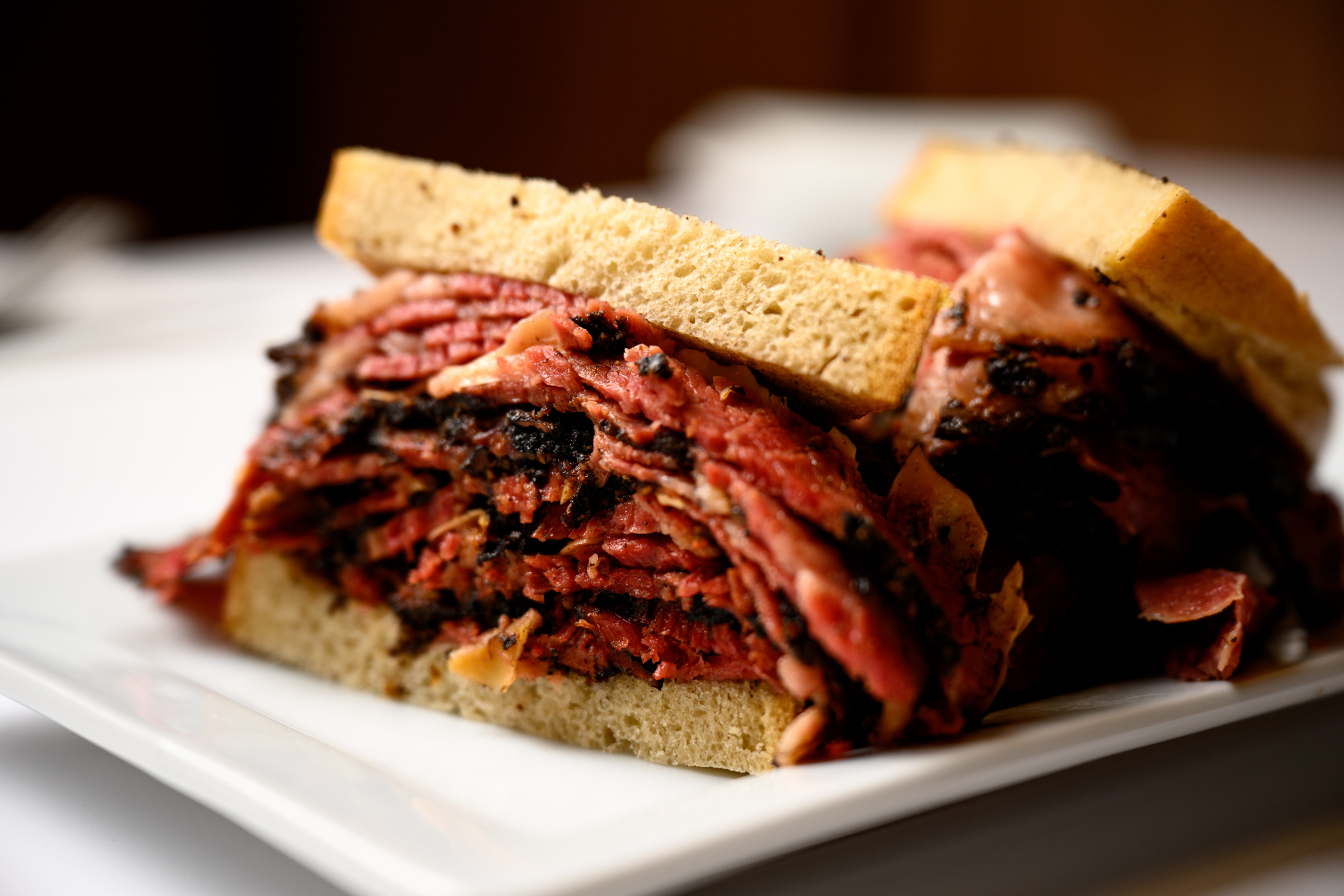
A pastrami sandwich at the now-closed Kibitz Room in King of Prussia. Kriston Jae Bethel / For The Inquirer
After Brandon’s mother and father split about a decade ago, his dad moved back to the Baltimore area, and Brandon continued to run the Cherry Hill restaurant with his mom. But he was itching to open his own place, he said.
In 2025, Brandon left his post in Cherry Hill to open a Kibitz Room in the former Michael’s Deli in King of Prussia. The business was an independent venture with his father, who had returned to the Philly area from Baltimore. The senior Parish was in charge of the menu, but his son was the boss: “This is Brandon’s store,” Neil said at the time.
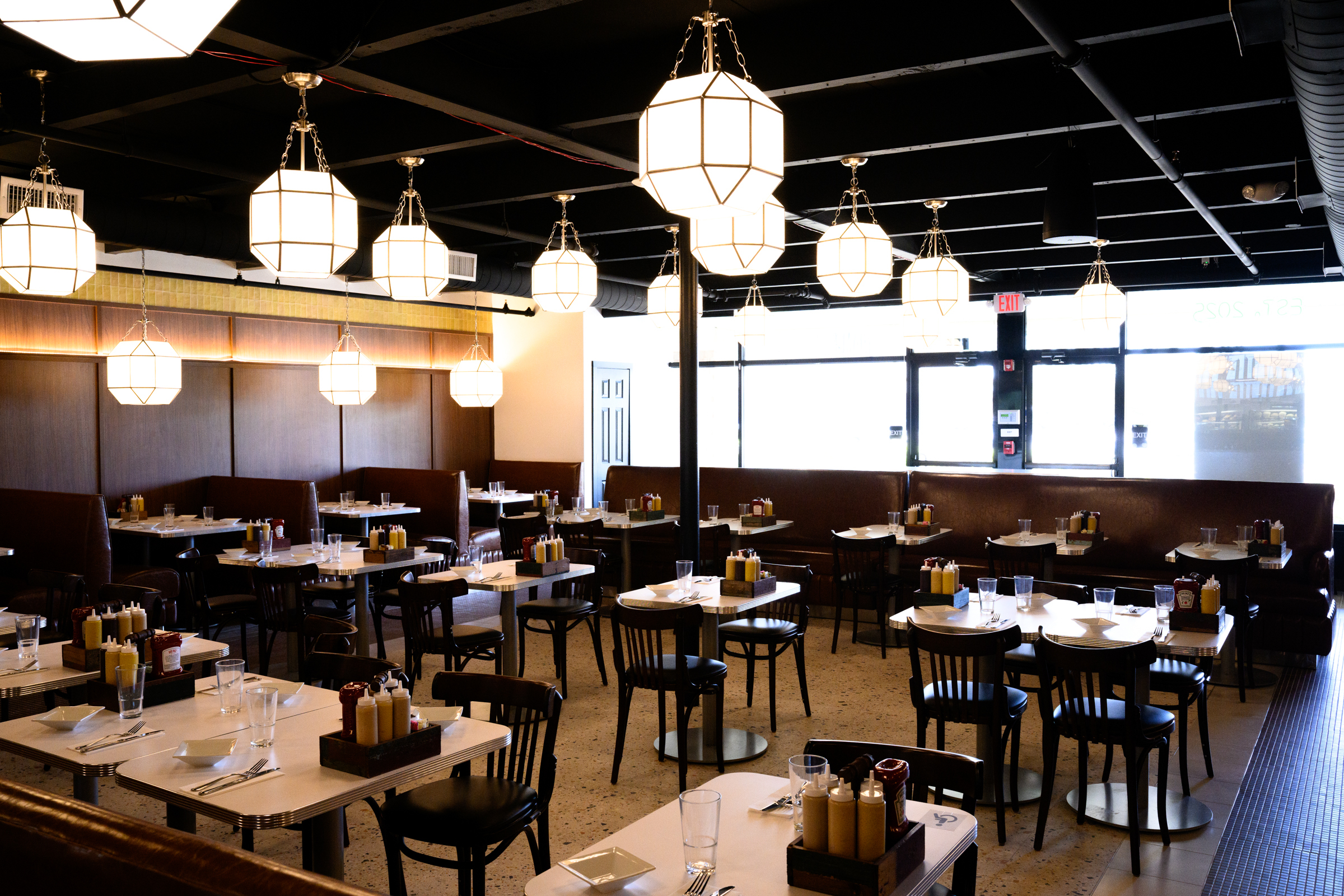
The pair said they were excited to open a full-service restaurant that was about four times the size of the Cherry Hill deli and could seat 200 people.
The Kibitz Room in King of Prussia was about four times the size of the original deli in Cherry Hill, a separate business not owned by Brandon Parish. Kriston Jae Bethel / For The Inquirer
They created a giant menu full of staples like corned beef and pastrami sandwiches, matzo ball soup, knishes, and chicken pot pies, as well as elevated items like garlicky flank steak. They planned tableside chopped liver service.
“I feel like this really encapsulates the Jewish deli as a whole experience,” Brandon Parish said at the time. “The old, the new, the vibe, the aesthetic, the personality, the quality, the menu mix.”
And he scoffed at occasional reports that Jewish delis were going out of style: “I think if you do it well, then you never have to worry about failure.”
In an area of Pennsylvania known as “God’s Country,” hours from the glowing lights of Philadelphia, Pittsburgh, and Buffalo, Cherry Springs State Park is a refuge for stargazers.
On Thursday, Pennsylvania’s Department of Conservation and Natural Resources announced the completion of $5.2 million in improvements there, everything from new parking to a larger amphitheater, and “headlight-blocking mounds to prevent light shining into the astronomy field.”
“This park comes alive after dark, and we have a responsibility to conserve that experience for the future,” DCNR Secretary Cindy Adams Dunn said there Thursday.
DCNR, in a news release, said the goal of the project was to redesign how visitors “moved through the park at night, reduced artificial light, and expanded facilities to support astronomy, education, and large events.”
The small state park in Coudersport, Potter County, some 250 miles northwest of Philadelphia, is designated as an International Dark Sky Park by DarkSky International, a nonprofit that claims to be the “worldwide authority combating light pollution.”
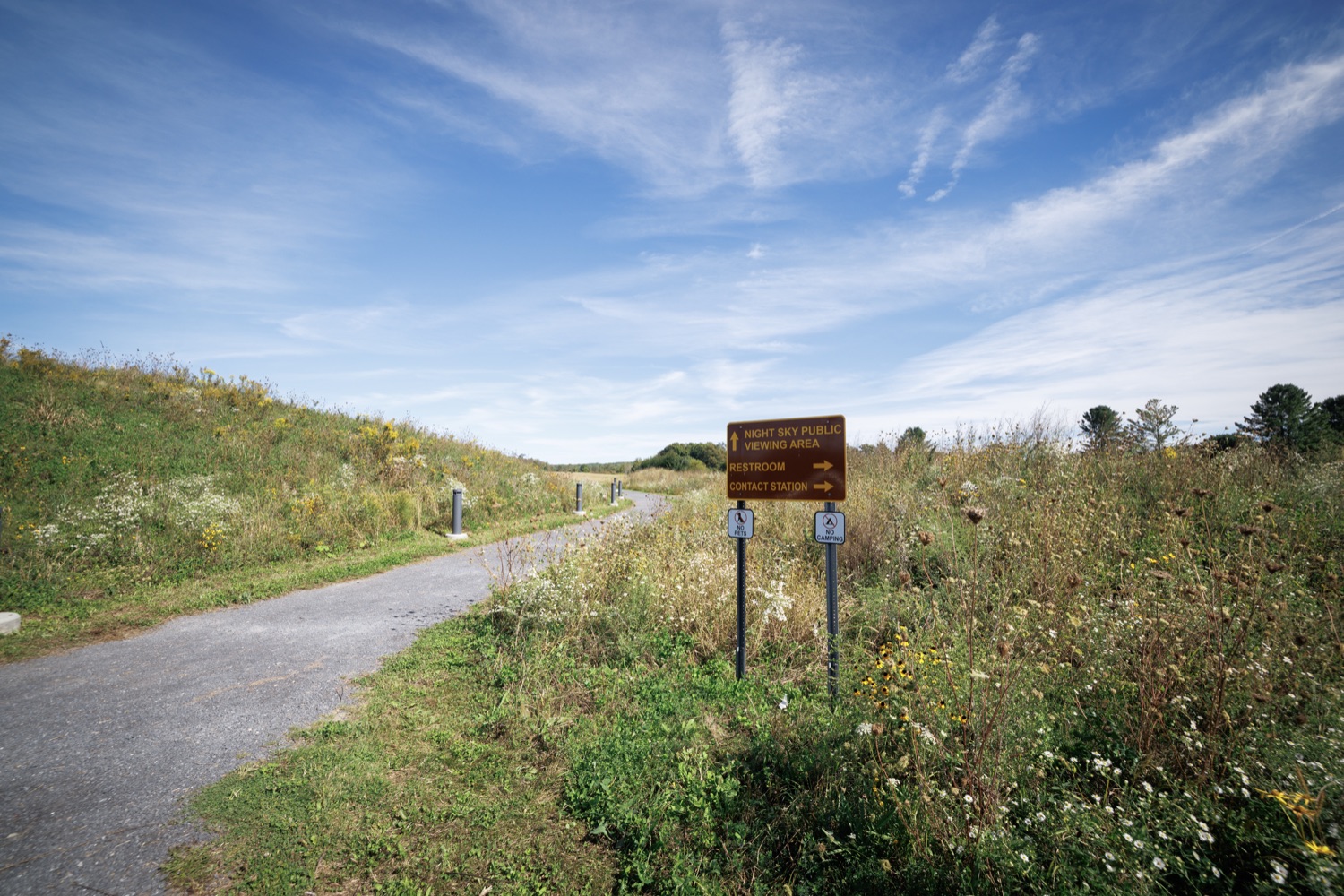
A sign welcomes visitors to Potter County. MUST CREDIT: Justin Merriman/For The Washington PostJustin Merriman
Despite being relatively small at 82 acres and far from cities — it’s almost four hours from Pittsburgh and a bit more from Philadelphia — the park has become wildly popular with astronomers, campers, and social media influencers. The campground is generally booked out every season, with professional and amateur stargazers alike staring up at the Milky Way, particularly on moonless nights.
During the COVID-19 pandemic, when parks and other outdoor spaces were inundated with visitors, Cherry Springs saw the biggest crowds. Between March and September of 2020, the park saw 26,745 visitors, a 231% increase over the same time period a year earlier.
Potter County has just 16,453 residents, and the economy there relies heavily on tourism, much of it during the spring, summer, and fall for camping, stargazing, leaf peeping, and hunting.
The county has taken steps to keep things dark, too, urging home and business owners to implement downward-casting lights, timers, and low-wattage bulbs to preserve the stargazing opportunities.
Department of Conservation and Natural Resources (DCNR) Secretary Cindy Adams Dunn announced the completion of $5.2 million in new improvements at Cherry Springs State Park, an International Dark Sky Park in Potter County.Jon Ferreras
A Baltimore public school teacher regularly traveled to Parkesburg for the better part of two years to sexually assault a teenage boy he met online, Chester County prosecutors said Friday.
Rogie Legaspi, 56, sometimes took the boy out of school to assault him, unbeknownst to his parents, and also forced him to have sex with another man in what District Attorney Chris de Barrena-Sarobe described as “the pinnacle definition of child sex trafficking.”
“Teachers have a special place in our society. We trust them not only to watch our children when we send them to school, but to mold them,” de Barrena-Sarobe said at a news conference Friday. “To teach them life lessons, not just math problems. And this defendant, this man, shattered that trust.”
Legaspi has been charged with child trafficking, involuntary deviate sexual intercourse, statutory sexual assault, and related crimes.
He remained in custody in lieu of $5 million bail. He is being represented by the county Public Defender’s Office, which declined to comment on his case.
Legaspi has been employed by the Baltimore the Baltimore City Public School District since 2008, and most recently taught seventh grade science at Hamilton Elementary/Middle School in Baltimore.
In a letter sent to parents last week, Hamilton principal Natasha Pouncey said Legaspi has been placed on administrative leave, and that there were no allegations that his criminal conduct involved a student in the district.
Days before Legaspi’s arrest on Sept. 18, several concerned parents asked the district why he had not shown up to school, unaware that he had been taken into custody two states away.
Investigators in Chester County learned of the alleged abuse in June after a report was filed on behalf of the 15-year-old victim through the state Department of Human Services’ ChildLine system.
In an interview with county detectives, the boy said he befriended Legaspi through social media, and they exchanged cellphone numbers, according to the affidavit of probable cause for the teacher’s arrest.
Legaspi began driving up to Chester County twice a month starting in 2024, when the boy was 13.
During those visits, the affidavit said, Legaspi would fondle the boy and force him to have sex.
Legaspi paid the boy $50 or $100 to “act like he enjoyed it,” the document said, and he often filmed the sexual encounters and send the footage to the boy.
Authorities said the sexual assaults took place in Legaspi’s car, as well as various hotels in Chester and Lancaster Counties.
During one of those assaults, in December, Legaspi coerced the boy to have sex with another man at the Comfort Inn in Gap, and filmed the encounter, the affidavit said. He also pressured the boy to have sex with other men, according to the affidavit.
In announcing the charges Friday, de Barrena-Sarobe underscored the importance for parents to monitor their children’s social media usage.
“You are giving the world access to your child when you give them a phone or you let them have a social media profile,” he said. “And so, you need to restrict the world’s access to your children, and you need to make sure that you are instilling that value in your child from an early age.”
Legaspi is scheduled to appear before a district judge for a preliminary hearing Oct. 19.
Federal authorities on Thursday announced charges in a drug-and-gun-trafficking ring operating in Philadelphia and Luzerne Counties, with one of the defendants identified as a Philadelphia man who received a commutation from former President Joe Biden for a prior prison sentence.
Michael Rinaldi, 49, and Jason Lozada, 51, both of Philadelphia, were among eight people indicted by a grand jury, the U.S. Bureau of Alcohol, Tobacco, Firearms and Explosives Philadelphia Field Division said in a news release Thursday.
Prosecutors allege that the eight people conspired to distribute methamphetamine from August 2025 through September 2026, and also distributed fentanyl in addition to trafficking guns.
In the days before Biden left office, he granted clemency to nearly 2,500 individuals for what was described as non-violent drug offenses, and Rinaldi was one of the recipients.
Since taking office in January 2025, President Donald Trump has granted clemency to more than 1,700 people, including the roughly 1,500 people convicted for their involvement or who had charges pending for their alleged involvement in the Jan. 6, 2021, attack on the U.S. Capitol.
Marson Weh, 39, was also convicted of possession of an instrument of crime in the April 2023 death of Michael Garr, a sophomore at Upper Darby High School.
Weh will be sentenced in November to life in prison for stabbing Gar 11 times, including once in the throat, according to District Attorney Tanner Rouse.
The two were strangers, Rouse said, and had “no earthly connection.” The DA said Weh offered no motive for the stabbing.
Michael Garr was killed in April 2023 as he walked to his home in Upper Darby.Handout
The prosecutor said the case would make the “worst episode of Dateline,” one without any twists and leaves no room for alternate theories or interpretation.
No one else was near Garr that night, he said, as Weh was seen “hunting, stalking” the teenager for more than a mile.
When Weh was arrested, he was still wearing parts of his “kill suit,” nondescript clothing that included thermal underwear stained with Garr’s blood, Rouse said. And he was still carrying the murder weapon, a folding knife that matched the dimensions of Garr’s fatal wounds and still had his dried blood caked in its handle.
“See this for what it is,” Rouse said. “Because when you only consider the blood on his pants, the blood on his knife, that alone proves he is guilty. There is no other explanation, no reasonable doubt.”
After the killing, investigators quickly identified Weh through surveillance footage, which recorded him following Garr for more than a mile. Gradually, prosecutors said, he closed the distance between them, and attacked Garr as they approached Brunswick Avenue near Bridge Street in Drexel Hill.
Weh’s attorney, Ian McCurdy, conceded in his closing arguments that it would “strain credulity” to say there wasn’t evidence to prove that Weh killed Garr.
Still, he urged jurors to consider that prosecutors had failed to explain his intent in doing so.
“As horrible as this situation is, the death of a young man killed way too early his life, this boils down to did the Commonwealth prove the case beyond a reasonable doubt,” he said
McCurdy supported his contention by citing a two-minute window of time where neither Garr nor Weh were recorded on surveillance video.
“The point is we just don’t know what happened in that small bit of time,” he said. “And that’s why I suggest to you the Commonwealth hasn’t proven that Marson Weh killed Michael Garr with malice.”
In responding to McCurdy’s theory of the case, Rouse, the district attorney, did not mince words: The evidence that Weh intentionally killed Garr, a crime that constitutes first-degree murder, he said, is overwhelming.
Beyond that, he said, Weh confessed to killing Garr during an interview with detectives. And he showed what Rouse described as a consciousness of guilt by soaking the hoodie and he gloves he wore on the night of the attack in ammonia — detectives found the items in that condition when they searched his home days later.
Rouse urged the jurors to convict Weh of first-degree murder, likening doing so to parents protecting their children from the evils of the world.
“There is simply no getting around the evidence,” he said. “You cannot stab someone in the throat and not mean it.
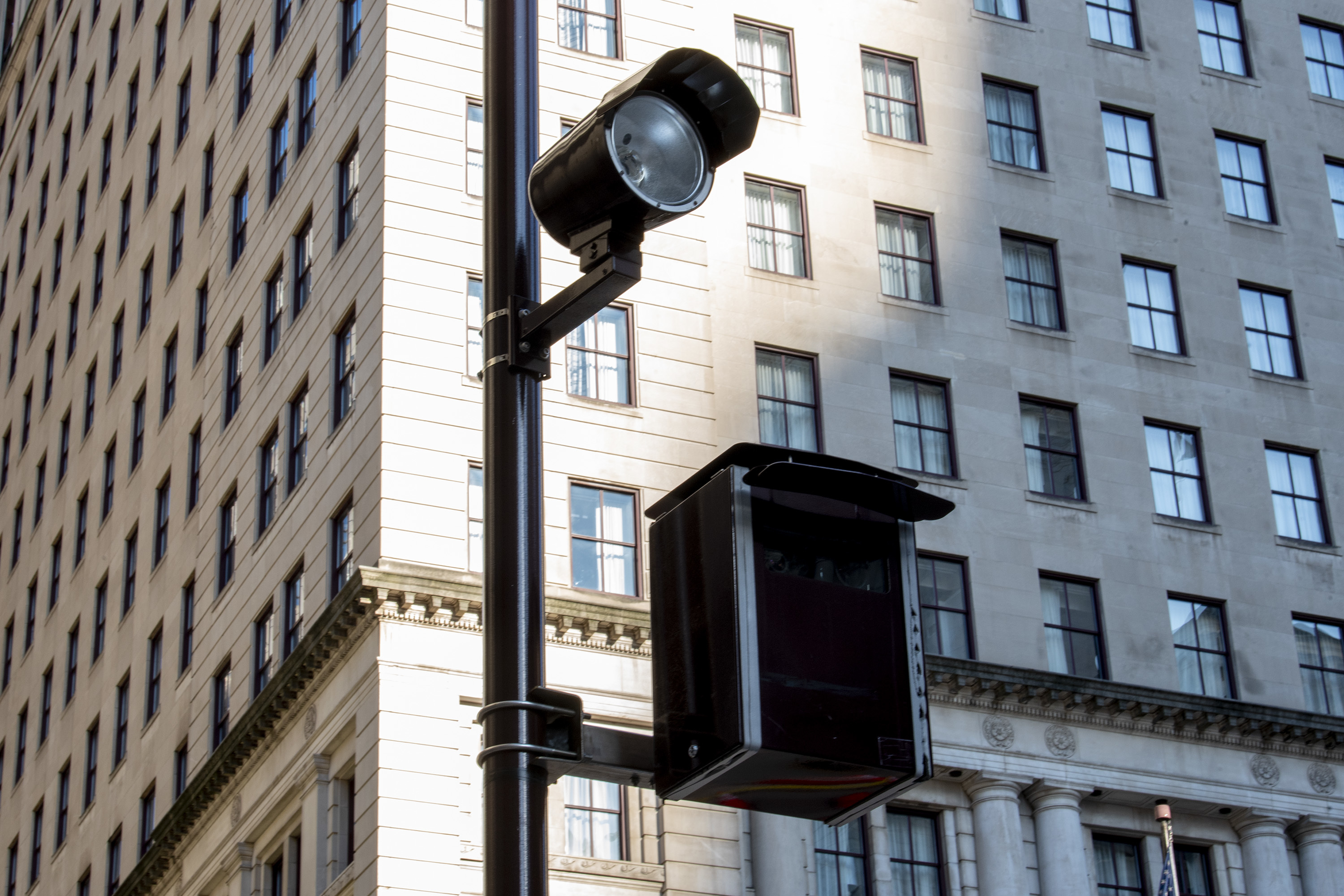
Automated red-light enforcement cameras caught up to 17.4% fewer violations this year than in 2025, according to the Philadelphia Parking Authority’s annual report to the state legislature.
Those cameras have been on guard in the city since 2005, but the program will expire next July, unless legislators renew the law that authorized them.
“The numbers speak for themselves, and our hope is that they see the benefit of it,” said Gabe Roberts, interim executive director of the PPA.
Recorded violations citywide declined from 340,931 in fiscal year 2025 to 338,979 in fiscal year 2026 — a decrease of 0.58%
However, four new intersections were added at different points during this fiscal year. For the PPA, the fiscal year runs from April 1 through March 31.
Excluding those four intersections, violations at existing program locations declined by 17.4%. Compared with 2024, they dropped 10.4%.
“The way we measure success is through consistent enforcement, demonstrated changes in behavior, fewer people running red lights, and safer streets,” Roberts said.
The red-light program has proved its worth, he said.
New locations
Over the 21 years of red-light cameras in the city, violations have trended down overall, Roberts said, though when a new location is added, tickets spike at first before leveling off and declining.
As of March 31, PPA was operating 160 cameras at 38 locations.
The newest locations are: 20th Street and John F. Kennedy Boulevard; Front Street and Hunting Park Avenue; Kelly Drive and Eakins Oval; and 58th Street and Baltimore Avenue.
Cameras there led to 50,589 warning notices and violations.
When a red-light camera is installed, there is a 45-day grace period when violators get a warning before tickets start. The fine is $100 per offense, but no points are assessed to a driver’s license.
There has been continued demand for red-light cameras in the city. PPA received requests for coverage of 19 intersections from the Philadelphia Office of Transportation and Infrastructure and City Council members through March 31.
Intersections are evaluated on the basis of crash statistics and a fresh traffic study that includes observations of violation levels there.
Also considered: sight lines, driveways, trees, wires, crosswalk visibility, and the condition of the surrounding infrastructure.
Usually an intersection gets some upgrades when red-light cameras are installed — new sidewalk accessibility ramps, new signal boxes, better lighting, more visible crosswalks, or the like, said deputy PPA director Corrine O’Connor.
“You’re not going to put cameras in and have old infrastructure out there,” said O’Connor, who is in charge of automated enforcement programs. “It’s an opportunity to make it better and safer.”
PPA says it typically takes one to two years to complete an intersection.
Speed cameras
In addition to the red-light program, PPA operates automated speed enforcement cameras.
Welcome to the first edition of The Inquirer’s weekly newsletter bringing you the most pertinent news from in and around Radnor Township. Each week, you can expect a mix of the biggest community stories, school district and municipal government updates, restaurant and retail comings and goings, as well as local events you won’t want to miss.
Here’s what’s going on this week: Officials’ quest to bring the magisterial district courthouse within township borders is proving a tall task. We explain why. Also noteworthy, a local surgery center is the busiest of its kind in the region, a beloved eatery is celebrating its 10th anniversary, plus, where to go leaf peeping this fall.
As we get started, tell us what you think of our newsletter by emailing us here or taking our survey. And feel free to drop us a line any time, whether it’s with tips, coverage ideas, or just to say hello.
Radnor Township Municipal Building.Jasmine Goldband / Staff
Radnor officials are still on the hunt for a place to relocate the township’s magisterial district courthouse, which has been housed in Newtown Square for the past few years.
It’s a tricky needle to thread given county constraints and residents’ preferences, something officials addressed at an information session this week.
While some residents question the need for relocating the court, calling it a “pet project,” Commissioner Jack Larkin noted that having it within township boundaries is important ahead of the commonwealth’s decennial court district realignment process.
Penn Medicine Radnor Surgery Center was the busiest surgery center in the region last year, with 12,464 surgical visits performed, according to data from the state health department. Penn Medicine attributed part of the 39% increase over 2024 numbers to the addition of new gastroenterologists.
Former Radnor resident Charles P. Baker III died last week of congestive heart failure at the age of 101. He was an Army veteran, national squash champion, and the cofounder of Baker Industries, which employed disabled individuals, recent parolees, people in recovery, as well as those facing homelessness.
A new parklet is slated for the North Wayne Avenue parking lot after the township’s commissioners approved improvements to the space at last week’s meeting. The project, initially slated for two phases that would have started this fall, will now take place in a single phase in the spring, based on community feedback.
Ocean City-headquartered Cury Design Studio, which offers interior design services, has opened a location at 121 N. Wayne Ave. in Wayne.
King of Prussia Road will be closed between Upper Gulph and Eagle Roads weekdays from 9 a.m. to 3 p.m. between Sept. 30 and Oct. 16 for Peco work.
Brian O’Neill, the developer behind five proposed — and rejected — nearby data centers, is suing the Upper Merion Board of Supervisors over its decision not to allow the project to move forward, claiming the centers are permitted under the zoning code.
The owner of Dane Fine Art in Haverford has been named in a lawsuit for allegedly participating in a scheme to sell fraudulent artwork, including fake Andy Warhol paintings. The 2320 Haverford Rd. gallery was raided by the FBI earlier this summer, but owner Nathan “Nicky” Isen has denied the accusations.
🏫 Schools briefing
Radnor High School is among the best public schools in the state, landing at No. 7 in Pennsylvania in the latest U.S. News & World Report rankings. Nationwide, the school ranks No. 341.
A La Mousse owner Anna Chen is working to improve mooncakes’ reputation by giving the intricate but otherwise unimpressive treats a twist, The Inquirer’s Kiki Aranita writes, including stuffing them with a range of fillings and flavors. Find Chen’s take on mooncakes at A La Mousse’s Narberth outpost ahead of the Chinese Mid-Autumn Festival tomorrow.
Former Sixers icon Julius “Dr. J” Erving will be at the Fine Wine and Good Spirits on Greenfield Avenue in Ardmore Saturday at 2 p.m. to sign pre-purchased bottles of American Harvest Organic Vodka.
🎳 Things to do
🇫🇷 Regional French Cuisine and Wine: Chef Karen Bentz will take participants through several regional dishes, including a salad, chicken dish, and dessert. ⏰ Thursday, Sept. 24, 6-8:30 p.m. 💵 $85 for members, $100 for non-members 📍 Wayne Art Center
📷 Garden Photography Workshop: Chanticleer horticulturist Lisa Roper will guide attendees through a workshop on the garden’s grounds, then work with them to select and edit a few photos. ⏰ Saturday, Sept. 26, 4:30-8:30 p.m. 💵 $95 📍 Chanticleer
🌻 Eco-Printing with Wildflowers Workshop: Summer may officially be over, but that doesn’t mean its remnants can’t still make beautiful art. ⏰ Sunday, Sept. 27, 10 a.m.-1 p.m. 💵 $85-$95 📍 Stoneleigh
🎶 Joseph Parsons and Friends: The rock, folk, and soul singer-songwriter will take the stage. ⏰ Sunday, Sept. 27, 3 p.m. 💵 $27.32 📍 118 North
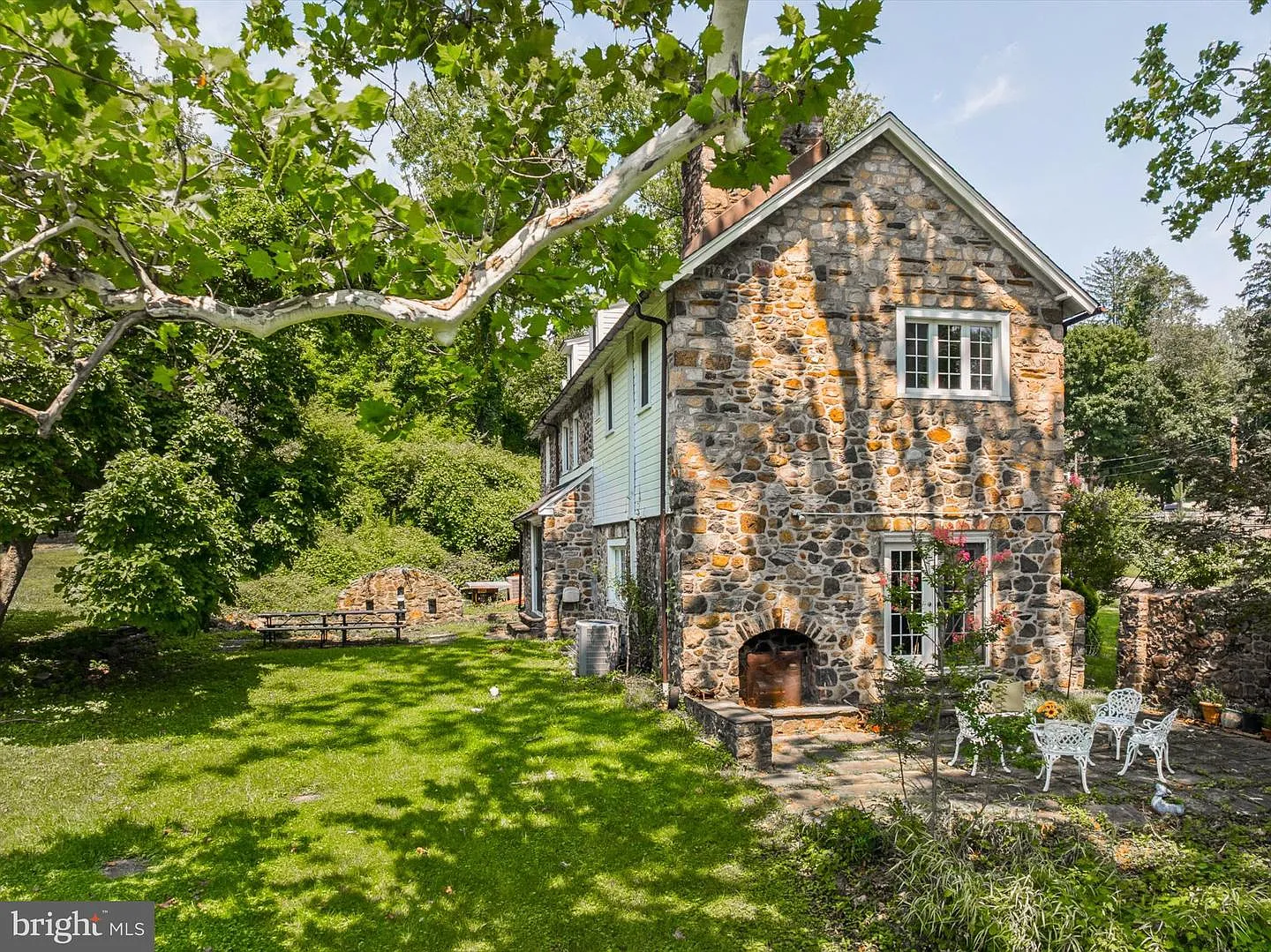
Dating back to 1900, this updated stone Villanova estate blends past and present. The home features an eat-in kitchen with an island, a living room with a fireplace, and a family room. It has four bedrooms upstairs, including a primary suite with a sitting area. Downstairs, there’s a finished basement with another fireplace. Its grounds include a pond and gardens, in addition to a guest cottage with a kitchenette.
By submitting your written, visual, and/or audio contributions, you agree to The Inquirer’s Terms of Use, including the grant of rights in Section 10.
This suburban content is produced with support from the Leslie Miller and Richard Worley Foundation and The Lenfest Institute for Journalism. Editorial content is created independently of the project donors. Gifts to support The Inquirer’s high-impact journalism can be made at inquirer.com/donate. A list of Lenfest Institute donors can be found at lenfestinstitute.org/supporters.