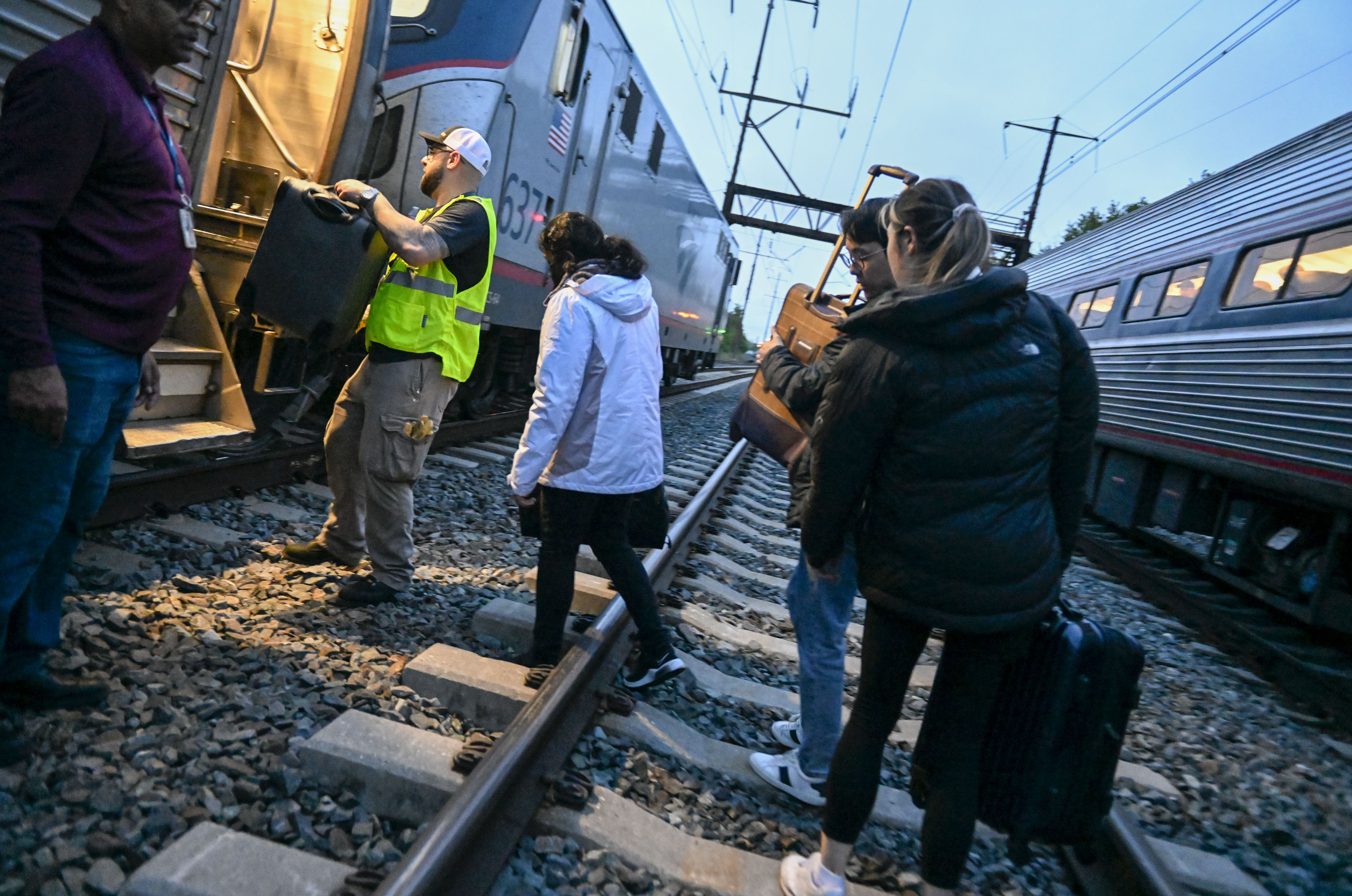
Jahaad Atkinson, 9, and Ah’Yir Womack, 12, were walking on the railroad tracks and hit by a southbound Acela train. Amtrak operators knew people had been on the tracks at least 20 minutes prior, but the Acela proceeded as scheduled, according to the legal malpractice complaint.
That information shows Amtrak acted “wantonly and recklessly,” the suit says, but the attorneys who initially represented the mothers failed to include it in their case until it was too late.
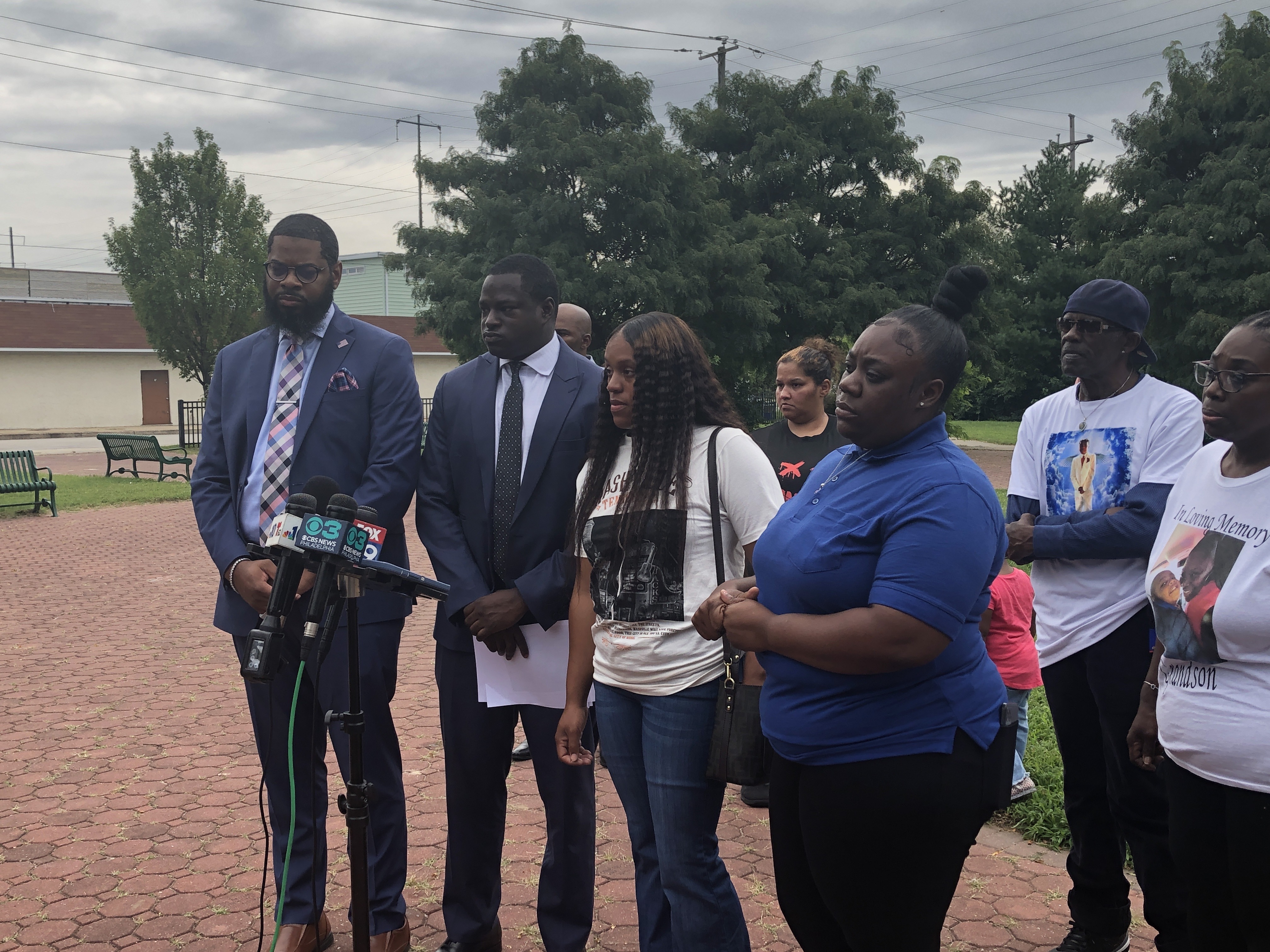
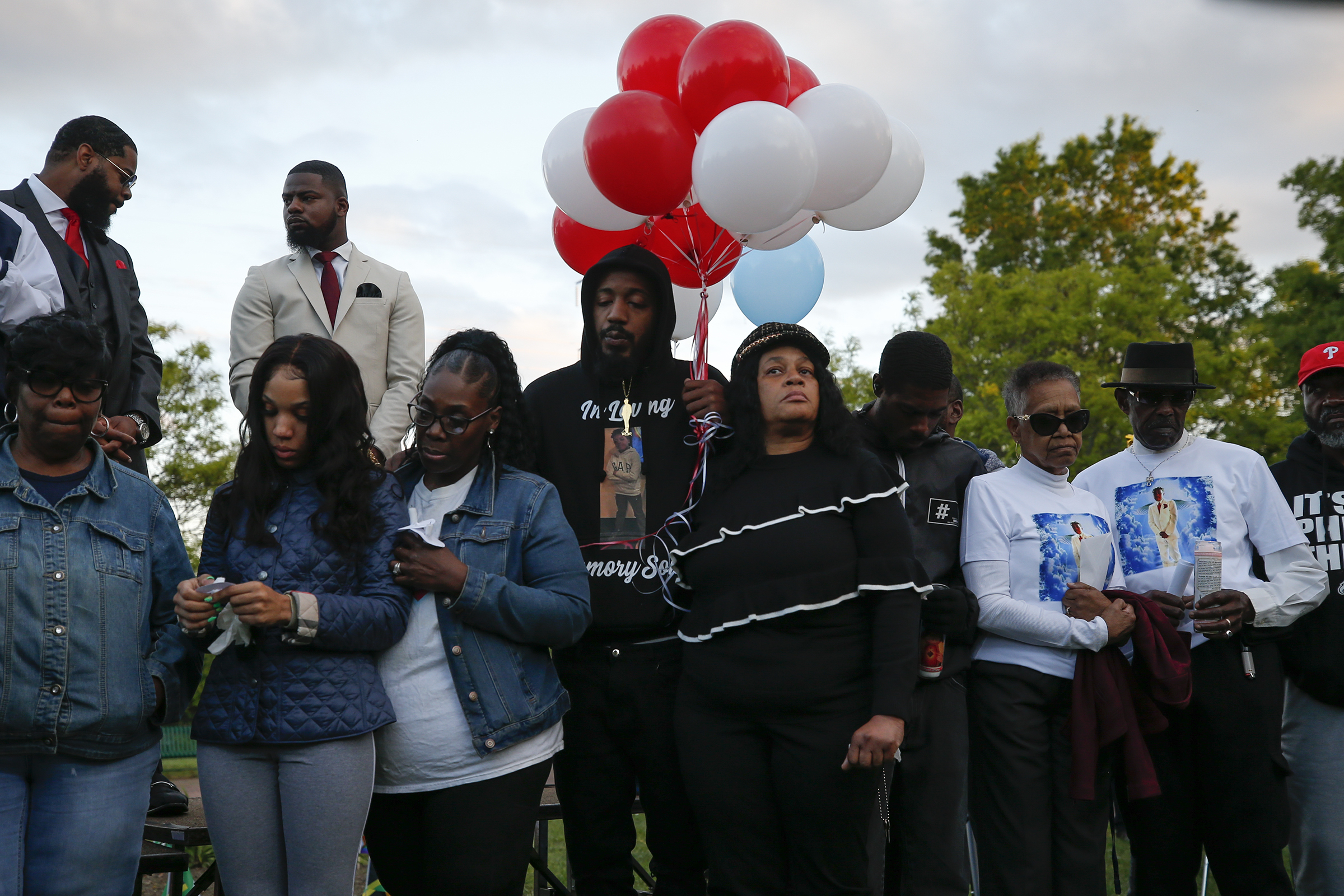
Emeka Igwe (second from left) discusses the lawsuit he filed on behalf of Siani Gordon (third from right) and Wydeia Kimble (fourth from right). The two mothers both lost their sons when they were struck and killed by an Amtrak train in Chester in April.Vinny Vella / Staff
Atkinson’s mother, Siani Gordon, and Womack’s mother, Wydeia Kimble, say lawyers Emeka Igwe and Daniel Purtell, as well as their respective firms and colleagues, were professionally negligent when pursuing their case against Amtrak.
“This was an avoidable result,” says the suit, which was filed last month in Common Pleas Court in Philadelphia. “Defendants failed to present necessary evidence in their possession to pursue valid legal theories that would have led to a successful recovery.”
Aaron Freiwald, the mothers’ current attorney, declined to comment.
Igwe said in a statement he disagreed “in the strongest terms possible” with the notion he did not represent his clients “competently and diligently.”
“The case is in active litigation and we are unable to substantively comment outside of the fact that we continue to support our former clients’ best interests,” Purtell said in a statement.
The wrong theory
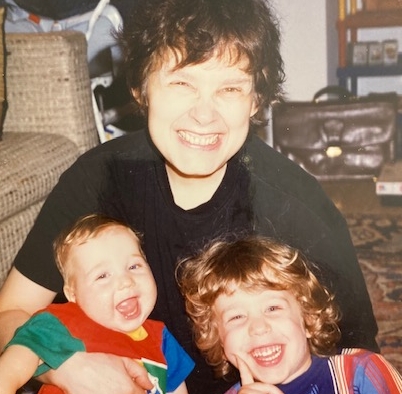
Atkinson loved to play Roblox, the color red, and dressing up as Spider-Man to get his siblings to laugh. Womack had an infectious smile, a similar proclivity for a funny bit, and couldn’t dance to save his life.
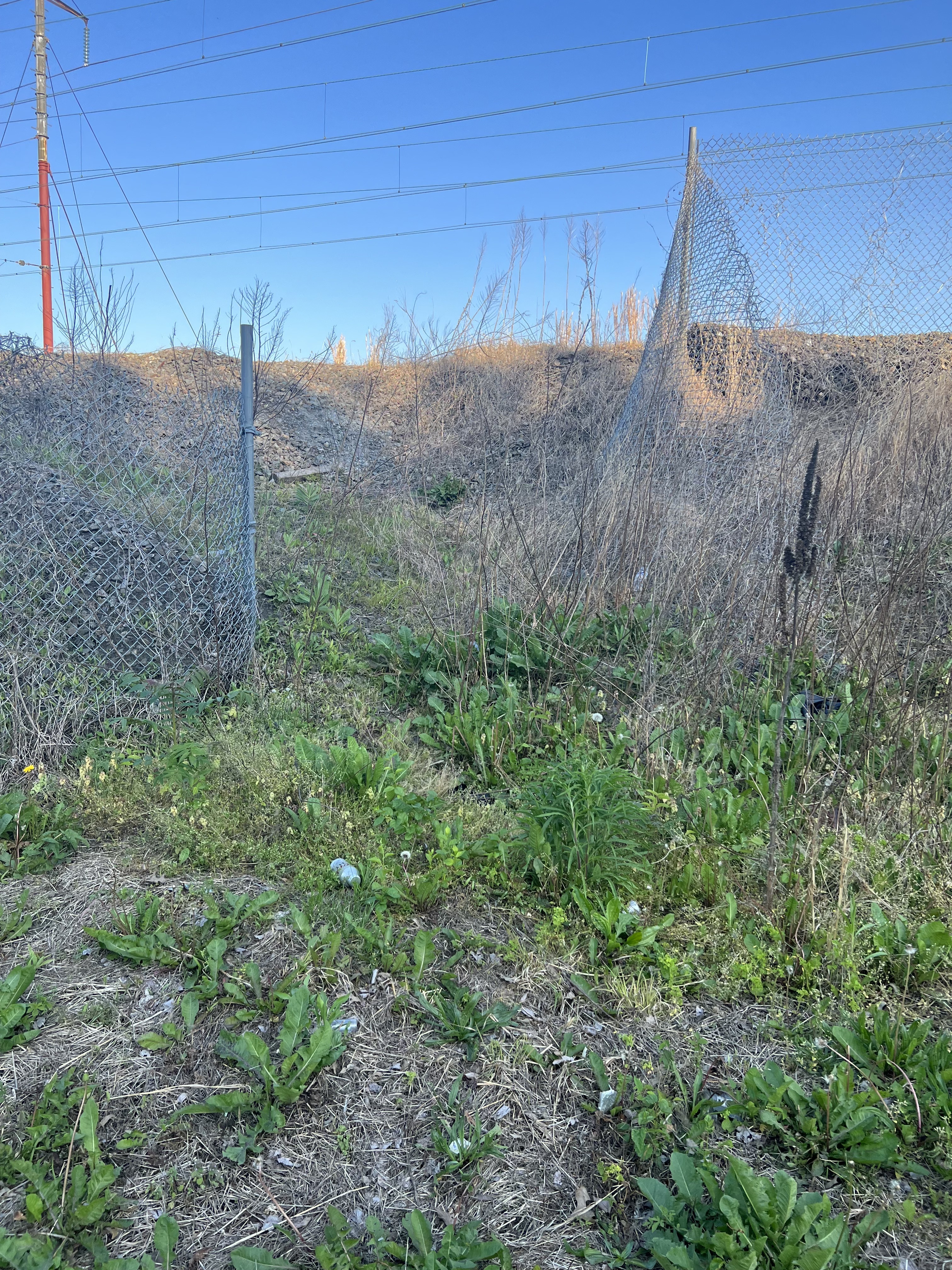
Atkinson, Womack, and other children passed through a hole in the fencing and walked along the tracks of Amtrak’s ultra-busy Northeast Corridor. It was a popular route for neighborhood children.
“Amtrak knew this was a danger, which is why they erected this fence in the first place,” Igwe said in August 2023.
Jahaad Atkinson, 9, and Ah’Yir Womack, 12, used this hole in a fence to climb onto the Amtrak tracks in Chester, according to their families’ attorney.Courtesy Emeka Igwe
Amtrak argued Pennsylvania law does not require railroads to erect or maintain fencing around tracks. And because the boys were trespassing, Amtrak cannot be held liable for injuries caused by negligence, the rail company asserted.
Roughly two weeks later, Igwe filed an updated complaint that argued the tracks heading to the collision area were straight and provided “unrestricted visibility,” so the train operators “should have observed” the children.
In March 2025, Igwe was deployed to Kuwait as part of his service as an attorney with the Delaware National Guard. He turned the case over to Purtell and his firm.
The McEldrew Purtell attorneys blamed Igwe for deficiencies in the case, according to the malpractice lawsuit.
Igwe did not follow up on deposition requests, the attorneys said in one court filing. In another, they attributed the case’s “general malaise” in part to Igwe’s “lack of diligence.”
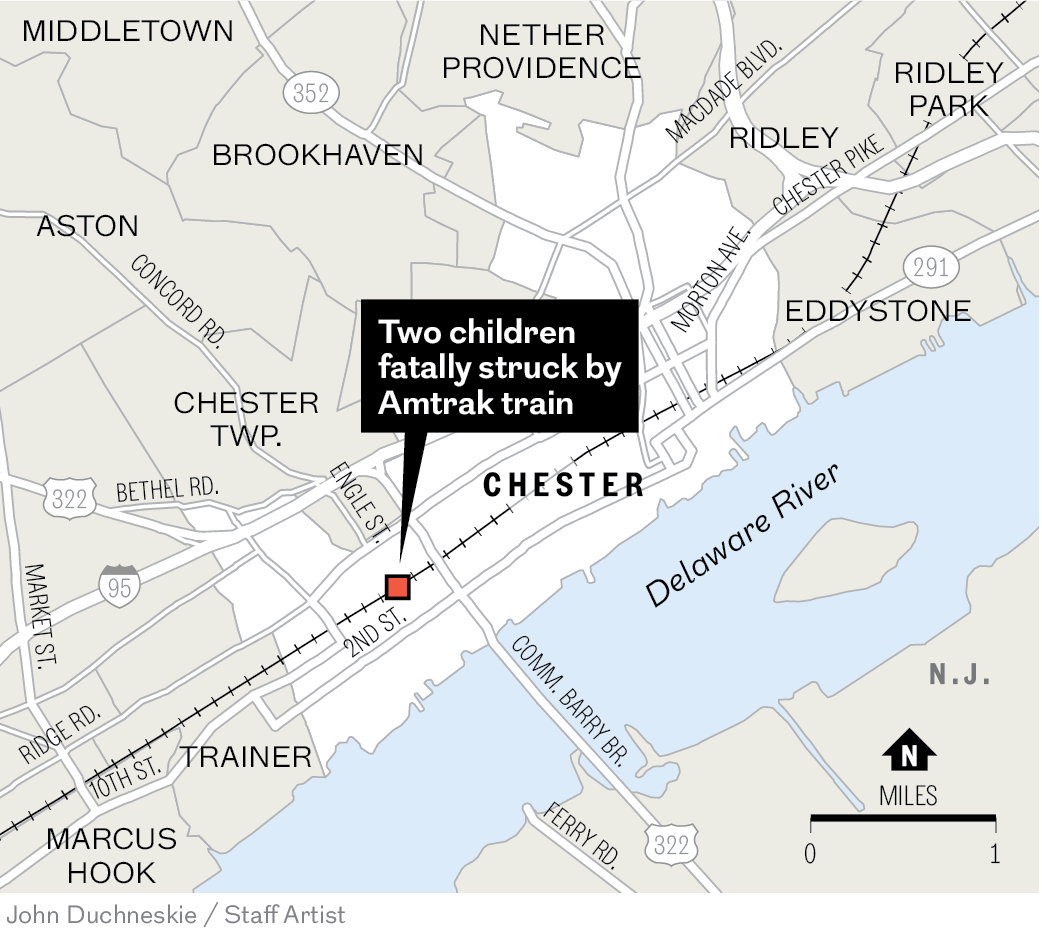
Locator map of the site where two children were fatally struck by an Amtrak train while on the tracks in Chester.John Duchneskie
The malpractice suit also claims Igwe and Purtell declined an offer by the railroad to mediate, without informing the mothers.
In a May 2025 hearing, U.S. District Judge Mary K. Costello asked a McEldrew Purtell attorney directly: “Is there willful and wanton conduct?”
“On this record, no,” theattorney said, according to a recording of the hearing.
“I think that kind of seals it up,” Costello responded.
Family of Jahaad Atkinson and Ahyir Womack gather for a vigil for the two boys at Martin Luther King Park in Chester, Pa. on Friday, May 5, 2023. The boys, who were 9 and 12-years-old, were killed after being struck by an Amtrak train.Heather Khalifa / Staff Photographer
Doomed case or legal malpractice?
But according to the legal malpractice complaint, the attorneys did have evidence to allege willful or wanton conduct by Amtrak: the Amtrak Police incident report, which notes over-the-radio discussions of someone on the tracks.
McEldrew Purtell neglected to raise that “vital record” at the hearing, the malpractice suit says, and the firm’s lawyersfiled a separate lawsuit in April 2025, which relied on the Amtrak Police investigation findings.
Igwe has asked a Philadelphia judge to dismiss the malpractice lawsuit.
The dismissal happened because of Pennsylvania law and the facts of the case, Igwe said in a statement, not any issue with the representation.
“No amount of additional discovery could have altered the Court’s determination that a railroad has no duty to fence its property, that moving trains are not hidden dangers to children, and that longitudinal walkers along tracks are not licensees,” Igwe said.
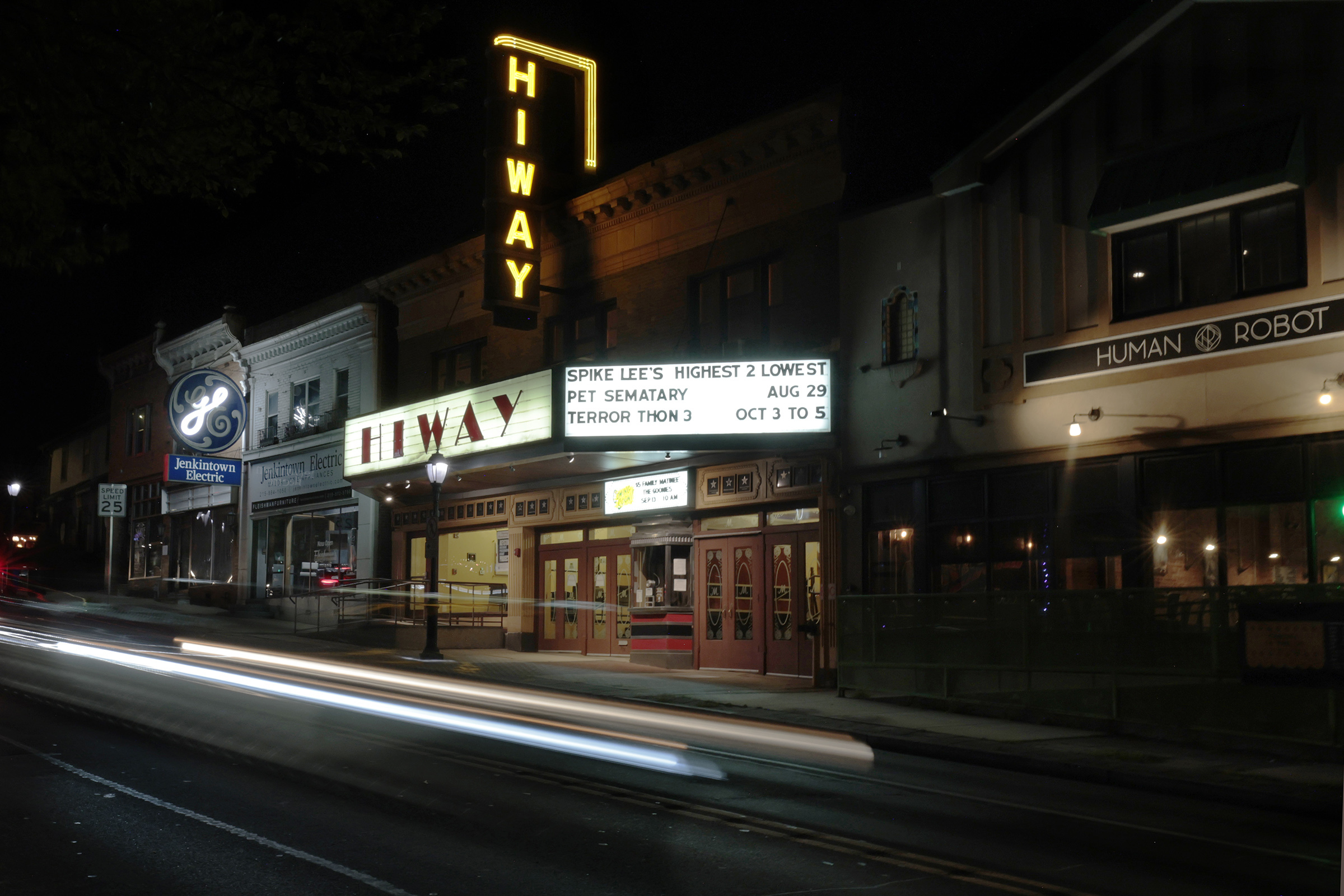
The Hiway Theater in Jenkintown.Elizabeth Robertson / Staff Photographer
The Jenkintown zoning board denied the first request for a short-term rental in the borough last week after neighbors voiced concerns about safety and noise.
The couple behind the request has been hosting via Airbnb for almost a year, accommodating visitors such as medical students and World Cup travelers. In spring 2025, an update to borough code green-lit property owners to operate short-term rentals if they get permission from the zoning board, which meets once per year.
Meanwhile, it appears that some other Jenkintown Airbnbs have been live for years before it was strictly legal.
If you’ve ever wanted to teleport back in time to revel in the Gilded Age, now’s your chance.
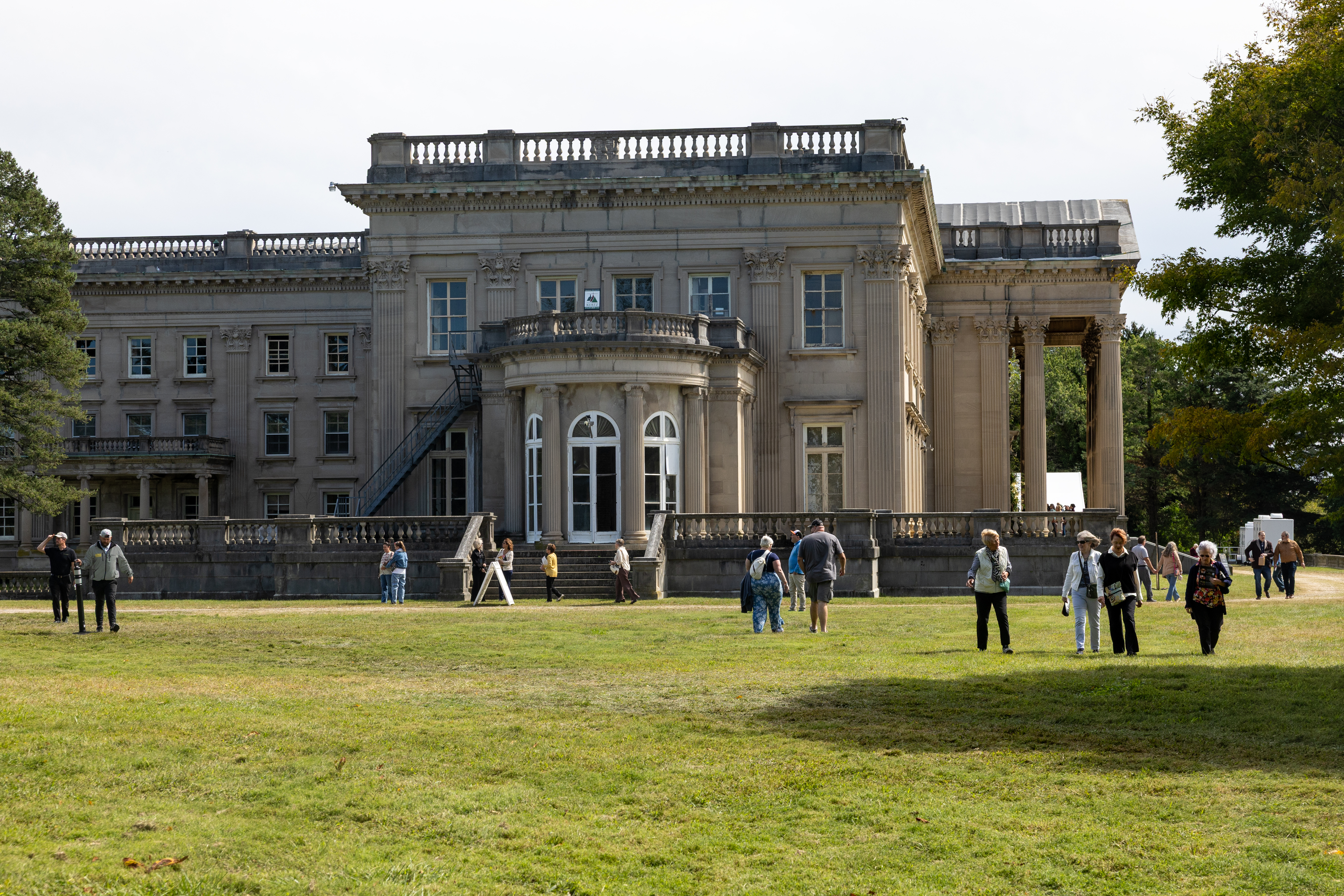
Elkins Park’s historical Lynnewood Hall, the second-largest surviving U.S. mansion from that time period, has opened its doors to the public for the first time in 84 years for a floral exhibition that pays homage to hit HBO series The Gilded Age.
“Fleurs de Villes: The Gilded Age” runs through Sunday and features life-size floral mannequins crafted by local designers depicting scenes and characters from the popular show.
In a federal lawsuit, a whistleblower is accusing Gov. Josh Shapiro’s administration of bypassing requirements designed to safeguard taxpayer dollars when making eight-figure security updates to the governor’s mansion in Harrisburg and an additional $1 million in upgrades and landscaping to his Abington home.
The CEO of Redeemer Health, a Montgomery County nonprofit health system that has posted financial losses annually since 2017, has resigned. Among the organization’s recent struggles is a proposed 239-bed hospital in Abington Township that never came to fruition.
High-friction surface treatment will cause a moving lane closure on Church Road between Route 73 and Washington Lane in Cheltenham Township through Thursday between 9 a.m. and 3 p.m.
🗺️ Other nearby news
Montgomery County officials are taking aim at apps peddling cash advances as part of a new consumer protection effort they say is particularly important as companies take advantage of Pennsylvanians impacted by widespread economic uncertainty.
A single “severe” bullying incident is grounds to trigger a formal investigation, officials said at Cheltenham School District’s policy committee meeting on Sept. 22, clarifying language that previously called for a recurring pattern to exist. Additionally, policy regarding cyberbullying now applies to incidents outside school hours, including over the weekend.
Officials at the meeting also discussed new social media and digital literacy curriculum, which addresses the impact of screen time and dangers of using the platforms. School librarians could help support teaching these subjects, they suggested.
Overlook Elementary is commemorating its centennial anniversary with a free community day with music, food, and games on Saturday from 11 a.m. to 3 p.m.
🍽️ On our plate
Sorrentino Pasta & Provisions, located in nearby Ambler, is moving into the wholesale space after the eatery shuttered over the summer, The Inquirer’s Michael Klein reports.
🌺 Fleurs de Villes: Be among the first to visit this historic Elkins Park estate in more than 80 years and get a peek at floral displays inspired by popular HBO series The Gilded Age. ⏰ Daily through Sunday, Oct. 4 💵 Free for children 3 and under, $30.50 for adults; various times 📍 Lynnewood Hall
🎞️ Family Movie Night: Mark the start of spooky season with an outdoor screening of Halloweentown, which kicks off this year’s Abington Fest lineup. ⏰ Friday, Oct. 2, 7 p.m. 💵 Free 📍 Roychester Park
🎥 Fall Movie Night: Snack on free popcorn during this family-friendly showing of 2026 animated comedy Goat. ⏰ Friday, Oct. 2, 7 p.m. 💵 Free 📍 Weldon Park, Glenside
🍂 AbingtonFall Festival: Don your best costume and check out live music, food trucks, and kid’s activities including a bounce house and “trunk or treat.” This event is also part of the Abington Fest calendar. ⏰ Saturday, Oct. 3, noon-3 p.m. 💵 Pay as you go 📍 Crestmont Park
🍁 Elkins ParkFall Festival: Keep the seasonal vibes going all day with snacks and activities organized by the Business District. ⏰ Saturday, Oct. 3, 3-6 p.m. 💵 Pay as you go 📍 7900 High School Rd.
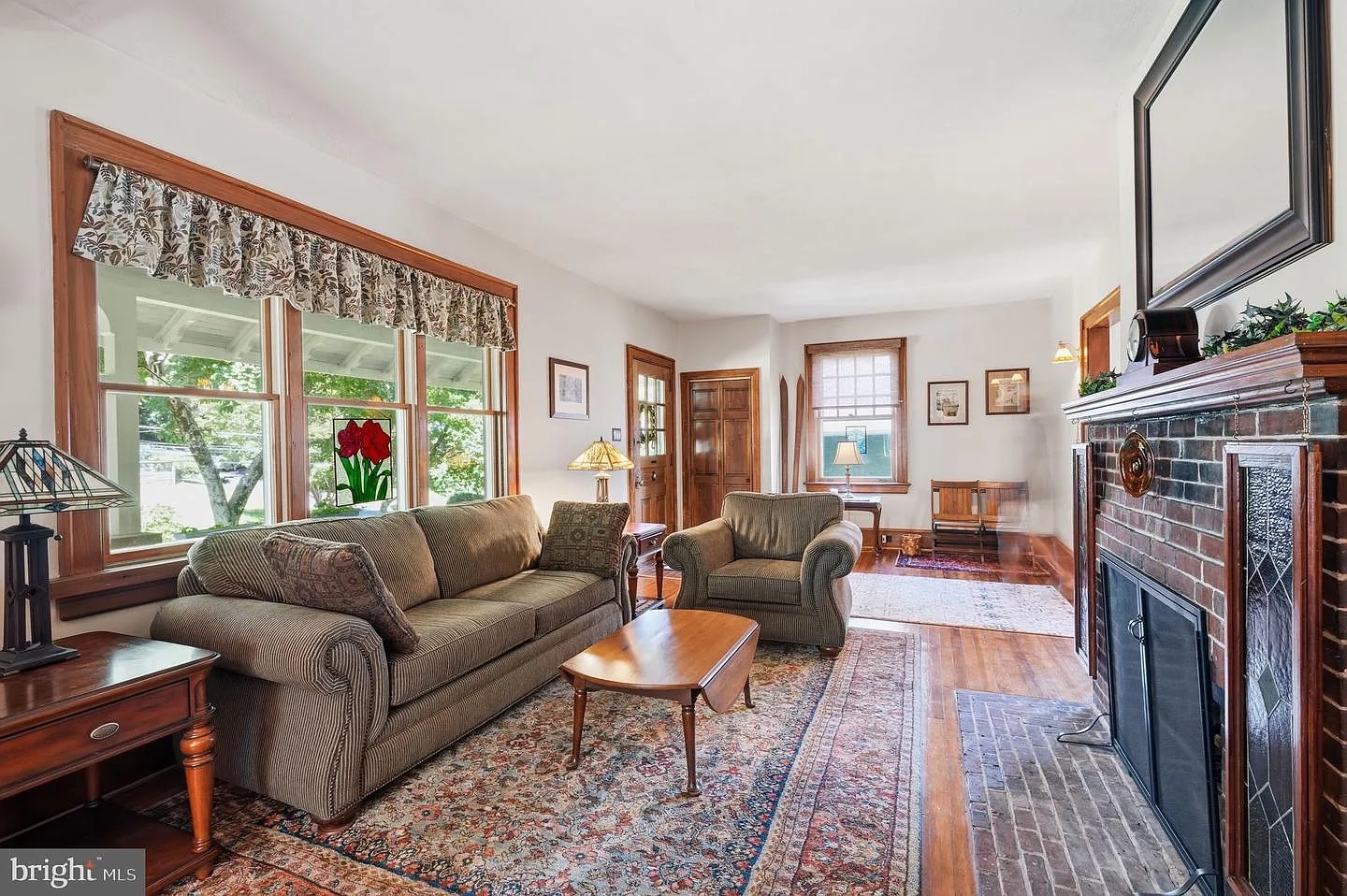
Built in 1912, this Arts and Craft-style house features a more than 30-foot-long front porch, exposed woodwork, and an eat-in breakfast counter. The four-bedroom, two-bathroom home, located within walking distance of the Jenkintown-Wyncote Regional Rail stop, also features a detached one-car garage and a backyard with a deck.
By submitting your written, visual, and/or audio contributions, you agree to The Inquirer’s Terms of Use, including the grant of rights in Section 10.
This suburban content is produced with support from the Leslie Miller and Richard Worley Foundation and The Lenfest Institute for Journalism. Editorial content is created independently of the project donors. Gifts to support The Inquirer’s high-impact journalism can be made at inquirer.com/donate. A list of Lenfest Institute donors can be found at lenfestinstitute.org/supporters.
The NFL asked the Department of Homeland Security to take down a social media post featuring Eagles legend Brian Dawkins to promote the immigration enforcement efforts of President Donald Trump’s administration.
A DHS spokesperson said it used Dawkins in its post because “DHS is playing lockdown defense at the border.” On Monday, the NFL said it requested that DHS remove the post from its social media accounts.
“We have requested DHS take down the video,” Brian McCarthy, a spokesperson for the NFL, said.
Dawkins, who played for the Eagles from 1996 to 2008, was known for leading the team onto the field before games in a menacing “Weapon X” entrance, in which he would run on his hands and feet like X-Men character Wolverine, ready to eviscerate the opposing team’s offense.
In a video shared on social media Monday afternoon, Dawkins said he did not authorize the Trump administration to use his highlights to promote their immigration agenda.
“I did not give permission for my name, image, and likeness to be used by anybody, all right? By anybody,” Dawkins said.
The video of Dawkins’ entrance implied DHS and U.S. Immigration and Customs Enforcement would take aggressive action against the migrant caravan. DHS said it has been trackingthe group of about 600 people since it left San Pedro Sula, Honduras, on Sept. 20.
Former NFL player Brian Dawkins delivers a speech during an induction ceremony at the Pro Football Hall of Fame in 2018.David Richard
Dawkins is not the first ex-NFL star to be featured in the Trump administration’s increasingly meme-centered presence on social media. The White House’s official X account posted a highlight reel in March of bone-crushing tackles in NFL history, including Eagles cornerback Sheldon Brown’s hit against rookie Reggie Bush, edited to include footage of real drone strikes conducted by the U.S. military in Iran.
The Dawkins social media post follows the White House’s use of taxpayer funds to air a television ad centering Trump before the midterms. The ad that aired in at least two NFL game broadcasts on Sunday, according to CNN, features Donald Trump walking through a hallway declaring “this is the final battle.” At the end of the commercial, a disclosure reads “Paid for by the U.S. Government,” which drew criticism from both sides of the aisle.
Sen. Andy Kim (D., N.J.) questioned how much taxpayer money was spent on the ad on Sunday. “Trump has overseen the most corrupt administration in modern history, making billions of dollars for him and his friends, while your costs go up,” he said in a social media post.
Sen. John Kennedy (R., La.) in an interview on CBS’s Face the Nation said no public official should spend public money on private ads for themselves. “The White House sees differently, but you can’t spend money to promote yourself.”
A former assistant volunteer fire chief in Delaware County was sentenced Monday to 23 months of restrictive probation for calling a Black woman the N-word during what he described as a “road rage encounter” in 2024.
John Romano, 48, must serve the first seven months of his sentence on house arrest, according to a ruling from Judge Margaret Amoroso. He also must undergo anger management and racial sensitivity training, and have no further contact with the victim.
During Monday’s proceeding, First Assistant District Attorney Kristin Kemp asked the judge to send Romano to jail for up to two years.
“I don’t doubt he’s a racist,” the judge said. “But being a racist, in and of itself, is not a crime.”
Amoroso said she was focusing more on threats Romano made to the victim, which included taking a picture of her license plate and telling her he would “take care” of her at her home.
Romano, the former assistant fire chief of the Sharon Hill Fire Company, encountered the woman on Hook Road in Darby Township in November 2024, while he was using a forklift to unload Christmas trees. His forklift was blocking the road, the woman testified at trial, causing a traffic jam of irritated drivers who were honking their horns.
After the car in front of hers squeezed through a small gap near the forklift, the woman said, Romano got out of the forklift and “rushed” to her passenger window. Romano then called her the N-word. He later told Darby Township officers who responded to her 911 call that she was “a wild animal” and said he was “tired of dealing with them,” according to body camera footage played in court.
In a statement to the judge, Romano said Monday that he never intended to threaten the driver, and expressed frustration that he was “being prosecuted over words.” He took a photo of her license plate, he said, because she struck his forklift and he was afraid she would drive off without exchanging insurance information.
Kemp, the prosecutor, said Monday that Romano had demonstrated a pattern of violent, bullying behavior throughout his life, including an arrest in 2006 for ethnic intimidation in a similar incident and a 2013 gun-possession conviction for which he spent two years in state prison.
“This isn’t someone who had a bad day and mouthed off about his beliefs,” Kemp said. “This is someone who seeks others out to put them in fear, whether with a weapon or his hands.”
Romano’s attorney, Christopher Boggs, said the case had been blown out of proportion.
“I have never understood the level of attention this case received,” he said.
Unlike other people charged with ethnic intimidation, Romano had made no effort to “hunt or stalk” someone, Boggs said, drawing comparisons to crosses burned on Black families’ lawns.
Two people close to Romano spoke on his behalf, saying, despite his strong personality, he is dedicated to his community through his volunteer firefighting, as well as other service he’s provided during floods and snow storms.
But Amoroso made her feelings clear.
“Maybe you’re a great guy to the people who don’t piss you off,” she told Romano. “But you’re a bully, and that’s what you did: You threatened [the victim] for pissing you off.”
Montgomery County officials are starting a new consumer protection collaboration and taking on cash-advance apps in one of its first cases.
Montgomery County District Attorney Kevin R. Steele and the Montgomery County Board of Commissioners announced the effort Monday, saying that the solicitor’s office and district attorney’s office would work together to investigate issues that impact the finances, health, and well-being of residents.
“When companies engage in unlawful or deceptive conduct that harms our residents, we will use every available tool to hold them accountable,” Steele said in a statement.
“This is the first long-term partnership on consumer protection that we’re aware of,” Montgomery County Commissioner Neil K. Makhija said in an interview. He added that it is particularly important given continued economic uncertainty.
“People are struggling to cover everyday needs,” Makhija, a public interest attorney, said. “Some companies see that and they see an opportunity to make a profit.”
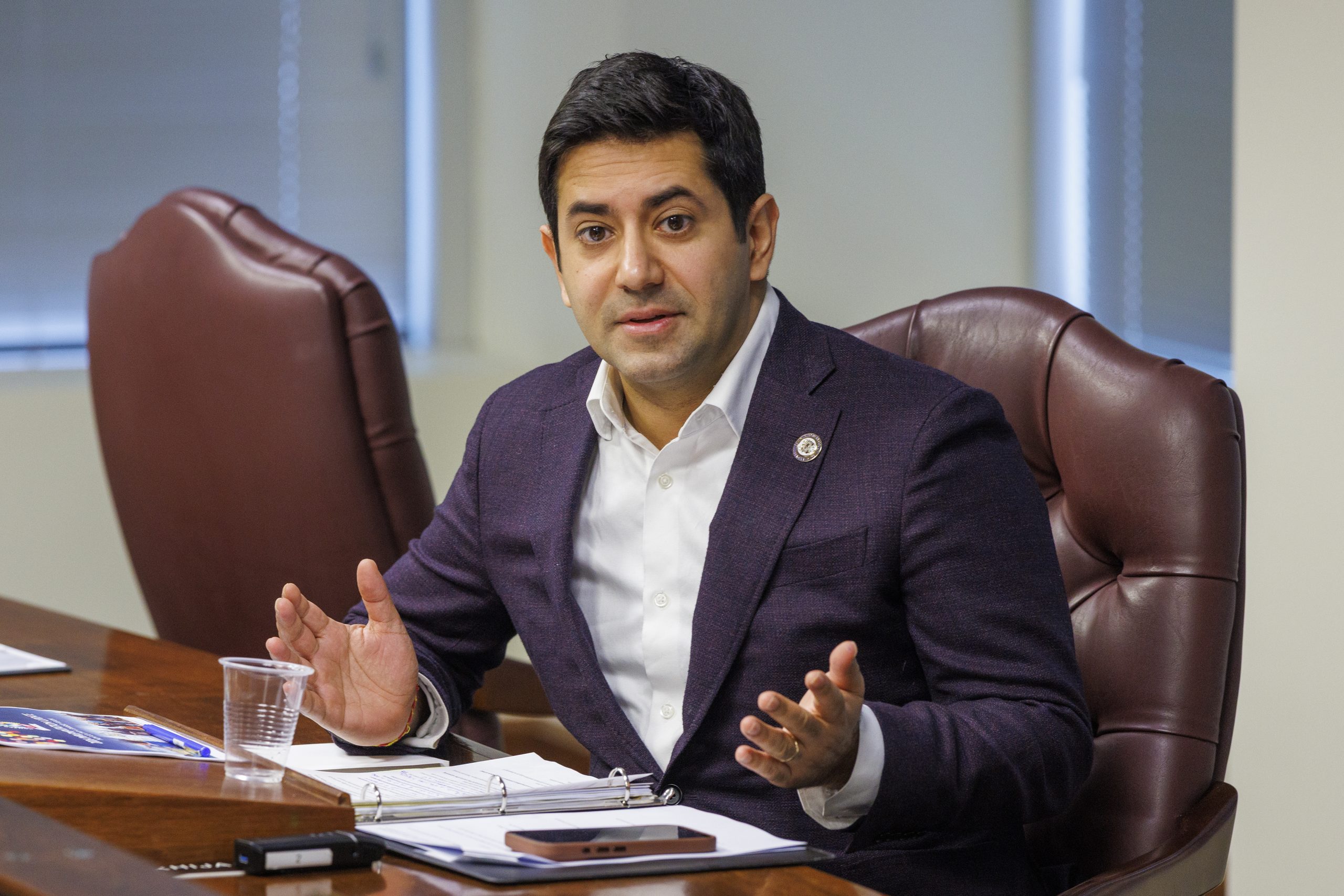
Montgomery County Commissioner Neil K. Makhija says digital lending apps have taken advantage of Pennsylvanians who are struggling to make ends meet.Alejandro A. Alvarez / Staff Photographer
Some digital lending apps are among those companies, according to Montgomery officials.
But Montgomery County officials say some apps continue to give out similar loans, disguised as interest-free cash advances.
On Monday, the county district attorney’s office filed two lawsuits against the apps MoneyLion and Dave, alleging that the companies provide short-term cash advances and then tack on fees, tips, and other charges so they effectively function as high-interest loans, violating Pennsylvania law.
Spokespeople for MoneyLion and Dave did not immediately return requests for comment.
More than a million Pennsylvanians have used these apps, Makhija said, and officials hope to learn through the lawsuits how many Montgomery County residents have been impacted. Suits such as these can result in financial settlements or orders to stop illegal practices, the commissioner said.
“The reason this is so powerful is that we are not bound by the fine print” that consumers often agree to when they sign up for these apps, Makhija said. “Consumers today unknowingly are waiving their rights to a jury trial … what we are able to do is take action on behalf of the Commonwealth by our district attorney.”
The county accounted for this effort in its 2026 budget for the district attorney’s office.
“These cases pay for themselves: You’re addressing harm and you’re able to recover funds to continue the work,” Makhija said. “This is not a cost sink for the county.”
“The director of all emergency services, all 911, just assaulted me and made me feel the worst I had ever felt in my life,” the woman said at the start of Boyce’s trial on charges of indecent assault and harassment involving two of his former employees.
“I didn’t know who to trust at that point,” she said, adding that she later told Boyce, then the head of county’s department Department of Emergency Services, his behavior had made her feel disgusting and “like a piece of meat.”
Boyce was fired in May 2024, not long after the woman filed a complaint with the Equal Employment Opportunity Commission in which she also said he grabbed her cheeks and attempted to pull her in for a kiss.
Criminal charges followed soon after that incident, along with allegations that Boyce had assaulted and harassed another female employee, who told investigators that Boyce showed her pictures of his penis, pulled up her skirt, and asked her if she enjoyed a particular sex act.
In court Monday, Deputy Attorney General Madelyn Abry told jurors Boyce was confident that because of his position of authority, no one would find out about his actions.
“What she thought she was getting was a job that would help her,” Abry said of the first victim. “But what she got was a job that was too good to be true.”
Boyce’s attorney, Andrew Edelberg, denied those assertions, telling jurors “there is not a single piece of corroborating evidence anywhere” supporting the charges against him.
No one else witnessed the alleged assaults, he said, and the two women waited several months before reporting them to police.
He described Boyce as a 40-year public servant, starting as an Upper Darby firefighter who “ran into burning buildings to save children.”
The allegations, he said, came at a time when Democrats had come to power in the longtime GOP stronghold of Delaware County, and Boyce, a Republican, was “low-hanging fruit” for them to target.
Edelberg also suggested that former District Attorney Jack Stollsteimer, who, at the time the women came forward was running for attorney general saw the case as a way to boost his campaign. Stollsteimer lost his bid for that office and is now a county judge.
“This case is about power, politics, and punishment, because of an administration change, and because someone was running for office and couldn’t look weak on TV,” he said. “And what else? Money, money, money.”
Both women have filed civil suits against Boyce and the county, and Edelberg said they were motivated, in part, by potential monetary settlements.
Boyce’s trial is expected to last through Friday before Delaware County Court Judge Stephanie Klein.
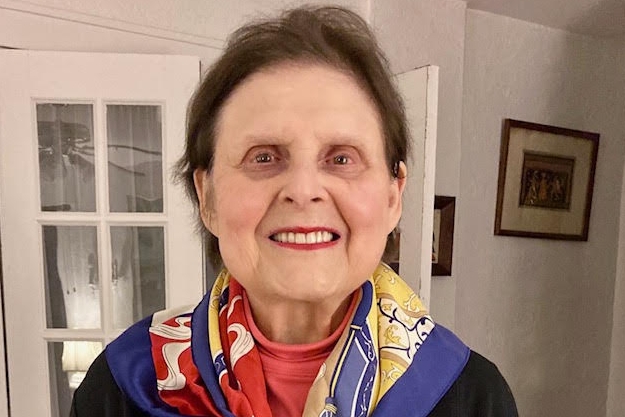
Lenora D. Wolfgang, 91, of Philadelphia, French professor emeritus at Lehigh University, literary researcher, author, teacher, mentor, and artist, died Thursday, May 14, of heart failure at her home near the Philadelphia Museum of Art.
Professor Wolfgang, or, as many of her Lehigh students and colleagues called her, Madame Wolfgang, planned to study art in Paris after high school and live as a painter. But, she told her family, she became so enthralled by the French language at Philadelphia High School for Girls that she curbed her art aspirations, earned three degrees in French at the University of Pennsylvania, and taught French and French literature at Lehigh for 26 years.
Inspired by professors at Penn, she became an expert in medieval French language and literature, and her doctoral dissertation and first book were an analysis of an 800-verse prologue to a 13th-century French poem. She studied in France on a Fulbright Scholarship in 1956 and ’57, and in Spain on a grant from the American Council of Learned Societies in 1978.
She wrote two books on French poetry, served research fellowships with the National Endowment for the Humanities in the 1980s and ’90s, and earned a grant from the American Philosophical Society in 1981 to transcribe manuscripts at the National Library in Paris. In 1990, reviewers at Penn’s French Forum journal said her second book, also on 13th-century French poetry, “provides the modern scholar with a standard text and thorough apparatus that will serve current and future generations well.”
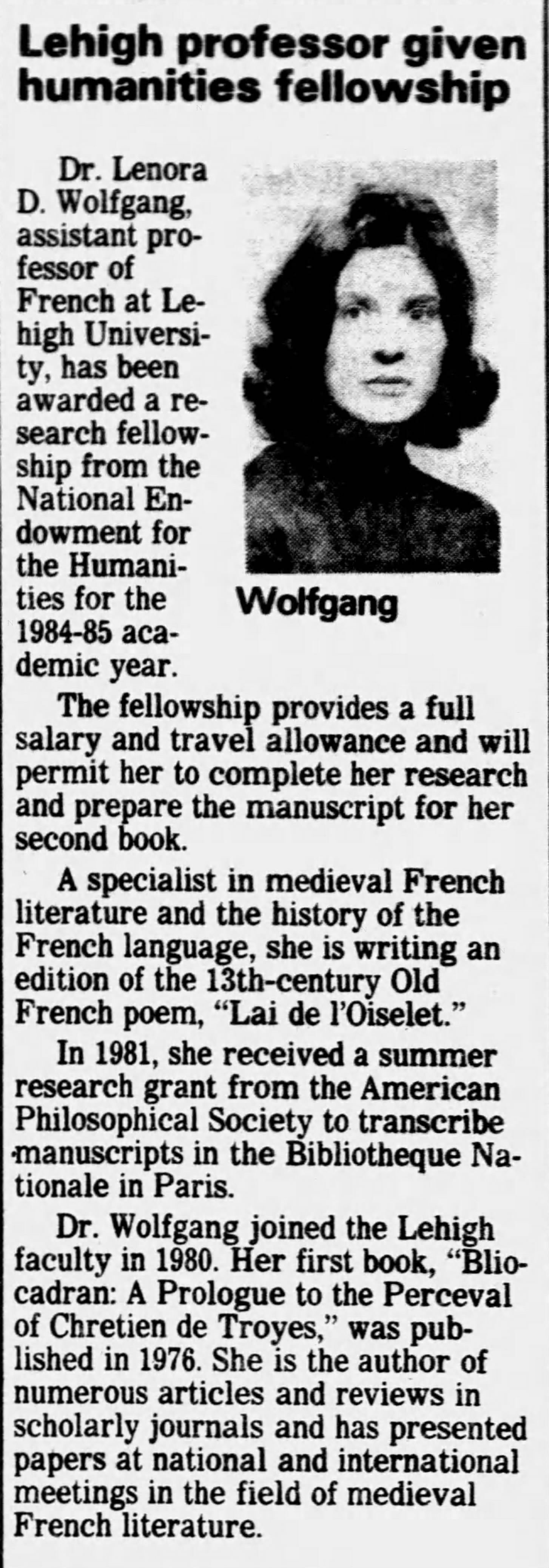
This photo and story about Professor Wolfgang appeared in the Morning Call of Allentown in 1984.Newspapers.com
She belonged to many academic language and literature organizations, and was a student adviser and faculty committee member at Lehigh. In tributes, former colleagues called her “a true mentor” and “a real mensch.” One said: “It was clear that I had an ally in Lenora and that she wanted me to succeed.”
A former student said she was “a good friend and sounding board” in a 2025 interview with the Lehigh alumni relations department. “She was always ready to help, share her knowledge,” a former colleague said, “and always did it with tact and unselfishness.”
Professor Wolfgang earned bachelor’s and master’s degrees, and a doctorate in French at Penn. She taught French classes at Temple and Rutgers Universities, Penn, and high schools in Philadelphia before joining Lehigh’s Department of Modern Languages and Literature in 1980.
She commuted three hours round trip to Lehigh, in Bethlehem, Pa., from West Philadelphia three days a week and was promoted from assistant professor to associate professor in 1986, then to full professor in 1989. She retired from Lehigh in 2006.
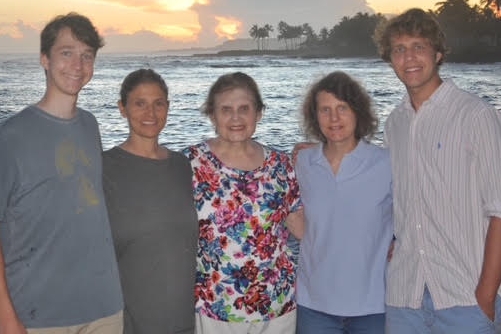
Professor Wolfgang (center) traveled the world and enjoyed hosting dinner parties with family, friends, and academic colleagues. Courtesy of the family
After Lehigh, Professor Wolfgang taught continuing education classes about French playwright Molière and other topics to adults at the Osher Lifelong Learning Institute at Temple. After the COVID-19 pandemic lockdown ended, she returned to the institute briefly as a student.
Professor Wolfgang was adept at painting as a girl in West Philadelphia and won several art competitions, and later showed her photography at Penn’s Faculty Club. “She was a natural talent,” her family said in a tribute.
Lenora Divida Poden was born Sept. 25, 1934, in Philadelphia. Her parents emigrated from Poland and Romania, and her mother leftthe family when Professor Wolfgang was in junior high school.
She and her father had to hide their Jewish heritage and alter their last name to minimize antisemitic attacks. “Yet Lenora overcame these challenges,” her family said, “excelled academically, and rose to the top of her academic field.”
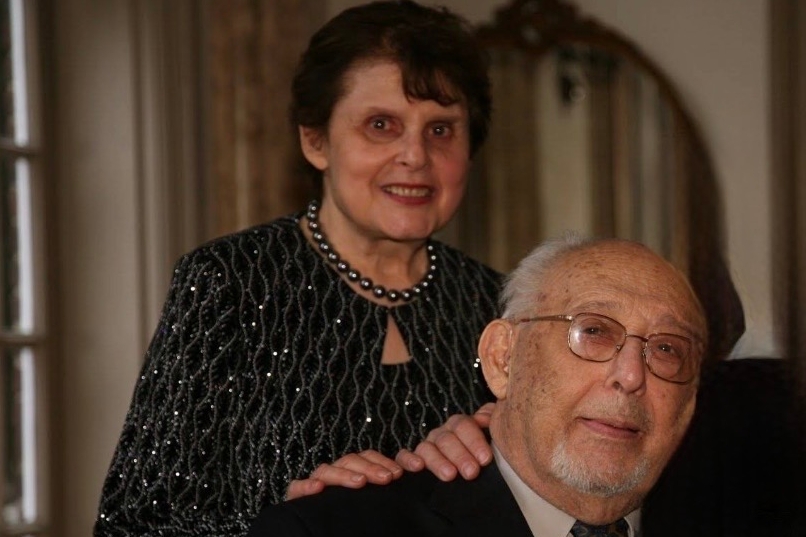
Professor Wolfgang married her first husband, Marvin Wolfgang (above), in 1957, and her second husband, Leon Salganicoff (below), in 2010.Courtesy of the family
An exceptional student, she was valedictorian of both her 1952 senior high school class at Girls’ High and her 1956 senior undergraduate class at Penn’s College for Women. She married Marvin Wolfgang, a professor at Penn, in 1957, and they had daughters Karen and Nina, and lived in University City.
In 1977, The Inquirer featured their house in a photo spread about its French-inspired Gothic style of architecture. Professor Wolfgang said: “Perhaps that is one reason I feel so very much at home.”
After her husband died in 1998, she married Leon Salganicoff, a professor emeritus at Temple, in 2010. He died in 2011.
Professor Wolfgang was an avid reader. She traveled the world, listened to classical music, and enjoyed hosting dinner parties with friends and academic colleagues.
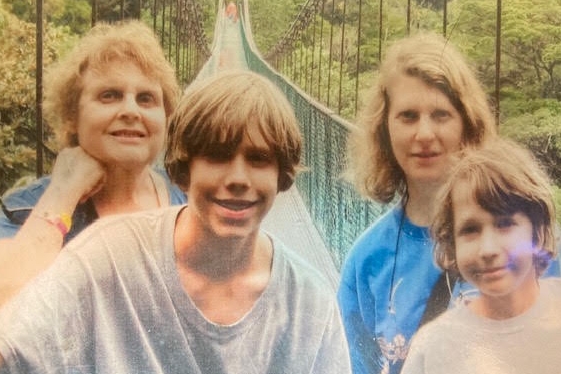
Professor Wolfgang (left) doted on her family and sent personalized birthday cards. Courtesy of the family
She almost went to law school in the 1970s before gaining her full-time teaching position at Lehigh. She doted on her family, sent personalized birthday cards, and kept in touch with teachers, colleagues, former students, and friends even after they parted.
“She was brilliant,” a longtime friend said in a tribute, “and she was fun.” Her family said: “Everyone loved her.”
In addition to her daughters, Professor Wolfgang is survived by two grandsons, a great-grandson, and other relatives. A brother died earlier.
A private celebration of her life was held earlier.
When Nelson Contreras-Gelves arrived at an immigration appointment in June, he worriedly “already saw myself being back in Venezuela.”
The threat of deportation had loomed ever since he arrived in the United States in March 2022, surrendering at the border and requesting asylum. It hung over conversations he and Ariel Whaley had about marriage. It dictated when they held their wedding reception.
And just a week after the Chester County newlyweds celebrated their marriage, Contreras-Gelves, 35, walked into an immigration appointment in Philadelphia. An hour later, he called to tell his wife he had been arrested and detained by ICE.
That is, until Sept. 10, when he was abruptly released after months at Moshannon Valley Processing Center, the giant ICE detention center in Philipsburg, Clearfield County.
Contreras-Gelves and Whaley say he has no criminal record.
“Those first couple of days, we just kept on looking at each other, like, ‘Wow, I cannot believe that you are here,’ because it was so out of the world,” said Whaley, 27, during a recent interview in Kennett Square’s Cypress Beach Park, where the pair had volunteered planting trees and rehabbing the park together. Contreras-Gelves does not speak English; Whaley translated his comments during the conversation.
Contreras-Gelves and Whaley are now starting a new chapter — not life as it was before. They don’t know precisely why Immigration and Customs Enforcement granted Contreras-Gelves’ release after a string of denials. And he is under more surveillance than before his detention. He was fitted with an ankle monitor; is limited to traveling only within Pennsylvania, New Jersey, and Delaware; and has frequent in-person check-ins in King of Prussia.
“There’s still uncertainty, but at the very least, we can go through it together, and not have the same sense of immediacy that we have to make some sort of decision,” Whaley said.
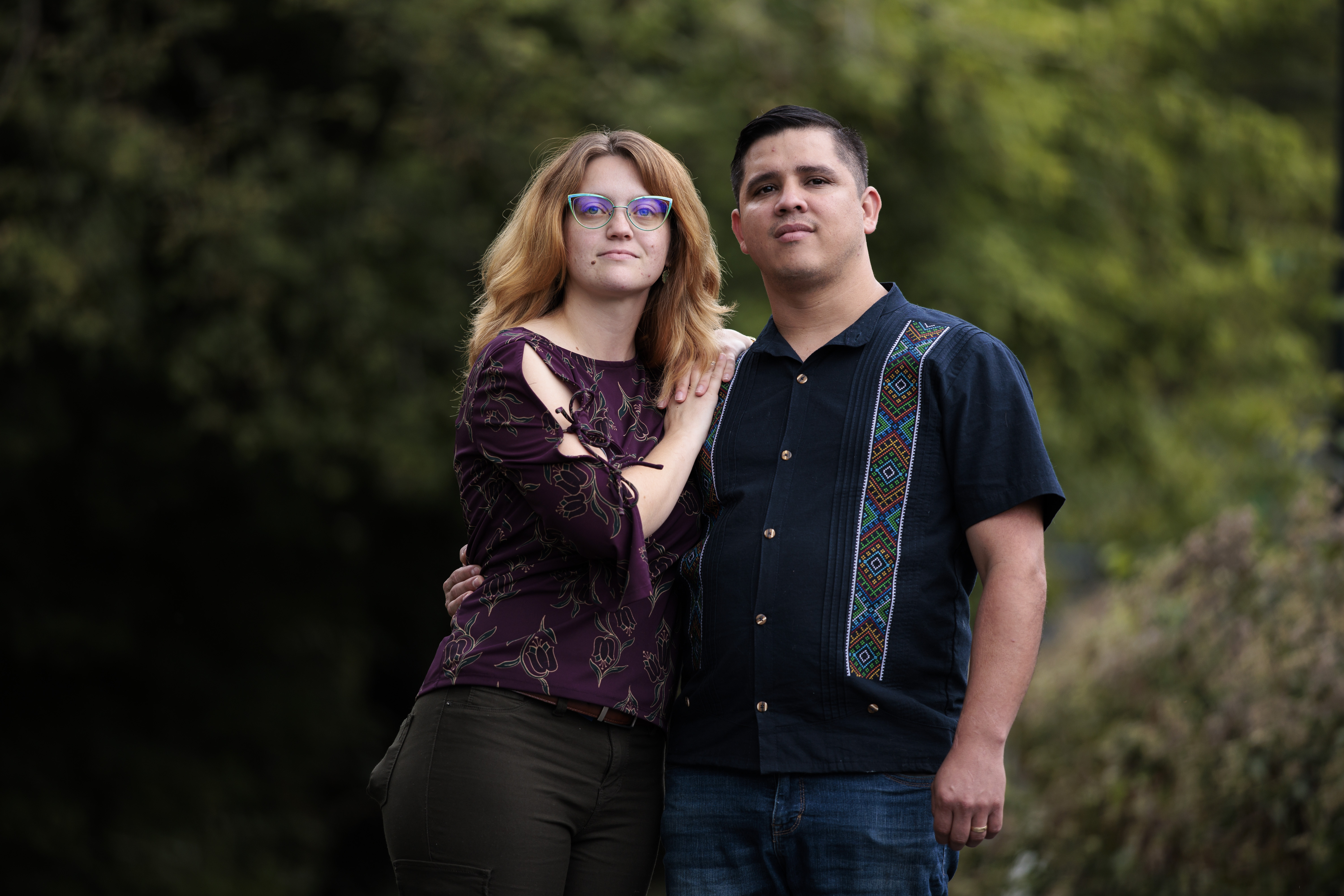
Nelson Contreras-Gelves talks about his proposal to Ariel Whaley at Cypress Beach Park on Sept. 21 in Kennett Square. Contreras-Gelves was released from ICE detention earlier this month.Monica Herndon / Staff Photographer
‘If she enters my heart, she won’t leave’
When it came to Whaley, Contreras-Gelves was nervous to make the first move.
The two met in 2023 at Mighty Writers, a nonprofit educational program for children that also offers food and other resources for underserved families in the Philadelphia region.
Whaley, a Downingtown native, was working at the Spanish-language preschool; Contreras-Gelves started as a volunteer in the food pantry, working his overnight shift at a mushroom farm and then arriving just a few hours later at the nonprofit.
They spent a lot of time together there. Whaley remembers sorting donations together, sifting through an array of lotions and shampoo. He sniffed each one.
Something about it struck her: “I just saw a curiosity and a wonder for the little things that I don’t normally see in a lot of people,” she said. “It made me fall in love very quickly.”
He was likewise smitten. He told a coworker “that muchacha is so pretty.”
“If she enters my heart, she won’t leave,” he recalled saying.
As their relationship got more serious and they both considered marriage, they had to discuss it “kind of like in a business way,” Whaley recalls.
They hesitated for a bit. But ultimately, they bought their rings, and despite his nerves about the pressures of an American proposal, he asked Whaley to marry him in February 2025 at the park where they had their first date.
After a ceremony in May, Whaley wanted to celebrate their love. They picked the date for their June 2026 reception because it was “literally the last weekend” before Contreras-Gelves could possibly be detained, Whaley said. Whaley’s panic attacks about it got worse, a sharp come-down from the pure happiness she had felt at their reception.
Though this appointment was routine, and he had been to immigration check-ins previously, they saw what was unfolding around them. They knew the government was increasingly taking people into custody when they appeared. Something similar had happened to Contreras-Gelves’ friend.
Nelson Contreras-Gelves speaks with a reporter at Cypress Beach Park on Sept. 21 in Kennett Square.Monica Herndon / Staff Photographer
‘Keep the faith’
When the appointment came, what typically was a 15-minute process — fingerprints, a photo — took two hours. Immigration officials asked Contreras-Gelves to report back a few days later with another form of ID from Venezuela.
Friends and family told Contreras-Gelves not to go back. But he knew it would be worse if he didn’t.
One week after their party, Contreras-Gelves stopped Whaley 50 feet from the door to the immigration office, told her he would go in alone, and kissed her goodbye.
He didn’t come back out.
It was a scramble for Whaley, who mobilized to contact lawyers with the Defender Association’s immigration unit. She struggled to figure out how to see him while he was held at the Federal Detention Center in Philadelphia for roughly three weeks, before he was transferred to the 1,880-bed Moshannon center.
For months, his detention consumed Whaley’s life. She was constantly on alert, answering calls from the lawyers and waiting to hear from Contreras-Gelves, unsure if the next time he would tell her he was being deported.
But a community sprung up around them. Whaley helped other detainees contact their loved ones, and helped families navigate addingmoney to their accounts. She connected others with Contreras-Gelves’ attorneys, and visited another man at Moshannon whom Contreras-Gelves had been detained alongside in Philadelphia, helping him communicate with his wife in Mexico.
A GoFundMe page, set up by loved ones, raised nearly $40,000 to support Whaley and Contreras-Gelves as they fought for his release. They launched a letter-writing campaign, sending postcards to elected officials.
Over the months in detainment, Contreras-Gelves faced repeated denials to be released on bond. The conditions of Moshannon were “horrible,” he said. He recalls scalding shower water that burned; a mysterious and unsettling number of bugs; and poor food quality. Medical assistance was often just a pill. He shared his commissary purchases with other detainees who did not have the same access.
A spokesperson for ICE did not respond to a request seeking comment about the conditions at Moshannon or the reason for Contreras-Gelves’ release.
He began to get weary. He thought about signing a voluntary departure form and returning to Venezuela. Whaley, at first, agreed, not wanting him to remain locked up when he could be free — and they could be united — somewhere else. But she pressed him to wait.
“Everybody in our community that already knew us played such a large role in helping us keep the faith, and then all of the people that we’ve met and we’ve been able to help or have helped us have done the same thing,” Whaley said.
And then on the morning of Sept. 10, as Whaley was heading into work as a graduate assistant at West Chester University, she got a phone call. Contreras-Gelves was talking so fast, it took her a minute to understand: He was being released.
She hesitated to tell anyone. It didn’t feel real. But after she talked with an ICE agent to coordinate picking him up, she started calling people.
“I still was like, I’m not going to believe it until he comes out the gate,” she said. “And then he did.”
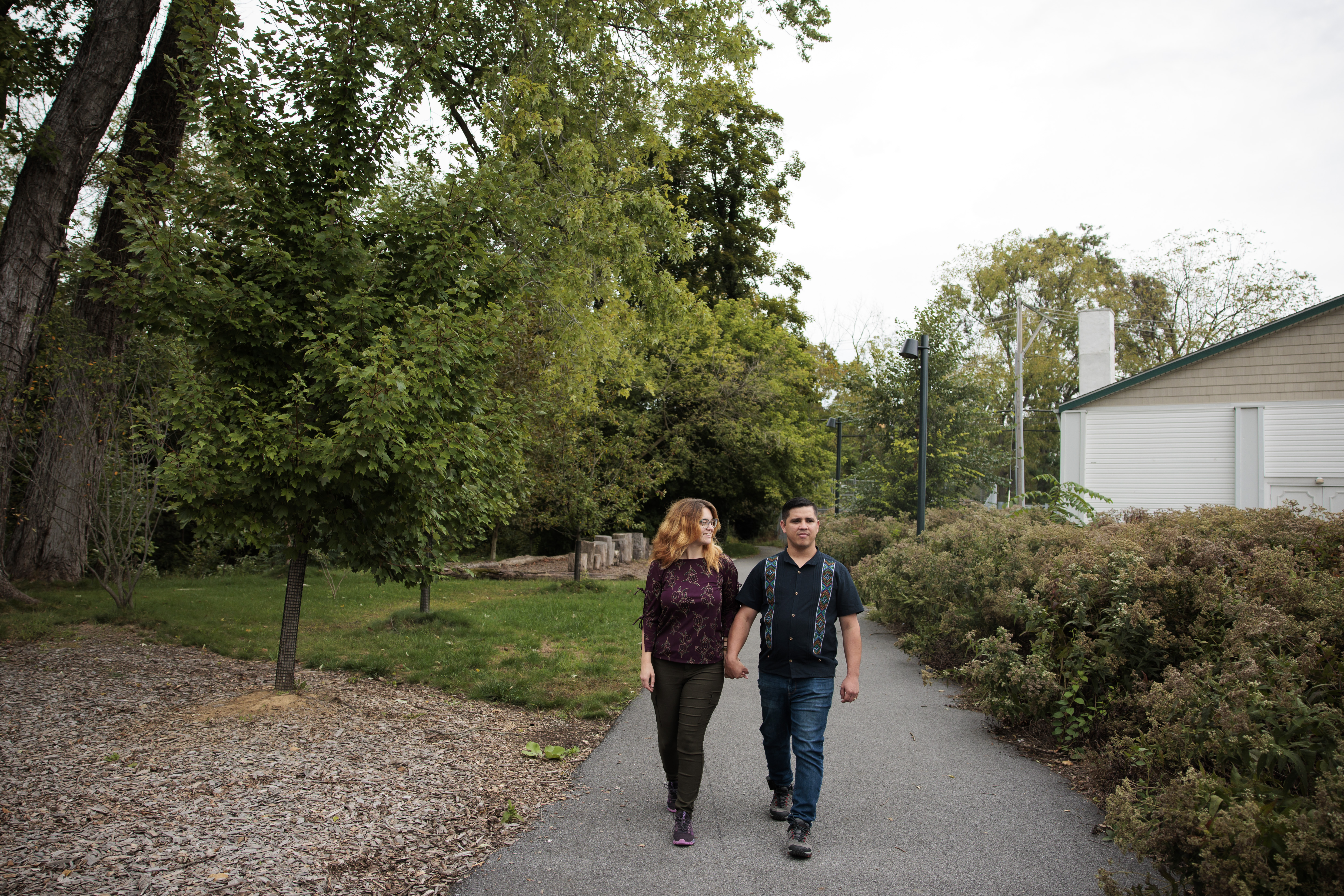
Ariel Whaley and Nelson Contreras-Gelves walk through Cypress Beach Park.Monica Herndon / Staff Photographer
‘Incredibly lucky’
When people ask them what comes next, they say there is still a lot of uncertainty. They don’t feel like they are returning to the lives they had before.
There’s a lot of ambiguity around the relations between his home country and the United States, and what it could mean for his status. But he will have a new court date, some time in the future.
They hope the momentum they built around Contreras-Gelves’ detention canbedirectedto others who are still at Moshannon, Whaley said. They continue to help others detained there when they can.
AfterContreras-Gelves’ release, they drove a woman and her children to Moshannon to visit her husband, from whom she had been separated for more than a year without the means to visit.
“We were so incredibly lucky. There’s so many people who don’t even get the opportunity to fight as hard as we have, and so we are just so grateful to have the support from everybody,” she said. “We both feel a responsibility to help others who are still going through it.”
Rene Garner cried even before the doors swung open Sunday to admit visitors to the last-ever day of operation for the Academy of Natural Sciences of Drexel University.
“I feel so sad,” said Garner, a retired educator who brought classes to the museum for years and credits her son’s love of science to summers spent learning at the academy’s summer camp. “This was such a great big part of our lives.”
Garner, a West Philadelphia resident, came with her son, Addison Garner, and her granddaughter, Sage Young, 7, to see the academy one last time.
Garner was far from alone.
About 8,000 fans streamed through the museum on Saturday, with some flying in from across the country to squeeze in one last visit, a museum leader said.
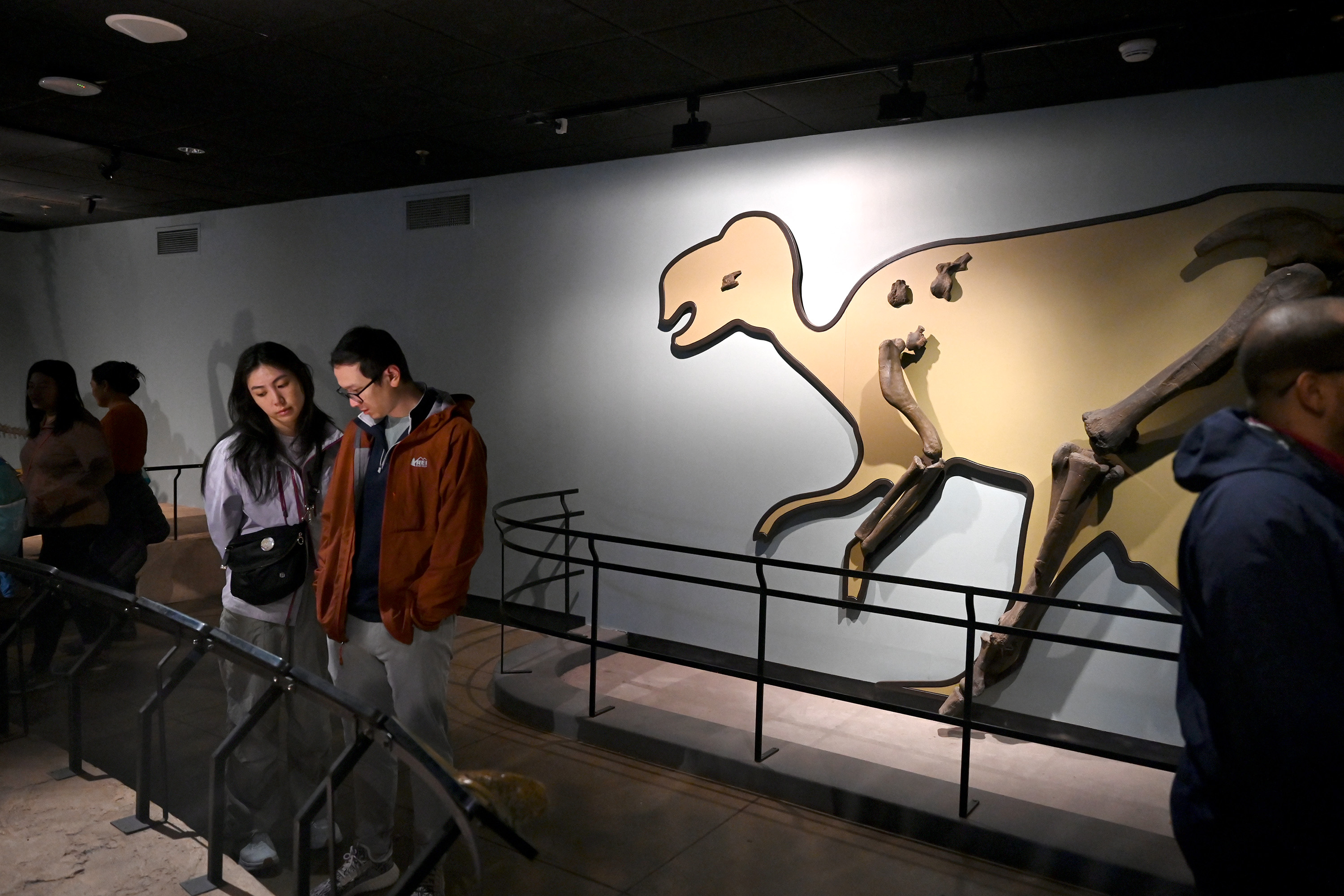
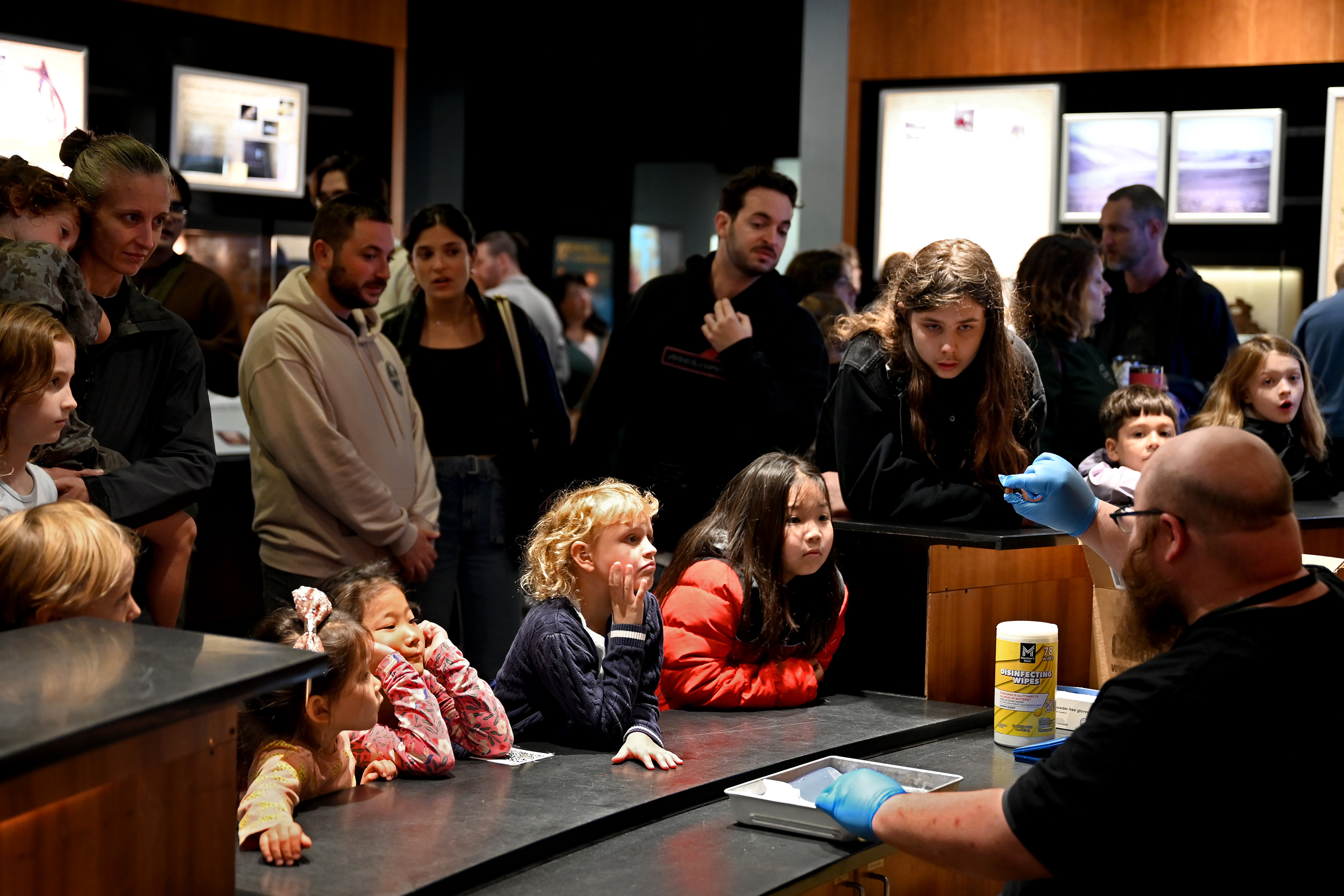
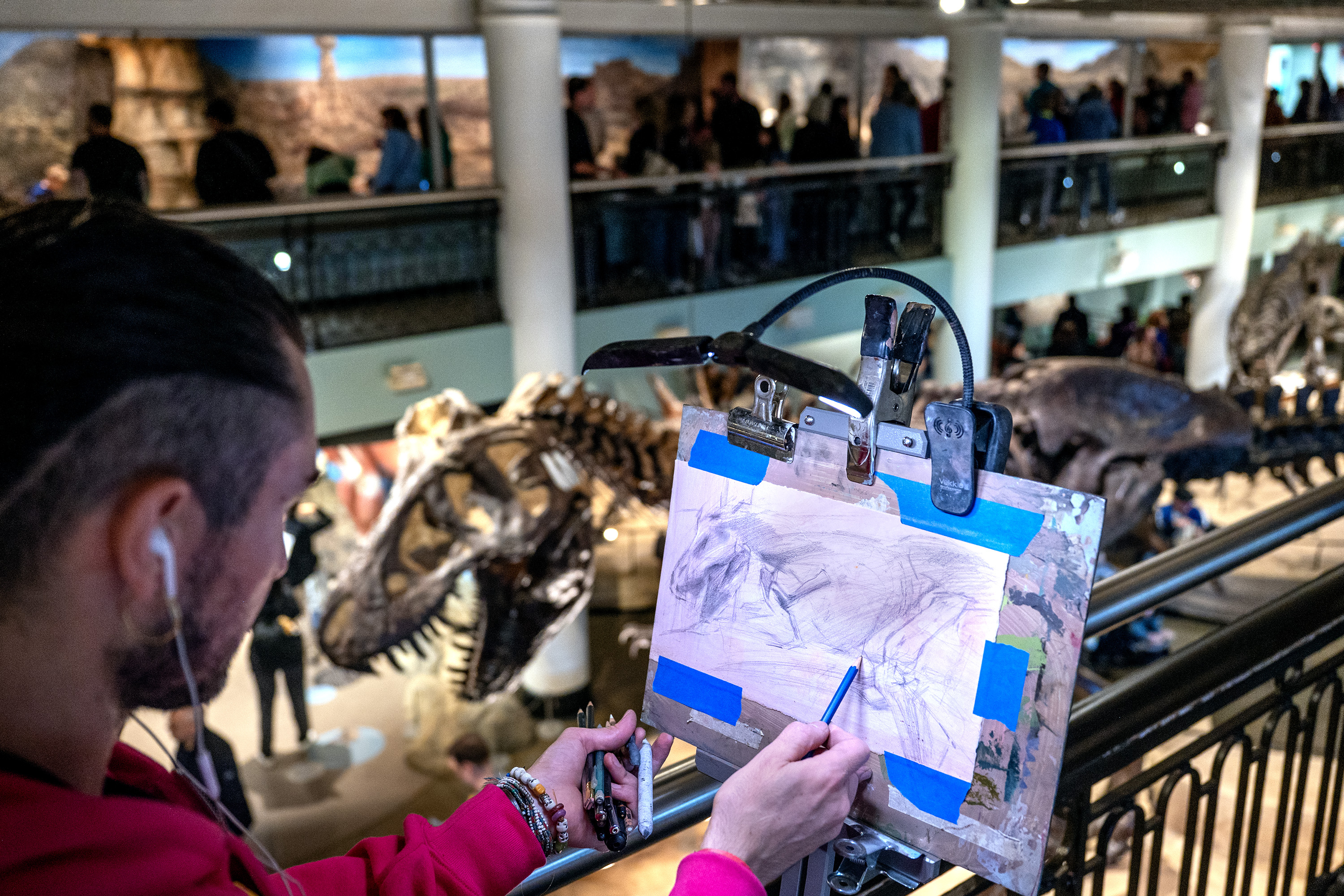
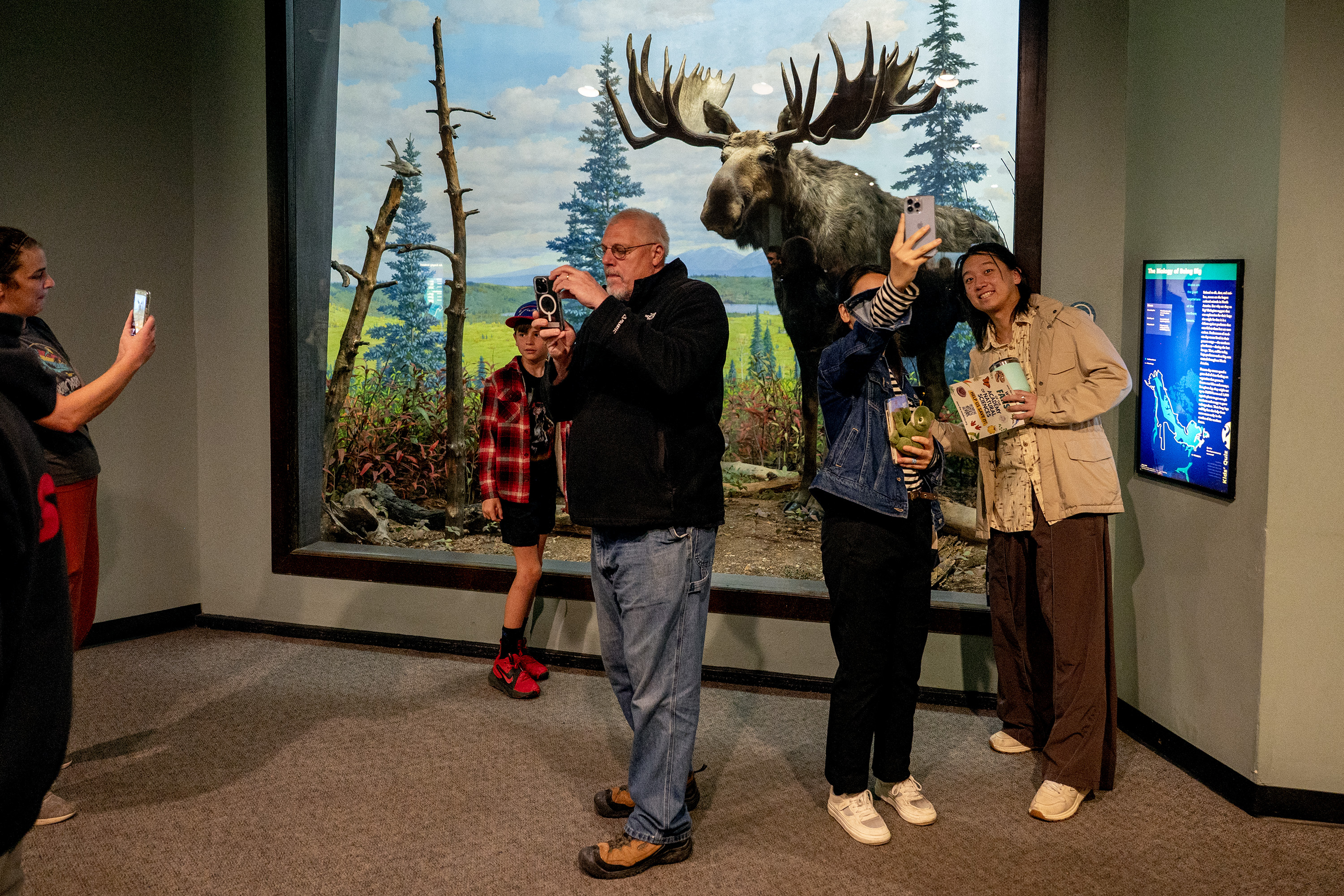
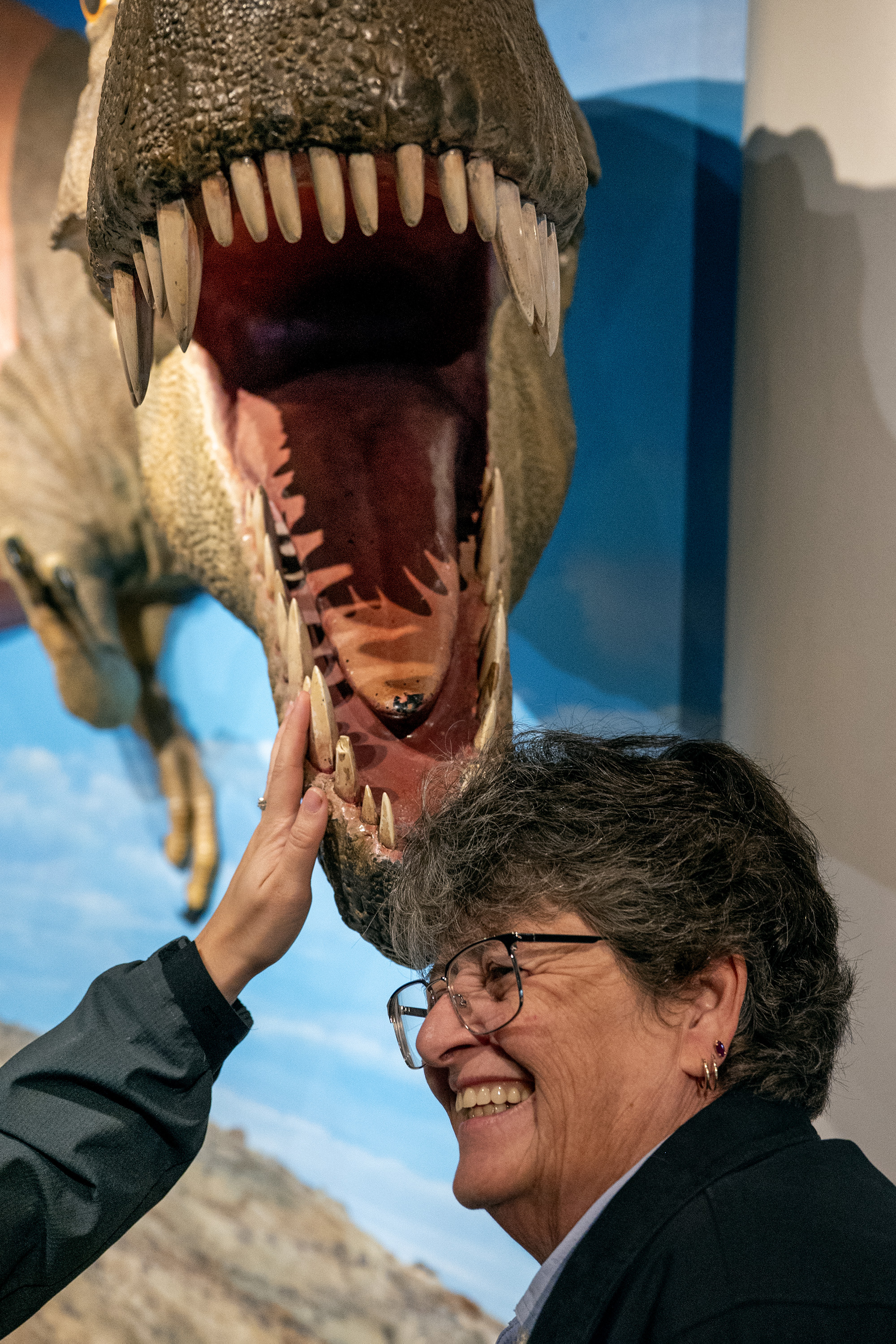
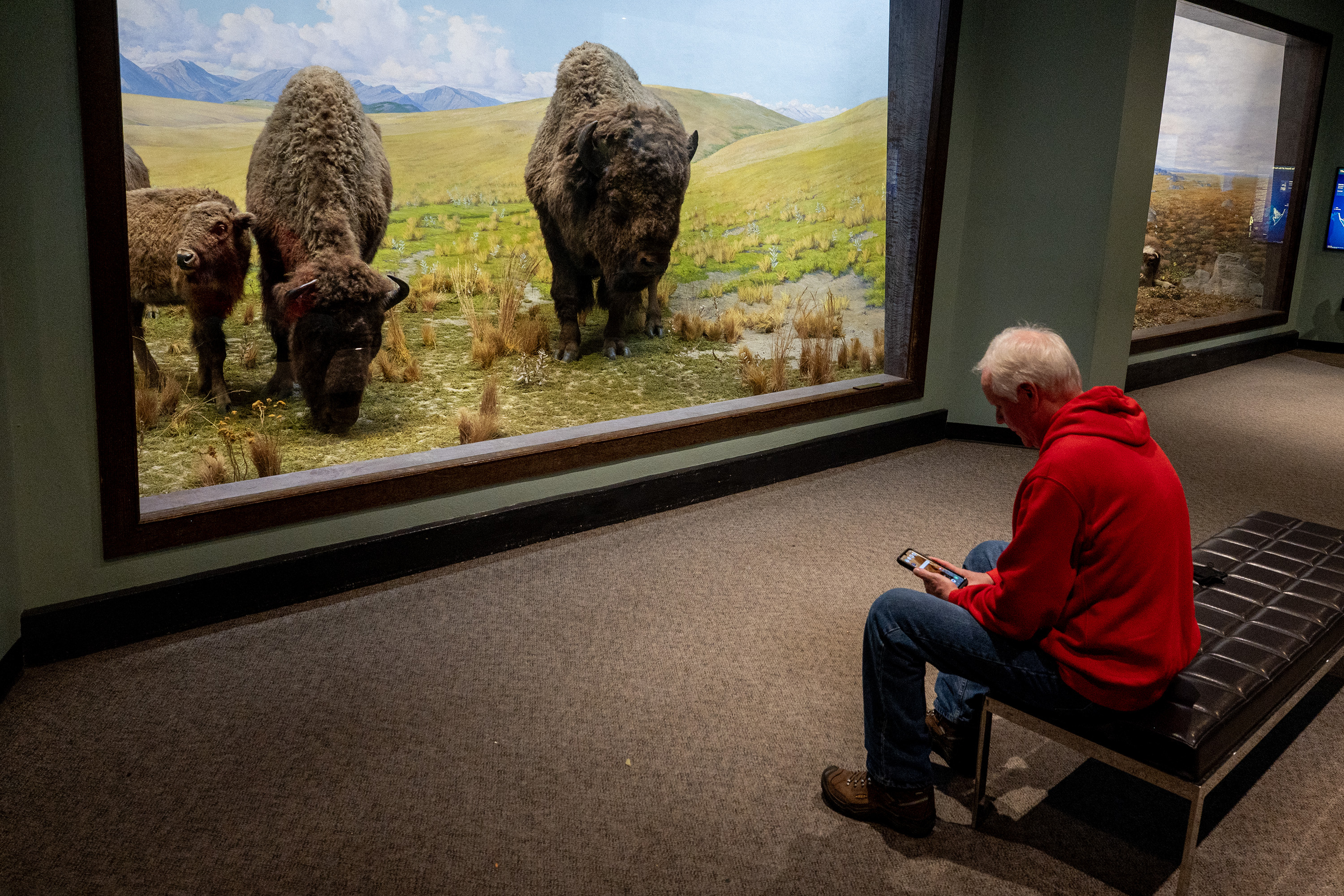
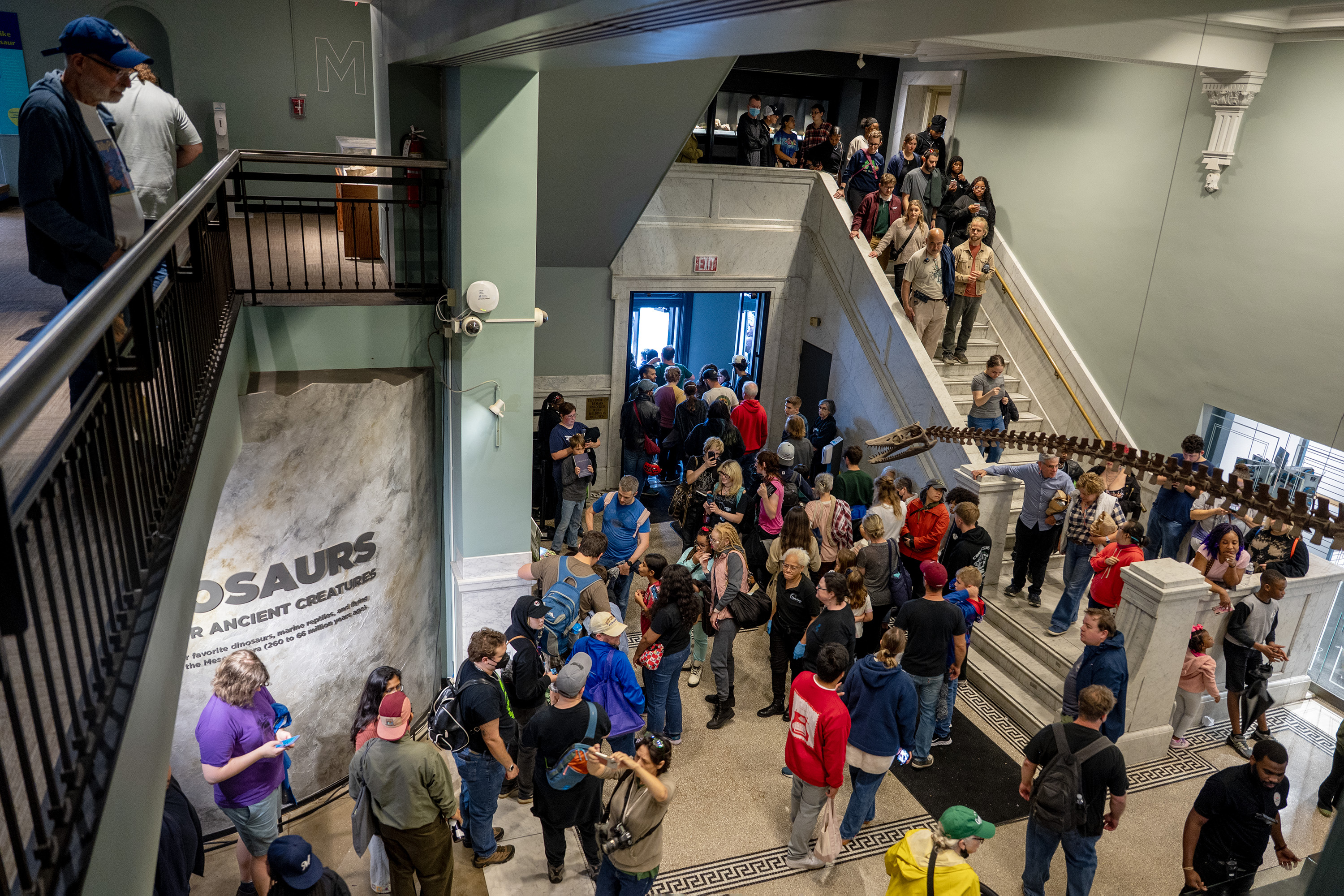
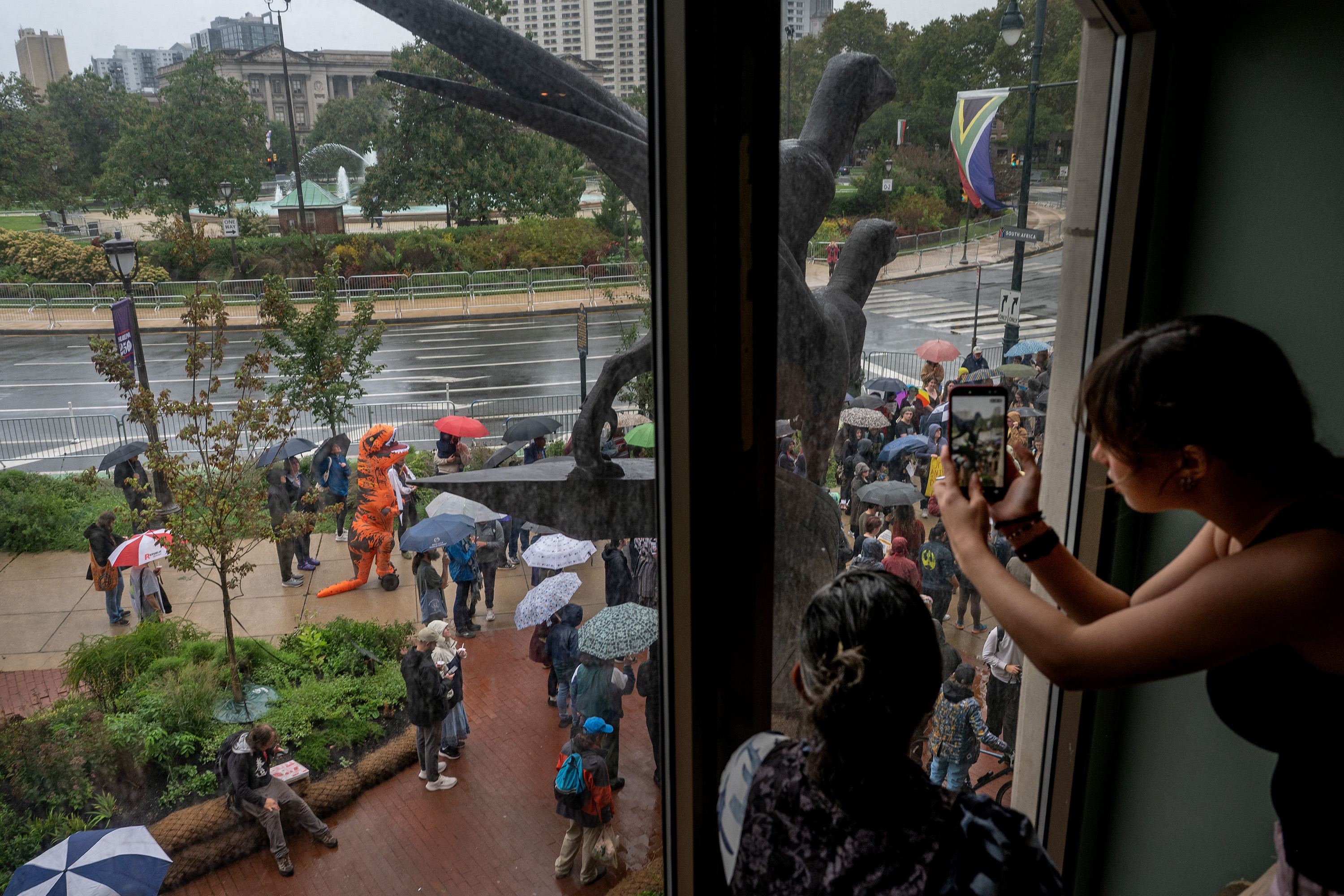
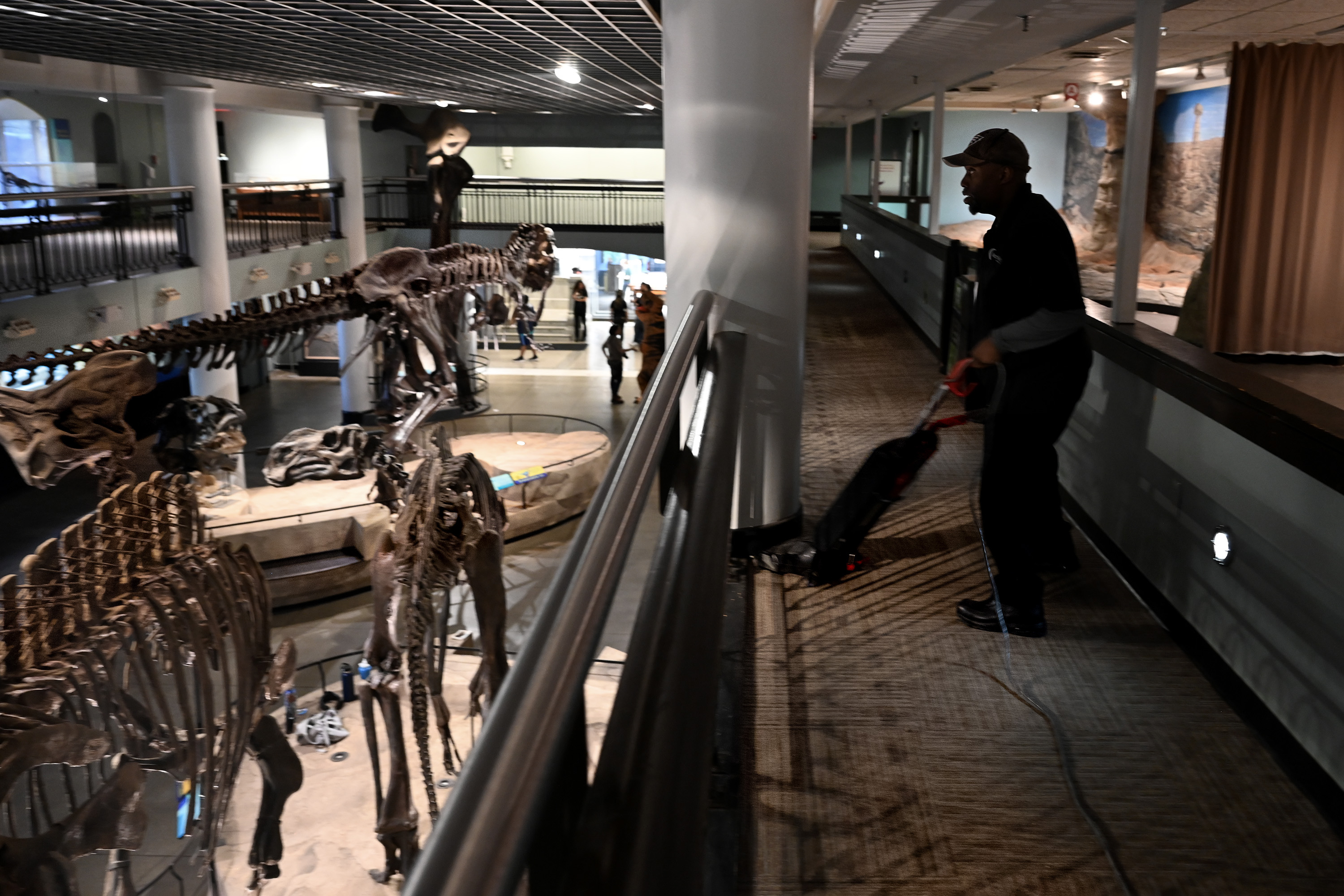
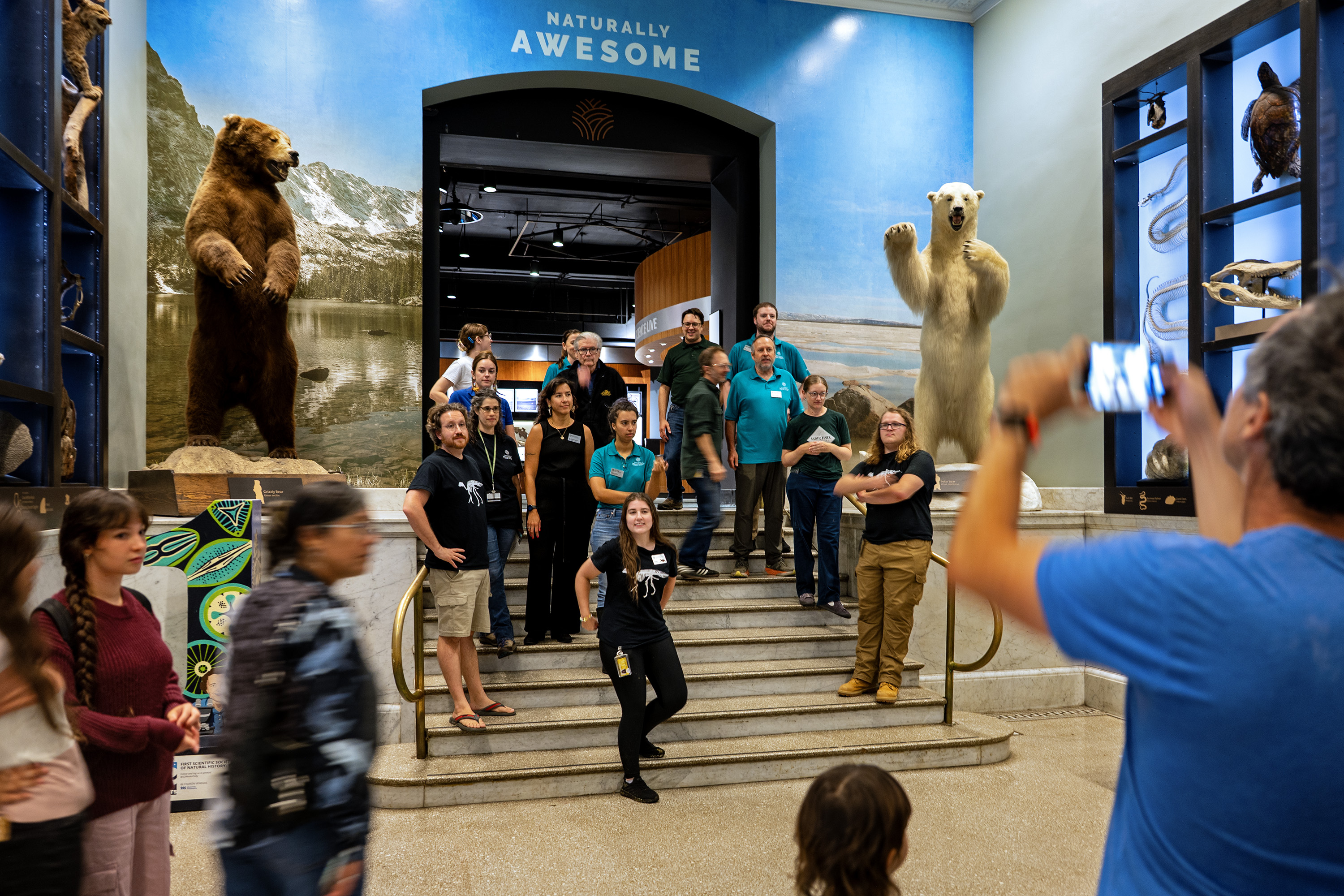
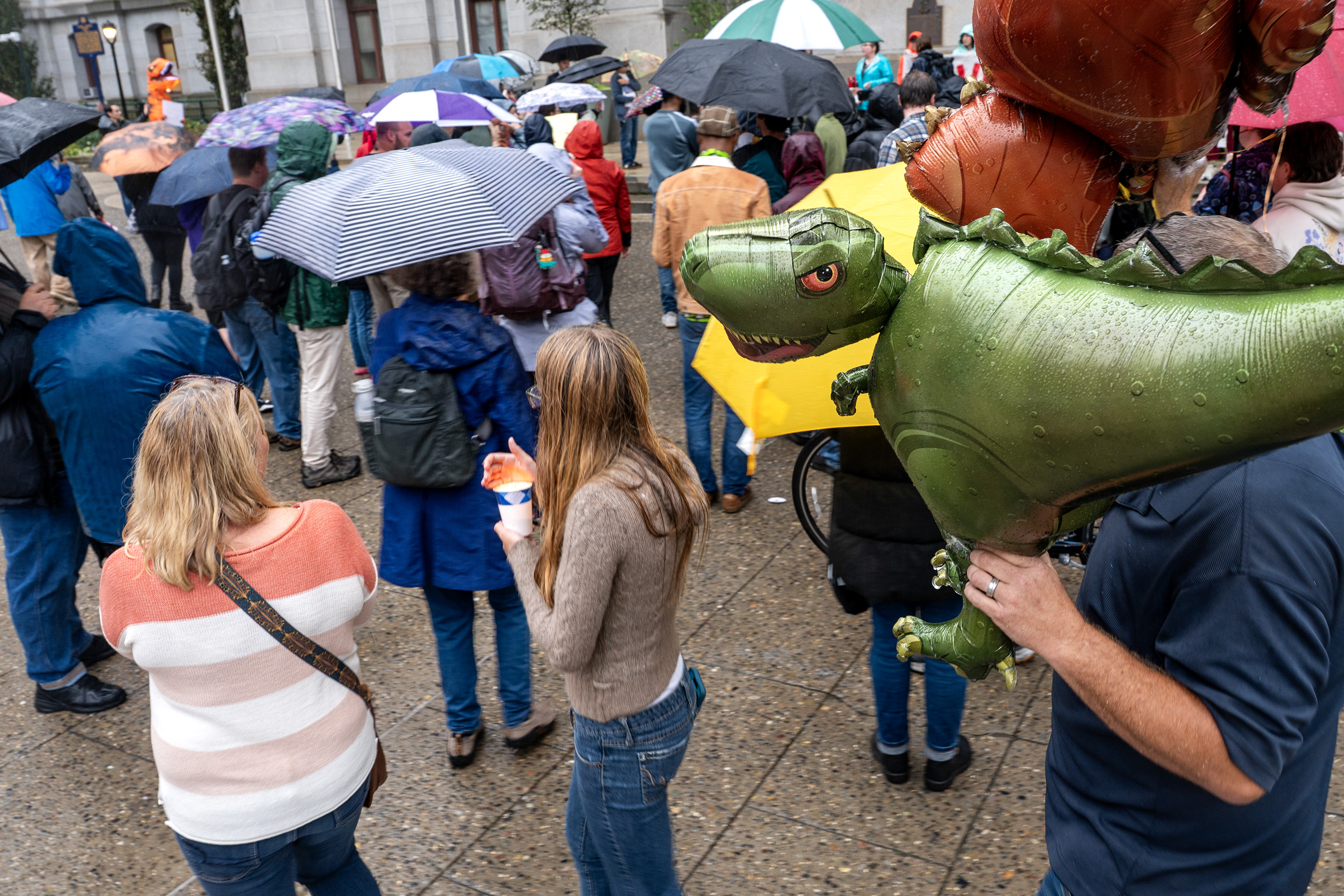
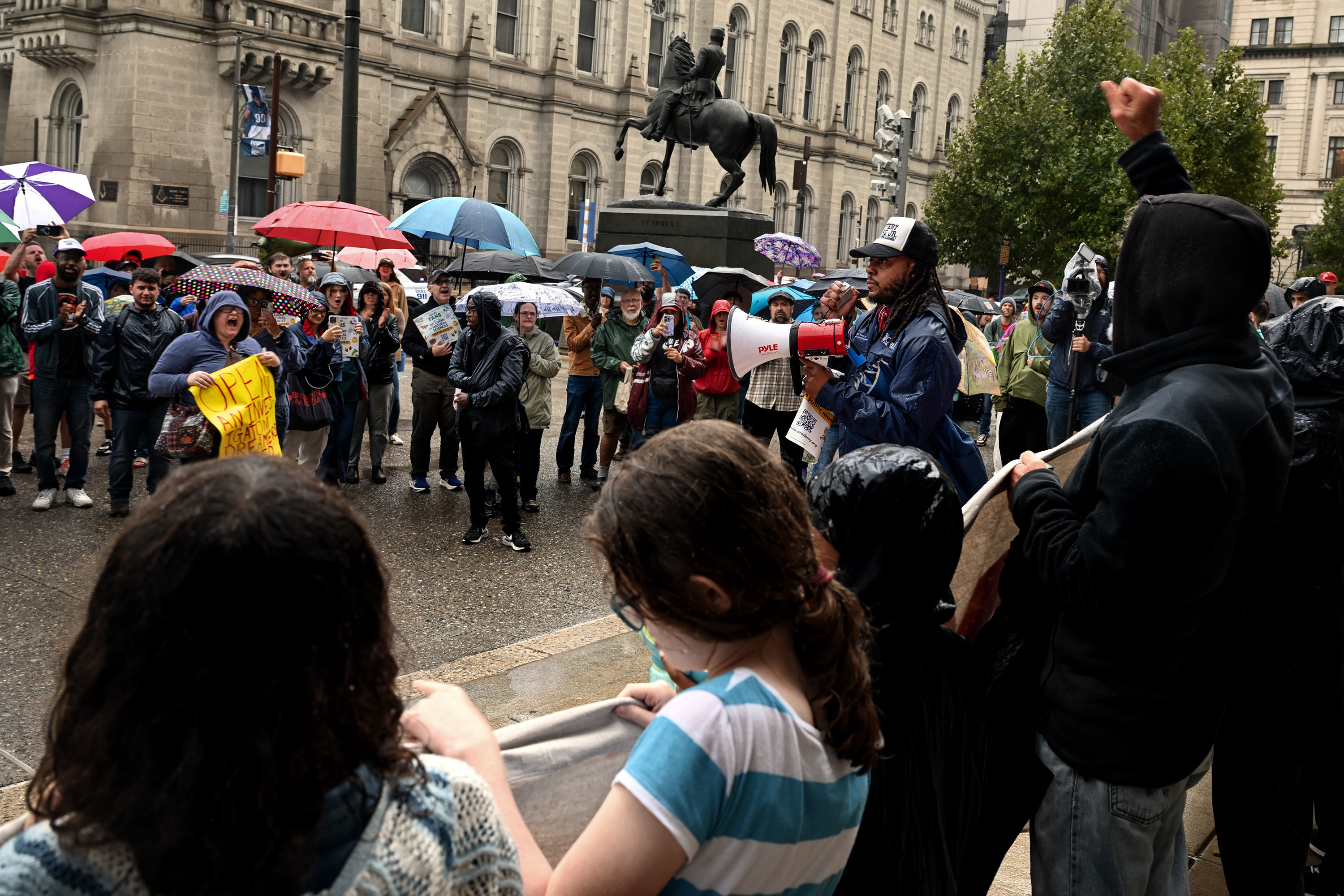
Rene Garner (in red) is among the first in line before the doors opened Sunday, Sept. 27, 2026, outside the Academy of Natural Sciences of Drexel University on the last day that the museum was scheduled to be open. She came with her son, Addison Garner (right), and her granddaughter, Sage Young, 7.Tom Gralish / Staff PhotographerA display of the Hadrosaurus foulkii fossils – the world’s first relatively complete set of dinosaur bones ever discovered. The bones, found in 1838 in New Jersey, were also the first mounted dinosaur skeleton ever to go on public display, at the Academy in 1868.Tom Gralish / Staff PhotographerScience educator Buddy Muhler shows visitors the eyeball of a cow, during his talk at the Academy.Tom Gralish / Staff PhotographerDinosaur Hall with more than 30 species, headlined by a 42-foot, 7.5-ton T. rex, plus fossils, dinosaur eggs, and footprints. Tom Gralish / Staff PhotographerArtist Thomas LaPine sketches the T-rex.Tom Gralish / Staff PhotographerSean White holds Camon, 2, while his wife Michelle White records them on the video screen “interacting” with a T-Rex inside the Academy of Natural Sciences of Drexel University Sunday, Sept. 27 on the last day that the museum is scheduled to be open. They were in another room room with a “green screen” that the computer combined into a single scene. Daughter Whenonah, 3, was also with the family from Abington. They had never been to the museum before and Michelle said “we heard it was closing, so we just had to come before it’s too late.”Tom Gralish / Staff PhotographerScience educator Jake Cook lets visitors feel the skin of a pangolin — a scaly anteater.Tom Gralish / Staff PhotographerThere are 37 dioramas at the Academy, the majority of which were created between the 1930s and 1960s. Tom Gralish / Staff PhotographerSusan Parker poses by the teeth of a T-rex as she and husband John Parker visit with their two grown children, their spouses and grandchildren. They are long-time visitors and supporters, Susan noting, “the kids were even here for sleepovers.”Tom Gralish / Staff PhotographerOne of the North American dioramas at the Academy of Natural Sciences of Drexel University just before the museum closed to the public at 5 p.m. on Sunday, Sept. 27, 2026.Tom Gralish / Staff PhotographerVisitors crowd past the exhibits inside the Academy of Natural Sciences of Drexel University Sunday, Sept. 27, 2026 on the last day that the museum is scheduled to be open.Tom Gralish / Staff PhotographerA dinosaur-costumed visitor passes behind the T-rex in Dinosaur Hall at the Academy of Natural Sciences of Drexel University Sunday, Sept. 27, 2026 on the last day the museum is open to the public.Tom Gralish / Staff PhotographerVisitors leave notes inside the Academy.Tom Gralish / Staff PhotographerPete Innes pauses near one of the North American dioramas just before the museum closed to the public, He came to see his son, Tim Innes, who works as a science educator, interacting with visitors.Tom Gralish / Staff PhotographerVisitors leave the the museum at closing time at 5.p.m. Tom Gralish / Staff PhotographerVisitors inside the Academy watch protesters from Save The Academy hold a vigil outside the museum just before its closing.Tom Gralish / Staff PhotographerMuseum staff pause in Dinosaur Hall after it closed the doors to the public.Tom Gralish / Staff PhotographerJerry Atwood vacuums after the last visitors have left.Tom Gralish / Staff PhotographerMembers of the museum staff pose for a photo in the lobby after the closing.Tom Gralish / Staff PhotographerGlenn McElroy carries dinosaur balloons as he marches behind his wife Beth and daughter Parker, 15, to protest at City Hall after attending a vigil following the closing.Tom Gralish / Staff PhotographerCity Councilmember Jeffery Young Jr. speaks to protesters outside City Hall Sunday, Sept. 27, 2026 after the group marched there following a vigil at the Academy of Natural Sciences of Drexel University after it closed to the public at 5 p.m.Tom Gralish / Staff Photographer
On Sunday, a steady stream of visitors inside the museum took photos, touched the hard but smooth skin of a pangolin — a scaly anteater — being circulated by museum educators, and guided toddlers in dinosaur costumes through exhibits.
“I can’t believe this,” one woman cried, peering over a second-floor balcony at a packed room full of visitors examining dinosaur bones.
Drexel and the academy announced this month the museum was closing amid declining attendance and economic pressures. The academy has been open to the public since 1828, and is considered the birthplace of American paleontology.
Drexel has not specifically said it declined the offer, but a spokesperson said that the university doesn’t have a viable proposal for a “permanent, sustainable path forward for the academy’s museum.”
Sean White holds Camon, 2, while his wife, Michelle White, records them on the video screen “interacting” with a T. Rex inside the Academy of Natural Sciences of Drexel University on Sunday, Sept. 27, the last day that the museum was scheduled to be open. They were in another room room with a “green screen” that the computer combined into a single scene. Daughter Whenonah, 3, was also with the family from Abington. They had never been to the museum before and Michelle said, “We heard it was closing, so we just had to come before it’s too late.”Tom Gralish / Staff Photographer
The foundation’s offer was on the minds of many on Sunday. Canvassers from a group attempting to save the academy chatted up visitors as they walked into the museum. They relayed their message from a billboard truck parked outside.
“200 years of natural history can’t end on our watch,” the billboard said.
Erin Kelly agreed.
“My 11-year-old grew up coming here,” said Kelly, who lives in Kensington and brought her son, Phoenix Johnson, to the museum for one more lesson Sunday. “I’ve taught him about our city, and country, and cultural treasures just by coming here.”
Visitors crowd past the exhibits inside the Academy of Natural Sciences of Drexel University on Sunday, Sept. 27, 2026, the last day that the museum was scheduled to be open.Tom Gralish / Staff Photographer
In some ways, it felt like an ordinary Sunday at the museum — kids digging for fossils in the sand, parents pushing strollers, people fake-climbing into dinosaur mouths for photos.
But there were definite signs of the end: the crowds, the activists handing out flyers, the picked-over gift shop, where signs told patrons that there was no stock left. A smiling, teal, stuffed dino purse seemed incongruous, a burst of cheer amid so much regret.
Artist Thomas LaPine traveled to Philadelphia to witness the museum’s last moments. He set up his easel, unpacked his paper and pencils and oil pastels, and sketched.
There was something magical in seeing people from all walks of life absorb the exhibits, LaPine said — watching children gain a sense of magic, a perspective on where the world has been, to perhaps think of where it’s going.
Artist Thomas LaPine sketches a T. Rex inside the main dinosaur hall in the Academy of Natural Sciences of Drexel University on Sunday, Sept. 27, the last day that the museum was scheduled to be open.Tom Gralish / Staff Photographer
“It’s a pretty big tragedy to me, a big deal; that’s why I’m here,” LaPine said. “I’m paying my respects.”
LaPine said he planned to turn his sketches into a painting.
“Hopefully, it’s a little time capsule of a time when people decided to cut off this resource,” he said.
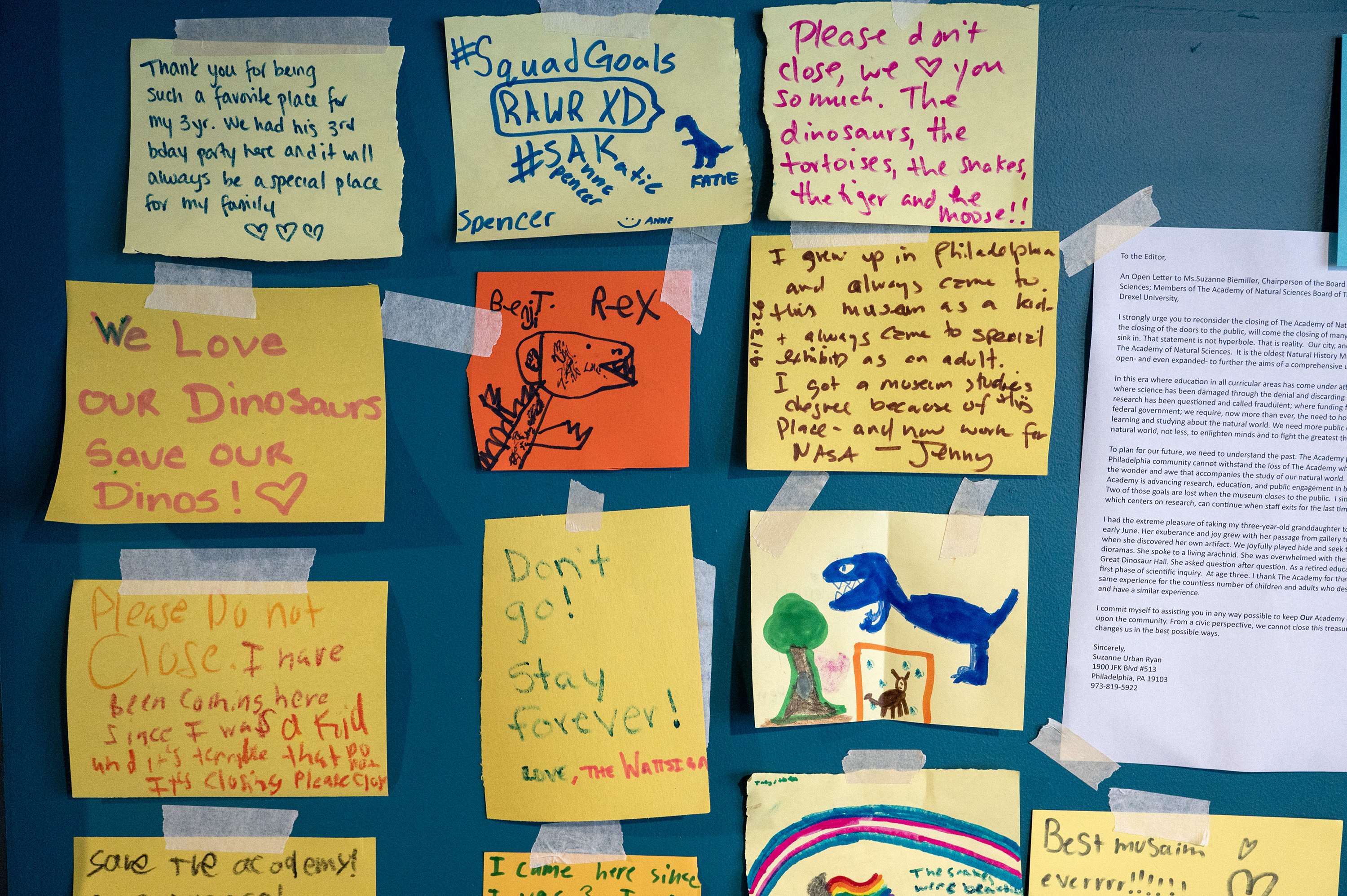
In Outside In, a hands-on exhibit designed for young children that featured animals to meet and exhibits to climb on, the walls were papered with notes on colorful paper — messages about what the museum meant to families, pleas to save it.
Visitors leave notes inside the Academy of Natural Sciences of Drexel University on Sunday, Sept. 27, 2026, the last day that the museum was scheduled to be open.Tom Gralish / Staff Photographer
“Stay Open!” a child wrote on a pale yellow page, with a frowny face. “Love Henry.”
“This has been a place of solace, fun and learning for me since childhood,” someone else wrote. “I was here before COVID, I was there after, and I’m here now. I hope this isn’t the last time.”
A place of ‘incalculable value’
Multiple politicians have urged Drexel to accept the William Penn Foundation’s offer.
State Sen. Nikil Saval (D., Philadelphia) said in a statement that “the museum is of incalculable value to both our region and to international scientific and cultural fields,” and said the academy must remain on Benjamin Franklin Parkway.
Visitors take selfies at a North American diorama inside the Academy of Natural Sciences of Drexel University on Sunday, Sept. 27, 2026, the last day that the museum was scheduled to be open.Tom Gralish / Staff Photographer
City Councilmembers Nina Ahmad and Jeffery Young Jr. said in a statement that the foundation’s offer comes at a crucial time and allows officials the time “to take a breath and better understand how we got here and what we can do to keep the Academy open for hundreds of more years to come. All parties must be willing to explore every option to save this precious institution.”
Mourning a friend
The museum spent its final hours with those who loved it most: thousands of visitors, who basked in its wonders, staring starry-eyed at collections of dinosaur bones, taxidermy, and petrified bugs.
Members of the museum staff pose for a photo in the lobby of the the Academy of Natural Sciences of Drexel University just after it closed at 5 p.m. Sunday, Sept. 27, 2026.Tom Gralish / Staff Photographer
At the minutes ticked toward 5 p.m. — closing time — hundreds processed out of the old Victorian building one last time and protesters chanted in the rain, holding aloft plastic candles for a planned vigil at Philadelphia City Hall.
Suzanne Ryan, a retired teacher and grandmother who has volunteered at the academy since June, held a sign reading, “The Academy is a treasure and must be saved.”
Emotion caught in her voice as she implored each departing guest to sign a petition to save the endangered museum (which by Sunday had well over 100,000 signatures.)
She’s been livid about the closing. She became a docent because of her granddaughter’s love for the dinosaurs. And as an educator, she said: “You close museums, you close minds.”
Visitors inside the Academy of Natural Sciences of Drexel University watch protesters from Save The Academy hold a vigil outside the museum just before it closes at 5 p.m. Sunday, Sept. 27, 2026.Tom Gralish / Staff Photographer
In the steady rain Sunday evening, many protesters shouted angrily about Drexel University’s seeming coolness. They hoped and urged for a miraculous resurrection.
“We’re trying to protect this place from Drexel University,” shouted museum member Corey Miller, of South Philadelphia. “They’re trying to shut down a 200-year-old institution with 30 days’ notice. It’s a public embarrassment.”
“Don’t let Drexel off,” others chanted. “Tell Drexel to get out of the way.”
Longtime visitors Christina Stone and her daughter, Tais Millan, a student at the University of Pennsylvania, spoke through tears.
“Philly loves this museum and they can save it,” said Millan. “I don’t know why Drexel isn’t trying to save it.”
Some parents said they belatedly brought their children to the museum on the final day just so they could share their childhood experiences.
Glenn McElroy (right) carries dinosaur balloons as he marches behind his wife Beth and daughter Parker, 15, to City Hall after attending a vigil for the Academy of Natural Sciences of Drexel University after it closed at 5 p.m. Sunday, Sept. 27, 2026. The Parkers are from Huntingdon Valley, Montgomery County.Tom Gralish / Staff Photographer
Others, like Mary Fetter, said the day was an especially sad one for her daughters, Maeve, 10, and Margaret, 9, who are devoted visitors.
“We’ve been going here four years,” said Maeve, holding her mother’s hand outside the shuttered museum. The museum is important to the identity of the city — and her family, Mary Fetter said as protesters began to march toward City Hall in the rain.
The little girl is taking it hard, her mother said. She and her sister loved visiting the dinosaurs, the dioramas, and the live animals in the children’s rooms.
Now it all may be gone. For good.
“It’s really special to us,” said the little girl. “It’s hard to say goodbye.”
Staff writers Peter Dobrin, Susan Snyder, and Mike Newall contributed to this article.
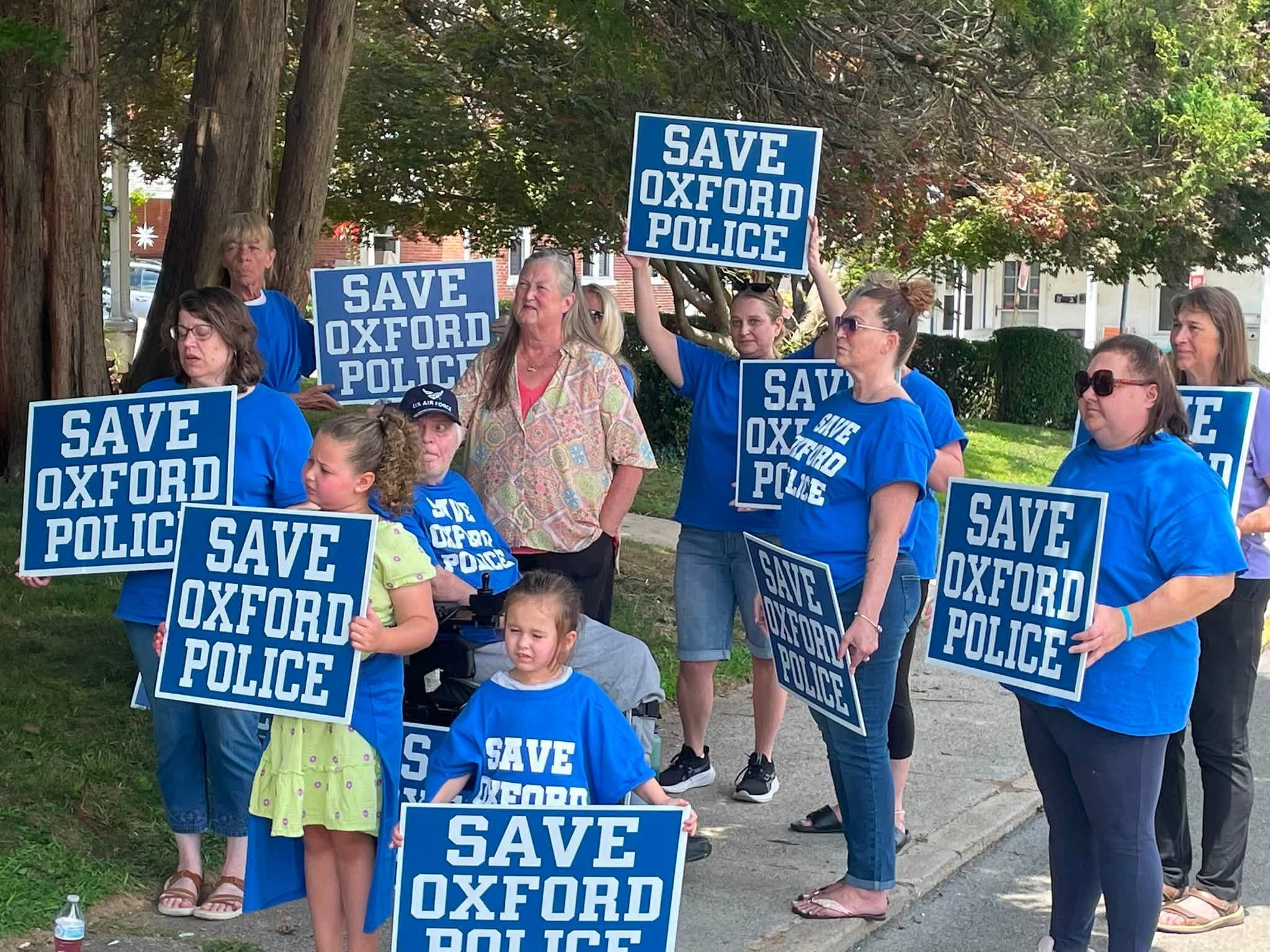
Three officers will resign from the Oxford Police Department ahead of the borough joining a regional department, with many officers saying the path to employment has felt uncertain and not guaranteed.
Under the vote, the borough will become part of the Southern Chester County Regional Police Department, which serves New Garden, West Grove, and Avondale, on Jan. 1, 2027.
To accommodate the growing geography, the regional department has pledged to hire 12 additional officers, with Oxford officials saying previously that their goal was for every officer to move over to the new force, if they wanted to. Oxford currently employs 11 full-time officers, including the chief, and several part-time officers.
Applications for the regional department were sent out to Oxford officers earlier this month, with a deadline to submit by Friday. The applications were also posted publicly.
But officers said that the road hasn’t been easy or transparent. In a meeting with The Inquirer at their station, the officers said thatwhile it has been publicly stated that they are essentially guaranteed a job at the regional department, everything they have seen is “an opportunity to apply for a job.” Most officers spoke on the condition of anonymity out of fear of retaliation.
Officers who are leaving said the uncertainty and the borough’s decision to close their department ultimately led them to seek new employment.
Mayor Philip Harris said the borough was in active contract negotiations and declined to comment broadly on the situation.
For the officers resigning, he acknowledged the community may “consider that to be in discord with the merger/joinder.” He argued that it “highlights and amplifies what we’ve been saying all along.”
“It’s an incredibly difficult thing to recruit and retain officers,” he said. “They were recruited by other departments. They were offered better deals. That highlights some of the problems that brought us to this forefront.”
Officers who have not resigned have begun meeting with the regional department leadership, they said. But with the clock ticking and no formal contract in front of them, the officers are worried about what employment could look like after Jan. 1.
They are not sure what jobs they will get. With a cumulative experience of more than 280 years, they each have more than one year of service and have acquired rankings from corporal to sergeant. Those positions do not exist at Southern Regional, they say, making it unclear if they will lose rank in the transition.
Because they have not seen a contract, they don’t know whether they should take a severance package. There are differences in pensions between the two departments that officers think will complicate the transition, too.
“We have three that have secured jobs at other surrounding departments, and I haven’t seen one damn contract from Southern Regional,” one officer said. “What is my position going over there? How much am I making? What time am I carrying with me? My sick time, my vacation time, my seniority?”
A yearslong process
The move to regionalization has, essentially, been three years in the making, with borough officials long saying the police force costs more than it can afford. The borough has had several financial studies done in recent years examining the viability of the police department, and considering alternatives.
Under the agreement with Southern Chester County Regional, Oxford borough would have two officers on patrol 24-7, like the current structure. Their shifts would begin and end at a local substation, ensuring no gap in coverage, as Oxford is roughly 16 miles away from the other municipalities under the regional department’s coverage. The 12 additional officers, hired as part of this expansion, would join a force of 21 full-time officers.
There has been a growing trend of municipalities moving toward regionalization for high-price items in their annual budgets, like police, fire, and EMS. Public safety is at least 50% of the pie in most communities, experts have said.
Oxford officers said that there had been talks to merge with Southern Chester County Regional several years ago, but those discussions seemingly fell apart. Instead, officers recall, the department tried to make itself a possible regional hub — a force that could serve the municipalities that neighbor Oxford and currently use free coverage from the Pennsylvania State Police. Those talks also struggled to catch on.
Officers still heard rumblings about joining the Southern Chester County Regional, but formally found out about the renewed effort when the Oxford Police Association received a letter from the borough council saying the start of union contract negotiations would be put on hold as the council explored a merger.
Meanwhile, officers said, they are frustrated that the borough has not sought to slash costs in other areas, or will not wait for eligible members of the force to retire, where the pendulum on costs could swing back.
“They have a champagne police department on a beer budget,” an officer said.
Paul Frie, one of the officers who has accepted a position elsewhere, said that the borough’s decision to close its department caused him to look for other employment.
“I can’t trust them to have my back,” he said. “I couldn’t work for them when they so haphazardly threw my job to someone else, because it’s not a guarantee.”
Another officer, who has also resigned, said the uncertainty — and not knowing whether regionalization would stick — ultimately made the decision for him. It was hard: The officer grew up knowing many on the Oxford force, and said it was always a dream to work for the department.
“I’m glad I got to fill it, partially,” said the officer,who spoke on the condition of anonymity. “It definitely sucks knowing this place isn’t going to be around.”
This suburban content is produced with support from the Leslie Miller and Richard Worley Foundation and The Lenfest Institute for Journalism. Editorial content is created independently of the project donors. Gifts to support The Inquirer’s high-impact journalism can be made at inquirer.com/donate. A list of Lenfest Institute donors can be found at lenfestinstitute.org/supporters.