An off-duty Philadelphia police officer has been charged in connection with a fatal shooting this weekend in Northampton County, according to Pennsylvania State Police.
Kenroy Cummings, 25, faces charges of criminal homicide and attempting to elude an officer in connection with the killing of a 27-year-old man.
Troopers found the man suffering from gunshot wounds, and he was taken to a local hospital where he died. His identity has not been made public.
The alleged shooter fled in an orange Kia, which authorities later spotted in Hanover Township. After a brief car pursuit, the suspect returned to the residence and was taken into custody, state police said.
Cummings did not immediately appear in court records, and it was unclear if he had an attorney.
A spokesperson for the Philadelphia Police Department said the department’s Internal Affairs Bureau had been notified and an investigation was initiated.
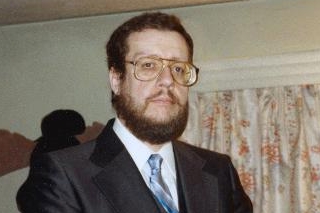
Al Campbell, 74, of Philadelphia, retired longtime copy editor at The Inquirer, former copy boy, clerk, and library assistant at the Bulletin, mentor to many, and steady pitcher for the old Horsham Neighbors softball team, died Tuesday, June 9, of heart and kidney failure at the home of his brother Bob in the Northeast.
Born in Philadelphia and a 1969 graduate of Northeast High School, Mr. Campbell spent nearly three years as a copy boy and editorial assistant in the old Bulletin newsroom before joining The Inquirer as a copy editor in 1970. That move to 400 N. Broad St. kicked off a colorful 46-year career at The Inquirer that included stints on the suburban news copy desk and the night sports copy desk, and a self-assigned 24-7 job as a friend and mentor to dozens of reporters, columnists, editors, and photographers.
“Al was so kind and funny,” a former Inquirer colleague said on Facebook. “He made The Inquirer a better place.” Other former colleagues called him “a sage and an icon” and “a real pro and fun to be around.”
Big and often boisterous — everybody called him Moose — Mr. Campbell was the son of a newspaper reporter, and he was adept at polishing prose, detecting mistakes, and working with reporters and photographers, usually over the phone. “Moosey looked out for us,” a former colleague said on Facebook.
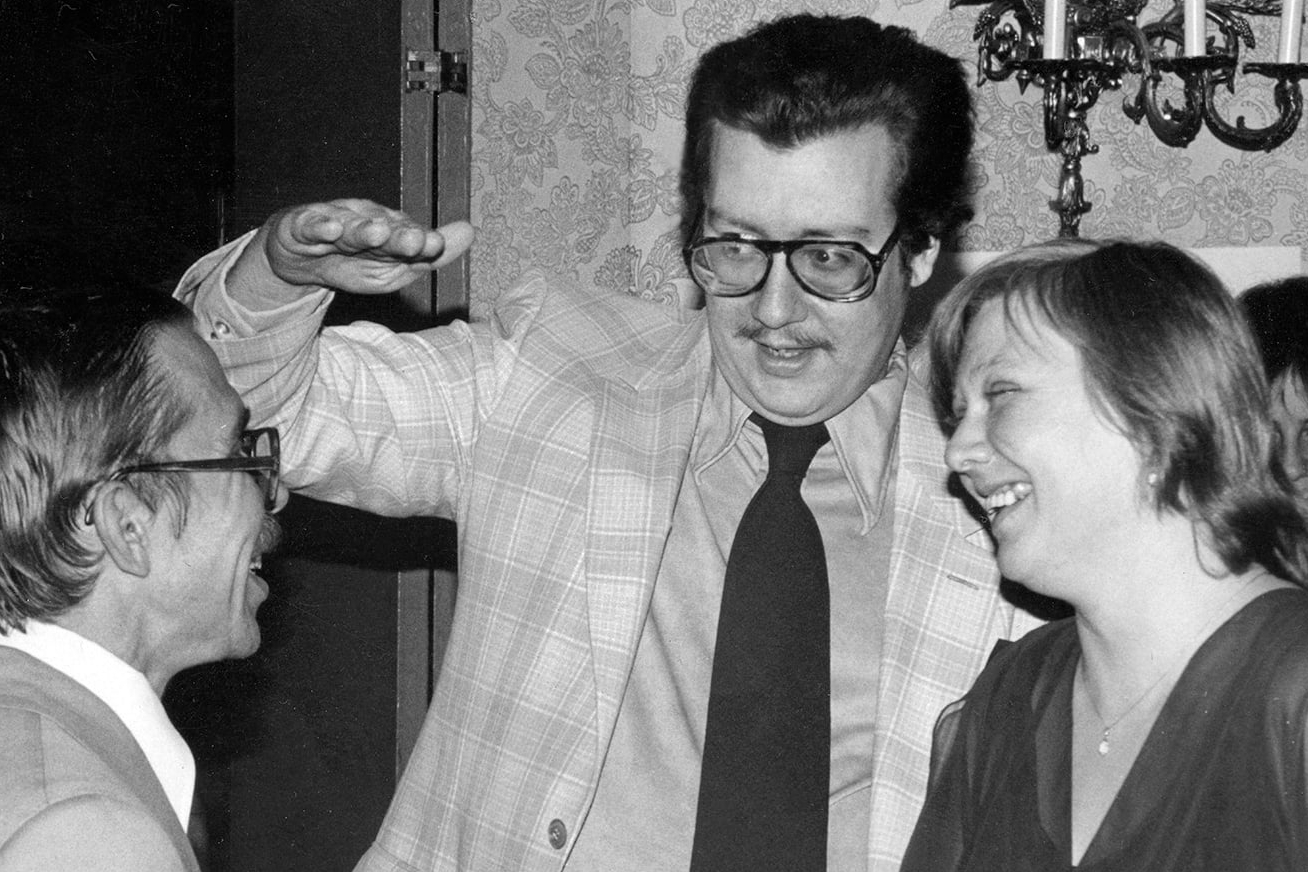
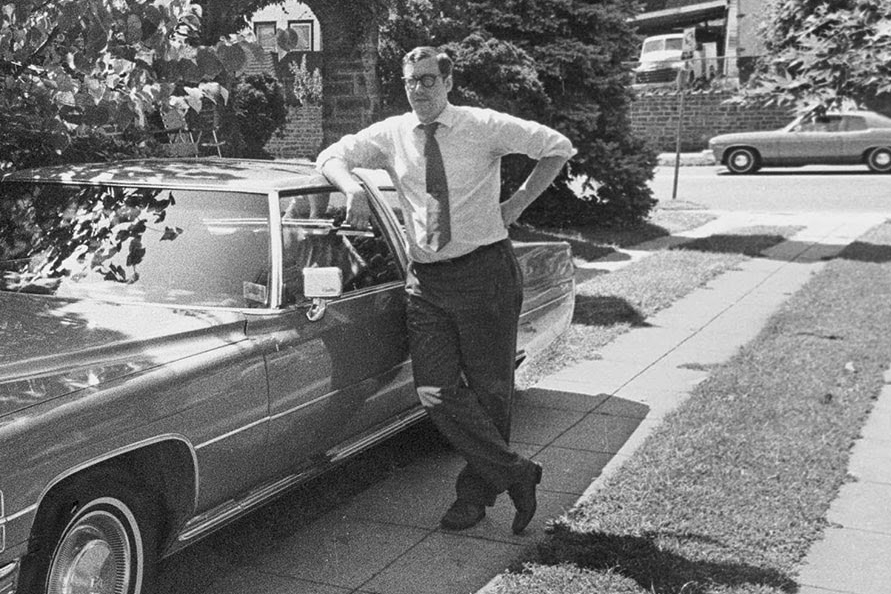
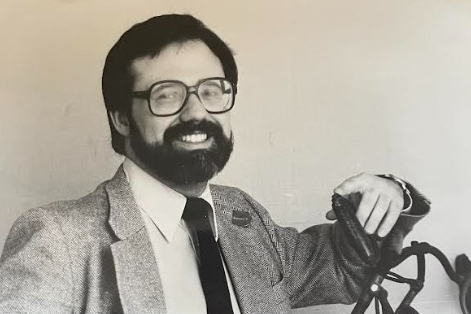
Mr. Campbell (center) “was a stickler for details,” his brother Bob said. Courtesy of the family
He came up with witty headlines and captions, had years of practical and institutional knowledge of Philadelphia politics, culture, and sports, and worked nimbly on deadline, making him a favorite of other editors and page designers. He also served as a newsroom union steward.
“He was a stickler for details,” his brother Bob said. “People said his favorite saying was: ‘I got you covered.’”
A photographer said on Facebook: “He saved my neck many times with caption corrections.” Longtime Inquirer colleague Don McKee said: “He was diligent and took the job seriously. He actually cared about what we wrote and what went in the paper.”
Away from the newsroom, Mr. Campbell organized softball games between Inquirer staffers and hosted memorable late-into-the-night parties at his home in the Northeast. He was quick with a joke and “put a smile on everyone’s face,” a longtime friend said.
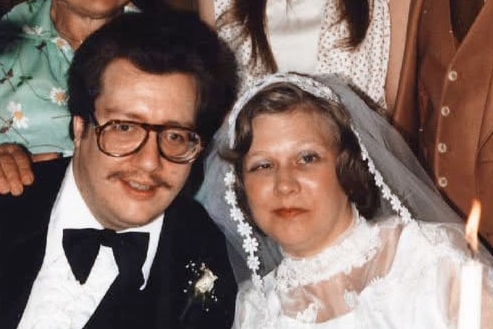
Mr. Campbell and his wife, Jean, married in 1980.Courtesy of the family
Alan Douglas Campbell was born Oct. 10, 1951. He was on track and basketball teams in high school, joined the Boy Scouts and Army Reserve Officers’ Training Corps, and studied at Temple University briefly before going into newspapers full-time.
He met Jean Hunsberger in school. They reconnected at their 10-year high school reunion in 1979, married in 1980, and lived in a cozy house he called Moose Manor. His wife died in 2022.
Mr. Campbell was fascinated by trains and public transportation, and he rode his bicycle as a boy to nearby train stations to watch the locomotives roar by. Later, he rode the trains to the suburbs and Washington, and assembled an extensive collection of model trains that he displayed at his home.
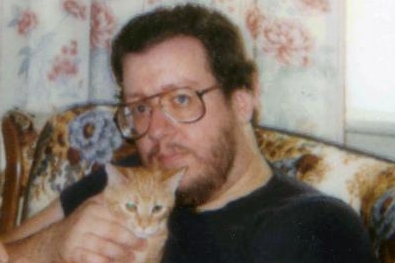
Mr. Campbell was a cat lover. Courtesy of the family
He loved cats, old movies, and comedy shows. He celebrated his Scottish heritage and became licensed as a massage therapist.
“Moose was one of a kind,” a former colleague said. His brother Bob said: “He was the most gentle soul on the planet.”
In addition to his brother, Mr. Campbell is survived by a brother, Tom, and other relatives.
A celebration of his life is to be held later.
Donations in his name may be made to the Pennsylvania SPCA, 350 E. Erie Ave., Philadelphia, Pa. 19134.
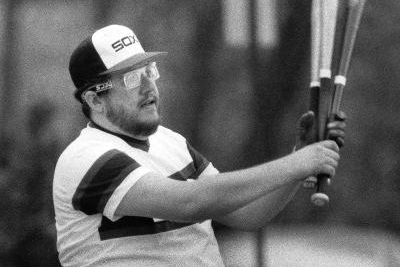
Mr. Campbell started his 46-year career at The Inquirer in 1970.Courtesy of the familyMr. Campbell was a playing manager for the Horsham Neighbors softball team in the 1980s.Courtesy of the family
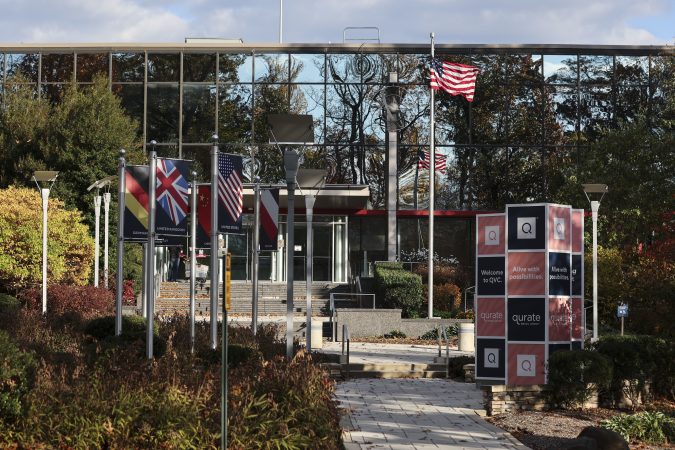
Most QVC hosts have voted in favor of unionizing, according to SAG-AFTRA, as the West Chester-based shopping network prepares to emerge from bankruptcy.
The group includes 53 on-air hosts who sell clothes, home goods, and other products from QVC Group’s West Chester studios. The programs are broadcast on QVC, HSN, and various digital platforms, a segment of the business the company refers to Omni Channel.
“The strong show of support for unionizing reflects QVC, HSN, and Omni Channel hosts’ professionalism and resolve to improve their workplace and build a better future for themselves and their colleagues,” SAG-AFTRA national executive director and chief negotiator Duncan Crabtree-Ireland said in a statement.
A QVC Group spokesperson reiterated that the hosts are “deeply valued team members.”
“While we have long believed that a direct relationship with team members is the best approach, we respect the outcome of the election and our hosts’ right to make this choice,” spokesperson Matthew Goldstein said Friday in a statement, adding that management “will work with SAG-AFTRA on the next steps.”
In the petition, the hosts expressed concerns about QVC using artificial intelligence to imitate their image, voice, and likeness without consent or compensation, as well as about pay equity and transparency.
“As QVC Inc. adapts, we hope to foster a culture in which workers feel valued, trusted, and appreciated, where ideas are recognized and concerns respected,” the hosts wrote in the petition. “This is especially true given the current landscape of artificial intelligence, discussions surrounding the regulation of image and likeness, and concerns of job security.”
Despite developing a loyal following of fans over 40 years, QVC has struggled recently to expand its customer base and compete with online retailers. After years of declining revenue, QVC Group filed for Chapter 11 protection in April.
A federal judge last week approved the company’s reorganization plan, which would slash its debt from about $6.6 billion to $1.3 billion. QVC executives have said they hope to emerge from bankruptcy sometime this summer.
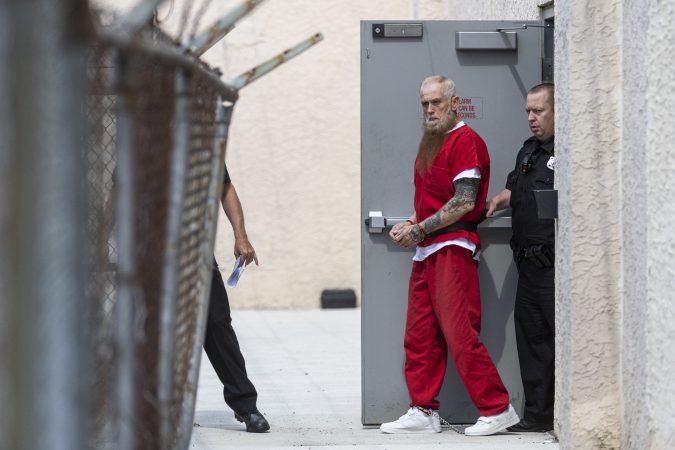
Wilbert Rosado-Ruiz, 63, was also convicted of four counts of attempted murder — three for other coworkers he wounded in the May 2024 shooting, and one for another man he attempted to shoot before his gun jammed.
Rosado-Ruiz had no reaction as the verdict was handed down by Delaware County Court Judge Kevin Kelly, who presided over the bench trial. Kelly will sentence Rosado-Ruiz in October. A conviction for first-degree murder carries a mandatory penalty of life in prison.
Leovanny Peña Peña, 30, and Giguenson Peña Peña, 26, were killed by Rosado-Ruiz during the shooting at Delaware County Linen, an industrial laundry facility where he had worked for 10 years. The three other victims were seriously wounded, including Charles Doyle, who said that he suffered severe internal injuries that have left him with limited use of his arms.
During his trial before Kelly, Rosado-Ruiz testified that he acted in self-defense: A group of his coworkers, including the Peña Peña brothers, cornered him inside the facility and threatened to kill him and his family.
The brothers, he said, were holding knives as they slowly walked toward him.
Prosecutors disputed Rosado-Ruiz’s version of events. Evidence from the scene, including surveillance footage and witness accounts, showed Rosado-Ruiz was the aggressor, screaming that he was “tired” of his coworkers during an argument near the facility’s time clock.
He then pulled out his 9mm handgun and opened fire, according to Nilamarie Valdivieso, the first person Rosado-Ruiz shot that morning.
In her closing arguments, Assistant District Attorney Sophia Polites said none of the victims were armed, and no weapons were recovered from the scene. She asserted that Rosado-Ruiz went room-to-room, searching for more victims as they fled from the initial gunfire, and at one point paused to reload his gun before continuing to fire.
Rosado-Ruiz intended to kill more people, according to the prosecutor, and would have done so had his gun not jammed. He fled the scene, and was arrested by a Trainer police officer not far from his home.
Gov. Josh Shapiro spent months preparing a set of standards he promised would “hold data center developers accountable.”
But behind the scenes, top Shapiro administration aides were drafting the framework with the input of Amazon and thepowerful data center lobby and sharing early drafts with company officials before making them public, records show.
The emails, first reported by climate change media outlet HeatMap earlier this year and obtained by an anti-data center activist in Montour County through the state’s open records law, show a cozy relationship between Shapiro’s administration and data center developers. But they also show the role the technology giants played in influencing the final version of Shapiro’s guardrails — though that influence only went so far.
Shapiro in May introduced the initiative as the Governor’s Responsible Infrastructure Development, or GRID, which are a set of transparency and environmental standards data center developers would need to meet to access state tax breaks and other incentives Shapiro asked the General Assembly to write into law. The Democratic-controlled state House approved these standards, but it’s stalled in the GOP-controlled Senate, as legislators struggle to find common ground on one of the most hot-button issues facing them today.
A spokesperson for Shapiro said the administration consulted numerous stakeholders as part of the drafting of the policies, including the Pennsylvania Building & Construction Trades Council, the Pennsylvania Environmental Council, the Natural Resources Defense Council, and more. Data center development is supported by many building trade unions across the state, which are likely to benefit from the major projects.
Environmental groups broadly support Shapiro’s proposal and want stronger regulations on data center projects. Some groups want to ensure the provisions are mandatory, instead of voluntary, as Shapiro proposed.
“As finalized, the Governor’s GRID standards set firm guardrails to protect Pennsylvania communities and hold data center developers accountable to strict standards requiring them to take additional action to ensure Pennsylvania communities benefit — and are not harmed — by these projects,” said Rosie Lapowsky, Shapiro’s press secretary, in a statement.
Shapiro, a Democrat seeking reelection this year and a possible 2028 presidential contender, has remained data-center friendly and emphasized that Pennsylvania should play a core role in the “battle for AI supremacy.”
But he has sharpened his rhetoric in recent months, citing his own personal evolution on the issue, as public opinion has also shifted with roughly 76% of Pennsylvanians across party lines opposing the projects.
“Too many of these projects have been shrouded in secrecy, with local communities left in the dark about who is coming in and what they’re building,” Shapiro said in his budget address in February.
Yet as other states like New York have put moratoriums on data center development, Shapiro has chosen to fast-track permits and support tax breaks to incentivize the massive projects, though he now believes they should meet certain voluntary standards.
Amazon has already committed to a $20 billion investment in Pennsylvania — the biggest investment in state history — to build two data center campuses in Luzerne and Bucks counties and will access the state’s sales tax exemption for data centers as approved by the General Assembly in 2021.
The Data Center Coalition — the powerful industry group made up of data center developers like Amazon, Google, Anthropic, OpenAI, and Microsoft — shared feedback on several drafts of Shapiro’s GRID principles and approved of most of its measures. But the industry still has “some significant concerns” with the voluntary program, including its clean energy provisions requiring certain percentages of its power to be from low- or zero-carbon sources.
Dan Diorio, the Data Center Coalition’s executive vice president of state policy and government affairs, described the proposed GRID program’s requirements to access tax breaks as “extensive” compared to the 37 other states that offer sales tax exemptions.
“We look forward to continuing to work with the legislature and the governor’s office on outlining what would ensure Pennsylvania remains a strong and competitive data center market,” Diorio said.
Fengqi You, an energy systems engineering professor at Cornell University and data center expert, said it’s best practice for governments to consult all stakeholders, including industry leaders. But data center developers and local communities have opposing viewpoints that must be balanced, he said.
“The right model, in my view, is to consult widely all the stakeholders, decide independently, and disclose transparently,” You said. “The standards are only as strong as the conditions and the consequences.”
But some of the conditions should not be voluntary incentives, like Shapiro proposed, You said. This has been echoed by some environmental and anti-data center groups, which argue that the provisions don’t go far enough if compliance is ultimately voluntary for the tech giants.
“It’s a useful starting point, but the incentive conditions should not substitute a minimum public protection for all,” You said. “If a company is receiving a tax exemption, then the state should have every reason to attach some very strong public interest conditions.”
‘Not ban or discourage data centers’
Ahead of Shapiro announcing his plans for GRID as part of the state budget address, Shapiro administration officials went further in their efforts to reassure companies like Amazon, which they’ve courted for years, records show.
In a Feb. 3 email, Department of Community and Economic Development Secretary Rick Siger wrote to Amazon Web Services staff that Shapiro would not “ban or even discourage data centers” and that “this new approach will not look back at projects or agreements already in place.”
Other emails, sent in March by Sam Robinson, a deputy chief of staff to Shapiro, request that Amazon and the Data Center Coalition submit their feedback and mark up drafts. Shapiro’s administration declined to share those earlier feedback drafts.
Legislators in Pennsylvania’s split General Assembly did not write Shapiro’s GRID proposal into law as part of this year’s $50.8 billion budget deal, and only enacted one new data center requirement despite near-unanimous support to repeal tax breaks for the projects. Shapiro now says he’s “considering all executive actions” he can do without the legislature.
Colby Wesner, a pediatrician in Montour County, received troves of emails from top Shapiro administration officials, top Amazon staff, and more as part of several Right-to-Know Law requests he submitted to find out more about a now-blocked project near his home.
“It’s a really insincere attempt,” Wesner said of the GRID principles. “It’s a public relations stunt.”
Now that Shapiro is considering acting on his own, Wesner said he wants to know whether Shapiro will add restrictions or continue to welcome the projects into Pennsylvania.
“Maybe he is listening to constituents and an executive action will demonstrate that he is listening to citizens,” Wesner added. “If it is, then great for him. But to date, everything he has done has been pro-data center industry.”
Amazon , for its part, declined to comment on its role in the drafting of the GRID principles, which, if approved, would not apply to their ongoing projects. Becky Ford, a principal for global infrastructure expansion at Amazon Web Services, replied to Robinson on March 18 that they “look forward to providing feedback.”
“We’re committed to being good neighbors in the communities where we build and operate, and will continue working with state and local leaders to invest responsibly and to keep creating good jobs across the Commonwealth,” an Amazon spokesperson said in a statement.
John Alviti, 76, of Flourtown, Montgomery County, retired innovative senior curator at the Franklin Institute, former executive director at the Atwater Kent Museum, adjunct professor of urban studies, and “Mr. Philadelphia History” to family and friends, died Saturday, June 20, of complications from heart and kidney disease at Jefferson Abington Hospital.
Born in Chicago and devoted to history and his South Side White Sox baseball team, Mr. Alviti came to Philadelphia in the 1970s to pursue a doctorate in history and urban studies at Temple University. He never got that doctorate.
But he fell in love with Philadelphia’s history and architecture, got married, settled down in Flourtown, and, for 34 years, was one of the region’s most influential museum curators and historians. Affable, creative, and energetic, by all accounts, Mr. Alviti became a groundbreaking executive director at the now-closed Atwater Kent Museum in 1982 and celebrated curator at the Franklin Institute in 1994.
Even after he retired in 2018, he was known around town as “Mr. Philadelphia History.”
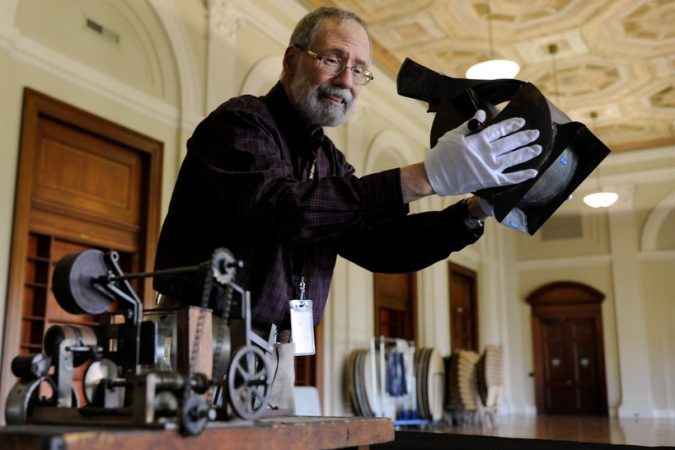
Mr. Alviti displayed this 5-foot-long fragment of a lightning rod designed by Benjamin Franklin at the Franklin Institute in 2010. Michael S. Wirtz / Staff Photographer
At the Atwater Kent, Mr. Alviti updated exhibits on William Penn, the history of Philadelphia, the old Enchanted Colonial Village display, and local cemeteries. He added maritime and archaeology galleries.
At a gala to celebrate the museum in 1984, A. Atwater Kent Jr., son of the museum founder, said Mr. Alviti “has done a great job of creating interesting exhibits and improving the museum.”
At the Franklin Institute, he reorganized its huge inventory, redecorated the galleries, digitalized many artifacts, and created popular exhibits regarding the Wright Brothers, Benjamin Franklin, antique machines, X-rays, and dozens of other scientific subjects.
“He loved objects,” said his wife, Maryellen. “He loved the history of objects and telling their story.”
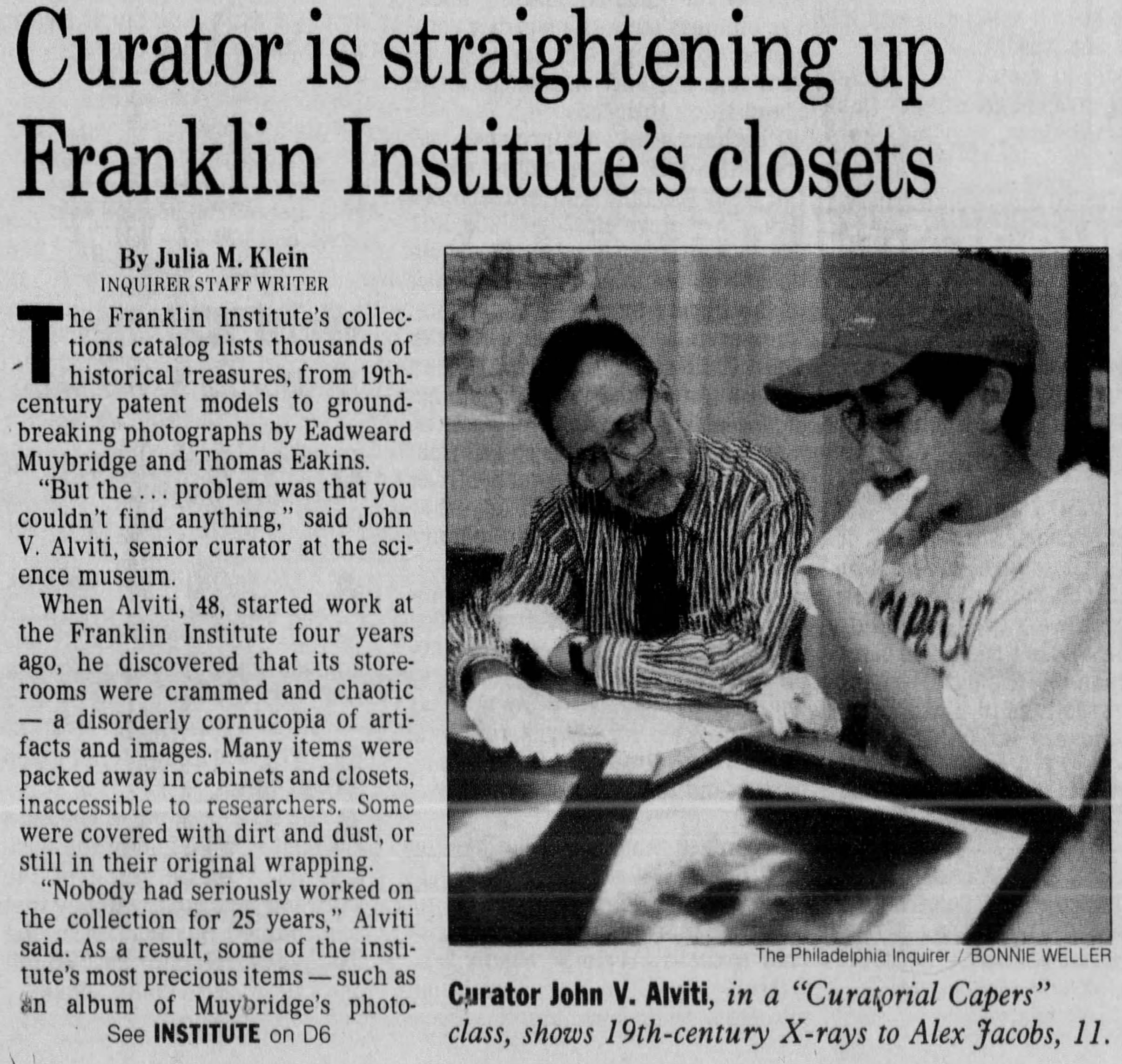
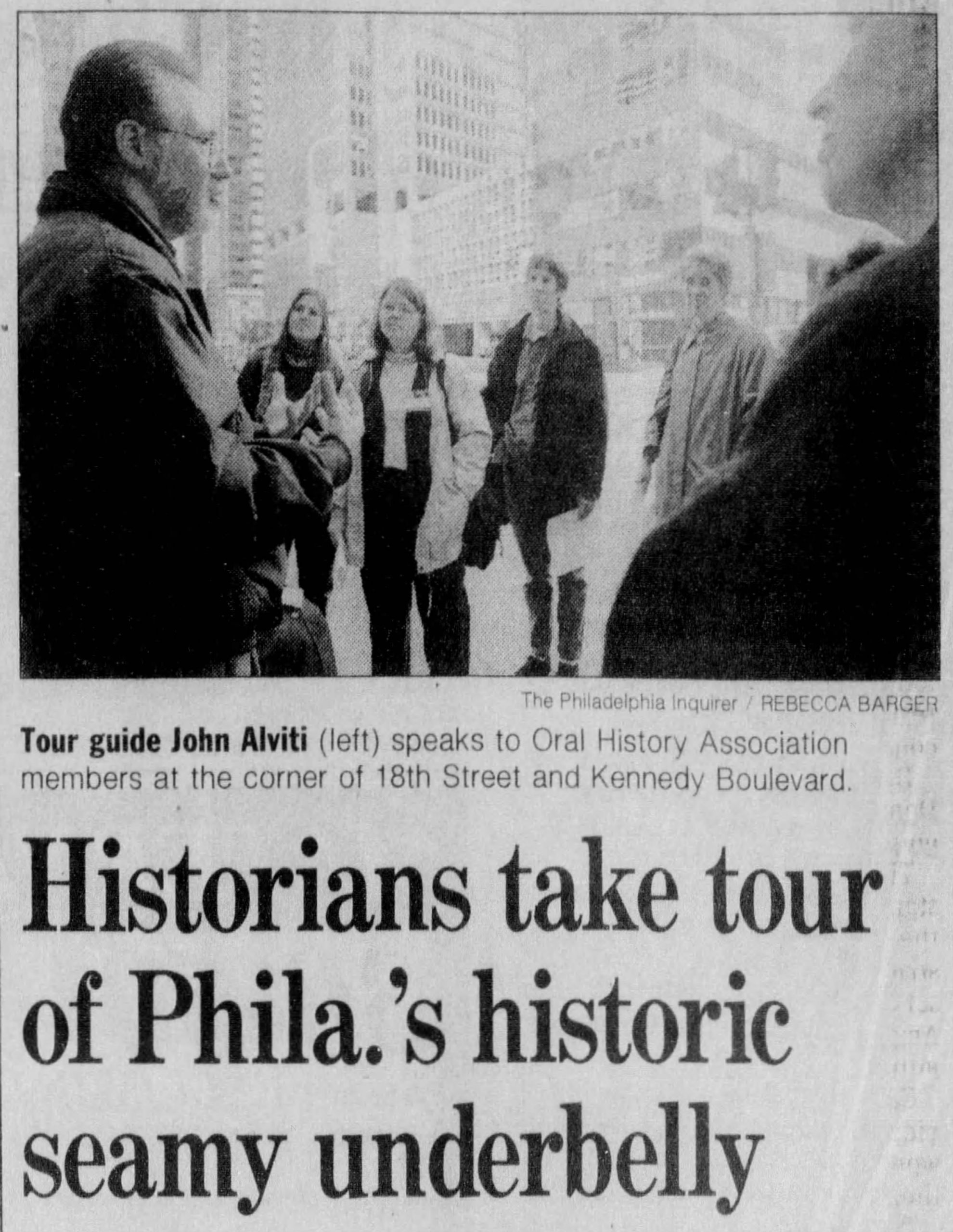
This story and photo of Mr. Alviti (left) was published in The Inquirer in 1998.Newspapers.com
In 1998, Mr. Alviti told The Inquirer: “Besides the curator of stuff, I’m also the curator of institutional memory. And institutional memory is more than just simply the facts about what happened in the past. It’s about the legacy of an institution … and how it informs our thinking and decision-making.”
He was also adept at merging his collections with educational programs, and he helped organize the city’s National History Day competition for students, the Phil-A-Kid hands-on history workshop for fourth and fifth graders, the Peopling of Philadelphia research project, and the Curatorial Capers summer day camp program. Often, in a nod to the ever-present protective gloves he wore to handle the artifacts, he introduced himself as “Johnny Whitegloves.”
“There are some curators who think I’m crazy,” he told The Inquirer. But a public presentation, he said, “really demonstrates the power of an object.”
Mr. Alviti also led walking tours of the city for visiting colleagues from the Oral History Association, the Organization of American Historians, and other groups. He admired and worked closely with amateur historians, and led the successful effort in 1981 to save the historic Lit Bros. building complex on Market Street from demolition.
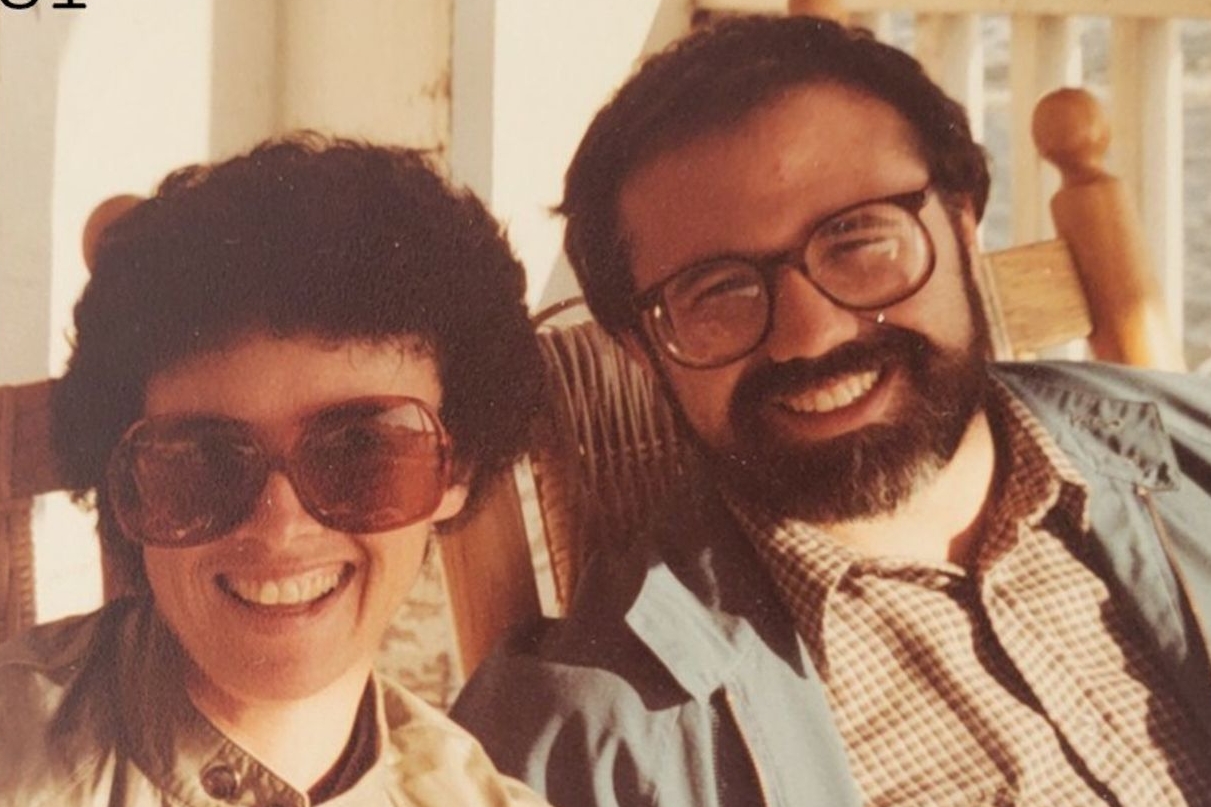
Mr. Alviti and his wife, Maryellen, married in 1983.Courtesy of the family
Between the Atwater Kent and the Franklin Institute, Mr. Alviti spent two years as director of the Historical Society of Washington, D.C. He was an expert on public transportation and taught urban studies, American history, and museum training at Temple and Stockton Universities, Rutgers University-Camden, and elsewhere.
He was onetime curator of historic Fort Mifflin and president of what is now the Museum Council of Greater Philadelphia. He was on the advisory board of the old Philadelphia Alliance for Teaching Humanities in the Schools and active with the American Association of Museums and other groups.
“He had a gift for making friends for life,” longtime friend Margaret Marsh said, “and he had a legendary generosity of spirit.” Longtime friend Howard Gillette said: “He never met a stranger.”
John Vincent Alviti was born Sept. 22, 1949. A lifelong avid reader, he earned a bachelor’s degree in urban studies and history at Lewis University in Illinois in 1971 and a master’s degree in history at the University of Wisconsin-Milwaukee in 1975.
The photo and a story about Mr. Alviti and his city walking tours appeared in The Inquirer in 1996.Newspapers.com
He played piano and clarinet, and sang in choirs in high school and college. “He left Chicago when he was 25 or 26,” said his younger sister, Rosemarie Alviti Babic, “but never stopped loving the city.”
He met Maryellen Coonahan when she took an urban studies class he was teaching at Temple, and they married in 1983 and lived in Philadelphia, Washington, and Flourtown. Together, they traveled the world and visited museums in London, Rome, Athens, Madrid, and elsewhere.
Mr. Alviti enjoyed puzzles, games, and conversation. He lived with a heart condition for most of his life and was the lovable “Uncle Johnny” to his nieces and nephews. “He is missed beyond words,” said his niece Lindsay Hogan.
He was fascinated by urban architecture and city life around the world, and he routinely bought food and drink for people without homes, picked up litter, and offered correct directions to those who looked lost.
Mr. Alviti (right) enjoyed time with family and friends.Courtesy of the family
“He was a curious fellow,” his wife said, “who loved to help people.”
In addition to his wife, sister, and niece, Mr. Alviti is survived by a sister, Rita Jo Alviti Coyne, a brother, James, and other relatives.
A partner at one of the city’s largest law firms who once worked as a federal prosecutor was confirmed Thursday by the U.S. Senate to become the Philadelphia region’s newest federal judge.
Antonio Pozos’ nomination to join the region’s U.S. District Court was approved by a vote of 49-44. There was no discussion as the Senate voted to approve his nomination, which earns him a lifetime seat on the bench.
Pozos, 44, most recently a partner at Faegre Drinker Biddle & Reath, is the first person appointed to the region’s district court since President Donald Trump began his second term last year. During his first term, Trump had five judges confirmed to the region’s federal bench.
Pozos will fill a vacancy created by last year’s retirement of U.S. District Judge Mitchell Goldberg, giving the court 22 district judges and eight senior judges.
District court judges oversee a variety of criminal and civil cases each year, and typically issue the first rulings on legal questions that can sometimes reach the U.S. Supreme Court.
Although some of Trump’s recent nominations to judicial posts across the country have been controversial — including his decision to nominate his former personal lawyer, Emil Bove, to the Philadelphia-based U.S. Court of Appeals for the Third Circuit — Pozos’ candidacy received some bipartisan support.
Shortly after his nomination was announced, Pennsylvania’s Democratic senator, John Fetterman — who, under Senate rules, had the ability to block Pozos’ candidacy from advancing — decided to allow the process to move forward, the first time any Democrat had done so for a district court nominee during Trump’s second term.
Fetterman also voted Thursday to confirm Pozos.
During a confirmation hearing last month, U.S. Sen. Dave McCormick (R., Pa.) called Pozos a “successful attorney, a strong Pennsylvanian, a decorated public servant, and he’s eminently qualified for this role.”
Pozos was criticized by some Democratic senators during the hearing for hesitating to use the word attacked when describing the riot at the U.S. Capitol on Jan. 6, 2021. He instead said it “appeared that there was violence and trespass” that day, and called the events “profoundly troubling.”
Pozos lives in Bryn Mawr and is a graduate of Harvard College and the University of Michigan Law School, according to a questionnaire he submitted to the Senate Judiciary Committee.
Before he became a partner at his firm in 2018, the questionnaire said, he spent three years as a prosecutor in the Justice Department’s criminal fraud section in Washington, where he often worked on cases involving healthcare fraud. He previously worked as an associate in a Washington-based firm and clerked for U.S. District Judge Anthony J. Trenga in Virginia.
In Philadelphia, Pozos has served as a lecturer at the University of Pennsylvania’s Carey Law School and is on the board of Drexel University’s Kline School of Law.
With Pozos’ confirmation to the bench, Trump has now appointed six of the Philadelphia region’s district judges, who handle cases that arise from the city, its suburbs, and counties in and around Reading and Allentown. Former Presidents Joe Biden and Barack Obama each appointed seven judges to the bench, and two were appointed by George W. Bush.
Trump has had a more outsize impact on the region’s appellate court, where he has appointed six of the court’s 14 members across his two terms.
A Chester County man who forced two teenage girls, one of them a relative, to work long hours on a Kennett Square mushroom farm for no pay pleaded guilty Thursday to human trafficking, involuntary servitude, and related crimes.
Ramiro Caal Jolomna, 37, threatened to have the girls deported back to their homes in Guatemala if they did not comply with his demands, Senior Deputy Attorney General Zachary Mills Wynkoop said.
Pennsylvania Attorney General Dave Sunday, whose office investigated the case through its human trafficking division, called crimes like Jolomna’s “cruel and dehumanizing behavior that forces victims into a routine of helplessness and silence.“
The victims, who were 14 and 17 when interviewed by state investigators in 2024, said Jolomna helped transport them to Chester County with a promise of giving them better lives and the opportunity to earn money to send back to their families.
Instead, prosecutors said, Jolomna, of New Garden Township, took their salaries from the mushroom farm for himself.
The younger victim told investigators that she had been working on the mushroom farm since she was 12 years old, and that Jolomna had been signing her paychecks over to himself and his wife.
After working predawn shifts at the farm, the girl was forced to act as the couple’s housekeeper, and was not even given new clothing to wear, Wynkoop said.
The other victim told investigators Jolomna charged her rent to live in his home alongside nine other people and forced her to reimburse him for the cost of her flight to America. These debts prevented her from sending money home to her father, who was sick and unable to work, the prosecutor said.
At one point, Jolomna’s parents contacted the older victim’s parents and asked them for more money, according to the affidavit of probable cause for his arrest. The girl said she “did not know what would have happened if her parents said no,” the document said.
In an interview with prosecutors, Jolomna admitted to having debts from “smuggling” the girls into the country and to taking the girls’ paychecks to use for food and other items, according to the affidavit.
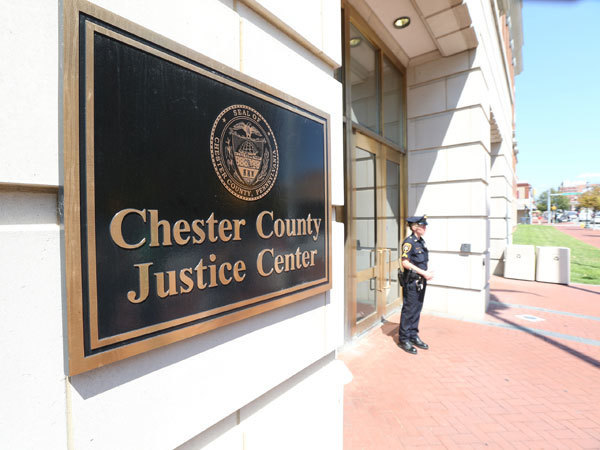
Jolomna will be sentenced in the coming months by Chester County Court Judge Debra Ryan.
For the first time, Pennsylvania will inventory the thousands of public school facilities throughoutthe state to better assess the extent of aging and unsafe buildings.
Educators have long raised concerns that deteriorating school conditions threaten student safety and impede learning — but understanding the scope of the problem has been difficult.
Included in this year’s $50.8 billion budget deal, and effective in 2027, the Pennsylvania Department of Education will be required to collect information about school facilities, including the age and renovation history of buildings as well as their capacity and square footage.
Democratic State Rep. Elizabeth Fiedler, who represents South Philadelphia and was the initial sponsor of the bill, said the legislation will allow state funding for facilities repairs to be used more efficiently.
Some school districts already track this information, Fiedler said, but not all do. Having that information in a centralized location, she said, will allow for a “better understanding big picture of what we’re facing and figure out where we should be allotting our very limited school facilities dollars.”
The state has allocated $200 million in funding for public school facilities improvements in recent budget cycles.
While her initial bill also called for the creation of a public school facility advisory committee, Fiedler said the inventory requirement represents an important first step.
“The people who spend Monday through Friday all day long in those same schools, they know what the problems are,” Fiedler said. “They’re tired of having to find work-arounds and deal with them. We need to invest more money. I think that part is plain and simple.”
Students attending school in Philadelphia have faced leaking roofs, mold, asbestos, and inadequate cooling systems.
The Philadelphia school board voted in April to approve a controversial $3 billion facilities plan that would close 17 schools and renovate nearly 200 others over the next decade. The average age of a school building in the Philadelphia district is 75.
That problem is not unique to Philadelphia.
In Pittsburgh — where the average building is nearly 90 years old — the school board similarly approved a facilities plan this spring that would close 12 schools in a move district leaders hope will help address the older school buildings.
Statewide, the first round of school facility information will be collected by the education department through an online form by the end of 2027, and then every five years after that. Public school districts as well as cyber charter, charter, and career and technical schools will be required to submit information.
“This information will enable lawmakers and the administration to evaluate the condition of public school facilities, identify collective needs of our public schools, and further support the investments needed to ensure healthy and safe learning environments,” a spokesperson for the state education department said.
Aaron Chapin, president of the Pennsylvania State Education Association, said the state’s largest teachers union was proud to work alongside lawmakers in creating the inventory system.
“We encourage school districts to partner with the Department of Education to provide the information needed so that the commonwealth can address school facility equity in a fair and timely way,” he said in a statement.
Ethan Young is an intern with the Pennsylvania Legislative Correspondents’ Association. He can be reached at ethanmyoung@gmail.com.
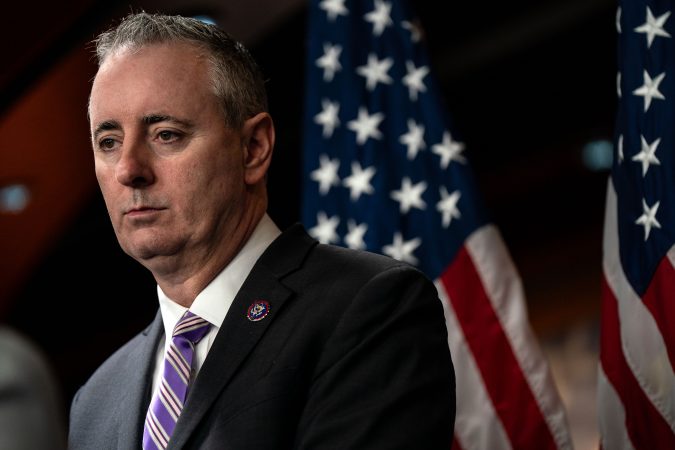
Early on in his tenure, U.S. Rep. Brian Fitzpatrick proved himself to the largest federal employees union in the United States.
In 2017, President Donald Trump signed a law to improve whistleblower protections and set guidelines for employee misconduct at the Department of Veterans Affairs. But the American Federation of Government Employees began noticing some adverse effects.
As Phil Glover, a national vice president for AFGE, tells it, veterans, including those with disabilities, and lower-level employees were being targeted instead.
AFGE officials went to Fitzpatrick with their concerns, and the Bucks County Republican introduced his own bill repealing and adjusting certain provisions.
That move, Glover said, was an inflection point in solidifying a long-lasting partnership with Fitzpatrick — one that gives the union a rare ally in the Republican caucus and Fitzpatrick a consistent endorsement from a powerful organization as he has repeatedly won reelection in a narrowly divided district.
“He’s carried a lot of water for us within the Republican Party, within the caucus, whether they were in the minority or majority,” said Glover, whose jurisdiction includes Pennsylvania.
In the high-stakes midterm elections this year, union endorsements behind Fitzpatrick and U.S. Rep. Rob Bresnahan, a freshman Republican trying to hold onto his seat in Northeastern Pennsylvania, are shaping up to be a potentially critical factor inthesetwoswing districts that could help determine which party controls the U.S. House.
“They all reached out. I didn’t even have to call them. They reached out to me right away and said we are 10,000% with you,” Fitzpatrick said, describing his relationship with the unions as “beyond advocacy” and “like family.”
Organized labor has traditionally backed Democratic candidates in the state —and that remains mostly true this year.
Fitzpatrick was the only Republican congressional candidate to get an endorsement Wednesday from the Pennsylvania AFL-CIO, which is also backing popular Pennsylvania Democratic Gov. Josh Shapiro.
In two other swing-seat districts centered on Harrisburg and the Lehigh Valley, unions have coalesced behind the Democratic nominees, including by spending big to help union leader Bob Brooks win his primary in May.
But the splintering of their endorsements in both Fitzpatrick’s Bucks County-based 1st Congressional District and Bresnahan’s Scranton-based 8th Congressional District seat has been a striking departure — underscoring some unions’ willingness to reward incumbents’ loyalty to give labor a voice in a Republican caucus that may not always work in their interests.
Last week, the Pennsylvania State Education Association — the largest union for teachers or any other labor organization in the state — backed Fitzpatrick even though Harvie, a former social studies teacher at Bucks County Technical High School, was previously a member.
How those endorsements move the needle in the election is still an open question.
But in a district with independent-minded voters who have shown a willingness to cross party lines, some observers say, the labor endorsements could make a difference — both in the get-out-the-vote and fundraising support that unions sometimes provide, and in appealing to swing voters.
“It suggests to an independent voter or even a moderate Democratic voter that this candidate isn’t a far-right candidate, that this candidate is somebody who will work with workers and work with unions,” said Paul Frymer, a politics professor at Princeton University who studiesorganized labor.
U.S. Rep. Rob Bresnahan introduced before remarks from President Donald Trump in Mt. Pocono, Pa., in December. Steven M. Falk / For The Inquirer
‘We consider them our friends’
With Trump in office and Republicans in control of Congress, Fitzpatrick and Bresnahan have won some union support by backing policies their own party leadership opposes.
In December, they were among 20 Republicans to join 211 Democrats to force a successful vote on the Protect America’s Workforce Act, which aimed to reverse a Trump executive order to strip collective bargaining rights from federal workers. In June, they were again among 20 Republicans — and the only ones from Pennsylvania — to vote for the Faster Labor Contracts Act, an effort to speed up bargaining negotiations.
And Bresnahan’s decision-making, as a freshman going against the White House, “had some guts to it,” Glover said. He said his group “didn’t entertain” endorsing Democrat Paige Cognetti, the Scranton mayor running against Bresnahan, or Harvie in the Bucks County race.
Angela Ferrito, president of the 700,000-member Pennsylvania AFL-CIO, which endorsed Fitzpatrick on Wednesday, said that while he has not always sided with labor, he has become the kind of Republican who will “sometimes almost put their neck out.”
Still, the union’s own public scorecard shows Fitzpatrick has aligned with its priorities far less often than Democrats — about 46% of the time in the current session of Congress. Bresnahan, who did not secure the union’s endorsement Wednesday, voted with the AFL-CIO just once — on the Protect America’s Workforce Act — to give him an 8% score.
Ferrito said the organization supports candidates who “support us and stand up when it matters.”
“Pennsylvania has always been unique in that way, where we do have moderate Republicans who will support unions and the rights of union workers. And so in those circumstances that we consider them, we consider them our friends,” she said.
State of play
As both of their districts draw national attention, Fitzpatrick has touted more than 40 labor-centered recommendations or formal shows of support and Bresnahan has highlighted about a dozen.
Fitzpatrick’s labor endorsements have ranged from local building trade affiliates — such as the Boilermakers Local 13 and the deep-pocketed International Brotherhood of Electrical Workers Local 98 — to national labor organizations, like the Transport Workers Union of America and the National Air Traffic Controllers Association.
The SEIU Pennsylvania State Council, which represents employees in public services, healthcare, and property services, backed him for the first time after a decade of either endorsing against him or staying neutral. But the council’s perspective changed after Fitzpatrick publicly supported reforms for U.S. Immigration and Customs Enforcement and was only one of two Republicans to vote against his party’s cuts to Medicaid in the One Big Beautiful Bill Act.
“For us, that means something,” said Matt Yarnell, president of SEIU Healthcare Pennsylvania and the state council, “if someone’s down to both organize and fight and stand up and speak out against your own party.”
Fitzpatrick said his “unique” role as a labor-friendly Republican has made him a “pivotal voice” in Congress — largely because of the hyperpartisan nature of politics that he has railed against, he said.
“That’s unfortunate,” Fitzpatrick said. “If we did away with the political parties and we just had people form coalitions around ideas, you would see so much support, so much more support for commonsense measures, like supporting labor.”
Bresnahan said he made it a personal mission to cultivate strong relationships with organized labor when he entered Congress last year after having had collective bargaining agreements as the CEO of his family’s electrical contracting business.
As a freshman Republican, he said, he had to prove himself. He got up to speed on the roughly 10,000 federal jobs in his district and made visits to a high-security federal prison with “serious staffing shortages”at the same time as Trump was laying off thousands of federal workers.
“I absolutely encourage my Republican colleagues to take another look at this and find a way to support the people that support us each and every day,” said Bresnahan, who narrowly defeated six-term Democratic U.S. Rep. Matt Cartwright in 2024.
Bucks County Commissioner Bob Harvie addresses supporters after winning the May 19 Democratic primary. Steven M. Falk / For The Inquirer
Harvie, the Democrat challenging Fitzpatrick, grew up in a union household and hasreceived the backing of two unions: the American Federation of Teachers Pennsylvania and Transport Workers Union Local 234, which represents SEPTA employees. His campaign said conversations are ongoing with labor and believes more support is in the works.
Harvie said Fitzpatrick’s endorsements have in some ways been a “reward for doing the bare minimum” while his own track record as a former Falls Township supervisor and as a twice-elected county commissioner proves he would be a steadfast supporter of labor in Congress.
He said he was “anxious to get the support of the rank-and-file workers,” who are bearing the brunt of cost-of-living issues.
“They’re the ones who are really going through all the pain right now with higher gas prices, higher grocery prices, higher energy prices, concerns about their healthcare,” Harvie said.
Cognetti, meanwhile, has credited her endorsements from nearly a dozen local labor unions to her record in Scranton, including increasing the number of jobs and wages for public workers. Endorsements from AFSCME, which represents municipal employees, and others that she announced this month underscore that support, she said.
She also said she would support more labor priorities than Bresnahan, including the PRO Act — a major effort to expand workers rights that Bresnahan has not endorsed — and repealing parts of the One Big Beautiful Bill Act, which Bresnahan voted for.
“It’s very important that you look at the whole picture of someone’s votes. It’s very easy to sign on to a letter and try to make yourself a hero,” Cognetti said.
In one unusual instance, Cognetti appeared to receive the endorsement of the Pennsylvania Conference of Teamsters with a voice vote during an April meeting, but the organization released a statement endorsing Bresnahan in June. But conference president Bill Hamilton, who had called for the vote at the April meeting, said in the June statement that Bresnahan “has always had our backs,” including through his vote for the Faster Labor Relations Act.
Bresnahan, in an interview, also referenced that bill and stressed his relationship with Sean O’Brien, the national Teamsters leader whose podcast Bresnahan appeared on in January.
The state and national Teamsters organizations did not respond to multiple requests for comment about the situation.
“Democrats just can’t take unions for granted anymore,” Bresnahan said.
Scranton Mayor Paige Gebhardt Cognetti hosts the national summer meeting of the Mayors Innovation Project in Scranton in 2023. Tom Gralish / Staff Photographer
‘Stick with them no matter what’
The union endorsements in the 1st and 8th Congressional Districts have been a sharp contrast to other swing-seat districts that have arguably already shown the power of labor as a political force.
In the Lehigh Valley district where Brooks, a statewide union leader and retired firefighter, is running against freshman Republican U.S. Rep. Ryan Mackenzie, high-profile Democrats recruited and rallied around the Democrat largely because of his union bona fides. And when opponents unleashed a last-minute ad campaign against him in the May primary, another political action committee padded with organized labor donations spent nearly $1.8 million to push back and help give Brooks the win.
It is not yet clear whether unions will similarly spend heavily to elect Fitzpatrick or Bresnahan — especially as they mostly look to elect Democrats elsewhere in Pennsylvania and across the country.
TJ Lepera, political director of IBEW Local 98, said he believed a Democratic blue wave would be highly favorable to labor interests. But his union has also backed Fitzpatrick,who“knows our issues, and that could be helpful in trying to calm down a lot of the crazy rhetoric that comes out of the Republican side, sometimes, on the attacks of labor,” Lepera said.
“If somebody has a great voting record with us and has been loyal to Local 98 and the way that we see legislation, we typically stick with them no matter what,” Lepera said.
That emphasis on loyalty was echoed by other unions, even if their political calculus led them to go the other direction.
“We were not going to support anything that would possibly turn the House or the Senate red,” said Joe Coccio, secretary-treasurer and political coordinator from TWU Local 234, which has endorsed Harvie. “If they were a good candidate by us … once we endorse a candidate, unless they break the law or do wrong by us, we continue to endorse them until they move up or move on.”
Coccio said Harvie had proved his appreciation for SEPTA employees when he served on the transit agency’s board.He is also accessible and pro-union, and has valuable experience as a teacher and county commissioner during the COVID-19 pandemic, Coccio said.
AFT Pennsylvania, which is backing Harvie, did not respond to multiple interview requests.
As November inches closer, unions backing both Fitzpatrick and Harvie are planning out their financial and ground-game support.
“For us, is it strategic? Yeah, it’s very strategic,” said Lepera, whose Local 98 has a long history as a political power broker in Philadelphia and statewide. “We want to have a voice on the other side of the aisle.”