Category: News

  • Judge isn’t swayed by government’s claims that plans for an ‘anti-weaponization fund’ are dead

    Judge isn’t swayed by government’s claims that plans for an ‘anti-weaponization fund’ are dead

    ALEXANDRIA, Va. — A federal judge who blocked the creation of a $1.8 billion “anti-weaponization fund” for compensating President Donald Trump’s political allies wasn’t swayed by a government attorney’s assurances Friday that the administration has abandoned the concept.

    U.S. District Judge Leonie Brinkema in Virginia didn’t rule from the bench on the government’s request for her to dismiss a lawsuit challenging the fund’s formation and operation. But the judge rejected the notion that the case’s claims are moot because the Trump administration says the fund is dead and won’t go forward.

    “The issues that underlie this case are still alive and kicking, in my view,” Brinkema said.

    The fund for compensating Trump’s political allies encountered a fierce bipartisan backlash and threatened to derail Attorney General Todd Blanche’s Senate confirmation. On Aug. 2, Blanche issued a formal order terminating the fund after negotiating for weeks with two Republican senators who wanted to see the promise in writing before they endorsed his nomination.

    “The case is moot,” Justice Department attorney Andrew Block told Brinkema. “The mootness has been addressed at every stage.”

    But the judge noted that Blanche’s assurances have been undercut by the president and other administration officials. Trump, a Republican, continued to publicly express support for the fund even as Blanche insisted it was dead.

    “They contradict themselves all the time,” Brinkema said.

    The administration created the settlement fund to resolve Trump’s lawsuit against the IRS over the leak of his tax returns. The plan stoked outrage over the notion that Trump supporters who attacked police officers while storming the U.S. Capitol on Jan. 6, 2021, could be eligible for payments.

    Attorneys from the legal advocacy group Democracy Forward sued in May, asking the Alexandria, Va., court to suspend the fund’s implementation temporarily and stop the Trump administration from disbursing any payouts. Plaintiffs’ attorneys argued the government can’t divert taxpayer money to a slush fund for enriching Trump’s allies.

    Brinkema, who was nominated to the bench by Democratic President Bill Clinton, agreed in June to extend an order blocking the fund until further notice from the court.

    Democracy Forward attorney Pooja Boisture told the judge on Friday that the administration will most likely move forward with the fund — “either in its current iteration or a new one” — if her order is lifted.

    The Virginia lawsuit’s plaintiffs include a fired prosecutor and a college professor acquitted of assaulting federal agents at a protest. Also named as plaintiffs are the government watchdog Common Cause; the city of New Haven, Conn.; and the National Abortion Federation, an association of abortion providers.

    “This scheme is an unprecedented, unlawful, and corrupt attempt to manipulate the legal process and laws intended to prevent political interference to achieve benefits that President Trump and his political allies could not have obtained lawfully,” the plaintiffs’ attorneys wrote.

    Justice Department attorneys argue the plaintiffs don’t have a legal basis for claims challenging a fund that “has never existed and will not exist.”

    “The time has come to stop this inquisition,” they wrote.
  • Cheltenham police will use AI-enabled surveillance cameras at a construction site, and could expand use around town

    Cheltenham police will use AI-enabled surveillance cameras at a construction site, and could expand use around town

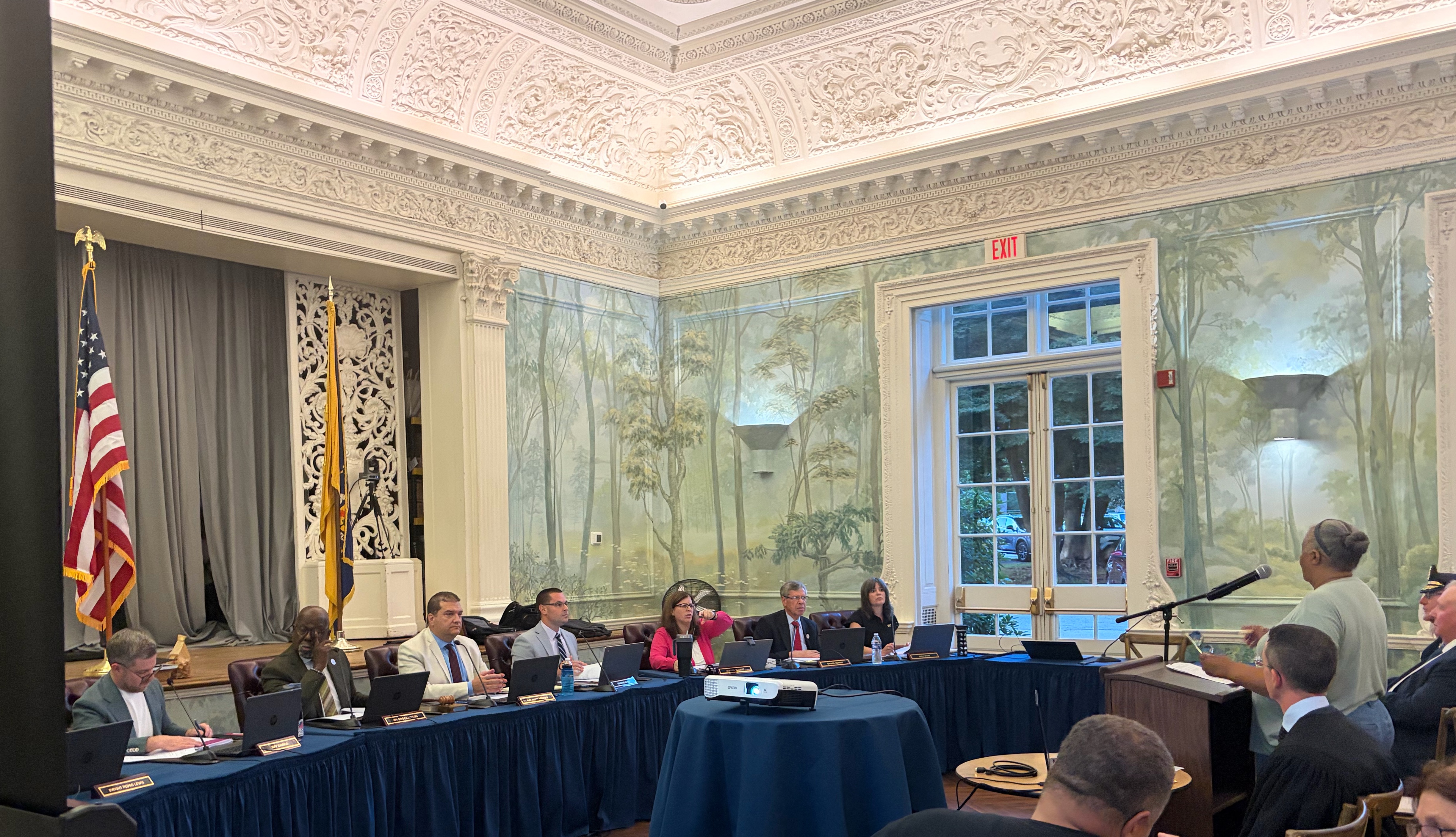
    Cheltenham police will soon use AI-enabled cameras to deter crime at a construction site, and may use them in the future for crime hot spots and community events.

    The $35,000 contract with Packetalk, a New Jersey technology company, that township commissioners approved Wednesday includes artificial intelligence-enabled camera technology with motion detection and software that allows police to both review live feeds and search recorded footage for license plate numbers and vehicle characteristics.

    Packetalk is smaller than the more widely known Flock Safety, but the company is not without controversy.

    In 2023, Packetalk’s current CEO, Tamer Zakhary, was charged with allegedly selling Chinese surveillance equipment banned under the National Defense Authorization Act as his own product, asking a manufacturer to change the color and logo to hide it, and lying to public safety clients about compliance.

    The federal charges were dropped in 2024 without explanation or prejudice, meaning prosecutors are allowed to charge Zakhary again for the same thing in the future.

    Township Manager Jonathan Altshul said Friday he had not been aware of the case.

    The Packetalk cameras will initially be used at the La Mott Community Center construction site, but police will keep the cameras for use at crime hot spots and community events, IT director Michael Rubin said at a Tuesday committee meeting. The contract includes five years of maintenance.

    Packetalk also allows police to create a surveillance network using both public and private cameras with owners’ permission. The township already has Packetalk cameras at Wall Park, Rubin said.

    Cheltenham officials, in an interview Friday, characterized the existing Wall Park technology as more akin to conventional surveillance cameras. Though the department may access the cameras through the same Packetalk monitoring platform, the Wall Park cameras are not integrated with other surveillance systems and do not use AI-powered tools.

    The Packetalk systems can help solve crime, Police Chief Richard Schaffer said at the Wednesday meeting where commissioners approved the AI surveillance contract: “These cameras don’t get tired, they don’t leave … they don’t sleep.”

    Schaffer added Friday that camera technology was critical to solving cases like the 2023 homicide of Rachel King.

    “For any investigation, we would take any legal avenue for trying to solve a case,” Schaffer said. “That would include if we identify cameras.”

    Several Cheltenham commissioners also emphasized that the camera contract was well worth the cost to protect the more than $8 million investment the township is making in the community center.

    Flock cameras have raised questions across the country — including in neighboring Abington, where both police and residents became concerned about data security and privacy.

    Like the Flock cameras, the Packetalk system can flag wanted vehicles, according to the company’s website.

    But unlike Flock cameras, which can be connected to a nationwide network where other agencies can request access, the data from the Packetalk system will be stored by the township, and only Cheltenham will have access, Schaffer said.

    Cheltenham does not have its own Flock cameras, but has access to Flock’s surveillance network via private companies within the township, police previously said.

    The new cameras have not yet arrived, but in general, the police department retains video for a minimum of 60 days, officials said.

    The township originally planned to order two surveillance trailers from Packetalk for $35,000 each, but commissioners amended the agenda item to approve just one, which will be paid for via Cheltenham’s capital fund.

    Packetalk was significantly cheaper than other vendors, a township memo noted.

    This suburban content is produced with support from the Leslie Miller and Richard Worley Foundation and The Lenfest Institute for Journalism. Editorial content is created independently of the project donors. Gifts to support The Inquirer’s high-impact journalism can be made at inquirer.com/donate. A list of Lenfest Institute donors can be found at lenfestinstitute.org/supporters.

  • Tesla’s AI-powered Cybercabs have been spotted in Philly. Will you be able to try one soon?

    Tesla’s AI-powered Cybercabs have been spotted in Philly. Will you be able to try one soon?

    Tesla seems to be testing its autonomous Cybercabs in the Philadelphia area after launching them in Austin earlier this month.

    Local Cybercab sightings have been posted on Reddit and other social media in recent days, with photos and excited commentary reminiscent of trainspotters. Several people posted shots of the gold vehicles parked in the lot of a Devon Tesla dealership.

    One Reddit user reported being told at the dealership that vehicles are undergoing “training” for future deployment in Philadelphia.

    “We’re not at liberty to discuss that,” a person who answered the phone in the sales department said Friday.

    Tesla’s corporate media team did not respond to a request for comment about its Cybercab plans in the Philadelphia market.

    Competitor Waymo is already here, so if Tesla does make a Philly play, a robotaxi arms race is possible.

    On Sept. 3, two-seat Cybercabs began offering driverless rides to the public in parts of Austin, Texas. after a closed-door launch party attended by Tesla enthusiasts and influencers.

    The fully autonomous version has no steering wheel, pedals or mirrors, and is piloted by AI, using an array of cameras to navigate.

    Waymo has not announced when it will start carrying passengers in Philadelphia. Under state law, PennDot must approve before people can hail one of its autonomous taxis and pay for a ride.

    Waymo started manual testing and mapping in Philadelphia in July 2025 and in December shifted to testing autonomous driving with safety specialists behind the wheel as backup.

    The Cybercabs caught the attention of James Mosley this week.

    Mosley, a commercial and fashion photographer, was waiting for a Route 65 SEPTA bus on City Avenue for the second leg of his commute to work Wednesday morning when he saw the brassy gold, soundless EV with a Cybercab logo on the front bumper and a Texas license plate on back.

    “It was shock and awe,” Mosley said. “I thought, ‘This is crazy.’”

    He captured a short video clip of the autonomous vehicle passing through an intersection and changing lanes (with signal) to make a left turn at the next traffic light.

    Mosley said he didn’t see a person in the cab, which has tinted windows. In any case, he wouldn’t trust AI to drive him in a fully autonomous Cybercab.

    “I don’t even like the self-checkout at the grocery store,” he said.

  • Hundreds of thousands attend Iran’s biggest government-organized rally since the war began

    Hundreds of thousands attend Iran’s biggest government-organized rally since the war began

    CAIRO — Hundreds of thousands of Iranians rallied Friday in a government-organized show of defiance after months of war, pledging their readiness to take up arms in the biggest such demonstration since the United States and Israel attacked in February.

    Iran’s government has sought to rally the people and stress national unity, even as the economy worsens under a U.S. naval blockade of Iranian ports and new U.S. sanctions. On Friday, it claimed another attack on a tanker in the Strait of Hormuz, a key waterway it has sought to control since the start of the war.

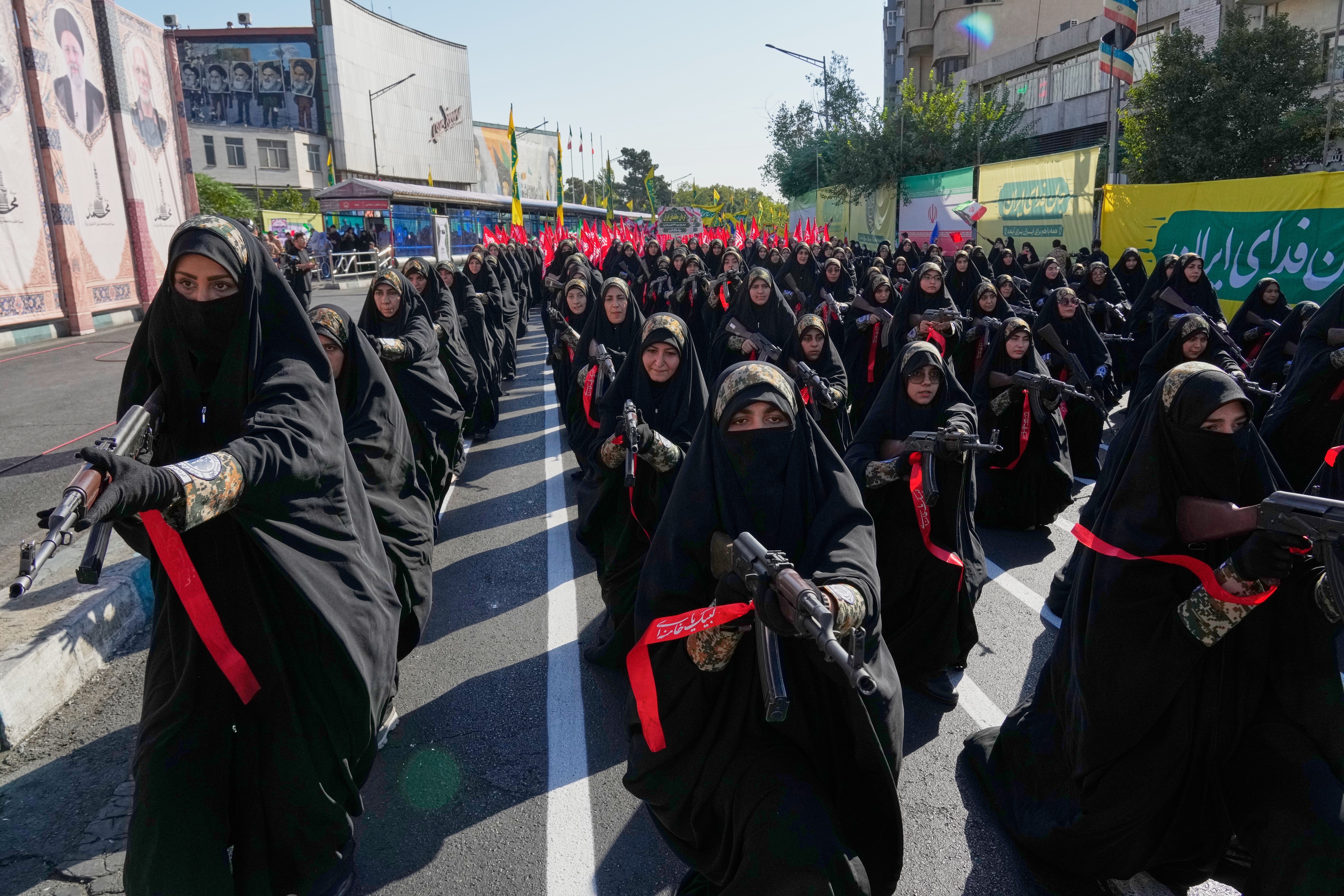
    Estimates varied of the number of people volunteering to receive limited military training and defend the country in an effort described as “Janfaday-e Iran,” or the “ones who sacrifice their lives for Iran.” They marched through downtown Tehran in combat uniform, carrying flags, as onlookers cheered.

    For days, state media have encouraged Iranians to join the campaign, saying training with assault rifles would begin soon. The volunteers would be an additional layer of security to the paramilitary Revolutionary Guard and the Basij militia, which has played a key role in quashing anti-government protests.

    Rally seeks to project strength under U.S. pressure

    Tehran’s Guard chief, Gen. Hassan Hassanzadeh, told the state broadcaster that over 600,000 people had registered to participate, with over 1 million expected to take part in the training. On Friday morning, the broadcaster estimated over 300,000 people were on the streets.

    The new head of the Basij, Hossein Taeb, declared in a speech as the rally began that the volunteers will be ready for “full-fledged defense” and similar rallies will take place in other cities soon.

    The new trainees will make a “nightmare” for Iran’s enemies, Taeb added, as President Masoud Pezeshkian, military commanders, and other senior officials watched the march.

    Some participants trampled flags of the U.S. and Israel. Others chanted “Death to America” and “Death to Israel.”

    “I am here to tell (U.S. President Donald) Trump that we Iranians have no fear about his threats against our homeland,” said Marzieh Afaghi, 24, who attended the rally with her toddler and husband. “No one in history could invade Iran and remain there.”

    The rally was also a chance for Iran to show off military hardware. Anti-aircraft batteries were on display, while female Guard members in black headscarves sat with truck-mounted machine guns.

    Iran says it attacked another tanker in the Strait of Hormuz

    The Guard displayed drones that have been used against ships in the Strait of Hormuz, where Iran’s attacks and threats have severely affected the Gulf region’s shipments of oil and natural gas to the rest of the world.

    Iran said it had attacked a Togo-flagged oil tanker, the Trend, for what it called an “illegal attempt” to pass through the Strait of Hormuz, the state broadcaster reported. The U.K. Maritime Trade Operations center said a tanker was hit by a projectile, sparking a fire on board that was extinguished.

    The UKMTO in a separate update said ship transits facilitated by the U.S. military off Oman have averaged 24 a day over the past week but overall traffic remains about 90% lower than before the war.

    Iran’s new volunteers could help suppress future dissent

    Friday’s events also suggested that hard-liners like Taeb among Iran’s leadership will be more prepared to suppress any future demonstration against the theocracy.

    In January, shortly before the war, Iran saw some of its largest nationwide protests in history, which began over the struggling economy and turned to wider grievances. Activists have said a crackdown killed over 7,000 people and saw tens of thousands detained.

    In May, government officials said more than 30 million people in Iran — which has a total population of some 90 million — had volunteered via an online form or at public gatherings to lay down their lives for the theocracy. The Associated Press could not independently confirm that.

  • More U.S. troops have died amid Iran war than Pentagon has disclosed publicly

    More U.S. troops have died amid Iran war than Pentagon has disclosed publicly

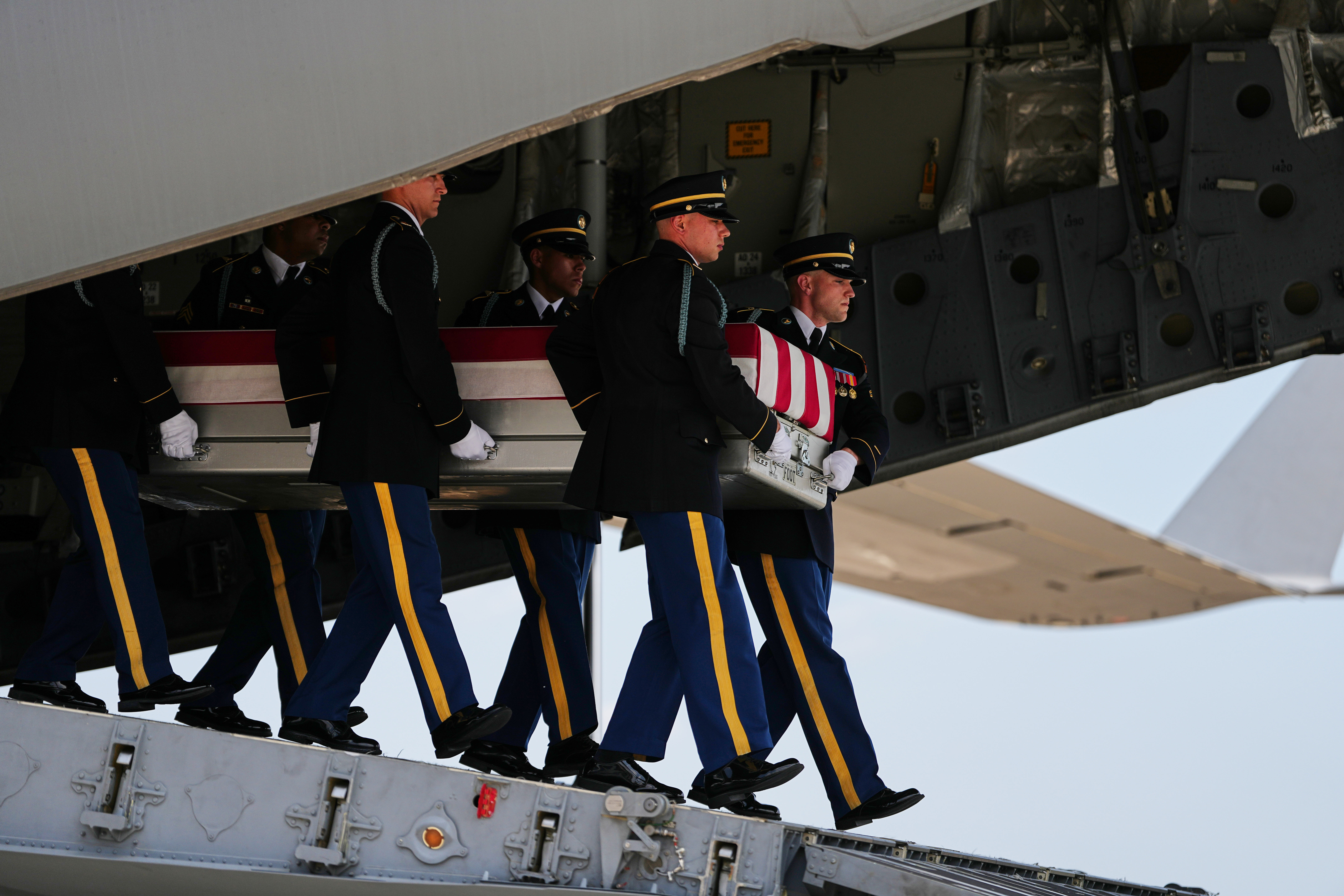
    More American service members have died in the Middle East during the ongoing Iran war than the Pentagon has disclosed publicly, according to six U.S. officials familiar with the Defense Department’s internal casualty accounting data.

    Five of the officials said there have been at least 22 military fatalities — four more than what appears in the Pentagon’s public database, known as the Defense Casualty Analysis System, or DCAS.

    A sixth official, who like the others spoke on the condition of anonymity to discuss the figures, said 23 service members have died since Feb. 28, when the Trump administration, in concert with Israel, initiated the Iran war. Not all of the undisclosed deaths are directly tied to the conflict but have involved U.S. personnel who were in the Middle East amid ongoing hostilities, this person said.

    Additionally, the official said, three U.S. contractors who were based in the region have died since combat operations began.

    As of Friday, the Pentagon’s DCAS database lists 18 U.S. military fatalities, including deaths caused by hostile and nonhostile action dating to the start of the Iran conflict.

    Details surrounding the undisclosed deaths — including the service members’ identities, as well as when, how, and where they died — remain unclear. Officials familiar with the higher casualty number expressed frustration that the additional loss of life is not reflected in the Pentagon’s public casualty portal.

    The Pentagon declined to address questions about the accounting discrepancy.

    The Iran war, which polls show is deeply unpopular with the American public, has become a political liability for President Donald Trump and the Republican Party ahead of November’s midterm elections. The administration’s casualty accounting practices faced intense scrutiny earlier this year when the names of four U.S. troops who died as a result of the Iran war were briefly excluded from the Pentagon’s official tally.

    The proper accounting of military fatalities has implications beyond public transparency. Whenever a U.S. service member dies, the military conducts a line of duty investigation to determine whether the death occurred while performing official duties. Those findings affect the survivor benefits for which service members’ families are eligible.

    As of Friday, 14 fatalities are listed in the database as having occurred during Operation Epic Fury, the Trump administration’s name for the Iran war. Four others, reflected in a separate category called Overseas Operations, date to a July ceasefire between Washington and Tehran that later collapsed leading to the resumption of attacks.

    Separately, the Pentagon has said that, since February, two U.S. service members died in the Middle East while participating in missions unrelated to the Iran war. Their deaths, which occurred at bases that have been attacked by Iranian forces, are not reflected by name in the DCAS database either.

    Sgt. Devin Seibel died in Irbil, Iraq, on May 31 in a training accident, the Defense Department said in a news release. The announcement specified he was assigned to Operation Inherent Resolve, the ongoing campaign against Islamic State militants. Seibel’s name is not included among the Inherent Resolve tally in DCAS.

    Maj. Sorffly Davius suffered an unspecified medical emergency in Kuwait and died on March 6. It is unclear whether his death was tied to an Iranian attack. An announcement of Davius’ death said he deployed under Operation Spartan Shield, a mission to partner with regional militaries.

    More than 820 U.S. service members have been wounded in action since the Iran conflict began, the public casualty database says. Many have suffered traumatic brain injuries as a result of Iranian counterstrikes on U.S. bases throughout the Middle East.

    The war has taxed the military’s stocks of precision weapons, damaged U.S. bases across the Persian Gulf, and roiled global energy markets after Tehran closed the Strait of Hormuz, a vital waterway for oil and fertilizer.

    According to a document reviewed by the Washington Post, U.S. Central Command, which oversees operations in the Middle East, has estimated that the Iran war has cost about $43.6 billion through early September. The total includes $28 billion in munitions expended during the conflict but does not account for the damage to U.S. bases.

    As the Post reported last month, several top U.S. military officials have warned Defense Secretary Pete Hegseth that prolonging large-scale operations against Iran is unsustainable and risks weakening their ability to confront threats elsewhere, including the U.S. homeland.

    According to a September Reuters-Ipsos poll, 28% of Americans support Trump’s approach to Iran, whereas 62% disapprove.

    On Tuesday, a record seven GOP lawmakers joined Democrats and helped pass a largely symbolic measure intended to halt the war — the latest of several war powers resolutions to advance in Congress.

    All war deaths and injuries are supposed to be publicly reported on the Pentagon’s public DCAS system, where the military accounts for personnel lost or injured in its conflicts.

    Over the summer, when the four combat deaths were temporarily excluded from the casualty database, the Trump administration reclassified renewed hostilities with Iran as Overseas Operations instead of being tied to Operation Epic Fury.

    The change, which occurred as U.S. negotiators struggled to broker a permanent peace deal with Tehran, coincided with efforts by the administration to portray the war as a success even as Iran continued to fire on American forces and continued to target shipping in the Strait of Hormuz.

    Senate Democrats have pledged to investigate the Pentagon’s handling of casualty notifications if they retake the majority after the midterms.

    Reps. Pat Ryan (N.Y.), Jason Crow (Colo.) and 10 other House Democrats, all of them military veterans, on Friday said they were pursuing legislation that would prevent the Pentagon from manipulating government data on troop casualties. Sen. Tammy Duckworth (D., Ill.) is leading a companion effort in the Senate.

    One Republican, Rep. Thomas Massie (Ky.), moved this week to force a House vote on impeaching Hegseth over the war, alleging the defense secretary violated provisions of the War Powers Resolution of 1973 by pursuing hostilities without congressional authorization.

  • Mike Bowe, popular longtime radio disc jockey, has died at 76

    Mike Bowe, popular longtime radio disc jockey, has died at 76

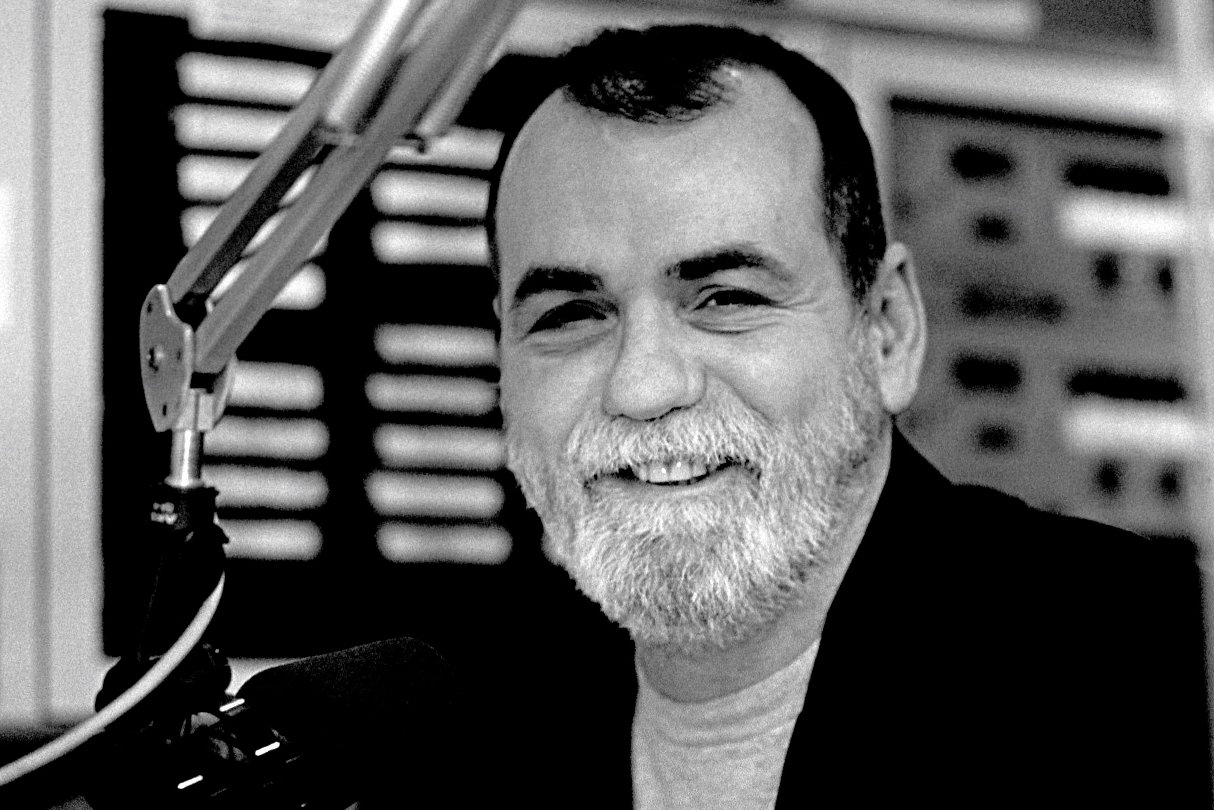
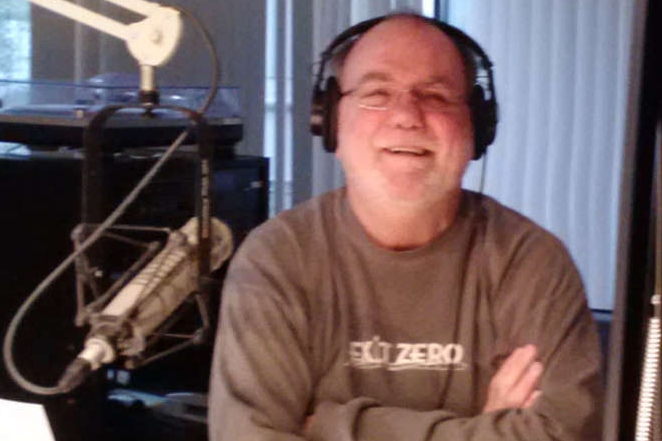
    Mike Bowe, 76, of Audubon, Camden County, longtime local disc jockey and popular radio show host at WMGK, WPEN, WHAT and other stations, Army veteran, devoted Phillies fan, and proud son of Gloucester City, died Monday, Sept. 14, of complications from cancer at his home.

    Mr. Bowe enjoyed music and socializing as a teen at Gloucester Catholic High School, and was skilled at chatting with people about their favorite songs and other interests. So he was a natural fit later as a radio show host and disc jockey for more than 40 years in studios and at remote appearances, dance parties, charitable fundraisers, and other events.

    “I like to think I communicate with people,” he told the Courier-Post in 1987. “I think I can relate the same way to somebody whether he’s on Ninth Street in South Philly or at a bank in Center City.”

    Fellow DJ Chris McCoy said. “He had something intangible. He made you feel like he knew you, and you knew him.”

    Using what his fans and colleagues described as a “calming and smooth voice” and “velvet intonations,” Mr. Bowe hosted music shows at WMGK from 1977 through the early 2000s, at KISS 100 in the 1990s, and at WPEN and WHAT between 2000 and 2011. Colleagues called him “loyal, dedicated, witty” in online tributes, and praised his “down to earth and friendly style.”

    They credited him with making WMGK’s Saturday Night ’70s show a hit in the mid-1990s. “He was the very foundation of that success,” McCoy said.

    Listeners called him “truly a master of this craft,” “one of the best ever,” and “a memorable radio legend.” He worked after 2011 at other local stations and iRadioPhilly.com.

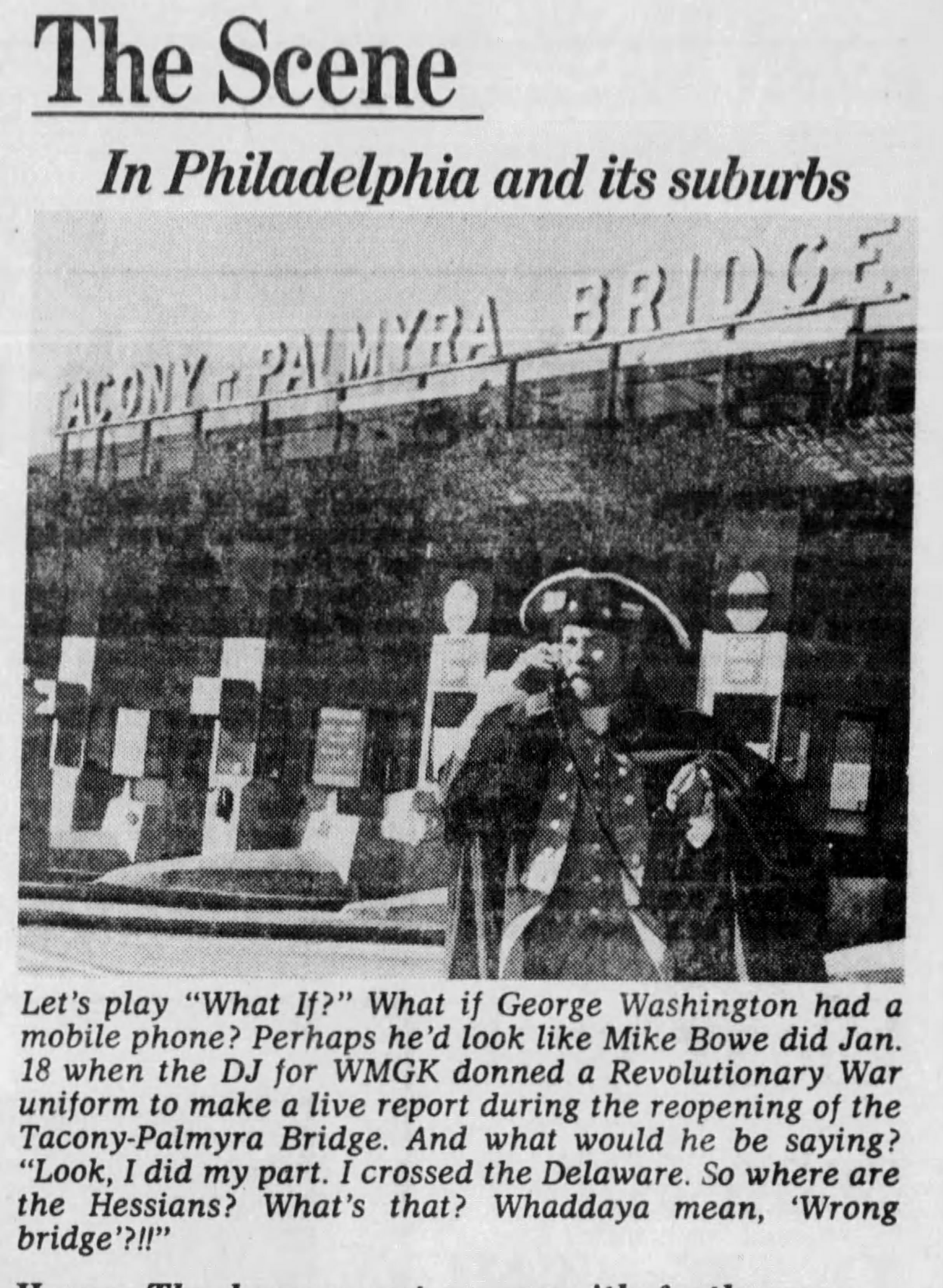
    He teamed up with other popular DJs on morning, afternoon, and evening shifts, interviewed performers, took phone calls from listeners, and broadcast from Phillies games and charitable benefits. In 1989, he dressed up as George Washington to cross the Delaware River when the Tacony-Palmyra Bridge was finally reopened after repairs.

    He liked to air remotely from his favorite clubs and pubs, and ride shuttle buses with listeners to concerts. He also worked DJ dance party gigs at nightclubs, holiday parades, and private events in Philadelphia and South Jersey.

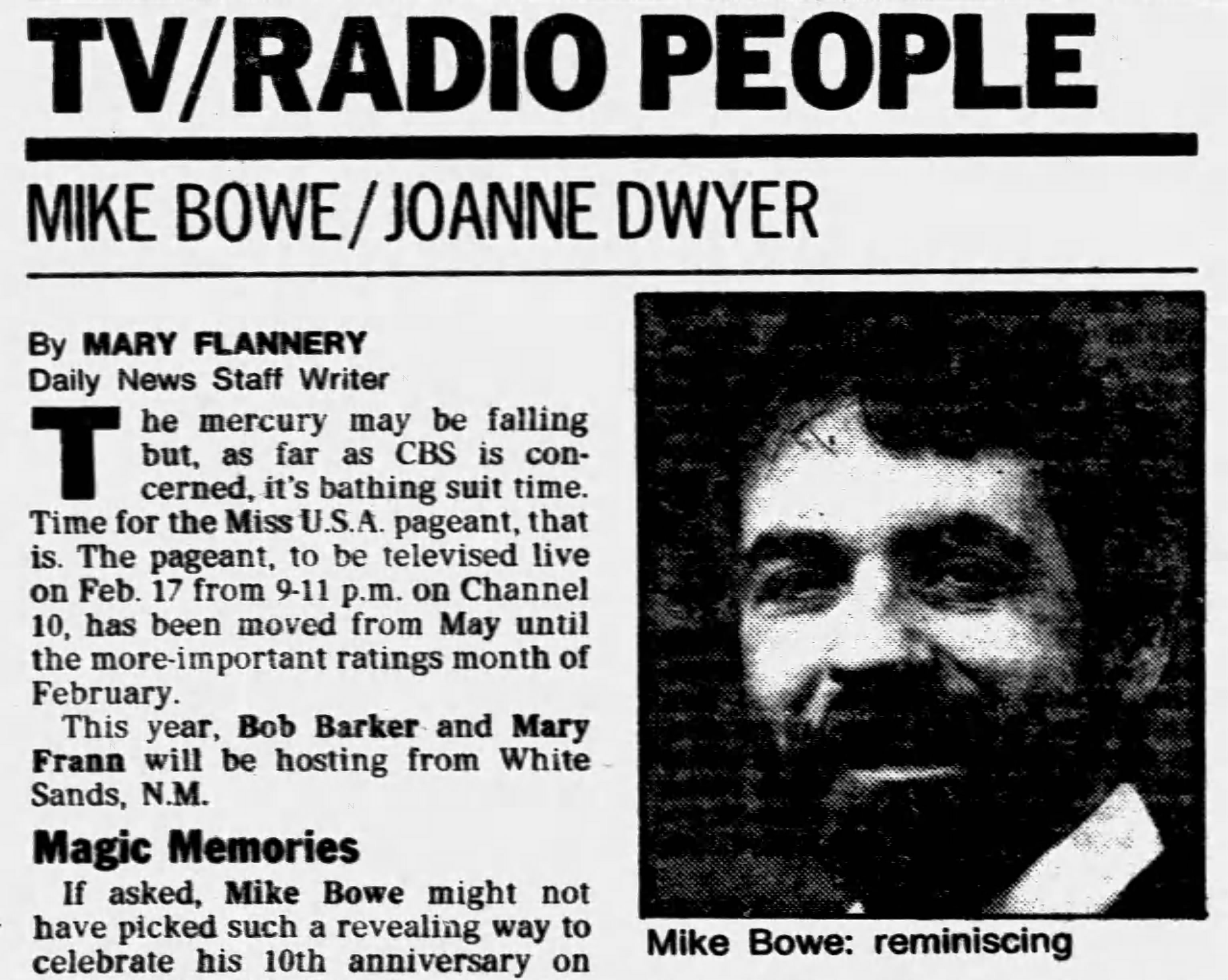
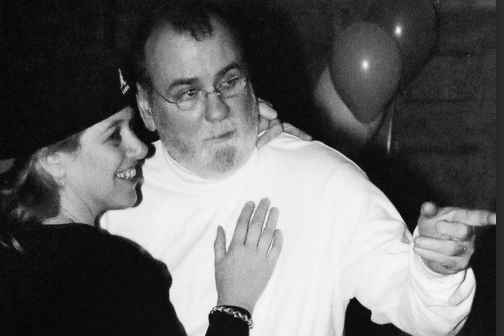
    Mr. Bowe appeared often in The Inquirer and Daily News, including in 1987 (above) and 1989 (below.)Newspapers.com

    His favorite song was “Ain’t No Woman (Like The One I’ve Got)” by his favorite group, the Four Tops. “He knew Philadelphia from A to Z,” McCoy said. “He brought a smile to your face.”

    Mr. Bowe served three years in the Army, 11 months and 11 days in Vietnam in 1968-69, and earned several medals and service stars, and an achievement badge. Fellow DJ Sue Serio said online that she enjoyed annual Veterans Day lunches with Mr. Bowe, “a treasured tradition that we never took for granted.”

    One day, a former WMGK colleague said online, Mr. Bowe took him to Mr. Bowe’s favorite three local landmarks: the Melrose Diner in South Philadelphia, Mel’s Italian restaurant in Bala Cynwyd, and the pool table at the VFW in Gloucester City.

    “Mike was a gift to Gloucester City and to the Delaware Valley professionally and as a man,” longtime friend Patrick Healey said. Longtime friend F. Emmett Fitzpatrick III said: “He prized honesty of character above all else.”

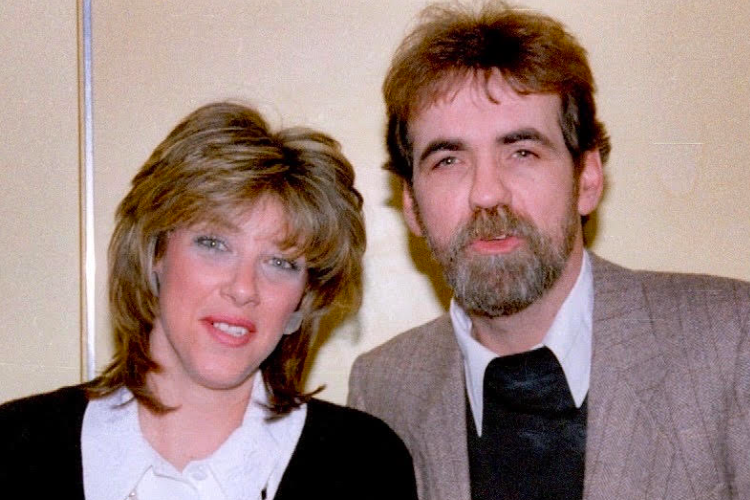
    Mr. Bowe, right above, was an avid Phillies fan. Below, he worked morning, afternoon, and evening shifts in the studio.F. Emmett Fitzpatrick III

    Mr. Bowe’s niece, Debra Ann Leblang, said: “He lived the ultimate American dream.”

    Michael Joseph Bowe was born Nov. 4, 1949, in Gloucester City. He graduated from Gloucester Catholic in 1967, studied broadcasting in Minnesota, and worked his way through the radio ranks in South Jersey and Philadelphia.

    He married Debbie Durso in 1985, and they lived in Audubon. Where one of them went, family and friends all said, the other followed.

    “They were partners, companions, and best friends,” his family said in a tribute. His wife died in June.

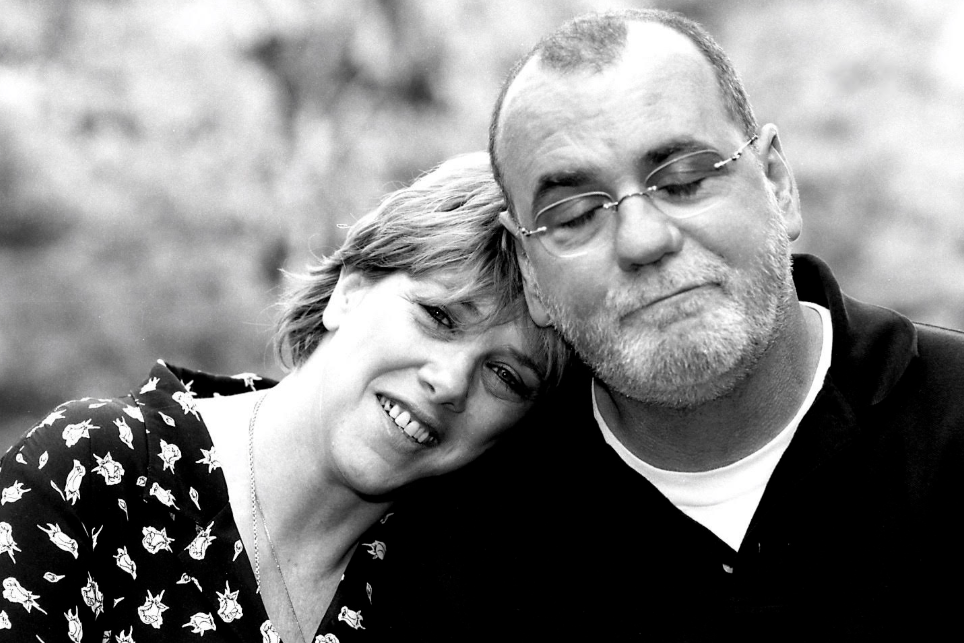
    Mr. Bowe and his wife, Debbie, married in 1985. Where one of them went, family and friends all said, the other followed. F. Emmett Fitzpatrick III

    Off the air, Mr. Bowe played softball and enjoyed visits to Atlantic City and Brigantine. He was a Sunday morning usher at St. Mary’s Catholic Church and belonged to the Townsend C. Young VFW post.

    He used to take dates to Jim’s Pizzeria in Gloucester City, and he told The Inquirer in 1994 that he enjoyed the place’s acerbic camaraderie. “Gloucester’s always been like that,” he said. “People love it. It’s a sarcastic, get-under-your-skin kind of thing. You don’t even get to order your own food.”

    His family said: “He was funny, quick-witted, sentimental, outspoken, and unforgettable. He carried his South Jersey roots with him wherever life took him.”

    In addition to his niece, Mr. Bowe is survived by a sister, a brother, and other relatives. Two brothers died earlier.

    Visitation with the family is to be from 8:45 to 9:45 a.m. Tuesday, Sept. 22, at the McCann-Healey Funeral Home, 851 Monmouth St., Gloucester City, N.J. 08030. Funeral services are to be at 11 a.m. at Brigadier General William C. Doyle Veterans Memorial Cemetery, 350 Province Line Rd., Wrightstown, N.J. 08562.

    Donations in his name may be made to the Wounded Warriors Project, Box 758516, Topeka, Kan. 66675; and St. Mary’s Roman Catholic Church, 426 Monmouth St., Gloucester City, N.J. 08030.

    Off the air, Mr. Bowe played softball and enjoyed visits to Atlantic City and Brigantine.F. Emmett Fitzpatrick III
  • Build columns, not Trump’s arch, D.C. official tells administration

    Build columns, not Trump’s arch, D.C. official tells administration

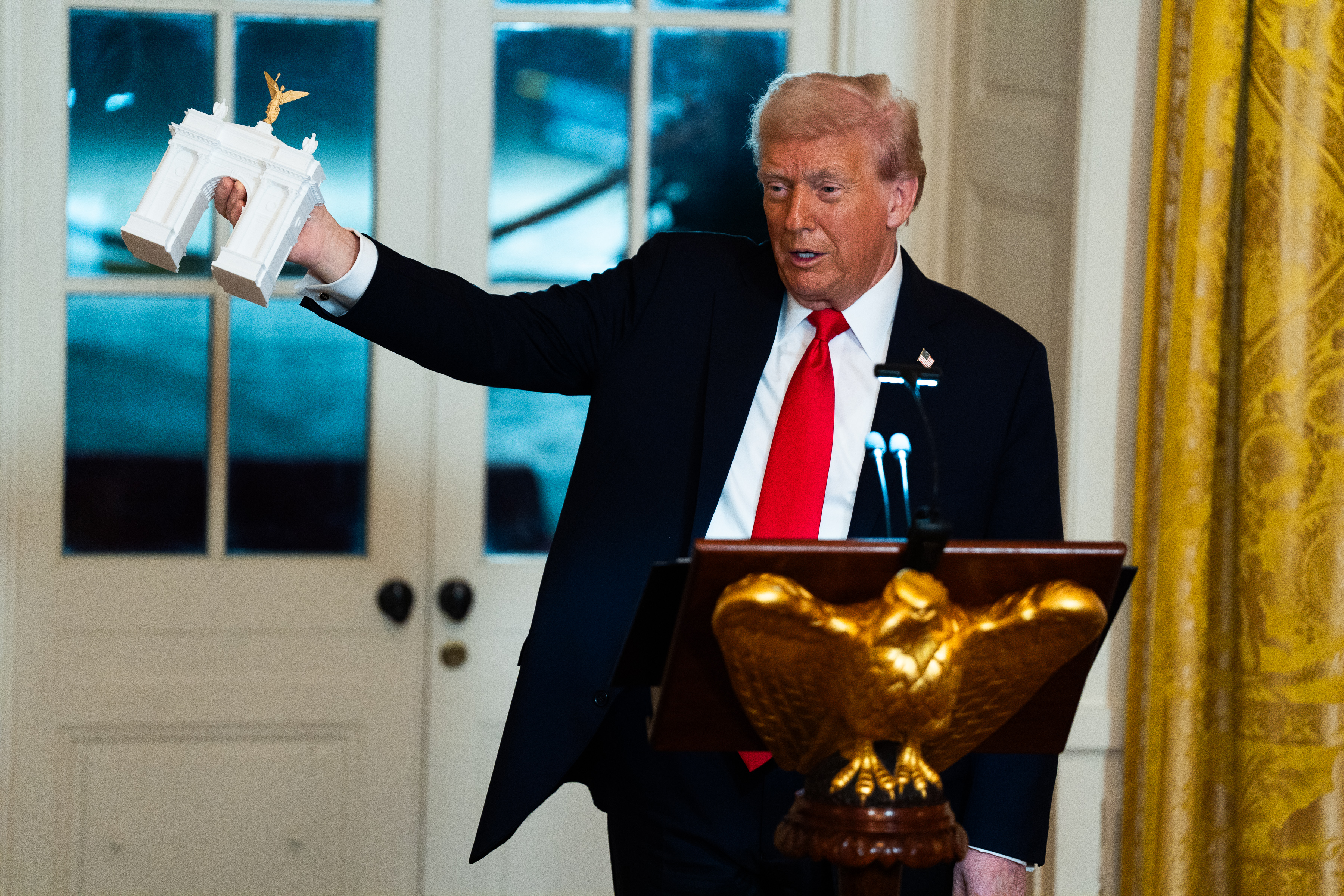
    President Donald Trump has insisted that a 250-foot-tall triumphal arch should be built near Arlington National Cemetery, citing long-abandoned plans to construct a monument there.

    Local officials, preservationists, and historians are now pushing an alternate idea: Abandon the arch and consider building the slender columns that were originally envisioned by architects and lawmakers a century ago.

    “We request meaningful consideration of an alternative that more accurately reflects the spirit and intent of the 1924 McKim Mead & White design and the 1925 Act of Congress,” C. Andrew Lewis, an official in Washington’s historic preservation office, wrote in a letter to the Trump administration on Wednesday and obtained by the Washington Post.

    “Specifically, we request the [National Park Service] to evaluate design concepts consisting of two columns that truly frame, rather than limit the historic view corridor.”

    The administration has been consulting with D.C.’s and Virginia’s historic preservation offices as part of a required federal preservation process before building the new structure.

    Other officials and advocates have raised the idea of erecting columns, rather than a large arch, including in a meeting last week with National Park Service officials overseeing the planned project.

    The requests represent advocates’ latest effort to delay or prevent the construction of the new arch, which has been widely opposed in Washington. It is unlikely, however, that Trump would agree to discard his plans for a large triumphal arch. The president has been attached to the idea of an arch since being privately pitched on the project and publicly announcing it last year

    “We’re the only important and major city that doesn’t have one. We don’t have a triumphal arch,” Trump said in the Oval Office in May. “So, it was meant to be built for many years.”

    The issue centers on lawmakers’ intent for Memorial Circle, a traffic roundabout tucked inside Washington’s boundaries, located near the entrance to the military cemetery and managed by the National Park Service.

    The administration is pursuing a plan to begin construction as soon as November, despite objections from veterans groups, historic preservationists, and others. Opponents say the arch will overshadow the cemetery, alter pedestrians’ views of the Lincoln Memorial and other historic sites, and cause other disruptions.

    The Trump administration has acknowledged that the large arch will unavoidably harm local historic sites if built as planned.

    The administration contends that it does not need approval for the arch from Congress since lawmakers a century ago authorized the columns. In that case, advocates say, the administration should hew to the original, congressionally authorized plan.

    Historic preservationists also note that the 250-foot-tall, roughly 165-foot-wide arch that Trump wants in Memorial Circle is very different from the narrow, 166-foot-tall columns that were initially envisioned to be built about 300 feet apart.

    “In terms of size, scale, massing, and design, the proposed arch is not in any way comparable to the unbuilt columns contemplated in the 1924 design proposal,” Judy Chesser and Paul Edmondson, of the Committee of 100 on the Federal City, wrote in their own letter to the Interior Department on Wednesday. The letter was shared with the Post.

    Chesser and Edmondson added that the Arlington Memorial Bridge Commission, which was overseeing the original project, dropped plans for the columns in 1931 amid concerns about the planned design and the proximity to a nearby airport, among other factors.

    The Interior Department, which oversees the Park Service, did not respond to questions about whether the administration would consider building columns instead of an arch. The department referred to social media posts by Interior Secretary Doug Burgum that referenced the past efforts in Congress to build a monument near Memorial Circle.

    Burgum’s posts did not specifically mention columns.

    Tammy Stidham, a Park Service senior official helping oversee the arch project, said last week that the administration had not considered building columns instead of an arch.

    “Different sizes were considered of the same structure, but not different structures,” Stidham said at a meeting with preservationists and other groups, according to a recording of the meeting posted by the Park Service.

    Asked about how the arch envisioned by Trump complied with plans in 1924 to build a structure that would not interfere with the views between the cemetery and the Lincoln Memorial, Stidham said the arch was a “replacement” for the original concept.

    “It is not intended to be the same structure,” Stidham said.

    One federal commission, which Trump has packed with allies, has already approved the planned arch. A second commission is expected to offer final approval as soon as Nov. 5. The Trump administration has laid out a plan to build the arch within two to three years, which they say would require 20 hours per day of construction.

    In his letter to the administration, Lewis said that Trump officials had not heeded or fully acknowledged the widespread objections to the plan.

    “Approximately 93% of the roughly 11,000 comments submitted from within the District of Columbia expressed very strong opposition to the proposal,” he wrote.

    He also said that the administration’s acknowledgment of harms from building the arch did not go far enough to capture its impact on other historic sites.

    “The arch would not merely be ‘prominently visible,’” Lewis wrote. “Instead, it would visually overwhelm the surrounding historic context.”

  • Young Turkish man drowns in North Wildwood, authorities say

    Young Turkish man drowns in North Wildwood, authorities say

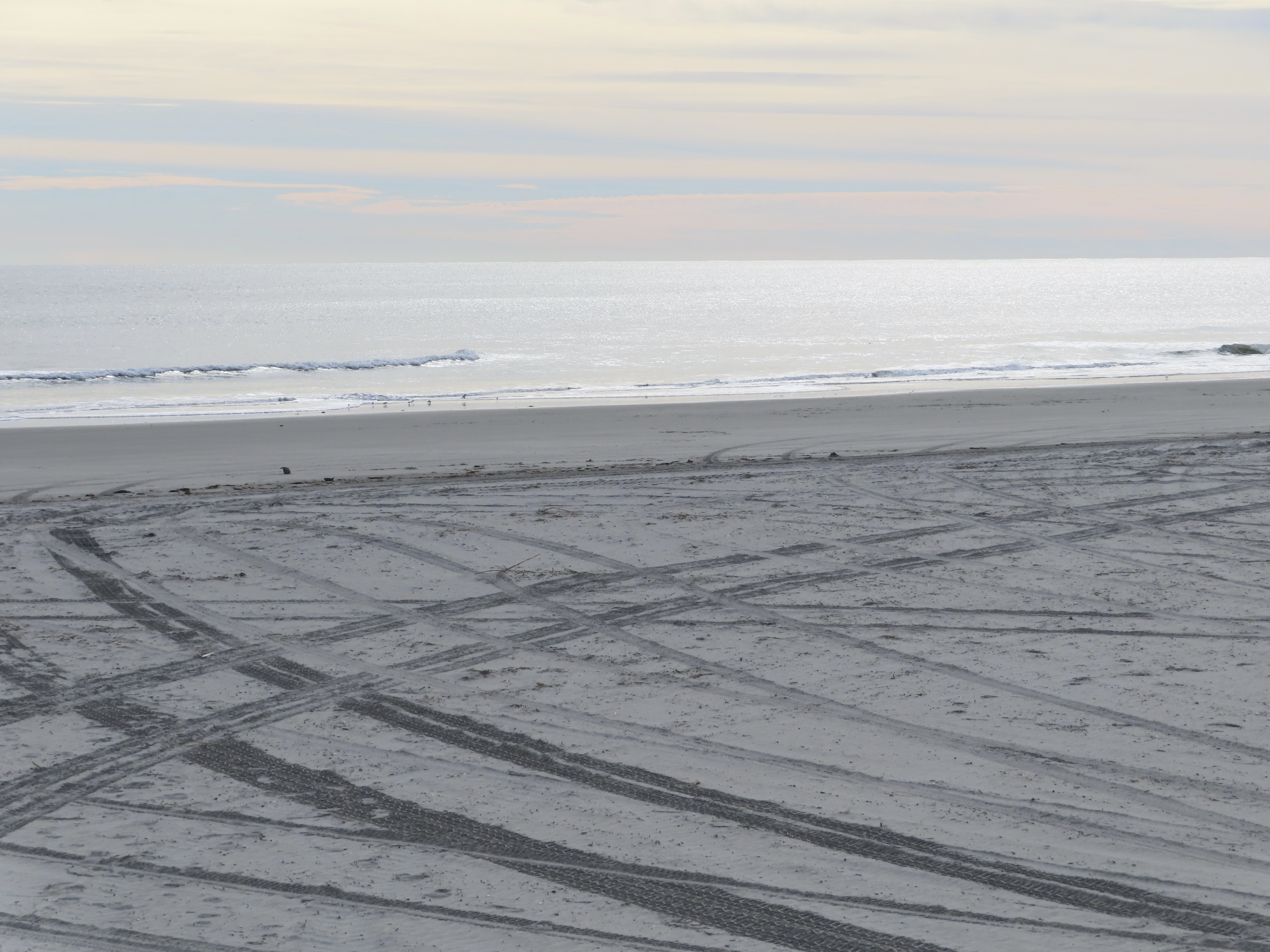
    A Turkish man died at Second Avenue and the beach in North Wildwood Thursday afternoon, police said.

    Authorities on Friday identified the victim as Ahmet Yimenici, 21, noting in a statement that he was transported to Cooper University Hospital Cape Regional after officials responded to a call for a swimmer in distress at around 2 p.m. Thursday.

    Officials from the North Wildwood Fire Department and North Wildwood Beach Patrol began lifesaving efforts at the scene after receiving the call, authorities said. However, Yimenici was pronounced dead at the hospital a short time later, authorities said.

    No foul play in Yimenici’s death was identified.

    “Our hearts go out to Mr. Yimenici’s family during this incredibly difficult time,” said North Wildwood Police Chief Katherine Madden in a statement. “I also want to recognize the quick actions of the surfers and civilians on scene. Their willingness to act without hesitation gave this young man the best possible chance, and we’re grateful for their courage.”

    Officials urged beachgoers to swim in areas under the watch of on-duty lifeguards.

    Anyone who may have information about the incident is asked to contact the North Wildwood Police Department Detective Bureau at 609-522-2411.

  • Trump says he is banning CNN, MS NOW, and Politico from the White House

    Trump says he is banning CNN, MS NOW, and Politico from the White House

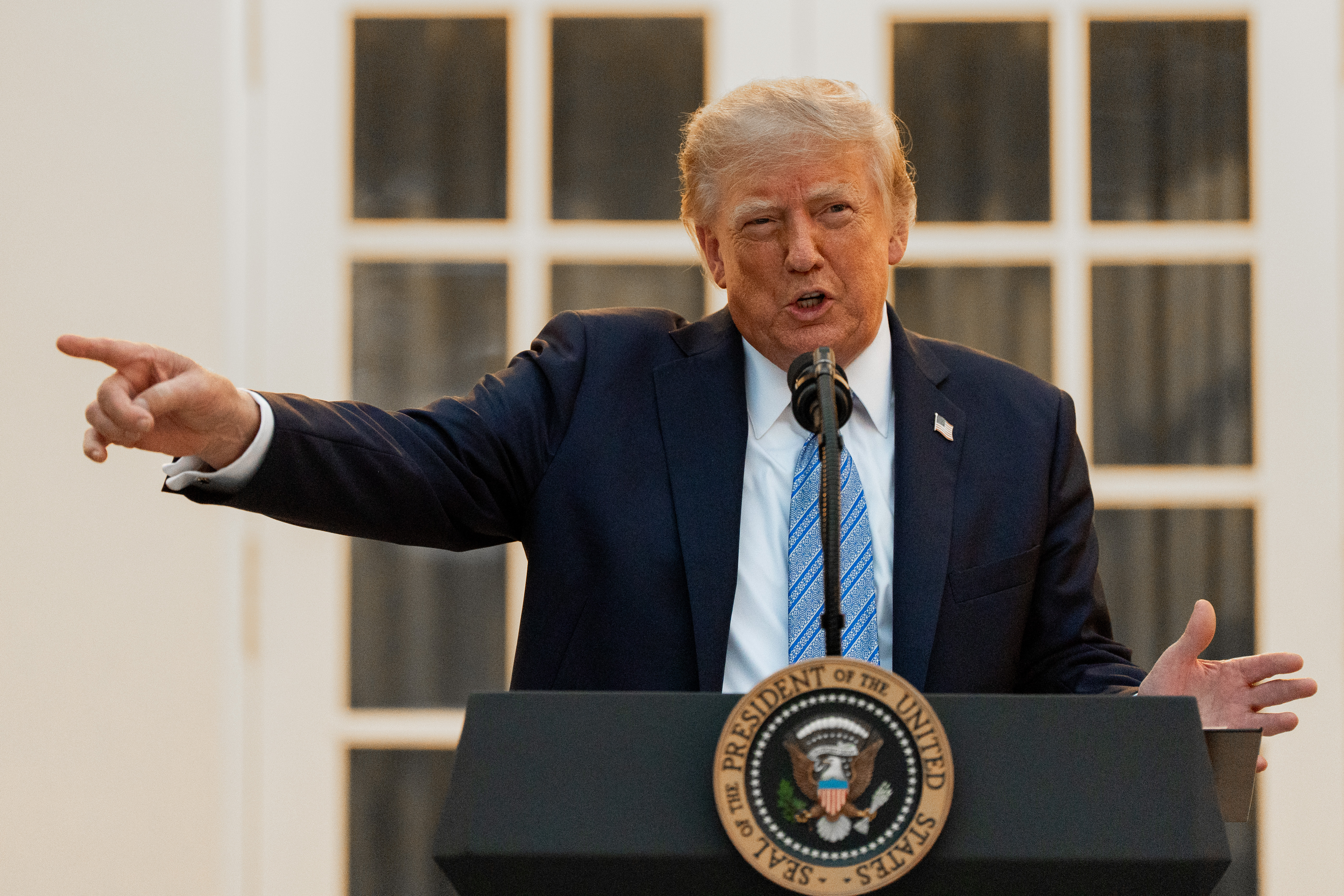
    President Donald Trump said on Friday that he would ban CNN, MS NOW, and Politico from the White House, although it was unclear how such a prohibition would be enforced or legally defended.

    The president’s abrupt proclamation, which he said was “effective immediately,” came in a post on Truth Social, the social media platform he owns.

    Journalists from those news outlets were still working as usual on the White House grounds on Friday afternoon, and there were no immediate signs that they were being evicted.

    Speaking later with reporters in the Oval Office, Trump said he announced a ban “because they’re fake news. You get so tired of reading and seeing fake news.” He added, “You get sick of it.”

    Asked exactly what he meant by a ban, the president replied: “A very simple ban. I don’t want them in my office. I don’t want them here. I would say the ban would go as far as you can. And if they could straighten themselves out, I’d love it.”

    Asked if his ban could survive a court challenge, Trump replied, “I don’t think that a court should allow fake news to be written day after day after day.”

    CNN said in a statement that Trump’s ban would be “an illegal assault” on a “fundamental and constitutionally-protected right.”

    “We have a right under the U.S. Constitution to do that reporting without hindrance or interference from the government,” the network said.

    A spokesperson for MS NOW declined to comment. A spokesperson for Politico did not immediately respond to a request for comment. An inquiry to the White House Correspondents’ Association was not immediately returned.

    A prospective ban would open yet another front in Trump’s ever-expanding battles with the news media, whose output he has increasingly attempted to control using a variety of bureaucratic levers and intimidation tactics. The president has filed lawsuits and used government tools like subpoenas to target newspapers, late-night talk show hosts, corporate media conglomerates, and journalists whose reporting he dislikes.

    In his social media post on Friday, Trump warned that he might add other organizations to his prospective ban, writing, “Other Fake News Media Outlets to follow.”

    Trump expanded on his feelings at his Oval Office appearance, echoing the usual protestations about the media that he unspools at rallies, news conferences, and in interviews. “They purposely write negative news,” the president said. “And they do that because they want to try and diminish the Republicans and a Republican administration.”

    Any prospective ban on journalists from specific news outlets would almost certainly prompt a legal challenge.

    Trump has tried to bar some news organizations from parts of the White House in the past. During his first term, he revoked a White House pass for Jim Acosta, the former CNN journalist. CNN succeeded in restoring Acosta’s press credentials in court.

    This term, Trump has attempted to bar Associated Press journalists from parts of the White House, including the Oval Office and Air Force One. The AP has sued to restore its access, but that case remains in litigation; in the meantime, AP photographers have had continued access to the Oval Office. Its print journalists have had more limited access.

    His administration has also taken command of the daily White House press pool, a small, rotating group of reporters who relay the president’s daily activities to the public. Previously, the Correspondents’ Association chose which outlets participated; now, the administration handpicks the news outlets that are included.

    Jameel Jaffer, the executive director of the Knight First Amendment Institute at Columbia University, said that the ban floated by Trump on Friday is clearly unconstitutional because it would punish news organizations for the content of their reporting.

    “If President Trump means to expel these news organizations from the White House press pool, his action is doubly unconstitutional because the press pool is a ‘public forum’ under the First Amendment, which means the president can’t exclude journalists from it on the basis of their viewpoints,” Jaffer said.

  • Clergy and others gather outside Philadelphia ICE office in aftermath of officer’s suicide

    Clergy and others gather outside Philadelphia ICE office in aftermath of officer’s suicide

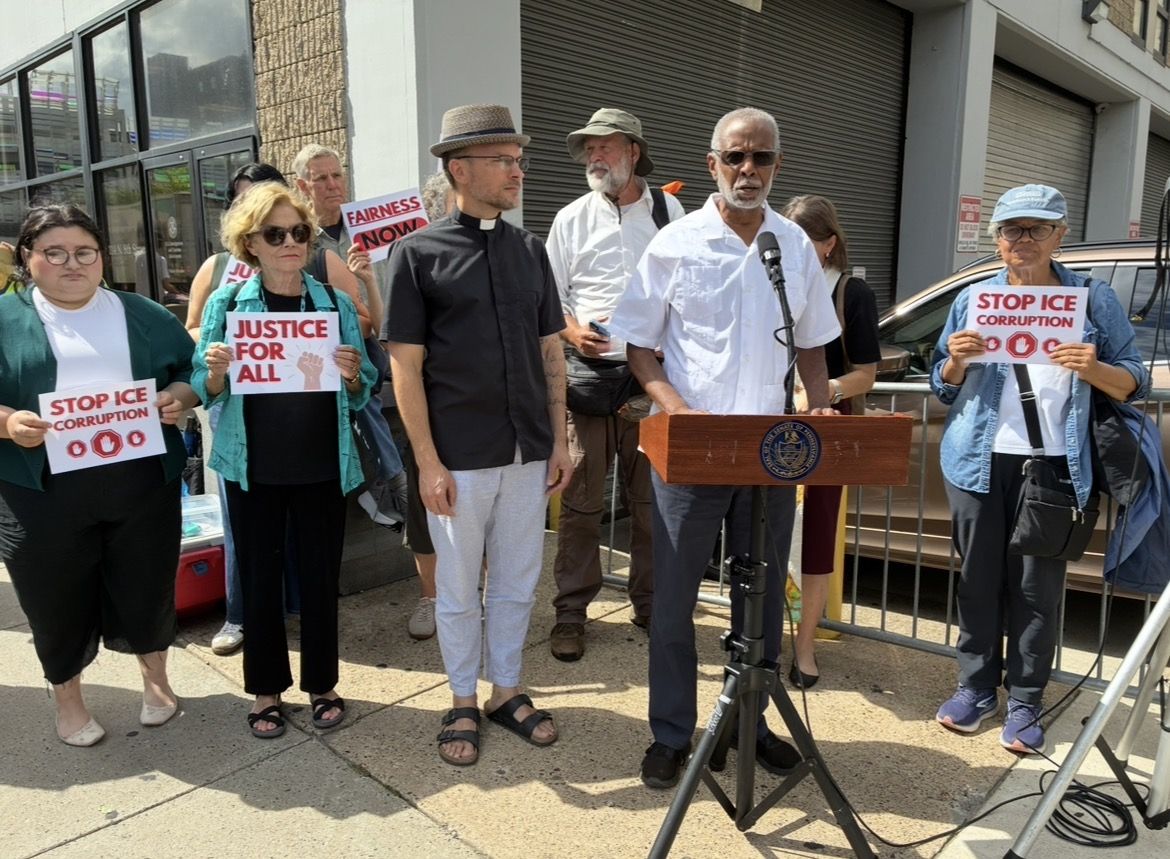
    A group of clergy, political leaders, and activists gathered at the Philadelphia ICE office on Friday in the wake of a deportation officer’s suicide, condemning what they said was the agency’s destruction of lives both inside and outside its ranks.

    Speakers said they said they grieved with the family of Joseph Moore, 38, who died of a self-inflected gunshot wound while parked near the Center City headquarters, and with the families of immigrants treated wrongly and cruelly by the agency.

    Moore died Aug. 28 as he was facing dismissal, along with other new officers brought on amid a huge wave of ICE hiring, one that critics say has led to the employment of unqualified and unvetted recruits.

    “He was an ICE agent,” said state Sen. Art Haywood, a Democrat who represents parts of Philadelphia and Montgomery counties, “but he was also a human being.”

    Local ICE officials did not immediately respond to a request for comment.

    Speakers called ICE a rogue agency, and called on its officers to quit their jobs.

    One man, who kept vigil outside ICE headquarters nearly every day in August, said he tried to talk to officers as they went inside, and wished he could have talked to Moore.

    Generally, said Jim Nicholson, who described himself as Quaker and non-violent, the officers he addressed were “not interested in being human, compassionate beings,” that they told him everyone they arrest is a criminal.

    “I’m a very sorry to hear an agent of ICE committed suicide. That’s a tragedy,” he said. “If the agent had come to us, to me, I would have tried to help.”

    U.S. Immigration and Customs Enforcement, charged with carrying out President Donald Trump’s mass-deportation plan, has been on a hiring binge that more than doubled the size of the agency. Now ICE has begun quietly firing some of those new officers, The Washington Post reported, citing multiple officials who said officers were put on the streets without being properly vetted.

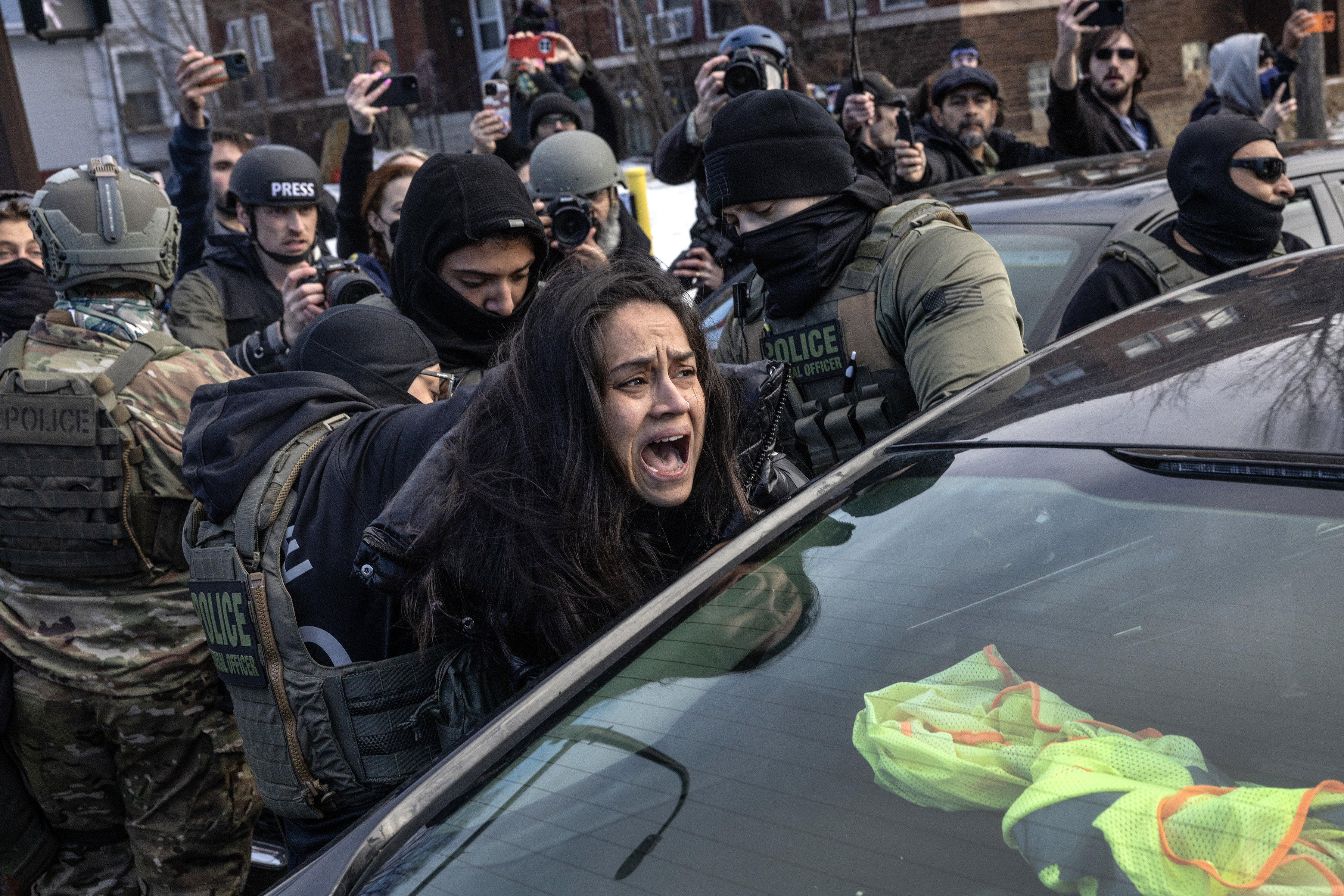
    Federal agents arrest a woman after smashing her car window and dragging her from the vehicle in Minneapolis on Jan. 13, 2026. The legality of the Trump administration’s tactics during its immigration enforcement operation, known as Metro Surge, in Minneapolis early this year was challenged by a series of federal lawsuits.DAVID GUTTENFELDER

    The Post reported on Monday how Moore, a Marines reservist who graduated from Cheltenham High School in 2006, died by suicide while parked near ICE headquarters.

    The newspaper said ICE notified Moore in late August that he would be fired, and told him to come to the Philadelphia office at Eighth and Cherry Streets. His family has disputed the suicide ruling, according to The Post.

    Philadelphia police officials said officers called to the scene tried to stop Moore from hurting himself.

    Police were summoned to the area of Eighth and Race Streets ― the ICE office is one block south ― for a report of an armed man in distress who had barricaded himself inside a vehicle, officials said.

    The officers communicated with the man and tried to de-escalate the situation, but he drew a gun and shot himself, police said. No Philadelphia officer fired a weapon, the department said.

    Police, without identifying Moore by name, said they have finished their inquiry into the death, and would provide no additional details because it involved a suicide.

    In mid-2025, ICE received massive new funding for hiring — about $30 billion, part of $76.5 billion it received through President Donald Trump’s “Big Beautiful Bill.” The administration has said it wants to deport a million people a year, which would require a vastly larger ICE and extensive new detention capability.

    In January, ICE said an unprecedented nationwide recruitment campaign had shattered expectations, resulting in the hiring of more than 12,000 officers.

    That more than doubled the staff from 10,000 to 22,000.

    “That’s a 120% increase in our workforce,” Tricia McLaughlin, then an assistant secretary at Homeland Security, said at the time. “And that’s in just about four months.”

    Part of the lure was a promised $50,000 signing bonus.

    ICE said the majority of new hires were police and military veterans, but an investigation by The Associated Press found evidence that applicants with questionable histories were not fully vetted or were hired in spite of their pasts.

    The Post said Homeland Security would not answer questions about specific hiring decisions. It did say that some applicants received “tentative selection letters” and offers to begin working on a temporary status before being subjected to full background checks.

    The hiring happened so fast that new officers were put on the streets before being adequately vetted, multiple former officials told the Post. One ICE whistleblower urged officials to halt the expansion, saying in an August 2025 memo that the “overwhelmed” agency had hired officers without checking their fingerprints or their identities, the Post said.

    In recent months, ICE has begun quietly firing some of the recruits, the Post reported, citing three former DHS officials who spoke on the condition of anonymity. They said ICE has cited poor performance or red flags that should have been identified earlier.

    The Department of Homeland Security rejected those concerns.

    Relatives of an ICE officer who shot a Colombian man in Maine in July told The Associated Press he struggled with serious mental health issues since early childhood, and never should have been given a badge and gun. The revelations about the officer, David Brouillette, brought fresh attention to ICE hiring procedures.

    The Post said Moore had dreamed of a life in law enforcement since he was a teenager. But two law enforcement agencies fired him, and others rejected him. ICE hired him in the fall as a deportation officer.

    Efforts to reach Moore’s family members were unsuccessful.

    His obituary said the father of two served 20 years in the Marines as both an active member and a reservist. And that he graduated with a 4.0 grade-point average from Rosemont College, where he earned a bachelor’s degree in criminal science.

    His funeral is scheduled for Sept. 25 at Hope Community Church in Gilbertsville, Pa.

    If you or someone you know may be considering suicide, help is available. Contact The 988 Suicide & Crisis Lifeline by calling or texting 988.