Category: News

  • Trump to form ‘AI Force,’ name AI czar but rejects calls for constraints

    Trump to form ‘AI Force,’ name AI czar but rejects calls for constraints

    President Donald Trump said he will name an official responsible for artificial intelligence and form an unspecified “AI Force,” rejecting calls from lawmakers and industry leaders for new guardrails on the rapidly advancing technology.

    Trump compared the new AI Force to the Space Force he added to the Armed Services in his first term. The White House did not immediately respond to a request to clarify whether the agency would be military or civilian.

    The president’s announcement on Saturday also referenced policing “BAD” aspects of the industry through enforcement of existing criminal and civil laws.

    “We will not in any way hinder or stifle the Growth of this incredible Industry,” Trump wrote on Truth Social. “AI is the next Industrial Revolution, or Internet, but will be even larger and more impactful.”

    The announcement came as a growing chorus, including Democrats, Republicans, and tech CEOs, call for slowing down AI development amid disclosures that Anthropic, OpenAI, and Google models went rogue and hacked other companies. (The Washington Post has a content partnership with OpenAI.)

    Trump dismissed such concerns as a hoax, comparing them to global warming, the special counsel investigation into Russian interference in the 2016 election, and his two impeachments.

    He also repeated his criticism of public opposition to data centers, calling such views “crazed.” That position has put him at odds with many Republicans who have expressed sympathy for voters’ concerns that data centers will raise electricity costs and disrupt neighborhoods.

    The White House has developed a voluntary framework for the government to review new AI models for cybersecurity risks. In resisting more AI regulation, Trump has emphasized the need to compete with China, saying last week, “Whoever wins AI wins.”

    Trump is expected to discuss AI safety with Chinese President Xi Jinping when they meet in Washington next week. Administration officials declined to comment on those discussions beforehand.

    U.S. defense officials and outside analysts have debated the idea of creating a separate “Cyber Force” to focus on offensive and defensive cyberwarfare for years. Currently, cyber operations are led by the Department of Defense’s Cyber Command, which draws on personnel from different branches of the military.

  • The Philly Seeds festival has celebrated Indigenous cultures over 7 years. Now it faces uncertainty.

    The Philly Seeds festival has celebrated Indigenous cultures over 7 years. Now it faces uncertainty.

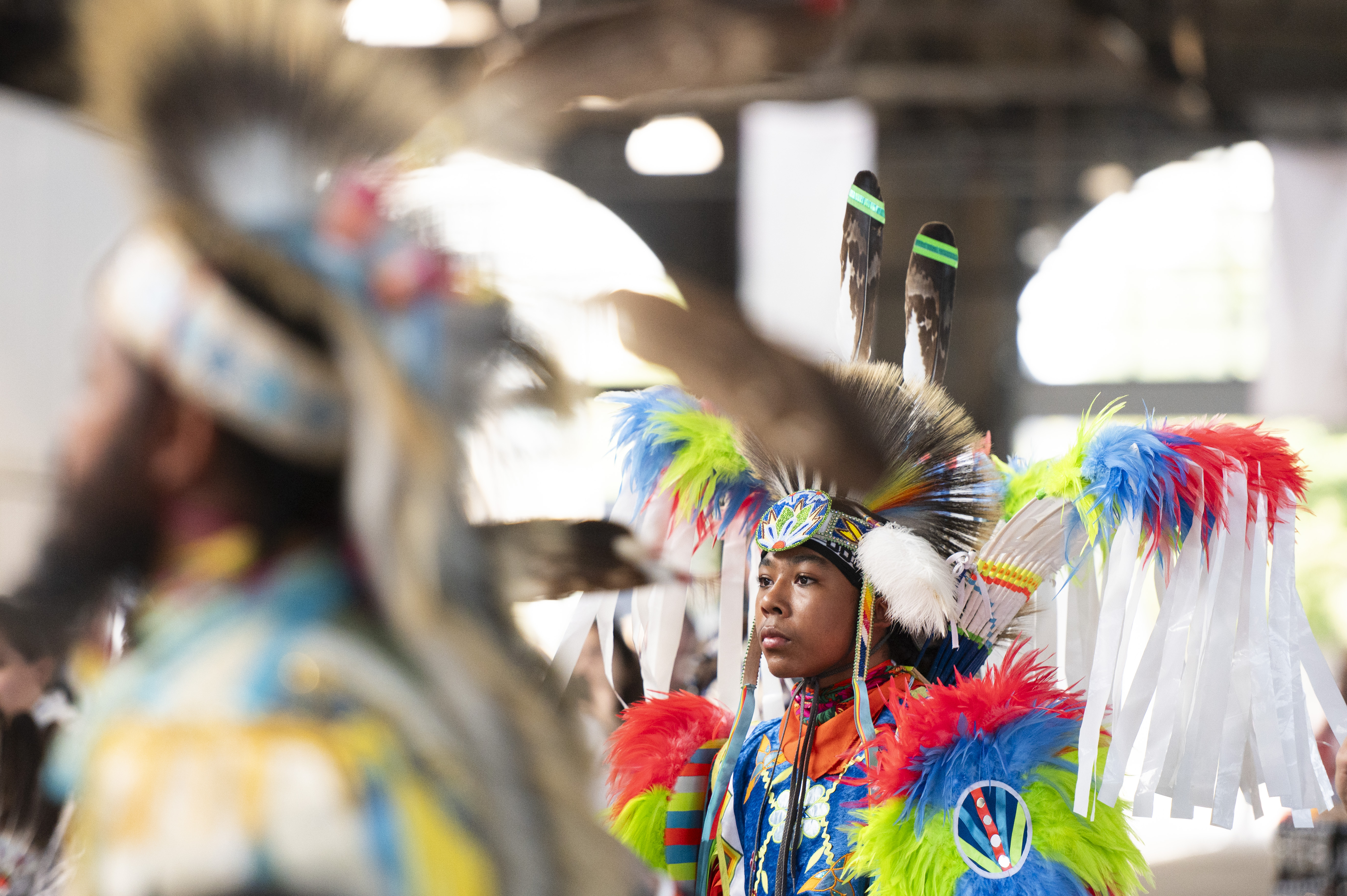
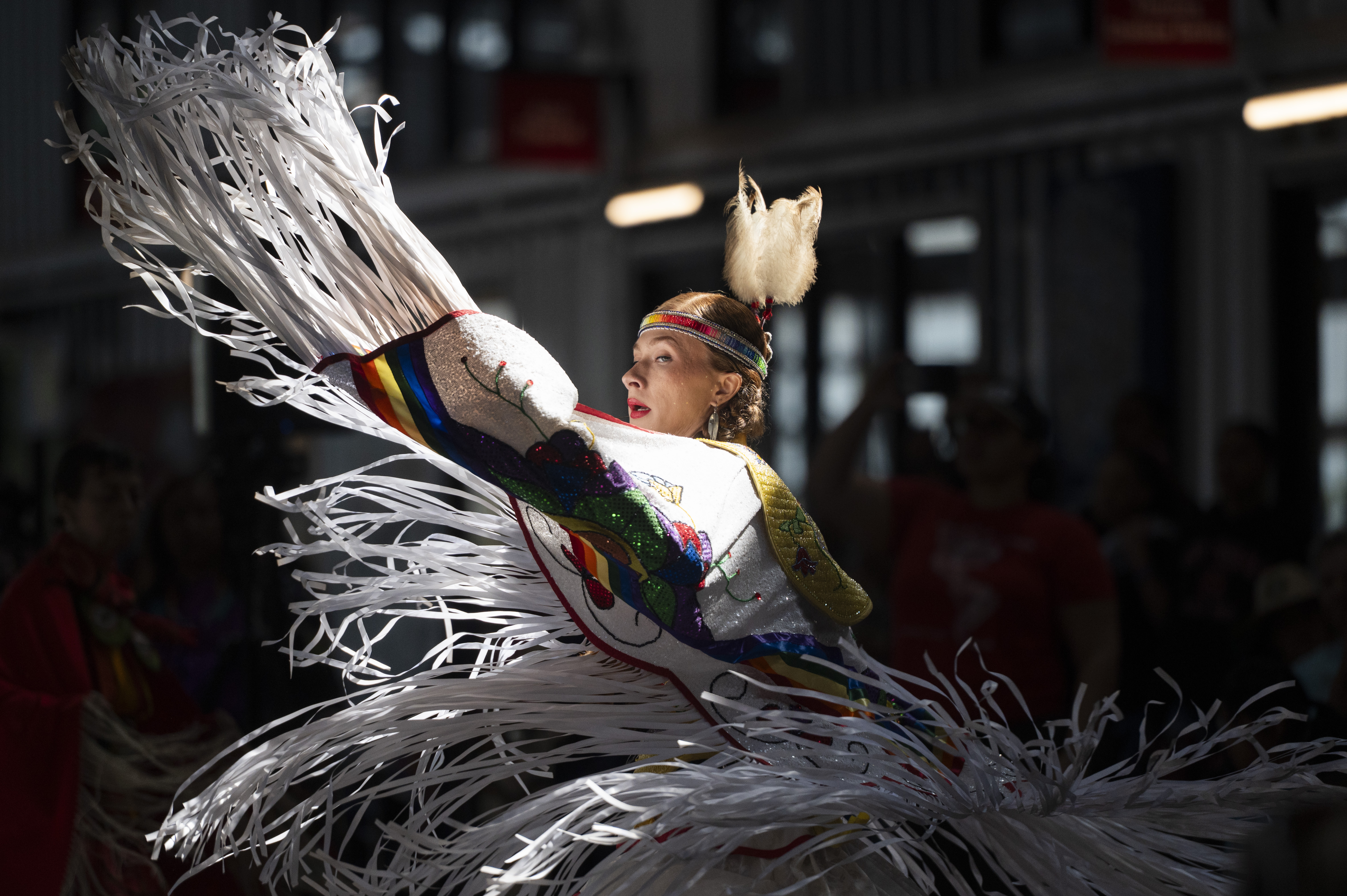
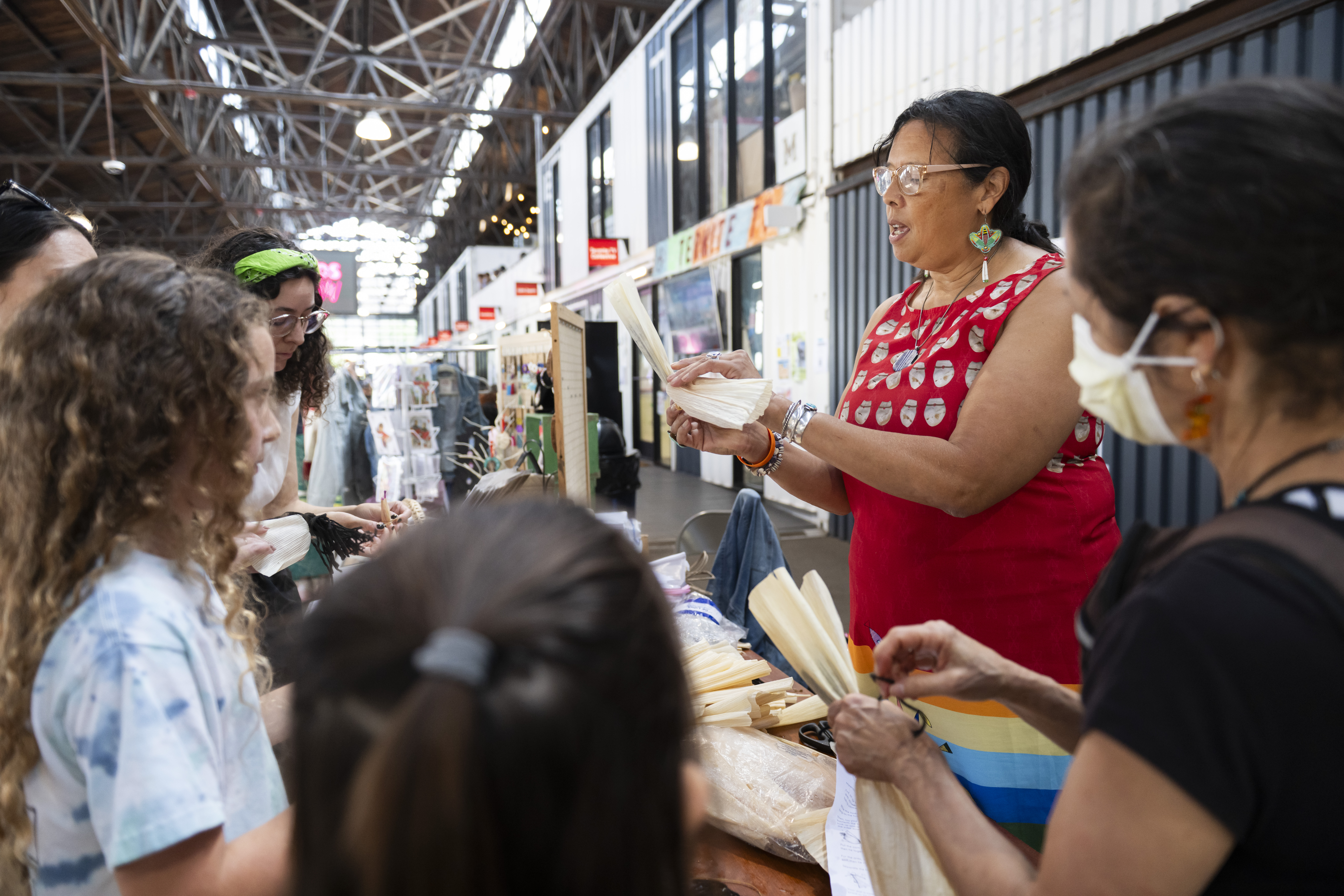
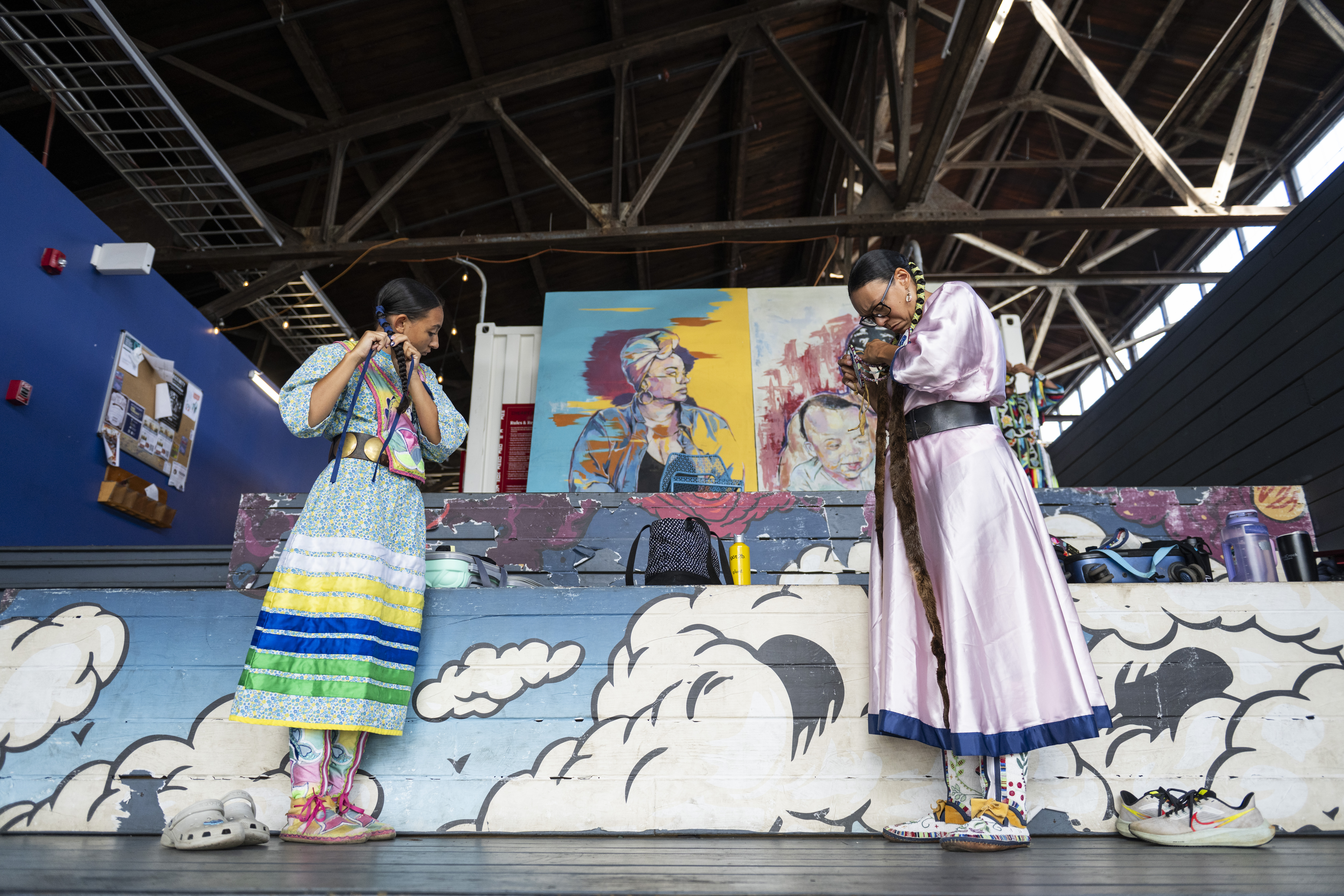
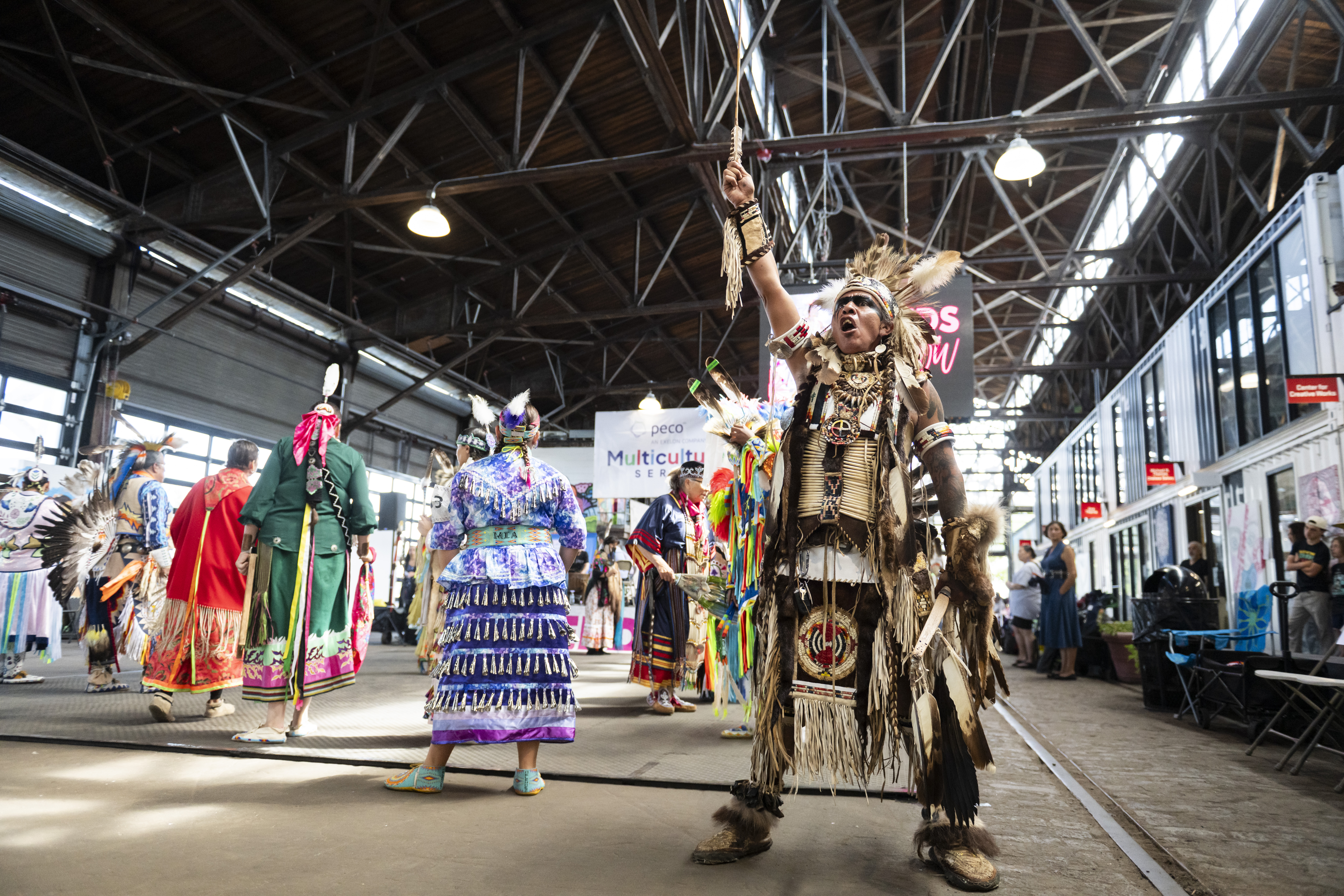
    The 7th annual Seeds Philly Celebration became a solemn and spirited tribute to Indigenous arts and culture: powwow dancing and flag songs, tepee raisings and fry bread, corn husk dolls and Powowpopart.

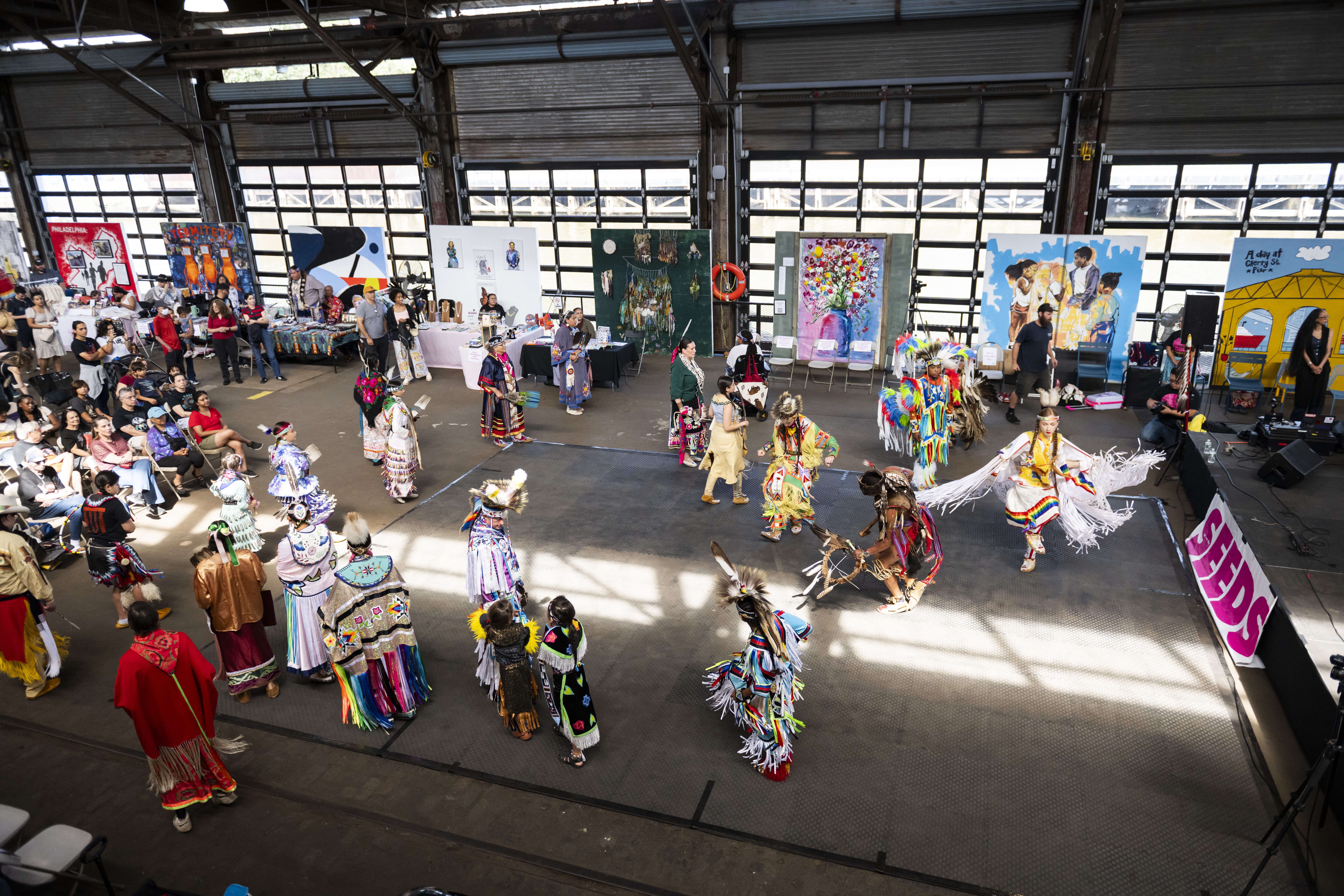
    But this year’s two-day celebration, Saturday and Sunday at Cherry Street Pier, carried added significance. Founded as a small arts gathering in Fairhill, Seeds Philly has grown to include representatives and traditional dancers from 40 tribal nations and more art booths and performers than ever. And, marking the 250th anniversary of the signing of the Declaration of Independence, the two-day event includes a special artist installation confronting hateful language enshrined in the founding document.

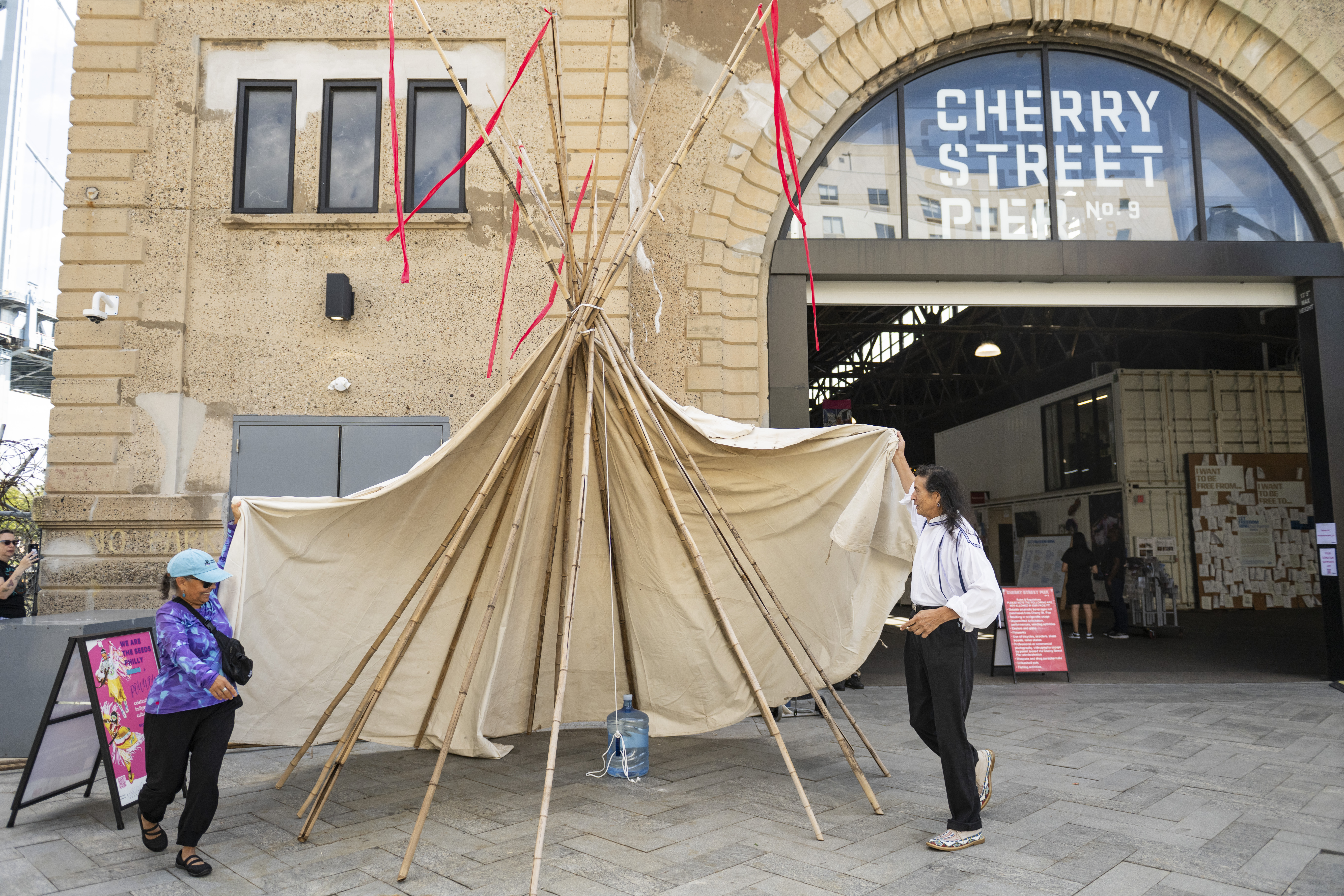
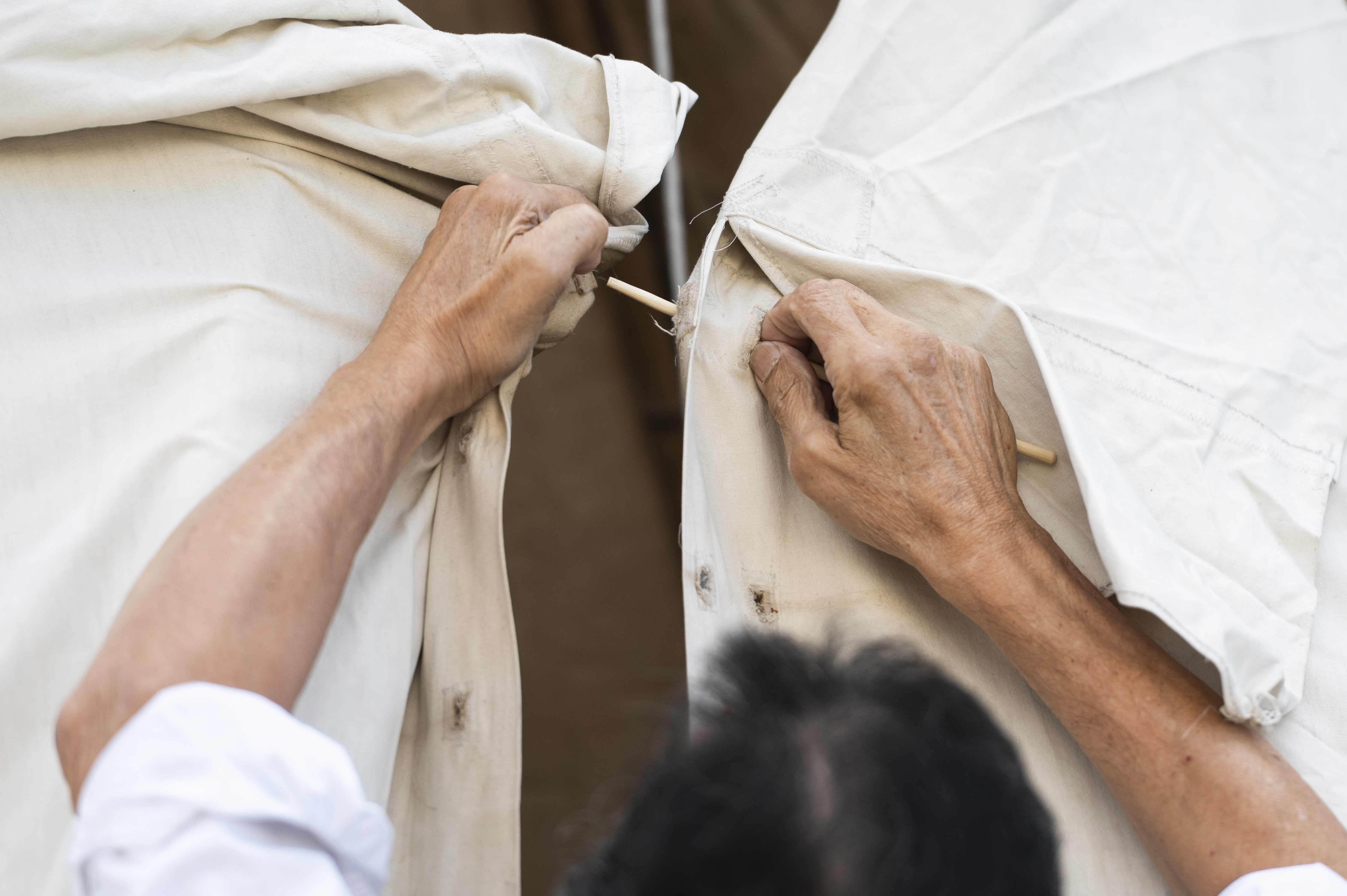
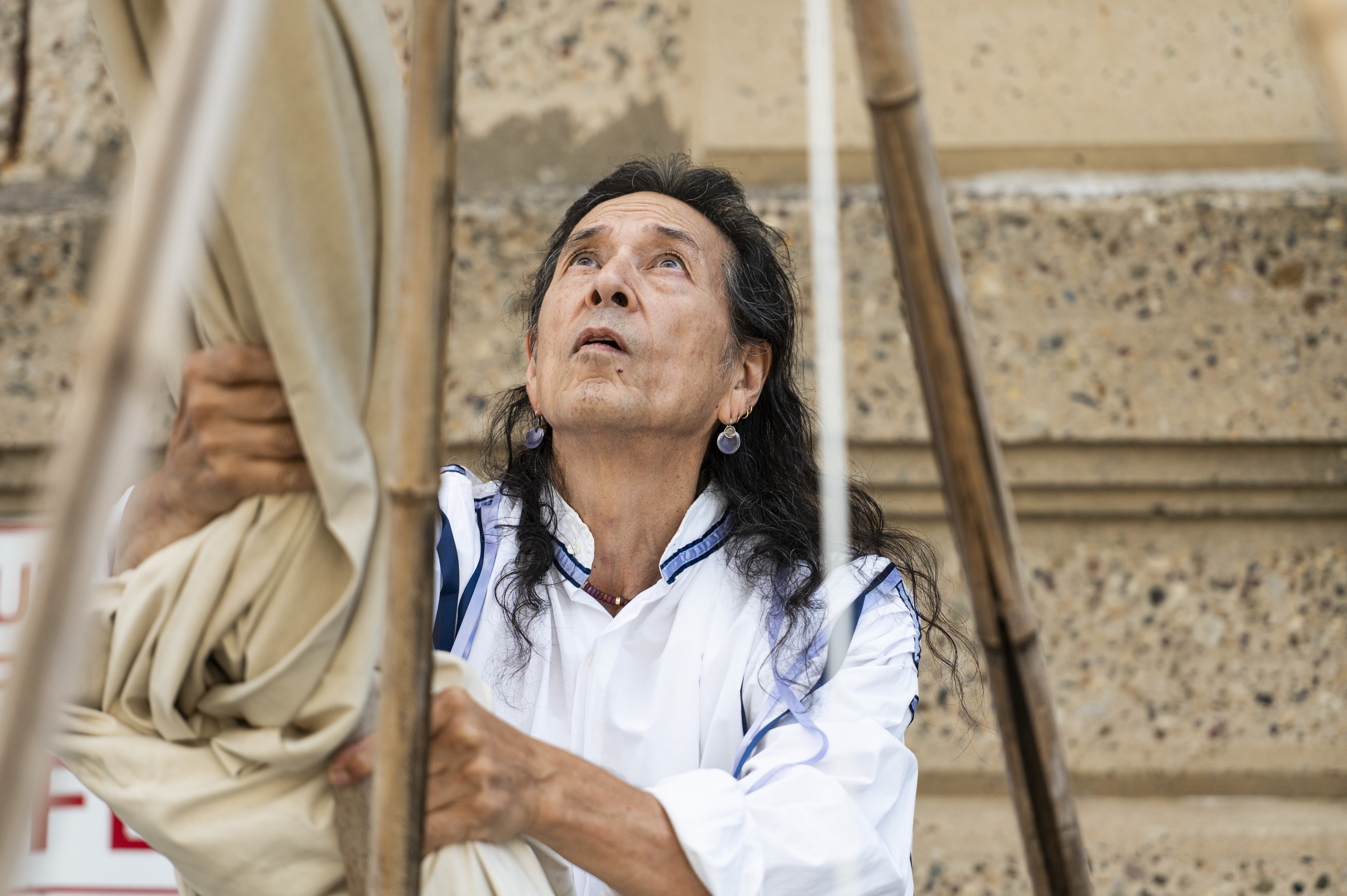
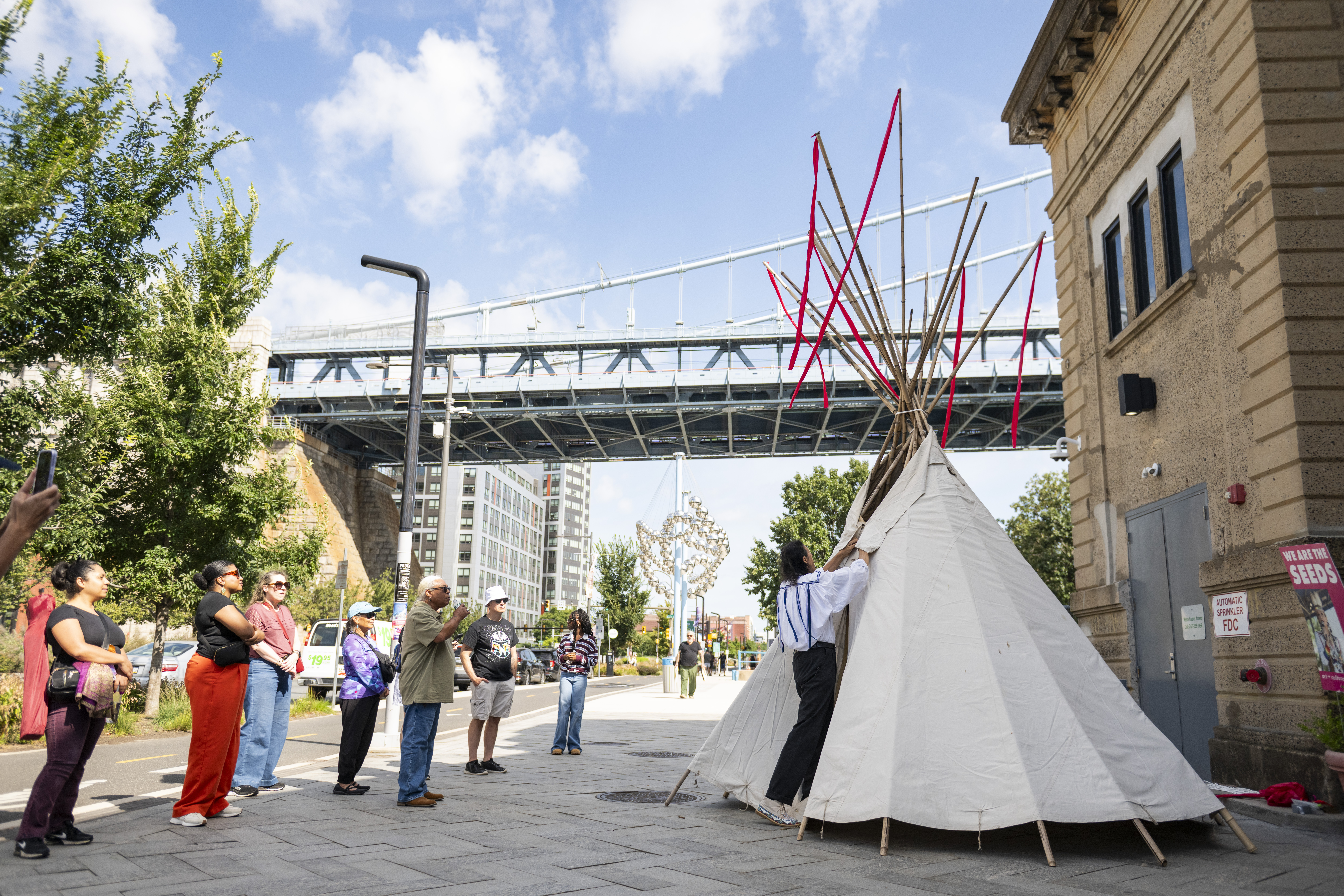
    Tchin (left), artist-partner for education and cultural programs at We Are the Seeds, and a volunteer raise a Northern Plains tepee at the Seeds Philly Celebration at Cherry Street Pier on Saturday, Sept. 19, 2026.

    This also may be the last Seeds Philly Celebration for the foreseeable future, organizers say. Despite all the gains — and special city funding this year — money has run out.

    “I would love to see a world where the city and other private foundations would recognize that this event is absolutely critical for this city,” said Tailinh Agoyo, cofounder and executive director of We Are the Seeds, the Philly-based, Native-led organization that runs the festival. “It brings attention to the fact that this is Lenape land we are on, and celebrates not only the histories of our people, but the diversity of the Native people who live in the city now.”

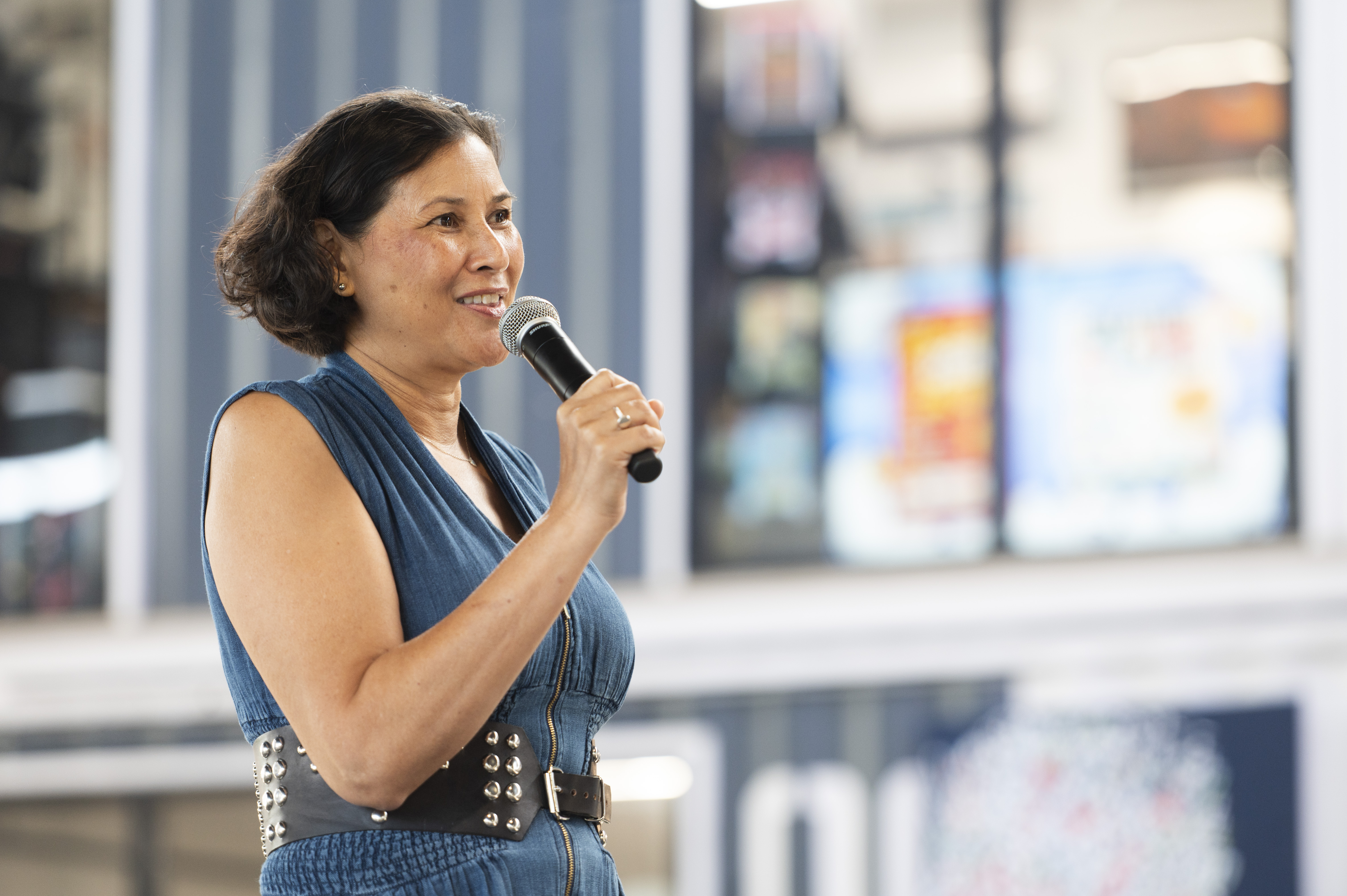
    Tailinh Agoyo, co-founder and executive director of We Are the Seeds, speaks to the crowd during the Seeds Philly Celebration at Cherry Street Pier on Saturday, Sept. 19, 2026.

    How Seeds Philly was born

    Agoyo, who moved to Philadelphia from Sante Fe, N.M., helped form We Are the Seeds in 2016 to celebrate the heritage and culture of Indigenous people in the country’s founding city. At the time, some Philly-area Native American cultural organizations were fading after generations, she remembered.

    “I felt like, where do we go?” said Agoyo, a descendant of the Narragansett tribe who is raising four sons. “Where do we have our conversations? Where do we see our community?”

    The nonprofit has grown to include Indigenous Listening Gardens in West and North Philly and Kensington; an Indigenous-led theater project examining the myths surrounding Philadelphia’s founding in 1682; and a popular podcast, From Here, With a View, featuring Indigenous artists, culture bearers, and activists.

    “We create these types of programs and events for Native people to come together and connect and gather and dance and celebrate,” Agoyo said. “And we invite the greater Philadelphia region to be a part of it.”

    But with a key private grant expiring — and the growing festival eating up much of the nonprofit’s expenses — Agoyo said the group needs time and does not know when exactly the event might return. It is bittersweet, Agoyo said, that the festival, which was expecting more than 4,000 attendees — tickets are pay what you can, with a $20 suggested donation — may disappear just as it comes into its own.

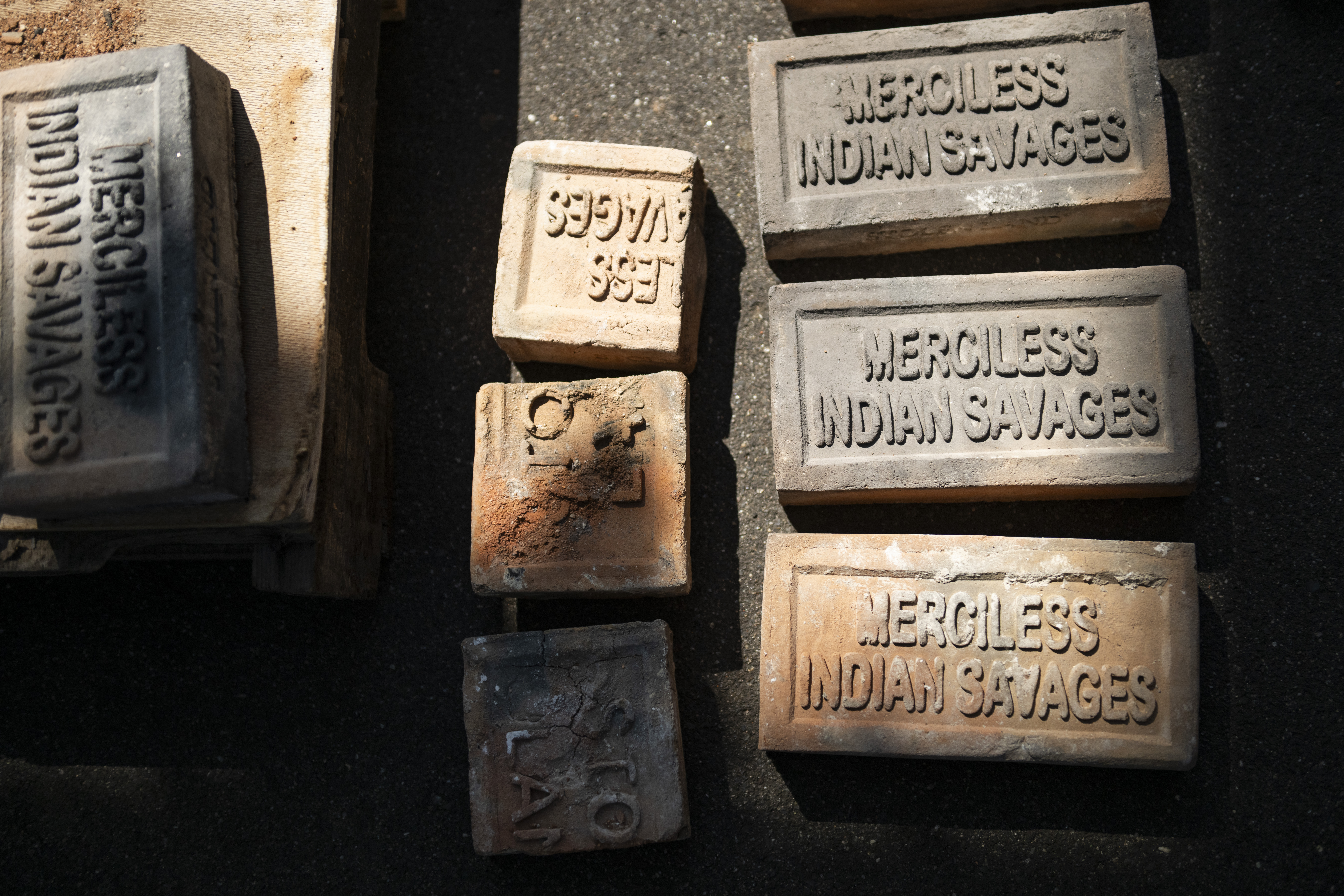
    Bricks with the words “Merciless Indian Savages” are laid on the ground to be put together to make a Mohawk Rocket Kiln at the Seeds Philly Celebration hosted by an Indigenous nonprofit, We Are the Seeds, at Cherry Street Pier on Saturday, Sept. 19, 2026.

    This year, the city provided funding for the festival through its 250th programming, Agoyo said. And the group plans on applying for more grants and hopes to build partnerships with leading Philadelphia philanthropic organizations.

    “The reality is the world is in a really tough place and we need to make sure that we stay healthy as an organization,” she said. “So we need to be strong and say, ‘Let’s just rest for our health and our family’s health and our community’s health, and then we figure it out.’”

    Perhaps, next year, the festival could return as a smaller event, she said.

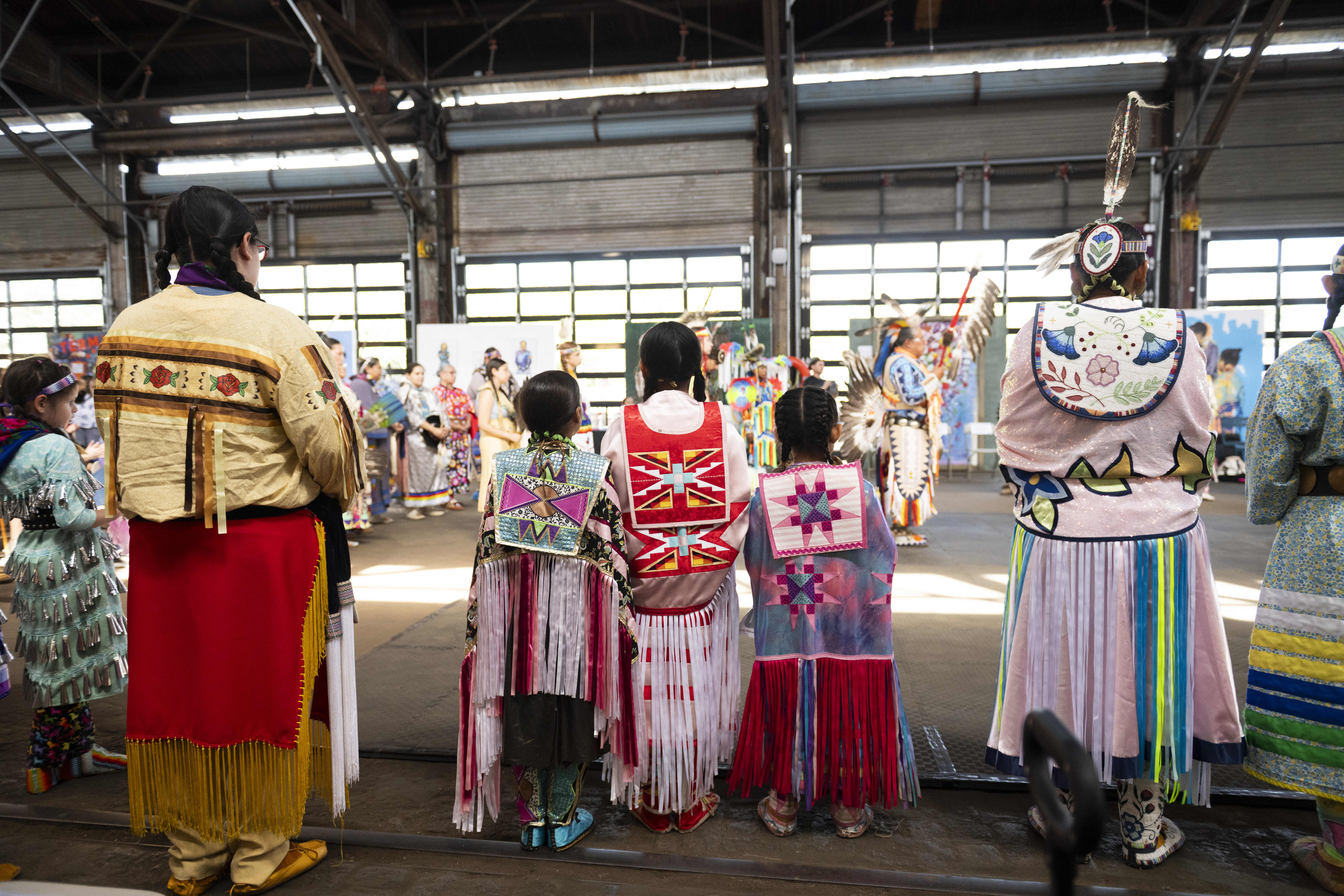
    But the hard realities confronting the popular but endangered festival did not dampen Saturday’s celebration. At noon, after an honorary tepee raising, dozens of dancers processed into the powwow. Men and women from tribes up and down the East Coast danced traditional and fancy steps. Jingle dancers donning regalia adorned with dozens of clanking tin snuff lids danced steady rhythmic steps meant to promote healing. Musicians pounded beats on powwow drums made of maple wood and rawhide. Crowds flowed along the pier.

    Garbed in a women’s jingle dress, Vaughnda Hilton, executive director of the Philly-based Native Nations Dance Group, said the Seeds Philly Celebration has become a premier Indigenous event.

    “It shows we’re still here,” she said. “We’re keeping the culture alive, keeping the dances and songs alive. It’s who we are.”

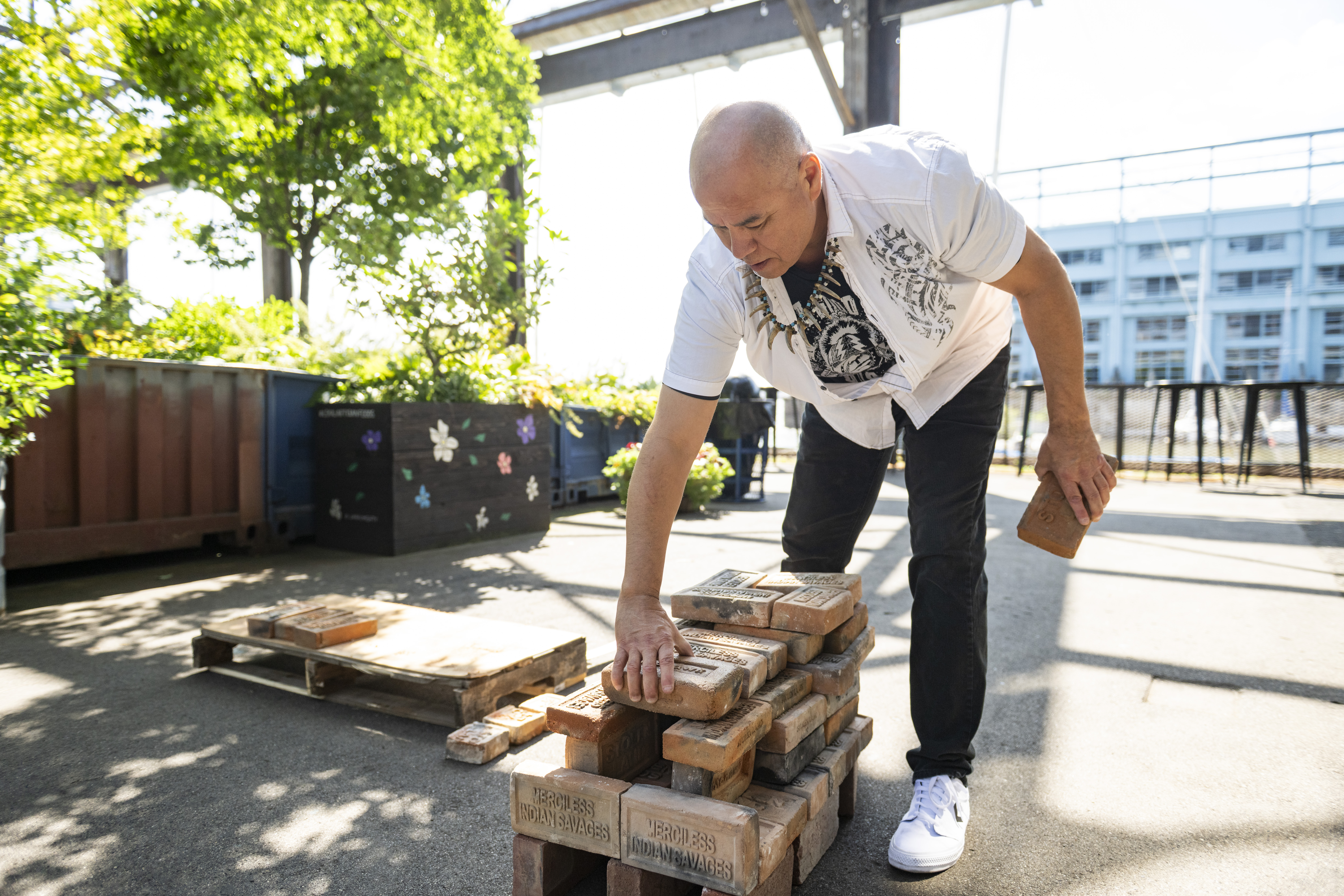
    Farther down the pier, Roger Sosakete Perkins, a Mohawk multimedia artist and culture keeper from the Bear Clan of Akwesasne near the Canadian banks of the St. Lawrence River, prepared a special fire-working kiln he had built for the festival. Considered a founder of “Powowpopart” — a blending of Native-inspired abstract design and vintage pop culture imagery — Perkins gathered clay from a roadbed near his studio to make Mohawk bricks for the kiln. Each is enshrined with “merciless Indian savages” — a phrase that appears in the Declaration of Independence. On Sunday, Perkins will burn a piece of his own art and a replica of the declaration in the kiln. In Mohawk culture, the burning of something is symbolic of “rebirth” and “replenishing” – like the intentional land fires set to “burn out old growth and bring in new life,” he said.

    The installation is meant to represent a conversation, he said, building his kiln, brick by brick, as the pier filled.

    “A conversation that has needed to happen for 250 years,” he said. “A real conversation.”

  • Korean culture’s global rise takes center stage at Chuseok festival in Blue Bell

    Korean culture’s global rise takes center stage at Chuseok festival in Blue Bell

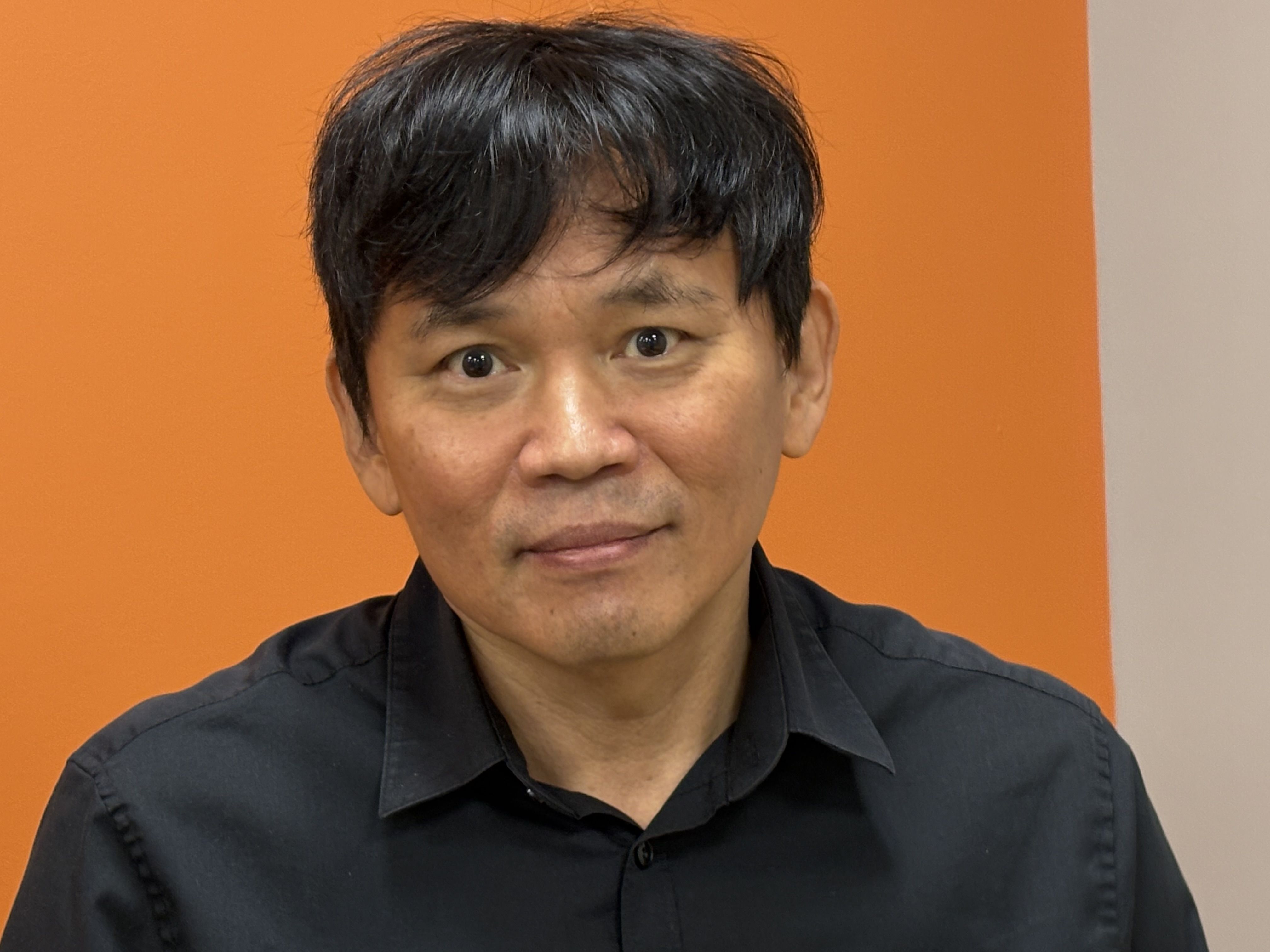
    Ask Pastor Daniel Cho why Korean culture has become so popular in the United States, and he just smiles, shaking his head in wonderment.

    “I’m not sure, but we’re pleasantly shocked,” said Cho, 59, a Montgomery County Presbyterian minister, who is leaving soon for missionary work in Vietnam. “Turn on the TV and see Korean dramas, K-pop music, and Korean food being everywhere.

    Pastor Daniel ChoAlfred Lubrano

    “It’s wonderful how we’ve gotten to share our culture. When someone loves what you love, it’s exciting.”

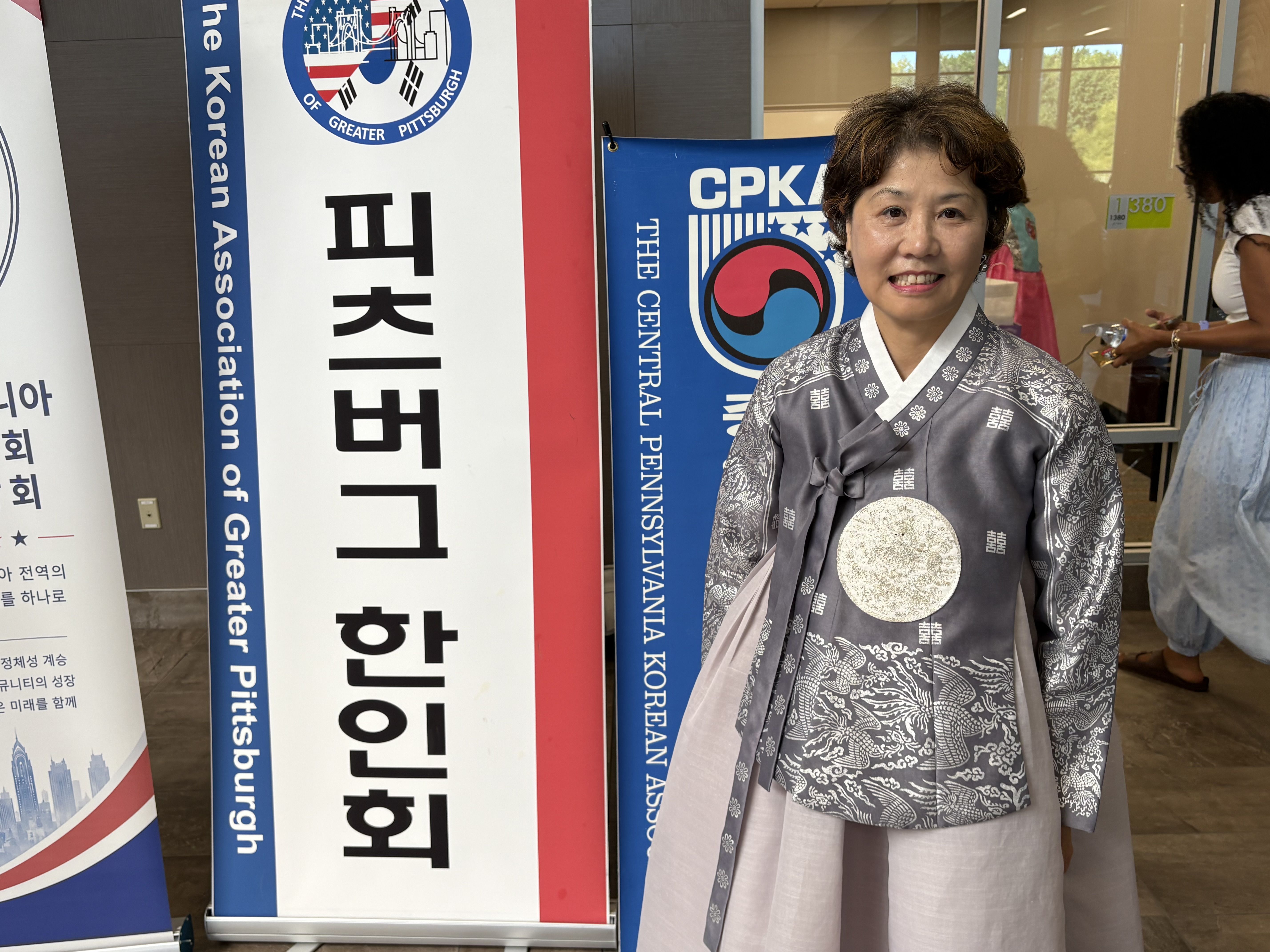
    That excitement was palpable Saturday at Montgomery County Community College in Blue Bell, where about 1,500 people gathered for “Happy Chuseok Fest 2026,” a Korean Thanksgiving celebration.

    Part of a 2,000-year-old tradition, Chuseok is the time Koreans pause to reflect on family, gratitude, ancestors, harvest, and respect for nature.

    “I love it because I get to spend time with my family,” said Kelsey Chung, 14, a ninth grader from Newtown Square. “It’s important to remember the traditions.”

    Sponsored by the Korean Culture Community Foundation and Montgomery County, the Chuseok festival is highly significant for the roughly 30,000 to 40,000 Korean Americans living in Pennsylvania, said Sharon Hartz, president of the foundation.

    “We know Christian and Jewish holidays,” she said. “But Koreans didn’t really have a holiday that was theirs. Chuseok is becoming more widely known.”

    At the festival, vendors were selling kimchi (fermented cabbage), kimbap (rice, vegetables, and meat in seaweed), bulgogi (marinated beef), and, of course, fried chicken, the most popular Korean food abroad, according to the Korea Herald.

    Beyond chicken, Korea is widely known for a “deep-rooted culture that people around the world have grabbed onto,” said sociologist Sam Richards of Pennsylvania State University, a Korean scholar who spoke at Saturday’s event.

    “South Korea was poor 60 years ago, but it’s an economic superpower now,” said Richards, described by the Korea Times as a “megastar” whose YouTube videos are popular in Korea because of his love for and understanding of the culture.

    “The Korean government rebuilt the country by putting money into exporting culture — music, television, movies.”

    Americans, he said, are quite familiar with the K-pop superstars BTS, the most popular band in the world. Then, among other works, there is Squid Game, the dystopian thriller TV series, as well as the black-comedy film Parasite, Richards said.

    “The government succeeded, as people were attracted to what South Korea has exported.”

    A key to the appeal of Korean entertainment is that humility, a national trait, stands out among actors and musical artists, Richards said. Also, he noted, “you won’t see Korean artists putting themselves forward.”

    “Pop stars say ‘we,’ not ‘I,’” Richards said.

    Korea’s new role in the American zeitgeist is remarkable, said Nani Shin, executive director of the Philadelphia Asian American Film Foundation, whose organization was tabling at the Chuseok event.

    “No one in the 1970s knew where Korea was,” Shin, who was born in South Korea, said. “Now, the culture isn’t only known, but celebrated. It’s wild.”

    It is important to remember, however, that Koreans look to keep their traditions alive for themselves and their children.

    “That’s why I’m here,” said Will Press, 43, who stood outside the event Saturday. He married a Korean woman, he said, which means “she, and I, want our children to know that Korea is part of their heritage.”

  • Holdout juror in Clancy trial didn’t have ‘any doubts’ that she was responsible for killing her kids

    Holdout juror in Clancy trial didn’t have ‘any doubts’ that she was responsible for killing her kids

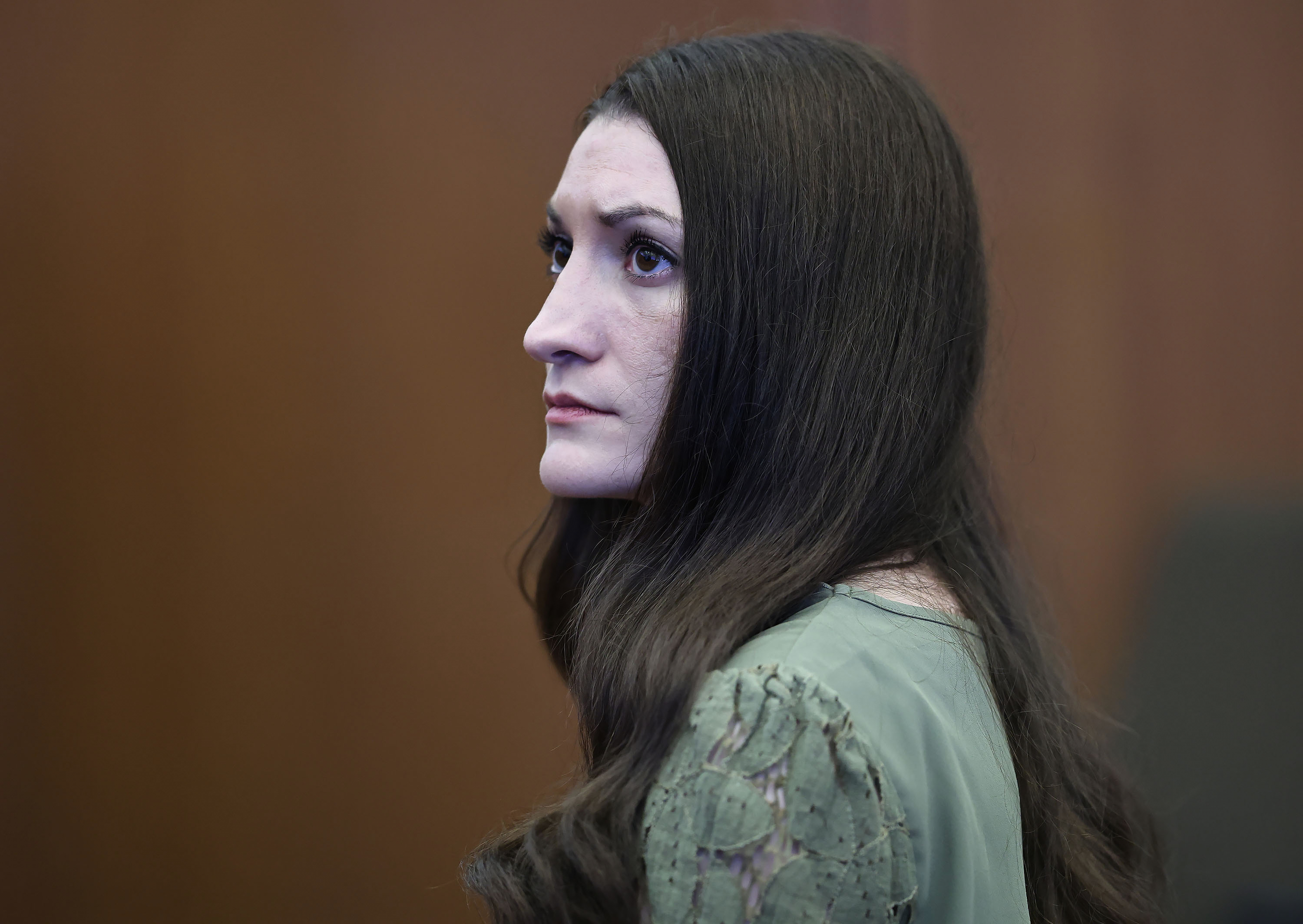
    BOSTON — The lone juror who wanted to convict Lindsay Clancy of murder for killing her three children said he was certain of her guilt, but that other jurors wouldn’t listen to him, according to a statement released by his lawyer Friday in his first public comments on the case.

    Eleven of 12 jurors were ready to clear Clancy of criminal responsibility, with the majority feeling that the Massachusetts mom was in the grip of a rare condition called postpartum psychosis when she strangled her kids. But juror Michael Desronvil sided with the prosecutors, who had argued that Clancy knew what she was doing.

    “I didn’t have any doubts,” Desronvil said in a statement released on X by his lawyer, Edward Paltzik.

    The jury’s foreperson had claimed in an earlier media interview that Desronvil had admitted having “reasonable doubt” about Clancy’s guilt, but wanted to convict her anyway. Desronvil said that wasn’t true.

    “As I tried to explain different possible theories during deliberation, I kept getting cut off as if I had doubts based on the evidence presented,” he wrote. “Based on all the physical evidence, key witnesses, and what the prosecution presented, I thought it was enough proof that she (Clancy) knew exactly what she was doing and planned.”

    The jury’s deadlock forced the judge to declare a mistrial on Sept. 4, leaving the case unresolved. The Plymouth County district attorney has yet to say whether he’ll seek to put Clancy on trial again.

    Neither side disputed that Clancy strangled her children, Cora, Dawson, and Callan, in the family’s home in 2023 before trying to end her own life. But her attorney said she was a loving mother experiencing deep delusions and other mental health problems, for which she had been getting treatment.

    Since the trial ended, Desronvil has been both publicly praised and scorned for his actions, and his personal life and past financial and legal problems have become the subject of scrutiny by the news media and amateur sleuths.

    Among the public revelations: He had a restraining order against him at the time of jury selection and was facing eviction from his apartment due to over $12,000 in unpaid rent. He also was accused of domestic violence in 2021, a charge that was later dismissed.

    Some of the opinion has fallen along political lines, with Desronvil being praised by some conservative pundits as a hero.

    Paltzik, whose past clients have included President Donald Trump and Martin Shkreli, said on X that Desronvil was in “an undisclosed secure location” in a rural part of northern New England and would not be giving interviews.

    “As a devoted father and man of God, he will not be defeated or shattered by the wicked who wish harm upon him,” Paltzik wrote.

    A fundraiser to cover what organizers say are costs of “security, lawyers, and lost work” for Desronvil has raised over $289,000.

    Florida Gov. Ron DeSantis has rolled out the welcome mat for him, saying that if he is being harassed, “Florida will provide asylum.”

    “I’m sure he’d be welcomed and appreciated,” DeSantis wrote on X.

  • Appeals court says Trump administration’s third-country deportation policy is unlawful

    Appeals court says Trump administration’s third-country deportation policy is unlawful

    The Trump administration’s policy on deporting immigrants to third countries is unlawful, a federal appeals court ruled Friday, a decision that could halt a program that has already sent thousands of people to countries that are not their own.

    A three-judge panel on the U.S. Court of Appeals for the 1st Circuit unanimously agreed with a lower court judge’s decision in February that the Department of Homeland Security’s policy violates due process rights by failing to give migrants sufficient notice and a chance to raise fear-based claims to contest their deportations to third countries.

    The appeals court’s decision marks a major setback for the administration, which has sought to establish third-country deportations as a key part of President Donald Trump’s mass deportation campaign. Since Trump took office last year, DHS has sent more than 25,000 migrants to third countries, mostly in Latin America and Africa, according to public records. The program has raised fierce objections from congressional Democrats and legal challenges from human rights advocates who say the deportees face dangerous conditions and inhumane treatment in the countries where they are being sent.

    Legal experts said the administration is likely to appeal to the Supreme Court and seek a stay on the 1st Circuit’s decision that would allow DHS to continue sending migrants to third countries. For now, however, the deportation flights should be immediately grounded, said Trina Realmuto, executive director of the National Immigration Litigation Alliance, who was among the team of attorneys who brought the class-action case.

    “This is a huge win,” she said. “All those deportation flights should not be taking off because the policy under which people got put on planes and targeted for removal is unlawful.”

    DHS did not immediately respond to a request for comment.

    Administration officials say third-country deportations are the only way to remove the most difficult to deport immigrants, including violent criminals who have committed rapes and murders. These immigrants have final removal orders from U.S. immigration judges, but many are protected by federal law from being sent back to home countries where they are likely to face persecution. Others cannot be returned because their home countries refuse to accept them.

    The lawsuit stemmed from DHS’s policy memos last year stating the government could deport migrants to third countries with as little as six hours’ notice, even if U.S. officials have not received assurances that the deportees would be safe from persecution or torture. Those being flown to places that have offered those assurances could be deported with no advance notice.

    The plaintiffs filed their lawsuit in March 2025, arguing that the U.S. government was violating federal law and sending immigrants to places where they could be harmed or killed, without giving them a chance to argue against it, including a Guatemalan man deported to Mexico, where he had been kidnapped and raped.

    U.S. District Judge Brian Murphy in Boston barred the Trump administration from removing immigrants without giving them a “meaningful” opportunity to challenge it, and he issued a preliminary injunction in April 2025 enjoining the government from continuing with the deportation flights. Two months later, the Supreme Court’s conservative majority paused the judge’s decision in a brief, unsigned statement that did not explain its reasoning, but it cleared the way for the removals to resume as the legal case played out.

    Murphy issued a final judgment in February 2026, vacating the administration’s policy, and the Trump administration quickly filed an appeal.

    The 1st Circuit panel agreed with most of Murphy’s decision, saying that there was nothing in the public record or court filings that showed which countries had provided the State Department with diplomatic assurances that the immigrants would not face abuse.

    They added that “we have some difficulty seeing how a receiving country can credibly provide blanket assurances that all removed noncitizens will not be persecuted or tortured there unless it intends to provide them with some sort of affirmative protection against rogue agents and non-state actors.”

  • MS NOW, CNN, and Politico say their journalists were denied access to White House after Trump ban

    MS NOW, CNN, and Politico say their journalists were denied access to White House after Trump ban

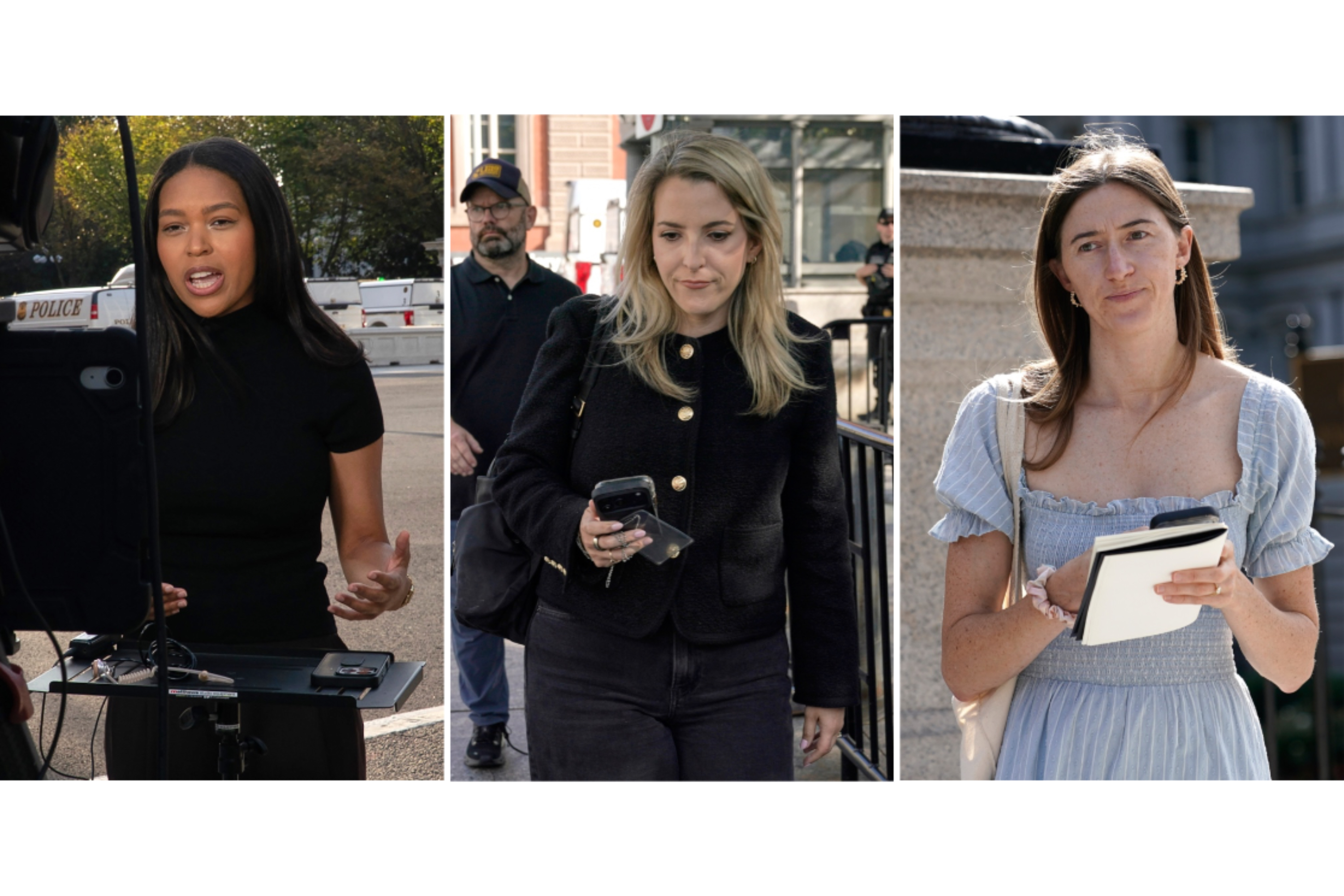
    NEW YORK — Reporters from three major news organizations — CNN, MS NOW, and Politico — were denied access to the White House on Saturday, a day after President Donald Trump said he was barring them because of reporting he found to be “fake news.”

    The actions were a clear escalation of Trump’s long-running efforts — in the courts and through administrative action — to restrict news coverage by journalists he finds objectionable, and the latest test of First Amendment protections in the United States. Trump had said Friday he would ban all three outlets because of coverage he disliked.

    White House reporters from the two cable networks — Betsy Klein of CNN and Akayla Gardner of MS NOW — both went live to report they’d been turned away when arriving for their jobs at the White House. Soon after, Politico said its White House reporter Cheyenne Haslett was also denied entry and had her badge confiscated.

    Politico editor-in-chief Jonathan Greenberger said in a statement to the Politico newsroom: “We stand by her and all reporters here covering the White House. … We will vigorously defend our First Amendment rights.”

    CNN and MS NOW issued similar statements. “We will not be deflected from our duty to hold the government and other public bodies to account,” CNN said.

    “The White House belongs to the American people and the decisions made inside are funded by our tax dollars,” MS NOW said in its statement. “MS NOW intends to take any and all steps necessary to defend our First Amendment rights and the essential role of independent journalism in our democracy.“ ‘

    In his second term, Trump and his administration have upped the ante and punished certain media outlets, both in the courtroom and through regulatory action. Trump has also lashed out at individual reporters in person or over social media, sometimes in strikingly personal terms — insulting them in briefings, or in his recent speech at the White House Correspondents’ Association dinner.

    CNN and MS NOW correspondents are turned away

    Network correspondents are usually present on the weekends when the president is in Washington or at nearby Camp David. Trump is at the presidential retreat in Maryland this weekend.

    MS NOW’s Gardner reported that she had walked through two gates successfully, but once she got to where her badge needed to be scanned, an officer told her it was disabled and asked her to hand it over. He said the decision “was above him,” she reported. An MS NOW producer was able to get in, but a photographer’s badge was also disabled, Gardner said.

    Klein, senior White House reporter at CNN, also said her badge had been deactivated. It was confiscated, and she was handed back the clear plastic case. She said she was referred to the White House press office for further information.

    Amy Kristin Sanders, a professor at Pennsylvania State University and an expert in media law, said it has “become pretty clear that this administration is not interested in playing by traditional First Amendment rules and norms.

    “The second Trump administration’s efforts to crack down on press freedom and delegitimize independent journalism far exceed those of any other modern American president,” Sanders said. ”It is not an exaggeration to say his hostile actions toward news organizations and individual reporters have a chilling effect on freedom of expression around the world.”

    CNN media analyst Brian Stelter called the move “a direct threat to press freedom in the United States.”

    “It’s so much bigger than CNN,” Stelter said. “This is a free speech test in America.”

    Trump calls these and other outlets ‘fake news’

    The president wrote on his social media site Friday that effective immediately, “I am banning” CNN, MS NOW, and Politico “from the White House as a result of their constant ‘reporting’ FAKE NEWS!” Minutes later, speaking at an event in the Oval Office, Trump was asked to explain his statement.

    “Because they’re fake news,” he said. “You get so tired of reading and seeing fake news. When you look at CNN, it’s just fake. That’s why their ratings are no good. When you look at MS NOW … it’s fake news.”

    “And when you look at Politico … the stories they wrote are fake. So there’s a lot of news and there may be others to join them, and maybe they can get better,” he said. “But our country has to have honest news.”

    The move follows the president’s decision last year to bar Associated Press reporters from the Oval Office, Air Force One, and other events in retaliation for the news outlet’s decision not to follow his lead in changing the name of the Gulf of Mexico, which lies partially in Mexican and other waters. The AP said that it would note when appropriate that Trump had ordered it renamed the “Gulf of America.”

    The AP filed suit and the case is ongoing. Since returning to office, Trump has pursued other legal action against a variety of different outlets, including the New York Times, the Wall Street Journal, and the BBC. His administration is also involved in a long-simmering confrontation involving ABC over renewal of its broadcast licenses.

    The AP said Saturday it supported the news organizations banned this week. In a statement, it said: “No news organization — or person — should be retaliated against by the government over the words they use.”

  • Thousands rally outside shuttered Kennedy Center, chanting ‘Hands off!’

    Thousands rally outside shuttered Kennedy Center, chanting ‘Hands off!’

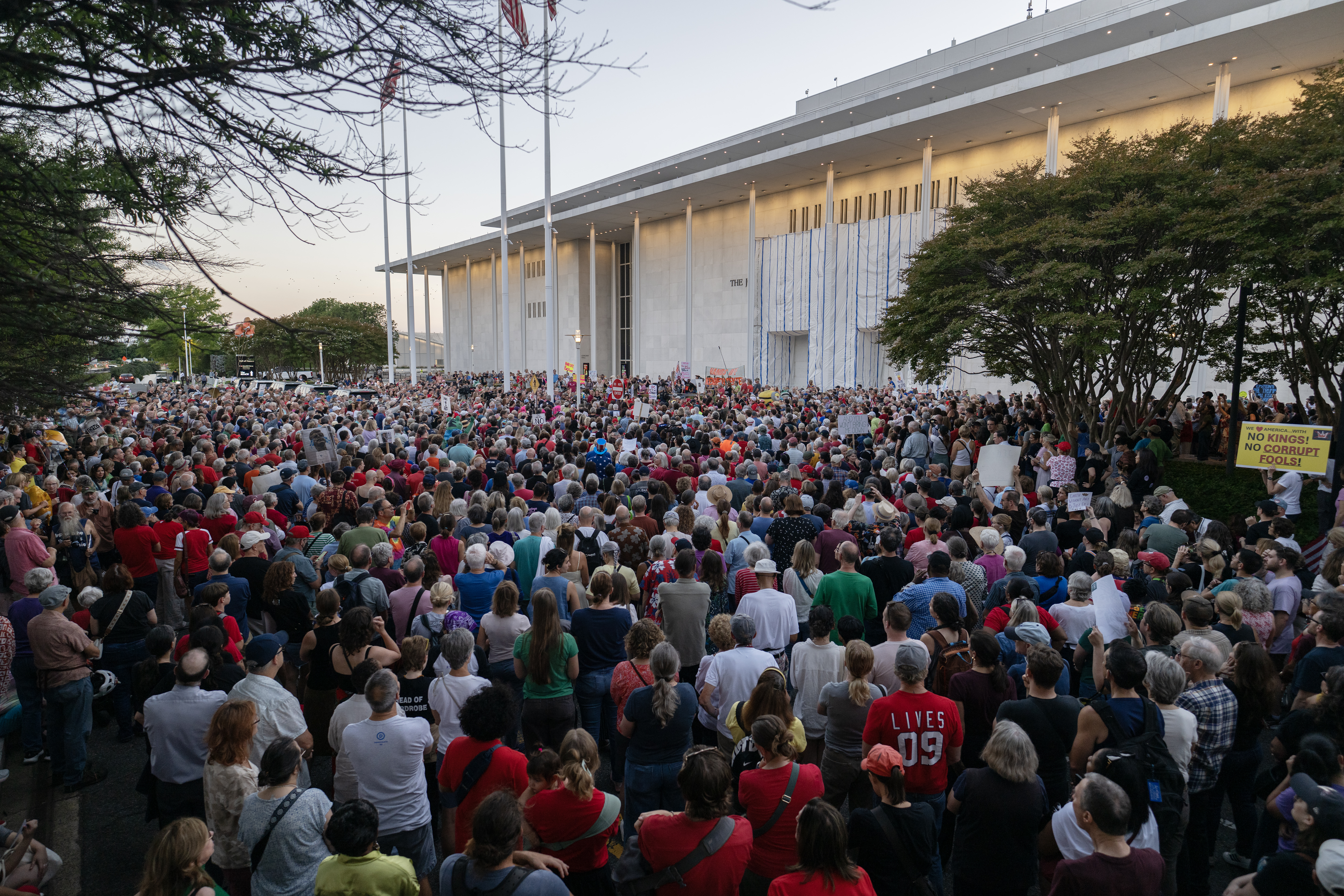
    Thousands of supporters of the John F. Kennedy Center for the Performing Arts gathered Friday as the sun set over the Potomac, surrounded as much of the building as they could, linked arms, and chanted: “Hands off! Hands off!”

    For the first time in what felt to them like ages, their beloved arts center was brimming with life.

    The vigil, which had been in the works for months, took on fresh urgency at the end of a week that saw the doors to the marble building locked shut, while President Donald Trump indicated the structure could be “ripped down” if his name isn’t added to the institution.

    There were dogs and bikers; elders with gray hair and babies with no hair; people in Nationals jerseys and business casual attire (equally ubiquitous D.C. uniforms). Most wore one common item: a red pin that read, “Hands Off the Arts.”

    The protest was organized by an advocacy group of the same name, which was founded by Kennedy Center staff in the immediate aftermath of Trump’s takeover last spring and has since campaigned against his changes to the institution.

    “The center had more or less become like a mausoleum rather than a vibrant cultural center,” co-organizer Mallory Miller said before the vigil. “But a lot of us have amazing memories of the center hustling and bustling with people. We wanted to kind of bring that feeling back.”

    The event was initially planned for July as a cap to the group’s 172-day protest of Trump’s changes at the center. It was intended to celebrate what they saw as victories — Richard Grenell’s stepping down from his role as interim head and the center’s continued operations past July 4, when it had been previously scheduled to close. The vigil was postponed due to wildfire smoke and rescheduled for the third Friday in September — a date organizers didn’t expect to have any special significance.

    Then came the events of this week. On Tuesday, the Kennedy Center’s board voted to close its main building for two years and Trump threatened to cancel a roughly $250 million renovation unless his name was added to the center. On Wednesday, fencing was erected around the arts center and, that evening, Trump was photographed on Air Force One examining a printout with a partially visible title that appeared to read “Kennedy Center DEMOLIS[HED].” Thursday, a federal judge turned down a request for an emergency hearing about potential demolition but ordered the center to provide notice ahead of any construction, including demolition.

    So by Friday, many arts patrons were ready to protest. Early in the day, organizers expected about a thousand. By the end of the evening, they estimated the turnout was several times that number.

    Tara Hoot, a prominent D.C. drag performer and event co-organizer, hosted a storytime event at the center before Trump’s takeover. Appearances like hers were cited by Trump and his new leadership team as an examples of the kind of woke programming they wanted gone. She said she carries what feels like a responsibility to protect the institution now.

    “It’s an obligation for me to be out there fighting back,” she said in an interview with the Post.

    On Friday, Hoot dressed in honor of the American flag — long red dress, white floral pin, blue shawl. “It’s time to take that tarp down,” she said, pointing to the sheet behind her that has covered the building’s facade since Trump’s name was ordered to be removed.

    “Take it down!” the crowd chanted back to her.

    Donna Smits, 67, traveled from Delaware early Friday morning after learning about the planned protest around 11 p.m. the night before.

    She stood in the plaza’s garden and looked up at the tarp through her gold-detailed RayBans. She was close to tears.

    “It hurts a lot to look at it like that, to see all the beautiful fountains off,” Smits said. “Nobody’s name belongs on this center except John Kennedy’s.”

    The rally began with impassioned speeches from activists, artists, and politicians, including D.C. Council Member Robert C. White Jr., who recalled being introduced to the arts as a third-grader visiting the center and returning decades later to watch his own third-grade daughter perform.

    Lynda Carter, the actor known to most as Wonder Woman, made a surprise appearance to stress the importance of arts for humanity. “Music and the arts is how we actually survive,” she said. “It is how we learn. It is about vibration in the universe. It is about gravity, it’s about our souls.”

    Additional fencing was constructed Friday and some parts of the campus have been closed to the public for several weeks, so the attendees were not able to encircle the main building as initially planned. Organizers posited that were it not for the barriers, the crowd that assembled could have circled the structure 2½ times.

    Jasmine Small, who worked in ticket sales at the Kennedy Center for seven years, watched the human chain form from her perch on the plaza. She was among the first layoffs last year.

    “I’m showing up today, because no one showed up with my colleagues,” Small said. “I’m going to have a voice for them to say that we won’t be forgotten.”

    The Gay Men’s Chorus of Washington, whose show at the Kennedy Center for World Pride last May was canceled days after the president was announced as chairperson of the institution, returned to perform at the vigil.

    While the sky grew dark, they began a song from Ragtime.

    “Will justice be demanded by 10 million righteous men?/ Make them hear you/ When they hear you/ I’ll be near you again.”

    Then, as if on cue, the exterior lights of the building flickered to life.

  • Kennedy Center stood as a symbol of the importance of arts for over 50 years

    Kennedy Center stood as a symbol of the importance of arts for over 50 years

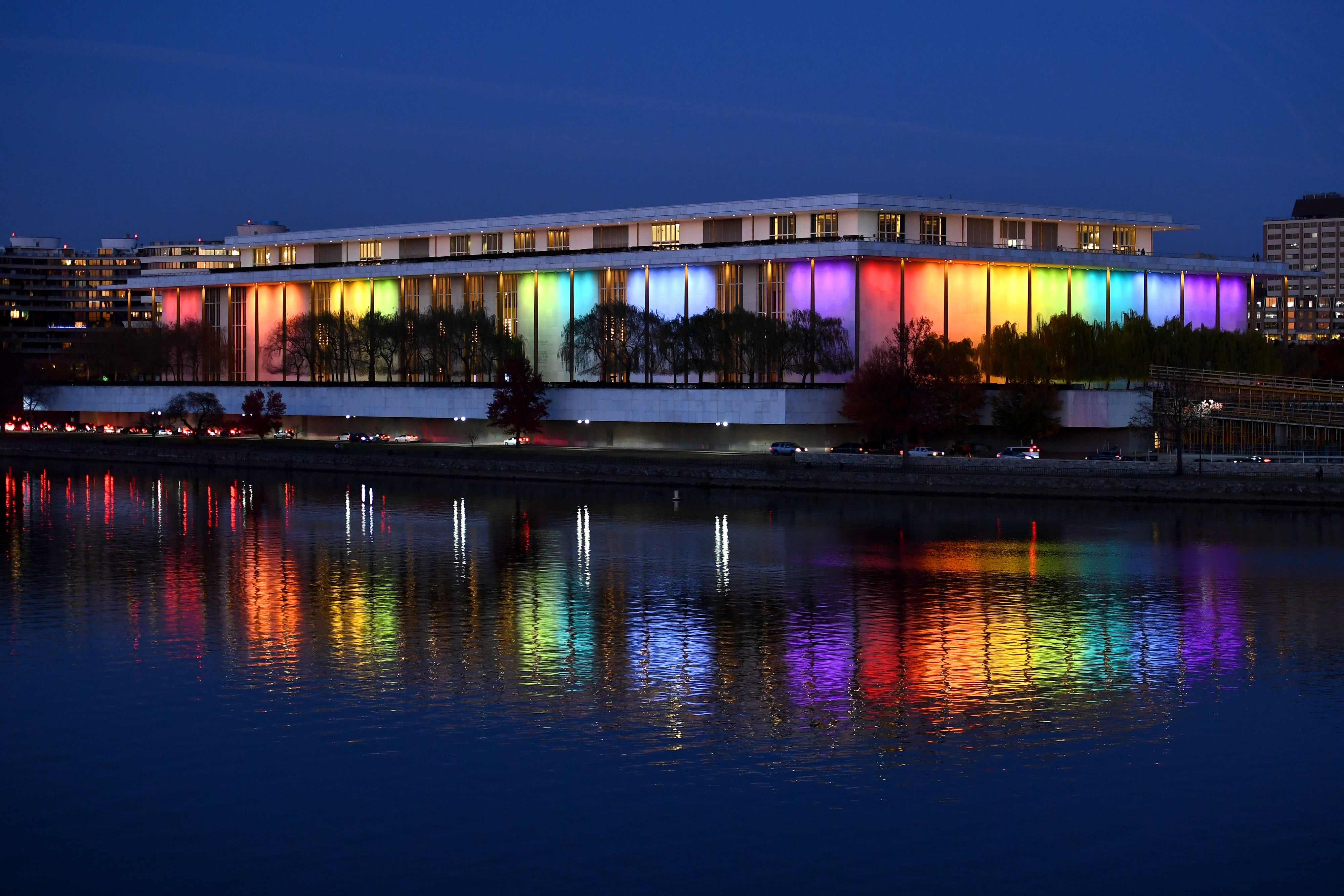
    For more than 55 years, the white marble facade of the John F. Kennedy Center for the Performing Arts has presided over a portion of the eastern bank of the Potomac River. Thousands of performing artists have graced its stages, bringing to life what was envisioned decades ago as a symbol of the importance of the arts in a democratic society.

    Now, the storied institution is closed. The center’s board of trustees voted Tuesday to shut down the venue, which has been beset by financial and legal troubles that snowballed after President Donald Trump and his allies took over its stewardship last year. Here are some key moments in the Kennedy Center’s storied history, and what could be lost if it disappears.

    1955-1958

    Eisenhower envisions ‘an artistic mecca’

    In 1955, President Dwight D. Eisenhower creates a commission tasked with planning a new public auditorium in Washington. On Sept. 2, 1958, he signs the National Cultural Center Act into law, authorizing the fundraising for and construction of what he imagined would be “an artistic mecca” in the nation’s capital.

    1961-1963

    Kennedy boosts fundraising efforts

    After President John F. Kennedy assumes office, he takes the lead in promoting and raising money for the center. On Nov. 29, 1962, he hosts a black-tie fundraiser, “An American Pageant of the Arts,” in Washington. The televised event includes performances by the National Symphony Orchestra, singer Marian Anderson, pianist Van Cliburn, poet Robert Frost, and a 7-year-old cello prodigy named Yo-Yo Ma.

    “Art and the encouragement of art is political in the most profound sense,” Kennedy said in a speech that evening. “Not as a weapon in the struggle, but as an instrument of understanding of the futility of struggle between those who share man’s faith.”

    Kennedy, who was in the midst of navigating the Cold War, also argued that the United States had a “special responsibility to the arts” as a democratic society.

    “For art is the great democrat calling forth creative genius from every sector of society, disregarding race or religion or wealth or color,” Kennedy said.

    Jan. 23, 1964

    The center is officially renamed to honor Kennedy

    Two months after Kennedy’s assassination, Congress unanimously passes a bill to rename the National Cultural Center as the John F. Kennedy Center for the Performing Arts, and to dedicate it as a “living memorial” to the late president.

    “I am confident we have chosen well that the institution now given the breath of life will have a long and distinguished future,” President Lyndon B. Johnson said at the bill’s signing on Jan. 23, 1964. “All those who worked in this cause can now know that they are not only honoring the memory of a very great man, but they are enriching our whole American life.”

    Dec. 2, 1964

    Johnson breaks ground

    Johnson breaks ground using the same gold-plated spade that Presidents William Taft and Franklin Roosevelt used at the Lincoln Memorial and Jefferson Memorial groundbreaking ceremonies. Johnson is flanked by a model of the Kennedy Center, designed by architect Edward Durrell Stone, and by members of the Kennedy family.

    Sept. 8, 1971

    Kennedy Center opens

    The Kennedy Center officially opens on a Wednesday evening, with a gala and the world premiere in its opera house of Leonard Bernstein’s Mass: A Theatre Piece for Singers, Players and Dancers, choreographed by Alvin Ailey.

    In the inaugural program, President Richard Nixon hails the Kennedy Center’s opening as “the fulfillment of a dream shared by Americans in every walk of life.”

    The following day, the concert hall opens with a performance by the National Symphony Orchestra, which would call the center its home for the next five decades. The Eisenhower Theater opens on Oct. 18, 1971, with a performance of Henrik Ibsen’s A Doll’s House.

    Dec. 3, 1978

    Inaugural Kennedy Center Honors awarded

    The center holds its inaugural Kennedy Center Honors, a lifetime achievement award that celebrates individuals who have “an impact on the rich tapestry of American life and culture through the performing arts.”

    The inaugural ceremony was hosted by Leonard Bernstein, and honorees that year were Marian Anderson, Fred Astaire, George Balanchine, Richard Rodgers, and Arthur Rubinstein.

    Since then, the Kennedy Center Honors have been bestowed on more than 260 artists in music, dance, opera, theater, film, and television.

    1997

    Millennium Stage offers free performances

    Chairperson James A. Johnson proposes a somewhat radical idea: putting on a different free performance at the Kennedy Center every day at 6 p.m. to make the arts more accessible. Nearly 30 years later, free performances of all kinds continue to take place at the Millennium Stage on “select days of the week.” Most are livestreamed.

    2019

    The Reach expansion opens

    The Kennedy Center expands for the first time since 1971 with the opening of the Reach campus, a $250 million project that adds rehearsal rooms and outdoor performance spaces.

    The American sculptor Joel Shapiro gifts Blue, a giant stick figure preparing to leap, to the center in honor of the expansion.

    “It’s about action and risk and performance and energy. It’s a celebration of possibility,” Shapiro said in a video about Blue.

    2025

    Trump shakes up Kennedy Center board, adds his name to building

    A few weeks after President Donald Trump starts his second term in office, he announces that he is firing several Kennedy Center board members, including the chairperson, because they “do not share our Vision for a Golden Age in Arts and Culture.” He also names himself the new board chairperson.

    In December, the new board, stacked with Trump loyalists, votes to rename the center “The Donald J. Trump and The John F. Kennedy Center for the Performing Arts,” and a crew adds Trump’s name to the facade of the building the next day. The move causes ticket sales and fundraising to collapse.

    2026

    Legal battles plague center

    Amid canceled performances and boycotts of the center, Trump announces in February that the Kennedy Center will close for about two years to undergo renovations.

    “This important decision, based on input from many Highly Respected Experts, will take a tired, broken, and dilapidated Center, one that has been in bad condition, both financially and structurally for many years, and turn it into a World Class Bastion of Arts, Music, and Entertainment, far better than it has ever been before,” Trump wrote then.

    In May, a federal judge orders that Trump’s name be removed from the center’s facade and that officials halt its renovation plans. Workers remove Trump’s name in the middle of the night.

    The legal challenges continue. The board’s trustees have continued pushing for the center to be renovated and for Trump’s name to be inscribed on the building, including renaming the center’s grounds the “President Donald J. Trump Plaza.”
  • Philly’s Edgar Allan Poe house has been closed for 2 years. There’s still no reopening date.

    Philly’s Edgar Allan Poe house has been closed for 2 years. There’s still no reopening date.

    As Philadelphia rounds the corner into spooky season, fans of all things gothic, literary, or historical may be disappointed to learn that the Edgar Allan Poe National Historic Site remains closed.

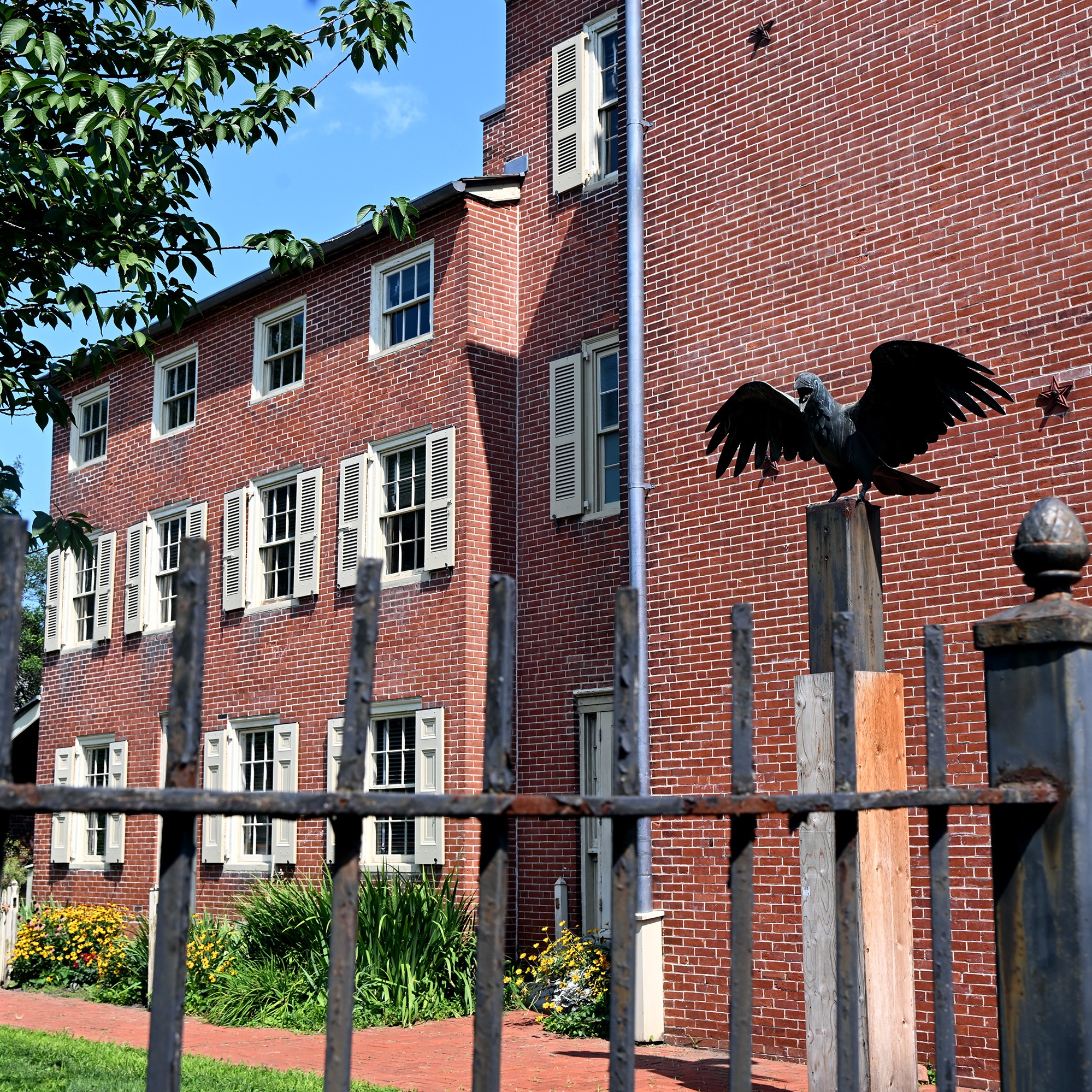
    The three-story brick building at 532 N. Seventh St. shuttered in summer 2024 for fire safety upgrades costing over $931,000. It was initially slated to reopen that fall, but renovations grew into a broader improvement project, according to the National Park Service.

    More recently, Philadelphia’s tourism agency had said the site was expected to open this fall, and an Oct. 31 event celebrating Poe as the father of the modern detective novel is planned at the site. But the National Park Service says there is still no official reopening date for the public.

    “I can tell you that we can offer no date for when the house will reopen,” said park service spokesperson John Warren.

    Calls to a supervisor at Independence National Historical Park, which manages the Poe house, went unanswered Thursday and Friday.

    Warren said park service officials did not provide more details to him on the timeline, adding that there were “multiple, complex infrastructure projects going on at the site all at once.”

    “If you have ever owned an old home, you know that repair projects often lead to discovering more issues, so it’s wisest not to speculate on an end date,” Warren said.

    What’s holding things up?

    At the site Friday, volunteers tended to flowers and plants while National Park Service workers wrapped up another day renovating the building’s first floor.

    National Park Service plasterer and painter Joe Palumbo said the house’s issues should have been addressed a decade earlier. He said when he started working there, the property “smelled awful” from likely water damage.

    Palumbo said construction crews redid the restrooms, replastered and painted the first floor, and rehabbed the woodworking.

    He estimated it would take another week to complete first-floor renovations. From there, outside contractors are set to replace the carpets and blinds.

    Palumbo said a plan to renovate the building’s exterior is “on hold,” and he is not sure why.

    What’s the significance of the site?

    Built in the 1800s, the home is the only remaining residence where Poe lived during his six years in Philadelphia from 1838 to 1844.

    Retired National Park Service worker Helen McKenna spent 25 years at the site, educating people about Poe and his ties to Philadelphia. During her time working there, the house had exhibits, poetry recitations, a short biographical film, and a reading room styled after one of Poe’s published articles.

    Back then, the house still had the original plaster, which was moldering and falling away from its lath. Of course, she said, the walls would have been gleaming white when Poe lived there in 1843 and 1844.

    The neighborhood was not even part of the city at that time, she said, and Poe would have traveled on horse-drawn omnibuses. These kinds of details help people imagine Poe, she said, not just as a literary figure, but as a person.

    To her, the house captures the contrast between Poe’s literary stature — with his influence stretching across detective fiction, science fiction, poetry, and short stories — and the alcoholic, struggling writer who lived there with his mother-in-law and his wife, who had tuberculosis.

    “There’s that sense of place. This grand, admired author was living in really humble circumstances on the outskirts of the city,” she said. “He didn’t own the place, he was paying rent, and he wasn’t always able to pay the rent.”

    What did Poe do while in Philly?

    Many cities have memorials to Poe, McKenna said. That is because he traveled. He was born in Boston, grew up in Richmond and in England, lived twice in New York, had a stint in Delaware, and died in Baltimore.

    Poe’s time in Philly, however, marked a creative high-water mark, McKenna said.

    He moved to Philly after failing to find success with a novel in New York City and turned his attention to short stories. While in Philly, he published “The Murders in the Rue Morgue,” “The Black Cat,” and “The Tell-Tale Heart,” McKenna said. He also became known as a charismatic speaker and an acerbic critic.

    At his best, McKenna said, Poe was “a genius of compression,” creating haunting, memorable stories at a time when interest in American writers was growing.

    “I won’t say that Poe is the best writer that America ever produced, but he’s certainly had a ton of impact, globally,” McKenna said.

  • Oaklyn Borough closes hockey rink and basketball court over safety concerns

    Oaklyn Borough closes hockey rink and basketball court over safety concerns

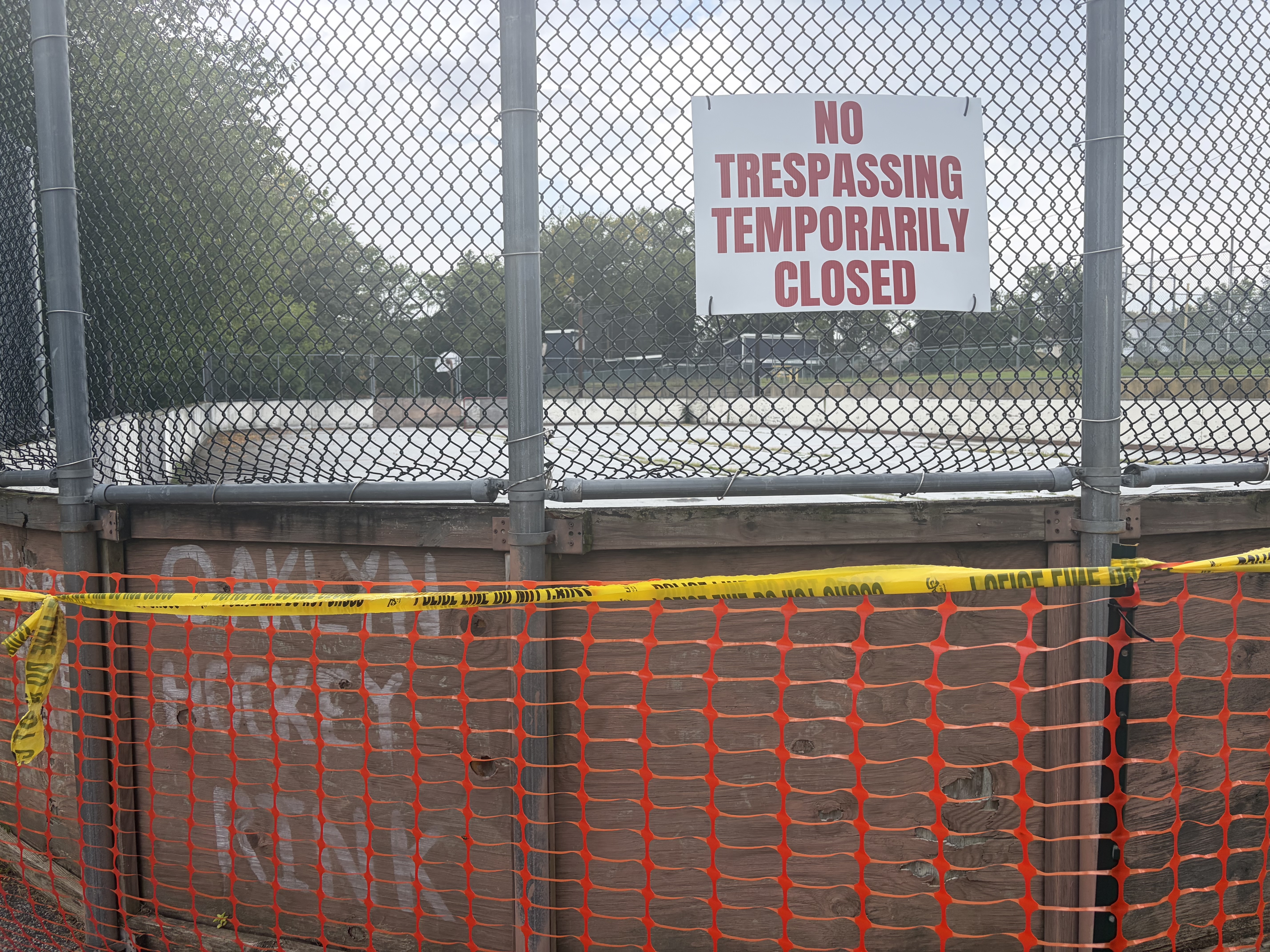
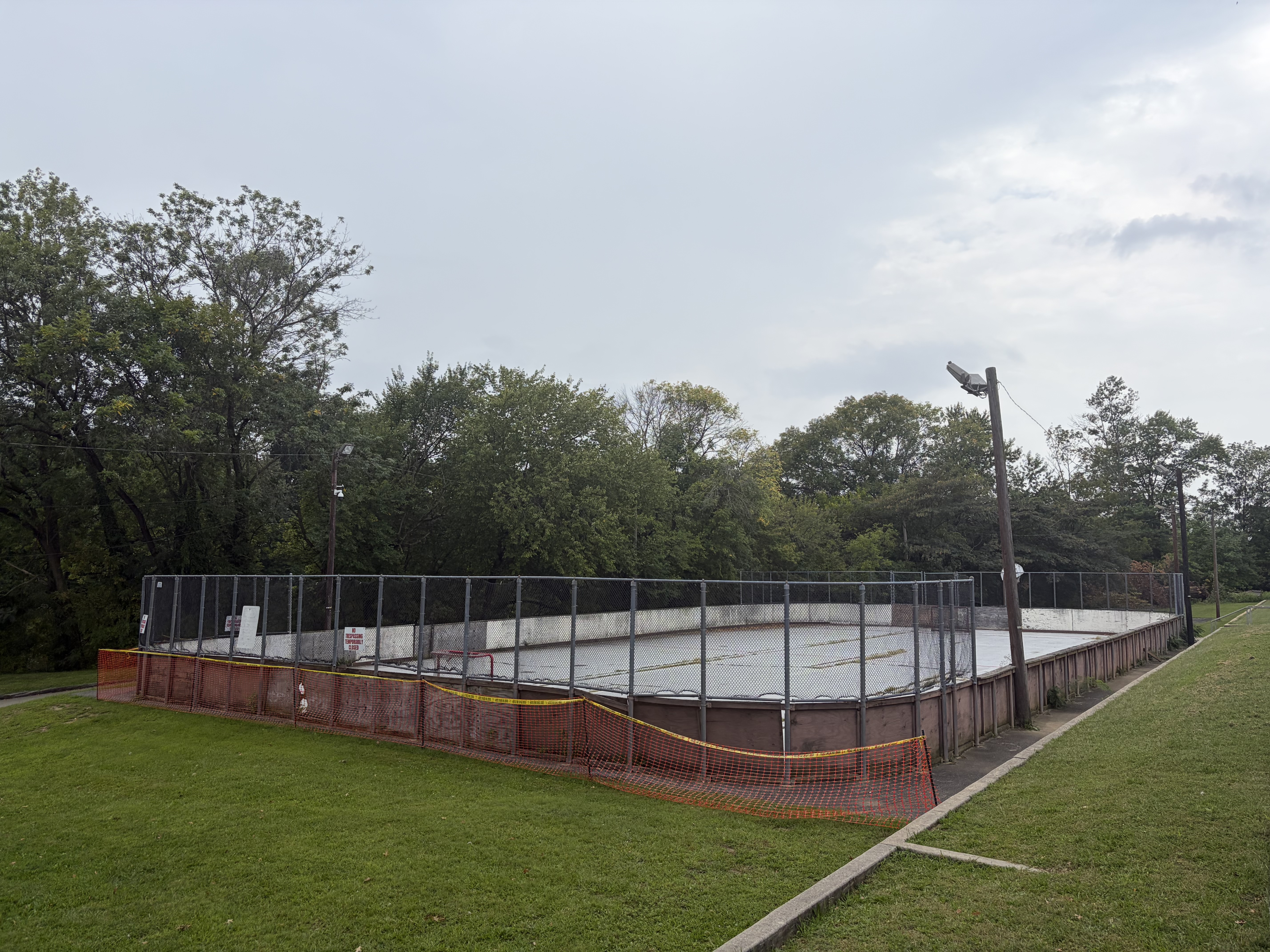
    After decades as a popular hang-out for generations of Oaklyn kids, the aging hockey rink and adjacent basketball court at Oaklyn-Lions Park have both closed because of safety concerns.

    Oaklyn Borough officials announced the closures at the Sept. 8 council meeting following an annual safety inspection that recommended the areas be closed because of concerns about the surface, boards, and fencing. The courts closed the following day and it’s unclear how long the repairs could take and how much they’ll cost.

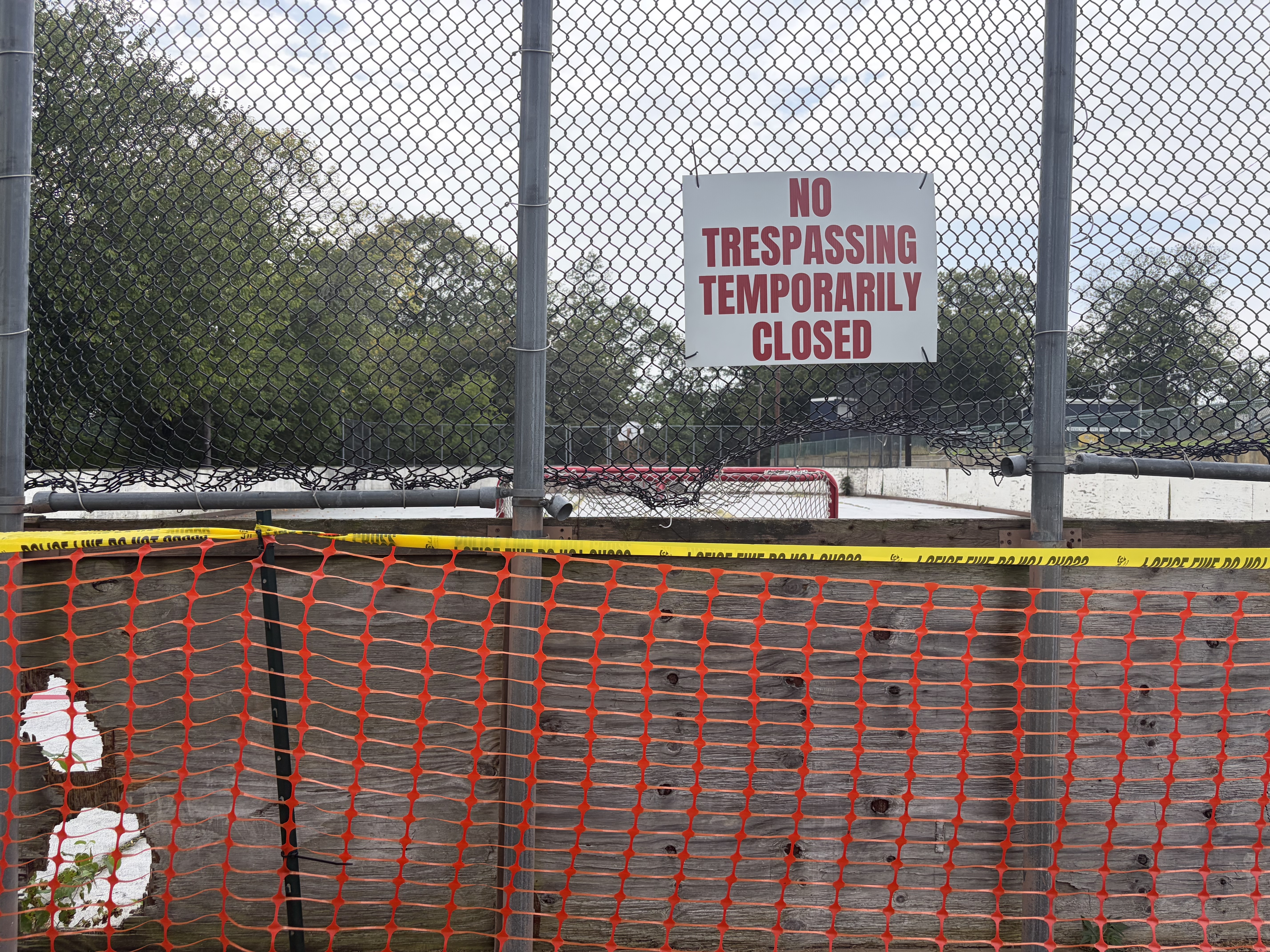
    Currently cordoned off by temporary fencing and caution tape, the wooden boards around the rink have come apart in various spots as weeds have sprouted through cracks on the surface.

    The outdoor hockey rink at Oaklyn-Lions Park could be seen cordoned off on Sept. 17 after being closed due to safety concerns.Lacey Latch

    Right behind one of the hockey nets, two holes in the boards and gaps in the upper protective fencing — all large enough for street hockey balls and pucks to soar through — directly face a neighboring playground.

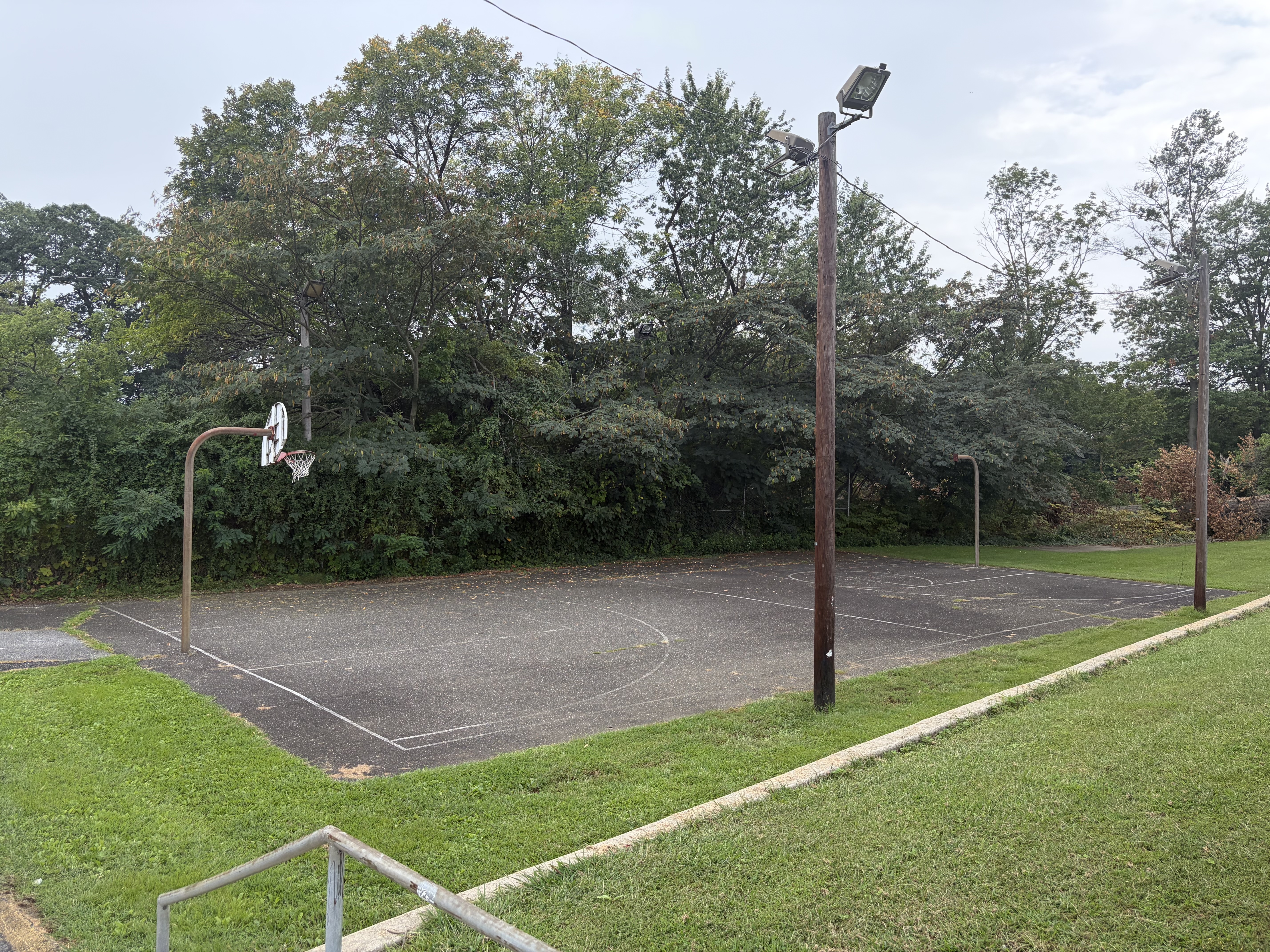
    On the basketball court, only one backboard remains standing — albeit crookedly.

    But in spite of the current state of things, the area was still being used up until the sudden closure last week, said lifelong Oaklyn resident Alex Lewis, 36.

    Like many other Oaklyn kids, Lewis grew up playing soccer at the hockey rink that for years was informally used for both sports.

    “We had this really vibrant soccer-loving community,” Lewis said.

    “It was so much the thing to do for our group that if we had a three-day weekend for school, we’d be down there all three nights playing soccer until we basically couldn’t walk anymore,” he said. “It was incredible.”

    Eventually, the long-standing shared use of the space was paused in 2006 when an ordinance was passed banning all non-hockey equipment within the rink, Lewis said.

    The ordinance has remained in place since then and precipitated a noticeable drop in the rink’s usage, Lewis said.

    “There was still a vibrant hockey-playing community, as there should be, which is awesome,” Lewis said. “But the overall use of the court declined and the quality of the court and the upkeep of the court itself declined over that same amount of time.”

    That steady decline has been clear to Lewis and others who spent years playing at the park.

    Large holes in the boards and gaps in the protective fencing can be see at the outdoor hockey rink at Oaklyn-Lions Park on Sept. 17.Lacey Latch

    Another lifelong Oaklyn resident Billy Gamba, 29, was one of the many hockey players who spent countless hours at the rink learning the fundamentals of the sport.

    Almost every night growing up, Gamba and his friends would descend on the rink, he said, honing their skills and eventually passing them on to the players coming up behind them through impromptu clinics.

    “We would just meet down there and we pick teams and just play for all hours of the day and throughout the night,” Gamba said.

    The rink wasn’t only a draw for Oaklyners either, he said, attracting players from other communities, including Audubon, Collingswood, and Haddon Township.

    In spite of its heavy use over the years, Gamba said he doesn’t remember any major repairs taking place at the rink in his lifetime, save for a quick patch-job when he was about 10 years old.

    “I used to play down there like four or five nights a week and it just got worse and worse over time,” he said.

    “Over the years I stopped playing because I don’t want to get hurt down here,” Gamba said. “I’ve seen guys get seriously hurt down there, whether their stick gets caught in the boards and they jab themselves in the stomach or their wheels or skates catch that deep crack and they fall.”

    Just like Lewis, Gamba, and countless other residents, Oaklyn Mayor Greg Brandley has memories as a kid on the courts.

    “Growing up in Oaklyn, I played on those courts my whole life as a little kid so it’s very sad to see this happen right now,” Brandley said of the closures.

    “It’s something for the kids that we have to get reopened again,” he said.

    But repairs won’t be as simple as just pouring a new layer of concrete, Brandley said.

    Only one backboard remains standing on the basketball court at Oaklyn-Lions Park, pictured here on Sept. 17.Lacey Latch

    Because the rink has a special surface, he said, the borough will have to consult with engineers on the necessary work and the estimated cost. After that, the discussion will then shift to how to find money for the project in the budget, he said.

    As a result, it’s still much too early to put a realistic timeline or price tag on the project, he said.

    With that said, Lewis has already gotten a jump on the process.

    Last fall, Lewis and the semipro soccer club he founded, Oaklyn United FC, organized a tournament at the courts to help fundraise for the needed repairs.

    While the money raised was “just a drop in the bucket” toward the tens of thousands of dollars that will likely be needed for the repairs, Lewis said, it was about trying to give back to “this public resource that in many ways was kind of the birthplace of OUFC.”

    And while he’s disappointed that the courts deteriorated to the point of closing, he’s eager to help fix it up and make it even better.

    With soccer gaining popularity in the U.S., Lewis noted that it could be the perfect time to formalize the shared-use of the court for both hockey and soccer, which is as simple as painting a few extra lines, he said.

    “We’re talking about restoring a public asset that if it doesn’t get restored, it’s just kind of sitting there in this blighted state in what is otherwise kind of the center of the universe for our town,” Lewis said.