Category: News

  • In his U.N. speech, Trump’s gushing self-praise could not disguise his foreign policy failures

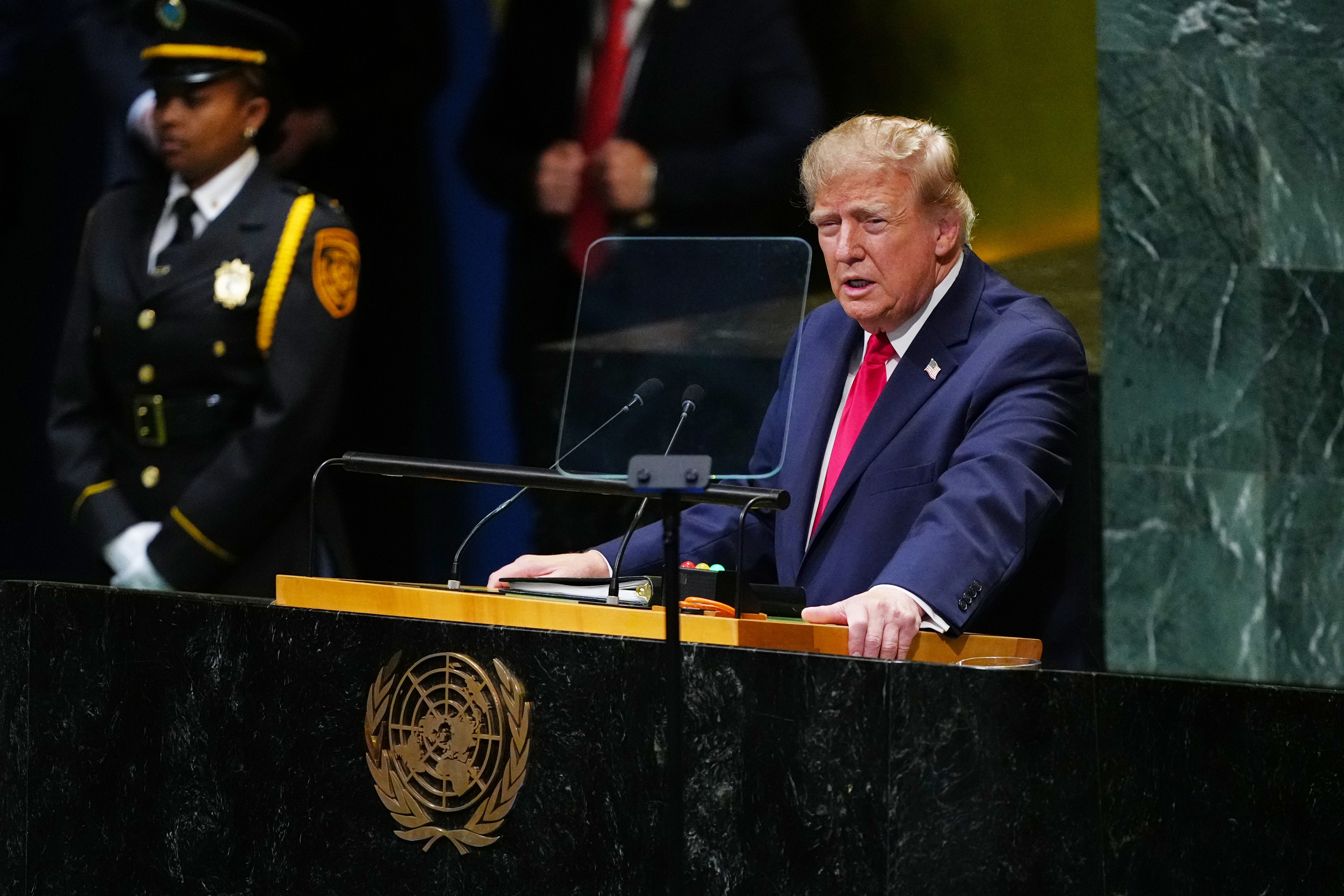
    In his U.N. speech, Trump’s gushing self-praise could not disguise his foreign policy failures

    The scariest thing about President Donald Trump’s address to the United Nations General Assembly Tuesday was not the wild exaggerations, false claims, or disgusting slurs against (truthful) critics. That all has become par for the course and was to be expected.

    Far more terrifying was the distinct possibility that POTUS believed his delusional description of his alleged triumphs — in the Iran war, in bringing peace to the Middle East and the world, and in pursuit of victory in an unbounded artificial intelligence race with Beijing.

    Perhaps his 38 minutes of self-praise at the podium — to tepid applause at the beginning and end and mostly silence in between — were merely meant as a stump speech to rally midterm MAGA voters growing restless with his endless war. (Of course, most of his MAGA base will only see brief clips from the speech, since the president banned CNN, MS NOW, and Politico from the pool that normally covers such events, and the four other pool members — ABC, NBC, CBS, and Fox — stayed away in solidarity.)

    The greater danger is that, surrounded by sycophants, Trump truly believes his own hype. He showed no sign that he recognizes how Iran has out-strategized him, how Russia, China, and North Korea outmaneuvered him, and how he has alienated crucial European, Asian, and Mideast allies with his erratic and chaotic policies.

    On the U.N. podium, he appeared as a braggart touting triumphs his audience viewed as U.S. failures. Yes, he still represented the world’s most powerful country, but his puerile speech reflected his inability to translate that power into securing American interests or a more peaceful world.

    It is important for voters to fully grasp the self-delusion underlying Trump’s foreign policy. A new CNN poll shows only 29% of U.S. adults approve of POTUS’s handling of foreign affairs, with almost two-thirds saying the U.S. is not winning the Iran conflict. But domestic issues have become so paramount that many ordinary citizens can be excused for tuning out Trump’s overseas misadventures.

    Having just returned from the bracing realities of Ukraine, here is my brief guide to Trump’s delusions or deliberate deceptions — take your pick — about foreign policy issues he raised at the U.N.

    An armed Shiite cleric rides aboard a military vehicle past a billboard depicting Ayatollah Ruhollah Khomeini, founder of the Islamic Republic, during the state-organized “Janfada,” or “Sacrifice for Iran,” military-style parade in Tehran, Iran, Friday.Vahid Salemi

    Iran

    Trump verbally attacked the “cowards and traitors who would like to say we are low on munitions in Iran. That’s not true.” If POTUS were Pinocchio, his nose would have grown 10 feet at that lie.

    In truth, it is Trump who is too cowardly to admit the truth to a public that is instinctively grasping it anyway. That truth, which has been laid out in reputable think tank studies and news reports, and by serving and ousted Pentagon officials, is that U.S. forces have consumed half to two-thirds of highly expensive missile interceptors in fending off cheap Iranian drones.

    The Pentagon was not prepared for a war in which drones played such a major part. Never mind that Ukraine and some U.S. commanders had sounded the alarm beforehand.

    Nor is Trump truthful when he brags that new munitions plants will soon replace any shortfalls, because, unlike rapid production cycles in Ukraine, rebuilding the most critical U.S. weapons stocks will take up to five years.

    On the U.N. stump, Trump also repeated his mantra that he will never allow Iran to have a nuclear weapon. Yes, in 2025, a “12-day war” by the U.S. and Israel badly damaged Iran’s nuclear program. Yet, the current war, ongoing since February, has done little to nothing to further diminish that nuclear prospect. It is focused on lowering oil prices by reopening the Strait of Hormuz, which was functioning normally before Trump joined Israel in attacking Tehran.

    Because of its diminished missile and interceptor stocks, the U.S. is in no position to reopen a kinetic war with Iran — let alone, to use Trump’s irresponsible threat, “annihilate” it. In real terms, Trump is stuck, with Tehran still able to control Hormuz and no way out of his self-inflicted trap, unless he makes concessions to Tehran. Meantime, the war is spreading to other Mideast countries and drawing in new players such as Yemeni Houthis.

    Trump advertises his weakness when he desperately tries to convince fed-up Americans, in front of a U.N. audience, that peace is on the way.
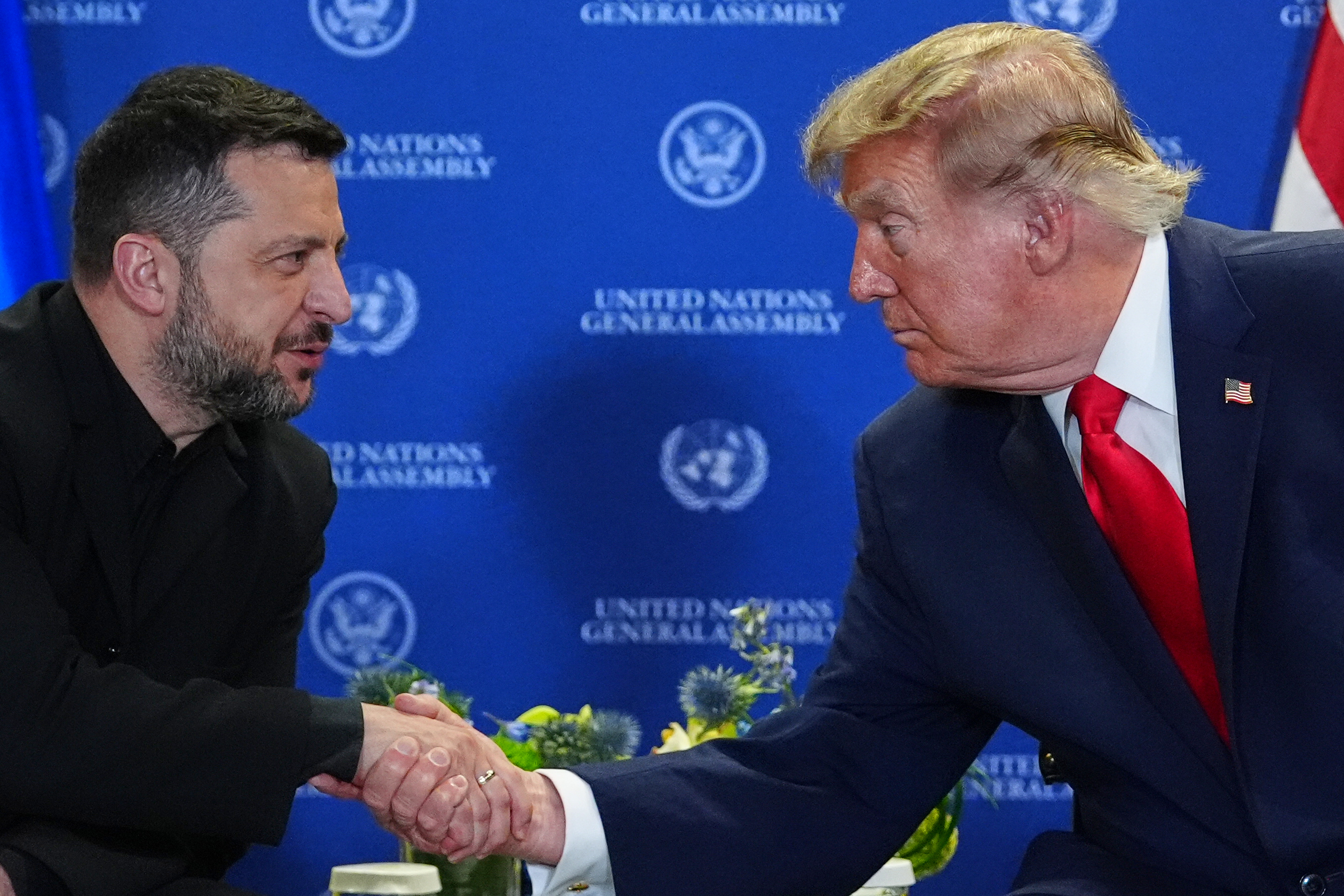
    President Donald Trump meets with Ukraine’s President Volodymyr Zelensky during the United Nations General Assembly, Tuesday.Julia Demaree Nikhinson

    The Ukraine war

    On the podium, Trump regurgitated his mantra that, regarding the war, “we will get that one done,” and that Russia and Ukraine have “had it.” But in truth, Trump’s refusal to pressure Moscow to stop destroying Ukraine’s civilian infrastructure, while demanding Kyiv stop targeting Russian oil exports, ensures there will be no ceasefire.

    Why should Vladimir Putin stop his campaign of destruction when Trump only leans on Ukraine, and fails even to critique Putin’s new drone campaign against European airports and the industry of NATO members? Ukrainian President Volodymyr Zelensky said after meeting Trump Tuesday that he would agree to a ceasefire on hitting energy targets — but both sides would have to take part. Not likely, so long as Trump bows to Putin.

    And don’t expect Trump to enforce the bipartisan sanctions bill newly passed in memory of U.S. Sen. Lindsay Graham. Repeat, POTUS refuses to pressure Putin, with whom his negotiating team is discussing “lucrative” business deals.
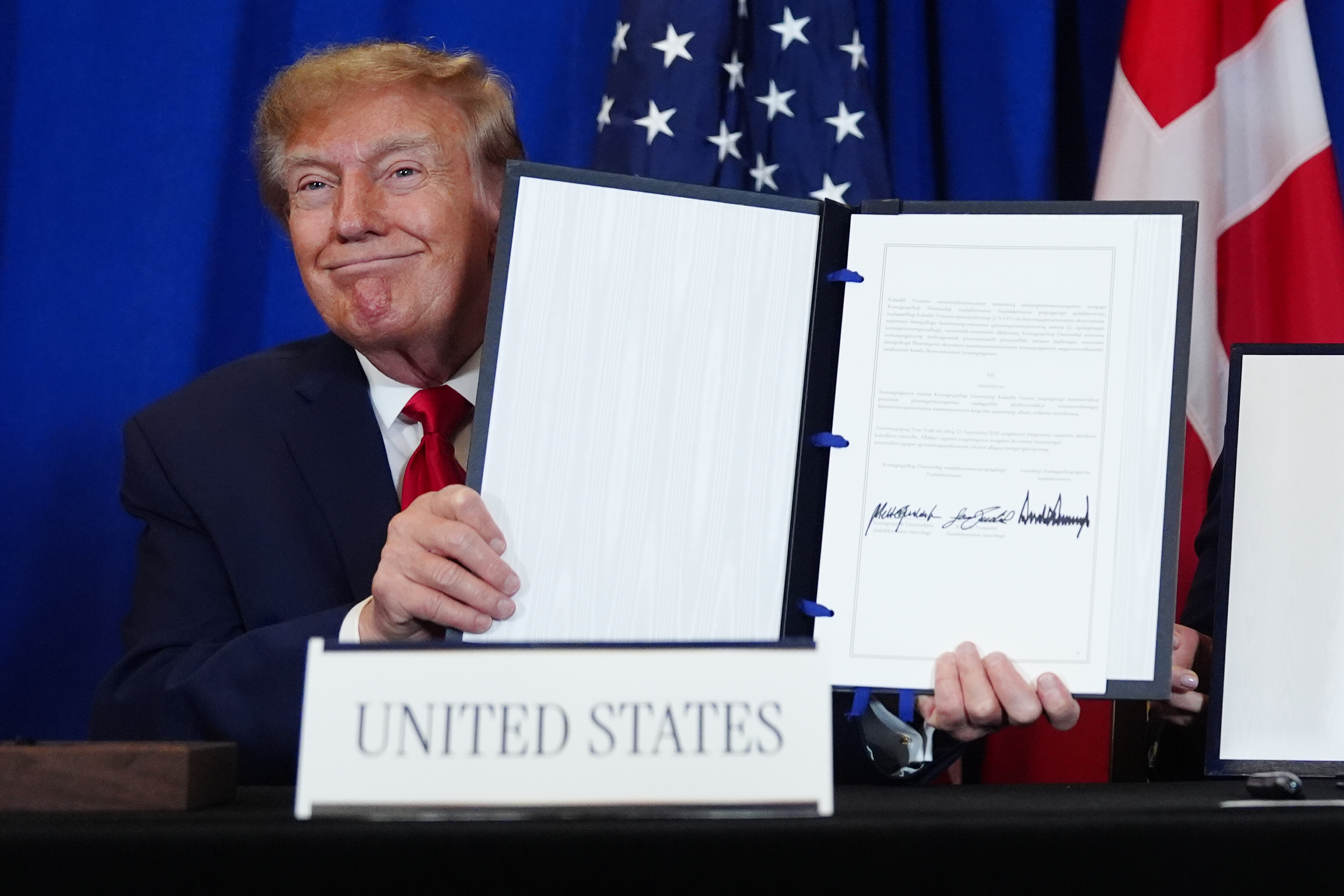
    President Donald Trump holds up the document after signing a security agreement with Denmark’s Prime Minister Mette Frederiksen and Greenland’s Prime Minister Jens-Frederik Nielsen during the United Nations General Assembly, Tuesday.Julia Demaree Nikhinson

    Trump as global peacemaker

    The president shamefully read verbatim a long list of compliments by world leaders trying to pacify him, and once again exaggerated the “peace deals” he’s achieved — even though most were temporary ceasefires or have already been broken.

    Trump praised his triumph in Venezuela — where, when talking about oil, he bluntly admitted that “to the victor belong the spoils.” He crowed that Cuba “will fall,” with no mention of the humanitarian disaster caused by the ongoing U.S. blockade.

    And he bloviated about the “unprecedented agreement” the U.S. just signed with Denmark and Greenland, even though everything in that accord could have been agreed to under the terms of a 1951 treaty with Copenhagen, without alienating NATO allies by threatening to seize Greenland by force.

    To sum up, Trump’s performance at the U.N. revealed a delusional leader who may still be feared by allies and small countries for his unpredictable and bizarre behavior that upsets the world economy, trade ties, and markets.

    But adversaries watching the president’s self-praise could only conclude that a weakened old man with no clear strategy except self-aggrandizement now leads the world’s most powerful country. Voters of all parties, be aware.
  • A nor’easter is poised to rip sand from Shore beaches and flood roads

    A nor’easter is poised to rip sand from Shore beaches and flood roads

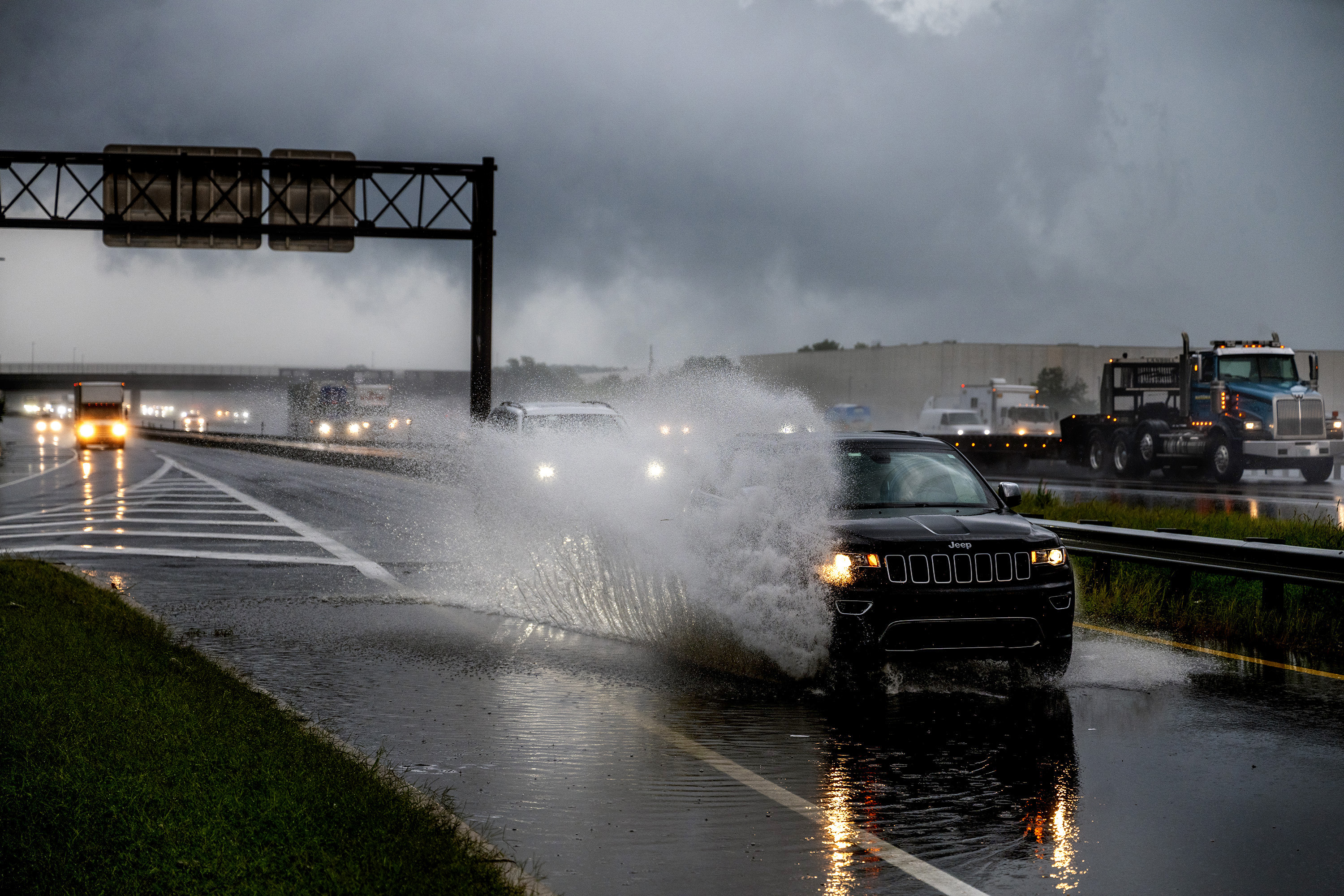
    While computer models still remain at sea on the fate of a nor’easter taking shape off the Southeast coast, it is all but certain that floodwaters will be covering some roads at the Jersey Shore the next few days while the beaches lose some sand.

    Already, the Army Corps of Engineers beach-fill contractor working in Avalon has decided to halt operations and move the equipment out of harm’s way, said Army Corps spokesperson Stephen Rochette.

    The National Weather Service has issued flood warnings for the oceanfronts and back-bay areas in effect from late Wednesday afternoon until early Saturday, with moderate flooding expected in four of the next five high-tide cycles, warning that “many roads” may become impassable. The agency said it’s possible that some of the flooding could reach the “major” category.

    Inland impacts remained a source of considerable less certainty, but the National Weather Service posted a flood advisory for the tidal Delaware River from northern Delaware to central Bucks County from 10 p.m. Wednesday until 4 a.m. Friday.

    And after that?

    “Once you get to Friday and beyond, the forecasts becomes uncertain,” said Zachary Cooper, a meteorologist at the weather service’s Mount Holly office.

    As expected, a coastal storm was taking shape off the Carolina coasts and was forecast to mature through the workweek, generating winds from the northeast — that’s why they are called nor’easters — adding to an already brisk onshore flow.

    In addition, with a full moon due Saturday, the tides are going to get an additional astronomical tug.

    “There could be some shenanigans with that,” said Matt Benz, senior meteorologist with AccuWeather Inc.

    The timing of the storm’s impacts at the Shore and in the Philly area

    The winds were forecast to increase Wednesday, with gusts to 45 mph at the coast and 35 mph in the Philly area.

    Moderate flooding was expected with the early-evening high tides on the oceanfront and back Wednesday, Thursday, and Friday evenings, and on Friday morning.

    Minor flooding was expected Tuesday evening on the oceanfront and back bays at the Shore, with more-significant moderate flooding at high tides Wednesday and Thursday evenings.

    Along the Delaware River in Philadelphia, high-tide flooding was likely to be minor but could approach moderate levels late Wednesday and Thursday nights.

    No significant rains were in the forecast at least through Thursday, but the outcome for the weekend would depend on the intensity and path of the coastal storm, with rain more likely at the Shore than inland.

    What’s with all the forecast uncertainty?

    The food fight among computer models has persisted, with the European favoring a more westward track, and the U.S. model more out to sea.

    A more westward track, which would make substantial rains, and more wind, more likely, Cooper said. For now, the weather service was going with a 20% to 50% chance of rain across the region Friday into Sunday.

    The forecasts are far more certain on the winds.

    The onshore winds Tuesday were the result of high pressure, or heavier air, over southeastern Canada. Winds circulate clockwise around centers of highs, and thus the winds from the northeast, which also explain the October-like chill, with temperatures getting no higher than the 60s this week.

    An intense coastal storm would add mojo to those winds and could make for quite a raw weekend.

    One thing that is a near certainty is that the forecasts will undergo significant changes in the next day or two.

    Yes, this is early for a nor’easter

    This is unusually early to be concerned about a nor’easter. They usually wait until later in the fall, when the temperature contrasts that ignite storms become sharper as warm air lingers and interacts with the ambitious colder air from the north.

    However, a precocious nor’easter would not be as unusual as what is happening with the hurricane season in the Atlantic Basin.

    That would be: nothing.

    The season already has set a record for the longest wait for a first hurricane, and nothing is cooking. It is also setting records for the least amount of tropical-cyclone energy, said Philip Klotzbach, hurricane expert with the Colorado State University Tropical Meteorology project.

    But while it will not become a hurricane, Benz said the coastal storm bears watching because it could draw up moisture from the waters around the Bahamas and take on some tropical characteristics.

    That would increase the rainmaking and wind potential, he said.

    Stay tuned.

  • Charles P. Baker III, celebrated cofounder of Baker Industries for the ‘least employable,’ has died at 101

    Charles P. Baker III, celebrated cofounder of Baker Industries for the ‘least employable,’ has died at 101

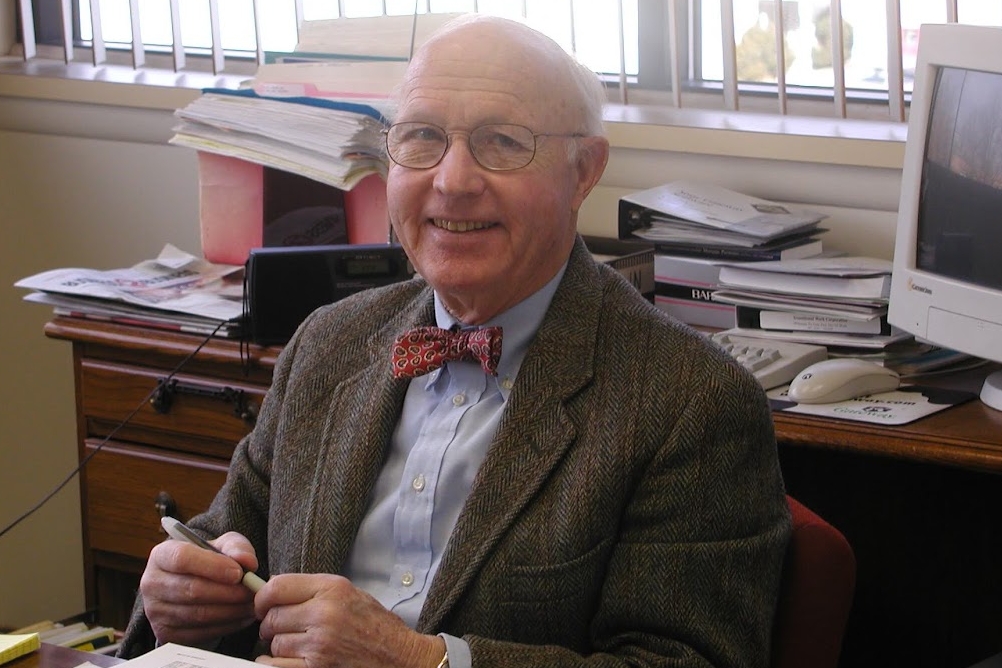
    Charles P. Baker III, 101, formerly of Radnor, celebrated cofounder of Baker Industries, longtime workplace for the “least employable,” former owner of the C.P. Baker & Co. chemical firm, Army veteran, national squash champion, mentor, and volunteer, died Wednesday, Sept. 16, of congestive heart failure at HarborChase assisted living community in Wilmington.

    Born in Philadelphia, Mr. Baker grew up in the old Colonial Hotel at 11th and Spruce Streets in Washington Square West. He and his wife, Louise, founded Baker Industries in 1980, and the workforce development nonprofit has hired, trained, and mentored more than 12,500 workers with physical and intellectual disabilities, substance use disorders, recent periods of incarceration, and housing insecurity who could not find jobs elsewhere.

    Their own son, Justin, lives with epilepsy and, when he could not find suitable employment years ago, Mr. Baker and his wife started their own two-person mail order packaging firm in their Strafford garage. Their son was their first hire.

    “We decided, if we’re going to start something like this, let’s go for the people who need it the most,” Mr. Baker told The Inquirer in 1998, “the ones who are least employable.”

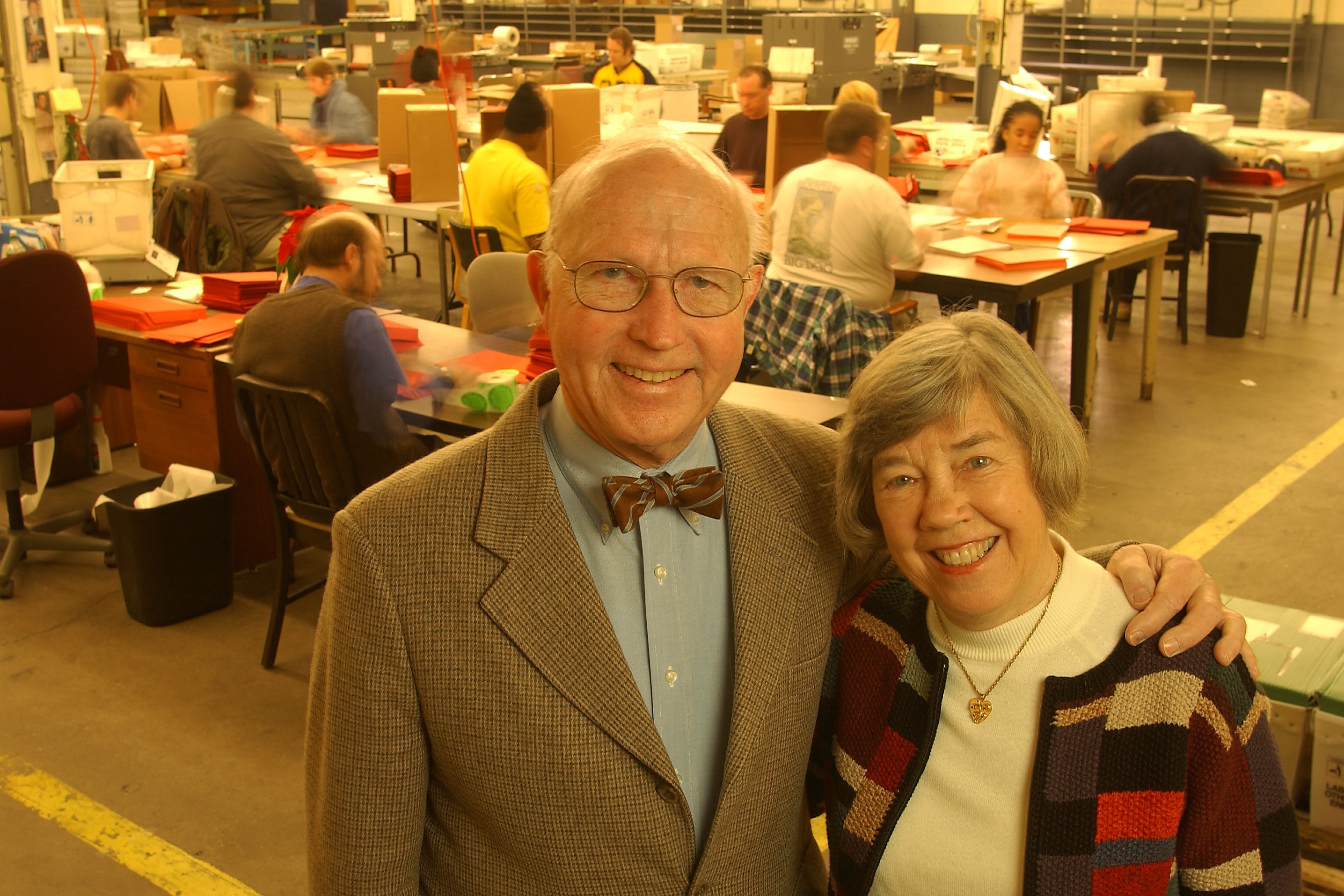
    Mr. Baker and his wife, Louise, stand inside their Baker Industries building in Malvern in 2003. Michael Bryant / Staff Photographer

    For nearly five decades, Baker Industries has contracted light industrial and office work from hundreds of businesses, and operated facilities in Philadelphia, Malvern, and elsewhere. Employees are paid an hourly wage, offered additional training, and encouraged to attend workshops, social events, and support group meetings.

    The company motto is “providing a steppingstone to regular employment,” and many workers have moved on to higher-paying jobs elsewhere. “We have a philosophy of work as rehabilitation,” Mr. Baker told the Daily News in 1988. “The goal is to show these people they can do a whale of a lot more than they think they can do.”

    Mr. Baker served as the unpaid president at Baker Industries until 2002 and then on the board of directors. In the 1950s, he assumed control of his family’s small chemical company, C.P. Baker & Co., and he expanded it before selling it in 1980.

    “Charlie and Weezie Baker believed there is healing in work,” colleagues at Baker Industries said in a Facebook tribute on his 101st birthday in June. “Not just jobs. Work. Showing up. Being part of something. Contributing alongside others.”

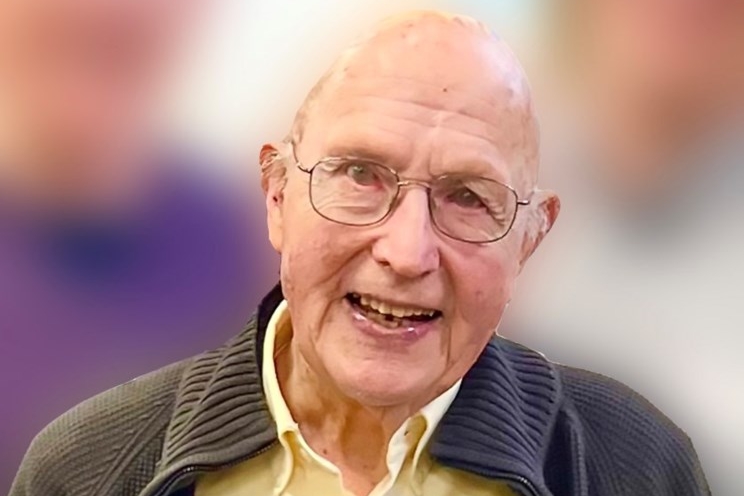
    Mr. Baker played many roles at Baker Industries.Baker Industries

    Turk Thacher, vice board chair at Baker Industries, said: “Charlie was beloved. He was kind to everybody.”

    Mr. Baker, his wife, and their company were featured often on TV shows, and in The Inquirer, the Daily News, and other publications. They won many awards for their community service and innovative business model.

    “I was grateful to have their guidance,” Nic Watson, president of Baker Industries, said, “and we will follow their example for years to come.”

    In 1991, the company was named an inspirational Point of Light by President George H.W. Bush. In 2004, Mr. Baker and his wife earned the legacy award for “community generosity” from the Chester County Community Foundation.

    “They went above and beyond their own self-interest,” a foundation official told The Inquirer then.

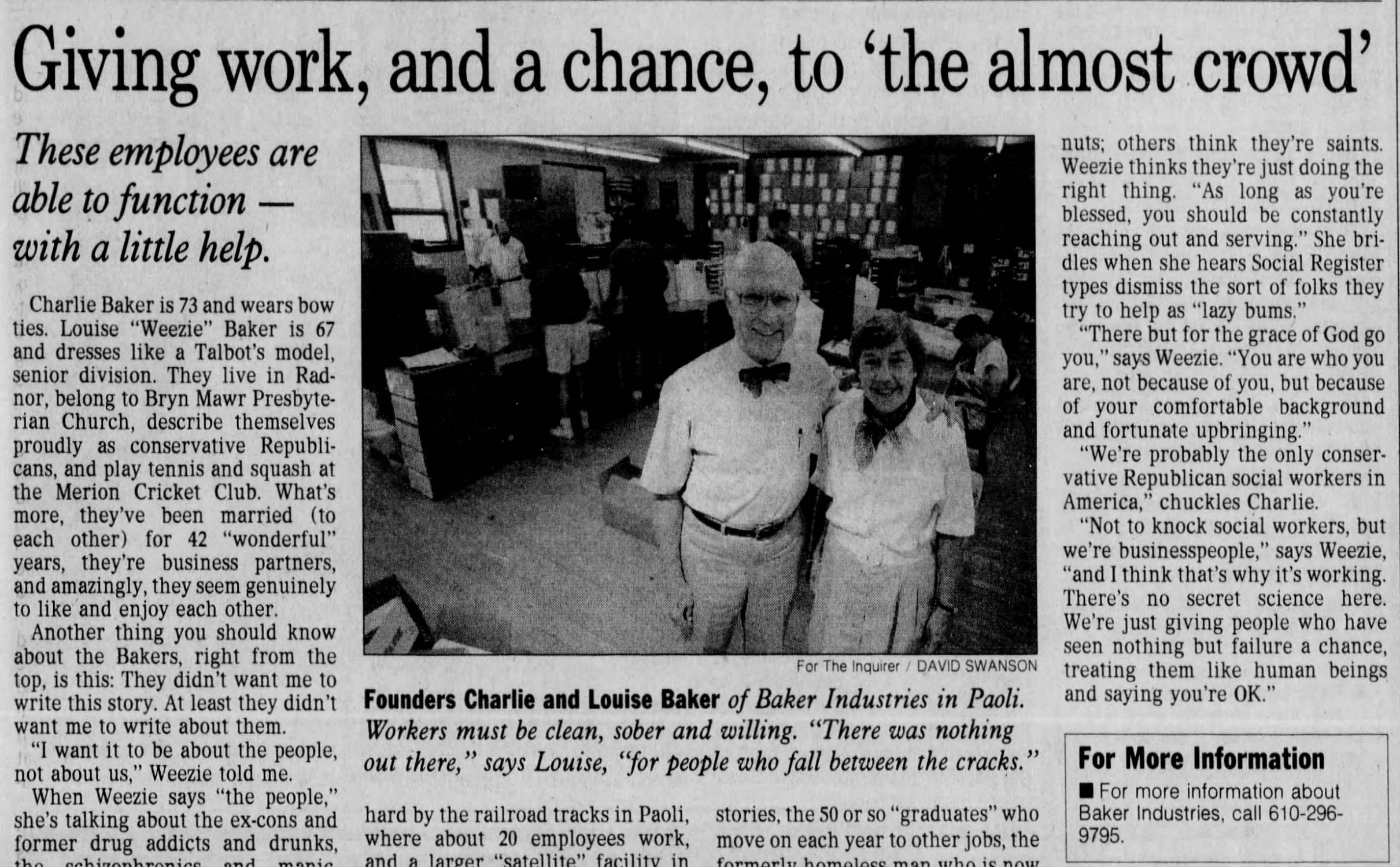
    This photo and article about Mr. Baker were published in The Inquirer in 1998.Newspapers.com

    Away from work, Mr. Baker was an avid squash player, skier, and sailor. He won the U.S. national hardball singles squash championship six times in the 80-and-older division from 2006 to 2016, skied into his 70s, sailed into his 80s, and played squash and tennis at the Merion Cricket Club until recently.

    He graduated from the U.S. Military Academy in 1946 and served more than seven years in the Army. He was stationed in Europe and rose to captain. His family called him a “relentlessly joyful spirit” in a tribute and said: “The world was a better place for his presence.”

    Charles Pitman Baker III was born June 24, 1925, in Philadelphia. His father, Charles Jr., was manager at the old Colonial Hotel, and Mr. Baker told stories of dropping water balloons on passing pedestrians from windows when he was very young and spending summers at the beach and on boats with the Ocean City Yacht Club.

    He was a star squash player at the Haverford School and known by classmates as “the Arm,” his 1943 senior yearbook said, “because of the vicious way he wields a racket.” His mother died when he was 11.

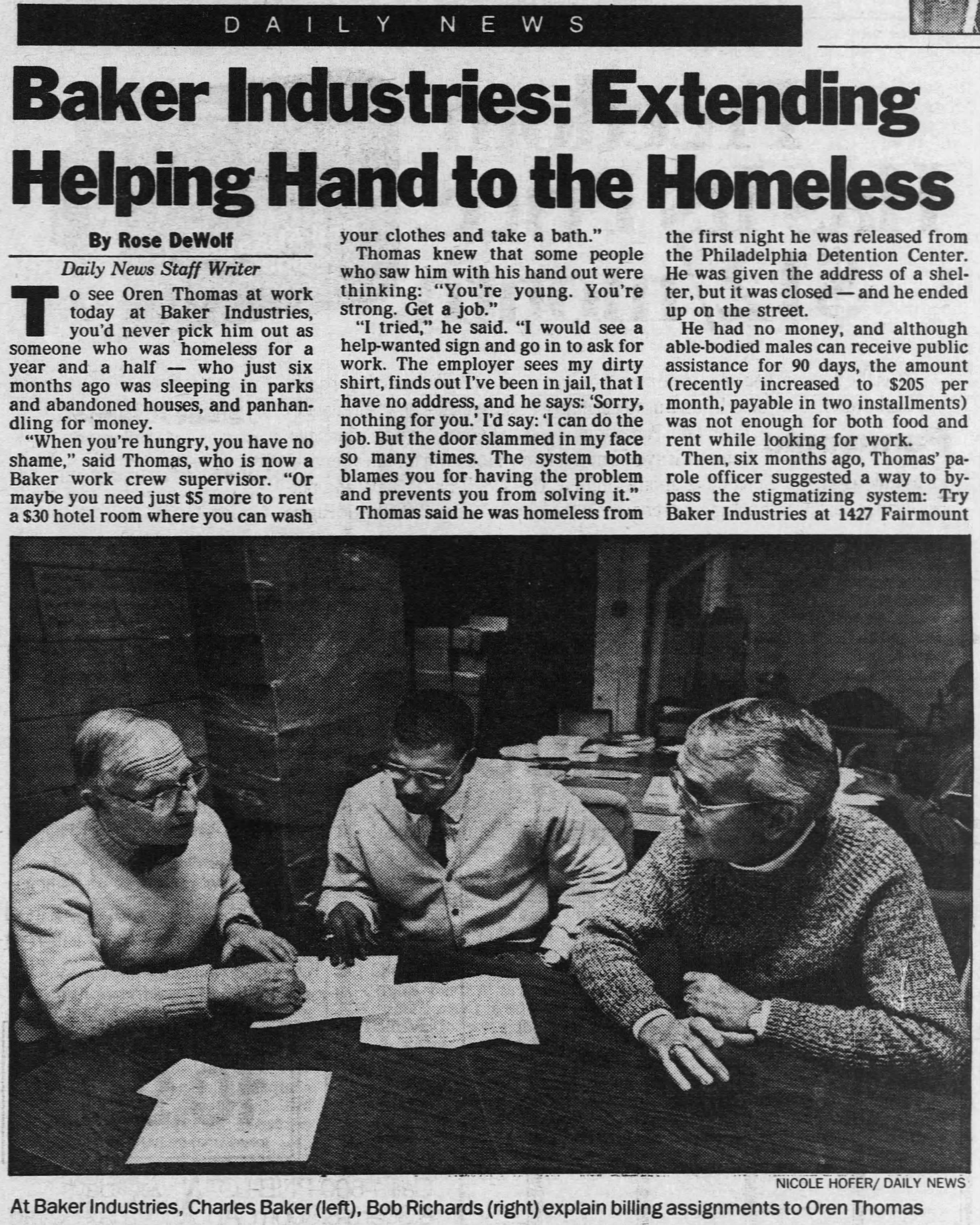
    This photo and article about Mr. Baker (left) appeared in the Daily News in 1990.Newspapers.,com

    He met Louise Wilhelm while water-skiing in Ocean City, and they married in 1955, and had sons Charles IV and Justin and a daughter, Sandra. His wife died in 2025.

    Mr. Baker and his wife attended Wayne Presbyterian Church, and he was known for his bow ties and wide smiles. He was funny, his daughter said, and liked to sing show tunes anytime anywhere, and write corny poems on birthday cards.

    “He was a wonderful dad who loved his family,” his daughter said. His family said in a tribute: “His legacy of service, humor, and kindness will live on for many generations to come.”

    His wife told The Inquirer in 2004: “Charlie has a kind heart.”

    Mr. Baker (front left) celebrated his 100st birthday in June 2025 with his family.Courtesy of the family

    In addition to his children, Mr. Baker is survived by four grandchildren, five great-grandchildren, and other relatives. Two sisters died earlier.

    Visitation with the family is to be from 10 to 11 a.m. Saturday, Oct. 17, at Wayne Presbyterian Church, 125 E. Lancaster Ave., Wayne, Pa. 19087. A celebration of his life is to follow. Bow ties are optional but encouraged, the family said.

    Donations in his name may be made to Baker Industries, 184 Pennsylvania Ave., Malvern, Pa. 19355.

    His wife told The Inquirer in 2004: “Charlie has a kind heart.”Baker Industries
  • Economic frustration tests Trump’s standing with rural voters, new AP-KFF poll finds

    Economic frustration tests Trump’s standing with rural voters, new AP-KFF poll finds

    WASHINGTON — About half of rural American voters believe the economy is worse off now than when President Donald Trump returned to office, according to a new survey that points to economic frustration among a key group that has backed Trump and other Republicans in recent elections.

    The Associated Press, in partnership with KFF, polled more than 2,000 rural registered voters and found broadly negative views of the national and local economies, including among many Republicans. The costs of groceries, gas and healthcare rank as top pain points for the rural voters, who were surveyed over two weeks starting in mid-August. And a larger share than among voters overall say they are worried about being able to afford groceries or gas.

    At the same time, about half of rural voters approve of Trump’s job performance, more than among U.S. adults overall in separate AP-NORC polling.

    The findings suggest that many rural voters haven’t turned on Trump but that they also largely don’t think he has delivered the economic renaissance he promised on the campaign trail.

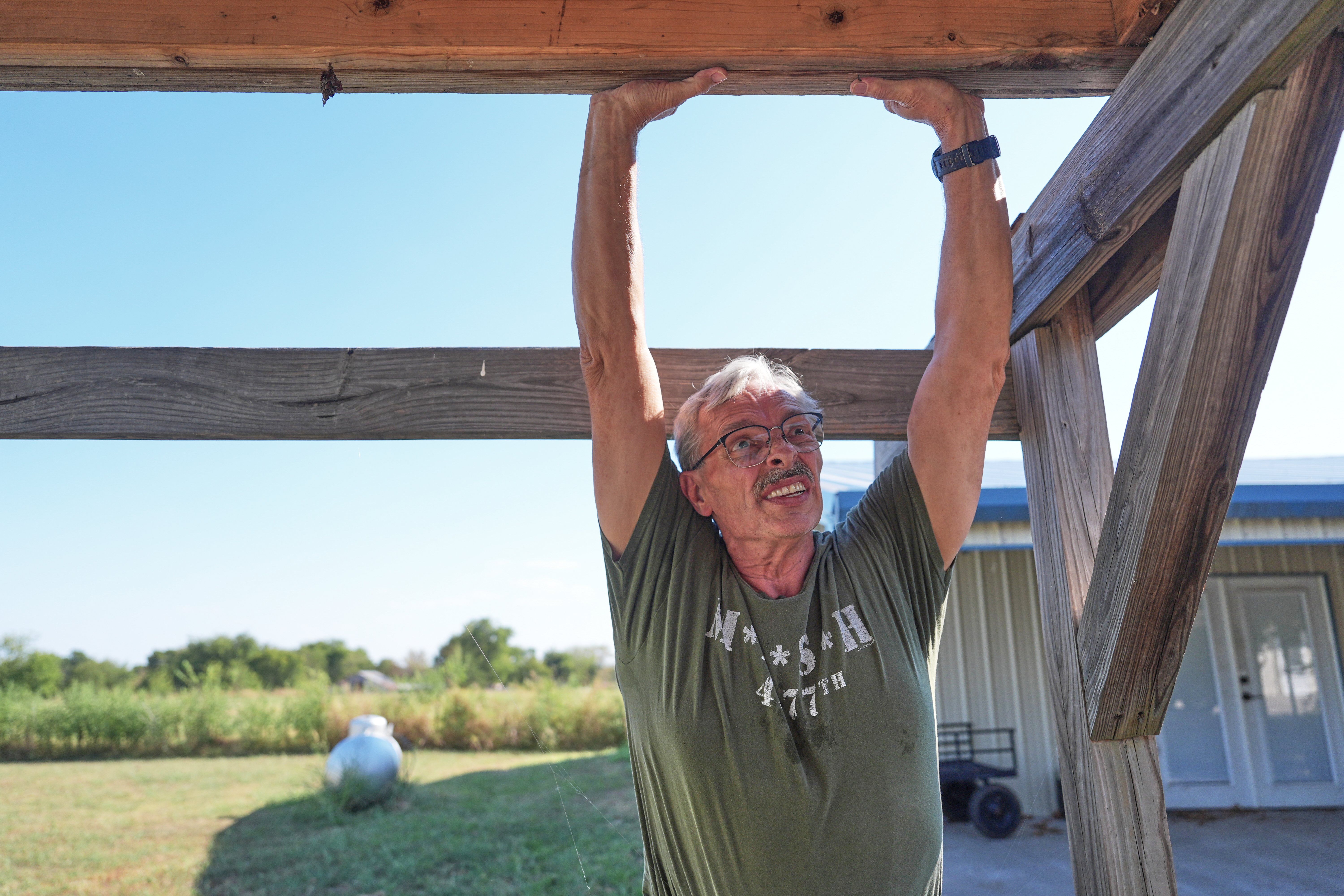
    Ed Westrick, a registered Republican and veteran, rates Trump’s job performance as “mediocre, middle-of-the-road.” Westrick, who lives in rural Texas, isn’t sure he will cast a midterm ballot, a troubling sign for Republicans in a key state in their fight to keep control of Congress.

    Rural Americans skew Republican and historically have been an instrumental group of voters for Trump. The survey reveals that while rural voters seem unlikely to support Democrats on a large scale, Trump and the Republican Party could face challenges with them in November.

    Rural voters are deeply unhappy about the economy

    As the election approaches, only about 4 in 10 rural voters approve of Trump’s performance on the economy. They rate him similarly on his handling of the Iran war, an entanglement that has proved expensive for the U.S. and increased oil and gas prices. And rural voters rank pocketbook concerns and fraud in government programs higher among the things they want to hear about from politicians than other perennial issues, such as gun policy and abortion.

    Westrick, 59, is a technical trainer in the electronics industry and has seen an increase in business in part because he works with defense contractors, but he said he’s concerned about the cost of living.

    “I hear the politicians talk about making groceries more affordable and making healthcare more affordable, but yet none of them are addressing the issues,” Westrick said.

    In the poll, about three-quarters of rural voters rated the cost of living in their communities as “only fair” or “poor” — a 25 percentage point rise from a similar question asked in a KFF-Washington Post survey in 2017. Rural Americans, who have consistently lower wages than those who live in suburban and metro areas, have been hurting economically for decades, according to Tim Slack, a professor of sociology at Louisiana State University and co-author of the book “Rural and Small-Town America.”

    “Many folks are connecting the cost-of-living crisis to many of the Trump administration’s policy choices: the war in Iran, tariffs, trade wars,” he said. “None of those things are going to bring down prices at the pump or the local Walmart.”

    “Trump promised to lower prices on Day 1, and instead the cost of living’s continued to climb. And that’s especially painful in rural America,” Slack said, adding that he expects many working-class Republicans to skip voting in November.

    Rural Republicans do have a brighter economic perspective than rural Democrats or independents, particularly about the U.S. as a whole, according to the survey. About 6 in 10 rural Republican voters say Trump has improved the national economy, compared with only about 2 in 10 independents and fewer than 1 in 10 Democrats.

    But only 45% of rural Republican voters say Trump has made their local economies better off. About 1 in 4 said there are fewer good-paying jobs where they live than five years ago.

    In Michigan, 37-year-old independent voter Brittainy Sosebee said she isn’t sure if she will vote in the state’s midterm election, which includes a tight Senate race seen as crucial to the Democratic Party’s push to win back a majority. Sosebee voted for Trump in 2016 and Democratic candidate Joe Biden in 2020; she didn’t vote in 2024.

    Sosebee, who lives in St. Johns, a small town just north of Lansing, said she used to have extra money to take a vacation or buy a new pair of jeans without worrying. Now, she scrutinizes every expense, cringing at the rising cost of fresh produce when she shops for her three children.

    “We hunt, so we have a lot of venison and things like that, so we don’t have to buy meat from the grocery store, but it’s still crippling,” she said.

    Healthcare policies go unnoticed

    The AP-KFF poll found that rural voters overall don’t perceive much positive impact from the Trump administration’s healthcare policies even as they have been a top priority for Republican leaders, who have promoted efforts to lower drug costs and touted a $50 billion rural health program.

    Only 17% of the voters said the Trump administration’s healthcare policies have had a “positive impact” on their healthcare costs, while 41% said they’ve had “no impact” and another 41% said they’ve had a “negative impact.”

    Sitting on her front porch in Woolwich, Maine, 71-year-old Democrat Kathleen Hanning sipped a chai tea latte in the sun and recalled how she stopped voting for Republican Sen. Susan Collins in 2020.

    Collins and Trump are “intertwined,” Hanning said. “She is not independently voting on what’s best for Maine.”

    Hanning, a retired federal worker, said she hadn’t paid much attention to the health policies in Trump’s signature tax breaks and spending cuts bill passed last year. The law reduces federal Medicaid spending by roughly $900 billion over a decade but also includes billions of dollars for the Rural Health Transformation Program, which it created.

    A year after the law’s passage, more than 8 in 10 rural voters said they’d heard either “a little” or “nothing at all” about the health fund. About 60% said they had heard nothing, according to the survey.

    Rather than transforming, Hanning said, “hospitals up here in Maine are consolidating.” She travels an hour to see a specialist and noted that mothers will now have to drive farther for care because the hospital in nearby Damariscotta announced it would soon close its labor and delivery center.

    Nine in 10 rural voters said it was “extremely” or “very” important for candidates to talk about healthcare costs, with more than half saying it’s “extremely important.” Mirroring the general population, rural voters ranked healthcare costs and gas prices as top economic worries.

    Rural Republican voters still trust the GOP more

    When asked for the political party they trusted to do a better job handling issues such as the cost of healthcare or the cost of living, rural voters tended to side with their own party. The finding signals that Democratic candidates are more likely to benefit from rural Republicans staying home this November than from them voting across party lines in large numbers.

    Republicans are more ambivalent about their party’s ability to handle key healthcare issues, compared with Democrats. About 8 in 10 Democratic voters say they trust the Democrats to address healthcare costs, while closer to 6 in 10 Republican voters say the same of the Republicans.

    In Manassas, Georgia, a tiny town about an hour’s drive inland from Savannah, Republican voter Wanda Rogers feels the Trump administration is doing the best it can to clean up what she sees as an economic mess that Democrats left behind when they lost power.

    “I kind of think people think like I do, that he knows what needs to be done,” she said. “It’s just taking them a while to get it there.”

    Still, the 66-year-old said, “gas prices, they’re eating me alive right now.” She said she has stopped traveling to the beach because it has become too expensive.

    Pamela Shaw, an independent voter who lives in a rural area near Asheville, North Carolina, said she sees the impact of rising costs in her community.

    “When hamburger is over $7 a pound and steak is $15 or more a pound, a lot of people are not able to buy some of the things that they are used to buying,” the 59-year-old said in an interview.

    Trump’s rural standing has slipped

    Trump remains relatively popular among rural voters in the AP-KFF poll, with 48% approval — substantially higher than in a July AP-NORC poll of U.S. adults overall, in which only a third approved of his performance. But he’s also down slightly, from 56% approval, among rural voters, based on a similar question asked in the earlier KFF-Washington Post survey.

    This year’s competitive elections feature key Senate races in states including Ohio, Michigan and Maine, all of which have large rural populations. In close races, Democrats may have a chance to “show up and give a message that rural people might find appealing,” said Nicholas Jacobs, a political scientist at Colby College and co-author of the book “The Rural Voter.”

    “But it’s nothing more and it’s nothing less than that — an opportunity,” Jacobs said. “And time and time again, Democrats have shown a certain proclivity for not seizing that opportunity.”

    Many rural voters don’t think the major parties or the president respect people like them. About half, 48%, of rural voters say the GOP respects people like them “a lot” or “some,” while 45% of rural voters say this about Trump and 37% say this about the Democratic Party.

    On a recent Thursday, registered Republican Nate Lawrence answered his phone after paying $57 to fill up his Chevy Equinox in New Concord, Ohio, a village of fewer than 3,000 people about an hour’s drive east of Columbus.

    Lawrence, a middle-school English teacher, said the candidates should be talking about spending power: “I need to be able to go to the store and feed my family on what I make as a teacher,” Lawrence said. “I should be able to pay for a house on a teacher’s salary.”

    Lawrence has voted for Trump in the past but didn’t in 2024. For Ohio’s Senate race, Lawrence said he is torn and not sure whether to pick Democrat Sherrod Brown or Republican Jon Husted.

    Still, even if the politicians say they will lower prices, Lawrence said, he won’t believe them.

    “Trump said that, and it didn’t happen,” he said.

  • In court filing defending media ban, White House says access is a ‘privilege’

    In court filing defending media ban, White House says access is a ‘privilege’

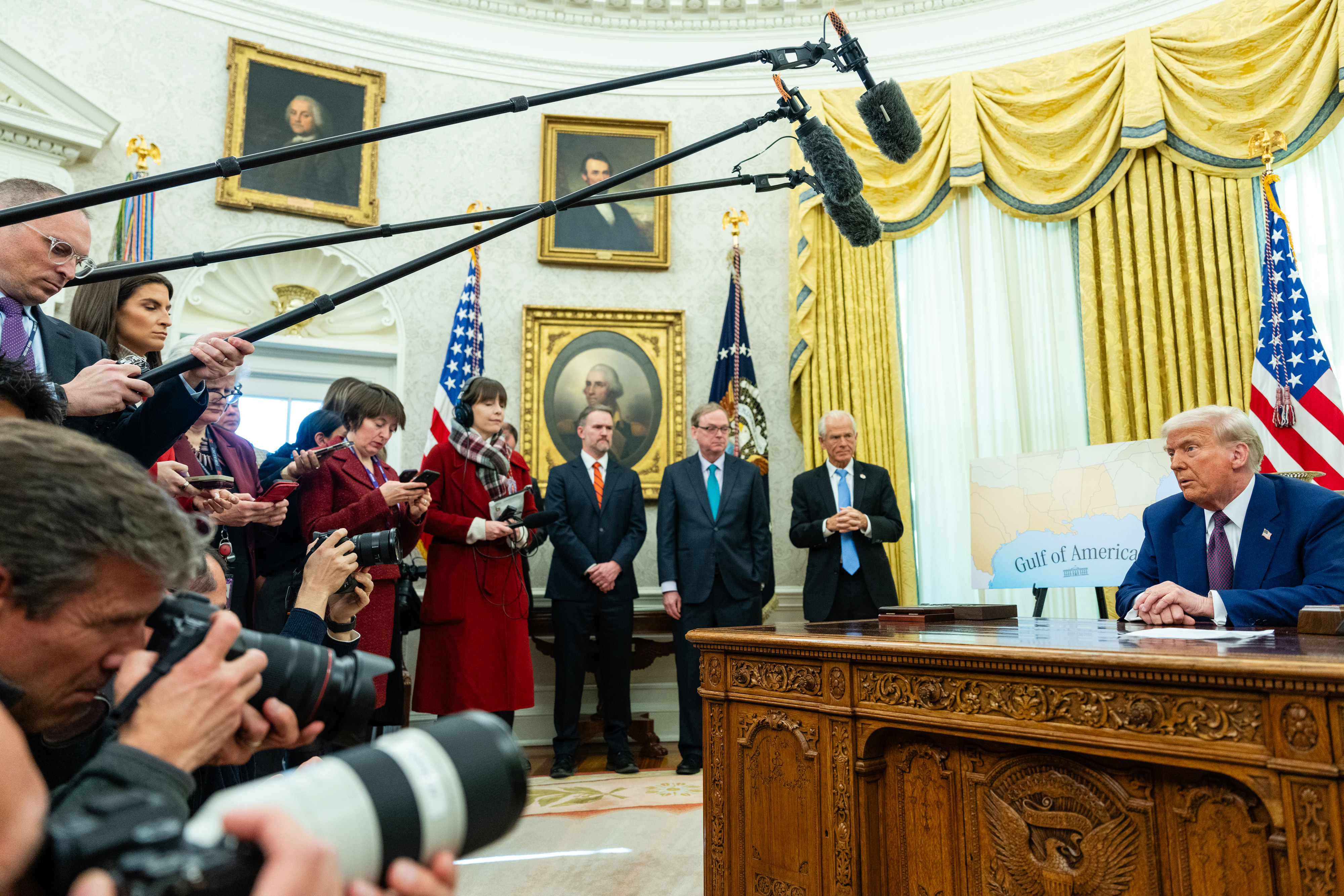
    White House officials said in a court filing Tuesday that President Donald Trump had determined that CNN, MS NOW and Politico had breached standards of conduct, leading to their expulsion from the grounds of the White House.

    The alleged violations, said the filing, include “trafficking in verifiable falsehoods about national security and other issues, and publishing sensitive or classified information.”

    “Access to the White House is a privilege — not a right,” reads the filing, which argues that Trump’s action against the three news outlets does not violate the First Amendment and aligns with a long history of presidents favoring some journalists over others.

    The filing, furthermore, claims that the White House’s denial of access is a preliminary matter and that the outlets have until Friday to contest the decision.

    The clash began last Friday, when Trump announced on Truth Social, the platform that he owns, that he would ban the three outlets, saying they “shouldn’t be able to constantly write or report FICTION and LIES.” On Saturday morning, journalists from CNN, MS NOW and Politico were denied access to the White House grounds and had their press passes confiscated.

    By Monday morning, the news organizations had sued, arguing that the president’s ban “brazenly discriminates based on editorial viewpoint,” and was an affront to their First Amendment rights. They said that the move had blindsided its targets, depriving the outlets of the warning that any such drastic action required. They “received zero advance notice that the president would ban a news organization from the White House if he dislikes its coverage,” according to the complaint.

    U.S. District Judge Timothy J. Kelly, who was nominated in 2017 by Trump, will hold an emergency hearing Wednesday to consider the media outlets’ request for a temporary court order undoing the access ban.

    The government filing Tuesday night included copies of letters sent earlier in the day to each banned news outlet. In addition to accusing the organizations of failing to meet standards of conduct, the letters identified specific stories that allegedly either spread falsehoods or threatened national security. The letter to CNN, for example, cited a January 2026 story that “disclosed ‘top-secret’ construction details related to the East Wing bunker,” the letter reads.

    One of MS NOW’s alleged infractions, according to a White House letter, was a June 2026 story claiming “a source said that President Trump ‘underestimated the willingness of Iran to resume conflict.’” Politico is accused of publishing a “document detailing funding for the White House ballroom containing intricate descriptions of how the Secret Service would invest in security improvements,” according to a White House letter.

    In 2018, Kelly ruled against Trump in another media access case. Trump had expelled CNN reporter Jim Acosta from the White House grounds. But Kelly ordered his credentials restored, saying Trump hadn’t given Acosta enough notice to challenge the action.

    Other news organizations have responded to the ban with acts of support and solidarity. The consortium of five TV networks that covers the president as the so-called TV pool — ABC News, CBS News, NBC News, Fox News and CNN — suspended its immersive coverage of Trump, and some news outlets temporarily withheld publication of photos of Trump’s events.

    This article originally appeared in The New York Times.

  • Trump-backed Missouri congressional map returns to the Supreme Court for the third time

    Trump-backed Missouri congressional map returns to the Supreme Court for the third time

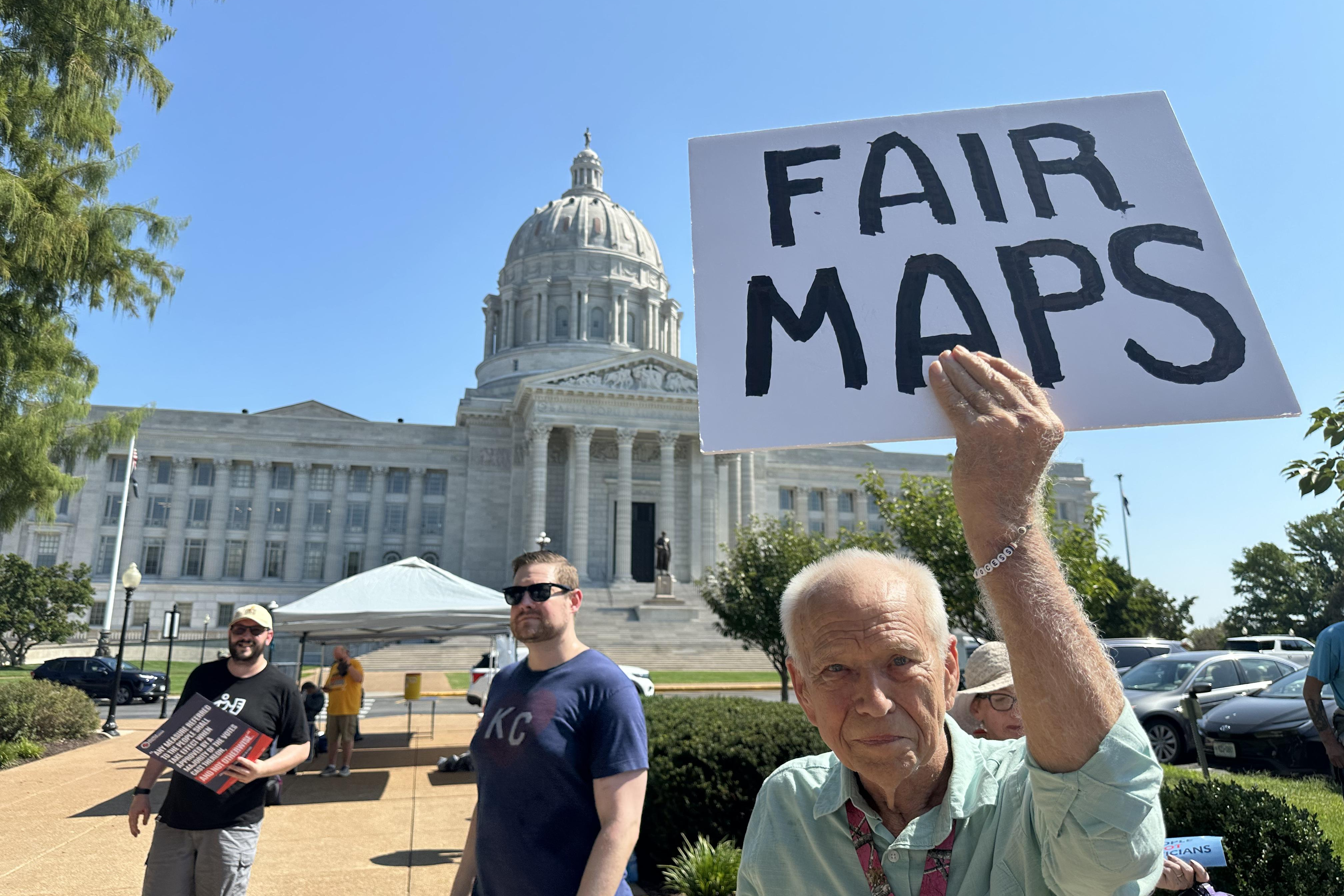
    WASHINGTON — The fight over Missouri’s congressional map returned to the U.S. Supreme Court for a third time late Tuesday, after an appeals court ordered the revival of new districts backed by President Donald Trump.

    The new map was drawn to help Republicans gain a U.S. House seat in the pivotal midterm elections, which will determine control of Congress. The Supreme Court has twice blocked efforts to use it in November.

    The latest emergency appeal comes after an unusual federal appeals court ruling that ordered a last-minute return to a GOP-friendly map even after the Supreme Court halted such a move.

    The justices had left in place a Missouri Supreme Court decision requiring the state to use its previous map. The state court ruled that the new districts could not take effect unless voters approved them in a statewide referendum.

    The U.S. Supreme Court gave supporters of the new map until midday Wednesday to respond to the latest appeal.

    The dispute has caused confusion for over a million potential voters who could be shuffled among districts. Absentee voting already is underway in Missouri using districts adopted in 2022, after the last census.

    The new congressional map backed by Trump significantly reshapes a Kansas City-based district held by Democratic Rep. Emanuel Cleaver. Republicans hope the map could help them win seven of the state’s eight House seats — one more than they currently hold.

    Missouri’s redistricting battle has been the longest and most complex among roughly a dozen states that sought to change their U.S. House districts over the past year. Districts are usually redrawn at the start of each decade, after a census. But Trump spurred a spate of mid-decade redistricting last year when he urged Republican-led states to redraw districts to gain an edge in the midterm.

  • Sen. Bernie Sanders unveils bill to ban artificial superintelligence and create Department of AI

    Sen. Bernie Sanders unveils bill to ban artificial superintelligence and create Department of AI

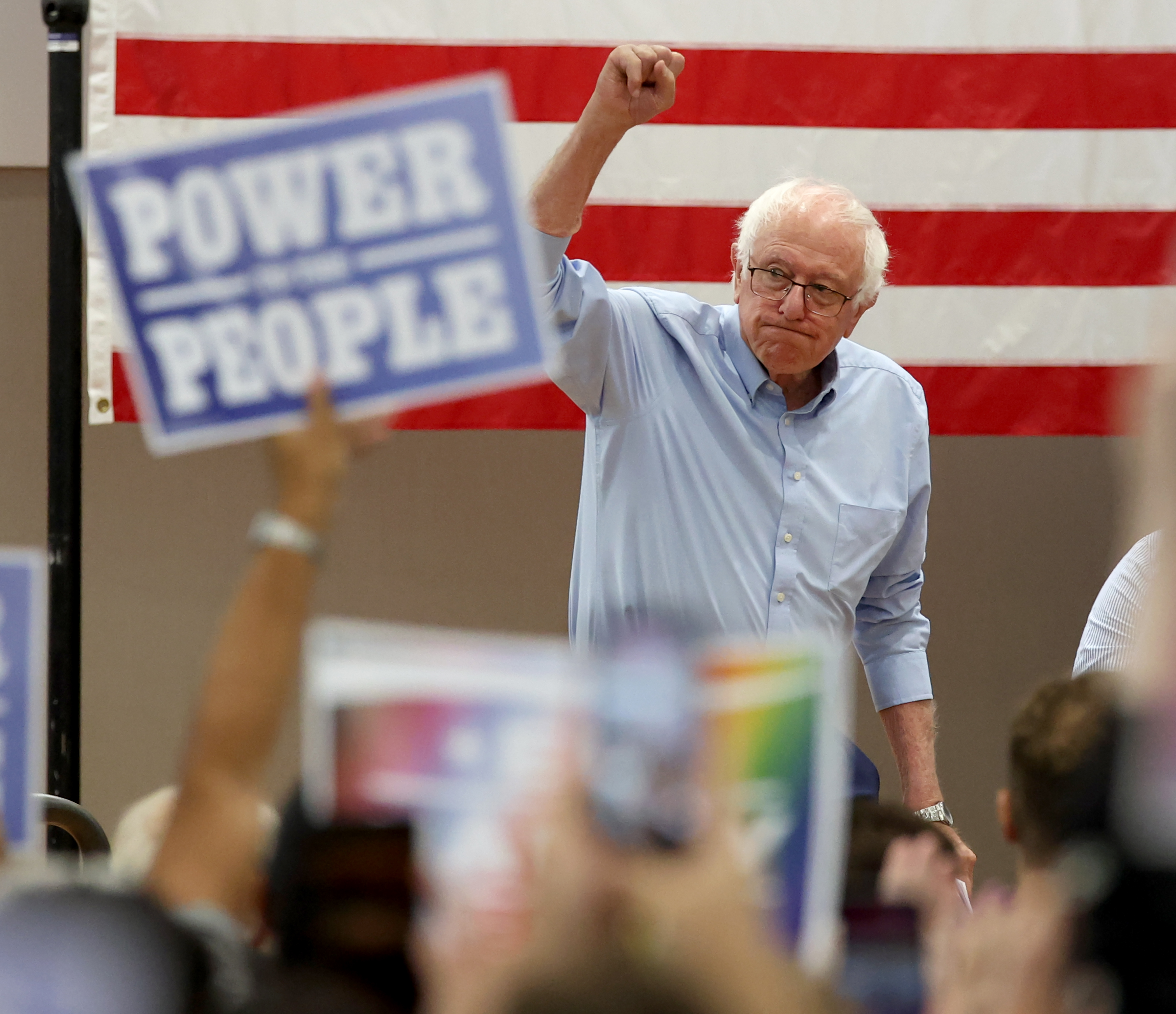
    Washington — Two leading progressive lawmakers, Sen. Bernie Sanders and Rep. Greg Casar, are unveiling legislation Wednesday that would ban artificial superintelligence and create a federal agency to oversee advanced AI as some of the industry’s own leaders urge Congress to impose guardrails on the advancing technology.

    The bill, provided first to The Associated Press, would also pause advanced AI development until guidelines are implemented while creating the Department of Artificial Intelligence. Multiple employees at leading AI companies are endorsing the bill.

    “It doesn’t take a genius to say, ‘slow it down,’” Sanders, I-Vt., said in an interview with AP. “Do we really want to develop a super intelligence that when it becomes smarter than human beings could act independently of human control? I don’t think we do.”

    Congress has so far done little to rein in the AI industry even as some of its most prominent leaders warn about potentially catastrophic risks. President Donald Trump has resisted recent calls for greater government oversight, putting him at odds with tech leaders including Anthropic’s Dario Amodei, OpenAI’s Sam Altman and xAI’s Elon Musk.

    The bill aims to dramatically slow down AI development

    The legislation would permanently prohibit artificial superintelligence, which it defines as a system that exceeds human cognitive ability or has sufficient capabilities to plan and execute the destruction or disempowerment of humanity.

    It would temporarily pause development of the most advanced AI systems until new federal safety rules are established by a new Department of Artificial Intelligence. Advanced AI systems would then need federal approval before they could be deployed. Violations could carry significant penalties, including up to 20 years in prison in some cases.

    A number of current employees at AI companies and experts signed on in support of the bill, according to a statement shared with AP.

    Juan Felipe Cerón Uribe, a researcher in OpenAI’s Safety Systems, said in a statement supporting the bill that “superintelligence could either go extremely right or extremely wrong” and that “we shouldn’t be playing such games.”

    Swante Scholz, a software engineer at Google DeepMind who said he was not speaking on behalf of his employer, said on the current path of development, the “most likely outcome is an existential catastrophe for humanity.”

    “A ban on superintelligence development would be a positive change for the foreseeable future,” Scholz said in a statement.

    The bill faces long odds but draws a line in a growing fight

    The bill from Sanders and Casar faces long odds in the Republican-controlled Congress, where lawmakers have struggled to coalesce around even less sweeping AI regulations.

    But it offers a window into how the progressive wing of the Democratic Party is approaching AI regulation ahead of November’s midterms and a 2028 presidential campaign in which the technology is expected to be an increasingly prominent issue. Casar, a Democrat from Texas, is the chair of the Congressional Progressive Caucus.

    Potential 2028 presidential candidates have rushed in recent weeks to release proposals showing they’re taking the issue seriously. Maryland Democratic Gov. Wes Moore announced a plan to regulate AI on Tuesday, while California Democratic Gov. Gavin Newsom signed an executive order to accelerate implementation of a California law that calls for independent oversight of AI companies last week.

    Sanders, a two-time presidential candidate who is now 85, has especially focused on the issue in recent months. In June, he introduced legislation to create a sovereign wealth fund financed through a one-time tax on the stock of the largest AI companies. Last week, he hosted colleagues for a briefing with experts and also attended a conference focused on the issue alongside Republicans, including former White House adviser Steve Bannon.

    The debate over AI regulations has scrambled political alliances both in Washington and for voters across the country.

    Americans have grown more concerned about the environmental impacts of artificial intelligence over the last year, according to a recent poll from The Associated Press-NORC Center for Public Affairs Research and the Energy Policy Institute at the University of Chicago.

    The survey data say about half, 53%, of Americans are “extremely” or “very” concerned about artificial intelligence’s environmental impacts. That is up from 41% last year. Democrats are driving much of the increase in environmental concern, but the poll also reveals broader worries about the local impact of data centers, which power AI and cloud computing.

    Trump has shown little interest in curbing AI risks

    While some industry leaders have called for new safeguards, Trump has pushed in the opposite direction. On Tuesday, Trump told the United Nations General Assembly that artificial intelligence will be renamed “super intelligence.”

    “I think Trump has very little understanding of what this issue is about,” Sanders said. “I think he’s mainly concerned about the economic implications of a slowdown.”

    AI safety is expected to be a central part of talks between Trump and China’s Xi Jinping at the White House this week as the countries compete for dominance in the sector. The prospect of slowing development in the United States while China continues on has also been one of the central arguments against sweeping restrictions.

    Sanders argued that avoiding the most dangerous forms of AI would ultimately require cooperation between the two countries, comparing the challenge to nuclear arms control during the Cold War.

    “Ronald Reagan, arch-conservative, was smart enough to understand that he had to sit down with Gorbachev, a communist, and work out a nuclear treaty that protected humanity,” Sanders said. “I think we can do that again now.”

  • Retirees hunt for the top cheesesteak | Inquirer South Jersey

    Retirees hunt for the top cheesesteak | Inquirer South Jersey

    Good morning, South Jersey.

    A group of seniors meet monthly to try new cheesesteaks in a quest to find the best one on this side of the bridge.

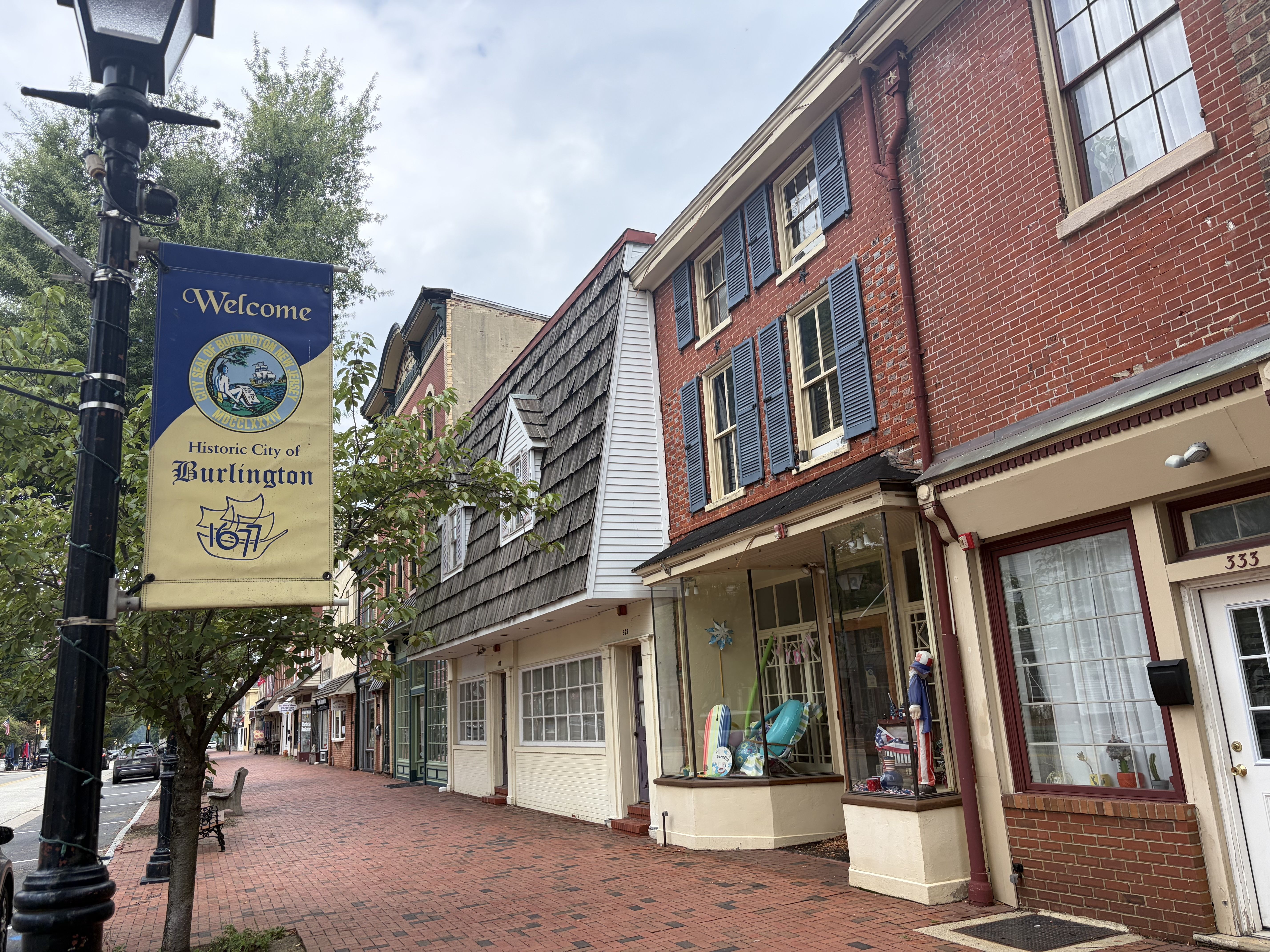
    And some Burlington City residents and local businesses are pushing for more police presence downtown.

    Plus, a Vineland data center was hit with a $1 million fine, and more news of the day.

    — Taylor Allen (southjersey@inquirer.com)

    P.S. You have questions, and we likely have answers (or at least can track them down). Inquire about the region at Curious South Jersey.

    If someone forwarded you this email, sign up for free here.

    Hunting for the best cheesesteak

    Every month, a group of seniors who met playing poker at a 55+ community in Moorestown go out and try a new cheesesteak. Their goal: Find the very best.

    None are trained food critics, but they are sandwich enthusiasts. The rules:

    • It has to be in South Jersey.
    • There’s no formal rating system, but they do consider the hardness of the bread, the heat of the hot peppers, the cheesiness, and the amount of meat for the price.
    • Sandwiches are “good” or not.

    To be considered their ultimate cheesesteak, it has to have meat, onions, cheese, a roll, and seasoning. If available, fried onions are a must. Hot peppers are always on the side.

    So far, they have visited Donkey’s Place in Camden, Chick’s Deli in Cherry Hill, and Bricco Coal Fired Pizza.

    The Inquirer’s Sarah Nicell follows along on their latest trip to try out Marlton’s Johnny Longhots.

    The desire for more police patrols

    Burlington City’s historic corridor features taprooms, art studios, antique stores, and more.

    But among the lively commercial spaces, there are boarded and empty storefronts, too. Some residents argue the strip is not welcoming to visitors.

    One proposed solution? More dedicated police to patrol downtown would make visitors and locals feel more comfortable, according to the community group behind a petition calling for the foot patrols.

    Reporter Lacey Latch visited downtown to get local business owners’ input.

    What to know today

    • New Jersey joined seven other states to sue President Donald Trump’s administration over its attempts to cancel offshore wind leases and instead pay companies $1.4 billion for fossil fuel projects.
    • The Edgewater Park Township Police and the Burlington County Prosecutor’s office announced Tuesday that the driver of a car involved in the crash that claimed the life of a pedestrian from Willingboro Sunday morning on Route 130 has been charged. The investigation is still ongoing, according to officials.
    • The Gloucester County Prosecutor’s Office announced that a Westville man was sentenced to 12 years in state prison for aggravated manslaughter in the 2016 death of Miguel Martinez III in Deptford. Martinez was considered missing before a witness came forward years later and his remains were found.
    • The state fined the developers of a Vineland data center more than $1 million for violating clean-air laws by running dozens of gas generators without the required permits.
    • A nor’easter developing off the Southeast coast is expected to cause flooding down the Shore.
    • Ocean City sent the owner of the Wonderland Pier a “notice of unsafe structure” because the pier is showing signs of collapse, such as the decking caving in.
    • Marlton’s Peppino’s Pizza Italian Kitchen opened its second location in Runnemede this week, 42 Freeway reports.

    🧠 Trivia time

    Joel E. Turner’s crime novel, Wildwood Exit, is set in both Cape May and Wildwood. But in what decade?

    A) 1930s

    B) 1950s

    C) 1980s

    D) 2010s

    Think you know? Check your answer.

    What we’re …

    🎶 Tracking: The can’t-miss pop music concerts this fall.

    📚 Rereading: Crying In H Mart ahead of Michelle Zauner’s upcoming second memoir, Thank You For Your Suffering.

    👟 Remembering: That time Kelly Oubre hosted a sneaker shopping spree for Camden County youth with the Sixers.

    🧩 Unscramble the anagram

    Hint: Romance in Collingswood 📖

    ASK & TILES

    Email us if you know the answer. We’ll select a reader at random to shout out here. Cheers to Gerry Dinon, who solved last Wednesday’s anagram: Adventure Aquarium. Provenance Chef Nicholas Bazik shared with The Inquirer that he loves visiting with his son, who has has an encyclopedic knowledge of fish and sharks.

    🏡 On the market

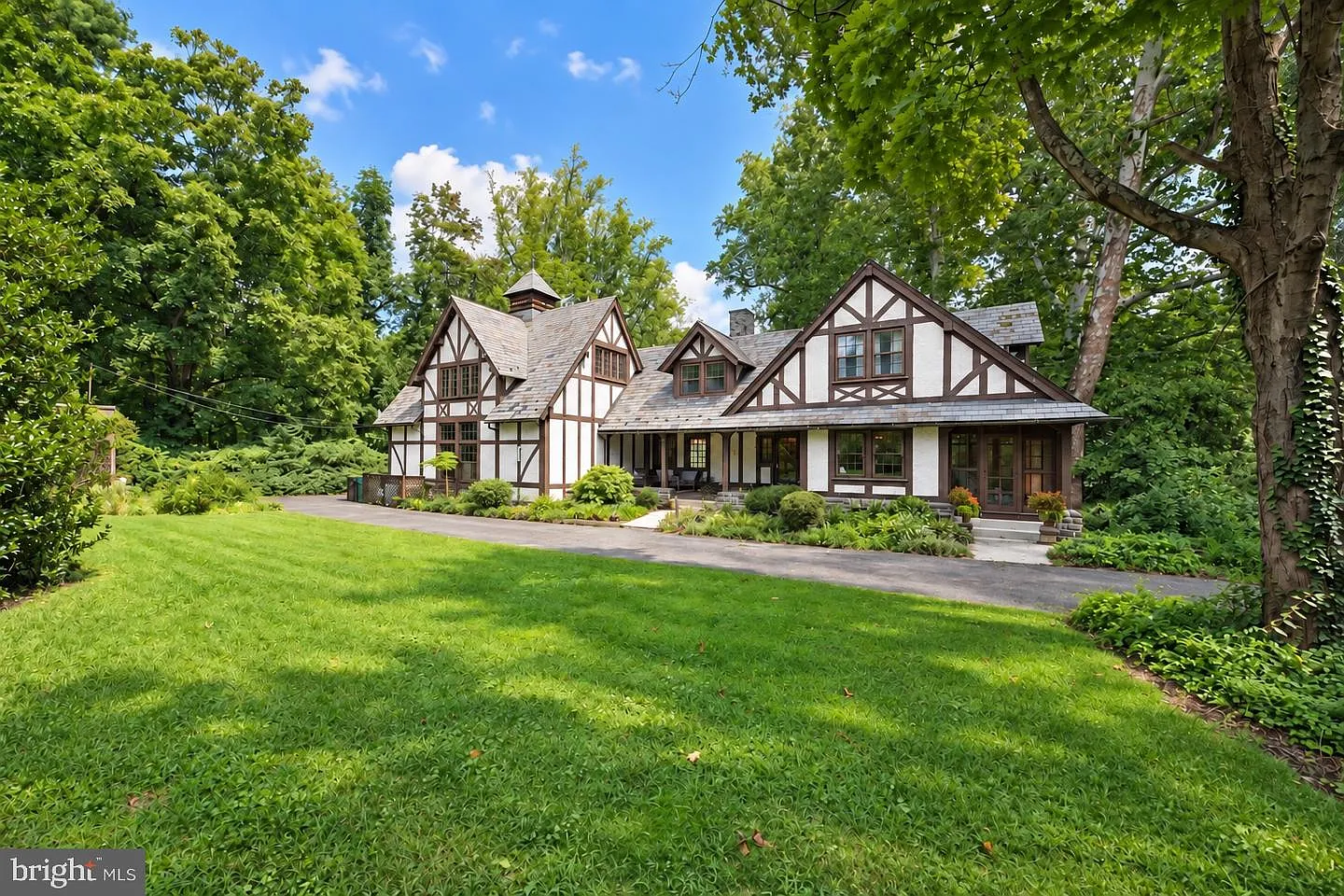
    A carriage-style Tudor in Wenonah

    Built in 1897, this private home has three bedrooms and three bathrooms, and features a grand foyer, kitchen, living room, dining room, and study. Exterior perks include a spacious front porch and a backyard deck — plus, a detached structure with stables.

    See more photos of the property here.

    Price: $724,900 | Size: 2,693 SF | Acreage: 0.65

    And that’s all the news I have for you today. I’ll be back with more tomorrow.

    By submitting your written, visual, and/or audio contributions, you agree to The Inquirer’s Terms of Use, including the grant of rights in Section 10.

  • Why nationalist leaders turn to territorial disputes to manage political tensions at home

    Why nationalist leaders turn to territorial disputes to manage political tensions at home

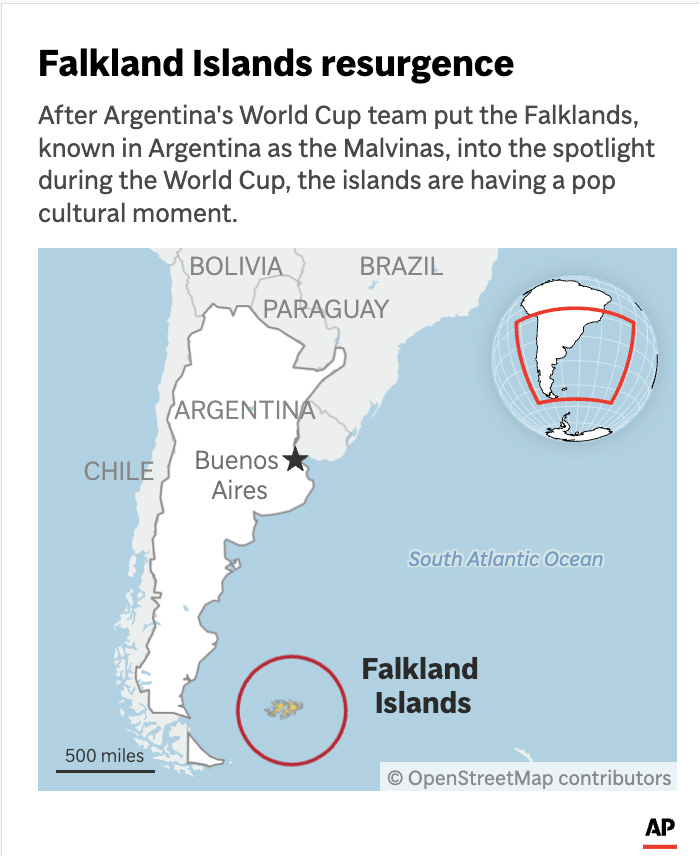
    In July, Argentina defeated England 2-1 in the 2026 World Cup semifinal. Argentine players celebrated the victory on the field, unraveling a banner that read, “Las Malvinas son argentinas” [The Malvinas are Argentine].

    The slogan invoked Argentina’s longstanding claim to the South Atlantic islands, over which the country had gone to war with the United Kingdom in 1982. The UK refers to this territory as the Falkland Islands, but Argentina disputes this name in favor of Malvinas.

    The gesture drew criticism from the UK, and Argentina’s President Javier Milei demanded that his countrymen not mix football with politics. “We shouldn’t fall for cheap, populist, nationalist, and rancid slogans,” he announced on Radio Mitre.

    Just months later, Milei made the slogan his own.

    “The Malvinas are Argentine, by history and rights,” he declared in a televised address on Sept. 3. He announced plans to sanction foreign companies involved in oil exploration around the islands and proposed measures to strengthen Argentina’s ability to defend its national sovereignty.

    The president’s reversal on the Malvinas is striking but falls into a broader political pattern. Facing political tension at home, nationalist leaders often turn to territorial disputes to project strength and rally patriotic support. Vladimir Putin’s invasion of Ukraine, Donald Trump’s aspirations to Greenland, and Xi Jinping’s claims over Taiwan all fit this playbook. In Argentina, presidents have long turned to the islands as a source of national unity, particularly when confronted with domestic problems.

    The Malvinas took on new political urgency in the 1960s, when the United Nations recognized the sovereignty dispute within its broader decolonization framework.

    Argentine President Javier Milei speaks during a ceremony commemorating the 43rd anniversary of the conflict between Argentina and Great Britain over the Falkland Islands, known as the Malvinas Islands, at a war memorial in Buenos Aires, Argentina, April 2, 2025.Natacha Pisarenko

    The UN’s call for peaceful negotiations between the UK and Argentina coincided with the military’s growing influence in Argentine politics. Throughout much of the 20th century, the armed forces repeatedly overthrew democratic governments. This cycle culminated in progressively longer and more violent dictatorships. After Juan Perón’s death in 1974, escalating violence between rival Peronist factions paved the way for a 1976 coup, amid a wave of U.S.-backed military regimes across Latin America.

    The 1976 dictatorship promised to restore order and economic stability but failed to deliver. Over the next six years, the junta’s economic policies led to deindustrialization, rising unemployment, and deepening poverty. Inflation remained in the triple digits every year except 1980, and Argentina’s foreign debt surged from $8 billion to $45 billion. Alongside these austerity measures, the junta’s political repression resulted in thousands of deaths and disappearances.

    By 1982, the military’s hold on power had weakened as the economy plunged into a deep recession. Strikes and protests became more frequent as Argentines denounced soaring inflation and massive human rights abuses. On March 30, the General Confederation of Labor called a general strike — the first since 1975 — and thousands gathered in Buenos Aires to demand “peace, bread, and work.” Federal police responded by arresting more than 2,000 protesters.

    To bolster popular support for an increasingly fragile regime, military dictator Leopoldo Galtieri invoked the Malvinas. On April 2, the junta invaded the islands, which Britain had controlled since 1833. The regime framed the invasion as a “recovery” of Argentine territory and urged citizens to rally behind the national cause. The generals hoped to redirect public anger toward a longstanding territorial claim and to unite Argentines behind the dictatorship.

    The Argentinian cruiser General Belgrano sinks amid orange life rafts holding survivors in the South Atlantic Ocean, May 1, 1982, after being torpedoed by the British Royal Navy.Uncredited

    For a time, the strategy worked. Argentines gathered in Plaza de Mayo to celebrate the invasion, transforming the space where police had violently suppressed protesters only days earlier into a scene of patriotic celebration.

    However, the junta had badly miscalculated, and Britain retook the islands in June. The swift defeat exposed the Argentine generals’ inability to coordinate planning and action and left more than 600 dead and over 1,600 wounded. The Malvinas War weakened the regime and ultimately accelerated its collapse. Within months, the military announced democratic elections for 1983.

    The Malvinas defeat discredited the junta but did not diminish Argentines’ patriotic fervor for the islands. Instead, the return to democracy created space for Argentine governments to distinguish the legitimacy of the sovereignty claim from the illegitimate junta that had pursued the invasion.

    In 2012, President Cristina Fernández de Kirchner turned to the Malvinas amid soaring inflation, rising capital flight and a growing energy deficit. After she won reelection with 54% of the vote in 2011, her second term marked a shift toward more explicitly nationalist politics. In April 2012, Fernández de Kirchner expropriated a controlling stake in the Spanish-owned oil company, YPF. She directly linked this move to the renewed claim to the Malvinas and posters declaring, “The Malvinas and YPF are Argentine” littered the streets.

    A map showing the locations of Argentina and the Falkland Islands, known in Argentina as the Malvinas.Peter Hamlin

    Speaking on the 30th anniversary of the Malvinas War, Fernández de Kirchner explicitly rejected the junta’s 1982 actions while venerating the veterans’ sacrifices. The junta had been wrong to attempt “to perpetuate itself in power,” she argued. Yet she framed Argentina’s sovereignty claim over the islands as part of her own administration’s efforts in support of memory, truth, and justice for the dictatorship’s crimes. Those efforts included reopening trials against those responsible for torture, disappearances, and other human rights abuses committed during the dictatorship.

    Adopting the language of the human rights movement, Fernández de Kirchner identified British control of the islands as an enduring colonial injustice. This discourse allowed her to claim the Malvinas as a national and patriotic cause while disavowing the dictatorship that had waged the war. The Malvinas thus offered a powerful symbol to connect territorial sovereignty, economic independence and a democratic reckoning with the past.

    In September 2026, President Milei has drawn similar connections between sovereignty and resource extraction as Argentina clashes with Britain over the planned Sea Lion oil project.

    The project, operated by British company Rockhopper and Israel’s Navitas Petroleum, could begin producing oil as early as 2028, turning the longstanding territorial dispute into a more immediate struggle over access to valuable natural resources. As Fernández de Kirchner did with YPF, Milei has framed control over natural resources as inseparable from national sovereignty.

    Made By History sponsors. FOR USE ON MADE BY HISTORY STORIES ONLY.Inquirer Staff

    Milei’s shifting approach to the Malvinas accompanies his bid for reelection in 2027. Since his election in 2023, inflation has fallen dramatically, but his administration’s economic record remains deeply contested. Unemployment has grown and real wages have weakened, driving discontent with the government’s austerity measures. The president’s approval ratings have fallen to 38% in recent months.

    As domestic tensions rise, the Malvinas once again offers a patriotic cause capable of rallying support across political divides. Various governments have pursued radically different strategies to recover the Malvinas, yet each found in the territorial dispute a powerful language of national sovereignty and anti-colonialism.

    When Argentina’s players held up a banner after defeating England, they were not pushing a foreign-policy agenda. They were drawing on a decades-old expression of national identity that has come to encompass Argentine sovereignty, resistance to colonialism, and perhaps most importantly the memory of los pibes de Malvinas, the young men sent to war in 1982.

    The Malvinas remain politically useful not because Argentines have forgotten the war or its devastating consequences, but because those memories have become part of what the islands represent. The players’ banner resonated for the same reasons: the fight for the Malvinas has become part of what it means to be Argentine.

    Gabrielle Esparza is a historian of Latin America, specializing in transitional justice and democratization in Argentina.

    Made by History takes readers beyond the headlines with articles written and edited by professional historians. Opinions expressed do not necessarily reflect the views of The Inquirer.

  • SEPTA got 24 commuter trains from Montreal, but it could be months before you can ride one

    SEPTA got 24 commuter trains from Montreal, but it could be months before you can ride one

    It’s not easy to move 24 passenger train cars from Montreal to Philadelphia, especially amid trade tensions with Canada.

    The surplus Bombardier Comet cars SEPTA bought from Montreal’s Exo transit system for $8.58 million arrived Sunday, pulled by Canadian National and CSX locomotives.

    They’re headed to the transit authority’s Frazer Shops and Yard in Malvern for some modifications before joining the Regional Rail fleet in two to three months.

    No tariffs were added to the purchase price, SEPTA spokesperson Andrew Busch said. The agency had estimated that it might have to pay up to $3.5 million extra in U.S. duties, but it was determined the cars did not fall under a complex web of new trade rules.

    It took months of research and discussion.

    “We sent someone to Montreal, and they crawled under the cars taking pictures of plates with serial numbers on the steel components that showed they were made in the USA,” Busch said.

    The pictures convinced U.S. Customs and Border Protection that the used rail cars were not subject to duties, he said.

    “We essentially repatriated those items by bringing them over,” Busch said.

    SEPTA also worked with the offices of Pennsylvania’s U.S. senators. Exo and Canadian transportation officials helped dig up contracts from when the cars were made to verify the origin of the steel.

    The Trump administration imposed a 25% tariff in March 2025 on imported Canadian goods not covered by a trade treaty between the two countries, one negotiated by the president. That surcharge was also extended to steel, aluminum, and automobiles.

    This month, Trump imposed 50% tariffs on $20 billion in Canadian goods, including hockey sticks, agricultural items, and building materials.

    Canadian Prime Minister Mark Carney retaliated with 50% tariffs on a number of imported U.S. products.

    The Exo cars from Montreal are intended as reinforcements after the fallout from five fires on SEPTA’s 50-year-old Silverliner IV Regional Rail cars last year, which disrupted service on the commuter lines for months.

    They will be mixed in with the rest of the Regional Rail cars, along with 10 coaches leased last year from Maryland’s commuter transit agency.

    Federal authorities last October ordered SEPTA to inspect all 223 Silverliner IV cars for safety problems and to fix them.

    Passengers dealt with canceled trips, delays, and skipped stops as the Silverliner IVs were fixed. Many trains were shorter than usual.

    Unlike Silverliner IVs and the newer V series, which both carry passengers and power the train, the Montreal cars must be pulled or pushed by locomotives.

    SEPTA has 15 electric locomotives, which it bought in 2019, and it operates 45 Regional Rail passenger cars that need to be pulled.