Category: News

  • They wanted to recreate childhood Shore memories. So they rebuilt a house in Strathmere

    They wanted to recreate childhood Shore memories. So they rebuilt a house in Strathmere

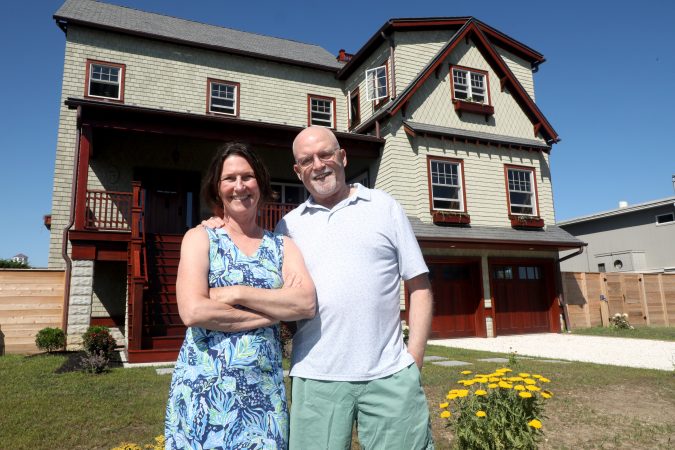
    Creating their forever home was a labor of love for Wendy Whittington and Fred Duffy.

    The couple, on the cusp of retiring from medical careers in Dallas, spent several years designing the Strathmere home they moved into this summer. It’s a showcase of their passions: family, books, travel, and wine.

    “We wanted to recreate an old beach house with the feel of the Shore we knew from growing up,” said Whittington. She grew up in nearby Dennis Township and Duffy visited Long Beach Island in his youth.
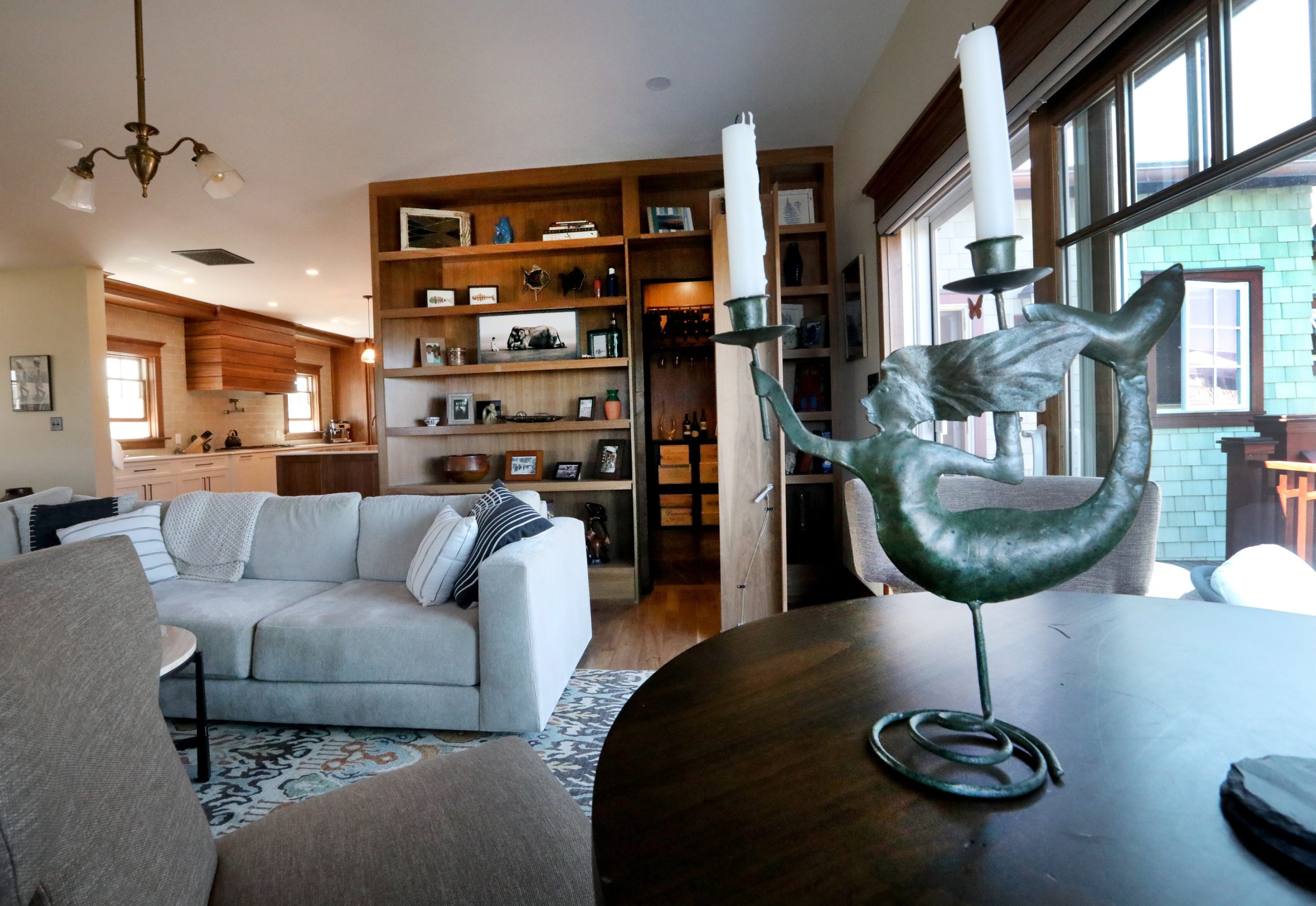
    An ornate candle holder, a gift from Wendy Whittington for her husband, Fred Duffy, sits in a nook in the living space.Vernon Ogrodnek / For The Inquirer
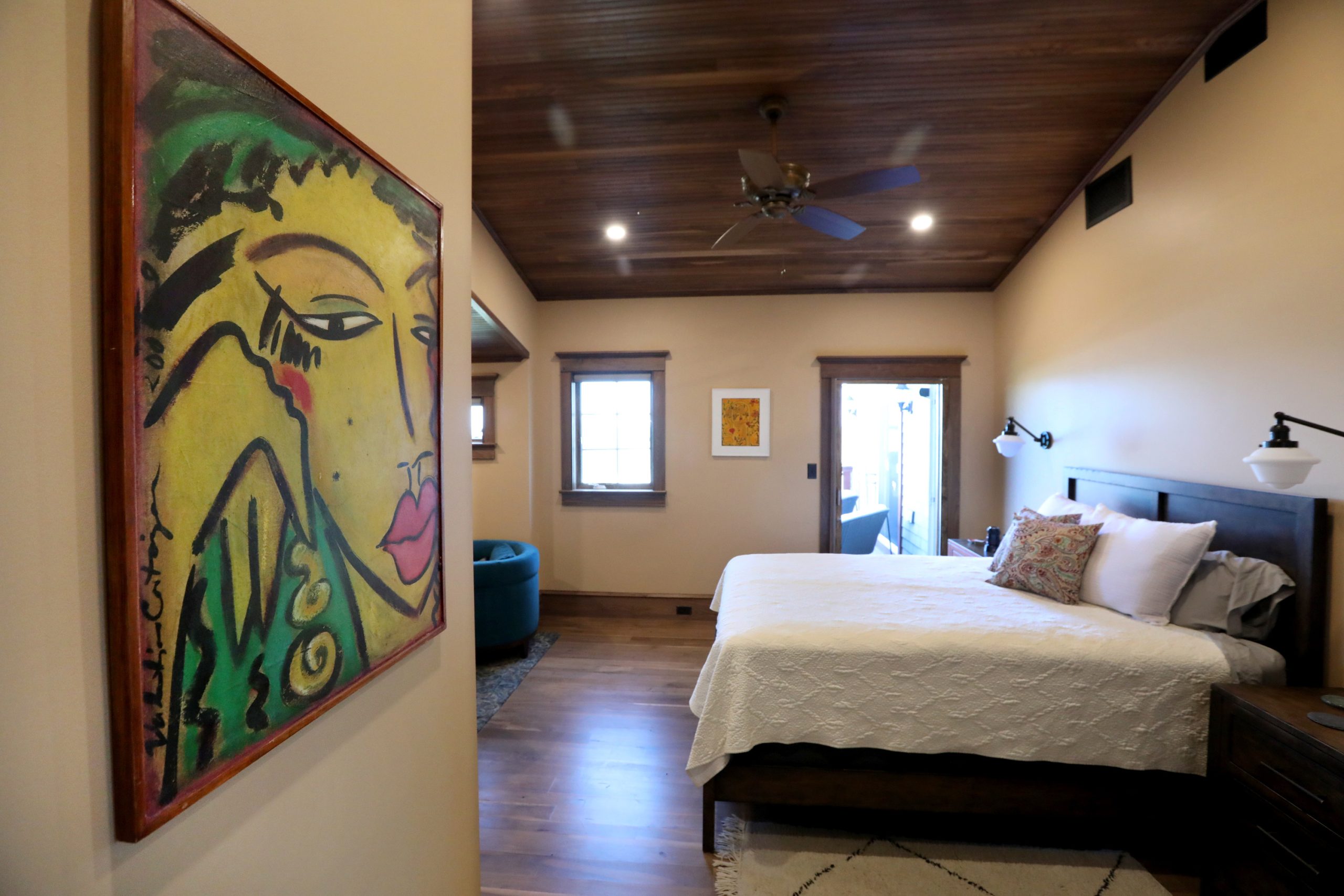
    The main bedroom of the Strathmere home.Vernon Ogrodnek / For The Inquirer

    “We have a big family and wanted a place that was welcoming,” Whittington said, “a gathering place.”

    So they razed and rebuilt the house they had bought a decade earlier. They had purchased the rundown two-bedroom ranch as a rental property, with a plan to replace it later.

    “We had an affinity for coming back to the beach and Strathmere worked for both of us,” said Whittington. “It felt like coming home.”
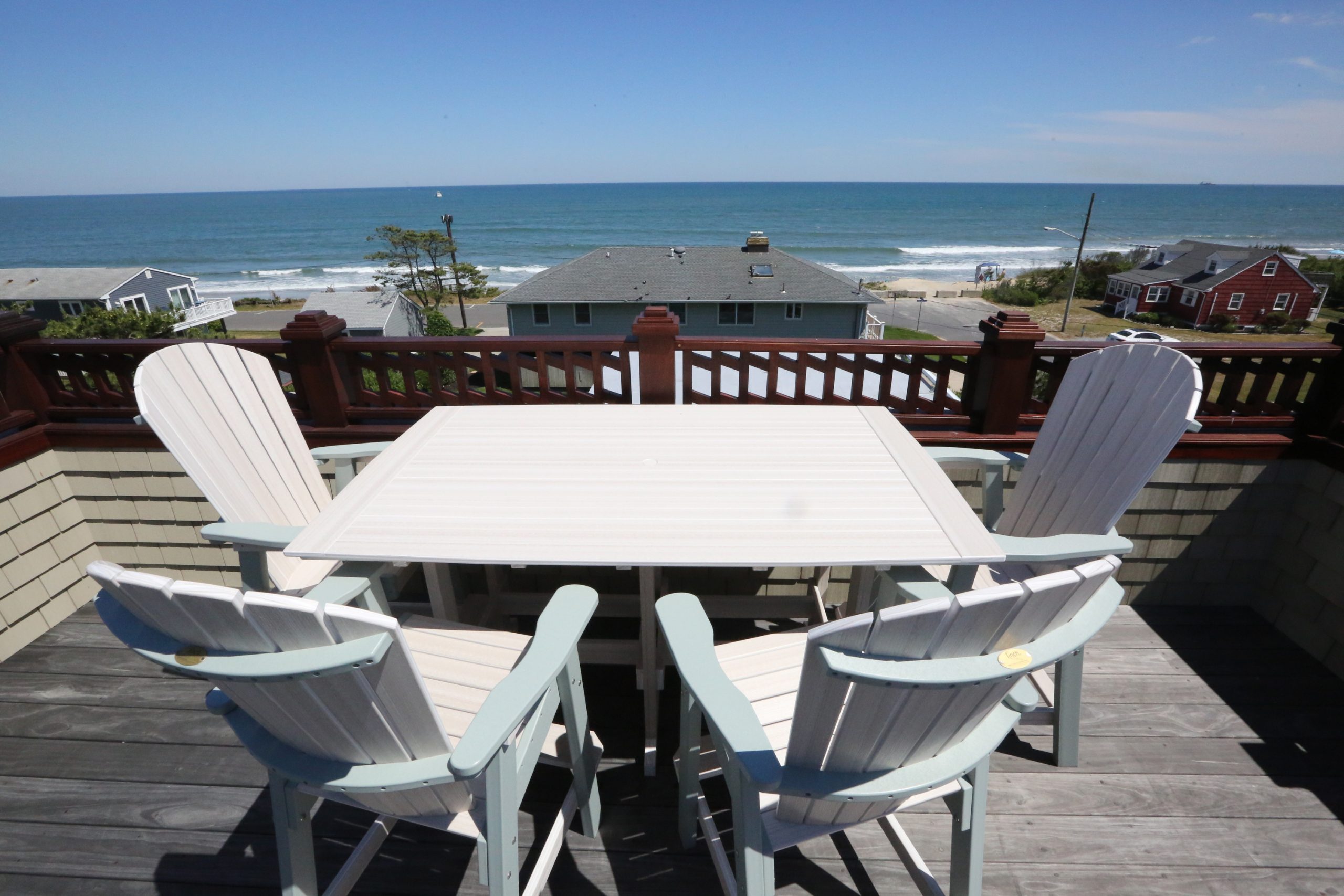
    The uppermost deck offers a view of the ocean.Vernon Ogrodnek / For The Inquirer

    But the house was too small for their large blended family. Together they have eight children, four of whom now have spouses.

    Working with Halliday Architects and Oliver Custom Home Builders, they spent about four years designing and almost two years building the new house. The roughly 4,000-square-foot home has two main floors. The second floor, where the couple spend most of their time, includes a spacious kitchen and den, primary bedroom and sitting area, Duffy’s office, and a secret wine cave.


    A custom-made bookcase has a hidden door that leads to a refrigerated wine storage area.Vernon Ogrodnek / For The Inquirer
    Whittington and Duffy enjoy collecting and tasting wine.Vernon Ogrodnek / For The Inquirer

    The first floor is where their kids hang out. It has three bedrooms, a second kitchen, and Whittington’s study.

    “The kids are welcome upstairs, but they aren’t encouraged to come up,” joked Duffy. “That’s our sanctuary.”

    Despite the boundary, “everybody always ends up in the kitchen anyway,” Whittington said. So “we wanted a kitchen big enough to allow for that.”

    Whittington and Duffy both enjoy cooking. Their main kitchen was designed with functionality in mind, and includes a large quartz island, Thermador appliances with a five-burner gas stove, double ovens, a pot filler, a copper sink, and lots of storage space.

    The second-floor main kitchen, one of two, is spacious, with ample seating and a large pantry area.Vernon Ogrodnek / For The Inquirer

    The open-concept layout allows guests to mingle in the sitting area, a cozy room with a fireplace, comfortable couches, and a stunning view of the ocean. Large walnut bookcases are filled with books, evidence of their passion for reading. Hidden behind one of the bookcases is the temperature-controlled wine grotto.

    The pair often eat at the bistro table in the corner. When the house is full of guests, they eat in the dining room at an oak table they bought from Land & Sea Furniture in Ocean View. Custom made by Amish woodworkers, it seats 14.

    The extensive use of wood throughout the home is one of its most striking features. Rich mahogany defines the exterior trim and extends to the ceiling of the couple’s primary bedroom. Inside, walnut takes center stage, featured in the flooring, trim, and distinctive banisters.
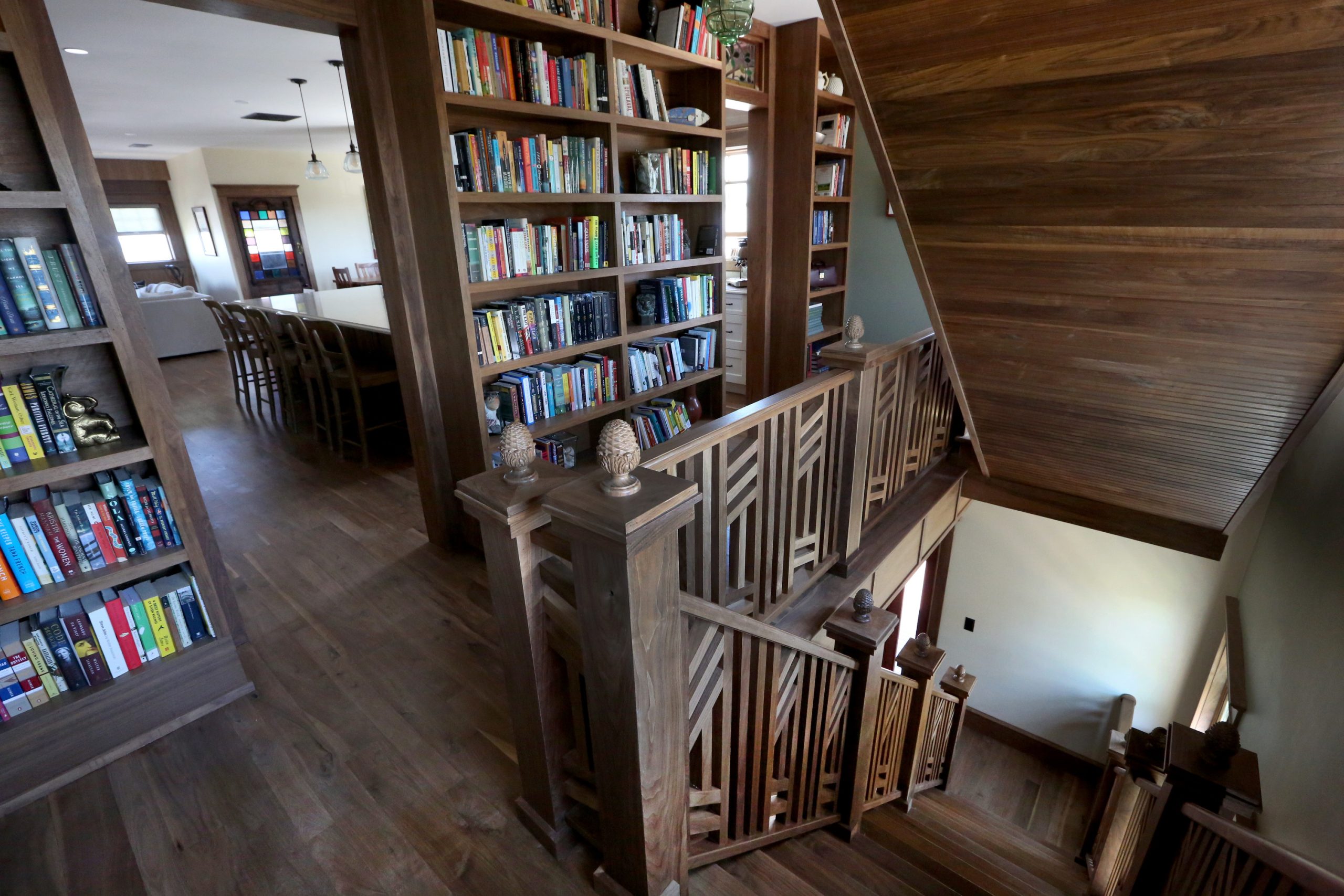
    Whittington and Duffy, passionate readers, built a library area with a custom bookcase and a custom walnut banister.Vernon Ogrodnek / For The Inquirer

    The home is filled with treasures from their travels, as well as finds from stores in Philadelphia, antique shops in Cape May, and Etsy. The door knocker, which dates back to the 18th century, was found on a trip to Barcelona and the fish-shaped outdoor shower handles came from Uruguay. They discovered several hammered steel pieces of art in Haiti.

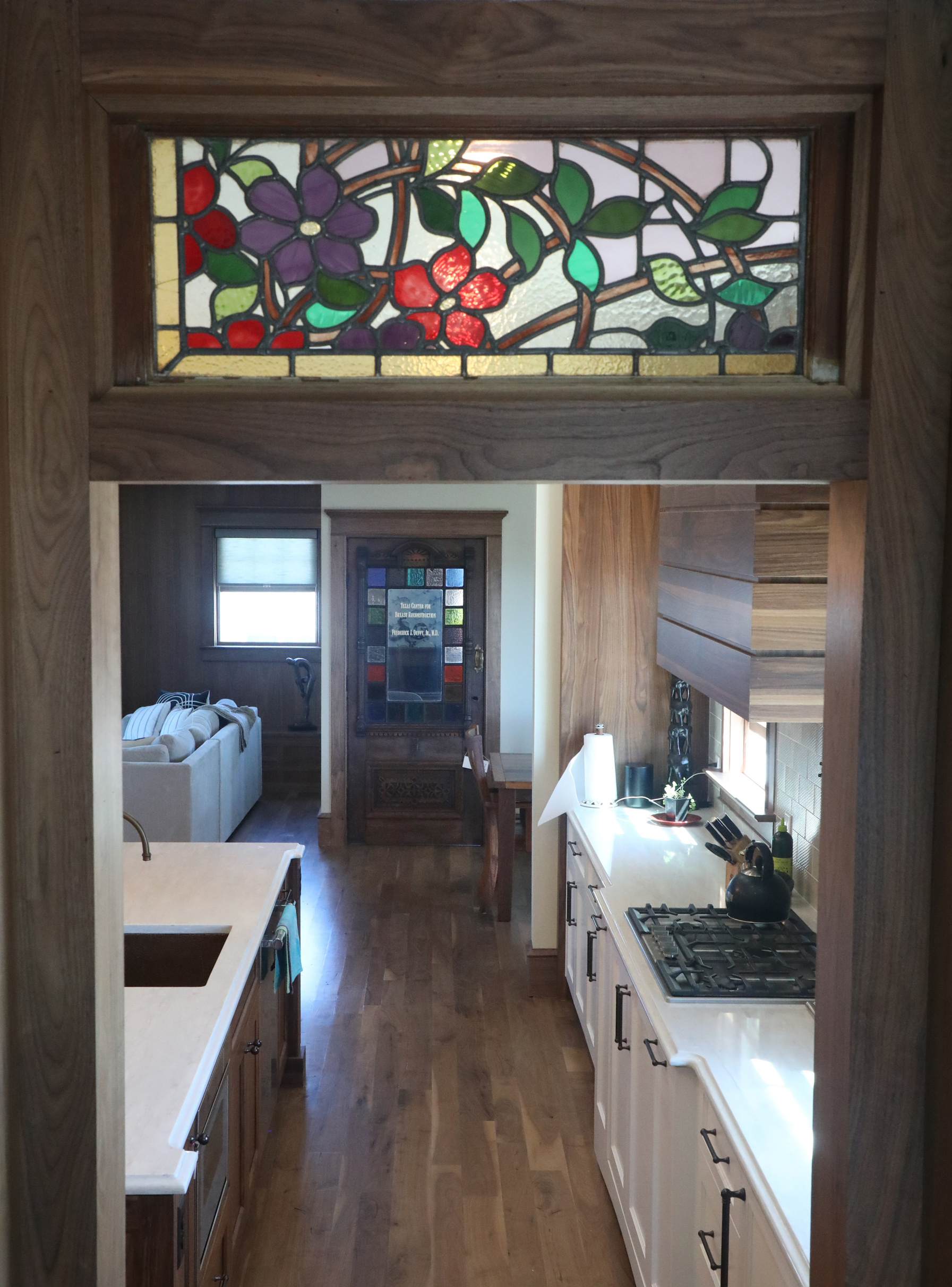
    At Architectural Antiques Exchange in Philadelphia, they found the Belgian cabinet they converted into the powder room vanity, the stained glass for the transoms in the kitchen, and the stained glass door for Whittington’s study.

    “Everything is personal and has a story,” said Duffy.

    The light fixtures are among their favorite accents. They aimed for period-appropriate pieces with a whimsical flair. For example, the dining room lights are original milk glass and the second-floor living room chandelier is brass. The two matching stairwell lights are vintage Venetian mouth-blown Murano caged-glass bubble lanterns.

    Whimsical wallpaper brings fun and funky beach designs into the home, featuring fish, octopus, crabs, and seagulls.


    Light fixtures believed to be over 100 years old hang in the library area.Vernon Ogrodnek / For The Inquirer
    The vibrant jellyfish pattern in this bathroom is one of several eye-catching wallpaper treatments in the house.Vernon Ogrodnek / For The Inquirer
    An antique door knocker greets visitors to the home.Vernon Ogrodnek / For The Inquirer
    A stained glass window above a doorway off the second-floor kitchen.Vernon Ogrodnek / For The Inquirer

    The home boasts several outdoor spaces, including a grassy backyard. From the large roof deck, Duffy and Whittington can take in both sunrises and sunsets, and the cozy front porch is where they read and relax. The primary bedroom and a guest bedroom also have walk-out decks.

    “We enjoy sitting on the deck, looking at the stars, listening to the ocean, and having a bottle of wine,” said Whittington. “That’s blissful.”

    Is your house a Haven? Nominate your home by email (and send some digital photographs) at properties@inquirer.com.

  • What we know about the ICE shooting in Maine

    What we know about the ICE shooting in Maine

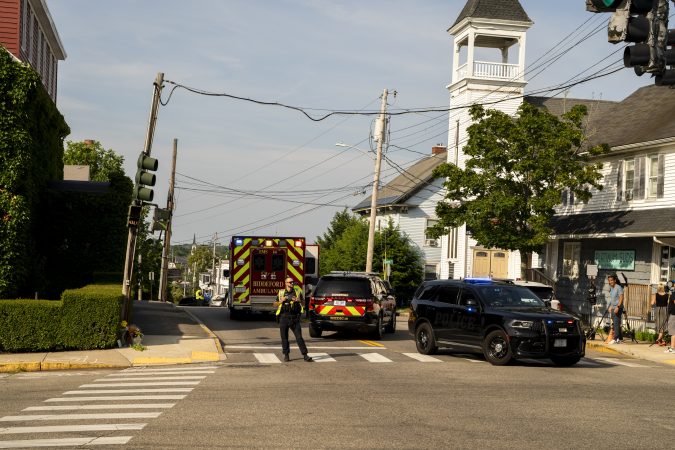
    An Immigration and Customs Enforcement agent shot and killed a man in a vehicle on Monday morning in Biddeford, Maine. It was the second fatal episode in a week, as the Trump administration continues its immigration crackdown, and the latest in a string of encounters between agents and people in cars.

    The man was identified as Joan Sebastian Guerrero, according to Matthew Felling, a spokesperson for Sen. Angus King, I-Maine.

    The Homeland Security Department said in a statement Monday that ICE agents had been monitoring what they believed to be the residence of someone who was in the country illegally and for whom they had a removal order.

    It was unclear from the department’s statement whether Guerrero was the person agents had been seeking.

    Video recorded early Monday and posted to social media showed agents surrounding a body next to a car with bullet holes in the windshield.

    “I heard agony,” said Mary Hayes, a local resident, who said she saw a screaming woman on her knees, next to a young girl. “I heard a howl that came from your soul, that your whole life had just changed and it was never going to be the same.”

    Here’s what we know:

    Witnesses heard gunfire early Monday morning

    On Monday morning, agents tried to stop a vehicle that had departed from the residence they were monitoring, DHS said in its statement, which came nearly 12 hours after the shooting.

    “The vehicle attempted to flee the scene and, fearing for public safety, an officer discharged his weapon,” the statement continued. The driver was struck and died from his injuries.

    In a separate communication received by some members of Congress, the department used more pointed language, saying the driver had “weaponized his vehicle toward law enforcement.”

    As of Monday evening, no video evidence confirming the government’s version of events had emerged.

    People who live nearby reported hearing gunfire at an intersection at around 7:15 a.m. Several reported seeing a body on the ground next to a car.

    Rep. Chellie Pingree, a Democrat who represents the area, said in a phone interview Monday that “we have gotten reports that ICE officers shot through a car window, and the individual in the car was killed.”

    Immigration officials have said little about the victim

    Though King’s office named Guerrero as the victim, the DHS statement did not.

    Three advocacy groups released information about the victim in the shooting but did not name Guerrero. In a joint statement, the Maine Immigrants’ Rights Coalition and Presente! Maine, identified him as a 26-year-old Colombian man. A third group said he had a partner and a young child. The source of the advocates’ information was unclear, and could not be immediately confirmed with authorities.

    The Colombian Embassy said in a statement Monday that it was assisting the family of a Colombian national who had died in Biddeford. The embassy said it was also requesting information from DHS “regarding the circumstances surrounding this lamentable death.”

    King said Monday that he had spoken with Markwayne Mullin, the homeland security secretary. King said that Mullin had told him that the man had been the target of an arrest warrant “based upon his immigration status.”

    But Felling said later that Mullin called the senator again and told him the driver had not been the target of any warrant. “He said they were looking for someone, essentially, and the person they shot was not the person they were looking for,” Felling said.

    Officials are demanding a full investigation

    Gov. Janet Mills, a Democrat, said in a statement that the State Police and other agencies were consulting with federal officials to “determine the facts of what occurred this morning.”

    Sen. Susan Collins, R-Maine, called for a “full and impartial investigation.”

    “We will get answers, but we do not have them yet,” said Biddeford Mayor Liam LaFountain, who also pushed for an investigation.

    This is the second death in a week involving an ICE agent firing into a vehicle

    Amid a national surge in immigration enforcement, a federal agent last week shot and killed another individual in a vehicle: Lorenzo Salgado Araujo, a Mexican man who died after a traffic stop in Houston.

    Salgado Araujo, a construction worker and father of three who had lived in the country for more than 30 years without legal status, was not the initial target of the officers who pursued his vehicle, according to immigration officials.

    The Houston and Maine killings add to a growing list of encounters between immigration agents and people in vehicles.

    About 20 people have been shot at in their cars, some of them fatally. Federal officials have in several cases claimed that the agents’ actions were justified because their lives had been endangered by “weaponized” vehicles. Witnesses of the Houston shooting said that Salgado Araujo had not used his vehicle as a weapon.

    As in the shooting of Salgado Araujo, it appeared that federal agents were not wearing body cameras Monday, King said. So “we have no video evidence of what occurred in this case,” he added.

    Immigration arrests are on the rise nationwide

    Daily arrests of immigrants in the United States doubled in the last week of June and have continued to increase, signaling a reinvigoration of the president’s crackdown after a spring slowdown.

    Immigrants make up about 5% of Maine’s population and have helped prop up the state’s economy, hampered by its aging population. Over the years, Maine has welcomed waves of refugees fleeing conflict in the Middle East and several African countries.

    In January, ICE detained hundreds of immigrants in the state during an enforcement surge the agency called “Operation Catch of the Day” — a reference to Maine’s commercial seafood industry.

    Now, locals say agents have returned, making frequent appearances in Biddeford in recent months. Biddeford, a working-class city of roughly 22,000, contains a growing community of Latin American immigrants.

    Talla Fall, who is originally from Senegal, lives near where the shooting took place Monday. ICE agents have been in the neighborhood “every day, every week,” he said.

    This article originally appeared in The New York Times.

  • Graham’s death complicates GOP agenda in Congress

    Graham’s death complicates GOP agenda in Congress

    WASHINGTON — Still shaken from the sudden death of Sen. Lindsey Graham of South Carolina, Senate Republicans returned to Washington on Monday and were immediately forced to confront the policy and political complications caused by his absence.

    Coupled with the extended leave of Sen. Mitch McConnell, R-Ky., who was hospitalized last month and has not said when he will return to the Senate, Graham’s death Saturday has created further difficulties for an election-year legislative agenda that already faced significant hurdles.

    The loss of Graham and the absence of McConnell have temporarily whittled down an already slim Republican majority and are threatening to stall spending bills, a major budget measure the party had hoped to use to push through hundreds of billions of dollars of military spending, and at least one crucial nomination.

    It also left uncertain the fate of a new package of sanctions against Russia that Graham had negotiated in the days leading up to his death, which now lacks its most influential Republican champion in the Senate.

    In the coming days, Senate Republicans had hoped to quickly confirm President Donald Trump’s pick as attorney general, Todd Blanche, whose confirmation hearings are set for Wednesday and Thursday. They are also eager to pass annual spending bills before a Sept. 30 deadline to fund the government. And with the midterms looming, many Republicans are hoping to find a way to push through sweeping policy initiatives in an arcane budget process known as reconciliation that allows them to skirt a Democratic filibuster.

    All of those are up in the air with the loss of Graham. He sat on the Appropriations and Judiciary committees, where Republicans could now find themselves short of a majority to approve legislation or nominations, and was the chair of the Budget Committee, which would drive the reconciliation process.

    Sen. John Thune, R-S.D., the majority leader, who was a longtime friend of Graham’s dating to their early years together in the House, had already been skeptical that he and his fellow Republicans could push through a politically charged, one-party budget bill so close to the November election.

    “Obviously there are a lot of considerations that we have to work through: how big it is, what the offsets are, what our limitations are,” Thune said. “To get that done and get the requisite number of votes in both the House and Senate will be a heavy lift.”

    Thune and other senators were visibly affected by the death, and Graham’s Senate desk was draped in black velvet and held a vase of white roses.

    With senior roles on the panels overseeing the Justice Department, spending and budget policy, Graham was seen as an important Republican voice in all three efforts. And as Republicans try to take advantage of their governing trifecta before the elections, Graham was viewed as a crucial link between the Senate and the White House.

    Many of Graham’s colleagues acknowledged that he would have been particularly valuable helping Senate Republicans navigate an increasingly tense relationship with Trump, who has grown frustrated by their refusal to bow wholeheartedly to his agenda.

    “His voice is going to be really, really missed in terms of the relationship that Senate Republicans have with the president and his team,” Thune said in a CNN interview Monday. “Because he was so good and so effective at talking to the president, and it was so respected by the president.”

    That connection would have been central to any attempt to push through a third reconciliation bill.

    Trump last week urged congressional Republicans to turn to the procedure — which allows bills that affect government revenues to pass the Senate on a simple-majority vote — to provide $350 billion to the Pentagon and to impose long-sought restrictions on elections.

    As chair of the Senate Budget Committee, Graham would have overseen that process, steering any measure through complex rules that govern what provisions can be included. Before his death, he signaled a willingness to try to meet Trump’s demand, even as many Republican senators, including Thune, have been skeptical that they could muster the necessary support to pass such a measure given disputes about how to pay for new spending with compensating cuts elsewhere.

    Though Thune has not yet named a successor, Sen. Ron Johnson, R-Wis., is widely viewed as the next in line to lead the budget panel. But Johnson is among the staunchest fiscal conservatives in Congress, and his approach to spending cuts may rankle vulnerable lawmakers who do not want to slash government programs.

    Asked about the path forward Monday, Johnson brushed off questions. “Look, I just walked by Lindsey’s desk,” he said. “It’s kind of one step at a time.”

    Thune’s most immediate challenge may come with Blanche’s nomination. While some Republicans have voiced concerns about Blanche’s role in establishing a Justice Department fund for people claiming to be victims of unfair prosecution, Graham, a senior member of the Senate Judiciary Committee, was seen as a reliable supporter who would have helped Blanche advance.

    But after Graham’s death, Republicans on the committee hold only an 11-10 edge on, meaning objections from any one Republican senator on the committee could stymie Blanche’s nomination. Two of them, Sens. Thom Tillis of North Carolina and John Cornyn of Texas, have raised questions about Blanche. Cornyn reiterated his concerns Monday after a federal judge in Miami assailed a settlement that Blanche brokered between Trump and the IRS that protected the president and his family from tax audits.

    “It certainly is another area that I plan to ask about, and I’m certainly not making any commitments until after the hearing,” Cornyn said.

    Advancing legislation to fund the government out of the Senate Appropriations Committee was already going to be difficult with McConnell’s absence, and the committee has already been at a partisan impasse.

    But Graham’s death could make it nearly impossible to move any spending bills without major bipartisan support. Republicans will now need all their senators on the panel to be present and voting to overcome unanimous Democratic opposition.

    Sen. John Kennedy, R-La., said the two primary actions Congress must take are to fund the government and keep it open after Sept. 30, probably through a stopgap bill, and provide money for the conflict in Iran. He predicted that progress would be difficult.

    “I’m not terribly optimistic about the next four weeks,” Kennedy said.

    This article originally appeared in The New York Times.

  • History suggests LGBTQ Republicans are making a mistake in Texas’ Senate race

    History suggests LGBTQ Republicans are making a mistake in Texas’ Senate race

    With more than three months until Election Day, the Republican campaign against Texas Democratic Senate candidate James Talarico has already made national news for its ugliness.

    The baseless accusations against him have included claims that he’s a vegan — a near blasphemy in the beef-loving state. But the centerpiece of the campaign has been repeated assertions that he is gay or trans.

    Not long after Talarico won the Democratic primary, White House Deputy Chief of Staff Stephen Miller posted on X, “The Democrats made history in Texas by nominating their first transgender senate candidate,” an attack he later repeated in an appearance on Fox News, in which he added that Talarico was “clearly transitioning into a female.”

    And Miller is far from alone. Talarico’s opponent, the scandal-plagued state Attorney General Ken Paxton, dubbed Talarico “six-gender Jimmy” and “Talafreako,” claiming he’s “too low-T for Texas.” Texas Gov. Greg Abbott even posted pictures of Talarico as a woman.

    Amid all of this mudslinging, one group has been noticeably silent: LGBTQ Republicans. Their failure to speak out against the assault on Talarico — which seems more an attempt to delegitimize his masculinity than to actually question his sexuality — signals a capitulation to Republican homophobia and anti-LGBTQ bigotry, not to mention a risky betrayal of their own history.

    Gay Republican organizing began in California in the 1970s as an attempt to offer an alternative to liberal gay organizations that often worked closely with the Democratic Party. The activists hoped to show that they were loyal Republicans and, in the process, stamp out the antigay “family values” politics that was beginning to take shape within the GOP.

    Two particular events in 1978 hastened this development. One was Ed Davis’ run for the Republican nomination for California governor. As Los Angeles police chief, Davis had directed the city’s law enforcement to harass gay and lesbian people. Running for political office, Davis often railed against “fruits” and “fairies.”

    That same year, a ballot initiative, Proposition 6, sought to make it illegal for any gay person to work in California’s public school system. Its sponsor, conservative Orange County state legislator John Briggs, regularly equated homosexuality with pedophilia and charged that gay teachers would molest schoolchildren.

    Gay Republicans sprang into action, taking great personal and professional risks to publicly organize and mobilize against these threats.

    They wanted to send a strong message to the GOP to reject the emerging religious right. In their view, religious conservatives who were trying to use the government to regulate and sometimes criminalize private matters, including sexuality and reproductive decisions, were anathema to the Republican Party’s tradition of individual rights and personal freedom. But they knew if an antigay ballot initiative won in a large state like California, it would make it even harder to stop the GOP’s national slide from social moderation to conservatism.

    Both Davis and Proposition 6 lost, signaling that gay Republican activism could work.

    The activists recruited other gay and lesbian people to register as Republicans to vote against outspoken homophobes in the party’s primaries and support its moderate candidates. And they insisted to party officials and Republican politicians, including Ronald Reagan, that allowing homophobic language and endorsing antigay legislation would alienate thousands of moderate and independent voters.

    Gay Republicans were thrilled when Reagan declared during his 1980 presidential campaign that although he did not support “homosexual rights,” he also believed there was no “place in our society for intolerance and discrimination.” Despite the seeming contradictions in this position, gay Republicans thought it gave them the leverage to nudge the party in a more progressive direction.

    With that goal in mind, gay Republican groups formed across the country in the 1980s, culminating in the creation of the Log Cabin Republicans, the nation’s oldest and largest LGBT Republican organization. The national organization and its state and local chapters worked against antigay efforts around the country as they sought to root out homophobia and antigay bigotry within the party.

    These groups continued to argue that abandoning bigotry could provide electoral benefits. “Republicanism is a philosophy that is closer to the hearts of gay people than is the extreme liberalism of the Democrat Party,” one pamphlet asserted. But for many gay voters, the GOP was off-limits because “of the extreme hate expressed toward gay people by certain elected GOP persons.”

    Made By History sponsors.Inquirer Staff

    When socially moderate and gay-friendly Republicans won races, especially in Democratic strongholds, gay Republican activists touted the victories as proof that they were right. After Rudy Giuliani narrowly won the 1993 New York City mayoral race, for example, they pointed out that he did so with nearly a third of the city’s gay vote.

    These victories emboldened gay Republicans, who continued to target antigay Republican politicians and encourage the GOP to prioritize economic and national security issues over culture war resentments. For decades, the Log Cabin Republicans saw themselves as existing to hold the Republicans’ feet to the fire until they eliminated — or, at least, effectively marginalized — the party’s homophobic voices.

    Leading gay Republicans, like Log Cabin president Rich Tafel, regularly squared off against religious right figures on television, shaming their homophobic views as un-American and a disaster electorally. “The gay-bashing party of Falwell and Pat Robertson will never be the majority party in this country,” Tafel contended.

    Gay Republicans scored a major victory when George W. Bush committed that the 2000 Republican National Convention would include no antigay talk in the proceedings — a significant result given that just eight years earlier, commentator Patrick Buchanan had delivered a blistering keynote address while some delegates waved signs that read “Thank God for AIDS” and “Family Rights Forever / Gay Rights Never.”

    The Bush administration still went on to work diligently against the legalization of same-sex marriage. Even so, gay Republicans saw changing the tone within the GOP as a crucial first step toward conservative Americans eventually supporting basic rights like same-sex marriage. And as Republican voters, especially critical suburban moderates, became more accepting of homosexuality and gay rights, gay Republicans pressured the party to avoid homophobic messaging and antigay language, if not to abandon antigay politics altogether.

    And when the GOP refused to listen, gay Republicans fought back. During the 2004 presidential campaign, Log Cabin Republicans refused to endorse Bush because of his support for a constitutional amendment to ban same-sex marriages and his tolerance of antigay language in the party platform. Gay Republicans felt they had to make their opposition clear. “If you remain silent while people are kicking you in the stomach,” Log Cabin’s executive director explained, “you become completely irrelevant.”

    But this sort of opposition has come to a screeching halt in the Donald Trump era. Ironically, LGBTQ Republicans have a particularly close relationship with the president and unusual access to this White House. Additionally, gay men occupy numerous high-profile positions within the Trump administration, including Treasury Secretary Scott Bessent. Yet, these gains have scrambled how gay Republicans navigate their peculiar place within the party.

    On the one hand, they continue to speak out against some homophobia from elected Republicans, such as Rep. Andy Ogles’ (R., Tenn.) posting on X at the start of Pride Month that “Homosexuality has no place in America.” Yet, their decision to remain silent about the attacks on Talarico may speak even louder.

    It’s unclear whether they see the campaign against Talarico as an unserious attempt at humor or worry that scolding the party would be an embrace of the “political correctness” Trump has made anathema in the GOP.

    Yet, whatever their reasons, their silence signals a troubling return to the Republicanism of the past that used outright homophobia for political gain — and a forewarning of things to come. Even worse, it’s coming at a moment when Americans are exhibiting declining support for LGBTQ issues, and Republicans’ backing of same-sex marriage has plummeted, down 18% from just four years ago.

    Undoubtedly, gay Republicans have always made compromises and chosen their battles carefully in order to exert influence within the GOP. Yet, none of this included turning a blind eye to Republican homophobia; instead, they directly confronted it — even when it came from lukewarm allies like Bush.

    Gay Republicans may believe that by overlooking the attacks on Talarico, they can show themselves to be good sports who are not easily offended, true conservatives who know the difference between campaign hijinks and serious political threats, unlike LGBTQ liberals. Yet, they may soon discover that the slurs against Talarico were not an isolated swipe at a political opponent — and, worse, that their silence has facilitated the return of the GOP’s assault on LGBTQ rights.

    Neil J. Young is the author of “Coming Out Republican: A History of the Gay Right.” He lives in Los Angeles.

    Made By History takes readers beyond the headlines with articles written and edited by professional historians. Opinions expressed do not necessarily reflect the views of The Inquirer.

  • New York to impose the country’s first statewide moratorium on data centers

    New York to impose the country’s first statewide moratorium on data centers

    NEW YORK — No large data centers can be built in New York for up to a year as the state creates rules to protect the environment and its energy grid from the power-hungry facilities fueling artificial intelligence.

    Gov. Kathy Hochul signed an executive order Tuesday imposing the country’s first statewide moratorium on hyperscale data centers, which house thousands of computer servers and require massive amounts of energy and a steady supply of water to keep cool.

    The move pushes the state into a raging debate over how to regulate the AI industry, as concerns over rising electric bills and environmental risks collide with a desire to stimulate local economies and foster the U.S. tech sector.

    “The bottom line is that progress shouldn’t arrive with a higher utility bill, deleted water supply, or noise pollution, so we have no choice but to address these challenges created by these massive facilities,” Hochul said at a celebratory signing ceremony in Brooklyn.

    President Donald Trump has warned states not to slap regulations on the AI industry, echoing tech companies in arguing such moves hamper job growth and cede ground to China in a race to lead in the rapidly growing field.

    Earlier this year, Maine seemed poised to establish a similar moratorium. But the measure was vetoed by Democratic Gov. Janet Mills because it would have blocked a proposed data center in a town that has struggled after a mill closed.

    Moratoriums have been proposed in at least a dozen states but have not gotten far, though some counties and municipalities have imposed their own temporary bans.

    New York’s executive order pauses state permitting for new large data centers and directs state regulators to create standards that address environmental impacts, energy demand, water usage, and other factors, the governor’s office said.

    The decision in New York also carries political significance for Hochul’s reelection campaign and the state’s tight congressional races this fall, as Democrats move to address affordability concerns over high utility bills. In addition, the governor this year softened New York’s ambitious goals to reduce greenhouse gases, citing rising energy costs for consumers.

    Hochul’s Republican opponent in the governor’s race, Nassau County Executive Bruce Blakeman, opposes a statewide moratorium and says local governments should be allowed to strike deals with tech companies for data center projects that promise enough economic benefits.

    In a statement Tuesday, Blakeman said the governor “doesn’t work with local governments and business leaders to figure out how to get things done,” while pledging to “modernize our economy to bring costs down and create good jobs.”

    The state Legislature this year approved its own moratorium bill, but Hochul’s office described the legislation as complex and said it needed additional work. Instead, the governor opted for an executive order that would take effect immediately.

    State Sen. Kristen Gonzalez, a Democrat who sponsored the legislation, joined the governor during the signing ceremony. “If Big Tech is coming onto our turf, it should be on our terms,” she said.

    New York, at this stage, has not been a destination for the largest hyperscale data centers.

  • Day vs. night in Collingswood | Inquirer South Jersey

    Day vs. night in Collingswood | Inquirer South Jersey

    Good morning, South Jersey. Be safe out there: The heat wave returns this week.

    Business owners in Collingswood want their section of Haddon Avenue to be as busy at night as it is during the daytime.

    And a Camden high-rise that was known for subpar conditions underwent a major overhaul via $130 million worth of renovations.

    Plus, Red Bank Battlefield is closed until further notice because of Saturday’s storm damage, and more news of the day.

    — Taylor Allen (southjersey@inquirer.com)

    If someone forwarded you this email, sign up for free here.

    P.S. Thank you for choosing this newsletter to provide you with your daily dose of South Jersey news. We want your input on how we’re doing! Tell us by taking our survey.

    Wishing for an evening boost

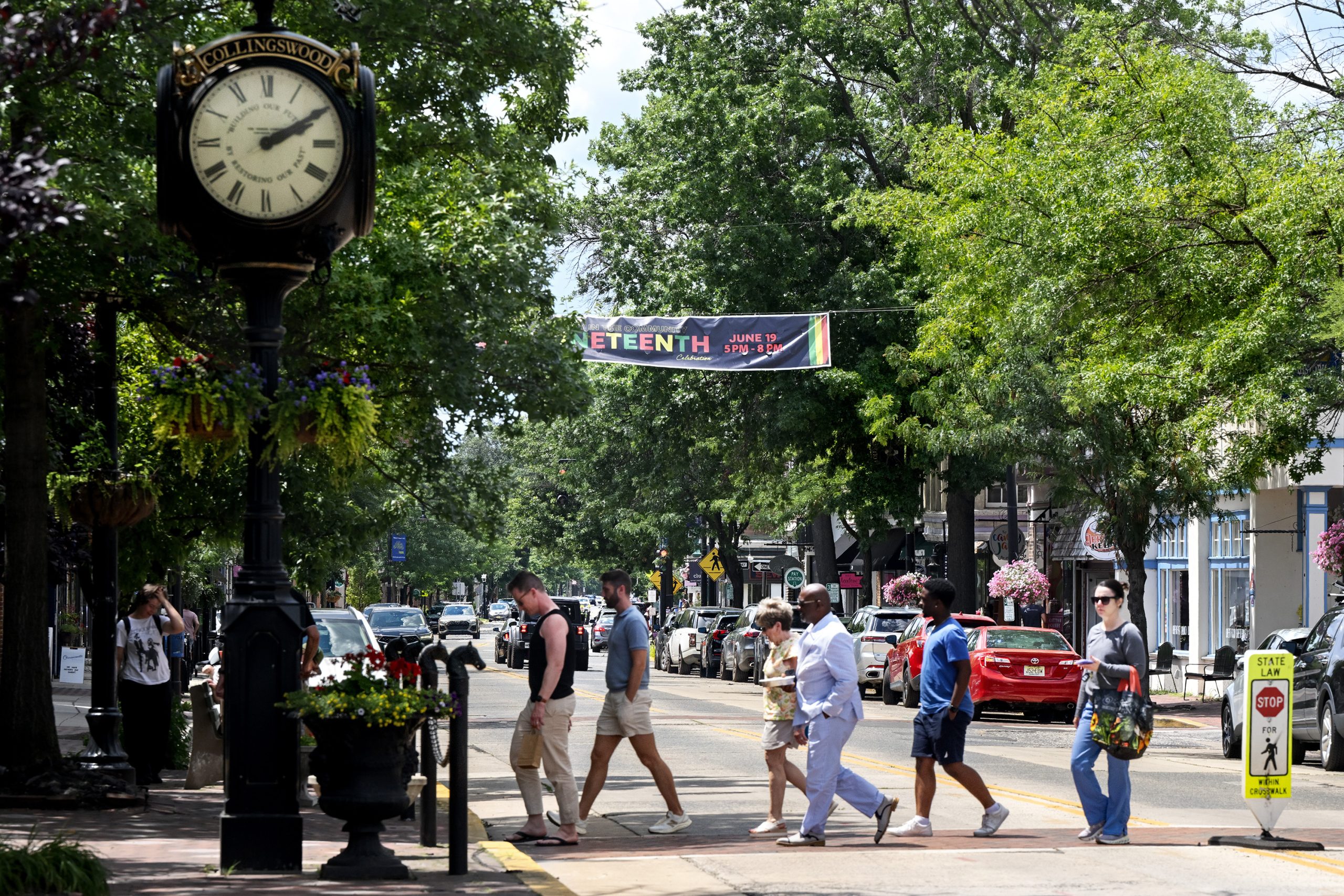
    Collingswood has garnered a reputation for its vibrant downtown, which is clear to see in its daytime foot traffic.

    But according to the town’s business owners, it’s a different story during the weekday evenings. And they seem to agree that’s because of Collingwood’s dry status.

    While they deal with slower nights, a few eye nearby Haddonfield, which is also a dry town but allows businesses to operate under state-issued manufacturing licenses beyond just beer. It’s the reason why it now has a brewery, a wine tasting room, and a distillery.

    Read more to learn how businesses navigate the drastic differences between night and day in Collingswood.

    A $130 million overhaul

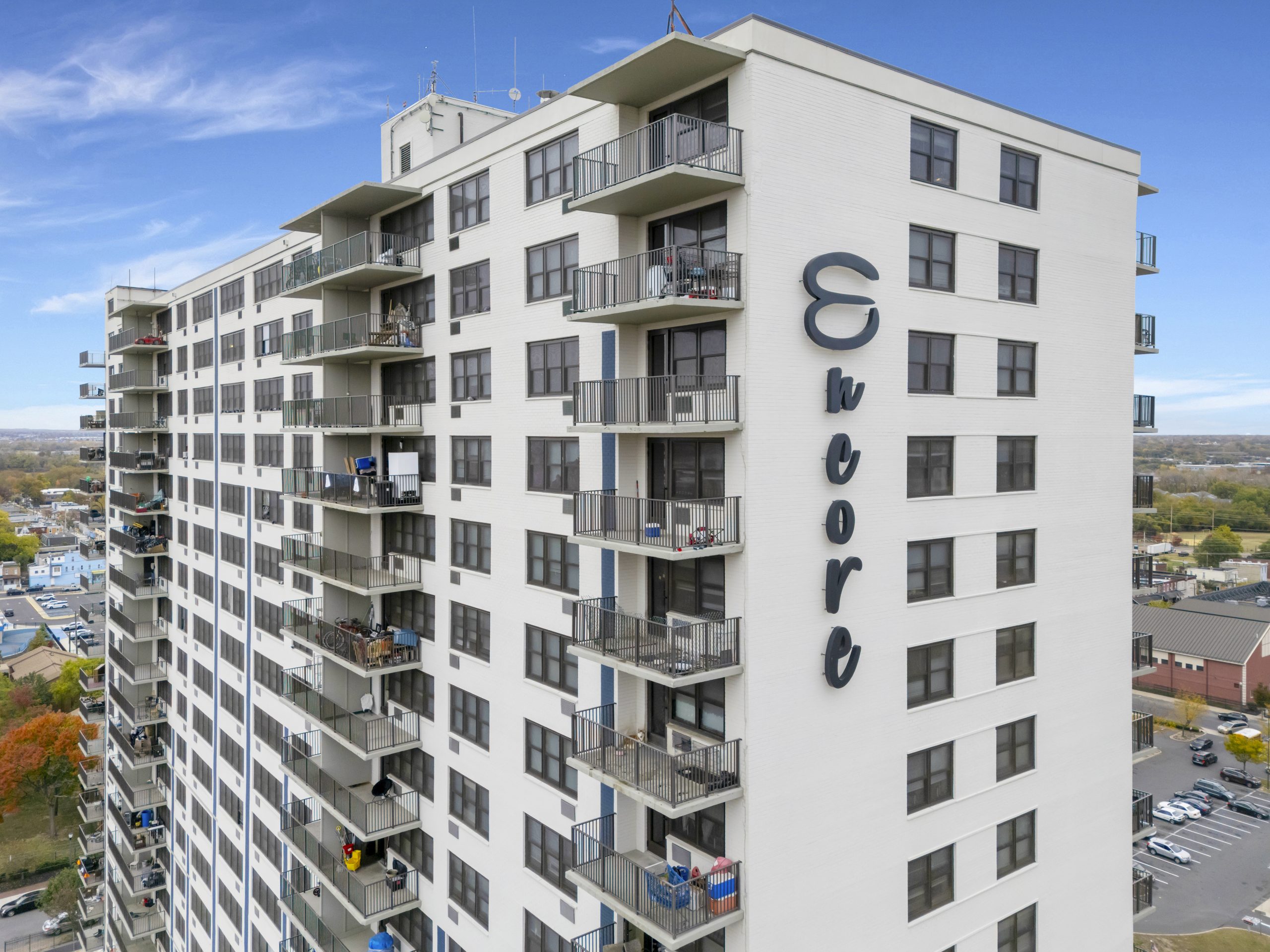
    An influx of $130 million transformed a Camden high-rise previously known for its poor living conditions.

    The affordable housing tower once known as Northgate 1 is now The Encore.

    Extensive renovations allowed all of the units to get new kitchens, bathrooms, HVAC, and more. It also beefed up security measures like cameras, access control, and fencing.

    The building is restricted to households that make no more than 60% of the median income.

    Reporter Lacey Latch has more details on the massive upgrades.

    What to know today

    • Cleanup from Saturday’s series of microburst storms was still ongoing on Monday. The storms caused flooding on several roads in West Deptford, Woodbury, and Woodbury Heights. Red Bank Battlefield is closed until further notice because of significant damage, according to officials from National Park.
    • Gov. Mikie Sherrill launched SimpleFile, a new and free website for families to apply for the state’s Child Tax Credit.
    • Two Camden students became champions of the Philadelphia MLB Players STEM League regional tournament. Their prize included tickets to a Phillies game and a behind-the-scenes look at the All-Star Game and Home Run Derby.
    • Throughout the week, there will be several roadwork projects in Camden County. Most will occur in Camden and Gloucester Township.
    • Drive-thru-only coffeehouse chain 7 Brew Coffee is one step closer to opening in Lawnside. 42 Freeway reports that last week, crews demolished the former gas station on the White Horse Pike property that will soon become the new store.
    • Gather To Graze, the business known for its charcuterie boxes and boards, will move from Mullica Hill to downtown Swedesboro, according to 42 Freeway.

    🗣️ Quote of the week

    The recent high school graduate from Eastern Regional High School in Voorhees only started running track as a freshman. She’s now one of the most accomplished runners in state history.

    🧠 Trivia time

    Where is the Campbell’s Co. based?

    A) Pitman

    B) Camden

    C) Medford

    D) Voorhees

    Think you know? Check your answer.

    What we’re …

    🌮 Craving: Tacos from La Ingrata in Camden.

    🦖 Touring: The Edelman Fossil Park & Museum of Rowan University.

    🏀 Checking: The Bron-O-Meter, our unscientific tracker on the likelihood of LeBron James coming to the Sixers.

    And that should you get started for the day. I’ll catch you tomorrow. 👋🏽

    By submitting your written, visual, and/or audio contributions, you agree to The Inquirer’s Terms of Use, including the grant of rights in Section 10.

  • Who’s rebuilding Jenkintown’s only playground? Maybe you are.

    Who’s rebuilding Jenkintown’s only playground? Maybe you are.

    Jenkintown residents are building a playground this month.

    Or at least, part of a playground.

    “They’re not professional contractors,” said Darrell Campana of Eustace Engineering, which is handling land work, like regrading and water drainage. The playground company Kompan is installing the play equipment.

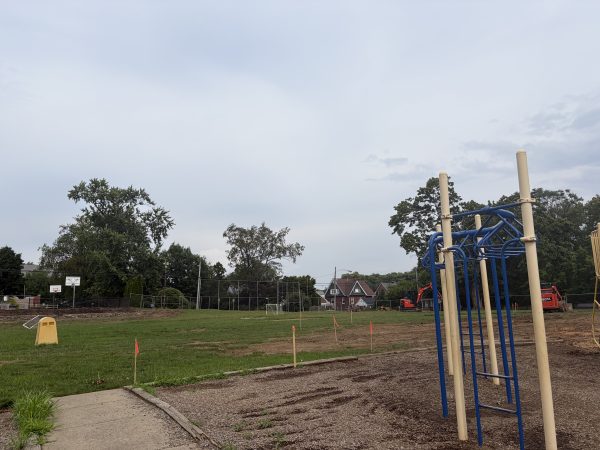
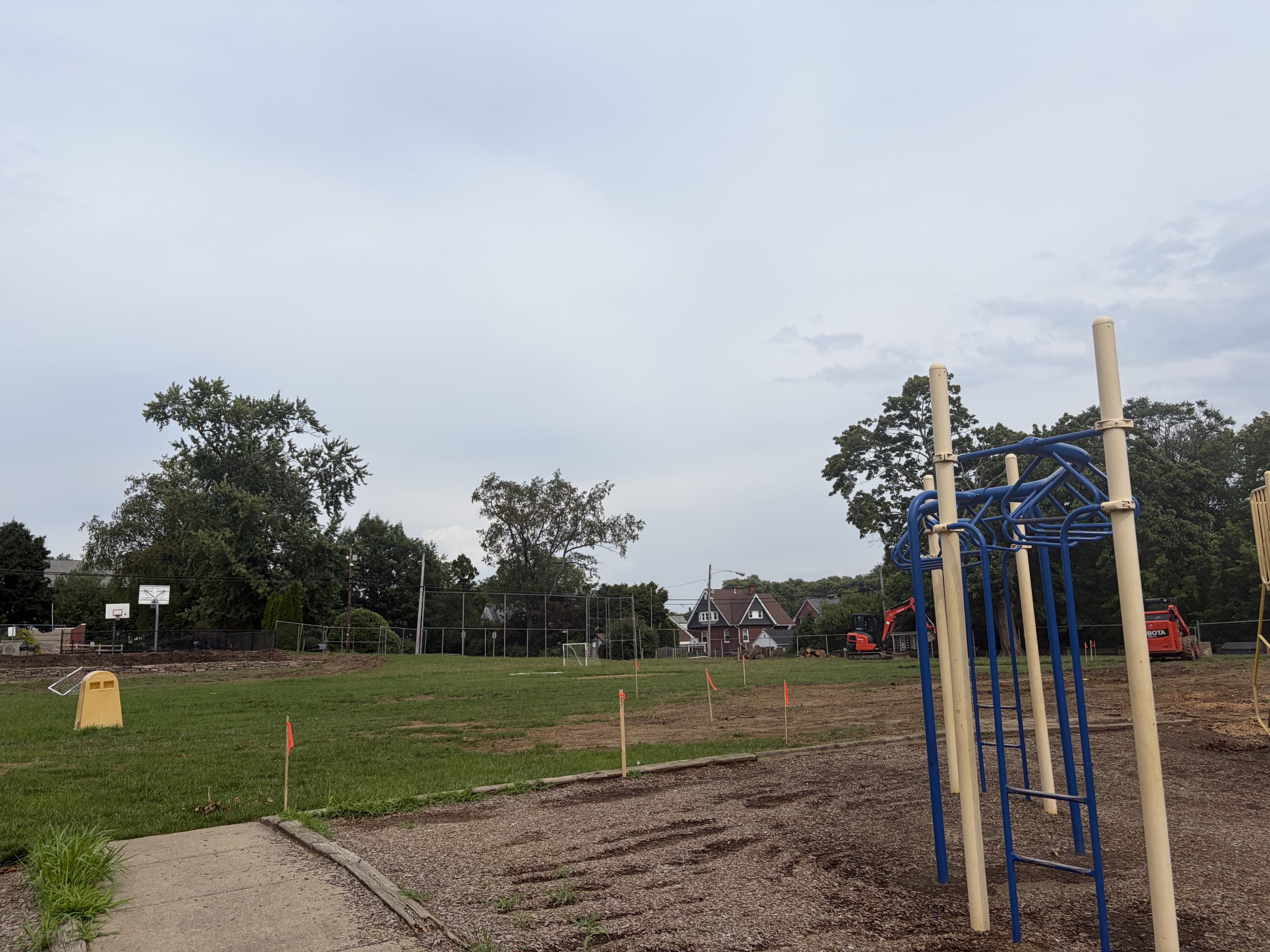
    But local volunteers do plan to construct parts of the replacement for Jenkintown’s only playground on the last weekend in July after Eustace demolished the beloved Jenkintown Castle there in April.

    The finished playground, dubbed Legacy Park, will include slides, swings, a toddler section, and an imaginative play area with a stage donated by Jenkintown Music Theatre, said Kelly Hudson, who spearheaded the roughly $1.3 million project as a volunteer on the newly formed playground board.

    Residents have led planning and fundraising for the project as Jenkintown tries to balance its proud DIY ethos with the present-day constraints of construction, insurance, and liability.

    Beloved Jenkintown Castle demolished

    Playground renovation plans began after a 2024 inspection revealed several parts of the play area, which is next to Jenkintown Elementary, were unsafe.

    The castle play area was built in 2002 and lovingly maintained by residents — which may be why the structure, expected to last about 12 years, lasted more than two decades said Nina Russakoff, a Jenkintown school board member who’s helping to coordinate the new project.

    In a 2024 update on the damaged castle ahead of the renovation, school officials had to remind residents to stop fixing it themselves: “We know your intentions are good, but we need to … [follow] the recommendations of the engineer.”

    Residents held a farewell picnic and fundraiser at the castle in March before it was destroyed.

    The school’s nonprofit arm, the Jenkintown Education Foundation, and other community groups have raised about $1.5 million for the project known as Legacy Park, Hudson said. If the playground doesn’t go over budget, the remaining funds will be used to make further improvements to the park.

    There are many older, community-built parks like Jenkintown’s in the Philadelphia area, said Scott Lean of Kompan, the company providing the play equipment, but that model has become less viable in recent years.

    “The liability standpoint from doing a community build just seems a little risky in this day and age,” he said.

    Residents help rebuild Jenkintown playground

    Residents can still shape the playground’s future, though.

    Project leaders are recruiting volunteers for the community build weekend from July 30 to Aug. 2. The residents will be supervised by experienced crew leaders, with a meal and free childcare for people who volunteer a shift.

    Residents will be working on drumming stations, a sign language fence, and log seating carved from trees felled on the school grounds.

    An illustration of the DIY projects that Jenkintown residents will work on during the volunteer weekend planned this month for the town’s new parkLegacy Park Community Board

    In the meantime, land work will continue this month, although several retaining walls are already in place, Campana said.

    Volunteers may be playing a smaller role in playground construction this time around, but it was local residents who fundraised most of the park’s budget.

    Large donations came from fastener factory SPS Technologies and other local businesses, a state grant, and several families, with more than 1,600 individual donations.

    What will Jenkintown’s new playground look like?

    Volunteers also led the design of the new playground with guidance from students, teachers, and parents.

    The layout will be different from the old playground: All play areas will be visible to teachers calling children back from recess, Hudson said, and the equipment will be situated so that kids can play without distracting students inside during school hours.

    “Most screaming will move to the new location,” Russakoff said.

    Residents wanted to ensure the new play equipment is both accessible and durable, Hudson said: “Everything the kids touch in Jenkintown is 10 times over because it’s the only playground. It gets used heavily.”

    Slides, swings, mountaineering ropes, and a toddler area are set to be finished around the start of school, Lean said. The theater area will open later this fall.

    Legacy Park will be open to the public outside school hours, and the toddler area will stay open during school when students aren’t at recess.

    Jenkintown School District “has an outsized impact on the community around it,” the borough’s state representative, Napoleon Nelson, said in a statement on the project. “Its grounds are open to all, Jenkintown residents and non-residents alike.”

    Hudson said Jenkintonians want the playground “to be a community project that benefits the most people.”

    “We’re very prideful about our small little town.”

    This suburban content is produced with support from the Leslie Miller and Richard Worley Foundation and The Lenfest Institute for Journalism. Editorial content is created independently of the project donors. Gifts to support The Inquirer’s high-impact journalism can be made at inquirer.com/donate. A list of Lenfest Institute donors can be found at lenfestinstitute.org/supporters.

  • Jenkintonians rebuild local playground | Inquirer Greater Abington

    Hello, Greater Abington!

    Welcome to the inaugural edition of Inquirer Greater Abington, your go-to weekly roundup of the top stories affecting your community, from updates on your local government leaders and schools to restaurant openings and events. We hope to make your day a little easier with helpful and accurate news you can really use.

    👋 I’m Laura, your trusty newsletter writer. I’ve called Greater Philadelphia home for about 12 years, and am endlessly charmed by the distinct identities of every borough, township, suburb, and city neighborhood. I hope this space will become your reliable news hub for everything Abington, Jenkintown, Cheltenham, and Elkins Park.

    I’m hopeful I’ll hear feedback from you as this newsletter grows. Seriously, I want to know what you like most about this digest, what’s not working for you, and any suggestions for improvement or story tips. Just be nice — you’ve got real humans working on the other end of this thing.

    Now, let’s get into the news.

    Jenkintown residents are leading the charge on planning and fundraising for the borough’s new $1.3 million playground project. Also this week, e-bikes and e-scooters face a potential ban in parts of Abington, eligible homeowners can apply for emergency home repairs assistance, and arrests were made in two nearly identical cases affecting both the Abington and Cheltenham school districts after adult men allegedly had illegal sexual contact with students who are minors.

    — Laura Smythe (greaterabington@inquirer.com)

    P.S. Tell us what you think of the newsletter by taking our survey or emailing us at greaterabington@inquirer.com.

    If someone forwarded you this email, sign up for free here.

    Who’s rebuilding Jenkintown’s only playground? Maybe you are.

    Jenkintown’s community-oriented, DIY spirit is on full display as residents gear up to build the borough’s new playground at the end of the month, following the beloved Jenkintown Castle demolition in April. Dubbed Legacy Park, the forthcoming $1.3 million project will include slides, swings, a toddler section, and an imaginative play area with a stage donated by Jenkintown Music Theatre.

    Local volunteers have spearheaded planning and fundraising for the playground, while contractors will handle tasks such as land work, water drainage, and installing equipment to ensure safety and longevity.

    The hands-on effort reflects Jenkintonians’ desire for the playground “to be a community project that benefits the most people,” said Kelly Hudson, a volunteer who helms the newly formed playground board. “We’re very prideful about our small little town.”

    The Inquirer’s Jess Rohan, who covers all things Greater Abington, has the details on the project, including how you can volunteer to be part of it.

    💡 Community news

    • Abington is moving toward banning e-bikes and e-scooters at public parks and trails following crashes across the region, but some local cyclists argue the current proposed ban is too broad.
    • Phillip Prince, a 40-year-old Glenside man, has been charged with attempted murder after Montgomery County prosecutors said he intentionally drove his car into a cyclist, The Inquirer’s Vinny Vella reports.
    • Neighbors can sue Gov. Josh Shapiro and his wife, Lori, as regular Montgomery County homeowners, but not in his official capacity, a federal judge ruled — something they’re pursuing after claiming the Shapiros used yard space that doesn’t belong to them to build an eight-foot security fence.
    • Commuters using the Jenkintown-Wyncote station will soon see a development underway that will include 86 apartments. Plus, 40 new apartments are headed to the former Helweg funeral home site in Jenkintown.
    • Some Abington residents are eligible to apply for a piece of the $200,000 Pennsylvania recently awarded to the township’s emergency home repairs program.
    • Area residents are taking to social media to share fond memories of Weinrich’s Bakery patriarch Edward Weinrich, who ran the Willow Grove family institution for decades. Weinrich died last month at 92.
    • Cheltenham’s board of commissioners has selected Jonathan Altshul, current town manager of Newington, Connecticut, as the township’s new incoming manager, per Glenside Local. He’ll be formally appointed at the board’s legislative meeting on Wednesday at 7:30 p.m. at Curtis Hall in Wyncote, as well as on Zoom.
    • Jenkintown’s Capricorn Books has moved to a new location, Glenside Local reports.

    🏫 Schools briefing

    • Abington’s new forthcoming middle school, part of a $285 million project, could feature more parking, a class “pod” setup, and layouts for easier monitoring of classrooms and bathrooms.
    • A 21-year-old Philadelphia man, Jamaal Raheem, has been charged with unlawful sexual contact with a minor and related crimes after allegedly posing as a teenager to persuade an underage student to enter Cheltenham High School after hours.
    • Abington School District has launched an internal investigation to review security protocols after a nearly identical case, in which police charged Raeem Grange-Allen, 25, with attempted rape by force and attempted statutory sexual assault of a 14-year-old student who let him inside Abington Senior High School, according to a police affidavit.

    🍽️ On our plate

    • Four Jenkintown bars participated in a Nicolas Cage-themed bar crawl last month, shaking up themed cocktails inspired by the actor and hosting “Cage match” challenges based on his films. Inquirer columnist Stephanie Farr details her experience at the crawl, likening it to many of Cage’s movies: “not a blockbuster, but still quirky and fun.”

    🎳 Things to do

    🎨 Blacklight Ben Franklin Bridge 100th Anniversary: Get smocked up and bring your artistic vision of the century-old bridge to life during this guided, BYOB painting session. ⏰ Friday, July 17, 7-9 p.m. 💵 $45 📍 Painting With a Twist, Jenkintown

    🧵 Flag-Making Workshop: Get hands on with a variety of fabrics and materials to create a one-of-a-kind flag that tells your story. ⏰ Saturday, July 18, 10 a.m.-noon 💵 Free 📍 Abington Art Center

    🥁 Free Summer Concert Series: Soak in the summer night while jamming out to the tunes of Irish band Shades of Green. ⏰ Saturday, July 18, 6 p.m. 💵 Free 📍 High School Park, Elkins Park

    🏡 On the market

    A 20th-century Tudor with elegant details

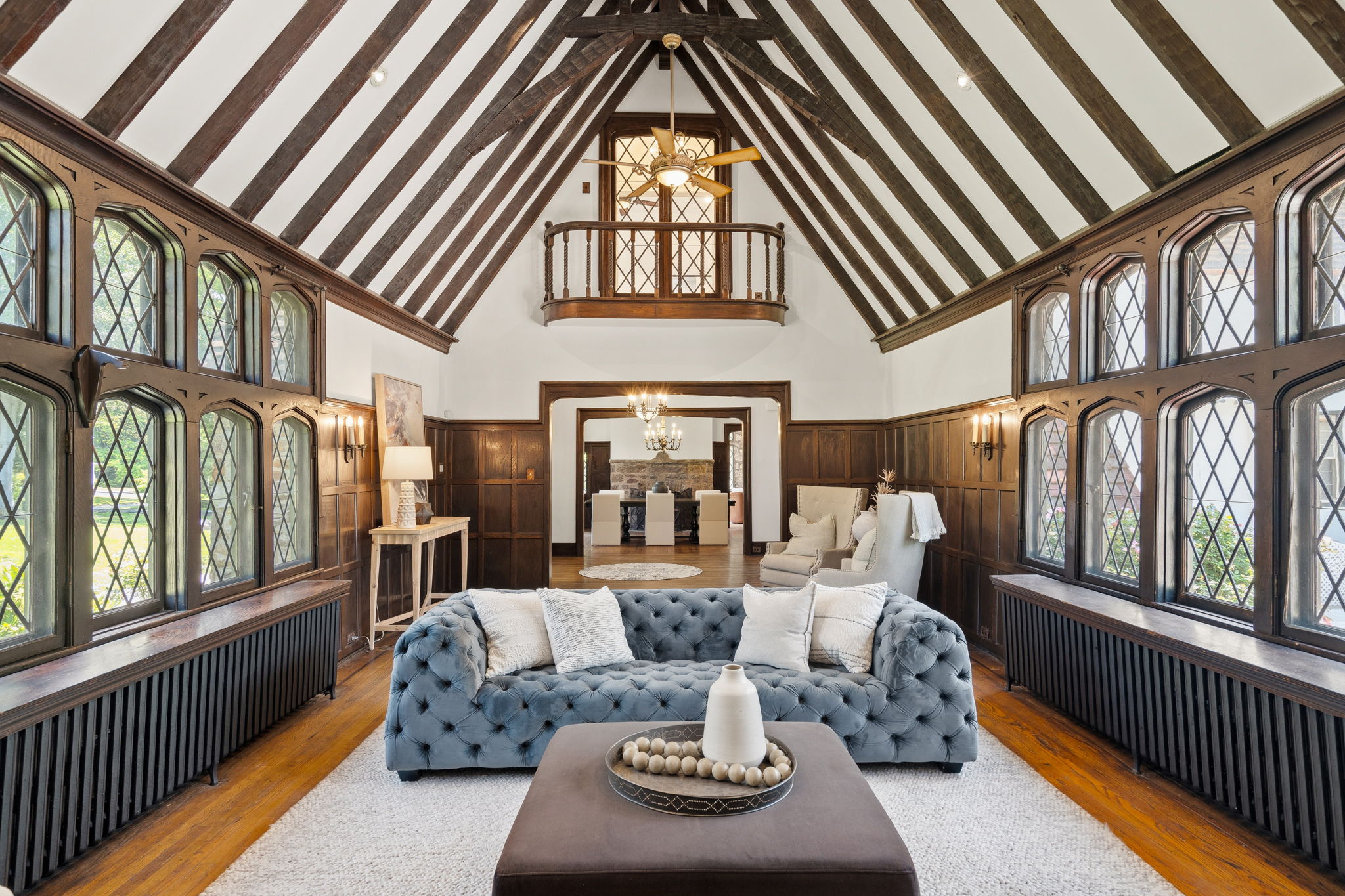
    The great room inside 1952 Canterbury Road in Abington.

    This property in Abington’s Baederwood neighborhood was constructed in 1938 for the Pennsylvania family behind now-defunct Laird & Schober Shoes, according to the listing. Details in this five-bedroom home include stone fireplaces, a handcrafted staircase in the foyer, and a great room with cathedral ceilings, exposed beams, glass-paneled walls, and a Juliet balcony.

    See more photos of the property here.

    Price: $1.2M | Size: 4,328 | Acreage: 0.93

    📈 Greater Abington market report

    Abington

    • Median listing price: $487,500 (down $7,400 from April) 📉
    • Median sold price: $451,000 (same as April)
    • Median days on the market: 25 (up five days from April) 📈

    Jenkintown

    • Median listing price: $275,000 (down $50,000 from April) 📉
    • Median sold price: $553,800 (up $36,300 from April) 📈
    • Median days on the market: 27 (down 9 days from April) 📉

    Cheltenham

    • Median listing price: $497,800 (up $65,300 from April) 📈
    • Median sold price: $530,000 (up $48,800 from April) 📈
    • Median days on the market: 25 (up one day from April) 📈

    Elkins Park

    • Median listing price: $496,500 (up $71,600 from April) 📈
    • Median sold price: $425,000 (up $35,100 from April) 📈
    • Median days on the market: 28 (down three days from April) 📉

    This Greater Abington market report is published on a monthly basis. Above is data for May from realtor.com.

    🗞️ What other Greater Abington residents are reading this week:

    By submitting your written, visual, and/or audio contributions, you agree to The Inquirer’s Terms of Use, including the grant of rights in Section 10.

    This suburban content is produced with support from the Leslie Miller and Richard Worley Foundation and The Lenfest Institute for Journalism. Editorial content is created independently of the project donors. Gifts to support The Inquirer’s high-impact journalism can be made at inquirer.com/donate. A list of Lenfest Institute donors can be found at lenfestinstitute.org/supporters.

  • Pa. lawmakers have only days to set sentencing guidelines for felony murder cases. Hundreds of cases are on the line.

    Pa. lawmakers have only days to set sentencing guidelines for felony murder cases. Hundreds of cases are on the line.

    State lawmakers left Harrisburg on Sunday without approving a new sentencing structure for second-degree murder convictions, all but ensuring Pennsylvania will miss a court-imposed deadline to replace a law the state’s highest court struck down as unconstitutional because it barred judges from weighing individual culpability.

    The legislature’s failure makes it exceedingly likely that judges across Pennsylvania will soon have to sentence people convicted of second-degree murder without a legislatively enacted sentencing range to guide them. It also sets the stage for what is expected to be years of litigation over the roughly 1,100 people already serving mandatory life-without-parole sentences.

    The political stalemate leaves thousands of people — incarcerated Pennsylvanians, victims’ families, and attorneys — waiting to learn what happens next.

    “In the absence of a law, there’s going to be a lot of chaos and a lot of confusion,” said Sean Damon, director of strategic partnerships for Straight Ahead, a decarceration advocacy organization.

    Gov. Josh Shapiro said Sunday that he agreed with the Supreme Court’s decision striking down the mandatory sentencing law as unconstitutional, but had hoped lawmakers would reach a compromise before leaving Harrisburg.

    Shapiro said he spent much of the final two days of session trying to bridge the divide between House Democrats and Senate Republicans. Though no agreement emerged, he said that House procedural maneuvering left a legislative vehicle available should negotiators eventually strike a deal before a July 24 deadline to rewrite the law.

    “I’d like to see the legislature act on this and not just leave it up to every individual county to act,” Shapiro said.

    ‘Someone’s going to need to act’

    Until the Pennsylvania Supreme Court ruling in March, the state was one of only two that still required life without parole for every second-degree murder conviction — a category of homicide that generally applies to deaths committed during certain felonies, including cases in which a defendant played a role in the crime that led to the death.

    In their decision, the justices said courts must consider the facts of each case and the defendant’s culpability before deciding on a punishment.

    But the high court stopped short of deciding whether its ruling applies retroactively to people already serving those sentences. And it delayed implementing its decision for 120 days to give lawmakers time to rewrite the law.

    Since March, judges across the state have postponed sentencing defendants convicted of second-degree murder while awaiting action from the General Assembly.

    That action never came.

    Lawmakers adjourned for the summer with 12 days remaining before the Supreme Court’s stay expires and with no realistic path toward a compromise. Republicans and Democrats spent months advancing competing visions for replacing the unconstitutional law but failed to bridge deep disagreements.

    Senate Republicans twice approved legislation that would replace the mandatory sentence with a minimum term of 35 years to life, allowing parole eligibility after 35 years — or after 20 years for prisoners at least 70 years old.

    House Democrats backed legislation that would cap future second-degree murder sentences at 50 years while allowing many people already serving mandatory life-without-parole sentences to seek parole after 25 years. The proposal, supported by the Philadelphia Bar Association, the Defender Association of Philadelphia, and District Attorney Larry Krasner, never advanced to a vote in the House.

    House Majority Leader Matt Bradford (D., Montgomery) said Sunday that Democrats have a legislative path prepared, so when they reach an agreement they can swiftly pass it and send it to Shapiro’s desk.

    Asked whether that could happen before July 24 despite no additional voting days currently scheduled, Bradford replied: “We’re hoping to get something accomplished.”

    Republican Attorney General Dave Sunday urged lawmakers this weekend to reach an agreement before the deadline, warning that failing to enact a new sentencing law would leave courts without clear guidance and could allow some people now serving life-without-parole sentences to become immediately eligible for release.

    “It is dangerously inadequate for the House to allow the deadline to pass without a substantive and realistic proposal that includes sensible sentencing ranges with the option of a life sentence for the most serious offenders and protections for the victims of these horrible crimes,” Sunday said.

    Sen. Wayne Langerholc (R., Cambria) voiced similar concerns during a committee meeting Saturday.

    “Someone’s going to need to act in the House, or else this risks 1,100 violent offenders being released onto the streets of our commonwealth that we cannot afford to have,” he said.

    A ‘free-for-all in the courts’

    The Supreme Court cannot create a new sentencing range itself because establishing criminal penalties is the legislature’s responsibility. But advocates say Pennsylvania has already faced a similar situation.

    After the U.S. Supreme Court ruled in 2012 that mandatory life-without-parole sentences for juveniles were unconstitutional, Pennsylvania enacted a new sentencing law that applied only to future cases. Four years later, when the high court ruled that decision applied retroactively, judges had to resentence hundreds of incarcerated people without legislative guidance.

    Many attorneys expect a similar pattern after July 24. Judges will continue sentencing people convicted of second-degree murder on a case-by-case basis until lawmakers or appellate courts provide clearer direction. At the same time, attorneys representing people already serving mandatory life-without-parole sentences are expected to begin seeking new sentencing hearings.

    Because the Pennsylvania Supreme Court did not decide whether the decision applies retroactively, that question is also expected to return to the justices.

    “We reasonably believe that if this matter is brought to them [the justices] again, they will mandate mass resentencing,” said Damon, of Straight Ahead.

    Some criminal justice advocates argue that individualized sentencing hearings before judges are preferable to replacing one mandatory sentencing scheme with another because judges are better positioned to weigh a person’s role in a crime, rehabilitation while incarcerated, and risk to public safety.

    “Even though it will be a free-for-all in the courts,” said Celeste Trusty, a consultant for criminal legal reform organizations and former state legislative affairs director of FAMM, “people serving the now-unconstitutional mandatory life-without-parole sentences would also likely fare better” under individualized resentencing than under the failed bill.

    Even so, the absence of a statewide framework is likely to place enormous demands on courts, prosecutors, and public defenders, particularly in Philadelphia, where more than 500 people are serving mandatory life-without-parole sentences for second-degree murder — about half the statewide total.

    Keisha Hudson, chief defender of the Defender Association of Philadelphia, estimated each resentencing would require about $40,000 in attorney time, investigators, mitigation specialists, and other resources — roughly $24 million if every potentially eligible Philadelphia case returned to court.

    She said defenders are expected to shoulder much of that work but lack the resources to handle the oldest cases, including about 30 that predate the creation of the office’s homicide unit in 1993.

    Philadelphia District Attorney Larry Krasner did not respond to an interview request.

  • Collingswood’s vibrant downtown needs a weekday evening boost, business owners say

    Collingswood’s vibrant downtown needs a weekday evening boost, business owners say

    Nab a table at Collingswood’s Sabrina’s Cafe at 11 a.m. on a Sunday without a wait? Good luck with that.

    A dinnertime walk-in at one of the town’s many vaunted restaurants might be easier. On a weekday, you’ll practically be a shoo-in.

    Despite its reputation as a South Jersey dinner destination — owing to longtime red-sauce staples like Villa Barone and Il Fiore and newer fine-dining joints like Hearthside and June BYOB — restaurant owners on Collingswood’s popular Haddon Avenue say business isn’t booming on weeknights.

    With thinner margins brought on by the higher costs of food, supplies such as to-go containers, and labor, it’s getting harder for some of these spots to get by.

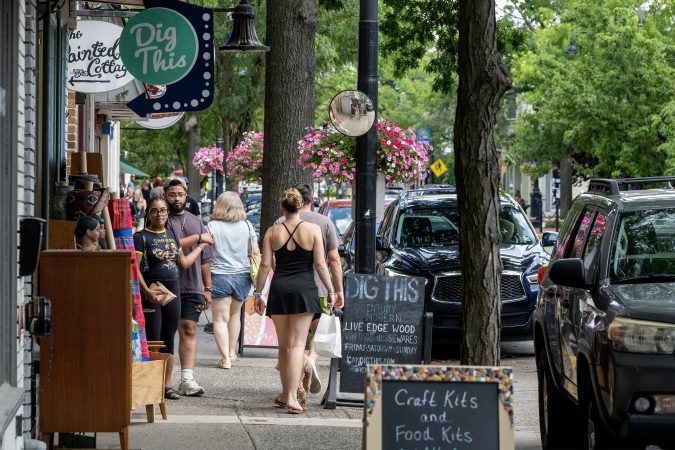
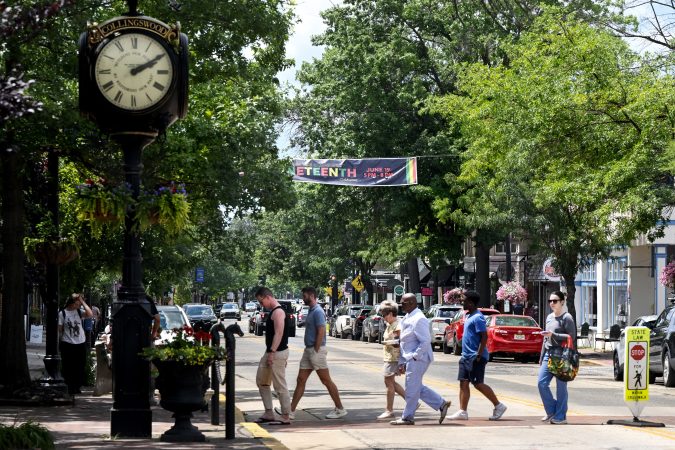
    The Camden County town of 14,000 is hopping with energy on weekend days thanks to the beloved Saturday morning farmer’s market, a bevy of city-organized events, and Collingswood’s variety of stores. But the energy on Haddon Avenue often fizzles come evening.

    Business owners of all types point to one main reason: Collingswood is dry.

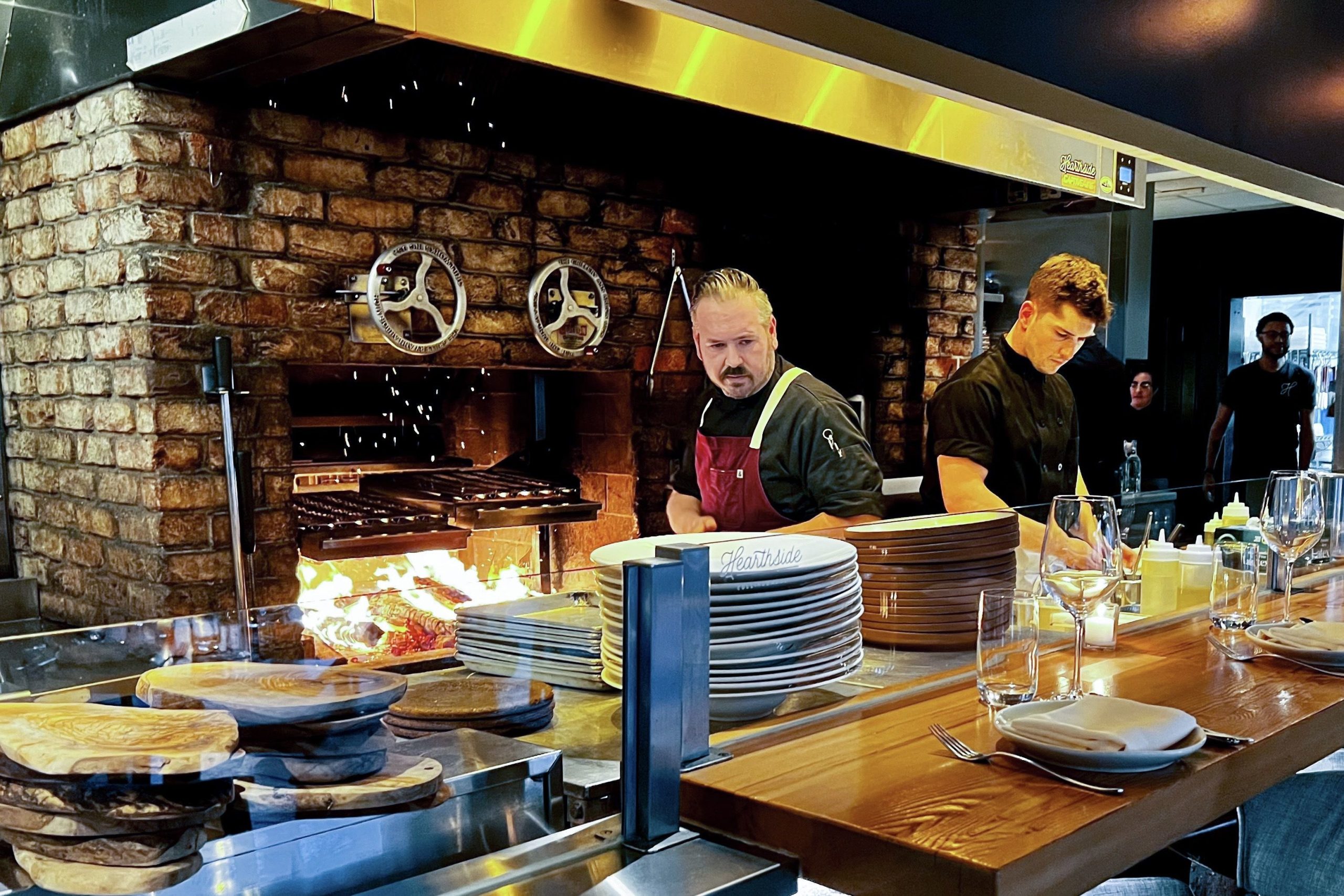
    “During the day on Saturday when we’re prepping, there are people walking around everywhere, but on the weekdays after 5 o’clock, there’s just nobody walking around,” said Dominic Piperno, chef and owner of Hearthside, which opened on Haddon Avenue in 2017.

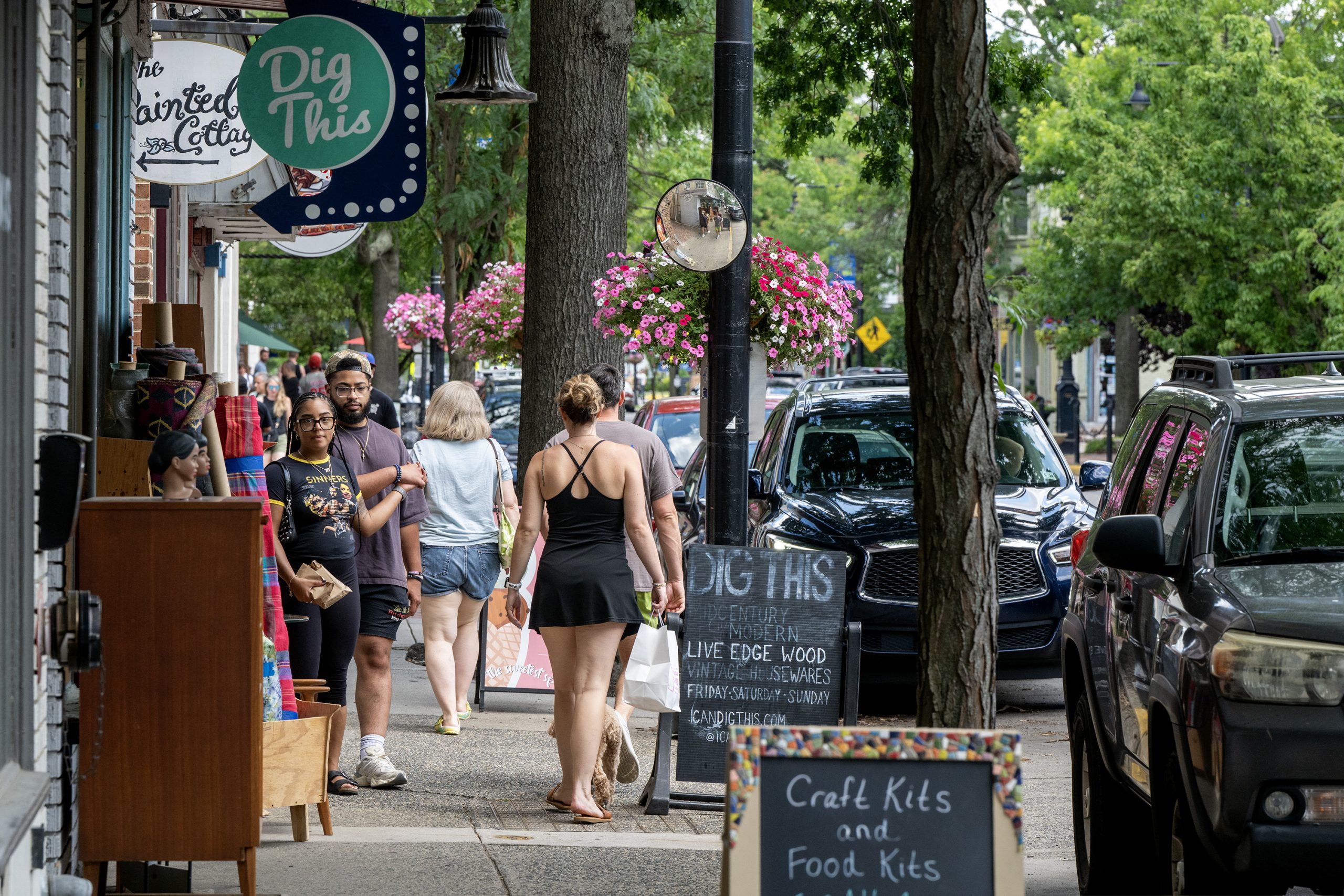
    People walk along Haddon Avenue in Collingswood. Elected officials and business owners say the town needs more experiential businesses.Tom Gralish / Staff Photographer

    Piperno said weekday evenings have become increasingly quiet in the past few years. There was a boom just after COVID-19 restrictions lifted, when folks were happy to get out of their homes, but it didn’t last. He and other Haddon Avenue restaurant owners say inflation and the rising cost of living are partly to blame, with disposable income for many out the window.

    Giovanni Barone, whose family has owned and operated Haddon Avenue Italian restaurant Villa Barone for 32 years, thinks the town could make some changes to support restaurants. He motioned toward nearby Haddon Township, which has long allowed alcohol sales and on-site consumption.

    There, “on a weekday night — Wednesday or Thursday, for example — I drive down the street and it’s packed,” Barone said. “We’re losing a bit of that piece of the pie.”

    A thriving daytime scene

    Yet amid the challenges, Collingswood’s share of Haddon Avenue is experiencing a wave of new businesses filling long-vacant storefronts and injecting fresh daytime activity.

    Kaival Patel of John’s Friendly Market in nearby Haddon Heights is preparing to open a convenience store-like concept in Collingswood with a deli case and prepared foods in the former Wawa space, likely this summer.

    The business was courted by Collingswood Commissioner and Deputy Mayor Amy Henderson Riley. She campaigned with Mayor Daniela Solano-Ward on the promise of ensuring downtown continued to welcome diverse business owners and shoppers of various income levels. James Maley, a commissioner since 1989 and Collingwood’s mayor from 1997 until Solano-Ward took office, continues to serve as a commissioner.

    “We’re replacing Wawa in our own way,” Patel said. “We’ve heard that people used to get their groceries from Rite Aid next door that closed, too, so we’re going to try to add groceries as much as possible.”

    Nearby, a bank that has sat empty for years is primed for a new life as a three-storefront building topped with condos, said Keller Williams real estate agent Pat Ciervo. The parking lot will become public parking, Ciervo said — a perk for that end of downtown.

    Charm bar and permanent jewelry studio Chatterbox celebrated its first anniversary July 4. Business has been good for owners Douglas and Nikki Coleman. People are eager to support a Black- and family-owned business, Douglas Coleman said.

    Douglas and Nikki Coleman at their business Chatterbox in Collingswood.Tyger Williams / Staff Photographer

    “Weekends have been very steady for us,” he said. Weekday business fluctuates, “but this has become a destination for people, just the store in itself. We’ve had people come from Boston and Virginia.”

    Lindsey Ferguson, Collingswood’s director of business and community development, praised the store.

    “We have loved the addition of Chatterbox because, simply, their business model includes waiting for your jewelry, so people then walk around and shop” at other businesses on the avenue like suburban birding store House Finch or Occasionette gift shop, she said.

    Ferguson would like to see more so-called experiential businesses like Chatterbox and nearby pottery-painting studio All Fired Up! And she’d like to add nighttime businesses “that can kind of lift everybody up.”

    Ends of the Earth, a cigar lounge that recently debuted in Collingswood’s former fire station, is open until 7 p.m. on Thursday, Friday, and Saturday — a welcome evening addition, according to Ferguson.

    Ferguson said the chasm between daytime and nighttime foot traffic along Haddon Avenue dates to the pandemic years, when some businesses began closing earlier.

    But that lack of deep overlap between so-called daytime and nighttime businesses has left Collingswood’s restaurant scene in the lurch.

    The inside of Douglas and Nikki Coleman’s business Chatterbox in Collingswood.Tyger Williams / Staff Photographer

    ‘Let’s not mess this up’

    Liquor was prohibited by ordinance in Collingswood in the 19th century, dating back to its Quaker roots.

    Now Collingswood’s three-person Board of Commissioners, which includes Henderson Riley and Solano-Ward, is considering a resolution to put liquor sales on the ballot in November.

    “It’s a conversation we need to keep having as a community,” Henderson Riley said. “It would be an influx of cash into the town that would be up to voters to decide.”

    In 2015, Collingswood voted to allow craft breweries, and now Raccoon Taproom operates on Haddon Avenue under a state-issued limited brewery license. The license allows operator Swedesboro Brewing to serve beer in the taproom.

    Chef-owner Dominic Piperno (left) with line cook Christopher Ross at Hearthside in Collingswood in 2023.Michael Klein / Staff

    Henderson Riley said officials are concerned about how to equitably distribute the restaurant and retail liquor licenses. Collingswood would receive up to four, based on its population, which isn’t enough for all of its dinner-serving establishments. And if they are auctioned to the highest bidder, Ferguson noted, out-of-town restaurant groups could come in and create even more competition for licenses.

    “We want to keep restaurants open. We want to keep our downtown thriving,” Henderson Riley said. “We see neighboring towns that are open a little later than us, and the main reason is liquor.”

    And as a result, Henderson Riley said, the restaurants in those neighboring towns have a lower price point for their food.

    Nearby Haddonfield is also a dry town but allows businesses to operate under state-issued manufacturing licenses — not just for beer — and is now home to a brewery, a winery tasting room, and a distillery. Piperno, of Hearthside, sees how these businesses help feed the area’s restaurants, even if the restaurants can’t sell alcohol.

    “My wife and kids and I will walk Haddonfield at night, and like on a Monday, Tuesday, it’s jamming,” Piperno said. “It just has helped that downtown a lot, especially with younger families.”

    Piperno said Fridays and Saturdays at Hearthside are still “jammed,” but “it’s really hard to survive this industry with just two really busy nights.” The restaurant plans to relocate to Haddon Township in 2027, where it will have a liquor license.

    “It’s a bittersweet thing for us because we love Collingswood,” Piperno said, “but something has to change.”

    Still, for Collingswood, much already has. Former Mayor Maley is owed much of the credit, says Henderson Riley, the deputy mayor.

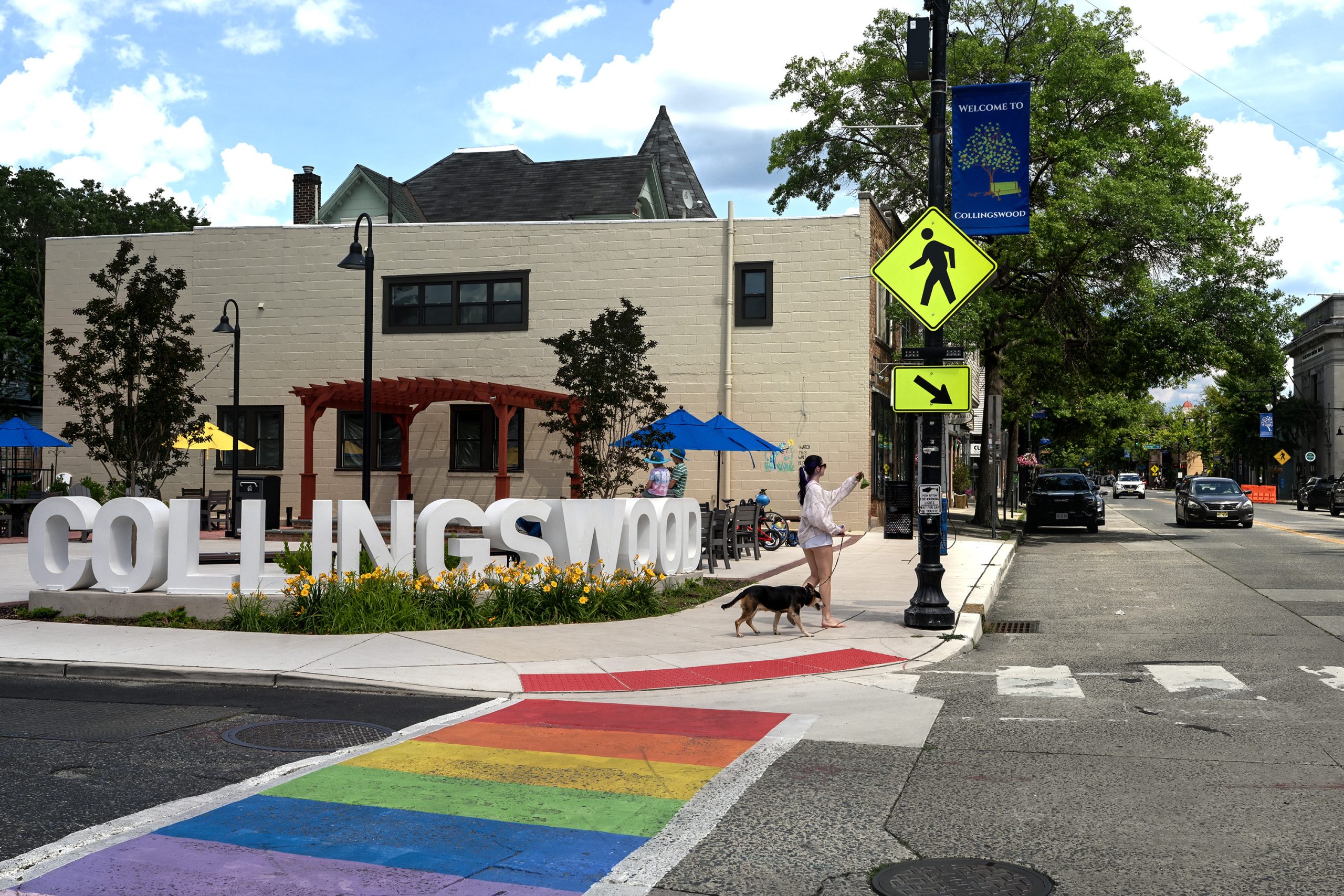
    The downtown pocket park with a “Collingswood” sign.Tom Gralish / Staff Photographer

    Henderson Riley recalled Maley’s efforts to attract new homeowners by incentivizing converting former duplexes into single-family homes, and appeals to Philadelphia’s LGBTQ+ population to move across the bridge.

    “Part of what drew us here was what he used to call the Collingswood story,” Henderson Riley, who has lived there for 15 years, said. The businesses and restaurants that germinated from it are the basis of Haddon Avenue’s reputation today.

    Nikki Coleman, of Chatterbox, grew up in Cherry Hill and has watched throughout her life as Collingswood’s downtown transformed from a dingy strip into a robust retail scene. She has shared her observances with her husband.

    “This has been a great case study for how to take a town and really bring a certain dynamic to it that I think a lot of other small towns wish they had,” Douglas Coleman said. “I don’t know if we’re doing anything wrong, but it’s more of a ‘Let’s not mess this up.’”