Category: News

  • Par Funding’s fraudster founder has a website lobbying for a pardon from President Trump

    Par Funding’s fraudster founder has a website lobbying for a pardon from President Trump

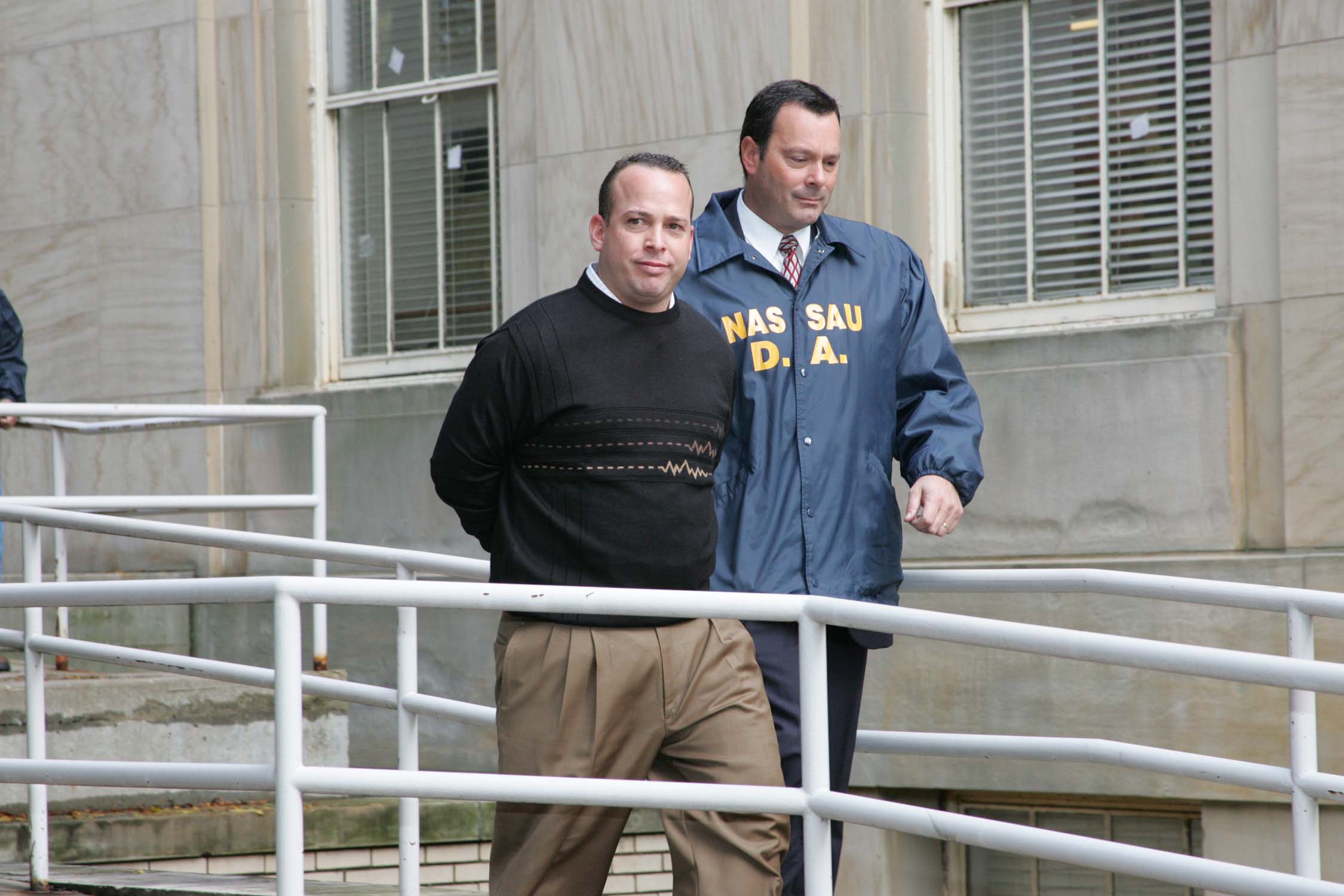
    Joseph LaForte was once the charismatic head of Par Funding, a Philadelphia-based lending firm that collapsed in spectacular fashion as prosecutors said he misled investors to the tune of $400 million and resorted to brutish loan shark tactics to collect on unpaid debts.

    Now, despite the fact that LaForte pleaded guilty to racketeering and wire fraud charges, a website has been set up to lobby President Donald Trump to free him from a 15½-year prison sentence — part of a campaign that describes LaForte’s prosecution as a “witch hunt.”

    “Stand Up for What’s Right, Free Joe LaForte,” says a scrolling banner on the website, FreeJoeLaForte.com. The site’s homepage also prominently features several images of Trump and says the goal is to “fight for [LaForte’s] presidential pardon through activism and exposing the truth.”

    Websites dedicated to overturning convictions are not unusual. But the existence of the LaForte campaign comes as Trump, in his second term, has shown a willingness to grant clemency to political allies or people he believes have been unfairly prosecuted — including those convicted of fraud. And well-connected lobbyists and lawyers have reportedly started charging defendants eye-watering sums for promises of presidential relief.

    LaForte does not have an official clemency application pending with the Office of the Pardon Attorney, according to that agency’s website. But the LaForte website is clear about its intent to lobby Trump for freedom.

    How the campaign came together — and whether LaForte has a role in it — is something of a mystery.

    LaForte’s lawyer in his criminal case, Joseph Corazzo, said he didn’t know of the site until he was contacted by The Inquirer and said he’s had no role in any potential efforts to seek clemency from Trump for LaForte.

    LaForte, meanwhile, is incarcerated at a federal prison in Fort Dix, N.J., and is not scheduled to be released until 2035.

    Unidentified creators

    The LaForte website, FreeJoeLaForte.com, does not say who owns or runs it. And phone messages and emails left through its contact pages in recent weeks went unanswered.

    One of the calls was directed to a number associated with John Sirmans, of Fanwood, N.J. And Sirmans’ name is listed as an author on dozens of PDFs that were published on the LaForte site.

    It is not clear how or if Sirmans and LaForte know each other, and Sirmans did not respond to requests for comment.

    PDFs on the site list another author as “Lisa Mac.” LaForte’s wife, Lisa McElhone, was sentenced to one day in federal custody for her role in the Par Funding scandal, and the Justice Department said LaForte sometimes used the alias “Joe Mack” while working at Par Funding.

    Attempts to reach McElhone — including by visiting Lacquer Lounge, the nail salon she owns in Old City — were unsuccessful.

    Meanwhile, a petition on change.org — which urges people to visit FreeJoeLaForte.com — is even more forceful its views on LaForte’s case, calling his imprisonment “unlawful” and saying he is “an innocent man targeted by a weaponized justice system that bends to partisan agendas.”

    But the creator of the petition, which has 40 verified signatures, is listed only as “Truth Seeker,” and attempts to reach that person through change.org were unsuccessful.

    Extensive coverage

    One of the more prominent sections on LaForte’s website, meanwhile, is a list of more than a dozen news articles written by Milton Allimadi, a New York-based journalist who runs an outlet called Black Star News.

    On LaForte’s site, Allimadi’s stories are labeled as being part of a series “dedicated to exposing the truth and corruption involved in the wrongful persecution of Joseph LaForte.”

    Allimadi said via email that he did now know who started FreeJoeLaForte.com or how the Black Star News articles ended up being highlighted there.

    He said he learned of LaForte’s case after speaking with the father of an inmate housed alongside LaForte. He declined to identify the person.

    Allimadi said he wrote about LaForte for Black Star News because the Par Funding founder’s story had “many interesting angles.” He said he’s never spoken to anyone associated with FreeJoeLaForte.com and was not paid by anyone connected to the site for writing or publishing his articles.

    Still, he said, he didn’t mind having his work promoted by LaForte’s site because that had already led to what he said was a modest but noticeable uptick in traffic and donations to Black Star News.

    “Our site’s major support comes from readers who donate … and some of his supporters who read and like the articles also definitely contributed, because there was a little spike,” Allimadi said.

    Another case that Allimadi covered extensively in recent months led to a sizable legal judgment against him.

    Last month, a jury in Michigan awarded more than $12 million to a doctor who said Allimadi and Black Star News targeted him with a “relentless, vindictive, and malicious online smear campaign” centering on allegations of domestic abuse and sexual assault of his ex-wife.

    Allimadi said his journalism was solid, and he is trying to get the verdict thrown out.

    As for LaForte, Allimadi said his coverage included references to LaForte’s history of criminal convictions, and he said it was “clear from [LaForte’s] background that he’s no saint.”

    But Allimadi said he also explored angles that hadn’t received much attention as Par Funding collapsed, including by raising questions about the conduct of the Securities and Exchange Commission and the court-appointed receiver in the case, which each contributed significantly to LaForte’s downfall.

    “I can see why [LaForte’s supporters] would want to post such articles on their site,” he said.

    Newsroom researcher Ryan W. Briggs contributed to this article.

  • Pumpkin spice and Halloween candy are arriving earlier, as seasonal creep is ‘accelerating’

    Pumpkin spice and Halloween candy are arriving earlier, as seasonal creep is ‘accelerating’

    A certain seasonal disorientation is understandable these days, and we’re not talking about whatever is going on with the planet’s climate.

    The Philly-born La Colombe coffee chain began offering its pumpkin spice drinks this week, and while that may seem early for evoking the spirit of Halloween, even among its rivals — Starbucks doesn’t turn to pumpkin until Aug. 25 — La Colombe is miles behind the candy industry, which has been at it for months.

    In early May, as part of its “Halfway to Halloween” promotion, Mars Inc. was offering a “Creepy Crunch” variant of Skittles, Twix “skulls,” and pumpkin-shaped Snickers.

    Over the weekend, as many as 3,000 people showed up for the seasonal grand opening of the Spirit Halloween store in Egg Harbor Township — 37 days before Labor Day, and in an era when summery weather appears to be lingering longer. (Philly’s average temperatures were above normal the last five Septembers.)

    Complaints about the so-called seasonal creep phenomenon are decades old, but what was once a creeping tide has mutated into a tsunami “in the last several years,” in the view of Mark Lang, associate professor of marketing at the University of Tampa and a longtime supermarket executive.

    “It snuck up on us,“ said Lang, an alumnus of both Temple and St. Joseph’s Universities.

    “The guardrails are gone,” he added, saying the creep movement was “racing forward.”

    “I see the movement as accelerating,” agreed Richard George, a St. Joe’s food-marketing emeritus professor.

    However, it is not as though consumers are resisting, he said. For example, Christmas shopping in October is becoming ever more popular. “Consumers want to capture these deals, take advantage of greater product choices, spread out their spending, and avoid some of the stress related to holiday shopping,“ he said.

    But one premature season at a time.

    What is driving seasonal creep?

    Money, for one, Lang said. And competition.

    Sales in the confectionary industry reached a record $55 billion last year, according to Carly Schildhaus, spokesperson for the National Confectioners Association, with Halloween an important bite of that.

    Businesses have to mine everything they can from the peak seasons — which very much include the sales of candy and assorted spooky paraphernalia for Halloween and holiday gifts for Christmas — said Lang, who for 11 years was the No. 2 marketing person at the Publix supermarket chain. And it doesn’t hurt to make those seasons longer.

    “If they don’t beat last year’s seasonal sales, their whole year is off,” he said

    Halloween is becoming the “longest retail season,” according to Mars executive Tim LeBel, who is quoted on the company website as saying, “Culture, not the calendar, is defining the seasons and our strategy.” According to Mars, it would begin in the spring.

    By Mars’ count, 30% of all 20-somethings have participated in “Summerween” events, which have been gaining media attention in recent years. As the word suggests, those are Halloween-themed parties during the sweaty season. (The phrase comes from an animated TV series episode that aired over a decade ago.)

    “Summerween has gained momentum,” said Schildhaus, who also invoked the cultural factor mentioned by LeBel.

    For the retailers, the seasonal creep momentum is more about the economic connection, Lang said.

    Stores are not only competing against one another but also battling “category killers,” like those temporary Halloween stores that put pressure on other shops to offer similar merchandise, he said.

    “Everybody is grabbing at the bag at the same time,” Lang said. “Retailers have to get their piece or the other guy is going to get it. It’s a lack of imagination. I think retailers and vendors are just out of ideas.”

    People gathering for the new Spirit Halloween flagship store in Egg Harbor Township, N.J., on Saturday, Aug. 1, 2026.Tyger Williams / Staff Photographer

    Will the seasons continue to creep?

    The consumer response argues that it will, and George believes the seasons will continue to stretch, and not just Halloween.

    He notes that the big drivers of the movement are the giant retailers, such as Amazon and Walmart, and that Black Friday is no longer merely a Thanksgiving weekend event.

    Online shopping has further blurred seasonal lines, George said, since it “combines technology with information and convenience, making shopping occur whenever consumers are in the mood.”

    But Lang said he was not so sure the elongations would continue to stretch into perpetuity.

    “I hear people saying, ‘Give me a break,’” he said. “When you see Halloween candy in July, it’s like, enough of it.”

    Jumping the seasons induces a certain “holiday fatigue,” he added.

    He said he fears that what was once an occasion “feels like it’s a selling event.”

    For the record, only 139 shopping days until Christmas.

    Staff writer Sarah Nicell contributed to this article.

  • McConnell says he’s leaving rehabilitation center to continue recovery at home

    McConnell says he’s leaving rehabilitation center to continue recovery at home

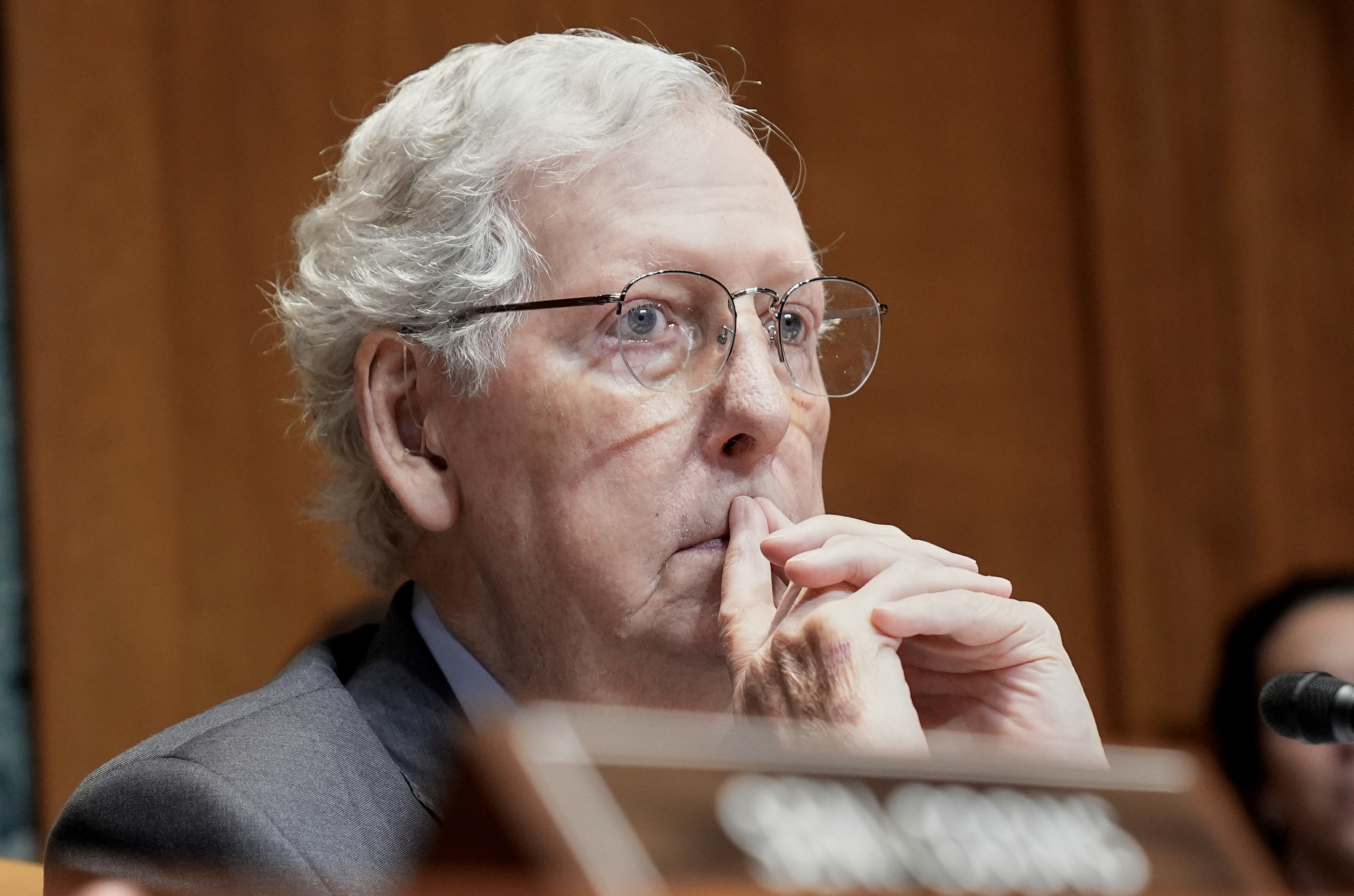
    WASHINGTON — Republican Sen. Mitch McConnell of Kentucky says he’s been discharged from a rehabilitation center and will continue his recovery from home.

    The former Senate leader was first admitted to the hospital on June 14. He disclosed weeks later that his hospitalization was the result of a fall and said he was undergoing physical therapy.

    McConnell, 84, gave no specific date for his return to the Capitol, but senators are expected to soon leave Washington for the traditional August recess. Votes are unlikely for the next five weeks once they adjourn.

    “On the advice of my doctors, I’ll maintain an intensive regimen of physical therapy from home during the state work period, and I’ll continue to engage with my staff and colleagues on important Senate business,” McConnell said in a statement released by his office.

    McConnell had polio in his early childhood and has long acknowledged some difficulty walking and climbing stairs as an adult. The Office of the Attending Physician has said McConnell was undergoing a strenuous course of physical therapy and rehabilitation since he left the hospital, which includes multiple sessions a day designed to rebuild strength and reduce the risk of future falls.

    The senator is determined to finish out his seventh term, which concludes in January.

    McConnell’s absence is being felt in the Senate as Republicans were unable to advance a farm bill out of committee Thursday. The committee’s chairman, Sen. John Boozman of Arkansas, said he spoke with McConnell this week about the bill.

    “I know how much he would have wanted to be here to advocate for Kentucky’s farmers and rural communities,” Boozman said in kicking off the committee’s meeting Thursday.

    But there has also been criticism that McConnell has not been transparent enough about his health. The state’s Democratic governor, Andy Beshear, recently called on the senator to either prove that he is fit to continue serving after his lengthy hospital stay or resign from office.

  • Trump signs 2 immigration actions to limit birthright citizenship

    Trump signs 2 immigration actions to limit birthright citizenship

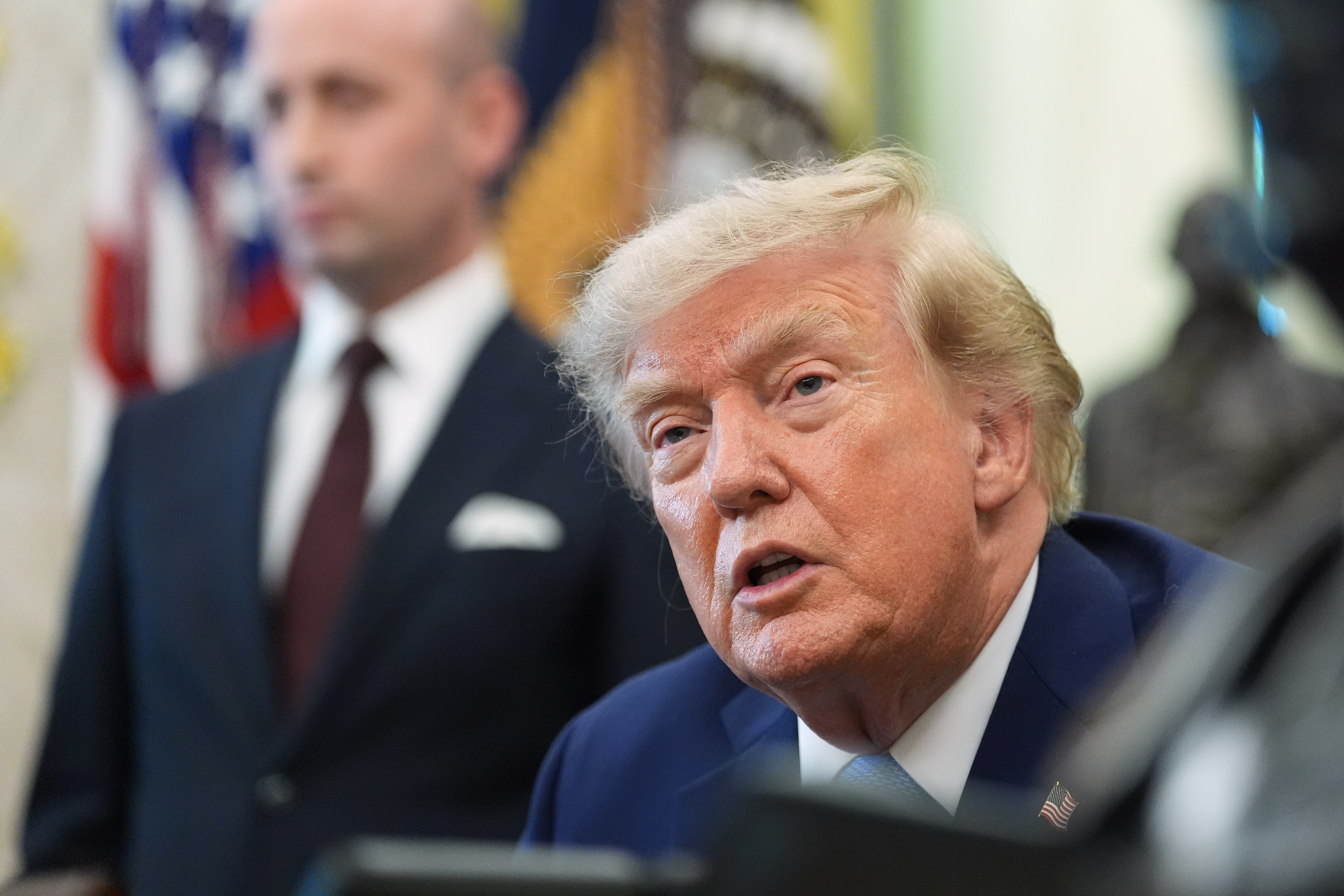
    WASHINGTON — President Donald Trump said Thursday that he is once more trying to limit the number of people who are born in the country who can become American citizens, in a sign that even after his first attempt at limiting birthright citizenship was rejected by the Supreme Court, he’s ready to try again.

    The president said he was signing two executive actions on immigration.

    He said one will limit the number of people eligible for U.S. citizenship after being born in the United States.

    A second order seeks to curb what Trump called “birth tourism” by increasing restrictions on visitors to the U.S. who want to obtain visas to give birth while in the country.

    Additional details weren’t provided, but Trump said he thought his latest actions would be constitutional.

    In June, the Supreme Court rejected Trump’s previous efforts to declare that children born to people in the U.S. illegally or temporarily aren’t American citizens, and upheld a broad conception of birthright citizenship.

    On Trump’s first day in office of his second term, he signed an executive order aimed at ending birthright citizenship, which allows anyone born in the United States to automatically become an American citizen.

    Trump’s administration was immediately sued by opponents who said the executive order went against the 14th Amendment, adopted after the Civil War, which makes anyone born in the country a citizen, with very limited exceptions.

    The executive order was blocked by several lower courts and never took effect.

    In June, the Supreme Court struck down Trump’s order by a 6-3 vote. But the vote was too close for many immigration advocates and legal observers who felt the legal question of birthright citizenship was a long-settled issue.

  • Ukraine strikes more oil facilities deep inside Russia, Zelensky says

    Ukraine strikes more oil facilities deep inside Russia, Zelensky says

    KYIV, Ukraine — Ukraine hit more oil facilities deep inside Russia in overnight attacks, President Volodymyr Zelensky said Thursday, as Kyiv kept up its campaign to undermine Moscow’s wartime economy and embarrass the Kremlin.

    The repeated strikes have caused fuel shortages and rattled Russians. Ukrainians, meanwhile, are enduring regular barrages that Kyiv’s depleted air defenses are struggling to counter amid Moscow’s 4-year-old full-scale invasion.

    The Kyiv region observed an official day of mourning Thursday after a Russian missile and drone blitz killed 17 people the previous day, prompting an increasingly urgent scramble by Ukraine and its allies to find new air defense supplies.

    In the first six months of this year, 1,396 civilians were killed and 7,978 injured in Ukraine, the United Nations office in Kyiv said Wednesday. That was a 37% increase from the same period last year and a 114% jump over 2024, it said, attributing the rise to more long-range aerial attacks by Russia.

    Zelensky said he met with senior officials on how to accelerate the development of Ukraine’s own ballistic weaponry, similar to its swift wartime innovation in drone technology.

    “Developing one’s own ballistic capabilities and creating a new anti-ballistic system is a task that only a tiny minority of countries worldwide have managed to accomplish,” he said in a social media post. “Ukraine has this capability.”

    Zelensky said he expects the program to produce results this year and next after it overcomes “key challenges,” including procuring critical components, technological cooperation with partner countries, and choosing where to build the armaments.

    Ukraine says it hit Russian refineries and vessels at sea

    Ukrainian forces hit a refinery in Russia’s Bashkortostan region, more than 800 miles from the front line, as well as a refinery in the Yaroslavl region, almost 400 miles from the border, Zelensky said on social media.

    Yaroslavl Gov. Mikhail Yevrayev confirmed an attack on a refinery, saying in a Telegram post that drone debris hit the facility’s oil reservoirs, sparking a fire. Three private houses also caught fire, and several residential buildings were damaged, he added.

    Ukrainian forces hit two Russian military patrol boats in the Black Sea, Zelensky said, along with vessels belonging to Moscow’s so-called shadow fleet, which Russia uses to evade Western restrictions on its oil exports. He did not give any details.

    The Russian Defense Ministry said its air defenses overnight shot down 605 Ukrainian drones over its territory.

    Ukraine seeks more interceptor missiles to bolster air defenses

    Drone and glide bomb attacks across Ukraine overnight killed at least three civilians and wounded 22 others, authorities said Thursday, as countries helping Kyiv resist the invasion scrambled to find more vital air defenses for its fight.

    Moscow’s forces have in recent weeks pummeled Ukraine with ballistic missiles that Kyiv officials say only the U.S.-made Patriot air defense system can stop. But the Iran war has drained stocks of Patriot interceptor missiles, leaving Ukraine at the mercy of Russian bombardments that seek to exploit the weakened air defenses.

    “We are working as hard as possible with all partners who can assist with the supply of interceptor missiles to protect against such insane Russian strikes targeting life, people, and civilian facilities,” Zelensky said on social media late Wednesday.

    He said he had spoken to NATO chief Mark Rutte and Finnish President Alexander Stubb about urgently procuring interceptors from stockpiles. Zelensky said he and Rutte “coordinated our efforts regarding countries that have the necessary missiles and the capacity to help.”

    Rutte said on X that he was discussing with allies “how we can continue to get Ukraine the air defenses they urgently need.”

    Russian glide bombs wound 12 in Sumy region

    Russia appears determined to exhaust Ukraine through sheer weight of numbers in terms of soldiers, armor and weapons. Russian President Vladimir Putin believes time is on his side, that Western support will fade and that Ukraine’s resistance will eventually collapse under pressure, Western analysts and officials say.

    Ukraine’s air force said Russia fired four missiles and 101 long-range strike drones overnight, with air defenses shooting down or jamming 66 drones.

    Three people were killed in Balakliia in the Kharkiv region of northeastern Ukraine, said Vitalii Karabanov, head of the city’s military administration.

    In the neighboring Sumy region, Russian glide bombs wounded 12 people, the National Police said. Apartment buildings and infrastructure were damaged, with hundreds of windows shattered, said regional military administration chief Oleh Hryhorov.

    In the Kherson region of southern Ukraine, a Russian drone struck a bus carrying farmworkers, injuring six people, regional authorities said.

    A Russian drone also struck a residential area in the southeastern city of Zaporizhzhia, injuring four, said regional administration head Ivan Fedorov.

    UN chief condemns escalating attacks

    U.N. Secretary-General Antonio Guterres condemned both sides for their attacks, his spokesman said.

    “These latest series of attacks follow an alarming pattern of escalating strikes against populated areas, reportedly resulting in a record-level increase in numbers of civilian casualties and widespread destruction of residential and civilian infrastructure in Ukraine, as well as increasingly in the Russian Federation,” said Farhan Haq, Guterres’ deputy spokesman.

    The U.N. chief also called for freedom of navigation in the Black and Azov seas, expressing concern at the risks to shipping, the spokesman said.

  • U.S. suspends avocado inspections in Mexican state of Michoacan due to threat

    U.S. suspends avocado inspections in Mexican state of Michoacan due to threat

    MEXICO CITY — The United States announced Wednesday that it had suspended all government operations in the Mexican state of Michoacan because of a “threat to U.S. interests,” including a halt to the inspections of avocados required for their export.

    While the U.S. Embassy did not specify the nature of the threat in its security alert, Michoacan Gov. Alfredo Ramírez Bedolla said on social media that the temporary halt to inspections was intended to safeguard workers following recent arrests linked to extortion. The inspections are necessary for avocados to be shipped to the United States and their suspension could disrupt exports.

    The western state of Michoacan is the leading exporter of avocados to the U.S. and has a high level of organized crime activity with at least four cartels — designated as terrorist organizations by the Trump administration — operating in the region. Besides trafficking drugs, cartels also make money through extortion, including of the avocado industry.

    Michoacan State Security Secretary Antonio Cruz told The Associated Press that one of the arrests mentioned by the governor was of “El Poncho,” the alias of Alfonso Fernández Magallón, leader of a local cartel operating in the avocado-growing region around Los Reyes.

    U.S. Ambassador to Mexico Ronald Johnson welcomed the arrest, which came over the weekend. The U.S. government had offered a $5 million reward for Fernández Magallón’s arrest.

    Cruz said his department was unaware of any direct incidents involving the avocado inspectors. Nevertheless, 300 security personnel were deployed to the Los Reyes area as a preventive measure.

    The governor said the priority was to “ensure the security conditions necessary for these operations to resume normally,” as has happened in the past.

    Mexico supplies approximately 80% of U.S. avocado imports — a product known in the region as “green gold.” Its cultivation generates around 200,000 jobs in Michoacán alone.

    In 2025, Mexico sold $3.65 billion worth of avocados to the United States, and in the first four months of this year, those exports rose by 35% compared to the same period in the previous year.

    The U.S. Department of Agriculture sends inspectors in Mexico to monitor plantations and packing houses to ensure that exported produce is free of pests. Threats and violence against the inspectors have caused the U.S. to suspend inspections in the past.

  • How extreme heat is changing Americans’ lives, according to a new AP-NORC poll

    How extreme heat is changing Americans’ lives, according to a new AP-NORC poll

    Elisa Bracamonte has lived in Arizona her whole life, so she’s used to adjusting her schedule and outdoor activities around high temperatures, especially during the summer months.

    But the 74-year-old retired nurse from Tucson said she feels the heat has been impacting more of her day-to-day: summer plans with family members across the region, meetups with friends, road trips and her daily morning walk routine.

    “I’ve noticed at least a 10 degree difference in the weather,” Bracamonte said. “Every summer, it seems to be getting hotter and hotter.”

    Like Bracamonte, Americans are increasingly feeling a personal impact from extreme heat, according to a new poll from The Associated Press-NORC Center for Public Affairs Research.

    According to the survey, U.S. adults are more likely to say extreme heat has had either a “major impact” or “minor impact” on their travel or vacation plans, electricity bills, their sleep, their family’s outdoor activities and more parts of their day-to-day life than in July 2024.

    Much of that shift was among people who live in the West or Midwest.

    Democrats are also more likely than Republicans to say that extreme heat has had a “major” impact on each item asked about.

    Warming has endangered the globe especially in recent years; scientists calculated that Earth’s average temperature in 2025 hovered among one of the three hottest on record, along with 2024 and 2023. The U.S. has sweltered under dangerous heat domes over the past few years, and unusually high temperatures even early in the year.

    The recent scorching weather has played a role in thousands of heat-related deaths — killing more people every year than all other weather-related events. It impacts wildfire risk, strains public infrastructure, devastates agriculture and wreaks havoc on gatherings such as sporting events.

    Now, the poll shows how extreme heat is reshaping Americans’ daily lives.

    “I have to get up at 5 in the morning to walk before 6, because by 7 it’s already in the 80s … I lose a couple hours of sleep because I’m having to wake up earlier,” added Bracamonte, who said she identifies as a very liberal Democrat. “You can’t stay outside without being sick unless you’re guzzling water the whole time — it’s just so, so hot.”

    Electricity bills going up

    About 8 in 10 Americans say their electricity bills have seen a “major” or “minor” impact from extreme heat over the last year, compared with 69% in July 2024, according to the survey.

    Just under half of Americans living in the Midwest, 44%, say extreme heat has had a “major” impact on their electricity bills, up from 29% two years ago.

    Rising household electricity prices have turned into an increasingly prominent political issue over the past few years. Extreme weather is just one factor that affects electricity bills, but it means that people are using more energy for air conditioning — or in the colder months, heat.

    “I feel like my utility costs probably doubled in the last three or four years,” said Daemien Williams, a 50-year-old bridge inspector living in Cahokia Heights, Illinois, who identifies as a Democrat. “I do look at my bills pretty in detail and see that the kilowatts and the usage is actually up, not just the price that they’re charging for it.”

    Travel and vacation plans impacted, along with family outdoor activities

    Extreme heat is affecting Americans’ lives in other ways, the survey found.

    Around 4 in 10 Americans say extreme heat has had either a major impact or a minor impact on their travel or vacation plans, up from about one-quarter in 2024.

    “It has affected my entire family because we usually get together a lot during the summer,” Bracamonte said. ”We have family in Texas and we have family in upper Arizona. And we’ve seen that there’s been a lot more fires, a lot of more flooding, all that. So that kind of inhibits our plans to travel.”

    Extreme heat waves increase wildfire risk, and a warmer world supercharges storms that could ultimately send more rainfall.

    Around 7 in 10 Americans say extreme heat has had either a major impact or a minor impact on their family’s outdoor activities, compared with about 6 in 10 in 2024.

    Sean Conway, a 41-year-old direct marketer in North Shore, Massachusetts, said his kids’ soccer practice might either be postponed or canceled due to extreme temperatures, for example.

    But to Conway, who considers himself a moderate independent, leaning Republican, this is minor. “Sometimes, you’ve got to just be out in the bad weather.”

    It’s not surprising many Americans say they are feeling the impacts, said Jennifer Francis, a climate scientist at the Woodwell Climate Research Center who was not involved with the polling.

    “Brutal, life-threatening heat waves have become more frequent, more intense, and more persistent in many parts of the globe, including our Western and Midwestern states,” Francis said. ”Extreme heat compounded with long dry spells have affected our health directly, along with indirect effects on our wallets.”

    Climate change belief remains largely stable

    Even as more Americans say they feel a personal impact from extreme heat, that does not mean an increasing number believe in climate change.

    About two-thirds, 66%, of Americans believe climate change is happening, a slight decline from 73% in September 2025. About 17% say they are not sure if climate change is happening, and about 15% say it is not happening.

    Williams, the Illinois resident, attributes his belief in climate change in part to extreme shifts in weather including very high and very cold temperatures.

    “My biggest indicator of the change in the climate is just the flooding is a lot more often,” Williams said, noting that he believes in both natural and human causes.

    John Hazel, a 33-year-old in Waco, Texas, says he’s noticed changes from when he was younger.

    “When I was a kid, that seemed like a very rare thing when it did hit 100, everybody was like, whoa. And now it’s just every day,” said Hazel, a crime scene investigator. “Seasons felt a little more balanced. Now it feels like summer’s a bit lingering, it starts earlier and lasts longer.”

    Hazel, who identifies as a conservative Republican and believes in climate change, said he plans around the heat.

    “As soon as you walk outside, you’re already sweating even if you’re not doing much of anything. I’ve definitely noticed you’re having to take breaks from being outside, you have to bathe, shower more often,” Hazel said. “It’s definitely a bigger consideration.”

    ___

    The poll of 1,165 adults was conducted July 23-27, 2026, using a sample drawn from NORC’s probability-based AmeriSpeak Panel, which is designed to be representative of the U.S. population. The margin of sampling error for adults overall is plus or minus 3.7 percentage points.

    ___

    Alexa St. John is an Associated Press climate reporter. Follow her on X: @alexa_stjohn. Reach her at ast.john@ap.org.

    ___

    Read more of AP’s climate coverage.

    ___

    The Associated Press’ climate and environmental coverage receives financial support from multiple private foundations. AP is solely responsible for all content. Find AP’s standards for working with philanthropies, a list of supporters and funded coverage areas at AP.org.

  • Federal judge lets Utah enforce its anti-gambling laws on the prediction market Kalshi

    Federal judge lets Utah enforce its anti-gambling laws on the prediction market Kalshi

    SALT LAKE CITY — Utah can enforce its strict anti-gambling laws on prediction markets such as Kalshi and Polymarket, a federal judge ruled in a win for states seeking to rein in the popular betting platforms.

    Utah has been on the front lines of a battle between states and the federal government over who regulates the markets and whether they should be considered finance or gambling. The legal landscape is fragmented, with state and federal courts blocking restrictions in several states and allowing them in others.

    Kalshi sued Utah in February, asking a federal judge to prevent the state from enforcing its gambling restrictions on the platform. The lawsuit came as Utah was on the verge of enacting legislation intended to undercut prediction markets from doing business in the state.

    State law now bans proposition betting in sports — wagers on certain events happening in a game, rather than the game’s outcome — which is a significant source of revenue for the leading prediction markets.

    U.S. District Judge Robert Shelby rejected Kalshi’s request to block the Utah restrictions Tuesday, saying the federal law that Kalshi cited in its argument does not prevent the state from enforcing its laws.

    For now, Utah residents can still place bets on the platforms. The state’s attorney general, Derek Brown, said he will enforce state laws on Kalshi, but he was still exploring options.

    “Gambling is gambling, no matter what any company calls it,” Brown said.

    Kalshi said in a statement that it disagrees with the ruling and plans to appeal.

    The company maintains that prediction markets fall exclusively under federal jurisdiction and are not governed by a patchwork of state gambling laws. The Commodity Futures Trading Commission, the federal agency responsible for regulating financial markets, agrees and has defended prediction markets in court.

    Courts in Maryland, Nevada, Ohio, New York, and Wisconsin have ruled against Kalshi in similar lawsuits, while judges in New Jersey, Tennessee, Arizona and Minnesota have sided with the company. Other states have been allowed to restrict certain aspects of Kalshi’s operations without banning them entirely.

    The Trump Administration has been supportive of prediction markets, which allow anyone with a smartphone to wager on just about anything. The president’s eldest son is an adviser for both Kalshi and Polymarket, and an investor in the latter through his venture capital firm. Trump’s social media platform, Truth Social, is also launching its own cryptocurrency-based prediction market called Truth Predict.

    Utah leaders such as Gov. Spencer Cox have treated their fight to keep out anything they deem gambling as a moral crusade. The culture is rooted in the locally headquartered Church of Jesus Christ of Latter-day Saints, known widely as the Mormon church, which views gambling as a vice that leads to selfishness and addiction.

    Prediction markets are “causing tremendous harm to countless American families,” Cox said in celebrating the ruling.

  • Climate change created conditions for Canada fires, scientists say, as Trump blames mismanagement

    Climate change created conditions for Canada fires, scientists say, as Trump blames mismanagement

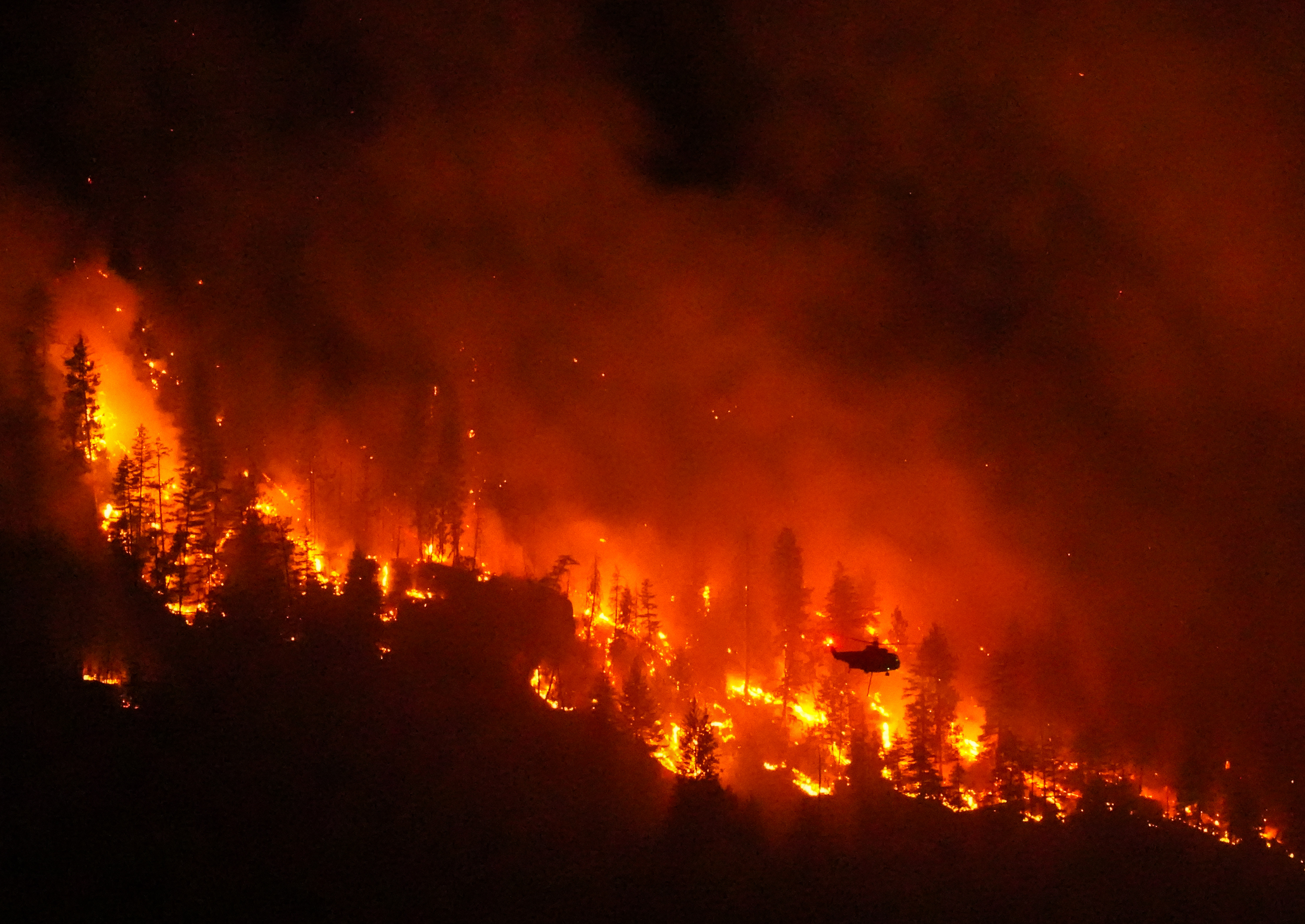
    Human-caused climate change doubled the likelihood of the tinderbox weather conditions that sparked Canada’s massive summer wildfires and in turn angered U.S. President Donald Trump, according to a study released Thursday.

    And fire and climate scientists said Trump, who has talked about punishing Canada for poor fire management and sending days of choking smoke across the border, should look more in the mirror than up north when it comes to blame. They point to the United States’ huge historical emissions of heat-trapping gases from the burning of coal, oil and gas.

    The fire weather conditions in the Northwest Territories and northwestern Ontario, while unusual but not that rare, were still made twice as likely by global warming, said Thursday’s study by World Weather Attribution, a group of international scientists who examine extreme weather conditions to see if there are climate change fingerprints. It’s about the same as the team found for summer fires in France, but not nearly as clear a climate fingerprint as they calculated in Spanish fires, which the scientists said were 20 times more likely because of climate change.

    The study, which was done so quickly it has not been peer reviewed yet, looked at the weather conditions that are connected to large wildfires and the Canadian index for those conditions, which are heat, lack of rain, humidity and wind. The researchers found the doubling of frequency when — using scientifically accepted techniques to search for climate fingerprints — they compared current conditions to a world without the 2.5 degrees of warming that’s occurred since the industrial age and burning of fossil fuels started. The weeklong weather conditions that led to the fires in Ontario are now the type that can happen every six years or so, the report said.

    “In a pre-industrial climate this would have been much less likely to occur, maybe once in a lifespan. So climate change has made those events more likely,” said study co-author Jonathan Boucher, a fire scientist at Canada’s Forest Service.

    Hotter, drier conditions connected to burning

    Outside climate and fire scientists said the flash study made sense and reflects a world where hotter and drier conditions are making fires burn more often and more intensely.

    “Mother Nature’s been burning. Now she’s on amphetamines and she burns more and more,” said Thompson Rivers University fire scientist Mike Flannigan, a Canadian expert who wasn’t part of the study.

    Hazardous smoke spread across both the United States and Canada, choking large cities such as New York.

    By burning more and more fossil fuels, “we’re putting nails in our coffins,” Flannigan said.

    In the larger and remote Northwest Territories fires, where more than 5,000 square miles burned, it’s clear the spark was from lightning but it was the climate conditions that took that initial ignition and made the fire burn intensely and spread too fast to control, said Boucher and report lead author Theodore Keeping, a climate scientist at Imperial College in London.

    While people start about half of Canada’s wildfires — accidentally or on purpose — fires sparked by lightning are responsible for more than 90% of the land area burned in Canada, Flannigan said.

    “What we’re facing here is more of a climate related problem than a forest management problem,” Boucher said.

    That’s not how Trump sees it.

    Trump blames mismanagement, but scientists point to carbon

    “A lot of damage has been done. They’re not managing their forests properly,” Trump said July 21. “And the wind has a tendency to blow right over New York City, right over, you saw Detroit, they had to close the whole place. Michigan was really affected. They had to close businesses for four days. It’s very serious what they’re doing, and they don’t seem to be able to do anything about it. If they managed their forests, they wouldn’t have the fires.”

    When asked Sunday about punishing Canada, Trump on Air Force One told reporters he has decided on a punishment, adding “you’ll find out about it soon.”

    Canadian climate and fire scientists said Trump doesn’t understand the root causes.

    “Smoke does not carry a passport, but carbon pollution does have a history. That history shows that the United States contributed more than any other country,” said University of Victoria climate scientist Andrew Weaver. “President Trump is pointing at the smoke while ignoring America’s fingerprints on the climate conditions behind it.”

    Study co-author Friederike Otto, an Imperial College London climate scientist, said, “if you care about anyone but the super rich, you have to stop burning fossil fuels because the impacts are here and they’re now and have huge consequences.”

    Canada has warmed 65% more than the United States in recent decades. In the past 30 years, the amount of land annually burned by Canadian wildfires has gone up by about 50% while the amount in the United States has more than doubled.

    A big problem that Trump doesn’t appear to understand is that much of Canada’s forests are remote, northerly and full of spruce and pine that burns hard and fast, all making it difficult to get a handle on, Boucher and Flannigan said.

    “In Canada, when things are extreme, you have about a 30-minute window to put that fire out,” Flannigan said. “If you don’t get there in 30 minutes, you’re out of luck. And many of the fires that start in Canada are northern remote areas that are more than 30 minutes away from an airport. So even with perfect detection systems, we would get there too late and these fires are going to burn.’’

    ___

    The Associated Press’ climate and environmental coverage receives financial support from multiple private foundations. AP is solely responsible for all content. Find AP’s standards for working with philanthropies, a list of supporters and funded coverage areas at AP.org.

  • Testing is underway on vaccines to intercept brewing colon cancer before it takes root

    Testing is underway on vaccines to intercept brewing colon cancer before it takes root

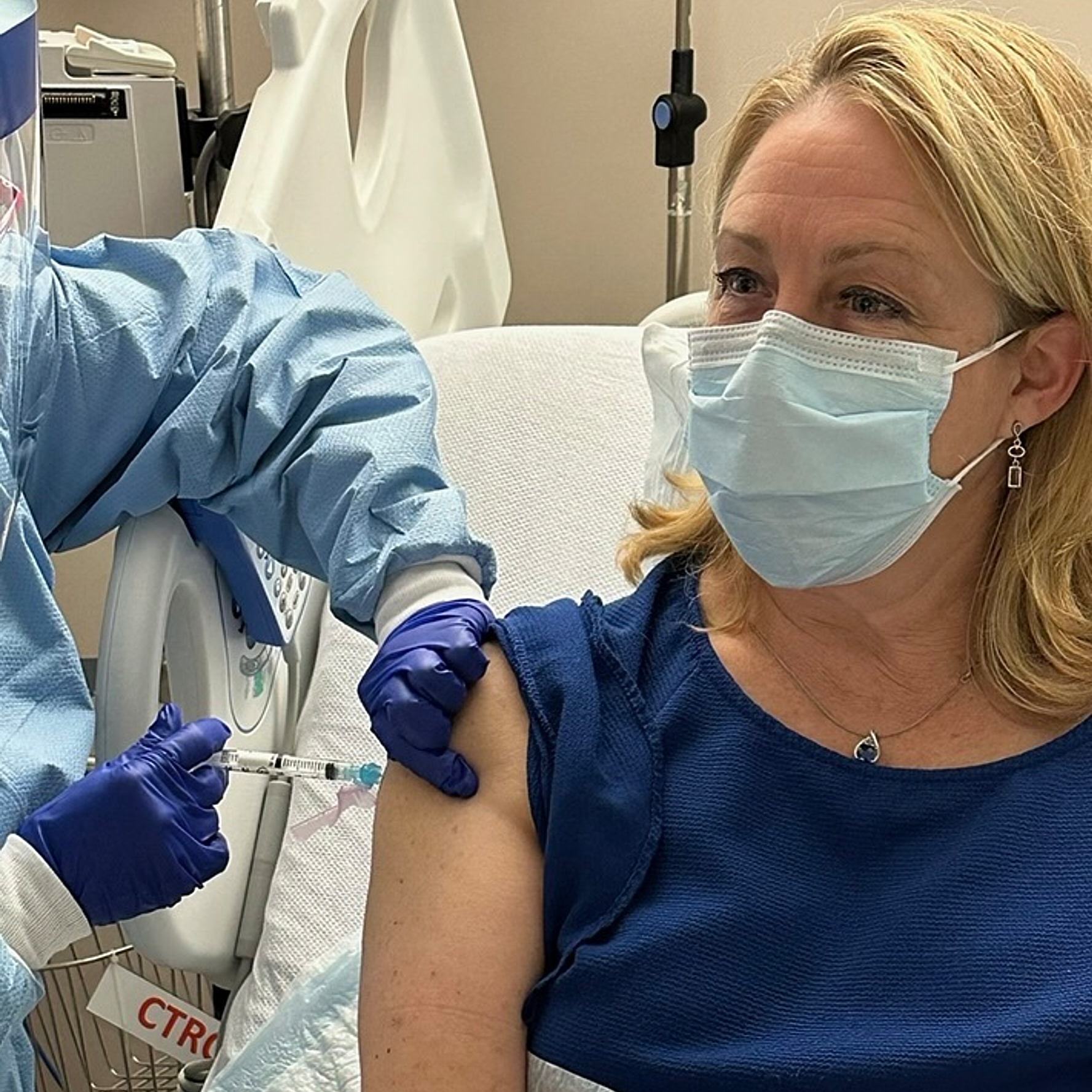
    Dr. Stacy Norton was only 7 years old when her mother died of colon cancer, one of several family members struck by aggressive tumors at unusually young ages. Decades later, Norton rolled up her sleeve to help test if a new kind of vaccine might protect her and her own children from cancer.

    The Houston doctor is among an estimated 1 million Americans who have Lynch syndrome, a faulty gene passed from a parent that puts them at extremely high risk of colorectal cancer and more vulnerable to certain other cancers, too. They’re often urged to get yearly colonoscopies — far more often than usual — that can spot and remove precancerous growths called polyps.

    Now scientists are creating vaccines that aim to go further, teaching the immune system to intercept this type of brewing colon cancer before it turns into a full-fledged tumor. At least three potential Lynch syndrome vaccines are in development, including two in early clinical trials in the U.S. and a third beginning in Britain.

    The shot that Norton helped test appears promising enough that its lead researcher, Dr. Eduardo Vilar-Sanchez of the MD Anderson Cancer Center, expects a larger study to begin early next year.

    “It gives me hope,” said Norton, 59, of Houston Methodist Willowbrook Hospital. She had already survived a different Lynch-caused cancer and has two children in their 20s who inherited her mutation. If a vaccine pans out, “perhaps they won’t have to have a colonoscopy every single year for the rest of their lives.”

    Lynch syndrome is caused by an inherited genetic mutation

    Everyone has what are called mismatch-repair genes, which are essentially spellcheckers to help fix DNA mistakes that can occur when our cells multiply. With Lynch syndrome, one of those genes can’t do its job properly, making it harder for the body to stop a buildup of abnormalities that can lead to tumors, often before age 50.

    Colorectal cancer is the most common consequence. The average person has a 5% risk of developing it during their lifetime. A Lynch carrier’s risk can reach as high as 80% depending on which faulty gene they inherit, Vilar-Sanchez said.

    Another big risk is endometrial, or uterine, cancer. Lynch carriers also are more likely to get other cancers including pancreatic, stomach, ovarian and certain skin cancers — and a kind of brain tumor that killed Norton’s sister at age 25.

    Norton knew some of her mother’s relatives had also experienced colon cancer, but she was in her 40s before a gene test confirmed she has Lynch syndrome. She switched from every-so-often to yearly colonoscopies. As an obstetrician/gynecologist familiar with other Lynch risks, Norton also decided to have a precautionary hysterectomy. Surgeons discovered early-stage cancer in her removed uterus.

    Possible vaccines to stop gene-caused cancer

    Today there are two cancer-preventing vaccines, the HPV and hepatitis B shots that block infection from those tumor-causing viruses. But developing vaccines to prevent gene-caused cancer is more challenging than alerting the body to foreign intruders like a virus.

    Lynch-fueled growths “tend to accumulate hundreds of mutations that are going to generate proteins that are novel, not made by our normal cells,” Vilar-Sanchez said. “You can train the immune system to recognize those proteins.”

    In a first-step study, Norton and 44 other Lynch carriers tested a vaccine made by Swiss biotech Nouscom that teaches the immune system to spot 209 of those abnormalities in Lynch-caused precancers. That revved up tumor-eliminating T cells and a year later, colonoscopies showed fewer precancerous growths and no advanced polyps, the MD Anderson team reported in Nature Medicine.

    “Can we even further stimulate the immune system” to keep up with Lynch syndrome-spurred tumor formation, asked Dr. John Marshall, a Georgetown University oncologist and adviser to the Colorectal Cancer Alliance who wasn’t involved with the study. “This early paper suggests that yeah, maybe we can.”

    For the first time since 2014, Norton’s own colonoscopies one and two years after vaccination were polyp-free. She’s also part of a subset of study participants given a booster shot a year later; more data on that is expected this fall.

    Oxford University researchers are beginning initial testing of a similar approach to attack Lynch-spurred precancers, a vaccine made by Massachusetts-based Moderna using the mRNA technology behind its COVID-19 shot.

    And scientists are awaiting results from a slightly larger study comparing California-based ImmunityBio’s Tri-Ad5 vaccine, which flags some different cancer markers, to a placebo.

    Is Lynch syndrome tied to the rise in young adult colon cancer?

    About 158,000 people are diagnosed with colorectal cancer in the U.S. each year, most of them over 50. Cases in younger adults are increasing, though it isn’t clear why.

    Lynch syndrome affects about 1 in 279 people. While most don’t know it, more may be learning they have the inherited disorder, Vilar-Sanchez said, as genetic testing is increasingly discussed with people with Lynch-related cancer in the family or who get certain tumors at young ages. That in turn can show if close relatives might also be at risk.

    For the average person, U.S. guidelines call for routine colorectal cancer screening — with a colonoscopy or other kinds of tests — to begin at age 45. But at any age, get a checkup for symptoms such as blood in stool or rectal bleeding; changes in bowel habits such as diarrhea, constipation or narrowing of stool that lasts more than a few days; unintended weight loss; and cramps or abdominal pain.