Category: News

  • At least 111 dead, buildings collapsed after 7.4-magnitude earthquake shakes western Colombia

    At least 111 dead, buildings collapsed after 7.4-magnitude earthquake shakes western Colombia

    CALI, Colombia — A powerful 7.4 magnitude earthquake struck western Colombia on Monday, killing at least 111 people, damaging hundreds of buildings, and leaving many trapped under debris while their loved ones and rescue workers searched through rubble.

    Colombia’s President Abelardo de la Espriella, who reported the death toll, said at least 87 people were injured and around 1,600 buildings were damaged, including at least 61 that completely collapsed. He declared an emergency to expedite funding for the quake recovery while saying he would visit the disaster zone.

    “We aren’t going to leave people alone. They are in our hearts and we are going to tend to people with our full determination,” he said.

    The epicenter was in San Jose Del Palmar, a community of about 4,800 people in the Choco region about 250 miles west of Bogota, the U.S. Geological Survey said. The quake also was felt in neighboring Ecuador and Panama, though minimal damage was reported there.

    The quake ravaged cities across western Colombia, including Pereira, Quibdo, Cali, and Manizales.

    In the country’s third-largest city, Cali, search teams and civilians picked through the remains of destroyed buildings, passing large pieces of concrete and other rubble down a long line of volunteers. The desperate scene brought memories of the searches still ongoing in neighboring Venezuela weeks after that country was devastated by two powerful earthquakes.

    Most powerful quake recorded in Colombia this century

    Colombia’s Geological Service said Monday’s quake was the strongest recorded in Colombia “in the 21st century,” and that it was followed by 21 less powerful aftershocks.

    Colombia’s Pacific region around the quake’s epicenter lies along the Ring of Fire, the line of seismic faults encircling the Pacific Ocean where most of the world’s earthquakes occur. The Pacific, particularly the Choco region, is one of the poorest regions in the country. Nestled in the dense jungle, much of Choco is only reachable by boat or plane, which may pose a problem for authorities in assessing the wider toll.

    Jorge Moncayo, a 64-year-old taxi driver in Cali, said he saw plumes of dust shoot up across the city as buildings collapsed. Residents and rescue workers were searching the rubble for survivors.

    “My entire house shook. I’ve never lived through such a powerful earthquake,” he said. “We’re thanking God we’re alive.”

    Local authorities said the death toll included at least 40 people who were killed in the Risaralda region, where the hard-hit city of Pereira is located, as well as 27 people in the Valle del Cauca region, where Cali is located, including three children. Authorities also confirmed nine people killed in Choco, two in the Caldas region, and a 73-year-old in the Antioquia region. It was not immediately clear where the other 32 people died.

    Authorities said flights were suspended in the airports of Manizales, Quibdo, Armenia, Cartago, Buenaventura, and Pereira as they assessed damage.

    The earthquakes left many in the Andean nation unnerved after two back-to-back quakes devastated neighboring Venezuela in late June, destroyed hundreds of buildings, and killed more than 5,000 people.

    Little was known about the extent of the damage in Choco, a remote region where officials reported dozens of injured people and damaged buildings but few other details. Phone signals were out in many parts of region’s capital, Quibdo. The town closest to the earthquake’s epicenter, San Jose del Palmar, has no airport, and is located on top of a mountain ridge along a highway linking the cities of Cali and Pereira.

    In Pereira, further south in the coffee-producing mountains of Colombia, photos and videos published by local media showed pieces of the airport ceiling falling down on travelers taking shelter and screaming. In the city, people were shown running through rubble and plumes of dust. Pereira’s mayor, Mauricio Salazar, told a local radio station that more people were trapped under “a massive quantity of collapsed buildings.”

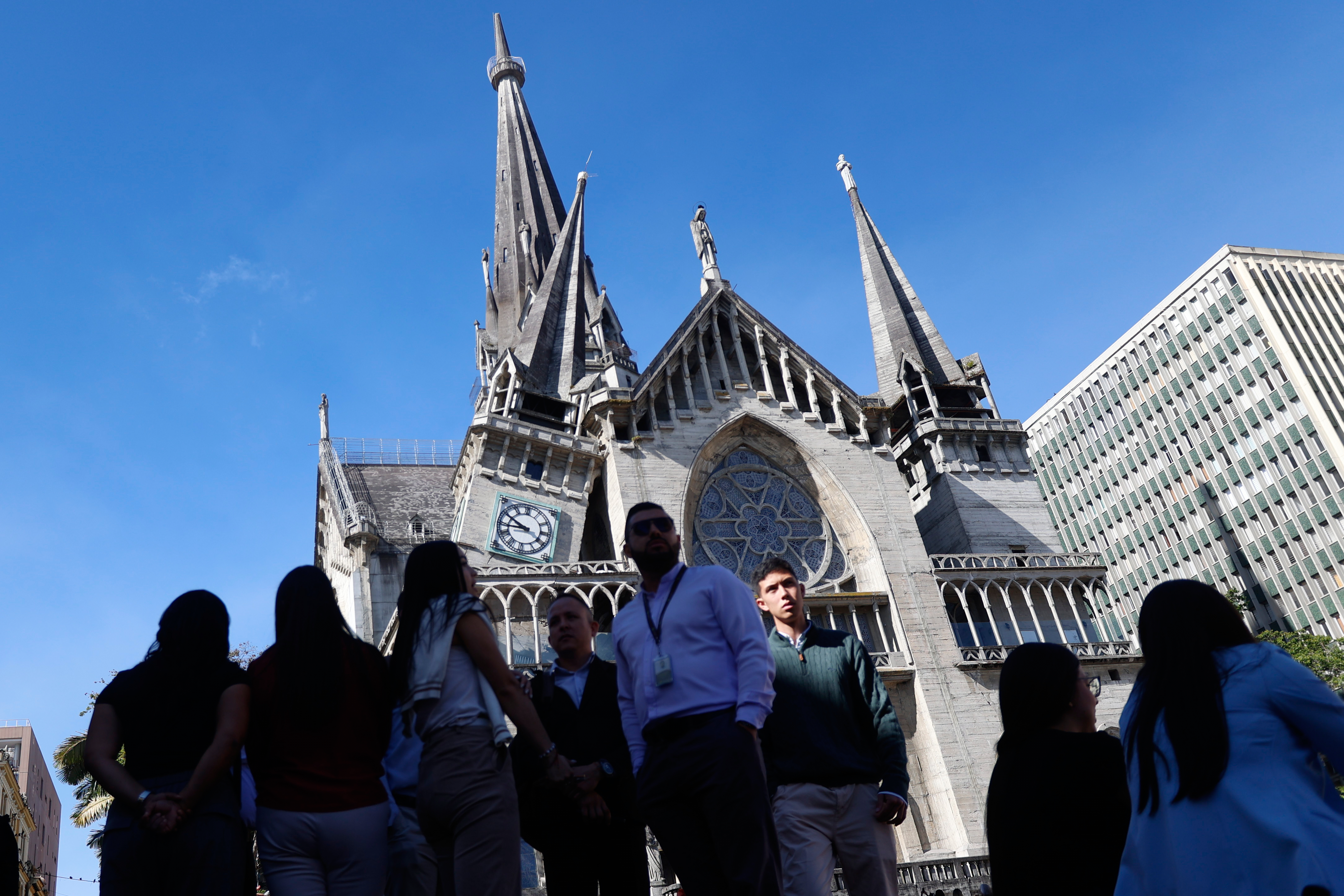
    In nearby Manizales, one of the towers of the neo-Gothic cathedral collapsed and fell on the nave. Mayor Jorge Eduardo Rojas asked residents to stay outside in case of aftershocks.

    In Cali, a city of 2 million people, Mayor Alejandro Eder said that residents were trapped in at least 19 buildings that had collapsed.

    Powerful quakes rare in Colombia, smaller quakes common

    Small earthquakes, known as “temblores,” are common in central and western Colombia, but those above 6.0 magnitude are rare. In 1999, a 6.2 magnitude quake near the city of Armenia killed more than 1,100 people.

    Colombia’s newly inaugurated president said Monday that he had personally taken charge of the government’s response to the emergency.

    “You are not alone. The state is present and taking action,” he said.

    Response to the earthquake presents the first major challenge to de la Espriella, a Trump ally who was sworn in as president over the weekend.

    Messages of support rolled in from leaders across the Americas, including Mexico, Brazil, Ecuador, El Salvador, and the United States.

    “The Trump administration is closely monitoring the large earthquake that struck Colombia and stands ready to support the people of Colombia,” U.S. Secretary of State Marco Rubio wrote in a post on X.

    A number of countries offered aid, and the U.N. deputy spokesperson, Farhan Haq, said, “We stand ready to help as needed.”

  • A 61-year-old woman was killed, another man injured, in North Philly shooting

    A 61-year-old woman was shot and killed in North Philadelphia after a shooting Sunday night.

    Philadelphia Police Department officers responded to the 2800 block of N. 24th Street around 11:49 p.m. for a report of a person with a gun. Officers found Michelle Wilson, 61, on a porch suffering from gunshot wounds to the neck and back. Wilson was transported to Temple University Hospital, where she was pronounced dead at 12:04 a.m. on Monday.

    A second person, a 67-year-old man, was found on the same porch suffering from gunshot wounds to his backside. Police transported the man to Temple University Hospital and was placed in stable condition.

    Anyone with information is urged to contact the Homicide Unit at 215-686-3334 or call the PPD tip line at 215-686-8477. As with all homicides in the city of Philadelphia, there is a $20,000 reward for information that leads to an arrest and conviction.

    This section of North Philadelphia has already experienced two fatal shootings this summer in June, according to the most recent data supplied by the City Controller, and in that same month, a 16-year-old was shot and injured one block from where Sunday night’s shooting occurred.

    According to police, at least seven shootings occurred this past weekend, including the fatal shooting of 70-year-old Felix Serrano, who was found shot in the chest while sitting in his car near Hunting Park.

  • How could Cheltenham look in 2040? The township calls for more businesses, community spaces, and may adopt a lesson from Ardmore

    How could Cheltenham look in 2040? The township calls for more businesses, community spaces, and may adopt a lesson from Ardmore

    Cheltenham Township’s latest long-range plan, approved last month, provides a glimpse of how the township of 38,000 could look by 2040.

    The Montgomery County Planning Commission, alongside officials and volunteers from the township — one of Philadelphia’s oldest suburbs — spent several years on the plan, said Carl Freedman, a Cheltenham planning volunteer.

    “Communities like Cheltenham have a difficult time, being so developed, that being given an opportunity to direct where new development goes is helpful,” Freedman said.

    The comprehensive plan, which exceeds 200 pages, lays out challenges and recommendations, ranging from streetlights to denser housing, for the township’s homes, businesses, transportation networks, community services, and historical assets over the next 10 to 15 years.

    More business, more tax money

    Many of Cheltenham’s residents still commute to Philadelphia, but more people are working from home after the pandemic, creating opportunities to welcome new restaurants and other businesses, planners wrote.

    Which is sorely needed, because Cheltenham wants more tax money without a ton of new residents.

    One of the challenges for the township, which has very little undeveloped land remaining, is its large proportion of institutional properties — universities, churches, and other nonprofit entities — that do not pay property tax, planners wrote: “Institutions such as non-profits or higher education have taken over many of the large estates in the township. This supports the preservation of these historic and beautiful places but at the same time has real impacts on the tax revenue of the township.”

    Plans to attract business include reviewing rules for home-based enterprises, identifying opportunities to convert some of the parking spaces at large shopping centers into sites for new shops, and piloting a program to bring more food trucks to major commercial streets.

    More main streets, more trees, slower traffic

    The comprehensive plan identifies several neighborhood hubs with potential for more development that Cheltenham could encourage by slowing traffic with road narrowing and other measures, and adding decor to draw foot traffic into town centers.

    Glenside and Elkins Park East top the list for main street revitalization, according to the plan. Wider sidewalks on Glenside Avenue and decorative lighting on Wesley and East Glenside Avenues could be part of the solution, planners wrote.

    Public art and infrastructure marking the entrances to the downtowns could also help to give these neighborhoods a sense of place.

    Tree cover is also key, the planners wrote — both preserving existing foliage and planting new trees in hotter, exposed areas, like the parking lot at the Elkins Park Square mall.

    Denser housing, more pedestrians

    Cheltenham has plenty of multifamily apartments compared with other Montgomery County towns, making up about a third of residences.

    But putting additional dense housing in the right locations could liven up Cheltenham’s downtowns without adding too much traffic, planners wrote, by encouraging public transit use.

    Putting more apartments above existing storefronts would create taller buildings that balance out some of the township’s wider streets, encouraging pedestrian traffic and patronage of local businesses, the comprehensive plan notes.

    Planners pointed to a similar approach Ardmore took in the 1990s as a model: “Through the Downtown Ardmore District’s work and an increase in multifamily residences in the vicinity of the business district, the neighborhood has experienced increased redevelopment and economic vitality without sacrificing its historic character.”

    Cheltenham could build more attractive bus shelters and benches to further encourage mass transit, and add bike parking at SEPTA Regional Rail stations.

    The township is also considering encouraging more accessory dwelling units, allowing residents to add in-law suites and other small homes to their existing property.

    Tookany Creek in Elkins Park, PA pictured on Monday, April 11, 2022.

    Fresh community spaces

    Cheltenham’s municipal buildings are old: In 2022, the average age of township facilities was 117.

    The township’s administrative building is located in the former home of the Breyer’s ice cream family, Freedman said — and it was built during World War I.

    Cheltenham closed two of its libraries several years ago after boilers failed in both buildings, but plans to renovate only one, La Mott Free Library. The document does not mention plans to rehab the second, East Cheltenham Library.

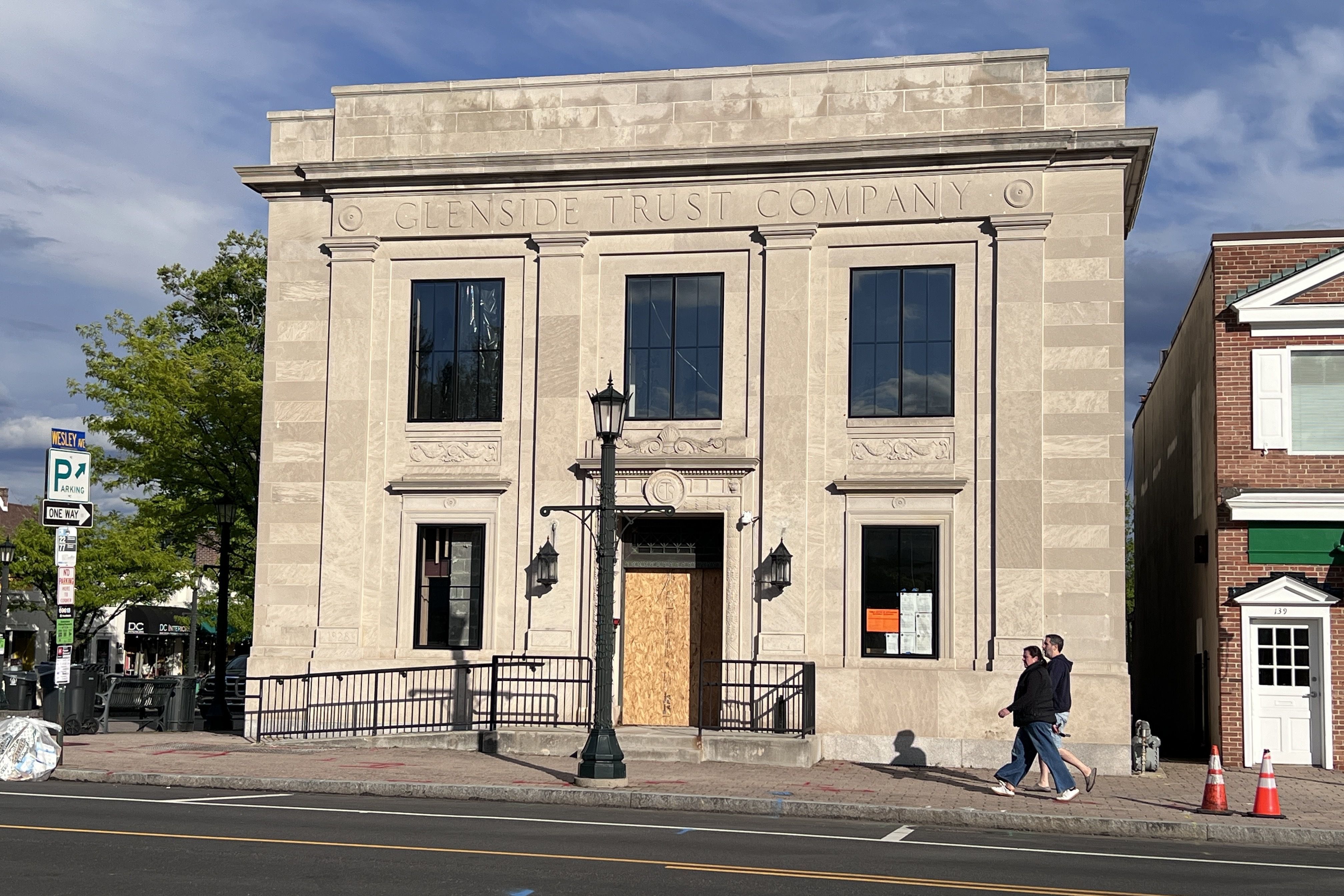
    The township also plans to continue connecting trails along Tookany Creek and making those trails bike-friendly, and to consider preserving more historic buildings, such as Glenside National Bank.

    This suburban content is produced with support from the Leslie Miller and Richard Worley Foundation and The Lenfest Institute for Journalism. Editorial content is created independently of the project donors. Gifts to support The Inquirer’s high-impact journalism can be made at inquirer.com/donate. A list of Lenfest Institute donors can be found at lenfestinstitute.org/supporters.

  • Planting native species is gaining popularity. Here’s how Jersey Shore gardeners do it.

    Planting native species is gaining popularity. Here’s how Jersey Shore gardeners do it.

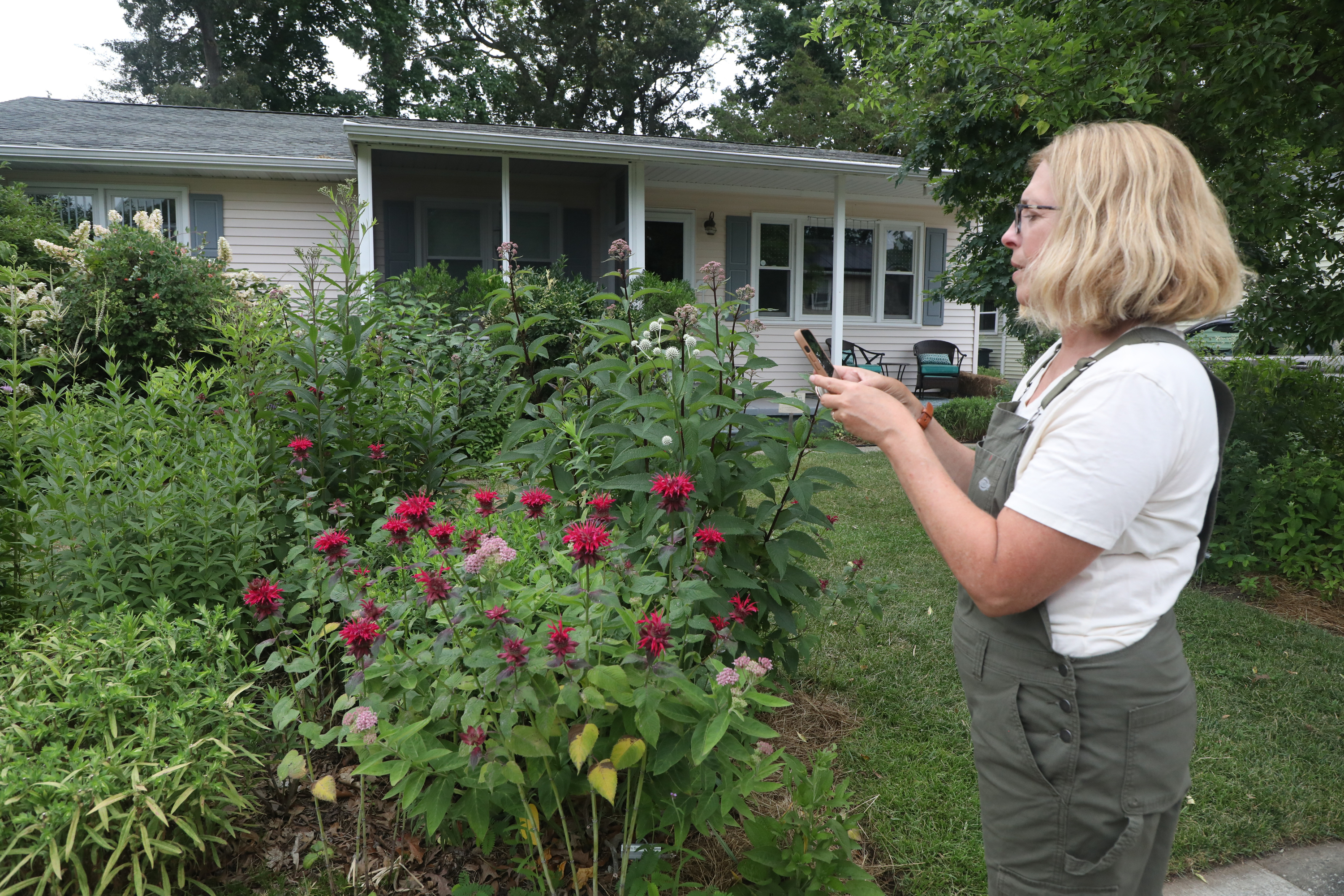
    Virginia Rettig’s garden is her passion.

    The 60-foot-by-100-foot plot on her Cape May property boasts about 200 varieties of native plants, which she estimates have drawn roughly 135 wildlife species. Monarch butterflies, hummingbirds, cardinals, gray catbirds, moths, and a host of other creatures suck nectar from her flowers and drink water from the small waterfall that flows into a pond.

    Once she even saw a black-billed cuckoo, a rarity in Cape May.

    “During spring and fall migration, millions of birds fly through Cape May County, and every blade of vegetation is critically important for them when they need to stop for food,” Rettig said.

    Rettig owns Cape NativeScapes in Cape May. After a 30-year career in the U.S. Fish and Wildlife Service, she is sharing her knowledge and passion for managing wildlife habitats by helping clients create native gardens.

    Virginia Rettig photographs a bush of bee balm and Eastern swamp milkweed outside her home.Vernon Ogrodnek / For The Inquirer

    She’s found plenty of customers who live at the Shore and want to help — not hinder — native species with their own landscaping choices. Nearly 80% of self-identified gardeners incorporate native plants into their outdoor spaces, according to gardening consumer research organization Simple Spring. And over a third dedicate a quarter to half of their garden to local flora.

    “People love nature and are itching for good information and support so they can provide these habitats for wildlife,” Rettig said.

    Areas once covered by native vegetation have been lost to development, replaced by ornamental landscapes, manicured lawns, and invasive species.

    But this increasingly popular practice of replenishing native plants serves the environment, birds, and wildlife, while growing roots to hold off erosion and conserve water.

    Types of plants at the Shore

    Native plants adapt well at the Shore where the conditions include wind, sandy soil, and salt spray, said Andrew Bunting, vice president of horticulture for the Pennsylvania Horticulture Society.

    Popular varieties include native grasses, such as American beachgrass, coastal panicgrass, and little bluestem varieties, which have a steely blue-green color in the summer and a coppery red hue in the fall.

    Butterfly milkweed, a favorite of monarch butterflies, blooms in Rettig’s garden.Vernon Ogrodnek / For The Inquirer

    “Butterfly weed is one of the most iconic of all the pollinator plants,” Bunting said. It “has vibrant orange flowers and is especially a magnet for the monarch butterfly, which is a threatened species.”

    It’s important to have perennial varieties that bloom at different times in the season to consistently provide nourishment to wildlife, Bunting said. For example, early spring might include a beach plum shrub, butterfly milkweed in midseason, and goldenrod late in the season.

    Native species are very hearty, need full sun, and require little care once established. They need to be watered when first planted, but once they take hold, rainwater is usually sufficient. Native plants can be mixed with non-native varieties as long as they have similar sun and water requirements.

    Attracting wildlife

    Pat Sutton, a working naturalist since 1977 for the Cape May Point State Park, and then the New Jersey Audubon’s Cape May Bird Observatory, hopes education will encourage more people to move toward native gardens.

    “There has been a lot of focus for too many years on instant gratification — pretty things that are forced to be in bloom well before nature intends,” Sutton said. “The focus on native plants is a focus on making sure wildlife can persist.”

    A bumblebee pollinates a bush of wild bergamot in Rettig’s garden.Vernon Ogrodnek / For The Inquirer

    Sutton’s website includes resources for native plants that attract birds and insects. For example, the coral honeysuckle vine and southern arrowwood shrub are especially attractive to moths when laying their eggs.

    Along with her husband, Clay, Sutton transformed her property into a wildlife habitat containing 205 native plants, including perennials, native trees, shrubs, vines, grasses, and ferns. She has recorded as visitors 213 bird species, 79 butterfly species, and 121 assorted other pollinators, including wasps, flies, bees, and beetles.

    “When I step outside, it’s like going into a wilderness, and it’s just a tiny yard,” she said. “But that’s what’s possible for people who embrace gardening with native plants.”

    Civic responsibility

    Strathmere residents have made native plantings a priority in homes and public areas throughout town. Along with N.J. Fish & Wildlife and Upper Township, the Strathmere Improvement Association Native Plant Committee members have erected gardens at several beach entrances, in front of the Schiavo Library, and around the Welcome to Strathmere sign.

    “We have a gem of a town and wanted to maximize the beauty of our beaches by cleaning up and planting at our entrances,” said Linda C. Bateman, a member of the committee that began planting gardens three years ago, adding a couple streets at a time.

    Native plants, including goldenrod, milkweed, bayberry, elderberry, Virginia rose, and New Jersey-native wildflowers, are labeled to educate beachgoers. The committee has raised awareness by offering talks led by gardening experts, holds native plant sales, and presents garden awards to residents who have dedicated yard space to pollinator plants. The town is a designated monarch butterfly way station.

    The entrance to Corson’s Inlet State Park, a part of Strathmere overseen by Belleplain State Forest, is also getting a makeover to include native plants.

    “Before development, there were areas across the barrier islands that were covered in low shrubs and small patches of forest,” said Chris Konicki, a Strathmere resident who is heading up the Maritime Forest Project with Peter Manzelmann from Belleplain State Forest.

    Their goal is to reintroduce native species that are indigenous to the area. Tree species such as eastern red cedar, American holly, black cherry, sassafras, black gum, and pitch pine will be planted, along with shrubs including bayberry, wax myrtle, beach plum, and Virginia rose. Small trees will feature winged sumac, a non-poisonous native species.

    A bumblebee pollinates a bush of Eastern swamp milkweed in Rettig’s garden.Vernon Ogrodnek / For The Inquirer

    “It’s an ongoing project that will slowly evolve over time and highlight some historical species that are no longer common in Strathmere and the surrounding islands,” Konicki said.

    These initiatives are important, Bateman said, as the native gardens do much more than just beautify and unify the beach entrances. Bees, butterflies, moths, and other insects are drawn to them. Wildlife including bats, frogs, songbirds, red wing blackbird, and finches, will feed on the insects.

    “We used to have fireflies in town, we used to have frogs trying to jump into our garage, and our windshields used to be covered in bugs,” Bateman said. “Where are they all? Clean air and clean water are not just human needs.”

  • Washington grapples with a National Guard deployment extended until 2029

    Washington grapples with a National Guard deployment extended until 2029

    WASHINGTON — It’s been 12 months since President Donald Trump announced a crime emergency in Washington, pledging to make the city “safe and beautiful” and deploying the National Guard.

    But a mission that seemed temporary has been extended through January 2029. Residents and a new cadre of local officials see in it an unacceptable attempt by the federal government to restrict the heavily Democratic city’s autonomy and, a year in, still question why having troops on the streets of the nation’s capital is necessary.

    “There’s a deep irony that here we are in the capital of the free world, and our president is treating it like a police state,” said Scott Michelman, legal director of the ACLU of the District of Columbia. “D.C. residents have lived with our National Guard troops in our neighborhoods for about a year, despite the absence of any genuine emergency and really any reason for them to be here.”

    The continued deployment will be a major test for a new batch of political candidates expected to take office after the midterms this fall. Residents will look to them to push back on the Republican president’s encroachment into the city’s affairs — although they’re limited in what they can do to counter it.

    Temporary deployment goes on and on

    On Aug. 11, 2025, Trump announced he was launching a federal law enforcement surge in Washington aimed at fighting crime. As of Aug. 4, more than 4,600 military personnel from D.C. and 24 states and territories were still deployed alongside unknown numbers of less visible federal law enforcement officers. Some are expected to be withdrawn toward the end of the summer.

    Small groups of armed guard members have become a routine presence on the streets. They have supported arrest operations but are also seen patrolling tourist areas, such as along the Tidal Basin during the Cherry Blossom Festival and in neighborhoods such as Georgetown where violent crimes are rare. They’ve helped with medical emergencies, snow removal, and beautification projects — initiatives that have received support from some residents.

    Extending the deployment into 2029 will cost about $1.4 billion, the Defense Department estimates. Exact figures on what’s been spent so far are unavailable, but the Congressional Budget Office projected in a report earlier this year the total cost for the first year of the deployment would be around $660 million, based on a monthly troop level of about 2,900, a figure that’s fluctuated throughout the mission.

    “President Trump has transformed D.C. from a crime-ridden city into a safe and beautiful haven for residents and visitors alike,” White House spokesperson Abigail Jackson said in an email.

    Figures released Monday by the U.S. Marshals Service showed over 16,000 arrests have been made since the surge began, including 35 homicide suspects and 3,200 narcotics arrests. Authorities also have seized nearly 2,000 illegal firearms.

    Attorney General Todd Blanche said in a statement that the arrests and weapons seizures “mean safer neighborhoods and lives protected.”

    Crime, which was falling before the surge began, continues to drop. Metropolitan Police Department statistics show overall crime was down 20% through Friday, compared with the same period in 2025. That includes a 32% drop in homicides, from 97 to 66.

    But there’s a debate over how much of that success is owed to Trump’s mission or to yearslong local efforts to chip away at the crime rate.

    What’s certain is locals feel the weight of the deployment and don’t see a clear way to push back against it. National Guard deployments to other cities have been blocked by courts, and a lawsuit challenging the deployment is pending, but critics of the surge aren’t hopeful.

    “The fact that we still have the National Guard walking our streets a year later with no end in sight is really demoralizing,” city council member Brianne K. Nadeau said.

    Autonomy is a top priority for newly elected candidates

    Because Washington is a congressionally established federal district, Trump has much greater influence over the police and D.C. National Guard, which he controls directly, including its commander.

    The Home Rule Act, passed in 1973, allows residents to vote for local leaders, including the mayor and council members. Congress has oversight over the local budget and review authority of all laws passed and the ability to summon district officials to the Capitol routinely to explain themselves. The D.C. delegate to Congress is a nonvoting position.

    The city’s governmental structure under home rule made it easy for Trump to do what he has done, Nadeau said.

    “There isn’t really any political liability for national leaders to mess with D.C. because nobody really cares,” outside of those directly impacted, she said.

    The law enforcement surge played a major role in Democratic primary elections in June, which elevated candidates who have made Washington’s autonomy and statehood top priorities.

    Janeese Lewis George, a democratic socialist who in the overwhelmingly Democratic city is likely to be its next mayor, has already rankled Trump. He threatened to put the city under federal control if she wins.

    Robert White Jr., another pro-statehood candidate, won the Democratic primary for the city’s seat in Congress.

    And while they are hamstrung by the city’s status, both hope they have strategies that can help fight back against the president and the deployment.

    White told the Associated Press he plans to build “an army of residents” and allies to target swing districts and work at “un-electing” people critical of the district and “electing those who do support D.C.”

    The action is similar to one a former D.C. congressional delegate, Walter Fauntroy, successfully pursued in 1972, mobilizing Black voters and allies against a South Carolina Congress member who had long opposed D.C.’s independence.

    “He didn’t deploy that strategy a bunch of times, but it sent a signal to people to lay off of D.C.,” White said.

    The city’s outgoing mayor, Muriel Bowser, avoided the kind of biting rhetoric and personal attacks typical of other high-profile Democratic leaders, despite the unprecedented intervention into her city. A major part of that was to avoid raising Trump’s ire and threaten what independence the city has.

    An emailed statement from Bowser’s office said that despite challenges to its independence the city has progressed in achieving its goals. “The safety and well-being of everyone in our city remains our top priority and protecting home rule remains our North Star,” the statement said.

    “We’re more than monuments and politics,” Bowser said in a 48-second video pinned to her X account.

    She said the city is made up of more than 700,00 taxpaying Americans who serve in the military, run businesses, and raise families and “we don’t have voting representation in Congress. We don’t control the D.C. National Guard, and we don’t have full access to full American democracy.”

    Concerns over troops in the city during elections

    Donna Powell, who is living part time in the city, said she and her husband walk and metro everywhere. “We’re already safe and beautiful,” she said. “We don’t need all these National Guard here.”

    The money could be better spent “on healthcare and food for families that need it.”

    The National Guard deployment has raised concerns among some over what the upcoming midterms and the 2028 presidential election will look like with troops on the streets.

    “The last time this president was supposed to come out of power, Jan. 6 happened,” said Alex Dodds, co-founder of FreeDC, an activist group that has protested the deployment by following and filming National Guard troops in quiet areas of the city far away from crime concerns. ”Imagine if that happens again but this time he has 5,000 troops standing at the ready to be part of that situation. You know, that’s our worry.”
    WASHINGTON — It’s been 12 months since President Donald Trump announced a crime emergency in Washington, pledging to make the city “safe and beautiful” and deploying the National Guard.

    But a mission that seemed temporary has been extended through January 2029. Residents and a new cadre of local officials see in it an unacceptable attempt by the federal government to restrict the heavily Democratic city’s autonomy and, a year in, still question why having troops on the streets of the nation’s capital is necessary.

    “There’s a deep irony that here we are in the capital of the free world, and our president is treating it like a police state,” said Scott Michelman, legal director of the ACLU of the District of Columbia. “D.C. residents have lived with our National Guard troops in our neighborhoods for about a year, despite the absence of any genuine emergency and really any reason for them to be here.”

    The continued deployment will be a major test for a new batch of political candidates expected to take office after the midterms this fall. Residents will look to them to push back on the Republican president’s encroachment into the city’s affairs — although they are limited in what they can do to counter it.

    A temporary deployment goes on and on

    On Aug. 11, 2025, Trump announced that he was launching a federal law enforcement surge in Washington aimed at fighting crime. As of Aug. 4, more than 4,600 military personnel from D.C. and 24 states and territories were still deployed alongside unknown numbers of less visible federal law enforcement officers. Some are expected to be withdrawn toward the end of the summer.

    Small groups of armed guard members have become a routine presence on the streets of Washington. They have supported arrest operations but are also seen patrolling tourist areas, such as along the Tidal Basin during the Cherry Blossom Festival and in neighborhoods such as Georgetown where violent crimes are rare. They have helped with medical emergencies, snow removal and beautification projects — initiatives that have received support from some residents.

    Extending the deployment into 2029 will cost about $1.4 billion, according to a Defense Department estimate.

    “President Trump has transformed D.C. from a crime-ridden city into a safe and beautiful haven for residents and visitors alike,” White House spokeswoman Abigail Jackson said in an email.

    Figures posted to the U.S. attorney’s office for the District of Columbia credit the surge with more than 13,000 arrests.

    Crime, which was falling before the surge began, continues to drop. Metropolitan Police Department statistics show overall crime was down 20% through Aug. 7, compared with the same period in 2025. That includes a 32% drop in homicides, from 97 to 66.

    But there’s a debate over how much of that success is owed to Trump’s mission or to yearslong local efforts to chip away at the crime rate.

    What is certain is that locals feel the weight of the deployment and do not see a clear way to push back against it. National Guard deployments to other cities have been blocked by courts, and a lawsuit challenging the deployment is pending, but critics of the surge are not hopeful.

    “The fact that we still have the National Guard walking our streets a year later with no end in sight is really demoralizing,” city council member Brianne K. Nadeau said.

    Autonomy is a top priority for newly elected candidates

    Because Washington is a congressionally established federal district, Trump has much greater influence over the police and D.C. National Guard, which he controls directly, including its commander.

    The Home Rule Act, passed in 1973, allows residents to vote for local leaders, including the mayor and council members. Congress has oversight over the local budget and review authority of all laws passed and the ability to summon district officials to the Capitol routinely to explain themselves. The D.C. delegate to Congress is a nonvoting position.

    The city’s governmental structure under home rule made it easy for Trump to do what he has done, Nadeau said.

    “There isn’t really any political liability for national leaders to mess with D.C. because nobody really cares,” outside of those directly impacted, she said.

    The law enforcement surge played a major role in Democratic primary elections in June, which elevated candidates who have made Washington’s autonomy and statehood top priorities.

    Janeese Lewis George, a democratic socialist who in the overwhelmingly Democratic city is likely to be its next mayor, has already rankled Trump. He threatened to put the city under federal control if she wins.

    Robert White Jr., another pro-statehood candidate, won the Democratic primary for the city’s seat in Congress.

    And while they are hamstrung by the city’s status, both hope they have strategies that can help fight back against the president and the deployment.

    White told The Associated Press he plans to build “an army of residents” and allies to target swing districts and work at “un-electing” people critical of the district and “electing those who do support D.C.”

    The action is similar to one a former D.C. congressional delegate, Walter Fauntroy, successfully pursued in 1972, mobilizing Black voters and allies against a South Carolina Congress member who had long opposed D.C.’s independence.

    “He didn’t deploy that strategy a bunch of times, but it sent a signal to people to lay off of D.C.,” White said.

    The city’s outgoing mayor, Muriel Bowser, avoided the kind of biting rhetoric and personal attacks typical of other high-profile Democratic leaders, despite the unprecedented intervention into her city. A major part of that was to avoid raising Trump’s ire and threaten what independence the city has.

    An emailed statement from Bowser’s office said that despite challenges to its independence the city has progressed in achieving its goals. “The safety and well-being of everyone in our city remains our top priority and protecting home rule remains our North Star,” the statement said.

    “We’re more than monuments and politics,” Bowser said in a 48-second video pinned to her X account.

    She said the city is made up of more than 700,00 taxpaying Americans who serve in the military, run businesses and raise families and “we don’t have voting representation in Congress. We don’t control the D.C. National Guard, and we don’t have full access to full American democracy.”

    Concerns over troops in the city during elections

    Donna Powell, who is living part time in the city, said she and her husband walk and metro everywhere. “We’re already safe and beautiful,” she said. “We don’t need all these National Guard here.”

    The money could be better spent “on healthcare and food for families that need it.”

    The National Guard deployment has raised concerns among some over what the upcoming midterms and the 2028 presidential election will look like with troops on the streets.

    “The last time this president was supposed to come out of power, Jan. 6 happened,” said Alex Dodds, co-founder of FreeDC, an activist group that has protested the deployment by following and filming National Guard troops in quiet areas of the city far away from crime concerns. ”Imagine if that happens again but this time he has 5,000 troops standing at the ready to be part of that situation. You know, that’s our worry.”

  • Zuckerberg spokesperson says his yacht did not hear call for maritime assist

    Zuckerberg spokesperson says his yacht did not hear call for maritime assist

    The crew of a yacht owned by Mark Zuckerberg did not hear a radio call for a maritime assist from a small skiff that ran out of fuel off the coast of Alaska, and by the time it did, another nearby ship had already rendered assistance, a spokesperson for the Meta CEO said.

    The Alaska Beacon reported that the skiff had issued a call for assistance through the U.S. Coast Guard last week and a nearby small cruise ship, the Wilderness Legacy, towed it into nearby Farragut Bay in Southeast Alaska and refueled it.

    Although it was closer, Zuckerberg’s yacht, called Launchpad, had not responded to the call.

    “I’m on a small-ship Alaska cruise with my son,” Michael Love, a passenger who said he was on the Wilderness Legacy cruise ship, wrote on Bluesky on Aug. 5.

    “Our boat rescued a stranded vessel last night and apparently we did that after the Coast Guard radioed Mark Zuckerberg’s yacht — which was closer — and they repeatedly refused to respond. (There was near unanimous booing when the captain announced this),” he said.

    The Alaska Beacon reported that the spokesperson told them via email on Sunday that the yacht Launchpad did not initially hear the call for assistance.

    “Mark and his family were not on board at the time of the incident. As the Coast Guard noted, the boat was not in distress, and by the time the crew reviewed the Coast Guard contact on a different radio channel from the one they were operating on, the assist was already underway. We’re grateful all parties are safe,” the email to the Alaska Beacon said.

  • Surprise nominees, candidate scandals scramble the battle for Congress

    Surprise nominees, candidate scandals scramble the battle for Congress

    The final stretch of primary season has scrambled the battle for Congress, as scandals, insurgent victories, and voters’ rejection of party leaders’ preferred candidates reshape a small but critical set of races.

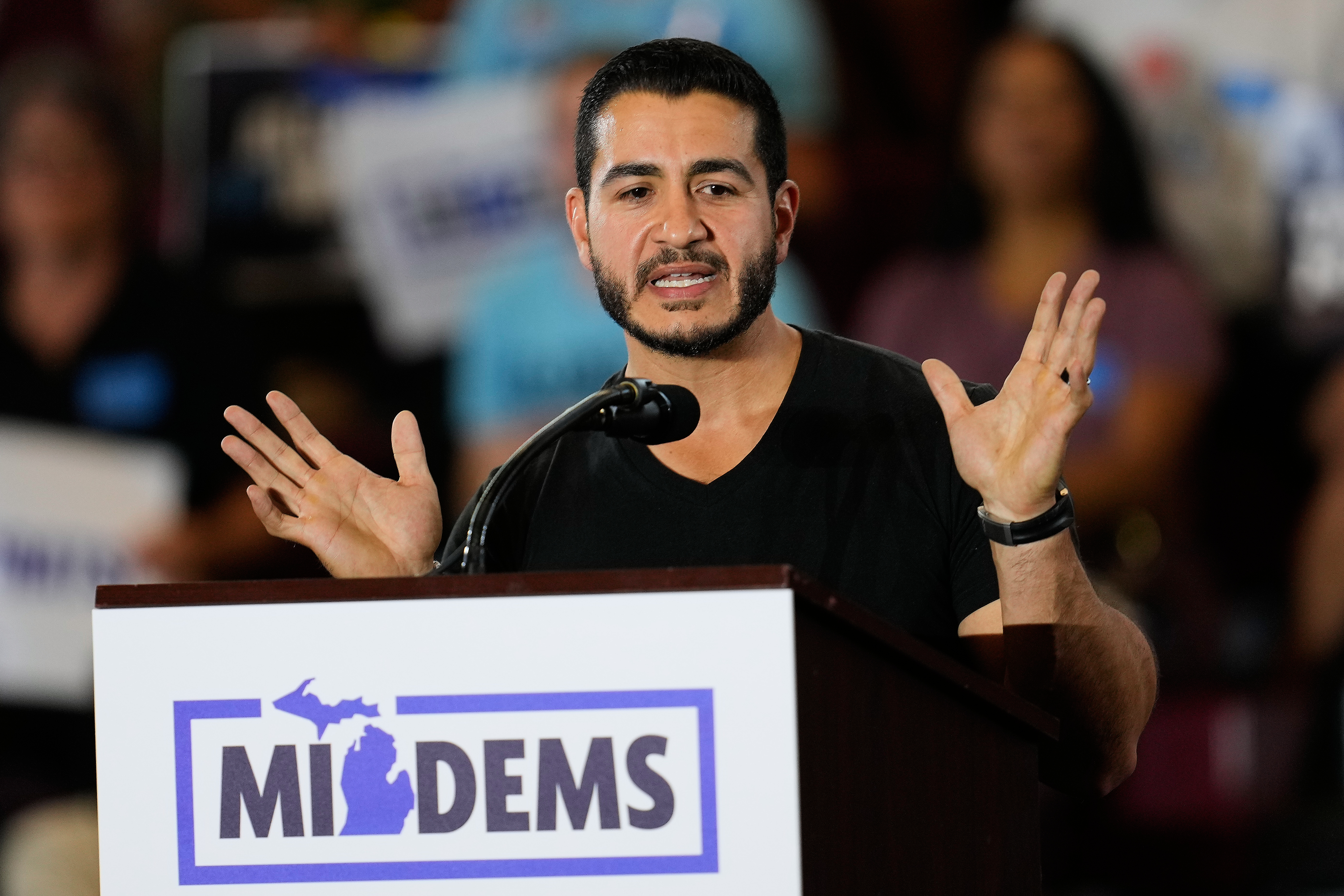
    Democrats’ path to a Senate majority narrowed with the triumph of progressive insurgent Abdul El-Sayed in Michigan, whom polls show faring worse against former Rep. Mike Rogers (R) than his primary rival. Republicans suffered their own setbacks as a Trump-endorsed congressional candidate in Michigan lost to a rival who had suspended his campaign, while misconduct allegations drove a vulnerable North Carolina incumbent from the race.

    Republicans are eager to face several Democrats they believe are too far left for their districts, while Democrats see new openings where GOP candidates have suffered from controversies. With control of Congress potentially turning on a handful of seats, both parties are betting individual candidates will matter as much as the political terrain — though operatives’ judgments about electability often prove wrong.

    “It’s really hard to tell you what the board’s going to be like,” said Democratic strategist Andrew Acosta, noting that antiestablishment fervor among grassroots organizers has made prognosticating harder for consultants and pollsters, and scandals are adding more volatility.

    For Trump, the stakes include the fate of his policy agenda for the rest of his term, as well as burdensome oversight and possibly a third impeachment. But he has taken a hands-off approach to the midterms, frustrating some Republicans who want him to help mobilize his supporters and dip into his super PAC’s $400 million war chest.

    “I said to somebody, ‘Wait a minute, you don’t understand — I won, I’m not campaigning,’” Trump said in an interview with Punchbowl News released Friday. “If I don’t run, will those people go out and vote? … Because a lot of them are very angry at Republicans.”

    Senate candidates scramble the usual map

    To win the Senate, Democrats need to defend their seats in Michigan and Georgia, pick up North Carolina and Maine, plus win in two more states that Trump won by more than 10 points in 2024 — a tall order even in a year expected to favor them.

    The latest polls show how individual candidates can defy a state’s typical partisan makeup. Democrats are currently leading in red states like Ohio, Iowa, and Texas by more than in left-leaning Michigan or Maine.

    Without Michigan, Democrats would have to win in a third state that Trump won by at least 10 points in 2024. Polls showed Rep. Haley Stevens (D., Mich.), who was endorsed by Senate Minority Leader Chuck Schumer (D., N.Y.), faring at least slightly better against Rogers than El-Sayed. But he edged her out in Tuesday’s primary by about one percentage point.

    “There’s a serious distinction, a big difference between somebody like Haley Stevens, who has far-left positions — and we would hammer her every day and litigate those positions — and somebody like Abdul,” said Alex Latcham, who runs Senate Leadership Fund, the flagship Republican super PAC in Senate races.

    Schumer, who spoke to El-Sayed on Wednesday, said in an interview that he was confident Democrats would hold Michigan. No Republican has won a Senate race there in more than three decades, and Trump is not popular there.

    El-Sayed just needs to “keep talking about jobs, talking about lower costs, talking about corruption — the same things that our candidates talk about across the country,” Schumer said.

    Texas Attorney General Ken Paxton beat incumbent Sen. John Cornyn over the objection of GOP leaders and now trails Democratic state Rep. James Talarico in most polls.

    In Maine, establishment favorite Gov. Janet Mills stalled out against Graham Platner, who later withdrew amid sexual assault allegations. The Democrats’ new nominee, Troy Jackson, is in a tight race against five-term incumbent Sen. Susan Collins (R).

    Republicans had already largely written off Georgia after no formidable challenger to Sen. Jon Ossoff (D) emerged. Their nominee, Rep. Mike Collins, trailed by 13 points in a Fox News poll conducted in late June and came under further pressure after CNN reported that his live-in son-in-law shared white supremacist and neo-Nazi content online.

    Collins disavowed those views but did not distance himself from his son-in-law. The campaign argued the race remains competitive by pointing to $60 million commitments from outside groups to help Collins.

    “Political ‘experts’ and the news media were laughingly wrong — just this week — about the competitiveness of the Senate primary in Michigan,” Collins spokesperson Corbin Keown said. “Mike Collins will beat Jon Ossoff in November, and the media will once again be left wondering how they got it so wrong.”

    The primary calendar could still reshape another Senate race. Alaska generally votes Republican, but Sen. Dan Sullivan faces a competitive race against former Rep. Mary Peltola (D), so Republicans are hoping a second candidate named Dan Sullivan does not make the top four and advance to the November ballot, where he could confuse voters and siphon off votes from the incumbent.

    House primaries create openings for both parties

    While midterms are historically tough on the sitting president’s party, Republicans moved the House map in their favor by gerrymandering additional states to eliminate blue seats and narrow the competitive field to only a couple of dozen districts. Democrats are hoping Trump’s unpopularity can push them deeper into red territory.

    The Senate result in Michigan immediately spilled into House races. Trump and other Republicans immediately moved to cast El-Sayed as a new party standard-bearer, seeking to make his progressive positions a drag on the entire Democratic ticket.

    “Michigan Democrats proved that their party has been completely taken over by the radical socialist left,” Rep. Bill Huizenga (R., Mich.) said in response to Tuesday’s results, linking El-Sayed with his own Democratic challenger, Sean McCann.

    The controversy around El-Sayed may have also hurt the Trump-endorsed candidate in Michigan’s 8th Congressional District, Amir Hassan. Republican operatives said voters may have confused him with controversial podcaster Hasan Piker, who campaigned with El-Sayed.

    Hassan lost Tuesday’s primary to another Republican named Tom Smith who raised almost no money and suspended his campaign last month. In lieu of a campaign finance report, he sent the Federal Election Commission a handwritten letter.

    Smith acknowledged his race got far less attention than the Senate contest and said his win surprised him too. In a statement Friday, he echoed national GOP attacks on left-leaning candidates, saying he and Trump-aligned Michigan Republicans would be a foil to the “failed socialist policies” of progressives like El-Sayed.

    Incumbent Rep. Kristen McDonald Rivet’s (D) campaign manager, Bobby Bennett, said the campaign didn’t see either Republican as harder to run against. The Cook Political Report rates the race as leaning Democratic.

    Voters also rejected Trump’s endorsement in Tennessee by ousting incumbent Rep. Andy Ogles. Still, national Republicans did not rue his roughly six-point loss to Charlie Hatcher on Thursday, since Ogles had faced ethics investigations and raised less money than Democrat Chaz Molder. Ogles lost much of his incumbency advantage when Republican-led redistricting replaced about 80% of the district’s voters as part of an effort to eliminate a Democratic-held Black-majority seat.

    Trump endorsed Hatcher on Friday, saying he had stuck with Ogles “even though he had virtually no chance of winning.”

    Elsewhere, both parties seized on primary results they argued had strengthened their prospects in competitive House races. Republicans cheered when national Democrats lost their preferred candidates in California’s 22nd District, where Bernie Sanders-endorsed Randy Villegas will take on incumbent Rep. David G. Valadao, and Arizona’s 1st District, where failed 2024 nominee Amish Shah beat ex-Republican Marlene Galán-Woods to take on Trump-endorsed Jay Feely.

    Democrats also acknowledged a tougher road against Rep. Tom Barrett (R., Mich.) with their nomination of William Lawrence, a progressive activist who co-founded the Sunrise Movement. “Even Democrats admit that Socialist William Lawrence is too extreme for Mid-Michigan and that he will be rejected this fall,” National Republican Congressional Committee spokesperson Zach Bannon said Thursday.

    A few consequential House primaries remain. In Florida’s primary on Aug. 18, some House Republicans are backing a challenger to Rep. Cory Mills (R), whom they view as unusually vulnerable amid a House Ethics investigation and assault allegation.

    Democrats see several Republican-held seats becoming more competitive because of scandals or candidate vulnerabilities. Rep. Max Miller (R., Ohio) faces pressure to resign over domestic abuse allegations, and Rep. Chuck Edwards (R., N.C.) dropped his reelection bid after the Ethics Committee found inappropriate conduct toward female staff. Rep. Tom Kean Jr. (R., N.J.), also drew criticism for missing almost four months of votes while struggling with depression. Cook rates Kean’s race a toss-up.

    Rep. Rob Bresnahan (R., Pa.), running in another toss-up district, is facing scrutiny over extensive stock trading after campaigning on banning the practice among lawmakers. Democrats are also bullish about flipping Texas’s 23rd District after Tony Gonzales admitted to an affair and resigned. The replacement Republican nominee, Brandon Herrera, known on YouTube as “The AK Guy,” faces San Antonio attorney Katy Padilla Stout.

    The odds of Rep. Marcy Kaptur (D., Ohio) hanging onto her seat, after Republicans redrew her district to favor them, improved in Democrats’ eyes when the GOP nomination went to former state Rep. Derek Merrin, whom she beat in 2024.

    Staffers of candidates who defeated national Democrats’ preferred contenders dismissed electability concerns and pointed to the quick postelection support of the party’s House campaign arm, a typical practice. In Maine’s 2nd Congressional District, state Auditor Matthew Dunlap defeated state Sen. Joe Baldacci, whom the Democratic Congressional Campaign Committee had included in its “Red to Blue” program. Since the primary, Dunlap’s campaign has built working relationships with the national group, spokesperson Matt Herdman said.

    “It’s going to be a difficult race, everyone knows that, but we feel like we’re on a good path,” Herdman said.

  • Water systems are ripe for cyberattacks, experts warn after suspected Iranian hacks

    Water systems are ripe for cyberattacks, experts warn after suspected Iranian hacks

    In late 2022, Microsoft detected the hack of a water system in Guam that U.S. intelligence agencies in the following months determined was orchestrated by China. The idea wasn’t new. The spy agencies had long watched as Iran targeted Israeli water systems.

    “That another nation state was doing it to us — that was unsettling,” recalled one former U.S. official, who, like several others interviewed for this story, spoke on the condition of anonymity because of the matter’s sensitivity.

    Senior U.S. officials were concerned that such intrusions could affect military bases on Guam, but also civilian water supplies, many of which were poorly protected against hacks.

    The Biden administration, alarmed by the spring 2021 ransomware attack on Colonial Pipeline, had already moved to regulate pipelines and then railroads.

    Now it wanted to move on water.

    In March 2023, the Environmental Protection Agency issued a memo to require that states work with local officials to spot weaknesses in water systems that hackers could exploit, and then develop plans to remediate them. Municipalities could apply for federal grants to help defray costs.

    But attorneys general in three Republican-led states — Arkansas, Iowa, and Missouri — sued, arguing that the memo exceeded the EPA’s authority, failed to provide for public comment, and was a financial burden on small towns. The federal appeals court for that region, seen as among the most conservative, halted the rule change. The EPA withdrew it.

    Late last month, a water utility in the western part of Arkansas, one of the states that sued, was hit with a cyberattack, part of a spate of intrusions into municipal water systems that U.S. spy agencies believe is the work of Iranian regime hackers. The campaign comes as a U.S.-launched war with Iran moves into its sixth month, with Tehran showing no sign of backing down.

    Had the EPA rule been in place, some experts say, the Arkansas utility or others like it might have been spared.

    “Shooting it down set us back,” said Gus Serino, president of I&C Secure Inc., a cybersecurity consultant on control systems, and a former engineer at the Massachusetts Water Resources Authority. “The level of effort and expense to fix these systems is not that much. It wouldn’t remove all the risk, but would certainly remove most of the low-hanging fruit.”

    The number of states affected has expanded to at least a dozen, say officials familiar with the matter, with at least 30 systems affected in Minnesota alone.

    Iran’s targeting of water systems, a trend that federal authorities first warned of months ago, and a history of failed efforts to boost water utility cybersecurity has lit a fire under some members of Congress.

    Sen. Adam Schiff (D., Calif.), the top Democrat on the water panel of the Environmental and Public Works Committee, unveiled a bill Monday explicitly authorizing the EPA to regulate water sector cybersecurity. The measure would enshrine in law what the agency tried to do by executive action three years ago: require water utilities to conduct cybersecurity assessments and require corrective actions when significant vulnerabilities are identified.

    Days before Iran began its recent campaign of hacks into water utilities, the Senate EPW committee unanimously passed a bipartisan measure that would help rural water systems mitigate cybersecurity risk.

    Industry representatives are now saying that voluntary efforts are not enough.

    The largest group representing water utilities is urging passage of a bill, sponsored by Rep. Rick Crawford (R., Ark.), that would establish an independent nongovernmental body to develop minimum cybersecurity requirements for the water sector overseen by the EPA.

    “We need minimum requirements,” said Kevin Morley, federal relations manager at the American Water Works Association (AWWA). “It’s time to step up the game.”

    The flurry of activity comes as the administration has slashed cyber specialists at the Department of Homeland Security and has not sought to renew funding for cybersecurity grants to states.

    President Donald Trump has blamed the states for the hacks, criticizing Minnesota Gov. Tim Walz (D) for a rash of attacks there, adding that he didn’t think Iran was the culprit.

    U.S. intelligence agencies are confident that Iran’s Islamic Revolutionary Guard Corps is behind the campaign, but have not made a formal attribution, in part because there is still some debate about which group within the IRGC carried out the attacks, according to two people familiar with the matter. One of the people added that there may be a reluctance to make an attribution that contradicts the president’s public remarks.

    The FBI declined to comment.

    The state of cybersecurity varies across the nation’s more than 150,000 water systems. Some municipalities, such as Cedar Rapids, Iowa, were largely insulated against the recent hacks because their systems are air-gapped, or not connected to the internet.

    “We have had multiple people recommend we tie our system to the outside world,” said Roy Hesemann, utilities director for Cedar Rapids, whose water system serves about 135,000 people and whose state was among those that sued EPA. “I’ve been adamant going back to 9/11, knowing that people were occasionally getting hacked — no, we’re not doing it.’’

    At least three states have recent laws requiring cybersecurity risk assessments for water systems: Indiana, Maryland, and New York. Authorities are unaware of any water system hacks related to the recent campaign in these three states.

    A political third rail

    The prospect of cybersecurity regulation has been a political third rail in Congress for over a decade. A major bipartisan push to enact mandatory standards for critical infrastructure in 2010 and again in 2012 blew up in the face of fierce opposition from the industry.

    Instead, voluntary frameworks and sector-specific initiatives were established, all by executive action.

    Then, in May 2021, a Russian-speaking ransomware group attacked Colonial Pipeline, forcing a multiday shutdown of one the nation’s largest fuel pipelines, causing shortages on the East Coast and panic-buying of gasoline. Ransomware cyberattacks — once considered a criminal nuisance — became a matter of national security, leading then-President Joe Biden to raise the issue with Russian President Vladimir Putin at a summit in Geneva.

    The pipeline scare spurred regulations on key sectors of critical infrastructure. Working with the Transportation Security Administration and the Coast Guard, the Biden administration added cyber requirements to existing authorities that mandate physical security of infrastructure.

    Anne Neuberger, Biden’s deputy national security adviser, convened meetings in the White House with industry executives to share threat intelligence and drive home the need for cybersecurity not just in pipelines, but airports, ports, and railroads.

    “It was a pretty sobering assessment of the bad actors and their aim to potentially disrupt critical infrastructure,” said Todd Hauptli, CEO of the American Association of Airport Executives, who attended a September 2022 meeting. “It softened the ground up for those who would react instinctively against increased regulatory efforts.”

    The approach, recalled then-TSA Administrator David Pekoske, was “providing a framework and then saying to the critical sector, ‘you come back to us with a plan,’” which was reviewed annually.

    The pipelines balked at their initial proposed rule as overly prescriptive. But a revised rule, crafted with industry feedback, allowed more flexibility to synchronize requirements across multiple agencies.

    A sign the rules are working, some experts say, is that Trump, who issued an order to slash regulations in his first month back in office, has retained the existing rules put in place by his predecessor.

    Signs of a softening

    But the U.S. water sector remained impervious to Biden’s rule push. In March 2023, the three states and industry representatives balked when the EPA issued the memo calling for cyber assessments to be added to periodic surveys of the physical security of water systems.

    “The 2023 approach was a little bit of a one-size-fits-all, top-down, no real substantive involvement from the community as to what made sense,” said Morley, of AWWA, one of the groups that sued the EPA.

    Today, there are signs of a softening.

    Iran’s recent attacks, despite the relatively low level of damage inflicted, have raised the level of urgency.

    On Wednesday, AWWA sent a letter urging lawmakers to create training programs, provide funding for cybersecurity, and support Crawford’s bill. It also wants the federal government to expand a program that dispatches technicians free to rural towns to help set up water systems and manage cybersecurity.

    Chris Harris, CEO of the nonprofit Arkansas Rural Water Association, said his group has been trying for years to educate operators on best cybersecurity practices. After news of the breaches broke last month, his group urged members to take any internet-exposed control-switch devices offline, but he is unsure how many did so.

    “A lot of people don’t take it serious until it happens to them,” Harris said. “Most people think that ‘[we’re] this little bitty 300-population town — why would Iran be concerned with us?’ They don’t realize that they’re attacking whatever they can.’’

  • Celebrating 100 years of Lawnside | Inquirer South Jersey

    Celebrating 100 years of Lawnside | Inquirer South Jersey

    Good morning, South Jersey.

    Lawnside is embracing its history as the first incorporated African American municipality in the Northeast as it celebrates its 100th anniversary.

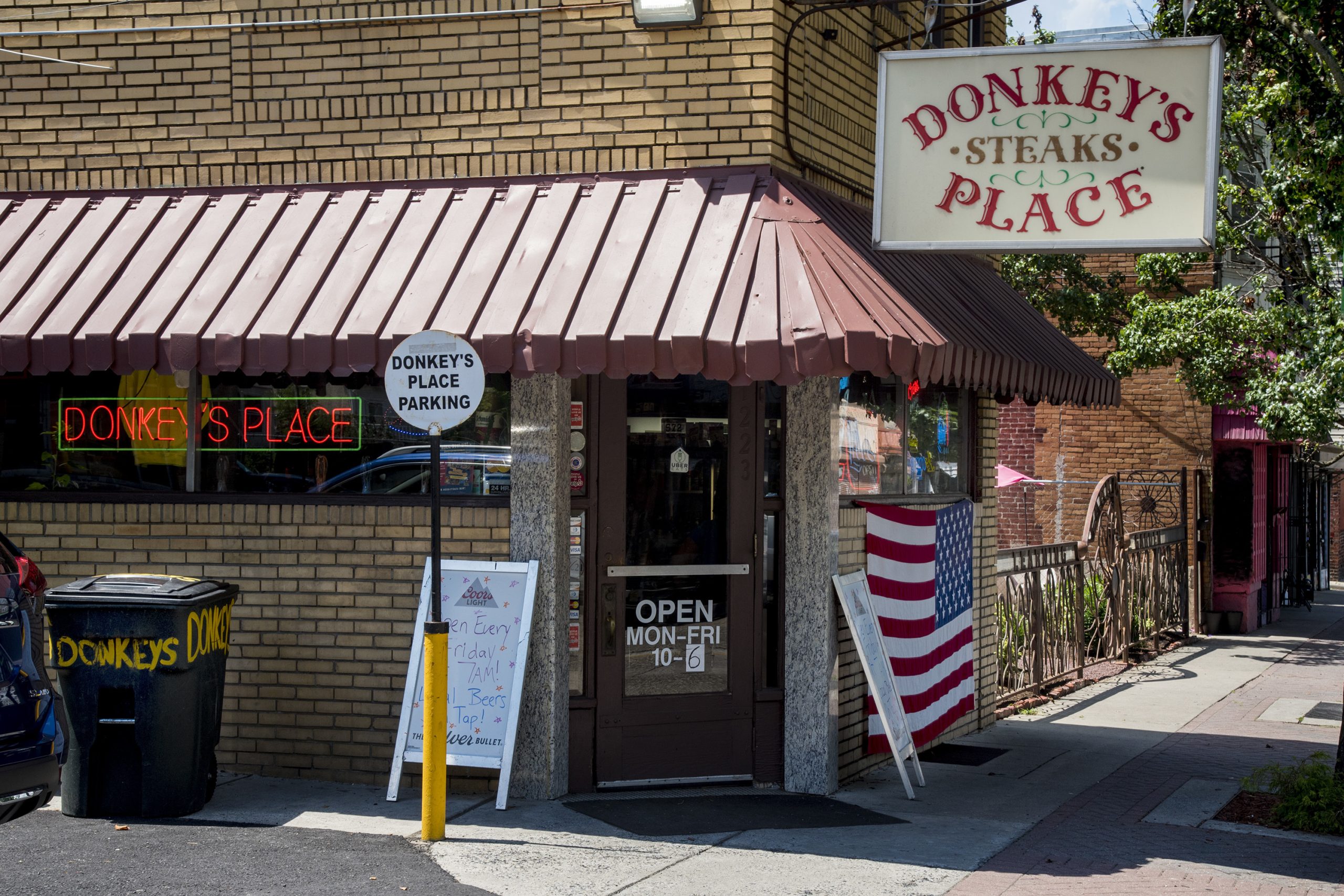
    And for more than 80 years, Donkey’s Place continues to be a longtime favorite for foodies for its cheesesteaks served on a poppy-seed kaiser roll.

    Plus, New Jersey Attorney General Jennifer Davenport announced an investigation into detainee deaths at Delaney Hall, and more news of the day.

    — Taylor Allen (southjersey@inquirer.com)

    If someone forwarded you this email, sign up for free here.

    Lawnside’s 100th incorporation anniversary

    Descendants from one of the oldest families of Lawnside, the Stills, met for their annual gathering on Sunday. And this one was particularly special.

    Nearly 200 people attended the family reunion in a tradition that began in 1870.

    And it happens that this year coincides with Lawnside celebrating 100 years of being the first Black self-governing municipality with roots dating back to the 18th century.

    After Lawnside was established, it became a cultural hub. Its churches, jazz scene, nightclubs, shops, and other gathering spaces attracted visitors from across the region.

    It’s also best known as a stop on the Underground Railroad.

    Lawnside is celebrating through various ways including a centennial celebration with various events, sermons at the second-oldest A.M.E. church in the state, and history lessons.

    The Inquirer’s Melanie Burney has the story.

    Donkey’s: The cheesesteak staple in Camden

    Since 1943, Donkey’s Place in Camden has a been point of pride for South Jersey.

    Donkey’s cheesesteak — donned with fried onions and American cheese on a poppy seed kaiser roll — is legendary. Chef Anthony Bourdain stopped by for his Parts Unknown show in 2015 and gushed with praise, such as calling it “sublime” and “unbelievably good.”

    Founded by Olympic boxer Leon “Donkey” Lucas nearly 80 years ago, it’s still family-owned and is run by Rob Lucas Jr., the third-generation owner and grandson of Leon.

    But why a seeded roll?

    Read more to learn Lucas Jr.’s theory and hear from old and new customers about the success of the sandwich.

    Plus: New Jersey Gov. Mikie Sherrill recently posted about Donkey’s and said it has better cheesesteaks than the “millions” she’s tried in Philadelphia.

    What to know today

    • AG Davenport announced on Friday that her office’s civil rights division is investigating the operation of the Delaney Hall ICE facility in Newark after multiple detainees died at the detention center.
    • According to the New York Times, the person behind the botched renovation of the Lincoln Memorial Reflecting Pool in Washington is the manager at President Donald Trump’s golf club in Bedminster.
    • A man was fatally shot after an hours-long standoff with police in a home in Millville on Thursday, according to the New Jersey Attorney General’s Office. There is an ongoing investigation.
    • Celebrated South Jersey teacher, singer, and poet of Cherry Hill Betty J. Wilson died of cancer at 92 at her home. The longtime educator was a two-time president of the Mount Laurel Teachers Association and taught elementary school students in Bordentown, Bridgeton, and Mount Laurel.
    • Two South Jersey towns were targeted in a nationwide cyberattack on local water agencies. Officials of Cape May and Woodbine confirmed they were hacked on July 27. Officials say both systems were impacted for about 12 hours, but water never stopped running and remained safe to consume. Both also said no personal data or customer information were compromised.
    • The $220 million project to restore the Commodore Barry Bridge which links Delaware and Gloucester Counties is underway. It’s also causing traffic jams this summer with one lane open in each direction from 7 p.m. to 5 a.m., as well as residual morning delays.

    🧠 Trivia time

    Adam Weiner is the front man of the rock and soul band, Low Cut Connie.

    Where in South Jersey did he grow up?

    A) Pitman

    B) Westville

    C) Bordentown

    D) Cherry Hill

    Think you know? Check your answer.

    What we’re …

    🎧 Listening to: Our Songs of Summer playlist.

    🍫 Craving: Chocolates from Duffy’s in Gloucester City.

    🧩 Playing: The latest version of our weekly word puzzle, Pillars.

    📬 Your South Jersey view

    A sunny Friday afternoon at Cooper River Park in Pennsauken.Taylor Allen

    I didn’t stay out too long because of the heat last week, but it was still worth it to get a chance to be outside and sit near the water.

    What does your community look like? What South Jersey memory would you like to share? Submit a photo and/or a brief description for a chance to be featured in the Monday edition of this newsletter.

    🗞️ What other South Jersey residents are reading

    I hope you have a fantastic start to your week. I’ll see you tomorrow. 👋🏽

    By submitting your written, visual, and/or audio contributions, you agree to The Inquirer’s Terms of Use, including the grant of rights in Section 10.

  • Philly just shifted its rules for how kids with disabilities can get into special admissions schools. A lawsuit threat prompted the change.

    Philly just shifted its rules for how kids with disabilities can get into special admissions schools. A lawsuit threat prompted the change.

    The Philadelphia School District is changing a policy that effectively barred some qualified students with disabilities from gaining admission into certain magnet schools.

    But it did so only after a Philadelphia family — whose child with disabilities was not admitted to a school for which they met academic criteria — notified the district that it intended to sue over the old policy under the Americans with Disabilities Act.

    The school system’s policy has traditionally worked this way: Students are eligible to apply for admission to up to five of the 37 district schools for which they meet academic, behavioral, and attendance criteria.

    Because of a long-ago agreement resulting from another legal challenge, students with disabilities who meet two of the three criteria for a certain school could request an individualized review, known in the system as the LeGare process, to determine if they could succeed at that school if provided with reasonable accommodations.

    If a review panel judged the child eligible, the child entered the lottery for that school, but was required to waive their rights to enter lotteries for any schools where they met all three criteria.

    That is: If a student meets entry requirements for the Philadelphia High School for Girls but only two out of three requirements for Masterman, they could opt for an individualized review for their Masterman application — but only if they gave up the right to be considered for Girls’ High.

    If their Masterman application failed, Girls’ High was off the table.

    Dan Urevick-Ackesberg, an attorney with the Public Interest Law Center, which represented the family that threatened to sue the district this year, in a statement, called it the “double bind,” and said the district for years punished children with disabilities for asking for accommodations they were legally guaranteed.

    Exact numbers are not known, but it’s expected the change will affect hundreds of Philadelphia students annually. The application process for the 2027-28 school year is expected to open sometime this fall, though the district has not yet announced a date.

    Far-reaching impact

    The parent who threatened the lawsuit said when they heard about the policy, they thought they must be an oversight.

    “But the district doubled down” when they inquired about it, the parent said in a statement. The Inquirer is not naming the parent, child, or school to keep the child’s identity private. “It felt punitive.”

    With no other option, the child moved through the admissions process for the school to which they met two out of three academic criteria, but was denied admission in the review process.

    Because they had to forego applications to other criteria-based schools for which they did meet requirements, the student was out of luck.

    “The painful either-or of the policy effectively ruined my child’s eighth-grade year and has far-reaching impacts on their academic confidence, self-esteem, and social experience,” the parent said.

    When the Law Center notified the district of its intent to sue, the district asked to enter settlement negotiations, and agreed to change the policy.

    Going forward, students who are English learners or those with disabilities — either those with individualized education plans or 504 plans — will be able to apply for magnet schools for which they meet criteria and those for which they meet two out of three criteria.

    There will be no penalty for asking for an individualized review. Students will not need to waive their applications to schools for which they meet criteria.

    “I am beyond relieved that this awful policy has been ended,” said the parent whose lawsuit threat prompted the change. “The district should want to have engaged and talented students with disabilities in our top schools, not push them out.”

    Urevick-Acklesberg said the policy change means that “one small barrier is down” to students receiving the free, appropriate public education that’s their right under federal law.

    The district can still change its school selection process

    The new individualized review policy is an appeal process, not a first-line application, and does not guarantee students’ admission into any school.

    The agreement “does not prevent the district from modifying its school selection process, including individualized reviews, or eligibility criteria, nor does it require the district to maintain its current processes for any set period of time,” it reads. “However, to the extent the district’s school selection process continues to allow students to apply to more than one school, the district will provide a mechanism for the subject students to apply to a school where they meet the then applicable criteria, and to additionally seek review of their eligibility where they do not.”

    The district also announced other changes to the process earlier last week, including:

    • Changing the zip codes for preferential admission to Masterman, Central, Carver High School for Engineering and Science, and the Academy at Palumbo: 19132, 19133, 19135, 19138, 19140, or 19141. New to the list are 19138 — Germantown — and 19141 — sections of North Philadelphia including Logan and East Oak Lane. No longer on the preference list are 19121 — parts of North Philadelphia including Brewerytown and Sharswood — and 19136, Holmesburg and Torresdale. The zip codes chosen for preference are the most underserved at the four magnet schools.
    • Limiting the grades that count toward a student’s GPA for admission to magnets. Now, just English, math, and science grades are counted. Social studies grades also used to count.
    • Granting preference for kindergarten admission to students who attend prekindergarten at the school to which they’re applying.
    • Granting preference for career and technical education program admissions to students who participate in a district CTE summer program.