Category: News

  • Victory Brewing’s Parkway taproom closed after failed health inspection

    Victory Brewing’s Parkway taproom closed after failed health inspection

    Victory Brewing Company’s Philadelphia taproom was ordered to cease operations over a series of “imminent health hazards” following a Department of Public Health inspection Tuesday.

    The Downingtown-based brewery’s three-level bar at 1776 Benjamin Franklin Parkway was ordered to close at 3:20 p.m. Tuesday after a health inspector documented 26 health-code violations.

    Among the findings: live roaches, flies, and mice in the first floor bar and prep areas alongside mouse droppings littered throughout the nearly 14,000-square-foot space.

    Victory Brewing Co.’s taproom replaced the TGI Friday’s at 1776 Ben Franklin Parkway.Michael Klein / Staff

    No soap was available at several sinks throughout the brewery at the time of the inspection, the report stated, and employees were observed working without washing their hands. Black specks and orange residue had accumulated inside the ice machine, while several soda guns were “not clean to sight,” the report said.

    Victory Brewing must remain closed for at least 48 hours and cannot reopen until it pays a $315 fine and passes a new health inspection. The bar announced via Instagram that it would be closed Wednesday with plans to reopen Thursday.

    “The cleanliness and safety of our taproom are of paramount importance to us. They are ingrained in our daily routines and reinforced by the professional partners we work with. We have always been in compliance with the health department since opening, which is why we take this week’s report extremely seriously,” Matt Reimold, the area operations manager for Victory Brewing, wrote in response to an Instagram comment asking about the closure. “We are taking immediate action to resolve all issues and will reopen only when they have been fully addressed.”

    A pest control service is “on site” to address the vermin-related violations, Reinhold wrote. Victory Brewing has maintained regular pest control service throughout doing business, Reimold wrote in the comment.

    Health inspections are typically viewed as snapshots in time and may not necessarily reflect an establishment’s day-to-day conditions. That hasn’t stopped at least one corner of the internet from fixating on Victory Brewing’s violations — which, to some, feel like taproom sins.

    The first floor bar at the center of Victory Brewing Co.’s Philadelphia taproom, which opened on the Benjamin Franklin Parkway in 2021.Michael Klein / Staff

    “A brewery not cleaning their own lines. What a trip,” read one Reddit comment on a post about the cease operations order in the popular subreddit R/PhiladelphiaEats.

    Cofounded in 1996 by Bill Covaleski and Ron Barchet in the old Pepperidge Farm factory in Downingtown, Victory Brewing has grow into a national craft beer brand known best for its IPAs and easy-drinking Golden Monkey tripel.

    The brewery opened its sole Philadelphia location on the Parkway in 2021, and runs two other taprooms in region in Downingtown and Kennett Square. Those remain open.

  • Frank Spagnuola, original ‘American Bandstand’ dancer and longtime interior designer, has died at 85

    Frank Spagnuola, original ‘American Bandstand’ dancer and longtime interior designer, has died at 85

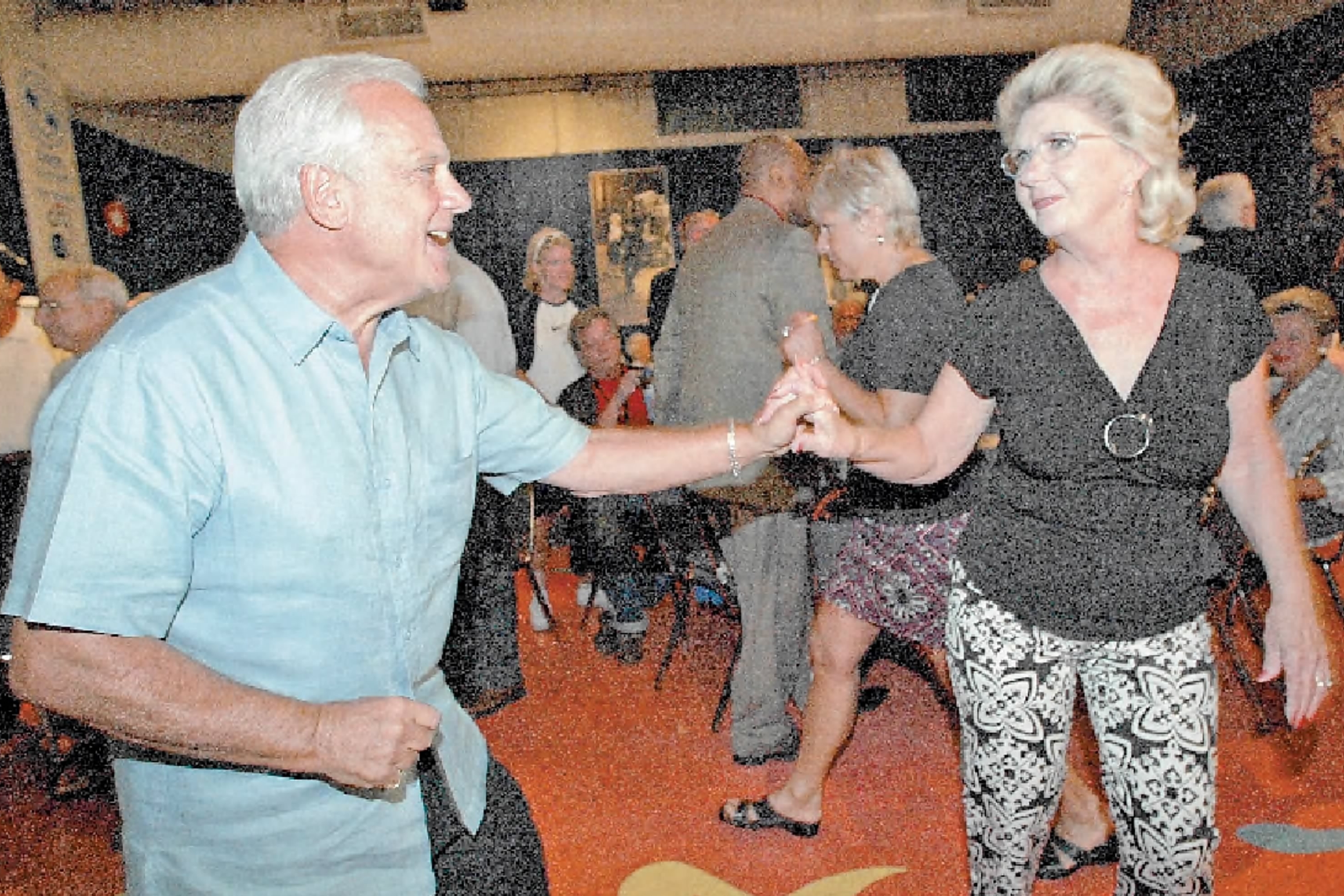
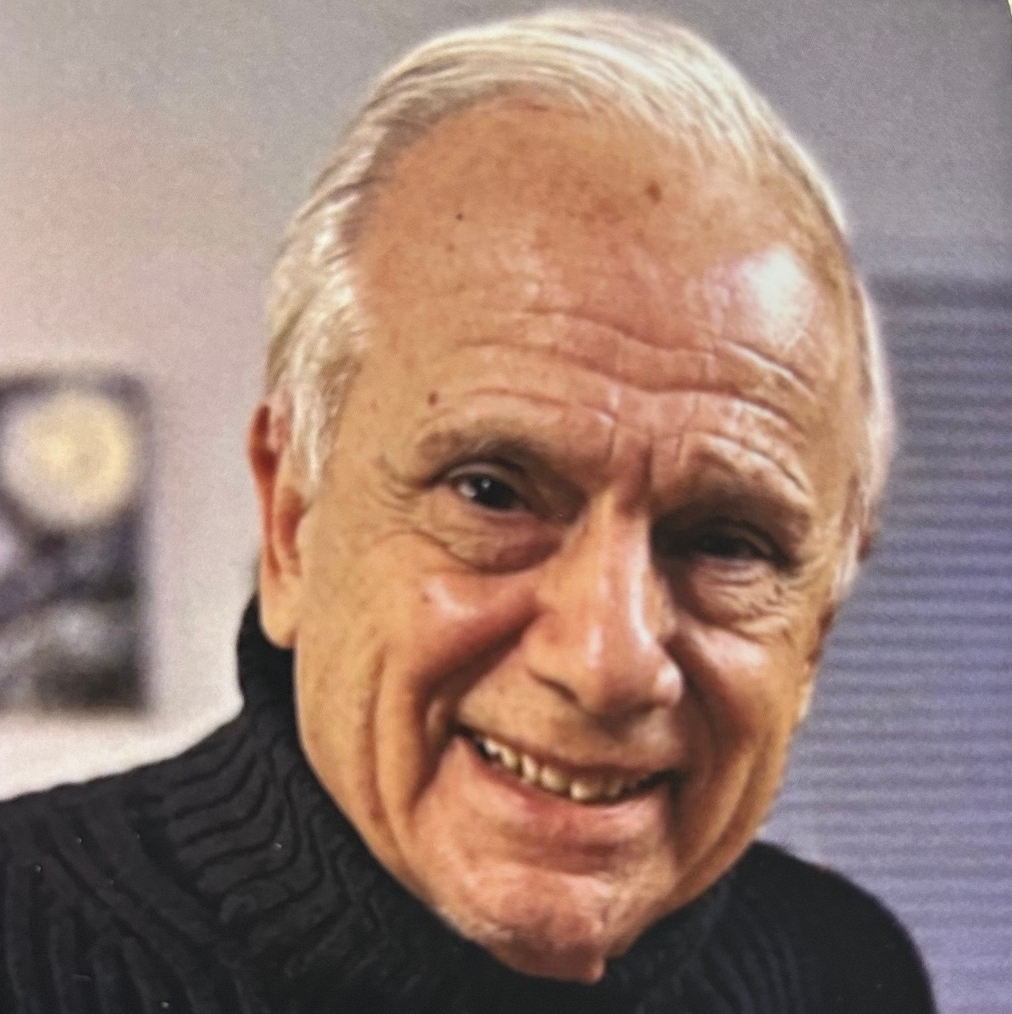
    Frank Spagnuola, 85, formerly of Philadelphia, one of the original American Bandstand dancers, 1957 Chalypso dance champion, longtime interior designer, and gourmet home cook, died Monday, Aug. 17, of congestive heart failure at the Complete Care at Court House nursing center in Cape May Court House.

    Born and reared in South Philadelphia, Mr. Spagnuola was lifelong friends with performers Bobby Rydell, Frankie Avalon, Fabian Forte, James Darren, and Jerry Blavat, and dozens of other singers, dancers, musicians, and disc jockeys from the neighborhood. He enjoyed socializing as well as music and dancing, and, at 15, became one of the original dancers when the old WFIL-TV station hosted Bandstand and then American Bandstand in the 1950s and ’60s.

    The TV station invited local teens to dance to the latest hits in its Studio B on Market Street in West Philadelphia, and Mr. Spagnuola did just that on many afternoons from 1955 to 1963. In 1957, he and partner Dottie Horner finished first in American Bandstand’s first Chalypso contest, spotlighting an original Philly dance that combines the cha-cha and the calypso.

    “We would cut classes” to dance on Bandstand, Mr. Spagnuola, a graduate of the old Bishop Neumann High School, said in a 2017 video interview. “We had eight or nine classes, and we would leave, like, the sixth class. Father would say, ‘Where are you going?’ Well, you know where we’re going, Father. The priests watched the show. I mean, everybody watched the show.”

    Mr. Spagnuola graduated from the old Bishop Neumann High School in 1958.Courtesy of the family

    It was downstairs at Studio B, Mr. Spagnuola said, that he encountered Bandstand guest stars Pat Boone, Bobby Darin, and Sal Mineo. As a teen in the neighborhood, he performed in local skit shows with Rydell and played football and double-dated with Fabian.

    On Facebook, Fabian called Mr. Spagnuola “a gentleman and talented dancer,” and said: “Frank Spagnuola was one of the most popular and beloved regular dancers on Dick Clark’s American Bandstand during the show’s iconic Philadelphia era.”

    Mr. Spagnuola is profiled at history-of-rock.com and bandstand.cafex.biz, and he and Dottie Horner are on the cover of the 1997 Dick Clark’s American Bandstand souvenir collectors’ magazine. He is featured in the 1997 New Jersey Network documentary Bandstand Days and called the show “part of American history.”

    Over the years, as Bandstand’s popularity ebbed and flowed, he routinely reconnected with other original dancers — they were called the Bandstand Regulars — at reunions, public events, and celebrations in the region. American Bandstand went off the air in 1989.

    Mr. Spagnuola and his dance partner, Dottie Horner, were on the cover of this 1997 souvenir collectors’ magazine. Courtesy of the family

    “Everybody loved Frank,” said longtime disc jockey and music director Tommy McCarthy. “He had an infectious smile. He was a guy you just liked.”

    Friends on Facebook called Mr. Spagnuola “movie star handsome,” “a rock & roll soldier,” “a Bandstand pioneer,” and “one of the nicest gentleman you could ever meet.” One said: “Wonderful dancer, wonderful person, wonderful friend.”

    After graduating from Bishop Neumann in 1958, Mr. Spagnuola worked in a high-end carpet store, studied interior design, and earned an associate’s degree at the old Philadelphia College of the Arts. He became an interior designer, worked for Sears at the Moorestown Mall for 25 years, and was active with the American Society of Interior Designers.

    On his own, he did private design work for Muhammad Ali, former Eagles assistant coach Jon Gruden, and other local notables. “He cultivated an eye for beauty and design,” his family said in a tribute, “shaping spaces with elegance and functionality.”

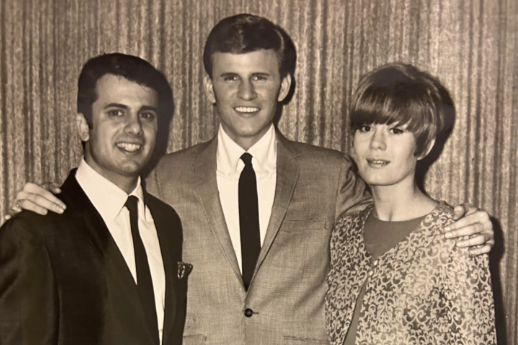
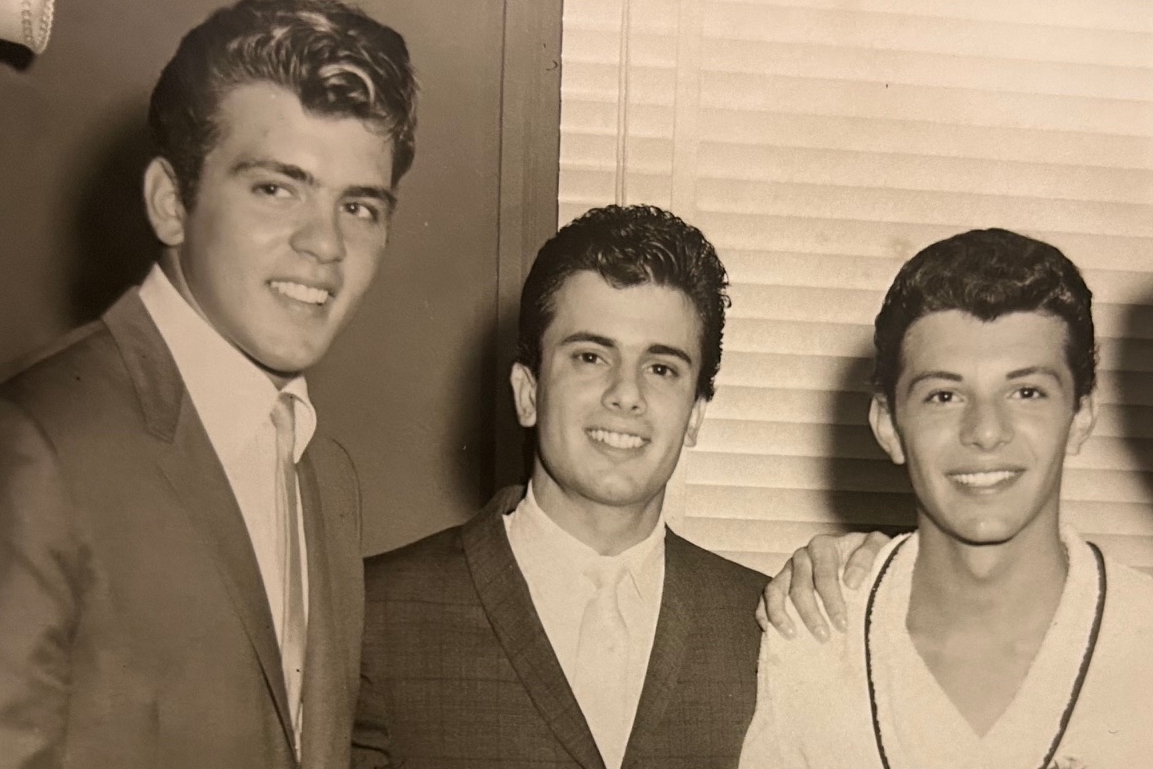
    Mr. Spagnuola (left above) stands with his wife, Janet, and Bobby Rydell. Below, he is flanked by Fabian (left) and Frankie Avalon.Courtesy of the family

    Francis Michael Spagnuola was born Nov. 2, 1940. The oldest of three brothers, he liked to hang out at the Jersey Shore and dine on Italian food.

    He married Janet Moretti, and they had a son, Stephen, and a daughter, Carrie, and lived in South Philadelphia and Center City. His wife died in 2005.

    Mr. Spagnuola moved to Cape May later, became an accomplished home cook, and was known for his crab salad dip. He was passionate, upbeat, and funny, everyone said, and his children called him “a steadfast anchor and a lifelong source of support.”

    His family said: “He leaves behind a memory as warm and enduring as the summer shore and the Wildwood days he so dearly cherished.”

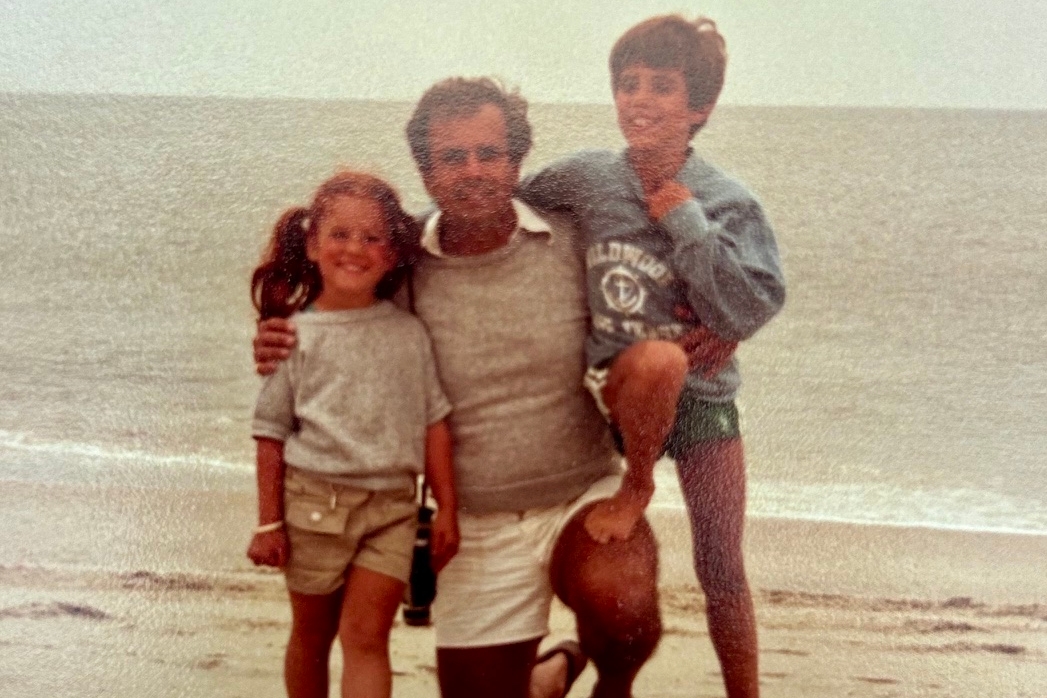
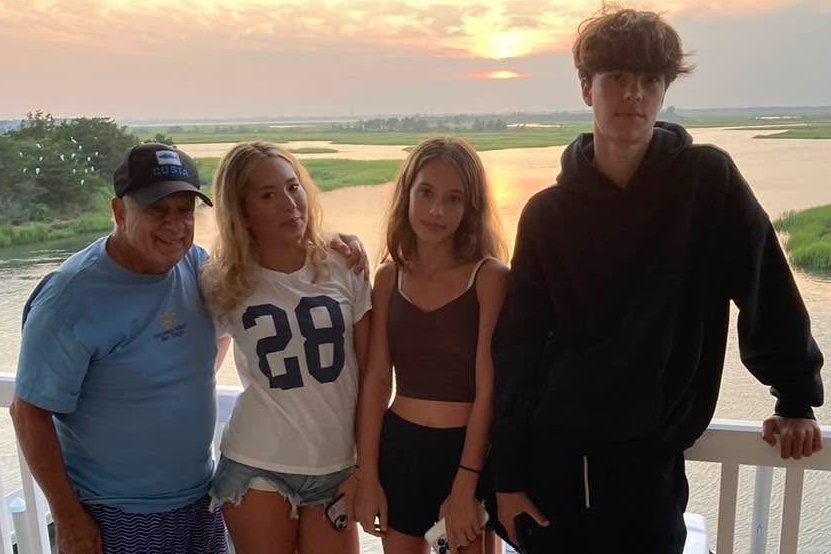
    Mr. Spagnuola enjoyed time with his children (above) and grandchildren (below).Courtesy of the family

    His son said: “He loved life. He loved people. He loved characters.”

    In addition to his children, Mr. Spagnuola is survived by three grandchildren and other relatives. Two brothers died earlier.

    Services were held earlier.

    Donations in his name may be made to the American Heart Association, Box 840692, Dallas, Texas 75284.

    Mr. Spagnuola “loved life. He loved people. He loved characters,” his son said.Courtesy of the family
  • Testimony concludes in Lindsay Clancy’s murder trial. Jury to hear closing arguments Thursday

    Testimony concludes in Lindsay Clancy’s murder trial. Jury to hear closing arguments Thursday

    Testimony concluded Wednesday in the murder trial of Lindsay Clancy, a mother accused of strangling her three young children in a case that has drawn attention to postpartum mental health.

    Closing arguments are expected to begin Thursday, before the jury begins deliberating.

    Clancy, 36, has pleaded not guilty by reason of lack of criminal responsibility, with her lawyers arguing she was experiencing postpartum psychosis when she killed 5-year-old Cora, 3-year-old Dawson and 8-month-old Callan Clancy at the family’s home in coastal Duxbury, Massachusetts, in January 2023. The rare mental illness is linked to the stress, sleep deprivation and hormonal changes that follow childbirth.

    ___

    EDITOR’S NOTE: This story includes discussion of suicide. If you or someone you know needs help, the national suicide and crisis lifeline in the U.S. is available by calling or texting 988.

    ___

    Prosecutors say Clancy planned the killings and understood her actions were wrong.

    Clancy did not testify during the trial, which is in its fifth week. The defense called 10 witnesses, including some of Clancy’s friends and relatives, while prosecutors called more than 70 witnesses, including her then-husband.

    Testifying as the final rebuttal witness for the prosecution, a forensic psychiatrist at the University of Virginia and a senior psychiatrist for the FBI’s Behavioral Analysis Unit said Wednesday that he did not believe Clancy’s account that a voice ordered her to kill the children.

    Prosecutor Jennifer Sprague asked Dr. Gregory Saathoff a series of questions about Clancy’s account: Did the voice tell her where to kill the children? How to kill them? What to use? In what order? Saathoff answered no each time.

    “Having no instructions as to how to do it, but being able to execute those decisions … that is surprising that she’s able to accomplish all of this without any other kind of direction or plan,” he said.

    All three children were strangled with exercise bands in the family’s basement before Clancy tried to kill herself while her husband was getting takeout and at a pharmacy on Jan. 24, 2023. Saathoff said her ability to accomplish everything she did without direction indicated Clancy “had control, control of the sequence of what she was doing throughout.”

    “In the small amount of time that Miss Clancy had in the home without her husband, it was important, in order to carry this out, as well as her suicide, to do this quickly, methodically, and alike,” he said.

    On Tuesday, Saathoff said he found it unusual that Clancy said the voice stopped once she was done strangling the children, that the voice was constant rather than intermittent and that she never previously reported hearing a voice to her medical providers. She also gave a different timeline to other evaluators about when she first heard the voice that day, he said.

    “Committing the act is not curative of the voice,” Saathoff said of the voice stopping abruptly. “I’ve not ever seen that.”

    Defense attorney Kevin Reddington began his cross-examination of Saathoff on Wednesday by trying to cast doubt on Saathoff’s expertise in postpartum psychosis and portray him as someone closely aligned with law enforcement, questioning him about his work with prisons, the Justice Department and the Virginia attorney general’s office.

    Saathoff testified that he treated women with postpartum psychosis while working at a state hospital in the 1980s and 1990s, while much of his more recent research has focused on such subjects as extremist violence, national security and political radicalization.

    Reddington also asked Saathoff about Clancy’s attempts to search online for information about postpartum depression, her visits to multiple maternal and mental health providers, disclosures to her mother and then-husband that she was suicidal and feared that she would harm her children, and calls to a suicide hotline — all attempts that Reddington contended establish Clancy realized something was seriously wrong and made a sincere effort over time to get help.

    Reddington asked whether Saathoff believes that Clancy decided to kill her children because she “no longer liked the life she thought she wanted” and was making “a selfish choice” to “manipulate her providers, seek out a quick and easy fix when she was feeling depressed and anxious.”

    “I think that statement that you read really minimizes what she was going through,” Saathoff responded.

  • Tim Curry, star of ‘Rocky Horror’ and much more, dies at 80

    Tim Curry, star of ‘Rocky Horror’ and much more, dies at 80

    Tim Curry, the British-born actor whose gift for garish eccentricity lit up stage and screen, most notably as the outlandish, cross-dressing mad scientist in the midnight cult film The Rocky Horror Picture Show, died Tuesday at his home in Los Angeles. He was 80.

    The death was confirmed by Marcia Hurwitz, his longtime agent and manager. In 2012, Curry suffered a serious stroke, from which, he said last year, “I’ve been recovering for quite a long time.”

    With a mischief-maker’s good looks, a casual athletic grace, and a supple and resonant voice, Curry was a favorite in roles calling for expressive villainy or general cartoonishness.

    In the first screen version of Annie (1982), adapted from the comic strip turned stage musical and directed by John Huston, he brought more than a dollop of slime to the part of Rooster Hannigan, the con artist who concocts a plot to kidnap the plucky orphan of the title.

    In Clue (1985), a suspense spoof derived from the popular board game, he played Wadsworth, a logorrheic butler who leads a cast full of murder suspects (played by Madeline Kahn, Christopher Lloyd, Martin Mull, Eileen Brennan, and others) around a spooky mansion with the speed-talking fervor of a manic Sherlock Holmes.

    As a greedy gazillionaire presumed to be the chief malefactor in Charlie’s Angels, the 2000 movie adaptation of the television series about three female detectives, Curry laid on the oily self-satisfaction until the moment he was killed by the real bad guy.

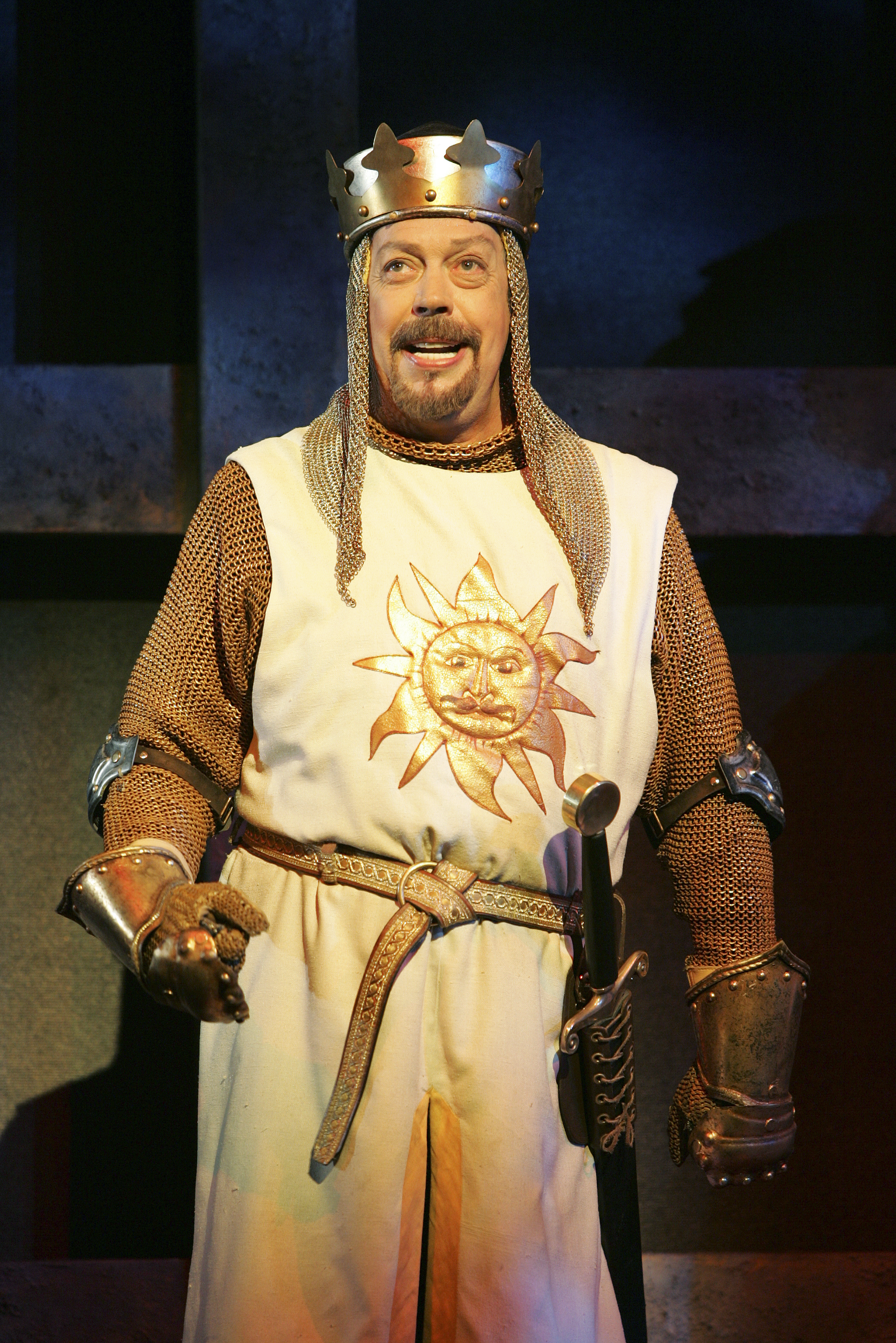
    And in Spamalot, the stage musical based on the Monty Python troupe’s bottomlessly goofy retelling of the King Arthur legend, which opened on Broadway in 2005, he played Arthur himself and was nominated for a Tony Award. It was the most straight-faced role in the show, and yet, as Ben Brantley wrote in his review in The New York Times, he was “the best of the cast at translating classic Python style into a musical-comedy idiom.”

    “His stalwart, plummy-voiced Arthur wears a smile as inflexible as armor,” Brantley wrote, “and it deflects any suggestion that this manly king is in on the show’s jokes.”

    No other role marked Curry’s career as emphatically, however, as Dr. Frank-N-Furter, the “sweet transvestite from Transsexual, Transylvania,” as he proclaimed himself in The Rocky Horror Picture Show, the 1975 screen adaptation of The Rocky Horror Show, the hit London stage musical that played for seven years in different theaters, and in which Curry originated the role in 1973. He also starred in the premiere American production in Los Angeles in 1974 and on Broadway in 1975, where it was a notable flop, closing after 45 performances.

    Although Frank-N-Furter would become Curry’s signature role, he initially had doubts about taking it. “I was hesitant in that, if it worked, it might be a difficult image to shake off,” he said in a television interview in England just as The Rocky Horror Picture Show was opening in 1975. “But then, really, I’ve always thought it wasn’t worth doing unless you took a risk, really. So I just took the risk.”

    Forty years later, when he received a lifetime achievement award from the Actors Fund, Los Angeles magazine asked him to reflect on his career-making role. How did he look at it in retrospect?

    “With a sort of bemused tolerance,” he said. “It’s neither a blessing nor a curse. I was lucky to get it.”

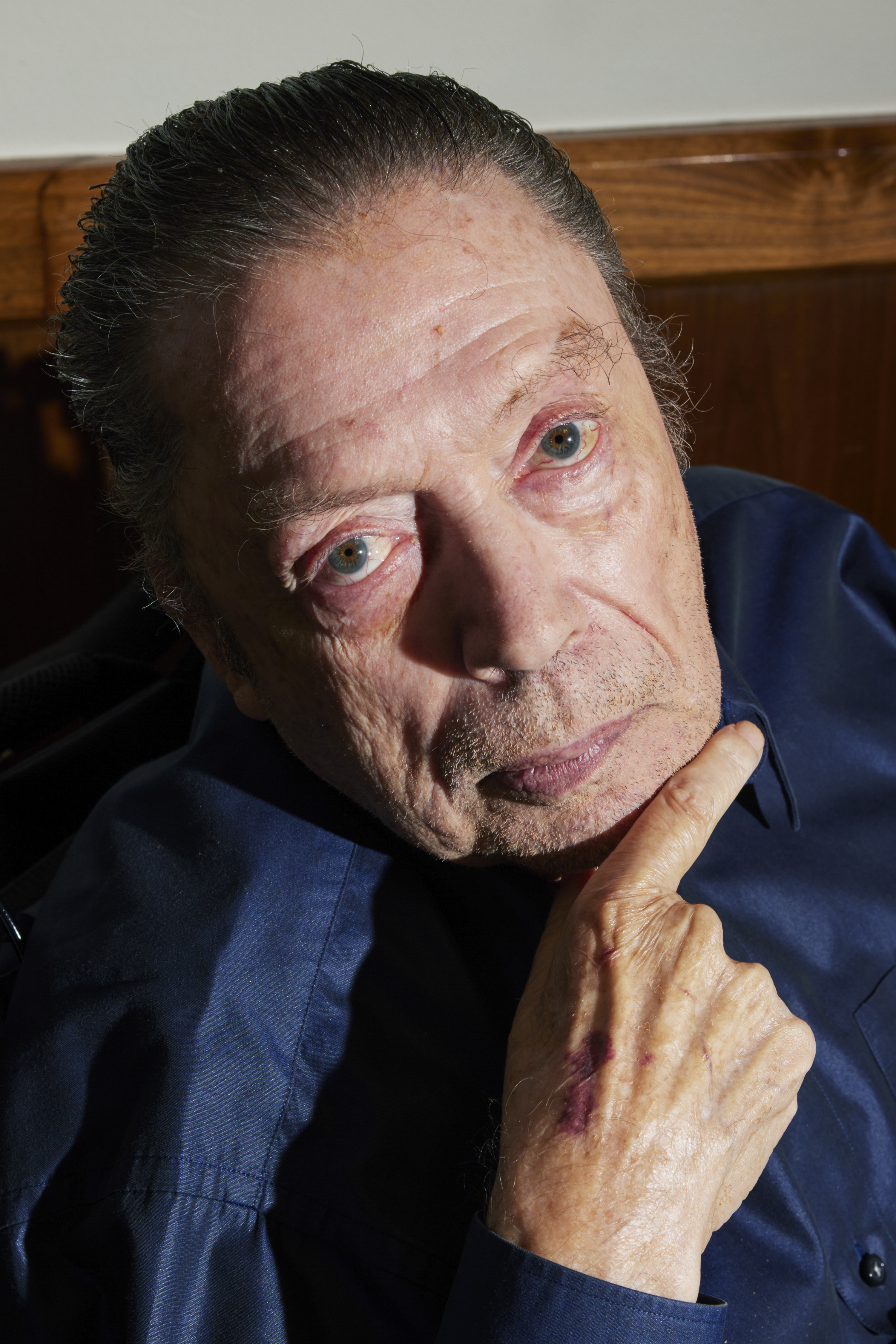
    FILE — British actor and author Tim Curry in Los Angeles, Sept. 18, 2025. Curry, the British-born actor whose gift for caricature and garish eccentricity informed a variety of performances on stage and screen, notably as the puerile Mozart in the original Broadway production of “Amadeus” and as the outlandish cross-dressing mad scientist in the midnight cult film “The Rocky Horror Picture Show,” died on Tuesday, Aug. 25, 2026. He was 80. (Maggie Shannon/The New York Times)MAGGIE SHANNON
    FILE — Michael McGrath, left, as Patsy and Tim Curry as King Arthur in “Spamalot” at the Shubert Theater in New York, Feb. 12, 2005. Curry, the British-born actor whose gift for caricature and garish eccentricity informed a variety of performances on stage and screen, notably as the puerile Mozart in the original Broadway production of “Amadeus” and as the outlandish cross-dressing mad scientist in the midnight cult film “The Rocky Horror Picture Show,” died on Tuesday, Aug. 25, 2026. He was 80. (Sara Krulwich/The New York Times)SARA KRULWICH
    FILE — Tim Curry, center, as King Arthur in “Spamalot” at the Shubert Theater in New York, Feb. 12, 2005. Curry, the British-born actor whose gift for caricature and garish eccentricity informed a variety of performances on stage and screen, notably as the puerile Mozart in the original Broadway production of “Amadeus” and as the outlandish cross-dressing mad scientist in the midnight cult film “The Rocky Horror Picture Show,” died on Tuesday, Aug. 25, 2026. He was 80. (Sara Krulwich/The New York Times)SARA KRULWICH
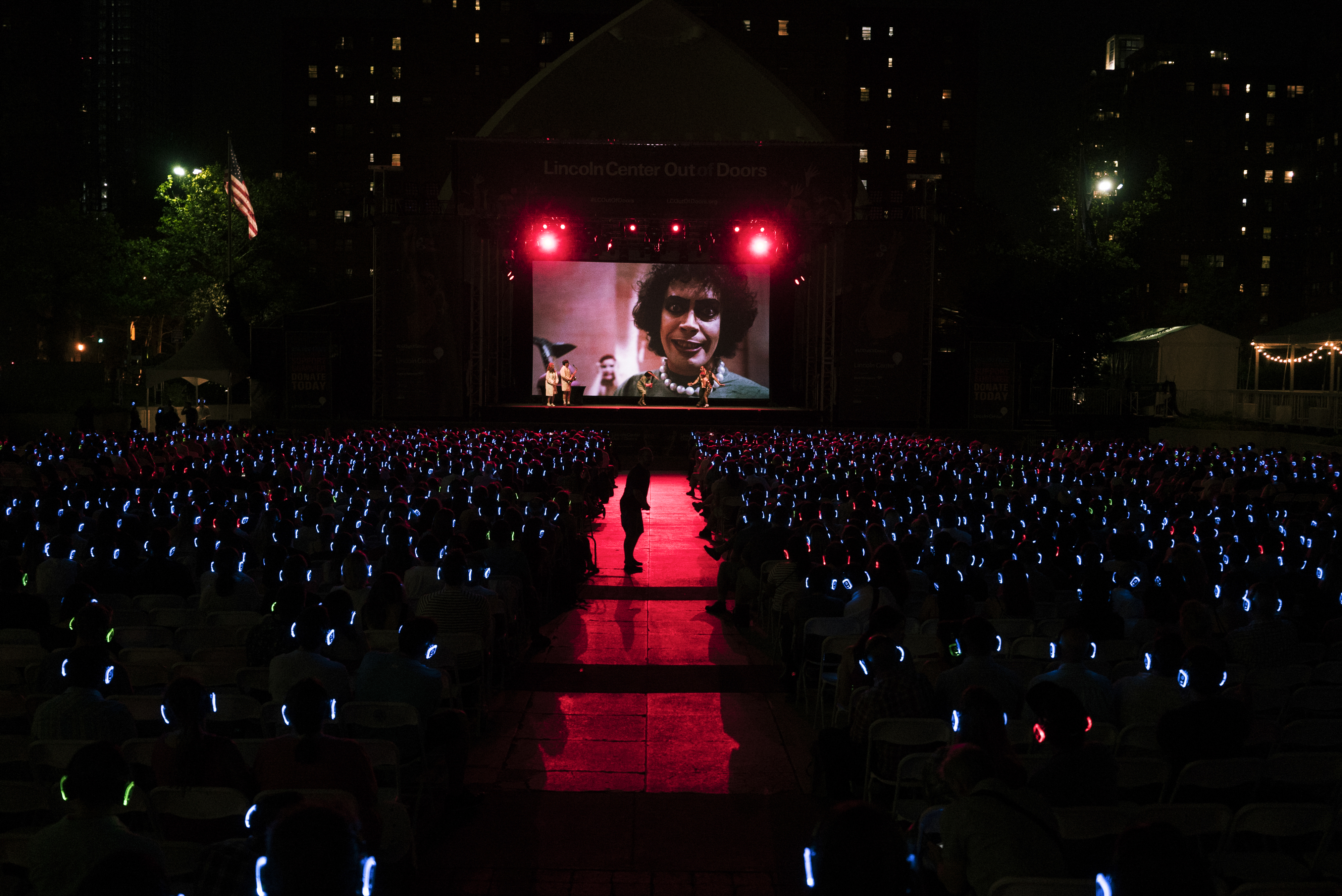
    FILE — Tim Curry on screen during a silent disco showing of “The Rocky Horror Picture Show” at Damrosch Park in New York, Aug. 7, 2015. Curry, the British-born actor whose gift for caricature and garish eccentricity informed a variety of performances on stage and screen, notably as the puerile Mozart in the original Broadway production of “Amadeus” and as the outlandish cross-dressing mad scientist in the midnight cult film “The Rocky Horror Picture Show,” died on Tuesday, Aug. 25, 2026. He was 80. (An Rong Xu/The New York Times)AN RONG XU
    FILE — Tim Curry and Marcia Hurwitz, his longtime agent and manager, at a Museum of the Moving Image event in New York, Feb. 11, 2011. Curry, the British-born actor whose gift for caricature and garish eccentricity informed a variety of performances on stage and screen, notably as the puerile Mozart in the original Broadway production of “Amadeus” and as the outlandish cross-dressing mad scientist in the midnight cult film “The Rocky Horror Picture Show,” died on Tuesday, Aug. 25, 2026. He was 80. (Hiroko Masuike/The New York Times)HIROKO MASUIKE
    FILE — Tim Curry as King Arthur in “Spamalot” at the Shubert Theater in New York, Feb. 12, 2005. Curry, the British-born actor whose gift for caricature and garish eccentricity informed a variety of performances on stage and screen, notably as the puerile Mozart in the original Broadway production of “Amadeus” and as the outlandish cross-dressing mad scientist in the midnight cult film “The Rocky Horror Picture Show,” died on Tuesday, Aug. 25, 2026. He was 80. (Sara Krulwich/The New York Times)SARA KRULWICH
  • The Kremlin says the CIA director held talks in Moscow with his intelligence counterparts

    The Kremlin says the CIA director held talks in Moscow with his intelligence counterparts

    The Kremlin said Wednesday that CIA Director John Ratcliffe held talks in Moscow with his intelligence counterparts, a rare and secretive visit at a time when relations with Washington remain strained over Russia’s war in Ukraine.

    Kremlin spokesman Dmitry Peskov said Ratcliffe did not meet with Russian President Vladimir Putin, who was informed of the contacts that were “on the intelligence agencies’ level.”

    “Of course, President Putin is immediately informed of everything,” Peskov added, refusing to say what was discussed.

    Russian state news agencies reported that a U.S. military plane landed in Moscow’s Vnukovo airport on Tuesday and departed later that day.

    U.S. President Donald Trump played down the significance of Ratcliffe’s trip, saying it was “sort of semi-routine.”

    “I hate to disappoint people,” he said on conservative broadcaster Glenn Beck’s radio show Wednesday.

    A senior Ukrainian official told The Associated Press that Washington informed Kyiv a delegation would be traveling to the Russian capital and asked it to suspend strikes until it left. The official said the request did not apply to all Russian territory, but specifically to Moscow, St. Petersburg and some northern regions. Strikes on other parts of Russia continued, the official said, speaking on condition of anonymity because he is not authorized to talk publicly.

    CBS News first reported on the visit.

    Kremlin says US-Russia relations are in a ‘profound crisis’

    Peskov said that “contacts between intelligence agencies are, in and of themselves, a positive phenomenon, a positive process,” but he stressed that Russia-U.S. relations remain in a “profound crisis.”

    He added that it was “too early to say” what impact Ratcliffe’s visit would have on the ties between the two countries.

    Andrei Soldatov, an expert on Russia’s security services, told AP that visits like the one by Ratcliffe do not “happen every year.”

    Official channels of communication between Moscow and Washington have been kept alive since the 1980s and exist so both sides can talk if American or Russian lives are in danger or for other reasons, Soldatov said.

    In 2021, Nikolai Patrushev, the secretary of Putin’s Security Council, met CIA Director William Burns in Moscow months before Russian forces invaded Ukraine. Burns later met Sergei Naryshkin, the head of Russia’s foreign intelligence agency, in Turkey in November 2022 to warn Russia not to deploy a nuclear weapon in Ukraine.

    Details of Tuesday’s discussions have not been revealed, but such meetings normally take place only when there is a matter of pressing national security and when it is in “American national interests,” Soldatov said.

    Russia-U.S. relations sank to Cold War lows after Moscow’s full-scale invasion of Ukraine in 2022, but appeared to warm after Trump returned to office. He had promised to end the war swiftly, holding multiple phone calls with Putin and even hosting him in Alaska a year ago.

    In his radio appearance Wednesday, Trump repeated that he wants to see the Russia-Ukraine war end.

    Efforts to negotiate a peace deal have largely stalled, with U.S. attention turning to its war with Iran and both Moscow and Kyiv stepping up their long-range attacks on each other. Putin has rejected Ukrainian President Volodymyr Zelenskyy’s push for an immediate ceasefire, arguing that Russia wants a comprehensive settlement, not a temporary truce.

    Russia has proposed to mediate in the U.S. and Israel’s war with Iran, Moscow’s important ally in the Middle East.

    Russia and Iran have a partnership treaty

    After Putin sent troops into Ukraine in February 2022, Tehran provided Russia with Shahed drones and later licensed their production in Russia. In January 2025, Moscow and Tehran signed a “comprehensive strategic partnership” treaty. But even as it has built ties with Iran, Russia also has remained friendly with Israel, and analysts have described its relations with Iran as complex and challenging.

    In March, AP reported that Russia provided Iran with information that could help Tehran strike American warships, aircraft and other assets in the region, according to two officials familiar with U.S. intelligence on the matter. The officials, who were not authorized to comment publicly on the sensitive matter and spoke on the condition of anonymity, cautioned that the U.S. intelligence has not uncovered that Russia is directing Iran on what to do with the information.

    Asked at the time whether Russia would go beyond political support and offer military assistance to Iran, Peskov said there has been no such request from Tehran. Pressed on whether Moscow provided any military or intelligence assistance to Tehran since the Iran war’s start, he refrained from comment.

    Soldatov said it’s possible Tuesday’s meeting involved protecting U.S. personnel, bases or facilities in the Middle East that have been targeted by Iran. Ratcliffe could have traveled to Moscow to try to influence this relationship, he added.

  • Pa. and N.J. will each get more than $500 million from landmark Meta settlement over child protections

    Pa. and N.J. will each get more than $500 million from landmark Meta settlement over child protections

    As part of a settlement involving almost every U.S. state, Pennsylvania and New Jersey will each receive more than $500 million from Meta, the parent company of Facebook and Instagram, after a multistate coalition sued the tech giant for failing to protect kids from becoming addicted.

    The two states’ shares are part of a larger payout of the $12.1 billion to $17.1 billion Meta will be required to make over the next 10 years to the states and U.S. territories involved in the suit. The exact figure will depend on other social media companies agreeing to make similar changes.

    Pennsylvania is expected to receive at least $516 million and up to $729 million, while New Jersey is expected to receive at least $525 million and up to $752 million, according to statements from each state’s attorney general.

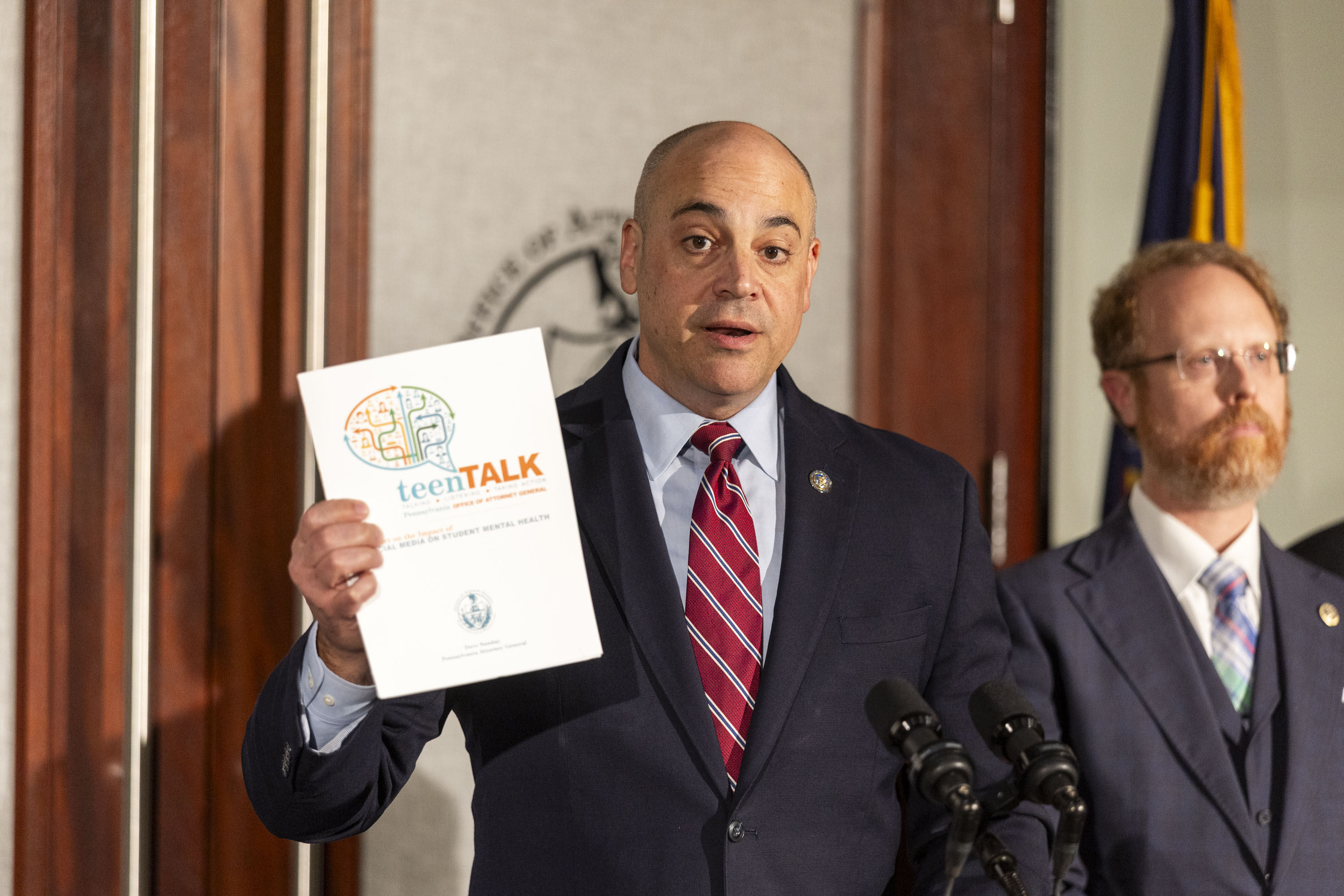
    “We can’t simply tell parents to do better while allowing technology companies to design platforms that are engineered to addict children,” Pennsylvania Attorney General Dave Sunday said during a news conference Wednesday. “Parents deserve better. Children deserve better, and today shows that Big Tech can do better — some just chose not to. Today is the first step in forcing Big Tech to do better.”

    Earlier this week, Sunday announced a lawsuit against Snap Inc., owner of Snapchat, and earlier this month he announced a lawsuit against TikTok over similar child protection issues.

    Meta did not immediately respond to a request for comment.

    In addition to the monetary payments, the tech giant will also be required to make changes to satisfy the states’ concerns over child safety.

    “As a parent, protecting your kids is always your North Star,” New Jersey Attorney General Jennifer Davenport said in a statement. “This agreement achieves critical protections for our children today.”

    Neither attorney general commented on how the settlement funds would be used.

    Instagram and Facebook will have to implement a combined two-hour daily time limit for child users with a mandatory pause after 15 minutes of continuous use and again at 60 and 90 minutes. These time limits will be in effect for five years. If Snapchat, TikTok, and YouTube — social media apps owned by other companies — agree to adopt similar terms, the daily limit on each platform would drop to 60 minutes and last for 10 years.

    Child users also will not be able to access the websites from midnight to 6 a.m., will have limited access during school hours, and will not receive push notifications on weekdays between 8 a.m. and 3 p.m. during the school year.

    The company will be required to bolster its age-assurance measures to more accurately verify the age of users. It will also need to improve its age-appropriate content controls to better shield child users against bullying, content promoting eating disorders, and content related to suicide and self-harm.

    Meta will have to limit its social comparison features, including beauty filters and visible tallies of likes on posts, and will be required to make parent controls stronger and more user-friendly.

    “These are changes that matter because they directly address how young people interact with these platforms, how long they use them, when they use them, what they are exposed to on these platforms, and the role that parents can play in keeping them safe,” Sunday said.

    These changes, which are required to be enacted in the next six months, will be regularly assessed by an independent auditor and the settling parties.

  • DA Larry Krasner asks victims of Chucky-style mask incidents to come forward

    DA Larry Krasner asks victims of Chucky-style mask incidents to come forward

    A day after U.S. marshals captured the man accused of menacing pedestrians in Center City while wearing a Chucky-style mask, Philadelphia District Attorney Larry Krasner urged victims to come forward, saying prosecutors are eager to pursue additional charges against the man whose antics terrorized people and went viral.

    Zymire Hughes, 22, was taken into custody on Tuesday night in Las Vegas by marshals who tracked him across the country. Authorities said Hughes wore a frightening mask to harass and scare more than a dozen people, including a woman he approached while she was jogging near City Hall earlier this month and asked, “Are you ready to die?”

    As the 40-year-old woman ran from him, Krasner said, she fell and suffered injuries that required hospitalization and weeks of recuperation.

    Hughes faces aggravated assault and other charges in connection with that incident, the district attorney said, and prosecutors are reviewing as many as 15 other reported incidents involving the masked man that same morning.

    “If more victims are identified,” Krasner said, “we look forward to prosecuting him in other cases as well.”

    He added: “Who’s scared now?”

    Authorities have not identified most of the people who appear to have been confronted or frightened by the masked man. But in a widely publicized incident, Jameka Wilson, a 25-year-old actress, told several news outlets that a man wearing a similar mask approached her on her way to an exercise class near City Hall and that she kicked him in the chest.

    Philadelphia police said that Hughes did not display a weapon during the incidents and that the woman who fell was the only person known to have been injured. Investigators have said they believe he may have been frightening people to create social media content.

    On Wednesday, Krasner dismissed the idea that Hughes could characterize the crimes as online entertainment.

    “You can’t just say, ‘I’m an influencer,’ and commit crimes,” he said. “You can’t just terrorize people, terrorize a community, because the reaction of someone who believes she might die at any second, you find funny.”

    Hughes remained in custody Wednesday in the Clark County Detention Center in Las Vegas, court records show, and was scheduled for a court hearing Thursday.

    After Hughes is extradited to Philadelphia, prosecutors will seek “very high bail” in an effort to keep him in custody while the case proceeds through court, Krasner said.

    “One of the questions that bail answers is: Will this person run?” Krasner said. “I mean, yes. Obviously, he already has. … Running away is the ultimate way to high bail.”

    Hughes’ extradition could take as little as a week or stretch into months, depending largely on whether he contests his return, Krasner said.

    Hughes’ flight from Philadelphia took him from New Jersey to Florida and then Nevada, authorities said.

    He left the Philadelphia area Aug. 19 from Trenton-Mercer Airport in Ewing, N.J., according to the U.S. Marshals Service. He flew to Orlando and then to Las Vegas.

    Philadelphia and Las Vegas deputy marshals began working together Friday, said Robert Clark, a supervisory deputy U.S. marshal, and spent the weekend trying to locate him.

    Investigators eventually tracked Hughes to an apartment complex in southeast Las Vegas, where they believe he had been staying for about five days, Clark said.

    Marshals arrested Hughes about 8 p.m. Tuesday. Clark said Hughes tried to pull away from his handcuffs and had to be subdued by deputy marshals.

    Hughes’ arrest followed a week of intense public attention after Philadelphia police released images of him and asked residents for help in finding him. The case had already gone viral because of photographs and videos showing a man wearing a cracked, baby-faced mask resembling the horror character Chucky from the movie Child’s Play.

    Prosecutors are continuing to review evidence, Krasner said, and “will be pursuing all charges that apply.”

    Anyone who was approached or menaced by the masked man can contact the district attorney’s office at 215-686-8000.

  • Trump mulls renaming Lake Ontario as ‘Lake America.’ Canadians balk at the idea

    Trump mulls renaming Lake Ontario as ‘Lake America.’ Canadians balk at the idea

    WINDSOR, Ontario — With his trade war with Canada intensifying, President Donald Trump floated the idea of renaming Lake Ontario to become “Lake America.” America’s northern neighbors quickly panned the idea.

    “He can blow out his hole as much as he wants to, but it’s never going to happen, because Canadians are strong,” said Patricia Wiseman, an Ontario resident, as she walked along the waterfront of the Detroit River.

    It may be more complicated than that. Trump has wide latitude over how the U.S. government recognizes geographic places and landmarks. But the Republican president cannot force Canada or individual citizens on either side of the border to follow his preferred naming conventions. And his latest branding idea — reminiscent of his move to rechristen the Gulf of Mexico as the “Gulf of America” — highlights how much his rhetoric and trade policy have sundered the previously warm relationship between Washington and Ottawa.

    “I believe the American people love us, and we love them,” Wiseman said. “They’re going through as much turmoil as we are. Hopefully, one day we can reunite.”

    Trump introduced the idea of renaming the easternmost area of the Great Lakes hours before Canadian Prime Minister Mark Carney’s scheduled announcement of reciprocal tariffs on U.S. imports into his country.

    “The United States is giving serious consideration to changing the name of Lake Ontario to Lake America in that we don’t expect to doing much business with Ontario any longer,” Trump posted Tuesday on Truth Social.

    The White House followed later in the day by posting on social media a toy Lego map of the U.S. labeling the Gulf of Mexico with Trump’s preferred name, Gulf of America.

    Ontario is leading trade partner for many U.S. states

    The U.S. and Canada, which share borders along multiple Great Lakes, including Lake Ontario, are locked in an extended trade dispute, with the Trump administration imposing 50% tariffs on $20 billion worth of Canadian goods over the weekend after talks between the countries broke down. That ratcheted up lower tariffs that Trump imposed in 2025, shortly after his second presidency began.

    Trump has also threatened new 50% tariffs on Canadian vehicles, auto parts and steel, while Carney said U.S. trade demands showed that Washington wanted to “destroy our major industries,” including autos, steel and aluminum.

    The official U.S.-Canada border stretches across the water between Lake Ontario’s northern and southern shores. The body of water forms much of New York State’s coastline and separates Buffalo from Toronto, the capital of the province of Ontario. Toronto is Canada’s most populous city and Ontario its most populous province.

    Ontario is also the single largest export destination for more than a dozen U.S. states.

    “It’s disappointing,” Ontario resident Paul Butler said of Trump’s policy and rhetoric. “The more you hear it, it just gets downright infuriating.”

    Ontario Premier Doug Ford, who traded personal insults with Trump on Monday, dismissed the Lake Ontario threat as “a lot of rhetoric” and urged the two countries to resume negotiations. Ford acknowledged in a CNN interview that the dispute had “got a little personal” and agreed it was time to lower the temperature, saying the trade fight was hurting both countries and that Canada and the United States should “get back to the table” to negotiate.

    Lake Ontario’s name predates either country

    The lake’s name comes from the Huron Indigenous people’s word “oniatarí:io,” which means “lake of shining waters,” and it predates European settlement in the region. The province, founded in 1867, took its name from the lake.

    The International Hydrographic Organization — of which both the United States and Canada are members — works to ensure that the world’s seas, oceans and navigable waters are surveyed and charted uniformly, and also names some of them. But there is no single international body that determines names of international bodies of water.

    “It’s been like that for so long, so, why do we need to change it?” said Nancy Minard, an Ontario resident. “It seems to work for Canada and I think probably works for the U.S., too.”

    Trump has at least some support for his idea on Ontario’s south shoreline.

    “I like it. Absolutely. Because I like America, and right now Canada’s not treating us very nicely,” said Jim Fetterhoff, a resident and fisherman in Port Ontario in upstate New York.

    He cited Canadian tariffs on dairy and other products. Nothing against Canadians themselves, Fetterhoff added, “just the Canadian government. I love Canadians.”

    Trump has been antagonizing U.S. neighbors

    Canada and Mexico are the largest U.S. trading partners but have drawn Trump’s ire throughout his second presidency on trade, immigration and crime. He has called for Canada to become the 51st state, alternating between joking tones and seemingly serious assertions that Carney and other Canadians have rejected and mocked.

    On the day of his second inauguration, Trump fulfilled one of his 2024 campaign promises with an executive order to rename the Gulf of Mexico to the Gulf of America. The body of water forms a shared border between Mexico and the U.S.

    Mexico does not recognize the change, nor do many other countries and international bodies.

    In 2015, President Barack Obama changed the name of Alaska’s Mount McKinley, named for the 25th U.S. president, to Denali, its historical name given by Alaska Natives as well as the preference of many Alaska residents. Trump, the same day he ordered the Gulf of Mexico to be renamed, returned McKinley’s name to the Alaska mountain to honor “a great president.”

    That back-and-forth in Alaska could be a preview for a certain ancient lake. Said Wiseman of Trump, “He’s not going to be in the presidency forever.”

    ___

    This story has corrected to reflect that Trump floated the idea in a social media post on Tuesday, not Monday.

    ___

    Barrow reported from Atlanta. Gillies reported from Toronto. Associated Press writer Cara Anna in Lowville, N.Y., contributed to this report.


  • A coyote killed in Cheltenham had rabies, police say

    A coyote killed in Cheltenham had rabies, police say

    A coyote killed by Cheltenham police last week was rabid, the police department announced Wednesday.

    Cheltenham police responded to reports of an aggressive coyote in the Wyncote area but were initially unable to find the animal, until someone reported a coyote attacking a resident and their dog at Curtis Dog Park on Friday.

    Cheltenham Township Police Chief Richard Schaffer said the animal was “humanely dispatched” but declined to say how.

    Police are advising township residents who have had contact with a coyote to seek medical or veterinary care.

    The incident marks the fifth rabies case in Montgomery County this year, according to the state’s rabies tracking dashboard, and the first in a coyote.

    The other four cases were identified in two raccoons, a skunk, and a cat.

    Cheltenham officers will continue to work with the Pennsylvania Game Commission to monitor the area, and advised residents who see wildlife acting erratically to call 911.

    This suburban content is produced with support from the Leslie Miller and Richard Worley Foundation and The Lenfest Institute for Journalism. Editorial content is created independently of the project donors. Gifts to support The Inquirer’s high-impact journalism can be made at inquirer.com/donate. A list of Lenfest Institute donors can be found at lenfestinstitute.org/supporters.

  • At least 160 killed and hundreds missing after flash floods in Nepal and China

    At least 160 killed and hundreds missing after flash floods in Nepal and China

    UDIN DHUNGA, Nepal — Massive flash floods in a border area of Nepal and China on Wednesday killed at least 160 people and left hundreds of tourists, workers and others missing after sweeping through communities and bringing travel in some areas to a halt. Experts said an avalanche from a glacier was the likely cause.

    Police in Nepal reported at least 157 dead. China’s state broadcaster CCTV said a mudslide in the Tibet region’s Gyirong County near the border killed at least three and left 265 missing. Drone footage showed roads destroyed and buildings buried. State news agency Xinhua reported significant casualties.

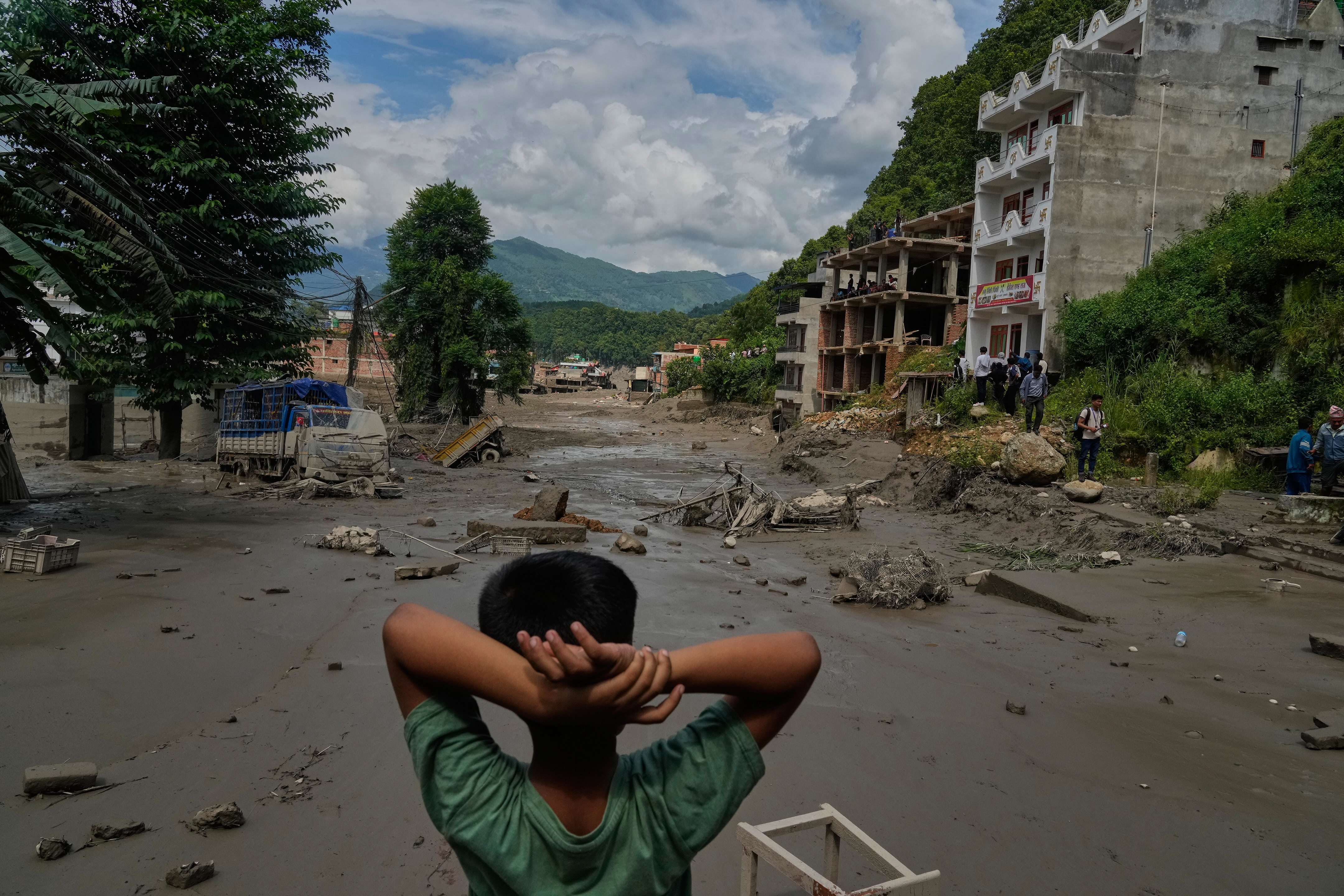
    Nepal’s steep valleys are economic lifelines and travel corridors but precarious ones when disaster strikes. Images showed what appeared to be the second floors of buildings in hard-hit Nuwakot district slathered in mud after the torrent rushed by. Debris hung from tree branches and wires, vehicles were buried and stunned survivors were caked in mud.

    Many missing were on pilgrimage to a sacred site

    Officials in Nepal said 403 people, including 341 foreign nationals, were reported missing. Sunil Sharma, a tourism board spokesperson, said 133 were from India on pilgrimage to Mount Kailash in Tibet, a sacred site for Hindus. Also missing were 47 from the United States, 34 from Australia, 33 from Britain and 24 from Canada, he said. The State Department said it was aware of Americans affected.

    At least 62 missing Nepali citizens were among hundreds of locals trekking in the Gosaikunda Lake area in Rasuwa, coinciding with the local festival of Janai Purnima on Friday, Sharma added. Nepal police spokesperson Abi Narayan Kafle told The Associated Press at least 28 police officials were missing.

    Officials warned residents in several districts to stay away from the banks of the Bhotekoshi, Trishuli and Narayani rivers. The Bhotekoshi flooded around 9 a.m. Wednesday, destroying several villages and hydropower projects, officials said. At least 19 bridges were swept away.

    “We have asked both India and China to help us with the rescue efforts,” said government spokesperson Sasmit Pokharel.

    The U.S. Geological Survey had reported a magnitude 4.4 earthquake early Wednesday, about 60 miles north of Kathmandu, near the border with China’s autonomous region of Tibet.

    Though the current monsoon season is less favorable for trekking in Nepal, it’s a major season for Kailash trekking in Tibet, which follows the route in Nepal’s Rasuwa district bordering Tibet’s Gyirong.

    Countries express alarm over missing citizens

    South Korean government officials said nine citizens working on building a hydropower plant in Nepal were among those reported missing. Malaysia’s foreign ministry said its embassy received reports from travel agencies that they had lost contact with 11 Malaysians believed to be in Rasuwa district. Russia’s embassy in Nepal said four citizens reportedly in the affected area were missing.

    Indian Prime Minister Narendra Modi spoke with Nepal’s Prime Minister Balendra Shah and offered help. “India is prepared to provide Nepal with all possible types of humanitarian assistance. Our teams are closely coordinating on rescue and relief efforts,” Modi said on social media.

    Some United Nations bodies were deploying “in an effort to meet what will clearly be massive humanitarian need,” U.N. spokesperson Stephane Dujarric said.

    In a joint statement, Australia, Britain, the European Union, Finland, France, Norway and Switzerland expressed solidarity with people in Nepal, adding: “We encourage all those in affected areas to follow the guidance of local authorities and official safety advisories as the situation continues to evolve.”

    The same region saw flash floods last year

    Climate experts at the Kathmandu-based International Centre for Integrated Mountain Development said an avalanche from a glacier likely caused Wednesday’s flash flood.

    “Hydrological observations indicate the exceptional speed and magnitude of the flood wave,” they said in an emailed statement, noting that water levels at one point on the Trishuli river rose by as much as 27 feet over half an hour.

    The Lhende Khola River, a tributary of the Bhotekoshi, had maximum flooding, they said.

    “The Lhende Khola has flooded twice in 14 months, this time triggered by an ice rock avalanche from a glacier on the Nepal side that blocked the river and released a sudden surge downstream,” said Saswata Sanyal, a disaster risk reduction specialist at the climate research group.

    He noted the importance of early warnings in “a warming Himalaya.”

    The region saw similar flash floods in August last year, when a glacial lake in Tibet overflowed because of high temperatures. Nine people were killed, and critical infrastructure, including a bridge connecting Nepal and China, was damaged.

    The Himalayan region, which spans several countries including India, is especially vulnerable to heavy rains, floods and landslides because of warming due to human-caused climate change. Research shows that extreme weather events, including heat waves, rains and melting glaciers, have become more frequent.

    Researchers in Kathmandu found earlier this year that glaciers across the Hindu Kush Himalaya region are melting at an accelerating rate, with ice loss rates doubling since 2000, primarily due to rising global temperatures and climate change.