House lawmakers, fresh from their August break, are expected to vote this week on a Senate-passed measure that would fund federal agencies through Dec. 11, avoiding a government shutdown before the Nov. 3 midterm elections.
Republican leaders aim to pass the stopgap funding bill Tuesday under a “suspension of the rules” — a fast-track process that requires support from a two-thirds majority of the chamber, according to two House GOP aides who spoke on the condition of anonymity to candidly discuss party strategy.
Bills on the House suspension calendar get limited time for debate and are not subject to amendment or other procedural hurdles, allowing Republican leaders to move quickly to avert a shutdown. With control of Congress on the line, both parties are eager to return to the campaign trail.
“That’ll be a priority over in the House because we get things done,” Majority Whip Tom Emmer (R-Minnesota) said Sunday in an interview on Fox News.
The House passed its own stopgap funding measure in July, but it lacked support in the Senate. Senate appropriators Susan Collins (R-Maine) and Patty Murray (D-Washington) instead drafted their own stopgap bill, which passed the Senate on a bipartisan 90-6 vote.
In addition to funding the government past the Sept. 30 deadline, the measure includes additional funding for housing and nutrition programs requested by the White House. It also would temporarily block the White House budget office from adopting a rule to give political appointees more power over discretionary grants.
Despite that constraint on its authority, the White House has issued a statement of administration policy in support of the legislation.
“President [Donald] Trump strongly opposes another futile Government shutdown,” the White House said in the statement. “Every Member of Congress should support passage of this [bill] to keep the Government open as discussions on fullyear appropriations continue.”
If the House approves the measure, lawmakers will be free to head back out of town by the end of the week.
Avoiding a shutdown is just the most urgent of several items on lawmakers’ to-do list before November elections. Republicans also hope to approve fresh funding for the war in Iran and implement new restrictions on voting — top Trump priorities. And they want to provide emergency assistance to American farmers battered by Trump administration policies, including tariffs and high fuel costs caused by the Iran war.
GOP lawmakers are looking to use the reconciliation process to advance all three priorities, which would allow them to pass with a simple majority in both chambers, forgoing Democratic support. But last month, Senate Republicans delayed a vote on a budget framework — the first step in the reconciliation process — amid opposition from multiple members of the conference.
Senate Budget Committee Chairman Ron Johnson (R-Wisconsin) told reporters that senators would bring forward a “better” budget framework in September.
Work on the federal farm bill — which is due to expire Sept. 30 — is also stalled just as lawmakers are eager to find another way to demonstrate support for a critical constituency. The House passed its version in April, but the Senate has struggled to advance its own version amid opposition from Democrats who do not support reductions in federal funding for food stamps proposed by Republicans.
With the Senate not due back in Washington until Sept. 14, House lawmakers are in a holding pattern on these measures. Emmer, speaking to Fox News on Sunday, expressed frustration with the Senate logjam.
“We sent our priorities over to the Senate,” he said. “We sent the Clarity Act. … We sent the Save America Act several times, and it sits over there, languishing in the Senate. … It really is going to be on the Senate’s shoulders to start getting something done when we get back.”
Besides voting on the stopgap budget bill this week, the House is expected to vote on a censure motion against Rep. Chuck Edwards (R-North Carolina) following a recommendation from the Ethics Committee.
Earlier this month, the committee found that Edwards engaged in “persistent unprofessional and inappropriate conduct” toward two female staffers, behavior Edwards denies.
FLAGSTAFF, Ariz. — More rain and thunderstorms were possible Monday at the Grand Canyon following a major flash flood that left one person dead and about 15 others missing or unaccounted for, with scores of visitors evacuated and the only water pipeline for tourists and residents destroyed.
Emergency water restrictions that began Monday prevented tourists from staying overnight at lodges and hotels within the park. Year-round residents were asked to conserve water.
A flood watch was in effect. Visiting the Grand Canyon — a crown jewel of the national park system — can be particularly dangerous in the summer because of the risk of flash flooding that accompanies the monsoon, or rainy season. Clear days can give way quickly to thunderstorms and downpours.
“With deep monsoonal moisture in place and already saturated soils in some locations, an elevated risk of flash flooding will be in place through Monday,” the National Weather Service said early Monday.
The body of a 46-year-old man was recovered Sunday evening near Crystal Rapids along the Colorado River, the National Park Service said without providing additional details.
The flooding Saturday in Bright Angel Creek, which flows into the river, led to more than 60 people being airlifted from the depths of the canyon. The park service asked anyone with details about hikers or campers still unaccounted for to get in touch. The Arizona Department of Public Safety helped with additional evacuations Sunday.
“These measures are crucial for ensuring the safety and sustainability of water resources,” the park said in a statement.
Parth Desai was hiking through a narrow passage in Bright Angel Canyon with fellow physicians and a park ranger when heavy rain started falling Saturday.
“We saw the creek flood, waterfalls coming up out of nowhere, boulders, mud, landslides happening everywhere,” he said.
Later, as they made their way toward Phantom Ranch, a colleague shouted “Up, Up, Up, Up!” as a 4-foot (1-meter) debris wall headed toward them and they ran up into a patch of cacti, he said. They were rescued by helicopter late Saturday after making it to the Phantom Ranch area, he said.
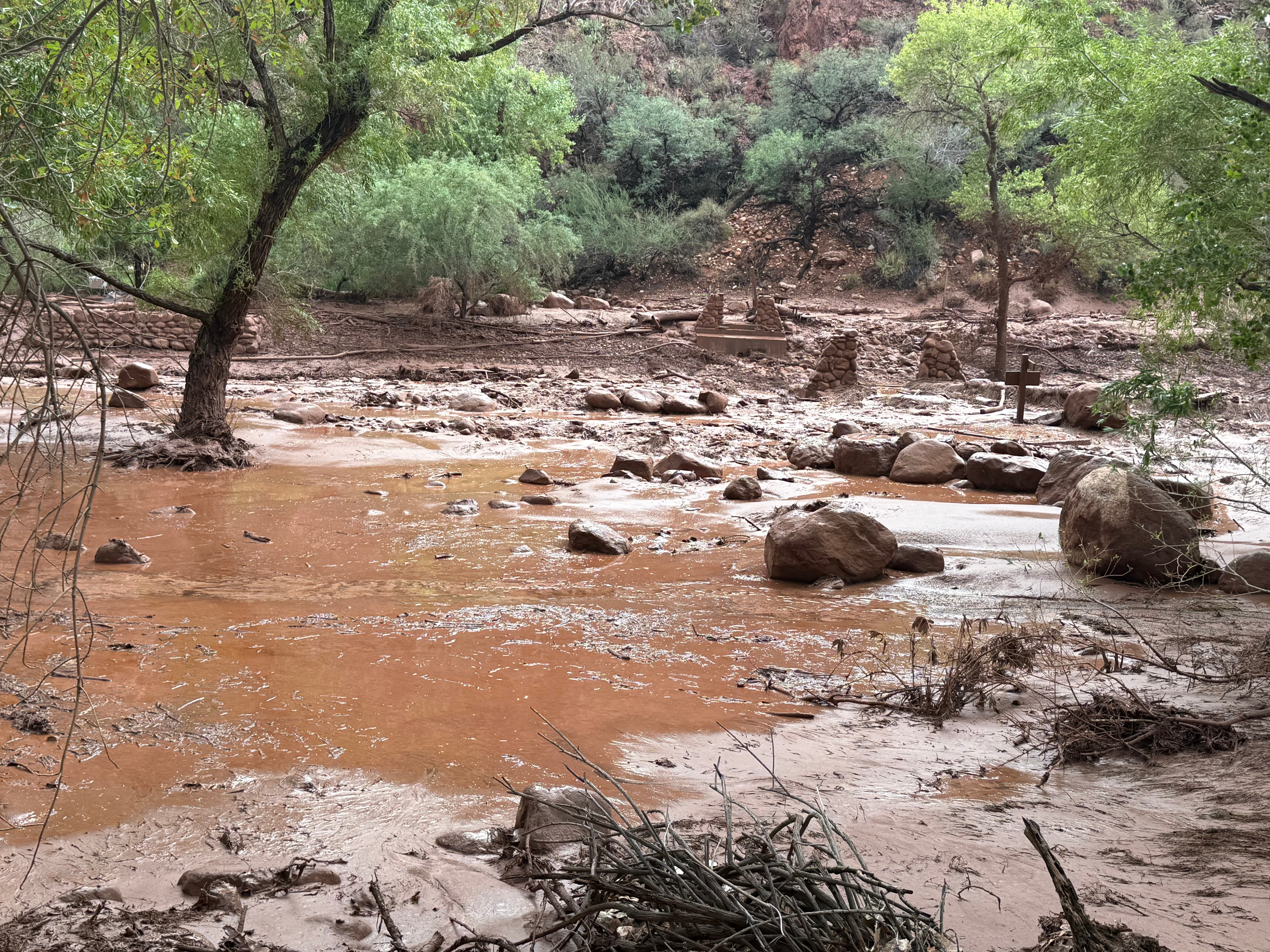
Torrents of water wiped out footbridges over the creek and altered the landscape, widening the creek bed and extending an existing river rapid or creating a new one. The flood was a major blow to an enduring effort to modernize the pipeline that serves 6 million visitors a year and roughly 1,600 residents of Grand Canyon Village.
“Heaven help us if the whole thing down there at the bottom has to be reconstructed,” said Jack Schmidt, director of the Center for Colorado River Studies at Utah State University. “Where are they going to get the money?”
Halting overnight stays at the park because of a lack of water is rare, although the pipeline frequently has failed over the years. While the Grand Canyon has large storage tanks for potable water on the South Rim, they won’t be refilled while the pipeline is out of service.
A $208 million rehabilitation of the pipeline and upgrades to the associated water delivery system started in 2023, with the park service calling it a crucial investment to ensure the park can meet the needs of residents and visitors. The project was expected to be completed next year.
BIDUR, Nepal — Rajendra Dawadi was inside his classroom when the school’s accountant rushed in with a warning: Floodwaters were racing through Nepal’s Trishuli Valley, tearing apart homes, bridges and entire villages.
Then a teacher received another warning by phone. Moments later, a parent arrived to take her child home. The danger had not yet been confirmed, but Dawadi had little time to act. He rang the school bell and ordered his students and staff out of the building and toward higher ground.
“I immediately decided to stop … school and (get the children out),” he told The Associated Press.
As he followed them to a nearby hill, the floodwaters rose behind him. From the safety of the hillside, he turned to watch the school where he had once been a student — and where he had spent years teaching — disappear beneath a torrent of water, mud, boulders and debris. Two staff members could not make it and remain missing.
Dawadi’s decision to evacuate the school saved at least 900 students from last week’s devastating flash floods in Nepal, unleashed after a glacial collapse in the Himalayas. The disaster killed over 900 people across Nepal and China, while more than 4,700 remain missing.
As Nepal grapples with the catastrophic natural disaster, Dawadi’s story has emerged as a striking example of foresight and courage.
The Tribhuvan Trishuli Secondary School in the Trishuli Valley of north-central Nepal had 1,643 students. At least 900 were on campus that morning, while some students were still making their way to school. Dawadi ordered those already there to leave and called bus drivers, telling them to only stop at safer places.
One bus, packed with students, had already reached the school when Dawadi told the driver to turn back, he said. The bus crossed a newly constructed bridge and, moments later, the old bridge beside it collapsed.
For Dawadi, the scale of the destruction has become personal, as the school had been both his workplace and a large part of his life.
“I have no words. I got education from that school. And I gave education at that school,” he said.
The destruction of Dawadi’s school was not an isolated loss.
Across northern Nepal, the floods have left thousands of children without classrooms, disrupted their education and raised fears that the disaster could cost them months of schooling. Charity group Save the Children said in a statement that at least 69 schools in northern Nepal have been completely destroyed, putting the education of nearly 19,000 students at risk.
Dawadi’s quick thinking and swift response during the disaster have been hailed as an act of heroism. When he returned to the site of the school days later, parents embraced him as they thanked him for saving their children.
“Their parents hugged me, they cried with me,” he said. “They were emotional.”
Student Suvina Tamang, 14, said the school’s three-story building was swept away shortly after all the students had been evacuated.
“I will thank him when I see him” for saving my life, she said.
But Dawadi is reluctant to accept the role of hero. For him, rescuing his students was his responsibility. Now he says, students will need psychological counseling. Then, lessons must begin again, even if the school must temporarily relocate.
His appeal to the Nepalese government is simple: rebuild the schools and get children back to classes.
After hours of wandering and waiting in the late August heat of the nation’s capital, the hundreds of thousands gathered for the 1963 March on Washington were welcomed with a program announcement by the march’s architect, labor leader A. Philip Randolph. In his signature baritone, he announced, “Permit me to present to you to sing the national anthem, Miss Camilla Williams.”
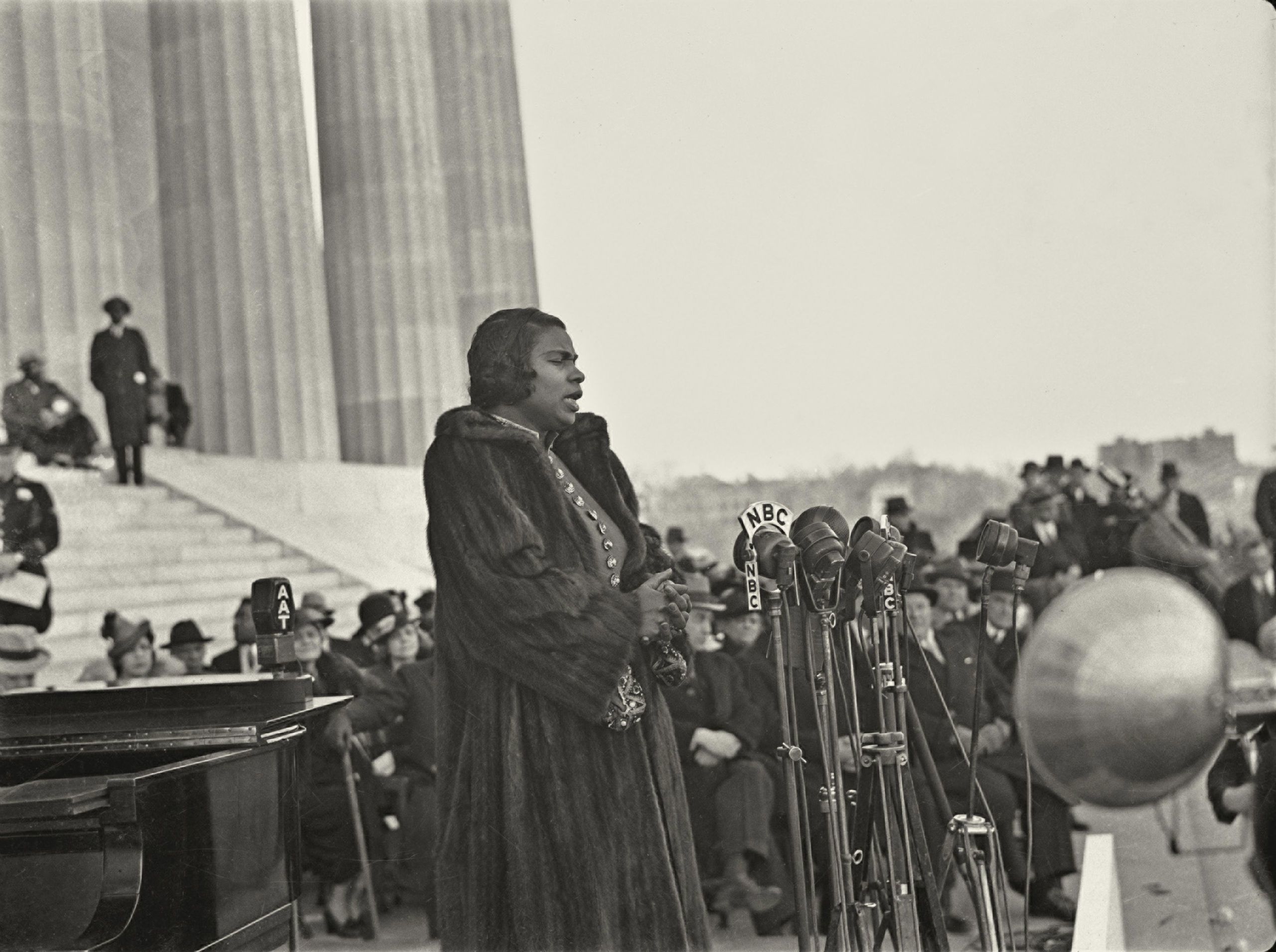
More than a few marchers may have shared a puzzled glance. The march leaflets offered that none other than the diva Marian Anderson would open the day’s program of 18 speakers and songs. The march’s planners and crowds alike would have remembered Anderson’s historic 1939 Easter Day concert. At that time, Anderson had been barred, like all African American performers, from taking the stage at Constitution Hall — the Daughters of the American Revolution venue. With support from first lady Eleanor Roosevelt and Interior Secretary Harold Ickes, however, Anderson sang instead at the Lincoln Memorial before an interracial crowd.
Marian Anderson singing at the Lincoln Memorial on Easter Sunday, 1939.World History Archive / Alamy Stock Photo
The moment elevated the Philadelphia native beyond her status as a pioneer in opera and made her a symbol of a nascent civil rights struggle. In the estimation of the march planners in August 1963, there was none other than Anderson who could set the right tone for a day fueled by idealism, as well as calls to action.
But that Wednesday afternoon, the contralto was stuck in the monstrous traffic surrounding the National Mall, and Randolph, likely in consultation with his lieutenant, Bayard Rustin, called forward Camilla Williams, Anderson’s protégé.
By 1963, Williams had also fought hard to establish herself in the racist and exclusionary world of opera. Born in Danville, Va., in 1919, she landed in Philadelphia after her local community raised funds to help her continue her music education up north. When she arrived in the city, she paid the bills by selling concessions at a movie theater, while she trained with some of Anderson’s former teachers. Williams, an early recipient of a Marian Anderson Scholarship, eventually debuted at the New York City Opera in Madame Butterfly and later lent her voice to a recording of George Gershwin’s Porgy and Bess.
A seasoned performer, she opened the program for the 1963 March on Washington. The substitute rose to the occasion, and the crowd responded with the first of several rounds of rapturous applause and shouts that roiled across the rows of NAACP chapter members dressed in their church outfits, young rebels in denim, and clergy in full vestments. Eventually, traffic cleared, and Anderson arrived, as well, making her way to the multi-microphoned platform to sing “He’s Got the Whole World in His Hands” to an adoring audience.
Anderson and Williams were two of only four women whose voices were heard by the marchers that day. Most accounts of the March on Washington focus on Martin Luther King Jr.’s “I Have a Dream” speech, and to a lesser degree, John Lewis’ controversial and fiery address about the slow pace of social change in America. Sixty-three years later, the voices and vision of several key women of the march have yet to be fully recognized and appreciated.
The march was born from the struggles of Black labor organizers who understood the importance of taking up the problems of racial caste and class together, not separately. Randolph and Rustin, with political theorists, leftist activists, and labor organizers, had conceptualized the March on Washington during World War II to pressure the federal government to desegregate the military and provide fair employment opportunities for Black workers. At every turn, Randolph consulted and relied on female comrades who shared his leftist political inclinations, including legal scholar Pauli Murray, pacifist Pauline Myers, labor organizer Maida Springer, longtime National Council of Negro Women leader Dorothy Height, as well as Anna Arnold Hedgeman, the only woman on the march’s New York-based planning committee.
By the time of planning for the 1963 march, men dominated — men led all the supporting organizations, and the programming committee resolved to schedule speakers based on those groups. Despite their decades-long commitment to the March on Washington Movement, the women of the march were never able to pierce the ranks of executive leadership, nor serve as spokespeople for the larger civil rights struggle. As the movement gained steam into the 1950s and 1960s, male religious leaders — like King — and institutional heads calcified an image of who was leading.
Made By History sponsorsInquirer Staff
With weeks to go before the assembly, however, organizer Hedgeman argued for a last-minute addition to the schedule. She sought to honor Black women who had struggled in the many fights to desegregate schools, eradicate Jim Crow laws, and secure voting rights. In an appeal to her colleagues, Hedgeman argued, “In light of the role of Negro women in the struggle for freedom and especially in light of the extra burden they have carried … it is incredible that no woman should appear as a speaker.” Her chastening confrontation was met with no resistance, but the depth of her frustrations was never fully recognized. A hastily planned tribute would have to do.
In the end, her recommended “Tribute to Negro Women Freedom Fighters” barely scratched the surface, offering just a nod to the depth and breadth of leadership and passion so many Black women offered the freedom movement.
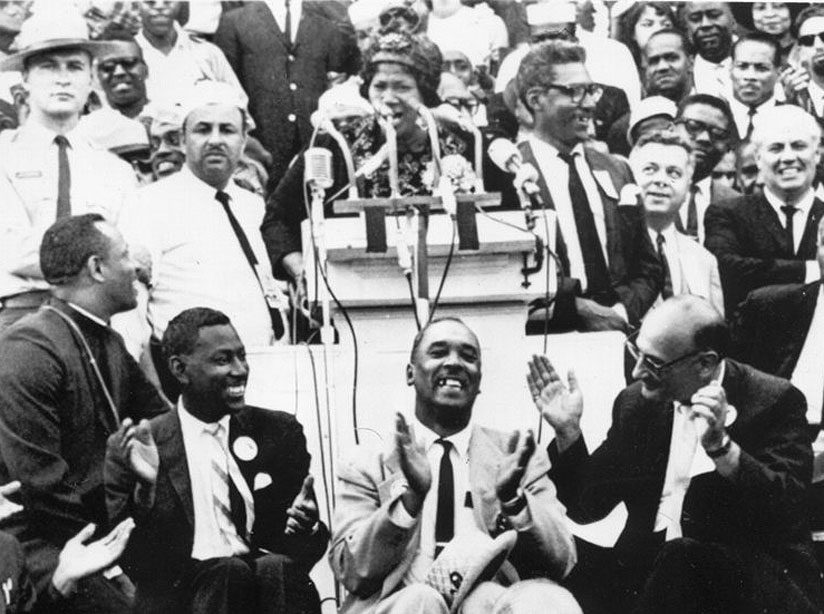
The crowd heard directly from Daisy Bates, coordinator of the school desegregation battle in Little Rock, Ark., in 1957, and from gospel great Mahalia Jackson, a personal friend to King. Their words and lyrics soared. Bates pledged that Black women would “sit-in … kneel-in, and … lie-in, if necessary, until every Negro in America can vote.”
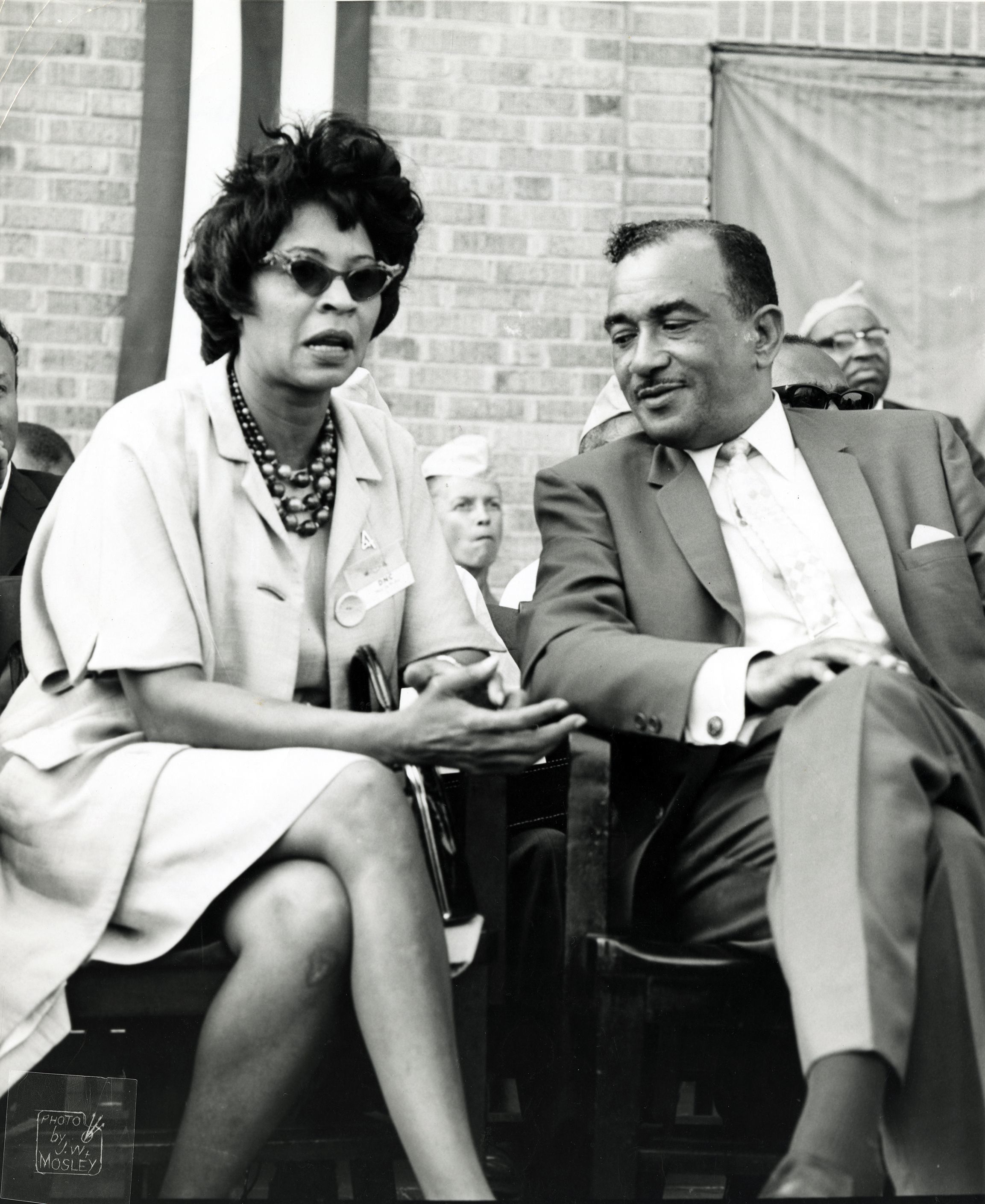
Cecil B. Moore and Daisy Bates at the 1964 Democratic National Convention in Atlantic City.Photo Credit: John Mosley Collection, Courtesy Charles L. Blockson Afro American Collection, Temple University Libraries, Philadelphia, Pa.
Jackson was prompted to deliver an encore, and as she sang the gospel hit “How I Got Over,” the dignitaries behind her closed their eyes and swayed to the beat.
I’m gonna thank him for heart felt religion
I’m gonna thank him for a vision
I’m gonna sing hallelujah
Oh, shout all my trouble over
But three female singers, one speaker, and one “tribute” didn’t begin to convey the contributions of Black women to the movement. In truth, Black women often struggled against the choke hold of racism and sexism they faced in local and national organizations, and their relative absence on the stage of the march spoke to a deeper silencing.
Each year, the anniversary of the March on Washington is marked by remembrances that venerate Dr. King even as they fail to recognize the depth of his message. The speeches that day touched on a range of issues: a still-prescient critique of automation, exposure of police brutality, advocacy for work training to reduce unemployment, as well as a higher federal minimum wage.
But there was more to it than that: It was an inspiring day, but also, for Black women involved in the struggle, a disappointing day. Remembering the march, as a movement and as an event, we can remedy the silences by learning about the women who, through their music and their intellect and their leadership, allow us to keep dreaming.
Made By History takes readers beyond the headlines with articles written and edited by professional historians. Opinions expressed do not necessarily reflect the views of The Inquirer.
Mansfield Oil Co. of Gainesville Inc. filed a civil suit in federal court alleging it provided $4 million worth of gasoline to multiple Freedom Fuel gas stations for which it was never compensated.
The suit goes on to claim that the fuel in question is at least one of the reasons why the network has been able to sell gas cheaply. Freedom Fuel has been promoted by President Donald Trump.
According to the suit, KRSM president Syed Kazmi, requested and took 1.12 million gallons of gasoline and then sold it to several stations that are part of the Freedom Fuel Network without ever paying for it.
Kazmi and his brother, Cherry Hill developer Shamikh Kazmi, are connected to at least eight of the Freedom Fuel’s 29 locations.
A Philly-based federal appeals court on Friday ruled that ICE’s controversial policy mandating detention for nearly all undocumented immigrants is unlawful. The ruling took immediate effect in Delaware, New Jersey, Pennsylvania, and the U.S. Virgin Islands.
According to the Gloucester County Prosecutor’s Office, a Paulsboro man was sentenced Friday to more than three decades in state prison for sexually assaulting an underage girl in 2023.
Cherry Hill native and actor Dominic Sessa who plays the title role in the A24 Anthony Bourdain biopic, Tony, spent four summers working at a bakery in Ocean City. He pulled from that experience to help him get into character.
The typical homeowner in New Jersey has one of the highest levels of housing wealth compared to other states. It made the top five states where homeowners report having the most home equity.
Gov. Mikie Sherrill signed legislation Friday that permanently allows the sale and delivery of to-go alcoholic beverages.
Asianfresh Food Market in Cherry Hill announced its soft opening on Thursday and its grand opening on Sept. 12, 42 Freeway reports.
🧠Trivia time
Which former Disney star performed in Atlantic City last Friday?
The fountains run on the lake at Laurel Acres Park in Mount Laurel during an August afternoon.Taylor Allen
The popular Laurel Acres Park in Mount Laurel always brings a crowd typically on the weekends with its baseball fields, natural trails, playgrounds, and more.
What does your community look like? What South Jersey memory would you like to share? Submit a photo and/or a brief description for a chance to be featured in the Monday edition of this newsletter.
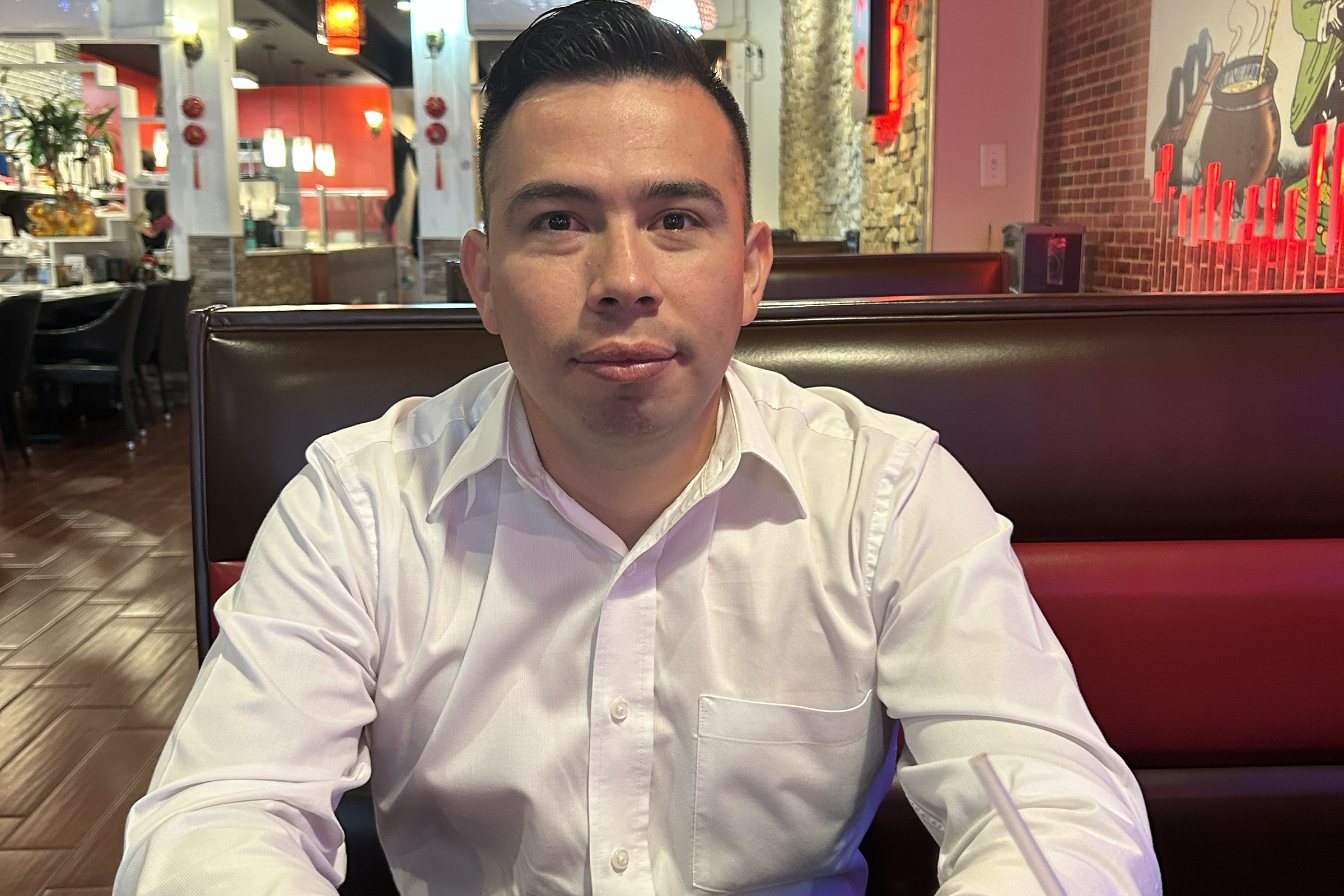
Jhon Perez Romero carries a driver’s license, Social Security card, and an employment permit, working as a Spark Driver for Walmart in York, Pa.
He also carries the fear of being tortured or killed if he should be deported to his Venezuelan homeland, where he’s been accused as a “traitor” by the government he once served as an intelligence officer.
Perez Romero, who was interviewed and released by U.S. immigration officials when he crossed the border in 2023, was arrested by ICE in Philadelphia on June 30, when he appeared for what he thought would be a routine check-in. He joined a growing number of immigrants taken into custody even while they pursue asylum, a long-established legal process that can grant permission to live in the United States to people who could be harmed at home.
Perez Romero, 39, is being held at the Moshannon Valley Processing Center, the 1,876-bed ICE facility in Philipsburg, Pa., his future uncertain, his wife and step daughter in anguish.
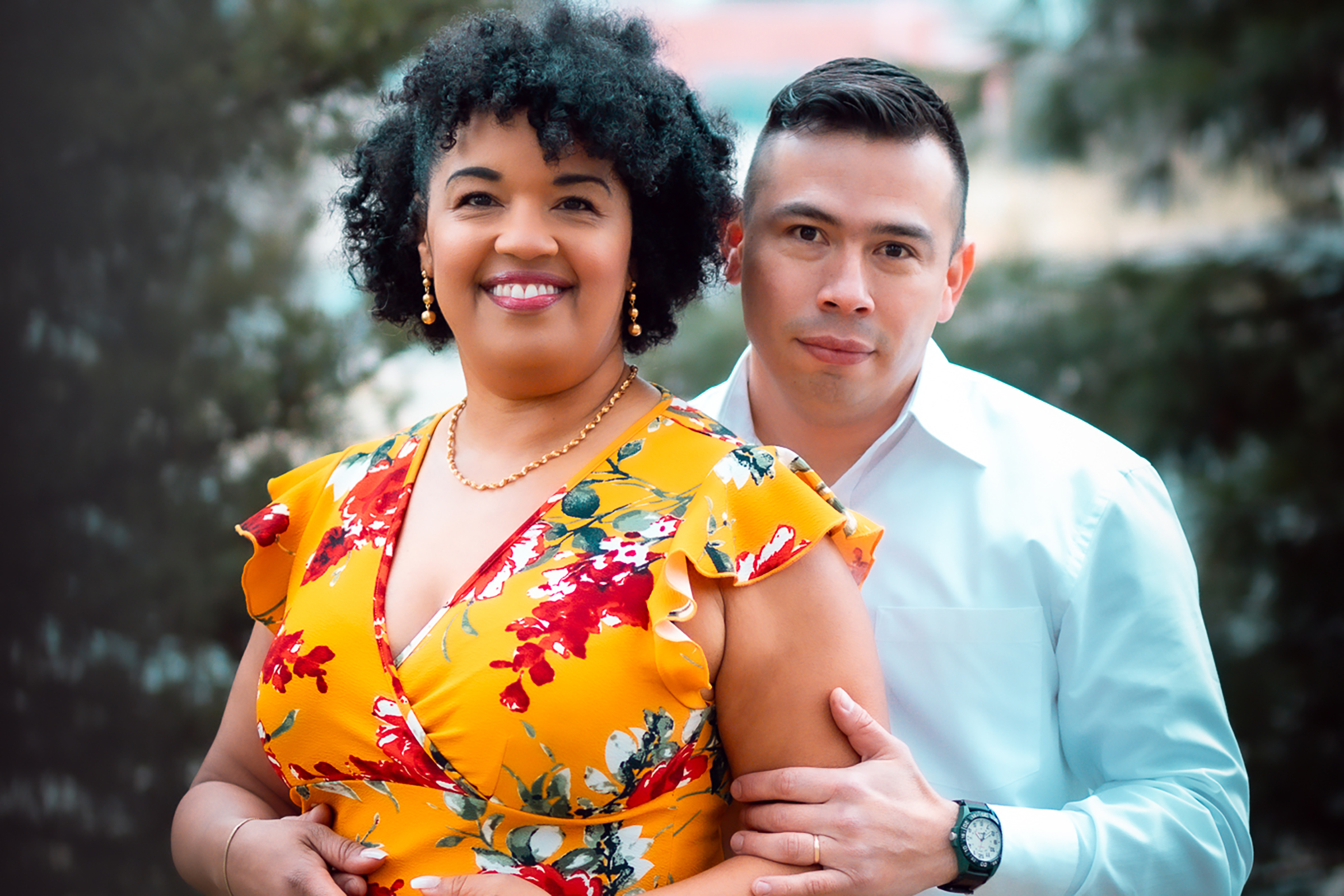
“I thought the U.S. represented a place where people who are escaping political or religious persecution can come here and find safety,” said his wife, Sandra Quinones, an American citizen and high school teacher. “Especially if you’re law-abiding and contribute to society. That’s where my heart is broken.”
The Trump administration’s aggressive approach departs from previous administrations, where asylum seekers with no criminal record were mostly allowed to remain free while they pursued their claims. Now applicants have been detained in communities across the United States, including Pennsylvania and South Jersey.
Last week news broke that the administration intends to revoke the business and tourism visas of up to 200,000 people who are seeking asylum, putting them at risk of arrest and detention. That comes on top of procedural changes that have made it harder for people to prove they should be allowed to stay.
A spokesperson for the Department of Homeland Security said Perez Romero was released at the border by the Biden administration, not by officials under President Donald Trump.
“He will remain in ICE custody pending removal proceedings and will receive due process,” the spokesperson said in a statement. “A pending application does NOT confer legal status in the United States.”
The agency said that on Jan. 20 Perez Romero was charged with “harassing communication,” an offense that usually involves phone calls or text messages sent to upset someone.
DHS provided no other information. Dauphin County court records show that Perez Romero pleaded guilty in magisterial district court in March, but do not include details of what occurred. A court worker said Friday she could provide no additional information.
“Criminal illegal aliens are not welcome in the U.S.,” Homeland Security said. “We will find you, we will arrest you, and we will deport you.”
Jhon Perez Romero, originally of Venezuela, came to the United States seeking asylum in late 2023, afraid he could be harmed or killed by government agents in his homeland. Now Perez Romero, 39, is being held at the Moshannon Valley Processing Center, the ICE detention facility in Philipsburg, Pa., as the Trump administration detains more people who are seeking safety in the United States.Courtesy of family
Generally, the government cannot deport someone while their asylum claim is being decided — claimants must be given what’s called a merits hearing, where they can present evidence, before any final removal action.
The government does have the power to hold asylum seekers in detention for certain reasons, including if it believes the person might flee or is a danger to the public.
Immigration lawyers argue that there’s no gain for the government in detaining asylum seekers, since their names, addresses, and identifying information are already known to authorities, who require regular, in-person check-ins.
“The Trump administration is targeting people to subject them to detention, knowing they won’t be able to fight their way out of the system, so they’ll give up and leave,” said lawyer Lilah Thompson, who leads the immigration unit at the Defender Association of Philadelphia. “They’re wearing people down.”
For immigrants, freedom while pursuing asylum means everything, enabling them to work and earn money to hire an attorney, and to more easily gather evidence and documents for their cases.
Prolonged detention leads some to drop their legal cases and accept voluntary departure. Leaving voluntarily avoids the automatic 10-year ban on returning that can accompany a formal deportation.
“It’s very tough, for people who are facing these choices,” said immigration lawyer Robert Barchiesi II, who represents Perez Romero.
Thompson is helping defend a Chester County newlywed who has so far spent two months in detention after being arrested at a late-June check-in.
Nelson Contreras-Gelves, 35, originally from Venezuela, has followed government directions and broken no rules, Thompson said, noting that he recently married a U.S. citizen.
People seeking asylum must show not only that they could be harmed in their homeland, but also that the danger springs from at least one of five specific causes — their religion, race, nationality, political beliefs, or membership in a particular social group.
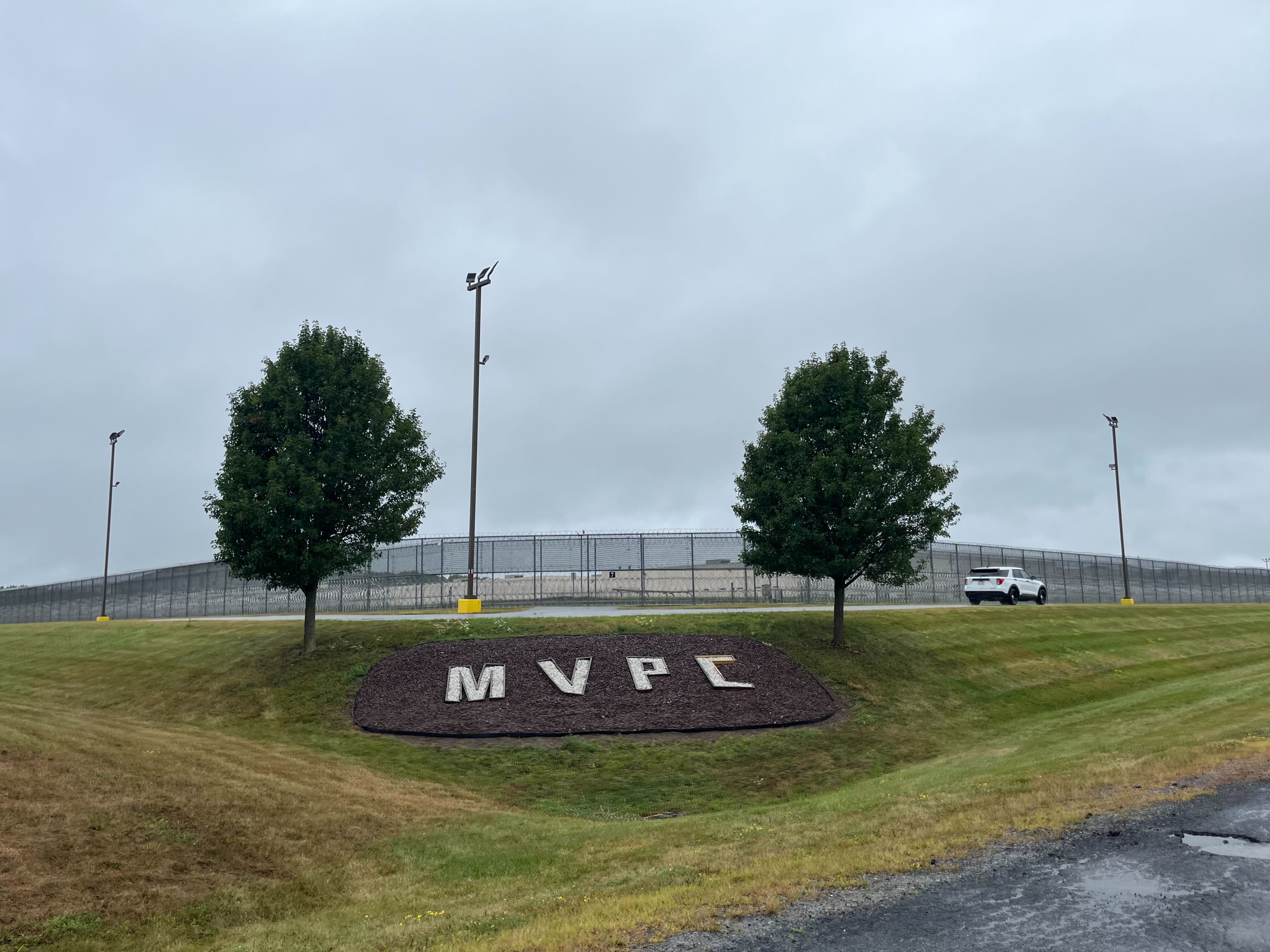
Moshannon Valley Processing Center, in Clearfield County, Pa., is the largest immigrant detention facility in the Northeastern United States.Max Marin / The Philadelphia Inquirer
People granted asylum can apply for lawful permanent residency and eventually for U.S. citizenship.
Perez Romero’s life has taken him from a position in Venezuela’s notorious national intelligence agency, to a flight across countries in fear of his life, to love and marriage to a U.S. citizen and a caring role as stepfather to her 17-year-old daughter.
From roughly 2011 to 2019, according to his asylum application, Perez Romero was an agent at the Servicio Bolivariano de Inteligencia Nacional, known as SEBIN. It was created in 2010 by then-President Hugo Chávez, officially aimed at protecting the nation but accused by human-rights groups of arresting and torturing political opponents, journalists, and activists.
Perez Romero said he quit the agency after receiving instructions — the specifics were not described in his asylum application — that he refused to obey. His resignation came less than three months after a failed military uprising against authoritarian President Nicolás Maduro triggered a purge of the intelligence services, targeting those suspected of disloyalty.
Perez Romero was told to report to government officials — and that he was accused of treason.
“Which is erroneous,” he wrote in his asylum application, “since I have not committed any crime.”
In March 2020, facing an arrest warrant, Perez Romero fled to Colombia, keenly aware of “what happens to political prisoners in Venezuela, things like imprisonment for life or murder.”
Two years later, after Gustavo Petro was elected as that nation’s president, he said, he began receiving threats from Venezuelan agents that he would be seized and forced home.
Perez Romero headed north. On New Year’s Eve 2023, he reached the U.S. border at Eagle Pass, Texas, where he was interviewed and released by immigration agents.
The next year he met Quinones at La Iglesia de Dios Voz de Alerta Church in York, and they wed in 2025.
She described him in an interview as an outstanding husband and father, working long hours to provide for their family. He’s deeply invested in their church, she said, and before his detention was developing a resource package to help missionaries serving in remote and dangerous areas.
Last month, he tried and failed in federal court to win his freedom from Moshannon.
U.S. District Court Judge Joseph Leeson ordered the government to hold a bond hearing, but Immigration Judge Tamar Wilson ruled that Perez Romero did not show he was not a flight risk or a danger to the community.
He may say he’s innocent of treason, the judge wrote, but “the court cannot simply take his word for it.”
Quinones says the family hasn’t lost hope. Their GoFundMe has raised $8,000 of its $9,000 goal, all of it going for legal fees and related expenses. They await the hearing to present evidence to support Perez Romero’s case for asylum.
Quinones said her husband relies on his Christian faith to stay strong. She’s trying to stay optimistic as well, she said, but so much is uncertain and in flux. Her husband could end up having to accept voluntary departure to a third country, like Colombia.
She’s prepared to retire early and join him, if necessary, and has begun exploring job possibilities there.
“I can’t be apart from my husband,” she said. “I can’t picture my life without him.”
Staff writer Dylan Purcell contributed to this article.
Police said two women were found dead inside a home on the 1600 block of Conlyn Street in the Ogontz neighborhood on Sunday afternoon in what is being investigated as a murder-suicide.
Police did not release the identities of the women.
Officers responded to the scene around 1:50 p.m., after a gunshot was heard from inside the home, police said. A “barricade” was declared and ended about an hour later, police said.
Two adult women were found inside the home and pronounced dead at the scene by medics.
Police said preliminary information indicated that it was a murder-suicide. The relationship between the women has not been established and the motive was unknown. An investigation is ongoing, police said.
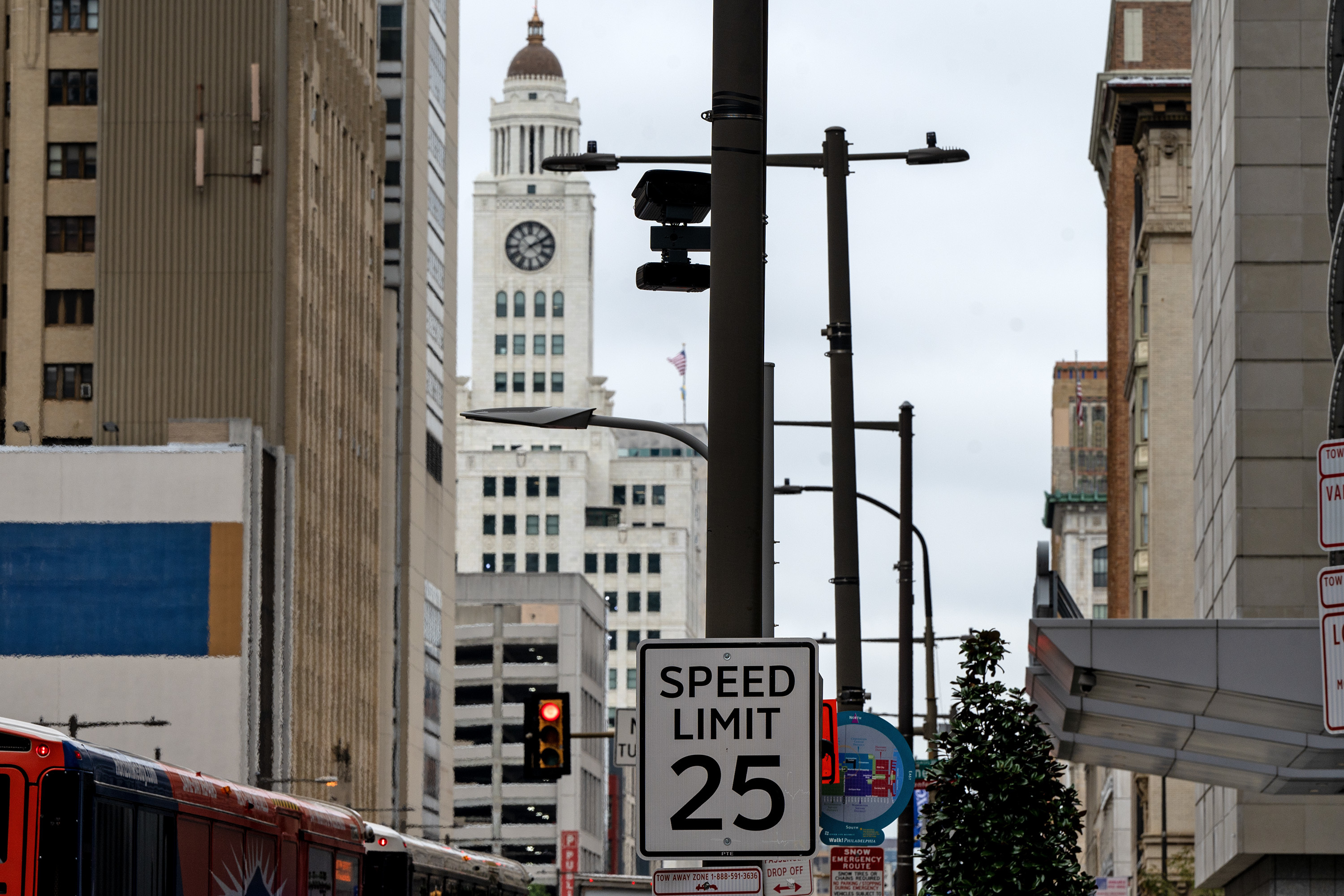
Drivers who are found speeding on portions of Route 13 monitored by new automated cameras will begin receiving warnings on Monday morning.
The 60-day warning period is part of the rollout of new traffic safety measures that city officials hope will reduce traffic deaths. The efforts are part of Vision Zero, which aims to cut traffic deaths in Philadelphia to zero.
The newly installed cameras are stationed along Route 13 in West Philadelphia and parts of North Philadelphia.
The Route 13 corridor — identified by the city as a particularly dangerous stretch of road — spans Baltimore Avenue in West Philadelphia, Hunting Park Avenue in North Philadelphia and Roosevelt Boulevard in the Northeast before leaving the city by way of Frankford Avenue.
A 60 day warning period for newly installed speed cameras goes into effect on August 31, 2026 on the yellow part of Route 13.City of Philadelphia
The city pointed to earlier installments of speed cameras along Roosevelt Boulevard, which cut speeding by 95% and sharply reduced crashes and fatalities since being installed in 2020, according to state data. Those cameras, which started as part of a pilot program, became permanent in 2023.
“Our goal is to continue saving lives,” said Gabe Roberts, acting executive director of the Philadelphia Parking Authority, in a statement.
Drivers who travel more than 11 mph over the posted speed limit will eventually be ticketed, with fines starting at $100 and rising to $150 for those driving more than 30 mph over. Ticketing will begin October 30.
For now, drivers recorded speeding will receive warnings in the mail.
The revenue from the speed camera tickets goes towards other traffic safety improvements across Philadelphia, according to the city’s Office of Transportation and Infrastructure Systems.
The city said there are now 80 automated cameras in total; the new ones follow those installed along Broad Street, Frankford Avenue, and Roosevelt Boulevard.
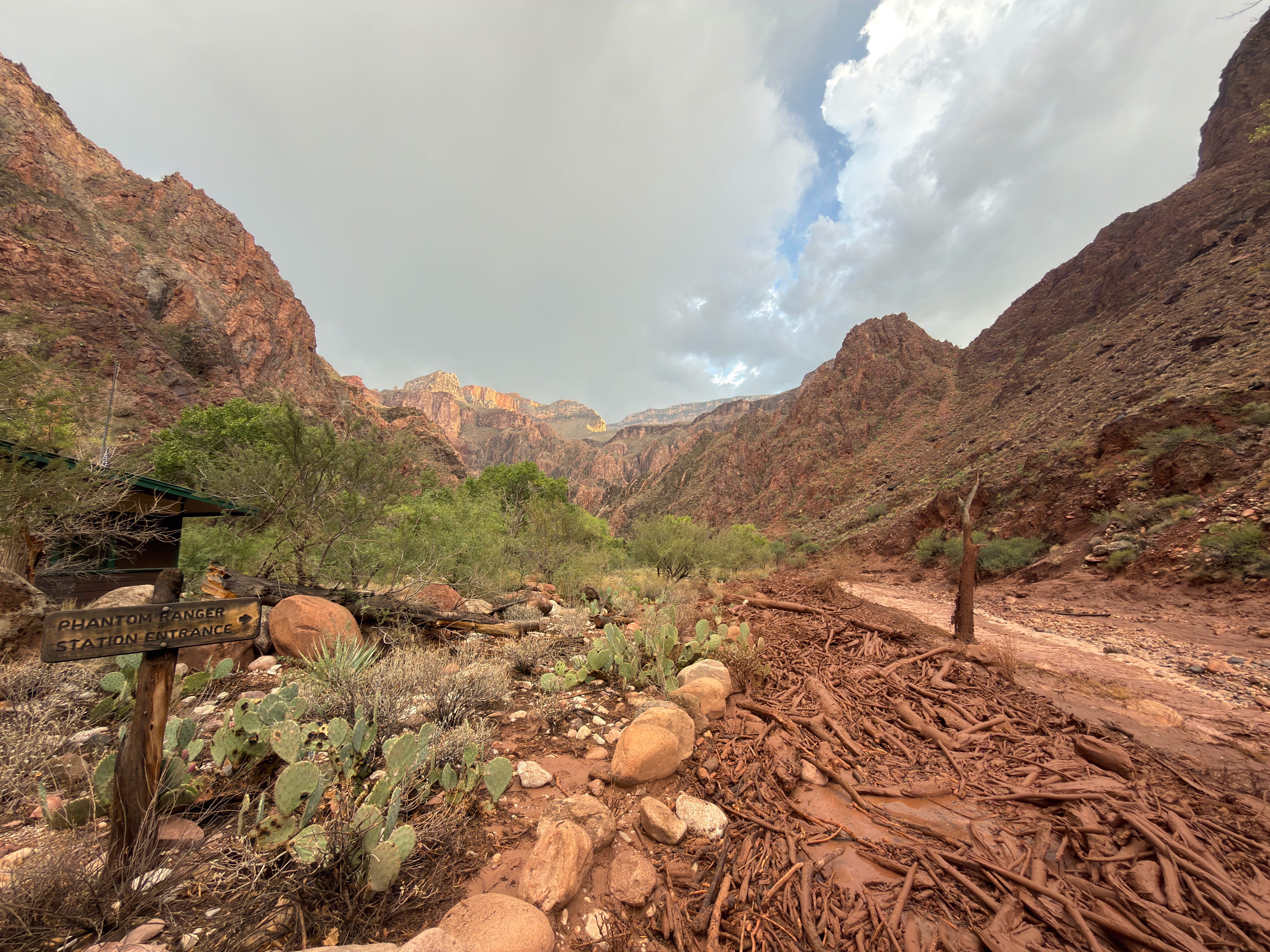
FLAGSTAFF, Ariz. — A major flash flood at the Grand Canyon forced the evacuation of dozens of people and swept large boulders, metal structures and other debris into the Colorado River that runs through it, the National Park Service said.
The flooding in Bright Angel Creek, which flows into the river, happened Saturday afternoon and has left the park service seeking information about 15 people who may be missing or unaccounted for. Torrents of water wiped out footbridges over the creek and significantly altered the landscape, widening the creek bed and creating what appeared to be a new river rapid.
As the park service tries to account for everyone in the area, it is asking anyone with details about people hiking or camping there to get in touch. It said it was working with the Arizona Department of Public Safety to continue evacuations Sunday.
“This is a reminder of what a dynamic and active landscape Grand Canyon is,” said Jack Schmidt, director of the Center for Colorado River Studies at Utah State University.
Popular tourist spots including the Bright Angel Campground, Phantom Ranch and parts of the North Kaibab trail remained closed on Sunday while park officials surveyed the damage, the park said. Rafting trips on the Colorado River also have been halted for now.
More than 60 people were evacuated from Phantom Ranch, which has a historic canteen and dorms, and is a common spot for rafters to get off and on the river. More evacuations were planned Sunday, the park said. No injuries have been reported.
Erica Viola said she was at Bright Angel Campground when the rain started Saturday afternoon, and she and about 50 other hikers watched the creek rise and then debris start to flow by, including what looked like a bunkhouse. The group was taken by helicopter to safety, ending her adventure two days early, she said.
About half an inch to 1 inch of rain fell within about 30 minutes in the rocky area where there’s a steep drop in elevation, said National Weather Service meteorologist Justin Johndrow in Flagstaff.
“Most of it ran off instantly,” Johndrow said.
He said the flooding happened on the north side of the Grand Canyon, where Bright Angel Creek comes from the North Rim down to the Colorado River, dropping around 6,000 feet.
More rain and thunderstorms were possible for the area into Monday.
WASHINGTON — U.S. forces struck Iranian rocket launchers on the Strait of Hormuz in the first military action in a month on Sunday, according to a U.S. official, breaking a lull in fighting during an intermittent war that has lasted more than six months.
Forces with the Revolutionary Guard Corps were observed preparing to launch rockets with sea mines into the strait, according to the official, who spoke on condition of anonymity to detail sensitive military movements.
The U.S. military last week completed clearing sea mines from the strait’s international shipping routes.
Semiofficial news outlets in Iran reported sounds of explosions near Larak island on the strait. The Guard in a statement carried by Iran’s state broadcaster noted “the martyrdom and injury of several of our fighters and compatriots.”
The statement said the attack will “result in punishment of the aggressor.”
The fighting comes just days after the Trump administration said it would turn its focus to increasing economic pressure — rather than military action — to try to end its war with Iran. The shifting strategy centers on threats to punish any country or entity that continues to conduct business with Tehran.
The turn to using sanctions as the cudgel of choice comes as the administration weighs diminished munitions stockpiles after months of war, sparking concerns that the prolonged conflict could undermine U.S. military readiness in other parts of the globe.
Trump has consistently emphasized that the U.S. and Israel campaign has been devastating for Iran’s navy and air force. Iranian officials have said the country has suffered $270 billion in direct and indirect damage. Israeli military strikes in the first weeks of the war wiped out much of the theocratic government’s leadership structure.
But Iran has found leverage through its own strikes in the critical Strait of Hormuz, where relatively few vessels carrying oil and liquefied natural gas are risking passage. Iran still has enough drones and missiles to fire at vessels transiting the vital energy waterway, through which 20% of the world’s oil normally flows, effectively controlling much of the traffic in the strait.
Trump has repeatedly declared that the “Strait of Hormuz is open,” saying 24 vessels passed through last week. But that’s a fraction of the roughly 130 vessels that passed through the vital waterway daily before the war began.
Earlier on Sunday, a multinational coalition overseen by the U.S. Navy said commercial traffic through the strait remained at “reduced levels.” And a monitoring agency run by the British military said an unknown projectile struck a tanker ship on Saturday north of Khasab, Oman, in the strait.
The United Kingdom Maritime Trade Organization said the ship had been moving inbound and no casualties or environmental impact had been reported. It cited unspecified military authorities. There was no immediate claim of responsibility.