Category: News

  • Philly’s school bus drivers, cleaners and maintenance workers have a new contract

    Philly’s school bus drivers, cleaners and maintenance workers have a new contract

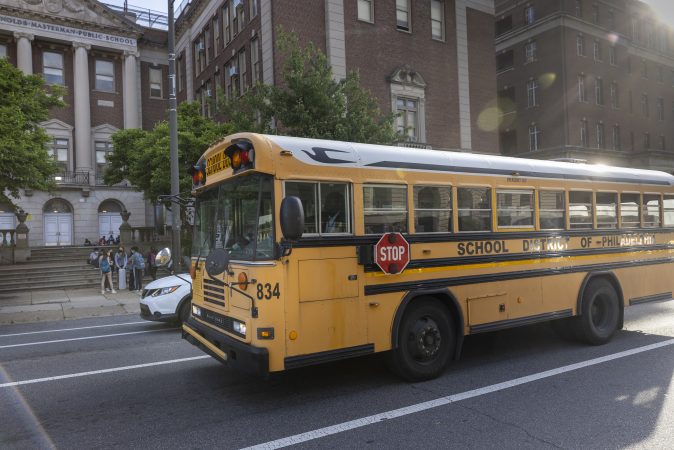
    The people who drive Philadelphia School District buses and clean and maintain its buildings have a tentative contract.

    The district and negotiating team from 32BJ SEIU District 1201, which represents 2,000 workers, reached a deal right at the wire: 32BJ’s old contract was set to expired Monday at 11:59 p.m.

    Officials declined to disclose the terms of the deal, but 32BJ was making no secret of its asks. The big one was more money for its workers, who are among the lowest paid in the district.

    Members’ current pay scale ranges from bus attendants, who are paid $30,762 annually under the existing contract, to building engineers, whose pay rate starts at $51,155 and tops out at $77,832. The union’s best-paid employees are building construction workers, whose salary maxes out at $77,832.

    Tradespeople — bricklayers, HVAC mechanics, electrical mechanics, plumbers, and roofers — are paid $62,899 at the top of the pay scale.

    “We went into this looking for an agreement that reflects the hard work, dedication, and importance of our 2000 members covered under this agreement, and we believe this deal does that,” Tim Finucan, 32BJ SEIU state director, said in a statement. “We appreciate the strong relationship we have with the Philadelphia School District, and our shared commitment to providing family-sustaining wages, healthcare, and a ladder of opportunity within the district.”

    Union officials said membership will meet in the next two weeks to learn about and vote on the deal.

    In addition to higher pay, 32BJ was asking for a clearer path to job advancement, and ways to work with the school system to fill vacant jobs. The district often struggles to find qualified engineers and trades workers.

    Superintendent Tony B. Watlington Sr. said in a statement that he was “pleased to have reached a tentative agreement with our 32BJ SEIU Philadelphia school workers that recognizes the essential contributions of these dedicated professionals. Every day, our staff helps to safely transport our students and create the safe, welcoming, and supportive environments our students need to learn and thrive.”

  • Man and woman charged with murder in shooting on I-95 that killed a 21-year-old bystander

    Man and woman charged with murder in shooting on I-95 that killed a 21-year-old bystander

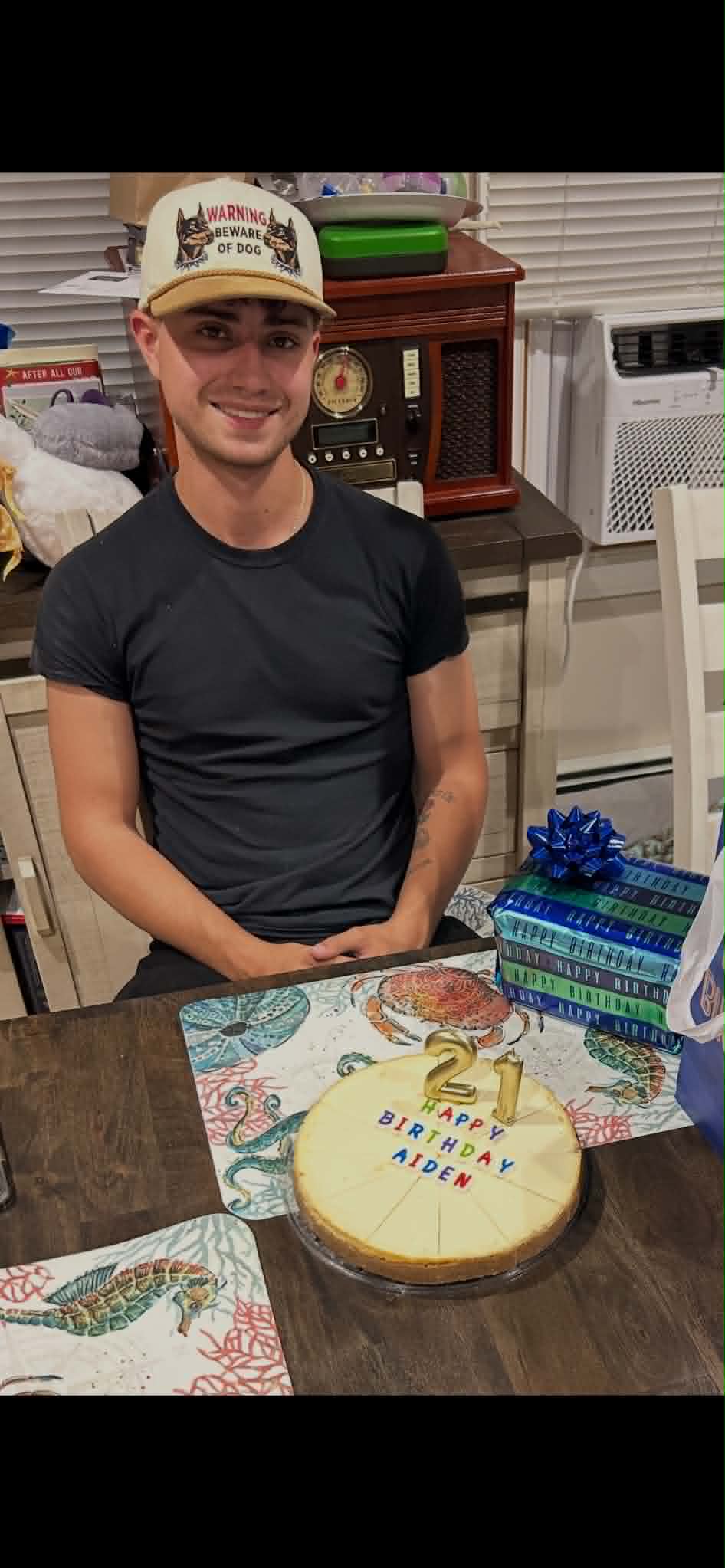
    Aiden Zeallor was only trying to get home the night he was struck and killed by gunfire while driving on I-95 near Port Richmond last year.

    Zeallor, 21, was a bystander, in the wrong place at the wrong time when at least 50 rounds were fired at a nearby vehicle in what investigators said was an attempted targeted killing of another person.

    Now, nearly 18 months after the Levittown native’s death, police have arrested a man and woman they say are responsible.

    Alondra M. Lopez, 28, and Joseph G. Toledo-Gonzalez, 27, face charges of murder, attempted murder, and related crimes in connection with the 2025 shooting.

    Lopez is being held in the Philadelphia Industrial Correctional Center and Toledo-Gonzalez is being held in the Curran-Fromhold Correctional Facility. Both were denied bail.

    Zeallor’s mother, Denise Donahue, said the arrests have given her some semblance of closure, even if no development in the case will bring back her son.

    “He was a loving boy that should still be here,” Donahue said. “His life was stolen from him.”

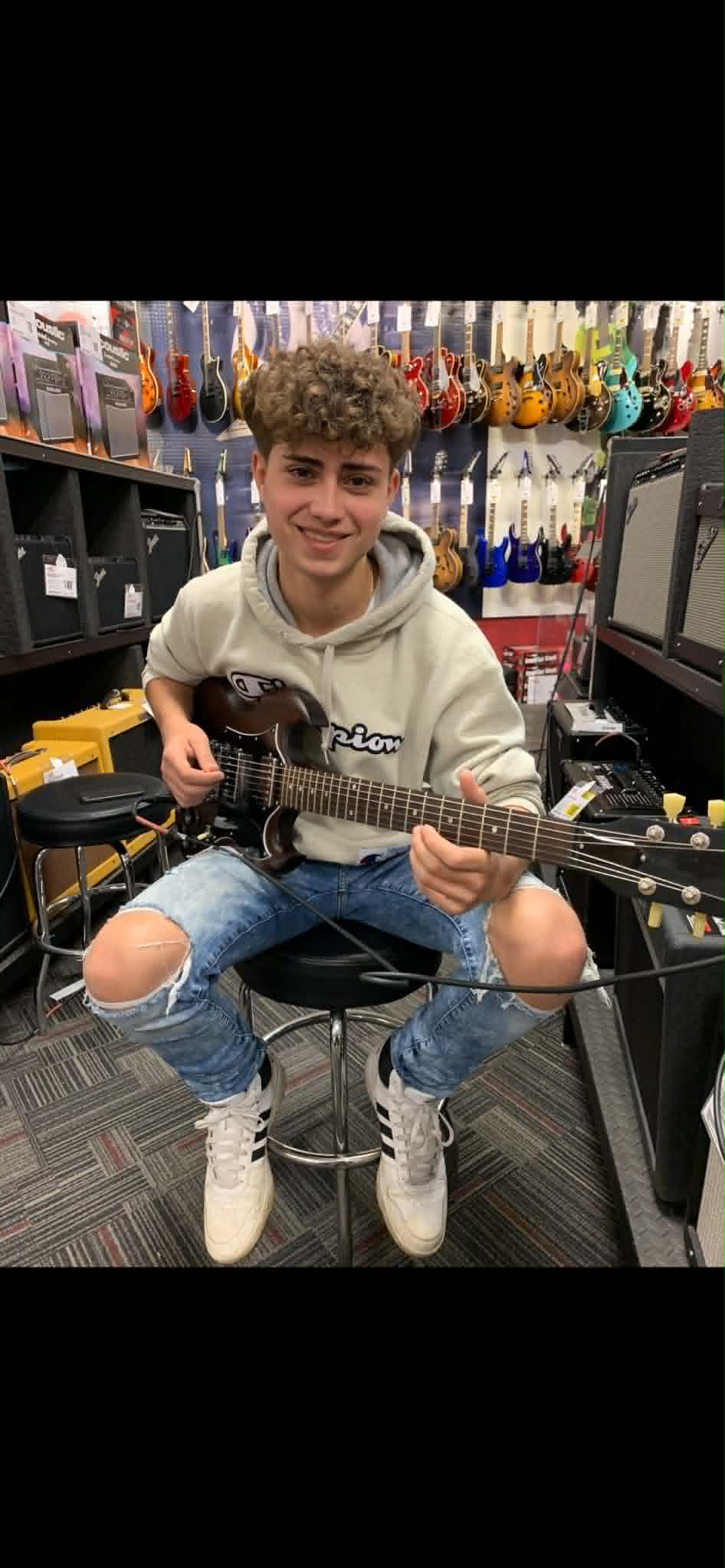
    The curly-haired young man was an avid fisherman and outdoor enthusiast who worked as a technician for his family’s HVAC company and was always surrounded by friends, Donahue said.

    He was also devoted to his family, she said. Not long before Zeallor’s death, he had moved into his grandmother’s house in Northeast Philadelphia to take care of her and so she did not have to live alone.

    Donahue, meanwhile, continues to grieve the loss of her son. She had already experienced the death of Zeallor’s father, in 2009.

    Her life was again forever altered the evening of March 29, 2025, when she learned her son had been shot in the head and torso and was put on life support.

    A photo of Aiden Zeallor.Denise Donahue

    She rushed to the hospital from her home in Wildwood. Zeallor was declared brain-dead and died later that morning.

    Donahue said her son had been out dancing with a friend that evening at a nightclub in Philadelphia.

    The two were heading back to Zeallor’s grandmother’s house and were in the northbound lane of I-95 around 2:30 a.m. in Zeallor’s Ford Mustang when bullets fired from a semiautomatic rifle riddled a nearby Acura, the intended target of the shooting.

    Two stray bullets pierced Zeallor’s windshield as he drove, striking his right eye and under his right arm.

    The driver of the Acura was shot in the leg and was treated at a nearby hospital.

    Court documents offered few details about Lopez and Toledo-Gonzalez’s role in the shooting and do not describe the motive.

    A spokesperson for the Pennsylvania State Police, which is handling the investigation, did not immediately return a request for comment.

    A preliminary hearing for both defendants is scheduled for Sept. 14 in Municipal Court.

    Donahue said she and relatives plan to attend every court proceeding as they seek justice for Zeallor.

    They are also urging lawmakers to pass “Aiden’s Law,” which would require the installation of surveillance cameras on certain Pennsylvania highways to help investigators identify suspects in violent crimes.

    Meanwhile, the family is comforted knowing that Zeallor helped save four lives through organ donation.

    “We changed other people’s lives that day,” Donahue said. “That makes me proud, as Aiden’s mom.”

  • Malvern medical-tech company is slashing jobs as part of cost-cutting campaign

    Malvern medical-tech company is slashing jobs as part of cost-cutting campaign

    Tela Bio, a Malvern-based medical-technology company, plans to cut about 20% of its workforce.

    The layoffs, most of which are to take place this month, will reduce the company’s headcount from 201 full-time employees to 160, according to an SEC filing last week. The locations and types of jobs affected were not specified. Company executives say the move is part of a larger plan to slash Tela Bio’s annual operating expenses by about $17 million.

    CEO Heather Getz said in a statement that they are “implementing a broader initiative to strengthen our cost structure and position Tela Bio for long-term success.”

    Headquartered in the Great Valley Corporate Center, Tela Bio makes biological products for soft-tissue repairs, including hernia surgeries and ab-wall reconstructions. Among its products: OviTex tissue, made from sheep stomach, which Tela Bio says promotes natural healing while reducing plastic in the body.

    Last year, Tela Bio reported more than $80 million in revenue, up 16%, which the company attributed to an increase in customers and higher sales overseas, according to earnings reports. But with $88 million in operating expenses, the company continued to operate at a loss, as it has since its founding in 2012.

    Tela Bio, which went public in 2019, had accumulated a deficit of more than $421 million as of June, according to its latest quarterly report.

    Company executives expect these layoffs to cost about $1.5 million in severance and other employee payouts, according to the SEC filing.

    On Monday, the company also parted ways with Roberto Cuca, who had served as chief financial officer and chief operating officer since 2021. Per the SEC filing, Getz, the CEO, will become the company’s “principal financial officer.”

    Tela Bio executives said they’ll provide more information on cost-cutting efforts on the company’s next earnings call, scheduled for November.

    “We are focused on disciplined execution, strengthening the business, and creating a more efficient organization positioned to deliver sustainable long-term growth,” Getz said, adding that executives ”expect this initiative to extend our cash runway into 2028.”

    Getz was appointed CEO last month, succeeding Tela Bio cofounder Antony Koblish. Previously, Getz was executive vice president and chief financial and operations officer at Butterfly Network, a portable-ultrasound company.

    In announcing Getz’s hiring, Tela Bio executives said she made “transformative changes in [Butterfly Network’s] strategy, capital allocation, cash runway and investor relations while building a performance culture.”

    Butterfly Network remains unprofitable, but has seen recent revenue increases.

  • DA Larry Krasner will not be called to testify about a case that has roiled his office

    DA Larry Krasner will not be called to testify about a case that has roiled his office

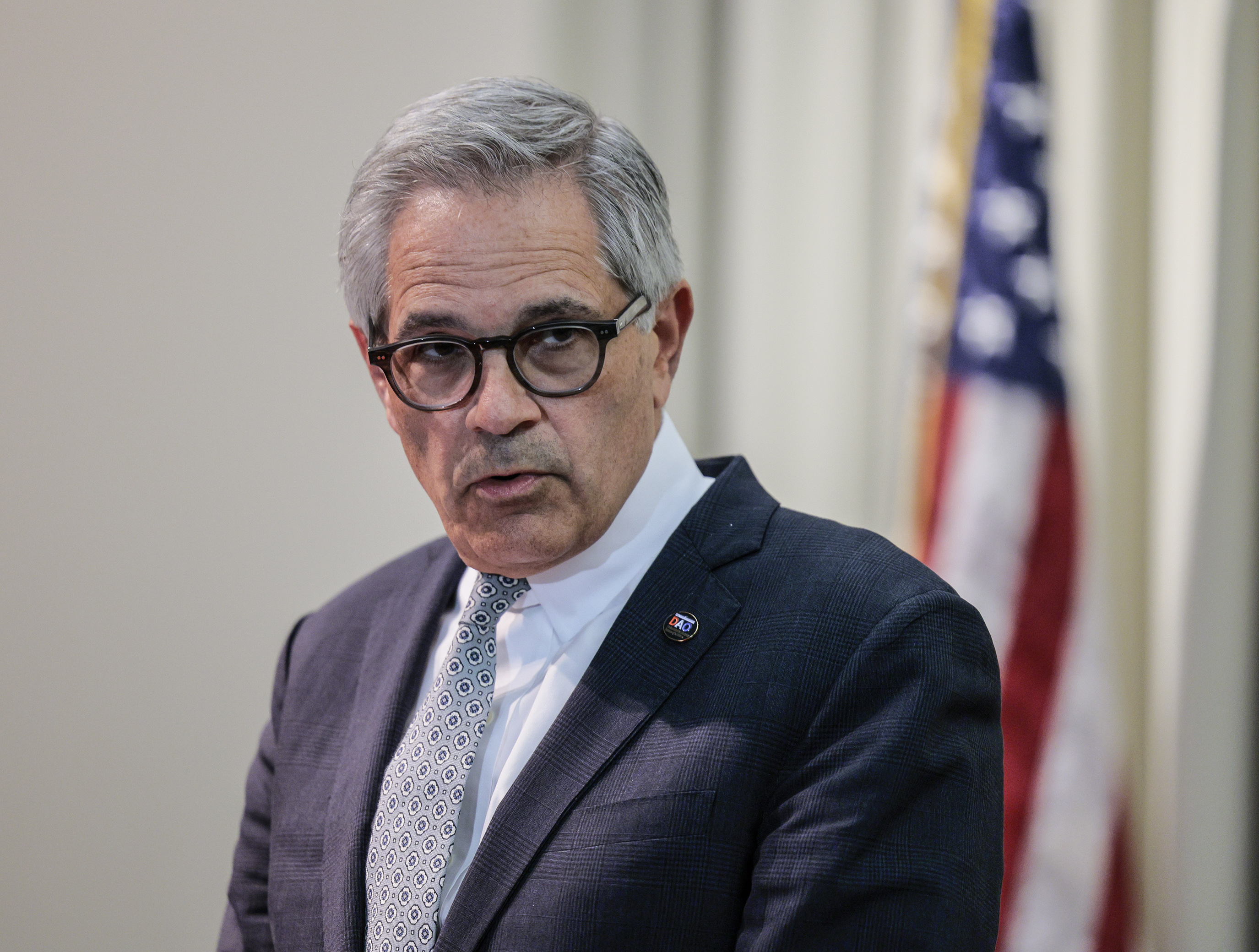
    A federal judge said Tuesday that he will not call Philadelphia District Attorney Larry Krasner to testify about his actions in a controversial post-conviction case — despite the fact that some of Krasner’s own staffers have accused him of overseeing the matter in ways they viewed as inappropriate.

    The decision by U.S. District Judge Paul S. Diamond came at the end of a multiday hearing at which two of Krasner’s prosecutors testified about the discord that emerged among lawyers in the office as they worked to determine whether a man’s murder conviction should be overturned.

    Both prosecutors who testified Tuesday, David Napiorski and Peter Andrews, largely echoed assertions two of their colleagues made on previous days of the hearing — including that Krasner vehemently opposed referring the case to the state attorney general’s office, and that he threatened unspecified “consequences” for those who didn’t follow his orders.

    In earlier testimony, other staffers accused Krasner of calling state prosecutors “Nazis” and growing “apoplectic” when they memorialized their disagreements with him in writing. Diamond last week also suggested that some actions in the case could amount to crimes including perjury, conspiracy, or obstruction of justice.

    Napiorski and Andrews continued to paint a portrait of an office consumed by internal conflicts over its actions in the matter. And they accused Krasner of sometimes amplifying the drama.

    Despite that, Diamond said at the conclusion of the hearing that he did not intend to hear from any other witnesses, including Krasner. Instead, Diamond said, his next step would be to determine whether Krasner’s office should be allowed to continue participating in the case moving forward. He did not specify how quickly that ruling might come.

    Krasner declined to comment Tuesday. He has previously declined to talk about the matter, saying it would violate ethical rules to do so while it remains pending.

    The underlying case is the conviction of Dennis Johnson, who was found guilty of second-degree murder in 2009 for fatally shooting Kenyatta Smith outside a North Philadelphia convenience store.

    Johnson appealed his conviction, in part because he said his trial attorney was ineffective. And in 2022, a newly hired prosecutor in Krasner’s law division, Jaclyn Mason, filed court documents agreeing with him and saying his conviction should be overturned.

    But this spring, some of Mason’s colleagues began reviewing the case and took the opposite view — in part because they said she’d made clear and important mistakes in her brief supporting Johnson’s position.

    That set off a sequence of events that has gone on to roil Krasner’s office.

    First, Mason’s supervisors said they had to withdraw her brief and apologize to Diamond for her mistakes — an unusual step for lawyers to take in court.

    And although they said they offered Mason a chance to join that effort, she resigned instead, saying she’d only filed her brief because her boss, Matthew Stiegler, had pressured her to do so, and that she didn’t want to be used as a scapegoat for the office.

    In the weeks that followed, prosecutors testified, Krasner became involved in a series of disputes with those who remained on the case, including Napiorski, Andrews, and two of their colleagues: Katherine Ernst and Steven Wildberger.

    All four went on to testify that they believed their office should recuse itself from handling Johnson’s case because their internal discussions had veered into areas of self-preservation rather than the merits of Johnson’s claims.

    But Krasner disagreed, they said, at times angrily. He said he would not refer the case to the attorney general’s office because he viewed their staffers as “Nazis,” according to Ernst and Wildberger. And they and Napiorski said Krasner also wanted to keep the case in-house to “protect the office.”

    By mid-July — about six weeks after Mason resigned — Ernst, Wildberger, Napiorski, and Andrews filed documents with Diamond saying they could no longer participate in the case due to the behind-the-scenes drama.

    Krasner, in a court document of his own, called their assertions unauthorized and “ill-informed.”

    As Diamond weighs how to sort out the turmoil, Roy Clark, Johnson’s father, said he’s become demoralized by how attention has shifted away from whether or not his son should be released from prison.

    “With all the in-house fighting and stuff for the DA’s Office, it takes the human component out of the case,” he said outside the courthouse Tuesday. “We’re trying to get my boy home.”

    Staff writer Jesse Bunch contributed to this article.

  • Jury convicts Davis of first-degree murder for the 1996 killing of rap icon Tupac Shakur

    Jury convicts Davis of first-degree murder for the 1996 killing of rap icon Tupac Shakur

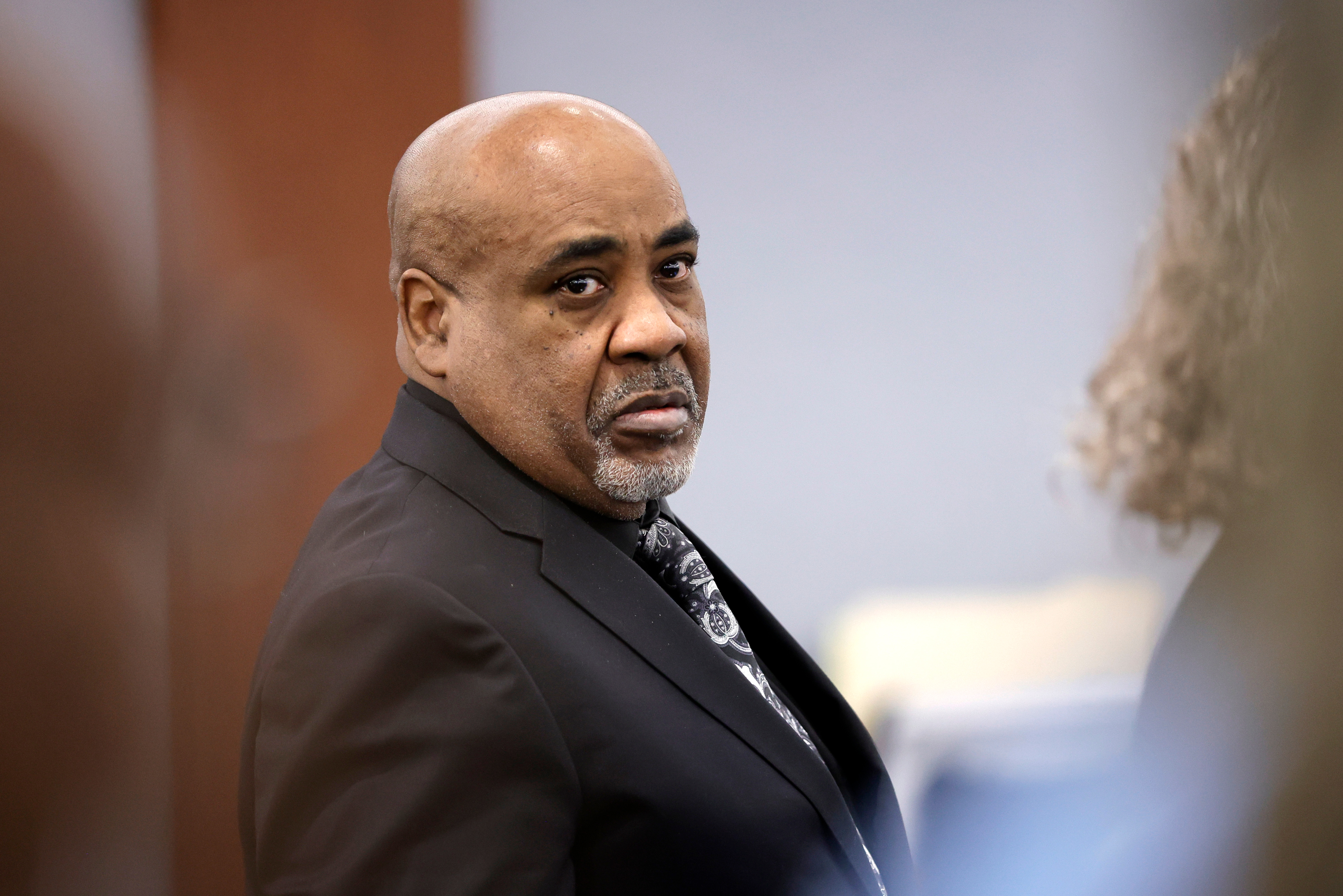
    LAS VEGAS — A jury found Duane “Keffe D” Davis guilty of orchestrating the 1996 killing of rap icon Tupac Shakur, finally bringing a measure of resolution to a case that had gripped hip-hop fans and lingered in the public imagination for decades.

    The 63-year-old Davis was convicted Monday of a single count of murder with a deadly weapon and could be sentenced to life in prison. The jury deliberated for less than three hours after a weekslong trial in Las Vegas.

    After the verdict was read, Shakur’s sister, Sekyiwa “Set” Shakur, cried and hugged the prosecutors. Davis’ son covered his face with one hand.

    Chief Deputy District Attorney Binu Palal told jurors in closing arguments earlier Monday that Davis acquired a gun and “went hunting” for Shakur and Death Row Records co-founder Marion “Suge” Knight after the men had beaten up Davis’ nephew earlier that night.

    “He is responsible of the murder of Tupac Shakur,” Palal said. “Tell him you hear him. Find him guilty.”

    Prosecutors said that while his story had changed over the years, Davis repeatedly placed himself inside a white Cadillac from which the shots were fired. And they said that while he did not pull the trigger, evidence showed he’d called for the gunfire as a powerful gang leader the younger men in the car, including his nephew, were going to listen to.

    Defense attorney Michael Sanft asked jurors if there was any evidence that Davis had ever called the shots before or after the shooting.

    The panel of 16 jurors, four of whom are alternates, heard testimony from 24 prosecution witnesses and three defense witnesses over nine days.

    The prosecution said the state would dismiss a gang enhancement charge due to witness logistics. Prosecutors declined to comment following the verdict, and members of Shakur’s family said they were waiting until sentencing, which is scheduled for October.

    Decades-old case has drawn attention of hip-hop fans and crime experts alike

    The trial brought to a head a decades-old case that for years has drawn the attention of hip-hop fans and true crime experts alike. Shakur, who was considered one of the most influential rappers of all time, was in Las Vegas on Sept. 7, 1996, and stopped at a red light when a white Cadillac pulled up beside him, and shots were fired. He died six days later from his wounds. Knight was also wounded but survived.

    For years, nobody had been charged in the rapper’s death until Davis began making public statements, saying he was in the Cadillac and gave the gun to others in the backseat, calling the shooting a retaliation for the earlier beating of his nephew. Davis is the only person still alive among the four men prosecutors say were in the Cadillac.

    Defense argued public statements were untrue, physical evidence was lacking

    Sanft, Davis’ attorney, argued there was no physical evidence connecting his client to the shooting. He said the book Davis co-authored and the public statements he made were dramatized bravado designed to make money, not to tell the truth.

    Throughout the trial, Sanft poked holes in prosecutors’ narrative. He said investigators did not back up the claims made by his client, and he repeatedly pointed out a lack of physical evidence, such as phone records, that showed Davis was the shot caller.

    “They have nothing in this case that says that man was here in Las Vegas on Sept. 7, 1996,” Sanft said during his closing argument.

    In a rebuttal argument, prosecutor Marc DiGiacomo pointed to a scrapbook Davis kept containing articles about Shakur.

    “This guy’s scrapbooking his murder, for God’s sake,” DiGiacomo told jurors.

    Davis’ own words were front and center

    Palal held up Davis’ 2019 memoir, Compton Street Legend, and played an interview in which Davis encouraged people to buy it to get the “real truth.” Although the book contains a disclaimer saying some facts were changed, prosecutors argued the central account did not.

    Sanft also turned to his client’s memoir during his closing argument. While reading an excerpt, he said the N-word aloud, prompting people watching in an overflow courtroom to recoil and shake their heads.

    In multiple interviews, Davis said he handed the gun to the back seat, but in others as well as in his book, Davis wouldn’t say who pulled the trigger.

    Gang and record label rivalries provided the backdrop

    While insisting Davis’ words alone were enough to convict him, prosecutors said a gang rivalry helped explain why the shooting happened.

    Witnesses described the hostile rivalry between the Los Angeles gang sects leading up to Shakur’s death, and how the gangs became affiliated with two rival labels — Mob Piru with Knight’s Death Row Records and the South Side Compton Crips with Sean “Diddy” Combs’ Bad Boy Records.

    The shooting death of Bad Boy’s the Notorious B.I.G. six months after Shakur came up many times during the trial, with law enforcement witnesses saying Davis was briefly a suspect in that killing before being discounted. That case, which has also been an obsession of hip-hop fans, remains unsolved.
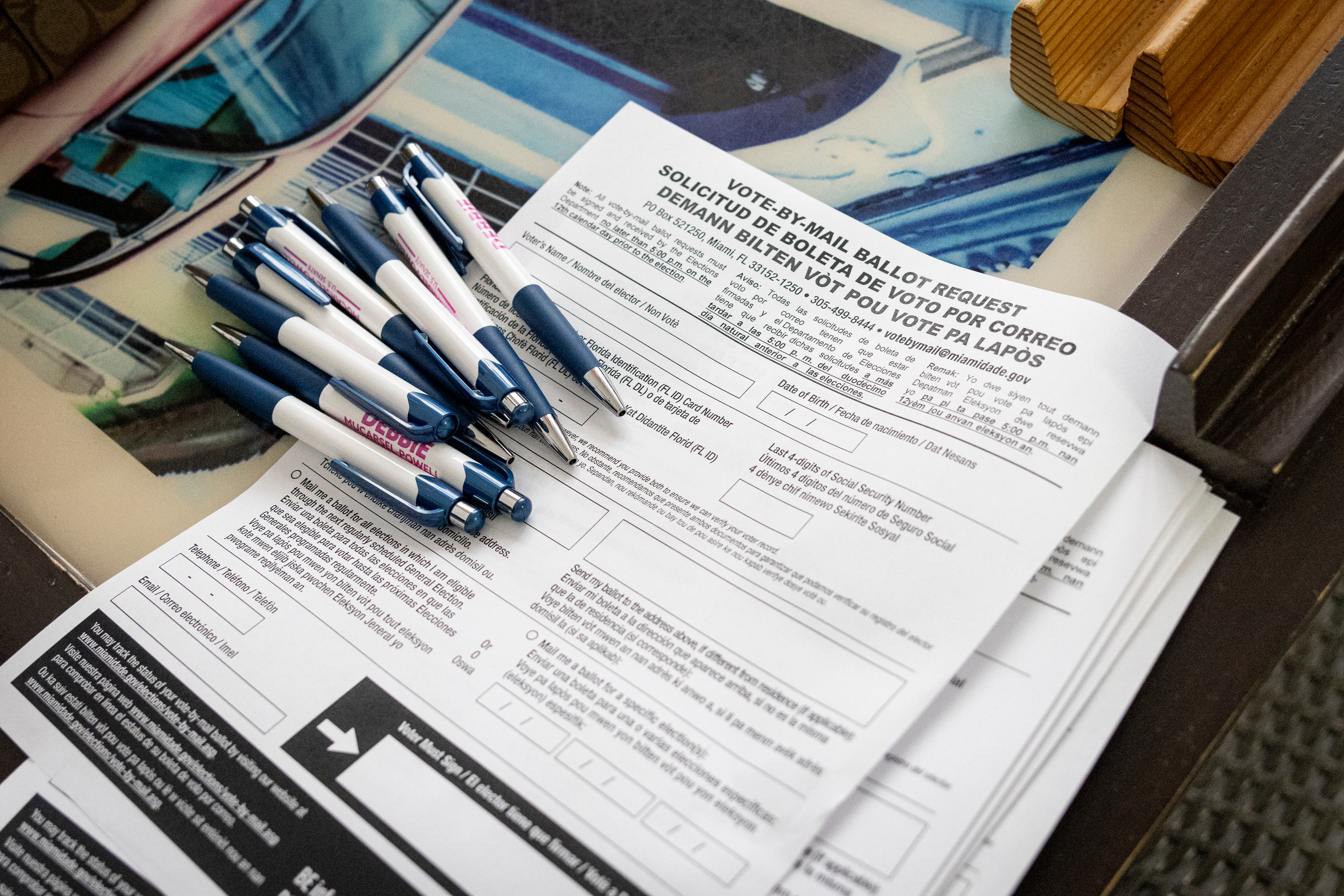
  • Postal Service plans may keep voters from getting ballots, whistleblower says

    Postal Service plans may keep voters from getting ballots, whistleblower says

    An anonymous federal official warned in a disclosure to Congress that a rushed and insufficiently tested U.S. Postal Service system could prevent large numbers of Americans from receiving mail ballots this fall if courts approve President Donald Trump’s plans for the midterm elections.

    The disclosure, made public Tuesday morning by Sen. Richard Blumenthal (D., Conn.), says the Postal Service has adopted an internal “zero-percent failure policy” under which an entire batch of ballots would be rejected if a single barcode sampled by a postal employee could not be scanned or matched with information submitted through a new online portal. A batch could contain tens of thousands of ballots, according to the disclosure.

    “The Postal Service has designed a system to disenfranchise millions of Americans,” Blumenthal said in a call with reporters.

    Postal officials and the White House did not immediately provide comment.

    In public statements, the Postal Service has previously said information submitted through the portal will be updated immediately. It has said postal employees will not determine voter eligibility or check names and addresses for accuracy. The rule does not disclose the sampling formula or zero-failure policy described in the whistleblower disclosure.

    The fight over the Postal Service’s plans is rooted in an executive order from Trump that seeks to overhaul mail voting. A judge has blocked those plans for now, but the administration is seeking to reinstate them ahead of this fall’s midterm elections.

    If the administration gets its way, state and local election officials would have to upload lists of voters to an online portal the Postal Service is designing. Postal employees would refuse to deliver to anyone who is not on those lists.

    The unnamed official alleged that the portal was assembled under constantly changing requirements and with as few as four working days available for customer testing before a planned launch.

    If the Postal Service’s plans go into effect, election officials will confront new challenges when they mail ballots in large batches. Postal workers plan to scan barcodes on a sample of envelopes to ensure the voters appear on the state’s list, according to the whistleblower. If they find even one mismatch, they will refuse to accept the entire batch, the whistleblower said. That means a single mismatch in a batch of 10,000 ballots would prevent the 9,999 other ballots from being mailed until discrepancies were resolved.

    “As designed, the process is entirely unforgiving,” the disclosure said. “It could delay ballots by the thousands in repeated verification cycles — and thus prevent states from mailing enormous numbers of ballots.”

    State and local officials often mail ballots in large batches to manage them as effectively as possible. Some states send ballots to all registered voters, and they must place millions of ballots in the mail in a short period.

    Many election officials have expressed alarm about the Postal Service’s overall plans under Trump’s executive order because they don’t believe they have been adequately thought through for a fast-approaching election.

    Among the issues they worry about are potential mismatches for mundane reasons. States constantly update their voter rolls, and the lists they send to the Postal Service could be out of date within minutes as new voters register and existing ones update their registrations because they’ve moved.

    The Postal Service has said states can update their voter lists, but election officials have expressed concerns that the new online portal won’t be able to handle a steady stream of updates.

    The whistleblower disclosure could add to those concerns and bolster legal challenges to the executive order and postal rules.

    The disclosure, dated Sunday, was submitted to Blumenthal by Whistleblower Aid on behalf of an anonymous federal official it represents.

    The organization described the unnamed whistleblower as a “federal official with direct knowledge of potentially catastrophic problems in the development” of the Postal Service’s plans and said the official feared reprisal by administration officials if identified.

    Blumenthal sent the disclosure late Monday to Postmaster General David Steiner and asked him to provide documents about the Postal Service’s plans.

    Blumenthal is the ranking Democrat on the Permanent Subcommittee on Investigations for the Senate Committee on Homeland Security and Governmental Affairs.

    States and voting rights groups sued over the executive order soon after Trump signed it in March. The Supreme Court last week allowed work on the executive order to proceed for the moment, but days later a lower court blocked it.

    The administration is seeking to get it reinstated but faces timing challenges. Officials in North Carolina are preparing to start mailing ballots on Friday under a state law requiring them to send them to those who ask for them starting 60 days before an election. Other states are set to start mailing their ballots in the following days and weeks.

    The whistleblower said the Postal Service stopped working on the portal around June 25 after a federal judge blocked implementation of Trump’s directive, then resumed work around July 29 while that order remained in effect.

    The disclosure said work continued after the judge issued a new order on Thursday barring the Postal Service for 14 days from taking further preparatory steps that would apply to all states for the November election. In a brief ruling Monday, the judge said the Postal Service could work on the portal for states that want to voluntarily use it.

    Postal officials planned to launch the portal on Tuesday, according to the whistleblower. One of the whistleblower’s attorneys, David Kligerman, said work on the portal had continued in recent days but didn’t know whether the Postal Service was sticking with its plan to make it available on Tuesday.

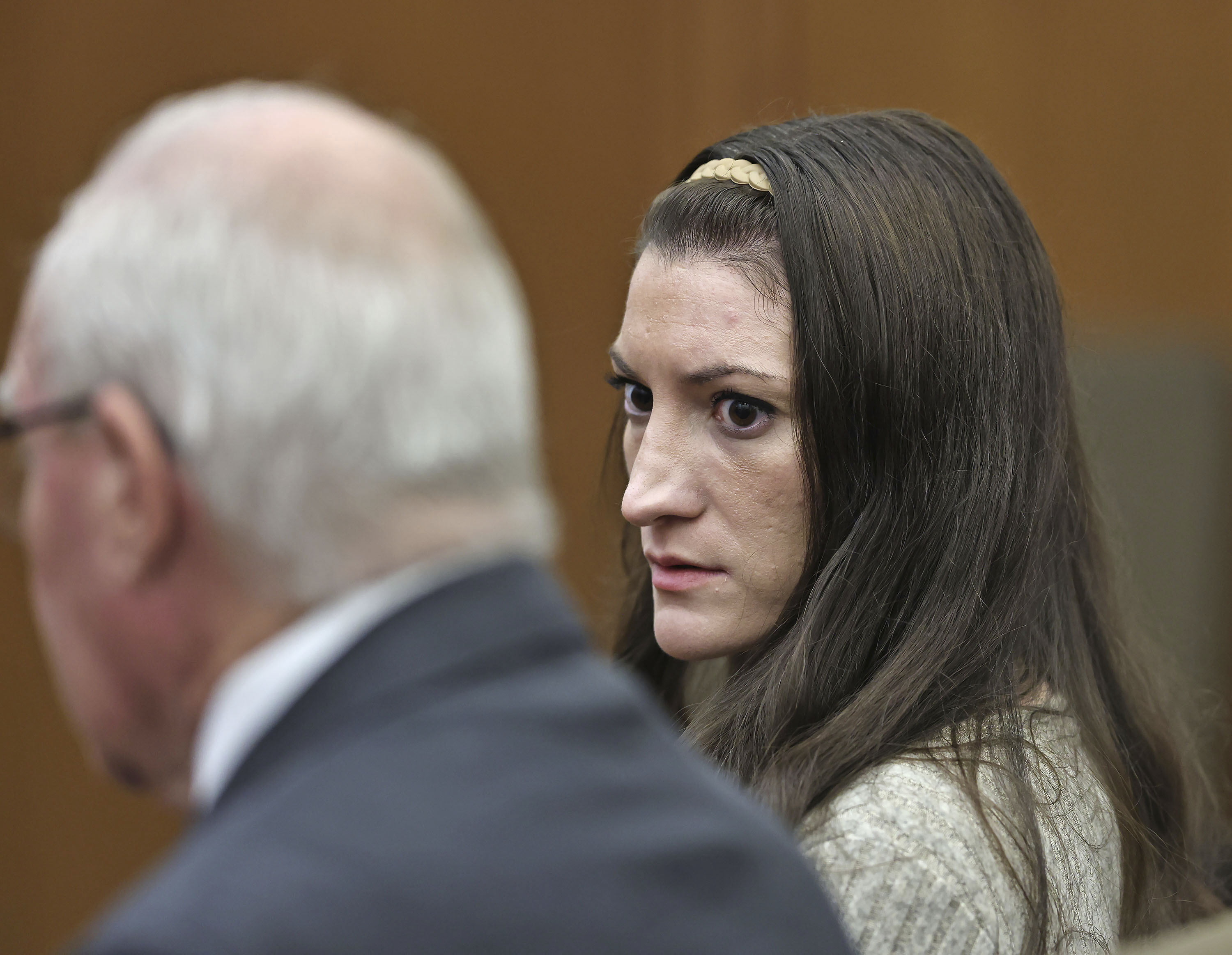
  • Lindsay Clancy jury goes home after a fourth day without a verdict and signals an impasse

    Lindsay Clancy jury goes home after a fourth day without a verdict and signals an impasse

    PLYMOUTH, Mass. — Jurors in the Lindsay Clancy trial ended a fourth day of deliberations without a verdict Tuesday after earlier saying they couldn’t agree whether the Massachusetts mother is criminally responsible for killing her three young children.

    Not long after arriving at the courthouse, the jury sent Judge William Sullivan a note saying they had been unable to reach a unanimous decision despite many hours of back and forth. He told them to keep trying.

    It was the jury’s first indication of an impasse in the closely watched trial that has focused on maternal mental health after childbirth, and which has stirred deep divisions among the public.

    Clancy, a former labor and delivery nurse, doesn’t deny strangling her children but says postpartum psychosis led to her actions. Prosecutors argue she knew what she was doing. Clancy, 36, has pleaded not guilty by reason of lack of criminal responsibility.

    Clancy stared straight ahead as the jury entered in the morning to say they were at a standstill, then looked toward them as the judge spoke.

    Sullivan told the jurors that he recognized it had been a long trial with more than 80 witnesses and 300 exhibits. “But because of that, I’m going to ask you to go back out,” he said.

    They’re expected to resume deliberations Wednesday.

    What happens if there’s a hung jury

    The jury, which began deliberating Thursday afternoon, could convict Clancy of murder or manslaughter, or acquit her if they believe her deteriorating mental health was to blame.

    A conviction could lead to a life prison sentence. If she is acquitted, a judge could still order her confined to a mental health facility if an evaluation determines she is a danger to the public.

    If jurors can’t reach a verdict and a mistrial is declared, the charges against Clancy would remain. Prosecutors would need to decide whether to try Clancy again before an entirely new group of jurors.

    Prosecutors could offer a plea deal to Clancy, although her attorney is more likely to push for them to drop the charges, said Brad Bailey, a Boston defense attorney and former prosecutor who is not involved in the case.

    Defense attorney Kevin Reddington called it a good sign that the jury hasn’t given up. “I think that they’re showing that they are more than willing to keep working at it,” he said.

    Trial focused on mental health

    During more than four weeks of testimony, jurors heard differing views from medical experts.

    Clancy’s lawyer argued she loved her children, but killed them because she lost her grip on reality — and on herself — due to bipolar disorder and postpartum psychosis, a rare mental illness that can follow childbirth.

    Prosecutors said Clancy was depressed and tired of living, and made a conscious choice to kill the children. A forensic psychologist who testified for the prosecution said he concluded that Clancy killed the children because she wanted to end her life but didn’t want to leave them behind.

    Clancy’s mother and sister testified that she became anxious, paranoid, and suicidal after the birth of her third child. She sought treatment for her worsening mental health, including a stay in a psychiatric hospital, in the months before killing Cora, Dawson, and Callan Clancy, ages 5 years, 3 years, and 8 months.

    Less than three weeks after being discharged, she sent her husband on an errand and killed the children with exercise bands in the basement of their home south of Boston. She then jumped from a second-floor window and remains paralyzed from the waist down. Her lawyers say she heard a voice telling her to kill the children so she could end her own life.

    Lindsay Clancy didn’t take stand during her trial

    Clancy chose not to testify. She watched the proceedings from the defense table, occasionally weeping, as when prosecutors showed autopsy photos of the children to the jury.

    Jurors spent two days listening to testimony from her former husband, Patrick Clancy, and his anguished 911 call. He was on the phone when he discovered the children’s bodies, minutes after finding his wife.

    Patrick Clancy has said in interviews that he forgives his ex-wife, whom he viewed as ill rather than evil. The trial marks the first time he has seen Lindsay Clancy since the killings.

    Postpartum psychosis, the condition that Clancy’s attorney says she had when she killed the children, is more serious and less common than postpartum depression. Researchers estimate that the condition afflicts 1 to 2 out of 1,000 women after delivery.

  • With no PSSA scores in sight, Philly is pushing back its special-admissions deadline

    With no PSSA scores in sight, Philly is pushing back its special-admissions deadline

    The Philadelphia School District has pushed back the application window for its 37 magnet schools.

    The news hinges on PSSA scores, which have not been released to the public by the Pennsylvania Department of Education.

    Instead of students submitting applications for the 2027-28 school year between Sept. 8 and Oct. 30, as originally announced, the application window will now open Oct. 5 and close Nov. 24, officials announced Monday night.

    Students will use both their 2024-25 PSSA results and the yet-to-be-released 2026 scores.

    “This adjustment ensures families have access to official, verified 2026 assessment data when making their school choices,” officials said in a letter to families.

    Initially, district officials said that assessment results would not be ready in time for the application process, and that they would allow applying students to take an alternative assessment.

    But that plan has since changed. Superintendent Tony B. Watlington Sr. said last week it wasn’t clear if alternative assessments would be needed and now, officials are saying they won’t.

    State tests are a question mark

    The PSSAs remain a question mark for the district.

    Harrisburg officials released preliminary data to districts in the late spring, as they typically do, but Philadelphia has shared only limited student PSSA scores with select staff. Most Philly principals and teachers have not seen the scores, though other districts and schools have not withheld the data.

    State education officials notified districts last week that statewide results, typically available to districts in late August or early September, would be delayed, though the release of the data to parents and the public does not typically happen until the fall.

    Philadelphia officials then suggested the state holdup was the reason for their own delay.

    A district spokesperson said the system expects scores in adequate time to make admissions decisions.

    “Once the verified 2026 PSSA and Keystone results are released by PDE later this fall, district staff will contact all applicants to assist them with submitting their scores,” officials said in the letter to parents. “Families do not need to take any action regarding their 2026 assessment scores at this time.”

    A school selection town hall is scheduled for Wednesday at Powel Elementary, 3610 Warren St., from 5:30 to 7:30 p.m. Another town hall will be held virtually on Thursday from 1:30 to 3:30 p.m.

  • Postal Service plans may keep voters from getting ballots, whistleblower says

    Postal Service plans may keep voters from getting ballots, whistleblower says

    An anonymous federal official warned in a disclosure to Congress that a rushed and insufficiently tested U.S. Postal Service system could prevent large numbers of Americans from receiving mail ballots this fall if courts approve President Donald Trump’s plans for the midterm elections.

    The disclosure, made public Tuesday morning by Sen. Richard Blumenthal (D-Connecticut), says the Postal Service has adopted an internal “zero-percent failure policy” under which an entire batch of ballots would be rejected if a single barcode sampled by a postal employee could not be scanned or matched with information submitted through a new online portal. A batch could contain tens of thousands of ballots, according to the disclosure.

    “The Postal Service has designed a system to disenfranchise millions of Americans,” Blumenthal said in a call with reporters.

    Postal officials and the White House did not immediately provide comment.

    In public statements, the Postal Service has previously said information submitted through the portal will be updated immediately. It has said postal employees will not determine voter eligibility or check names and addresses for accuracy. The rule does not disclose the sampling formula or zero-failure policy described in the whistleblower disclosure.

    The fight over the Postal Service’s plans is rooted in an executive order from Trump that seeks to overhaul mail voting. A judge has blocked those plans for now, but the administration is seeking to reinstate them ahead of this fall’s midterm elections.

    If the administration gets its way, state and local election officials would have to upload lists of voters to an online portal the Postal Service is designing. Postal employees would refuse to deliver to anyone who is not on those lists.

    The unnamed official alleged that the portal was assembled under constantly changing requirements and with as few as four working days available for customer testing before a planned launch.

    If the Postal Service’s plans go into effect, election officials will confront new challenges when they mail ballots in large batches. Postal workers plan to scan barcodes on a sample of envelopes to ensure the voters appear on the state’s list, according to the whistleblower. If they find even one mismatch, they will refuse to accept the entire batch, the whistleblower said. That means a single mismatch in a batch of 10,000 ballots would prevent the 9,999 other ballots from being mailed until discrepancies were resolved.

    “As designed, the process is entirely unforgiving,” the disclosure said. “It could delay ballots by the thousands in repeated verification cycles — and thus prevent states from mailing enormous numbers of ballots.”

    State and local officials often mail ballots in large batches to manage them as effectively as possible. Some states send ballots to all registered voters, and they must place millions of ballots in the mail in a short period.

    Many election officials have expressed alarm about the Postal Service’s overall plans under Trump’s executive order because they don’t believe they have been adequately thought through for a fast-approaching election.

    Among the issues they worry about are potential mismatches for mundane reasons. States constantly update their voter rolls, and the lists they send to the Postal Service could be out of date within minutes as new voters register and existing ones update their registrations because they’ve moved.

    The Postal Service has said states can update their voter lists, but election officials have expressed concerns that the new online portal won’t be able to handle a steady stream of updates.

    The whistleblower disclosure could add to those concerns and bolster legal challenges to the executive order and postal rules.

    The disclosure, dated Sunday, was submitted to Blumenthal by Whistleblower Aid on behalf of an anonymous federal official it represents.

    The organization described the unnamed whistleblower as a “federal official with direct knowledge of potentially catastrophic problems in the development” of the Postal Service’s plans and said the official feared reprisal by administration officials if identified.

    Blumenthal sent the disclosure late Monday to Postmaster General David Steiner and asked him to provide documents about the Postal Service’s plans.

    Blumenthal is the ranking Democrat on the Permanent Subcommittee on Investigations for the Senate Committee on Homeland Security and Governmental Affairs.

    States and voting rights groups sued over the executive order soon after Trump signed it in March. The Supreme Court last week allowed work on the executive order to proceed for the moment, but days later a lower court blocked it.

    The administration is seeking to get it reinstated but faces timing challenges. Officials in North Carolina are preparing to start mailing ballots on Friday under a state law requiring them to send them to those who ask for them starting 60 days before an election. Other states are set to start mailing their ballots in the following days and weeks.

    The whistleblower said the Postal Service stopped working on the portal around June 25 after a federal judge blocked implementation of Trump’s directive, then resumed work around July 29 while that order remained in effect.

    The disclosure said work continued after the judge issued a new order on Thursday barring the Postal Service for 14 days from taking further preparatory steps that would apply to all states for the November election. In a brief ruling Monday, the judge said the Postal Service could work on the portal for states that want to voluntarily use it.

    Postal officials planned to launch the portal on Tuesday, according to the whistleblower. One of the whistleblower’s attorneys, David Kligerman, said work on the portal had continued in recent days but didn’t know whether the Postal Service was sticking with its plan to make it available on Tuesday.

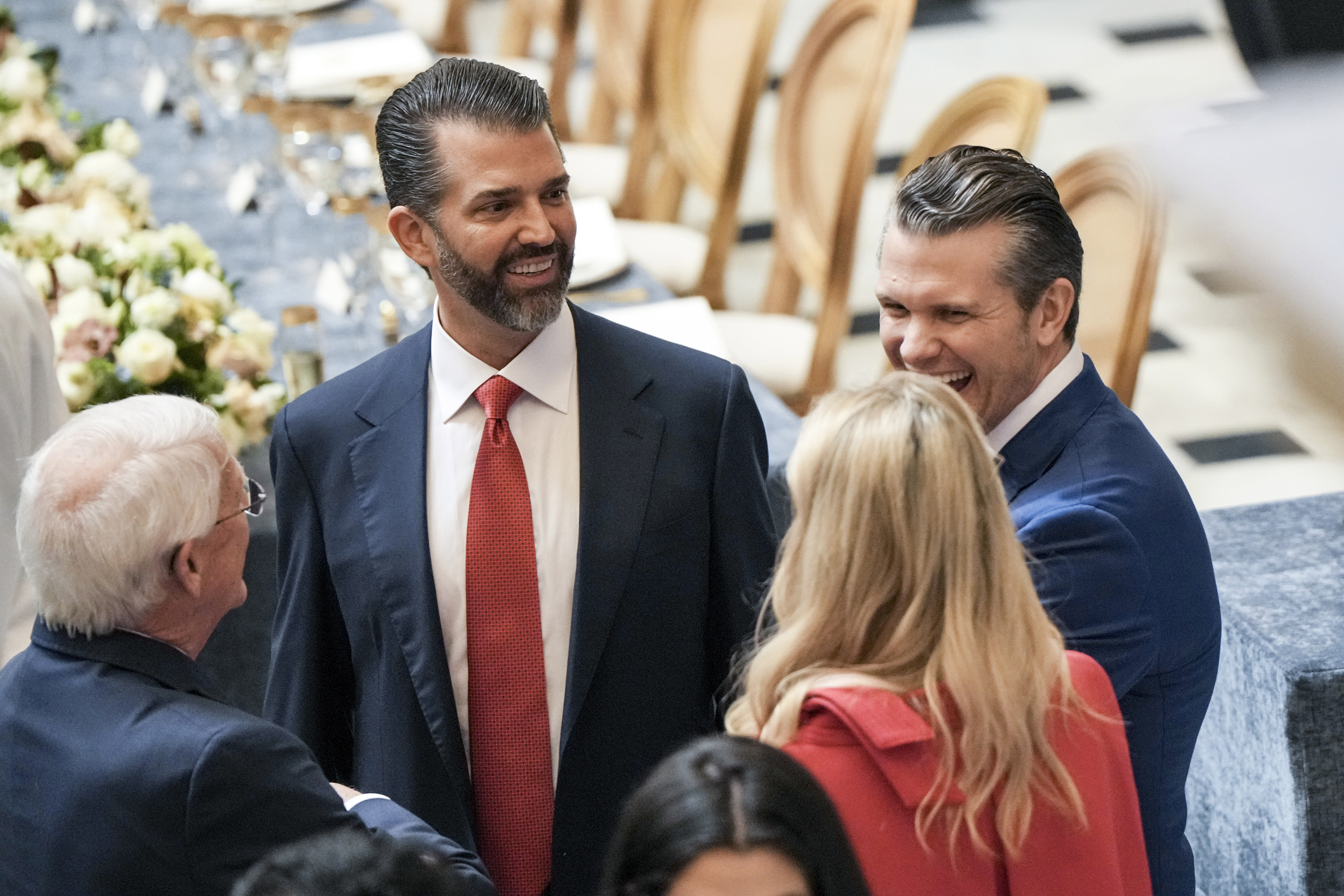
  • Donald Trump Jr.’s firm leads $1 billion funding round for Polymarket

    Donald Trump Jr.’s firm leads $1 billion funding round for Polymarket

    Donald Trump Jr.’s venture capital firm, 1789 Capital, is leading a new funding round in Polymarket that values the prediction market at $21 billion, a spokesperson for 1789 Capital said Monday.

    Polymarket plans to raise $1 billion, including around $300 million from 1789 Capital, the spokesperson, Alexa Henning, said. The investment firm previously invested about $200 million in the prediction market, which is currently valued at about $15 billion.

    Prediction markets such as Polymarket and Kalshi have exploded in popularity over the past year. The platforms allow users to place wagers on the outcome of a wide variety of events, such as what the president will say in a speech or who will get married on “Love Is Blind.”

    The Trump family has built up a financial stake in the industry since last year. Donald Trump Jr. joined Kalshi as an adviser last year and received shares in the company worth more than $300,000. He also began advising Polymarket and invested in it via 1789 Capital.

    At the same time, his father, President Donald Trump, has taken steps to boost the industry. Michael S. Selig, whom the president appointed to lead the Commodity Futures Trading Commission, which oversees prediction markets, has spoken enthusiastically about the companies and sued states that tried to regulate them. The president declared on Truth Social that prediction markets would “thrive” under his leadership and said Selig was “respected by all.”

    Bloomberg earlier reported that 1789 Capital was leading Polymarket’s funding round.

    Many of the companies that 1789 Capital has invested in have large government contracts, while others, like Polymarket, have benefited directly from new Trump policies or rollbacks of existing laws, The New York Times has reported. The investment firm also bought shares in some of the most coveted private companies before many went public, including SpaceX, Anduril, Cerebras and Reflection AI.

    Two years ago, 1789 Capital managed a few hundred million dollars. It now oversees more than $3 billion.

    Donald Trump Jr. told the Times this year that he invested as a private citizen and held “no policy position and no role within the administration whatsoever.”

    This article originally appeared in The New York Times.