Category: Nation & World

  • Israeli military launches criminal probes into killings of Hind Rajab and Palestinian paramedics

    Israeli military launches criminal probes into killings of Hind Rajab and Palestinian paramedics

    JERUSALEM — Israel’s military on Wednesday announced its first criminal investigations into troop conduct in Gaza, focusing on the killings of 5-year-old Hind Rajab and her family and of 15 Palestinian paramedics.

    The military said it would not probe three other attacks that killed aid workers from World Central Kitchen and Doctors Without Borders. It said it had completed reviews of 150 incidents of troop conduct in Gaza and made decisions on the five cases.

    Chef José Andrés, founder of U.S.-based World Central Kitchen, condemned the decision on X as “wrong and painful.”

    The investigations involve killings that drew a heavy international outcry. Hind was trapped in a vehicle with her slain relatives, pleading for help by phone before she too was killed in February 2024. After the shooting of the 15 medics in March 2025, troops then bulldozed their bodies into a mass grave.

    Israel’s campaign in Gaza has killed more than 73,000 people, including tens of thousands of women and children, according to the territory’s Health Ministry. Rights groups and U.N. commissions have said the campaign amounts to genocide and that Israeli forces have committed a litany of war crimes, including indiscriminate use of force and deliberate killings of civilians.

    Israel denies accusations of genocide and war crimes and says it is targeting Hamas after its October 2023 attack on southern Israel. It blames civilian deaths on Hamas because the militant group operates in populated areas in the tiny, overcrowded strip.

    Israeli officials contend its justice system can address any violations by its troops, but rights groups say soldiers are almost never held accountable.

    Wednesday’s statement did not mention many other high-profile killings that Israel has pledged to investigate, such as its strikes on a hospital in southern Gaza that killed five journalists in August 2025, including Mariam Dagga, a visual journalist who freelanced for The Associated Press and other news organizations.

    The 5-year-old was the last alive in a stranded car

    Hind’s grandmother, also named Hind Rajab, told the AP by phone that the Israeli investigation into her killing is not enough.

    “An international investigation is required to uncover the truth and hold all those responsible accountable,” she said. “We call for justice, not only for Hind, but for all Gaza children.”

    The military in Wednesday’s statement admitted to firing at the car carrying the 5-year-old, four of her cousins, and her aunt and uncle as they fled an Israeli invasion of Gaza City.

    As gunfire sprayed around them, the girl’s cousin, 15-year-old Layan Hamada, called the Palestinian Red Crescent paramedic center, telling them her family had been killed. Seconds later, more gunshots were heard, and Layan’s screaming stopped, according to the Red Crescent recording of the call.

    Palestinian paramedics dispatched an ambulance to rescue Hind and stayed on the line with her until contact was lost. Hind, her five relatives, and two medics from the ambulance were found dead 12 days later.

    The military admitted Wednesday that troops had fired toward that ambulance, killing the two medics.

    Dyab Abou Jahjah, director of the Belgium-based Hind Rajab foundation, told Al-Jazeera he considered the military investigations a “charade meant to whitewash the culprits instead of convicting them.”

    The Palestinian Red Crescent also insists on an international investigation, said Raed al-Nims, a spokesman for the organization in Gaza. “Israeli measures are not enough,” he told the AP.

    A movie docudrama about Hind’s death, “The Voice of Hind Rajab,” won international awards and was nominated for an Oscar.

    The 15 medics had been trying to reach casualties

    In the paramedics’ killing, Israeli troops fired on an ambulance driving to retrieve casualties from an Israeli offensive in the southern city of Rafah, then fired on other emergency vehicles that came looking for the first one, according to phone footage and the sole survivor of the shootings. Fifteen medics and emergency responders from the Red Crescent and Gaza’s Civil Defense were killed.

    Troops then bulldozed over the bodies and vehicles, burying them in a mass grave. U.N. and rescue workers were only able to reach the site a week later to dig out the bodies.

    The Israeli military initially said it opened fire because the vehicles were “advancing suspiciously” on troops without headlights or emergency signals. But it backtracked after the footage emerged, showing the teams driving slowly with their emergency lights flashing and logos visible. A deputy commander was directed to step down over the killings.

    “We are not obligated to prove the truth because it is already proven to the whole world,” Eid Azizi, a Palestinian Red Crescent spokesperson, told the AP in a phone call. “We shouldn’t have reached this point if they respected and followed the international humanitarian law.”

    Israel will not criminally probe World Central Kitchen strike

    The military said it had decided against a criminal investigation into April 2024 airstrikes that hit a convoy of World Central Kitchen vehicles, killing seven staffers.

    The aid group, which distributes food in Gaza, said at the time it had coordinated with the military over the convoy’s movement. The vehicles, which had the group’s logo on their roofs visible from the air, were left incinerated and mangled.

    Wednesday’s military statement said individuals in the vehicles were mistakenly identified as armed Hamas operatives. But it concluded that the commanders’ decisions “did not raise reasonable suspicion of criminal misconduct.” At the time, two officers were removed from their positions and three others reprimanded.

    World Central Kitchen responded in a statement saying the military’s account of the strike was untrue, “conflates different timelines and events, muddies the story and shifts the blame.” It called for an independent investigation.

    The military also decided not to take criminal action over the killings of four staffers from Doctors Without Borders in two separate instances in November 2023 and February 2024.

    What happens next?

    Military investigators will now take up the probes and present their findings to military prosecutors. The military advocate general can then decide to keep investigating, indict any soldiers involved or decline to charge them.

    Any action will take a long time, if it comes at all, said Tal Steiner, head of the Israeli rights group HaMoked.

    Indictments are very uncommon and convictions even more so, she said, recalling only one soldier who had spent time behind bars since Oct. 7, 2023, for alleged abuse of Palestinian prisoners. That soldier was imprisoned for seven months under a June 2025 plea bargain.

    “It’s very rare that soldiers accused of harming Palestinians even go to court … and even rarer that they get a severe punishment,” Steiner said.

    Just 0.17% of all military investigations launched during three Gaza operations from 2014 to 2022 led to prosecution, according to an analysis by Israeli rights group Yesh Din.

    The war’s toll keeps growing

    The war began on Oct. 7, 2023, when Hamas-led militants killed 1,200 people, mostly civilians, in southern Israel and abducted 251 others.

    Israeli strikes have continued in Gaza since a ceasefire deal came into effect in October, killing at least 1,270 people, according to the Health Ministry.

    The ministry, part of the Hamas-led government, maintains detailed casualty records that are seen as generally reliable by U.N. agencies and independent experts. It does not give a breakdown of civilians and militants but says women and children constitute about half of the dead.
  • Kennedy Center tells court it won’t try to restore Trump’s name to the building before Sept. 8

    Kennedy Center tells court it won’t try to restore Trump’s name to the building before Sept. 8

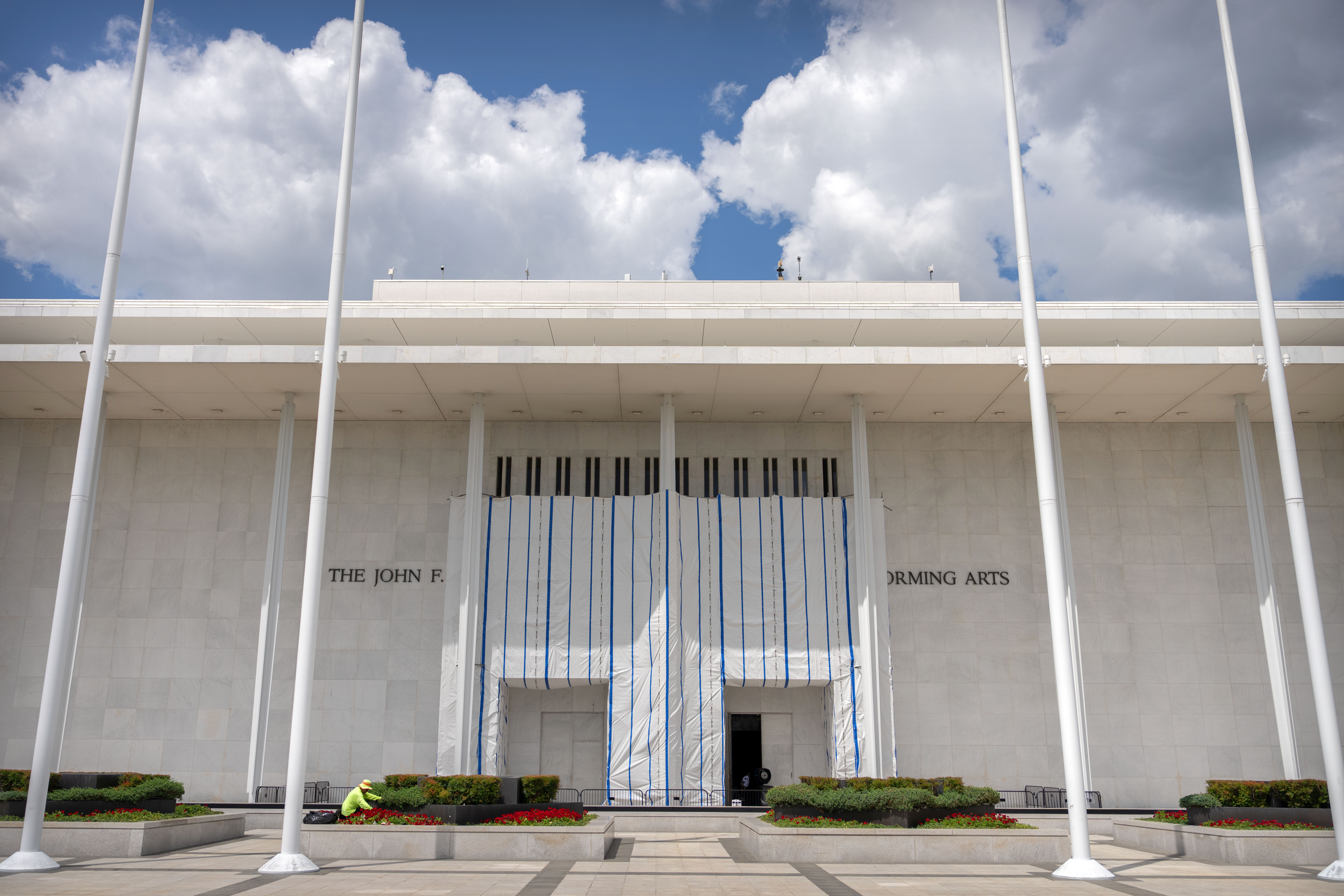
    WASHINGTON — The Kennedy Center has told a federal court that it would not attempt to return President Donald Trump’s name to the building’s facade before at least Sept. 8 as another legal battle over the performing arts venue’s future takes shape.

    In a status report filed late Tuesday, opponents of the move said members of the Kennedy Center’s Trump-aligned board “seem intent” on defying an earlier court order requiring the Republican president’s name to be removed from the building. The Kennedy Center said it would not move forward with the plans until after Labor Day “at the earliest” to allow time for legal arguments.

    Lawyers for Rep. Joyce Beatty, an Ohio Democrat who is an ex officio member of the board, pressed U.S. District Judge Christopher Cooper for an earlier ruling, arguing there is “every reason to believe that Defendants will attempt to effectuate some or part of this latest unlawful resolution at the earliest opportunity after September 8.”

    A board meeting this month that was expected to largely focus on options to close the Kennedy Center for renovations instead transformed into another push to attach Trump’s name to the building, part of a broader move by the president and his supporters to leave a physical mark on the nation’s capital.

    The board passed a resolution to name the plaza in front of the building after Trump and add his name to the venue’s facade so it would read “The John F. Kennedy Center for the Performing Arts Restored and Renovated By President Donald J. Trump.” In the filing, Beatty said the board also agreed to add an additional reference to the president if the Trump Kennedy Center Fund reached $100 million.

    In that event, the facade would read “The John F. Kennedy Center for the Performing Arts Restored and Renovated By President Donald J. Trump Endowed by the Trump Kennedy Center Fund.”

    The board also voted to back a two-year closure for renovations, while some of the institution’s signature programming, including the Kennedy Center Honors and the Mark Twain Prize for American Humor, would take place at off-site locations. The National Symphony Orchestra announced this week it would split its upcoming season between six venues in and around Washington.

    Cooper ruled in May that letters affixed to the building spelling out Trump’s name were added illegally and he ordered their removal, a decision that the administration failed to persuade courts to overturn. Since then, a tarp has covered the area where the letters were once installed, frustrating those who sought to remove the president’s name from the building.

    Kennedy Center makes no commitment to removing tarp

    In the latest filing, the Kennedy Center made no commitment to remove the tarp, saying the covering was in place to facilitate the removal of Trump’s name and is part of a broader system needed for “water testing and structural repairs to the roof overhang.”

    More broadly, Beatty’s lawyers, Norm Eisen and Nathaniel Zelinsky, questioned the integrity of the board’s vote this month, echoing concerns Cooper raised when he called a March vote to shutter the building “ill-informed and seemingly preordained.”

    Heading into the August meeting, the Kennedy Center’s management said it would provide the board with three options, including a complete closure or a partial closure that would allow “some continued public access and limited programming in spaces unaffected” by the work. A third option would “consider a highly limited series of phased closures to address only the Center’s most serious infrastructure needs while scheduling and maintaining a full slate of programming.”

    In Tuesday’s filing, the Kennedy Center said a Delta Consulting Group analyst concluded that a partial closure that would play out over four years “would increase the length and cost of construction and lead to substantial safety concerns.”

    The analyst “recommended that the Board proceed with a full closure for two years, which would minimize total cost, minimize the amount of time that programming would be subject to disruptions from construction, and best preserve the Center’s reputation as world-class performing-arts venue,” the Kennedy Center said.

    Eisen and Zelinsky, however, noted that materials were provided to the board just two days before the meeting. They said some documents appeared to have been created before Cooper’s May ruling and referred to the Kennedy Center’s closure that was initially set to take effect on July 6.

    The August vote to close the Kennedy Center, Beatty’s lawyers argued, “exhibits the same flaws as the first vote.”

  • Deadly attacks on aid workers and contractors surge in South Sudan as UN urges protection

    Deadly attacks on aid workers and contractors surge in South Sudan as UN urges protection

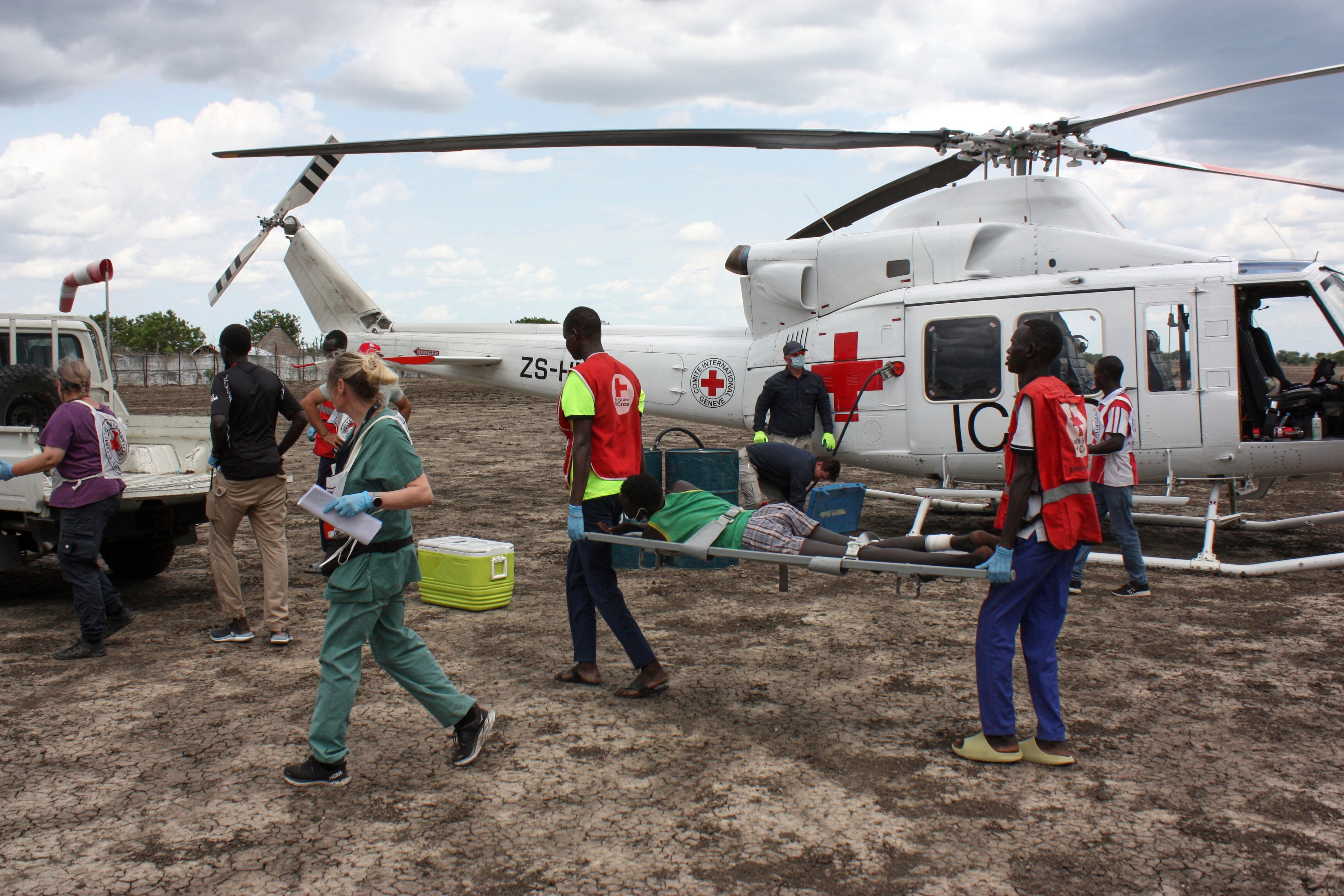
    JUBA, South Sudan — At least 36 humanitarian workers and contractors have been killed in South Sudan since January, surpassing the 31 killed in all of 2025, as violence persists in the country that’s one of the most dangerous for aid workers, the U.N. humanitarian coordinator there said Wednesday.

    “These are not just statistics,” Ramanathan Balakrishnan said in a statement marking World Humanitarian Day, adding: “Every killing must be investigated, and those responsible held accountable. The continued loss of humanitarian personnel, overwhelmingly South Sudanese nationals, is unacceptable.”

    More than 450 incidents of violence against humanitarian workers and assets were reported between January and July, more than double the number recorded during the same period last year, according to the U.N. Mission in South Sudan.

    Renewed fighting between government forces and opposition fighters has forced aid organizations to relocate from some areas, further restricting access to vulnerable communities in a country of about 12 million people that has struggled with both conflict and the effects of climate change since independence from Sudan in 2011.

    Humanitarian organizations are calling on the South Sudan government and all parties to the 2018 peace agreement meant to end civil war to protect aid workers, investigate attacks and ensure safe and unhindered access to people in need.

    Around 10 million people are expected to need humanitarian assistance this year, including more than 7.5 million facing high levels of acute food insecurity, according to the U.N.

    Last week, the U.N. refugee agency and World Food Program warned that more than 650,000 refugees and asylum seekers in South Sudan risk losing access to lifesaving food, nutrition and other assistance because of severe funding shortages.

  • Congo’s Ebola outbreak reaches 5,000 cases as it outpaces response efforts at unprecedented speed

    Congo’s Ebola outbreak reaches 5,000 cases as it outpaces response efforts at unprecedented speed

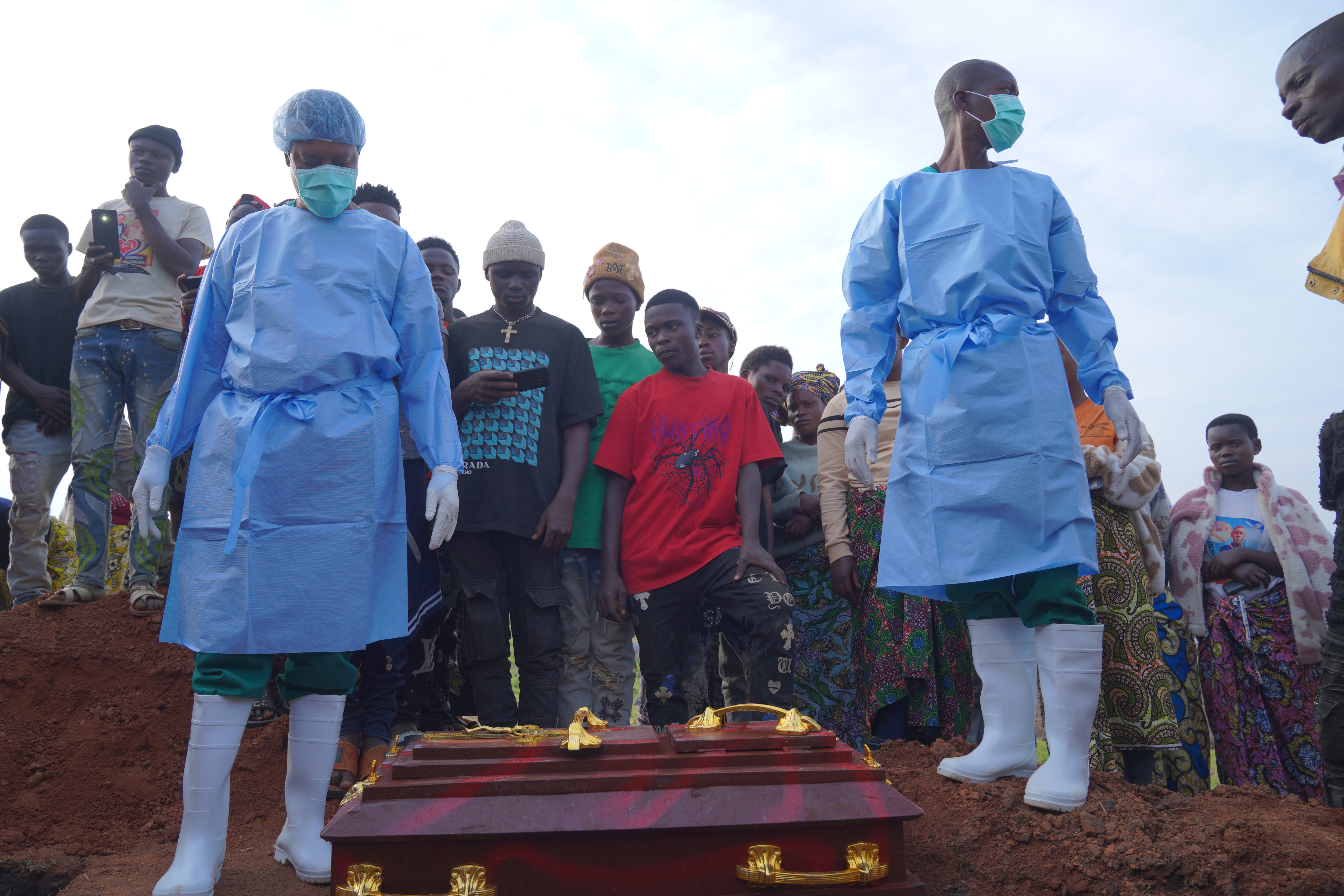
    BUNIA, Congo — The Ebola outbreak in Congo has reached 5,000 cases, government data showed Wednesday, as responders warn it is spreading at an unprecedented speed, outpacing efforts to slow it in one of the country’s remotest regions.

    Data from Congo’s Ministry of Health showed the outbreak had so far recorded 5,021 cases, including 2,378 deaths as of Sunday, as it rages in some of the most challenging conditions imaginable fueled by insecurity, displacement and intense population movements.

    The outbreak has infected and killed more people at a greater speed than any other outbreak in history. The World Health Organization estimates it will likely surpass the outbreak of 2014 to 2016 across West Africa, which was the deadliest Ebola outbreak on record with more than 11,000 deaths.

    Starting from the first detected case, the current outbreak has spread about three times faster than the deadliest on record.

    The outbreak “has spread rapidly and the risk of further national and international spread remains high,” WHO Director-General Tedros Adhanom Ghebreyesus said Tuesday at a meeting convened by the agency.

    “We must be frank: the epidemic is far from being under control,” he said.

    Thérèse Anyiya, a nurse working in Ituri’s capital Bunia, said she is exhausted by the work demands and poor working conditions. Some health workers have gone on strike after not being paid.

    “If the managers don’t take things seriously, we too will end up withdrawing. The way this epidemic is being managed is exhausting,” Anyiya told The Associated Press.

    A key challenge has been the lack of approved vaccines or treatments for the rare Bundibugyo virus, which is responsible for the current outbreak. Most new cases are being reported outside of the people being monitored, showing it has spread quickly and left surveillance teams racing to catch up.

    Lack of information in Ituri causes attacks on health workers

    Ituri, the province that has been hit the worst by the outbreak, has become a primary location for violence that has limited the response as health workers are targeted.

    Residents on Monday attacked a health team in the territory of Aru after a suspected case was reported there. A mob set fire to an ambulance and damaged two other vehicles, according to Michael Wani, president of the Union of Cultural Associations for the Development of Ituri.

    Dr. Martin Cwinyay, who is involved in the Ituri response efforts, explained it is “essential to bring the response closer to the people, particularly in rural, mining and displacement areas.”

    Trish Newport, an emergency coordinator with Doctors Without Borders, known by its French acronym MSF, said not all the people in the impacted areas have the essential information they need.

    “The community needs to be aware about the outbreak. They need to be involved in the response. They need to know what the signs and symptoms are and what to do if they get sick,” Newport said.

    Limited care is resulting in more deaths

    Experts believe the virus began spreading from the mining town of Mongbwalu as early as February, months before authorities declared the outbreak on May 15.

    Responders racing to catch up are also battling several other challenges including threats by rebel groups, anger from communities that have been traumatized for years and bad roads into the affected territories.

    Although the 2014-2016 outbreak is considered the deadliest among the virus types that causes Ebola disease, government data shows this Bundibugyo outbreak has killed a higher percentage of people as care and support are not getting to patients quickly enough, while many are not reporting symptoms or doing so late.

    The situation also varies across the six affected provinces. While the case fatality rate is so far 47.4%, it is far worse in some places where response efforts are more challenging, such as in North Kivu province where the fatality rate is 70%.

  • Trump picks Heidi Overton, a top White House aide, to lead the Food and Drug Administration

    Trump picks Heidi Overton, a top White House aide, to lead the Food and Drug Administration

    WASHINGTON — Heidi Overton, a top White House aide, has been picked to lead the Food and Drug Administration, President Donald Trump announced Wednesday.

    Overton is a medical doctor and deputy director of the White House Domestic Policy Council who has worked on several of Trump’s second-term health initiatives. She has become a trusted administration figure and a champion of the Republican president’s goals.

    If confirmed by the Senate, she would have to balance a raft of competing priorities, including Trump’s fixations, the anti-regulatory interests of traditional Republicans, and the anti-corporate posture of Health Secretary Robert F. Kennedy Jr.

    Those challenges dogged the tenure of the previous FDA head, Marty Makary. He resigned in May, leaving behind unfinished projects such as work on ultraprocessed foods, antidepressants, and COVID-19 shots.

    Referring to her as “Dr. Heidi” in a Truth Social post, Trump said Overton was a smart and respected “rockstar” who would deliver on his priorities of faster cures, innovation, lower drug prices and more wins for Kennedy’s “Make America Healthy Again” movement.

    Kennedy posted on X that Overton has “exceptional judgment, professionalism, discipline and an unwavering commitment to the American people.”

    Overton has promoted Trump’s health priorities

    Overton attended medical school at the University of New Mexico and has a doctoral degree in clinical investigation from Johns Hopkins University, according to her LinkedIn profile. Before joining Trump’s second administration, she was the chief policy officer at the America First Policy Institute, a conservative think tank.

    In recent months, she has appeared with the president to announce major projects, including some of his “most favored nation” deals with drug companies to lower prices to those of other developed countries and his recent vaccine order that sought to split the combined measles, mumps and rubella (MMR) vaccine into three separate immunizations — against the advice of medical groups.

    At an Oval Office event to promote that order, she stood by Trump as he falsely suggested the number or timing of vaccines could play a role in rising rates of autism spectrum disorder. Scientific consensus and decades of studies have firmly concluded there is no link.

    Overton has been critical of abortion pills and, if confirmed, would be positioned to roll back FDA rules that made them more accessible. U.S. abortion opponents have expressed frustration that the administration has not acted to stem the flow of such pills prescribed online, a situation they view as undermining state abortion bans.

    Mifepristone is typically used with misoprostol in medication abortions that make up close to two-thirds of abortions in the U.S. Medical professionals call it “among the safest medications” ever approved by the FDA.

    To be confirmed, Overton must seek approval from a narrowly Republican-led Senate and face questions from the Senate Health, Education, Labor and Pensions Committee. Its chair, Republican Sen. Bill Cassidy, a physician from Louisiana, has been a vocal critic of some of Trump’s actions to sow doubt in vaccinations, including the MMR order.

    Democratic senators slammed the nomination on social media.

    “Heidi Overton is a far-right, anti-abortion extremist who has no business leading the FDA,” posted Washington Sen. Patty Murray, a committee member.

    Makary’s replacement will face challenges he left behind

    Before he left the FDA, Makary had drawn complaints from health industry executives and anti-abortion activists. The frustration with him came to a head over the agency’s lack of movement on flavored e-cigarettes. Companies such as R.J. Reynolds are seeking to market to adult smokers, but sweet-flavored vapes have long been blamed for the trend of teenage vaping. FDA scientists have hesitated to endorse those products to curb adult smoking.

    Days before Makary’s departure, the agency opened the door to allowing more unauthorized electronic cigarettes and nicotine pouches onto the U.S. market, in a policy change that essentially bypassed FDA experts.

    Pharmaceutical companies will be looking for changes at the agency, too, after rejections or reversals of biotech drugs intended for rare diseases. Complaints from biotech companies, investors and patient groups have grown and been taken up by conservative lawmakers.

    Makary tried to assuage industry grievances, in part by announcing new programs designed to streamline or accelerate drug approvals. Some of those initiatives, however, have meant new headaches for the agency.

    Several of Makary’s deputies also exited the agency.

    Vinay Prasad, the vaccine and biotech chief, stepped down in April following intense criticism from drugmakers, patients and investors. Tracy Beth Hoeg, who was involved in scrutinizing the safety of antidepressants, COVID-19 vaccines, and other widely used therapies, was replaced as FDA’s acting drug center director.

    MAHA has high expectations of FDA’s next head

    Overton would also need to tend to the priorities of Kennedy’s health movement, some members of which are already skeptical of her.

    Kelly Ryerson, an activist critical of pesticides who is known to her supporters as “Glyphosate Girl,” told The Associated Press that Overton parroted pesticide manufacturer Bayer’s talking points in a MAHA roundtable at the White House in April.

    “I was stunned by the blatant, undisguised corruption,” Ryerson said.

    One major decision for the next commissioner is what to do about peptide regulation. A panel of federal health advisers selected by Kennedy recently recommended easing access to several peptides that are popular with wellness influencers and celebrities, despite warnings from FDA scientists that the chemicals have not been shown to be safe or effective.

    The agency recently proposed a rule change that would require food manufacturers to notify regulators before introducing new ingredients or additives into processed or packaged foods. But it is still working with the White House to finalize a first-of-its-kind definition of ultraprocessed foods, which Kennedy blames for elevated rates of diabetes, obesity and other chronic conditions.

    Under Kennedy, the FDA has set up extra hurdles for vaccine testing and blocked the publication of research into the effectiveness of COVID-19 shots. Kennedy stood by Trump recently as the president signed the executive order aimed at upending childhood vaccinations in the U.S. despite unprecedented financial and logistical challenges.

    The FDA also has an ongoing review of widely used antidepressants, including whether they may increase the risk of autism and other disorders when used during pregnancy. The medicines have long been a target of Kennedy, who was a leader in the anti-vaccine movement before joining the government.

    In recent weeks, the agency has been investigating two summertime foodborne illness outbreaks: a cyclospora outbreak linked to tainted iceberg lettuce that has sickened thousands of people and a multistate salmonella outbreak linked to jalapeño peppers.

  • Human error, gaps in FAA oversight seen as possible factors in last year’s Northeast Philly medical jet crash

    Human error, gaps in FAA oversight seen as possible factors in last year’s Northeast Philly medical jet crash

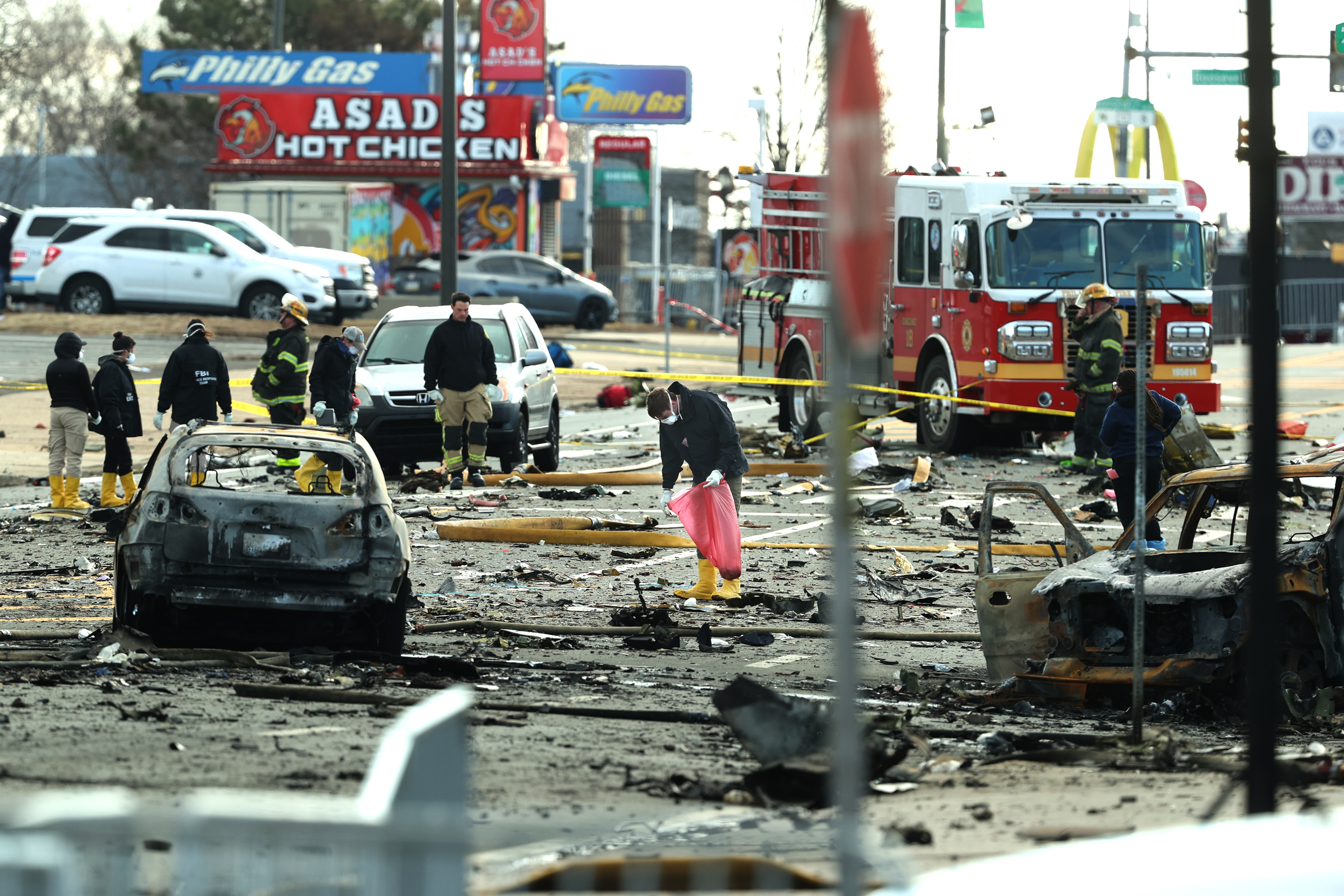
    A series of human and oversight failings is being eyed by federal investigators as possible contributors to the fatal crash of a medical jet in Northeast Philadelphia last year, according to documents filed by the National Transportation Safety Board.

    The federal agency does not identify a cause of the Jan. 31, 2025, crash of the Mexican-owned medical transport that crashed near the Roosevelt Mall just after takeoff, killing all six people onboard and two on the ground.

    But among the factors it has found during a 1½-year probe are possibly fatigued pilots who had never flown in or out of the airport, an improper setting on the Learjet tail’s elevators, and a lack of Federal Aviation Administration safety checks on a workhorse foreign-owned carrier.

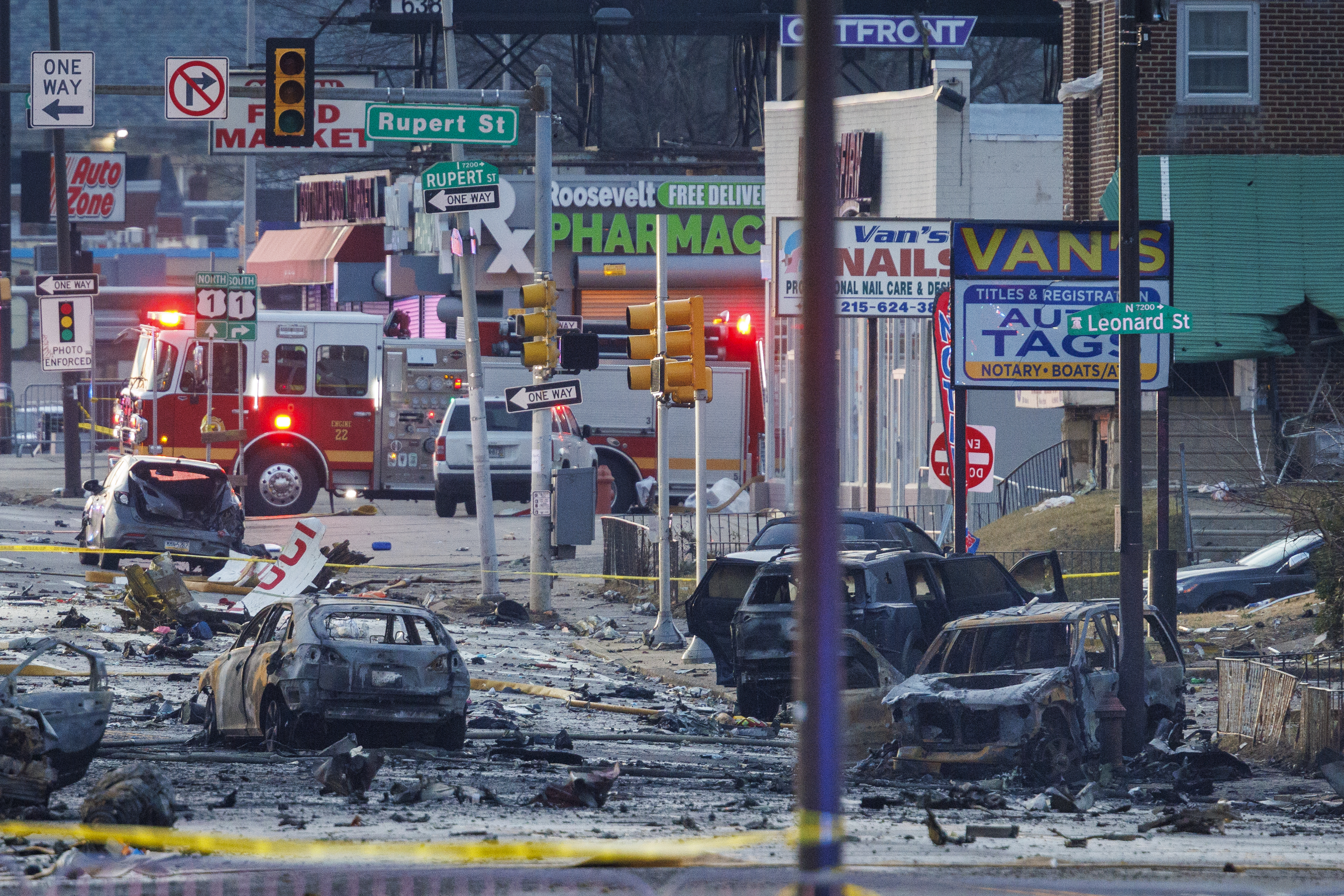
    Images released by the NTSB as part of their investigation show the scene along Cottman Ave. where a medical plane that crashed, in Northeast Philadelphia on Jan 31, 2025.Courtesy of NTSB

    Upon impact, the 1982 Learjet 55 erupted into flames that spread to homes and cars in the heavily populated area. At least 24 people were reported injured. The jet took off just after 6 p.m. that Friday and within a minute had begun a swift nosedive into the sidewalk near Cottman Avenue and Roosevelt Boulevard.

    On board were 11-year-old Valentina Guzmán Murillo, who had just received care at Shriners Children’s Philadelphia before returning home to Mexico; her mother; a pilot; a copilot; a flight physician; and a paramedic.

    Investigators going through the debris on Cottman Avenue Saturday, Feb. 1, 2025, in Philadelphia. A medical jet with six people on board crashed Friday evening near the Roosevelt Mall in Northeast Philadelphia.Charles Fox / Staff Photographer

    Potentially fatigued pilots and potential training weaknesses

    As investigators try to piece together what might have gone wrong in the cockpit, they are focused on the two pilots.

    One factor that could have played a role was their workload in the days leading to the fatal crash. They had flown multi-leg trips all four days before the accident.

    NTSB investigators also looked into the effects of “spatial disorientation,” a phenomenon pilots experience when their perception of motion and relation to the Earth’s surface becomes mismatched.

    During the ascent from Northeast Philadelphia Airport, the pilots rolled the plane to the right by 12 degrees. Air traffic controllers then communicated with the pilots, and the pilots responded just as the plane began to rotate back to zero degrees. According to the NTSB, within 10 seconds of their last communication with the air traffic tower, the plane continued rolling to the left at a rapid speed until the plane stopped climbing.

    “Pilots who are properly trained and current in instrument flying can normally use instrument information to overcome misleading sensations, however, even well-trained pilots experience sensory illusions from time to time,” NTSB investigators wrote.

    When there is a delay, it can take a few seconds or more for a pilot to regain spatial awareness. But during that delay, a pilot may make inappropriate control inputs that place an airplane in “an unrecoverable trajectory.”

    In interviews with the pilots’ most recent training instructors at Flight Safety International in Tucson, Ariz., the pilot in command demonstrated a “tendency to react before thinking through a problem,” the report says. The instructor noted that the same pilot would select modes of operation when the autopilot system was off, something the pilot in command is supposed to delegate to the second-in-command pilot.

    “That allows the pilot to concentrate on actually flying the aircraft. So what happens is, if the autopilot’s off and the pilot flying goes to select modes of operation, it’s distracting him from flying the aircraft, which typically results in deviations of altitudes, speeds, and headings,” said the flight instructor, who was not identified in the report.

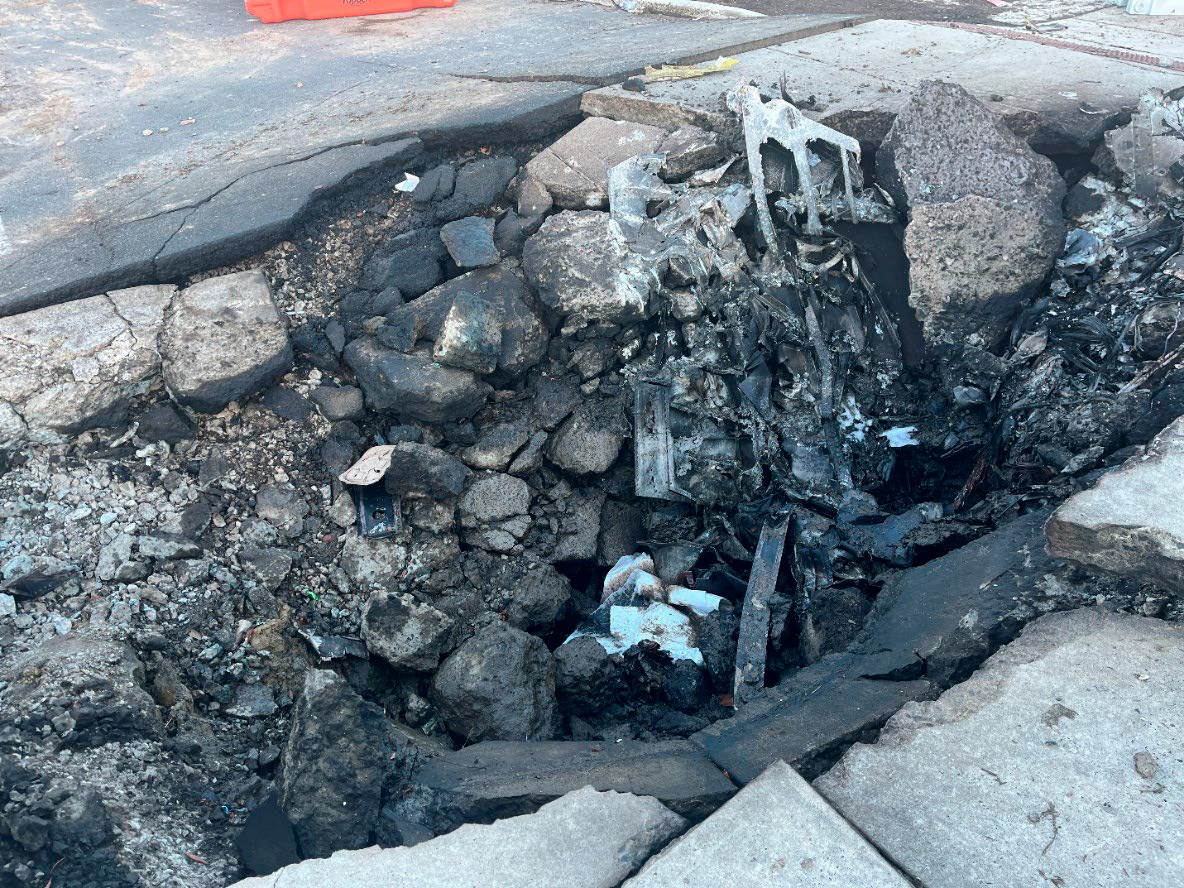
    Images released by the NTSB as part of their investigation show the wreckage of a medical plane that crashed in Northeast Philadelphia on Jan 31, 2025.Courtesy of NTSB

    The second-in-command pilot’s training report also showed that his lack of recent experience in flying a similar-model Learjet “was evident.”

    A spokesperson for Jet Rescue Air Ambulance, the Learjet 55’s operator, could not be immediately reached Wednesday for comment on the new release of documents.

    Jeff Guzzetti, a former NTSB investigator, wondered if the low visibility that night, made more hazardous by overcast and lightly choppy weather conditions, could have exacerbated a phenomenon called somatogravic illusion.

    That happens when rapid acceleration or deceleration, or other changes in gravity, can cause pilots to falsely believe a plane is pitching up or down when it is not.

    “When you look at those four things — the low cloud ceiling, nighttime conditions, high velocity descent, less than a minute after takeoff — that could be consistent with spatial disorientation,” he said. Add in other distractions, like changing radio frequencies, and even experienced pilots have lost their bearings while relying solely on their instruments to navigate, Guzzetti said.

    Images released by the NTSB as part of their investigation show the medical plane that crashed in Northeast Philadelphia on Jan 31, 2025.Courtesy of NTSB

    Investigators search the jet

    The extreme impact, and a debris field scattered across more than a dozen city blocks and a shopping center, has hampered the investigation. Nearly all parts of the plane, from its engines to the mechanical and electrical systems that controlled the jet, were found in damaged condition.

    Even so, the NTSB has reported that the jet’s pitch trim, which would have aided the angle of flight and airspeed, was not in optimal position. That meant the pilots would have had to exert up to 50 pounds of force against the controls during takeoff and 12 pounds for level flight, investigators said.

    Arthur Alan Wolk, a Philadelphia-based aviation attorney and pilot, was dubious. “They blame the pilot for the trim,” he said. “I don’t think you can rely on that record” because the impact makes interpreting the damaged parts difficult.

    Wolk also said the pilot could have corrected for this by hitting an electrical trim switch. “Could it have happened? Yes. Is it a factor? In my opinion, I don’t think so.”

    The investigation devoted extensive research into tanks filled with oxygen and other gases the medical jet had on board, which could have led to a fire or impaired the flight crew. Investigators said cameras that caught the airplane’s descent did not show trailing smoke or any visible internal fire.

    In all, 11 gas cylinders were recovered with various states of damage. In previous incidents, investigators noted, flight crews had become incapacitated by carbon dioxide exposure. The Learjet’s carbon dioxide tank was found with its valve stem fractured, though the NTSB did not say if it believed there had been a leak prior to the crash.

    Jet Rescue Air Ambulance told the NTSB that the company had no record of the raft for this jet and believed it was installed by a crew member without authorization.

    Despite the NTSB stating in March 2025 that the cockpit voice recorder had not worked in years, investigators were able to repair its analog tape and listen to the audio. But the recordings were of a prior landing.

    The report did not say why the device failed to record the final takeoff. This jet was not required to carry or maintain a cockpit voice recorder, though it was listed on the preflight checklist.

    The NTSB also examined the Learjet’s logbooks and maintenance reports and found they were largely in order, though they could not determine if any new maintenance was done prior to the final flight.

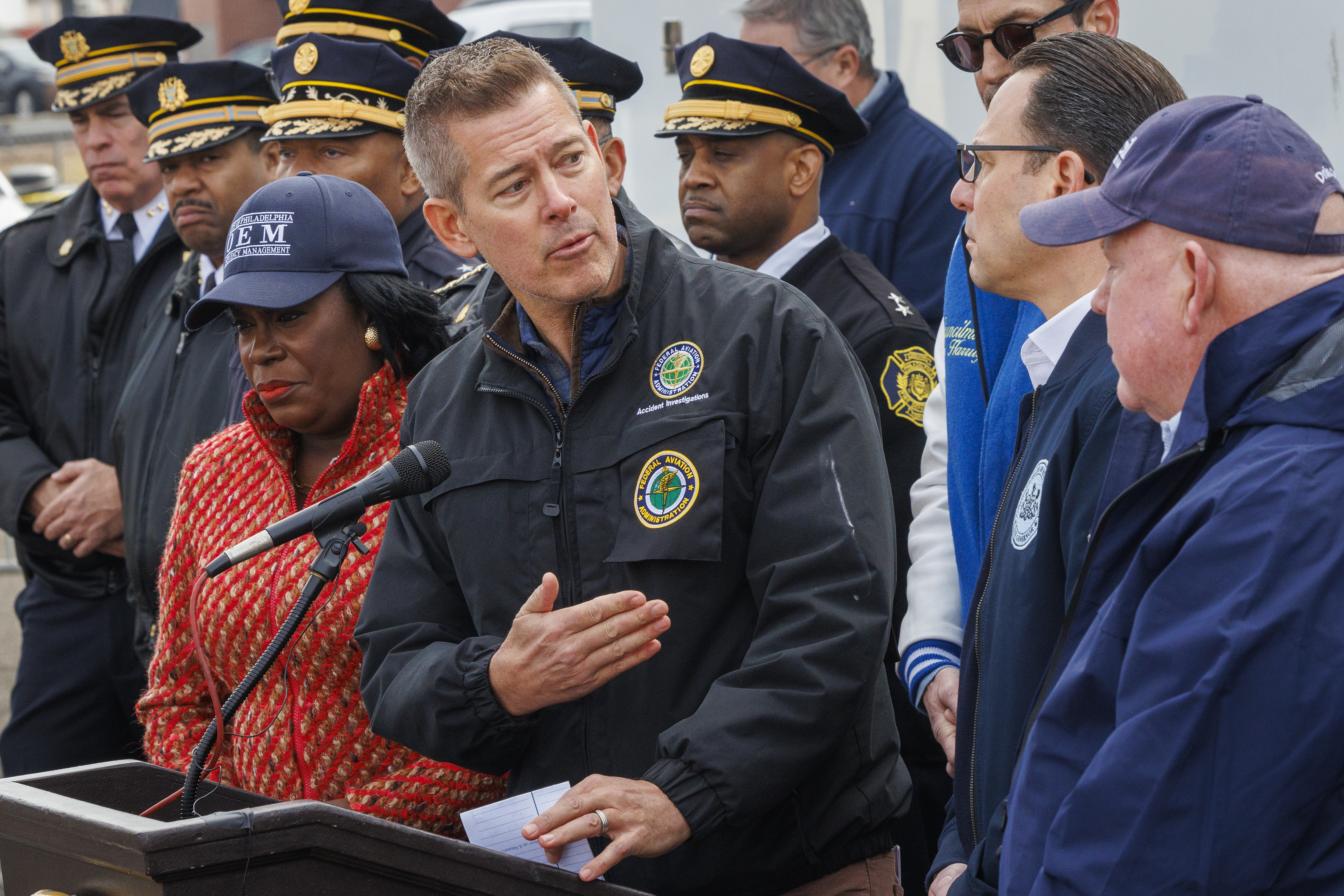
    From left Philadelphia Mayor Cherelle Parker, Sean Patrick Duffy, United States Secretary of Transportation turning to acknowledge Pennsylvania Governor Josh Shapiro’s work at press conference. These three and others tour the scene of medical jet crash, Cottman Avenue on Monday, Feb. 3, 2025. The plane crashed Friday evening, Jan 31, 2025.Alejandro A. Alvarez / Staff Photographer

    Lack of FAA oversight

    A major piece of the investigation rests on the FAA’s Dallas International Field Office, which oversaw the U.S. operations of the medical jet operator.

    Because the operator flew unscheduled, non-U.S. registered flights, FAA personnel said they were limited to performing “ramp checks,” or unannounced inspections of the aircraft and crew on the ground, as a safety measure. But when investigators searched the FAA’s safety assurance system for any record of ramp checks, they found none prior to the fatal crash.

    Asked by NTSB investigators if there was a requirement to perform ramp checks or other surveillance on operators like Jet Rescue Air Ambulance, the primary inspector stated: “Oh, I’m not sure.”

    The primary inspector continued that there was no surveillance plan in place before the time of the crash and that FAA staff in charge of Jet Rescue Air Ambulance’s operations had no knowledge of the operator’s previous crashes. The operator experienced a fatal accident in November 2012 in Fort Lauderdale, Fla., a nonfatal accident in February 2019 in Toluca, Mexico, and a fatal accident in November 2023 in Cuernavaca, Mexico.

    Jet Rescue Air Ambulance was not on the FAA’s Heightened Surveillance List, which would have flagged the operator for additional inspections.

    Unscheduled operators like Jet Rescue Air Ambulance are required to notify the Dallas FAA field office before operating in the United States, which the FAA would use to determine when inspections are needed. But Jet Rescue Air Ambulance did not notify the office of its operations before the accident flight, according to the NTSB findings.

    The NTSB release of evidence comes as federal probers complete their investigation phase and prepare their final report, followed by a review process that can take up to six months.

  • This secular congressman is urging Democrats to fight Christian nationalism

    This secular congressman is urging Democrats to fight Christian nationalism

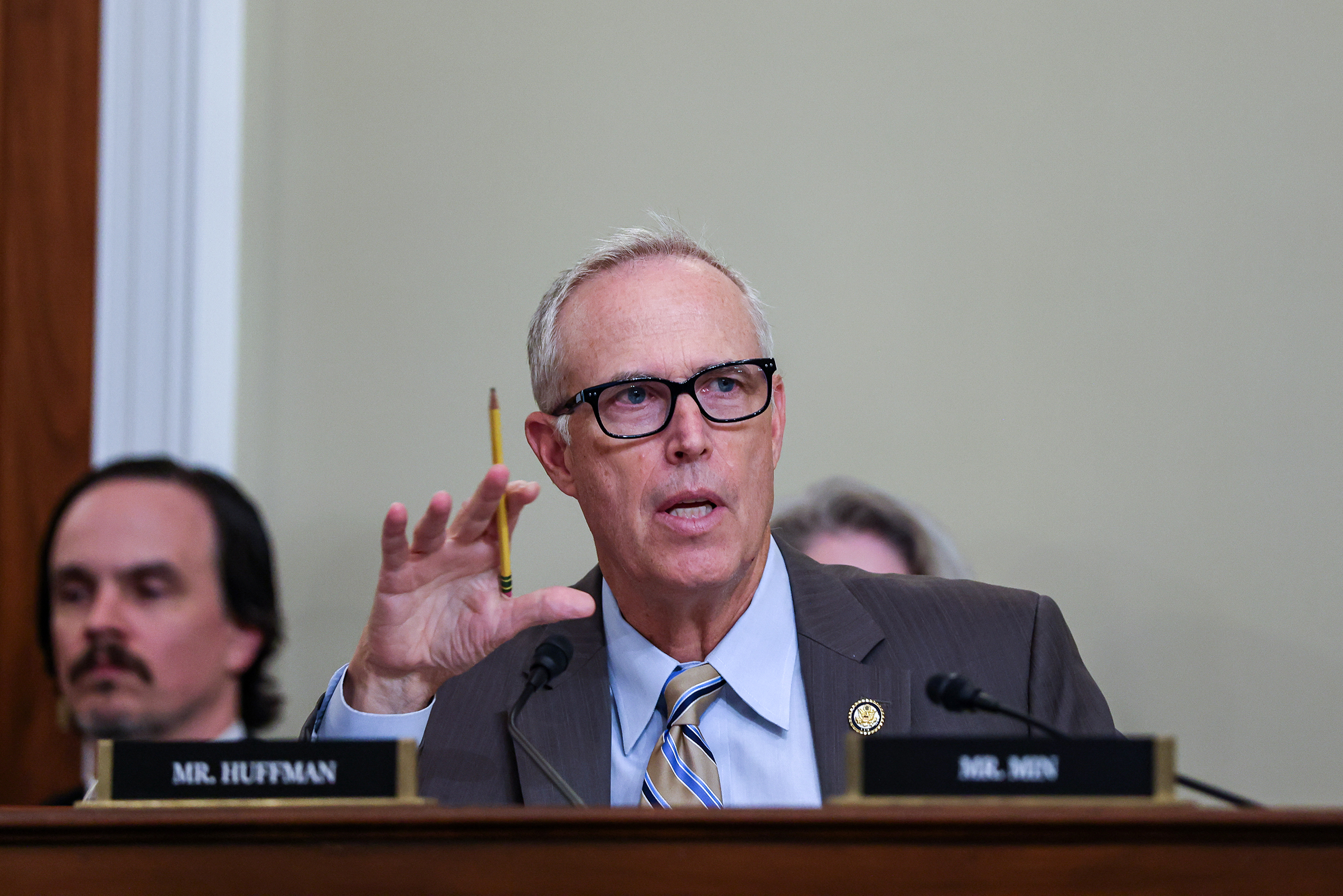
    When Rep. Jared Huffman came out publicly in 2017 as a “nonbeliever,” he was only the second member of Congress in modern times to do so — even though a quarter of U.S. residents identified as nonreligious.

    Things have changed since for the secular cause on Capitol Hill.

    The Freethought Caucus, which Huffman launched in 2018 to promote church-state separation, has grown to 37 members — more House lawmakers than the uber-conservative Freedom Caucus (32) or the Congressional Prayer Caucus (34), according to the platform LegiStorm.

    And the percent of lawmakers who choose not to give a religious affiliation or say the unspecific “other” has more than doubled in the past decade, from 16 to 40.

    Along the way Huffman, a Northern California Democrat who is a Humanist, has become a kind of national spokesperson for promoting a secular government. And as some data shows many Americans increasingly displeased with the way religion and politics are mixing, he sees an opportunity for his cause, and for his party.

    “I think the game has changed,” Huffman said. “Republicans have made a losing bet. Democrats need to understand that and be ready to connect.”

    The data is somewhat more complex. Chip Rotolo, senior researcher at Pew Research, said growing majorities of Americans want congregations and pastors to stay out of partisan politics but also approve of some unspecific religiosity having influence in public life.

    “It does seem people are more reluctant to see [organized religion] engaging with politics.” Rotolo said. “But at a national level they’d like to see ‘religious values,’ broadly spoken, incorporated.”

    President Donald Trump’s administration has vigorously pressed the idea that the United States is a Christian nation, sponsoring a massive evangelical jubilee on the National Mall in May and a June report that described church-state separation as a legal error.

    Those efforts have thrilled many Christian conservatives but also prompted concern from others, Huffman among them. He is taking aim at Christian nationalists on his biggest-ever stage, with a book “No Prophets” published this week.

    The book argues that extreme Christian nationalism, which fuses Christian and national identities, is the country’s most dangerous political movement. Huffman, 62, accuses his congressional colleagues — including Democrats — of being far too timid on confronting the issue. At the same time, he argues that religious nationalists are “sailing headlong into a failing wind.”

    Lance Wallnau, a MAGA influencer who has described himself as a Christian nationalist, rebuffed the idea that his worldview is dangerous.

    “I’m looking for a leader whose values align with the transcendent values of when we were founded as a nation,” he said, noting that multiple early U.S. states officially aligned with various Protestant denominations. “They weren’t concerned about a Christian government. What I’m advocating isn’t some oddball thing. We shouldn’t shift the foundation of the house.”

    As far as whether secularism is rising, Wallnau said: “Is it possible for America to get more un-Godly? Sure. The Bible talks about gross darkness covering the people.”

    Majorities of Americans say houses of worship should not endorse candidates (79%, according to Pew Research) and should “keep out of political matters” (66%). And those numbers have grown. A decade ago, 66% opposed endorsing candidates and 49% said congregations should keep out of politics.

    Just 10% of Americans say their views of Christian nationalism are favorable, while 31% are unfavorable (most Americans say they aren’t very familiar with the term). Sixty percent of Americans in 2024 told Gallup they would vote for an atheist, up from 49% in 1999.

    University of Notre Dame political scientist David Campbell said Huffman is probably right that secularism’s impact in the U.S. is growing. He called the change “one of the most significant developments in American society in the last generation.”

    However, Americans’ attitudes are complex and don’t point in only one direction.

    Pew recently found that 37% of Americans say religion’s influence in the U.S. is growing — the highest percentage in 24 years. And 55% of Americans see that as a positive thing, compared with 22% who see it as negative.

    Even as Huffman’s caucus is growing, Congress still significantly overrepresents Christians (87% versus 62% of American adults) and significantly underrepresents those who say they have no religion (28% of the U.S., 0.6% of Congress).

    Experts who measure Christian nationalism say about a third of Americans embrace or sympathize with the movement. According to a PRRI survey last year, that one-third number has been stable since 2022.

    Robert George, who teaches law, religion and philosophy at Princeton University, wrote in an email that Huffman and the Freethought Caucus are actually advocating for socially liberal causes — on abortion, gender and others — and dressing that up as neutrality.

    The caucus, and Huffman’s political allies in general, want to further their own “doctrine” or worldview — just like those on the religiously conservative side, George wrote in an email.

    “Neither side is violating the ‘separation of church and state’ when they do that, irrespective of whether their advocacy relies on secular or religious rhetoric,” he said.

    In “No Prophets,’” Huffman argues that the Religious Right movement of the 1970s was focused on engaging the democratic system to attain culture war wins. Now, he writes, religious nationalists have morphed into a “scorched earth insurgency,” with crowds carrying crosses during the Jan. 6, 2021, assault on the U.S. Capitol, states passing laws mandating the Ten Commandments on display in public schools and Trump administration officials launching and taking part in Christian prayer services inside federal agencies. Huffman sees this movement as actively seeking “to destroy” democracy.

    His book aims to be a call to action for fellow Democrats, whom he calls his “greatest frustration” on this topic. In his view, Democratic lawmakers and public officials have done far too little to push back against Christian nationalist ideas.

    The Humanism that Huffman affiliates with is a loose philosophy based on the idea that humans should work to improve society and live ethically, guided by reason, not necessarily by anything supernatural.

    He doesn’t reject the label “atheist” but says he prefers “leaving room” for new discoveries.

    “We all want to understand our place in the universe and what all this means. You can see that — especially the younger generation — some are really struggling,” he said.

    But to Huffman, who was raised in a very religious home in an offshoot of the Church of Jesus Christ of Latter-day Saints, personal questions of faith are very different from what he sees as government overreach.

    “Reckoning with Christian nationalism is unavoidable,” he writes in his book. “This movement is forcing us to make urgent choices.”

    Scott Clement contributed to this report.

  • There’s less wildfire smoke for now, but the fire season is far from over

    There’s less wildfire smoke for now, but the fire season is far from over

    Amid a summer marked by hazy skies in parts of the country, there is currently less wildfire smoke blowing across the United States and Canada compared to recent weeks.

    In Oregon and Washington state, where much of the smoke has originated, 51 active fires had burned through 2.52 million acres as of Tuesday – down from a peak of 2.83 million acres on Aug. 12. Although skies are still smoky across portions of the Pacific Northwest and northern Rockies, not much is blowing east of there.

    But this lull in smoke coverage and slight decrease in fire activity could be short-lived.

    “We already have the most active fire season in recorded history for the Pacific Northwest,” climate scientist Daniel Swain said in a live stream broadcast Tuesday.

    From Thursday into the weekend, a disturbance from the Pacific Ocean is forecast to track toward and across Oregon and Washington state as well as British Columbia and Alberta in Canada, leading to stronger winds and the potential for dry lightning.

    “We’re expecting an increase in fire risk in the Pacific Northwest as we get another heat wave followed by yet more dry lightning. So, unfortunately that isn’t the most favorable pattern for the Pacific Northwest,” Swain said.

    In the United States and Canada, national wildland fire-preparedness levels remained at 5 — the highest on the scale — which indicates national firefighting resources are in high use and emergency measures may be needed to sustain operations.

    How bad this fire season has been

    So far this year, nearly 7.3 million acres of land have burned across the United States. That’s about 36 percent higher than the annual average between 1983 and 2025.

    In Canada, about 10.2 million acres have now burned, roughly 46 percent higher than the 25-year average.

    And since July, about 26 percent of the Northern Hemisphere land area — covering around 10.3 million square miles — has at some point experienced moderate or greater concentrations of black carbon, the soot particles released by wildfires.

    Across the Pacific Northwest, weather from late August into September looks drier than normal and occasionally windy.

    The Post’s El Niño tracker shows that this region may experience extremely dry conditions into the fall, suggesting that the period of heightened wildfire risk — and the potential for widespread smoke blowing across the U.S. — is far from over.

  • ‘No serious dispute’ that Comey’s seashell post could be read as a Trump threat, prosecutors say

    ‘No serious dispute’ that Comey’s seashell post could be read as a Trump threat, prosecutors say

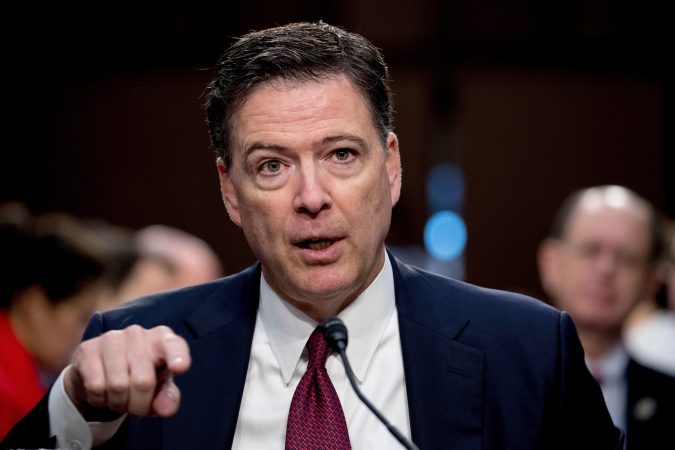
    WASHINGTON — The Department of Justice is defending its prosecution of former FBI Director James Comey, saying “there is no serious dispute” that a social media post of seashells he made last year could be understood as a threat against President Donald Trump.

    Prosecutors also called into question Comey’s account that he had found the seashells in the numerical arrangement of “86 47” while walking on a beach in North Carolina and suggested that his May 2025 post on Instagram was an effort to generate attention for a forthcoming novel about a social media personality whose words inspire his fans to attack his foes.

    The arguments in motions late Tuesday represent the government’s most detailed explanation of its indictment and were filed in response to wide-ranging defense efforts to dismiss the case on grounds including that it constitutes a vindictive prosecution and that Comey’s post did not amount to a true threat. Comey’s lawyers contend that investigators in the case misled judges, submitted documents containing false statements, withheld key facts, and repeatedly came up empty in their efforts to prove that Comey intended a physical threat or knew that the number 86 could suggest violence.

    The entry for “86” from Merriam-Webster, the dictionary used by The Associated Press, says its meaning is “to throw out,” “to get rid of” or “to refuse service to.” Trump, a Republican, is the 47th president.

    The Justice Department maintains that the post constituted a real threat

    Federal prosecutors maintain that the photo of the seashells, which Comey said he found on the beach, constituted a threat against Trump. Comey deleted the post shortly after he put it up, saying he did not know that anyone interpreted the numbers as a call to violence. His lawyers have said that the slogan has long meant to “get rid of” or “eject” and has been featured on thousands of items sold online and regularly displayed at protests.

    But the department sought in its filings to place the post against the backdrop of assassination plots or attempts against Trump in the months before and after Comey’s post. Prosecutors say that two minutes before the post was made, Comey’s wife texted him a screenshot of a definition of “86” that said “to get rid of or refuse service.”

    “There is no serious dispute that an objective viewer of Comey’s post could read it to mean ‘Kill President Trump,’” prosecutors wrote.

    The photo was posted days before Comey was set to release a novel he wrote titled “FDR Drive,” in which a prosecutor pursues a far-right social media personality who has called out his adversaries by name and inspired violence against them by his fans, the department said.

    After the Instagram post provoked an outcry, according to the government’s filings, Comey’s publishing agent observed in a text message to him that he had “gone viral.” Comey responded that that was “not my intention, but I’ll be OK if it sells books.” The agent replied, ”Music to an agent’s ears.”

    Prosecutors also asserted there was “reason to doubt” Comey’s account of having come upon the seashells while on a walk, saying they were located 4 miles (6 kilometers) “down from the beach from beachfront property where Comey was staying, in an area separated from the ocean by a sand dune.” They said there was “no evidence that anyone else arranged, photographed, or even saw the shells.”

    Comey has called the case vindictive, but prosecutors deny that

    Comey’s lawyers have called the indictment, which was filed months after an earlier and unrelated case against him was dismissed, part of a Trump retribution campaign targeting one of the president’s vocal critics. Trump fired Comey as head of the FBI in 2017 as Comey was overseeing an investigation into potential ties between Trump’s 2016 presidential campaign and Russia. Trump since then has called for him and other perceived adversaries to be jailed.

    But the Justice Department denied allegations of vindictiveness, saying the decision to indict Comey was made by the U.S. attorney in the area and did not stem from a directive from the president or the attorney general.

    To bolster their claims that Comey was unjustly targeted, defense team argued that investigators struggled to develop compelling evidence from witnesses that Comey had intended the post as a threat, but they concealed that from federal magistrates as they applied for warrants to search digital accounts associated with Comey and his wife

    For instance, defense lawyers have said, the FBI searched an internal database of information about open and closed investigations for any indication of an association between Comey and the term “86” but found inconclusive results. An FBI agent also requested a review of the FBI file for the case against reputed mobster John Gambino, which Comey worked on as a young prosecutor, but found no references to the term “86.”

    Investigators also interviewed a key government cooperator in the case, Salvatore “Sammy the Bull” Gravano, who said he did not recall ever discussing the term “86” with Comey or hearing it in connection with the trial.

    The latest filings made clear that the administration was standing behind the premise of the case.

    “No Government theory was disproved at that time, or now. No intentionally false omission exists, much less one made with reckless disregard for the truth,” prosecutors wrote. “The evidence still supports that Defendant acted at least recklessly by consciously disregarding a substantial risk that his coded message of “8647” that he sent to his 200,000 or so Instagram followers, and the millions of secondary social media users who would view this as threatening violence against the President of the United States.”

  • With limited options, Trump tries economic pressure on Iran — again

    With limited options, Trump tries economic pressure on Iran — again

    BERLIN — Iran has survived harsh U.S. sanctions since 1979. It is betting it can endure even more.

    In the 47 years since the Islamic Revolution, the United States has taken step after step to isolate the country with only a brief reprieve after the 2015 Iran nuclear deal, which President Donald Trump excoriated and abandoned in 2018.

    Trump promised “maximum pressure” then, and now, with limited military options, threatens even more. Treasury Secretary Scott Bessent warned last week of “never before seen” measures — perhaps, analysts suggest, secondary sanctions on countries like China that buy Iranian oil, or further penalties on financial transactions.

    Iran is more likely to step up attacks on U.S. allies in the Persian Gulf than to surrender its hold on the Strait of Hormuz, analysts said. “Iran’s economy is in serious trouble, but it is not collapsing,” said Danny Citrinowicz, an Israeli expert on Iran. “More importantly, the regime is likely to escalate before it capitulates.”

    U.S. and international sanctions and economic pressure did help lead to the 2015 nuclear deal, when the supreme leader then, Ayatollah Ali Khamenei, authorized negotiations to limit Iran’s nuclear program in return for frozen assets and sanction relief.

    Since Trump withdrew from the deal and imposed more sanctions, Iran has adjusted to a high level of economic disruption, developing sophisticated smuggling routes and new markets, particularly for oil. For now, Iran insists on maintaining effective control of the strait while the U.S. Navy continues to blockade it. A few ships are slipping through, but traffic is down more than 90% from before the war.

    Iran’s economy is badly damaged, hurting ordinary people, but its leaders have shown, through brutal crackdowns on protest and dissent, that they are relatively unconcerned with public opinion.

    Having survived what it once feared — an Israeli-American war against it — a more military-minded and authoritarian Islamic Republic has itself doubled down. Esmail Baghaei, the spokesperson for the Foreign Ministry, said Monday that new measures would have “no effect on Iran’s position.”

    Economic pressure will only succeed if “our resilience is greater than that of the Iranian regime, and it’s not clear that’s a good bet,” said Suzanne Maloney, an Iran expert and director of foreign policy at the Brookings Institution. “Iran’s economy has been shaped by U.S. economic pressure.”

    The oil economy

    Iran’s economy is suffering, without question, but gradually, while the regime keeps a stranglehold on any popular protest.

    Since the war began in earnest in February, the Iranian economy and its industrial sector have been contracting in tandem for the first time in eight years, said Esfandyar Batmanghelidj, CEO of the Bourse & Bazaar Foundation, a research organization based in London.

    Iran will face more challenges, from higher inflation to weakness in the job market, he said. “But it won’t lead to a different political outcome.”

    Some Iranian leaders, to be sure, are deeply concerned with the economic disaster and support a more rapid diplomatic deal with Washington. But the leadership appears united in retaining effective control over the strait as its best leverage and deterrent against another war.

    Iran has adapted to U.S. and international sanctions by increasing its ties to Russia and China. It sells most of its oil at a discount to China, which has ignored international sanctions against the purchase of Iranian oil. It also uses small, independent Chinese refineries, known as “teapots,” that are less exposed to U.S. sanctions.

    Iran has developed smuggling networks and a “shadow fleet,” transferring its oil to other ships that can easily disguise its origin. And it has built up its industrial sector and cut back sharply on imports and its use of the dollar, using foreign banks and bartering oil for goods.

    Since the war and the U.S. blockade, Iran has been storing oil onshore and in a variety of older tankers, while shipping some of it by road and rail and reducing output on some wells. When the memorandum of understanding with the United States was signed in June and the U.S. blockade was temporarily lifted, Iran used the period of calm assiduously.

    Iran had oil already outside the strait to sell before the blockade, and at the outset of the agreement it exported another 80 million barrels before Washington reimposed sanctions and the blockade, easing the pressure on storage, said Brett Erickson of Obsidian Risk Advisors.

    Before the war, Iran was exporting about 1.8 million barrels a day. Now, given the increase in the oil price because of the conflict, Iran is ahead of what it budgeted for oil sales for this year, he said.

    The exchange rate for the Iranian rial against the dollar is bad, but the speed of depreciation is slowing, as is inflation. If Washington is relying on economic pressure, “you wouldn’t want slower inflation and a lower rial exchange rate than before the war,” Erickson said.

    For the policy to succeed, “we need to push them down quickly, not wait nine more years to collapse them,” he added. “A dagger hurts but doesn’t lop off the head of the enemy.”

    A battle of economic wills

    Iran is gambling that the closure of the strait will put more pressure on Trump to blink first and negotiate a deal that Iran can accept. Iran is counting on increasing economic anxiety from the United States’ allies to push Trump back to the table.

    The global economy is missing millions of barrels of oil a day and strategic stockpiles, including in Europe and the United States, are badly diminished. Ukraine continues to damage Russia’s refineries, further cutting the amount of oil on the market.

    Regionally, key energy producers including Qatar, Bahrain, Iraq and Kuwait are badly hurt by the closure of the strait, and Saudi Arabia, Qatar and Oman have argued in Washington against further military escalation, given Iran’s ability to strike their energy infrastructure.

    “In a battle of economic wills it’s very uncertain the West will win,” Maloney said.

    Trump defends the war as necessary to ensure that Iran can never build a nuclear weapon. But after he abandoned the 2015 nuclear deal, Iran tried to pressure the world with enhanced enrichment that brought it to the edge of being a nuclear-capable military power, even as it denied ever seeking a bomb.

    That assurance died with the former supreme leader. His son and successor, Ayatollah Mojtaba Khamenei, appears ready for open-ended confrontation with the United States and is considered by U.S. intelligence to be more flexible about creating a nuclear weapon. In Iran, said Vali Nasr, an Iran expert and professor at the Johns Hopkins School of Advanced International Studies, trust in Trump is minimal and the 2015 deal is considered “a four-letter word.”

    Now, Trump is offering Iran very little in exchange for opening the Strait of Hormuz, with no U.S. commitment to unfreeze its assets or lift sanctions. “There is no reasonable deal for Iran on the table,” Nasr said.

    “The choice is between total surrender and fighting it out,” he added. “And they have bet that the only way to get a better deal is to accept costs now and hold the global economy’s and Trump’s feet to the fire.”