Category: Nation & World

  • Change in human trafficking policy could make some minors easier to deport

    Change in human trafficking policy could make some minors easier to deport

    The Trump administration has ordered caregivers for migrant children to stop reporting human trafficking concerns directly to the office created to help victims, a change that critics say could make some vulnerable minors easier to deport.

    The directive, in a Sept. 10 memo reviewed by the Associated Press, could mean that some victims would be denied services and face tougher odds of obtaining asylum and visas allowing them to stay in the United States.

    “This is going to harm children,” said Jean Bruggeman, co-executive director of Freedom Network USA, a coalition that advocates for human trafficking survivors. “This makes it more likely they will be deported before they get the services they need and put back into harm’s way.”

    The order added another plank to the Trump administration’s hard-line immigration agenda that has forged the most restrictive policies toward immigrants in more than a generation. Some of those efforts have been stopped by courts but many others have taken root.

    The memo said the change would “streamline the reporting, tracking, and referral of trafficking-related concerns.” An administration statement said the change was an effort to reduce the high number of claims that did not rise to the level of criminal human trafficking but nonetheless triggered the award of benefits and relief.

    But Democratic Sen. Ron Wyden of Oregon said the change requires children and their advocates to report human trafficking to the same agency that is holding them in custody. “This move to sideline human trafficking experts is more evidence that the Trump administration will deport kids to score political points rather than actually protect them,” he said.

    Office has helped thousands of trafficking victims

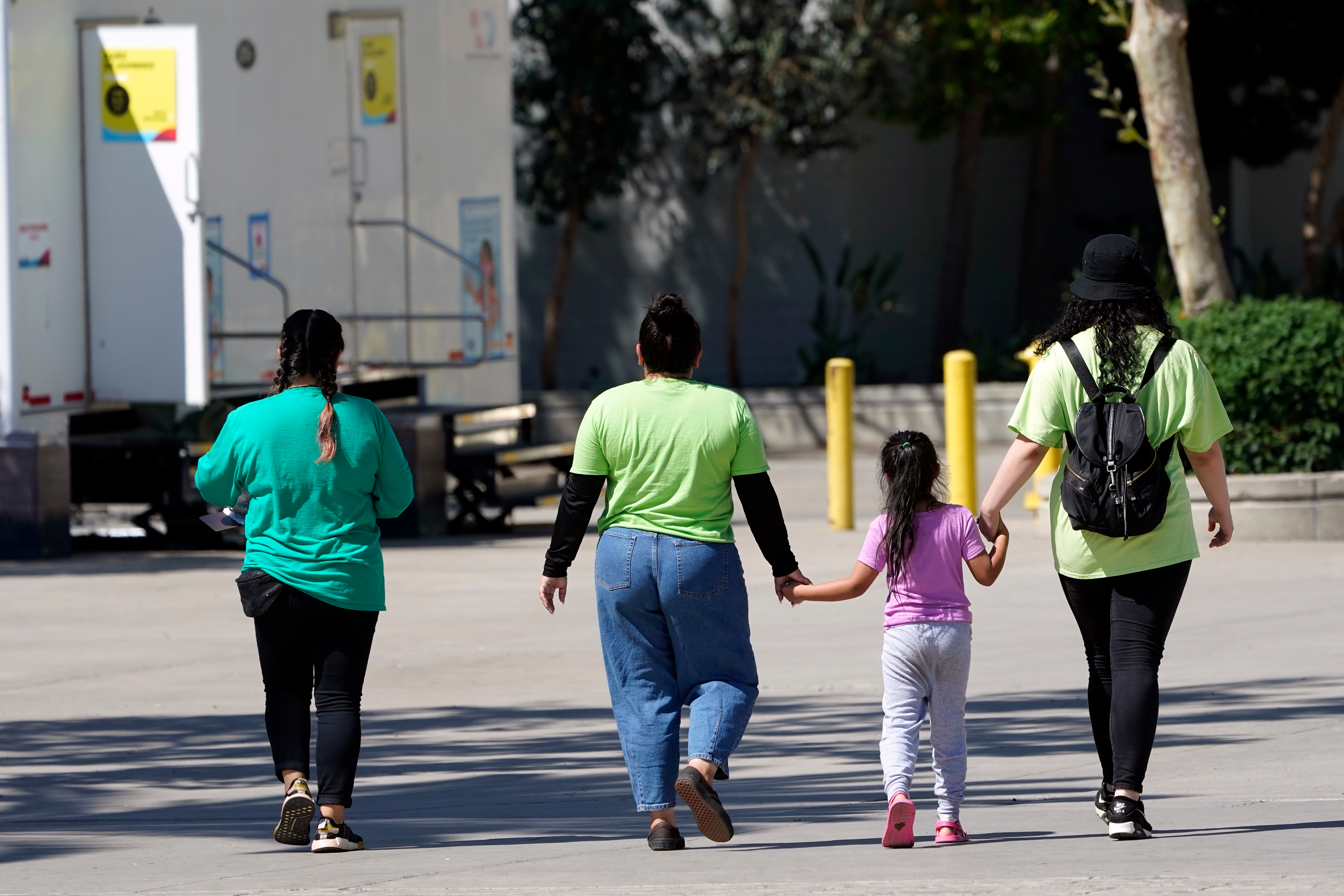
    The change applies to 1,800 children who are in federal custody after arriving in the United States without parents or being arrested with parents who were not legally present, and others who have been released but remain under supervision.

    Under longstanding policy, caregivers are required to conduct an initial screening of unaccompanied children for potential labor or sex trafficking within five days of admission to a facility or shelter. If they suspect the child is a victim, they have been required within 24 hours to notify the Office of Trafficking in Persons, which was created in 2015 to prevent human trafficking and protect victims.

    If the office certifies the claim, the minors become eligible for a program that gives them greater freedom by allowing them to move out of short-term housing, placing them in foster care, and allowing them to attend public school. It does not protect them from deportation immediately, but they can use the determination to pursue visas for victims of trafficking or asylum claims. It also grants eligibility for nutrition, housing, and other public benefits once they are released from federal custody.

    Thousands of unaccompanied minors have benefited from the office’s determinations. They are particularly susceptible to labor and sex trafficking, including in their home countries, on their way to the U.S., and after they arrive, and that’s why Congress has given them protections, Bruggeman said.

    Administration says change will target improper claims

    Under the change ordered last week by the administration, federal employees and care providers were told to no longer report labor and sex trafficking claims involving the minors to the Office on Trafficking in Persons.

    Instead, the memo said those claims should be submitted only to the Office of Refugee Resettlement, which oversees the housing of unaccompanied minors. That office will now investigate the claims and decide which ones should be forwarded to the Office on Trafficking in Persons for further review, the memo said, warning that providers “must respond promptly to requests for information.”

    In a statement, the Office of Refugee Resettlement said the change was driven by a review last year that found 95% of more than 9,000 reports “were determined not to be viable trafficking leads” for criminal investigators.

    “The vast majority of the reports detailed instances of alleged abuse or neglect, not forced labor or commercial sex as defined in human trafficking statutes,” the statement said.

    Even so, 58% of reports from shelter employees and case managers qualified for trafficking-related benefits. The change in reporting will “strengthen integrity, reduce improper referrals, reduce fraud, and ensure that children who may have experienced trafficking receive immediate support,” the statement said.

    Former official questions rationale

    Jen Smyers, who served as deputy director of the Office of Refugee Resettlement during the Biden administration, said the claim that the change will streamline reporting is questionable. She said ORR already gets the human trafficking reports but has no special expertise in evaluating them, unlike the office created for that purpose.

    The fear is that legitimate claims will get delayed or missed during the new layer of review, and career employees will face political pressure to refer fewer cases, she said.

    “It’s the opposite of streamlining,” Smyers said.

    Smyers noted the change comes after what she called an “onslaught” of Trump administration policies that have undermined the ability of unaccompanied minors to gain legal status, including making it harder to leave federal custody, arresting sponsors in the middle of the release process, and cutting their legal representation.

    “What they are trying to do is deport as many as possible. What interferes with deporting children is if they are eligible for protections Congress has given them,” she said.

  • House holds billionaire Leon Black in contempt of Congress over Epstein investigation

    House holds billionaire Leon Black in contempt of Congress over Epstein investigation

    WASHINGTON — The House approved a resolution Wednesday holding billionaire Leon Black in contempt of Congress, referring the matter to the Department of Justice after he defied the Oversight Committee’s subpoenas in its investigation into disgraced financier Jeffrey Epstein.

    The action was swift, and without a formal vote, and now leaves it to the Justice Department to decide whether to seek criminal prosecution. Black has refused to respond to the subpoenas’ requests to appear and to turn over any potential nondisclosure agreements involving the investigation into Epstein.

    Republicans and Democrats from the Oversight Committee joined in a bipartisan effort to advance the resolution.

    “No one is above the law,” Rep. James Comer (R., Ky.), the Oversight Committee chairperson, said in a statement. “We will continue to seek transparency for the American people and justice for survivors in our investigation of the federal government’s handling of the Jeffrey Epstein and Ghislaine Maxwell criminal cases.”

    California Rep. Robert Garcia, the panel’s top Democrat, called the vote “an important step towards justice and accountability.”

    Black’s lawyers have denounced the Oversight Committee’s pursuit of the former head of a private equity firm as an abuse of congressional power. They said he “had no knowledge of any of Epstein’s heinous conduct.”

    “The Committee has continued to insist on looking for information that does not exist,” attorneys Susan Estrich and Aaron Cutler said in a statement.

    They called the action “politically motivated” and have sued the committee and asked the Office of Congressional Conduct to open a probe into Comer’s tactics.

    “This an outrageous action that ignores the facts and the truth about Mr. Black,” they said.

    Epstein investigation churns in Congress

    Black is the latest among several prominent figures, including Bill Clinton and Bill Gates, who have been asked to appear as part of the Oversight Committee’s long-running probe of Epstein. Survivors of Epstein’s alleged sexual abuse have told personal stories of being young women in a trafficking enterprise organized by Epstein and his colleague Maxwell.

    In June, Black did appear for a voluntary interview at the committee. Lawmakers said later that he refused to answer their questions about the nondisclosure agreements.

    The committee issued two subpoenas seeking to compel Black to produce the NDAs and to appear for a deposition July 16. The committee said it had accommodated Black’s request to delay the deposition to Sept. 3, but he refused to appear.

    On Tuesday the Oversight Committee voted unanimously to approve the contempt recommendation, sending it to the full House.

    Black co-founded the private equity firm Apollo Global Management and stepped down in 2021 during the fallout over his ties to Epstein.

    Lawmakers have alleged that Black paid Epstein $180 million during their yearslong relationship.

    A 2021 review commissioned by Apollo found that Black paid Epstein $158 million from 2012 to 2017, after Epstein pleaded guilty in 2008 to soliciting prostitution from a minor. The review said the payments were for “bona fide tax, estate planning, and other related services.”

  • Sudan gold mine collapse kills at least 82 people with many more missing

    Sudan gold mine collapse kills at least 82 people with many more missing

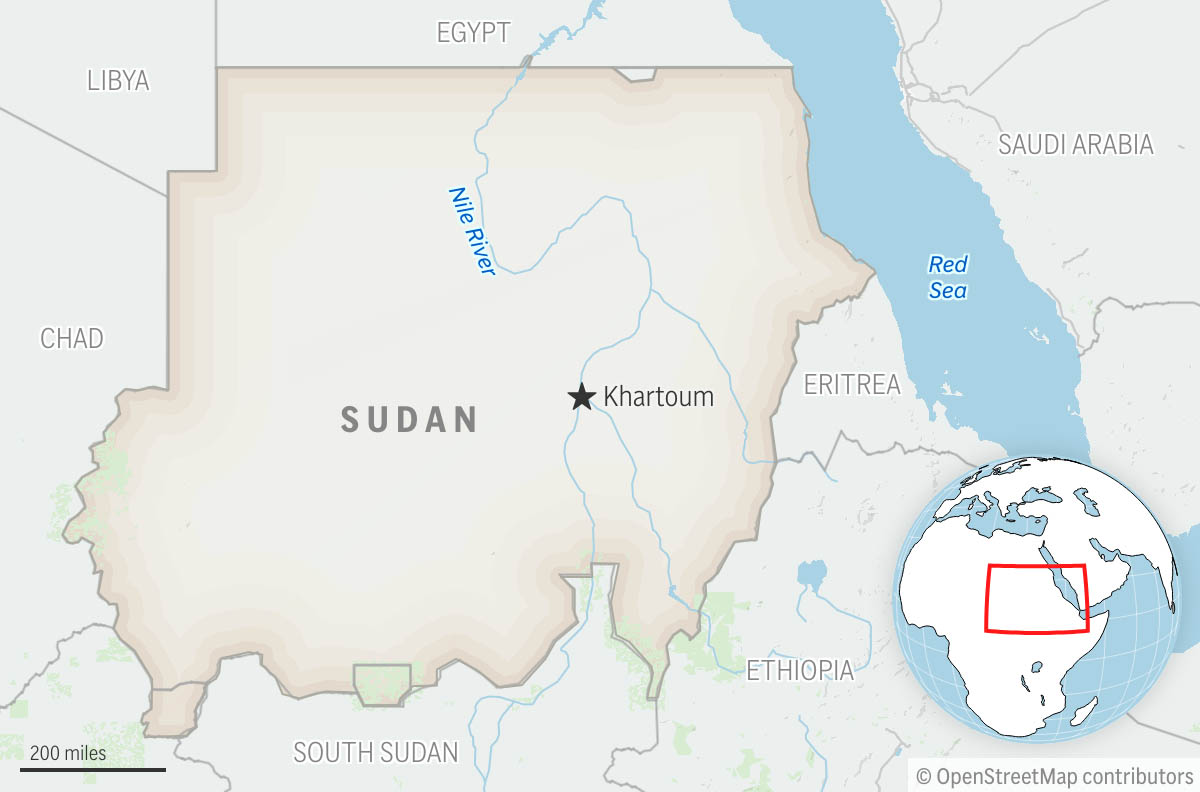
    SHENDI, Sudan — The death toll from the collapse of an informal gold mine in a remote area of Sudan has risen to 82, according to local officials and activists, as rescuers struggled on Wednesday to search for the missing with limited equipment.

    It’s the latest tragedy in a nation mired in a devastating war.

    Survivors said that the collapse happened at the al-Zara gold mine, in Nuhud, a town in West Kordofan province, which is controlled by the paramilitary Rapid Support Forces, or RSF. The group has been fighting against the Sudanese military for more than three years.

    Suleiman Abu Hmeida, a member of the Emergency Response Rooms, said that rescuers had pulled out 82 bodies by Wednesday afternoon. “But dozens remain unaccounted for,” Abu Hmeida told the Associated Press.

    The Emergency Response Rooms is a grassroots network that monitors the conflict and provides support for communities across war-torn Sudan.

    A local administration official also said that 82 bodies were recovered.

    The official said that the collapse began on Sunday in one of the mine shafts and spread to the other interconnected shafts. He said that only one privately owned forklift is available for the rescue efforts, complicating the search for survivors.

    The official spoke on condition of anonymity because he wasn’t authorized to speak to the media.

    “The collapse is massive and the situation is very dire,” Khairal-Sayed Gabara, one of the survivors, told the AP when reached by phone. He said that the machinery needed to remove the collapsed soil and rubble wasn’t available.

    “We do not have the machinery to lift dirt and stones and search for survivors at depths of more than 30 meters (around 100 feet),” he said. “There were dozens of people working in the mine.”

    The al-Zara gold mine is one of thousands of small-scale and informal mines scattered across Sudan, which has been engulfed in a war that has at times pushed parts of the country into famine.

    Despite Sudan being a major gold producer, deadly mine collapses aren’t uncommon in a country where safety standards aren’t widely applied. A 2023 collapse killed 14 miners and one in 2021 claimed 38 lives.

    Al-Amin Suliman, another survivor, said that 60 bodies had been recovered as of Wednesday morning.

    “There are still people stuck inside,” he said.

    The Sudan Doctors Network, a medical group tracking the war in Sudan, reported earlier that 67 bodies were pulled from the rubble, predicting that the death toll could increase as rescuers continued their search. The group said that the mine — an informal site that employs unregulated workers — lacked basic safety and protective measures.

    Earlier, survivors reached by phone and the physicians network said that the tragedy took place on Tuesday evening.

    The Kordofan Observatory monitoring group said that at least 70 miners were killed or missing at the site, which stretches around a half-mile across a wide swath of fragile, sandy soil. It described the miners as unregulated and informal workers.

    Large quantities of gold have been smuggled out of the country to finance the RSF, which controls gold-producing areas in the Darfur and Kordofan regions, according to experts commissioned by the United Nations.

    Sudan plunged into an all-out war in April 2023 as fighting erupted between the RSF and the Sudanese military in the country.

    The conflict has killed at least 59,000 people, according to Armed Conflict Location & Event Data, a monitoring group. Aid organizations say that the figure is an undercount, and the true number could be many times higher.

  • Lawmaker requests emergency hearing as Kennedy Center remains closed

    Lawmaker requests emergency hearing as Kennedy Center remains closed

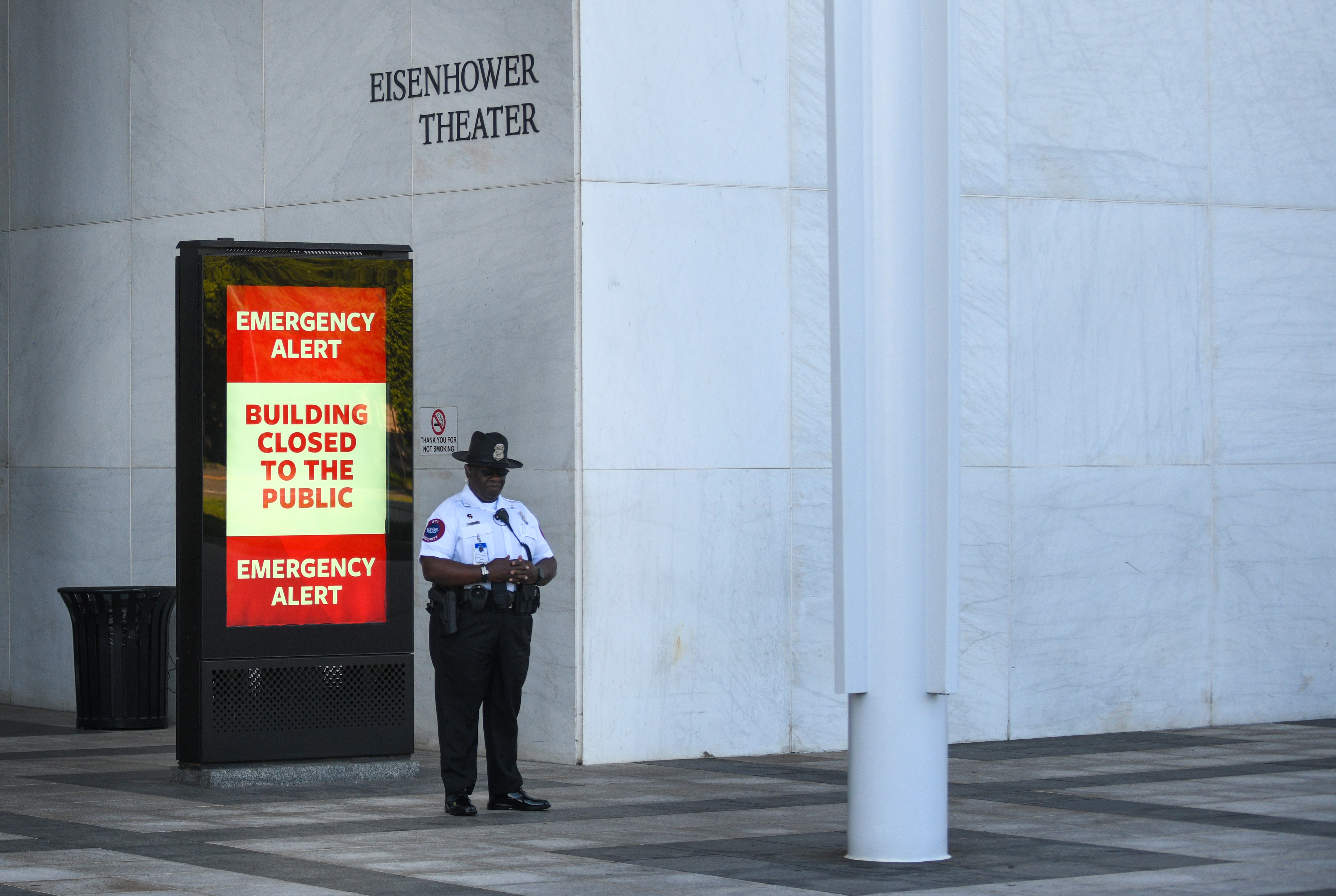
    The Kennedy Center’s decision to immediately close its doors for roughly two years of repairs is facing a new legal challenge Wednesday, escalating the fight over President Donald Trump’s transformation of the national cultural institution.

    Rep. Joyce Beatty (D., Ohio), a Kennedy Center trustee who has repeatedly challenged Trump’s transformation of the institution in court, filed a motion requesting an emergency hearing so center officials can explain the closure despite a federal judge’s instructions hours earlier that he needed to approve it.

    “It seems Defendants may be violating the ‘clear and unambiguous order of the Court,’” lawyers Nathaniel Zelinsky and Norm Eisen wrote in the emergency motion.

    The challenge puts the question of the Kennedy Center’s physical future back before U.S. District Judge Christopher Cooper barely 24 hours after he blocked another attempt to put Trump’s name on the building. It also escalates a legal battle that has come to encompass nearly every element of Trump’s transformation of the national cultural institution: its name, its finances, the condition of its aging building, and now whether its doors can remain closed while its Trump-appointed leadership pursues a roughly $250 million renovation.

    The center remained closed Wednesday after trustees voted Tuesday afternoon to shutter its main building “forthwith.” At about 4:30 p.m. Tuesday, a message played over the center’s speakers announcing the closure and security guards escorted visitors out through the Hall of Nations. By about 6 p.m., all of the doors were locked.

    On Wednesday, fencing went up around the main building and security guards continued to turn away visitors.

    The Kennedy Center did not immediately respond to a request for comment on the motion.

    The closure came hours after Cooper addressed the issue in court Tuesday morning. Although the proceeding was largely intended to deal with scheduling in Beatty’s lawsuit, the judge confronted a rapidly changing situation: Center management had recommended an immediate shutdown after a section of ceiling plaster fell about 60 feet into the Grand Foyer during a Sept. 4 storm, and trustees were preparing to vote on the proposal later Tuesday.

    The proposed closure carried particular significance because Cooper had already blocked an earlier version of it.

    In May, Cooper overturned a March board resolution to close the building, finding that trustees had acted on insufficient information and failed to adequately consider the consequences. But he did not prohibit the center from ever closing. Instead, while his order remains in place, he left trustees free to reconsider the issue after conducting a more thorough review.

    Trustees returned to the question in August and approved a roughly two-year shutdown. On Tuesday, they went further, voting to make the closure immediate.

    Center officials say new evidence made the acceleration necessary. During the Sept. 4 storm, according to the center, a roughly 4-by-5-foot section of plaster broke loose from the Grand Foyer ceiling. No one was injured. Inspectors subsequently found at least seven other areas with visible water-related deterioration.

    Management has cited those findings, along with water intrusion into electrical areas, deteriorating parking-garage steel, and aging mechanical and theatrical systems, in arguing that the building cannot safely remain occupied during construction. Center spokesperson Roma Daravi said Tuesday that the board had demonstrated “a clear prioritization of safety above all else.”

    Beatty’s lawyers have challenged that characterization. In a filing Monday, they said Delta Consulting Group, which reviewed the center’s renovation plans, had expressly disclaimed concluding that the building was “unsafe for continued occupancy.” They have accused center leaders of using long-standing maintenance problems to justify a closure the Trump-led board already wanted.

    Tuesday’s court hearing also produced a decisive ruling in a separate part of Beatty’s case. Cooper barred trustees from carrying out their Aug. 13 plan to add an inscription reading “Restored and Renovated by President Donald J. Trump” to the facade and rename the grounds “President Donald J. Trump Plaza.”

    “Simply put, Defendants cannot install memorials for President Trump or anyone or anything else at the Kennedy Center without Congress’s blessing,” Cooper wrote, reiterating his May conclusion that Congress reserved the national memorial for honoring President John F. Kennedy.

    Hours later, Trump tied the renovation directly to that legal fight. He said the building would close immediately but that construction “cannot begin until such time as the D.C. Circuit rules on the Board’s approved name.” If the center ultimately loses the naming dispute, including at the Supreme Court, Trump said, “the Reconstruction and the Renovation of The Kennedy Center will not take place.”

    That leaves the Kennedy Center in an unusual position: Its main building is closed because trustees say an immediate shutdown is necessary for safety and renovation work, while the board chairperson says that renovation may never proceed if the center loses the name dispute.

  • Trump’s arch will harm historic sites but must proceed, federal officials say

    Trump’s arch will harm historic sites but must proceed, federal officials say

    Federal officials acknowledge that President Donald Trump’s planned triumphal arch will unavoidably harm historic sites if built as planned, but they say the project must move forward, according to a National Park Service document and emails obtained by the Washington Post.

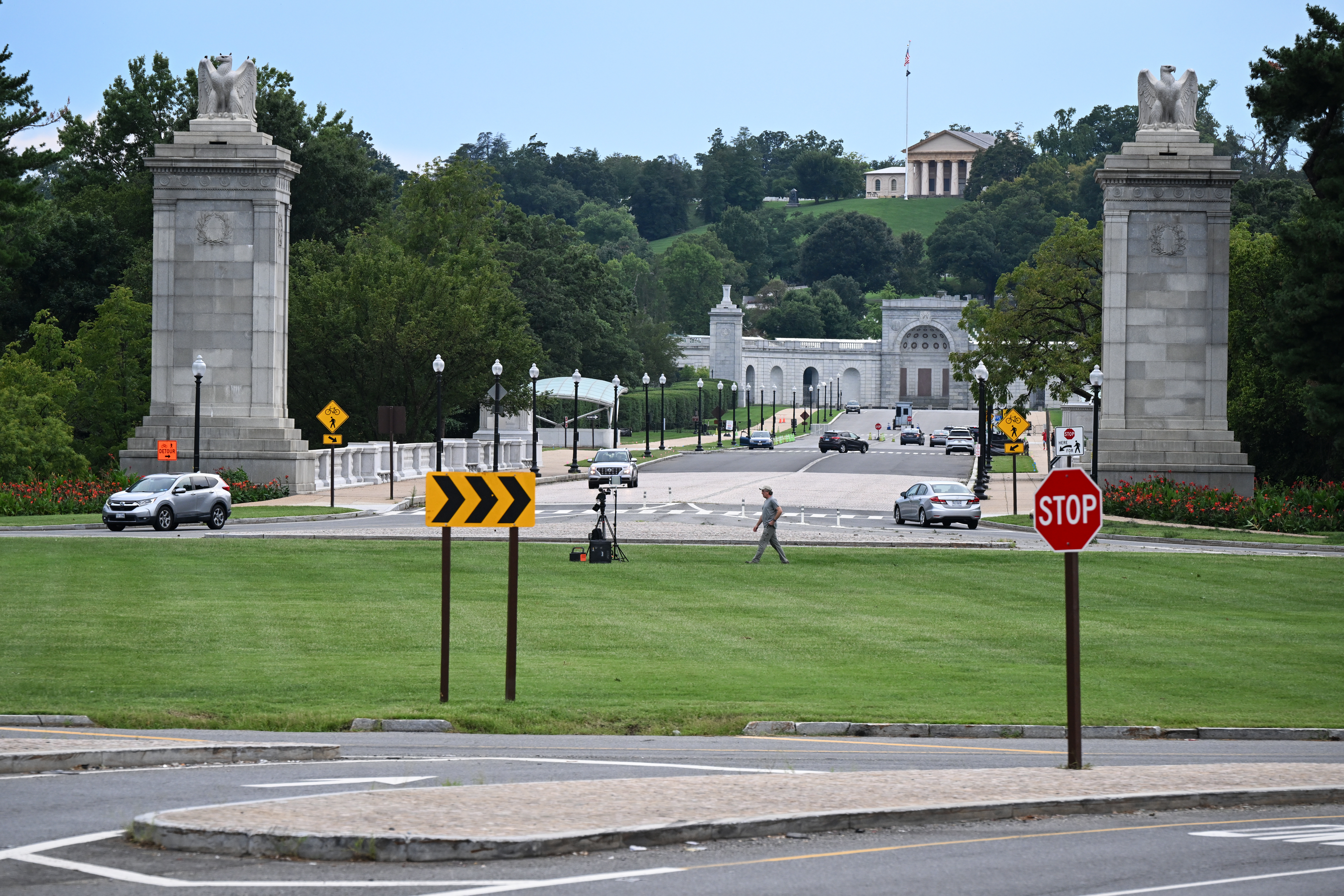
    Trump’s 250-foot-tall proposed arch would be built in Memorial Circle, a traffic roundabout tucked inside Washington’s boundaries near Arlington National Cemetery. Historic preservationists, veterans groups, and others have called on the administration to shrink the monument’s planned size or build it elsewhere, warning that the towering structure would overshadow the cemetery, interrupt the solemn corridor that was intended between the cemetery and the Lincoln Memorial, and create other disruptions.

    National Park Service officials agree that the arch would adversely affect the cemetery, the Lincoln Memorial, and several dozen other historic sites.

    The “adverse effects cannot be fully avoided,” Park Service officials wrote in a document circulated Tuesday and obtained by the Washington Post. But, they said, the project cannot be constructed somewhere else because “the proposed location at Memorial Circle is central to the undertaking,” according to the NPS document.

    The document is a proposed agreement that the administration wants local historic-preservation officers to sign on to as part of a federally required process to offer feedback on the project.

    The NPS proposal says that since the harms cannot be avoided, federal officials would pursue efforts that they contend would mitigate the arch’s impact, such as creating new signs and webpages to explain the project to the public.

    Officials also said they would manage construction to reduce interference with burials at the cemetery and document the current landscape before construction begins.

    “NPS recognizes that Memorial Circle is located within a highly sensitive historic and commemorative landscape and that the Undertaking’s location contributes to adverse effects to historic properties whose significance is associated with setting, design, feeling, association, spatial organization, circulation, and contributing views and vistas,” the proposed agreement says.

    Tammy Stidham, a senior NPS official, asked the preservationists, local historic preservation officers, and other groups to review and sign the agreement by 12 p.m. on Monday, according to an email obtained by the Post. Their assent would help conclude the administration’s required consultations under the National Historic Preservation Act and expedite the process of securing final approval for the arch.

    Stidham said last week that the administration hopes to submit the project for approval from the National Capital Planning Commission, a review panel that oversees federal construction projects, as soon as November.

    Stidham and spokespeople for the Interior Department, which oversees NPS, did not immediately respond to questions about the proposed agreement.

    Trump has said that the arch should be the tallest in the world and be specifically 250 feet high to mark the nation’s 250th anniversary, which was celebrated this year. The president and his deputies have also asserted that the arch must be built in Memorial Circle because lawmakers a century ago authorized a somewhat similar project that was never built there.

    “The Triumphal Arch in Memorial Circle is going to be one of the most iconic landmarks not only in Washington, D.C., but throughout the world,” White House spokesperson Davis Ingle said in a statement. “It will enhance the visitor experience at Arlington National Cemetery for veterans, the families of the fallen, and all Americans alike, serving as a visual reminder of the noble sacrifices borne by so many American heroes throughout our 250 year history so we can enjoy our freedoms today.”

    Local historic preservationists have said that the administration’s timeline to wind down public input and begin building the arch is overly aggressive. They also criticized the proposed agreement, saying it falls short under federal requirements that the administration must avoid or minimize the harms of a project, rather than just mitigate those harms.

    “This is not consistent with NPS practice, NPS regulations, or the intent of the National Historic Preservation Act,” Rebecca Miller, executive director of the DC Preservation League, wrote Tuesday to Stidham, other federal officials, and colleagues at preservation organizations. Miller also called for the administration to continue its efforts to consult with local preservationists about alternative approaches to building the arch. The email was shared with The Post.

    NPS officials previously said that they have explored changes to the arch proposal.

    “We looked at a smaller arch height. We considered a relocation of the project altogether,” Stidham said at a meeting with preservationists last week, according to audio posted online by NPS. “It was determined that the options would either create a greater impact on historic properties or would not meet the undertaking’s location-dependent purpose need.”

    Federal officials also say they would create several webpages, including one devoted to triumphal arches, to help explain the significance of Trump’s project.

    “The webpage would address the origins and use of triumphal arches in different historical and cultural contexts, their association with military victory, civic identity, national celebration, and public memory, and how the proposed Arch relates to or differs from those traditions,” according to the NPS document obtained by the Post.

    Historic preservationists say that the proposed mitigations are insufficient and that officials should slow their process.

    “The administration is being very transparent in their overt hostility to public input and the regulatory process and the result will be to permanently disfigure one of the nation’s most revered and richly symbolic cultural landscapes,” Charles Birnbaum, founder of the Cultural Landscape Foundation, a local advocacy and education organization, said in a statement.

    If the local preservation officers refuse to sign the agreement, it could trigger a process overseen by the Advisory Council on Historic Preservation, a federal agency led by Trump officials, to address disputes under federal preservation law. The administration does not need the preservationists’ consent to move forward.

    The Advisory Council on Historic Preservation declined to comment Wednesday.

  • Trump administration outlines plan for signs outside Smithsonian museum

    Trump administration outlines plan for signs outside Smithsonian museum

    President Donald Trump remains determined to install warning signs outside the Smithsonian’s National Museum of American History to alert the public that the institution, in his view, does not accurately present U.S. history.

    In letters to two senators, the Interior Department outlined a plan for 12 temporary signs to be installed at a total cost of $84,000. The letters did not specify the dimensions or language of the signs, which were originally ordered in July, but it went into considerable detail about the kind of information they plan to convey.

    In the letter to Sen. Lisa Murkowski (R., Alaska), dated Sept. 3, Doug Burgum, the interior secretary, said he was responding to questions about Trump’s March 2025 executive order, “Restoring Truth and Sanity to American History.” The order described a “revisionist movement” across the country that it said “seeks to undermine the remarkable achievements of the United States by casting its founding principles and historical milestones in a negative light.”

    Americans should enter the National Museum of American History “with relevant information about the curators’ interpretation of history and their stated goal of changing the viewpoints of visitors,” said the letter, which was earlier reported in the Atlantic on Tuesday. Instead, the letter argued, the museum and Smithsonian’s leaders “have altered the museum’s role from accurately and coherently telling America’s story to using the museum as a tool to advance personal, radical ideologies.”

    “We believe the public should enter the museum fully equipped with the information needed,” the letter said, “to evaluate whether to invest their time viewing these exhibits and programming.”

    The museum’s director, Anthea M. Hartig, has contested the thrust of a July 4 White House report that accused her of “radical activist ideology” and the museum of undermining “faith in American institutions.”

    Although the letter said the language of the signs had not been finalized and gave no installation timeline, it described some of the topics they were intended to address, all of which had been outlined in the White House report.

    For example, the letter said the signs should “ensure parents bringing young children to the museum are equipped to protect the well-being of their children” regarding exhibits that “present ideological viewpoints inconsistent with biology, including ideologies that sex is not binary, that biological men can be women, and that biological men should be permitted to compete in women’s sports.”

    Burgum’s letter said a copy had also been sent to Sen. Jeff Merkley (D., Ore.).

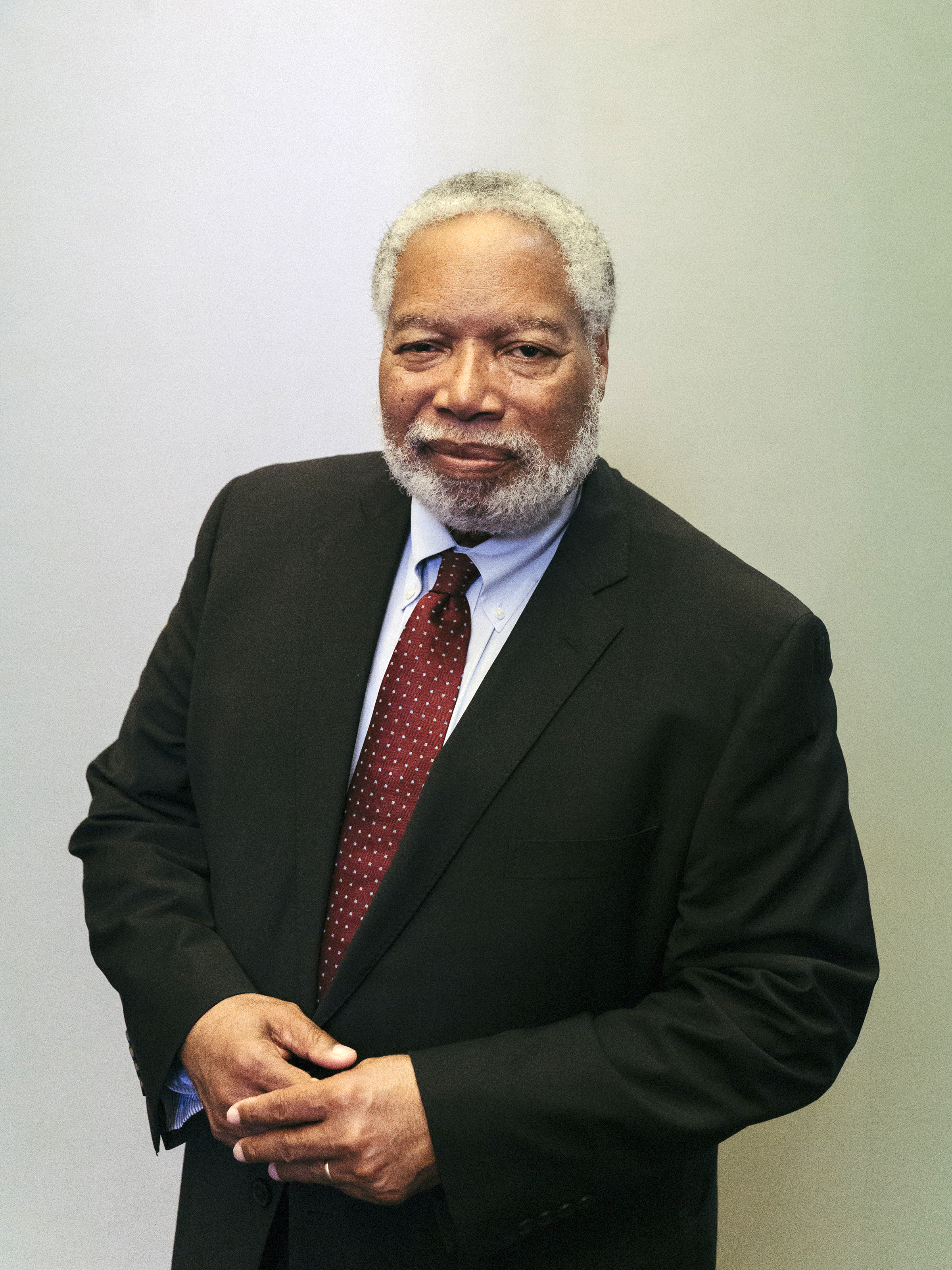
    In laying out a case for the signs, the letter was particularly critical of the Smithsonian’s secretary, Lonnie Bunch III, who announced his resignation last week.

    “Visitors should be aware of Smithsonian Secretary Lonnie Bunch’s history of invidious discrimination and anti-white animus,” the letter said, citing a 2000 essay in which Bunch “described the museum profession as ‘awash in whiteness’; wrote that ‘the real issue is not money but the monochromatic nature of our institutions’; and stated, ‘until we change the tint and tone of our workforce, we are just dancing around the edges of our greatest failure.’”

    Bunch and the Smithsonian did not immediately respond to requests for comment.

    Mike Gonzalez, a senior fellow at the conservative Heritage Foundation who has written critically about the Smithsonian, welcomed progress on the signage in an interview. “It is in the interest of transparency that museum visitors be warned in advance of the ideological baggage that the Smithsonian leadership has heaved on these exhibits,” he said.

    The letter also took aim at Hartig. “It is disheartening,” the letter said, that “Hartig has stated that history is ‘a prime tool of social justice’; that she views one of her roles as connecting ‘research and scholarship to activism and advocacy.’”

    Trump originally ordered the signs just days after Republican legislators grilled Hartig in two congressional hearings, where she was accused of teaching “national self-loathing.”

    Hartig, in those hearings, insisted that the report “does not fairly or accurately characterize the full body of work at the museum” while acknowledging that “there is always room for improvement.”

    “When historians talk about reframing a traditional narrative, we don’t mean erasing it,” she continued. “We mean adding the evidence, the voices, the objects that earlier tellings left out so that more Americans can see themselves reflected in the national story.”

    This article originally appeared in the New York Times.

  • At least 21 dead in Gaza after building collapse, officials say

    At least 21 dead in Gaza after building collapse, officials say

    A war-damaged building in the Gaza Strip collapsed Wednesday, killing at least 21 people, including children, and trapping many more beneath the wreckage, according to local officials.

    The incident shines a light on the perilous conditions in Gaza after the devastating war that followed the Hamas-led attacks on Israel on Oct. 7, 2023. Officials have warned that many more damaged buildings are at risk of collapse. The lack of progress on reconstruction has forced residents to choose between living in seriously compromised buildings or in tents.

    Dozens of people were living in the Saada residential building in Gaza City when it caved in around 2 a.m. local time, according to the Civil Defense rescue service, which is part of the Hamas-run Interior Ministry in Gaza.

    The officials added that the building had previously been hit by an Israeli strike, though it was unclear when. The Israeli military did not respond to a request for comment.

    Search-and-rescue teams pulled survivors from the wreckage Wednesday morning as they searched for missing residents.

    “We can see people still trapped under the rubble,” said Raed al-Dahshan, director of Civil Defense in the Gaza City area. “We’re doing everything we can to extract them.”

    Al-Dahshan said authorities in Gaza had warned residents that the building was unstable, but that many did not leave because they did not want to be displaced and potentially end up in worse conditions. He added that there were roughly 70 buildings in the Gaza City area at risk of collapse.

    Humanitarian groups warned that there could be more such deaths in the coming months.

    “With the heavy rains and winds of winter approaching, the risk of damaged buildings collapsing will only increase, putting more lives in danger,” Pat Griffiths, a spokesperson for the International Committee of the Red Cross, said by telephone from Gaza.

    “Choosing between life in a tent — with little privacy or space and exposed to harsh weather — or a building that is damaged and at risk of collapse, just to have a roof over one’s head, is not a choice any family should have to make.”

    The deadly collapse underscores the devastation across Gaza after years of war, which has left entire neighborhoods in ruins. Much of Gaza’s population was displaced by the conflict, and many are now living in damaged buildings.

    After a U.S.-brokered ceasefire agreement was reached in October 2025, Palestinians had hoped that Israel would allow a significant amount of heavy machinery and construction materials into Gaza to begin the long process of removing rubble and rebuilding the territory. Thousands of bodies from the war are still beneath the rubble across Gaza, according to local officials. On Tuesday, the United Nations human rights chief called for international investigators to be allowed into the enclave to recover the remains of Palestinians from beneath damaged buildings.

    Efforts by President Donald Trump’s Board of Peace and regional mediators to advance the ceasefire and pave the way for reconstruction have stalled. Israel has continued to target the territory, despite international pressure to halt its attacks there.

    On Tuesday, an Israeli strike killed a Civil Defense worker and a teenager, according to an official in the rescue service. The Israeli military said it had been targeting Hamas militants, and that the attack was under review.

    The International Committee of the Red Cross and Egyptian-backed rescue teams assisted local emergency crews Wednesday in their search for survivors of the building collapse.

    In a statement, Ramiz Alakbarov, the U.N. humanitarian coordinator for the occupied Palestinian territory, urged international authorities to allow heavy equipment into Gaza to assist in search-and-rescue operations, along with humanitarian aid.

    “Every possible effort must be made to save lives, protect people from further harm and provide families with safer places to live,” he said. “Every minute counts.”

    This article originally appeared in the New York Times.

  • Federal Reserve hikes key rate for 1st time in 3 years, defying Trump demands for a cut

    Federal Reserve hikes key rate for 1st time in 3 years, defying Trump demands for a cut

    WASHINGTON — The Federal Reserve raised its benchmark interest rate Wednesday for the first time since 2023 in an effort to quell stubbornly-high inflation and the central bank also signaled that another rate hike could occur later this year.

    The quarter-point increase lifts the Fed’s key rate to about 3.9% and, over time, could result in higher borrowing costs for mortgages, auto loans, and credit cards. In a set of quarterly projections, the Fed also signaled that its rate-setting committee expects to hike rates a second time to 4.1%.

    The move comes as Americans are already struggling with high costs for groceries, gas, and housing. Affordability has taken on a leading role in the upcoming midterm elections, just seven weeks away.

    In a news conference following the Fed’s announcement, Chair Kevin Warsh emphasized that the economy has shown signs of gathering speed since the central bank decided to keep rates unchanged in late July. Inflation has also remained stubbornly above the Fed’s 2% target and he noted that there is little sign it is cooling.

    “The plain fact is that inflation is too high and has been for too long,” Warsh said. “We must be confident that underlying inflation is moving to our objective clearly and at sufficient speed. Today the FOMC decided that this standard has not been satisfied,” he added, referring to the policy-setting Federal Open Market Committee, an arm of the Fed.

    “Warsh’s tough talk around inflation in the post-meeting press conference suggested that he may be pushing for higher rates in meetings to come,” said Preston Caldwell, chief U.S. economist at Morningstar.

    Warsh also said renewed combat between the U.S. and Iran, which has driven up gas prices, also convinced Fed officials to support rate hikes.

    “There’s no hiding from hotspots around the world,” he said.

    Warsh noted that other central banks are hiking interest rates, in response to global turmoil and higher gas prices. The European Central Bank raised its key rate last week, and the Bank of Japan is expected to do the same Sept. 18.

    The Fed next meets in late October and most economists expect officials will keep rates unchanged then because it is just a week before the midterm elections. But Wall Street analysts now see a rate hike by December as a near certainty, according to futures prices.

    Also late Wednesday, the yield, or interest rate, on the 2-year Treasury rose to 4.74% from 4.67%, another sign investors expect the Fed to potentially lift rates further.

    Since taking the lead at the Fed in May, Warsh has said the Fed is firmly committed to taming inflation, and that policymakers would take their cues from the data to determine if inflation was going in the right direction.

    The rate hike marks a turnaround for Warsh, who was appointed by President Donald Trump. Warsh often suggested last year when under consideration by Trump that the Fed could reduce its key rate, echoing the president’s call for lower borrowing costs.

    And in April, when Warsh’s nomination was under consideration by the Senate Banking Committee, Trump said in a television interview that he would be disappointed if Warsh didn’t cut rates. On the same day, however, Warsh told the committee he did not promise Trump he would cut rates and said he would be “an independent actor” as Fed chair.

    Yet the ongoing disruptions from the Iran war, which have pushed up average gas prices more than 7% from just a month ago, threaten to spread through the economy and keep broader inflation stubbornly high. An inflation report last week showed core prices, which exclude food and energy, accelerated a bit in August.

    According to the Fed’s preferred measure, inflation was 3.7% in July compared with a year ago, up from 2.3% in April 2025, just before Trump unveiled sweeping tariffs. Core inflation, which excludes the volatile food and energy categories, was 3.3% in July, the latest data available, up from 3% just before the Iran war and far above the Fed’s target.

    Fed policymakers unanimously supported the rate hike, compared with late July when the central bank kept rates steady and three officials dissented in favor of higher rates. Sixteen of the eighteen Fed policymakers who submitted growth and interest rate projections penciled in at least one further rate hike this year, with four supporting two more increases.

    Earlier Wednesday, the government said retail sales jumped 1.2% in August from the previous month, a sign that consumers are still spending at healthy levels despite sentiment surveys that indicate Americans remain gloomy about the economy. Strong spending is a sign that interest rates at current levels aren’t necessarily restricting the economy and cooling inflation.

    “While uncertainty remains elevated owing, in part, to geopolitical developments, domestic spending has been resilient,” the Fed said, a likely reference to ongoing consumer spending and strong investment in AI data centers by large technology companies.

    Higher inflation isn’t all about gas prices. Ongoing investment in AI has driven up prices for computer chips and other electronic gear, adding to overall inflation. Tariffs may still be elevating some costs, such as appliances, which jumped in price last month.

    Trump harshly criticized Warsh’s predecessor, Jerome Powell, for not cutting rates quickly enough. His Justice Department even launched a criminal investigation into Powell over brief testimony he delivered to Congress last year, though that probe was eventually dropped.

    When asked Wednesday how the president might react to the rate increase, Warsh said, “I’ve got nothing for you on a discussion with the president.”

    Trump again called for lower interest rates in a social media post late Wednesday, but didn’t comment on the Fed’s action. On Sunday, Kevin Hassett, Trump’s top economic adviser, was asked in an interview with Fox News how Trump might react to a rate hike.

    “I’m sure he’s not going to be super happy about it, but he will defend the independence of Kevin Warsh above all,” Hassett said.

    Warsh might also have a measure of protection from the fact that his father-in-law is Ronald Lauder, a friend of Trump’s and a billionaire donor to his campaigns.

  • Nicole Saphier, Trump’s 3rd surgeon general pick, faces Senate questions over her vaccine stance

    Nicole Saphier, Trump’s 3rd surgeon general pick, faces Senate questions over her vaccine stance

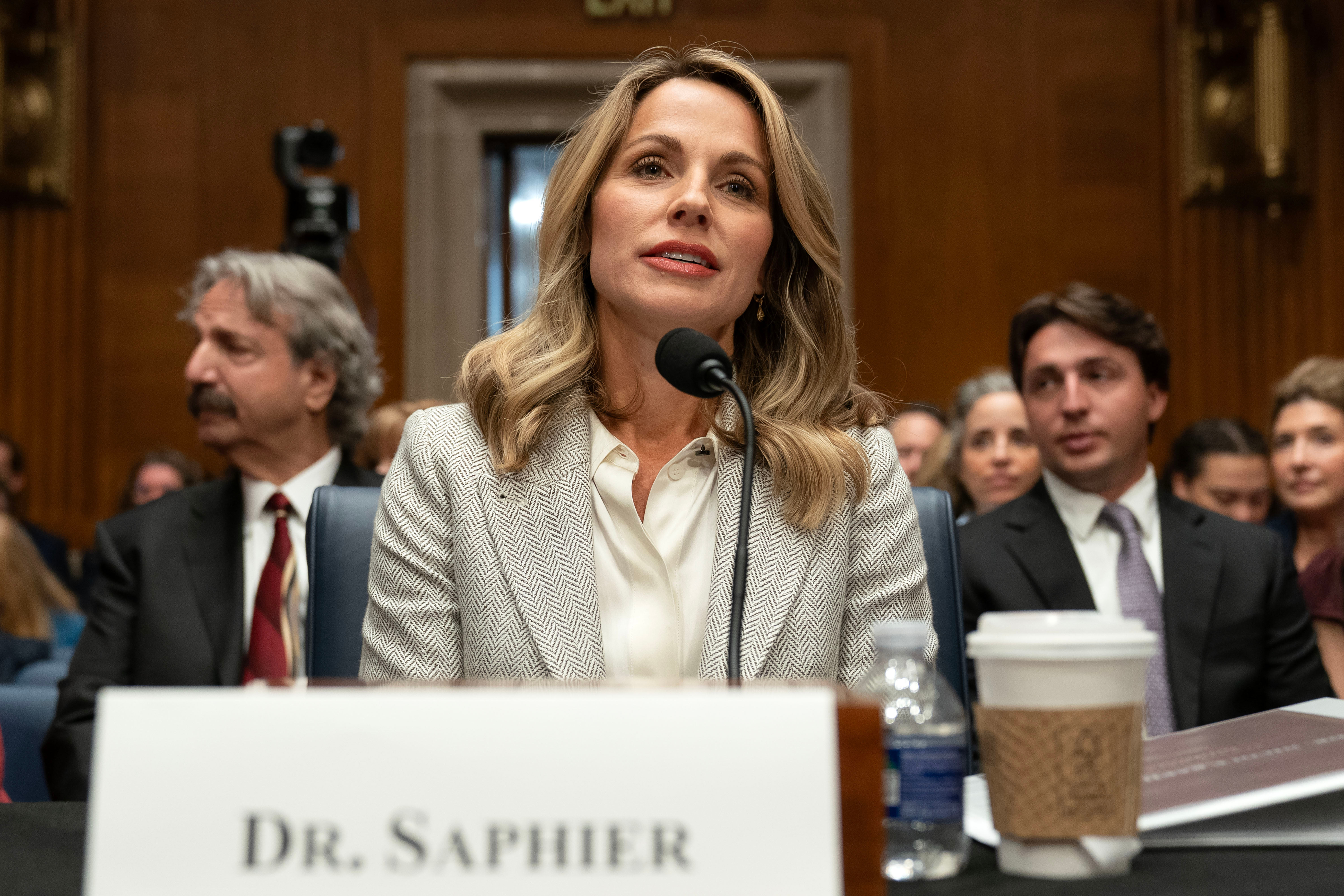
    WASHINGTON — Nicole Saphier, President Donald Trump’s third surgeon general nominee, was grilled at her confirmation hearing Wednesday about her stance on childhood vaccines, voicing support for immunization as she seeks to serve in an administration that has moved to make sweeping changes to vaccine guidance.

    Saphier, a radiologist and former Fox News Channel contributor, faced tough questioning about her views on the safety of childhood vaccines by Republican Sen. Bill Cassidy, who pressed her to declare whether she believed there was a link between vaccines and autism — which widespread scientific consensus has concluded doesn’t exist, yet which the Trump administration has repeatedly pushed to revisit.

    “I do not believe childhood vaccines cause autism,” Saphier said. She also said, “The MMR vaccine is our greatest tool for combating measles,” in response to a question by Cassidy over whether parents should give children that shot, which stands for measles, mumps, and rubella, and which the president recently ordered be spaced out.

    She suggested support for vaccines as a critical tool to fight infection and said she appreciated the administration’s attempts to address questions and concerns among “the vaccine hesitant people,” which Cassidy countered was only creating more confusion. Cassidy pushed her to speak with clarity on some of her answers on vaccines, which she repeatedly presented as a belief rather than a known scientific fact.

    Saphier is nominated for a position that carries limited policymaking power but serves as a loud megaphone as the nation’s top communicator to Americans on public health issues.

    Health and Human Services Secretary Robert F. Kennedy Jr. and Trump have both suggested that childhood vaccines, such as MMR, may play a role in causing autism. Evidence from decades of studies and real-world use of vaccines have proven there is no link between vaccines and autism.

    The administration has taken steps to upend the nation’s vaccine guidance — many of them since halted by a judge — including downsizing the childhood immunization schedule. Medical groups and doctors have warned that the changes could stoke vaccine hesitancy.

    Saphier is Trump’s third pick for surgeon general

    Saphier is Trump’s newest pick after entrepreneur and wellness influencer Casey Means saw her path forward stall in the Senate over her background and vaccine views. Trump withdrew his first nominee, Fox News medical contributor Janette Nesheiwat, after questions arose about her academic credentials. The position has been vacant throughout Trump’s second term.

    Like Means, who is a close Kennedy ally, Saphier has questioned whether every child needs to get the hepatitis B vaccine at birth, a longtime recommendation that the Trump administration has been trying to weaken. On Wednesday, she said the universal birth dose of hepatitis B was safe and effective.

    An author and podcaster who previously hosted her own show, Wellness Unmasked with Dr. Nicole Saphier, Saphier frequently commented on the Trump administration’s approach to health, often positively. She also used the phrase “Make America Healthy Again” years before Kennedy popularized it. It was the title of a 2020 book she wrote that criticized the government’s handling of healthcare and the Affordable Care Act.

    While being supportive of the Trump administration at large, Saphier has, however, disagreed with Trump and Kennedy on some issues, telling the Associated Press last fall that Trump’s cautions to pregnant women who take Tylenol were oversimplistic and “patronizing.”

    Last year, she decried the administration’s long-anticipated first attempt at a MAHA report, which cited some studies that didn’t exist, calling it “pretty embarrassing.” She said Kennedy’s firing of his first CDC director, Susan Monarez, after less than a month on the job was “a mess.”

    “When we keep hearing radical transparency and we’re going to regain trust, I can tell you these shenanigans are taking us farther away from that mission,” Saphier said on her podcast. On Wednesday, she said she promised to restore public trust if confirmed.

    At the start of the Senate health committee hearing, Cassidy noted the “serious health issues” facing the country, highlighting Kennedy’s efforts to scale back vaccine guidance at a time when the U.S. is enduring its worst year for measles in decades.

    “That is going to be a terrible legacy for this administration,” Cassidy said, telling Saphier and other nominees appearing alongside her at the hearing that he hoped they would restore confidence in public health.

    Cassidy, who was defeated by a Trump-backed challenger in his Republican primary earlier this year, then criticized what he called “irresponsible” health policy leadership.

    During lawmakers’ questioning, Saphier was also asked whether she would follow unlawful orders by the president or Kennedy — she said she would follow the law — and was tested on her knowledge of the medication mifepristone, which is used to manage miscarriages and abortions.

    It was not immediately clear when the committee planned to vote on whether to advance Saphier, who would still need a vote by the full Senate to be confirmed.

    Also facing lawmakers’ questions Wednesday was Chris Klomp, chief counselor of the Health and Human Services Department, who has been nominated to serve as Kennedy’s second-in-command. Timothy Westlake, chief of staff at the Substance Abuse and Mental Health Services Administration who is seeking confirmation to be assistant secretary for mental health and substance use, was also questioned.

    Saphier says she would divest from some holdings

    Saphier is director of breast imaging at Memorial Sloan Kettering Monmouth, according to her profile on the New York-based institution’s website. She has a doctor of medicine degree from Ross University School of Medicine in Barbados along with fellowships at the Mayo Clinic, the profile said.

    Her latest ethics filing, dated Sept. 7, shows holdings with various healthcare and insurance firms, as well as processed food companies, like Coca-Cola, Yum Brands, the Hershey Co., and cigarette maker Philip Morris.

    Before entering politics and throughout his tenure at the health department, Kennedy has criticized big pharmaceutical companies and insurance firms for alleged corruption and decried ultraprocessed foods as contributing to a nationwide chronic disease crisis.

    Additionally, Saphier owns DropRx, a firm that produces controversial, unregulated tinctures — concentrated liquid extracts promoting focus and calm — that contain ingredients, including kava kava root, described by the FDA as potentially causing severe liver injury.

    Her filing says she will resign from her position with DropRx and Empower MD LLC, which owns DropRx, if she is confirmed.

    She states in the document that she would partially or fully divest from holdings that would present a conflict to serving as surgeon general.

  • Battle with Trump is sending Canada into the arms of the EU

    Battle with Trump is sending Canada into the arms of the EU

    BRUSSELS — Locked in a trade war with President Donald Trump and pivoting away from the United States, Canada is seeking stronger ties in Europe and Asia as a shield against Washington’s volatility.

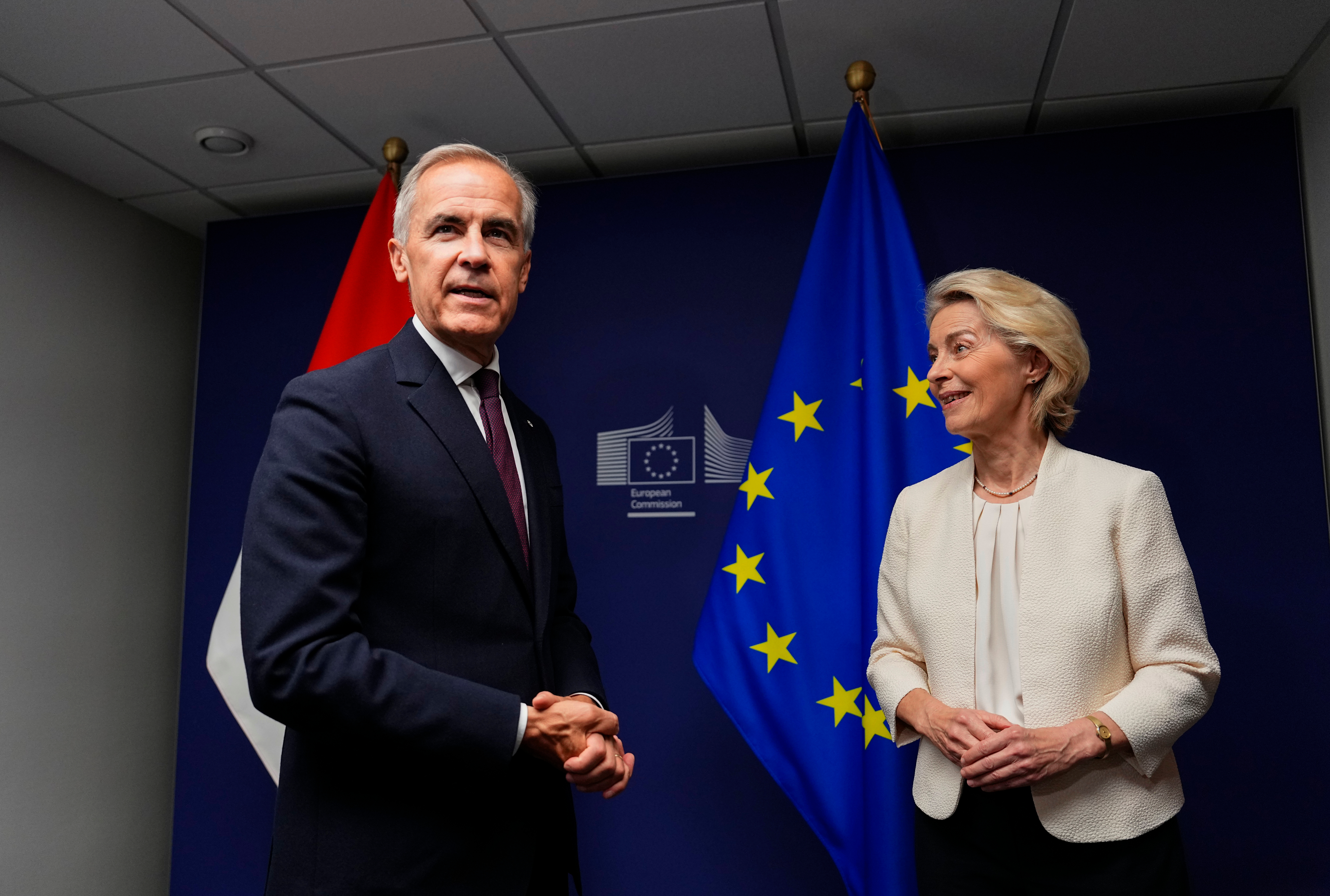
    On Wednesday, sitting as a guest of honor inside the European Parliament, Canadian Prime Minister Mark Carney received an unprecedented offer: European Commission President Ursula von der Leyen said she wants to make Canada the first “associate member” of the 27-nation bloc.

    “We want to bring the relationship with Canada to the highest level possible,” she said in her annual State of the Union address.

    The declaration at the Parliament in Strasbourg, France, received a standing ovation from European lawmakers and from Carney.

    The offer, which would see two longtime U.S. partners expand their alliance from trade to security, highlights the extent to which Trump is redefining alliances.

    The president’s foreign policy gyrations, including threats to take Greenland from NATO ally Denmark, have triggered a reckoning among Washington’s traditional friends about their relationship with the United States.

    Amid the standoff with Trump on tariffs, Canada has pursued a thaw in ties with China including new trade deals. Beijing has praised Ottawa for walking away from talks rather than caving to Trump’s demands, and this month, China and Canada revived a dialogue on military issues after an eight-year break.

    Ahead of his trip to Europe this week, Carney said he wanted a “unique alliance” with the EU, including on energy and critical minerals, to help safeguard Canada against economic coercion. “The world’s more dangerous and divided, and friends need to stick together in these times,” he said.

    European leaders have echoed Canada’s bid to strengthen ties.

    “Dear Mark, I said we must urgently reimagine our partnerships,” von der Leyen said in her speech. “So, I would like to work with you on opening the door for Canada to be the first associate member of the European Union.”

    Von der Leyen described the move as “not against anyone else, but for our common strength.”

    Yet America’s jilted allies are having once-unthinkable conversations about whether Washington could abandon or even turn against them, and are working to limit their dependence.

    European leaders have vowed to take responsibility for their defenses as the U.S. shifts resources away and have rushed to close ranks with allies including Britain and Canada.

    A new arrangement with Canada could involve visa-free work for Canadians in the 27 nations of the EU, said two European diplomats, speaking on the condition of anonymity to discuss sensitive diplomacy. Talks could include further reducing trade barriers and boosting joint arms production, they said.

    Carney said Tuesday that visa-free opportunities are “one aspect of the discussion.”

    In facing Trump’s tariffs and rhetoric about annexing Canada, Carney has cast himself as a leader who can rally together “middle powers” to protect their interests.

    Trump has leveled personal attacks against Carney since trade talks between the North American neighbors collapsed last month. Carney retaliated against U.S. tariffs after rejecting U.S. demands that he said would undermine Canada’s sovereignty.

    “What Carney has been saying to Europe, to Latin America, to Asia, is that now’s the time to stand up to Donald Trump,” said Fen Hampson, a professor of international affairs at Carleton University in Ottawa. “That’s his message: We’re going to stand up, and if you guys have any guts, you’ll do the same thing.”

    Carney, who has described Canada as “the most European non-European country,” has found a receptive audience in Europe. He is scheduled to give a speech at the European Parliament today.

    But while European nations similarly stared down the barrel of Trump’s threats, EU leaders ultimately tabled retaliatory measures and agreed to a trade deal with higher tariffs to prevent a spiraling confrontation.

    Valérie Hayer, a French lawmaker who leads a centrist faction in the European Parliament, told Carney on Wednesday that he has “shown what to do in the face of Trump: Refuse to compromise … speak the language of power.”

    “Canada is welcome in the European Union because we share the same values and our interests align,” Hayer added. “So let’s go further.”

    Von der Leyen, who heads the EU executive branch, did not offer details on how associate membership for Canada would work or when it might occur.

    Instead, she used her speech to tout plans for a deeper partnership on economic security, energy, and technology, as well as in the Arctic. “We see the world with the same eyes,” von der Leyen said.

    She said the two would build on their existing free trade agreement and “integrate” their defense industries.

    Canada last year sent some 70% of its exports to the United States, which is also the E.U.’s largest export market for goods. Canada and Europe have sought access to new markets via deals with other trade partners, including in Latin America and Asia, amid Chinese competition and U.S. pressure.

    Trade between the EU and Canada stood around $150 billion last year, while the U.S. and Canada traded more than $850 billion.

    The EU and Canada, which have long sheltered under U.S. military guarantees, have pledged to ramp up their defenses and collaborate on upgrading their weapons industries. Like Canada, most EU countries are also members of the U.S.-led NATO alliance.

    Canada this year became the first non-European country to join the E.U.’s 150-billion-euro loan program for joint weapons procurement, giving Canadian arms manufacturers access.

    In a separate announcement this week, the European Parliament also said it plans to open a satellite office in Ottawa.

    The status of associate member, proposed by von der Leyen, does not exist in the European Union, which oversees trade policy for its 27 member states and operates a single economic market based on the free movement of goods and people.

    Creating such a category could complicate the EU setup with other nations such as Britain or Norway, and also potentially the membership bids of countries eager to join, such as Ukraine.

    Joining the EU can be a yearslong ordeal that requires thorny negotiations and legislative changes. Several nations on the continent have long been waiting in line, and the EU typically has not been flexible about membership rules.

    Earlier this week, commenting on a Wall Street Journal report about EU associate membership, Carney said that Canada was “not looking to become a member” of the EU but was seeking an enhanced alliance.

    “We share the same values,” Carney told ​reporters in Toronto. “We have the same priorities and we have very ⁠complementary strengths.”

    Hampson said the key question is how the new relationship “is actually defined” and whether “it is just a new bow tied around existing agreements.”

    “But if it does involve a much deeper and broader relationship than what we have now,” he added, “it will be significant.”