Category: History

  • Nolan’s women in The Odyssey may be truer to history than Homer

    Nolan’s women in The Odyssey may be truer to history than Homer

    Christopher Nolan’s new film The Odyssey has generated tremendous debate over, among other things, the casting of non-white actors, including Lupita Nyong’o, who portrays Helen. The argument that these choices don’t honor the original epic has been leveled at the portrayal of the women in the film more generally as well. As one scholar has written, Nolan’s Odyssean women “lack the sexual and intellectual complexity of Homer’s poem. Their desires, agency and choices are either not as vibrant or lost.”

    It is true that in Homer’s Iliad and Odyssey women are relatively empowered. They are not often under the thumb of men, not threatened, endangered or cowed. And yet Nolan’s creative choices about women, while differing from the ancient texts, do come closer to capturing the actual historical truth of women’s lives in the ancient Greek world.

    Homer’s epics offer a variety of fascinating and often powerful female characters throughout: from Helen to Andromache, along with the goddesses who strut through Olympus and down to Troy and Ithaca, female characters often seem nearly as empowered as their husbands, lovers, and brothers. There is only the occasional hint at a power imbalance, such as when Zeus threatens to hurl Hera from heaven, or in cases where a woman has been enslaved, such as for Briseis, Achilles’ “prize” in the Iliad.

    One reason for this variety and complexity of female characters might be that, in the archaic period (c. 800 – 500 BCE) of ancient Greece, women were not viewed as particularly threatening. Within the aristocratic system, where powerful families ruled the roost, women had a significant and socially acceptable role to play, unlike in the more male-centered world of the classical Greek polis, in which the bonds of male citizenship were considered crucially important, and familial or female interference was understood as a risk to these bonds. Homer’s epics belong to the archaic period where women were not so systematically feared as they came to be later, and thus there was space for more interesting and complex characterizations.

    Yet Nolan takes a different approach than Homer, presenting his female characters as facing greater danger and with less agency. Most notably, he depicts the face of Helen (Nyong’o) as having been half mutilated. It is her husband Menelaus who exposes the terrible scarring to half her face, thrusting it toward Odysseus’ son Telemachus with an angry and mocking gesture that suggests he was the perpetrator of the violence that left her so disfigured.

    Second, he shows the witch Circe (Samantha Morton) as terrified of rape and violence, particularly at the hands of soldiers, a nod surely to Madeline Miller’s trenchant take on the character in her novel Circe. Third, he portrays Penelope (Anne Hathaway) as under pressure to remarry by a collective of unseen elders who are absent from Homer’s Odyssey. Finally, even Athena (Zendaya), who appears at Odysseus’ side through most of the film, is revealed to have been a young priestess of Athena—perhaps a shade or a representation of the hero’s guilt—who was the victim of savage slaughter in the sacking of Troy.

    In Homer’s Odyssey, by contrast, Helen appears in Sparta to be in fine form and unscathed by the war or its domestic aftermath; Circe is formidable, cunning, and in control, and not apparently afraid of any man; Penelope is not under the thumb of any Ithacan elders, though she does face a great deal of pressure from the suitors; and Athena is in no danger of butchery.

    So how are Nolan’s choices justified? He may have decided to follow the historical record in this regard, rather than be true to the literary text. Though the realities faced by ancient Greek women garner precious little space in the early written record, we can glean from Greek tragedy that some of the harsher realities portrayed in Nolan’s Odyssey would have rung true.

    From Aeschylus’ Agamemnon, first produced in 458 BCE, we have a description—practically a vision—by Clytemnestra of Troy’s downfall as savage and violent. We find, too, a portrait of Athena’s priestess Cassandra as victimized and destroyed by the god Apollo, only then to be enslaved (for sex, it is insinuated) by her master Agamemnon.

    Euripides’ play, Trojan Women, produced in 415 BCE, digs even deeper into the painful realities of women when their homeland has been destroyed. Here we have Cassandra driven mad by the rape she suffered at the hands of a Greek “hero.” We watch the baby of the widow Andromache ripped from her arms to be thrown from the Trojan ramparts. We learn that the old queen Hecuba will endure a life of servitude to none other but the wily Odysseus. In Euripides’ play Hecuba, she evades this fate by casting herself into the sea—but only after having two of her own children brutally murdered by her former allies and enemies.

    There are countless other examples to be found in Greek literature of women victimized at the hands of men and their brutal whims: Antigone is thrown into a tomb by her uncle so that she will die of starvation, a fate she too evades by suicide; Danae is cast into a trunk by her own father with her infant to die at sea, though she is eventually saved; Coronis, a woman in a lyric poem by Pindar, is burned alive for daring to sleep with a mortal man after she has been bedded by Apollo.

    Made By History sponsors. FOR USE ON MADE BY HISTORY STORIES ONLY.Inquirer Staff

    Although there is a certain degree of ghoulish spectacle in these tales, nothing from our historical record of the period suggests they are unrepresentative of women’s actual reality in ancient times. First, there is the extreme and unremarkable likelihood of widespread domestic violence, referred to jokingly in Old Comedy and in images from vases. Moreover, it was known and accepted practice that when a city-state was defeated in war—a widespread fact of life—its male population was eliminated, while its female population was systematically raped and enslaved, a reality that comes up frequently in the histories of both Herodotus and Thucydides. Indeed, the enslaving of a young woman, explicitly for the purpose of rape, is the inciting incident of both Homer’s Iliad and Herodotus’ Histories.

    And such forms of repression and violence have persisted long since ancient times. Rape and brutality against women have been common forms of violence for as long as there have been wars. Incidents of femicide within families (often accompanied by infanticide) also persist.

    It is truly fascinating to experience Homer’s strong and dazzling women; everyone should pick up a translation and do so. But in removing the agency from female characters that Homer gave them, Nolan reveals at greater depth their vulnerability and humanity in a way that is much closer to the historical truth of how women actually lived in the ancient Greek world.

    Sarah Nooter is the Edward Olson Professor of Classics and Theater and Performance Studies at the University of Chicago. She is the author, most recently, of Greek Poetry in the Age of Ephemerality.

    Made by History takes readers beyond the headlines with articles written and edited by professional historians. Opinions expressed do not necessarily reflect the views of The Inquirer.
  • A sculpture by a ‘Monuments Man’ is dedicated at 30th Street Station on this week in Philly history

    A sculpture by a ‘Monuments Man’ is dedicated at 30th Street Station on this week in Philly history

    Not all Philadelphians who answered President Franklin D. Roosevelt’s call to action were soldiers and civilians.

    Even the artists went to war.

    Like renown sculptor — and local legend — Walker Kirtland Hancock, these educated Americans charged into the bomb-pocked battlefields of World War II to also confront unprecedented evil.

    Their task? Saving priceless pieces of art.

    Hancock was part of the “Monuments Men,” an outfit of about 345 men and women who were sent overseas to try to pry Europe’s cultural treasures from the grip of the Gestapo.

    “I was really prepared,” Hancock told the Daily News in 1991. “I knew where I was going and what I was looking for.”

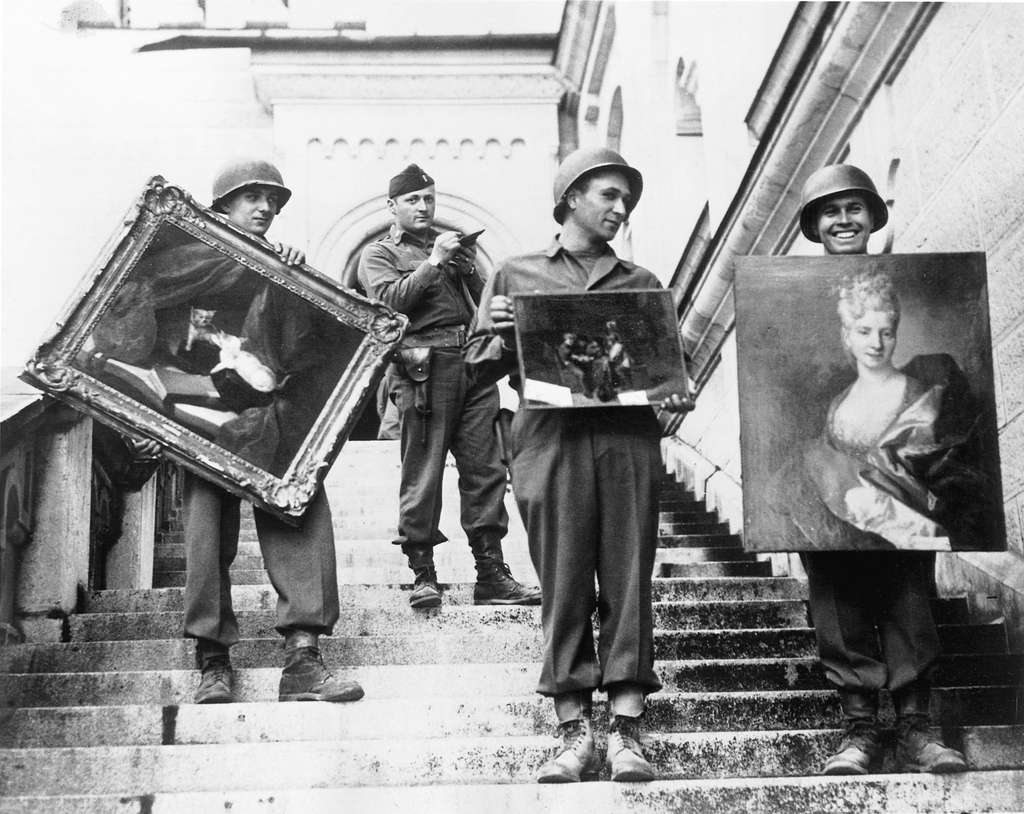
    A group of “Monuments Men” retrieving stolen art in Germany in 1945. National Archives

    Hancock, who would become one of the United States’ most distinguished sculptors, attended the Pennsylvania Academy of the Fine Arts and taught there from 1929 to 1967.

    He enlisted in the Army in his mid-40s and was trained as a medic, but later transferred to the Army’s Monuments, Fine Arts, and Archives outfit.

    The unit’s monumental task: reclaim art the Germans had stolen and then hidden throughout the countryside in caves, on trains, in castles, and in hospitals.

    But it was in a salt mine in Bernterode, Germany where Hancock struck gold.

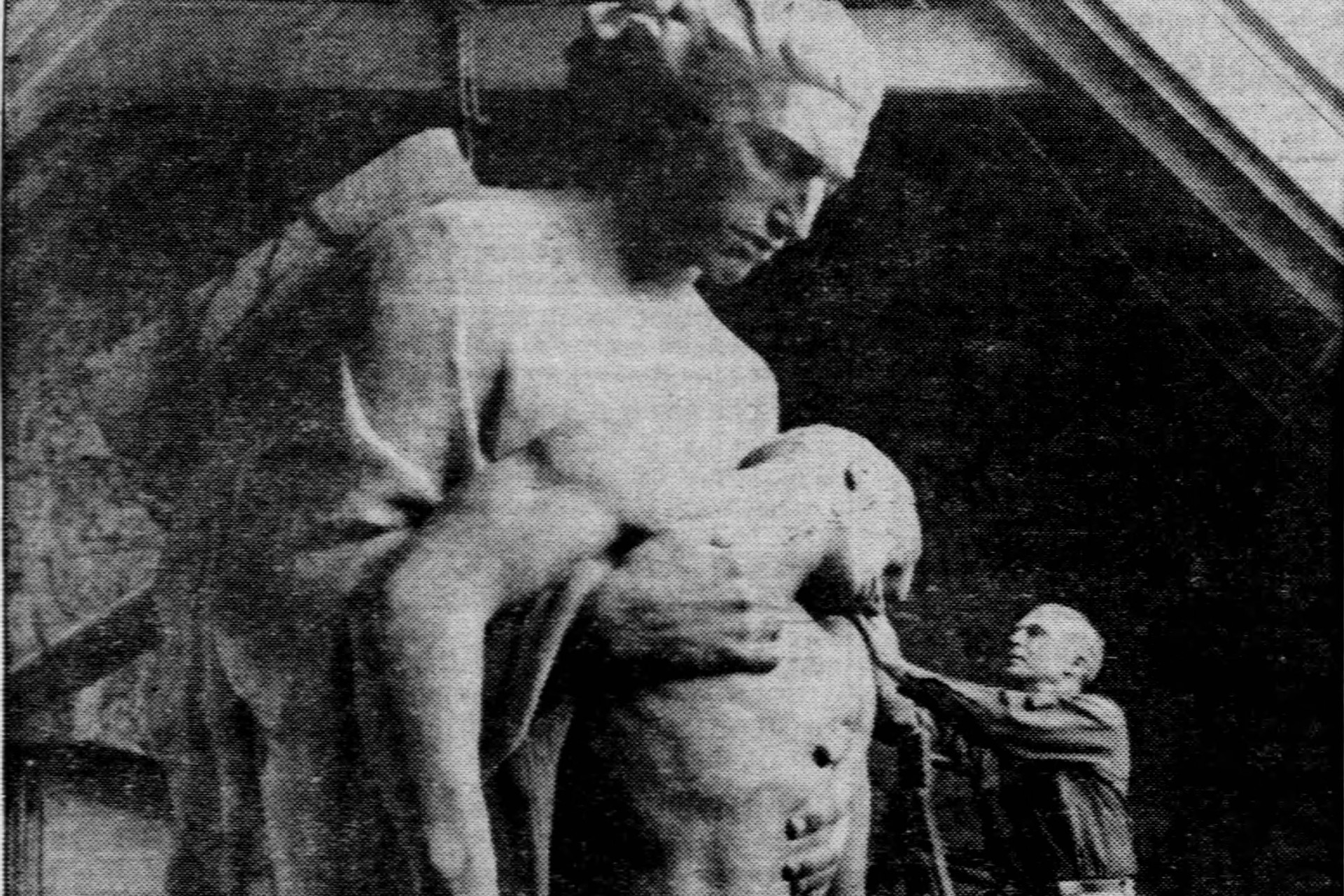
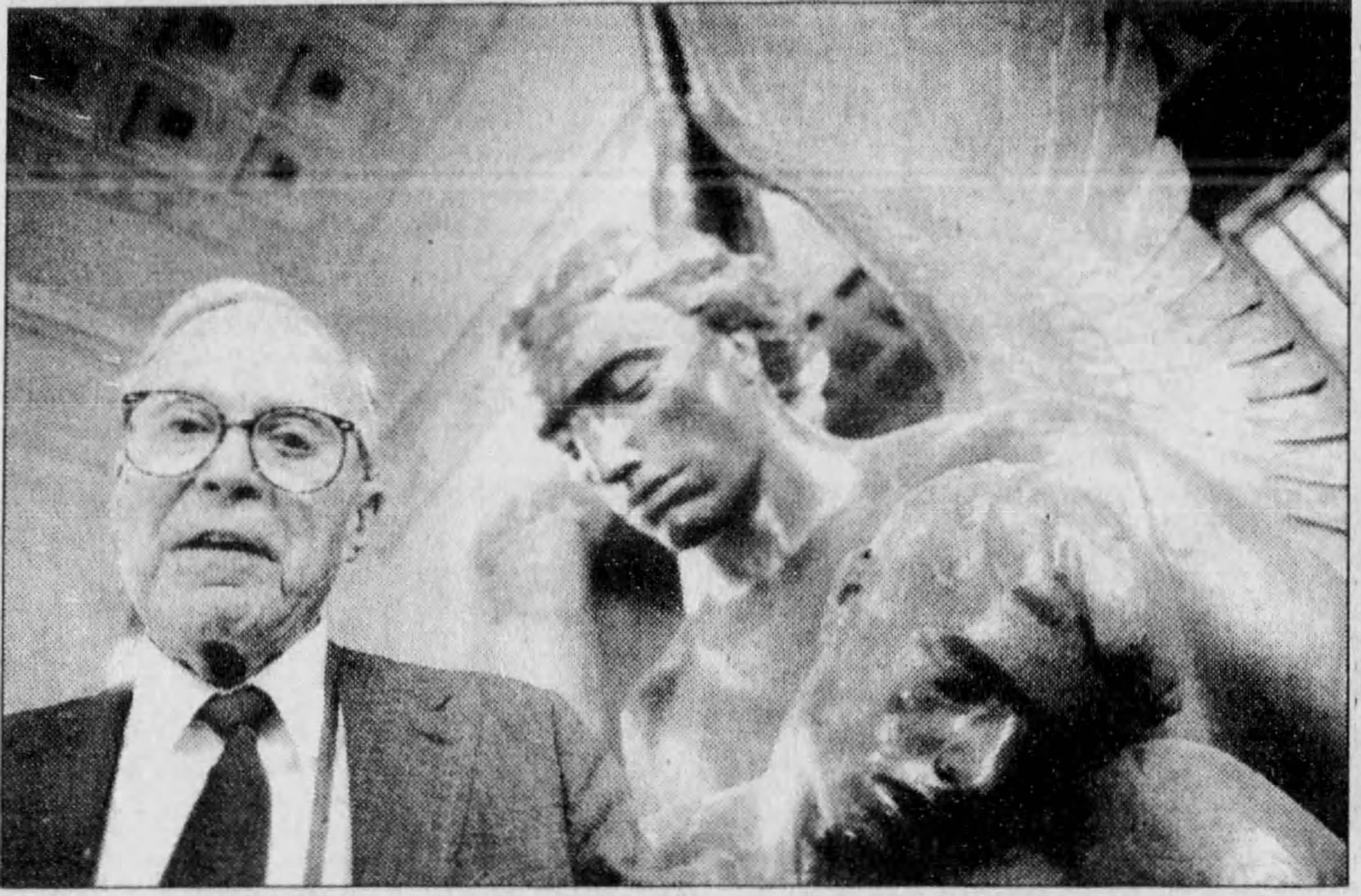
    Walker K. Hancock, considered the dean of American figurative sculpture, taught at the Pennsylvania Academy of Fine Arts.Inquirer Archives

    The first painting he rescued was a work by Jean-Antoine Watteau, Embarkation for Cythera, what he described as “one of the greatest paintings” the artist ever completed.

    “The surprise was so enormous to see a very famous old friend like that standing on the ground without any frame on it,” he told the Daily News.

    The mine was also filled with other treasures: the great seal of Prussia; an emperor’s scepter; the art collection of Frederick the Great, which was considered to be the best collection of French paintings in the world; and palatial libraries.

    The group’s efforts to reclaim precious pieces of human achievement were documented in a 2009 best-selling book. In 2014, their tale was given the “based on a true story” treatment and made into a star-studded motion picture dubbed The Monuments Men, featuring names like George Clooney, Matt Damon, Bill Murray, and John Goodman.

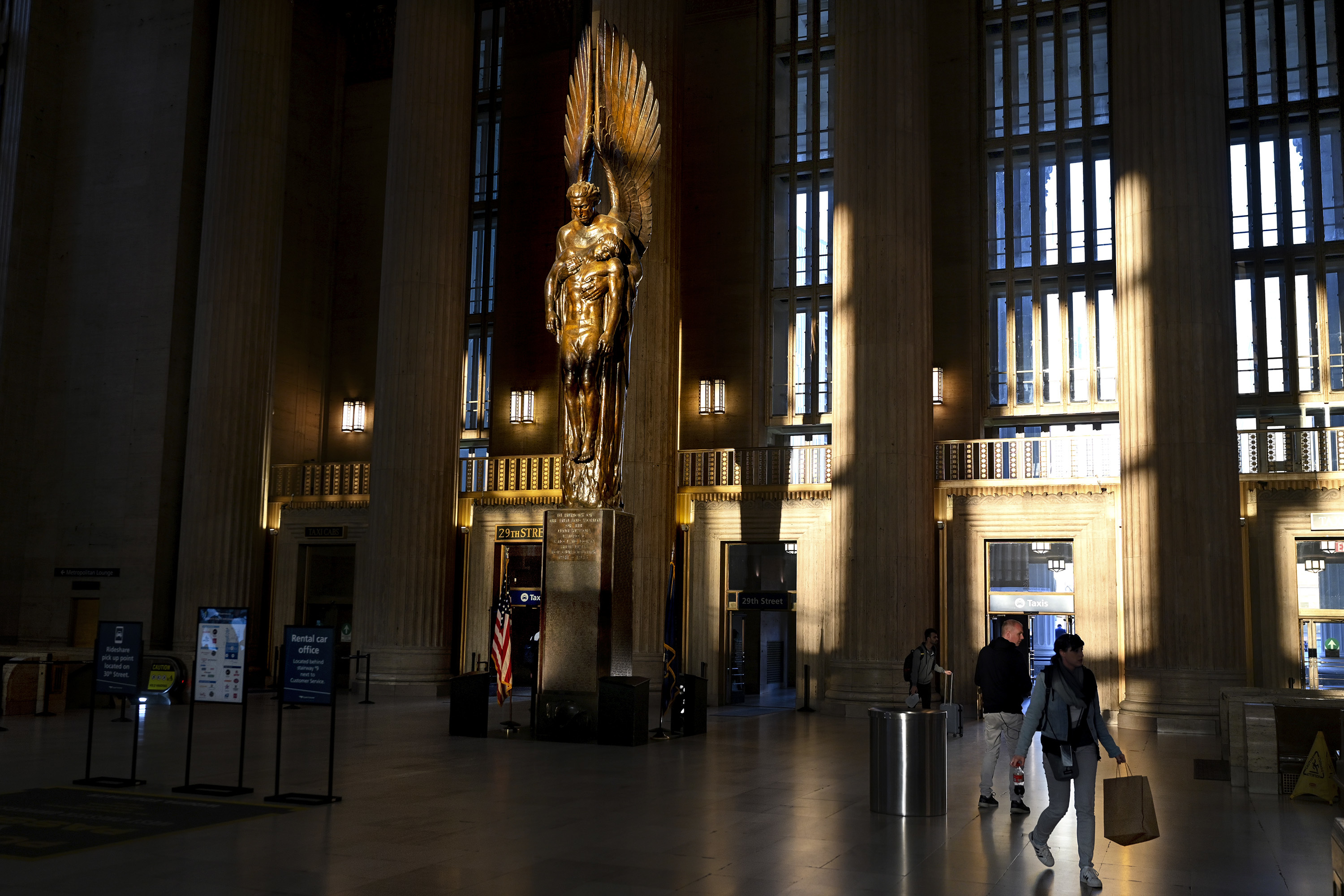
    Today, Hancock’s public works can be found all over the country, and locally, his most notable work sits at the east end of 30th Street Station.

    The Pennsylvania Railroad War Memorial (1950, installed 1952) by Walker Kirtland Hancock (1901 – 1998) in the lobby of 30th Street Station.Tom Gralish / Staff Photographer

    The 39-foot-tall, 10½-ton Statue to War Dead depicts an angel holding a dying soldier. It commemorates in bronze the 1,307 employees of the Pennsylvania Railroad who died during World War II. Gen. Omar N. Bradley was on hand to help dedicate the artwork on Aug. 10, 1952.

    Hancock died in 1998 at age 97 but his sculpture remains the station’s monumental centerpiece.

  • Philadelphia, home of the first U.S. Mint, is where the country’s first and last pennies were made

    Philadelphia, home of the first U.S. Mint, is where the country’s first and last pennies were made

    On the advice of United States Treasurer Alexander Hamilton, Congress passed a law establishing America’s first federally funded bank on Feb. 8, 1791.

    The bank — located inside Philadelphia’s Carpenters Hall — would serve as the primary fiscal agent for the federal government and one of its many jobs was to issue paper money that was printed by private banknote companies and local print shops.

    Coins, though, weren’t in the mix yet.

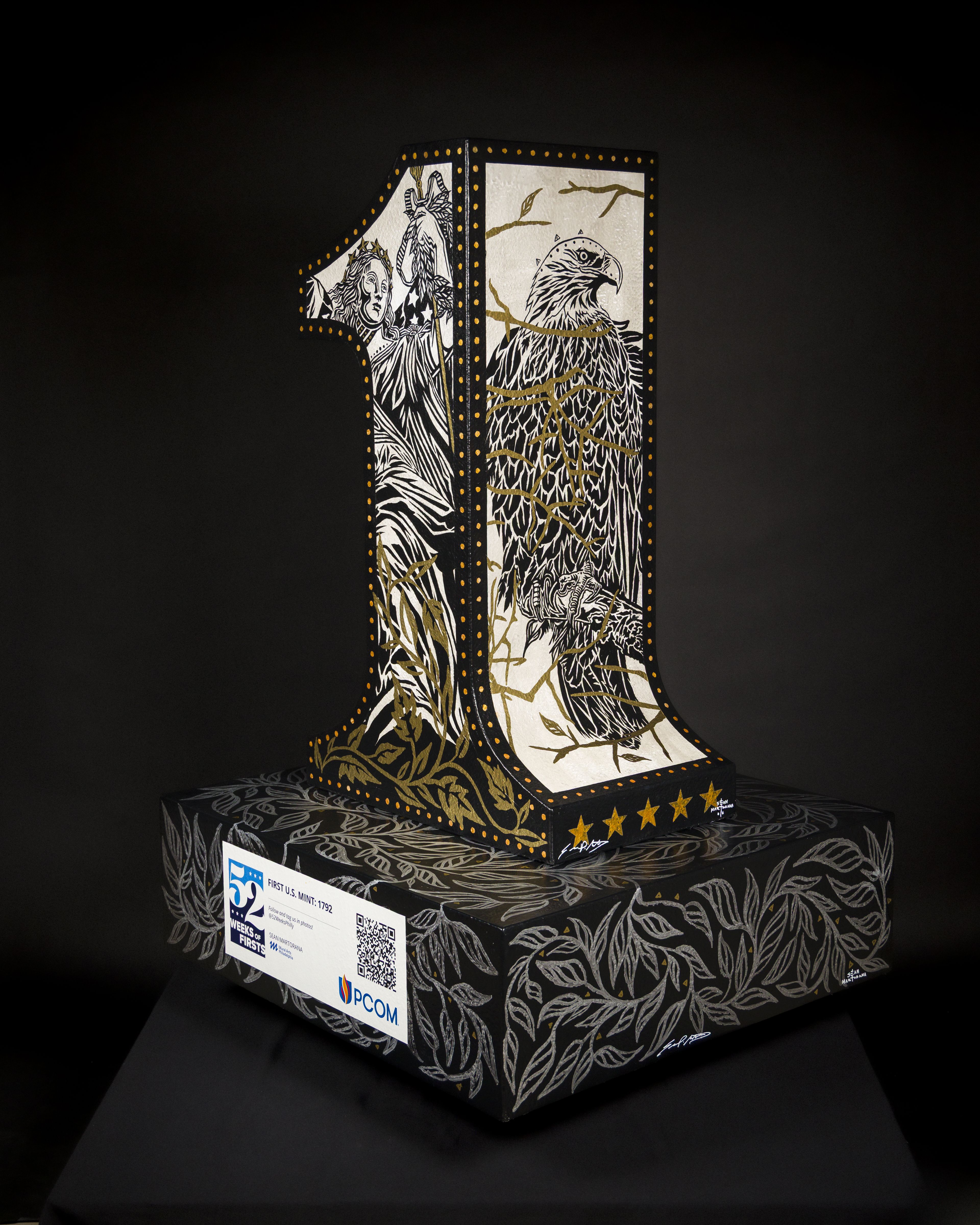
    Sean Martorana’s No. 1 reflects themes of craftsmanship, trust and unity of the U.S. Mint.Sean Martorana and the Colibri Workshop

    On April 2, 1792, Congress established the United States Mint in Philadelphia with the adoption of the Coinage Act. The act set the dollar as the standard and set denominations — pennies, dimes, nickels, quarters — and their weights, compositions, and regulations.

    The new law also required a symbol and inscription of the word “liberty” on each of the coins.

    The first U.S. Mint will be celebrated Saturday at the United States Mint in Old City, from 11 a.m. to 1 p.m. as part of the Philadelphia Historic District’s 33rd “Firstival.” Firstivals are weekly day parties held in honor of America’s 250th birthday.

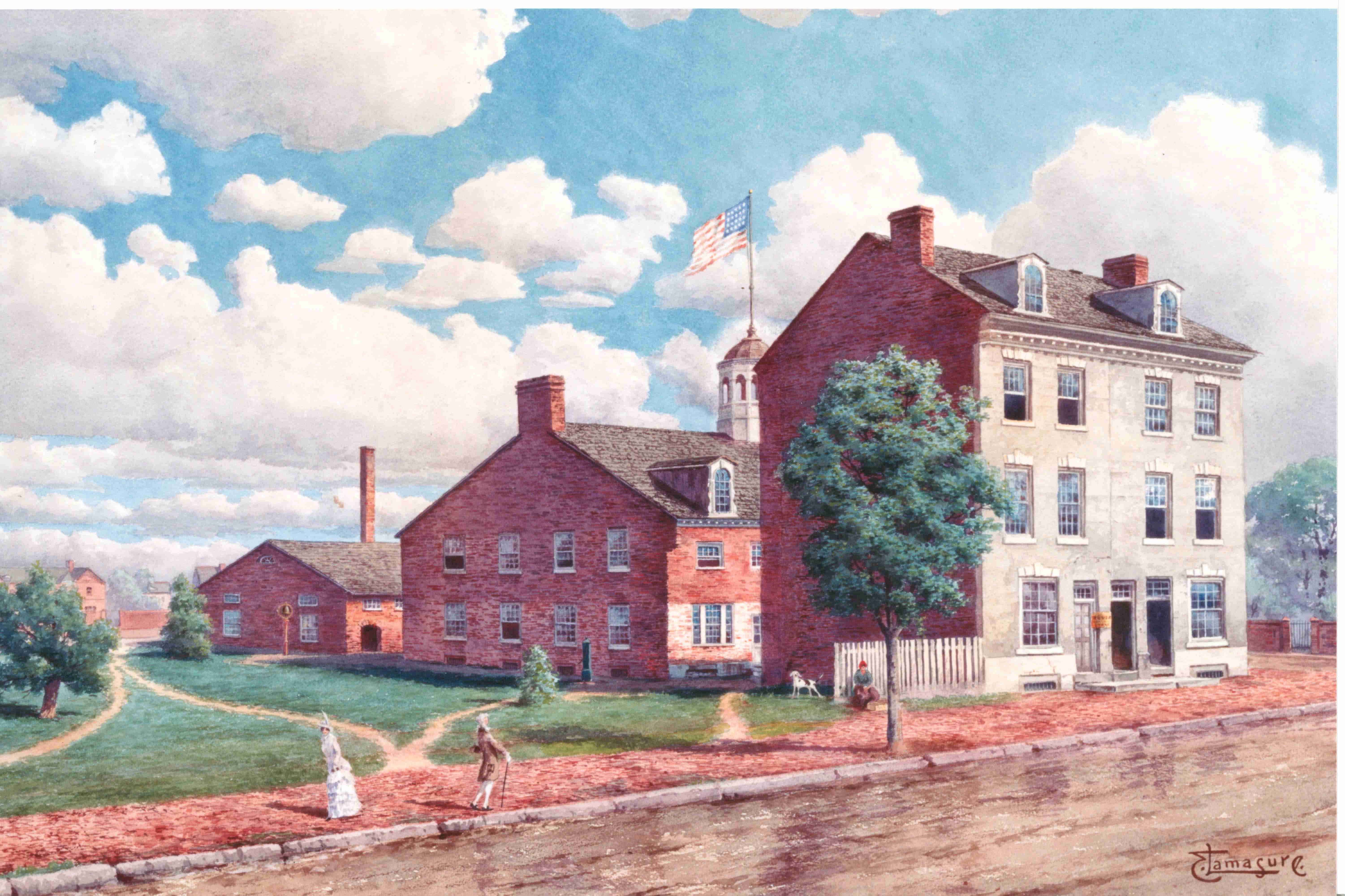
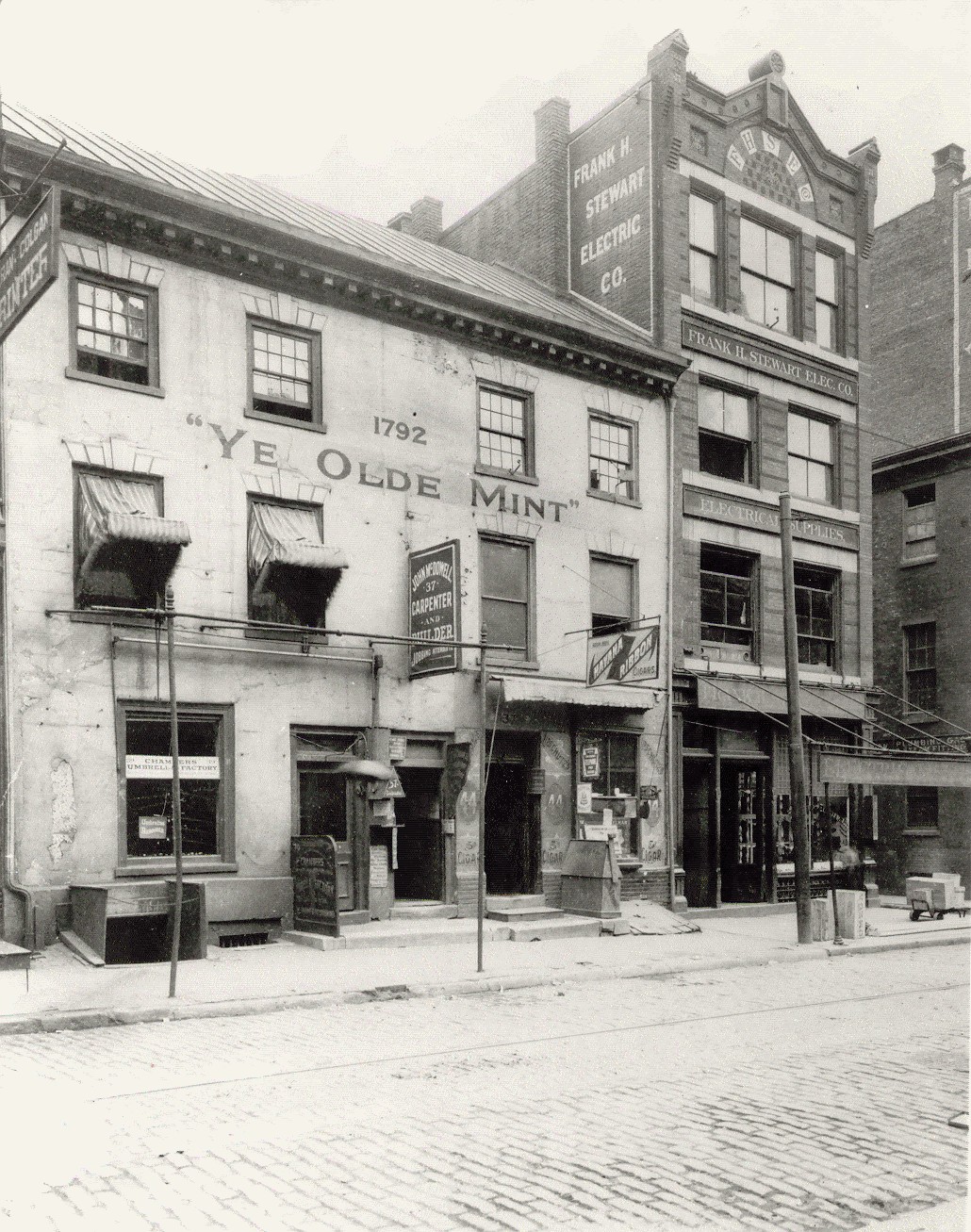
    The first U.S. Mint — fondly remembered as Ye Olde Mint — was located on the east side of Seventh Street, just south of Arch, on land purchased by David Rittenhouse.

    Ye Olde Mint — the original Mint building — pictured in 1911. It was located on Seventh Street, south of Arch, on land purchased by David Rittenhouse, the first director of the U.S. Mint. The Mint was housed there until 1833.The U.S. Mint

    Rittenhouse, the well-heeled great-grandson of America’s first paper mill owner, William Rittenhouse, was an 18th-century astrologer and clockmaker who would serve as the first director of the U.S. Mint. Rittenhouse Square is named after him.

    The first coins made after the Coinage Act were half dimes and fashioned off-site, according to Tim Grant, exhibits and public affairs manager at the U.S. Mint. “Made of silver, these half dimes were supposedly struck using silver donated by Martha Washington,” Grant wrote in an email.

    The first coins fashioned at the actual mint building were 11,178 copper cents, or pennies, and were delivered in March of 1793. (The U.S. Mint stopped making pennies in November, ending its 232-year production run.)

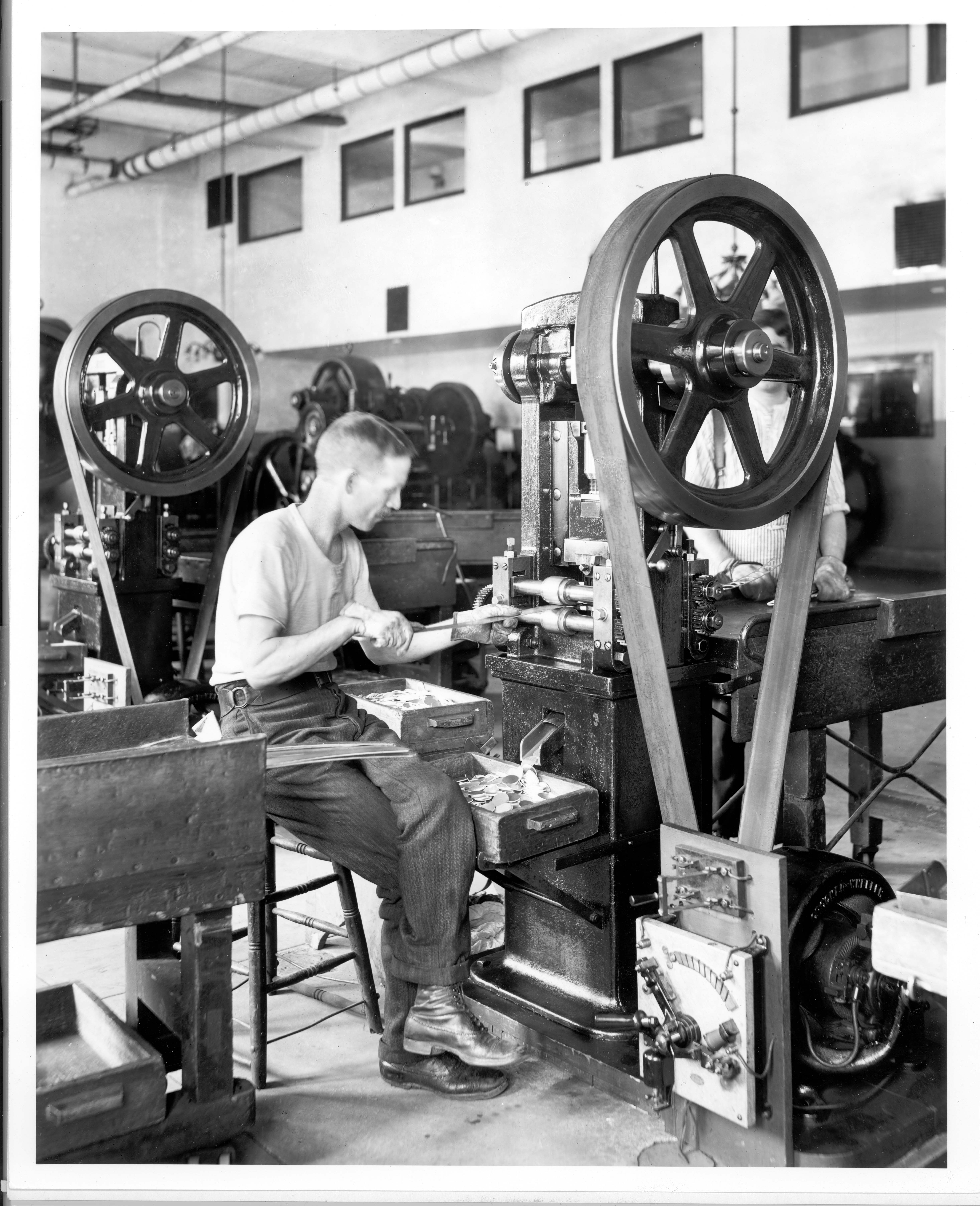
    A worker at the cutting press at the U.S. Mint’s third location, which took up the entire block of Spring Garden Street between 16th and 17th Streets in 1901.U.S. Mint

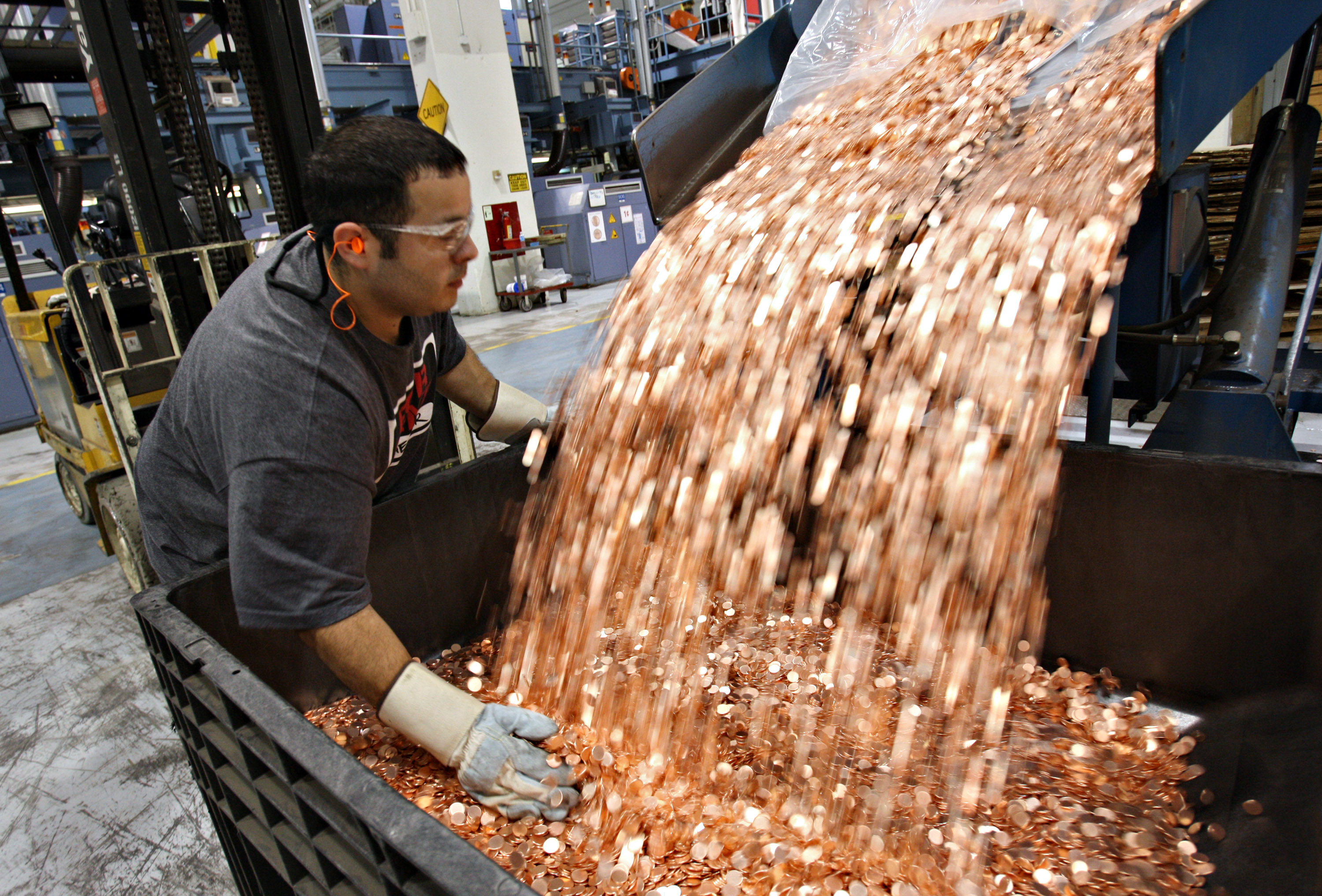
    During America’s early days in the late 18th century, work conditions at the U.S. Mint were grueling, Grant wrote. Employees worked 11 hours a day, six days a week, and earned $1 a day. It took workers three years to produce the nation’s first 1 million coins.

    “Today we can produce one million coins in less than a half an hour,” Grant wrote.

    As the nation grew, so did its demand for coins.

    By the late 1820s, the U.S. Mint had outgrown its original buildings, and in May of 1828, Congress voted to keep the Mint in Philadelphia and erect a second building. The cornerstone of this new, larger U.S. Mint was laid on July 4, 1829, on the northwest corner of Juniper and Chestnut Streets. It opened in 1833. That building served as the U.S. Mint’s home for 68 years.

    In 1901, the U.S. Mint moved to its third location, taking up the entire block of Spring Garden Street between 16th and 17th Streets. The building, with a lobby containing seven Tiffany mosaics, was its home through the mid-1960s. The Community College of Philadelphia occupies the site today.

    Mike Spinosa, a pit driver at the U.S. Mint, transfers one-cent blanks before they are struck into pennies in Philadelphia in 2007. MUST CREDIT: Demetrius Freeman/The Washington PostStephen Hilger

    The Mint returned to Old City in 1969, moving into its current building on five acres on Fifth Street between Arch and Race Streets. It has over 600,000 square feet of manufacturing space.

    There are three other active U.S. Mints in America: the Denver Mint, the West Point Mint, and the San Francisco Mint. The San Francisco Mint is not open to the public and specializes in commemorative coins.

    “The mission of the United States Mint has remained the same for over two centuries,” Grant wrote. “To serve the American people by safely and efficiently manufacturing, distributing, and circulating precious metal, collectible coins, and national metals.”

    This week’s Firstival is Saturday, Aug. 15, from 11 a.m.-1 p.m. at the United States Mint, 151 N. Independence Mall East.

    Each week, The Inquirer is highlighting a “first” from the Philadelphia Historic District’s 52 Weeks of Firsts. A “52 Weeks of Firsts” podcast, produced by All That’s Good Productions, drops every Tuesday.

  • Janet Klein, celebrated longtime historic preservationist and philanthropist, has died at 96

    Janet Klein, celebrated longtime historic preservationist and philanthropist, has died at 96

    Janet Klein, 96, of Rydal, Montgomery County, former member of the Philadelphia Historical Commission, historic program director for the Fairmount Park Commission, regional project coordinator for the National Trust for Historic Preservation, chair of the Pennsylvania Historical and Museum Commission, volunteer, and philanthropist, died Tuesday, Aug. 4, of age-associated decline at her home.

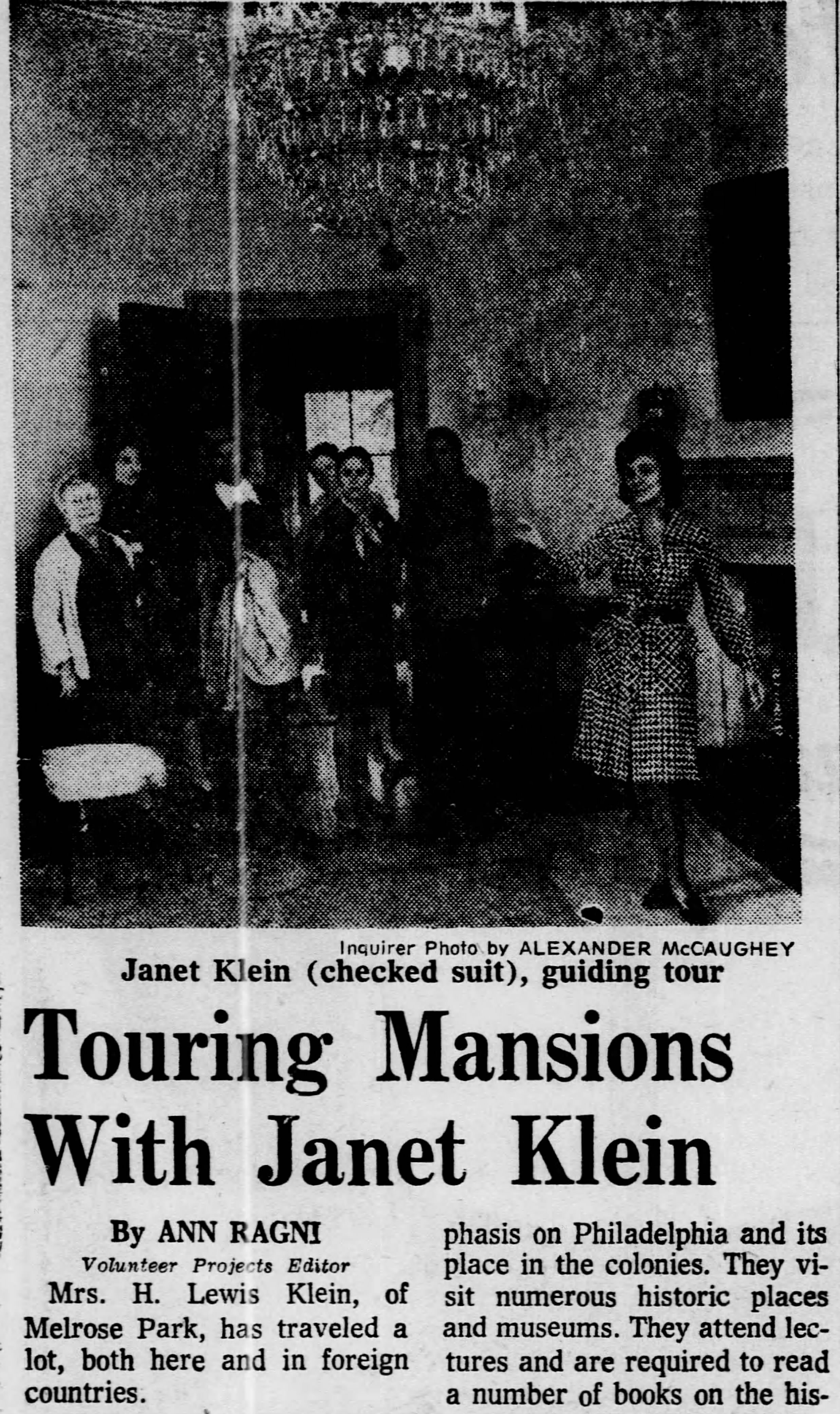
    Born in Philadelphia, Mrs. Klein earned degrees at Philadelphia High School for Girls and the University of Pennsylvania. She and her husband, Lewis, traveled the world after they married in 1952, and she told The Inquirer in 1973 that she became interested in local historic preservation after returning from abroad in 1964.

    “I felt something was lacking here,” she said. “There was no pride nor a thorough knowledge of what we really have in Philadelphia to share with visitors.”

    So she joined the Philadelphia Museum of Art’s tour guide program, rose to chair of guides for the Fairmount Park house tours, and conducted hundreds of tours for thousands of visitors to the eight historic houses in the park. “The guides,” she said in 1973, “can’t help but sense that somehow they have passed on to the visitors the continuing life of historic Philadelphia.”

    Eventually, Mrs. Klein became historic program director for the Fairmount Park Commission, was appointed to the Philadelphia Historical Commission by then-Mayor Wilson Goode in the 1980s, and served as chair of the Pennsylvania Historical and Museum Commission from 1997 to 2003. Friends called her “formidable” and compared her to the Energizer Bunny.

    Keen to spark public interest in historic sites, Mrs. Klein forged partnerships between site officials and schools, community groups, businesses, and the media. In 1997, she oversaw filmmakers as they shot scenes for the movie Beloved at the Landis Valley Museum in Manheim Township.

    She appeared often in The Inquirer and said in 1989: “We often find that people who live just around the corner from a house museum don’t know it existed.”

    At Fairmount Park, she redefined the commission’s operating procedures and enlisted students as volunteers at its public mansions. At the city historical commission, she led walking tours of Old City and helped determine the historic designation of the old Lit Bros. building, the Boyd Theatre, the Dilworth house, and other significant structures.

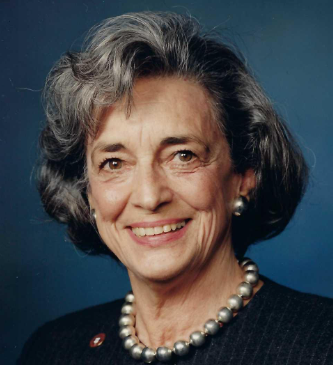
    This story and photo of Mrs. Klein (right) was published in The Inquirer in 1973.Newspapers.com

    With the state historical and museum commission, she erected historical markers across the state, helped designate the Art Museum as a Commonwealth Treasure in 2002, and directed the commission’s public relations, tourist promotions, and preservation efforts.

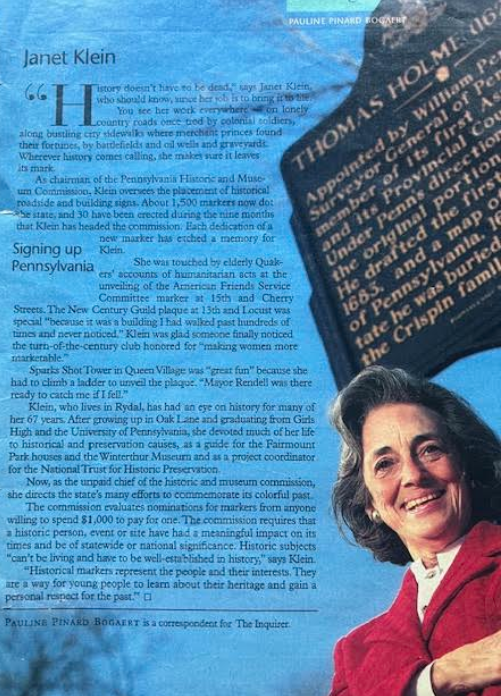
    “History doesn’t have to be dead,” she said in 1998. “Historical markers represent the people and their interests. They are a way for young people to learn about their heritage and gain a personal respect for the past.”

    She also led the Comprehensive Historic Assistance Program for the National Trust for Historic Preservation in the 1980s, helped create the Liberty Trail near Independence Hall, and directed the restoration of the first historic home in the Lukens National Historic District of Coatesville.

    She served on the board of visitors at Temple University’s Ambler campus and Klein College of Media and Communications, on the collections committee at the Union League, and as a guide at the Winterthur Museum in Delaware. She was active with the Pennsylvania Department of Conservation and Natural Resources, the Museum Council of Philadelphia, and other groups.

    This story and photo of Mrs. Klein appeared in The Inquirer in 1998.Temple University

    She was honored for her service by the Women’s Center of Montgomery County in 1999 and by the Preservation Alliance for Greater Philadelphia in 2001, and was named a Distinguished Daughter of Pennsylvania in 2000. In 2018, she earned an award for service and philanthropy from Coatesville’s National Iron and Steel Heritage Museum.

    As philanthropists, Mrs. Klein and her husband supported what became, named after them, the Klein College at Temple, the National Association of Television Program Executives, the Police Athletic League, the American Heart Association, and other organizations dedicated to education, healthcare, youth development, and social service. They created the Janet and Lew Klein Making A Difference Award for the Pennsylvania Association of Broadcasters and donated his professional papers to Temple.

    “She was an inspirational community leader,” said David Boardman, dean of Temple’s Klein College, “who inspired others through her generosity, her brilliance, and her warmth.”

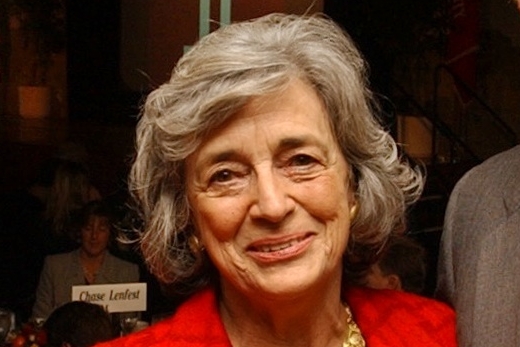
    Janet Surman was born March 3, 1930. She grew up in Oak Lane and earned a bachelor’s degree at Penn.

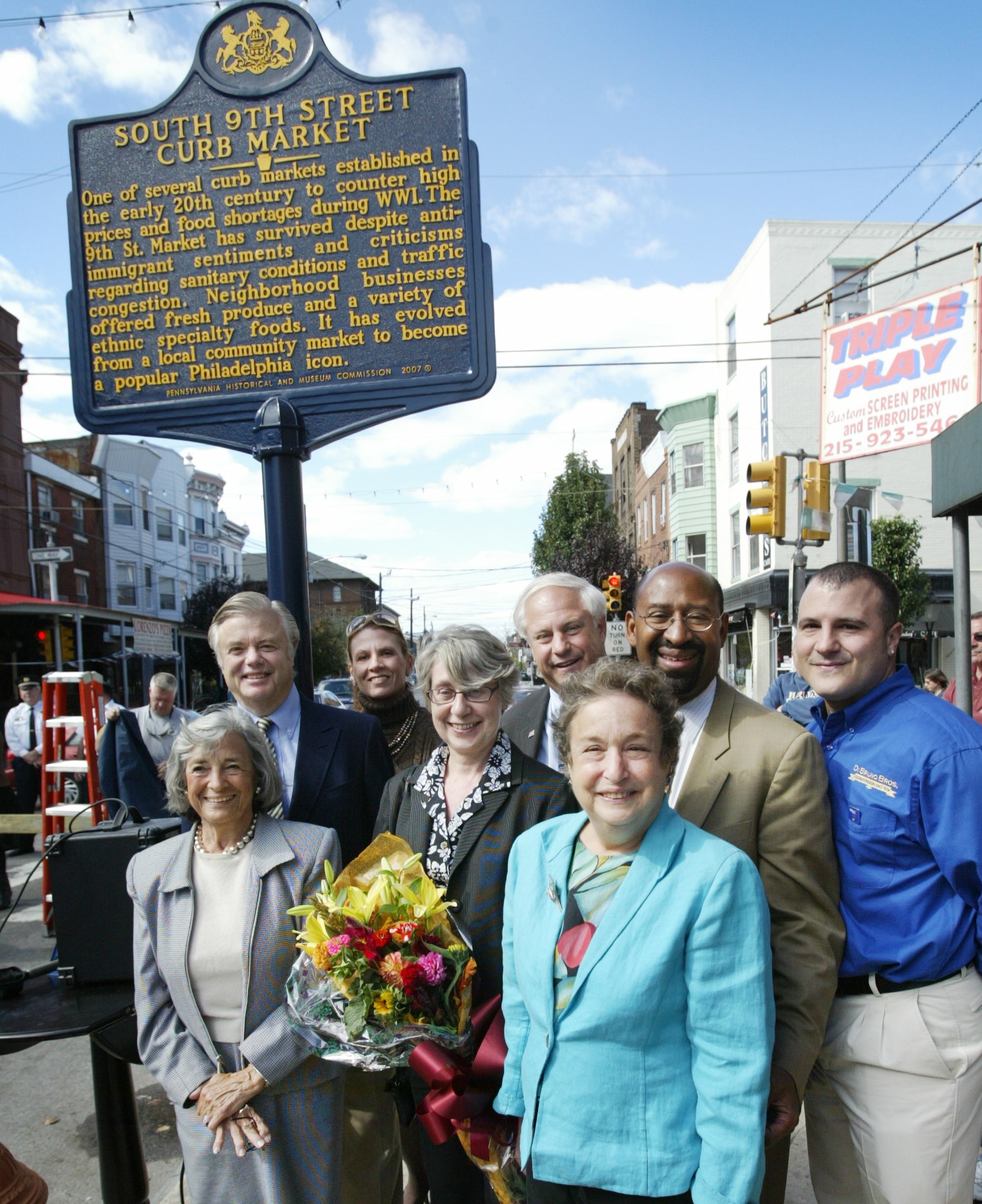
    Mrs. Klein (left) appeared with others in 2007 to celebrate a historical marker at the corner of 9th and Christian Streets.Alejandro A. Alvarez / Staff Photographer

    She met Lewis Klein in college, and they married in 1952. They had a son, Stephen, and a daughter, Ellen, and lived in Melrose Park and Rydal. Her husband, a pioneering TV broadcaster and cofounder of Gateway Communications, died in 2019.

    Mrs. Klein and her husband traveled the world for decades and attended dozens of galas and fundraising events. She enjoyed gardening, was an avid reader, and liked to play Scrabble.

    In 1993, Inquirer columnist Clark DeLeon called her “a wonderful, funny, vivacious lady.” Temple’s Boardman said: “She was truly one of the best human beings I’ve ever had the privilege to know.”

    In addition to her children, Mrs. Klein is survived by a granddaughter, two great-grandchildren, and other relatives.

    A celebration of her life is to be held later.

    Donations in her name may be made to the Abington Police Athletic League, 1166 Old York Rd., Abington, Pa. 19001.

    Mrs. Klein grew up in Oak Lane and earned a bachelor’s degree at Penn. Courtesy of the family
  • FDR sent federal troops to break a racially tense transit strike on this week in Philly history

    FDR sent federal troops to break a racially tense transit strike on this week in Philly history

    So many young Americans who signed up for World War II in 1944 thought they were headed across the Atlantic to help pull European towns away from Adolf Hitler’s grip.

    But many GIs, fresh out of basic training at New Jersey’s Fort Dix, instead ended up sleeping in two-man tents in Fairmount Park.

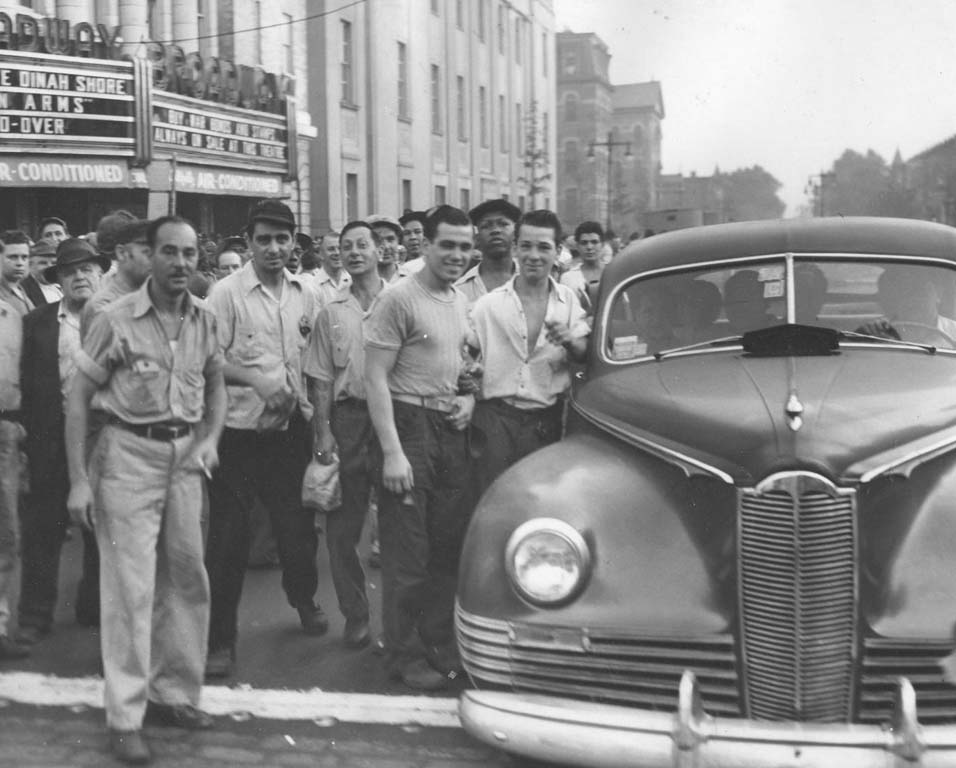
    On Aug. 5, 1944, President Franklin D. Roosevelt dispatched about 5,000 U.S. Army troops to Philadelphia to intervene in an ugly transit strike.

    When covering a trash strike in July 1978, the Daily News spoke with military members who were sent to the city during the tumultuous six days of the 1944 transit strike.

    “I had to work on Diamond Street,” James Denning of Maywood, N.J., recalled to the Daily News. “That was worse than Germany.”

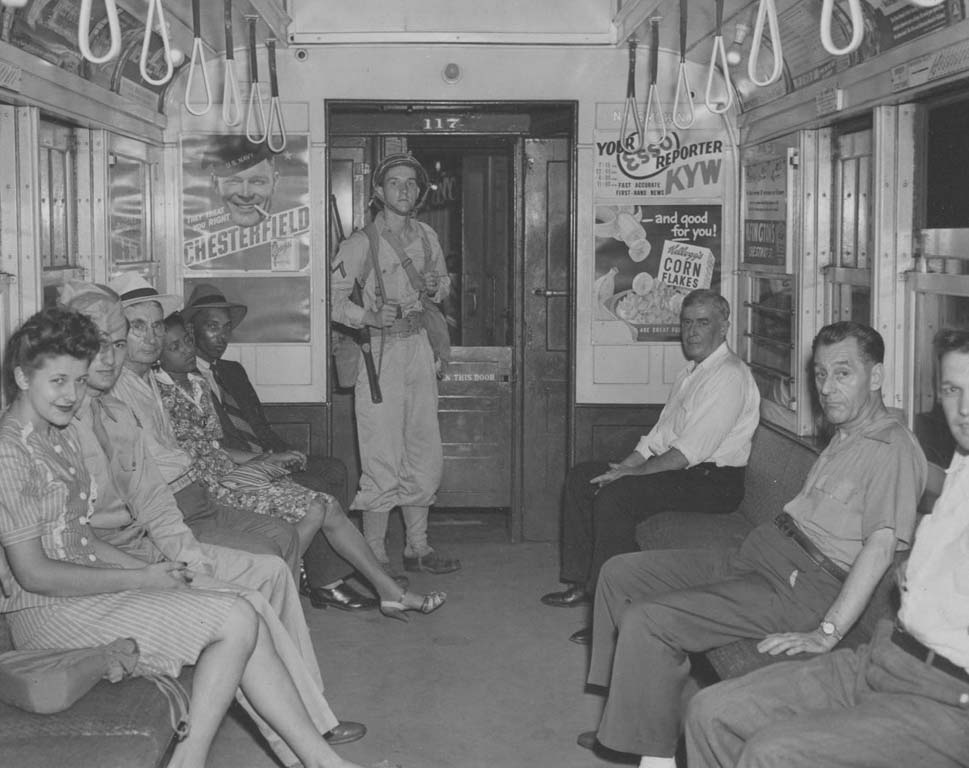
    Photo shows one of the subway car with passengers with a Armed soldier during the 1944 Philadelphia Transit strikes.Culross (Phila. Inquirer)

    It marked one of the first major federal interventions amid the fight for civil rights.

    On Aug. 1, white transit workers with the Philadelphia Transit Co. had gone on strike over the hiring of Black trolley operators.

    Black workers were now being given operator jobs, graduating to higher pay and better conditions than in their previous jobs in mechanics and labor.

    The Black drivers threatened to leave their posts unless they were guaranteed protection from racially motivated attacks. And the strike itself threatened to slow down the Philadelphia war machine feeding the need for ships, tanks, and uniforms.

    The Army took over the transit agency three days into the strike, and on Aug. 5, Roosevelt ordered the troops to break the strike.

    The intervention helped lead to the end of the strike after six days, but federal troops remained in the city, riding streetcars 24 hours a day, keeping them moving, and protecting Black transit workers on the rails and on the roads.

    Troops withdrew from the city on Aug. 17, and by early September, Black trolley drivers took their rightful places behind the wheel.

  • Philadelphia is the birthplace of the all-American cupcake

    Birthdays call for cake and the country’s 250th is no exception.

    America250, the federal agency behind the Semiquincentennial celebration, cut the official national birthday cake in a July 4th ceremony at the Library of Congress. Online, Goldbelly created “America’s Official 250th Birthday Cake Collection.” In Philadelphia, the Independence Visitor Center arranged 5,000 cupcakes into a flag formation.

    When Philadelphia served cupcakes, it was doing more than choosing the simplest way to apportion cake. It was remaining true to its roots as the birthplace of all-American cupcakes.

    The “cup cake” was the brainchild of Eliza Leslie, an accomplished Philadelphia author of cookbooks, fiction, and other prose. Leslie’s cupcake appears in her category-defining 1828 book, Seventy-Five Receipts for Pastry, Cakes, and Sweetmeats, considered the first baking book published in the U.S. and published at a time when recipes were called receipts.

    The small-cakes genre predates Leslie; the first known American cookbook author, Amelia Simmons, included a “light cake to bake in small cups” in her 1796 American Cookery. Simmons didn’t specify the type of baking vessel, so the “small cups” reference in the recipe title is the only allusion to a cupcake-sized cake.

    There are other records of similar baking practices, but Leslie was the first to call the petite cake a cupcake. Not only is her recipe titled “cup cake,” but she also includes specific instructions to bake in “small tins.” Cupcake history thus begins here, in this printed record of the name and form recognized today.

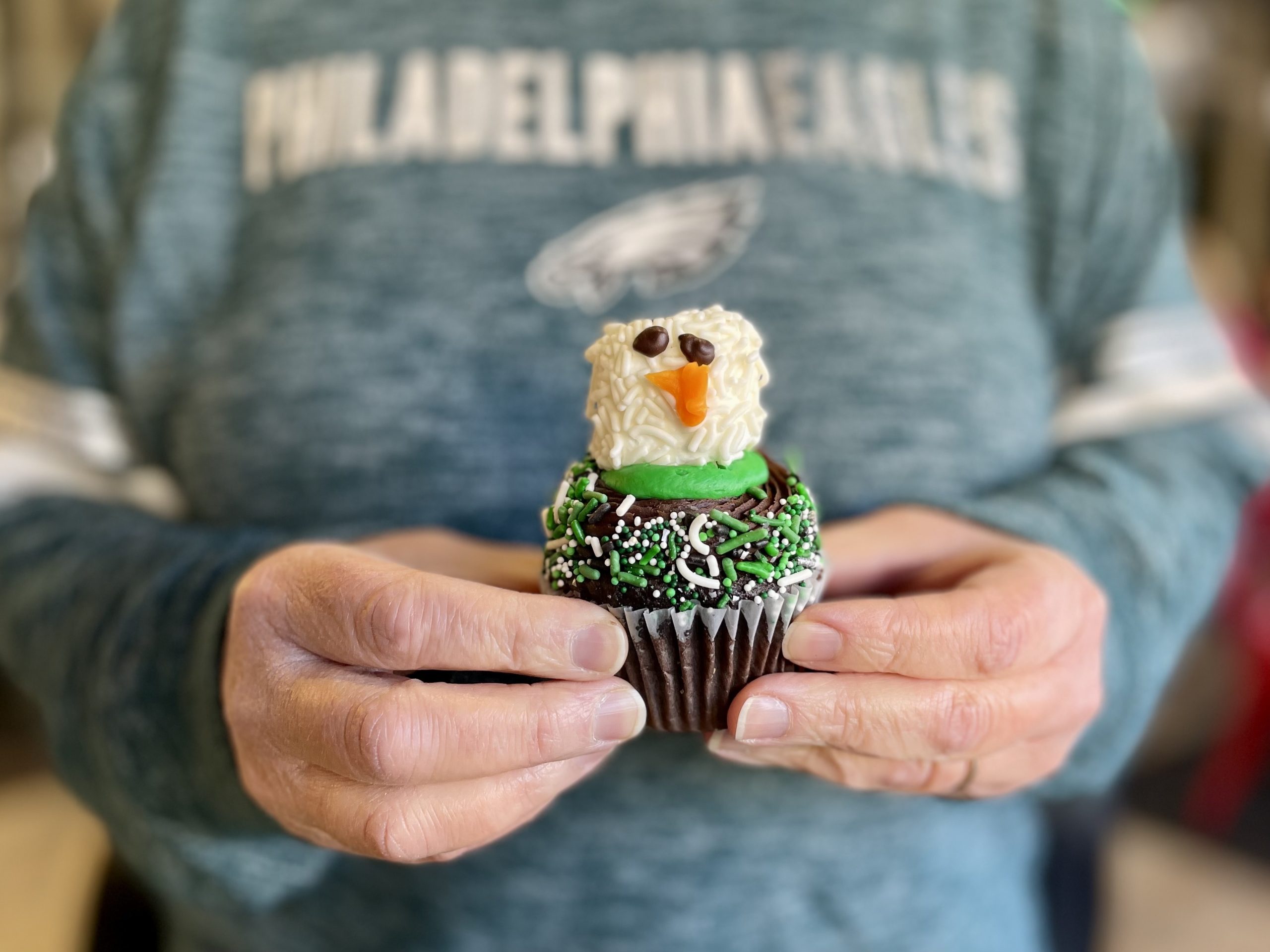
    A chocolate Eagles cupcake from Carlino’s Market in Ardmore.Craig LaBan / Staff

    Leslie was born in 1787 in Philadelphia’s historic core. She learned to read by age 5, educated at home by her father, Robert Leslie. U.S.-born of Scottish ancestry, Robert was a polymath who owned a clock and watchmaking company. Her mother was an American of Swedish descent.

    Eliza wrote that her father was an intellectual who “obtained the custom of the principal people [of Philadelphia], including that of Washington, Franklin, and Jefferson; the two last being his warm personal friends.” He likely debated revolutionary values with politicians, for “[i]t was by Mr. Jefferson’s recommendation that my father was elected a member of the American Philosophical Society,” Eliza wrote in her autobiography, published in Godey’s Lady’s Book in 1858.

    In her late 30s, she enrolled in cooking school, a decision that would change the course of her life. She learned to bake from Elizabeth Goodfellow, a respected Philadelphia pastry chef who owned a bakery and candy store. Leslie took notes and kept the recipes from her studies at Mrs. Goodfellow’s cooking school.

    In response to repeated requests to share the recipes she learned from Goodfellow, Leslie compiled them into a book, having grown tired of handwriting copies for friends. Seventy-Five Receipts was authored anonymously by “a lady of Philadelphia.” Leslie didn’t credit Goodfellow and Goodfellow herself never authored a cookbook.

    Leslie acknowledged her teacher in later books and dropped the anonymity to write under her real name or the pen name of Miss Leslie. Bucking social norms, Leslie was a lifelong childfree, never-married woman who earned her living as a writer.

    Leslie’s was the first American cookbook to list ingredients separately at the beginning of a recipe, a style she copied from Goodfellow. The previous convention was to state the ingredients within the narrative directions.

    She intended to write simple, logical recipes that resolved the common pain points American cooks faced. “There is frequently much difficulty in following directions in English and French Cookery Books, not only from their want of explicitness, but from the difference in the fuel, fire-places, and cooking tools generally used in Europe and America,” she wrote in the Seventy-Five Receipts preface.

    She prioritized locally grown, accessible, affordable ingredients and stressed the economic savings in home baking as opposed to buying cakes from a bakery. “Many of the European receipts are so complicated and laborious that our female cooks are afraid to undertake the arduous task of making anything from them,” she lamented. Confidently patriotic, Leslie affirmed that her recipes were, “in every sense of the word, American.” Her dishes could compete with the standard bearers, she insisted. They “will not be found inferior to any of a similar description made in the European manner,” she declared.

    While statesmen instilled independence in the U.S. political culture, Leslie and other women adopted the same mentality in American cooking. Their DIY spirit was creative, rebellious, defiant, and nonconformist vis-à-vis European culture. For example, Leslie was among the authors to publish an Election Cake recipe, fusing the political and the culinary.

    “Election Cake became the first food strongly associated with American politics,” wrote historian Gregg Mangan, who argued that this baking provided women with an opportunity to express themselves politically long before they got voting rights. Food and gender scholar K.C. Hysmith noted, “While women couldn’t vote, they could bend the ear of the voting-eligible men they hosted on election day. And at the very least, serving slices of cake allowed them access to political conversations they might otherwise miss.” More than just an item in the baker’s repertoire, Election Cake was an “exercise in everyday politics” and “statement of community organizing.”

    “Through their production of Election Cake and other recipes, including Independence Cake, Franklin Gingerbread, and Democratic Tea Cakes, women projected their influence into the public sphere and helped ingrain patriotism into our national culture,” Mangan wrote.

    Food historian Stephen Schmidt locates Leslie in the historical arc extending from America’s infancy to an evolving nation edging towards civil war. “By the end of her career, the tiny, parochial, overwhelmingly culturally English America of Leslie’s youth had been swallowed up by a far larger, rapidly industrializing and urbanizing, and increasingly diverse and factionalized America,” wrote Schmidt. “Food and cooking had changed in tandem, the prevailing taste of the times, at least as exhibited in the many cookbooks now on the market, having shifted from an essentially British, upper-class, 18th-century cuisine, freighted with rich, expensive ingredients and many practical difficulties, to a much simpler, easier, more naturalized cuisine that truly was ‘in every sense of the word, American.’”

    Leslie would go on to write juvenile fiction, etiquette guides, short stories, and a novel, while continuing to author smash-hit cookbooks. There’s broad consensus that her third, Directions for Cookery, was the most popular American cookbook of the 19th century.

    The must-have cookbook “passed through 60 editions from its first appearance in 1837 until 1870, a dozen years after the author’s death,” wrote Dover Publications in its 2013 reprint. According to historian Liz Susman Karp, it sold more than 150,000 copies.

    Made By History sponsors. FOR USE ON MADE BY HISTORY STORIES ONLY.Inquirer Staff

    Leslie spent her later years holding court in a fashionable hotel lobby, having established herself as a lifestyle influencer and public figure. “Long before her death, Miss Leslie had become a Philadelphia institution,” wrote Mary Tolford Wilson in a 1971 biography. “Grown portly and walking with difficulty, she lived for about a decade at the United States Hotel, where she not only met every visiting celebrity, but was herself sought out as one.”

    More than one modern authority has likened Leslie to Julia Child, another American author and chef who taught Americans to cook. In the introduction to a 2022 reprint, chef and author Dorie Greenspan wrote, “As I read Seventy-Five Receipts, I was reminded over and over of Julia. Both are a pleasure to read. Both clearly love sharing what they’ve learned. Both have a generous spirit — you sense it each time they comfort and encourage us as we follow their instructions. And both have an intelligence that sparkles on each page and within each recipe.”

    Leslie died in 1858 at the age of 70 and was buried at St. Peter’s Church in Philadelphia. Her 200-year legacy is baked into all the cupcakes Americans have eaten since she coined the term.

    Andrea Adleman is a journalist specializing in the cultural history of cupcakes. Her forthcoming Cupcake Nation book is based on her award-winning Washington Post story “The psychology of cupcakes.”

    Made by History takes readers beyond the headlines with articles written and edited by professional historians. Opinions expressed do not necessarily reflect the views of The Inquirer.
  • The Legionnaires’ outbreak in Philly 50 years ago led to months of mystery — and gave the disease its name

    The Legionnaires’ outbreak in Philly 50 years ago led to months of mystery — and gave the disease its name

    As Philadelphia wallowed in self-pity over its seemingly botched Bicentennial celebrations 50 years ago, thousands of American Legion members arrived for a late July convention at the Bellevue-Stratford Hotel.

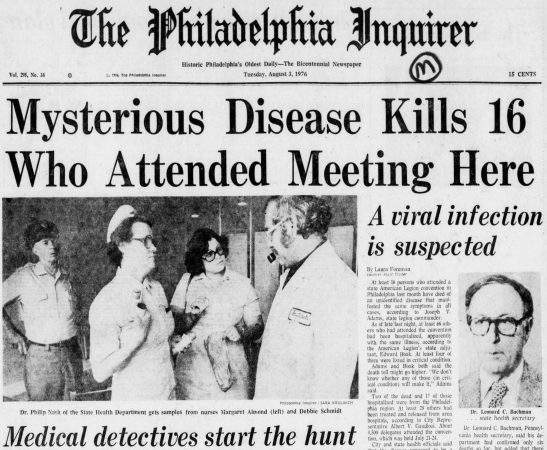
    Weeks later, dozens of them were dead from a mystery ailment, and scores of others were sickened. The victims, authorities said, returned home to develop respiratory infections that in some instances progressed to fatal cases of pneumonia.

    For more than half a year, local and federal health authorities were unable to determine what killed them, resulting in a web of fear, paranoia, and frustration that gripped not only Philadelphia, but also the nation at large.

    This was the infamous Legionnaires’ disease outbreak of 1976, perhaps the blackest of marks on Philadelphia’s record for the year. Today, the disease — known as legionellosis, caused by Legionella pneumophila bacteria — still crops up, most recently in a 50-building outbreak in Manhattan that has so far caused at least seven deaths.

    Philadelphia was not the last, or even the first, city to experience the disease. But that outbreak half a century ago is how it got its name. Here is how The Inquirer and Daily News covered it:

    https://www.newspapers.com/article/philadelphia-daily-news/202696263/

    Article from Aug 3, 1976 Philadelphia Daily News (Philadelphia, Pennsylvania) <!— –>

    The initial outbreak

    About 2,000 American Legion delegates came to town for a convention that ran from July 21 to 24, 1976, at the iconic Bellevue-Stratford Hotel. There were no signs of trouble during the convention, or for several days afterward.

    But by early August, about a week after the convention’s end, 14 Pennsylvania American Legion members were dead of an unclear illness, with their deaths involving “some type of respiratory problem,” reports from the time indicate. Roughly 50 others were reportedly hospitalized.

    Many of the initial victims were from Western Pennsylvania and had traveled to the city, though some Philadelphians were among the sick and dead. All had attended the American Legion convention the month before, officials said.

    https://www.newspapers.com/article/the-philadelphia-inquirer/202696881/

    Article from Jul 17, 1977 The Philadelphia Inquirer (Philadelphia, Pennsylvania) <!— –>

    As officials mounted an investigation that cost the state $25,000 a day, the death toll continued to increase. By mid-August, 29 people were dead and about 200 were sickened, reports indicate.

    The Centers for Disease Control said at the time that the outbreak was “without precedent” in the agency’s 30-year existence, and began conducting laboratory work to determine the cause.

    “We have not seen anything like this take place in such a short period of time,” said Jay Satz, chief virologist with the Pennsylvania Department of Health. “This is something to be quite concerned about.”

    https://www.newspapers.com/article/philadelphia-daily-news/202696483/

    Article from Aug 9, 1976 Philadelphia Daily News (Philadelphia, Pennsylvania) <!— –>

    Conspiracies reign

    Health officials largely expected the cause to be a then-long-awaited epidemic of swine flu, which had killed a soldier at Fort Dix in New Jersey earlier in the year, and focused much of the investigation on identifying that disease, reports indicate. Other possible causes, including toxins such as nickel carbonyl, were also considered.

    But public speculation about the cause, as well as how the disease arrived in the city, ran rampant. Or, as The Inquirer put it at one point, there were more people who had “their own ideas on what is causing the mysterious disease than there are Kennedy assassination conspiracy theories.”

    Inquirer readers wrongly blamed everything from pigeon droppings to contaminated ice. One person claimed the trash piling up on city streets, thanks to a municipal worker slowdown at the time, was the reason. Another contended shellfish was the cause, noting that “mostly men had been stricken because women don’t like shellfish.”

    Others believed the cause was more nefarious. Surely the disease had come from communists from Ecuador or Poland, who intentionally spread it to American Legion members. No, it was a sneak attack staged by the potentially disruptive activist groups Mayor Frank Rizzo had warned about.

    The American Legion, meanwhile, did not believe foul play was involved — nor did investigators, who said no evidence supported any of these theories. The truth, it seemed, was far less salacious.

    The Bellevue closes

    As worry over the illness wore on, the Bellevue-Stratford hotel itself also fell victim to the disease’s impacts, closing in November 1976.

    Though investigators avoided directly implicating the hotel early on, it suffered severe financial damage. Reservations collapsed into single-digit occupancy percentages, resulting in losses of up to $10,000 per day, reports from the time indicate. William G. Chadwick, the hotel’s vice president and general manager, said business had been devastated.

    https://www.newspapers.com/article/philadelphia-daily-news/202696555/

    Article from Nov 10, 1976 Philadelphia Daily News (Philadelphia, Pennsylvania) <!— –>

    “We have found it impossible any longer to withstand the economic impact of the worldwide adverse publicity which has been associated with the Legionnaires’ disease,” he said.

    By then, the Bellevue had operated for more than 70 years and was considered a jewel in the city’s hospitality crown. Its closure, Rizzo said, was a “great loss,” and he vowed the property would host a new, modern hotel to fill the gap. Today, it is a mixed-used development at 200 S. Broad St. that includes a hotel portion.

    Philadelphia’s Bicentennial tourist business also suffered, with several conventions canceling their bookings over fear of the illness, significantly affecting what was expected to be a banner year for visitors. Public perception erred on the side of avoiding the city, which some local officials tried to rebut.

    https://www.newspapers.com/article/philadelphia-daily-news/202696766/

    Article from Aug 19, 1976 Philadelphia Daily News (Philadelphia, Pennsylvania) <!— –>

    “We are still a safe city,” said Eugene Hosmer, director of the Philadelphia Convention and Visitors Bureau, noting the disease struck just as low civic self-esteem seemed to be fading. And then, “we’re hit with this.”

    Robert Jacob, manager of the Penn Center Inn and head of the Greater Philadelphia Hotel Association, put the illness’ impact more dramatically.

    “We’re being crucified,” he said.

    A break in the case

    Investigators searched for months for the disease’s cause to no avail, facing substantial criticism — including a congressional subcommittee hearing during which their efforts were labeled an “embarrassment,” according to reports from the time.

    But in January 1977, after tens of thousands of tests, investigators identified the culprit. The deadly Legionnaires’ disease, the CDC found, was caused not by a toxin or virus, but a bacterium. One so strange and unknown, lab workers and scientists had missed it for months.

    https://www.newspapers.com/article/the-philadelphia-inquirer/202696612/

    Article from Jul 17, 1977 The Philadelphia Inquirer (Philadelphia, Pennsylvania) <!— –>

    Credited with its discovery was Joseph McDade, then a CDC microbiologist in the agency’s leprosy and rickettsia laboratory. On a hunch after receiving a routine report, McDade reexamined slide samples and decided to look for unfamiliar microbe shapes. And he found them — and they appeared not only in samples from Philadelphia, but also in past unsolved outbreaks.

    The disease was found to be present in samples from a 1965 pneumonia outbreak at St. Elizabeth’s Hospital in Washington, in which 18 people died, and a 1968 one that sickened 144 people at a Pontiac, Mich., health department building. Additionally, the illness had struck a 1974 Independent Order of Odd Fellows convention in an outbreak that killed two people — also held at the Bellevue-Stratford.

    https://www.newspapers.com/article/the-philadelphia-inquirer/202696954/

    Article from Jul 17, 1977 The Philadelphia Inquirer (Philadelphia, Pennsylvania) <!— –>

    Investigators later determined the 1976 outbreak had been spread via airborne water mist from the hotel’s air-conditioning cooling towers. The towers allowed the bacteria to grow and be spread to convention attendees, as well as some individuals who had traveled near the hotel, investigators found.

    “We are dealing with a very real phenomenon which has been present in the past but has never been recognized,” said CDC director David Sencer in 1977. “We now know what to look for.”

  • hitchBOT was decapitated on this week in Philly history

    hitchBOT was decapitated on this week in Philly history

    The robot was no match for Philadelphia.

    The child-sized figure with robot-like qualities was the brainchild of Canadian researchers in the mid-2010s.

    The goal was to try and better understand human-robot relationships, and to generally gauge how humans would interact with robots.

    He was carried across the Northeast by the kindness of strangers who were kept up to date through social media posts.

    Nicknamed hitchBOT, the oddity developed quite a following, moving through the Netherlands, Germany, and Canada.

    When he hit the United States, he crossed through the northeastern part of the country over a two-week span.

    And he was making — and having — a good time. He took in a Boston Red Sox game, visited an aquarium, and was gleefully photographed in Times Square in New York.

    And then he arrived in Philadelphia.

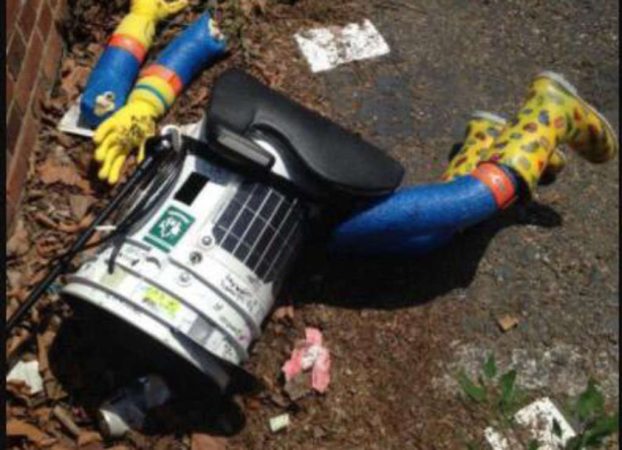
    hitchBOT’s creators said their baby had been mugged while taking a break at Elfreth’s Alley on Aug. 1, 2015, and stripped for parts.

    They said he had been horrifically decapitated.

    The creators later quipped, “sometimes bad things happen to good robots.”

    In 2015, Laura Blankenship, cochair of the Computer Science Teachers Association, wrote a post about the lessons from the experiment. She remarked that the creators got an answer to their existential question:

    “Humans might treat robots just like humans,” Blankenship wrote.

    hitchBOT became fodder for late-night talk shows, gossip websites, and ammunition for the usual folks who enjoy taking cheap shots at Philadelphia and its inhabitants.

    The New York papers ate it up, as did CNN.

    “This is why we can’t have nice hitchhiking robots,” CNN wrote.

    As far as Philadelphia’s role in the episode, the city still holds a special place in its heart for the headless kind-hunter. On the 10th anniversary, a memorial service and a remembrance were held at the famous alley where hitchBOT met his end.

    Today, hitchBOT’s body is on display at the Heinz Nixdorf Museums Forum in Paderborn, Germany.

    The head was never recovered.

  • The border can’t block air pollution — but environmental diplomacy can

    The border can’t block air pollution — but environmental diplomacy can

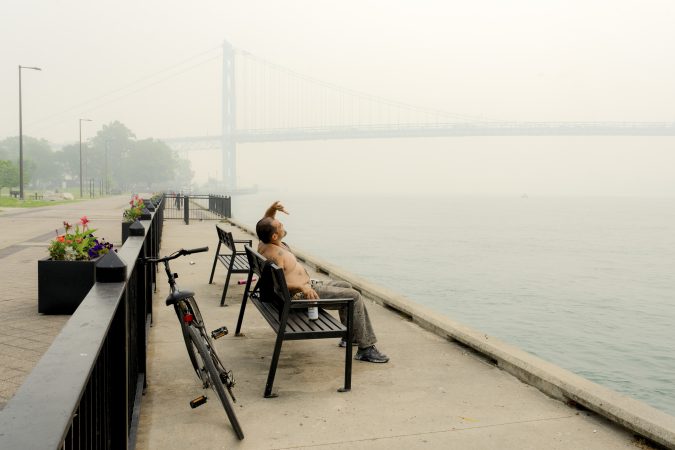
    In July, Republican candidates in Michigan were lining up to excoriate Canada for the wildfire smoke wafting across the international border. “They MUST PAY and PUT OUT the fires!” wrote gubernatorial candidate John James on X, after declaring he would introduce legislation to impose sanctions on the neighbors to the north. Other politicians made similar claims about how they would deal with Canada. Meanwhile, Donald Trump moved to impose new tariffs on Canada in response.

    Such political posturing shows little understanding of the actual situation. For example, it overlooks the fact that the scale and magnitude of these fires is surely linked to climate change, which the United States is arguably doing less to combat under the Trump administration than any other industrial nation in the world.

    This is not the first time the two countries have dealt with cross-border air pollution. However, in the Great Lakes-St. Lawrence region historically, it was more often American emissions that were afflicting Canada.

    By the mid-20th century, air pollution across the Michigan-Ontario border in the St. Clair-Detroit River corridor was raising significant concerns. At the request of both nations, the International Joint Commission (IJC), which had been created by the 1909 Boundary Waters Treaty, formed a joint St. Clair-Detroit Air Pollution Board in the 1960s to investigate the precise sources of air pollution in this region.

    In a 1971 report, this board found that sulfur dioxide and particulate matter from Detroit’s auto and steel industries were crossing over to Windsor, Ontario. Along the St. Clair River, the joint board reported that Sarnia’s Chemical Valley south of the city, which had already developed into an enormous petrochemical complex that befouled both air and water, was the main pollution culprit. Certainly some of the poisons drifted into Michigan, though the board determined that the primary victims were in Ontario. The IJC duly recommended that the two federal governments create pollution boards and establish national air quality standards.

    A similar dynamic played out in other transboundary air disputes between Ontario and adjoining U.S. states, with both sides (though more often the United States) found to be the culprit. Ontario Hydro built a large coal-fired power station at Atikokan in the northwest part of the province that threatened cherished recreational areas across the border, such as the Boundary Waters Canoe Area Wilderness in Minnesota. In another instance, the Reynolds aluminum smelter in Massena, N.Y., was accused of contaminating the nearby binational Mohawk community, including the parts in Canadian territory.

    Over time, the air quality issues stemming from these specific sources mostly either fell off the public’s radar or became subsumed within wider debates about acid rain and national air quality agreements (such as the 1970 Clean Air Act). Indeed, by the 1980s acid rain dominated not only the Canada-U.S. environmental relationship, but general bilateral relations.

    Acidified precipitation is created when sulfur and nitrogen oxides (SO2 and NOx) emissions, often from coal plants, are transported through the atmosphere and transformed into sulfuric and nitric acids. This acid rain fell onto terrestrial and aquatic environments where it had a range of short- and long-term negative consequences. Melting acidic winter snows produce an “acid shock” in streams during the spring run-off, for example, which is predictably bad for aquatic species.

    While both countries generated pollution that fell in the other’s territory, acid rain originating in the United States and descending to earth in Ontario was the biggest problem. Ongoing bilateral studies established that 70%-80% of it came from the United States. That acid rain affected cottage country north of Toronto — where many of the country’s elite have vacation homes — helps explain why this problem gained so much public traction.

    But the two countries could not agree on solutions, such as the need for emission limitations and controls. As the primary contributor, the United States would have had to bear the brunt of any necessary changes, and the Reagan administration was ideologically opposed to any environmentally motivated regulations on economic activity. Washington stalled the talks, calling for more research.

    The United States proved more amenable to addressing the problem after George H.W. Bush entered the White House in 1989. Negotiations began on what would emerge as the 1991 Canada-United States Air Quality Agreement (AQA), which permanently capped emissions at approximately 13.3 million tons by 2010 in the United States and 3.2 million tons in Canada. While the United States would not make any legal commitments to reduce emissions in Canadian territory, it did pledge to follow the requirements of its recently updated Clean Air Act, which reduced the emissions that created acid rain.

    Made By History sponsorsInquirer Staff

    Ultimately, the results of the 1991 Air Quality Agreement were mixed. SO2 emissions did go down by almost 70%. Granted, this decrease probably had more to do with domestic regulations and technological changes on both sides of the border. In the long run, neither country has fully followed through on its commitments.

    The AQA also created a framework that could incorporate other air pollution issues, such as particulate matter and ozone. In that vein, Canada and the United States signed an “Ozone Annex” to the Air Quality Agreement in 2000. There was also a different type of ozone problem — the hole in the ozone layer — involving Canada and the United States; both were adherents to the 1987 Montreal Protocol on Substances that Deplete the Ozone Layer, considered by many to be the most successful global environmental treaty ever.

    To be sure, the United States and Canada have had the world’s most consequential environmental and energy relationship over at least the last century. No two nations have exchanged resources and collectively modified ecosystems on the same scale — which, by extension, has created harmony in wider U.S.-Canada relations and established many important precedents for international environmental law and governance. Yet, both countries are also petro states and climate villains, with their societies and economies organized around deeply unsustainable industrial practices and consumption patterns.

    The amity that has long characterized U.S.-Canada relations has been eroding with Trump at the helm. And this recent strife about transborder smoke is representative of the ways that breakdowns in U.S.-Canada environmental and energy relations can undermine the rest of the relationship.

    Daniel Macfarlane is professor in the School of Environment, Geography, and Sustainability at Western Michigan University and the author or coeditor of six books, including “Natural Allies: Environment, Energy, and the History of US-Canada Relations.”

    Made By History takes readers beyond the headlines with articles written and edited by professional historians. Opinions expressed do not necessarily reflect the views of The Inquirer.
  • The first complete dinosaur skeleton on view to the public made its debut at Philly’s Academy of Natural Sciences

    The first complete dinosaur skeleton on view to the public made its debut at Philly’s Academy of Natural Sciences

    In the early 1800s, Philadelphia’s loose cohort of natural scientists became obsessed with learning all they could about the plants and animal species of the New World.

    They shipped dried specimens to Britain for naturalists to identify and catalog. And when the American naturalists discovered a new species, the Brits named it and took the credit for the findings in their medical journals.

    When the Crown enacted trade restrictions in 1807 — ultimately leading to the War of 1812 — American botanists, herbologists, and entomologists had enough with Britain’s interference.

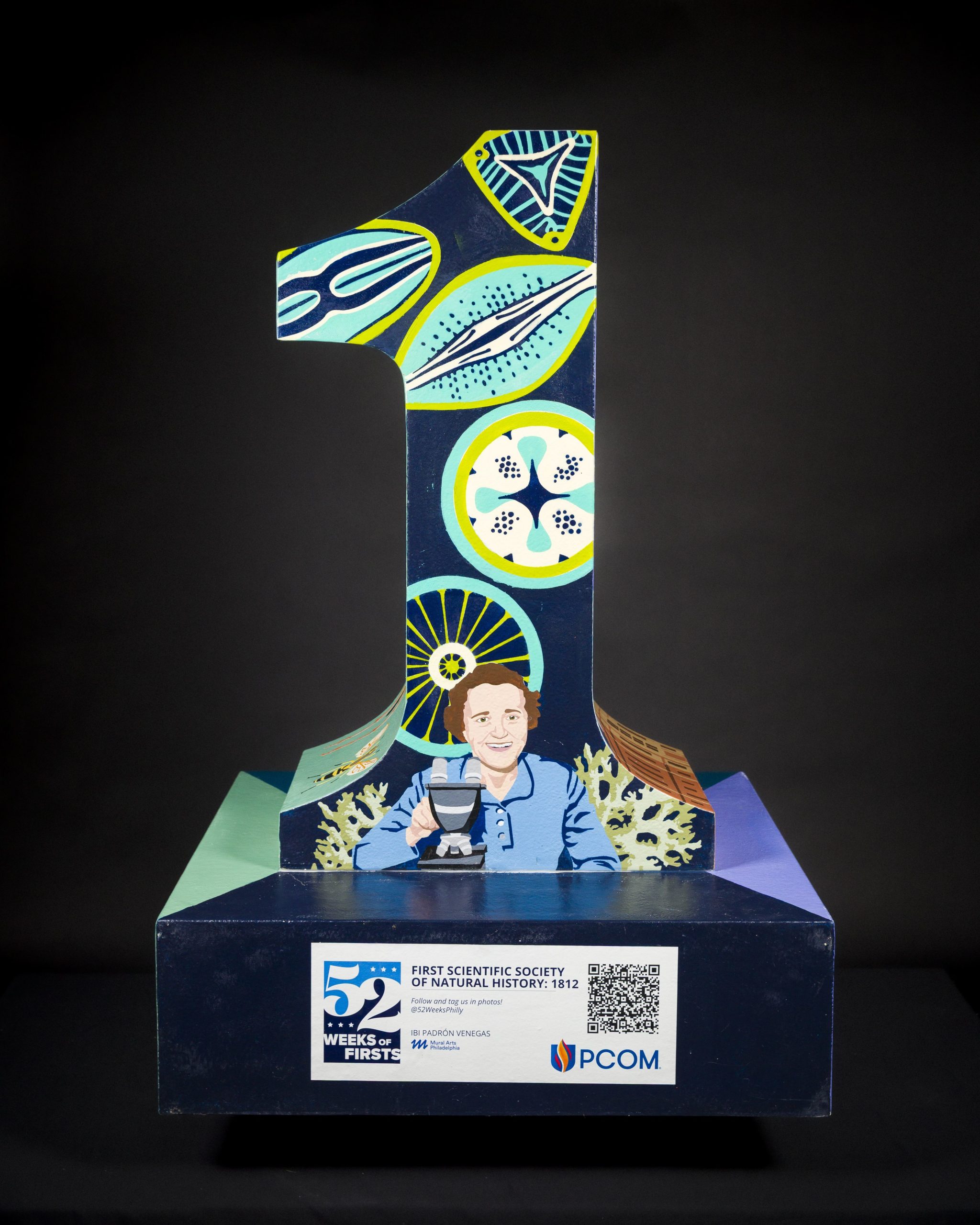
    Artist Ibi Padrón Venegas’ Academy of Natural Sciences No. 1 translates his ideas of daydreams, everyday sensations, and the curiosity that comes with playing with science for his sculpture.Ibi Padrón Venegas for Colibrí Workshop

    Six Philadelphia gentlemen and amateur naturalists — Gerard Troost, Nicholas S. Parmentier, Camillus MacMahon Mann, Jacob Gilliams, John Shinn Jr., and John Speakman — held a meeting Jan. 12, 1812, in Speakman’s Old City apothecary. Their goal: to map out a plan to be recognized as scientific experts on what grew on their own soil.

    On March 21, they took the official name, the Academy of Natural Sciences of Philadelphia.

    The Philadelphia Historic District will celebrate the academy’s beginnings at its Ben Franklin Parkway home on Saturday from 11 a.m. to 1 p.m. The party, or “Firstival,” is part of a series of yearlong fetes honoring events, places, and organizations with Philly roots in honor of America’s 250th birthday.

    “Americans were doing the research and risking their lives to cull these specimens,” said Robert M. Peck, curator of artifacts and senior fellow emeritus at the Academy of Natural Sciences of Drexel University.

    “We [Philadelphians] were feeling left out of the picture,” said Peck, the author of the 2012 book A Glorious Enterprise: The Academy of Natural Sciences of Philadelphia and the Making of American Science. “By forming our own academy and publishing our own journals, we were able to take control of the science and discovery in America for Americans.”

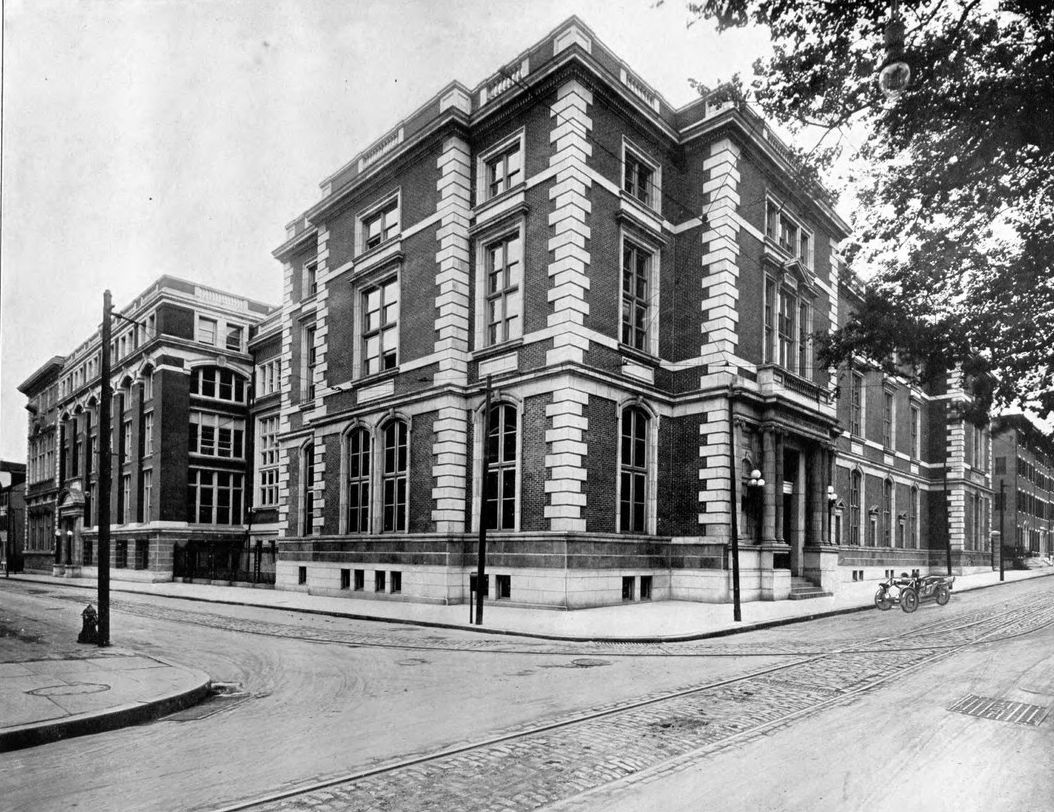
    The Academy of Natural Sciences’ current home at 1900 Benjamin Franklin Parkway. This building opened in 1876 for the Centennial and stands through present day.Courtesy of the Journal of the Academy of Natural Sciences of Philadelphia

    Thomas Say is listed as the seventh founder, though he didn’t attend the first meetings, Peck said. Still, Say is the most famous of the early members as he is the father of American entomology and conchology.

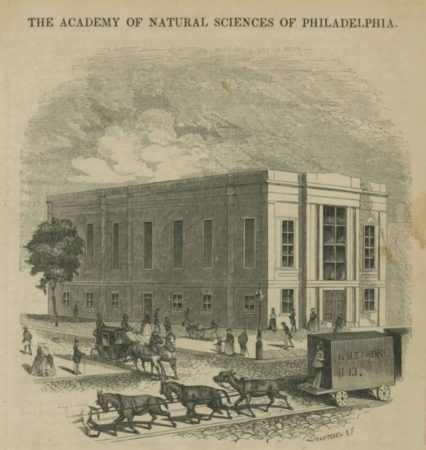
    The academy was a private club in the beginning, opening its nature collections to the public in 1828 when it was housed at the Swedenborgian Church at 12th and Sansom.

    By the mid-19th century, the academy was as important in Philadelphia’s science and education circles as Ben Franklin’s highbrow American Philosophical Society. In 1849, the society transferred Thomas Jefferson’s fossil collection to the academy, where it remains today. During the mid-19th century, the academy acquired the bird skins from John James Audubon’s collection, and the pressed plants gathered by explorers Meriwether Lewis and William Clark.

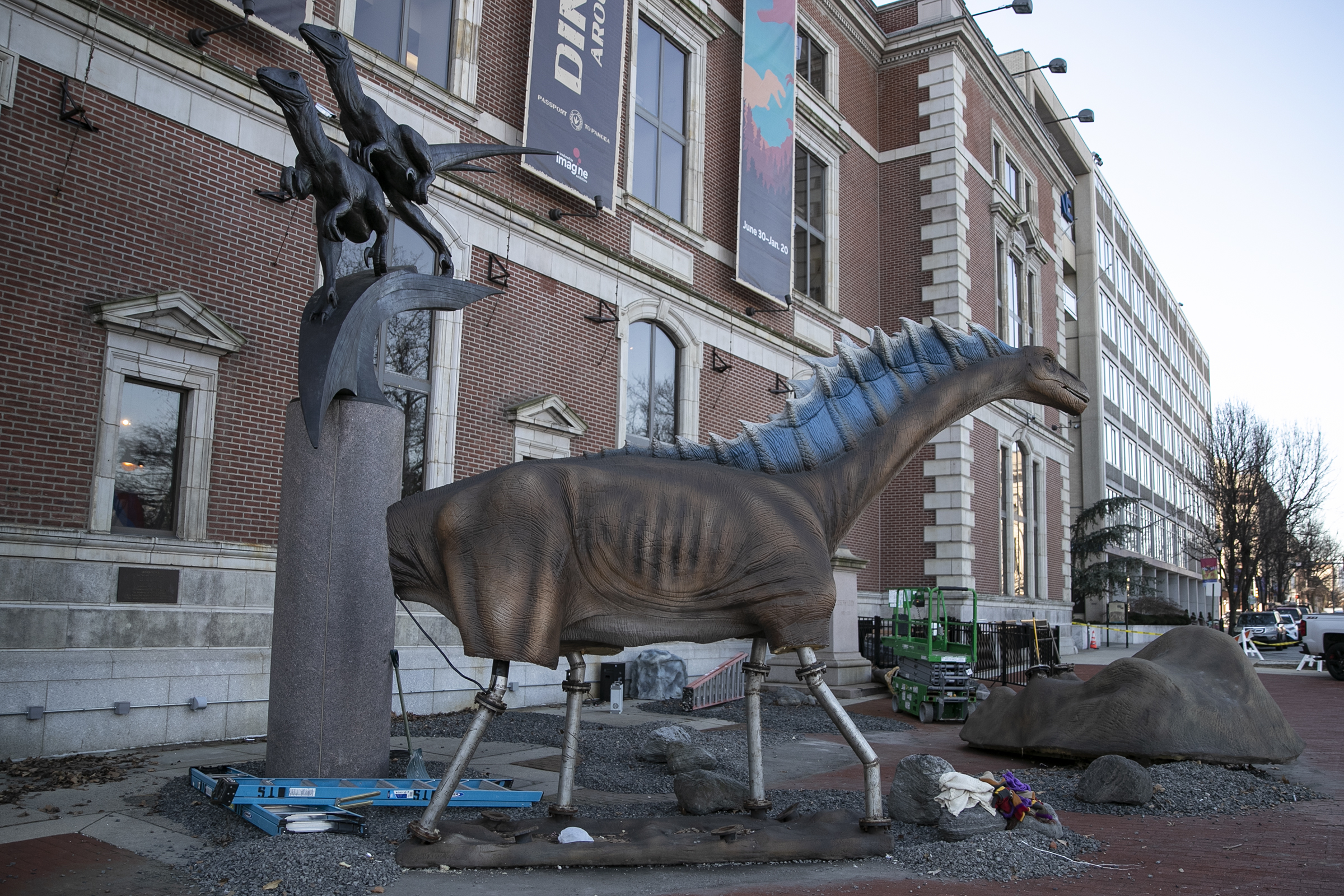
    In 1868, the academy made paleontology history when Benjamin Waterhouse unveiled a 15-foot-tall complete dinosaur skeleton of Hadrosaurus foulkii built from the bones of the plant-eating dinosaur excavated in Haddonfield 10 years before.

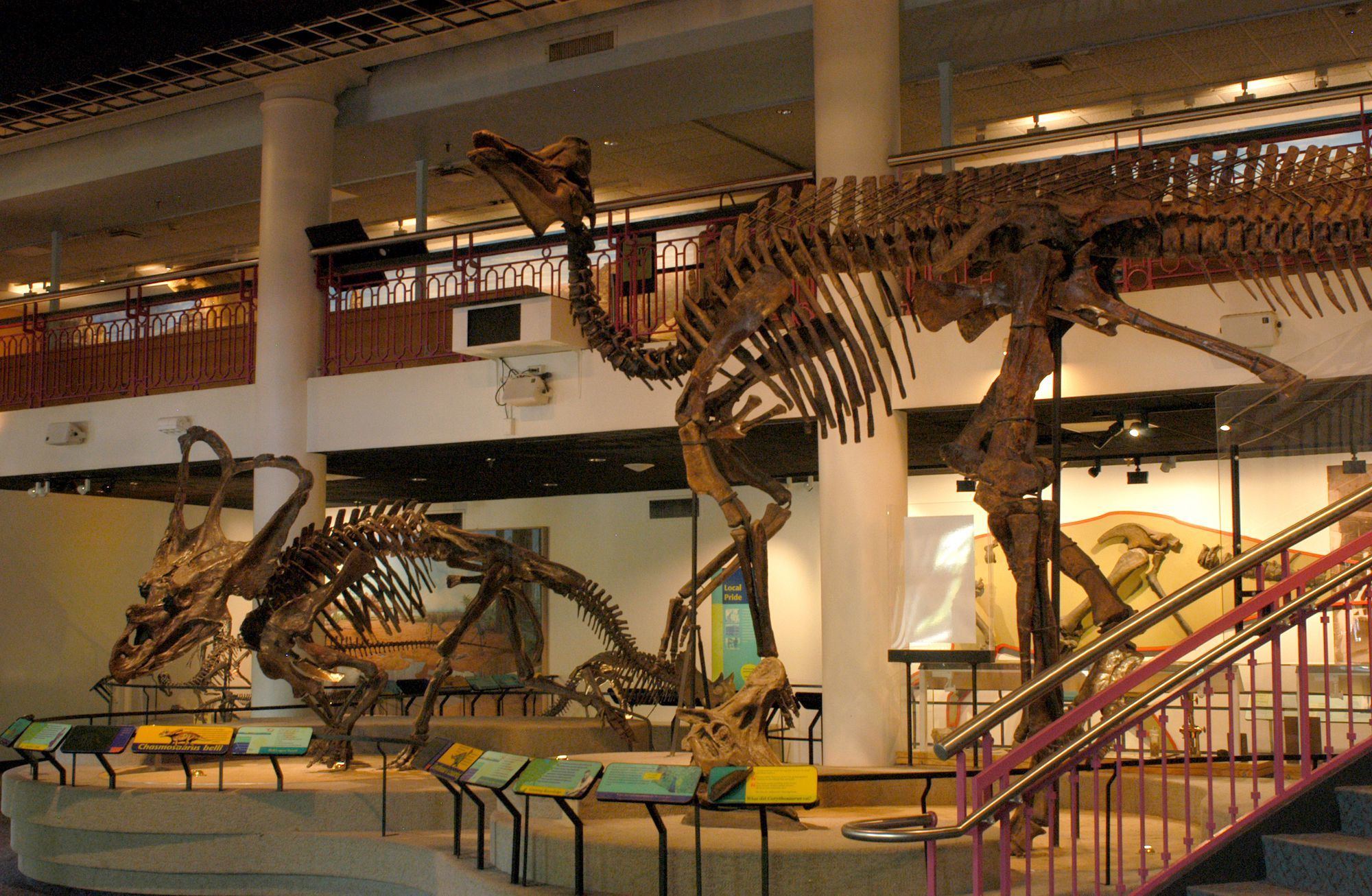
    Samples of the Academy of Natural Sciences’ robust dinosaur collection as photographed in 2020. Courtesy of the Academy of Natural Sciences of Drexel University

    “Before then, people didn’t understand what dinosaurs really were, how they really looked,” Peck said. “This is the first time the world had ever seen what a dinosaur really looked like and it shaped how we still see them today.”

    During the 19th century, the academy was the founding home of the American Association for the Advancement of Science and the Entomological Society of America, in 1848 and 1859 respectively.

    In 1876, the academy moved to its present building on the Parkway, where, exactly 100 years later, the Please Touch Museum opened its 2,200-square-foot pilot. (It is now located in Memorial Hall on the Centennial campus in West Philadelphia.)

    The academy went on to become a home base for scientists who study a wide range of climate-related topics, from global warming in Mongolia to avian bird flu in Vietnam.

    The Academy of Natural Sciences in June 2020. HEATHER KHALIFA / Staff Photographer

    In 2011, the Academy of Natural Sciences became a subsidiary of Drexel University, retaining its own board and legal status as a separate nonprofit organization. In April, The Inquirer reported Drexel was in discussions to sever ties with the academy unless it agreed to grant Drexel its building, endowment, and significant collections.

    This week’s “Firstival” is Saturday, Aug. 1, 11 a.m.-1 p.m. at the Academy of Natural Sciences of Drexel University, 1900 Benjamin Franklin Parkway.

    The Inquirer is highlighting a “first” from the Philadelphia Historic District’s 52 Weeks of Firsts program every week. A “52 Weeks of Firsts” podcast, produced by All That’s Good Productions, drops every Tuesday.