On Saturday night, Sen. Lindsey Graham, R-S.C., died of an aortic dissection — a rip in the aorta, the main artery carrying blood from the heart to the rest of the body.
Such a tear is a medical emergency. Fifty percent of patients make it to the hospital, and about half survive, said Dr. Michael Mack, a heart surgeon who is chair of the research institute Baylor Scott & White Health in Dallas.
Mack added that an aortic dissection is the first thing that comes to mind when a patient who is feeling well dies suddenly.
The wall of the aorta has three layers, said Dr. Kendra J. Grubb, a heart surgeon formerly at Emory University and now at Medtronic, the medical device company. A dissection occurs in the inner layer, allowing blood to pour in between the layers of the tubelike vessel.
It’s most likely caused by an underlying aortic aneurysm — a bubble in the vessel, similar to what can occur in old bicycle tubes. Aortic aneurysms can be caused by high blood pressure, atherosclerosis or some rare underlying genetic conditions, like bicuspid aortic valves.
Patients usually describe an excruciating pain, from the chest to the back, “like a knife to the heart,” Grubb said.
Treatment depends on where in the artery the tear is. If it occurs after the section that goes to the brain, doctors can try to repair it, threading a wire from the groin to the aorta that carries material on the vessel to seal the rip.
If the tear occurs in the part of the aorta that carries blood to the brain, treatment involves emergency open-heart surgery. The patient is put on a heart-lung machine, the body is cooled, and a surgeon cuts out the torn section of the aorta. The surgeon then inserts a graft made of fabric.
Scientist Aaron Bauer gawked at the cat-sized gecko.
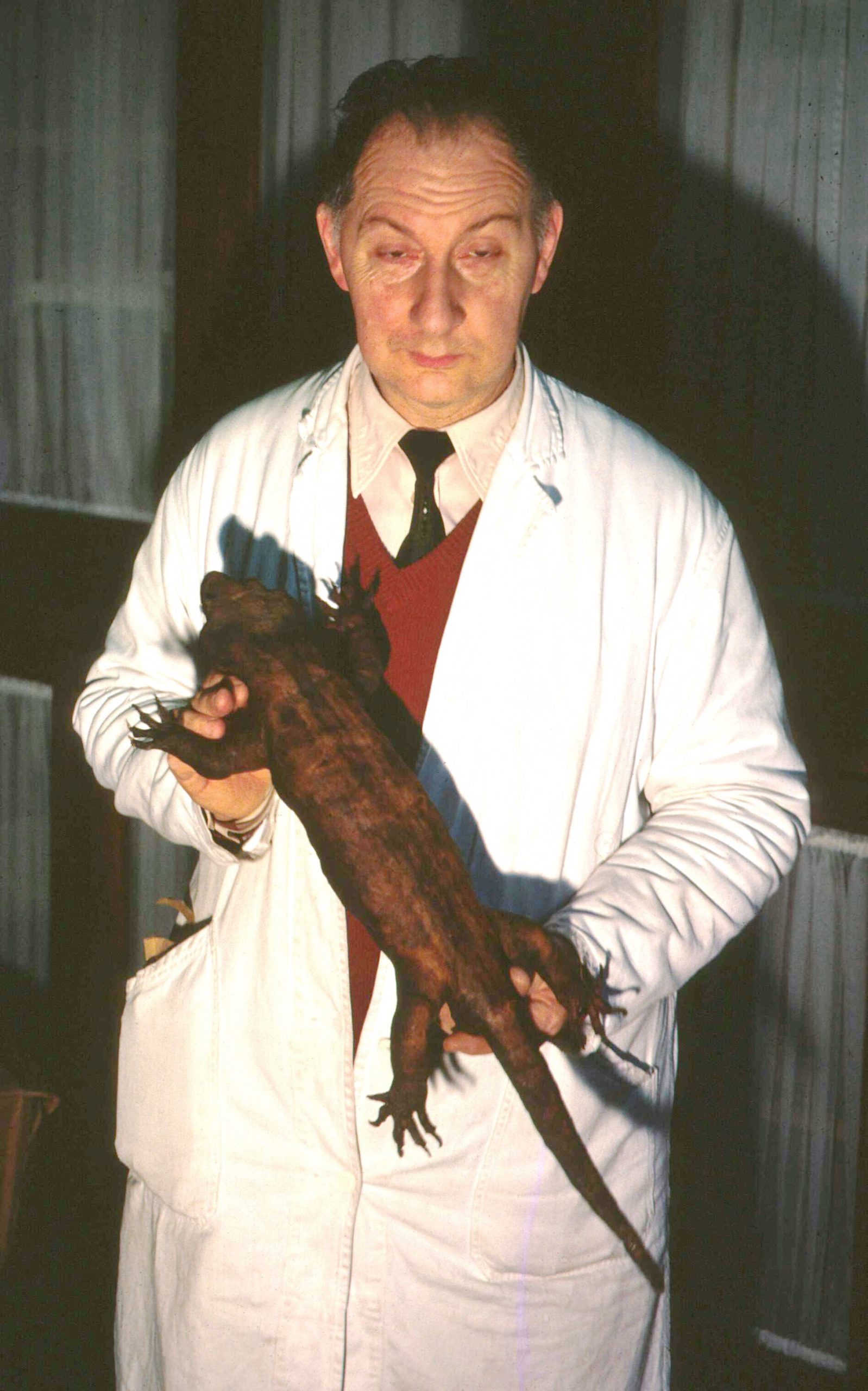
The two-foot-long, preserved creature had sat unidentified in a natural-history museum in France for nearly two centuries.
Staring at its huge head and climber’s build, “I sure as heck could recognize that this was a gigantic, unknown species,” he said.
The extinct creature was the largest gecko to ever live, and the first new species Bauer — at the time a PhD student in his 20s — ever discovered and described.
French museum worker Alain Delcourt is pictured holding the giant gecko, which was the first new species of gecko Aaron Bauer ever described.Courtesy of Aaron Bauer
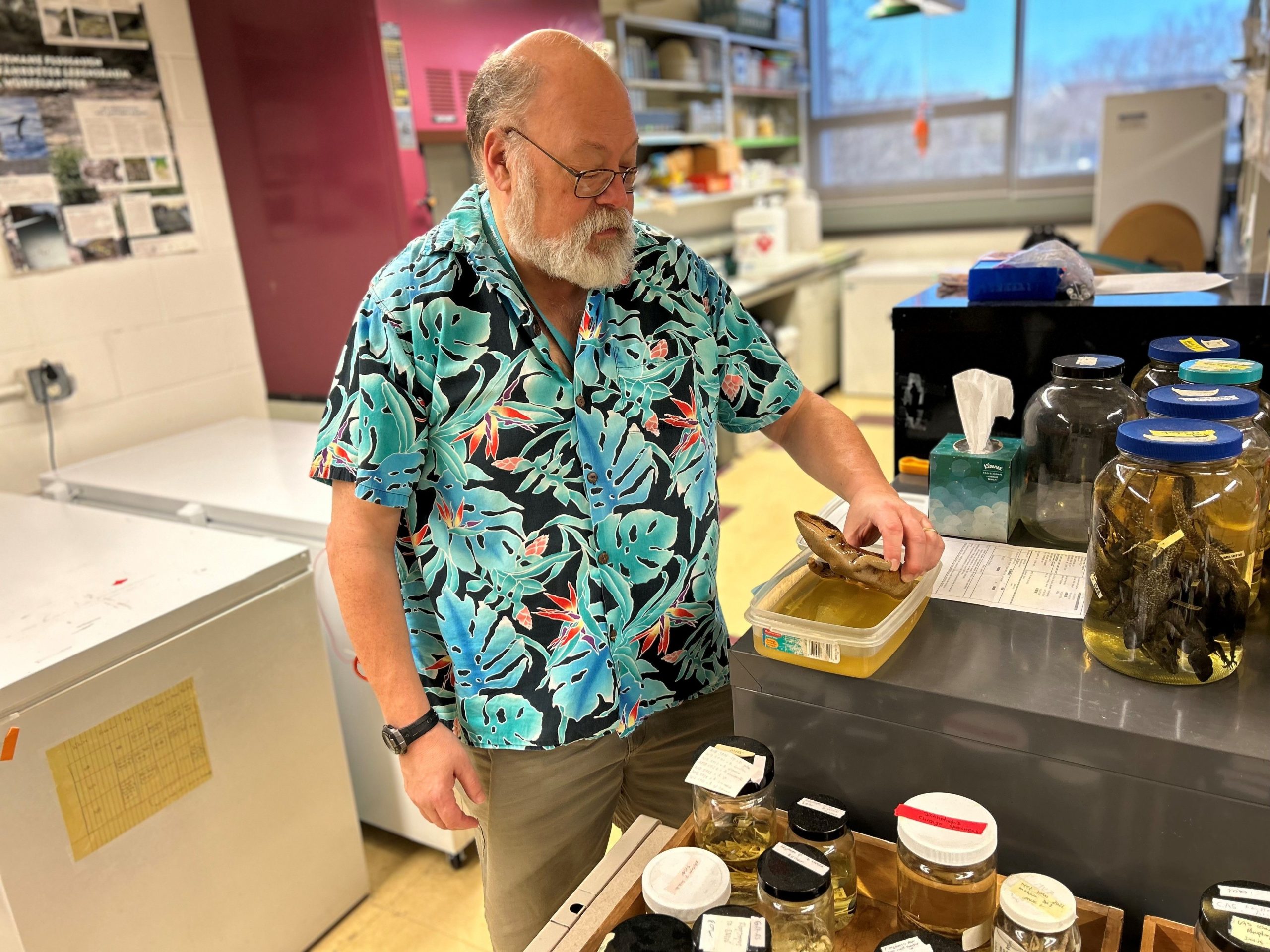
Now a renowned herpetologist at Villanova University, Bauer, 65, has identified 320 new species of reptiles and counting — more than any other living scientist.
Scientists worldwide discover more than 16,000 new species every year, researchers estimate, spanning plants, animals, insects, and other forms of life.
Nicknamed “the Lizard King” by his students, Bauer retired in Mayfrom a 38-year-long teaching career at the university, where he mentored dozens of master’s students in herpetology, the study of reptiles and amphibians.
Aaron Bauer’s former students are hosting a Bauer-fest in honor of his retirement from teaching.Courtesy of Villanova
Some of his discoveries happened much like his first — seeing something in a museum that was “clearly something new,” he said. Others happened through regular travels to Africa, the South Pacific, and Asia.
His longest research project revolves around the original giant gecko he discovered 40 years ago during a 1980s trip to Marseille.
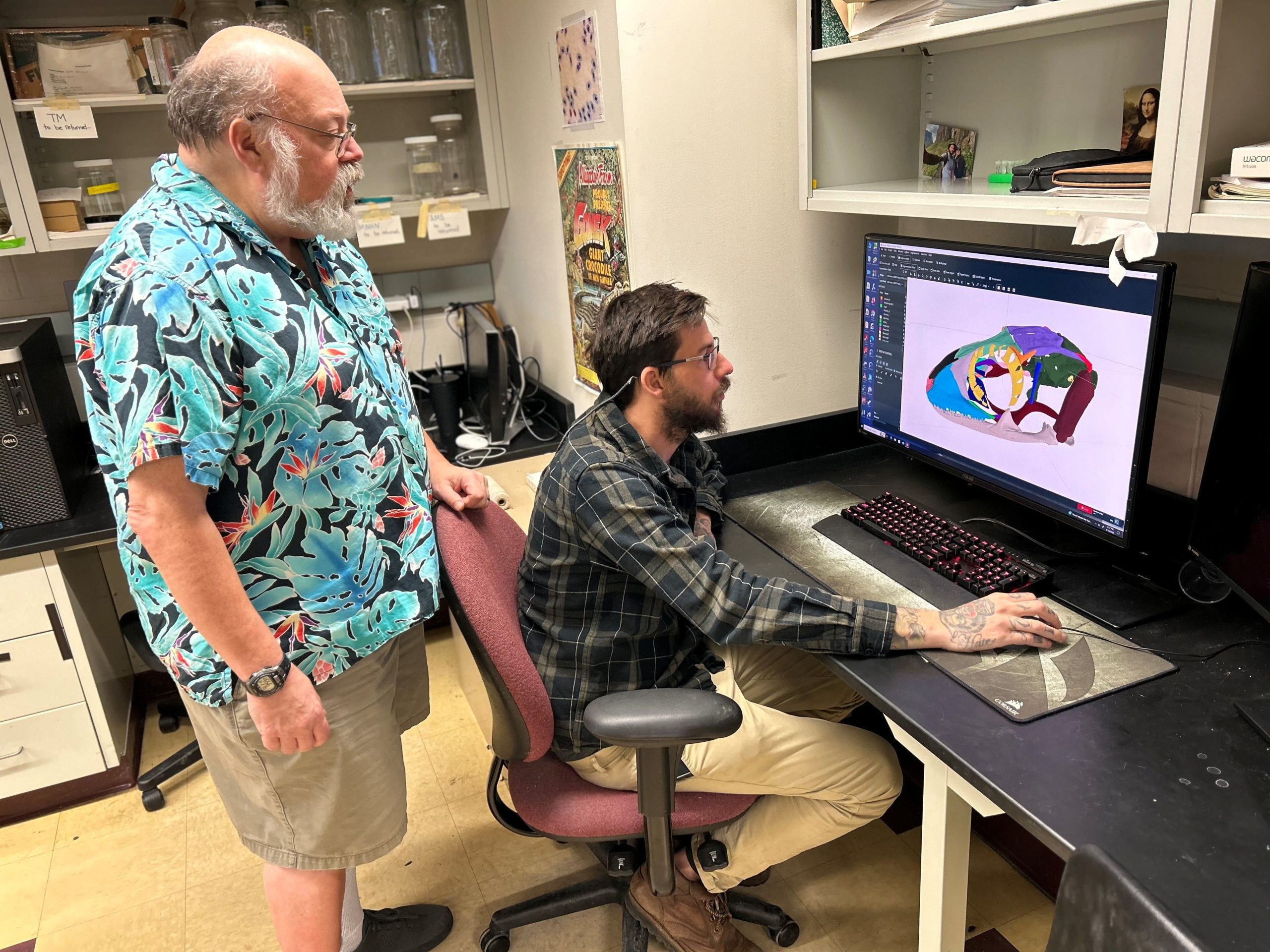
Bauer’s former graduate student, who later became a University of Michigan-Dearborn professor of biology, helped him analyze DNA from the gecko’s leg bone in 2023.
“If I have had a successful career, it’s because I’ve had great students who didn’t just come and go,” Bauer said.
The snazziest snake
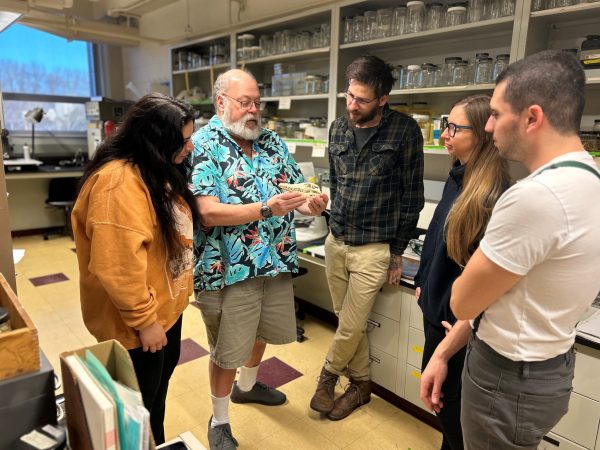
Aaron Bauer keeps in touch with his former students. The majority have stayed in herpetology.Courtesy of Villanova
Bauer spent his childhood exploring ponds, fields, and wildlife on the 68-acre Long Island estate where his grandfather was a caretaker.
He decided to become a herpetologist at age 5, after catching “the snazziest snake we have in the northeastern U.S.”
As an 8-year-old captivated by the bright green creature, Bauer typed up lists of all the Latin names of amphibians and reptiles.
He knew he wanted to work with these critters, but not how to make a living from it.
“Nobody in my family had gone to college, so what do I know?” Bauer said.
His path began with studying zoology and history at Michigan State University, where he graduated in 1982.
As aPhD student at the University of California, Berkeley, he specialized in lizards. It was the one species he could not find at the Long Island estate, where frogs, salamanders, turtles, and snakes abounded.
“Everybody wants what they don’t have,” he said.
Geckos, in particular, captivated him with their “weird features,” he said, including toe pads, the ability to climb, and lack of eyelids.
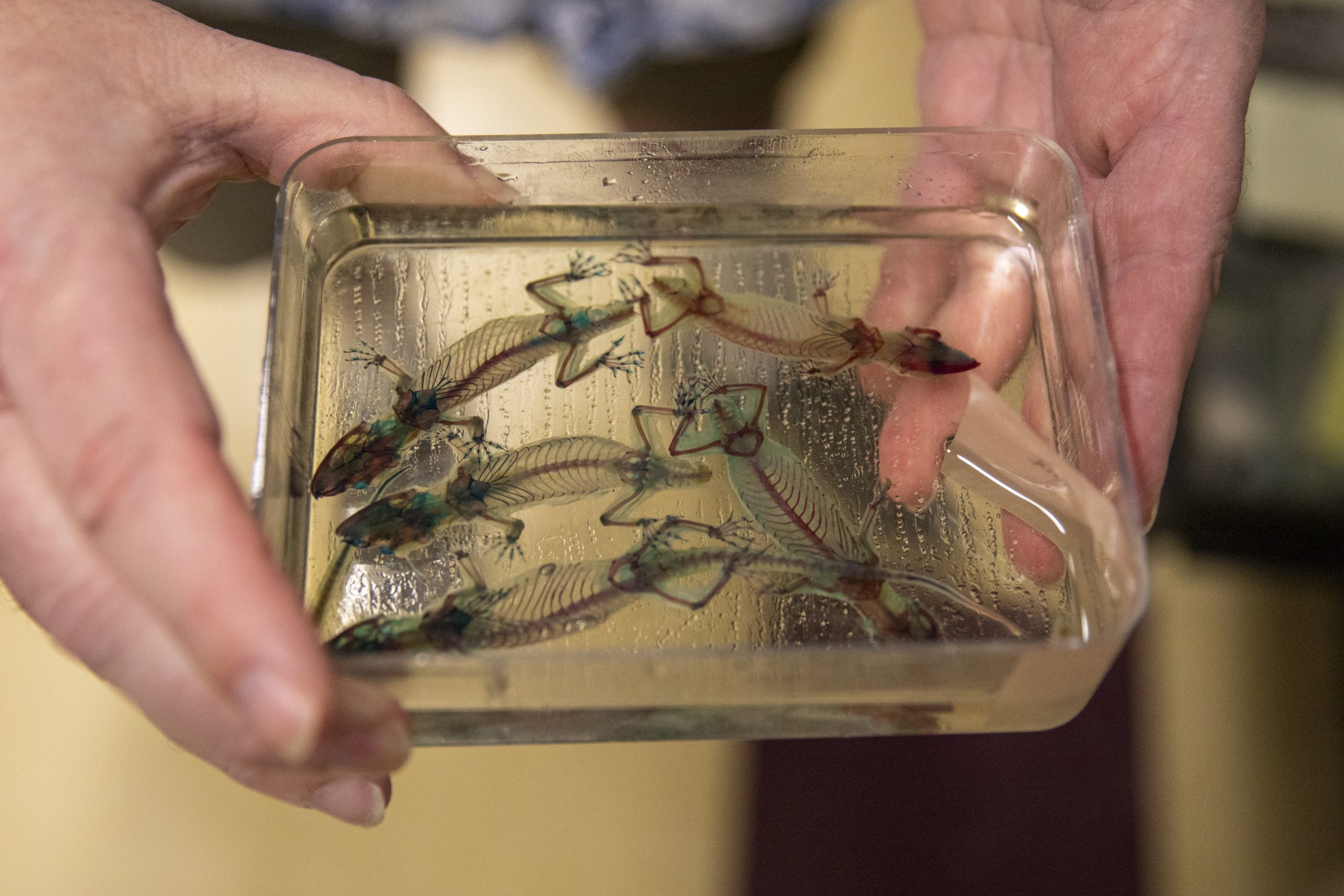
Aaron Bauer holds a container of African House Geckos in the labs at Mendel Hall at Villanova University.TYGER WILLIAMS / Staff Photographer
His research explores the diversity of life and its history:
How does this lizard’s anatomy allow it to be successful? How is it related to the area of the world where it lives, and how did it get there?
In the field
At work, people know Bauer as the guy in Hawaiian shirts and shorts.
He tries not to wear such bright shirts in the field, because “you want to be a little more inconspicuous in the vegetation,” he said.
In these areas, the nearest human could be 50 or 100 miles away.
His team tries to sample from as many places as possible to capture diversity. Some days, they cover hundreds of miles. Other days, they spend a week in one place.
Usually, they identify a new species.
“One of the facts of field work is you don’t know what you’re going to find,” Bauer said.
His team brings nets for frogs, snake sticks for pinning venomous snakes, and equipment to collect tissue samples for DNA analysis. Lizards can be caught by hand.
From these field trips, he has collected enough material to work on for the rest of his life. Still, he said he feels a “physiological urge” to go back, and will continue researching as an emeritus professor.
Aaron Bauer retired from his 38-year-long teaching career at Villanova in May.Courtesy of Villanova
Bauer always reminds his students how lucky they are to go to remote places like northern Namibia, where they may go a week without seeing another person.
“There’s something special about that,” Bauer said. “To go places that most people will never see and don’t know even exist.”
Raising an academic family tree
A group photo of Aaron Bauer, Todd Jackman, and many current and former students at a herpetology meeting at the University of Kansas in 2015.Courtesy of Daniel Paluh
At this week’s national herpetology conference in New Orleans, a special session called “Bauer-fest” will celebrate hiscareer.
“He’s always continued to be a really strong advocate for all of his students,” said Daniel Paluh, an assistant professor at the University of Dayton in Ohio, and one of the former students organizing the event.
Paluh was intimidated by Bauer when he first met him at a conference, before realizing he was “a very friendly, funny, personable person.”
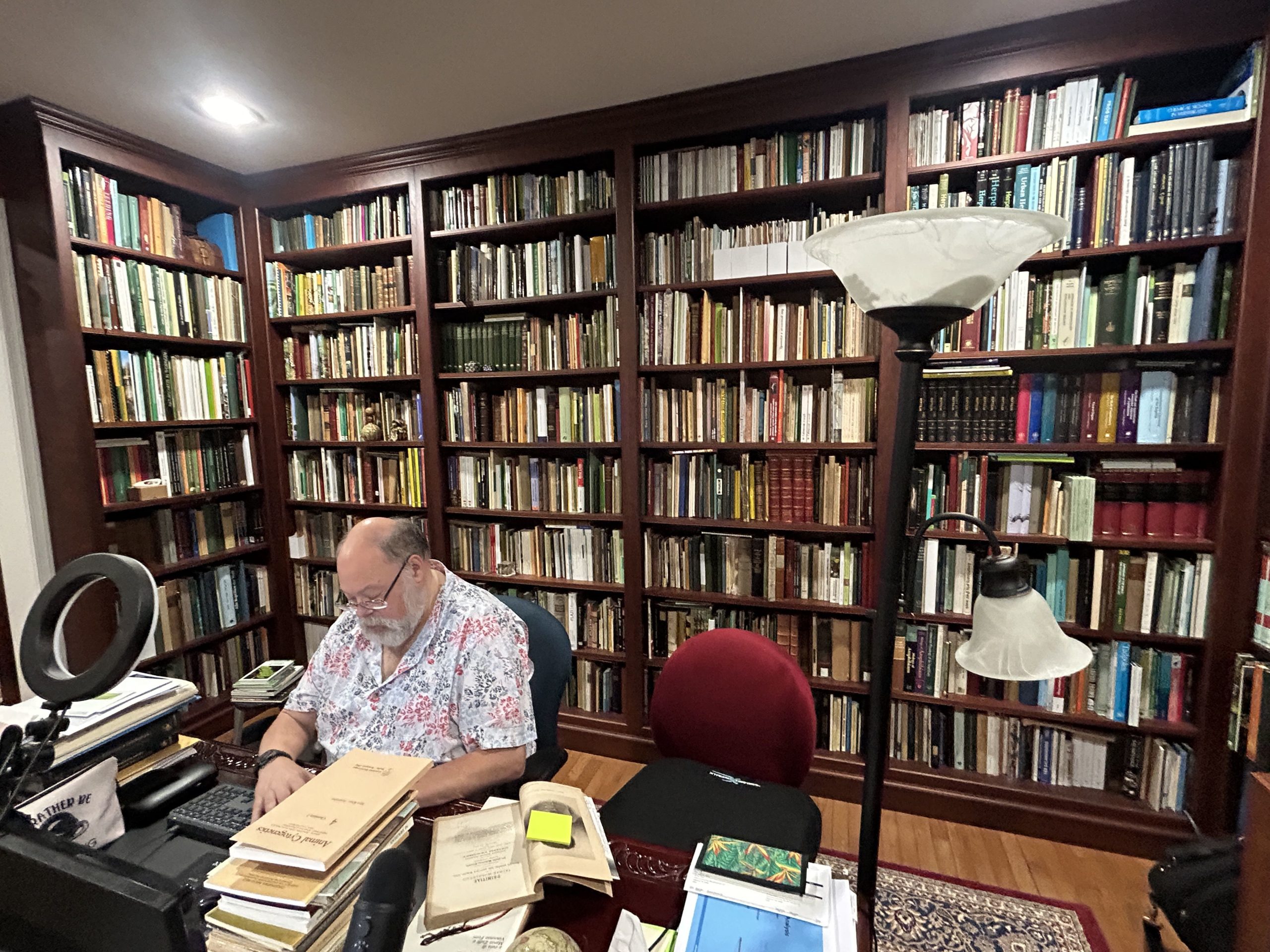
Bauer had an “open-door policy,” Paluh recalled, to help his students with research. That came with access to his personal library — one of the largest collections of books on herpetology in the world and the inspiration for a scene in the 2012 movie The Amazing Spider-Man.
Aaron Bauer’s personal library is one of the largest collections of books on herpetology in the world. It was used as inspiration for a scene in the 2012 movie “The Amazing Spider-Man.”Courtesy of Aaron Bauer
Bauer alsocares about his students’ lives beyond graduation, said his Villanova colleague Todd Jackman, who is organizing a “Bauer-palooza” near the university in September.
About 80% of his former master’s students have stayed in the field, becoming professors in Louisiana and Kentucky, a museum curator in Australia, the head of nature conservancy in southern Angola, and more.
“I’m not crazy about being the center of attention, but I think that’s outweighed by the fact that I’ll have all of these people in one place,” Bauer said.
The Philadelphia Department of Public Health is notifying travelers of a possible measles exposure that occurred recently at Philadelphia International Airport.
The Health Department noted that the exposure would have taken place on Saturday, July 4, between 7:30-11:15 a.m. at Terminals A, B, and C. The person with measles was traveling through Philadelphia and health officials are encouraging people who might have been exposed to check their vaccination status and watch for symptoms.
“We believe there is no threat to the general public associated with this case of measles,” city Health Commissioner Palak Raval-Nelson said in a statement. “We encourage people who were possibly exposed to take action if they are not protected against measles. Measles activity remains elevated both internationally and in areas of the United States, including the ongoing outbreak in Pennsylvania west of the city, concentrated in Lancaster and Lebanon counties, with spread to Chester County.”
Raval-Nelson encouraged parents to follow the CDC’s immunization schedule and have children fully vaccinated “as soon as they are able.”
Measles is a highly contagious virus that spreads through the air through coughing, sneezing, or talking. People who aren’t protected against measles can contract the virus up to two hours after someone else with measles left the same room or airspace. The early symptoms of measles are fever, runny nose, cough, and red, watery eyes, followed by rash. In some people, it can be a serious infection that leads to pneumonia, brain infection, and death.
After giving birth to her first child, Jennifer O’Mara sought therapy forpostpartum depression.
But when O’Mara left her Delaware County home to visit her in-laws in North Carolina, her counselor had to cancel a virtual session because she wasn’t licensed to practice outside of Pennsylvania.
“My therapist had always asked me if I was in Pennsylvania before a session started, and there was actually a time where I was not, and we couldn’t meet, and I didn’t understand why,” O’Mara said. “I was confused.”
Unbeknownst to the new mother, Pennsylvania counselors need a separate license for each state they practice in.
O’Mara, a Democrat elected as a state representative in 2018 and a co-chair of the legislature’s Mental Health Caucus, said she’s been working to change that regulation since that canceled therapy session.
Four years later, O’Mara’s efforts are about to pay off under a bill expected to soon go to Gov. Josh Shapiro for his signature.
The legislation would make Pennsylvania the 40th state to join the Interstate Counseling Compact. It enables counselors who are licensed in Pennsylvania to practice in any state that is part of compact.
Pennsylvania will join already participatingstates, including Delaware, New Jersey, Maryland, Ohio, and yes, North Carolina.
The bill only applies to licensed professional counselors, or LPCs. Pennsylvania separately participates in multistate healthcare compacts for psychologists, doctors, nurses, and physical therapists to provide inpatient care or telemedicine across state lines.
State Rep. Jennifer O’Mara (D., Delaware County) with her daughter, Katherine, now 4, in 2023. O’Mara helped usher the Interstate Counseling Compact bill through the Pennsylvania House in late June. The bill would allow licensed professional counselors (LPCs) to practice across state lines. Courtesy of Jennifer O'Mara
Shapiro plans to sign it
O’Mara helped advance the bill in the House. The Senate had passed it in July 2025 by a 45-5 vote. The House approved it last week by an 188-to-14 vote.
It now goes back to the Senate for a perfunctory, final signature by that chamber’s president before heading to Shapiro’s desk, according to a spokesperson for Sen. Lisa Boscola (D., Lehigh and Northampton), the bill’s prime Senate sponsor.
O’Mara and leaders of the Pennsylvania Counseling Association (PCA), which has about 700 members statewide, said they expect Shapiro to sign the bill into law once it gets to his desk. A spokesperson for Shapiro confirmed on Tuesday that he plans to sign it.
The bill aims to benefit recent high school graduates who want to keep the same therapist but plan to attend college out of state; active duty military members who are deployed outside Pennsylvania; and residents who physically work in New Jersey or Delaware and opt to do sessions during their lunch break, according to O’Mara.
“This feels like a small bill that will make a big difference,” O’Mara said.
Addressing a shortage of counselors
Post-pandemic, the demand for mental health services has increased, and providers have struggled to keep up. The nation is expected to have a shortage of more than 40,000 counselors by 2030, and roughly 62% of Pennsylvania communities lack adequate mental health services, according to the PCA.
The legislation is designed to ease that burden, said Nicole Palman, a counselor at the Main Line Counseling and Wellness Center in Haverford.
“We’ll be able to continue to see clients when they move to New Jersey or when they move to Delaware without having to end care that may have been going on for years,” saidPalman, a PCA member who advocated for the bill.
It’s not always easy to find a new counselor, she noted.
“A lot of people get discouraged,” Palman said. “The process is worse than dating to find a therapist you align with.”
Editor’s note: This story has been updated to clarify that psychologists are included in Pennsylvania’s multistate compacts for health professionals.
Inquirer staff writer Gillian McGoldrick contributed to this article.
The U.S. government has awarded Children’s Hospital of Philadelphia $39 million to develop a scalable platform for treating rare genetic, liver-related diseases in infants and children.
The federal Advanced Research Projects Agency for Health (ARPA-H) also announced this week another $4 million for local gene therapy pioneer Jim Wilson to design gene therapies using AI at his University of Pennsylvania spinout, GEMMABio.
The $43 million in funding earmarked for Philadelphia researchers comes through a new federal effort to advance gene therapies for rare diseases.
CHOP’s team includes the duo behind last year’s first-of-its-kind, personalized gene-editing treatment involving a Philadelphia-area infant, known as Baby KJ. CHOP’s Rebecca Ahrens-Nicklas and Penn Medicine’s Kiran Musunuru together created a custom drug to correct the genetic mutation driving Baby KJ’s rare metabolic disease — dramatically improving his liver function.
The funding will expand their work and bring in another CHOP researcher, Lindsey George, who develops gene therapies for bleeding disorders.
“We’re trying to move beyond just one diagnosis or one gene,” Ahrens-Nicklas said.
Philly-based scientists comprise two of seven research teams nationwide to receive funding through ARPA-H’s new $160 million effort.
Called THRIVE, the program aims to help the roughly one in 10 people — most being newborns, infants, and children — with chronic genetic diseases. Ninety-five percent of rare diseases have no approved treatments.
Leaders want to develop “precision genetic medicines through platforms that can test multiple treatments for multiple diseases in a single clinical trial,” ARPA-H director Alicia Jackson said in a Thursday news release.
The CHOP team will focus on building a scalable gene-editing platform that can be used to treat a variety of infants and children.
Their initial focus is on liver-related genetic diseases, ranging from urea cycle disorders to blood clotting diseases.
“Essentially it’s the same drug, whether or not you’re targeting a genetic variant that causes a rare metabolic disease or a genetic variant that causes a rare coagulation disorder,” Ahrens-Nicklas said.
Their five-year plan includes launching preclinical and clinical trials testing the safety and efficacy of their individualized treatments.
They will also pursue regulatory approvals, work with payors, and implement their therapies at community sites and remote hubs to expand access.
“We are the three musketeers that already text 25,000 times a day, and will continue to do so,” Ahrens-Nicklas said.
Wilson experimenting with AI
Wilson founded academia’s first gene therapy program back in 1993 as a professor at Penn.
He left in 2024 to spin out biotech start-ups dedicated to tackling rare diseases with genetic medicines.
“The question is, can we find ways to scale this bespoke personalized medicine strategy, so that it is affordable and cost-effective?” he said.
In partnership with a biotech called ProFluent, GEMMABio will use AI to design its base editors — the machinery that goes in and make edits to DNA.
The tool could be rapidly adapted to different patients and diseases, theoretically making the process more affordable, scalable, and efficient, Wilson said.
His $4 million award will fund preclinical studies of their technology.
GEMMABio’s initial focus is on two rare liver diseases “for which there is significant unmet need,” he said, including Maple Syrup Urine Disease and homozygous familial hypercholesterolemia (HoFH).
Susan Gilchrist, a preventive cardiologist and epidemiologist, sees patients all the time at the University of North Carolina Cardiovascular-Kidney-Metabolic (CKM) Syndrome Clinic who don’t know what CKM is and are not sure why they’re in her clinic.
It’s not surprising — CKM syndrome was only recently coined, in 2023, by the American Heart Association (AHA). And roughly 9 in 10 U.S. adults — about the same number of people estimated to have it — have never heard of it.
CKM syndrome is not one disease but rather “a broad disorder that recognizes the overlap between cardiovascular, kidney and metabolic conditions such as diabetes and obesity,” said Muthiah Vaduganathan, a cardiologist at Brigham and Women’s Hospital who has conducted landmark studies on CKM syndrome. Doctors have long known that people often have more than one of these conditions at once. CKM syndrome reflects a newer understanding that the very same factors — specifically, extra weight, high blood pressure, high blood sugar, abnormal cholesterol and reduced kidney function — can contribute to the onset and progression of all three types of disease, Vaduganathan said.
The good news is that a similar set of therapies can be used to manage conditions across the CKM triangle, Vaduganathan said.
How does CKM syndrome start and progress?
Researchers have defined CKM syndrome as a four-stage continuum, reflecting how symptoms and risk factors progressively pile up, raising the likelihood of a heart event or kidney failure.
Stage 1: Includes people with extra fat tissue — defined as a body mass index (BMI) of 25 or higher, or a waist circumference of 88 centimeters or greater in women and 102 centimeters or greater in men — and those with “dysfunctional” fat tissue, who may not have a larger body but show signs of poor glucose tolerance, like prediabetes. Because BMI can’t distinguish lean body mass from fat, it can misclassify short or muscular people as overweight, which is why Gilchrist said experts often use it in tandem with the other metrics here to pinpoint those who fall in this risk bucket.
Stage 2: Includes people with metabolic risk factors that often flow from extra fat tissue, like high blood levels of a type of fat called triglycerides, high blood pressure, metabolic syndrome (a cluster of symptoms that can include either of the previous two, as well as a large waist, poor cholesterol and high blood sugar), diabetes or chronic kidney disease. At this stage, people still tend to be asymptomatic, Vaduganathan said. Getting categorized requires bloodwork, usually done at a routine physical.
Stage 3: Includes those from prior stages who’ve developed presymptomatic heart disease, such as atherosclerosis or heart failure, and those with very high-risk CKD or a risk greater than 20 percent of a heart event in the next 10 years, based on the AHA’s PREVENT calculator. Since the disease might still be silent at this point, a person would be classified when their doctor orders screenings based on the above risk factors.
Stage 4: Includes people from the above stages who’ve been diagnosed with a stroke, heart failure, coronary heart disease, peripheral artery disease or atrial fibrillation. This stage, which can occur with kidney disease (stage 4b) or without (stage 4a), covers the most severe outcomes of CKM syndrome and brings a high risk of future heart events, too.
This framework has helped Gilchrist explain to patients why weight matters for health: Carrying extra weight alone does not equate to disease — but it may put you on a path toward it. A large waist circumference and high blood sugar, in particular, are signs of what Gilchrist called “metabolically dangerous” fat. It releases inflammatory proteins into the blood and can rev up your body’s “fight or flight” stress state, she said.
That combination can raise blood pressure and levels of certain fats in the blood, and make cells resistant to insulin (which helps with sugar uptake), dumping even more sugar in the blood. Both high blood sugar and high blood pressure can damage the tiny blood vessels feeding the kidneys, harming their ability to filter waste and extra fluid, said Joshua Joseph, an endocrinologist at the Ohio State University Wexner Medical Center. The fluid backup increases blood volume, straining the heart and further raising blood pressure, Joseph said, setting off a downward spiral toward heart events and kidney failure.
Why is CKM syndrome becoming a more common diagnosis?
The CKM framework was only formalized in 2023, and the physician guidelines for identifying and managing it, in June 2026, so the syndrome is just now gaining recognition.
CKM syndrome affects 90 percent of Americans because it’s broadly defined to capture everyone on the continuum from those who might feel well but have early metabolic risk factors, to those with full-fledged heart disease. “It doesn’t mean that 90 percent of Americans require treatment,” Vaduganathan said. The goal isn’t to overmedicalize but to push prevention: “It’s more that 90 percent of Americans should be aware that they are at least at risk for progression of one or more of these conditions — metabolic, kidney or heart — and that early lifestyle management can help.”
Gilchrist pointed out that the guidelines even describe a “Stage 0,” which includes the other 10 percent of Americans. They may not technically have the syndrome but are still at risk for developing it if they don’t actively subscribe to a healthy lifestyle, she said.
So much of the American public falls between Stage 1 and Stage 4 CKM syndrome because of our typical lifestyle behaviors, said Joseph. “We live in a 24-hours-a-day society where we may struggle to eat healthy foods, be physically active and get enough sleep,” he said. Roughly 20 percent of U.S. adults also use tobacco products, he added, which ratchets up risk, too.
But our behaviors also occur in the context of our environments, Joseph pointed out. You might live in a rural area without easy access to a grocery store or in a city lacking green spaces or other safe areas to go out and be active. Or maybe your home is surrounded by factories that pump pollutants into the air. “Both the environmental foundation and the lifestyle behaviors are levers we’re trying to move,” Joseph said.
What are the treatments for CKM syndrome?
At early stages, treatment centers on lifestyle interventions. For instance, “we know that a Mediterranean-style diet can not only help mitigate blood pressure and blood sugar, but has also been shown to reduce long-term cardiovascular risk,” Joseph said. Beyond diet, the AHA guidelines for CKM syndrome also note being physically active, avoiding nicotine products and getting quality sleep plus, in people with extra weight, behavioral weight loss programs led by clinicians.
A handful of long-used medications are also still recommended to tackle specific risk factors and diseases in people at higher stages — for example, metformin to lower blood sugar, statins to combat high cholesterol and angiotensin-converting enzyme (ACE) inhibitors to control blood pressure.
But the biggest focus for people across the CKM spectrum is on new medications with broader effects across organs, the experts said. For instance, glucagon-like peptides (GLP-1s) can help with weight and lower blood sugar by slowing down digestion, which has been shown to benefit the heart and kidneys. Then there’s sodium-glucose cotransporter 2 (SGLT2) inhibitors, which help you urinate out sugar and are also proven to reduce heart failure admissions and stabilize kidney function, Joseph said. And nonsteroidal mineralocorticoid receptor antagonists (nsMRAs) can limit fluid backup in the kidneys with upstream benefits for the heart.
We’re in such a “great era of medicine,” Gilchrist said, because we don’t just have drugs that lower one risk factor. With the CKM framework, we can find people at risk, she said, and “we can offer medicines that may actually help them stay out of the hospital and live longer.”
Felix White worries his ability to keep working — and avoid a health crisis — could be at risk.
The 62-year-old Montgomery County resident relies on Medicaid to afford the insulin he needs to manage his type 1 diabetes.
Beginning in January, people with Medicaid will be required to provide proof that they are working 80 hours a month, unless they are considered too sick to work and qualify for an exemption.
If White fails to submit enough evidence, he could lose Medicaid. Yet without the government-funded coverage, he won’t be able to get the medications and care he needs to stay healthy enough to keep working.
“It would be a death sentence for me,” White said.
A few years ago, White lost his job in computer science — and the private health insurance that once covered the medications, glucose monitor, and specialists he needs to manage type 1 diabetes.
Finding work in his field has been challenging at his age, White said. So instead, he’s relied on a string of odd jobs, such as mowing lawns, for income and Medicaid for healthcare.
Pennsylvania expects 310,000 residents to lose Medicaid when the new rules take effect, and White fears he could be among them.
The work requirements are part of Republicans’ 2025 spending and tax cut bill, which is expected to cut more than $900 billion in Medicaid spending over the next 10 years.
The legislation passed by Congress allowed exemptions for Medicaid recipients considered “medically frail.” The law loosely defined categories of exemptions, such as for people with a substance use disorder, a disabling mental disorder, a “serious or complex” medical condition, and disabilities that limit their daily activities.
White’s Type 1 diabetes is considered a disability that could hinder a person’s ability to work.
But in June, the Centers for Medicare and Medicaid Services provided additional details: To be exempt from the work requirement, people will need to prove not only that they are “medically frail,” but also that their illness is so severe they are unable to work.
Republicans who pushed the legislation argue that work requirements ensure only people with the greatest needs receive the safety-net support, while helping people who have been sick reintegrate into society.
Pennsylvania is among 25 Democrat-led states suing over the interim final CMS rule, which they say oversteps the law, HR 1. The June rule “differed significantly” from initial guidance and “undermines months of work and human and financial resources” Pennsylvania has spent to meet the new requirements outlined in HR 1, the Pennsylvania Department of Human Services said in a statement.
“This redirection poses an even greater threat to health and well-being for Medicaid recipients and the stability of our entire healthcare system,” said Brandon Cwalina, a spokesperson for DHS.
Shifting Medicaid rules
Implementing the new Medicaid rules represents a massive undertaking for states. The law calls for many people to prove on a monthly basis that they are working, and reapply for coverage every six months, instead of once a year. Certain groups of immigrants will no longer be eligible.
These changes have required Pennsylvania and other states to overhaul the type of information they document about Medicaid applicants. Processing renewals twice as often will require more staff.
States also had to devise strategies for alerting people of the changes, for fear they will be dropped from coverage they didn’t know they were at risk of losing.
Pennsylvania DHS “has worked in good faith” to make these changes, sharing designs and plans with CMS leadership, Cwalina said.
The June rules from CMS will require “a more complex, costly, and labor-intensive approach,” he said.
Administrative hurdles for vulnerable patients
The new rules will make it harder for people to get the care they need, patient advocates and health analysts warn, saying it will drive more people to rely on emergency care, further straining the health system.
“What the administration is calling work requirements are really just hurdles for people who deserve Medicaid and access to the care they need,” said Michael Berman, director of Protect Our Care PA, a healthcare advocacy group, who spoke at a virtual press conference Wednesday with stakeholders and patients, including White.
Under the June rules, states are responsible for developing a list of diagnosis codes that qualify for an exemption, and devising a system to determine how a person can prove their diagnosis prevents them from working.
The CMS guidance provides some specific limitations.
People with substance abuse disorder, for instance, will not be eligible for a work requirement exemption if they have been in recovery for at least five years.
Behavioral health workers worry that will lead to more people relapsing.
“We know recovery works, but only when people can consistently access care,” said Jeannine L. Lisitski, CEO of Mental Health Partnerships, which provides mental health and substance abuse services in Pennsylvania.
People with HIV/AIDS and cancer, also considered serious medical conditions, will only be exempt from the work requirement rules if they prove they are too sick to maintain a job.
Gathering the documentation could be especially burdensome for people who are seriously ill.
“For someone who’s in cancer treatment, to go back to a doctor and get another piece of paper filled out is just going to make it harder and less likely they’re able to get the care they need to survive,” Berman said.
Q: I know so many people who have been diagnosed with cancer. Are rates really going up? Why does it seem so common now?
A: Cancer is a global problem. If it seems like there are more cancer diagnoses than ever, you’re right: In 1975, about 400 per 100,000 people in the United States were diagnosed with cancer. In 2023, the incidence was 456 per 100,000, though overall rates have been mostly stable since 2014.
While more people are being diagnosed with cancer today compared with 50 years ago — either because of an increase in actual cases, better detection, or a changing definition of what’s considered cancer — the good news is that fewer are dying of it. Since 1999, age-adjusted cancer death rates fell dramatically, from 201 per 100,000 people in 1999, to 142 per 100,000 people in 2023.
To understand how these can both be possible at the same time — and how, ultimately, the outlook for those diagnosed with cancer is quite positive — it helps to first understand what cancer is, how it occurs, and how modern treatments have learned how to exploit the diagnosis for good.
What is cancer and how does it start?
Put simply, cancer involves the uncontrolled growth of cells in the body. While there are a number of possible causes, they are all related to errors that happen in the cell’s genetic instructions, or DNA.
The cell can make a random mistake when replicating, resulting in a cell that grows faster than other cells around it. Or, the cell can be damaged by carcinogens, such as ultraviolet light or the chemicals in cigarettes.
Some cancers can also occur when a cell’s “self-destruct” code malfunctions. Our bodies recognize when cells are damaged, grow too rapidly, or otherwise behave abnormally, then react by sending out chemical signals that tell the cells to stop growing or self-destruct. Errors can alter that signal or affect a cell’s ability to recognize it; the cell turns a deaf ear to the instructions from the body to cease and desist.
Most genetic errors that cause uncontrolled cell growth occur because of bad luck. The longer we live, the more of our cells divide, increasing the statistical likelihood that one of those cells will make a mistake when replicating and develop into cancer. This is why most cancers are diagnosed in older adults.
Another form of bad luck includes genetic mutations we’re born with. It is estimated that up to 10% of cancers are caused by inherited genetic abnormalities such as BRCA1 and BRCA2, which are linked to breast, ovarian, and prostate cancers, among others.
Some genetic errors are introduced by viruses. Anywhere from 13 to 20% of cancers worldwide are thought to be due to viruses, such as human papilloma virus, or HPV, Epstein-Barr virus and hepatitis B and C, and bacteria, such as Helicobacter pylori.
Other extrinsic or “outside of the body” factors can break or damage a cell’s DNA and lead to cancer, including smoking, alcohol intake, and exposure to ultraviolet radiation from the sun or other sources, such as tanning beds. Less common DNA-damaging culprits include environmental exposures such as industrial chemicals, nuclear radiation, chemotherapy, or radiation therapy used to treat other cancers.
Once created, cancer cells are insidious: They can instruct blood vessels to grow toward tumors, thus ensuring their own survival by having an adequate supply of oxygen and nutrients; they can hide from the immune system, cloaking themselves to prevent their own destruction; and they can even trick the immune system into helping them survive and thrive.
Why have cancer rates increased over time?
Overall, people are living longer because deaths from cardiovascular disease, stroke, and other medical conditions have declined. As we extend our life span, though, we increase that statistical likelihood that our cells accumulate genetic mutations.
Cancer rates can also change depending on how we define “cancer.” For example, many of my patients have a type of bone marrow cancer called myelodysplastic syndromes. It was only about 25 years ago that the Centers for Disease Control and Prevention and the National Cancer Institute formally recognized this condition as a cancer, and started tracking it alongside more common cancers like those of the lung, breast, or prostate. Once these government agencies decided to call myelodysplastic syndromes a cancer, overnight the numbers of cancers diagnosed in the U.S. increased by about 20,000 per year.
And much of the increase in cancer diagnoses can be attributed to better detection. Radiology scans have become more refined and sensitive, making them better at detecting abnormalities that lead to cancer diagnoses. Laboratory tests have been developed to identify markers in the blood (such as certain proteins) that suggest cancer may be present before it otherwise would have been discovered.
Cancer screening programs, which are designed to detect cancer in its early stages, when it is potentially more curable, have uncovered more slower-growing cancers — including ductal carcinoma in situ of the breast in women or early stage prostate cancer in men — that previously never would have been diagnosed.
While there are increases in certain kinds of cancer (which generate a lot of discussion), such as colorectal cancer in people under 50, it’s also true that cancer rates are dropping in other groups, like colorectal cancer in people over 50.
Treatments to target and eliminate cancer keep getting better
There is some good news: People are living longer than ever following a cancer diagnosis. The National Cancer Institute’s Division of Cancer Control & Population Sciences estimates that there are over 18 million cancer survivors in the U.S. and that this number is expected to grow to 26 million by 2040. Seventy percent of survivors live five or more years following their diagnosis, approximately half live 10 or more years and three-quarters of survivors are 60 years or older.
While some of the improved survival from cancer can be attributed to the increased number of early-stage cancers detected, we can also thank advancements in cancer therapies. Traditional chemotherapies damage cells during the division process, taking advantage of those rapidly dividing cancer cells. Other drugs, called angiogenesis inhibitors, help prevent the growth of blood vessels that feed the tumor. These treatment approaches, though, are not always specific to a given person’s cancer, and tend to affect the growth of noncancerous cells, too.
But over the past two to three decades, medications have been developed that target specific genetic mutations within the cancer cells, such as the HER2 abnormality in breast cancer, ALK in lung cancer, FLT3 in leukemia, and more recently KRAS in pancreatic cancer, among many, many others.
And within the past 10 to 15 years, there has been a revolution in the use of immunotherapy to treat cancer, with drugs that specifically target proteins on the outside of cancer cells, or that harness a patient’s own immune system to essentially train it to find and eliminate cancer. These newer, innovative treatments have improved the rates and duration of remission and even survival for a number of cancers, and have retooled how we treat cancer.
So while it is true that there seems to be more cancer than ever, there is also more hope than ever, as cancer is being detected earlier, eliminated more effectively, or transformed to a chronic condition rather than a life-threatening one.
Mikkael A. Sekeres, MD, MS, is the chief of the division of hematology and professor of medicine at the Sylvester Comprehensive Cancer Center at the University of Miami. He is author of the books “When Blood Breaks Down: Life Lessons from Leukemia” and “Drugs and the FDA: Safety, Efficacy, and the Public’s Trust.”
Jefferson Einstein Philadelphia Hospital was cited by the Pennsylvania Department of Health for maintenance and sanitation issues in March.
The incident was one of nine times inspectors visited the hospital, formerly known as Einstein Medical Center, to investigate potential safety problems.
Here’s a look at the publicly available details:
April 15, 2025: Inspectors came to investigate a complaint but found the hospital was in compliance. Complaint details are not made public when inspectors determine it was unfounded.
June 3: Inspectors came to investigate a complaint but found the hospital was in compliance.
June 18: Inspectors came to investigate a complaint but found the hospital was in compliance.
July 30: Inspectors came to investigate a complaint but found the hospital was in compliance.
Sept. 30: Inspectors came to investigate a complaint but found the hospital was in compliance.
Nov. 19: Inspectors came to investigate a complaint but found the hospital was in compliance.
Jan. 23, 2026: Inspectors came to investigate a complaint but found the hospital was in compliance.
March 11: Inspectors visited for a mental health survey and found the hospital was in compliance.
March 11: Inspectors cited the hospital for sanitation issues in several rooms, including tacky floor stains, debris left in trash cans, and a dark substance in the corners of a shower stall. Inspectors also found the hospital had not installed sloped safety coverings for medical gas and vacuum valves on the wall above the bed in four patient rooms. Without the coverings, the exposed valves posed a ligature risk, meaning a patient could use the edges to harm themselves. Hospital administrators agreed to install valve covers and retrained staff on cleaning procedures.
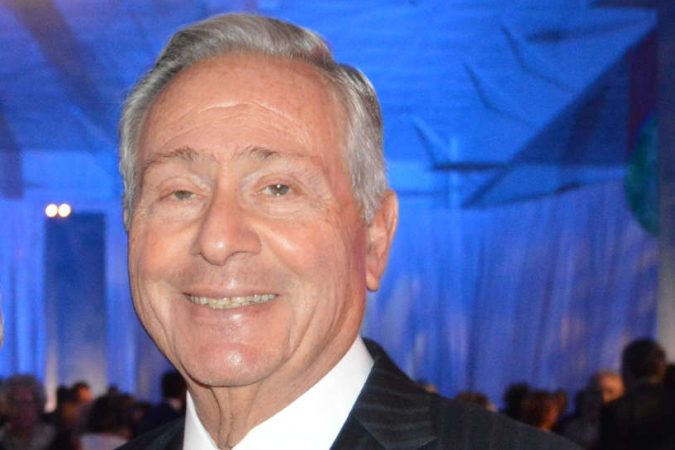
Leonard Abramson, 93, of Jupiter, Fla., a former pharmacist, founder, chair, and chief executive officer of U.S. Healthcare Inc., author, trustee emeritus at Johns Hopkins University, and one of the world’s most generous cancer research and clinical care philanthropists, died Saturday, July 4, of age-associated decline at his home in Blue Bell, Montgomery County.
Born and reared in the Strawberry Mansion section of Philadelphia, Mr. Abramson earned degrees at Pennsylvania State University and the old Philadelphia College of Pharmacy. He worked as a pharmaceutical salesperson, pharmacist, and hospital management executive in the 1960s, founded U.S. Healthcare in 1975, and nurtured the company into one of the country’s first and largest health maintenance organizations.
“Abramson accurately predicted the need for prepaid medical plans to manage spiraling medical spending in the ’60s and ’70s and founded U.S. Healthcare to capitalize on this opportunity,” officials at Harvard Business School said when they named him one of their Great American Business Leaders of the 20th Century.
Under Mr. Abramson, U.S. Healthcare was known for promoting childhood immunizations, mammograms for older women, reduced fees to specialists, and shorter hospital stays. He championed strict standards and accountability for medical professionals, and criticized those who abused a healthcare system then rife with loopholes.
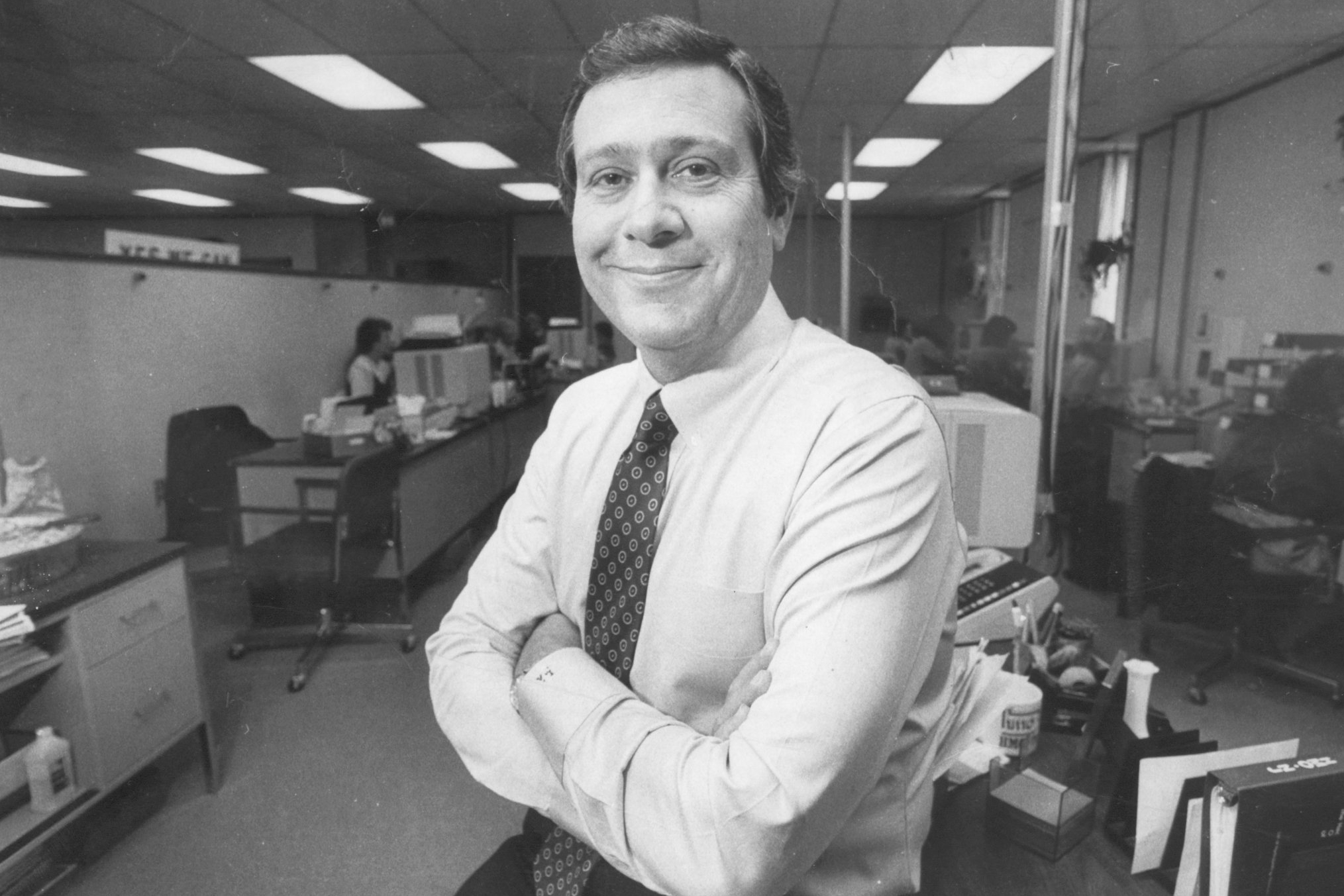
Mr. Abramson “was a brilliant man whose leadership and vision made the company truly exceptional,” a former colleague at U.S. Healthcare said in a tribute.Larry Price / Staff Photographer
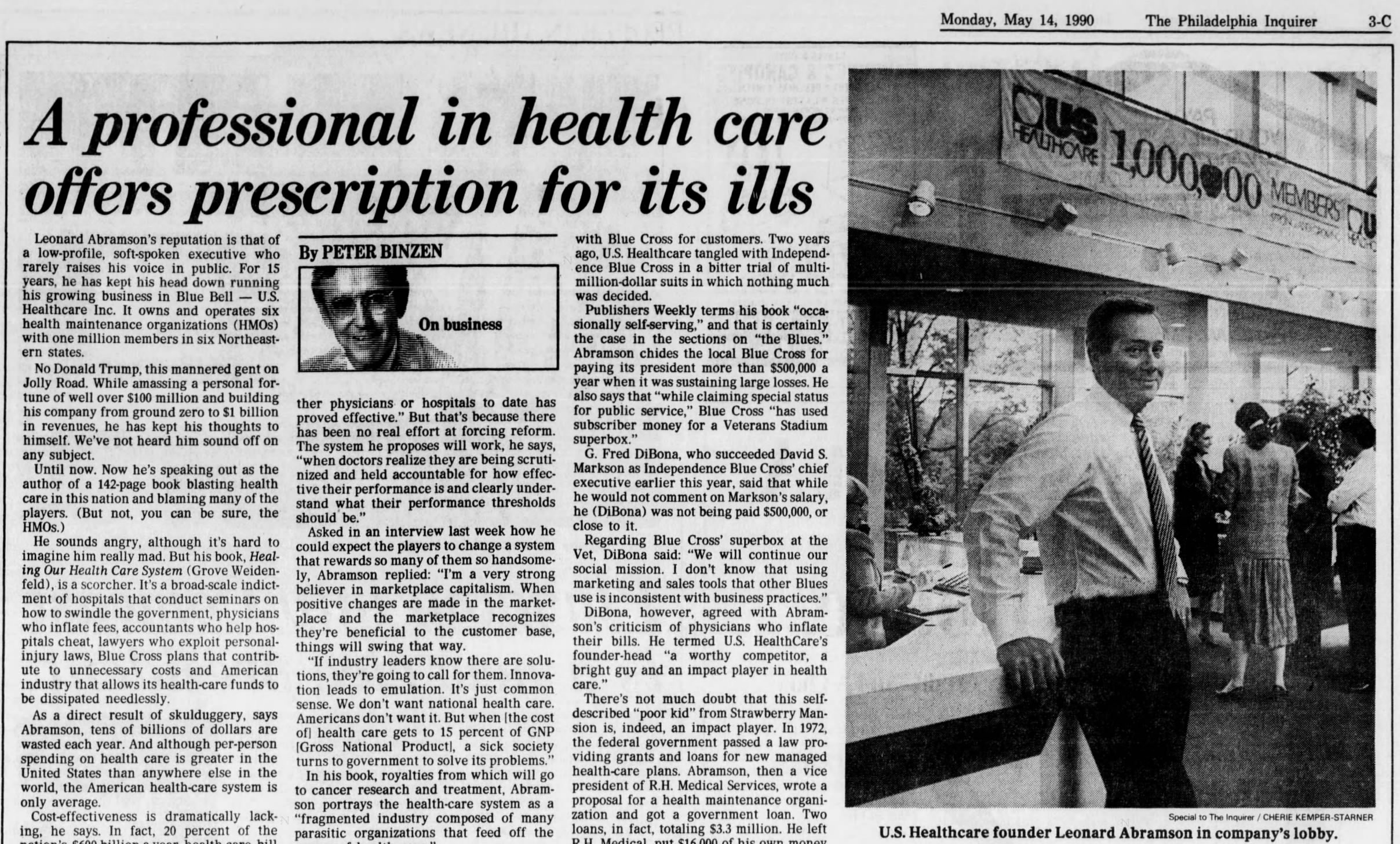
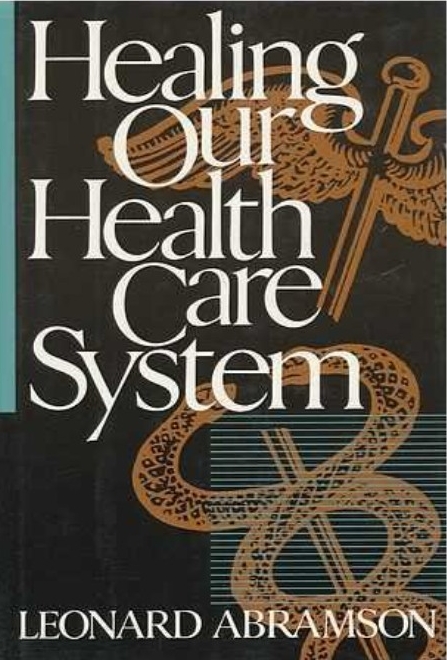
He wrote Healing Our Health Care System in 1990, and told The Inquirer: “If industry leaders know there are solutions, they’re going to call for them. Innovation leads to emulation.” In 1996, he sold U.S. Healthcare to Aetna Life & Casualty Co. for $8.9 billion, established the Abramson Group, and consulted for Aetna and other companies.
“He was a brilliant man whose leadership and vision made the company truly exceptional,” a former colleague at U.S. Healthcare said in a tribute. Another said: “He encouraged a commitment to customer service that stayed with me throughout my career.”
Routinely one of the highest-paid CEOs in the Philadelphia region, Mr. Abramson was a “low-profile, soft-spoken executive who rarely raised his voice in public,” Inquirer business writer Peter Binzen said in 1990. A former colleague at U.S. Healthcare said: “I never worked for a better man.”
As a philanthropist, Mr. Abramson and his wife, Madlyn, established the Leonard and Madlyn Abramson Family Foundation in 1996 and donated more than $140 million to the University of Pennsylvania’s Perelman School of Medicine and the Penn Medicine network. In 2002, Penn Medicine renamed its main cancer facility in University City the Abramson Cancer Center.
This article and photo of Mr. Abramson appeared in The Inquirer in 1990.Newspapers.com
In a tribute, officials at Penn said he “touched countless lives across the world through his generosity, compassion, and leadership.”
At Children’s Hospital of Philadelphia, they supported the Leonard and Madlyn Abramson Pediatric Research Center and a pediatric emergency department at CHOP’s hospital in King of Prussia. In 2013, they donated $10 million to fund scholarships at the Temple University dental school.
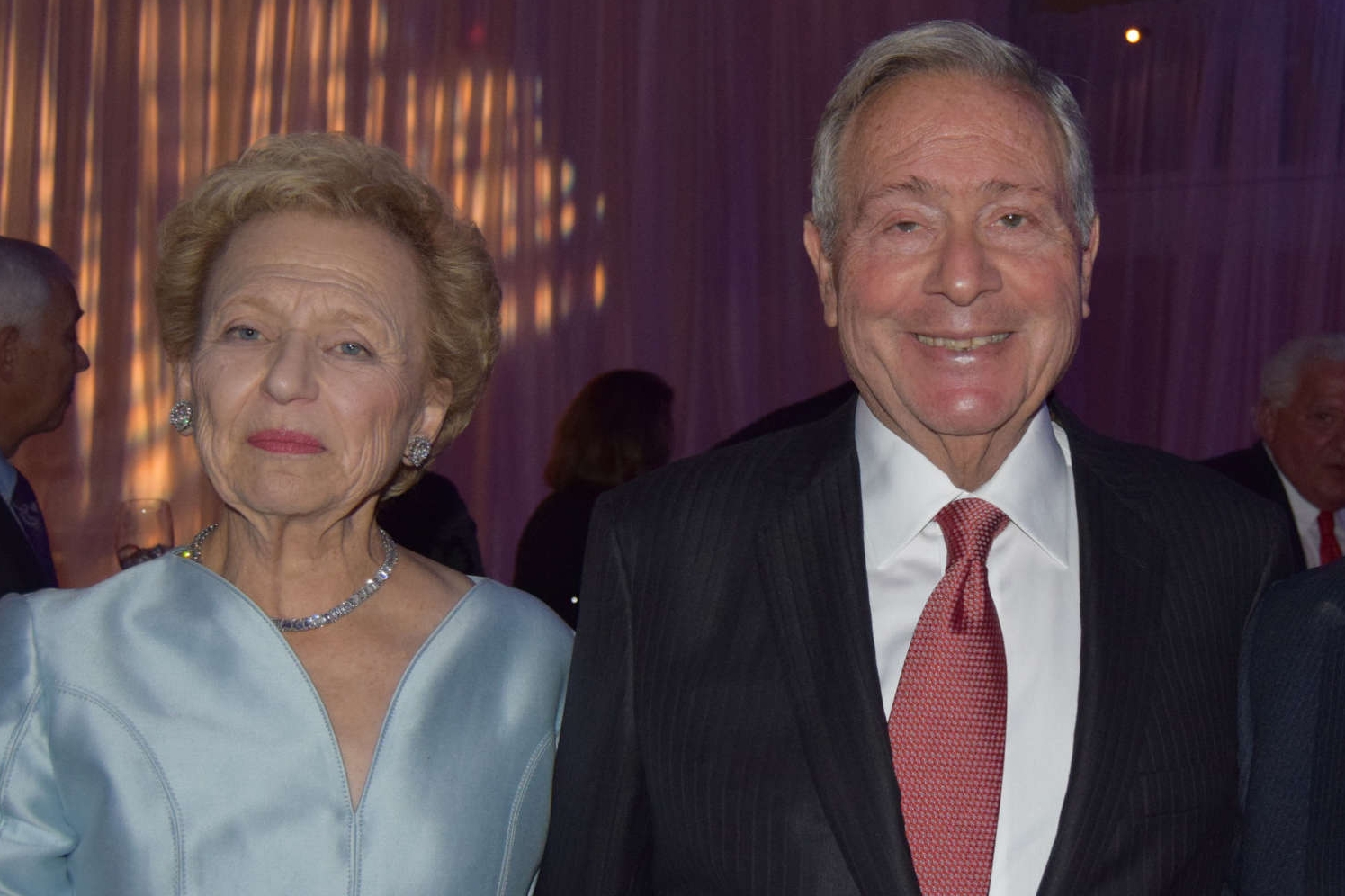
Mr. Abramson and his wife, Madlyn, married in 1957.
Mr. Abramson’s wife, a cancer survivor, died in 2020, and he donated $10 million in 2021 to establish an endowed chair of cardiac surgery in her honor at Jupiter Medical Center in Florida. He was an honorary trustee for the Brookings Institution, trustee emeritus for Johns Hopkins, board member for many organizations, and a supporter of Project HOME for affordable housing.
Friends and former colleagues called him a “caring humanitarian,” “a class act,” and “a visionary” in online tributes. One longtime friend said: “Leonard’s kindness and generosity made a difference in the lives of countless individuals.”
Leonard Abramson was born Nov. 12, 1932. He graduated from Northeast High School and drove a cab to help pay his way through pharmacy school.
“Not too many people started off with less than I did,” he told Forbes magazine in 1994.
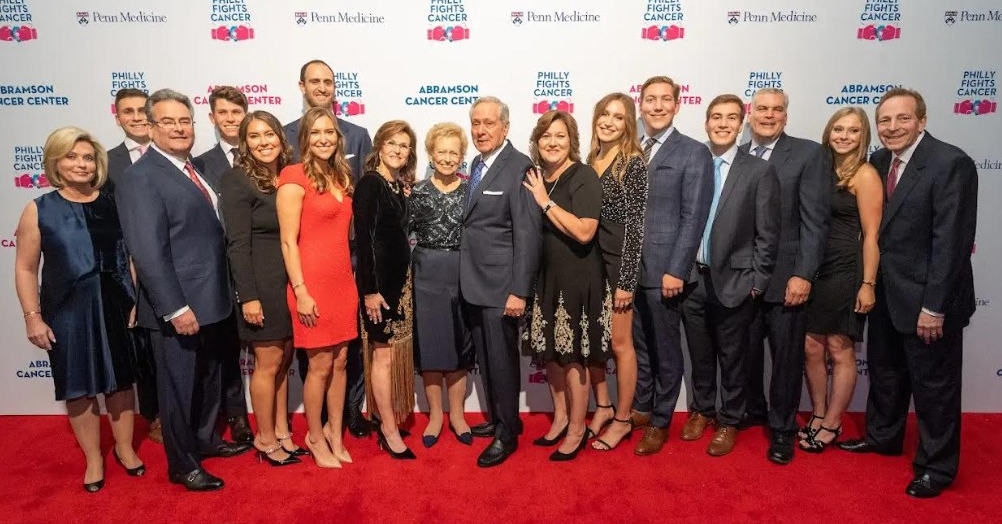
Mr. Abramson (center) enjoyed time with family and friends. Courtesy of the family
He met Madlyn Kornberg in college through a mutual friend, and they married in 1957. They had daughters Marcy, Nancy, and Judy, and lived in Blue Bell, Jupiter, Fla., and Camden, Maine.
Mr. Abramson enjoyed boating, golf, and painting. “He was multifaceted,” his daughter Judy said. His daughter Nancy said: “He was extremely family oriented.”
He told The Inquirer in 1990: “I’ll never retire.” He never really did.
In addition to his daughters, Mr. Abramson is survived by nine grandchildren, two great-grandchildren, and other relatives.
This book by Mr. Abramson was published in 1990.Leonard Abramson
A memorial service is to be held later.
Donations in his name may be made to the Abramson Cancer Center at the Hospital of the University of Pennsylvania, 3535 Market St., Suite 750, Philadelphia, Pa. 19104, and Philly Fights Cancer, Box 9, Wynnewood, Pa. 19096.