Category: Health

  • Jefferson, Nemours, Temple, and St. Chris are exploring alliance to support the North Philadelphia children’s hospital

    Jefferson, Nemours, Temple, and St. Chris are exploring alliance to support the North Philadelphia children’s hospital

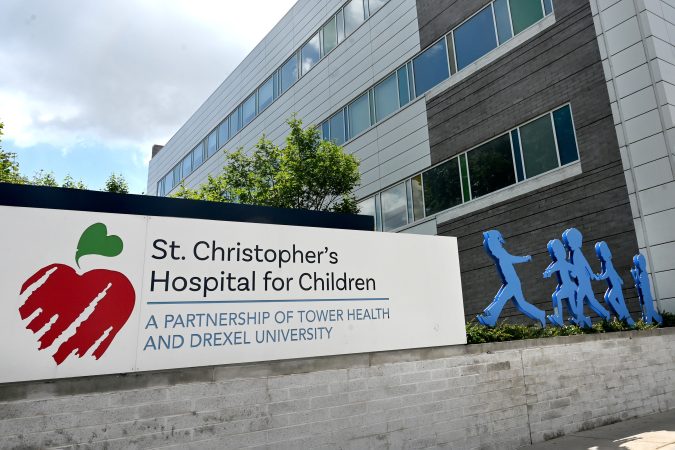
    Three major Philadelphia-area health systems are exploring an alliance to support financially struggling St. Christopher’s Hospital for Children in North Philadelphia, its leaders announced Wednesday.

    The proposed alliance would involve Nemours Children’s Health, Jefferson Health, and Temple Health, a St. Chris statement said.

    St. Chris’ ownership would not change from the current 50-50 partnership between Drexel University and Tower Health.

    Under the alliance, Wilmington-based Nemours would provide highly advanced, or tertiary, care. Nemours is Jefferson’s primary pediatric partner in the Philadelphia area.

    The preliminary agreement announcement provided no timeline to form the alliance. It also did not mention specific financial support for the North Philadelphia institution, which has received millions from local health players following a 2019 bankruptcy and steep losses during the pandemic.

    St. Chris’ board chair, P. Sue Perrotty, said the 150-year-old hospital will remain a “gateway” to care for families.

    “Our goal is to preserve what makes St. Christopher’s so special while strengthening our operations, so our community-focused mission will endure,” she said.

    “Whether care is delivered at St. Christopher’s or through our partners when clinically appropriate, our team will continue to coordinate every step of a patient’s journey, providing families with a seamless experience and a trusted guide throughout their child’s care.”

    Beyond the critical health services St. Chris provides, the institution also plays a vital part in medical education for area medical schools, including those at Drexel, Thomas Jefferson University, Philadelphia College of Osteopathic Medicine, and Temple University.

    It serves as a safety net for healthcare in some of Philadelphia’s lowest-income communities. About 85% of its patients in recent years have been insured by Medicaid, the highest percentage of any children’s hospital in the nation, according to St. Chris.

    Twice in the past four years, a coalition of Philadelphia nonprofits provided financial lifelines for St. Chris.

    Children’s Hospital of Philadelphia, Jefferson, Temple, Philadelphia College of Osteopathic Medicine, Independence Health Group, and private donors provided $50 million over two years starting in 2022. Two years later, the same group, minus Independence, contributed another $30 million.

    Jefferson and Temple were also part of a consortium that considered bidding for St. Chris in 2019 during its parent company’s bankruptcy. They backed out before the auction, which Drexel and Tower won with a $50 million bid.

    Nemours spokesperson Shelley Meadowcroft said there was no financial support included in the agreement.

    Nemours in recent years has lost affiliations with Main Line Health and ChristianaCare to CHOP. The alliance will strengthen “access to high-quality pediatric care in our region,” she wrote in an email.

    “This collaboration also strengthens Delaware’s role in pediatric care by positioning Nemours Children’s Delaware-based clinical operations as a central hub for advanced specialty care, education, and innovation,” she added, “while supporting the long-term strength and mission of St. Christopher’s Children’s Hospital and the communities it serves.

    In a statement, Temple University officials characterized the agreement as “non-binding letter of intent” to form an alliance “in support of St. Chris and its future.”

    “The proposed alliance reflects a shared commitment to securing a future for St. Christopher’s while preserving the mission, clinical excellence and community role that have made the hospital a resource for children and families in Philadelphia and across the region,” officials said.
  • Chesley Sullenberger, pilot of the ‘Miracle on the Hudson,’ says he has Alzheimer’s

    Chesley Sullenberger, pilot of the ‘Miracle on the Hudson,’ says he has Alzheimer’s

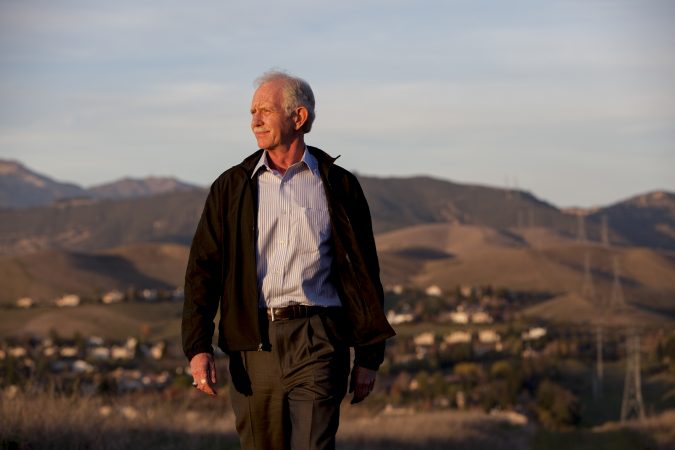
    Chesley B. Sullenberger III, the pilot known as Sully who guided a passenger jet to a water landing in 2009 in what became known as the “Miracle on the Hudson” after he saved 155 lives, has been diagnosed with Alzheimer’s disease, he said in a statement Tuesday.

    The diagnosis is “early stage,” he said, adding, “I am in the beginning of this long journey.”

    Sullenberger, 75, retired as a commercial pilot in 2010, a year after his famous landing on the Hudson River. On Jan. 15, 2009, he was piloting US Airways Flight 1549 on a flight from LaGuardia Airport to Charlotte, N.C., when both of the plane’s engines lost power after it struck a flock of geese shortly after takeoff.

    Sullenberger guided the Airbus A320 safely into the Hudson River, and everyone on board was safely rescued. He was hailed as a hero after the landing, with President Barack Obama inviting the captain and his five-person crew to his 2009 inauguration days after the emergency landing.

    Significant media coverage followed, as well as the 2016 movie Sully directed by Clint Eastwood and starring Tom Hanks.

    After the incident and the attention it brought, Sullenberger called for new safety measures in aviation, including increased pilot training, more pilot rest, and a rule requiring two pilots to be in the cockpit at all times. In 2021, President Joe Biden nominated him to be an ambassador to the International Civil Aviation Organization, a United Nations agency that helps develop policies and standards for global aviation.

    In the announcement of his diagnosis, Sullenberger nodded to his work as an ambassador, as well as his time in the U.S. Air Force and as an aviation accident investigator, saying he “spent his life in service.”

    “So this new phase of my life has challenged what it means to be of service,” he wrote. “And the answer is to speak up. It is my hope that by sharing this, other families living in the shadows with this disease will feel they too can step forward.”

    An estimated 7.4 million Americans are living with Alzheimer’s disease, a form of dementia, according to the Alzheimer’s Association. The disease worsens over time, and early-stage symptoms — as Sullenberger said he was experiencing — include memory loss as well as difficulties with problem solving and completing tasks.

    “For now, this means a name may not come easily to me, I forget a story I have recently told, or I don’t sleep as well,” he wrote.

    The Alzheimer’s Foundation of America praised Sullenberger’s announcement.

    “His decision to publicly disclose his diagnosis will help raise awareness, reduce stigma, and show support for the many others living with Alzheimer’s disease and dementia-related illnesses,” the foundation said in a statement attributed to Charles J. Fuschillo Jr., the organization’s president.

    This article originally appeared in The New York Times.

  • $617 million in tax-free bonds for sale of South Jersey’s Advantage Behavioral Health blur private equity, nonprofit lines

    $617 million in tax-free bonds for sale of South Jersey’s Advantage Behavioral Health blur private equity, nonprofit lines

    A newly created nonprofit wants to borrow $617 million through tax-free bonds to buy Advantage Behavioral Health, a fast-growing South Jersey behavioral health company.

    The current owner, a Connecticut private equity firm called Clearview Capital, isn’t walking away from Advantage, which it bought 15 months ago.

    Clearview Capital and current executives will continue to own the for-profit entity that manages Marlton-based Advantage, according to a preliminary bond offering statement filed late last month.

    Advantage’s proposed sale to a nonprofit called QCF Advantage LLC is noteworthy for mixing for-profit and nonprofit business interests. It would make a private-equity company a key partner in a nonprofit organization with financing from the tax-exempt municipal bond market.

    Advantage’s sale price is about $520 million. That price includes $80 million being held back to see if Advantage hits profit targets after the sale. The company had $141.6 million in revenue in the 12 months that ended May 31. Most of the remaining money from the bond sale will go into reserve funds.

    Like many other mental health service providers, Advantage does not accept Medicare or Medicaid. Taking only private insurance and out-of-pocket payments helps Advantage register strong profit margins amid growing demand for mental health and addiction services.

    The transition to nonprofit ownership creates “a structure that’s designed for long term stability, reinvestment, and patient care,” James D. Golden, CEO of QCF’s parent company, told prospective investors in a recorded presentation.

    “We can provide an efficient exit to private capital,” he said in the recording, published June 30 on a website that tracks documents related to the municipal bond market. “Tax-exempt financing is really the mechanism that makes all that possible.”

    That financing will leave Advantage with an extraordinarily large debt load, said Robert Q. Kreider, a former nonprofit CEO who has no ties to Advantage. He noted that debt of that size requires continued strong growth to make the debt payments and have enough money to continue growing.

    “The bondholders are getting such a juicy rate, they’re willing to accept the risk,” said Kreider, a consultant and former CEO of Devereux Advanced Behavioral Health.

    Officials at Clearview Capital, Advantage, and QCF Advantage did not respond to requests for interviews.

    Advantage’s founding and growth

    Advantage has expanded to Pennsylvania and six additional states beyond New Jersey since its founding in 2017.

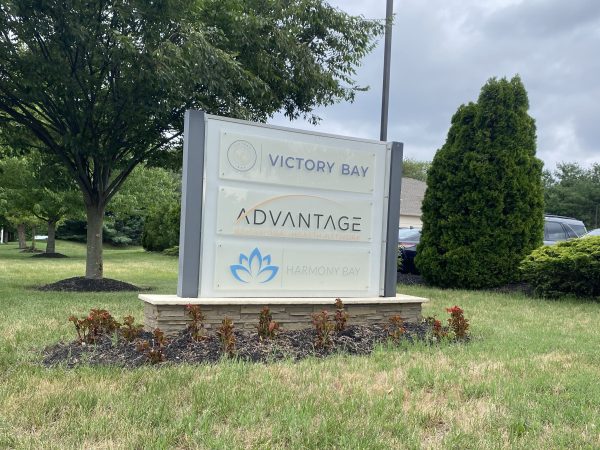
    It initially provided intensive outpatient therapy through a business called Victory Bay in Laurel Springs.

    It launched a telehealth version of its services, called Harmony Bay, in 2020. Outside of New Jersey, Advantage uses Harmony Bay as a way to build a presence in a new state, before introducing in-person services through Victory Bay.

    (function(){function e(){window.addEventListener(`message`,function(e){if(e.data[`datawrapper-height`]!==void 0){var t=document.querySelectorAll(`iframe`);for(var n in e.data[`datawrapper-height`])for(var r=0,i;i=t[r];r++)if(i.contentWindow===e.source){var a=e.data[`datawrapper-height`][n]+`px`;i.style.height=a}}})}e()})();

    Advantage also operates 17 sober-living houses under its Dignity Hall brand in Blackwood, Laurel Springs, Sicklerville, and several other South Jersey towns.

    The average daily census of patients at Victory Bay has soared over the last five years to 805 in the three months that ended June 30, from 81 in the first quarter of 2021, according to data in the bond disclosures. The company employs more than 700.

    Despite the expansion to Massachusetts, Florida, Indiana, Maryland, Ohio, and California, the services provided in a string of buildings along Chews Landing Road in Laurel Springs accounted for 55% of revenue, most of the company’s cash flow last year.

    The parking lots at several of those buildings were packed last Thursday. As part of the bond financing, 20 New Jersey properties valued at $14.4 million are being mortgaged.

    New projects are under development in Absecon and Pine Brook, N.J.; Scranton, Pa.; and Lancaster, Ohio, the bond prospectus said.

    A nonprofit buyer as a vehicle for private equity sales

    QCF Advantage was created in April to acquire Advantage.

    Owner QCF/I Inc., a tax-exempt organization based in Houston, acquires healthcare facilities that can be paid for with tax-exempt financing, according to its 990 tax form. Founded in 1997, QCF stands for Quality Care Foundation.

    “We’re a nonprofit focused on improving the quality of care in the behavioral health industry. We believe mental health is one of the most persistent, complex, and costly challenges in our country today,” Golden told prospective bond investors.

    QCF/I’s niche is buying for-profit businesses, often from private equity firms, while giving the sellers the option to keep managing the business, he said.

    In the Advantage arrangement, QCF/I will collect 2.25% of revenue for administrative services — to be paid before bondholders.

    Clearview Capital, the current private equity owner, will stay involved through an existing management entity that will collect 5% of monthly revenue under an initial 15-year contract.

    Golden and Richard T. Needham together form QCF’s board. They have a background in private equity at a Houston private equity firm called Domain Capital Partners that is not related to Clearview. The phone number on the 990 led to a voicemail box that was full. A voicemail at Domain Capital got no reply.

    QCF’s other businesses include a psychiatric hospital in Las Vegas and an addiction treatment center in North Jersey.

    Surging debt load

    Advantage had about $6 million in long-term debt at the end of 2024, three months before its sale to Clearview for an undisclosed price.

    A year later, the debt totaled $52.5 million, not including a $10 million line of credit.

    If the bond sale happens as expected, the company’s long-term debt would skyrocket to $604 million at the end of this year, according to the bond document.

    That large debt means the success of QCF Advantage depends on continued dramatic growth in revenue and profits, according to a deal summary from Stacy DiStefano, CEO of Consulting for Human Services, a Philadelphia-based advisory firm.

    Advantage’s projected annual interest expense is $42.7 million. For context, that’s about the same as the combined $42.2 million in interest paid last year by three large unrelated health systems in the same South Jersey market, Cooper University Health Care, Inspira Health Network, and Virtua Health.

    Colin Studwell, Advantage’s CEO, said during the investor presentation available on Munios.com that the company is well-positioned for strong growth. He credited the management entity, known as a management services organization, or MSO, that Clearview and executives, including Studwell, already own.

    Studwell will continue to run the MSO, which handles operations support, billing, collections, human resources, information technology, and everything else it takes to run the business.

    “Our MSO capabilities are the engine which allow us to continue to scale our services and treat more patients without any decay in clinical or operational efficiency,” Studwell said.

  • At 91, he’s hiking the Appalachian Trail. Again.

    At 91, he’s hiking the Appalachian Trail. Again.

    On the first day of summer, just after dawn, Dale Sanders, 91, prepared to start the steep, rocky hike up to Franconia Ridge in New Hampshire’s White Mountains.

    Sanders’ mantra might resonate with anyone in their 10th decade: “It’s a ‘don’t fall’ day today,” he said, slinging a small backpack onto his compact, wiry frame.

    The roughly 2,190-mile Appalachian Trail runs from Georgia to Maine. Sanders had been chipping away at it since September, in a bid to reclaim his record as the oldest person to hike the full length. (His goal is to complete a thru-hike, by walking the entire trail in a 12-month period.)

    If Dale “Grey Beard” Sanders continues at his current pace, the age record will be his again before a 365-day deadline. Sanders said he will soon have to look for a new record: “I’m not going to stop unless physically I simply cannot do it anymore.” Luke Piotrowski

    He was roughly 70% finished, but some of the toughest miles were ahead. I joined him for two especially challenging days.

    The White Mountains are known for extreme weather, and Sanders said he had been turned away by a concerned trail steward during a heavy storm the previous week: “He said, ‘You know, you’re going to die if you keep going.’”

    The weather had calmed somewhat, but soon after he emerged above the tree line and began his traverse of the ridge, roaring gusts of wind brought dense fog and sharp, sideways rain.

    The route frequently requires hikers to scramble. As he reached the bottom of a rock slab, he realized he had no memory of this obstacle from the last time he had hiked the trail. That was in 2017, when, at 82, he first set the record. After carefully climbing the ledge, he estimated the hike was twice as hard this time.

    Thru-hikers typically use trail names; Sanders is better known as “Grey Beard.” That morning, he had set out with an experienced 28-year-old hiker from Georgia, Garrison Gandy, or “Doublewide,” who had been crashing at the same hostel.

    Despite the conditions, the pair made steady progress toward the day’s goal, an off-grid shelter 8 miles down the trail where a hot meal and a bunk were waiting.

    The next morning, the first hour of hiking was strenuous — a steep mile to the summit of Mount Lafayette. Sanders lamented that despite hard training, his fitness hit a ceiling that hadn’t existed in earlier decades. “I wanted it to be pretty close to where I was in 2017, and I’ve never reached that,” he said.

    As he caught his breath on the summit, the clouds had cleared, revealing a sparkling view of the Pemigewasset Wilderness.

    12 miles a day

    It was the allure of setting a record that first drew Sanders to the trail.

    Sanders, who lives with his wife near Memphis, retired in 2002 after a career working in parks and recreation for the Navy. He marked his 80th birthday by becoming the oldest person to paddle the full length of the Mississippi River, and soon began searching for other age records.

    He learned he could set a record by completing the Appalachian Trail. Though he had never spent extended time hiking, his competitive streak was activated.

    Sanders credits this part of his personality to being bullied in school while growing up on a Kentucky tobacco farm, and the escape he found through sports.

    “I wasn’t good in the books,” he said. Physical activity, on the other hand, “gave me something real.”

    His first Appalachian Trail age record was broken in 2021 by a hiker named M.J. Eberhart, trail name “Nimblewill Nomad.” Sanders befriended Eberhart that year and encouraged him to set a new mark.

    “He was going to quit several times,” Sanders said. “I actually went up and hiked with him the last few days so that he wouldn’t quit. We’re really close friends.”

    Still, Sanders wanted the record back. For the current attempt, he planned to hike 12 miles a day, with one day off a week.

    Most thru-hikers tackle the trail from the south to north, starting in Georgia and ending in Maine. But as long as Sanders walks every section of the trail, he can do it in any order and direction he chooses.

    To maximize the year’s hiking weather, he began his hike headed south from Harpers Ferry, West Virginia, then returned to that spot to complete the northern half.

    The White Mountains are home to a system of backcountry huts, where dinner and breakfast are served to overnight guests.Luke Piotrowski

    While most thru-hikers sleep in a tent or in lean-to shelters, Sanders prefers his truck camper, a simple shelter, labeled “Base Camp on Wheels,” that sits in the bed of a pickup truck. It’s driven by a rotating cast of volunteers, who also cook his dinner and help plan the next day’s mileage. For the first 800 miles, one driver was Eberhart, now 87, who’s helping to break his own record.

    Two friends from his Mississippi River descent, Craig and Katie Heaton, a married couple in their mid-60s, are also among Sanders’ crew.

    “He won’t tell you how to live your life,” Heaton said, “but he shows by example, and I think that’s what touches me the most.”

    Selfies and high fives

    Sanders’ appetite for continuing to push his limits in old age has earned him many fans along the trail.

    Emma Bartlett — also known as Comfy — had been hiking since March when she paused for a picture as she passed Sanders on the climb up to Franconia Ridge. “Everyone has been talking about you since Georgia,” she told him.

    “If I’m even walking at 91, I will be jumping for joy,” said Bartlett, who is 23.

    Sanders is comfortable hiking alone, but he would always prefer company. As we parted ways, he found an impromptu hiking partner to accompany him for the next leg.

    Nicholas Loukides, 29, who has hiked in the White Mountains since he was in grade school, said the chance to tackle a few miles with Grey Beard was a highlight of his trip. “Every mountain I climb,” he said, “I’m like, ‘Dude, you did this?’”

    Dale “Grey Beard” Sanders, who once held the record as the oldest person to complete the 2,190-mile Appalachian Trail and, in the summer of 2026 was months into a bid to complete it again at age 91.Luke Piotrowski

    There are formidable obstacles remaining, like Maine’s 100 Mile Wilderness, the trail’s most remote stretch, where there will be very few opportunities for supplies or crew assistance for days. And Sanders still has to finish a section of the Smoky Mountains in North Carolina. But if he continues at his current pace, the age record will be his again before his 365-day deadline.

    Sanders said he plans to finish, even if he runs out of time for it to count officially. Either way, he said he will soon have to look for a new record: “I’m not going to stop unless physically I simply cannot do it anymore.”

    This article originally appeared in The New York Times.

  • What to know about cyclosporiasis as the parasitic infection is found in 34 states

    What to know about cyclosporiasis as the parasitic infection is found in 34 states

    An intestinal parasite that causes “explosive” diarrhea is sickening people across 34 states, the Centers for Disease Control and Prevention said Tuesday.

    Despite outbreaks affecting two states bordering Pennsylvania, the Philadelphia region so far shows no signs of widespread illness from Cyclospora cayetanensis.

    Speaking to reporters, federal health officials said they had linked cyclosporiasis cases in a widespread outbreak in Michigan, Ohio, Kentucky, and West Virginia. Michigan alone had reported more than 3,000 cases by Tuesday.

    “It’s a much higher number than we typically see in a cyclosporiasis season — much, much higher than last year or the year before,” said Gwen Biggerstaff, the deputy director of CDC’s Division of Foodborne, Waterborne, and Environmental Diseases.

    Reporting requirements for cyclosporiasis cases differ in Pennsylvania, but cases here remain relatively low. Cases were also at typical levels in New Jersey, and none has been reported in Delaware since May.

    Here’s what you need to know about the parasite and how to prevent it:

    How is cyclosporiasis spread?

    Cyclosporiasis is caused by a single-celled parasite, cyclospora, that spreads through fecal material. It can infect a person’s gut after consuming food or water contaminated by feces.

    Common symptoms include watery diarrhea, a loss of appetite, cramping, nausea, and fatigue. Past outbreaks have been associated with leafy greens and other produce, said Rosemary Trout, an associate professor of food science at Drexel University.

    The disease doesn’t spread directly from person to person. It becomes infectious after one to two weeks outside the body, and infected people may not immediately develop symptoms.

    “It can take two days to two weeks for symptoms to appear,” said Akhil Vaidya, a distinguished professor in the Department of Microbiology & Immunology at Drexel’s College of Medicine.

    “That has been the challenge for tracking where the parasite came from. Most likely it’s in some produce, but which produce it’s coming from is not really clear. People don’t remember what they ate two weeks back.”

    How do health officials track cyclosporiasis?

    Health officials in 47 states, including New Jersey and Delaware, are required by law to report cyclosporiasis cases to the CDC.

    Pennsylvania is among a handful of states where doctors are not required to report cases to health officials, but they do so on a voluntary basis, and state officials investigate and submit case reports to the CDC.

    A federal foodborne illness surveillance system, FoodNet, stopped tracking cyclosporiasis last year.

    But that program’s goal is to “look at trends over time to inform policy and prevention activities,” not monitor active outbreaks, and only drew data from 10 sites around the country, the CDC’s Biggerstaff said.

    “[FoodNet] doesn’t give us the data we have from national surveillance,” she said. That broader program is “unchanged,” she said.

    Are there cases in the Philly area?

    Though Pennsylvania borders Ohio and West Virginia, two states involved in an ongoing outbreak, cases here have been relatively low. So far this year, state health officials have reported 28 cases, 14 of them in Southeastern Pennsylvania.

    New Jersey has reported between 31 and 80 cases since May, when cyclosporiasis cases typically rise, according to the CDC. But health officials there said last week that the state is experiencing “normal seasonal circulation without known clusters or outbreaks.”

    Delaware has not reported any cases since May 1, the CDC said.

    What about cases elsewhere?

    Cases in Michigan, Ohio, Kentucky, and West Virginia are considered part of a “multistate outbreak” that is likely tied to a common source, Biggerstaff said. But it’s still unclear what that source is.

    Though the CDC has lagged behind states in confirming cases so far, the agency has confirmed 1,645 cyclosporiasis cases since May, and is monitoring 5,100 additional reported cases that will “require additional analysis to confirm,” Biggerstaff said.

    How is cyclosporiasis prevented?

    Good handwashing practices are the first line of defense against cyclosporiasis: Wash your hands for at least 20 seconds in hot, soapy water.

    Washing produce also helps, but rinsing does not necessarily remove all traces of cyclospora, said Trout, the food safety professor. Heating produce to 150 degrees Fahrenheit can kill the parasite.

    Trout said that higher-risk groups — immunocompromised people, young children, elderly people, and pregnant women — may want to avoid fresh produce and instead opt for frozen or canned fruit and vegetables.

    Most of those products have been treated with heat at some point in their packaging process.

    “If you are in a high risk population, or very worried about it, it’s valid,” she said. “The case number is very high, and it’s proximate to our state.”

  • Is AI ready to take over your prescriptions? Doctors are wary of Utah’s automated refill program

    WASHINGTON — A prescription refill program that quietly launched in Utah earlier this year has kicked off a big medical debate: Is artificial intelligence ready to take over tasks that, until now, could only be performed by doctors?

    The program allows Utah residents to skip the doctor’s office and get their prescriptions refilled online by an AI chatbot called Doctronic. It’s a seemingly simple step toward making healthcare more convenient for patients and prescribers.

    But it’s also a precedent-shattering milestone that has set off alarm bells for doctors, lawyers, and public health experts. The pilot program has laid bare a host of questions about the role of AI in medicine, including how it should be regulated, whether doctors should be able to veto it, and what kind of safety measures are needed to protect patients.

    At the center of the debate: State and federal laws limit prescribing to licensed medical professionals. Proponents say those laws, which have underwritten American medicine for over 100 years, should be updated to include AI chatbots and other new technologies.

    “We have crossed a threshold in terms of giving something that is not human a medical license, whether or not we want to call it that,” said Eric Bressman, a professor of medicine at the University of Pennsylvania.

    AI cannot practice medicine under current laws

    Bressman and other experts say they aren’t opposed to AI prescribing. But they say it should have to meet rigorous standards akin to human doctors, who undergo years of testing and training before being licensed to practice medicine.

    In Utah, Doctronic was able to launch thanks to a “regulatory sandbox” that allows state officials to waive laws for AI companies offering promising technology.

    The refill program is currently overseen by a five-member board of AI specialists, none of whom are doctors, who say they have implemented numerous safeguards. During the program’s initial phase, for example, human doctors review all Doctronic refill orders. The company expects to soon transition to fully automated refills.

    The head of the state’s medical licensing board says he and his colleagues learned of the program when its January launch was reported in the news. In a March letter to the state, 11 board members called for the program to be halted, citing the risks of automatically renewing medicines that can have side effects or drug interactions.

    “We were essentially told: ‘Yes this is going on. And no, you don’t have a say in it,’” said Alan Smith, a family physician who heads the board but said he was speaking only for himself.

    Complicating the picture is the fact that medical technology is traditionally regulated at the federal level, while medical professionals are overseen by states.

    Doctronic executives consider their AI part of the state-regulated practice of medicine. But the federal Food and Drug Administration is supposed to oversee AI that directly impacts medical care or decision making, a line that some experts believe Doctronic has crossed.

    Some states are clearing the way for AI in healthcare

    In an interview, Doctronic’s executives wouldn’t say whether they have sought permission from the FDA.

    “Our goal here is really just to meet patients where they need healthcare,” said Adam Oskowitz, who cofounded the company with a tech industry entrepreneur. “We try not to get too deep into the weeds on the regulatory side.”

    In Utah, residents can visit a Doctronic website built for the refill program. After confirming their identity, the AI chatbot asks users about their prescriptions and medical history, verifying that they have a valid prescription by tapping into a national pharmacy database. If there are no issues, the AI can renew the prescription and send it to a local pharmacy. If the request requires more attention, the chatbot transfers the patient to a doctor who works for Doctronic’s telehealth service.

    Oskowitz envisions a future where many routine medical tasks, including ordering tests and analyzing results, can be offloaded to Doctronic, allowing doctors to manage thousands more patients than they can today.

    Other states are also waiving rules for AI, including Texas and Wyoming.

    Meanwhile, lawmakers in Iowa, Idaho, and elsewhere have introduced legislation to formally license AI medical services. Many of the bills are based on a template from the nonprofit Cicero Institute, a pro-AI think tank founded by Joe Lonsdale, co-founder of the artificial intelligence software company Palantir.

    Pushback against medical AI mainly stems from the economic fears of doctors and other health workers, says Cicero’s director for health policy.

    “Whoever goes first is going to take the slings and arrows because there’s economic interests, concerns about the workforce and what that’s going to mean for jobs,” said Cicero’s Adam Meier.

    Doctors see potential risks to AI prescription refills

    Smith, the medical board chair, says the risks to patients are real. He points out that Doctronic’s list of 190 refillable medications includes blood thinners, which can become dangerous if patients develop stomach ulcers or other conditions that cause internal bleeding.

    “Many times when I see people after six months I find that their medical history or situation has changed,” Smith said. “Just because something was prescribed before does not mean it’s appropriate now.”

    The American Medical Association has voiced similar concerns, warning that “prescription renewals aren’t routine checkboxes.”

    Zach Boyd, who heads Utah’s AI office, said Doctronic has thus far been overly cautious, often elevating uncontroversial decisions to doctors. In response to safety concerns, several medications have been removed from the list eligible for refills, including a drug for irregular heartbeats.

    Utah has released some initial data on the program and Doctronic plans to publish peer-reviewed studies later this year. Currently the only publication about its technology is a paper written by company scientists that was not independently reviewed.

    The study looked at whether Doctronic could correctly diagnose medical conditions based on records from 500 telehealth consultations. In the study, Doctronic’s diagnoses matched that of human doctors 80% of the time.

    The FDA is taking a hands-off approach

    Bressman says Utah should have demanded data on prescription refills up front, not after Doctronic was up and running.

    “Mostly they’re accepting the company’s word on good faith that they’re up to the task,” he said.

    The current approach to AI mirrors the haphazard medical standards of the early 20th century, Bressman says, before medical schools, medical boards, and other authorities agreed on national benchmarks for training and licensing.

    National guidelines on medical technology would typically come from the FDA, but the agency has indicated it plans to take a hand-off approach, at least under the current administration.

    An FDA spokesperson said the agency has not authorized any AI chatbots but “is committed to encouraging medical innovation and helping bring promising new technologies to patients, while keeping safety at the center of every decision.”

    For now, Doctronic and other companies are likely to expand across states with different regulatory approaches.

    “Companies may benefit in the short term by expanding their business models and kind of having the technology go beyond the evidence,” says Daniel Aaron of University of Utah’s law school. “But in the long-term, I think they risk compromising public trust and fueling backlash.”

  • Knee pain? Ragged cartilage? Research suggests surgery’s not the best answer

    Knee pain? Ragged cartilage? Research suggests surgery’s not the best answer

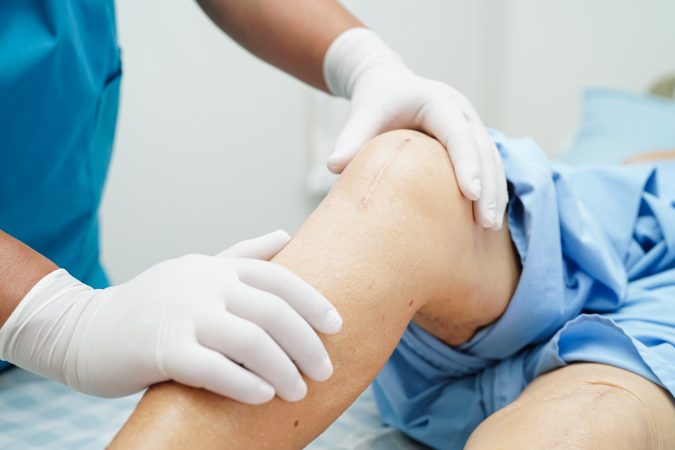
    Thousands of Americans who undergo a common knee surgery might be making their problems worse rather than better.

    Researchers who followed patients for 10 years after they received either the actual procedure, arthroscopic knee surgery to trim degenerative cartilage tears, or merely “sham surgery” — a skin incision — for knee pain, found that the surgery provided little or no benefit and was, in fact, associated with accelerated osteoarthritis and higher rates of reoperation. That generally meant a total knee replacement.

    “I don’t know how I would defend this procedure at all,” said one of the study’s authors, Teppo Järvinen, an orthopedist and the head of the Finnish Centre for Evidence-Based Orthopaedics. “What has been shown dramatically is that patients who have this procedure have more pain — they do worse. All the scores pointed in the same direction.”

    Järvinen said the Finnish study, published in April in the New England Journal of Medicine, was the first to show the surgery left many patients worse off. Though the study was small, the results were compelling, he said, because his team picked the patients “most likely to benefit.”

    The study does not apply to cartilage tears incurred from an acute pain-causing injury. It included subjects middle-aged or older who were experiencing knee pain and whose MRIs showed cartilage tears.

    Evidence has been accumulating steadily for over a decade that arthroscopic knee surgery to shave torn, degenerative cartilage does not help more than physical therapy. Arthroscopic rates in Finland have dropped 90%, Järvinen said. They have been falling in the U.S., too, but at a far slower rate.

    One study of commercial claims in the U.S., which counted over 2 million meniscus surgeries from 2010 to 2020, found the number decreased by about 4% each year. Most procedures were performed on women and patients in their 50s.

    In the traditional Medicare fee-for-service program, the number of procedures has declined steadily in recent years, from about 169,000 in 2014 to 91,000 in 2024, federal data show. These figures do not include beneficiaries in Medicare Advantage, private insurance plans that cover more than half of Medicare enrollees.

    Prior studies of scans have found that such tears are common in people over 50, the result of wear and tear and often not painful.

    “Nothing supports the idea that a patient’s pain comes from the meniscus,” Järvinen said.

    Robert Brophy, director of the Orthopaedic Clinical Research Center at Washington University in St. Louis, said that “evidence is growing for judicious use of this surgery in this population.” But, he noted, “many patients do benefit.”

    All the same, he acknowledged that current practice among his peers is “all over the map.” For example, data show that surgery for meniscus tears in the Medicare population is far more common in the South than in the Northeast.

    A massive study committee of orthopedic societies in Europe and the U.S. last June released a consensus statement noting that “degenerative meniscus lesions can be treated with comparable results with either non-operative (including physical therapy) or surgical approach.” It recommended a trial of physical therapy before surgery but still endorsed the operation.

    A concerted campaign by orthopedic specialty societies called the Save the Meniscus Society has been ongoing for years. The group advocates for protecting and maintaining long-term knee health through nonsurgical treatments, surgical repair, and other therapies.

    One inherent issue in all medical specialties is that appropriate treatment is often in the eye of the physician beholder, meaning that specialists create the guidelines for when a treatment is in order. And financial considerations may influence that decision, Järvinen said.

    In the U.S., physician payments are decided by the Relative Value Scale Update Committee, or RUC, a committee of the American Medical Association composed largely of specialists. Department of Health and Human Services Secretary Robert F. Kennedy Jr. and his advisers have reportedly looked into wresting control of that committee from the association, though it’s not clear how that could be done, since the AMA owns the billing codes used to calculate patients’ charges.

    Arthroscopic knee surgery takes 30 to 60 minutes in the operating room, and the patients spend a few hours recovering in a surgery center or in a hospital outpatient department. Medicare allots on average $2,159 to $3,875 for the procedure, depending on where it is performed; patients pay 20% of the fee as coinsurance. There may be additional costs, for example, if more than one doctor is involved in the procedure. Commercial insurers average well more than twice that, said Marcus Dorstel, a senior vice president at the data analytics firm Turquoise Health, adding that the amount providers charge for the procedure varies widely. Those charges do not include the fees of the surgeons and the anesthesiologist.

    Treating chronic knee pain has a variegated history.

    Fifty years ago, the treatment for cartilage tears, from acute injury or from wear and tear, was to remove the entire piece of cartilage. At that time, doctors did not consider it a shock absorber but a useless, vestigial piece of tissue like the appendix.

    Today, the first-line therapy for a painful knee with degenerative tears is physical therapy and, for some people, weight loss. Then there is arthroscopic surgery, depending on the view of the surgeon about its utility.

    There is also a menu of injections: Steroids have proved scientifically valuable in the short term. And injections of stem cells and plasma-rich protein are widely offered but are controversial — and not covered by most insurance — because studies have been at best inconclusive about their benefit.

    And as orthopedists are backing away from shaving off meniscus tears, they are highlighting a newer procedure — sewing the torn cartilage back into a whole. But that is typically an option for patients under 50 with acute injuries and clean tears, and it is unclear exactly which patients might benefit.

    When all else fails, there’s a different surgery that’s also a big moneymaker for hospitals and doctors: knee replacement.

    KFF Health News is a national newsroom that produces in-depth journalism about health issues and is one of the core operating programs at KFF — the independent source for health policy research, polling, and journalism.

  • Delaware is appointing its first surgeon general

    Delaware is appointing its first surgeon general

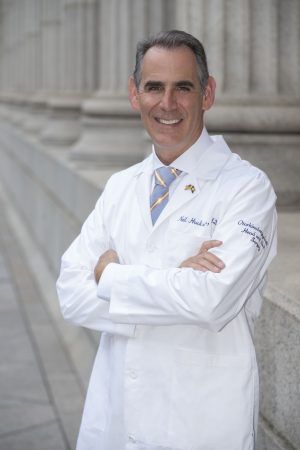
    Delaware became the seventh state to name a surgeon general with the appointment Monday of a physician to serve as the state’s “principal public health communicator” and advise Gov. Matt Meyer on health matters.

    Neil Hockstein, an otolaryngologist who chairs Delaware’s Health Care Commission, will helm public health measures.

    Meyer, a Democrat, said the appointment grew out of state government efforts to reassure residents after a chaotic period for U.S. public health, with Robert F. Kennedy Jr., a longtime anti-vaccine activist, leading federal health agencies under President Donald Trump’s administration.

    Kennedy has attempted to dismantle long-standing recommendations on childhood vaccines and appointed vaccine skeptics to a federal committee that makes recommendations on vaccination. Critics have also decried what they characterized as a hands-off approach to other health crises, like an Ebola outbreak in Uganda and the Democratic Republic of Congo.

    “We live in a time where the information coming from the federal government is not evidence-driven. It’s not fact-based,” he said.

    Last year, Delaware joined Pennsylvania and other Northeastern states in a public health coalition to surveil infectious diseases and promote vaccination, joining several states also launching their own public health initiatives in response to the federal changes.

    “Traditionally, we’ve been able to rely on the federal government for environmental protection, for food assistance, for reliable health and weather information,” Meyer said. “Now there’s a lot of loss of trust, and in so many ways we’re saying, ‘How can states pick up the mantle?’”

    Pennsylvania has a physician general, a similar position. New Jersey does not have a surgeon general.

    The Delaware Healthcare Association, which represents the state’s hospitals and health systems, called Hockstein an “invaluable, unrelating advocate” and applauded the creation of the position.

    Delaware’s surgeon general will report to Secretary of Health Christen Linke Young, who said the position will help reach residents not already receiving services through her department.

    “His job, really, is to think about the whole [public health] ecosystem and to speak to people in a way that is broader than the particular clients who receive particular services from us,” she said.

    Republican State Sen. Eric Buckson, who represents parts of Kent County, said the state “already has everyone in place to make sure that the state of Delaware is getting the information it needs to make the best decisions.”

    “Do we need this position generated on the premise the current administration is going to somehow mislead Delaware?” he said, adding that he believes Kennedy has “done an excellent job of provoking a conversation.”

    A new surgeon general’s focus

    Hockstein plans to prioritize “foundational” public health initiatives such as promoting vaccination and ensuring access to clean water and food, along with issues like adequate access to healthcare, especially among older residents.

    “More people will die because they have inadequate access to healthcare in Delaware than will die of measles, mumps, or rubella this year,” he said, citing infectious diseases now rising as vaccine rates have declined.

    Hockstein said he sees his role as twofold: communicating about health initiatives with the public while supporting healthcare workers.

    “They’re hurting right now, and I think having a voice that understands what they do on a daily basis and the threats that they’re feeling is important.”

    He said he still plans to see patients for about eight hours a week.

    Meyer said he also wants Hockstein to focus on adolescent mental health, partnering with local school districts to raise awareness about the issue.

    “It really needs to be attacked with a public health mindset,” he said. “We have an epidemic of loneliness. We have children who know how to interact with their phones and with video games, but not with each other.”

  • Jefferson announces new Allentown medical school campus

    Jefferson announces new Allentown medical school campus

    Thomas Jefferson University is bringing its medical education offerings to Allentown, with a new four-year regional campus set to enroll students in 2029, officials announced Monday.

    The site will offer the same curriculum as Jefferson’s main campus in Center City, including the same assessment standards, learning objectives, and graduation requirements.

    Once opened, the Allentown location of the Sidney Kimmel Medical College will mark the school’s second regional expansion. The university announced plans last month to open Delaware’s first four-year medical school in 2028.

    University leaders hope the move will create pathways for workforce development in the Lehigh Valley and help meet regional healthcare needs.

    “Physicians are more likely to practice where they train,” Said Ibrahim, dean of Sidney Kimmel Medical College, said in a statement. “Establishing a four-year campus of Sidney Kimmel Medical College in the Lehigh Valley will expand opportunities for medical education, strengthen regional connections, and build a pipeline of physicians who are committed to serving this community for generations.”

    What is known so far

    The new regional campus will reside at One Center Square in downtown Allentown and span more than 54,000 square feet.

    Students will complete clinical training at Jefferson Health – Lehigh Valley region hospitals and outpatient practices.

    The regional campus will enroll 45 students starting in July 2029 — slightly more than the Delaware campus’ 40 students in 2028. Last year, the incoming class in Center City included 286 students.

    Jefferson declined to comment on the cost of the new regional campus.

    The university also announced plans in May to expand other academic programs to the Lehigh Valley this fall, including graduate-level nursing education, paramedicine, and respiratory therapy programs.

    Local politicians celebrated the expansion for its potential to recruit future healthcare workers to the region.

    “An Allentown School District student with a dream to be a doctor can do pre-med at Cedar Crest College and now stay in Allentown for her MD. A Muhlenberg College student who comes from Puerto Rico or Connecticut who falls in love with Allentown can become a doctor right here and stay here,” Allentown Mayor Matt Tuerk said in a statement.

  • Eating this food regularly could lead to greater longevity| Expert Opinion

    Eating this food regularly could lead to greater longevity| Expert Opinion

    Q: I’ve heard spicy food can be good for you. Is that true?

    A: Here’s great news for people who love to feel the burn: The purported benefits of spicy foods have a strong scientific basis.

    In 2015, a major study published in the British Medical Journal showed an association between consuming spicy foods and living longer. From 2004 to 2008, scientists enrolled more than half a million adults in China and tracked their health over the next several years. Several thousand in the group, not surprisingly, died during that time.

    But the surprising part? Even after controlling for multiple possible confounders — such as smoking, physical activity, and intake of red meat and fresh fruits and vegetables — adults whose spicy food intake averaged six or seven days a week had a 14% lower relative risk of dying than those whose intake averaged less than once a week. Eating spicy foods was associated with a reduced risk of death from cancer and heart and lung diseases.

    Two years later, a similar study done in the United States corroborated those findings: Americans who consumed hot red chile peppers were about 13% less likely to die at any given point during the study compared with those who did not.

    Scientists think capsaicin — the main active component in chile peppers — may be beneficial because of its effect on the receptors in our nerve cells that perceive heat, both from temperature and spice. Known as TRPV1 receptors, they’re expressed throughout our bodies, including the skin, gastrointestinal tract, and many immune cells.

    So move aside peptides: Should we all grab some chile paste from the grocery store to live longer?

    Well … not necessarily (and, for the record, peptides should stay on the shelf for now too).

    While the benefits of spicy foods are backed by strong research, we haven’t proved that spicy foods cause this apparent boost in longevity. And in some areas, the data are more uncertain. For instance, some — though not all — studies have found an elevated risk of stomach cancer among people who frequently eat spicy foods.

    Here’s what else we know about how spicy foods affect our health.

    Heart health

    Multiple observational studies in humans have shown an association with spicy food intake and a lower risk of heart disease and stroke. The mechanisms aren’t entirely known, but limited human randomized controlled trials point to capsaicin’s ability to increase HDL, or “good” cholesterol, low levels of which are a known risk factor for heart attacks. It may also help burn calories faster.

    Also, the spicier your food, the less you reach for the salt shaker. A 2017 Chinese study of around 600 adults found that people who preferred spicier foods gravitated toward less salty ones, eating about a half teaspoon less salt every day with corresponding decreases in their blood pressure.

    The same researchers performed a separate randomized controlled trial in which they scanned participants’ brains after stimulating them with salt mixtures. They found that capsaicin amplified how intensely people perceive saltiness — meaning, the same splash of soy sauce tastes even saltier when you stir chile into the mix.

    Gut health

    IBS and abdominal pain: What’s fascinating about TRPV1 receptors is that they’re also critical for pain signaling. They’re more concentrated in the colons of people with irritable bowel syndrome, for instance.

    That’s why, seemingly paradoxically, capsaicin creams actually can help treat pain. Capsaicin can overwhelm our pain-sensing nerves and, in doing so, help blunt alarm signals from reaching the brain.

    Capsaicin has even shown a benefit in small human trials for chronic abdominal pain. For some people, capsaicin can make abdominal discomfort worse in the short term. But after a few weeks of habitual consumption, those receptors become desensitized and the discomfort may actually improve.

    Stomach acid and ulcers: Despite a common misconception, capsaicin does not damage a healthy stomach lining. Capsaicin actually reduces acid production in the stomach. Because of this, and because capsaicin stimulates more blood flow to the stomach, it has been shown to protect against the risk of gastrointestinal ulcers.

    So why are spicy foods notorious for making acid reflux symptoms seem worse? We feel like we have heartburn after eating a spicy meal because capsaicin activates TRPV1 receptors in the esophagus. This is what causes that unpleasant burning sensation in the chest, which we would normally attribute to acid.

    Hemorrhoids: While I’m sure I don’t need to overexplain the meaning of the Hungarian saying “paprika burns you twice,” a 2006 randomized placebo-controlled trial found that capsaicin did not aggravate hemorrhoid symptoms. So if that’s your specific concern, the science has your back … side.

    Cancers: Regarding gastrointestinal cancers, the data is a bit mixed: Most studies have found that capsaicin protects against cancer, while some have found that it seems to bolster tumor growth. This is an area where we still need more research, but the overall trend so far is reassuring that spicy foods may well be protective.

    What I want my patients to know

    If you like spicy foods, by all means enjoy them, particularly in moderation. Personally, I get a bit of a thrill eating food spicy enough to make my nose run but not quite cry at the dinner table. But if you’re someone who feels ill when you eat chile peppers, this data shouldn’t push you to do anything that makes you uncomfortable. We’re all different in how we respond to capsaicin, so I wouldn’t regard vindaloo as the elixir of life.

    The eating pattern still most consistently linked to numerous health benefits, including longevity, remains the Mediterranean-style diet, which emphasizes whole foods, complex carbohydrates and polyphenols. Chile peppers can definitely be a part of that pattern, but they’re just one component.

    Trisha Pasricha is a physician and scientist at Beth Israel Deaconess Medical Center and an assistant professor of medicine at Harvard Medical School. She is the author of “You’ve Been Pooping All Wrong.”