Category: Restaurants
-
At Zitner’s new chocolate factory, one of Philly’s favorite candies is back
One by one, the eggs are rolling off the production line, 250 a minute, at Zitner’s Fine Confections’ new chocolate factory in Hatfield, Montgomery County.
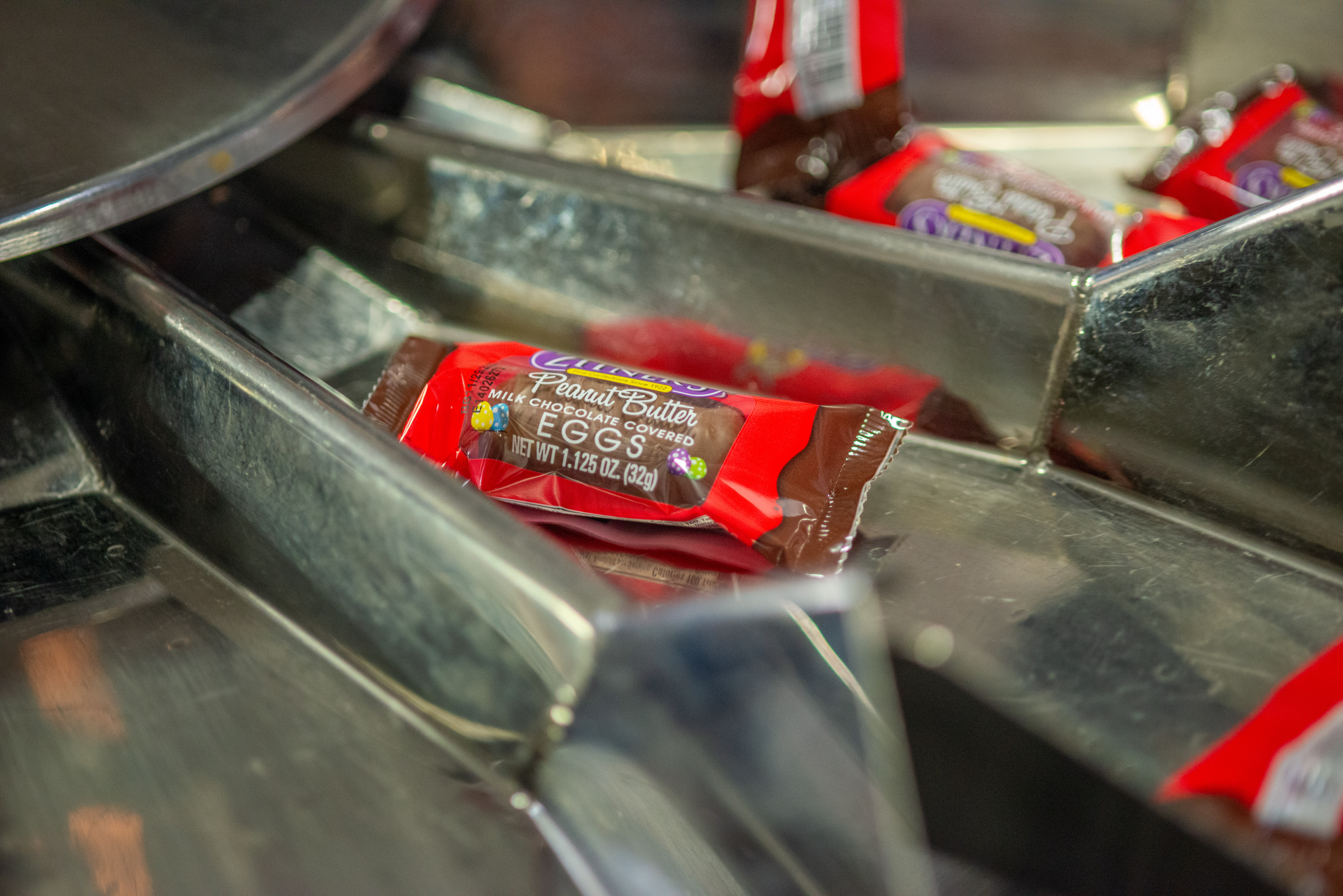
First come peanut butter eggs. Hair-netted and jacketed workers feed peanut butter cream from 50-pound tubs into a machine that forms it into eggs, coats them in chocolate, and sends them — like the old I Love Lucy bit — toward a whirring wrapping machine.
Next up will be Zitner’s dark chocolate specialties: Butter Cream, Coconut Cream, Double Coconut, and — the crown jewel — Butter Krak, a sweet amalgamation of everything.
For Evan Prochniak, Zitner’s CEO, this has been a long time coming.
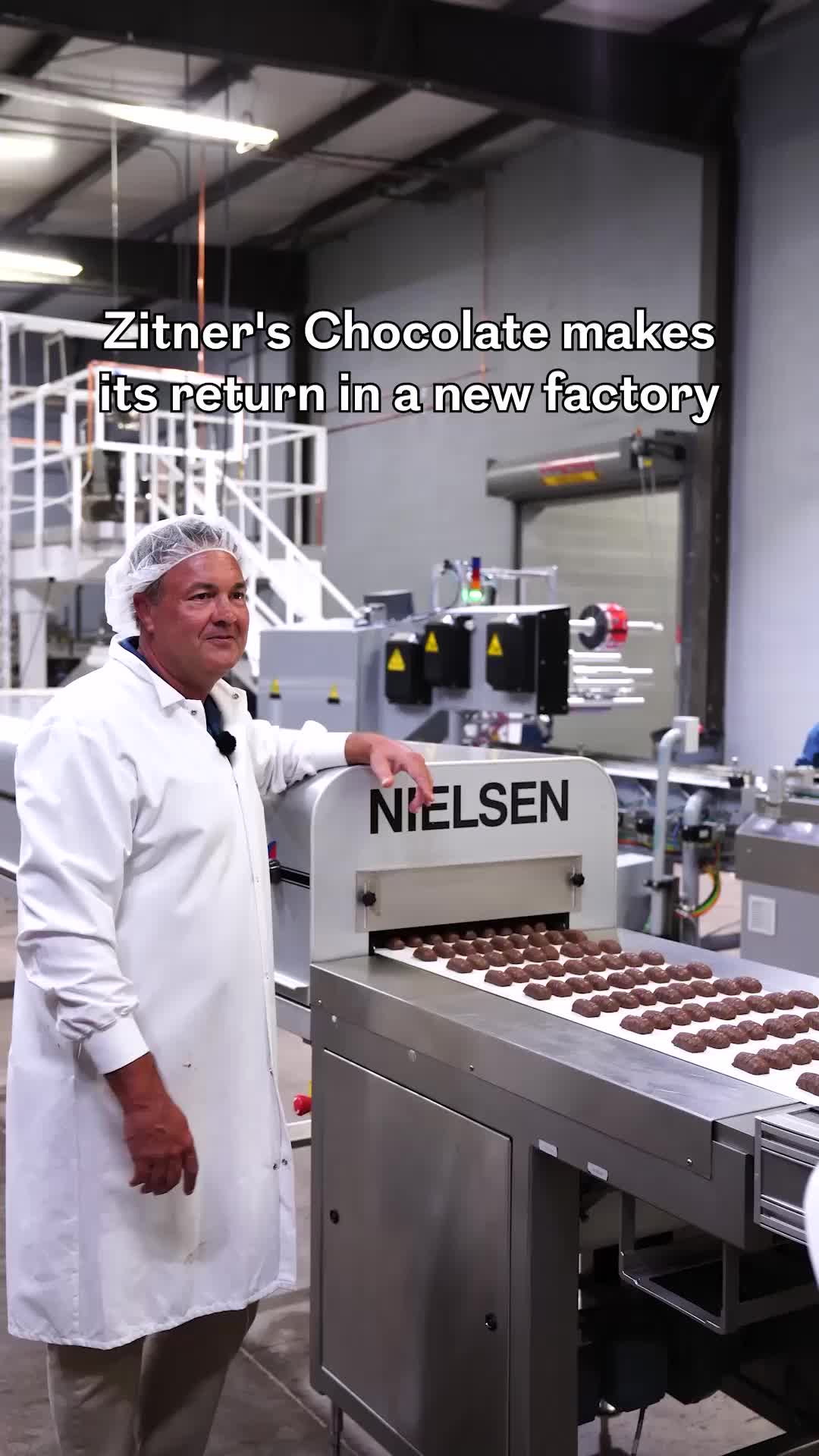
Video: Inside Zitner’s new chocolate factory The century-old Philadelphia candy company, whose cream-filled eggs have been Easter basket fixtures for generations, is back in production after missing the 2026 holiday season. Its products are expected to return to Philadelphia-area grocery shelves in December, possibly before Christmas.
While the factory is new, Prochniak insists the candy won’t be any different. Zitner’s is using the same recipes and ingredients that customers remember.
The comeback follows the closure of Zitner’s longtime North Philadelphia factory and the acquisition of Kargher Chocolate, a Hatfield manufacturer, by Prochniak, 55, and his business partner, Phil Priolo, 54.
The 25-mile move required hauling 10 truckloads of machinery up Route 309, installing new electrical service and compressed-air lines, and reconfiguring a 100-foot production line. It gives Zitner’s a modern home and room to expand.
Production began in September at about 220 eggs a minute. Prochniak has since increased the pace and hopes to reach 275 soon.
“We are really humming now,” he said last week. “There were a lot of little odds and ends that I tweaked, and we’re just cranking that candy out.”
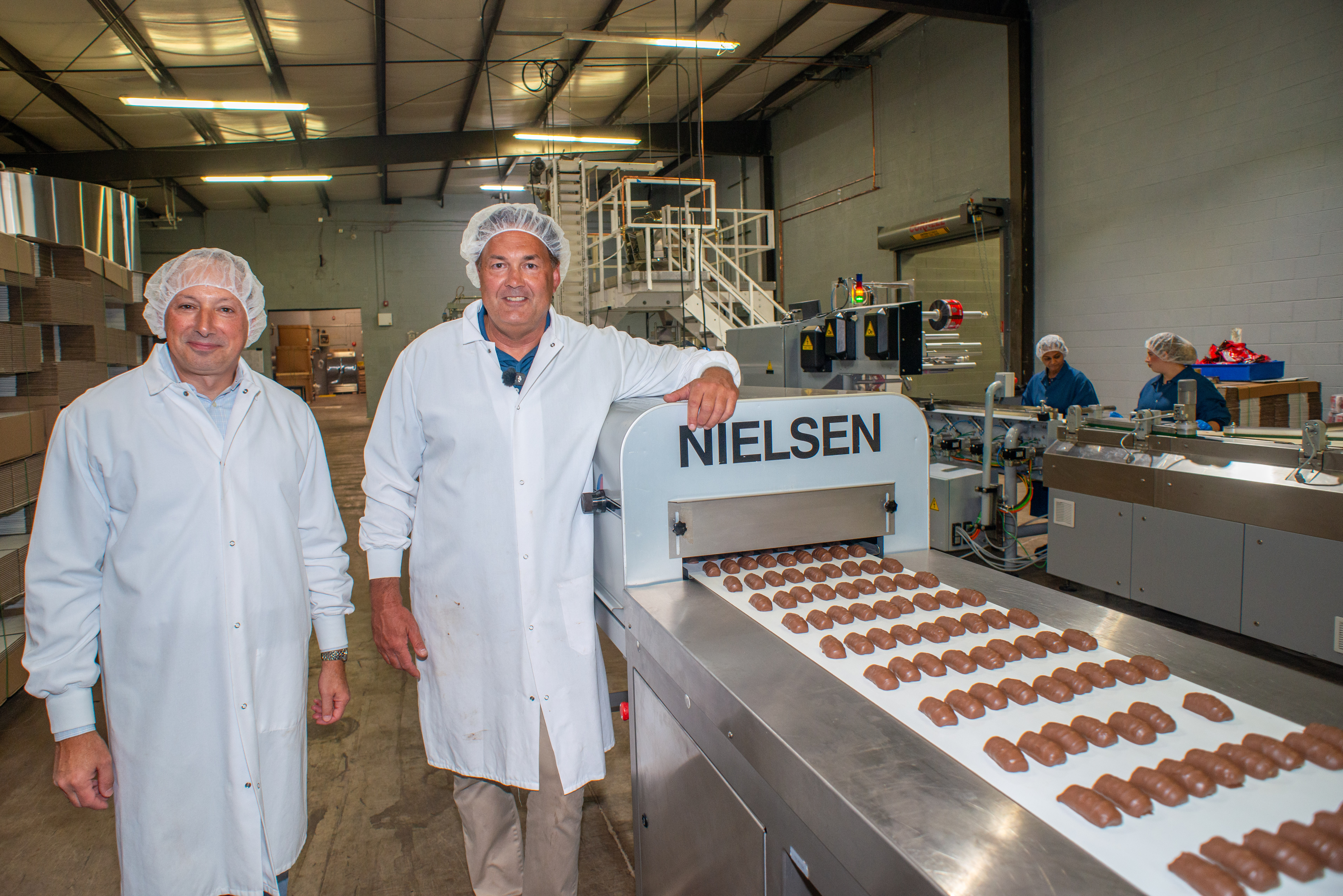
Phil Priolo (left) and Evan Prochniak, business partners and onetime college roommates, along the production line at Zitner’s plant. William Thomas Cain / For The Inquirer Butter Cream production began last week, with Coconut Cream or Double Coconut next. Prochniak plans to make Butter Krak, the company’s top seller, from early December through New Year’s.
“There’ll be no Christmas for me at all,” he said. “It’ll be Easter.”
Chocolate season
Zitner’s starts its Easter production in the fall with peanut butter eggs, its only milk chocolate-coated variety. Making them first allows the company to thoroughly clean the equipment of peanuts afterward to prevent allergen cross-contact.
The peanut butter filling — made in-house from Virginia peanuts, salt, sugar, and other ingredients — is fed into machinery that forms, coats, cools, and wraps the eggs. They’re packed eight to a bag, 12 bags to a case.
The company has substantial orders from Acme and Weis Markets scheduled for shipment during the first two weeks of December, Prochniak said. ShopRite has placed large orders for early January.
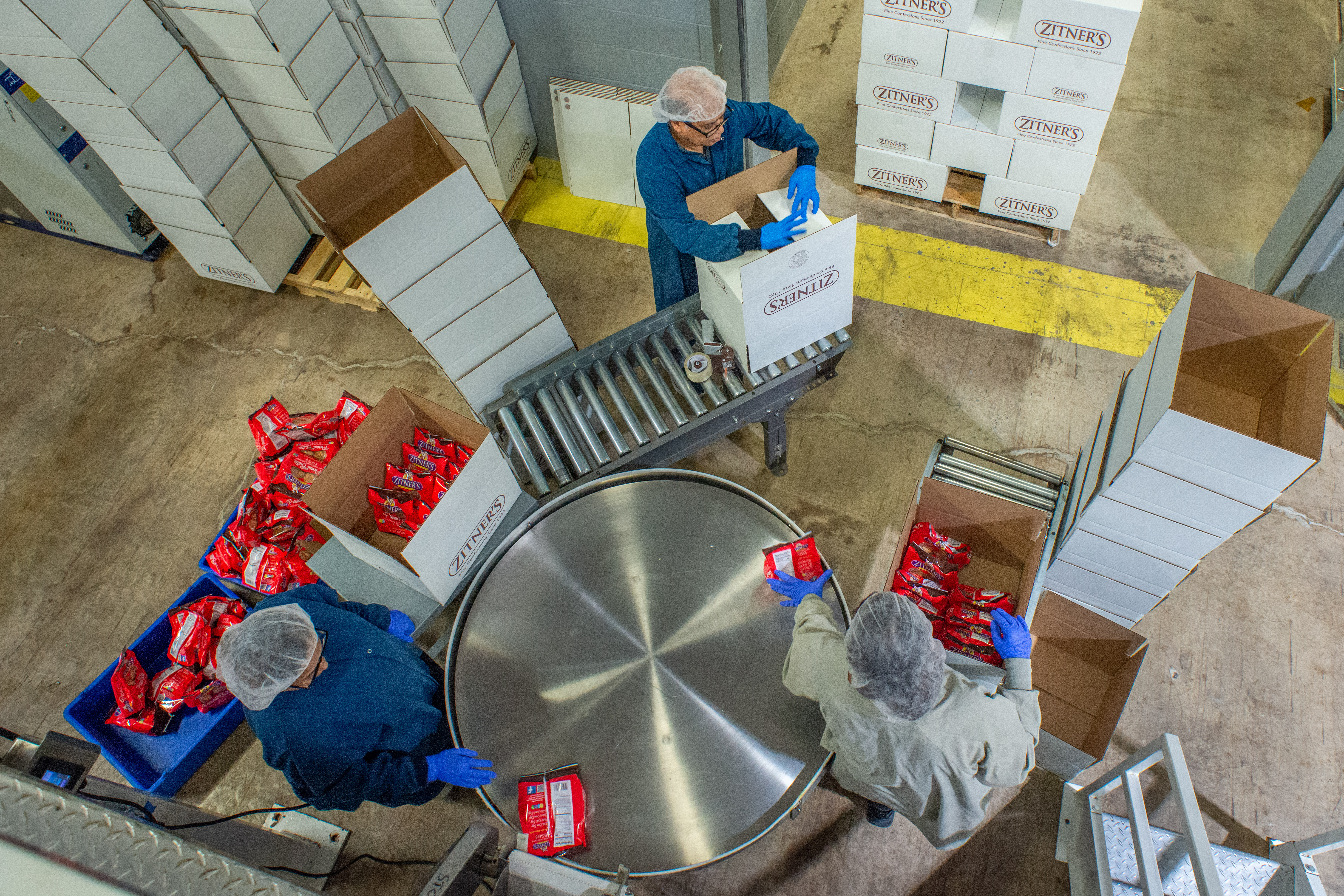
Wrapped batches of Zitner’s eggs are boxed for shipping at the factory in Hatfield.William Thomas Cain / For The Inquirer Prochniak said he brought samples to an Acme representative last week. She told him the chain would put the candy on shelves as soon as it arrived.
Retailers have increased their orders even though Easter falls relatively early this year, on March 28, ordinarily a reason to order less because of the shorter selling season.
Prochniak said customers treat Zitner’s eggs differently from typical Easter candy.
“This is something people eat every week,” he said. “They go to the grocery store, put it in their shopping cart, eat it, and go back the next week for more.”
Some customers stock up before Easter and freeze it to last until the following year.
A factory in crisis
Zitner’s last manufactured candy at its factory near 17th and Clearfield Streets in summer 2024. Prochniak said the building, occupied since the 1960s, had deteriorated.
“If you go back and look at the Bizarre Foods episode we were on [in 2015], you can see the roof was already falling in back then,” he said.
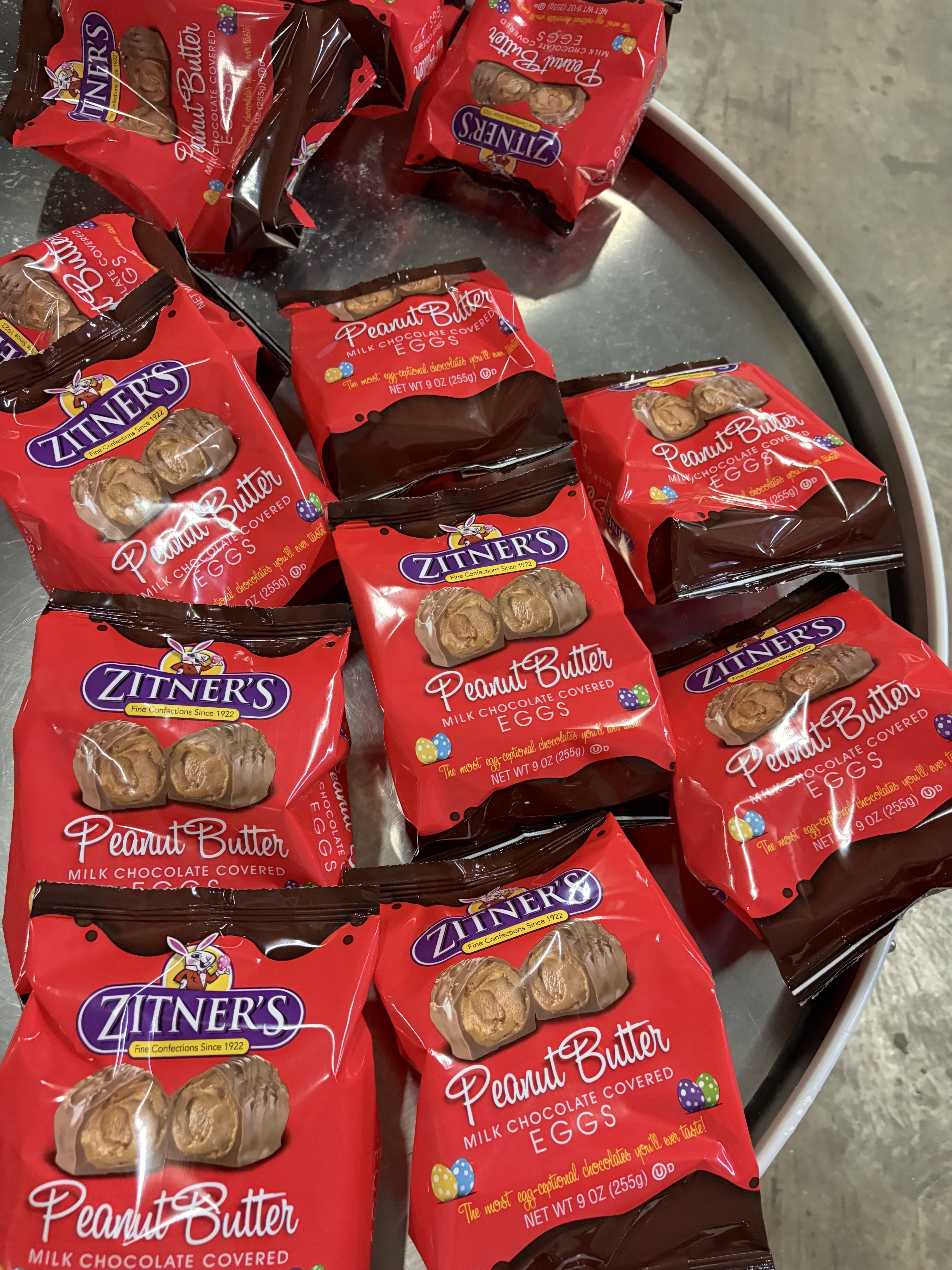
The first test batch of Zitner’s peanut butter eggs at the Hatfield facility, as they came off the line on Sept. 9, 2026.Courtesy of Evan Prochniak A neighboring salvage operation also displaced the factory’s shipping and receiving area, forcing workers to load trucks on 17th Street.
Zitner’s outsourced production for Easter 2025 but couldn’t relocate in time for Easter 2026.
After an attempt to acquire another candy business in the Harrisburg area fell apart, Prochniak approached Douglas Kargher, who was looking to retire from his family-owned chocolate business.
Kargher wanted to sell outright, so Prochniak enlisted Priolo, his longtime friend and roommate back at Penn State, to be his business partner. They established Cocoa Ridge, a holding company, to acquire Kargher Chocolate’s assets. The deal closed in March.
Priolo, formerly an executive at Exelon, is president and CEO of the Kargher operation. His business card identifies him as Chief Chocolatier.
Zitner’s remains a separate company, and Kargher has its own private-label business making and selling chocolate chips and nonpareils.
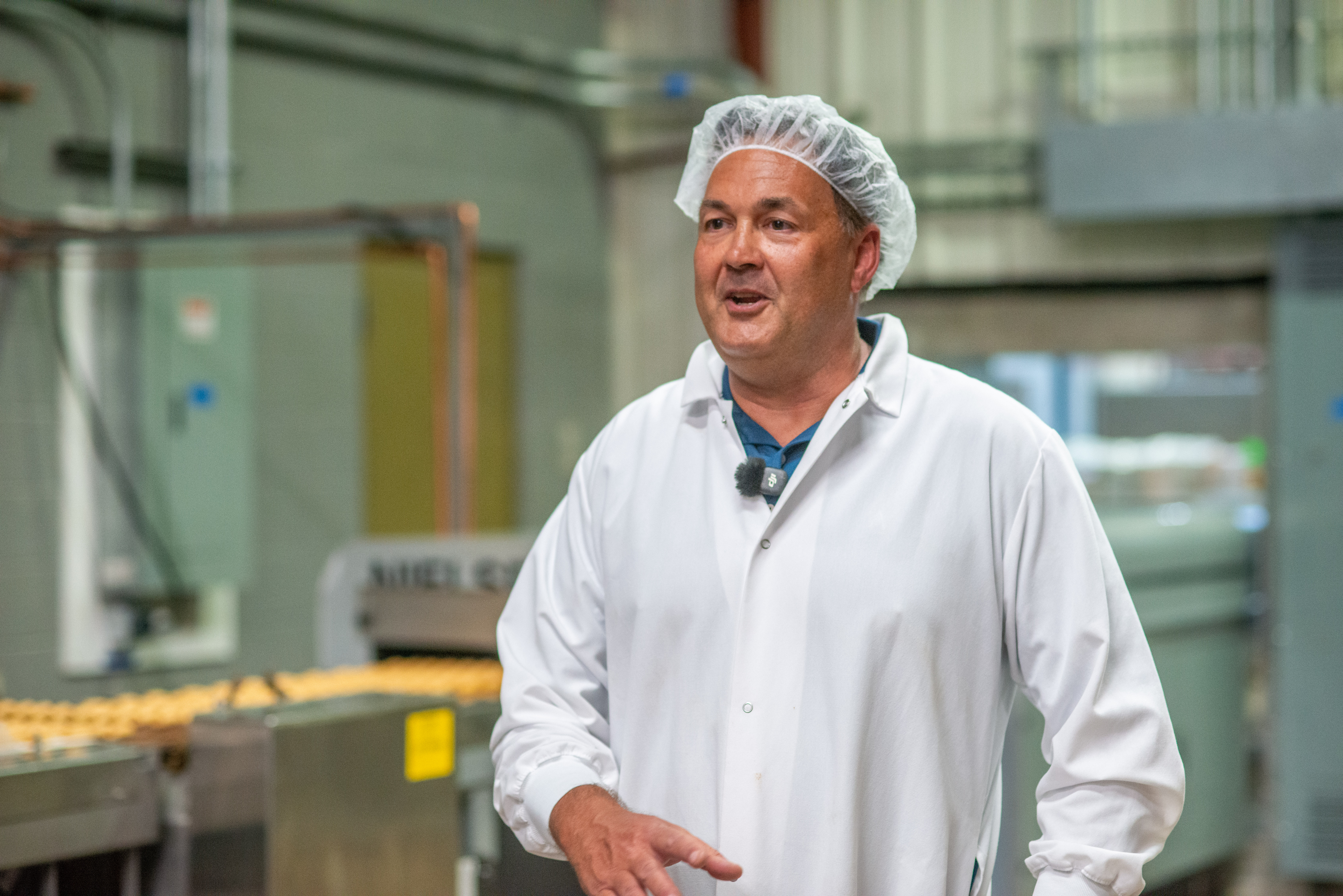
Wioth production stepping up, “there’ll be no Christmas for me at all,” says CEO Evan Prochniak. “It’ll be Easter.” William Thomas Cain / For The Inquirer The arrangement also gives Prochniak something he has long wanted: greater control over chocolate manufacturing. Zitner’s has traditionally purchased chocolate made to its specifications by outside manufacturers. In the future, the partners plan to connect Kargher’s chocolate-making equipment to Zitner’s production lines.
A new beginning
Ingredient costs remain a challenge. Sugar, essential to the cream centers, has risen from about 57 cents a pound to nearly 78 cents, Prochniak said, and could reach 80 cents.
The production equipment represents years of experimentation.
Sixteen years ago, Prochniak was a real estate attorney eyeing up Zitner’s’ North Philadelphia property for redevelopment. When that plan fell through, he studied the then-88-year-old candy business and discovered it was turning away orders because it couldn’t make enough. He acquired Zitner’s with partners in 2010.
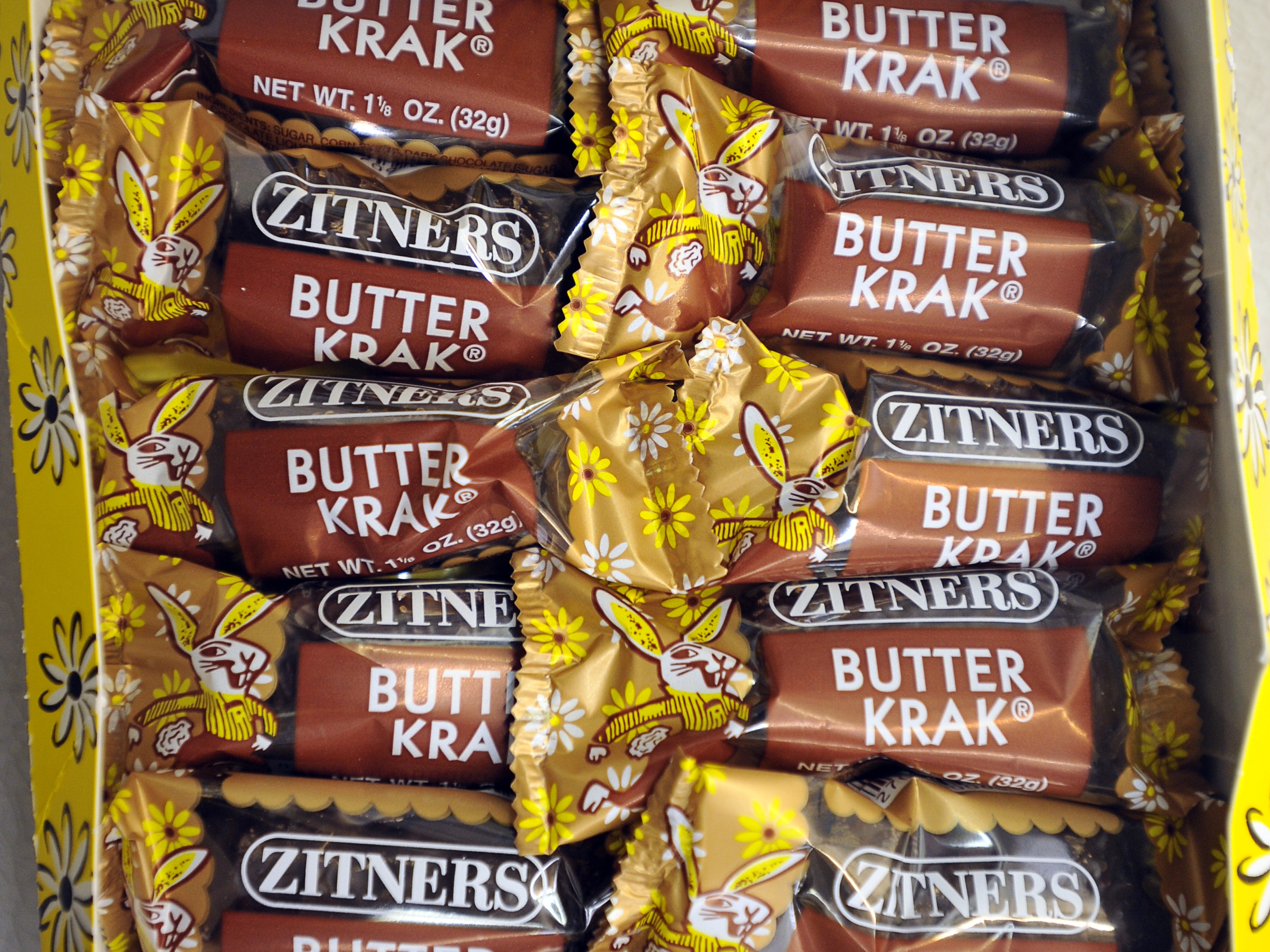
Butter Krak eggs, which date to the 1930s, are the company’s top seller.Sharon Gekoski-Kimmel / Staff Photographer Starting around 2013, Prochniak worked with European equipment makers to automate production of Zitner’s soft centers, then added equipment for coating, cooling, and wrapping.
The line eventually stretched to 100 feet. In Philadelphia, it ran straight across the factory. In the Hatfield plant, where Zitner’s took over a Kargher storage area, workers cut an opening in a wall so the line could pass through, turn around, and continue in the opposite direction. It’s now about twice the size.
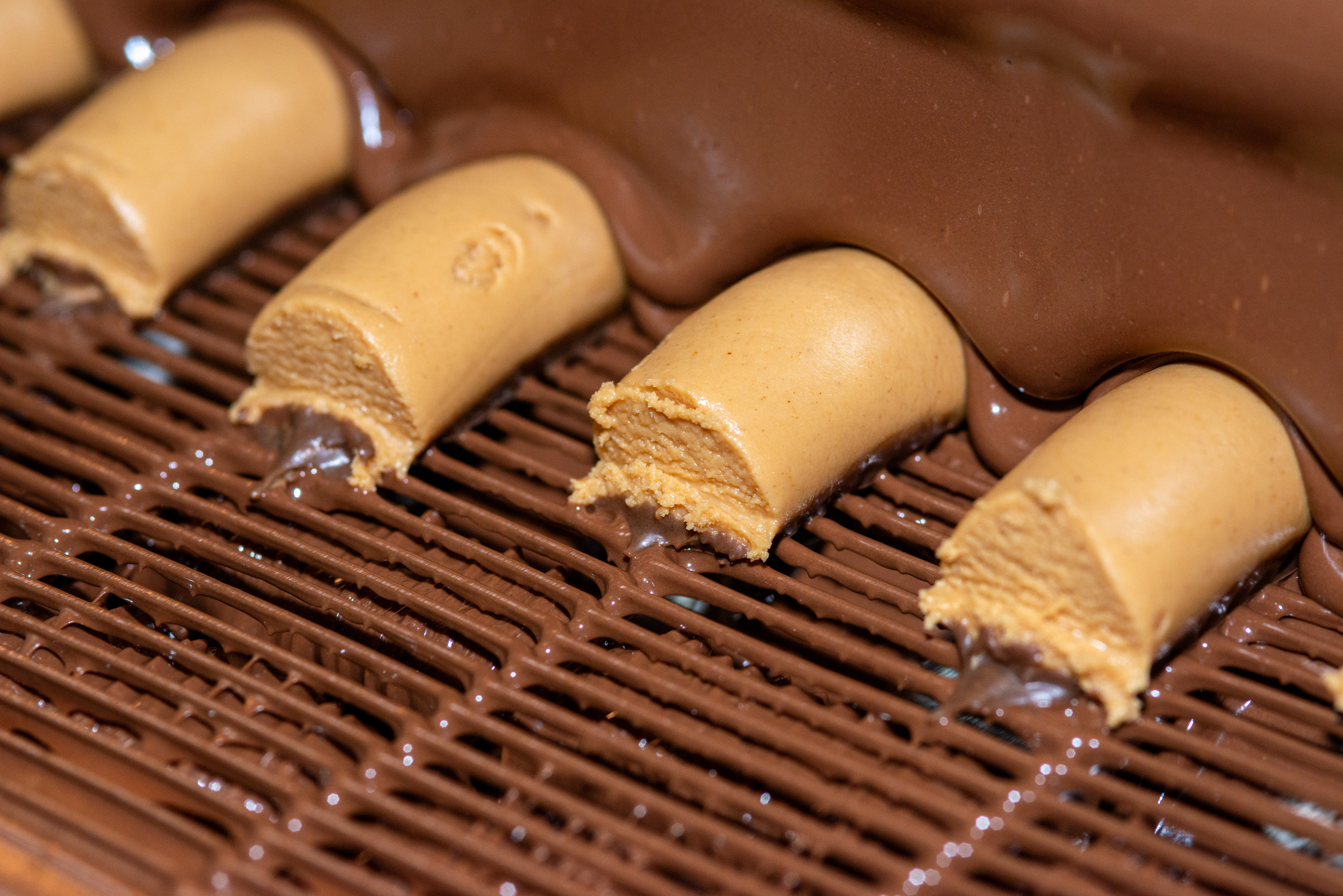
The peanut mixture, cut to shape and size, is covered in chocolate to make a batch of Zitner’s eggs.William Thomas Cain / For The Inquirer For all the modernization in production, Prochniak is adamant that the new equipment has not changed what goes into Zitner’s eggs; it just enables the factory to make more of them.
Butter Krak, the company’s top seller, dates to the 1930s. Annie Zitner, who founded the company in 1922 with her husband, Sam, in Kensington, taught her nephew Leon Sherman to make the combination of buttercream, shredded coconut, toasted coconut, and bittersweet chocolate. The eggs originally sold for a nickel.
Prochniak, who grew up in Southwest Philadelphia, remembers receiving Zitner’s candy at Easter, although his mother was strict about sweets.
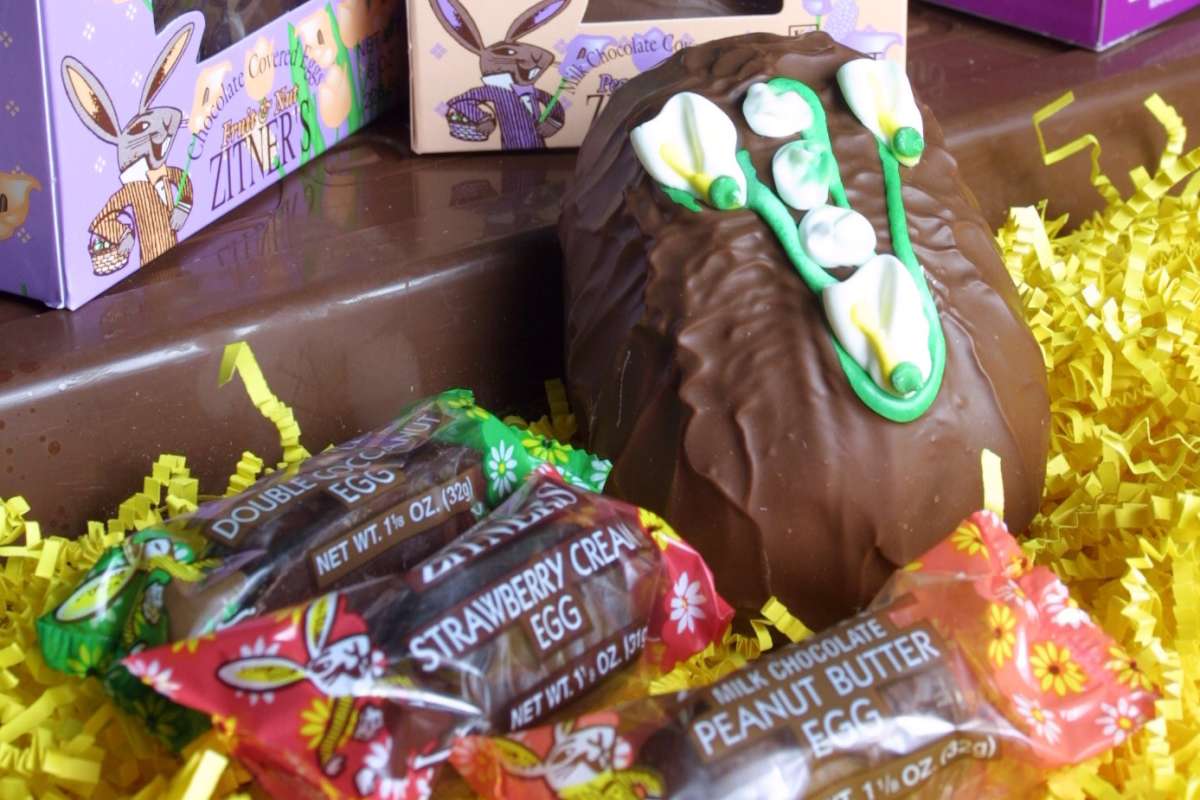
Chocolate-covered eggs for Easter produced by Zitner’s in 2018. CEO Evan Prochniak wants to bring back the large, decorated ones.Alejandro A. Alvarez / Staff Photographer His childhood favorite was Butter Cream. Today, it’s Butter Krak.
He has plans for more storage, possible expansion, and eventually reviving older Zitner’s products, including marshmallows and those big decorated buttercream and coconut cream eggs. He also wants to restore the small counter displays that once sold individually wrapped eggs at places such as Wawa.
But first, there are supermarket orders to fill.
The eggs keep coming
During a September visit, a worker kept the eggs lined up as they approached the wrapping machine.
“She’s also looking for flaws in the candy — pieces sticking together, cracks, incomplete chocolate coatings,” Prochniak said.
Rejects were pulled off the line and tossed into a bin. Each wrapped egg received a quality-control stamp.
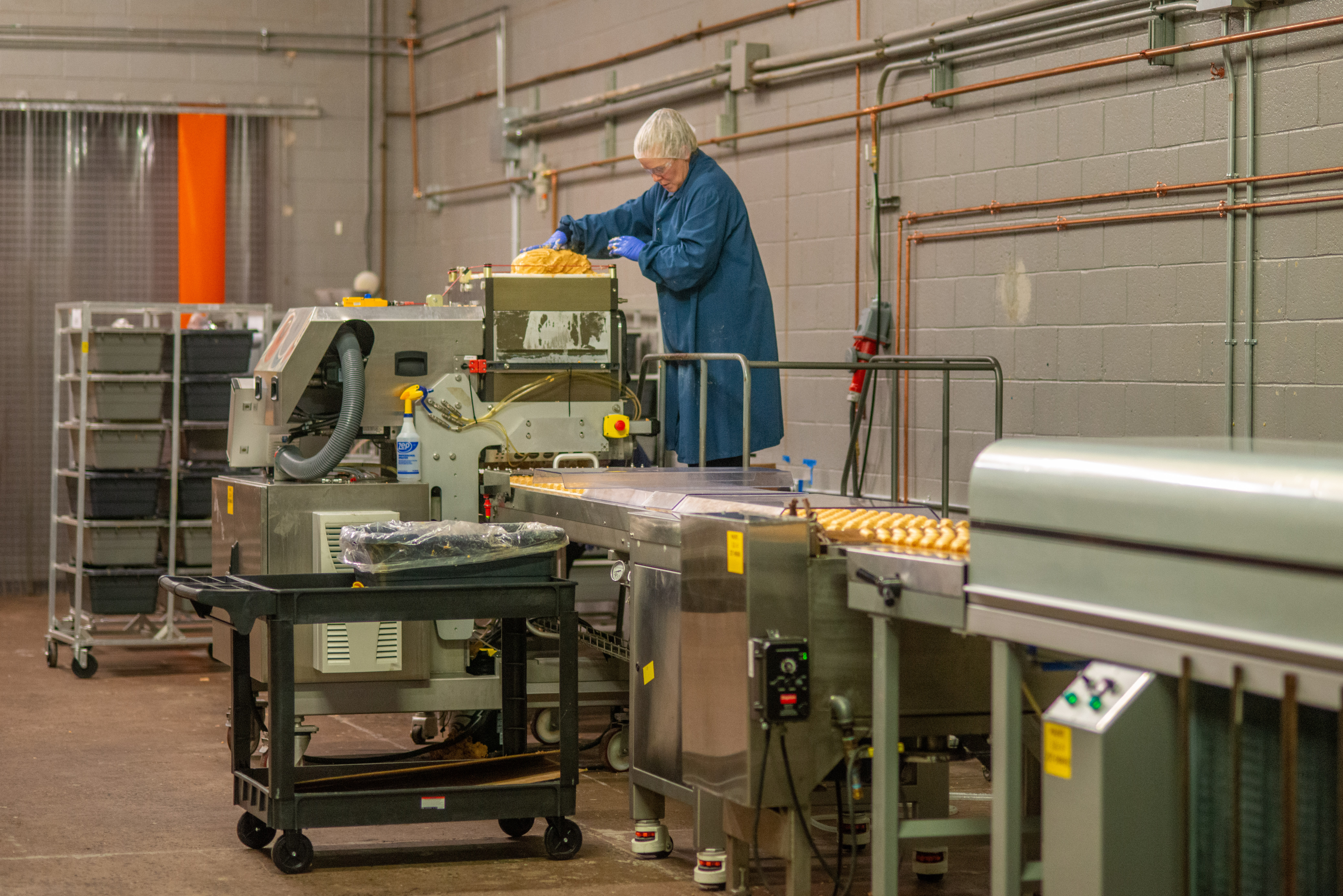
A worker loads peanut butter mix into a machine that presses it into egg shapes at Zitner’s factory in Hatfield.William Thomas Cain / For The Inquirer 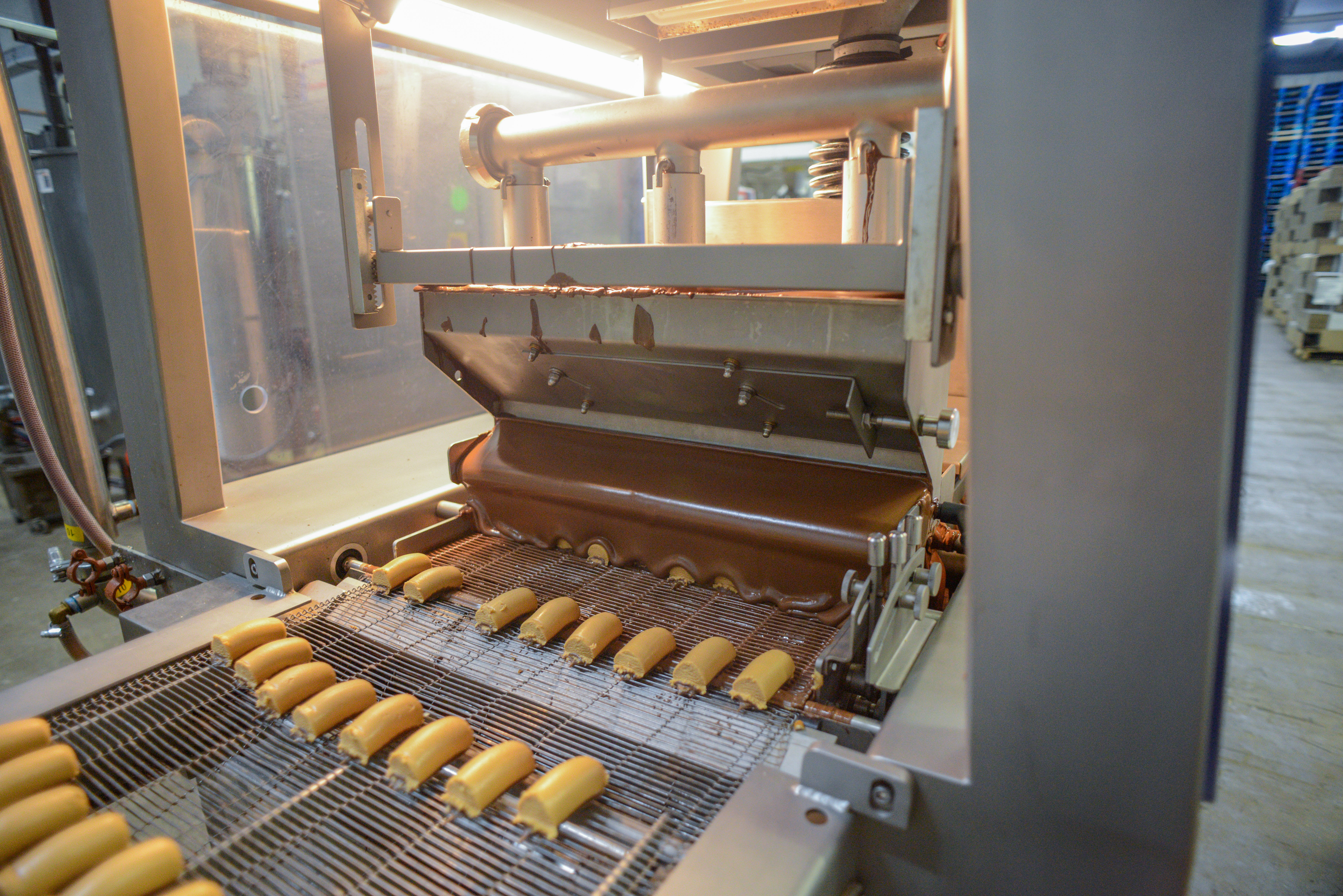
The peanut filling is covered in chocolate to make a batch of Zitner’s peanut butter eggs at its factory in Hatfield.William Thomas Cain / For The Inquirer 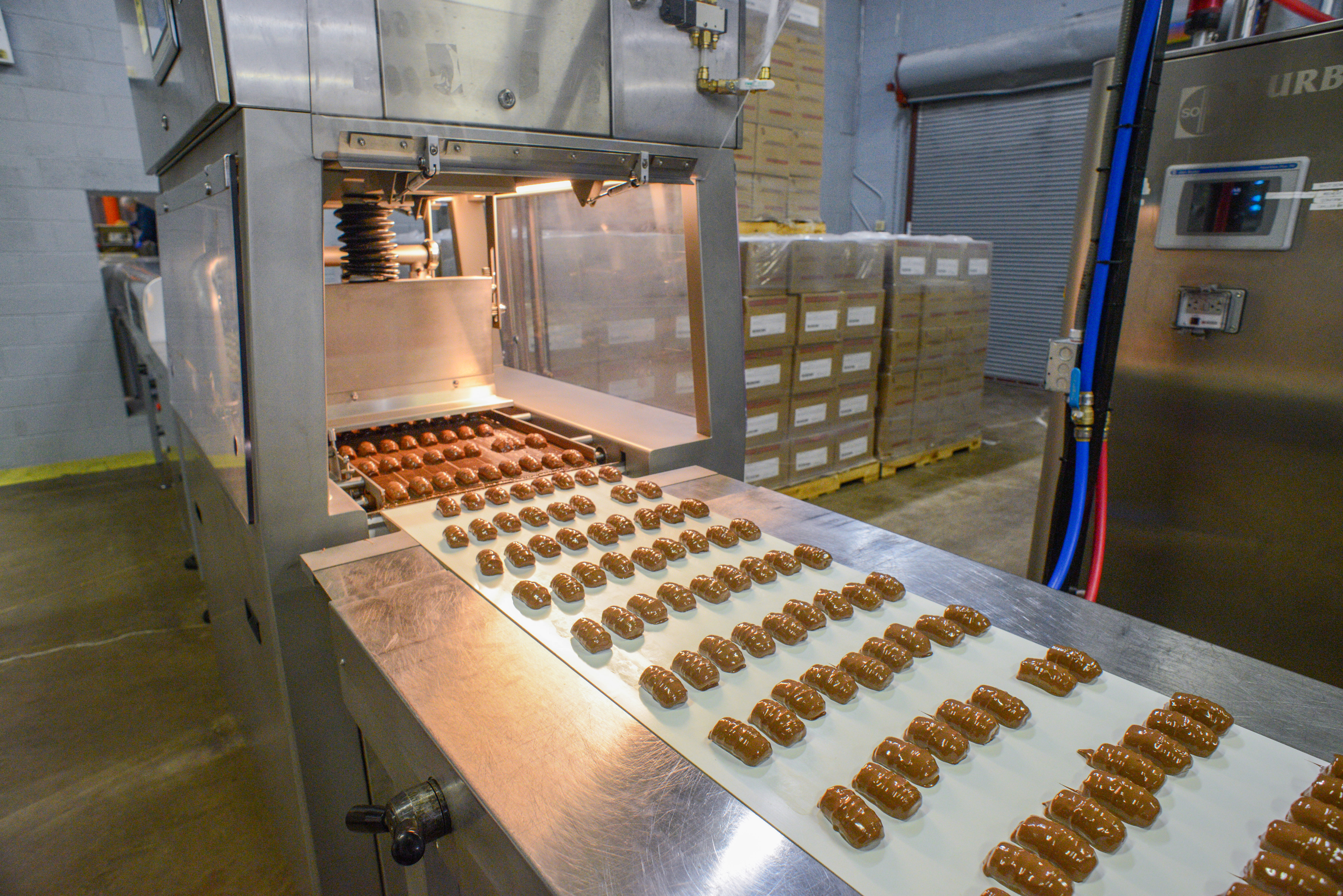
The peanut mixture is covered in chocolate to make Zitner’s peanut butter eggs at its factory in Hatfield.William Thomas Cain / For The Inquirer 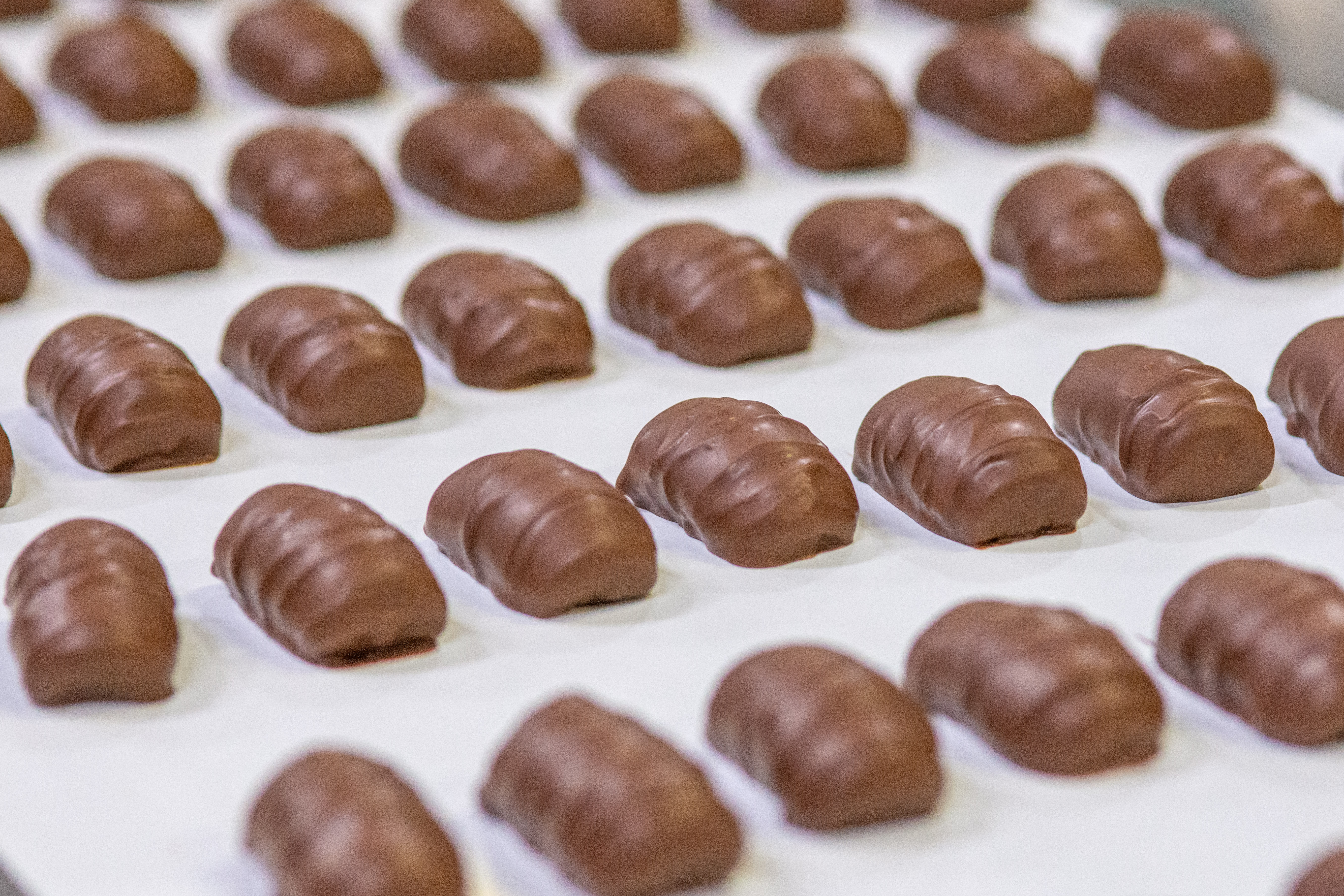
Zitner’s peanut butter eggs, newly coated in chocolate, roll down the line at the Hatfield factory. William Thomas Cain / For The Inquirer 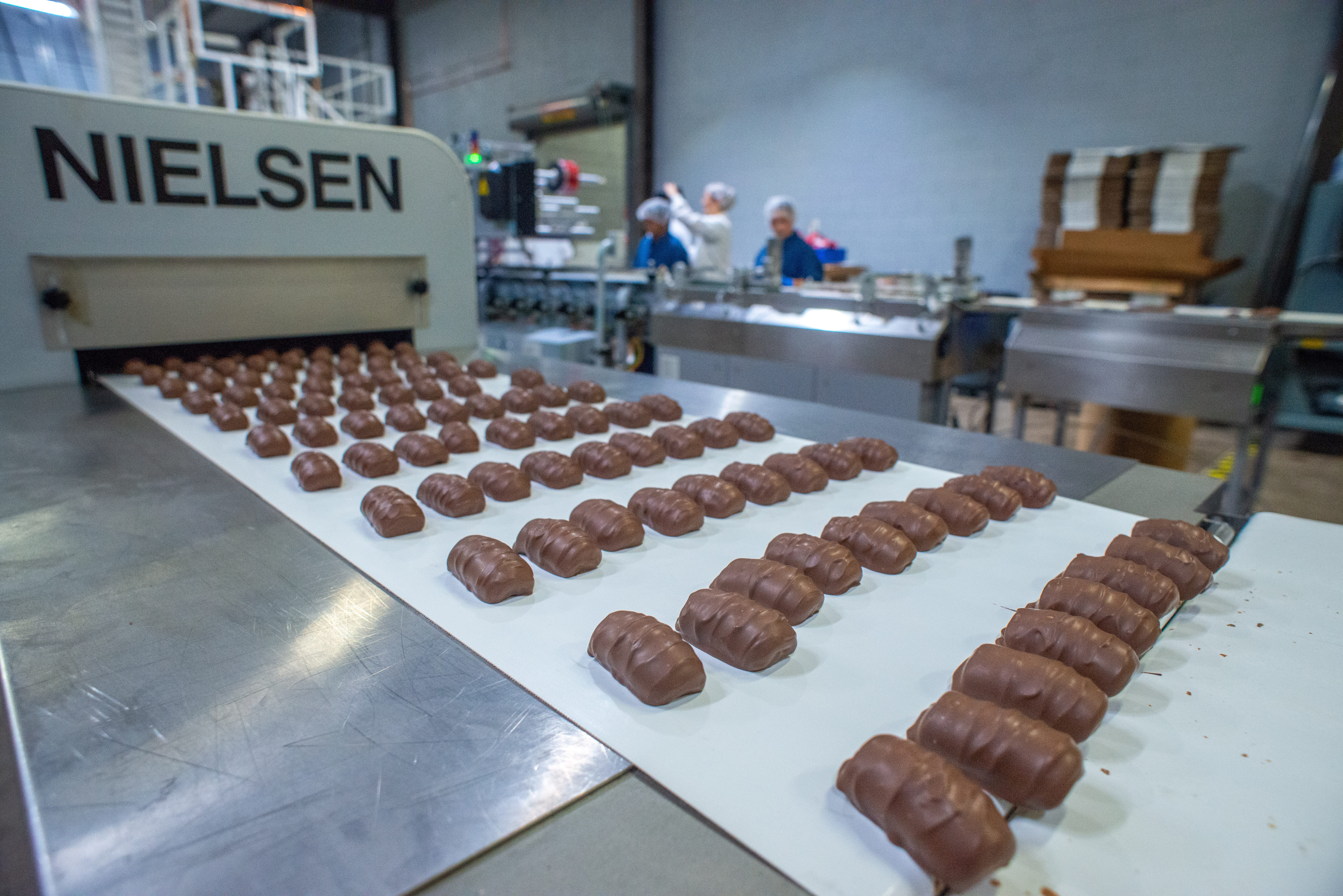
Peanut butter eggs approach the wrapping machine at Zitner’s Fine Confections.William Thomas Cain / For The Inquirer 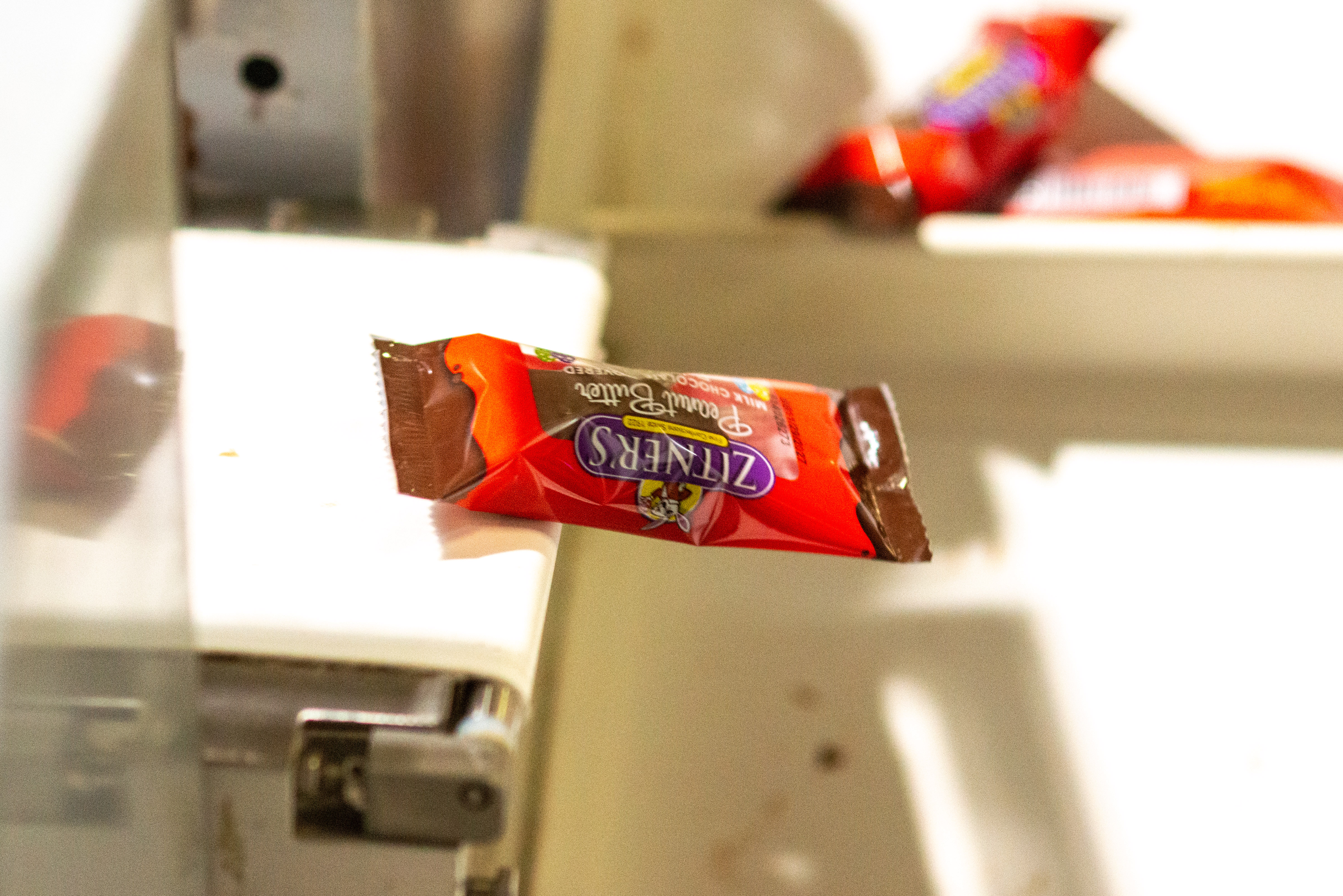
A wrapped Zitner’s egg is ready to be bagged at the factory in Hatfield.William Thomas Cain / For The Inquirer Zitner’s CEO Evan Prochniak in his safety garb at the factory, the home of Kargher Chocolates.William Thomas Cain / For The Inquirer 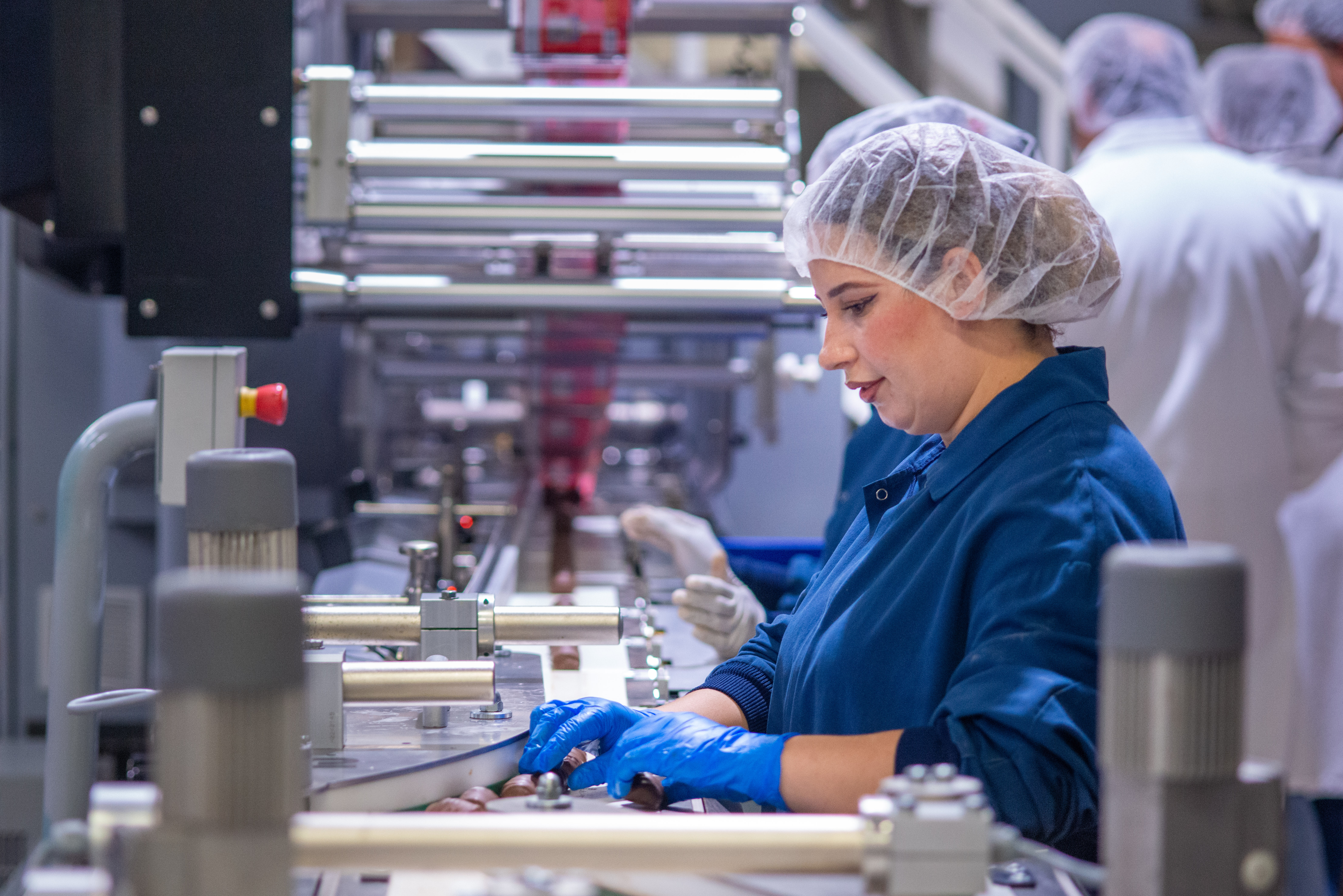
A worker inspects Zitner’s peanut butter eggs before they reach the wrapping machine. William Thomas Cain / For The Inquirer 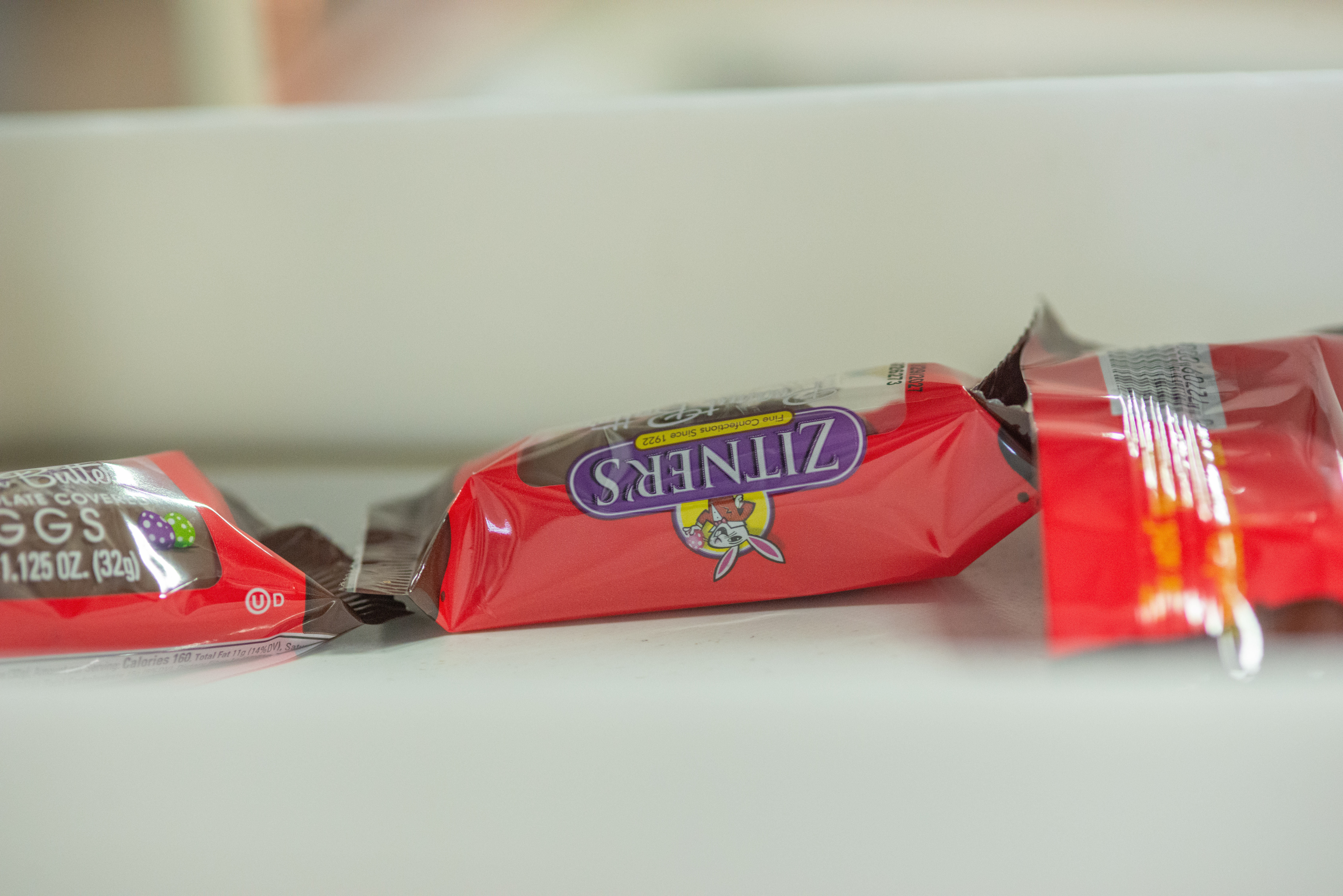
Wrapped Zitner’s peanut butter eggs are ready to be boxed.William Thomas Cain / For The Inquirer 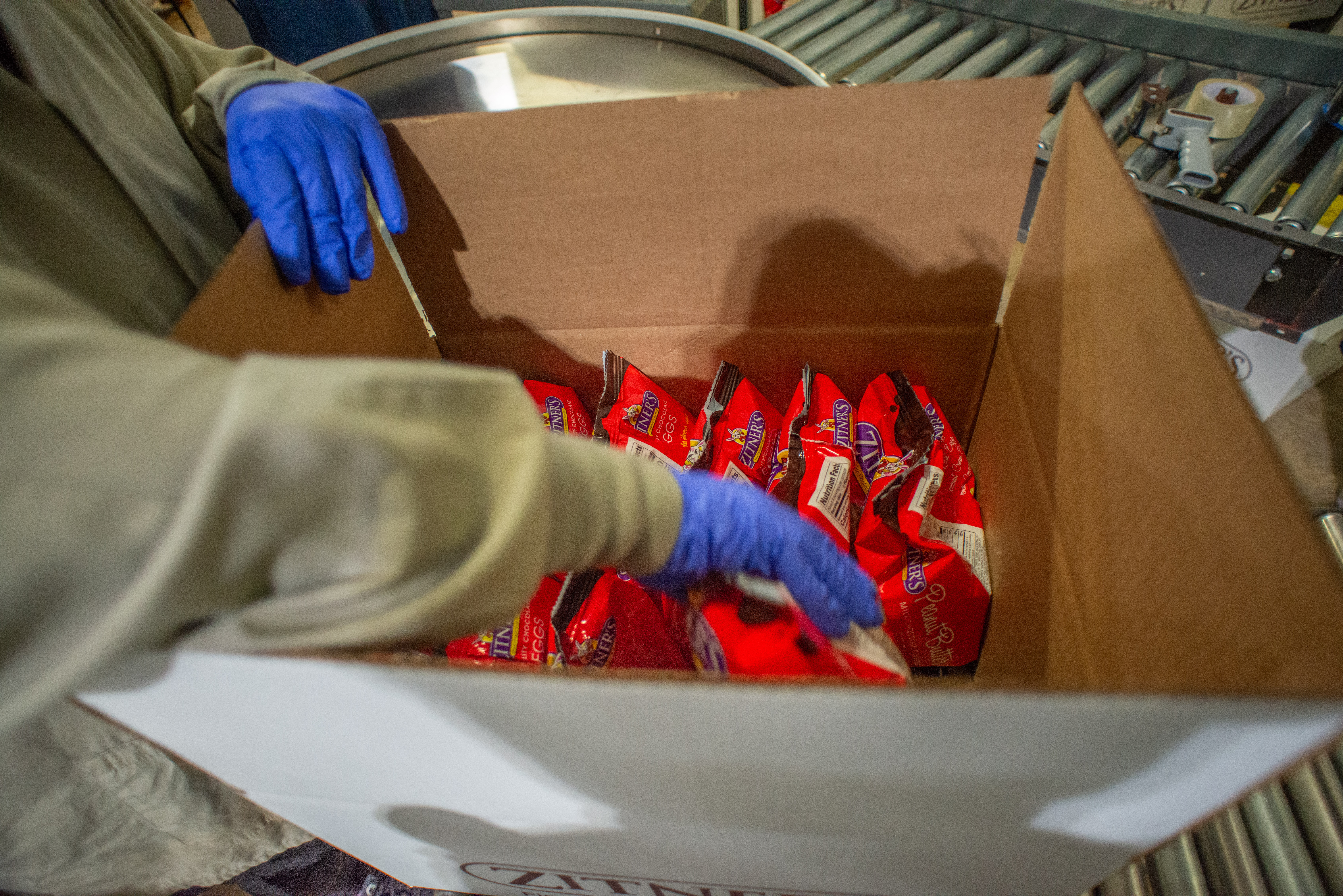
Eight eggs to a bag, 12 bags to a case: Wrapped batches of Zitner’s eggs are boxed for shipping at the plant in Hatfield. William Thomas Cain / For The Inquirer Employees box the bagged eggs at Zitner’s factory in Hatfield.William Thomas Cain / For The Inquirer 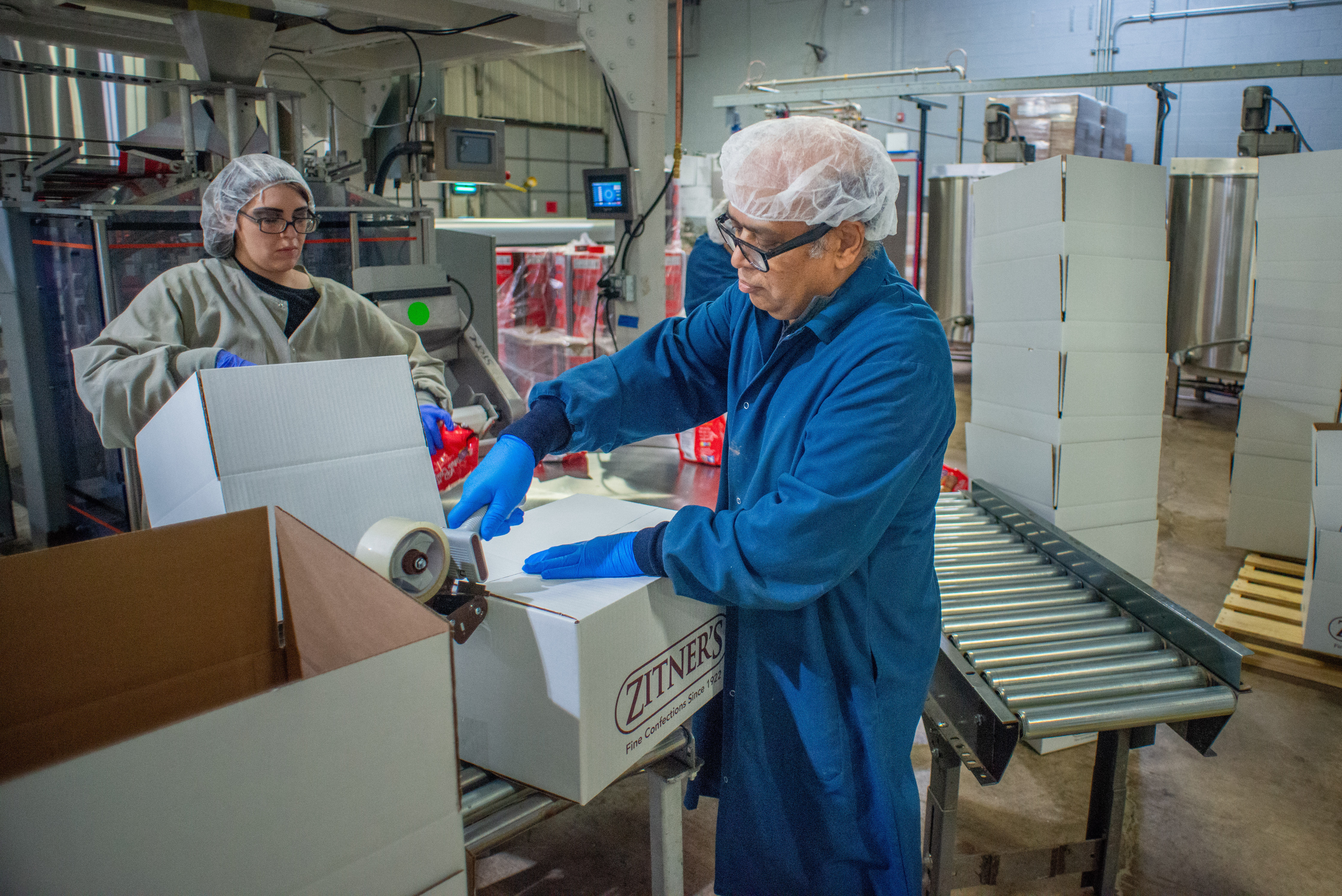
Wrapped batches of Zitner’s eggs are boxed for shipping at the factory. William Thomas Cain / For The Inquirer “I can tell you the day that egg was made and trace it all the way back to the sugar that went into it,” Prochniak said. “Everything is tracked.”
Surely, it must be tempting to eat candy all day.
“Not good for your waistline,” Prochniak said. “But I’m tasting it all the time. I have to make sure the recipe is exactly what it’s supposed to be.”
-
The best thing Mike Klein ate this week: Khao soi at a swanky suburban Thai BYOB
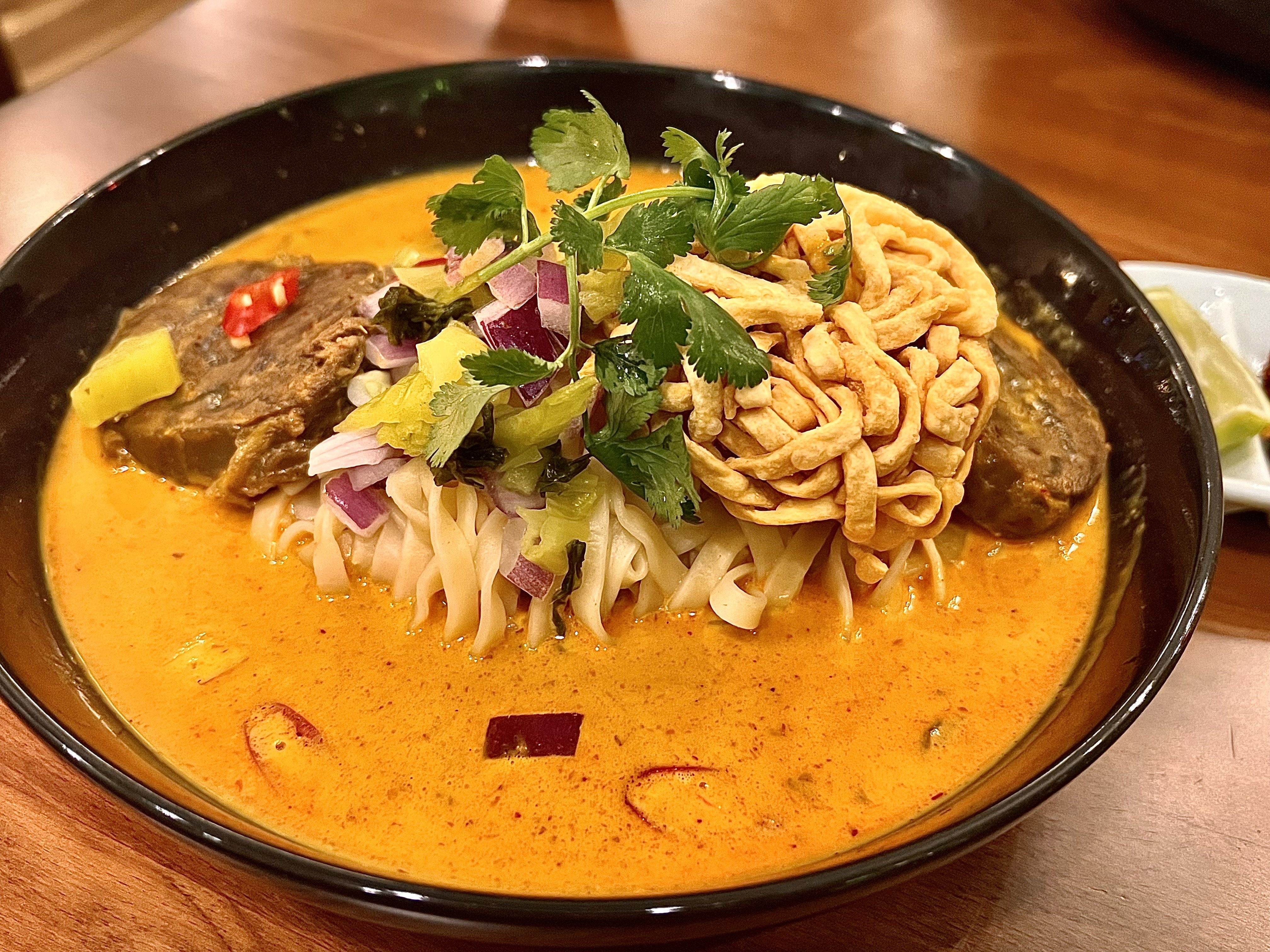
The khao soi at Baan Atelier in Conshohocken makes a dramatic entrance: The shimmering pool of sunset-orange coconut curry arrives with a tangle of soft egg noodles and a tousled crown of crisp, golden fried noodles flanked by thick slices of braised beef shank. Cilantro, chopped red onion, and pickled mustard greens provide flashes of green and purple.
It’s a dish that seems right at home in the lovely, elegant surroundings of Baan Atelier, the Northern Thai BYOB that opened in May in the former Blackfish space at 119 Fayette St. It’s the posher sibling of the long-running Chiangmai across the street, which delivers familiar favorites such as pad Thai, pad kee mao, stir-fries, and curries in a casual setting.
Baan Atelier takes a more refined approach, emphasizing Northern Thai specialties, along with more elaborate preparations informed by French technique.
Executive chef and partner Kwan Charoennan offers khao soi with chicken or beef. The meltingly tender beef shank is braised for at least five hours until tender, then rolled into a roulade to help it hold its shape before being sliced into substantial rounds. The dish is a satisfying interplay of textures and flavors, with the fried noodles delivering crunch against the soft, slippery noodles beneath.
The velvety broth balances coconut richness with chile heat and savory depth. The red onion, cilantro, and tangy pickled mustard green garnishes cut through that richness, keeping each spoonful lively.
In sum, it’s the sort of elaborate presentation that makes you reach for your phone camera before your fork, though the aromas rising from the bowl make delaying that first bite difficult.
-
East Market’s long-vacant Melting Pot space finally has a new tenant
The Pennsylvania Liquor Control Board will move the Fine Wine & Good Spirits store near Reading Terminal Market around the corner into the long-vacant storefront that once housed the Melting Pot restaurant.
The new location at 1219 Filbert St., between a Chili’s Grill & Bar and a 7-Eleven store across from the Marriott Hotel, will be about 4,300 square feet, roughly the same size as the current windowless store at 5 N. 12th St.
That store, which opened in 1998, was part of a late-1990s revitalization of the Reading Terminal train shed and headhouse, which included the Hard Rock Cafe at 12th and Market Streets and the short-lived Red Bell Brewpub across from the market on the 1100 block of Filbert Street.
The Melting Pot’s 10-year run ended in 2015. The property sits underneath a parking garage owned by Parkway Corp. among other ground-floor commercial spaces, including Maggiano’s Little Italy.
“I couldn’t remember Parkway ever having an empty storefront, and then the Melting Pot closed,” said Robert Zuritsky, president and chief executive of Parkway. Zuritsky said a few restaurant deals for the space came and went over the years before the pandemic put a longtime crimp in leasing.
“We’ve just been struggling there” to find a tenant, he said. “We were open to all sorts of ideas. The PLCB came in, and they wanted to do it.”
Paige Jaffe of Square Retail Consultants represented Parkway in the deal.
A PLCB spokesperson said the new store — a standard store and not part of the agency’s Premium Collection — would open in the first half of 2027.
-
West Philly’s favorite pizza shop is back
After a botched sale and a three-month pause, the pizza oven is fired up again at 4814 Spruce St. in West Philadelphia.
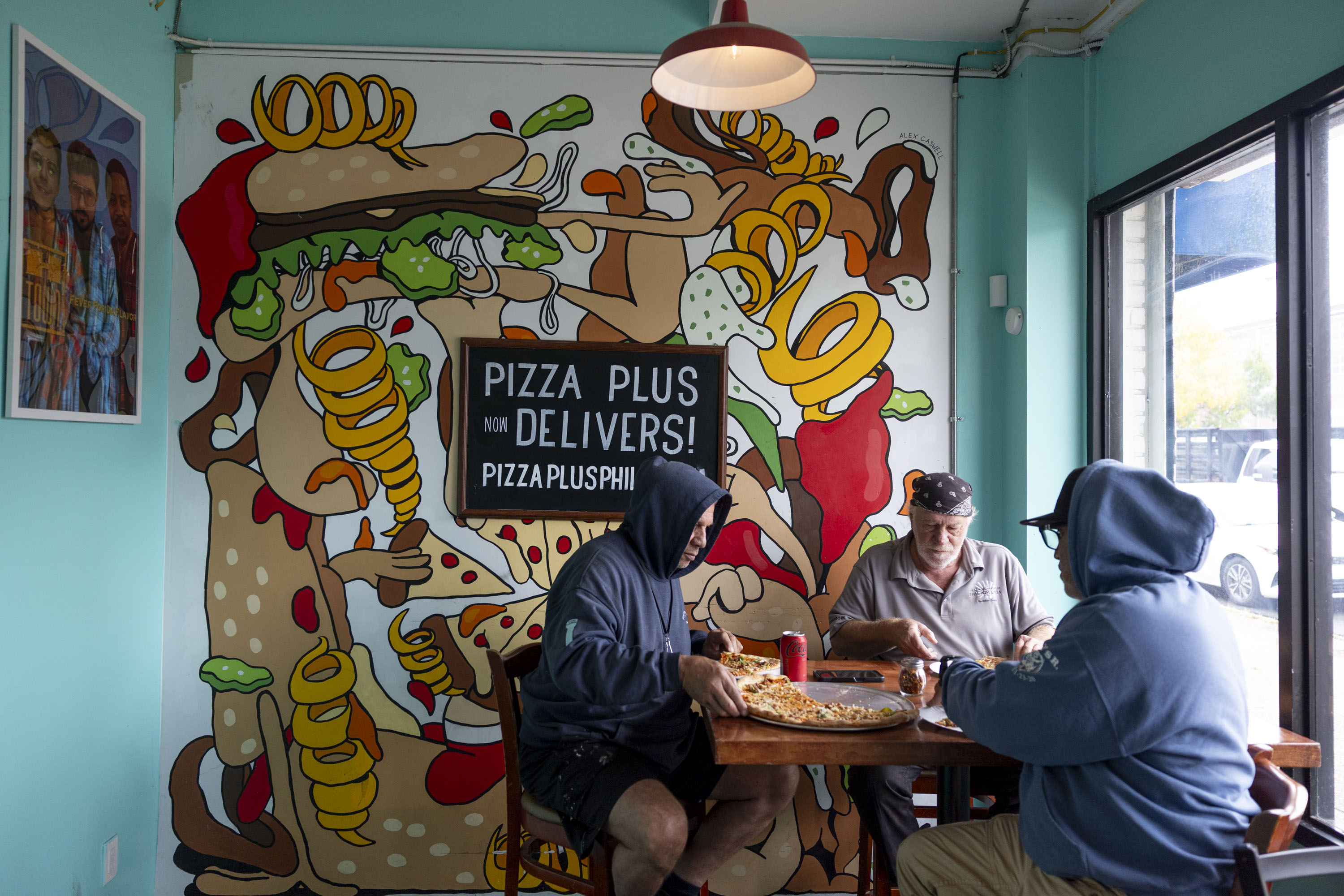
Pizza Plus West reopened earlier this month — in the same location and under its original owners — bringing pizzaiolo Daniel Gutter’s experimental pies back to a neighborhood that some say lacks good delivery pizza.
Gutter, known as @pizza_gutt on Instagram, and business partner Alex Carbonell opened Pizza Plus West in 2021 as the fourth shop in their growing restaurant empire, which includes Circles and Squares in Kensington, the Northern Liberties gastropub Bourbon & Branch, and the original Pizza Plus at 1846 S. 12th St. in South Philly.
Pizza Plus started as a way for Gutter to branch out from his signature Detroit-style squares into other realms: 16-inch New York-style pies and pan pizzas, plus delivery staples like wings and cheesesteaks.
The partners sold Pizza Plus West in April 2026 to focus on other projects that demanded their full attention, Carbonell said. He and Gutter are working on transforming the long-closed Mount Airy dive bar the Mermaid into a three-story restaurant set to open next spring. They also recently rebranded Bourbon & Branch as a Southern restaurant, now helmed by former Middle Child Clubhouse sous chef Brooke Alan.
“We were at the top of our game at Pizza Plus West, doing better than ever,” Carbonell said. “But we also felt like we were being torn in too many different directions.”
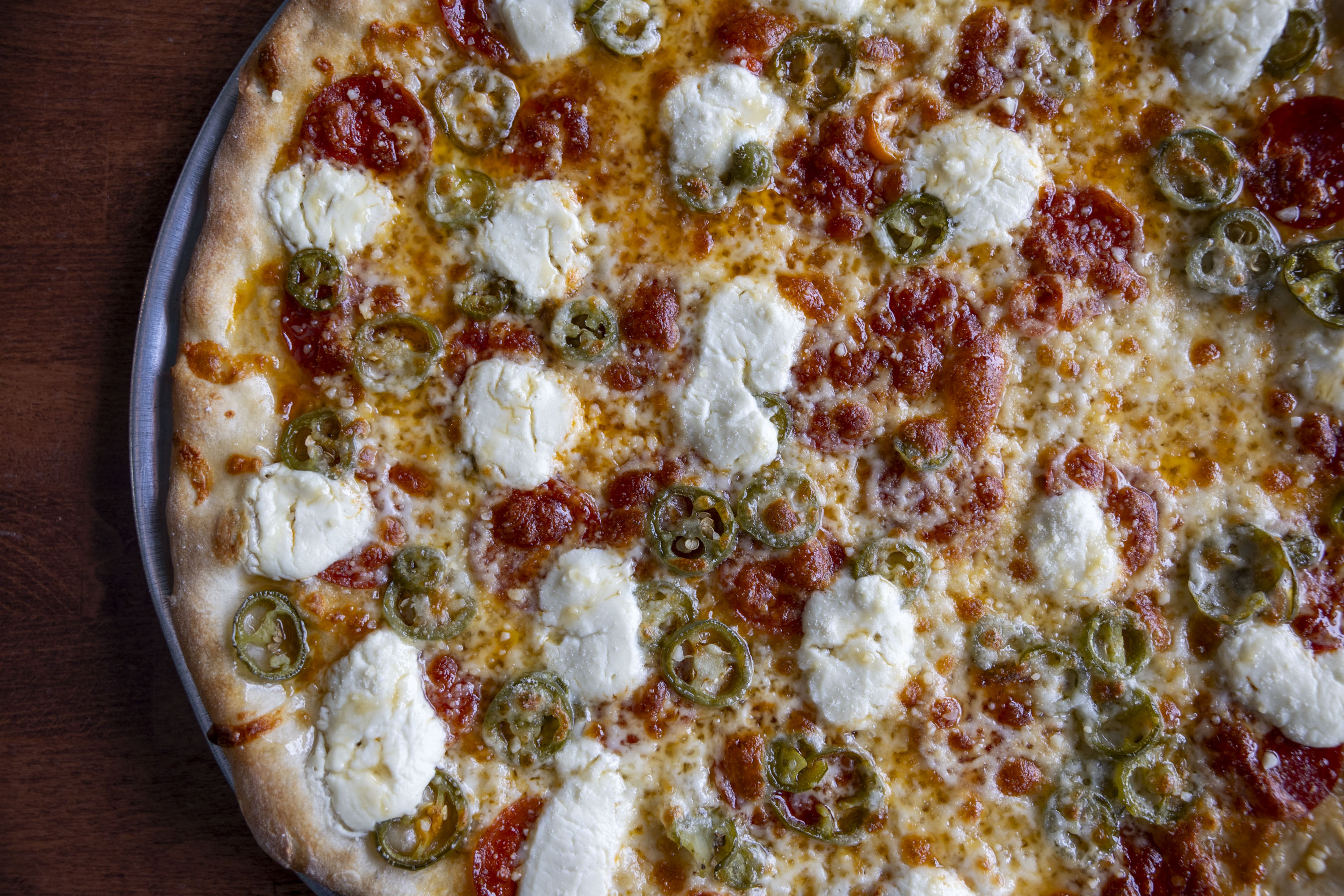
The Honey Roni Pizza at Pizza Plus West is topped with mozzarella, ricotta, pepperoni, hot honey, and pickled jalapenos.Tyger Williams / Staff Photographer To take something off their plate, Carbonell and Gutter made arrangements to sell Pizza Plus West to a new owner who hoped to gradually turn the shop into a Guyanese fried chicken joint that also sells pizza. They started a handoff in April, but by July, the shop was doing less than half its usual sales, Carbonell said.
Soon after, he said, the new owner ghosted Carbonell and Gutter and defaulted on a two-year bridge loan from them negotiated as part of the sale. The shop closed that same month.
“It was very depressing,” said Carbonell, declining to name the other owner. “Neither of us really wanted to sell [Pizza Plus West]. We just felt like we didn’t have any other choice at moment.”
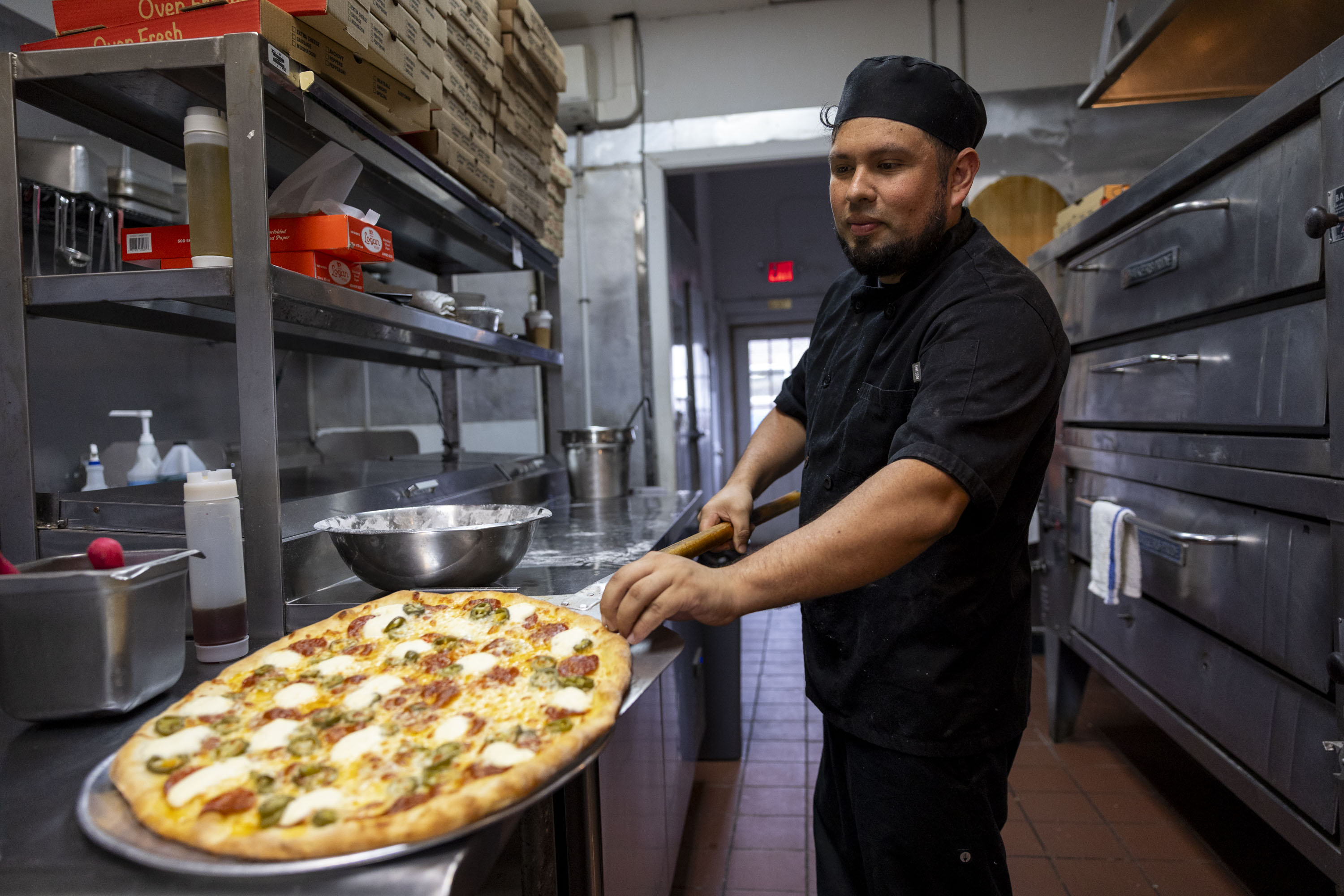
Chef and partner Pedro Vasquez pulls a fresh Honey Roni Pizza out of the oven at Pizza Plus West.Tyger Williams / Staff Photographer (The Inquirer was unable to identify Pizza Plus West’s previous owner via public records to reach out for comment.)
After a month of deliberation, Gutter and Carbonell reclaimed the business, announcing via Instagram that Pizza Plus West was reopening in early October. Their first day back was Oct. 12.
“It was so great to have old faces coming back in,” Carbonell said. “That first day, people were just walking by with their dogs and fist-bumping, just so excited to have us back.”
Goodbye pan pizzas, hello fried chicken
The new, old Pizza Plus West is not without changes.
Carbonell and Gutter brought on Saul Pineda and Pedro Vasquez as new working partners to the Spruce Street shop in September, where they will be in charge of manning the pizza ovens. Both of them have worked with Carbonell for more than a decade at It’s Nutts, the beloved roadside family restaurant in Titusville, N.J., that Carbonell has owned since 2005.
With the new partners comes one addition: It’s Nutts’ famous fried chicken, sold by the piece. The chicken soaks in a top-secret brine for 24 hours before getting dredged and fried.
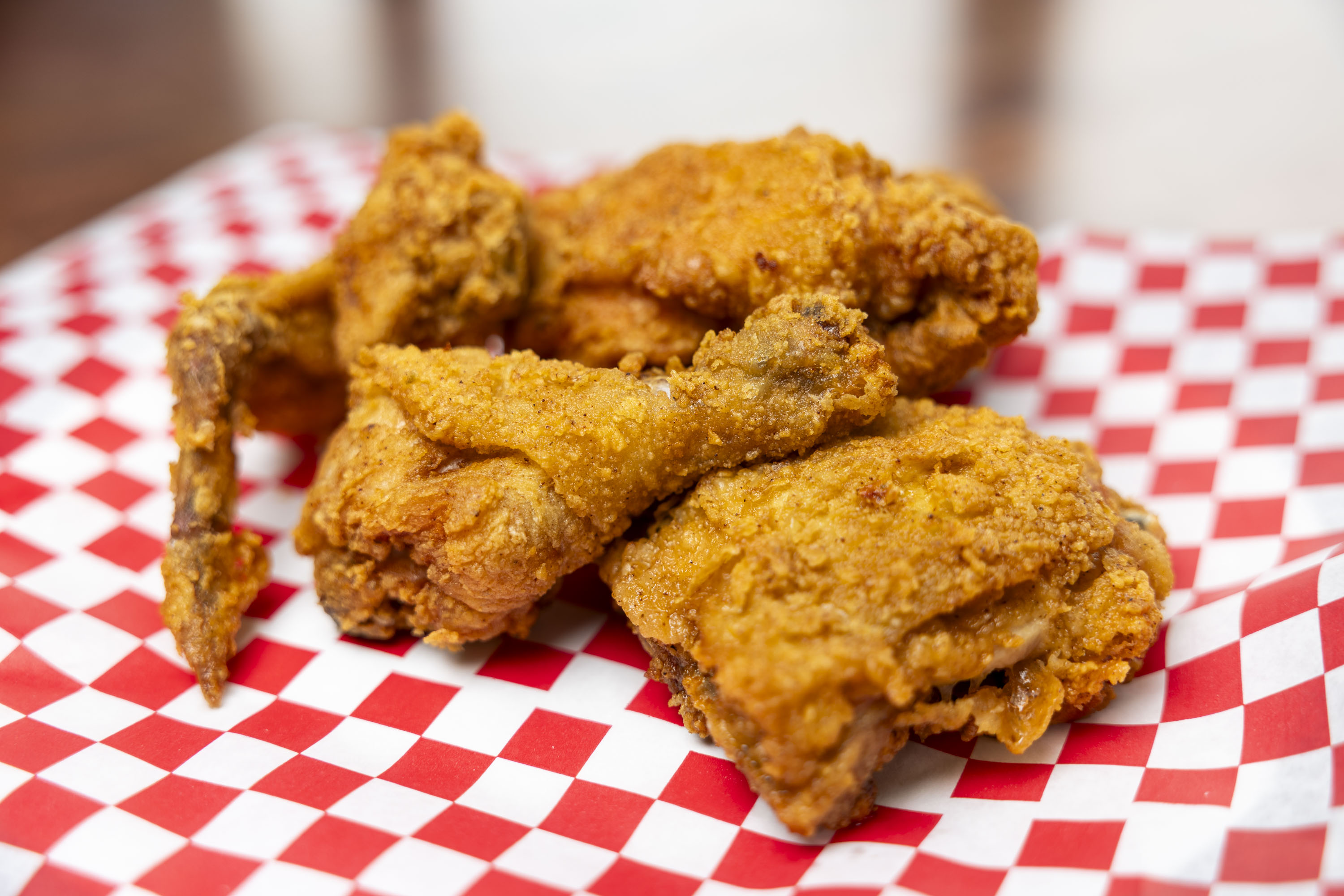
Pizza Plus West now serves fried chicken by the piece, a holdover from co-owner Alex Carbonell’s roadside restaurant, It’s Nutts, in Titusville, N.J.Tyger Williams / Staff Photographer Carbonell estimates It’s Nutts goes through 1,000 pounds of chicken a week. Pizza Plus West will be a success if it does a fraction of that, he said.
The shop is also doing away with pan pizzas, which Carbonell said are “too labor-intensive” to maintain since they require a dedicated baker just to work on the focaccia crust. They have been swapped out for 12-inch personal-size New York pizzas, which Carbonell said are already selling well.
Otherwise, the menu is the same. Pizza Plus West’s calling card remains its 16-inch pizzas. They range from classic red, white, and vodka-sauced pies to less conventional offerings such as the General Tso’s chicken and broccoli to the chicken Caesar — literally a Caesar salad with fried chicken spread on top of a white pie.
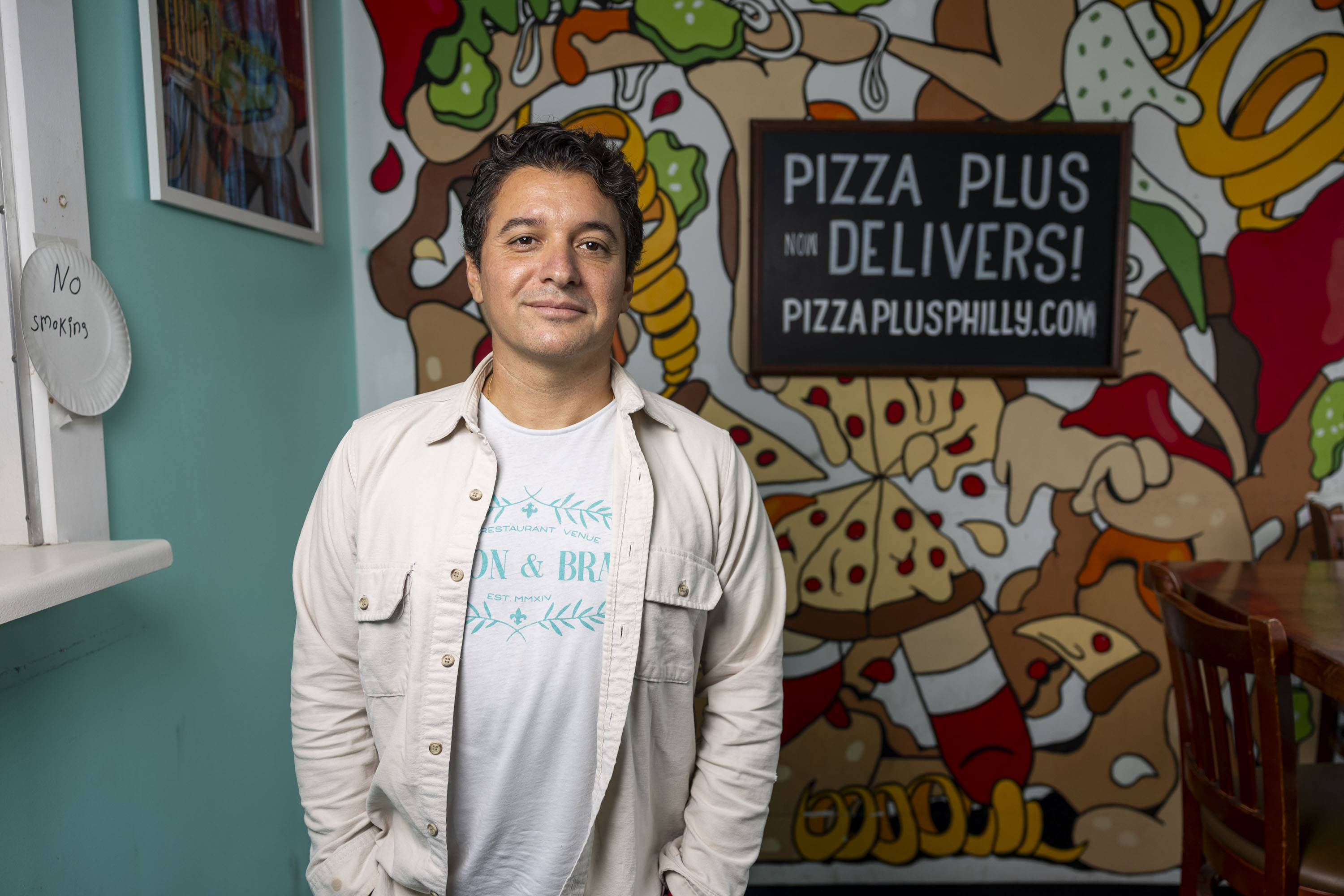
Alex Carbonell, a co-owner of Pizza Plus West, inside the West Philadelphia shop.Tyger Williams / Staff Photographer Cheesesteaks and burgers (and their vegan counterparts) are also available, as are Pizza Plus’ gut-busting “snack boxes” — a single pizza box stuffed with a personal pie, two cheeseburgers, wings, fries, and onion rings.
Pizza Plus West, 4814 Spruce St., 215-207-0391, pizzaplusphilly.com. Hours: 11:30 a.m. to 9 p.m. Sunday through Thursday. 11:30 a.m. to 10 p.m. Friday to Saturday. Closed Tuesday.
-
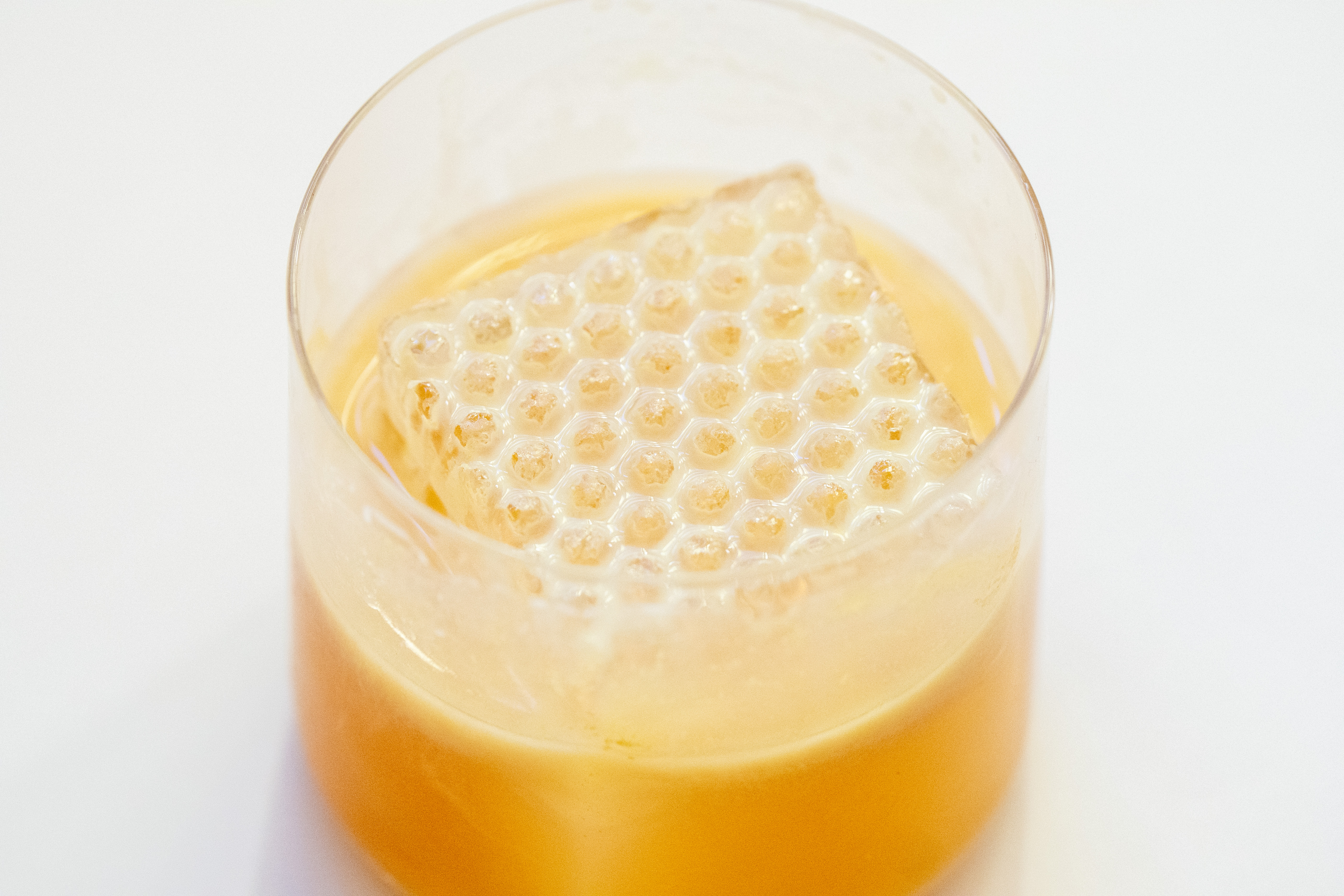
Philly’s most exciting new bar | Let’s Eat
Field Day is the most-talked-about bar to open this year. Not only does Jenn Ladd take you inside, but she also tells you about its mastermind and his mission.
Lots to cover this week.
But first, allow me to remind you that The Inquirer Food Festival is headed toward a sellout. It’s Nov. 14 at the Fillmore. Tickets and details are here.
Also in this edition:
- Out from the shadows: The mysterious cheesesteak and pizza purveyor known as Backyard Cravings has gone legit.
- Indian delight: Craig LaBan finds a winner in South Jersey.
- 86 the diner: Zoto’s has shut off the lights after 53 years.
- News and gossip: Read on for news of a new Italian restaurant in East Market, a new home for Kouklet, a local bar on its way to a small town in South Jersey, and a matcha cafe adding a third location.
If someone forwarded you this email, sign up for free here.
Inside Philly’s most exciting new bar
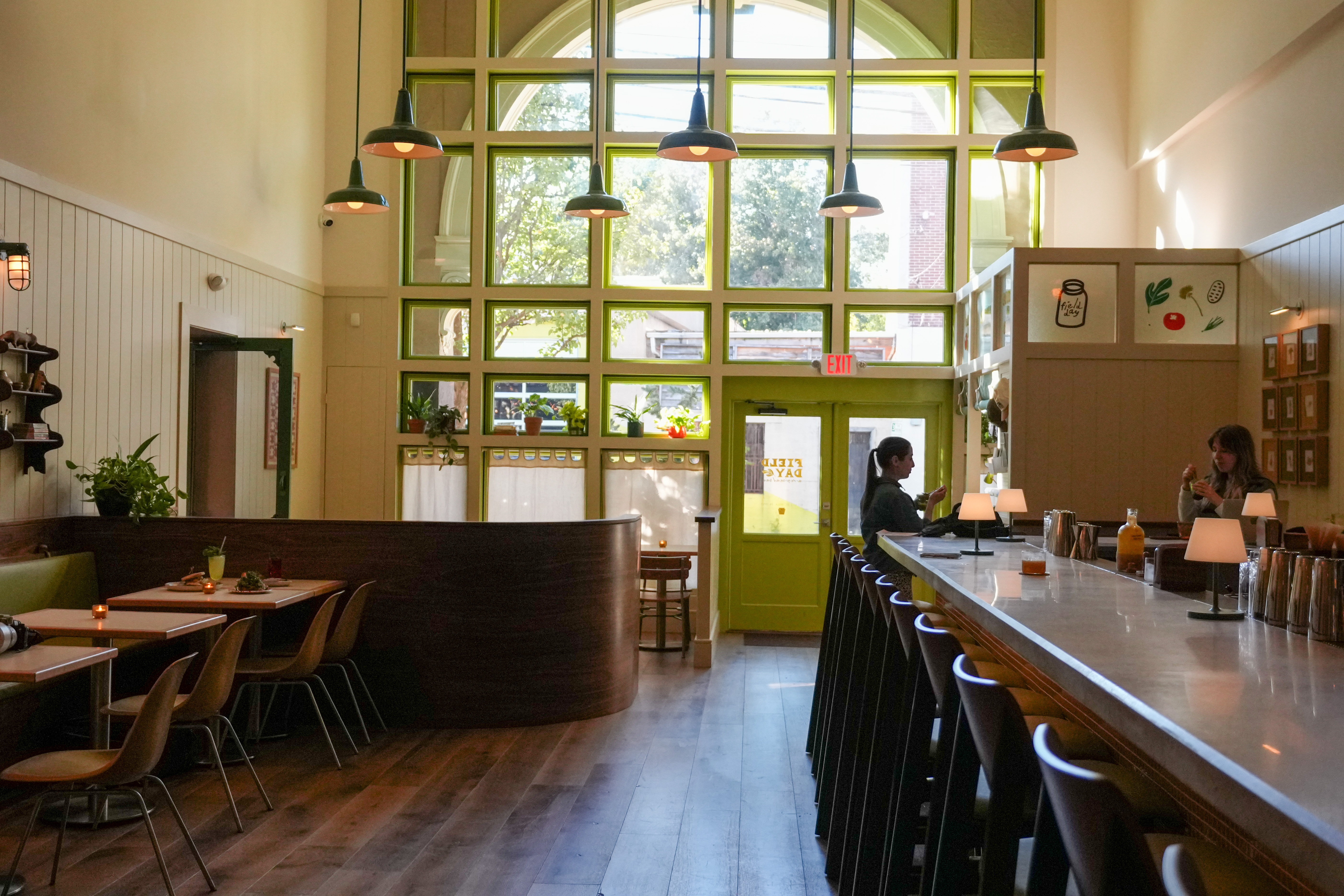
Field Day, now open in Northern Liberties, showcases 45 cocktails built around regional ingredients, from birch bark to foraged mushrooms. Jenn Ladd takes us inside the ambitious new bar from James Beard Award-winning bartender Danny Childs and his wife, Katie. Food? There’s Beard-nominated chef Melissa McGrath’s tomato pie, steamed clams, and Lebanon bologna sandwiches.
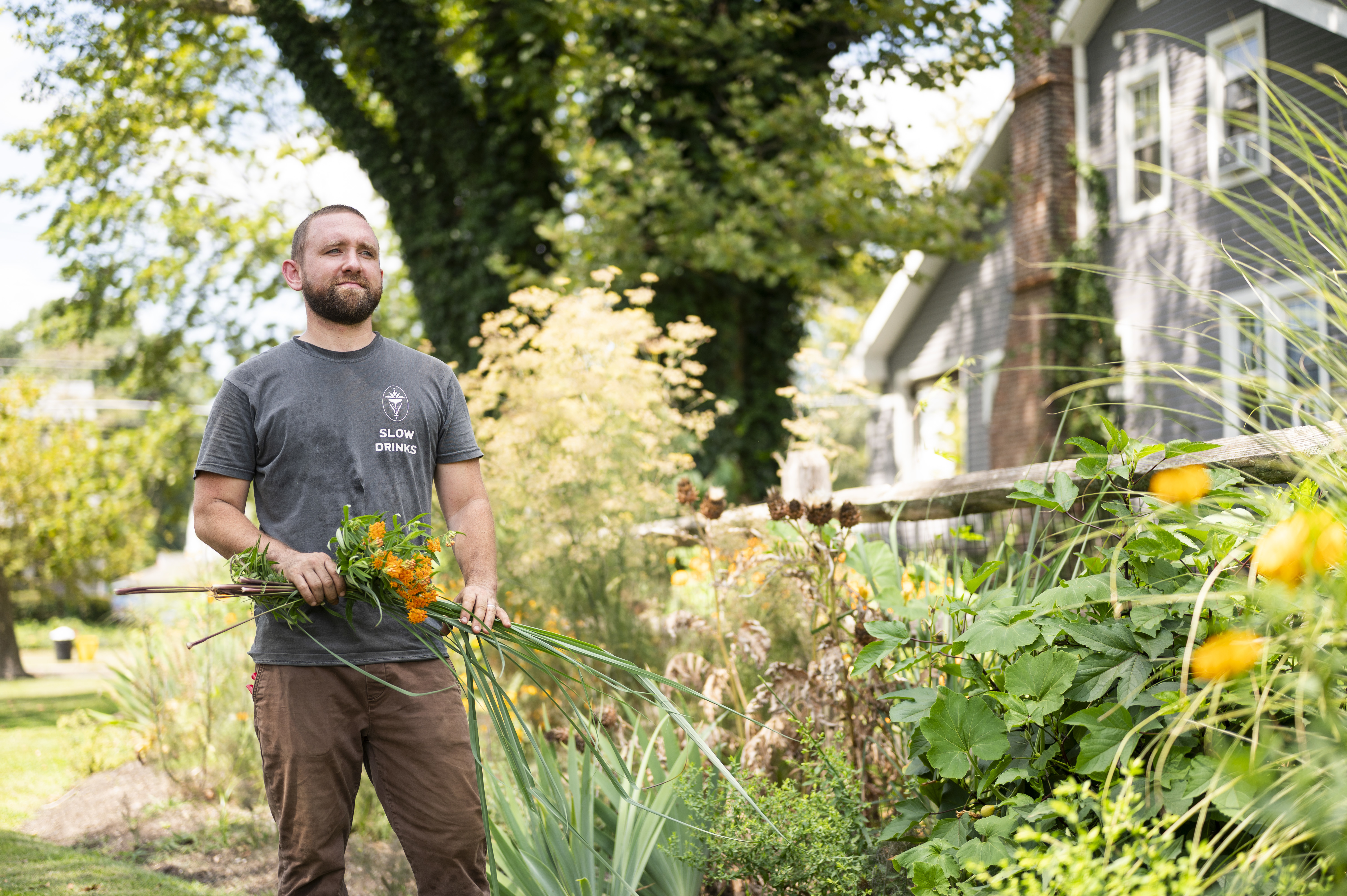
There’s more: Jenn traveled to Tales of the Cocktail with Danny Childs to explore his Slow Drinks philosophy and mission to change cocktail culture.
🍸 Check out our picks for Philly’s best cocktail bars.
An underground takeout spot goes legit
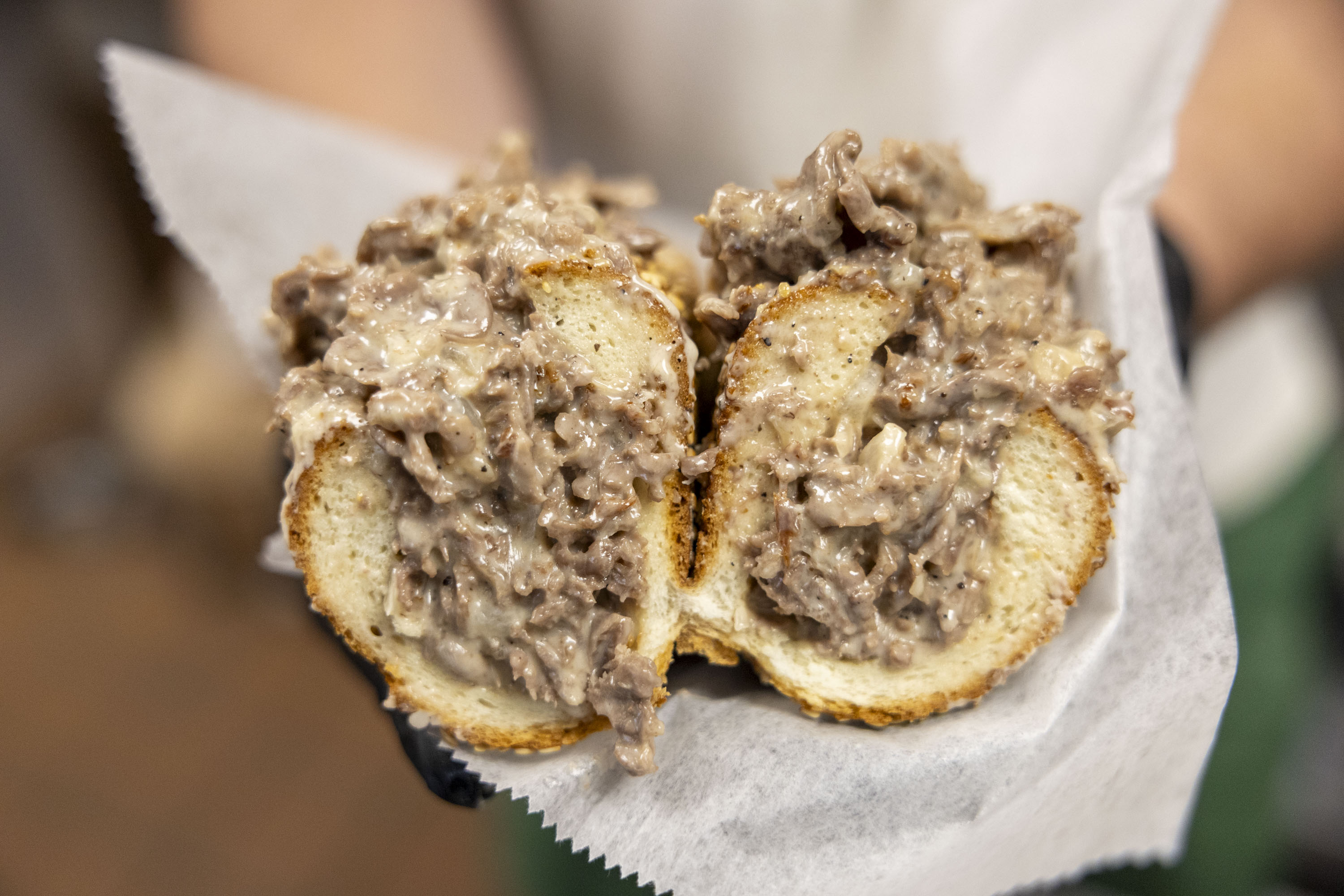
It’s a small miracle that Sal Burgese got away with running a social-media-star cheesesteak and sandwich pop-up out of his backyard. He is now aboveboard with Backyard Cravings, whose shop opened last weekend. Read on for his only-in-Philly story.
It’s over for Zoto’s Diner after 53 years
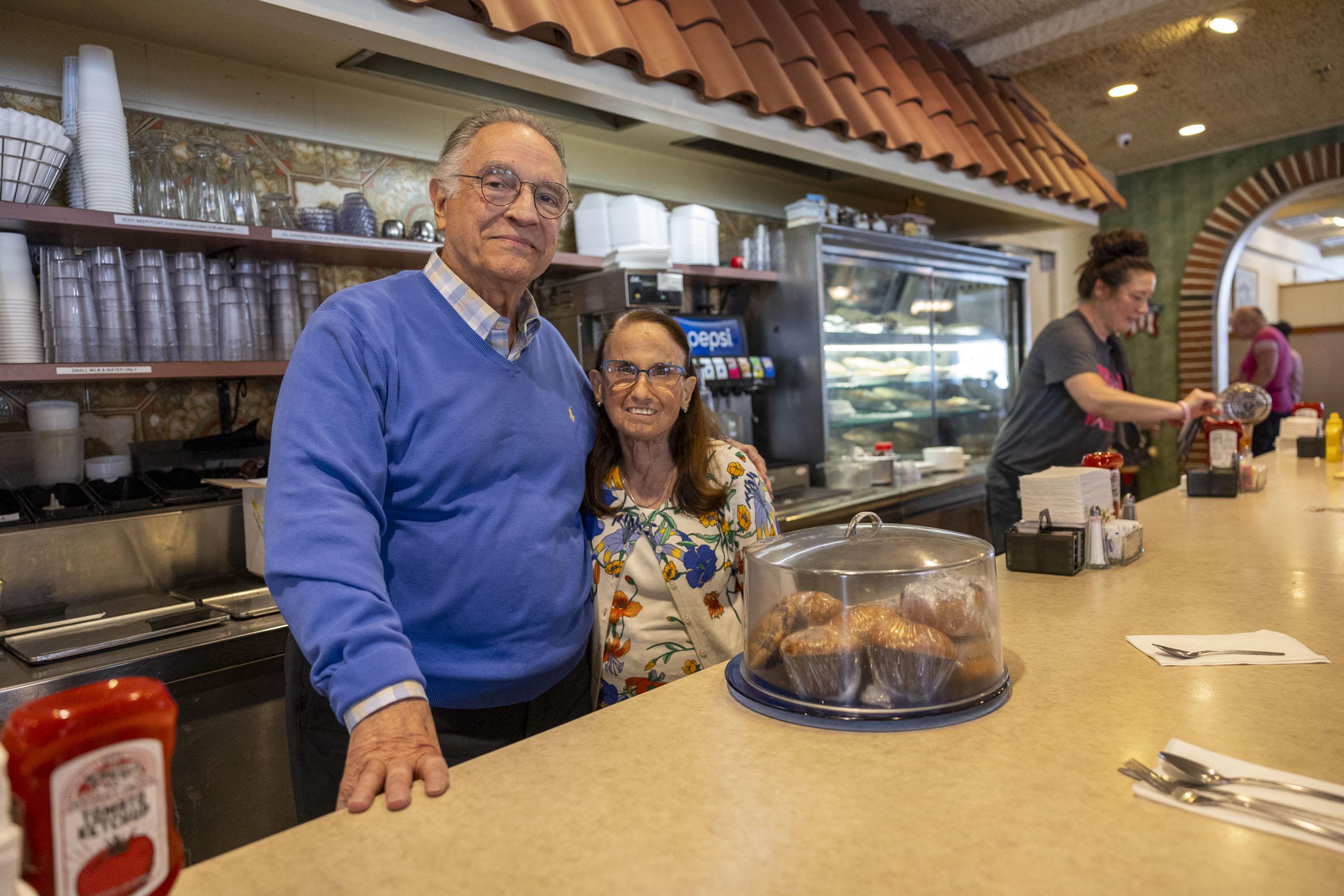
Steve and JoAnne Zoto can talk all day about the diner business. When I wrote last week about Zoto Diner’s closing after 53 years, I had room for only so many of stories they shared. Here’s one more I’m sure you’ll enjoy:
During the gas shortages of the 1970s, when business slowed, the Zotos had fallen behind on their loan. Hats in hands, the couple went next door to their lender, Union National Bank & Trust Co. Founded by local farmers and businessmen, it was a classic small-town bank. The Zotos handed over the diner’s keys, and the bankers handed them right back. “We don’t know how to run a restaurant,” Steve recalled them saying. “Hang in there.” The bank, now Univest, suspended their payments until they got back on their feet. “Today, that would never happen,” he said.
Read about the couple’s remarkable run and what’s next.
Craig LaBan review: Nagpuri Saoji
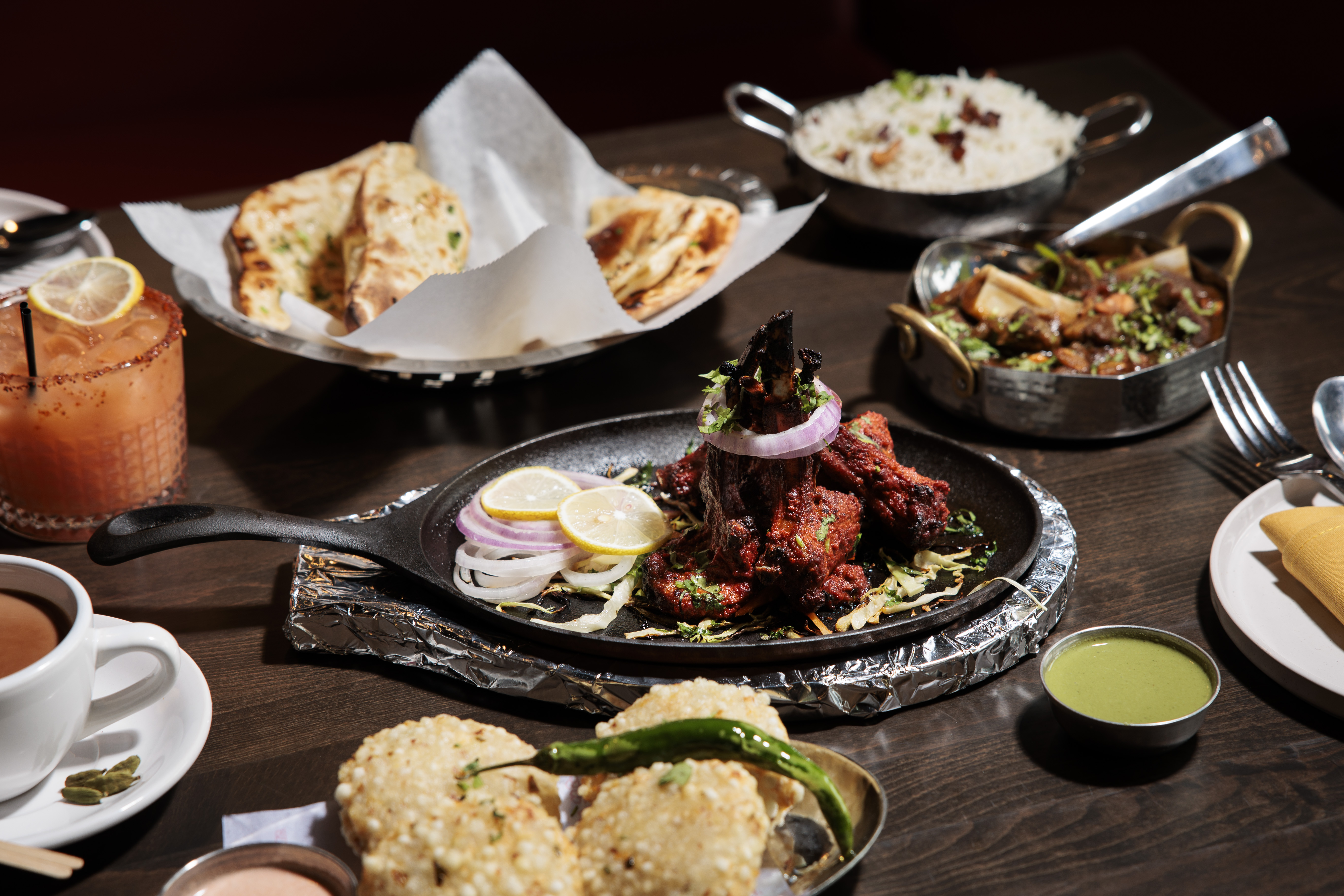
A fiery goat curry made with 27 spices is the draw at Nagpuri Saoji in Voorhees, where chef Swapna Sagdeo showcases the little-seen flavors of Central India. Critic Craig LaBan finds plenty more to savor, including crisp tapioca fritters, rustic flatbreads, and richly flavored vegetarian dishes.
Legal troubles
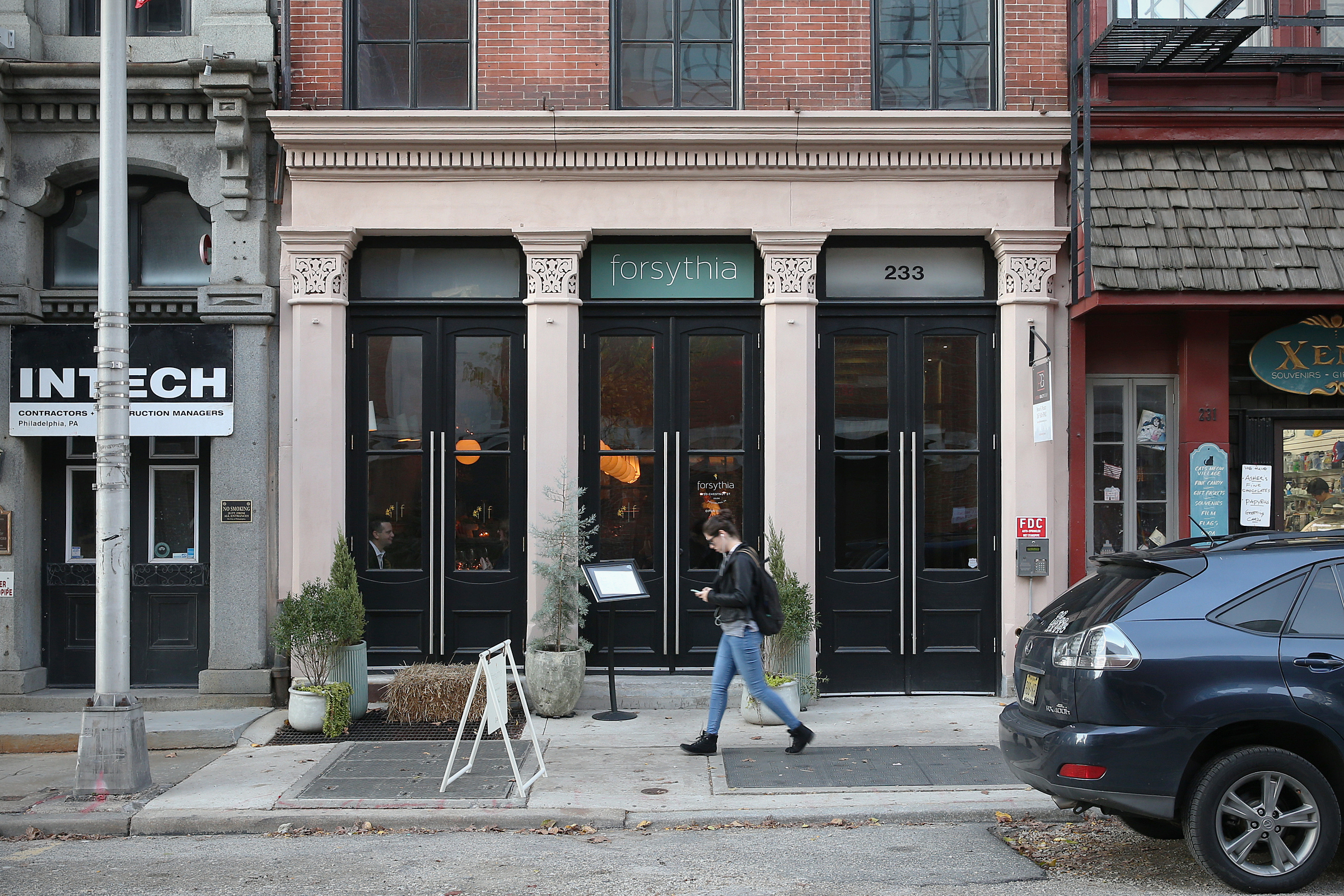
Legal woes are making headlines in Philadelphia’s restaurant scene. A jury ordered Fearless Restaurants to pay $200,000 in a sexual harassment case, while Forsythia chef Christopher Kearse faces assault charges and nearly $925,000 in bank judgments over allegedly unpaid loans for both Forsythia and his cocktail bar, Known Associates.
The best things we ate last week
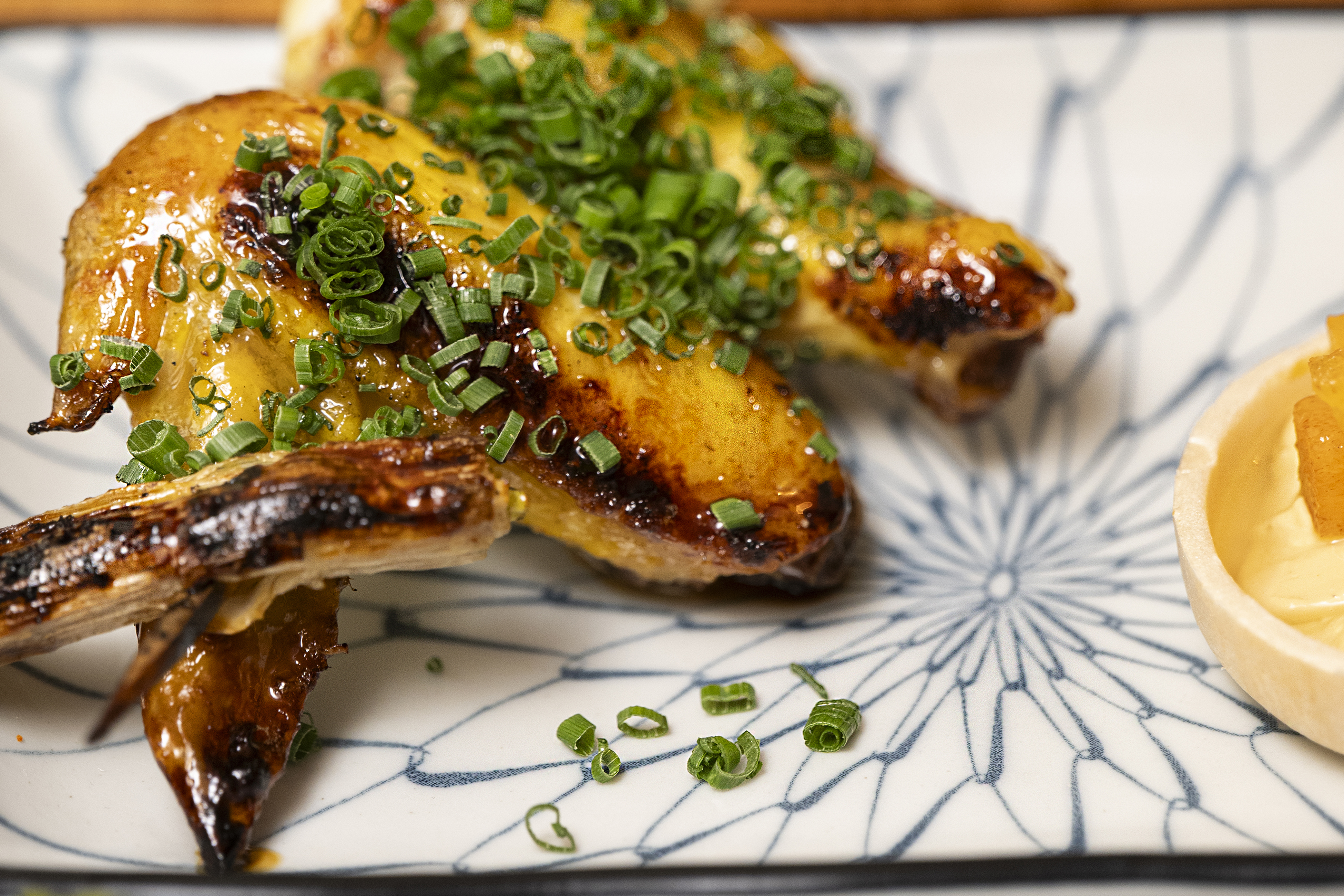
Every part of the chicken gets its due in dancerobot’s $35 Wednesday-only yakitori special, from crispy skin and glazed wings to liver mousse and rich broth. Kiki Aranita calls the elaborate spread a tasty and remarkable bargain.
Scoops
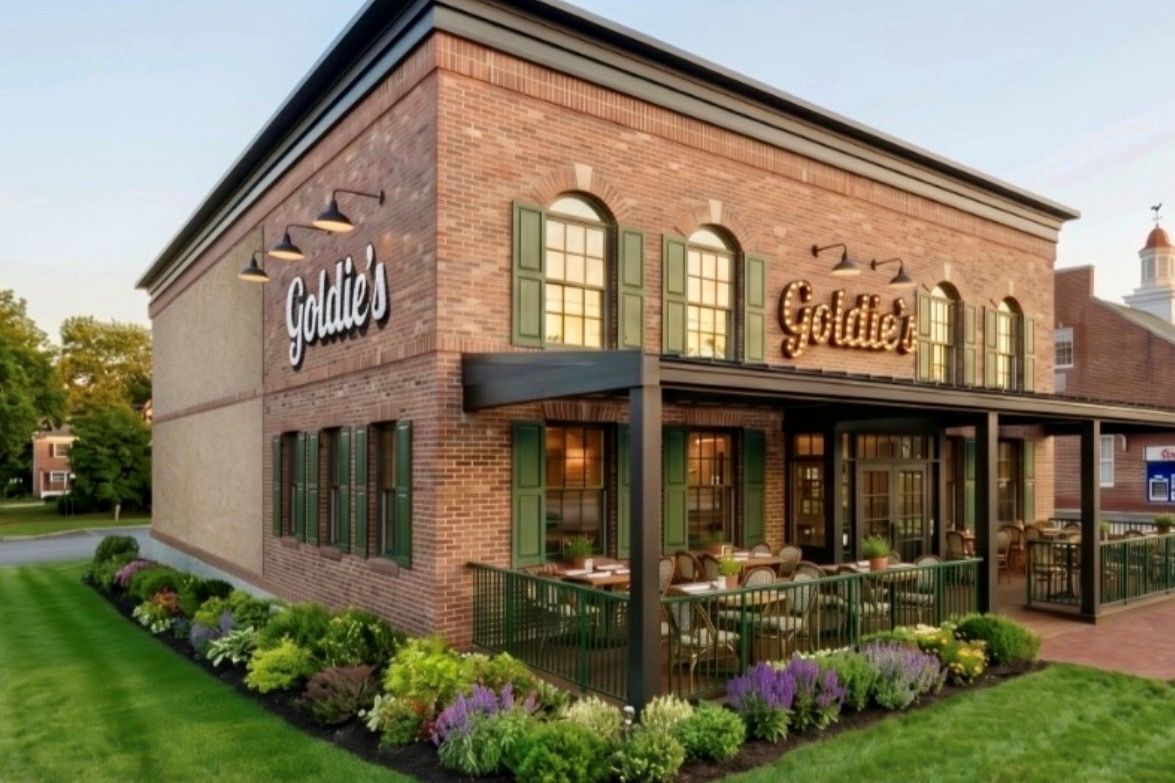
Dave Goldman and his wife, Tara, who own Urban Village Brewing Co. in Northern Liberties, have a project closer to home in Williamstown, Gloucester County. They’re hoping for a fall 2027 opening of Goldie’s (rendering shown above), a neighborhood restaurant and bar with an English-pub feel, at Main and Hall Streets. It’s a ground-up project, on the former site of the town’s public library. The brick building, totaling slightly more than 5,000 square feet, will have a 60-seat bar area, a similarly sized dining room, an upstairs mezzanine with a small bar and room for 60, and a 32-seat front porch. Groundbreaking is scheduled for December.
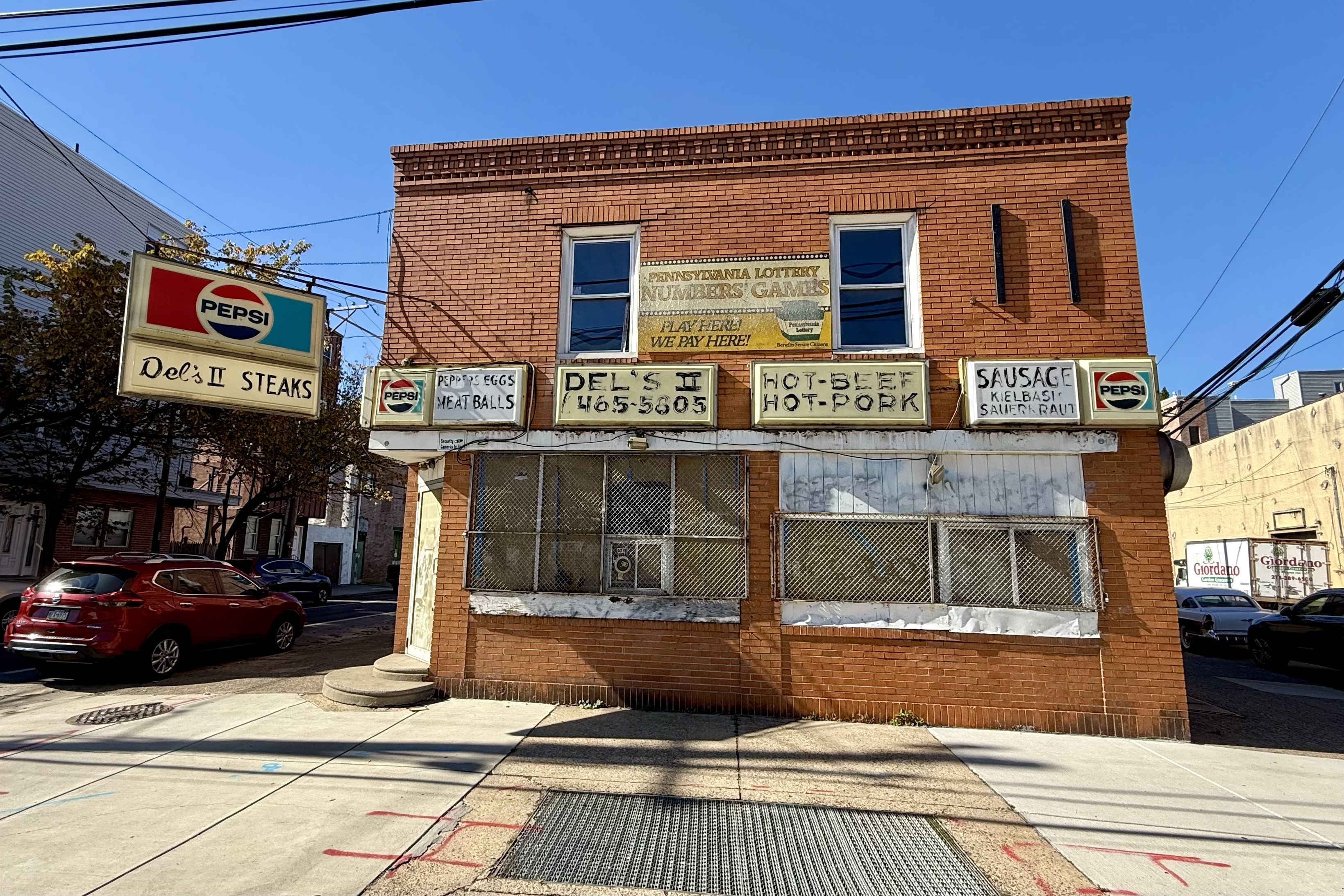
Del’s II at Front and Tasker Streets in Pennsport has been shuttered for nearly 25 years. And now, news: Joe Dougherty and associates from Waltz, the homey Italian newcomer in deep South Philly, have bought the pile. Plans? “A retro-style diner serving breakfast and lunch is the leading idea,” he told me, “but nothing is finalized.” Stay tuned.
Donburi, Japanese rice bowls topped with meat, seafood, or vegetables, will be the specialty at Nomu Nomu Don, an 18-seat BYOB opening in mid-November at 2026 Frankford Ave. in Fishtown-Kensington. Owner Sarah Qi, who also owns Cake & Joe two doors away, plans a menu featuring bluefin tuna, salmon five ways, grilled eel, and steak, with premium additions such as uni and caviar; 10 counter seats; and lunch and dinner daily.
Kouklet, the Brazilian bakery from Mardhory Santos-Cepeda, is moving up East Passyunk Avenue, where it will become an all-day cafe. It’s taking an auspicious location.
Restaurant report
Corte, an Italian restaurant from the team behind Corio in University City, opened yesterday in East Market. Here’s a view from inside.
Front Street Cafe in Fishtown-Kensington is being sold, and the new owner is the Washington, D.C., group that runs the Michelin-acclaimed Tiger Fork. Here’s what we know.
William Penn Inn in Gwynedd, scene of an Oct. 9 fire, is on its way back. Its website says it’s now serving buffet lunch and dinner, pending a return to full dining room service.
Bower Cafe at 1213 Walnut St. will close Saturday after three years. Owner Thane Wright, citing stiff competition in the neighborhood, low foot traffic, and “astronomical” rent, will carry on with his shop at Penn Medicine in University City. He’s also developing a restaurant with his brother in Point Breeze.
Hart of Catering at 21st and Sansom Streets will close its public cafe at the end of business Sunday after four years. Kevin Hart will expand his off-site catering business into the cafe. Hart said he would continue to offer free community dinners on Thursday evenings.
Amanda Shulman and Alex Kemp of Her Place, My Loup, and Pine Street Grill have applied for a liquor license at the shuttered Barclay Pharmacy at 18th and Spruce Streets. The timeline is unknown, and they’re playing the concept close to their chefs’ jackets. I would not be shocked to see Her Place move there, given that Shulman’s supper club is busting at the seams on Sansom Street and that the license is in the “Her Place” name.
Briefly noted
The Philadelphia Food as Medicine Coalition has been formed to improve health through nutrition. Kayla Yup sat down with the organizers.
Chef Phila Lorn of Mawn and Sao has teamed up with meal-delivery service Home Appétit on two dishes: Mawn nyawm salad with young papaya, carrots, and pickled cherry peppers, and Sunday chicken curry served with an Italian Market baguette. The curry is inspired by Lorn’s childhood Sundays, when his mother made the dish and sent his father to Sarcone’s Bakery for bread. A portion of sales will benefit Saturday programming at Francis Scott Key Elementary School, which Lorn attended. Orders can be placed through Friday at homeappetitphilly.com, with delivery Monday. The minimum order is $100.
Jeremy Intille, executive pastry chef at Osteria and owner of the bakery pop-up JerBear Bakehouse, will compete on season 13 of Food Network’s Holiday Baking Championship, premiering at 8 p.m. Monday and streaming the next day on HBO Max.
Le Virtù (1927 E. Passyunk Ave.) will offer an entirely gluten-free menu from 5-9 p.m. Nov. 5 and 19. The restaurant will deep-clean its kitchen, bar, and prep areas before each dinner. The à la carte menu will feature gluten-free versions of Abruzzese dishes, including spaghetti with goat ragù, buckwheat tortiglioni with octopus ragù and cuttlefish ink, toasted gnocchi, and red wine-braised beef shoulder. No tickets required; reservations through Resy.
❓Pop quiz
Magnolia Bakery from New York City is opening two shops in the Philadelphia region in coming months. What’s its specialty?
A) two-pound chocolate chip cookies
B) strawberry tarts
C) banana pudding
D) beignets
Find out if you know the answer.
Ask Mike anything
What’s happening at Frankford and Berks in Fishtown, where Taylor Chip was? It looks like something is on the way. — Maria O.
Your instincts are correct. Matcha Panda Cafe, whose 2022 opening in Chinatown makes it one of Philly’s first matcha-only shops, is taking 1828 Frankford Ave. Matcha Panda is known not only for its in-house pastries and ground-on-premises matcha (imported from Japan) but for the stuffed animals that are part of the whimsical atmospherics — an offshoot of cofounder Damian Huang’s business as a toy manufacturer. There’s a second store at 2033 Chestnut St. in Rittenhouse, too. Huang says he’s targeting spring for the opening. Building owner Jordan Claffey says Huang is bringing “a highly sought-after category” to Fishtown.
📮 Have a question about food in Philly? Email your questions to me at mklein@inquirer.com for a chance to be featured in my newsletter.
By submitting your written, visual, and/or audio contributions, you agree to The Inquirer’s Terms of Use, including the grant of rights in Section 10.
-
East Passyunk Avenue’s Brazilian bakery is moving
Mardhory Santos-Cepeda is moving Kouklet Brazilian Bakehouse up East Passyunk Avenue into the former ITV, the bar attached to chef Nicholas Elmi’s now-closed Laurel restaurant.
The move, from 1647 to 1615 E. Passyunk Ave., will allow Santos-Cepeda to expand Kouklet into an all-day cafe with breakfast, lunch, and seating for about 15 customers. She hopes to open by February.
Santos-Cepeda said she began looking for a new location after her lease expired in August and her landlord declined to renew it. While leasing month to month, she considered other neighborhoods but was reluctant to leave East Passyunk, where she has built a following since opening Kouklet in late 2021.
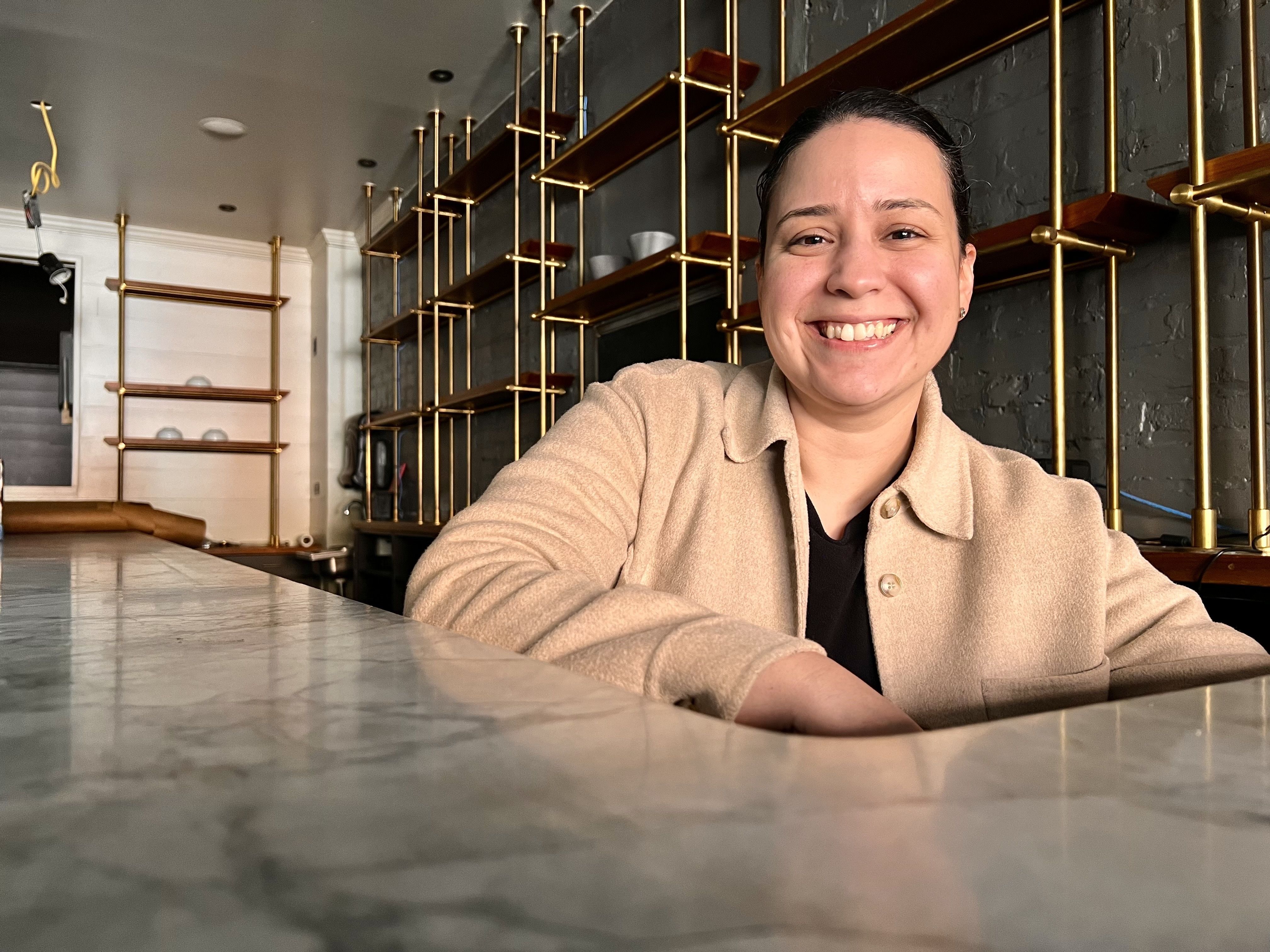
Kouklet owner Mardhory Santos-Cepeda behind the bar at the former In the Valley at 1615 E. Passyunk Ave.Michael Klein / Staff “It took five years for us to build this beautiful community we have here,” she said.
Two weeks ago, she noticed that the former Laurel and ITV spaces, previously marketed together, were being offered separately. She contacted owners and worked out a deal for the bar side. The former Laurel side at 1617 E. Passyunk Ave. is available for lease.
The new space, about 1,200 square feet, is half again as large as Kouklet’s current 800-square-foot storefront. It also has a basement walk-in refrigerator, additional kitchen space, and room for tables.
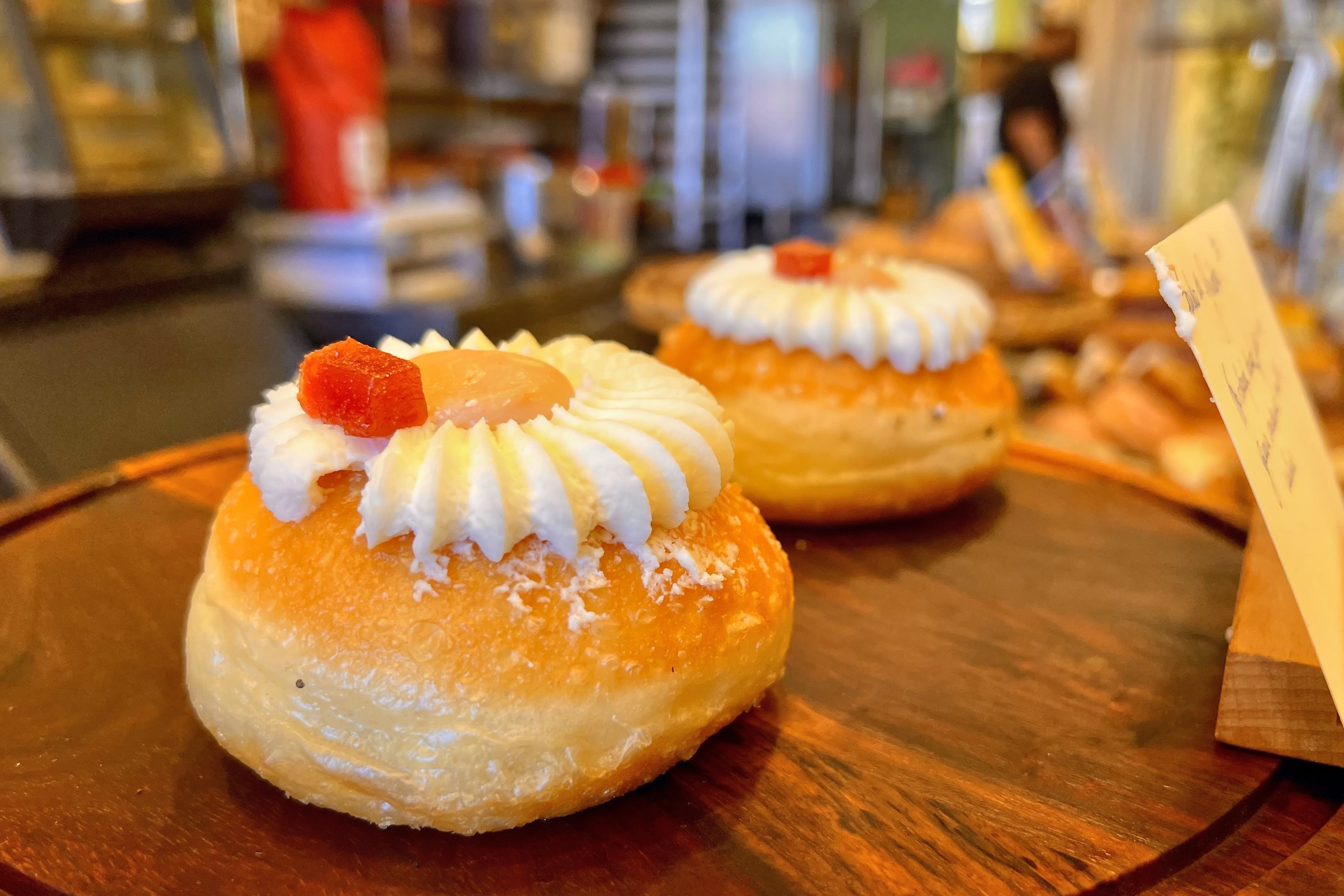
Santos-Cepeda plans to retain the pastry counter, featuring Kouklet’s Brazilian specialties, including sonhos (filled doughnuts), bolo de rolo (thinly layered rolled cakes), cookies, and savory pastries.
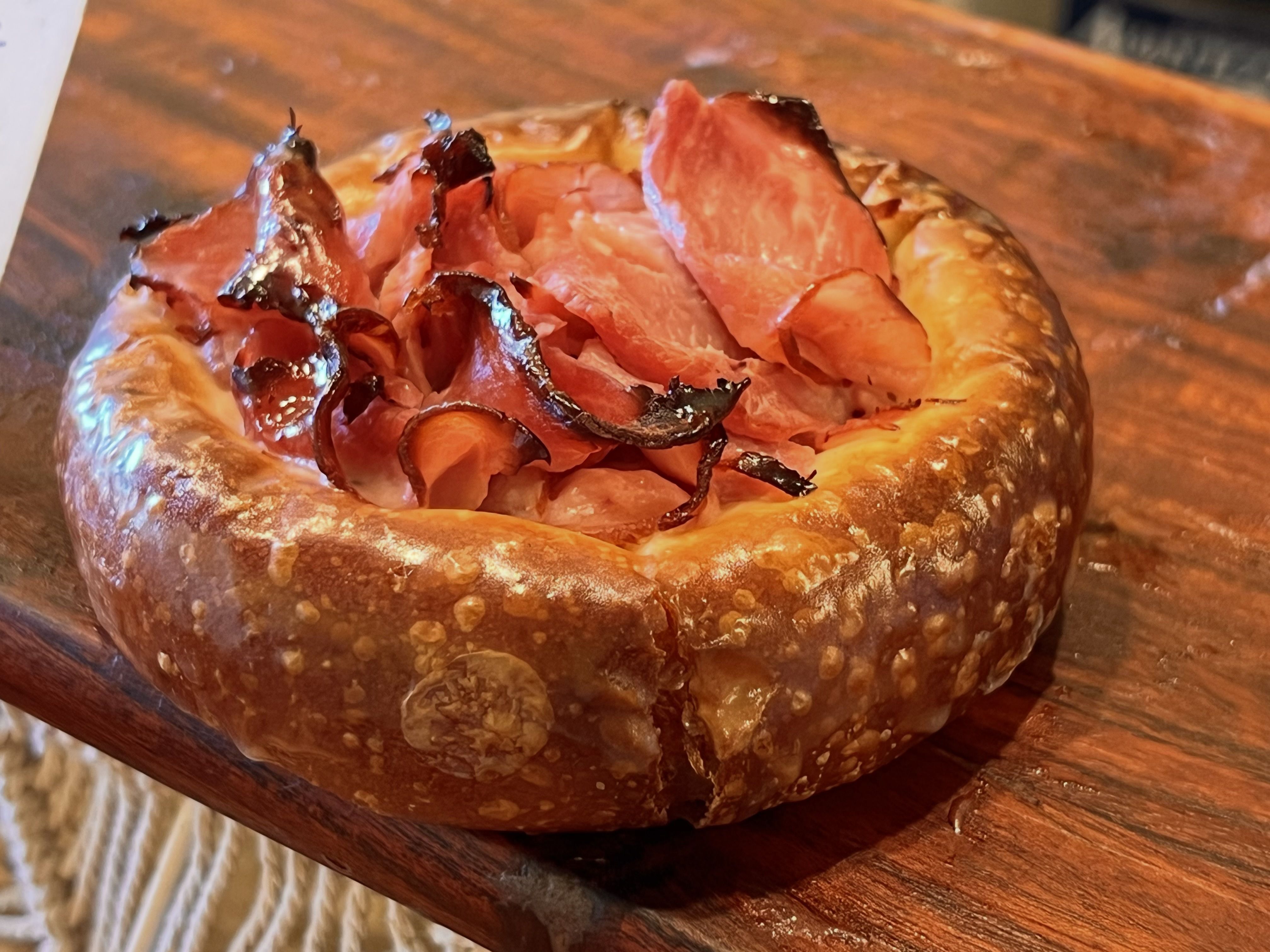
A savory pastry at Kouklet: Roca de presunto e queijo is a sourdough brioche topped with ham, cheese, and hot honey sauce.Michael Klein / Staff The expanded menu will include egg dishes, tapioca flatbreads, rice bowls, other breakfast and lunch offerings, and a coffee and beverage program.
She also envisions an open kitchen, giving customers a view of the baking operation. The window counter will provide about six seats, with additional tables elsewhere.
And the bakery’s signature bright yellow color scheme will follow it up the block, inside and out.
Santos-Cepeda, who grew up in Brasília, began Kouklet — a name she made up in high school — as a home-based business before establishing the East Passyunk storefront. Last year, she expanded to 1429 Wolf St., opening a second takeout bakery alongside a production kitchen. She left that location over the summer; it is now Backyard Cravings, the new pizza and cheesesteak shop.
Santos-Cepeda intends to keep the current East Passyunk location operating until the replacement is ready, then transfer the equipment.
The additional space excites her. “When you get into a Brazilian bakery, you are overwhelmed by all the options,” she said. “This will be no different.”
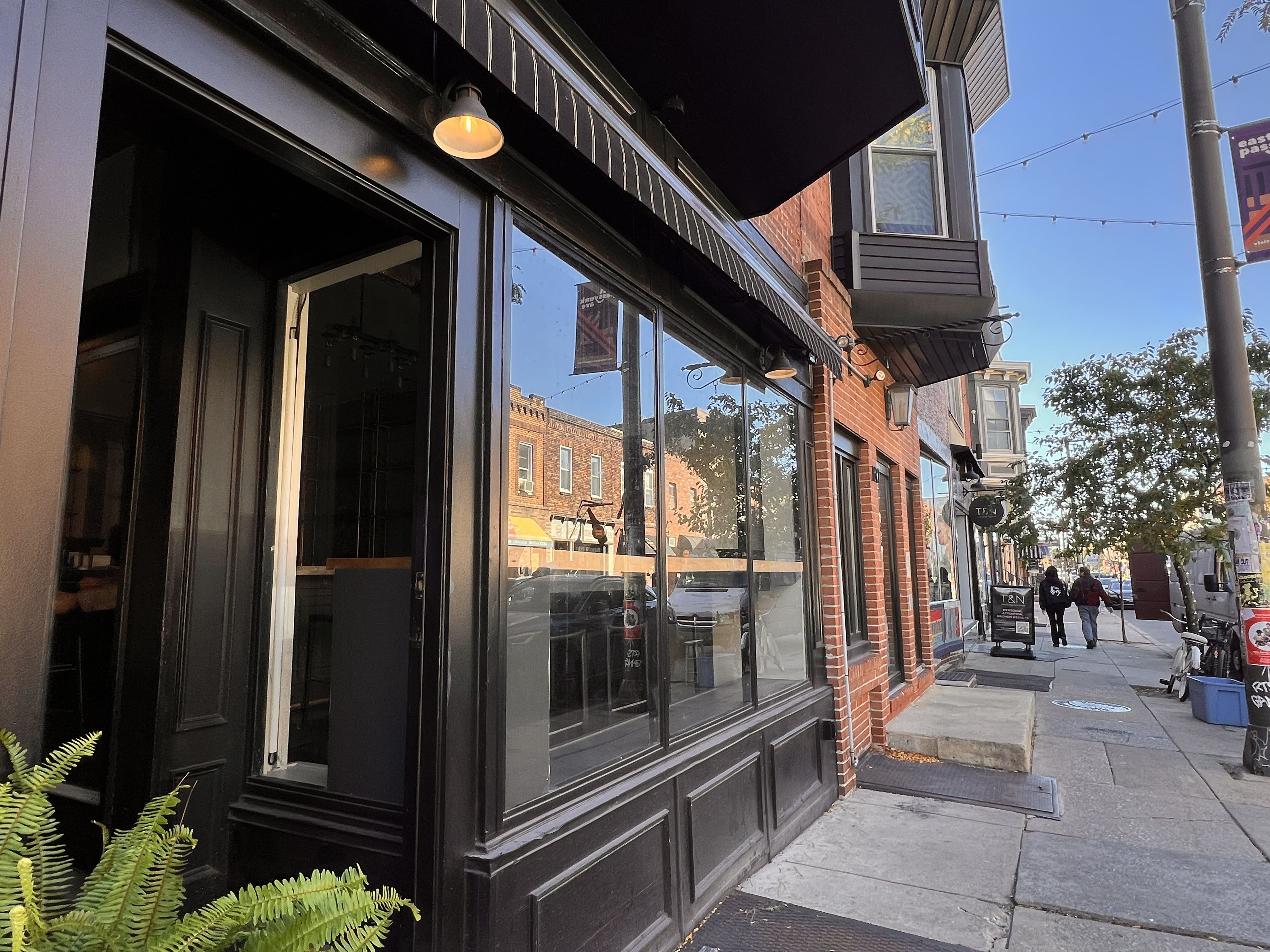
The former In the Valley at 1615 E. Passyunk Ave.Michael Klein / Staff -
Contemporary Italian arrives in East Market, thanks to a swank new restaurant
The enormous Italian-made wood-burning pizza oven is still there. But don’t expect pizza on the menu at Corte Oven & Bar, a contemporary Italian spot which opened Oct. 27 at 1175 Ludlow St., between Iron Hill Brewery and Mi Vida in East Market.
Corte has taken over the former Mulherin’s Pizzeria with a menu built around house-made pastas, roasted meats, and vegetables — but not a single pizza.
That might seem an odd choice for a restaurant whose owners also operate Corio, the Italian restaurant and pizzeria in University City.
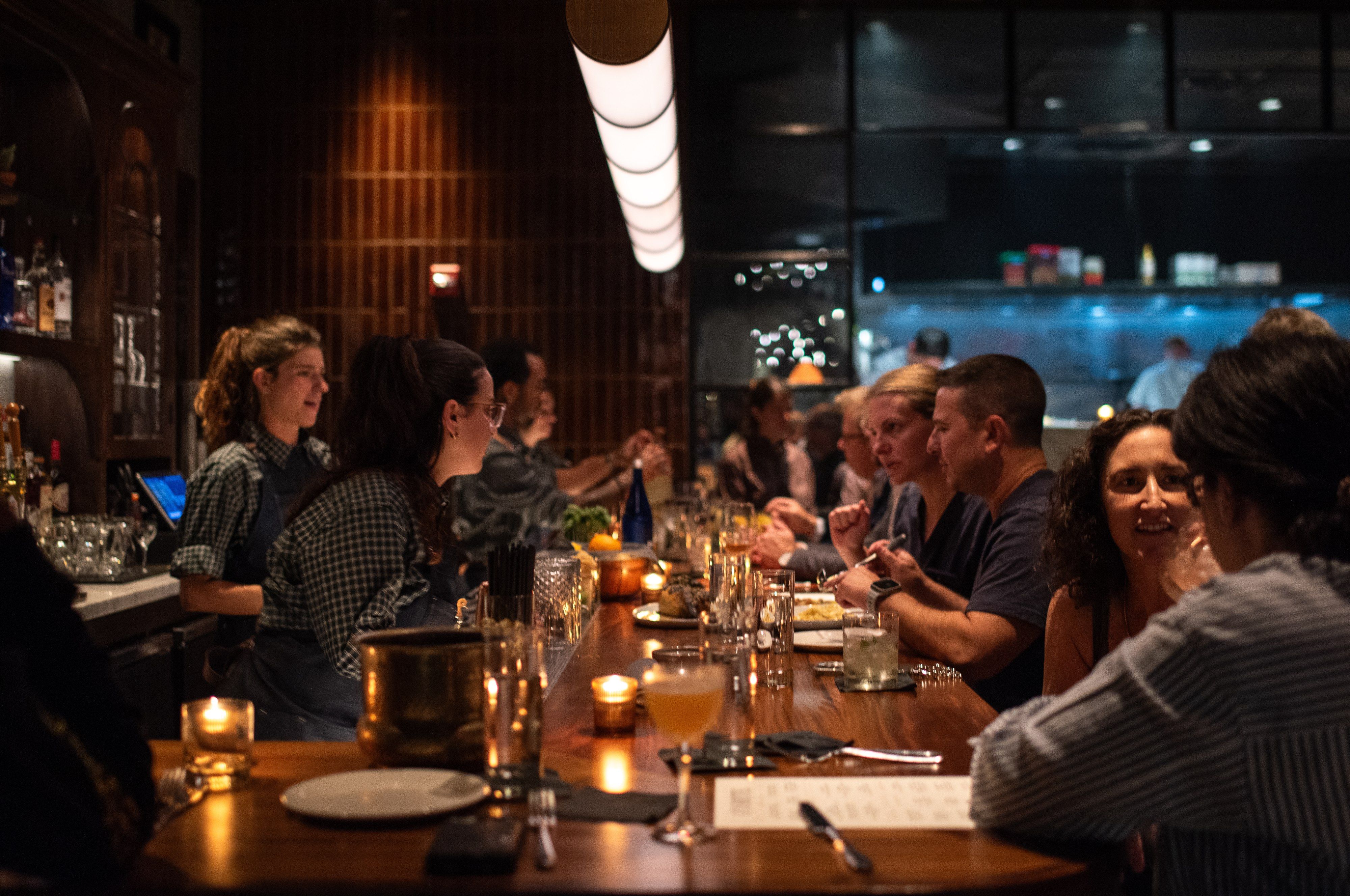
The bar at Corte, 1175 Ludlow St.Bondfire Media 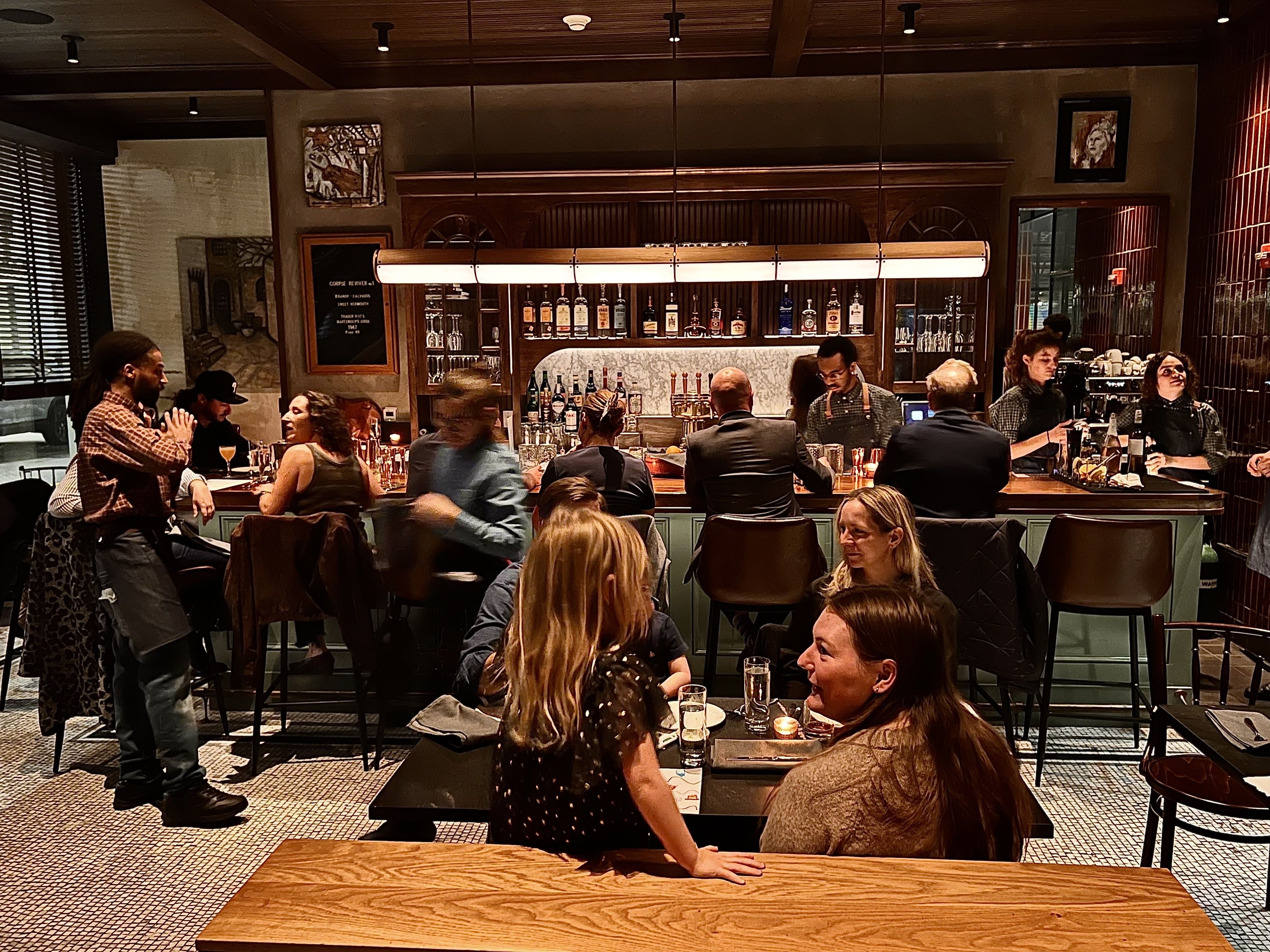
Dining room and bar at Corte, 1175 Ludlow St., on Oct. 26, 2026.Michael Klein / Staff 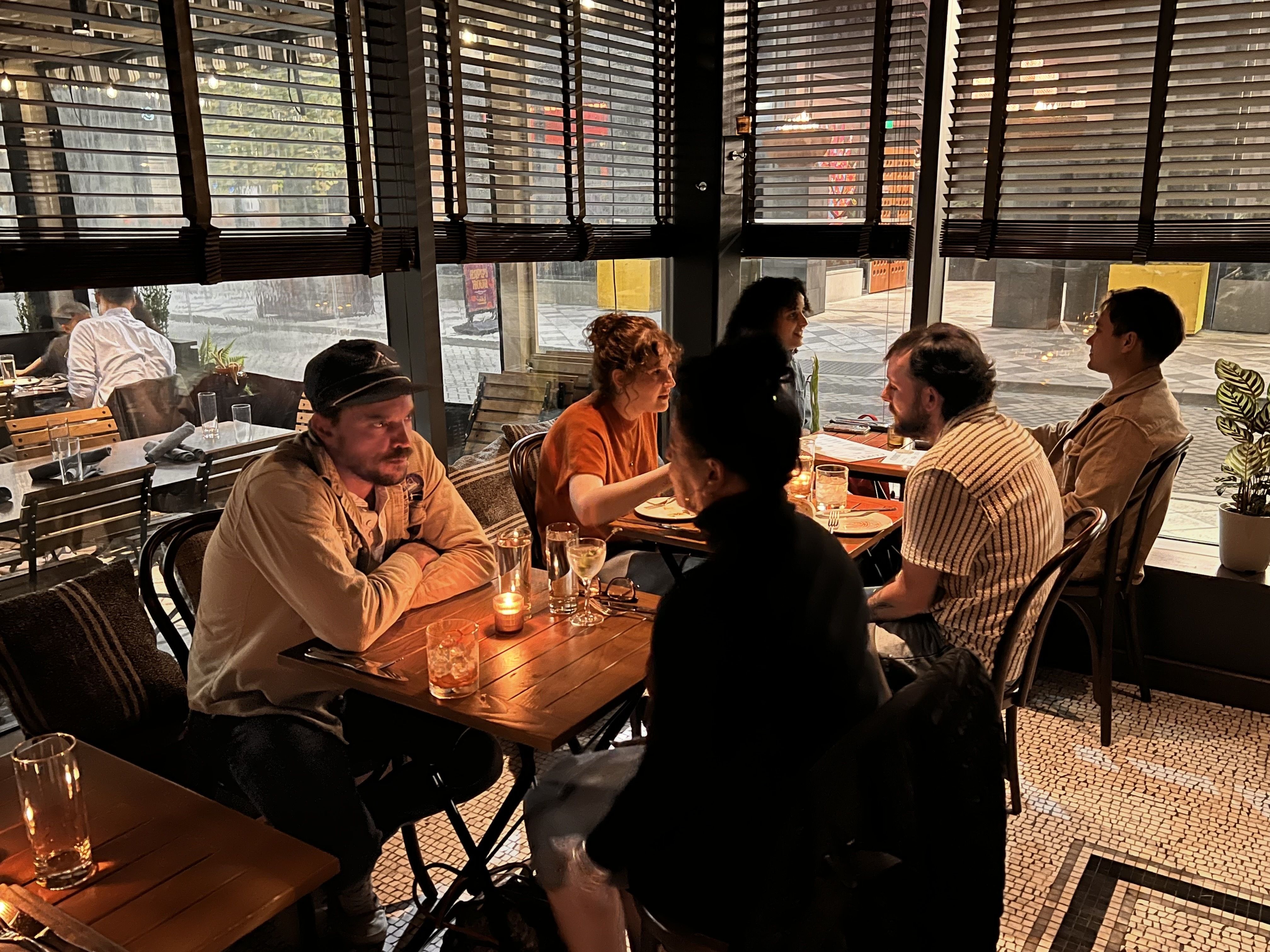
Dining room at Corte, 1175 Ludlow St., on Oct. 26, 2026.Michael Klein / Staff 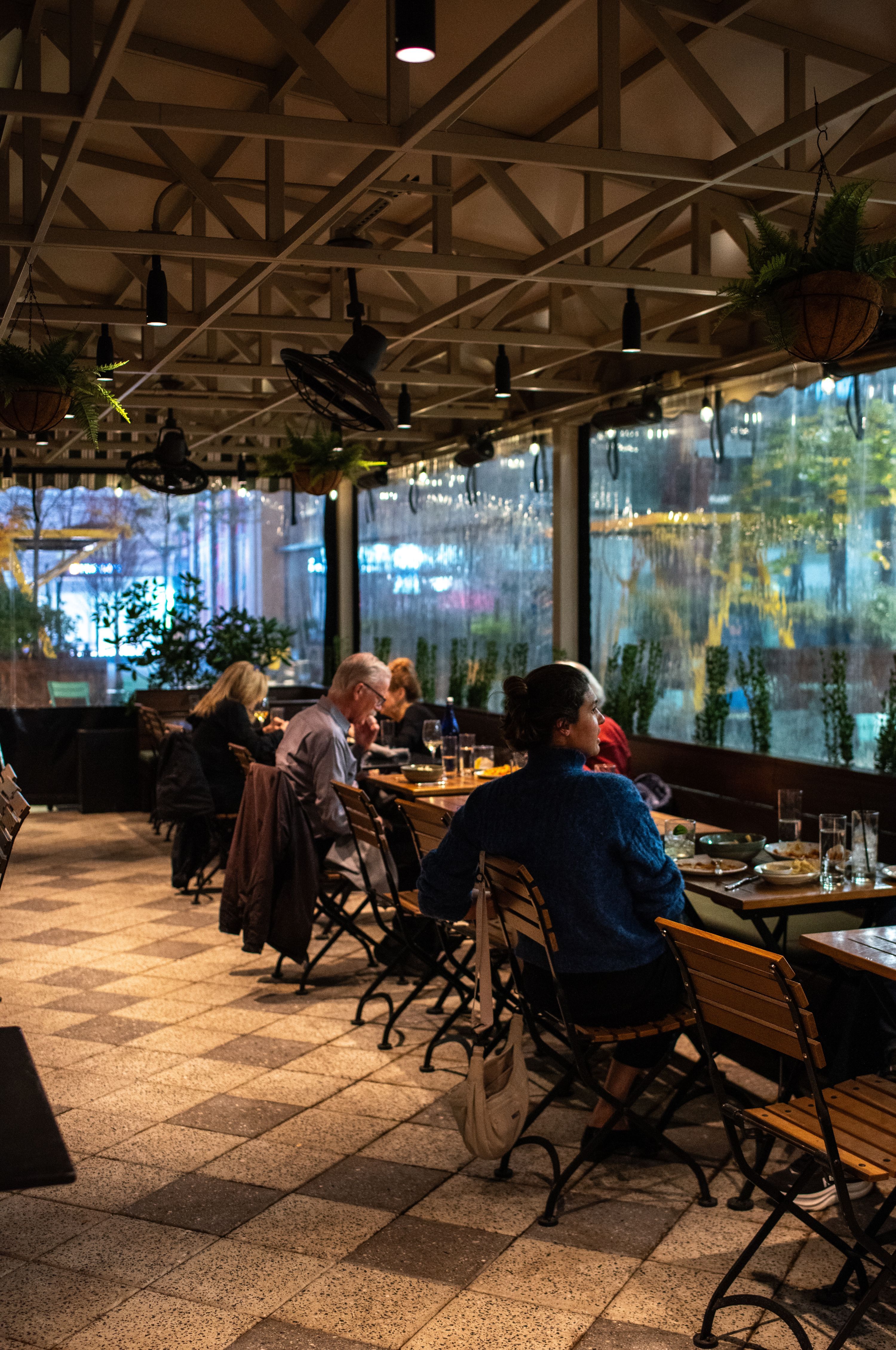
The all-weather patio at Corte, 1175 Ludlow St.Bondfire Media 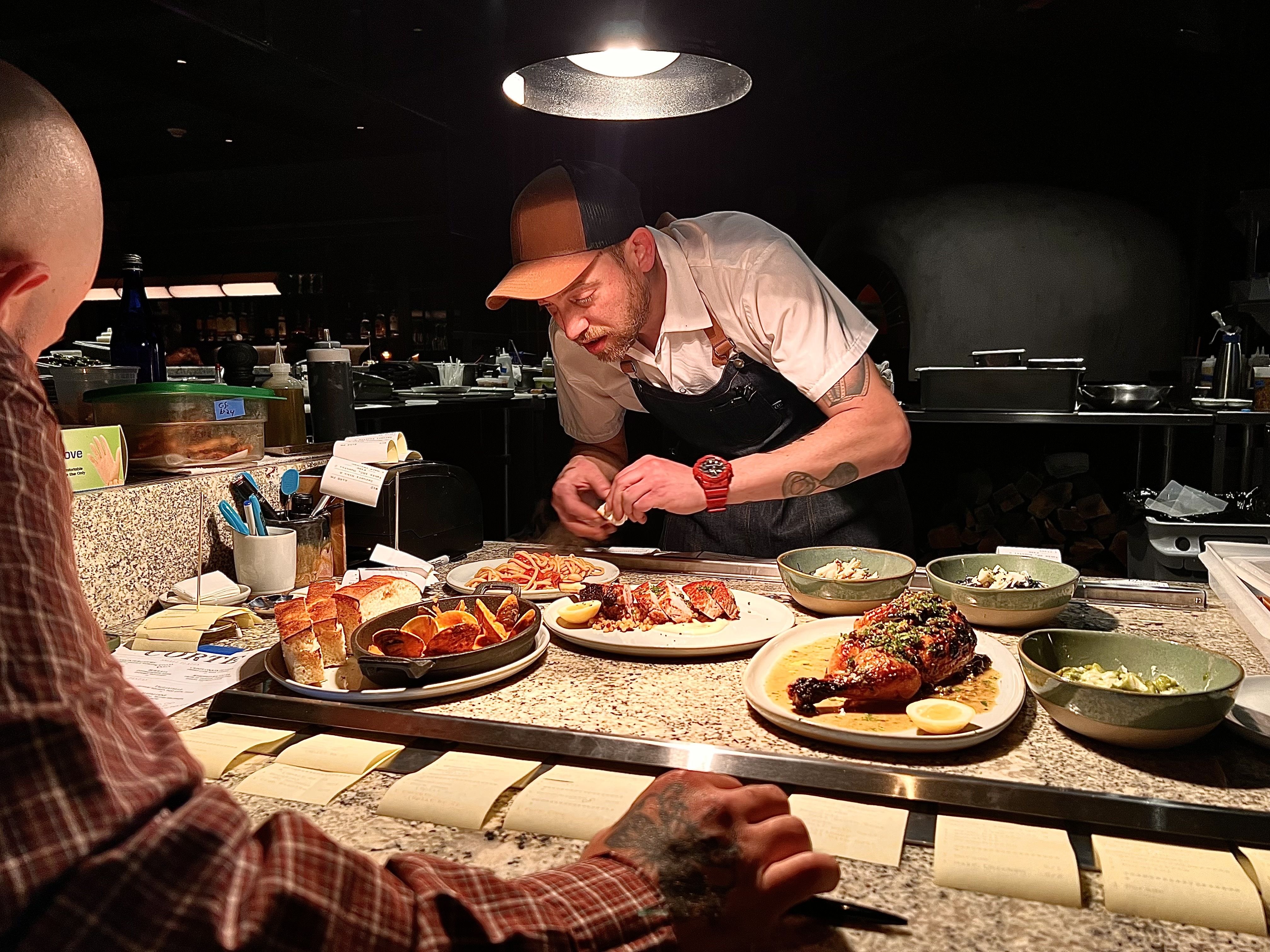
Chef David Feola at Corte, 1175 Ludlow St., on Oct. 26, 2026.Michael Klein / Staff 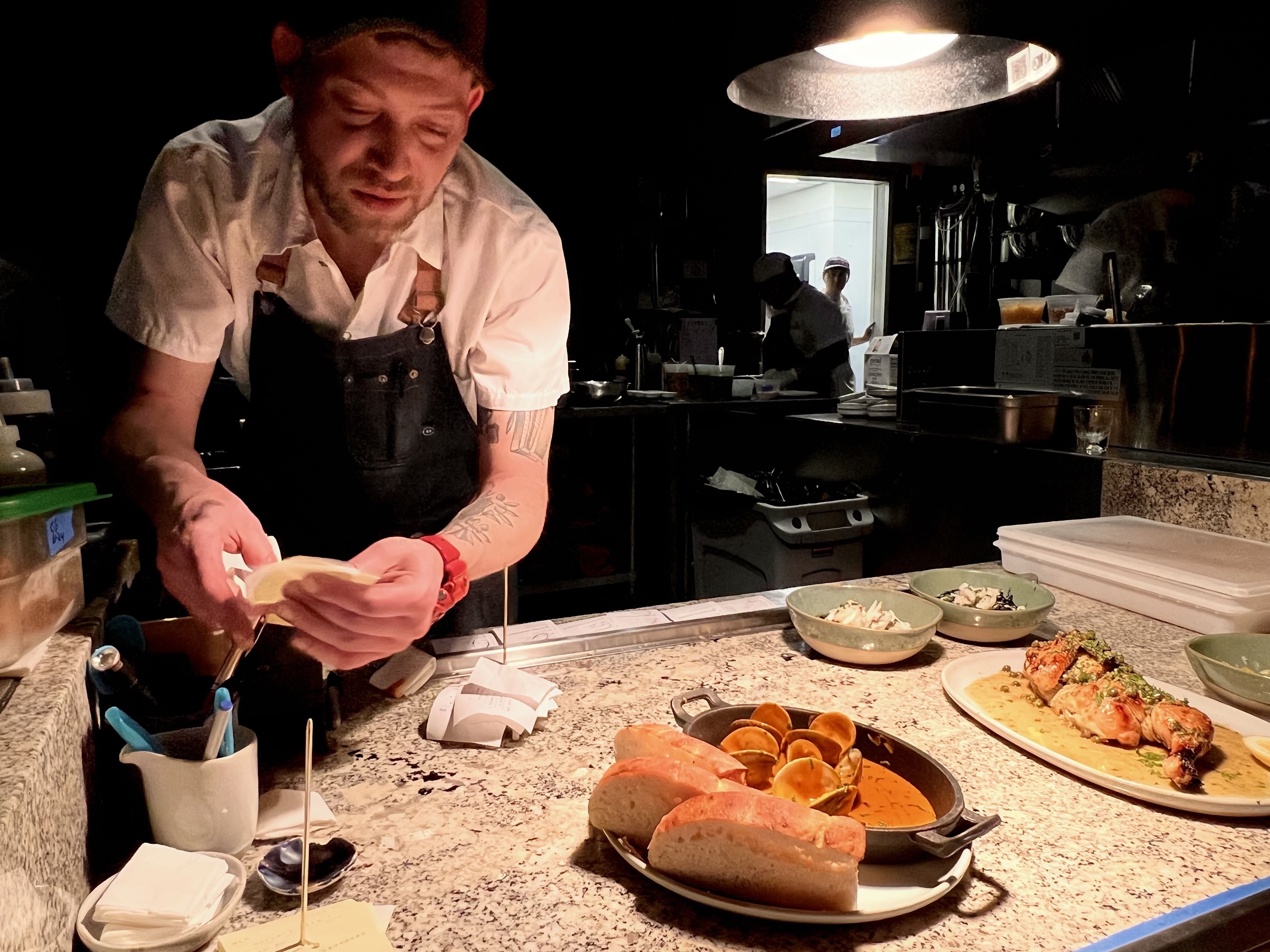
Chef David Feola at Corte, 1175 Ludlow St., on Oct. 26, 2026.Michael Klein / Staff 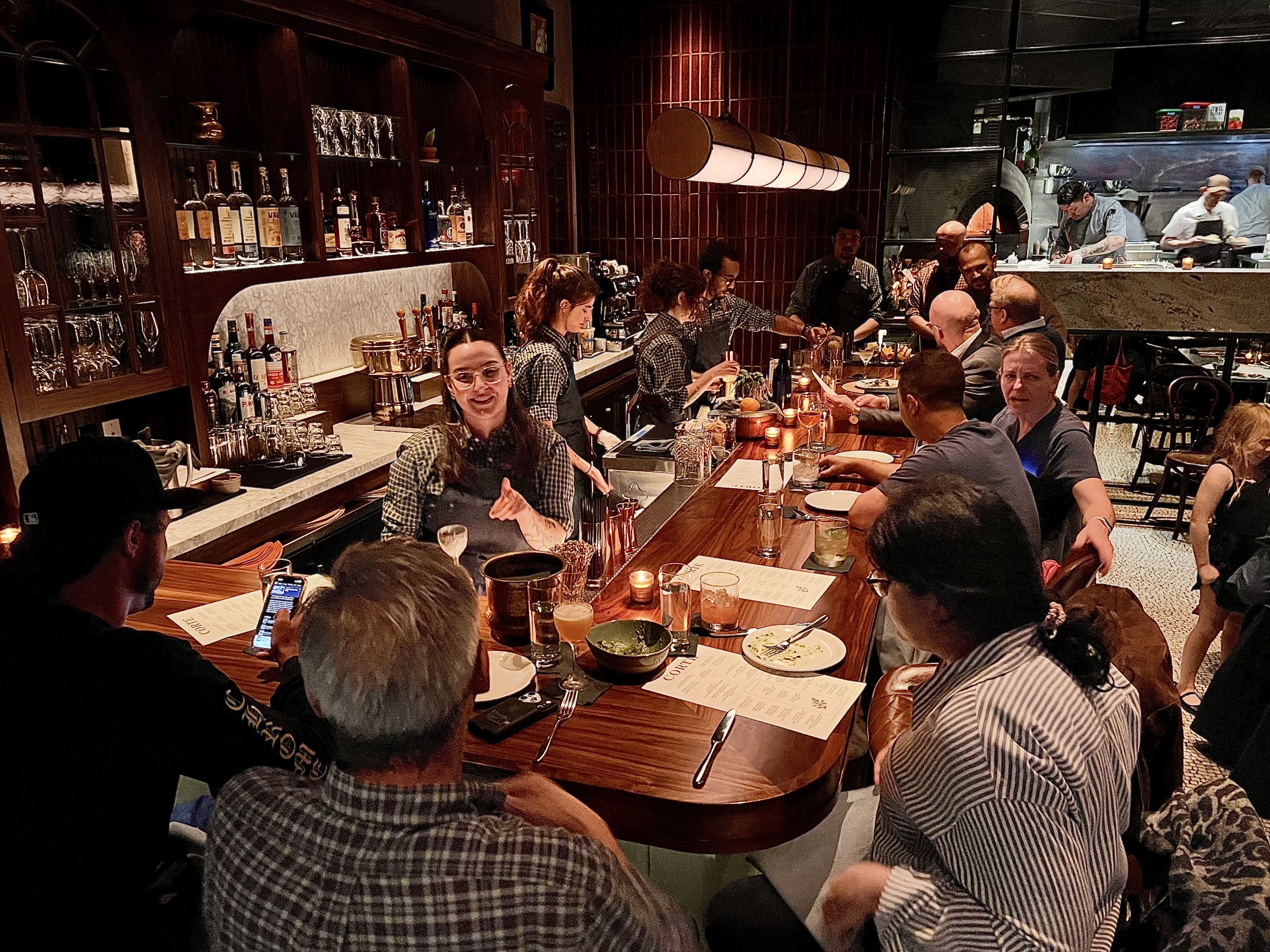
Bar at Corte, 1175 Ludlow St., on Oct. 26, 2026.Michael Klein / Staff 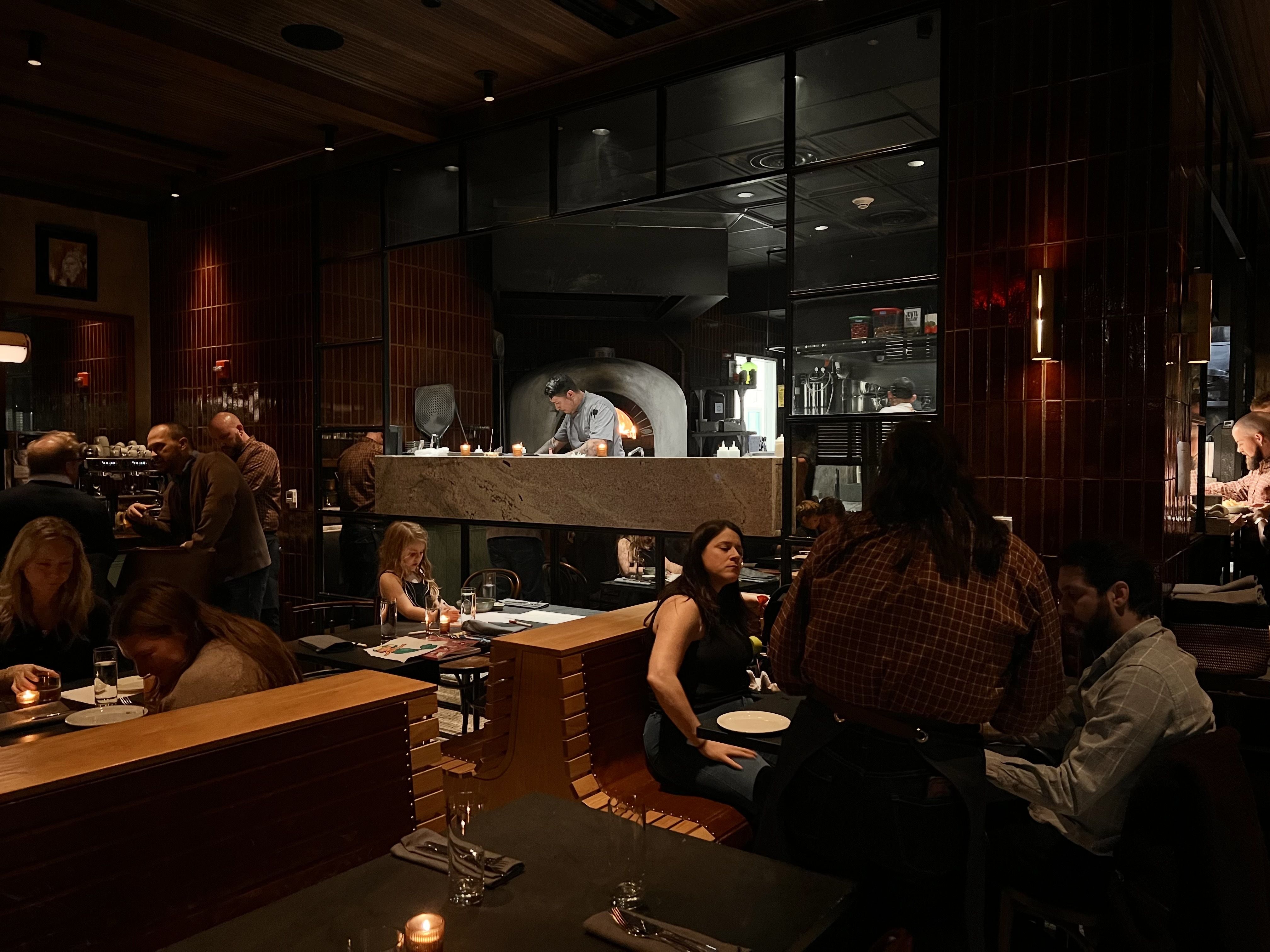
Dining room at Corte, 1175 Ludlow St., on Oct. 26, 2026.Michael Klein / Staff 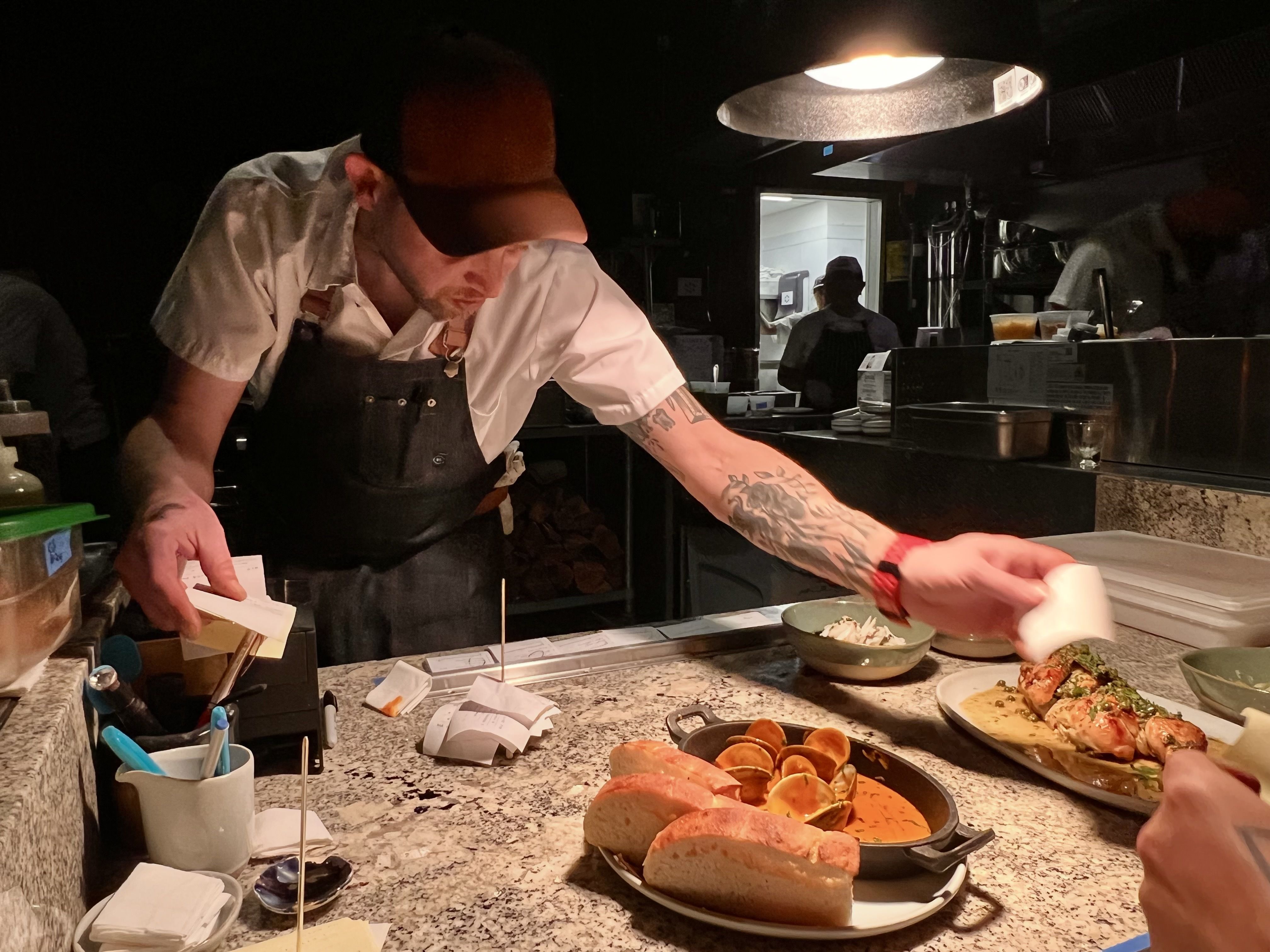
Chef David Feola at Corte, 1175 Ludlow St., on Oct. 26, 2026.Michael Klein / Staff But Ryan Mulholland, a partner with chef David Feola and James Smith, said the opportunity to do something different was precisely the attraction.
“We already scratched that itch at Corio,” Mulholland said. “We just envisioned something else for the neighborhood.”
“We have a lot of experience working with wood ovens, and David has a lot of experience working with live fire and solid-fuel cooking,” Mulholland said. “We thought, why don’t we do something different with it?”
The centerpiece remains the Mugnaini oven, a roaring backdrop in the elevated open kitchen, which Feola is using to roast proteins and vegetables while expanding the pasta program that the partners established at Corio.
Chef David Feola at Corte, 1175 Ludlow St., on Oct. 26.Michael Klein / Staff There are six pastas ($14–$23), including rigatoni with crispy chicken skin and black olive caramel, and Maryland crab risotto with squid ink. Clams in purgatory and crispy halloumi are among the small plates ($12–$21), while vegetables ($13–$15) range from kale salad to blistered leeks with vichyssoise purée (inspired by the dish at New York City’s Via Carota).
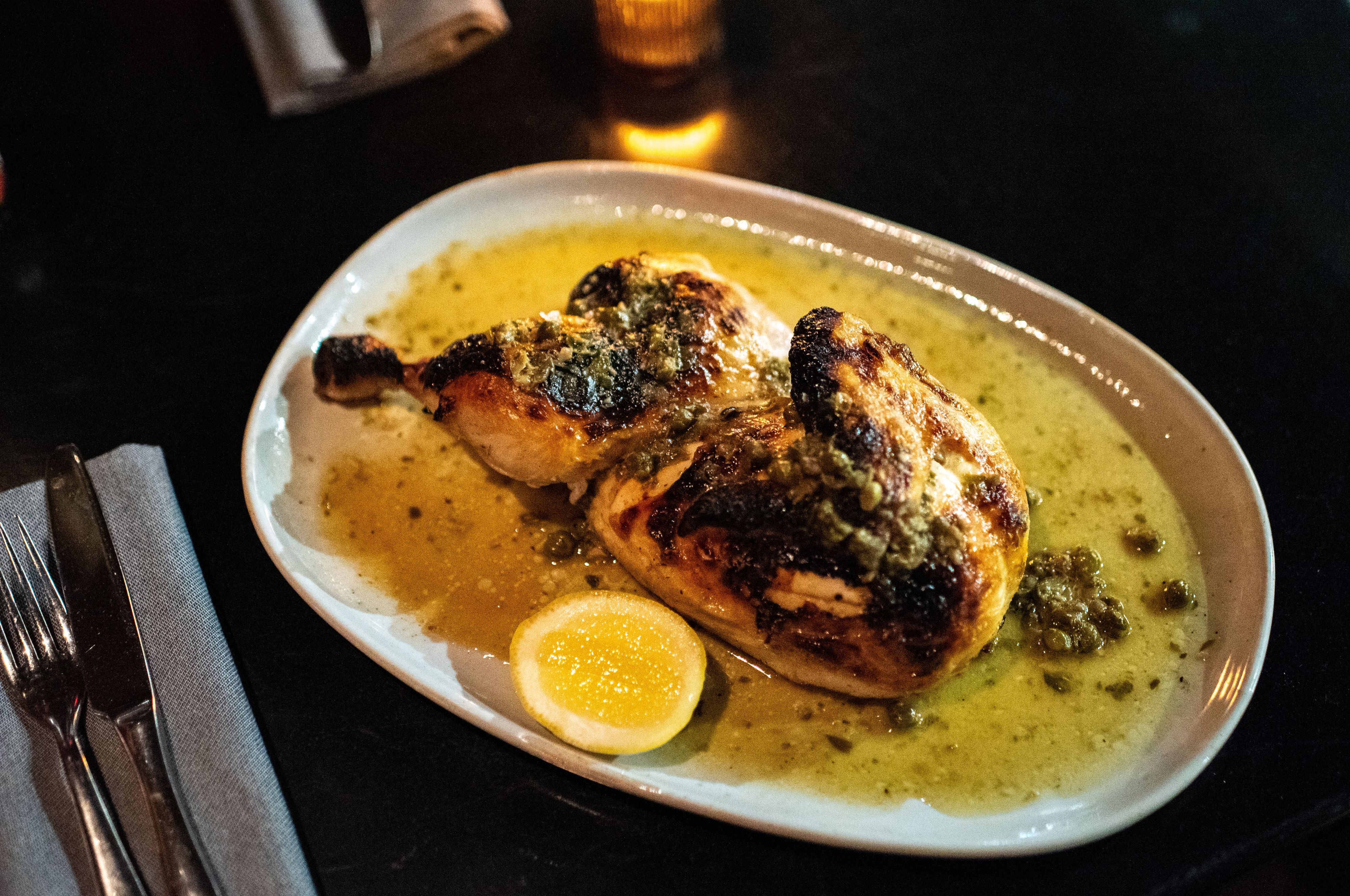
One favorite from a preview dinner was the roasted chicken capperi ($33), a whole-chicken version of chicken piccata, with lemon, capers, and anchovy. The oven also turns out sea bream ($31), pork chop ($37), and a 32-ounce rib-eye ($119).
Feola’s new mafaldine ($17) combines the ruffled, ribbonlike pasta with broccoli-stem ragù, crispy fennel sausage roasted in the wood oven, and broccoli rabe.
A chicory salad ($15) with creamy Parmesan vinaigrette and arancini is a variation on a more substantial salad served at Corio. Sandwiches — celery root Milanese, tuna confit, crispy pork — hover around $17.
Dining room at Corte, 1175 Ludlow St., on Oct. 26, 2026.Michael Klein / Staff Beverage manager Chris Gueye — who, like all of Corte’s partners, is a veteran of Vernick Food & Drink — has created an acqua pazza-inspired cocktail with tomato water, chili, fennel, saffron, and a caperberry garnish. The cocktail program mixes originals with lesser-known classics. One featured drink is the Corpse Reviver No. 1, a combination of Calvados, brandy, and sweet vermouth that Mulholland discovered in a 1948 printing of Trader Vic’s Bartender’s Guide found in his grandmother’s liquor cabinet.
The plan is to feature a different cocktail every week or two, drawn from a collection of eight or nine books, including The Savoy Cocktail Book.
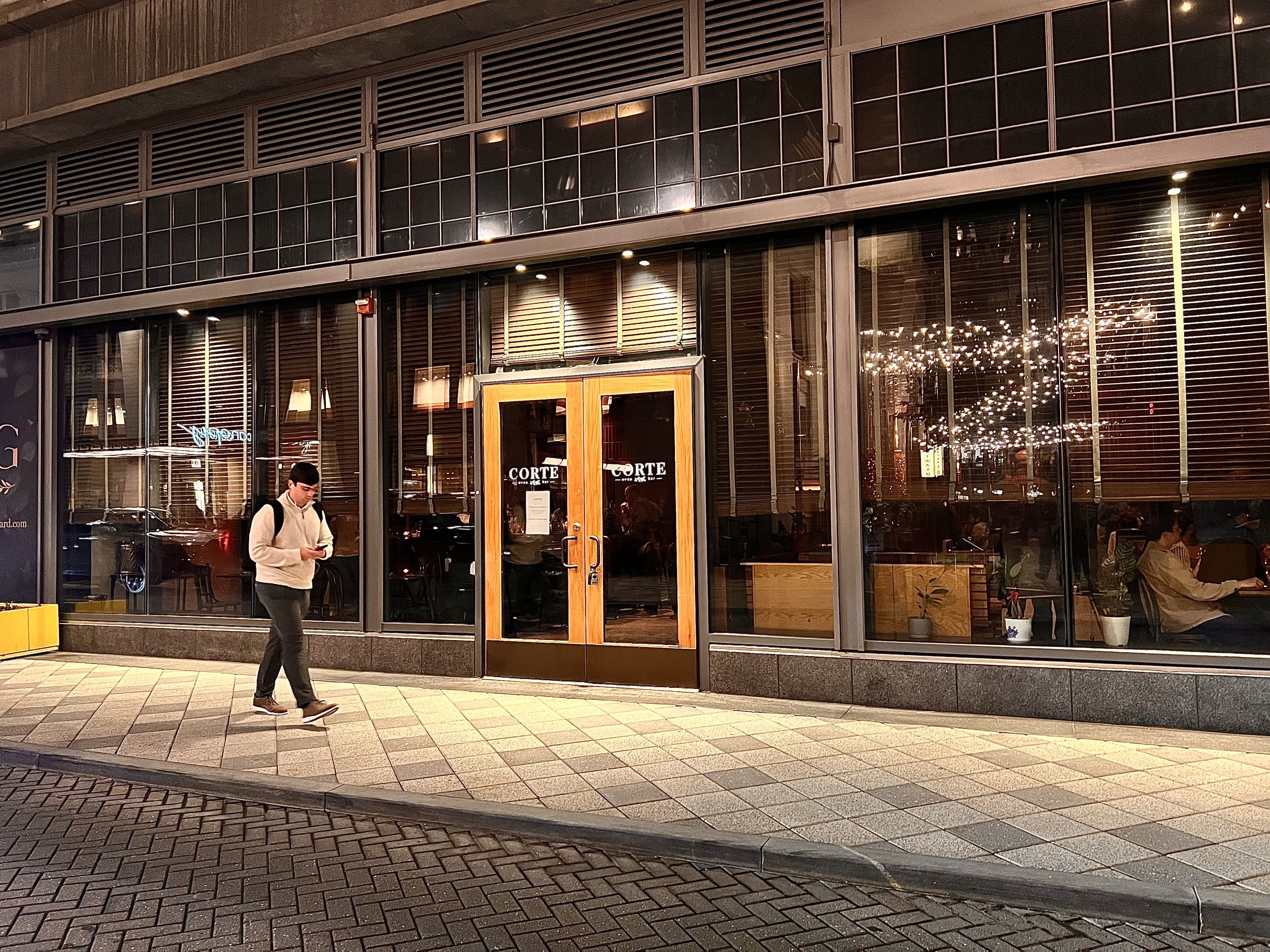
Corte, 1175 Ludlow St., occupies the former Mulherin’s Pizzeria in East Market.Michael Klein / Staff Corte retains most of the dark-wood, earth-toned interior that Stokes Architecture & Design installed for Mulherin’s. Mulholland replaced the backless barstools and rearranged the dining room.
The enclosed outdoor dining area has roll-up walls for warmer weather and overhead heaters intended to extend its season.
Corte is open for dinner daily. Lunch, featuring the same menu, is expected to begin in early November, with a limited selection of brunch dishes to follow.
Corte, 1175 Ludlow St., 267-928-4500, cortephilly.com. Hours: 4 to 9 p.m. weekdays, until 10 p.m. on weekends
-
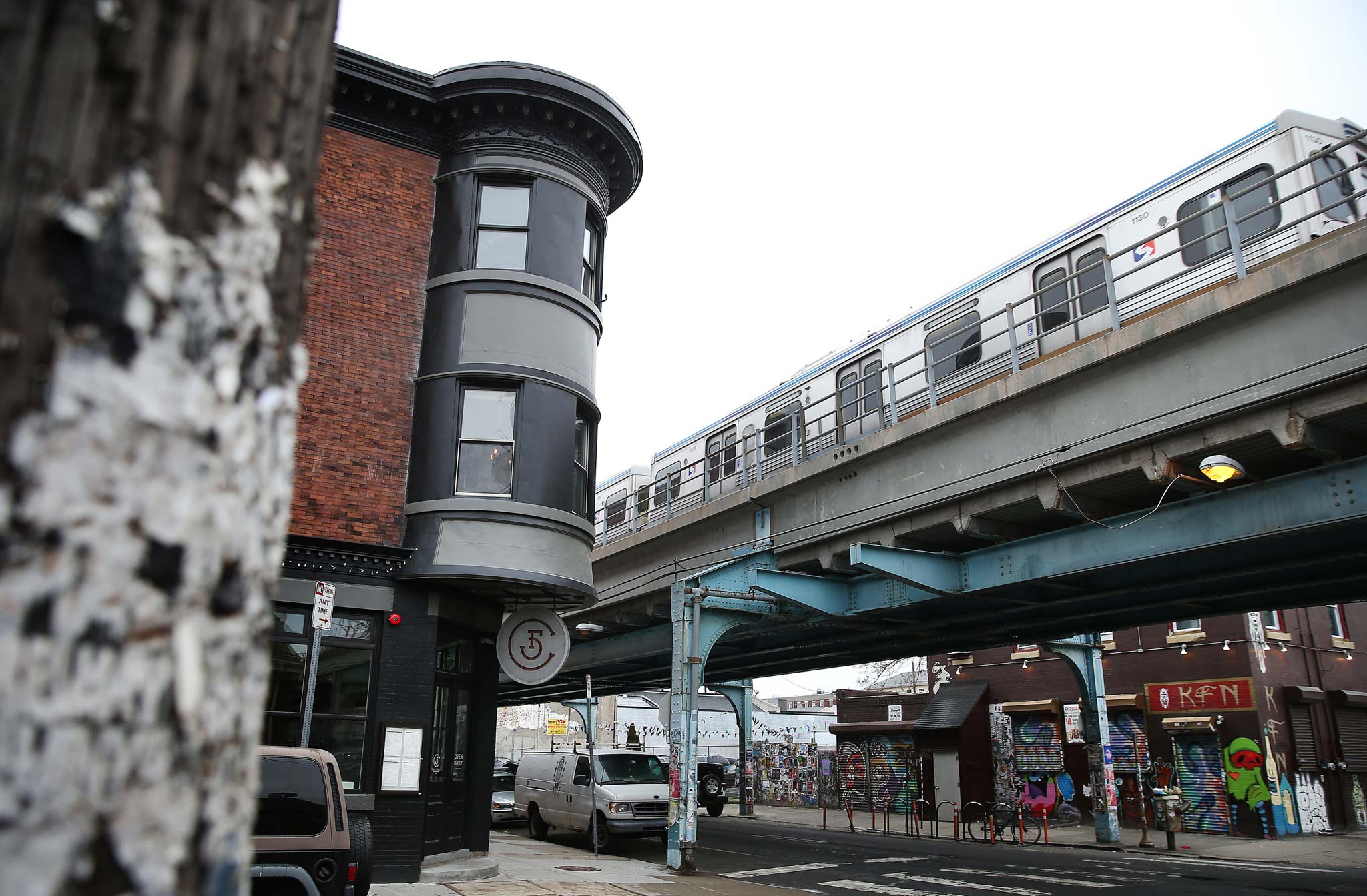
Front Street Cafe sold to the D.C. restaurant group that owns the acclaimed Tiger Fork
Front Street Cafe, one of the earlier entrants in the Fishtown-Kensington restaurant boom, is being sold to a Washington, D.C., hospitality group whose holdings include the Michelin-recommended Tiger Fork.
Blagden Hospitality Group is preparing to take over the large restaurant space at 1253 N. Front St., at Thompson Street, beneath the Market-Frankford El, according to co-owner Lee Larkin, who founded the cafe in 2015 with Nicole Barclay.
The deal has not closed, and terms were not disclosed. Blagden plans to continue operating the restaurant before eventually introducing a new name and concept, according to a statement provided by Larkin. No timetable was announced.
Blagden co-founder Greg Algie declined to comment Monday, saying that the group was “still working through things.”
Blagden’s Washington restaurants include Tiger Fork, a Chinese restaurant in Shaw’s Blagden Alley that is listed in the Michelin Guide, as well as Calico, Fainting Goat, and Primrose.
Front Street Cafe opened in September 2015, years before many of the restaurants that have since made Fishtown and neighboring Kensington dining destinations. At a time when vegan and plant-based cooking was less prevalent on Philadelphia menus, it championed farm-to-table sourcing.
The restaurant began with a coffee and juice bar serving commuters using the nearby Girard Avenue station and expanded into a full-service restaurant and bar. Front Street’s sprawling layout, combining a ground-floor dining room, upstairs event space, and expansive outdoor garden, helped establish it as a neighborhood gathering place.
Larkin, a real estate developer who owned the distinctive 19th-century building before opening the restaurant, had envisioned a place that could accommodate diners with varying dietary preferences.
The property was offered for sale following the death in March of executive chef Andrew Petruzelli, who had been involved with Front Street Cafe since its inception.
The real estate listing, handled by MSC Retail, carried an asking price of $4.8 million for the restaurant business, building, liquor license, furniture, fixtures, equipment, and four leased apartments, all occupying 12,500 square feet. Terms were not disclosed.
Jacob Cooper of MSC Retail represented the seller and brought the parties together. Stefanie Gabel, also of MSC, represented the buyer.
In the statement, Larkin said Blagden would build on the restaurant’s community presence while bringing its own ideas to the space, eventually developing a new identity.
“Front Street Cafe has always been about this community: our neighbors, our regulars, and everyone who has made this place feel like home,” said general manager Timothy St. Pierre. “We’re excited to see what Blagden Hospitality Group brings to the table. They have the experience and vision to help this space grow and thrive for years to come.”
-
Forsythia is temporarily closed as bank seeks $925,000 from chef Christopher Kearse
Chef Christopher Kearse’s Michelin-recommended Old City restaurant Forsythia closed abruptly this weekend, days after a creditor took legal action to collect nearly $925,000 it says Kearse owes.
Souderton-based Univest Bank & Trust Co. filed two requests for court judgments in Philadelphia’s Common Pleas Court on Wednesday against Kearse and his companies, CWKearse LLC and FrenchAF LLC, seeking repayment for three Small Business Association loans totaling more than $815,000. Univest is seeking the amount of each principal, plus interest, late fees, and attorney commissions.
The LLCs respectively operate Forsythia and Kearse’s Washington Square West cocktail bar, Known Associates, which has been closed since September.
In text messages, Kearse said both businesses’ closures are temporary. He also said he is current on payments for all three loans. Univest’s lawyer did not respond to request for comment.
The filings against Kearse are called confessions of judgment, a controversial lending practice banned in many states, but not Pennsylvania. Borrowers waive their right to due process, allowing banks to obtain judgments without hearings if debtors don’t repay their loans. The practice lets lenders expedite collecting collateral by garnishing income or placing liens on a borrower’s business.
In one filing, Univest said FrenchAF LLC took out a $500,000 SBA loan in May, which CWKearse LCC and Kearse personally guaranteed. Kearse and his companies then failed to make any required payments before and after receiving a demand letter dated Oct. 5, the filing said.
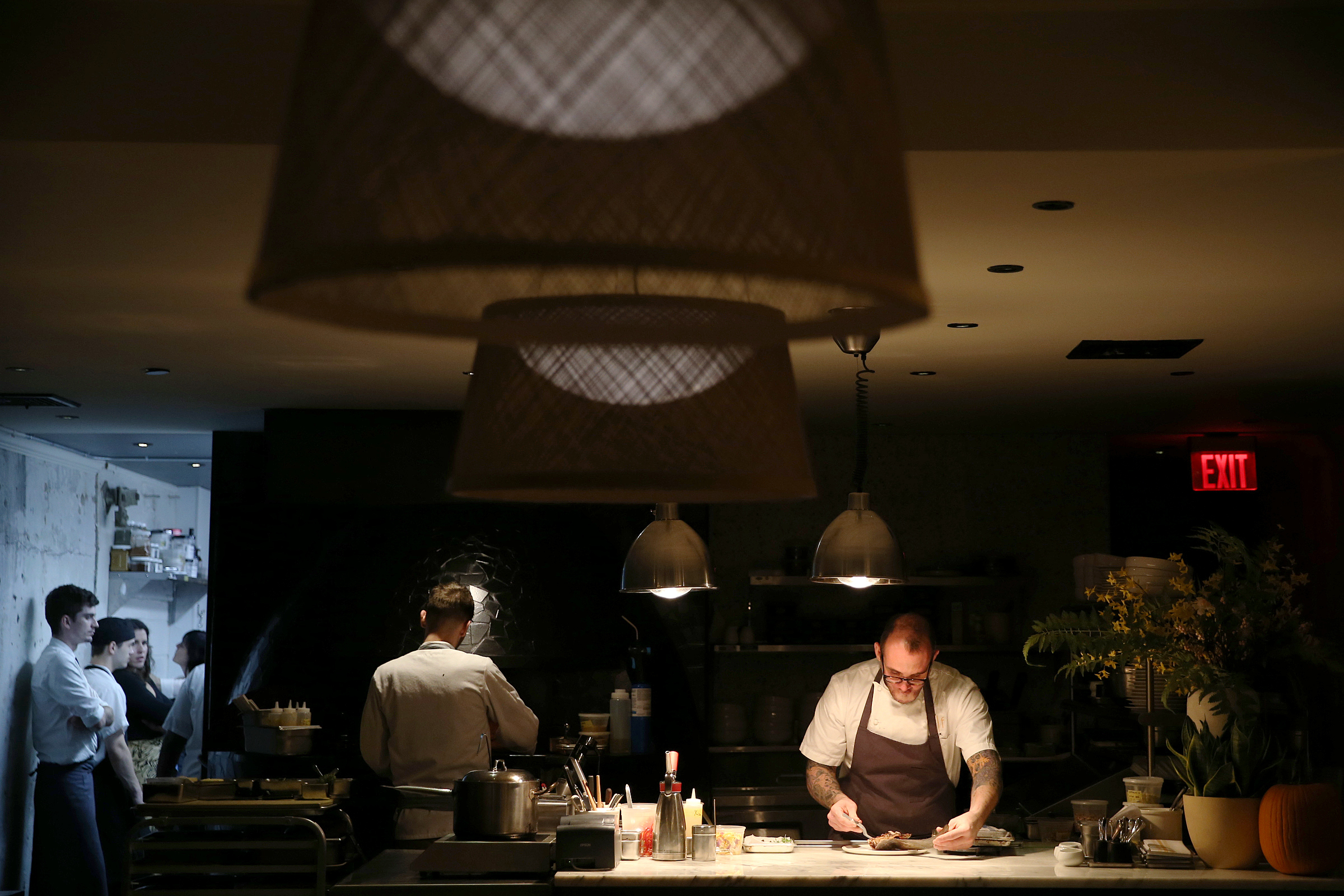
Chef Christopher Kearse plates dishes at his Old City French restaurant Forsythia, which opened in 2019.Tim Tai / Staff Photographer According to the other filing, also from Univest, CWKearse LLC took out a $550,000 SBA loan in June 2019, just before Forsythia opened at 233 Chestnut St. The company deferred on payments three times between March 2020 and March 2022 before entering into a loan modification agreement in May 2024, the filing said. The current outstanding principal is over $184,000, according to the filing.
The filing also includes a second SBA loan, for $150,000, which CWKearse LLC took out in May 2024. Its outstanding principal is over $131,000, according to the filing.
“We all caught up and refinanced,” Kearse said regarding the $550,000 and $150,000 loans.
The filings were made two days before Kearse was scheduled to appear in court on criminal assault charges brought against him by a former manager at Forsythia. That court date was rescheduled for Nov. 12.
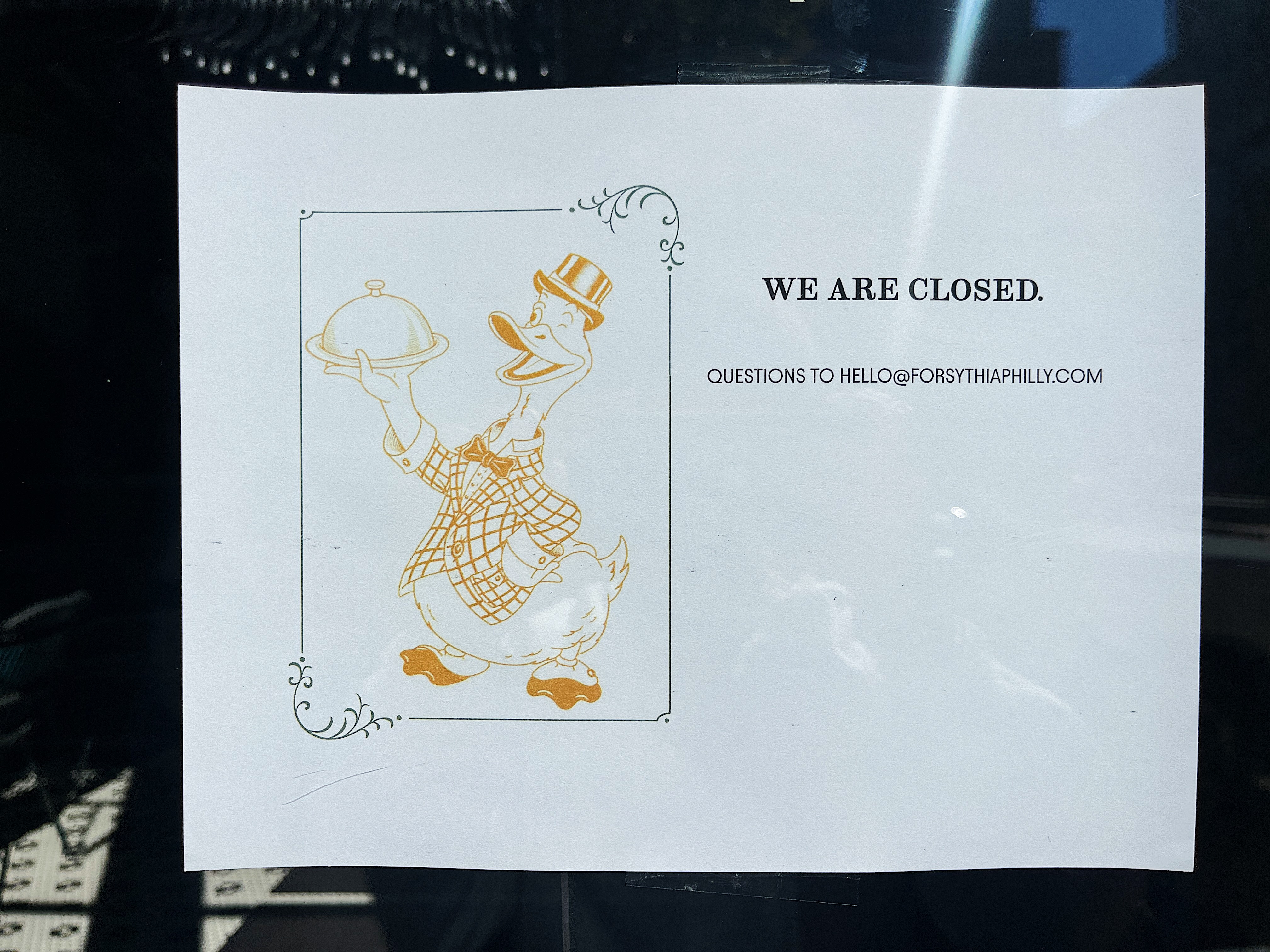
A sign on the front door of Forsythia at 233 Chestnut St. said the restaurant was closed as of Sunday, Oct. 25, 2026.Beatrice Forman “We are closed,” read a sign posted on Forsythia’s door Saturday and Sunday. The restaurant’s Resy page does not list any reservation options for the remainder of the year.
Kearse said that the sign was meant to indicate that Forsythia was closed for the weekend, not permanently. After buyouts Tuesday and Wednesday, the restaurant will open as normal, he said.
Kearse said Known Associates at 941 Spruce St., which opened in June, will reopen Thursday with a new menu. He previously told the Inquirer that Known Associates was closed due to a variety of staffing woes, payroll disputes, and over $30,000 in stolen checks.
In an undated document addressed to Univest that Kearse provided to The Inquirer, Kearse described a series of fraud allegations from July — including $64,200 in stolen and altered checks — that led to late payments and restricted bank account access.
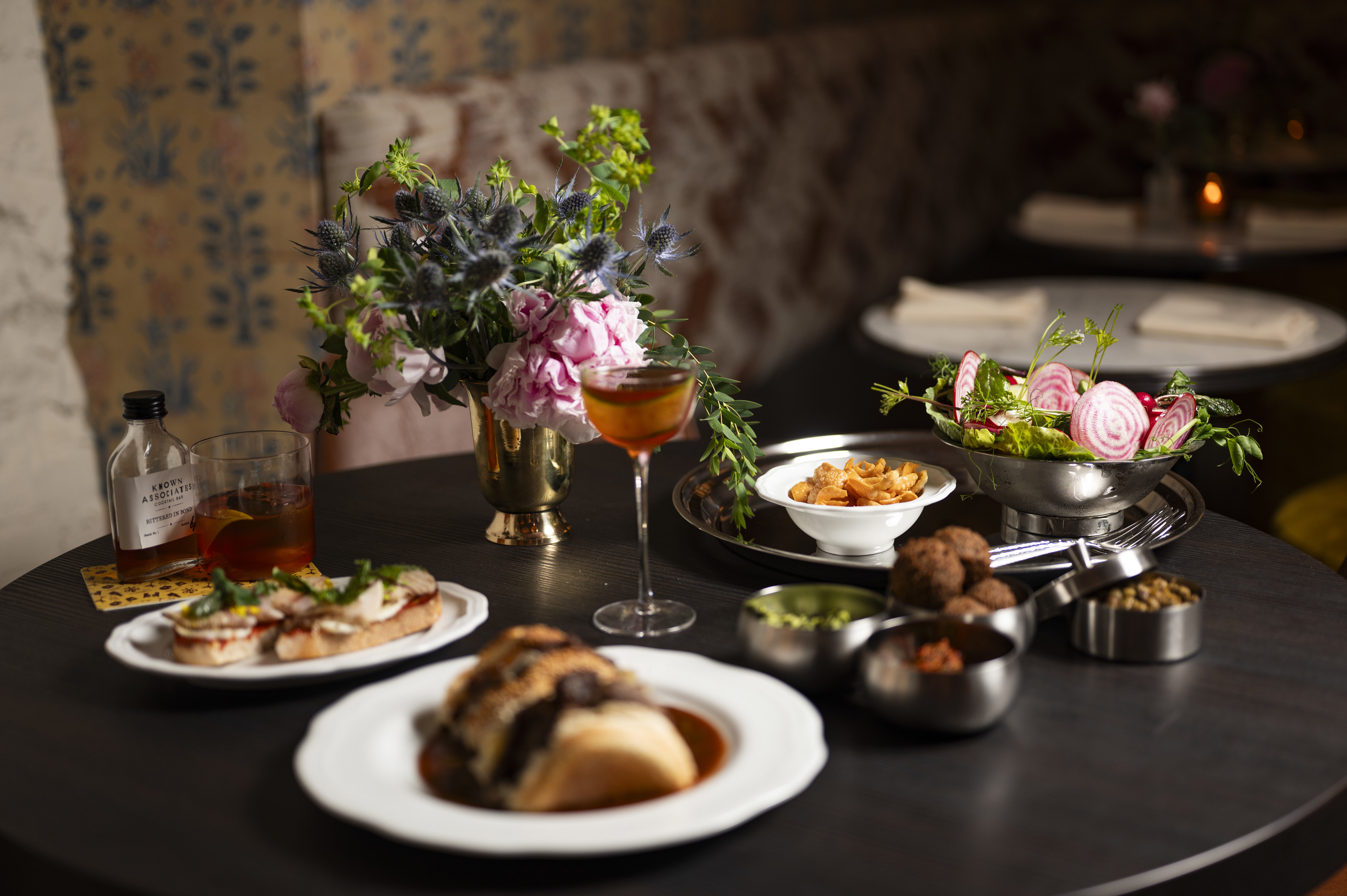
A spread of dishes from Known Associates, chef Christopher Kearse’s cocktail bar at 941 Spruce St.. The bar has been closed for several weeks.Allie Ippolito / For The Inquirer A spokesperson for the Philadelphia Police Department confirmed that Kearse filed a police report July 16 saying he discovered a missing checkbook from his business office, and that an $8,000 check had been cashed without his permission.
At the time, the police spokesperson said, Kearse couldn’t identify who may have written the check. The investigation remains ongoing.
As of Sunday, Kearse said the money from the stolen checks had been reimbursed “for the most part” by his bank.