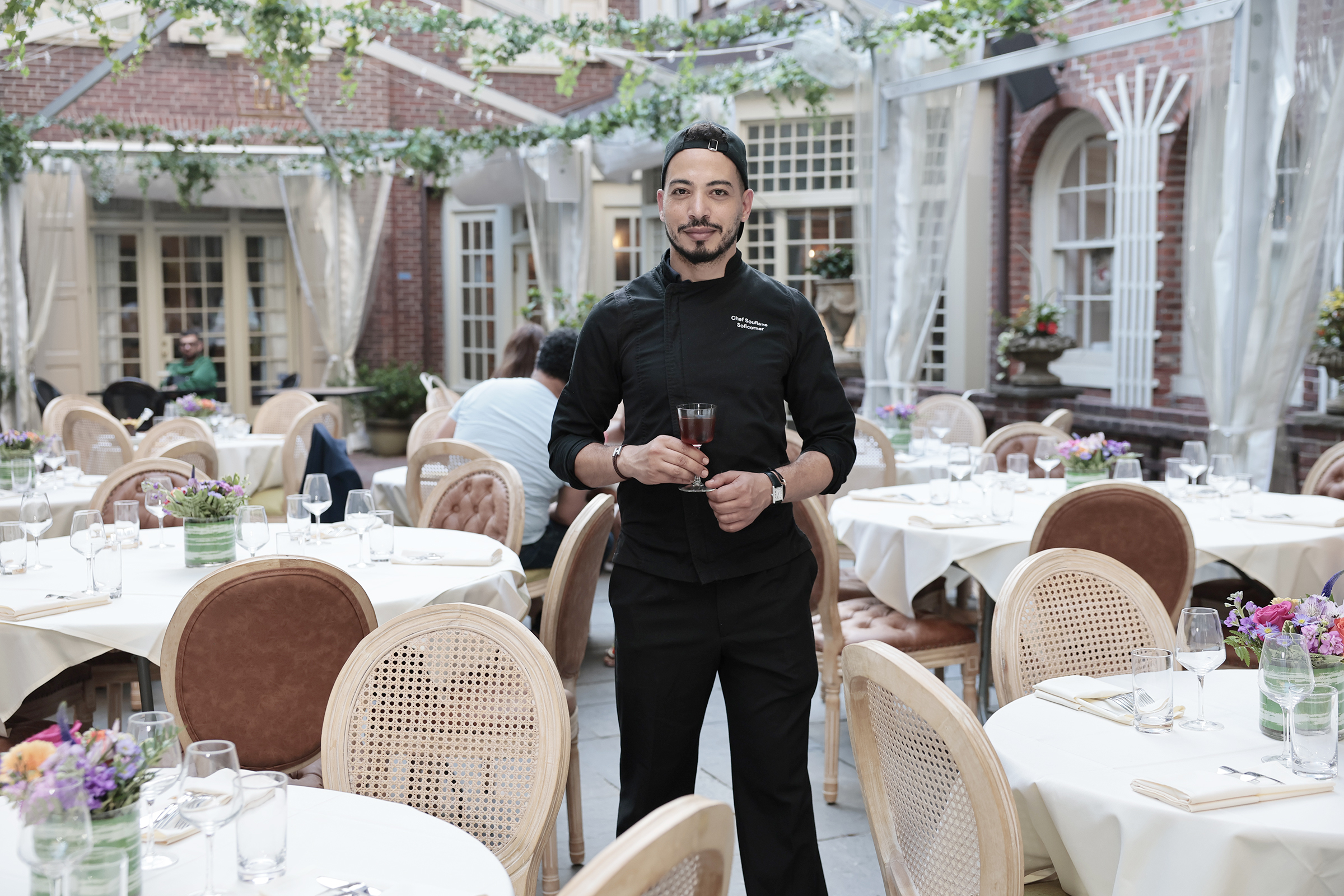
Soufiane at the Morris, the ambitious French Moroccan restaurant that opened in June at the historic Morris House Hotel in Washington Square West, will close after dinner service Saturday, following months of financial difficulties that led to a staff walkout and an overhaul of its menu.
Owner Soufiane Boutliliss announced the closing Friday on Instagram, thanking customers and employees and saying that his other restaurant, Sofi Corner Cafe on Locust Street, would remain open, along with its catering operation.
“Sadly, despite our efforts, we could not overcome the financial and operational challenges that came with this adventure,” Boutliliss wrote. “The lessons have been difficult and deeply personal, but the beautiful memories we created together will stay with me forever.”
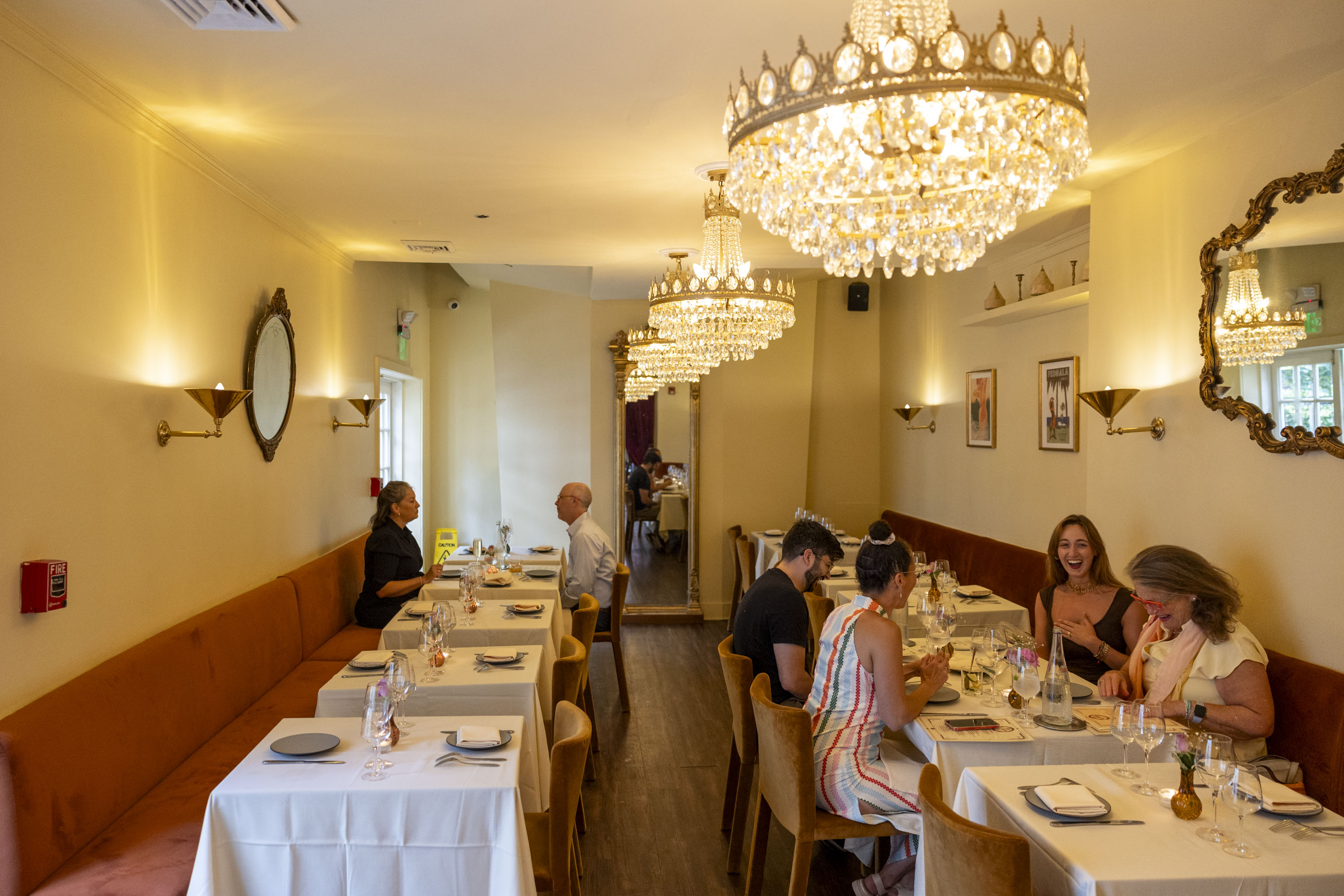
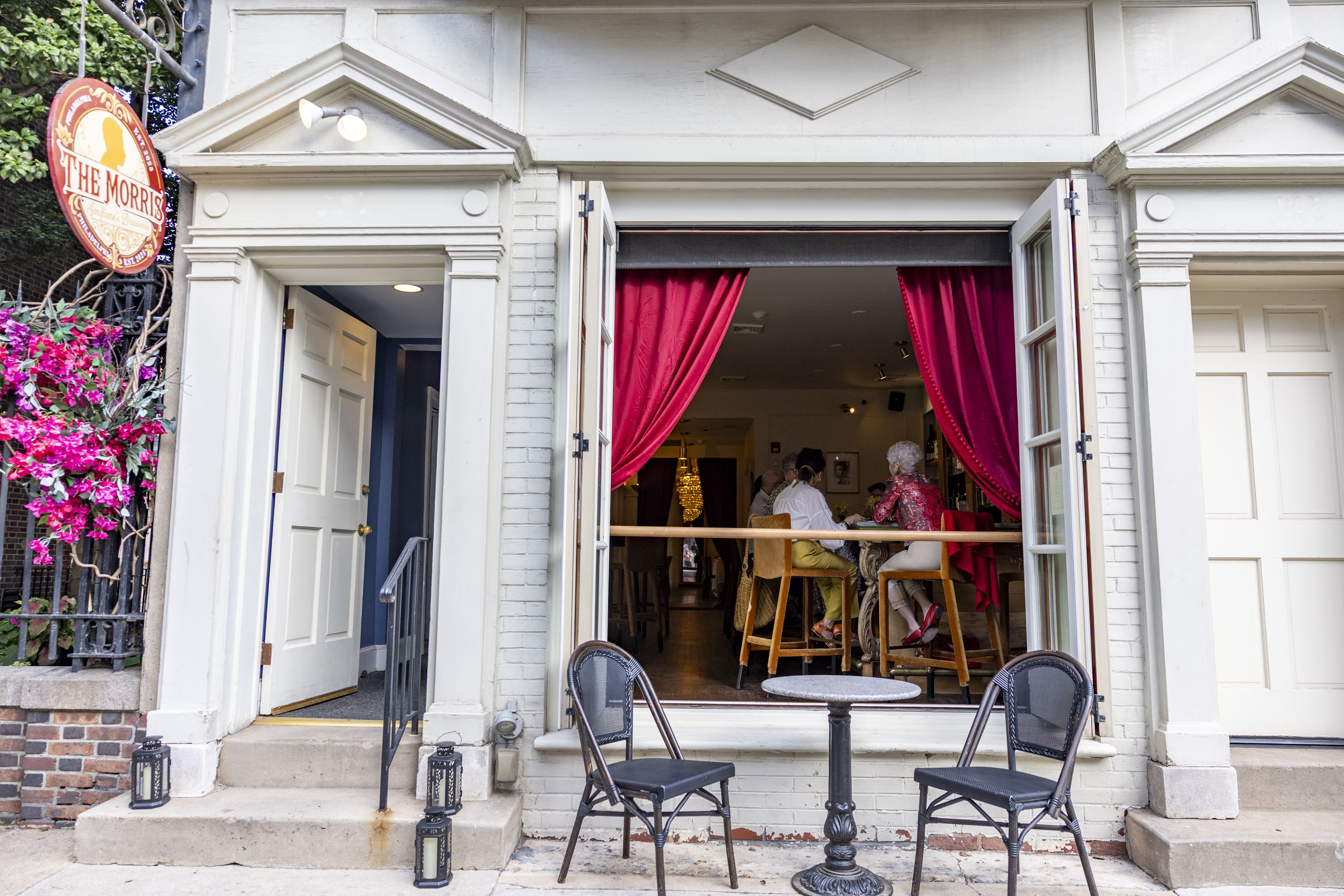
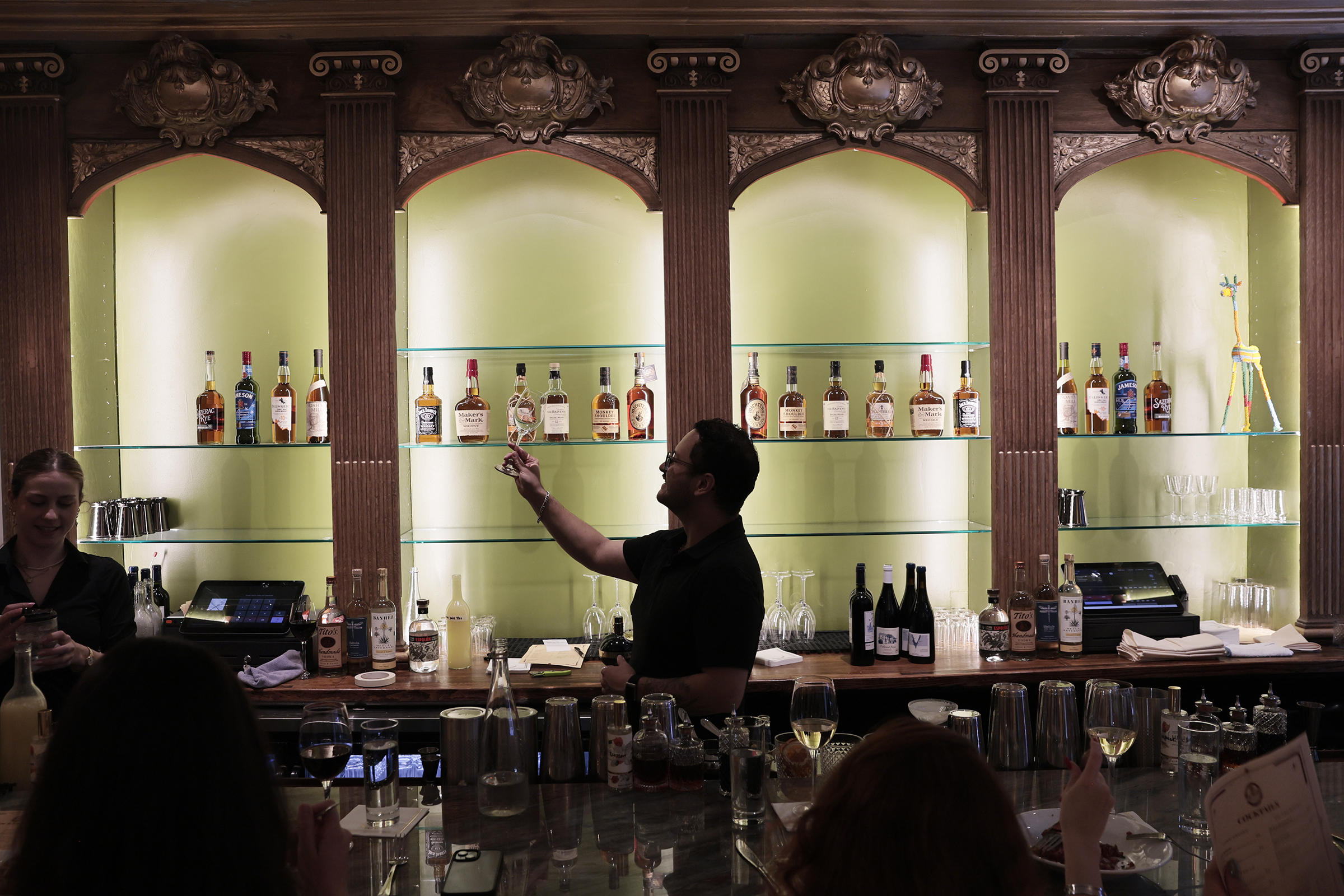
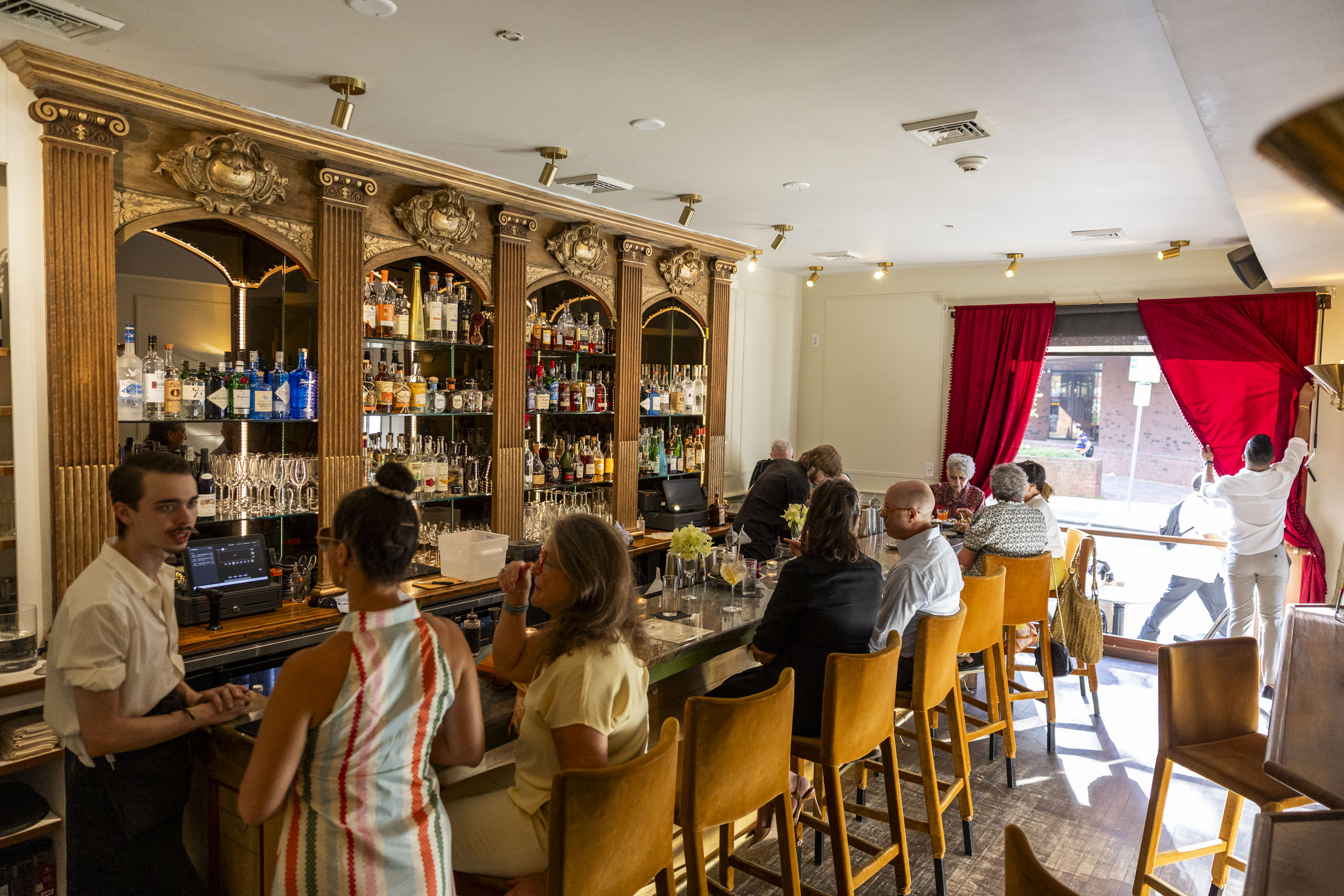
Soufiane at the Morris, 225 S. Eighth St., includes a barroom, dining room, and outdoor dining.Tyger Williams / Staff Photographer
The announcement comes four days after The Inquirer reported on an Oct. 3 walkout by staff, including executive chef Henry McGuigan, that was preceded by months of late and missing paychecks, dating back nearly to the restaurant’s June opening.
After McGuigan’s departure, Boutliliss put himself in charge of the kitchen, removing much of the French menu in favor of dishes rooted in his Moroccan heritage. The restaurant began operating with a substantially smaller staff.
Boutliliss and McGuigan offered widely differing accounts of the restaurant’s financial troubles, particularly over staffing decisions and labor costs. Former servers, bartenders, and kitchen workers described irregular payments and bounced checks.
According to his payroll and payment records, no servers are owed wages, Boutliliss said.
He acknowledged payroll delays and said administrative errors and excessive staffing had contributed to the problems. McGuigan disputed the owner’s characterization of labor costs and said Boutliliss had been involved in discussions about staffing.
“Looking back, if I could do things differently,” Boutliliss said in a statement, “I would have been much more involved in the selection of our executive chef, and perhaps taken a more direct role in the kitchen myself, while maintaining a stronger focus on the overall management of the restaurant.”
While it’s situated at the boutique Morris House Hotel, the restaurant at 225 S. Eighth St. operated independently and is not affiliated with the hotel. A representative of the hotel’s owner declined to comment.
Soufiane at the Morris represented a considerable leap for Boutliliss, who entered Philadelphia’s restaurant scene in September 2023 with Sofi Corner, a small cafe with a French Moroccan menu. The new venture had a full bar and seating for 100 between its dining room and courtyard.
Boutliliss said previously that Soufiane at the Morris’ financial troubles had depleted his savings. He said Friday that he planned no changes at Sofi Corner.
“At the end of the day, I’m responsible for this restaurant, and I fully accept that responsibility,” Boutliliss said in his statement. “I’ve learned a great deal from this experience, and I know there are things I would have done differently. But we can’t change the past. What matters now is how we move forward. We roll up our sleeves, learn from our mistakes, and keep going. We’re part of this community, we care deeply about Philadelphia, and we believe we still have a lot to contribute to its dining scene.”
Anthony Borda never stopped making pizza, even after the second-generation restaurateur gave up his South Philadelphia pizza shop to become a buyer for a meat company.
Borda continued tinkering with dough at home, where he has a tabletop spiral mixer. Neighbors kept asking when he was coming back.
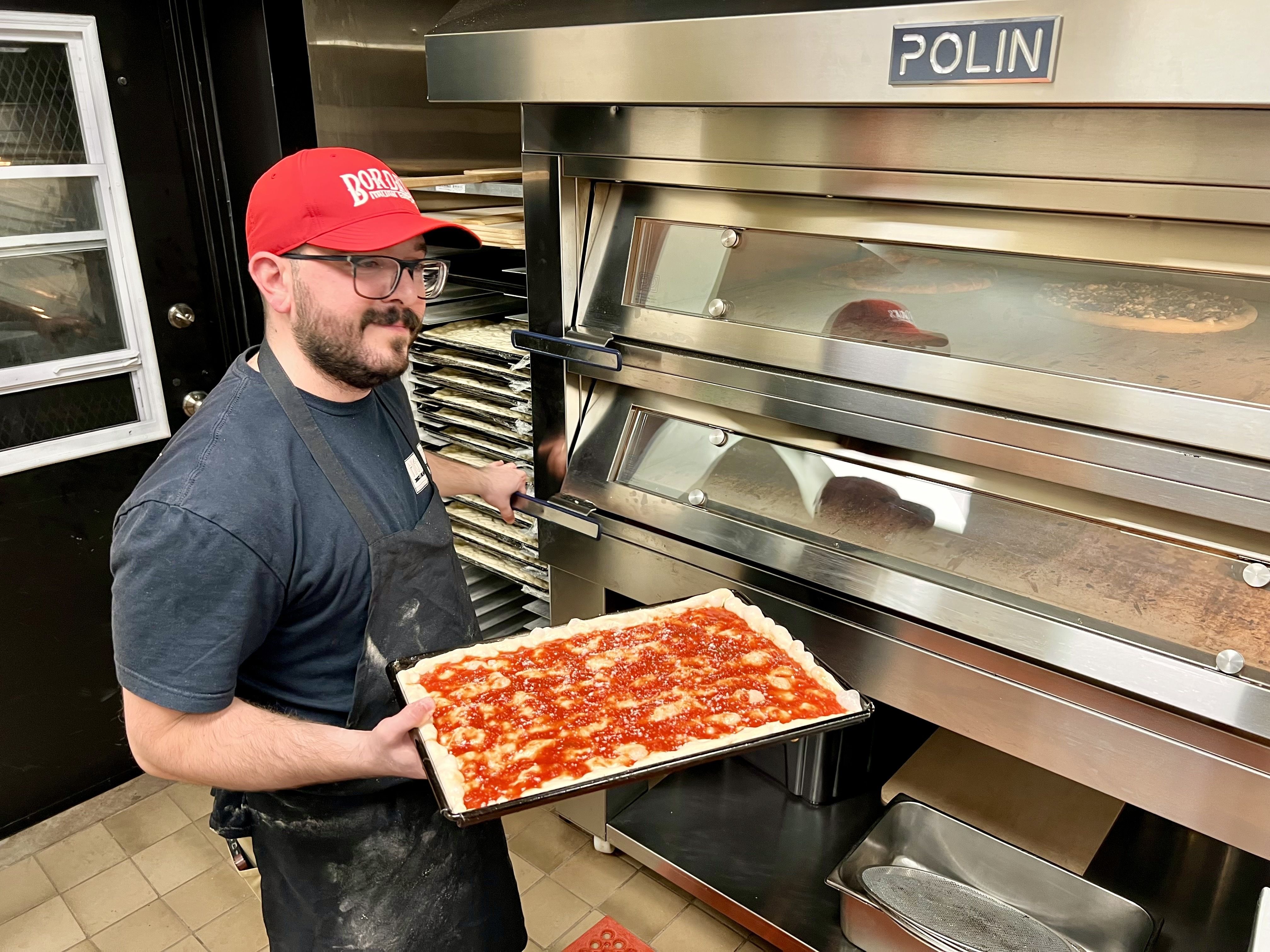
Anthony Borda prepares to load a pizza into the oven at High Note Caffe.Michael Klein / Staff
“I missed it,” said Borda, 32, who was in kindergarten when he started making pizzas alongside his father. “I always wanted to keep making pizza, and I always have, even at home.”
In 2022, while the pandemic-idled High Note was undergoing renovations, Anthony opened Borda’s Italian Eats, specializing in pizza, stromboli, and sandwiches. He ran it for a couple of years before entering the corporate world.
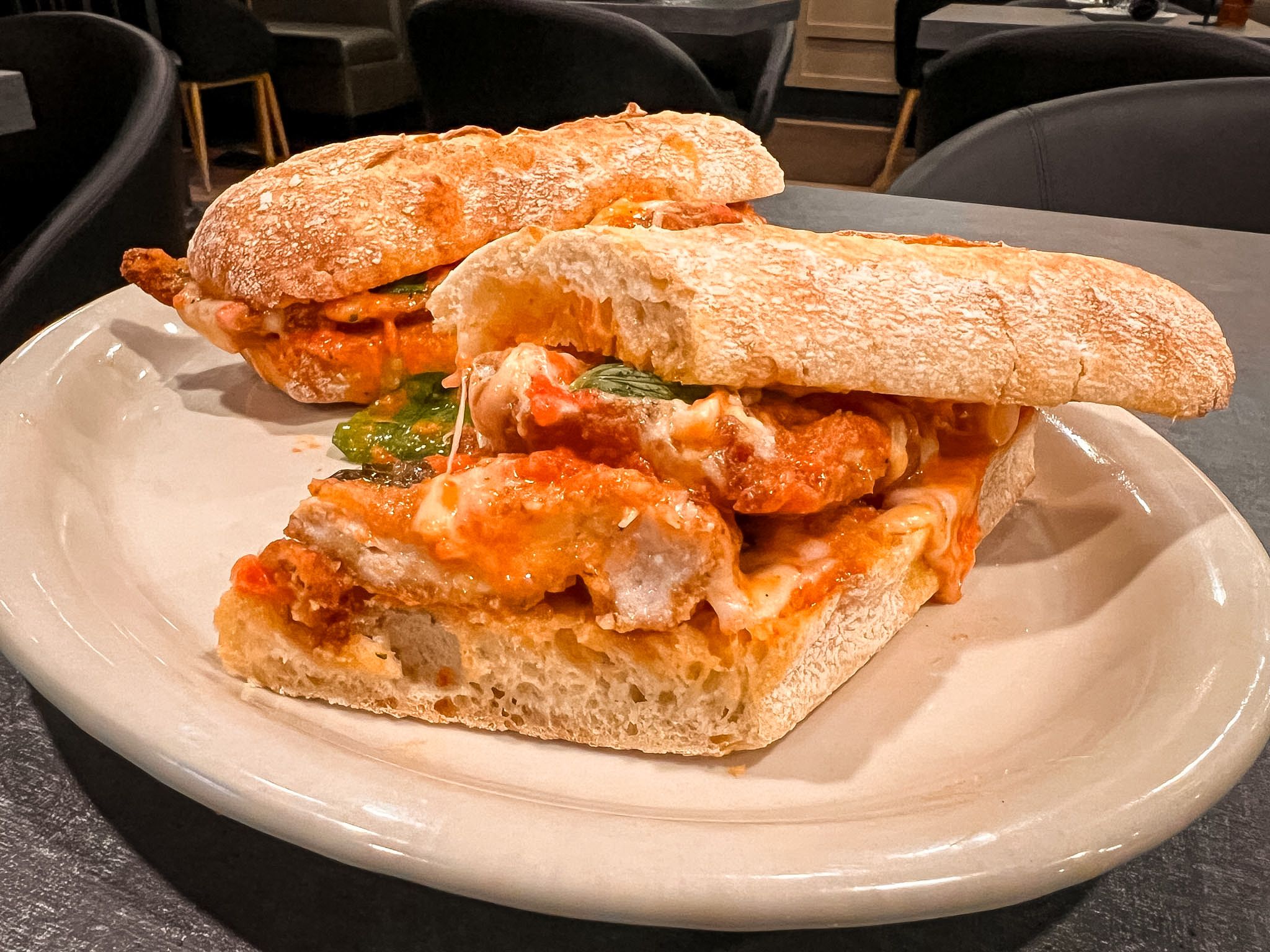
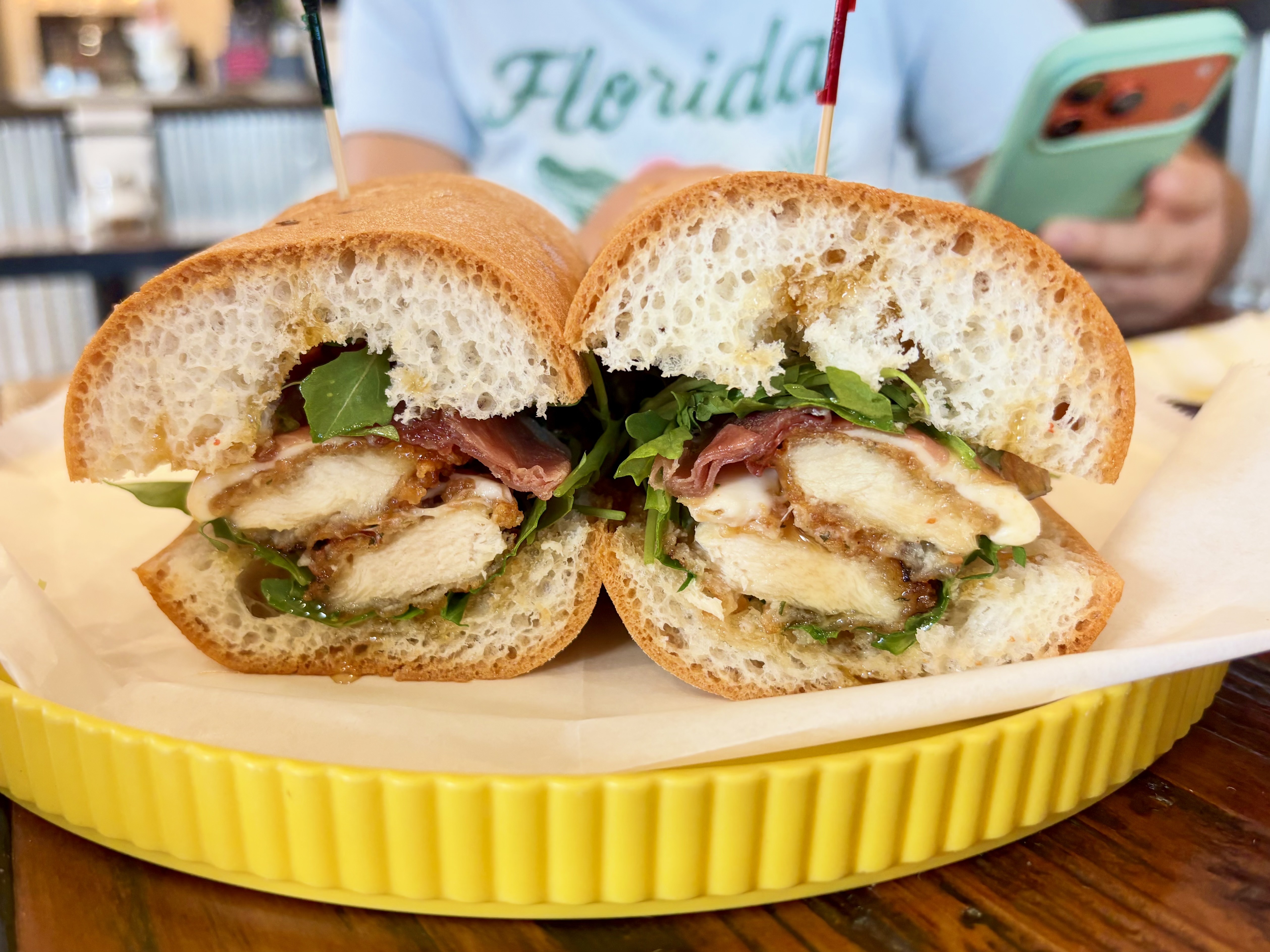
Chicken parm sandwich on ciabatta at High Note Caffe.Michael Klein / Staff
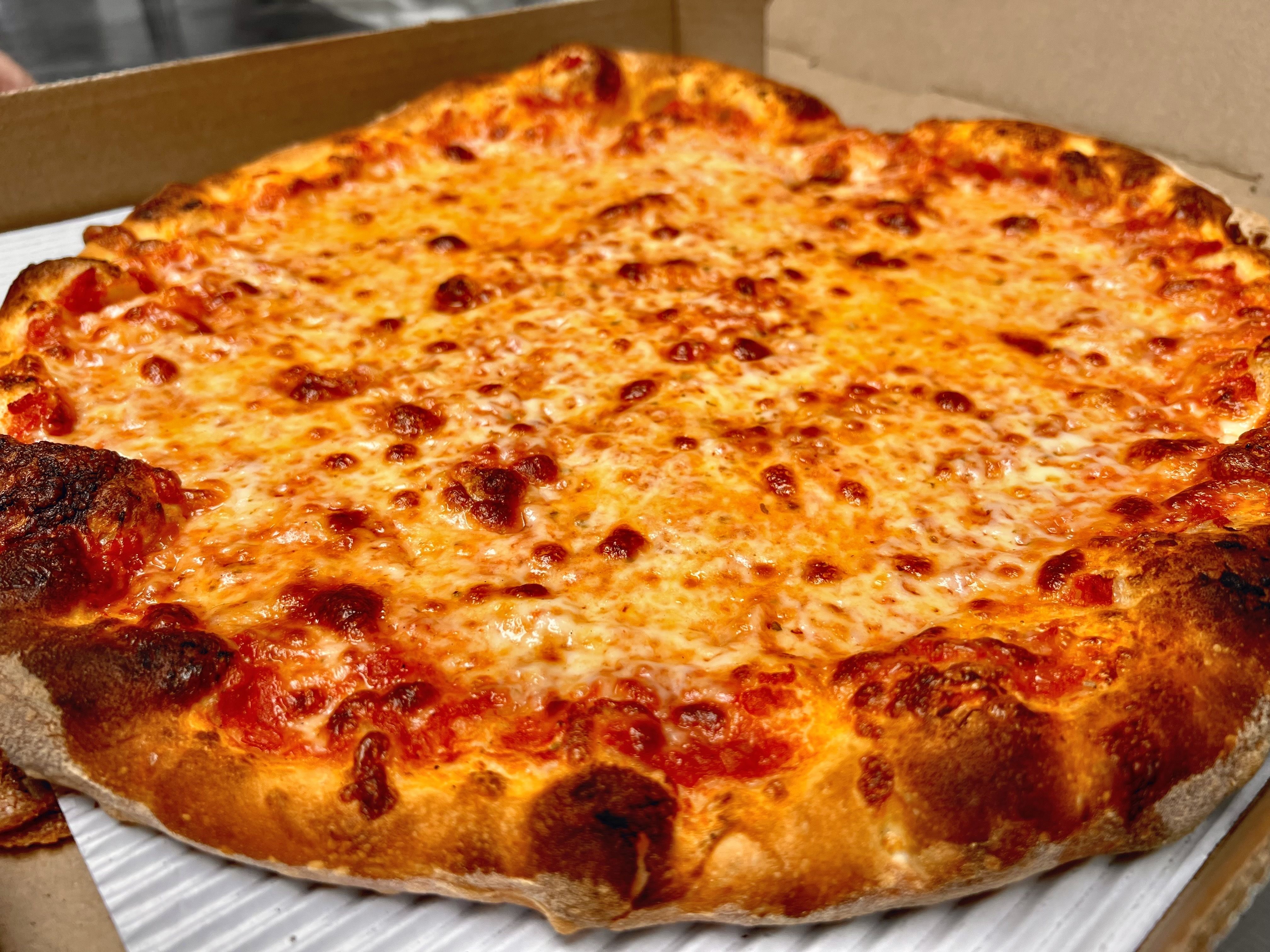
This time, it’s a passion project. His high-hydration dough yields light, airy pizzas in 16-inch rounds and 12-by-18-inch half-sheet squares. He also offers cheesesteaks, meatballs, chicken parm sandwiches on ciabatta, fried cheese ravioli, and Italian dinners to go, including gnocchi in blush sauce and shrimp fra diavolo over spaghetti.
The shop itself, down a half-level from the main restaurant and just off the kitchen, is just a small counter with a case displaying pizzas.
Pizza making is a long tradition in the Borda family. Franco opened his first shop in 1982 at age 20, later teaming up with Louis Gentile at 13th and Tasker. Their first names gave rise to Francoluigi’s.
In 1995, the partners expanded into an adjoining building, adding a dining room where Franco, an accomplished opera singer, would occasionally step away from the stove to belt out an aria.
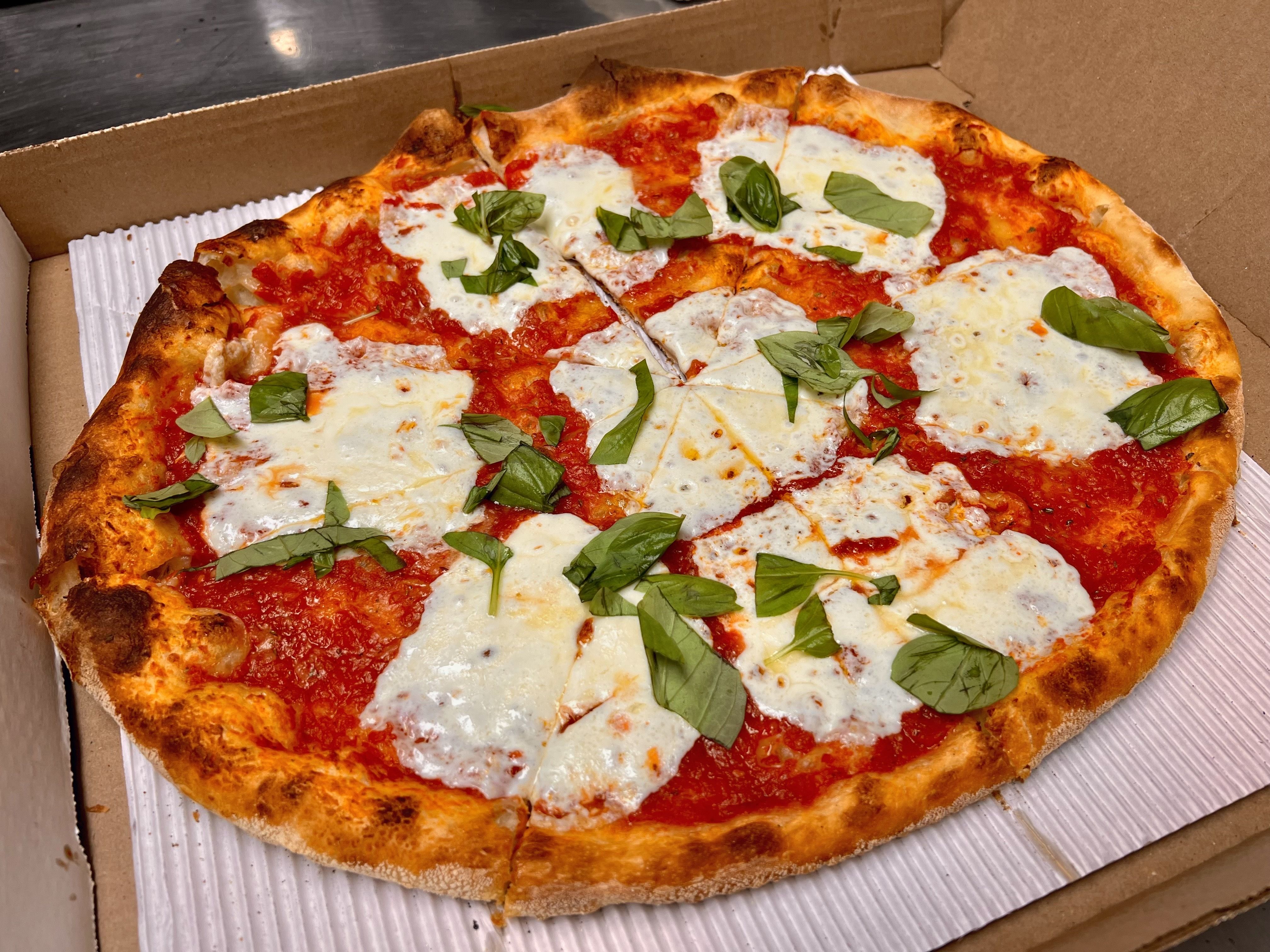
The cheese pizza at High Note Caffe.Michael Klein / Staff
Like his son, he’s found a schedule that suits him: High Note typically books performers for just one or two Saturday nights per month.
“We’ve been selling out left and right,” Franco Borda said. “It’s just better for me and everybody. It’s more private and you get to enjoy a whole night out for 25 bucks.”
High Note Caffe, 1243 Tasker St. Takeout hours: 3:30-9:30 p.m. Friday and select Saturdays. Check hours on Instagram (instagram.com/high_note_caffe_pizza).
Chef Eric Leveillee’s first kitchen job was motivated more by romance than a desire to cook.
In 2010, Leveillee was grabbing a bite at El Camino Real in Northern Liberties when he noticed a server named Deva. He wanted to meet her, so he applied for a job in the kitchen.
“I had no intention of cooking, really,” he said.
Sixteen years later, the two are married, Leveillee has built a career in fine dining, and he is preparing to open his first restaurant of his own, just a few blocks from where it all began.
Restaurant Campion, a 55-seater at 1701 N. Second St., on the ground floor of the Rally apartments in Kensington, is targeting a summer 2027 opening.
Leveillee, 40, plans a menu that applies fine dining technique but is looser and more energetic.
Leveillee plans two dining options: a tasting menu of seven to 10 courses, priced in the low $100s, and a smaller, frequently changing à la carte menu offering both small and larger plates. He hopes to keep the tasting experience to 90 minutes to two hours.
The beverage program will emphasize natural wines and smaller producers, along with traditional, low-alcohol, and nonalcoholic cocktails.
“The biggest thing I want to portray is that, yes, the food is going to be ambitious, but the environment will be very lively and exciting,” he said.
Campion has been in development for nearly 2½ years, though Leveillee said he has wanted his own restaurant for more than a decade.
“This restaurant is really mine,” he said. “It’s the first restaurant I’ve ever owned. It will probably be the first time I’m truly showing my food to Philadelphia.”
He wants Campion to appeal beyond the special-occasion crowd, with prices and an atmosphere that encourage repeat visits.
The design, by Ian Chapin of EDSEL and Scott Burroughs of This Land Studio, will be minimalist, providing warmth through texture and materials rather than elaborate furnishings.
The centerpiece will be an open kitchen surrounded on three sides by a 20-seat U-shaped chef’s counter. The restaurant also will have a nine-seat bar and a separate 12-seat listening room, where guests can bring their own vinyl records or choose from the restaurant’s collection. Leveillee envisions using the room for private dinners.
Leveillee grew up in Rhode Island and moved to Philadelphia at 17 to attend Temple University, where he studied economics. After El Camino, his restaurant career included Vernick Food & Drink, Whetstone Tavern, Marigold Kitchen, and Lacroix at the Rittenhouse Hotel.
He remains culinary director of The DeBruce, a Catskills hotel and restaurant that was a 2024 James Beard Award semifinalist for outstanding restaurant. He also has been consulting at Waltz, the Italian restaurant in South Philadelphia’s Whitman neighborhood.
He said Campion’s cooking will most closely resemble his work at The DeBruce, drawing on American ingredients and incorporating techniques and influences from various cuisines.
For Leveillee, the neighborhood is part of the attraction. He said both good and difficult experiences in his life have occurred nearby, and opening Campion represents an opportunity to establish deeper roots in Philadelphia.
After finishing up work at Waltz, he sometimes stops by the unfinished restaurant at night, standing alone in the space and considering what it will become.
“It’s been a long road, and it’s a little surreal,” he said. “It’s something I always wanted to do, but I never imagined that I would actually get there.”
At 22, RJ Smith is on a roll: Freshly graduated from Drexel University, he’s extended hisOcho Supper Club operations at the Rittenhouse Hotel and is negotiating for a permanent restaurant of his own.
Not bad for a chef who, less than three years ago, was serving elaborate tasting menus in his dorm room.
Smith, whose Afro-Caribbean cookinghas attracted national attention, says he is narrowing his search for his first restaurant. One space is near Rittenhouse Square, the other closer to East Passyunk. His target is 2027, though the opening will depend on construction.
He envisions two versions of Ocho under one roof: a casual bar and à la carte dining area, alongside a more intimate space for tasting menus. The idea is to make his cooking available to diners who aren’t necessarily prepared to spend two hours at a special-occasion dinner.
“There’s such a barrier to entry with tasting menus,” Smith said. “We’re trying to knock that down as much as we can.”
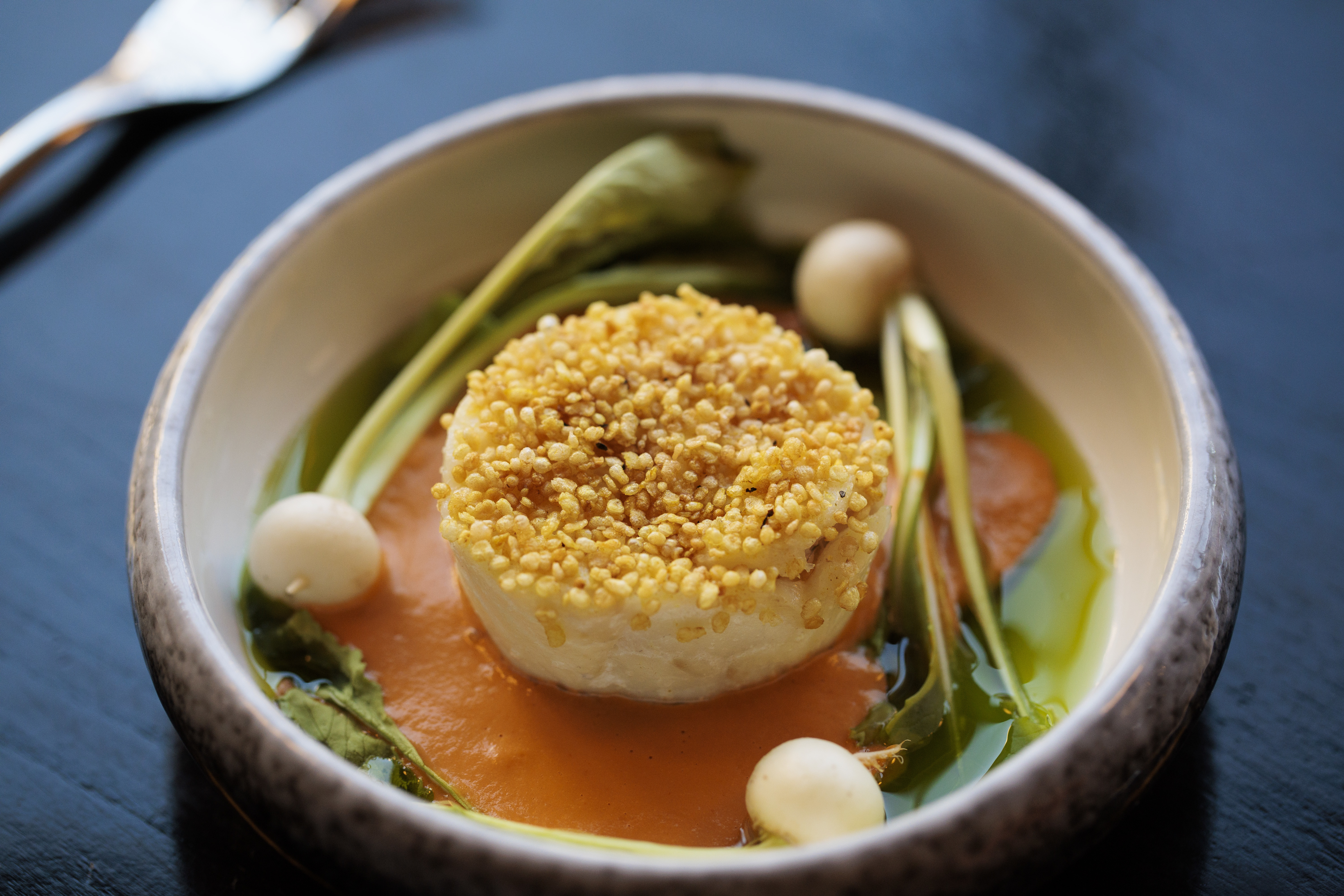
The Atlantic cod from chef RJ Smith at the Rittenhouse Hotel, where Smith’s Ocho Supper Club has extended its run. Monica Herndon / Staff Photographer
It’s the next step in a rapid progression for the Bay Area native, who started Ocho in April 2024 as a $35 dorm-room dinner, graduated to pop-ups, and in February 2026 moved into the Rittenhouse Hotel’s former Scarpetta restaurant for a six-month engagement. Smith has worked in a number of prestigious kitchens, including Californios in San Francisco, Core by Clare Smyth in London, and Provenance in Philadelphia. He was also recently part of the Inquirer Food Festival, paired up with chef Rich Landau of Vedge for a collaboration dish.
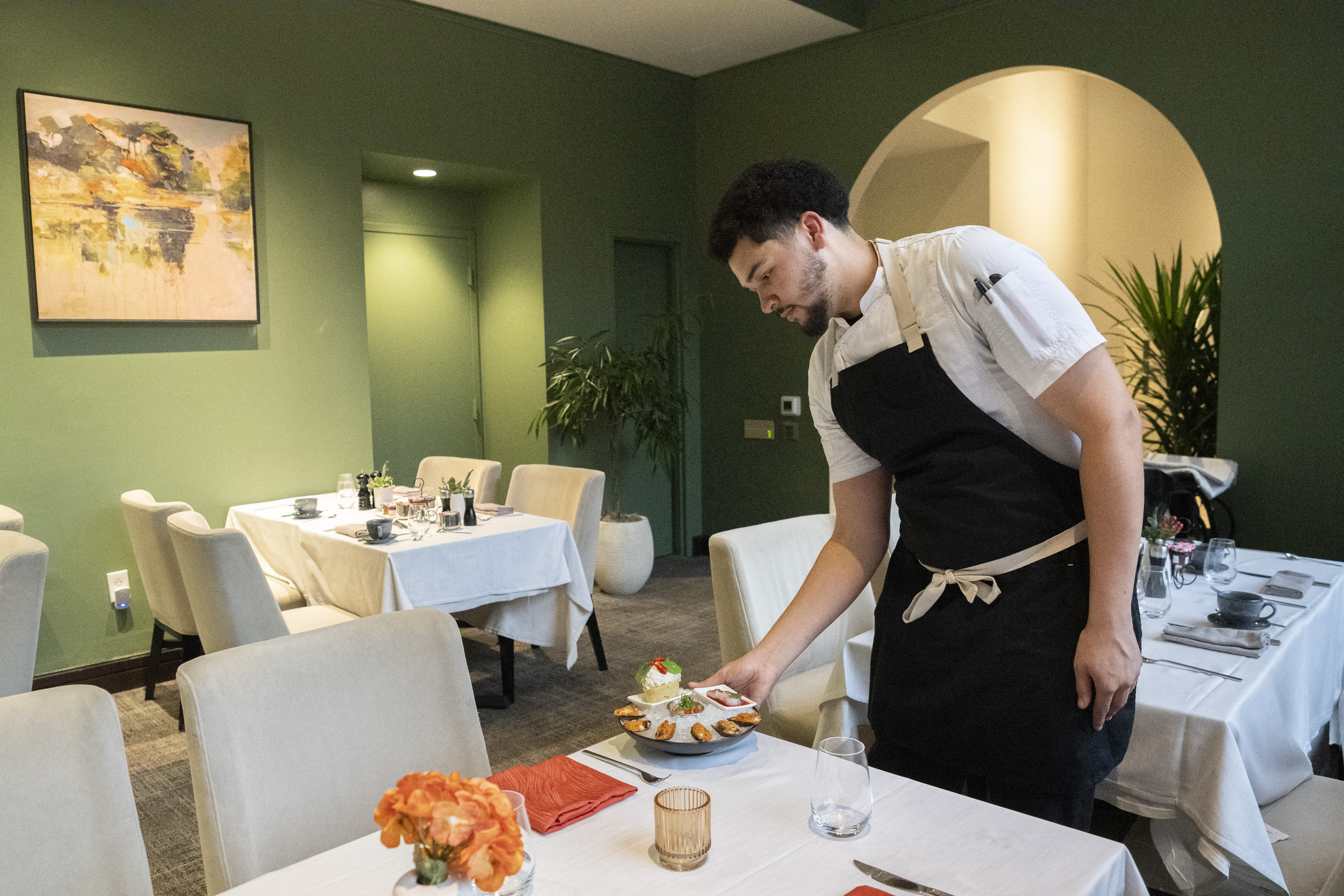
Chef RJ Smith places a seafood plateau at the Rittenhouse.Jessica Griffin / Staff Photographer
His time at the Rittenhouse was supposed to end over the summer, as the hotel prepared to convert the bilevel Scarpetta restaurant into the Ruxton, a steakhouse from Baltimore-based Atlas Restaurant Group.
Instead, Smith and the hotel expanded their arrangement into what Smith calls “more of a culinary integration.”
With the Scarpetta space now under construction, Ocho’s Caribbean-inspired à la carte menu is now available at Lacroix’s bar and through room service Fridays through Sundays; on select Sundays, Smith and his team take over the dining room for tasting menu dinners (eight courses for $160 or five for $100). Lacroix’s dining room, which overlooks Rittenhouse Square, is reset with Ocho’s tableware and flowers. “It’s honestly surprising how different the dining room looks in just an hour,” Smith said.
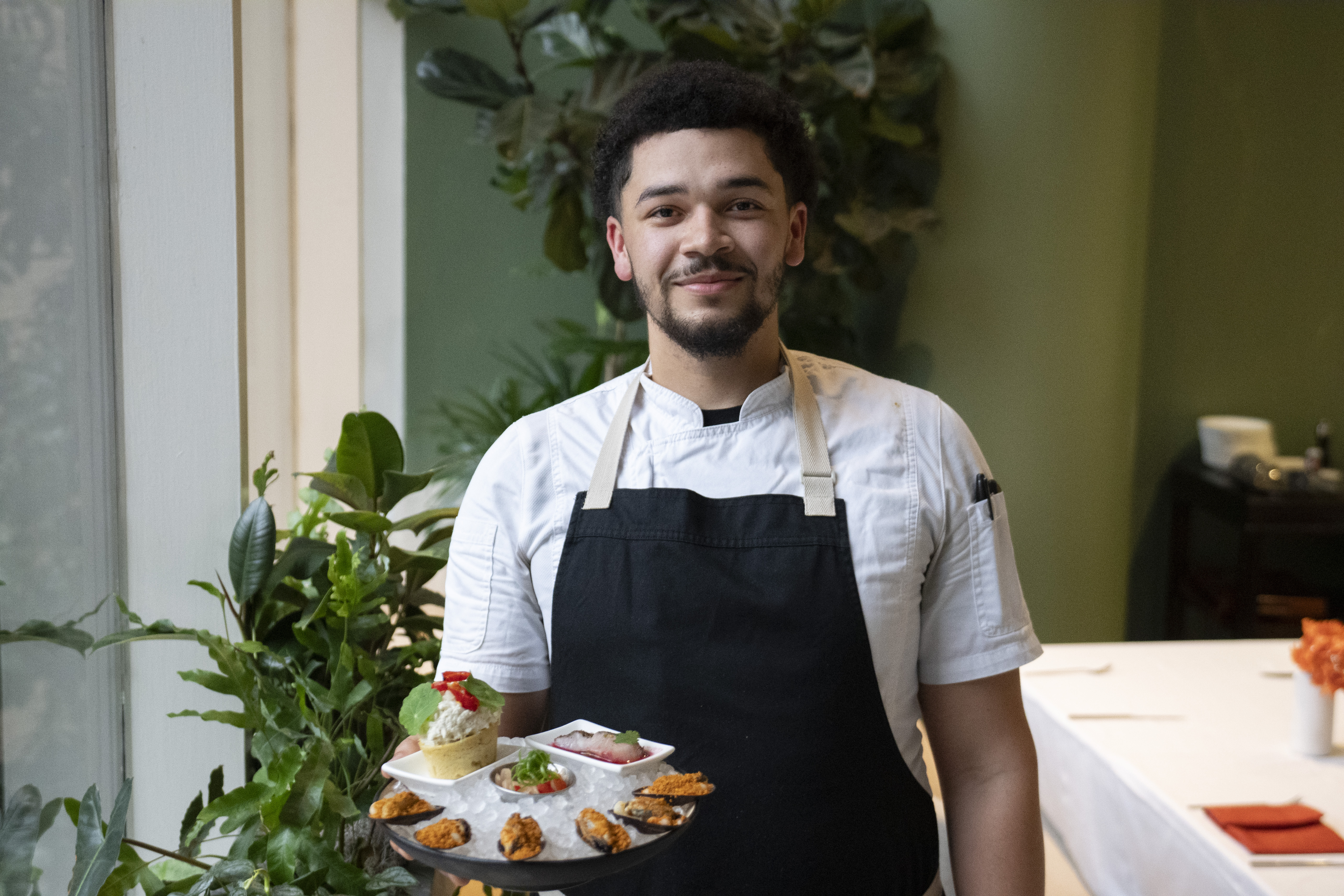
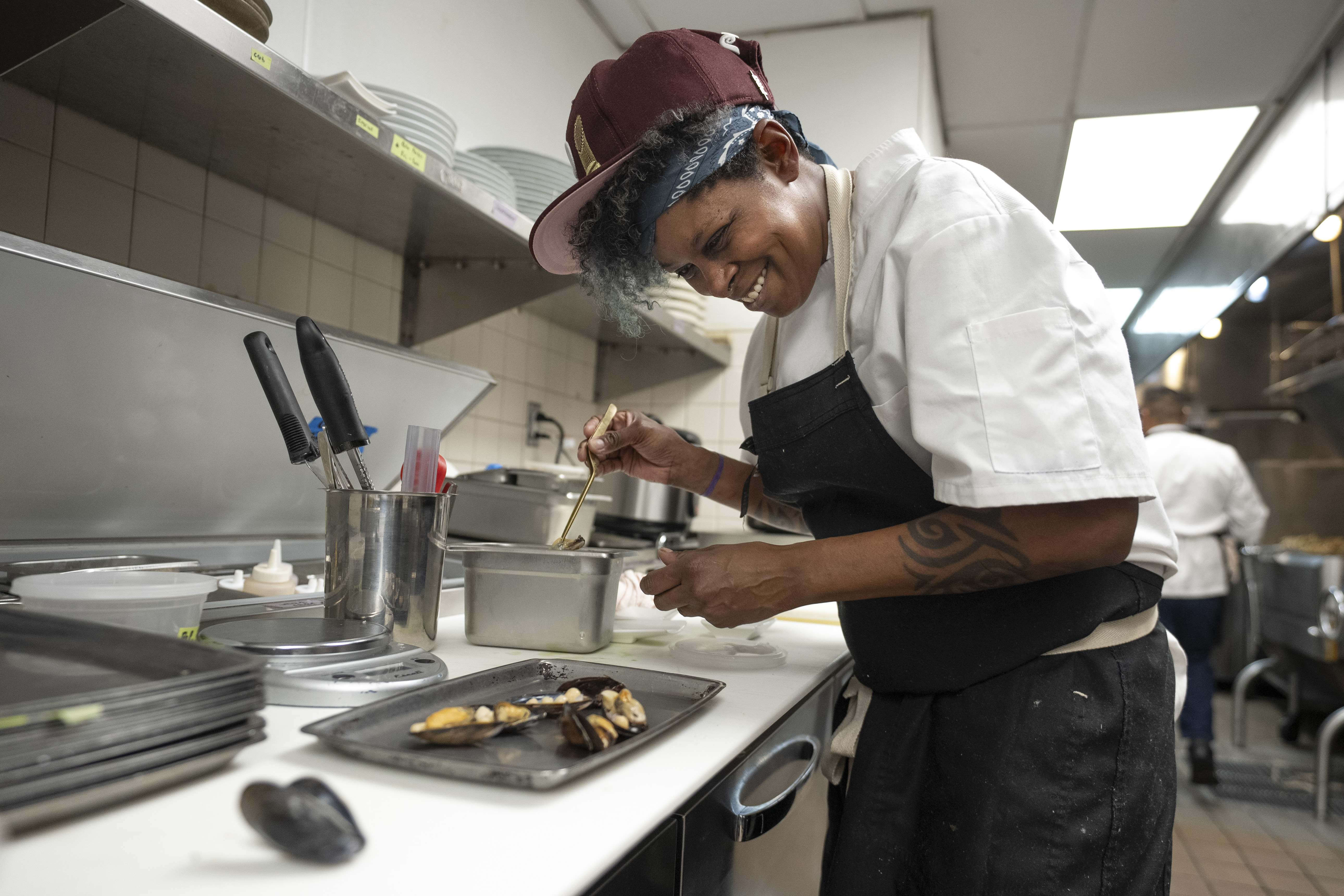
Ocho sous chef Imani Williams prepares mussels for Ocho’s seafood plateau at Rittenhouse Hotel.Jessica Griffin / Staff Photographer
The arrangement coincides with a major transformation of the Rittenhouse’s public spaces. The Library Bar closed Oct. 31, and the Mary Cassatt Tea Room served its final afternoon tea Nov. 15. The project — expected to take at least six months — will usher in the Ruxton and a new cocktail bar, among other changes.
Lacroix will remain open throughout construction, and Smith’s Sunday dinners are scheduled through Dec. 20. The hotel has not announced Ocho’s plans beyond that date. “We’ve loved the partnership and are open to continuing to work together,” Rittenhouse managing director Gregg Skowronski said.
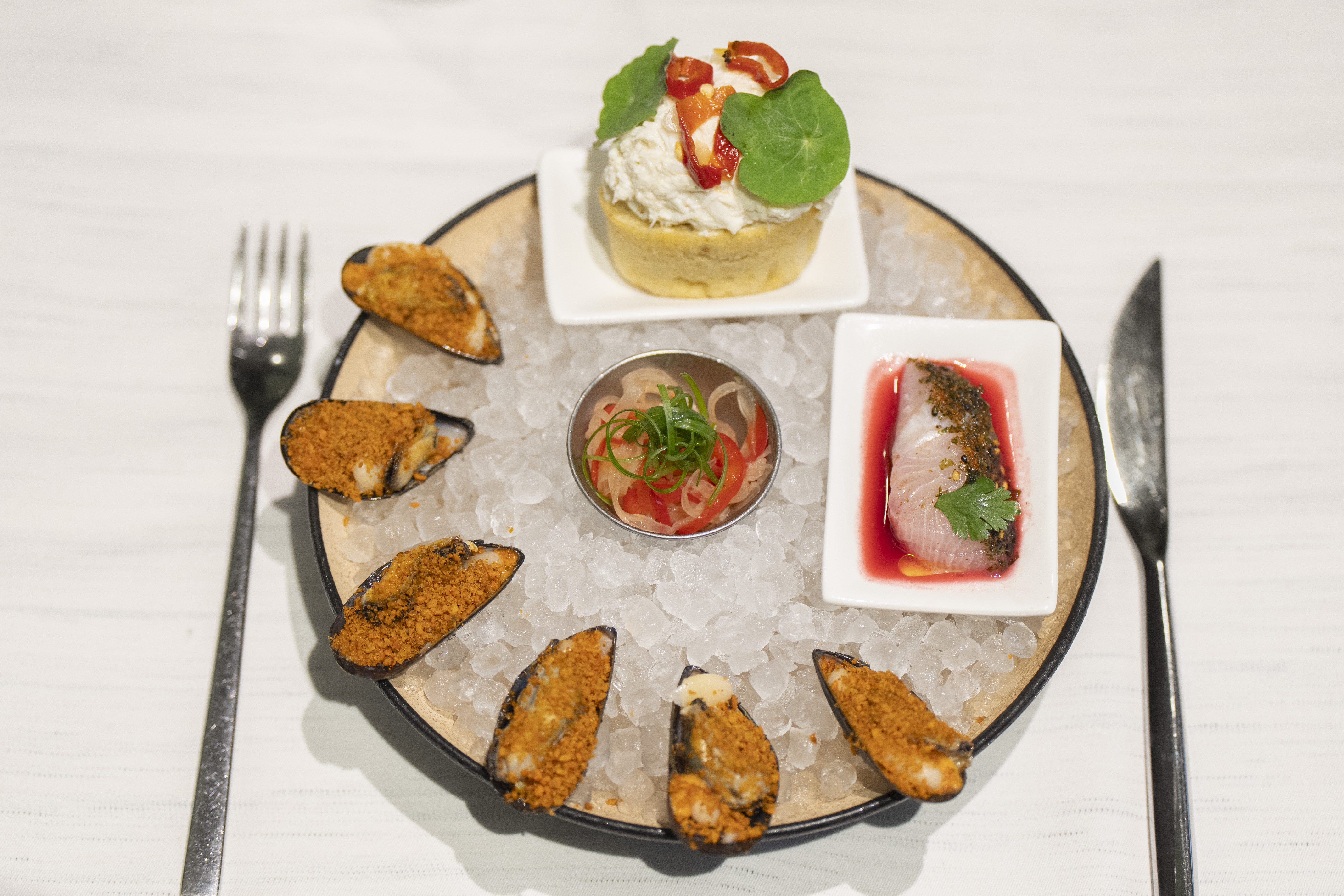
The evolution of Ocho has also brought changes to the food. Smith’s seafood plateau, a riff on the French shellfish tower, includes mussels poached and dressed escovitch-style with Jamaican red pepper sauce, butter bean salad, and pepita crumble. There’s also Japanese sea bream in a strawberry-hibiscus aguachile, and soft plantain coco bread topped with peekytoe crab salad, Jimmy Nardello peppers, and preserved lemon.
A seafood plateau from chef RJ Smith at the Rittenhouse Hotel.Jessica Griffin / Staff Photographer
Another dish reworks the Jamaican festival, a fried cornmeal dough, by stuffing it with braised oxtail and glazing it with curried honey. A 12-ounce New York strip comes over plantain purée with a jerk-spiced beef reduction, accompanied by aromatic rice, escovitch pickles, pineapple chutney, and a tropical fruit-pepper sauce.
The experience at the Rittenhouse is further preparing Smith for next steps. After building Ocho in borrowed spaces, he wants a place to call his own. “The natural evolution from here is to really find a home,” he said.
🦃 Enough with the turkey, stuffing, and endless parade of side dishes! Philadelphia food writer Carolyn Wyman ditched the traditional Thanksgiving spread 20 years ago, and she’s not looking back. Her alternative: inventive, one-dish holiday meals that deliver the flavors of Thanksgiving without chaining you to the stove.
🦃 And if you don’t even want to see the stove, Patrick Rapa offers 10 Philly-area spots doing the birdy work for an epic Thanksgiving dinner, whether you’re dining in or taking out.
Less than five months after opening, Soufiane at the Morris has undergone a sweeping menu change following a staff walkout over allegedly unpaid wages. Accounts differ sharply over what went wrong behind the scenes.
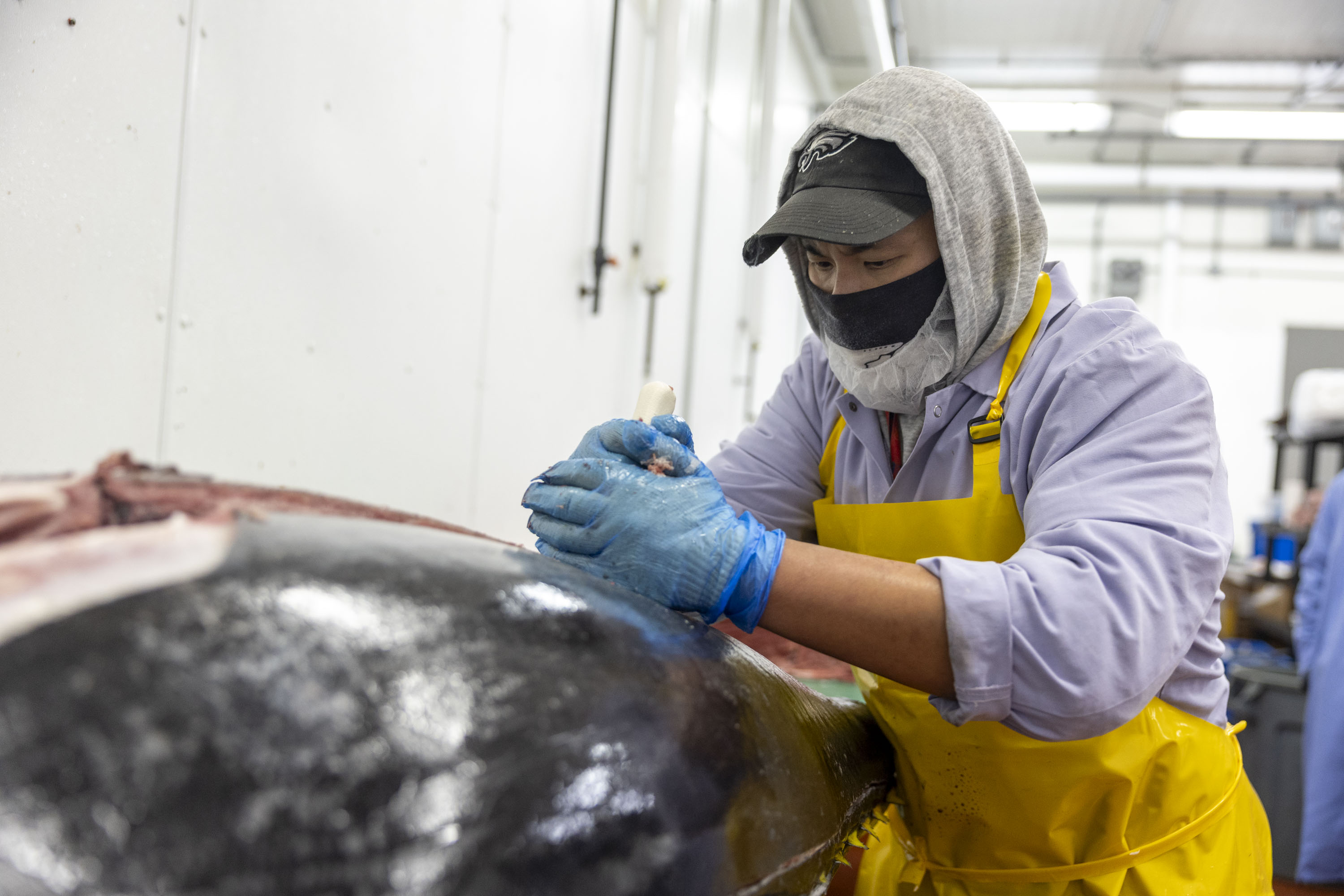
Once so overfished that conservationists urged diners to avoid it, bluefin tuna has made a comeback and is turning up on sushi menus across Philadelphia. Kiki Aranita explores how conservation efforts helped revive the population, why chefs prize the fish, and what concerns remain about its sustainability.
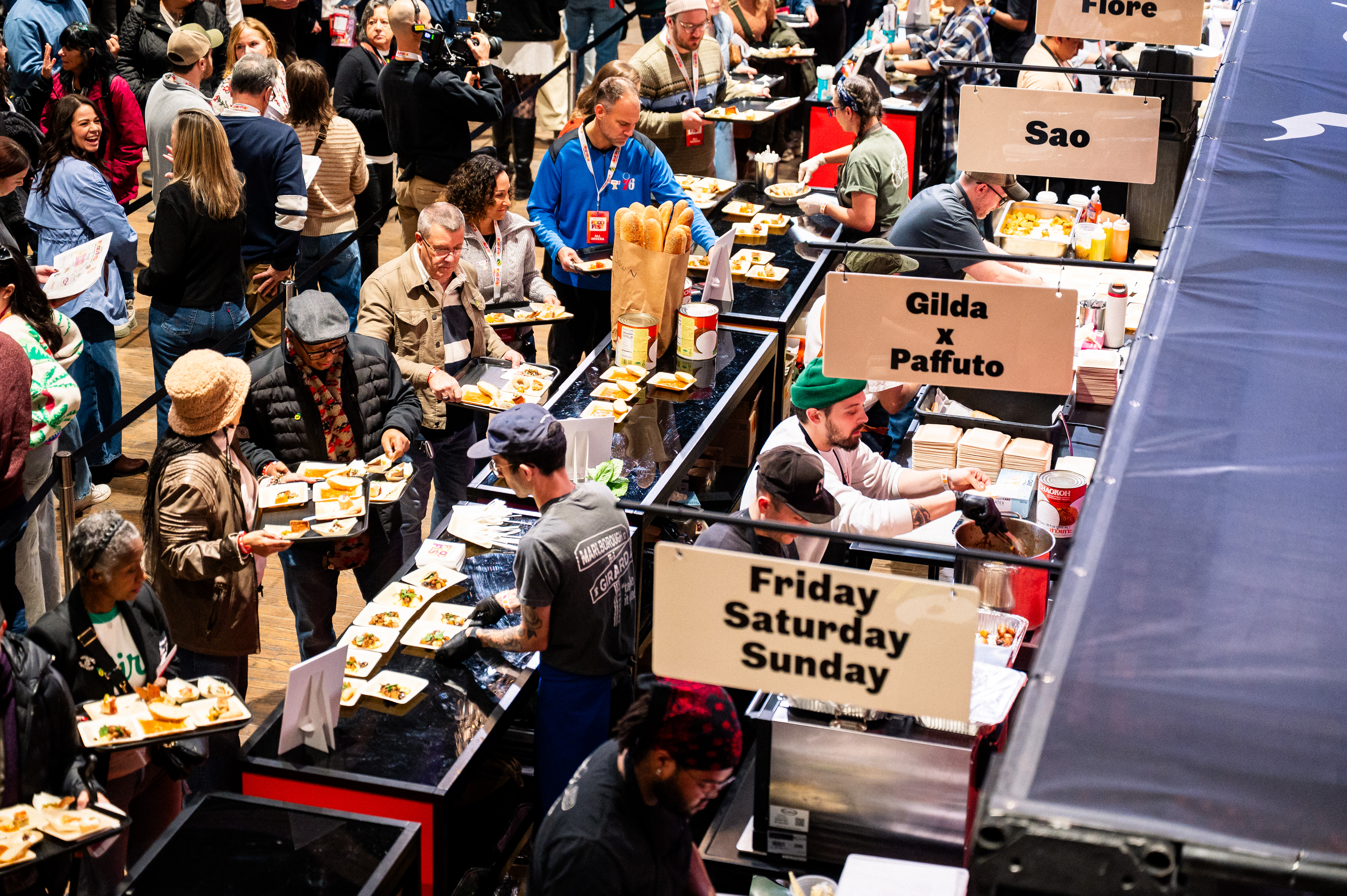
Another Inquirer Food Festival is in the books, and if you were among the 1,500 attendees last Saturday at the Fillmore, you got a sampling of the region’s food scene, including delicious bites (here’s my colleague Abigail Covington’s favorites) and even a baking contest judged by drag queens.
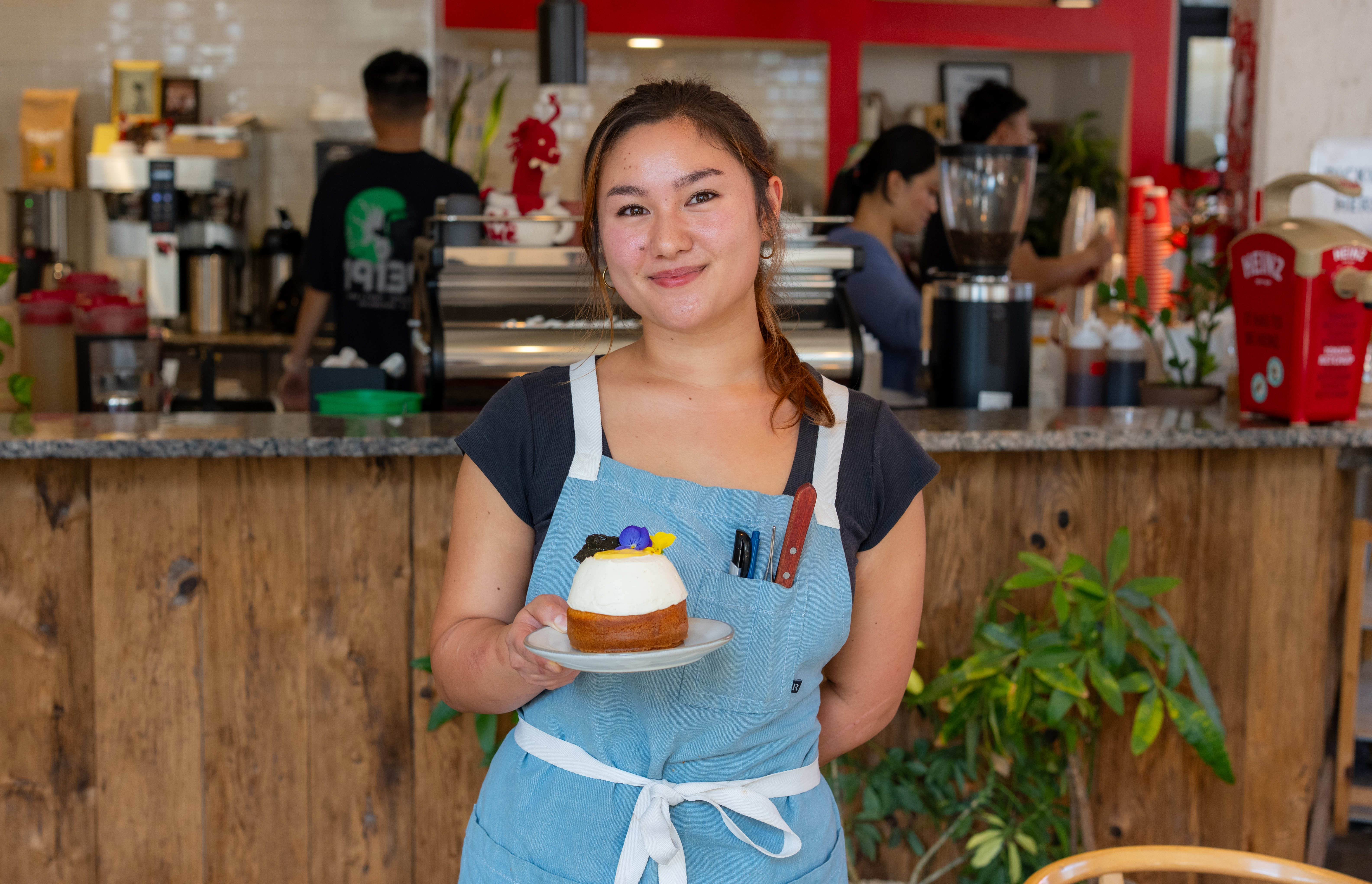
At Càphê Roasters, pastry chef Zoe DeLay is turning out Vietnamese coffee brownies, kimchi jjigae hand pies, and kabocha squash cheesecake. Kiki Aranita explores her inventive take on Asian American flavors.
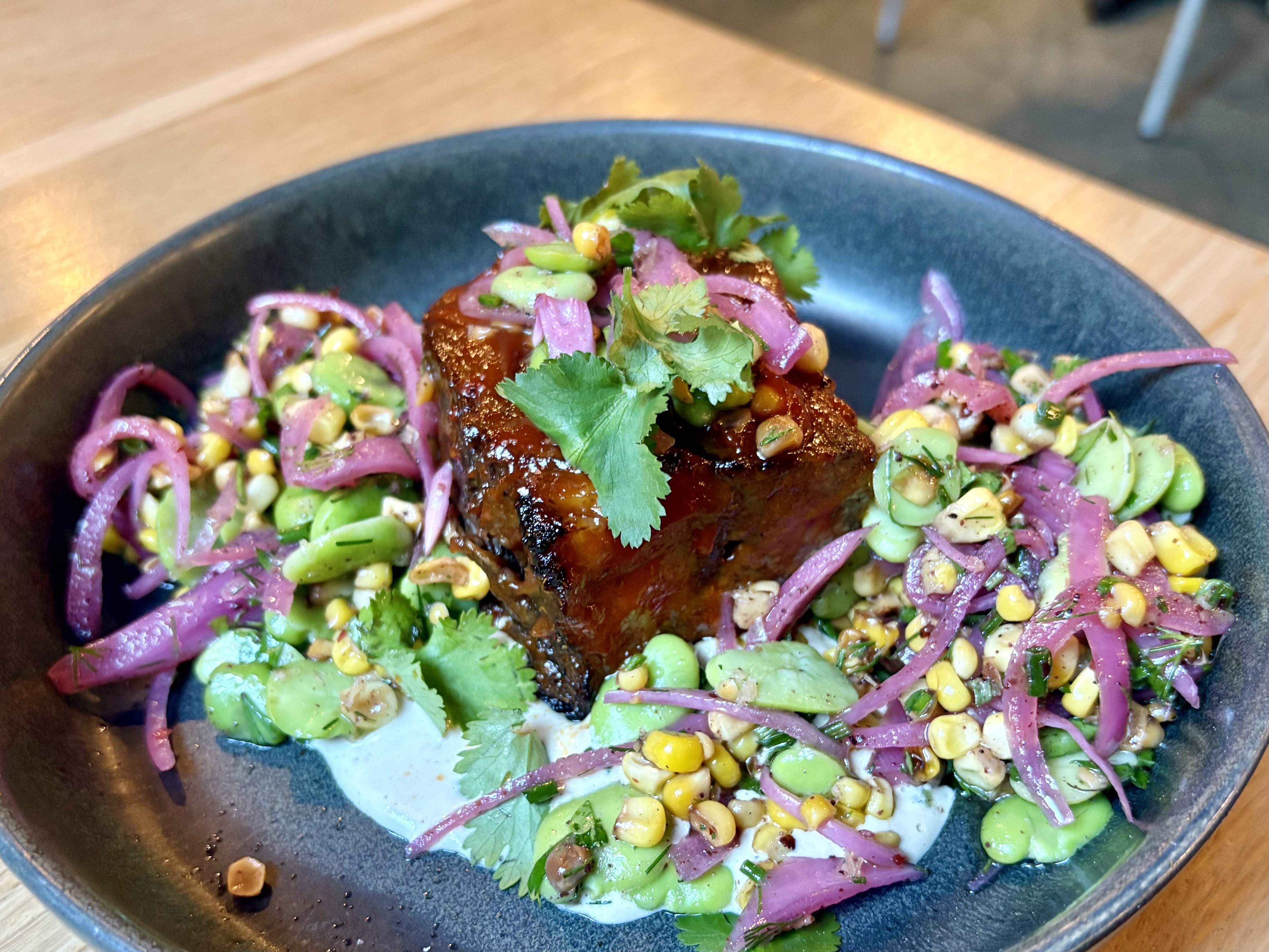
Is beef shoulder the new short rib? Critic Craig LaBan says Dizengoff makes a compelling case with its meltingly tender, slow-braised shoulder, finished in a blazing-hot pita oven with a sweet-tart glaze.
Scoop
Loretta’s, the popular Head House Square bakery and coffee shop, is planning a second location at 2227 Grays Ferry Ave., right off 23rd and South Streets, with an opening targeted for Memorial Day weekend. Owner Kelsey Bush said she and business partner Zach Morris chose the former Mad Cat Brewtique space partly because of strong demand from customers west of Broad Street. Like the original Loretta’s, which opened two years ago, the new shop will emphasize takeout, with about 10 indoor seats. Pastries will continue to be produced at the company’s Bloomsday bakery, where Bush plans to expand the five-person baking staff to at least eight.
Restaurant report
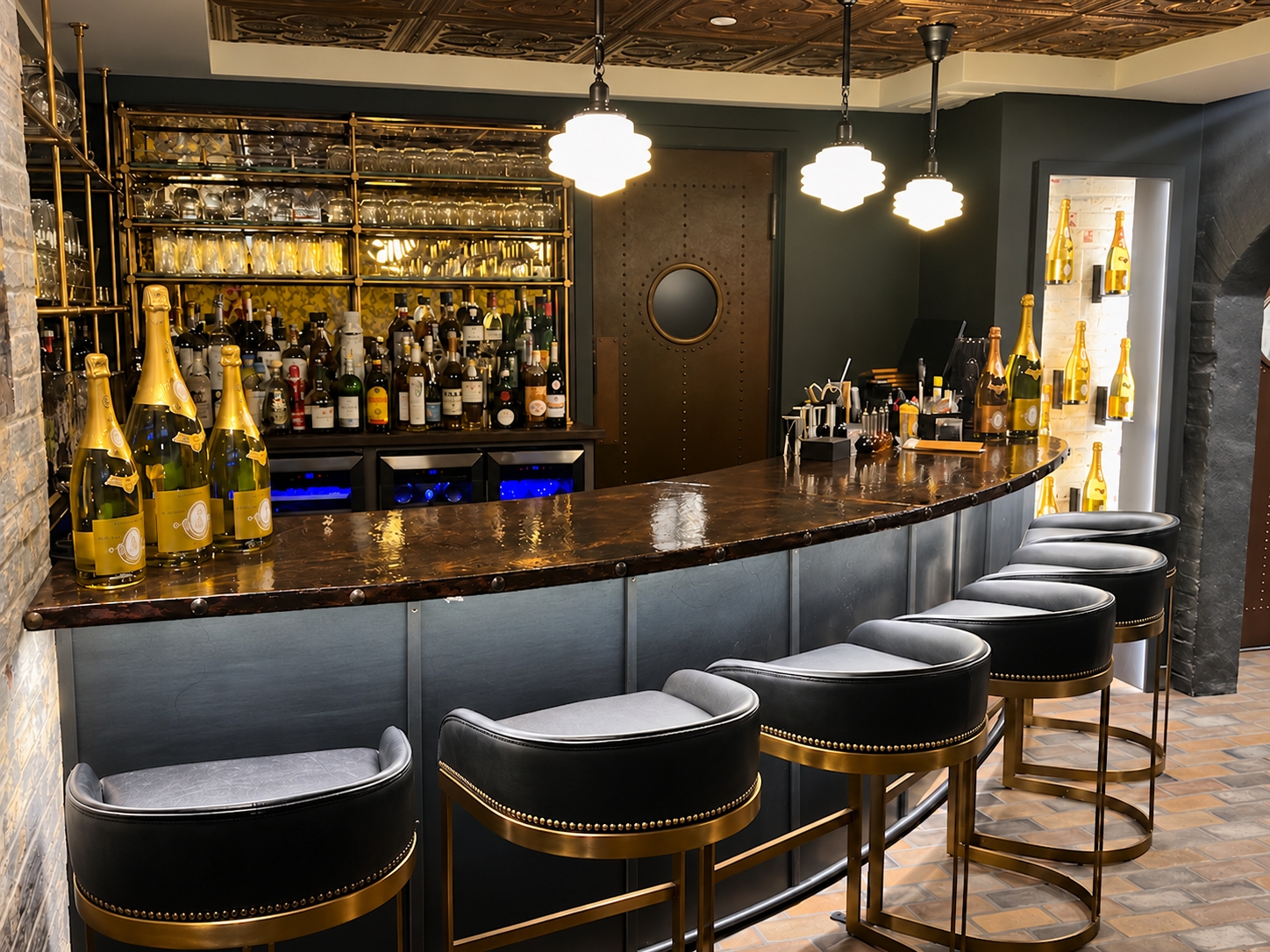
Bar Caviar, tucked into Rittenhouse’s boutique Dwight D Hotel (256 S. 16th St.), has soft-opened with 14 Champagnes by the glass, ranging from $35 for Louis Roederer Collection 246 to $495 for the rare Salon. The lineup from hoteliers Ken and Vittoria Schutz spans blends, blanc de blancs, blanc de noirs, and rosés, mixing historic houses and independent growers. Labels include Chartogne-Taillet, Dom Pérignon, Cristal, and Jacques Selosse. There are also 18 still wines by the glass, from caviar-friendly Muscadet, Vouvray, and Riesling to Tignanello and Jean-Louis Chave Hermitage. Cocktails include martinis, Champagne drinks, and a series of drinks named after local rivers, a la the Delaware, made with housemade black-cherry wishniak cordial, and the Schuylkill, inspired by Fish House Punch. Caviar service, oysters, and cheese boards lead the opening menu; hot dishes will be added soon. Initial hours: 4-10 p.m. Tuesday-Saturday.
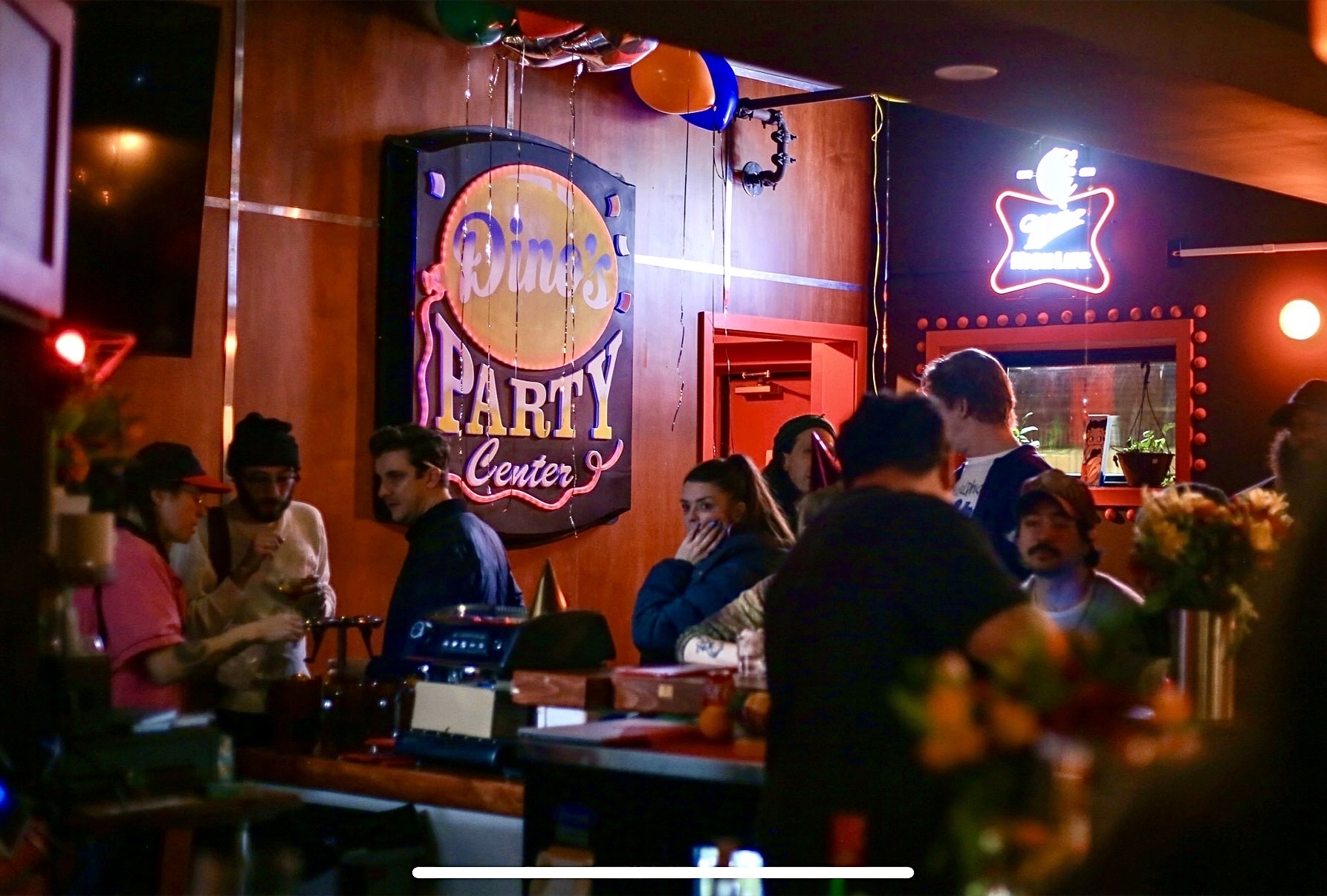
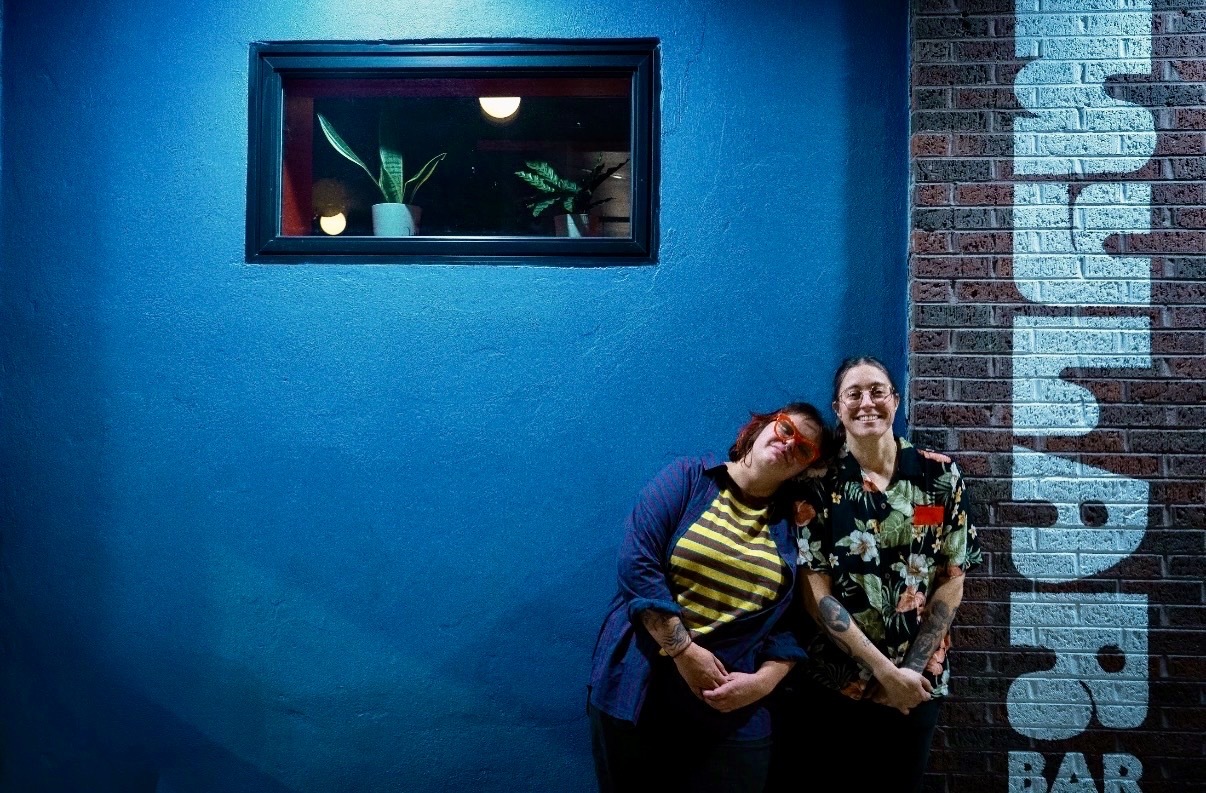
Mylar Bar, a cocktail bar at Ninth and Morris inspired by the spirit of the previous longtime occupant (Dino’s Party Center), opens tomorrow after a two-year renovation. Owners and veteran bartenders Liv Arterbridge and Gina Piccari have filled the former party-supply store (which moved across the street) with nostalgic touches and an intentionally unserious atmosphere. Cocktails include a freezer martini, the spiced-yuzu Bitty Fuel, and Punch for Parties, a rum-based riff on the sherbet punch Arterbridge grew up drinking in Western Pennsylvania. Chef Colin White’s menu leans into party snacks, including pork belly pigs in a blanket, deviled eggs, shrimp cocktail, and housemade party mix, alongside larger plates such as a chicken cutlet. Open daily (1638 S. Ninth St.) from 5 p.m. to 2 a.m., with food until 1 a.m. That’s Arterbridge at left and Piccari at right in the photo below.
Briefly noted
Weavers Way’s Chestnut Hill location will move and expand, and the co-op is not going far — just two doors down, into the former Iron Hill Brewery. Big news: The hot bar will come back.
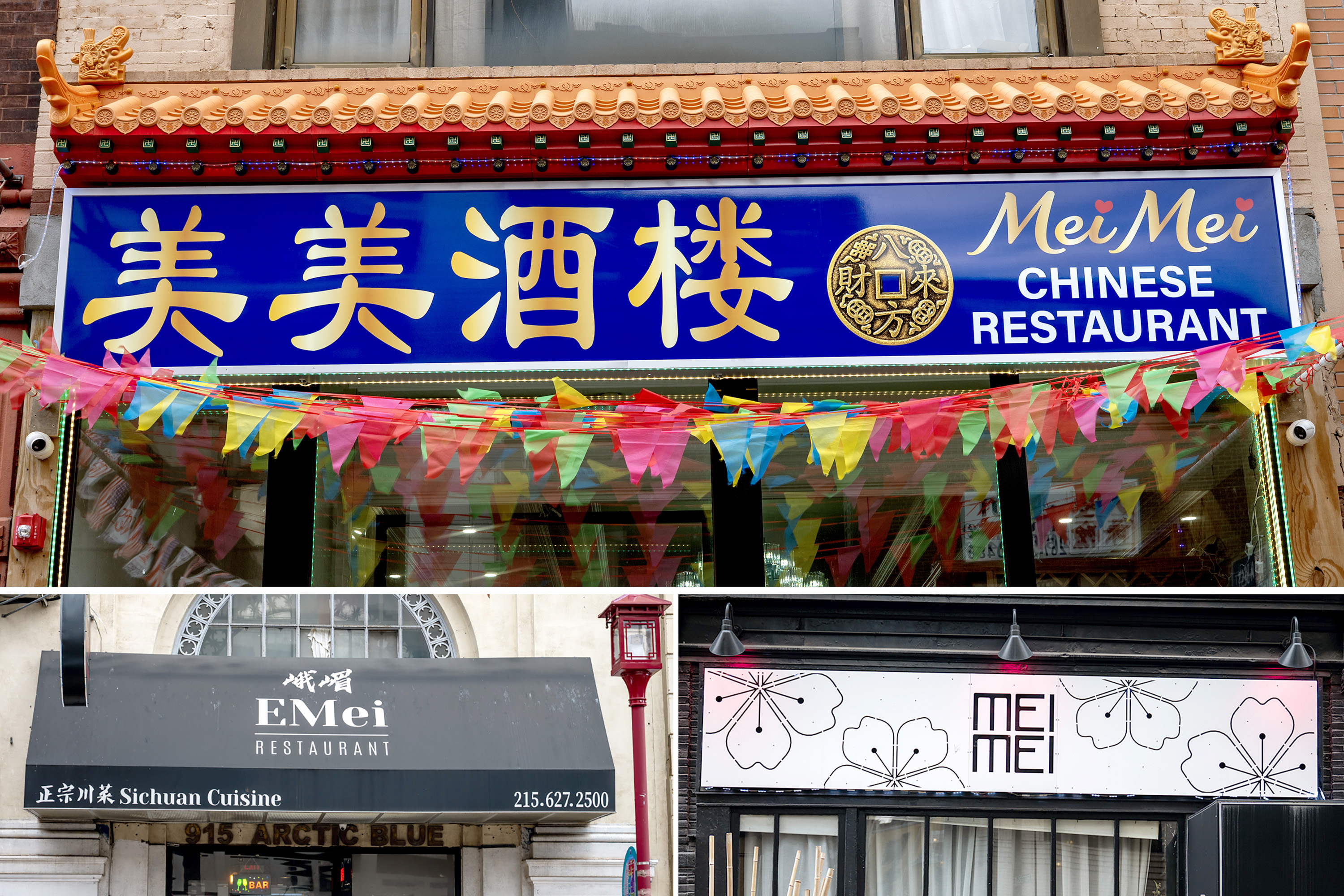
Mei Mei … EMei… Mei Mei again! What’s in a restaurant name? Sometimes, confusion. There’s a new Chinatown restaurant with a familiar name.
Sang Kee Peking Duck has opened a location in Gateway Shopping Center, just off Route 202 in Wayne, replacing R&G’s Ping Pong.
Chicken Salad Chick, a fast-casual chain specializing in chicken salad, opens its second Pennsylvania location (after Allentown) today in Providence Town Center near Collegeville, replacing Z! Eats. Franchisees Amanda Furiato, Ryan Metz, and Drew Christy are offering opening-day promotions including free chicken salad for a year for the first 100 customers; opening is 10:30 a.m.
BOTLD’s two-year-old location at 117 S. 13th St. in Washington Square West closed last Saturday. Owner Andrew Auwerda is prepping for a forthcoming seasonal pop-up of his bottle shop — which sells spirits that cannot be purchased elsewhere in Pennsylvania through a workaround to the state’s liquor laws — in King of Prussia Mall (start date TBD). BOTLD’s stores at 119 S. 18th St., where it’s paired with Tipsy Scoops, and its other holiday popup in Suburban Square in Ardmore remain.
Riverwards Produce in Old City is partnered with Stina chef Bobby Saritsoglou and his wife, Christina Kallas Saritsoglou, on Bakla-Vibes, a baklava-inspired smoothie made with walnut milk, Greek yogurt, orange, cardamom, cinnamon, honey, banana, and avocado. Through Nov. 30, $1 from each sale at Riverwards’ Old City juice bar (146 N. Bread St.) will benefit Philly AIDS Thrift, which Kallas Saritsoglou co-founded.
Haraz Coffee House’s Rittenhouse location (1822 Chestnut St.) soft-opened in late September. Grand opening will be Saturday with free drinks for the first 50 people between 2 and 3 p.m., half-price drinks from 3 to 4, and a free drink with a pastry purchase from 4 to 5 p.m.
Main Line Market & Co., a specialty cheese and charcuterie shop from sisters-in-law Michelle and Allison Merrill, opens Saturday at 72 E. Lancaster Ave. in Paoli, after more than a year of renovations to the former Main Line Seafood Market. The shop will sell cheeses, meats, prepared charcuterie boards, pantry items, and gifts, and offer grazing tables and charcuterie carts for events.
Schmear It brought home a medal at last weekend’s New York BagelFest. The mini-chain’s Philly long hot schmear (cream cheese, garlic-roasted long hots, and long hot pepper relish) won bronze in the “creative schmear” category.
❓Pop quiz
One of Philadelphia’s top Italian restaurants recently expanded. Which one?
It looks like there’s been activity in the old Royal Indian restaurant in Rittenhouse. Any intel? — Bruce H.
The location at 272 S. 20th St., between Heng Feng and Seafood Unlimited, will become a location of Tiffin, the Indian mainstay, in early December. Owner Munish Narula also reports that an opening of a franchise Tiffin location in St. Augustine, Florida, is due soon.
📮 Have a question about food in Philly? Email your questions to me at mklein@inquirer.com for a chance to be featured in my newsletter.
By submitting your written, visual, and/or audio contributions, you agree to The Inquirer’s Terms of Use, including the grant of rights in Section 10.
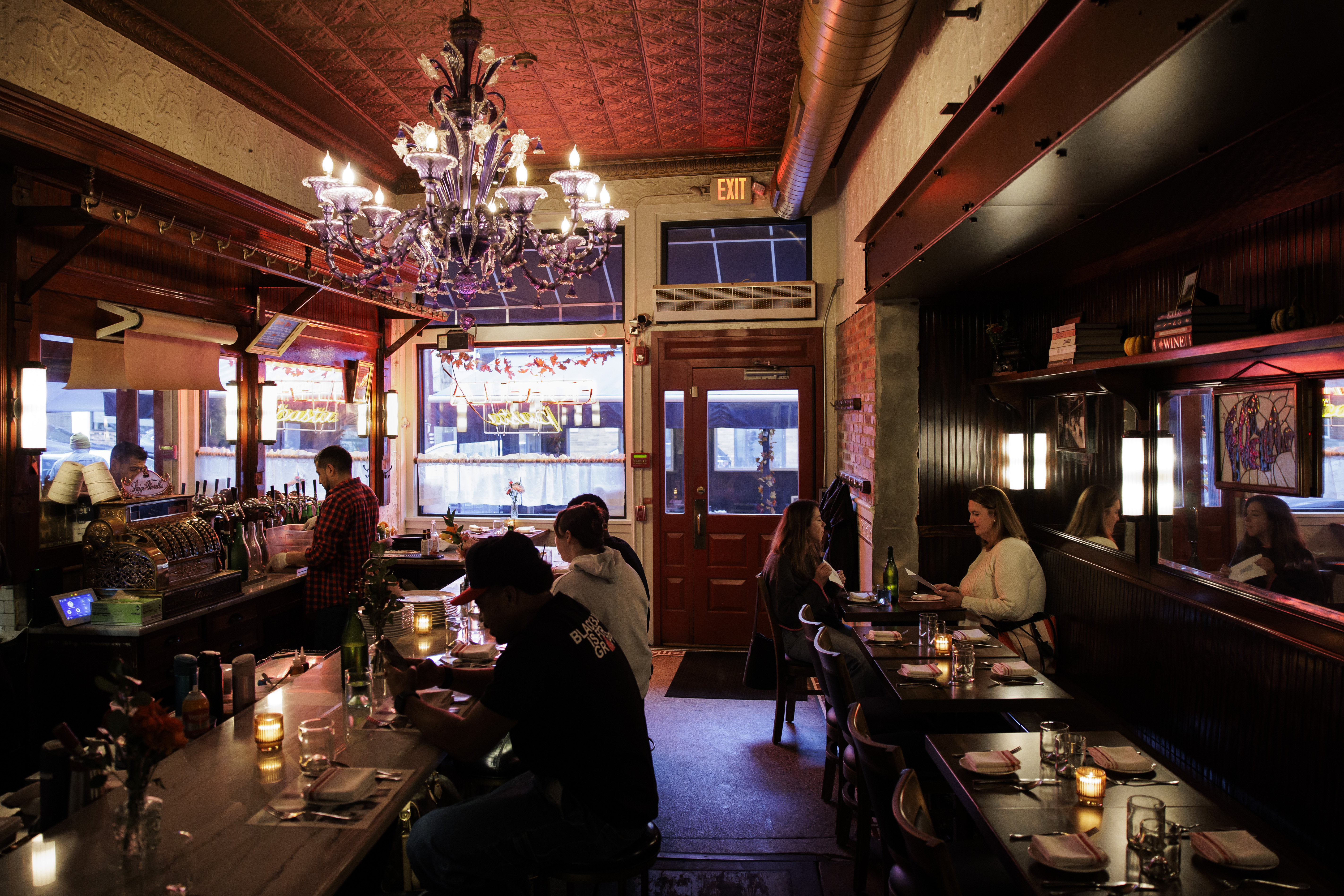
The alley next to Fiorella Pasta used to hold propane tanks, ladders, and random outdoor furniture. Now it’s home to an extension of the dining room at Marc Vetri’s South Philadelphia pasta bar.
With eight seats at three tables, it has boosted the indoor capacity by more than 50%.
Fiorella has been a tough reservation since opening in February 2020, just weeks before the pandemic shut down indoor dining for months. During the surge of streeteries, the restaurant added about 30 outdoor seats, which it has since used year-round.
But as temperatures drop, Vetri said, keeping diners warm becomes more difficult. With just 14 seats inside, including the counter and a couple of tables, plenty of customers were left out in the cold.
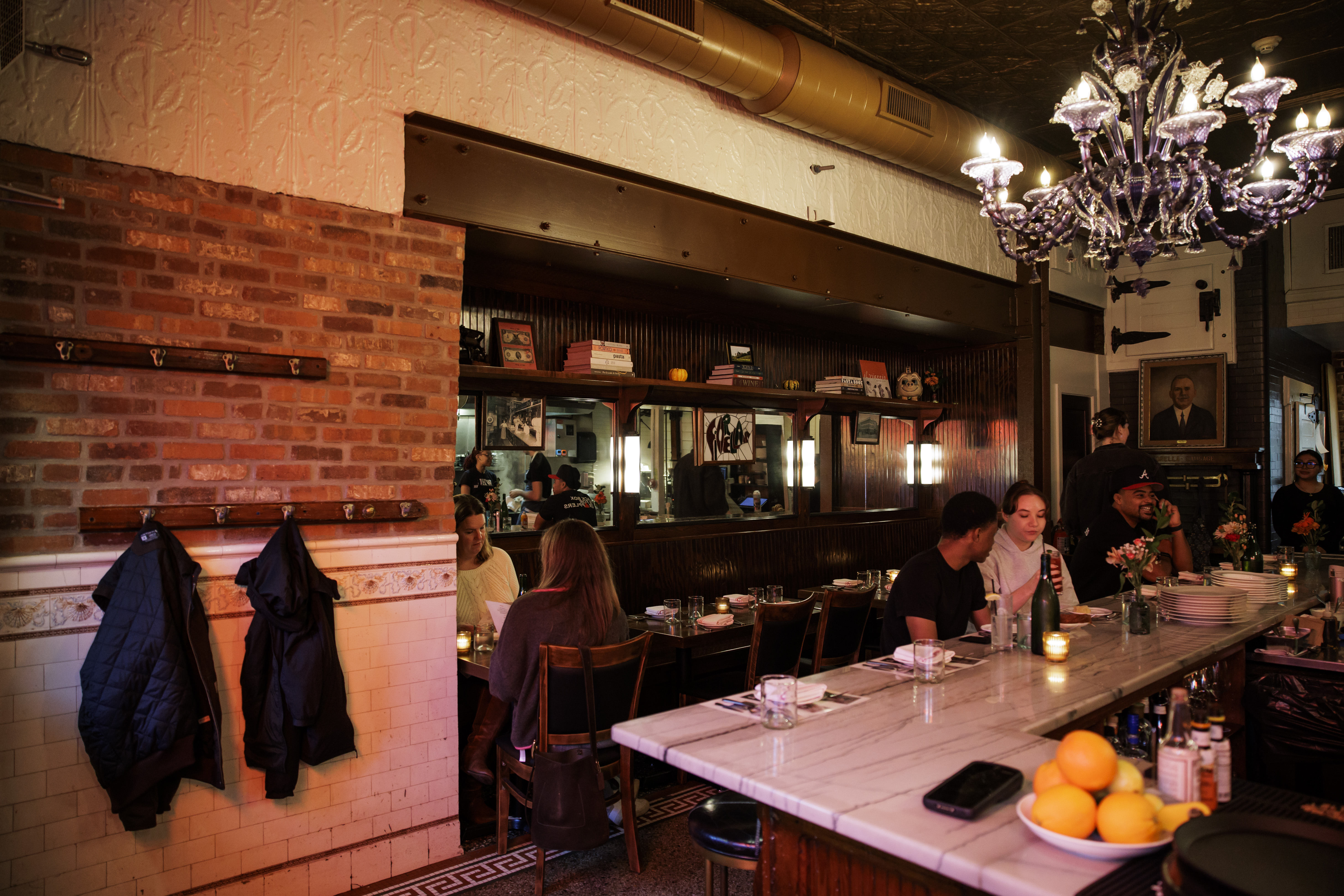
The recently renovated and enlarged interior at Fiorella.Monica Herndon / Staff Photographer
Vetri and his team began sketching out what they could fit if they removed the wall separating the dining room from the alley. Like homeowners cleaning out a basement, staff sorted through the alley’s accumulated items, throwing away what they could, Vetri said.
Then they broke through the wall — after removing and saving the former butcher shop’s decorative tile — and created a recessed nook framed with wooden paneling and mirrors, with a wooden bench for seating.
The conversion took about two months, with construction done during off-hours.
The new section blends into the dining room and faces the counter and open kitchen, where chef Matt Rodrigue turns out menu staples such as rigatoni with sausage ragù, ricotta gnocchi, and cacio e pepe, along with seasonal specials.
Fiorella occupies the former butcher shop that Luigi Fiorella opened in 1892 at 817 Christian St., near the Italian Market. Vetri had tested the pasta-bar concept at pop-ups in the demonstration kitchen at Vetri Cucina before bringing it to Christian Street.
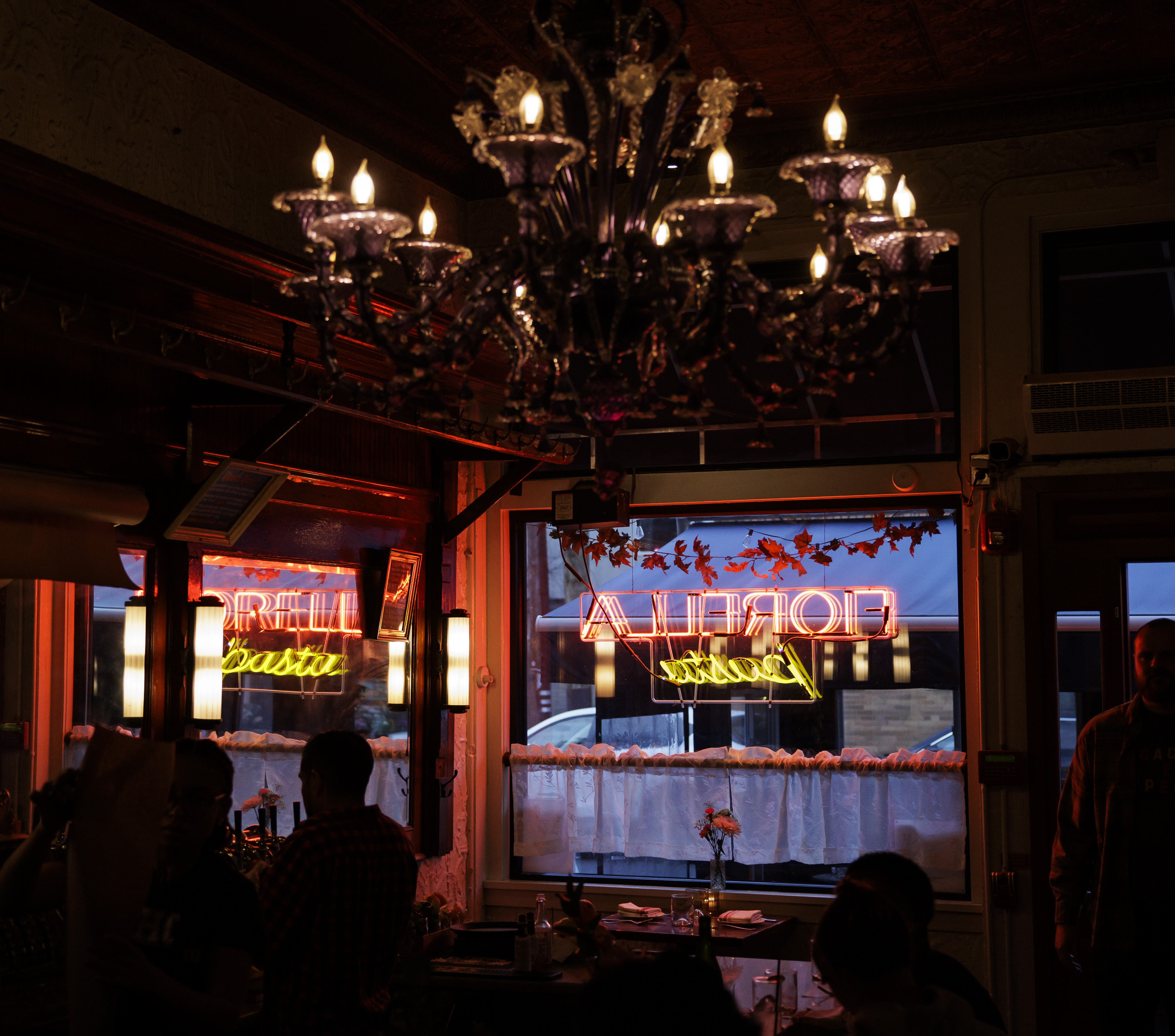
Fiorella glows in neon on Nov. 12.Monica Herndon / Staff Photographer
When Fiorella opened, customers could leave a phone number and wander the neighborhood while waiting for a seat. Today, it takes indoor and outdoor reservations through OpenTable.
As for the new dining area, Vetri said, “It looks like it was always there.”
The French classics are gone from Soufiane at the Morris. So is the chef who made them.
Less than five months after opening, owner Soufiane Boutliliss has taken over the kitchen at the Morris House Hotel in Washington Square West, replacing much of the restaurant’s French-Moroccan menu with dishes rooted in his Moroccan heritage.
The abrupt transformation followed an Oct. 3 staff walkout that temporarily closed the restaurant.
Chef-owner Soufiane Boutliliss in the garden at Soufiane at the Morris on May 27, during a preview.Elizabeth Robertson / Staff Photographer
Former executive chef Henry McGuigan and other employees said the walkout followed months of late and missing paychecks dating back to the restaurant’s opening in early June. McGuigan and two sous chefs were subsequently dismissed in what management called a financial and organizational restructuring.
Boutliliss acknowledged payroll delays but blamed administrative errors, excessive kitchen staffing, and his own failure to control labor costs. He said he had left too much responsibility to others.
“Maybe that was my mistake,” Boutliliss said. “I trusted people, and I paid a very high price for it.”
A turbulent start
Boutliliss, a Moroccan native raised in Paris, entered Philadelphia’s restaurant scene in September 2023 with Sofi Corner Cafe, a small, largely daytime restaurant on Locust Street. It developed a following for French café staples inspired by his Parisian husband, Christophe Mathon, and Moroccan specialties, particularly couscous and tagines.
Soufiane at the Morris was a much bigger undertaking, with a full bar, 45 indoor seats, and 55 outdoors at 225 S. Eighth St. McGuigan, whose resumé includes Zahav, Laser Wolf, Lucky’s Last Chance, June BYOB, and Tavern on Camac, was hired in the spring to oversee a menu ranging from escargots and steak frites to chicken tagine and couscous royale.
The bar at Soufiane at the Morris on Sept. 10.Tyger Williams / Staff Photographer
Growing pains are common at new restaurants, and turnover is a fact of life. But behind the beauty and grace of Soufiane’s historic hotel setting and secluded courtyard, the operation over the summer and early fall was anything but tranquil. Accounts of what went wrong differ widely, from who controlled staffing and spending to what prompted the walkout.
Employees described bounced paychecks, missed direct deposits, and mounting frustration. “People were not being paid and were very upset,” said Matthew Morphet, who was hired in July to oversee payroll. “They were already on the verge of organizing a walkout by then.”
Payroll problems
While Boutliliss insisted that every Soufiane at the Morris employee was paid, several employees said otherwise.
McGuigan said pay had been unreliable almost from opening day. Direct deposits failed to arrive, he said, and replacement paper checks sometimes bounced.
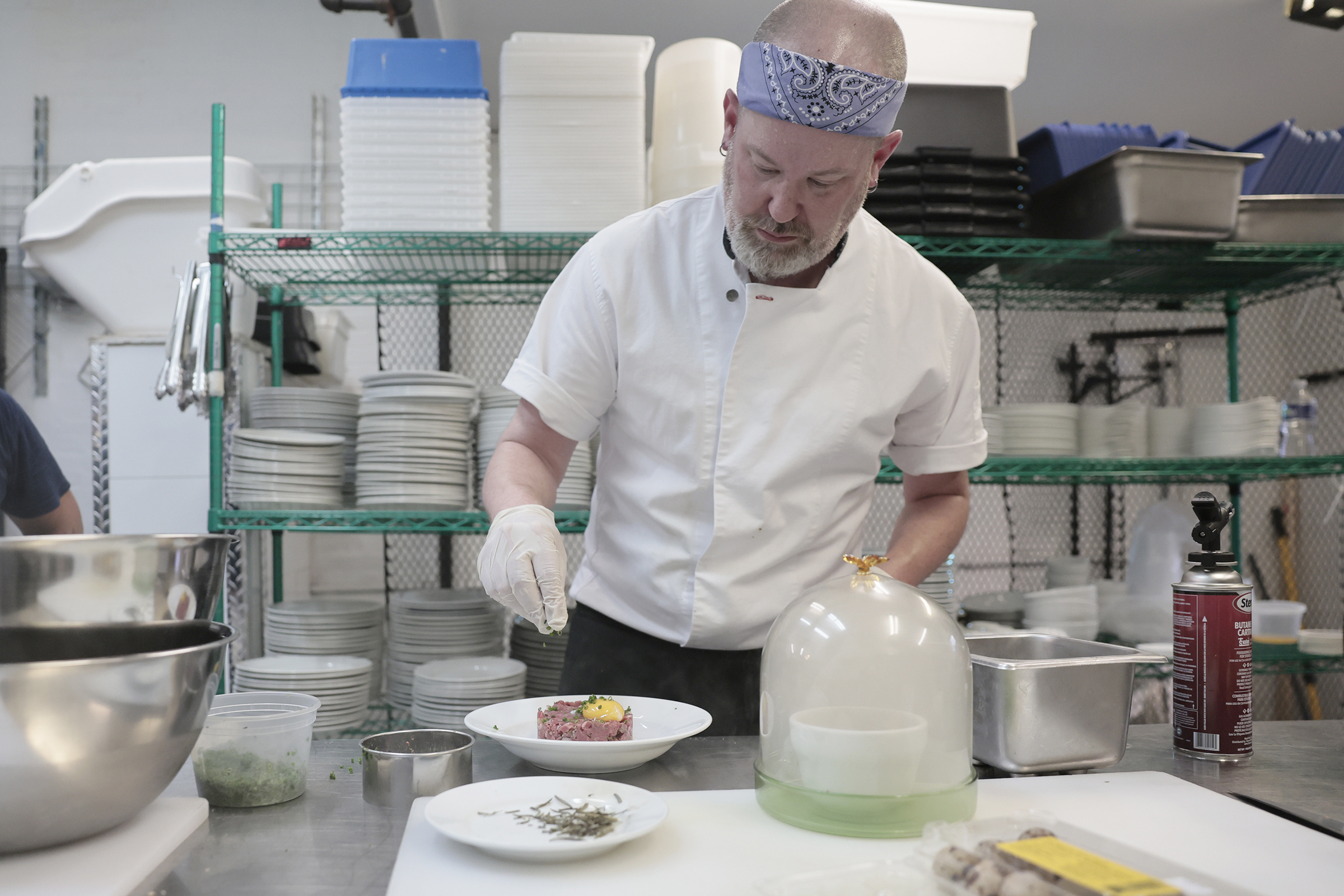
Chef Henry McGuigan plating beef tartare smoked under a cloche with lavender and quail egg at Soufiane at the Morris.Elizabeth Robertson / Staff Photographer
“We’d tell the staff, ‘I promise you’re going to get paid today. They told us the checks are coming,’” McGuigan said, referring to himself and other managers. “Then the checks wouldn’t arrive, or the money wouldn’t be there.”
Some employees quit; others confronted their managers. Several former employees, who requested anonymity because of Philadelphia’s close-knit restaurant community, corroborated the payroll problems and shared with The Inquirer documentation of their filings with authorities.
One bartender filed a claim with the state Bureau of Labor Law Compliance, alleging being owed $4,109. A server filed a wage-theft claim with Philadelphia’s Office of Worker Protections, alleging being owed $3,500.
McGuigan said he is owed $5,000 to $6,000 and is seeking legal counsel.
“I don’t care about the money I’m owed anymore,” he said, adding that he was more concerned about the hourly workers.
The bar at Soufiane at the Morris.Elizabeth Robertson / Staff Photographer
Boutliliss attributed delays to a former top manager’s tip calculations and incomplete employee records, which he said disrupted direct deposits and required payments by check. He also said some employees were on the books but never worked.
The former manager, who requested anonymity, showed The Inquirer records of two of her own biweekly payments she received through Venmo. One, sent July 10 from an account she did not recognize and marked “payroll,” carried a 2.99% seller transaction fee that she said she was asked to absorb. She pushed back.
The former manager, who described herself as biracial, also filed a complaint with the Equal Employment Opportunity Commission alleging that she was paid less than her predecessor, a white man. Boutliliss denied discrimination, saying their duties differed. The former manager said last week that the EEOC had ended its investigation. She was issued a right-to-sue notice, allowing her to pursue the matter in civil court, and said she is consulting her attorneys about next steps.
Decision-making in dispute
Boutliliss said labor costs had grown unsustainable. During the restaurant’s first month, he said, payroll reached roughly $90,000 against $60,000 in sales.
At times, he said, 11 kitchen employees were working while the dining room had only four occupied tables.
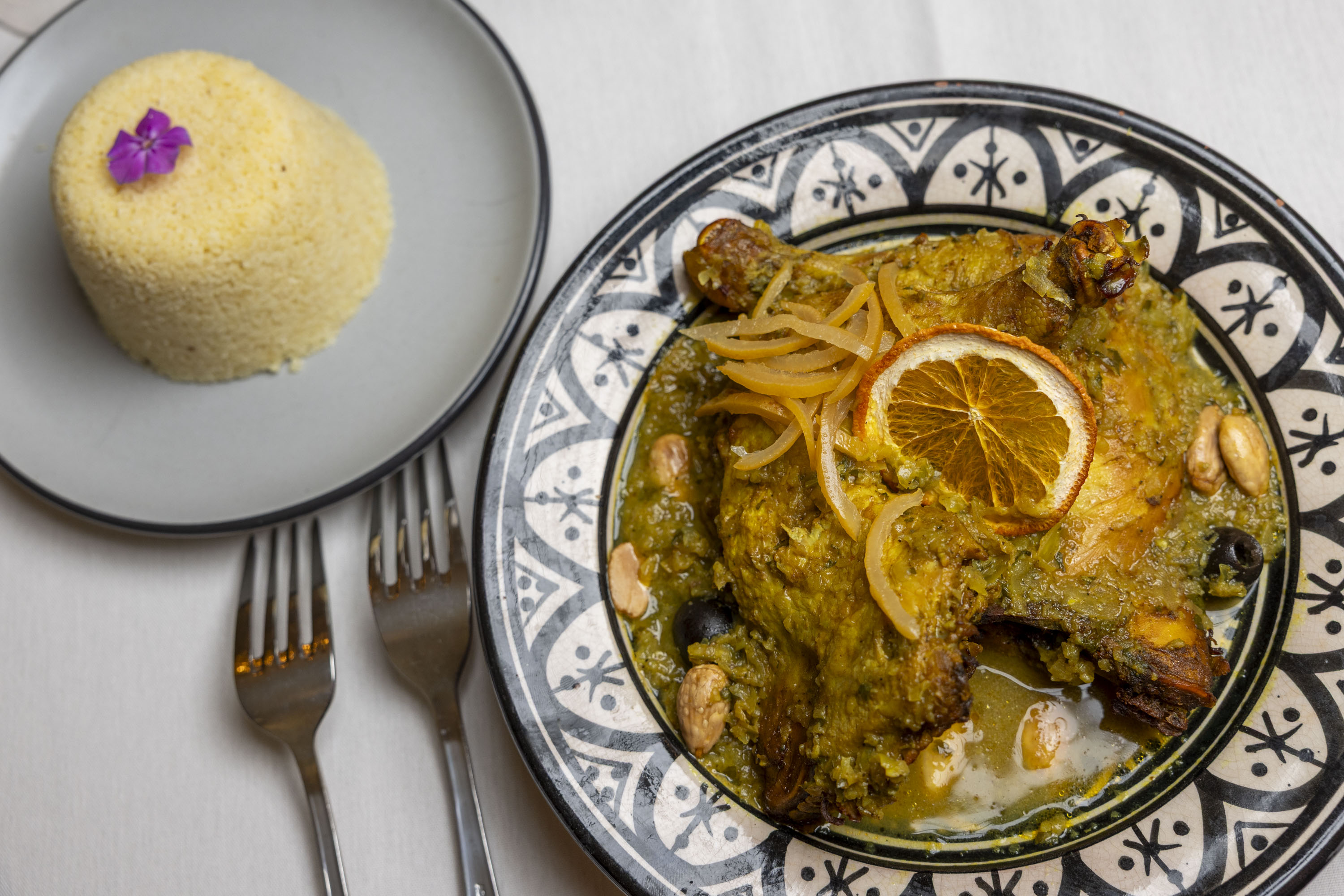
Chicken tagine remains on the menu at Soufiane at the Morris.Tyger Williams / Staff Photographer
He also questioned timekeeping practices, saying some employees recorded hours outside their assigned shifts or clocked in remotely. Some kitchen workers, he said, began at 7 a.m., although dinner service did not start until 4:30 p.m.
Boutliliss said he repeatedly asked McGuigan to cut costs.
McGuigan disputed that account, saying he kept kitchen labor costs at roughly 15% of sales — about half of the standard for a white-tablecloth restaurant.
He said Boutliliss received schedules in advance and regularly discussed staffing levels with him, including how hours were allocated among salaried and hourly employees. McGuigan said they frequently reduced staffing even after schedules were issued in order to control the cost of labor.
Boutliliss said he initially left scheduling to McGuigan and became more directly involved as problems mounted. Even then, he said, schedules that were supposed to arrive by Thursday frequently reached him as late as Sunday or Monday, leaving little opportunity for meaningful review.
Steak-frites were part of the menu before Oct. 3 at Soufiane at the Morris.Tyger Williams / Staff Photographer
He also said he saw employees working in the kitchen who had not appeared on the schedules submitted to him.
“Approving a schedule based on the information provided to me is fundamentally different from approving staffing arrangements that were never properly disclosed,” Boutliliss said.
McGuigan described Boutliliss as an absentee owner. “Not being there, you really can’t see what was going on day to day,” he said.
Boutliliss said he met weekly with McGuigan to address staffing and operational issues, only to be repeatedly assured that problems would be corrected.
The events also brought into focus another disagreement: how much responsibility Mathon, Boutliliss’ husband, had exercised over the business.
Public records identify Boutliliss as the restaurant’s sole owner. Boutliliss describes Mathon as an adviser at both Soufiane and Sofi Corner, not an owner or employee.
McGuigan and Morphet said Boutliliss routinely deferred to Mathon to deliver difficult messages and enforce decisions, casting Mathon in what McGuigan called a “bad cop” role.
Come Saturday, the restaurant had 100 reservations on the books.
McGuigan and the former manager said they approached Boutliliss about payroll in the morning. Boutliliss said he was transferring funds to cover it and told McGuigan that employees would be paid the next day or by Monday at the latest.
McGuigan said that front-of-house employees refused to work, making dinner service impossible, and that he and the kitchen staff subsequently left around 1 p.m. Boutliliss maintained that most front-of-house employees were willing to work.
The restaurant closed for the night.
On Oct. 6, McGuigan said, he received notice through the scheduling system that his employment had been terminated, effective immediately. Two sous chefs received similar notices, he said.
A smaller operation
The walkout and dismissals left Boutliliss to rebuild.
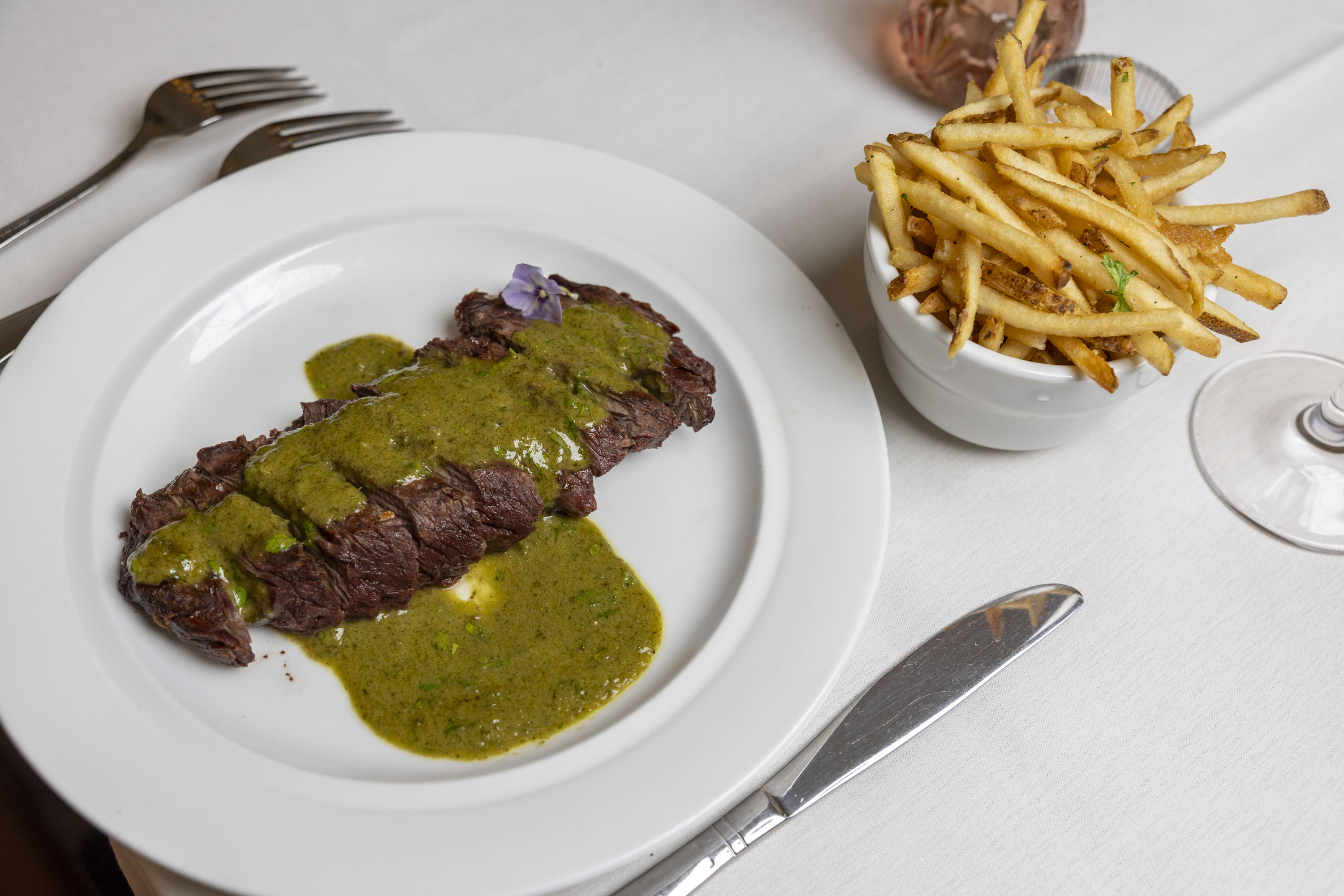
The restaurant now operates with a much smaller staff, and its menu reflects Boutliliss’ growing emphasis on Moroccan cooking, veering away from the French items — beef tartare, escargots, French onion soup, steak frites, and curried mussels — LaBan praised in his review. All have disappeared.
The chicken tagine remains, along with Moroccan pain perdu and lemon tart. Couscous royale, an elaborate platter of chicken, lamb, merguez, and vegetables, has given way to separate chicken and vegetable versions. Newer offerings include lamb and prune tagine, harira soup, and vegetable tagine. Quiche Lorraine and croque monsieur are among the few French holdovers.
Boutliliss recently added chicken pastilla, a savory-sweet Moroccan pastry, and plans to further explore Moroccan cuisine on future menus.
Asked whether he regretted taking on a project so much larger than Sofi Corner, Boutliliss acknowledged that the restaurant’s troubles had depleted his savings. With no outside investors, he alone bears the losses.
He hopes the leaner operation and a return to his Moroccan roots, which he said has been well-received, will put the restaurant on firmer footing.
“Sometimes you give someone a chance to build a career,” he said. “If you build your career and I build mine, we can grow together.”
Is beef shoulder the new short rib? Dizengoff chef de cuisine Quin Meyer is making a convincing case.
In the ongoing quest to transform CookNSolo’s popular hummusiya from its original incarnation as a fast-casual takeout hub into a full-service neighborhood restaurant, Meyer has experimented with a number of options for a beef entree that’s both delicious and fairly priced. The original plan, to feature a grilled-to-order skirt steak, proved to be cost-prohibitive (given the skyrocketing cost of beef), not to mention tricky to execute consistently.
So Meyer gravitated toward a more predictable slow-cooked solution with beef shoulder, a five-pound hunk of meat most commonly butchered into flat iron and blade steaks.
Meyer instead braises the big cut whole for five hours with onions and tomatoes until it’s meltingly tender. It’s then cut into half-pound bricks and caramelized to order in the blazing hot pita oven, where it gets lacquered with a tropical, sweet-tart passion fruit-amba barbecue sauce. The beef is served with a colorful succotash of fava beans, roasted corn, and sumac-dusted onions. When you pierce the meat with a fork, it unfolds with unctuous softness, not unlike a luxuriously braised short rib — but atnearly half the price of that popular cut.
The shoulder has proven to be one of the most popular entrees, especially for dinner, alongside Dizengoff’s za’atar roast chicken. It’s also a flexible canvas for whatever the season brings. The current rendition recalling the faded warmth of summer will soon shift into deep-fall mode, shined with a tangy date glaze over a garlicky celery root skordalia mash, with broccoli rabe and crunchy celery root chips. Along with the sides of turmeric rice and chopped cucumber-tomato salad that accompany every platter at Dizengoff, it makes for a hearty supper.
Gluten-free dining has come a long way from uninspired salads and disappointing bread. Philly-area restaurants and bakeries are now turning out gluten-free goods of all kinds, from flaky croissants and fresh pasta to pizza, pierogi, and fried chicken. Craig LaBan has updated and expanded his guide to the region’s best gluten-free options, including places that take extra precautions to prevent cross-contamination.
Here’s what you need to know about The Inquirer Food Fest, coming up Saturday at the Fillmore.
The all-day event, split into two sessions, features more than 50 of the region’s top Philly chefs, restaurants, and bakers for exclusive collabs, workshops, and off-menu dishes you won’t find anywhere else.
Now in its second year, it presents a perfect chance to scratch at least a dozen restaurants off your bucket list and hobnob with top Philly food folks.
Note that it will sell out, as it did last year, and there will be no walk-up admission.
For this year’s holiday gift guide, Sam Ruland asked Inquirer staffers to find gifts that feel distinctly Philly, from the genuinely useful to the wonderfully ridiculous. We came back with more than 60 tips, including ideas for food lovers.
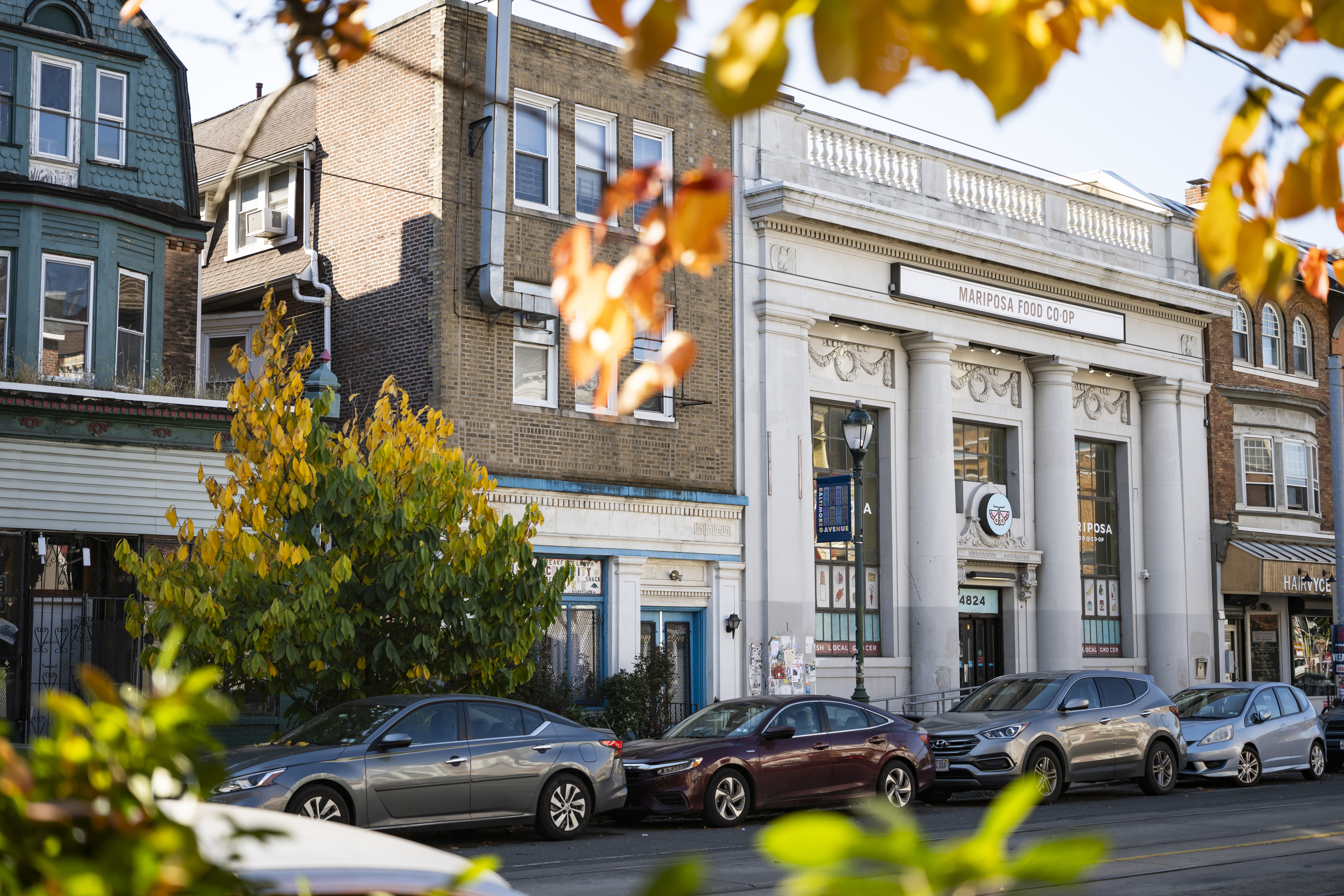
With 3,000 member-owners and a 55-year track record, the Mariposa Food Co-op looms large in West Philly. After years of declining sales and uneven inventory, Zoe Greenberg reports, the neighborhood is asking whether Mariposa can remake itself following the departure of the co-op’s controversial leader.
Chinatown’s newest restaurant is a 300-seater named Mei Mei. But with another already Mei Mei across town and the venerable EMei across the street, you may be confused. I unpack a name story that turns out to be far more about pathos than intellectual property.
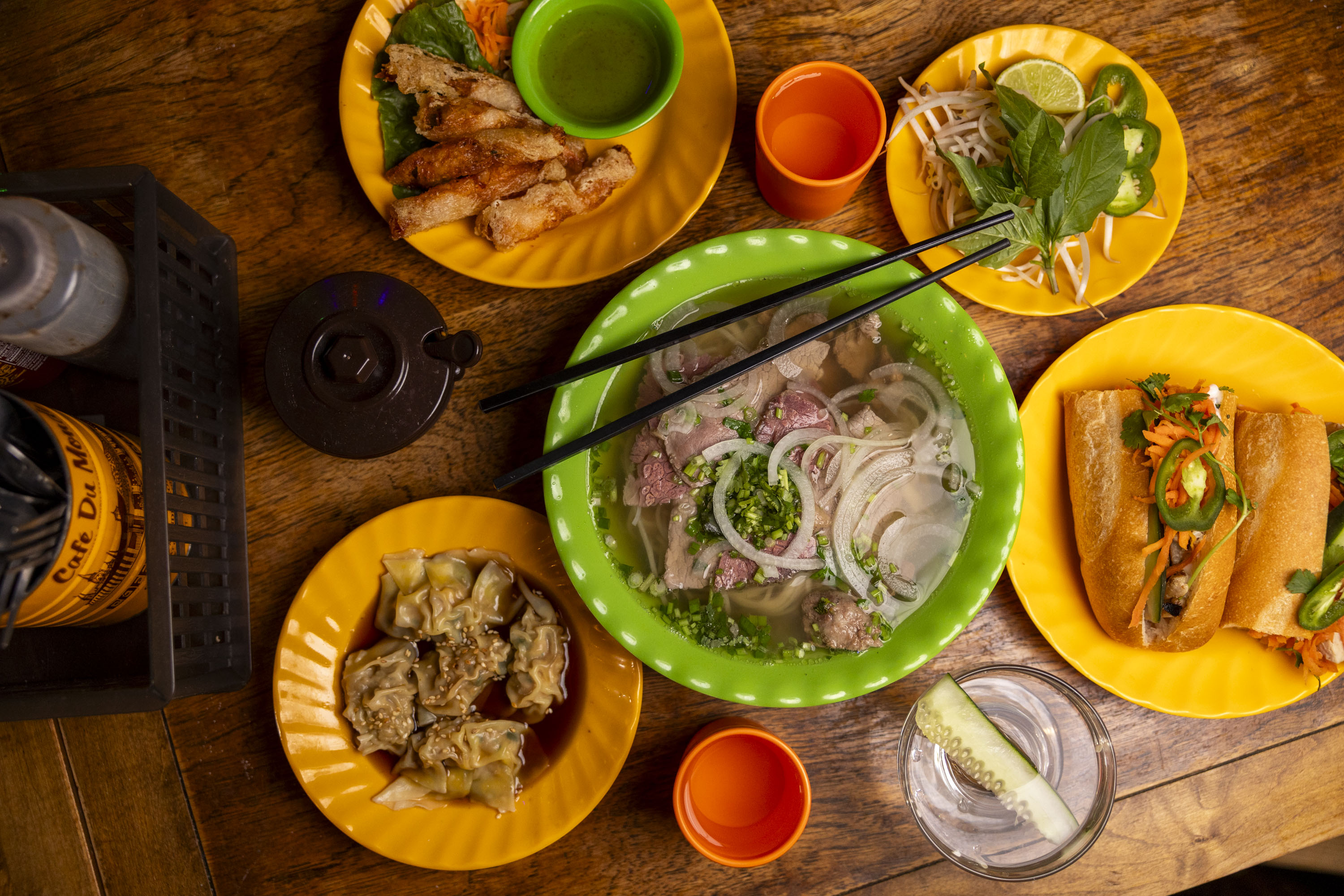
At Streetside, you ring a doorbell to enter a 30-seat Vietnamese restaurant that doubles as a whimsical streetscape, complete with painted storefronts, a gift shop, and karaoke upstairs. Kiki Aranita visits and enjoys menu selections such as grandmother’s pork-and-chive dumplings, pho, banh mi, and Vietnamese-inspired cocktails.
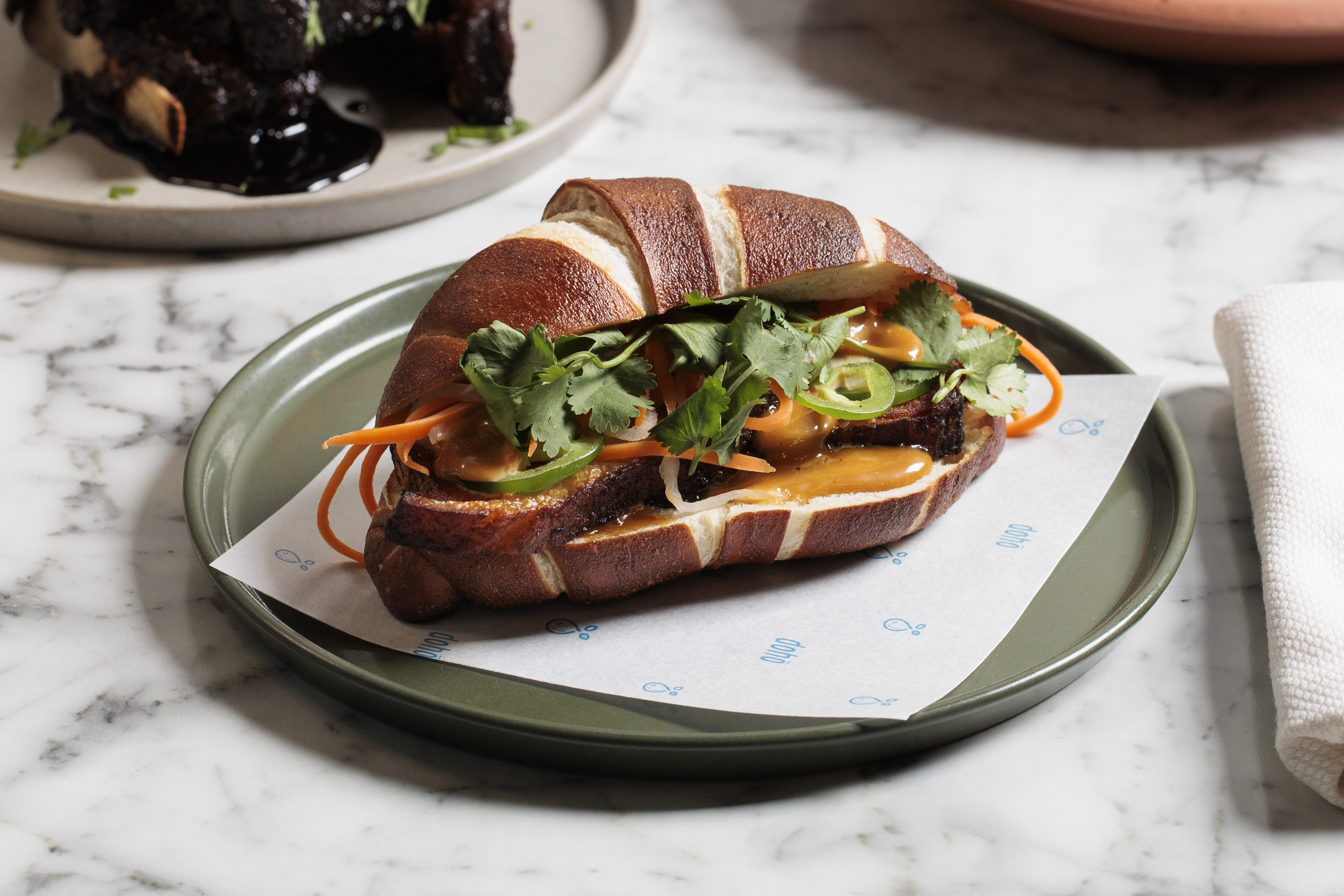
Mount Airy has a solid date-night destination in Doho, where a globe-trotting menu includes fish sauce caramel-glazed lamb ribs, sweet potato tostones, and a pork belly banh mi on Japanese salt bread. Jenn Ladd checks out the inventive small plates and cocktails — and explains why you might want to skip sharing.
Scoops
New York Bagels in Overbrook Park is coming back at the end of the month. Owner Rayyan Kayyali, whose kosher shop was destroyed last spring by two oven explosions about two months apart, told me that the insurance company has relented, allowing him to secure a new oven with more capacity. Stay tuned for the opening date.
Nifty Fifty’s is coming to the newly renovated Andorra Shopping Center, next to Honeygrow on Ridge Avenue. Jackie McGlynn, whose family owns the retro-diner chain, says it’s targeting next spring. This location will be smaller than the norm and will be a model for a concept that they’re positioning for franchising; menu will be limited to milkshakes, sodas, smothered fries, chicken nuggets, split grilled hot dogs, and the signature homemade chili. Opening sooner in the shopping center will be Andorra Kitchen & Tap in the former Applebee’s space, positioned as an all-day neighborhood gathering place serving breakfast/brunch, lunch, and dinner, with a full bar and dedicated coffee area for the morning.
Restaurant report
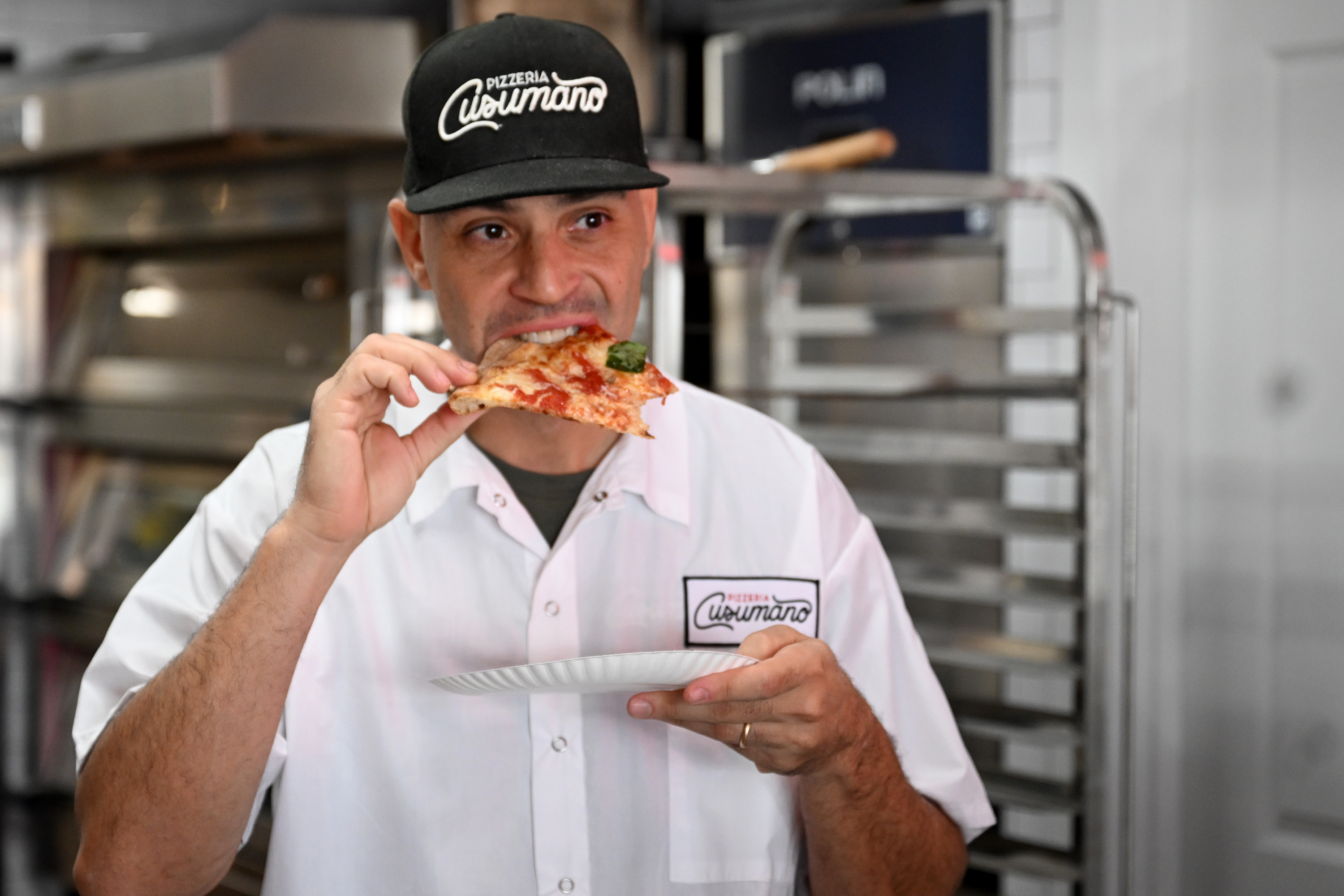
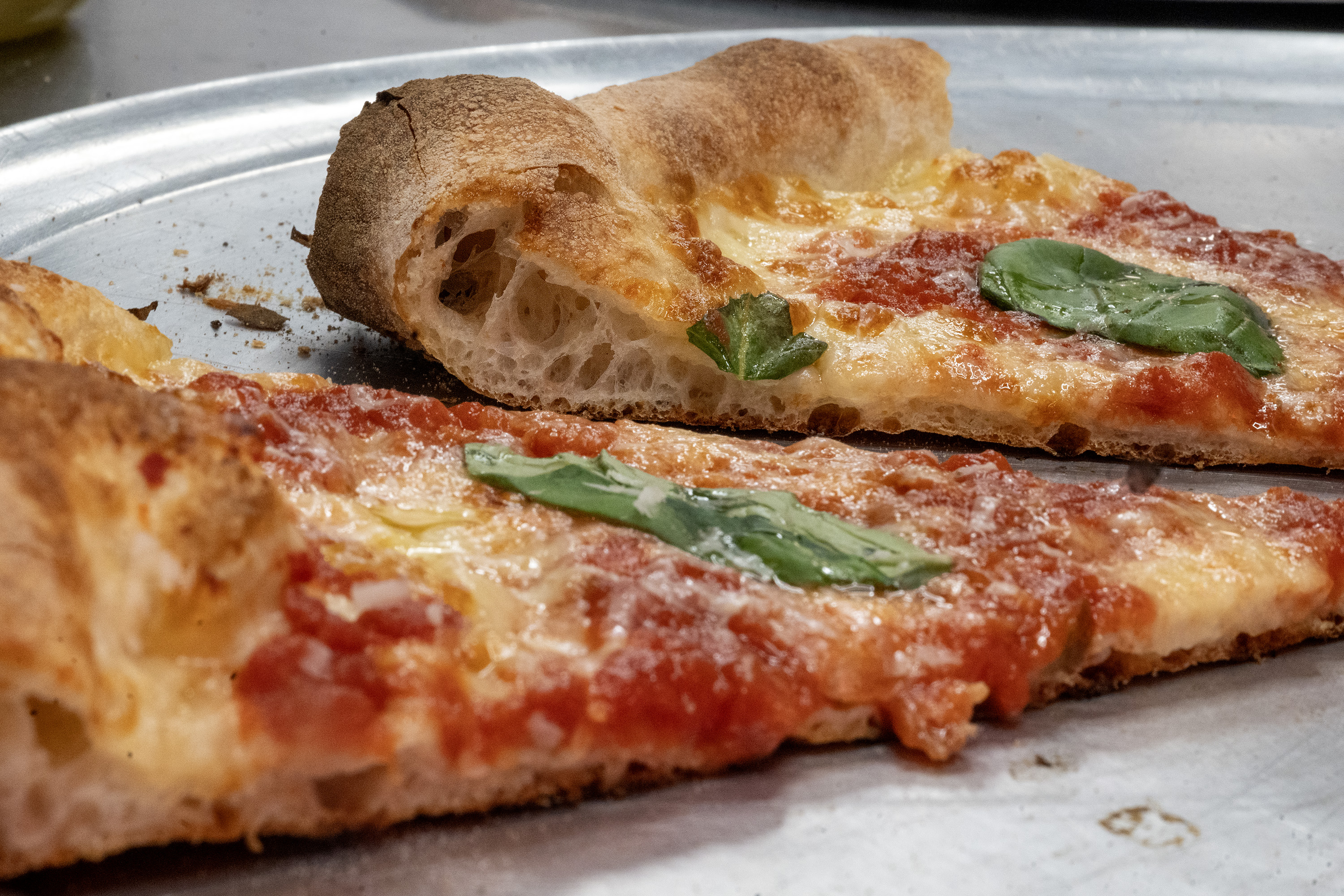
I first met Sal Cusumano in August 2021 at his pizzeria in Berlin, Camden County, where he was obsessing over his dream pizza formula. Five years and a gazillion details later, he is preparing to open Pizzeria Cusumano in Collingswood. He says he is happy with the pizza (and I concur wholeheartedly), but he’s still tinkering and probably always will be.
Briefly noted
Pitruco Pizza is celebrating 15 years since childhood friends Nathan Winkler-Rhoades and Jonah Fliegelman launched their wood-fired pizza business from a bright red trailer in LOVE Park. Now operating two trucks and a stand at Franklin’s Table in University City, Pitruco marks its anniversary Monday with free meatball sandwiches and chicken wings from its original 2018 menu from 5 to 7 p.m. at Franklin’s Table, 3401 Walnut St. Next Tuesday through Friday, the truck will serve its original 2011 menu at 2011 prices.
Edd’s & Flo’s Artisan Bakery Cafe, which closed in Lancaster in September ahead of a move to Philadelphia, is taking Thanksgiving pie preorders. Owners Meghan Young and Sebastian Schuck are baking out of Culinary Collective while they develop their new bakery-cafe, whose location has not been finalized. They’ve partnered with Lost Time Brewing to offer pie pickups at its Francisville and East Kensington locations. Details are on Instagram.
Lee’s Hoagie Housein Abington is collaborating with Philly influencer Lizzy Friedman (aka Lower Merion Foodie) on a gobbler hoagie (roast turkey, stuffing, gravy, and cranberry sauce, $16.50) as a benefit through November for the Abington Police Athletic League.
The Fine Wine & Good Spirits store at 2717 N. American St. in West Kensington has reopened after a six-month renovation.
❓Pop quiz
A local chef boasts that she’s been feeding an A-list celeb who is in town filming. Who?
How is New Ridge Brewing coming along after their fire? — Pete M.
Roxborough’s New Ridge Brewing, closed since January, is finally showing progress. Partner Chris Endrikat told me that brewing tanks are due to arrive soon, with hopes they can reopen in early 2027 with a kitchen partner handling the food.
📮 Have a question about food in Philly? Email your questions to me at mklein@inquirer.com for a chance to be featured in my newsletter.
By submitting your written, visual, and/or audio contributions, you agree to The Inquirer’s Terms of Use, including the grant of rights in Section 10.
For three years, Tony Ren worked to turn a former traditional Chinese-medicine pharmacy in Chinatown into an enormous restaurant, with three floors of dining, banquet, and private karaoke rooms.
He named it Mei Mei, after his wife.
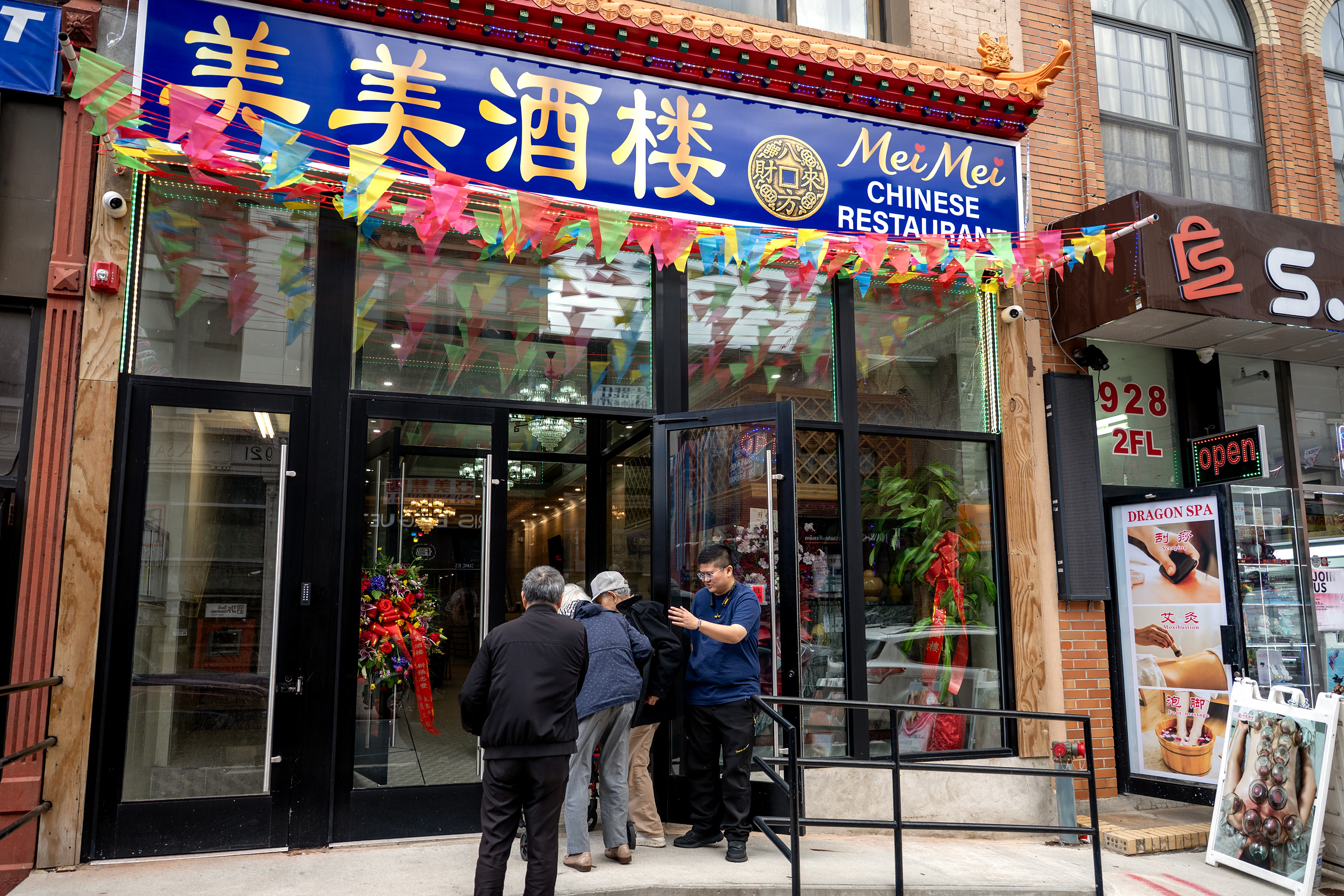
He never got to see it open. Ren, a construction company owner who suffered a debilitating stroke in August 2024, died June 14. His wife, Mei, and their son, Atom, finally opened Mei Mei at 926 Arch St. last week.
Without realizing it, they walked into a restaurant-name dispute.
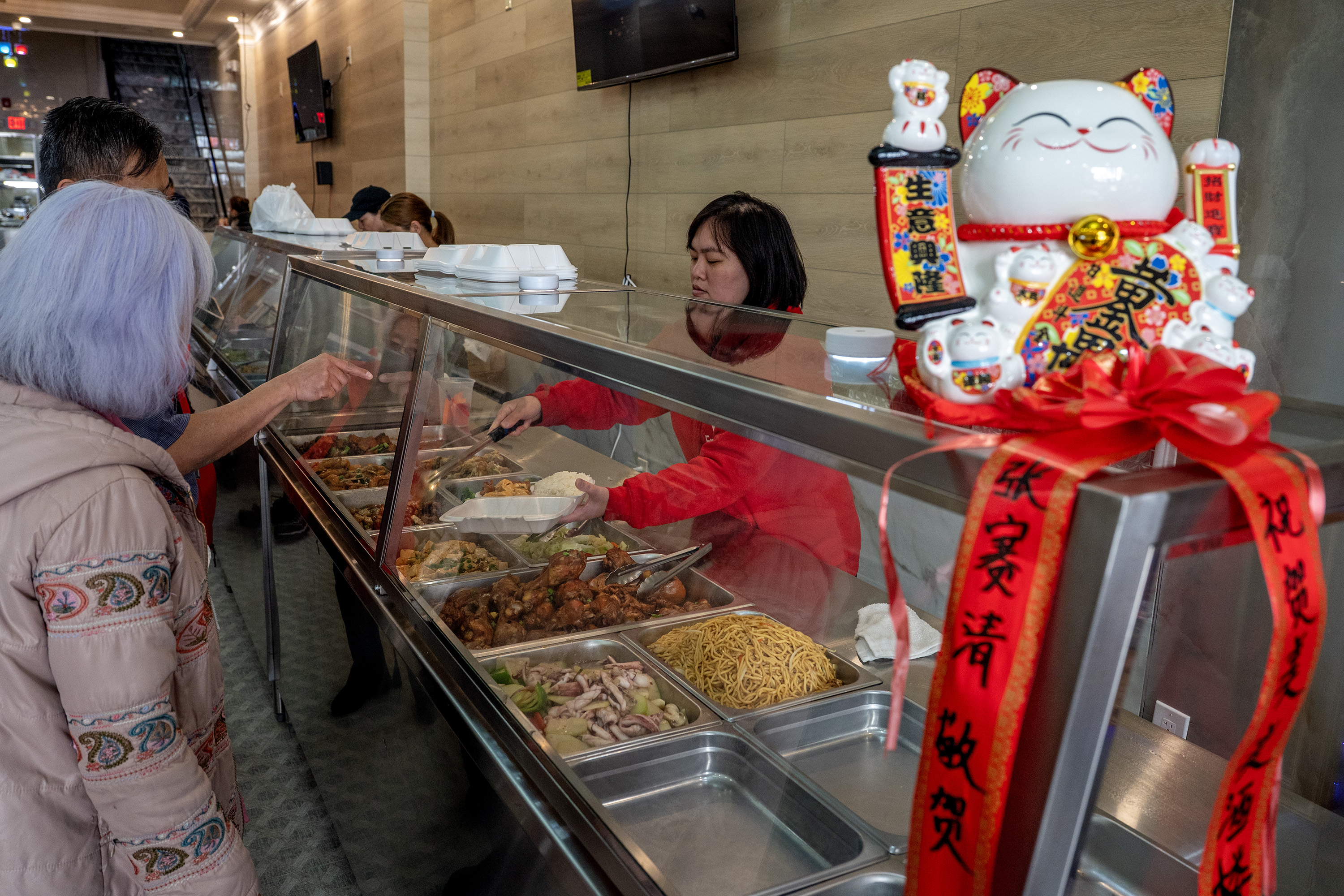
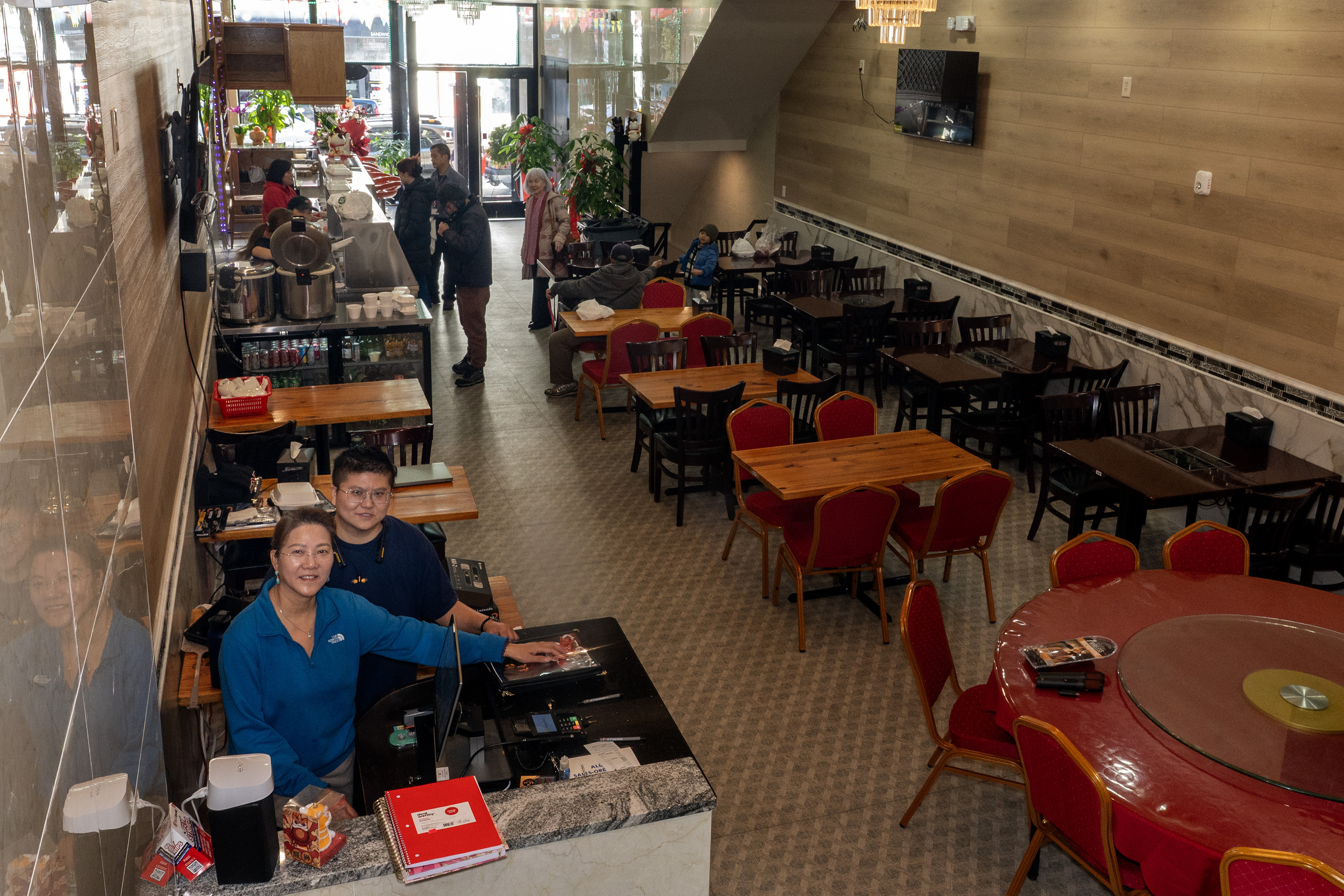
Customers line up for the $8.50 lunchtime buffet at Mei Mei, 926 Arch St. Tom Gralish / Staff Photographer
Philadelphia now has two Mei Meis in Center City. To complicate matters, a third restaurant with a similar name, the popular EMei, is directly across the street from the newcomer.
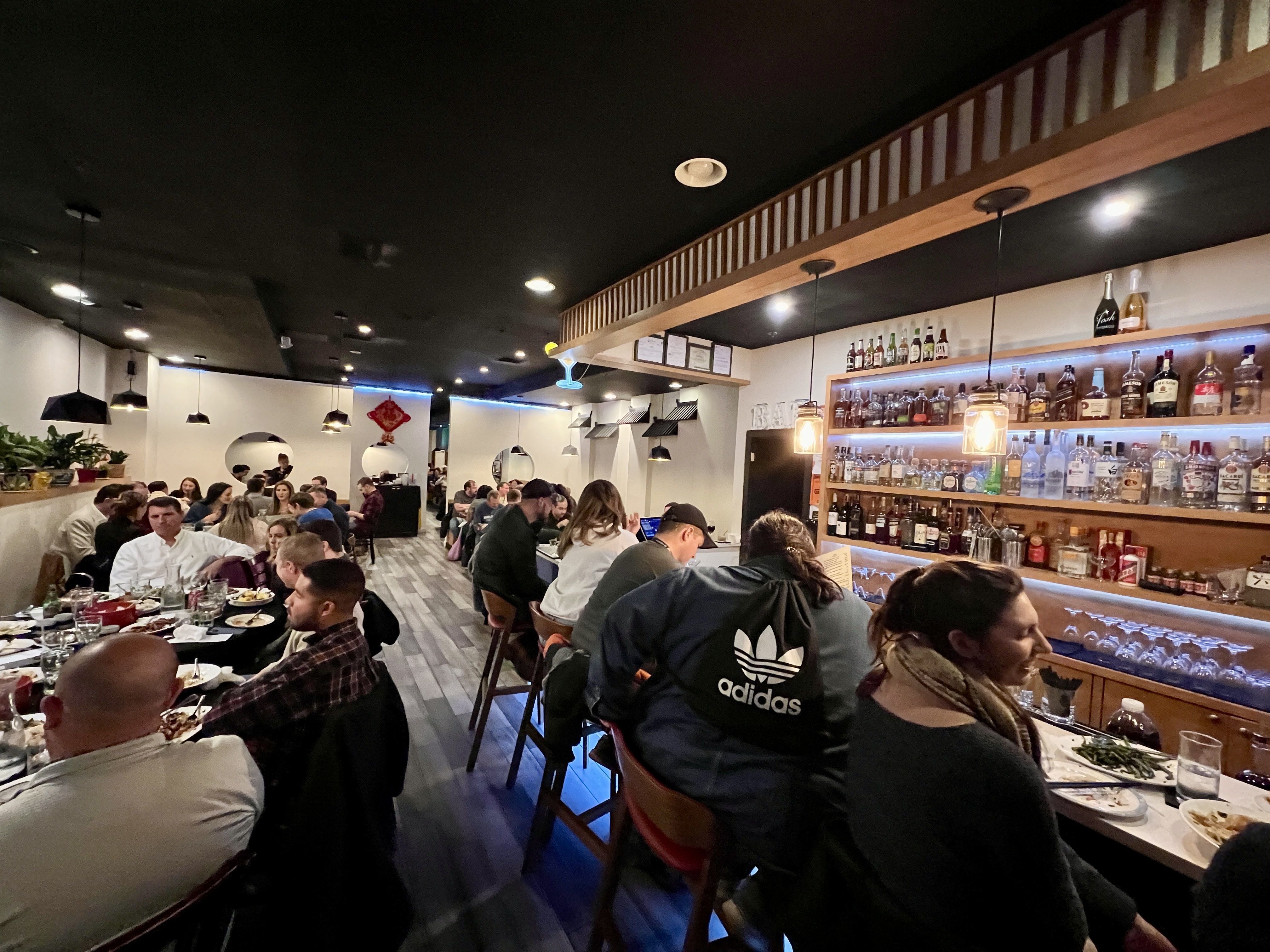
EMei owner Dan Tsao said he has seen confusion with the Old City Mei Mei, especially in online reviews. “When Mei Mei was closed after a flood [in February 2025], we got a few phone calls from their customers trying to book parties,” Tsao said. “Since their profile was not active for several months, EMei would pop up directly on the top when someone searched for Mei Mei.”
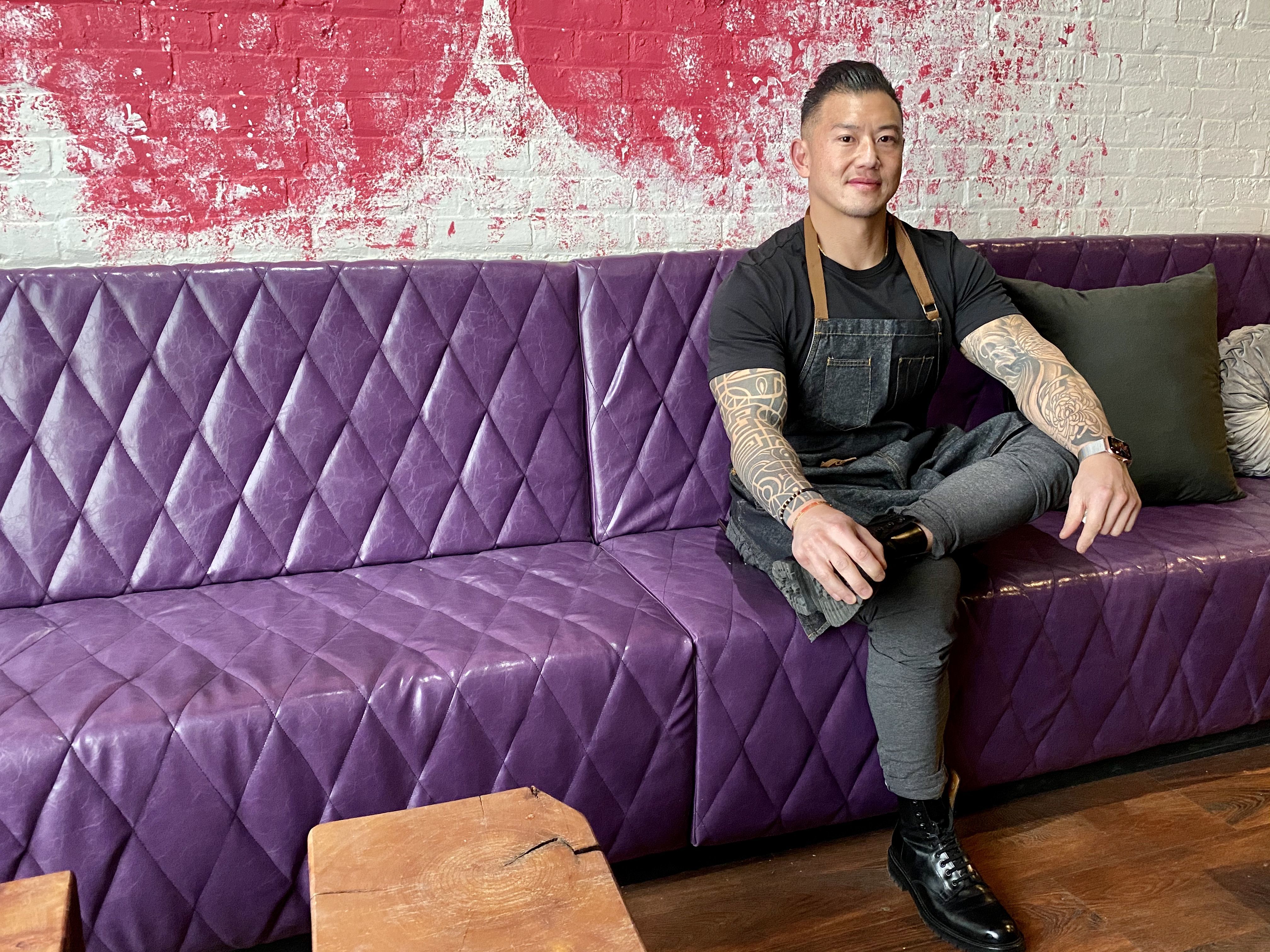
The first Mei Mei, a stylish modern Asian restaurant and lounge at 33 S. Second St. in Old City, opened in March 2020 under Jay Ho. EMei — which opened at 915 Arch St. in 2011 and appeared in The Inquirer’s 2024 edition of The 76 — specializes in Sichuan cooking.
Mei Ren and her son Atom at Mei Mei, 926 Arch St.Tom Gralish / Staff Photographer
The similarities haven’t escaped Google Maps. Search for Mei Mei, and the Chinatown restaurant appears as “Mei Mei Restaurant.” Last week, Google added “Philadelphia” to the Old City restaurant’s name.
For the owners of the two Mei Meis, the names are more than branding.
“Mei Mei isn’t just a name to us, it’s our family’s legacy, dedicated to my own sisters,” Ho said of his Old City restaurant.
Ho has contacted the Rens through an intermediary and hopes to meet them in person. He is not seeking immediate legal action.
Jay Ho, owner of Mei Mei restaurant in Old City, shortly before its opening in 2020.Michael Klein / Staff
“We truly want every new restaurant in Philadelphia to succeed,” Ho said. “Yet we owe it to our family, our team, and our guests to make sure no one is ever confused about whose table they’re sitting down at and that they’re getting the Mei Mei experience in Philadelphia. I very much want to come to a friendly resolution.”
Tsao noticed the new restaurant’s sign going up across Arch Street before its opening.
“We’ve had customers confuse EMei with Mei Mei in Old City [with online reviews], so naturally, I was concerned about another Mei Mei opening directly across the street,” he said.
EMei at 915 Arch St. during a dinner rush in November 2025.Courtesy of EMei
“I’ve known the Ren family for years, so I called Atom directly to share my concerns,” Tsao said. “Personally, I would have avoided choosing a name so similar to an existing restaurant, but I recognize they may have the legal right to use it.”
Tsao said Atom Ren told him the restaurant’s signage and other materials were already finished, making a change difficult.
Ren, who operates the Chinatown restaurant with his mother, said they did not know about the Old City Mei Mei before opening and were unconcerned about the similarities.
His mother’s given name is Mei-qing, and she has gone by the nickname Yi-mei, also rendered as Mei, for more than 60 years.
Degrees of difference
Atom Ren pointed out that the three restaurants’ names, despite their similar English spellings, have distinct meanings in Chinese. His family’s Mei Mei uses characters associated with beauty. Ho’s uses characters meaning younger sister. EMei refers to Mount Emei, a mountain in China’s Sichuan province. The names also are pronounced differently in Chinese.
(function() { var l = function() { new pym.Parent( ‘mei-mei__graphic’, ‘https://media.inquirer.com/storage/inquirer/ai2html/mei-mei/index.html’); }; if(typeof(pym) === ‘undefined’) { var h = document.getElementsByTagName(‘head’)[0], s = document.createElement(‘script’); s.type = ‘text/javascript’; s.src = ‘https://pym.nprapps.org/pym.v1.min.js’; s.onload = l; h.appendChild(s); } else { l(); } })();
“They merely share similar Romanized spellings,” Ren said in an email. “In English, it is very common to have brands or names with similar spellings.”
The restaurants themselves could hardly be more different.
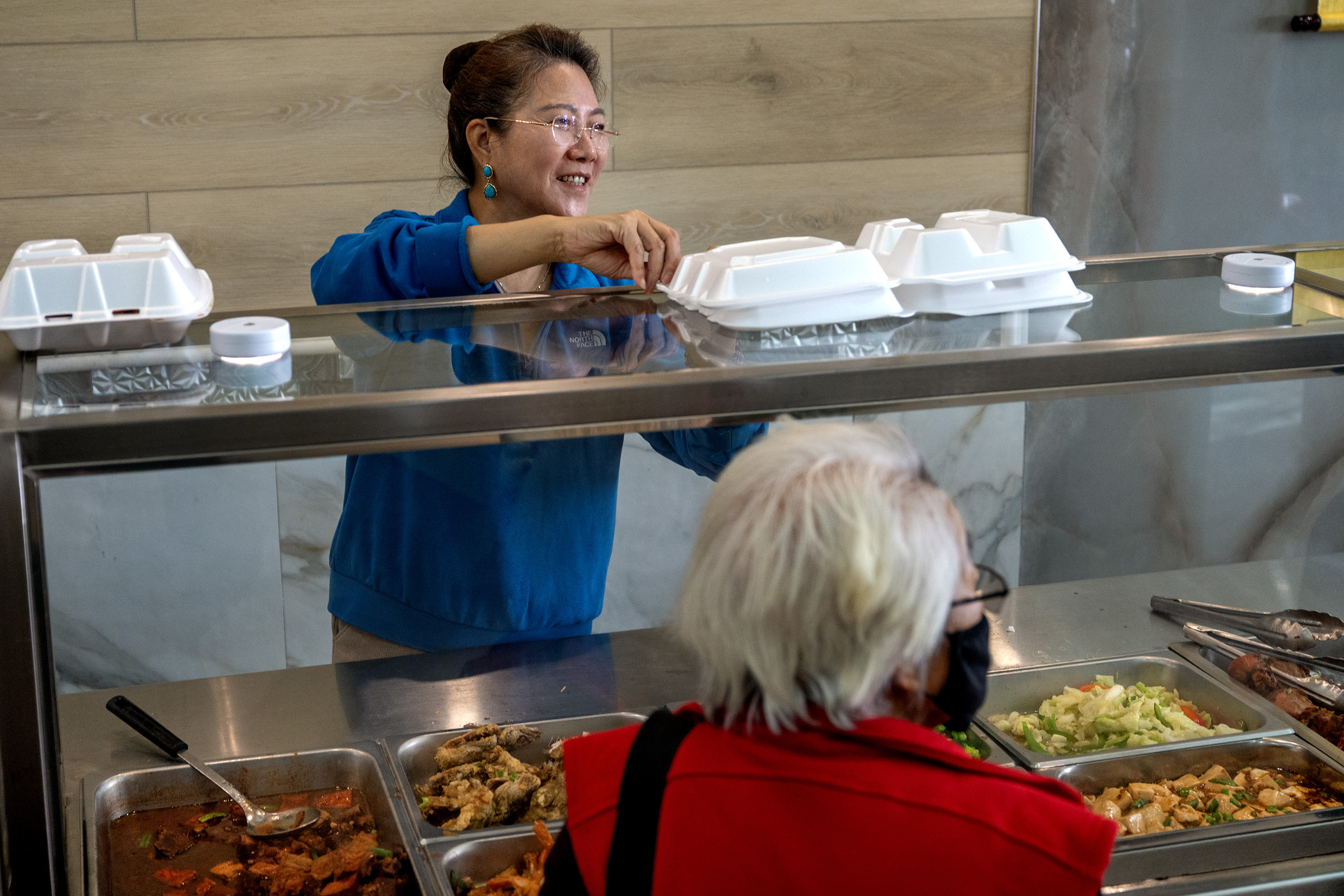
Mei Ren serves diners during the lunchtime buffet at Mei Mei, 926 Arch St.Tom Gralish / Staff Photographer
Ho’s Mei Mei is a high-energy dinner destination with contemporary Asian cooking, cocktails, dramatic lighting, and a basement lounge.
The new Chinatown Mei Mei is a sprawling, 300-seat operation whose ground-floor dining room serves a budget-friendly $8.50 lunch buffet combo of four dishes and soup. Selections include braised pork belly, mapo tofu, Chinese broccoli, and salt-and-pepper shrimp.
Dinner emphasizes Cantonese dishes. Upstairs are banquet rooms; downstairs are karaoke rooms. The extensive renovation included transforming former apartments into restaurant space and installing an elaborate chandelier imported from China.
The Rens are also partners in Grand Palace, the block-long restaurant and catering hall at Sixth Street and Washington Avenue in South Philadelphia.
Atom Ren (right) holds the door for diners entering Mei Mei, which is decked out for its opening.Tom Gralish / Staff Photographer
“The culinary concepts and target demographics of these three restaurants are completely different,” Ren said. “We do not overlap or directly compete with the other two. Diners come for a specific taste and experience, not just a phonetic name.”
Familiar territory
Chinatown has been through this before — and the Rens have a connection to one of its more tangled restaurant-name disputes.
Mei and Atom Ren were among the partners in the original Dim Sum Garden, which opened on 11th Street near Arch in 2008. After restaurateur Shizhou Da and her daughter, Sally Song, opened another Dim Sum Garden at 1020 Race St. in 2013, a legal fight erupted over the name. The 11th Street restaurant eventually became Tom’s Dim Sum. The Rens are no longer involved.
The Tom’s name figured in another legal dispute in 2019, when competing restaurants called Tom’s Dim Sum Media and Tom’s Dim Sum Mania operated within feet of each other in Media.
Other Philadelphia restaurant-name disputes have involved Middle Child and Garage/Garage Sale Vintage. At other times, similar names have coexisted without litigation, such as the myriad restaurants with “Fiore” in their names.
For now, the owners of the two Mei Meis remain at odds, though the public disagreement could not be more civil.
Shortly after Mei Mei’s grand opening, Tsao walked across the street and bought a $500 gift card from the Rens. “I understand their position, respect the challenges of opening a new business, and wish them all the best,” Tsao said.