Category: Food

  • I have family visiting and they want an ‘authentic Philly cheesesteak.’ Can I just order takeout from our local pizza place?

    I have family visiting and they want an ‘authentic Philly cheesesteak.’ Can I just order takeout from our local pizza place?

    This week’s question (Have your own? Submit it here.):

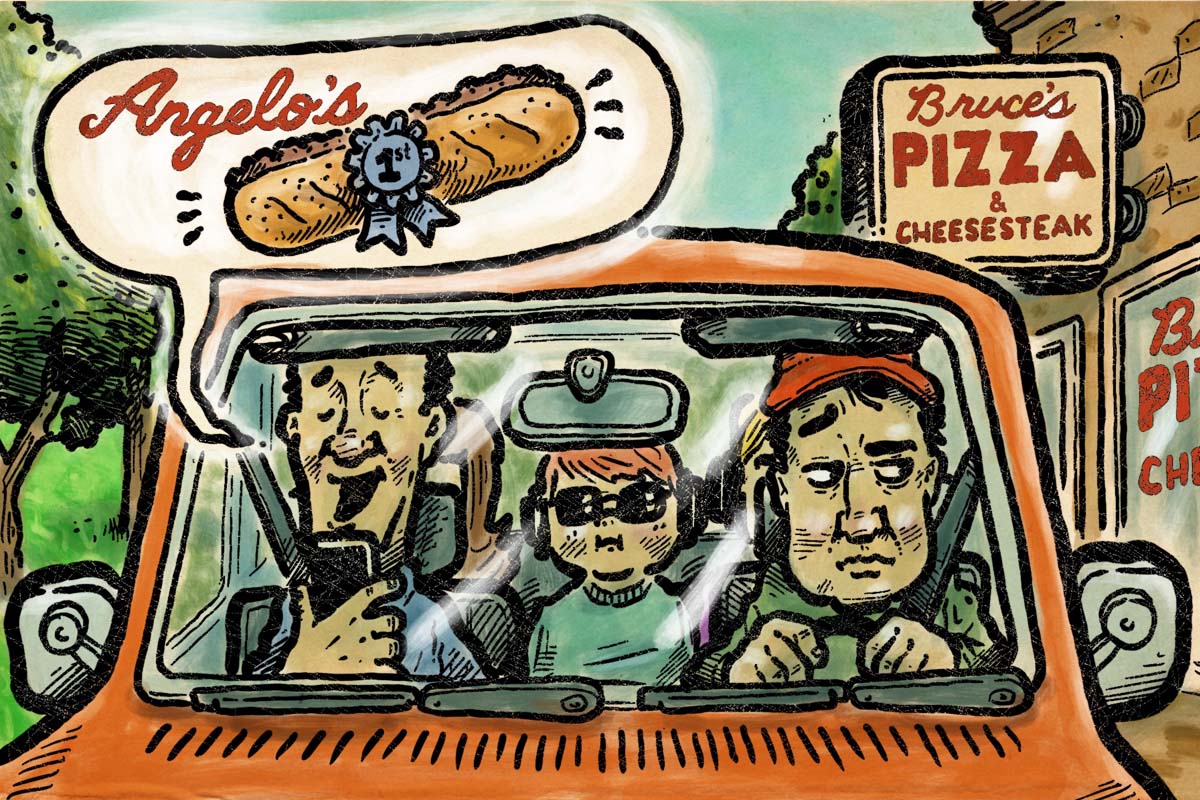
    I have family visiting and they want an “authentic Philly cheesesteak.” Should I take the entire day, battle traffic and parking, and shuttle them down to South Philly? Or can I order takeout from our local pizza place in the burbs? Is there that much difference?

    Stephanie Farr, features columnist

    I don’t want to start any beef, but I’m a big believer that wherever you get your cheesesteak (as long as the shop is in Philly, the burbs, or from certain portions of South Jersey) it’s probably just fine for an authentic Philly cheesesteak meal to an outsider.

    Now, if they want the authentic Philly cheesesteak experience — standing in a ridiculous line, overhearing people argue, seriously pondering whether they want liquid cheese ladled onto something they will consume, now that is a different story. What do you think, Tommy?

    Tommy Rowan, programming editor and cheesesteak connoisseur

    That’s totally cool! You can find good sandwiches anywhere. But I’m a snob, and I want a certain type of roll, and a certain type of cut of meat, and certain cheese options. So I’m the kind of person who would brave the traffic and parking to get something that tastes as authentic as possible.

    Stephanie Farr

    Great, now I feel terrible that I just ordered my dad a cheesesteak from our local pizza shop when he came to visit last year! Missteaks were made, obviously.

    Tommy Rowan

    You should not feel terrible! If he enjoyed it, that’s all that matters!

    Stephanie Farr

    Let me ask, if your out-of-town guest wants an authentic cheesesteak experience and requests to go to Pat’s or Geno’s, as a cheesesteak snob, would you take them or try to convince them to let you take them somewhere else (and, if so, where)?

    Tommy Rowan

    I would absolutely convince them to go otherwise. At its best, cheesesteaks from John’s Roast Pork, Angelo’s, or Shay’s offer an authentic taste of home: a fresh-baked roll worth its salt, tender meat with taste, and cheese that doesn’t soak the whole thing into submission. And, to your excellent point, all three offer an interesting experience. All three are in uniquely Philadelphia buildings, in uniquely Philadelphia spots, and you can pick them up on the way to the ballgame. And the people you meet will add to the experience of eating an authentic sandwich.
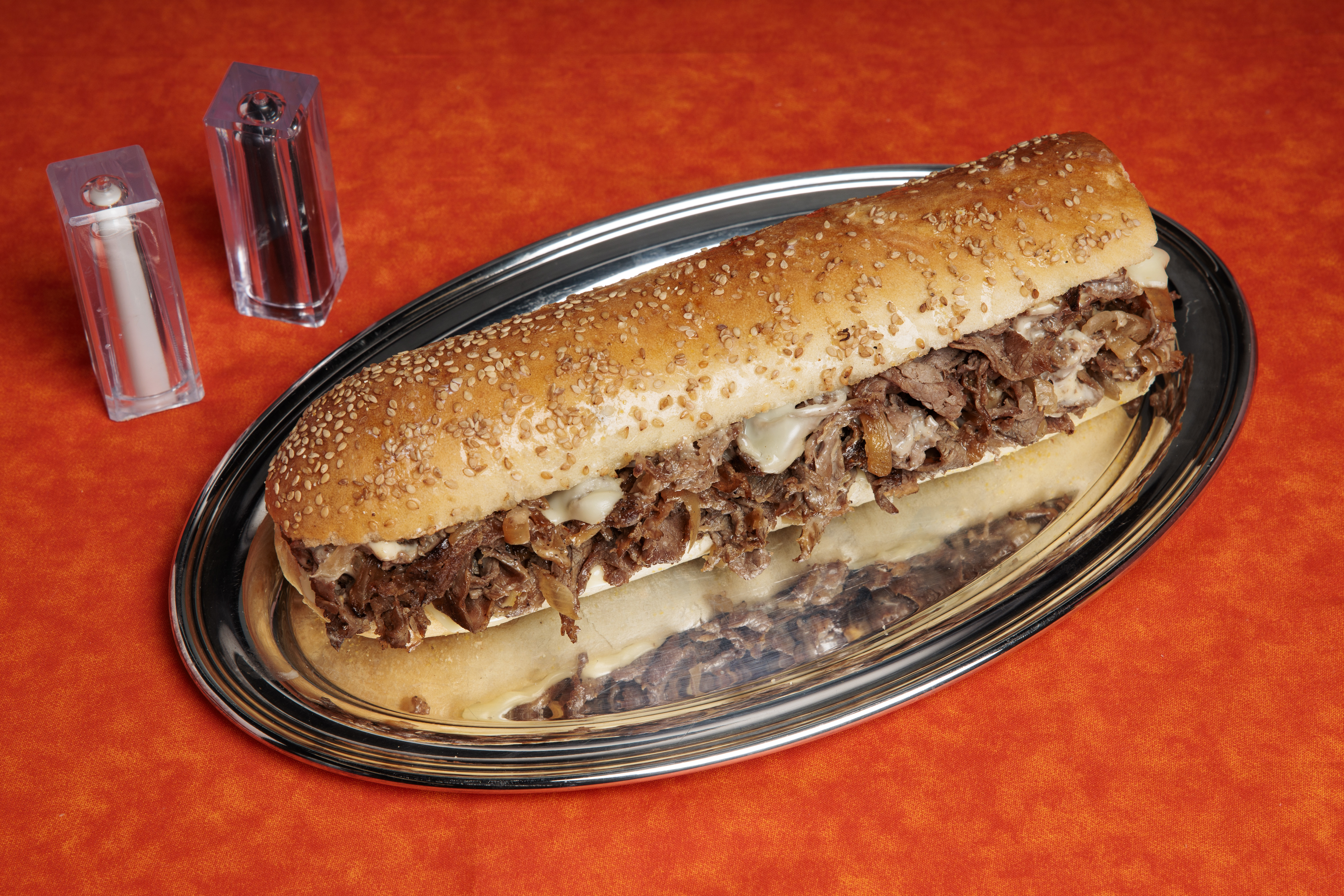
    John’s Roast Pork cheesesteak at the Inquirer studio on March 5, 2025. Food styling by Emilie Fosnocht.Monica Herndon / Staff Photographer

    Stephanie Farr

    I fully support your last point. The people you meet when ordering a cheesesteak in Philly definitely flavor the experience.

    Would you feel the same way if this reader was asking about another of Philadelphia’s gastronomical delights: Is the hoagie from your local pizza shop the same as one from say a Cut Above Deli or Fink’s or Paesano’s?

    Tommy Rowan

    Absolutely!

    But again, I’m picky with these things. And variety is what makes life great. What is your favorite spot to get a steak, Steph?

    Stephanie Farr

    My local pizza shop! I’m really not very picky about my steaks and I don’t eat them often, maybe once or twice a season (is eight cheesesteaks a year a lot? When I write it out it sounds like it, but I feel like I’m below average).

    Now hoagies on the other hand, I do think it matters where you get those if you’re trying to impress someone with the local culture. I find serious hoagie shops seriously impressive. I’ve definitely called some hoagies works of art before, but I can’t recall ever doing the same for a cheesesteak.

    As a cheesesteak snob, do you go for taste or presentation when trying to impress an out-of-town guest? I feel like a lot of folks I’ve taken for cheesesteaks don’t find them as aesthetically pleasing as they’d imagine (where I come from cheese is usually placed on top of the steak and toasted, not mixed all up in it).

    Tommy Rowan

    I get it! I think cheesesteaks are to me what hoagies are to you. If you are passionate about something, you have rules.

    The cheesesteak is a heavy sandwich, but there is definitely an art to the composition. And the best places keep an eye on both taste and look. The key is making sure it’s not a soggy mess.

    Stephanie Farr

    I feel like the key to cheesesteaks, hoagies, and life is to make sure it’s not a soggy mess!

    Tommy Rowan

    Amen!!!

    Stephanie Farr

    Out here in Delco, I love the hoagies at A Cut Above in Newtown Square and Pagano’s in Drexel Hill, but this conversation has made me realize I need to try some new places — both for cheesesteaks and hoagies. I’m a creature of habit, so I tend to find a place I like and stick with it, but there are so many options in the region and so many I haven’t tried yet it’s embarrassing!

    Tommy Rowan

    We may have to do a part II. I’ll go with you to a few hoagie places and you come with me to a few cheesesteak places and we can compare notes!

    Stephanie Farr

    Oh, I am so in! Lettuce proceed on this noble quest before us!
  • How to have a perfect Philly day, according to Binding Agents cookbook shop owner Catie Gainor

    How to have a perfect Philly day, according to Binding Agents cookbook shop owner Catie Gainor

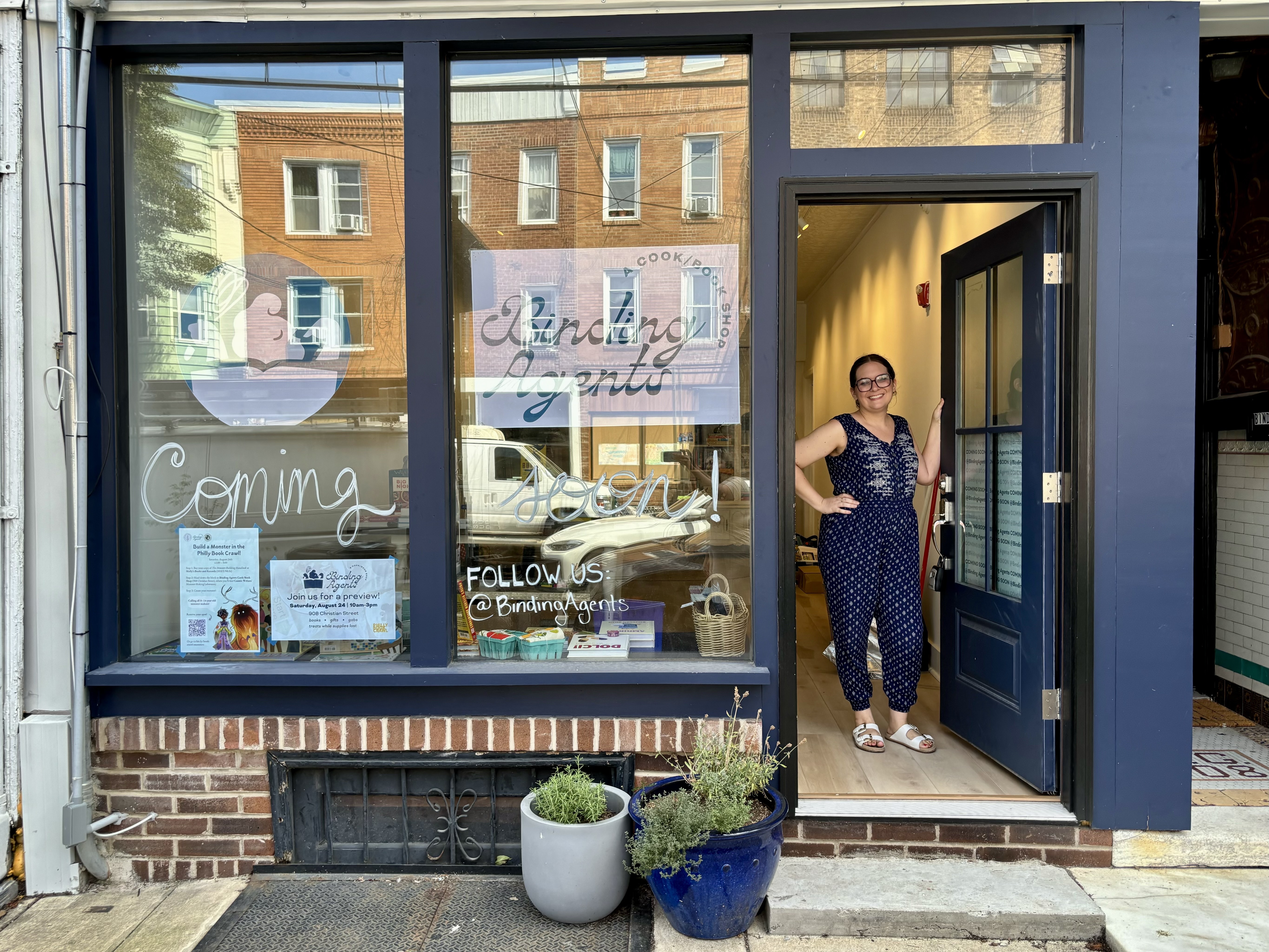
    Catie Gainor conceived the idea of a bookstore dedicated to cookbooks in a “fever dream” four years ago. Today, her 350-square-foot shop Binding Agents has become a destination for home cooks, chefs, and authors in the Italian Market neighborhood.

    “I really envision myself being a stop on the path in the Italian Market — pick up things on your way up and down Ninth Street and step in to [Binding Agents] to grab a book, whether it’s a beach read or a cookbook to plan your holiday,” she previously told The Inquirer.

    The shop has also become a community gathering space where Gainor hosts a monthly cookbook club and every guest brings a dish from a featured cookbook.

    On her perfect Philly day, Gainor loves basking in the abundance of the Italian Market. She makes quintessential stops, often running into her customers along the way, and ending the day by cooking an omelet.

    7 a.m.

    I am not a morning person, but I have a 3 year old, so I usually start clawing my way out of sleep when she wakes up. This is a perfect day, so it’s a Saturday. My daughter is jumping into bed with me for a snuggle and a chat before my husband, Matt — an early riser— takes over the morning routine. I’ll remain horizontal and half awake until about 8 a.m.

    8 a.m.

    I get up, get dressed, and trundle down the stairs. My husband and daughter have wandered up the street to Mug Coffee & Clay, so I step out to meet them. I love their iced coffee — but since we’re sitting in, I get a cortado. Matt and my daughter have been bringing in pastries from Rougarou Baking on the weekends. [It’s] a gorgeous apricot tart [today]. By the time I sit down, my child is completely covered in croissant crumbs and asking me the names of clay-shaping tools I’ve never seen before — bliss.

    9 a.m.

    We head over to Gold Star Park to enjoy the perfect weather for a bit. Miraculously, I remembered to bring lawn chairs. So, my husband and I set them up and I pull out a book. I usually have multiple books going, one we carry in the shop and one (or two) we don’t. A recent in-store fave was What I Made for Dinner by former Philly resident Krys Malcolm Belc. Another summer release I loved was Rainbow Rowell’s Cherry Baby — not at all culinary, but I liked it so much that I stocked it in the shop anyway.

    10:30 a.m.

    Then, I’ll walk my family back home and head up to the store. I feel connected to the neighborhood — and the city, really — in a way I never did before. I say, ‘Hi’ to some local customers and market pals as I make my way up Ninth Street. It’s the best.

    11 a.m.

    I arrive at the shop and flip the shop sign — and I’m holding back from hollering, “Cookbooks! Cookbooks for sale!” like some kind of deranged Eliza Doolittle. Folks slowly wander in. I love seeing coffee cups from all over, giant bags of Isgro’s Pastries, and hearing reports about the lunch lines at Angelo’s and Mawn. On a perfect day, I’m flinging book recommendations left and right, and everyone’s kitchen problems or gift-giving conundrums are solved.
    1 p.m.

    My best friend Kate arrives to help for the afternoon after her morning class at Movement Source Pilates (which I also love). She brings me a lavender lemonade from Gleaners and a tofu banh mi from Pho Skyline. I eat my sandwich in the back and eavesdrop while she beautifies the shelves and chats with customers. Someone’s going home with a copy of Dinner Changing the Game by Melissa Clark.

    3 p.m.

    Later, I’m leaving Kate behind at the store so I can run up to Kin Boutique. Whenever I need a clothing item for any reason/occasion, that’s where I’m starting. It feels like entering Cheers, and I immediately have a Diet Coke in hand and 12 things to try in the dressing room. Everyone in the store celebrates my grand sartorial successes. I love them.

    4 p.m.

    Shopping took less time than I thought, so I text Matt and a bunch of friends that I’m assembling snacks for a Di Bruno Bros. Piazza happy hour. I gather all my favorite things from Biederman’s, Claudio’s, Di Bruno’s, and Tortilleria San Roman, then raid Binding Agents for some cutlery, cups, and napkins. While I’m back at the shop, I grab an upcoming cookbook off the shelf of advance copies to take home — I’ll see if I can use it for meal planning next week.

    5 p.m.

    The shop closes and my crew descends on the Piazza. My kid gives me a full account of her day before becoming engrossed in the giant Connect 4. I pour Gulp Hablo Orange into cups. I am one with the universe.

    7 p.m.

    The party breaks up as my friends head off for evening plans about town. My family and I head to John’s Water Ice for a slouching-off-to-toddler-bedtime treat. Many years ago, Matt discovered the gelati combo of lemon water ice with raspberry chocolate chip ice cream. The ice cream has teeny tiny little chocolate cups with a dot of raspberry jam inside each one. It is transcendent, and that’s what I get.

    8:30 p.m.

    My daughter’s book selection is — unsurprisingly — very food focused. Lately Thank You, Omu [by Oge Mora] has been on repeat at bedtime. I love this one because I get to do lots of voices, and the lyrical repetition is so lovely.

    Once she’s down, I’m not truly hungry but I am a little peckish — and I am realizing I haven’t cooked today. Turning on the stove sounds good. I grab a half loaf of Mighty Bread Co. sourdough from the counter, pull some vegetable odds-and-ends out of the fridge, and make a French-ish omelet. I am not good at rolling them but enjoy both the process and the eating, so I keep trying. I assemble plates — and Matt and I dig in.

  • Another fixture of East Passyunk’s Italian dining legacy is on the market

    Another fixture of East Passyunk’s Italian dining legacy is on the market

    The tables at Mamma Maria’s have not been pushed aside for dancing in years, but the disco ball still hangs overhead.

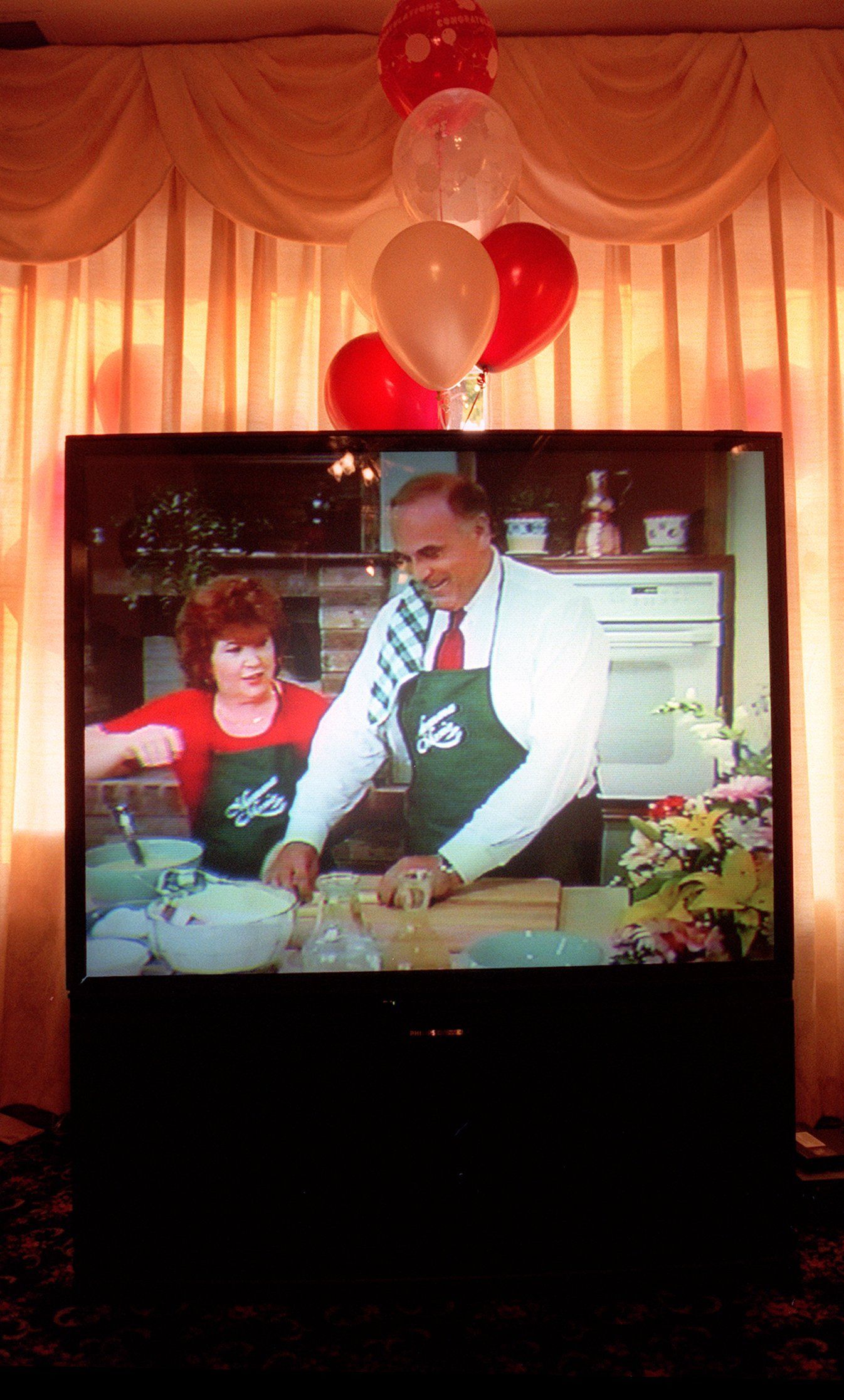
    Still there, too, are the kitchen where Santa Maria “Mamma Maria” Chiavatti turned out feather-light gnocchi, the dining room where waiters carried trays of flaming sambuca, and the upstairs studio where Chiavatti taped a TV cooking show whose first guest in 1999 was Mayor Ed Rendell.

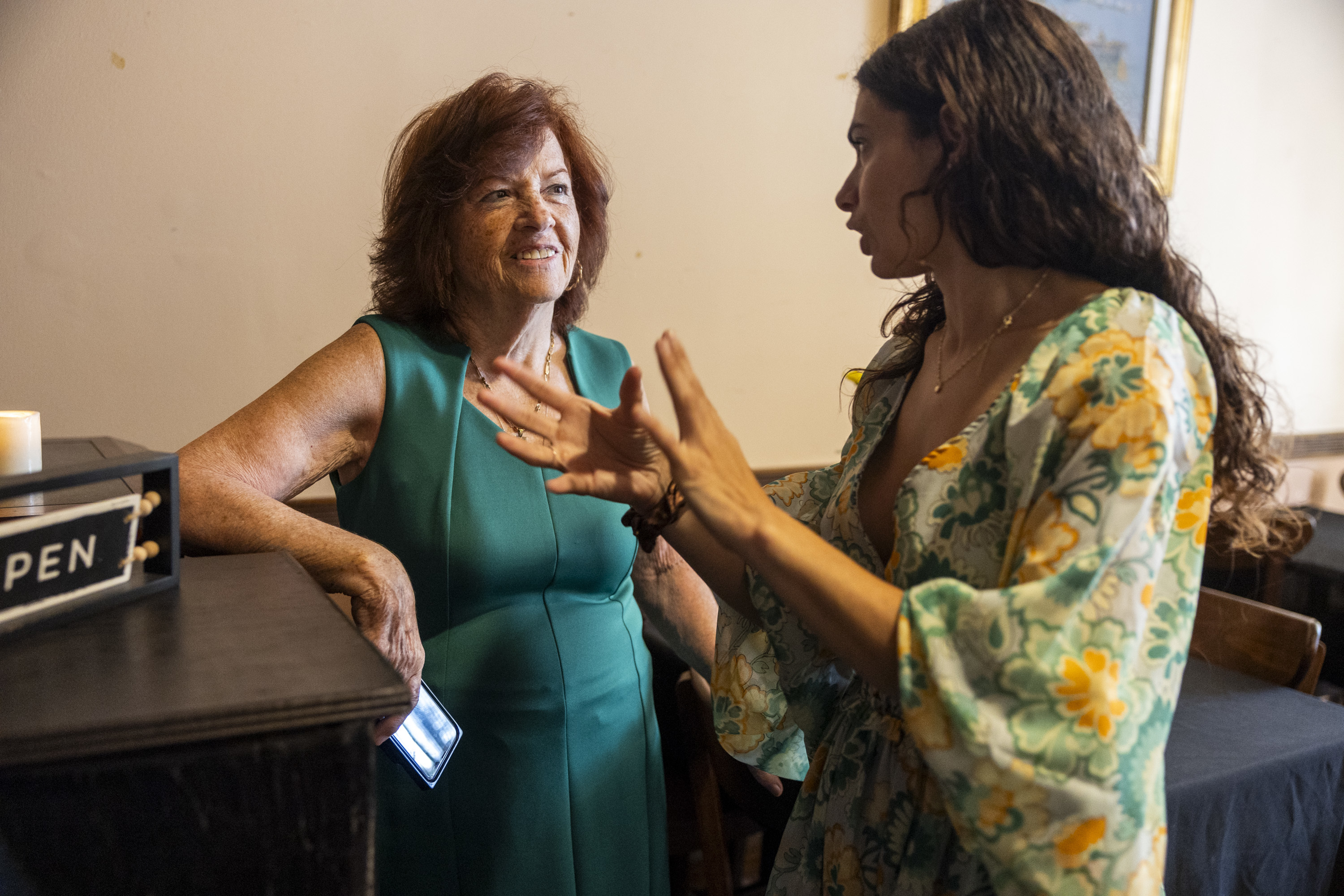
    Santa Maria Chiavatti and family enjoyed a 28-year run at Mamma Maria’s.Tyger Williams / Staff Photographer

    Now the collection of buildings that housed the East Passyunk restaurant for nearly three decades is for sale, marking the end of one of the Avenue’s more colorful links to its ′90s/’00s Italian-restaurant resurgence.

    The former restaurant, closed for six years, is spread across three adjoining buildings on Passyunk Avenue and Jessup Street, all with apartments above. The asking price for 1637 E. Passyunk Ave., which houses one of the dining rooms, and 1632 S. Jessup St., which contains the kitchen, is $1.5 million. The building housing the other dining room, at 1639 E. Passyunk Ave., is offered for $2 million.

    “The kitchen is still set up,” said Albert Perry of Century 21 Advantage Gold, who has the listing with Dave Lombardo. “When we went to the property for the listing appointment, I was sent home with food.”

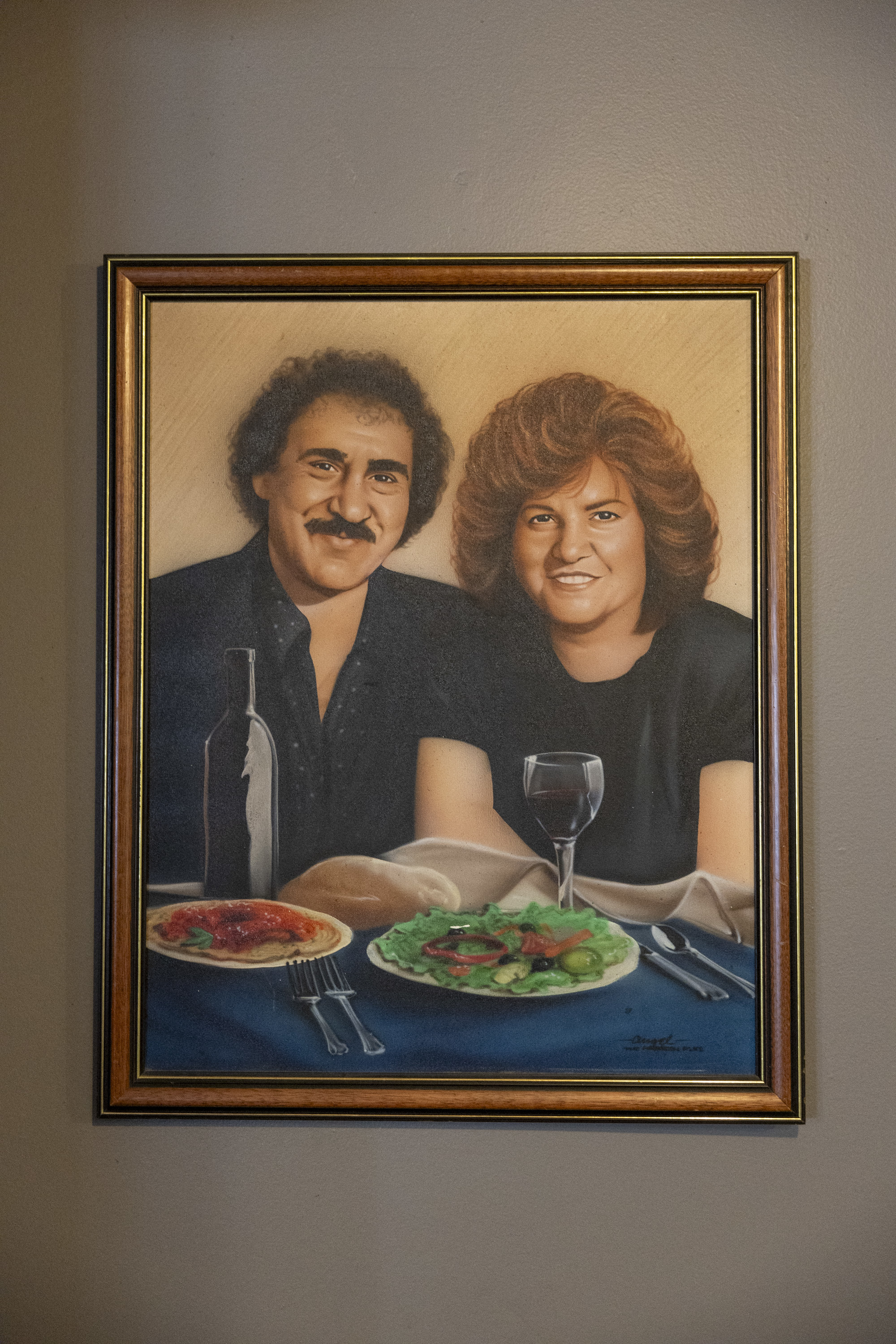
    A portrait of Claudio and “Mamma Maria” Chiavatti hangs in the shuttered restaurant.Tyger Williams / Staff Photographer

    Mamma Maria’s, which opened in 1992 and expanded into the adjoining property the following year, closed in 2020. But the Chiavattis said they couldn’t bring themselves to sell until now.

    “We want to give somebody the chance to have what we had, but with their vision,” said Maria’s daughter Paola Chiavatti. “Our era is ending, and a new era can begin.”

    A ‘vacation’ stop in Philadelphia

    The Chiavattis’ Philadelphia era began almost by accident.

    Maria and her husband, Claudio, came to the United States from Italy in 1992 for what their children believed was a vacation. The couple had already spent years in the restaurant business in Italy and Canada, and the family thought they had retired.

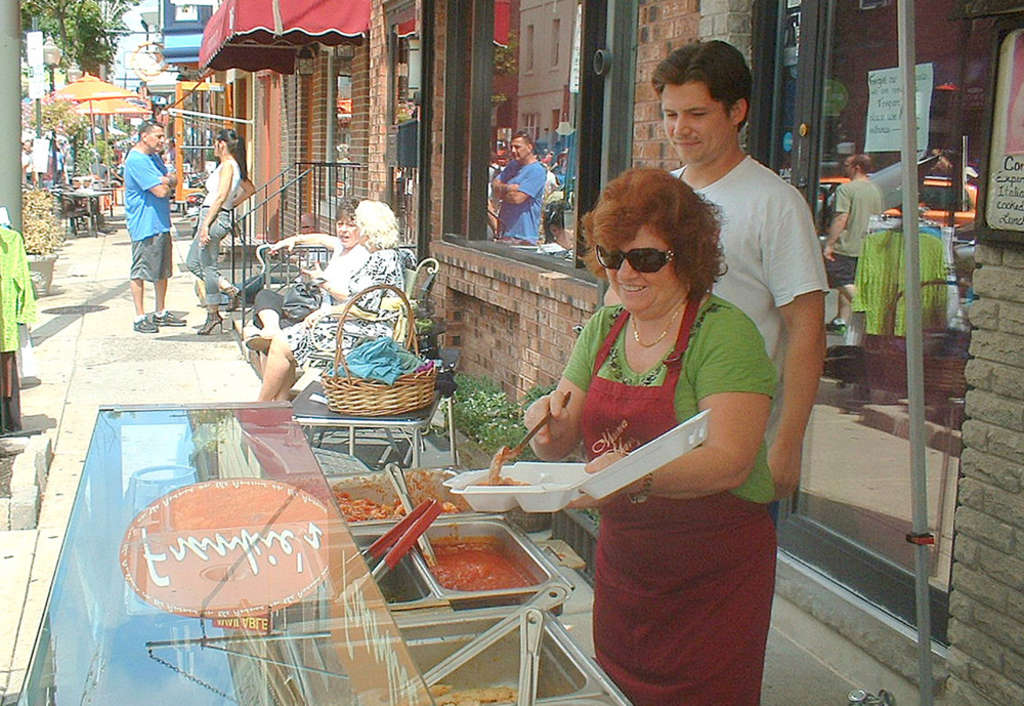
    Maria Chiavatti serving food outside of the East Passyunk Avenue restaurant in 2012. Glamorosi

    Then, while visiting relatives in Philadelphia, Claudio spotted a closed restaurant on East Passyunk Avenue and noticed the municipal parking lot across the street.

    “I said, ‘Yes, but it isn’t your parking lot,’” Maria recalled.

    Claudio’s answer was simple: “But it is there.”

    The couple rented the building and opened Mamma Maria’s. Three months later, Claudio questioned why they were paying rent when they could buy it.

    “That’s exactly what we did,” Maria said. “We bought it and made it beautiful.”

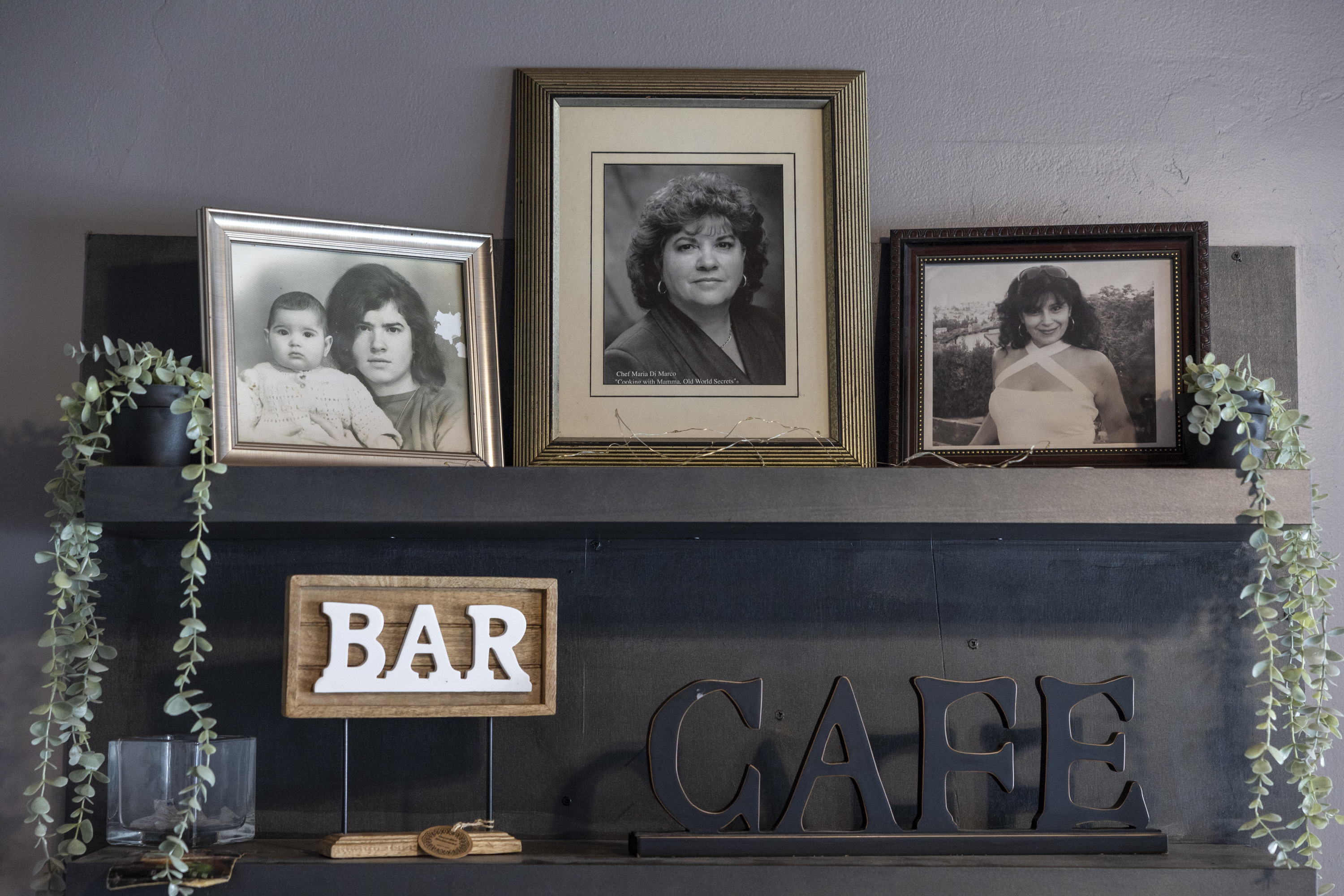
    Photos of Santa Maria Chiavatti and her daughter Paola on the mantel at Mamma Maria’s.Tyger Williams / Staff Photographer

    They built the menu around the food Maria knew from Abruzzo.

    Paola, meanwhile, was still in Italy, working as an interpreter and language teacher. Her sister, Myrna, and brother, Gianni, came to visit their parents. Before long, everyone in the immediate family was in Philadelphia, except Paola.

    That same year, her parents invited her over, ostensibly for a relative’s birthday party. Claudio picked her up at the airport and drove her to East Passyunk Avenue. She walked into the restaurant and saw a banner: “Welcome, Paola, to Mamma Maria’s.”

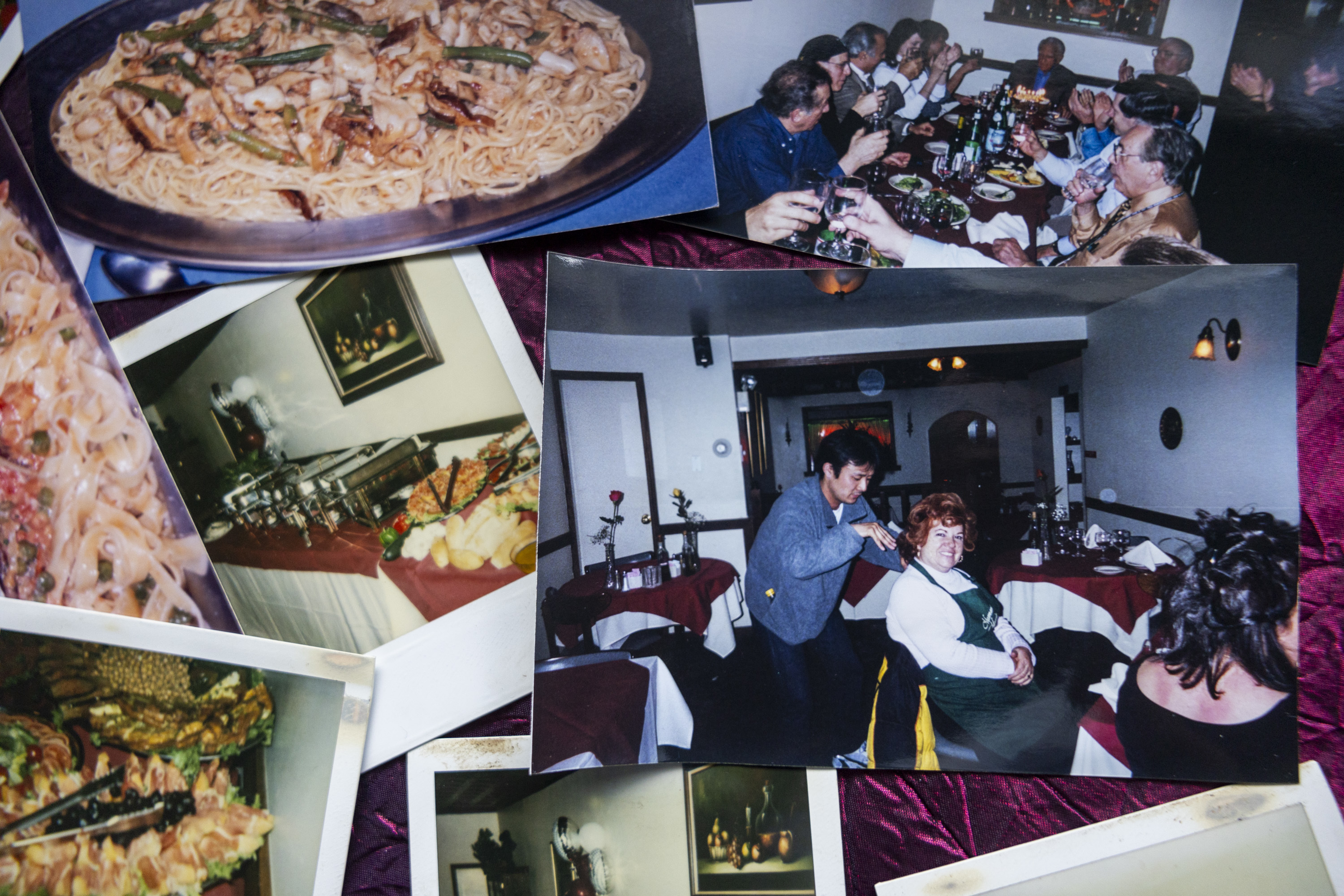
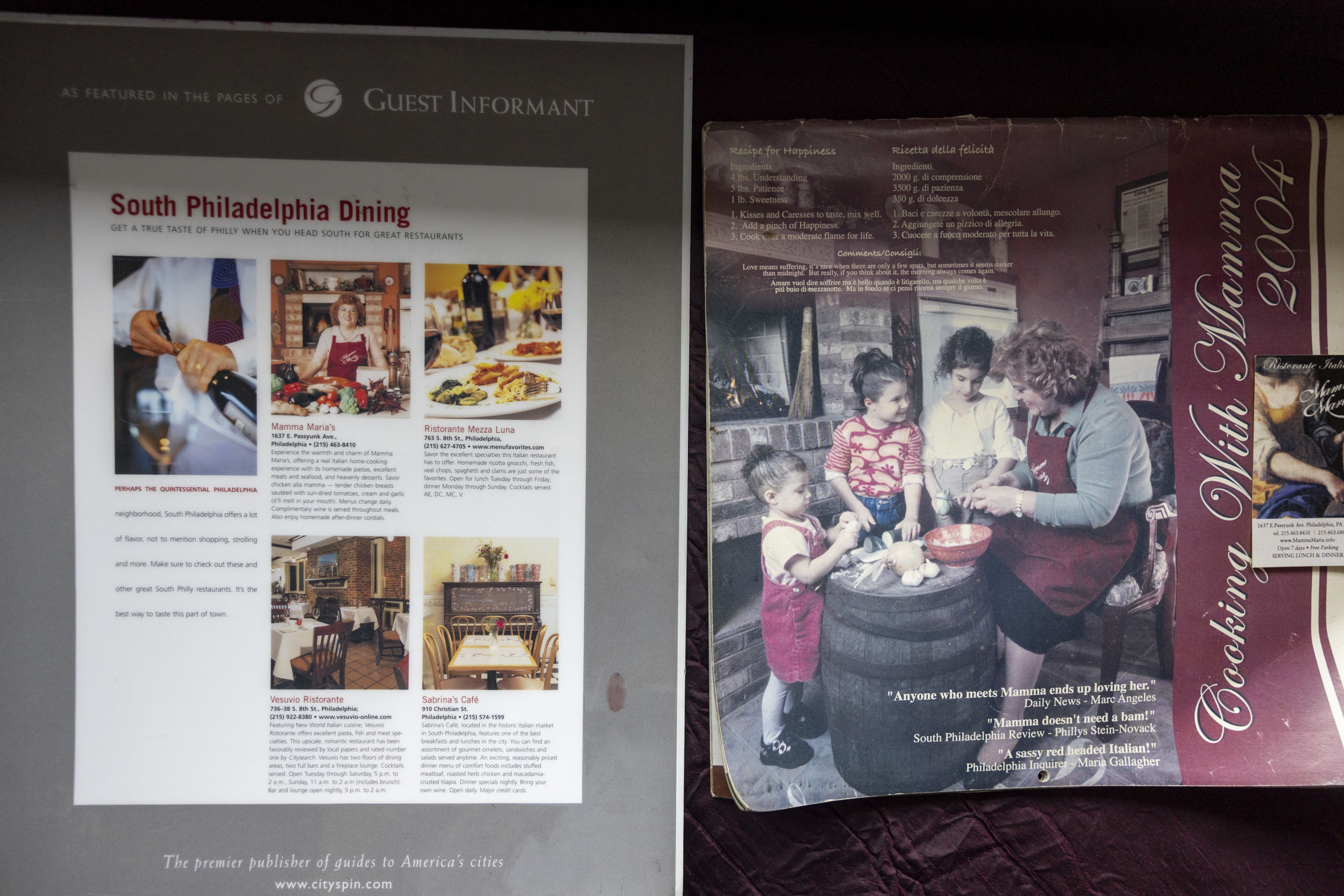
    Mamma Maria’s memorabilia in the restaurant.Tyger Williams / Staff Photographer

    Claudio told her that he and Maria had fallen in love with the neighborhood and the city. The restaurant, he said, would be something for their old age.

    Paola said she understood what was expected of her. Arrivederci, Italy.

    “Thirty-four years later, here I am,” she said.

    The rise of Mamma Maria’s

    Mamma Maria’s was a family operation in the most literal sense. Maria cooked. Claudio hosted, baked, prepped, and made sauces. Paola and Myrna worked the dining room.

    For much of its run, Mamma Maria’s was known for an enormous fixed-price meal: antipasto, soup, multiple pastas, meat and seafood entrees, salad, vegetables, potatoes, and a dessert cart loaded with cakes, cannoli, and other sweets.

    Wine was complimentary. So, at first, was flaming sambuca, served while an accordion player named Mario circulated among the tables.

    “You sat down and you felt like you were having Christmas dinner or New Year’s Eve dinner at your house,” said Lilla Amico-Carlomango, Maria’s oldest granddaughter, who worked at the restaurant with sisters Dalia and Chiara Amico. “The staff, the clients, everybody was so happy to be here that it created one big family.”

    Shortly after it opened, Inquirer food critic Elaine Tait described the cooking as “homey, not haute, cuisine, the likes of which you might find cooked by someone’s talented Italian mom.”

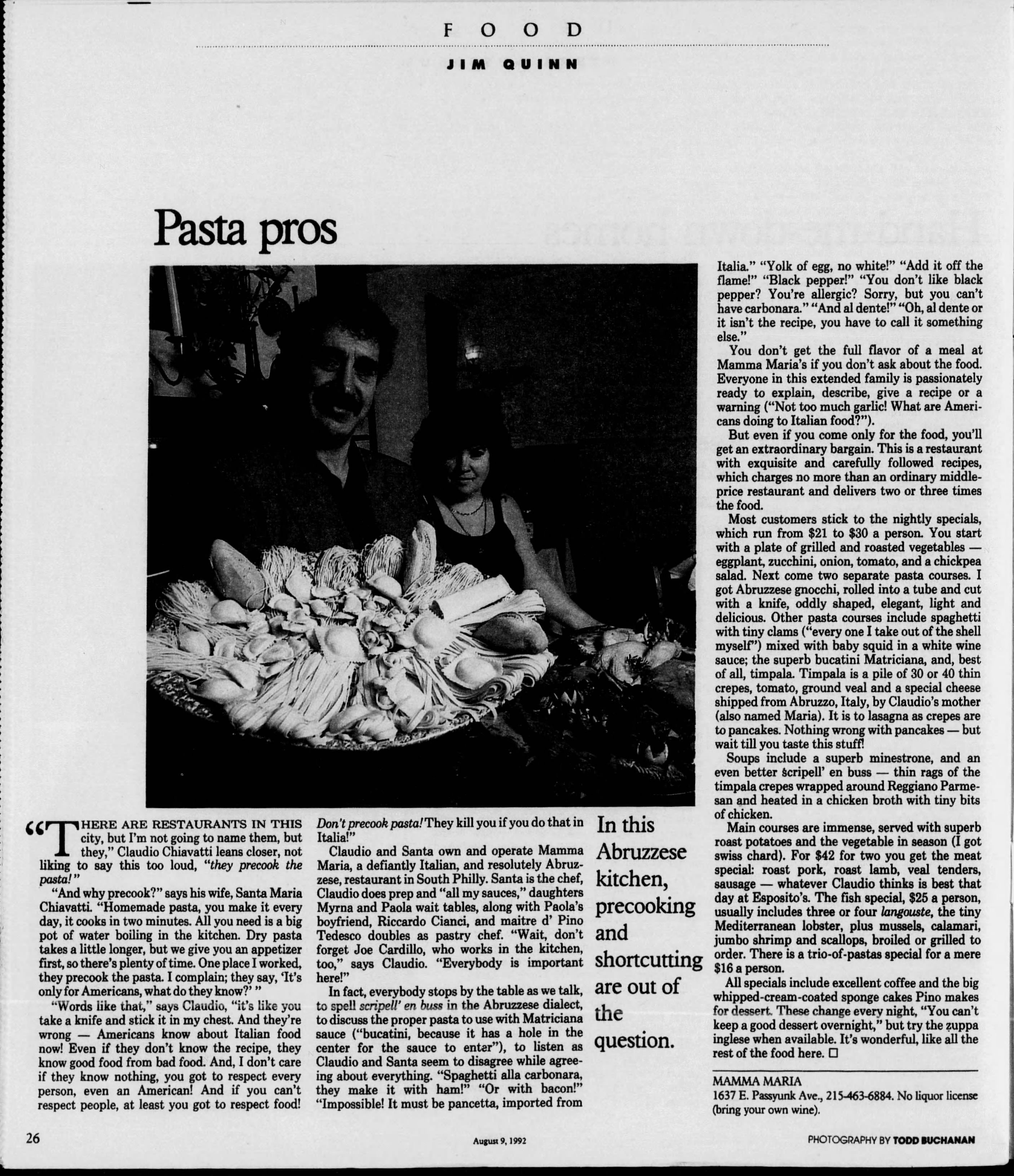
    The column by Jim Quinn in The Inquirer’s Sunday magazine on Aug. 9, 1992, that helped launch Mamma Maria’s.Newspapers.com

    Inquirer columnist Jim Quinn was similarly enthusiastic. Maria didn’t know Quinn from Adam when someone told her there was a man from the newspaper in the dining room. “I said, ‘So what?’” she recalled.

    After he returned three days in a row, she finally approached him.

    “Sir, you really love my place,” she told him.

    In 1997, an electrical fire forced the restaurant to close for eight months.

    “In the restaurant industry, eight months is murder,” Paola said.

    Mamma Maria’s reopened with a fundraiser for the Leukemia Society of America.

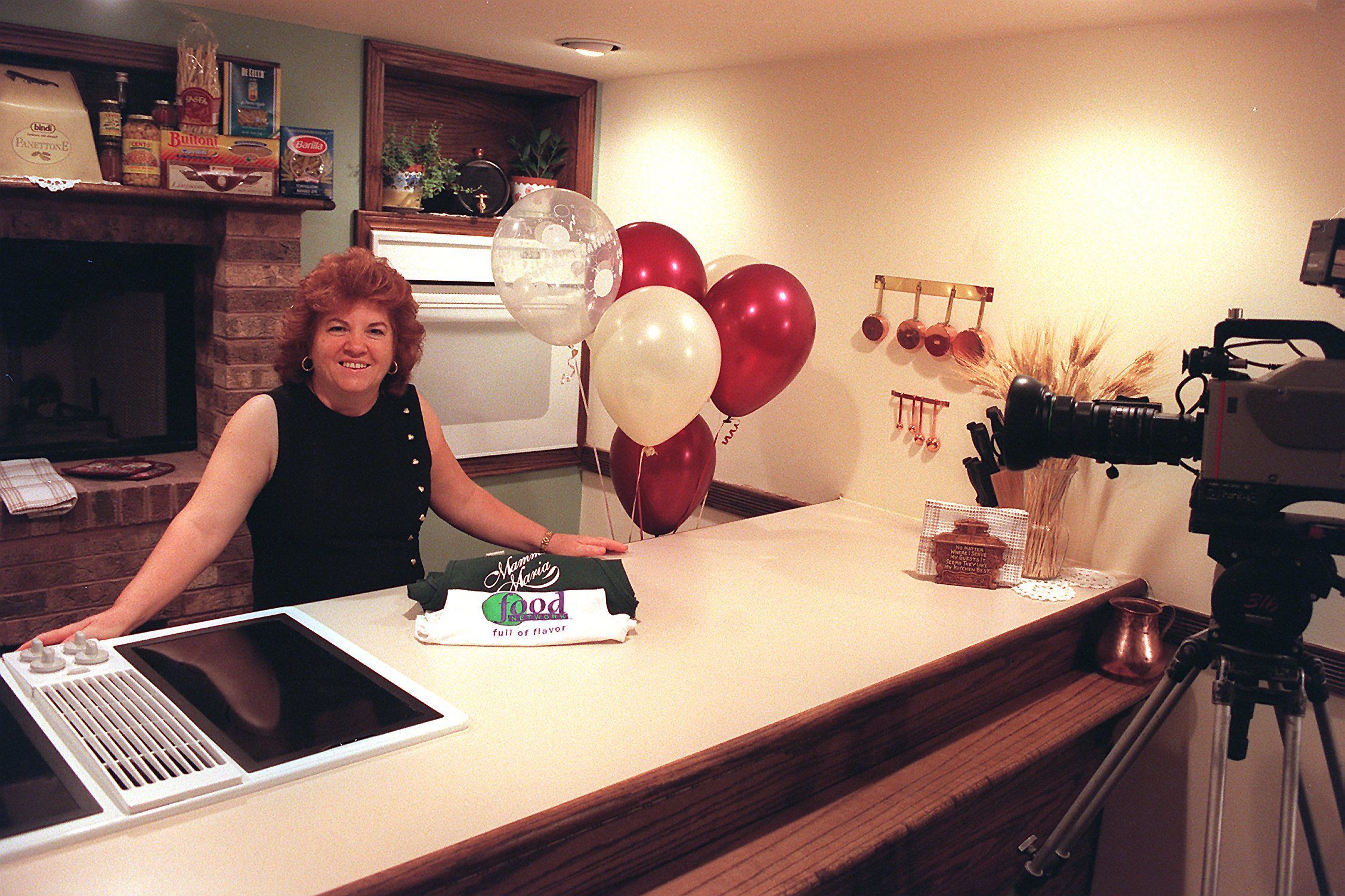
    Santa Maria Chiavatti in September 1999 on the set of her food show during its launch party. The show aired throughout the Philadelphia region. Michael S. Wirtz / Staff Photographer

    But one tradition did not return. The blaze was unrelated to the drinks, but Paola had lost her enthusiasm for open flames in the dining room, and the flaming sambuca was 86ed.

    Two years later, Mamma Maria’s expanded to television. In 1999, the family bought a weekly half-hour slot on the Food Network for a self-produced program, Cooking With Mamma, Old World Secrets.

    The show was taped in a studio kitchen above the dining room, with Rendell as Maria’s first guest. Maria used her maiden name, Di Marco, because the family thought it would be easier for viewers to pronounce.

    A video of “Mamma Maria’s” cooking show, featuring Mayor Ed Rendell, was televised during the 1999 launch party at the restaurant.Michael S. Wirtz / Staff Photographer

    Back at the restaurant, the fixed-price format endured. Claudio’s death in 2005 hit the family hard, as did the recession in 2008. In 2010, after 18 years of belt-stretching meals, Mamma Maria’s began allowing à la carte dining Monday through Thursday.

    Life after the restaurant

    Then the pandemic arrived.

    Mamma Maria’s closed in 2020, along with the family’s food-truck operation. By the time restrictions had eased enough for the family to consider reopening, Maria’s health had become the priority.

    Paola faced a choice: return to the all-consuming work of running a restaurant or help care for her mother.

    “Restaurants, we’ve had many in our lives,” she said. “Mother, you only have one.”

    The family hosted private events in the meantime. Now 79 and feeling fine, Maria is preparing to sell the property and, with her family, take Mamma Maria’s into another form.

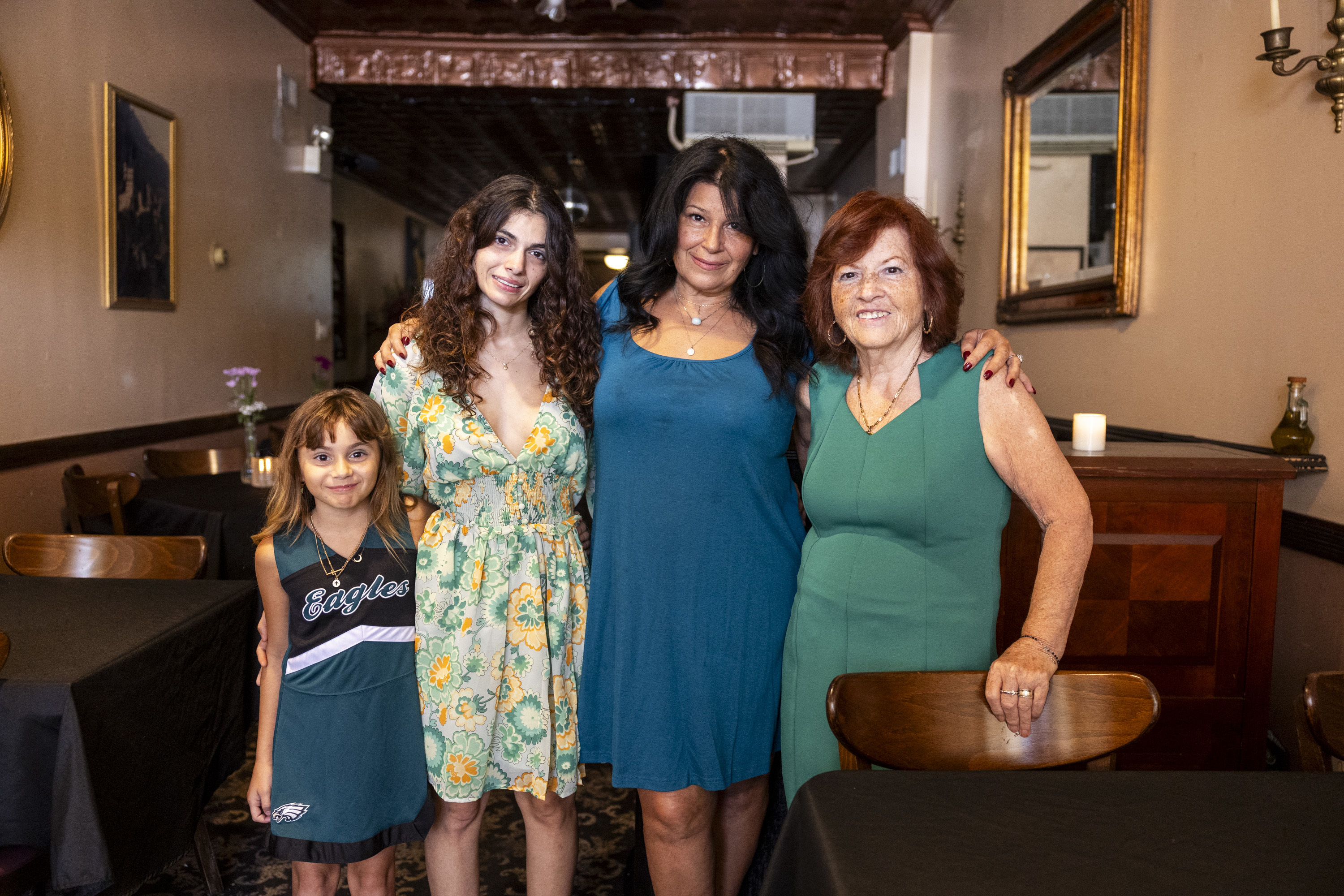
    Santa Maria Chiavatti (right) with three generations (from left): Great-granddaughter Paolina Carlomango, granddaughter Lilla Amico-Carlomango, and daughter Paola Chiavatti in the restaurant on Aug. 5, 2026.Tyger Williams / Staff Photographer

    She has boxes of handwritten recipes, including dishes passed through the family for generations. She is working on an Italian-language cookbook, while Paola and Lilla are helping to translate, organize, and photograph the recipes. They envision a series of cookbooks and possibly a line of pasta, sauces, and Maria’s homemade limoncello.

    That last item would be a particularly natural extension of Mamma Maria’s, Perry said.

    “When you went to Mamma Maria’s, you were drinking limoncello whether you intended to or not — and usually you wanted to.”

    For Maria, selling the buildings means giving up the restaurant, not the work that grew out of it.

    “Just because the restaurant is finished,” she said, “doesn’t mean I’m finished.”

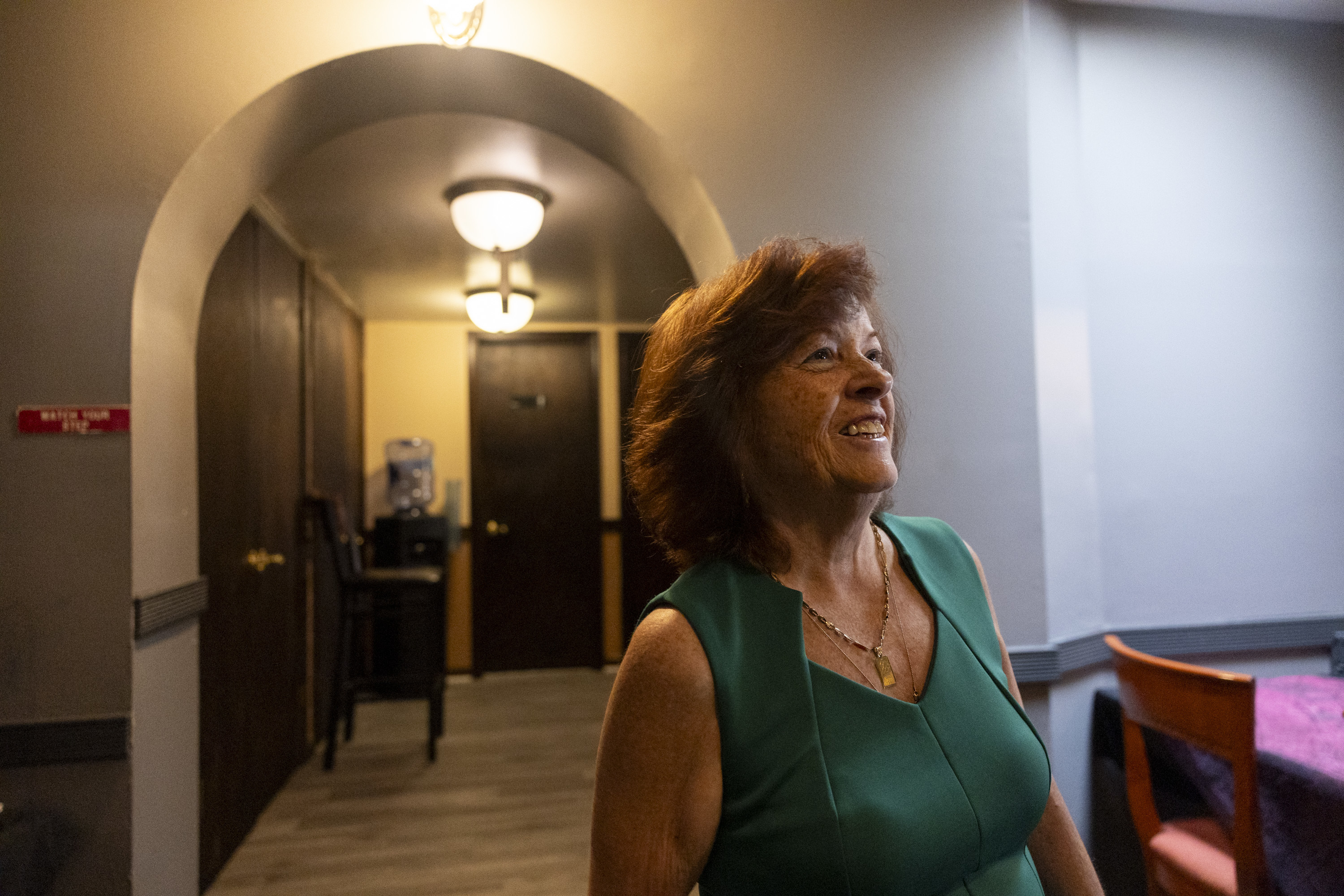
    “Just because the restaurant is finished doesn’t mean I’m finished,” says Santa Maria “Mamma Maria” Chiavatti.Tyger Williams / Staff Photographer
  • The best thing Mike Klein ate this week: Chicken roulade at Academy Grill

    The best thing Mike Klein ate this week: Chicken roulade at Academy Grill

    White-tablecloth restaurants in Eastern Montgomery County are few and far between nowadays, which makes the recent arrival of Academy Grill in Fort Washington something of a throwback.

    Tucked off Bethlehem Pike near Germantown Academy, the restaurant took over the building that for years housed Cantina Feliz. (Last year, the Mexican restaurant left Fort Washington for Ambler, 10 minutes away.) The sleek Academy Grill is taking a decidedly different approach: polished, contemporary American cooking with chef Jeffrey Power in the kitchen.

    Power is no stranger to the area. He was the longtime chef at Dettera, the ambitious Ambler restaurant that closed earlier this year, and before that worked at Blackfish in Conshohocken and Le Bec-Fin downtown. Though Power is turning out steaks and seafood at Academy Grill, one other dish connects those chapters of his career.

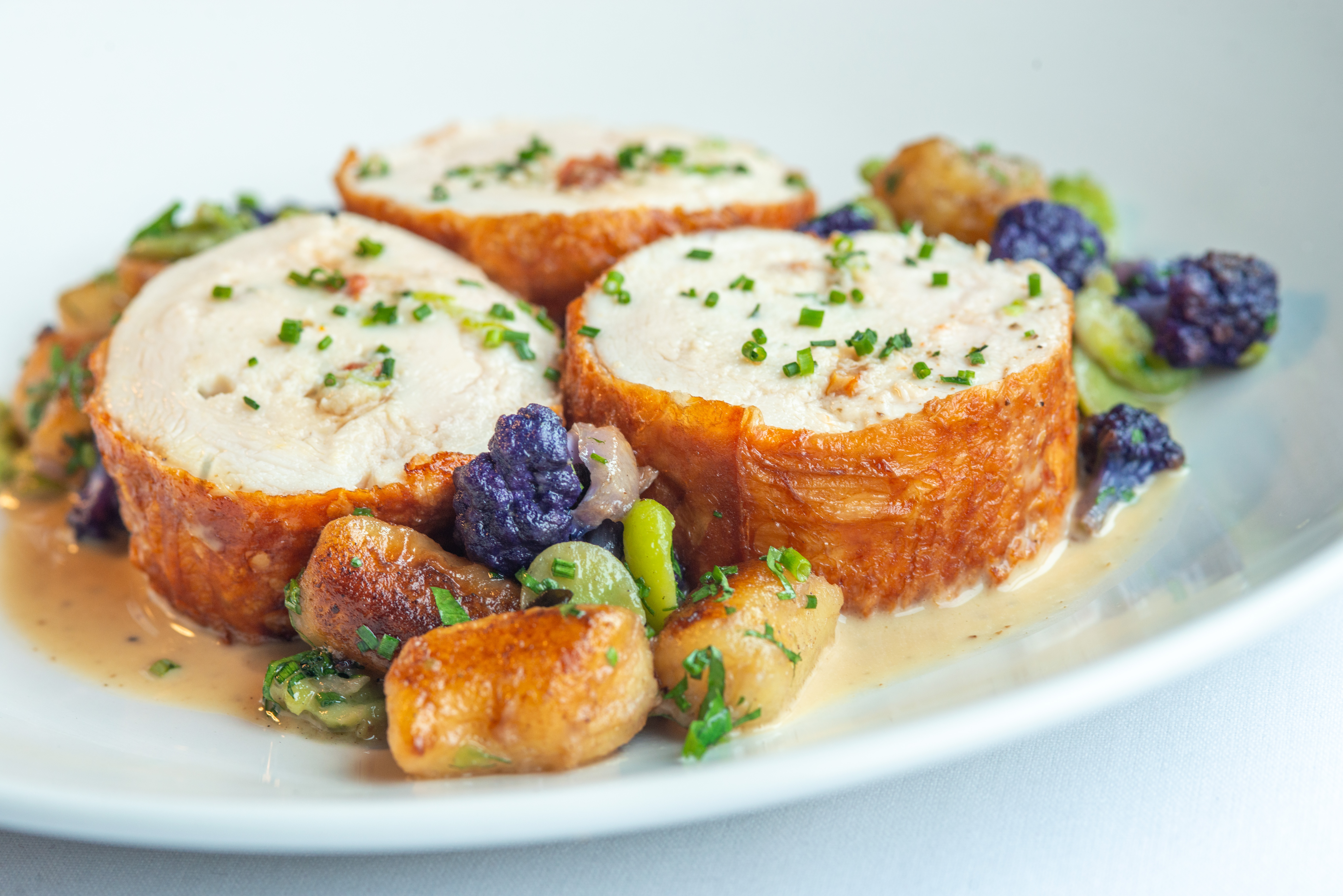
    Power’s chicken roulade — once a staple at Dettera — traces its roots back more than 20 years to Le Bec-Fin, though the technique has evolved. Power completely debones a whole chicken, removes the legs and thighs, and wraps the breast in its skin around a chicken mousseline studded with sun-dried tomatoes, oregano, basil, parsley, and scallions.

    At Le Bec-Fin, the roulade was rolled, tied in the old-school fashion, then pan-seared. Power now forms it into a cylinder using cellophane and cooks it sous vide, setting the proteins and helping the roulade hold its shape. It is then deep-fried to evenly crisp the skin around juicy chicken and herb-flecked mousseline.

    The dish is unabashedly rich, but its accompaniments have changed with its surroundings. At Dettera, Power plated it with English peas, smoked fingerling potatoes, and cremini mushrooms. At Academy Grill, pillowy potato gnocchi and earthy truffle crema add to its lushness. Cauliflower brings sweetness, while fava beans provide a fresh counterpoint — green, slightly nutty, and mildly bitter.

    In that sense, the roulade is both a new Academy Grill dish and a snapshot of Power’s career: a Le Bec-Fin idea refined at Dettera and carried into his latest kitchen.

    Academy Grill, 424 S. Bethlehem Pike, Fort Washington, 610-424-5000, academygrill.com.

  • Following Tun Tavern drama, Old City’s Lucha Cartel building finally has a fate

    Following Tun Tavern drama, Old City’s Lucha Cartel building finally has a fate

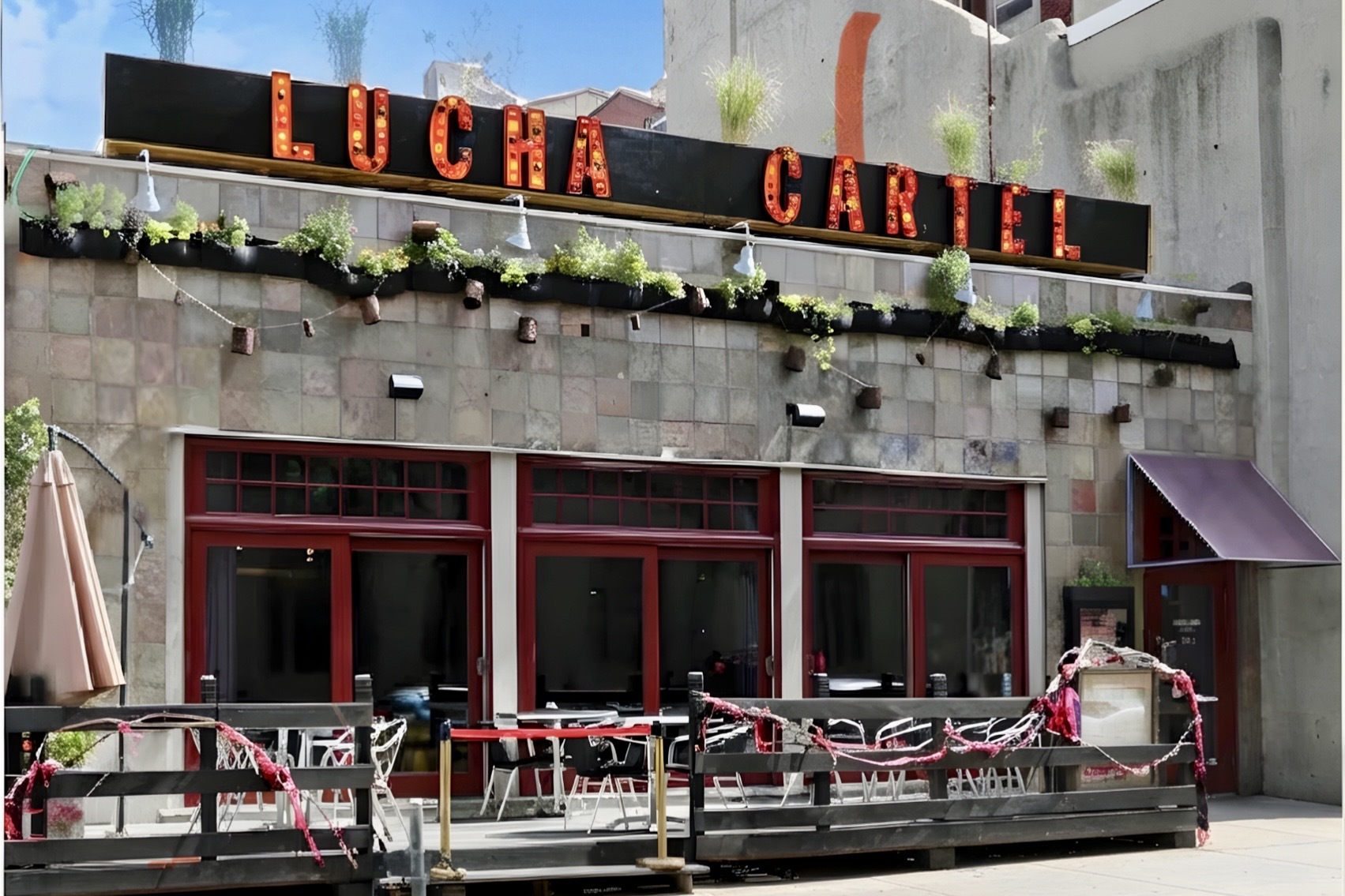
    The owners of two Port Richmond restaurants plan to open a moderately upscale Mexican restaurant in Old City, banking in part on the impact of the forthcoming Park at Penn’s Landing, which will cap I-95 and — they hope — send crowds to their doorstep.

    “It was an opportunity, and we decided to take a chance,” said chef Jesus García, a former executive chef at Lucha Cartel, which occupied the building at 207 Chestnut St. from 2013 until it closed last year. It was Philadelphia Fish & Co. from 1983 to 2009.

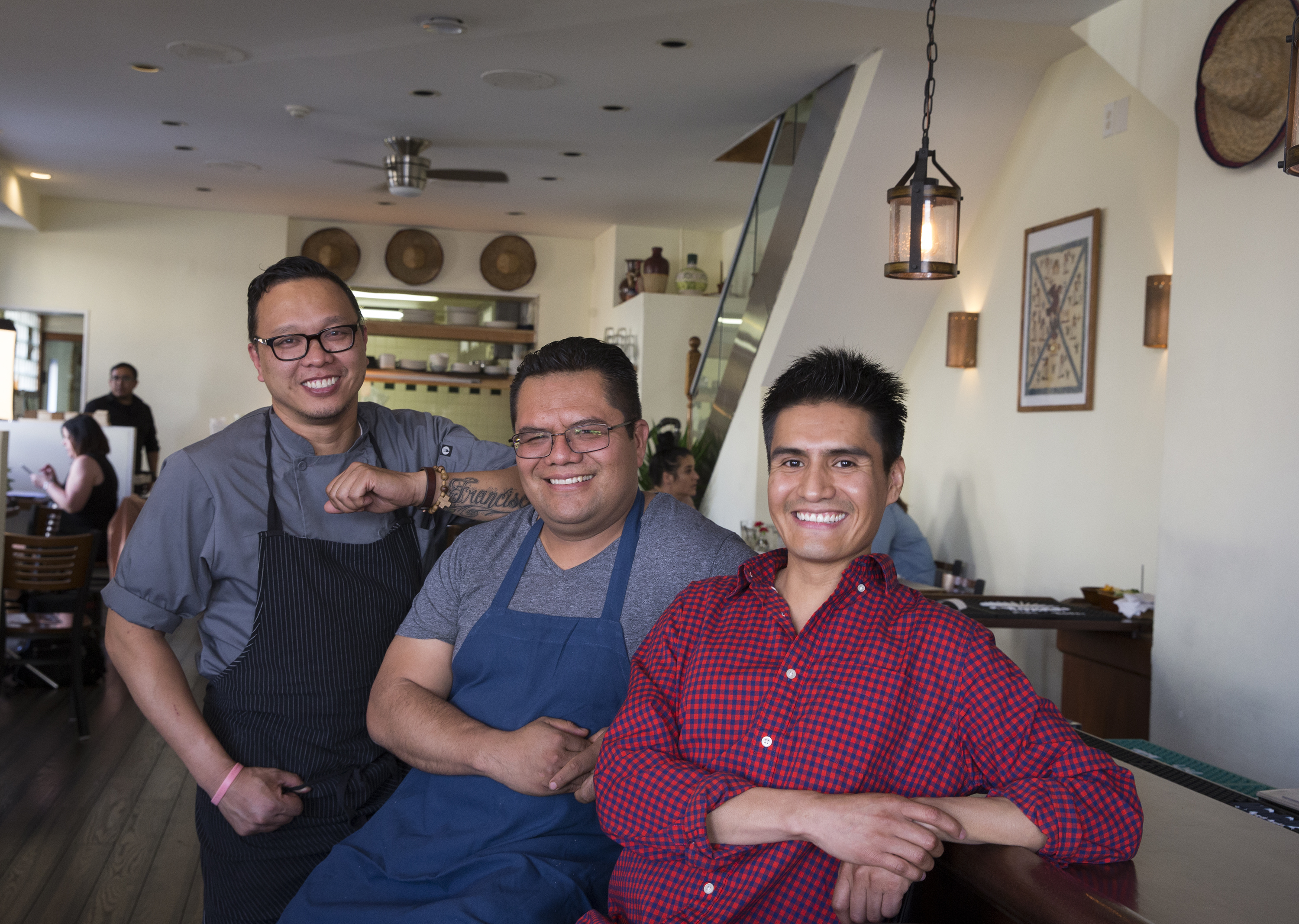
    Chef Jesus Garcia (center) and Alejandro Fuentes (right) with Jasper Alivia at their restaurant Nemi in 2019. Charles Fox / Staff Photographer

    García and Alejandro Fuentes, his partner in the Mexican restaurant Nemi and the cross-cultural La Roma, bought the property this week and plan to open a yet-to-be-named Mexican restaurant similar to Nemi, which Inquirer critic Craig LaBan has praised, particularly for its creative tacos.

    Fuentes and García opened Nemi at Ann and Thompson Streets in 2018, and followed in 2022 with La Roma at Allegheny Avenue and Mercer Street, where the menu crosses Mexican, Italian, and other influences.

    Their new restaurant will enter a pocket of Old City that already has several Mexican restaurants. La Catrachita Taqueria opened next door in May. Across Second Street, Buena Vista Mexican Restaurant & Bar opened last summer at 123 Chestnut St., while South Street’s Las Bugambilias moved to 15 S. Third St. in 2021.

    Fuentes and García’s purchase of 207 Chestnut marks the end of a saga that had entangled the property in competing efforts to resurrect the name of Tun Tavern, considered the birthplace of the U.S. Marine Corps.

    Montgomery Dahm, the Marine veteran who has operated a Tun Tavern in Atlantic City since 1998 and owns the trademark to the name, moved into Old City amid a trademark fight with the nonprofit Tun Legacy Foundation, which was planning its own historically accurate re-creation of Tun Tavern nearby.

    In September, Dahm announced an agreement to take over Lucha Cartel at 207 Chestnut, about 400 feet from the foundation’s proposed site around the corner on Second Street. He told The Inquirer that he intended to spend $2.5 million to $3 million to turn the property into a Tun Tavern.

    In November, Dahm added bunting and lightly renovated the restaurant for a party commemorating the Marine Corps’ 250th anniversary. Less than three months later, in February, Dahm and the foundation settled their trademark dispute. Dahm subsequently decided not to proceed with the Tun Tavern at 207 Chestnut, leaving the property available.

    Billy Creagh of National Realty Commercial brokered the sale, whose terms were not immediately disclosed.

    Fuentes and García’s timing coincides with one of the largest public-space projects in the city’s recent history. The Park at Penn’s Landing, being built over I-95 and Columbus Boulevard between Chestnut and Walnut Streets, will reconnect portions of Old City and Society Hill with the Delaware River waterfront for the first time since the 1970s. The project, anticipated to be completed in 2029, is expected to create nearly 12 acres of parkland and dramatically change the pedestrian approach to the waterfront.

    For 207 Chestnut, the significance is geographic: The restaurant will sit only a few blocks from the new park, along one of the principal east-west streets connecting Center City and Old City with Penn’s Landing.

    The Old City project will put Fuentes and García in a considerably different restaurant market from Port Richmond, with heavier tourist traffic, historic attractions, nightlife, and increasing competition for Mexican food.

    “I think it’s a great neighborhood, even if sometimes it has some ups and downs,” Fuentes said. “But there are a lot of local customers, and there are also a lot of tourists who visit Old City.”

  • Why chenin blanc is one of the most underrated wine grapes of all time

    Why chenin blanc is one of the most underrated wine grapes of all time

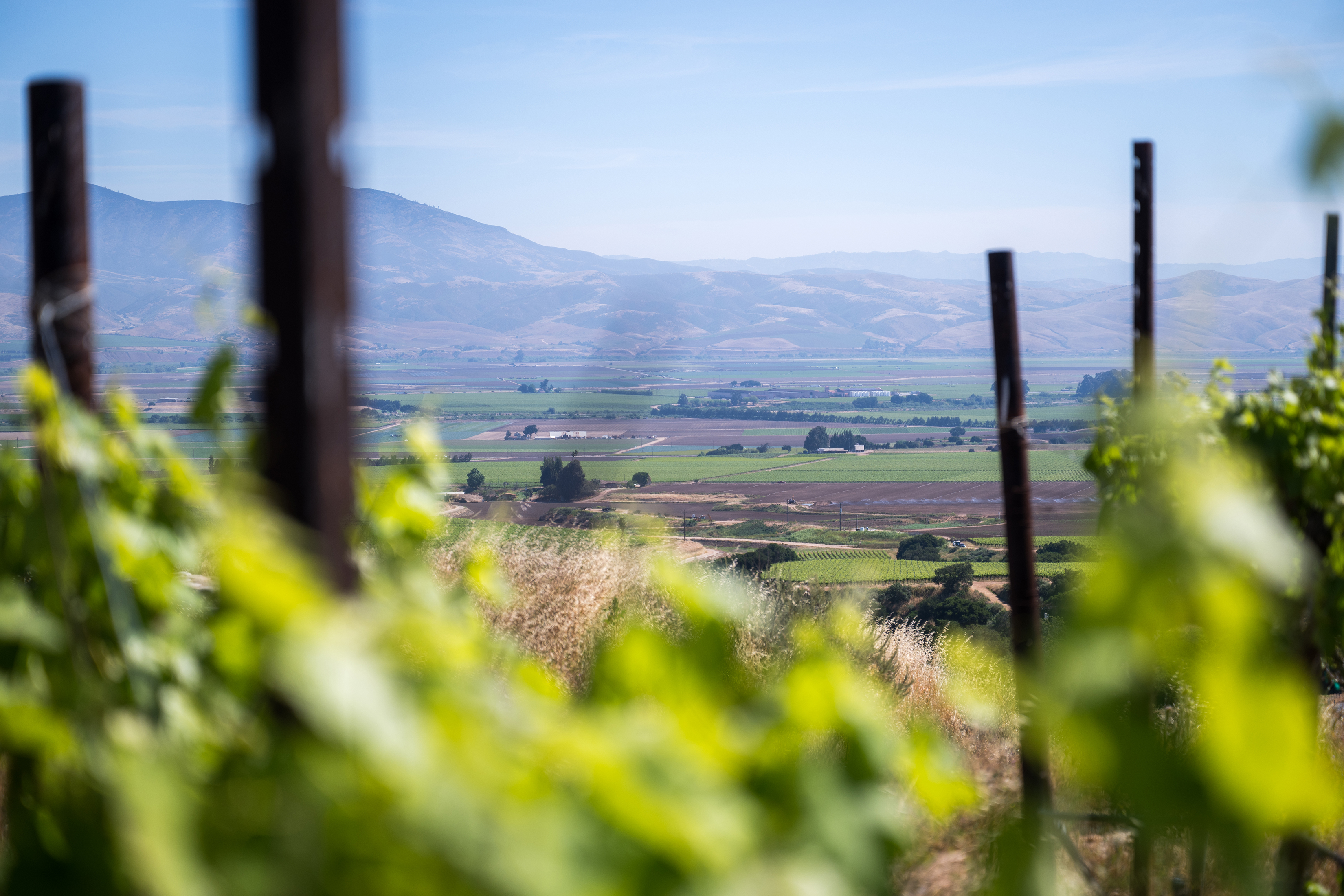
    Chenin blanc ranks among the most underrated wine grape of all time in terms of its quality potential. When grown and made with care, as with this California example, its wines can be spectacular. Combining the aromatic finesse of riesling with the tactile opulence of chardonnay, chenin blanc rivals the finest of white grapes.

    However, chenin blanc has struggled to shake off a bulk-wine reputation because its strengths are so easy to exploit in making cheaper wines, especially sweeter wines.

    Depending on decisions made by vintners, any green grape can make wine that is still or sparkling, sweet or dry, oaked or unoaked. Whether the wine is lightweight or heavyweight is determined by how ripe the fruit is at the moment of harvest. Most wine grapes perform better in one or two styles, and people come to know what to expect from them. Sauvignon blanc is almost always dry and unoaked, for instance, while riesling is more often made to be sweet. Chardonnay is usually dry but fuller-bodied and often oaked, and almost every other grape has a similar “classic” style.

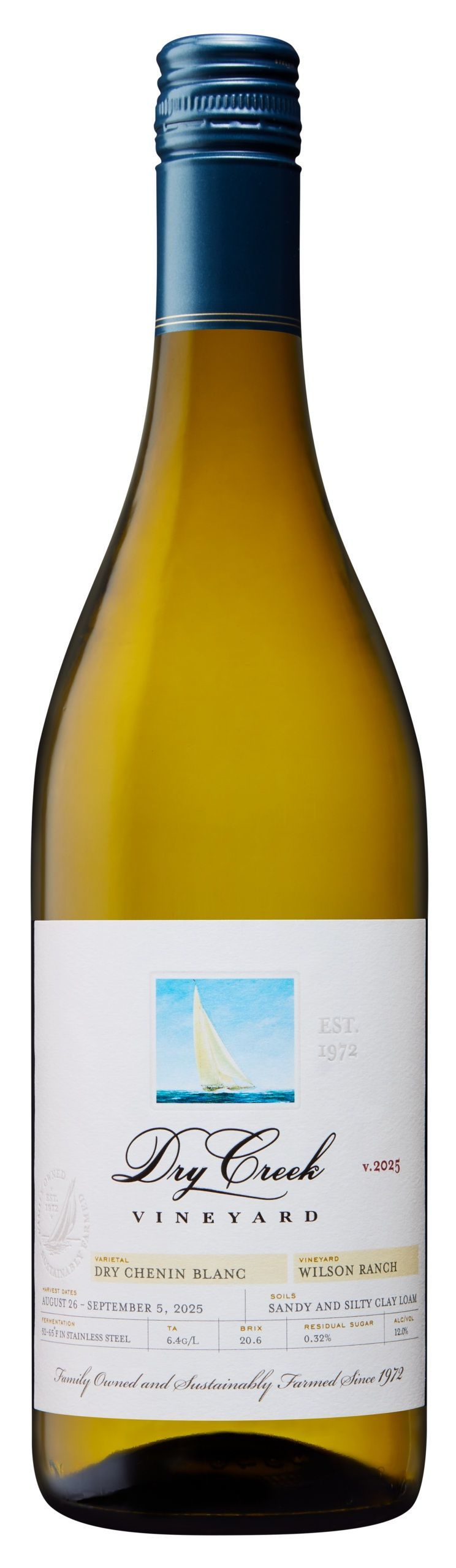
    This is where chenin blanc has a truly perverse problem from a marketing perspective — it is simply too good at making too many styles to have carved out any single recognizable stylistic niche. This makes every bottle purchased a bit of a leap of faith for the buyer, who can’t be sure quite what they’re going to get. That’s why it is so helpful that Dry Creek Vineyard shares this wine’s technical data right up front, confirming that the wine is made in a style that is light in body, at only 12% alcohol, and quite dry. Most vintages contain less than half a percent of residual sugar, which is well below the threshold of perception for most drinkers.

    Where many California chenin blancs are barrel-fermented as if they were chardonnays, this wine’s back label confirms that it is unoaked. In the glass, the wine has strong green apple and golden apple flavors, accented with notes of mandarin orange and honeydew melon. It is brisk, clean, and dry and makes an excellent partner for sushi or heirloom tomatoes.

    Dry Creek Vineyard Dry Chenin BlancCourtesy of Dry Creek Vineyard

    Dry Creek Vineyard Dry Chenin Blanc

    Clarksburg, California; 12% ABV

    PLCB Item #86917

    On sale for $15.99 (regularly $17.99) through Aug. 30

    Also available at: Moorestown Super Buy Rite ($13.49) in Moorestown, N.J., moorestownbuyrite.com; Hopewell Super Buy Rite ($15.99) in Pennington, N.J., buyrite.wine; and WineWorks ($16.98) in Marlton, N.J., wineworksonline.com.

  • Waltz feels like an old haunt, but this polished Italian restaurant delivers new flavors to deep South Philly

    Waltz feels like an old haunt, but this polished Italian restaurant delivers new flavors to deep South Philly

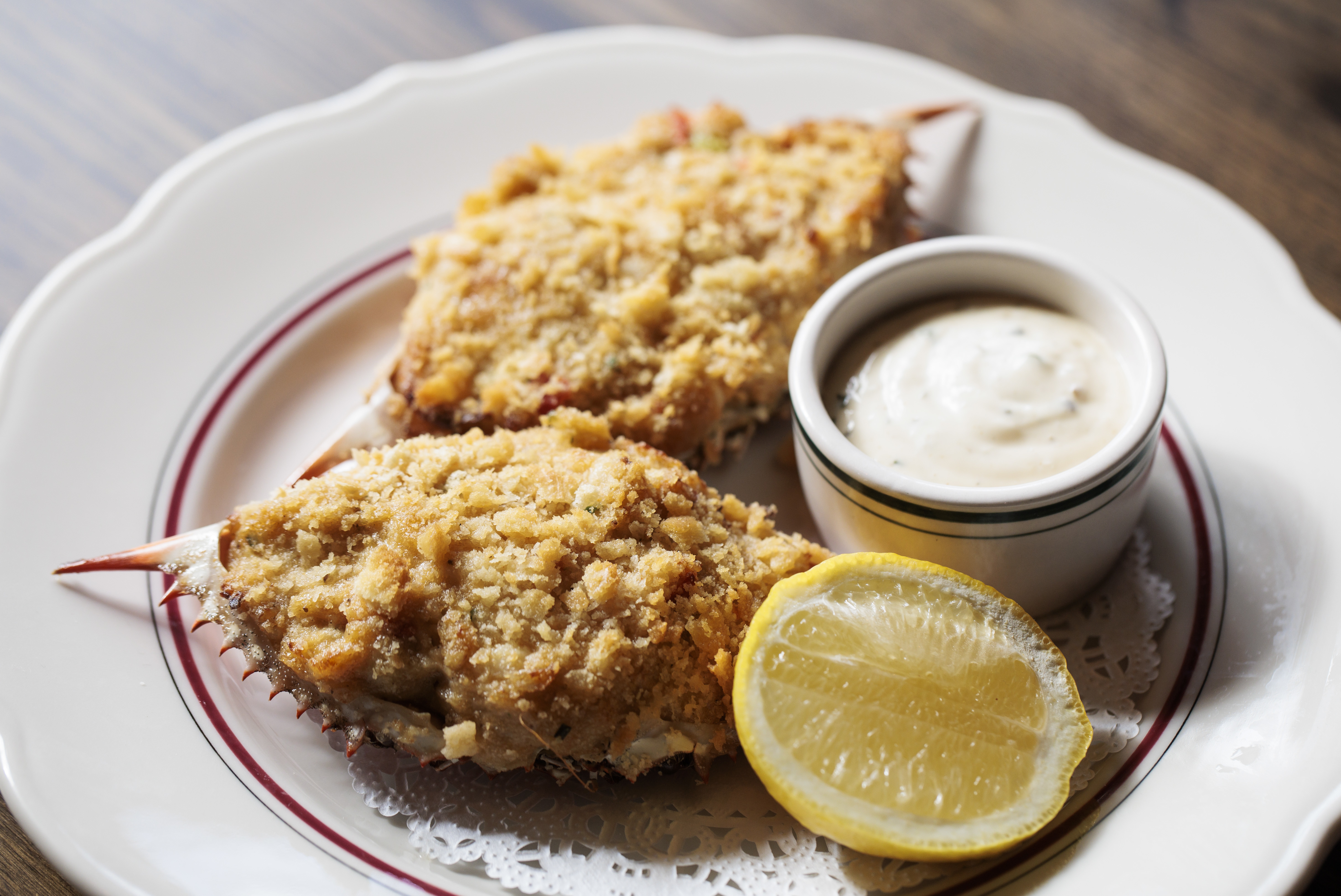
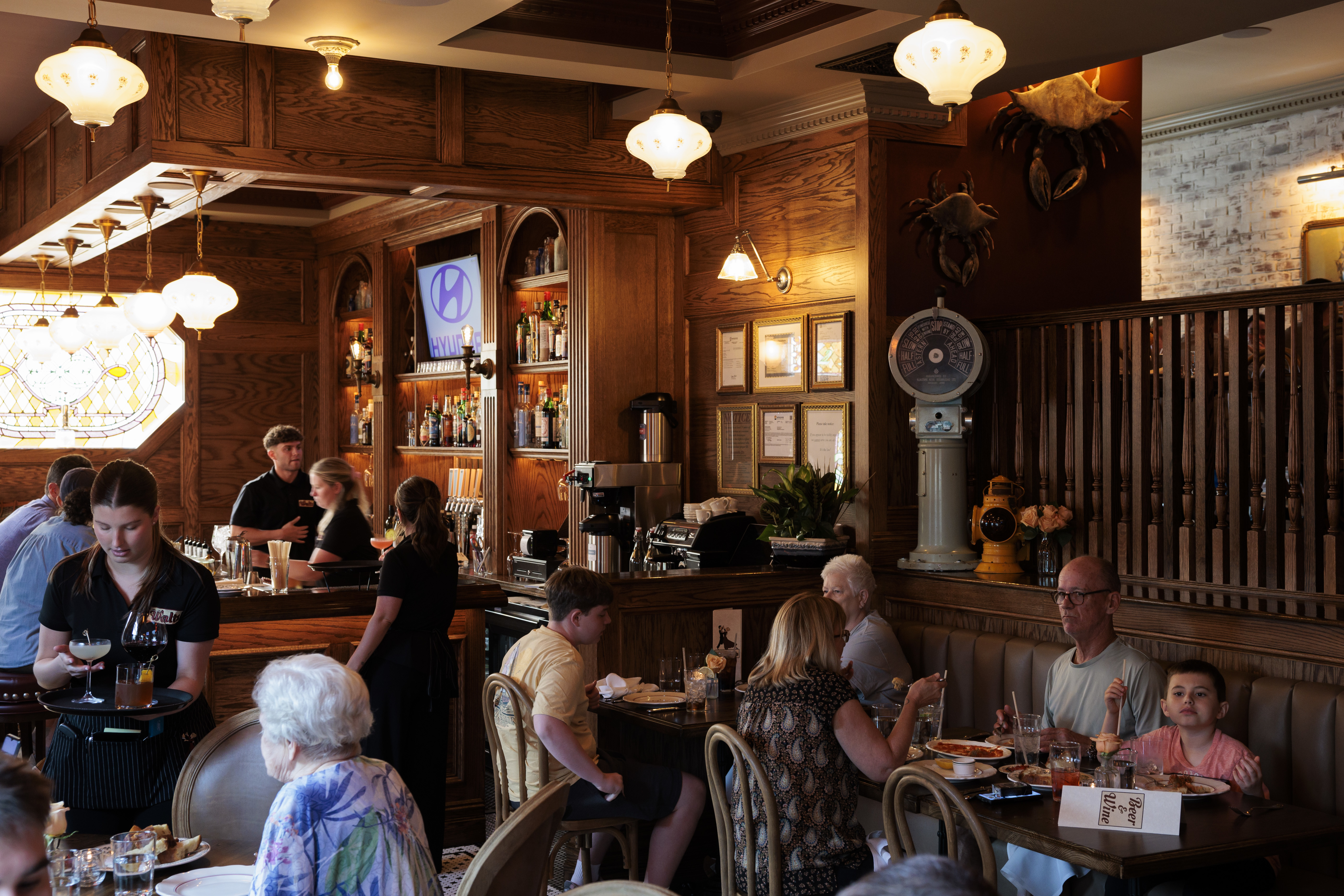
    If you didn’t know better, you could be convinced — as you slide a spoonful of lightly breaded crab cake out from its stuffed shell, gaze at the soft light pouring through stained glass windows, and sip a frosty martini — that Waltz, at Front and Ritner, has been dancing on this corner of deep South Philadelphia for decades.

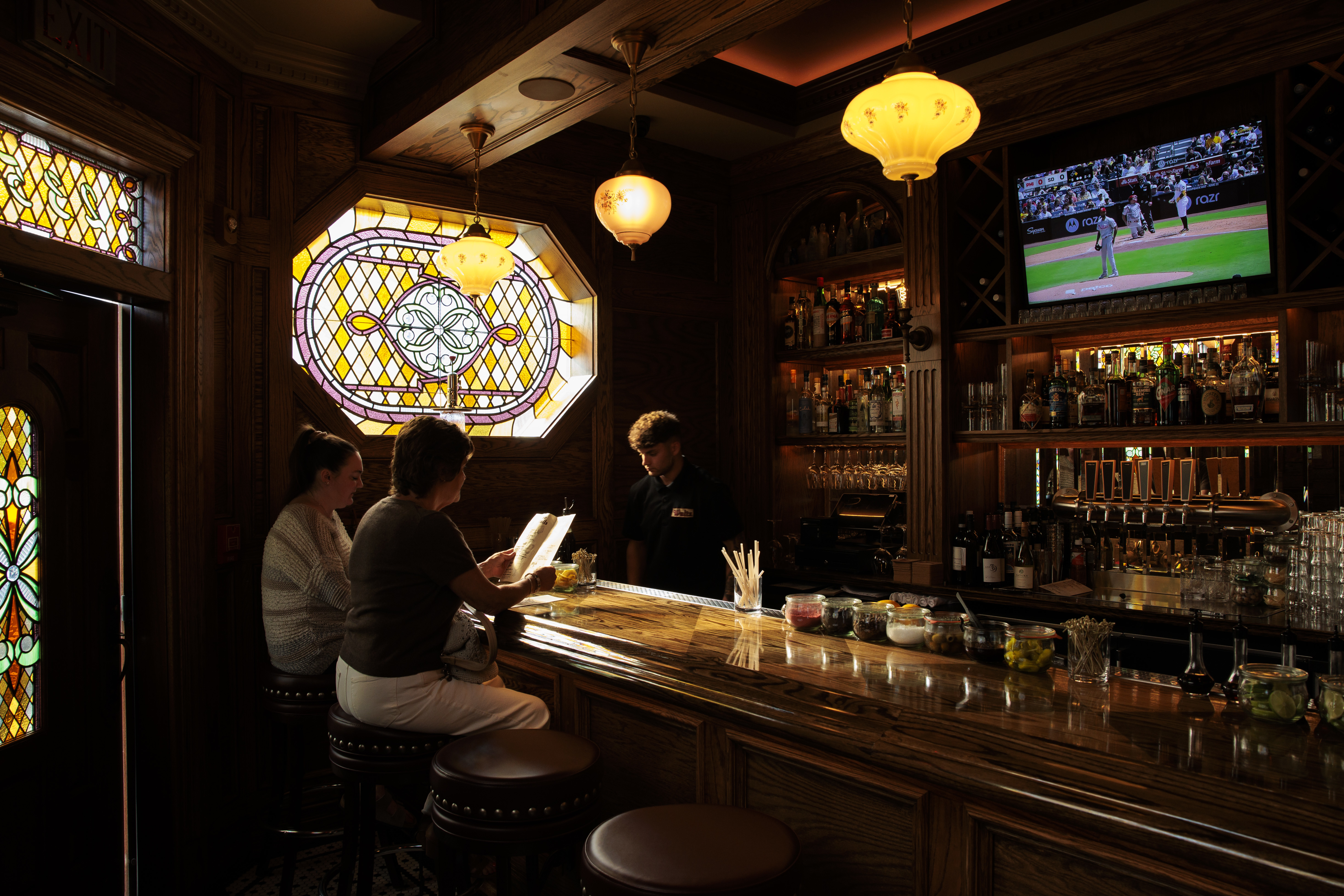
    Cue the crowds that reliably fill the bentwood chairs in its wood-paneled downstairs bar and the bustling upper dining room even on weekdays. Forks angle through heaping platters of spaghetti while the Delfonics, O’Jays, and other Philly soul greats croon in the background. The vintage vibes here are pristine — except for the fact that Waltz is not vintage at all, but a five-month-old passion project that unpretentiously delivers a style of polished Italian American dining that’s been on the slow fade for decades due to demographic shifts and changing tastes.

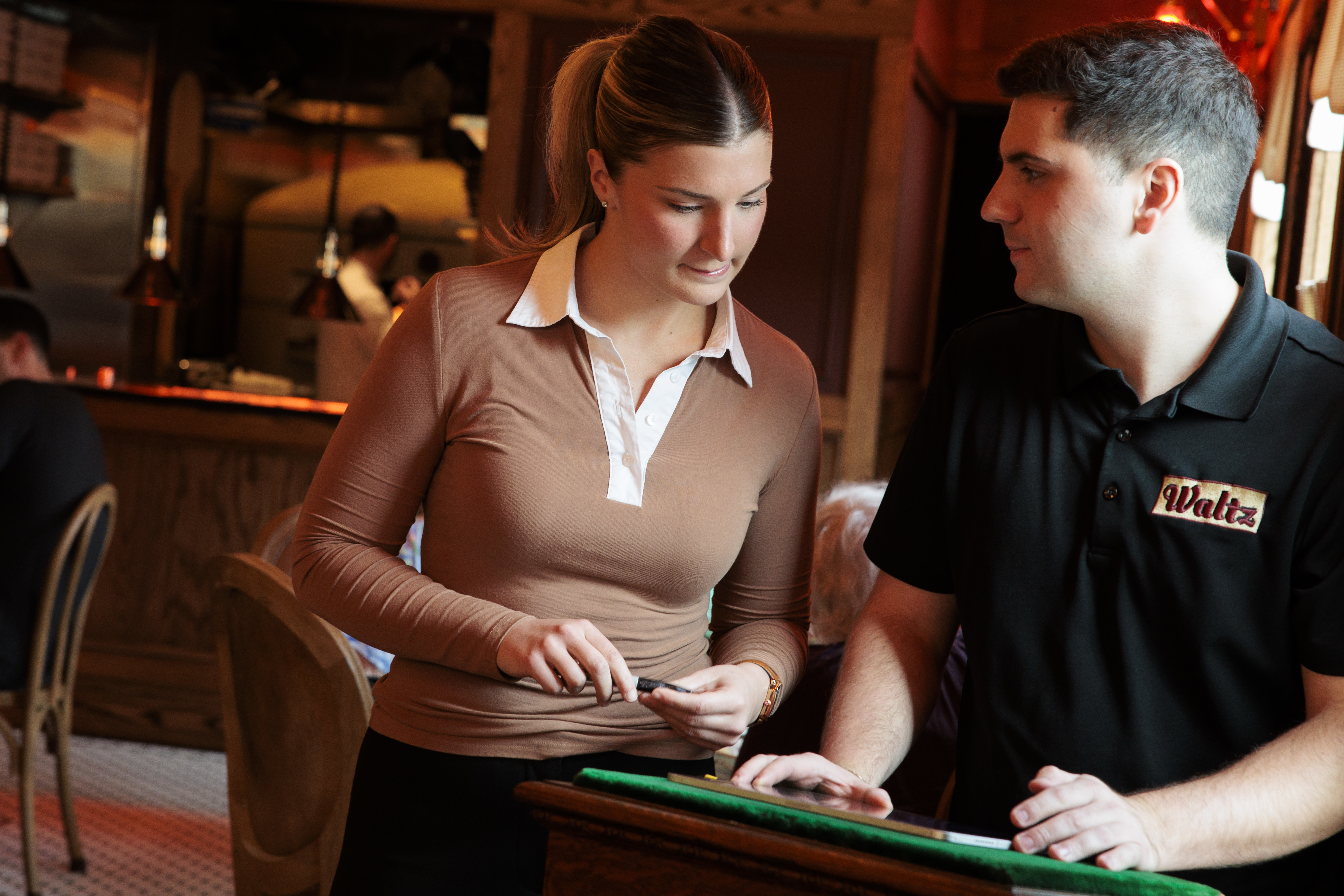
    Celine Tobin and Joey Dougherty work at Waltz on Wednesday, May 27, 2026 in Philadelphia.Monica Herndon / Staff Photographer
    The bar at Waltz on Wednesday, May 27, 2026 in Philadelphia.Monica Herndon / Staff Photographer

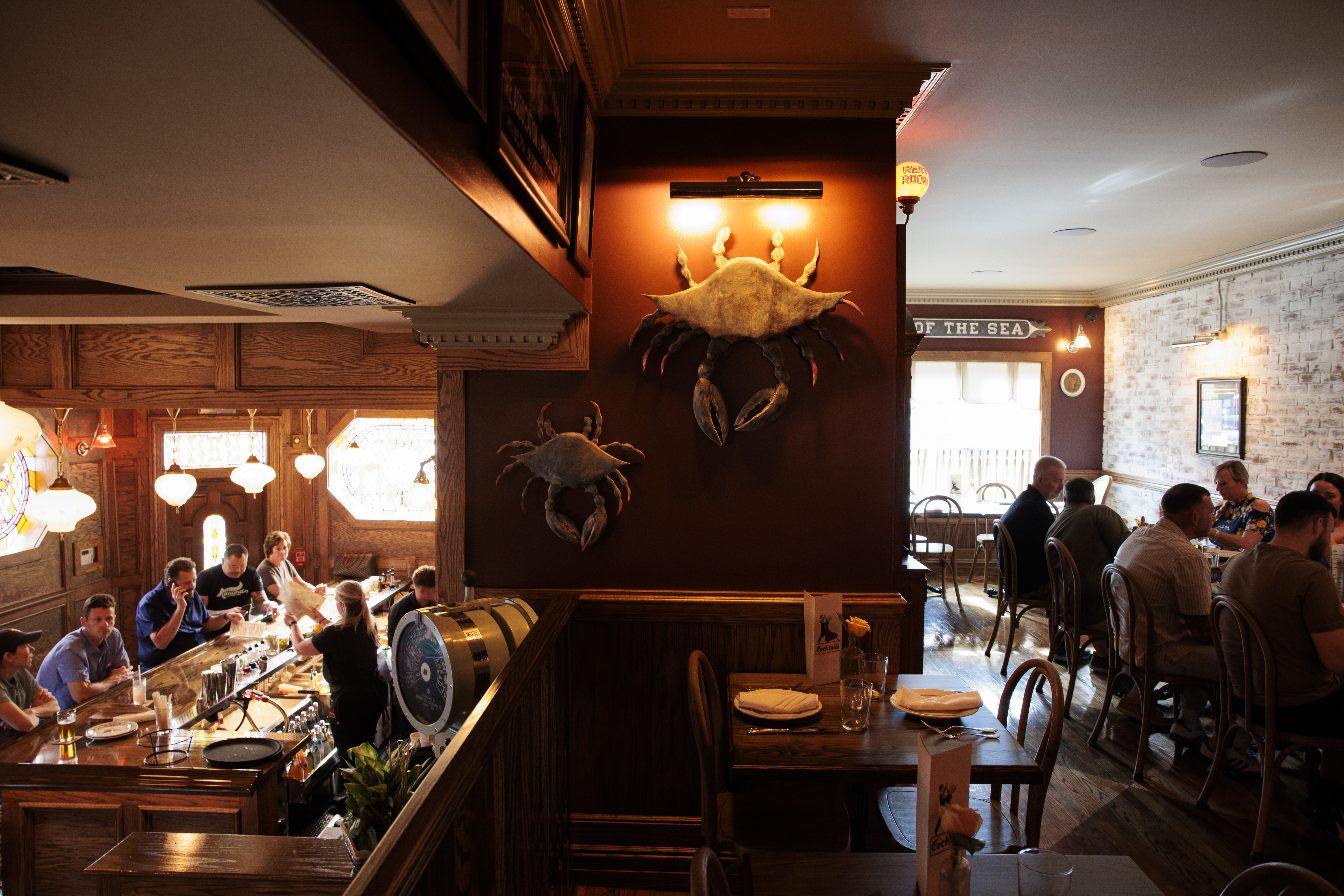
    This restaurant’s charm is more than just a wistful nod to “they don’t build ’em like that anymore” nostalgia. Waltz is anything but stale from the moment you’re greeted warmly at the maître d’ stand, most likely attended by manager Celine Tobin, who also happens to be co-owner Joey Dougherty’s girlfriend. A wood-fired oven beckons from just beyond in the partially open kitchen, where the 800-degree hearth fuels a menu built around pizzas, roasted meats, and house pastas.

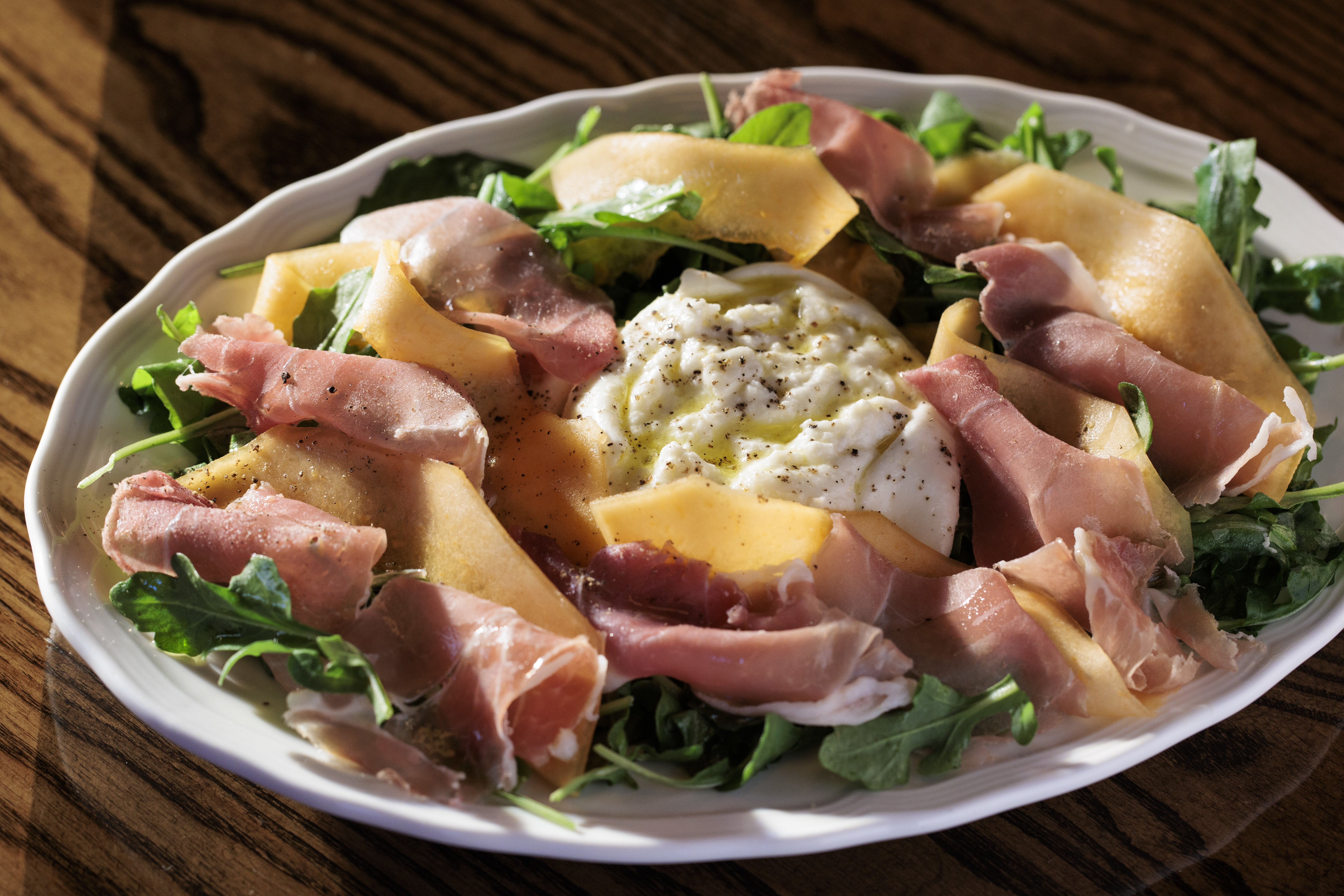
    The menu, conceived and implemented by consulting chef Eric Leveillee, formerly of Lacroix at the Rittenhouse, is key to Waltz’s allure, offering a familiar repertoire of popular dishes, then raising the bar with added elements of craft. The mozzarella is hand-pulled from Caputo Bros. Creamery curds just before service, so the milky white burrata — its core stuffed with rosemary-infused mascarpone — is extra sweet when draped with salty pink curls of prosciutto, juicy cantaloupe, and peppery green olive oil. The pizzas are made from sourdough, which lends their crusts an extra crackle, complexity, and tang.

    The burrata with prosciutto, melon, and olive oil at Waltz on Tuesday, Aug. 4, 2026, in Philadelphia.Monica Herndon / Staff Photographer

    The house-extruded pastas gain extra vibrance from their springy texture. There’s noticeable resilience in the wide lumache elbows, for example, whose bounce stands up to a spiced blush sauce that’s not simply rich with cream and fistfuls of crab, but boosted by the depth of a freshly steeped crab stock. That pasta, as well as the signature appetizer of crab cakes, is a nod to the hard-shell history of this address’ previous occupant, Anthony’s Crab House.

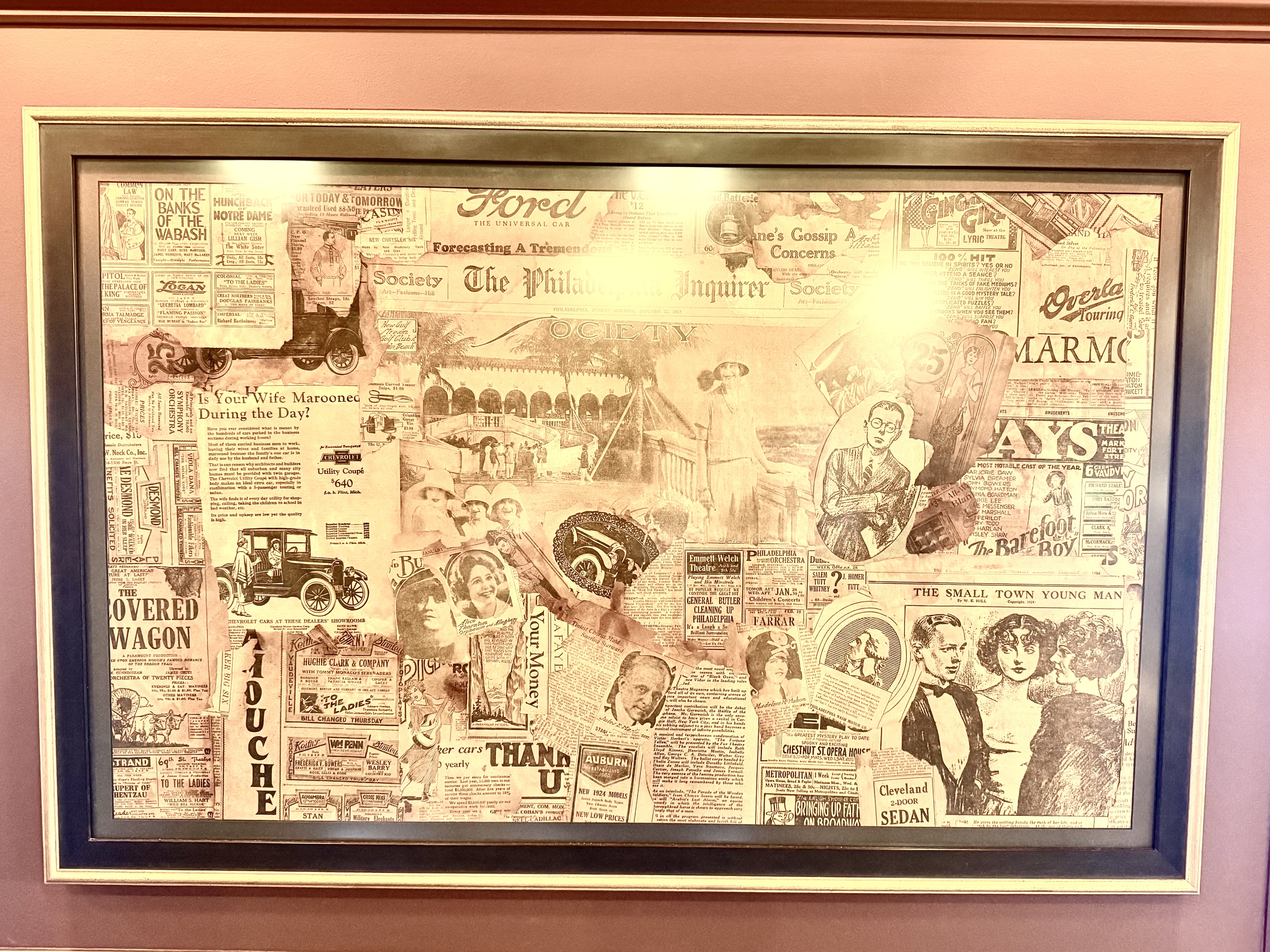
    Waltz is a wordplay tribute to the Whitman neighborhood at the city’s southeasternmost corner, an area near the port bordered by railyards and strip malls rich in casual dining options (John’s Roast Pork, Wolf Burger, Oregon Diner, and the newly opened Angelo’s location), but slim on date-night draws. Dougherty aimed to answer that need by rehabbing this corner haunt, which had fallen into disrepair a block from his family’s contracting business, Dougherty Electric. As such projects often go, an intended modest facelift turned into a major renovation: The Doughertys created a wider opening between the dining rooms in two adjoining properties, restored the exterior brick by brick, and completely rebuilt the interior, down to the framed collage of 1924 editions of The Inquirer that had been used inside the walls as insulation.

    The stuffed crabs at Waltz on Wednesday, May 27, 2026 in Philadelphia.Monica Herndon / Staff Photographer
    The interior of Waltz on Wednesday, May 27, 2026 in Philadelphia.Monica Herndon / Staff Photographer

    Based on the craftsmanship of the fixtures, from the millwork of the wood paneling to the barroom tiles, vintage pendant lights, and even the beautifully outfitted marble bathrooms downstairs, it’s clear the Doughertys used many of their professional contacts here.

    They might want a rebate, though, from their HVAC guy. The air-conditioning in the nautical-themed upper dining room cut out halfway through a meal with my boss on a 100-degree day, awkwardly leaving us sweaty over our peperoncini-spiked martinis and the crisply fried fritto misto.

    The interior of Waltz on Wednesday, May 27, 2026 in Philadelphia.Monica Herndon / Staff Photographer
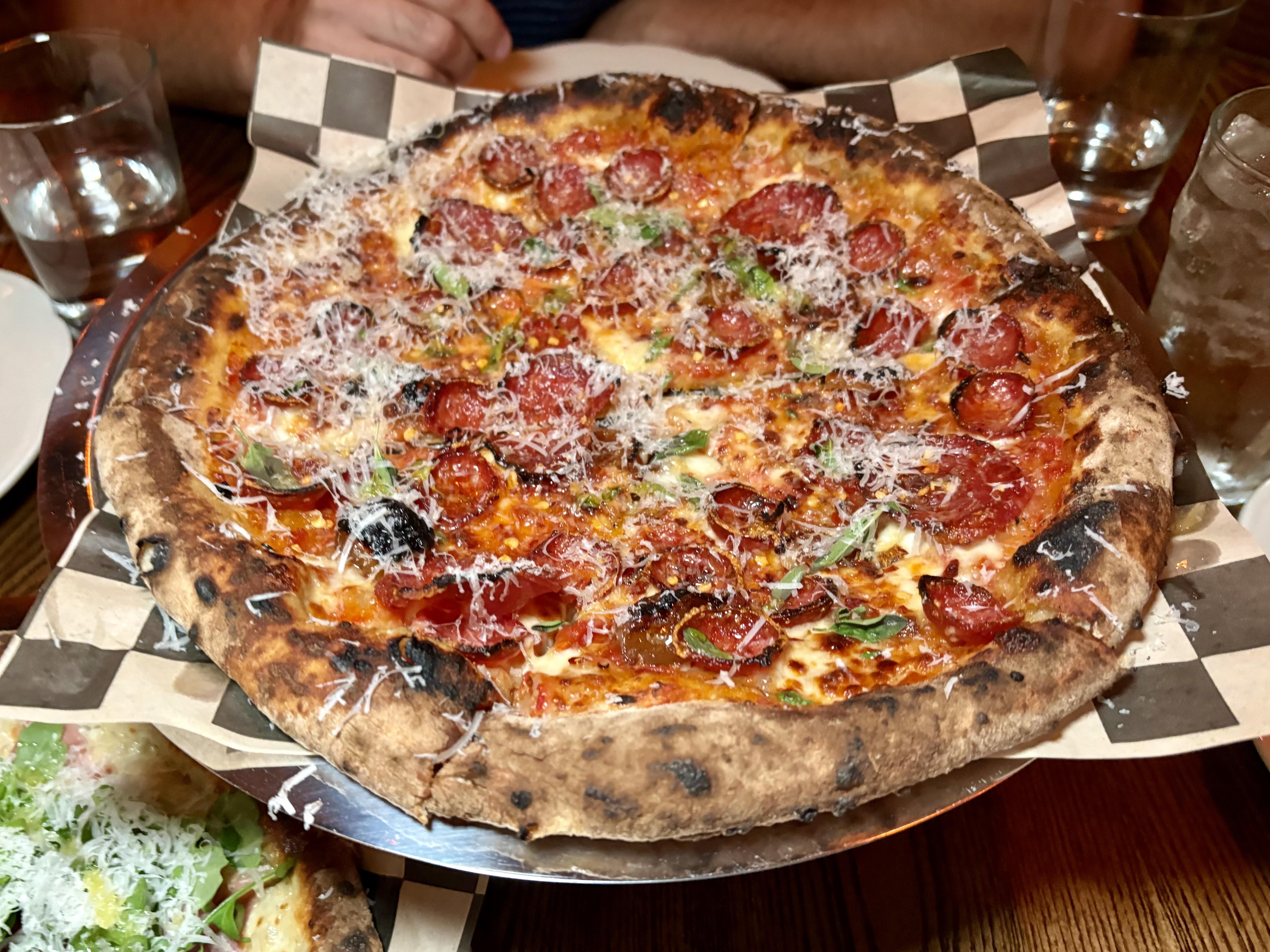
    The sourdough piccante pizza at Waltz includes pepperoni, soppressata, hot honey, and onion agrodolce.Craig LaBan / Staff

    It’s a tribute to the kitchen that our table remained upbeat despite the sticky heat. The carbonara pizza — a white pie with béchamel and fontina scattered with salty nuggets of guanciale and a golden glaze of egg yolk — was my favorite pizza of that first visit. The piccante — a red pie with pepperoni, soppressata, hot honey, and sweet-tart onion agrodolce — was my pick on a return meal when the AC, thankfully, was working again.

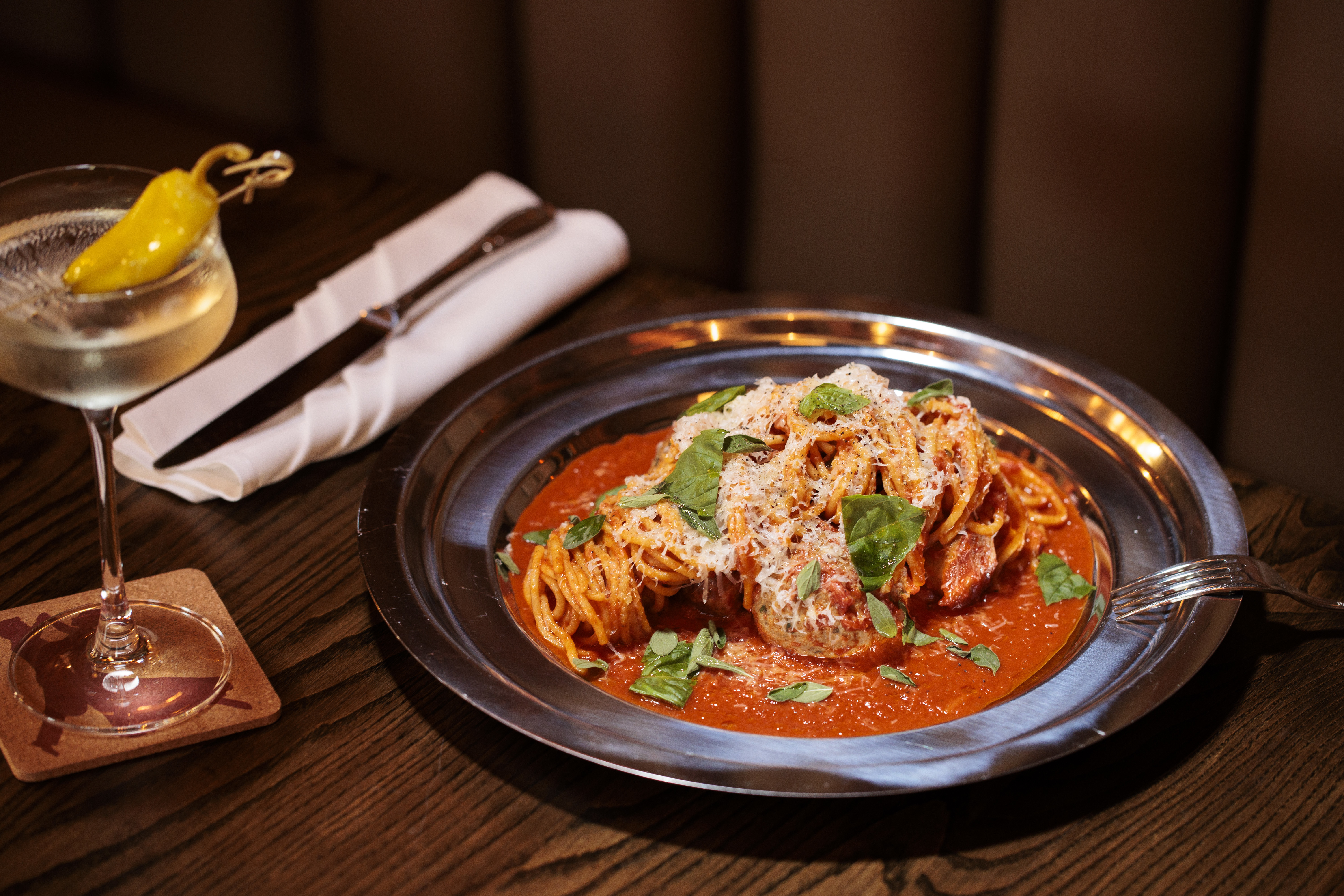
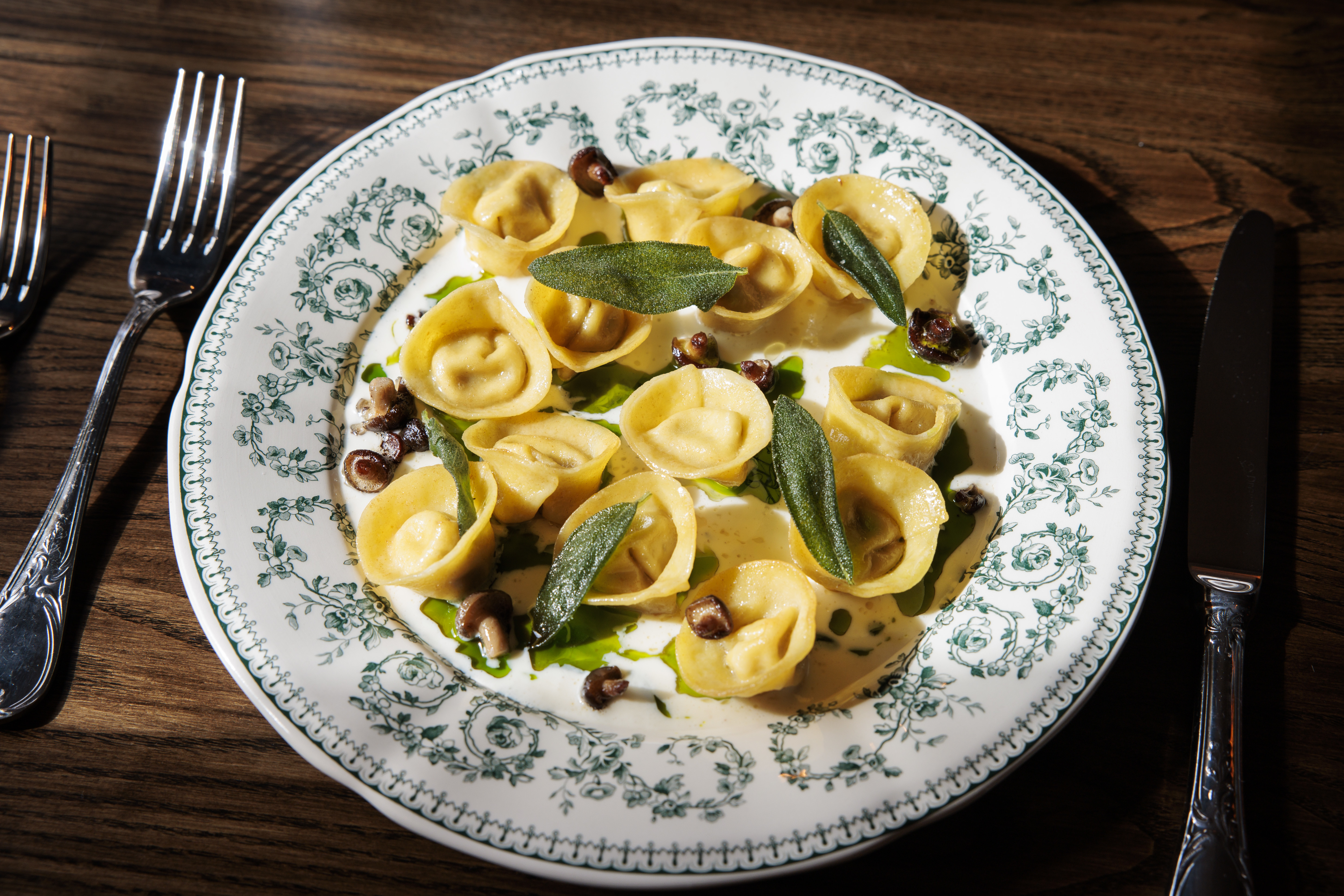
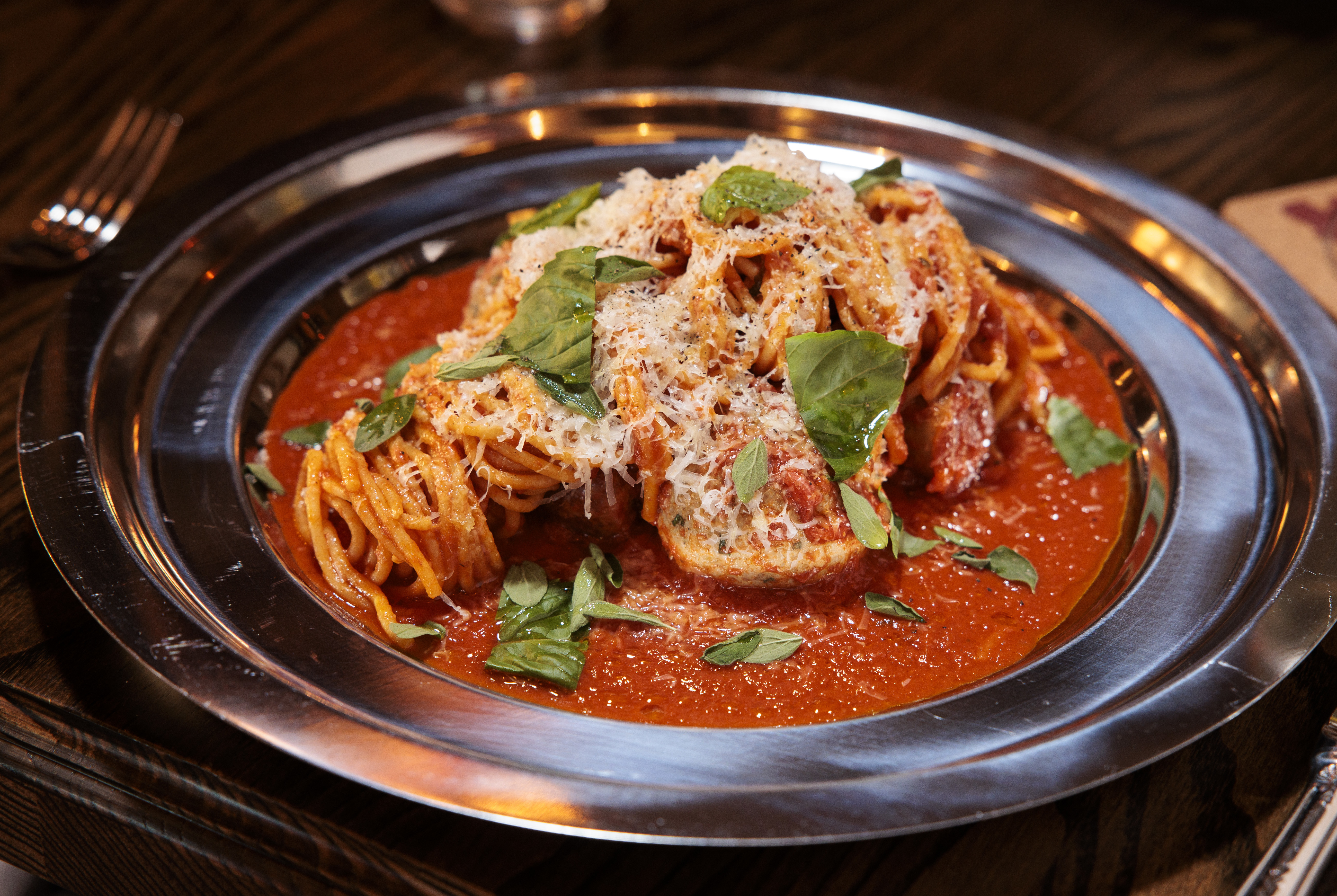
    The pastas at Waltz are also consistently excellent, including deftly folded tortellini stuffed with mushrooms in Parmesan cream sauce, and the ruffled-edge ribbons of pappardelle that cradled rustic duck ragù. The snap of fresh noodles lend the already irresistible silver platter of spaghetti with meatballs and sausage in red sauce extra oomph. It was so zesty, I couldn’t help but wonder how this Sunday gravy became a treasured tradition of the Dougherty family in this historically Irish enclave of South Philly.

    The tortellini at Waltz on Wednesday, May 27, 2026 in Philadelphia.Monica Herndon / Staff Photographer
    The spaghetti and meatballs at Waltz on Tuesday, Aug. 4, 2026 in Philadelphia.Monica Herndon / Staff Photographer

    “We call it ‘Gus’ gravy,’” says Dougherty, noting that his father, Donald “Gus” Dougherty, also a partner at Waltz, learned the recipe in 2008 from some Italian friends he met while he was serving 18 months in federal prison at Fort Dix for defrauding the IBEW Local 98 electricians union, formerly run by his close (but unrelated) associate, John “Johnny Doc” Dougherty. “He’s made it every Sunday since.”

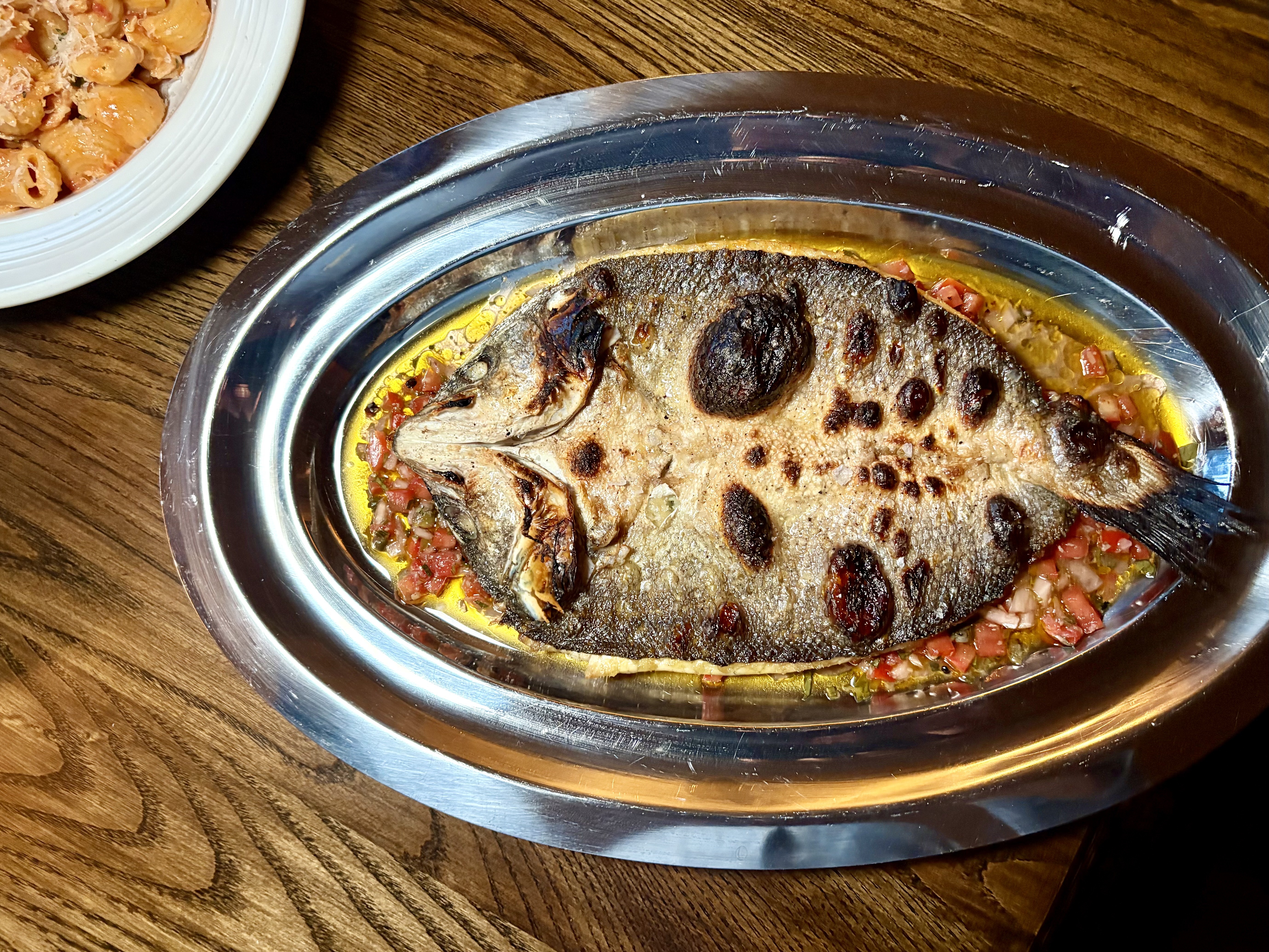
    That gravy also features prominently on the chicken Parm, although that is one dish here I found unexciting. Yes, the sharing portion is gigantic, which, at $30, is a reminder that prices here are very fair. But the breading had gone so soggy in all that red sauce the exterior was almost fluffy, leaving this Parm one-dimensional. Your best bets for the handful of large-format sharing dishes emerge from that wood hearth; the heat-blistered silver skin of a butterflied whole branzino, for example, is fantastic over the tangy vinaigrette — called sauce vierge — of fresh tomatoes, capers, and a splash of chili oil that makes it glow.

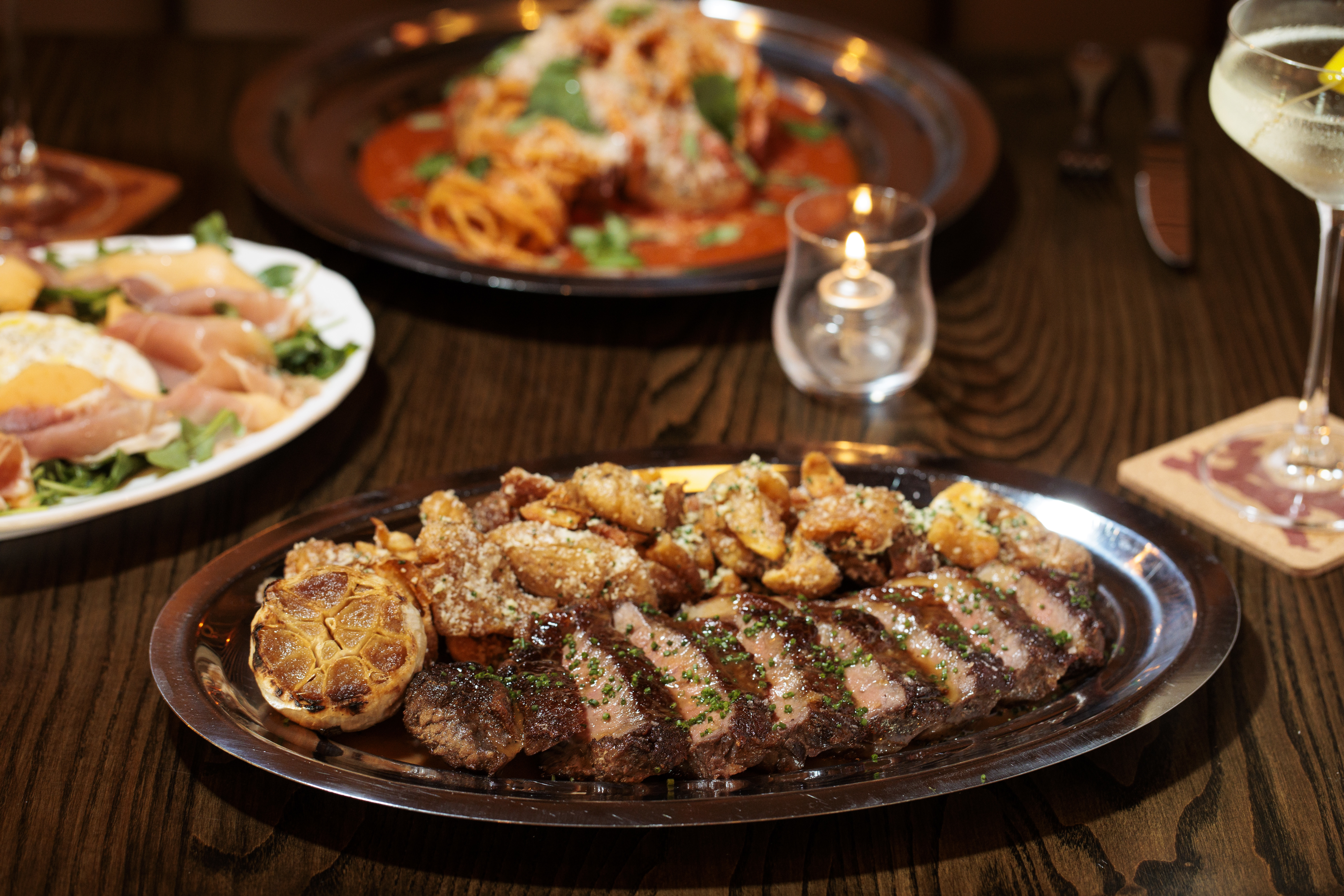
    The superbly tender 14-ounce strip steak, meanwhile, roasted to a perfect medium-rare in that pizza oven, was one of the more memorable cuts of beef I’ve eaten this year. It arrived fanned over a silver platter beside shatteringly crisp fried fingerling potatoes and a head of sweet roasted garlic glossed in a black peppercorn jus that’s a telltale perk from Leveillee’s years of sauce work in French kitchens.

    The 14-ounce New York strip steak with smashed fingerling potatoes, roasted garlic, and black pepper jus at Waltz on Tuesday, Aug. 4, 2026 in Philadelphia.Monica Herndon / Staff Photographer
    The whole branzino at Waltz is roasted in the wood-fired oven and paired with a tomato and caper vinaigrette.Craig LaBan / Staff

    Between that steak, the crab cakes, pastas, and the retro tavern vibe, I can see why some have likened Waltz to a combination of the Saloon and the newly revived Bomb Bomb Bar. Waltz’s still-evolving repertoire isn’t quite that proven or deep yet, even if I have little doubt executive chef Sergio Mateo — an alum of Ambra, Whetstone, and Lacroix who’ll be carrying the menu forward once Leveillee’s consultancy is finished — has the skills to get there.

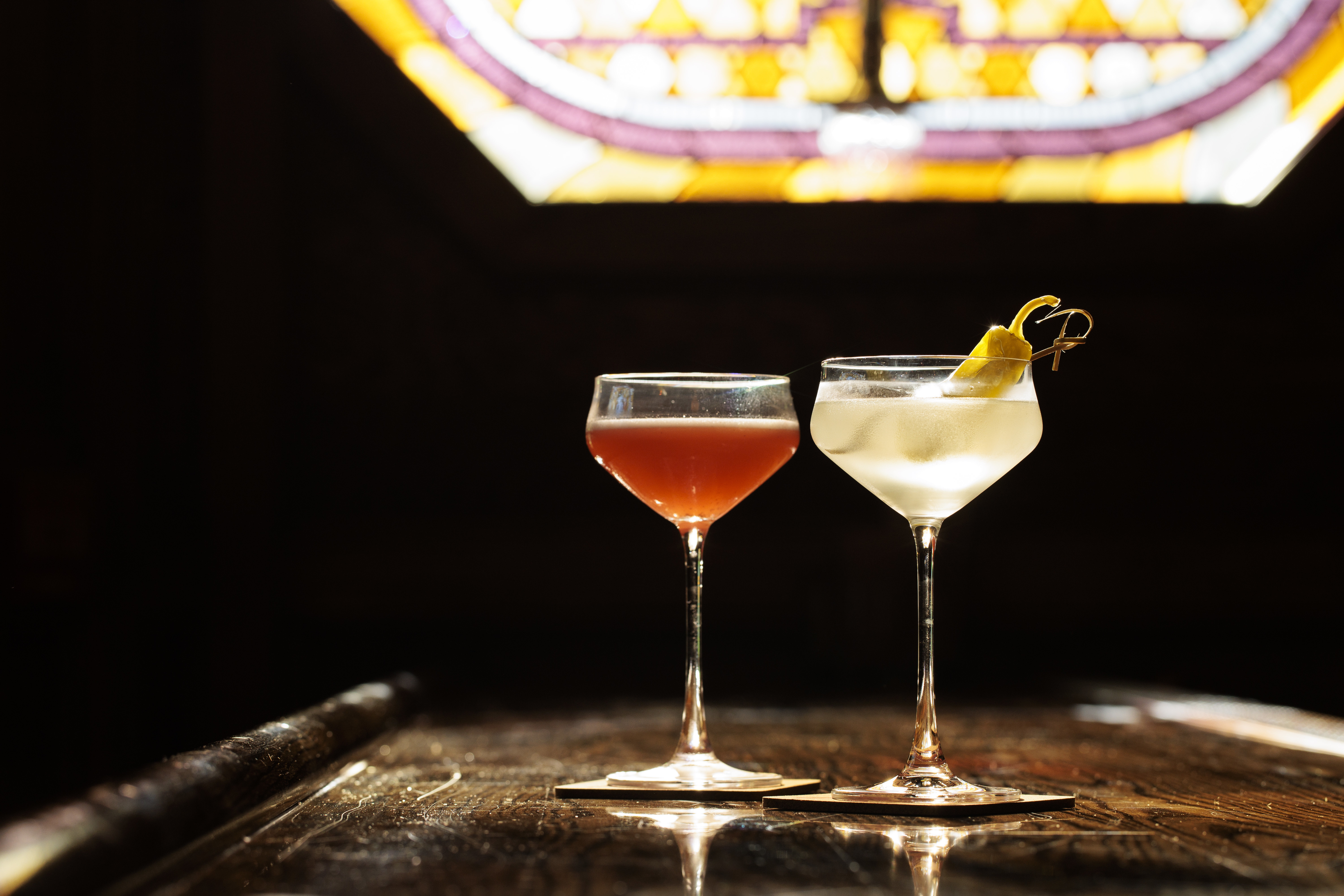
    Waltz’s drink program has a bit further to go. The cocktails offer some trendy twists to classics but occasionally landed shy of their promise (the weak foam on the Fluffy Negroni Sour, for example, had deflated by the time it arrived). The potentially clever concept of a cocktail list organized by glass shapes fumbled over its own format: The Centerbe-spiked Waltz Whit Me came in a large martini coupe instead of the Nick and Nora tulip touted on the menu.

    The Blush Sour and the Pepperoncini Tini at Waltz on Tuesday, Aug. 4, 2026 in Philadelphia.Monica Herndon / Staff Photographer

    At a very reasonable $15 or less a cocktail, however, it’s hard to complain loudly. Joey Dougherty is admirably determined not to overprice Waltz for a neighborhood that currently doesn’t have many upscale dining options. The small wine list is also full of basic Italian wine values for $13 a glass or less, and a tiny reserve bottle list for a Super Tuscan or Brunello di Montalcino. Dinner as a whole is fairly priced considering the quality, with check averages of $55 to $65 including beverage, before tax and tip.

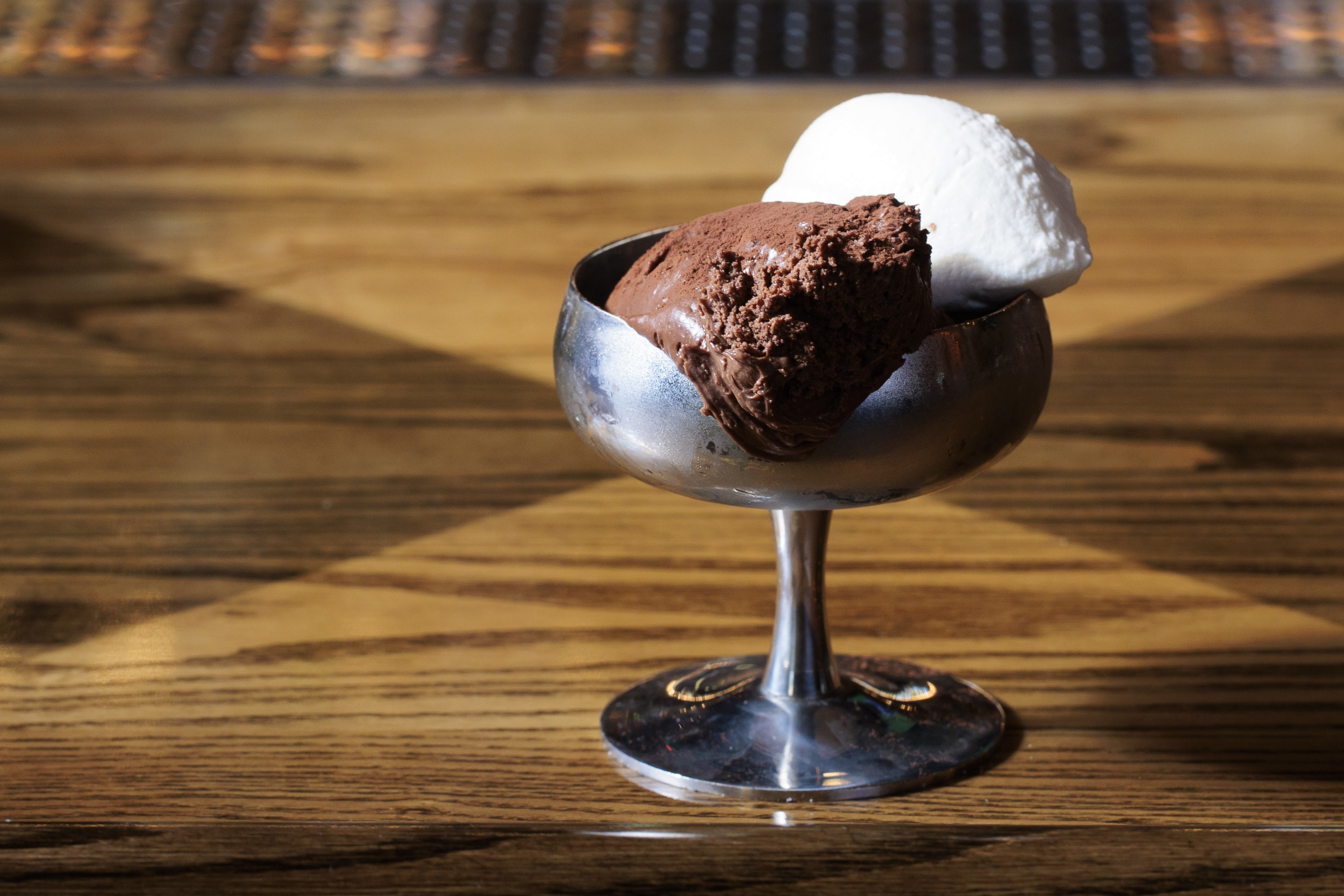
    Dinner finishes up strong with good scratch versions of common desserts. The made-to-order tiramisu, whose lady fingers are dunked to order in coffee then layered with sweet cheese, is somewhat controversial among traditionalists who expect it to be already fully saturated, but I enjoyed the faint crunch of those biscuits softening while we ate. There were no quibbles over the lusciously rich chocolate mousse, which is made with 70% Valrhona chocolate and served with raspberry compote and amaretto whipped cream.

    The lusciously rich chocolate mousse, made with 70% Valrhona chocolate and served with raspberry compote and amaretto whipped cream, at Waltz on Wednesday, May 27, 2026, in Philadelphia.Monica Herndon / Staff Photographer

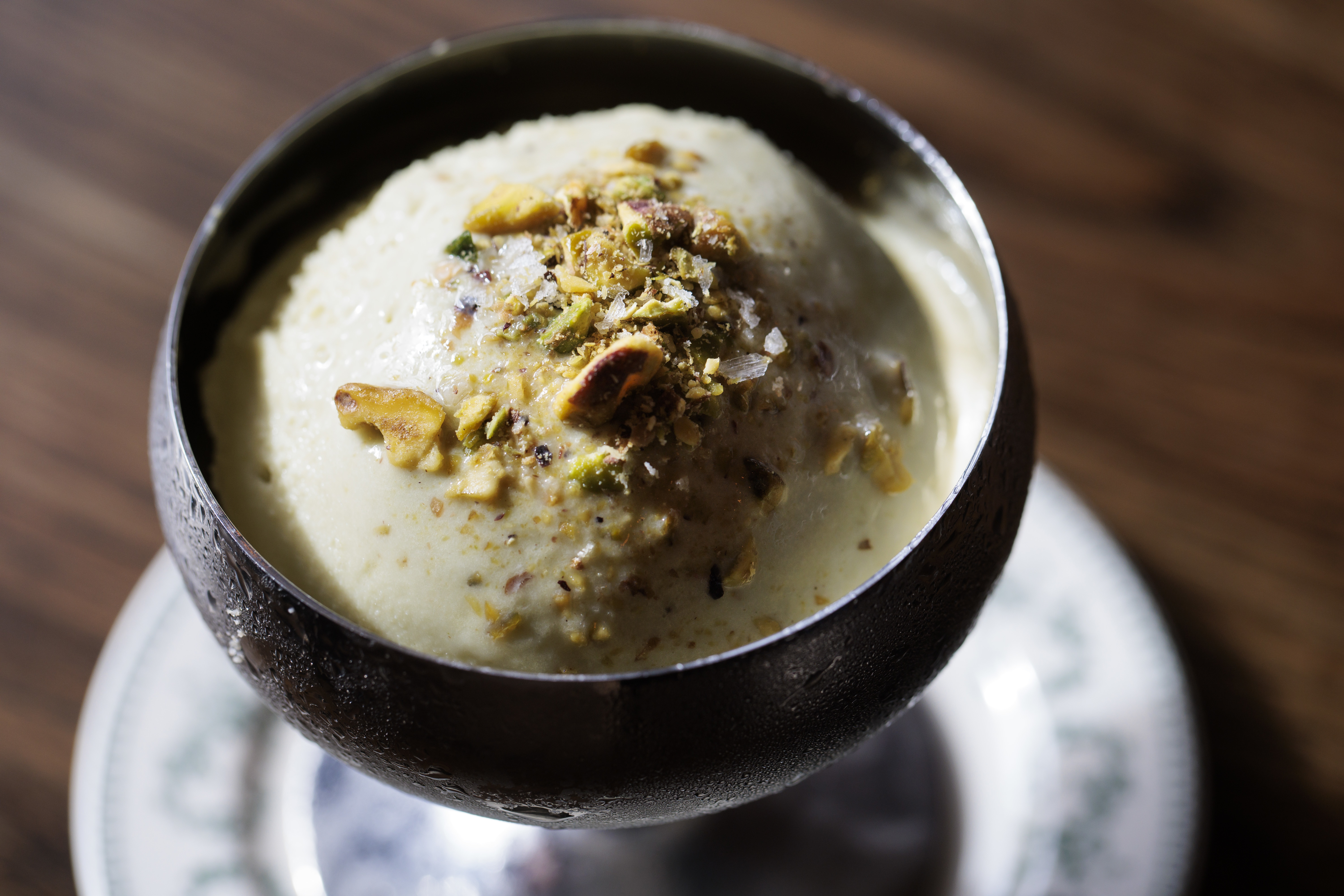
    Waltz’s finest finishing moves are the exceptional gelati, which are spun daily before service so the textures remain spoonably soft and vivid of flavor. The pistachio is always my go-to, and didn’t disappoint here, but I could also taste the real Tahitian beans (not extract) steeped into the vanilla. I was thoroughly charmed by the Andes Mint flavor topped with a dusting of the grated chocolate-and-crème de menthe candies. Even better was the strawberry sorbetto, which doubled down on berry flavor with a crimson glaze of strawberry compote.

    If you’re going to build a new restaurant that feels like an old soul inspired by another era, these are just the kinds of fresh touches required to appeal to diners today.

    Pistachio gelato at Waltz on Wednesday, May 27, 2026 in Philadelphia.Monica Herndon / Staff Photographer

    Waltz

    2351 S. Front St., 215-436-9293; waltzphilly.com

    Dinner: 5:30 to 9 p.m. Wednesday through Sunday.

    Pizzas and pastas: $16-$24; larger sharing plates, $30-$50.

    The bar dining room is wheelchair accessible through a side door, but the bathrooms, located in the basement, are not.

    About 50% of the menu is gluten-free or can be modified, including availability of gluten-free pastas.

    Menu highlights: House burrata with prosciutto and melon; stuffed crabs; fritto misto; pizzas (carbonara, piccante); lumache pasta with spicy crab vodka sauce; tortellini; pappardelle with duck ragù; spaghetti with meatballs and sausage; New York strip steak; branzino; house gelati (pistachio; Andes mint); strawberry sorbetto.

    Drinks: Classic cocktails with modern twists are categorized by glass shape (highball, coupe, Nick and Nora) but perplexingly not always served in the advertised glass. The drinks themselves are solid, not spectacular, but fairly priced at $15 or less. The small wine list offers affordable Italian basics, including a Pecorino white and a plush Piemonte Rosso I’d drink all night for $11 a pour.

    The owners of Waltz restaurant in South Philadelphia made a collage of articles from a 1924 Inquirer that was found during renovations in the walls of the building at Front and Ritner, where it was used for insulation.Courtesy Waltz restaurant / Joey Dougherty
  • We’re going bananas | Let’s Eat

    We’re going bananas | Let’s Eat

    Pumpkin spice is passé. Read on to see why banana is the flavor we now savor.

    Also in this edition:

    • Fare ball: You would not believe what foods Phillies fans are taking to games.
    • End of the line: A Northeast Philadelphia seafood landmark prepares to close.
    • News: Read on for word of a new Vietnamese bar-restaurant, news about this year’s Michelin Awards, and a sale offering for the Pub.

    — Mike Klein

    If someone forwarded you this email, sign up for free here.

    Why bananas are appealing in Philly

    Bananas are trending everywhere, but especially at cocktail bars and cafes, which use fresh bananas, banana liqueur, banana extract, and even banana peel. Kiki Aranita isn’t alone in suggesting it might be “the next pumpkin spice.”

    Phillies fans have cracked the food game

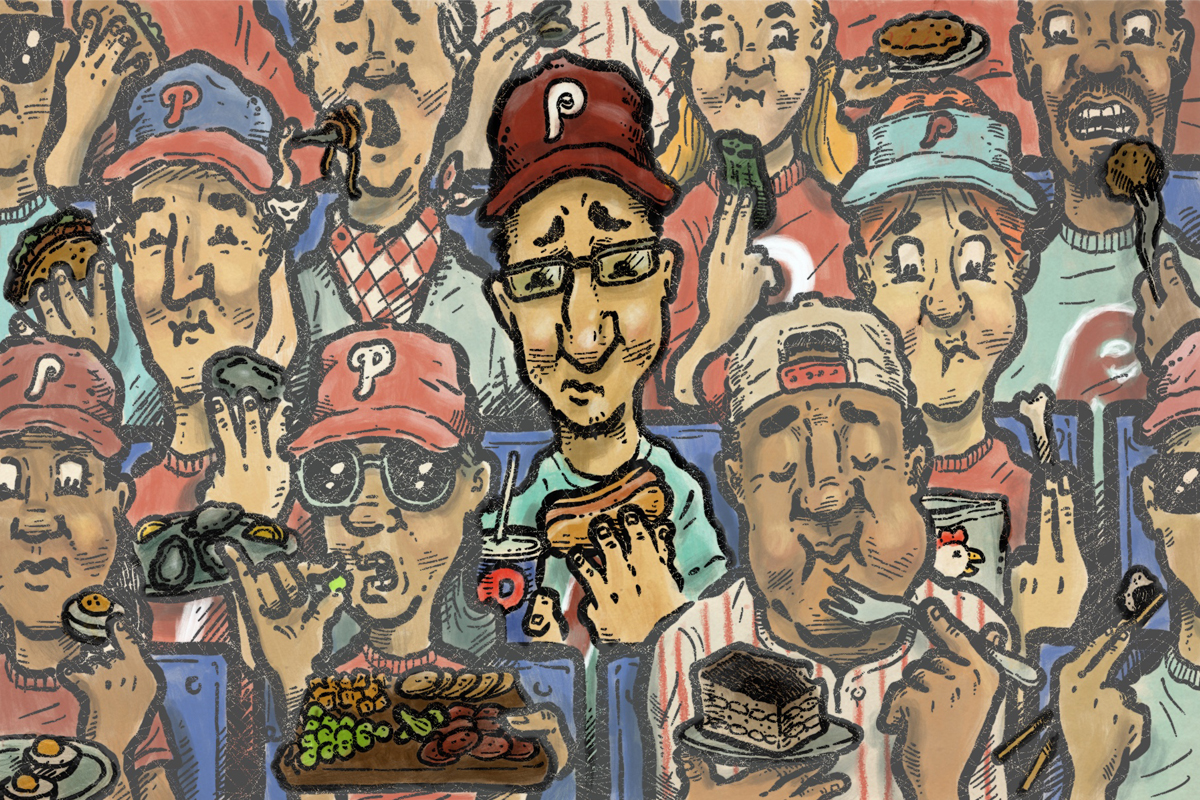
    Phillies fans are bringing way more than hoagies and cheesesteaks into Citizens Bank Park. Beatrice Forman winds up and delivers a fun read about the BYO eats you’ll find in the stands. Curried tuna salad, anyone?

    Last call for Kelly’s Seafood

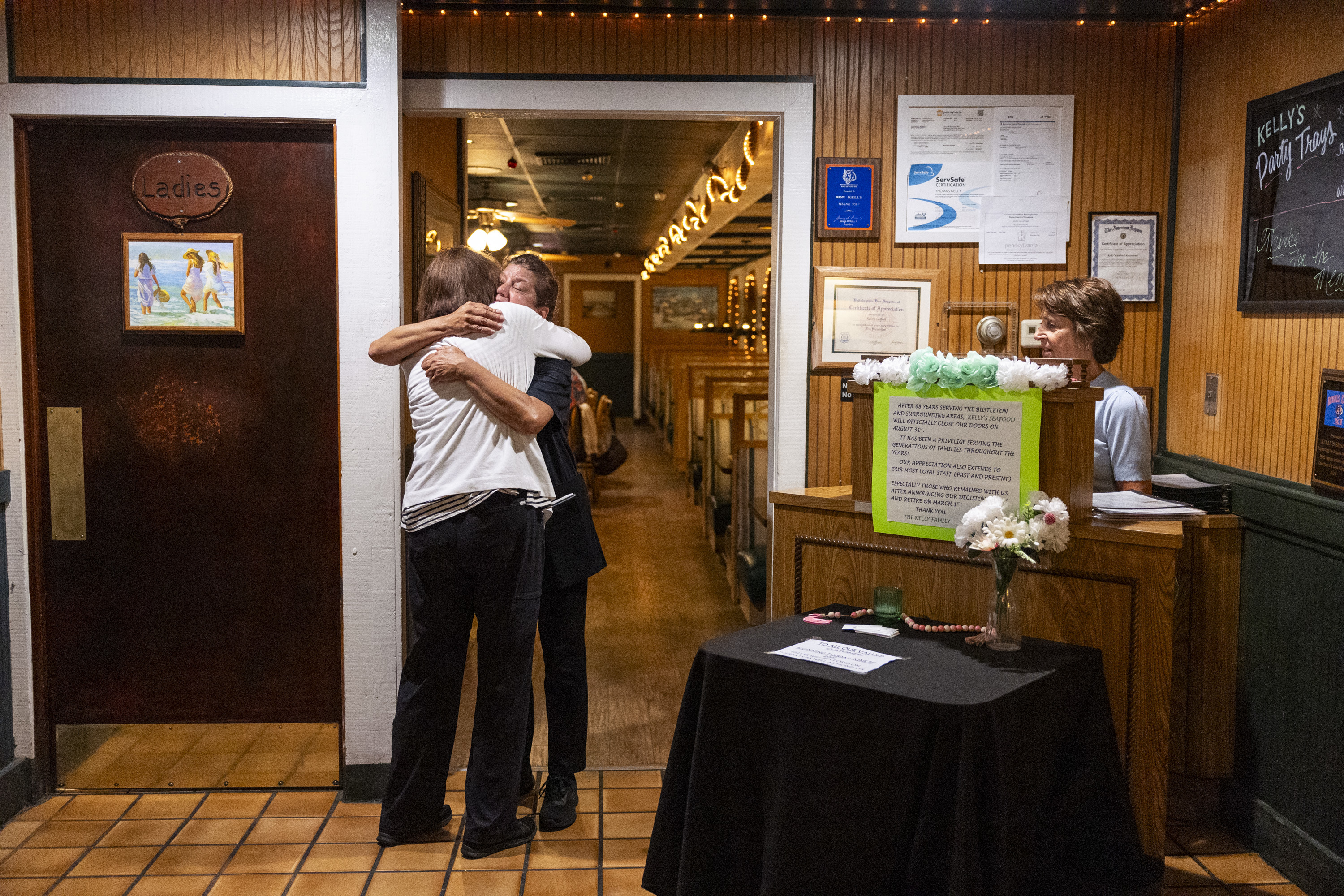
    Kelly’s Seafood has been a Northeast Philly fixture, serving generations of families — and plenty of snapper soup. Now, as the family prepares to close, longtime customers are returning for one last meal, stocking their freezers, and saying goodbye.

    A bakery cafe with comfy seating — and a drive-through

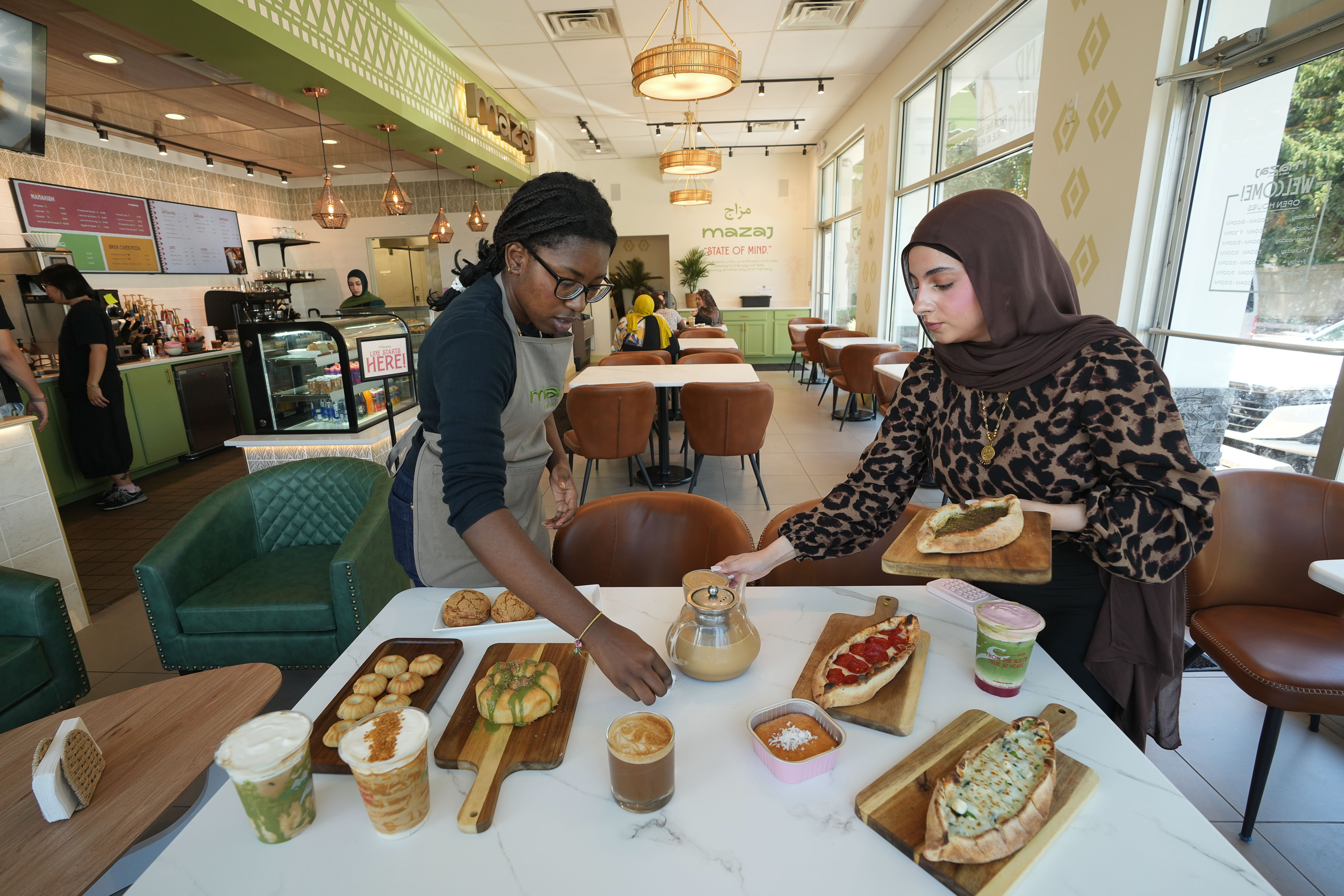
    Mazaj, an offshoot of the twin Malooga restaurants, has landed in Willow Grove with Yemeni coffee, Middle Eastern pastries, a drive-through, and a plan to expand.

    Eat, pray, sail: ‘Odyssey’ makes us hungry

    The Odyssey by Christopher Nolan has plenty of monsters, mayhem, and spectacle — but where’s the feast? Kiki Aranita, a classics scholar in her past life, explains what Homer’s heroes would have eaten, and where to embark on your own culinary odyssey around Philly.

    A pizzeria celebrating Black culture

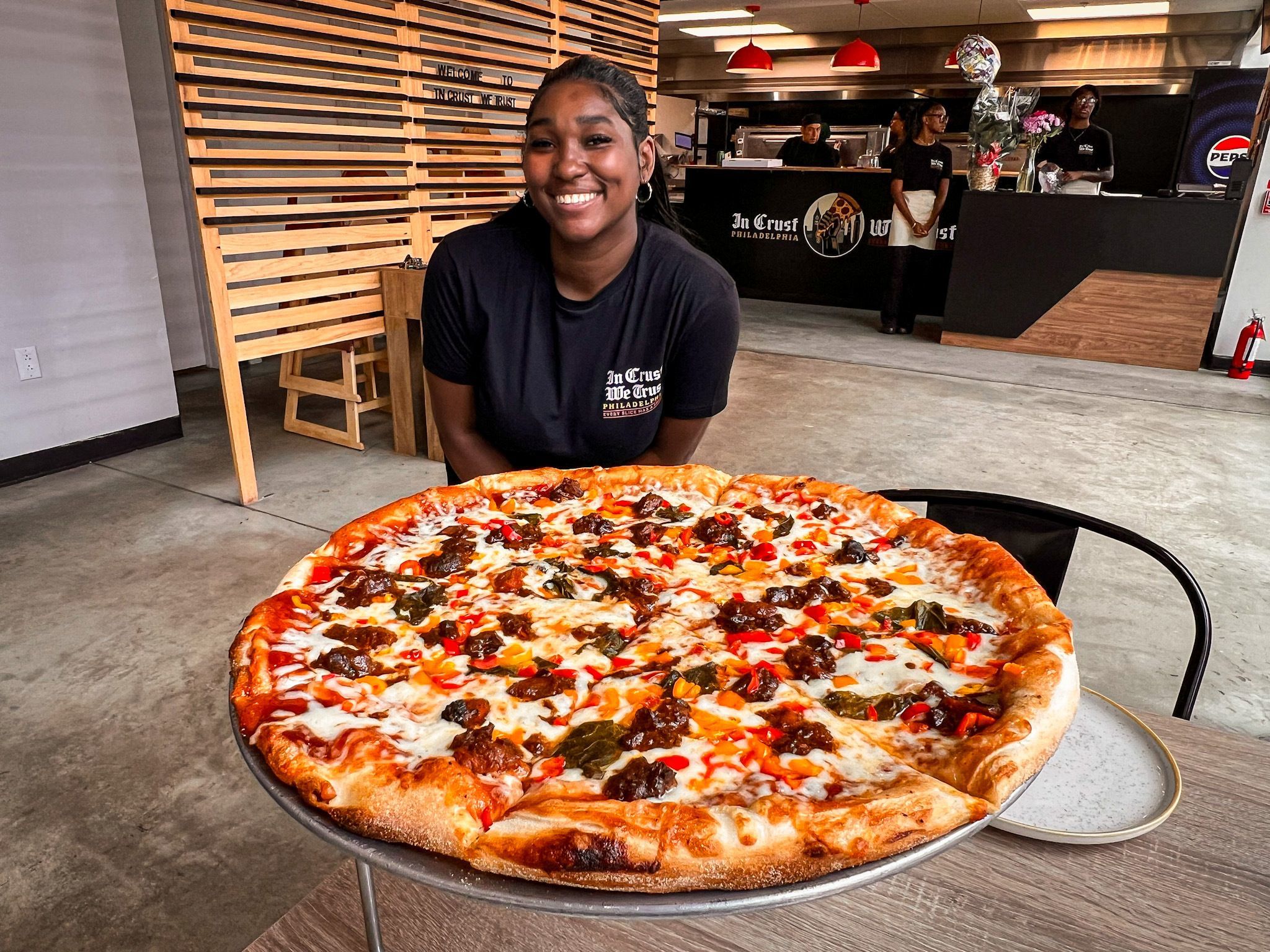
    In Crust We Trust has joined the pizza boom now underway in Fishtown. Anyae Wilson-Worley’s pizzeria is offering something none of the others are: a taste of Philly-style Black culture.

    In other pizza news: Dave Portnoy, the Barstool Sports founder, visited the Philadelphia area last week to shoot a handful of “One Bite Pizza Reviews,” whose scores in previous years have transformed the fortunes of a neighborhood pizzeria.

    The best thing Hira Qureshi ate last week

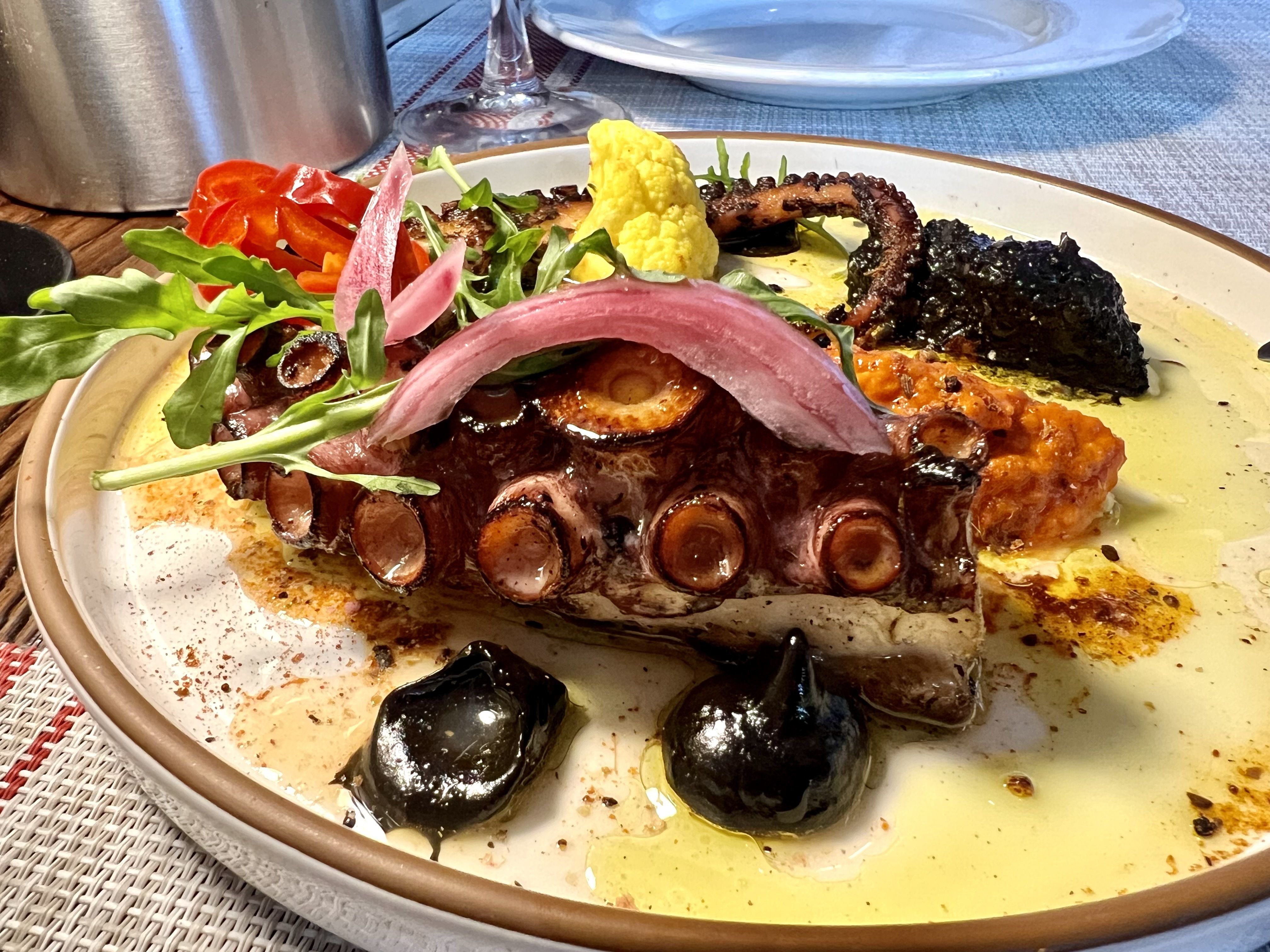
    What a joy: Dunking chunks of octopus into the almond romesco and black garlic purée at Stina in West Passyunk. For another treat, writes Hira Qureshi, don’t miss the spanakopita.

    Scoop

    The Pub in Pennsauken, which sits on 6 acres, is being offered for sale for the first time in 26 years. The steakhouse institution is closed now for summer break, but the owner insists that it will reopen next month — unless a deal is magically struck.

    Restaurant report

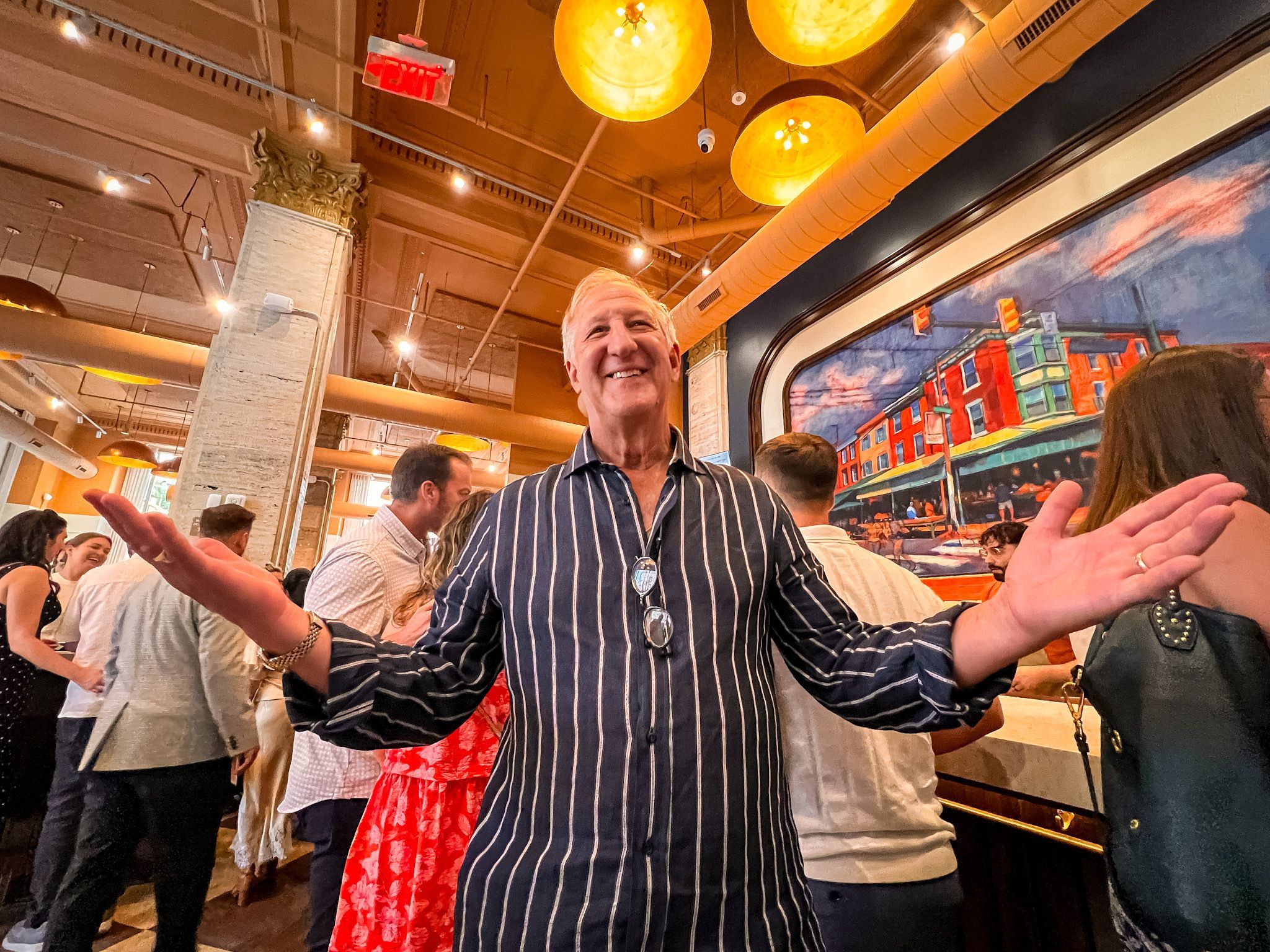
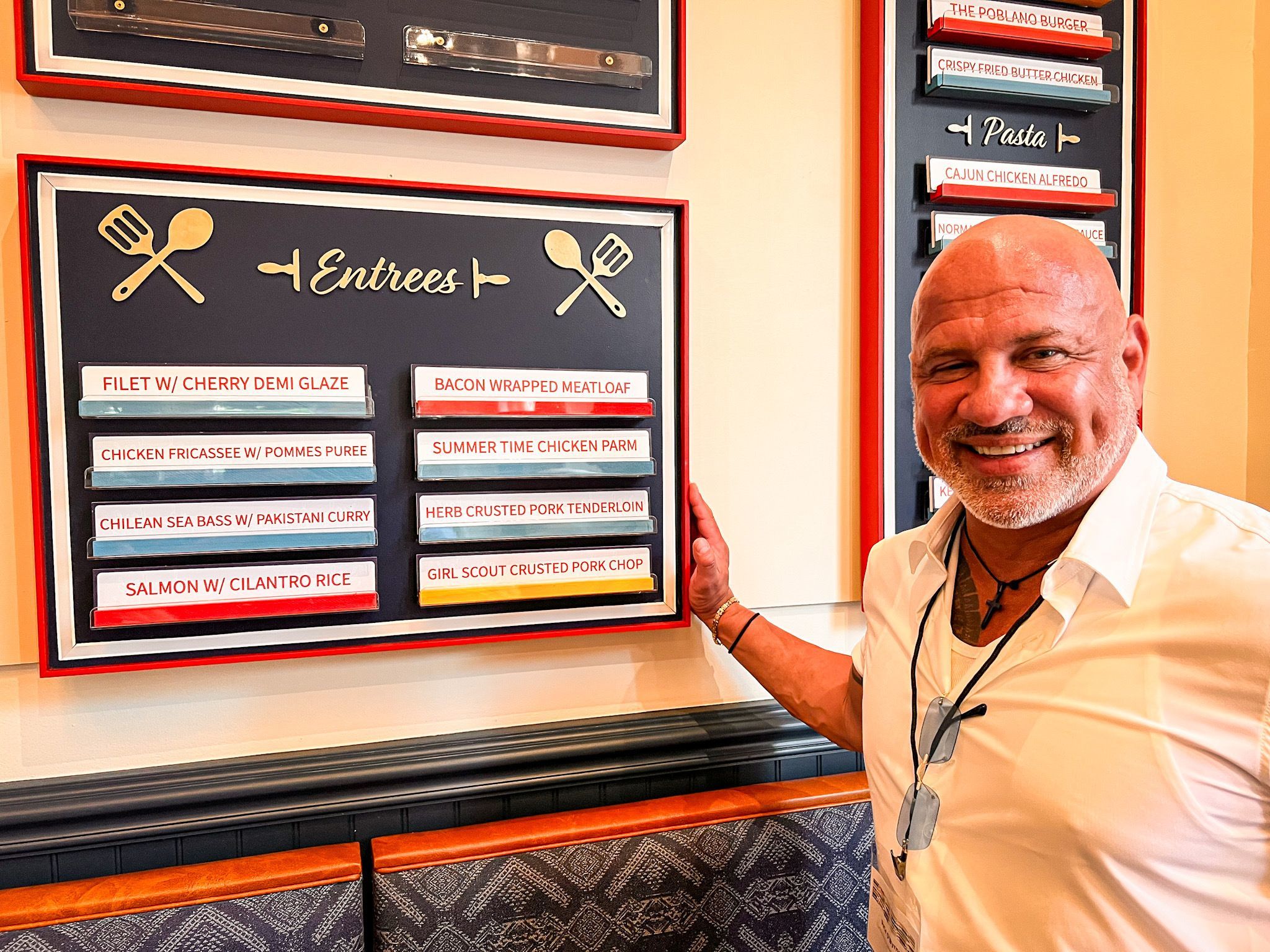
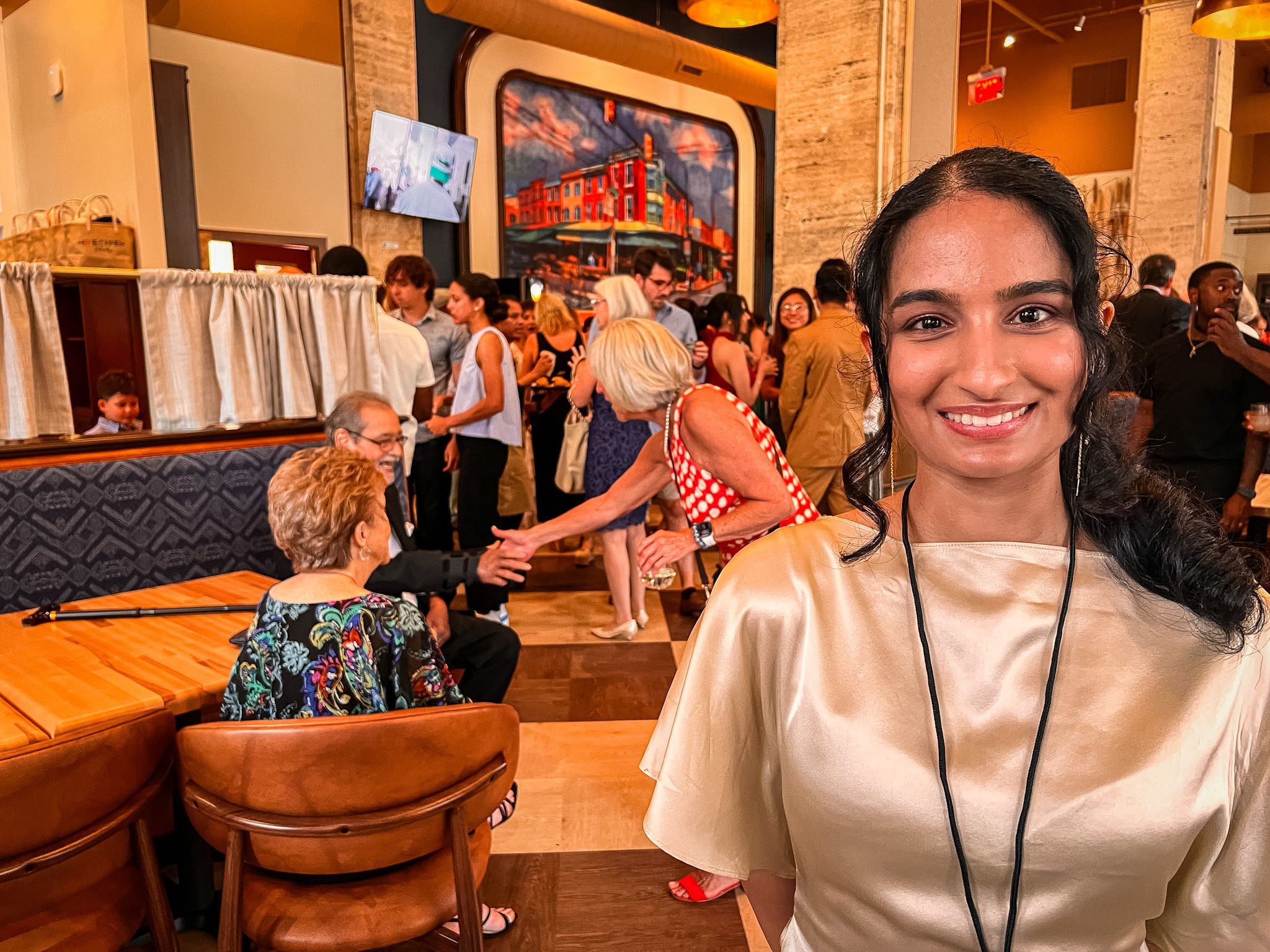
    Recipe Philly, whose menu is built around recipes submitted by local home cooks, opens Monday at 1401 Arch St., a splashy, 175-seat redo of the long-ago McDonald’s at Broad and Arch. Funded by retired business executive Ed Baumstein (above), the restaurant will serve lunch and dinner, featuring dishes from 31 cooks who also will appear in a reality TV series now being shopped around.

    Among them:

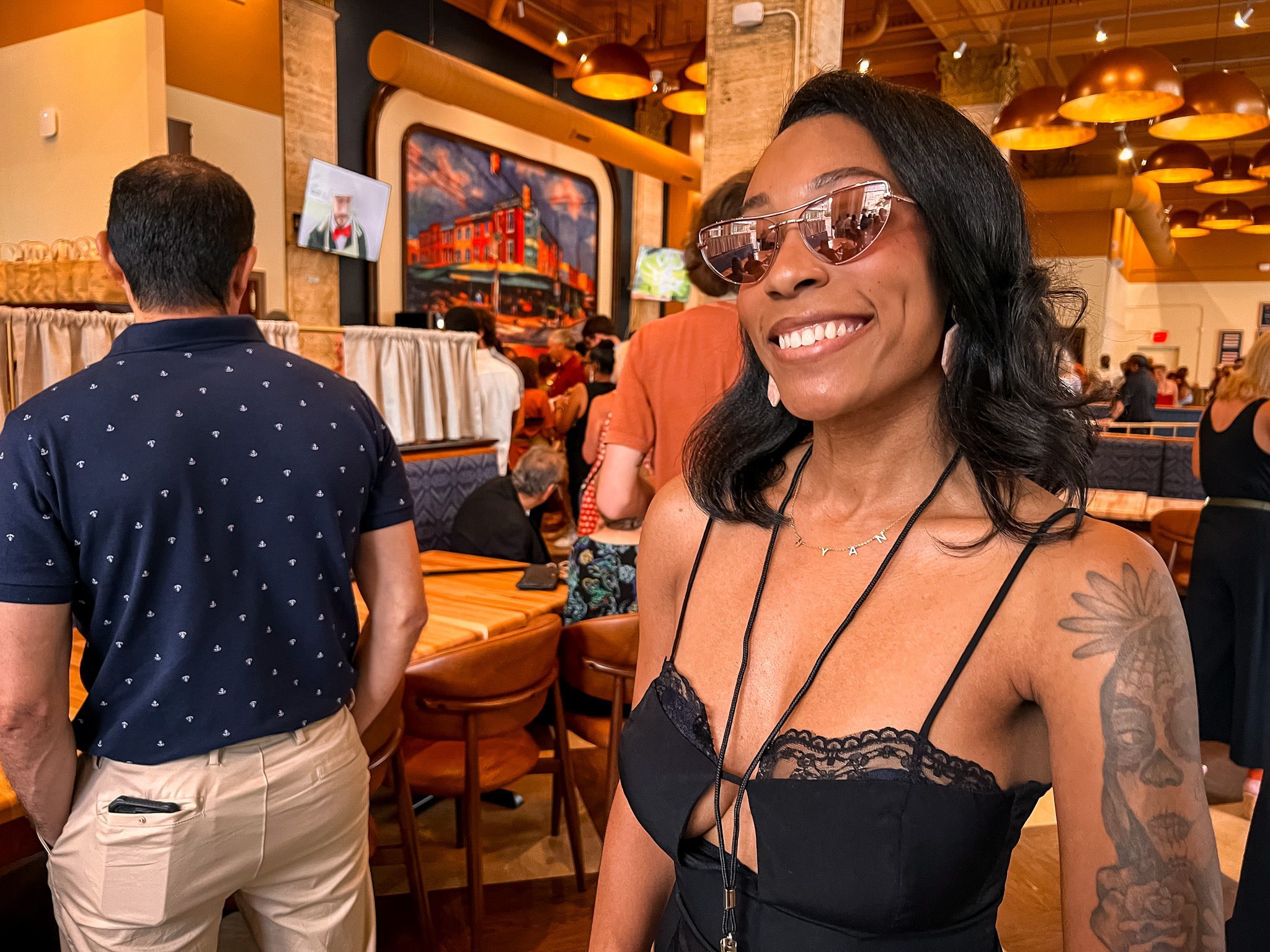
    Germantown data analyst Chyan Adams Bentley (above), 30, drew inspiration for her honey-chipotle shrimp tostadas from a rooftop cooking class she took in Guatemala.

    Pete O’Byrne (above), 60, of Jeffersonville, contributed a pork chop crusted with Pecorino Romano, panko, and shortbread Girl Scout cookies. “The Girl Scouts are one of my customers,” said O’Byrne, who sells production printers and software. “I know when the truck comes in.”

    Nayha Hussain (above), 24, a Spring Garden software engineer who has cooked since age 12, elevated a home-style Pakistani coconut curry with Chilean sea bass. Since Recipe is a 15-minute walk from her place, “it’s my local neighborhood restaurant that has my dish on it,” she said.

    Read up on Recipe Philly here and here.


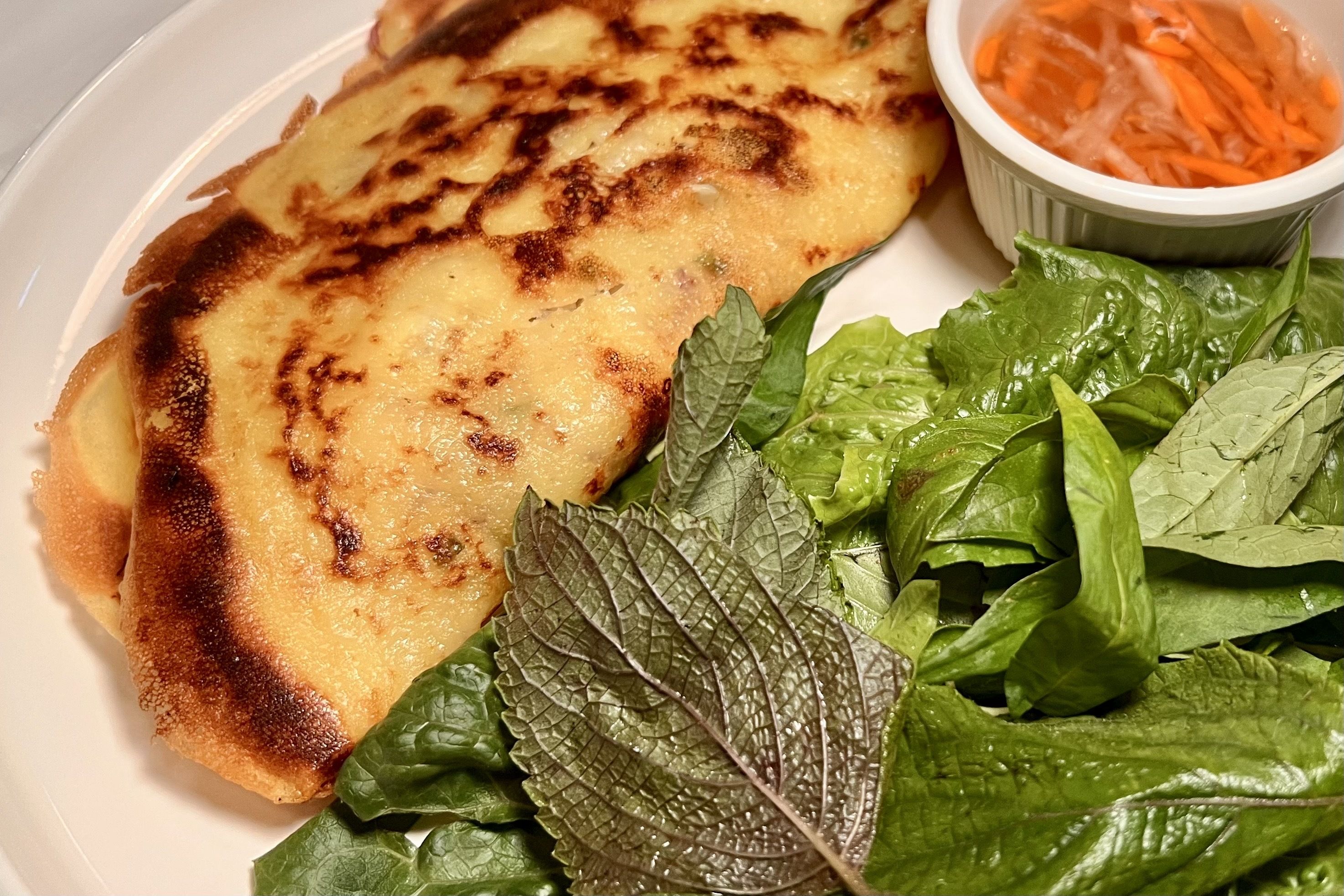
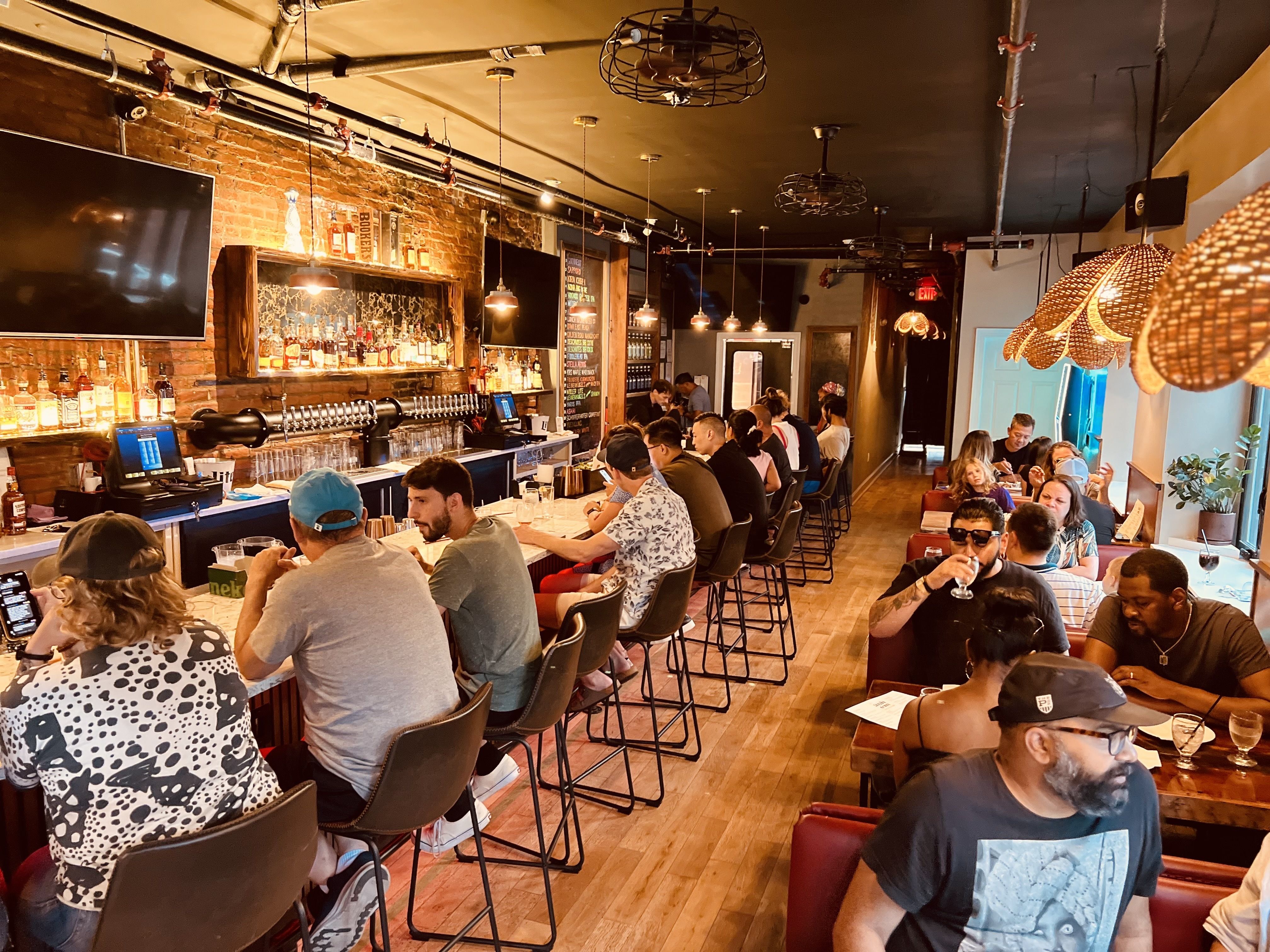
    You’ll be hearing a lot about Anh Em, which soft-opened last weekend at 21st and Titan Streets in Point Breeze. Anna Huynh and husband Victor Nguyen are behind the 50-or-so-seater specializing in Vietnamese comfort food, mixing classics with home-style dishes (like crispy bánh xèo, above, and the beef carpaccio dish known as bò tái chanh), inspired by what the couple grew up eating. Chef is Nguyen, who managed Tango and once co-owned a Chinatown bubble-tea shop; he oversees a 20-seat bar pouring local beers from 24 taps, plus cocktails. The couple retained the former Madeira Indian Grill’s exposed brick while adding burgundy booths, light-blue accents, lanterns, and shelving built by Nguyen and their son. Here’s the soft-opening menu.

    Anh Em, 1252 S. 21st St. Hours: 4 p.m.-2 a.m. Wednesday-Monday. Closed Tuesday.

    Briefly noted

    The 2026 Michelin Awards will return to New York City for its ceremony. Reminder that its inspectors are scouring Philadelphia in advance of the December announcements.

    Heytea, the expanding Chinese tea shop, enters the Philadelphia market Friday at 1001 Arch St. in Chinatown. Drinks will be buy-one/get-one from Friday-Sunday.

    With Ember & Ash still closed after a June 24 fire, chef Scott Calhoun will cook at Cartesian Brewing (1326 E. Passyunk Ave.) from 4-8 p.m. Saturday. Using yakitori grills in the courtyard, Calhoun will serve dishes including octopus “dogs,” a Filet-O-Fish-inspired skate sandwich, ’nduja-stuffed piquillo peppers, and sourdough with romesco, along with Cartesian’s beverages.

    Javelin (1811 Fairmount Ave.) will host chef Carlos Wills of Ogawa Sushi & Kappo for a maguro kaitai, or tuna-cutting ceremony, Aug. 18. Starting at 5 p.m., Wills will break down a 250- to 300-pound bluefin tuna for a multicourse tasting ($170 plus tax/tip) including sashimi, nigiri, hand rolls, and tuna marrow with uni and caviar. Richie Tray will serve Cambodian-inspired appetizers and cocktails. Reserve via Toast.

    Libertee Grounds (1600 W. Girard Ave.) will host a Cooper DeJean look-alike contest on Aug. 27. Doors/registration at 5 p.m., contest at 6:30 p.m. Signup via Instagram.

    ❓Pop quiz

    Why can red Côtes-du-Rhône wines such as Ogier Artésis remain relatively affordable?

    A) Rhône producers are prohibited from aging their wines in pricey oak barrels.

    B) Grenache can produce large crops of flavorful grapes even in dry conditions.

    C) French law limits the markup on Côtes-du-Rhône wines.

    D) The wines are made primarily from surplus Syrah grapes, and this is the source of the expression “Qué Syrah Syrah.”

    Find out if you know the answer.

    Ask Mike anything

    What do you know about the sale of Ardana in Bucks County? — Cindy S.

    The Cristou family announced last week that they’ve sold their Ardana Food & Drink location in Newtown, Bucks County, to Rob LaScala after 3½ years. LaScala tells me that the Ardana name and Cypriot-inspired menu will remain for about two months before he transitions to LaScala’s Fire, his semicasual Italian concept. LaScala, who also owns Chicken or the Egg in Marlton and Beach Haven, is on fire with Fire, as there are nearly a dozen locations now, plus New Jersey expansion plans for Freehold, Bridgewater, and Cherry Hill. The Cristous still retain their Ardana and KC Prime Steakhouse, both in Warrington.

    📮 Have a question about food in Philly? Email your questions to me at mklein@inquirer.com for a chance to be featured in my newsletter.

    By submitting your written, visual, and/or audio contributions, you agree to The Inquirer’s Terms of Use, including the grant of rights in Section 10.

  • Philly’s cocktails and coffee drinks are going bananas

    Philly’s cocktails and coffee drinks are going bananas

    Bananas are both tropical and ubiquitous — an ingredient that couldn’t be less local to our region, but found in every grocery store. They’re mundane yet polarizing, especially when ripened and rendered into syrup. They’re summery, due to their cultivation in hot climates, and soul-warming.

    The fruit has long been taken for granted, until now. Its popularity is suddenly booming: It’s a featured ingredient in protein bars, gummy bears, coffee creamer, lip balms, and body washes. Even Wendy’s launched a Minions-themed Banana Frosty Swirl last month.

    But bananas’ recent prevalence in Philadelphia’s bars and cafes has little to do with the little yellow cartoon characters. Banana beverages have been a long time coming, hot on the heels of other wildly popular, vibrantly colored, Asian-inflected flavors like matcha and ube.

    (Unlike matcha and ube, we’re probably not going to see a shortage of banana. But you never know. The bananas we buy at most grocery stores are of the Cavendish variety, but artificial banana flavoring was engineered with the Gros Michel variety in mind. And sometime in the 1950s, after a devastating fungal blight or “bananapocalpyse” called Panama disease, Gros Michel bananas mostly disappeared.)

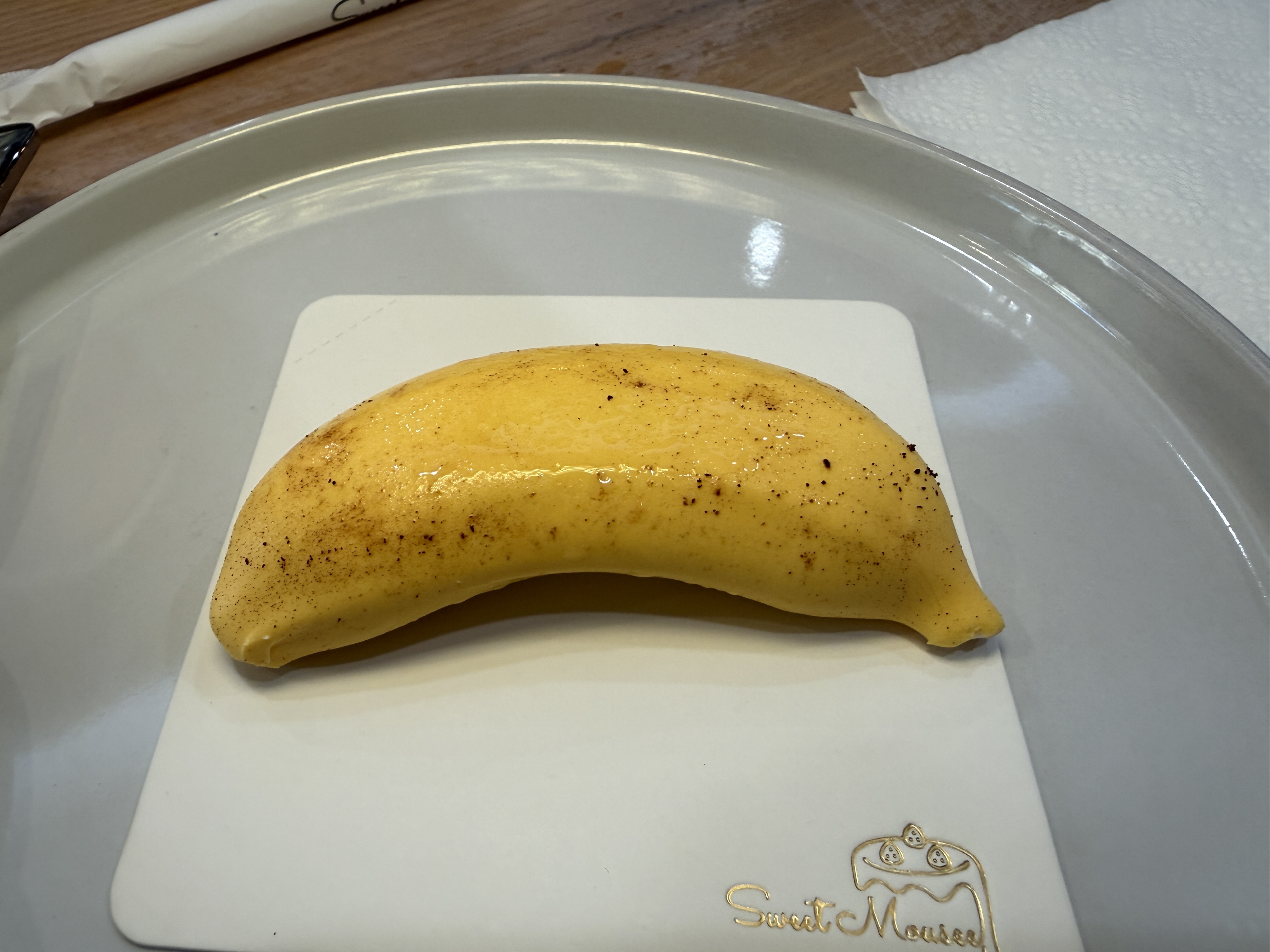
    “Little treat” cafes are utterly enamored with the banana, as evidenced by banana milk, a classic Korean beverage that has made it onto several cafe menus lately. The cafe crush doesn’t stop there: At the just-opened Sweet Mousse on South Street in Graduate Hospital, you can get a tiny trompe l’œil banana mousse cake ($6) with a dark chocolate center.

    The dark chocolate banana mousse cake from Sweet Mousse in Graduate Hospital.Kiki Aranita / Staff /

    But bananas are not the easiest ingredient to work with.

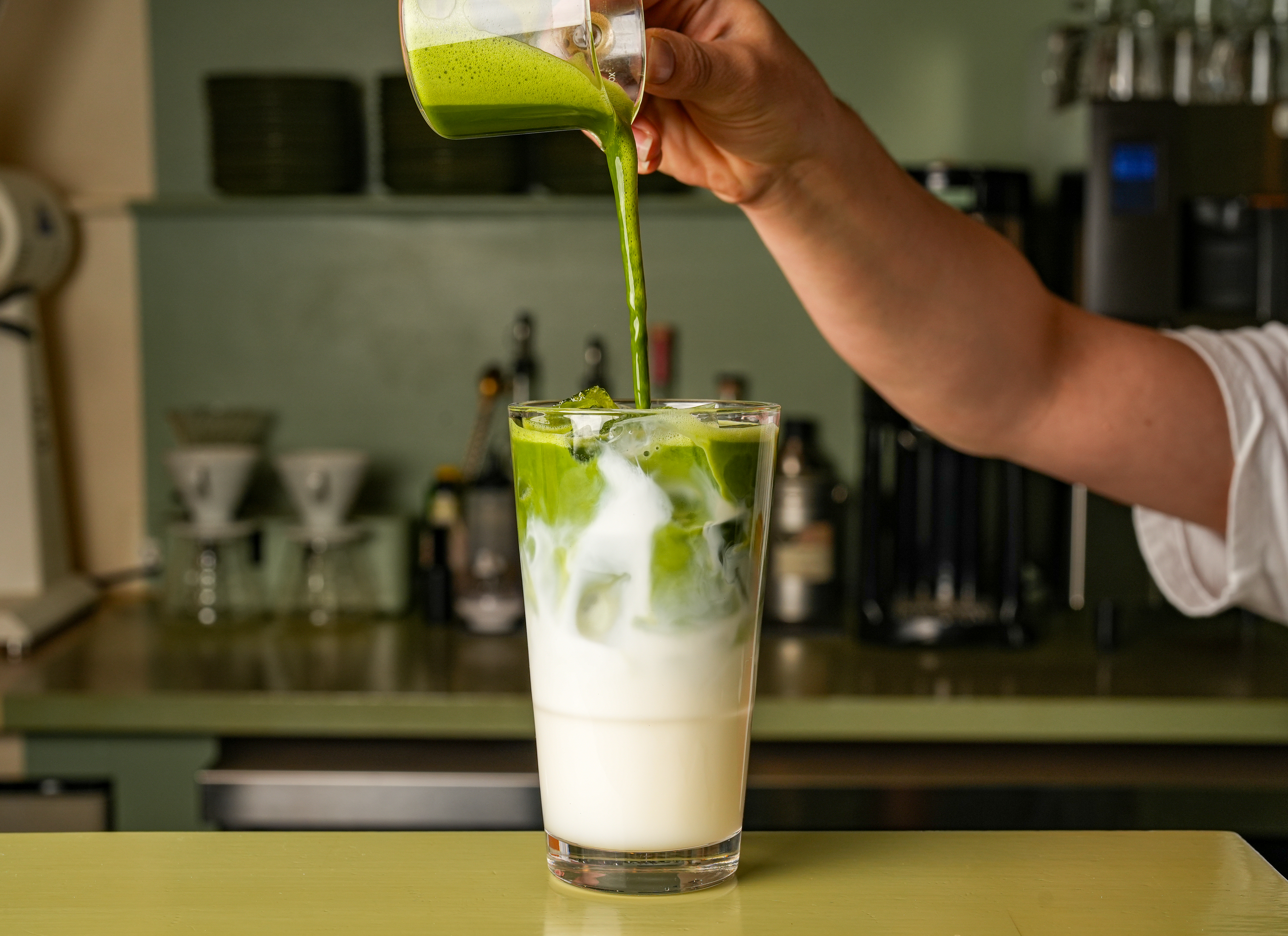
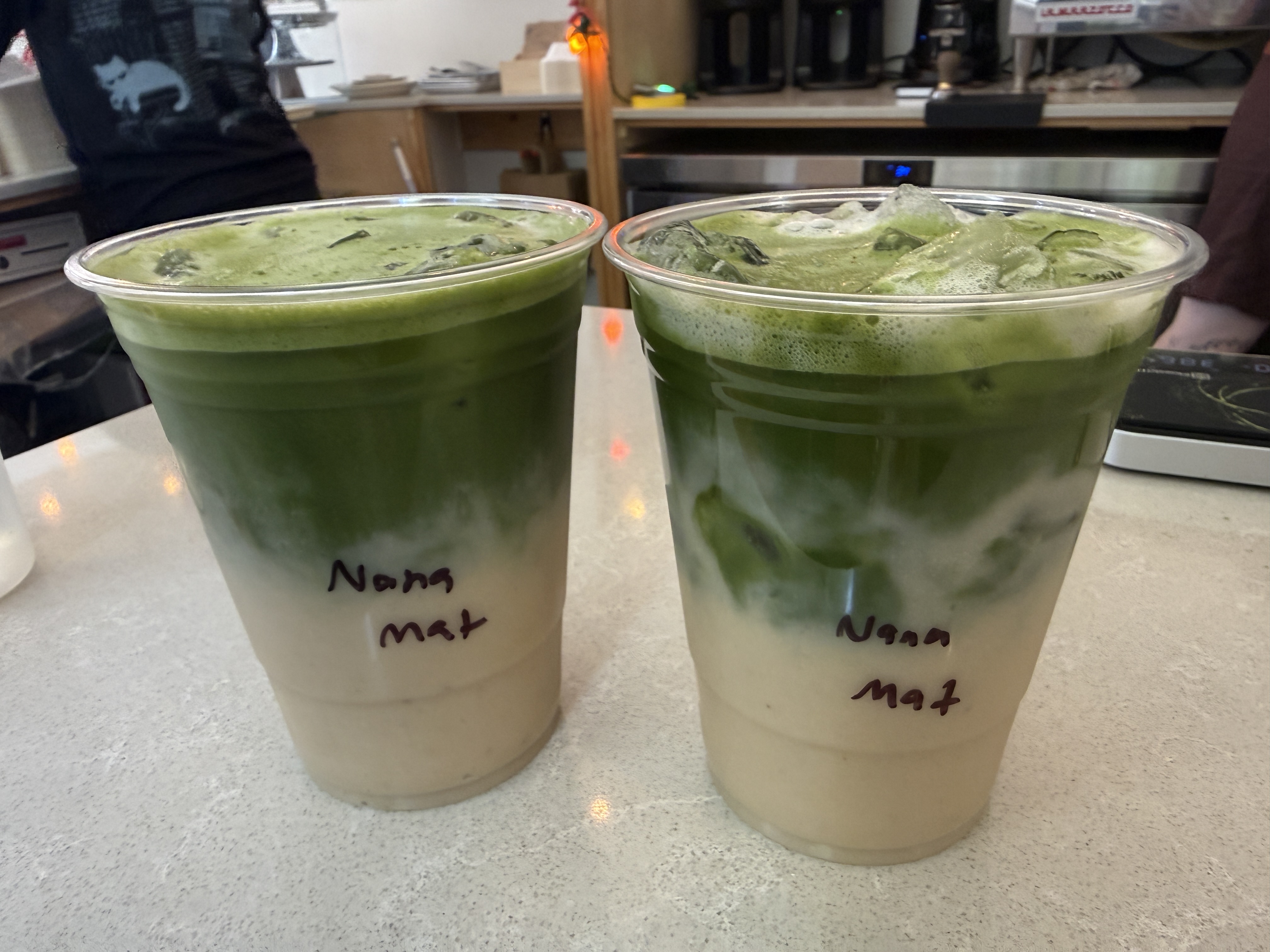
    At Seaforest Bakeshop, also in Grad Hospital, cafe manager Mackenzie Quick makes banana milk from scratch, blending oat milk, maple syrup, vanilla extract, and bananas. It’s layered into the cafe’s best-selling beverage: their iced banana milk matcha. And it can only be served iced. “It’s not good at all hot. When you steam it, it turns into porridge,” said Quick.

    The banana trend is national, with publications on either coast reporting on Americans’ newfound obsession with the fruit. But what’s particularly unusual about it is that it straddles both the cafe and cocktail realms of beverage, when normally, these spheres do not intersect.

    Bartenders are reaching for all types of banana liquor, including Giffard’s Banane du Brésil, which goes into the banana cocktails at Friday Saturday Sunday and Sao, and Crème de Banane from Tempus Fugit Spirits, which is shaken into the banana Negroni ($13) at Cormorant Corner Bar and a banana-y Old Fashioned riff called the Triple Header ($16) at Bar ILU.

    Philly cocktail bars are also coming up with unique ways to use the banana in its entirety, including its peel.

    “We take the leftover peels after infusing bananas into dark rum and cut them down into half-inch slices,” said Josh Grejdus, the beverage manager at Bluebird Distilling. “Then we use equal parts by weight of sugar and macerate the skins. Let it sit overnight and then strain it” to create a banana oleo-saccharum (or aromatic syrup). A similar elixir is made at both Static! and Next of Kin, said co-owner Kyle Darrow, where brûléed banana goes into liquors like rum and scotch.

    Libertee Grounds, the bar with indoor mini golf in Fairmount, takes an approach akin to Seaforest Bakeshop’s. “I make a banana puree, then incorporate it into a simple syrup using a mixture of sugar, maple syrup, cinnamon, nutmeg, and vanilla to lean into the banana bread feel,” said beverage manager Ellie Bley. “I batch this about once a week or more depending on demand.”

    And demand for bananas sees no signs of waning.

    Where to fuel up with banana cafe drinks

    The iced banana milk matcha from Forin Cafe.Mike Prince

    Forin Cafe

    Forin makes a banana milk that consists of a simple syrup base with a banana emulsion and vanilla paste, which you can add to coffee and matcha drinks. Most popularly, it’s combined with ube and matcha.

    Forin Cafe, multiple locations, forincafe.com

    The iced banana milk matcha latte from Seaforest Bakeshop uses house-made banana milk.Kiki Aranita / Staff /

    Seaforest Bakeshop

    Seaforest’s iced banana milk matcha uses Junbi matcha with their house-made banana-oat-maple syrup milk. The matcha is vigorously whisked for a drink that is creamy, fresh, grassy, and thick. It’s lightly sweet and has the texture of a loose smoothie.

    Seaforest Bakeshop, 625 S. 16th St., seaforestbakeshop.com

    Drip Vietnamese Cafe

    This pink-tiled Chinatown cafe serves a banana latte ($7.75) made with strong Vietnamese phin-brewed coffee, poured over ice and layered with milk and foam spiked with DaVinci brand banana syrup.

    Drip Vietnamese Cafe, 225 N. 11th St., 267-243-0270, instagram.com/dripvietcafe

    Matcha Cafe Maiko

    Matcha Cafe Maiko in Chinatown is serving a banana pudding matcha latte, in which banana extract is mixed into whipped cream, the sweetness of which is balanced by a very robust matcha base. The whipped cream tastes like a cross between Runts and sunscreen (which some people love).

    Matcha Cafe Maiko, 923 Race St., 267-861-0251, matchacafe-maiko.com

    Where to sip banana cocktails

    Static! has a banana cocktail called Split Decision made of brûléed banana scotch, banana skin, absinthe, bitters, and is washed with brown butter. Sister bar Next of Kin uses a similar process for their banana cocktail, Crocodile Tears.Kiki Aranita / Staff /

    Next of Kin

    While Static’s bestselling banana cocktail is rotating off their menu soon, the process for making it continues at sister bar Next of Kin, where banana is brûléed, infused into liquor for a day, then strained. Next of Kin’s banana daiquiri, one of the cocktails that uses rum infused with banana, is also one of the bar’s top sellers.

    Next of Kin, 1414 Frankford Ave., instagram.com/nextofkinphl

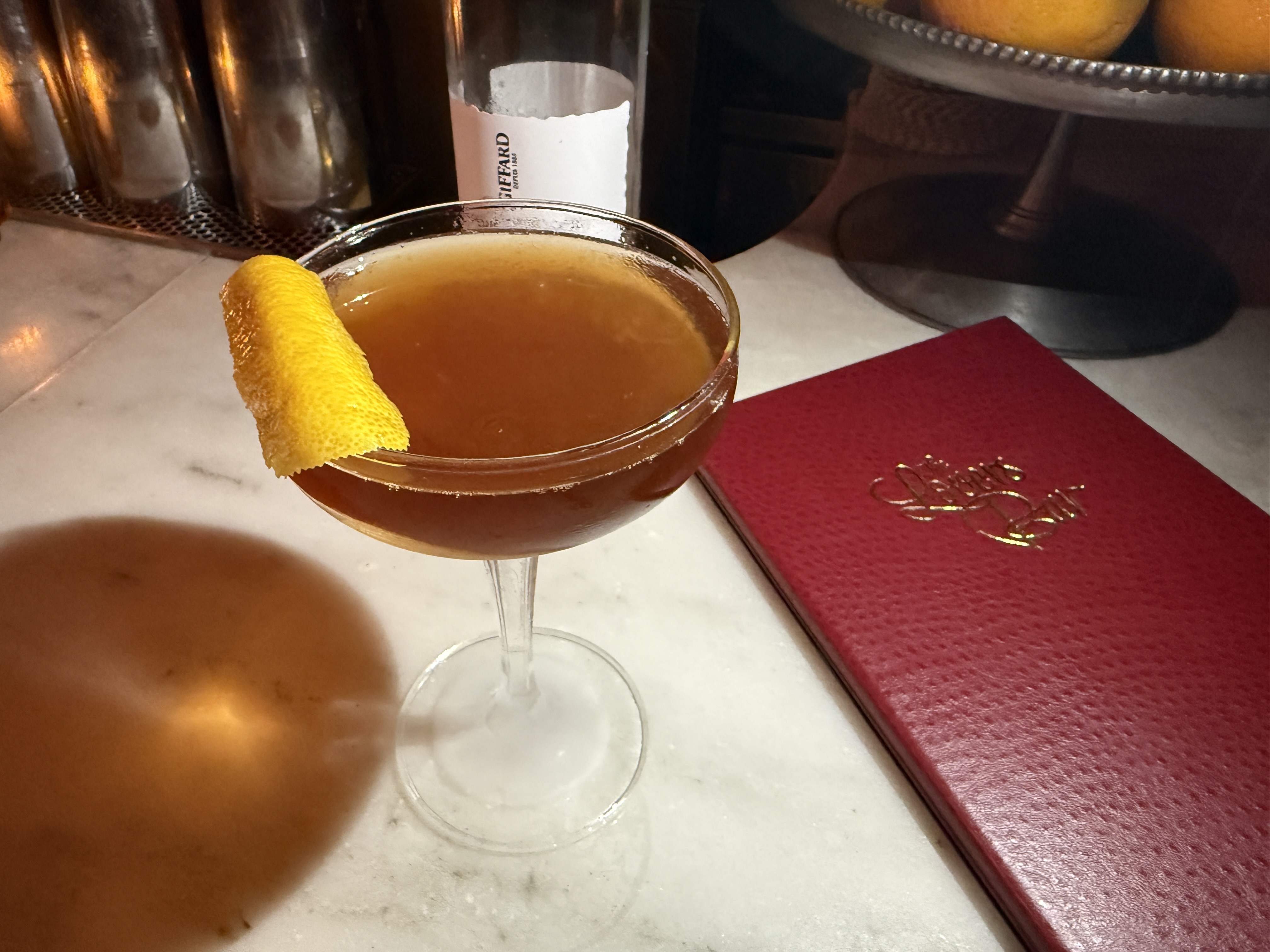
    The cocktail Saul’s Revenge at the Lovers Bar at Friday Saturday Sunday consists of quinquina, pineapple distillate, Malört, coffee and banana liqueurKiki Aranita / Staff /

    The Lovers Bar at Friday Saturday Sunday

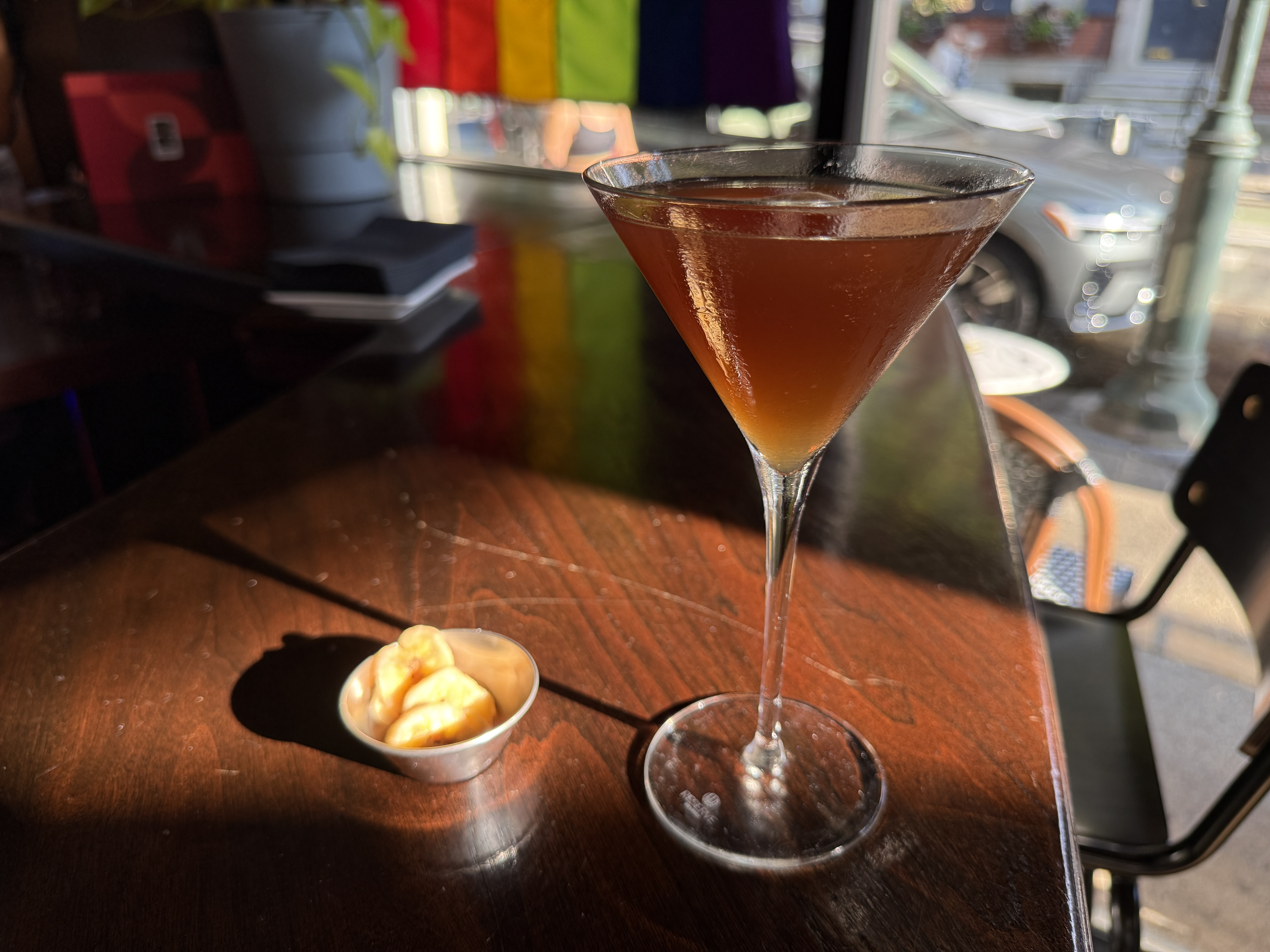
    Bartender Eric Martinez created the extremely complex cocktail Saul’s Revenge ($20) for the Lovers Bar using six ingredients: Quinquina, a French bittersweet aperitif, a pineapple distillate akin to mezcal), the divisive and herbaceous Malört, coffee, and Giffard banana liqueur, which is made from overripe Brazilian bananas. The result is smoky, nuanced, and gets a bitter edge from the Malört.

    Friday Saturday Sunday, 261 S. 21st St., 215-546-4232, fridaysaturdaysunday.com

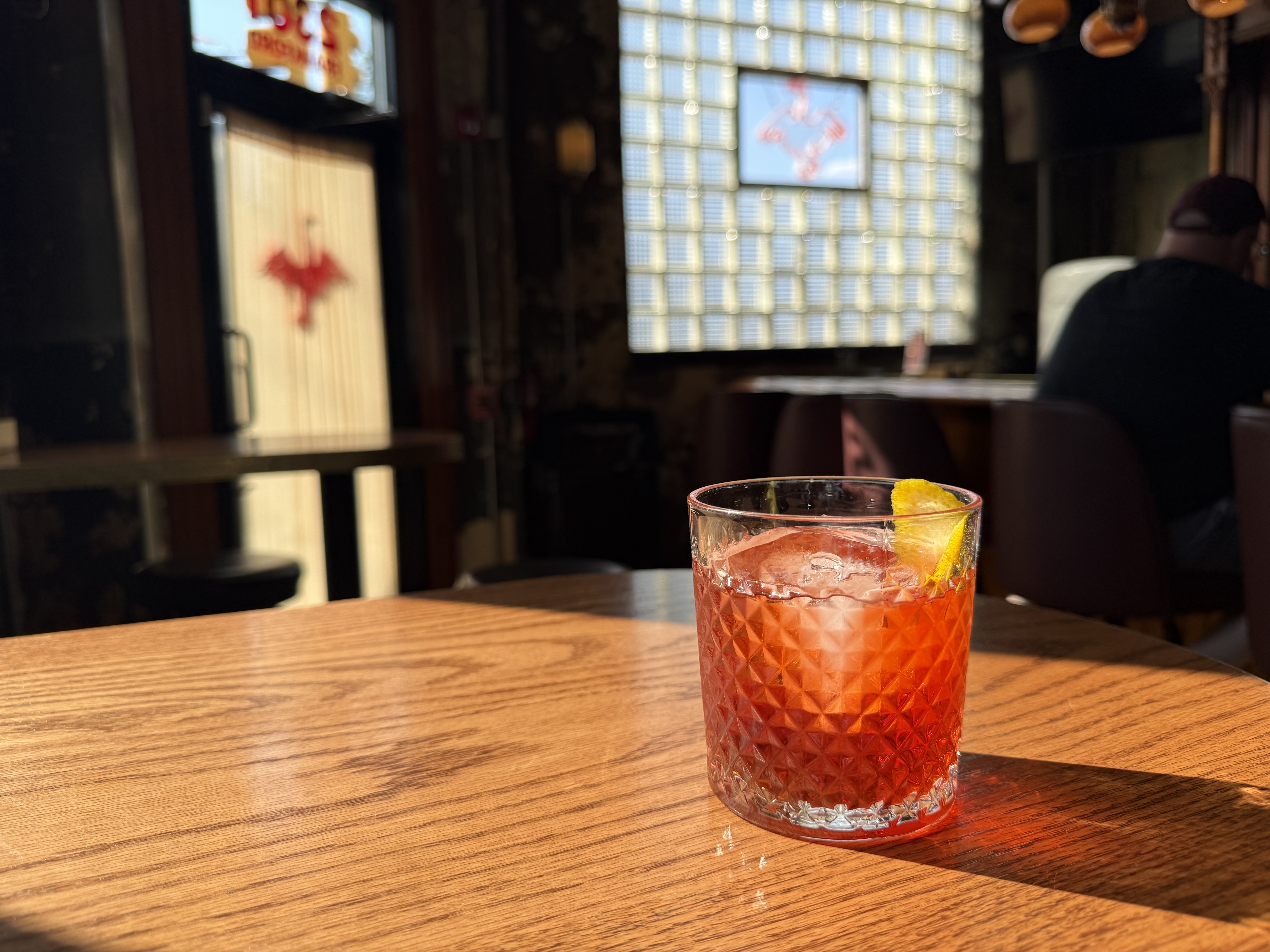
    The banana negroni from Cormorant Corner Bar uses Crème de Banane.Kiki Aranita / Staff /

    Cormorant Corner Bar

    A fairly straightforward Negroni (with gin, Campari, and sweet vermouth) is transformed with a slug of Crème de Banane liqueur. Crème de Banane lends a silky viscosity to the classic cocktail and balances out its herbal notes.

    Cormorant Corner Bar, 2301 Frankford Ave., 215-575-5112, cormorantphl.com

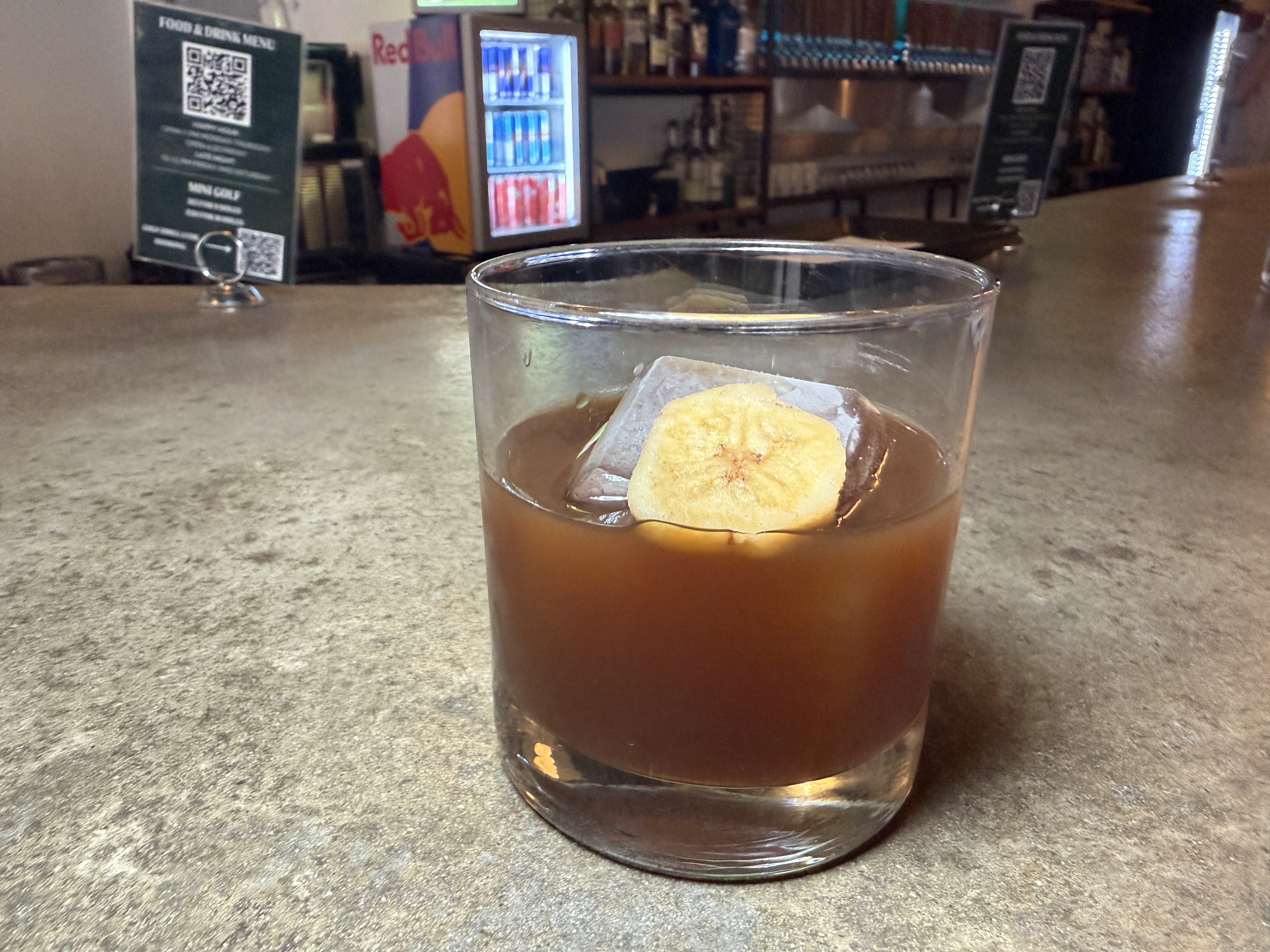
    The Drunken BBL cocktail at Libertee Grounds consists of vanilla vodka, Borghetti espresso liqueur, Cynar, La Colombe cold brew, and banana.Kiki Aranita / Staff /

    Libertee Grounds

    Take a break from mini golf to try Libertee Grounds’ clarified cocktail, the Drunken BBL ($14) which combines vanilla vodka with Borghetti espresso liqueur, Cynar, La Colombe cold brew, and a house-made banana milk that consists of banana puree mixed with wintry spices.

    Libertee Grounds, 1600 W. Girard Ave., Ste. C5, 267-324-3487, liberteegrounds.com

  • Michelin is headed back to New York City for its 2026 awards ceremony

    Michelin is headed back to New York City for its 2026 awards ceremony

    The Michelin Guide is taking its Northeast restaurant awards back to New York.

    Michelin said Tuesday that its 2026 Michelin Guide Northeast Cities ceremony will be held Dec. 14 at the Glasshouse in Manhattan, where it will disclose its latest restaurant selections for Boston, Chicago, New York, Philadelphia, and Washington.

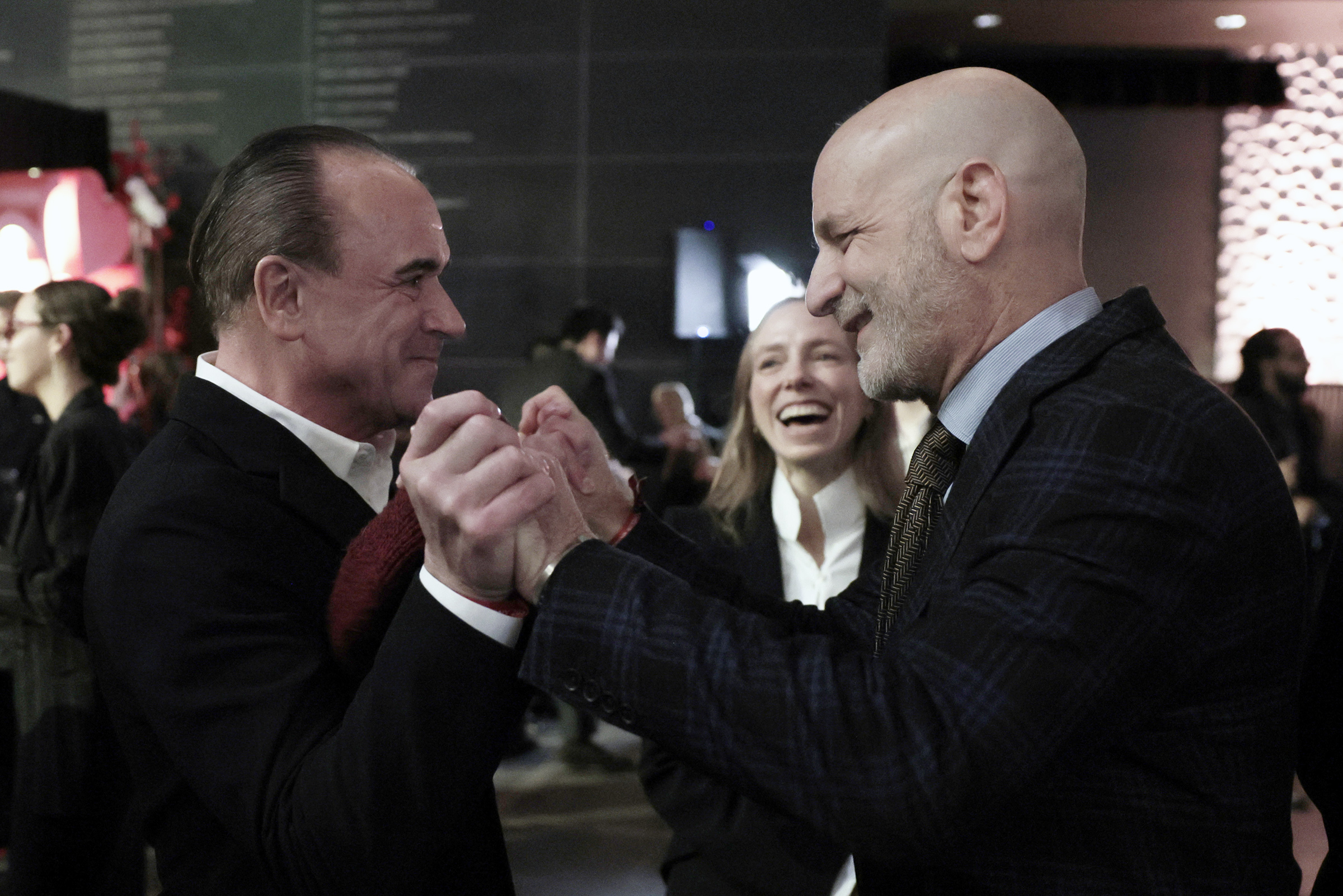
    Jean-Georges Vongerichten and chef Marc Vetri greet each other as Megan Vetri looks on during the cocktail hour at the Michelin Guide announcements at the Kimmel Center on Nov. 18, 2025, in Philadelphia.Elizabeth Robertson / Staff Photographer

    Restaurateurs should treat this as a reminder that Michelin’s famously anonymous inspectors are on the prowl.

    The 2025 ceremony was held at the Kimmel Center in Philadelphia, as Philadelphia and Boston joined the guide for the first time. Michelin, which hosted ceremonies in New York in 2023 and 2024, said last year that it planned to hold the annual ceremony in different cities.

    A representative of the Philadelphia Convention and Visitors Bureau was not immediately available Tuesday to say whether Philadelphia had sought to host the event again.

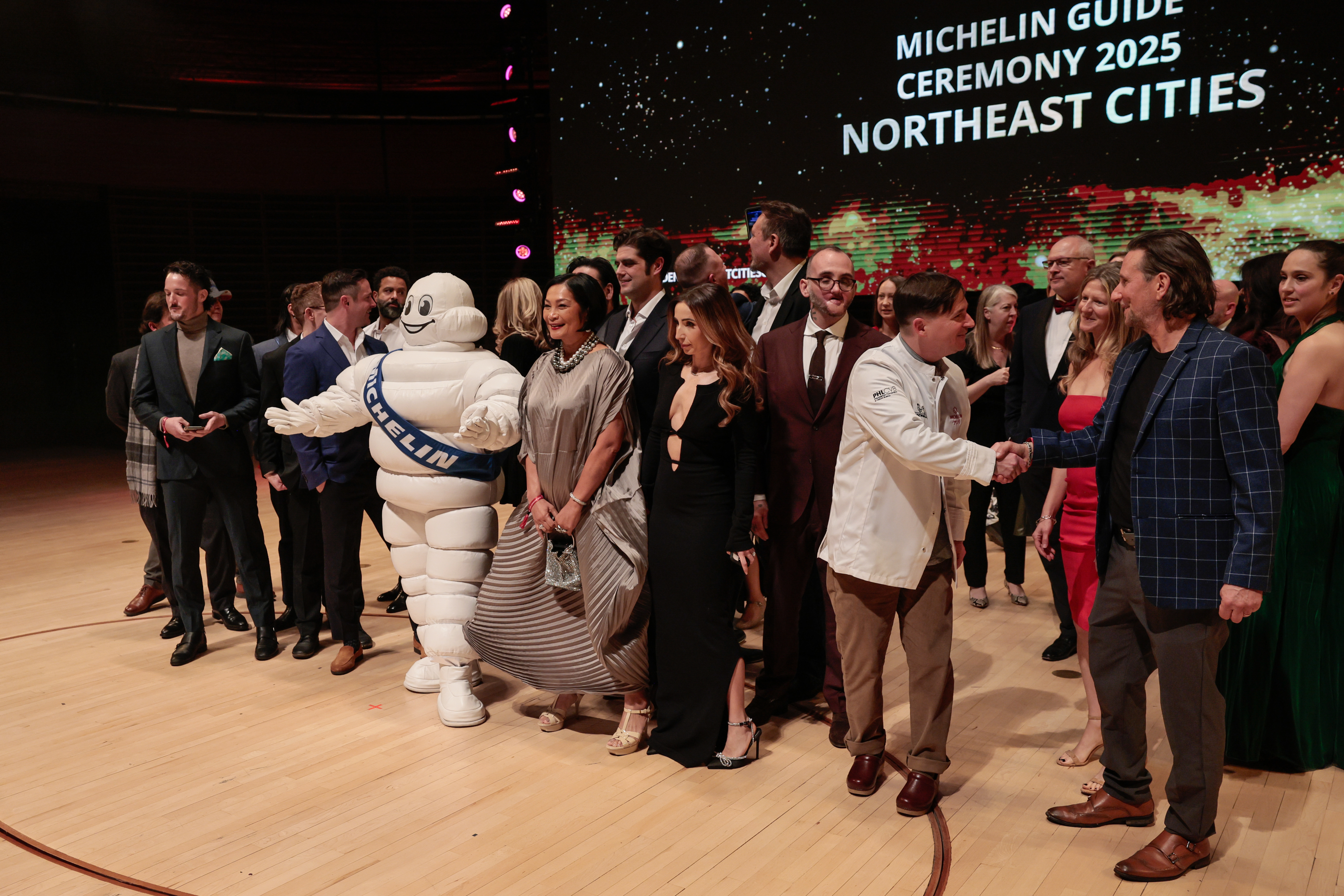
    Last year’s ceremony, attended by culinary glitterati from around the world, gave Philadelphia its first Michelin stars. Friday Saturday Sunday, Her Place Supper Club, and Provenance each received one star, while 31 other Philadelphia restaurants — including three cheesesteak shops — received Michelin recognition. Ten earned Bib Gourmands, Michelin’s designation for restaurants offering good food at a good value, while 21 were Recommended. Pietramala, the vegan restaurant in Northern Liberties, also received a Green Star for its sustainability practices. (Don’t expect more Green Stars this year; the award category was retired in May.)

    The Philadelphia chefs flooding the stage at the Michelin Guide announcements on Nov. 18, 2025.Elizabeth Robertson / Staff Photographer

    Attendance at the ceremony is by invitation only. Because Michelin operates largely in secrecy, it became clear, however, in the days before the Nov. 18 Philadelphia ceremony that restaurateurs invited to attend would receive some form of recognition.

    Michelin’s stars denote increasing levels of distinction: One star signals very good cooking that is “worth a stop,” two stars indicate excellent cooking “worth a detour,” and three stars represent exceptional cuisine “worth a special journey.”

    The French tire company introduced its first North American guide in New York in 2005 and has expanded rapidly since. Chicago followed in 2011 and Washington in 2017, while California, Florida, Toronto, Vancouver, Colorado, Atlanta, Mexico, Texas, and Québec were added in subsequent years.

    The expansion has accelerated recently. Michelin added the American South, Boston, and Philadelphia in 2025 and the Southwest and a statewide Florida guide in 2026. An American Great Lakes guide is scheduled to debut in 2027.

    Philadelphia’s inclusion is part of a partnership with the Convention and Visitors Bureau, which has not disclosed how much it is paying Michelin.