Category: Entertainment

  • ‘A Hundred Years On’ could’ve been a more searing look back at 1876 America, but it is still remarkable

    ‘A Hundred Years On’ could’ve been a more searing look back at 1876 America, but it is still remarkable

    American centennials arrive in uncertain times.

    Amid the current 250th birthday of America, the country hasn’t been so divided since the 1976 Bicentennial when Vietnam and Watergate were open wounds.

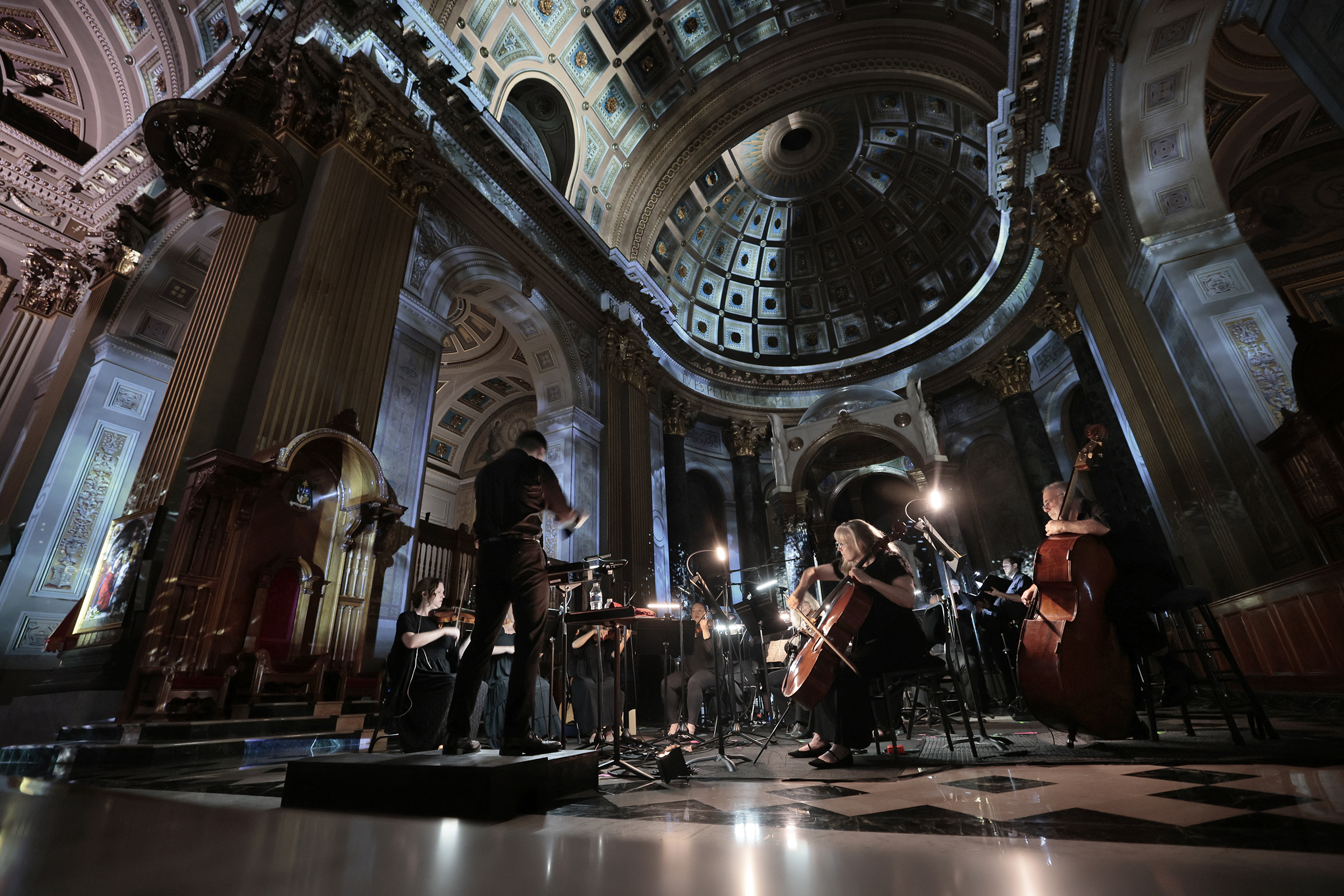
    But in a backward gaze at Philadelphia’s 1876 Centennial Exposition, A Hundred Years On, composed by Peter Boyer, had the message that America somehow prevails. Commissioned by and premiered at the renovated Highmark Mann Center on Wednesday, the oratorio revisited how, amid the residual traumatizing of the Civil War, Philadelphia emerged in one of its peak years with innovations that supported its “city of firsts” reputation.

    Since America in general, and Philadelphia in particular, needs to feel good about itself, the total effect of this vocal/video/orchestral package featuring the Philadelphia Orchestra and the Crossing choir prompted roaring approval from an audience that one hoped would be larger (the inside seats were half full).
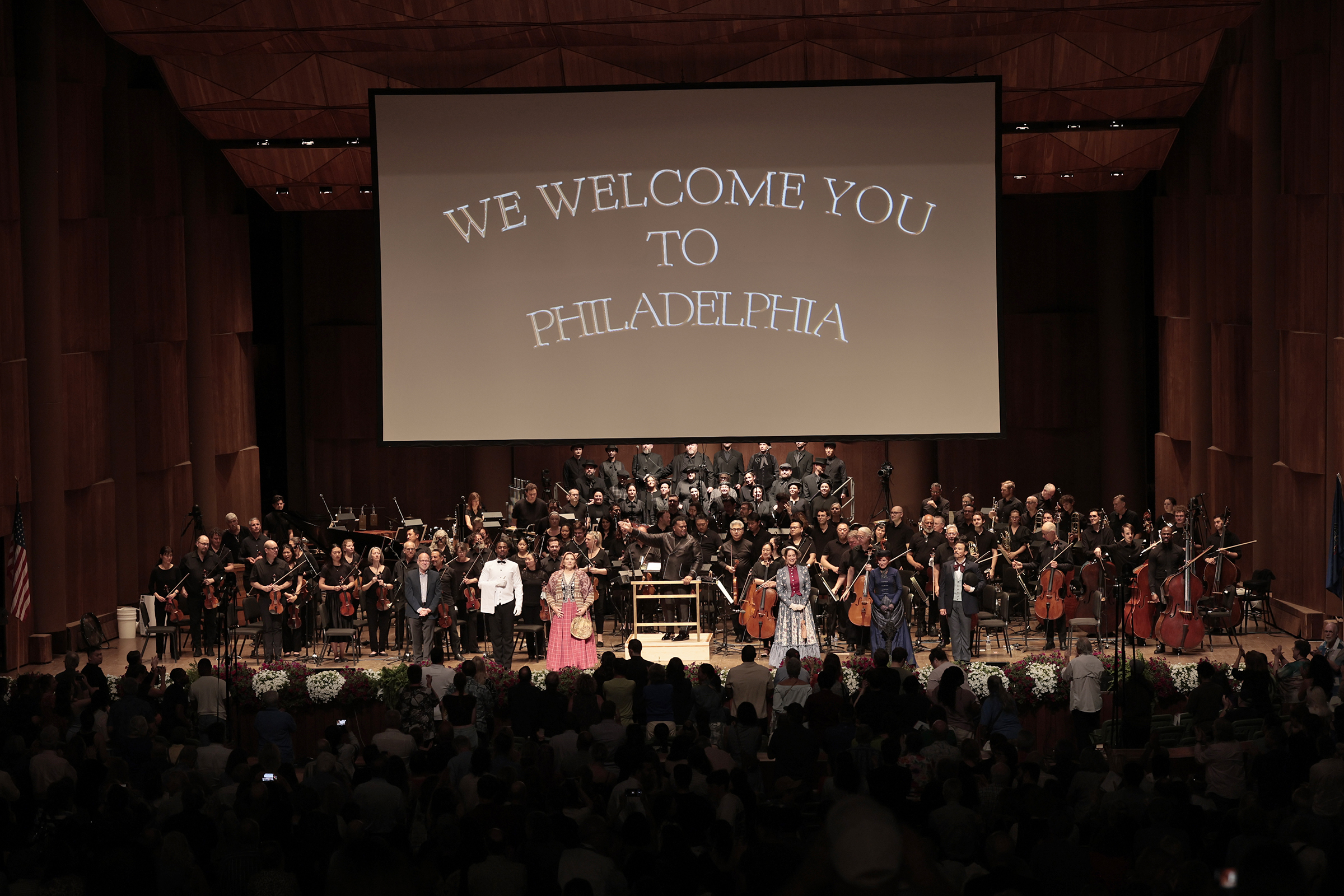
    The audience stands for the cast following the world premiere of ‘A Hundred Years On’ at the Highmark Mann Center.Elizabeth Robertson / Staff Photographer

    With any luck, this ambitious, communicative piece will have a further life.

    Even if you didn’t leave the concert with renewed faith in the future, you could at least aspire to that kind of belief — and be impressed with the program’s range of American expression from John Williams to Julia Wolfe.

    Special event pieces such as A Hundred Years On are, by definition, written in broad, sometimes heavy-handed strokes. But librettist Mark Campbell looked back to 1876 in a series of arias and chorus with touchstones that had dimensions — ones that avoided whitewashing history.
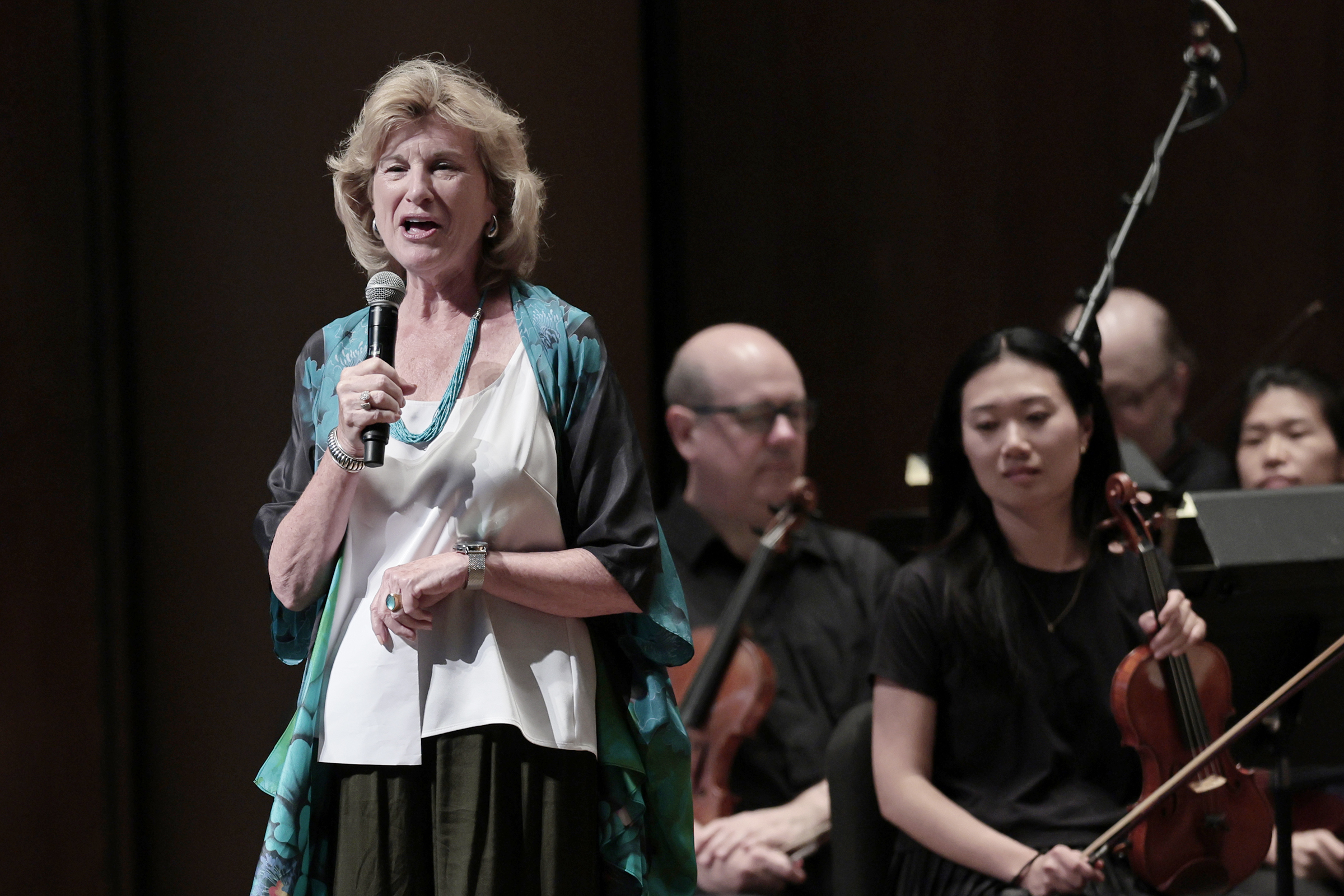
    Highmark Mann Center for the Performing Arts president and CEO Catherine M. Cahill welcomes guests to the world premiere performance of “A Hundred Years On” on Wednesday night.Elizabeth Robertson / Staff Photographer

    An entertaining upbeat stand-in for Alexander Graham Bell extolled the magic of global communication through a single wire (while also predicting our wireless era). But there was also an aria for a mother still grieving for her son’s Civil War death. The invention of the dishwasher promised to save female hands for other things — though such hands still didn’t have the right to vote. A Black restaurant waiter reminded the world that this post-Civil War era had a limited effect on civil rights.

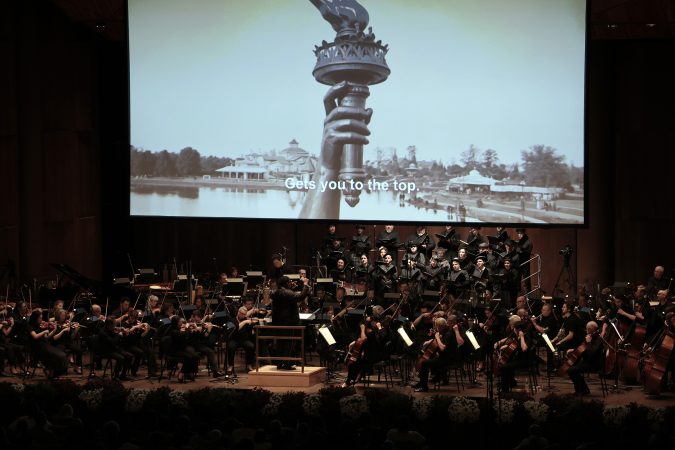
    One visually surreal moment translated into a section rich in implications: The disembodied arm of the still-unfinished Statue of Liberty invited visitors to explore the insides of her torch. Video projections designed by Rasean Davonté Johnson lifted and animated images usually seen in vintage photographs in ways that took you deep into that era. Virtually, you were there. Live singers were in period costumes with supportive stage direction by Tazewell Thompson.
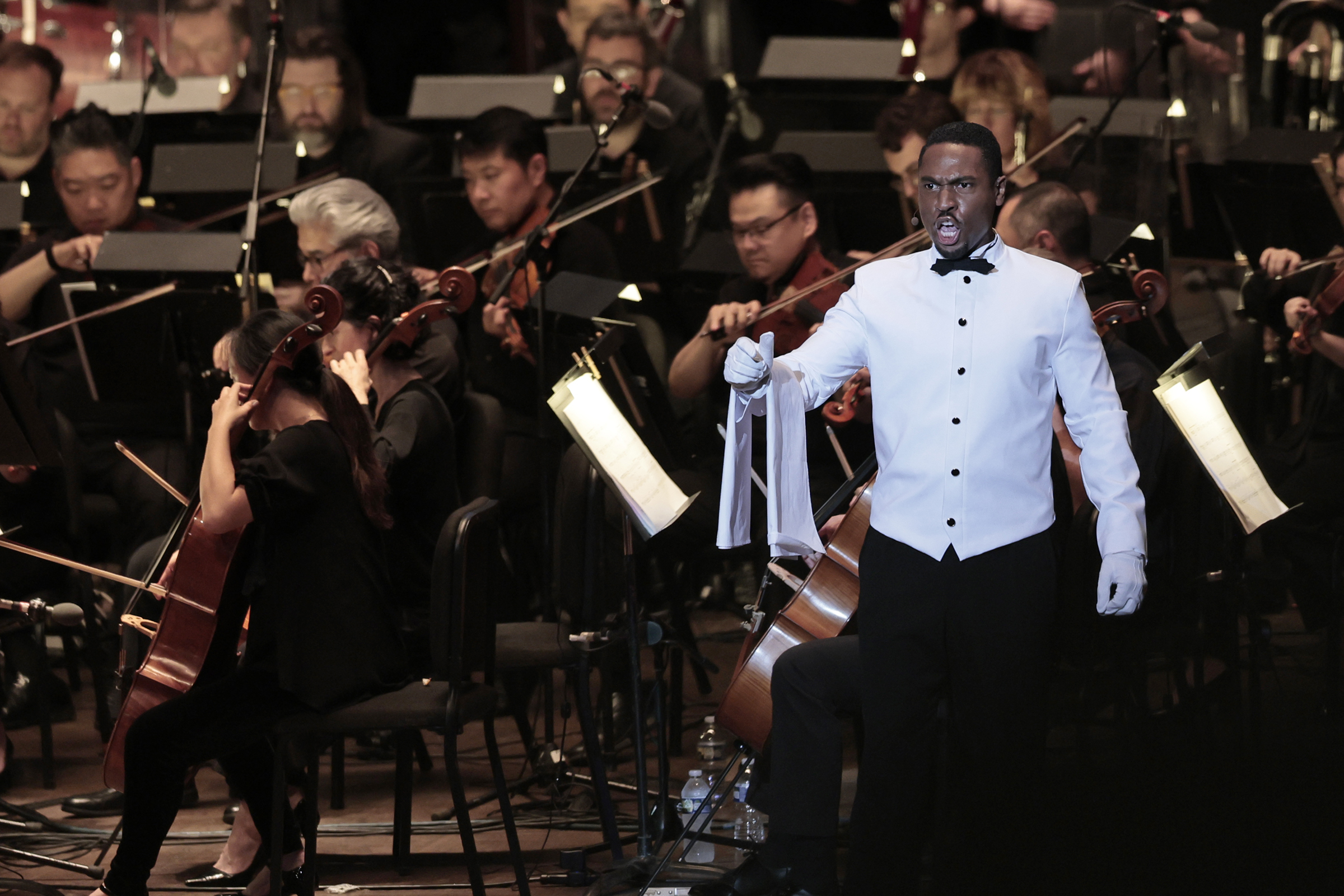
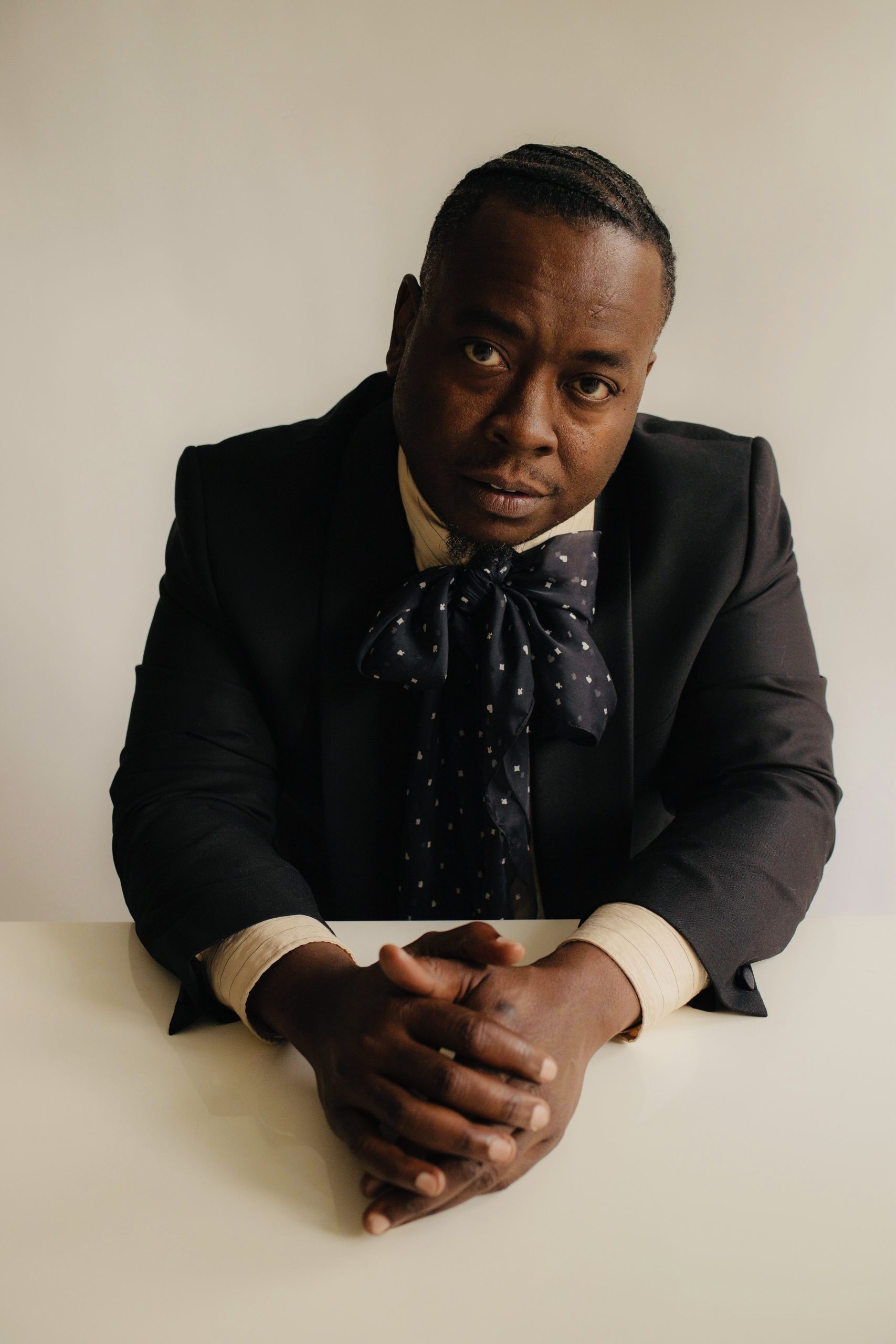
    Malcolm J. Merriweather in “A Hundred Years On” at the Highmark Mann.Elizabeth Robertson / Staff Photographer

    Overall, the piece didn’t quite have the searing authenticity of Boyer’s Ellis Island: The Dream of America, which included spoken firsthand immigrant accounts of their harrowing experiences. But Campbell’s poetic extrapolations of the 1876 experience clearly inspired Boyer to write essentially lyrical arias with all sorts of details heard in these individual journeys, such as the blues inflections of Ignatius Thomas, the Black restaurant waiter.

    Boyer steered clear of songlike tunes that would’ve distracted from the message at hand, and given less depth to performances by the excellent vocal soloists, Mary Dunleavy, Meredith Lustig, Eve Gigliotti, Malcolm J. Merriweather, and especially David Portillo. Boyer didn’t resist writing difficult but atmospheric harmonies for the supercapable Crossing choir, as well as descriptive vocal gestures suggesting the budding mechanization of the 19th century.
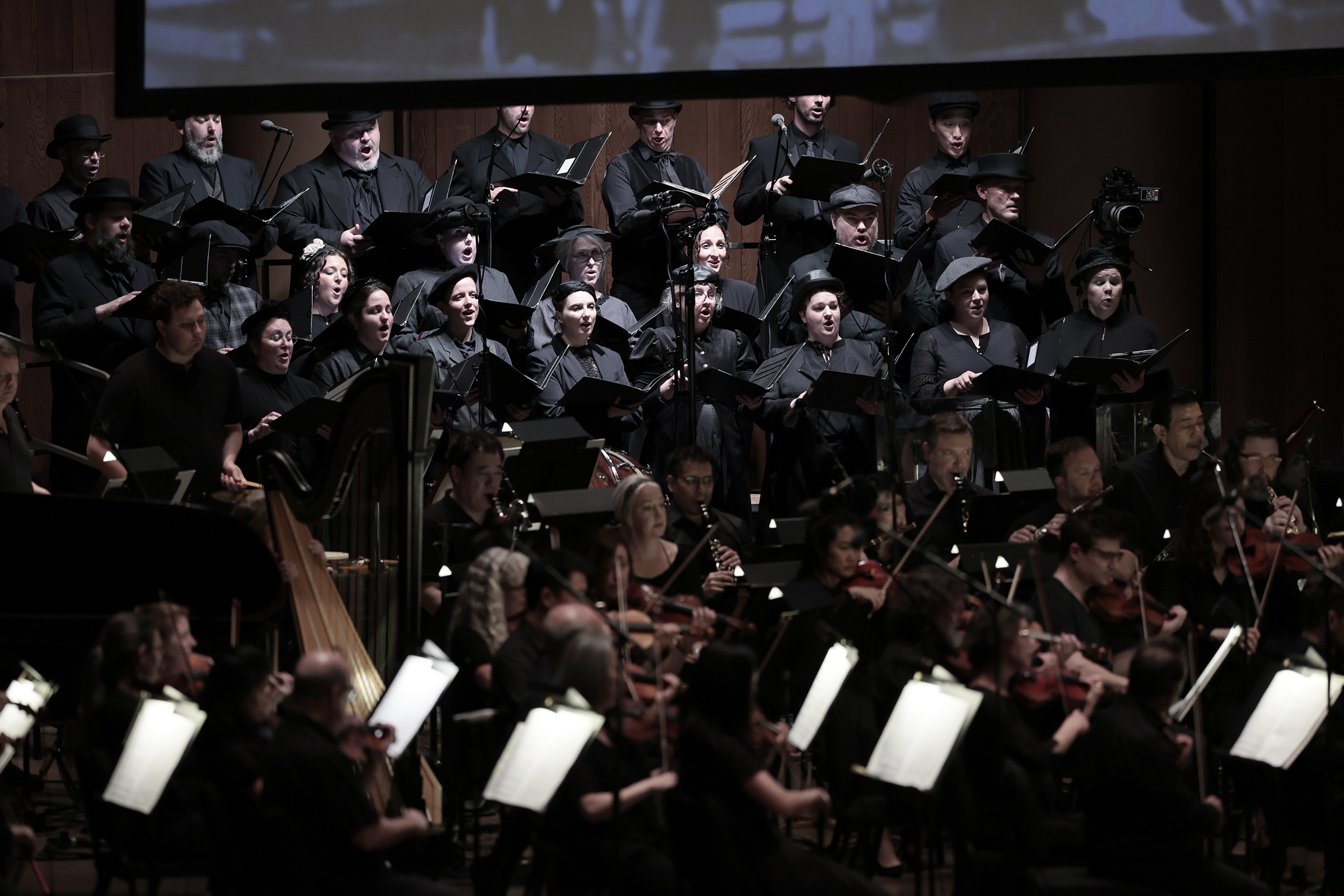
    The Crossing (in rear) choir performing with the Philadelphia Orchestra on Wednesday.Elizabeth Robertson / Staff Photographer

    In general, he used the orchestra as a frame to give focus and scope to the bigger idea of what 1876 meant then and now. The guy definitely knows the art of orchestration.

    In the concert’s first half, the “Star-Spangled Banner,” “conducted” by Mayor Cherelle L. Parker was the necessary starting point. Then, John Williams’ “Liberty Fanfare” had conductor Anthony Parnther luxuriating in the rich harmonies, memorably played by the Philadelphia Orchestra brass section. “Liberty Bell” by Julia Wolfe (who grew up in the area, near all of the bell’s cracks and crevices) was a miniature symphony of sorts, falling into four distinct sections.
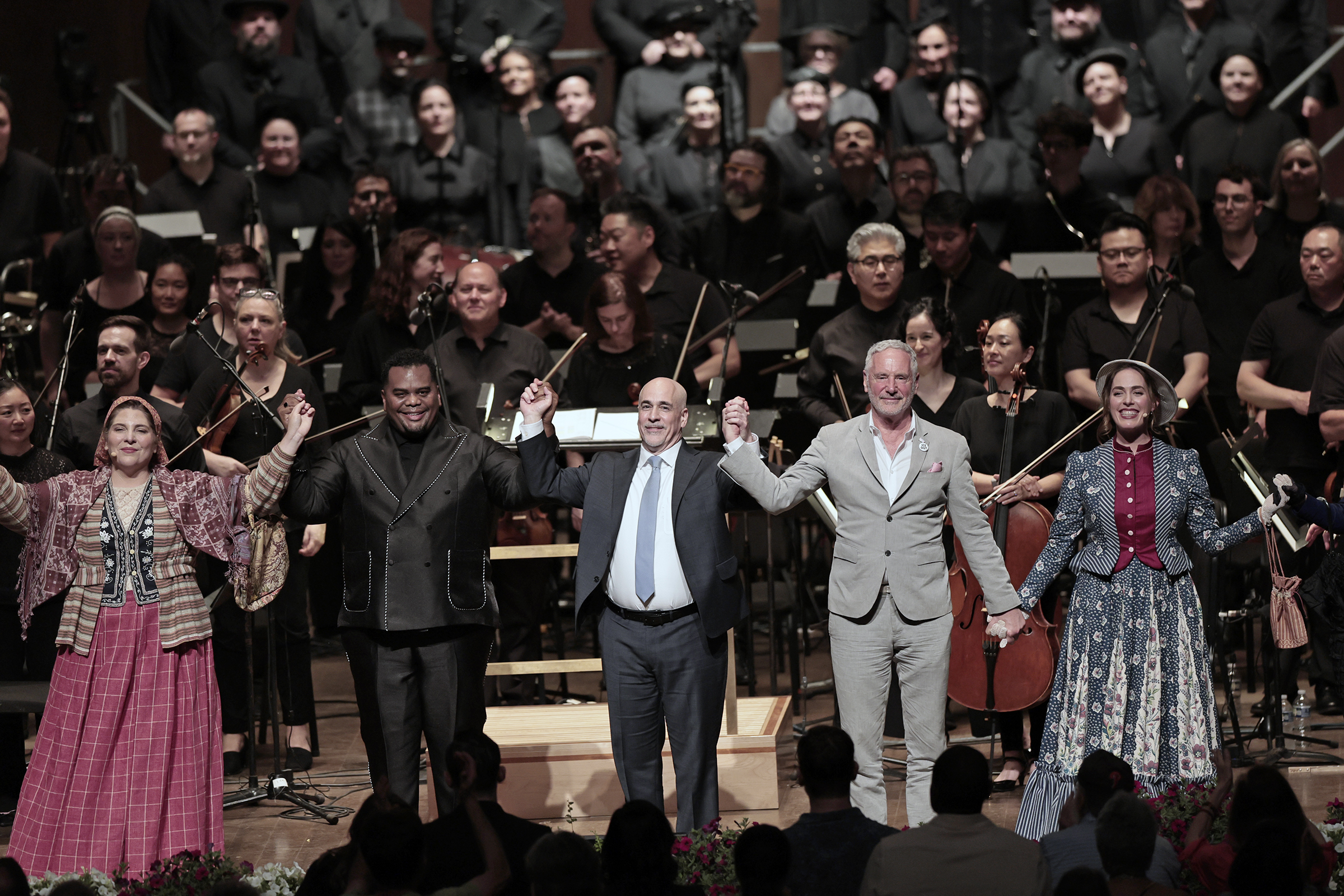
    From left: Mezzo-soprano Eve Gigliotti, conductor Anthony Parnther, composer Peter Boyer, librettist Mark Campbell, and soprano Meredith Lustig in front of the Philadelphia Orchestra and the Crossing choir after the premiere of “A Hundred Years On” on Wednesday.Elizabeth Robertson / Staff Photographer

    First came the difficult birth of democracy with a series of whiplash rhythms, almost suggesting the passing of kidney stones. What followed was repose, but the apocalyptic ending was reminder that storms are always ahead.

    Sousa’s “Stars and Stripes Forever” was strangely perfunctory. Sorry, but I was spoiled by the late Arthur Fiedler, who had a way of suspending time during the thrilling piccolo solo. No big deal, really, especially since all other performances were shipshape.

    And that’s not often the case with a program featuring something as complex as “Liberty Bell” and a piece with as many moving parts as A Hundred Years On. No hints of strain. Remarkable!
  • 1969’s Stonewall Riots became a watershed moment in the fight for queer rights. Four years earlier, LGBTQ activists gathered at Independence Hall for the first Remembrance March.

    1969’s Stonewall Riots became a watershed moment in the fight for queer rights. Four years earlier, LGBTQ activists gathered at Independence Hall for the first Remembrance March.

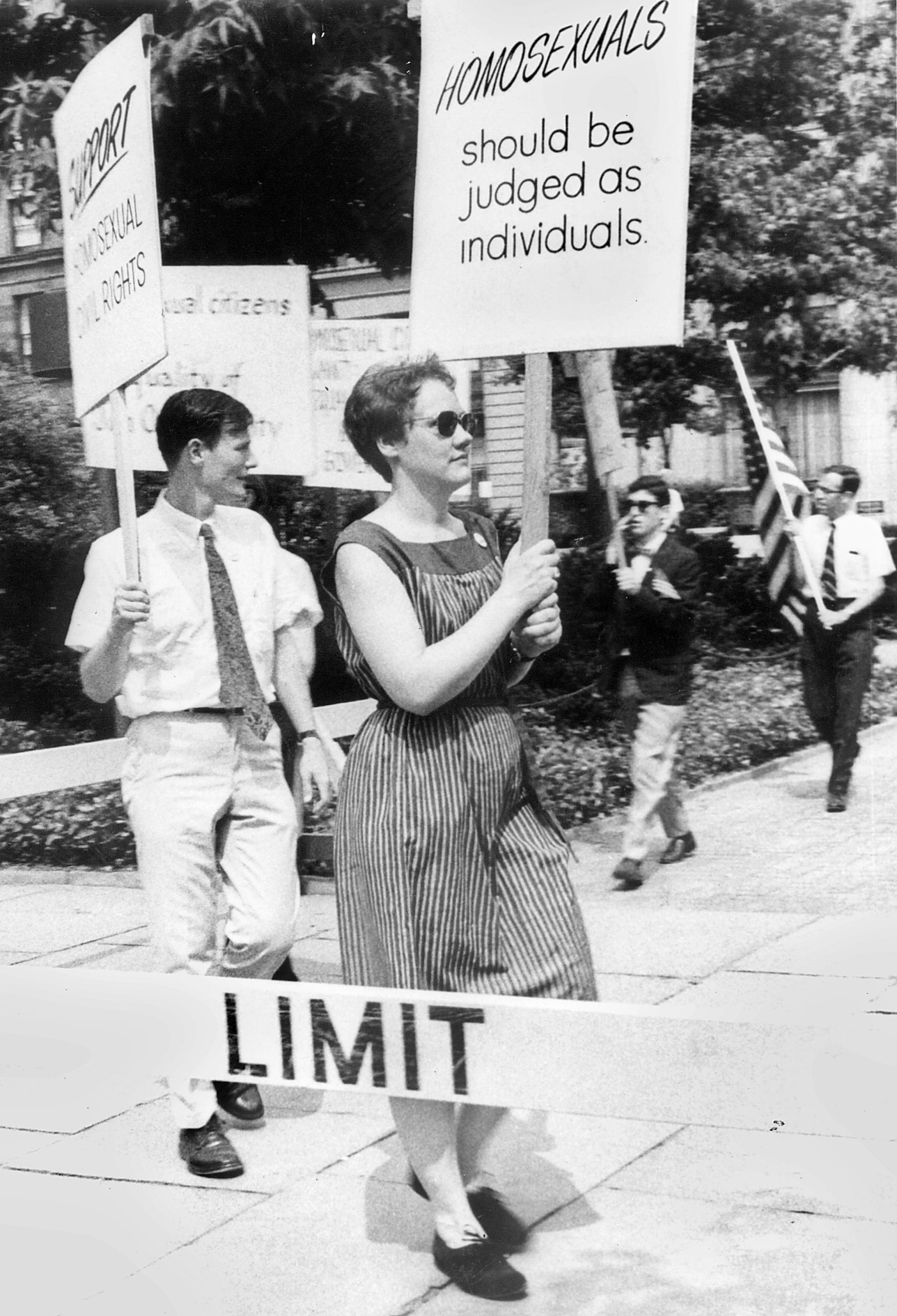
    On July 4, 1965, gay activists Frank Kameny of Washington, D.C., Craig Rodwell of New York, and Barbara Gittings of Philadelphia gathered 40 of their LGBTQ brethren in front of Independence Hall to demand equality.

    Dressed in three-piece suits, dresses, pumps, and spit-shined tie-ups, the marchers protested discriminatory policies that allowed gay people to be fired from government jobs and to be denied entry into military service.

    Their slogan: “We don’t dodge the draft … the draft dodges us.”

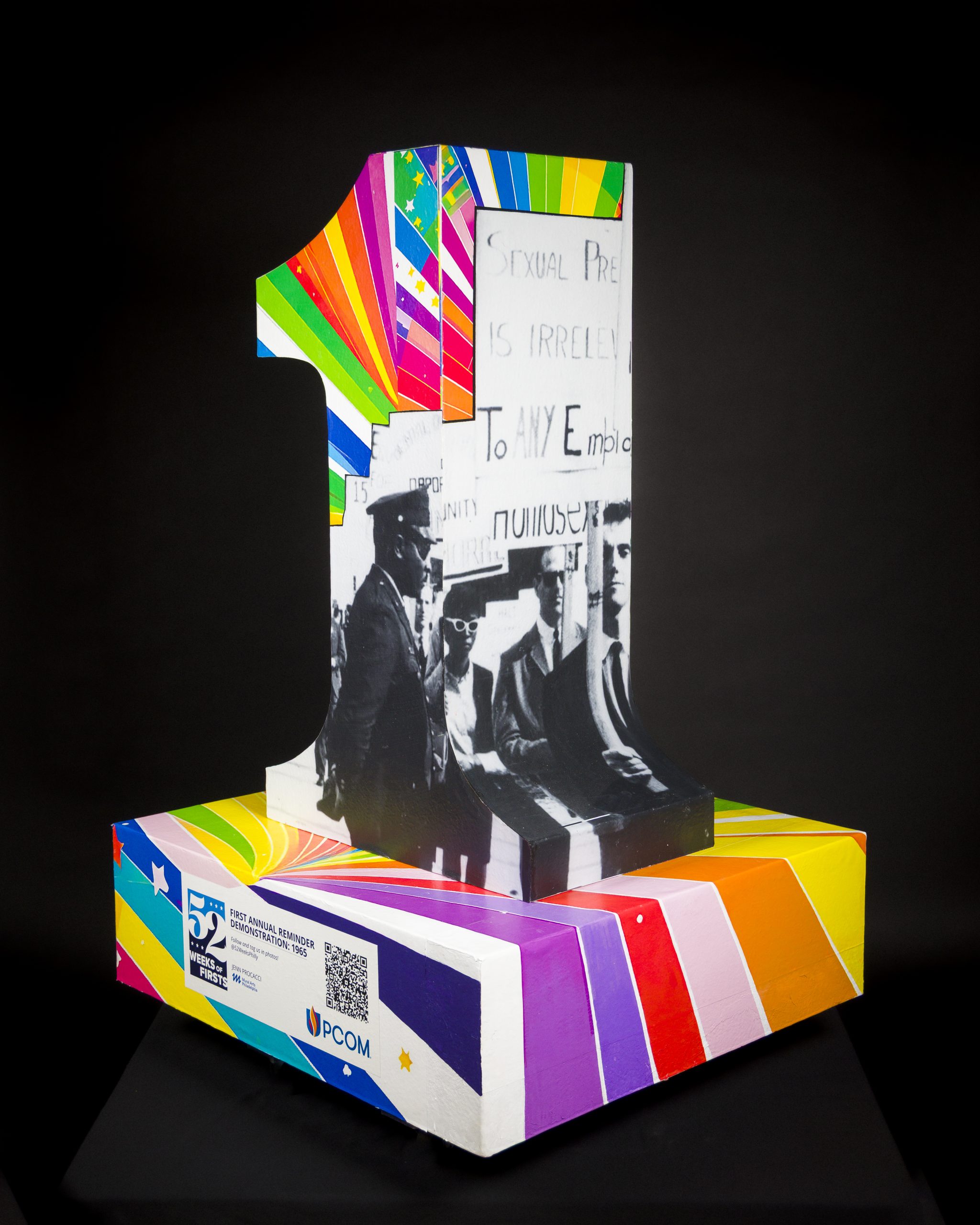
    Artist Jen Proacci’s sculpture features . historic photographs of a Remberance Day event rendered as a high-resolution print, paired with a vibrant rainbow sky that symbolizes the LGBTQ+ community’s ongoing pursuit of equality, protection and freedom.Jenn Proacci

    Held four years before the Stonewall Uprising in 1969, the march made history as the country’s first gay rights demonstration. That 1965 march became an annual protest, now known as the Remembrance March.

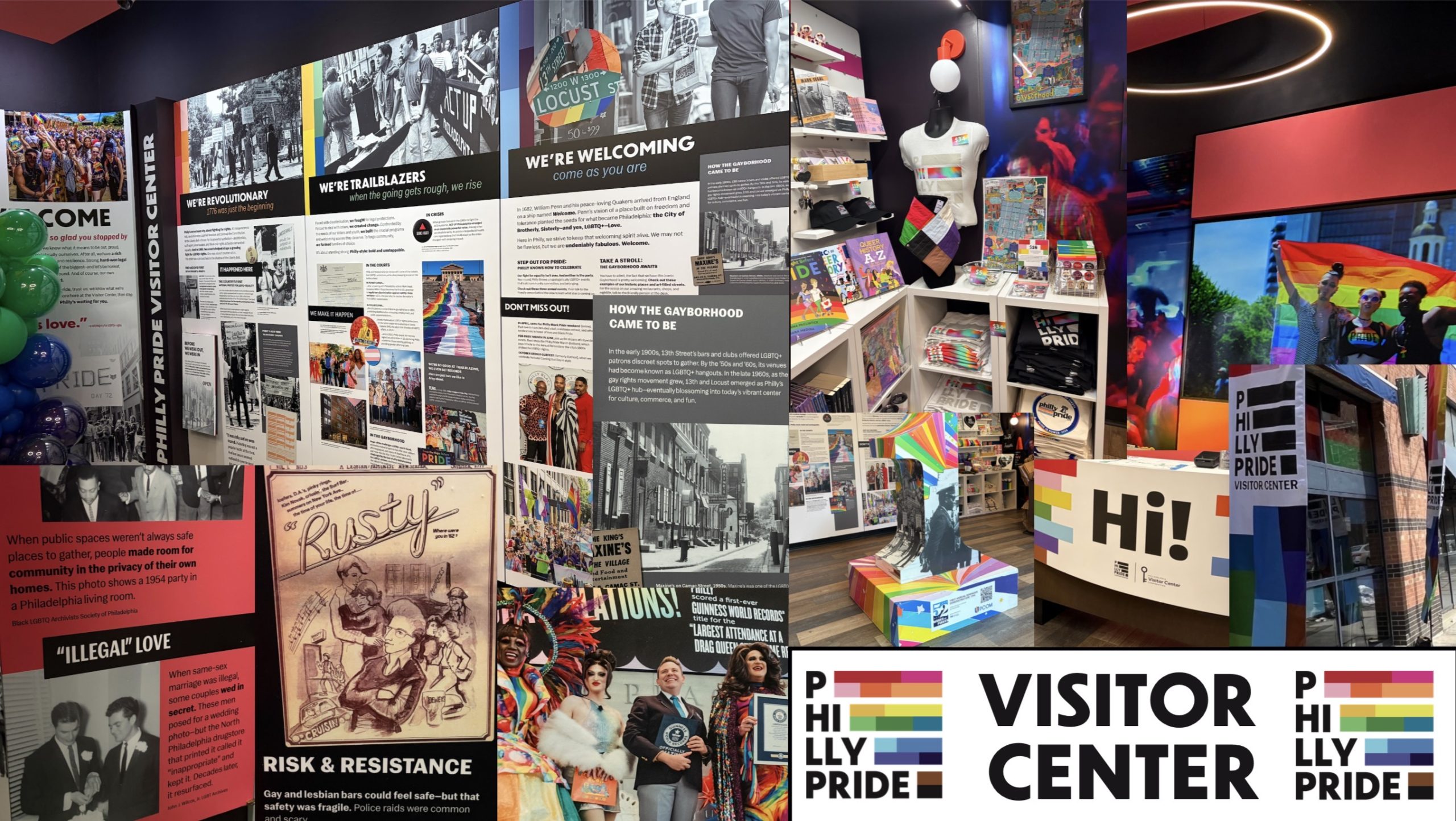
    The first gathering in 1965 will be celebrated at Philly Pride Visitor Center on Saturday, one of Philadelphia Historic District’s weekly firstival celebrations. Each week in 2026, the Historic District is throwing a day party honoring important events that happened in Philadelphia before anywhere else in the nation and often the world.

    “They were the only 40 to 100 people willing to get on the picket line for gay rights for those five years for the entire nation,” said Mark Segal, editor of the Philadelphia Gay News, who was a teenager in 1965.

    Picket at Independence Hall, Philadelphia. July 4, 1965. Randy Wicker (L), Barbara Gittings (R)Inquirer archives, photo by Kay Tobin Lahusen

    “It was the one and only march of its kind, and it was national,” he said. “People came from Chicago, Los Angeles, San Francisco. If you were someone involved in getting equality for homosexuals at the time, then you were there.”

    Remembrance Marches predated Stonewall but they didn’t lead to Stonewall, Segal added.

    The Philadelphia demonstrators in the late 1960s were out of the closet but were still very conservative.

    “We were fighting for federal employment,” Kay Tobin Lahusen, the first openly gay American photojournalist, and Gittings’ partner, told The Inquirer in 2007 after Gittings’ death. “We wanted to look employable.”

    That conservative energy largely excluded young people at that time, including Segal.

    “I wasn’t allowed to march in the Remembrance Marches because I was too young. I didn’t want to wear a suit and tie. I wanted to protest in my jeans and my T-shirts. As a Philadelphian, I loved my city. I appreciated the marches and respect these brave people. But we were ready to smash invisibility.”

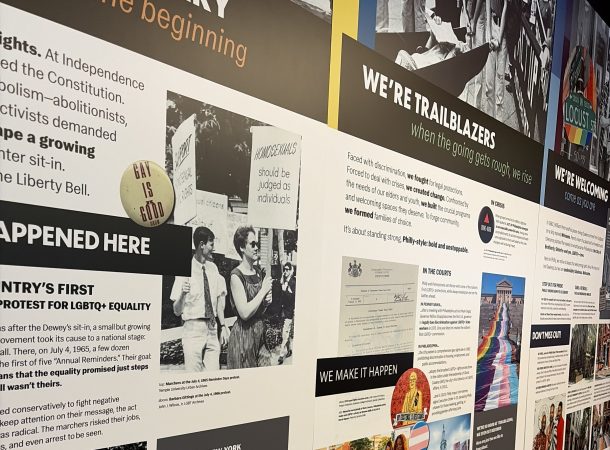
    Early photos of Philadelphia-based Gay Pride marches part of a collage in the Philly Pride Visitor Center.Kristopher Lawrence/Philly Pride Visitor Center

    That sentiment bubbled across the nation.

    Early in the morning of June 28, 1969, LGBTQ protesters led a series of demonstrations against police raids at the now historic gay bar, Stonewall Inn, in New York City’s Greenwich Village.

    As a contrast to the more conservative Remembrance Marches, the Stonewall Riots, which Rodwell also participated in, were more disruptive and intersectional. Trans women of color, like Sylvia Rivera and Marsha P. Johnson, would eventually go on to become key figures in the uprisings.

    Philadelphia’s last Remembrance March took place the following week.

    The following June, East Coast Regional Conference of Homophile Organizations, also known as ERCHO, adopted a resolution in Philadelphia ending Remembrance March.

    That same month, on June 28, 1970, America’s first Gay Pride Liberation March in Greenwich Village was held in commemoration of the Stonewall Uprising.

    “We went from 40 to 100 people in Philadelphia to more than 15,000 in New York,” Segal said.

    “The Remembrance Days are important,” echoed Kristopher Lawrence, Philly Pride Visitor Center’s supervisor. “We were all trying to get to the same place, but we had different views on how we thought it should be done.”

    This week’s Firstival is Saturday, June 20, 11 a.m.-1 p.m., at the Philly Pride Visitor Center, 1139 Locust St.

    The Inquirer is highlighting a “first” from the Philadelphia Historic District’s 52 Weeks of Firsts program each week. A “52 Weeks of Firsts” podcast, produced by All That’s Good Productions, drops every Tuesday.

  • Philly’s Cathedral Basilica is the canvas for a new immersive light show

    Philly’s Cathedral Basilica is the canvas for a new immersive light show

    If you’re in a church and the ceiling starts pulsating and streaks of lightning splinter down the walls, it’s usually a good sign that more than the homily is about to go down.

    But at Luminiscence, it’s all part of a new immersive experience that uses light to alter one of Philadelphia’s most famous altars — at the Cathedral Basilica of SS. Peter and Paul.

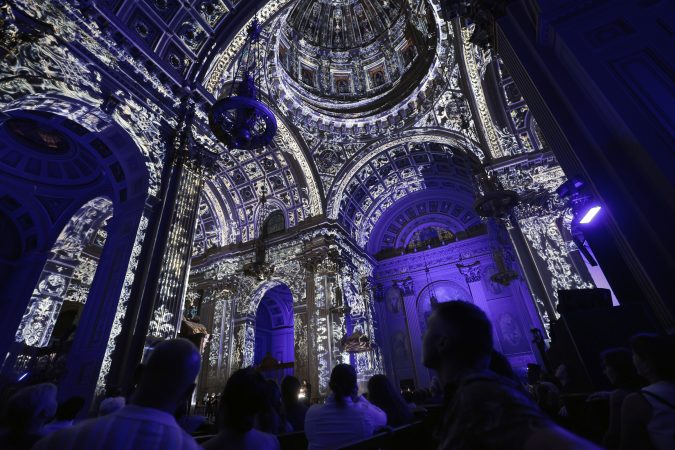
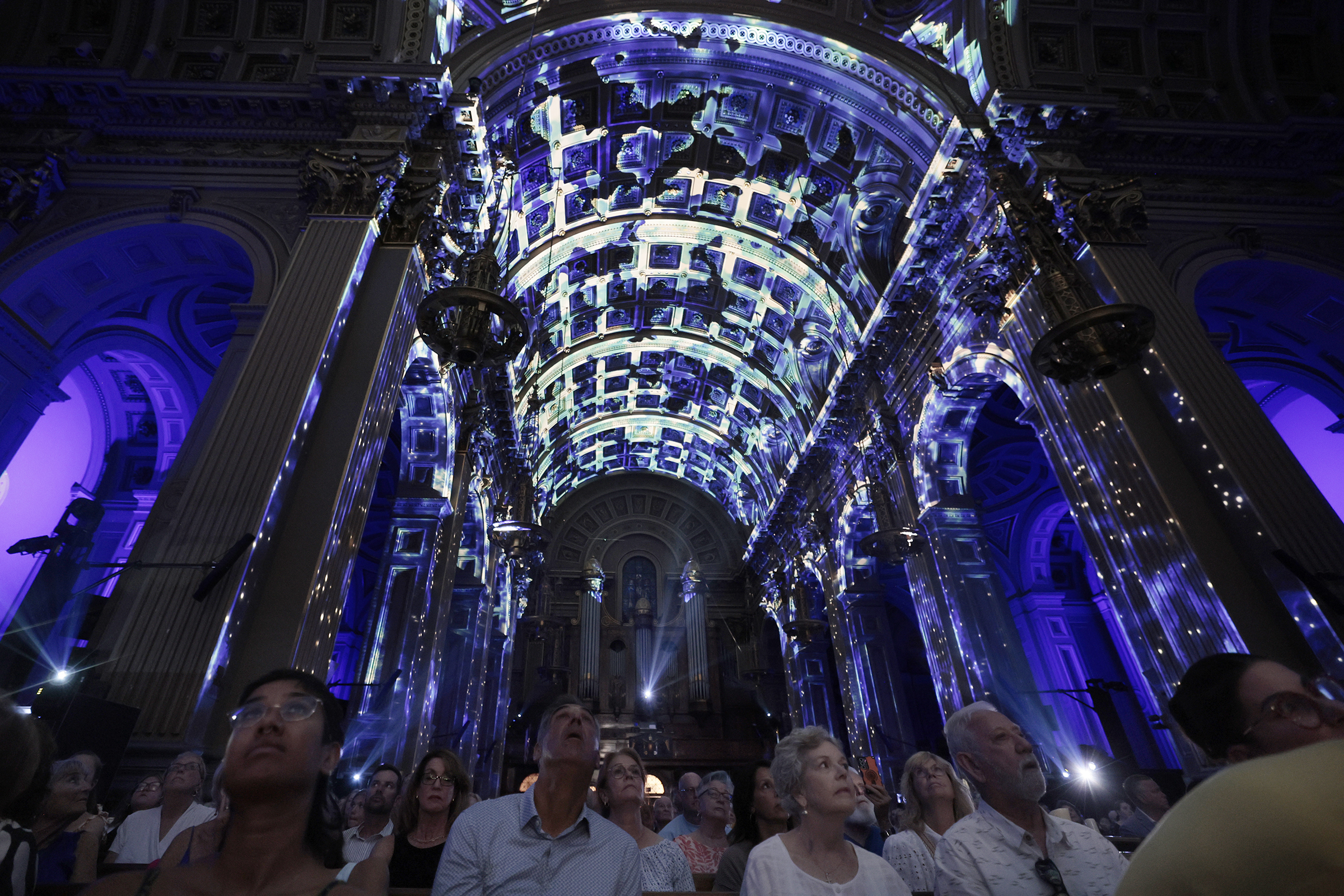
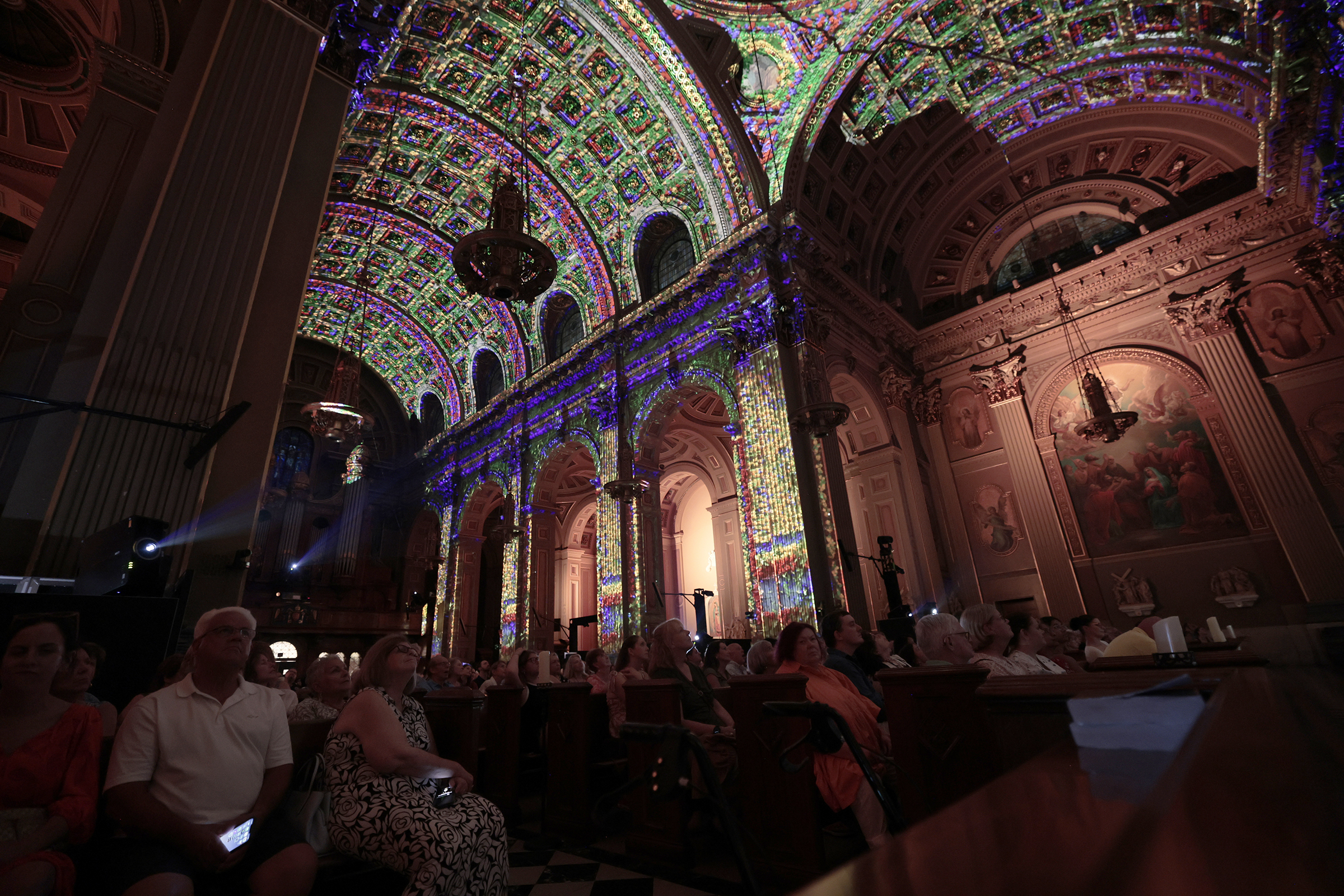
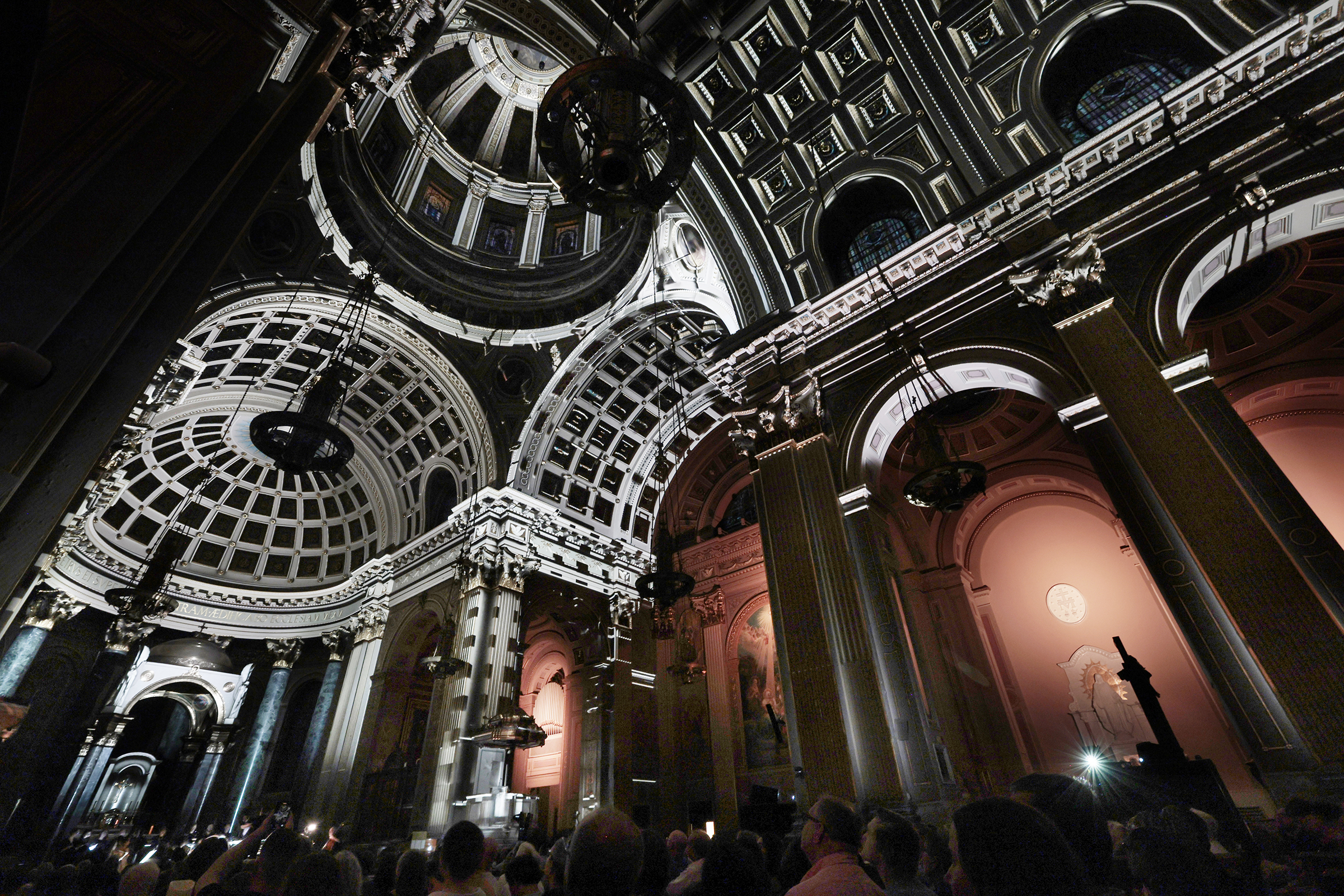
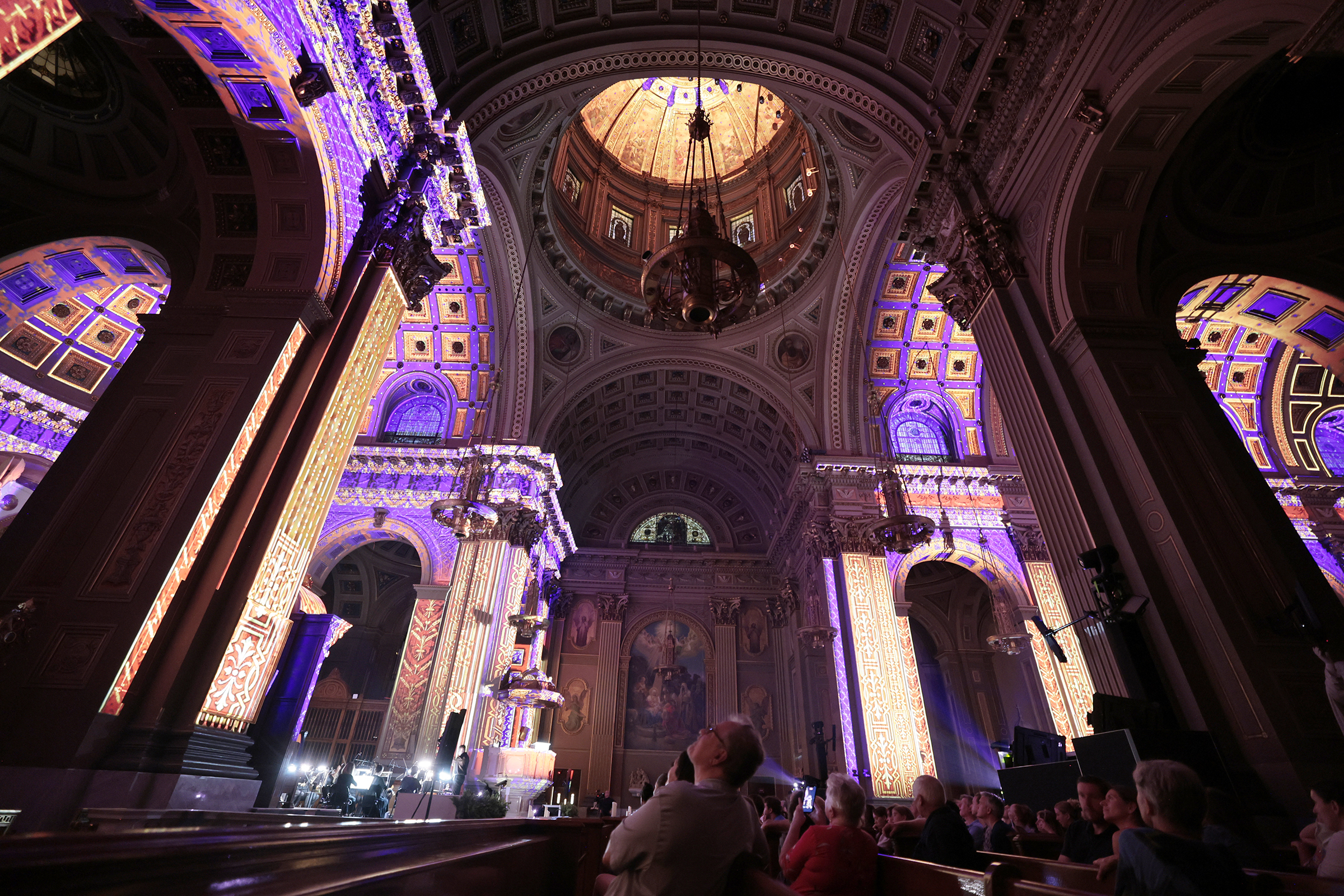
    On select evenings through August, Luminiscence brings the interior walls of the 164-year-old mother church of the Archdiocese of Philadelphia to life with 25 high-definition projectors, 360-degree video mapping, and accompanying performances by a live choir and orchestra on select dates.

    The orchestra plays during the June 11 premiere of Luminiscence at the Cathedral Basilica of SS. Peter and Paul.Elizabeth Robertson / Staff Photographer

    This sacred space where two popes have celebrated Mass, countless Philadelphians have been laid to rest, and the remains of a saint are enshrined is now host to a visual and auditory odyssey that tells the history of the cathedral as high-definition lights trace every nook and cranny of its walls.

    Think of it as a laser light show for the digital age and mature palette. Instead of spacing out with Pink Floyd in a planetarium, you’re basking in bright lights with Bach in a basilica.

    “We really wanted to see the building come alive and be featured in ways that it hasn’t ever been seen before, together with music that really illuminates the soul,” said Clayton Ferguson, executive producer and general manager for Banijay Americas Live, the media and production company behind show.

    Guests watch the opening night performance of Luminiscence at the Cathedral Basilica of SS. Peter and Paul on June 11.Elizabeth Robertson / Staff Photographer

    ‘Respecting the cathedral’

    Father Dennis Gill, rector of the Cathedral Basilica, said he was approached about hosting the production a little less than a year ago.

    “They were very impressed by our cathedral building and they thought it would be a wonderful place to highlight with light,” he said. “It took some convincing. My primary concern was respecting the cathedral. The primary ministry of the cathedral is the worship of God and I wanted to make sure Luminescence would protect and promote that.”

    Luminiscence events — which are specifically designed for cathedrals and basilicas — began in France, where Banijay Americas Live parent company, Banijay Entertainment, is headquartered. Philadelphia is only the second U.S. city to host a production. The first was held at the Basilica of Saint Mary in Minneapolis last year.

    People watch the opening night performance of Luminiscence on June 11.Elizabeth Robertson / Staff Photographer

    “It’s about sacred spaces, but it is not a faith-driven show, so it is absolutely for all audiences,” Ferguson said. “I wouldn’t say that it’s a secular story or a religious story. I think that it is about beauty and hope and creativity.”

    This isn’t the first time projection mapping has been used to transform an iconic Center City building. For years, Philadelphia’s own Klip Collective brought the exterior of City Hall to life during the holidays with its free Deck the Hall Light Show. But Luminiscence is the first time an immersive experience like this has been done in the Cathedral Basilica, or in any Catholic church in Philly.

    Gill said he had three reasons for agreeing to participate.

    “My first reason was it would highlight the architectural beauty of our cathedral. Second, it would draw people to church, and my third reason was it would bring us some financial assistance,” he said.

    A portion of the ticket sales goes to the Cathedral Basilica, but Ferguson declined to detail how much.

    A purpose

    Last week, entry lines snaked around the building as people packed the pews for the first performance. Prior to the start of the show, the basilica’s domed ceiling was bathed in a dark cerulean light dotted by hundreds of stars. Human silhouettes walked slowly and methodically along the walls high above the crowd.

    Joseph Blanch of Havertown watches the opening night performance of Luminiscence on June 11. Elizabeth Robertson / Staff Photographer

    Ferguson and Gill offered brief opening remarks, with the latter also offering a blessing.

    As I sat listening in a pew, I tried to think of the last time I was in the basilica. Was it really 11 years ago when Pope Francis was in town? I often visit churches in Europe just for their beauty and architecture, but not those in my own backyard. Maybe I feel like I need a purpose when it’s so close to home.

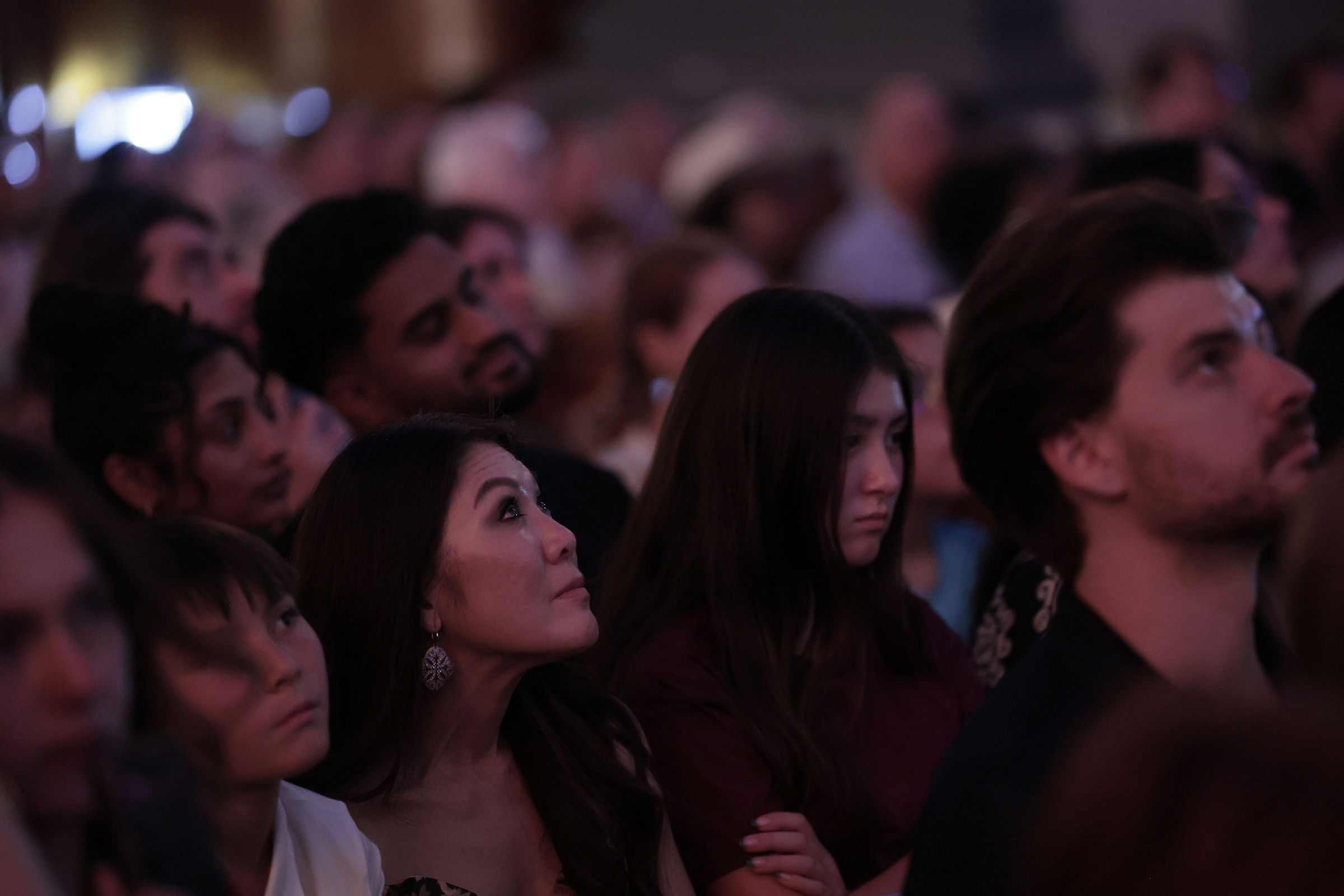
    Luminiscence at the Cathedral Basilica of SS. Peter and Paul on opening night on June 11. Elizabeth Robertson / Staff Photographer

    “Talking it through, everybody kind of understood how it would really, really help get more people through the doors,” Ferguson said. “I mean, this building is stunning. It’s incredible. How many people have maybe walked past it over all of the years and not even had a chance to walk inside?”

    ‘Goosepumps’

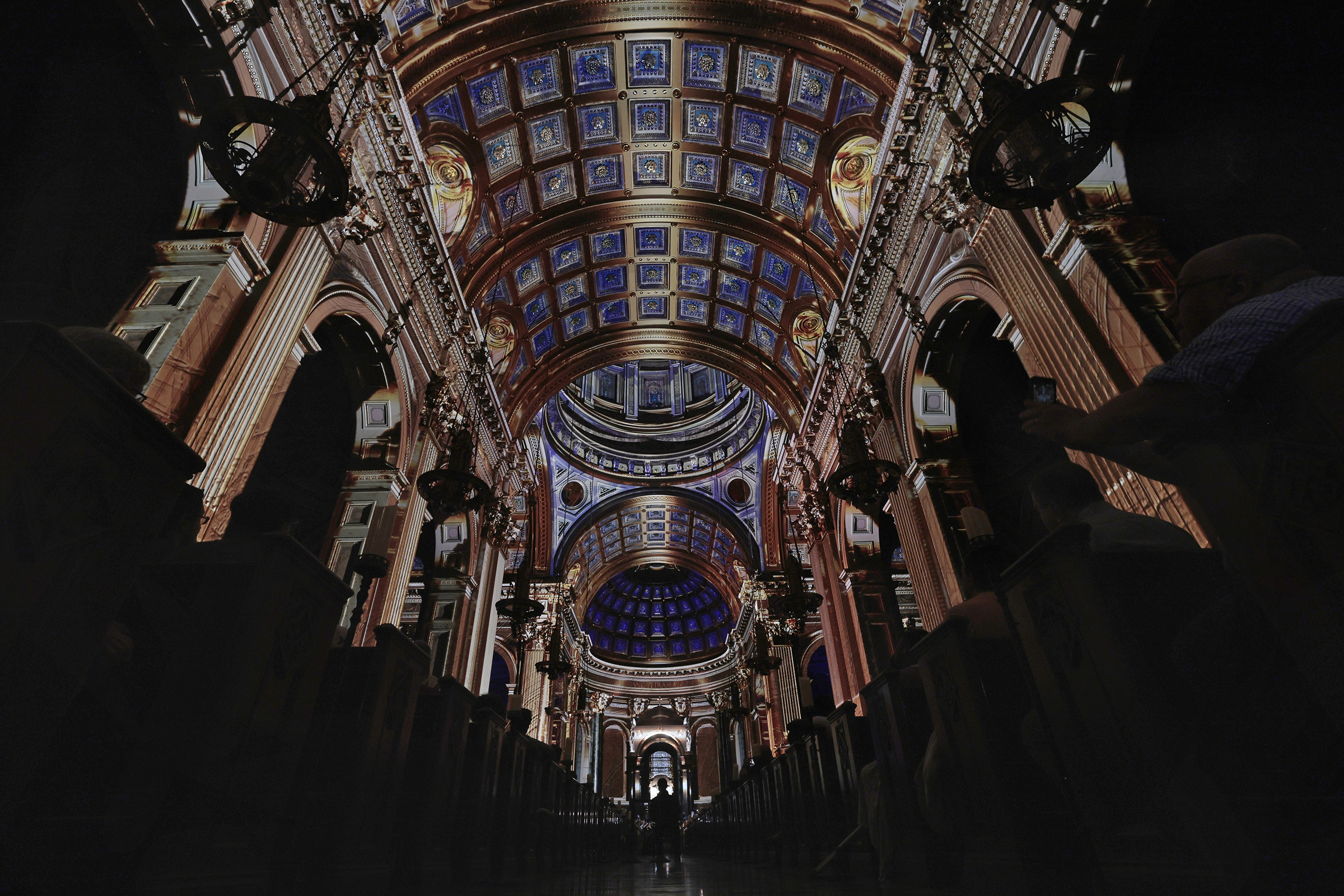
    The show began with a narration welcoming us to “prepare to board on a timeless journey.” Over the next 45 minutes, the basilica was transformed into a night sky, a golden palace, an architect’s drawing board, a stormy sea, stained glass, a garden of falling petals (that defied the laws of gravity and rose upward), a kaleidoscope, a cloudy sky filled with angels, and, for a brief moment, a black-and-white scene that looked straight out of a Tim Burton movie.

    “Wow!” and “Oh my God!” I can hear myself saying on my video recordings (probably should have rethought that last exclamation in a Catholic church).

    “Goosepumps” I wrote in my notebook (hey, it was dark).

    The opening night performance of Luminiscence on June 11.Elizabeth Robertson / Staff Photographer

    The visuals were stunning and the live orchestra and choir of local musicians sounded lovely, even if I only recognized a few of the pieces of classical music being performed, like “Ode to Joy” from Beethoven’s Symphony No. 9.

    I did struggle to follow along with the narration and tenuous storyline though, which mostly focused on the creation of the Cathedral Basilica but also tried to tie in the founding of the United States and Philadelphia. Ferguson called it a “poetic love letter to Philadelphia and the cathedral.”

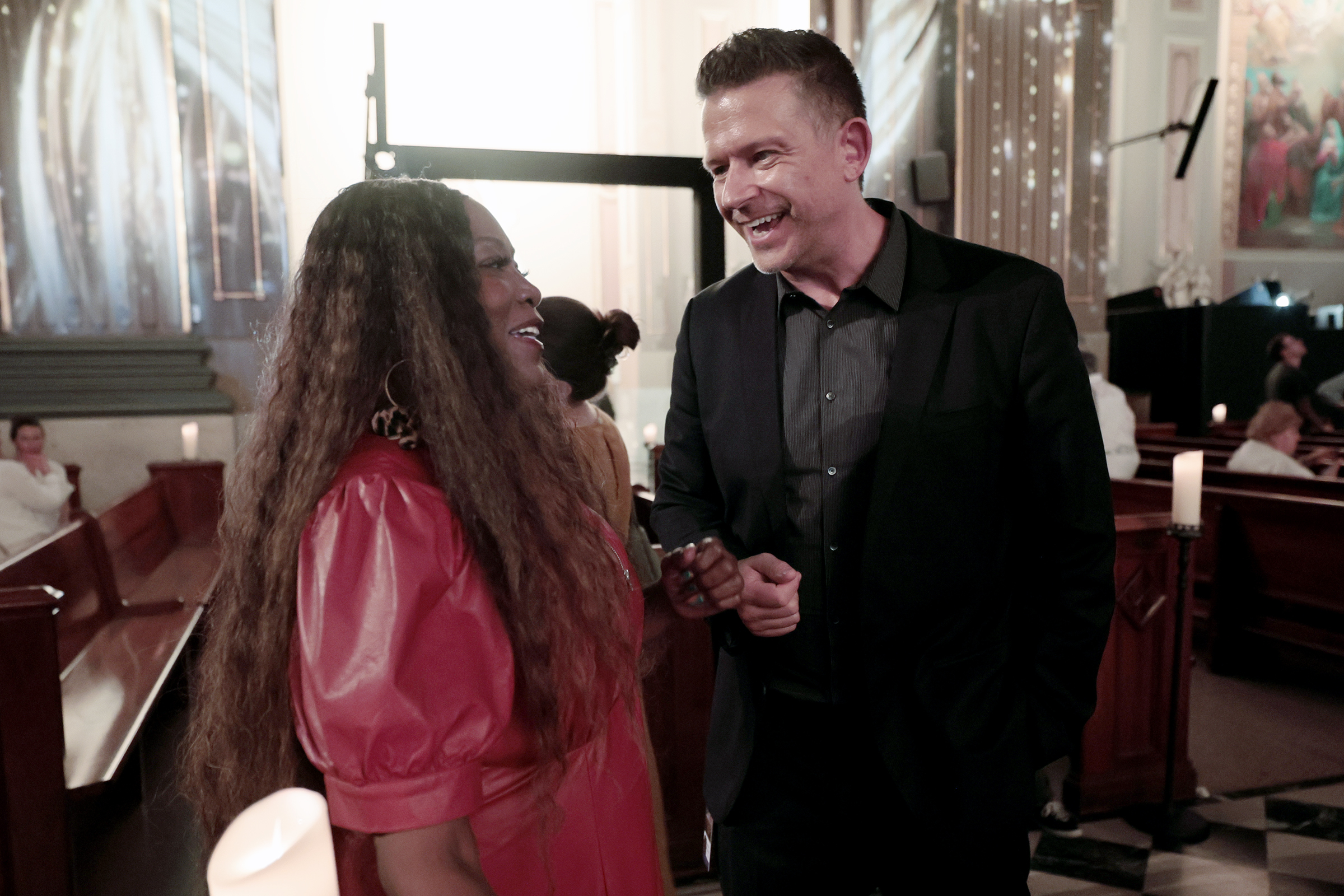
    Crystal Safford of Philadelphia and Luminiscence executive producer Clayton Ferguson talk after the opening night performance.Elizabeth Robertson / Staff Photographer

    “It’s really about less is more,“ he said. ”We try to use as few words as possible to elevate the senses along the way.”

    God and the church feature prominently in the narration, which perhaps is to be expected, given the setting, but it also makes the program feel less than secular. I didn’t find it off-putting, but I can see how some people may.

    Faith and wonder

    The strength of this show lies firmly in its visuals, which helped me to see one of Philadelphia’s most storied edifices in a new way — alive.

    But it’s always alive, every day, with people and services. That was one of the biggest difficulties Ferguson and his crew faced when setting up Luminiscence.

    The opening night performance of Luminiscence lights up the interior of the Cathedral Basilica of SS. Peter and Paul in Philadelphia on June 11. Elizabeth Robertson / Staff Photographer

    “One of the hardest challenges is how do we kind of disappear so people don’t see speakers everywhere,” he said. “So that’s actually our biggest challenge — staying out of the way.”

    If you’ve been staying out of the way of the Cathedral Basilica (or have never visited), Luminiscence is a great excuse to step inside. I’ve felt wonder in grand places of worship over the years — the Sagrada Familia in Spain, the Cao Dai Temple in Vietnam, and the Basilica of San Clemente in Italy — but it’s been a long time since I’ve felt wonder in a church on my own soil. Luminiscence gave me that.

    “It’s a very positive, beautiful, uplifting experience and it’s able to be both about faith and about wonder,” Gill said.

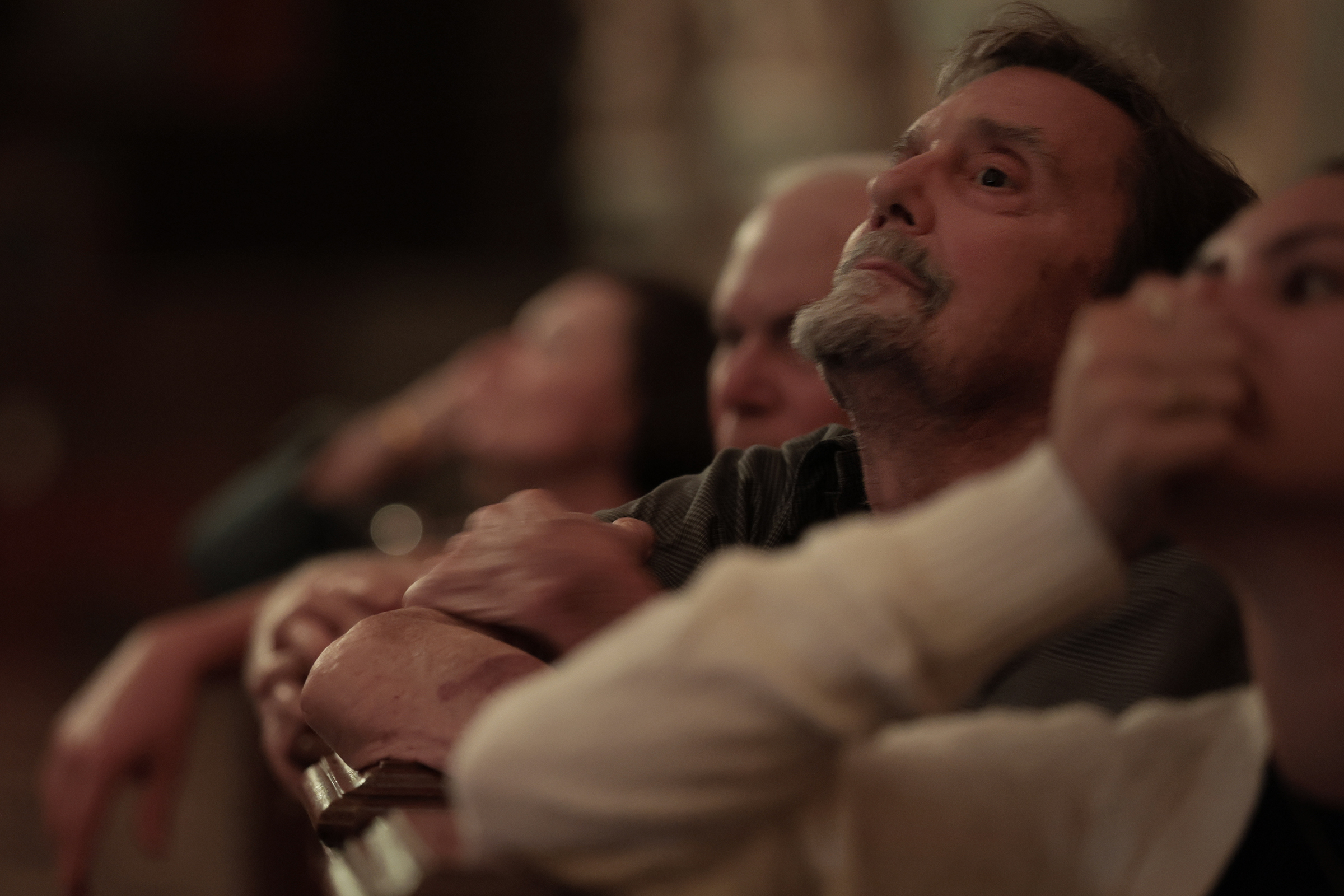
    People watch the opening night performance of Luminiscence on June 11.Elizabeth Robertson / Staff Photographer

    Know before you go

    • Three types of shows are available: with a live choir and orchestra, with just a live choir, and with an audio recording.
    • Adult ticket prices are $29 to $85 depending on the type of show, your chosen seating, and the day of the week. Tickets are available through Feverup.com.
    • Shows start late, with the earliest beginning at 8:15 p.m., to limit external light during performances.
    • For the best views, sit as far back as possible.
    • Do not, like me, bring your leftover dinner from Urban Farmer or you will be forced to throw it away, even if you promise you have no intention of eating mac-and-cheese in a church.
    • You will be looking up a lot, so if you suffer from neck issues maybe bring an airplane pillow?
    • Photos and videos are permitted, but limit yourself for your own enjoyment and for those around you. Nobody wants to watch the show through your phone.
  • The only collaborative Keith Haring mural that still hangs in its original location is in Point Breeze. It could be your next home.

    The only collaborative Keith Haring mural that still hangs in its original location is in Point Breeze. It could be your next home.

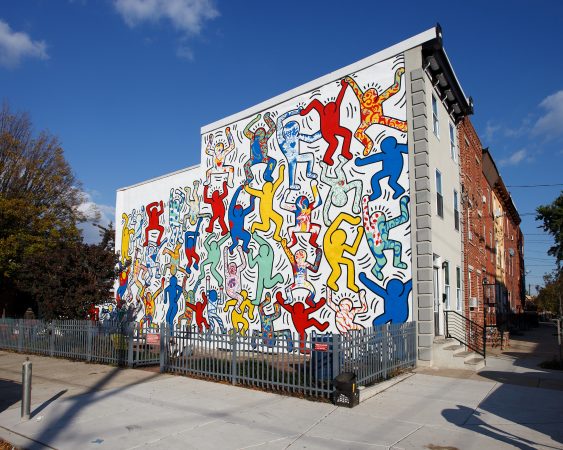
    A Point Breeze rowhouse, now available for rent, offers residents a chance to live with a one-of-a-kind work of art — the only Keith Haring collaborative mural that is still intact and in its original location in the world.

    The three-bedroom home at 2147 Ellsworth St. is adorned with the acclaimed street and pop artist’s We the Youth . The mural, painted on the building’s facade, has stood on the corner of 22nd and Ellsworth Streets for almost 40 years.

    “Keith believed that art was for everyone and that art should be accessible, so to have this mural still at this location for nearly 40 years is historically and culturally significant,” said Jane Golden, founder and executive director of Mural Arts Philadelphia.

    The mural features an array of Haring’s trademark dancing figures filled with bright colors and patterns. It also has a small garden next to it, affectionately called “Haring Park,” which has been tended by neighborhood residents since the 1980s.

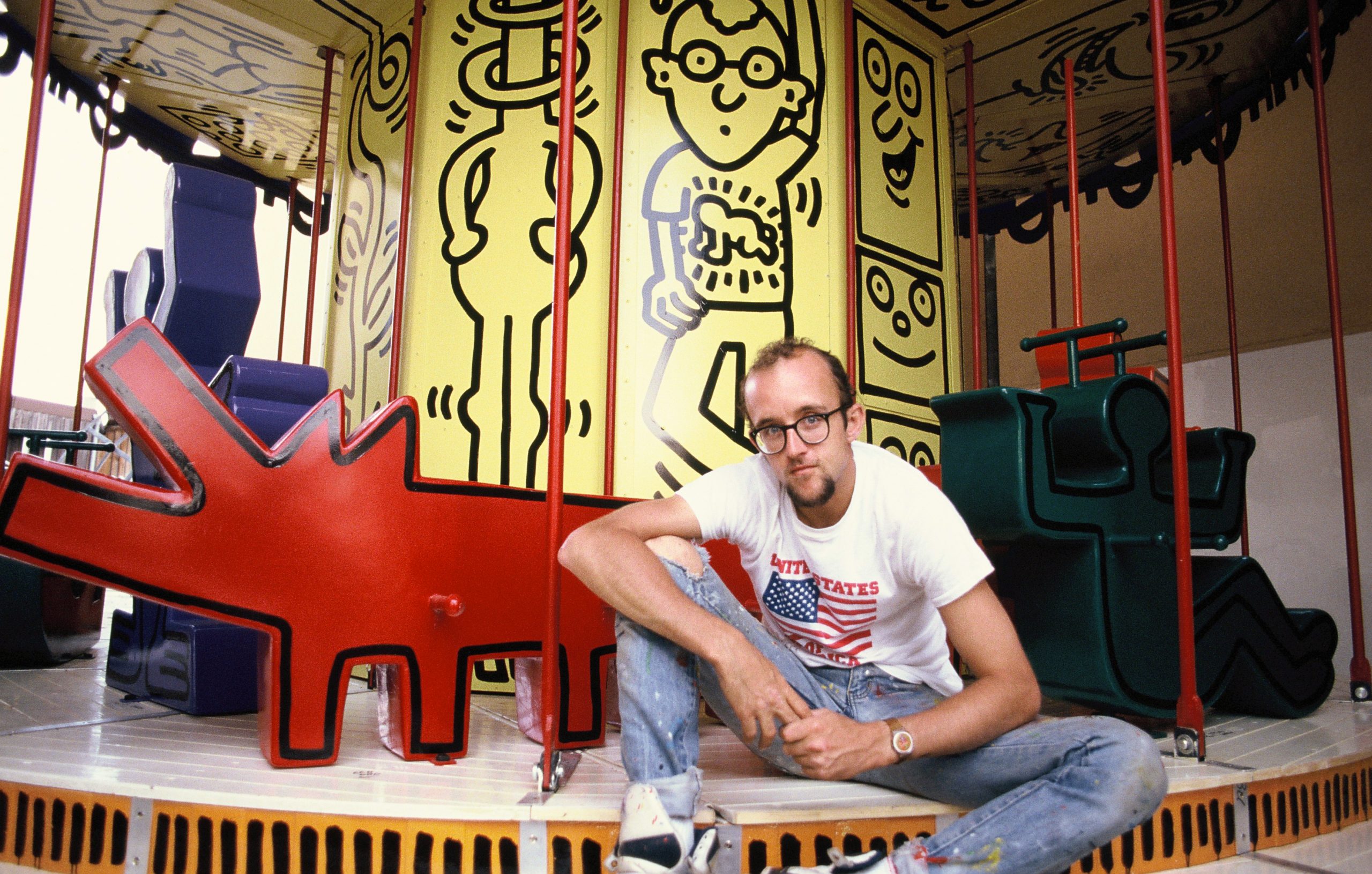
    Keith Haring, who died in 1990, with his painted carousel.

    Haring, who was born in Reading in 1958 and raised in Kutztown, drew the mural over a few days in September 1987, coinciding with the U.S. Constitution’s bicentennial. The title of the mural pays homage to the Constitution’s opening lines.

    Its location was important to Haring.

    He did not want the mural to be in a more upscale, trendy part of the city, one of the mural’s student collaborators, Rita Martello, told online art marketplace Artsy in 2022.

    “He wanted to put it in an actual urban neighborhood,” Martello said to Artsy.

    Invited by two nonprofits that worked with youth, CityKids NYC and Brandywine Workshop, Haring worked with 14 students. While some of the dancing figures are solid colored, others feature unique patterns and symbols, all contributed by the students.

    “Wherever [murals] are, they provide a foundation where change can begin,” said Golden. “They are a vehicle through which important stories are told, and they allow Philadelphia to maintain its status as a global leader in the arts and culture arena.”

    Presently about 1,000 murals are displayed on the sides of residential homes in Philadelphia through partnerships with Mural Arts.

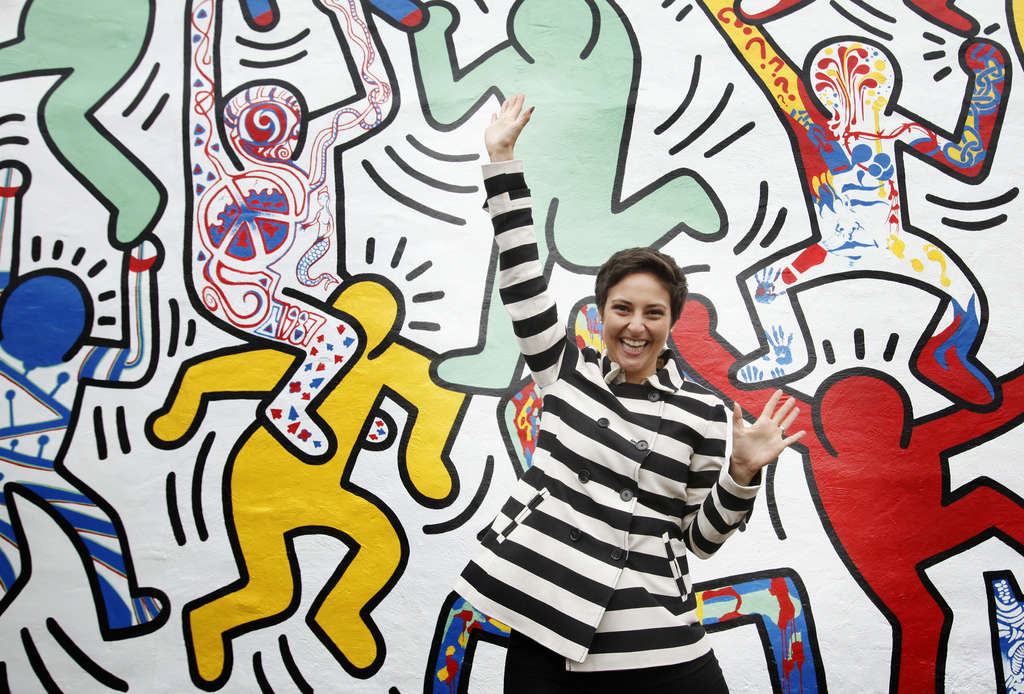
    Erica Bryant mimics a figure from the Keith Haring mural on the Point Breeze house she and her husband own. It is the only mural Keith Haring made with community groups that is still intact.MICHAEL S. WIRTZ / Staff

    Haring, whose preferred medium was chalk, often created works that were not meant to be permanent. We the Youth too was not immune to decay over time.

    In 2013, after Erica and Lucas Bryant of St. Paul, Minn., bought the house, Mural Arts undertook a massive restoration of the piece, adding several layers of paint and a protective coating against the sun, entirely replacing damaged sections, and replacing the chain link fence.

    “Philly is very proud to have a Keith Haring mural and especially one embedded in the community that was done in such a collaborative manner,” said Golden.

    Haring, who started making chalk drawings in the New York subway, first wanted to paint We the Youth on a garbage truck but was refused by the Philadelphia Sanitation Department.

    He died in 1990, from AIDS-related complications at age 31.

    “You can be the only person in the world who lives in a Keith Haring art piece!” boasts the OCF Realty listing for the three-bedroom, 2 ½ bathroom apartment.

    The 1,797-square-foot, three-story rowhouse was renovated in 2020 and has a backyard patio and a roof deck. The property, managed by OCF Realty, rents for $3,295/month.

  • A DJ Jazzy Jeff Juneteenth block party, Meek Mill down the Shore, and an all-Philly Kinks tribute headline Philly music this week

    A DJ Jazzy Jeff Juneteenth block party, Meek Mill down the Shore, and an all-Philly Kinks tribute headline Philly music this week

    This week in Philly music features a DJ Jazzy Jeff Juneteenth block party, country star Charley Crockett at the Met, Meek Mill’s Lit in AC show down the Shore, rock and roll legend Dion in Glenside, a classic reggae band on the Main Line, and a terrific Spoon and the Beths double bill in Fishtown.

    Wednesday, June 17

    Black Uhuru

    The band was founded in Kingston, Jamaica by Derrick “Duckie” Simpson and built a global audience with albums like Sinsemilla in 1980 and Guess Who’s Coming to Dinner in 1983. Its body of work from that decade places the band in the pantheon of the great reggae groups of all time. With Ear Me Now. 8 p.m., 118 North, 118 N. Wayne Ave., Wayne, 118NorthWayne.com

    Brother Wallace plays a free show in Malvern on Wednesday. Hana Snow

    Brother Wallace

    West Point, Ga., native Brother Wallace’s music exudes a joyous, Southern soul energy. He impressed this spring at a WXPN-FM (88.5) Free at Noon and the Non-Commvention and now he is playing the free Chill on the Hill concert series in Malvern. Philly-based Mexican Japanese art rockers Kikashima open. 6:30 p.m., Valley Creek Park, 361 N. Morehall Road, Malvern, EastWhiteland.org

    Basic

    Basic is the self-titled sophomore release on No Quarter records from the experimental rock trio featuring Philly guitarist Chris Forsyth, who also fronts the Solar Motel Band, and the Neil Young jam band Coca Leaves & Pearls. The group, named in honor of a 1984 project by Robert Quine and Fred Maher, rides a mighty groove of improvised music and includes drummer and percussionist Mikel Patrick Avery and bassist Douglas McCombs. Victor Viera Branco’s Bark Culture and Emily Robb’s the ER Band also play. 8 p.m., Johnny Brenda’s, 10201 N. Frankford Ave., johnnybrendas.com

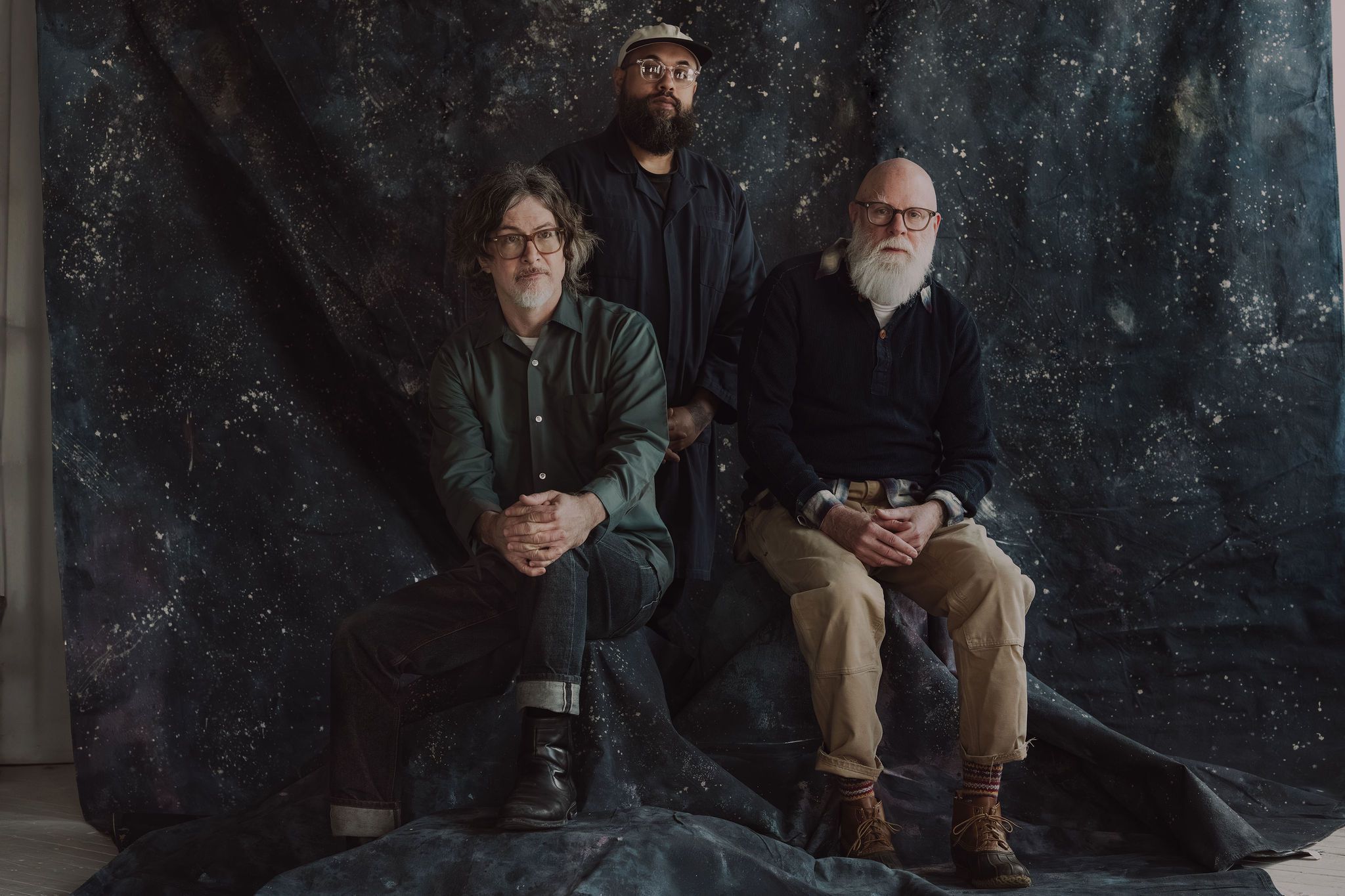
    From left: Chris Forsyth, Mikel Patrick Avery, and Doug McCombs of Basic. The band plays Johnny Brenda’s on Wednesday.Linette Messina

    Wednesday, June 17 and Thursday, June 18

    Paul Thorn

    Like Elvis Presley and Diplo, Paul Thorn hails form Tupelo, Miss. The Southern rock, country, and blues songwriter — and former middleweight boxer, who once fought Roberto Duran in Atlantic City — is out with his latest album. Life Is a Vapor is partly inspired by eating ice cream with John Prine. 7:30 p.m., Wednesday, Sellersville Theater, 18 W. Temple Ave., Sellersville, st94.com and 7:30 p.m., Thursday, Levoy Theatre, 126 N. High St., Millville, N.J., levoy.net.

    Algernon Cadwallader

    Philly emo band Algernon Cadwallader released Trying Not to Have a Thought, its first album in 14 years, last September. Now the band is playing two hometown shows before touring England later this month. 7:30 p.m., Wednesday and Thursday, Ruba Club, 415 Green St., algernoncadwallader.com

    Thursday, June 18

    Dion

    At Bruce Springsteen’s “Music America: The Songs That Shaped Us concerts” this month in New Jersey, Dion DiMucci displayed both his 1950s rock and roll beginnings and his 1960s folk rock transformation with “The Wanderer” and “Abraham, Martin and John.” For this show, he’s billed as “The Rock N’ Roll Philosopher.” 8 p.m., Keswick Theatre, 291 N. Keswick Ave., Glenside, keswicktheatre.com.

    Philly emo band Algernon Cadwallader plays two shows at the Ruba Club this week. Scott Toyan

    Inara George

    One half of the Bird & the Bee, Los Angeles songwriter and song interpreter Inara George is always up to something intriguing. Her new album, Songs of Douglas and Littell, is a gorgeously executed collection spotlighting Los Angeles theater veterans Eliot Douglass and Philip Littell. 7:30 p.m., The Loft at City Winery, 990 Filbert St., CityWinery.com/philadelphia

    Fiery Furnaces

    Last year, experimental art-rock sibling band the Fiery Furnaces reissued its 2004 breakthrough Blueberry Boat. Now, singer Eleanor and keyboard player Matthew Friedberger are on a limited tour, with Philly being the last of only six headlining dates. 8 p.m., Philadelphia Ethical Society, 1906 Rittenhouse Square, r5productions.com

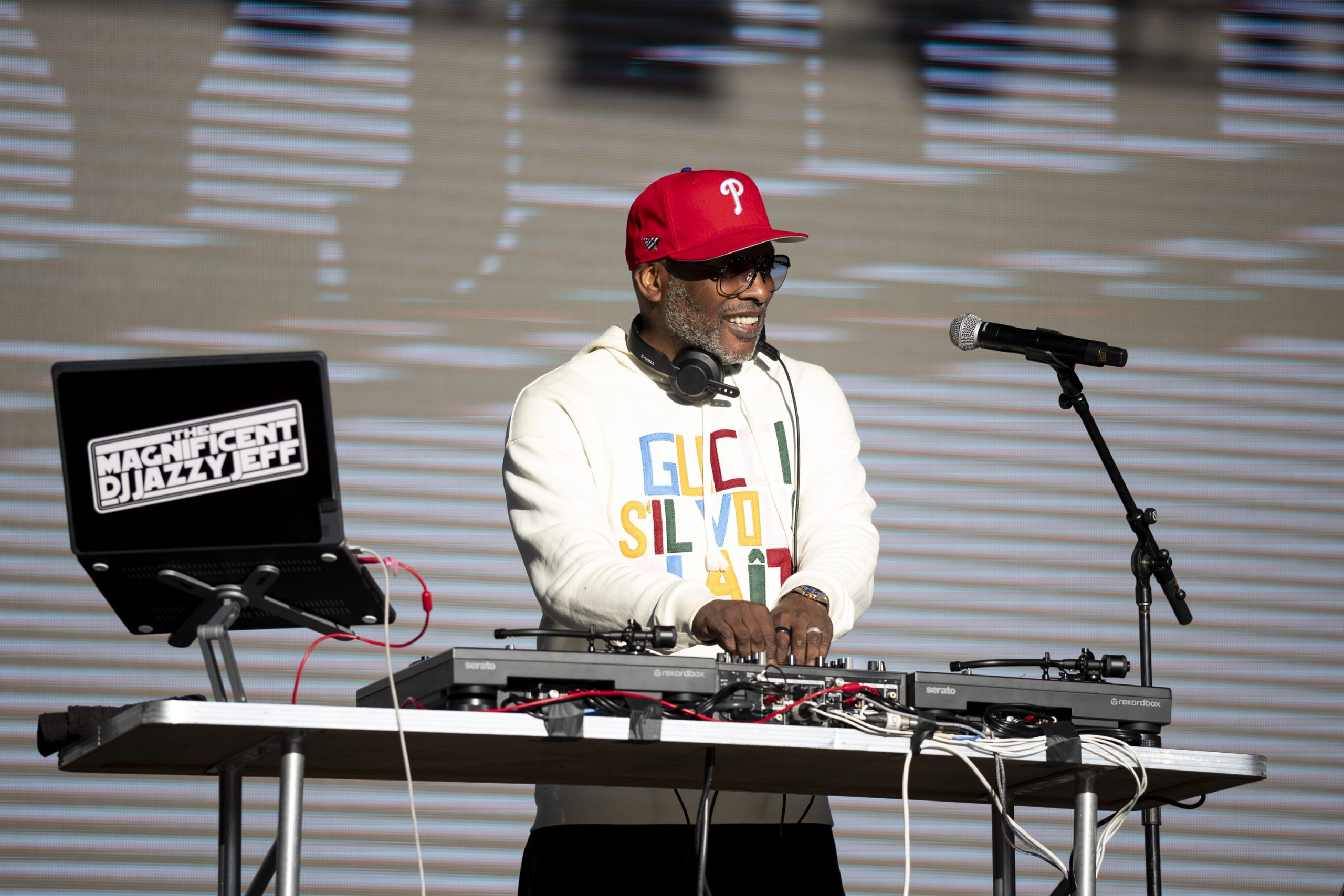
    DJ Jazzy Jeff performing at the Plateau Stage at The Roots Picnic in Philadelphia, on Saturday, May 30, 2026. He spins at the African American Museum’s Juneteenth block party on Friday.Tyger Williams

    Friday, June 19

    Hurray for the Riff Raff

    Alynda Lee Segarra, the Puerto Rican songwriter and activist who leads Hurray for the Riff Raff, was born in the Bronx and spent 20 years in New Orleans before recently relocating to Chicago. The band’s 2024 studio album, The Past Is Still Alive, nods to Bob Dylan and William Faulkner, and the new Live Forever was recorded at Chicago’s Old Town School of Folk Music. 8 p.m., Concerts Under the Stars, 175 W. Valley Forge Road, King of Prussia, concertsunderthestarskop.com

    Sound of History

    Philly musicians Zeek Burse and Laurin Talese’s Sound of History project grew out of residencies at the Museum of the American Revolution. Their Juneteenth performance piece is in partnership with ArtPhilly and Black Music City. Free at Noon, World Stage, 3025 Walnut St., xpn.org and 6 p.m., Museum of the American Revolution, 101 S. Third St., artphilly.com/projects/sound-of-history

    Juneteenth Block Party with DJ Jazzy Jeff

    DJ Jazzy Jeff — who will be reuniting with Will Smith on the Ben Franklin Parkway in July — headlines this free outdoor event. Also on the daytime show: rappers Slick Rick and Doug E. Fresh and singer Leah Jenea. Patty Jackson is the emcee. Noon, African American Museum in Philadelphia, 701 Arch St., July4Philly.com

    Los Lobos & Los Lonely Boys

    “Let’s get Los. The Brotherhood Tour” pairs Los Lobos, the great Chicano band from East L.A. (that also features Steve Berlin, a Jewish guy from Philly, on saxophone) with Los Lonely Boys, the “Texican” rock and roll, brown-eyed soul band from San Angelo, Texas. 8 p.m., Tropicana Showroom, 2831 Boardwalk, Atlantic City, caesars.com/tropicana-ac

    Saturday, June 20

    Meek Mill’s Lit in AC

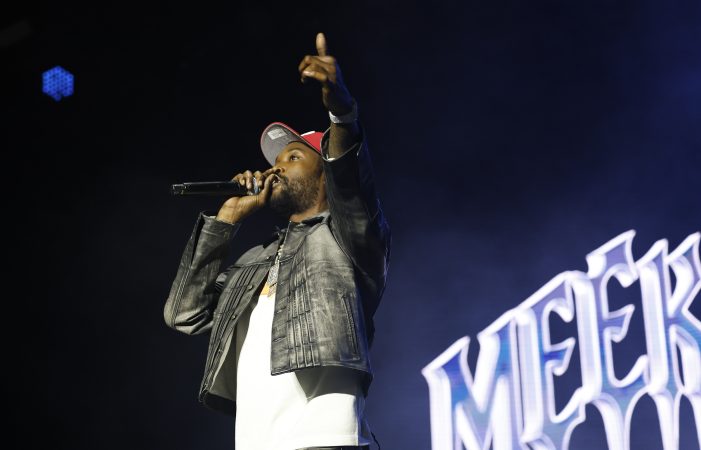
    Father’s Day weekend down the Shore with Meek Mill: The Philly “Dreams and Nightmares” rapper is the headliner on a multi-act bill that includes T.I. Eve, Havoc of Mobb Deep, Shyne, and Ms. Jade. 7 p.m., Boardwalk Hall, 2301 Boardwalk, boardwalkhall.com.

    Kinkstravaganza

    Celebrating 60 years of British Invasion greats the Kinks, this benefit includes the 1971 album Muswell Hillbillies played in its entirety. Wesley Stace, Adam Weiner, John Faye, Roberta Faceplant, the No Good Crowd, and Citizen Riot are among the performers. Proceeds go to Juntos, the South Philly Latino immigrant organization. 8 p.m., The Fallser Club, 3721 Midvale Ave., thefallserclub.org.

    Charley Crockett plays the Met Philly on Monday.Courtesy of the Artist

    Monday, June 22

    Del Amitri

    Scottish rock band Del Amitri, which scored 1990s hits like “Roll to Me” and “Nothing Ever Happens,” is touring the U.S., timed to the Scottish soccer team’s East Coast World Cup dates. The Tisburys open. 7:30 p.m., Underground Arts, 1200 Callowhill St., undergroundarts.org.

    Charley Crockett

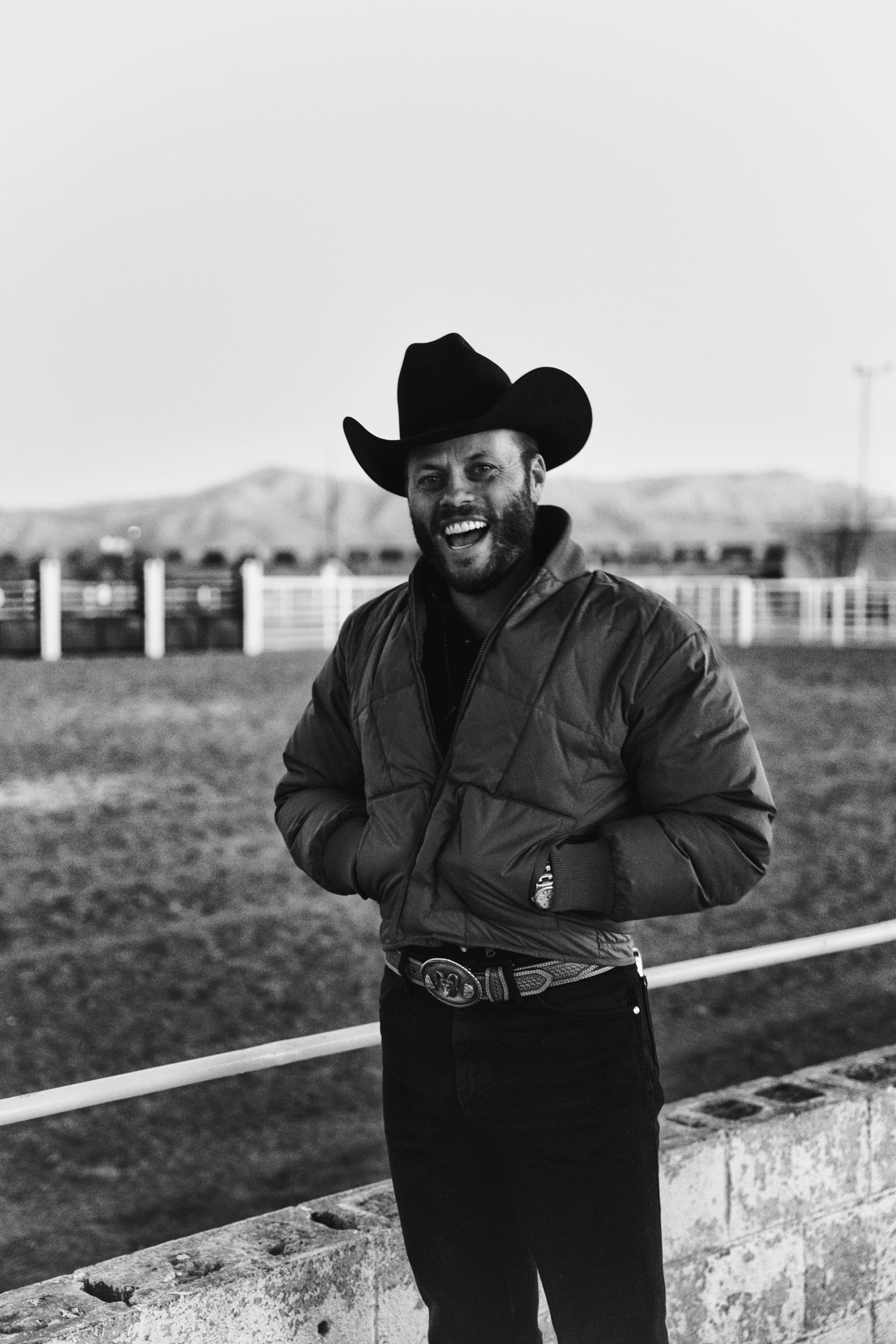
    Super-prolific country singer Charley Crockett is a busy guy. He’s released 17 albums since 2015, including Age of the Ram and Clovis this year. Last summer, his tour with fellow Texan Leon Bridges was one of most rewarding of the season. 8 p.m., Met Philly, 858 N. Broad St., themetphilly.com

    Spoon plays the Fillmore on Tuesday, with The Beths.Olivia Wolf

    Tuesday, June 23

    The Animeros

    Austin, Texas instrumental band the Animeros were standouts at the NonCommvention this year. Their self-described sound moves “between the lush jungles of Colombia, the palm-lined streets of 1960s coastal Mexico, and the dusty cantinas of West Texas.” They’re signed to Black Keys leader Dan Auerbach’s Easy Eye Sound label. 8 p.m., Ortlieb’s, 847 N. Third St., ortiebsphilly.com

    Spoon & The Beths

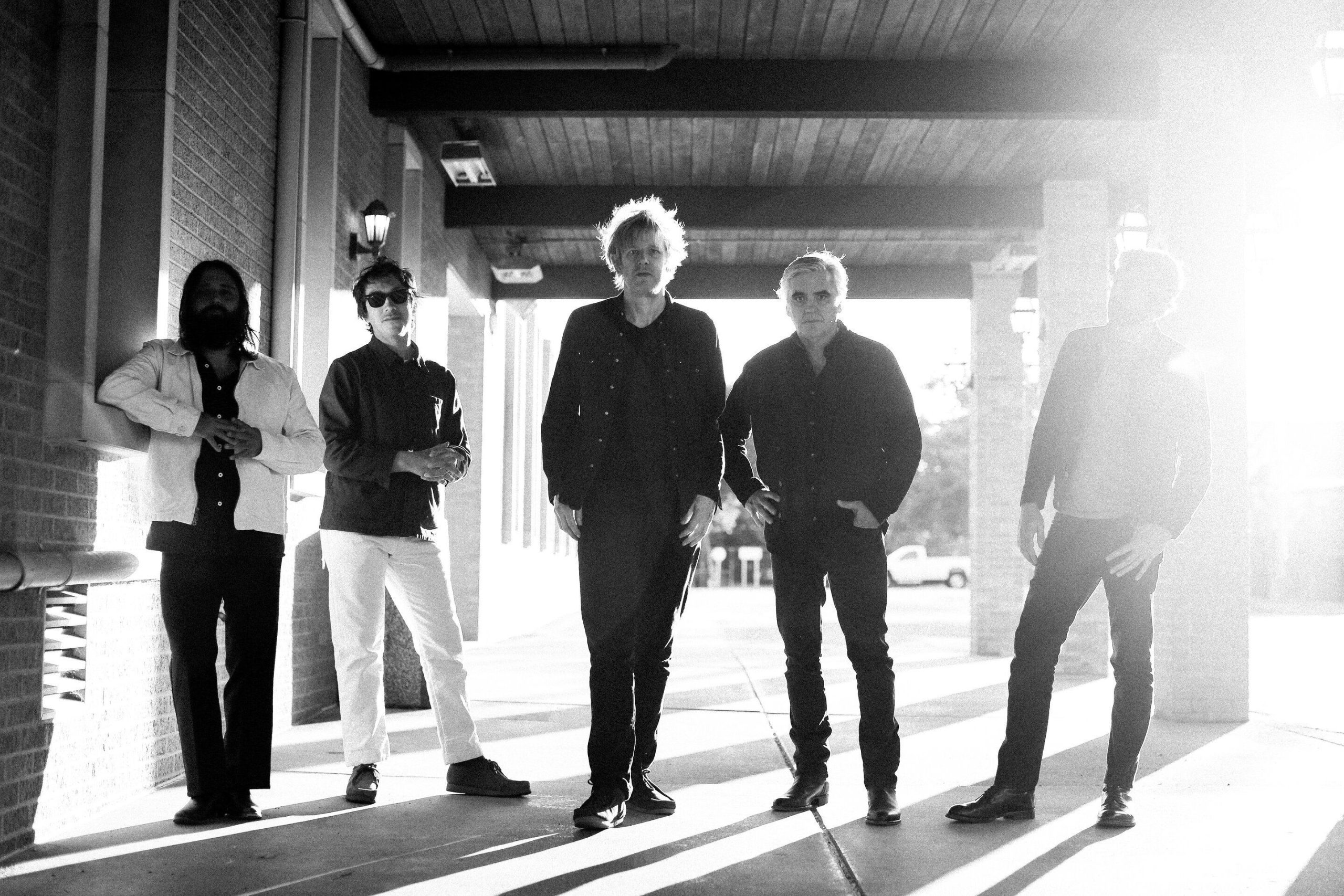
    A top-notch double bill. Spoon, the remarkably consistent indie band from Austin, Texas, is led by Britt Daniel and Jim Eno. They are playing with New Zealand indie power pop outfit The Beths, led by Elizabeth Stokes, whose 2025 album Straight Line Was a Lie was one of the year’s best. 8 p.m., Fillmore Philadelphia, 29 E. Allen St., thefilllmorephilly.com

  • John Kruk was great in the stands, especially when the new Sixers GM jinxed the Phillies

    John Kruk was great in the stands, especially when the new Sixers GM jinxed the Phillies

    Mike Gansey’s tenure in Philadelphia isn’t off to a great start, but it has nothing to do with the 76ers.

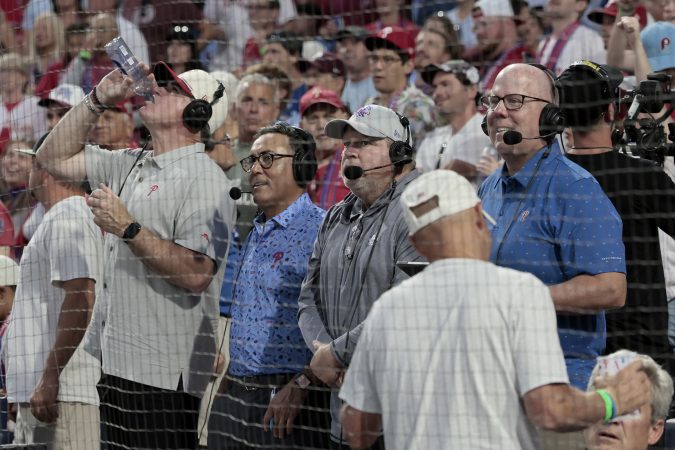
    The Sixers’ new president of basketball operations joined NBC Sports Philadelphia’s annual broadcast from the stands Tuesday night alongside coach Nick Nurse, with Phillies pitcher Jesús Luzardo cruising through four innings.

    “No hitter’s still intact,” Gansey said, immediately drawing a groan from Phillies announcer John Kruk.

    “Oh boy,” Kruk moaned.

    The very next pitch, Miami Marlins third baseman Javier Sanoja hit a single to left field, ending Luzardo’s no-hitter.

    While Tom McCarthy quickly moved on to discussing what’s going on with the Sixers, Kruk sat silently annoyed, a knowing grin on his face as he quietly chewed his gum.

    Later, in the bottom of the fifth inning, when McCarthy mentioned Luzardo had just given up his first two hits, Kruk hadn’t forgotten why.

    “We know who gave that one up,” Kruk said dryly. “I was like, ‘Thank God none of us said it,’ because we could get crucified right now.”

    Gansey appeared to take it all in stride, apologizing to Luzardo in a video shared on social media Wednesday afternoon.

    “You pitched great, got a win, that’s all that matters,” Gansey said. “I got two tickets for you any time you want to come to a Sixers game.”

    Kruk and Gansey share a West Virginia connection. Kruk grew up in Keyser, W.Va., while Gansey finished his college basketball career with the Mountaineers.

    “I lived in Morgantown for two years,” Gansey said.

    “And your liver’s still intact?” Kruk shot back.

    Kruk and the rest of the NBC Sports Philadelphia crew — McCarthy, Ruben Amaro Jr., and Ben Davis — had prime seats right behind home plate at Citizens Bank Park Tuesday to watch the Phillies blowout the Miami Marlins 8-2.

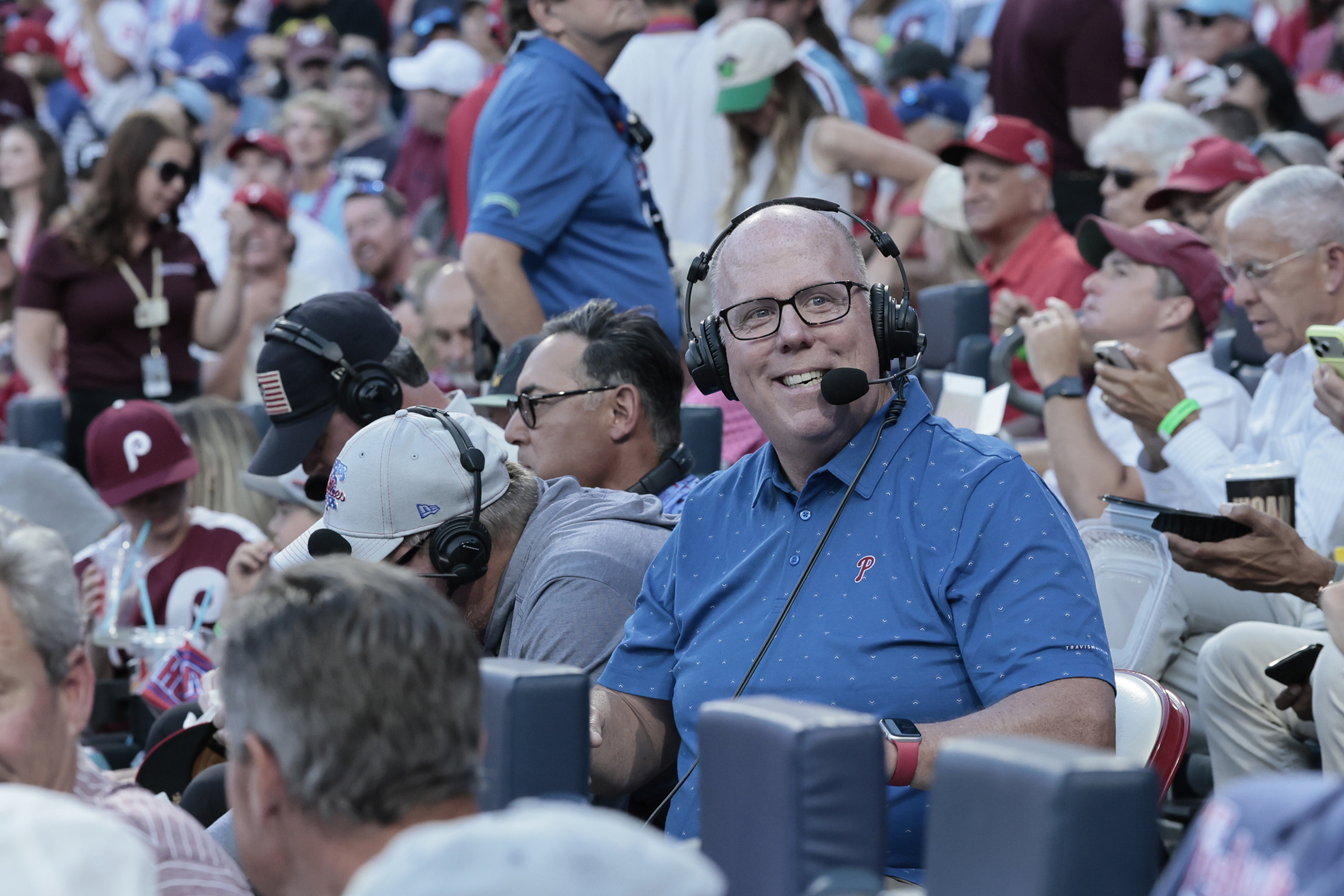
    Tom McCarthy is in his 20th season as the TV voice of the Phillies. Elizabeth Robertson / Staff Photographer

    It was the 11th time the broadcast waded out into the stands, an annual tradition (with a break for COVID) dating back to 2014. And no offense to everyone else, but Kruk is easily the star of the show, consistently tossing out a well-timed joke or unvarnished opinion just when the broadcast needs it.

    “How do I say this politically … sometimes these umpires aren’t really great,” Kruk said when asked about the Automated Ball-Strike Challenge System.

    His best line of the night came when he told Nurse his poster was hanging in an office at Florida Gulf Coast University when they were recruiting Kruk’s daughter, Keira (who ended up attending Berry College in Georgia).

    “My wife played volleyball there,” Nurse said, noting she was sitting elsewhere in the stands.

    “I didn’t want to bring it up, because 50% of people get divorced,” Kruk joked.

    There was also Kruk’s deadpan response to a pop-up that came down just to the left of the broadcast crew in the stands.

    “Oh please hit me in the head,” Kruk said.

    Sitting behind home plate was a first for NBC Sports Philadelphia, but announcers have previously called games for the network from above the bullpen, behind the Phillies’ on-deck circle, from Harry the K’s restaurant, behind the dugout, and from the outfield, where McCarthy actually snagged a home run hit by Atlanta Braves slugger Freddie Freeman.

    The station also brought its studio show into the stadium, with Amy Fadool and Ricky Bottalico set up in Section 109 during Phillies Pregame Live. And it took the opportunity to ding Kruk when highlighting Citizen Bank Park’s best food and drink options.

    The broadcast also featured a brief interview with Flyers head coach Rick Tocchet, which led to a side trip down memory lane.

    “Do you remember, probably in the late ’80s, doing a signing in Aston, Pennsylvania at a bank?” Davis said. “I rode there on my bike … I went in and you had the long hair and a black and white photo. You signed it for me, and I still have it at my parent’s house.”

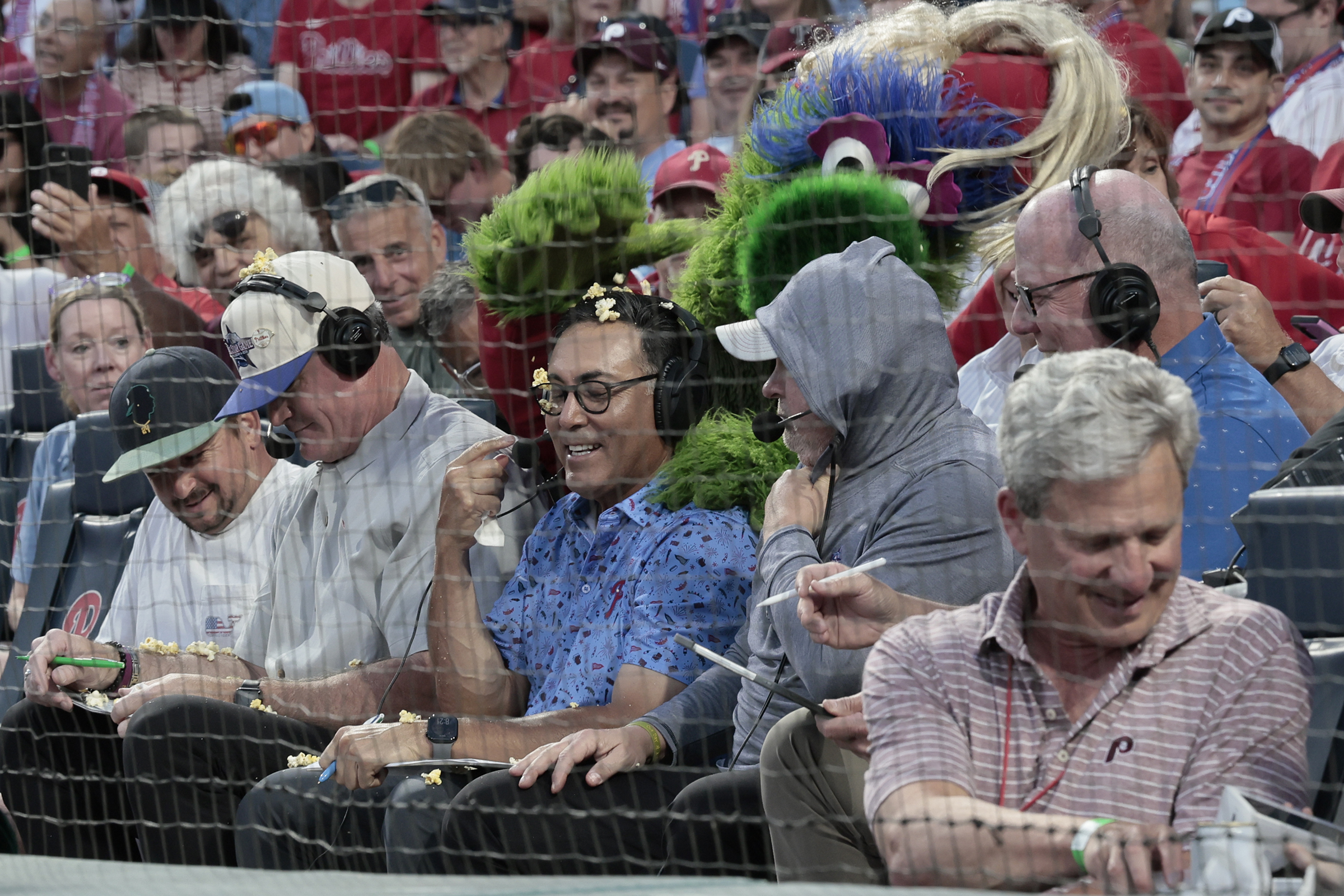
    The night wouldn’t have been complete without the Phillie Phanatic tormenting Kruk. But the veteran broadcaster quickly put his hoodie on in the sixth inning when the mascot came tumbling by holding a giant bag of popcorn, which he dumped all over Amaro.

    The Phillie Phanatic roughs up the Phillies announcers during the Miami Marlins at Philadelphia Phillies MLB baseball game at Citizens Bank Park in Philadelphia on Tuesday, June 16, 2026.Elizabeth Robertson / Staff Photographer

    “Does anybody want any popcorn?” Amaro said.

    “I see where you’re reaching to get it. Absolutely not,” Kruk responded.

    Considering the lack of action by the Marlins, it’s no surprise the Phanatic and his antics with the Phillies announcers snuck into the Marlins’ TV broadcast.

    The Phillies will go for the sweep Wednesday at 1:05 p.m., with McCarthy and Kruk in the booth. The pair will be back to call the first of a three-game series against the New York Mets Thursday night before handing the weekend games off to Fox on Saturday and NBC for Sunday Night Baseball.

    The good news is NBC is bringing Kruk back to call Sunday’s game, pairing him up with former Mets reliever John Franco and play-by-play announcer Jason Benetti.

  • Rocky was the Bicentennial hero Americans needed in 1976

    Rocky was the Bicentennial hero Americans needed in 1976

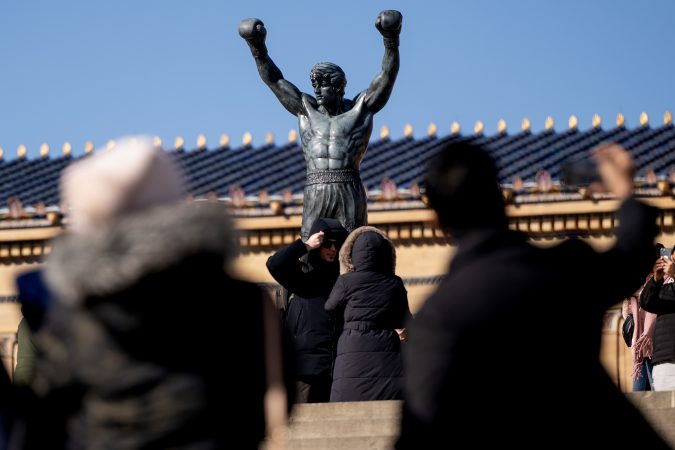
    Rocky is not only a Philadelphia film, but a Bicentennial film. Writer and actor Sylvester Stallone invokes Bicentennial themes through characters like Apollo Creed, a heavyweight champion eager to represent the American Dream in a showcase match. He chooses down-on-his luck Rocky Balboa, the “Italian Stallion,” as his opponent to highlight the United States as a nation of underdogs only in need of a chance. As reviewer Arthur Knight wrote at the time, “For the course of its two hours we learn that…America is still a place where a man can haul himself up by his own bootstraps provided he believes in himself and has the will to do so.”

    The underdog theme in Rocky resonated with American audiences in 1976 as they were thinking about the 200th anniversary of the United States, which had been born as a long shot fighting for independence from the mighty British Empire. The Revolutionary War was won by American underdogs setting the course for a new nation dedicated to liberty. But the fight for liberty became an ongoing struggle for many Americans over the centuries.

    Rocky was among the many messengers of that theme during the Bicentennial. Few if any characters in the film expect Rocky to win the exhibition fight, but he works hard and refuses to give up, going the distance against the best in the world, and losing on a technicality. He also inspires a nation. Rocky became a sleeper hit that helped awaken Americans from their self-doubts during the dark times of the 1970s.

    The Bicentennial celebration in 1976 was mired in debates over how to mark the milestone. Today, plans for celebrating the 250th anniversary of American independence in July 2026 are also fraught with controversy as two separate organizations, the official America250 group authorized by Congress and the President Trump-themed Freedom 250, compete for control of national events and the national narrative. But as the ordeal of the Bicentennial reveals, battles over how to commemorate America’s birthday are nothing new.

    Though the United States had 200 years of history to celebrate, the Bicentennial in 1976 was shrouded by the recent past. The Vietnam War, protests, political violence, scandals, and economic uncertainty compelled reassessments of the nation’s identity and its founding ideals. In the aftermath of the civil rights revolution, more Americans than ever in the 1970s sought to contribute to the story—making a simple, patriotic interpretation of US exceptionalism difficult to promote.

    At first, the official American Revolution Bicentennial Administration (ARBA), funded by the federal government, tried to present a triumphalist version of the nation’s past, focused upon democracy and liberty as mainstays of American identity. The Commission immediately met with resistance. Some critics questioned the need to spend money on the extravagance of U.S. pride.

    Others denounced the commercialism of a Bicentennial sold to consumers through commemorative trinkets as well as the inherent racism of a whitewashed US history that marginalized the experiences of Black Americans. Corporate power was a prime target of protests. The Boston Oil Party of 1973, for instance, dumped oil barrels, not tea, into the harbor and hung an effigy of President Richard Nixon.

    Instead of a centralized, unified series of events organized at the top, the Bicentennial became a grassroots effort by multiple groups and communities mining the American past to bolster their political viewpoints. The People’s Bicentennial Commission, a New Left rival to the official committee, emphasized the revolutionary tradition that had secured independence and established the republic. Jeremy Rifkin, director of the group, wrote “Red, White, and Blue Left,” an essay that encouraged activists to embrace American radicalism rather than follow Lenin, Mao, or Castro. “For the American left to develop a strategy that can win popular support for programs that answer present grievances,” he argued, “it must first gain a clear understanding of the role which the American heritage plays in the formation of American people’s political attitudes and behavior.”

    Though leftists faced an entrenched capitalist system, Rifkin enlisted the rebels of the 1770s as models for a “second American revolution” for economic equality in the 1970s, drawing upon their dark horse determination to overcome power. Like Rocky, Rifkin projected an underdog endurance that he believed defined American greatness.

    Race and class issues were prominent during the Bicentennial, as Black Americans spoke about the unfinished revolution of 1776 and the uncritical patriotism of 1976 that treated them as collateral damage. Comedian Richard Pryor’s caustic Bicentennial-themed act won best comedy album Grammy of the year and Gil Scott-Heron’s spoken-word poem “The Bicentennial Blues” framed America as “home of the blues.” The blues, the lyrics explained, had been “born on the slave man’s auction block” and “grew up a slave.” For over 200 years, Scott-Heron reminded, the blues expressed the pain of second-class citizens “ripped off” and “violated by commercial corporations.” The poem dismissed the Bicentennial as another “blues year” marked by “halfway justice, halfway liberty, halfway equality, it’s a half-ass year.”

    Protest parades for July 4, 1976, took place in Philadelphia and D.C. as a coalition of Black Americans, Native Americans, Puerto Ricans, and various dissenters made their voices heard.

    Made By History sponsors. FOR USE ON MADE BY HISTORY STORIES ONLY.Inquirer Staff

    Despite waves of disillusionment, the Bicentennial provided an ocean of opportunity for Americans to recover from the Vietnam War and reassess patriotism. Millions focused on the bright side of U.S. history, celebrating American virtues. Red, white, and blue floodlights illuminated the top of the Empire State Building, starting a tradition of using colored lighting patterns to mark special occasions. Little Liberty Bells and coins were popular items, while Queen Elizabeth II sent the city of Philadelphia the “Bicentennial Bell,” a full-size replica of the Liberty Bell from the same London foundry that created the original. Speechwriters for President Gerald Ford encouraged him to put the meaning of America in terms of an ongoing “experiment” that still represented the world’s best hope for freedom. “Rebirth” and “renewal” were stated themes of administrators trying to lift the gloom and shift the mood of the nation.

    Ford declared that Americans needed to uphold liberty and democracy, not only for U.S. citizens but all humanity. For a nation chastened by recent war, Ford’s words were balanced between humility and hope, the same notes that Rocky hit.

    In 2026, like in 1976, the American people continue to debate the meaning of America and whether the country’s founding values are still viable or ever were. Celebrating the anniversary of U.S. independence, therefore, is always as much about hope for the future and the mood of the present as it is about pride in our past. Like Rocky and his underdog spirit, Americans keep fighting the good fight for the liberties that have remained insecure since 1776.

    Vaneesa Cook is a PhD historian and the author of Empire & Liberty: The Tied Histories of Two American Landmarks (Beacon Press, 2026), from which this essay is adapted.

    Made by History takes readers beyond the headlines with articles written and edited by professional historians. Opinions expressed do not necessarily reflect the views of The Inquirer.

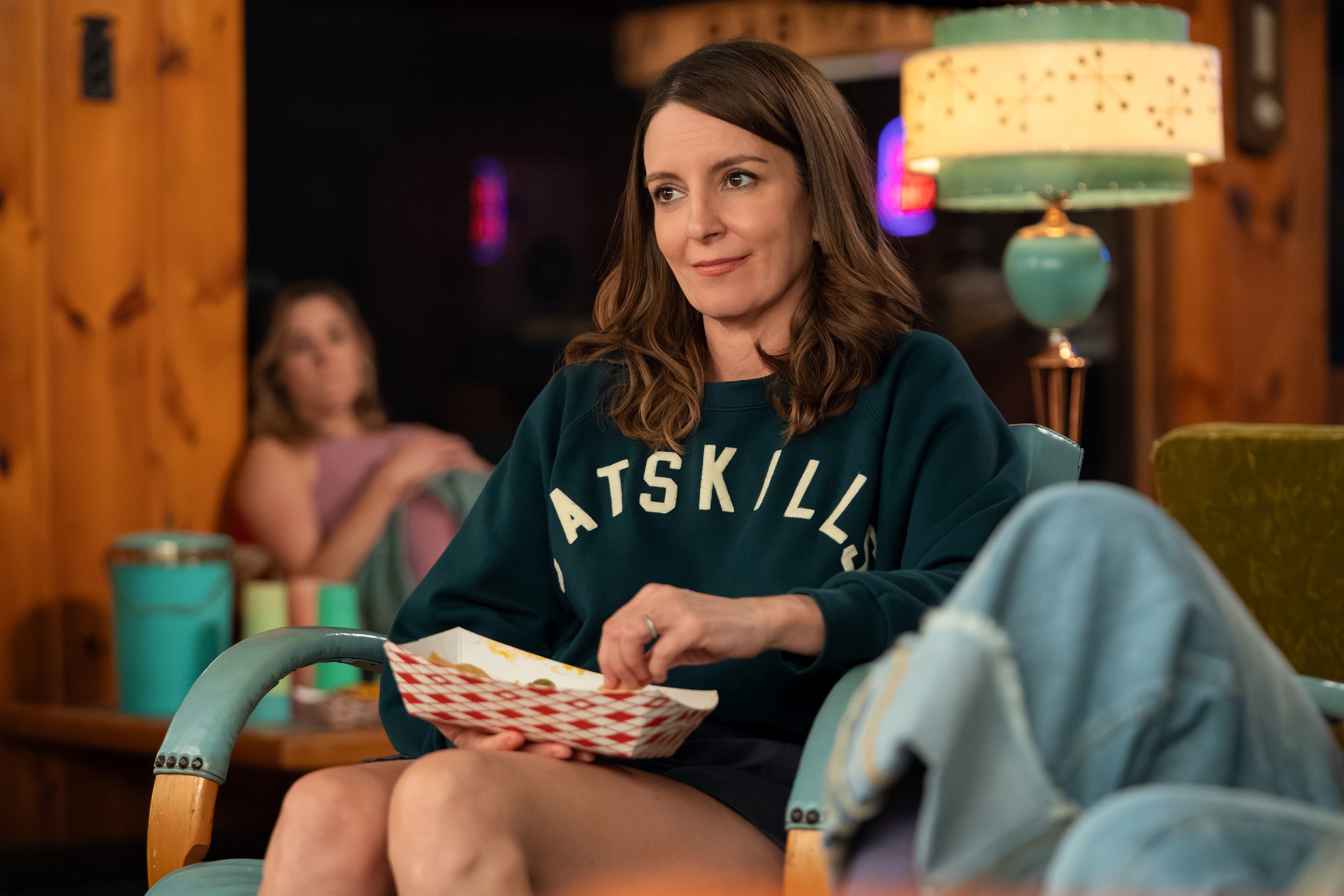
  • Tina Fey’s ‘The Four Seasons’ renewed for third season

    Tina Fey’s ‘The Four Seasons’ renewed for third season

    (Spoilers ahead)

    The funniest vacation crew is coming back: Tina Fey’s hit romantic comedy series The Four Seasons has been renewed for a third season, Netflix announced this week.

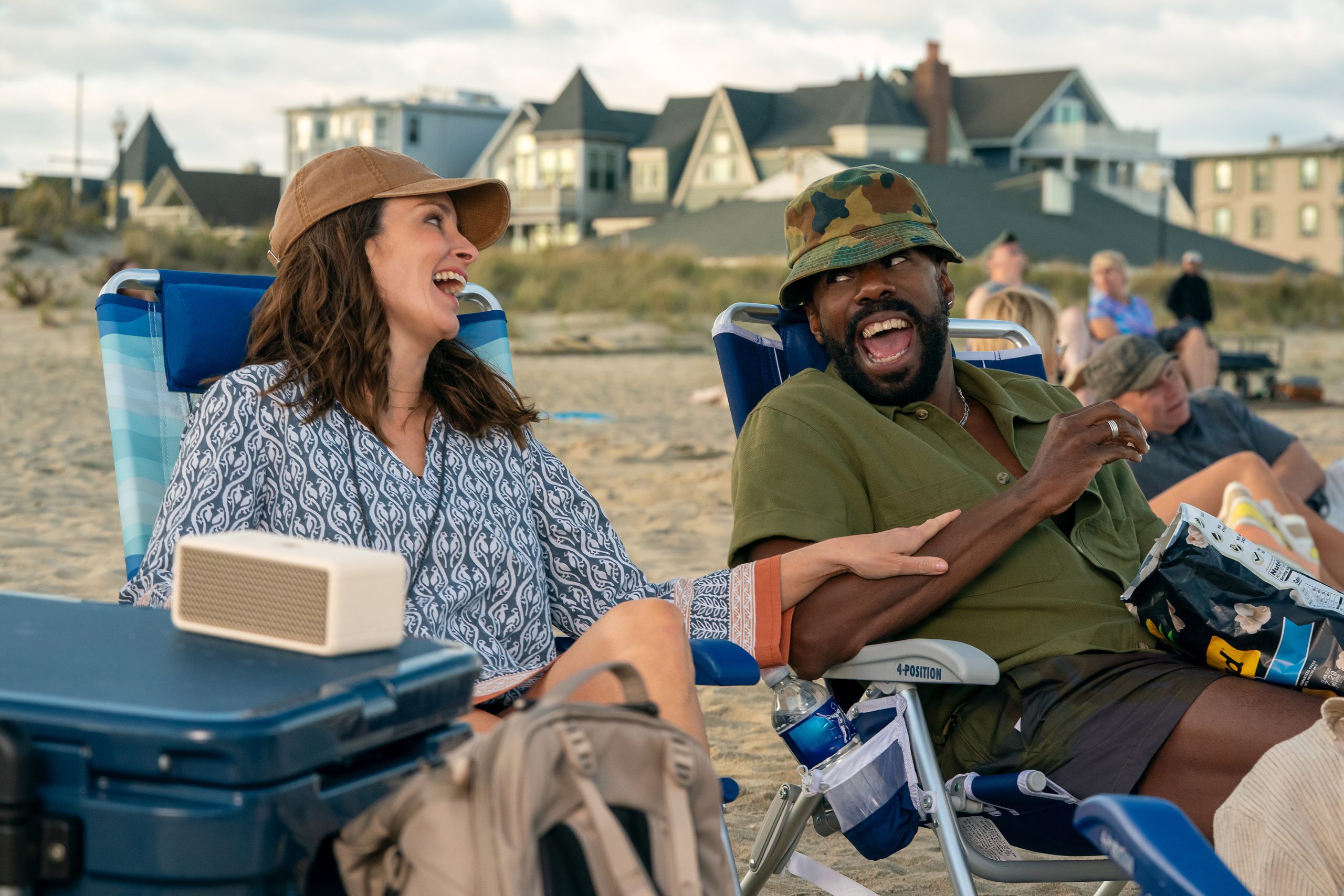
    The show, initially an adaptation of a 1981 film directed by Alan Alda, released its second season in May with its ensemble cast, including Fey, Colman Domingo, Will Forte, Kerri Kenney-Silver, Marco Calvani, and Erika Henningsen. Each season sees the friend group travel together on four trips throughout the course of one year, going as far as Italy and Puerto Rico and as near as upstate New York and the Jersey Shore (where they filmed in Ocean Grove and Point Pleasant Beach).

    Created by Fey and fellow 30 Rock writers Tracey Wigfield and Lang Fisher, The Four Seasons has been credited for its realistic and heartwarming portrayal of middle-aged couples in long-term relationships and friendships.

    Fey and Domingo, from Upper Darby and West Philly, respectively, direct some episodes as well. Like their on-screen friendship, the actors have gotten closer as they’ve worked together on the show, they told The Inquirer last month.

    “We grew up so geographically close together. I was like on the very edge of the last street in Upper Darby, and across the street was Cobbs Creek Park,” said Fey, adding that they’re the same age.

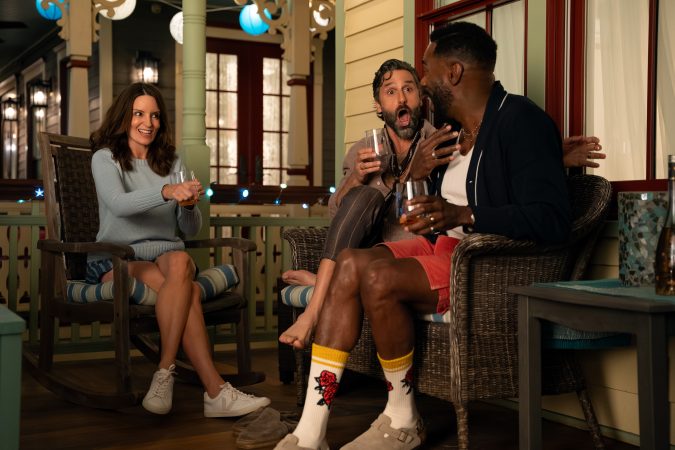
    Tina Fey as Kate and Colman Domingo as Danny in Season 2 of the Netflix comedy series “The Four Seasons,” which premiered May 28.Emily V. Aragones/Netflix

    “I feel like you can see [our friendship] on screen, because it’s actually what has happened personally for us as well, as we got to know each other and each other’s families, each other’s hearts,” said Domingo. “The Jersey Shore location felt very personal for us, because I feel like we grew up there and it brings up [memories].”

    In Season 2, the group is grieving the death of their friend Nick (Steve Carrell) and navigating major life changes, like in the case of Domingo and Calvani’s characters. Danny and Claude move to Italy after deciding not to have children. In the finale, however, the couple decide to move to Danny’s hometown of Philadelphia to care for his aging mother. (Initially, Danny tries convincing his mom to live with them in Italy, but when she hears there’s no Wawa in the country, she simply replies, “Then there’s no Beverly in Italy.”)

    Will Season 3 see the cast spending any time in Philly? The itinerary hasn’t been announced, but we’re holding out hope.

    Cocreator and writer Tina Fey in “The Four Seasons.”Emily V. Aragones/Netflix

    Calvani, in the Netflix announcement, suggested that Season 3 might feature Danny and Claude’s “other, hotter” friend group; Calvani said he hopes to “explore our gay friends” and Domingo added that it would be fun to “take the straights on that vacation.”

    One potential new addition to the show is Doctor Who actor David Tennant, who made a cameo in the Season 2 finale as a love interest for Kenney-Silver’s character, Anne. Wigfield hinted at the idea of more story lines with Tennant’s character, but his involvement isn’t official just yet.

    “Tina Fey, Lang Fisher, and Tracey Wigfield have a magical way of blending heart and sharp humor, making us feel like part of the inner circle,” said Netflix’s vice president of U.S. comedy Tracey Pakosta in the announcement. “Audiences have fallen in love with these characters and this legendary cast’s electric chemistry.”

  • The World Cup’s hottest accessory is this free bracelet, prompting hourslong lines

    The World Cup’s hottest accessory is this free bracelet, prompting hourslong lines

    The World Cup’s hottest accessory is free, but it’ll cost hours of your time.

    At the FIFA Fan Festival in Lemon Hill, fans watched Germany beat Curacao, the Netherlands and Japan draw, and Ecuador lose to Ivory Coast on Sunday. Between games, attendees bought snacks or tried their hand at sponsored booths for prizes. Lines ebbed and flowed. But one stretched across the field with seemingly no end in sight.

    A simple customizable charm bracelet has taken off at FIFA Fan Festivals nationwide, including Philly’s. The accessory has prompted wait times rivaling a Taylor Swift merch line, the latest sneaker drop, or John’s Water Ice during a record-breaking heat wave.

    @antonietadice

    The line never got any shorter. We watched the whole game, halftime, and hung around for two more hours… still the same. Maybe next time lmao 🥲 . #fifafanfestival #mundial2026 #philadelphia #worldcup2026 #parati

    ♬ Saxophones getting louder – Sped Up – AntonioVivald

    “Get there early!” TikTokers warned while showing off their new hardware. “I waited four hours,” one user wrote.

    Bank of America is the sponsor behind the giveaway. The company announced in a news release that it was armed with more than 2 million “Fan Bands” and 10 million beads.

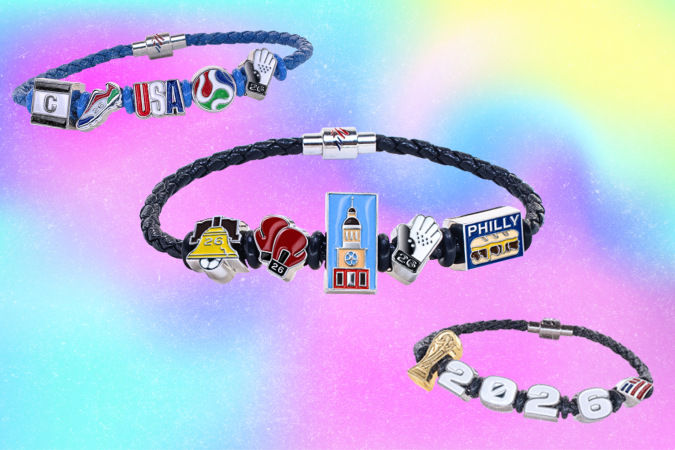
    Mimicking a Pandora bracelet, the Fan Bands are composed of a red, blue, or black woven band and an assortment of metal beads that lace through. Available beads include numbers, flags, a FIFA World Cup trophy, and several city-specific designs that pair with World Cup host cities.

    City-specific designs include a cable car for San Francisco, Mount Rainier in Seattle, a yellow cab in New York City, and a lobster in Boston.

    Philadelphia’s city-specific charms include the Liberty Bell, a cheesesteak, the LOVE statue, Rocky’s boxing gloves, and Independence Hall. Visitors can either design a custom bracelet, selecting five beads, or opt for a faster pre-designed bracelet.

    The bracelets are completely free for Fan Festival attendees — no sign-ups or bank loyalty required, either. But be warned: The lines are serious.

    On Reddit, an attendee said visitors ran straight to the Bank of America booth when Philly’s Fan Fest opened and that they waited an hour and 20 minutes to get theirs. On TikTok, users said they waited anywhere from four to eight hours depending on when they arrived and their level of determination.

    The allegiance isn’t limited to Philadelphia. People attending Fan Fests in other cities are also complaining about the lines.

    In Dallas, one attendee noted: “more people [were] lining up for bracelets than watching the match.”

    And if waiting in lines isn’t your thing, Philly has another charm bracelet ready and waiting.

    Artist John Wind launched a collection of Philly charms in honor of the nation’s 250th birthday that feature the LOVE statue, a boxing glove, and even a soccer ball.

    The locally made bracelet, which is a collaboration with the Philadelphia Visitor Center, is $98.

  • The renovated Highmark Mann has reopened and the vibe is national-park chic. A 195 foot-long digital wall is its new star.

    The renovated Highmark Mann has reopened and the vibe is national-park chic. A 195 foot-long digital wall is its new star.

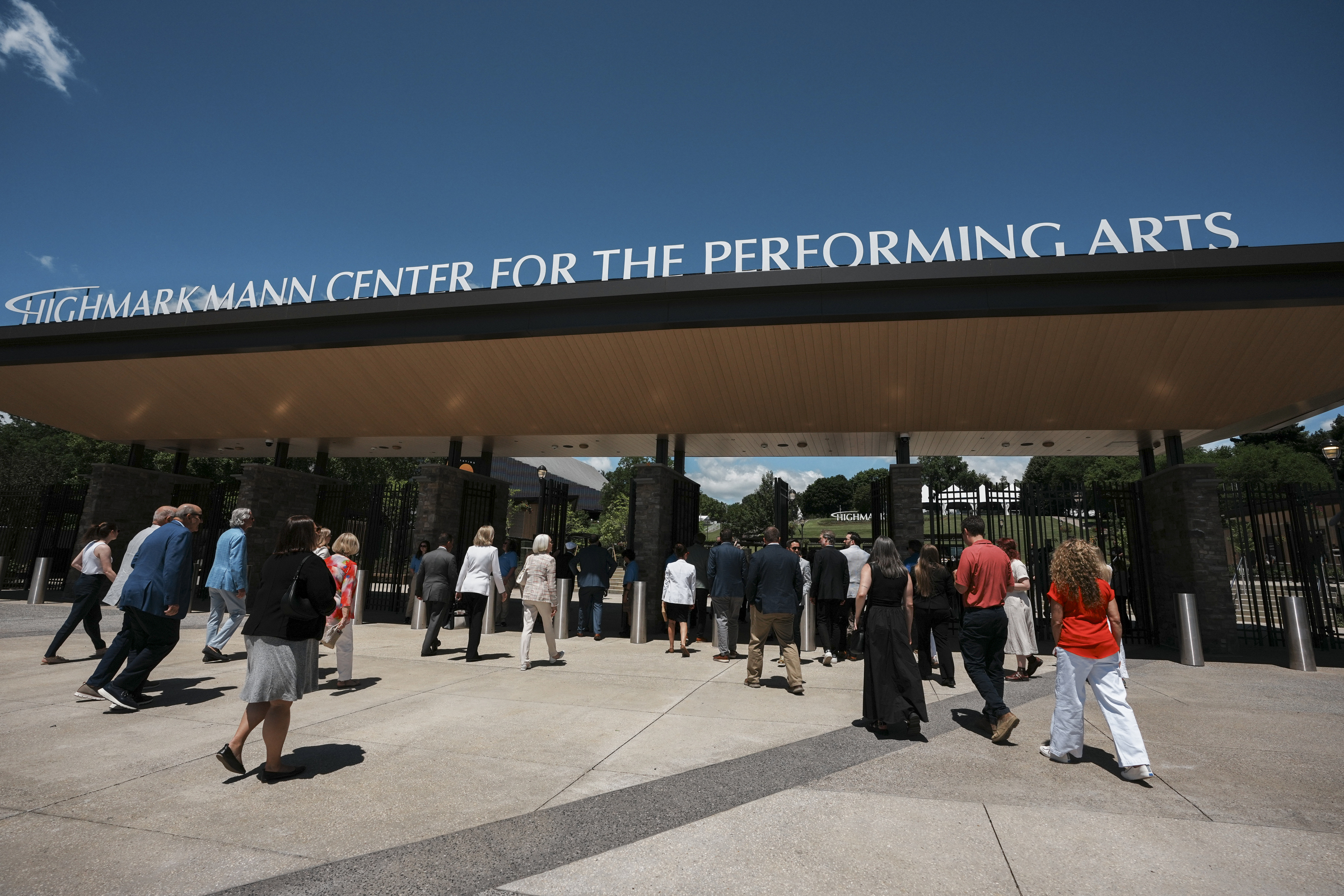
    Greener and roomier with a chic naturalistic look, the Highmark Mann Center officially reopened Monday after the final phase of a yearslong renovation.

    Construction at Philadelphia’s outdoor arts center in Fairmount Park went not just down to the wire, but a few weeks beyond it, delayed by this past winter’s stretch of snow, ice and subfreezing temperatures. In early June, dance fans arriving for BalletX performances found the main entrance and other parts of the campus still under construction.

    But on Monday, amid speeches and the cutting of a long golden ribbon, the Highmark Mann emerged polished and substantially changed from its appearance after closing for the season last October.

    Stevie Wonder said it best, said Highmark Mann president and CEO Catherine M. Cahill to a crowd of dignitaries gathered at the center’s entrance Monday.

    “Music is a world within itself with a language we all understand,” she said, quoting the lyrics to Wonder’s “Sir Duke” from 1976, the year the center opened. “Music offers a release from the ordinary, and today we celebrate exactly that. This new space was designed to transport us from our everyday lives into a magical, musical, immersive experience that begins with the moment you arrive.”

    An opening event on Monday showcased a renovated Highmark Mann Center.Jessica Griffin / Staff Photographer

    Monday’s relaunch came 50 years and one day after the center’s opening concert.

    The Highmark Mann has raised $68.6 million toward its $70 million goal in this campaign — a sum going toward operations, endowment and cash reserves, artistic and 50th anniversary projects, as well as paying for the last several years of construction projects.

    The renovations unveiled Monday, designed by architecture firm EwingCole, include a redesigned plaza three times the size of the previous one, and a substantial new gateway entrance structure.

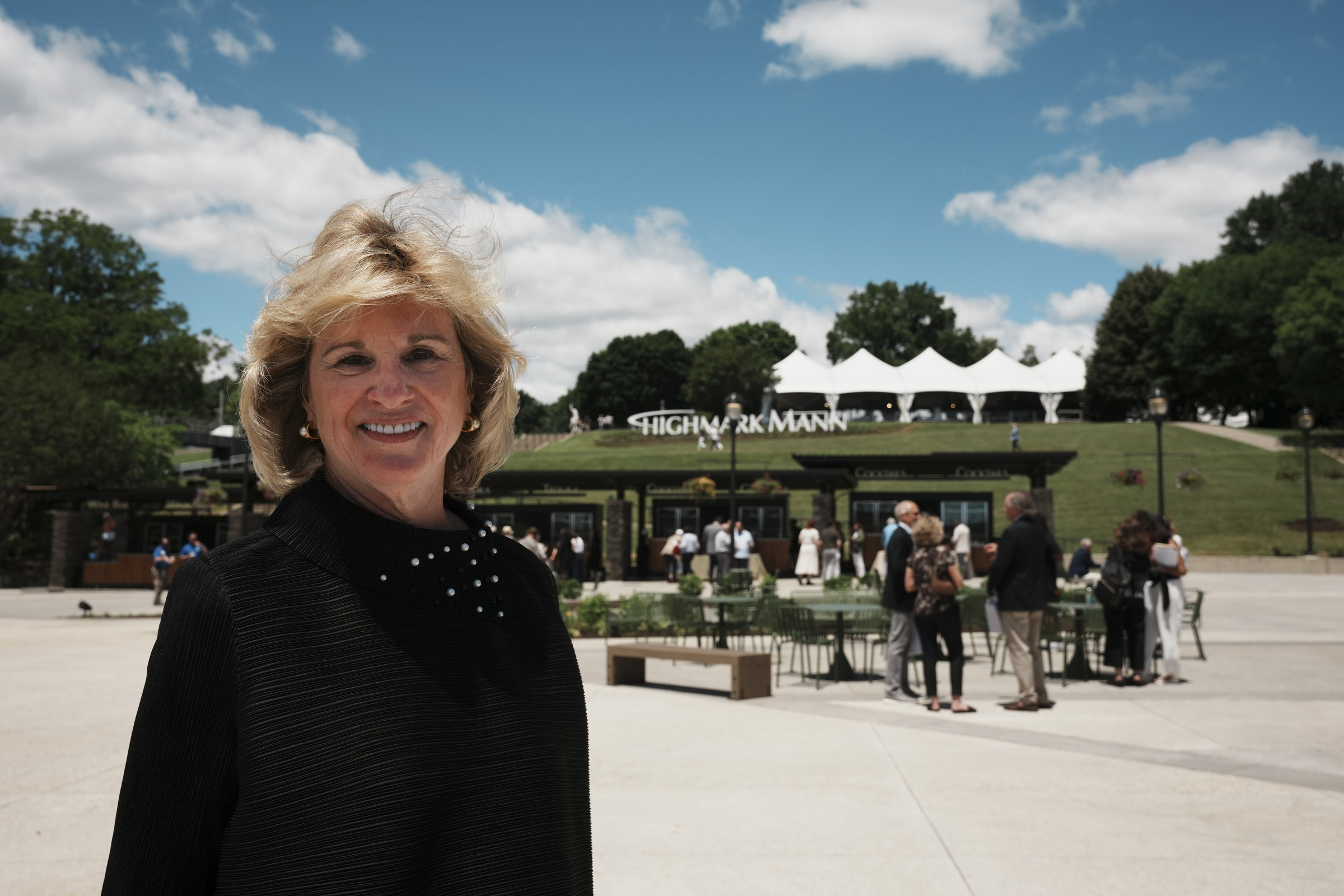
    A “Hollywood”-style “Highmark Mann” sign now stands planted in the lawn, ready to serve as backdrop for selfies. A new sound system promises a truer musical experience tailored to each performance.

    “If there’s a country artist, you’re going to want a slightly different response than if you are hearing R&B or classical,” said Highmark Mann vice president and general manager Evan Rogers.

    Promising young plantings and a new welcome center and other structures faced in wood and stone might echo the surrounding park — Cahill calls the aesthetic a “timeless national park look” — but the centerpiece of the renovation is more like something out of Times Square.

    The Satell Centennial Wall East at the Highmark Mann Center on Monday.Jessica Griffin / Staff Photographer

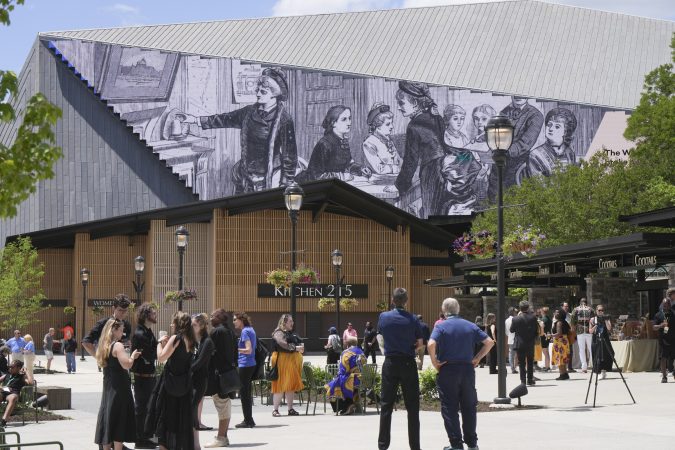
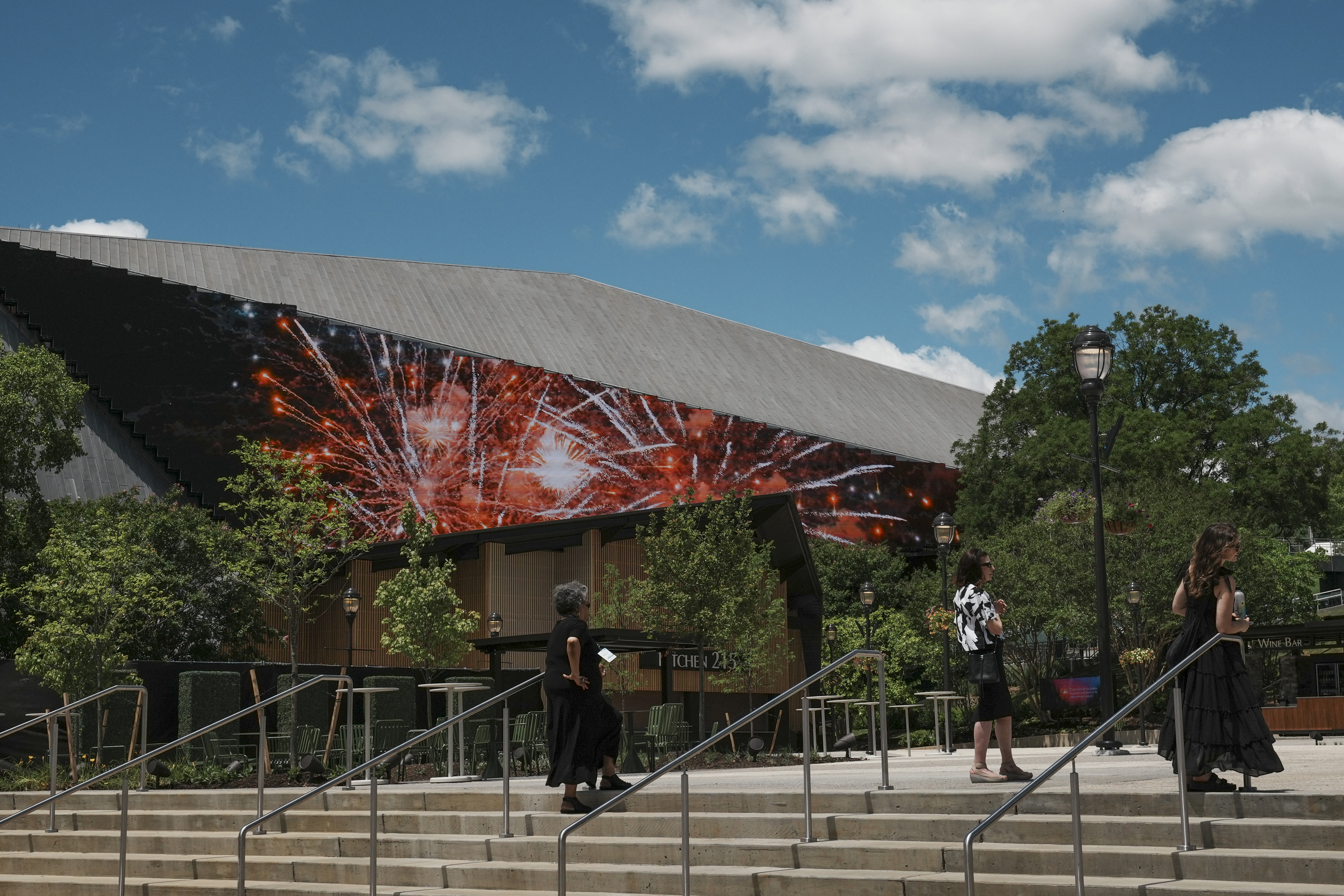
    A spectacular digital screen now bedazzles the main concert shed, greeting visitors with a stream of video art and programming rendered in images vivid and saturated even in bright sunlight.

    The Satell Centennial Wall East on the side of TD Pavilion won’t carry advertising, Mann leaders vow, but sequences on culture, history and the like. On Monday, it displayed a feature on the 1876 Centennial Exposition in Fairmount Park and photo montages.

    “It’s purely artistic content, which is super exciting,” said Brad Baer, digital experience/innovation adviser of the screen, which runs 195 feet on its longest side.

    The Highmark Mann opened five decades ago as the Robin Hood Dell West, the local summer retreat for the Philadelphia Orchestra, and it has evolved into a bona fide arts center that feels both sylvan and city. The orchestra today is a small part of the Highmark Mann identity; this summer only six of an announced 45 presentations involve the ensemble. Pop music predominates.

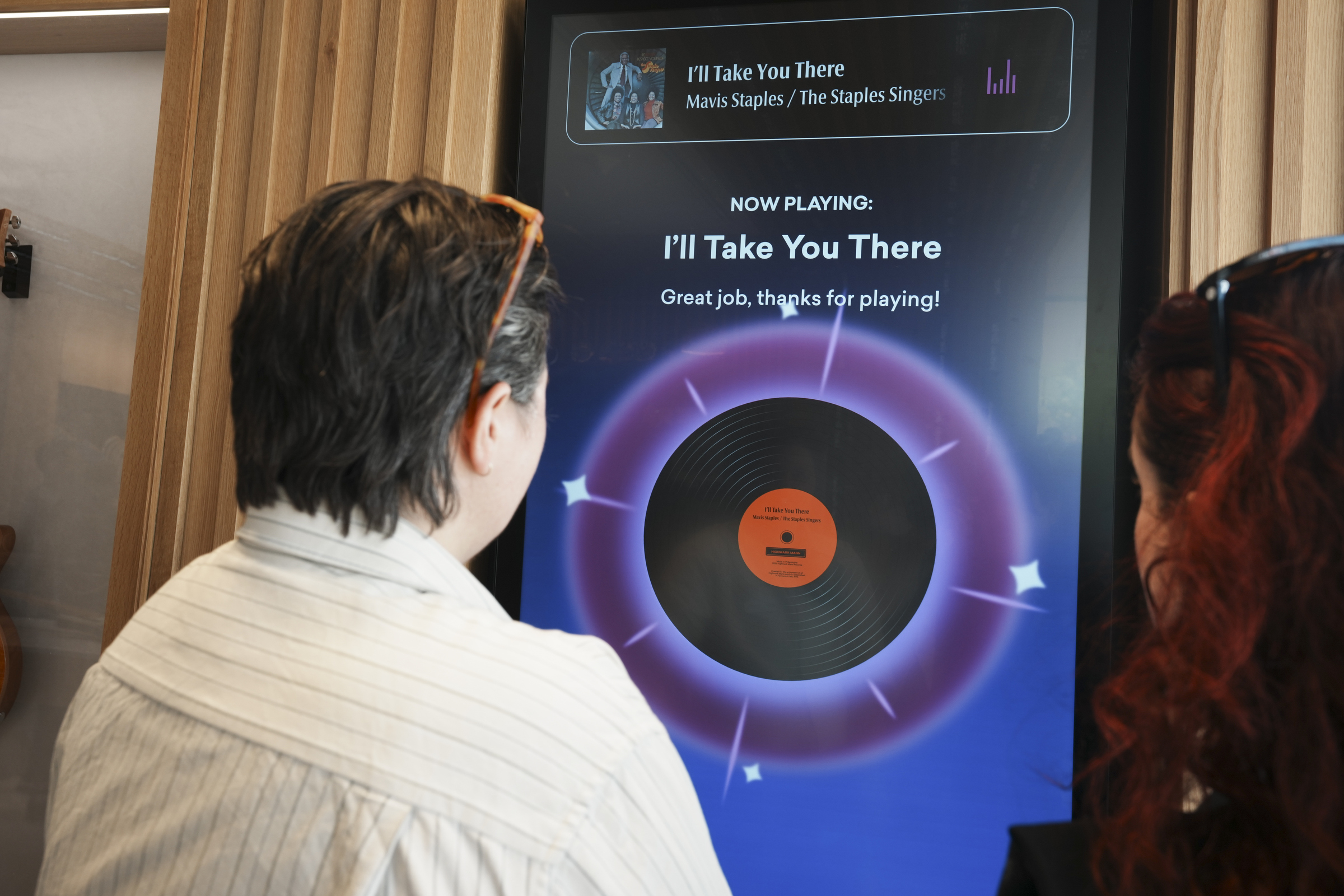
    An interactive jukebox in the Highmark Mann Center’s welcome center tests knowledge and rewards users by playing a piece of music at the end.Jessica Griffin / Staff Photographer

    Other recent changes include a second major performance space, the Skyline Stage, opened with a permanent structure in 2023 and a capacity up to 7,500 patrons standing; and a stylish remaking in 2024 of dressing rooms and other backstage areas whose displays of archival photographs and other materials remind visiting musicians of the center’s formidable artistic history.

    The goal is to communicate that the center is “not static,” says Cahill, “whether it’s world premiere commissions, or new sound systems to engage lawn patrons who hopefully will become seated patrons at some point in their life cycle.”

    All this is part of a conscious campaign of institution-building. Once considered something like an annual but ephemeral summer bloom on the edge of Philadelphia’s arts and culture community, the Highmark Mann has grown its budget and built out programs beyond concerts, like a summer arts institute for classical and jazz student and an entertainment industry apprenticeship program.

    It even has aspirations to increase its number of operational months, if not to year-round, then at least well beyond summer.

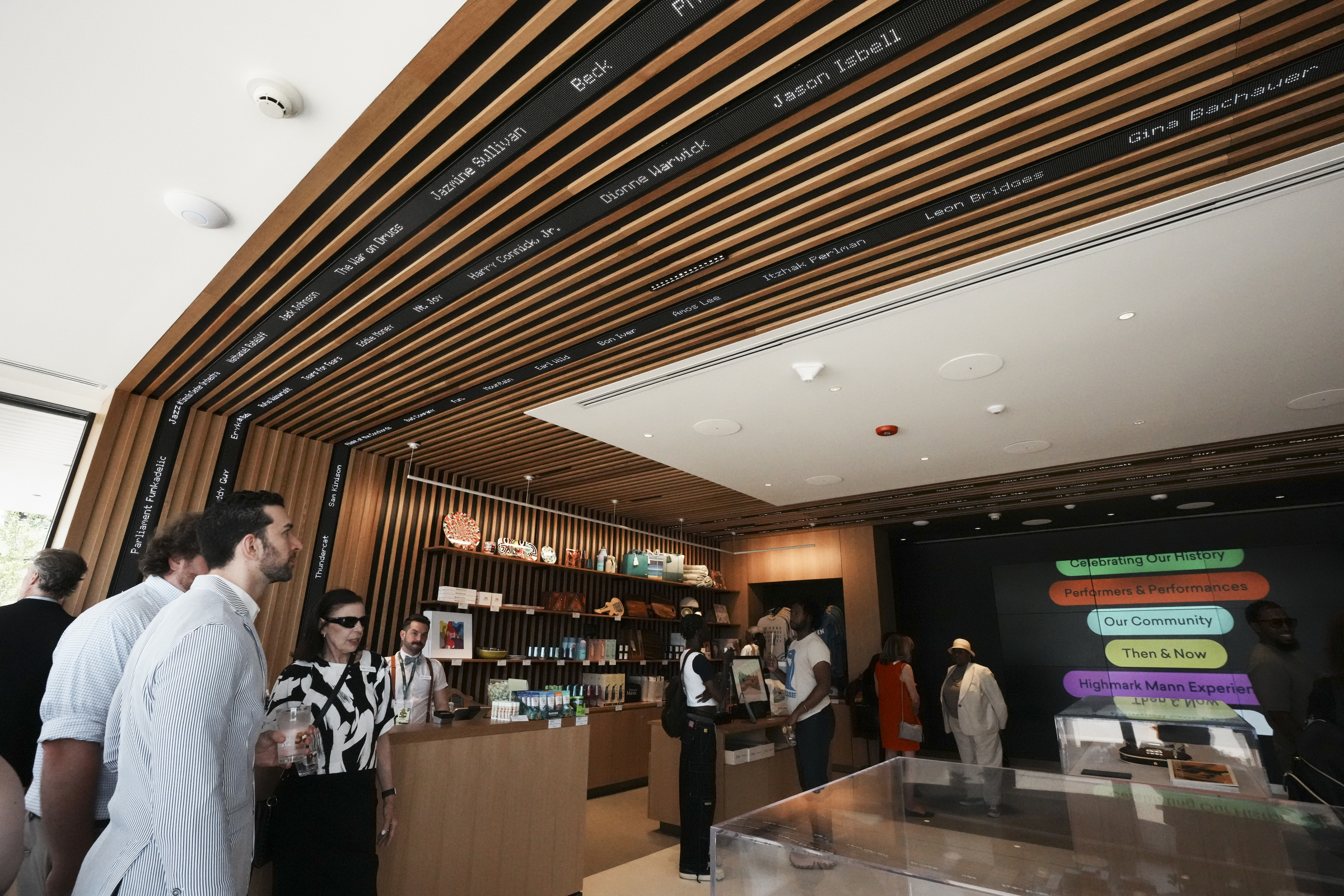
    The welcome center at the Highmark Mann includes a gift shop, interactive panels with games testing musical trivia, and tickers flashing the names of artists who have performed at the outdoor arts center.Jessica Griffin / Staff Photographer

    It is also now telling its own story. The center commissioned a book — A Century of Music Under the Stars, by historian Jack McCarthy — that covers music in Fairmount Park even before the Philadelphia Orchestra organized its concert series on the other (east) side of the Schuylkill in 1930.

    And it is mining its own archives for the potential release of recordings of historic pop and orchestral performances that have taken place there over decades.

    Concertgoers can now experience some of the center’s history in the welcome center, where an interactive video jukebox quizzes visitors with trivia about artists who have performed. Merch is for sale, and the names of musicians glide by on electronic tickers crawling up the walls to the ceiling.

    Said Cahill:

    “With this transformation of this campus and celebrating the 50th anniversary, this is where we thought we could bring it all together and tell the history and the incredible legacy through all this technology, which is what people in the 21st century are used to engaging with.”

    Highmark Mann president and CEO Catherine M. Cahill in the center’s new plaza with the “Hollywood”-style “Highmark Mann” sign in the background.Jessica Griffin / Staff Photographer

    In the past, the center has often relied on tents to house certain amenities. Now, there are fewer tents and more buildings.

    The effect is symbolic as well as practical.

    “One of the things that you hate about the tents is, they go away. But all of this building, the gardens, the infrastructure — all of this sends a different message that it’s not going away when the Highmark Mann closes down at the end of the summer.”

    Cahill wants to imbue visitors with a feeling that they were “someplace that mattered” and wants them to be able to say, “‘I was a part of it.’

    “The Highmark Mann has a lot of people who love us,” she said. “We want to become their premier destination, for them to come here and bring family and friends and say, ‘Oh my God, look at what we have in Philadelphia. This is world class.’”