Category: Entertainment

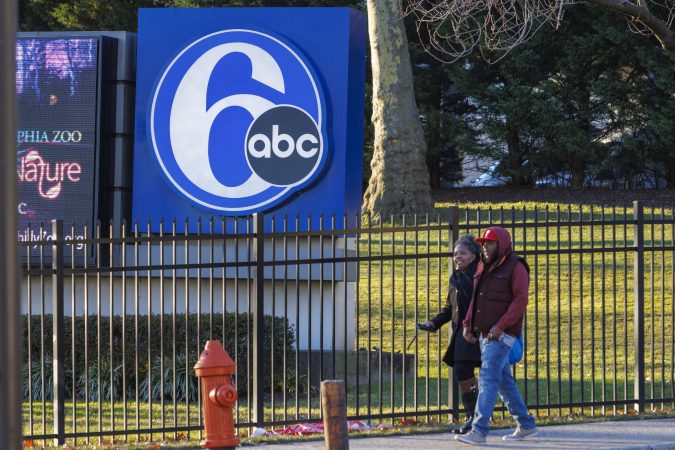
  • 6abc is warning viewers about the FCC taking away its TV license. Here’s what’s going on.

    6abc is warning viewers about the FCC taking away its TV license. Here’s what’s going on.

    On Monday, 6abc issued a warning for viewers to take action to prevent Action News from disappearing from TV screens across the Delaware Valley.

    “The FCC is questioning our commitment to viewers by threatening to take us off the air,” a message from the station read.

    A 6abc message warning viewers about the FCC reviewing its broadcast license.ABC

    So what’s going on?

    Most local news stations are owned by separate companies, but 6abc is one of eight owned and operated by ABC, whose parent company is Disney.

    In April, the Federal Communications Commission launched an early review of the broadcast licenses for those eight stations. The review came shortly after President Donald Trump called for ABC late-night host Jimmy Kimmel to be fired over a joke he made involving first lady Melania Trump.

    FCC commissioner Anna M. Gomez, the only remaining Democrat on the three-member panel, wrote in a May letter to Disney that the company had “been made a target” by Trump’s FCC, and that targeting local stations “is an extraordinary and dangerous misapplication” of the agency’s authority.

    “What Disney and ABC are facing is not a series of coincidental regulatory actions but a sustained, coordinated campaign of censorship and control,” Gomez wrote, “carried out through the weaponization of the FCC’s authority as a federal regulator and aimed at pressuring a free and independent press and all media into submission.”

    Despite that, the FCC said the review stemmed from an earlier investigation into diversity, equity, and inclusion initiatives at Disney, citing “the agency’s prohibition on unlawful discrimination.” The agency is conducting a similar investigation of Comcast, which owns NBC.

    “If the evidence does in fact play out and shows that they were engaged in race- and gender-based discrimination, that’s a very serious issue at the FCC, that could fundamentally go to their character qualifications to even hold a license,” FCC chairman Brendan Carr said on Fox News in March.

    6abc viewers being asked to comment

    In an attempt to fight back, 6abc, which did not immediately respond to request for comment, is asking viewers to weigh in on the early review of its broadcast license and support the station.

    The FCC doesn’t make it easy. Viewers need to visit the agency’s website and submit a “express comment” using the FCC’s docket number: 26-131

    The public comment period is open until June 29.

    6abc renewed its broadcast license in 2023 for eight years, but the FCC could move to revoke it if it determines the station hasn’t “served the public interest” or has violated federal broadcast rules and regulations.

    A Disney spokesperson said in a statement the company has “a long record of operating in full compliance with FCC rules” and was “prepared to show that through the appropriate legal channels.”

    It’s been more than 40 years since the FCC has revoked a broadcast license from a TV station. The last time it happened was 1987, when the FCC stripped RKO General Inc. of its licenses in Boston, New York, and Los Angeles because of business misconduct.

    Even if the FCC revokes ABC’s local broadcast licenses, the case would ultimately be decided by an administrative law judge, according to the FCC’s website.

    The process could take years, and no changes are expected for 6abc during that time.

    ‘The View’ is also fighting back

    It’s not just ABC’s local stations the Trump administration is targeting. The FCC is also targeting the daytime interview show The View and its ability to interview politicians.

    The investigation of The View stems from an February interview featuring U.S. Senate candidate James Talarico, a Texas Democrat who at the time was facing off in a primary against U.S. Rep. Jasmine Crockett.

    The FCC claimed the interview was a violation of the equal time rule, a federal requirement put into law in 1934 requiring broadcast stations to provide comparable airtime to political opponents during an election.

    Disney has asked the FCC to declare The View qualifies as a “bona fide news” interview program and is exempt from the federal rules, like news programs on broadcast TV like Meet the Press and Face the Nation.

    In a May filing, ABC said The View received a news exemption from the FCC in 2002, and in 24 years it hadn’t been challenged. It called the FCC’s move to go after The View “unprecedented” and an attempt to “chill critical protected speech.”

    It’s a blurry line for late-night shows, which feature politicians as guests. While not technically news programs, the FCC hasn’t enforced the equal time rule on late-night shows since 2006, when it ruled then-California gubernatorial candidate Arnold Schwarzenegger’s appearance on The Tonight Show with Jay Leno qualified as a “bona fide news interview.”

    But that’s changing under the Trump administration. The FCC issued a notice to broadcasters in January stating late-night and daytime TV talk shows may no longer be exempt, claiming some were “motivated by partisan purposes.”

    Carr also pressured ABC affiliates to take Kimmel off the air in September. ABC ultimately suspended his show after two companies — Nexstar and Sinclair — said they would preempt it on their ABC-affiliated stations. Ultimately, ABC backed Kimmel and his show was back on TV a week later.
  • New ‘Love Island’ contestant is a Drexel grad and ‘Jalen Hurts doppelganger’

    New ‘Love Island’ contestant is a Drexel grad and ‘Jalen Hurts doppelganger’

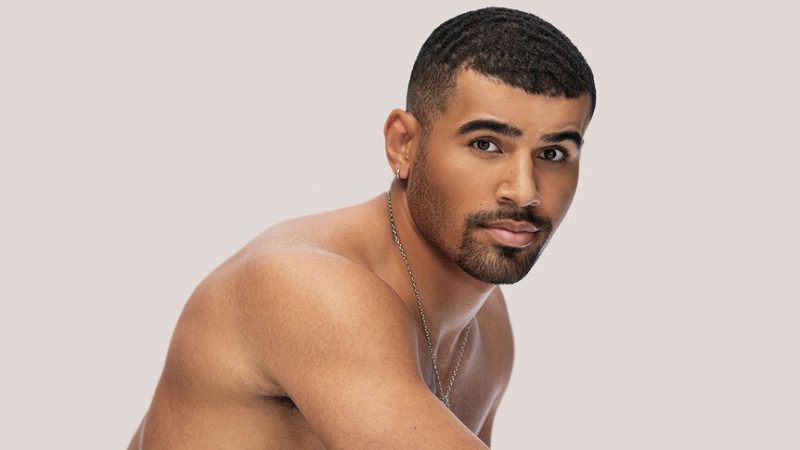
    A new bombshell has entered the villa, and it’s not Jalen Hurts — but, uh, close enough!

    Ronnie Gunter, a lacrosse player and recent Drexel graduate best known for his viral resemblance to the Eagles quarterback, made his TV debut Monday night.

    Sporting orange swim trunks and not much else, Gunter was one of 12 new men who entered the show on episode 18 of Love Island USA.

    It’s all part of Casa Amor, the mid-season twist where OG contestants split off into two villas and are forced to explore new connections. Gunter, 25, was one of a dozen men and six women who’ve been introduced to the show in the last two nights.

    He was also one of the men chosen to stay: Those 12 men were quickly cut to six in the same episode.

    Proving Philly is the center of the universe — even on a remote Fijian island and even at Casa Amor, Gunter was quick to tell North Philly native Melanie Moreno that he went to Drexel.

    In a prior episode, Moreno, 24, told her most consistent connection, Sincere Rhea — who’s from Cape May — that her dream first date for them would be to walk through Penn’s Landing.

    But with Rhea away at the other villa with new arm candy and the OG women forced to explore connections with their own new crop of islanders, Gunter stood out.

    He chose to kiss both Moreno and Jen Terry as part of a challenge and later won the women over by talking about family life and his cooking chops.

    “I want my wife sipping red wine on the countertop while I’m cooking,” he said. “I love to chef. Y’all will never go hungry with me around.”

    While attending college in Philly, where he majored in sports studies, Gunter achieved virality for his likeness to Hurts.

    Two years ago, in a TikTok reshared by accounts including ESPN, Gunter’s then-girlfriend (now-former Division I golfer and prominent sports broadcaster and social media personality Emma Carpenter) said he’d get mistaken for Hurts “everywhere we go.”

    @emmacarpenter

    No cuz it’s everywhere we go 😭

    ♬ MILLION DOLLAR BABY (VHS) – Tommy Richman

    Gunter told The Inquirer at the time that the comparisons started coming around his sophomore year — along with stares and photo requests — but he welcomed the attention for the most part.

    “I think it’s funny. And I mean, he’s not a bad guy to be compared to,” he said. “It’s an awesome comparison to be mistaken for that guy.”

    Even Drexel’s Lacrosse program got in on the fun, posting on Instagram in 2023: “All we’re saying is that we’ve never seen @_ronniegunter and @jalenhurts together.”

    Notably, Gunter’s comparisons to Hurts — and his graduation from Drexel — predated the popular look-alike contests that popped up nationwide months later. A different ringer won Philly’s grassroots quest for a Hurts double.

    Born and raised in Minnesota before heading Northeast for school, Gunter lives in New York these days, where he works as a program director for the nonprofit Harlem Lacrosse.

    So far, no one on Love Island has made any comments about Gunter’s resemblance to Hurts. But there’s a lot more island time to play out.

  • Meek Mill joins the July 4 ‘One Philly: Unity Concert for America’ lineup

    Meek Mill joins the July 4 ‘One Philly: Unity Concert for America’ lineup

    The event billed as the nation’s largest free concert and biggest celebration of America’s 250th anniversary just got bigger.

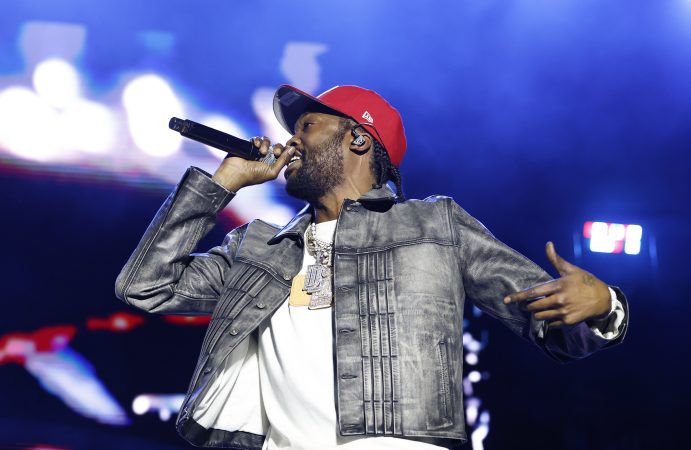
    Meek Mill will join headliners Christina Aguilera, Jill Scott, and The Roots to perform at the “One Philly: Unity Concert for America” on July 4 on the Benjamin Franklin Parkway.

    ESM Productions and Live Nation Urban announced the addition of the Dreams and Nightmares rapper to the Parkway bill on Tuesday morning, hot off his Saturday night performance at “Lit in AC,” a hip-hop festival featuring early 2000s bling-era rappers T.I., Eve, Shyne, Havoc, and Ms. Jade.

    Will Smith & DJ Jazzy Jeff; Kathy Sledge, lead singer of ’70s R&B girl group Sister Sledge; and State Property, the Philly hip-hop collective that includes Beanie Sigel, Freeway, Peedi Crakk, and Chris and Neef, are also scheduled to perform.

    While the bill includes mostly Philadelphia-area musicians — Aguilera grew up outside Pittsburgh — performers also include Seal, the Brit whose hit “Kiss From a Rose” still stops music fans in their tracks; Infinity Song, the Detroit-born soft rock and soul family; and Jordan Davis, the Louisiana-born country music singer.

    Comedian and part-time Media resident Wanda Sykes is hosting. Gillie da Kid and Wallo267 are also slated to make an appearance.

    The nearly seven-hour show will start at 5 p.m. and end just before midnight, with a fireworks finale to follow. Admission to the concert starts at 3 p.m.

    The “One Philly: Unity Concert for America” is presented by the City of Philadelphia and produced by Center City-based ESM Productions with executive producers Scott Mirkin, Shawn Gee (The Roots’ manager and head of Live Nation Urban), and Roots frontman Ahmir “Questlove” Thompson.

    Wawa is a sponsor of the concert, but the show is not part of Wawa Welcome America, the series of events leading up to the July 4 holiday, which this year will include concerts with Queen Latifah, Eve, Idina Menzel, and Pink Sweat$, among others.

    The “One Philly: Unity Concert for America,” according to the news release announcing the event, is “designed as a non-partisan celebration of unity, diversity, and democracy” that brings together “voices, perspectives, and performances that reflect the richness of the American experience across generations and genres.”

  • The Savannah Bananas are building on one of baseball’s oldest traditions, barnstorming

    The Savannah Bananas are building on one of baseball’s oldest traditions, barnstorming

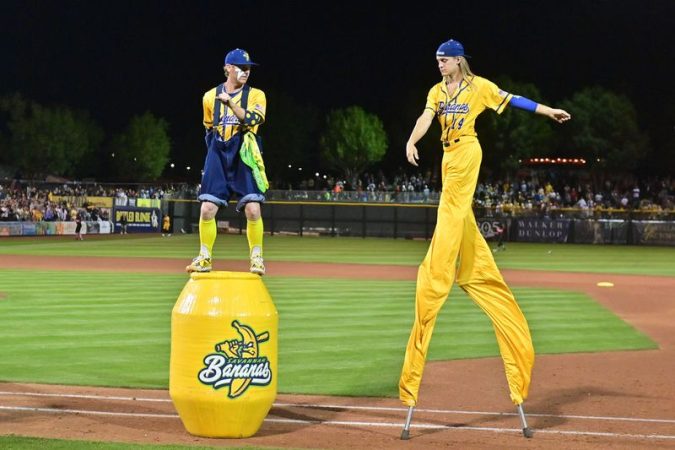
    One of the more striking sports stories of the last few years has been the dramatic rise in popularity of the Savannah Bananas. Founded as a collegiate summer league team in 2016, the Bananas began playing exhibition games in 2018, when they debuted their signature “Banana Ball,” a fast-paced, acrobatic, comedic, participatory style of baseball. Since 2023 they have dedicated themselves entirely to traveling exhibition games against other “Banana Ball” teams, and their popularity has continued to grow. On May 2, as part of the ongoing Banana Ball World Tour, they played before their largest audience yet, a crowd of 102,000 at Kyle Field in College Station, Texas.

    The Bananas and Banana Ball represent a compelling innovation in baseball and American sports—but at the same time, they’re building on one of the sport’s oldest and most enduring traditions: barnstorming, alternatives to professional and major leagues that have long brought community and inclusivity to baseball and America.

    Most histories of baseball focus on its professional leagues: the U.S. Major Leagues and sometimes other prominent professional organizations such as the Negro Leagues and Japan’s Nippon Professional Baseball. But starting in the mid-19th century, there was an equally popular alternative version of baseball that existed outside of those more established sites. Known as barnstorming, probably because many of its games took place in rural communities that might well have featured farm structures, the reference that also connected these baseball teams to other traveling performers who also used the term. This version of baseball saw touring collections of players—sometimes part of an established team, but just as often cobbled together from across multiple teams—visit communities and stage exhibition games. These games were played against local teams and players, fellow barnstorming teams, or as part of other unique entertainments.

    In the first half of the 20th century barnstorming came to be especially associated with the Negro Leagues and represented a way both for those Black athletes to showcase their talents in front of more diverse and widespread audiences. It also allowed them to play against—and, even at times, alongside—white athletes during a time in which the Major Leagues excluded Black players. Building on the legacy of late 19th century, Black barnstorming teams like Bud Fowler’s All-American Black Tourists, legendary 20th-century players like the great Satchel Paige organized teams that toured constantly and brought baseball to every corner of the nation. It also inspired one of the great sports movies, 1976’s The Bingo Long Traveling All-Stars & Motor Kings, with Billy Dee Williams’s Bingo a clear Satchel Paige type.

    In the 1920s and 30s another American community that was excluded from the era’s professional leagues formed their own prominent barnstorming teams and leagues. Japanese baseball dated back to both Hawaii and Japan in the late 19th century, and the first Japanese American semi-pro clubs formed on the mainland United States in the early 1900s. But it was with the rise of barnstorming teams in the late 1920s that these Japanese American players gained truly national and international fame.

    In 1935, the Japanese World Series prominently featured the Japanese American barnstorming team, the Los Angeles Nippons, in a best-of-three series against Japan’s famous Tokyo Giants. Although the Tokyo squad took two of the three games, at the end of their barnstorming tour of the U.S. a team spokesperson noted that “the Los Angeles Nippons were the best of the Japanese Nines.”

    These early 20th century barnstorming teams and games also captured the attention of the sport’s biggest stars. In October 1927, just after winning the World Series and at the height of their success and fame with the New York Yankees, Babe Ruth and his teammate Lou Gehrig took part in a highly competitive barnstorming game in Fresno against Japanese American semi-pro stars, including the powerful slugger Johnny Nakagawa who was known as the “Nisei Babe Ruth.” With each captaining a different team, and as the only white players in the game, Ruth and Gehrig played both against and alongside the Japanese American players, a reflection of how much barnstorming could break down the period’s policies and practices of segregation.

    The single most famous barnstorming baseball team, the House of David, broke down such barriers consistently and purposefully. Formed in the late 1910s by members of the Michigan religious commune of the same name, the House of David—famous for its long hair and equally impressive beards—gained a reputation for baseball prowess over the next four decades before it dissolved in 1955. It featured former Major Leaguers like Grover Cleveland Alexander, other famous athletes like Mildred “Babe” Didrickson and Satchel Paige, and rising stars like Jackie Mitchell, the teenage pitching phenom who was the first woman to play for a minor league team.

    The House of David also partnered with Negro League teams and players: traveling together, playing exhibition games against each other, and challenging segregation policies inside and outside the stadium along the way. Before the House of David would take on the local team, they demanded a chance to play the Negro League team with whom they had arrived (a request smartly made after the audience was already in the stadium to watch the featured exhibition game). They then ate in the same restaurant and stayed at the same hotel with them as well, pushing the boundaries of racial segregation.

    Made By History sponsors. FOR USE ON MADE BY HISTORY STORIES ONLY.Inquirer Staff

    The House of David ended its barnstorming tours in 1955 for the same reasons the practice largely faded out during that decade: the racial integration of the Major Leagues. Beginning with Jackie Robinson in 1947, integration meant that more of the best players had the chance to join the Majors; and the growing popularity of television allowed audiences around the country to see those players and games. Some Japanese American semi-pro teams did continue to barnstorm, as Japanese Americans didn’t join Major League teams until the late 1960s, a continued legacy of the earlier segregation policies. But by the late 20th century the practice was generally found only in historical depictions like Bingo Long.

    Recently, the Savannah Bananas announced the reforming of a historic Negro Leagues team, the Indianapolis Clowns, against whom they’ll play barnstorming exhibition games. In that way, as in so many others, this 21st-century team builds on the legacies of barnstorming baseball, on the important role of athletes of color in making it more inclusive, and of the communal and inclusive sides of the sport and nation it represents.

    Ben Railton is Professor of English and American Studies at Fitchburg State University, and the author of six books, two podcast seasons, and numerous columns on the worst and best of American history and identity.

    Made by History takes readers beyond the headlines with articles written and edited by professional historians. Opinions expressed do not necessarily reflect the views of The Inquirer.

  • Devan Kaney is leaving Fox 29 and Philly for a new gig, won’t be back for Eagles games

    Devan Kaney is leaving Fox 29 and Philly for a new gig, won’t be back for Eagles games

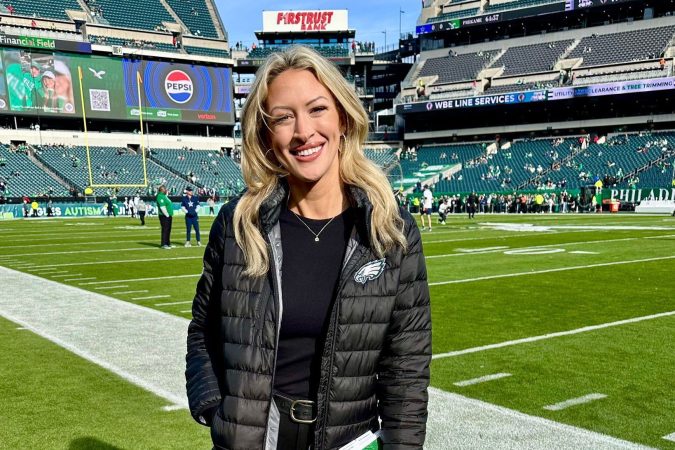
    Devan Kaney is saying goodbye to Philadelphia, at least for now.

    Kaney anchored her final Fox 29 sportscast over the weekend and and is leaving town for a yet-to-be-announced job opportunity in a bigger market. Though she hinted she would still appear on Fox’s airwaves.

    “I’m so grateful for the support all of my colleagues at Fox 29 have given me during my time there, but especially in the last few months,” Kaney said.

    Kaney was laid off at 94.1 WIP in March as part of the latest round of national cutbacks by parent company, Audacy. In addition to being an on-air host, Kaney served as the station’s sideline reporter during the Eagles’ 2025 Super Bowl run and all of last season, replacing the fired Howard Eskin.

    It’s a role she won’t be returning to.

    “As much as I would have loved to return as the sideline reporter, they never reached out,” Kaney said, “and I’ll be covering a different NFL franchise moving forward.”

    Kaney had been with Fox 29 since 2023, serving as a part-time sports anchor and reporter. She also appeared on Good Day Philadelphia and featured prominently on the station’s Eagles coverage.

    She’ll be replaced in part by former 6abc sportscaster Jamie Apody, who just landed an expanded role at Fox 29 and will anchor the station’s Saturday 10 p.m. newscast.

    While Kaney will no longer be covering the Eagles, she will be covering the Phillies as part of a recently launched PHLY podcast she’s co-hosting with former All-Star Jayson Werth called Werth Talking About.

    “I was absolutely not expecting Jayson Werth,” Kaney told The Inquirer earlier this month. “He’ll just drop the most insane stories, and it’s awesome to work with him.”

  • A history of Black electronic music can’t exist without Philly. Philly DJ, producer, and UCSD professor King Britt tells us why.

    A history of Black electronic music can’t exist without Philly. Philly DJ, producer, and UCSD professor King Britt tells us why.

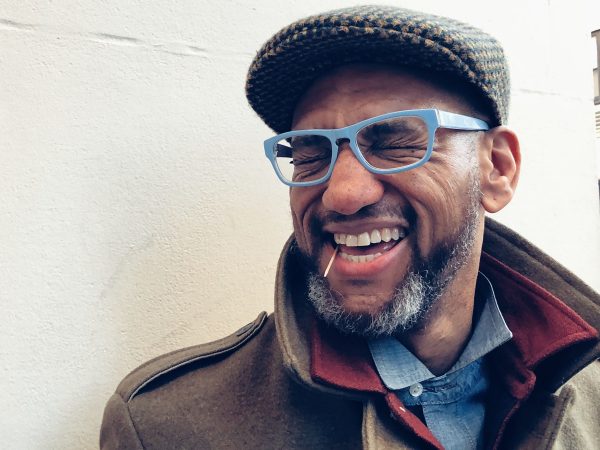
    King Britt is bringing Blacktronika back home.

    In 2020, the Philadelphia DJ and producer — then a newly hired computer music professor at University of California, San Diego — created a course called “Blacktronika: Afrofuturism in Electronic Music.”

    The popular class honors “people of color who pioneered groundbreaking genres within electronic music,” citing innovators like Sun Ra, Flying Lotus, and Philadelphia poet Moor Mother. Featured guests have included Herbie Hancock, Questlove, and Nile Rodgers.

    It has also grown into a music festival: Britt has presented Blacktronika events in New York, Paris, Los Angeles, and Durham, N.C. And now, as part of ArtPhilly’s festival What Now: 2026, Britt has curated the series “Blacktronika: Philadelphia Now and Then.” It is supported with a $50,000 grant.

    It takes place over seven nights in four venues around the city.

    The Southwest Philly-raised artist, who founded the Ovum Recordings label with then musical partner Josh Wink, and created the Philly house and soul music project Sylk 130 in the 1990s, has a full week worth of musical history lessons in store for his hometown.

    ‘Illuminate just Philly’

    “This is different from any other Blacktronika festival,” said Britt, 58, speaking via Zoom from the UC San Diego campus. “At all of the other Blacktronika events, I fly people in from all over the world,” said the DJ, who was born King James Britt. “For this one, I wanted to illuminate just Philly.”

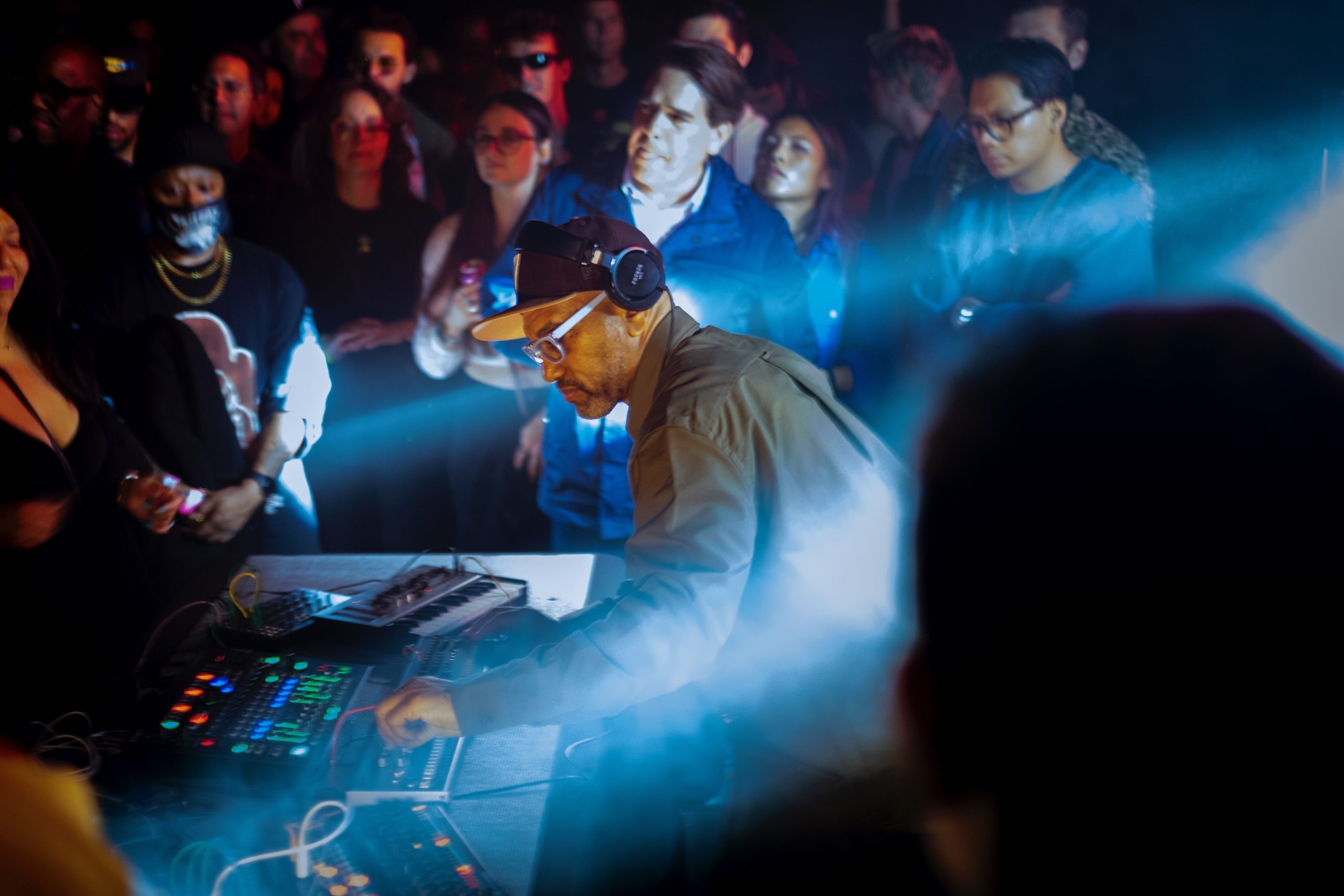
    King Britt is the curator for ArtPhilly’s “Blacktronika: Philadelphia Now and Then,” taking place for seven consecutive nights starting June 23.B

    Philadelphia’s role in Blacktronika history dates as far back as Sun Ra’s forays into electronic music in the 1960s and forward to 102-year-old Arkestra leader Marshall Allen’s mastery of the electronic valve instrument.

    Britt’s personal connection to Philadelphia’s Afrofuturism goes back to when his mother, who was friendly with members of the Arkestra, would take him to rehearsals at the Sun Ra house in Germantown.

    “I didn’t understand the music when I was a kid,” he said. “But I loved the costumes.”

    The band members were all dressed in colorful space-age outfits.

    A Central High School graduate, Britt was studying marketing at Temple when he dropped out as his career took off.

    Working with Wink under the name E-Culture, the duo had an international deep house hit with “Tribal Confusion” in 1990, when Britt was the dance music buyer at the Tower Records store on South Street. He toured as DJ for the Grammy-winning hip-hop group Digable Planets early that decade and teamed with Wink for a long-running series at Fluid nightclub called “The Womb.”

    The 2005 album King Britt Presents: Sister Gertrude Morgan married dance beats with street-corner sermons by the New Orleans folk artist. And his Afrofuturist project Fhloston Paradigm showcased his love of sci-fi, in particular Luc Besson’s 1997 film The Fifth Element.

    Prof Britt

    Britt never thought of himself as an educator until an ex-girlfriend and his daughter, Summer Sloane-Britt, now an art professor at Occidental College, urged him to apply for the post at UC San Diego in 2019.

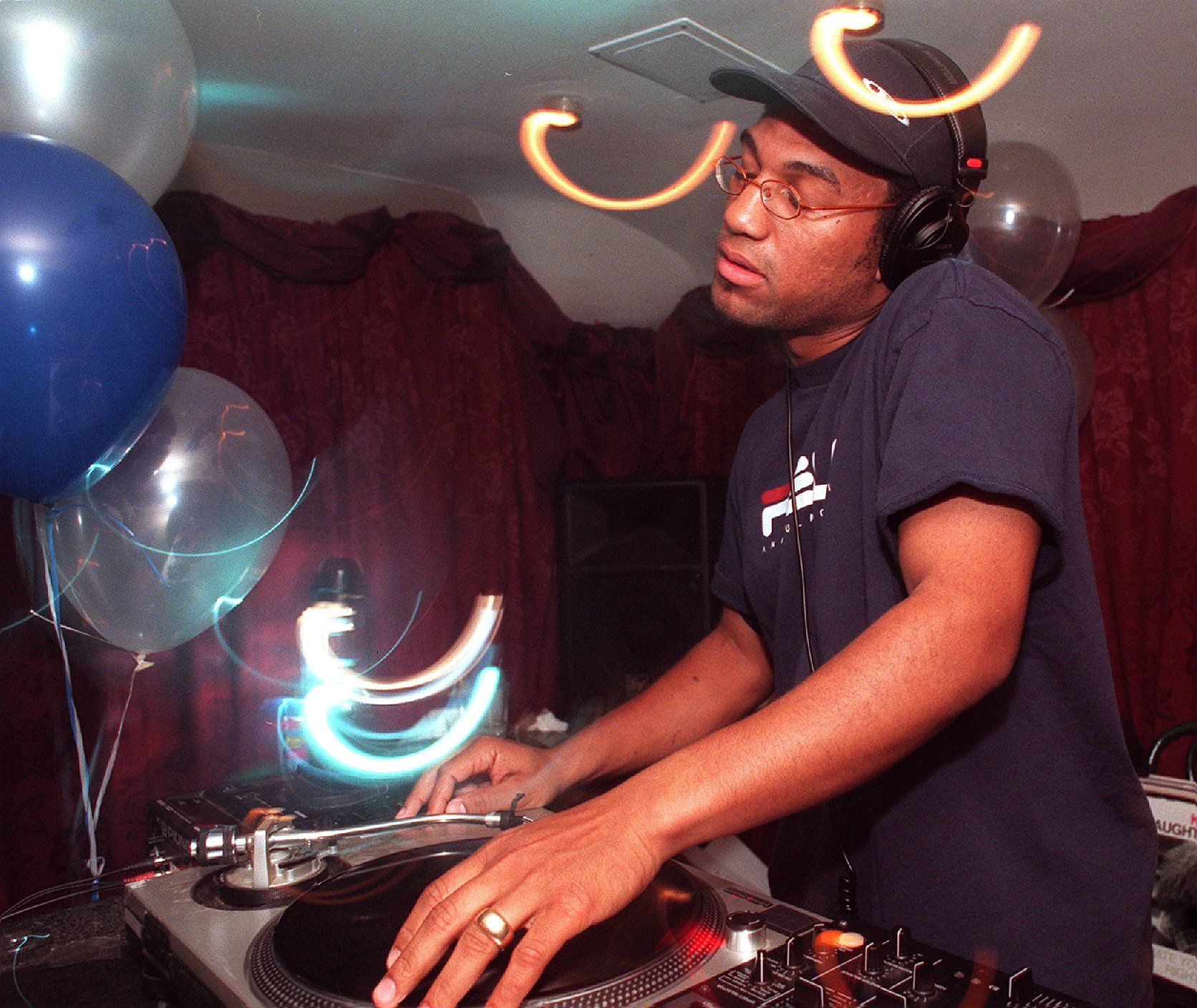
    DJ King Britt at Filo’s downstairs club, 408 S. Second St., in 2000.Charles Fox / Staff Photographer

    He did a Skype job interview while in Portugal for a gig, and though he doesn’t have an undergraduate degree, got hired on the basis of a lifetime of experience.

    “My CV was 40 pages long,” he said. “It was crazy.”

    Shortly after moving from Philly to Southern California, Britt realized that “no one was talking about Chicago house, Detroit techno, drum & bass, dub. Ninety percent of the dance music we listen to is rooted in Black culture. But the pedagogy was nonexistent. So I created Blacktronika.”

    The course debuted with 20 students the first week of the COVID-19 lockdown, with guests including Greg Tate, the critic who Britt calls “my mentor.” Tate died in 2021; his seminal book Flyboy in the Buttermilk has just been reissued on Questlove’s AUWA imprint.

    Now, Britt has 420 students for his virtual Blacktronika class. Interviews with guests like George Clinton, Patrice Rushen, and the Arkestra’s Allen and Knoel Scott are archived at Blacktronika.com.

    In a post-Zoom-interview email, Professor Britt — who is now tenured and was named MacArthur Foundation Endowed Chair in Digital Media and Learning in 2025 — expounded on Philadelphia’s central role in Blacktronika history.

    He cited drummer Earl Young’s “development of the four-on-the-floor rhythmic approach that became foundational to Disco and later House music” and Dexter Wansel “expanding the sonic palette of Philadelphia International Records.”

    The prof, who is working on a Blacktronika book, gives props to “the turntablism of Cash Money and Jazzy Jeff,” plus gangsta rap pioneer Schoolly D, as well as The Roots and their keyboard player James Poyser.

    A homecoming

    It was ArtPhilly cofounder Bill Adair who brought in Britt, says Tania Isaac, a curatorial director of the fest. Britt “is singular in terms of what he represents,” said Isaac. “Artists who are from Philly, whose work is grounded in Philly, but are global. We’re able to support artists coming home.”

    Britt’s series kicks off at Fishtown cocktail lounge Margolis on Tuesday, spotlighting TastyTreats, the party hosted by Stacey “Flygirrl” Wilson. DJs Mike Nyce and Yameen Allworld will be joined by a just-announced special guest: DJ Jazzy Jeff.

    Wednesday night’s Johnny Brenda’s showcase was designed as a tribute to Wansel, the songwriter and producer whose groundbreaking synth-centric album Life on Mars was released in 1976.

    Wansel was scheduled to join a Philly all-star band with Black Buttafly on keys, Anthony Tidd on bass, Tim Motzer on guitar, Elliot Levin on sax, and singers Lady Alma and Tonja Dixon. Poet Ursula Rucker was also on the bill.

    Wansel died last month at 75, so the inaugural Blacktronika Icon Award will be presented posthumously to his son, producer Pop Wansel. Black Music Month founder Dyana Williams will host.

    The week also includes a celebration of the Beat Society hip-hop party hosted by rapper Hezekiah on Thursday at Johnny Brenda’s, followed by Moor Mother’s Rockers at Solar Myth on Friday, and an Illvibe Collective soiree at King Fu Necktie on Saturday.

    On Sunday at Silk City, Tracey Moore of Jazzyfatnastees hosts a tribute to Black Lily, the neo-soul incubator that helped birth the careers of Jill Scott, John Legend, and others. That band will include many Wansel tribute players, plus punk rock skateboarder and drummer Chuck Treece.

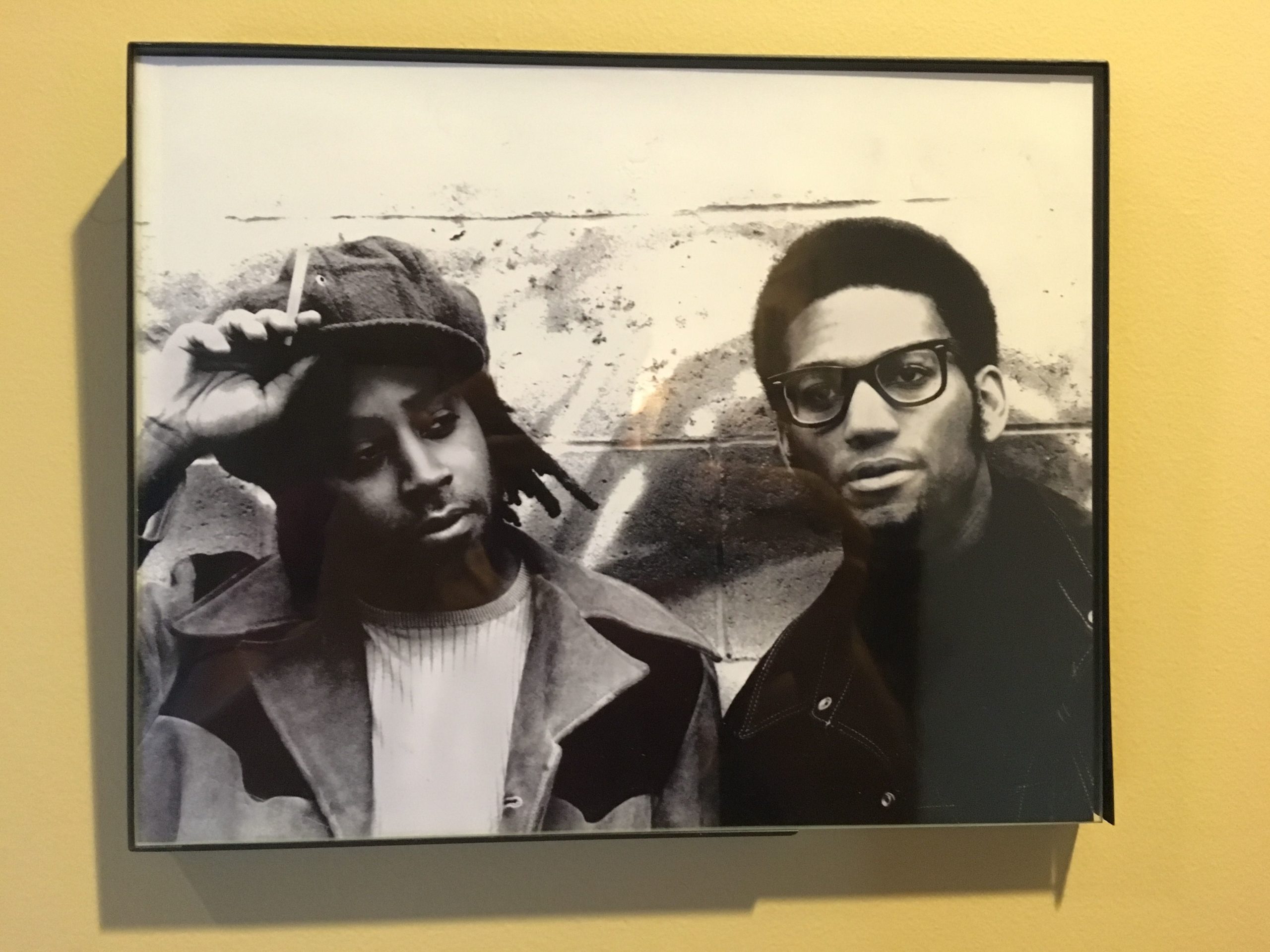
    Dozia Blakey and King Britt in Philadelphia in 1992. Britt, now a music professor at the University of California, San Diego, has curated the ArtPhilly festival “Blacktronika: Philadelphia Now and Then,” taking place over seven consecutive nights starting June 23, at venues throughout the city, including Margolis, Johnny Brenda’s, Kung Fu Necktie, Silk City, and ARS Nova Workshop at Solar Myth.Mpozi Tolbert

    Britt will perform on Monday, when he’ll DJ and be joined by guests at Silk City, paying homage to Back2Basics, the party that blended DJs with instrumentation, which he created with Dozia Blakey in 1990.

    Each day during Blacktronika week except Saturday, Britt and guests will join Clubfriends Radio and Records founder Alexa Colas for conversations at her Meantime pop-up at 926 Market St. It’s free.

    And “Philadelphia Now and Then” is only part one of Britt’s plan to bring Blacktronika back to his hometown.

    In November 2027, he’ll partner with the African American Museum in Philadelphia for “Tangible: Blacktronika Artifacts and Archives,” an exhibit funded by a $360,000 grant from the Pew Center for Arts & Heritage. That will be accompanied by a second Britt-curated Blacktronika festival, which he says will include artists “from all over the world.”

    But before he brings the world to Philadelphia, “Philadelphia Now and Then” will first tell the story of how Blacktronika blossomed in his hometown.

    “It’s important to honor all the parties that were pushing the sonics, the sound of electronic Blackness in Philly,” Britt said. “From Philly, born in Philly, all the musicians are Philly. Everything’s Philly.”

    King Britt’s “Blacktronika: Philadelphia Now and Then” takes place daily from Tuesday, June 23, to Monday, June 29, at venues across the city. Information at artphilly.org.

  • What is the Camden bop, the region’s latest viral dance that has earned over a million fans across the world?

    What is the Camden bop, the region’s latest viral dance that has earned over a million fans across the world?

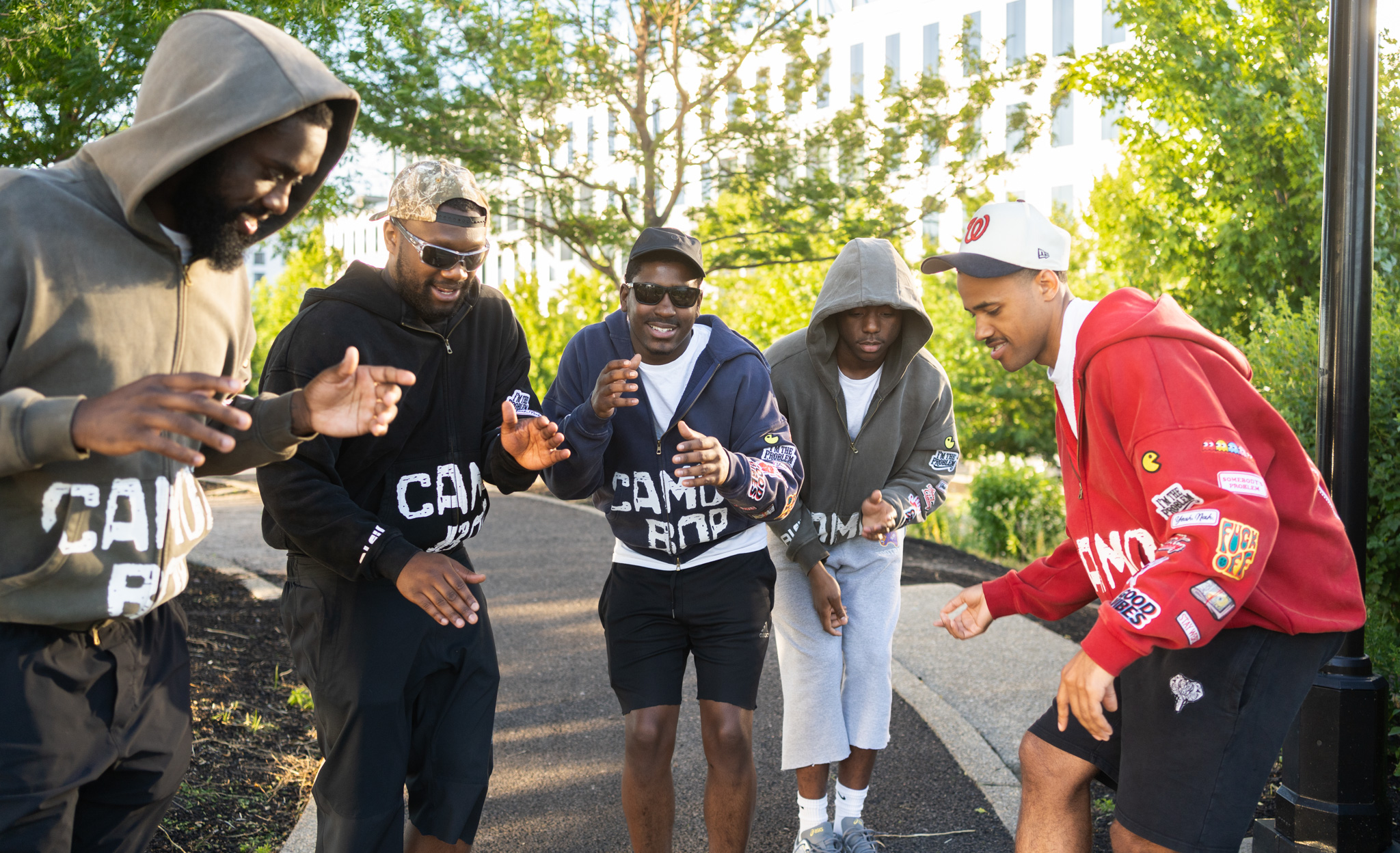
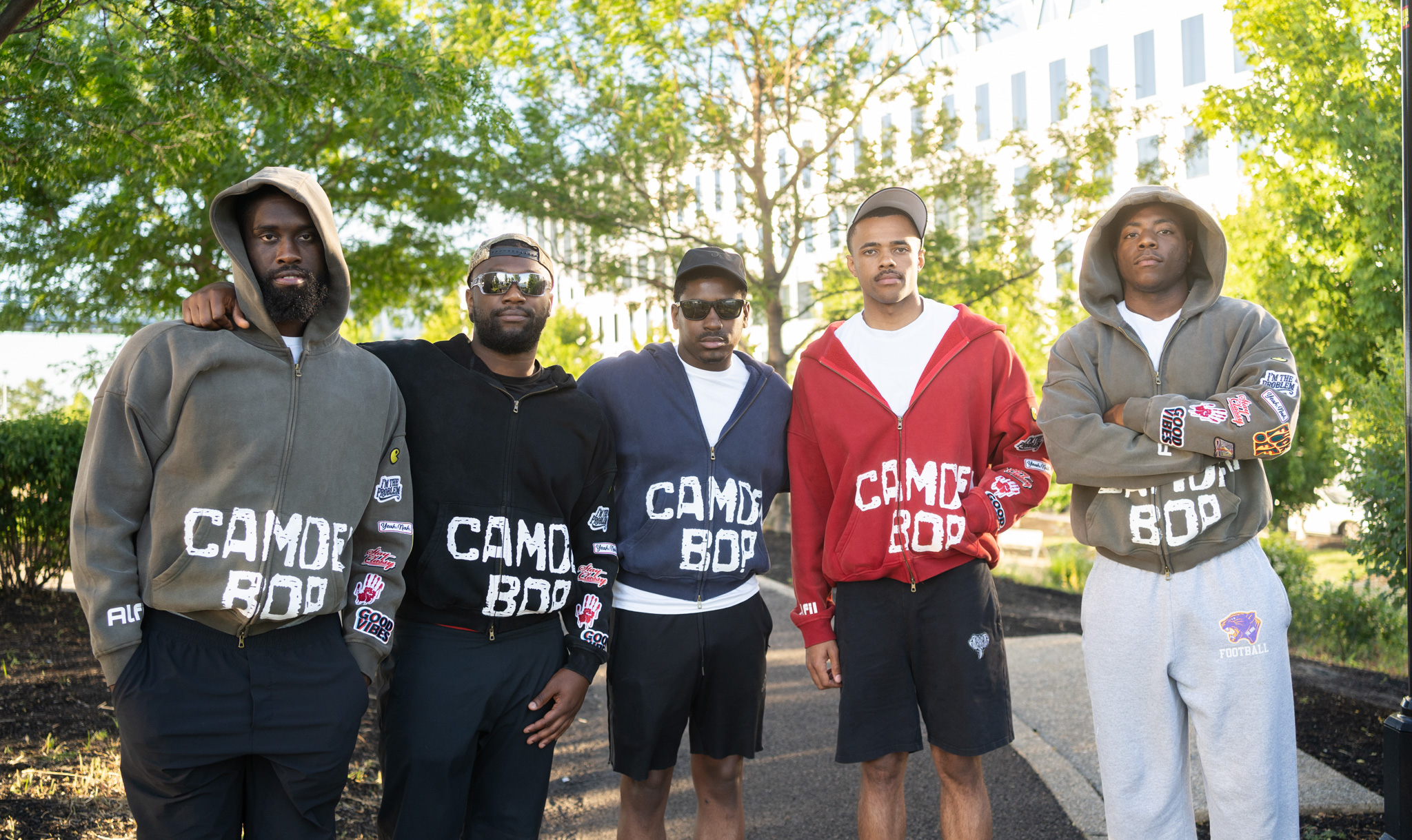
    Last week, just outside the Camden Waterfront walkway, stood a group of five men, ages 18 to 25. They were all decked out in embroidered hoodies with the words “Camden Bop” stitched on the front.

    They were quiet at first before the sight of a camera and sound of an up-tempo beat grabbed their attention. They smiled and their motionless bodies kicked into action.

    They shifted their hips from side to side, while their arms and heels bounced to the song’s drum kicks and chopped vocal sample. They added leg extensions and shifty pivots into the mix, creating a synchronized dance that flowed like water.

    The words stitched across their hoodies took on new meaning.

    This is the Camden bop. Viral TikTok videos and Instagram clips of the group, known as the Camden Bop Originators, have turned the move into a social media sensation.

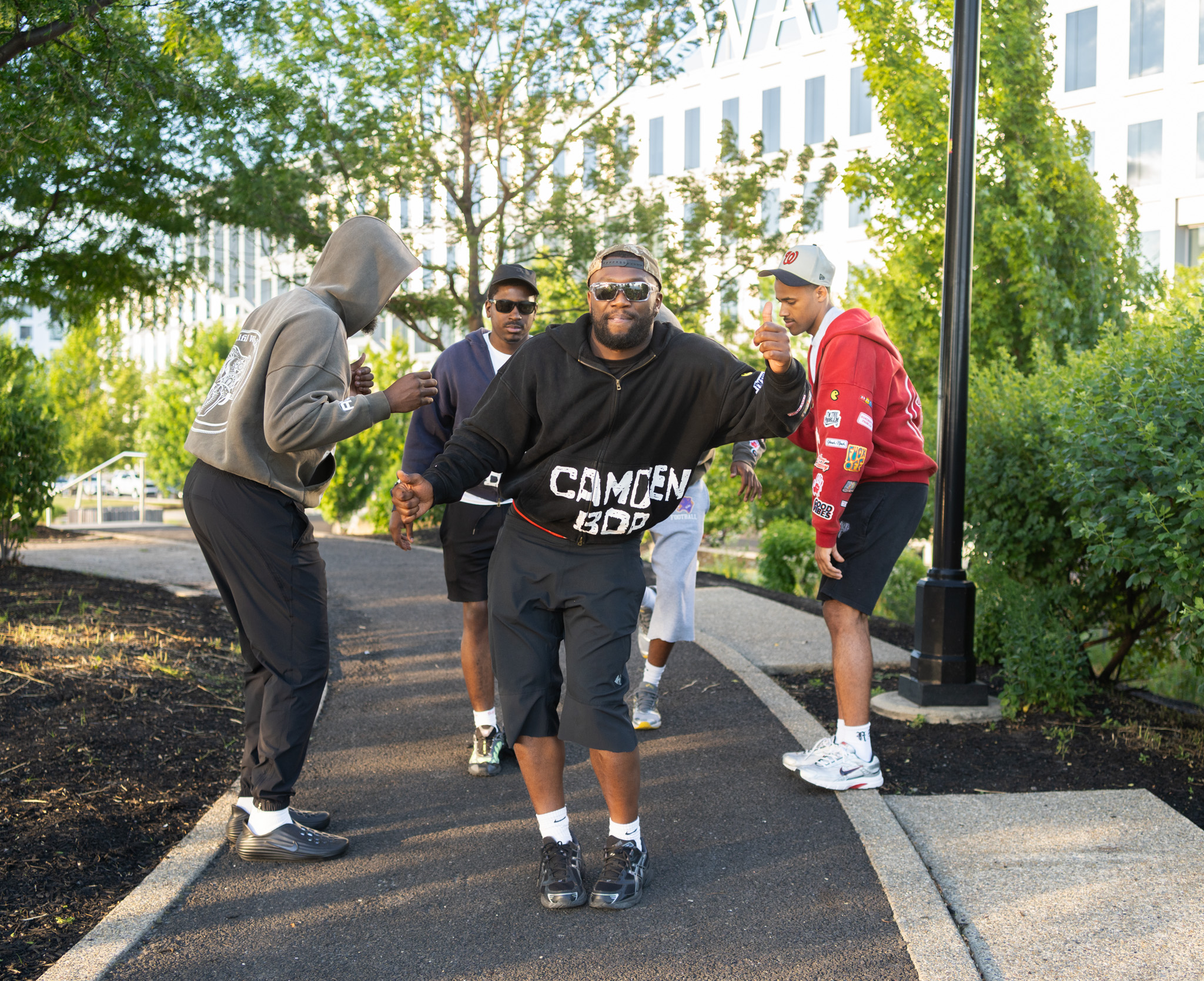
    Ethan Tarte, pictured at the center of the image, is the man behind the now-viral dance, the “Camden bop.”Earl Hopkins

    The crew comprises Camden natives Ethan Tarte, Myles Thompson, Nafi Muhammad, Rodney Barge Jr., and Haleem Muhammad.

    At 16, Tarte unintentionally created the Camden bop by trying to imagine what it would be like to circle the rink at Camden’s Millennium Skate World. Before he had skates, he practiced his moves barefoot in front of his mirror.

    What emerged became the foundation of the Camden bop.

    The influence of Jersey Club dances is present in the heel-toe slides, leg extensions, and quick pivots they add to the Camden bop over up-tempo club remixes of popular rap and R&B songs like Ryan Leslie’s “Addiction” and R. Kelly’s “Freaky in the Club.”

    “We grew up Jersey Club dancing … back when dancing was allowed,” Tarte, now 25, joked, “so it definitely comes from that.”

    ‘We’re more than what everybody thinks we are’

    When the dance didn’t yet have a name, Tarte flirted with the idea of calling it the E Boogie Bop, after a nickname he had earned for his quick moves on the basketball court at Camden High School. But he opted for the name of his hometown, hoping the dance would change people’s perception of a city that was once among the nation’s poorest and most dangerous.

    “I hear how people talk about Camden, and people are genuinely afraid sometimes to come through here,” Tarte said. “I was excited it was the Camden bop, so that everyone knew that there was something good that came out of Camden. We’re more than what everybody thinks we are.”

    Not long after, Tarte started posting Snapchat videos of him doing the dance with his friends Thompson, Barge, and Nafi Muhammad. Haleem Muhammad, 18, joined later. Some of their peers called them corny at first, but the bop eventually caught on with others at Camden High.

    “It really started from us having fun, and wanting to be us,” Tarte said. “People used to make fun of us, but it really comes from the love [of dancing].”

    The same people who called the dance corny are now tripping over their feet to learn it, said Tyray Green, who graduated from Camden High with Tarte.

    “People are insecure with themselves,” he said. “The whole time, they could have minded their business.”

    “I feel like they’re doing it worldwide now,” Green said.

    A fan in 2Rare

    The dance shared among high schoolers has now drawn the attention of artists, athletes, and content creators from around the country.

    Among them is North Philly rapper 2Rare, best known for his viral TikTok songs and dance videos, who featured the Originators in the video for his single, “Camden Bop,” after seeing the group’s TikTok videos.

    2Rare, born Naseem Young, reached out to the Originators so he could put a face and name to the dance that was taking over people’s social media feeds.

    “I know how quickly people can steal a wave, and nobody will ever know who the dance was from, who started this or started that,” he said. “I’ve had it happen to me. People have stolen my dances and ran off with it, so reaching out to them was a big deal.”

    He first considered shooting the video in Philly, but thanks to advice from Gillie Da King, he recognized the significance of bringing the production to the birthplace of the dance.

    “I had to make it happen,” 2Rare said. “I want to really shed light on them, and Gillie said, ‘They will never forget about you for doing something like that,’ and he was absolutely right.”

    For Green, the recognition proves what he’s always known: Camden has more than just athletic talent. For him, it’s a city with both grit and style, deserving of its own recognition.

    “We get overlooked a lot,” he said. “To see [2Rare] who has eyes on him, stick their arms out to give our city notoriety is big.”

    ‘There’s love all over the map’

    In April, the dancers joined 2Rare outside of Camden High School to film the music video, now sitting at 2.8 million YouTube views since its May 7 premiere.

    “It’s humbling,” Tarte said. “This all happened for a reason. It all fell into our lap.”

    Earlier this month, their performance on a New York-based music radio show, On The Radar, with 2Rare shined a brighter light on the movement. The viral clips from that performance have reached more than 3 millions views on Instagram, with hundreds of commenters lauding their performance and the homage to their hometown.

    “Keep [putting] on for the city @camdenboppers 🙌🏾🕺🏾,” one user commented.

    Even Chance the Rapper followed the group’s Instagram page, and top streamer Tylil dropped a comment, giving 2Rare and the crew props for their performance.

    Nafi Muhammad, 23, who started bopping as a junior at Camden High, said the reactions have been “overwhelming.”

    “My nephew watched it on his tablet like a thousand times,” he said. “It’s been a lot of love.”

    For years, Muhammad wondered where the group would be if they dedicated more time to promoting the dance back in high school. Now, with the millions of viewers they have reached, little is left to the imagination.

    They are living it.

    “If TikTok was jumping like it is now back in high school, we would have the dance in another stratosphere,” Muhammad said. “But we kept saying it, and then it happened.”

    The “Camden bop,” originated by dancer Ethan Tarte, has become a viral sensation. Tarte’s group, the Camden Bop Originators, includes members Myles Thompson, Rodney Barge Jr., Haleem Muhammad, and Nafi Muhammad.Earl Hopkins

    “There’s love all over the map, and it’s definitely only the beginning,” Tarte said.

    The group has met criticism too, with online comments often ranging from “wild dance” to “horrible song.”

    The criticism isn’t new territory for Tarte. “People used to call me weird in high school, and now I hear I’m too old to do the dance,” he said.

    None of that has ever stopped him.

    The “Camden bop,” originated by South Jersey-born dancers Myles Thompson, Ethan Tarte, Rodney Barge Jr., Nafi Muhammad, and Haleem Muhammad, has become a viral sensation.Earl Hopkins

    “Camden is a small city, but we’re making big noise right now, and we’re trying to keep that going,” Barge said, adding that he’s grateful for the collaboration with 2Rare.

    The love is not one-sided. 2Rare said the collaboration has elevated his career, too.

    “They are part of the reason I’m hot right now, so I could never not acknowledge them,” the rapper said. “If it wasn’t for the dance, it would have still been difficult. I had a quiet moment, but I had to pop out and show out. That was a big jawn.”

    The rapper is already planning for a remix of “Camden Bop,” and wants to bring the Originators to Atlanta for Streamer University, a multiday workshop for growing and aspiring content creators.

    As for the Originators, they want to continue spreading the joy that dancing has afforded them, and encourage others to absorb it as well.

    That’s the Camden way.

  • The man, the myth, the bar crawl: Jenkintown goes all out for Nic Cage-themed night

    The man, the myth, the bar crawl: Jenkintown goes all out for Nic Cage-themed night

    In an unbearably massive oversight, the city of Philadelphia has left National Treasure Nicolas Cage completely out of its Semiquincentennial festivities, despite the fact that he’s the only known person to have stolen the Declaration of Independence and climbed Independence Hall free solo in the last 250 years.

    But fear not, for a group of suburban bars have mustered to pay homage to this chameleon king of cinema, this skin-shedding Snake Eyes of the silver screen with their revolutionary event: “Uncaged in Jenkintown: A Nic Cage cocktail crawl.”

    Nic nugget: Cage has portrayed twice as many people as there were members of the First Continental Congress.

    From 4 to 8 p.m. June 28, four Jenkintown bars within stumbling distance of each other — the Keep Easy, the Drake Tavern, Buckets Bar, and Kings Corner — will be featuring Cage-themed cocktails, showing Cage movies, and hosting “Cage matches.”

    Songs from Cage’s films will be performed live in an alley, the local movie theater is hosting a late-night screening of a Cage film, and, for the Wild at Heart, even a tattoo parlor is getting in on the festivities.

    Nic nugget: Cage has a tattoo of a lizard wearing a top hat.

    In an Adaptation of a typical bar crawl, participants who register for this event will receive a pretty Kick Ass “Uncaged Cocktail Crawl Kit” filled with goodies that would be a Dream Scenario for any Cage fan.

    Mel Hager — an owner of the Keep Easy who described her Cage fandom as “AhaHAhahAA [maniacal Cage laughter] OUTRAGEOUS OOooOO!!” — said the participating bars host a Festivus-themed crawl during the holidays and they wanted to create a summer-themed crawl too (luckily, there’s no chance of getting Snowden at this time of year).

    “Who doesn’t like Nic Cage?” she said. “It’s insane how he puts in the work. Every time I turn around I’m like ‘Is he a robot? How does he do so many movies?’ He’s an enigma but yet he does seem like all of us but also maybe he’s an alien? I don’t know, but it’s fantastic.”

    Nic nugget: Cage has never played an alien, but he was convinced he was one as a kid.

    The event is free to attend, but participants who want to compete for Cage-themed prizes will need to either preregister online for $15 or register in person the day of at the same price to receive their Uncaged kit. Each kit contains one of five random Cage masks to be worn during face-offs against opponents in “Cage matches.”

    Every bar will have its own Cage match competition that will pit two players in a tête-à-tête game based on a different Cage movie to determine who’s the Lord of War. The game at Buckets, for example, is called the “Flying Elvis” and it’s based on the scene in Honeymoon in Vegas where Cage goes skydiving with a group of Elvis impersonators. Contestants will have to throw toy parachute soldiers (hand-painted to look like Elvis) to see who can land them closest to a tiny mock-up of the Vegas strip.

    The games are designed to move quickly, with each Gone in 60 Seconds or so.

    Nic nugget: When Cage is gone he will be buried in a 9-foot-tall white stone pyramid he had built in a New Orleans cemetery.

    For every challenge won, participants will get a stamp in their Cage pub passport, which is included with the kit. At 7:30 p.m., an awards ceremony will be held and those with the most stamps will receive Cage-themed prizes. Hey, It Could Happen to You.

    Cage crawlers are also urged to get stamps in their passport for every Cage-themed beverage they consume. The Keep Easy will be serving “Mandy’s Electric Lemonade,” a reference to the surreal horror film, Mandy, that’s made with blue Curaçao, a libation just as colorful as Cage’s career.

    “We’re trying to bring out his spirit in our spirits,” Hager said.

    Also included in the kit is a photo scavenger hunt with challenges at every establishment, like snapping a picture with Picolas Cage, a life-size cut-out of Cage as a pickle (he’s kind of a big dill).

    “We had Picolas Cage already because we had a pickle crawl one year and I love Nic Cage…so he’s making a comeback,” Hager said, gherkin out.

    Those who preregister will also receive a piece of Cage cash, a very not legal form of tender with Cage’s face on it that will get you a specialty shot at one of the four participating bars, if you want to cash it in.

    Nic nugget: Cage once spent $276,000 on a dinosaur skull he later had to turn over to the Mongolian government.

    A Nic Cage-themed bar crawl? Just take our money now.

    During the crawl, local musician Gerard Regan will Rage in nearby Yorkway Alley, playing songs from Cage movies. Prior to the festivities, Nobleheart Tattoo Gallery will have a special on Cage-themed tats from 1 to 4 p.m. And following the crawl at 9:30 p.m., the Hiway Theater will show Cage’s 1988 film, Vampire’s Kiss, if you have Time to Kill.

    Costumes are encouraged and given that Cage has portrayed every kind of character from an angel to a vampire, the possibilities are endless. So get Primal with it, because you don’t want to be Left Behind.

    “It’s like the whole town is getting involved,” Hager said. “Like Nic Cage would, just come on out and have fun. You deserve it.”

    For more information on Uncaged in Jenkintown, visit the event’s Facebook page. To preregister for the crawl visit: uncagedinjenkintown.bigcartel.com.

  • A Delco man built a Harley in his dad’s basement and could win $10,000 for it

    A Delco man built a Harley in his dad’s basement and could win $10,000 for it

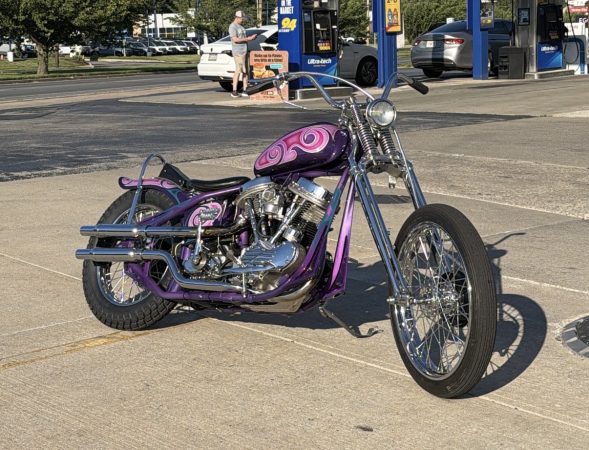
    Behold the bike: a custom Harley-Davidson Panhead chopper painted deep purple replete with classic stylings, an iconic Wassell Banana gas tank, and sharp-as-knives merlot-colored acrylic-glass fins that throw shark-fin shadows when the riding is smooth and the sun hits just right.

    And designed and built by Jack Weidmayer in his dad’s small basement shop over the last three years.

    The custom chopper has won Weidmayer, 27, of Newtown Square, a finalist spot in the Biltwell People’s Champ, an international motorcycle-building competition hosted by the Southern California motorcycle company on June 26.

    Designed to spot up-and-coming, grassroots chopper builders — Weidmayer, a Villanova communications grad who rode his first motorcycle in 2018 — the annual, crowd-voted competition features builders from all over, competing for a $10,000 prize and a coveted chance to display their homemade hogs at Harley-Davidson’s Born Free motorcycle show, on June 27 and 28 in Southern California.

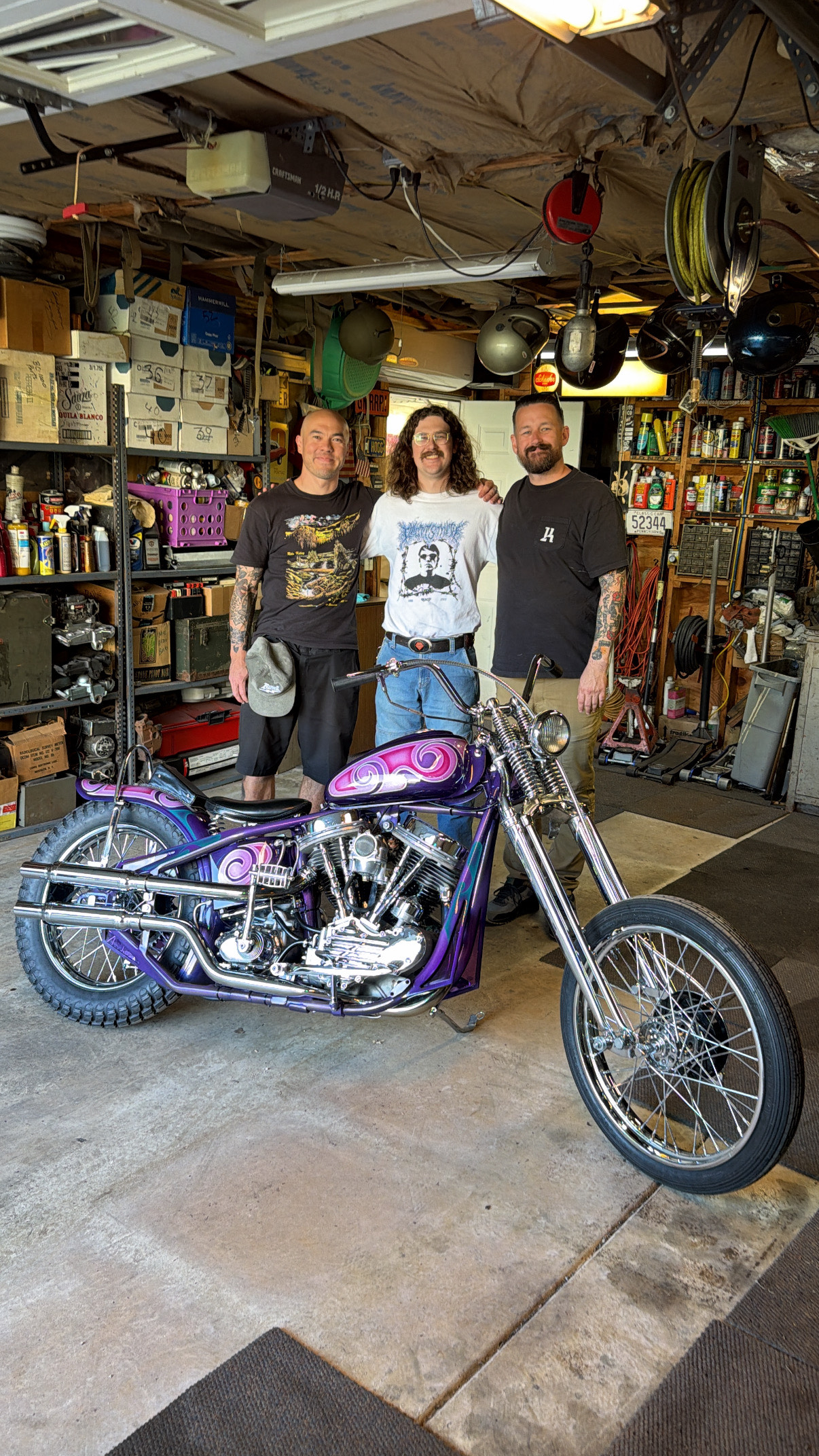
    Jack Weidmayer, 27, of Newtown Square, poses with two officials from the Biltwell motorcycle company earlier this year.Courtesy of Jack Weidmayer (Custom Credit)

    “I was super surprised to even get in,” said Weidmayer, who works as a machinist at a West Chester tool company when he’s not building bikes.

    The final round of the competition — which annually draws hundreds of thousands of votes — began in September when Biltwell scoured the amateur ranks for prospective builders. As of Monday, Weidmayer and five other finalists are competing in five days of online voting. On Friday, the finalists will ride their creations to the legendary Southern California biker bar Cook’s Corner, where final voting takes place — and a winner is declared.

    “It’d be nicer if he was interested in something a little safer,” joked Weidmayer’s father, Mark, a former Harley-Davidson mechanic, who builds custom bikes and supervised his son. “I cherish the opportunity to be able to have a close relationship with my son — and for us to share the same interests and be extremely enthusiastic about bikes.”

    The bike is a beaut, said the proud dad.

    “It’s 100% his design,” said Mark Weidmayer.

    Jack Weidmayer has been building choppers out of the small shared shop in his dad’s basement for about five years. Using scrap parts — picked up at local swap meets and shows — and mostly basic hand tools found in the average enthusiast’s garage, he has built eight bikes, including a pinstripe S & S-powered Panhead featured in Choppers Magazine in 2024. In February, an initial round of online voting winnowed 16 contestants down to the finalists.

    Weidmayer has worked on the current bike every day for nearly a year, he said.

    “I can’t think of one thing that fit correctly or went according to plan,” he said. “This is probably my most modified bike to date.”

    An aspiring journalist in college, Weidmayer said he discovered his love of building custom bikes during the pandemic, when he first asked his father to show him the ropes.

    It’s the challenge of envisioning a design — and then making it ride from bare-bones parts that he loves most, he said, before loading his chopper onto a trailer for the 2,700-mile journey to the competition.

    “I know so many people who’ve done lots of cross-country trips, I’m scared to call myself a real-deal biker,” he said. “It’s more just having an idea and making it tangible that is the more appealing aspect for me.”

    And he, too, cherishes the time with his dad, he said.

    “He has been an invaluable resource in any build I have done, especially this one,” said Weidmayer. “I would not have finished this project on time or nearly as nice quality without his advice, and pro tips.”

    In true Philly fashion, he considers himself an underdog in the People’s Champ, noting that most of the other builders have bigger social media presences than his own — an unenviable lot in an online voting competition.

    Regardless, he’s truly proud of the purple acrylic-glass fins, which he said give the bike a much more aggressive silhouette.

    “I’ve had that idea in my head for three years now, and it is incredible to see it completed,” he said.

  • Tears for Fears, rotary phones, flares: Philly’s Bicentennial babies are turning 50 as America turns 250

    Tears for Fears, rotary phones, flares: Philly’s Bicentennial babies are turning 50 as America turns 250

    Gen Xers watched dial-up phones shrink to pocket size, typewriters turn into touch screens, and appointment TV give way to streaming binges.

    But Bicentennial babies are a special group of Xers. Born in 1976, they are celebrating a milestone birthday this year right along with the country. As America turns 250, they are turning 50. And on the cusp of the Semiquincentennial, Philadelphia’s Bicentennial babies are feeling reflective.

    1976 was just three years after Roe v. Wade, the landmark Supreme Court ruling giving a woman the constitutional right to end a pregnancy. It came 11 years after the Voting Rights Act of 1965 made it illegal to try to stop Black Americans from voting, and 12 years after the Civil Rights Act of 1964 ended legal segregation.

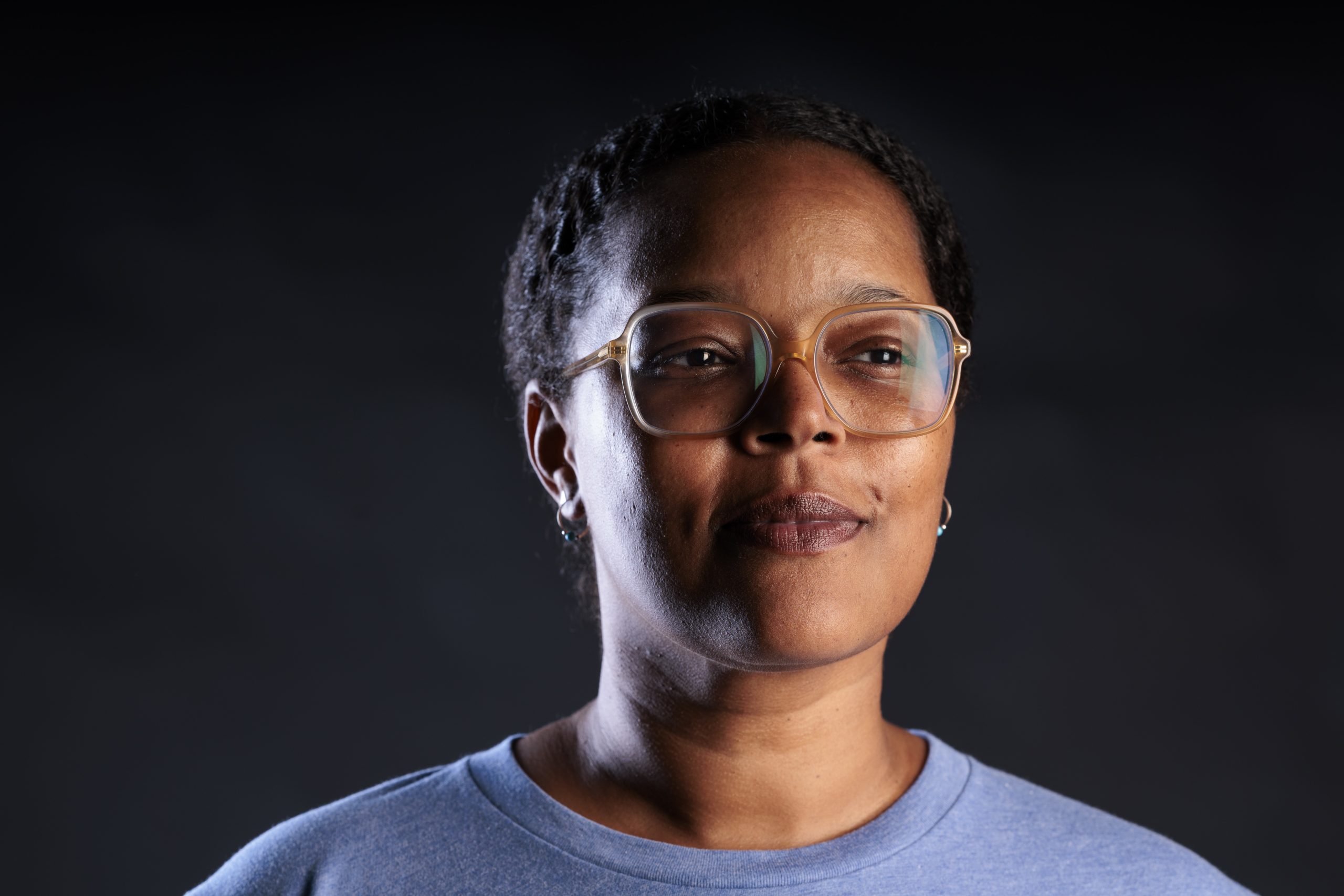
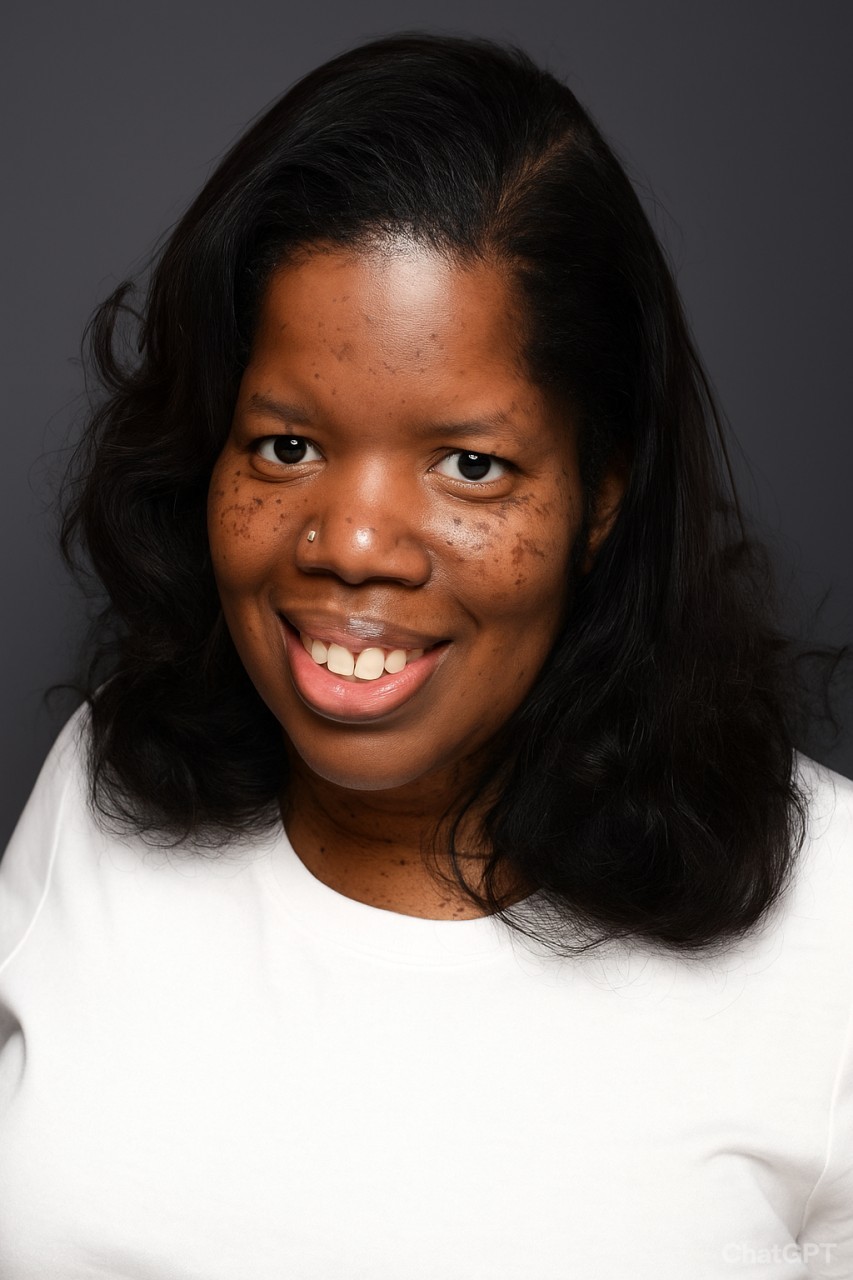
    Yolanda Wisher, producer of the “Bicentennial Baby” podcast, photographed in the Philadelphia Inquirer studio on May 28.Monica Herndon / Staff Photographer

    These changes to the American landscape gave Bicentennial babies a level of personal freedom and agency when they were coming of age during the turn of the 21st century that their parents and grandparents did not have. But in the last decade, they’ve seen the Supreme Court reverse Roe and weaken civil rights laws to the point that Bicentennial babies’ babies now don’t have the same privileges their parents did.

    “I had been thinking about 2026 and being a Bicentennial baby,” said Yolanda Wisher, Philadelphia’s third poet laureate and host of the Bicentennial Baby podcast, a part of Art Philly’s “What Now: 2026″ festival.

    “I felt like this opportunity was the best way to study this major moment in American history from a personal angle and revisit what it means to be a Bicentennial baby from a Philadelphia perspective,” Wisher said.

    Each of the 10- to 15-minute Bicentennial Baby episodes bubbles with late ’80s and early ’90s nostalgia from the cassette tape centered in the podcast’s logo, to the funky theme music lending to its WDAS Quiet Storm vibe, to references to banana clips and acid-washed jeans.

    At its core, however, Bicentennial Baby is unapologetically Philly.

    Today’s 50-year-olds were in the first grade when Thriller was released, but they also remember 1982 as the year Constance Clayton became the first Black person to serve as the superintendent of Philadelphia public schools. They watched the Flyers on PRISM and music videos on MTV.

    Some of them were born in the Booth Maternity Center.

    Earlier this year, Wisher put a call out on social media asking Philadelphians turning 50 in 2026 to join her in conversation about their unique perspective as they enter middle age.

    “I was interested in finding the diversity of the Bicentennial babies’ experience,” Wisher said. “What does it mean to be a 50-year-old born and raised here? Or to be that person, who wasn’t born here, fell in love with the city, and decided to make it home?”

    A dozen applied. Wisher chose six.

    They are Laurie Allen, a librarian who lives in South Philly; Maleka Fruean, a community journalist who lives in Germantown and is a mom of four; Kenny Guy, who lives in Mount Airy and is a father of six; Michiko Hunt, a development associate at Greene Street Friends School, who lives in Germantown, and is a mom of two; and Stewart Varner, a manager of the University of Pennsylvania’s Digital Humanities Lab who lives in West Philly.

    Naila Mattison was selected to participate in the “Bicentennial Baby” podcast. Mattison died in late February, shortly after the podcast was taped.Bicentennial Baby

    Naila Mattison, a poet, artist, and mom from West Philly, was the guest on the podcast’s first episode, which aired in late May. She died in February of cancer.

    “She came to us with such a sense of urgency,” Wisher said. “She wanted to share her story. I’m so glad we made space for her.”

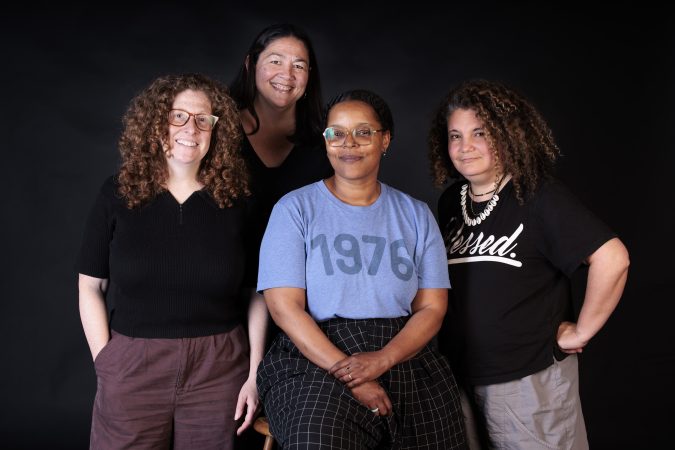
    The Inquirer invited the Bicentennial babies to our studios earlier this month for a photo shoot. Allen, Fruean, Hunt, and Wisher — in her blazing blue 1976 T-shirt — came in and shared how being born during the Bicentennial impacted their outlook, is shaping their present, and is setting them up to be cool elders.

    The interviews have been edited for clarity.

    On Gen X culture

    Michiko: In Philly, I was always conscious of being a part of this microgeneration because there were literally less of us. In the 1980s, all the entertainment we watched was focused on our parents, L.A. Law, Hill Street Blues, even The Cosby Show. My parents bought Thriller and Bruce Springsteen. But then when I was in my 20s, everything was teen-focused. I mean, Britney Spears? I was too old for that. There were all these kids who were born in 1982 who loved her. And I just missed it.

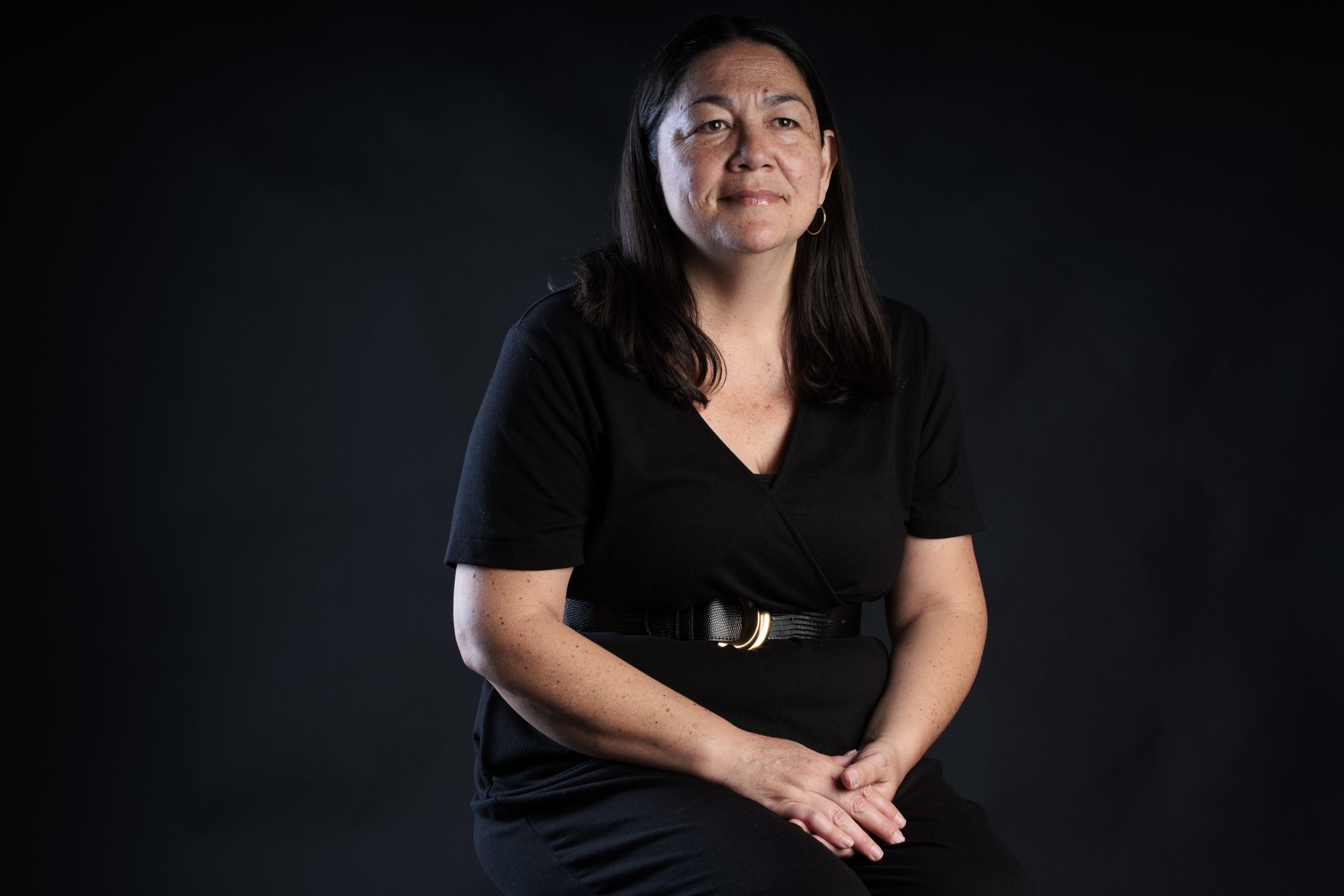
    Michiko Hunt photographed in the Philadelphia Inquirer studio on May 28. Hunt is featured in the “Bicentennial Baby” podcast, produced by Yolanda Wisher.Monica Herndon / Staff Photographer

    On technology

    Michiko: I went to my father’s office at 19th and Cherry Streets and typed my college applications on his electric typewriter. It was fancy. You could delete mistakes with correction tape.

    Yolanda: My grandmother had a rotary phone. We had a push button phone. I had a pager.

    Maleka: And right around our senior year in high school, that’s when cell phones started to come in.

    Yolanda: And they were huge, like the New Jack City phone … They were crazy expensive like video recorders. Like, if you had one of those …

    Michiko: You were rich!

    On fashion

    Michiko: It’s true: What’s old is new again. What we called flare, my mother calls bell-bottom, and my daughter calls wide-legged. We had a distinct style though. Fashion bubbled up from specific subcultures like goth or hip-hop. Now everything comes from the internet. It’s really flattened style.

    Maleka: And analog is a style now. Analog, as in not digital. It’s a fashion category. Like what people carry in their analog basket is a thing: a pencil and a notebook? That’s just what I put in my backpack.

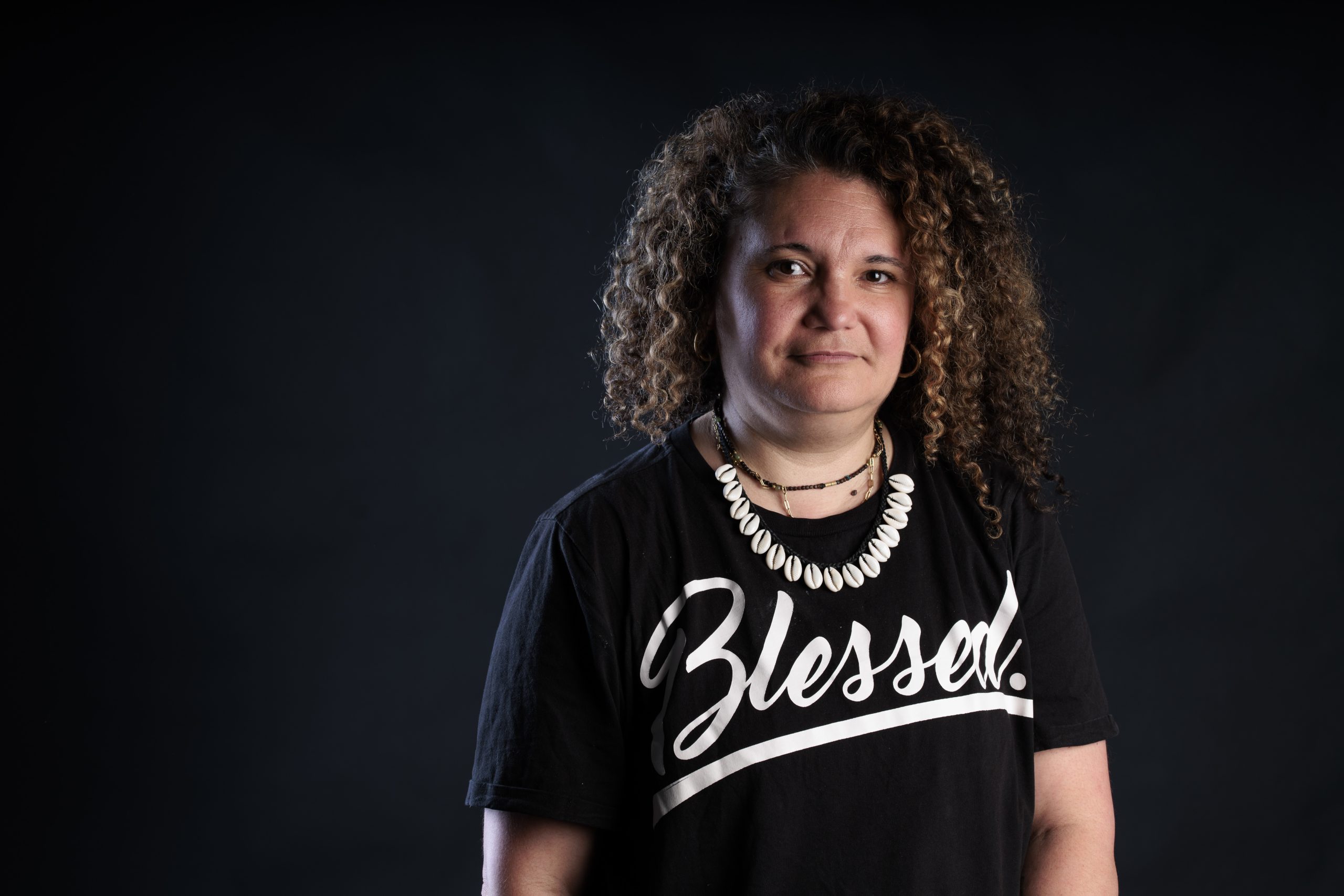
    Maleka Fruean photographed in the Philadelphia Inquirer studio on May 28. Fruean is featured in the “Bicentennial Baby” podcast, produced by Yolanda Wisher.Monica Herndon / Staff Photographer

    On music

    Michiko: Our music was the best. I still have ticket stubs when I went to see the Roots. We all listened to hip-hop but we also listened to other kinds of music, too.

    Yolanda: Tears for Fears!

    Maleka: The Eurythmics!

    Michiko: MTV!

    Laurie: I remember when the radio was the only thing that mattered. Then we went to tapes, then to CDS, MP3s streaming. Each time I was like, I’m not going to do it. Yet every time I made the switch. Every. Single. Time. But I think it’s going full-circle. I miss playing guilty pleasure music without a digital trail of what I listened to.

    On working

    Yolanda: I watched my mom work hard everyday. When she retired from her job at Merck, all she got was a watch. That said something to me. I watched my mom struggle as a single mom, work her way up, put my siblings and I through college. That job was in the background of our lives our whole life.

    Maleka: My children understand [better than I do]. They are not going to break their backs for a pittance. I’ve worked so hard my whole life. Still, I have no idea what my retirement is going to look like.

    On learning from elders and turning 50

    Yolanda: Womenfolk in my grandmother’s generation were more matronly. My grandmother had a whole closet full of church hats. She kept her house a certain kind of way. She had a routine. She was very straitlaced, at least in public. She had a secret life we didn’t ordinarily see.

    Michiko: We have a blessing of choices. My dad’s mom was Japanese American. She was born in California, a first generation immigrant. She was a teenager during the Depression. Her family worked in a packaged frozen food factory. Today she would have been an artist. She made all of our Cabbage Patch Dolls and all of those beautiful doilies. She had the soul of an artist.

    Maleka: We have access to so much more information. And because of that we have wonder.

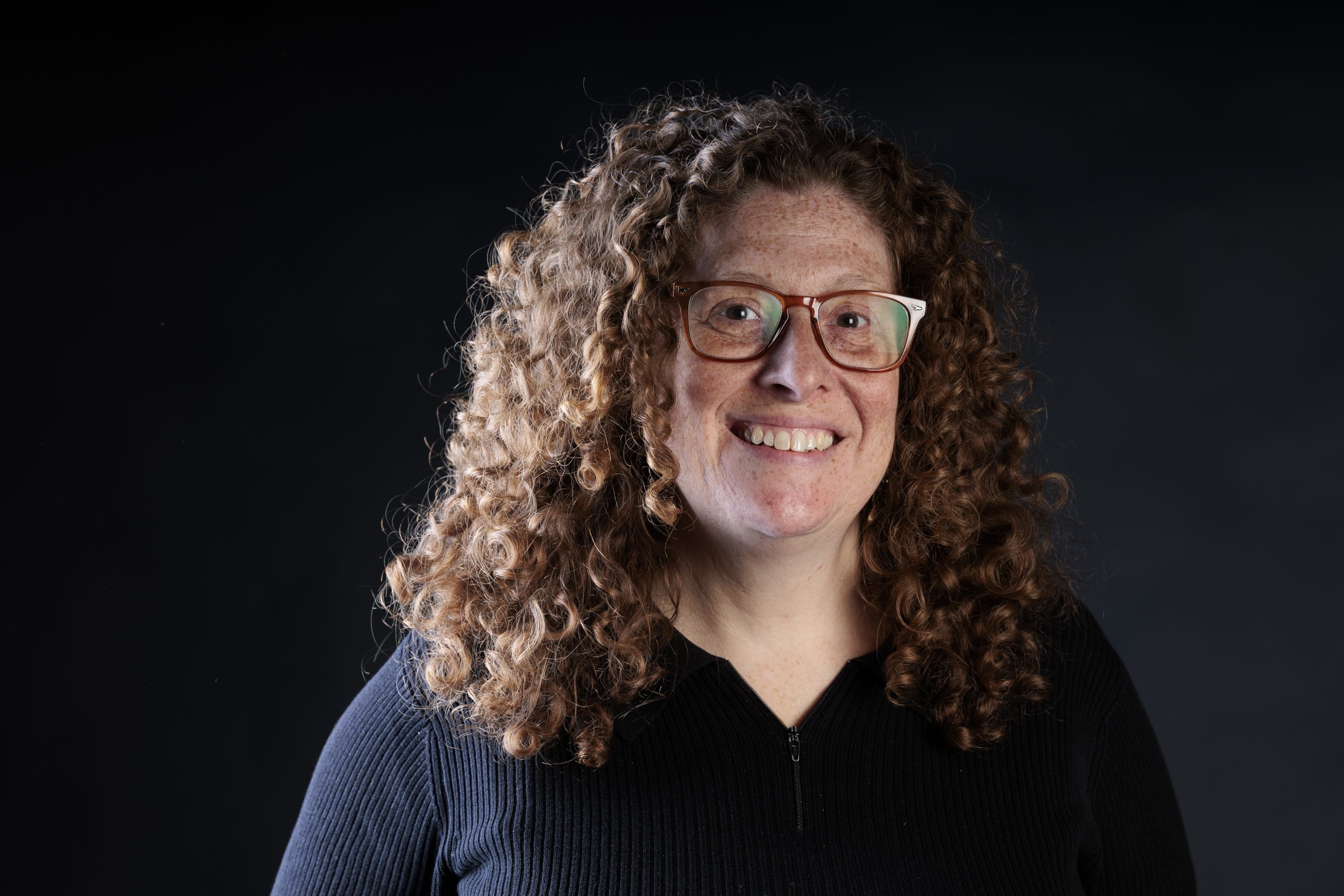
    Laurie Allen photographed in the Philadelphia Inquirer studio on May 28. Allen is featured in the “Bicentennial Baby” podcast, produced by Yolanda Wisher.Monica Herndon / Staff Photographer

    On becoming an elder

    Laurie: My body does not look like it does when I was 20, 30, or even 40. And I assumed when I got this age I would want to go back in time. But I don’t. Instead, I’m grateful for the wisdom for knowing who I am. I don’t want to go back to those uncertain times. I may have looked better, but I felt worse.

    On being American

    Maleka: When I was growing up, I had mixed feelings because I saw so many vulnerable people who needed to be protected. I didn’t have the language to define institutionalized or systemic racism. Now that I do, I want America to do better. But I’m still proud to be an American.

    Yolanda: The Semiquincentennial isn’t a one-sided story, but one that celebrates the complicated history of America. The racial, cultural, and social point of view of the people who are running isn’t the only perspective. We should be able to hold all of these voices at the same time and move forward.

    “Bicentennial Baby“ is available on Apple, Spotify, and Amazon Music.