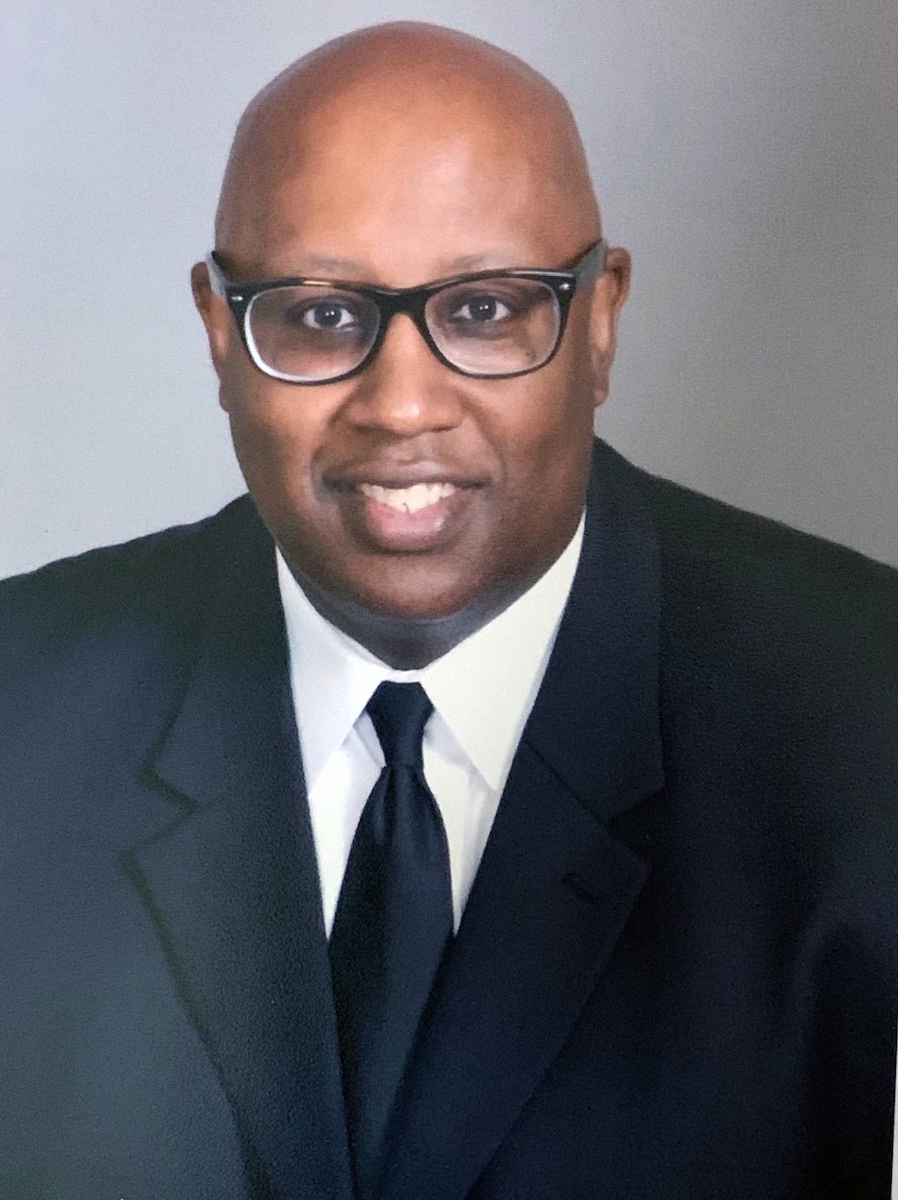
Neysa Adams, 104, of Philadelphia, 1971 chair of the local United Fund women’s committee, former president of the Rebecca Gratz Club, onetime vice president of the women’s council for the Federation of Jewish Agencies, former associate trustee at the University of Pennsylvania, scientist, high school teacher, investment adviser, and philanthropist, died Friday, June 26, of heart disease at the Hearth at Drexel.
Born and reared in Philadelphia, Mrs. Adams graduated from Olney High School and lived over the years in East Oak Lane, Germantown, and Elkins Park. She earned a degree in biochemistry with honors at Penn, did scientific research for a time, and taught English and history for two years at Philadelphia High School for Girls.
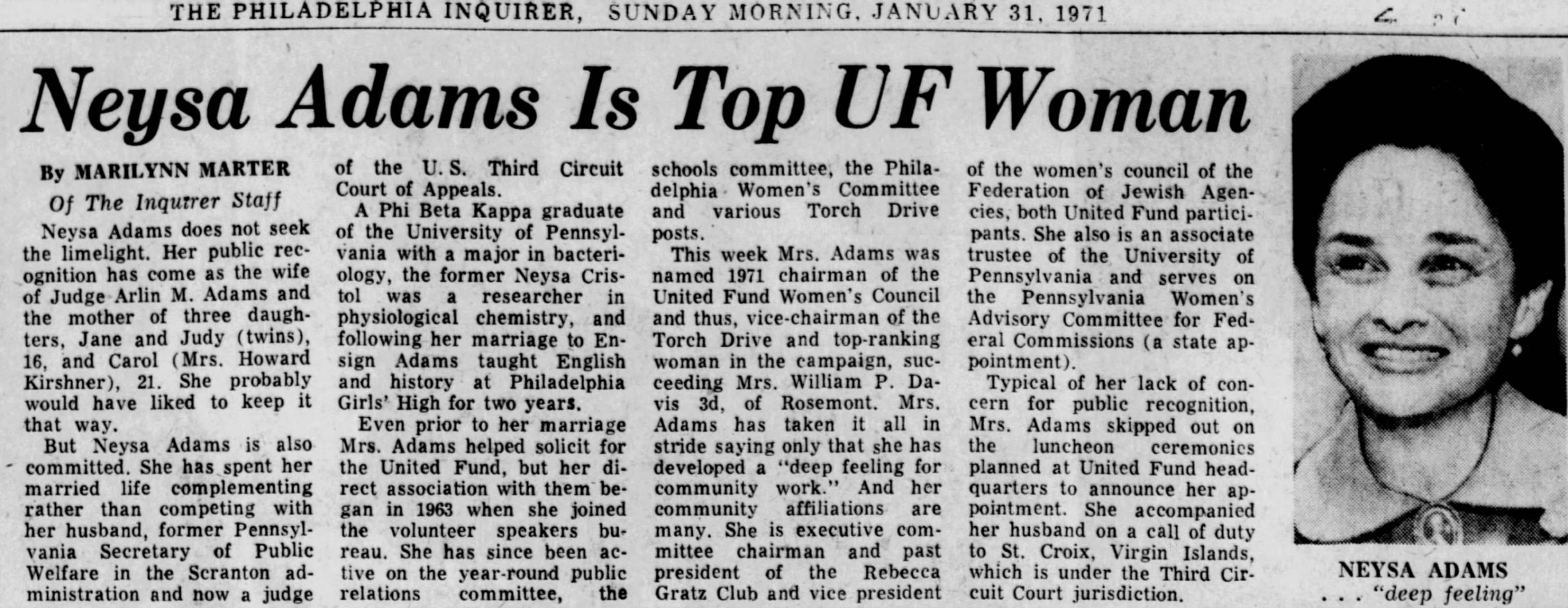
Smart, friendly, and energetic, she joined the Philadelphia United Fund volunteer speakers bureau in 1963, became active with the fund’s public relations committee, schools committee, and women’s committee, and organized many community fundraising campaigns. In 1971, she told The Inquirer she had a “deep feeling for community work.”
Mrs. Adams also served on the board at what is now Penn’s School of Social Policy and Practice and was active with the Emergency Aid of Pennsylvania Foundation, the National Conference on Social Welfare, and state and federal women’s advisory commissions. In 2003, then-Gov. Ed Rendell recognized her as a Distinguished Daughter of Pennsylvania for her “outstanding service and contributions to the Commonwealth of Pennsylvania.”
She also established Neysa Adams’ Library Fund at Reform Congregation Keneseth Israel in Elkins Park. Friends called Mrs. Adams “wonderful,” “outstanding,” and “one of life’s brightest lights” in tributes.
One friend said: “Neysa was one of the kind.”
This story about Mrs. Adams appeared in The Inquirer in 1971.Newspapers.com
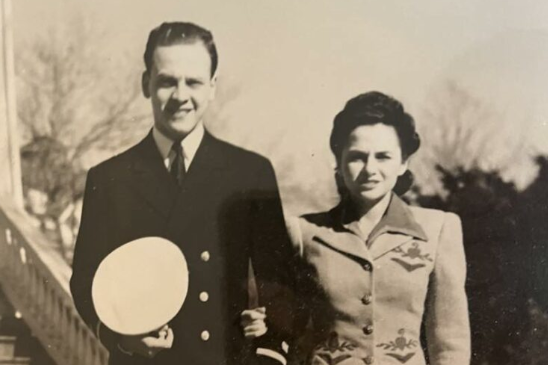
Neysa Norma Cristol was born Aug. 7, 1921. She met Arlin Adams in high school, and they married in 1942 while he was on leave from the Navy. They had daughters Carol, Judy, and Jane. Her daughter Jane died in 2017.
Mrs. Adams and her husband, a state secretary of public welfare and longtime federal judge, traveled the world, mostly through his work, and she met a queen, a pope, several U.S. presidents, and other international notables. “Her resilience, intellectual curiosity, and dedication to serving others stand as a testament to a life well lived,” friends at the Hearth at Drexel said in 2024.
She was active at Keneseth Israel, enjoyed cooking, and was an avid reader. She also worked as an investment adviser.
She was featured on 6abc TV last August on her 104th birthday and said: “Get those things that make you happy. Enjoy them while you can.”
Mrs.Adams and husband, Arlin, married in 1942 while he was on leave from the Navy.Courtesy of the family
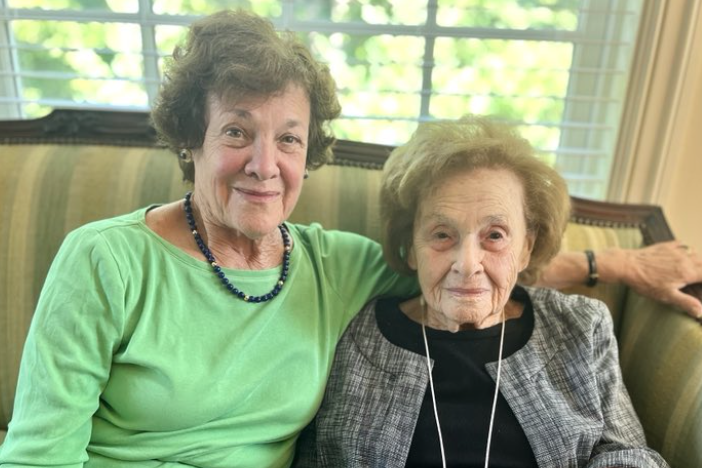
Her daughter Carol said: “She was outgoing and had lots of friends. It seemed like she knew everyone in Philadelphia.”
In addition to her daughters, Mrs. Adams is survived by four grandchildren, one great-grandson, and other relatives. A sister and a brother died earlier.
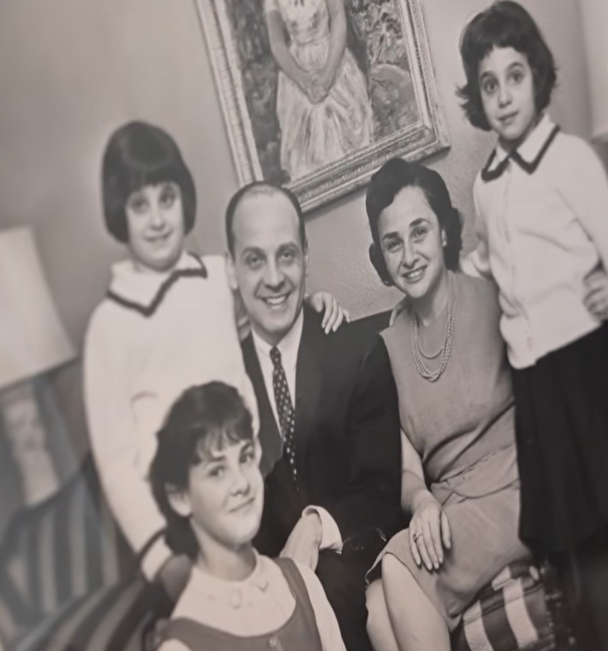
Mrs. Adams (second from right) doted on her husband and three daughters. Courtesy of the family“It seemed like she knew everyone in Philadelphia,” said Mrs. Adams’ daughter Carol (left). Courtesy of the family
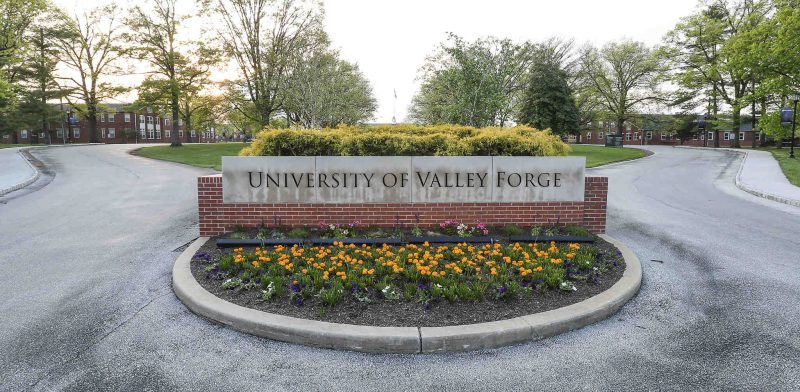
The University of Valley Forge, a small private Christian institution in Chester County, on Wednesday announced that it would suspend operations at the end of its summer 2026 semester.
The Charlestown Township-based college — which enrolls 589 students, according to the National Center for Education Statistics — has been facing the possible loss of its accreditation by the Middle States Commission on Higher Education.
Middle States last month issued its most serious warning — “show cause” — to the small Christian college that prepares students for leadership in the church and the world. It cited concerns about finances, planning, and governance.
Colleges need accreditation to keep their students eligible for financial aid.
The University of Valley Forge recently said on its website that it planned to charge $41,020 in tuition, fees, and room and board for next academic school year, which was scheduled to start Aug. 30.
“After much prayer, careful consideration, and consultation, the Board of Trustees of the University of Valley Forge has made the difficult and painful decision to suspend academic operations at the conclusion of the Summer 2026 semester,” the board said in a statement.
“This decision follows extensive efforts to address the University’s financial challenges, pursue strategic partnerships, and identify sustainable paths forward. These challenges have been well documented over several decades and were reflected in the recent action of the Middle States Commission on Higher Education, which placed the University on Show Cause status,” the board said.
“After careful assessment of the University’s financial realities, the Board concluded that it could not continue academic operations responsibly beyond the Summer 2026 semester,” the board said.
“To our students, we are deeply sorry. We understand that this announcement disrupts your lives, your plans, and your sense of stability, and we are grieving for you and with you,” the board said.
“Please know that until the very last moment, we had significant reason to believe there was a sustainable path forward. However, that path did not materialize in time,” the board said.
Four Cheltenham High School football coaches and six players have been charged in connection with two assaults in the school’s locker room that injured a 15-year-old player and led to the cancellation of two football seasons, Montgomery County prosecutors said Wednesday.
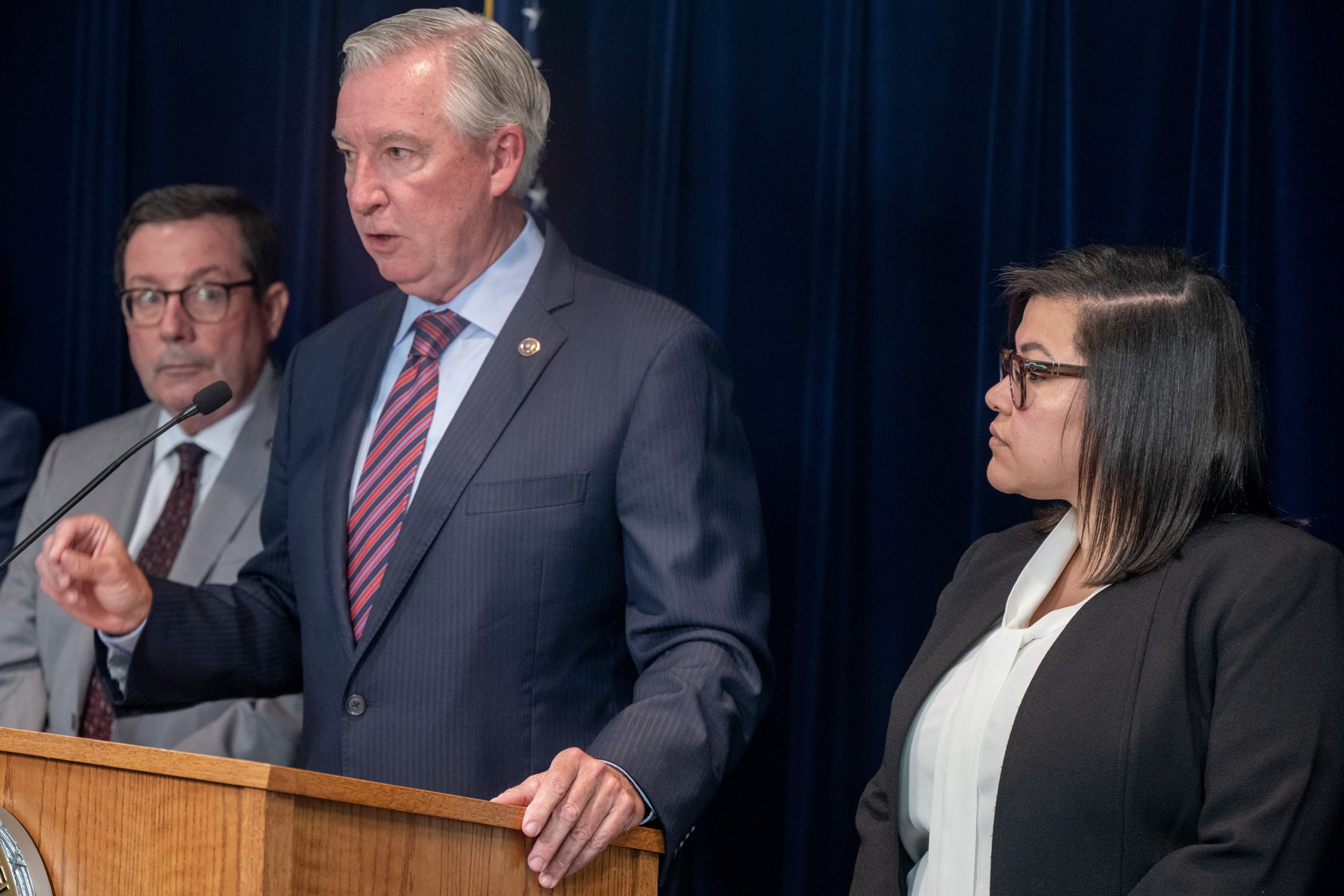
In two violent assaults, District Attorney Kevin Steele said, multiple football players attacked a sophomore on the team, stomped on his chest and groin while wearing cleats, and used a broomstick to poke at his buttocks.
“The assaults on this victim were not typical goofing around by teammates, or horseplay, as some of the coaches in this case called it,” Steele said at a news conference Wednesday. “They were crimes.”
After the attacks, which took place last August and September, Steele said, coaches tried to cover them up.
Head coach Terence Tolbert, 55; associate head coach Darian McFadden, 42; assistant coach Benjamin Johnson III, 45; and volunteer coach Ralph Burnley, 60, have been charged with endangering the welfare of a child and conspiracy. The coaches are no longer with the district.
Two football players, Isaiah Simpson, and Josiah Peeler, both 18, have been charged as adults — Simpson with conspiracy to commit aggravated assault, simple assault, reckless endangerment, and related crimes for his role in the September assault, and Peeler with false swearing for being untruthful to police. The two were 18, Steele said, when the crimes they are charged with took place.
The four other players have been charged as juveniles, and were not identified by prosecutors or named in court records. Two of them face charges of conspiracy to commit aggravated assault and related crimes, because authorities say they took part in the attacks. The other two players are charged with false swearing.
Tolbert, McFadden, Johnson, and Peeler were released on $5,000 unsecured bail. The two other adults had not been arraigned as of Wednesday afternoon. Only two of the defendants, Johnson and Peeler, had attorneys listed in court records.
Johnson’s attorney, Richard J. Fuschino, said his client “has been humiliated by what occurred and absolutely had nothing to do with it.”
“I do believe there is a cover-up, and I absolutely do not believe Benjamin Johnson had anything to do with it,” he said. “In fact, quite the opposite: He went out of the way to cooperate with every investigator.”
Peeler’s attorney, Jessica Mann, did not respond to a request for comment. Attempts to reach the other defendants were not successful Wednesday.
Cheltenham Superintendent Brian Scriven said Wednesday that the district appreciated prosecutors’ work on the case and the filing of criminal charges. “While no legal outcome can erase the harm that was experienced,” he said, “we appreciate that after nearly a year, charges have been announced and those responsible are being held accountable through the criminal justice system.”
Prosecutors say coaches wanted incident ‘kept quiet’
Steele said the charges followed a grand jury investigation in which witnesses described two violent assaults.
The coaches are criminally liable for the assaults, Steele said, because, while they were not present, they learned of the September incident and encouraged the victim not to tell his parents.
Montgomery County District Attorney Kevin Steele at a press conference Wednesday.Tom Gralish / Staff Photographer
Privately, the coaches sent incriminating text messages to one another, Steele said, expressing concern that the incident “has to be handled and kept quiet.”
McFadden, the former assistant coach, wrote “if this gets out we are [expletive]. They will cancel the whole season,” according to the grand jury presentment.
The assaults occurred Aug. 15, after a preseason practice, and Sept. 3, Steele said. He said video footage of the August incident showed several students restraining the victim, while another student poked at his legs and buttocks with a broomstick.
Players are laughing and yelling in the video, and “at least one player is chanting, ‘broomstick him,’” Steele said.
A football player who witnessed the assault, but is not charged in the case, told the grand jury that the use of a broomstick was an apparent reference to a TikTok video featuring a Meek Mill song with the lyrics “broomstick all in his butt, tell him take that,” according to the grand jury presentment.
Steele said there was no evidence that it constituted sexual assault.
Players didn’t take the incidents seriously
Several football players who testified before the grand jury characterized the behavior as “horseplay” and said they did not take it that seriously. Others said the victim had a difficult relationship with his teammates and was viewed by them as “someone who did not follow the rules during practices.”
The Sept. 3 assault, witnesses said, happened after the teen took a pair of shoulder pads from another player’s locker after misplacing his own, an infraction for which the entire team had to do extra conditioning as punishment.
Steele said that investigators did not have a video of the Sept. 3 assault but that multiple players, including Simpson and two of the juvenile defendants, kicked and stomped the victim.
The teen reported told investigators that his teammates were “trying to poke him in the butt with the broomstick,” and that they made contact with his buttocks, Steele said. He said the assault broke up when school buses arrived, and teammates left to board them.
Burnley, one of the coaches, drove the victim home after the attack, and the teen broke down in tears, telling the assistant coach he had been jumped by teammates, the district attorney said.
Burnley then texted coaches in a group chat and called Tolbert, Steele said. McFadden and Tolbert called the teen and “told him not to tell his mother about the incident because they would handle it,” Steele said.
He said the coaches were deliberate and calculating in their decision not to report the assault.
‘Serious concerns about the response’
The incident came to light four days later, when the teen’s mother said he told her he had been jumped by teammates and had pain in his genitals. She said she took her son to an urgent care center and texted the high school’s assistant principal, who called her later that day.
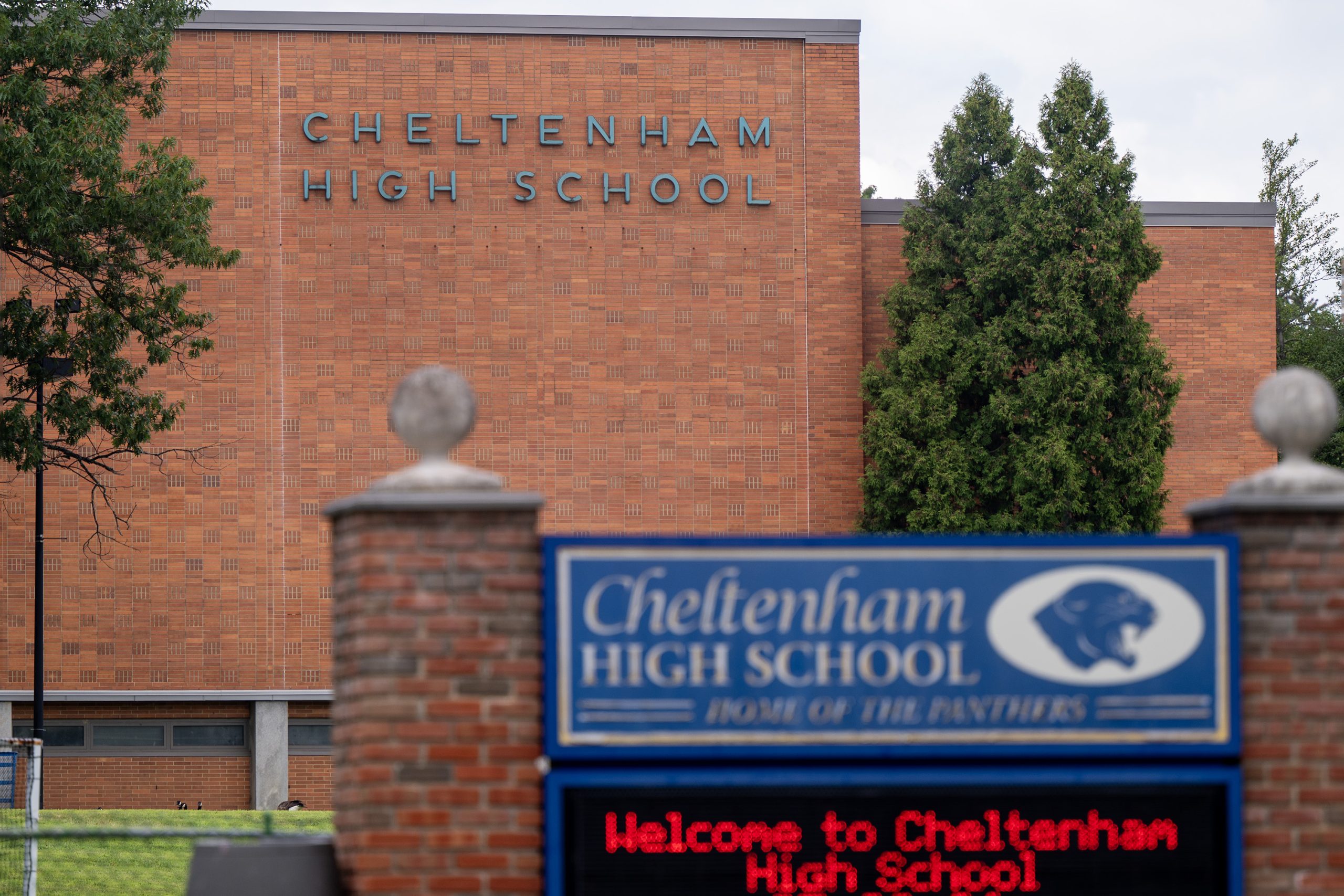
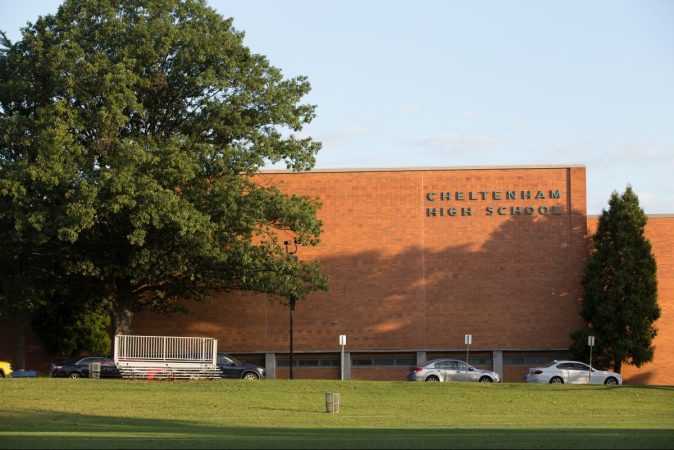
A front view of Cheltenham High School in Wyncote.Tom Gralish / Staff Photographer
The teen did not tell his mom that his teammates used a broomstick in the attack. He was embarrassed and reluctant to share that detail, the mother said in an interview with The Inquirer in which she spoke on the condition of anonymity to protect the identity of her son.
She said her son told her that his teammates had tried “to mess with his manhood.”
She learned about the broomstick later in September, when Cheltenham Township police called to tell her that someone had called Pennsylvania’s Safe2Say hotline to anonymously report that students had used a broomstick during the attack, according to the teen’s lawyers, Alan Yatvin and Gabrielle Turley.
Sometime in October, the district obtained a video that had been circulating in the community and depicted an assault of the student with a broomstick, the lawyers said.
Investigators initially believed that footage was from the Sept. 3 assault. It was discovered during grand jury testimony in January that the assault was from August, prosecutors said. The teen, who said he was not shown the video until this spring, also identified it as being from August, revealing for the first time that he had been assaulted more than once, according to the lawyers.
“Our client and his family are grateful to the Montgomery County District Attorney’s Office, law enforcement investigators, and the grand jury for their careful and thorough work in bringing these deeply troubling events to light and pursuing charges,” Yatvin said in a statement Wednesday. He added that the grand jury investigation “also raises serious concerns about the response by some within the Cheltenham High School community.”
The district faulted inadequate supervision in the locker room, “a failure to prioritize student safety” by coaches and volunteers, and “a toxic and negative culture” within the football program.
District officials have said a Title IX investigation, required by law when sexual assault or harassment is alleged, is ongoing.
Scriven, the superintendent, said in a statement Wednesday that “every report brought to the district’s attention was addressed based on the information available at the time.” He noted that law enforcement and the grand jury had the power to issue search warrants and compel testimony, which “brought information to light.”
In April, the district approved separation agreements with Tolbert and McFadden. Officials say none of the coaches from last season is still affiliated with the district.
The victim, who switched to virtual school after being harassed by peers after the attacks, has continued to struggle, according to his mother. She said he avoids going outside because he fears being taunted about what happened.
During Wednesday’s news conference, Steele criticized the school district and said it had failed the victim.
In its report, the grand jurors noted that they — not the school district’s Title IX investigator — discovered that two separate assaults had taken place.
“I believe the Cheltenham School District has taken the position that they don’t want police in their schools or school resource officers, and so it’s on them to address these issues,” Steele said. “So the grand jury took care of what the school did not.”
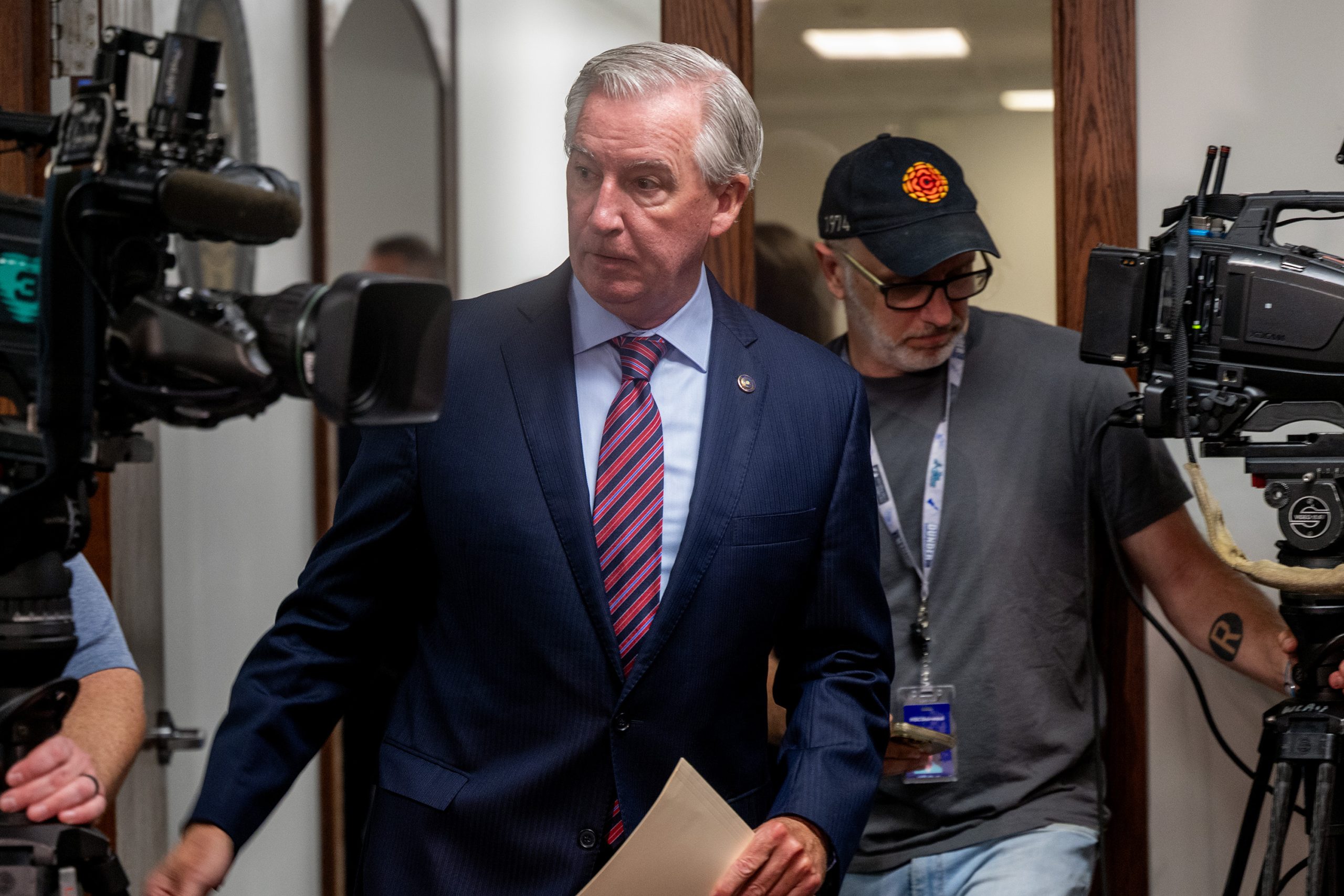
Montgomery County District Attorney Kevin Steele arrives at a press conference Wednesday to announce multiple charges in connection with two assaults in a Cheltenham High School locker room.Tom Gralish / Staff Photographer
In addition to recommending criminal charges against the players and coaches involved in the case, the grand jury filed a separate report calling for a change in state law that would require teachers and coaches to report incidents of hazing as a form of child abuse.
“While the school district claims to ‘protect and prioritize safety and well being,’ their actions in this case say otherwise,” the grand jury report said. “The administration carried out three school-led investigations that were so flawed they failed to even identify that two separate instances of hazing occurred in the locker room.”
News researcher Ryan W. Briggs contributed to this article.
Keith A. Morrison, 84, of Meadowbrook, Montgomery County, celebrated artist, professor of painting emeritus and former dean at Temple University’s Tyler School of Art and Architecture, curator, critic, consultant, writer, and lecturer, died Monday, June 1, of cancer at Fox Chase Cancer Center.
Born in Jamaica, Dean Morrison left the Caribbean island for the School of the Art Institute of Chicago when he was 17 and earned bachelor’s and master’s degrees in fine arts and art education. He went on to teach college art classes in Nashville, Chicago, and College Park, Md., and, in addition to Temple, serve as dean at San Francisco State University, the University of Maryland, and the old San Francisco Art Institute.
He was the first Black academic dean of art in a predominantly white American school in 1993 at the San Francisco Art Institute and joined Temple as dean of its art school in 2005. He became a professor of painting at Temple in 2008 and retired in 2018 as professor emeritus.
As head of the Temple art school for three years, Dean Morrison hired staff, expanded degree programs, and coordinated popular activities with the school’s affiliated art programs in Europe and Japan. In an online tribute, former colleagues at Temple called him a “dedicated advocate for artists and arts organizations.”
Earlier, he was associate dean of architecture and art at the University of Illinois, art department chair at DePaul University in Chicago, and associate professor of art at Fisk University in Nashville. He lectured around the world and was a visiting scholar at Sichuan Fine Arts Institute in China and the University of Michigan.
“He was very serious, very thinking,” said his wife, Susan C. Alunan. “People said he was present and insightful, even life-changing.”
As an artist, Dean Morrison was inspired by his Afro-Caribbean heritage, his childhood memories of lush Jamaican landscapes, and his multicultural experiences in Europe, Cuba, Mexico, and elsewhere. He worked in watercolors, oils, acrylic, and prints, and created memorable abstract, figurative, and surreal images.
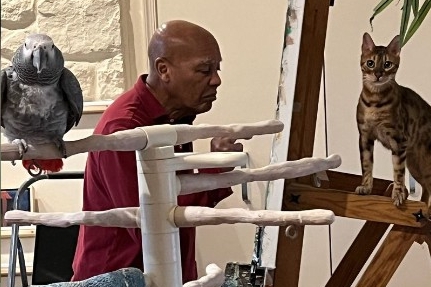
Many of his paintings feature landscapes, people, plants, and animals, often including Scout, his African gray parrot. His images, he told colleagues, were “more intuitive than intellectualized.”
Dean Morrison worked most often at his home studio in Meadowbrook. His parrot, Scout (left), sometimes appeared in his work. Susan C. Alunan
Dean Morrison’s work appears on the covers of books and magazines, and in hundreds of solo and group shows around the world. It resides in collections at the Philadelphia Museum of Art, the Pennsylvania Academy of the Fine Arts, the National Gallery of Art and the Smithsonian American Art Museum in Washington, and other galleries.
Colleagues at the David C. Driskell Center at the University of Maryland said in a tribute: “Morrison’s vivid, imaginative paintings — filled with brilliant color, history, mythology, and fantasy — speak to African diasporic experience as well as Morrison’s unique sense of humor and narrative composition.”
As a writer, he pioneered Pan-African art criticism and was, in his own words, a Black critic “interested in art from a Black person’s perspective.” He was a visiting editor at the New Art Examiner in Chicago, and his reviews, interviews, and general observations appeared in the Washington Post, museum catalogs, and other publications.
As a curator, Dean Morrison supervised exhibitions in the United States, Jamaica, and Cuba. He represented the United States and Jamaica at international art exhibitions, and was active with Brandywine Workshop and the Washington Project for the Arts.
This is Dean Morrison’s “In the Rivers of Babylon.”Keith A. MorrisonThis is Dean Morrison’s “Scenes From Childhood.”Keith A. Morrison
Keith Anthony Morrison was born May 20, 1942, in Linstead, Jamaica. He ran track in high school and took drawing classes at the Jamaica School of Arts and Crafts.
He learned about the School of the Art Institute of Chicago after high school and worked as a disc jockey and sound effects man for a Jamaican radio station to earn money to travel to the United States. He earned his bachelor’s degree at the University of Chicago in 1963 and his master’s degree at the Art Institute of Chicago in 1965.
He had a son, Ron, a daughter, Melinda, and, after a divorce, married Alunan in 2003 and welcomed her children into his family. His daughter and former wife died earlier.
Dean Morrison studied Aristotle and earned a Fulbright Senior Scholar grant. He enjoyed classical music and jazz, and he and his wife traveled the world together.
Dean Morrison “had a great imagination and sense of humor,” his wife said.Susan C. Alunan
He played tennis and ran, and lived in Chicago, Washington, and San Francisco before settling in Meadowbrook. “He had a great imagination and sense of humor,” his wife said. “He was a fun guy.”
In addition to his wife and son, Dean Morrison is survived by a brother and other relatives.
A celebration of his life is to be held later. Brandywine Workshop and Archives has scheduled a showing of his work from 6 to 8 p.m. on Thursday, Aug. 6.
City Council on Tuesday renewed its call for officials to amend their plan to shut 17 Philadelphia schools, saying it had been more than a month since talks broke down over removing schools from the closing list.
“We’re here to basically beg the school board to come back to the negotiating table, and let’s come up with a plan that we can work with,” City Councilmember Isaiah Thomas said at a news conference at City Hall.
He was joined by six other Council members — Anthony Phillips, Jamie Gauthier, Curtis Jones Jr., Quetcy Lozada, Nina Ahmed, and Mark Squilla.
The board voted April 30 on a $3 billion blueprint that would close 17 schools and modernize 169. The plan — which is $2 billion short of being fully funded — was largely unpopular with the public, but is necessary, district officials said, to accelerate achievement and solve for 70,000 empty seats, a vast stable of aging buildings, and a chronically underfunded system.
Council technically has no say in the plan — the school board is the sole decider. But Council controls roughly half of the district’s budget, and some members have expressed frustration that they have not had more input on major decisions like closings.
Council members, led by Thomas, had attempted to body-block the plan, shutting down the meeting at which the school board voted it through. A large contingent of Council vowed to vote against the reappointment of any school board member who supported the closings. Some also said they think it is time to explore changing how school board members are appointed.
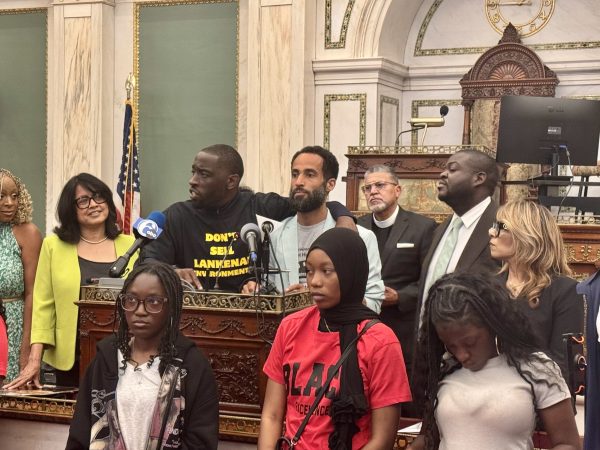
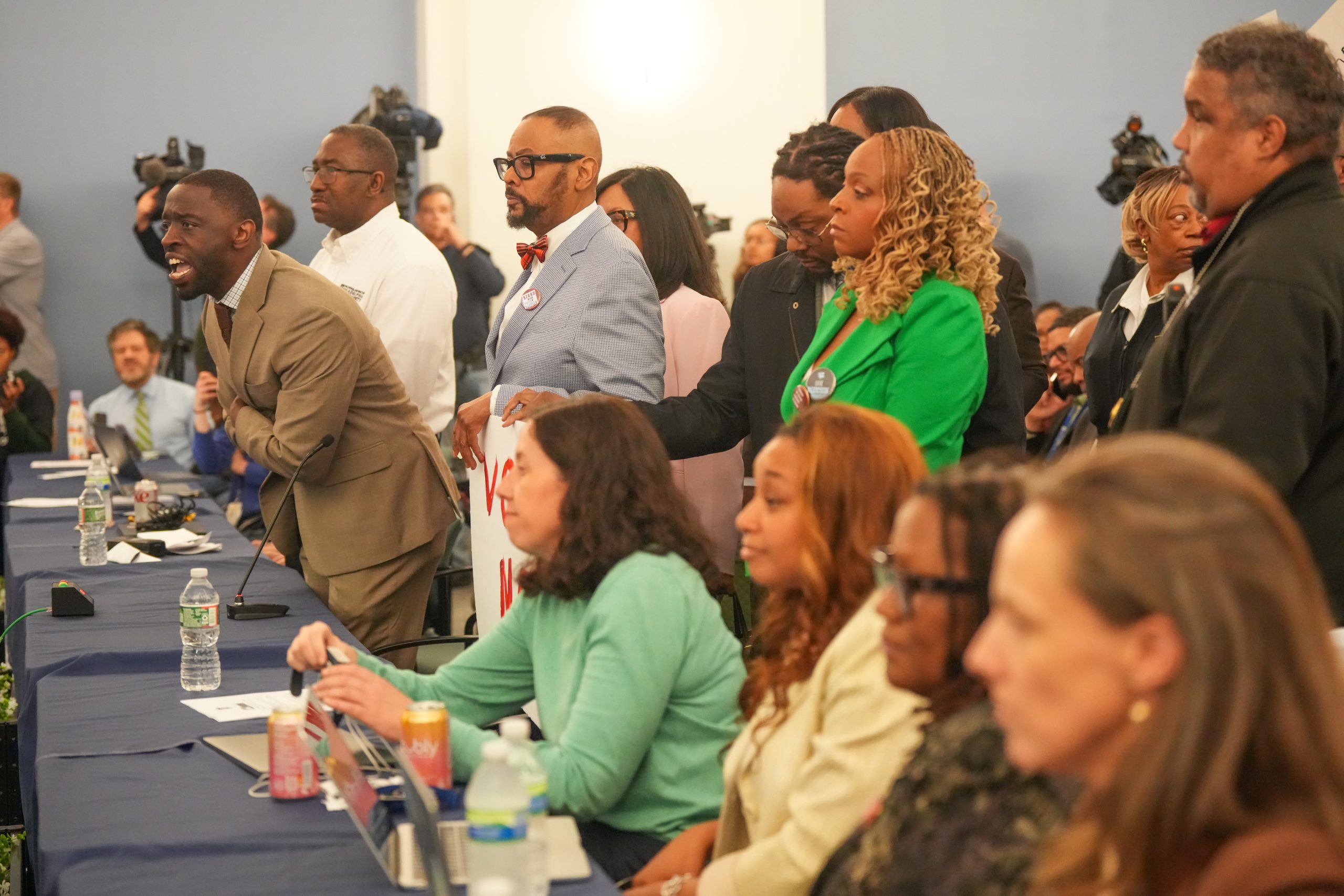
Councilmember Isaiah Thomas, along with members of council, speaks at the school closing vote, in the School District Building, in Philadelphia, April 30, 2026.Jessica Griffin / Staff Photographer
Jones said Tuesday that “we have tools in our tool belt that we will use” if the board does not budge on school closings.
Jones said he wanted Council to move forward with legislation to bring in an authority like the Pennsylvania Intergovernmental Cooperation Agency, an independent body that provides oversight of the city’s finances, to supervise the district.
Vincent Thompson, a spokesperson for Council President Kenyatta Johnson, said that Johnson was “still in discussions about this issue” and that he would have more information in the coming days.
Thomas also said lawsuits over the facilities plan are possible, though he suggested advocacy organizations, not Council, could bring the suits.
Delise Williams, a Democratic committeeperson who has been active in the fight to keep Parkway Northwest High School for Peace and Justice open, has already filed a lawsuit, saying she has concerns about student safety.
At one point toward the end of the school year, the board was negotiating making changes to the closing list with Council, said Thomas and Phillips, the chair and vice chair of Council’s Education Committee. Those talks broke off abruptly, Thomas said.
Reginald Streater, the school board president, suggested in a statement Tuesdaythat negotiations with Council were a nonstarter.
“For transparency and fairness to impacted school communities, any conversations regarding the board’s April 30th resolution on the Facilities Master Plan’s implementation must occur through the formal transition planning process,” Streater said in the statement. “The board values City Council’s partnership and remains committed to engaging stakeholders throughout the plan’s implementation. As the process moves forward, the board will continue reviewing community feedback and the district’s recommendations when making any decisions.”
Monique Braxton, a school district spokesperson, emphasized the modernization projects planned and the academic advancements projected.
“We understand the passion surrounding this matter, and we look forward to being collaborative partners in this process,” Braxton said. “As we begin the transition planning process, we will continue to work closely with students, families, staff, elected officials, community members, and the board of education to ensure every transition is thoughtful, transparent, and centered on student success.”
Technically, the board’s April vote does not actually close schools; rather, it was a vote to begin the closure process, which officials said could change as circumstances change.
Pennsylvania public school code requires formal closure hearings to be held at least three months before any closures. The first closures are scheduled to happen in 2027; the 2026-27 year has been designated a planning year for transitions.
The mother knew something was wrong the night her son came home from football practice last September and quietlywent to his room.
Four days later, she took him to the doctor after he told her his teammates had jumped him inside the Cheltenham High School locker room after that practice, injuring his genitals.
It was not until she got a call from police later that month that the mother learned that teammates had used a broomstick in the alleged attack, an act his lawyers described as attempted sexual assault.
Her son, who was 15 at the time, told her teammates had tried “to mess with his manhood,” the mother said.
He told her that the school’s football coaches, who knew that his teammates had jumped him, had called him that night and told him not to tell his parents.
“He didn’t want to talk about it,” said the mother, who spoke to The Inquirer on the condition of anonymity to protect her son’s identity. Her son, she said, “was trying to put it in the back of his head. He was traumatized.”
A video of a locker room attack that investigators thought matched the student’s description of the alleged attack in September surfaced in the fall and was obtained by the district. The teammates who assaulted the student are identifiable in the video, said Gabrielle Turley, a lawyer representing the student. She said the student provided their names to Cheltenham police.
But this spring, detectives determined the footage actually had been taken in August, according to the student’s lawyers — prompting the student to reveal he had been assaulted more than once.
Eleven months later, no charges have been filed. A spokesperson for the Montgomery County District Attorney’s Office said it is still investigating but declined to comment further.
The incidentshave reverberated throughout the suburban community, even as the school district has provided few specifics about what happened in the locker room.
A Title IX investigation — which schools are required by federal law to conduct into sexual misconduct allegations — is ongoing. “Unfortunately, the district received extremely limited cooperation from students,” Superintendent Brian Scriven said in a statement in response to questions from The Inquirer about the assaults. Any discipline for students will be imposed once the investigation is done, Scriven said.
The district in April approved a separation agreement with the team’s head coach, Terence Tolbert, who had been Cheltenham’s top football coach since June 2025.
Scrivennoted that the district also in April approved a separation agreement with another football coach, Darian McFadden. None of the coaches from the 2025-26 season are still affiliated with the district, the superintendent said.
Scriven declined to address specific questions about the alleged assaults, saying the district attorney’s office had asked school officials not to comment.
Brian Scriven, superintendent of the Cheltenham School District.Courtesy of Cheltenham School District
But students who participated in or witnessed the alleged assaults have been able to move on with their lives, graduating from the 1,450-student Wyncote school or transferring to other schools, the mother of the victim said. Her son has not.
He was taunted by peers after the September assault and switched to virtual school in the district, where he struggled and was isolated, his mother said. After getting harassed by kids at his local basketball court, he avoids going outside, she said.
“He can’t escape the situation,” she said.
Inside the locker room
Video footage from the August incident after a football training camp at Cheltenham High School shows the student being dragged by his shirt on the floor of the locker room, according to his lawyers.
About “seven or eight students are making physical contact” with him, while other students are standing by lockers, some with their phones out, said Alan Yatvin, one of the lawyers.
The video shows one young man holding a broomstick, which is being “poked or thrust at [the student’s] genitals and backside,” Yatvin said.
Turley, the other lawyer representing the student, said the video shows teammates trying to pick the student up by his shirt, which is ripped, while the student tries to remain seated on the floor.
“There’s no other reason to be in that area, unless you’re trying to sexually assault somebody,” Turley said of the broomstickshe saw in the video of the alleged attack.
The student did not tell anyone about the August incident because he was embarrassed, his lawyers said.
But then on Sept. 3, he was assaulted again. The student had taken someone’s shoulder pads because his were missing. Coaches made players run as a punishment, and they blamed the student, the lawyers said.
Yatvin said that as the student tried to leave the locker room, he was thrown on the floor and punched and kicked in the head and testicles. He said the student reported there were “three main people hitting him.”
The altercation lasted about five minutes, and the student heard someone say, “‘Get the broomstick,’” Yatvin said. He said the student tried to ball up on the ground and “sat in such a way to avoid the broomstick being stuck in him.”
A couple of teammates intervened, and the fight broke up, Yatvin said. He said one player went to get a trainer, while another got the student ice.
A volunteer coach drove the student home. That same night, three coaches, including then-head coach Tolbert, called the student, according to Yatvin.
“They told him that he shouldn’t tell his mom, because they would handle it. He believed that,” Yatvin said.
Reached by phone earlier this month, Tolbert declined to comment.
A mother pushes for answers
The student’s mother recalls taking her son to an urgent care center four days after the Sept. 3 incident because he was “complaining his pee was burning a little bit,” she said.
She texted the vice principal, Mark Hoff, to let him know what had happened. “I was very upset,” the mother said. Hoff called her; the school opened an investigation the next day, Yatvin said.
It was about 12 days later when Cheltenham police called her about a tip that had been submitted through the state’s anonymous Safe2Say line, about a broomstick being used during an assault.
“I know that’s like a sexual assault — trying to sodomize somebody,” the mother said, noting she works at a prison. “What was going through my mind was, ‘Where did these kids get this from?’”
At the end of September, lawyers said, the district contacted the mother to ask if she wanted to open a Title IX investigation, given the sexual nature of the allegations. She said yes.
At the time, the mother did not know her son had been attacked more than once.
No one had shown her and her son the video of the alleged assault that the district obtained — which had circulated through the school community, Yatvin said — until the spring. Had they seen it earlier, he said, they would have known it was from August, based on the student’s hairstyle at the time.
The mother said her son was “scared to come forward.”
“He didn’t want to go through none of this,” she said. “But I kind of pushed the issue.”
Waiting for accountability
On Oct. 17, a Friday, Cheltenham announced that it was postponing that night’s football game.
“Today, the district received anonymous information regarding allegations of hazing in the football program,” Scriven said in a statement. The season was temporarily suspended, he said, and the district had “engaged an external investigator.”
By that Sunday, Scriven had announced that the season was canceled. The district had received a report “approximately three weeks ago” of a locker room assault, he said in the announcement, and that Friday, it “received additional information, including reports indicating multiple team members engaged in hazing through physical contact.”
Asked why it took until Oct. 17 for the district to suspend the season when the mother had reported the assault Sept. 7, Scriven drew a distinction between hazing and a “singular incident of assault.”
The district’s external investigation, which was completed in January, determined there was insufficient supervision in the locker room and “a failure to prioritize student safety by the coaching staff and/or adult volunteers,” as well as a “a toxic and negative culture within the current football program.”
Scriven said he expected the Title IX investigation to be completed “in the near future.”
Yatvin believes more students know what happened to his client than have come forward.
“If all the necessary information was available, there probably would have been something happening with the school’s investigation, and something happening with the district attorney’s investigation,” he said.
The student’s mother, who is considering filing a lawsuit,said she wants people held accountable for what happened to her son. No one from his school has called and checked on his well-being, she said.
“You’ve got parents on the news, worrying about their football team, but not necessarily worried about what happened,” she said. “Nobody is focused on what happened to him.”
After the sudden departure of Jenkintown’s longtime superintendent in April, the school district’s new CEO started work this month, and she already has plans.
“I’m really excited once the year starts to really dive in and go into classrooms,” Brea D’Angelo said last week, “and get the narrative out to the community of the incredible things that are happening. … I’m really looking forward to being the communicator of those types of things.”
D’Angelo used to be a professional communicator: She went to Rider University for TV and radio and then took a reporting job covering the Sixers at WBCB radio in Levittown.
“I had the opportunity to go into the locker room and interview players,” D’Angelo said. “What I started realizing was that I wasn’t making a difference.”
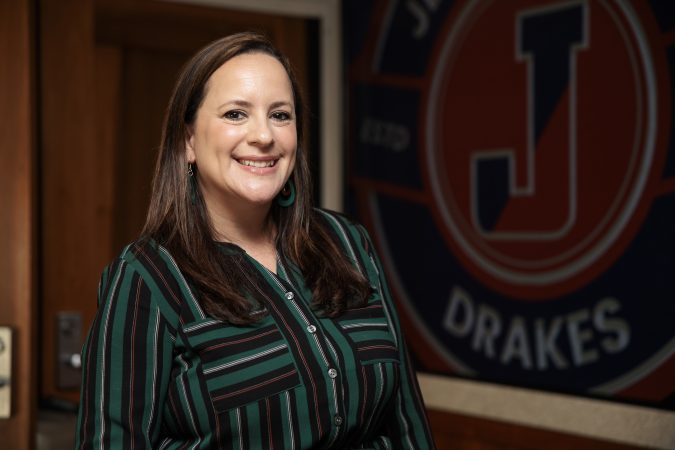
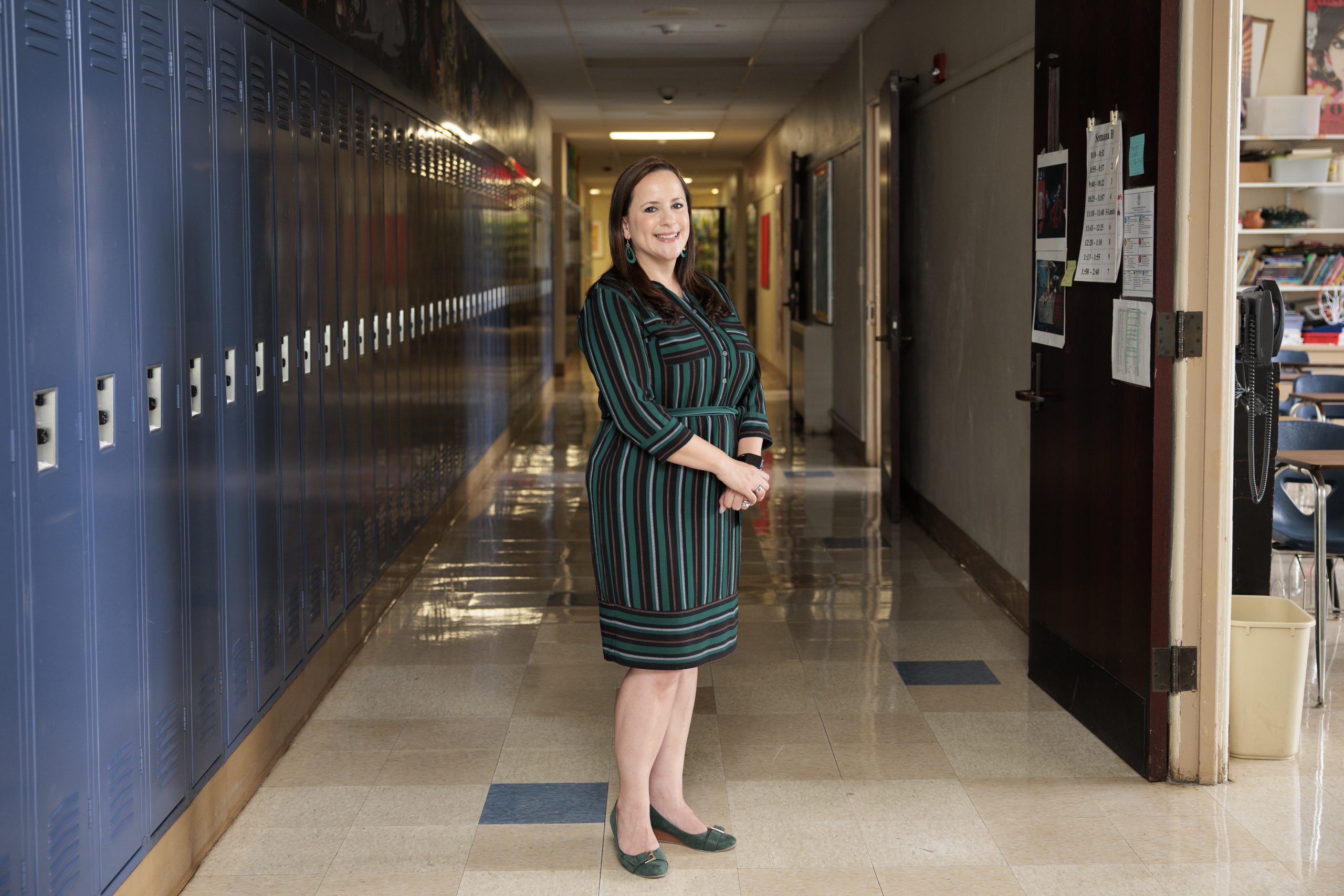
New superintendent Brea D’Angelo poses for a portrait at Jenkintown High School on Wednesday, July 22, 2026, in Jenkintown. D’Angelo comes to the Jenkintown School District from the Hatboro-Horsham School District.Monica Herndon / Staff Photographer
From Sixers to secondary education
She switched from communications to education, starting as a special education assistant in the Lower Moreland Township School District and spending seven years as a secondary school teacher there before working her way up as an administrator in the Hatboro-Horsham School District, where she spent more than 12 years and still lives with her husband and teenage daughter.
D’Angelo chose to teach English — a subject she came to love as a reluctant reader who learned the joy of books from a teacher when she was about 15.
“[She] really took an interest and was like, ‘You just haven’t found the right thing to read yet,’” D’Angelo said, and helped her find early favorites, such as Of Mice and Men. “You want teachers to be that for someone.”
Her plans as superintendent include a return to publishing, of sorts.
“I’m going to do a newsletter that comes out monthly, from me,” D’Angelo said. “I just want our story to get out there and to show what an incredible place we really are.”
Jenkintown finds comms pro to replace superintendent
Jenkintown’s last superintendent, Jill Takacs, had announced her retirement for Aug. 31 this year before leaving early, in April, for an administrator job in New Jersey.
Takacs’ departure came after an email from a retiring principal leaked to the public last fall that outlined concerns with Takacs’ management style, including a ”lack of transparency,” outgoing Jenkintown Elementary principal Christopher Jahnke wrote. Takacs was on leave shortly afterward.
But some locals said they had already had concerns about Takacs’ communication with parents in Montgomery County’s smallest school district — particularly amid the universally quick-shifting plans and procedures of the COVID-19 era.
Jenkintown’s school board appears to have taken that note, highlighting D’Angelo’s narrative chops as a reason for hiring her.
“The board decided to hire Dr. D’Angelo due to her combination of leadership, team building, and communication skills,” board president Carolyn Riley said. “She struck the right balance between expertise and a ‘friendly but firm’ quality.”
Riley also highlighted the new superintendent’s experience with special education and facilities management — critical for the steward of Jenkintown’s 103-year-old high school building.
But the district’s new chief storyteller also knows what communication barriers feel like: D’Angelo grew up hearing both English and Russian, but had to pick up much more Russian as a child to interact with her Ukrainian grandmother.
Those skills came in handy when Ukrainian refugees arrived in Hatboro-Horsham, and D’Angelo was enlisted to help families get settled.
“I fell into it because I was pretty much the only Russian speaker on the staff,” D’Angelo said. ”I can’t even imagine fleeing my home, going to a place not speaking the language. … That was really something that I pride myself in, being able to connect with these families and support them.”
Public relations is often a struggle for public schools, which must balance legally required disclosure with legally required secrecy, especially for personal details about individual students and staff — details like the circumstances surrounding Takacs’ departure.
D’Angelo, who earned her Ph.D. from Gwynedd Mercy University, hopes that being fully transparent from the beginning with information she is allowed to share will help residents trust her on topics she cannot say much about.
“I’m OK with being vulnerable in certain situations,” D’Angelo said. “When you build that strength with community members, with staff, with families — there’s a bit more understanding when I go silent on certain things, knowing it’s not because I don’t want to say it; it’s because I can’t.”
Perhaps sports will be one of those topics: A diehard Philadelphia football and basketball fan (“I bleed green for the Eagles,” she said), D’Angelo already attended a Color Day this year, but she refuses to say which team is better.
“I will be rooting for Blue and Red all the time, or I’ll be purple,” the new superintendent said. “Yeah, it’s gonna be one of those.”
This suburban content is produced with support from the Leslie Miller and Richard Worley Foundation and The Lenfest Institute for Journalism. Editorial content is created independently of the project donors. Gifts to support The Inquirer’s high-impact journalism can be made at inquirer.com/donate. A list of Lenfest Institute donors can be found at lenfestinstitute.org/supporters.
The Trump administration has agreed to drop its subpoenaordering the University of Pennsylvania to release the names of Jewish people on its campus, marking what seems to be a victory in the Ivy League school’s battles with the federal government.
The Equal Employment Opportunity Commission has said “it will not take any further measures to enforce the subpoena seeking identification and personal contact information of employees,” according to a resolution agreement filed Thursday in the U.S. Court of Appeals for the Third Circuit. The agency also agreed not to seek the information through other means, according to the agreement.
The commission had been requesting the information to further its investigation into antisemitism complaints on Penn’s campus.
The EEOC initially won the court’s approval to enforce the subpoena, but Penn appealed the decision. Penn said it has agreed to drop its appeal and, according to the resolution, the school agreed not to ask that the district court’s opinion in the case be vacated.
It was not clear what caused the federal agency to change course or the status of the commission’s antisemitism investigation. An EEOC spokesperson said: “We will decline to add anything beyond court filings.”
Penn released a statement. “With the support of many members of the community who have stood with Penn throughout, the university has been able to protect its employees’ rights and none of the subpoenaed personal contact information was disclosed,” a university spokesperson said. “Penn remains committed to fighting antisemitism and all other forms of discrimination, to ensure everyone it serves can learn, work, and thrive.”
The move brings the monthslong battle between the federal agency and the Ivy League university over the subpoena to a close.
The EEOC’s decision to subpoena the information drew widespread criticism from faculty and others, on and off the campus. Among those that opposed the subpoena was the Penn chapter of the American Association of University Professors.
“This victory shows that universities should not capitulate to unjust and unconstitutional demands from the Trump administration,” said Lorena Grundy, vice president of AAUP-Penn. “AAUP-Penn will continue to defend the rights of all communities at Penn, and we look forward to continuing to grow the coalition that has grown out of this effort.”
The Anti-Defamation League Philadelphia, which has supported the EEOC’s effort to address antisemitism at Penn and has been critical of college campuses’ handling of antisemitism complaints, said it was pleased the EEOC was not pursuing the subpoena.
“As we’ve said, demanding lists of Jewish employees and campus organizations is a different matter, one with a troubling history we cannot ignore,” said Andrew Goretsky, senior regional director. “We’re pleased the EEOC has apparently agreed not to pursue its requests for sensitive information and that information was not disclosed. We’ll continue working with our partners to support Jewish students, staff, and faculty at Penn.”
Roy Hamilton, faculty senate chair, said he was “heartened to see that this matter has been resolved in a way that protects the privacy of Penn employees while allowing the university to move forward.
“Our shared focus remains on fostering a community where all members are treated with dignity, respect, and fairness.”
Penn has faced other pressure from the federal government. Last summer, the school struck an agreement with the Trump administration over the participation of transgender athlete Lia Thomas on the women’s swim team. The school met a number of the White House’s demands, including adhering to the Trump administration’s definitions of sex, female, male, women, and men, and sending letters of apology to female athletes who felt aggrieved by Thomas’ participation on their team during the 2021-22 season.
Penn pointed out at the time that the agreement was restricted to athletics and did not affect other university operations.
The EEOC last year — as part of its quest to find people potentially affected by antisemitism concerns at Penn, officials said — demanded a list of employees in Penn’s Jewish Studies Program, a list of all clubs, groups, organizations, and recreation groups related to the Jewish religion, including points of contact and a roster of members, and names of employees who lodged antisemitism complaints.
The original complaint was launched by EEOC Commissioner Andrea Lucas, now chair of the body, on Dec. 8, 2023, two months after Hamas’ attack on Israel that led to unrest on college campuses, including Penn, and charges of antisemitism. It was also just three days after Penn’s then-president, Liz Magill, had testified before a Republican-led congressional committee on the school’s handling of antisemitism complaints; the testimony drew a bipartisan backlash and led to Magill’s resignation days later.
The commission sued Penn in November for failing to turn over the information sought in the subpoena.
Judge Gerald J. Pappert ruled in March that Penn must comply with the subpoena, signaling a major loss for the university in its fight to keep employees’ and students’ personal information from the federal government. In his 32-page ruling, Pappert largely dismissed arguments from Penn and others who intervened on the school’s behalf that releasing the information sought by the commission would put employees at risk, create an undue burden on the school, and cause employees to disaffiliate from such groups.
Pappert had ruled the school had to provide the information to the EEOC, though it did not have to state which particular organization each person is affiliated with.
Penn sought a stay of the order and said it would be “irreparably harmed” if it had to comply before the school had a chance to appeal.
Pappert in April granted Penn a stay while the appeal proceeded. But Pappert at that time also underscored the school’s unlikely success in an appeal.
“The charge of discrimination is valid, the EEOC’s subpoena seeks information relevant to the charge and the subpoena does not unduly burden Penn,” he wrote. “The subpoena also does not violate substantive due process or the First Amendment.”
Penn has said it provided information to the EEOC in cases where employees consented but steadfastly refused in others.
“Violating their privacy and trust is antithetical to ensuring Penn’s Jewish community feels protected and safe,” Penn said when the EEOC filed the suit.
The school offered to help the EEOC reach employees who were willing to speak with the agency by informing all employees of the investigation and how they could reach the agency.
Jon Fansmith, senior vice president for government relations and national engagement at the American Council on Education, said the resolution “reinforces the merits of Penn standing up to something that was clearly inappropriate and excessive from the start.”
The government alleged wrongdoing and then tried to find the evidence to prove it in part by issuing the subpoena.
“This is clearly an abuse by the government of their authority,” Fansmith said.
Under pressure from its accreditor, the University of Valley Forge is offering students and families information on how to transfer to other colleges.
The move comes as the Phoenixville-based college — which enrolls 589 students, according to the National Center for Education Statistics — faces the possible loss of its accreditation by the Middle States Commission on Higher Education. Colleges need accreditation to keep their students eligible for financial aid.
Middle States last month issued its most serious warning — “show cause” — to the small Christian college that prepares students for leadership in the church and the world. It cited concerns about finances, planning, and governance.
The university is among the latest institutions in the region to face the threat of closure amid a declining pool of high school students and increased competition. The University of the Arts and Cabrini University closed in 2024. Rosemont College’s campus has been purchased by Villanova University, and the college plans to conclude its operations in 2028. Peirce College has been merged into Lackawanna College, a process that has been approved by the U.S. Department of Education and was sanctioned by Middle States this month.
University of the Sciences and Philadelphia University were phased out in previous mergers with St. Joseph’s University and Thomas Jefferson University. Pennsylvania State University plans to close seven of its Commonwealth campuses next year.
On its website, the University of Valley Forge says that it is not closing, but that it has established several colleges as “teach-out partners” that would streamline admission of University of Valley Forge students in the event of a closure. The school was required under the Middle States process to develop “teach-out plans” that would provide students with options to complete their education if the school were to close.
“Although this process does not require the university to provide students with teach-out options at this time, we understand that students may wish to consider alternative pathways for completing their academic programs during this period of uncertainty,” the school wrote in an email to students.
The school, according to its website, plans to charge $41,020 in tuition, fees, and room and board for next academic school year, which is scheduled to start Aug. 30.
The school held an event on campus earlier this month with representatives from the partner institutions — Eastern University in St. Davids, Messiah University in Mechanicsburg, and Southeastern University in Florida — so that students could get information. All three schools are private, Christian universities.
But the University of Valley Forge on its website, which was updated as recently as Tuesday, said it is “actively pursuing strategies to strengthen enrollment, finances, partnerships, and operations.”
“While no institution can guarantee future outcomes,” the school said, “leadership remains committed to preserving and advancing the university’s mission.”
The challenges appear to be substantial.
Earlier this month, the school said that it planned to soon communicate decisions about staff furloughs and that it would have to delay payroll for up to one week, according to emails obtained by The Inquirer from a source close to the university who was not authorized to discuss the matter and requested anonymity.
“I am deeply sorry for the disruption and for the hardship this may cause,” university president David Kim wrote, according to the email.
Kim, board members, and several other administrators and faculty have not responded to a request for comment. The emails did not indicate if furloughs occurred, how many, or for what period.
The school employed 419 people in calendar year 2021, according to the school’s most recently filed Form 990. With expenses of $20.2 million, the school operated with a $1.9 million loss that year, the tax document shows.
The Rev. Don Immel, a member of the University of Valley Forge board, addressed the Middle States action in responding to a July 11 Facebook post asking why the college was requesting “urgent prayer.” The university held a day of prayer and fasting on July 8 following the Middle States’ action.
“The need is financial,” Immel wrote. “We have a donor who has the capacity and has expressed the willingness to step in. Please pray that the donations is released.”
In other public Facebook posts, parents of students, alumni, and others have expressed concern.
“I have a daughter enrolled at UVF right now, and is supposed to be starting her sophomore year come this fall,” one parent wrote. “I don’t know at this point what to do concerning her returning to campus in the fall, or do we need to look at transferring now.”
An alumnus also had questions.
“Should we be doing anything to secure duplicate degrees or official transcripts (in the event that we lost ours or anticipate needing copies in the future)?” the alum wrote.
The school has until Sept. 1 to “show cause” to justify why it should not lose accreditation, according to Middle States. The commission will review the university’s submission, the school said on its website, and take its next action — which could include up to revocation of accreditation — in November.
In issuing the show-cause decision, the commission cited “insufficient evidence that the institution is in compliance” with standards involving planning, resources, and institutional improvement, and governance, leadership, and administration.
The university must document in its show-cause report “financial resources, funding base, and plans for financial development to support its educational purposes and programs and to ensure financial stability,” the commission said. The school also must provide information on long-range financial planning that includes “realistic enrollment projections and the assumptions on which they are based,” the commission said.
The university started in 1939 as the Eastern Bible Institute, which was aimed at training pastors, evangelists, missionaries and Christian educators, and lay workers, according to the school’s website. It became a college in 1975 and the University of Valley Forge in 2014. The university is part of an international network of Assemblies of God colleges and universities and offers more than 60 degree programs, according to its website.
In 1992, I started teaching at West Chester University. My students were mostly working-class kids from the collar counties who saw higher education as a way to move up in the world. But they often struggled in subjects like history — my own field — which they saw as irrelevant to their future employment.
So let’s make college shorter, shall we? We can save a year by paring away the dull “general education” classes — in English, history, and so on — that the students hate anyway. They can focus on their majors, graduate in three years, join the workforce, and save a quarter of their tuition costs.
I think that’s a bad idea, but I don’t blame people for wanting it. Instead, I blame us.
I’m looking at you, my fellow professors. Put simply, we didn’t do a good enough job with what we have.
College is expensive. Families are strapped. And a lot of general education courses are — as the students correctly perceive — a waste of time and money.
The only way to make the case for them is to make them better. But you won’t hear that from our educational establishment, which pretends we were delivering on the promise of college before the three-year proposal raised its ugly head.
Witness the joint statement from the American Association of University Professors and the American Federation of Teachers condemning Massachusetts’ approval of three-year degrees at two state colleges. “Compressing or reducing the curriculum threatens to narrow students’ education at precisely the moment when society needs graduates with stronger critical thinking, communication skills, scientific literacy, and civic understanding,” they declared.
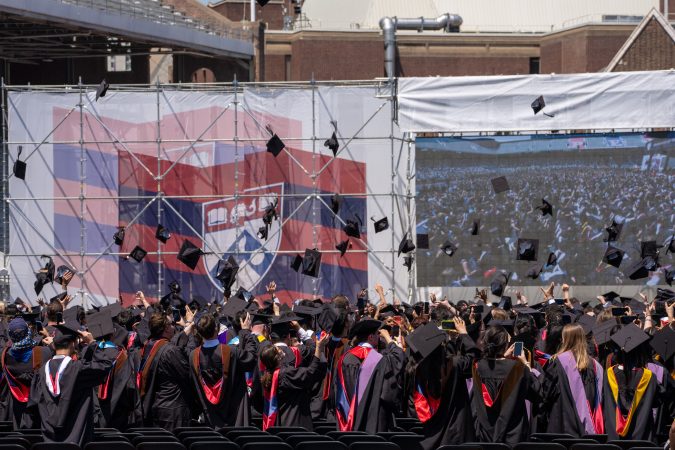
Award-winning presidential historian and best-selling author Michael Beschloss speaks at the University of Pennsylvania’s graduation ceremony in May.Jessica Griffin / Staff Photographer
Kenneth M. Mash, president of the PSSHE faculty union, said almost exactly the same thing. “At a time when there are calls for critical thinking, calls for knowledge about civics, what we’re doing is reducing the amount of time that students have to get that in,” Mash warned.
But here’s what these spokespeople won’t tell you: We’re not teaching those skills now. Even with four years of college, our students remain woefully undereducated.
According to a survey administered earlier this year by the American Council of Alumni and Trustees, only 39% of college students know that U.S. senators serve for six years and representatives for two. And just 37% can correctly identify the branch of government that has the power to declare war. (Answer: legislative.)
So much for civics. What about critical thinking? Cornell University has instituted an online module to teach it to students, precisely because their coursework often didn’t. “Many of us include it in our learning objectives,” one faculty leader admitted, “but when you look at courses, it’s often not taught explicitly.”
That’s especially alarming in the face of artificial intelligence, which threatens to envelop our students in mindless slop. Unless they learn to use their own brains, they won’t be able to critically evaluate what AI spits out.
And we’ve never taught critical thinking well. In 2010, when generative AI was still science fiction, sociologists Richard Arum and Josipa Roksa found that nearly half of all college students showed no improvement in critical thinking skills during their first two years on campus.
There’s no evidence that things have picked up since then. Instead, a growing body of research suggests that AI is eroding students’ capacity to think. The bots have made it easier to cheat your way to a BA while pretending you know what you’re talking about. So why not reduce the degree to three years? Or two, or one? Heck, why not just give it to anyone who will pay?
Because we’re not simply selling credentials, that’s why. I don’t get out of bed in the morning and say, “I’m going to help people affix letters next to their names today!” My goal is to help them learn. And if you think we’re doing that well, you just haven’t been listening.
I know our students need jobs, too. But when you survey employers, it turns out they want precisely the critical thinking skills we’re not teaching. Those irrelevant gen ed classes could have a real market value if we played our cards right.
Last week, I had dinner with a beloved student from my days at West Chester. She succeeded wildly there, but many of her peers failed. They didn’t need a shorter college experience. They needed a better one.
Jonathan Zimmerman teaches history and education at the University of Pennsylvania. His next book, “Schooling Citizens: How Education Can Save Democracy,” will be published next spring by the American Philosophical Society Press.