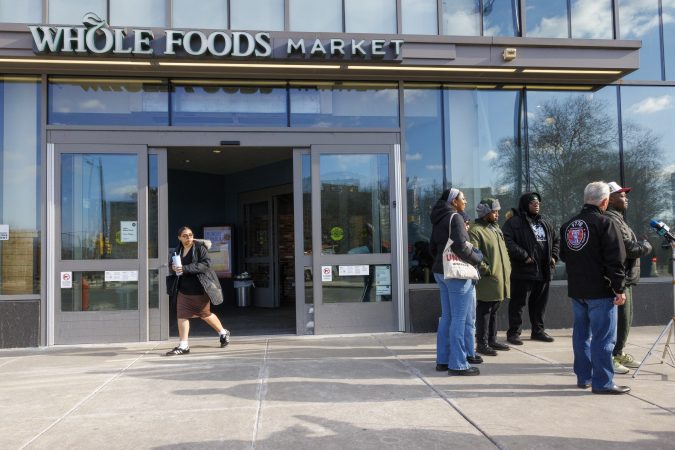
Philadelphia Whole Foods workers cleared a major hurdle in their unionizing efforts this week, paving the way to negotiating their first union contract.
Workers at the 2101 Pennsylvania Ave. store voted last year to join UFCW local 1776, becoming the first group within the Amazon-owned Whole Foods chain to unionize. But they have been caught in a procedural standstill for months.
Whole Foods challenged the union election, citing multiple objections, including allegations that the union promised employees would get a raise if they voted for a union.
A few months after the election, a regional director at the National Labor Relations Board dismissed Whole Food’s challenge — but the company pushed back, asking for a review by the national board. That brought the case to a standstill because the NLRB was without a quorum after President Donald Trump fired a board member.
The board has since gained two new members, including one with ties to the Philadelphia area, Scott A. Mayer, a Villanova University graduate who has worked for locally headquartered concessions company Aramark and area law firms.
This month, the board stood by the regional director’s conclusion upholding the union election, saying Whole Foods’ latest challenge “raises no substantial issues warranting review.”
Wendell Young IV, president ofUFCW local 1776, said Tuesday that the union had been expecting this outcome.
The NLRB decision “completely vindicates the union and these workers, and there’s no reason at this point Whole Foods/Amazon shouldn’t sit down and begin bargaining right away, although I suspect they won’t,” Young said.
A Whole Foods Market spokesperson said in an emailed statement that the company strongly disagrees with the board’s decision.
During a hearing on the issue last year, the spokesperson said, Whole Foods argued that “restrictions on free speech and the union’s illegal conduct interfered with our team members’ right to a fair vote at our Philly Center City Store.”
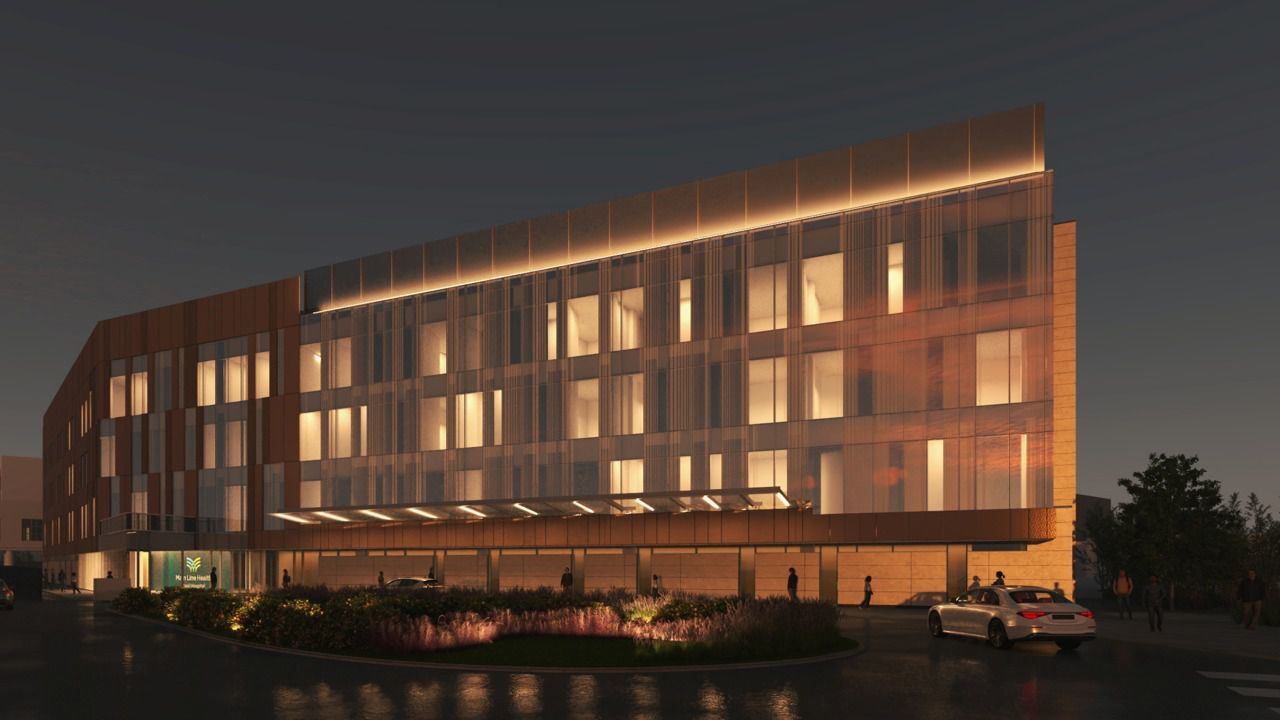
Main Line Health is adding a 108-bed patient pavilion to its Paoli Hospital campus as part of a push to expand its capacity in Chester and Montgomery Counties, the nonprofit health system announced Tuesday.
The building, expected to cost between $220 million and $240 million, is scheduled to open in early 2029. The project will expand Paoli’s capacity by more than 40%.
Patient rooms will occupy three of five floors. They will be convertible from standard hospital rooms into rooms for intensive care. One floor will be used for diagnostics, such as radiology and perinatal testing. The roof will have a landing pad for helicopters.
Beyond Paoli, Main Line is adding to its outpatient capacity in Downingtown, where a large facility that has township approval will include surgical care. The health system also has shared an early-stage proposal for outpatient offices in the Collegeville area, while it considers building there what would be its fifth hospital in Philadelphia’s western suburbs.
“While many communities face declining access to care, Main Line Health is moving forward with optimism, investing in this region’s future and reaffirming our commitment to exceptional care where people live and work,” Main Line CEO Ed Jimenez said in the announcement.
Paoli hospital currently has 261 licensed beds and employs nearly 1,400 people, according to Main Line. The hospital had 53,000 emergency department visits in the year that ended June 30, 2025. Main Line Health completed its last major expansion of Paoli Hospital in 2009, doubling the facility’s size.
Like other Philadelphia-area health systems, Main Line has experienced tough times financially since the pandemic, which led to broadly higher costs in healthcare. In the nine months that ended March 31, Main Line had a $214,000 operating profit on $2.1 billion in revenue.
More Main Line projects
Separately, about 12 miles west of Paoli Hospital, in Downingtown, Main Line plans to open a large outpatient facility next summer. Main Line Health Downingtown, at the intersection of Lloyd and Manor Avenues, willcost $150 million and include a surgery center and substantial imaging capabilities.
Incentral Montgomery County, as well, Main Line recently made a presentation to the Upper Providence Township Board of Supervisors about a major development in an area where the health system has seen substantial growth.
The long term could see Main Line builda 108-bed hospital, but more immediately itneeds to add outpatient office space in the Collegeville area, Main Line said.
Elon Musk’s company that runs the Starlink communications network, launches rockets for NASA, and develops artificial intelligence software raised more than $75 billion from investors last week — a record initial public stock offering (IPO) for a company fast-burning through billions in investor dollars in hopes of future profit.
SpaceX is just the flashiest of a string of industrial stocks that have soared as orders for missiles, drones, and other war machines, as well as civilian aircraft and rockets, pile up. S&P’s Aerospace and Defense Select Industry Index is up 44% over the past year vs. 24% for the broader S&P 500 stocks, even with Google, Nvidia, and other AI-linked stocks leading the 500.
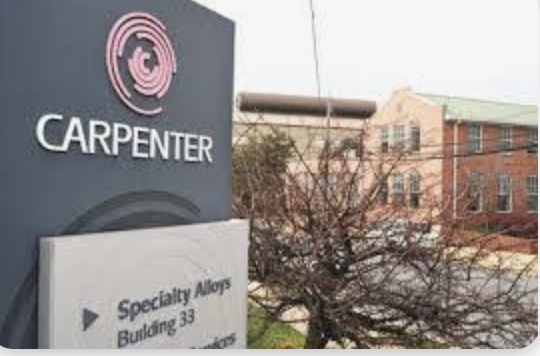
The share price for Philadelphia-based Carpenter Technology is up 125%, almost three times as much as that index of aerospace and defense stocks.
Carpenter does $3 billion in annual sales, melting or grinding iron, tungsten, cobalt, and other metals into super hard or relentlessly flexible alloys used in stainless steel and other specialty parts by military, commercial airliner, medical, industrial, and space equipment makers.
The company operates plants in Reading, Berks County; Latrobe and other Western Pennsylvania towns; and around Athens, Ala. It has a finishing plant in China and distributors worldwide. Carpenter’s large customers include passenger jet and military aircraft maker Boeing and European aerospace giant Airbus.
CEO Tony Thene has said space is a fast-growing growing part of Carpenter’s customer base, exciting some investors into expecting the company will share SpaceX’s gains.
Thene, who is stepping down at the end of the month, hasn’t said SpaceX is a customer. Chief operating officer Brian Malloy will take over leading the company.
Investor Louis Navellier was quoted last month as saying he’d rather own Carpenter, which makes the metals used by SpaceX and other aerospace companies, and its larger customer, Pittsburgh-based Howmet Aerospace, than SpaceX itself, at recent valuations.
That price is above the targets set by analysts at Bala Cynwyd-based Susquehanna International Group and Wall Street brokerages after Thene reported earnings at the end of April. At that time, Carpenter officials predicted stronger than expected sales and higher profits, to be split between investor dividends and new furnace equipment.
Carpenter at recent valuations is worth around $30 billion, roughly as much as Hershey or Kraft Heinz, whose sales are much larger, and almost as much as gas-drilling giant EQT, based in Pittsburgh.
Shares of area aerospace manufacturers such as Ametek, which has its headquarters in Berwyn and plants around the world, and Innovative Aerosystem, of Exton, are also up significantly over the past year.
Howmet, with $8 billion in yearly sales to Carpenter’s $3 billion, hasn’t boosted its share value as fast in past year, but it has risen enough to become the most valuable company in Pennsylvania, the only company whose shares are worth over $100 billion on the stock market.
That’s more valuable than companies with much larger sales, such as Philadelphia-based media giant Comcast; mega-drug distributor Cencora of Conshohocken, or Pittsburgh’s PNC, the nation’s fifth-largest bank.
At today’s share prices, many times earnings or projected future profits, investors are gambling that suppliers like Carpenter and Howmet — and SpaceX, the spaceship builder — will grow a lot faster than the economy as a whole.
Half of the nonprofit health systems in Southeastern Pennsylvania had operating losses in the first nine months of fiscal 2026, the systems’ latest reports to municipal bond investors showed.
All had strong revenue growth, with the exceptions of Redeemer Health and Tower Health, the two smallest systems by revenue. The gains at Jefferson Health and Penn Medicine benefited from acquisitions in fiscal 2025.
The reports are not perfectly comparable because of variations in accounting practices.
For example, Jefferson, Main Line Health, and ChristianaCare changed their depreciation rates, which reduced their expenses relative to competitors. Jefferson includes investment income in its revenue, boosting its results.
Here’s a summary in order of revenue, from the region’slargest to smallest systems:
Jefferson Healthhad a $252.6 million operating loss, which it attributed to severe winter weather, restructuring costs related to layoffs, and shortfalls in insurance reimbursement. Total revenue was just shy of $13 billion, up from $11.6 billion last year, which included only eight months of results from Lehigh Valley Health Network.
Children’s Hospital of Philadelphia had a $271 million operating profit in the first nine months of fiscal 2026, up from $195.8 million the year before. Total revenue rose 9% to $4.1 billion from $3.7 billion, thanks to strong gains in payments for hospital patients and unspecified other operating revenue.
Temple University Health System had an operating loss of $9.9 million, recovering largely from a $50.5 million loss in the first half of fiscal 2026. In the same period a year ago, Temple had a $10.9 million operating loss. The health system’s revenue was $2.6 billion, up from $2.3 billion last year.
Main LineHealth reported a small operating profit of $214,000, following a winter quarter setback. The four-hospital nonprofit system recorded an $8.5 million loss in the three months that ended March 31. Severe winter weather reduced patient visits, and the health system increased its reserves for medical malpractice expenses.
Tower Health swung to a small operating loss of $3.6 million. During the same period a year ago, Tower had a $4.2 million operating profit. Revenue increased 1.6% to $1.6 billion.
Steep losses continued at Redeemer Health, which reported a $29 million operating loss, compared to a $33 million loss last year. Redeemer’s total revenue rose by less than 1%, to $332 million. Redeemer owns Holy Redeemer Hospital, a 239-bed facility in Abington Township, Montgomery County, not far from Jefferson Abington Hospital.
On a warm weekend earlier this month, dozens of shoppers, some of them dressed in Regency-inspired apparel, milled about the city of Bordentown, in Burlington County.
Those donning bonnets and hand fans weren’t time travelers or lost actors — they were there to celebrate the opening of a new bookshop with plenty of historic flair of its own.
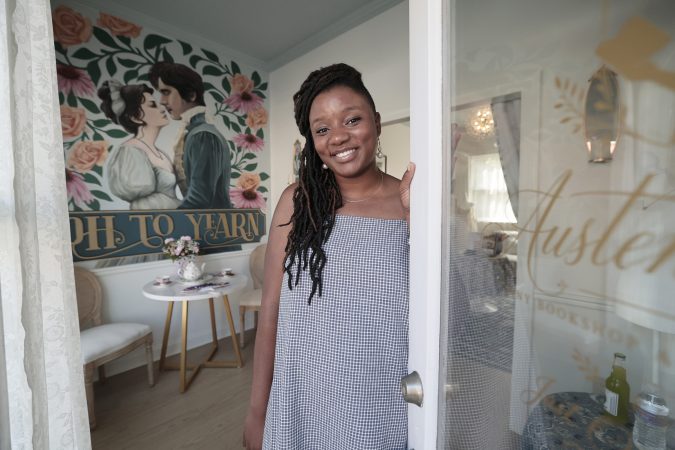
Inspired by the works of renowned 18th- and 19th-century novelist Jane Austen, Austen’s Shelf penned a new chapter June 6 with the opening of its storefront at 230 Farnsworth Ave. The bookshop, which held a period-inspired costume contest for the occasion, is part of a growing surge of independent bookstores nationwide.
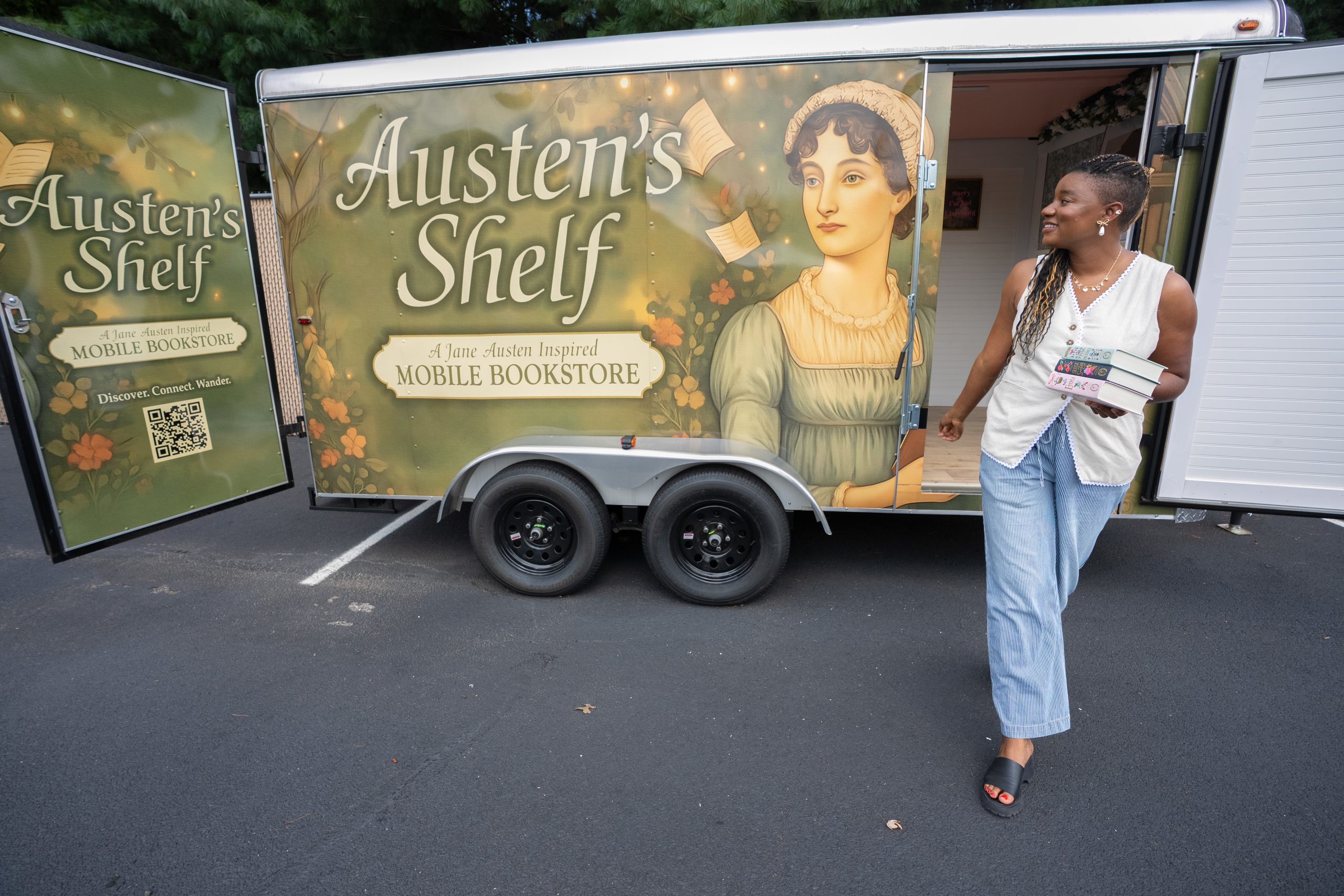
Austen’s Shelf launched last year as a mobile bookstore in a 98-square-foot trailer.Jessica Griffin / Staff Photographer
Austen’s Shelf launched last year as a 98-square-foot mobile bookstore that popped up at festivals and events, many of them in South Jersey. It was born out of founder Charity Herndon’s desire to fulfill a lifelong dream of owning a bookstore, something she decided to pursue after facing a breast cancer scare.
While she ultimately didn’t end up with a diagnosis, the experience changed how the now-30-year-old looked at life.
“I feel like a completely different person than I was before the health scare,” she said. “After you get over that mountain, it’s kind of like, all systems go.”
For Herndon, it was. Within months of her mobile shop’s September opening, she began to contemplate a more permanent space, seeing a desire from customers to “sit and linger.” With long lines forming at pop-ups, she felt like the shop had become as much about buying a book as it was a place for people to connect.
That was further stoked after a dreary winter and one particularly busy January pop-up at Turtle Beans Coffee in Bordentown. During that event, she said visitors told Herndon “we need a bookstore like this in town.”
While there’s already an independent bookstore there, Old Book Shop of Bordentown specializes in general used, out-of-print, and antiquarian books. Coincidentally, Jane Austen is the 21-year-old shop’s second-best selling author, owner Doug Palmieri said.
Given the two don’t have significant crossover in their business models, he welcomes having another bookshop nearby. Like antique stores, “the more there are in one area, the better for business,” he said, adding that he got a boost during Austen’s Shelf’s opening weekend, which coincided with the New Jersey book crawl and another store’s opening.
Independent bookstores like Austen’s Shelf are on the rise nationally. According to the American Booksellers Association, 605 new bookstore businesses opened in 2025, an 87% increase from 2024.
They’ve proliferated in the Philadelphia suburbs in recent months. Chapter Two Books opened in Wynnewood in May, Forage Books debuted in Kennett Square in February, and two bookstores, Celia Bookshop and Dirt Farm Books, opened in Swarthmore in October and January, respectively. The latter specializes in used and rare books.
Books aren’t the only media form making a resurgence. A Passyunk Square resident is on the hunt for a place to set up Little Movie Store, a video rental shop in the vein of Blockbuster.
Palmieri — a 20-year member, current secretary, and past president of the Downtown Bordentown Association, which promotes and supports local businesses — attributes the growth of indie bookshops partly to an uptick in younger readers, primarily those in their 20s and 30s.
“They like the touch and feel of books,” he said. “They like to have the books in their hands.”
DBA treasurer and past president CJ Mugavero, who owns Artful Deposit, sees the rise in retail as something of a reaction to the increased digitization of society.
“What people are craving is the human factor,” she said. That’s helped spur a number of new businesses in Bordentown recently.
Located next door to Austen’s Shelf, menswear and home store Haberdashery and Home debuted this month. Earlier this spring, the historic city welcomed art spaces Bonaparte Boutique and Sleeping Cat, an expansion of studio Leaping Dog. Abyssal Brewing and yoga and pilates studio The Movement also put down roots there in the first half of this year.
Beyond a desire for the tactile, “people long for community, and I think that’s something you can’t necessarily find if you’re just ordering your books off of Amazon,” Herndon said.
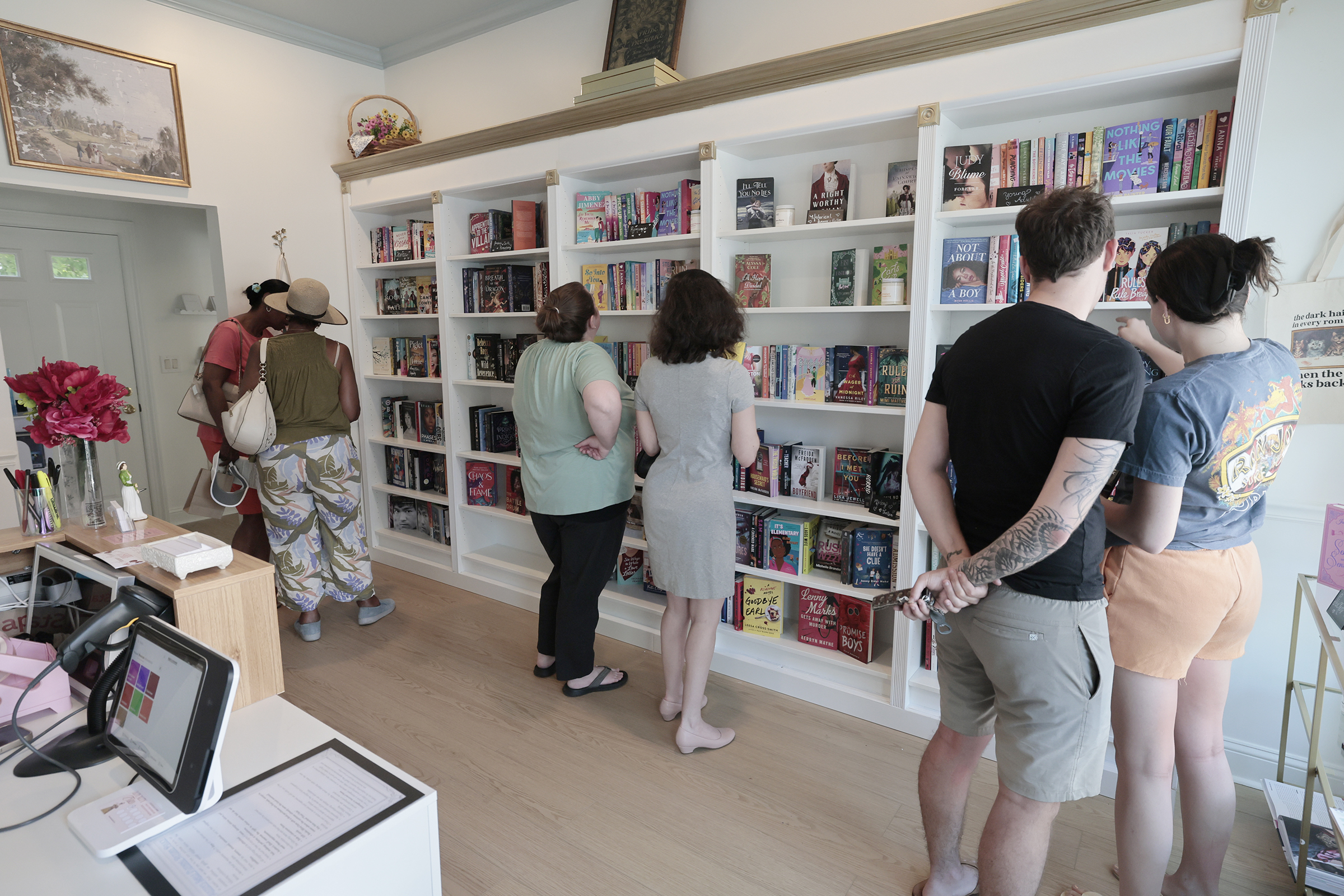
That was top of mind when she conceptualized her new space, which is small, but more than quadruple the size of the mobile bookshop. Clocking in at under 500 square feet, it has a “homey” vibe that allows for lingering and connecting. There are two sitting areas, one with a couch, the other a table and chairs. The latter sits beneath a large mural depicting Elizabeth Bennett and Mr. Darcy from Austen’s Pride and Prejudice,painted by Philadelphia artist Erik Weedeman.
Shoppers browse for books and other goods at Austen’s Shelf in Bordentown. Elizabeth Robertson / Staff Photographer
Like its predecessor, this edition of Austen’s Shelf caters to a wide range of readers, stocking a curated selection of young adult, literary fiction, poetry, mystery and thriller, and fantasy, as well as children’s books.
There’s also a room dedicated to Austen, complete with a gilded digital display showing film adaptations of her books. Herndon also sells a selection of what she’s dubbed “Regency-modern” apparel.
With a permanent space now up and running, Herndon has no plans to stop taking the mobile bookstore out. She’s just refining the schedule and taking on fewer events.
A former Bordentown resident who now lives in Gloucester County, Herndon hopes the shop helps draw visitors to the city. She wants visiting Austen’s Shelf to feel “like an experience where the entire town can kind of be a place to linger.”
If opening weekend was any indication, that just might be the case. Looking out at the historic city during the grand opening and seeing people wander the streets in period-inspired attire, she said the image “just fits like a glove. It’s the dream, literally.”
Austen’s Shelf is open Wednesdays and Thursdays from 11 a.m. to 6 p.m., Fridays and Saturdays from 11 a.m. to 7 p.m. and Sundays from 11 a.m. to 5 p.m.
This suburban content is produced with support from the Leslie Miller and Richard Worley Foundation and The Lenfest Institute for Journalism. Editorial content is created independently of the project donors. Gifts to support The Inquirer’s high-impact journalism can be made at inquirer.com/donate. A list of Lenfest Institute donors can be found at lenfestinstitute.org/supporters.
Women working in Philadelphia continue to make less than their male counterparts, according to a new report from the Forum of Executive Women.
While the gender pay gap in the city narrowed between 2015 and 2024, women in the local workforce still earn on average about 89 cents for every dollar men make, according to the organization’s annual report, citing Philly-specific research from the Economy League of Greater Philadelphia.
And the pay gap is worse for women of color, the report found.
“Persistent pay gaps do more than reduce annual income,” Meghan Pierce, forum president and CEO, wrote in the report. “They affect lifetime earnings, retirement security, access to capital, business formation, and the generational wealth of women and their families.”
“Pay gaps impact who leads, who invests, and who builds lasting economic power in our region.”
The gender pay gap is narrower in Philadelphia than the national average, which is roughly the same as it was in 2010. Across the country, women earn on average 81 cents for every dollar made by men, according to data from the Economic Policy Institute, a left-leaning nonprofit think tank.
Because of the gap, working women in the U.S. collectively lose about $1.7 trillion in wages each year, according to the forum report, and each woman loses about $500,000 on average during their career.
While the gender pay gap is smaller in Philadelphia, racial disparities persist.
Compared to non-Hispanic white men, white women in Philadelphia earn 94 cents on the dollar, the report found, while Black women earn 64 cents, and Hispanic and Latina women earn 57 cents.
Women in the city also remain concentrated in lower-earning professions, making up 76% of healthcare workers and 66% of education workers, two sectors where the median annual earnings was below $60,000, according to the report, titled “The Philadelphia Paradox.”
While a pay gap persists for local women at every education level, some industries have narrowed the gap more than others in recent years, the report found: Finance, retail, and real estate saw their gender pay gaps narrow, while the gap widened in arts, utilities, and construction.
When it comes to Philadelphia’s gender pay disparity, the report concluded: “Progress is real, but closing the remaining gap requires addressing the structures that determine who enters higher-paying fields, who advances within them, and who benefits from the systems that shape long-term economic security.”
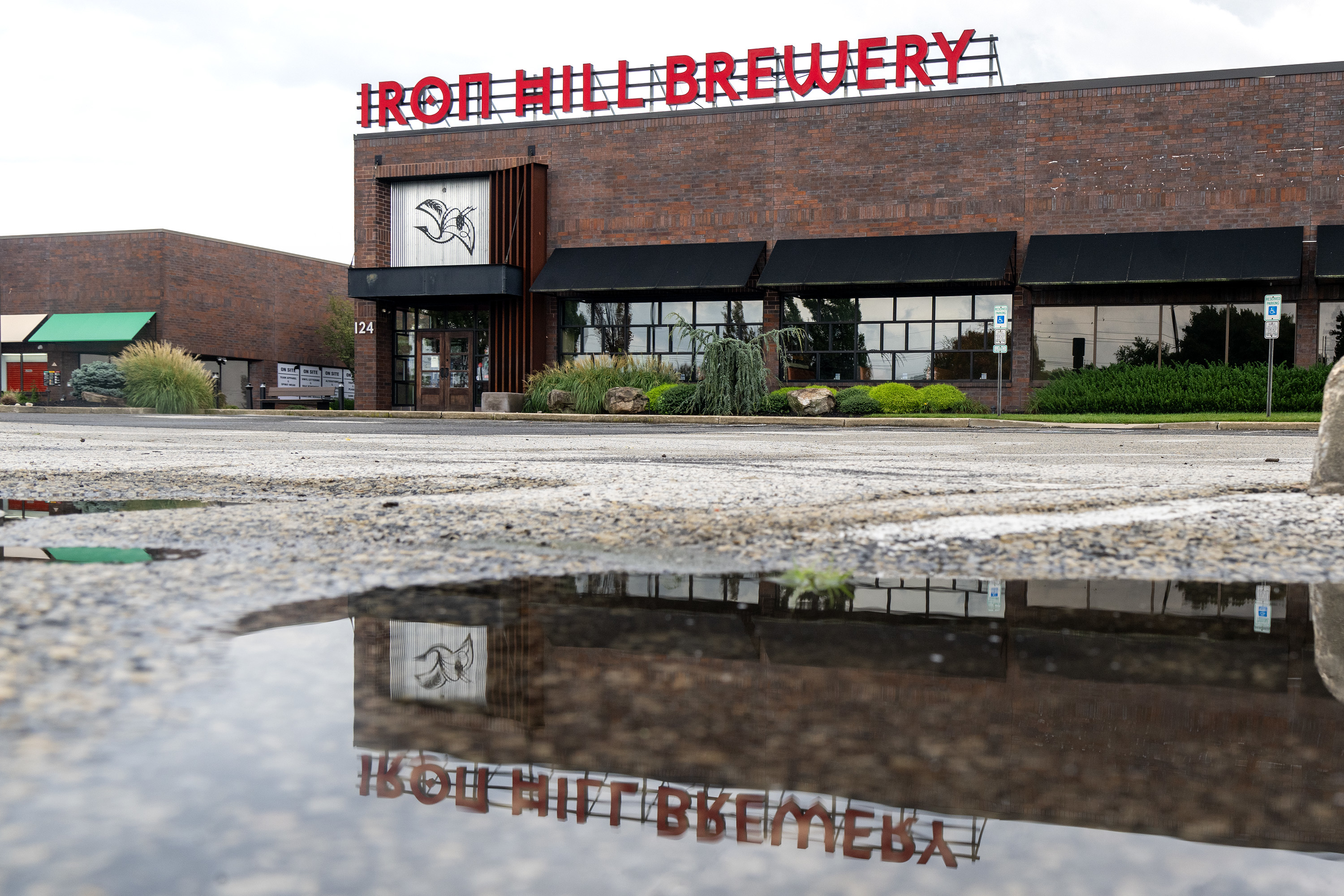
Another Iron Hill Brewery is set to reopen next week.
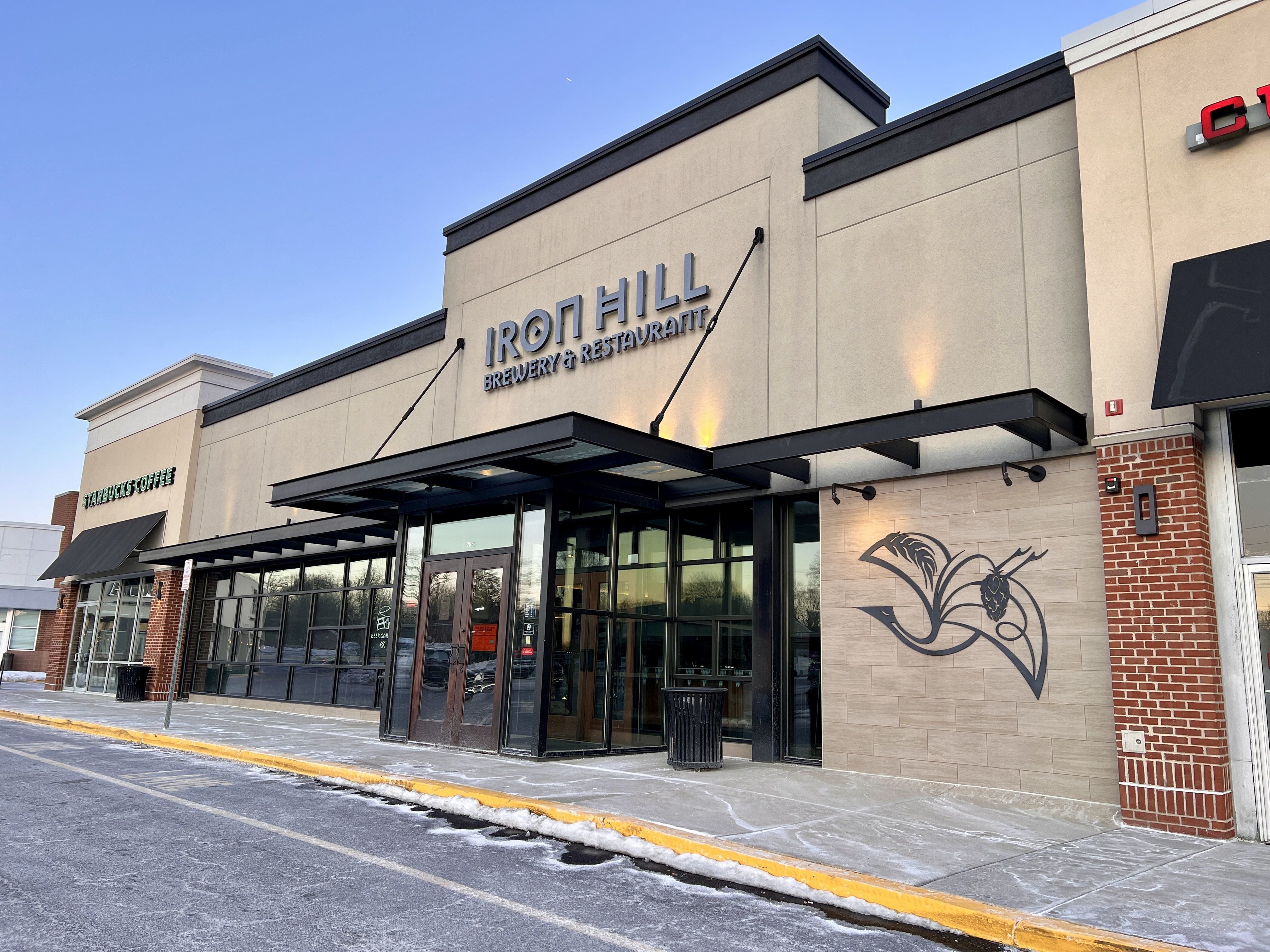
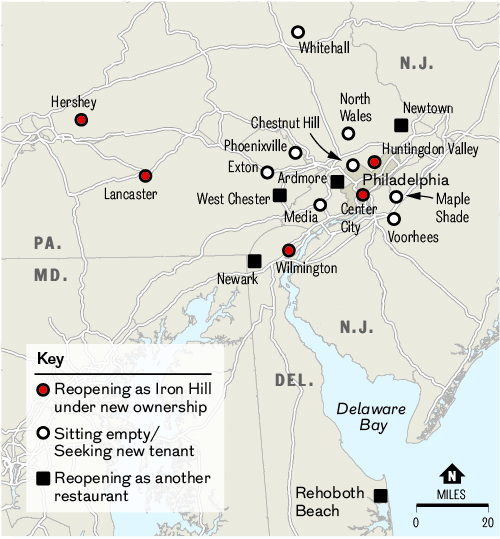
The Huntingdon Valley restaurant will be back in business Monday, June 22, according to the restaurant’s new ownership group. It will mark Iron Hill’s fourth post-bankruptcy revival and the only one in the Philadelphia suburbs.
Amid the reopenings, the new owners have launched a fresh loyalty program and special offers, including a free beer and free appetizer for customers with prebankruptcy gift cards that are no longer usable.
While Iron Hill had a suburban-Philly focus before bankruptcy, the Huntingdon Valley Shopping Center location is the only one set to be resurrected in the collar counties or South Jersey.
Bartenders there will be pouring a new IPA, Hop Chase, brewed exclusively for Huntingdon Valley, according to the new owners. They said patrons can sit inside or outside at the restaurant’s beer garden, which was the chain’s first when it opened in 2016.
“We’re creating a true neighborhood place for the guests we call family, somewhere the community can come together over laughter, great food and award-winning beer,” Naomi Yared, general manager of the Huntingdon Valley Iron Hill, said in a statement.
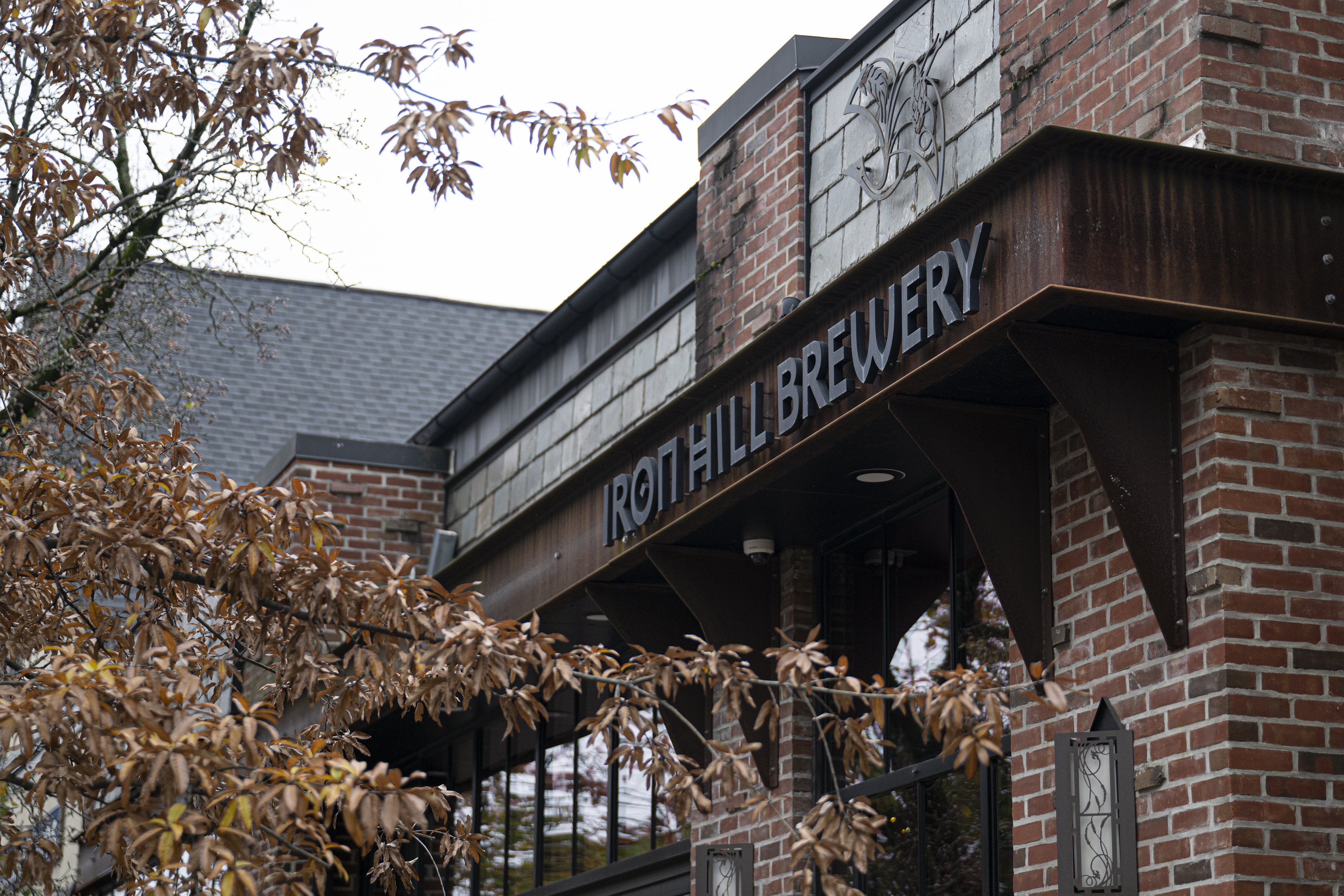
The former Iron Hill Brewery in Chestnut Hill sat empty in November. Property owners are still marketing the space for lease.Jose F. Moreno / Staff Photographer
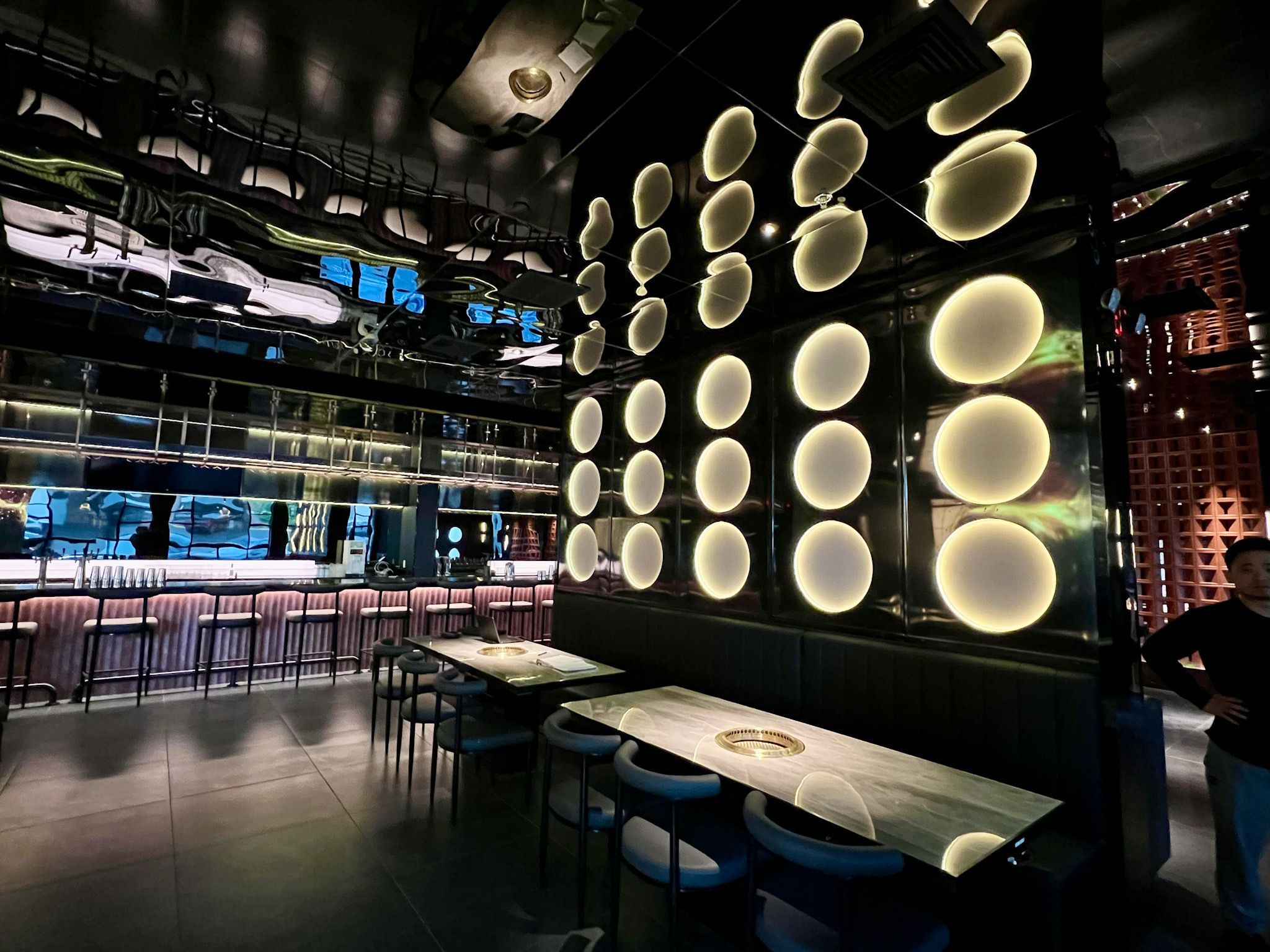
Here’s what we know about these local Iron Hill Breweries as of publication time June 15:
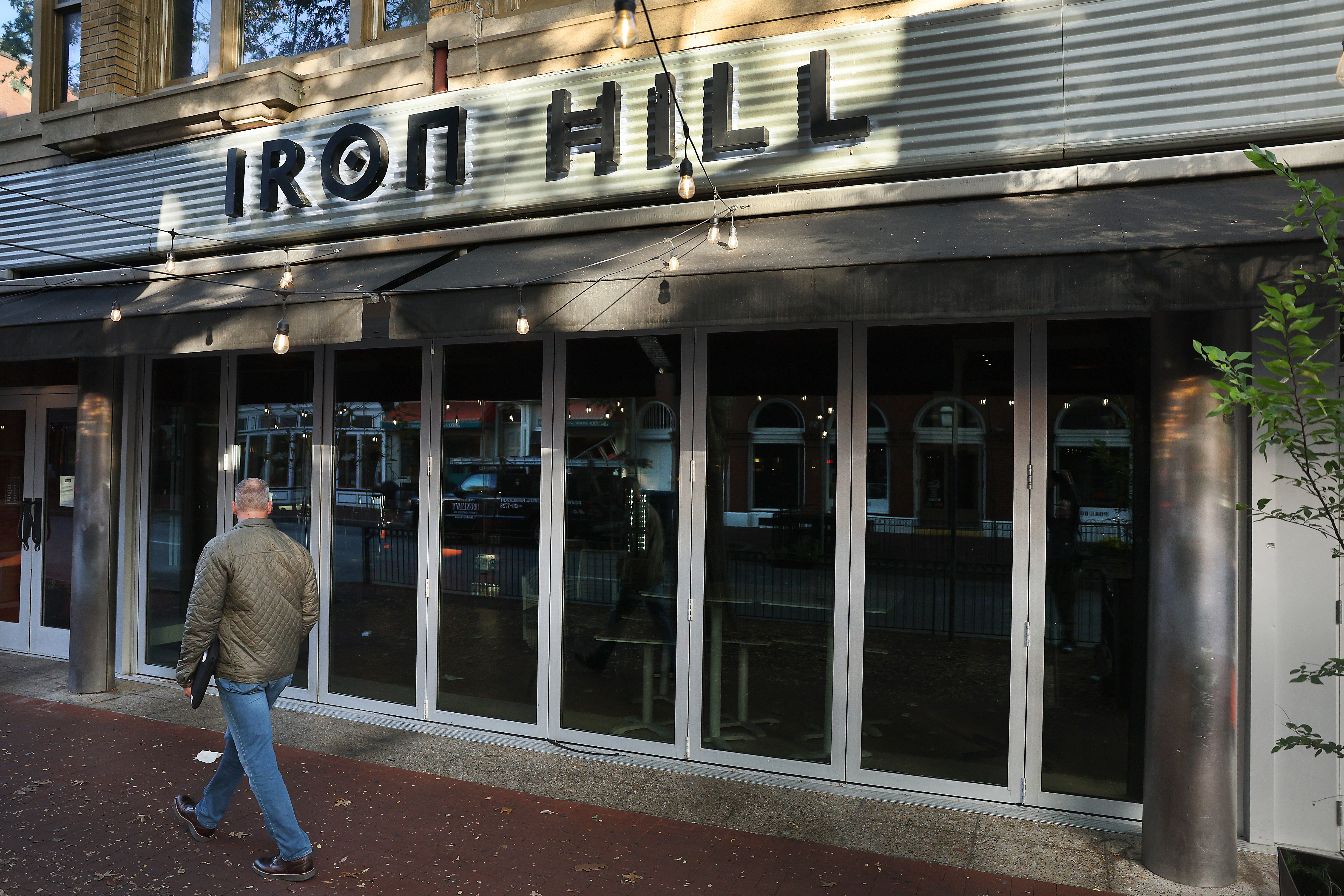
A pedestrian walked by the closed Iron Hill Brewery in West Chester in October. Magerk’s Pub & Grill is now taking over the space.David Maialetti / Staff Photographer
Fox Corp. is buying streaming platform Roku in a cash-and-stock deal valued at approximately $22 billion.
The deal announced Monday will give Fox access to the Roku channel, first-party data and more than 100 million global streaming households. Fox is a media giant that includes sports, news and entertainment content as well as Tubi.
Fox will pay $96 in cash and 0.9693 shares of its Class A common stock for each Roku Class A and Class B share outstanding. The transaction is valued at $160 per Roku share.
Existing Fox shareholders are expected to own approximately 73% of the combined company and Roku shareholders will own about 27%, once the deal closes.
The deal is expected to close in the first half of next year. It still needs approval from Fox and Roku shareholders and also regulatory approval.
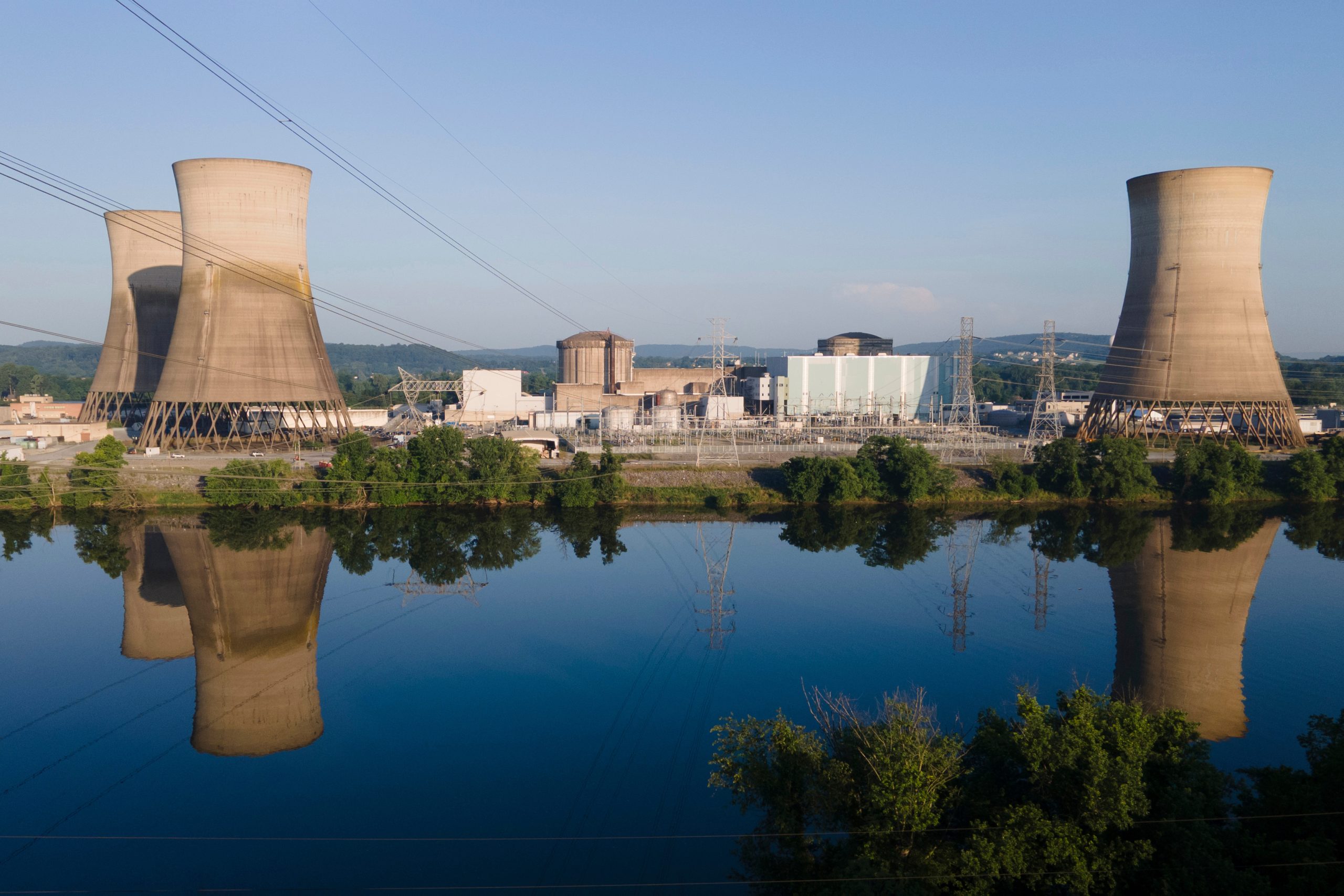
Constellation Energy crews have been laboring since 2024 to reopen Three Mile Island’s Unit 1 nuclear plant to meet spiking electricity demand. Planned data centers and other new demands have materialized since 2019, when the plant was shut because generating power there was too expensive to compete with cheap natural gas.
Now Constellation has moved up its own deadlines and says it’s approaching its goal to load uranium next spring and add electricity to the grid later in 2027.
That’s despite naysayers such as Neil Chatterjee, President Donald Trump’s former Federal Energy Regulatory Commission chair.
“It will never work” because of TMI’s aging technology and the complex U.S. and Pennsylvania energy bureaucracies, Chatterjee wrote in January in The Hill, which neglected to note Chatterjee had become a solar-power lobbyist.
In testimony submitted to regulators, environmental groups, including Eric Epstein’s TMI Alert, called the utility’s plans rushed and incomplete. Montgomery County-based PJM, which oversees power distribution for 13 states and the District of Columbia, warned it could be 2031 before the plant could connect to the power grid, Constellation chief executive Joe Dominguez told analysts and investors in March.
But Dominguez minimized that warning. “Normally, they start off with a pretty long timeline and shorten that up,“ he told investors in a conference call May 11, adding that he would work with states to speed connections.
Dominguez has moved up the original 2028 target date to next year, in part because of supporters like President Donald Trump and Pennsylvania Gov. Josh Shapiro, and because Microsoft has promised to buy as much power as the plant produces to run a growing array of data centers.
So Constellation is paying an army of builders, lawyers, and plant operators to prepare the plant.
At Constellation’s nuclear power plant on Three Mile Island near Middletown, Pa., in June 2025. Ted Shaffrey
New equipment
Constellation bought three building-sized replacement transformers from manufacturer Hyundai in South Korea, to be delivered later this month, after reinforcing the bridge to the island to bear their weight. Two will be installed “later this year,” one kept as a spare, said spokesperson Paul M. Adams.
The company says crews are repairing the partly dismantled Bravo cooling tower and inspecting the reactor building and diesel motors on the site. They are restoring controls — originally analog systems made by manufacturers in Reading and other Pennsylvania cities.
The company has scheduled enriched-uranium fuel assembly deliveries from its supplier Framatome in Richland, Wash., later this year, so fuel can be loaded into the reactor core next spring. The uranium is sourced from U.S. and foreign mines.
The deal with Microsoft
Microsoft has promised to buy power equal to the plant’s entire production at prices above today’s levels for 20 years.
But that doesn’t mean the software and data-center giant is going to run wires to new, power-burning facilities in the neighborhood.
The Microsoft deal supports Constellation’s regulatory and investor arguments in favor of reopening. It confirms this major data-center operator will need more power in years to come.
Jobs for construction and plant workers
Constellation says more than 3,000 construction workers will help bring the plant, which it now calls the Crane Clean Energy Center, into service.
The company also has hired hundreds of permanent workers for the plant, named after the late Exelon Corp. CEO who spun off Constellation and championed nuclear power. More than 550 full-time employees are on site, including the current class of 80 operators being trained in federal Nuclear Regulatory Commission procedures.
About 145 of those employees are “boomerang” staff who worked at Three Mile Island before its 2019 shutdown, according to Constellation.
More than 400 hires livewithin 25 miles of the plant. They include about a dozen recent graduates of the Penn State Harrisburg campus nearby.
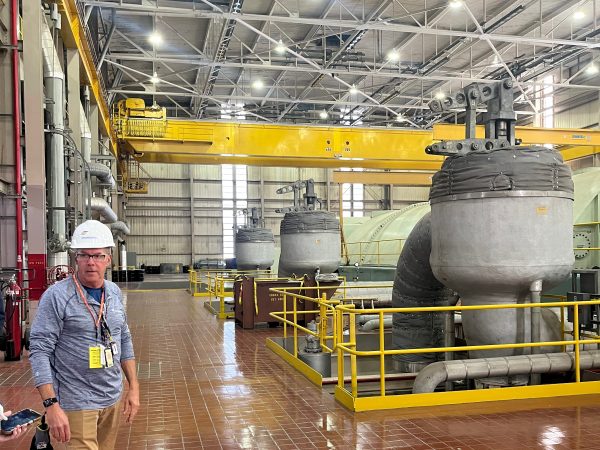
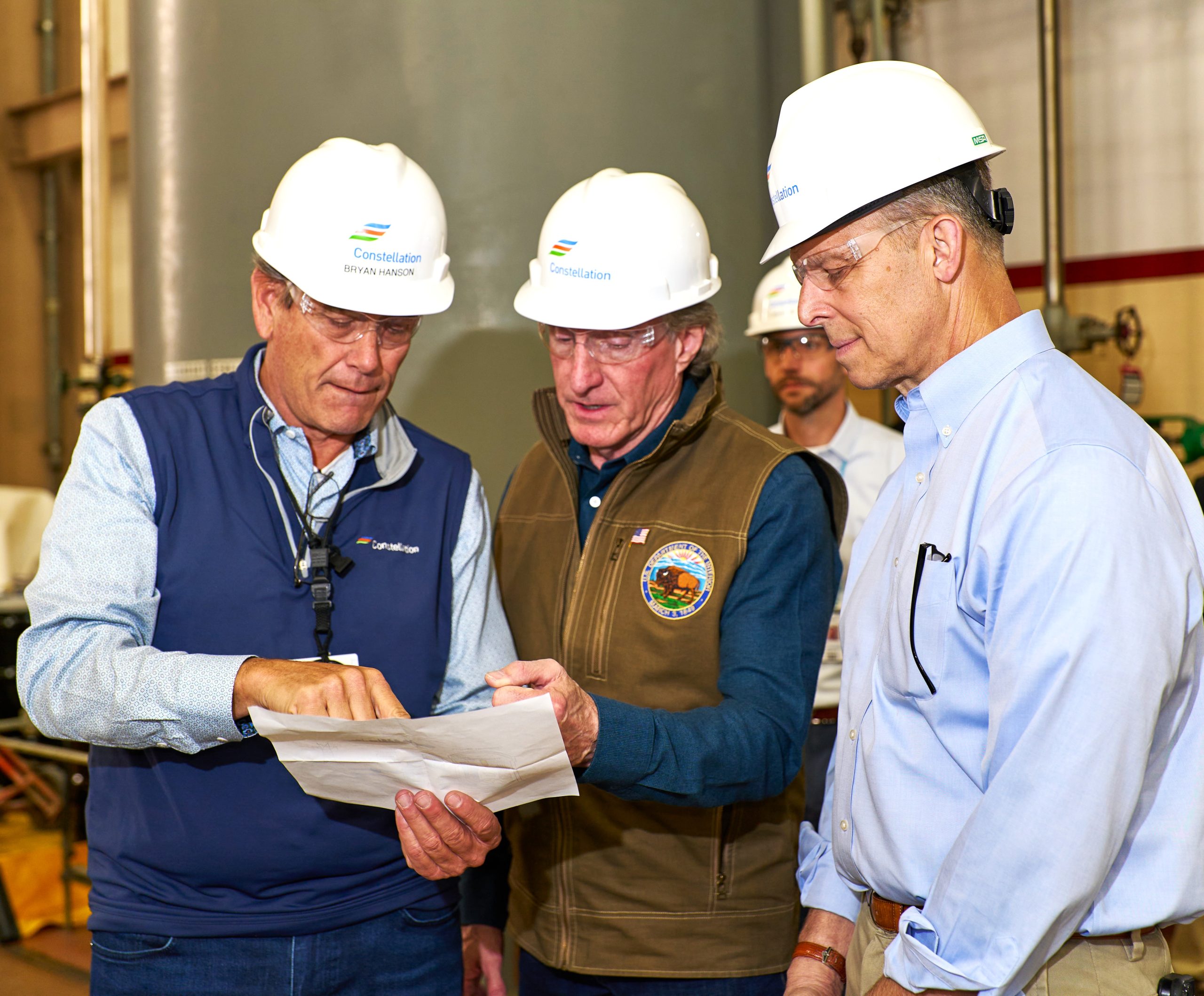
U.S. Secretary of Energy Doug Burgum (center) with Constellation Energy staff on May 1 at the Three Mile Island nuclear power complex Unit 1, which Constellation Energy plans to reopen as the Crane Clean Energy Center uranium-powered electric plant in 2027.Constellation
Shapiro, U.S. Energy Secretary Chris Wright, U.S. Interior Secretary Doug Burgum, U.S. Sen. Dave McCormick (R., Pa.), U.S. Rep. Scott Perry (R., Pa.), state legislators, and local officials have toured the plant to tout job and energy creation.
With permit applications pending before the NRC and other agencies, Constellation says it is “on track” to restart the plant next spring and deliver energy into the grid by summer or fall.
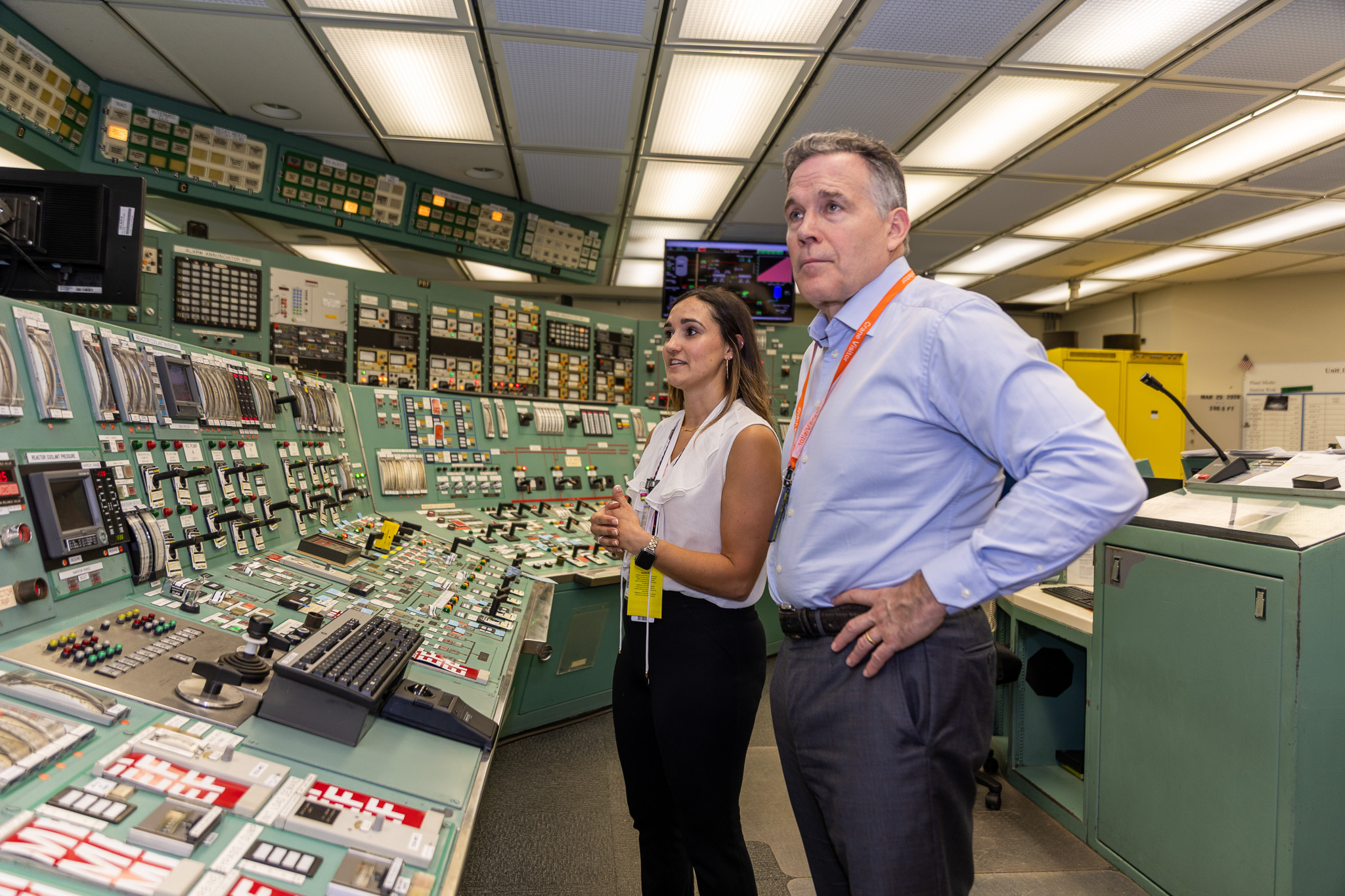
U.S. Sen. Dave McCormick with Tori VanderMeersch, senior manager, operations support for the Crane Clean Energy Center, in the control room at Three Mile Island Unit 1 nuclear power plant in early 2026.Constellation Energy
A workaround for PJM’s warning on connecting to the grid
In early June, the Federal Energy Regulatory Commission agreed to an unusual switch: It will let Constellation transfer “Capacity Interconnection Rights” from its diesel- and natural gas-burning electric power plants at Eddystone, Delaware County, to Three Mile Island, to speed the process of bringing the nuclear plant back online.
Constellation says it can do this without having to shut the Eddystone complex because the Trump administration gave the company special permission to keep Eddystone open, along with other fossil-fuel plants that were earlier scheduled for closing under a long-term program to reduce carbon-burning. It no longer needs the rights at Eddystone and can apply them at Three Mile Island.
An agreement on using water from the Susquehanna River
The Susquehanna River Basin Commission in early June approved Constellation’s plan for using river water at the restarted Three Mile Island nuclear plant.
Constellation plans to pull 73 million gallons per day from the river to control temperatures at the plant. That’s about one-third of 1% of the river’s average flow; an equivalent volume of water will be released and won’t, on average, cause “significant adverse impact to the ecosystem and other users,” notes commission spokesperson Stacey Hanrahan.
“Of course, we do not review a project based on average daily flow,” but on days the river is low, for example during a drought, she added. If the river gets too low for too long, Constellation could be ordered to stop using it.
McDonald’s golden arches. The Nike swoop. Apple’s apple.
Take a look around you right now. Even if you’re sitting alone in your home, you can probably spot logos for businesses in every corner.
The best logos serve as a visual shorthand for a company. They are simple and bold, recognizable and enduring.
But even the most well-established logos sometimes get refreshed to signal a brand’s evolving mission or products.
story continues after advertisement
The Philadelphia area is home to some classic business logos that have evolved over time. Can you choose the current logo for these popular local companies?
Question 1 of 6
CorrectIncorrect. XX% of other readers got this question right.
0% voted
0% voted
0% voted
0% voted
Wawa takes its name from the Native American word meaning "wild goose.” The goose has remained a part of the convenience store’s logo since 1974 when a Villanova University student and part-time worker at a Delaware County Wawa won a design contest.
Question 2 of 6
CorrectIncorrect. XX% of other readers got this question right.
0% voted
0% voted
0% voted
0% voted
Acme, which began in South Philadelphia as a neighborhood grocery store, started with a retro cursive logo. As the store expanded into a regional chain and was later acquired by Albertson’s, the logo evolved to feature bold red typography.
story continues after advertisement
Question 3 of 6
CorrectIncorrect. XX% of other readers got this question right.
CorrectIncorrect. XX% of other readers got this question right.
0% voted
0% voted
0% voted
0% voted
Tastykake cofounder Herbert Morris, formerly an egg salesman, designed the company’s first logo. No one knows why he chose to use two letter Ks, but the spelling stuck.
Question 5 of 6
CorrectIncorrect. XX% of other readers got this question right.
0% voted
0% voted
0% voted
0% voted
Beginning in the 1920s, Pep Boys’ logo featured caricatures of the three owners: Manny, Moe, and Jack. It included a fat cigar dangling from the corner of Manny’s mouth, an homage to co-owner and devout smoker Emanuel (Manny) Rosenfeld. But in 1990, as smoking fell out of favor, the company nixed the cigar to promote healthier lifestyles for consumers and employees.
story continues after advertisement
Question 6 of 6
CorrectIncorrect. XX% of other readers got this question right.
0% voted
0% voted
0% voted
0% voted
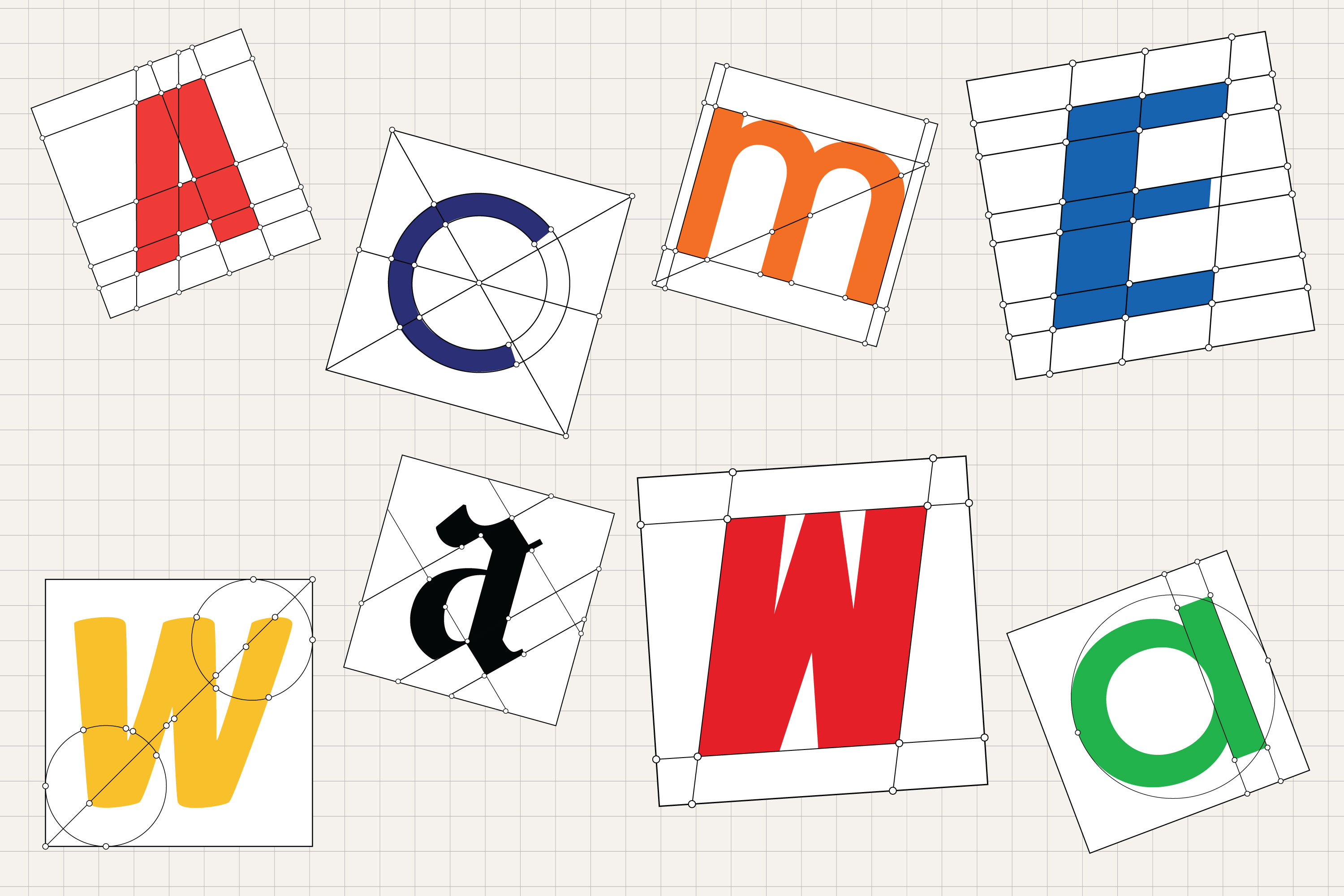
In 2022, The Inquirer redesigned its nameplate with a new font called Philadelphia Inquirer Clarendon — based on a Clarendon slab font seen in The Inquirer from the 1860s to the 1920s. The change included tweaking the official logo so the “d” in Philadelphia once again tipped to the left — The Inquirer’s style for more than 100 years until a brief change in 2019.
story continues after advertisement
Your Results
You have skipped .
You scored XX out of 6.
The average reader scored XX out of 6
Yikes! You need to brush up on your Philly-area businesses. Read inquirer.com/business to learn more about companies in our region.
You know something about Philly-area businesses, but read inquirer.com/business to take your knowledge to the next level.
Nice! You really know your Philly-area businesses. Keep reading inquirer.com/business to learn even more about companies in our region.
Staff Contributors
Design and development: Garland Fordice
Reporting: Erica Palan
Editing: Lizzy McLellan Ravitch
Copy Editing: Scott Sturgis
Subscribe to The Philadelphia Inquirer
Our reporting is directly supported by reader subscriptions. If you want more journalism like this story, please subscribe today.