Category: Business

  • 2026 Volkswagen Jetta GLI: A quick bargain that may be gone in a flash

    2026 Volkswagen Jetta GLI: A quick bargain that may be gone in a flash

    2026 Volkswagen Jetta GLI Autobahn vs. Hyundai Elantra N vs. Mazda3 2.5T Premium Plus AWD Hatchback: Let’s have some fun without breaking the bank.

    This week: Volkswagen Jetta GLI Autobahn

    Price: $35,670 as tested. And that comes pretty tricked out, with heated and ventilated seats, and premium audio. Just $650 for the 18-inch black rims and black side mirror caps. Autobahn is simply a top trim level, with one special feature noted below.

    What others are saying: “Highs: Just as quick as the GTI, as playful as ever, kind of a hot deal. Lows: We still prefer the manual even if it’s slower, annoying exhaust drone at highway speeds, deserving of a summer-tire option,” says Car and Driver.

    What Volkswagen is saying: “It’s the kind of car that’s hard to ignore.”

    Reality: It actually is quite easy to ignore, with all the exterior excitement of a Buick sedan, but it’s worth paying some attention.

    What’s new: Volkswagen has been having some financial problems and is planning to cut 100,000 jobs, according to BBC. As those in the know handicap which models may be cut from the lineup, Car and Driver is betting the GLI could be on the short list.

    Until then, though, let’s take this baby out for a ride. Fun seems to be harder to find these days, with war in Iran and tariff roulette costing us all money, so it seems like a good time to see which little cars might return a smile to our faces with little-ish price tags. With that comes a comparison of the Jetta GLI, Hyundai Elantra N, and the Mazda3 Turbo.

    Competition: In addition to the comparison vehicles, there are the Honda Civic Si, Honda Civic Type R, Toyota GR Corolla, Volkswagen Golf GTI, and Volkswagen Golf R.

    Up to speed: Woo hoo, the Jetta GLI Autobahn will get you to 60 quickly. Car and Driver says it gets there in 5.6 seconds, and I’m skeptical. It feels faster than that; I thought for sure I’d find a sub-5 time. But whatever, the 2.0-liter turbocharged four-cylinder engine creates 228 horses, and it really gets the small sedan around in a hurry.

    Zipping past cars on the highway is easy, so is getting the Jetta to 65, 70, and beyond, if you’re not looking. This is not the car to hand over to a teen to take to college.

    On the road: In fact, the Jetta GLI gets moving with more force than the front-wheel-drive system can adequately handle. Stomp on the accelerator while turning from a red light and the Jetta GLI Autobahn can quickly lose its composure and start dancing from side to side. All-wheel drive would be such a blessing to this little car.

    After you get rolling, give the GLI free rein in and out of turns and it’ll go exactly where you point it. The highway seams are not as brutal as you’d think in this sporty little sedan (unlike the unforgiving Toyota Sienna XSE I tested on a recent Minnesota drive) and there’s certainly plenty of gusto for passing your fellow motorists.

    Shifty: The Jetta in all its forms offers Volkswagen’s typical D-S shifter, where a double pull adds to the performance, and a push to the (wrong) right side gives you shift capabilities (the left side is the right side for shifting, people). Then a push forward lets you upshift — also incorrect, because a pull was mandated in documents carried by Moses from the Mount. The shifter is also a little too mushy for shifting, so maybe opt for the paddles.

    Or the stick shift. The Jetta GLI is one of the last few vehicles to let you shift for real, with a 6-speed manual also on offer.
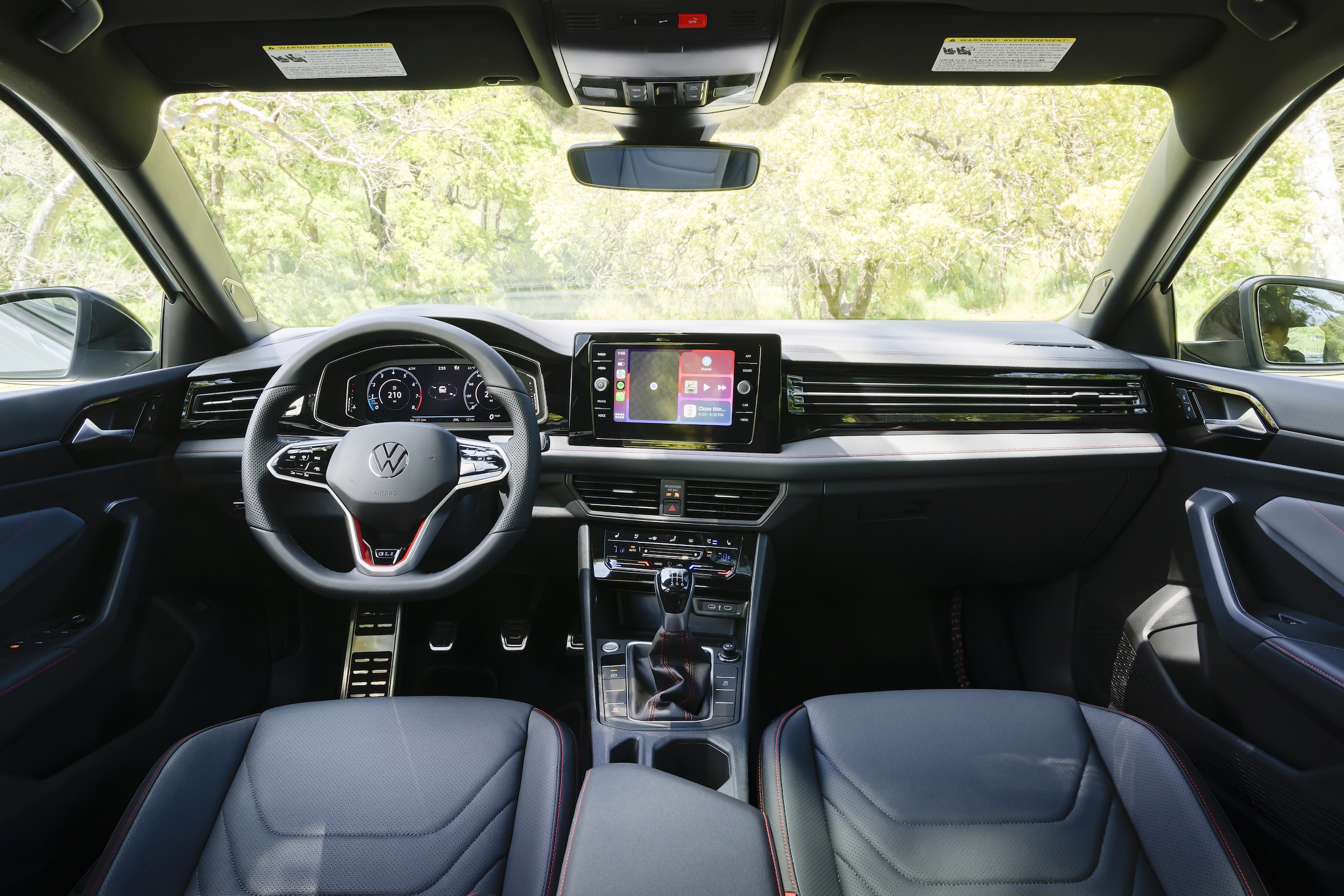
    The interior of the 2026 Volkswagen Jetta GLI continues a tradition of no-nonsense colors and functionality.JAMES LIPMAN

    Driver’s Seat: The leather-covered, red-accented Driver’s Seat offers more performance than comfort; it’ll hold you firmly in place, but it’s not ache-inducing. (Ask me about my back problems; I have aged into the perfect Goldilocks for all your Driver’s Seat insights.)

    The controls and gauges haven’t changed much in the past 10 years. You go, Volkswagen. Save those pennies.

    Friends and stuff: The rear seat has decent headroom and legroom, although foot room under the front seat is a little snug. The center seat is tight behind the console, of course. The entire seat is comfortable enough, especially for the price point.

    Cargo space is 14.1 cubic feet; the seats fold down for a pass-through.

    In and out: The Jetta sits sports-car low, so brace yourself for the ups and downs.

    Play some tunes: The stereo interface is also classically inspired, with volume and tuning knobs and an 8-inch screen. Like the 0-60 time, the little screen really punches above its weight; I searched and searched to make sure I didn’t have some larger upgrade, but no.

    Sound from the Volkswagen Premium Audio system, part of the Autobahn trim level, is quite good, an A- almost hitting an A.

    Keeping warm and cool: Dials control temperature, and buttons handle everything else. The blowers provide plenty of air on the hot days, something we’ve had more than our share of this summer, and the ventilated seats help with cooling as well.

    Fuel economy: The vehicle averaged 29 mpg over the last 1,500 miles, including a few hundred of mine.

    Where it’s built: Puebla, Mexico. The parts are 36% Mexican and 17% German.

    How it’s built: Consumer Reports predicts the Jetta reliability to be a 2 out of 5.

    In the end: You’re basically getting an Audi A3 for a Volkswagen price, so why wouldn’t you take it? Still, gotta check out the competition.

    Next week: We try the Hyundai Elantra N.
  • Was the World Cup good for Philly’s economy? The early signs are in

    Was the World Cup good for Philly’s economy? The early signs are in

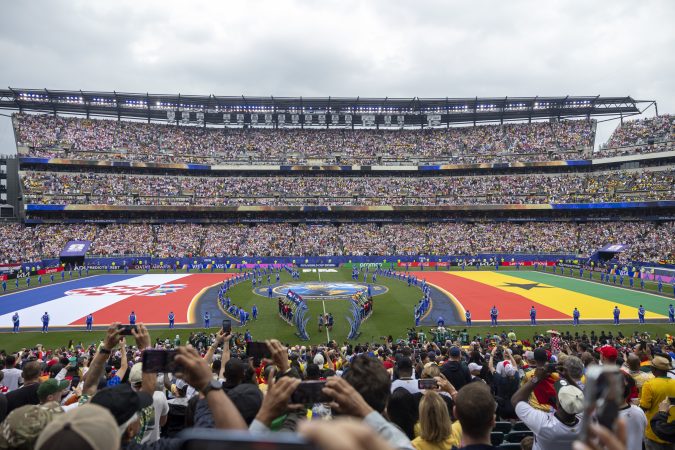
    Prior to the kickoff of the World Cup, the organizers of the city’s events projected the soccer tournament would bring $770 million to Pennsylvania in gross revenue.

    Yet, George Diemer, a sports economist at Temple University, said those in his field tend to be skeptical of pre-event projections. Organizers “have an incentive to blow the numbers up,” he said.

    Midway through the tournament, the Economy League of Greater Philadelphia estimated that $30 million to $90 million would actually stay in the city. The economists factored in metrics such as leakage, when a share of money spent goes to national organizations instead of staying local. The current analysis, done after the tourists have left, leans “toward the lower end of that range,” said Saloni Tandon, director of research and analytics at the Economy League, the region’s independent civic think tank.

    “Even if it goes up, it feels like our estimation is likely to stay in the tens of millions, rather than cross into the range of hundreds of millions,” said Tandon.

    The cleat-kicked dirt is still settling, and Tandon said conclusions will continue to change as more data comes to light. The city is looking for a consultant to craft a postmortem analysis on the year’s largest events’ economic impact.

    Here is what we know so far.

    Hotels and short-term rentals made more money

    Center City hotels made out well, as almost 410,000 fans from more than 190 countries flocked to Philadelphia to watch the six matches at Lincoln Financial Field.

    The Philadelphia Convention & Visitors Bureau data say on the dates of the six soccer Philadelphia matches, hotels saw a 50.3% increase in revenue compared to those same dates in 2025.

    Using that data, however, Tandon calculated that Center City hotel occupancy on the game days increased around 3% — modest gains. Much of that revenue increase was thanks to higher per-night pricing by the hotels due to the special event.

    A 3% occupancy increase doesn’t validate “a massive spike in terms of tourism,” Tandon said.

    Ethan Conner-Ross, executive vice president of consultancy firm Econsult Solutions Inc., noted that hotels may have lost some business to short-term rentals, with “people finding a different way to stay based on their needs,” he said.

    An Airbnb spokesperson said the World Cup was the biggest hosting event in the company’s history in all host cities.

    For short-term rentals in Philadelphia, revenue reached $38.3 million over the tournament window — up 25% from the same period last year, according to AirDNA, a research company that tracks the short-term rental market.

    But that gain was almost purely pricing — with $7.5 million of the $7.8 million increase coming from higher rates. Translation: hosts drove revenue by increasing prices rather than filling more nights. Occupancy dropped in 12 out of 16 host cities compared to the same period last year, including Philadelphia, as supply outpaced demand.

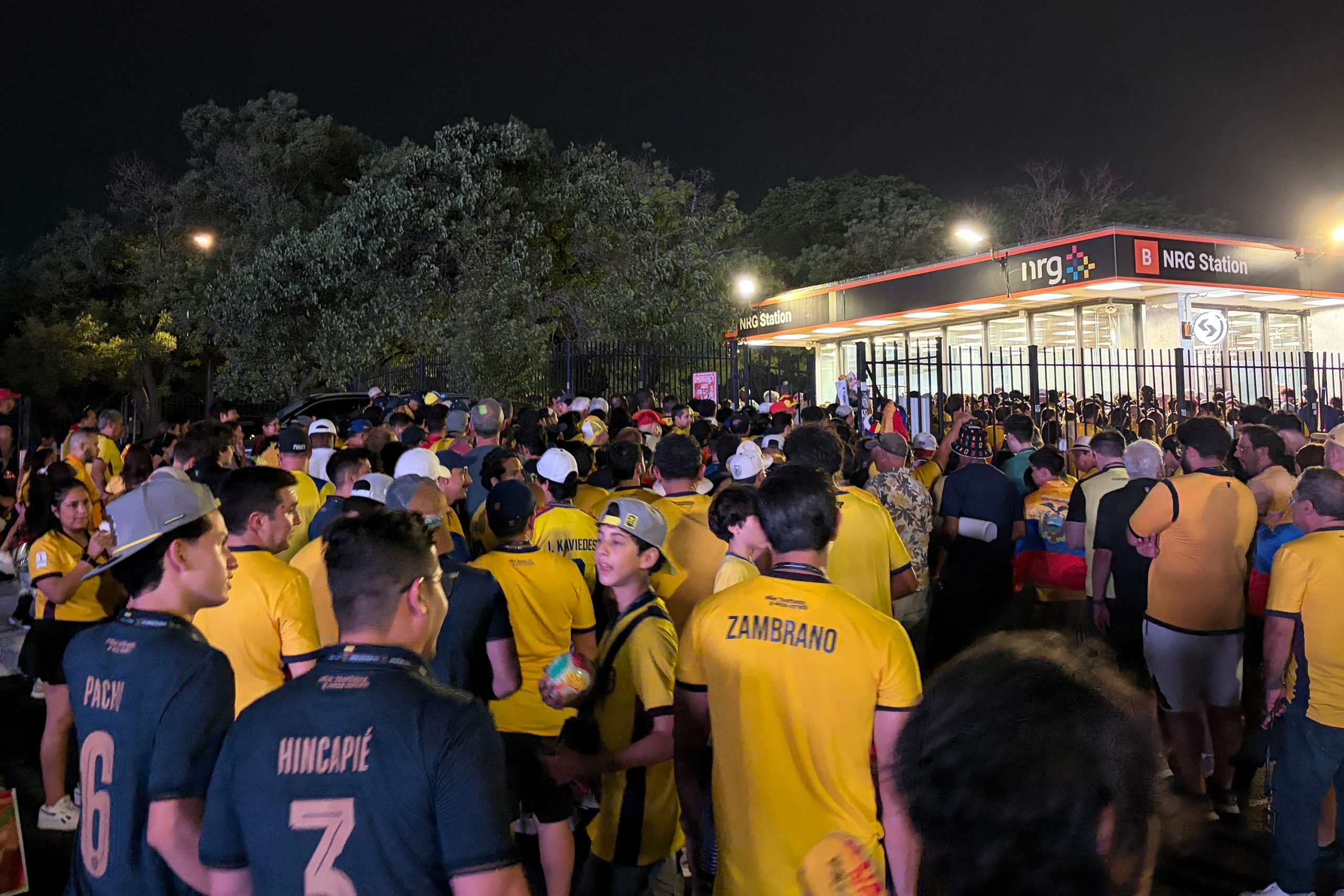
    Fans wait outside SEPTA’s NRG Station near the stadium following Ivory Coast’s victory over Ecuador on Sunday, June 14, 2026.Michelle Myers

    How SEPTA, PHL, and rideshare handled more travelers

    Hosting a large sports event can strain local infrastructure as tourists crowd public transit and other services, leaving high costs of building infrastructure or congestion for locals.

    Diemer pointed out that it took Montreal 30 years to pay off its debt from hosting the 1976 Olympics.

    Since the six World Cup matches in Philly were spaced out over June and July, Diemer said that helped diffuse the costs.

    “I think it was successful,” said Diemer of the decision to ”spread out the games so it won’t be overloading the local infrastructure.”

    SEPTA, for example, saw manageable bumps in ridership over the summer. On June 19, the day of the Brazil vs. Haiti match, SEPTA recorded the second-highest event ridership ever on the B line. (The first was after the Eagles won the NFC Championship in January 2025.)

    Travelers took advantage of public transit to get to and from the airport, as well. On the two days sandwiching a match, ridership on the Airport Regional Rail line typically increased at least 20%.

    At Philadelphia International Airport (PHL), international arrivals were up 8.3% in June year-over-year.

    Spokesperson Heather Redfern said that in a usual summer, PHL is typically a big outbound and connecting market to other destinations. This summer, there were more inbound passengers coming to Philadelphia from countries playing games in the city. In addition, many travelers, notably Scottish fans and Czech fans, took advantage of unique nonstop routes through PHL on the way to games in other cities.

    “We focused on delivering an experience for those passengers that made them fond of Philadelphia and want to come back and visit,” said Redfern, “From this perspective, we are very happy.”

    Despite some rideshare restrictions surrounding the FIFA Fan Festival in Lemon Hill, Uber drivers transported tens of thousands of fans to and from the festival and the stadium complex, according to Jazmin Kay, head of public affairs for Pennsylvania at Uber.

    Prior to the tournament, Uber onboarded more drivers and maximized earning opportunities for them: one way was creating an event-rider surcharge near venues, with 100% of those surcharges paid directly to drivers.

    For Lyft, on days when Philadelphia hosted a World Cup game, rides to bars increased by 18% compared to their typical average on the same day of the week. On June 19, rides to bars were 49% above average.

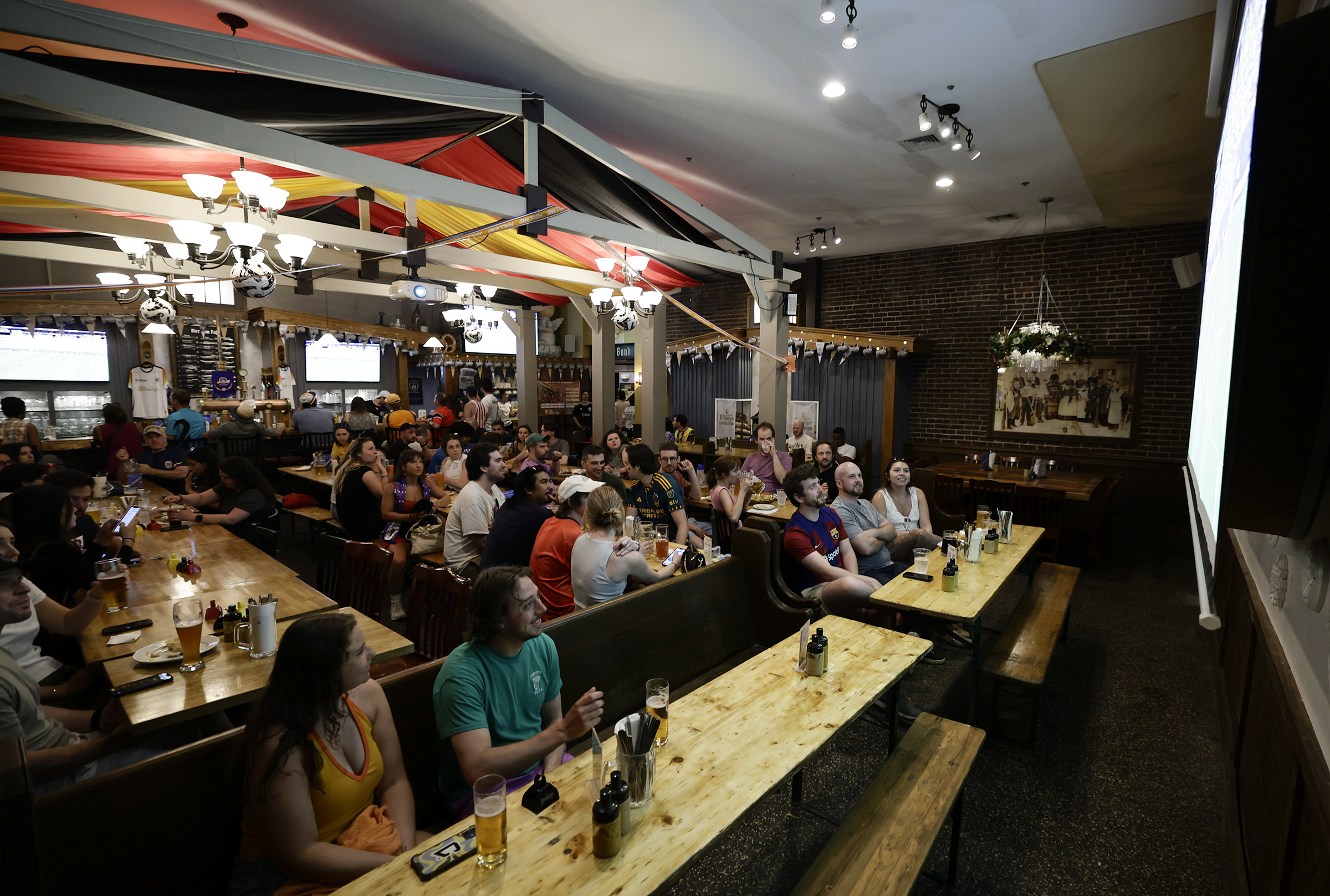
    Soccer fans watch Ecuador take on the Ivory Coast during a World Cup soccer watch party at Brauhaus Schmitz on Sunday, June 14, 2026.Yong Kim / Staff Photographer

    Where soccer fans ate and drank

    Philly’s fan festival saw 575,304 attendees, and bars nearby, like the Black Taxi, saw greater foot traffic and a boost in sales.

    For other Philadelphia restaurants, outcomes seem more mixed.

    On four of the six World Cup game dates, local restaurants that use reservation site OpenTable saw an increase in seated diners, according to OpenTable data. The biggest gain was 22% on June 25, and of the two dates when reservations decreased, June 14 was the worst with a 44% decline.

    At Reading Terminal Market, soccer fans helped drive a 13% year-over-year increase in June foot traffic. On June 19, the market saw more than 30,000 customers, setting a five-year record for Friday visitation.

    “Our prepared food merchants — especially if you are in the pretzel, cheesesteak, pizza, or burger business — had a great month,” said Annie Allman, CEO of Reading Terminal Market.

    Still, Allman noted that there was a drop in the number of loyal local customers that shopped at the market’s butchers, fishmongers, and grocers, “as they chose to stay home to avoid the crowds.”

    A longer-term reputation boost for Philly?

    It’s tricky to untangle the effects of the World Cup from tourism spending driven by other coinciding large events, such as the July Fourth celebrations for America’s 250th birthday.

    Additionally, not all impacts will be observed within the short period of the tournament. Some benefits, like an improvement of Philly’s reputation or publicity on an international stage, could be realized later on.

    “But it’s definitely in a mix of assets that affect how people think about Philadelphia,” Conner-Ross said, “and that contributes to those decisions that happen down the line.”

  • 150 employees expected to lose jobs as company closes Oaks distribution center

    150 employees expected to lose jobs as company closes Oaks distribution center

    Wholesale supply distributor Essendant plans to lay off 150 workers in the Phoenixville area and close its location there, as it looks for a way to avoid liquidating the whole company.

    The distribution center at 125 Green Tree Rd. in Upper Providence Township, which the company referred to as the Oaks facility, is expected to shutter around Oct. 3, said Marcela Sztainberg, who leads human resources at Essendant.

    The Illinois-based company has been operating out of the 558,704-square-foot Phoenixville facility for roughly 20 years, said Sztainberg. Its current lease expires in 2031.

    Essendant several years ago merged with private-equity owned Staples. The deal was announced in 2018 as an acquisition by Staples, and the Federal Trade Commission scrutinized the combination over concerns that the deal would harm competition in the office supply industry. The companies ultimately agreed to limit Staples’ access to Essendant’s customer information.

    Workers at the Phoenixville site earn $46,718 annually on average, Sztainberg said. The company does not plan to offer them positions at other company locations.

    Sztainberg did not provide a reason for the closure. But the company has been going through several changes recently.

    Industry reports note that Essendant has been shifting away from office supplies to focus the business on other products, including janitorial items and technology. Late last year the company also announced a partnership with transportation and logistics management company Hub Group, as part of its new delivery model.

    Late last year, the company issued layoff notices for facilities in Florida, Texas, North Carolina, and Ohio, the Houston Business Journal reported.

    In a layoff notice filed this week with the Pennsylvania Department of Labor and Industry, Sztainberg wrote that Essendant was looking to sell off some of its assets.

    “The company has been exploring various strategic alternatives, including potential sale transactions involving certain of the company’s assets and operations, and securing additional capital to avoid liquidation of the company,” the notice reads. “At this time, the company does not know if these efforts will succeed.”

    Essendant’s website indicates that it carries brands such as Clorox, Rubbermaid, and Colgate-Palmolive. It distributes items including batteries, calculators, printing supplies, hand sanitizer, soap, and trash bags.

    Originally called Utility Supply Co., the company was incorporated in 1922. It opened its first retail store in 1937 and by 1978 functioned as a wholesale supplier of office products, according to the business’ website. It was renamed Essendant in 2015.

    The company went public in 1981 and in 2017 reported $5 billion in net sales. It became a private company following the Staples merger.

  • Hackers target two New Jersey municipal water systems in nationwide cyberattack

    Hackers target two New Jersey municipal water systems in nationwide cyberattack

    Two New Jersey municipal water systems were targeted in a cyberattack that affected multiple local water agencies across the U.S. last week.

    The FBI and the Environmental Protection Agency issued a public warning last Thursday to all critical infrastructure operators that hackers are targeting vulnerable internet-connected control systems responsible for delivering drinking water. At least seven states, including New Jersey, Georgia, Minnesota, Michigan, and Wisconsin, have reported cyber incidents to the FBI since July 27.

    The two New Jersey municipal water systems targeted in the cyberattack have not been publicly disclosed.

    “Both systems have since been secured with strengthened access controls,” said Christopher Thoresen, spokesperson for the New Jersey Cybersecurity and Communications Integration Cell (NJCCIC), part of the New Jersey Department of Homeland Security. “The NJCCIC continues working with these utilities and with water systems statewide to reduce the risk of similar incidents going forward.”

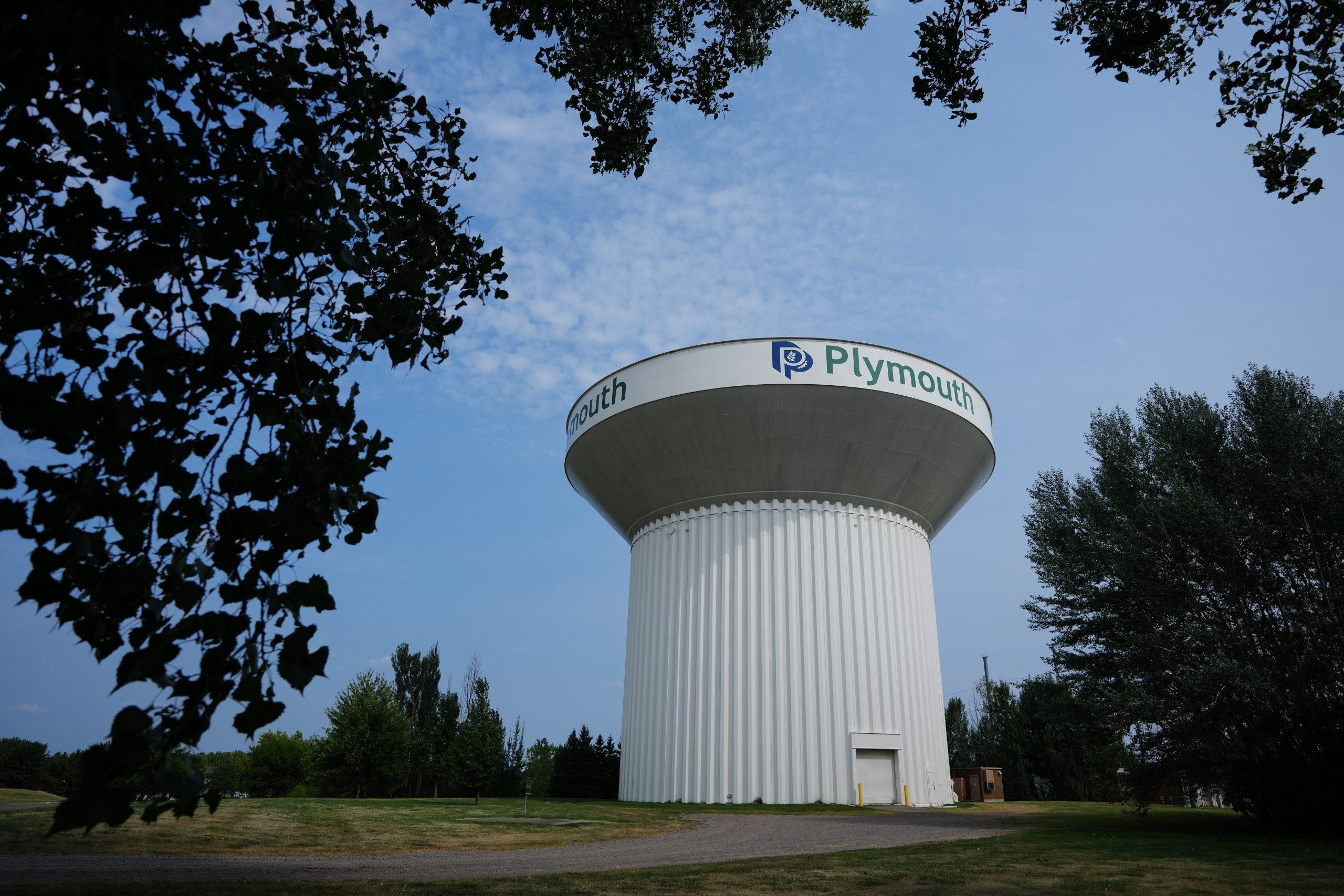
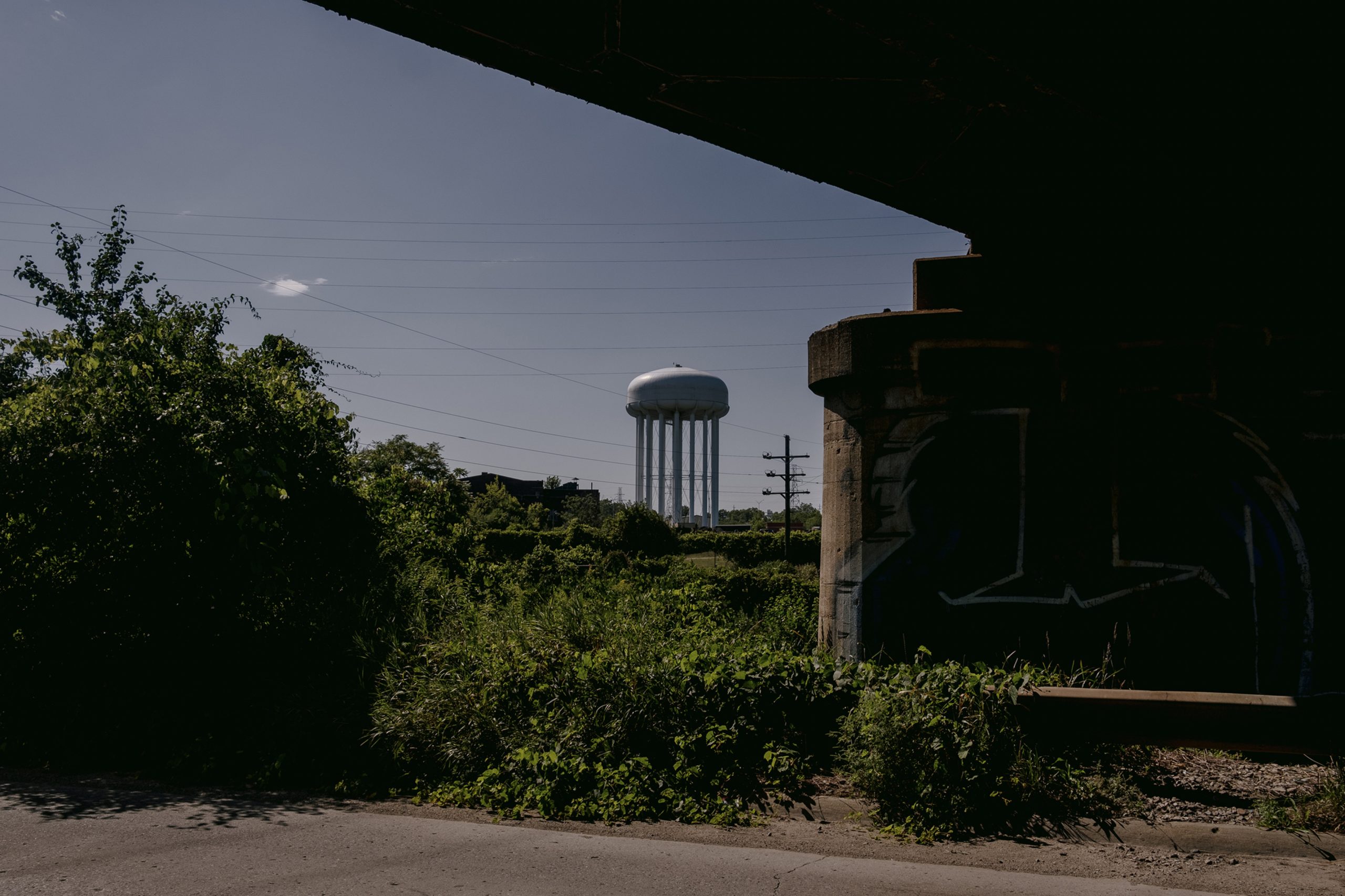
    A water tower is seen Thursday, July 30, 2026, in Plymouth, Minn. A cyberattack targeted the operating technology at over 30 water systems in Minnesota, including Plymouth’s, earlier this week, state officials said. (AP Photo/Ellen Schmidt)Ellen Schmidt

    Three state officials who were briefed on the cyberattack investigation told the New York Times last week that the methods used to exploit the water systems and the lack of a ransom demand had led some analysts to “tentatively conclude” that the cyberattack could be traced back to Iran, amid the U.S.-Iran war. However, federal investigators have not publicly linked Iran to the cyberattacks.

    Hackers accessed the water systems by exploiting small internet-connected devices, called programmable logic controllers (PLCs), that are used to remotely monitor and control aspects of industrial equipment, according to the NJCCIC.

    In July’s attack, hackers targeted logic controllers in municipal water systems that control the pumps and valves used to deliver drinking water. After accessing these devices, hackers changed IP addresses and set new passwords, locking water agencies out of remote monitoring capabilities.

    In New Jersey’s incidents, the municipal water agencies sent out staff to operate the systems manually, leading to no disruption to service or access to drinking water, according to the NJCCIC.

    A water tower in Flint, Mich., Aug. 20, 2020. Michigan and Minnesota are among at least seven states coping with cyberattacks aimed at disrupting water systems nationwide. (Erin Kirkland/The New York Times)ERIN KIRKLAND

    Cyberattacks were also reported in Minnesota, where 30 water-system facilities were targeted, and in Michigan, where nine were attacked. Similar to New Jersey, state officials said at no point during the attacks was drinking water unsafe.

    To protect from future cyberattacks, the FBI is advising all critical infrastructure operators to remove direct internet connections from PLCs through secure firewalls, stronger passwords, and more secure authorized communication.

    In July’s cyberattack, hackers exploited the MicroLogix 1100 and 1400 series of Rockwell Automation/Allen-Bradley PLCs, but the FBI warned that other branded devices can be vulnerable as well.

  • Federal and state officials highlight Medicaid fraud in Philadelphia

    Federal and state officials highlight Medicaid fraud in Philadelphia

    Federal and state officials including Mehmet Oz, head of the Centers for Medicare and Medicaid Services, and Pennsylvania Attorney General David Sunday were in Philadelphia on Tuesday to highlight efforts to combat the persistent problem of Medicaid billing fraud in home care.

    During a news conference in Center City, officials outlined Pennsylvania cases involving a personal-care assistant who billed Medicaid 1,000 times for more than 24 hours of work in a single day, another who billed for helping his father in South Philadelphia while being arrested in Chester, and an agency that billed Medicaid $225,000 for services provided by an aide who was dead.

    Federal and state prosecutors used the occasion to announce charges against 18 people and one agency in mostly unrelated cases for defrauding Pennsylvania’s Medicaid program of $4 million by billing for home-care services they did not provide. The alleged fraud occurred roughly over the last five years.

    The alleged fraud in these cases filed over the last two weeks is tiny compared with the size of the program. Pennsylvania spent $8.1 billion on home-care services last year, up from $2.3 billion in 2020, when the program expanded and thousands more people started getting paid to provide home care.

    “Used properly by honest citizens, the program allows those with physical ailments to be cared for by those they trust the most,” said Colin McDonald, of the Justice Department’s National Fraud Enforcement Division. “But infiltrated by greedy and deceitful opportunists, this program becomes a money tree, a gravy train for criminal fraudsters.”

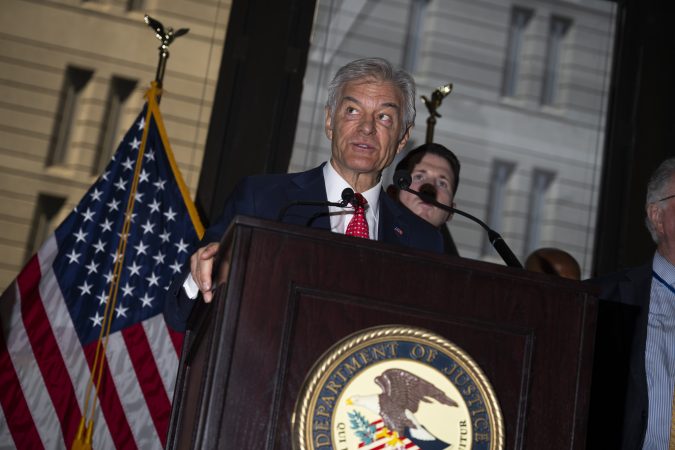
    Colin McDonald, Assistant Attorney General, Department of Justice National Fraud Enforcement Division, speaks as federal and state law enforcement officials announce healthcare fraud charges, Tuesday, August 4, 2026 in Philadelphia.Joe Lamberti / For The Inquirer

    The U.S. Department of Justice shared details on six new cases. The Pennsylvania attorney general recently filed five new cases.

    The biggest case involved $1.5 million in billings from a personal-care assistant registered with 13 agencies who more than 1,000 times charged Medicaid for more than 24 hours in a single day, Sunday said. On one occasion, the aide billed for 126 hours in a single day, Sunday said.

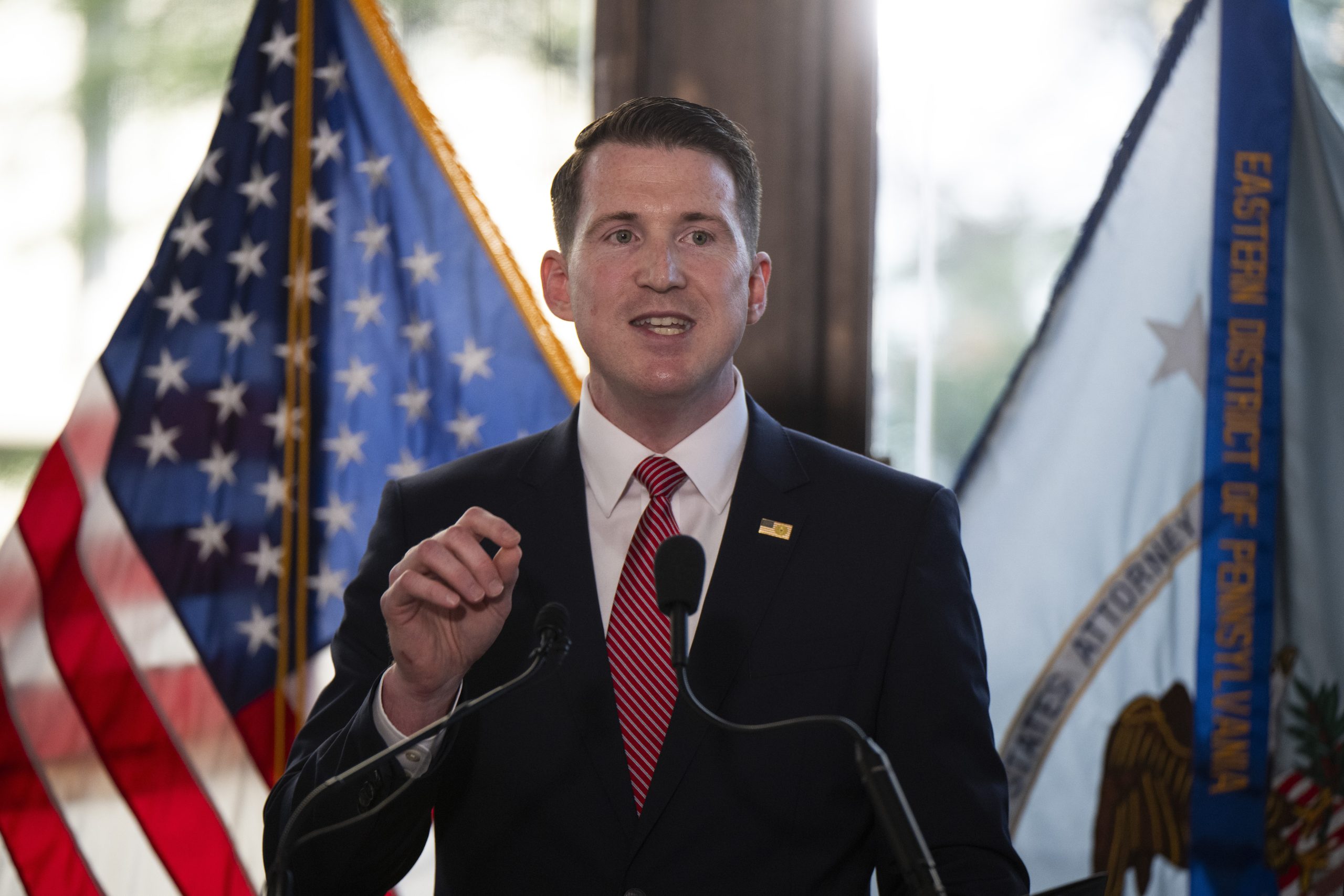
    Federal prosecutors charged Benevolent Home Health Care with billing 600 times in 13 months for a personal-care aide who was dead. That case originated during the arrest of the husband of one of its owners on drug-trafficking charges, said David Metcalf, U.S. attorney for the Eastern District of Pennsylvania.

    As the man was being arrested, he told agents from the Drug Enforcement Agency that he had to clock out of his shift as a home-care aide, even though he was not providing services. When asked about it, according to Metcalf, he said: “Everybody is doing this. If that’s a problem, you’d have to arrest the whole city,”

    Attorneys for Khaleelah Williams and Saleemah Davis, Benevolent’s owners, said they had no comment.

    In other cases, defendants billed for providing services while they were in prison, working at one of Philadelphia’s sports stadiums, or vacationing in Saudi Arabia, Jamaica, or Colombia

    This story has been updated to correct the name of the agency Mehmet Oz heads.

  • Kepple’s Carpet Inc., a family-owned company in Camden County, has filed for bankruptcy

    Kepple’s Carpet Inc., a family-owned company in Camden County, has filed for bankruptcy

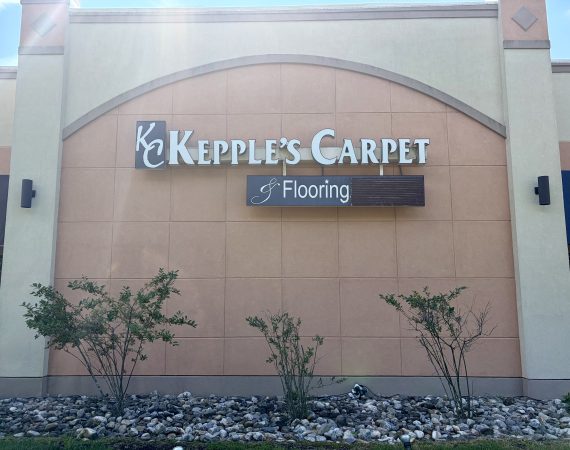
    Family-owned Kepple’s Carpet Inc., which has served the South Jersey region for more than 30 years, has filed for Chapter 11 bankruptcy protection.

    The West Berlin-based company reported less than $50,000 in assets in its bankruptcy petition filed on July 22. The company could owe up to $500,000 in unsecured creditor claims, the filing shows.

    Some of Kepple’s largest outstanding debts include $138,000 across three financing firms, more than $60,000 in state taxes, and over $50,000 owed to Comcast Business, the filing shows.

    The company also owes its landlord $29,000 for their sprawling Cushman Avenue showroom featuring floor-to-ceiling carpet and flooring samples.

    Chapter 11 allows the company to continue operating under court supervision while it restructures its finances and develops a plan to repay the debt over time.

    Neither Kepple’s Carpet nor the company’s bankruptcy attorney returned multiple requests for comment. The large showroom was open for browsing Tuesday morning as signs indicated staff were away on a consultation.

    Kepple’s filing comes as the American flooring industry grapples with inflation and tariffs.

    About 70 independent flooring retailers closed their doors in 2025, industry publication Floor Focus reports.

    After tariffs were put in place early last year, prices of imported goods rose by about 6.2% relative to the levels predicted by pre-tariff trends, and domestic goods increased by 3.6% between March and October, according to research from the Harvard Business School Pricing Lab.

    The price of carpets and other floor coverings increased the most of any industry, data showed, with prices surging by as much as 54.6% for imports.

  • Five Below investors are alleging securities fraud in a class action

    Five Below investors are alleging securities fraud in a class action

    A federal judge in Philadelphia ruled Monday that a lawsuit alleging discount retailer Five Below defrauded investors can move forward as a class action on behalf of numerous shareholders.

    U.S. District Judge Gerald Austin McHugh’s 34-page order handed a win to the lead plaintiffs, two Arkansas public employee retirement plans. The pension funds say that for more than a year, Philadelphia-based Five Below misled investors about its ability to identify and stock popular products — a skill company executives referred to as their “secret sauce.”

    Once investors learned the full extent of the company’s challenges in July 2024, Five Below’s stock price plummeted, wiping out almost $8 billion in shareholder value, the suit says. The company’s CEO resigned around that time.

    The Arkansas Public Employees’ Retirement (APER) and the Arkansas Teacher Retirement System say they lost more than $5 million combined due to the alleged fraud.

    McHugh granted their motion asking him to certify a class of people and entities who bought Five Below stock between December 2022 and July 2024.

    “We are pleased to be able to represent the interests of these public pension funds, where teachers and other public servants were invested in this company and lost a considerable amount of money,” Michael Dell’Angelo, executive shareholder and general counsel of Philadelphia-based law firm Berger Montague, said in a statement.

    “Our clients lost millions of dollars after they relied on the exaggerated expectations set by this retailer,” he said.

    Five Below has 1,800 stores in 44 states and says most of its products are priced between $1 and $5, many of them aimed at children and teens. The company didn’t respond to a request for comment. Attorneys for Five Below and two other defendants — former CEO Joel Anderson and chief operating officer Kenneth Bull — didn’t respond to requests for comment.

    The defendants have denied the allegations in court papers.

    “Being honest with the market about the pitfalls of a business strategy as they are learned in no way reveals advance knowledge that the approach would fail, and failing to make accurate predictions does not amount to securities fraud,” Jay A. Dubow and Erica H. Dressler of the Philadelphia firm Troutman Pepper Locke LLP wrote in a court filing last year.

    The suit alleges that despite management’s repeated assertions that Five Below could identify and capitalize on trends, the company in fact “did not operate with any real ability to stock its stores with in-demand products.”

    Nevertheless, Five Below told investors it planned to triple its number of locations and double its sales based on this “trend-right” strategy, the suit says. The “plan was abruptly throttled down” shortly after Anderson, the CEO, resigned in July 2024, according to the complaint.

    Even as Five Below’s problems with product assortment, inventory, and expansion dragged on its operating performance, executives falsely blamed shoplifting, the suit says.

    The company eventually allegedly admitted its shortcomings in a series of disclosures to investors, with executive Bull conceding in late 2024 that Five Below had “lost our way.”

    While investors suffered losses, Bull and Anderson sold more than $9 million in Five Below shares during the period in question, “while also receiving incentive compensation valued at over $10 million based on the inflation in the company’s share price,” the suit says.

    The company has since rebounded, with executives citing the popularity of games and viral toys, as well as artificial-intelligence tools that help with inventory.

  • N.J. attorney general sues Amazon over delivery driver network she says is bad for workers

    N.J. attorney general sues Amazon over delivery driver network she says is bad for workers

    New Jersey Attorney General Jennifer Davenport filed the state’s fourth open lawsuit against Amazon on Tuesday, accusing the tech giant of creating worse work conditions for lower pay through its “anticompetitive” delivery driver network.

    “Today, my office is acting to stand up for thousands of New Jersey delivery drivers who are being exploited every day by one of the world’s biggest, richest corporations,” Davenport said at a news conference.

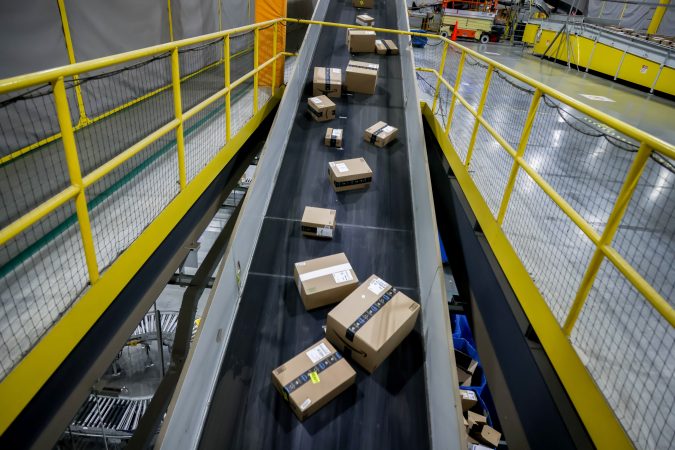
    The suit homes in on Amazon’s Delivery Service Partners (DSPs) program, which the company advertises as an opportunity for prospective entrepreneurs to open their own business while partnering with the tech giant by managing a local system of drivers. But these businesses are beholden to Amazon, Davenport argues, and the tech giant’s system prevents drivers from unionizing or getting better work conditions.

    “These are the workers who bring Amazon packages to our front doors,” she said. “They often show up in Amazon vans, wearing Amazon vests, carrying boxes with the Amazon logo on them. And in our view, they are working longer hours in worse conditions and for less money because of Amazon’s anticompetitive behavior.”

    These drivers earn “significantly less” than drivers for UPS, FedEx, and the U.S. Postal Service, according to the complaint.

    The complaint describes a work environment of employee surveillance, union busting, and drivers having no choice but to urinate in water bottles to meet Amazon’s metrics.

    “They must accept invasive surveillance that monitors their every moment and action while at work and face the possibility of immediate termination for the smallest infraction or failure to meet these unreasonable requirements,” the complaint states.

    Steve Kelly, a spokesperson for Amazon, pushed back strongly on the claims made in the suit and accused Davenport of choosing to hold a news conference rather than seeking a greater understanding of the program.

    “This complaint is not grounded in fact. The Attorney General’s characterization of the DSP Program and the claims about working conditions are just wrong. The truth is, DSPs are independent business owners who make their own decisions about hiring, fleet management, and capacity planning — and they choose whether to work with other companies besides Amazon,” Kelly said in a statement.

    “Had the Attorney General bothered to look at the facts, they would have also seen that the vast majority of routes are finished on-time or early — built on real-world data accounting for stop complexity, traffic, and geography. DSPs manage their drivers’ workday and route execution, and DSP employees are free to choose their employer and associate with who they want, full stop.”

    Kelly said the company was confident that it would prevail in court.

    On its website, Amazon advertises the DSP program as providing “the unique opportunity to create jobs in your neighborhood and lead a team that delivers gifts, textbooks, and pet food to your community.”

    But Davenport’s office argues that the DSPs “are anything but independent.”

    “Rather, Amazon keeps control of the levers that matter — setting demanding operational requirements, monitoring driver performance, controlling route allocations, and restricting DSPs from hiring one another’s drivers — with exploitative consequences for the drivers themselves,“ her office said in a release.

    Davenport also alleges that Amazon monitors DSP workers with artificial intelligence and cameras inside the vehicles they drive, and that the company has intimidated and retaliated against drivers who were suspected of union organizing.

    The complaint cites an incident in Queens, N.Y., in which Amazon allegedly sent drones to blacklist striking workers. It also cites an instance in Edison where workers were allegedly told that labor organizing could endanger DSP’s partnership with Amazon, putting their jobs in jeopardy.

    The suit claims also accuses Amazon of blacklisting workers who support unionization from a broad network of DSPs, and cites workers who were terminated after their bosses learned they supported labor organizing.

    Amazon is the dominant purchaser of this delivery driver labor, and since it is about buying rather than selling, their alleged anticompetitive practice is called a monopsony, rather than a monopoly. Davenport’s office said this is the first time a state has filed a monopsony complaint.

    It adds to a list of court battles with the company.

    In September 2023, former Attorney General Matthew Platkin joined the Federal Trade Commission and other states in suing the tech giant for allegedly maintaining a monopoly. Last October, Platkin filed one complaint over the company’s treatment of pregnant people and workers with disabilities, and another over how Amazon classifies certain workers as independent contractors and therefore denies them rights and benefits.

    Davenport’s lawsuit Tuesday is the first lawsuit against Amazon filed under Democratic Gov. Mikie Sherrill’s administration, but the state’s top lawyer said the three other cases are ongoing.

    The complaint, filed in the U.S. District Court for the District of New Jersey, alleges violation of the federal Sherman Antitrust Act and New Jersey’s Antitrust Act and seeks damages for DSP drivers and for Amazon to stop the alleged behavior.

  • Fabric Workshop and Museum employees are the latest museum workers to get a union contract

    Fabric Workshop and Museum employees are the latest museum workers to get a union contract

    Employees of the Fabric Workshop and Museum in Philadelphia adopted their first union contract this month, joining a wave of museum worker organizing in recent years.

    The 22 workers covered by the new contract are represented by the AFSCME District Council 47, Local 397, and work in visitor services, education, marketing, and communications roles, among other jobs.

    “The Fabric Workshop and Museum’s commitment to creating a space of artistic experimentation is propelled by its staff, who bring a unique sense of creativity and care to their work,” Local 397 president Halcyone Schiller said. “Our collective bargaining agreement ensures that on-the-job protections and pay structures will enable staff to continue to do this exciting work for years to come.”

    The museum voluntarily recognized the union in May 2025, and bargaining started in October. The workers ratified the new contract on July 23, a spokesperson for the Fabric Workshop and Museum confirmed.

    Local 397 was established in 2020, with employees of the Philadelphia Museum of Art who voted to unionize that year. The following year, workers at the Penn Museum joined their ranks, and then employees of the Please Touch Museum voted to unionize with the local in 2023.

    Aeniah Godwin (center) and Saoni Lorenzo (right) participate in a sewing workshop at the Fabric Workshop and Museum in Philadelphia as part of a 2023 internship through the Greater Philadelphia Cultural Alliance.Carlos Avendaño, courtesy of The Fabric Workshop and Museum

    The three-year contract went into effect Aug. 1 and includes raises, as well as a guarantee that internal candidates get preference during hiring for union jobs.

    Under the new union contract, the minimum annual salary increased to $45,000 from $40,000, and the minimum hourly wage is increasing to $17 from $16.

    Over the course of the contract, salaried employees will see an 11% pay increase as well, according to a spokesperson for the Fabric Workshop and Museum. The starting hourly wage will increase to $18.04 over the course of the three-year contract, the spokesperson said.

    Workers are also guaranteed “at least one dedicated, annual professional development opportunity focused on core museum or studio skills,” the spokesperson said, as part of the new agreement.

    “The negotiation process called on us to work together with kindness and respect to achieve the best outcome for our staff and the institution we all care for deeply,” said Kelly Shindler, executive and artistic director of the Fabric Workshop and Museum. “This contract proudly affirms our commitment to artists — first and foremost those on our staff — and to fostering a vibrant and accountable organization.”

  • Employers are grappling with their cannabis policies | Expert opinion

    Employers are grappling with their cannabis policies | Expert opinion

    Cannabis is seemingly everywhere. Is it in the workplace?

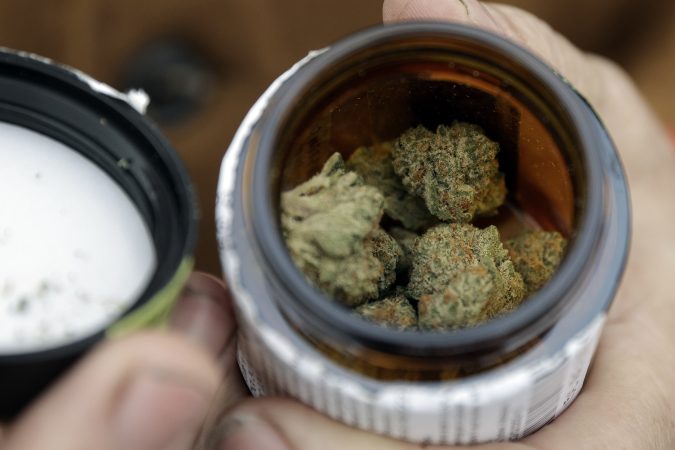
    More than 64 million Americans over the age of 12 used marijuana in 2024, a 19% increase since 2021, according to a recent report from the U.S. Department of Health. And while cannabis is restricted to medical use in Pennsylvania, customers can now easily purchase these products over the bridge at more than 300 shops in New Jersey, where state law allows recreational use.

    Currently, cannabis is classified as a Schedule I controlled substance by the federal government. But an active effort to move it to the less restricted Schedule III classification is underway. If that happens, cannabis use will likely become even more common.

    All of this is having an impact on employers’ drug policies. Given its widespread use, and predicted growth in popularity, should cannabis be included in the testing and screening of employees at all?

    Should employment drug screens include cannabis?

    Some experts, like Marissa Mastroianni, an employment attorney at Cole Schotz in Hackensack, think not.

    “In most cases I recommend clients drop cannabis from their testing and screening in light of the employment protections being passed for cannabis users across the country and particularly New Jersey,” she said.

    New Jersey’s Cannabis Regulatory, Enforcement Assistance, and Marketplace Modernization (CREAMM) Act passed in 2021 and provides employment protections for workers as a result of the state’s legalization of adult-use cannabis.

    “I see many employers simply dropping cannabis from their standard drug testing panels unless federal law, industry rules, or a safety-sensitive job requires it,” Mastroianni said. One of the big reasons, she points out, is that cannabis, unlike alcohol, can remain in your bloodstream for many days after it’s been consumed.

    “In both Pennsylvania and New Jersey, the old blanket zero-tolerance approach just doesn’t work anymore,” she said. “The focus has shifted — it is no longer about whether someone uses cannabis at all, but whether they are actually impaired at work.”

    A changing process for drug testing

    Drug testing, depending on the company and its industry, is still very common, and for good reason. But the process is changing.

    “Reasonable-suspicion testing, where a supervisor sees actual signs of impairment, is really the most defensible and practical approach right now,” said Mastroianni. ”Random testing is best saved for safety-sensitive positions or jobs where federal regulations require it, like Department of Transportation-regulated roles.”

    Employers must be careful when requiring testing, said Marjorie Obod, co-chair of the labor and employment practice at Philadelphia law firm Dilworth Paxson.

    “Because Pennsylvania recognizes medical marijuana, it prohibits employers from discriminating against somebody based on its use,” she said. Occupational Health and Safety Administration (OSHA) rules say employers “can’t just go drug test everybody.”

    So, Obod said, “if there’s an incident, you’ve got to have some proof that the drug abuse had something to do with the incident.”

    To minimize potential discrepancies, Obod recommends that a company’s screening and testing policies include “at least two people, not just one person claiming that the person needs to get tested.”

    Reporting incidents

    A good policy must also address how to handle drug-related incidents. I learned this recently when visiting a manufacturing client, where one employee arrived at work under the influence of opiates and had a violent reaction on the factory floor. Luckily, the client had a medical kit on hand that included the drug Narcan.

    The employee was ultimately fine. My client, having seen this before, had a strict protocol. He said keeping medical supplies handy and providing training for all workers on how to identify and address a potential substance-abuse issue has been important.

    “All employees should be on the lookout for suspected drug or alcohol impairments,” Mastroianni said. “When an incident occurs it should be documented in writing with all reports going to a designated point of contact — like an HR professional or safety officer — and grounded in what someone actually observed like slurred speech, or unsteady body movements.”

    Obod said it’s important to have “a clear, written reporting protocol” so employees can flag suspected impairment without worrying about retaliation.

    “If there’s an incident, you’ve got to have some proof that the drug abuse had something to do with the incident,” she said.

    Your cannabis policy is your policy

    Some businesses, particularly those that handle hazardous materials or are engaged in higher-risk work, will create drug policies in keeping with stringent regulatory rules.

    But for the most part, as long as you’re in compliance with both federal law and state laws, which differ in Pennsylvania or New Jersey, you’ll be free to determine the extent of cannabis testing and screening requirements you want to include. Considering the changing complexity of this issue, it’s critical to have an expert, such as an HR professional or employment attorney, perform regular reviews of your company’s drug policies.

    “You have OSHA, you have the Americans With Disabilities Act, you have privacy issues, you have governmental, federal law, state, you have all of these things,” said Obod. “If you’re not talking to a lawyer, you may not recognize that your drug policies are not in compliance.”