Category: Business

  • Jhoan Duran’s walkout, the Phillies pitch clock, and the scoreboard are sponsored. Why local companies invest in the ads.

    Jhoan Duran’s walkout, the Phillies pitch clock, and the scoreboard are sponsored. Why local companies invest in the ads.

    After Jhoan Duran was traded to the Phillies last summer, Robert Miller learned some fans were complaining that the closer’s “Durantula” walk-out wasn’t going to be shown on every broadcast.

    For Miller, managing partner at Wapner Newman law firm, it sparked an idea.

    He connected with NBC Sports Philadelphia and made his pitch: Wapner Newman could pay to sponsor the closer’s walk-out and get the firm’s branding on a viral moment. And fans at home would be able to experience Duran’s intro — complete with images of spiders crawling through fire on the outfield walls — during every home game.

    The lawyers figured “it’d be a fun thing for everybody that’s watching the game,” Miller recalled during a recent interview in his Center City office. And “we can help make this happen.”

    A deal was inked, with terms Miller declined to disclose, and for nearly a year, Wapner Newman has enjoyed greater name recognition.

    Potential clients sometimes mention the ads when they call the firm, Miller said, and occasionally, strangers on the street recognize him from the company’s midgame commercials. Miller said he is most heartened by the fact that more Philly fans now know about the personal-injury firm if they ever need legal help.
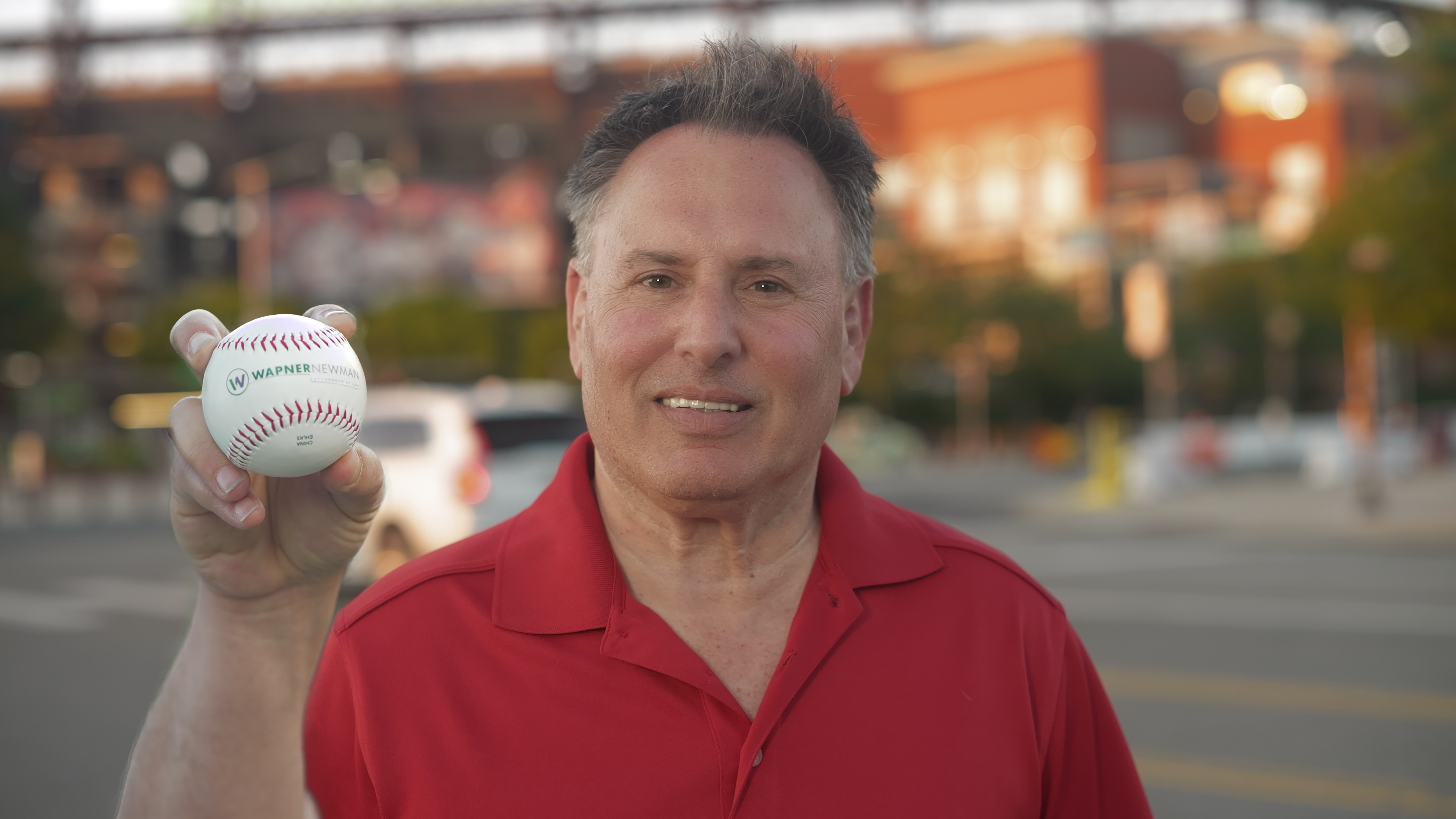
    Robert Miller, managing partner at Wapner Newman, appears in the law firm’s ads that run on NBC Sports Philadelphia during Phillies games.Courtesy Wapner Newman

    Brands “want moments of exclusivity, and that was the highest-profile opportunity,” said Bo Koelle, vice president of sales for NBCUniversal Local, which includes NBC Sports Philadelphia. “Everybody’s looking at when [Duran] is coming out” — and seeing Wapner Newman’s name on the screen next to him.

    The Phillies own 25% of NBC Sports Philadelphia, with NBC’s parent company, Comcast, owning the rest. But the Phillies and the regional sports network do not share all advertising partners.

    For dozens of local companies, advertising with the Phillies at Citizens Bank Park or with NBC Sports Philadelphia provides almost-unparalleled visibility in a rabid sports town like Philadelphia.
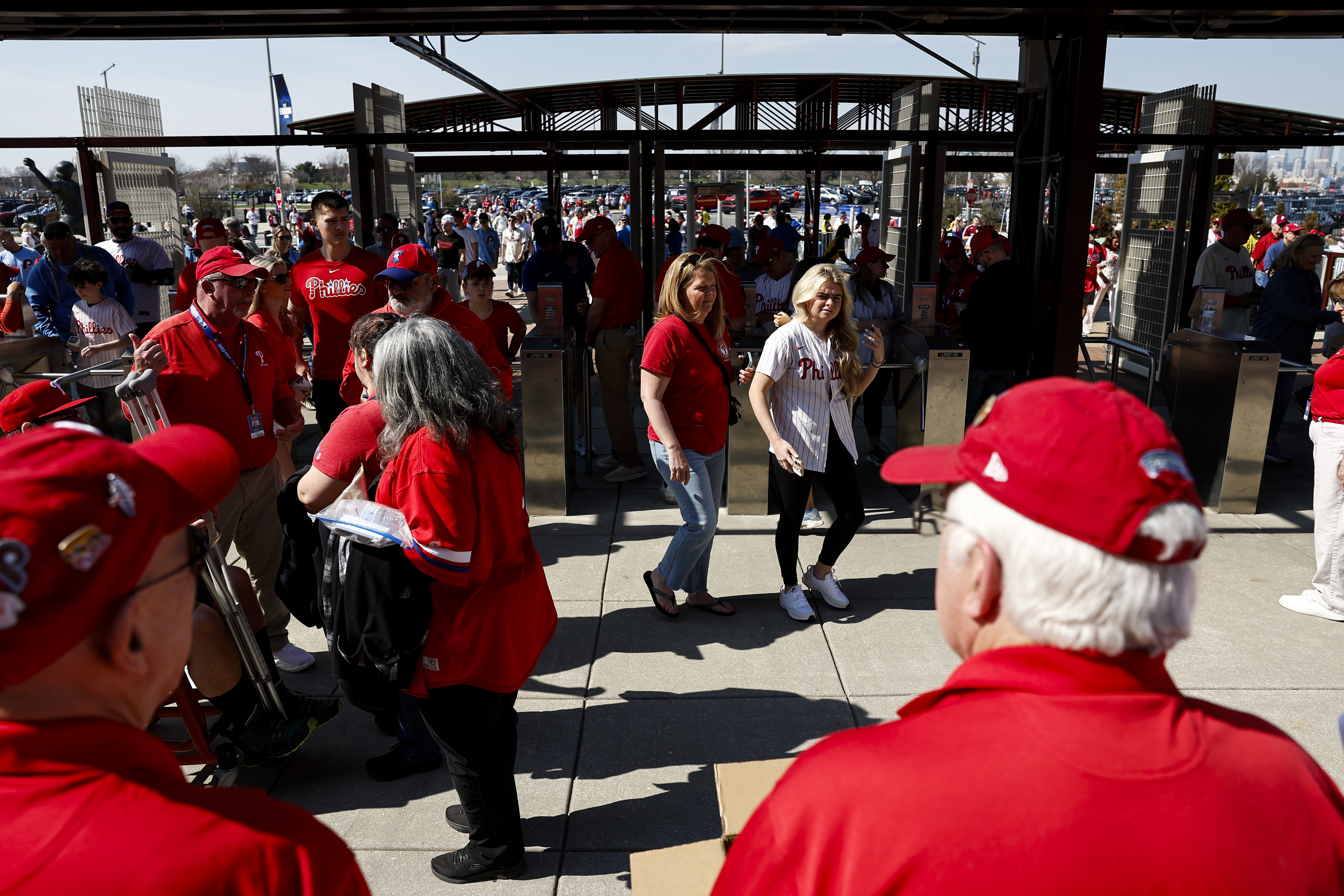
    Phillies fans arrive at Citizens Bank Park for opening day in March.Monica Herndon / Staff Photographer

    So how much does this visibility cost? Anywhere from $100,000 to several million dollars, according to executives from the Phillies and NBC Sports Philadelphia.

    That range includes advertising in the ballpark, on social media, or on TV, where hundreds of thousands of fans tune into each game. All Phillies sponsors with whom The Inquirer spoke declined to discuss how much they paid for their advertisements, citing the terms of their contracts.

    This year, in-stadium ad visibility was even higher because Philly hosted the All-Star Game, which drew more than 8.7 million viewers nationwide.
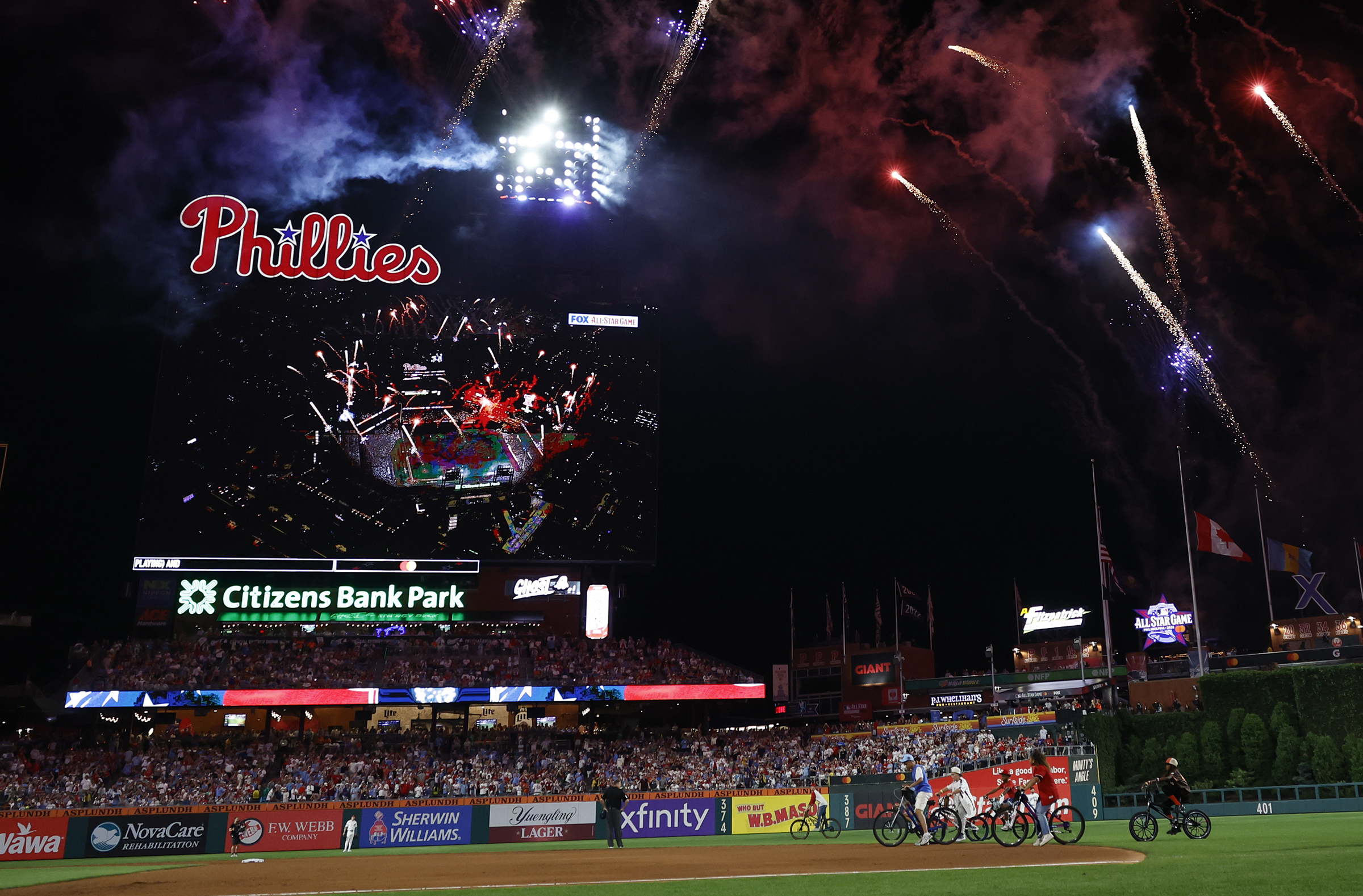
    The MLB All-Star Game at Citizens Bank Park drew 8.7 million viewers.Yong Kim / Staff Photographer

    But even in a normal year, the Phillies play many more home games than the city’s other pro sports teams.

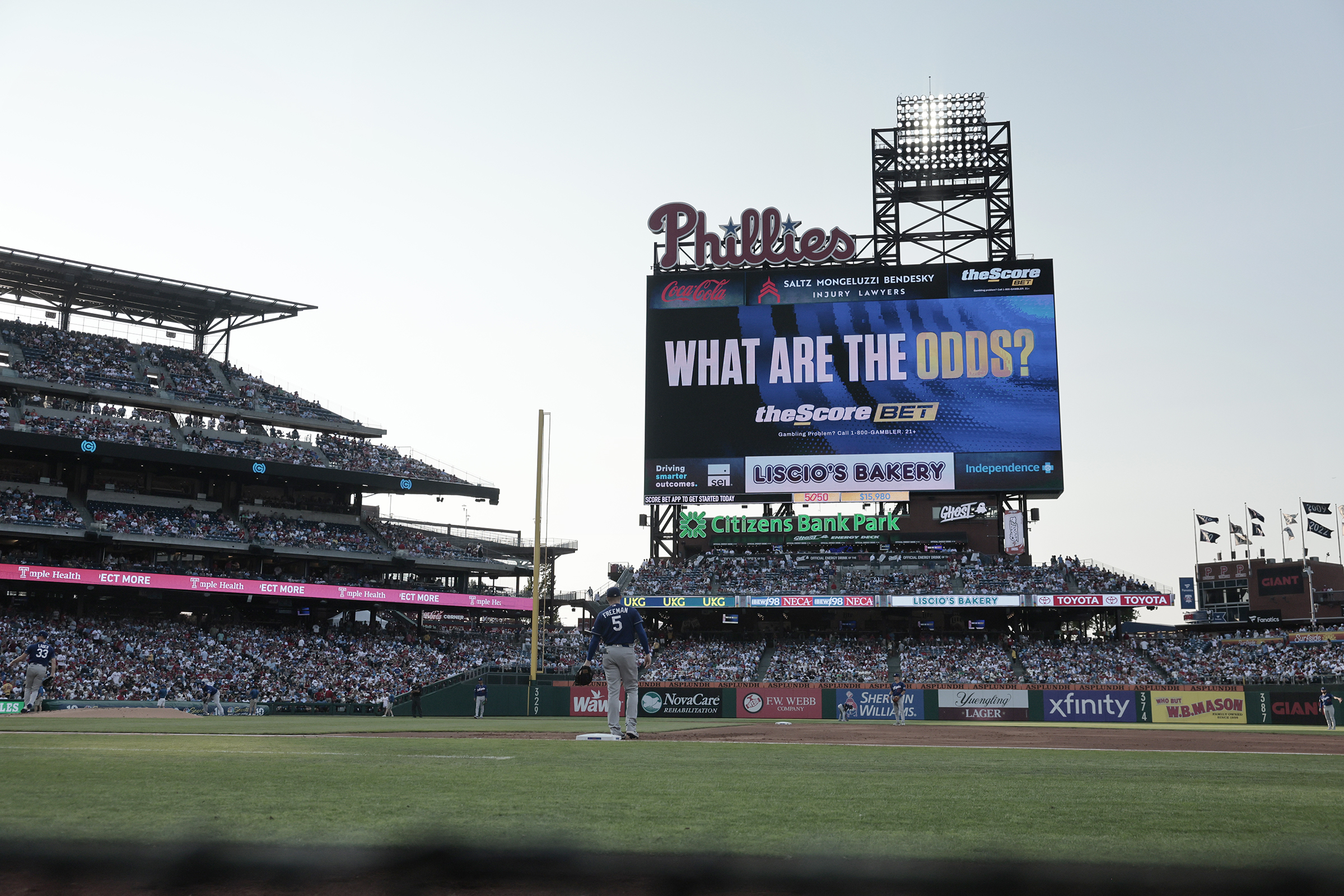
    “We’ve concentrated on the Phillies because they have 81 home games and for our in-park advertising we thought we’d rather be seen more frequently,” said Bob Mongeluzzi, founding partner at Saltz Mongeluzzi Bendesky, which has several stadium ads including at the top of the scoreboard.

    “I don’t think someone particularly chose us over any other lawyer just because we had an ad on the scoreboard,” Mongeluzzi said, “but it clearly reinforces our brand and keeps our name out there.”
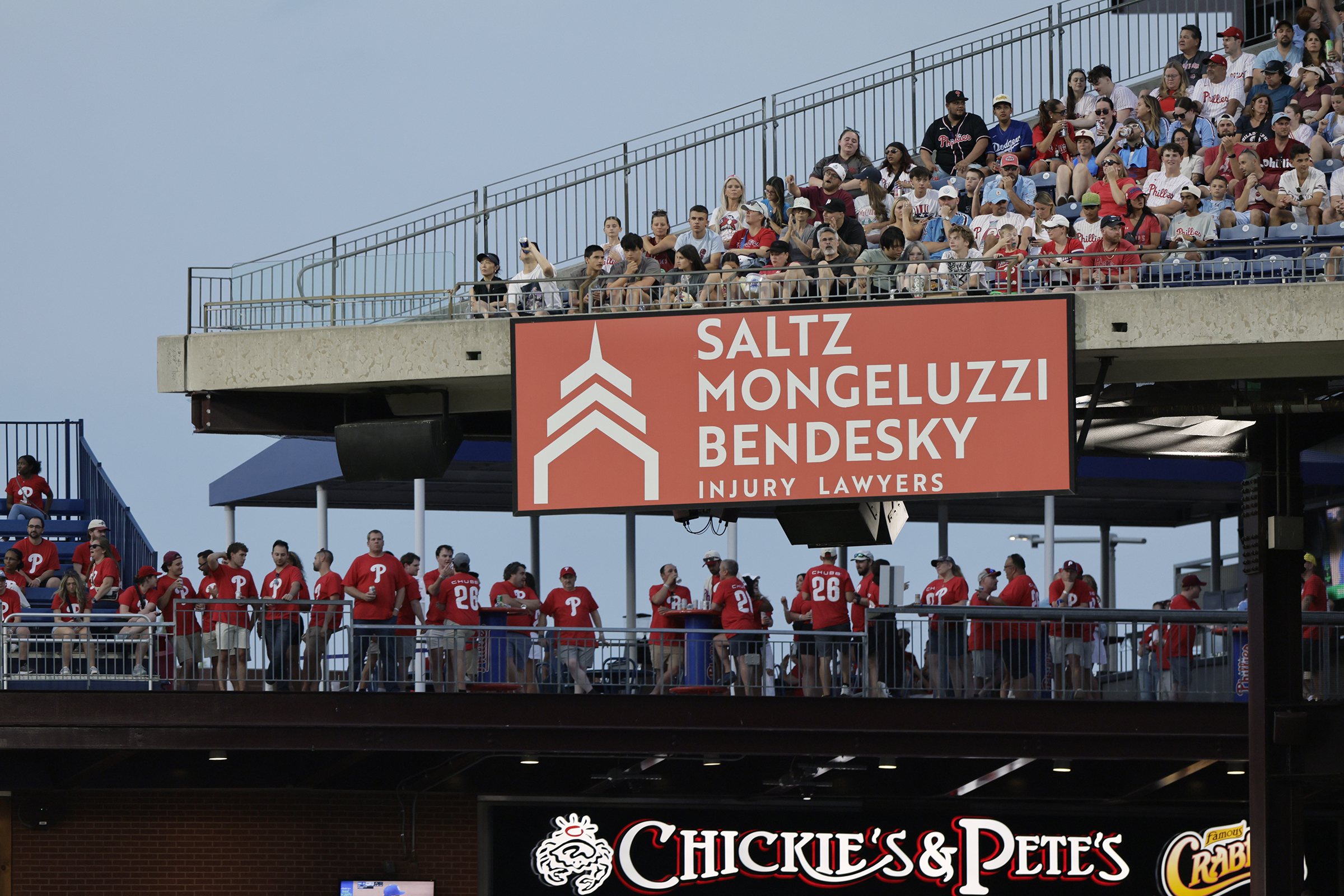
    Another Saltz Mongeluzzi Bendesky ad is pictured in right field at a July game.Elizabeth Robertson / Staff Photographer

    Unique Phillies sponsorships drive revenue

    Each season, the Phillies have between 75 and 100 sponsors who advertise everywhere — the ballpark’s giant scoreboard, the outfield walls, the premium seating sections — according to Brian Fling, the Phillies’ vice president of corporate partnerships. He said ad sponsors serve as a major revenue driver, supporting player payroll and ballpark upgrades.

    “From Citizens [Bank] with their name on the building to Independence Blue Cross with their logo on the Phillies uniform, we work with a wide variety of companies looking to stand out in the Greater Philadelphia area,” Fling said in a statement.
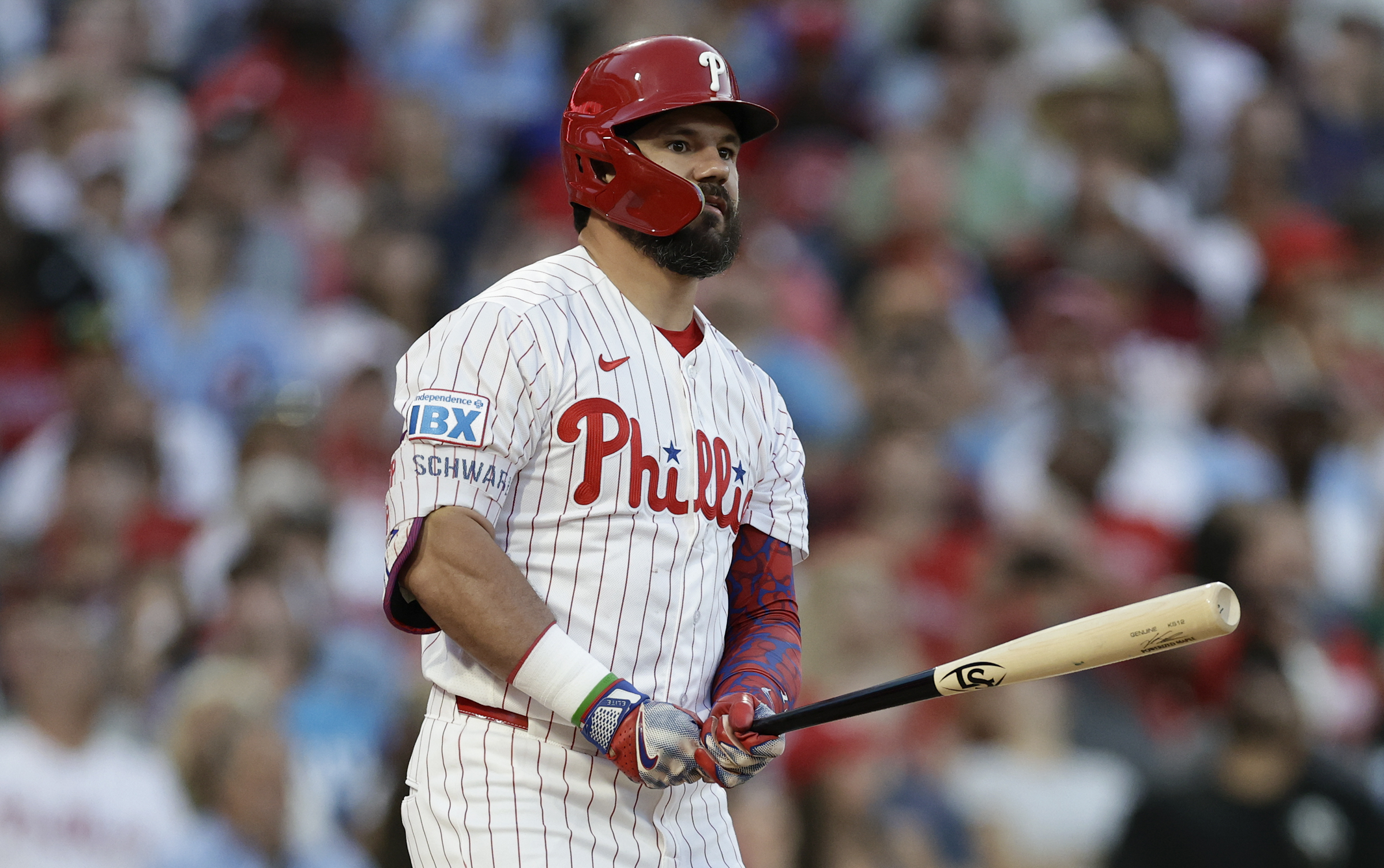
    The blue Independence Blue Cross (IBX) sponsorship patch is seen on the arm of Kyle Schwarber during a June game.Yong Kim / Staff Photographer

    One recent ad deal stood out due to controversy. In March, Eileen Kalas, widow of legendary Phillies broadcaster Harry Kalas, said the organization “betrayed” her husband by selling the naming rights of Harry The K’s to Ghost Energy. The eatery under the scoreboard had been named for her husband since the ballpark opened in 2004.

    At the time, Ghost Energy founder and West Chester native Ryan Hughes responded to fan criticism, saying, “We’re hoping to bring some new energy to the space while also never forgetting Harry Kalas and the legacy that he left.”

    Ghost Energy did not return a request for comment for this article.
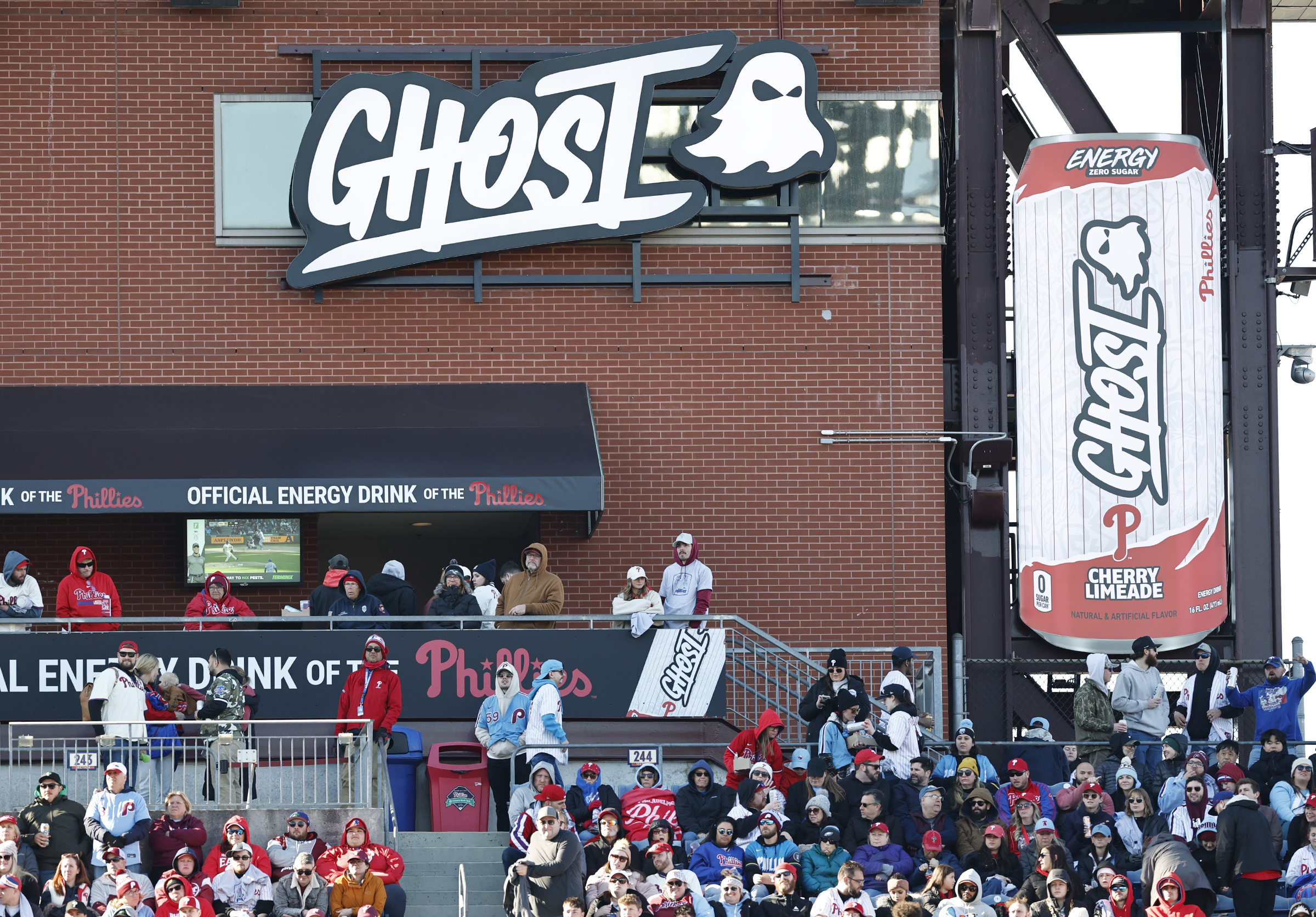
    Fans at the Ghost Energy Deck, formerly Harry The K’s, during a March Phillies gameYong Kim / Staff Photographer

    Whether a Phillies advertiser is a longtime sponsor dating to the Veterans Stadium days or a newer partner, they “align with the team’s goal — championship-level baseball in a first-class ballpark where everyone feels welcome,” Fling said.

    Some advertisements are tailored.

    Doc Bresler’s Cavity Busters, a Philly-area chain of pediatric dental practices, has sponsored the ballpark’s “smile cam” and a nursing mothers’ lounge.
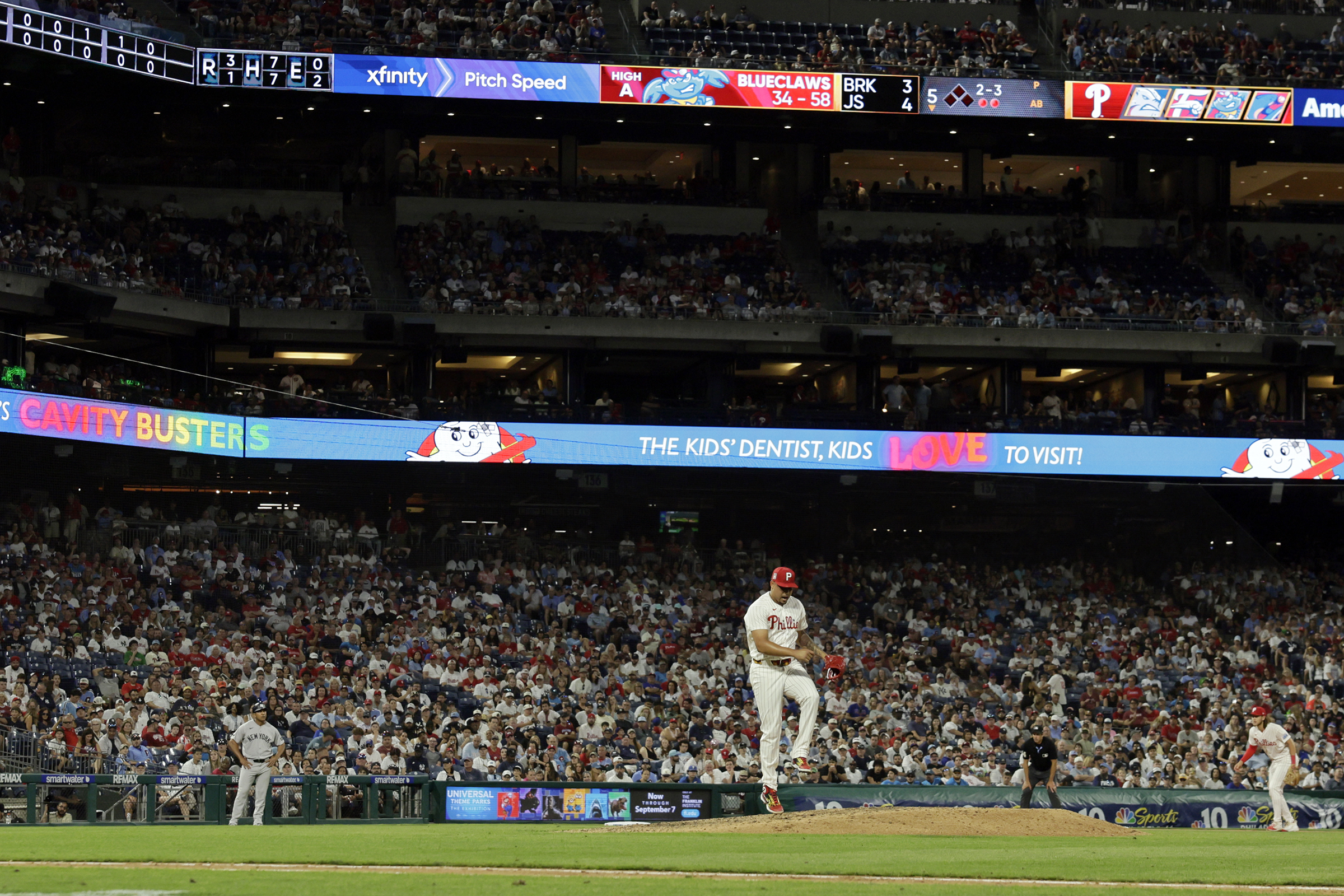
    An ad for Doc Bresler’s Cavity Busters and the Xfinity pitch speed clock light up the ballpark behind Phillies closer Jhoan Duran.Elizabeth Robertson / Staff Photographer

    King Swings, a Chester County swing set and playhouse company, recently built a playground for pint-sized fans inside the first-base gate.

    Comcast, the Center City-based telecom giant and Phillies sponsor since 2010, is behind the digital Xfinity Mobile pitch speed clock in the ballpark.

    “Pitch speed is one of the most closely watched real-time statistics in baseball, making it a strong fit for Xfinity’s focus on delivering fast, reliable connectivity for our customers,” Matt Lederer, Comcast’s vice president of brand partnership, said in a statement.

    Executives with several Phillies advertisers said the goal is not necessarily to gain customers on the spot. Instead, they said, they want to increase brand awareness and get fans to associate their company with a beloved hometown franchise.

    Some have seen tangible signs that this is happening. Philadelphia Insurance recorded a nearly 50% increase in website traffic since it started sponsoring the premium seating club, formerly known as the diamond club, earlier this season, said Brian O’Reilly, chief marketing officer for Philadelphia Insurance Cos. (PHLY).

    As part of the partnership, the company’s name and Liberty Bell logo are emblazoned on the blue headrests behind home plate.

    “It was amazing how many people texted and called me and said, ‘I saw Philadelphia Insurance during the Home Run Derby or All-Star Game,’” O’Reilly said.
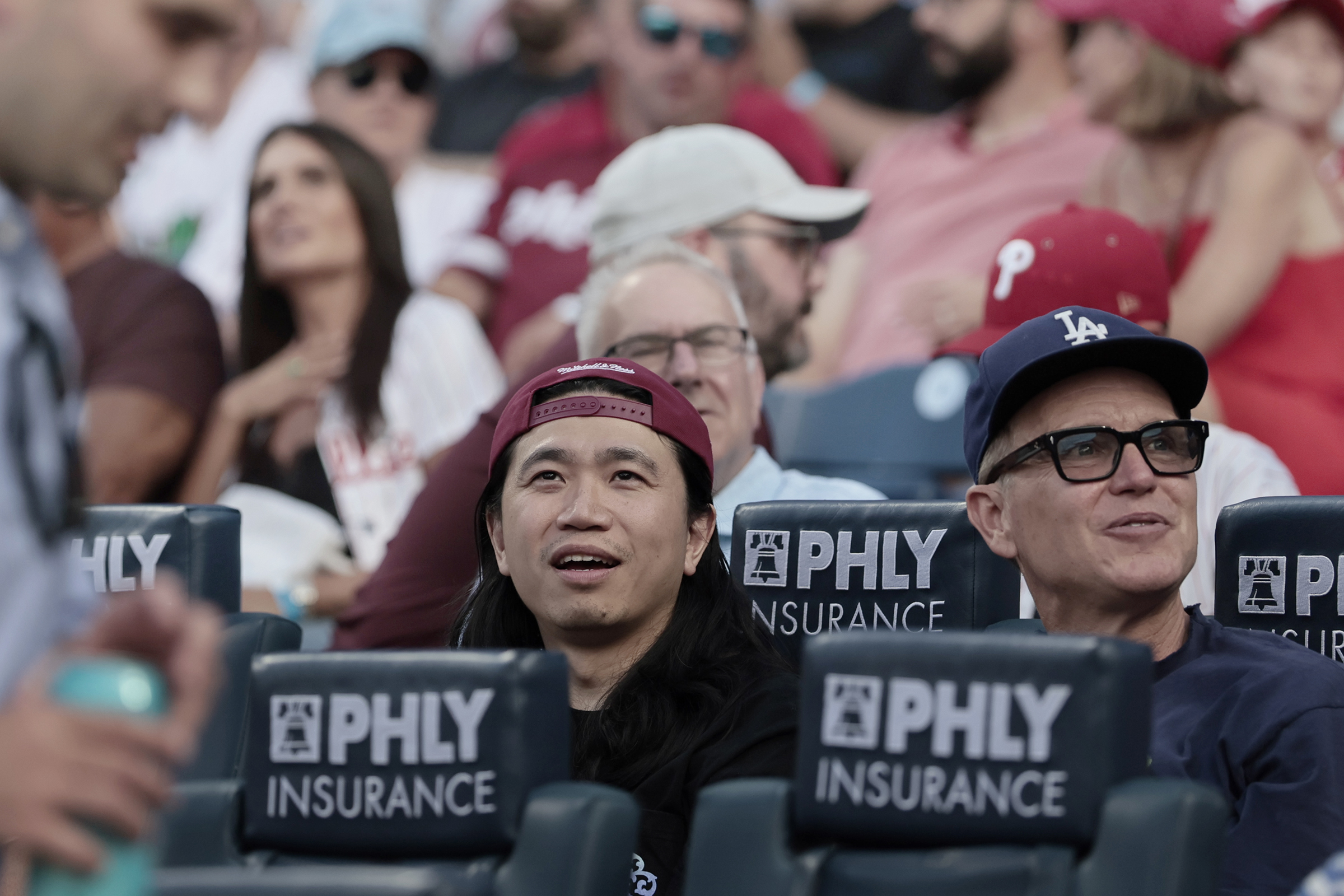
    The headrests in the Philadelphia Insurance Club behind home plate bear the company’s logo and the name of its website. Elizabeth Robertson / Staff Photographer

    Philly sports ads create consumer ‘trust’

    Some Philly companies sponsor multiple local pro teams.

    Independence Blue Cross (IBX), the locally based health insurer, has been advertising with the Phillies for decades and has partnerships with all of the city’s major pro sports teams, many of the college teams, and NBC Sports Philadelphia, said IBX chief marketing officer Koleen Cavanaugh.

    In addition to advertising, this also gets IBX the ability to host events at stadiums, offer ticket and merchandise discounts to IBX members, and collaborate on philanthropic partnerships, such as a back-to-school supply drive with the Jesús Luzardo Family Foundation last week.

    Other Phillies sponsors are considering expanding their sports advertising portfolio, especially with the recent news of superstar LeBron James coming to the Sixers.

    The team “already reached out to us about season tickets and advertising,” said O’Reilly, of Philadelphia Insurance. “We were doing some business with them anyway, but maybe we’ll even do some more.”

    At NBC Sports Philadelphia, conversations about Sixers ad partnerships are now underway, earlier than usual, Koelle said. As soon as James news broke, the value of Sixers TV ads increased exponentially, Koelle said.

    Comcast, NBC Sports Philadelphia’s parent company, has a minority ownership stake in the Sixers, and recently acquired the naming rights of the team’s home stadium, now called Xfinity Mobile Arena.

    A challenge for the sports network now, Koelle said: Remaining loyal to companies who’ve sponsored Sixers broadcasts since the team’s rebuilding years — and not jack up those partners’ advertising rates.

    ”But for those that are new, they’ll certainly have to pay the new value,” Koelle said.

    Usually, it’s not hard to convince local companies of the value of advertising with any Philly team, he said.

    “If [advertisers] want to truly reach people — and reach them in a pipeline that is direct and meaningful — it’s professional sports in Philadelphia,” Koelle said. “If you want people to trust your brand immediately, it’s a great way of doing it.”

  • Pa. small towns set to get latest wave of federal funding for EV chargers

    Pa. small towns set to get latest wave of federal funding for EV chargers

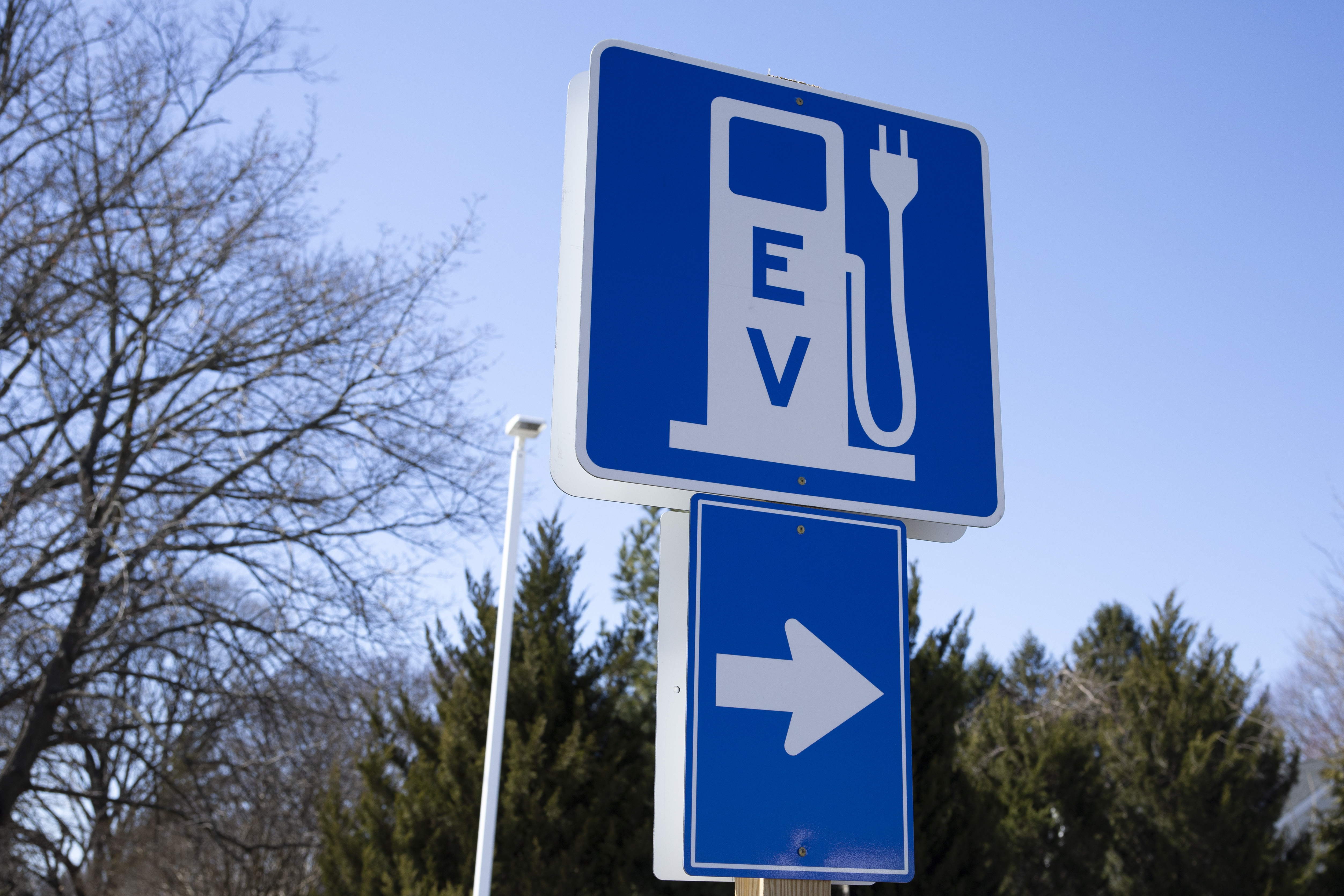
    HARRISBURG — As Pennsylvania prepares to receive millions of federal dollars to build electric vehicle charging stations, the small towns that will host the devices hope they can double as tourist magnets.

    “People can let their vehicles sit for a bit and walk the stores downtown and grab food,” Steve Herman said of the vision for the devices. “They’ll serve folks who are living here but also draw in visitors.”

    Herman is transportation planning program director for SEDA-COG, an economic development organization that covers eight central Pennsylvania counties. He’s spent the past year working with chambers of commerce and community groups to explore how to make the chargers economic assets. If planned properly, he said, the stations can “draw people into our downtowns.”

    The funding is the latest wave of a $5 billion federal program created under the Biden administration to build out EV chargers across the country. A previous phase of the program placed chargers along interstates and other major roads, but this round is focused on building chargers in local communities. All told, Pennsylvania is slated to receive $171 million by the program’s end.

    In the past year, Herman has surveyed where the best locations for chargers would be, hosting in-person workshops on the program and polling residents. He even created a tool that lets people drop pins on a map to recommend locations for chargers.

    He reported his findings to the Pennsylvania Department of Transportation, which has been consulting with dozens of other local planning councils across the state in preparation for the funds.

    “Compared to Philadelphia or Pittsburgh, [there are] differences in terms of existing network and priorities,” Herman told Spotlight PA, referring to current charger access. “We already have some in university towns and hospitals and destinations like that, even some of the grocery stores. But [there’s] not as widespread availability. The community charging program will broaden that out.“

    Pennsylvania has built at least three dozen chargers so far — the most of any state in the U.S. Each charging port cost roughly $163,000.

    Clean energy and transportation experts attribute the fast deployment to PennDot, which had previously partnered with the Department of Environmental Protection to research the issue. The agency also worked directly with local gas stations to dole out grants.

    Environmental advocates view EVs as a key part of combating climate change, as the transportation industry is one of the largest sources of greenhouse gas emissions in the U.S. Over half of those emissions come from passenger cars and trucks.

    Alissa Burger, regional policy director at clean transportation industry group CALSTART, said the federal funds are “creating a foundation” for states to have basic EV charging infrastructure that will “encourage their citizens to consider switching over to a zero-emission vehicle.”

    She added: “You’re not gonna get an EV if you feel nervous about where you’re going to charge it.”

    Previously, states were on their own, Burger said. For instance, she pointed to the 2019 PennDot plan to build out EV infrastructure. That pitch proposed just four charging stations and identified only state sources for funding.

    “There was intention. I don’t think there was a lot of funding behind it,” Burger said.

    So far, Pennsylvania has already spent or plans to spend roughly $60 million of the $171 million allocated to the state. The remaining $100 million has been obligated — meaning a contract is in place to spend the funds — to the grant program that Herman of SEDA-COG is participating in, per PennDot.

    That initial commitment is important, as unobligated funds can be clawed back by federal officials when the program expires in October. The EV charging effort is among a slate of initiatives funded by the Bipartisan Infrastructure Law that the Trump administration has tried to roll back or freeze.

    In the first weeks of his second term, President Donald Trump issued an executive order to freeze funding to this and other programs within the BIL. Trump said the freeze was for the purpose of eliminating “unfair subsidies and other ill-conceived government-imposed market distortions that favor EVs over other technology.”

    As a result, the federal Department of Transportation paused funding to states. But after a suit by environmental organizations and states, including Pennsylvania, a federal judge ruled the order unconstitutional and returned the funds.

    The Federal Highway Administration also issued new guidelines for the National Electric Vehicle Infrastructure program last August, which environmental advocates said slowed down EV build-out by forcing states to resubmit their plans.

    Under the NEVI program, states get funding to grow their electric charger network. Site hosts, such as gas stations and local governments; EV charging companies; and contractors can apply for money to buy, install, and operate EV chargers. These funds can be used to pay for up to 80% of the total costs to build, replace, or upgrade a charging station.

    The first tranche of funding was released in 2021 and designated for a specific use: ensuring that there was an EV charger every fifty miles on major highways in the state, namely the Pennsylvania Turnpike. The money was aimed at building chargers for passenger vehicles.

    Pennsylvania was the first state to meet that goal, which allowed PennDot to tap the funding dedicated to setting up charging networks in less-trafficked routes. That second tranche went toward areas like Northeast Pennsylvania, Erie, and the Pittsburgh suburbs.

    The latest and final round of funds, for “community-focused EV charging projects,” is what has small towns excited.

    PennDot is still in the process of mapping out where to place chargers, working with local planning organizations like SEDA-COG to finalize locations.

    The agency is doing this work in stages, targeting different regions of the state. Officials plan to begin announcing this fall which municipalities will be awarded grants to build charging stations, and say the process of choosing locations should wrap up by next summer.

    Spotlight PA is an independent, nonpartisan, and nonprofit newsroom producing investigative and public-service journalism that holds power to account and drives positive change in Pennsylvania. Sign up for our free newsletters.

  • How to get paid for providing home care services in Philadelphia while vacationing in Jamaica

    How to get paid for providing home care services in Philadelphia while vacationing in Jamaica

    A federal law passed in 2020 required state Medicaid programs to implement electronic verification systems to verify that personal-care services were actually being delivered where they were expected.

    The systems were adopted to prevent the sort of fraud unveiled this week in Philadelphia by federal and state prosecutors, who charged 18 people for allegedly billing Medicaid while they were in prison, working at one of the city’s sports stadiums, relaxing on a cruise, or vacationing in Jamaica.

    Why don’t the electronic visit verification (EVV) systems work better?

    “It’s tough to verify that the services are actually being rendered,” David Metcalf, the top federal prosecutor in Philadelphia, said Tuesday. “The caregiver or the client behind closed doors simply can tap a button on their smartphone app or call in, and that record doesn’t actually establish that the person was actually there.”

    If location services on the smartphone are turned off, the system does not register where the caregiver is, Metcalf said. When a caregiver calls to check in or out of a shift, the system does not pick up where the caregiver is but, rather, where the phone is registered, he said.

    “EVV was not sufficient to prevent people from scheming the system,” Metcalf said.

    Federal officials from the Department of Justice and the Department of Health and Human Services did not discuss how the system might be improved. But T. March Bell, inspector general for the health and human services agency, said after Tuesday’s news conference that some states have adopted stricter controls.

    The Pennsylvania Medicaid program requires caregivers to submit a location as part of visit verification, but it does not limit services to the client’s home because they sometimes happen elsewhere in the community, according to the Pennsylvania Department of Human Services.

    If the human services department suspects fraud, it refers the matter to the state attorney general’s Medicaid fraud-control section, the agency said.

    National anti-fraud efforts

    The showing of federal officials in Philadelphia on Tuesday was part of a nationwide effort by the administration of President Donald Trump to root out healthcare fraud.

    In May, the administration implemented a temporary moratorium on the enrollment of new home care and hospice companies into Medicare, the federal insurance program for people 65 and up.

    Pennsylvania followed with its own six-month moratorium on enrolling new hospice companies in Medicaid, which is jointly funded by state and federal taxes, “after reviewing the risk levels of Medicaid hospice services in Pennsylvania,” state human services officials said in an email Friday.

    Kimberly Brandt, deputy administrator and chief operating officer at the U.S. Department of Health and Human Services, on Tuesday encouraged Pennsylvania to follow through on home care and “take the action needed to protect beneficiaries and taxpayer dollars.”

    Pennsylvania said it is still determining whether a temporary moratorium on home health providers is needed.

  • QVC brings in old boss and digital-minded board members as it comes out of bankruptcy

    QVC brings in old boss and digital-minded board members as it comes out of bankruptcy

    QVC Group Inc. has replaced chief executive David Rawlinson, bringing back predecessor Mike George as interim boss as the West Chester-based remote-shopping pioneer comes out of bankruptcy and charts a future.

    The company also has named new directors with long retail and digital experience, replacing those who oversaw the company under billionaire media investor John Malone.

    With over 1,000 employees at its broadcasting campus, once one of Chester County’s top tourism draws, QVC has struggled with the decline of television and the fragmentation of digital media.

    George said in a statement that he is excited to reconnect with company veterans and to work with the new board. He promised “innovative shopping experiences” and better investor returns during the search for his permanent replacement.

    Having cut its crushing debt load in its bankruptcy reorganization, QVC still faces the challenge of adding young shoppers at a time when retailing has spread across social media platforms, streaming apps, and global e-commerce sites.

    QVC said it has emerged from Chapter 11 after cutting its debt load by over $5 billion and gaining access to $600 million in new credit.

    The stock will re-list on Nasdaq under trading symbol QVCG, replacing pre-bankruptcy shares that traded below $1 just before the bankruptcy.

    David Rawlinson was CEO of the QVC companies from 2021 to 2026 as the West Chester remote-shopping group struggled with shoppers’ migration to social media, logistics challenges, and financial stress.Qurate Retail Inc.

    The company filed for bankruptcy protection in April after years of losses and cost cuts. Those included the shutdown of rival-turned-affiliate HSN’s Florida campus last year. The companies had merged in 2017.

    The new financing is provided by hedge funds specializing in corporate turnarounds, led by Connecticut-based Strategic Value Partners LLC, whose past focus includes natural gas and building materials companies and the 2022 relaunch of airline Aeromexico and Los Angeles-based Oaktree Capital, a unit of Canada-based Brookfield Corp.

    Pennsylvania’s school pension fund, PSERS, is an investor in Oaktree. The New Jersey Division of Investment, which manages state, school, and local-government worker pension funds, is an investor in Strategic Value Partners.

    In a parting statement, Rawlinson praised “the resilience, commitment and execution our teams have demonstrated,” along with customers and investors. He noted QVC was “a TikTok Shop Seller of the Year for 2025″ and has been growing its streaming-media business rapidly. He added that it’s the “right time” for him to move on, and “I can think of no one better qualified” than George to take over.

    George departed after initiatives including his acquisition of Seattle online-shopping network Zulily failed to generate profits. Rawlinson shut the division in 2023.

    A fatal fire at QVC’s main warehouse in North Carolina during the 2021 Christmas season worsened COVID-era shipping delays early in Rawlinson’s tenure, making it tougher to pay down debt and endure the costs of new programs.

    George is a past chairman of the National Retail Federation, currently chairs the National Constitution Center in Philadelphia, and is a board member at AutoZone and Ralph Lauren. He was an executive at Dell Computer and McKinsey & Co. before joining QVC, and will chair the new board.

    Gone from that board are longtime allies of media billionaire John Malone, who invested in QVC in the 1990s, bought control of the company from Comcast in 2003, and had served as chairman. He left the board last year. His son Evan, a Philadelphia entrepreneur, and other longtime QVC board members have been replaced.

    Besides George, the new QVC board members are:

    • David Charles Boone, CEO of Michaels stores
    • Nicolas Le Bourgeois, a former Amazon and TikTok Shop executive
    • Jason Lee Horowitz, ex-head of marketing at Mattel
    • James A. Marcum, executive chair of David’s Bridal, the Conshohocken store chain downsized through two bankruptcies in recent years
    • Ann Mather, ex-Pixar CFO, who has served on the boards of Netflix, Google, and Airbnb, and as board chair for the Bumble dating service
    • Richard A. Mayfield, former CFO of Walmart and a senior adviser at McKinsey
    • Jonathan Zinman, former managing director at hedge fund Silver Point Capital, another major investor in QVC
  • The Trump administration has refunded $100 billion in tariffs. Will you get any of the money?

    The Trump administration has refunded $100 billion in tariffs. Will you get any of the money?

    The Trump administration has refunded about $100 billion in tariffs in response to the Supreme Court ruling that declared the tariffs illegal, according to a new court filing this week.

    Major corporations are getting huge refunds: $2.2 billion for Apple, $1.3 billion for Ford, $600 million for Amazon. (Amazon executive chairman Jeff Bezos owns the Washington Post.)

    While some companies have said they will use the refunds to reduce their prices, experts say not to expect many price cuts. Kimberly Clausing, a UCLA professor who served as a tax policy official under the Biden administration, said some companies don’t feel confident enough to change their prices based on the revoked tariffs, since President Donald Trump has replaced those levies with others that are also likely to be partially or completely thrown out by courts.

    “If you’re a firm, you’re wondering what the tariff policy is,” Clausing said. “Some of that pass-through to consumer prices has been slower than you might think if it were really permanent policies. That’s good news in the short term for consumers, but it also means you won’t necessarily see as big a swing in the other direction.” She noted that some companies were simply “gambling” all along that the import taxes would be thrown out in court, rather than raising prices much in the first place.

    Even if they paid higher costs because of the now-invalidated tariffs, most American households won’t see any of the refund money directly.

    The Tax Foundation estimates that the average U.S. household spent an extra $1,000 as a result of the tariffs in 2025, most of it relating to the specific tariffs that have been overturned.

    Because Trump has since replaced most of those tariffs with new ones authorized in a different way, the organization estimates the average household will pay about $900 extra in 2026.

    So why aren’t many individual consumers getting compensated alongside big companies?

    In response to the Supreme Court ruling, U.S. Customs and Border Protection set up a process for requesting refunds. To use the system, the payers have to be registered with the government as an “Importer of Record” or an authorized Customs broker — in other words, not just someone who ordered an item on the internet that was made in a foreign country and ended up paying more for it.

    If you paid a tariff on something you had shipped to you by UPS or FedEx, you can look up your tracking number for the shipment on the companies’ websites. If the companies got money back for your shipment, they are supposed to send you the refund.

    Amazon said in a quarterly earnings call that it plans to send refunds to individual customers in limited cases for which it can identify customers who paid more due to tariffs. The company said it would “proactively contact” those customers but did not provide more information about how it would find them.

    Some other companies that raised prices to accommodate the tariffs are taking heat for not passing on the refunds. Customers are suing Ford and Costco, among others.

    Alan Sykes, a trade law expert at Stanford Law School, said he doesn’t think the customers have much to go on.

    “They willingly paid the higher price. Ford could have raised the price of the car for any arbitrary reason. … You don’t have a claim,” Sykes said. “Certain companies are saying they’re going to lower their prices going forward … not because of a legal imperative, but a public relations logic.”

    Matilde Bombardini, an economist at the University of California at Berkeley, said she understands the logic of a customer who wants money back.

    She said research suggests that importers who paid 10% more because of the tariffs typically charged their customers about 3% more and absorbed the rest. “Costco’s getting back the whole 10%,” she said. “Conceptually, we could all agree that the 3% should go back to the consumers.”

    She noted that the refunds are likely unprecedented in scope. The tariffs that were invalidated applied to almost all categories of goods from every country in the world, though there were some exemptions.

    In the court filing this week, a Customs and Border Protection official said companies have filed more than 178,000 valid claims to refund tariffs on more than 25 million imports since the claim system opened in April, leading to more than $100 billion in refunds and interest so far.

  • Meet the South Jersey business making food carts for Jersey Shore vendors and Disney World

    Meet the South Jersey business making food carts for Jersey Shore vendors and Disney World

    In a country-industrial stretch of Hammonton halfway between Philadelphia and Atlantic City sits a concrete-block maze of machine shops, where workers have built thousands of stainless-steel hot-sandwich and coffee carts and catering trucks.

    This is the one-story home of Custom Mobile Food Equipment, which for 74 years has built these customized portable kitchen-storefronts of varying sizes, and kept them on the road with extra helpings of customer support. They roll onto Jersey Shore boardwalks and Center City street corners, at weeklong public festivals and private events across America, and in fancy resorts and on military bases abroad.

    It’s a South Jersey fixture, with Camden roots and deep Philly ties.

    “We started small,” with hot dog carts cut to fit, not block, city sidewalks, said Custom vice president David Kyle. He said his family helped Philadelphia officials write the city’s street vendor ordinances, and made sure the carts fit.

    Custom has outlasted food fashions and changes in the ways workers lunch. Kyle said he’s confident the enterprise will outlast recent inflation, global competition, and import tariffs: “A lot of our business is repeat business, and the big names we go after,” he said during a tour of the plant. “People rely on us to turn out a product that will last.”

    From pony-cart produce to theme-park fixture

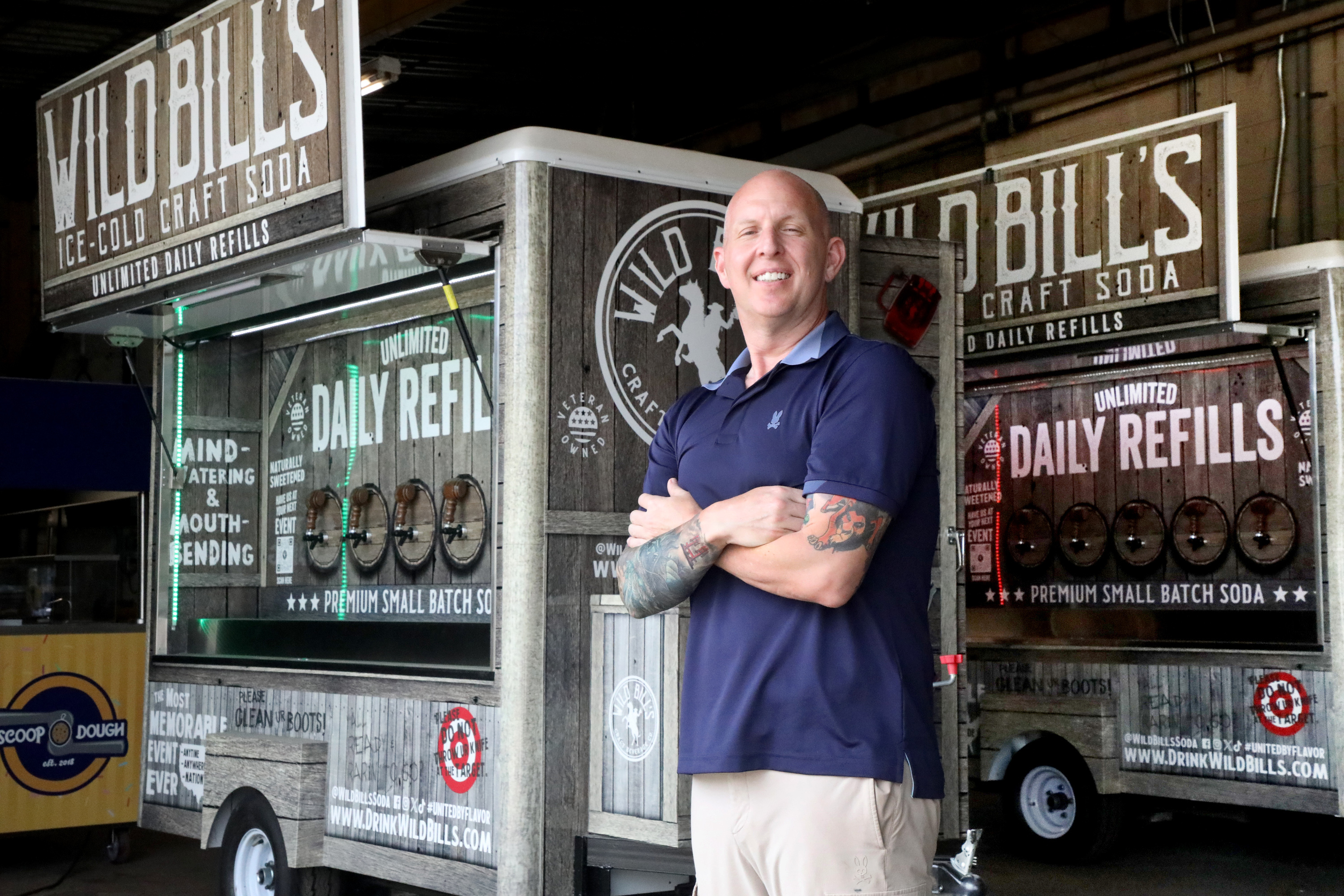
    Lehigh Valley-based Wild Bill’s Craft Beverage Co. serves its old-fashioned sodas from kegs mounted in Custom vehicles of several sizes. They sell drinks at crowded motorcycle rallies in Gettysburg and Sturgis, S.D., the Ohio State Fair, the Great State of Maine Air Show in Brunswick, San Diego Comic-Con, and Schuylkill regattas.

    “These are high-end, unique stands. We have 60 of them. We add a couple a year,” said Wild Bill’s chief executive, Mike Quilty. “One of our franchisees in Utah just drove one of Custom’s self-propelled Ford barrel wagons to Vancouver.”

    To make trips like that, the equipment has to be built well, Quilty said, noting Custom’s “unlimited support” for when technical issues arise, which doesn’t require buying a service contract.

    Custom’s late founder, William Sikora, developed the catering truck in the early 1950s as a kitchen on wheels installed on a Detroit-made chassis. Sikora as a grade-school kid in Camden had sold vegetables from a pony-drawn cart, then opened a grocery. He bought apartment buildings and diners, and became a top officer of First Peoples Bank.

    Walking room to room past heavy presses and cutters on the Hammonton shop floor, Sikora’s grandson Kyle said 40 workers build more than 100 pieces of equipment a year — food trucks, trailers, catering wagons, specialty equipment with kitchen-sized stoves, refrigerators, freezers.

    “We’ve sold to Disney World and SeaWorld, Sesame Place, and U.S. bases in Japan,” Kyle said on a muggy midsummer morning as room fans, metal-forming machinery, and new-cart test motors whirred. “We have 18 projects going right now.”

    Custom built 32 commercial kitchens on caster wheels for Carnival Cruise Line’s Calypso Lagoon in the Bahamas, which opened last year, with rounded bull-nose counters instead of sharp industrial edges to accommodate peak work flow.

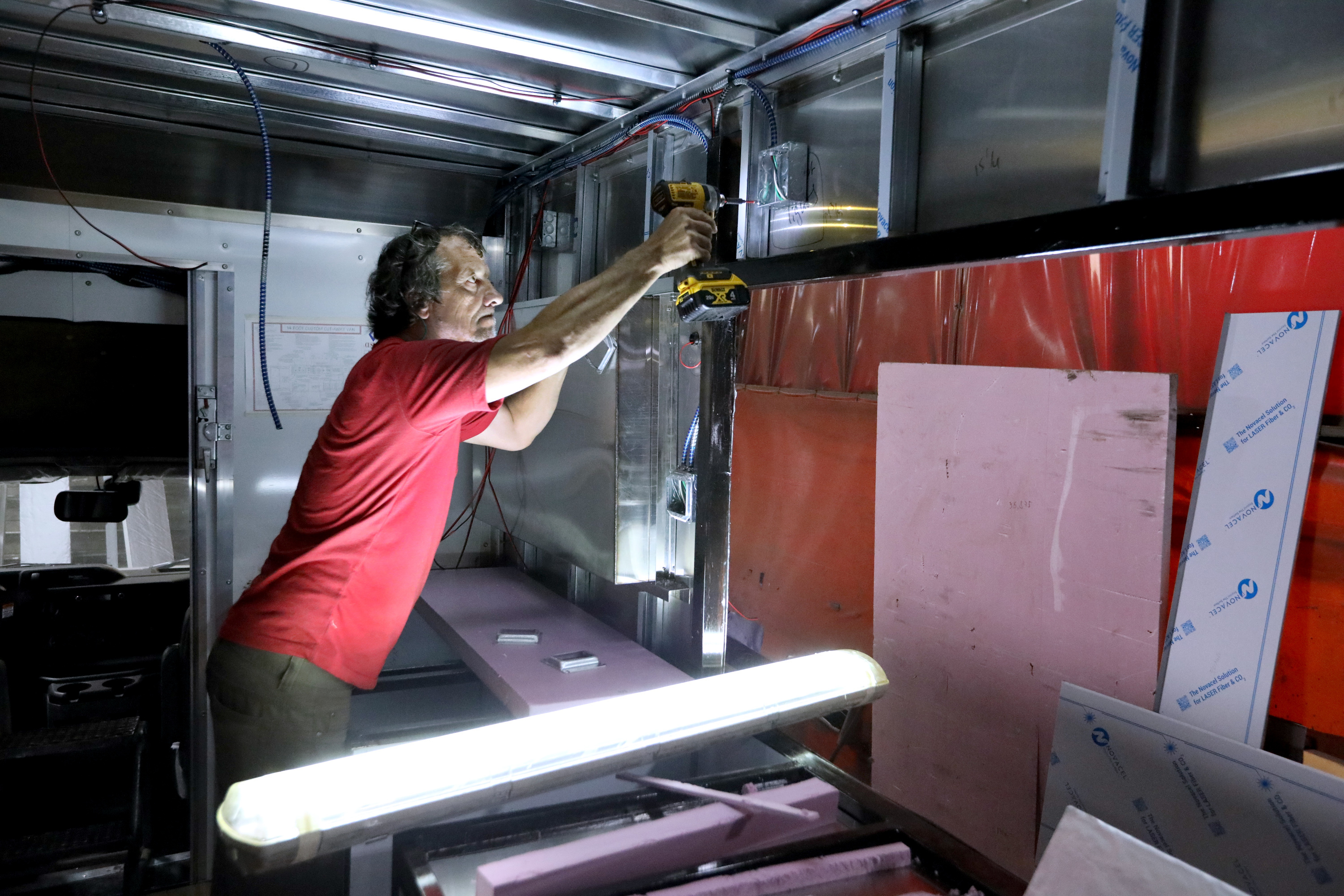
    Paul McIlvaine, an electrician, works on the interior of a Chickie & Pete’s food cart at Custom Mobile Food Equipment, in Hammonton, Tuesday, July 21, 2026.Vernon Ogrodnek / For The Inquirer

    How much does it cost to launch a kitchen cart?

    Today, Custom’s basic Model 525 carts retail for around $6,500. For that sum, plus storage, food, fuel, and licensing costs, “you’re in business serving food,” said Kyle.

    “It’s rewarding, you get to meet so many kinds of people,” he added.

    New catering trucks start at more than $125,000, like a high-end camper.

    All the carts and trucks are built from stainless steel sides, stamped with Custom’s distinctive elongated-diamond pattern over tubular steel framing. The company uses multiple steel suppliers, including Allegheny Ludlum Steel Corp. in Pittsburgh. It was harder to find domestic steel when the U.S. auto industry demand was stronger, Kyle said. But now materials costs are much higher, often in response to higher tariffs.

    “We try to use built-in-USA [materials], but some stuff you cannot get here,” Kyle said. Robertshaw Controls, for example, makes the only burner controls that fit Custom’s standards. They moved the operation to Mexico from Texas, so Custom now imports them.

    Cart metal is just one inflating cost vendors face, said Christian Subashi, second-generation owner of Loudogs hot-dog carts in Sea Isle City. Refrigerators were 50% cheaper before last year’s new tariffs, he said, and sausage prices have “gone through the roof.”

    Kyle said his company’s hot-dog cart price “has gone up $1,000 or $2,000 in 10 years,” lower than the general inflation rate. “We have to absorb some. It’s how you do business,” he said. He’s confident steel prices will stabilize eventually.

    The future of food carts

    The company has no plans to automate, Kyle said. “All our products are custom built — handmade and hand-fabricated. No two carts are exactly alike,” he said, noting that the company also retrofits and rehabs units as needed. “They can last forever.”

    “Our pricing is more, but it lasts longer than assembly-line stuff coming in from Mexico or China at low cost.”

    One once-robust market that has all but evaporated is carts for vendors who work construction sites. Custom employed over 100 during the building boom of the late 1990s. The company built a catering truck a day, on average, back then; now it’s closer to one a week.

    “Wawa and DoorDash are delivering deli trays to jobs sites now. And Wawa has built out so many stores in their area, guys can just leave the job and run to Wawa. So that business is down for us,” said Kyle.

    The focus now is on larger orders that can be built more efficiently. Plus it’s gotten harder, Kyle said, to hire skilled craftsmen.

    Local buyers of carts and trucks include Shore ice cream and water-ice vendors, as well as the food vendors that sell at breweries, thanks to the New Jersey’s restrictions on breweries serving food

    But Custom is also very much “a national brand,” said James Evans, who runs the food-truck division for Ocean City-based Manco & Manco Pizza, including eight Phillies stadium locations.

    Like Custom, Manco is a third-generation South Jersey business, and Evans said he wouldn’t have gone anywhere else to build stadium-ready trailers. The two firms cut a deal last February for Custom to build an initial “food truck you can drive, available for private parties, corporate functions, MLB events, anywhere we can take a truck.”

    The first was delivered in July, with four propane-fueled Baker’s Pride deck ovens “to cook our pizzas to Manco standards.”

    Custom faces a string of manufacturing challenges with any order, Kyle said.

    But from Manco’s perspective the passage of his project from plan to delivery “was seamless,” said Evans.

    “As we morph into their larger trucks, we will add wings and tenders,” he said. “If everything in business and life went that easy, it’d be great.”

  • FDR sent federal troops to break a racially tense transit strike on this week in Philly history

    FDR sent federal troops to break a racially tense transit strike on this week in Philly history

    So many young Americans who signed up for World War II in 1944 thought they were headed across the Atlantic to help pull European towns away from Adolf Hitler’s grip.

    But many GIs, fresh out of basic training at New Jersey’s Fort Dix, instead ended up sleeping in two-man tents in Fairmount Park.

    On Aug. 5, 1944, President Franklin D. Roosevelt dispatched about 5,000 U.S. Army troops to Philadelphia to intervene in an ugly transit strike.

    When covering a trash strike in July 1978, the Daily News spoke with military members who were sent to the city during the tumultuous six days of the 1944 transit strike.

    “I had to work on Diamond Street,” James Denning of Maywood, N.J., recalled to the Daily News. “That was worse than Germany.”

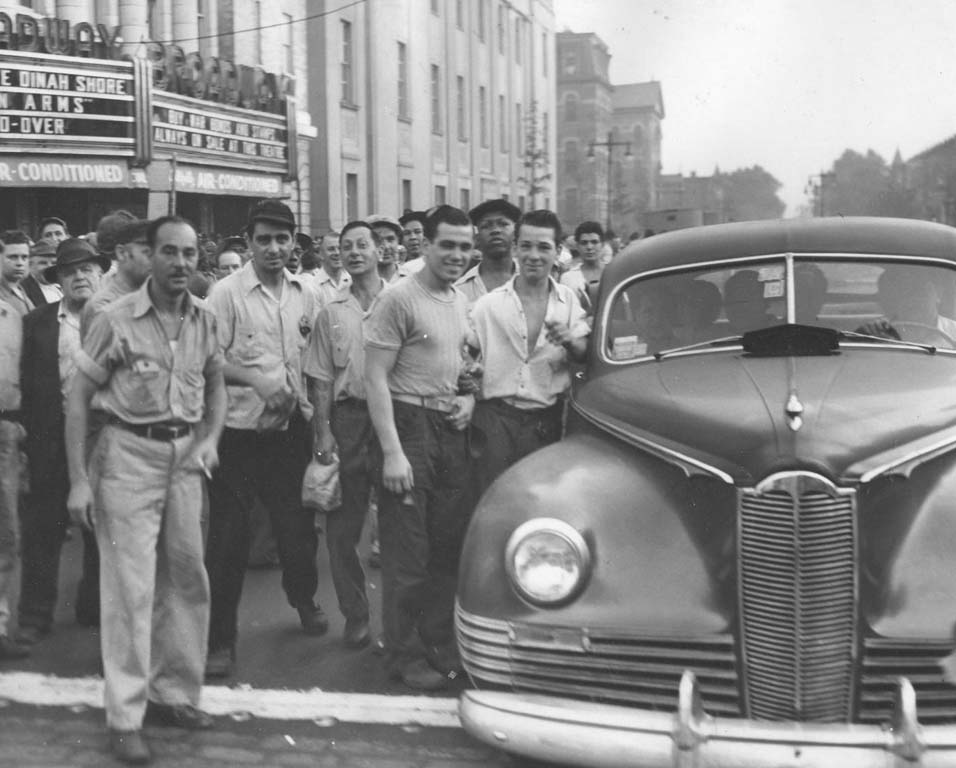
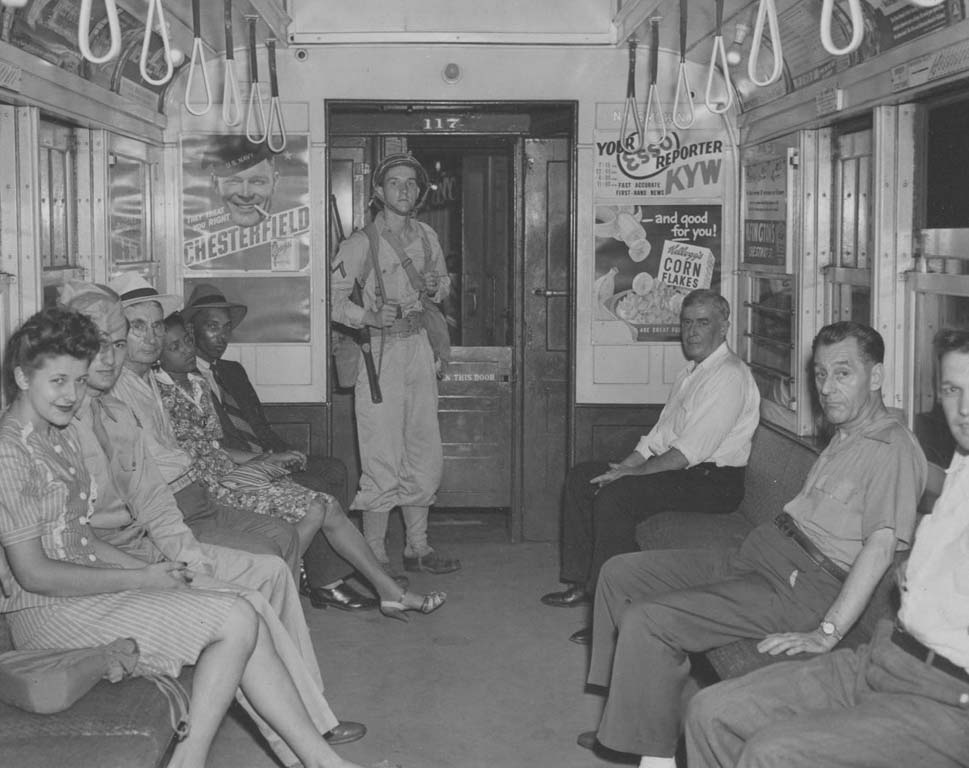
    Photo shows one of the subway car with passengers with a Armed soldier during the 1944 Philadelphia Transit strikes.Culross (Phila. Inquirer)

    It marked one of the first major federal interventions amid the fight for civil rights.

    On Aug. 1, white transit workers with the Philadelphia Transit Co. had gone on strike over the hiring of Black trolley operators.

    Black workers were now being given operator jobs, graduating to higher pay and better conditions than in their previous jobs in mechanics and labor.

    The Black drivers threatened to leave their posts unless they were guaranteed protection from racially motivated attacks. And the strike itself threatened to slow down the Philadelphia war machine feeding the need for ships, tanks, and uniforms.

    The Army took over the transit agency three days into the strike, and on Aug. 5, Roosevelt ordered the troops to break the strike.

    The intervention helped lead to the end of the strike after six days, but federal troops remained in the city, riding streetcars 24 hours a day, keeping them moving, and protecting Black transit workers on the rails and on the roads.

    Troops withdrew from the city on Aug. 17, and by early September, Black trolley drivers took their rightful places behind the wheel.

  • Pumpkin spice and Halloween candy are arriving earlier, as seasonal creep is ‘accelerating’

    Pumpkin spice and Halloween candy are arriving earlier, as seasonal creep is ‘accelerating’

    A certain seasonal disorientation is understandable these days, and we’re not talking about whatever is going on with the planet’s climate.

    The Philly-born La Colombe coffee chain began offering its pumpkin spice drinks this week, and while that may seem early for evoking the spirit of Halloween, even among its rivals — Starbucks doesn’t turn to pumpkin until Aug. 25 — La Colombe is miles behind the candy industry, which has been at it for months.

    In early May, as part of its “Halfway to Halloween” promotion, Mars Inc. was offering a “Creepy Crunch” variant of Skittles, Twix “skulls,” and pumpkin-shaped Snickers.

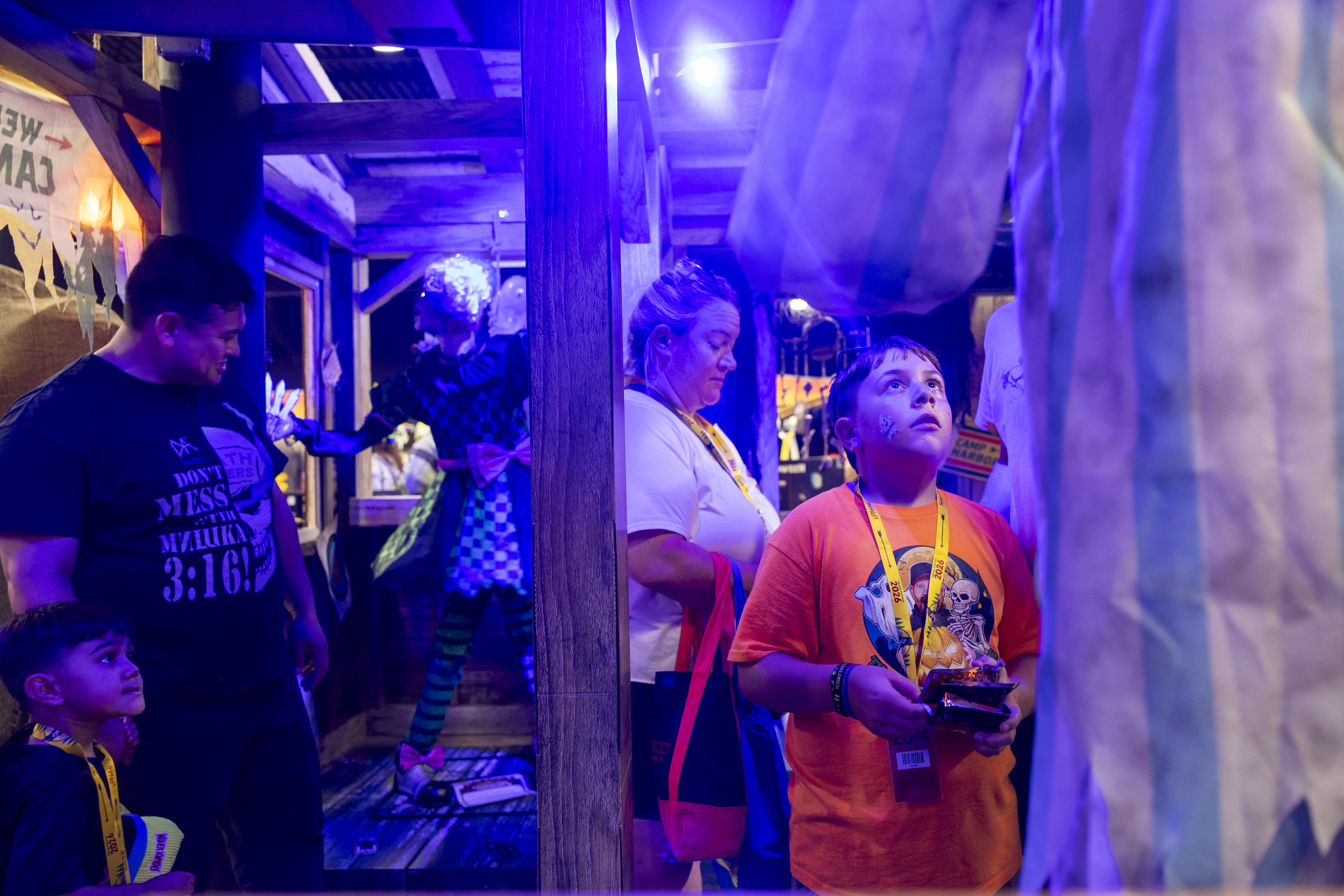
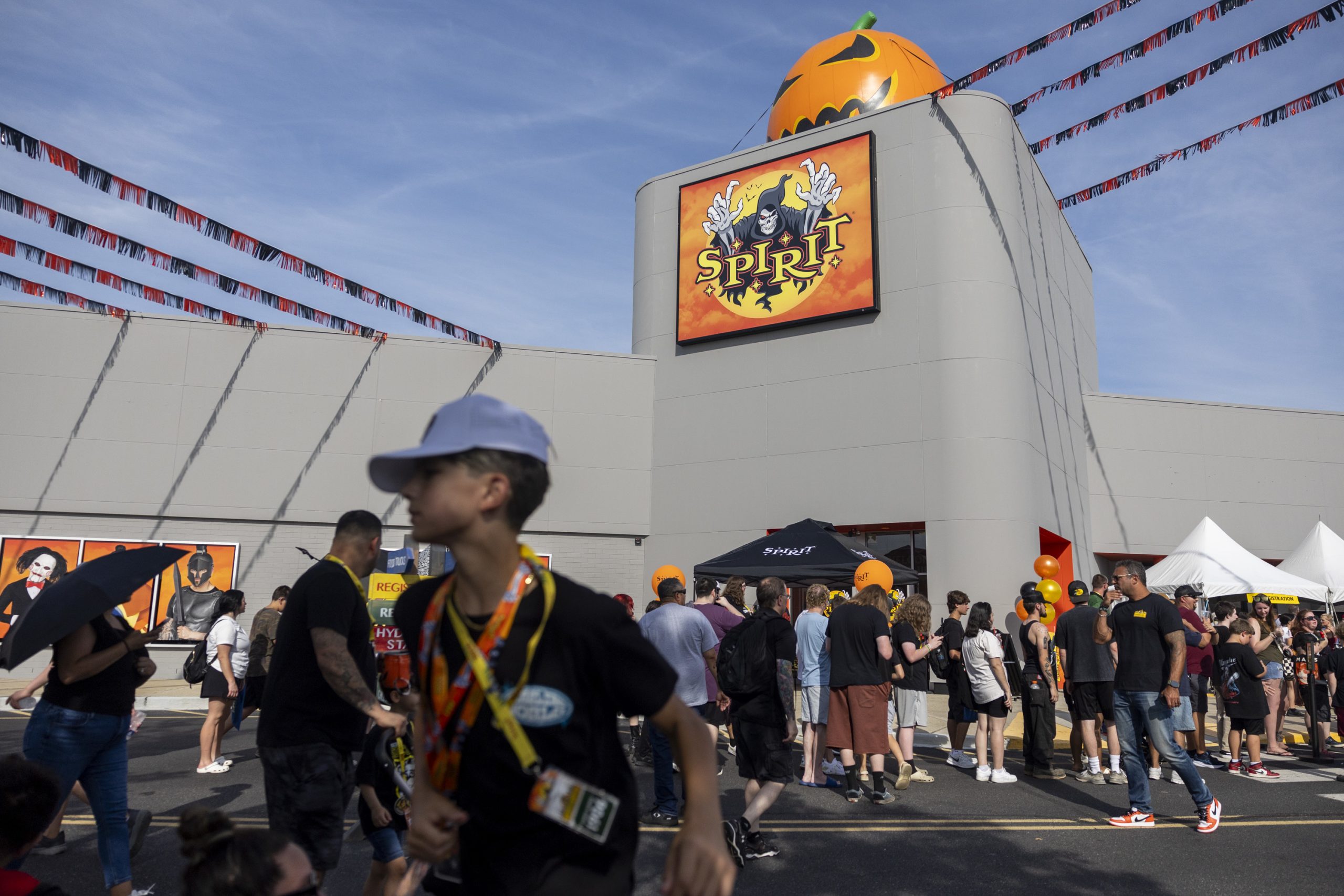
    Over the weekend, as many as 3,000 people showed up for the seasonal grand opening of the Spirit Halloween store in Egg Harbor Township — 37 days before Labor Day, and in an era when summery weather appears to be lingering longer. (Philly’s average temperatures were above normal the last five Septembers.)

    Complaints about the so-called seasonal creep phenomenon are decades old, but what was once a creeping tide has mutated into a tsunami “in the last several years,” in the view of Mark Lang, associate professor of marketing at the University of Tampa and a longtime supermarket executive.

    “It snuck up on us,“ said Lang, an alumnus of both Temple and St. Joseph’s Universities.

    “The guardrails are gone,” he added, saying the creep movement was “racing forward.”

    “I see the movement as accelerating,” agreed Richard George, a St. Joe’s food-marketing emeritus professor.

    However, it is not as though consumers are resisting, he said. For example, Christmas shopping in October is becoming ever more popular. “Consumers want to capture these deals, take advantage of greater product choices, spread out their spending, and avoid some of the stress related to holiday shopping,“ he said.

    But one premature season at a time.

    What is driving seasonal creep?

    Money, for one, Lang said. And competition.

    Sales in the confectionary industry reached a record $55 billion last year, according to Carly Schildhaus, spokesperson for the National Confectioners Association, with Halloween an important bite of that.

    Businesses have to mine everything they can from the peak seasons — which very much include the sales of candy and assorted spooky paraphernalia for Halloween and holiday gifts for Christmas — said Lang, who for 11 years was the No. 2 marketing person at the Publix supermarket chain. And it doesn’t hurt to make those seasons longer.

    “If they don’t beat last year’s seasonal sales, their whole year is off,” he said

    Halloween is becoming the “longest retail season,” according to Mars executive Tim LeBel, who is quoted on the company website as saying, “Culture, not the calendar, is defining the seasons and our strategy.” According to Mars, it would begin in the spring.

    By Mars’ count, 30% of all 20-somethings have participated in “Summerween” events, which have been gaining media attention in recent years. As the word suggests, those are Halloween-themed parties during the sweaty season. (The phrase comes from an animated TV series episode that aired over a decade ago.)

    “Summerween has gained momentum,” said Schildhaus, who also invoked the cultural factor mentioned by LeBel.

    For the retailers, the seasonal creep momentum is more about the economic connection, Lang said.

    Stores are not only competing against one another but also battling “category killers,” like those temporary Halloween stores that put pressure on other shops to offer similar merchandise, he said.

    “Everybody is grabbing at the bag at the same time,” Lang said. “Retailers have to get their piece or the other guy is going to get it. It’s a lack of imagination. I think retailers and vendors are just out of ideas.”

    People gathering for the new Spirit Halloween flagship store in Egg Harbor Township, N.J., on Saturday, Aug. 1, 2026.Tyger Williams / Staff Photographer

    Will the seasons continue to creep?

    The consumer response argues that it will, and George believes the seasons will continue to stretch, and not just Halloween.

    He notes that the big drivers of the movement are the giant retailers, such as Amazon and Walmart, and that Black Friday is no longer merely a Thanksgiving weekend event.

    Online shopping has further blurred seasonal lines, George said, since it “combines technology with information and convenience, making shopping occur whenever consumers are in the mood.”

    But Lang said he was not so sure the elongations would continue to stretch into perpetuity.

    “I hear people saying, ‘Give me a break,’” he said. “When you see Halloween candy in July, it’s like, enough of it.”

    Jumping the seasons induces a certain “holiday fatigue,” he added.

    He said he fears that what was once an occasion “feels like it’s a selling event.”

    For the record, only 139 shopping days until Christmas.

    Staff writer Sarah Nicell contributed to this article.

  • FCC lifts the cap limiting the size of TV broadcasting companies

    FCC lifts the cap limiting the size of TV broadcasting companies

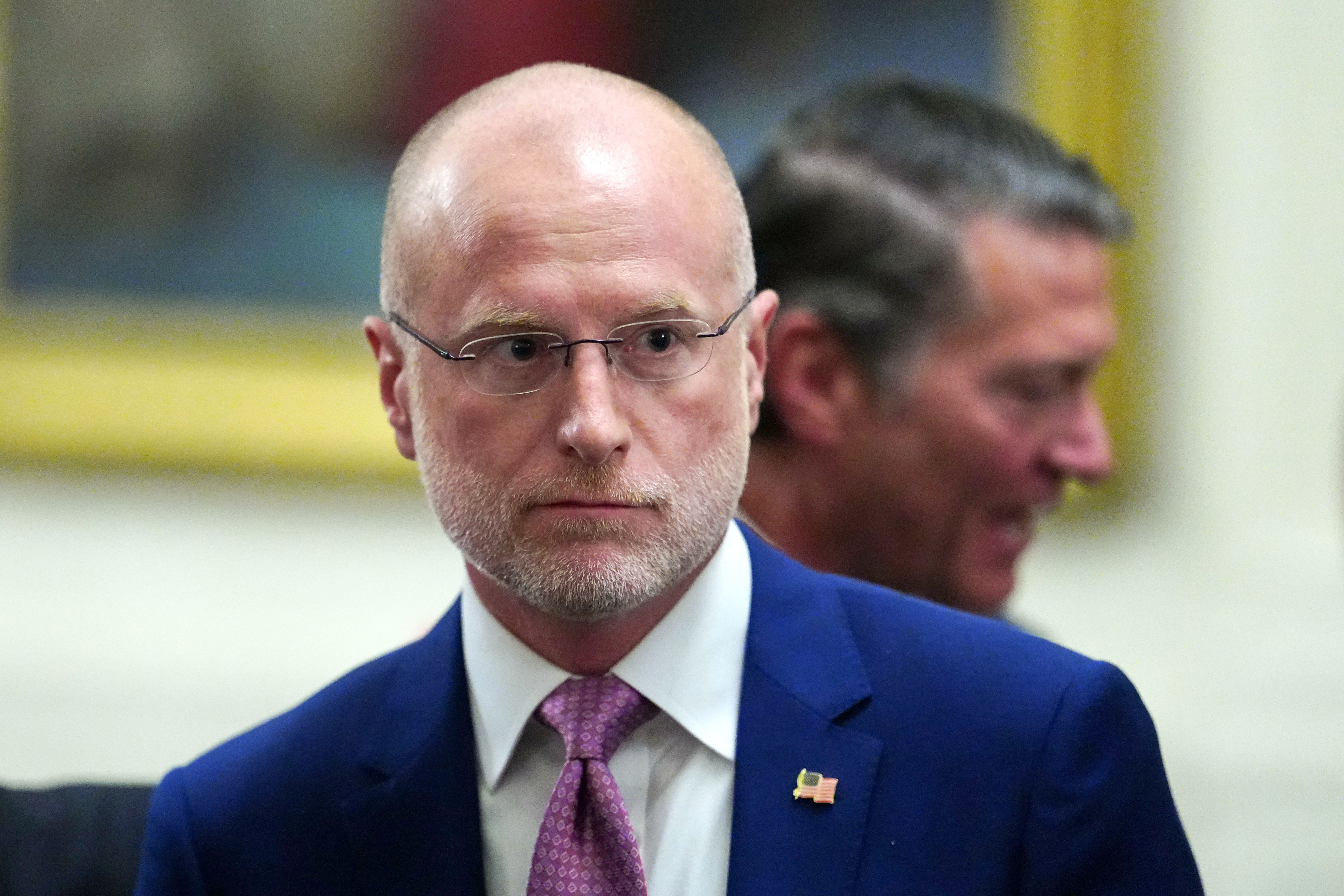
    The Federal Communications Commission on Thursday voted to eliminate a long-standing regulation constraining the size of large television broadcasting companies, a major deregulatory move pushed by FCC Chairman Brendan Carr.

    The FCC’s commissioners voted 2-1 to replace the cap, which prevents a company from owning broadcasting stations that collectively reach more than 39% of U.S. households, with a case-by-case review. The agency has said that the new process would “empower the FCC to approve deals that promote the public interest while allowing the agency to reject any deals that do not meet that standard.”

    Carr already sidestepped the ownership cap earlier this year when the FCC approved Nexstar’s $6.2 billion merger with rival Tegna, which would give the country’s largest TV owner an 80% reach into American homes. That deal was subsequently blocked by a federal judge after DirecTV and several state attorneys general sued, alleging antitrust violations. The case is ongoing.

    In a July op-ed on the right-wing website Breitbart, Carr lamented that “New York and Hollywood interests” have become too powerful and have “steamrolled” local TV station owners. He added that the commission needs to remove the ownership cap so broadcasters can better compete with cable TV companies and large tech platforms.

    “The cap no longer constrains the power of national programmers,” he wrote. “Instead, it prevents local broadcasters from competing on a level playing field.”

    Anna M. Gomez, the lone Democratic FCC commissioner, said during the Thursday meeting that Congress has the authority to lift the ownership cap. She added that the change won’t solve competition problems for local stations.

    “Eliminating the cap does not free local broadcasters from economic pressure, it just changes who is doing the squeezing,” she said. “Trading a squeeze from Big Tech for a squeeze from Big Media does nothing to protect the communities this cap was designed to serve.”

    Former House majority leader Tom DeLay (R., Texas), who helped institute the 39% cap in 2004, made a similar point in a Monday op-ed for the conservative website the Daily Wire, writing that it’s up to Congress to change it — and not the FCC.

    “I am a Republican. I support deregulation and the Trump administration. But my ultimate loyalty rests with the Constitution, which gives certain prerogatives to Congress,” Delay wrote. “Regulatory agencies cannot defy or modify laws enacted by Congress. If Chairman Carr wants to raise the statutory cap, he should ask Congress to pass a law giving him authority to do that.”

    Since taking the helm of the FCC at the outset of President Donald Trump’s second term, Carr has initiated a bevy of investigations into media companies. His actions have garnered some criticism from fellow Republicans concerned about the government pressuring private companies over issues of speech. When Carr threatened Disney-owned ABC stations’ licenses in September over comments made by late-night host Jimmy Kimmel in the aftermath of conservative activist Charlie Kirk’s murder, Sen. Ted Cruz (R., Texas) called Carr’s comments “dangerous as hell.”

    That long-simmering fight between Carr and Disney has boiled over in recent weeks. Disney has alleged that the FCC’s early review of its eight ABC station licenses, probe of The View, and review of Disney’s diversity practices violate the media company’s free press protections under the First Amendment.

    The Republican discomfort with Carr, meanwhile, hasn’t abated. During a Senate Judiciary hearing on Wednesday, Sen. John Kennedy (R., Louisiana) expressed frustration about the commission’s actions. “Sometimes the FCC scares me right now,” he told FCC general counsel Adam Candeub. “I don’t like some of the stuff that is said on television, but what business is it of the FCC?”

    “All I’m saying is, y’all be careful,” Kennedy added. “You’re getting into the foothills of violating the First Amendment.”

    The nonprofit Free Press said Thursday that it plans to sue the FCC and challenge its authority to remove the cap.

    “Changing this limit requires congressional action, but Carr doesn’t care,” Matt Wood, the group’s vice president of policy and general counsel, said in a statement. “He’ll do whatever it takes to clear the way for Trump-aligned billionaires to swallow up stations wherever and whenever they please.”

  • ‘Financial malpractice’ alleged at Philly-based painters union

    ‘Financial malpractice’ alleged at Philly-based painters union

    The parent organization of a Philadelphia-based painters union has taken control of the local entity after alleging “widespread financial malpractice” and a “lack of democratic controls.”

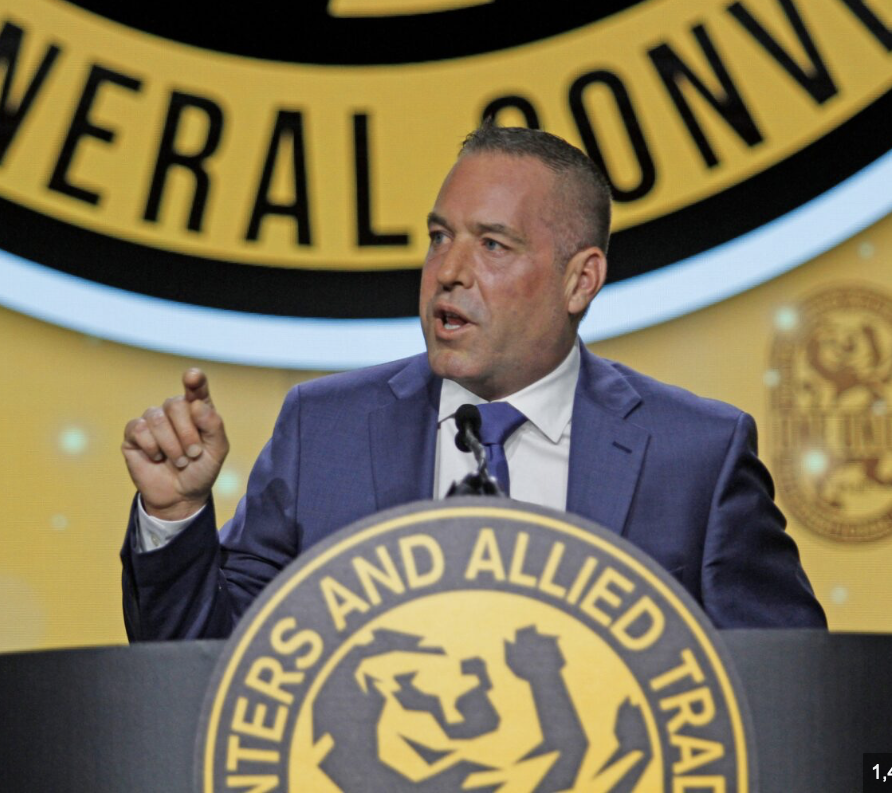
    The International Union of Painters and Allied Trades appointed a special trustee to “take charge and control” of District Council 21, ousting business manager Bernie Snyder from his leadership position, according to a July 24 letter obtained by The Inquirer.

    IUPAT DC 21 represents 5,600 painters, drywall finishers, wall coverers, glaziers, and glass workers in Pennsylvania, New Jersey, and Delaware. The international union has 140,000 members in the U.S. and Canada.

    “Instead of responding to membership’s needs and growing power in the jurisdiction, under the business manager’s leadership, the district council has engaged in financial malpractice, a lack of transparency, and acted without accountability or democratic controls,” the international union’s general president, James A. Williams Jr., wrote in the letter to DC 21 members.

    Williams, a fourth-generation glazier from Philadelphia and a member of DC 21 and Local 252, said the functions of all officers, business representatives, and employees of the District Council would “terminate” and pass to the trustee, Brian Courtien, a special assistant to the general president.

    Snyder, a painter by trade, could not be reached for comment. A person who answered the phone at DC 21 said Snyder was no longer employed there.

    Snyder, 54, of Thornton, Delaware County, was elected business manager/secretary treasurer in August 2024. At the time of his election, the union said he’d belonged to the council for 29 years, starting out with Local 703.

    IUPAT declined to make Williams — who’s also a member of the AFL-CIO’s executive council — available for an interview. In a statement, IUPAT spokesperson Ryan Kekeris said the international organization “conducted a review and found sufficient evidence to place District Council 21 under a special trusteeship.”

    “A fair, democratic, and constitutionally approved hearing will determine what next steps, if any, are appropriate.”

    In the letter, Williams depicted a disengaged leadership team that failed to organize or defend its trade jurisdiction, even as it increased spending. Membership has declined by 1,200 people in the past decade, Williams wrote. The council employs fewer staff than it did in 2023, yet costs have increased, he said.

    The letter said the District Council’s officers and certain “selected staff” received compensation packages inconsistent with the union’s bylaws, adding that these actions were “hidden” from rank-and-file members.

    DC 21 leadership provided an “inappropriate and unsustainable” number of staffers with excessive base compensation, Williams wrote.

    He also cited “ballooning” compensation costs for elected staff that exceeded $300,000, “in direct conflict” with the organization’s bylaws, as well as “insufficient detail in itemized staff expense receipts.”

    In addition to financial mismanagement, the letter took issue with a lack of accountability at the District Council. Rank-and-file members don’t know which staffers are elected and which are appointed, and executive staff failed to hold regular substantive meetings, the letter says.

    Snyder frequently failed to show up to the office, attend collective bargaining sessions, and engage in community and political activities, violating the union’s constitution, according to the letter.

    “Instead of correcting past financial and structural difficulties, District Council 21’s actions, and inactions, have exacerbated them,” the letter says. “Cumulatively, these failures evidence a general lack of attentiveness to members’ welfare and concerns, and a failure to perform bargaining representative duties, which must be addressed.”