Category: Business

  • An ‘influencer’ degree? Colleges bet on content creator major as critics question its value

    An ‘influencer’ degree? Colleges bet on content creator major as critics question its value

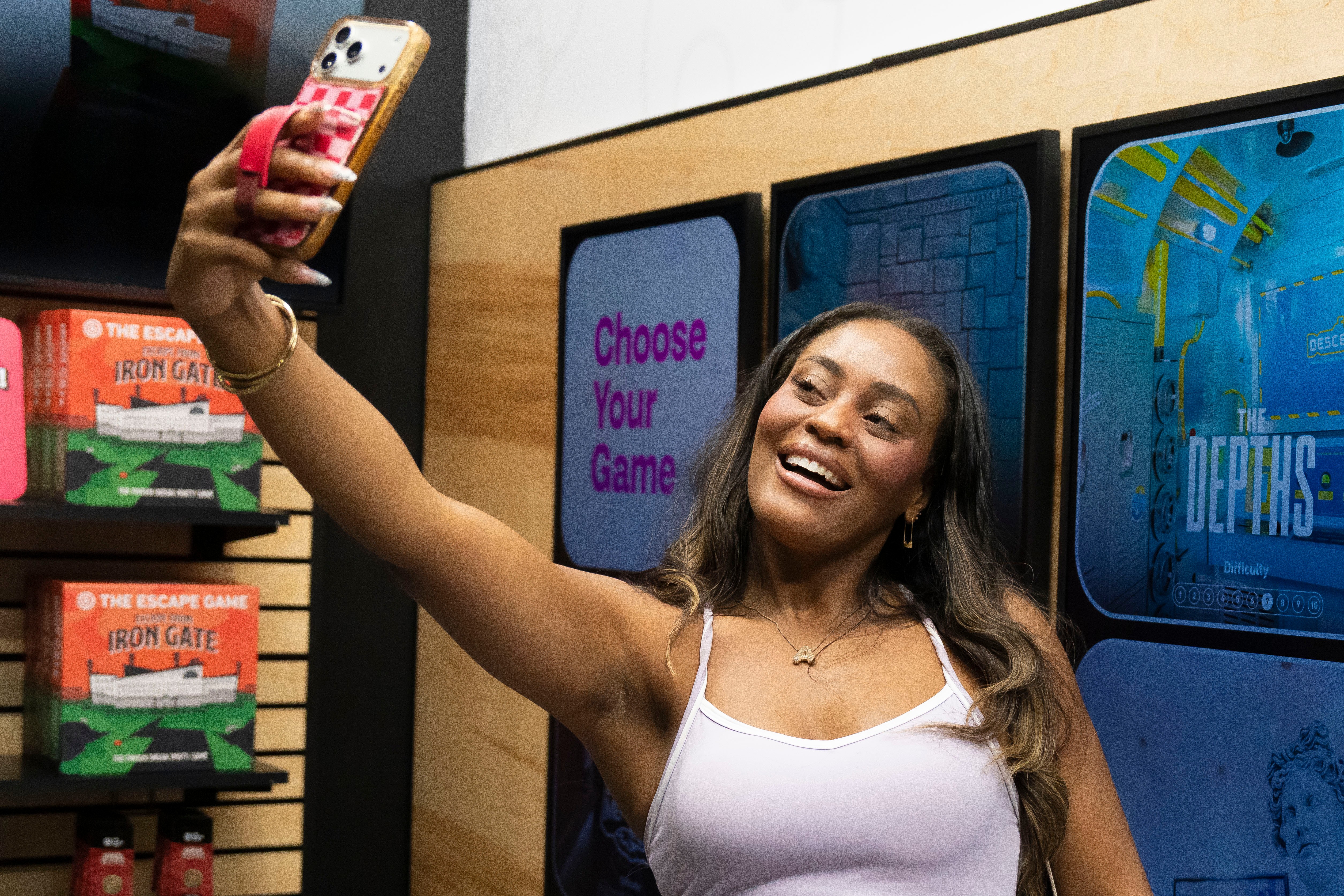
    Ask a teen what they want to be when they grow up, and there’s a fair chance being an influencer is on their list.

    Digital media and the people who star in it have been cultural mainstays for teens’ entire lives, so creating social media, video, or podcast content seems a natural, albeit nontraditional, career path. And now they can earn a college degree in that very field.

    Arizona State University recently launched a new bachelor’s degree in content creation, offered through its Walter Cronkite School of Journalism and Mass Communication. The curriculum overlaps with that of ASU’s mass communication and media studies degree, with the major departure being a slate of specialized electives on podcasting, studio production, and on-camera presence.

    ASU’s announcement was met with swift criticism from many sides — from people who feel content creation is not a legitimate profession to those who question the value of a college degree in launching a social media career.

    But the ASU program is not the first of its kind.

    And the university, which declined an interview request about the new program, is not the first to offer content-creation courses.

    Universities, eager to compete for a shrinking student population, are rolling out new majors intended to prepare students for today’s careers. Whether they lead to jobs can be up for debate.

    College courses in content creation have riled critics

    Many higher education institutions have started offering classes focused on the burgeoning content-creation industry over the past couple years, and several have certificate or minor programs. Syracuse University, Quinnipiac University, and Colorado State University offer minors, and St. Bonaventure University announced a content-creation major last winter.

    To Brooke Erin Duffy, a communication professor at Cornell University, these college programs represent an inflection point. During the past year, Duffy said, institutions in education and beyond have been acknowledging content creation as a viable career path — even if the term influencer itself hits a nerve.

    On social media, influencers are everywhere, sharing shopping recommendations and lifestyle content or promoting beliefs about health or politics. Because even influencers with relatively small followings have loyal audiences, brands also often pay them to talk about products.

    The image of a prototypical influencer, Duffy said, is usually a “young girl who is snapping selfies and just reaping in tremendous rewards for seemingly not doing anything.”

    But that’s not the reality for many content creators, who are working on media production, audience retention strategies, brand partnerships, and business relationships associated with their online presence.

    “It is a time-consuming, labor-intensive job that often doesn’t pay well — at least in the beginning,” Duffy said. “But a lot of that gets concealed behind … this assumption that it’s a dream job.”

    The creator economy is booming, but not everyone reaps the riches

    Even if someone has the skills to make it in content creation, it isn’t easy to break in.

    Social media is already a crowded field, and it’s going to get even more competitive in the coming years, said Max Willens, a principal analyst at Emarketer who covers the creator economy.

    Emarketer forecasts that social media creator revenue in the U.S. will climb above $20 billion this year, but Willens said it’s important to contextualize what that means for individual creators.

    “The overwhelming majority of that money is not going into creators’ pockets,” he said, even though their content and their followers form the foundation of the lucrative field.

    Influencers can earn money from social media platforms, which reward high engagement, and some earn commission if people buy a product they’re promoting. But the largest share of influencers’ earnings comes from sponsored content — getting paid to talk about a brand or product. Willens said he expects the amount brands spend distributing and amplifying creator content will eventually surpass the amount creators earn making it.

    The idea that a specialized college degree will “suddenly turn people into viral content machines deserves a bit of a reality check,” Willens said.

    Duffy noted that becoming an influencer often is perceived, incorrectly, as a path to get rich quick. Colleges that introduce content-creation degrees may be hoping to attract new students — and their parents — who are looking for “a job that will pay off,” Duffy said. “Whether or not it does is another story.”

    A degree’s price is also a factor: At ASU, base tuition for Arizona residents is about $12,000 per academic year, excluding scholarships, but the total cost of attendance can exceed $37,000 after factoring in room, board, and other fees. For students from outside of Arizona, tuition is more than $35,000 and the total cost of attendance is around $60,000 before scholarships.

    Creators see value and transferable skills in these programs

    While many content-creation students may be hoping to become viral sensations, Phoenix-based creator Aiesha Beasley said she could see programs like ASU’s being valuable even to those without that dream.

    “Having a digital presence and a personal brand is very important nowadays,” Beasley said. Building a platform and sharing that personal brand online can help a person network and gain entry to settings they may not have had access to otherwise, she said.

    Beasley, who has been a full-time content creator for three years after more than a decade posting online, works with small businesses to help optimize their social media presence. She noted that ASU’s courses would teach several transferable skills in fields such as communications and marketing.

    Content creator and actor Sammy Cristerna graduated from Arizona State University this spring with a degree in sociology and political science, but said he “absolutely” would have taken classes in the content-creation program and considered the major if it had been available.

    The courses, Cristerna said, would have been useful in learning how to negotiate brand deals, maximize monetization opportunities, and cultivate and keep an audience. Some of those skills can be self-taught through experience, he added. Still, “it’s nice to have that formal education.”

    The one thing Cristerna said he isn’t sure will translate in the classroom is personality.

    To connect on camera, a person needs to have “good energy,” he said. “That’s hard to teach.”
  • Target bets shoppers want to buy trendy snacks and drinks in grocery revamp

    Target bets shoppers want to buy trendy snacks and drinks in grocery revamp

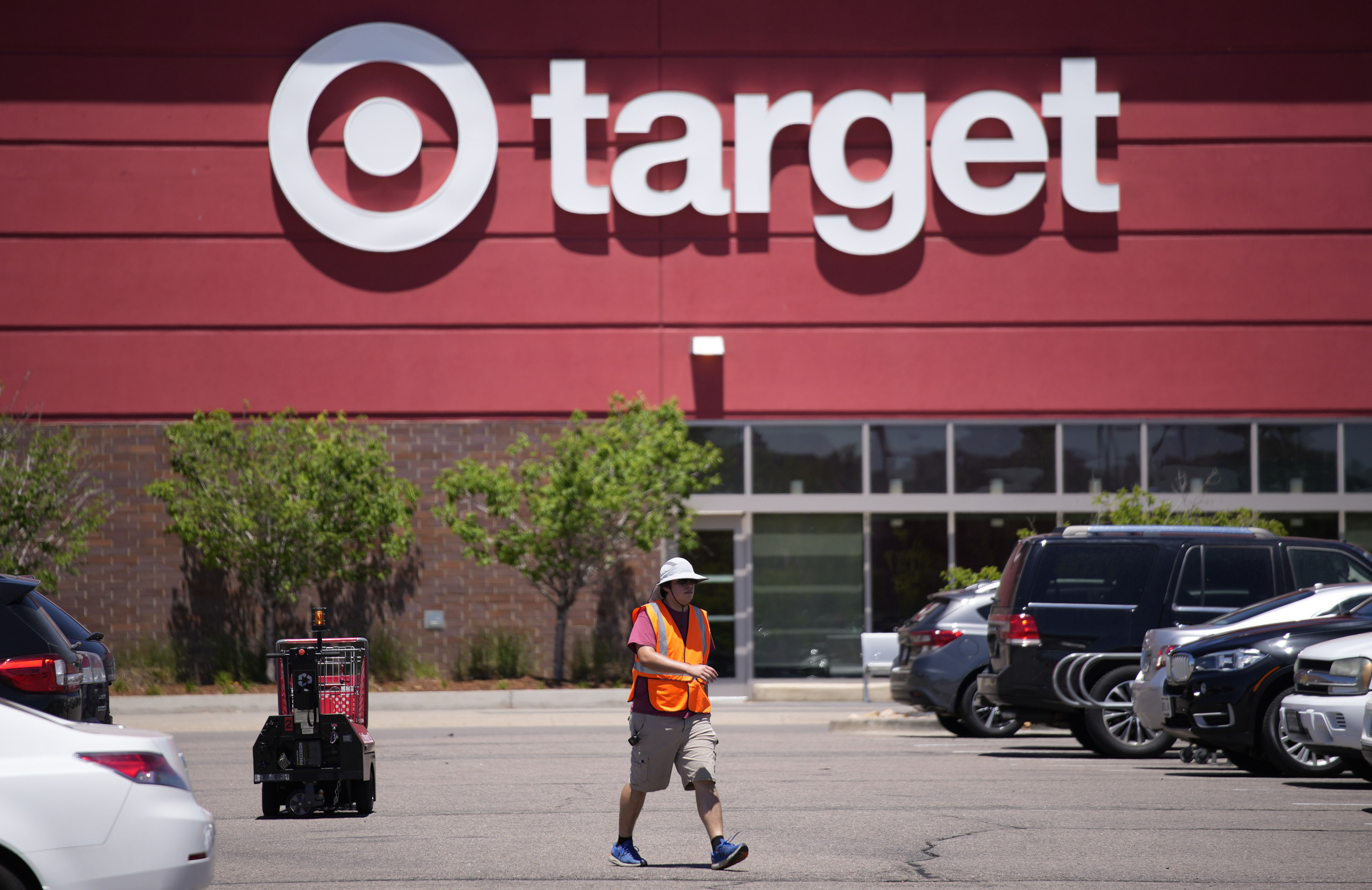
    Target Corp. has long struggled with its grocery identity: whether it wants to be a discounts-driven everyday chain or a cool, zeitgeisty retailer. Its latest big bet indicates it’s chosen the latter.

    The company has been overhauling its grocery aisles since the spring, hoping the upscale Tarzhay success it once had with stylish apparel and home goods in the early 2000s can be revived in food. It’s expanding the size of the section by more than 20% in nearly 150 remodeled stores and more than 50% in 300 new locations, carving out additional space for fresh produce and trendy items while cutting back on some pantry staples that shoppers aren’t buying or can get elsewhere.

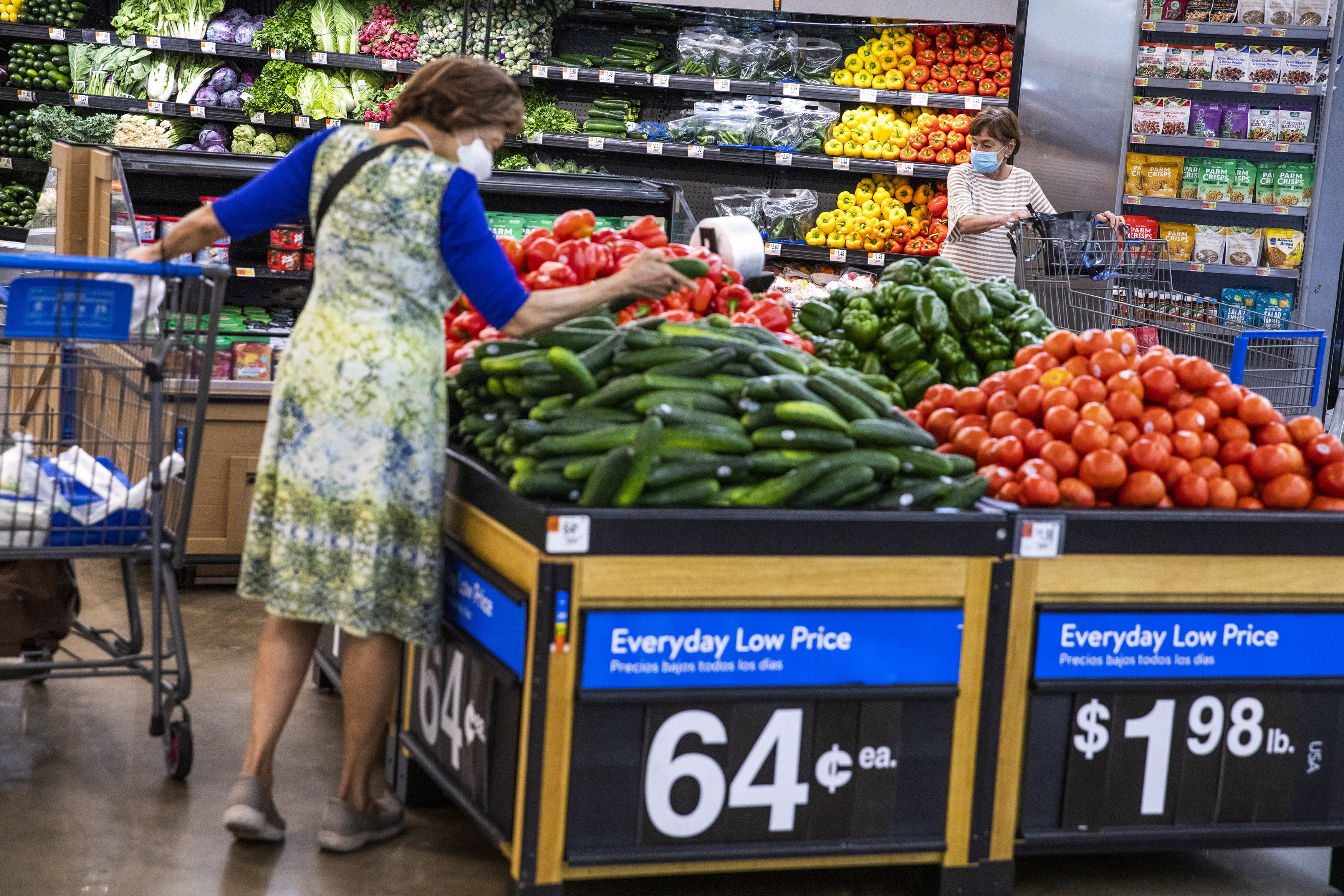
    The strategy, intended to help reverse three years of weak sales, contrasts with what rivals in the $1 trillion U.S. grocery industry are doing. As competition intensifies, Walmart and Kroger are lowering prices across the board to appeal to inflation-weary, cost-conscious consumers. Target’s share is tiny in comparison, and the pressure is on to sell the right products at the right price or risk falling further behind.

    At a Target store in West Hollywood, Calif., the coffee aisle is stocked with pink and green packages of collagen-infused strawberry matcha latte powder and mushroom-coffee brands Ryze and Everyday Dose. Nearby, healthier packaged food additions include gluten-free pumpkin spice cereal, sour melon candy made with less sugar, and Khloé Kardashian’s protein-dusted popcorn. Target is also broadening its Asian food selection, giving prime shelf space to sesame miso noodles, jars of chili crisp, and peach-flavored soju.

    Several shoppers said they’d noticed new brands and layout improvements, but the changes hadn’t yet made a difference in how they shop at the chain.

    “I’m just buying groceries out of the convenience of already being here,” said Emma Woods, 29, as she grabbed a few items, including Frosted Flakes and Yoplait, for an upcoming girls weekend. She said she still prefers to do the bulk of her food shopping at Whole Foods Market, Ralphs, and Trader Joe’s.

    “The selection just isn’t as large as a larger grocery store that I could go to, and I think the prices aren’t as competitive,” the dancer from Los Angeles said. “For me, it might be a lost cause.”

    Dwarfed by grocery rivals

    The grocery makeover is a crucial piece of Target’s attempt to rejuvenate its operations and boost traffic. The retailer estimates the move will generate more than $2 billion in growth over the next few years.

    Since 2023, revenue has been shrinking as shoppers spend at a slow pace because some of the merchandise hasn’t been resonating the way it did in the past. New chief executive officer Michael Fiddelke has pledged to improve Target’s product assortment, store experience, and technology, identifying food among the primary areas of focus along with baby, home, apparel, toys, gadgets, and sports.

    Target for years has debated how much food to sell and how to pitch itself against competitors. It’s sold many packaged goods, which have a simpler supply chain, rather than a full-fledged offering. As a result, food has been an afterthought for many shoppers, tacked on to the end of their Target runs or a holdover in between their main grocery trips.

    “I don’t think people wake up and say, ‘I need groceries, I’m going to go to Target,’” said Joe Feldman, an analyst at Telsey Advisory Group.

    Target wants that to change and sees significant opportunity: More than half of its customers buy groceries when they shop at the chain. And food, which makes up less than 25% of its revenue, has been growing faster than most divisions.

    So far this year, Target has added roughly 4,600 new food items — including probiotic coconut yogurt, mini rice cakes drizzled with chocolate, and frozen sour candy mixes — and more than 60 new brands during the second quarter. The retailer expanded the space allotted for Asian food products by about 75% and beefed up offerings of noodles and snacks in the category after sales rose more than 25% in the last year.

    “Food and beverage is a powerful opportunity to make life easier for busy families and drive our business forward,” John Conlin, senior vice president of food and beverage merchandising at Target, said in a statement. Its grocery offerings, which have had strong sales momentum, are deepening customer loyalty and driving more frequent trips, he said.

    But Target has substantial ground to make up. The retailer is dwarfed by Walmart, Costco, and Kroger, whose food businesses are roughly 12 times, six times, and five times bigger, respectively. Like Target, the three giants are increasingly selling trendier items — but they’re also using their scale to lower prices and emphasize value at a time when budget-conscious consumers are searching for bargains. U.S. food prices are expected to rise further in the back half of the year.

    Shoppers buy groceries at a Walmart Superstore in Secaucus, N.J., in 2024. Walmart’s food business is roughly 12 times that of Target.Eduardo Munoz Alvarez

    Walmart, known for offering affordable everyday goods, has said it will continue to lower prices. After announcing summertime deals in July, Walmart U.S. chief merchandising officer Julie Barber told staff that when the company leans on value, customers respond. “From beef and fresh produce to beverages, grilling essentials, toys and more, these investments reinforce what customers expect from Walmart: incredible value when it matters most,” she wrote in a memo viewed by Bloomberg News.

    Kroger has pledged to make the biggest price cuts in years to compete more effectively. New CEO Greg Foran, a former Walmart executive, told Bloomberg that prices have to come down across thousands of items and that the company would save costs by importing merchandise and using technology more effectively. Costco, meanwhile, is lowering prices of eggs, beef, and other items.

    Target lags many rivals when it comes to price. Identical national-brand food items cost about 5% more at the chain than they do at Walmart, according to data firm Attain, and one of the widest price gaps between the two is found in the snack section. It found that meat prices are relatively similar. Target said it’s priced competitively in food staples.

    Curating a treasure hunt

    Target is carving its own path. Instead of doing it all, the company is focusing on curation, a spokesperson said. It’s doubling down in areas where consumers are showing stronger interest, carrying an assortment of national, emerging, and store brands that reflects “evolving tastes, interests, and wellness needs.”

    The hope is that refreshed food aisles filled with coveted, unique products will become the reason people visit. With some new items, Target said, shoppers are willing to spend more to try them.

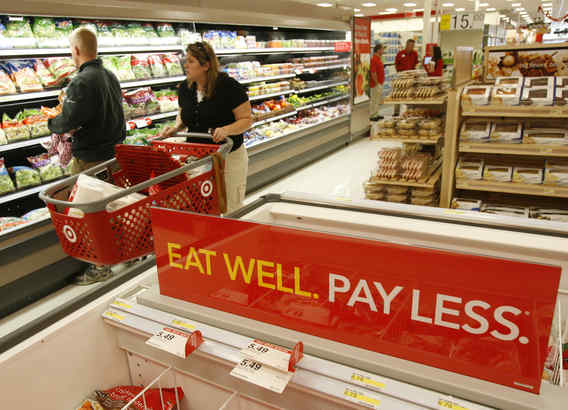
    Shoppers check out the food selection at a Target store at the Springfield Mall in Delaware County in 2009.CHARLES FOX / Staff Photographer

    “It has never been able to crack it in food,” said Jackie Lewis, a market intelligence lead at consultancy Harvest Group. “They are finally embracing the mantra that works for them in the rest of the store: exclusivity, buzziness.”

    The changes are helping attract more shoppers and creating a treasure hunt experience, with Target’s food sales growing in dollars and outpacing total company growth, according to Harvest Group’s analysis.

    “I buy more here now than I did previously,” said Sean Wesslund, a 40-year-old human resources consultant, while shopping at a Target in Highland Park, Ill. The store recently began offering more sustainable, healthier options such as regenerative organic certified coffee, which he likes to purchase along with basics like cereal, granola bars, and cheese. He said he sees Target becoming a cross between Whole Foods and Albertsons.

    At a Target in Falls Church, Va., Sam Fowler and his fiancée, Lindsay Nesmith, were perusing the display of noodles, including Buldak spicy ramen.

    “Things we would go to H Mart for, they now have here,” said Fowler, a 26-year-old TV producer. The couple does most of their shopping for bulk goods at Costco, but will supplement at Target for meals they are cooking that evening.

    Grocery is among a number of areas that Target is reworking. The company is adding new, exclusive items across its baby department and expanding concierge services where shoppers can get one-on-one guidance from experts. It’s launching beauty studios in hundreds of stores, and offering more trading cards and cell phone accessories across its entertainment, toys, and tech section.

    In March, Fiddelke unveiled a $6 billion plan to reverse Target’s sales slump and to reclaim the retailer’s reputation as a place to go for affordable yet stylish apparel and home goods.

    Target recruited fashion designer and TV personality Isaac Mizrahi this summer to fill the newly created role of creative director at large. Mizrahi has been brought in to mentor Target designers, advise on product design and innovation, and forge new partnerships.

    Fiddelke is also remodeling Target stores and improving staffing. The company has more than 100 full-scale remodels underway, with a goal of reaching 130 this year, Fiddelke said Tuesday.

    Second-quarter sales results released Wednesday suggest the changes are having an impact. The CEO said the latest quarter was “an important step forward in the plan we laid out earlier this year to open a new chapter of growth for Target.”

    Target also reported an increase in the number of customers going to its stores and shopping on its website from May through July.

    “We’re encouraged by the progress made so far, and we’re also clear-eyed about the important work still ahead,” Fiddelke said.

    Executives at several upstart food brands said they’re encouraged by the revamp. Many have inked exclusive deals with Target, ensuring their products are sold only at the chain.

    Snackish, a new clean-label potato chip brand, launched nationwide in June only at Target. The Snackish customer “wants to be the first one of her friend group to find the new thing that’s trendy” and is Instagramming her finds, founder Tara Bosch said. “We wanted to show up where she is and Target is where she shops.”

    Scoot, a brand of frozen lemonade pouches, highlights on its packaging that it’s only available at Target, complete with the retailer’s bullseye logo. This summer, refrigerated dough brand Sweet Loren’s rolled out its first exclusive-to-Target item: a snickerdoodle cookie dough. The company was confident it would draw new customers into Target, founder and CEO Loren Castle said.

    “These emerging brands, these better-for-you brands are actually what the Target guest is looking for,” she said. “It’s the reason they’re able to compete in grocery. It’s what they’re relying on to build the future.”

    Shopper Joy Shaw isn’t so sure. She went to the West Hollywood Target for school supplies this month and figured she’d also grab “lunch box stuff” including string cheese, cheddar squares, Sun Chips, and Activia yogurt drinks. The 51-year-old nurse said she’d like to see a wider selection of produce and meat, noting she wasn’t able to find ground chicken.

    “If they’re trying to be the go-to place for groceries, then they need to have the foundation of what we really need first,” she said. “Cool snacks, you can pretty much get anywhere else.”

    The Associated Press contributed to this article.

  • AmeriHealth Caritas to invest $15M in a company that serves people with intellectual and developmental disabilities

    AmeriHealth Caritas, a Medicaid insurer based in Delaware County, has agreed to invest $15 million in Deon Health, a Michigan start-up that works with states and insurers to improve care for people with intellectual and developmental disabilities, the two companies announced Friday.

    Deon was founded in 2024 to work with local providers to help people with intellectual and developmental disabilities (I/DD) overcome the silos that make it hard to coordinate primary care, specialty services, behavioral health, and long-term supports needed to allow individuals to live in community settings.

    “We built Deon Health to create a better way to organize care around people with I/DD, their families and the professionals who support them every day,” Sara Ratner, chief executive of Deon Health, said in a news release. “AmeriHealth Caritas brings deep Medicaid experience and shares our commitment to a model built around strong local relationships.”

    Other investors in Deon include Town Hall Ventures, First Trust Capital Partners, and Difference Partners.

    Independence Health Group, the parent company of Independence Blue Cross, is the majority owner of AmeriHealth Caritas. Independence’s partner in the business is Blue Cross Blue Shield of Michigan. Among the nation’s largest Medicaid insurers, AmeriHealth Caritas has contracts in 13 states and Washington D.C.

  • Tesla recalls 3 million EVs in China over door handle safety

    Tesla recalls 3 million EVs in China over door handle safety

    Tesla Inc. and at least eight other carmakers are recalling millions of cars in China over safety concerns with their door handles, a major step to address flaws that have led to vehicle entrapment and multiple fatalities.

    More than 4 million vehicles are affected as part of the broad crackdown, one of the most sweeping recalls ever in the world’s biggest auto market. Tesla accounts for the largest share, with just under 3 million vehicles included in the action announced Friday.

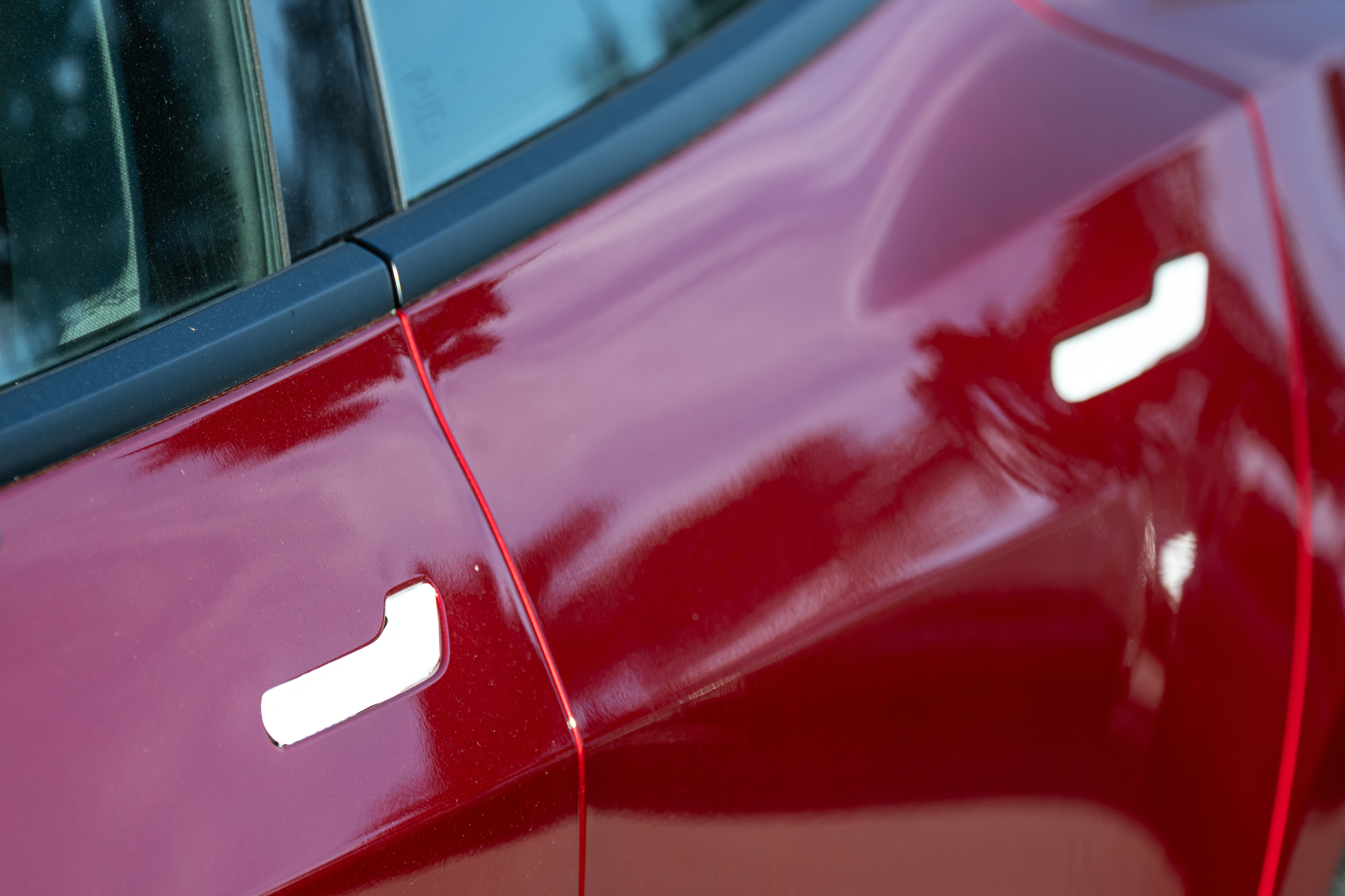
    The Tesla vehicles have electrically controlled handles that can stop working in some crashes, which “could hinder occupants from quickly opening the doors to escape and impede rescue efforts by those outside the vehicle, posing a safety hazard,” according to a statement from China’s State Administration for Market Regulation. As part of the recall, the carmaker will update software to automatically lower the windows after an accident and will affix warning labels showing where the emergency door releases are located.

    Vehicles designed with flush, electric handles have been involved in a series of incidents in which occupants have been trapped inside their cars after the vehicles lost power, including after a crash. In several instances, occupants of Tesla vehicles survived the initial impact of a high-speed crash only to die or sustain serious injury from subsequent fires after being unable to exit.

    Bloomberg News has reported extensively on the modern door systems, uncovering at least 15 deaths in a dozen incidents in which occupants or rescuers were unable to open the doors of a Tesla that had crashed and caught fire. Bloomberg also reported late last year that chief executive officer Elon Musk insisted on electric doors even after potential safety concerns were raised internally.

    China has taken a particular interest in the topic following fiery crashes involving Xiaomi Corp. vehicles, becoming the first country in the world to outlaw the design when it banned concealed door handles on electric vehicles earlier this year. The country has also been introducing regulations for driver-assistance technology, batteries, and other standards to try to improve the safety of cars at a time when Chinese automakers have been developing cars in roughly half of the time as legacy carmakers.

    This marks one of the largest vehicle recalls for the same kind of quality issue in China, according to Li Yanwei, an adviser to the China Automobile Dealers Association.

    After Tesla, Xiaomi accounted for the next highest number of vehicles recalled in Friday’s action, with 390,435 of its SU7 electric sedans. Zhejiang Leapmotor Technology Co. Ltd. is recalling 371,200 vehicles, according to statements from the market regulator. The total number of EVs being recalled for door handle related safety risks from the nine carmakers reached about 4.27 million affected.

    Tesla on Friday also recalled about 2.7 million vehicles to shore up its means for monitoring drivers using its driver-assistance technology and ensuring they pay attention to traffic and avoid collisions.

    In the U.S., auto safety regulators said last month that they would begin the process to impose a new federal rule addressing concerns over unsafe door handles. The National Highway Traffic Safety Administration is also probing certain Tesla Model Y vehicles over complaints of door-related entrapment, and a U.S. lawmaker has introduced legislation to require manual door releases in new cars and means for first responders to gain access to vehicles when power is lost.

    Craig Trudell contributed to this article.

  • Goodness Bowls is opening a headquarters and restaurant in a closed Conshohocken bridal shop

    Goodness Bowls is opening a headquarters and restaurant in a closed Conshohocken bridal shop

    A shuttered bridal shop in downtown Conshohocken will soon become the home of another family-run business with local roots.

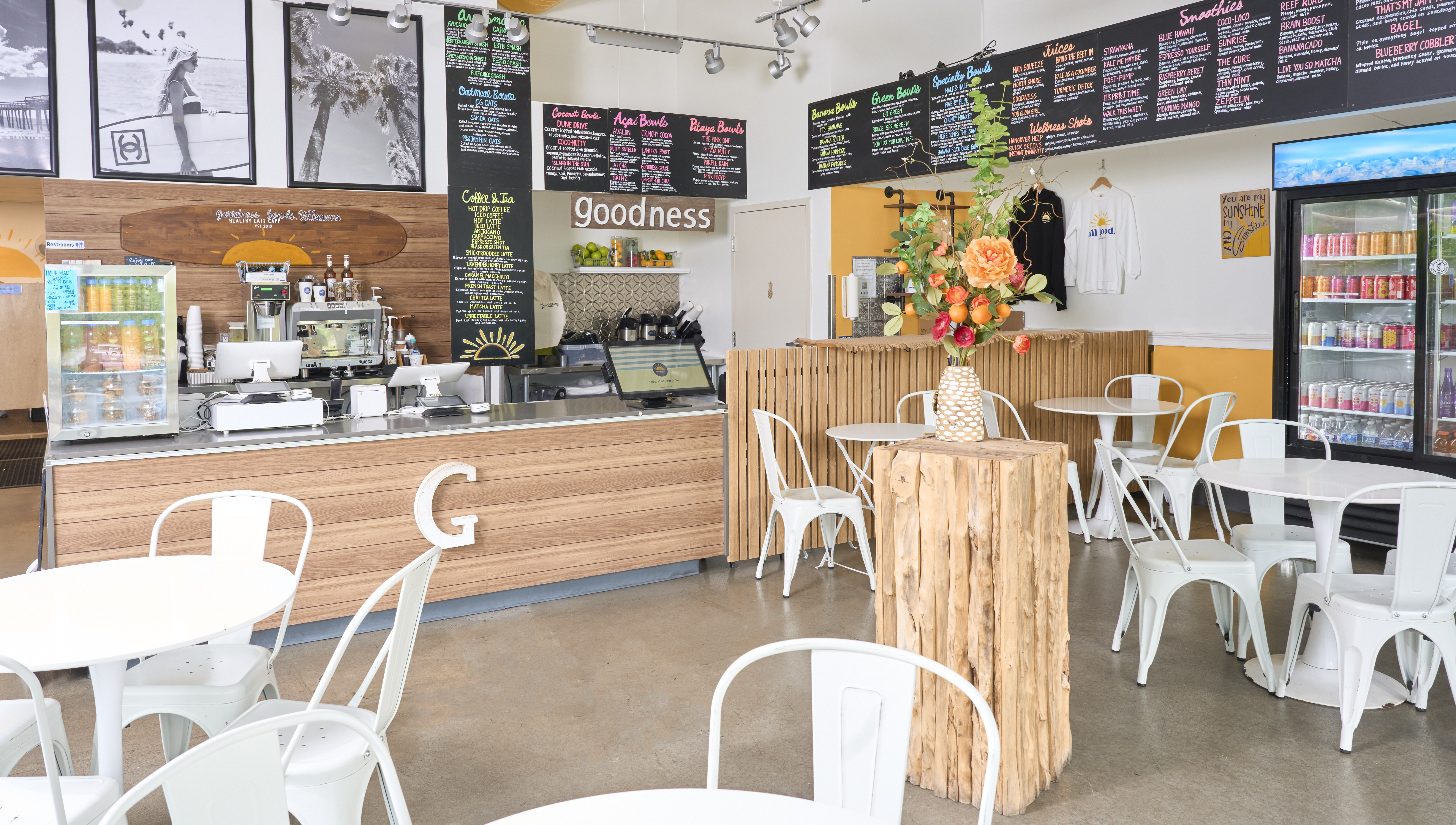
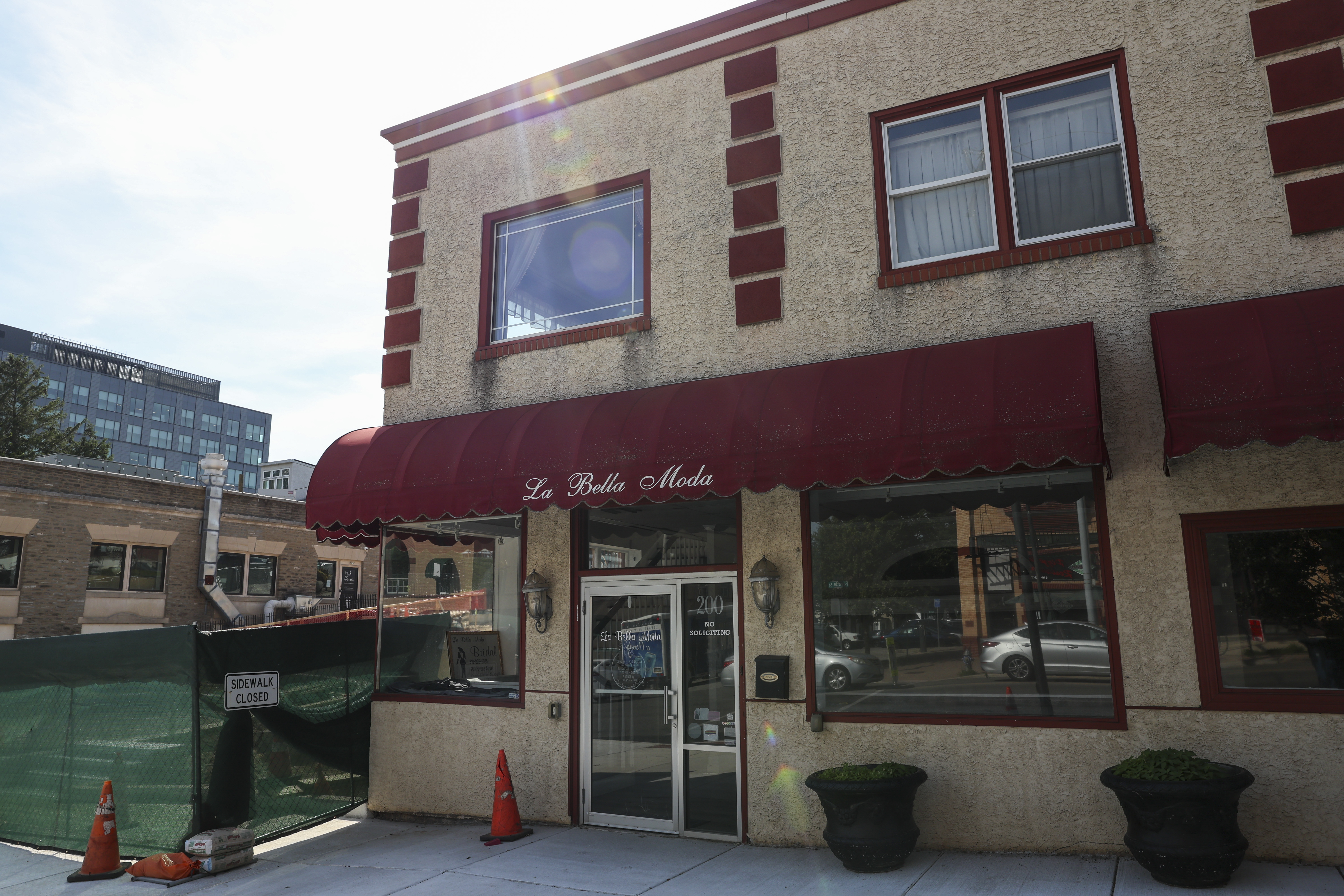
    Goodness Bowls, a “healthy-eats cafe” chain run by Montgomery County residents, has signed a lease for the former La Bella Moda bridal shop at 200 Fayette St., with the goal of opening a corporate headquarters there by early 2027. La Bella Moda closed in May after 45 years in business.

    “I always looked at La Bella Moda, and I thought, ‘God, that would be the perfect corner,’” said Susan Persichetti, Goodness Bowls’ cofounder and CEO. “ But I never thought they would close their doors.”

    In the coming months, the Goodness Bowl team plans to open a 1,500-square-foot restaurant on the first floor, according to company executives, and use 2,000 square feet upstairs for additional seating and its corporate offices. They declined to share the terms of the lease.

    The Conshohocken restaurant will be Goodness Bowls’ 10th location and its third corporate outpost. The rest of its cafes are franchised.

    The closed La Bella Moda, as seen in June.Monica Herndon / Staff Photographer

    The chain’s expansion comes as acai bowls — smoothie bowls loaded with toppings like fruit, granola, and peanut butter — and other more nutritious fast food have surged in popularity.

    Shops selling these bowls seem to be popping up everywhere. Over the past decade, Belmar, N.J.-based Playa Bowls has grown to more than 100 locations in 20 states, including more than a dozen spots in the Philly area. And the Juice Pod, founded in Avalon and now headquartered in Bryn Mawr, has expanded to more than two dozen cafes, most of which are in the region.

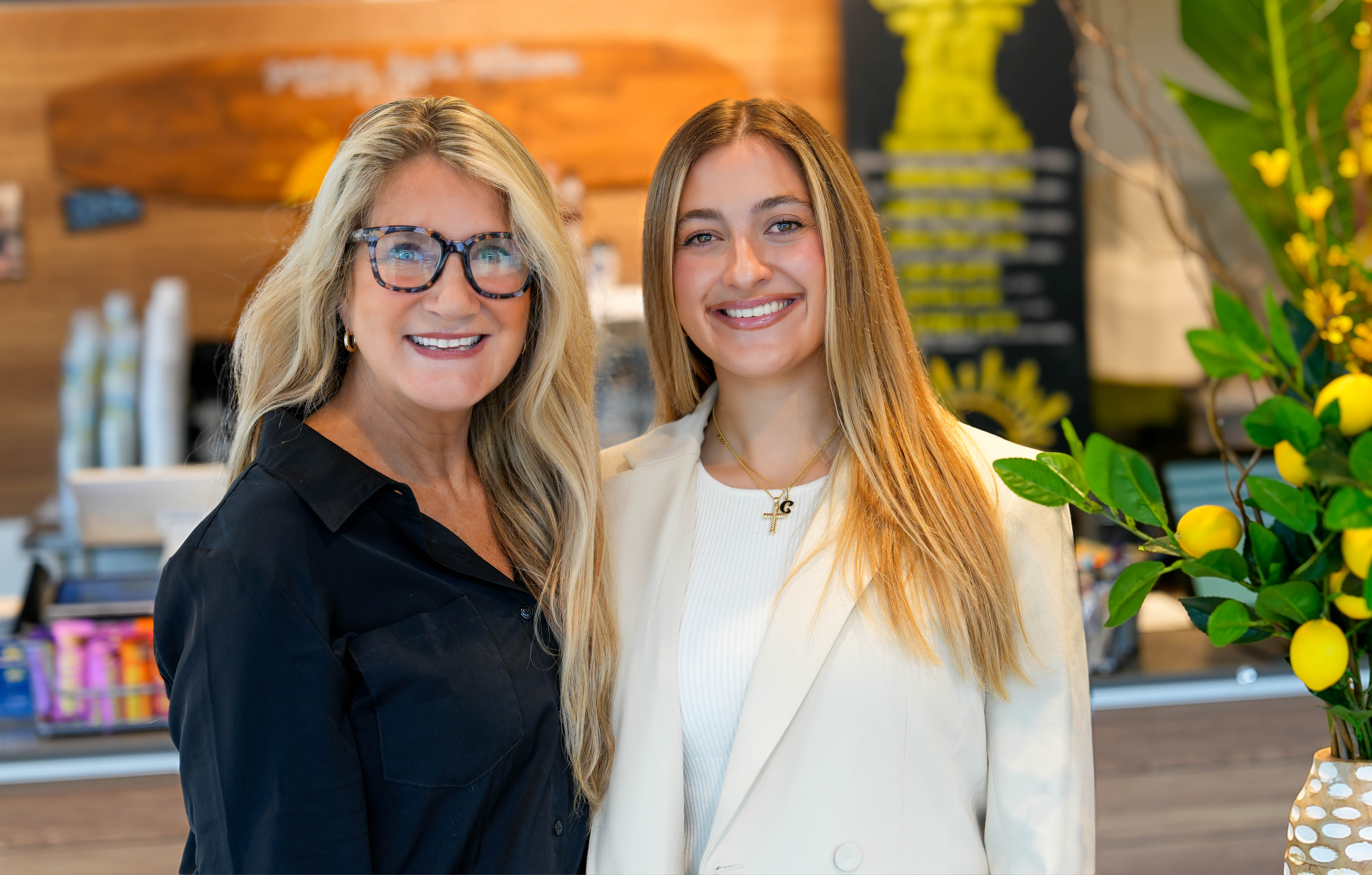
    A mother-daughter duo, Susan and Corinne Persichetti, opened the first Goodness Bowls in Avalon in 2019. Susan said her daughter Corinne — a former Division I field hockey player at Fairfield University and a health enthusiast — was the driving force behind the business.

    Susan Persichetti, cofounder and CEO of Goodness Bowls, with her daughter Corinne Persichetti, cofounder and chief operating officer.Courtesy Goodness Bowl

    Corinne created the cafe’s menu, which includes acai bowls, salads, wraps, and smoothies, and came up with its slogan, “Eat Good. Feel Good. Do Good.” Susan, meanwhile, crafted the shop’s coastal aesthetic and branding.

    For a couple years, Susan and Corinne ran the Avalon location in the summertime while working corporate jobs. In 2022, they opened a second location in Villanova, where they quickly found success. They realized there was demand for the Shore-inspired business in the Philadelphia suburbs, Susan said, and started franchising.

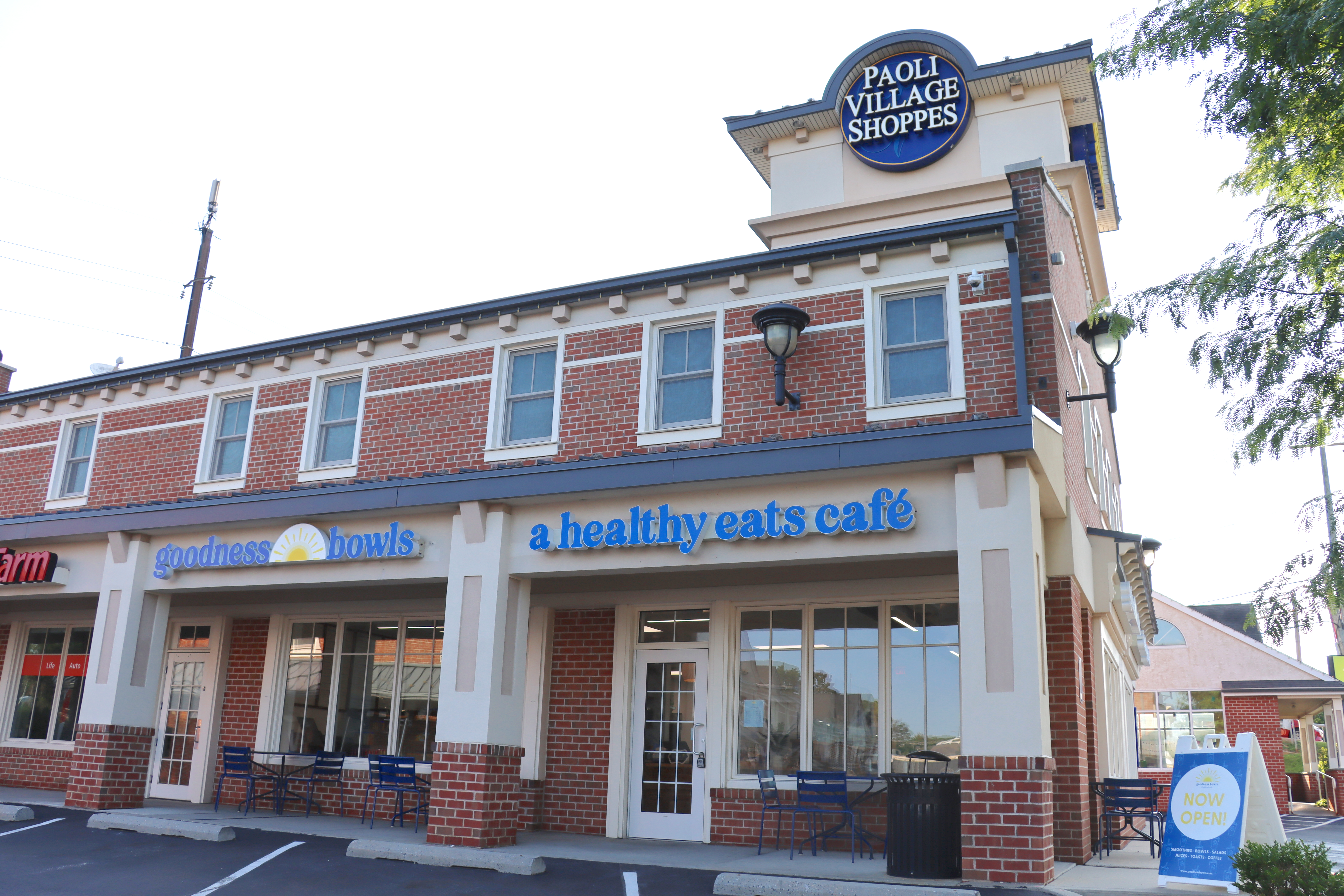
    Goodness Bowls currently has franchise locations in Narberth, Paoli, Collegeville, Spring House, Haddon Township, Sea Isle, and Scranton.

    The new Paoli location of Goodness Bowls.Courtesy Goodness Bowls

    In recent years, Goodness Bowls has also expanded their team, including by hiring a company president, Finn Loftus, who also lives in Montgomery County.

    Susan said she thinks the business has taken off because more consumers, especially women, are seeking out nutritious fast food.

    “People really are craving healthy options,” she said. “And they really want food that they’re able to get quickly.”

    Customers also say they are drawn to the bright cafes and friendly service, according to Susan.

    Goodness Bowls executives look at their move to Conshohocken as a homecoming, and are excited to be back in the borough where Susan raised Corinne and her other children.

    “We want to add to the community,” Susan said, by “keeping a small, family-owned business there on a really great corner that’s built such great traditions.”

  • Some school supplies got costlier after tariffs. Parents are feeling the pinch.

    Some school supplies got costlier after tariffs. Parents are feeling the pinch.

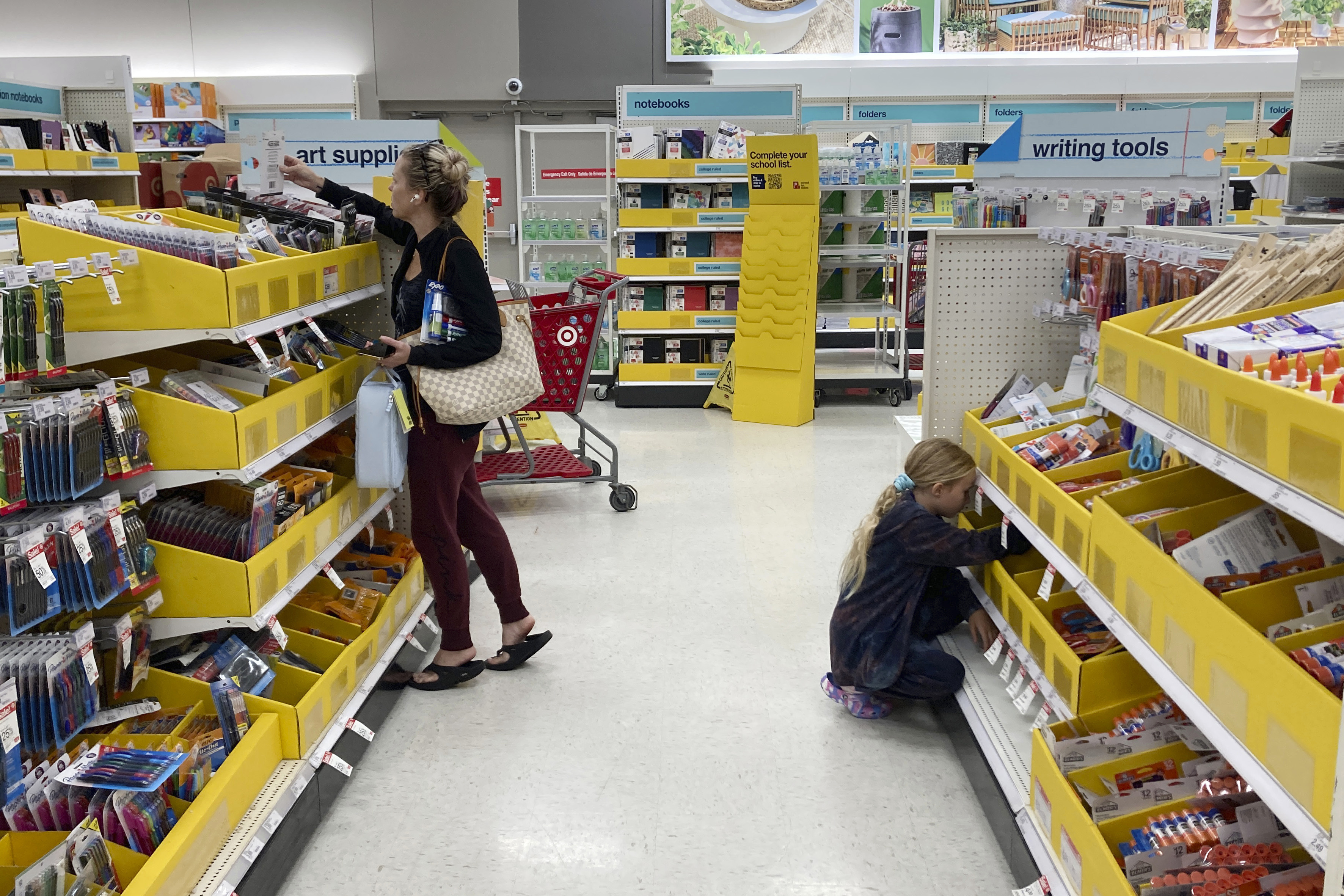
    It’s back-to-school shopping season, which means parents are spending money on new crayons and notebooks. Parents are calculating just how much they can afford to spend on school supplies, what children can reuse from the year before, and what on teachers’ lists will have to be abandoned.

    The cost of school supplies has risen nearly 8% since last year, according to a report from the left-leaning groups the Century Foundation and Groundwork Collaborative, which pointed out that the makers of such school staples as Elmer’s glue and Sharpies and Expo markers, Mead and Five Star notebooks, and Logitech headphones have all spoken publicly about raising their prices because of the Trump administration’s tariffs on imported goods.

    The days of students making an annual trip to the office supply store with their back-to-school shopping lists in hand have gotten an internet-age makeover. Today, more than a million classroom teachers have posted the items they want their students to buy to the website TeacherLists.com. The average total spending to buy the whole list? $91.55, for an average of 15 items, for those who shop at Target and Walmart, the website’s vice president, Elizabeth Lamport, said. With one click, parents can add all the items on the list to their online shopping carts at stores such as Amazon, Staples, or Office Depot, and buy the whole kit with another click.

    Princess Heard, a single mom of two in Roswell, Ga., starts putting away money for fall back-to-school supplies as soon as her kids come home from their last day of school each spring. Heard, who works for a health insurance company, budgeted that she would need $200 this year to outfit her kids with new backpacks and the items from their teachers’ lists. She took online surveys for cash to make the money.

    When she took her kids to Target the day before school started, she kept a calculator open on her phone, tallying as they put what they needed into the cart. She hit her $200 maximum before they finished their lists. “The deals weren’t as good as they normally were, in previous years,” she said. “We didn’t get as many supplies as I normally do. … Usually I’m able to get everything.”

    Heard ended up deciding not to buy any of the classroom supplies the teachers requested, like wipes and tissues. She’ll bring some in later in the school year, she said.

    In a Good Morning America-Ipsos poll conducted late July, two-thirds of parents said back-to-school shopping is more expensive this year, and nearly nobody said it’s cheaper. They said they’d spend an average of $118 per child on school supplies, and a total of more than $800 on sports gear, clothes, books, technology, and other back-to-school shopping.

    Some of the items most commonly on teachers’ lists are relatively cheap. Target, which said in a news release that 95% of its school supplies are at or below last year’s retail prices, is selling 24-packs of Crayola crayons, double packs of Elmer’s glue, two big pink erasers, or pocket folders with prongs for 50 cents each right now.

    Annie Redlin, a nurse in Rochester, Minn., who shares parenting ideas on her website, asked her three sons to gather up all their leftover supplies and dump them out on the floor ahead of their first day of school next week. She called out each item on their teachers’ shopping lists, asking if they already had it in the pile.

    “We do not need all new markers. … Some of those notebooks have two pages used; we rip out the pages,” Redlin said. “Seventy-five percent of the things I’m sending back to school this year are reused, which is really helpful for the budget. … They’ve never once said, ‘Mom, I don’t have new crayons like my friends.’”

    Her husband, a physical education teacher at the boys’ school, took them shopping for what was left on their list: crayons for the first-grader, new binders and folders, a pencil holder for the sixth-grader. He walked out having spent about $35 for the three kids.

    “Truthfully, I feel a little bit of a sense of relief,” Redlin said. “Life feels really expensive right now, with groceries and clothes for three growing kids. It was really nice to not feel stressed about how much money I spent on school supplies.”

    In Alexandria, Va., 14 public elementary schools have posted their supply lists on TeacherLists.com. The average second-grader is asked to bring 13 items at an average cost of $61.87 at Target.

    But many families end up spending more. Several of the Alexandria schools’ lists, for example, include the same clear plastic pencil case, selling for $4. If your kid wants the one with a Minion or Pokémon or a Star Wars figure on it, it’s $7. Upgrade from clear to pink or blue, and it’s $10. Add a wavy fidget design, it’s $14.

    Zoie Hoffman, a math tutor in Las Vegas, had to buy school supplies for her first-grade twins for the first time this year. It cost about $200 to buy everything on the school list: scissors, crayons, markers, colored paper, cardstock, paper towels, baby wipes.

    She tries to save money, including by looking for high-quality backpacks and water bottles that she won’t need to replace for years. But she also bears in mind that most of her children’s education is free.

    “My mindset is, we’re going to public school, and you know, this is just part of it.”

  • Anthropic expects to match SpaceX’s record IPO size or top it

    Anthropic expects to match SpaceX’s record IPO size or top it

    Anthropic PBC expects to match or beat the size of SpaceX’s record-setting initial public offering, according to people familiar with the matter, as preparations for the artificial-intelligence firm’s debut pick up speed.

    The Claude developer is running the numbers as it prepares to file publicly for its potential mega-IPO as soon as the end of this month, the people said. Recent investor briefings led by chief financial officer Krishna Rao skirted the question of valuation, they said.

    Elon Musk’s rocket and satellite firm raised $75 billion at the outset, making it the biggest first-time share sale ever, data compiled by Bloomberg show. The final figure increased to $86.2 billion with the so-called overallotment option, which is typically exercised if shares rise in early trading.

    Discussions are ongoing and details of Anthropic’s IPO including the size could change, the people said, asking not to be identified as the information isn’t public. A representative for Anthropic couldn’t immediately respond to requests for comment.

    Anthropic’s target reflects how the AI industry’s leaders are transforming the tech investment landscape. The five-year-old company raised $65 billion in May at a $965 billion valuation, surpassing rival OpenAI’s valuation of $852 billion in March when the ChatGPT maker raised $122 billion.

    Though Anthropic saw positive adjusted operating income for the second quarter, it had a net loss of almost $42 billion in 2025, a roughly fivefold increase from about $8.3 billion the year before, according to documents seen by Bloomberg News.

    Demand for AI has been growing at speed, as a sharp increase in Anthropic’s revenue shows. The company saw preliminary second quarter revenue of more than $11.5 billion, compared to $787 million in the corresponding period in 2025, and its run rate, a metric that projects full-year revenue from a shorter period, hit $65 billion by the end of July, Bloomberg News reported.

    Very High Cost

    Anthropic and its rivals are grappling with the very high cost of building more advanced AI systems, some of the people said. Training so-called frontier models requires huge amounts of computing power — in just one of its agreements with data center owners, Anthropic agreed to a deal with SpaceX for computing resources that could be worth tens of billions of dollars over the next three years.

    Anthropic is on track to make its public debut ahead of OpenAI, which is now looking at a listing in 2027, Bloomberg News reported. Both companies have filed confidentially for their respective listings.

    Ahead of its public filing, Anthropic is set to finalize a revolving credit facility that will raise more than its roughly $10 billion target, people familiar with the matter have said.

    Anthropic is working with Morgan Stanley, Goldman Sachs Group Inc., and JPMorgan Chase & Co. on the IPO, and other banks could be added, Bloomberg News has reported.

    Anthropic is considering adopting so-called super-voting shares that would give chief executive officer Dario Amodei, who owns about a 2% stake, and his fellow cofounders greater control over the company, a person familiar with the matter said. The Information was first to report the super-voting stock.

    A first-time share sale topping SpaceX would easily power 2026 to become the best year on record for U.S. IPO volume, data compiled by Bloomberg show. Newly listed companies have already raised $160.6 billion through Aug. 19, trailing 2021’s high watermark of $195.2 billion, the data show.

    Anthropic’s debut would add to a year that’s already delivered two of the largest-ever listings, with South Korean chipmaker SK Hynix Inc. raising $26.5 billion in its first-time sale of American depositary receipts.

  • Pope hats, bloody shirts, and so many bobbleheads: The creative ways MLB teams lure fans to the park

    Pope hats, bloody shirts, and so many bobbleheads: The creative ways MLB teams lure fans to the park

    CHICAGO — It started as a limited promotion for a specialty theme night. Then the Chicago White Sox heard from their fans.

    Everyone wanted a pope-themed hat.

    “When things go bananas … that’s when it gets really fun,” said Brooks Boyer, the White Sox’s chief revenue and marketing officer.

    Fun is the overarching theme when it comes to stadium giveaways, and business has been good at major league ballparks this year.

    An array of creative promotions — everything from the New York Mets handing out fake glasses and mustaches for a Bobby Valentine Disguise Night to the Texas Rangers giving away a Nolan Ryan bloody lip jersey — has played at least a small role in an MLB-wide average attendance of 29,618 through Aug. 11, the highest such number for a full season since 2017.

    Bobbleheads remain popular — like the Brandon Nimmo Bull Riding bobblehead in Texas, or the butter-churning Nick Kurtz “Big Amish” bobblehead with the Athletics — but it’s not just those iconic figurines that are drawing big crowds. The Brewers handed out 25,000 bar dice sets to fans 21 and over on Saturday, and they had a crowd of 40,625 at American Family Field.

    The pitch clock and other innovative rules introduced by MLB in 2023 are often credited for spurring fan interest. But it’s clear from the long lines — and occasionally astronomical resale prices on eBay — what a clever giveaway can do for ticket sales, too.

    “I definitely think across the league, there’s been an increase in demand and desire, and even necessity, to do things that are outside of the box,” said Meagan Hermosillo, the director of marketing and promotions for the Arizona Diamondbacks. ”For us, we can’t really do a standard bobblehead or a standard anything. It has to have some kind of unique factor if we want it to move the needle.”

    Chicago’s pope hats took creative — and careful — planning

    The White Sox ended up giving the pope hats — shaped like the Pope’s miter, with the team’s sock logo in the middle — to everyone in the crowd of 38,113 for the Aug. 11 5-4 loss to the Cincinnati Reds. The tribute to Pope Leo XIV, a Chicago native and longtime White Sox fan, helped push the club’s season-long attendance to 1,460,383, surpassing its total of 1,445,738 for all of 2025.

    The team leaned into the theme. There were signs posted in the ballpark that read “LEO KNOWS MUNE” and “LEO KNOWS KONERKO,” referring to current White Sox first baseman Munetaka Murakami and former slugger Paul Konerko.

    “I thought it was a great idea, knowing that the Pope is from Chicago and he’s a Sox fan, which is great,” said Edward Lopez, 58, a truck driver from the south side of the city.

    Lopez was supposed to go to the game with his girlfriend, but she wasn’t able to make it. So he went through two different gates to make sure he secured two pope hats.

    “It was worth it,” he said.

    Promotions for the White Sox go through a committee led by senior director of marketing and promotions Mike Downey. They throw out ideas and concepts, and they also look at samples from different vendors.

    The team also is handing out wooden domino sets to 10,000 fans on Aug. 22 and magic wands to 20,000 fans on Sept. 4, a nod to the viral wand-waving dugout displays of injured reliever Mike Vasil.

    “We’ve always looked to have our giveaways be something that we know people would wear or use or value because it adds value to the ticket,” Boyer said. “So it starts with that.”

    While planning the pope hat night, religious sensitivities were part of the conversation for the promotions committee.

    “We haven’t done items that would be Pope Leo’s likeness,” Boyer said. “We wouldn’t do that without the permission of the Vatican. … We’ve been very careful. There is a little bit of nuance and finesse that needs to be done. And items, you know a lot of items may not be for everybody.”

    Teams are eagerly jumping on larger cultural moments for eye-catching promotions

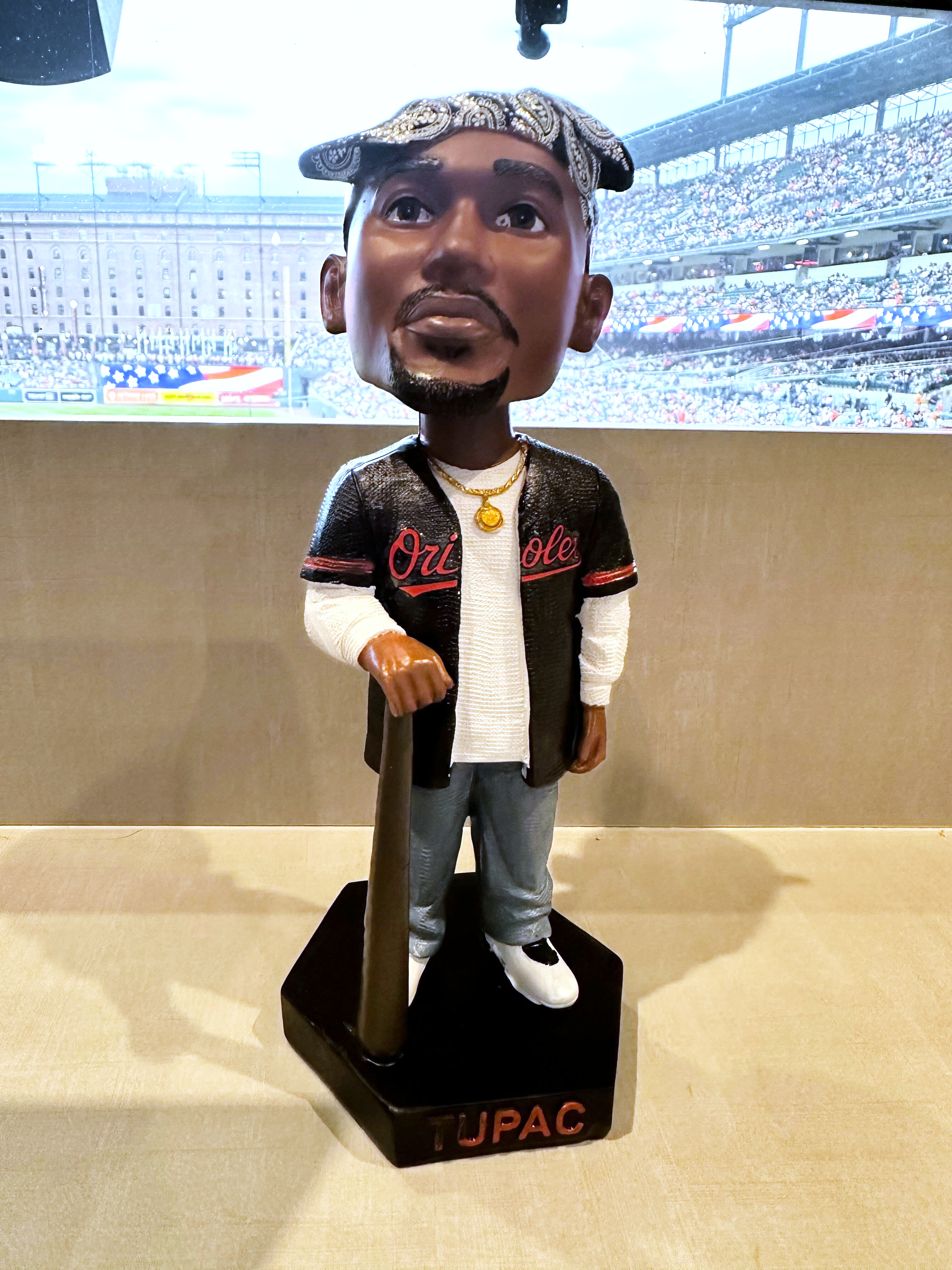
    The Baltimore Orioles handed out a Tupac Shakur bobblehead in May. The New York Yankees gave out a KPop Demon Hunters bobblehead on Aug. 11, and they have a George Costanza calzone bobblehead — paying tribute to a 1996 Seinfeld episode — coming up on Aug. 27. Every MLB team except Toronto had a Star Wars Night this season.

    A Tupac Shakur bobblehead is displayed for the Baltimore Orioles’ giveaway at a baseball game against the Athletics on May 8, 2026, in Baltimore. Noah Trister

    Following in the footsteps of the minor leagues in many cases, it’s not enough anymore to just feature a popular player for a giveaway.

    “You can see that teams are doing a much better job with their understanding [of] who they’re trying to target,” said Jim Strode, an associate dean and professor at Ohio University’s College of Business. “When I think of the Seinfeld one, I’m thinking, you know, they’re targeting Gen X, they are targeting some, you know, younger baby boomers to try to get out to the ballpark.”

    There is also what Lauren Anderson, the director of the Warsaw Sports Business Center at the University of Oregon, described as the “collector chase game.” There were multiple fans looking to buy additional pope hats at Tuesday night’s game, and there were several listings for the giveaway and the KPop Demon Hunters bobblehead on eBay the next day.

    “You want something that’s unique and cool and something that you can, you know, I’m one of 5,000 people to get these, I’m one of 10,000,” Anderson said. “I mean, there is also a bit of the game of people want something that’s limited so they can flip it and sell it, like on an eBay.”

    David Brandt contributed to this article.

  • Willow Grove Park Mall is in the process of being sold

    Willow Grove Park Mall is in the process of being sold

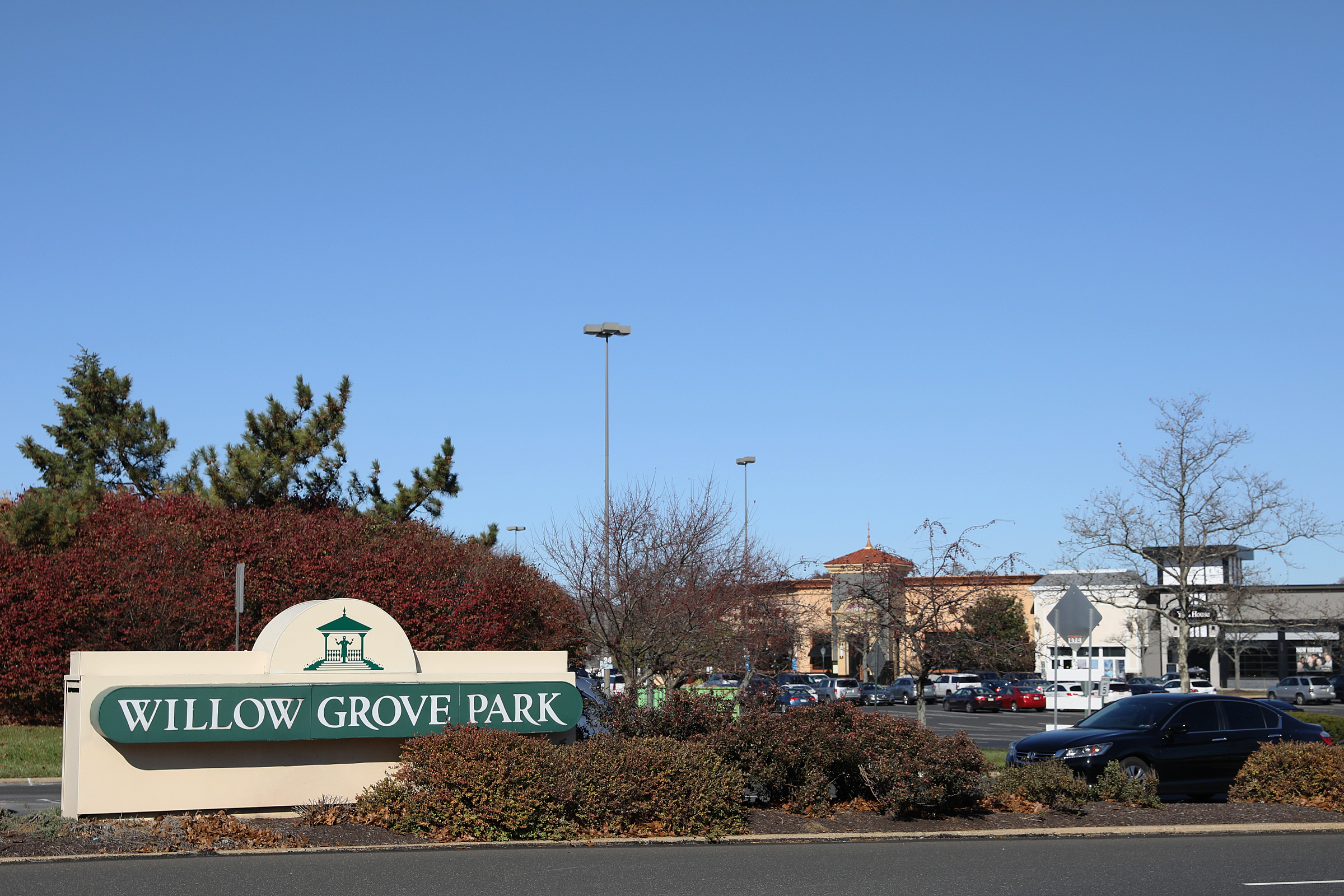
    Willow Grove Park Mall is on track to be sold soon.

    A representative for Pennsylvania Real Estate Investment Trust (PREIT), which owns the Montgomery County mall, said in a statement Thursday that “a lender-directed sale process is underway and expected to be completed in the near term.”

    The Philadelphia Business Journal first reported the news, saying that a partnership of New York firms — Namdar Realty Group, Mason Asset Management, and CH Capital Group — were set to buy PREIT’s 725,000-square-foot section of the 1.2 million-square-foot mall, as well as its debt on the property, for an undisclosed price.

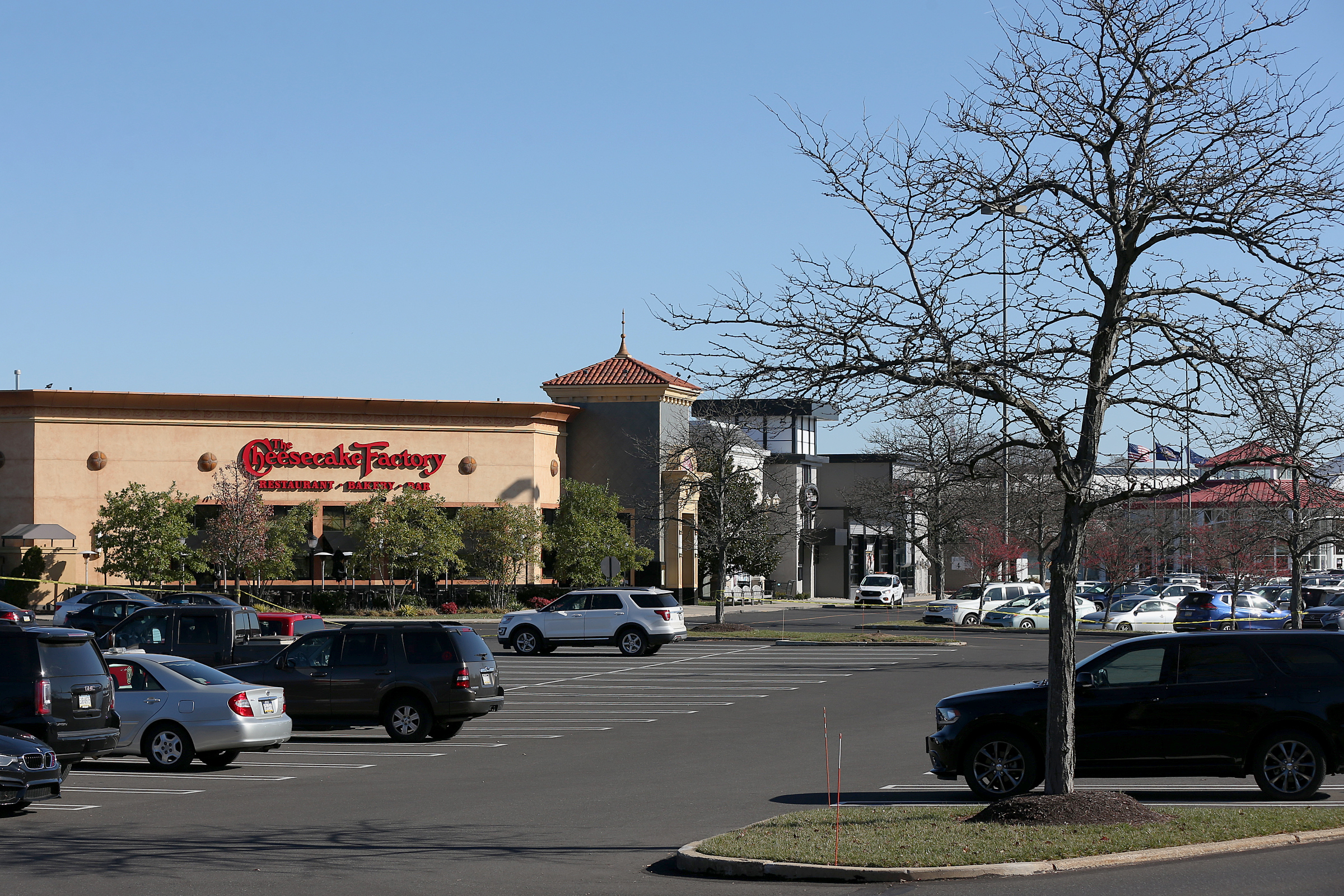
    The sale would include most of the mall, including Macy’s, Cheesecake Factory, and Nordstrom Rack, but not parcels that house Primark and Bloomingdale’s, according to the Journal, citing marketing materials that have since been removed from real estate firm JLL’s website. JLL did not return a request for comment.

    The Willow Grove Park Mall is shown in 2019.TIM TAI / Staff Photographer

    The potential new buyers, all based in New York, did not return calls or emails from The Inquirer.

    Willow Grove Park Mall would not be their first acquisition in the region.

    In 2015, Namdar, a company known to scoop up distressed malls, and Mason Asset Management bought the struggling Voorhees Town Center from PREIT for $13.4 million. Since then, retailers have continued to flee the Camden County mall, which has been closed since a 2024 fire. A North Jersey developer has plans to buy and revive the property, pending a state tax credit.

    Namdar also owns the Hamilton Mall in Mays Landing, which New Jerseyans have called one of the state’s deadest malls.

    The situation in Montgomery County, however, is different.

    Willow Grove Park Mall has appeared healthy in recent years, despite the financial struggles of its owner, PREIT. As of 2023, the center was about 96% occupied, and PREIT executives were calling the complex “one of our leading suburban Philadelphia assets.”

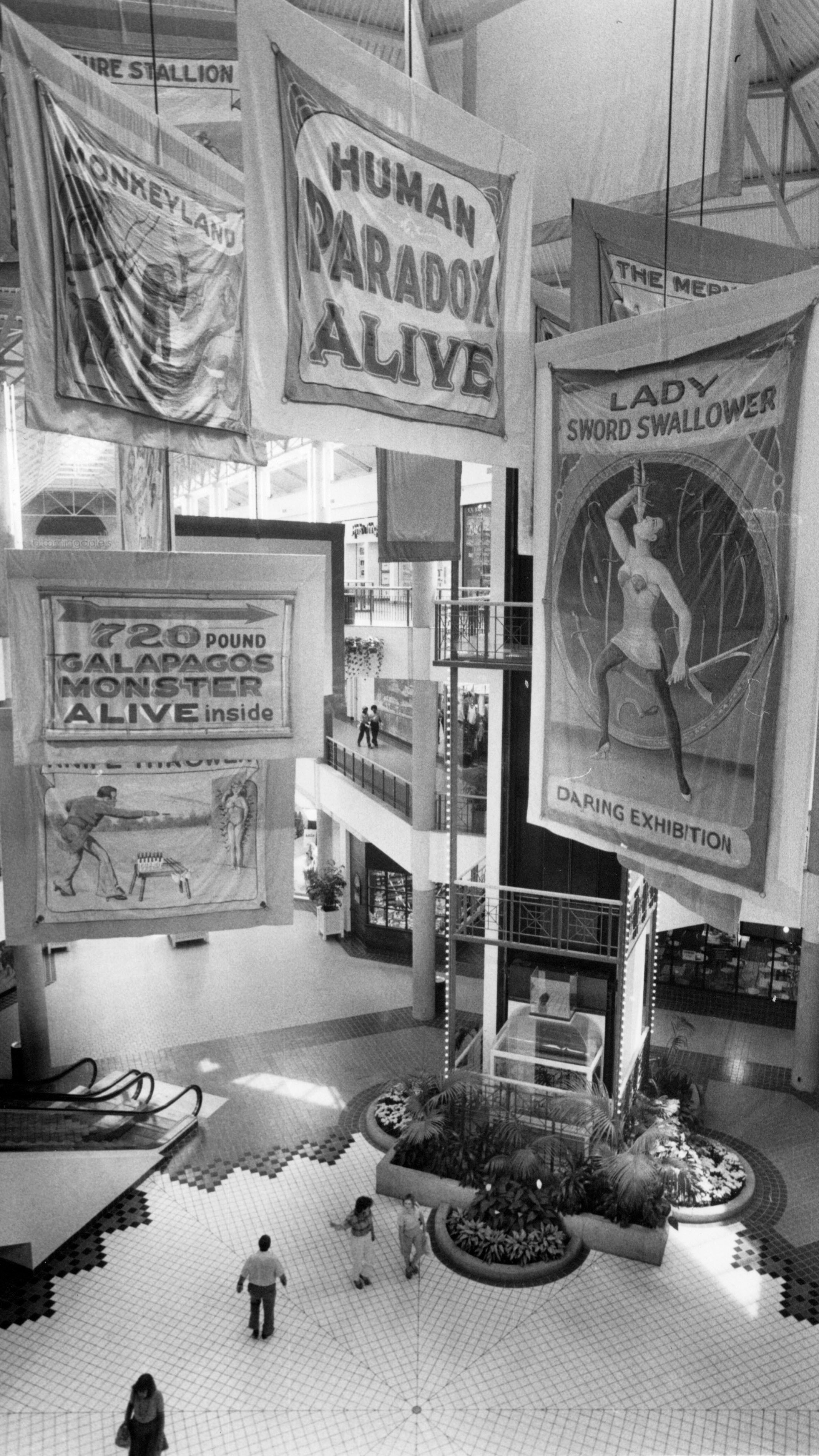
    The Willow Grove Park Mall opened in 1982 at a time when the Philadelphia suburbs were flush with shopping malls. The complex got off to a bumpy start, failing to meet its first-year sales expectations and leading some mall developers to say, as an Inquirer headline read at the time: “No more malls.”

    Banners hung over the elevator court in the Willow Grove Park Mall in this 1984 photo.Michael Plunkett / Staff Photographer

    PREIT has had a stake in Willow Grove Park Mall since 2000, when it and the Pennsylvania State Employees’ Retirement System signed on to buy the center for $140 million.

    PREIT has filed for bankruptcy twice since the pandemic, emerging most recently in April 2024 with $800 million less in debt and a goal to redevelop some of its underperforming properties.

    PREIT’s local mall holdings run from the gamut from the bustling Cherry Hill Mall to Willow Grove Park to Moorestown Mall, which has been undergoing a mixed-use makeover.

    The company also owns the Plymouth Meeting Mall, one of many properties that longtime real estate investor Dean Adler has plans to redevelop.

    PREIT sold the troubled Exton Square Mall to Abrams Realty & Development for $34 million in 2025. The new owners have been mired in a legal dispute with local officials over the redevelopment of the mall, which closed its doors in June.

  • PhilaPort seeks to buy Navy Yard buildings for $22.6 million and relocate its headquarters

    PhilaPort seeks to buy Navy Yard buildings for $22.6 million and relocate its headquarters

    The Pennsylvania agency that owns Philadelphia’s seaport facilities plans to buy three Navy Yard buildings at the foot of South Broad Street for $22.6 million, as it seeks to relocate its headquarters from Port Richmond.

    The board of the Philadelphia Regional Port Authority (PhilaPort) voted Wednesday to authorize staff to purchase the properties at 5101 and 5115R S. Broad St., which are owned by Delaware-based 5101 South Broad Street Associates L.P., a partnership controlled by the family of the late logistics executive Dennis J. Colgan Jr.

    PhilaPort CEO Rich Lazer said in a statement that the goal of moving the authority’s operations to the Navy Yard is “to create a comprehensive maritime campus with the space we need to grow, expand our reach, attract new business, and create more good-paying jobs.”

    “This move is an investment in PhilaPort’s long-term growth and in the future of Philadelphia’s maritime industry,” said Lazer, who took the port authority’s top job in June.

    Agency documents say the properties — including a 1909 building that was once home to a submarine periscope factory — are currently occupied by tenants under leases that extend through 2028 and 2029. The leases generate $1.8 million in annual rental revenue, according to PhilaPort.

    Property records show that as of last year, the tenants included logistics firm Geodis USA Inc. and engineering firm Q.E.D. Systems Inc.

    PhilaPort owns marine terminals, warehouses, and other facilities along the Delaware River from Port Richmond to South Philly. Its new headquarters would bring the agency closer to key assets including the Packer Avenue Marine Terminal and Mustin Yard, the rail yard it bought last year with $90 million in state funds.

    It wasn’t immediately clear what might happen to PhilaPort’s current headquarters in Port Richmond.

    The authority’s board on Wednesday authorized staff to borrow $18 million from First Trust Bank to finance the acquisition. The agency — which is funded by rental revenue it generates from leases with tenants — plans to make a $5 million down payment.

    PhilaPort said the $22.6 million purchase price was subject to certain conditions.

    The current owner is a limited partnership controlled by Dennis J. Colgan III, a Riverton property manager, and his sister Lisa Colgan Antonucci, according to property records. They couldn’t be reached for comment.

    Their father, Colgan Jr., of Moorestown, died in 2024 at 84. He started a customs brokerage in Philadelphia in 1970 with partner Wolf Barth and later bought back Barth’s stock. Barthco International grew into a global logistics company with 700 employees.

    Colgan moved his company’s headquarters from Center City to the Navy Yard in 2004, converting the former submarine periscope factory into a 45,000-square-foot office building overlooking the Delaware River.

    Colgan’s partnership acquired the 150,000-square-foot property at 5101 S. Broad St. in 2003 for $300,000 from an affiliate of Philadelphia Industrial Development Corp. (PIDC), a public-private economic development corporation.

    He said at the time that his company spent $10 million purchasing, restoring, and equipping the building.

    Colgan sold Barthco to Ozburn-Hessey Logistics in 2006 for $75 million, The Inquirer reported, but retained ownership of the building. OHL was later acquired by Geodis, which now occupies the property.

    In 2007, Colgan bought the 80,500-square-foot property at 5115R S. Broad St. for $185,000 from a PIDC affiliate.

    Staff writer Jake Blumgart and news researcher Ryan W. Briggs contributed to this article.