Category: Business

  • Shein’s lackluster IPO shows a fast-fashion model left behind

    Shein’s lackluster IPO shows a fast-fashion model left behind

    When Shein unveiled itself to the world at the height of its popularity several years ago, it touted a modern era for fashion — one built on speed, technology, and an on-demand system capable of creating 4,700 new styles a day.

    Today, that model is increasingly looking like a relic.

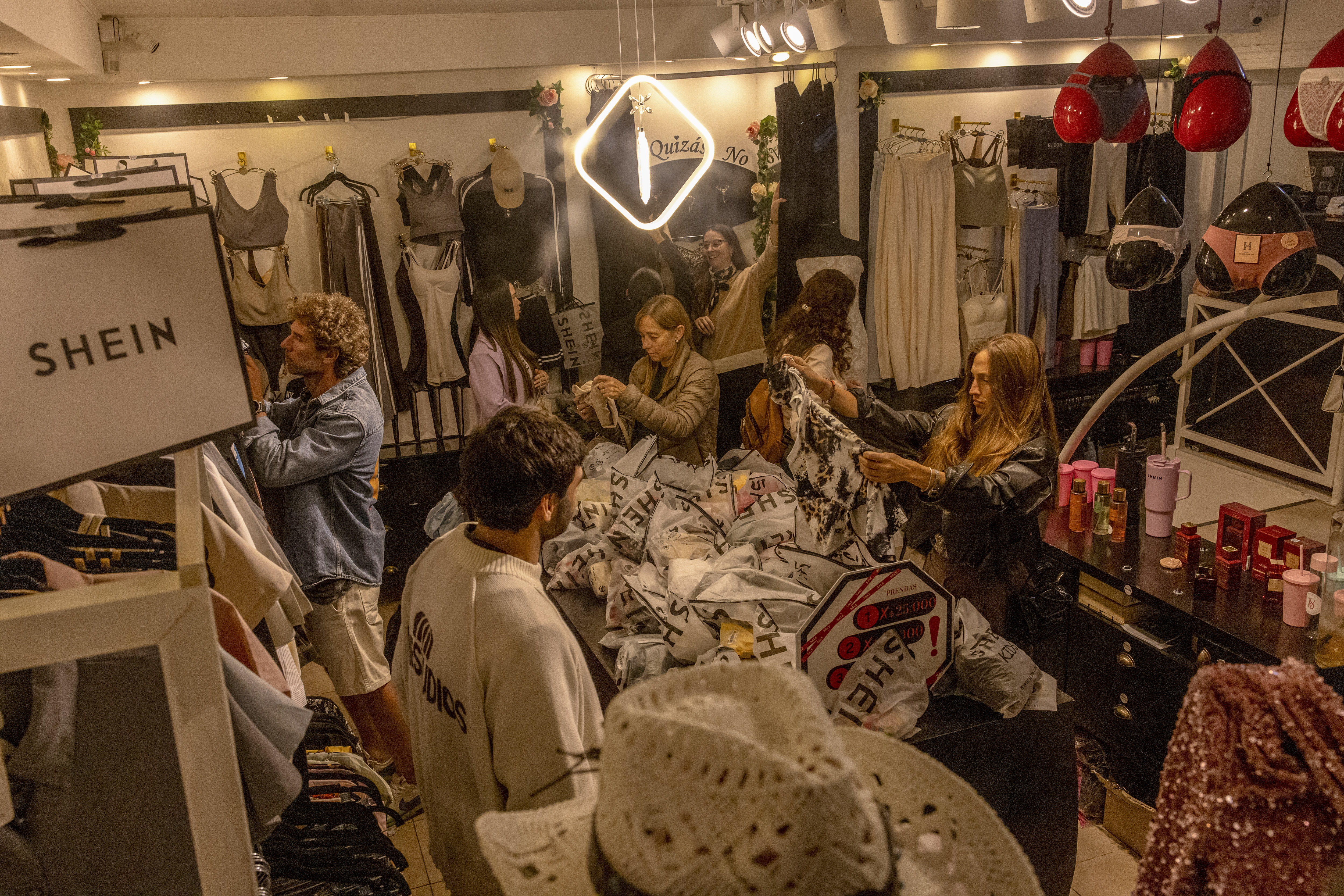
    In the small factories that form the backbone of Shein’s operations in China’s southeastern manufacturing hub of Guangdong, there are no humanoid robots, quantum computers, or state-of-the-art technology. Instead, there are dozens of workers toiling away in 10- to 14-hour shifts — in a way that, some say, feels almost like China of yesteryear.

    “It represents the old tech, as opposed to the new tech,” said Nirgunan Tiruchelvam, who leads the consumer and internet division at Aletheia Capital, an investment advisory firm focused on Asia. “Shein would have had a lot more traction with investors in the 2021 vintage. But the world has moved on from blockbuster e-commerce listings.”

    On Tuesday, investors largely agreed. Shares in Shein fell 6% in early trading, a humbling debut for a company once valued at $100 billion but now worth about a quarter of that. Its initial public offering came after a wave of Chinese AI companies went public in Hong Kong and Shanghai, and years after Shein tried, and failed, twice in its efforts to list in New York and London amid opposition from officials and activists over working conditions at its facilities.

    The drop in valuation reflects questions many investors have about the sustainability of Shein’s business — and whether it can find new ways to grow after the United States and Europe, two of the company’s biggest markets, ended tariff exemptions on cheap goods that had helped propel its low-cost model.

    Shein’s offering comes weeks after shares of Unitree Robotics and CXMT — two companies that are driving the AI investment boom in China — skyrocketed in their public listings in Shanghai. Both firms are textbook examples of what the Chinese government calls “new, quality productive forces” — the slogan for the country’s plan to drive economic growth and innovation through high-value-added manufacturing.

    Weiheng Chen, a senior partner at Wilson Sonsini, a law firm in Hong Kong, and head of its Greater China practice, noted that institutional buyers that were offered Shein shares before the stock went public took up just over 20% of the offering, compared with the roughly 50% typical of popular public listings.

    “It’s a fashion company that is not that fashionable to today’s investors,” said Chen, who has been an adviser on many high-profile listings.

    The challenge for Shein will be to regain interest among Generation Z, the group that powered the company’s rise during the pandemic. Michael Gunther, senior vice president of research and market intelligence at Consumer Edge, a firm that tracks spending data in the United States and Europe, said Shein had continued to cede market share in the United States, with the steepest losses among 18- to 34-year-olds.

    “The fact that it’s continuing to lose share more with that group than other groups is notable,” Gunther said, adding that affordability and sustainability concerns could have prompted the shift. In May 2025, Shein raised prices in the United States to offset the surge in import costs.

    In Britain, Shein’s market share gains have slowed despite no change in government policy, Gunther said. In Europe, where there is a fee of 3 euros on parcels entering the bloc, Shein’s market share has continued to slide, with declines most pronounced in France and Spain, he said.

    Its current fortunes are a stunning reversal for a company that came out of nowhere to become the world’s largest online fashion retailer.

    Shein got its start in 2012 when Sky Xu Yangtian, a Chinese search engine expert, founded the company with three former colleagues. The company compressed the fashion cycle from months to days, using algorithms to track emerging trends and placing initial orders of a few hundred units to test demand.

    But behind its success are tens of thousands of garment workers subjected to a punishing pace. To complete orders on time, workers say, they put in 20 or more consecutive days without a single day off, according to a forthcoming report by China Labor Watch, a U.S.-based nonprofit that investigates labor conditions in China. The report, which has not yet been made public, was shared with the New York Times.

    The organization interviewed 13 workers who made apparel at suppliers to the company as well as Shein employees who worked at its warehouses and corporate offices. The workers said they were given 10-minute breaks and reprimanded if they took too long to sew — for a pay of 7 to 28 cents per item.

    Workers earn, on average, $850 to $1,130 per month, but only by working weekends and taking no days off, according to China Labor Watch.

    Li Qiang, the director of China Labor Watch, said garment factories in China generally limited work hours to around 60 per week. “None are quite like Shein,” he said. “With Shein, working 100 hours a week is entirely possible.”

    The findings from China Labor Watch appear to contravene Shein’s official supplier policy, which states that workers should not work more than 60 hours a week, including overtime.

    In a written statement, Shein said it categorically rejected these characterizations of working conditions within Shein’s supplier ecosystem. It also said that the payment figures presented in the report “are not factual and misrepresent the wage structures used by suppliers.”

    Shein has also come under fire for copying other people’s designs. Since 2021, it has been named as a defendant in 58 lawsuits in the United States alleging trademark infringement and racketeering, according to court records. The company said being named as a defendant in litigation “does not establish the validity of the allegations made” and that it continues to strengthen its intellectual property protection and enforcement.

    Taken together, the challenges have complicated the story that Shein once sold investors — that it had reinvented fashion for the digital age. Now, the technology cycle has moved on.

    Winston Ma, a former managing director at the China Investment Corporation, the country’s largest sovereign wealth fund, compared Shein’s stock to that of Zoom, which surged during the pandemic but has since fallen from its valuation highs.

    “It was a superpromising concept during COVID,” Ma said of Shein. “But now it’s overshadowed by the new AI era.”

    This article originally appeared in the New York Times.
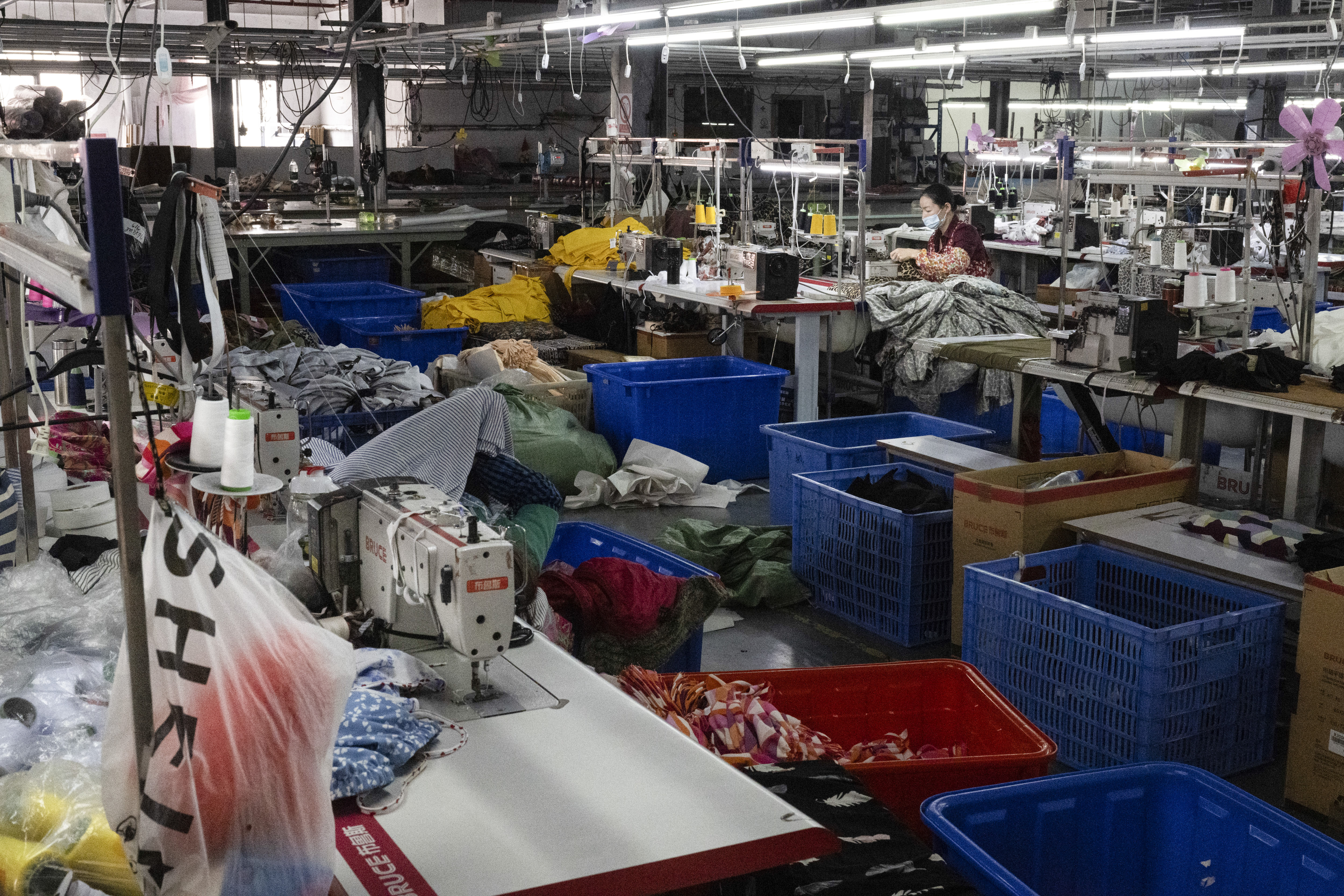
    A worker sews garments for Shein in Guangzhou, China, on Feb. 12, 2025. In the small factories that form the backbone of Shein’s operations, there are no humanoid robots, quantum computers, or state-of-the-art technology.GILLES SABRIE
  • Construction software giant based in Exton opens a new Philly office

    Construction software giant based in Exton opens a new Philly office

    Exton-based Bentley Systems International, the software company with the highest market capitalization in the Philadelphia area, has opened a Center City office as its new base for 150 engineers and other tech and business staff, replacing two smaller outposts in the city.

    The construction design and building software maker’s 22,000-square-foot hub in the Curtis Center building will replace Bentley’s 14-year-old office on Cherry Street and the 30-person 400 Market St. former headquarters of Cesium GS Inc., which Bentley acquired in 2024.

    Cesium founder and past CEO Patrick Cozzi is now Bentley’s chief platform officer and will head the new office, near Independence Hall.

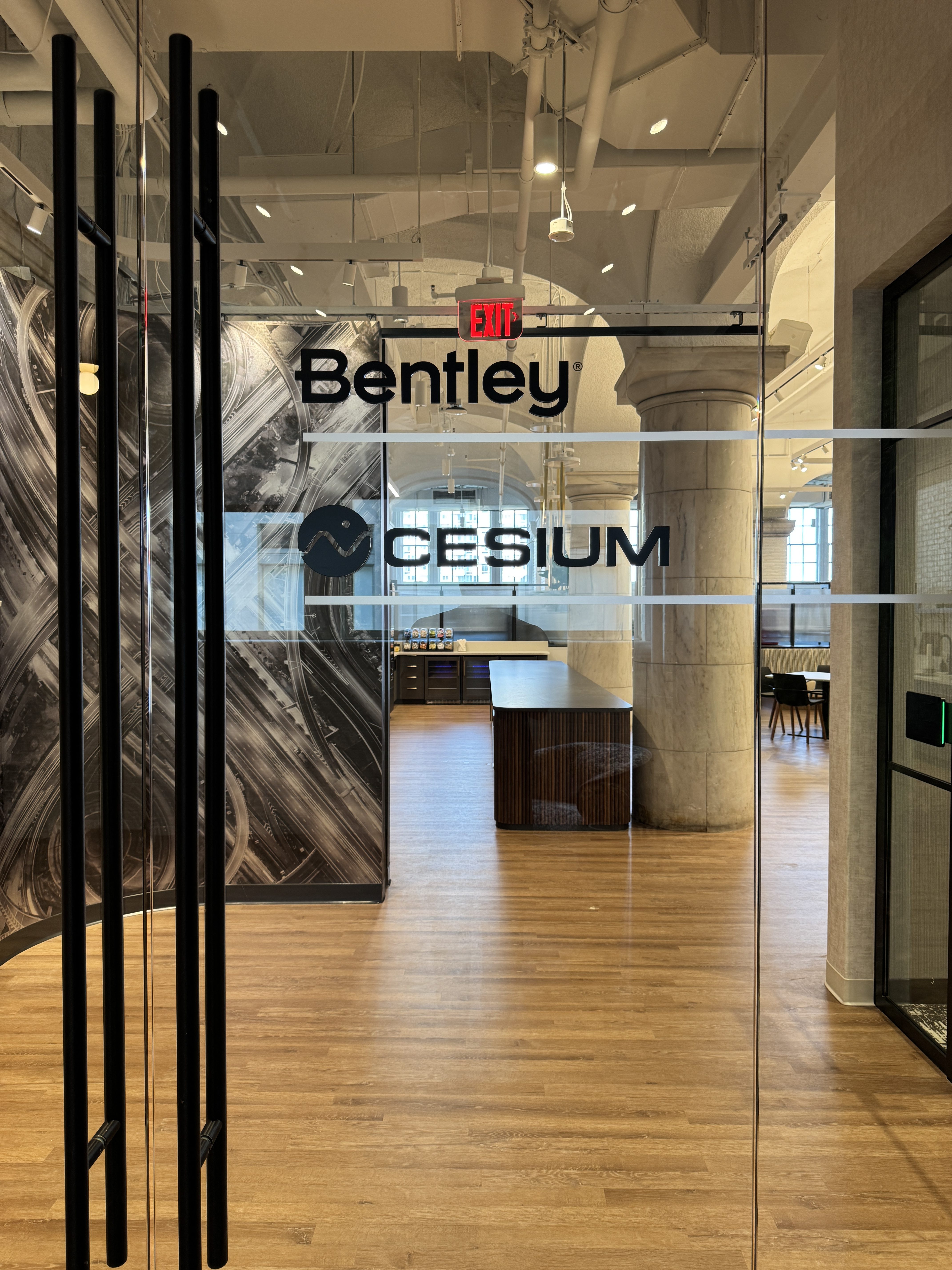
    At Bentley Systems’ new Philadelphia office, where the company’s Cesium team has its home, in the Curtis Center, 2026.Bentley Systems

    Bentley, founded by five brothers from Delaware in 1984, has sales totaling $1.5 billion last year.

    Cozzi set up Cesium as a geospatial-mapping applications unit of serial tech developer Paul Graziani’s Exton-based Analytical Graphics Inc. (AGI) in 2011 and spun Cesium off as an independent company in 2019.

    Bentley customers use what’s now its Cesium Ion mapping platform to show sites and buildings in complex detail on office computers and hand-held devices.

    A Penn State grad, who also earned a master’s and taught programming and architecture at the University of Pennsylvania, Cozzi says he sees Philadelphia as a “magical place” for tech companies.

    “When I was CEO raising capital on the West Coast, some of the investors told me the best tech entrepreneurs want to move to the [San Francisco] Bay area. I said no, we can build a great tech company in Philadelphia,” he said.

    Philadelphia was an early computing industry center. ENIAC, the pioneering system built at Penn to help plan World War II artillery attacks, and other early Philly-built computing systems relied on the vacuum tubes mass-produced for radio manufacturers in Philadelphia and Camden.

    But by the 1970s, the industry committed to far more efficient silicon-based microprocessors developed in California’s “Silicon Valley.” Investor-rich cities such as Boston, Seattle, and Austin also became important computer hardware and software centers. Few large tech companies are now based in the Philadelphia region.

    Cozzi says Philadelphia’s affordability is now an asset.

    “We have reasonable cost of living and fantastic schools, graduates who want to stay here, great restaurants and quality of life, it’s an awesome place for the tech community,” he said, as he prepared to welcome Mayor Cherelle L. Parker, State Rep. Jordan Harris (D., Phila.), and 200 other guests to the new space for a grand opening celebration Thursday evening.

    Cozzi said neither the city or state provided incentives for the new office.

    Invited guests at Thursday’s event include Bentley clients from Center City-based Pennoni Engineering; Ansys, the Pittsburgh-based owner of AGI, and Earthbrain, a Japanese construction equipment and computing joint venture, which uses Philadelphia as a U.S. base.

    Bentley went public in its 2020 IPO at $22 a share. The stock peaked in the low $60s the next year and ran almost as high last summer. It has lately traded around $35 a share.

    It employs more than 5,000 at offices in 42 countries. The company is worth nearly $11 billion on the Nasdaq stock exchange. That compares to around $6 billion for Newtown, Bucks County-based software-outsourcing provider EPAM, $2 billion for King of Prussia tax-accounting software maker Vertex Inc., and $200 million for Blue Bell legacy hardware and software provider Unisys.

    Bentley’s 10th-floor space in the Curtis Center includes a public-meeting area to host events.

    The building was built in 1910 for Curtis Publishing and its mass market magazines, led by the Saturday Evening Post and Ladies’ Home Journal. Curtis moved its press operations to Delaware County in 1949 and shut both Philadelphia offices and Delco operations by the time of its 1969 bankruptcy.

    The Curtis building’s owner, Keystone Development + Investment, has in recent years added apartments, biotech labs, and other specialized units to help fill the block-long complex.

  • Campbell’s cut hundreds of jobs and plans to hike prices to combat lower sales

    Campbell’s cut hundreds of jobs and plans to hike prices to combat lower sales

    The Campbell’s Co. has cut 13% of its salaried workforce, roughly 515 employees, amid declining sales.

    The Camden-headquartered soup, snack, and sauce business has suffered from inflation among other challenges, president and CEO Mick Beekhuizen said in an earnings call Thursday, highlighting multiple cost-cutting efforts. He did not provide information on where the workforce reductions took place, and a company spokesperson declined to offer more details on how many were impacted in Camden.

    The company reported $9.7 billion in net sales for its most recent fiscal year, which ended Aug. 2, a decrease of 5% from 2025.

    “Our results remain unacceptable,” Beekhuizen said. “But instead of waiting for the environment to improve around us, we are addressing reality head-on.”

    Beekhuizen said inflation is expected to continue being an issue in the coming year amid an “external environment that we expect will remain volatile.”

    The company is embarking on a $500 million cost-cutting initiative over four years to get back to “profitable growth,” Beekhuizen said. He said the company is making “difficult but necessary” decisions.

    Some of that work is already underway. The company has recently cut costs in part by reducing its salaried workforce by 13% through voluntary early retirements and layoffs. The company had 13,700 full-time and part-time employees as of September 2025.

    Campbell’s also recently closed two snack facilities and plans to increase prices on roughly 60% of its products.

    The company’s snack division, which includes Goldfish, Pepperidge Farm, and Cape Cod, saw a 12% decrease in net sales last quarter. The meals and beverages segment, which includes Rao’s Homemade, Swanson, and Prego, saw a 4% decrease.

    “Our performance is not where it needs to be, and we are taking decisive action to improve it,” Beekhuizen said.

    Since Beekhuizen became CEO last year, the company’s leadership team has been “strengthened” through internal promotions and some external hiring, he said.

    “Looking ahead, our top priority is to get closer to the consumer in everything we do,” he said. “This is not new, but it’s a philosophy we must follow with greater speed and discipline.”

  • Burlington Stores is moving its headquarters to Philadelphia

    Burlington Stores is moving its headquarters to Philadelphia

    Burlington Stores, the discount retailer named for its longtime South Jersey home, is spending millions on new corporate offices in Philadelphia, marking the first time in decades the city has welcomed the headquarters of a Fortune 500 company.

    The company is buying 3151 Market St., a more than 400,000-square-foot office building in Brandywine Realty Trust’s $3.5 billion Schuylkill Yards development in University City, for an undisclosed sum.

    In all, Burlington plans to spend $370 million on the move, and is set to receive another $30 million in state grants. The city is also providing a $7 million forgivable loan, a job-creation tax credit, and a $1 million investment that will give Burlington workers free SEPTA passes for a year.

    Burlington eventually plans to relocate 1,500 employees from New Jersey to the new Philly headquarters, a spokesperson said, and hire another 500. The company has no plans for layoffs.

    They plan to gradually move employees by team. The moves will begin no earlier than late 2028.

    Pennsylvania Gov. Josh Shapiro called the move “one of the largest corporate relocations ever in the commonwealth,” at an event Thursday in the lobby of Burlington’s new headquarters.

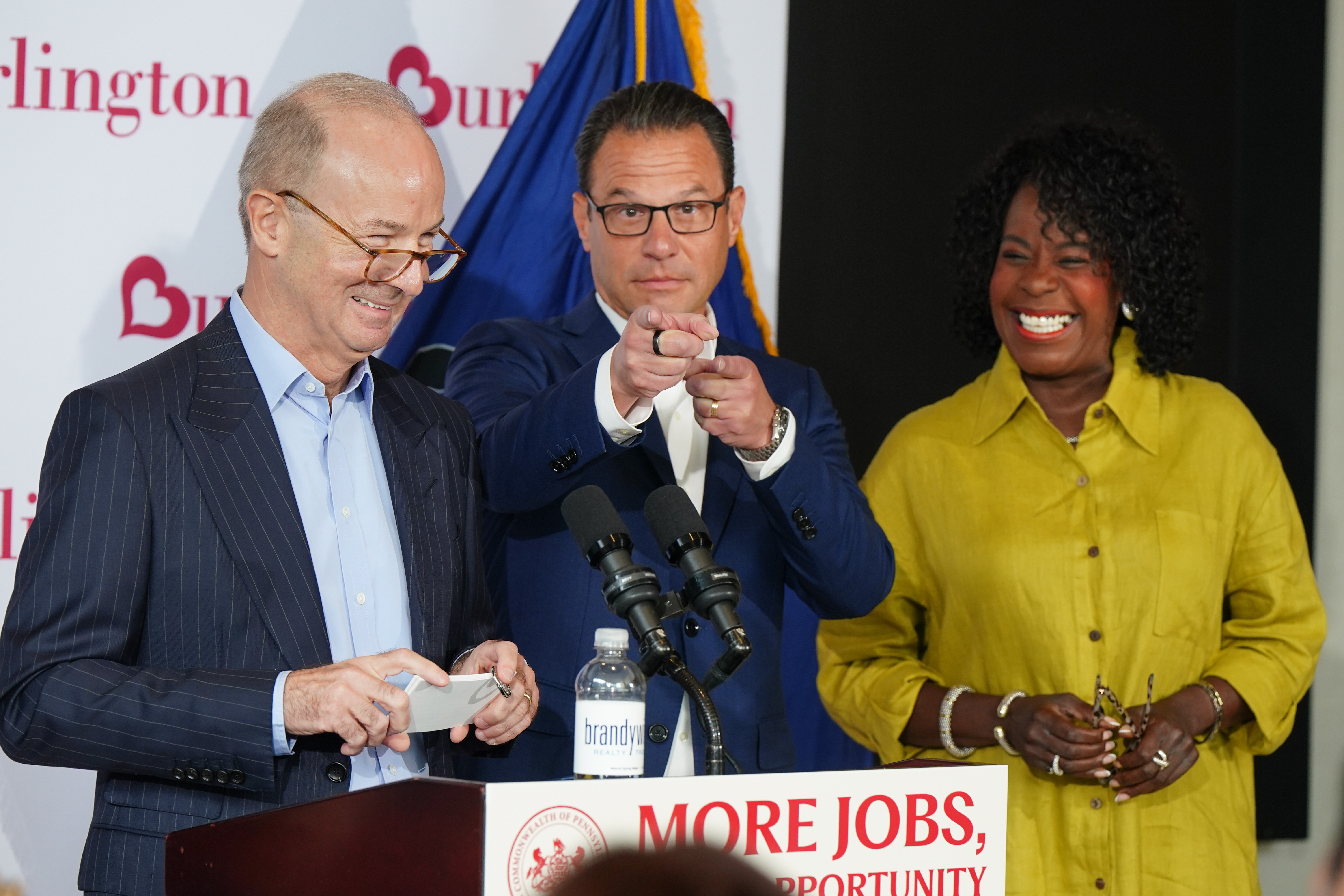
    Burlington CEO Michael O’Sullivan, Gov. Josh Shapiro, and Mayor Cherelle L. Parker announce the retailer’s forthcoming move to Philadelphia.Jessica Griffin / Staff Photographer

    “It’s going to put West Philly and our growing downtown district on the map as a premier spot for some of the largest companies in the world,” said the governor, who announced the news Thursday alongside Mayor Cherelle L. Parker, Burlington CEO Michael O’Sullivan, Brandywine Realty Trust CEO Jerry Sweeney, and other state and local officials.

    Burlington will join Comcast and Aramark, currently the only two Fortune 500 companies headquartered in Philadelphia.

    Philly’s gain comes at a loss for New Jersey: Burlington has been based in its namesake Burlington Township for more than half a century. It opened its first store there in 1972.

    New Jersey Gov. Mikie Sherrill’s office said in a statement that they were “disappointed by Burlington’s decision to relocate its headquarters.” But “the company will continue to maintain a significant presence and thousands of jobs here in New Jersey.”

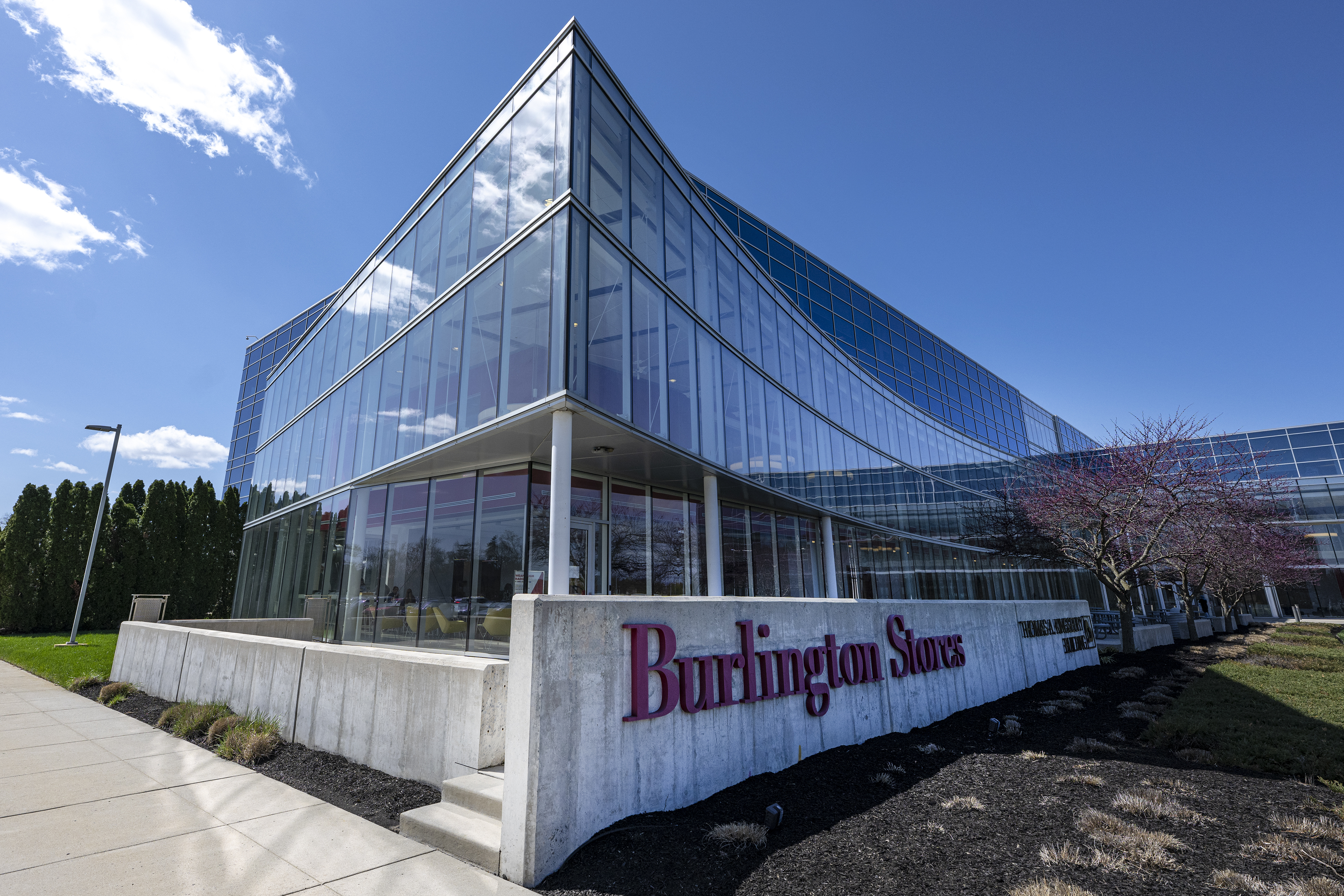
    Burlington Stores headquarters in Burlington, N.J., as seen in 2025.Jose F. Moreno / Staff Photographer

    About 4,700 people worked at Burlington’s corporate campus and warehouses in Burlington County as of last year, with 2,100 people employed in Philly-area stores. A company spokesperson said Thursday that the company employs 8,000 across New Jersey.

    As for its current headquarters on U.S. Route 130 North, Burlington intends to have it rezoned for warehouse space and turn some of the property into farmland. The company plans to keep its New Jersey warehouse and distribution centers in Burlington, Edgewater Park, Florence, and Logan Township.

    Burlington’s move is the latest win for Parker and Shapiro, who is up for reelection in November, as well as the governor’s Department of Community and Economic Development (DCED). Earlier this week, Shapiro’s administration announced $50 million in state grants and loans to help fund the yogurt company Chobani’s expansion into Allentown.

    “This is another day in what’s been just a monster week,” DCED Secretary Rick Siger said. “It’s another proof point of Pennsylvania’s strength as a business destination.”

    Burlington’s new home base will be part of Schuylkill Yards, a 14-acre project that Brandywine has undertaken with Drexel University. Its developers initially planned for the complex to include luxury housing, public space, and offices and labs.

    “What we’ve seen today is what can happen through a public-private partnership when leaders have a shared vision, a dedication to cause, and an unwavering commitment to the exciting future we can create by working together,” said Sweeney, Brandywine’s CEO, on Thursday.

    (function() { var l = function() { new pym.Parent( ‘burlington-move__graphic’, ‘https://media.inquirer.com/storage/inquirer/ai2html/burlington-move/index.html’); }; if(typeof(pym) === ‘undefined’) { var h = document.getElementsByTagName(‘head’)[0], s = document.createElement(‘script’); s.type = ‘text/javascript’; s.src = ‘https://pym.nprapps.org/pym.v1.min.js’; s.onload = l; h.appendChild(s); } else { l(); } })();

    Burlington was initially drawn to Philly because of the city’s history and culture, including its food scene, artistic institutions, and sports fandom, according to O’Sullivan. But the CEO said conversations with Shapiro and Parker “pushed this decision over the line.”

    “We found the vision that they laid out for the city and the state hugely compelling,” he said. “We were very impressed by their clear priorities and their focus on getting stuff done around economic development, education and training, public transportation, public safety, and fiscal responsibility.”

    Burlington has been expanding in recent years as more consumers, including higher-income shoppers, flock to discount retailers.

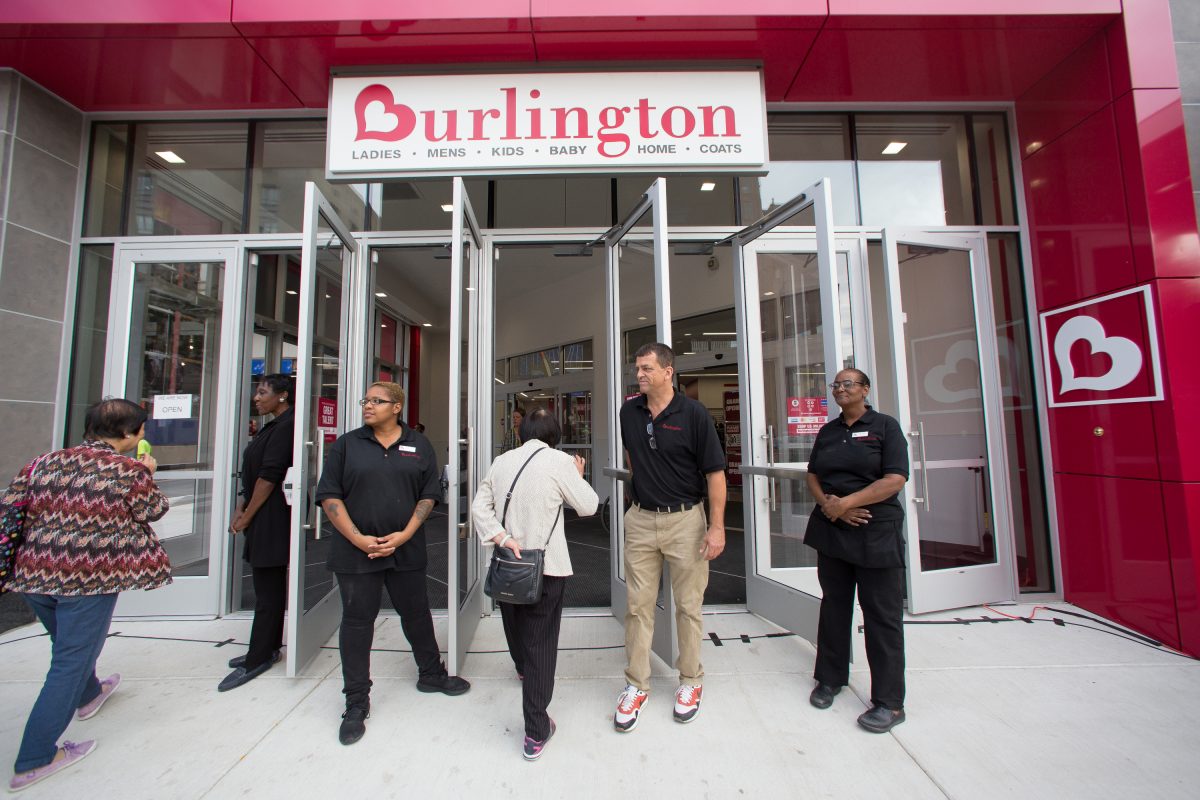
    Shoppers and employees at the Burlington Store at 833 Market St. in Philadelphia in 2018.Jessica Griffin / Staff Photographer

    As of August, the company operated 1,300 stores in 47 states, including eight in Philadelphia and dozens across the region. By the end of the year, the company plans to open another 115 stores and hire 5,000 more employees, O’Sullivan said Thursday.

    The chain’s growth has paid off, with a 21% increase in net income and a 9% jump in sales last year.

    In an earnings call, O’Sullivan attributed those numbers to the company’s tariff response, which included inventory reductions, price increases on certain items, and an aggressive cutting of expenses.

    Burlington has continued to report strong earnings in the first half of 2026, with a boost from $55 million in tariff refunds. O’Sullivan has said the company plans to put that money toward more markdowns for customers.

    Shapiro and Parker both said they had shopped at Burlington, with Shapiro patronizing the Jenkintown store and Parker frequenting the location at the former Cheltenham Mall in Wyncote.

    O’Sullivan said with a laugh: “The mayor and the governor got my full attention when they independently confirmed that they both exclusively wear clothes from Burlington.”

  • 2026 Volkswagen Tiguan turbo: Well, here’s a surprise

    2026 Volkswagen Tiguan turbo: Well, here’s a surprise

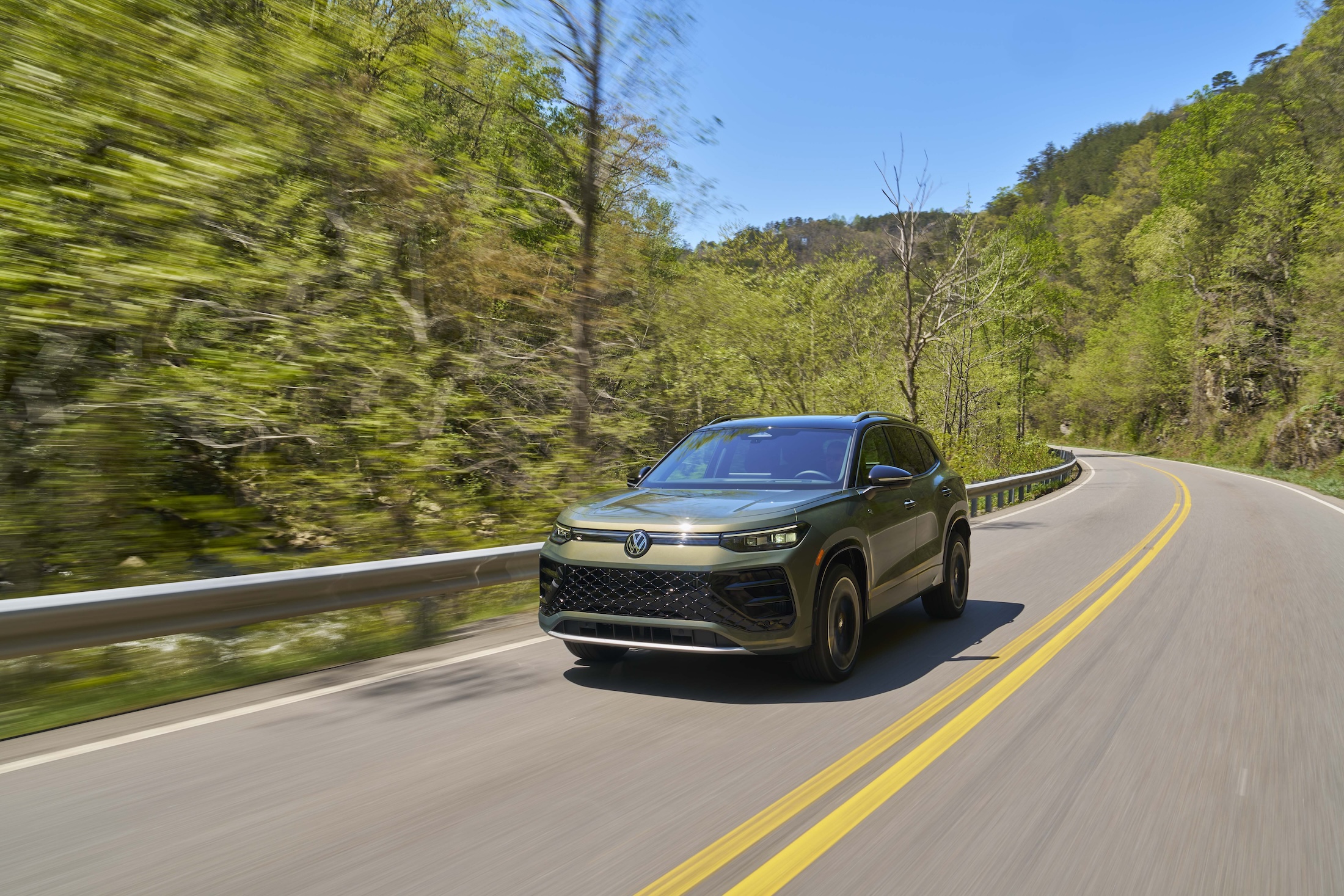
    2026 Volkswagen Tiguan SEL R-Line Turbo vs. 2026 Chevrolet Equinox ACTIV AWD: Midsize SUVs flying under the radar.

    This week: Volkswagen Tiguan

    Price: $45,410 as tested. The fancy paint cost $850 and was the only option, but we’re getting within shouting distance of 50 grand.

    What others are saying: “Highs: Rich with features, gutsy turbo engine, interior that punches above its station. Lows: Annoying haptic interfaces, some brake pedal mush, ride could be more compliant,” said Car and Driver.

    What Volkswagen is saying: “Say hello to the good life.”

    Reality: It’s a pretty good life in the Tiguan, but that could be vacation brain talking.

    What’s new: The Tiguan gets a new turbocharged four-cylinder engine that we try for this test; it received updates aplenty when the third generation debuted in 2025.

    A long beach vacation weekend with friends in North Carolina was the scene of our test.

    Competition: Highlights include the Buick Envision, Ford Escape, Honda CR-V, Hyundai Tucson, Kia Sportage, Mazda CX-5 and CX-50, Nissan Rogue, Subaru Forester, and Toyota RAV4.

    Up to speed: Landing on a Saturday morning in Raleigh for a two-hour drive to the beach, we definitely wanted to get there as fast as North Carolina law enforcement would allow.

    The new 2.0-liter turbocharged four-cylinder engine did its darnedest to get us soaking up some rays as quickly as possible. Horsepower is up 67 from the base four-cylinder to 268; 0-60 mph time falls to 6.7 seconds, the leader of its class, according to Car and Driver. The trim level tested is the only way to get the turbo, which seems patently unfair, but read on.

    Shifty: The Tiguan borrows a piece from Volkswagen’s EVs, with a twister stalk for the transmission gear selector. Steering wheel paddles handle shifting if you are inclined to, but I wasn’t; the eight-speed automatic took care of its own needs nicely.

    On the road: The Tiguan definitely handled highways proficiently; nothing upset its composure. It was easy to get used to after leaving RDU. We saw a few curves when we ventured off to Burney’s Sweets & More for glazed, cream-filled croissants (always buy these if you’re within 50 miles), and the Tiguan slid through those turns just like a knife gliding into one of our soft, tasty treats.

    Once we were at the beach and full of sugary goodness, I did get a chance to corner quickly here and there. Picture it: Mr. Driver’s Seat chauffeuring around four women like an aging, designated-driver, U.S. version of James from Derry Girls, and so their sassiness was turned up to 11. There were comments on many a corner, though with fewer f-bombs than the hit Irish series.

    In the weather: On our trip from the airport to the beach, we drove through some heavy downpours, and the Tiguan handled road ponding delightfully. I slow down for bad weather but the sure-footed Tiguan kept us moving faster than almost all the other cars out there. That’s a reassuring feeling from the 20-inch all-season tires.

    Back at the airport, the Tiguan also maintained its composure through some flight-canceling torrential storms that delayed our return to Pennsylvania. These kind of storms seemed more suited to a boat, and while being careful, again I led the pack and the slipping was minimal.

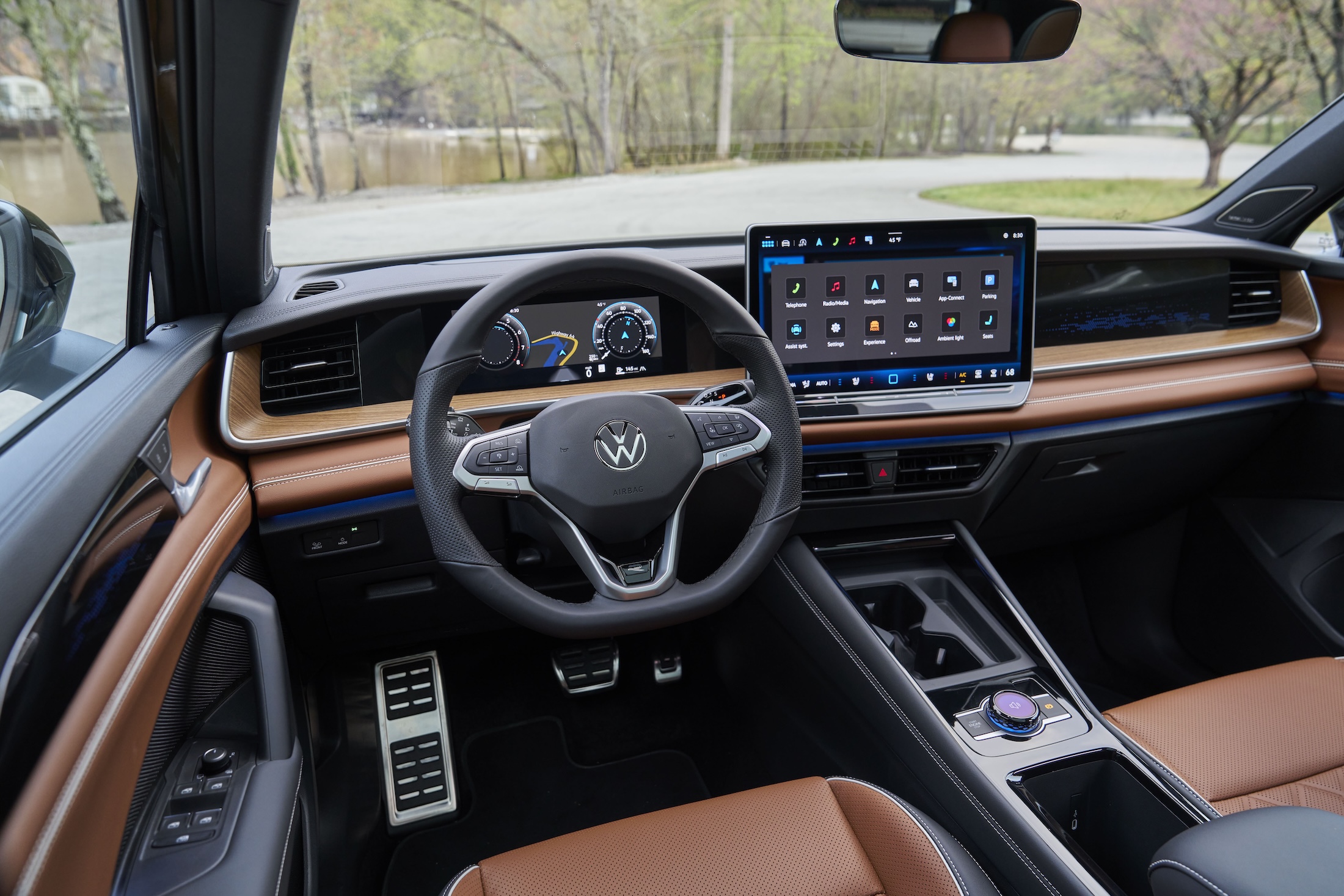
    The interior of the 2026 Volkswagen Tiguan tested also matched this press photo nicely. See how nice?ANDREW TRAHAN PHOTOGRAPHY LLC

    Driver’s Seat: If the horsepower alone isn’t worth the money, the upgraded SEL seating adds a serious bonus for that $5,000 premium. As soon as I sat down my herniated disc felt a great sense of relief, and the massage option helps further subtract the aches and pains. Heating and ventilation were the final piece of the puzzle.

    The seats hold you in place nicely as well.

    Friends and stuff: Those same friends who complained about Mr. Driver’s Seat’s extreme cornering maneuvers changed their tune when it came to the seat comfort — they all found that to be as delightful as the front. Even the middle-seat passenger felt well accommodated.

    Cargo space is 69.8/33.8 cubic feet, depending on the seat position. There is no longer a three-row option as there was in the 2018-2024 model years.

    The wide rear doors that are held over from the previous version drew one friend’s attention, noting it would be easy to get dogs in and out.

    Play some tunes: The Harman Kardon stereo offered great reproduction of long-forgotten songs from the Psychedelic Furs, REM, and Tom Petty for the group, and we took the inspiration to recall stories of high school days. This system gets an A, but doesn’t uncover a lot of new pieces required for an A+ — unlike our stories, where we uncovered all new dimensions of our past lives.

    The system offers only a large volume dial in the console; everything else happens in the huge 15-inch touchscreen, and it works pretty well.

    Keeping warm and cool: Here’s a sad change from the 2018 model reviewed — the beloved VW three-dial system has been co-opted by the touchscreen.

    The temperature settings sit along the bottom of the touchscreen, and a bigger screen opens for blower controls. Some versions of this arrangement actually function well, but not this one. Sigh.

    Fuel economy: The Tiguan averaged 27 mpg in much highway and some beach driving, a great showing, especially for all that oomph.

    Where it’s built: Parts are 37% Mexican, 15% U.S. and Canadian.

    How it’s built: Consumer Reports predicts the Tiguan reliability to be a 3 out of 5.

    Next week: Is the new trim of the Chevrolet Equinox worth a 10% discount over this Tiguan?

  • EPA proposal could leave the public in the dark on data center plans

    EPA proposal could leave the public in the dark on data center plans

    WASHINGTON — A plan by the Environmental Protection Agency could make it harder for the public to learn about and comment on proposed AI data centers that have sparked backlash in communities across the United States and transformed the midterm election landscape.

    The EPA proposal would eliminate a federal requirement that states notify the public and seek comment before issuing air pollution permits for data centers and other industrial facilities. States could still offer opportunities for public comment, but the EPA would no longer mandate them as a condition for states to grant permits.

    Critics say the move could thwart local residents from learning about proposed data centers or making their voices heard before projects are approved and construction begins. The move comes during a widespread backlash as tech giants build hundreds of massive server warehouses to fuel artificial intelligence and cloud computing.

    “By eliminating the long-standing federal requirement for public notice, this proposal continues efforts by the Trump administration to turn its back on the fundamental EPA principle of transparency,” said Mike Koerber, a former deputy director of EPA’s air quality office.

    If made final, the plan could create “an unlevel playing field where citizens in one state are kept completely in the dark about new data centers and heavy industrial emissions in their backyards, while neighboring states maintain oversight,” he said.

    Under the EPA plan, states with weak or no requirements for public comment could speed permits for data centers, power plants and other pollution sources without consulting the public or even informing communities where the facilities are located, Koerber and other critics said.

    Communities deserve a chance to weigh in, advocates say

    “Data centers and other industrial sources should not be able to get their air pollution permits in secret,” said Keri Powell, senior attorney for the Southern Environmental Law Center, an advocacy organization that leads a coalition of nearly 200 environmental, health and community groups that filed comments with the EPA opposing the plan. “Communities deserve a chance to weigh in” before potentially harmful projects are approved.

    An EPA spokesperson called that a false narrative.

    “In our proposal we are saying that states get to pick how they want their permitting process to go for minor sources” of air pollution, spokesperson Carolyn Holran said.

    The EPA proposal does not specifically identify data centers, she said, noting that the plan also would apply to laundromats, car repair shops and even landfills and steel mills that are considered “minor” pollution sources under the federal Clean Air Act.

    The proposal does not demand that states make particular changes to their programs, nor does it alter federal emission standards or weaken environmental protections, Holran said. “Rather, the proposal simply aligns the national program with the Clean Air Act language to ensure that states are in the lead regarding their programs.”

    EPA Administrator Lee Zeldin, who has made U.S. leadership in AI a top agency priority, said in a statement that the plan is aimed at “cutting unnecessary and burdensome red tape, unleashing American energy and advancing cooperative federalism” with states. The EPA is expected to make the rule final next year.

    President Donald Trump continues to stick up for data centers, even as politicians from both parties criticize them and many communities try to block them. Trump said on social media this week that U.S. communities that don’t have data centers will “end up being backwards and poor.”

    Trump says data centers are crucial in the AI race against China

    Trump has acknowledged that data centers need “a little public relations help” and has pushed tech companies to generate their own electricity to shield consumers from higher utility bills. The Republican president calls data centers critical to winning the AI race against China.

    Environmental groups and other critics say the EPA proposal ignores the reality that many states, particularly in the South and Midwest, don’t require public notice or hearings beyond those set by federal agencies. The federal plan would leave many communities in the dark before data centers show up in their backyards, they said.

    “It’s beyond cruel for Trump’s EPA to silence front-line communities who bear the brunt of unhealthy air,” said Brandon Jones-Cobb, a senior attorney at the Center for Biological Diversity, another environmental group.

    The EPA “has already turned its back on science, cut enforcement against industrial polluters and eliminated life-saving air pollution measures,” he said. “Now it wants to shut the public out of decisions to build or expand facilities that expose communities to dangerous air pollution, including data centers.”

    Powell, whose organization focuses on six Southern states from Virginia to Alabama, said many states “only do what is required by federal law” when it comes to public notice of land-use projects and other environmental concerns.

    “We rely on a minimum federal requirement to ensure we have environmental protections and a voice,’’ she said in an interview, calling regulation of data centers a crucial issue in a region where the energy-hungry behemoths are proliferating. Virginia and Georgia are both among states with the highest concentration of current and proposed data centers.

    Americans worry data centers could cause pollution, job losses

    Besides powering AI and cloud computing, data centers are often sources of nitrogen oxide, which helps form ozone, as well as carbon monoxide and other air pollutants. Local communities also have expressed concerns about excessive water use and noise from data centers. Many Americans worry that AI could increase economic disparities and cause widespread job losses.

    Data center advocates stress that local taxes paid by the centers can help fund public schools, reducing the financial burden on homeowners.

    Jane Williams, executive director of California Communities Against Toxics, said even if data centers ultimately are approved, “every community should be able to participate robustly in governmental decisions that can pollute our air.’’

    Rolling back the EPA rule “pulls a dark cloud, filled with soot and toxic chemicals, over communities’ right to know what polluting facilities are planned in their community,” she said.

  • What’s open Labor Day? Grocery stores, SEPTA, trash pickup, and more.

    What’s open Labor Day? Grocery stores, SEPTA, trash pickup, and more.

    Labor Day, which falls on Monday, Sept. 7, marks the unofficial end of summer in Philly — one last long weekend to squeeze in a Shore trip, a park picnic, or a few errands before fall routines kick in. But holiday weekends also mean schedule shifts, closures, and crowded highways.

    This year, city services including trash collection will run on altered schedules, while government offices, banks, and other services will close for the day. Many businesses, stores, and attractions may also adjust their hours, so it pays to check before you head out.

    Whether you’re trying to avoid a surprise at the curb, plan a grocery run or figure out what’s open for some last-minute fun, here’s your guide to what’s open and closed in the Philadelphia region this Labor Day.

    Grocery stores

    Acme Markets

    ✅ Acme Markets locations will be open. Hours vary by location, so check your local store before heading out.

    Whole Foods

    ✅ Whole Foods stores will be open. Hours may vary by location, so check your local store before visiting.

    Giant Food Stores

    ✅ Giant locations will be open. Check your local store for hours.

    Sprouts Farmers Market

    ✅ Sprouts Farmers Market locations are expected to be open. Check your local store for holiday hours.

    Trader Joe’s

    ✅ Trader Joe’s stores are expected to be open. Check your local store for hours.

    Aldi

    ✅ Aldi stores will be open with limited hours on Labor Day. Check the store locator for your local store’s schedule.

    Reading Terminal Market

    ❌ Reading Terminal Market will be closed on Labor Day and will resume normal operating hours Tuesday, Sept. 8.

    Liquor stores

    Fine Wine & Good Spirits

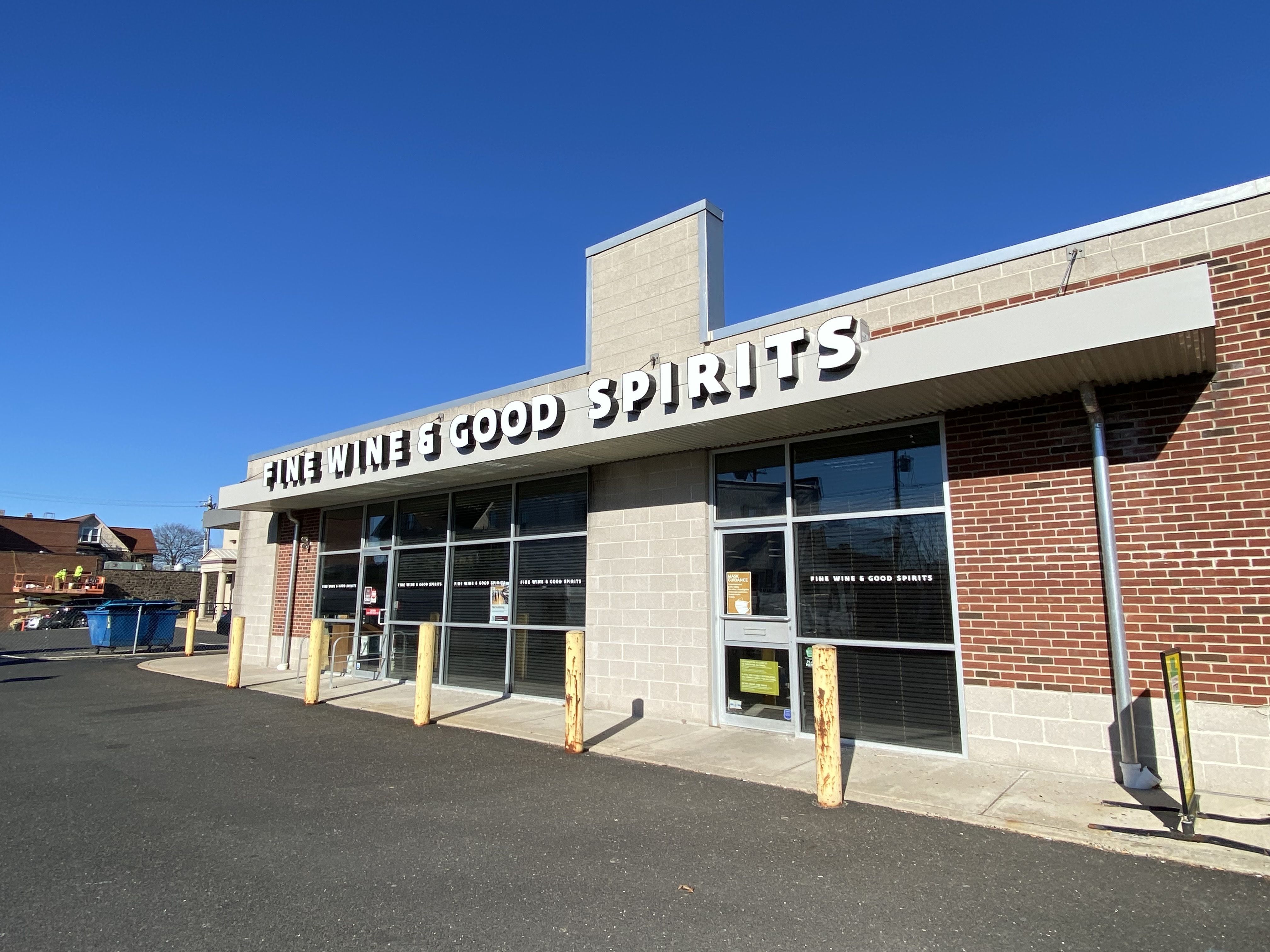
    ✅ Fine Wine & Good Spirits stores that are normally open on Mondays will operate on a modified schedule, opening at their regularly scheduled time and closing at 5 p.m. Check your local store for hours.

    Mail and packages

    U.S. Postal Service

    ❌ Post offices will be closed, and USPS will not deliver regular mail. Regular mail delivery and retail services will resume Tuesday, Sept. 8.

    UPS, FedEx, and DHL

    ❌ UPS will not offer regular pickup or delivery service. UPS Store locations may have modified hours or be closed.

    ❌ Most FedEx pickup and delivery services will be closed. FedEx Office locations will operate on modified hours.

    ⚠️ Check your local DHL location or service for its Labor Day schedule.

    Banks

    ❌ Labor Day is a federal holiday, so most banks, including TD Bank, Bank of America, Wells Fargo, and Chase Bank, will be closed. ATMs and online banking services will still be available.

    Transit

    SEPTA

    ✅ SEPTA buses, Metro, and Regional Rail will operate on a Sunday schedule on Labor Day. Routes that do not have Sunday schedules will not operate.

    Pharmacies

    CVS

    ✅ Most CVS stores will be open on Labor Day, though pharmacy and store hours may vary by location. Check your local store before visiting.

    Walgreens

    ✅ Most Walgreens stores will be open. Pharmacy and store hours may vary by location, so check before visiting.

    Trash collection

    ❌ Philadelphia trash and recycling will not be collected on Labor Day. Collections will be delayed by one day for the remainder of the week.

    Big-box retail

    Target

    ✅ Target stores are expected to be open. Hours may vary by location, so check your local store.

    Lowe’s

    ✅ Lowe’s stores are expected to be open. Check your local store for Labor Day hours.

    Home Depot

    ✅ Home Depot locations are expected to be open. Check your local store for hours.

    Shopping malls

    Mall and individual retailer hours can vary on Labor Day. Check with the Shops at Liberty Place, Cherry Hill Mall, Fashion District Philadelphia, and King of Prussia Mall before visiting.

  • Joan E. Lynaugh, nursing trailblazer, historian, and professor emerita at Penn Nursing, has died at 90

    Joan E. Lynaugh, nursing trailblazer, historian, and professor emerita at Penn Nursing, has died at 90

    Joan E. Lynaugh, 90, of Gwynedd, Montgomery County, pioneering primary care nurse practitioner, award-winning professor emerita of nursing at the University of Pennsylvania, historian, mentor, author, birdwatcher, and “living legend,” died Friday, July 10, of age-associated decline at Foulkeways at Gwynedd retirement community.

    Reared on a dairy farm in the Finger Lakes region of upstate New York, Dr. Lynaugh became a pioneering international expert on primary care nursing and nurse practitioner policies, education, and history. For decades, from the early 1960s through her retirement in the late 1990s, she treated patients, taught students, researched history, and joined colleagues in defining and expanding the role of nurses in modern healthcare.

    During her career, the benefits of home care, the importance of critical care, and the need for nursing history education were hot topics in healthcare. “As a historian,” she told The Inquirer in 1997, “I take great interest in this shift from the intense emphasis on hospitals to the more balanced emphasis on other kinds of care.”

    Dr. Lynaugh joined Penn’s School of Nursing in 1980. She took charge of the school’s new primary care nursing unit and went on to be director of the Robert Wood Johnson Foundation primary care nurse practitioner program and associate director of the foundation’s teaching nursing home project.

    Dr. Lynaugh (front center) and her family celebrate her 2005 award as a “living legend.”Courtesy of the family

    She was also the nursing school’s associate dean and director of graduate studies from 1993 to 1996, and chair of the nursing, history, and healthcare department from 1994 to 2000. In a tribute, colleagues at Penn Nursing said: “Dr. Lynaugh was a visionary leader, a prolific scholar, and a dedicated mentor whose extraordinary career left an indelible mark on Penn Nursing and the global nursing profession.”

    In 2000, she told writer Suzanne Gordon: “We know we can’t get into the hospital without a doctor. That’s no surprise. We are, however, surprised to discover that we can’t get out of the hospital without a nurse.”

    She was a founding director of Penn’s Barbara Bates Center for the Study of the History of Nursing in the mid-1980s, and her research focused on the origins of community hospitals and critical care units. In 2005, she was named a “living legend” by the American Academy of Nursing and earned a lifetime achievement award from the National Organization of Nurse Practitioner Faculties.

    Penn Nursing created the Joan Lynaugh Award for a graduating midwifery student for excellence in clinical practice, and the Bates Center features the Joan Lynaugh Founders Fund to support educational and archival activities, and the Joan Lynaugh Digitization Project Fund to preserve data and material from the Joan E. Lynaugh papers.

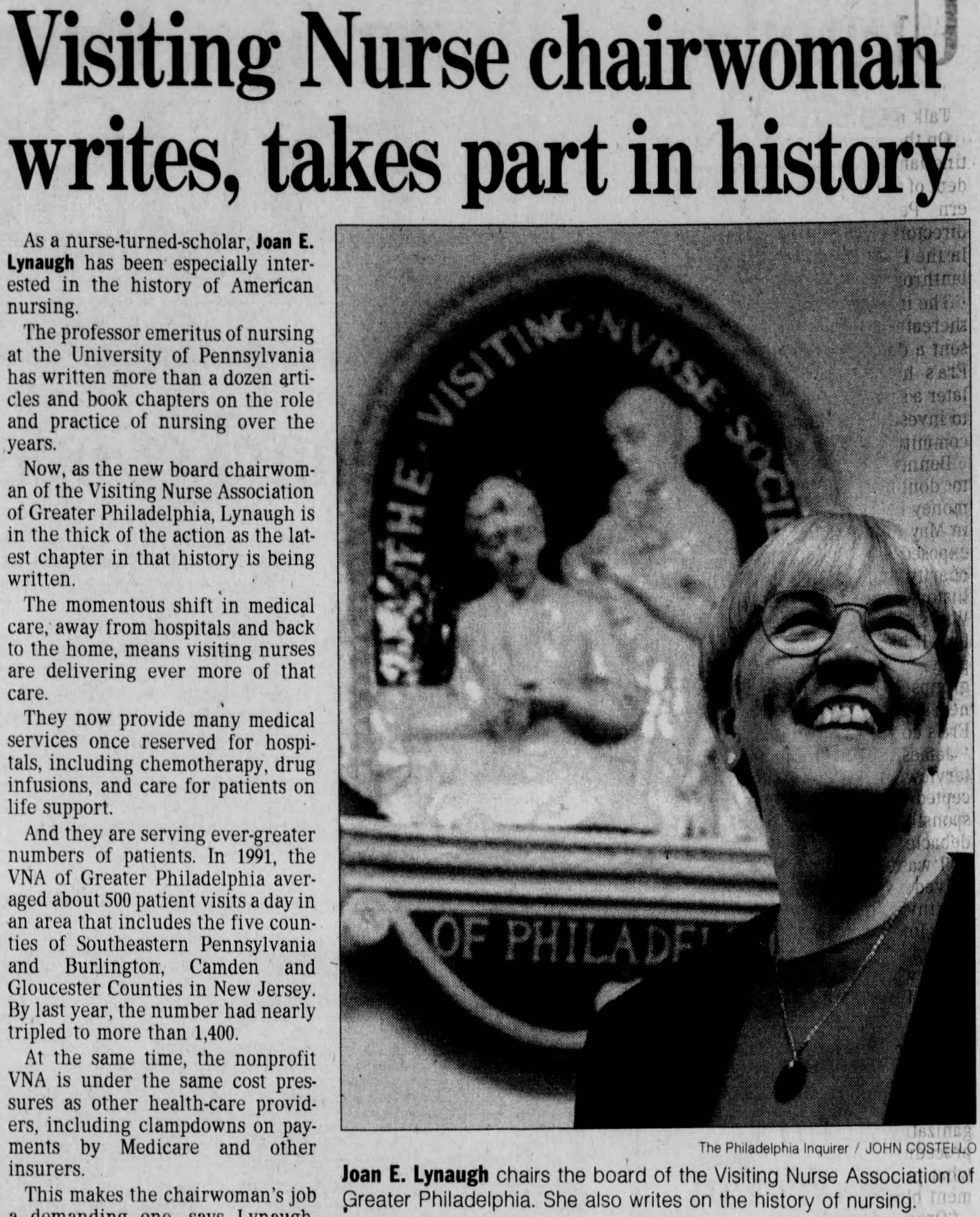
    This story and photo of Dr. Lynaugh appeared in The Inquirer in 1997.Newspapers.com

    In 2018, the center named its archives the Joan E. Lynaugh Archives and Special Collections. Before Penn, Dr. Lynaugh practiced and taught nursing at the University of Rochester and the old Providence Hospital in Washington, D.C.

    She was a fellow at the American Academy of Nursing, board chair of the Visiting Nurse Association of Greater Philadelphia, and active with the College of Physicians of Philadelphia, the American Association of Critical Care Nurses, and other groups. She cowrote Critical Care Nursing: A History with Penn colleague Julie Fairman in 1998, and coedited the award-winning textbook Enduring Issues in American Nursing in 2000.

    Colleagues at the American Association for the History of Nursing said in a tribute: “Joan’s intellectual curiosity, generosity as a mentor, commitment to excellence, and passion for nursing history left an indelible mark on the nursing profession worldwide.”

    A friend on Facebook called her “one of the smartest, kindest scholars I ever had the honor and pleasure to be mentored by.”

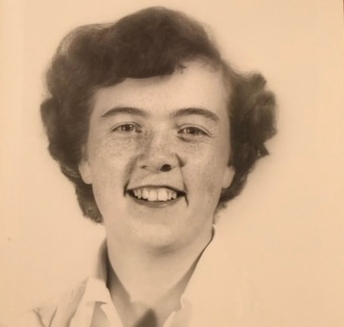
    Dr. Lynaugh (center) enjoyed time with her family.Courtesy of the family

    Joan Estelle Lynaugh was born Aug. 30, 1935, in Canandaigua, N.Y., about 28 miles southeast of Rochester. She studied nursing at St. Mary’s Hospital School of Nursing in Rochester and earned bachelor’s and master’s degrees in nursing at the University of Rochester, and a doctorate in history at the University of Kansas in 1982.

    Her whole life, she enjoyed traveling, bird-watching, camping, and hiking. She was an engaging host and liked to read mysteries and newspapers.

    She was a longtime colleague and personal partner of fellow medical professional Barbara Bates, and they lived in Bryn Mawr for years. Bates died in 2002, and Dr. Lynaugh moved to Gwynedd a few years later.

    “Joan will always be remembered for her generous spirit, wonderful sense of humor, persistent intellectual curiosity, and a sincere commitment to making the world a better place,” her family said in a tribute.

    Dr. Lynaugh grew up in the Finger Lakes region of upstate New York.Courtesy of the family

    Her niece Mary Clare Hamlin said: “She was understated, humble, practical, and scientifically minded. She always wanted to help others.”

    In addition to her niece, Dr. Lynaugh is survived by other relatives. Two brothers and a sister died earlier.

    A celebration of her life is to be held at 1 p.m. Friday, Oct. 23, at Penn’s Claire M. Fagin Hall, Room 316, Third Floor front, 418 Curie Blvd., Philadelphia, Pa. 19104.

    Donations in her name may be made to the Joan Lynaugh Founders Fund at Penn’s Barbara Bates Center for the Study of the History of Nursing, Office of Institutional Advancement, Claire M. Fagin Hall, 418 Curie Blvd., Suite 445, Philadelphia, Pa. 19104.

    Dr. Lynaugh “was understated, humble, practical, and scientifically minded,” her niece said. Courtesy of the family
  • You can now buy Philly-minted Trump coins with a golden hue

    You can now buy Philly-minted Trump coins with a golden hue

    Gold-hued $1 coins featuring the face of President Donald Trump are now available for purchase online and at the U.S. Mint gift shop on Independence Mall in Old City.

    But it’ll cost you more than a buck.

    Neither Philly’s Mint nor the website has single coins for sale, so early buyers can get no fewer than 25 coins in a roll for $61. A bag of 100 coins for $154.50 is also available. Households are limited to two orders until Thursday at 2 p.m. when the cap will lift.

    The commemorative coins, printed in Philadelphia to mark the 250th anniversary of the signing of the Declaration of Independence, may be used as legal tender.

    Early buyers may also find unique coins with their purchases: 250,000 Trump coins with a special-issue “July 4” mark, minted on Independence Day, have been randomly hidden in some rolls and bags, Willy Wonka-style.

    First announced in July by U.S. Treasury Secretary Scott Bessent, the coins bear Trump’s face on one side with the words Liberty, In God We Trust, and 1776 ~ 2026. The other side features the presidential seal, with “250″ inscribed on the eagle’s shield.

    The coins faced hurdles in production with critics arguing that they violate U.S. code that says “only the portrait of a deceased individual may appear on United States currency.” In response, Bessent cited historical precedent: In 1926, the U.S. minted a commemorative half-dollar featuring living President Calvin Coolidge.

    Although the coins are gold-colored, they are composed mostly of nonprecious metals, including copper, zinc, manganese, and nickel. No actual gold is used in the coins.

    In November, the mint stopped producing pennies due to rising costs. According to the mint, it cost up to 3.69 cents to create one penny.

    Philadelphia is home to the nation’s oldest mint, built in 1792. Visitors can tour the facility on weekdays. It is the world’s largest coin-making factory, according to the Guinness Book of World Records.

  • One of the fastest-growing jobs has a wage theft problem. Pa. will now fast-track investigations

    One of the fastest-growing jobs has a wage theft problem. Pa. will now fast-track investigations

    One of the fastest-growing occupations is also a hot spot for wage theft complaints in Pennsylvania. A new initiative by state regulators aims to help change that.

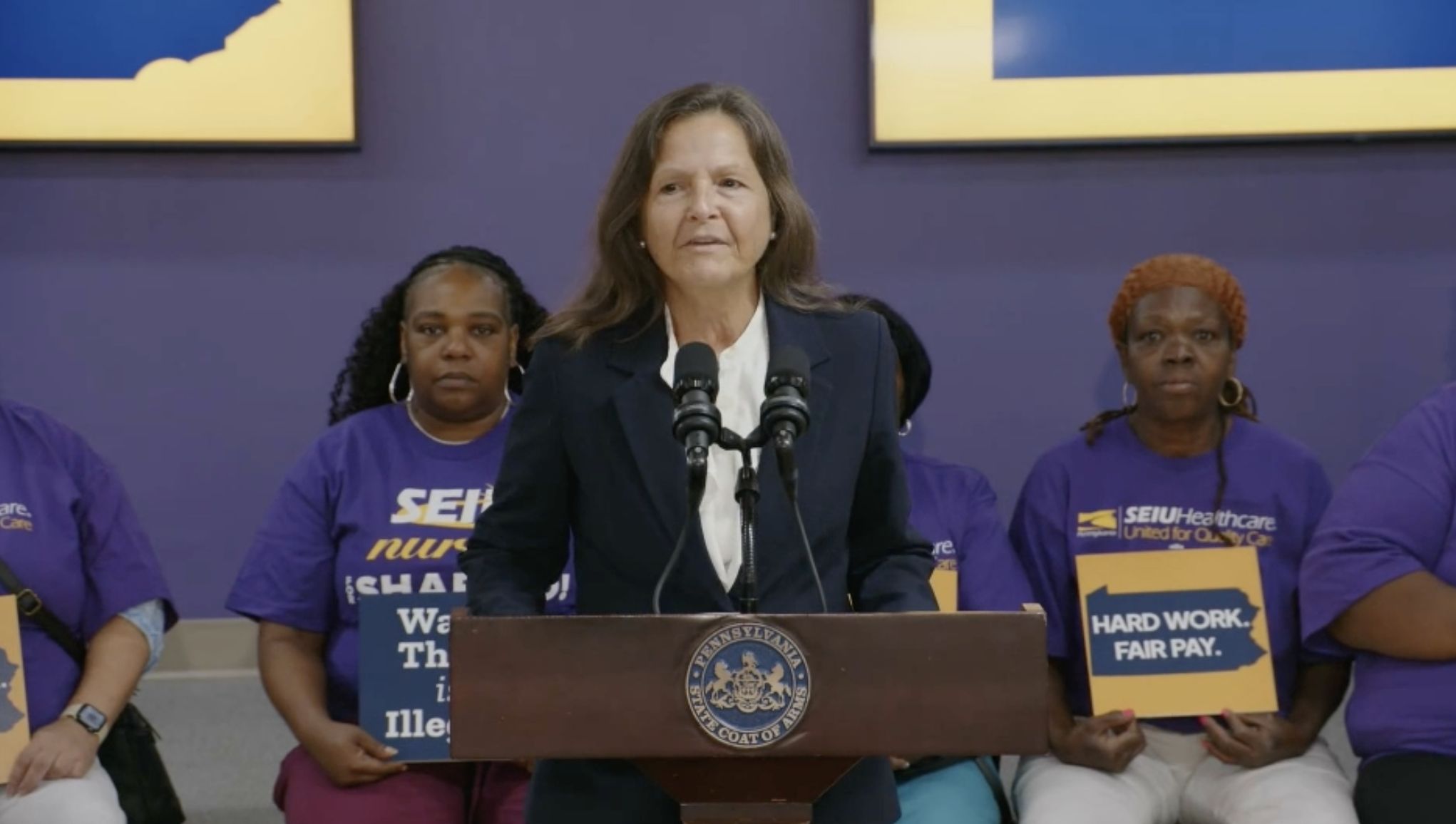
    Nearly 40% of the minimum-wage complaints sent to Pennsylvania’s Department of Labor and Industry are from the home healthcare industry, State Labor Secretary Nancy Walker said at a news conference Tuesday.

    Under the new initiative, the state won’t wait to receive new complaints, said Walker. Instead, regulators will audit home healthcare agencies, making “legal demands for wage and hour information,” said Walker, to find potential wage violations.

    “We’re here today because these workers are not receiving the wages they earned, and that changes now,” Walker said.

    Demand for home healthcare is expected to continue growing, but attracting workers to the industry has been a challenge.

    Many home healthcare workers, who help patients with daily living needs, have been shorted on their overtime pay in Pennsylvania in recent years and employers have ultimately had to pay back millions in some instances. One contributing factor is that Medicaid doesn’t pay home healthcare employers extra for overtime.

    “The workers doing this care are not always treated the way we should be,” Marshene Ellis, a home care worker for over 17 years, said at Tuesday’s news conference. “I’ve worked for different agencies and seen the broken promises and low wages.”

    Making ‘good jobs’ in home healthcare

    Pennsylvania is home to more than 257,000 home care workers, according to the Bureau of Labor Statistics, but more are needed to meet demand, especially as the population ages.

    Nationally, home health aide is expected to be one of the fastest growing jobs in the coming decade, according to BLS, which predicts 847,300 more home health jobs by 2035.

    In Pennsylvania, some 112,000 care shifts go unfilled every month, according to Matt Yarnell, president of the SEIU Healthcare Pennsylvania union.

    “That means somebody who cannot get themselves out of bed, is laying in that bed hoping someone shows up,” said Yarnell. “We have a lot of work to do in this space.”

    Those in need may find themselves in the emergency room instead, Yarnell added.

    “When families cannot find a home care worker, the impact is immediate,” said Gabrielle Szymanski, of Pennsylvania’s Department of Aging. “Family caregivers are forced to leave work or take on additional responsibilities, and providers struggle to meet demand — and too often people end up in more restrictive and more costly settings.”

    Attracting and retaining home-health workers has been challenging. Turnover is high in the industry, and wages are low. The median wage in Pennsylvania is $14.14 per hour.

    Workers deserve higher wages, said Mia Haney, CEO of Pennsylvania Homecare Association in a statement on Tuesday and pointed to low Medicaid rates as part of the issue.

    “We support holding bad actors accountable, but they should not define an industry overwhelmingly made up of providers committed to their workers and the people they serve,” said Haney, whose organization represents nearly 700 home care and hospice providers.

    Gov. Josh Shapiro’s administration recently added $21 million to the state budget to boost home healthcare wages.

    “It is really really critical that these become good jobs, and that will not happen on its own,” said Yarnell.