Category: Business

  • Farmers say they face a new crisis as Trump’s tariffs, Iran war raise costs

    Farmers say they face a new crisis as Trump’s tariffs, Iran war raise costs

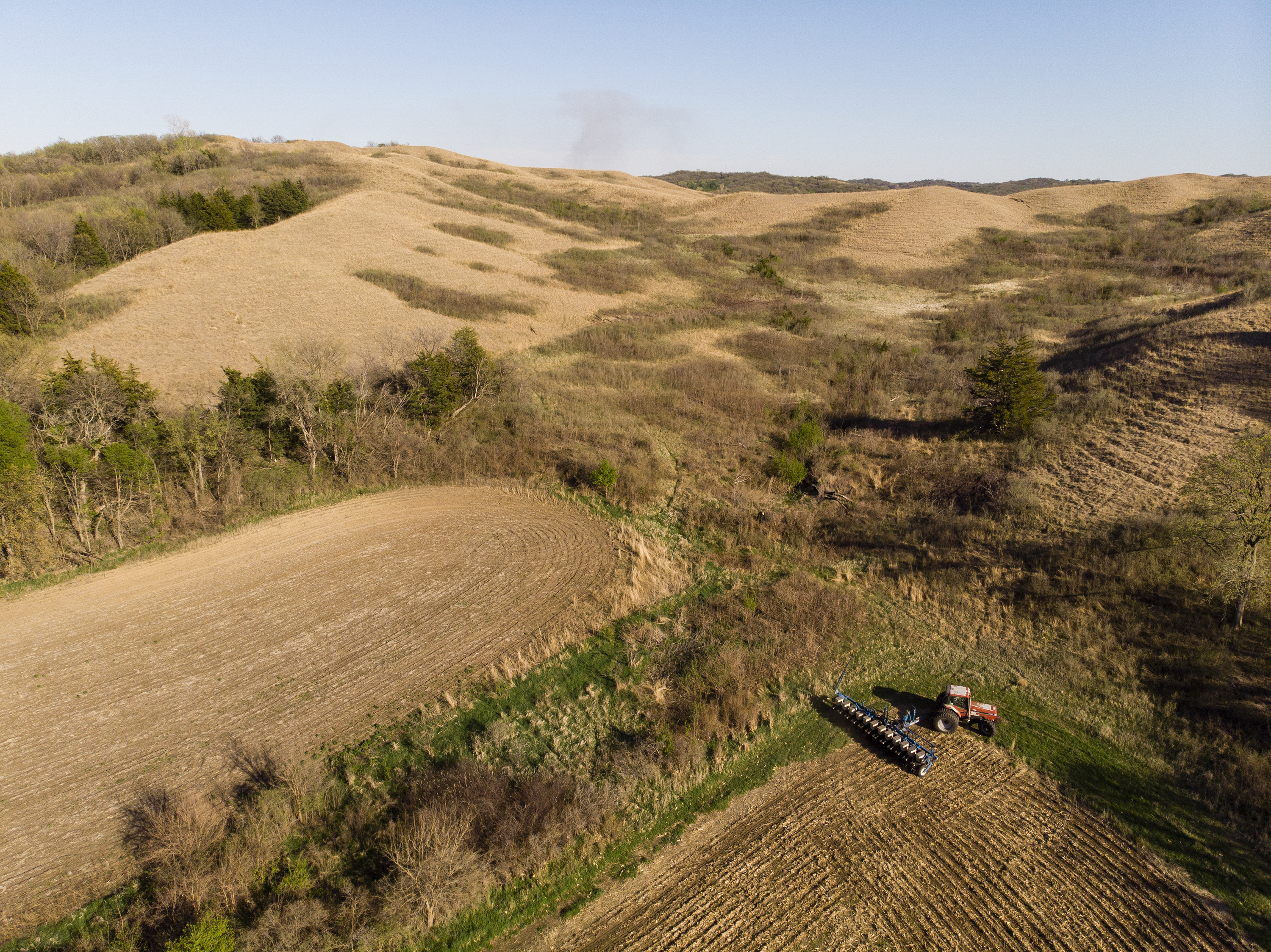
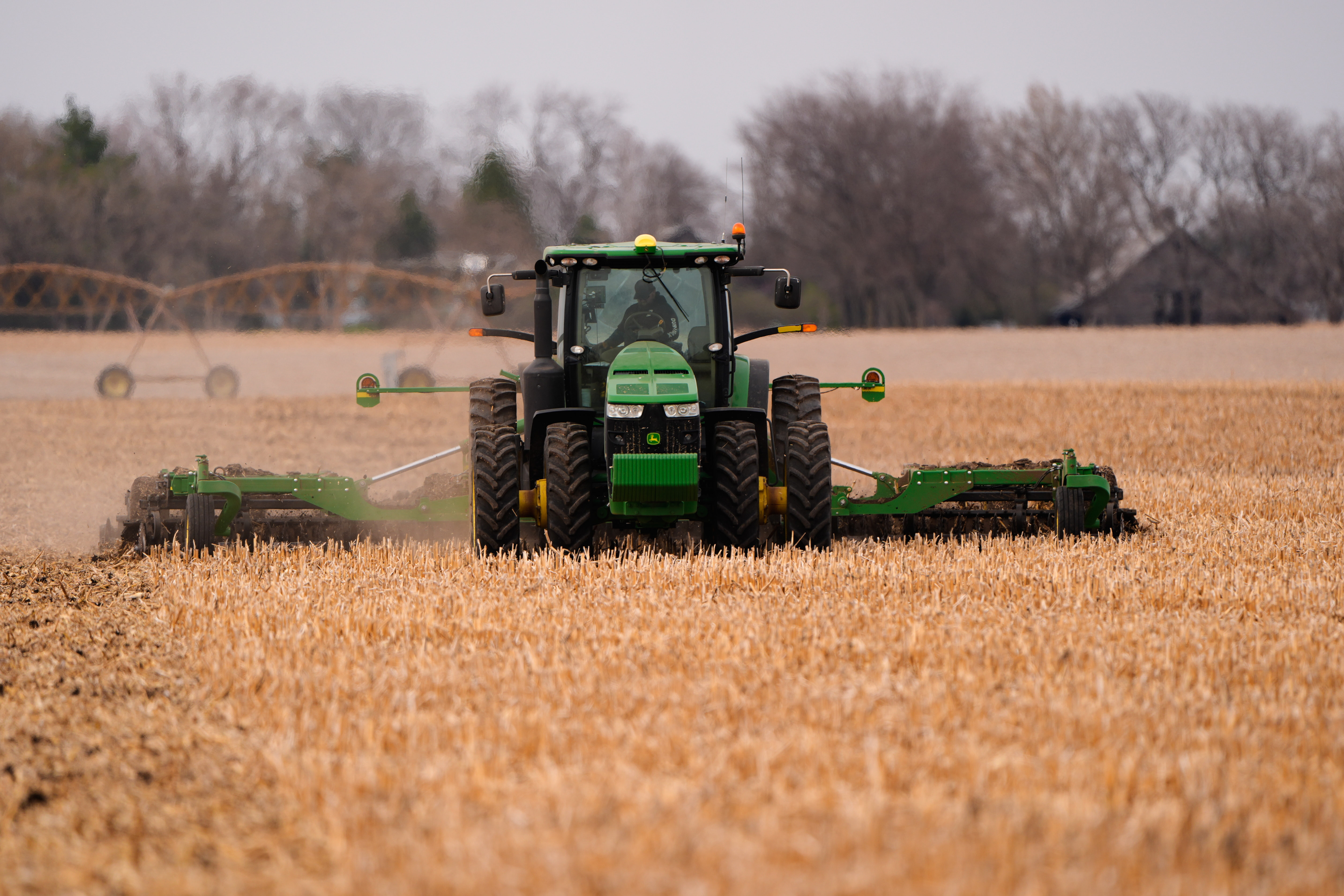
    For nearly 16 years, Wendy Johnson has tried to build an Iowa farm that could survive the kinds of economic shocks that drove farmers out of business when she was growing up in the 1980s.

    She diversified her operations, growing corn, small grains, and soybeans while also raising sheep, cattle, pigs, and chickens. She opted to sell directly to consumers and transitioned a portion of her 1,200 acres to organic production. She avoided debt and even planted trees to protect her soil and livestock.

    But the latest crisis has defied her careful planning: President Donald Trump’s tariffs and his war with Iran have driven up the cost of fertilizer, fuel, and machinery just as weak crop prices have made it harder to cover those rising expenses.

    “I am afraid that we’re looking into the barrel of another farm crisis,” said Johnson, a fourth-generation farmer, who estimates her profits are down by as much as 50%. “And we all know historically what that did to our … rural communities.”

    Johnson is among American farmers who say they are desperate for relief from Washington as Trump administration policies raise costs and slash profits. Recently, Trump slapped 50% tariffs on Canada, a critical source of fertilizer and farm equipment. And he wrote in a Truth Social post that he would pause tariffs on some imported ground beef in an effort to lower grocery prices, infuriating U.S. cattle ranchers who say the move would undermine domestic herders.

    Meanwhile, the federal farm bill — the traditional source of agricultural subsidies, crop insurance, and other support for farmers — is hopelessly out of date, and a divided Congress is far from agreement on how to replace it. To tide over rural America, Republican leaders are trying to pass $12 billion in emergency aid. But their plan would pair that money with billions of dollars for the war with Iran, the very conflict that has helped drive up fuel costs and added to the squeeze on farmers in the first place.

    That combination gets mixed reviews in farm country. While some industry groups, such as the American Farm Bureau Federation, have backed it, others have argued that it is counterproductive to tie the money to funding for the Iran war.

    “While we support providing immediate relief to farmers … we are troubled by funding that perpetuates a costly military conflict that risks further disrupting global markets, increasing input costs, and contributing to the economic pressures already weighing on farm operations,” the National Farmers Union wrote in a July letter to House Speaker Mike Johnson (R., Louisiana) and House Minority Leader Hakeem Jeffries (D., New York).

    Aaron Lehman, president of the Iowa Farmers Union, echoed that sentiment.

    “I’m glad lawmakers are trying to find a way to help farmers,” Lehman said. “But this approach is not the right one.”

    When the House returns to Washington on Monday, passing a farm aid package remains near the top of the legislative to-do list. Iowa is particularly critical heading into the Nov. 3 midterm elections, with three competitive House seats and a competitive Senate race. In a state that has not had a Democratic governor in nearly two decades, even that race in Iowa is competitive, according to the Cook Political Report.

    Nationally, roughly a dozen competitive House seats have a significant concentration of agricultural areas, as well as multiple competitive Senate races. Republican leaders, trying to hang on to narrow majorities in both chambers, are especially eager to demonstrate their ability to deliver for a key constituency.

    “Right now, if you’re growing something in the ground, you’re losing money. And it’s not just a crop, it’s virtually every crop, and it’s virtually every region of the country,” said Senate Agriculture Committee Chair John Boozman (R., Arkansas).

    While farmers say getting the emergency aid is crucial, many called it a “Band-Aid” at best. Agriculture industry groups said the funding must be accompanied by long-term policy that addresses the structural problems threatening their livelihood.

    Russell Boening, a Texas farmer who runs his family’s operation with his brother, is facing a similar squeeze to Wendy Johnson in Iowa. The farm grows corn, grain sorghum, and wheat, as well as raising cattle. But crop revenue has fallen below the cost of their production as fertilizer and other inputs have become more expensive. Boening estimates the farm’s bottom line has taken as much as a 40% hit in some areas.

    The emergency aid is “needed,” he said, adding that farmers in South Texas are already seeking operating loans for 2027 so they can begin planting in January. But Boening urged Congress to get to work on longer-term policies because “farmers don’t want to come there every six months for a bridge payment for farmer assistance.”

    Ben LaCross, president of the Michigan Farm Bureau, also supports the emergency assistance, noting that farmers have been struggling with rising costs and weak commodity prices for more than a decade. He praised the Trump administration’s efforts to expand market opportunities for agricultural commodities, and said farmers need a new farm bill that further expands markets and helps reduce the cost of fertilizer and other inputs.

    The current farm bill — a multiyear law that sets national policy for agriculture and nutrition — is nearly eight years old. With the law originally designed to be renewed every five years, Congress has temporarily extended the legislation three times as lawmakers have failed to reach an agreement on updated policies. The latest extension will expire at the end of September.

    But Congress is nowhere near an agreement on a new policy framework. Republicans want to increase funding for commodity farmers to help offset rising production costs, while reducing federal funding for food stamps. Democrats, who oppose altering the food aid benefits, blocked Republicans from advancing the bill out of the Senate Agriculture Committee in early August. The committee will continue work when senators return from recess in mid-September.

    Boozman and Sen. John Hoeven (R., North Dakota) played key roles in advocating for emergency farm aid. The money was included in a party-line package Republicans are rushing to pass before the midterms. Along with funding for farmers, that package includes two other GOP priorities: Iran war funding and stricter rules for voting.

    GOP lawmakers aim to use the complex reconciliation process to pass the package through both chambers with a simple majority, forgoing the need for Democratic support. But for that plan to work, it would require near-unanimous support from Republicans — which it does not have.

    GOP senators had hoped to vote on a framework for the package before they left town for the August recess, but those plans were scrapped amid lingering concerns from multiple lawmakers within the conference.

    Between those concerns and a tight legislative calendar, the path to passing help for farmers before Nov. 3 is looking increasingly difficult.
  • Mortgage rates will rise even higher if bond market continues to choke | Expert Opinion

    Mortgage rates will rise even higher if bond market continues to choke | Expert Opinion

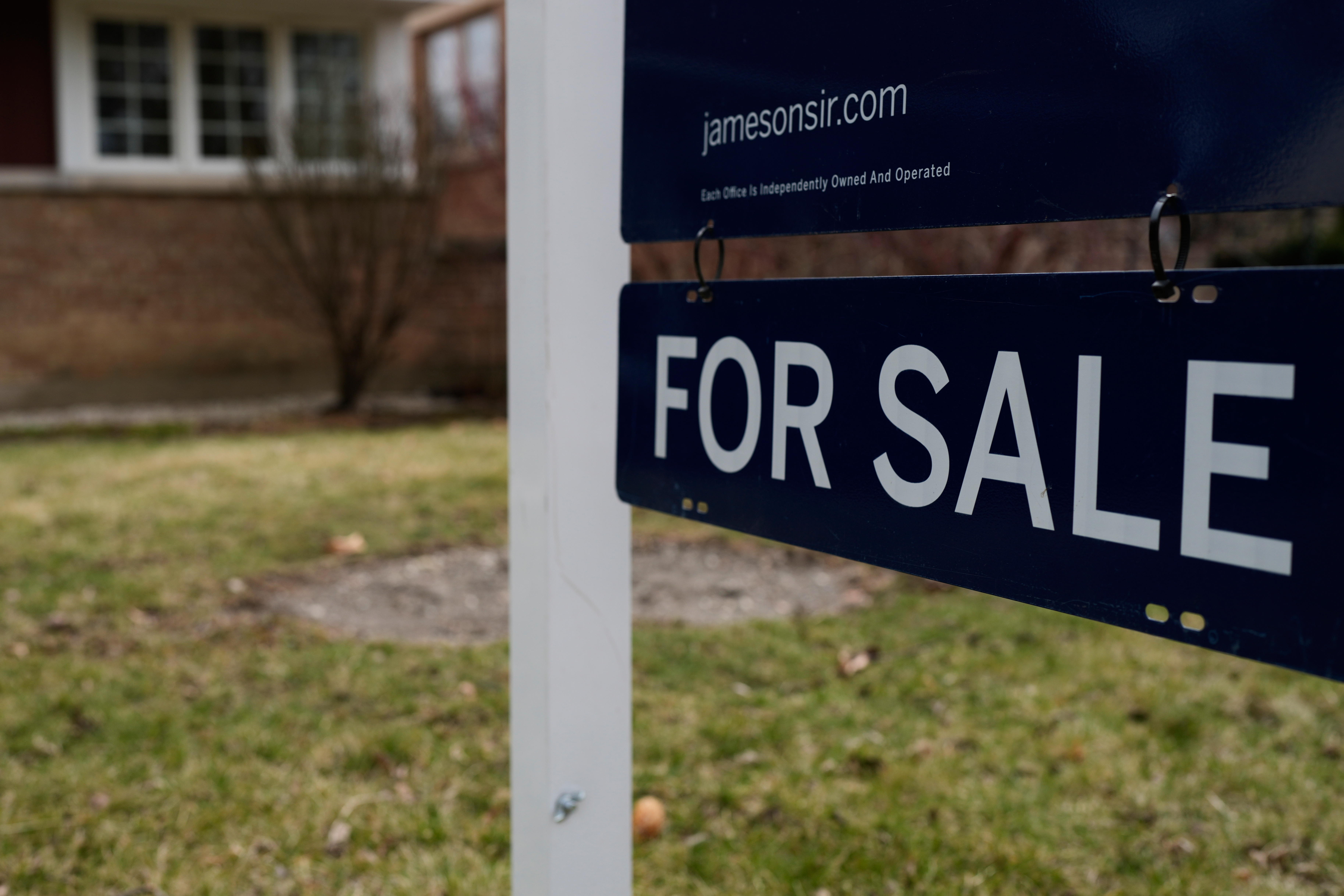
    If you’ve shopped for a home in the Philadelphia region lately, you’ve met the villain of this story.

    Before the Iran war began in late February, the 30-year fixed mortgage rate was dipping below 6%. Now, it is nearly 7%. On a $320,000 mortgage, approximately what it takes to buy the typical area home, that adds about $210 to the monthly payment, or more than $2,500 a year. That’s not for a bigger house, but the same house.

    Behind the mortgage rate stands the bond market. The 10-year Treasury yield, which sets the tone for mortgage rates, is near 4.75%, up more than three-quarters of a percentage point since before the war. The bond market is being asked to swallow a tsunami of new government debt, a Federal Reserve gone mum, and a war with no clear end. And it is choking.

    The Iran war has severely disrupted global oil supplies, pushing inflation to near 4% — double the Federal Reserve’s target — and flipping expectations for the Fed from cutting interest rates to raising them. That accounts for a bit more than half the run-up in rates. The good news is that bond investors’ expectations for future inflation have settled back near the Fed’s target. Investors still believe the Fed will do its job.

    However, new Fed Chair Kevin Warsh has long believed central bankers talk too much. Forward guidance on rates is gone, and communication is sparse, so investors are left guessing at what the Fed will do next — and they charge for guessing. That extra charge is called the term premium. Think of it as a nervousness fee for lending money over a long period. For a decade, it was pinned near zero. No longer.

    But what worries the bond market the most is the nation’s runaway debt. This year’s budget deficit will be more than $2 trillion, equal to more than 6% of GDP. It’s a stunning figure. And the government has been spilling red ink like this since the pandemic hit in 2020.

    Meanwhile, there are fewer buyers of the government’s debt. Foreign investors, who held about half our debt a decade ago, now hold closer to a third. The nation’s banks have become more circumspect bondholders after suffering big losses on their holdings when the Fed jacked up interest rates coming out of the pandemic. Highly leveraged hedge funds — fast money, but also the quickest out the door when trouble hits — filled the void.

    The Trump administration is trying hard to hold rates down. The Treasury doubled its bond buybacks, but this amounts to billions of dollars, a rounding error compared with the $32 trillion of debt outstanding. It facilitated Japan’s recent effort to rescue the weak yen, so our largest foreign creditor wouldn’t dump Treasurys and push rates higher. And it requires Fannie Mae and Freddie Mac to buy mortgage-backed securities to help pull down mortgage rates.

    Each move worked for a day or two, then quickly faded. More telling is the jump in gold and bitcoin prices and the lower value of the U.S. dollar. These are telltale signs that global investors are unsure about the safe-haven status of Treasury bonds. That is, during difficult times, money flows here because investors know they will get their money back on time. A Treasury bond is still the safest place on the planet to put your money, but it’s just a little less safe.

    The Treasury’s moves also risk what economists call fiscal dominance, a situation in which a government is so deep in debt that its borrowing needs pressure the central bank to keep interest rates artificially low to make the government’s debt easier to finance. We aren’t there, but we appear headed that way. The Treasury is increasingly doing what looks like the Fed’s job, and history is clear on how that ends: higher inflation and, eventually, higher — not lower — interest rates. The same problem this is meant to solve.

    It does not have to end that way. The most likely future is that the 10-year yield falls back this fall, and mortgage rates ease back toward 6%. Of course, this happens only if oil flows reliably through the Strait of Hormuz again, so inflation recedes, and Warsh gives investors some sense of how the Fed will set interest rates.

    But that’s a lot of ifs, and lawmakers are unlikely to address the nation’s disconcerting fiscal situation until the bond market forces them to. That could be in next year’s fight over increasing the Treasury debt limit, or early next decade, when the Social Security and Medicare trust funds run dry. The risk of a serious sell-off in the bond market that pushes the 10-year yield toward 6% and mortgage rates toward 8% is real: I would put the odds at about 1-in-5 over the coming year.

    A war, a Fed gone mum, yawning deficits — none of these is an act of nature. They are choices. Here’s hoping we start making better choices before the bond market chooses for us.

  • Penn Medicine reported a $337 million operating profit for the year ended June 30

    Penn Medicine reported a $337 million operating profit for the year ended June 30

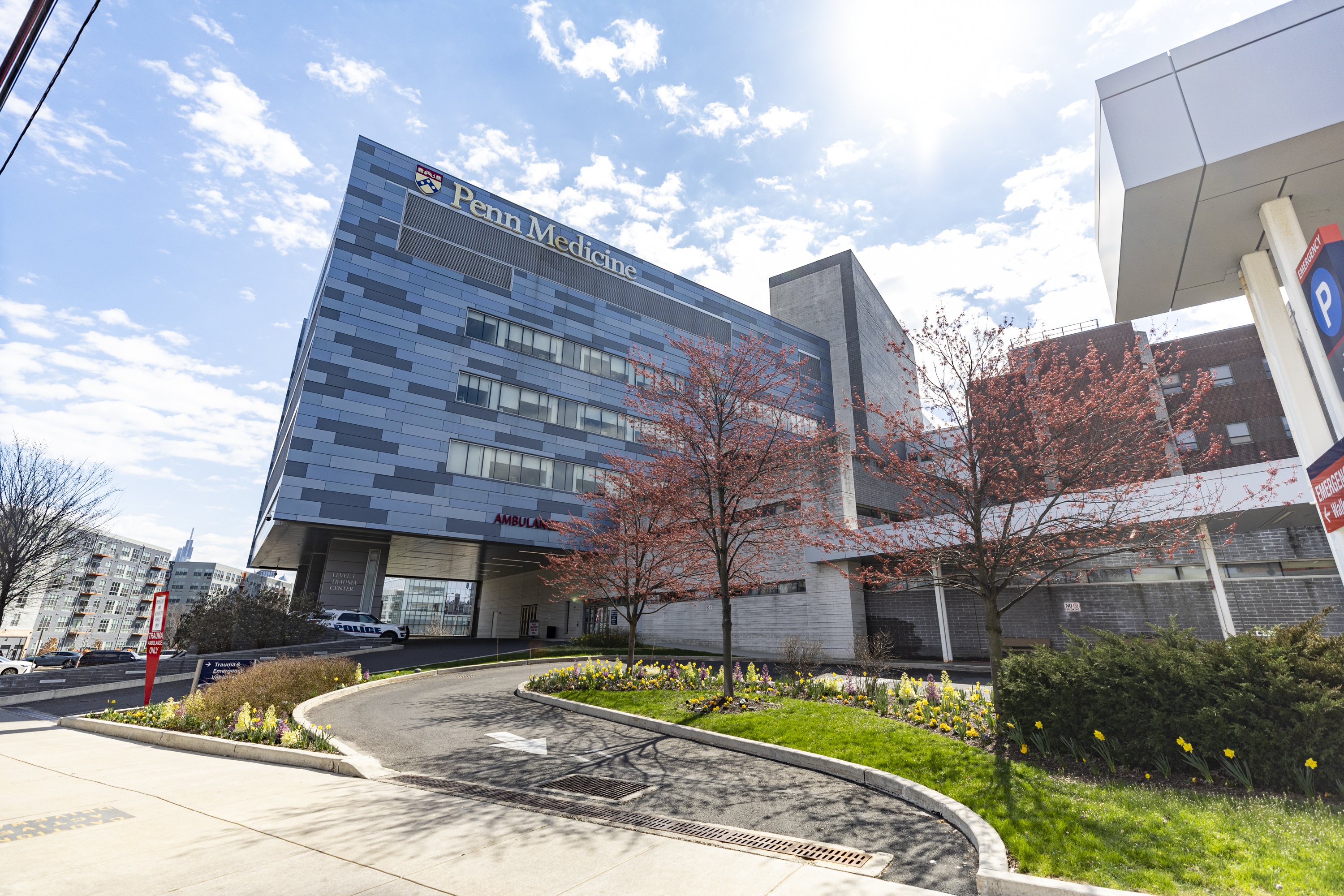
    The University of Pennsylvania Health System had $337 million in operating profit in fiscal 2026, up from $247 million the year before, the Philadelphia nonprofit reported to bond investors Friday.

    “We saw good growth in several of our clinical programs that helped us to generate the operating performance,” Julia Puchtler, the health system’s chief financial officer, said in an interview.

    That’s money “we’re going to be able to reinvest in the academic missions and in our clinical programs and our workforce,” she said.

    Here are more details:

    Revenue: Penn’s total revenue rose 13.7%, to $13.6 billion from $12 billion the year before. Revenue from patient care accounted for $11.4 billion of the total in fiscal 2026, according to Penn’s report to bondholders.

    Outpatient cancer care and outpatient surgeries by urologists and ear, nose, and throat doctors stood out as areas of growth, Puchtler said. On the inpatient side, neurosciences and transplants had notable increases, she said.

    Expenses: For the first time since 2021, the average length of time a patient spent in the hospital fell below 6 days. Longer stays have higher expenses, even though hospitals generally don’t get paid more for them.

    The average in fiscal 2026 was 5.93 days, from 6.14 days the year before. That looks like a small decline, but it adds up when spread over the health system’s more than 161,000 admissions in the year. The reduction helped Penn reduce expenses relative to revenue. It also freed capacity for more patients, Puchtler said.

    In employee benefits, Penn had an additional $20 million in expenses because it aligned retirement plans across the system, Puchtler said.

    Notable: Penn refinanced about $300 million in debt last month at a lower interest rate. That means the health system will save $28 million in interest payments over the next 9 or 10 years, Puchtler said.

  • How the war in Iran is redrawing the global energy map

    How the war in Iran is redrawing the global energy map

    Six months after U.S.-Israeli strikes disrupted Middle Eastern fossil fuel production and turned the Strait of Hormuz into a naval battleground, the world is getting a fuller picture of how the Iran war has reshaped the economics of energy.

    A handful of new reports show how, by dramatically raising fossil-fuel prices, the conflict has also been pushing governments, companies, and consumers toward renewable energy, with a clear set of winners and losers emerging.

    Global fossil fuel importers have paid more than $330 billion in extra costs — an amount equal to Finland’s 2025 gross domestic product — since the war began on Feb. 28, according to data from the Centre for Research on Energy and Clean Air (CREA), a Helsinki-based nonprofit. Meanwhile, higher energy prices have been a boon to a handful of oil- and gas-producing countries outside the war zone.

    Economies that had moved to ditch fossil fuels prior to the war have withstood the crisis better, too. In China, for example, renewable energy projects added since 2020 allowed the country to avoid nearly $8 billion in fossil fuel imports between March and July, CREA estimated.

    These transformations could eventually have an effect on the environment: Overall, global greenhouse gas emissions were relatively contained during the first half of the year, inching up just 0.2% compared with the same period a year earlier, according to an early analysis of emissions through mid-year 2026 by the nonprofit Climate Trace.

    “Renewables continue to grow. That does seem like good news,” said Ting So, lead analyst for Climate Trace. But he added that the volatility of disruptions in the Strait of Hormuz makes it hard to predict long-term trends.

    Winners: Clean tech and non-Gulf fossil-fuel producers

    China has emerged as a beneficiary of the realignment, leveraging its dominance in green technology manufacturing at a time when soaring oil and gas prices are boosting interest in solar panels, batteries, and electric vehicles.

    Since the start of the conflict, China has logged five consecutive months of record clean tech exports measured in dollar terms, according to BloombergNEF. In July, Chinese carmakers sold more than half a million EVs and plug-in hybrids to overseas markets, a roughly 150% increase from a year earlier.

    Oil-and-gas producers in North and South America have also reaped windfall profits. As buyers shunned Gulf suppliers, fossil fuel companies in the U.S., Canada, and Latin America ramped up production.

    While a ceasefire could erode wartime supply premiums, researchers expect some of these market shifts to persist. “The boost to Latin America’s mining sector could remain,” said Rafael Rabioglio, a BNEF analyst, in the report. As high fuel costs accelerate global electrification, demand for critical minerals such as copper and lithium will benefit major producers including Chile and Peru in the long term.

    Losers: Gulf states and import-dependent regions

    In the Persian Gulf, drone strikes and explosions have damaged key facilities, including Saudi Arabia’s largest oil refinery and a key liquefied natural gas export terminal in Qatar. Coupled with shipping bottlenecks, initial export losses across the Gulf averaged nearly $2 billion per day in March, according to an estimate from Rice University.

    Beyond lost revenue, the war also damaged as much as $58 billion worth of energy infrastructure, which requires costly repairs, according to an April estimate by consulting firm Rystad Energy. The conflict also threatens to stall the region’s transition into a greener economy. “The war has driven up the cost of debt in the region, undermining clean power project economics in the near term,” BNEF analysts said in their report.

    Import-dependent economies like Japan and South Korea, meanwhile, are suffering collateral damage. The two Asian nations, which depended on shipments through the Strait of Hormuz for most of their oil supplies prior to the Iran war, had no choice but to absorb higher fuel prices. In Africa, where many countries are net importers of refined oil products, the soaring prices have fueled a broader economic crisis. Ethiopia, for instance, recently experienced currency sell-offs, forcing the country to draw down billions of dollars in its foreign exchange reserves to defend the weakening birr.

    Accelerated transition

    The burden of higher energy prices has fallen disproportionately on developing economies. Poorer nations spent an additional 1% of their GDP absorbing the price shock, CREA found. That’s more than double the economic drag experienced by wealthier states.

    As they seek to break up with fossil fuels, African nations are scrambling to add renewable energy. The region as a whole imported 37% more solar equipment from China in the first half of 2026 than in the same period last year, BNEF data showed. The current boom has spread across the entire continent, from South Africa to Nigeria and the Democratic Republic of the Congo and Egypt.

    “In countries where consumers are not being well shielded from higher fuel prices, they are moving very quickly to adjust their energy consumption pattern,” said Ethan Zindler, a BNEF analyst.

    That same trend is also happening across developing Asia. For instance, in the Philippines — where initial fuel shortages prompted the government to mandate a four-day workweek to save on energy — demand for solar products has surged. In March, the country’s imports of Chinese solar equipment jumped 262% year-over-year.

    EV adoption has accelerated, too. Monthly EV sales almost doubled in the Philippines and Indonesia in June and July compared with the same period in 2025, according to BNEF. In India, monthly passenger EV sales reached 30,000 units in those two months, up from fewer than 20,000 units last year.

    In the first half of 2026, slight emissions reductions by China and the U.S., the world’s largest polluters, were balanced out by increases in India and Brazil, the Climate Trace analysis found.

    At the same time, fears that this year’s energy-market disruptions would lead to a major near-term increase in coal-fired power did not become a reality, according to the results. Instead, over the first six months of the year, renewable energy actually expanded more quickly, Climate Trace’s So said.

    “That’s a positive development that maybe not everyone thought” would happen, he said.

  • Financialization of farmland: How farmers are staying afloat as crop prices plunge

    Financialization of farmland: How farmers are staying afloat as crop prices plunge

    When 36 acres of pristine northwest Iowa farmland came up for auction in December, Bob Wassenaar knew he had to have it. Plots in this region rarely go on the market, and the land — with fertile soil and gentle slopes for drainage — is only a mile from a feedlot that he used to own and has since passed down to his sons.

    But competition for the land was fierce. Four other bidders quickly pushed up the price at the auction. The $1.13 million Wassenaar ultimately paid is considered to make it the most expensive sale of Iowa farmland, on a per acre basis.

    He never had any intention to grow and sell crops. Since buying the land, he has rented it out to his sons to grow more feed for the cattle that they fatten.

    “If you are just going to buy that land and crop farm, no, it won’t work,” Wassenaar said. “It don’t add up.”

    As agricultural costs rise and the prices for corn, soybean, and other cash crops fail to keep pace, farmers are increasingly treating their land as real estate investments, focusing on the value of the soil — not what can be grown from it.

    Traditionally, the value of farmland was mostly based on the profitability of its crop production, said Rabail Chandio, an assistant professor of economics at Iowa State University. Now many owners treat farmland as a separate asset, she said, divorced from the crops grown on it, instead of a farm input, like seeds and fertilizer.

    Call it the financialization of farmland. It is keeping land values high and helping to stave off waves of bankruptcies and collapses that plagued American agriculture four decades ago, when farmers also faced dire economic conditions.

    Most American crop farmers will lose money in 2026, the third straight year of losses. Farm income is down and debt is increasing, according to the Agriculture Department. Farm loan delinquency rates have ticked up, the Federal Reserve Bank of Kansas City found.

    At the same time, land value is on the rise. The Agriculture Department says the value of cropland has risen a whopping 47% since 2020.

    Some of the most valuable land is in Iowa, which averages $10,700 an acre, federal data show, compared with the national average of $6,020.

    Mark Zomer was the auctioneer of the plot that Wassenaar bought, and he sells much of the farmland in northwest Iowa. Two-thirds of his sales are to nearby farmers looking to add to their portfolio. But he estimated that up to a third of sales are to investors, who then rent the land out to local farmers. (The share of investors would probably be higher if not for Iowa’s restrictions on corporate ownership of farmland.)

    “They realize it is a 1 or 2% return,” Zomer said. “Sometimes it is a 5 to 6% return. They like the steadiness.”

    While some farmers are struggling to generate enough operating capital to pay for day-to-day expenses, the agricultural economy is staying afloat because of the equity they have in their land. Farm bankruptcies were up 16% in the first half of 2026 compared with the first half of 2025, according to Epiq AACER, a bankruptcy data provider, but are still on a pace to be lower than the number of farm bankruptcies in every year of the 2010s.

    “I feel like Chicken Little. I keep expecting the ag economy to tank, with this extended run of losses and persistently high land prices, and it keeps rolling along,” said Austin Peiffer, an Iowa bankruptcy lawyer.

    Today, 84% of Iowa farmland is owned debt-free. At the beginning of the 1980s farm crisis — when many farmers faced annual interest payments that exceeded their crop revenue and the rate of farmer suicides soared — the figure was only 62%.

    Farmers then tended to have smaller plots and were more indebted, so when crop prices fell precipitously, catastrophe followed. More than 200,000 farms across the country went bankrupt, were foreclosed on, or had their operations restructured in the 1980s.

    “A lot of the family farms have been wiped out,” said John Rigler III, the president of Peoples Bank, one of Iowa’s largest farm lenders. “All the smaller little guys are out of the business.”

    Wassenaar, 82, was almost one of them. As a younger farmer in the 1980s, he said, he had to walk away from 40 acres of land he owned and allow the bank to repossess it. When he recovered financially, he resumed buying land. He says property he paid $3,000 per acre for 25 years ago is now worth more than $25,000 per acre.

    He now owns about 1,100 acres.

    Farmland as an investment is nothing new. Chandio traces the first big financialization of American farmland to the end of World War I, before the Great Depression brought much of the investment to a halt.

    Institutional investors looking for stable, inflation-resistant returns have led the recent waves of investment, first after the 1980s crisis and then after the financial crisis of 2007 to 2009. Today, it is logistically and financially easier than ever to invest in a few huge farms and outsource their management.

    “Each boom and bust, each wave of institutional capital and each improvement in management slowly turned farmland into a modern, financialized ‘real asset,’” Chandio said.

    Only about 1% of agricultural land in the Midwest comes up for sale a year, which can help explain why bidding for it is so fierce.

    “These farms don’t come up for 100 years or more,” Rigler said. “These guys are notorious for ‘overpaying.’ You say they overpaid 10 years ago, but that is a fair price today.”

    Even when buyers of land are nearby farmers and not out-of-state investors, they tend to be older and wealthier farmers, like Wassenaar, whose holdings are worth millions of dollars.

    The Gesink family, which owned the land Wassenaar bought in December, farmed it for decades before finally selling it for inheritance planning purposes. When the land went to auction, bidding began at $20,000 per acre — double the state average, and more than triple the country’s. By the time he outbid his competitors, Wassenaar paid $32,000 an acre.

    Being so close to the feedlot means lower trucking and equipment costs for his sons, which was one of the things that attracted him to the land.

    The federal government also plays a large role in increasing land values. The Agriculture Department estimates it will spend more than $44 billion on direct payments to farmers this year, and the Trump administration is seeking $11 billion more. Research from Ming Wang, an agricultural economist from North Dakota State University, found that about 45% of every dollar spent on commodity programs — which pay farmers when crop revenue or prices fall — ends up as higher cropland rent over time.

    In essence, the government subsidy becomes permanently baked into the land’s rent, and therefore value, propping it up. “Any subsidy like that just kicks the can down the road and distorts the free market,” Rigler said.

    This article originally appeared in the New York Times.

  • Reed E. Pyeritz, pioneering medical geneticist and Penn professor emeritus, has died at 78

    Reed E. Pyeritz, pioneering medical geneticist and Penn professor emeritus, has died at 78

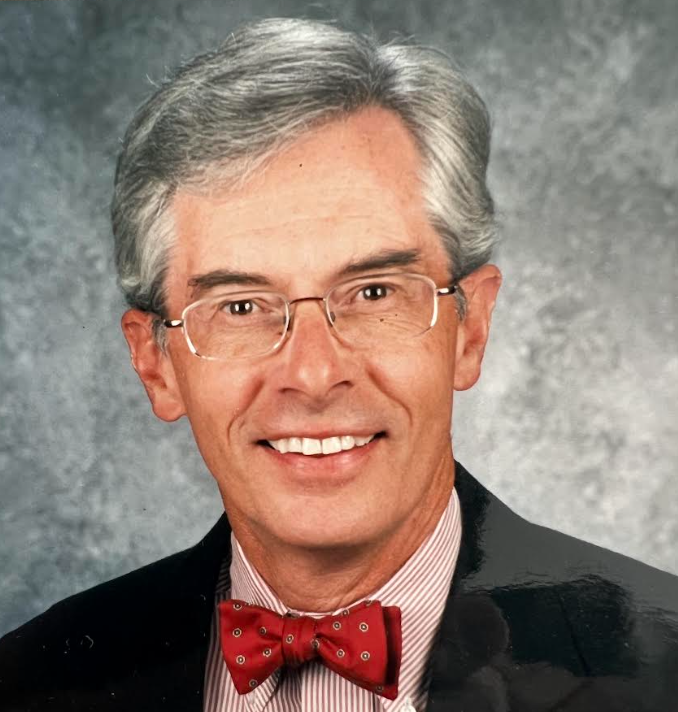
    Reed E. Pyeritz, 78, of Radnor, pioneering medical geneticist, cofounder of the Marfan Foundation and the American College of Medical Genetics and Genomics, professor emeritus of medicine and genetics at the University of Pennsylvania, author, mentor, veteran, and nationally ranked masters triathlete, died Monday, Aug. 10, of interstitial lung disease at Bryn Mawr Hospital.

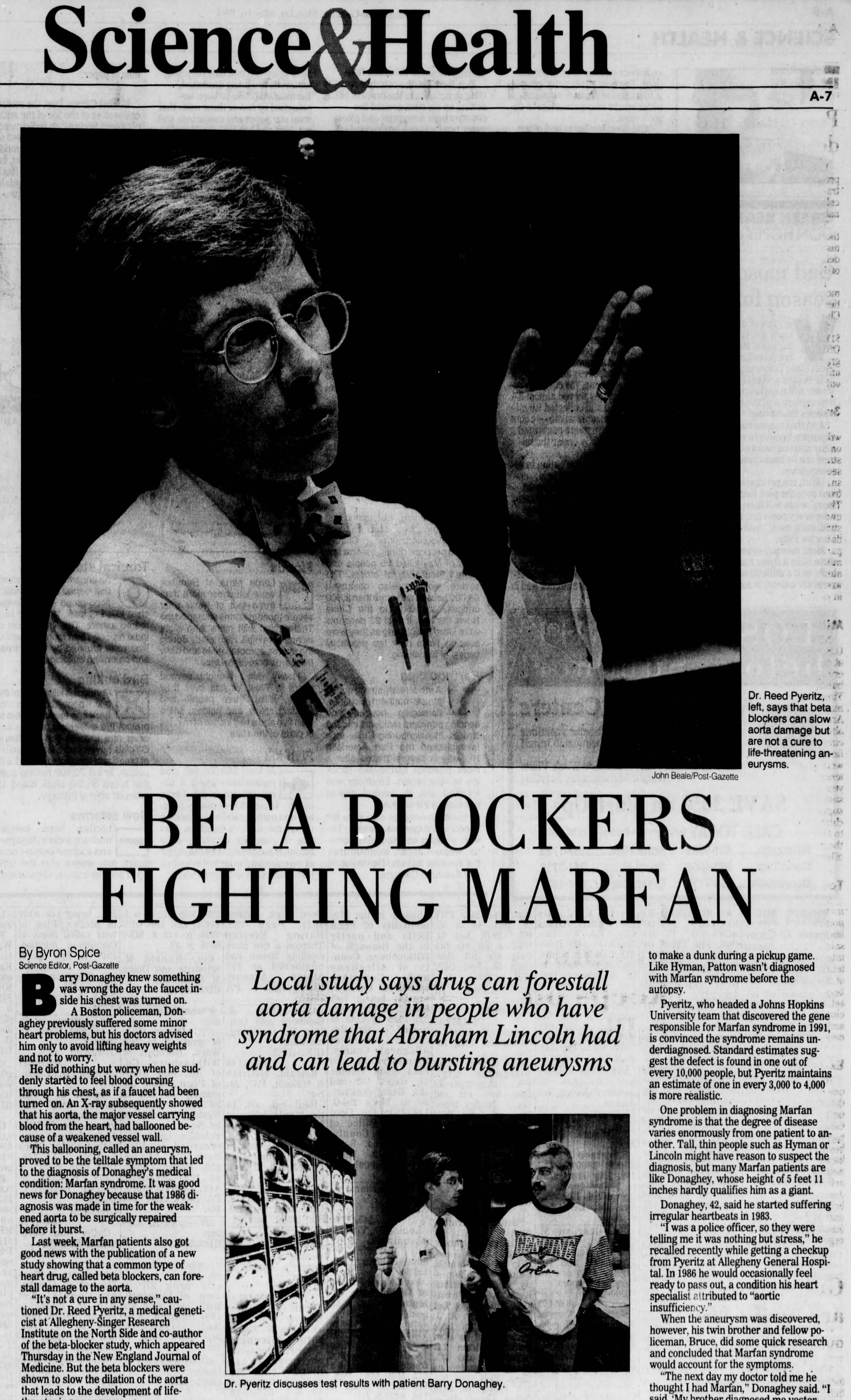
    Dr. Pyeritz was a trailblazing expert on the diagnosis and treatment of Marfan syndrome and other inherited cardiovascular disorders. His 44 years of research and clinical work, from 1978 to 2022, advanced the understanding and management of the diseases, and extended the life expectancy of Marfan patients by 30 years.

    “So many of us in the community owe Reed so much,” Bert Medina, board chair of the Marfan Foundation, said in a tribute. “His legacy lives on in all of us, thanks to his dedication.”

    In an online tribute, a relative of former patients said: “Without this amazing doctor, I wouldn’t have my sister or dad. He changed the world for Marfan patients and their families.”

    Dr. Pyeritz joined the faculty at Penn in 2001 and spent more than 20 years treating patients, teaching students, doing landmark studies on the value and social implications of genetic testing, and championing patient-centered care. He was codirector of Penn’s research center on hereditary hemorrhagic telangiectasia, onetime chair of the faculty senate, and a fellow at the College of Physicians of Philadelphia and other medical associations.

    His “vision and scholarship fundamentally transformed the care of patients,” Nimesh D. Desai, director of the Penn Aorta Center, said on X.

    Before Penn, Dr. Pyeritz spent nine years in Pittsburgh with what is now the Allegheny Health Network and 17 years at the Johns Hopkins University School of Medicine in Baltimore. In 1991, his team at Hopkins discovered that mutations in the FBN1 gene cause Marfan syndrome and followed up with new regimens to treat it.

    He cofounded the Marfan Foundation in 1981 and the American College of Medical Genetics and Genomics in 1991. “It became clear that folks with Marfan syndrome could benefit by an organization that allowed them to communicate [and] to stimulate other physicians to become involved,” he said in a 2018 video interview.

    This story and photos about Dr. Pyeritz appeared in the Pittsburgh Post-Gazette in 1994.Newspapers.com

    Colleagues, friends, and former patients called him “a phenomenal physician,” “a guiding light,” and “an extraordinarily reassuring presence” in online tributes. In 2018, he said: “The most gratifying thing is the fact that folks [with Marfan syndrome] are living their normal life expectancy.”

    Dianna Milewicz, chair of the John Ritter Foundation advisory board, noted his “excellence in clinical care, teaching, and research” on Facebook. Michael L. Weamer, president and CEO of the Marfan Foundation, called him “a true hero” and said his “impact on our community is immeasurable.”

    Dr. Pyeritz edited medical reference books and wrote The Marfan Syndrome and Uncertain Precision: Managing Health Care with Personalized Technologies. More than 700 of his research studies, reviews, and book chapters were published.

    He served 13 years in the Army Reserve Medical Corps and earned lifetime achievement awards from the Marfan Foundation, the American College of Medical Genetics and Genomics, and other groups.

    Dr. Pyeritz and his wife, Jane Tumpson, married in 1972.Courtesy of the family

    On weekends, he did marathons and triathlons, and was part of a world record 100-man, 100-mile relay. His family said in a tribute: “He measured a successful life less by titles or awards than by what one gives, what one learns, whom one loves, and what one leaves behind in others.”

    Reed Edwin Pyeritz was born Nov. 2, 1947, in Pittsburgh. He was fascinated by science and space as a boy, and he built rockets in his backyard and performed scientific experiments in his bedroom.

    He earned a bachelor’s degree in chemistry at the University of Delaware in 1968, a master’s degree and doctorate in biological chemistry at Harvard University in 1972, and his medical degree at Harvard in 1975.

    He met Jane Tumpson in first grade, and they graduated together from Mount Lebanon High School near Pittsburgh in 1965. They reconnected on the tennis court a few years later, married in 1972, and had daughters Allyson and Abigail.

    Dr. Pyeritz, left in the top photo and right in the bottom photo, enjoyed time with his family.Courtesy of the family

    Dr. Pyeritz and his wife honeymooned on Mount Kilimanjaro in Africa and traveled the world together for years. In April, the whole family went to Spain.

    He liked to wear bow ties, build stone walls, watch the news, and spend time outside with his dogs. He followed the Pittsburgh pro sports teams closely and enjoyed Manhattans and chocolate milkshakes.

    “I will miss it all,” he told colleagues at Cure HHT when he retired a few years ago. “But I am certainly looking forward to spending time with my two granddaughters, Tallulah and Penelope.”

    His daughters said: “Ever an adventurer, he instilled in us the importance of making the most of every day, watching the sunrise or sunset, and cherishing the time you have.”

    His wife said: “He loved without exception and reservation.”

    In addition to his wife, daughters, and granddaughters, Dr. Pyeritz is survived by son-in-law Keith Hopkins and other relatives. A brother died earlier.

    A celebration of his life is to be held later.

    Donations in his name may be made to the Marfan Foundation, 22 Manhasset Ave., Port Washington, N.Y. 11050.

    Dr. Pyeritz “loved without exception and reservation,” his wife said.Courtesy of the family
  • Fed chair Warsh, concerned about inflation, says bank ‘has work to do’

    Fed chair Warsh, concerned about inflation, says bank ‘has work to do’

    JACKSON HOLE, Wyo. — Federal Reserve Chair Kevin Warsh said he was “impressed” with the economy’s overall strength but is concerned by signs that “underlying trends” in inflation have not improved.

    Making his first appearance here as Fed chair, Warsh stopped well short of clearly signaling an interest-rate increase at the Fed’s next meeting. He also defended his controversial decision to provide only limited public comments about Fed thinking, which critics say has left markets confused about the central bank’s intentions.

    But many investors viewed Warsh’s remarks as hawkish. Nearly 60% of traders now anticipate a Fed rate hike in mid-September, up from just over a third on Thursday, according to CME FedWatch, which tracks futures market activity.

    Speaking in a rustic lodge beneath elk antler chandeliers, Warsh hailed developments in artificial intelligence as a “hinge point in history” that offered the “potential for substantially higher growth.” But that long-term promise is eclipsed for now by the need to vanquish inflation, he said.

    “The Fed’s predominant focus right now should be on prices,” Warsh said. “We must be confident that underlying inflation is moving to our objective, clearly and at sufficient speed. Otherwise, we have work to do.”

    Warsh endorsed the Fed’s traditional inflation goal of an annual 2% rise in prices, according to the personal consumption expenditures index (PCE), calling it “a firm fixed target.”

    Over the past six months, almost half of the individual product prices that the Fed tracks have increased at an annual rate of more than 3%. That share is down from the pandemic high point but “is still quite elevated,” Warsh said.

    The central bank chief also responded to critics who questioned his inflation-fighting plan by saying the Fed’s control over short-term interest rates remained “the predominant tool” to achieve its goals. His embrace of rate-setting and the PCE index appeared aimed at clarifying remarks he made at his news conference in July, which suggested alternatives deserved consideration.

    But Warsh doubled down on his controversial strategy of providing investors less explicit “forward guidance” about future Fed moves. “A quieter Fed,” he said, will be better able to steer the economy to stable prices and full employment.

    “Transparency in communications about future policy decisions is not a virtue unto itself. Communications must be in service to the Fed’s paramount responsibility: getting monetary policy right,” Warsh said.

    In the run-up to Friday’s speech, investors were eager for any hint of Warsh’s thinking on when and if the Fed might raise short-term interest rates. His continued haziness on that point seemed to frustrate some in the audience.

    Michael Strain, a former Fed economist, said Warsh had made similar comments in July while opposing an interest-rate increase. While his remarks Friday suggested that the Fed would eventually raise rates if inflation did not subside, Warsh offered no hint of the likely timing or what additional evidence he required before acting, said Strain, who is now with the American Enterprise Institute, a center-right think tank.

    “Markets are looking for clarity,” Strain said. “You don’t know the timing that he has in mind about when the Fed should respond to the combination of a full employment economy with inflation stuck above target.”

    Adam Posen, president of the Peterson Institute for International Economics, said Warsh was suggesting that “the best thing to do is to make up your mind at the last minute in a nontransparent way which has no consistent record” of success.

    The yield on the two-year Treasury note, which is most sensitive to Fed rate increases, rose to 4.35% Friday, compared to 4.22% before he began. Stock markets closed lower.

    Warsh’s remarks were among the most highly anticipated by any Fed chair at the central bank’s annual late-summer conference, which is hosted by the Federal Reserve Bank of Kansas City and draws global central bankers, economists, and journalists to Wyoming’s spectacular Grand Tetons.

    Since taking over from his predecessor, Jerome H. Powell, Warsh has been unsparing in his criticism of the Fed for failing to control inflation, which has been elevated for more than five years, since the COVID pandemic. In a nod perhaps to the populist president who appointed him to his job, Warsh said “hardworking Americans,” not “financial highfliers,” are suffering the most from the Fed’s failure to bring inflation under control.

    The chair faces a daunting landscape. He leads a divided Fed with at least three members of its rate-setting committee on record supporting an increase in interest rates to slow rising prices. Long-term bond yields have ticked higher this month amid concerns over the nation’s $40 trillion gross public debt. And Treasury Secretary Scott Bessent has intervened in financial markets in a way that some analysts say could conflict with Warsh’s goals.

    While managing those immediate concerns, Warsh seeks to pilot the economy through an era of epic change. The rules-based global order constructed at the end of World War II is breaking down as the United States and other nations seek greater self-sufficiency. And a disruptive new technology, artificial intelligence, is reshaping markets and economies at a rapid clip.

    Since taking command of the Fed in late May, Warsh has disappointed some investors by refusing to provide the routine guidance that his predecessors offered for nearly two decades about the Fed’s next moves.

    After his tight-lipped news conference late last month, analysts at investment banks including JPMorgan said Warsh’s refusal to elaborate on how he planned to fight inflation raised doubts about whether he was willing to raise short-term borrowing costs to do so. Those concerns were amplified by President Donald Trump’s vocal insistence that rates should move down, not up, under the new Fed chair.

    But Warsh said he is determined to force investors to make their own decisions independent of expectations about moves by the nation’s central bank. Although forward guidance was “essential” during the 2008 financial crisis, he said Friday, “I believe the practice has outstayed its welcome.”

    Financial markets have shown little concern about Warsh’s public reticence. Inflation expectations are little changed since the day he was sworn in as Fed chair. Volatility in stock and bond trading also has remained within normal ranges, according to standard market measures.

    Recent economic data suggesting an improved outlook for the economy may explain part of the recent uptick in bond yields. While the economy grew at an unremarkable annual rate of 1.5% in the second quarter, underlying measures of activity were far stronger, according to a Commerce Department update this week.

    Final sales to private domestic purchasers, which some economists consider a better gauge of the economy’s condition, rose by an updated 4.2% compared with an initial estimate of 3.9%, the Commerce Department said. Both consumer spending and business investment are keeping the economy aloft.

    A separate report showed that inflation remained elevated in July, with the Fed’s preferred gauge up 3.7% from the same month one year ago. That pace was unchanged from June, but it remained well above the Fed’s 2% target.

    At its last meeting in July, the Fed policymaking committee left short-term interest rates unchanged. But three voting members of the Federal Open Market Committee dissented from the 9-person majority that favored keeping rates in the current 3.5% to 3.75% range.

  • More states pilot 3-year college degrees, seeking to address rising tuition

    More states pilot 3-year college degrees, seeking to address rising tuition

    A growing number of colleges are offering three-year bachelor’s degree programs, providing students a faster and less expensive path toward graduation, but worrying critics who say the trend could devalue college education.

    Instead of the typical 120 credits earned in four years, some programs now require students to complete around 90 credits. Proponents say that helps students get into — or back into — the workforce more quickly and with less debt. But some question whether the shortened degrees will be fully accepted by graduate schools, employers, and accreditors.

    At least 70 U.S. schools are either already offering three-year degrees or are actively considering them, according to a report this year by the American Association of Collegiate Registrars and Admissions Officers, and multiple states have required or encouraged public universities to add them.

    On Wednesday, Texas Gov. Greg Abbott (R.) took steps to join that group, directing the Texas Higher Education Coordinating Board to create a statewide framework for three-year-degree pathways.

    “Every semester adds tuition, fees, housing, food, transportation, and other living expenses and delays students’ ability to begin their careers,” Abbott said in a news release. “Texas students deserve the option to receive a degree in a high-demand, high-wage field in less time.”

    The trend is spreading in both red and blue states, as well as across many types of institutions, public and private, large and small. This summer, the Massachusetts Board of Higher Education approved applications from two schools to pilot three-year-degree programs.

    In June, Grambling State University and Southern University Law Center, historically Black schools in Louisiana, announced a partnership that would allow students to accelerate their way to a law degree, with three years of undergraduate work and three years of law school.

    Todd Wolfson, president of the American Association of University Professors, said the three-year degree is the wrong answer to a real crisis. He said decades of public disinvestment have shifted the cost of higher education onto students and families, and schools should not respond by shrinking the degree and asking students to make do with less.

    “We need to address the problem at its root,” he said. “Reinvest massively in higher education and build a free public higher-education system that gives every student access to a full, high-quality college education without taking on crushing debt.”

    Robert Zemsky, professor emeritus at the University of Pennsylvania’s Graduate School of Education who has been advocating for three-year degrees for more than 15 years, said many state agencies have now encouraged their public universities to explore the idea. Zemsky said he supports that approach.

    “Don’t bet the whole bundle on an instant change from three-year degrees. Start a few experimental programs,” he said, and “see what happens.”

  • Pennsylvania is caught in the ‘crossfire’ of U.S. trade dispute with Canada

    Pennsylvania is caught in the ‘crossfire’ of U.S. trade dispute with Canada

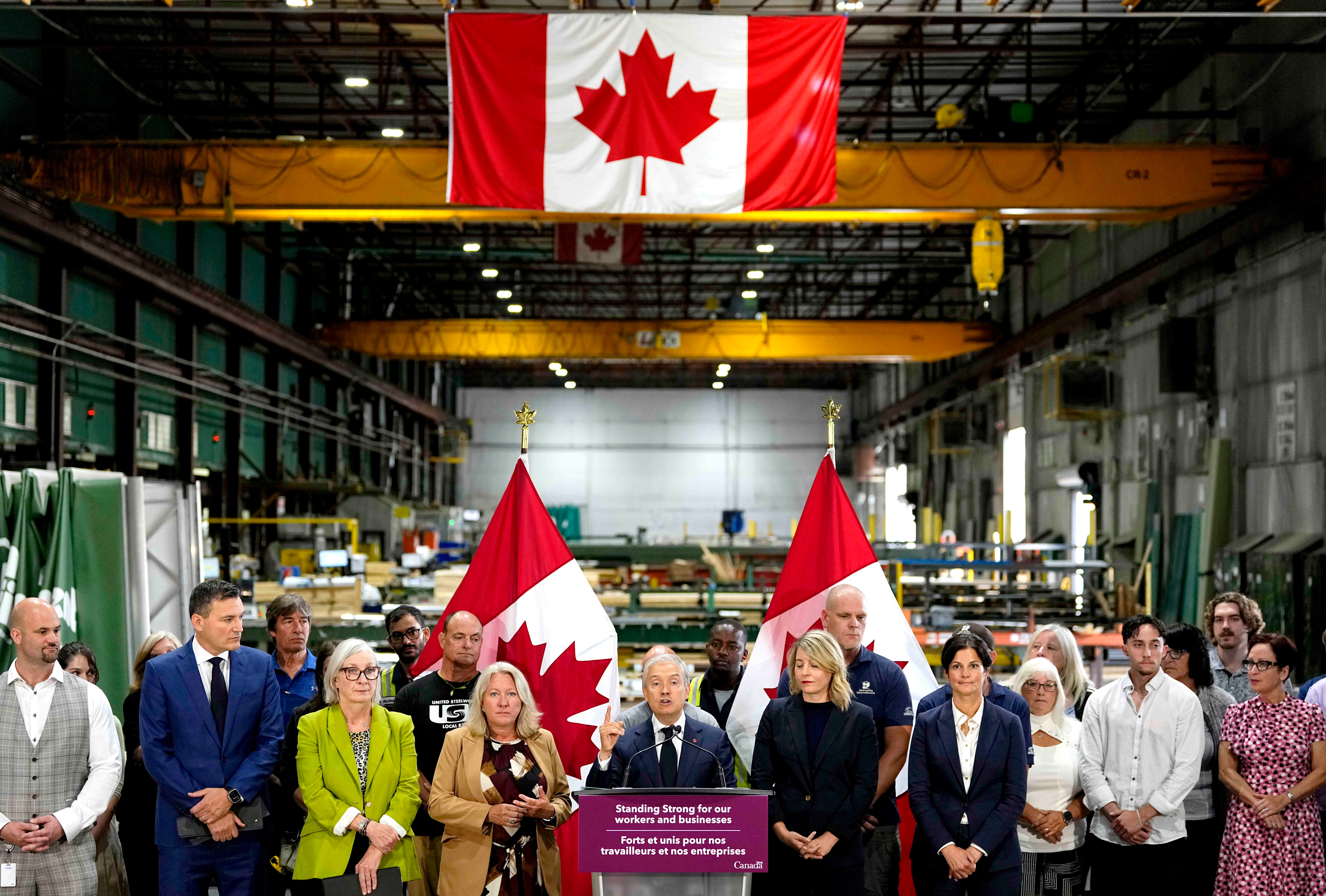
    President Donald Trump says he’s holding Canada accountable for “ripping off” the United States through unfair trade practices.

    But by imposing new tariffs on Canadian goods and prompting retaliation from one of America’s largest trading partners, U.S. businesses and consumers could face higher costs, analysts said — including in key electoral battlegrounds like Pennsylvania.

    Pennsylvania sold $13.4 billion in goods last year to Canada — its largest export market.

    About $2 billion worth of those goods, or 16%, will be subject to higher tariffs — some as high as 50% — starting Sept. 8 after Canada this week announced new levies, according to an Inquirer analysis of trade data. Some of the state’s top exports facing new tariffs include raw aluminum, lumber, and passenger vehicles.

    (function(){function e(){window.addEventListener(`message`,function(e){if(e.data[`datawrapper-height`]!==void 0){var t=document.querySelectorAll(`iframe`);for(var n in e.data[`datawrapper-height`])for(var r=0,i;i=t[r];r++)if(i.contentWindow===e.source){var a=e.data[`datawrapper-height`][n]+`px`;i.style.height=a}}})}e()})();

    Canadian officials said the tariffs on hundreds of U.S. goods worth a total of $20 billion are meant to protect its workers in response to increased U.S. levies on the same amount of Canadian imports. That affects a relatively small share of trade between the two countries, but analysts said the situation is still evolving.

    “There’s so many things that go back and forth, some of it multiple times. The effect and the amplification of these tariffs, we’ll definitely feel,” said Lauren Swartz, CEO of the nonprofit World Affairs Council of Philadelphia. “When we think about what that means for Pennsylvania, it’s going to be loud.”

    “My sense is the rhetoric that we’re hearing, and the fact that it’s already being labeled a trade war, is that both countries are reserving the right to escalate the level, the percentage of tariffs, as well as the scope of goods that will fall under the new trade war,” she said. “So it will expand.”

    Steel, dairy, electronics impacted

    The new tariffs came after talks between the U.S. and Canada over a trade deal fell apart last weekend. Trump imposed 50% tariffs on goods such as hockey sticks, national flags, and building materials.

    “Canada has been ripping off the United States for decades — and President Donald J. Trump is done letting them get away with it,” the White House said on Tuesday. It said the U.S. had offered Canada “the most preferential market access of any country on Earth” but that the country chose “unreasonable demands, walk-backs, and flat-out rejection.”

    Canada said the proposed terms would undermine Canadian interests.

    Canadian officials said the country’s counter tariffs would protect the country’s workers and businesses. They said the levies on U.S. goods targeted sectors such as appliances, steel, dairy, and electronics.

    (function(){function e(){window.addEventListener(`message`,function(e){if(e.data[`datawrapper-height`]!==void 0){var t=document.querySelectorAll(`iframe`);for(var n in e.data[`datawrapper-height`])for(var r=0,i;i=t[r];r++)if(i.contentWindow===e.source){var a=e.data[`datawrapper-height`][n]+`px`;i.style.height=a}}})}e()})();

    Influence on midterms?

    The trade dispute could inject new uncertainty into the economy less than three months before the U.S. midterm elections decide control of Congress and statehouses around the country. Republicans are seeking to retain control of the U.S. House and Senate. Pennsylvania has several competitive House races in which Republican incumbents are seen as vulnerable.

    Pennsylvania Gov. Josh Shapiro, a Democrat who is running for reelection against Republican state Treasurer Stacy Garrity, has repeatedly criticized Trump’s tariffs.

    “Donald Trump’s reckless tariffs are a tax on Pennsylvanians — and Gov. Shapiro has been fighting back against them from day one,” said campaign spokesperson Manuel Bonder.

    “This President has raised costs for families, screwed over our farmers, and shut down markets for businesses — all with Stacy Garrity’s 100% support,” Bonder said in a statement.

    Garrity’s campaign didn’t respond to requests for comment. She has in the past said Trump’s tariffs could result in some “short-term pain” but would ultimately bring jobs to America. “It’s going to be fantastic,” she said in a clip that Shapiro’s campaign has highlighted. More recently, Garrity told reporters in July she would “do the tariffs a little bit differently.”

    Canadian officials appeared to target some goods that are important in electoral battlegrounds, such as seafood in Maine, the Wall Street Journal reported.

    Analysts said Pennsylvania didn’t appear to be a principal target. “But unfortunately, it’s one of the states that does a lot of goods transfer with Canada, and unfortunately, they’re hit in the crossfire,” said Kyle Peacock, a trade expert and founder of Peacock Tariff Consulting.

    Peacock said that after previous rounds of tariffs, many businesses were able to absorb the costs.

    But now that some products face 50% levies, that will likely change, he said. “Not a lot of industries or products have 50% margin that you can just eat,” he said. “So I think you’re going to see that this time, unfortunately, that’s going to be passed on to the consumer.”

  • Cory Booker says the U.S. needs a ‘food revolution’ in South Jersey visit

    Cory Booker says the U.S. needs a ‘food revolution’ in South Jersey visit

    Sen. Cory Booker said the United States needs a “food revolution,” blaming sugary and processed food for contributing to the nation’s health woes during a South Jersey visit Thursday.

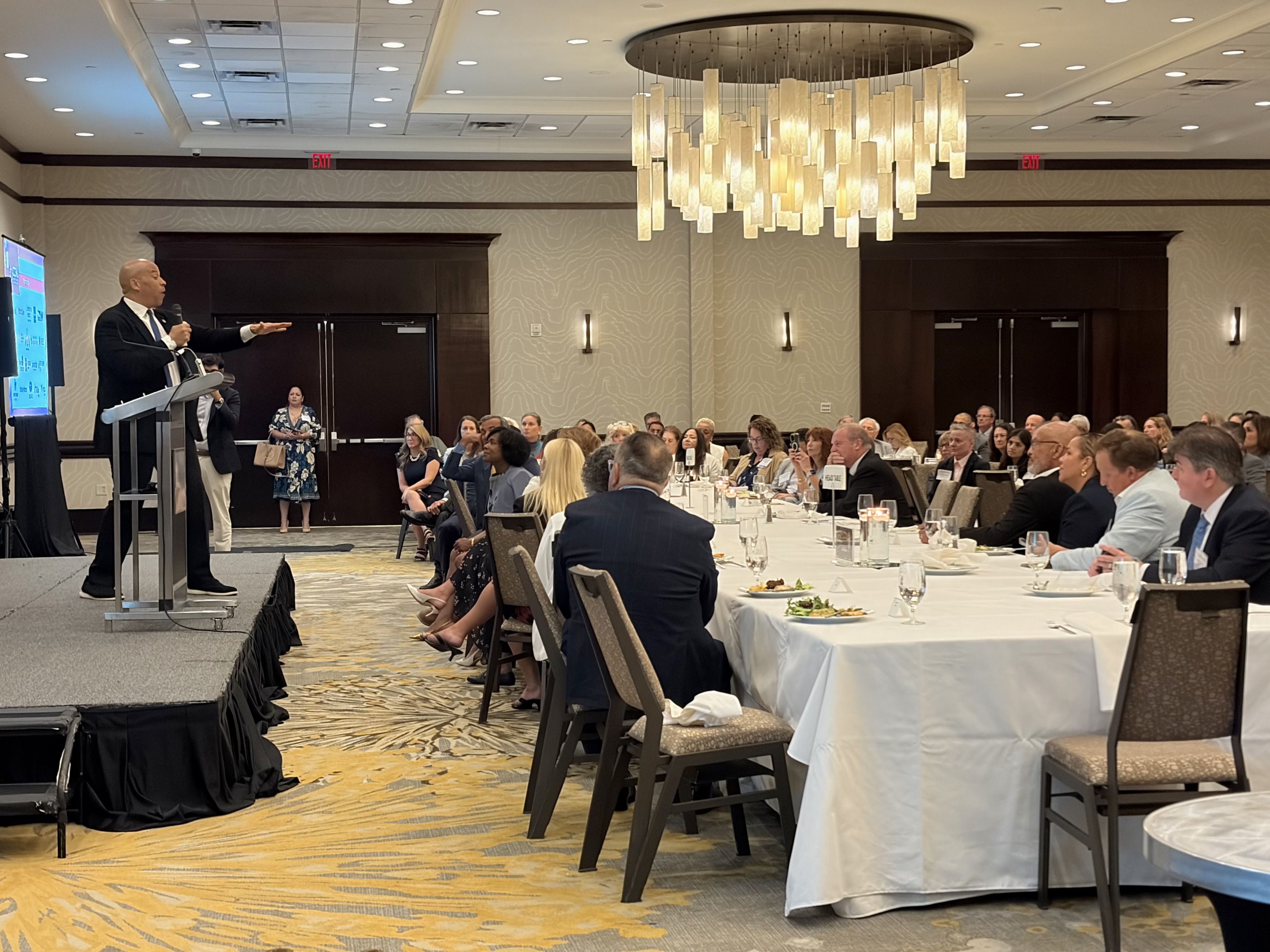
    “What’s stupid is that we’re sitting here talking about the cost of healthcare and how to pay for it, but not why we need so much healthcare in the first place,” Booker said during an almost hour-long speech to the Chamber of Commerce Southern New Jersey at the Westin Mount Laurel.

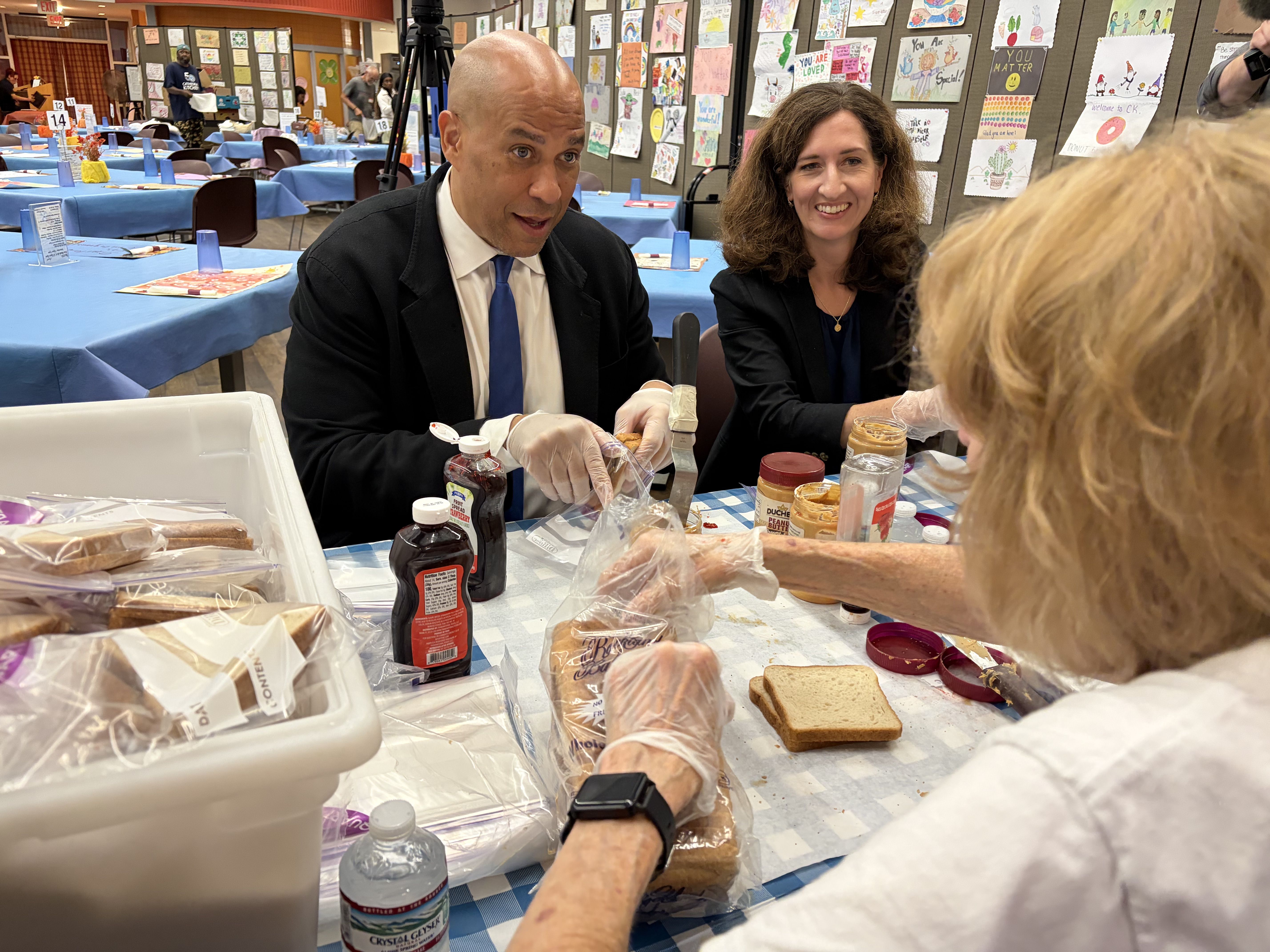
    The speech was one of four stops Booker made in South Jersey Thursday. The Newark Democrat also packed sandwiches at the Cathedral Kitchen community kitchen in Camden, one of the nonprofits shouldering a greater demand amid rising grocery costs and cuts to the Supplemental Nutrition Assistance Program enacted by President Donald Trump. Booker said he would try to steer federal resources to the group, and that he hopes at least one chamber of Congress will flip so Democrats can push to restore money for Medicaid and Affordable Care Act subsidies.

    But during his speech to the chamber, Booker signaled support for one piece of Trump’s health agenda by criticizing the use of SNAP for soda. Booker, a vegan, aligns with some of Health and Human Services Secretary Robert F. Kennedy Jr.’s policies on nutrition though he vehemently opposes Kennedy’s push to scale back recommended vaccines for children.

    “Sugar water companies literally, annually, make billions of dollars from SNAP payments,” Booker said after joking about Coke and Pepsi not being members of the chamber. “You all know what SNAP stands for: Supplemental Nutritional Assistance Program. Yet we allow SNAP payments to be used for that, but make it really hard for them to be used for the kind of food we want people to have abundant access [to].”

    The U.S. Department of Agriculture gave the green light to nearly two dozen states — mostly Republican — to restrict people from using food stamps for sugary drinks, the New York Times reported, though just eight were actually implemented as others are in the process or have been blocked by a court ruling.

    New Jersey and Pennsylvania are not among those states.

    Sen. Cory Booker speaks to members of the Chamber of Commerce Southern New Jersey at the Mt. Laurel Westin.Aliya Schneider / Staff

    Booker said the country should support small farmers more, and decried that the vast majority of agricultural subsidies go to “massive commodity crops” such as corn and soybeans that are used for ultra-processed foods instead of “specialty crops” like fruits and vegetables.

    The ballroom podium was unnecessary for Booker, who paced on stage and juggled a microphone between whatever hand he wasn’t reaching, pointing, or otherwise speaking with.

    “Think about this: A kid in Camden goes into a bodega and gets a Twinkie product cheaper than an apple because we subsidize everything in the Twinkie product and nothing in the apple,” he said.

    “Or hear this: You go to a fast food restaurant and you get a $1 meal, and if you want to get a bucket of salad, it costs you $15. How can we be a system that sustains such high levels of illness?”

    He told a story about meeting with a Las Vegas-based business owner whose healthcare costs decreased after replacing deep fried food options for his staff with healthier choices, and shared an anecdote about a woman whose health improved after an urban farm was established in Newark, where Booker was mayor.

    In an interview after his speech, Booker said he’s pushing for the restoration of programs that connect crops from small farms with people in need of food.

    “New Jersey farmers are suffering with tighter and tighter margins,” he said.

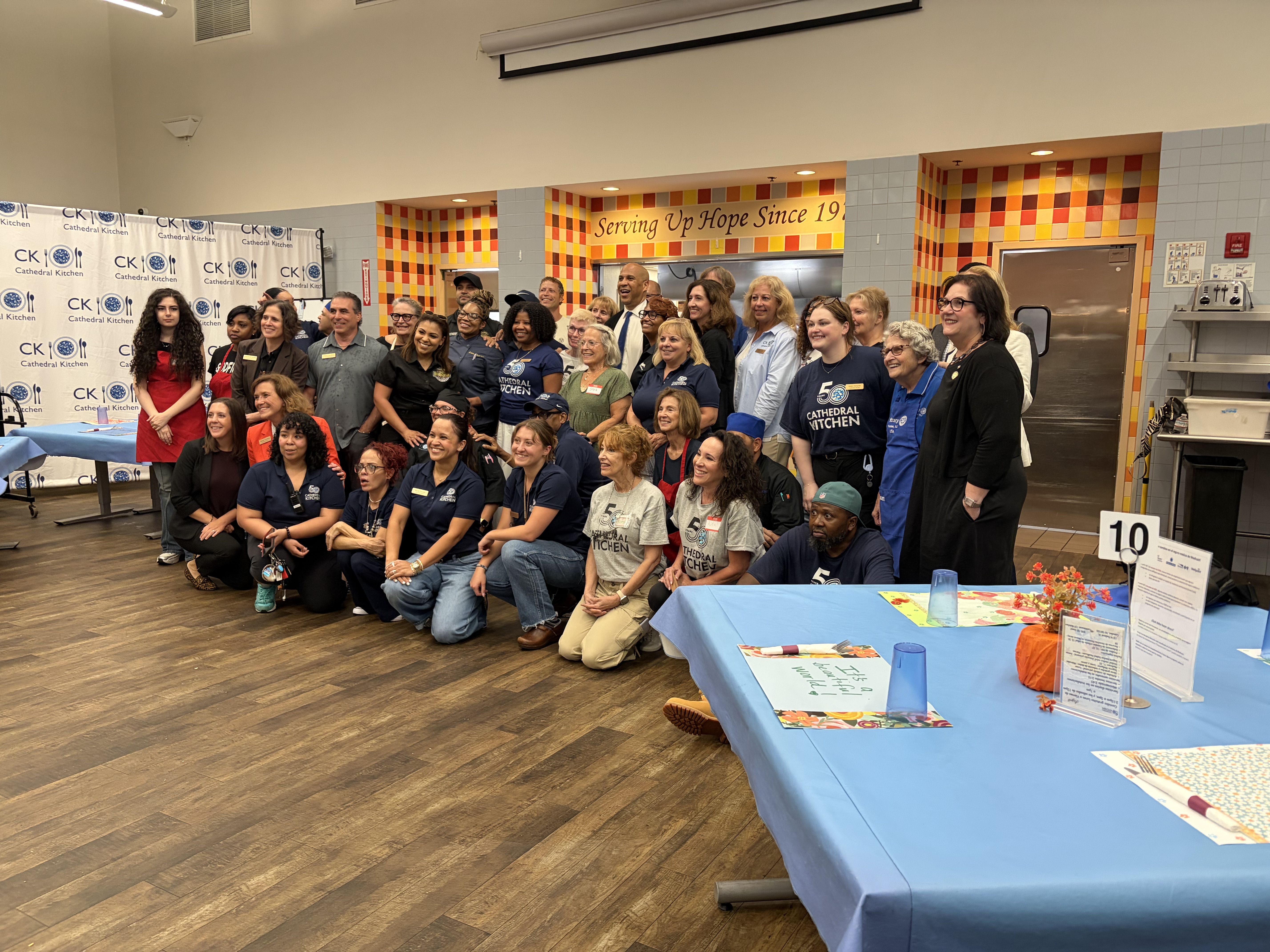
    Sen. Cory Booker smiles for a photo with volunteers and staff at Cathedral Kitchen in Camden.Aliya Schneider / Staff

    Booker got tips on making a good peanut butter and jelly sandwich and placed ham and cheese on bread alongside volunteers at Cathedral Kitchen. He said nearby workers cracking eggs were “doing some egg-celent work” and that at first he didn’t know “what the shell” they were doing. In line with his dad jokes, he chatted about how he wants to have kids soon with his wife Alexis Lewis, whom he married last year.

    Carrie Kitchen-Santiago, the president and CEO of the Camden-based organization, said 2022 set a record for demand for meals, groceries, and hygiene products, and it’s grown each year since. She said the organization mostly relies on donations and revenue from a catering program but expects the need to increase when benefits cuts are implemented later this year.

    She said roughly 2% of the organization’s budget is from government funds but that it does not have any federal funding.

    Kitchen-Santiago said providing nutritious meals is a balancing act.

    “You want to make sure people are healthy, but also give them something they’ll eat and be culturally appropriate,” she said. “Like, we’re not going to be able to give a stuffed acorn squash. Nobody’s going to eat that. On the other hand, we might be able to do a stew that has vegetables and meat in it.”

    The speech and visit to the kitchen were part of a larger swing through South Jersey by Booker while the Senate is on recess. Booker also presented a $2 million check to Inspira Medical Center in Mullica Hill to expand technologies and telehealth services — a congressional allocation from Fiscal Year 26 — and visited Salem Community College’s Glass Education Center.

    His schedule on Friday includes presenting $1 million to AtlantiCare Health System and a visit to Atlantic City’s Orange Loop, a neighborhood that was designated an Opportunity Zone under a law he co-authored. He was also slated to visit the Cape May–Lewes Ferry Terminal in North Cape May and a Cumberland County farm.