Author: Mike Sielski

  • Expect LeBron James and Jaylen Brown to be the calm to the storm that often can be the Sixers

    Expect LeBron James and Jaylen Brown to be the calm to the storm that often can be the Sixers

    Nobody throws a premature party like the 76ers. From the 2012 blowout to welcome Andrew Bynum to a 2016 rally at the Art Museum after going 10-72 and getting the No. 1 pick in the NBA Draft — a pick that turned out to be Ben Simmons — to the parade of big-name free agents and trade pieces who have come and gone since, this franchise has forever reveled in the shock and awe of a stunning acquisition.

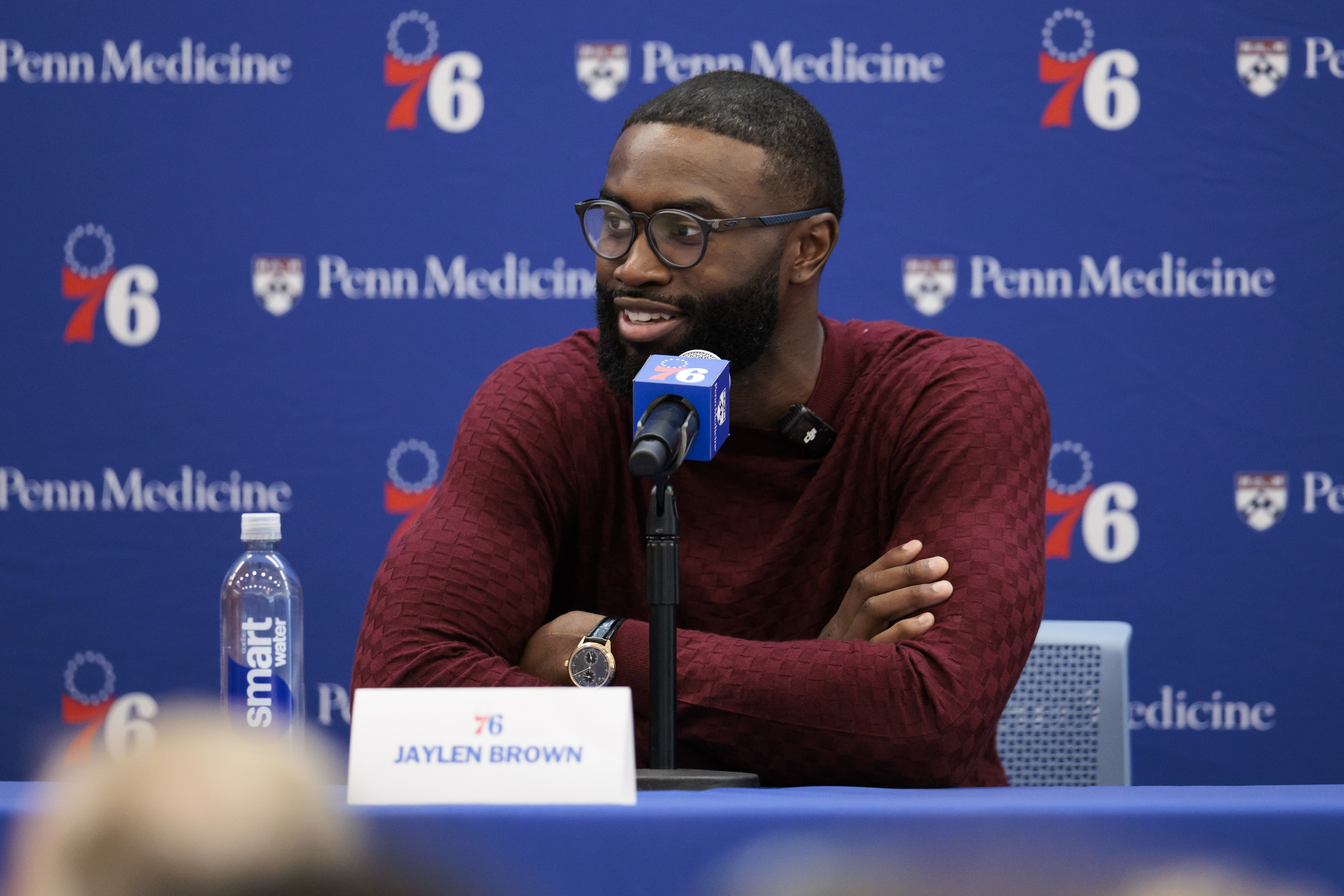
    Its introduction of Jaylen Brown on Thursday — at a recreation center in Southwest Philadelphia, per Brown’s request — featured cheerleaders, neighborhood children, dozens of boosters, members of the organization, and music with a dance-party feel.

    The affair had the Sixers’ customary pomp. Maybe this time, the circumstances are different. There’s actually reason to think they might be.
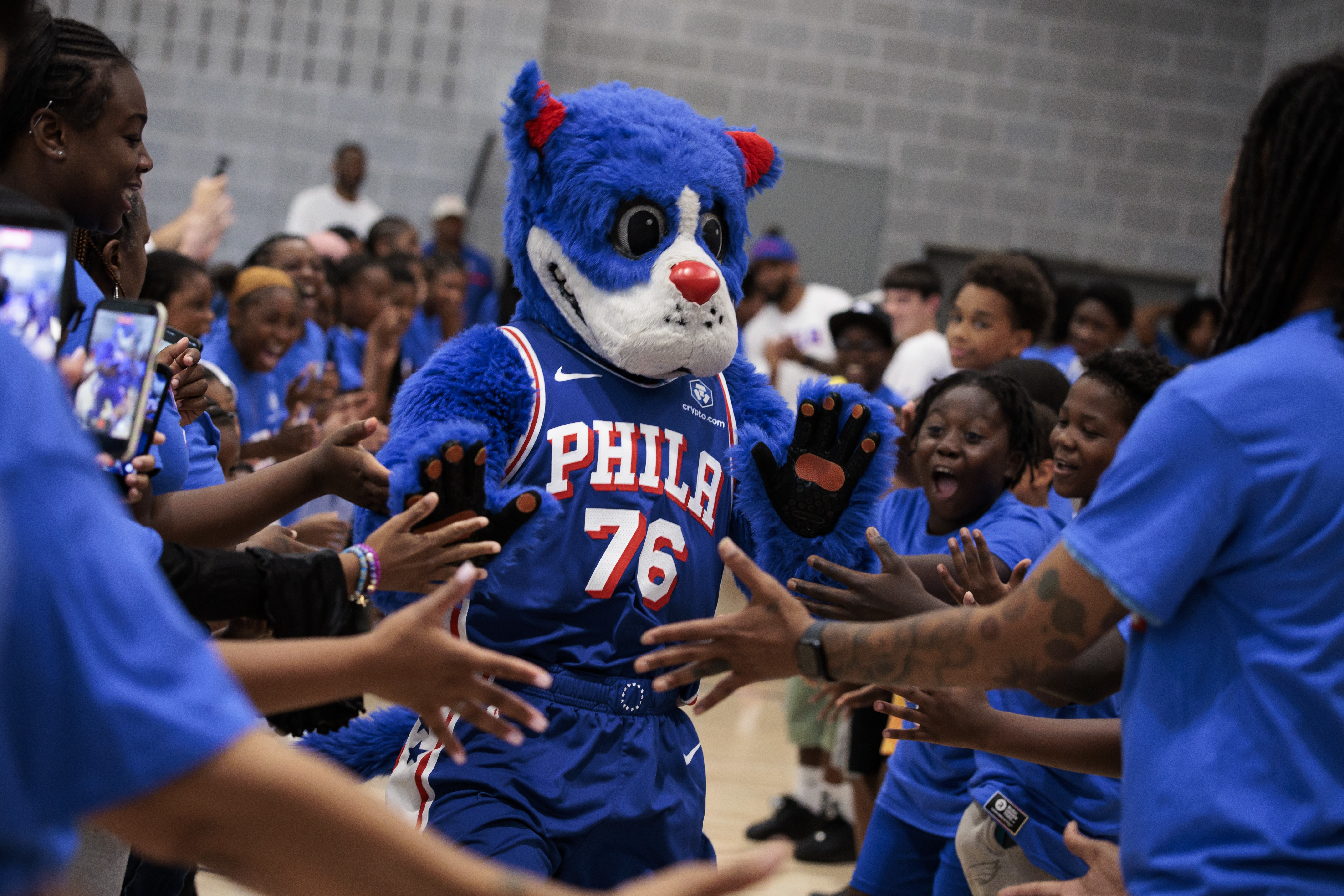
    The Sixers pulled out all the stops, including their mascot, Franklin, for the introductory press conference of Jaylen Brown on Thursday. Monica Herndon / Staff Photographer

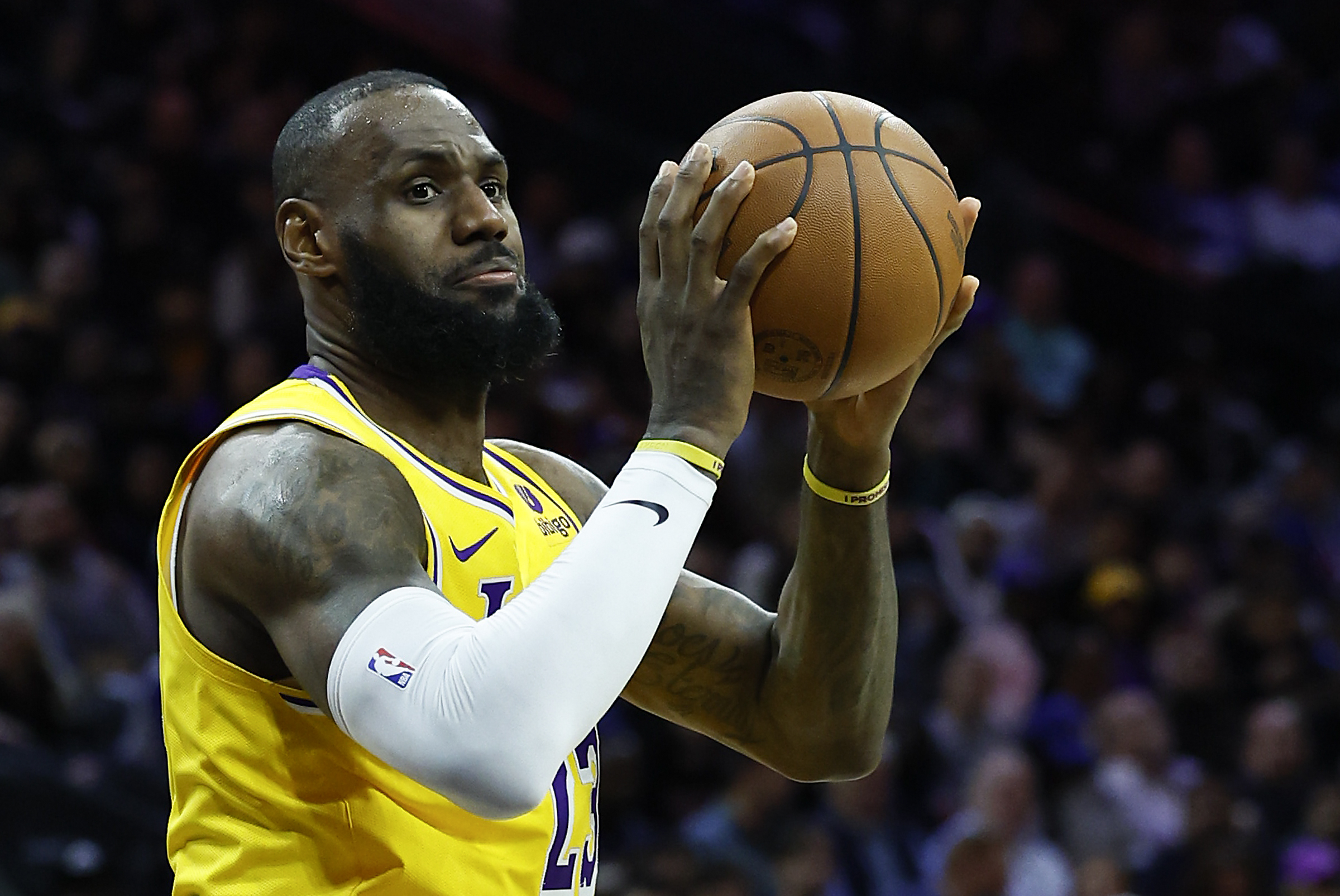
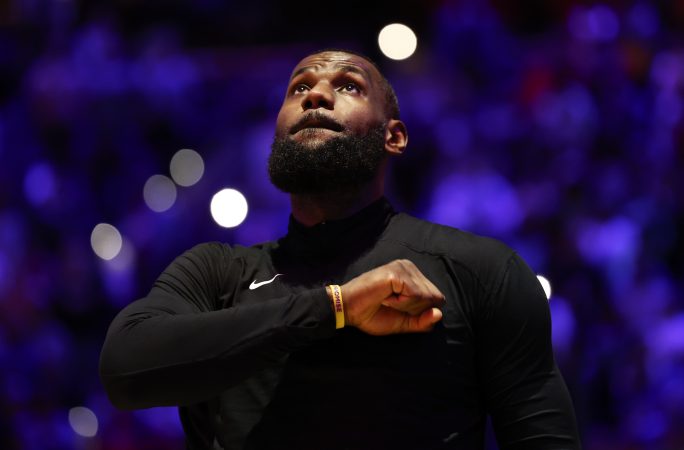
    The trade for Brown and LeBron James’s decision to sign here give the Sixers more than just two outstanding players — one still in his prime, one still capable of being great, even at age 41. They now have two players who have shown they can handle, and even thrive amid, the highest of expectations and the heaviest of pressure. The most promising Sixers teams of the last 10 years tended to shrivel up in those situations. The 2019 team had a two-games-to-one lead on the Toronto Raptors, with Game 4 at home … and lost the game and, eventually, the series.

    The 2021 club also was up, 2-1, this time against an inferior team in the Atlanta Hawks, this time squandering an 18-point lead in Game 4 and a 26-point lead in Game 5 and losing Game 7 … at home. The 2023 club was up, 3-2, on Brown’s Boston Celtics and … well … you remember.

    Have Brown and James been in similar scenarios? Have they had opportunities to close out playoff series and failed? Of course. They also have five championships and 12 Finals appearances between them, and they’ve met the measure of those moments, too, more often than anyone else on the Sixers’ roster.
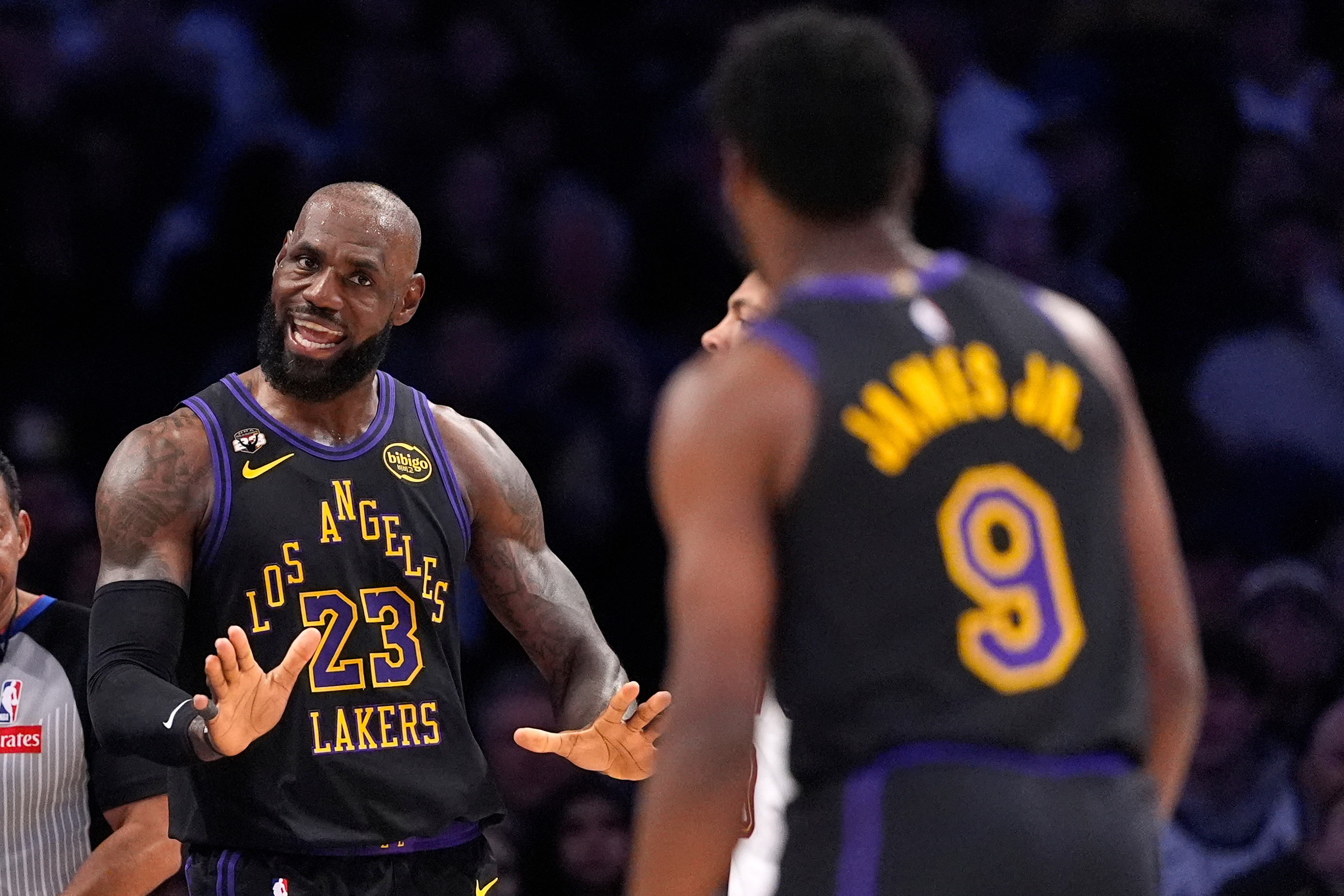
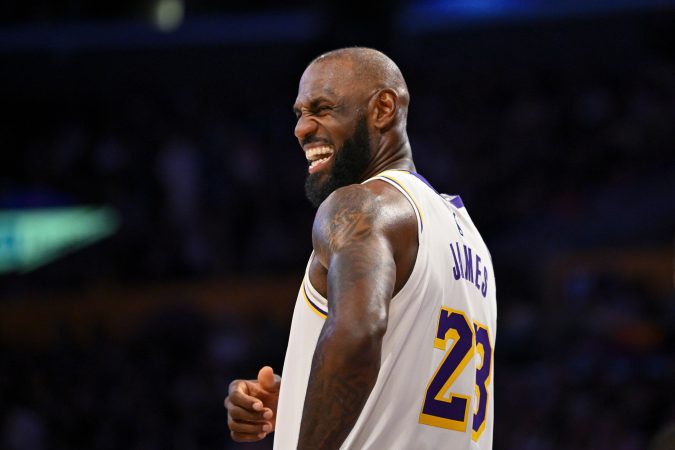
    A bonus of LeBron James joining the Sixers roster is the level of reserve both he and Jaylen Brown bring when it comes to aspirations of an NBA title.Mark J. Terrill

    Few players in NBA history had as much on the line as James did in the 2012 Eastern Conference finals, when his Miami Heat — one season after losing in the 2011 Finals to the Dallas Mavericks, James still without a championship ring at the time — were down, 3-2, to the Celtics and facing a Game 6 in Boston.

    He delivered perhaps the best performance of his career that night: 45 points, 15 rebounds, and five assists in a 98-79 Heat victory, then another 31 points and 12 boards in Miami’s Game 7 win.

    A comparable comeback against the San Antonio Spurs in the 2013 Finals, the Cavaliers’ charge back to beat the Golden State Warriors in 2016. These transcendent performances have to remain in James’ past and would be too much to ask of him now, but they at least dispel any ridiculous notions that any important game would be too much for him, even at his advanced age.
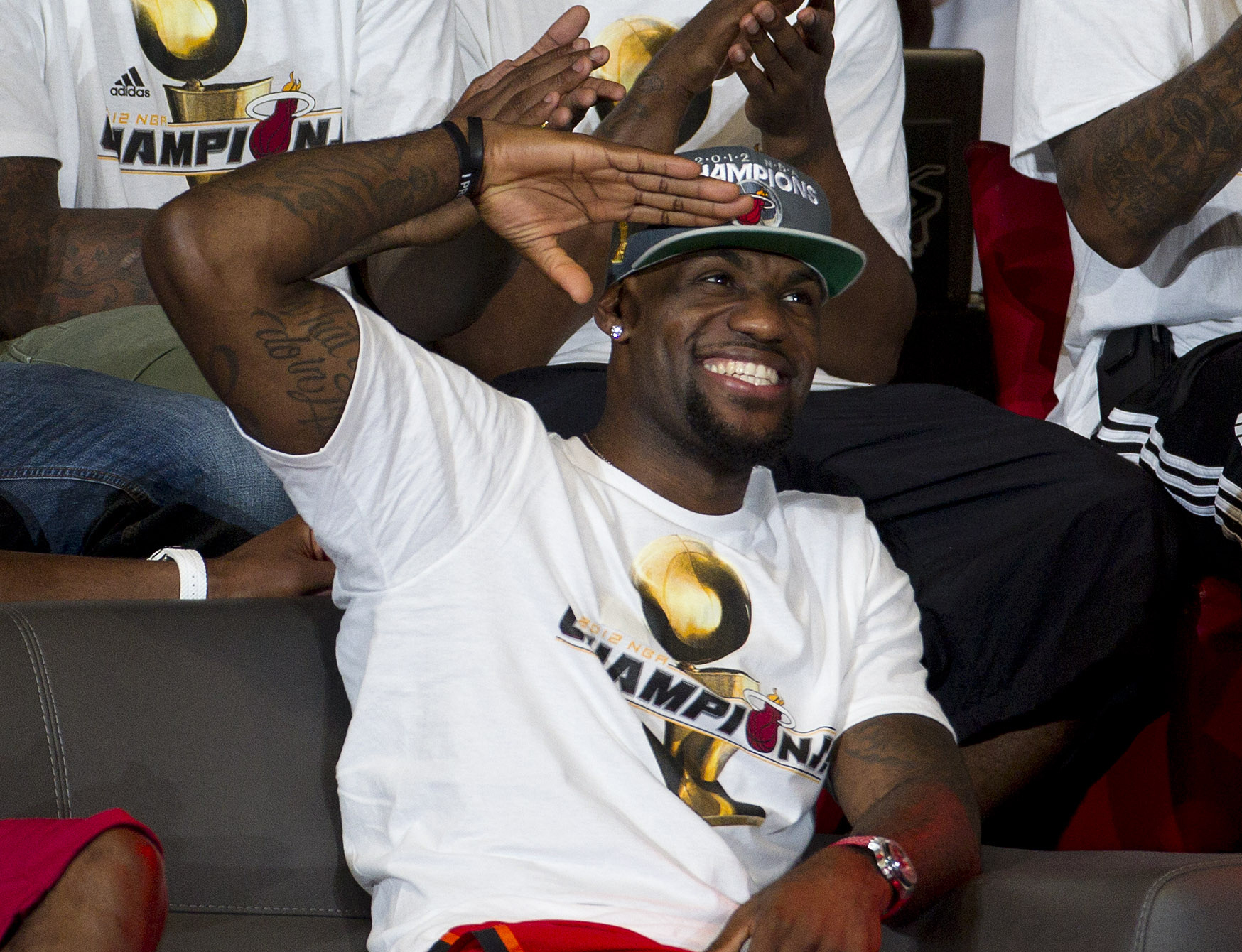
    LeBron James performance in 2012 and 2013 with the Miami Heat proves that, mentally, he can guide a young, talented Sixers team to handle the big moments.J Pat Carter

    He’ll be calm. He’ll be cool. It doesn’t mean the Sixers are assured of winning such games, only that no one is likely to see the same sad scenes that played out here with Simmons and James Harden. No one is likely to see a Sixers star choke.

    “James doesn’t need to work himself into a frenzy, into an angry, unnatural lather,” Adrian Wojnarowski, who covered that Heat-Celtics series for Yahoo! Sports, wrote after Game 6.

    “He’s too good, and his talent will carry him if he comes to these pressure games with something far more lasting, with far more staying power than responding to the hellacious firestorm that surrounds his successes and failures.

    “His personality is different than a Kobe Bryant, a Michael Jordan, and allowing for that has been a wise plan of action. There was a rage within James for this Game 6, a resolve, but it was contained within the context of the surgical way in which he took apart the Celtics.”

    As for Brown, he’s spent a decade in a market as demanding as Philadelphia’s. He was the NBA Finals MVP in 2024. He has played 142 postseason games in his career and has won 58% of them. His playoff statistics are comparable to, if not better than, his regular-season stats.
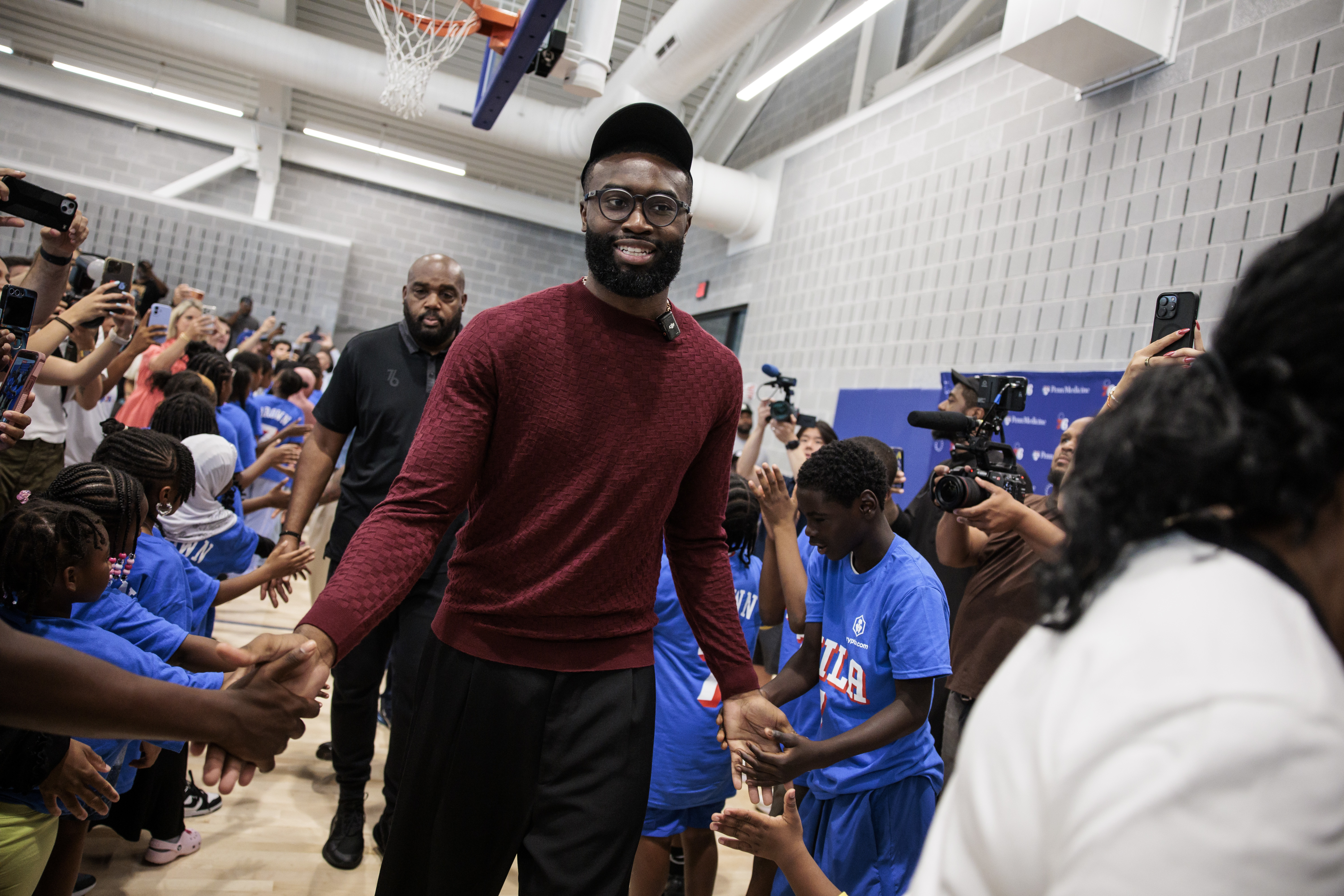
    New Sixers forward Jaylen Brown arrives for his introductory press conference at the Francis Myers Recreation Center on Thursday.Monica Herndon / Staff Photographer

    “At this point in my career, how I would handle pressure would probably look different,” Brown said. “At this point now, I would probably ignore a lot of it or let it just be water under the bridge. …

    “I played in Boston for the last 10 years. The pressure is high there. It’s Titletown. They expect to win every single year, and they’re always looking for someone to blame. Some of those years, it was me, so I’ve been through that. All I come with is my work ethic, my mentality, my impact on winning. That’s just my approach. Nothing else matters — just, how do we win games?”

    It’s why he and James are here. It’s the only thing anyone cares about anymore with this team. Too many premature celebrations in the past. So much cynicism for so many years. It’s long past time for the Sixers to prove to everyone that they’re made of stronger stuff.

  • The Cheltenham High hazing incident is another failure of adult leadership. When does this stop?

    The Cheltenham High hazing incident is another failure of adult leadership. When does this stop?

    The questions that cut to the heart of the horrible hazing incidents within Cheltenham High School’s football program are the same questions that everyone always asks in these situations: Where were the adults? Who allowed this behavior to happen? How did the chop-busting and rites of passage that have long been intrinsic to sports escalate to the point that four coaches, including former head coach Terence Tolbert, and six players have been indicted for two alleged assaults that took place in the team’s locker room?

    Even a glance at the details is enough to turn your stomach. Players — as many as 19 of them — allegedly held down a 15-year-old sophomore member of the team, stepped on his chest and groin with their cleats-clad feet, and tried to poke a broomstick into his butt. The coaches traded inculpating texts about it, according to Montgomery County District Attorney Kevin Steele. The Cheltenham School District canceled the football team’s season last year and again this year. Parents, many of whom reportedly had warned the district against hiring Tolbert in the first place, are angry. And everyone, inside the program and out, is left wondering how in the hell we got here.

    A less egregious incident, in the Central Bucks High School West football program in 2014, is instructive here. In that situation, a preseason initiation ritual progressed each year from giving players haircuts — sometimes in the shape of male or female genitalia — to licking mayonnaise off teammates’ nipples and groins to simulating sex with a stuffed toy pig to playing “Slap/Lick/Fondle,” a game that ended with underclassmen touching other players’ private parts.

    The Central Bucks School District canceled West’s football season and removed its head coach, but what matters most is that the district acted before the hazing reached the same severity as what allegedly happened at Cheltenham. You’d think such an episode would have been a warning siren for coaches and athletic administrators throughout the region. But after a while, the siren goes silent or the people who need to hear it most go deaf, and vigilance wanes, and the pattern repeats itself.

    Something to lose

    It is easy and of course correct to lament that youth and high school sports too often have taken on an outsized and inappropriate importance for too many coaches and parents and athletes. But one of sports’ greatest benefits to young people is that it gives them a stake in something bigger than themselves, a stake in something that matters to them, and they learn to develop and modify actions and habits to preserve sports’ place in their lives.

    Amid the C.B. West hazing story, for instance, Phil DiGiacomo, who was a star running back on two of the school’s state-championship teams in the late 1990s, told me that, when he played, the Bucks’ success served as an effective deterrent against bad behavior. Yes, Mike Pettine, the program’s legendary head coach, and his staff ruled with a measure of iron-fist discipline that likely wouldn’t fly today, and even those old-school coaching techniques and West’s on-field dominance didn’t prevent every instance of player misconduct. Still, DiGiacomo said, the athletes themselves knew that, just by suiting up for West, they were continuing a special tradition, and they stood to lose a chance to call themselves champions if they did something stupid or malicious. So most of them didn’t.

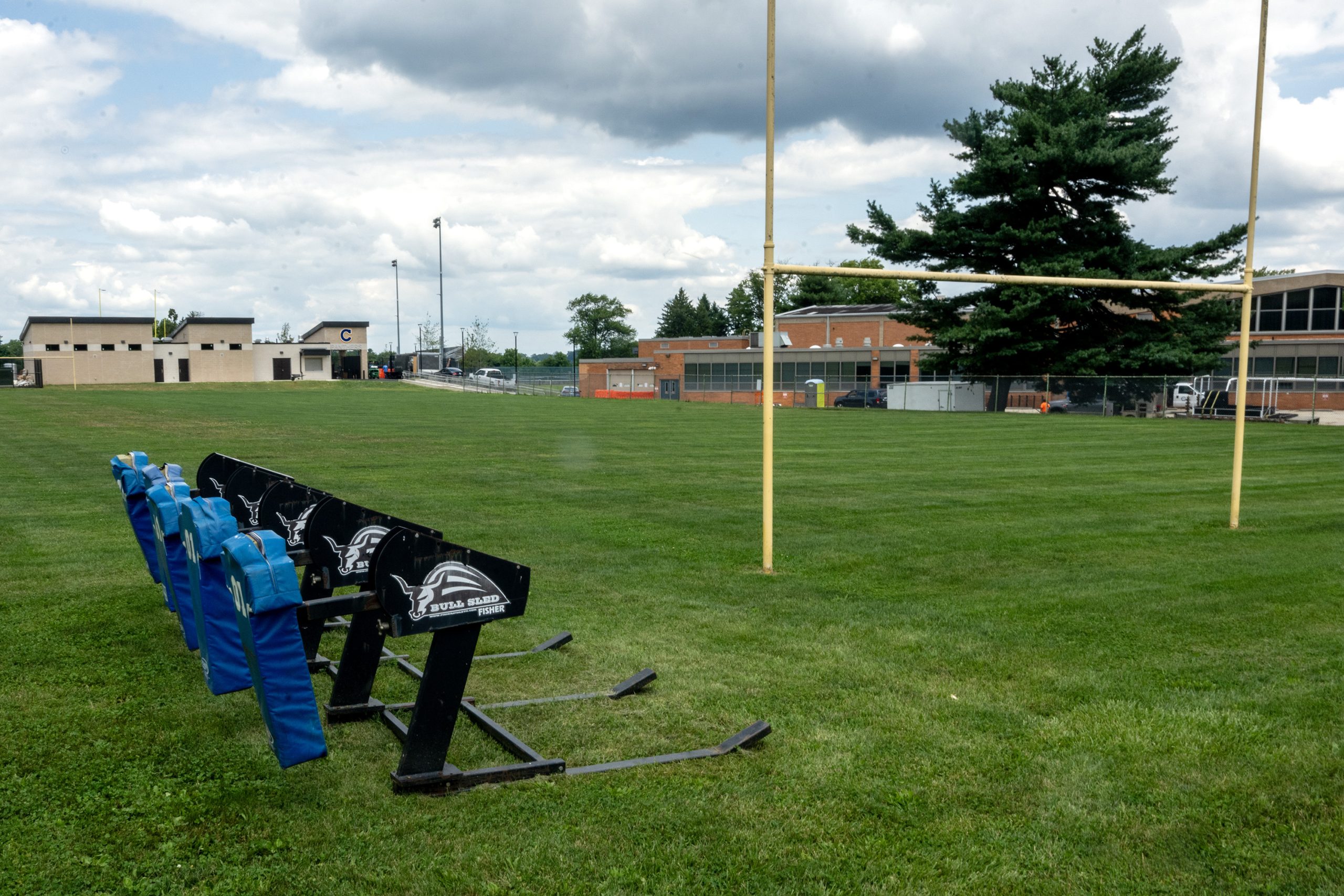
    Cheltenham’s practice field photographed on July 29. The program hasn’t had a winning season since 2022.Tom Gralish / Staff Photographer

    “When we were there, there was no hazing,” DiGiacomo said. “It’s kind of funny because if anyone ever got picked on, it got straightened out by an older guy real quick, mostly because we feared Pettine — that, and we were too damn tired to do anything else.”

    A high school team doesn’t have to win 59 straight games and three consecutive state titles, as those West teams did, to be a point of pride for its players. It just has to provide them a rewarding experience, and they — and their coaches — have to feel that they have something to lose if it doesn’t. That element appears to have been missing entirely from the Cheltenham football program in recent years. In fact, it seems not to have been even a consideration for the school’s administration.

    In his previous stint as a head coach, for Abington in 2023, Tolbert had won just one game. The school district decided not to renew him as coach, and sources have told The Inquirer that Tolbert’s toleration of a toxic atmosphere within and around the Abington program, including bullying by players and the use of slurs by coaches, were the driving forces behind his departure.

    Cheltenham’s leadership either was unaware of these red flags or was willing to look past them, and for what? The program hasn’t had a winning season since 2022, but come on. Was Tolbert thought to be such a great coach that only he could restore the program to respectability? What qualities did he have that the people who hired him considered so essential? It’s obvious now that he and his assistants weren’t capable of doing the one thing any adult working in a school should put first: Keeping students safe.

    The courage to take the right steps

    The most infuriating aspect of stories such as this is the excuse that coaches can’t be held responsible for all their players’ mistakes. That’s true as far as it goes, but there are steps coaches can take to establish the right kind of culture, to model good behavior, to let the athletes in their care know what will be tolerated and what won’t.

    One longtime area football coach told me Wednesday morning that he was fortunate to have two assistant coaches who were special-education teachers, who spent a lot of time around kids who had been the objects of ridicule. These coaches brought students from the school’s autism-support classes to be managers and statisticians and scorekeepers, and they let everyone know: These kids are part of this program. These kids are accepted members of this team. Treat them with respect.

    Those are the kinds of gestures that seem small but can make a major difference, that mitigate the risks that coaches have accepted for decades. Coaching high school sports is a damn hard job, and it’s difficult because, at its best, it requires a measure of moral courage: To say no, to explain why, to stand by that decision. In this Cheltenham ugliness, we see once again what happens when that strength is lacking. The necessary guardrails fall away, if they were ever installed at all, and only after the damage comes to light does it become clear that a school and its students have been saddled with coaches and educators who aren’t willing to do the right thing or, worse, don’t even know what the right thing is.

  • LeBron James-Michael Jordan comps can get tiresome. But here’s one that should matter to the Sixers.

    LeBron James-Michael Jordan comps can get tiresome. But here’s one that should matter to the Sixers.

    There is no perfect historical analogy for what LeBron James is attempting with the 76ers or for what the Sixers are attempting with him. He will turn 42 in late December. He has appeared in more NBA games than anyone. He will soon begin his 24th season in the league without a pause — no temporary retirements, no full seasons missed because of injury. And he has joined a team that has not won a championship since 1983, was already capable of competing for one next season, and because of his arrival will be expected to win one.

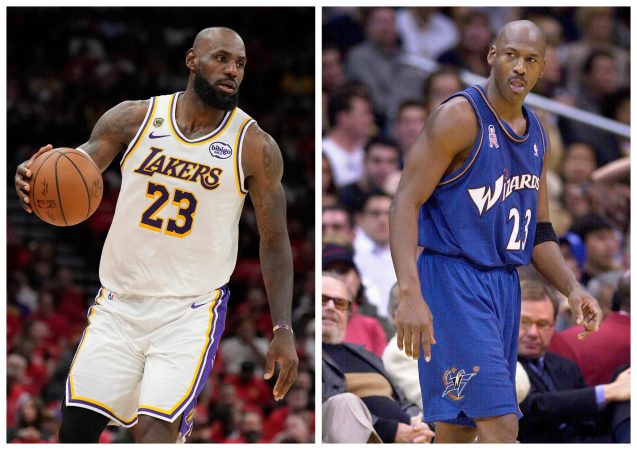
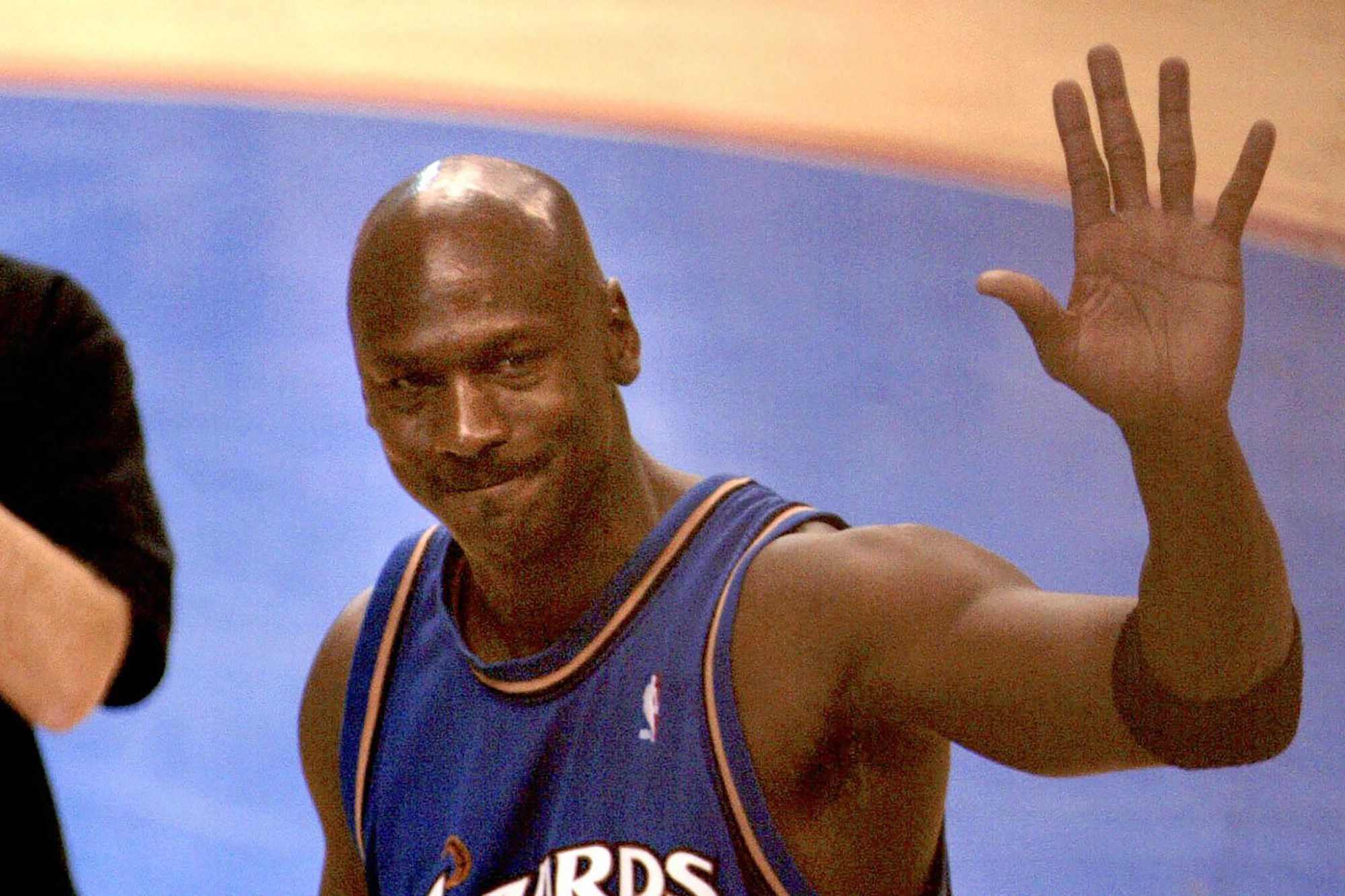
    The figure to whom James is most often compared, of course, is Michael Jordan: for records and achievements accumulated, for championships won, for the aesthetics of their styles of play. Now they have another point of relative similarity. Jordan was 38 when he ended his second break from the game and played two seasons with the Washington Wizards. If the collective stakes of his return weren’t nearly so high as James’ decision to sign with the Sixers — the 2001-03 Wizards went 74-90, missed the playoffs both years, and even with an in-his-prime Jordan wouldn’t have had a prayer of winning a title — Jordan still provided a useful precedent for how the daily drama of James’ time with the Sixers might unfold.

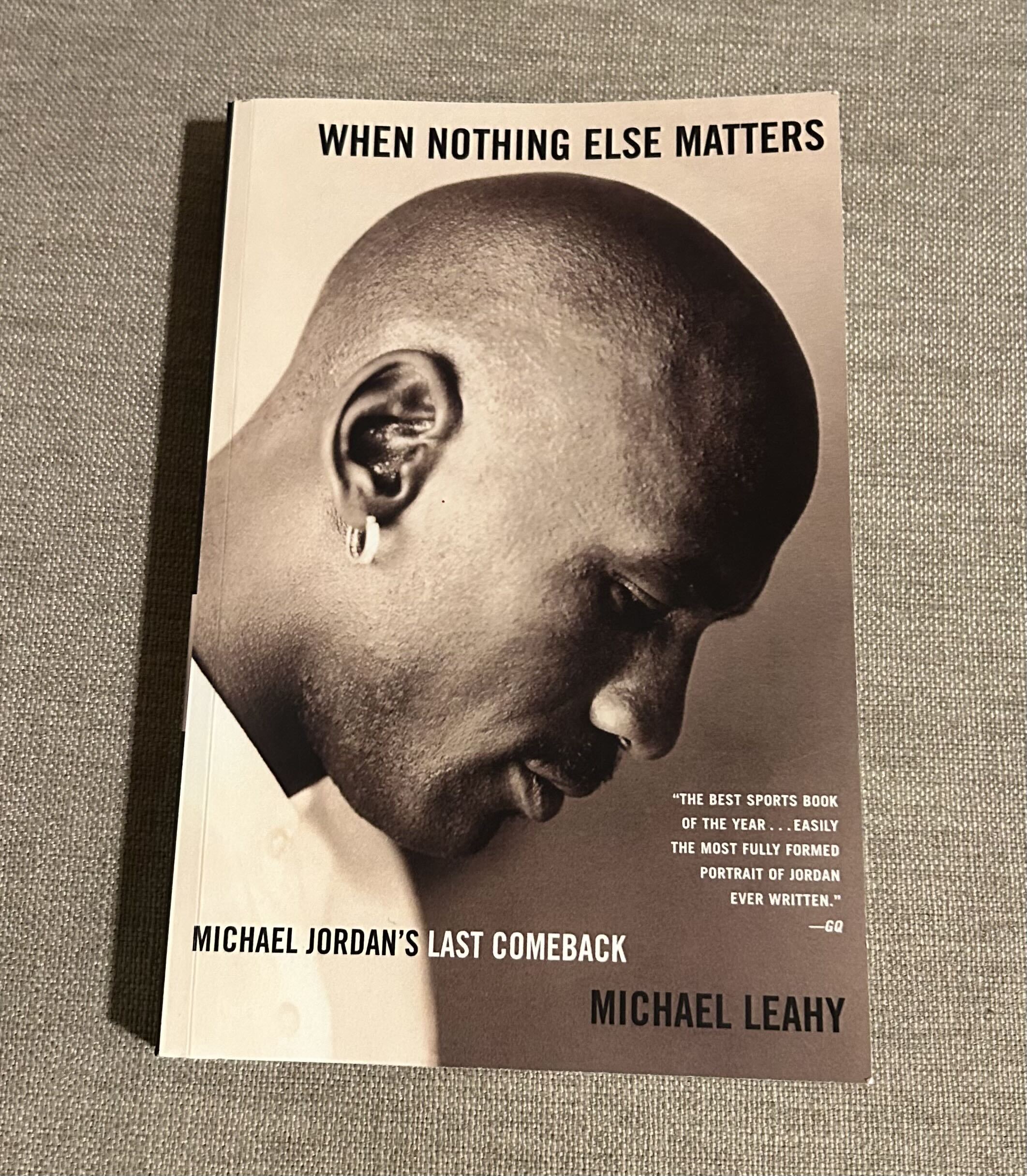
    The details of that story were preserved in a book, When Nothing Else Matters: Michael Jordan’s Last Comeback by Michael Leahy, that is as good as anything ever written about any topic related to basketball. Leahy was a staff writer for the Washington Post at the time he immersed himself in Jordan’s world, but he was not a sportswriter; he had nothing to lose, no sources to burn or fans to alienate, by documenting Jordan’s tenure in Washington with remarkable depth and unsparing honesty.

    Michael Leahy’s 2004 book “When Nothing Else Matters: Michael Jordan’s Last Comeback” which chronicled Jordan’s return to the NBA with the Wizards in 2001.Mike Sielski

    Published in 2004, When Nothing Else Matters has been memory-holed for more than two decades. It didn’t refresh and amplify the mythology around Jordan in the way The Jordan Rules or The Last Dance did, so it doesn’t resonate in the public consciousness much anymore. But it does serve as a cautionary tale about the nature of superstardom — the kind that only the chosen few, Jordan and James among them, enjoy — and its lessons apply just as well to the Sixers and Philadelphia as they did to the Wizards and Washington. Here are five important ones:

    Lesson 1: The Wizards’ leadership kowtowed to Jordan. The Sixers’ leadership can acquiesce to James only so much.

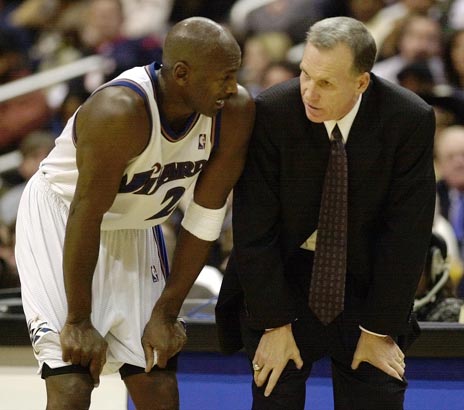
    One of the recurring themes of When Nothing Else Matters is the control Jordan exerted over the Wizards’ entire organization, starting with his friend and handpicked head coach, Doug Collins.

    “Whenever an issue critical to the team’s well-being arose,” Leahy wrote, “Jordan bent Collins to his will — whether it was over Jordan’s playing time, or who among his teammates deserved to start or not start, or what kind of offense or defense to deploy. Collins’s lack of power illustrated the dangers in allowing any team’s Zeus to rule over a coach and franchise.”

    Michael Jordan (left) picked Doug Collins (right), his former coach with the Bulls, to be his coach in Washington.

    Bob Myers has gravitas and four championship rings from his years with the Golden State Warriors. Mike Gansey has a good relationship with James from their time together with the Cleveland Cavaliers. Nick Nurse won a championship in 2019 with the Toronto Raptors — and with a superstar, Kawhi Leonard, who can be a challenge to manage. They have to assert and maintain their authority, or at least some semblance of it, in the face of James’s esteem and power. James won’t necessarily be as controlling and demanding as Jordan, but he can be controlling and demanding enough. He’s accustomed to getting his way all the time, and it would be a lot to expect him to be just along for the ride now.

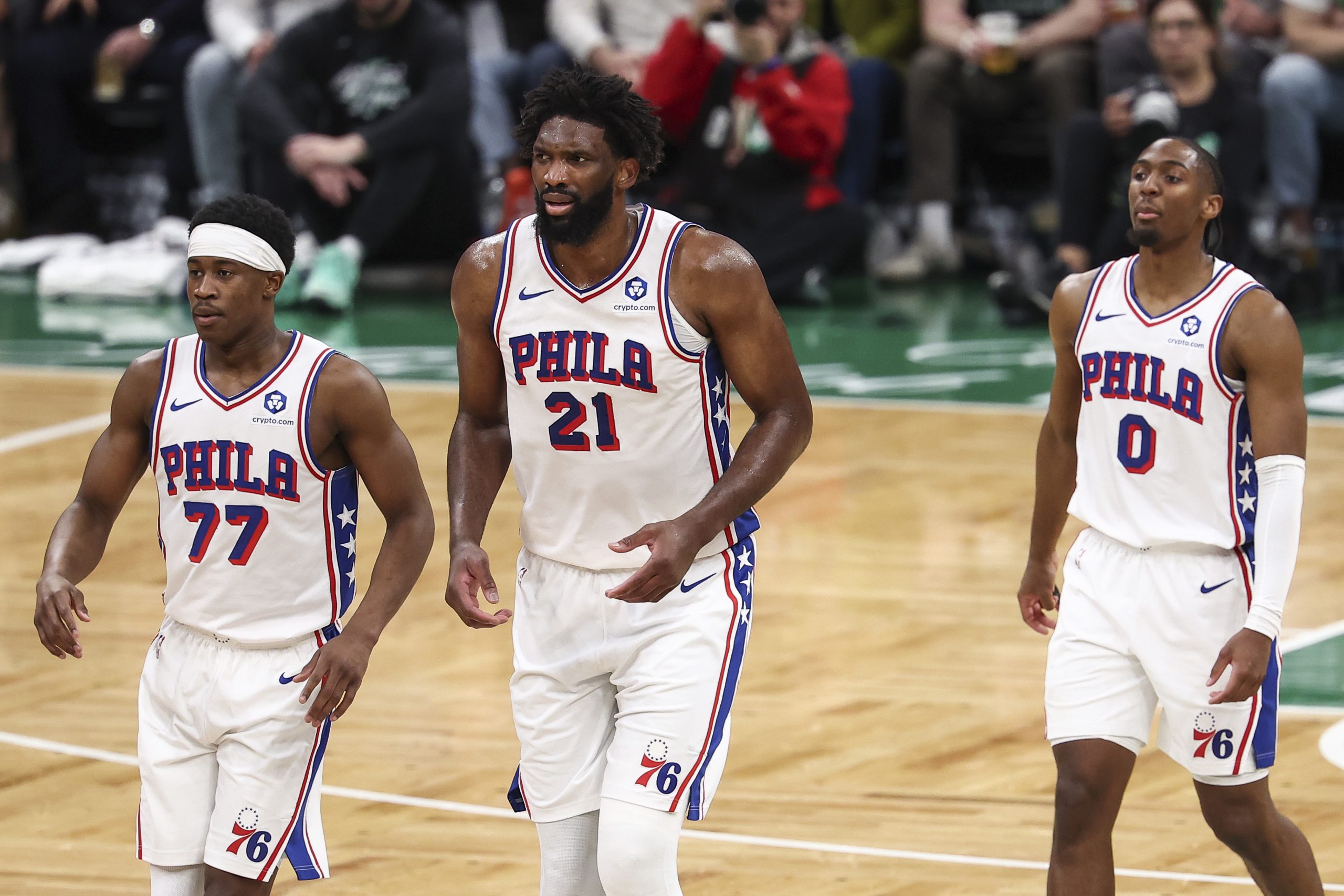
    Among LeBron James’ challenges: Meshing with the Sixers’ existing star players, Vj Edgecombe (left), Joel Embiid (center), and Tyrese Maxey (right).Monica Herndon / Staff Photographer

    Lesson 2: Expect tension among the players, especially the best ones.

    Jordan’s verbal abuse of rookie Kwame Brown, including calling him a “f—g flaming f—t” during practice, was among the salacious revelations in Leahy’s book. But Jordan’s relationship with Coatesville native Richard “Rip” Hamilton throughout the 2001-02 season is the more relevant one for the 2026-27 Sixers. “There was a lingering tension” between Jordan and Hamilton all season, according to Leahy, in part because Hamilton, in his third season and just emerging as one of the league’s better perimeter scorers, believed it was time for him to assert himself as the team’s centerpiece and that Jordan was holding him back.

    Just because Jordan and Hamilton clashed doesn’t mean James, Joel Embiid, Jaylen Brown, Tyrese Maxey, and VJ Edgecombe won’t get along. But the Sixers have to prepare for the possibility, even the likelihood, that this team won’t be a smooth-running, ego-free machine. Brown is 29, was the MVP of the 2024 NBA Finals, and — despite the debate around whether he is an analytically efficient player — is regarded as a star. Embiid is a former league MVP. Maxey is approaching his peak years, as is Edgecombe. And James, like Jordan, hasn’t deferred often to anyone in his career.

    Lesson 3: Time will take its toll on an older player, even one as great as Jordan or James.

    Jordan, remarkably, played all 82 games in his final NBA season, but he struggled with tendinitis throughout 2001-02, missing 22 games. James hasn’t appeared in more than 71 games in any of his last eight seasons; in five of those seasons, he played 60 games or fewer. Never forget: Father Time is Rocky Marciano.

    LeBron James, who will be 42 in December, hasn’t appeared in more than 71 games in any of his last eight seasons.Yong Kim / Staff Photographer

    Lesson 4: The honeymoon will end, and victories had better follow.

    Jordan’s two years in Washington are not remembered as a great and glorious portion of his career, for the simple reason that the Wizards still stunk with him. The Sixers aren’t likely to fall on their faces with James. But the pressure on them will be immense, and patience with a losing streak or a stretch of subpar play will be thin, if any patience exists at all.

    “Sports fans can be a cruel, monomaniacal breed,” Leahy wrote. “Only games and standings matter to the most rabid, which, depending upon how you want to look at it, evinces either an endearing, childlike intensity or a severe case of arrested development.”

    Michael Jordan averaged 21.2 points on .431 shooting in his two seasons with the Wizards. Their record? 74-90.
    MILES KENNEDY / AP

    Lesson 5: There was more to Jordan’s comeback — and more to James’ joining the Sixers — than winning.

    “The truth was this: A sporting god enjoys supreme power only as long as he plays, earns and fills seats,” Leahy wrote. “The moment he ceases to be a team’s principal revenue stream is the moment his dominion ends.”

    James said that he considered retiring, that he changed his mind because he still wants “to work … to grind … to compete,” that his desire to win another championship was the reason he came here. Here’s a safe bet: It wasn’t the only one. He will fill more seats in Philadelphia than he might have anywhere else, and you’re naive to think that intoxicating sensation wasn’t on his mind when he made this decision. LeBron James is as much a sporting god as Michael Jordan was, and to be treated as such is the most powerful drug on earth. He doesn’t want to exit the stage as anything less.

  • We are not part of Jalen Carter’s family, we shouldn’t care where LeBron lives, and other thoughts …

    We are not part of Jalen Carter’s family, we shouldn’t care where LeBron lives, and other thoughts …

    First and final thoughts …

    Jalen Carter said something very sweet and very incorrect during a news conference Wednesday. In answering questions about his new contract extension with the Eagles — an extension that reportedly guarantees him $106 million — Carter paused while answering a question and mentioned all the people to whom he was grateful.

    “Wanna slow it down,” he said. “First, I want to say I’m thankful to God for putting me on this earth. Thankful for the coaches, the players, Mr. Lurie.”

    Then he nodded toward the media members gathered in front of him.

    “Thankful for you guys, too,” he said. “You guys put out some good information, some good facts about me, stuff like that. We’re all one family.”

    No, we’re not.

    Now, some of the people in the media tent at that time definitely were. Members of Carter’s actual family were on hand, as were several Eagles staff members and his friend and teammate Jordan Davis. And some other people there either don’t mind thinking of themselves as members of the Eagles’ family or have bosses who would like them to be thought of that way.

    But a fair number of us weren’t there to congratulate Carter for his newly attained wealth or share in the optimism that he will fulfill his potential and become a Hall of Fame-caliber defensive tackle. We were there to listen to what he said, to listen to what Howie Roseman and Nick Sirianni and Carter’s teammates said, to listen to other people in and around the Eagles’ organization said about the signing, and to explain what happened and what it might all mean. We might even point out that Carter has made some pretty big mistakes in his life and football career, and those mistakes raise the possibility that he won’t live up to such a lucrative contract, and he and the Eagles ought to be held to account for such decisions and mistakes.

    We were there to tell people what’s really happening or what we really think. We’re not going to sit on information or a story because it might embarrass or anger a coach or player or make things more difficult for the franchise. We were there to report, not to support. There’s a difference, and when you note that difference nowadays, you risk coming off like a scold, a jerk, an egomaniac, or all of those things at once. You face the inevitable barrage of complaints from those who want to be told only what they want to hear; who presume that you root for the athletes and teams that you cover and, when they find out that you don’t, insist that you should; and who can’t comprehend how someone could report or write something in good faith that was critical of those hometown heroes. Which is OK. That complaining, even the nastiest of it, comes with the job, and you have to be able to take it.

    Put simply, we’re there to be as fair and accurate and honest as we can be, but we’re not part of the team. We’re not part of the family. We’re not supposed to be.

    Quick hitters

    Wilt Chamberlain lived in Manhattan while he played for the Philadelphia Warriors. JJ Redick lived in Brooklyn while he played for the 76ers. If you are genuinely dismayed that LeBron James might not live in Philadelphia or any of its surrounding towns and suburbs during his (brief) career with the Sixers, please get in your car, drive it north on I-95, and, for perhaps the first time in your life, continue past the Street Road exit. There’s a whole world up there. …

    Kudos to Tom McCarthy: Phillies TV play-by-play man, former radio voice of the St. Joseph’s Hawks, all-around gem of a human being. During Tuesday’s Phillies-Marlins telecast on NBC Sports Philadelphia, he delivered a brief and beautiful eulogy for Chris DiJulia, the son of longtime St. Joe’s athletic director Don DiJulia and as familiar a presence as anyone connected to the school’s athletic program. Chris, who had cerebral palsy, died Monday night. Tom even mentioned the moving tribute that former Inquirer staffer Mike Jensen wrote to Chris on Mike’s Facebook page. …

    Jeez, that whole Flyers-are-having-the-most-interesting-offseason-of-any-Philly-team thing sure fizzled out fast. …

    Probable NBA schedule on Christmas. You know, to maximize viewership:

    • Noon: Celtics at Sixers
    • 3 p.m.: Cavaliers at Sixers
    • 8 p.m.: Sixers at Knicks
  • Jalen Carter got his money. The Eagles have to hope he has grown up enough to earn it.

    Jalen Carter got his money. The Eagles have to hope he has grown up enough to earn it.

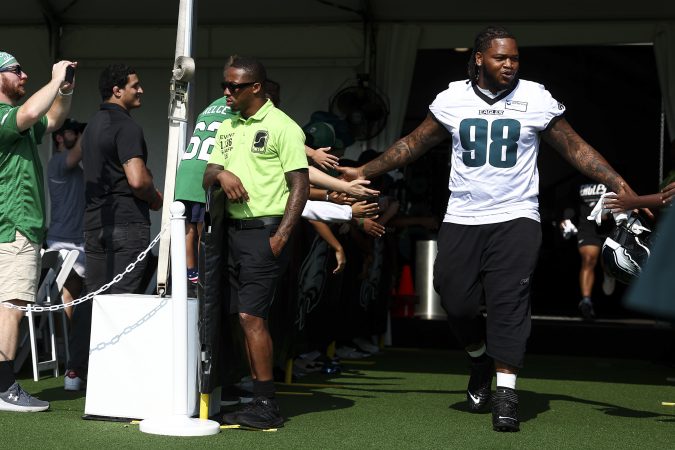
    Jalen Carter plodded off the dais late Wednesday morning with a look of relief on his face, as if he were a student who feared public speaking and had just delivered an oral presentation for class. The Eagles’ first practice of training camp, at the Jefferson Health Training Complex, had ended minutes before. It was humid, and Carter wiped his brow with a towel. To his left were Dom DiSandro, who is the Eagles’ chief security officer, and Toni Brown, who is Carter’s mother. Dom and mom. Maybe the two most important people in making sure that the Eagles get their money’s worth from Carter, who is, for the moment, the highest-paid defensive tackle in the National Football League.

    “I messed up a little bit,” Carter said to Brown and DiSandro, “but it was good.”

    The Eagles had announced Tuesday that they and Carter had agreed to a four-year contract extension that reportedly guaranteed him $106 million and could pay him as much as $160 million. When a modern professional sports franchise holds a press conference, it does so not just to acknowledge the news that has already broken. The point and purpose of the event, from the franchise’s perspective, are to send subtle signals about what the angle on the news is supposed to be.

    So there was Brown near the dais. And there was tackle Jordan Davis, Carter’s teammate at the University of Georgia and with the Eagles, hanging near the back of the media tent, ecstatic for his friend. And coach Nick Sirianni and vice president Howie Roseman had been there hours earlier, making no mention of the risk the Eagles had taken on with this commitment to Carter.

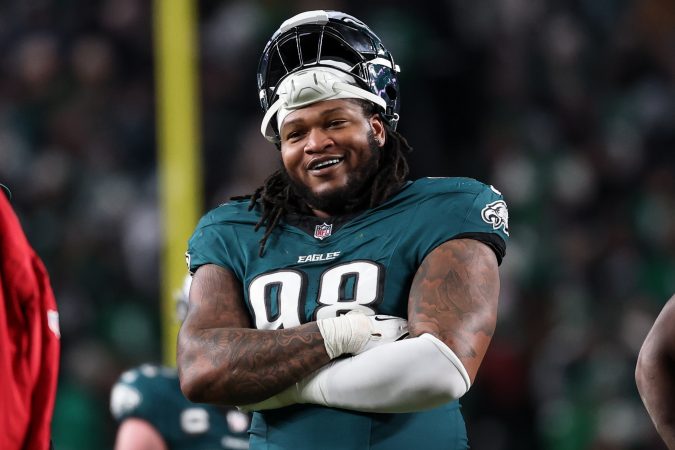
    And there is risk here — plenty of it. Carter is just 25, and he has been a great player at times for the Eagles. He was the primary reason they beat the Los Angeles Rams in the 2024-25 NFC divisional round, and he has the power, strength, and raw talent to be the league’s best defensive tackle if he can stay healthy and keep his head on straight. But from the road-racing accident in January 2023 that led to two people’s deaths and caused him to drop far enough for the Eagles to trade in that year’s draft, to the decline in his play in the second half of his rookie season, to his dumb decision to spit in Dak Prescott’s face in last season’s opening game, to the two shoulder procedures that cost him a month of time, Carter has given the Eagles ample cause to cross their fingers here and hope.

    Roseman likes to consummate such deals — extending the contracts of players whom the Eagles want to retain for years — as early in an offseason as possible. Carter’s, though, took much longer, and the reasons go beyond the ones Roseman cited Wednesday, the suggestion that he and Drew Rosenhaus, Carter’s agent, were simply waiting for the market to settle.

    At just 25, Jalen Carter has the power, strength, and raw talent to be the league’s best defensive tackle if he can stay healthy.Monica Herndon / Staff Photographer

    “We felt like [defensive tackle] was one of the strengths of our team,” Roseman said. “We want that to be one of the strengths of our team going forward. The defensive tackle position in the league, in college football — it’s a deficient position. It’s hard to find guys like that. So we feel like it was a priority.”

    Understand: That’s why Carter got this extension, and that’s why the Eagles didn’t have much of a choice in giving it to him. He’s that talented, that vital to Vic Fangio’s defense. “The attention he draws is incredible,” linebacker Zack Baun said. “You’ve got to have four hands on him,” meaning the opposing offensive line has to double-team Carter at all times, opening up possibilities for his teammates to make plays. There’s no replacing a player like Carter, and if he commits another awful mistake off the field, if he does something dirty on the field and the NFL doesn’t go easy on him again — as it did last season after the Prescott incident — he will cost the Eagles dearly. As Roseman and more than one player said Wednesday, the Eagles don’t pay you for what you’ve done. They pay you for what you’re going to do.

    To his credit, Carter said all the right things Wednesday, even pausing, after taking two questions, to thank the Eagles and chairman Jeffrey Lurie and even the media members in attendance. Any teacher or professor would have passed him on his assignment.

    “When you get picked in the first round, a top-10 pick, you get a little bit of decent money,” he said. “That didn’t change me. I still came here. I had a goal. I let the team know and the fans know that the goal was to get a championship. It happened, but it’s a new contract, and it’s time to get more championships for the city of Philly.

    “My goal wasn’t to come out and ‘Let me be the highest-paid defensive tackle.’ My goal was to build team chemistry and win a championship. I think that all falls in line with getting to where I’m at now.”

    The proof was never going to present itself Wednesday. The easy part is over for Jalen Carter. He got his extension, and now he has to earn it. Now he has to keep every day clean. “I don’t think money is ever going to change me,” he said. It was an assertion that could cut either way, for good or bad, and it’s on him, his support system, and the Eagles themselves to make sure they don’t regret that he said it.

  • LeBron James believed he could win with Joel Embiid. The 2024 Olympics can show the Sixers how.

    LeBron James believed he could win with Joel Embiid. The 2024 Olympics can show the Sixers how.

    On a practice court in Paris early in the 2024 Summer Olympics, during the event that was supposedly a testament to his selfishness and opportunism, Joel Embiid glanced around the gym at the stars who soon enough would meet their expectations of gold-medal glory. There was Steph Curry. There was Kevin Durant. There was You Know Who.

    There was LeBron James.

    “This is a great setting for me because I’m playing with a lot of great players,” Embiid said then. “It’s all about finding ways to win. Whatever I can add to make sure we win, that’s all there is.”

    Two years later, with James’ decision last week to become Embiid’s teammate again, Embiid’s up-and-down experience during those Games should take on a new perspective and value. If the sacrifice of Embiid’s playing in those Olympics, dragging his body up and down the court for five games in that tournament, was a lost Sixers season in 2024-25, maybe the real upshot is that the entire experience and Team USA’s victory paved the way for James to stun everyone and sign with the 76ers.

    Only Embiid and James know how many text messages it took, how much pleading Embiid had to do to persuade James that Philadelphia was the place for him, that Embiid was healthy enough and committed enough for the two of them to win a title here. Whatever words and memes passed between them this offseason, they were enough that a source with knowledge of their interaction said that Embiid played “a significant role” in coaxing James to choose the Sixers.

    He wasn’t the only one. Bob Myers brought the necessary cachet and credibility, and Mike Gansey’s relationship with James from their time together in Cleveland helped, and Tyrese Maxey’s talent and connection to James through Klutch Sports mattered. Still, this was mostly a peer-led push from Embiid and Maxey to get James to see the possibilities here.

    Most importantly for the Sixers and the player who has been their centerpiece for the last 12 years, Embiid already had to have established a baseline of confidence with James for LeBron to take this leap.

    They’ve been in the NBA together since 2014, but when Embiid finally settled on playing for Team USA in ‘24 — after shopping his skills to France and Cameroon — his relationship with James could have fallen apart. And from an outsider’s view, it had the potential to crumble. It was a chore just to watch Embiid lumber around the floor, his left knee leaving his whole body wobbly and unstable, the sweat flooding his face.

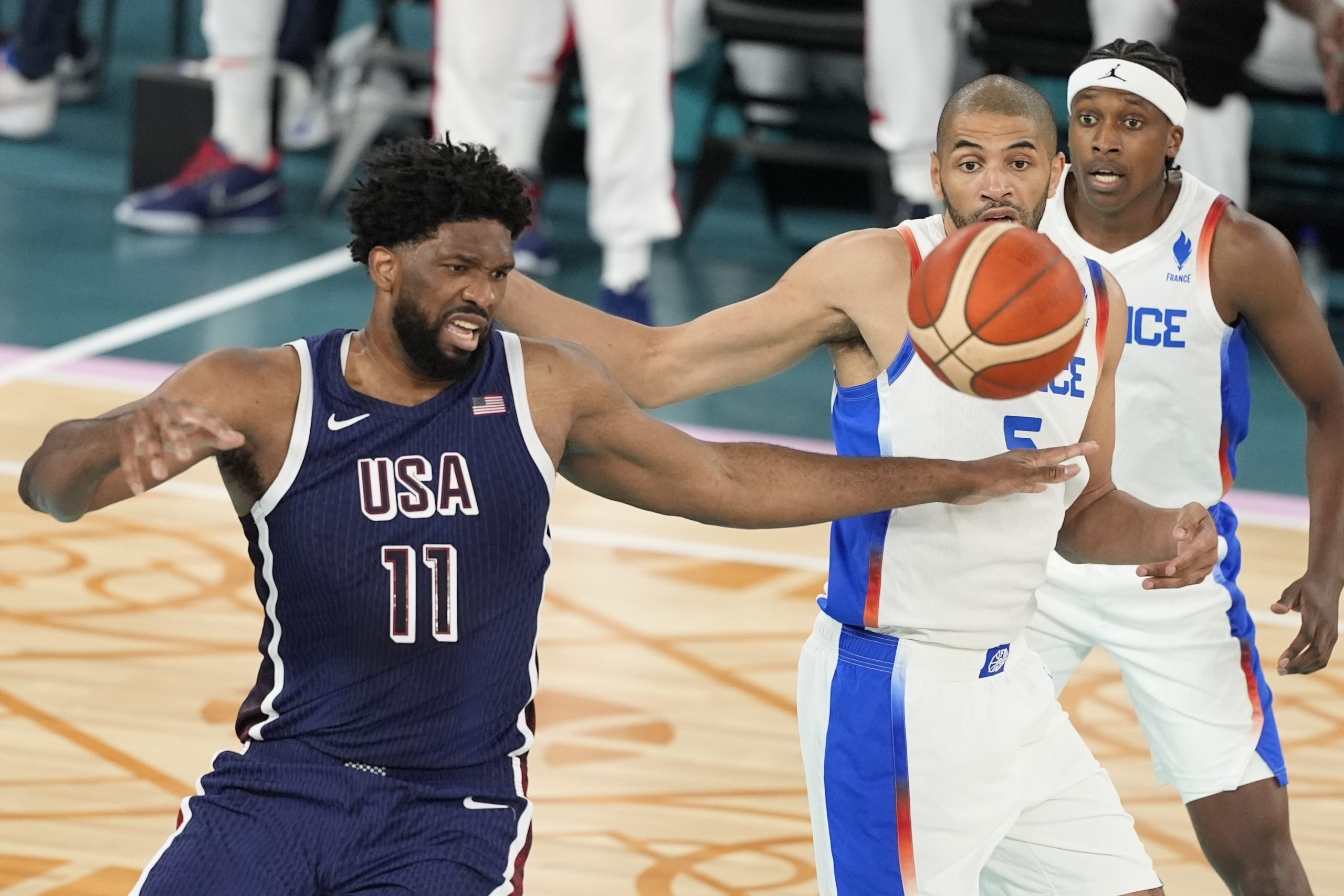
    Joel Embiid (11) was not physically at his best in the 2024 Paris games but his efforts were a step towards a future alliance with LeBron James. Michael Conroy

    The complaints that Embiid had put his own aims and goals — “It feels good to be part of winning something as a team,” he said after Team USA’s victory over France in the gold-medal game — above the good of the Sixers were to be expected around here. They also ignored the priority that Embiid’s Team USA teammates, James among them, placed on competing on that stage, for the right to call themselves the best in the world. In that context, there was an understanding that it took a lot for Embiid just to be out there playing, and there was an appreciation that, without him and his 19 points and second-half dominance of Nikola Jokić in the semifinals against Serbia, the U.S. wouldn’t have won gold at all.

    No, Embiid wasn’t the overall force that James or Curry or Durant was in Paris, but he apparently didn’t do anything to dissuade James from thinking that he could win with him. Now Embiid gets another shot to witness what James does each day to prepare, how much that preparation matters to him, and how he can model the habits and behavior on which James has built his remarkable 24-year pro career.

    “Even though I see a broken-down Joel — in the fourth quarter, if ever the verb ‘trudge’ would fit anybody, Joel just trudges up the court — even given all of that, I would say it is absolutely true it’s good to [be] around these guys who have won something — just getting a different kind of culture,” former Sports Illustrated staff writer Jack McCallum, the author of Dream Team, the definitive work on the 1992 U.S. Olympic men’s basketball team, said in a 2024 interview.

    “What those guys got from the other guys. I was sort of astonished to hear that. … ‘Oh, I really found out how Karl Malone worked out. Oh, I really found out about Larry Bird’s shooting drills. Oh, I watched [Michael] Jordan and [Scottie] Pippen play defense, and I took that back to my team.’ As much as [the Sixers] are probably going, ‘No,’ I would say play, because I think there’s a real positive aspect that he can get out of that.”

    The time to show what he learned is now. At 32, without having appeared in more than 39 games in any regular season since 2022-23, Embiid can’t be counted on and shouldn’t expect to be the primary focus of the offense every single time he’s in the lineup. The best-case scenario for the Sixers, of course, is that he won’t have to be — not every night, not even most nights. Among James, Brown, Maxey, VJ Edgecombe, and an improved bench, they have plenty of firepower even if Embiid isn’t their alpha and omega. “You’re used to being the guy,” he said in Paris. “Now you’ve got to be with these guys.” What they’ll likely need is what he gave Team USA against Serbia. What they’ll need is Embiid to pick his spots, to win them particular games against particular opponents. He’ll still be vital, but he might end up bearing a lesser burden, and the team might be better for it.

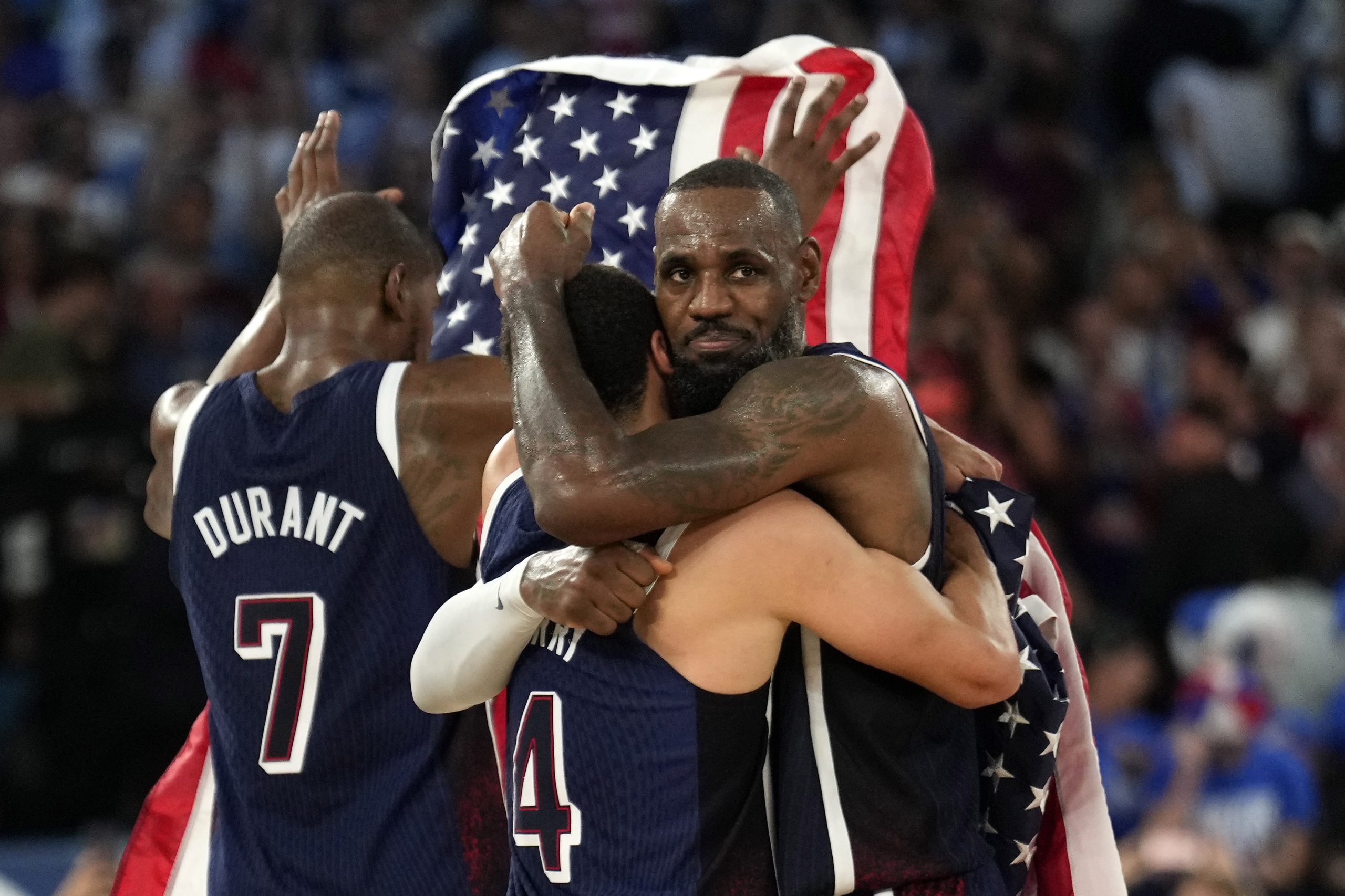
    Team USA’s superstars won a gold medal together, and their work habits rubbed off on one another. Mark J. Terrill

    “There’s a certain amount of relief that comes with not having to bear the full responsibility of the franchise,” Steve Kerr, who was Team USA’s head coach in Paris, said at the time. “These guys get to lean on each other. Every game is different. They get to throw all the other nonsense out the window because none of it matters. The only thing that matters is winning the gold medal.”

    The same standard applies here and now for James and Embiid, for the Sixers, for a city waiting 43 years and counting for its latest NBA championship. Joel Embiid’s performance in those Olympics was mostly a hard watch and a distant memory until these last few days. But come next spring, if there’s a celebration here unlike any since 1983, the windfall will have been worth the stiff investment.

  • LeBron chose the hard, dramatic path when he picked the Sixers. Get ready for a wild ride, Philly.

    LeBron chose the hard, dramatic path when he picked the Sixers. Get ready for a wild ride, Philly.

    If LeBron James is to be believed, if he was telling the truth when he took to Twitter/X late Friday morning to explain why he had decided to shock the basketball world and sign with the 76ers, if he was speaking from the heart and not merely trying to sell a new city and fan base on his choice, then this could be a red-letter moment in the history of Philadelphia sports.

    LeBron to the Sixers is unlike anything that has happened around here. Those with long memories like to think that back on Pete Rose’s signing with the Phillies in 1978 or the Sixers’ trading for Moses Malone in 1982 are comparable, and it’s understandable why. Those superstars provided exactly what those teams needed to win a championship, and each of those teams promptly won one — the Phillies in Rose’s second season, the Sixers in Malone’s first.

    But James exists in a different stratosphere economically and culturally from the one Rose and Malone did then. His fame is global. His wealth makes him a multibillionaire. He is among the five best basketball players ever to walk the Earth and among the most famous people walking it now. And he is a perfect fit for this Sixers team, for a franchise that hasn’t won a championship since 1983 and is making an all-in move to end that drought.

    The most heartening aspect of James’ decision isn’t even that, at 41 years old, he should be the ideal power forward/point guard to play alongside Joel Embiid, Jaylen Brown, Tyrese Maxey, and VJ Edgecombe. He is a player unlike any other; he can bring the ball up, get it out of Maxey’s hands, run a halfcourt offense, and play at any pace.

    No, the encouraging thing about his announcement Friday was his reason for making it. He admitted that he had contemplated retiring, that he had spent time with his family and friends, “with all the people I love,” he wrote, “trying to figure it all out.” He wanted to keep playing, but he had to acknowledge to himself why.

    “I’m not going for money,” he wrote, which partially explains why his contract with the Sixers reportedly is just two years long and worth just $8 million. “I’m not going for family. What am I really playing for at this point? I still want to sacrifice. I still want to work. I still want to grind. I still want to compete, to win, and to have a chance at the feeling of winning another championship. I believe I can help make the Philadelphia 76ers a championship team, and I am so excited to energize a new fan base and start this incredible journey one last time.”

    That desire — to win an NBA championship — really was the only factor that stood a chance of drawing James here, and there was a case to be made that the Sixers didn’t even offer the best opportunity for him to win his fifth ring. The Miami Heat have Giannis Antetokounmpo and Bam Adebayo and Pat Riley and Erik Spoelstra and that vaunted Heat culture, and the Cleveland Cavaliers were just in the Eastern Conference finals last season, and he was familiar with both franchises and revered in both markets. He could have gone to either of those teams for sentimental reasons alone, never mind the rosters and the possibilities on the court, and no one would have been surprised.

    Instead, he chose a harder, more dramatic road. Assume he had decided to spend his final season or seasons with the Heat or the Cavaliers. Either of those teams could lose in the second round of the playoffs with him, and James’ legacy and reputation would remain untarnished. They love him in those places and always will. He helped build a dynasty in Miami. The championship he won in 2016 with the Cavs was Cleveland’s first in 52 years. Philadelphia is something else entirely, and not merely because the Sixers have gone so long without a parade.

    A franchise that hasn’t won a championship in more than 43 years, that was expected to win a championship for more than a decade in the aftermath of The Process and never got all that close, will be expected to win one because of James’ presence. People here had grown jaded about the Sixers, about all these iterations of the team, about a franchise that hasn’t had an identity since Allen Iverson was sacrificing his body every night for the sake of scoring 40. James’ decision has blended that cynicism with hope and created a powerful concoction. Ticket sales surely are skyrocketing already. The Sixers will be at the center of every hoops-related talk show, podcast, international news story, and dinner table conversation into the foreseeable future. Their roster will be a fascinating study in leadership and group dynamics, and it will test coach Nick Nurse and his staff like nothing they’ve encountered in their careers. The pressure on this team will be withering.

    LeBron James signed up for all of that. He did it because he wants to win and thinks he can with the Sixers. The stakes for this franchise, for pro basketball in this city, have never been higher. Get ready for a journey no one here has taken before. Get ready, win or lose with LeBron James, for the wildest ride you can imagine.

  • The Flyers’ rivalry with the Ducks might be the strangest part of a strange Philly sports summer

    The Flyers’ rivalry with the Ducks might be the strangest part of a strange Philly sports summer

    The Flyers’ schedule came out last week, and maybe I’m an exception in this regard, but I did not scan it immediately for games against the Penguins and Rangers and Capitals. My eyes fell on two dates: Saturday, Oct. 24, and Sunday, Jan. 3. A pair of unmissable matchups against the Flyers’ newest and most hated rivals: the … Anaheim Ducks?

    This has been an odd few months, in so many ways, for the Philadelphia sports scene. Think about some of the stories. The A.J. Brown trade watch. The reasons for that trade — i.e. his relationship, such as it was, with Jalen Hurts. The Phillies’ slow start. Their decision to fire Rob Thomson. Their inability to play reasonably intelligent baseball. The Sixers’ comeback over the Celtics. Their embarrassing sweep by the Knicks. Their decisions to fire Daryl Morey and hire Mike Gansey and trade for Jaylen Brown. Their nightly vigil for LeBron James.

    But none of those developments, none of them, compares to the sheer weirdness of the rising tensions between the Flyers and their Disneyland-adjacent counterparts. Imagine the Eagles and their fans hating the Jacksonville Jaguars or the Phillies and their fans being obsessed with beating the … Los Angeles Angels of Anaheim, and you have a sense of just how strange it is that the Ducks have become mallard non grata around here.

    It’s one thing to despise Sidney Crosby; the guy is one of the greatest players in hockey history, has won three Stanley Cups, has tormented the Flyers for years, plays exactly the tenacious, win-at-all-costs style that would make him a god if he wore orange and black, and is based just 300 miles west of the Xfinity Mobile Arena. It’s another to despise a franchise that has been in existence for just 33 years, has won just one Stanley Cup (almost 20 years ago), and was named after a children’s movie. But here we are.

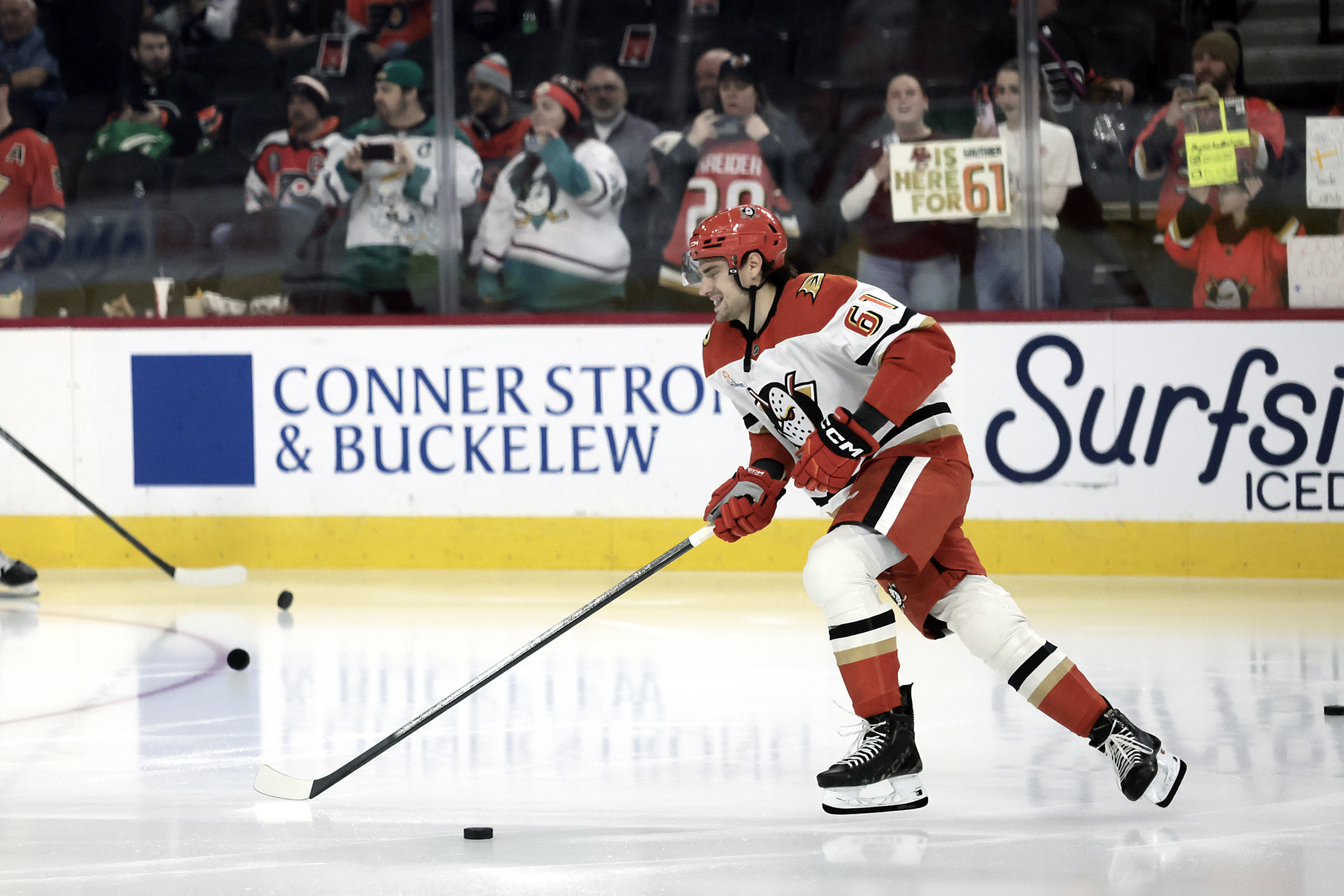
    The origins of the bad blood are no secret, at least not to anyone who follows the Flyers closely. On Jan. 8, 2024, they traded Cutter Gauthier — the No. 4 pick in the 2022 NHL draft, the prospect who was presumed to be their top goal scorer and franchise centerpiece for the next decade or more — to the Ducks for Jamie Drysdale and a second-round pick. The deal was a shocker, and when Flyers president Keith Jones said during an NBC Sports Philadelphia interview that they traded Gauthier because “he didn’t want to be a Flyer,” Gauthier’s villain status was instantly established.

    The public sentiment here, with some exceptions, went from For chrissake, the Flyers let their future get away to Who the hell does that punk think he is? And Drysdale, whom the Flyers recently signed to a four-year contract extension and whom they consider an important member of their corps of defensemen, would forever be compared to the potential superstar the Flyers felt they had to give up.

    “The only thing that it does and will continue to do moving forward is just motivate me,” Drysdale said Monday. “I want to be the best player I can for the city, for the team, for the fans, for everything. I know I still have a lot more to give, and that’s exciting for me on my end.”

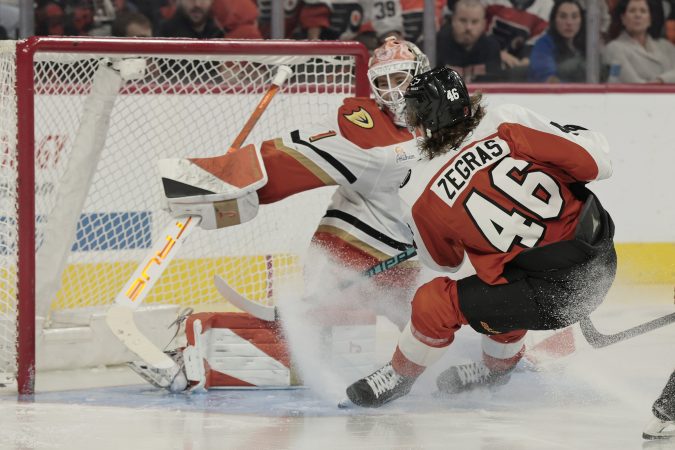
    Things have gotten only more intense since the Gauthier-Drysdale trade. It’s not just that the two franchises consummated another significant trade — and, for the Flyers, a so far highly successful one — 13 months ago, when Anaheim sent Trevor Zegras here for forward Ryan Poehling and two draft picks. It’s not just that the Flyers have beaten the Ducks all four times the clubs have faced each other over the last two seasons. It’s not just that the teams’ last matchup in Philadelphia, a 5-2 Flyers victory on Jan. 6, was loaded with checks and hits that sometimes crossed the line separating clean from dirty.

    Cutter Gauthier became an enemy for the Flyers’ fan base after his trade to Anaheim two years ago.Elizabeth Robertson / Staff Photographer

    It’s this: Of all the possible maneuvers and gambits that Flyers general manager Danny Brière could have attempted this offseason to supercharge the team’s push toward Stanley Cup contention, he and his staff decided to target Leo Carlsson, maybe the Ducks’ most important player. On July 3, they sent him to a five-year, $90 million offer sheet, one that would have made Carlsson — 21 years old, nearly a point-per-game player last season, still improving — the highest-paid player in the league.

    The Ducks always had the right to match the Flyers’ offer, and as expected, they did, and Brière and the Flyers still have to figure out how to acquire (or somehow develop) a top-line center. A disappointing result, to be sure. But from the Ducks’ perspective, the outcome of the Carlsson situation wasn’t exactly seashells and balloons. Brière made a bold move at Anaheim’s expense, forcing Pat Verbeek, the Ducks’ GM and a notoriously tough and frugal executive, to pay a price that he never would have otherwise chosen to pay to keep Carlsson — who had made it clear he wouldn’t have minded playing somewhere else. Plus, though the NHL’s salary cap is rising and will likely continue to rise for a while, the Carlsson deal promises to limit the Ducks’ ability to add or re-sign other vital players, including Gauthier.

    What we have now are two organizations that have squared off in some high-stakes competitions — on the ice, yes, but the boardroom battles between them have been even better. No, this coast-to-coast duel doesn’t immediately call to mind the fear and loathing that Philadelphia fans have had for the Cowboys, the Mets, and the Celtics. Yeah, it feels sort of silly to have a rivalry with a franchise whose spiritual forefathers are Emilio Estevez and the guy who played Pacey on Dawson’s Creek. But if it walks like a duck and quacks like a duck, it must be … well, you know.

  • Soccer’s lingering post-World Cup problem, the new and ugly era of Brady-Belichick, and other thoughts

    Soccer’s lingering post-World Cup problem, the new and ugly era of Brady-Belichick, and other thoughts

    First and final thoughts …

    By the standards of hospitality, enthusiasm, atmosphere, and drama, the 2026 World Cup was a smashing success throughout the United States. Anyone who was at or in the vicinity of Lincoln Financial Field for any of the six matches there picked up on the magnitude of the event for the 48 participating teams, their fans, and the tournament’s other host cities. As meaningful as it is to cheer on a team from your hometown or home state, that power can’t compare to being invested in a club that represents your home country.

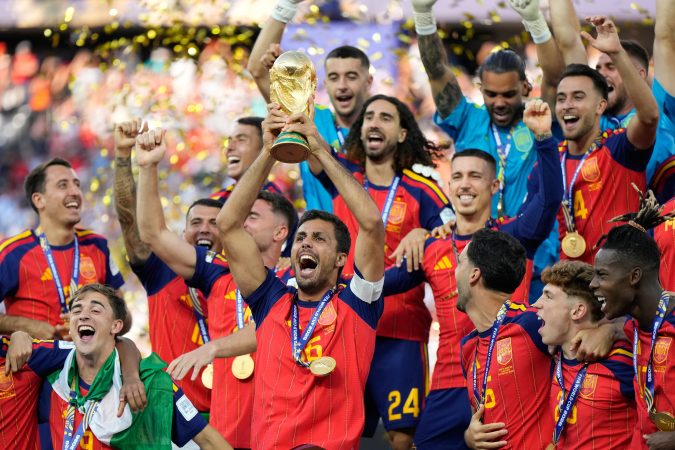
    Now, in the aftermath of Spain’s 1-0 extra-time victory Sunday over Argentina in the championship match, come the inevitable questions: Will this World Cup help soccer gain a greater foothold (no pun intended) in the U.S.? Will it inspire the sport’s leaders here to improve the grass-roots training and development of coaches and players? Will it allow soccer to penetrate the bubble of conversation among casual sports fans in the way that the NFL and, to a lesser extent, Major League Baseball, the NBA, and (once every two years) the Olympics have? Will talk-show hosts start ranting about it? Will certain markets become true hotbeds for Major League Soccer? Late June through mid-July is a relative dead zone in the major-sports calendar here; will people tune in when they have other, more traditional options?

    It’s certainly possible that soccer is finally having its moment in the United States and that its popularity, as women’s basketball’s has in the last several years, will soon surge. But there’s a reason to doubt that it will, or at least a reason to think it will struggle to attract and keep fans, and the reason is about as basic as it gets.

    Flopping.

    Yes, criticizing soccer players for embellishing injuries lapsed into cliché long ago. The thing about clichés, though, is that they tend to be true, and the cold reality is that flopping’s place in soccer makes the sport less attractive to those who don’t already love it. For all the cracking down that FIFA has done on flopping, a player who bounces up immediately after being taken down on a slide tackle is less likely to draw a foul than one who writhes on the ground as if his opponent had just gone full Kathy Bates-in-Misery on him. Fouls lead to free kicks and set plays, and free kicks and set plays sometimes lead to goals, so any semblance of contact often leads to the kind of overacting that only Nicolas Cage could appreciate. The potential payoff of flopping incentivizes players to do it.

    “When it is beneficial,” a 2016 study published in Frontiers of Psychology concluded, “soccer players can and do successfully feign injury to stop the game. Consequently it is possible that others might also successfully feign injury, pain or disease when motivated to do so.”

    This aspect of soccer’s culture cuts against one of the strongest attractions people have toward sports: They are witnessing, and want to witness, athletes display physical courage. (It’s worth noting, lest anyone lapse into any insulting gender stereotypes, that female soccer players flop far less often than their male counterparts.) Pelé called soccer “the beautiful game,” and the sport’s experts and aficionados fall back on that phrase often, and it can apply. As evidence, go watch a replay of the gorgeous header pass from Nico Williams that set up Ferran Torres’ World Cup-winning goal. But it’s rare that a soccer team earns praise for its toughness or grit, for the factor that so many fans of football, hockey, and other sports prize in their players.

    The quarterback who hangs in the pocket to deliver a deep downfield strike … the wide receiver who goes over the middle to catch that pass … the Conn Smythe Trophy winner who can’t lift the Stanley Cup because he separated his shoulder three weeks earlier … the guard who slashes into the paint and takes an elbow to his or her face from a center 6 inches taller and 40 pounds heavier … the tired starting pitcher who still wants the ball in the eighth inning … the figure skater who risks tumbling to the ice for the sake of a triple Salchow — competition is more compelling and the athletes more admired for these qualities and circumstances. Look at the backlash around the NBA against the Oklahoma City Thunder’s foul-hunting style of play, consider Carli Lloyd’s criticism of Christian Pulisic, and you understand the collective-action problem that soccer has to overcome before it will be fully embraced here.

    Tom Brady and Bill Belichick have become embarrassing. Charles Krupa

    Grow up, GOATs

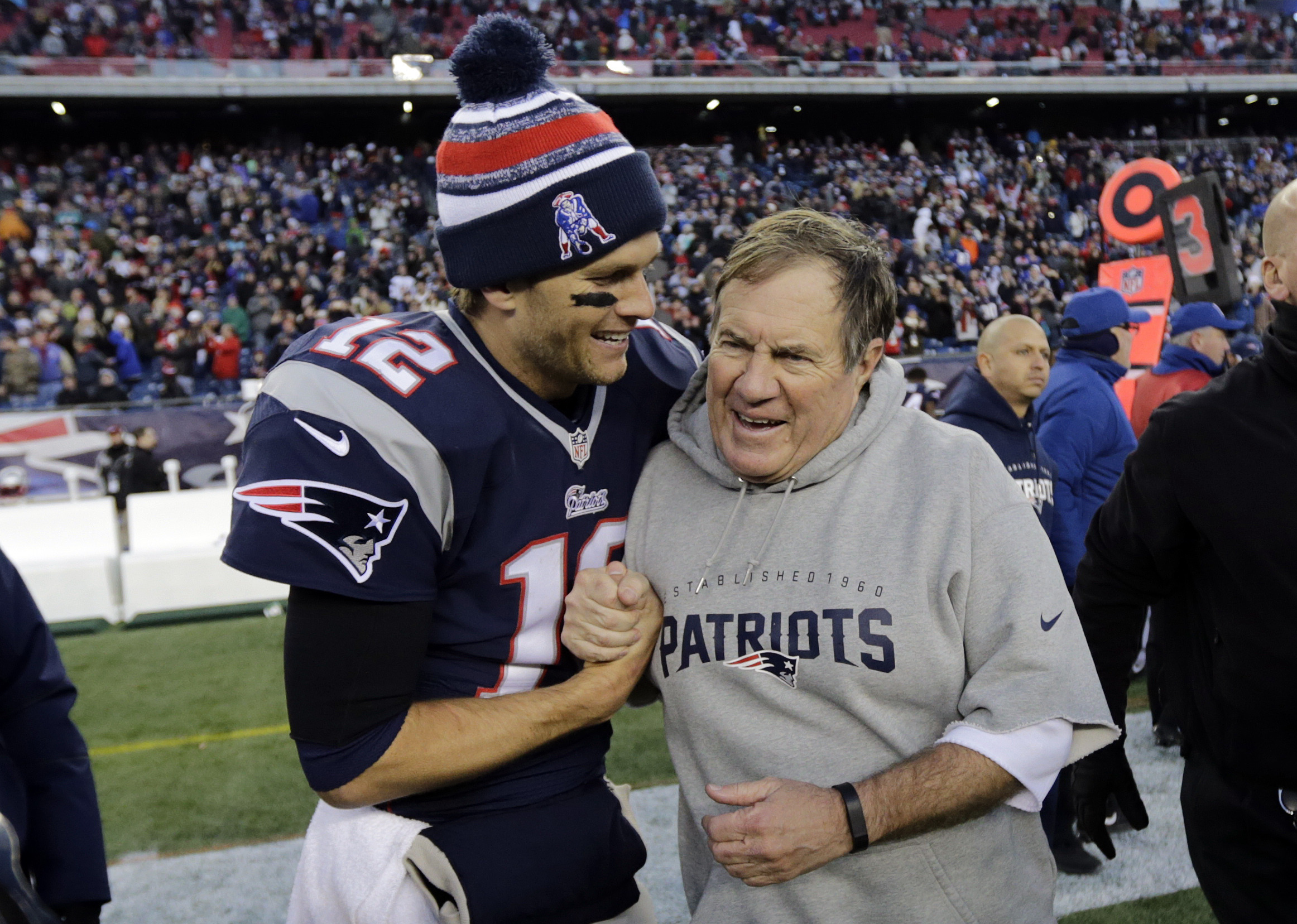
    One is fiddling around with pro wrestling publicity stunts. The other has been fiddling around with a romantic partner 49 years his junior. All this time, everyone thought that Tom Brady and Bill Belichick’s greatest achievement was the six Super Bowls they won together. Turns out, their greatest achievement was that each apparently kept the other from falling into a humiliating midlife crisis.

    Domo delivers

    Shoutout to longtime Daily News/Inquirer scribe Paul Domowitch, whose new book, Just Give Me a Chance to Fail: The Life of NFL Hall of Fame Linebacker Sam Mills, hits stores next week. If it’s anything like the rest of Domo’s football journalism, the book will be smart, thorough, and impossible to put down.

  • LeBron to the Sixers would be bigger than we seem to understand

    LeBron to the Sixers would be bigger than we seem to understand

    On Oct. 28, 2003, the 76ers opened their regular season at home — the arena was called the Wachovia Center then — with an 89-74 victory over the Miami Heat. It was the first game of Randy Ayers’ head coaching career, a career that would last just 52 games before he was fired. The Sixers’ starting lineup that night would make for a trivia question that would stump even the most obsessive hoops historian. Can you name the five? Don’t bother trying. They were Allen Iverson, Eric Snow, Derrick Coleman, Kenny Thomas, and John Salmons. It was, to put it mildly, a long time ago.

    The next night, LeBron James played his first game in the NBA.

    It is not enough to say that James has been with us ever since, for more than 22 years. It is not enough, now that the 76ers are reportedly one of the few franchises for whom James might choose to play this season, to say that he would be a nice, snug fit with Tyrese Maxey, Jaylen Brown, VJ Edgecombe, and Joel Embiid (when Embiid is healthy enough to suit up). For much of those two decades-plus, he has been the dominant figure in professional basketball and, at times, in all of sports. If your primary thought about a James-Sixers union is, He’d be the perfect power forward for this team, you’re shrinking him to a ridiculous size.

    Immediately upon his arrival, he would be the biggest sports star in this city, beyond any of his teammates, beyond anyone on the Eagles or Phillies. A talk-radio debate about Jalen Hurts would be a literary salon next to the daily LeBron discourse.

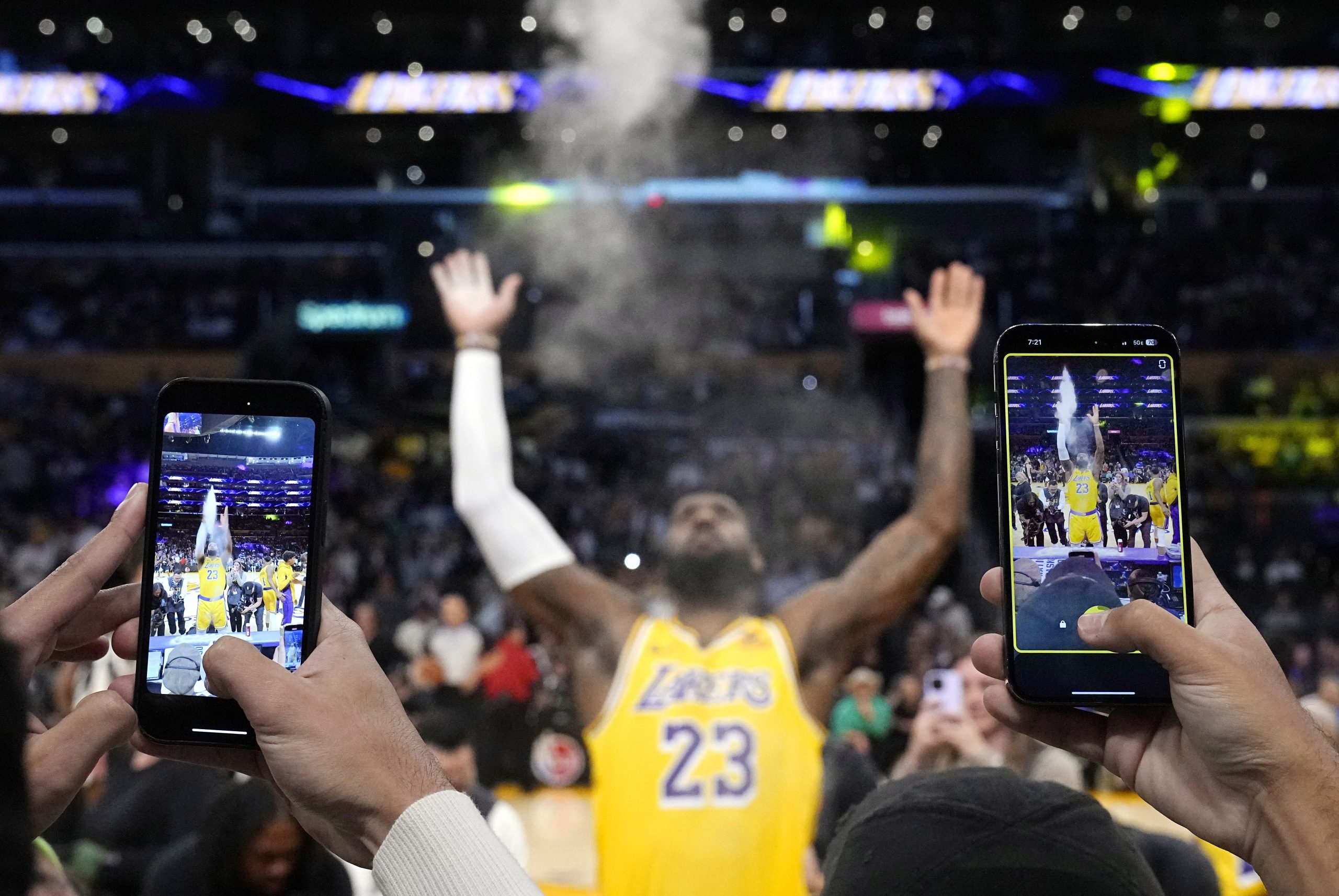
    LeBron James’ arrival would dwarf that of Bryce Harper and other superstars.Mark J. Terrill

    Steph Curry changed the way basketball was played and the way boys and girls around the world wanted to play it, and among the fraternity of NBA players themselves, Kobe Bryant was more respected and feared, for his preparation and cutthroat competitiveness, than James. But James has been greater longer than any other player in the sport (with the possible exception of Kareem Abdul-Jabbar, if you count his Lew Alcindor/UCLA years).

    Set aside, if possible, the four NBA championships and the 10 Finals appearances and the league’s career scoring record and the three Olympic gold medals and the other records he has set. His choreographed announcement in 2010 that he was leaving the Cleveland Cavaliers for the Miami Heat was the 21st century’s answer to the revelation that Kristin Shepard had pumped two bullets into J.R. Ewing’s belly. It changed everything about the power that elite players held over their respective teams because it showed elite players that they held power over their respective teams. Pro sports hasn’t been the same.

    Finding an athlete comparable to James in popularity and influence is difficult enough, let alone one who arrived in Philadelphia during the middle stage or latter half of his career, after he had established his galactic superstardom. Wilt Chamberlain already had been a high school phenom here when the Warriors made him a territorial pick in the 1959 NBA draft. Julius Erving was the “Babe Ruth of basketball” — at least, that’s how Sixers general manager Pat Williams described him in trying to persuade owner Fitz Dixon to cough up the money to acquire Dr. J. But Erving had spent six years in the relative obscurity of the ABA; telling someone you had seen him play for the Virginia Squires or New York Nets, whether in person or on TV, was akin to claiming you had spotted a Sasquatch.

    Allen Iverson was a pop-culture revolutionary with the Sixers for introducing hip-hop style and fashion into the mainstream; his on-court accomplishments, though, don’t stack up to James’. Bryce Harper was as well known as any player in Major League Baseball when he signed with the Phillies in 2019, but he didn’t and still doesn’t have anywhere near the global recognition and cachet that James does. We’re talking an all-timer among all-timers here.

    None of this context and history means that James will sign with the Sixers, and none of it means that they’ll win a championship for the first time since 1983 if he does. But it does provide a good counterbalance to the muted public reaction to the prospect that James could become a Sixer any day now. Yeah, he’s 41. Yeah, he has his coterie of agents and handlers and podcasters and supplicants. Yeah, he could turn out to be a handful or worse, especially if he wants to be the alpha on a team of younger, talented players who believe their time is now and aren’t interested in taking a backseat to anyone, even to one of the five best players ever.

    Cool. I’ll believe LeBron will sign with the Sixers when I see it; if I had to guess, I’d say he opts for a charming third go-round with the Cavaliers. But if he does come here … bring it on. Bring on the hope and expectations and the potential chaos. LeBron James in Philadelphia could be a coup, and it could be a disaster, and that volatility would be the fun and fascinating part of it. When Michael Jordan came out of retirement and joined the Wizards in 2001, just two years before James’ debut, The Washington Post assigned a writer, Michael Leahy, to cover Jordan and Jordan alone — a reporter whose beat wasn’t the cops or the courthouse or the ‘burbs or the basketball team, but one man. To my editors: Sign me up.