Author: Denali Sagner

  • After closure rumors, USPS and Federal Realty are ‘finalizing’ Wynnewood Post Office lease extension

    After closure rumors, USPS and Federal Realty are ‘finalizing’ Wynnewood Post Office lease extension

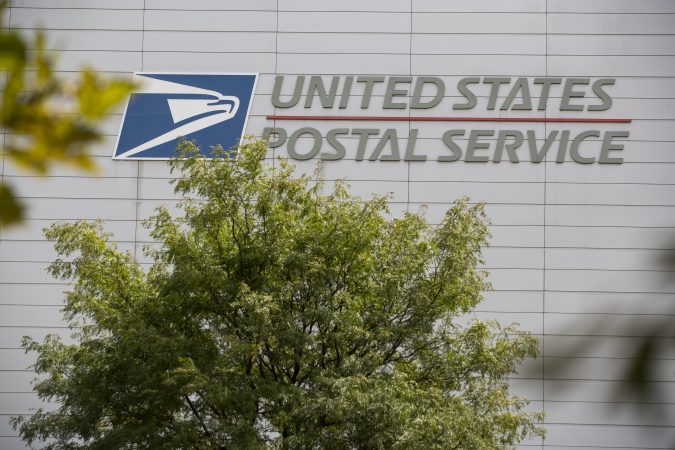
    For weeks, a rumor swirled in Wynnewood that the local post office may be shuttering due to a leasing dispute between the U.S. Postal Service and Federal Realty Investment Trust, the owner of the shopping center where the post office is located.

    Now, Federal Realty says it is “finalizing an agreement to extend the current lease” of the post office and anticipates “no disruption to services.”

    “The Wynnewood Post Office is a valued tenant, and we appreciate the important role they play in serving the community,” a spokesperson for Federal Realty said in a statement.

    The Wynnewood Post Office primarily serves residents in the 19096 zip code, which encompasses parts of Penn Wynne, Wynnewood, and Penn Valley in Lower Merion. The post office provides a variety of mailing services, including international mailing, money orders, mail holds, and burial flags for deceased veterans. Some functions of the Wynnewood Post Office moved to nearby Havertown in 2009, namely mail processing and sorting for mail carrier pickup.

    The Postal Service did not respond to multiple requests for comment.

    Last month, patrons of the Wynnewood Post Office began hearing from postal workers that the location may close at the end of October after USPS and Federal Realty, which owns the Wynnewood Shopping Center, were unable to reach an agreement over the terms of the post office’s lease.

    Without the Wynnewood Post Office, residents would have to use neighboring post offices for services like mailing packages and accessing P.O. boxes. While other post offices are not far — Narberth’s post office is about a mile up the road from Wynnewood, and Merion Station’s is about 1.5 miles away — locals have said the Wynnewood location is critical for older adults and residents who value its convenience and easy access.

    Vince Tarducci, regional coordinator for the American Postal Workers Union, said in an email, “If there is no disruption in services to the People’s Post Office, we all win,” noting that the Postal Service, which turns 251 on July 26, is older than the United States itself.

    “Maintaining postal services in Wynnewood will allow people, especially our elderly, not to have to travel further from their residences to handle their business whether personal or work related,” Tarducci added.

    Federal Realty declined to say how much the post office’s rent would be raised under the new lease terms.

    “It’s great news that Federal Realty is speaking positively about renewing the lease for the Wynnewood Post Office,” Paul Gottleib, vice president of the Shortridge Civic Association, one of the neighborhood groups associated with the 19096 zip code, said in an email.

    The civic associations that represent the zip code will be “relieved and comforted knowing that the public resources available in the neighborhood will remain here for the foreseeable future,” Gottleib said.

    Gottleib was among a group of residents and civic association representatives rallying to keep the post office open, including spurring a campaign of calls to the office of U.S. Rep. Mary Gay Scanlon, a Democrat who represents the area.

    USPS is facing a financial cliff as costs rise and Americans send less mail. Customer visits to post offices across the country fell by more than half between 2000 and 2025, and walk-in stamp revenue, which once generated over $9 billion annually, decreased by two-thirds, according to the USPS Office of Inspector General. USPS was on track to run out of money next year, but was recently able to stave off a crisis until the early 2030s after pausing payments to worker retirement funds.

    The Postal Service leases around 25,000 facilities throughout the country, nearly triple the 8,500 locations it owns. Leasing post offices leaves USPS vulnerable to disagreements with property owners and, sometimes, post office closures.

    This suburban content is produced with support from the Leslie Miller and Richard Worley Foundation and The Lenfest Institute for Journalism. Editorial content is created independently of the project donors. Gifts to support The Inquirer’s high-impact journalism can be made at inquirer.com/donate. A list of Lenfest Institute donors can be found at lenfestinstitute.org/supporters.
  • How do you spur tourism in Delco? An ‘ice cream passport’ offers one sweet answer.

    How do you spur tourism in Delco? An ‘ice cream passport’ offers one sweet answer.

    Delaware County’s tourism agency wants to reward you for eating ice cream this summer. Really.

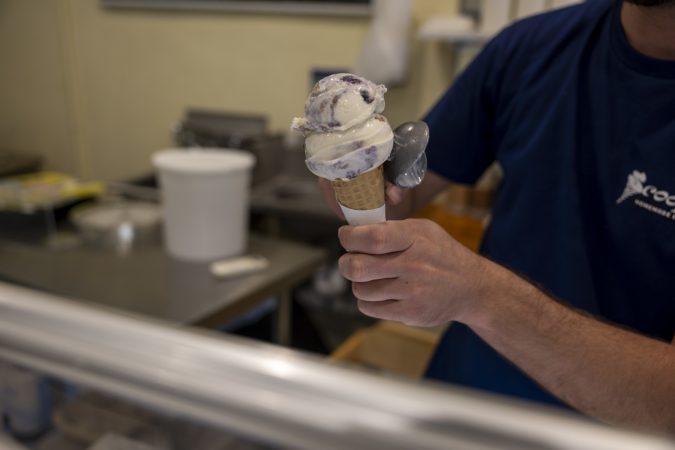
    Visit Delco, Delaware County’s tourism promotion agency, launched the Delco Ice Cream Trail Pass in May, a 16-stop mobile “passport” that encourages participants to try out local ice cream and water ice shops, collecting points along the way that can be redeemed for prizes. The Ice Cream Trail takes participants across Delaware County, from Just Homemade Ice Cream in Aston up to the Vanilla Bean in Wayne, and back around to CJ’s Waterice & Ice Cream in Collingdale. It was borne out of a desire to get Delco residents into their communities, and local economies, through a treat that cuts across all age groups, neighborhoods, and walks of life.

    “We just wanted to create a fun and accessible experience for the summer that encourages people to explore Delco,” said Amy Bohr, Visit Delco’s marketing director.

    Participants on the trail, which runs from Memorial Day through Labor Day, can sign up online and save the “passport” on their phones before visiting the ice cream shops, earning points at each location. Points can be applied toward rewards, including a baseball hat-shaped bowl, an ice cream scoop, or a bucket hat. Prizes can be collected at the Visit Delco office in Rose Tree Park.

    So far, 1,500 people have signed up for the pass, and 450 have “checked in” at one or more ice cream shops, according to Visit Delco.

    Visit Delco’s goal is largely to encourage nonresidents to visit, and spend money, in the suburban county. The agency helps connect visitors with places to stay, restaurants to patronize, and attractions to see, like the Delaware County Symphony or the Media Theatre. The agency also provides grants to local municipalities and organizations to help boost tourism and spur economic activity.

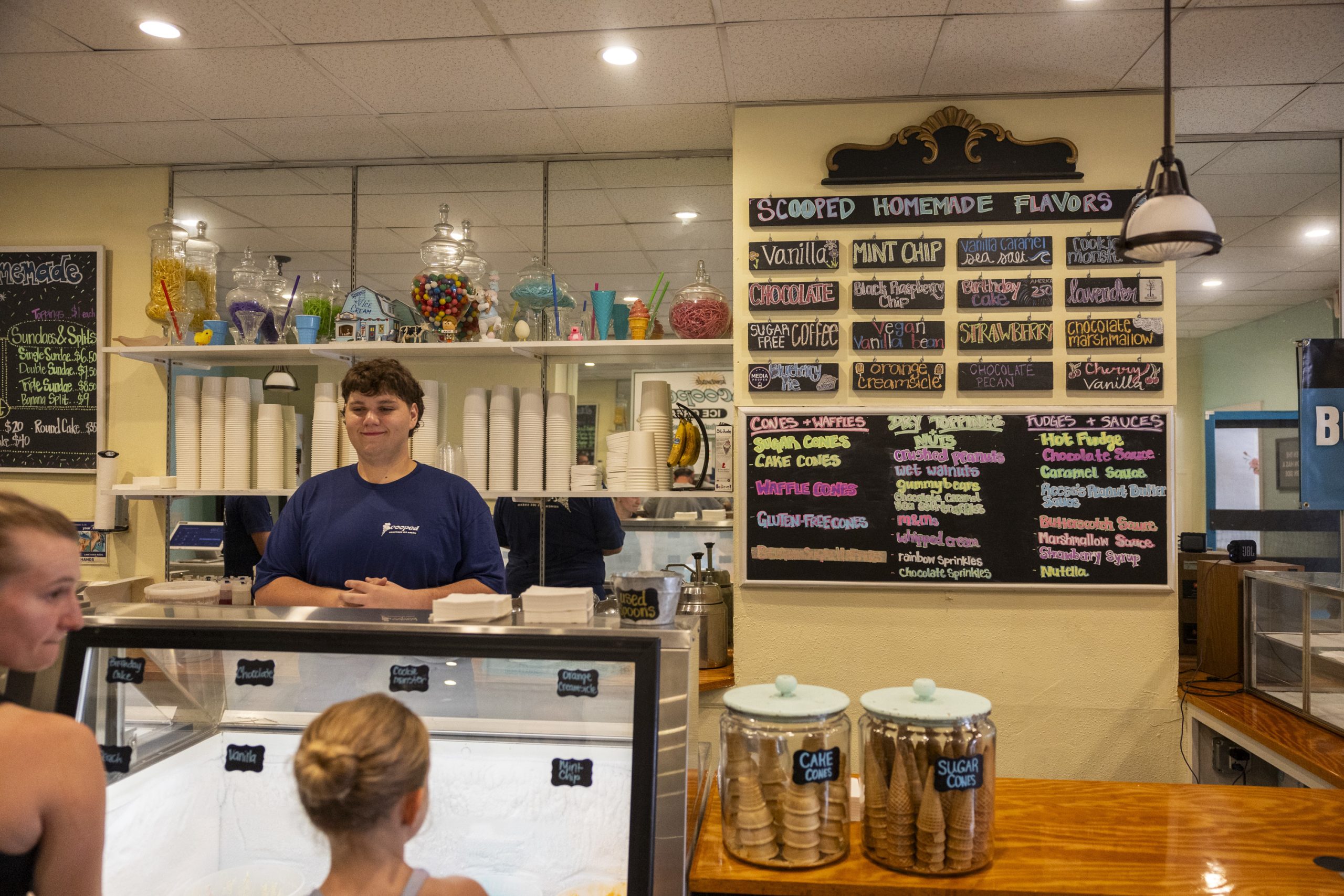
    Michael Mooney, 19, of Ridley Park, helps customers at Scooped Ice Cream in Media. Tyger Williams / Staff Photographer

    However getting locals out into Delaware County is also key for the agency, and for the economic health of the county’s many municipalities, Bohr said. The Ice Cream Trail, along with Trails and Tails, another “passport” program for dog-friendly trails and parks, are formulas to help encourage locals to visit a part of the county they might otherwise skip.

    “When residents visit a new ice cream shop, or explore a town or a Main Street where that shop’s located, they spend a day in the community, perhaps they haven’t done it in a long time, and everyone benefits,” Bohr said.

    Locals are Delco’s “best ambassadors,” she said, often recommending favorite spots to family and friends and coming back again to shop or dine.

    Kyle Lefkof, owner of Scooped Ice Cream in Media and Chester Springs, said regulars and newcomers alike have stopped by to check a box on the Ice Cream Trail and enjoy a sweet treat.

    “I think this is bringing in new business and giving the existing customers something fun to do,” he said.

    Scooped opened in Chester Springs in 2009 and Media in 2017. Lefkof took over the business from his aunt and uncle in 2023, and has been running it since. Scooped serves “super premium, gourmet ice cream” with 14% butterfat and “top-shelf ingredients,” Lefkof said.

    Ice cream is often “the highlight of people’s days,” he said. “It’s really nice to be a part of that.”

    Delaware County’s Ice Cream Trail runs through Labor Day. Participants can download the pass and see all 16 stops here.

    This suburban content is produced with support from the Leslie Miller and Richard Worley Foundation and The Lenfest Institute for Journalism. Editorial content is created independently of the project donors. Gifts to support The Inquirer’s high-impact journalism can be made at inquirer.com/donate. A list of Lenfest Institute donors can be found at lenfestinstitute.org/supporters.
  • Lower Merion police are investigating a string of residential burglaries

    Lower Merion police are investigating a string of residential burglaries

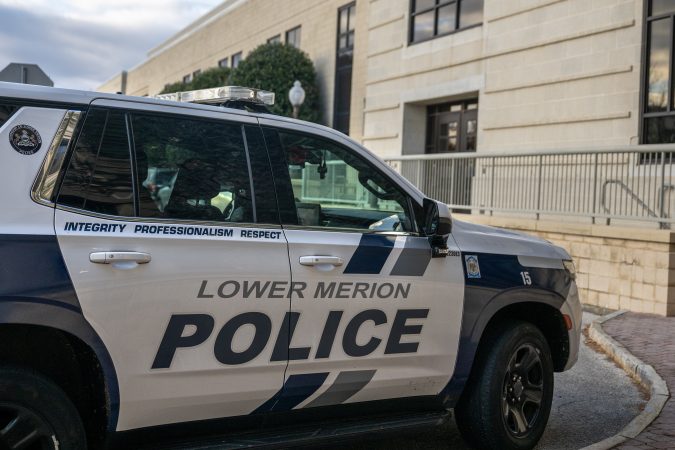
    Lower Merion’s police department is investigating a string of itinerant burglaries that have occurred in the township in recent weeks.

    Officials believe burglars are targeting high-value homes that appear to be unoccupied and are taking small valuables and jewelry. The incidents have been consistent with “burglary trends” reported across the region, the police department said in a statement on Thursday.

    “Summertime is burglary season,” Lt. Michael Keenan of the Lower Merion Police Department said.

    Keenan said the Lower Merion Police Department has seen several burglaries over the last three weeks, but declined to say where in the township they had taken place. The crimes have been consistent with previous patterns of burglaries by individuals who drive to wealthy neighborhoods in the Philly area, steal from empty homes, and flee, Keenan said.

    The police department has said the crimes “may be connected to the South American Theft Group.” The Federal Bureau of Investigation has described “South American Theft Groups” as groups of foreign nationals who overstay visas in the U.S. and commit crimes, including burglaries, often using rental vehicles and fake IDs and documents.

    Officials say leaving one’s home vacant for long periods of time can put it at risk for burglaries. Lower Merion’s police department is encouraging residents to use a home alarm, keep lights on timers, make sure mail and packages aren’t piling up outside, and leave a car in the driveway, if possible, when away from home for an extended period of time.

    “Make it look like you’re there,” Keenan said.

    The Lower Merion Police Department offers programs for residents to help secure their homes. Officers will conduct security inspections around residents’ homes while they’re out of town through the township’s Vacant Home Program. All Lower Merion residents are also eligible for a free home security survey through the Home Security Assessment Program.

    The police department has encouraged residents to report suspicious behavior by calling 911.

    This suburban content is produced with support from the Leslie Miller and Richard Worley Foundation and The Lenfest Institute for Journalism. Editorial content is created independently of the project donors. Gifts to support The Inquirer’s high-impact journalism can be made at inquirer.com/donate. A list of Lenfest Institute donors can be found at lenfestinstitute.org/supporters.
  • A Delco library made headlines for a ‘borrowed book returned after 100 years.’ The real story may be more complicated.

    A Delco library made headlines for a ‘borrowed book returned after 100 years.’ The real story may be more complicated.

    A familiar legend at Delaware County’s Darby Free Library goes as follows.

    It was an October day in 1947 when a woman walked into the library and returned a book. The woman had found the library book while going through her late grandfather’s possessions, she said, and she was returning it on his behalf. What was remarkable was that the book had been taken out of the library in the mid-1800s, more than 100 years earlier. It was overdue by a century.

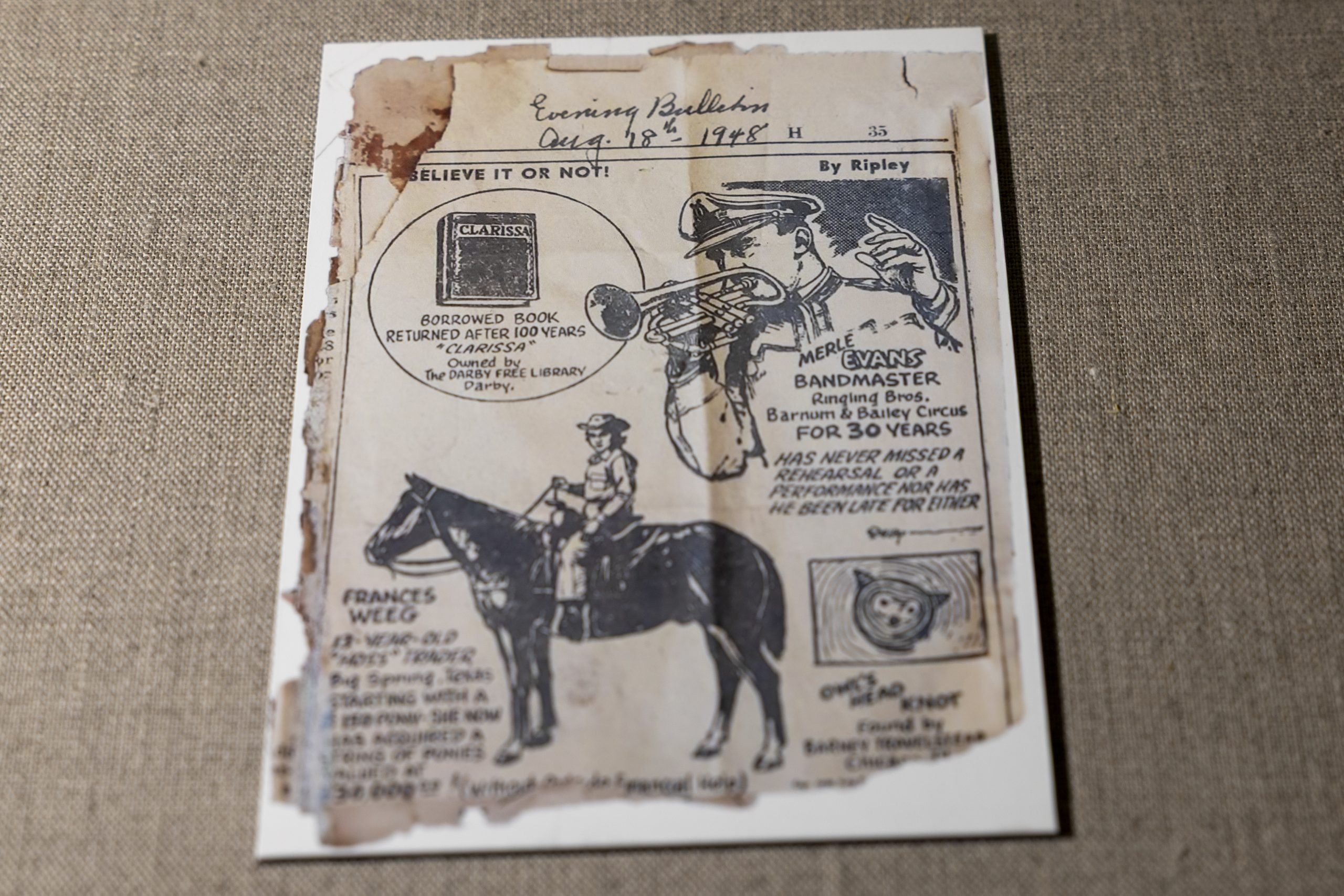
    The local paper purportedly caught wind of the story, and on Aug. 18, 1948, the tale was featured in the Ripley’s Believe It or Not! panel and syndicated in over 750 newspapers around the world.

    “BORROWED BOOK RETURNED AFTER 100 YEARS,” the Ripley‘s panel declared.

    The “Ripley’s Believe It or Not” clipping about the century-overdue volume of “Clarissa” inside the Darby Free Library. Aidan T. Gallo / Staff Photographer

    The famed book was volume four of Clarissa, a 1748 novel by Samuel Richardson that follows the trials and tribulations of Clarissa Harlowe, a young woman who flees home with a charming but untrustworthy man, Robert Lovelace. The book, considered controversial by many at the time, is written largely in the form of letters between Clarissa and Robert Lovelace and is thought to be an early great psychological novel, exploring the characters’ inner lives and the complex themes of gender, power, and freedom. Clarissa spans seven to eight volumes and has a word count of nearly one million.

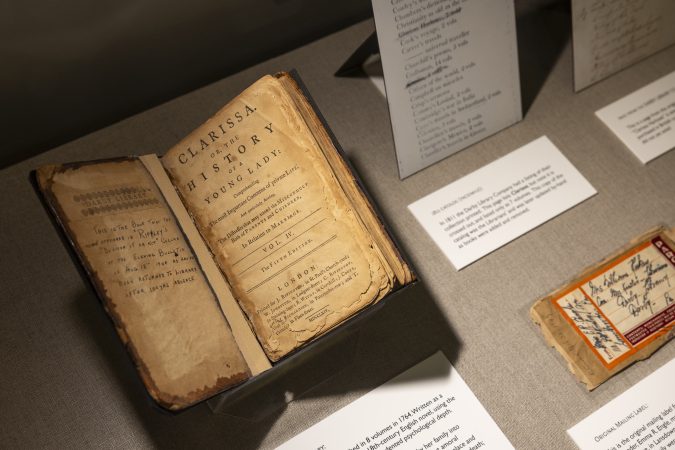
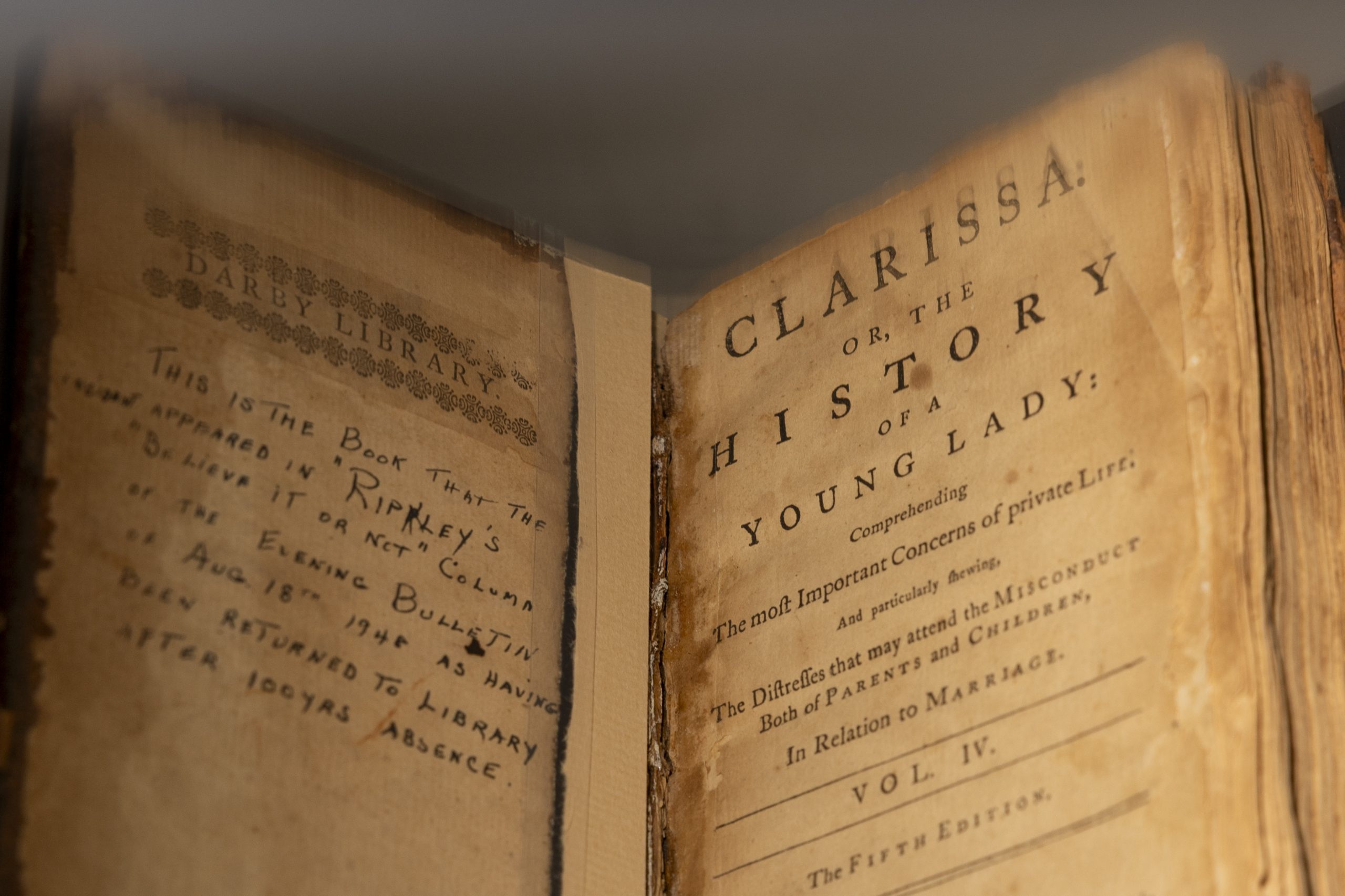
    The Darby Free Library’s Emily Finigan was sorting through the library’s collection a few years ago when she came across the famed overdue copy of Clarissa. Finigan found the book inside of a small box adorned with a mailing label. Attached to the mailing label was the Ripley’s clip, and inside the book was an inscription: “This is the book that the incident appeared in ‘Ripley’s Believe It or Not’ column of the Evening Bulletin of Aug. 18th, 1948 as having been returned to library after 100 yrs absence.”

    Finigan wears a lot of hats at the library, including fundraising, volunteer work, and, with her husband, managing the library building’s restoration.

    Finding Clarissa piqued her interest, and she began to wonder if she could use archival research to uncover the identity of the borrower who first checked out the 100-year overdue book.

    Yet a quest to identify the original borrower of volume four of Clarissa sent Finigan down a rabbit hole that left her with more questions than answers: Was Clarissa really a century-old overdue book? And, if not, what really happened to the library’s copy of the 1700s novel?

    The “Clarissa” copy inside the Darby Free Library.Aidan T. Gallo / Staff Photographer

    The Darby Free Library was founded in March 1743 by a group of Quaker farmers and merchants looking to organize their village’s first cultural institution. The group, made up of 29 townsmen, threw together money to purchase 45 original books, many of which are on display in the library today.

    In 1826, the library offered up borrowing rights to anyone who could pay three pounds. In 1898, it became a public library. Nearly a century later, in 1984, the Darby Free Library was adopted into the Delaware County Libraries system.

    According to records, the Darby Free Library acquired all eight volumes of Clarissa in 1769 for 2 pounds, 6 shillings, and 2 pence.

    By 1811, a catalog of the library’s collection only counted seven of eight volumes, a sign that one may have already gone missing, or had been borrowed by a reader.

    Though the legend of the 100-year overdue volume of Clarissa involved a woman walking into the library to return the book, the copy, Finigan noted, had seemingly been mailed to the library, not returned by a mysterious visitor. So who mailed the package?

    The original shipping label identified the sender as Emma Engle, a local librarian who mailed the book from her sister Josephine’s home in Landsdowne. Emma and Josephine’s parents and grandparents weren’t local to the area, according to archival research, making it unlikely that Emma Engle had returned her own grandfather’s book, as the legend went.

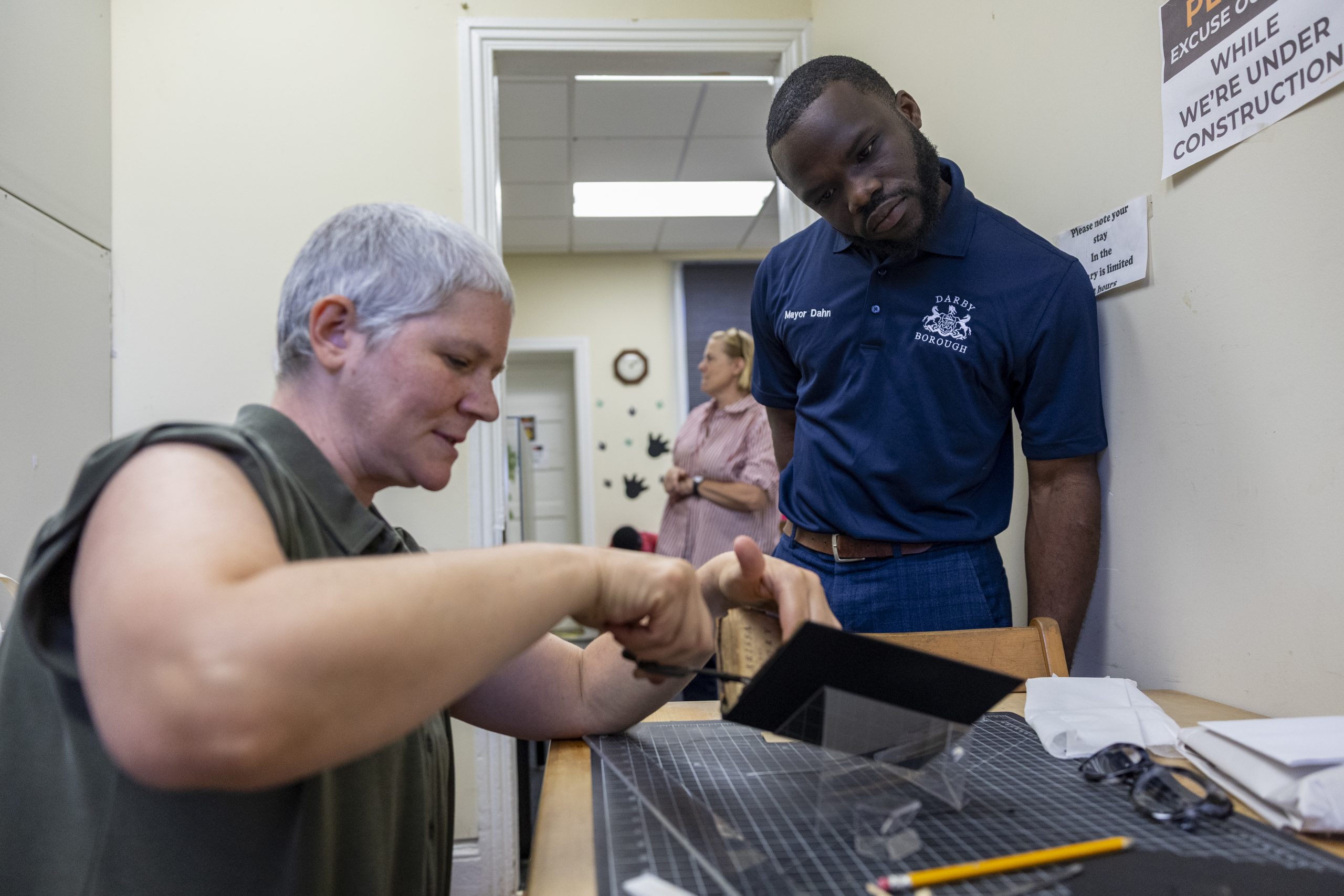
    Darby Mayor Joar Dahn looks on while Liz McDermott, a conservation technician, handles a centuries-old copy of “Clarissa” at the Darby Free Library.Aidan T. Gallo / Staff Photographer

    Josephine Engle, however, was married to a man named Isaac Rhoads, a member of the Darby Quaker Meeting, which was affiliated with the library. Isaac’s mother, Mary Hibberd Rhoads, was listed as a library member, and his grandfather, Samuel Rhoads, would have been alive around the time Clarissa was taken out of the library.

    So was Engle mailing back a long-lost book once taken out, and never returned, by her brother-in-law’s grandfather? That’s one possibility, Finigan said.

    Another possibility? The Darby Free Library may have sold off Clarissa in an attempt to clear its shelves of controversial material, and one volume made its way back to the library through Engle.

    In 1826, the same year the library opened borrowing rights to the community, it appointed a committee to make a list of books that it “may be expedient … to dispose of.” When they met again the following year, a number of titles had made the chopping block, including the seven accounted-for volumes of Clarissa.

    Why would the Darby Free Library want to sell Clarissa, among other books? Finigan has a few ideas. In the eighteenth and nineteen centuries, some saw novels as frivolous, distracting, and tempting readers toward vanity. Some novels with more sinister or self-interested characters may have been viewed as at-odds with the values of honesty and sincerity held by Darby’s Quaker residents, Finigan said.

    The Darby Free Library in Delaware County, founded in 1743, is currently undergoing renovations. Aidan T. Gallo / Staff Photographer

    So, was the missing volume of Clarissa actually removed from the library in the early 1800s for objectionable content? That would be one explanation as to why seven, not eight, volumes were listed for sale in 1827.

    Was volume four actually sold with the rest of the collection in 1827 before eventually making it back to the library through Emma Engle? Could the list of seven, and not eight, volumes have been an incorrect count?

    Or could it have truly been an overdue book, taken out by a relative of Emma Engle’s and returned over 100 years later?

    Finigan says the mystery remains, and may never be revealed. But curious minds can view the famed “century overdue” copy of Clarissa at the Darby Free Library from July 10 through Aug. 1 during normal library hours.

    “Treasures from the Darby Library: THE 100-YEAR OVERDUE BOOK”

    📍 Darby Free Library, 📅 through Aug. 1, 🌐 darbylibrary.org/programs

    This suburban content is produced with support from the Leslie Miller and Richard Worley Foundation and The Lenfest Institute for Journalism. Editorial content is created independently of the project donors. Gifts to support The Inquirer’s high-impact journalism can be made at inquirer.com/donate. A list of Lenfest Institute donors can be found at lenfestinstitute.org/supporters.
  • OGYU Japanese BBQ & Bar brings grill-it-yourself Wagyu to the former Iron Hill Brewery in Ardmore

    OGYU Japanese BBQ & Bar brings grill-it-yourself Wagyu to the former Iron Hill Brewery in Ardmore

    In building the concept for his newest restaurant, Sam Li flew halfway across the world for a culinary research journey. He traveled across China, Japan, and Korea to study, and sample, the three countries’ ways of doing barbecue. It was at a Japanese yakiniku — or grilled meat — restaurant that he knew he had found his next project.

    Li is the owner of OGYU Japanese BBQ & Bar, an upscale, grill-it-yourself Japanese barbecue restaurant that opened in Ardmore last month. The restaurant offers a tiered, fixed-price menu with a focus on “higher quality premium Wagyu beef.” OGYU is located in the former Iron Hill Brewery at 60 Greenfield Ave., which closed in 2024 before Iron Hill filed for bankruptcy last year.

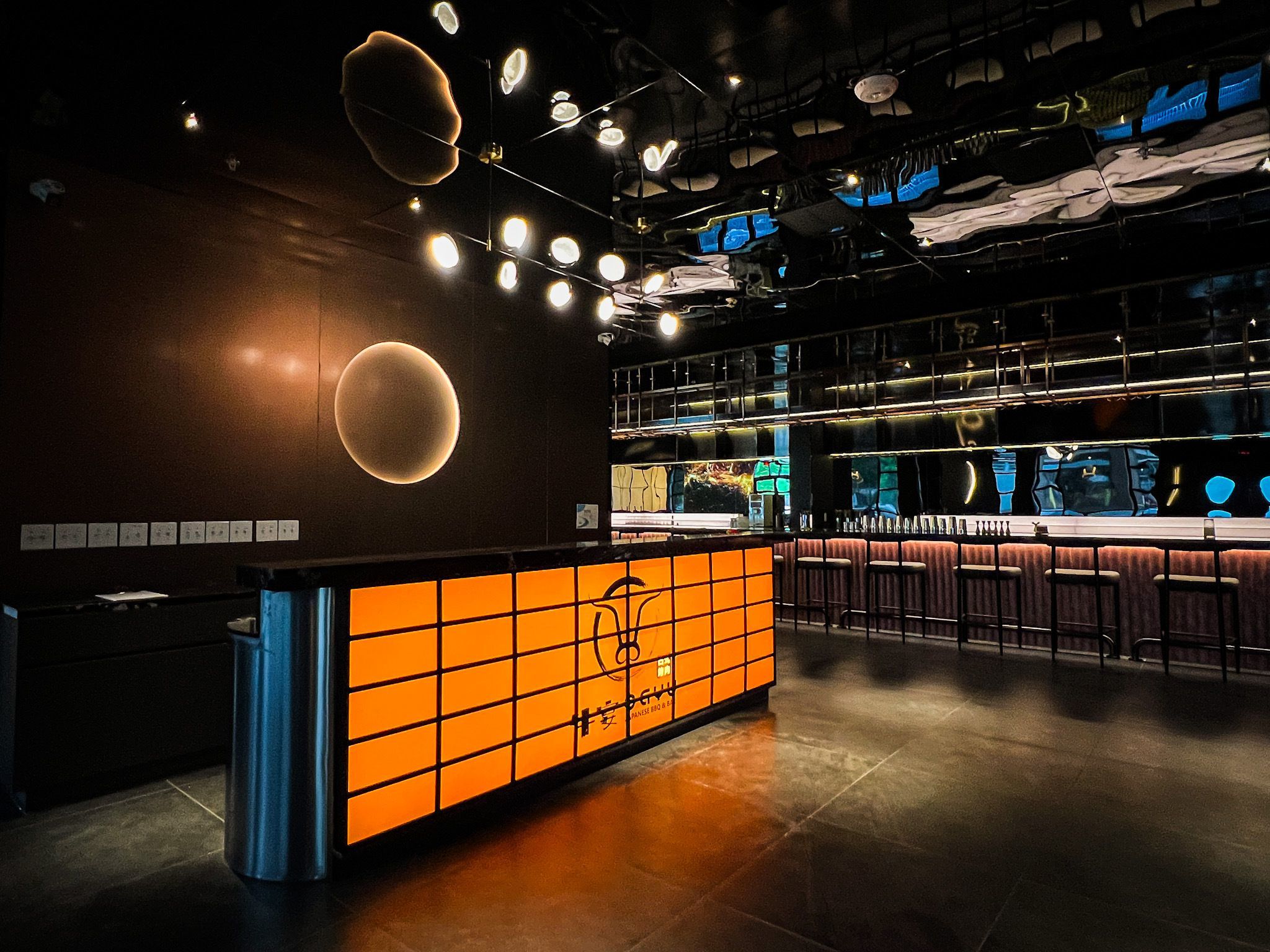
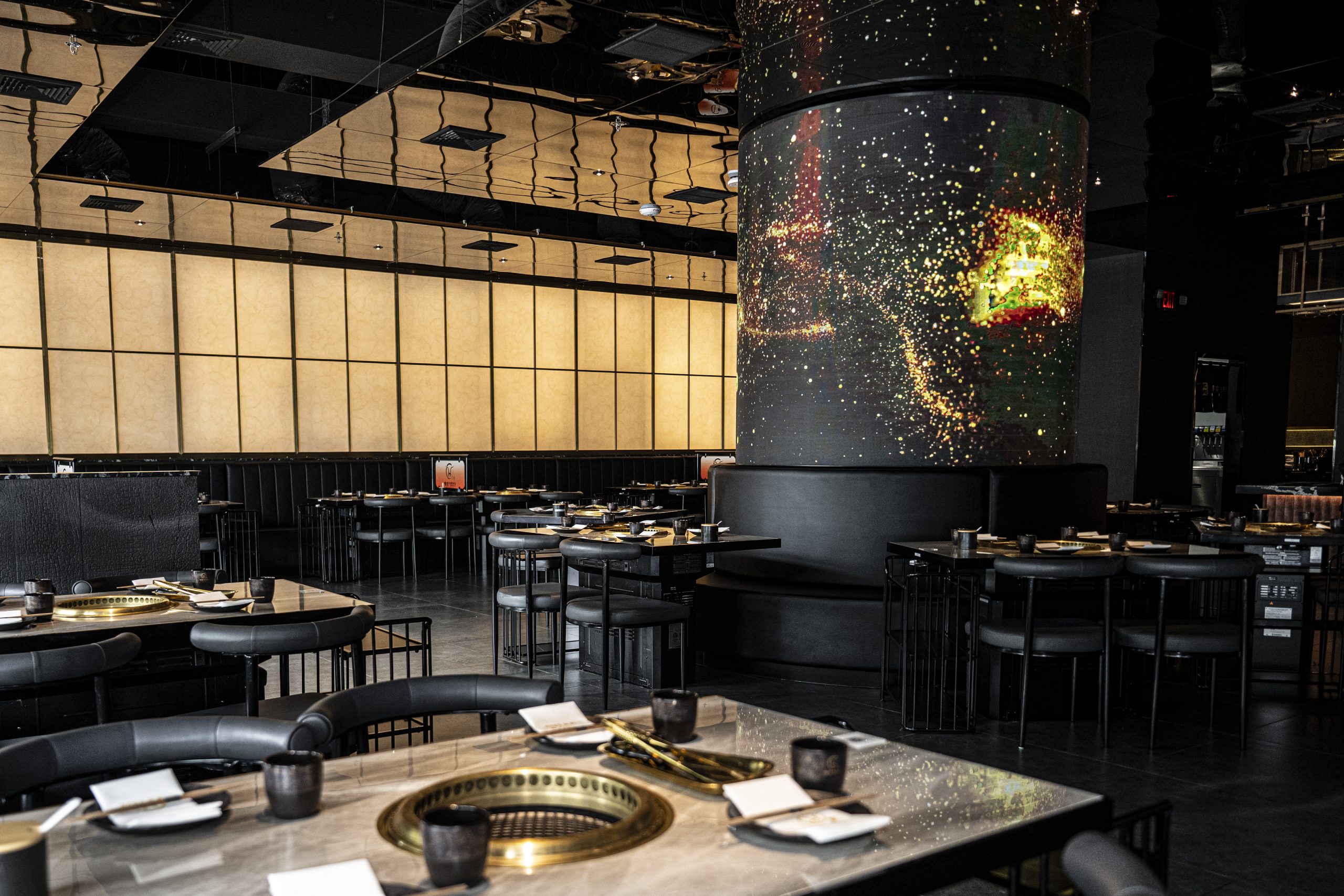
    Though OGYU has found a home in what was once Iron Hill, Li and his team have transformed the former brewery’s space into a sleek, club-like atmosphere, with black and gold detailing, marble-paneled walls, and an opulent, fully stocked bar.

    OGYU Japanese BBQ restaurant is shown on Tuesday, July, 7, 2026 in Ardmore. The new restaurant by Sam Li offers a modern Japanese steakhouse experience with tabletop cooking.Jose F. Moreno / Staff Photographer

    Li grew up in a restaurant family. His grandparents opened Oriental Palace in Lawnside in 1978, and he took over the restaurant from his parents in 2003.

    He now sits at the helm of seven restaurants in the Philly suburbs, including sushi restaurant Osushi, with locations in Marlton, Ardmore, and Wayne; upscale Japanese restaurant Hiramasa in Newtown Square; and fast-casual chain bb.q Chicken, with two locations in South Jersey.

    While Li has built his brand largely around sushi, he said he saw an opportunity in the market when it came to Japanese barbecue. There aren’t many yakiniku restaurants in the region, he said, and it’s a relatively new concept to many of his diners. People tend to be familiar with Korean barbecue, which leans more into marinades and flavors than its Japanese counterpart, which more often lets the meat speak for itself, Li said.

    “We felt that it could be a new concept that we could bring into the U.S, and it’s something new to Ardmore,” Li said.

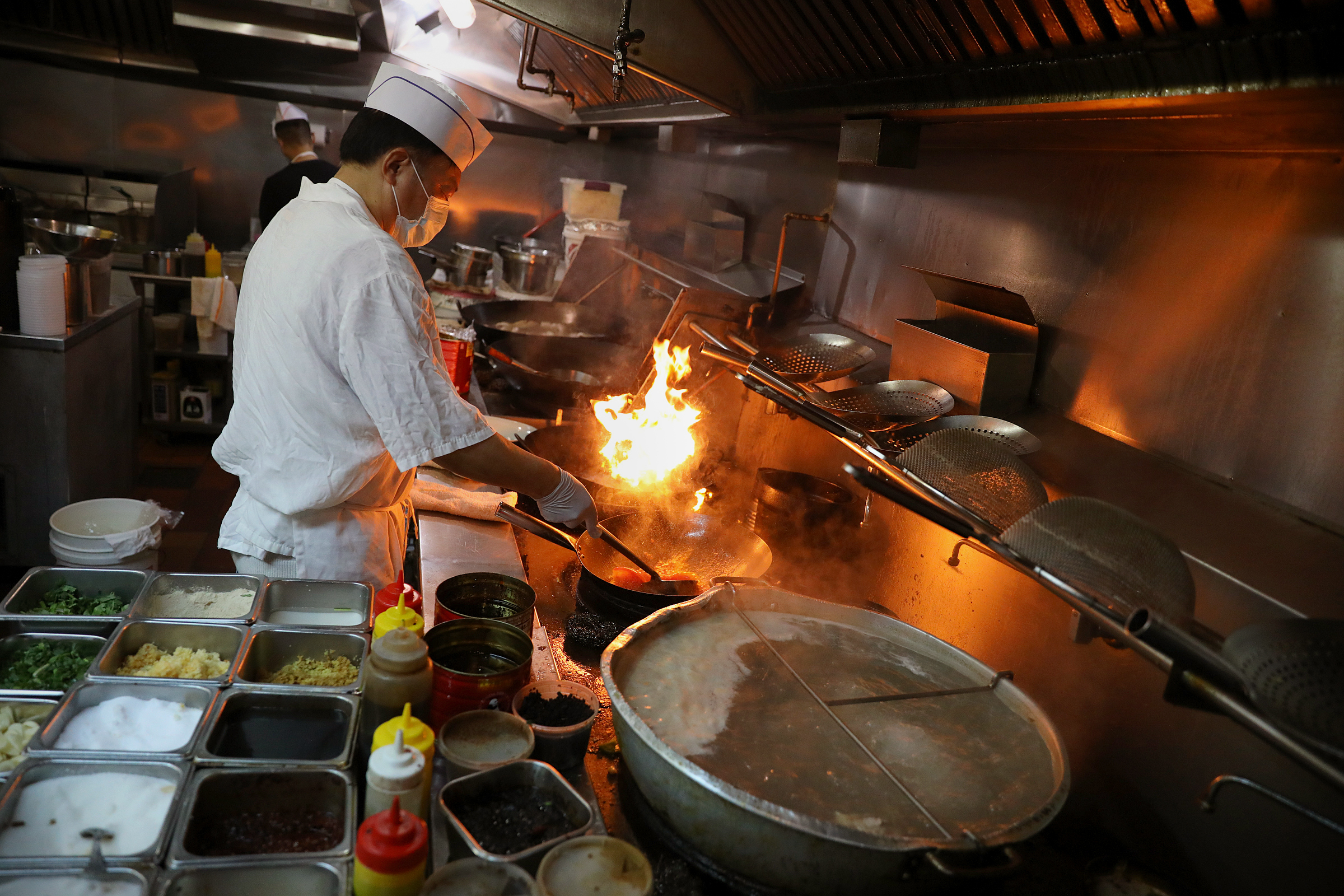
    Restaurant owner Sam Li is photographed at OGYU Japanese BBQ restaurant on Tuesday, July, 7, 2026 in Ardmore. His new restaurant offers a modern Japanese steakhouse experience with tabletop cooking.Jose F. Moreno / Staff Photographer

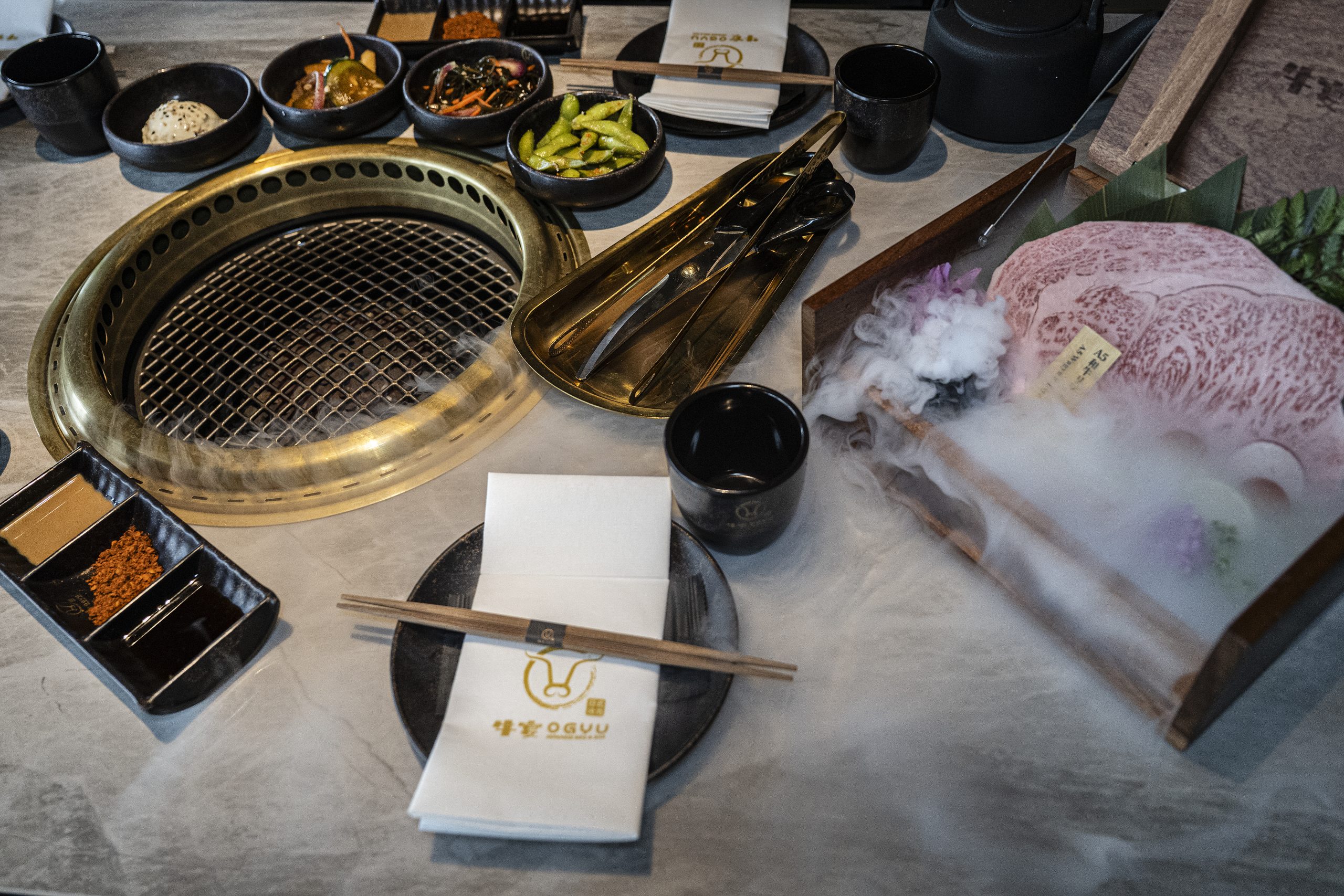
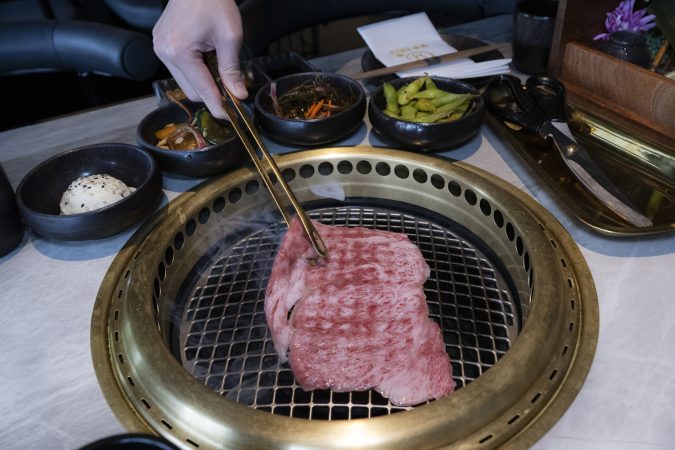
    Bringing a new concept to customers has meant lots of education, both for OGYU’s staff and its customers, who need to learn how to operate the tabletop grills and cook pieces of Wagyu to perfection. OGYU is an interactive experience, in addition to a meal, with flashy dry ice presentations and the challenge — and excitement — of grilling your own dinner in the middle of the table.

    OGYU offers an all-you-can-eat, fixed-price menu with four tiers: Silver ($39), Gold ($59), Platinum ($79), and Diamond ($99).

    The main difference in the tiers is the quality of the meat, Li said. The introductory tier is best for diners who “just want to experience and explore what yakiniku is about.” The Diamond tier will be “the ultimate experience.”

    OGYU Japanese BBQ restaurant is shown on Tuesday, July, 7, 2026 in Ardmore.Jose F. Moreno / Staff Photographer

    Beyond what goes on the grill, OGYU offers a menu of à la carte dishes, including spicy kani salad ($9.95), Wagyu truffle fried rice ($21.95), wasabi lobster tempura ($19.95), butter cheese corn ($9.95), and various hand rolls and sashimi. Li describes the à la carte menu as inspired by Japanese street food.

    OGYU is open from 11:30 a.m. to 10 p.m., Sunday through Thursday, and 11:30 a.m. to 11 p.m., Friday and Saturday.

    This suburban content is produced with support from the Leslie Miller and Richard Worley Foundation and The Lenfest Institute for Journalism. Editorial content is created independently of the project donors. Gifts to support The Inquirer’s high-impact journalism can be made at inquirer.com/donate. A list of Lenfest Institute donors can be found at lenfestinstitute.org/supporters.
  • A dozen businesses have opened in Ardmore this year. Here’s a list of what’s new, and what’s on the horizon.

    A dozen businesses have opened in Ardmore this year. Here’s a list of what’s new, and what’s on the horizon.

    A dozen new businesses have opened in downtown Ardmore so far this year, bringing Japanese barbecue, build-your-own salads, and organic dog treats, among other goods, to the Main Line community. New and incoming businesses include mom-and-pop shops, national chains, and expansions of popular Philly-area names, such as decorated Szechuan eatery EMei and New Jersey-based burger chain Gouldsburger’s.

    Downtown Ardmore’s new retailers and restaurants join a collection of recent additions to Ardmore’s Suburban Square, the Kimco Realty-owned outdoor mall that has long been a retail anchor in Philadelphia’s western suburbs.

    Here’s a breakdown of the new retailers that have opened in Ardmore this year, and some others that are on the horizon.

    What’s new?

    OGYU Japanese BBQ

    OGYU Japanese BBQ (60 Greenfield Ave.) is a tabletop cooking Japanese steakhouse experience from Osushi owner Sam Li. OGYU offers an all-you-can-eat, tiered, fixed-price menu, as well as a full bar. Li has opened Osushi locations in Wayne, Ardmore, and Marlton, as well as upscale eatery Hiramasa in Newtown Square. OGYU opened last month.

    Just Salad

    Healthy food chain Just Salad (167 W. Lancaster Ave.) opened in Ardmore in May, adding to the company’s more than 100 locations across seven states. Just Salad serves fast-casual salads, warm bowls, wraps, and smoothies.

    Barizi

    Barizi (29 W. Lancaster Ave.) is a design, home, and gift store offering curated ceramics, textiles, leather goods, vintage furniture, and self-care items. Barizi’s Ardmore store opened in May and is its second after New York City.

    Gouldsburger’s

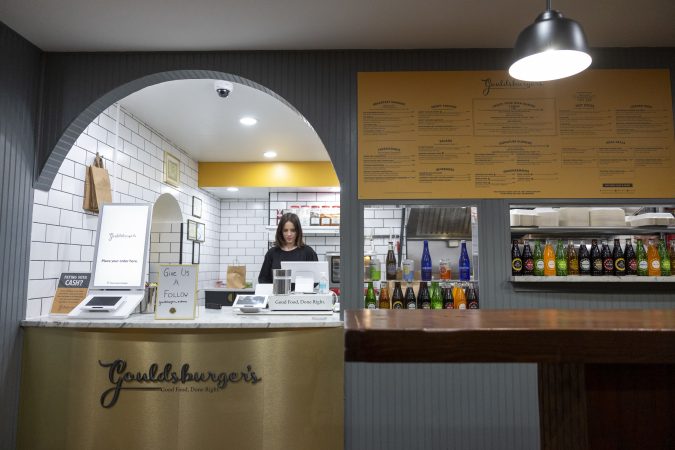
    Gouldsburger’s (4 Station Rd.), a Jersey-based mini-chain serving up burgers, cheesesteaks, chicken sandwiches, and other fried snacks, opened across from Ardmore’s train station in February. The restaurant has vegan and vegetarian options, and its cheesesteak has even made the ranks of the Inquirer’s favorites.

    Inside OGYU Japanese BBQ in Ardmore. Michael Klein / Staff

    CorePower Yoga

    CorePower Yoga (169 W. Lancaster Ave.), a heated yoga and strength training studio with hundreds of locations across the U.S., opened in Ardmore in April. This is the chain’s third location in the Philadelphia area, after Center City and Northern Liberties.

    Bikini Burger

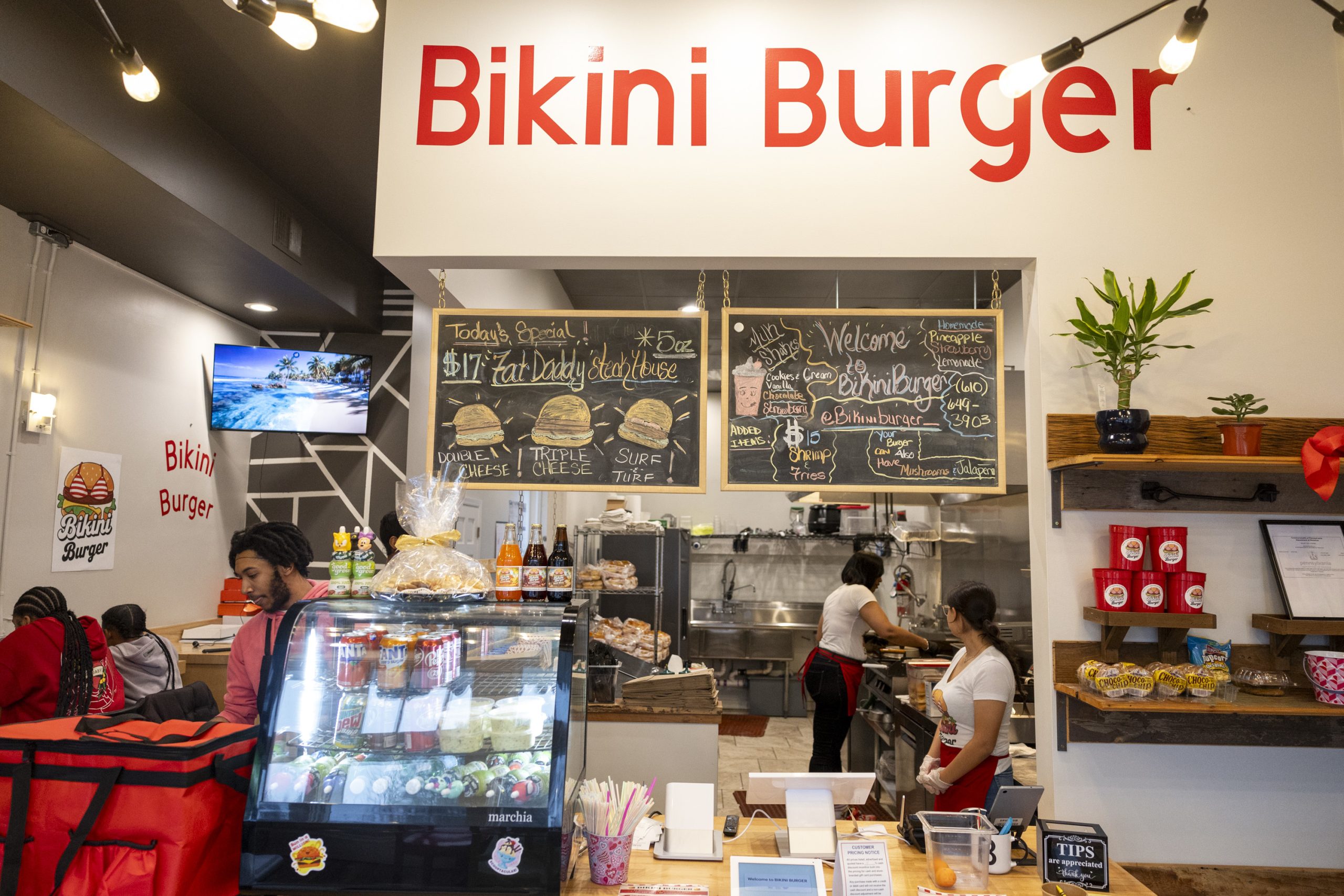
    Penn Valley resident Mia Robertston opened Bikini Burger (44 Rittenhouse Pl.) in January with the goal of bringing a simple and “really good burger” to the area. Robertson’s Burgers are made with beef from a Lancaster County butcher, can be topped with Cooper Sharp, among other accoutrements, and are never smashed.

    R3 Gaming & Toys

    R3 Gaming & Toys (6 W. Lancaster Ave.) is a toy and game shop built for collectors and “curious minds of all ages.” The store stocks classic toys, board games, puzzles, comics, graphic novels, and other novelties.

    Jersey Mike’s

    Sub sandwich giant Jersey Mike’s (20 Greenfield Ave.) opened its doors in the former Revitalize Aesthetics storefront in March. The sub shop is open seven days a week and offers both hot and cold sandwich options.

    Mila’s Pup Tienda

    Mila’s Pup Tienda (18 E. Lancaster Ave.) is a cat and dog supply store opened in March by Ardmore resident Dayanna Cardenas. Cardenas prides herself on stocking organic treats, durable toys, and products sourced primarily from local brands.

    Mia Robertson, owner of Bikini Burger, makes a cheeseburger at the Bikini Burger in Ardmore. The burger joint is one of a slate of new businesses to open in Ardmore this year. Tyger Williams / Staff Photographer

    Revivéa Health

    Revivéa Health (20 Ardmore Ave.) opened in Ardmore in April and offers various wellness treatments including IV therapy, vitamin injections, and red light therapy. Ardmore is Revivéa’s second local storefront after West Chester.

    Raffs Italian Cuisine

    Raffs Italian Cuisine (65 Cricket Ave.) is the second restaurant of chef and owner Raffael Kupa, who also runs Buona Vita in Somers Point, N.J. Raffs, which opened in April, is BYOB, open for dinner seven days a week, and offers traditional Italian fare.

    Bored Trading Café

    Bored Trading Café (43 Cricket Ave.) is an all-day eatery serving bagels, sandwiches, salads, wraps, smoothies, and burgers, among other items. The cafe held its grand opening in January.

    What’s coming soon?

    Mango Mango

    At Mango Mango (38 Greenfield Ave.), an Asian-inspired dessert chain with locations across the U.S., “mango’s our muse.” Mango Mango serves mango- and non-mango-flavored cakes, waffles, smoothies, ice creams, and teas. Its Ardmore franchise will be opening later this month.

    Vintner’s Table

    Vintner’s Table (24 Cricket Ave.) is an Italian-inspired wine bar affiliated with Folino Estate Winery & Restaurant in Kutztown. The Ardmore location will be the third Vintner’s Table after Phoenixville and Wyomissing. Vitner’s Table has not shared an anticipated opening date yet.

    Chef Yongcheng Zhao preparing a crispy whole boneless sea bass dish at EMei in Chinatown. The restaurant is set to expand to Ardmore. TIM TAI / Staff Photographer

    EMei

    Inquirer food critic Craig Laban says EMei (98 Cricket Ave.) is a “Szechuan feast with few peers in Philly.” The lauded Chinatown eatery, owned by Dan Tsao, is expanding to South Philly and Ardmore in the near future, though the timeline for expansion has been pushed back due to permitting and architecture hiccups.

    Pure Green

    Cold-pressed juice company Pure Green (56 E. Lancaster Ave.) is set to open in Ardmore next year. Pure Green offers superfood smoothies, acai and pitaya bowls, steel-cut oatmeal bowls, sourdough toasts, and cold-pressed juices.

    Calm and Strong Yoga and Pilates

    Calm and Strong (46 Rittenhouse Pl.) is a yoga and pilates studio bringing a variety of sculpt, flow, and strength classes to Ardmore. The studio is set to open this fall.

    This suburban content is produced with support from the Leslie Miller and Richard Worley Foundation and The Lenfest Institute for Journalism. Editorial content is created independently of the project donors. Gifts to support The Inquirer’s high-impact journalism can be made at inquirer.com/donate. A list of Lenfest Institute donors can be found at lenfestinstitute.org/supporters.
  • What will Media look like in 2035? The borough is planning for diversified housing options, safer streets, and more retail

    What will Media look like in 2035? The borough is planning for diversified housing options, safer streets, and more retail

    What are the defining characteristics of Media, and how should the borough plan for the next decade?

    Those are the questions at the core of “Media 2035,” the comprehensive plan adopted by Media’s borough council last month designed to shape the next chapter of land use, housing, economic development, traffic planning, and environmental decision making in the 5,900-resident Delaware County community.

    “A comp plan is a long-term vision of how a community can look in the future,” Brittany Forman, Media’s borough manager, said.

    The 166-page plan, built on feedback from around 500 residents, is centered around four guiding principles: Preserving Media’s character, fostering inclusivity through housing diversity, preserving the environment, and becoming a more connected and less car-dependent borough.

    Municipalities in Pennsylvania are required to have a comprehensive plan under the Pennsylvania Municipalities Planning Code and must review them every 10 years.

    Media’s leaders have been tasked with stewarding a borough that has seen immense economic growth in recent decades, transforming it from a sleepy town wrought by financial disinvestment and crime to a cultural hub and destination for families settling in the suburbs. While Media’s metamorphosis has brought new residents and investment into the borough, it has also pushed the community’s limits around housing affordability, traffic, and growth.

    “We’re a victim of our success, and it’s a good thing to be a victim of your own success,” said borough Council President Mark Paikoff. “But careful planning really is helpful.”

    Here are four key takeaways from Media’s comprehensive plan.

    Media’s charm has made it a desirable, and increasingly unaffordable, place to live

    Surveyed residents said Media’s “small-town feel,” including its historic architecture, walkability, and diverse local businesses, is the borough’s most important asset. Yet the traits that make Media a great place to live have also made it a harder place to afford to stay.

    “For generations, Media has prided itself on being ‘Everybody’s Hometown,’ a motto that reflected a genuine reality: a community where wealthy professionals, hourly service workers, young families, and retirees lived side-by-side,” the comprehensive plan states, adding that economic diversity was made possible by a “varied housing stock that offered entry points for people at every stage of life.”

    As demand for walkable, transit-accessible living has surged in the Philly region, rising real estate costs are chipping away at this accessibility, creating a “severe burden” for a large segment of Media, notably seniors, teachers, nurses, and first responders, the plan states.

    Recommendations outlined in the plan include deepening partnerships with affordable housing agencies, updating the borough’s zoning code to spur housing development in key areas, and promoting non-traditional housing options like in-law suites. Officials said there’s a significant opportunity in converting underutilized office spaces into housing, as many of Media’s vacant offices are already located in former residential properties.

    Paikoff said the borough has had informal conversations with developers who are interested in both renovating older units and building new housing, though he stressed that bringing additional housing to the borough “will take some time.”

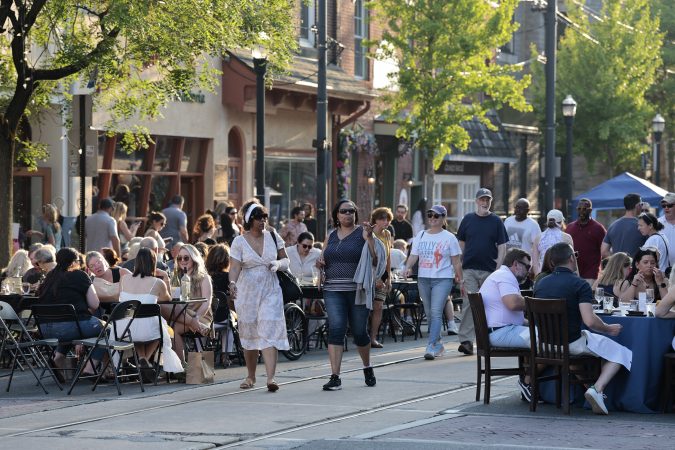
    Downtown Media on a June day. Alejandro A. Alvarez / Staff Photographer

    Media has strong transit access but ample traffic safety challenges

    Media is defined by its density. The borough’s footprint is under one square mile, and it’s a place where pedestrians, cyclists, cars, buses, and SEPTA trolleys regularly interact.

    “For a small town, I’d say we’re very sophisticated in terms of multimodal transportation,” said Forman.

    Yet Media’s density and busy streets have also created the conditions for traffic safety issues. The borough recorded eight vehicle crashes resulting in serious injury and two resulting in death between 2013 and 2024. A 2020 traffic study conducted by the borough found that drivers regularly speed, especially along Baltimore Avenue, and roll through stop signs. Media’s only bicycle infrastructure comes in the form of painted road markings. Residents expressed a desire for more crosswalks, less disruptive downtown traffic patterns, and protected bike lanes.

    Parking, too, remains a “source of friction.” The Baltimore Avenue parking garage is the anchor of the borough’s parking system, but it’s aging and requiring increased maintenance. At the same time, a surge in food delivery services has led to frequent double-parking outside of restaurants and blocking travel lanes. Media’s current parking and loading setup, the plan states, is “largely organized for a world that no longer exists.”

    The vast majority of Media’s workforce lives outside the borough

    Nearly all workers employed in Media commute from outside the borough. Of the approximately 9,800 primary jobs in Media, only 2.5% are held by residents. While Media’s accommodation, food service, healthcare, and arts and entertainment sectors have grown, its office administration, public administration, and wholesale trade sectors have shrunk. Overall tax revenues have increased in the past decade, led primarily by a growth in earned income tax revenues.

    The post-pandemic shift to hybrid and remote work has also “fundamentally altered” travel behavior in the borough, according to the plan. Twenty percent of Media residents worked from home in 2023, up from 3% in 2014, according to estimates from the U.S. Census Bureau. With fewer residents and workers commuting on a daily basis, traditional 9-to-5 traffic on SEPTA’s Regional Rail and trolley lines has shifted, following regional and national trends. Local neighborhood activity, on the other hand, has increased during the workday.

    Elizabeth Romaine, borough council vice president, said local businesses are already shifting to meet new consumer patterns, extending their hours or opening on weekdays when they would have previously been closed.

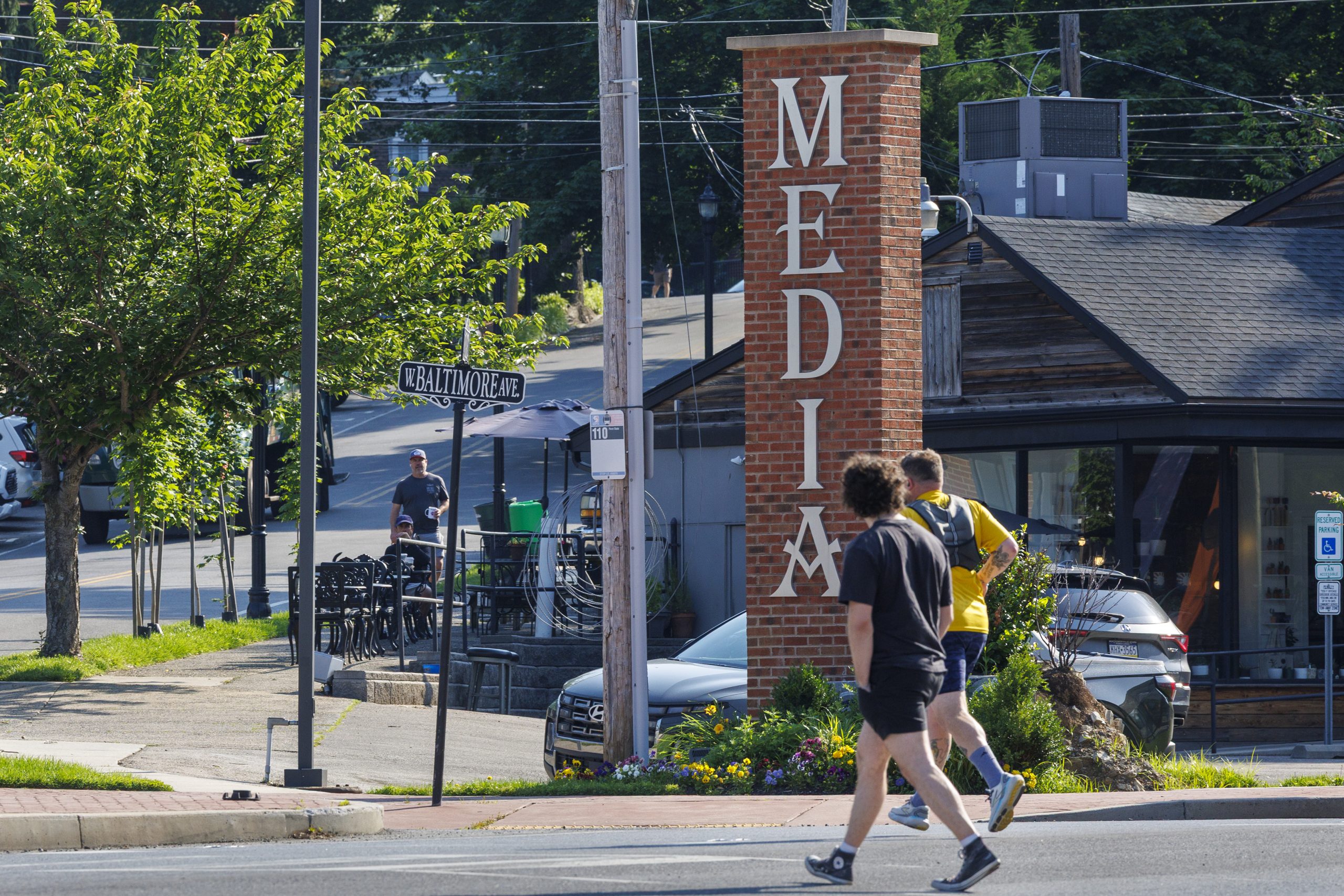
    The intersection of W. State Street and Baltimore Pike in Media. Alejandro A. Alvarez / Staff Photographer

    Residents love Media’s dining scene, but want more retail options

    Nearly 80% of surveyed residents reported satisfaction with Media’s vibrant restaurant scene, which draws diners from across the region. Media’s downtown is viewed as the borough’s “defining economic and social heart,” according to the plan.

    At the same time, residents expressed desire for a greater variety of retail, dining, and entertainment options. Non-food destinations and stores that fulfill everyday needs, specifically bakeries, clothing and home goods stores, and fitness centers, are outlined as particular areas of need.

    Romaine said Media has had some recent “retail successes,” like the opening of Sonny’s Vintage Clothing on State Street and the expansion of craft store Homesewn.

    The plan recommends increasing funding for the Media Business Authority, conducting a business-focused parking study and crosswalk inventory, and working to court new retailers. Recommendations also include enhancing programming at the Media Theatre to generate more foot traffic, deepen Media’s identity as a cultural destination, and “further solidify Media’s draw for visitors from across the region.”

    This suburban content is produced with support from the Leslie Miller and Richard Worley Foundation and The Lenfest Institute for Journalism. Editorial content is created independently of the project donors. Gifts to support The Inquirer’s high-impact journalism can be made at inquirer.com/donate. A list of Lenfest Institute donors can be found at lenfestinstitute.org/supporters.
  • Danny’s Guitar Shop, a destination for Main Line musicians, has closed after 17 years

    Danny’s Guitar Shop, a destination for Main Line musicians, has closed after 17 years

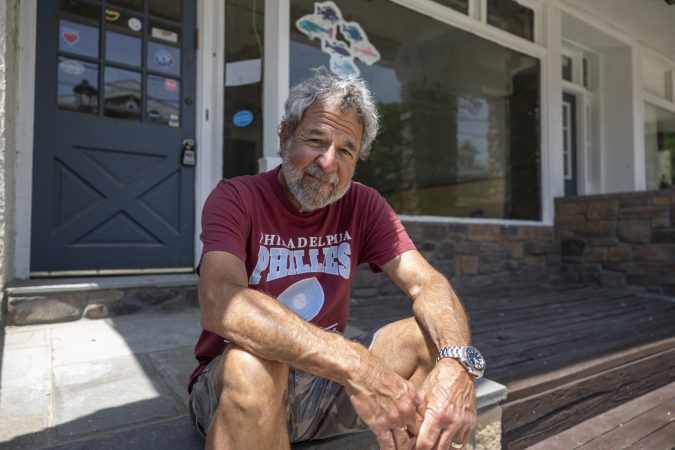
    Danny’s Guitar Shop, an independent guitar store and lesson center run by musician Dan Gold, closed its doors after 17 years in downtown Narberth.

    Over nearly two decades, Gold forged connections along the Main Line, sold guitars to celebrities, brought outdoor music to Narberth’s streets, and, briefly, starred in a TV show that drew on his talents as a self-proclaimed “kibitzer.”

    Gold, 72, said retirement was already on his mind when his landlord raised the rent beyond what Gold could pay. Danny’s officially closed at the end of May. As Gold prepares for the next chapter, which will be filled with swimming, traveling, and playing bass in Broken Arrow, his Neil Young cover band, he said his time in Narberth was “just perfect.”

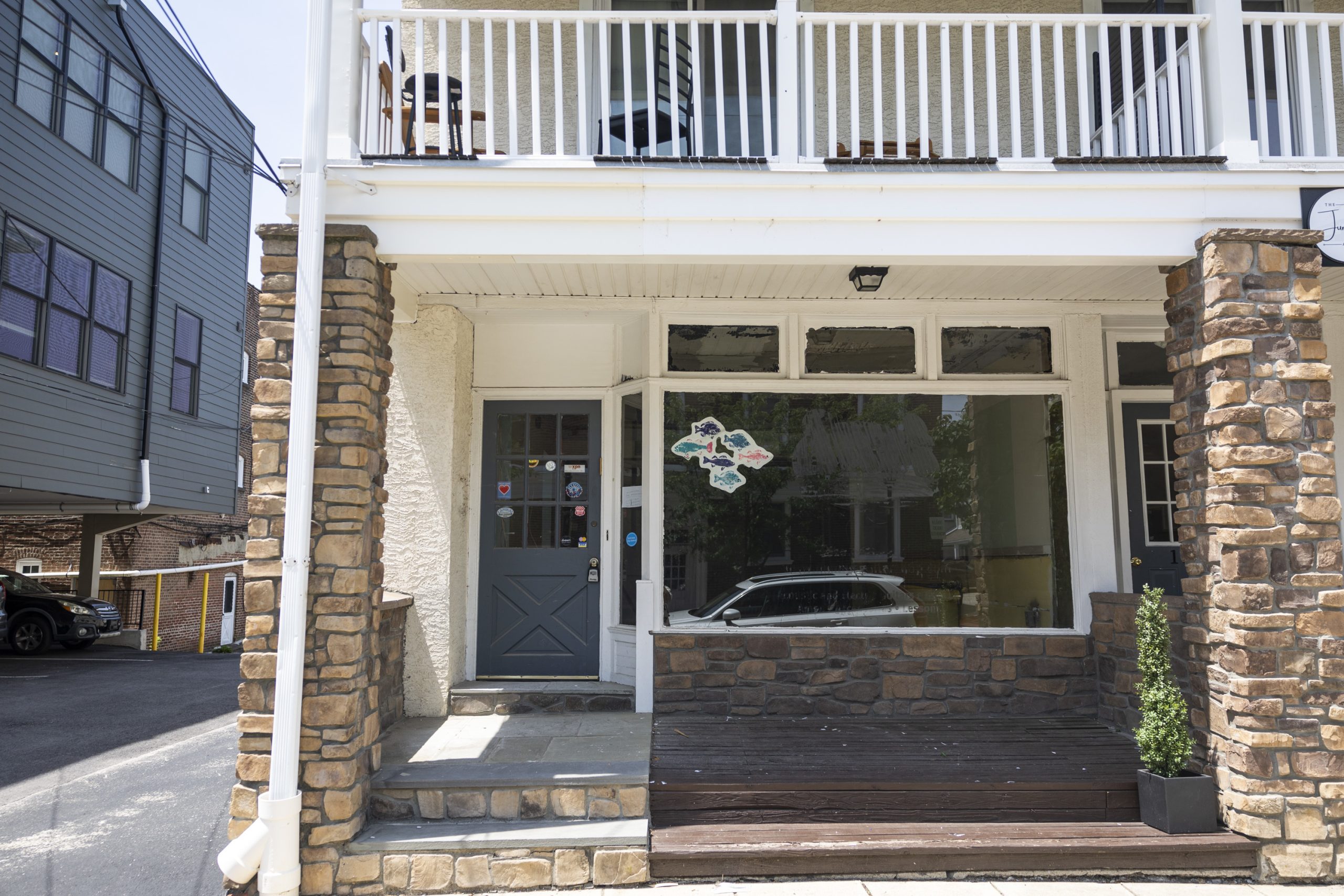
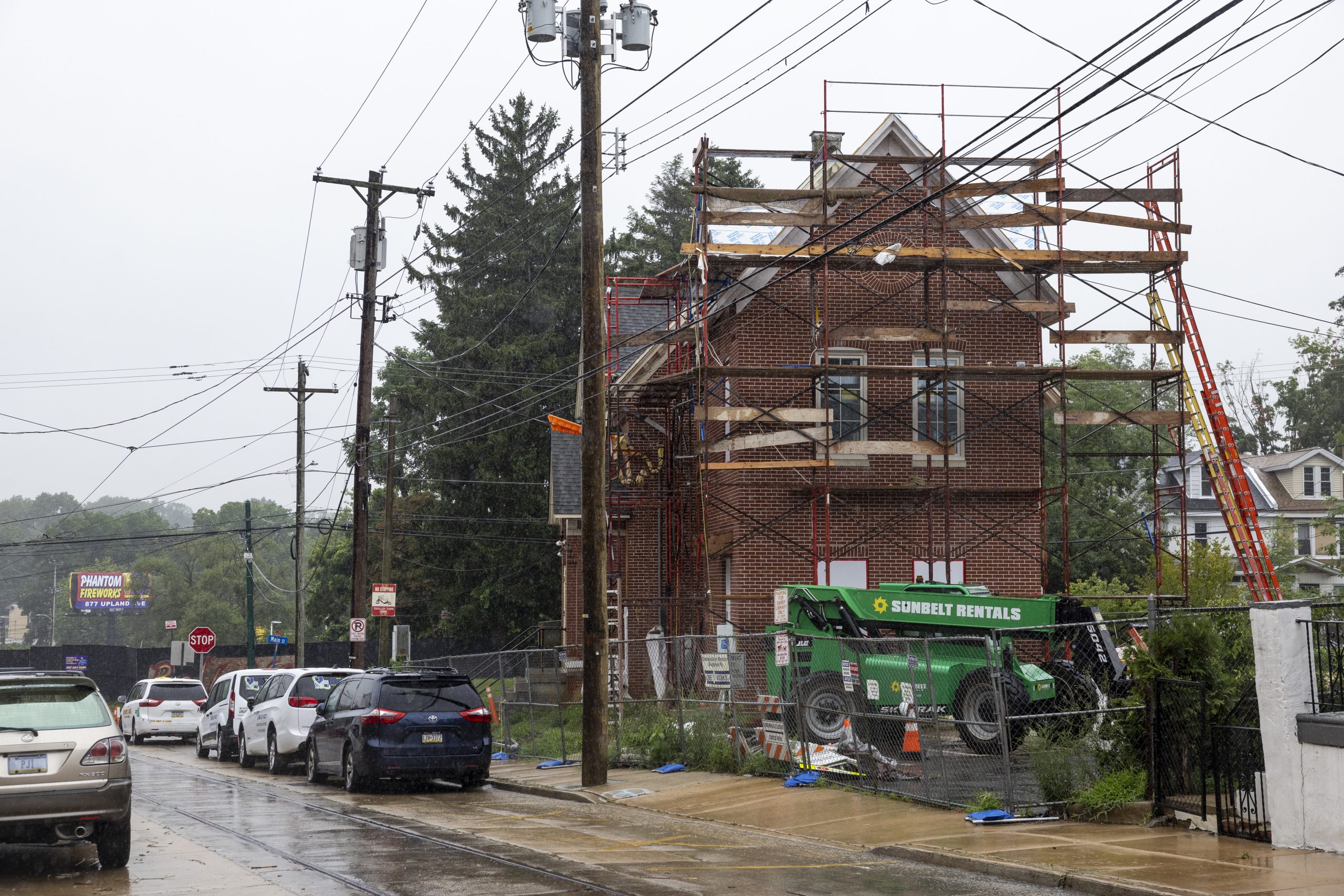
    The former storefront of Danny’s Guitar Shop in Narberth. Tyger Williams / Staff Photographer

    Gold opened Danny’s Guitar Shop in June 2009, right as the country had begun to dig itself out of the Great Recession. Guitar store Medley Music of Bryn Mawr had closed the year prior, and Center City’s 8th Street Music had moved across the bridge to New Jersey, leaving a vacuum for guitar lovers in Philly’s western suburbs.

    Gold, a Newtown Square resident, grew up in Havertown and graduated from Haverford High School and Temple University. He started his career as a schoolteacher before taking a gig as a district sales manager for Fender Guitars, traveling across the region, from rural Pennsylvania to North Jersey, selling instruments and accoutrements.

    Though it was risky to open a brick-and-mortar store at the heels of the financial crisis, Gold was bullish on the prospect. His mentors told him that as long as he ran guitar lessons, he’d be able to pay the rent. Gold had always loved Narberth’s “very distinct, charming personality” and was smitten with the Forrest Avenue storefront right away, with its ample natural light and welcoming front porch.

    When Danny’s opened in 2009, the Main Line Times described it as having promptly “established itself as that rare kind of clubhouse — the kind where everybody’s allowed in.”

    Over the years, the storefront’s shaded porch became the site of dozens of guitar recitals and summer evening jam sessions. Narberth residents gathered outside of Danny’s to talk about the news and the neighborhood gossip, and Gold always had treats for local dogs. Gold helped bring live music to Narberth during First Fridays and the annual July Fourth celebration. Ahead of a recital last fall, Gold posted on Facebook: “Students playin’ on the porch this Sunday 3:00! Bring a chair and come hang out!”

    “Danny is loved around here and for good reason,” said Ed Ridgway, president of the Narberth Business Association, who took guitar lessons at Danny’s.

    Ridgway described Danny’s as resembling an “old-timey barbershop.” If you asked Ridgway to make a list of 10 things that define Narberth’s downtown, he said Danny‘s would be on the list.

    “He was just such a good presence in Narberth,” said Tracy Tumolo, owner of Narberth art and gift shop Sweet Mabel Store.

    “This place,” Gold said. “It just fit me like a glove.”

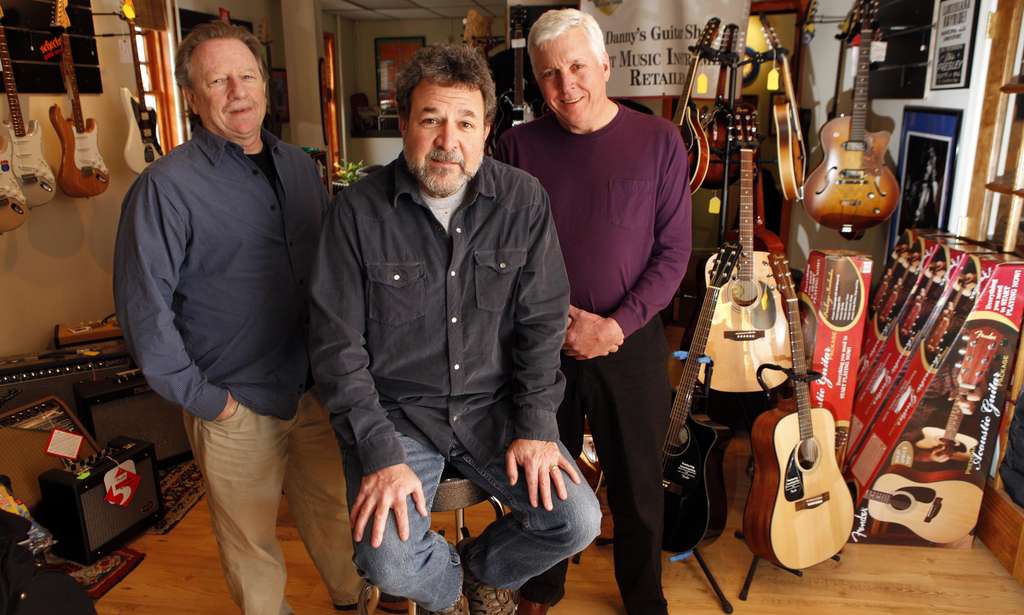
    Danny Gold (center) pictured at Danny’s Guitar Shop in Narberth in 2018 with partners Larry Freedman (left) and Ron Stanford. LAURENCE KESTERSON / Staff Photographer

    Every once in a while, a star or two would stop into Danny’s Guitar Shop while visiting the area or prepping for a show at Ardmore Music Hall. The Eagles’ Timothy B. Schmit bought a few guitars and gave Gold backstage passes when the band played Atlantic City. Wilco’s John Stirratt stopped by, as did Dweezil Zappa, Frank Zappa’s son. Tumolo said Gold always encouraged them to shop at Narberth’s other businesses.

    In 2014, Gold starred in a 13-episode series on WHYY-TV’s YArts cable channel, which aimed “to do for guitars what Anthony Bourdain has done” for international cuisine or ”Mike Rowe for the art of cleaning septic tanks,” according to an Inquirer story from the time. In the series, Gold explored the origins of Klezmer music, interviewed the scholar who wrote the definitive book on the history of the accordion, and spent quality time with electric guitar giant Paul Reed Smith.

    Lessons were the biggest part of Gold’s business model at Danny’s, as his mentors predicted. He did a large consignment and secondhand business, as well, as he was mostly selling to first-time and beginner players.

    “The lessons made me a destination store. It’s never like I carried away wheelbarrows full of money, but we were able to make a modest living and enjoy doing what we were doing,” Gold said.

    Like many brick-and-mortar merchants, Gold said it became more difficult over time to keep up with the ubiquitous online marketplace. Consumers can now buy any model of guitar, in any color, at any time. Music stores across the country have shuttered in recent years, pointing to online shopping as a factor in their decline.

    On one hand, Gold feels somewhat liberated from the day-to-day responsibilities of running his namesake storefront. On the other hand, there’s a lot he’ll miss — the people, the borough, watching the neighborhood kids grow up.

    At the end of the day, Gold said, “It’s been a great run.”

    This suburban content is produced with support from the Leslie Miller and Richard Worley Foundation and The Lenfest Institute for Journalism. Editorial content is created independently of the project donors. Gifts to support The Inquirer’s high-impact journalism can be made at inquirer.com/donate. A list of Lenfest Institute donors can be found at lenfestinstitute.org/supporters.
  • Nearly 26,000 square feet of downtown Bryn Mawr is for sale

    Nearly 26,000 square feet of downtown Bryn Mawr is for sale

    Five buildings in downtown Bryn Mawr, including the storefronts of Carina Sorella, Jeni’s Splendid Ice Creams, and the Buttery Bryn Mawr, are up for sale.

    The Bryn Mawr Collection, a nearly 26,000-square-foot portfolio that includes residential, retail, medical, and office space, was recently listed by real estate firm CBRE. The properties are owned by Main Line-based real estate developer Tim Rubin and are located in the heart of Bryn Mawr at 834-40 W. Lancaster Ave. and 860-66 W. Lancaster Ave.

    CBRE’s Chris Munley said the properties could sell for around $12 million.

    Rubin is a Narberth native who has owned the properties for almost 20 years. With the sale, he is hoping to recycle capital and make a similar investment somewhere else, Munley said.

    The Bryn Mawr Collection is “extremely rare, irreplaceable ‘Main Street’ real estate, providing a once-in-a-lifetime opportunity to break into a high barrier to entry market,” according to the listing. The portfolio is a stone’s throw from the Bryn Mawr SEPTA station and down the road from Villanova University, making it well positioned in one of the region’s most “affluent, educated, and densely populated suburban communities,” the listing reads.

    The properties are currently home to TCO Fly Shop, the Buttery, Jeni’s Splendid Ice Creams, and Carina Sorella, as well as apartments and offices.

    Beloved tenants such as Carina Sorella and The Buttery, which opened last week, aren’t going anywhere, Munley said. The successful businesses are “one of the reasons this is attractive” for potential buyers, and they have long-term leases that would extend beyond the sale of the properties.

    The properties are in their second week on the market, and Munley said the level of interest has been “eye-opening.” In addition to local players looking to expand their portfolio on the Main Line, Munley said he has seen interest from investors that usually focus on larger markets like New York, San Francisco, and Los Angeles.

    This suburban content is produced with support from the Leslie Miller and Richard Worley Foundation and The Lenfest Institute for Journalism. Editorial content is created independently of the project donors. Gifts to support The Inquirer’s high-impact journalism can be made at inquirer.com/donate. A list of Lenfest Institute donors can be found at lenfestinstitute.org/supporters.
  • The Buttery’s newest outpost is officially open in Bryn Mawr

    The Buttery’s newest outpost is officially open in Bryn Mawr

    Popular Main Line bakery The Buttery officially opened its doors in Bryn Mawr last weekend, marking the third location in a growing collection of cafés owned by husband-and-wife duo John and Silenia Rhoads.

    Known for its sourdough breads, homemade pastries, and seasonal dishes, The Buttery describes itself as “part village bakery, part coffee shop, and part scratch kitchen.”

    The Rhoadses opened the first Buttery location in Malvern in 2015 and have since expanded into the Ardmore Farmers Market and now Bryn Mawr, at 836 W. Lancaster Ave. The Buttery previously had a satellite location at the Malvern train station, which closed in December.

    The bakery is beloved by Main Line residents and visitors (and even received the praises of Martha Stewart this spring).

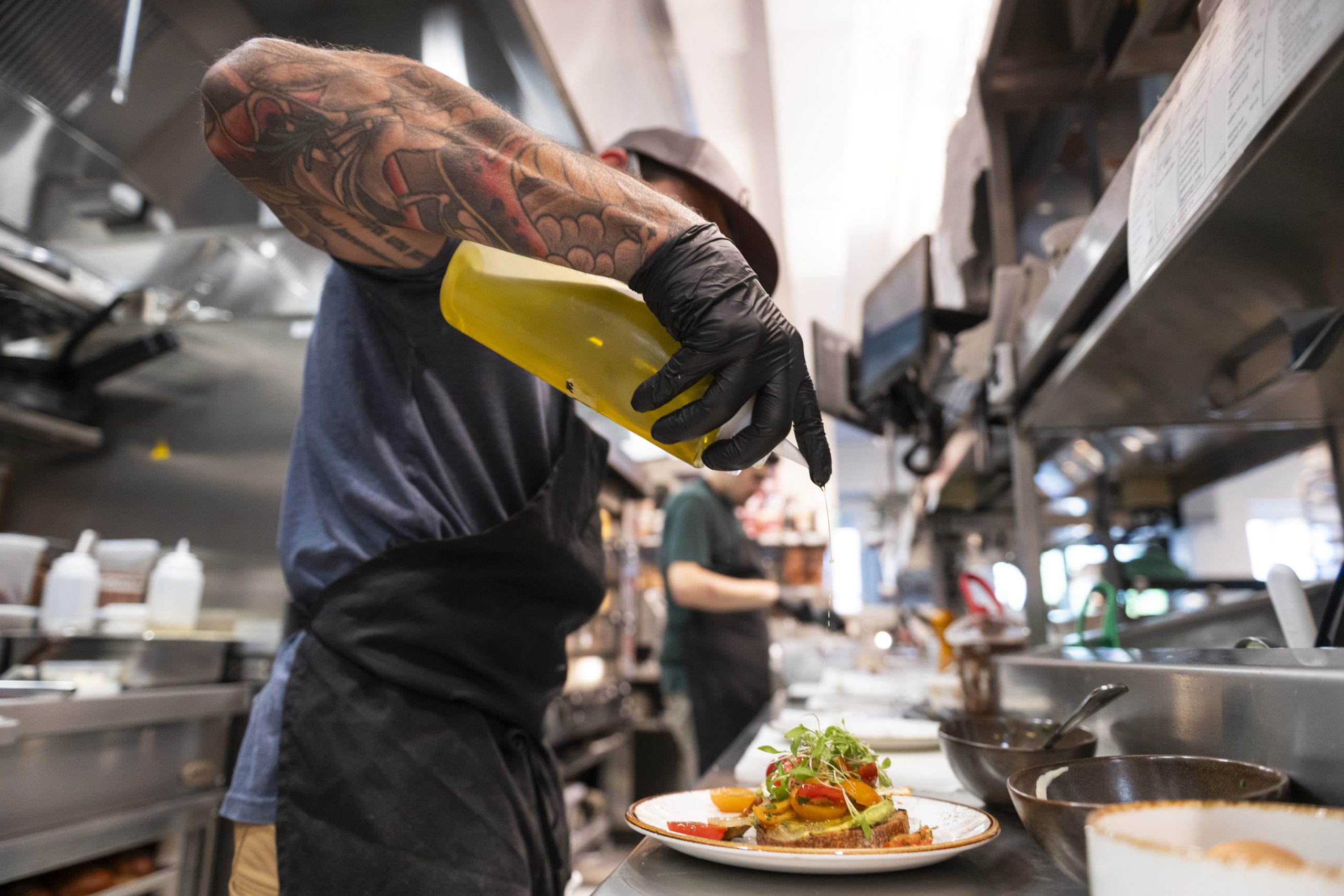
    Vinny Petraglia, culinary operations director, drizzles olive oil on the avocado toast at The Buttery in Bryn Mawr.Allie Ippolito / For The Inquirer

    Joli Ridenour, The Buttery’s community manager, said customers have been asking the bakery to expand for years. When they opened in Ardmore in October, patrons were over the moon about not needing to drive to Malvern to get their beloved kouign-amann and sourdough.

    John Rhoads grew up in Devon, and he, Silenia, and their three teenagers now live in Paoli, so finding another outpost on the Main Line just felt right.

    Bryn Mawr felt like “a good center point on the Main Line,” John Rhoads said.

    “We’re so excited to be in this town. There’s such a hustle and bustle,” Silenia Rhoads said, adding that she’s already seen a “sense of community.”

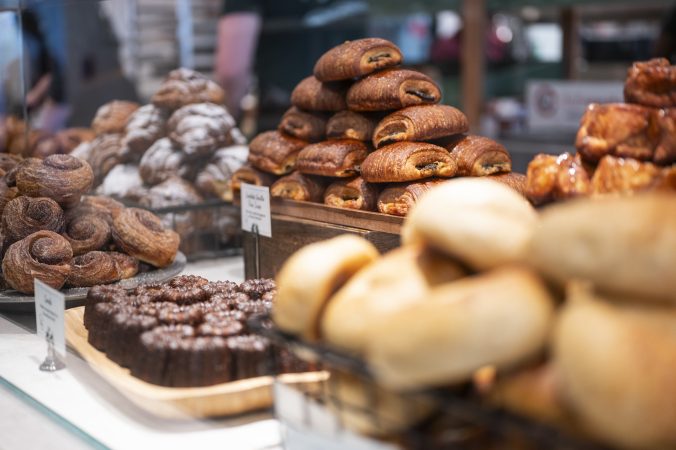
    At the bakery’s soft opening on Wednesday, loaves of sourdough and baguettes peeked out from behind long glass cases stuff with butter croissants, lemon currant scones, and fresh bagels. Packaged cookies, branded T-shirts, and bags of homemade granola lined the walls, and customers stopped to chat with the Rhoadses.

    The 82-seat café is spacious, laid out with long communal tables, corner booths, and scattered two- and four-tops. The Buttery team wanted multiple kinds of seating options to allow for different dining experiences, from neighbors grabbing a quick coffee to families coming in for a long lunch.

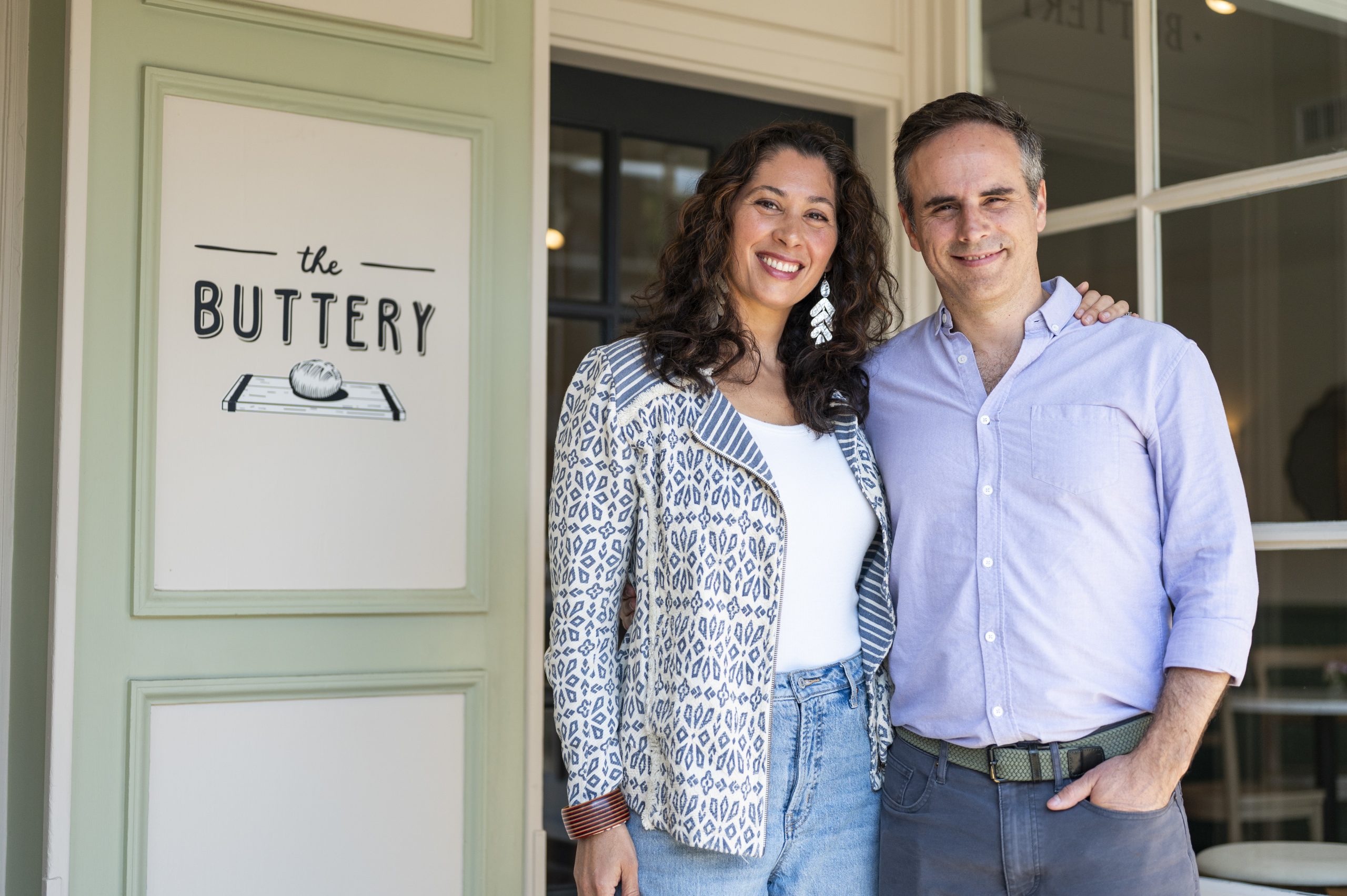
    Silenia (left) and John Rhoads, owners of The Buttery, at their new location in Bryn Mawr. Said Joli Ridenour, The Buttery’s community manager, “We want people to feel really at home and welcome and like they’re walking into an old friend’s house.”Allie Ippolito / For The Inquirer

    “We want people to feel really at home and welcome and like they’re walking into an old friend’s house,” Ridenour said.

    The Buttery’s Bryn Mawr location is serving its full breakfast and lunch menu, which includes bagels, quiches, sandwiches, open-face tartines, salads, and speciality Passenger coffee and tea drinks. The Rhoadses said they are hoping to expand to dinner service, as they have in Malvern, in the fall or winter.

    Ridenour said the bakery always tries to source locally, milling flour out of local grain and purchasing eggs from Highspire Hills Farm in Glenmoore. Almost everything is made in-house, including roasting their own meat for roast beef sandwiches.

    What to order? The Buttery’s staff says you can’t go wrong. The sablé cookie, a buttery French shortbread cookie, is a signature dish. Silenia Rhoads recommends the seasonal panzanella salad, made with fresh smashed cucumber, asparagus, homemade croutons, and a potpourri of herbs. The breakfast sandwich, serviced with harissa aioli on an everything brioche bun, is also a fan favorite.

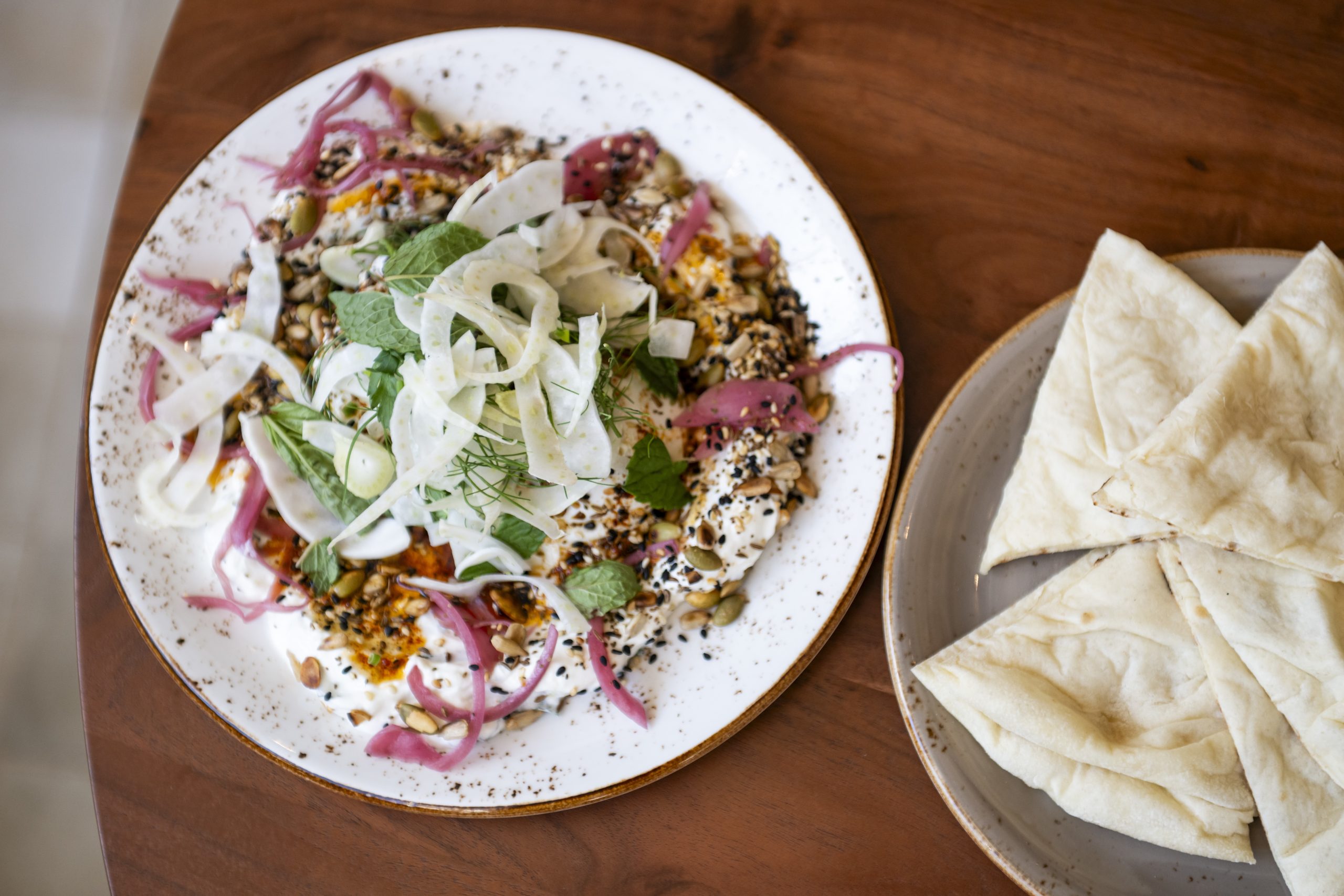
    Turkish eggs with homemade naan at The Buttery in Bryn Mawr.Allie Ippolito / For The Inquirer

    The Buttery has been able to expand in large part due to a bakehouse the Rhoadses opened in Norristown a year ago. With more space and a centralized food preparation location, the bakehouse has “enabled us to set our sights on more,” John Rhoads said.

    The couple said a Northern Liberties location will open later this year, and further growth is on the horizon for 2027.

    The Buttery will be open daily from 7 a.m. to 5 p.m., with kitchen service until 3 p.m.

    This suburban content is produced with support from the Leslie Miller and Richard Worley Foundation and The Lenfest Institute for Journalism. Editorial content is created independently of the project donors. Gifts to support The Inquirer’s high-impact journalism can be made at inquirer.com/donate. A list of Lenfest Institute donors can be found at lenfestinstitute.org/supporters.