Drivers should expect backups and delays near Amtrak’s 30th Street Station as the Pennsylvania Department of Transportation carries out roadwork nearby in the coming month.
Starting Monday and through Thursday, PennDot will close I-76 West traffic between the 30th Street and I-676 interchanges from 9 p.m. to 5 a.m.
Drivers are advised to take the 30th Street exit on I-76 West and use Schuylkill Avenue to access I-676 East or return to I-76 West.
Between July 20 and Aug. 20, the middle lane on Market Street between 30th Street and Schuylkill Avenue will also be closed. Drivers will be able to use two lanes of traffic in either direction on that stretch during the closure.
The work being carried out in the next month will prepare for the demolition and reconstruction of the Market Street bridge above the Schuylkill River, which is expected to begin in late August. Detours will be announced closer to that date.
The construction work is part of PennDot’s $148.9 million project for bridge rehabilitation in the area, which includes improvements to the Walnut Street bridge over the Schuylkill.
Construction began in March 2025 and is expected to end in April 2029. The majority of the project is federally funded, with the remaining 20% coming from the state.
Peco workers ratified their new union contract on Saturday, officially adopting an agreement that includes raises and pensions for all workers.
“Local 614 members stood together and won a great contract, and we’re proud to be back at work serving the public,” Larry Anastasi, president of IBEW Local 614, said in a statement when the results were announced. “They said it couldn’t be done, but we brought back pensions, medical coverage, and raises for all our members.”
IBEW local 614 represents roughly 1,500 Peco employees, including linemen and call center workers, who have been without a contract for months. Their most recent five-year agreement expired on March 31, and workers walked off the job on the Fourth of July after the union and Peco couldn’t reach an agreement. The work stoppage was the first in the company’s history.
A tentative deal was reached just before midnight on July 6, bringing an end to the three-day strike. The agreement was described as “historic” by the union that evening.
The vote took place on Saturday between 7 a.m. and 5 p.m. Of the union members who voted, 97% were in favor of ratifying the agreement.
The five-year contract is effective immediately and goes through March 31, 2031.
In a statement Saturday night, Peco said it was pleased IBEW Local 614 had voted to ratify the contract.
“This agreement reinforces our shared commitment to maintaining a safe workplace and delivering exceptional service to the communities we serve,” the company said.
The new agreement includes 4% annual raises for field workers in the first four years of the contract and 4.5% in the fifth year. Call center workers will get 3% raises annually throughout the five-year contract.
During bargaining, Peco had said that on average, its customer service employees earned $45.12 an hour. Average annual pay in 2025 for a lineman was over $243,500, including overtime.
The agreement also includes cash-balance pensions for all workers. Previously, some 600 workers hired after 2021 didn’t have access to a pension, while those who did have one were on different plans.
In 2001, Peco gave workers the option to switch over from a traditional pension plan to what is known as a cash-balance plan, union spokesperson Melissa McCleery said.
A cash-balance plan, like a traditional pension, is employer-funded, typically doesn’t require the employee to make their own contributions, and often the employer manages how the funds are invested. But like a 401(k), the amount available to the employee upon retirement is based on a stated account balance rather than monthly payments for the rest of the retiree’s life – though the amount can be split up over time.
Roughly 80% switched over to a cash balance plan when the choice was offered, according to McCleery. Since then, the benefits of those cash balance plans have been reduced twice, she said.
“Like many employers, Peco transitioned from traditional pension plans to cash balance pension plans and, more recently, to enhanced 401(k)-based retirement programs,” the company said in a statement Friday. These programs “have evolved over time in a manner consistent with broader employer and utility industry practices.”
Roughly 20 to 30 workers still have the traditional pension and are able to keep it under the new union contract, said McCleery.
Peco did not share how much the new contract will cost the company.
“While specific contract details remain confidential between the company and the union, the tentative agreement will not result in any immediate changes to customer rates,” a company statement noted.
When Home Appétit moved into a space just off City Avenue in West Philadelphia in 2020, founder and CEO Lee Wallach thought the company would stay five to 10 years.
But given the business’ quick growth, particularly during the pandemic, the company is already “bursting at the seams,” Wallach said. The meal delivery company is moving to East Falls in September, to a former catering facility Wallach bought and is renovating.
Home Appétit, founded in 2013 in Wallach’s Center City apartment, is on track to bring in $10 million in revenue this year, Wallach says. His company delivers roughly 16,000 to 20,000 meals a week within a 50-mile radius.
Wallach sees untapped customers and opportunities he can now pursue.
In addition to buying the new headquarters for a little over $2 million, he plans to spend between $3 million and $4 million on renovations and business upgrades, which he’s been able to do through bank financing. He’s building out a fleet of delivery vans, opening a pickup window, and setting up the business to make and sell more meals. That includes hiring dozens more employees.
With that, Wallach predicts, Home Appétit will “have almost unlimited potential for growth.”
Why Home Appétit grew as some competitors fizzled
In Home Appétit’s early days, Wallach planned to discontinue chicken cutlets. Breading the chicken by hand and cooking it was very labor intensive for his small team, he says.
“I tried to take them off the menu, and I had many customers messaging me that I couldn’t do that,” Wallach said. “They’ve been on the menu ever since.”
It was an early lesson in what keeps people coming back to Home Appétit. Wallach’s earliest customers were doctors. Today, customers include doctors, nurses, and professors, as well as young families, and new parents who receive meal delivery as a gift. Of his original first five customers, two still buy his meals.
In recent decades, plenty ofmeal kit companies such as Blue Apron and HelloFresh have tried to shake up home cooking, providing customers with premeasured ingredients and detailed instructions. But they have faced retention challenges.
Home Appétit, on the other hand, offers fully prepared heat-and-eat or ready-to-eat meals — so do several competitors.
Factor has Keto and vegan options; Thistle offers gluten-free and dairy-free meals; and CookUnity brings together distinct chefs to craft menus.
They’re all helped by a trend of people eating fewer meals out, said Michael Infranco, a RetailStat analyst who covers businesses such as Wegmans, HelloFresh, and Kroger.
But the industry is facing competition from grocery stores that offer prepared meals and delivery, he says. Some are partnering with Uber Eats or DoorDash.
There’s a lot of industry pressure around trends, says Wallach, who has steered clear of them.
“People are looking for protein, and people look for macros, and everybody wants to count calories, and everybody wants to know how many carbs are in [their food],” he said. “That’s not really us.”
His business doesn’t cater to a specific diet, he says. Instead, his team aims to make “restaurant quality” food.
“We’re not just dumping butter or dumping salt into a dish to make it taste good,” Wallach said. “We’re finding different ways and using different techniques to really elevate the flavor and the profile of the meals that we prepare.”
Home Appétit sets itself apart because of its focus on the long-term, Wallach said. He wants it to be an “essential service” to its customers.
That’s been true for Ricky Grenis of Northern Liberties. He and his wife, Bonnie, have been considering a move to the suburbs and often joke that they must stay in the Home Appétit delivery range, Grenis said.
“It’s hard to put a price on the convenience that it provides us as two working parents,” said Grenis, 37, who has two young children andworks in the wine industry. The couple tried out a few national meal-kit companies, but they were unimpressed by the ingredients and still had to cook.
Grenis is a vegetarian, but Bonnie isn’t, and Home Appétit allows them to order meals that both can enjoy, as well as kid-friendly options. “It literally feels like we have a private chef,” said Grenis.
The only downside, he said, is the amount of plastic packaging. “If we could figure out how to even be more sustainable, that would be a plus,” he said.
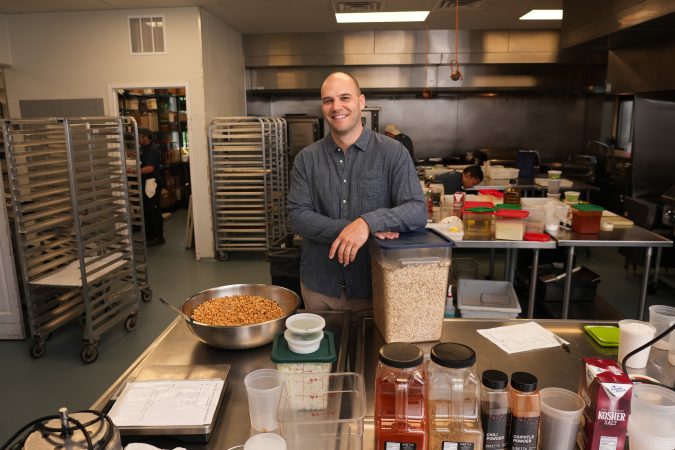
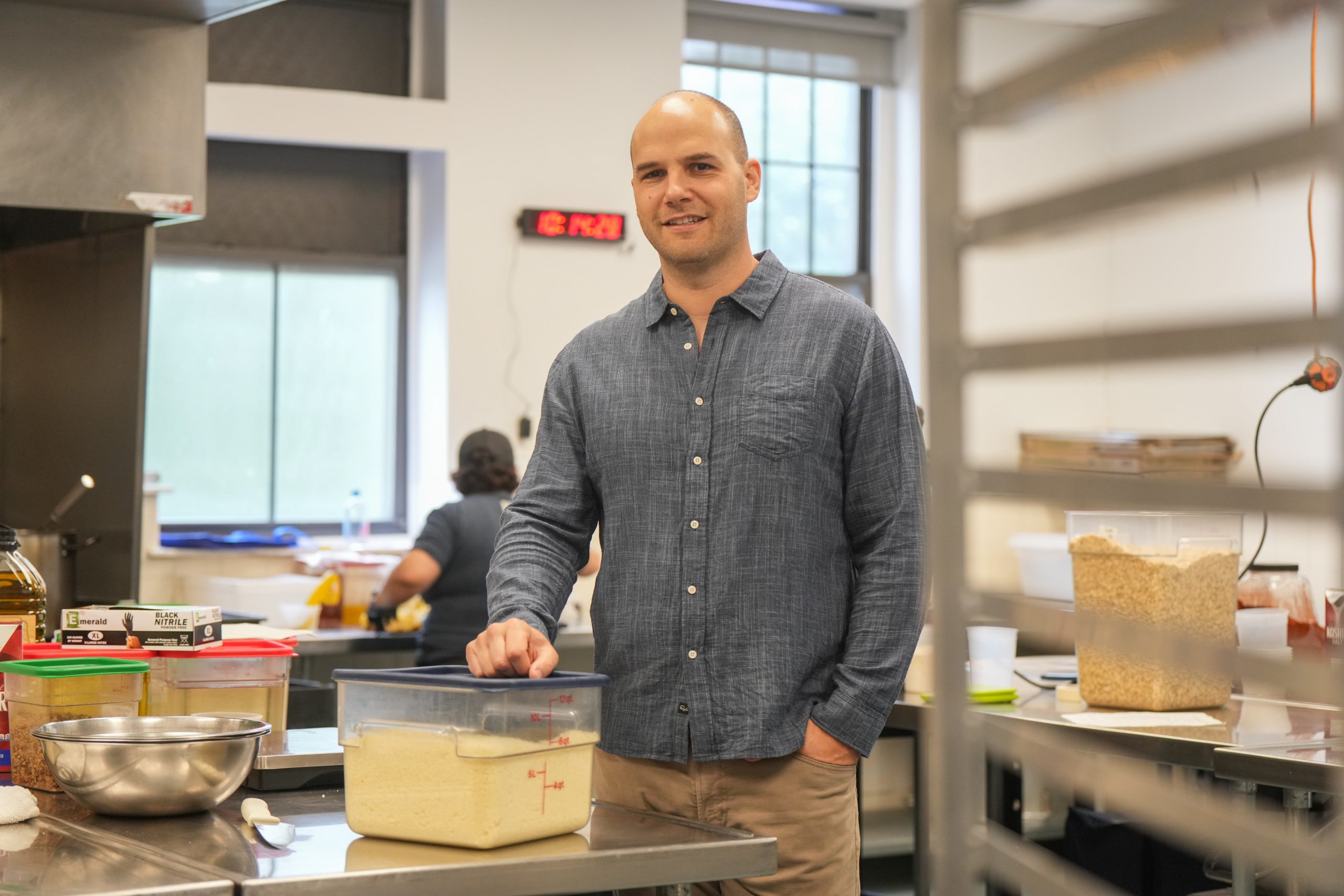
Lee Wallach at the company’s kitchen.Jessica Griffin / Staff Photographer
Staying competitive, and focused on the Philly area
On a recent day in July, Home Appétit’s entree menu included a miso-glazed salmon bowl with bok choy and brown rice, a pulled buffalo chicken sandwich, and a “Southwest Salad” with tortilla strips and buttermilk dressing. The company also offers small plates and add-ons such as roasted asparagus, steamed broccoli, and hard-boiled eggs.
Customers can order anytime between Tuesday and Friday night, to receive their meals the following Monday.
The minimum order costs $100 and covers four to six meals for a single person. Customers can also increase their order size for more people.
While some businesses have struggled with rising food costs, Wallach says Home Appétit has been partly insulated because it sources products from cooperatives and small farms.
“That’s kind of been a bit of a competitive advantage for us, and has allowed us to control our prices a little bit more,” he said.
Still, economic conditions have changed since 2013, particularly the costs of labor. He increased prices for the first time last year. While the basic order still costs $100, adding more people to an order now costs more.
The new headquarters is 23,000 square feet, up from the current 3,500-square-foot space, as well as a leased office in South Philly. With the move, the company will consolidate under one roof.
Wallach plans to have a staff of 200 to 250 by 2028. He currently employs roughly 50 full-time kitchen staff and 10 corporate employees. Meals are delivered by 40 to 50 drivers, who are mostly contractorsin their own vehicles.
Tech company founder Lilly Chen, 30, orders most of her food to her Chinatown apartment, where she lives with her cofounder. She has tried every food delivery service under the sun, she says, but Home Appétit stands out because of its delivery model. She says it’s because the company doesn’t outsource delivery.
“There’s a lot of other meal providers, that because they don’t own it, if something goes wrong — the food spoils or it’s late or you can’t find a delivery — they just kind of have to refund you and then you’re on your own,” Chen said.
Wallach plans to launch pickup at the new location, which customers have been asking for. Home Appétit also got its first refrigerated van.
Under the company’s current model, food gets delivered in insulated bags with ice packs in contractors cars, which puts a limit on how far meals can travel — but Wallach plans to expand the company’s delivery zone as he adds additional refrigerated vans.
He also plans to deliver on more days, not just Mondays, starting next year.
“If we can start delivering [closer to the weekend] and deliver to the Shore, I think it’s a home run for us for the summer months,” Wallach said.
He might pursue other markets in the future, perhaps Boston or Washington, D.C. But for now, Wallach is focused on the Philadelphia region, he says.
“There’s a ton of untapped opportunity here,” he said. “I’m excited to finally be able to take advantage.”
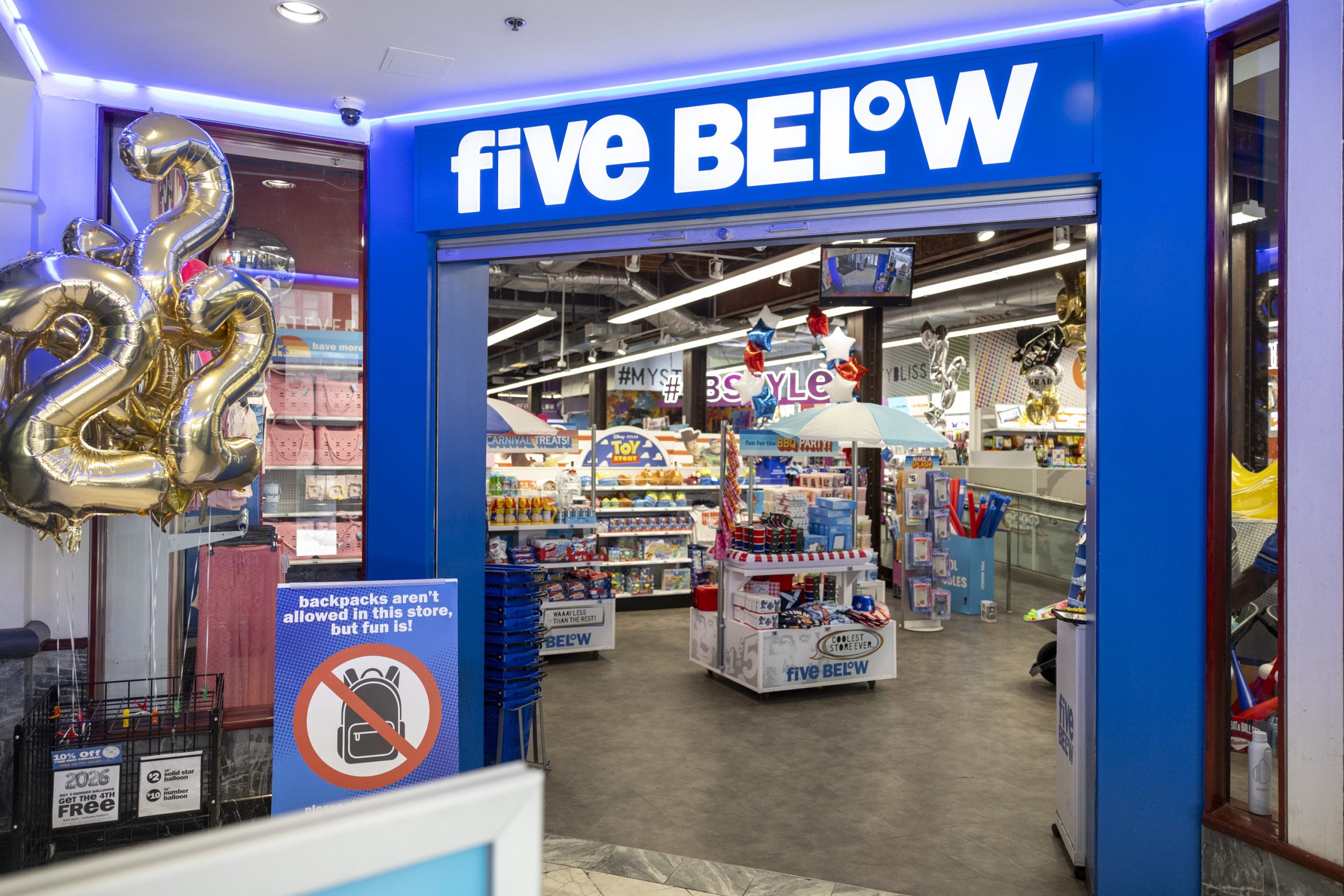
Five Below has been opening hundreds of new stores in recent years, and this month, the Philly-based retailer is set to add its 2,000th location.
The new store is expected to open in LaGrange, Ga., on Friday, July 17, the company announced this week.
“Reaching 2,000 stores is an incredible milestone for our brand whose mission is to be the destination for the kid and the kid in all of us,” CEO Winnie Park said in a statement. “We know our unique retail concept has a lot of runway ahead with thousands of new stores across the U.S.”
The company’s expansion puts its store counton par with Home Depot and Target. As of the beginning of 2026, Home Depot operated 2,359 stores in the U.S., Canada, and Mexico, and Target had 1,995 U.S. stores.
Company leaders said in a recent annual report that they see opportunity to grow Five Below’s store count to 3,500 eventually.
Five Below launched its first store in 2002 in Wayne, and most items the business sells cost between $1 and $5. Its offering of toys, gadgets, games, and other itemsincludes slinky toys, crayons, sandcastle buckets, basketballs, and wireless gaming headsets.
“Many of the products we sell can also be found in mall specialty stores, department stores, mass merchandisers and drug stores,” the company’s most recent annual statement notes, but what sets the business apart is their prices, and their “exciting and easy to shop retail environment.”
The Five Below storefront at the company’s headquarters in Philadelphia.Tyger Williams / Staff Photographer
Three years ago, Five Below had 1,350 stores in over 40 states. Then-CEO Joel Anderson, said the company had a plan to triple its store count by 2030. In the last three fiscal years, the company has added between 150 and 227 net stores annually, according to its recent annual report.
Five Below recently eliminated the section of its stores dedicated to items over $5. The company still sells the pricier items but now displays them among other items in the store.
As of January, the company reported having 7,800 full-time employees and 16,800 part-time workers, 24,600 total. The majority work at stores across 46 states.
Peco is expanding its real estate footprint in the Philadelphia region.
The gas and electric utility company purchased a property at 100 Chesterfield Parkway in Malvern for $5.95 million in January, according to Chester County property records. The Philadelphia Business Journal first reported the purchase.
Peco’s Malvern acquisition “is part of a comprehensive, multi-year strategy to support the recent expansion and future growth of our operations teams,” Peco spokesperson Matthew Rankin said Thursday.
Administrative staff and “other support teams,” will work out of the new office, Rankin said, but did not say how many.
The property is near Peco operations facilities, Rankin said.
Peco’s expansion comes as the company brought in $814 million in net income in 2025, up 48% from the previous year. Exelon, the utility’s parent company, has said the increase was in part due to “favorable weather” and higher distribution rates.
The company proposed a rate hike again this year, but quickly withdrew the proposal after backlash. Peco had said it needed to increase prices for upgrades, to meet demand, including to prepare for data centers, and increase grid reliability. The company also cited extreme weather conditions, which can damage infrastructure.
Peco and its worker union, IBEW local 614 reached a tentative agreement on a new union contract this week, ending the company’s first worker strike in its history, which lasted three days.
Peco and its worker union reached a tentative agreement on a new contractlate Monday, ending the first strike in the company’s history on its third day.
Roughly 1,500 unionized linemen, field workers, call center staff, and other Peco employees have been without a contract for more than three months, since their most recent five-year agreement expired on March 31. They walked off the job on the Fourth of July.
The union characterized the five-year agreement as a “historic contract victory” in an announcement late Monday, noting that it included cash balance pension plans, full retirement medical coverage, and “significant wage increases” for all members.
“We said from day one that our members’ top priorities were restoring pensions and retirement medical coverage for all members, and we won that and more,” Larry Anastasi, president of IBEW Local 614, said in a statement.
Wage increases for field workers are 4% annually for the first four years and 4.5% in the fifth year, according to the union, and call center workers are to get 3% raises annually throughout the five-year contract.
Peco announced the agreement Monday night in a company statement.
“We value our long-standing relationship with IBEW Local 614 and appreciate the efforts of both bargaining teams in reaching this agreement,” Peco’s statement said. “The proposed contract recognizes the contributions of our employees while supporting our responsibility to deliver reliable, affordable service across southeastern Pennsylvania.”
With the agreement in place, Peco and the union said, the work stoppage will end while union members vote on ratifying the contract.A union spokesperson said members would return to work Wednesday and a date to vote on the contract has not yet been decided.
Peco and the union had held daily bargaining sessions since last Wednesday to reach an agreement. Over the weekend and into Monday, workers picketed outside Peco’s headquarters in Center City.
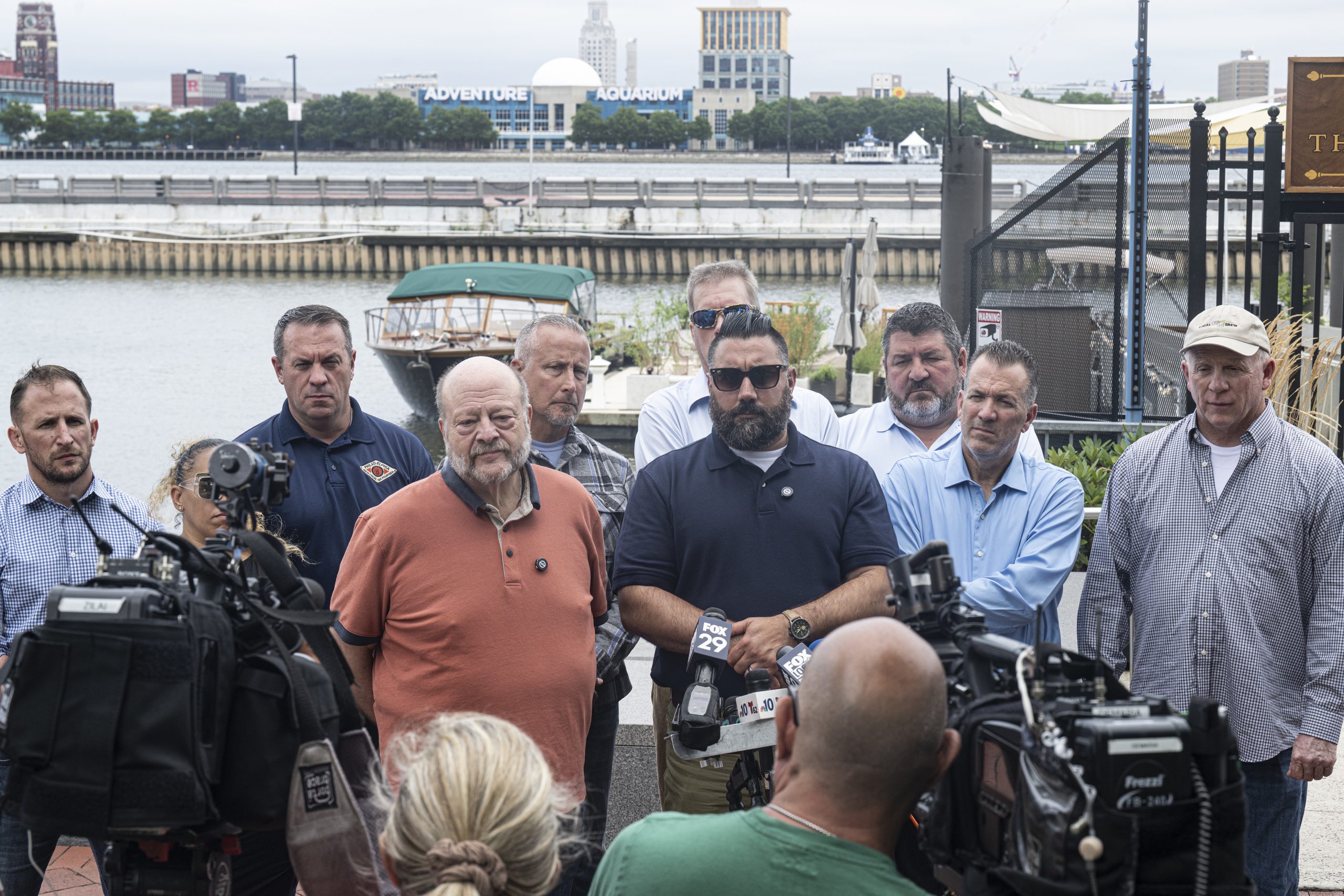
Larry Anastasi, president and business manager of IBEW Local 614, and Stuart Davidson, general counsel for the union, speak with the media Monday amid contract negotiations and day three of the worker strike.Jose F. Moreno / Staff Photographer
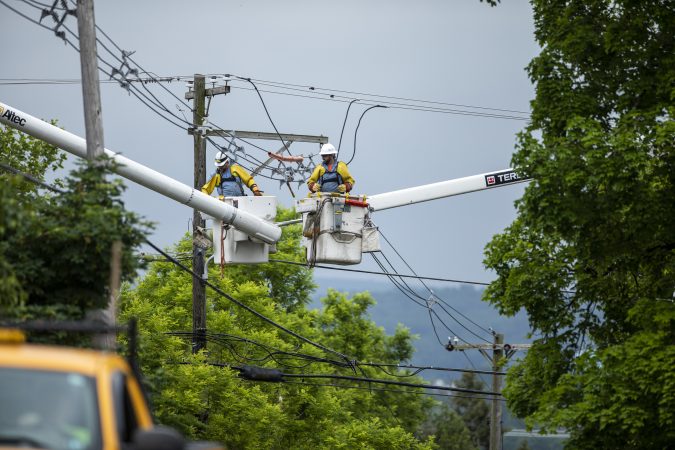
Meanwhile, Peco has been contending with outages following thunderstorms in recent days. The company had a contingency plan in place, which included workers from outside the region.
Over 57,000 customers were without power on the night of July Fourth at the height of the outages, Peco said, but within less than 24 hours, that number was reduced to less than 6,000. As of Monday afternoon, the company reported roughly 4,400 outages on its webpage, and the number was just over 100 a day later.
The tentative deal marks a pivotal moment in what have been challenging negotiations between the union, IBEW Local 614, and Peco. Bargaining turned ugly in April, as each side accused the other of using unfair tactics.
In addition to raises and better healthcare benefits, the union wanted its contract to include a uniform retirement plan for all members. Currently, roughly 600 of the 1,500 union workers do not have pensions, the union has said, and pension benefits vary for the other 900 or so.
Utility companies started moving away from providing pensions to new hires in the 1990s, according to William Dwyer, a professor at the Rutgers University School of Management and Labor Relations, who once worked at PSE&G in New Jersey. That left 401(k) as the typical retirement benefit. At Peco, that happened later — the company stopped putting new hires into its pension plan in 2021, according to the union.
The tentative agreement includes a requirement that call center workers get 24-hour notice of mandatory overtime, as well as better upgrade pay for union members who complete tasks outside their typical job description, according to the union.
In Southeastern Pennsylvania, Peco provides electricity to 1.7 million customers and natural gas to 553,000.
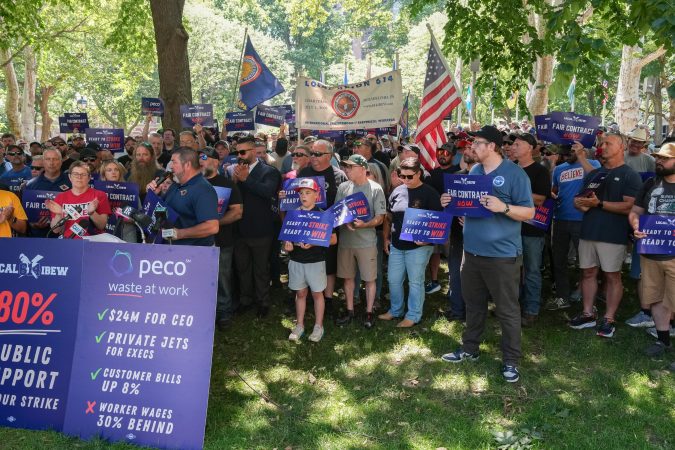
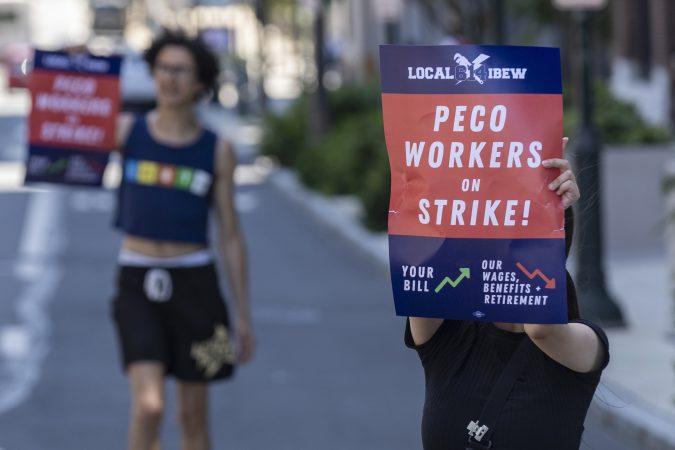
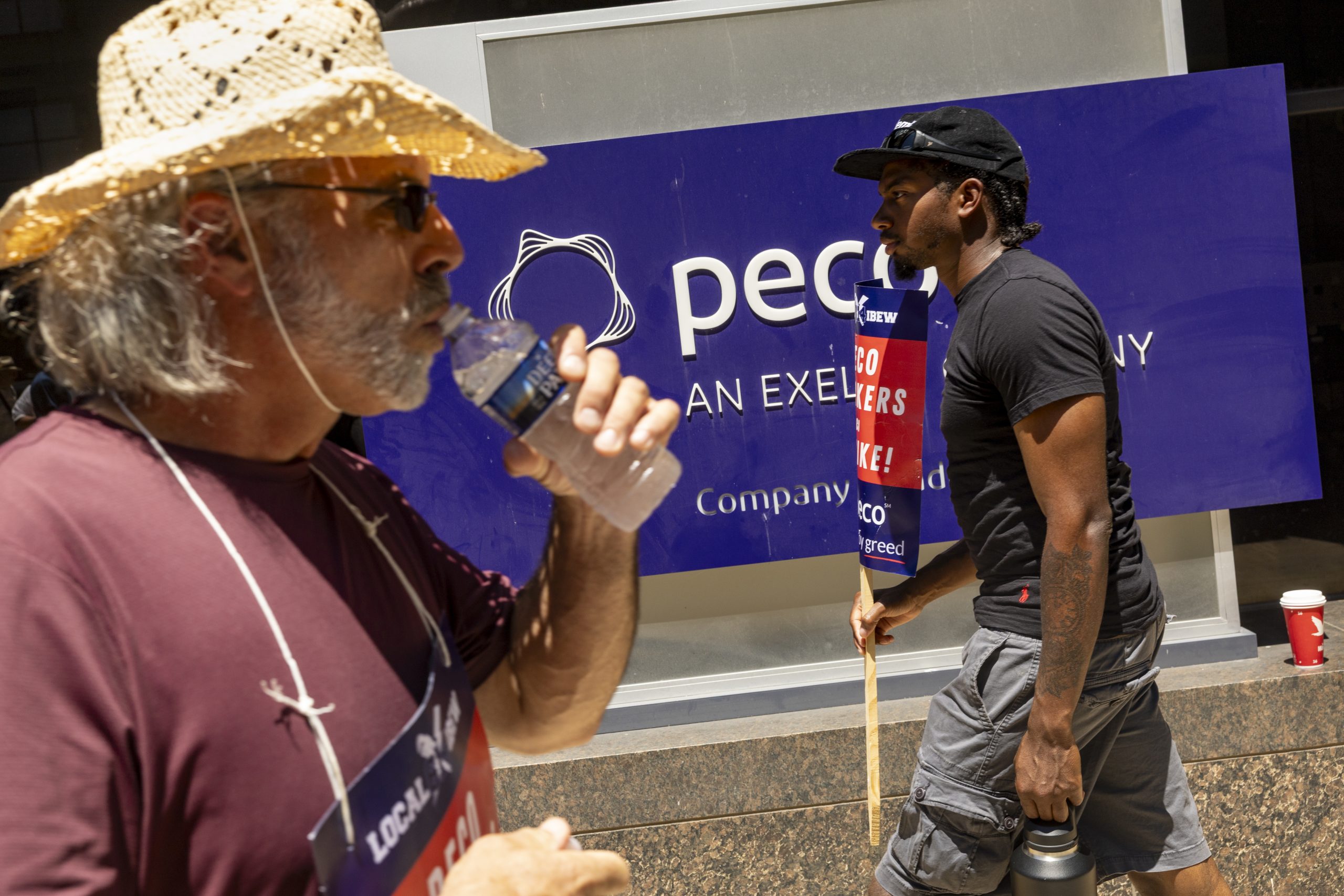
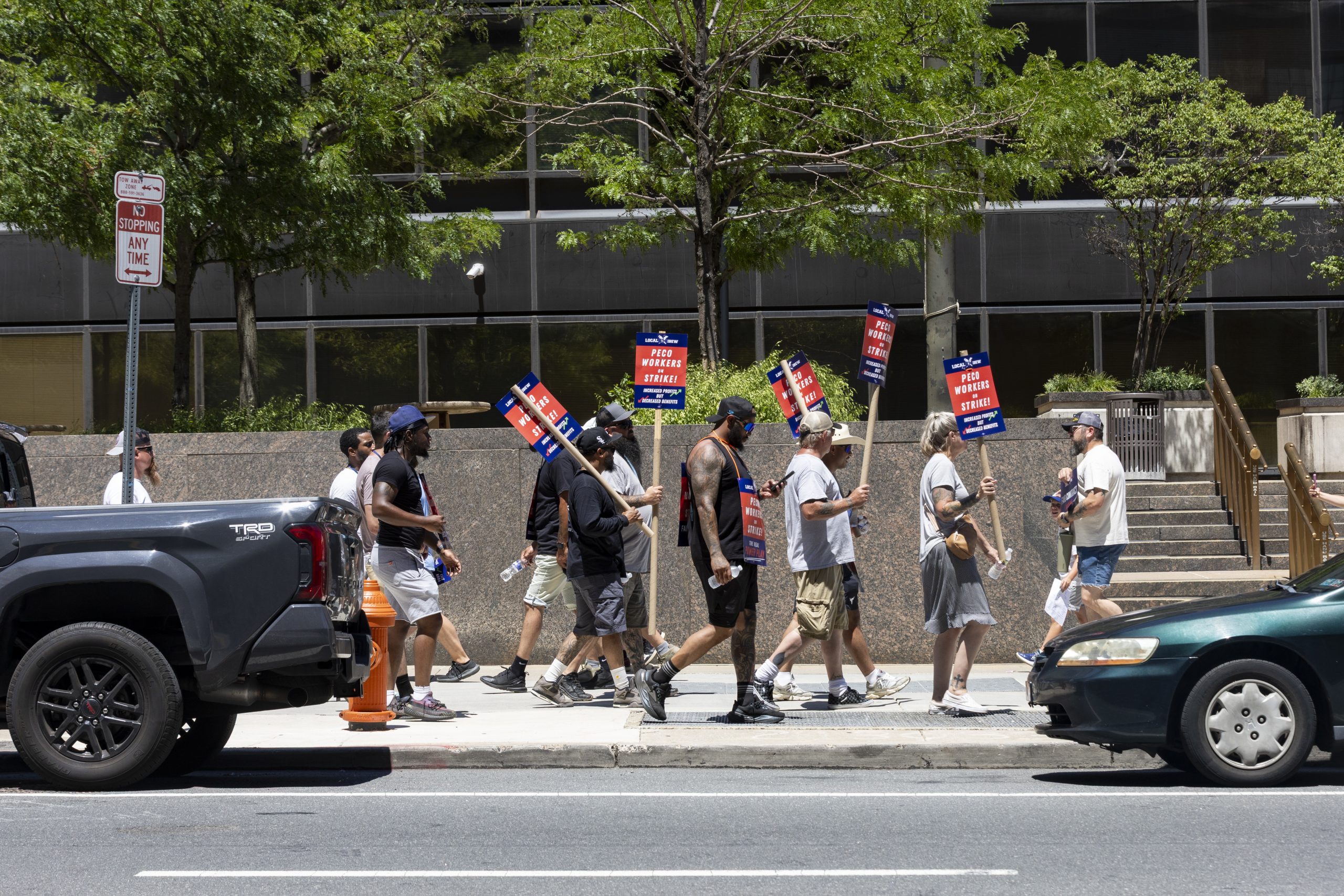
Linemen, call center workers, and other Peco employees went on strike Saturday. The roughly 1,500 unionized workers, part of IBEW Local 614, officially walked off the job just after midnight, becoming the first employees to strike in Peco’s history.
The work stoppage marks an escalation in what have been challenging negotiations between the union and Peco. The IBEW contract expired March 31, and both sides have accused the other of using unfair tactics.
Joseph Vassallo, 43, was among a dozen Peco workers picketing in the sun outside Peco’s Market Street building on Saturday. He expressed frustration that things had to come to this. The union business agent has worked for almost two decades as a Peco power line worker.
“I have been working 16-hour shifts almost every day before this,” Vassallo said. “The amount of time, effort, wear and tear on your body is a lot, and this is what they think our value is?”
Peco has a contingency plan in place, and customers shouldn’t expect delays or interruptions in service, Nicole LeVine, the company’s chief operating officer, has said.
“Our employees are the backbone of our business, and we recognize the talents and value they bring to the company,” Peco said in a statement after the strike announcement. ”We are bargaining in good faith and provided a competitive offer that is fair for employees and customers. Unfortunately, the contract between Peco and IBEW Local 614 expired on March 31, and the union has elected to strike.
“We are committed to engaging in good-faith negotiations to reach an agreement that is fair to our employees, while supporting the long-term needs of our customers and the communities we serve. We encourage continued dialogue and hope the union will work with us to reach a mutually beneficial agreement.”
Negotiations continued amid the strike Saturday, but Peco and the union failed to come to an agreement before wrapping up at 9 p.m., IBEW Local 614 said in a statement. Bargaining was slated to resume at 10 a.m. Sunday, and pickets would continue throughout the region, the union said.
In addition to raises and better healthcare benefits, the union wants its contract to include a uniform retirement plan for all members. Some 600 workers who were hired in recent years haven’t had a pension, while other groups have pension plans with varying terms.
Peco said that it had offered a nearly 20% wage increase over five years, as well as improvements to retirement and medical benefits.
In Southeastern Pennsylvania, Peco provides electricity to 1.7 million customers and natural gas to 553,000.
IBEW Local 614 said in a news release Friday that the union local representing Peco contractors and a half dozen locals representing workers for other regional utilities had directed their members not to cross the picket line.
Members of the LBEW Local 614 go on strike outside of the Peco headquarters on Saturday in Philadelphia.Aidan T. Gallo / Staff Photographer
Union president Larry Anastasi announced the strike just before midnight Friday outside the Hilton Hotel at Penn’s Landing, where negotiations had been taking place earlier in the day. With a large group of union members behind him, Anastasi was asked by a reporter whether workers were supportive of the strike.
“Hey, boys, they want to know if you’re ready to strike,” the union president said, letting the group answer.
“Yeah!” they responded in uproarious unison.
“We wish we had better news,” said Stuart Davidson, the union’s attorney.
Members of the LBEW Local 614 go on strike outside Peco headquarters Saturday in Philadelphia.Aidan T. Gallo / Staff Photographer
What a strike means for Peco and its employees
Peco has said its contingency plan includes some workers who are familiar with the company’s specific system and others coming in from outside the region. The company has said customers should not expect delays or interruptions in service.
But utility companies sometimes encounter challenges when they bring in temporary staff from outside the region, says William Dwyer, associate teaching professor at Rutgers University School of Management and Labor Relations.
If they don’t know the area well, it takes them longer to get around, noted Dwyer, who previously worked in labor and employment relations at PSE&G in New Jersey.
Temporary workers “may not be familiar with Peco’s particular distribution network, the way that the system is designed, so there could be delays in operating based on safety concerns around that,” Dwyer said. “There’s a lot of efficiency that’s lost when you’re not dealing with your regular workforce doing the work.”
But if Peco’s contingency plan works efficiently, he says “that takes away a lot of the union’s leverage at the table.”
“They might end up accepting what they walked away from on the day of the strike,” he said.
Utility companies started moving away from providing pensions to new hires in the 1990s, Dwyer said, leaving a 401(k) as the typical retirement benefit. At Peco that happened later — the company stopped putting new hires into its pension plan in 2021, according to the union.
Peco and IBEW Local 614 now find themselves in a “high stakes” situation, says Dwyer.
There are downsides to a strike on both sides, he says. There’s the possible “loss of efficiency” at the company, and the “after effects of a strike or a lockout could take decades to get over in terms of damage to morale and the spirit of the workforce.”
Staff writer Michelle Myers contributed to this article.
Members of the LBEW Local 614 go on strike outside of Peco headquarters Saturday in Philadelphia.Aidan T. Gallo / Staff Photographer
It’s their first time back at the table since June 19 and since the union announced plans to strike on the Fourth of July if a contract had not been reached by then. They’ve now scheduled back-to-back bargaining sessions Wednesday, Thursday, and Friday, as time runs out.
Meanwhile, the Philadelphia region is under an extreme heat warning, with possible thunderstorms on Saturday. Many of the union’s members work to repair outages, such as those that can happen during extreme weather.
“The temperature and the sustained heat generally causes a lot of issues, and the thunderstorms as well,” said IBEW Local 614 president Larry Anastasi, adding that Peco needs “the trained workforce that they have to take care of it, and they’re not going to have that on July 4.”
Weather conditions are not a factor in the bargaining process, Peco spokesperson Candice Womer said, and the company “continuously monitors weather conditions and prepares to respond to impacts on the electric system as part of normal operations.”
The union, which represents roughly 1,500 field workers, call center staff, and other Peco employees, is seeking better wages and healthcare benefits, as well as a uniform retirement plan for all members. Their most recent five-year contract expired on March 31. Wages and benefits have become sticking points in negotiations.
This strike would be a first for Peco.
“We’ve exhausted every avenue to reach a deal,” Anastasi said in a statement last week. “If Peco won’t invest in the workers who keep the lights on, we’ve got no choice but to stand together and demand the respect we’ve earned.”
Womer said Tuesday morning that the company’s goal remains “reaching a fair and equitable agreement that supports our employees while maintaining affordability and reliability for customers.”
Peco has proposed a nearly 20% increase in wages over five years, as well as improvements to retirement and medical benefits, Womer said.
“We remain committed to bargaining in good faith and hope continued discussions will lead to a successful resolution,” said Womer.
If union workers do walk off the job, customers should not expect any delays or interruptions in service, Peco has said. “Our customers can be assured that we have comprehensive contingency plans in place to maintain safe and reliable service under any circumstance,” Womer said.
Gov. Josh Shapiro’s office has been in communication with the union and Peco, spokesperson Rosie Lapowsky said in a statement Wednesday.
“The Shapiro administration’s focus in these negotiations is a fair outcome for the hardworking women and men of Local 614 and safe, reliable energy infrastructure in Southeastern Pennsylvania over the holiday weekend and throughout the summer,” said Lapowsky.
Mayor Cherelle L. Parker urged Peco and IBEW Local 614, to work together to reach a deal on Wednesday.
In a letter addressed to Peco president and CEO Michael Innocenzo, and IBEW local 614 president Anastasi, Parker advised “both parties to remain fully engaged at the bargaining table day and night and to pursue every reasonable avenue toward a mutually acceptable agreement.”
She cautioned that “any disruption to PECO service and support would pose real risks to public health, safety, and economic activity,” adding that Philadelphia is welcoming visitors for the Fourth of July and in the midst of extreme weather.
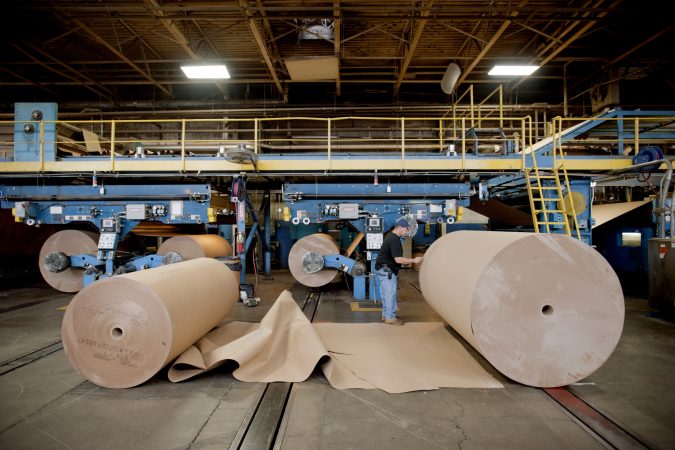
A Tennessee-based packaging company is closing its plant in Barrington, Camden County, laying off 126 employees amid the business’ larger restructuring plan.
Workers at International Paper’s Barrington facility, whoconvert containerboard into boxes, are expected to be laid off on Sept. 24. The site is expected to close at the end of August, company spokesperson Jessica Seidner said.
The closure follows “a strategic assessment” of the Barrington facility, and International Paper’s larger regional footprint, according to a layoff notice filed with the New Jersey Department of Labor and Workforce Development.
“Based on the results of that assessment, and in order to operate our packaging business effectively to support our customer needs now, and in the future, we made the difficult decision to cease operations at our Barrington location,” the notice reads.
International Paper, headquartered in Memphis, was incorporated in 1941. As of December, the company had 62,602 employees — nearly half of which are based in the United States — and roughly 190 packaging mills, as well as converting and packaging plants, and recycling facilities across the country.
The company has several locations in Pennsylvania and New Jersey, including in Kennett Square, Lancaster, Reading, Bellmawr, Thorofare, and Vineland, according to a recent U.S. Securities and Exchange Commission filing.
As part of its restructuring, the company announced this month the closure of four facilities, including the Barrington site, to “focus investments on the highest-value opportunities.” The company announced several more facility closures last year.
“These are difficult but necessary decisions that strengthen our network, focus investments where they create the greatest value and position International Paper to better serve customers and compete for the long term,” Tom Hamic, president for packaging solutions in North America, said in a statement.
In an April earnings call company leaders said the business had recently been facing financial pressure frominflation, the conflict in the Middle-East, and weather disruptions. The business brought in $23.63 billion in net sales last year.
International Paper announced in 2025 that it had acquired DS Smith, a U.K. packaging business, in a deal that was valued at $7.1 billion. Earlier this year, the company announced it would split into two separate businesses: one dedicated to the North American market and another for Europe, Africa, and the Middle East. The process is expected to be complete by the end of 2026 or early 2027, according to a U.S. Securities and Exchange Commission filing.
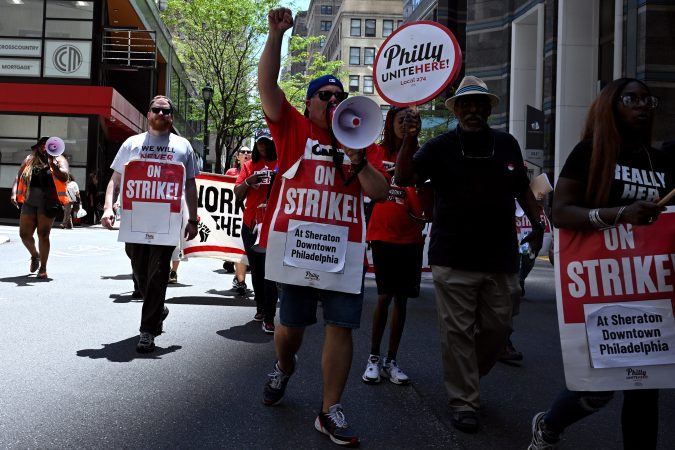
Center City hotel workers at the Sheraton Philadelphia Downtown have been on strike since June 21, but they could soon be back at work.
On Monday afternoon, Unite Here local 274, the union that represents the workers, announced that it had reached a tentative deal for a new contract for roughly 200 employees at the hotel, which includes raises and improvements to benefits.
Workers were expected to vote Monday on whether to ratify the new deal. If they do, they will be back at their jobs on Tuesday, the union said.
It’s the second time that this group of workers has gone out on strike in the last year as it negotiates for a new contract. Hotel employees of the Sheraton Philadelphia Downtown last walked off the job for four days in October.
“When we said we were fighting for $30 an hour at the beginning of this campaign, a lot of people told us we were asking for the impossible,” Shafeek Anderson, a hotel steward, said in a union statement Monday. “With this victory, we have shown the whole industry that nothing is impossible when the workers stick together.”
The Sheraton Philadelphia Downtown is managed by Aimbridge Hospitality and owned by CL Hotels. These businesses did not respond to a request for comment Monday afternoon.
Unite Here local 274 has been negotiating new contracts for room attendants, cooks, servers, bartenders, dishwashers, and banquet staff across several Philadelphia hotels for over a year.
Contracts expired in 2024, and new contracts have since been reached at Hampton Inn Philadelphia Center City-Convention Center, Sonesta Philadelphia Rittenhouse Square, the Sheraton Philadelphia University City Hotel, Hilton Philadelphia at Penn’s Landing, Wyndham Philadelphia Historic District, and Warwick Hotel Rittenhouse Square.
The standard set in these new union contracts includes raises to $30 an hour by 2028 for non-tipped employees and an increase in employer contributions to worker pensions. The new contracts also cap the number of rooms a worker can be tasked with cleaning to 15 per day.
The remaining hotel without a new contract is the Hilton Garden Inn Center City.