Author: Ariana Perez-Castells

  • Philadelphia Inquirer employees secure new union contract with raises and AI protections

    Philadelphia Inquirer employees secure new union contract with raises and AI protections

    Unionized journalists and product engineers at The Inquirer secured a new contract on Friday that includes AI protections, raises, and changes to healthcare coverage.

    The company reached a tentative deal with the News Guild of Greater Philadelphia Local 38010 on Sept. 15. Union members ratified the new contract by email vote this week.

    Of 238 eligible union members, 160 workers voted, with 156 in favor of the new contract.

    “AI is one of the biggest unknowns and new frontiers that is dramatically reshaping our entire industry right now, against the backdrop of ongoing cuts to local news,” said Guild President Max Marin, who is an investigative reporter at The Inquirer. “Many of our members viewed it as an existential threat, and we are incredibly proud of the agreement that we came to with management.”

    The union that represents Inquirer workers also includes employees of Spotlight PA, the News Journal in Wilmington, the Trentonian, and the Scranton-Times Tribune, and other local news outlets.

    The Inquirer’s last three-year union contract was set to expire Aug. 31, and was extended in negotiations through Sept. 15. The union and newsroom management reached a deal hours before that extended deadline.

    The new contract goes into effect immediately and will expire in 2029.

    Inquirer publisher and CEO, Lisa Hughes, said in a statement that reaching a new agreement with the union “is an important step forward for The Inquirer.”

    “This agreement provides meaningful enhancements to both wages and benefits, and it reflects The Inquirer’s continued commitment to investing in our most important resource: the people who work here,” she said.

    New AI policies

    Under the new deal, The Inquirer may not use any AI generated videos or images that appear realistic “for editorial purposes.” The contract bars The Inquirer from using AI to mimic employees without their explicit consent.

    Employees also have the right to have their byline removed from any content that is AI generated.

    Under the contract, Guild members must be included in developing, training, and maintaining AI tools. Union employees must be involved in creating or otherwise verifying any AI-generated content.

    The Inquirer will also put together an AI Advisory Committee in collaboration with the union, which will meet on a monthly basis. The group is expected to discuss “the implementation of AI-generated and AI-assisted editorial content, the implementation of AI tools for internal company purposes, and updates to the Employer’s AI usage policies.”

    Changes to pay and benefits

    Unionized Inquirer employees will receive a one-time $5,577 payment before taxes within 30 days of ratifying the contract. They will get a 4% wage increase and a $1,000 bonus in the second year, and another raise in year three.

    The amount of that last pay bump varies between 2.25% and 4%, with lower-paid members getting the higher rates.

    “This is our third consecutive contract with pay raises at The Inquirer, following a decade of layoffs and furloughs,” said Guild president Marin. “These are meaningful raises too.”

    Vacation time will also accrue more quickly, with new Guild employees starting with three weeks per year.

    Healthcare costs have been on the rise for many Americans, and under the Inquirer’s new union contract, members will see their weekly rates increase for the first time in 20 years, according to the union. Despite the increase, the union says it worked to keep rates low. Guild members’ contributions to their health plans will increase by $7.50 to $12.50 per week in year two of the contract.
  • Pep Boys will eliminate 169 jobs at Bala Cynwyd corporate offices amid merger

    Pep Boys will eliminate 169 jobs at Bala Cynwyd corporate offices amid merger

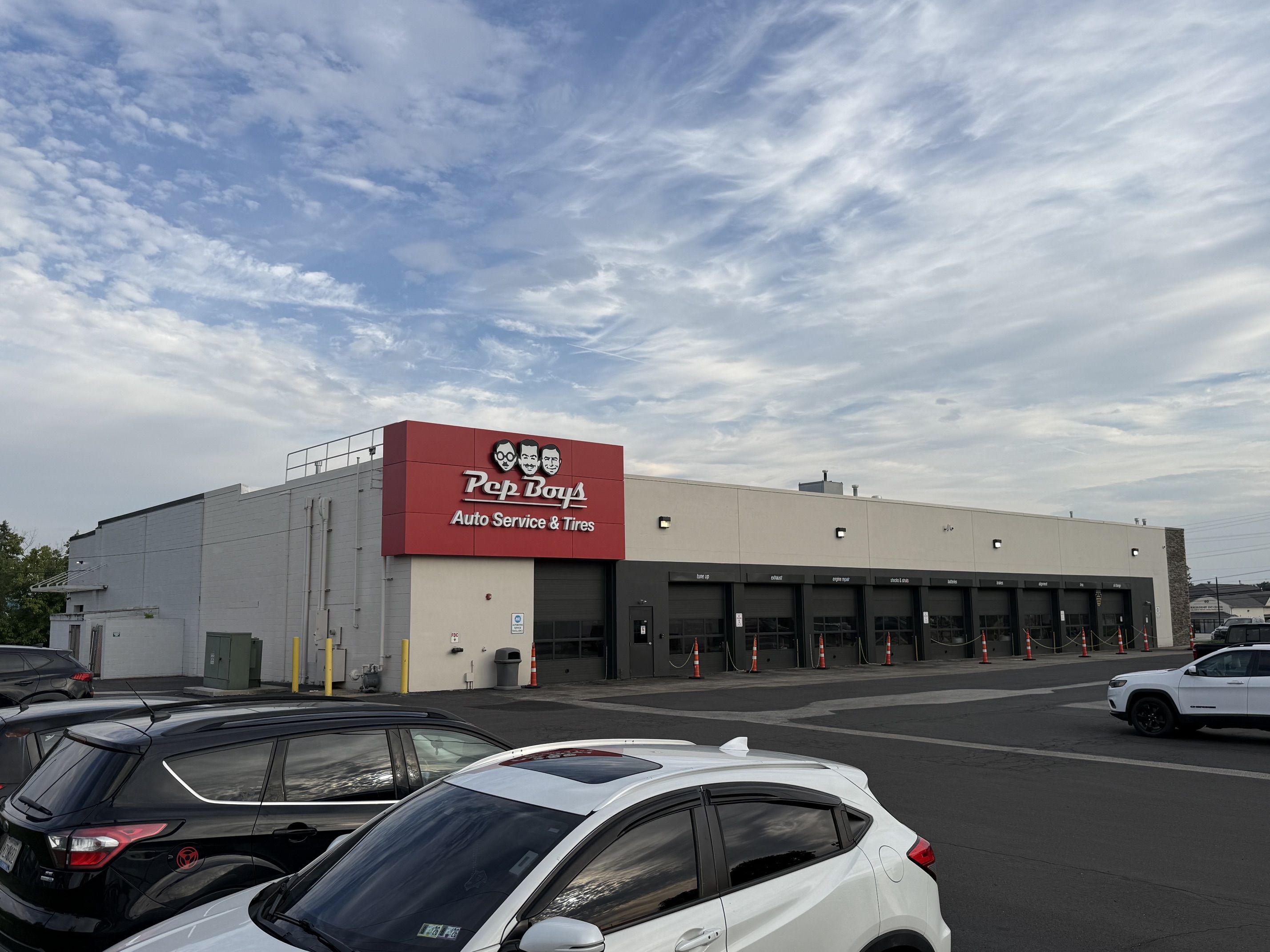
    On the heels of announcing a planned merger with private equity-backed Mavis Tire Express Services, Philadelphia-born Pep Boys will lay off dozens of employees at its local corporate offices.

    Pep Boys, which got its start over 100 years ago, had over 750 auto service locations across the country that carry out maintenance and repair services as of July.

    As part of the recent acquisition, Mavis is leading a “reorganization of the Pep Boys corporate support services” and conducting “a mass layoff,” Susanne Cairo of Mavis’ legal department said in a layoff notice filed with the Pennsylvania Department of Labor and Industry.

    The company plans to eliminate roughly 169 jobs in Bala Cynwyd by the end of February of next year, according to a layoff notice. Layoffs are set to begin Dec. 31.

    A company spokesperson could not immediately be reached for comment.

    Icahn Automotive Group said in July that it planned to sell the company to White Plains, N.Y.-based Mavis for $700 million in cash. Its parent company, publicly traded Icahn Enterprises LP, bought the company just over a decade ago.

    As part of Mavis, Pep Boys CEO Joe Auriemma said in July, “Pep Boys will have the scale, footprint, and operational and technological strength to continue building on its legacy as it enters a new chapter of growth.”

    A Mavis spokesperson said in July that Pep Boys “will continue operating under its iconic brand name” but declined to address the fate of the Bala Cynwyd corporate office at the time.

    Icahn sold Pep Boys’ longtime headquarters on Allegheny Avenue in North Philly several years ago but leased back some space there. There had been 500 employees based there at the time. Pep Boys no longer occupies that building, a spokesperson told The Inquirer in July.

    Inquirer staff writer Andrew Seidman contributed to this article.

  • Starbucks is closing three stores in Philly and South Jersey

    Starbucks is closing three stores in Philly and South Jersey

    Starbucks is closing two Philadelphia stores and one in South Jersey among roughly 250 locations the company announced it is shuttering this week.

    The company “identified locations where we do not believe we can consistently deliver the experience we want for customers and partners or where we don’t see a path to acceptable financial performance,” chief operating officer Mike Grams said in a statement this week.

    Starbucks spokesperson Andrew Trull said the stores at 2201 South St. in Center City and 1018 N. Second St. in Northern Liberties, as well as the Willingboro store in New Jersey at 4380 Route 130, are expected to shutter “later this week.” The stores appear to be closing as of Sunday, according to the Starbucks website store locator. The company did not share whether other locations in the Philadelphia area are expected to close.

    The company closed six Philadelphia locations last year.

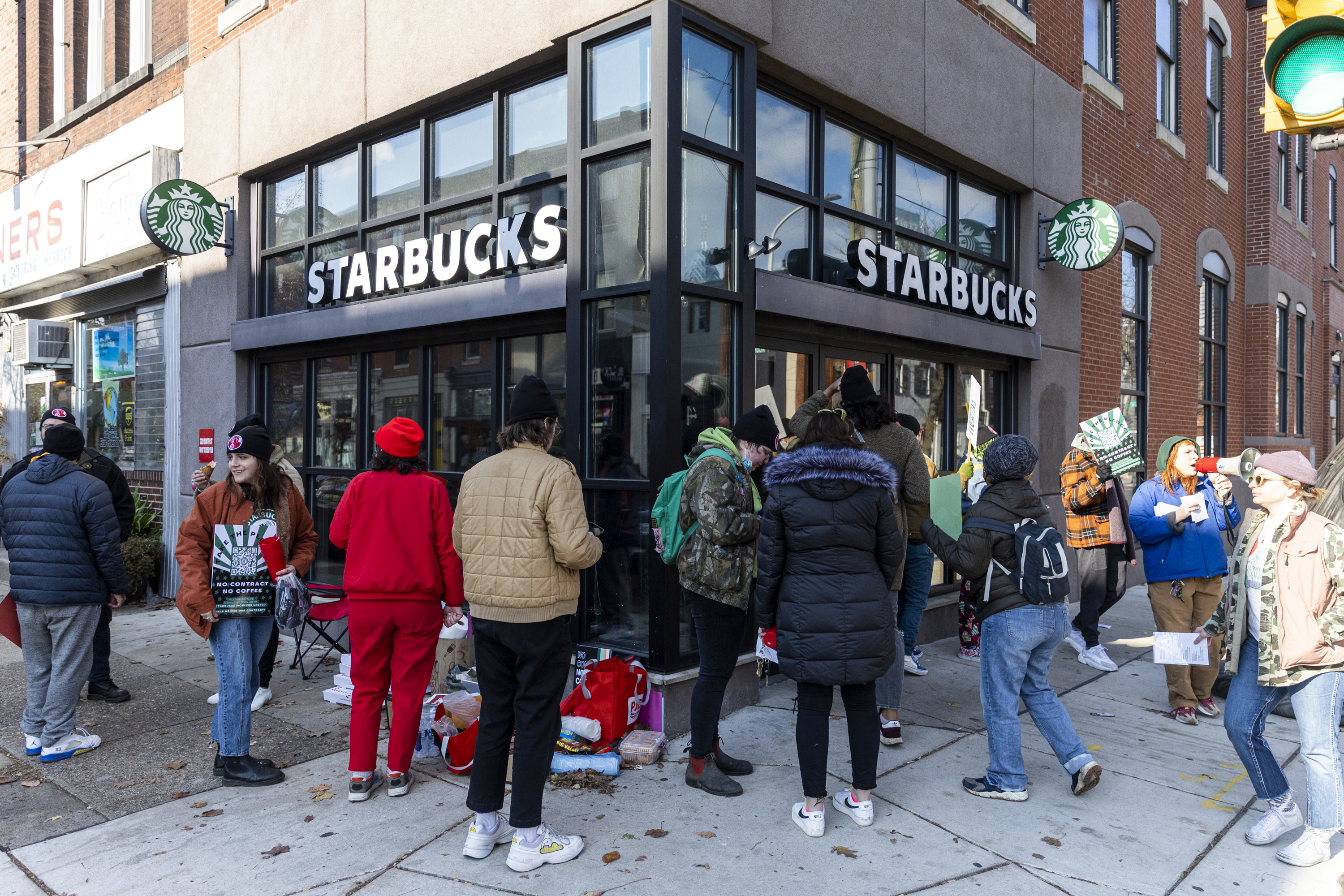
    The 250 stores closing represent about 1% of the over 18,000 Starbucks in North America, according to Grams. Of the 250 closing stores, 20 are unionized, according to the baristas’ union, Starbucks Workers United.

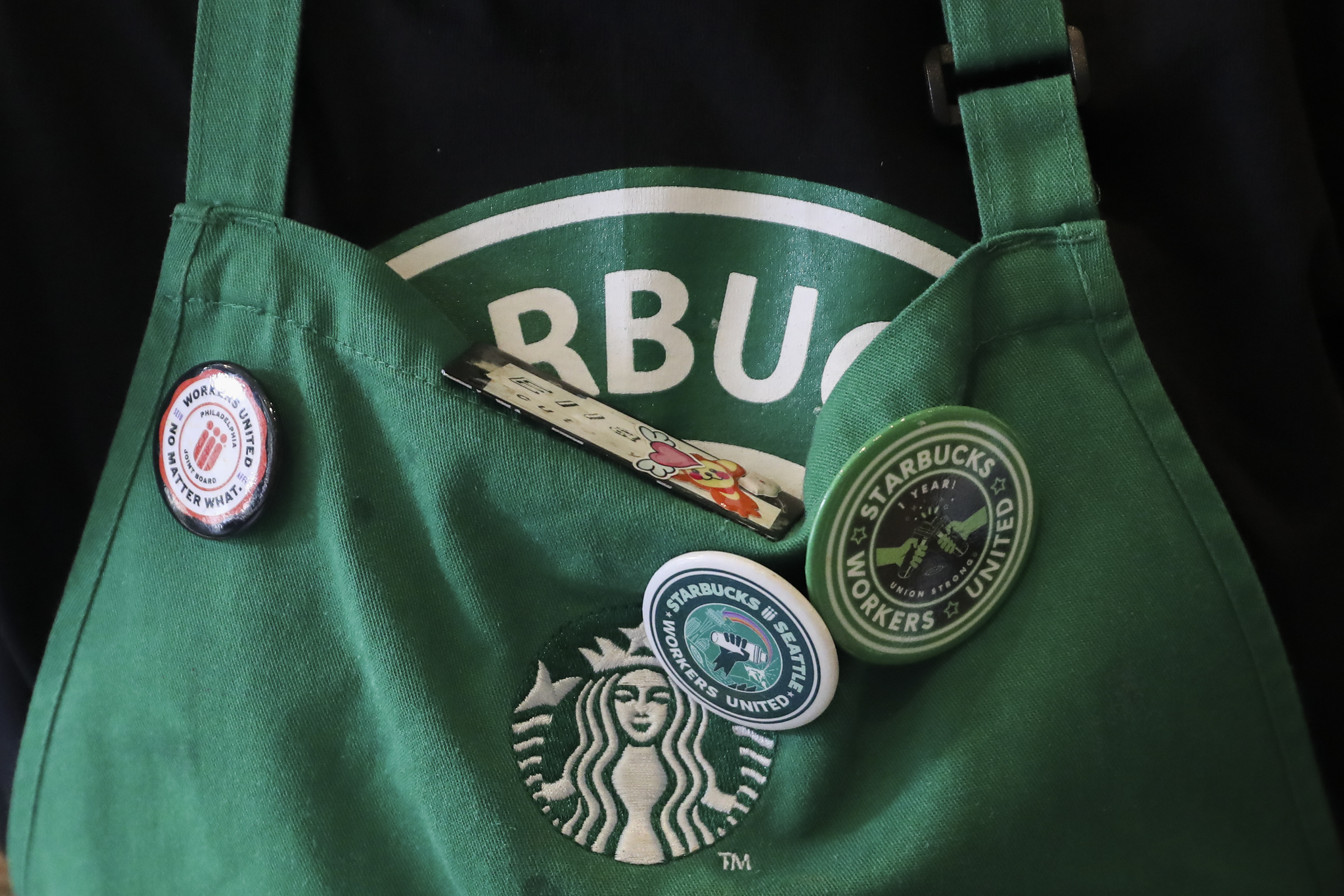
    A member of the Starbucks Workers United union wears pins during their shift at a Philadelphia store.Heather Khalifa / Staff Photographer

    Starbucks has several dozen stores in Philadelphia and more in the surrounding counties.

    “Starbucks leadership is failing the company, and trouble is brewing for Starbucks,” Starbucks Workers United said in a statement. The company, in response, pointed to its recent financial turnaround under company CEO Brian Niccol, who stepped into the role in 2024.

    Starbucks baristas have been organizing for years, electing Starbucks Workers United to represent them at nearly 700 stores, according to the union, but they have not yet reached a first union contract with the company.

    Starbucks closes some locations and opens new ones every year, Grams said, adding that is part of “managing our portfolio.”

    “We remain excited about the significant long-term growth opportunity ahead in North America,” Grams said. “We are actively developing a strong pipeline of new coffeehouses and remain committed to growth in North America.”

    The announcement this week is the latest round of store closures since Niccol took over as CEO. Upon last year’s closures, including six in Philly, Niccol cited nearly identical reasoning as Grams did this week for the latest changes.

    Niccol has been focused on improving customer experience with a plan dubbed “Back to Starbucks.” It is paying off, he said in a statement this month, adding “we have returned to growth, delivered positive global comps and improved margins.”

    The new closures support Niccol’s “Back to Starbucks” plan, Grams said.

    The union this week, in light of the closure announcement, said Niccol’s plan is “nothing more than a betrayal of what workers and customers loved about the company.”

    Starbucks spokesperson Trull, in response, pointed to a recent earnings call, in which Niccol said “we delivered our fourth consecutive quarter of positive global comps and our second consecutive quarter of consolidated margin growth. It’s clear proof that our Back to Starbucks plan is working.”

  • Delta is ending a route out of Philadelphia that it launched months ago

    Delta is ending a route out of Philadelphia that it launched months ago

    Delta Air Lines is cutting a route out of Philadelphia International Airport just months after launching it.

    The daily flight between Philadelphia and Seattle, which began operating in May, will stop flying at the end of November and will not be offered again in 2027.

    The airline made the decision “based on customer demand,” a Delta spokesperson said via email this week.

    American Airlines and Alaska Airlines also offer nonstop flights between PHL and Seattle-Tacoma International Airport.

    Delta last year carried nearly 1.9 million passengers through PHL, the airport’s third-largest airline by passenger volume.

    American Airlines, the largest, carried over 20 million passengers through the airport that year — roughly 70% of total passengers.

    While Delta is terminating service between PHL and Seattle, the airline plans to launch a new daily route between Philadelphia and Los Angeles in June. The airline already offers flights connecting Philadelphia to Atlanta, Boston, Detroit, Minneapolis, and Salt Lake City.

    The airline recently modernized its PHL lounge with new furniture, carpets, and updated restrooms, as well as a larger buffet area. It’s one of many traveler lounges at the airport.

    Delta has over 700 employees based in Pennsylvania, many of which are based out of Philadelphia.

  • Jefferson CEO will chair Philadelphia region’s chamber of commerce

    Jefferson CEO will chair Philadelphia region’s chamber of commerce

    The CEO of Jefferson Health and Thomas Jefferson University will be the local chamber of commerce’s next chair, and he’s focused on a feeling of safety in the city.

    Joseph G. Cacchione, Jefferson’s CEO since 2022, will chair the Chamber of Commerce for Greater Philadelphia’s board of directors beginning Oct. 15, the chamber announced Tuesday.

    The new role comes just a year after Cacchione said Jefferson could move its headquarters out of the city. But now he says that’s no longer on the table, crediting Mayor Cherelle L. Parker and the city’s police chief for making “great strides in improving safety.”

    “We’re here. We’re Jefferson. We’ve been in Center City for 200 years. We’re not moving,” he said in an interview Tuesday.

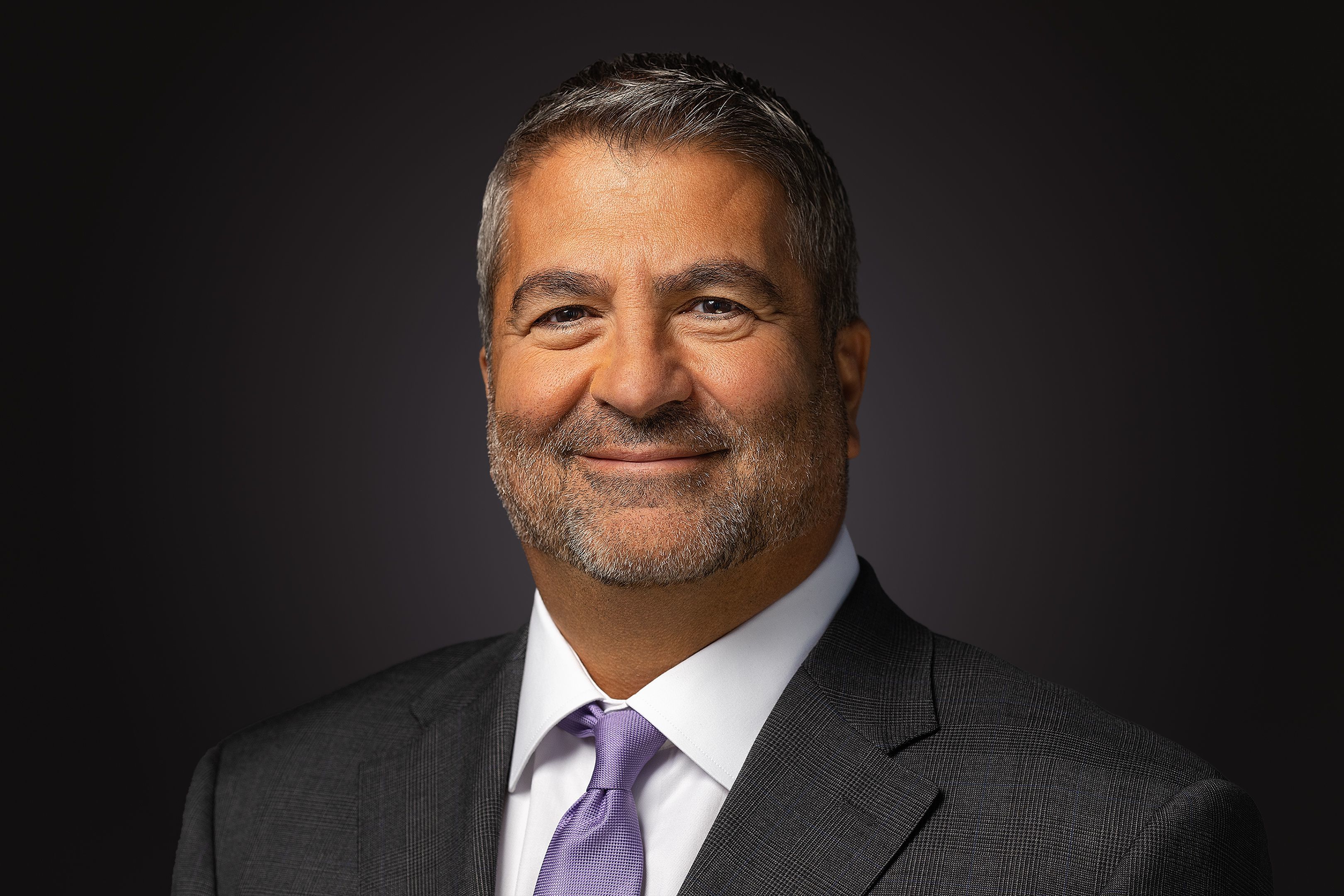
    Joseph G. Cacchione will begin his role as board chair at the chamber on Oct. 15.Thomas Jefferson University

    Cacchione says some of the region’s remaining challenges can be tackled through partnerships between business and government.

    “For me it’s about never standing back and watching but to actually roll your sleeves up and get in there and mix it up,” he said.

    Jefferson teamed up with the city police department and SEPTA transit police in one such partnership in June, launching a public safety hub in partnership in Market East.

    “East Market Street particularly has had challenges over the years,” he said Tuesday. “We saw an opportunity to have more visible police presence.”

    But recently, he said, the area has felt safer and more vibrant. He pointed to the pop-up businesses that opened along that corridor this year, as well as the pop-up plaza outside Reading Terminal Market.

    “We continue to need to work on that quality of life,” he said. “It’s not just East Market Street. It’s the entire city that we want to be safer.”

    More good jobs for the region

    Cacchione’s priorities also include supporting small and medium-sized businesses, continuing regional job growth, and improving access to healthcare.

    The chamber’s board of directors includes CEOs, presidents, and other leaders of area institutions such as CHOP, Aramark, Temple University, Comcast, Girl Scouts of Eastern Pennsylvania, and the Philadelphia Eagles.

    Its recent efforts include a new regional partnership to create good jobs in business software, biomedical engineering, and production, and specialized manufacturing, where business leaders see potential to grow. Jefferson Health and Thomas Jefferson University are early partners in the group.

    “We are at an inflection point for our region, and we have to make decisions to lean in so that we can continue to grow,” Chamber CEO Chellie Cameron said Tuesday. “I’m talking about attracting new businesses and growing existing businesses, creating jobs — not just any job, but opportunity jobs and pathways to those jobs.”

    Cacchione, as the leader of a very large employer in Center City, “gets it,” Cameron said, adding that he’s not just invested in the city, but the region as a whole.

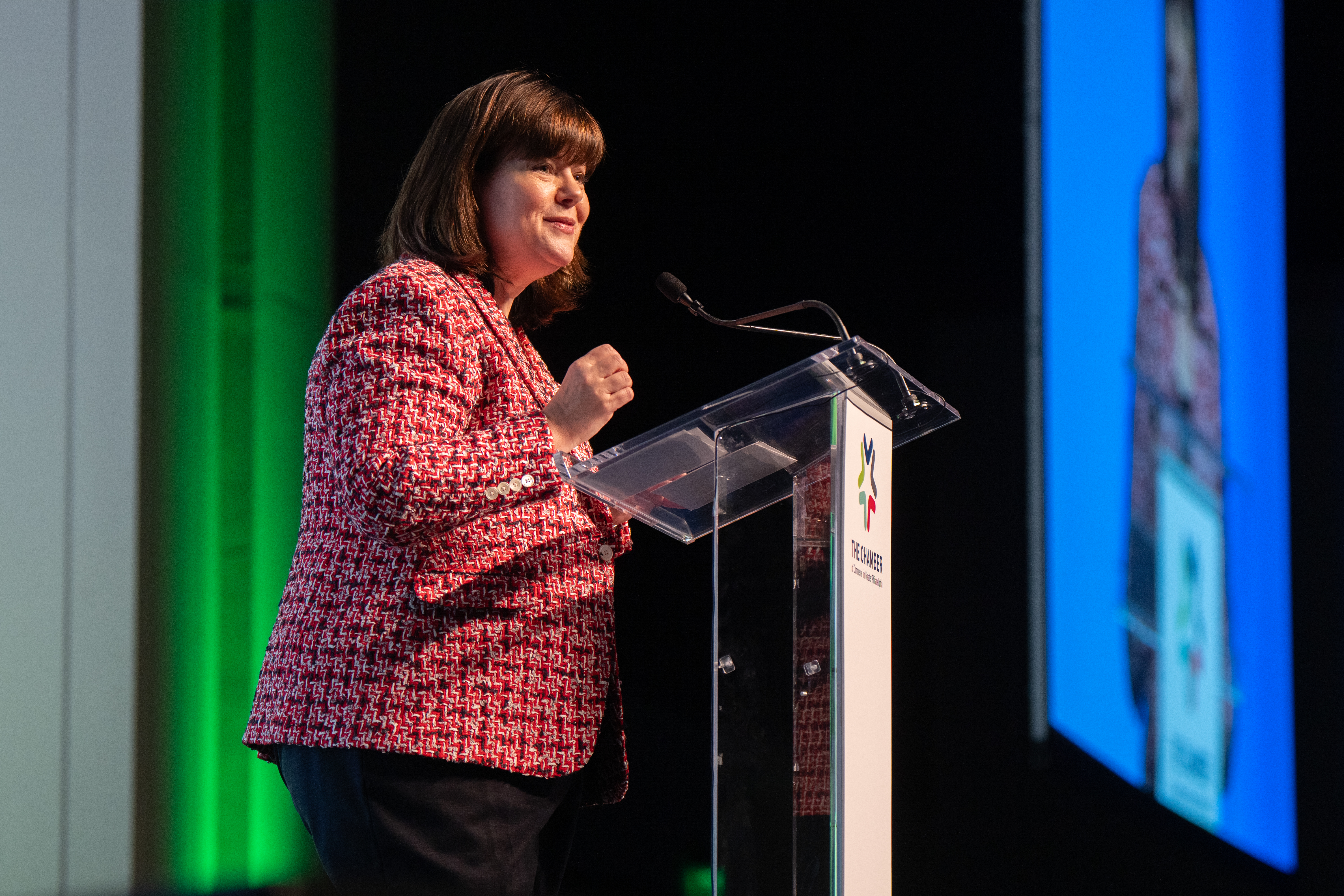
    Chellie Cameron, CEO of the Chamber of Commerce for Greater Philadelphia, at a chamber event in 2025.Jessica Griffin / Staff Photographer

    Cacchione added that AI will “change how we do business,” calling it an “enabler of business.” The chamber could help train workforces that don’t have experience with AI, he said.

    Jefferson employees have been adopting AI tools to improve efficiency. Nurses use it for note-taking, he said. By 2028, Jefferson aims to save over 10 million hours of clinician’s time by using AI — creating more time for “face-to-face” interaction with patients, Cacchione said.

    The hoped-for result, he said: “Our doctors are spending more time with patients and less time in front of a computer.”

  • La Colombe will sell canned matcha lattes as the drink’s popularity grows

    La Colombe will sell canned matcha lattes as the drink’s popularity grows

    Matcha lovers have a new way to sip their beloved drink: out of a can.

    La Colombe, the Philly-founded coffee company, is launching a canned matcha latte that is expected to be in stores this month. The brand already sells matcha drinks at its cafes, but the new line of canned drinks will reach customers at nationwide retailers, the company announced this week.

    Matcha sales at La Colombe have increased by 188% since 2023, according to the company. Matcha has been trending nationally and can be found in Philadelphia in cocktails, ice cream, and cakes.

    The 11-ounce La Colombe cans come in the original matcha flavor, as well as matcha with strawberry or vanilla. Each can contains lactose-free whole milk, Japanese matcha, and 65mg of caffeine.

    Meanwhile, change has been brewing at La Colombe in recent years. In 2023, the Philly-born coffee brand was acquired by yogurt-maker Chobani for $900 million. Chobani founder and CEO Hamdi Ulukaya was already the majority owner of La Colombe as of 2015.

    As part of the acquisition, Chobani worked out a deal with a major La Colombe investor, Keurig Dr Pepper. Keurig Dr Pepper’s La Colombe stake became Chobani equity, but this year, Keurig Dr Pepper said it was selling it back.

    The canned matcha drinks join several other La Colombe canned beverages on store shelves. The canned draft latte was officially launched in 2016.

    Ulukaya is credited with originally challenging the co-founder of the coffee company, Todd Carmichael, to make a ready-to-drink latte, The Inquirer has reported.

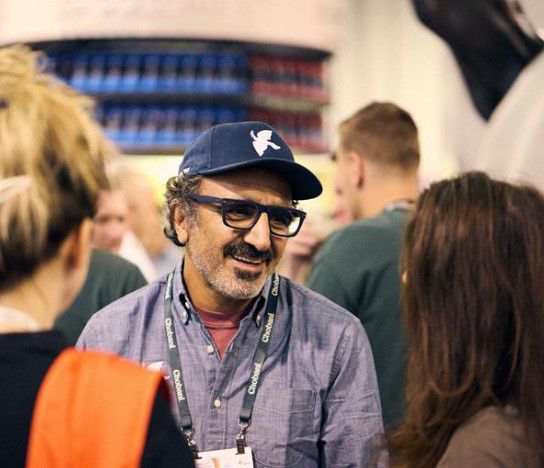
    Hamdi Ulukaya, Chobani founder and CEO, became the majority owner of La Colombe in 2015.Chobani

    “When La Colombe first put the Draft Latte in a can, the brand helped reshape the [ready-to-drink] coffee category by making a true coffeehouse quality experience accessible to more people,” said Niel Sandfort, chief innovation officer at Chobani and La Colombe, in a statement this week. “Now, we’re bringing that same craft and innovation to matcha.”

    La Colombe has been looking to expand its ready-to-drink business and invested $567 million in a plant in Michigan earlier this year where it produces those drinks.

    And parent company Chobani recently announced it would invest $1.2 billion in Pennsylvania in a new dairy plant, in a move expected to create hundreds of jobs and increase milk demand, benefiting the local dairy industry. Chobani is buying the facility from Keurig Dr Pepper for $125 million.

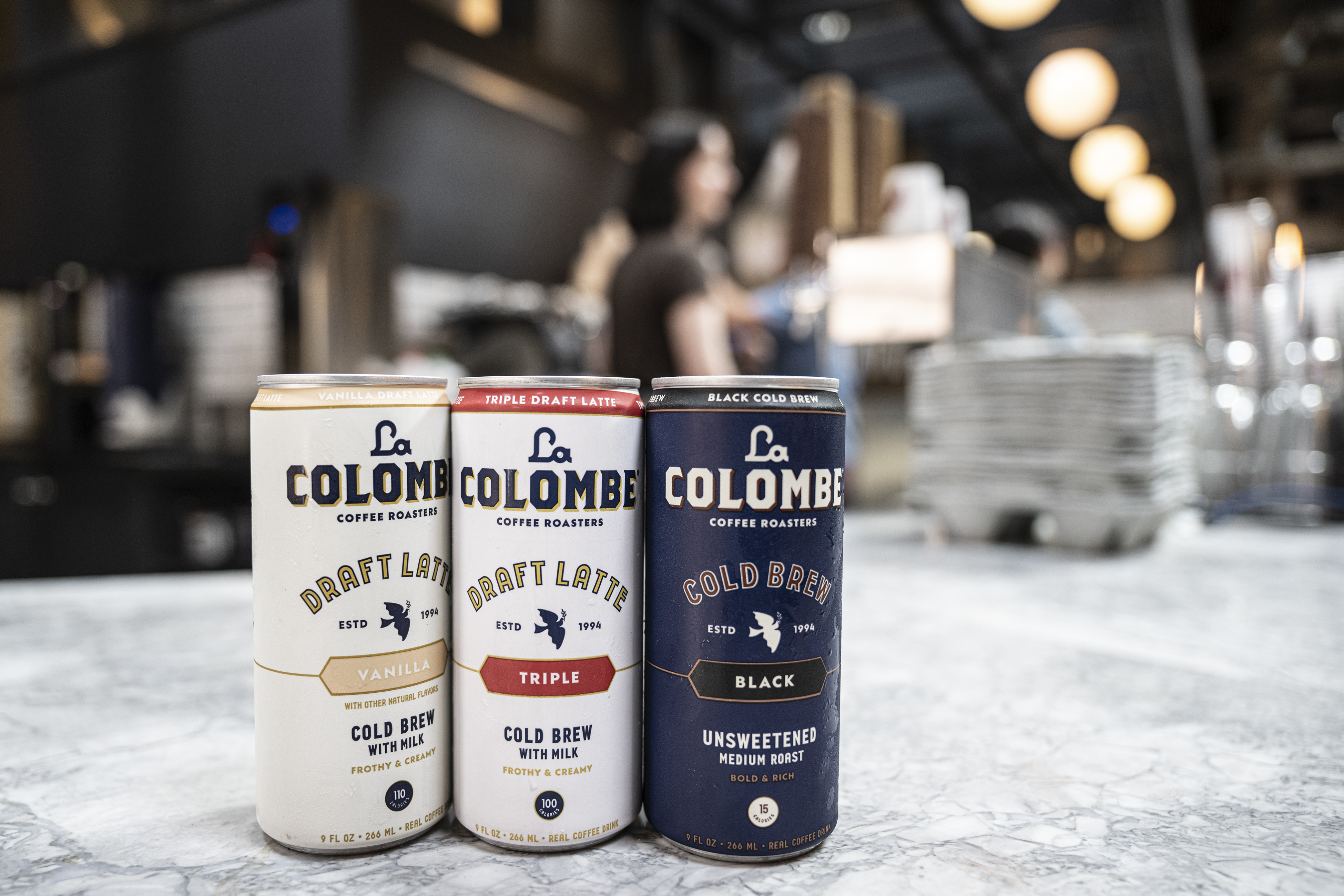
    La Colombe canned draft lattes in Philadelphia, Pa., on Monday, May 6, 2024.Jose F. Moreno / Staff Photographer
  • PHL ranked last among peer airports for the sixth straight year in a JD Power customer survey

    PHL ranked last among peer airports for the sixth straight year in a JD Power customer survey

    Philadelphia International Airport has once again landed at the bottom of JD Power’s traveler satisfaction survey among similarly sized airports — for a sixth year in a row.

    The biggest thing holding PHL back continues to be its aging building.

    “They’re in dire need of new terminal facilities,” said Michael Taylor of JD Power, later adding, “The building needs to be renovated or replaced.”

    “When you run out of space, that’s a very limiting factor,” Taylor said. “There isn’t much you need to do other than get more space.”

    Last year, some 30.1 million passengers traveled through PHL — nearly 70% of them with American Airlines. While its ranking remained poor, its score on the JD Power survey improved by 26 points, to 596 out of 1,000.

    JD Power surveyed 24,710 U.S. and Canadian travelers between July 2025 and July 2026. The survey asked about seven areas:

    • ease of travel through airport
    • level of trust with airport
    • terminal facilities
    • airport staff
    • departure/to airport experience
    • food, beverage, and retail
    • arrival/from airport experience

    PHL competes among the large airport category, which includes airports that see between 10 million and 32.9 million passengers annually. America’s busiest airports, including LaGuardia Airport and Boston Logan International Airport, are in the next larger category, with at least 33 million passengers per year.

    The top-ranked large airport was Tampa International Airport, with 715 points. Portland International Airport came in second, and Dallas Love Field came in third.

    On Tuesday, ahead of the release of the JD Power survey, Mayor Cherelle L. Parker and PHL interim CEO Tracy Borda welcomed hundreds of attendees at the Convention Center in Philadelphia for an aviation industry conference and spoke to the media about PHL’s recent improvements.

    “We know that there is more work to do at PHL,” said Parker, adding that an investment of nearly $2 billion in modernization is underway.

    In a news release Tuesday, the airport acknowledged the expected JD Power report, adding that “JD Power has previously reported that passenger satisfaction rises when airports complete renovations and create a stronger sense of place.”

    “PHL is in the midst of that work, not at the end of it, and the airport recognizes that construction itself can affect a traveler’s experience,” Borda said in the news release. “Each completed project, however, moves PHL closer to a more seamless journey and gives passengers new ways to experience the transformation for themselves.”

    (function(){function e(){window.addEventListener(`message`,function(e){if(e.data[`datawrapper-height`]!==void 0){var t=document.querySelectorAll(`iframe`);for(var n in e.data[`datawrapper-height`])for(var r=0,i;i=t[r];r++)if(i.contentWindow===e.source){var a=e.data[`datawrapper-height`][n]+`px`;i.style.height=a}}})}e()})();

    What could be better at PHL?

    PHL’s score increase this year can be attributed in part to the airport’s food, beverage, and retail options, which have historically been a bright spot for survey respondents.

    PHL has a good selection of local businesses including La Colombe and Chickie’s & Pete’s that root customers in Philadelphia, Taylor noted, as well as other recognizable national brands.

    But the airport suffers from small waiting areas for passengers and a lack of natural light, Taylor said.

    High ceilings, natural light, and vistas can be found at the airports rated highest by consumers, he said.

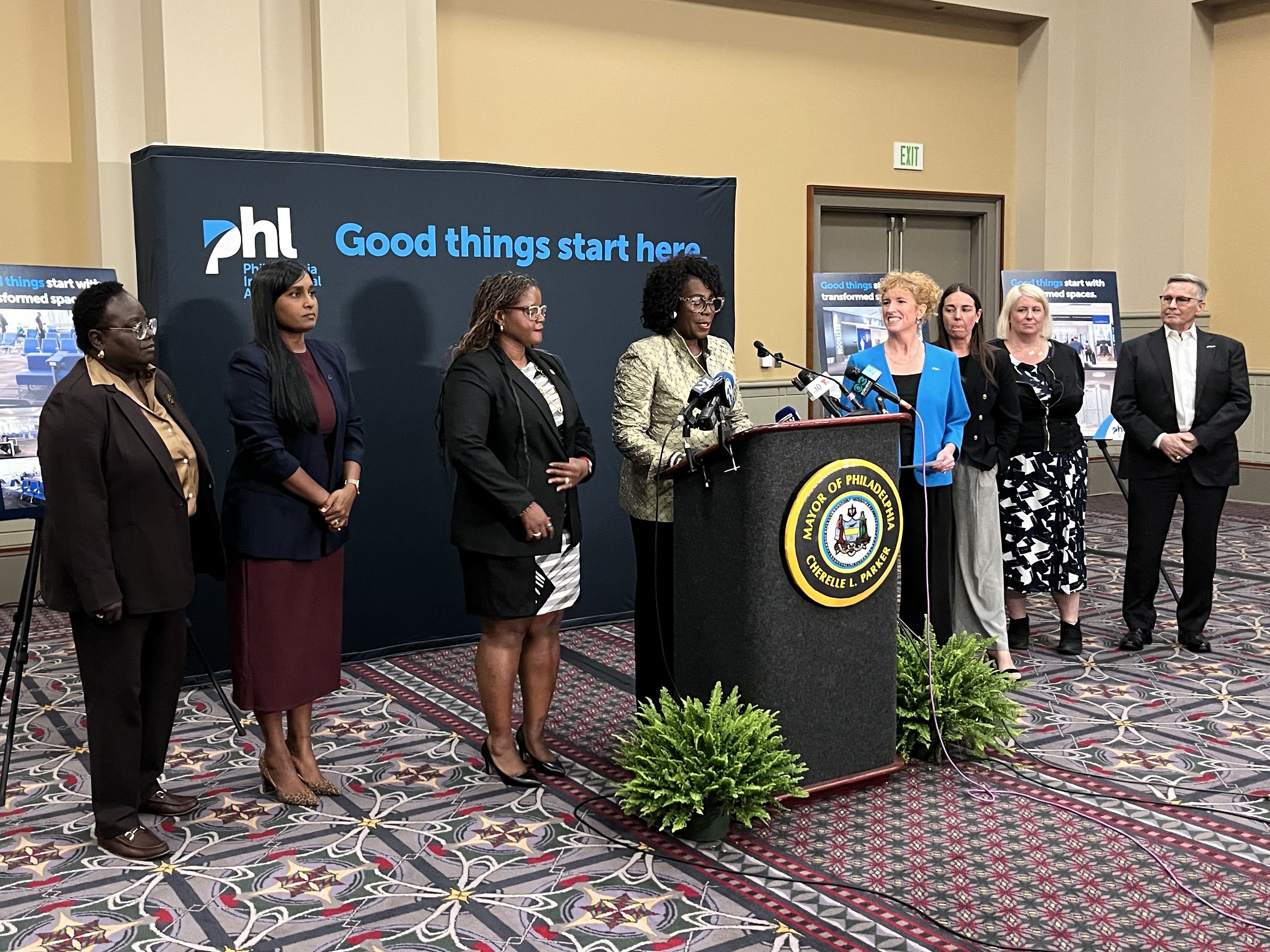
    Mayor Cherelle L. Parker and Philadelphia International Airport’s interim CEO Tracy Borda spoke at a news conference at the Convention Center on Tuesday before the JD Power ranking was released.Ariana Perez-Castells

    Taylor says PHL wasn’t built to serve the number of passengers it does today.

    O’Hare International Airport in Chicago, which ranked last among the mega-airport group with at least 33 million passengers annually, has a similar problem, Taylor said: “Too many people flying … to have a building that can accommodate them.”

    PHL has been renovating bathrooms, adding lactation rooms, and spending millions on new landscaping, paint, tiles, and carpeting in terminals. At Tuesday’s news conference, Parker and airport leaders discussed how the airport is in the midst of a nearly $2 billion investment to upgrade the airport, which started a few years ago. The airport also appears to be adding square footage.

    The Department of Aviation purchased a 441,000-square-foot property near the airport, at 8800 Tinicum Blvd, in July. The airport doesn’t yet have definitive plans for the $42 million building, but it could be used for the department’s headquarters.

    PHL chief commercial officer Kate Sullivan said in a city hearing in June that compared to many of its “peer airports,” PHL has “very little room to grow,” given its geographic location.

    “PHL is just incredibly land-constrained … we’re hemmed in by highways, by rivers, by towns,” Sullivan said. “Policy-wise, when an adjacent parcel comes available for us to look at, we at least want to have a conversation about it.”

    Parker said Tuesday that she is hopeful about and looking forward to a “historic capital investment” that would lay the foundation for Philadelphia’s airport for generations to come.

    But she didn’t elaborate on what that will entail, adding: “I won’t go into detail because the lawyers are somewhere going to be saying no, you’re going to go overboard, you’re not allowed to say that.”

  • At 5 Philadelphia airport restaurants, employees want to unionize and get health insurance

    At 5 Philadelphia airport restaurants, employees want to unionize and get health insurance

    Martina Lyons, 59, loves her job at Bud & Marilyn’s in Philadelphia International Airport, but she misses having employer-funded healthcare.

    For 20 years, she worked at PHL’s Sky Asian Bistro, where staff was represented by a union and she had a pension. When the bistro shut down around three years ago, she became a bartender at Bud & Marilyn’s in Terminal C. She started paying for her own health insurance, until her premium nearly doubled this year and she couldn’t afford it anymore.

    Lyons is one of the 160 workers at PHL’s outposts of Bud & Marilyn’s, Sabrina’s Cafe, Chick-fil-A, Insomnia Cookies, and Good Luck Bar & Restaurant. Many of them have signed onto an effort to unionize and get better benefits.

    “I just always get so worried. God forbid, I have an accident … an emergency. It’s pretty scary to not have healthcare right now,” Lyons said.

    On Monday, the group of cooks, dishwashers, cashiers, servers, and bartenders asked management to voluntarily recognize their affiliation with Unite Here Local 274.

    Restaurateur Hakan Ilhan operates the five eateries. He did not immediately respond to a request for comment.

    Unite Here Local 274 already represents 1,200 other food-service workers at PHL, as well as hundreds of employees of Philadelphia hotels.

    According to the union, a super majority of the 160 potential new union members have signed cards to join.

    What are the PHL restaurant workers seeking?

    Health insurance has already emerged as a top priority among the group. Other unionized airport workers have employer-provided health insurance, said Rosslyn Wuchinich, president of Unite Here Local 274.

    “We’ve made a lot of improvements over the years to the point where most of the union workers at the airport have free healthcare,” she said.

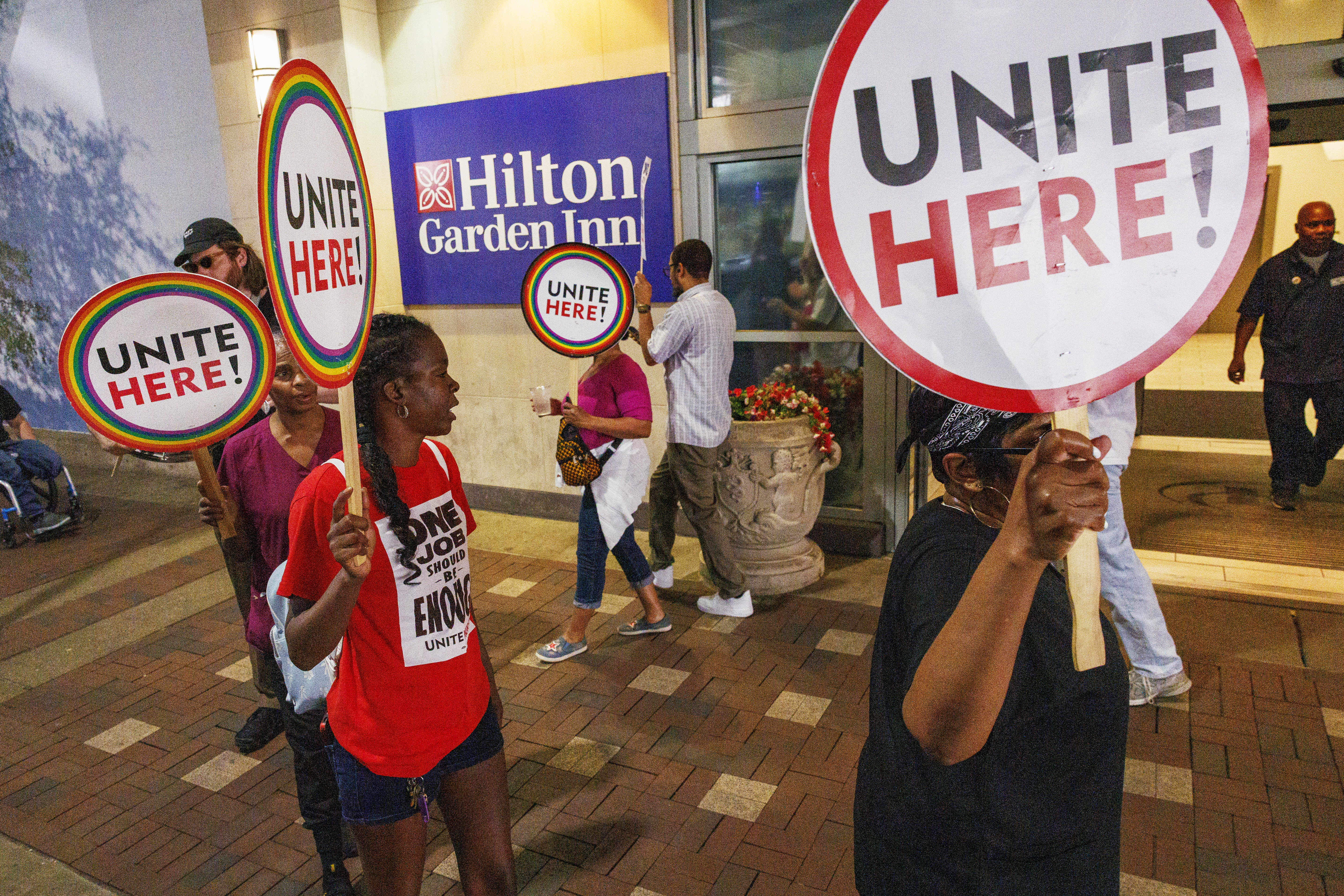
    Unite Here Local 274 gather union organizers and employees outside the Hilton Garden Inn at 11th and Arch Streets to ask for higher wages before the festivities in 2026 for the nation’s 250th birthday, MLB All-Star Game, and FIFA World Cup.Alejandro A. Alvarez / Staff Photographer

    Shymeik Ramsey, a busser at Sabrina’s Cafe in Terminal C, hopes a union can bring clearer rules so that workers have an “understanding on what you can and can’t do instead of coming in every week to new rules.”

    He also wants set work schedules, with more advance notice. Shanah Moment, a server at Sabrina’s, said worker input on schedules is important too.

    “We don’t have a set schedule so our days literally change like every week,” said Moment. “Even if we post our availability in our scheduling app, sometimes we don’t always get the days that we need off and we’re still scheduled outside of our availability.”

    Moment also wants job security. She gave birth in April, and was unsure she would still have a position at Sabrina’s when she was able to work again, she said.

    Overall, says Wuchinich, “the biggest issue for workers in organizing always is just having real respect and voice at work.”

    PHL’s concessions workers were 100% unionized into the early 1990s, according to Wuchinich. Aramark operated those businesses at the time, she said.

    Then the city brought in more food and beverage operators, she said, which meant some nonunion employers came in. Around that time Unite Here began to organize at the airport. Today, some 1,200 PHL concessions and catering workers are members of Unite Here Local 274.

    The airport, meanwhile, has suffered from a poor reputation broadly, landing at the bottom of a national customer satisfaction survey for five years in a row. But food, beverage, and retail options were a bright spot, according to the most recent report.

  • Local brewery admits to late paychecks, pays nearly $583,000 to workers

    Local brewery admits to late paychecks, pays nearly $583,000 to workers

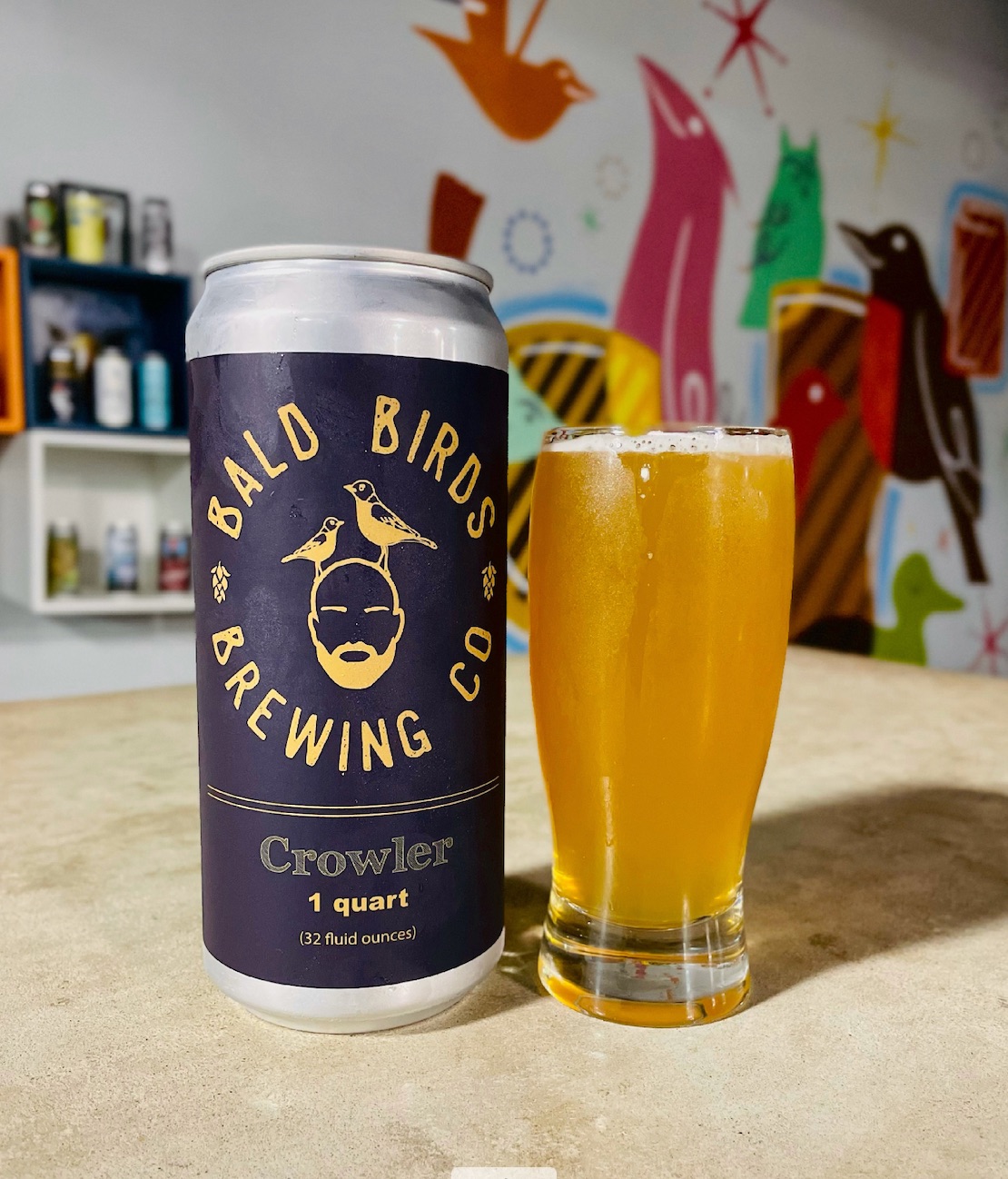
    State regulators on Thursday announced that Bald Birds Brewing Co. violated state wage law at its Montgomery County and Lycoming County locations, and that the state recovered what amounted to several thousand dollars per worker.

    But the brewery is taking issue with that description, contending that it voluntarily paid back staff after a payroll delay.

    Gov. Josh Shapiro’s administration says it recovered more than $500,000 in wages and an additional more than $64,000 in damages for Bald Birds workers through an investigation by the Pennsylvania Department of Labor & Industry.

    Brewery owner Joey Feerrar said the business made those payments without “any enforcement action,” and “calculated the penalties itself.” Feerrar says the department “did not recover anything.”

    All this took place during what seems to have been a time of change for Bald Birds. The company closed its taprooms in Audubon and King of Prussia over the summer, as it refocuses on manufacturing and distribution, according to the website Breweries in Pennsylvania. That work is done through a partnership with Yards Brewing Co. and Connecticut’s Two Roads, called B3 Beverage Co.

    “There was no agreement. No settlement, order, or payment plan was ever proposed or signed,” Feerrar said in a statement.

    State regulators said they started receiving complaints from Bald Birds workers in January. They directed the company to pay the late wages in August and the company did so a few days later, a department statement said.

    “After reviewing the complaints and conducting an audit of the employer’s records, L&I determined Bald Birds Brewery failed over the course of several months to pay employees on time,” the statement reads.

    The total paid was nearly $583,000 to 124 workers including wages and damages. Under the state’s wage law “liquidated damages may be assessed when wages remain unpaid for more than 30 days beyond a regularly scheduled payday,” according to L&I.

    The state said many workers went five weeks without paychecks.

    A state announcement Thursday put the total at nearly $650,000, but the Department of Labor & Industry corrected its own statement Friday.

    “The Department’s irresponsible description of these events has had an immediate and significant impact on the company, including jeopardizing the livelihood of every employee they claim to be championing,” Feerrar said in a statement.

    “We worked in good faith and transparency with the Department, striving to do the right thing in a difficult situation, and that diligence was erased in a few keystrokes,” Feerrar said

    Bald Birds Brewing Company got its start in 2018 with a location in Audubon. Owner Feerrar joined the B3 partnership with Yards last year.

  • Local fence brand is shutting Northeast Philly factory 9 years after being acquired by a larger company

    Local fence brand is shutting Northeast Philly factory 9 years after being acquired by a larger company

    Faced with a huge rent increase, Northeast Philadelphia aluminum fence maker Jerith Manufacturing is closing its factory by next spring.

    Continuing to operate out of the 14400 McNulty Rd. facility would be “economically impractical” in light of the rising cost of rent, general manager K. Robert Lomber said in a layoff notice filed with the Pennsylvania Department of Labor and Industry.

    Rent on the 445,000-square-foot facility is expected to nearly triple starting May 1, Lomber said.

    In the layoff notice, Lomber said Jerith is “going out of business as a separate operating entity.” But the president of Jerith’s parent company, Ameristar Perimeter Security, said last month that Jerith would be adopting a new operating model “to better serve customers and support the long-term success of the Jerith brand.”

    The closure of the Philadelphia site affects 61 workers, 24 of whom will be offered new positions at a New Jersey facility owned by Jerith’s parent company, according to the notice. Layoffs will occur in phases beginning Nov. 15.

    Thirty-eight of Jerith’s 61 Philly workers are represented by Teamsters Local 830.

    Jerith spends about $4.4 million on employee payroll annually, and Philadelphia is expected to miss out on $140,000 annual tax revenue when it is closed, the layoff notice indicates.

    Going forward, some of the manufacturing, assembly, and transportation work Jerith has been doing in Philadelphia will be carried out by Ameristar, which also makes fences, gates, and other barriers, in New Jersey and Tulsa.

    Jerith, which dates back to 1961, uses U.S. aluminum in its products — one of the materials currently caught in the tariff dispute between the United States and Canada, under the Trump administration.

    Jerith was acquired in 2017 by Assa Abloy, which has 64,000 employees in over 70 countries and over 250 brands, including manufacturers of locks and doors, such as Ameristar Perimeter Security.