Author: Ariana Perez-Castells

  • Landmark Ritz Five movie theater is open again

    Landmark Ritz Five movie theater is open again

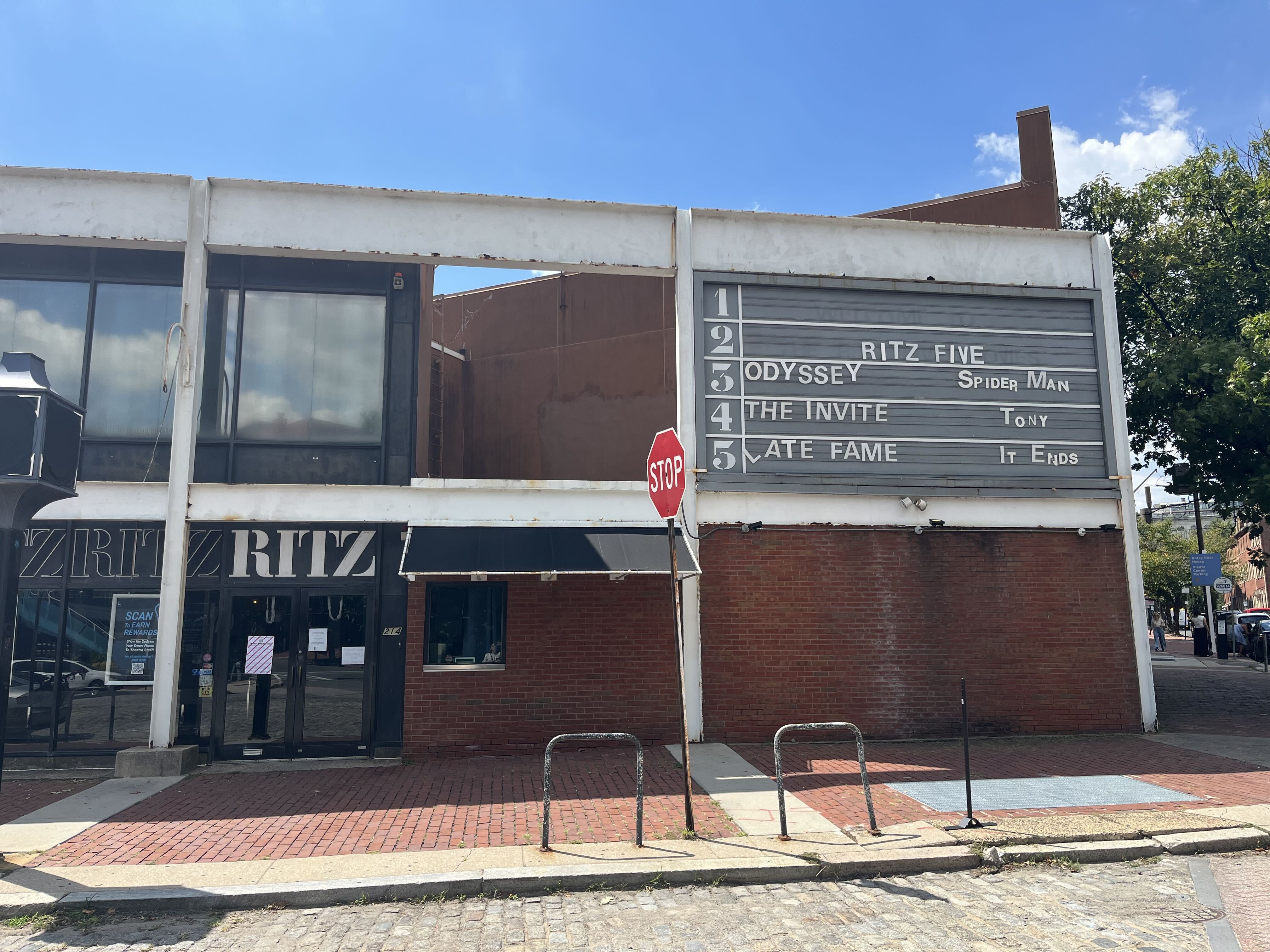
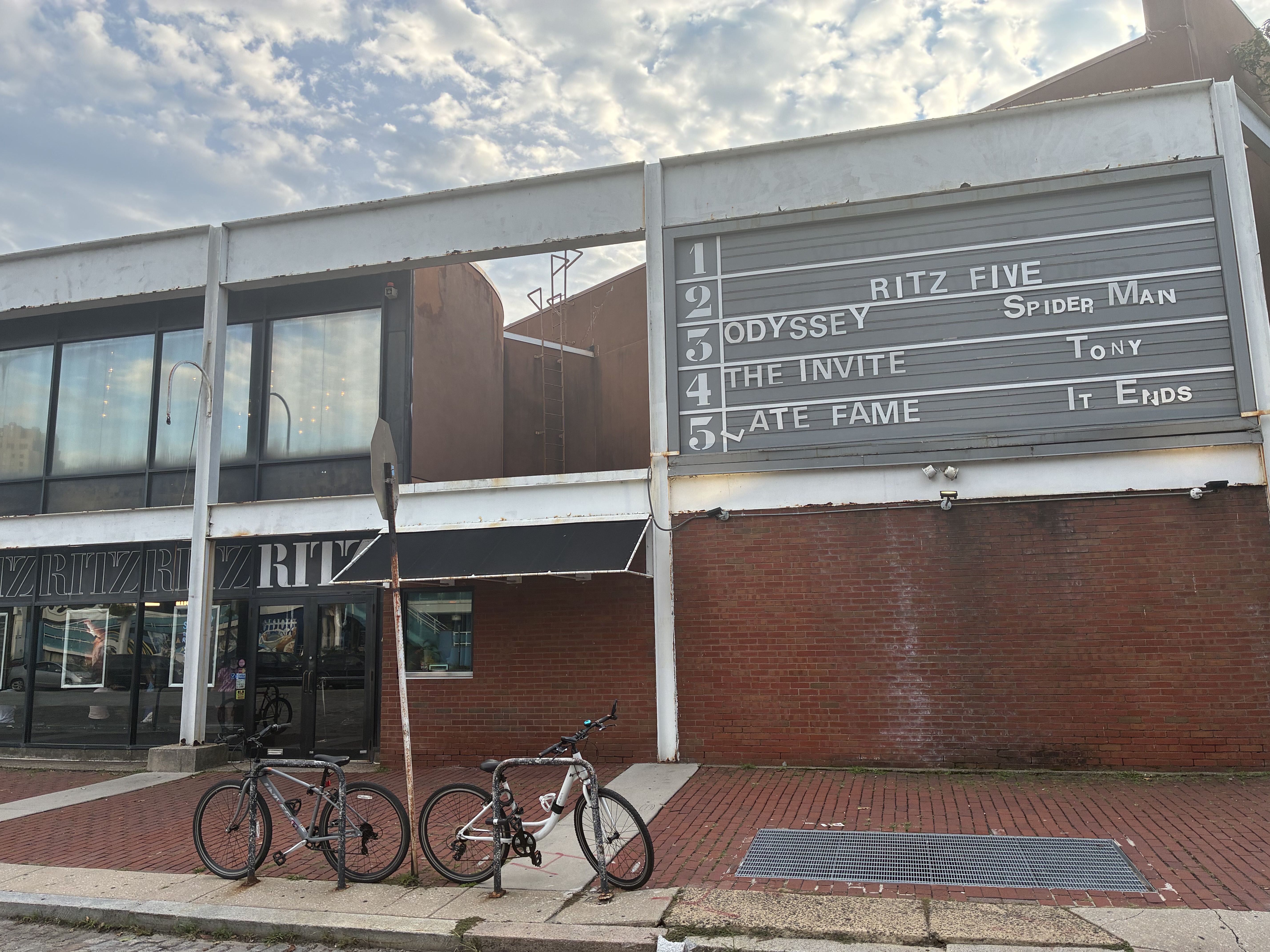
    The smell of buttered popcorn is wafting down Dock Street again, as the Landmark Ritz Five movie theater opened for business again Friday afternoon.

    Business was slow at, first, with just 14 customers entering between 5 and 6:30 p.m.

    That didn’t count concerned fans who stopped by to check in on the somewhat faded art house movie theater.

    “When I saw it closed, it was very upsetting,” said Megan Corry, an artist who grew up and lives in South Jersey, but has been coming to the Ritz Five since she was 17.

    The Philadelphia Department of Licenses and Inspections had ordered the theater to cease operations on Aug. 25 after it failed two city inspections.

    Landmark Theatres’ parent company, Cohen Media Group, said in a statement days later that they were working to get the theater open again, in the midst of the hottest summer for big-screen films since the COVID-19 pandemic.

    Corry has been monitoring the fate of one of her favorite theaters and stopped by Friday evening before her next engagement. She is cheered by the theater’s reopening and hoped to return soon for Willem Dafoe’s new movie Late Fame.

    “That’s why I was peeking [in the window], I was worried about what’s been happening,” said Corry, who last saw the indie horror megahit Obsession at the Ritz Five. “It’s one of the few places where you can see very amazing film. It’s a hub.”

    On Wednesday, the Cohen Media Group said that it “worked in partnership with the local fire department to address all concerns and ensure the theater is safe to reopen.”

    The theater must be under a fire watch to remain open, L&I spokesperson Kandyce Stukes said Wednesday. That involves continuously patrolling the building to look out for signs of fire.

    Property managers for the theater delivered an appeal to the Board of Safety and Fire Prevention, which is an advisory board to the city’s fire department. They were provided with a variance and can open the theater, Stukes said.

    An inspection in March found seven violations. Those included failure to obtain a permit to install a fire alarm system, share documentation that fabrics are flame retardant, ensure that exit doors fully “self-close and latch,” and certify emergency lighting. The theater was also found to be missing a valid food license.

    The theater again failed an inspection on Aug. 11. A cease operations notice on the doors of the theater in late August noted that it needed to obtain an electrical permit and install a fire-alarm system.
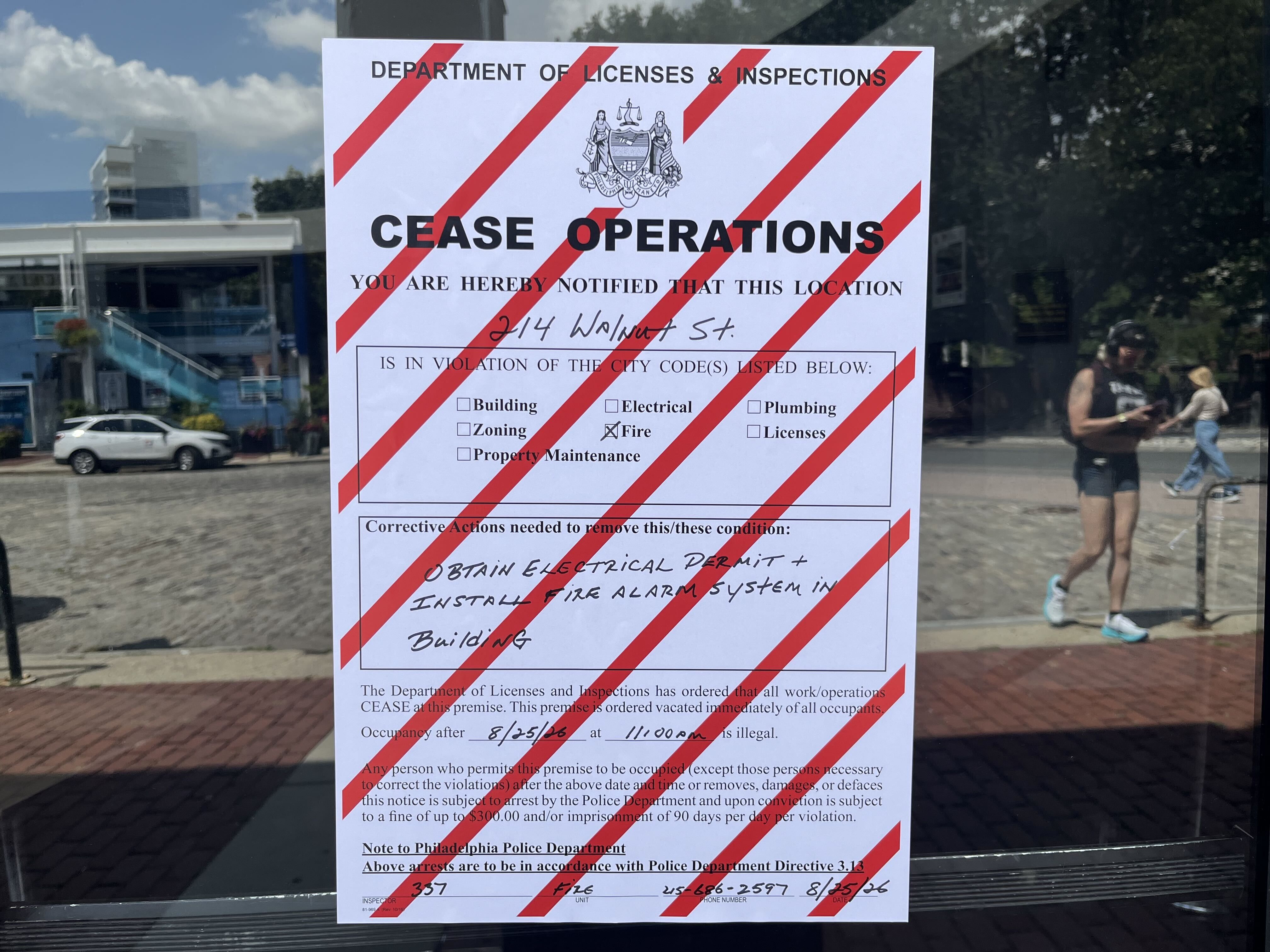
    A cease operations notice was posted to the theater doors in August, but has now been taken down after the owners successfully appealed. Ariana Perez-Castells

    The notice had been removed Friday, although staffers were still peeling the remnants off the front door. They said they were unable to comment, but noted that doors had opened at 2 p.m. and business was slow because many customers did not realize they had reopened.

    Tickets for Friday’s movies were available to purchase online, including a 9:45 p.m. viewing of The Odyssey and a 7:15 p.m. showing of indie chiller It Ends.

    Anne Harvey lives just down the block from the Ritz Five, and said she just noticed it had reopened and rushed to get tickets to the 6:30 showing of The Odyssey, Christopher Nolan’s retelling of Homer’s epic.

    “I had seen it was shutting down, and it was extremely dismaying,” said Harvey. “I hope it can maintain. I know it seems like a hard business these days, but it’s such a nice amenity for the neighborhood. If you like to walk to the movies in five minutes, like me, it’s a great deal.”

  • Campbell’s cut hundreds of jobs and plans to hike prices to combat lower sales

    Campbell’s cut hundreds of jobs and plans to hike prices to combat lower sales

    The Campbell’s Co. has cut 13% of its salaried workforce, roughly 515 employees, amid declining sales.

    The Camden-headquartered soup, snack, and sauce business has suffered from inflation among other challenges, president and CEO Mick Beekhuizen said in an earnings call Thursday, highlighting multiple cost-cutting efforts. He did not provide information on where the workforce reductions took place, and a company spokesperson declined to offer more details on how many were impacted in Camden.

    The company reported $9.7 billion in net sales for its most recent fiscal year, which ended Aug. 2, a decrease of 5% from 2025.

    “Our results remain unacceptable,” Beekhuizen said. “But instead of waiting for the environment to improve around us, we are addressing reality head-on.”

    Beekhuizen said inflation is expected to continue being an issue in the coming year amid an “external environment that we expect will remain volatile.”

    The company is embarking on a $500 million cost-cutting initiative over four years to get back to “profitable growth,” Beekhuizen said. He said the company is making “difficult but necessary” decisions.

    Some of that work is already underway. The company has recently cut costs in part by reducing its salaried workforce by 13% through voluntary early retirements and layoffs. The company had 13,700 full-time and part-time employees as of September 2025.

    Campbell’s also recently closed two snack facilities and plans to increase prices on roughly 60% of its products.

    The company’s snack division, which includes Goldfish, Pepperidge Farm, and Cape Cod, saw a 12% decrease in net sales last quarter. The meals and beverages segment, which includes Rao’s Homemade, Swanson, and Prego, saw a 4% decrease.

    “Our performance is not where it needs to be, and we are taking decisive action to improve it,” Beekhuizen said.

    Since Beekhuizen became CEO last year, the company’s leadership team has been “strengthened” through internal promotions and some external hiring, he said.

    “Looking ahead, our top priority is to get closer to the consumer in everything we do,” he said. “This is not new, but it’s a philosophy we must follow with greater speed and discipline.”

  • One of the fastest-growing jobs has a wage theft problem. Pa. will now fast-track investigations

    One of the fastest-growing jobs has a wage theft problem. Pa. will now fast-track investigations

    One of the fastest-growing occupations is also a hot spot for wage theft complaints in Pennsylvania. A new initiative by state regulators aims to help change that.

    Nearly 40% of the minimum-wage complaints sent to Pennsylvania’s Department of Labor and Industry are from the home healthcare industry, State Labor Secretary Nancy Walker said at a news conference Tuesday.

    Under the new initiative, the state won’t wait to receive new complaints, said Walker. Instead, regulators will audit home healthcare agencies, making “legal demands for wage and hour information,” said Walker, to find potential wage violations.

    “We’re here today because these workers are not receiving the wages they earned, and that changes now,” Walker said.

    Demand for home healthcare is expected to continue growing, but attracting workers to the industry has been a challenge.

    Many home healthcare workers, who help patients with daily living needs, have been shorted on their overtime pay in Pennsylvania in recent years and employers have ultimately had to pay back millions in some instances. One contributing factor is that Medicaid doesn’t pay home healthcare employers extra for overtime.

    “The workers doing this care are not always treated the way we should be,” Marshene Ellis, a home care worker for over 17 years, said at Tuesday’s news conference. “I’ve worked for different agencies and seen the broken promises and low wages.”

    Making ‘good jobs’ in home healthcare

    Pennsylvania is home to more than 257,000 home care workers, according to the Bureau of Labor Statistics, but more are needed to meet demand, especially as the population ages.

    Nationally, home health aide is expected to be one of the fastest growing jobs in the coming decade, according to BLS, which predicts 847,300 more home health jobs by 2035.

    In Pennsylvania, some 112,000 care shifts go unfilled every month, according to Matt Yarnell, president of the SEIU Healthcare Pennsylvania union.

    “That means somebody who cannot get themselves out of bed, is laying in that bed hoping someone shows up,” said Yarnell. “We have a lot of work to do in this space.”

    Those in need may find themselves in the emergency room instead, Yarnell added.

    “When families cannot find a home care worker, the impact is immediate,” said Gabrielle Szymanski, of Pennsylvania’s Department of Aging. “Family caregivers are forced to leave work or take on additional responsibilities, and providers struggle to meet demand — and too often people end up in more restrictive and more costly settings.”

    Attracting and retaining home-health workers has been challenging. Turnover is high in the industry, and wages are low. The median wage in Pennsylvania is $14.14 per hour.

    Workers deserve higher wages, said Mia Haney, CEO of Pennsylvania Homecare Association in a statement on Tuesday and pointed to low Medicaid rates as part of the issue.

    “We support holding bad actors accountable, but they should not define an industry overwhelmingly made up of providers committed to their workers and the people they serve,” said Haney, whose organization represents nearly 700 home care and hospice providers.

    Gov. Josh Shapiro’s administration recently added $21 million to the state budget to boost home healthcare wages.

    “It is really really critical that these become good jobs, and that will not happen on its own,” said Yarnell.

  • Workers who job hop could have an added benefit, Rutgers study finds

    Workers who job hop could have an added benefit, Rutgers study finds

    Job hoppers can get a bad rap.

    But a new study suggests there may be a silver lining to switching workplaces: getting up to speed more quickly.

    “Job hopping” is a subjective term, says Scott Bentley, assistant professor at the Rutgers University School of Management and Labor Relations, who co-authored the study.

    He defines it as a “higher than average number of moves between companies over one’s career.”

    People job hop for different reasons — work-life balance, family or financial reasons, or changing careers altogether.

    “For so long we’ve viewed job hoppers in this negative light,” said Bentley, who acknowledged that hiring managers’ concerns about commitment and turnover can be warranted.

    But, he said, some job hoppers “might have a benefit here that merits giving them a second look.”

    Bentley and his colleague examined data on the job moves of 8,693 hedge fund managers between 2004 and 2019. They measured how well the new hires got up to speed in their work, looking at returns on investments for the funds they managed.

    The majority of new hires experienced a dip in their work performance as they first settled into their new position — but those who had changed jobs frequently needed less time to acclimate.

    “If you need someone who can adapt and just perform much quicker, and get up to speed months sooner than someone else, job hoppers might merit a second look,” said Bentley. “On the other hand, if you’re looking for someone to invest in for the long term, someone that’s going to be there, job hoppers might not be your preferred hire.”

    The social aspect

    Starting a new job can be exciting, but it can also be a “very overwhelming experience,” says Bentley.

    Workers have to navigate new commutes and new offices — and that’s the easy part.

    Then there’s the social aspect of the job, which can be “so much more challenging,” he said. “Even that simple walk to go refill your water bottle is kind of fraught with all of this navigation.”

    Social pressure at work can involve small talk with colleagues, or the repeated introductions of a new employee, explaining why they’re there and what they do, he said. Employees have to figure out who their colleagues are, and what employees they might have to interact with to get their jobs done.

    As new workers navigate this, they have to assess what social cues from their past job still apply at this new position, or which of them they have to unlearn to succeed in the new workplace.

    “We were really interested in: Is there something from people’s experiences that can help them overcome this better than others, or navigate it better than others?” he said.

    He and his colleague were curious to learn if people who have changed jobs more often carry skills that others don’t.

    “We believe that job hoppers, by having that broader breadth of experience at places, are able to be better at the learning and unlearning,” he said. They could have the “ability to adapt better than others who don’t have those experiences.”

    From job hopping to job hugging

    During the pandemic, many people switched jobs to negotiate higher wages, but the job-hopping trend has lost some steam .

    “Before, the best approach for earning the largest jump in wages and income was to change jobs, but we’re seeing that differential decrease right now,” Bentley said.

    Last year, the Wall Street Journal reported the difference in salaries between those who move to a new job and those who stay with their employer had reached a 10-year low.

    Though the trend has shifted from job hopping to job hugging — or holding onto a job — “there’s still benefits that people can bring to the workplace from job hopping,” said Bentley.

  • Chobani to invest $1.2 billion in Pennsylvania and create 900 jobs

    Chobani to invest $1.2 billion in Pennsylvania and create 900 jobs

    Chobani, the yogurt company, plans to spend $1.2 billion to expand its operations at a manufacturing facility in Pennsylvania, which it is buying from Keurig Dr Pepper for $125 million.

    The company, which bought Philly-founded La Colombe in 2023 for $900 million, plans to convert the 1.5-million-square-foot site into a dairy plant, and expects to add 900 workers over the next five years in the Lehigh Valley.

    Keurig Dr Pepper will continue to employ some of the workers in corporate functions, including delivery and customer service, from the Allentown plant, and the rest of its employees there will be offered jobs with Chobani.

    “We’re so happy to be here bringing our future innovation to life in Allentown, made with fresh Pennsylvania milk and delivered to families across the country,” Hamdi Ulukaya, founder and CEO of Chobani, said in a statement.

    Chobani is buying back Keurig Dr Pepper’s equity in Chobani for $800 million, as Keurig Dr Pepper looks to reduce its debt, the company said in a news release.

    Chobani got its start in 2005 with a facility in upstate New York, and produces yogurts, creamers, and oat milk.

    Its move into Allentown is part of a larger $4 billion investment in manufacturing. That includes building a new facility in Rome, N.Y., and expanding a Michigan site that produces La Colombe products.

    Chobani will “manufacture innovative food products beyond yogurt,” at the new Allentown site, located at 7356 Industrial Blvd. in Upper Macungie Township, according to a news release from Gov. Josh Shapiro. It will produce milk with less sugar and more protein than traditional milk, according to Chobani, which it will sell to customers directly, and use as the base of other products.

    When the facility is up and running, Chobani expects to process more than three billion pounds of milk each year from the state — roughly 30% of what Pennsylvania currently produces annually, according to the governor’s office. Production at the facility is expected to begin next year.

    In a statement, Shapiro touted Chobani’s commitment as the largest private-sector investment in the state’s agriculture industry in history.

    The investment, he said, “will strengthen our dairy industry, support our farmers, and reinforce our position as a national leader in agriculture and food manufacturing.”

    At a Tuesday news conference on a dairy farm in Schnecksville, Chobani CEO Ulukaya said challenges around water, waste water, and energy seemed poised to impede the deal early on. He credited Shapiro with allowing the project to become a reality.

    “I would have given up right in the beginning, because the challenges were super big,” said Ulukaya. “I am so surprised … that the governor and his team pulled this off.”

    While the facility itself will create 900 new jobs, Shapiro noted, the ripple effect is expected be larger, extending to Pennsylvania farmers given the increased demand for milk the facility will create.

    Pennsylvania will provide $50 million in grants and loans toward Chobani’s project, in part for infrastructure improvements needed at the site. The state is also giving $127 million in loans and grants to dairy farmers to help them expand herds, buy equipment, and meet the new milk demand, Shapiro said Tuesday.

    “This announcement is the biggest change for our dairy industry in a generation and represents the culmination of a journey built on collaboration, persistence, and a shared belief in the future of Pennsylvania dairy,” state Agriculture Secretary Russell Redding said in a statement.

    Ulukaya noted Tuesday that he comes from a Kurd family of sheep herders. When he first moved to the United States, he said, his first job was milking cows in upstate New York.

    “In my soul, I’m a farmer, I’m a sheepherder, I’m a nomad, and still trying to be a businessman,” Ulukaya said.

    Chobani’s relationship with Keurig Dr Pepper

    In July 2023, Keurig Dr Pepper made a $300 million investment in La Colombe, becoming its second largest investor with a 33% ownership stake. Later that year, when Chobani acquired La Colombe, Keurig Dr Pepper’s equity in La Colombe became Chobani equity. The company is now selling that full stake back.

    “These transactions reflect the success of our partnership with Chobani and are designed to create value for both organizations,” Keurig Dr Pepper CEO Tim Cofer said in a statement. “Together, they enhance our financial flexibility, strengthen the efficiency of our manufacturing network and support the expansion of our important distribution partnership with Chobani.”

    Ulukaya recounted on Tuesday how Chobani started out of a shuttered Kraft yogurt facility in New York state. Don Cunningham, president and CEO of the Lehigh Valley Economic Development Corp., said Chobani’s new Allentown site was previously a Kraft facility, before Kraft merged with Heinz.

    “History comes around, and tomorrow that plant will be bigger and better than we could have ever dreamed,” said Cunningham.

  • Will the Landmark Ritz Five movie theater reopen soon? Here’s what we know.

    Will the Landmark Ritz Five movie theater reopen soon? Here’s what we know.

    The Landmark Ritz Five movie theater could reopen soon, after shuttering abruptly this month because it failed city inspections.

    Landmark Theatres’ parent company, Cohen Media Group, said “we are actively working with the local authorities to address certain requirements related to the theater and are committed to completing the necessary work as quickly and thoroughly as possible,” in a statement shared by spokesperson Daniela Sapkar.

    The Philadelphia Department of Licenses & Inspections ordered the movie theater to close last week after two failed inspections. Violations, noted in a March inspection, included failure to obtain a permit to install a fire alarm system, share documentation that fabrics are flame retardant, ensure that exit doors fully “self-close and latch,” and certify emergency lighting. The theater was also found to be missing a valid food license.

    The theater, located at 214 Walnut St., failed a subsequent inspection on Aug. 11. By Aug. 26, the movie theater was closed, and a cease operations order was plastered on its doors.

    “We understand the importance of this theater to the Philadelphia community and greatly appreciate the patience and support of our guests,” the Cohen Media Group statement said. “We look forward to an imminent reopening.”

    Sapkar said Monday that a reopening date has not yet been decided, “but we’re hopeful it will be as quickly as possible.”

    On Monday morning, the theater’s website still listed that it was temporarily closed “due to administrative issues.” No showtimes were listed for Monday or Tuesday.

    Tickets appeared to be available to purchase online for Wednesday viewings of The Odyssey, The Invite, and Spider-Man: Brand New Day, among other movies.

    Landmark Theatres was purchased by Cohen Media Group in 2018. The Landmark Theatres brand has locations across the country, including theaters in Arizona, California, and Florida.

  • American Airlines is adding new direct flights to these European cities

    American Airlines is adding new direct flights to these European cities

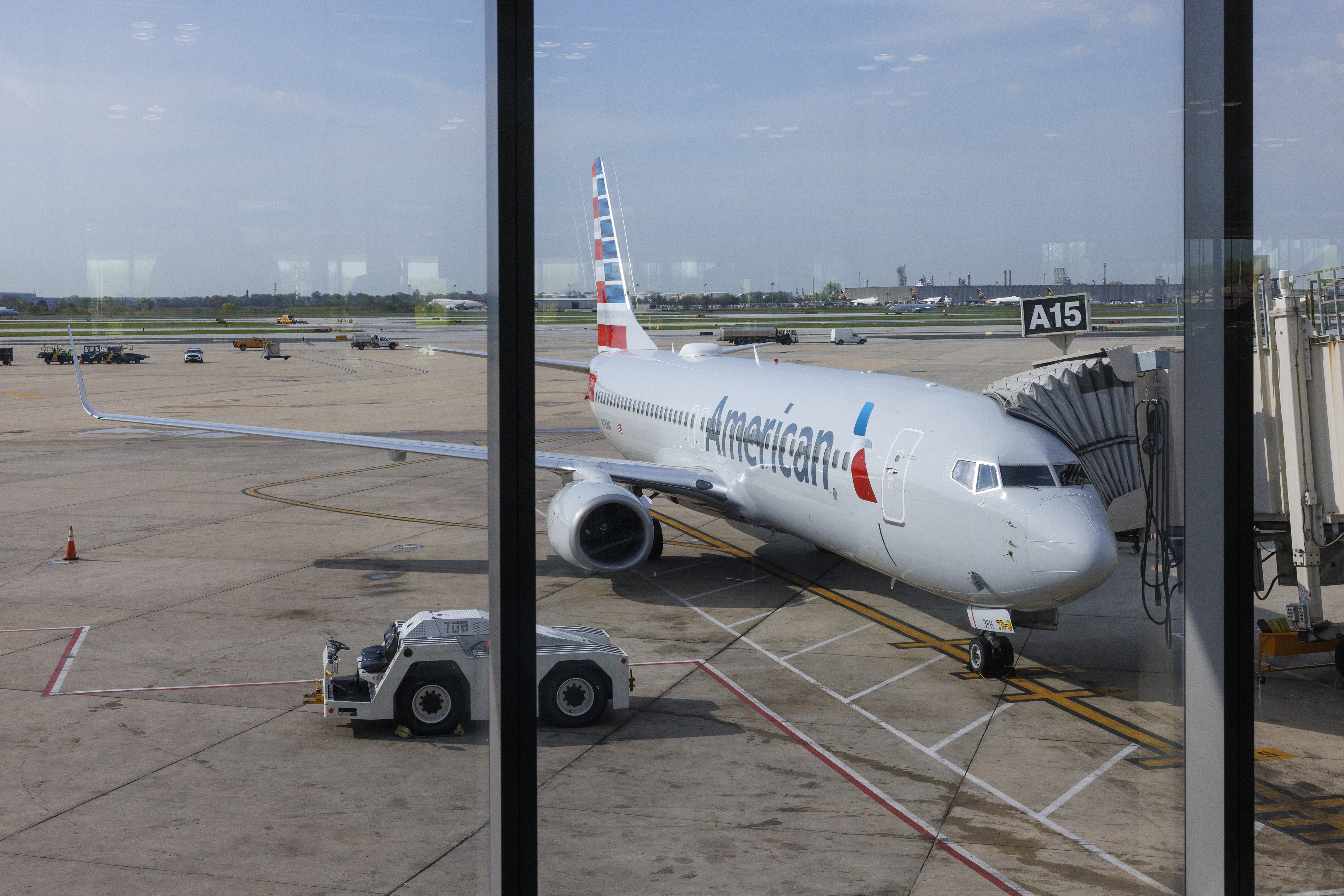
    American Airlines will officially add three new international routes out of Philadelphia International Airport next year.

    The airline announced on Thursday that flights to the European cities of Porto, Portugal, and Vienna, Austria, will depart from Philadelphia in 2027.

    The airline is also adding trips to Reykjavik, Iceland, a route that was previously announced in 2019 but never came to fruition because of pandemic travel restrictions.

    The flight to Porto was announced earlier this year, but required government approval.

    Flights will begin operating to Porto on March 28, to Vienna on May 6, and to Reykjavik on May 27. The routes to Porto and Vienna will be operated on an Airbus A321XLR aircraft, and the route to Reykjavik will be served on an Airbus A321neo.

    Travelers can purchase tickets on the new routes beginning on Aug. 31. When the new routes are operational, American will have 21 transatlantic routes operating out of PHL.

    The new destinations are American’s latest service expansion at PHL. American is the largest carrier out of PHL by passenger volume, carrying more than 20 million travelers through the airport last year — nearly 70% of PHL’s total passengers. The second largest carrier, Frontier Airlines, carried roughly 3 million passengers through the airport in 2025.

    American increased the number of flights traveling through Philadelphia by 10% this summer compared to the same time last year, according to the airline.

    John F. Kennedy International Airport in New York, one of America’s other transatlantic gateways, sees business and leisure travel, but Philadelphia “has a much bigger footprint when it comes to leisure summer travel,” said Cesar Marchese, vice president of operations for the airline in Philadelphia.

    In recent years, American has added new flights out of Philadelphia to Copenhagen, Denmark; Nice, France; and Naples, Italy. The airline has also recently brought back routes to Budapest, Hungary, and Prague, Czech Republic.

  • Landmark Ritz Five is closed after failing city inspections

    Landmark Ritz Five is closed after failing city inspections

    Landmark Ritz Five movie theater is closed after failing inspections by the city’s Department of Licenses and Inspections.

    On Wednesday morning, the theater’s website posted that the location was temporarily closed “due to administrative issues.”

    The theater at 214 Walnut St. was found in violation of several city codes in March, and the theater failed a follow-up inspection on Aug. 11, according to a city online portal.

    March’s violations include failure to: obtain a permit to install a fire alarm system, share documentation that fabrics are flame retardant, ensure that exit doors fully “self-close and latch,” and certify emergency lighting. The theater was also found to be missing a valid food license. In total, the theater was issued seven violations in March.

    A city notice posted to the theater doors on Wednesday said the theater needed to obtain an electrical permit and install a fire alarm system.

    The inspections were prompted by the department receiving “several complaints regarding the Ritz Five Theater,” an L&I spokesperson said.

    The Landmark Ritz Five movie theater was closed on Wed. Aug. 26, 2026, after failing two city inspections. A cease-operations notice was posted to the theater doors on Wednesday.Ariana Perez-Castells

    A representative for Landmark Theatres did not immediately share a comment on the closure and inspections on Wednesday.

    When the Philadelphia theater was inspected in March, it was ordered to remedy the violations by April 22 or face fines. The violations each carry their own fines, totaling $2,800. The department charges the code violation fines on a daily basis. The theater can also be ordered to pay additional fines related to the violations.

    However, on Wednesday, an L&I spokesperson said “there are no fines associated with the violations. Should this matter be progressed to court, then fines may begin to accumulate.”

    The roughly 13,0000-square-foot theater was founded in 1976 with three screens, according to the theater’s website. Today, it has five projection screens.

    Philadelphia was once home to three Landmark Ritz theaters, known for showing independent and documentary films alongside mainstream releases. But the theaters at the Bourse and East are now operated by the Philadelphia Film Society while only Ritz Five remains under Landmark’s umbrella.

    No showtimes were listed for Wednesday on the theater’s website. As of Wednesday morning, tickets could still be purchased online for Thursday viewings of The Odyssey, Spider-Man: Brand New Day, and Tony, among other movies.

    Landmark Theatres was purchased by Cohen Media Group in 2018. The Landmark Theatres brand has several locations across the country, including theaters in Arizona, California, and Florida.

  • Market Street Bridge will be closed to cars for over a year

    Market Street Bridge will be closed to cars for over a year

    Drivers should expect detours around the Market Street Bridge for over a year as the bridge undergoes rehabilitation.

    On Monday, the Market Street Bridge closed to vehicle traffic and is expected to remain shut down for 14 months.

    The work is part of a $149 million Pennsylvania Department of Transportation project that includes reconstruction of the bridge and other construction work in the area.

    Construction work on the bridge began in March 2025 and is expected to be completed by April 2029. The project requires moving around and installing water, electric, gas, and fiber-optic utility lines in the area.

    During the bridge closure, cars and bicycles will be detoured to Chestnut and Walnut Streets, according to PennDot’s plans. The agency has said one sidewalk would remain open to pedestrians to cross the bridge during construction.

    Six SEPTA bus routes will be detoured in the area for roughly a year starting Monday: buses 31, 44, 49, 124, 125, and L1 Owl.

    Parking restrictions are also in effect in the area through 2028 because of the project, PennDot spokesperson Helen Reinbrecht confirmed. Those restrictions affect Chestnut Street between 23rd and 22nd Streets, 23rd Street between Market and Walnut Streets, and Walnut Street between 23rd and 33rd Streets.

    PennDot work in the area has recently led to temporary closures and detours near Amtrak’s 30th Street Station.

    PennDot’s multimillion-dollar project is mostly funded with federal money, with 20% of the cost paid for by the state.

    Pedestrians can cross, but the Market Street Bridge (at left) is closed to vehicle traffic Monday for a Pennsylvania Department of Transportation project that could span 14 months.Tom Gralish / Staff Photographer
  • These Philadelphians used job benefits to go back to school while working full time

    These Philadelphians used job benefits to go back to school while working full time

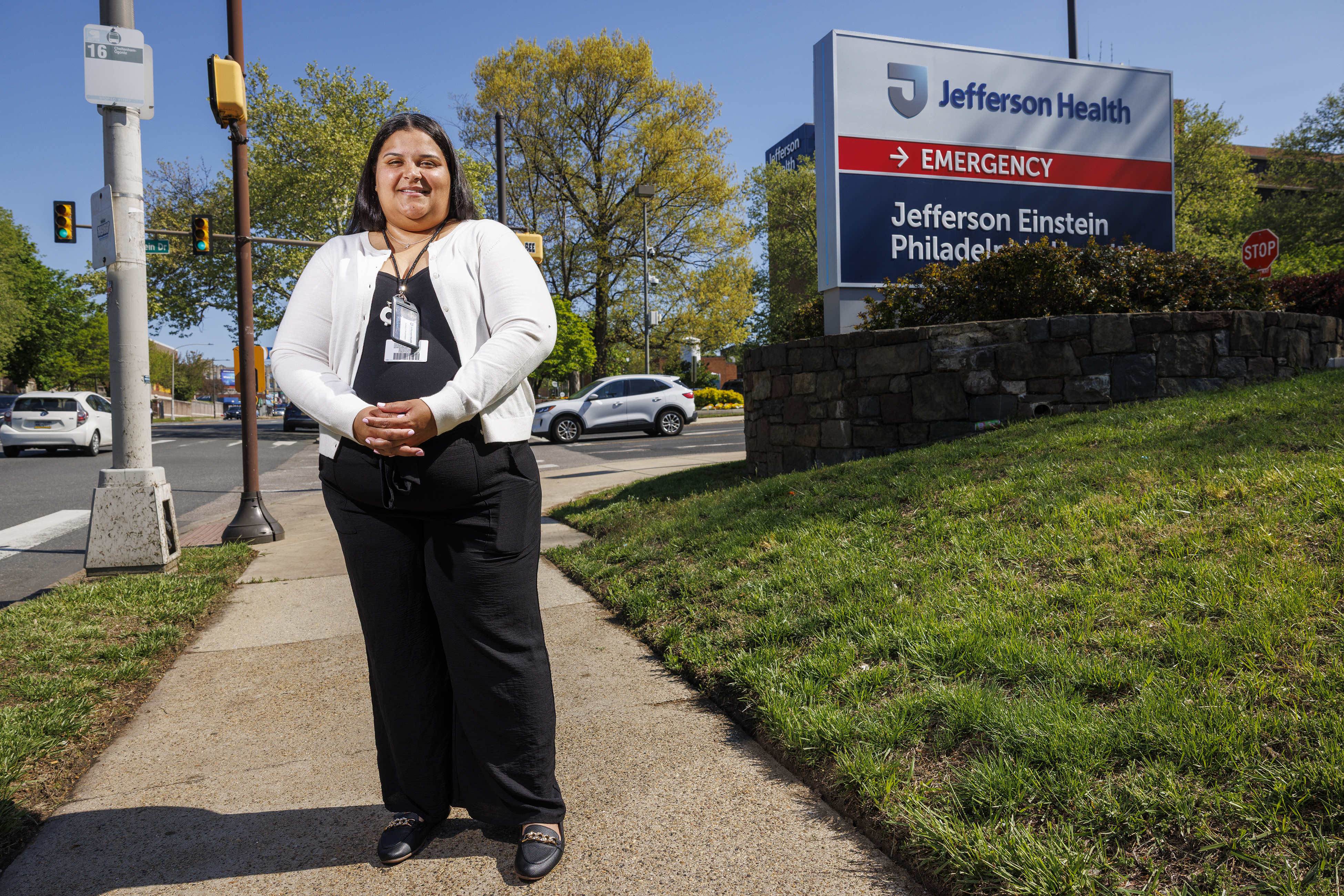
    Ashley Boudreaux, an operations manager at Jefferson Health, would like to run a hospital someday.

    “I would really like to make it to the C-suite — be a CEO,” said Boudreaux, 37, who works at the medical group’s Philadelphia and Montgomery County sites.

    So, without quitting her job, Boudreaux pursued her undergraduate degree in health administration with the University of Phoenix. She graduated in 2023, and now she’s on track to get her master’s in business in November. She’s done all her coursework while working full-time.

    It wasn’t easy, Boudreaux said.

    “You’re just moving constantly,” she said. “When I look back, I’m like, I don’t know how I did it.”

    It helped that Jefferson provided some financial support for Boudreaux’s education.

    More than 40% of employers offer this benefit, according to Alex Alonso, chief knowledge officer at SHRM, a human resources association. That number has waned a bit in recent years, but some large local employers still do so.

    They include Comcast, which offers tuition reimbursement as an employee benefit and works with Drexel University to shape several master’s programs for tech workers. Another is Aramark, which covers up to the full cost of tuition for eligible hourly employees, and tuition assistance for salaried employees. And Philadelphia’s city workers get tuition discounts at more than a dozen local colleges.

    The majority of Philadelphia’s workforce haven’t graduated from college, though tens of thousands of residents have taken college classes without earning a degree.

    For many, completing a four-year degree would still prove beneficial, said Sean Vereen, president and CEO of nonprofit Heights Philadelphia, which connects young people with education and career opportunities.

    “The college degree is not the only way to get to economic success, … [but] there is a connection between your ability to have stronger credentials and your ability to move economically,” Vereen said.

    Sean Vereen of Heights Philadelphia. Paola Nogueras

    Why workplaces offer tuition assistance

    Federal tax incentives have encouraged employers to assist with education costs, said Alonso of SHRM. The benefit also helps companies compete for good hires, he noted.

    Most commonly, Alonso said, employers offer up to $5,250 per employee per year. That’s the maximum they can give toward education costs without the employee paying taxes on it. Workers are often required to show that the education is related to their job or career, so they “can actually bring back what they learn to their workplace,” he said.

    Sometimes getting additional education, including short-term microcredentials, are prerequisite to a promotion, said Phil Brooks, a vice president at nonprofit Graduate Philadelphia, which supports adult students.

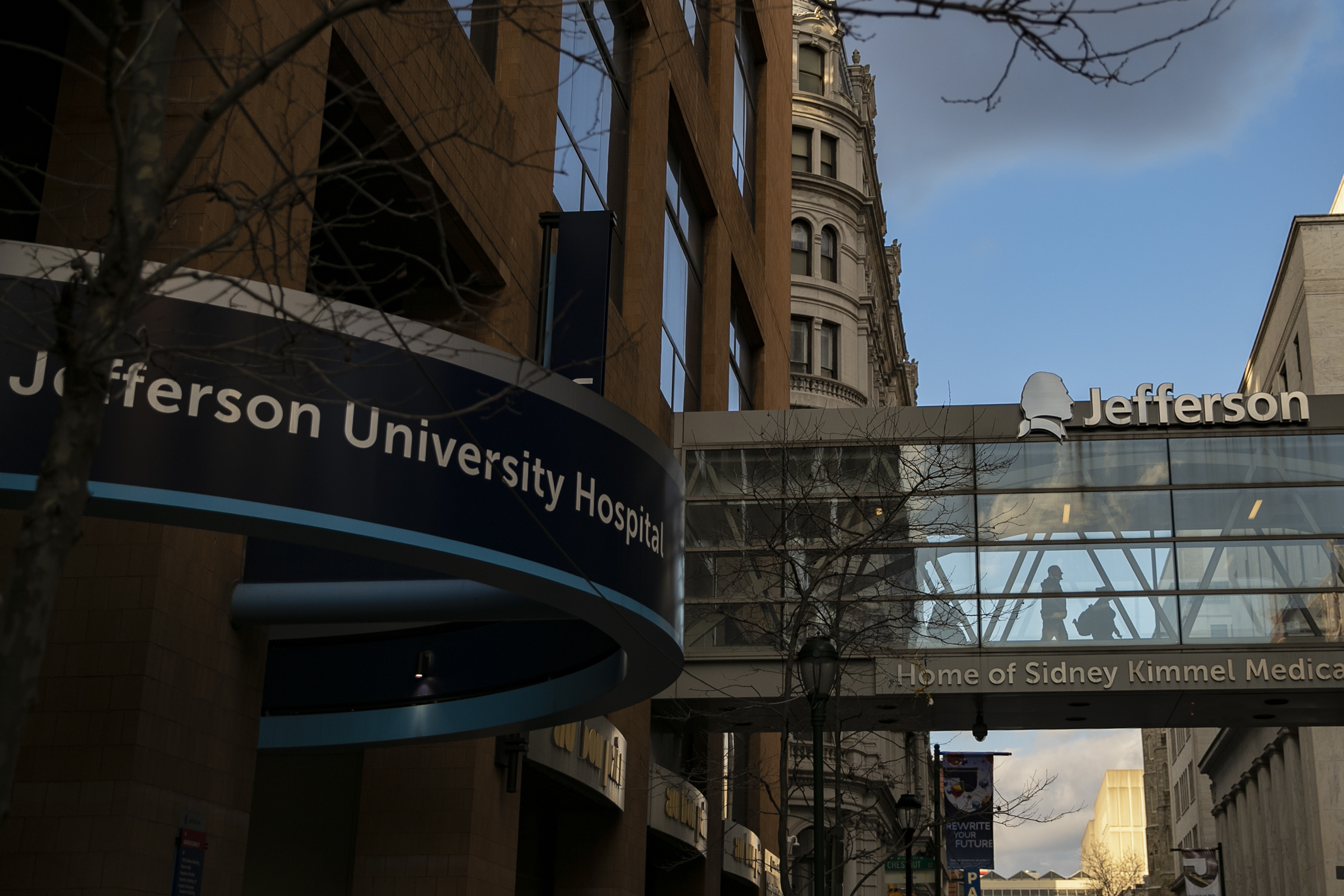
    Thomas Jefferson University Hospital in Center City Philadelphia is shown in this 2020 file photo. Heather Khalifa / Staff Photographer

    Hurdles for worker-students

    Getting a degree while working full-time can mean early mornings, later nights, giving up weekend time, or even using lunch breaks to squeeze in school work.

    Other challenges can include transportation for in-person programs or access to a computer and reliable internet connection, says Brooks. Students who owe money to a school where they were previously enrolled might also be held back from transferring or finishing their degree.

    Graduate Philadelphia sometimes helps students negotiate with schools to decrease that amount owed, “literally removing this barrier as much as we can,” Brooks said.

    Aspiring hospital executive Boudreaux’s advice? Don’t quit.

    “Slow progress is still progress,” she said. “A lot of times, when we start off on a journey, we see the entire staircase, but not realizing that it takes one step at a time to get to the top.”

    Getting the promotion

    When Nicole Henderson, 38, graduated high school, going to college right away wasn’t an option.

    “It just didn’t make sense for our family,” she said. “We just couldn’t afford it.”

    Years later, while working at a trading firm, she started pursuing a bachelor’s in accounting. But she put it on hold after a semester when she learned her employer, who encouraged her to go back to school, wouldn’t cover her tuition.

    Five years ago, while searching for work as an executive assistant, she saw a role open up at the Children’s Hospital of Philadelphia that didn’t require a bachelor’s degree. She got the job and soon felt the urge to continue advancing her career.

    “I’m now at this huge organization with all these opportunities,” Henderson said. “I was like, oh, man, eventually I’m going to have to have this bachelor’s degree.”

    Nicole Henderson in her home office in Darby. She went back to school while working full-time and recently earned her bachelor’s from Temple.Alejandro A. Alvarez / Staff Photographer

    In 2023, she started working toward that undergraduate degree again. Her colleagues at CHOP were supportive, and she was given flexibility to tune into classes from work sometimes, or work remotely on the days she had a lot of studying to do. CHOP also reimburses a portion of her tuition and has a student loan repayment program. Without that financial support, Henderson says she wouldn’t have pursued the degree.

    She also got a scholarship from the Chamber of Commerce for Greater Philadelphia, which annually gives $5,000 to undergraduate women working at member organizations. Boudreaux, of Jefferson, was also a recipient.

    Juggling work and school can be exhausting, Henderson said. She slept through the day some Saturdays because her “brain was just so overloaded with information.”

    But she got her bachelor’s in business from Temple University in December and walked across the stage at graduation in May.

    Her classes gave her a new awareness of what’s important to bosses and leaders at her organization, she said, and “how to speak their language.”

    She also negotiated a promotion from executive associate to project manager, with a raise.

    Now she doesn’t have to wonder “how am I going to convince people that I’m qualified to do this?” she said. “I kind of already have this degree that says that for me.”