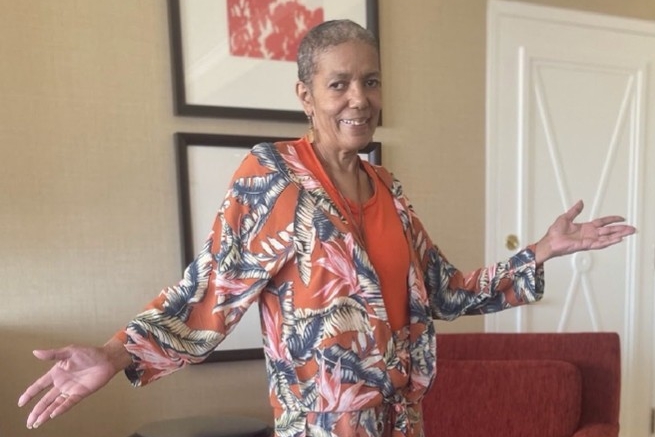
Author: Gary Miles

  • Michelle Widgins-Lewis, singer-songwriter and founder and CEO of Northwest Counseling Service, has died at 69

    Michelle Widgins-Lewis, singer-songwriter and founder and CEO of Northwest Counseling Service, has died at 69

    Michelle Widgins-Lewis, 69, of Philadelphia, singer-songwriter, founder, president, and executive director of Northwest Counseling Service Inc., longtime community housing and education advocate, lecturer, and mentor, died Monday, June 29, of endometrial cancer at Jefferson Abington Hospital.

    Inspired to educate and counsel underserved potential homebuyers about predatory mortgage lending, foreclosure, and other important real estate and housing issues, Ms. Widgins-Lewis founded Northwest Counseling Service on North Broad Street in 1982. For the next 44 years, until recently, she interviewed nearly 5,000 people each year seeking mortgage prequalification and, funded by the Philadelphia Division of Housing and Community Development, advised them about insurance, eviction, credit rating, grants, conflict mediation, and inspections.

    “She helped transform homeownership in Philadelphia,” her family said in a tribute.

    Ms. Widgins-Lewis was appointed to the Pennsylvania Housing Advisory Committee in the 1990s by then-Gov. Ed Rendell and served as a technical adviser on real estate matters for the Philadelphia Division of Housing and Community Development. She worked closely with the Pennsylvania Housing Finance Agency and continually lobbied local, state, and federal government officials for better borrowing and foreclosure laws.
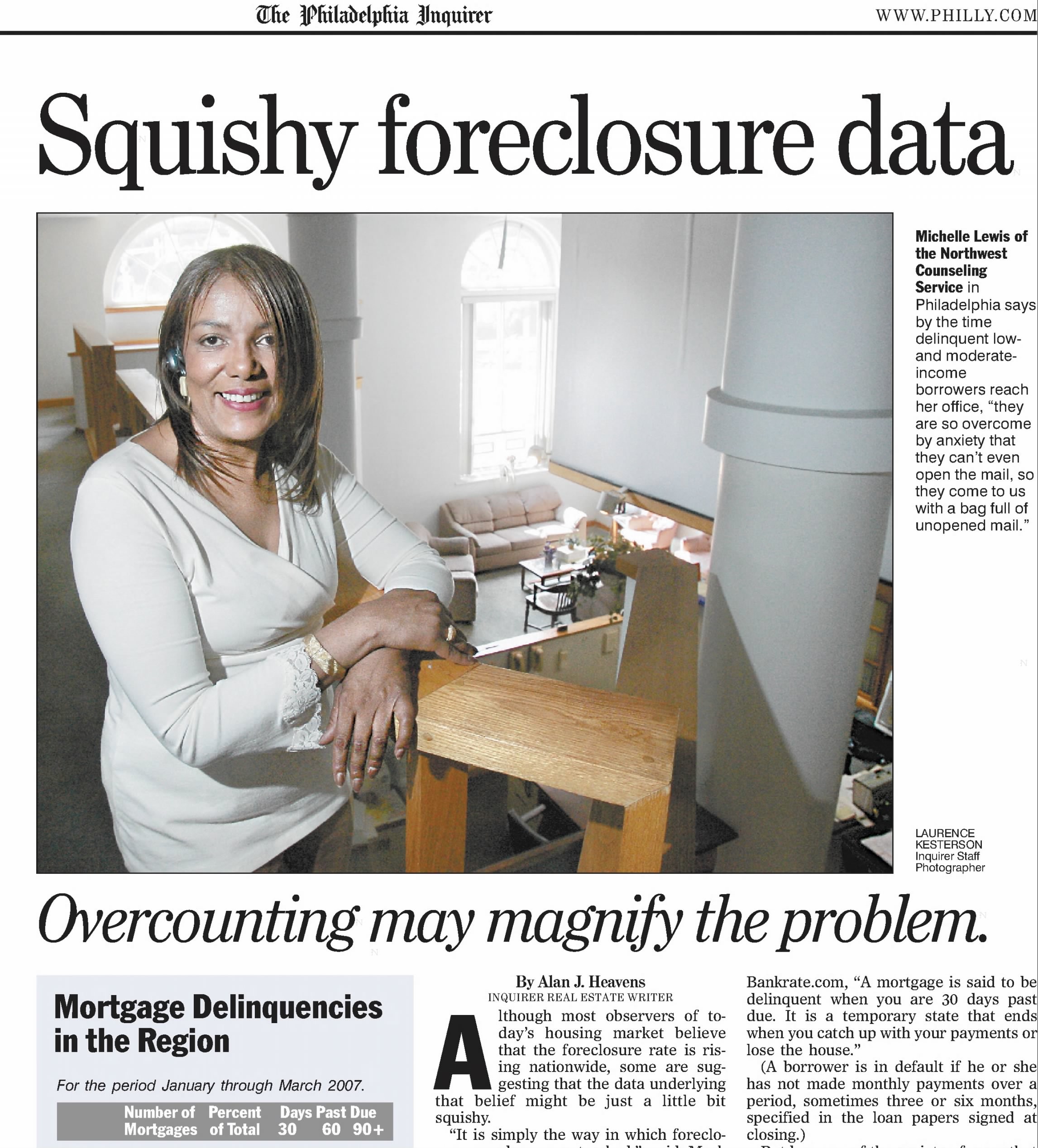
    This photo and article about Ms. Widgins-Lewis appeared in The Inquirer in 2007.Newpapers.com

    She examined property disputes as a forensic real estate specialist, scrutinized scams as a fraud examiner, testified in federal court as a qualified expert, and was licensed as a real estate broker and appraiser. She monitored local landlord-tenant mediation cases closely and told The Inquirer in 1996 that many tenants “end up with an agreement they can’t live up to.”

    People, she said often, are rarely ready to buy their first house. “Instead of considering whether they are prepared to buy a home, people are being propelled into the market by economic pressure that says they should buy because it’s cheaper than renting,” she told The Inquirer in 1995. “That’s not always true.”

    She also founded and chaired the Philadelphia Predatory Lending Task Force, which collected and publicized data about unfair lending practices. “This gives us a picture of the type of problems going on in our neighborhoods,” she told the Daily News in 2001.

    Ms. Widgins-Lewis was an instructor for the National Real Estate Institute and a leader for the American Society of Certified Housing Executives, the Real Estate Educators Association, and other groups. She wrote articles for journals and forged educational partnerships with colleges and universities.

    Ms. Widgins-Lewis performed in several bands and with her sister Dionne.Courtesy of the family

    She spoke on panels and at conferences and workshops about homeownership, and was quoted often in The Inquirer and Daily News. Friends called her “truly inspiring” and “a true champion in the mortgage industry” in online tributes. One friend said: “She was a beast in the housing world.”

    Ms. Widgins-Lewis sang often as a young girl, got rave reviews on karaoke night when she was older, and went on to perform in several bands and with her sister Dionne at local clubs and festivals. She sang rhythm and blues, pop, standards, and jazz, and wrote at least one song that was recorded and released.

    Daily News columnist Stu Bykofsky wrote about her dual career as a singer-songwriter and executive in 1995 and said: “She still has trouble calling herself an artist but feels, at the very least, she’ll always be able to get up and sing at fundraisers for her agency.”

    Her family said: “From childhood, Michelle drew people in with her light and her voice.” Her daughter Tracey Thomas said: “She would light up the room.” Her son Mike said: “Everybody loved her.”
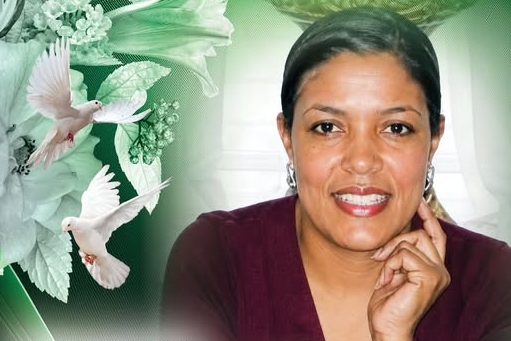
    Her family said Ms. Widgins-Lewis had “an unwavering commitment to education, integrity, and service.”Courtesy of the family

    Michelle Widgins was born May 29, 1957, in Philadelphia. She graduated from Martin Luther King High School and earned a bachelor’s degree at La Salle University and a master’s degree in human services at Lincoln University.

    She married Michael Brown, and they had a daughter, Anji, and a son, Mike. After a divorce, she married Tyrone Lewis, and they had a daughter, Tracey, and a son, Richard. They divorced later.

    Ms. Widgins-Lewis enjoyed reading and writing. She belonged to the Pi Gamma Mu international honor society, was close with Mayor Cherelle L. Parker and former Mayor Wilson Goode, and was guided, her family said, by “an unwavering commitment to education, integrity, and service.”

    Her family is hoping to rename a Northwest Philadelphia street in her honor.
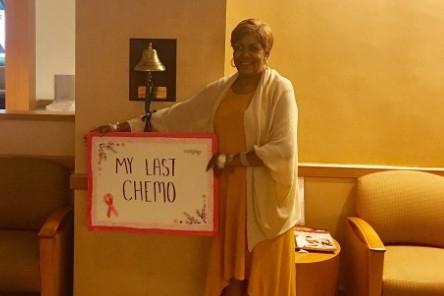
    Ms. Widgins-Lewis lived with cancer for 10 years.Courtesy of the family

    “She was humble but had drive and determination,” her son Mike said. Her daughter Tracey said: “The world was her stage. I can only imagine how her light will shine in heaven.”

    In addition to her children and former husbands, Ms. Widgins-Lewis is survived by eight grandchildren, a sister, two brothers, and other relatives. A sister and a brother died earlier.

    Services are to be at 11 a.m. Thursday, July 16, at Verity Church, 2017 W. Diamond St., Philadelphia, Pa. 19121.

    Donations in her name may be made to Northwest Counseling Service Inc., 6521 N. Broad St., Philadelphia, Pa. 19126.
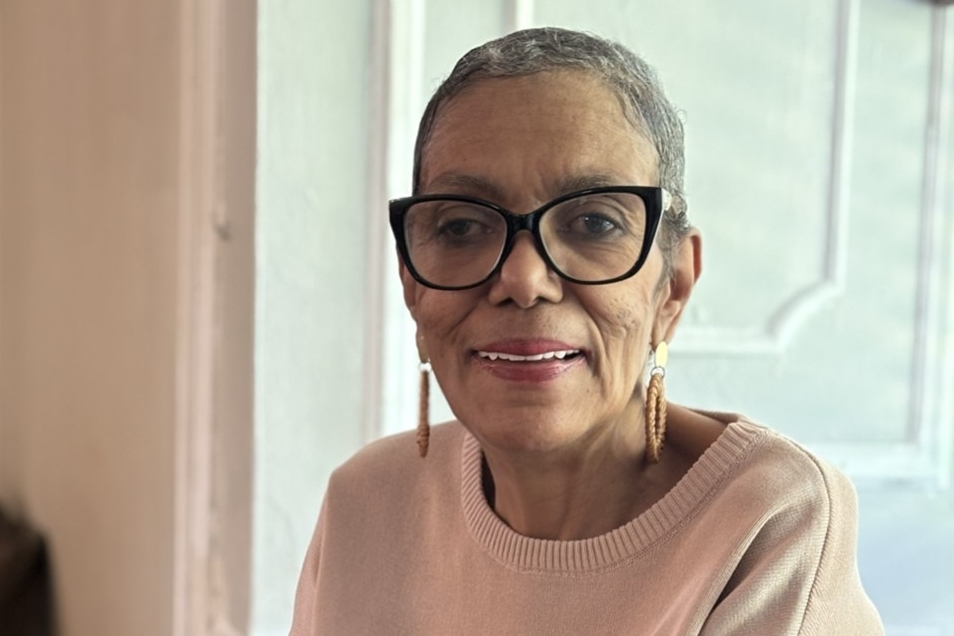
    Ms. Widgins-Lewis “was humble but had drive and determination,” her son Mike said. Courtesy of the Family
  • Richard D. Wood Jr., Wawa chair emeritus and ‘guiding heart and soul,’ has died at 88

    Richard D. Wood Jr., Wawa chair emeritus and ‘guiding heart and soul,’ has died at 88

    Richard D. Wood Jr., 88, of Wawa, Delaware County, chair emeritus and former chief executive officer and president of Wawa Inc., Convenience Store News Hall of Famer, lawyer, trustee, mentor, veteran, and philanthropist, died Friday, July 10, of age-associated decline at his home.

    Born in Philadelphia, Mr. Wood earned a law degree at what is now the University of Pennsylvania’s Carey Law School in 1964 and joined his family’s nascent Wawa food market company in 1970 as its first general counsel. His great-grandfather founded the Wawa dairy in 1902, and his father’s cousin opened the first Wawa food market in 1964.

    By 1977, Mr. Wood had ascended to president of the company, and its innovations, including 24-7 hours of operation and custom-made hoagies, made it the region’s dominant convenience store. He became CEO in 1980 and chair in 1982, and was named chair emeritus in 2020.

    In 2020, Inquirer business writer Joseph N. DiStefano said Mr. Wood “presided over the board during the period of Wawa’s rapid growth from a regional cokes-smokes-milk-and-hoagies chain to a convenience store and gas outlet with more than $12 billion in annual sales and 850 stores from New Jersey to Florida.”

    For more than 40 years, Mr. Wood supervised Wawa’s multistate expansion, addition of gas pumps, expanded inventory, rigorous employee training, and popular employee stock ownership plan. During his tenure, the company grew to more than 36,000 associates and was one of the largest privately held companies in the country.

    Through it all, Mr. Wood was affable and curious, friends and family said. He wanted to know everybody’s name and what they thought, and he enjoyed touring the stores and chatting up associates and customers, especially on Christmas Day. He told colleagues he wanted to “create an environment where each of us believes that we can make a difference.”

    “Dick Wood was our true lead goose who was the guiding heart and soul of the company,” Chris Gheysens, Wawa’s chairman and CEO, said in a tribute. “He is the reason why Wawa is the company we are today and why we enjoy so much share of heart from our customers and dedication from our associates.”

    Mr. Wood hired students and women to work in the stores, and offered flexible schedules to accommodate their availability. He oversaw Wawa’s $200 million of donations to community nonprofits and its college tuition reimbursement plan for associates.

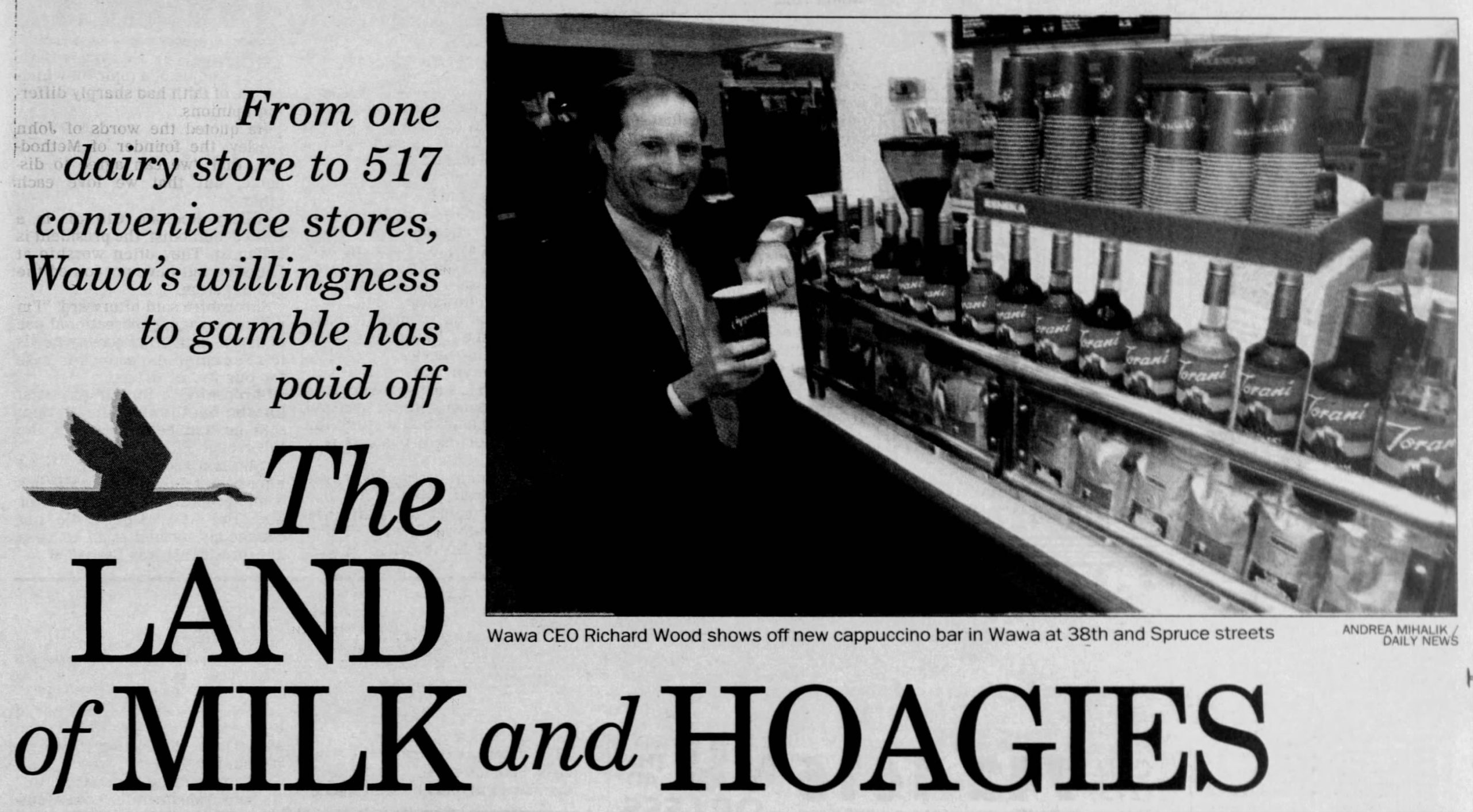
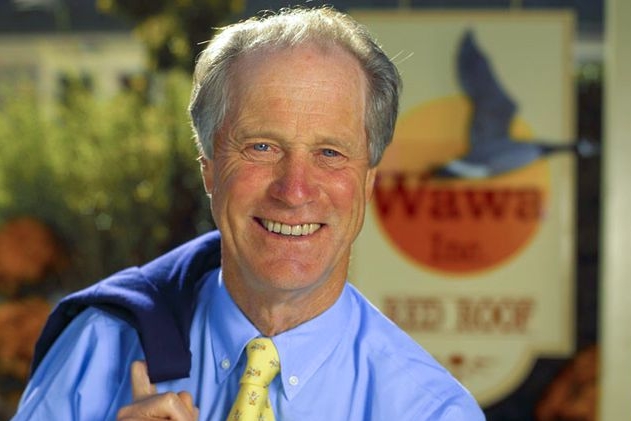
    This photo of Mr. Wood and a story about Wawa appeared in the Daily News in 1994. Newspapers.com

    In 2021, to mark his 50th anniversary at the company, Wawa established the Dick Wood College Scholarship Fund for associates. He told Inc. magazine in 2018: “Values and culture mean more in this company than being smart.”

    Colleagues called him “humble, gracious, curious, and kind” and “a beloved treasure to the company” in tributes. His life-size bronze statue greets visitors at Wawa’s corporate headquarters.

    “He made people feel important,” said Barbara Ennis, his longtime assistant, ”because to him, they were.”

    Mr. Wood was onetime chair of the executive committee of the National Association of Convenience Stores and on boards at Children’s Hospital of Philadelphia, Riddle Memorial Hospital, Philadelphia National Bank, Bok Tower Gardens in Florida, and other organizations. He appeared often in The Inquirer and Daily News, spoke on panels and at conferences about corporate leadership, and was inducted into the Convenience Store News Hall of Fame in 1996.
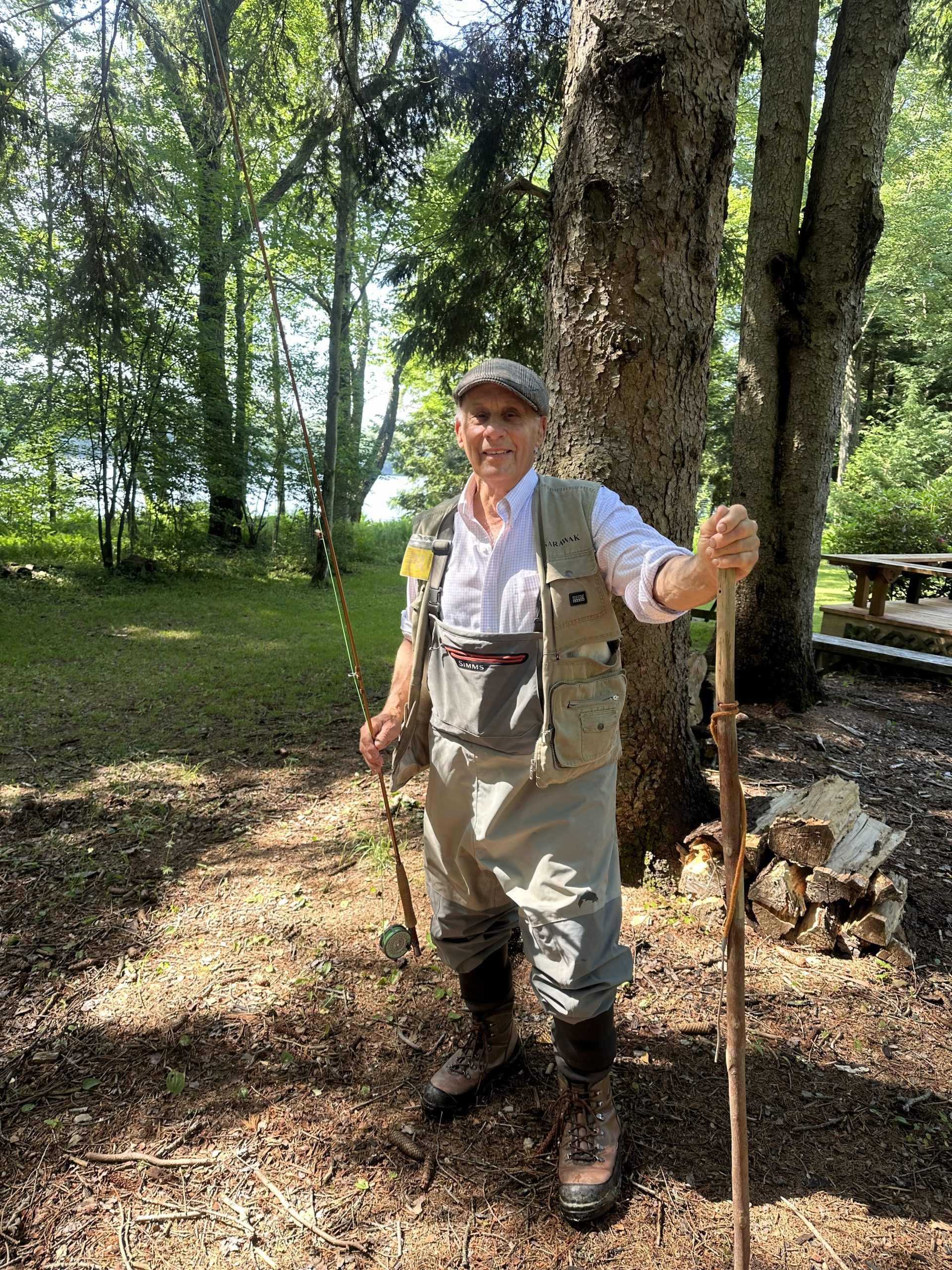
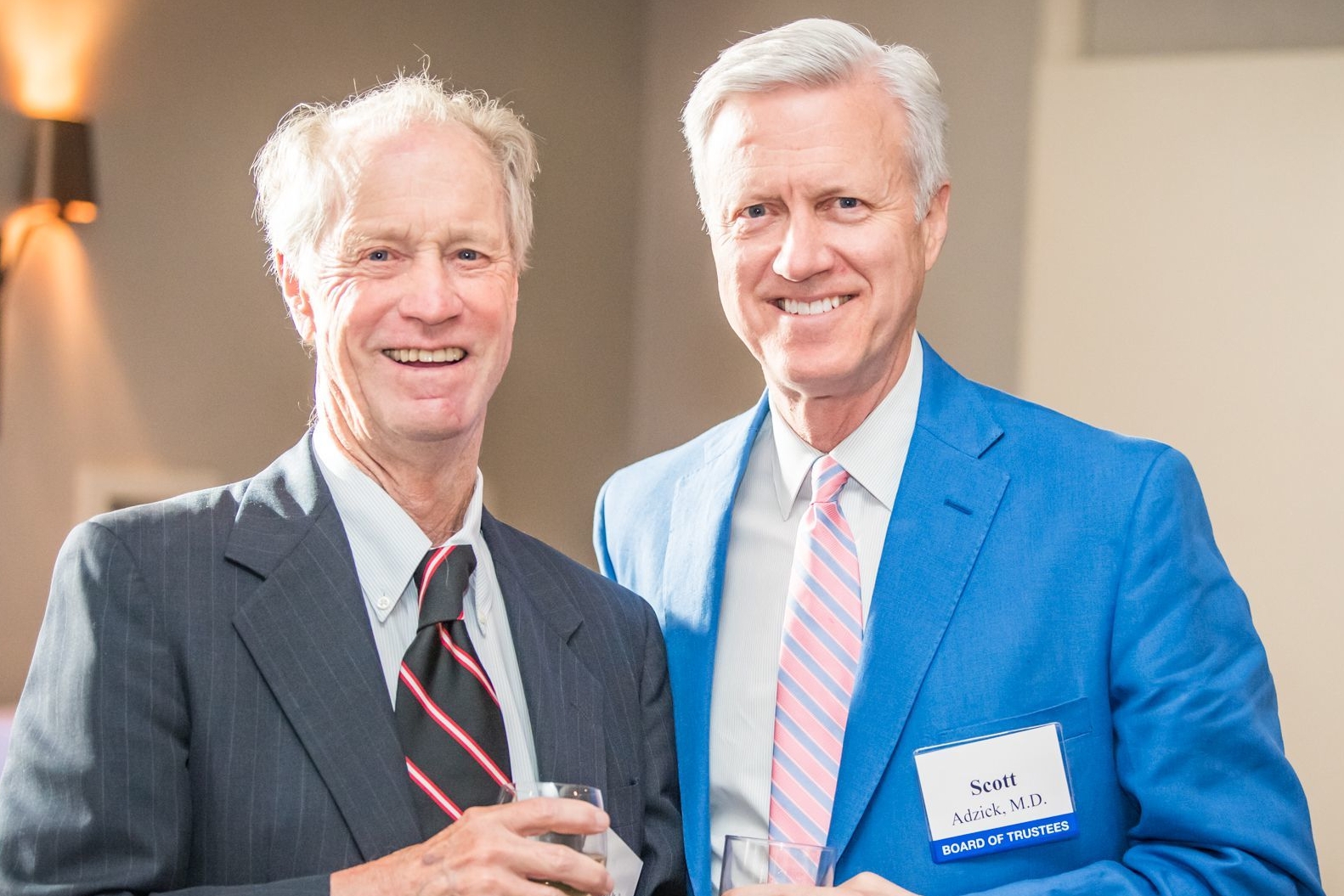
    Mr. Wood (left) worked closely with fellow CHOP trustee N. Scott Adzick.Children's Hospital of Philadelphia
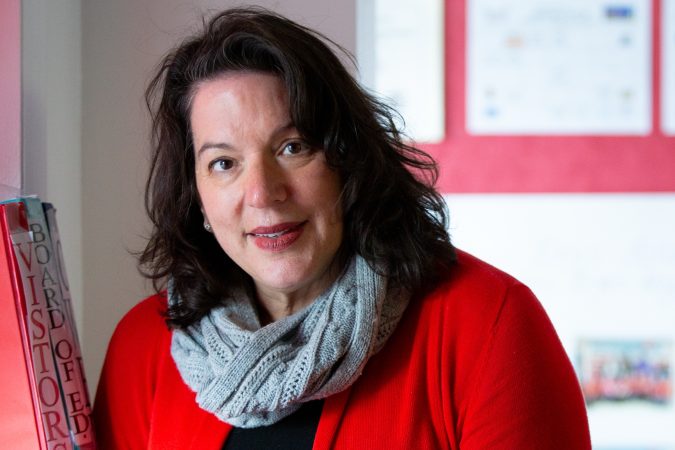
    He served on the Chester Heights Borough Council in the early 1980s and was named 1996 businessman of the year by the Great Valley Regional Chamber of Commerce. Before Wawa, Mr. Wood was a public defender in Philadelphia and a lawyer at Montgomery McCracken.

    “People loved to follow him,” said his son, Richard D. Wood III. “He was larger than life,” said his daughter, Lisa Wright.

    As a philanthropist, Mr. Wood and his family donated $25 million to Children’s Hospital of Philadelphia in 2021, and CHOP named its Richard D. Wood Jr. Center for Fetal Diagnosis and Treatment in his honor. His family also funded the Richard D. Wood Jr. and Jeanette A. Wood Endowed Chair in Pediatric Diagnostic Medicine, and he instituted a volunteer services program at CHOP.

    Sometimes, his family said, Mr. Wood walked the halls of the hospital, sharing Wawa coffee and conversation with patients and families. CHOP honored him at its 2019 Carousel Ball. Madeline Bell, CEO at CHOP, said: “I will truly miss his warmth, wisdom, and generous spirit.”

    Mr. Wood and his wife, Jeanette, married in 1964.Courtesy of the family

    Howard Stoeckel, former Wawa vice chair, CEO, and president, said in a tribute: “He had a special mix of heart, compassion, empathy, and humility that made him a true believer and practitioner of servant leadership.”

    Richard Davis Wood Jr. was born March 4, 1938. He graduated from St. Paul’s School in Concord, N.H., earned a bachelor’s degree in business at the University of Virginia, and served for a year in the Marine Corps and later in the Marine Corps Reserve.

    He met Jeannette Andrews when he was visiting New York with friends, and they married in 1964. They lived in Philadelphia and Wawa, and had a daughter, Lisa, and a son, Richard III. His wife died in 2025.

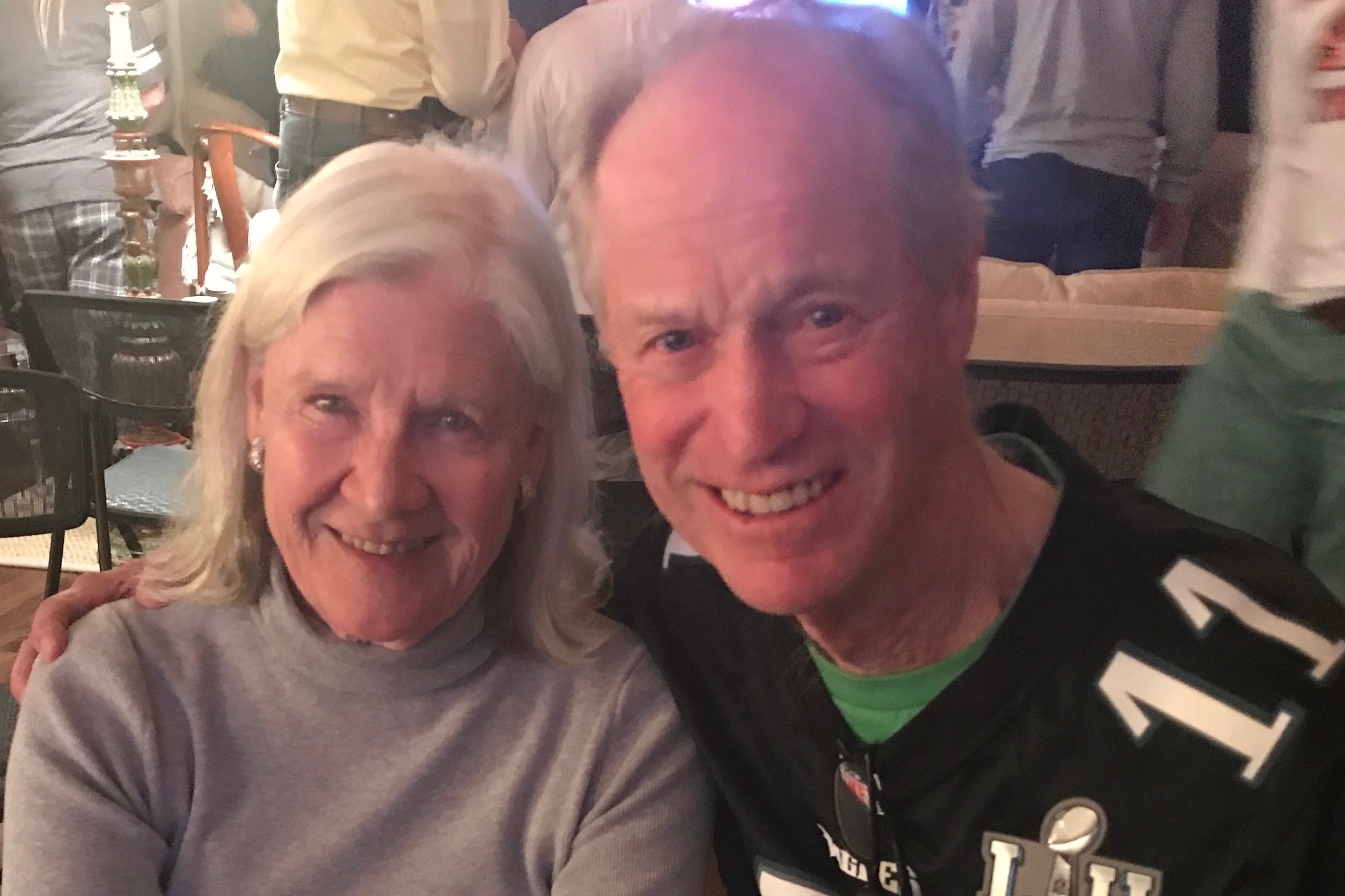
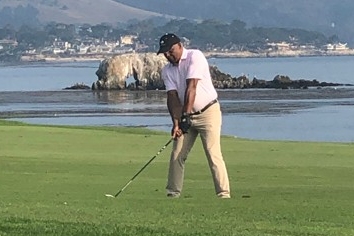
    Mr. Wood was an avid golfer, and he belonged to the Gulph Mills and Pine Valley Golf Clubs, and the Mountain Lake Club in Florida. He played tennis and bridge, and was a longtime season ticket holder for the Eagles and Flyers.

    Mr. Wood (right) enjoyed meeting and talking with Wawa associates and customers.
    Jonathan Wilson / Staff Photographer

    He and his wife traveled, hosted family holiday parties, and spent memorable winters in Lake Wales, Fla. He drove his favorite Honda Accord for years and followed Virginia college football and basketball closely.

    He championed conservation, education, and health. “He treated every single person the same,” his daughter said. His son said: “Humility defined him.”

    Mr. Wood said in a 2020 video for CHOP: “It’s a great feeling to know that you’re helping out.”

    In addition to his children, Mr. Wood is survived by five grandchildren, a sister, a brother, and other relatives. Two brothers died earlier.

    A celebration of his life is to be held later.

    Donations in his name may be made to the Richard D. Wood Jr. Center for Fetal Diagnosis and Treatment at Children’s Hospital of Philadelphia, Box 781352, Philadelphia, Pa. 19178; and Bok Tower Gardens, 1151 Tower Blvd., Lake Wales, Fla. 33853.

  • Leonard Abramson, founder of U.S. Healthcare and prolific philanthropist, has died at 93

    Leonard Abramson, founder of U.S. Healthcare and prolific philanthropist, has died at 93

    Leonard Abramson, 93, of Jupiter, Fla., a former pharmacist, founder, chair, and chief executive officer of U.S. Healthcare Inc., author, trustee emeritus at Johns Hopkins University, and one of the world’s most generous cancer research and clinical care philanthropists, died Saturday, July 4, of age-associated decline at his home in Blue Bell, Montgomery County.

    Born and reared in the Strawberry Mansion section of Philadelphia, Mr. Abramson earned degrees at Pennsylvania State University and the old Philadelphia College of Pharmacy. He worked as a pharmaceutical salesperson, pharmacist, and hospital management executive in the 1960s, founded U.S. Healthcare in 1975, and nurtured the company into one of the country’s first and largest health maintenance organizations.

    “Abramson accurately predicted the need for prepaid medical plans to manage spiraling medical spending in the ’60s and ’70s and founded U.S. Healthcare to capitalize on this opportunity,” officials at Harvard Business School said when they named him one of their Great American Business Leaders of the 20th Century.

    Under Mr. Abramson, U.S. Healthcare was known for promoting childhood immunizations, mammograms for older women, reduced fees to specialists, and shorter hospital stays. He championed strict standards and accountability for medical professionals, and criticized those who abused a healthcare system then rife with loopholes.

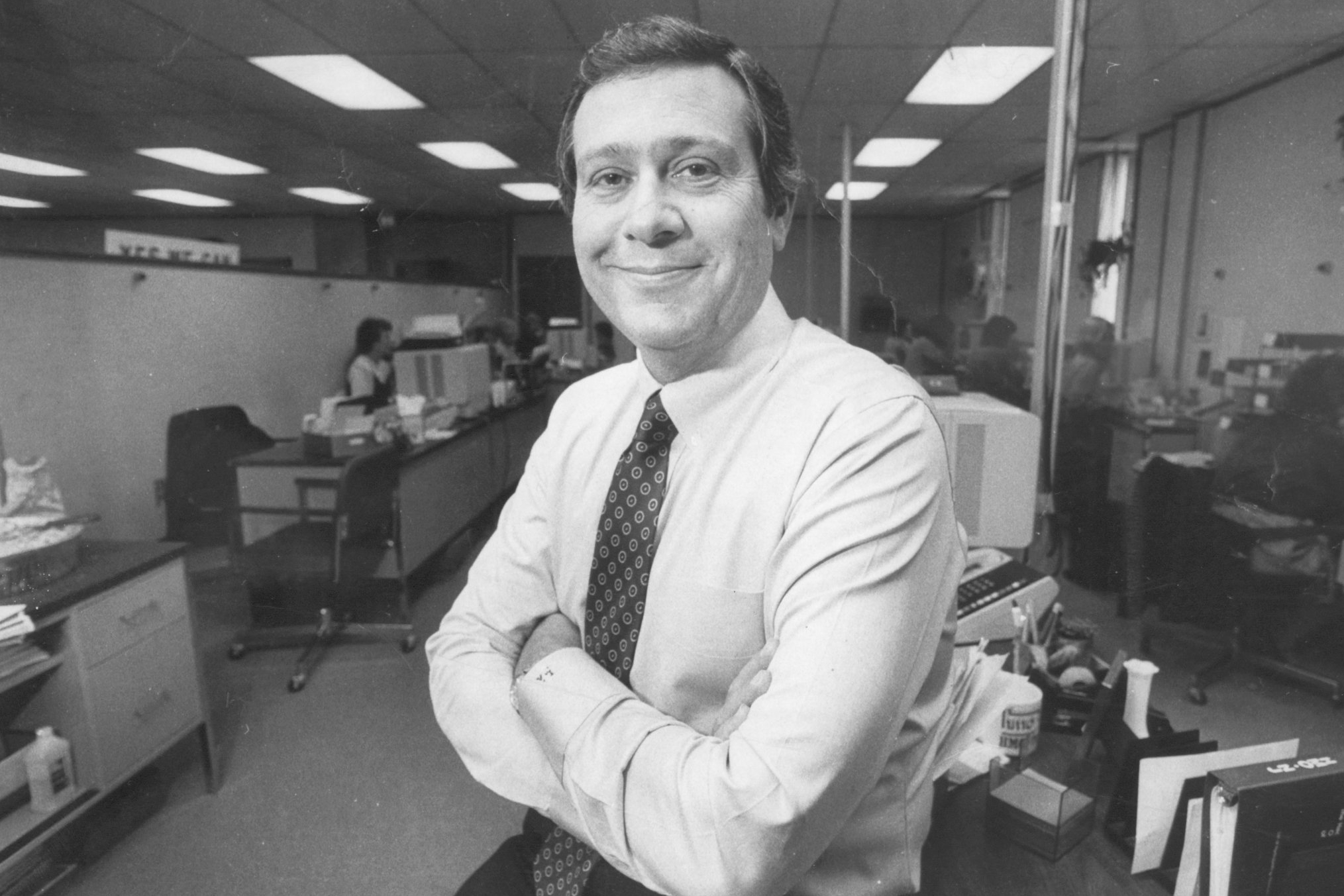
    Mr. Abramson “was a brilliant man whose leadership and vision made the company truly exceptional,” a former colleague at U.S. Healthcare said in a tribute.Larry Price / Staff Photographer

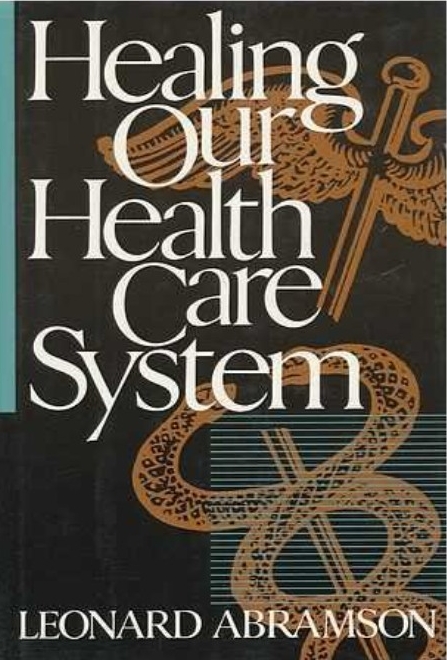
    He wrote Healing Our Health Care System in 1990, and told The Inquirer: “If industry leaders know there are solutions, they’re going to call for them. Innovation leads to emulation.” In 1996, he sold U.S. Healthcare to Aetna Life & Casualty Co. for $8.9 billion, established the Abramson Group, and consulted for Aetna and other companies.

    “He was a brilliant man whose leadership and vision made the company truly exceptional,” a former colleague at U.S. Healthcare said in a tribute. Another said: “He encouraged a commitment to customer service that stayed with me throughout my career.”

    Routinely one of the highest-paid CEOs in the Philadelphia region, Mr. Abramson was a “low-profile, soft-spoken executive who rarely raised his voice in public,” Inquirer business writer Peter Binzen said in 1990. A former colleague at U.S. Healthcare said: “I never worked for a better man.”

    As a philanthropist, Mr. Abramson and his wife, Madlyn, established the Leonard and Madlyn Abramson Family Foundation in 1996 and donated more than $140 million to the University of Pennsylvania’s Perelman School of Medicine and the Penn Medicine network. In 2002, Penn Medicine renamed its main cancer facility in University City the Abramson Cancer Center.

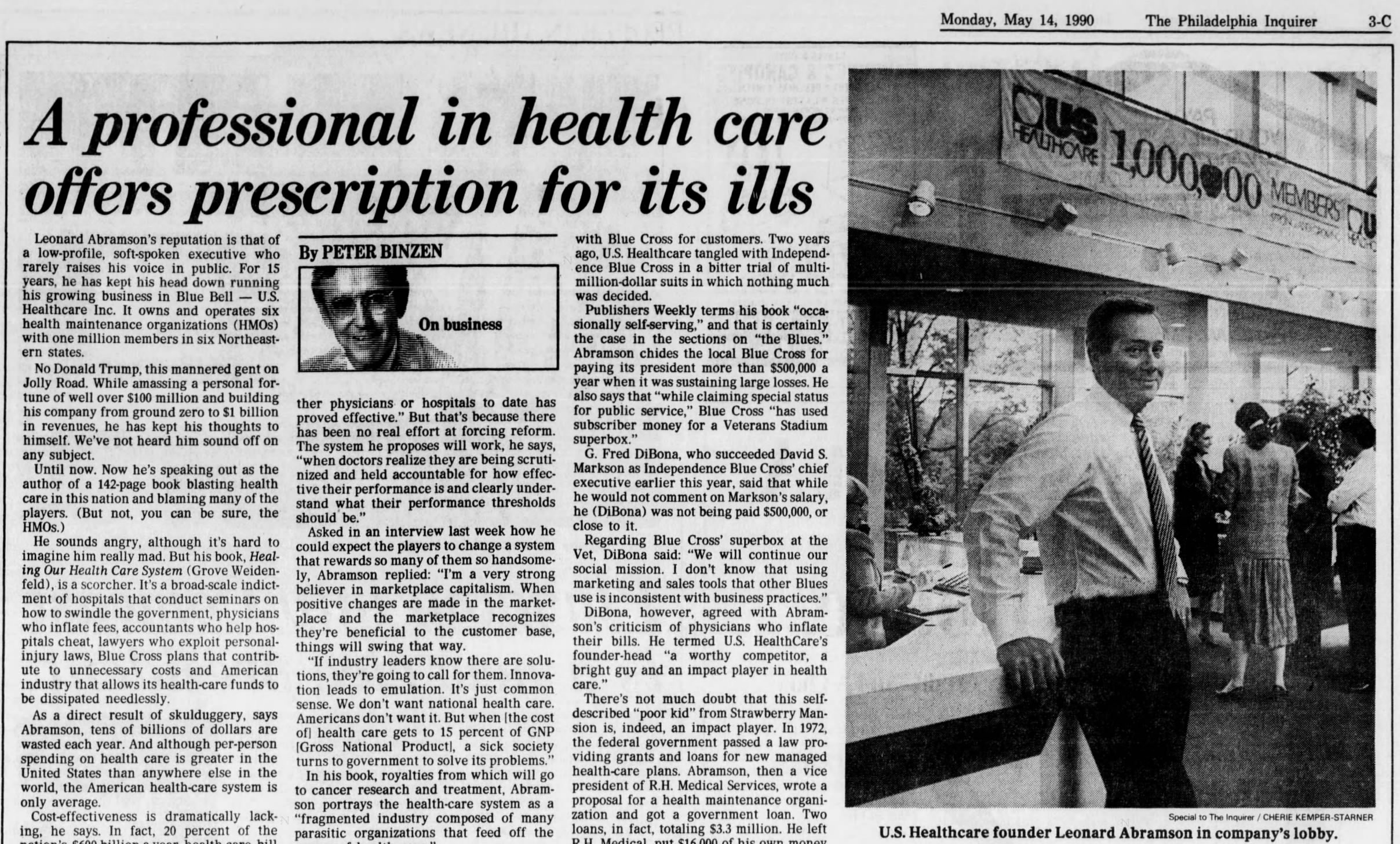
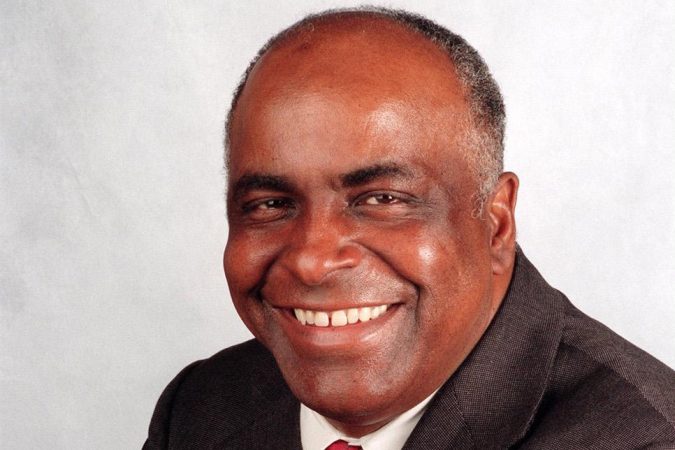
    This article and photo of Mr. Abramson appeared in The Inquirer in 1990.Newspapers.com

    In a tribute, officials at Penn said he “touched countless lives across the world through his generosity, compassion, and leadership.”

    Mr. Abramson and his wife also funded the Madlyn and Leonard Abramson Professorship in Clinical Oncology at Perelman, the Abramson Family Cancer Research Institute, the Abramson Family Professorship in Sarcoma Care Excellence, and the Abramson Family Professorship in Anesthesiology.

    At Children’s Hospital of Philadelphia, they supported the Leonard and Madlyn Abramson Pediatric Research Center and a pediatric emergency department at CHOP’s hospital in King of Prussia. In 2013, they donated $10 million to fund scholarships at the Temple University dental school.

    They also financed the Madlyn and Leonard Abramson Center for Jewish Life senior living center in North Wales, Abramson Senior Care in Jenkintown, the Abramson Senior Care Foundation, and other groups. At Johns Hopkins in Baltimore, they endowed a professorship in neurodegenerative diseases.

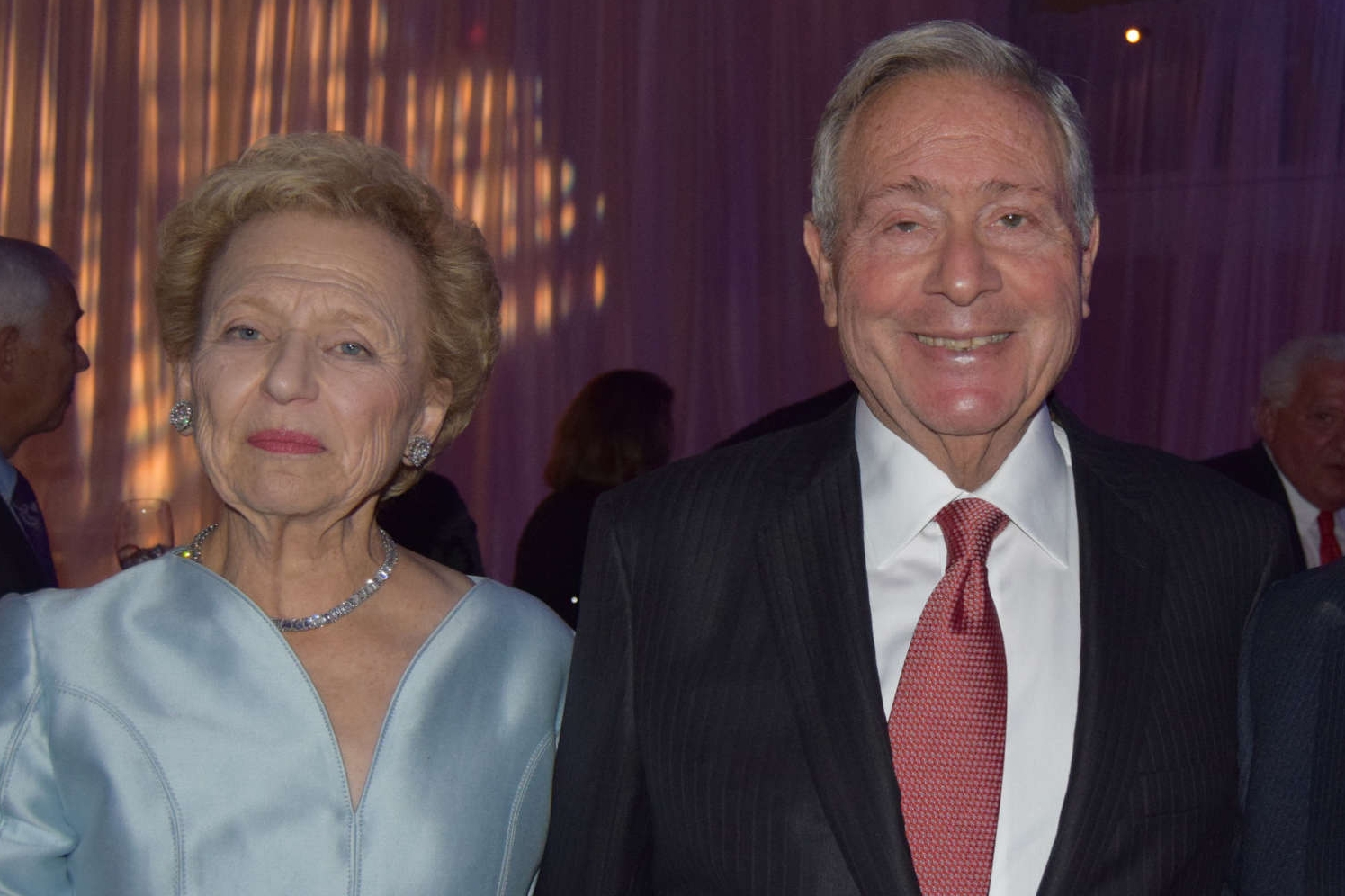
    Mr. Abramson and his wife, Madlyn, married in 1957.

    Mr. Abramson’s wife, a cancer survivor, died in 2020, and he donated $10 million in 2021 to establish an endowed chair of cardiac surgery in her honor at Jupiter Medical Center in Florida. He was an honorary trustee for the Brookings Institution, trustee emeritus for Johns Hopkins, board member for many organizations, and a supporter of Project HOME for affordable housing.

    Friends and former colleagues called him a “caring humanitarian,” “a class act,” and “a visionary” in online tributes. One longtime friend said: “Leonard’s kindness and generosity made a difference in the lives of countless individuals.”

    Leonard Abramson was born Nov. 12, 1932. He graduated from Northeast High School and drove a cab to help pay his way through pharmacy school.

    “Not too many people started off with less than I did,” he told Forbes magazine in 1994.

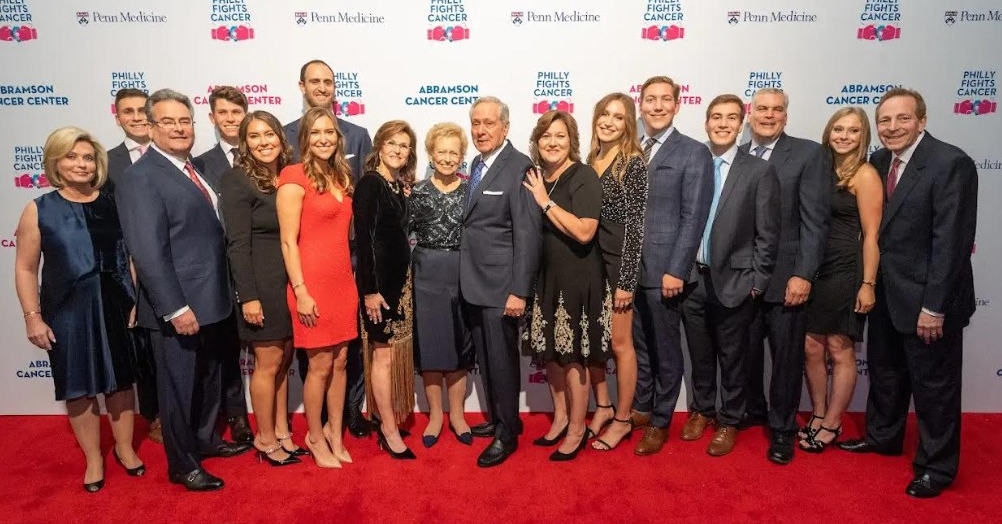
    Mr. Abramson (center) enjoyed time with family and friends. Courtesy of the family

    He met Madlyn Kornberg in college through a mutual friend, and they married in 1957. They had daughters Marcy, Nancy, and Judy, and lived in Blue Bell, Jupiter, Fla., and Camden, Maine.

    Mr. Abramson enjoyed boating, golf, and painting. “He was multifaceted,” his daughter Judy said. His daughter Nancy said: “He was extremely family oriented.”

    He told The Inquirer in 1990: “I’ll never retire.” He never really did.

    In addition to his daughters, Mr. Abramson is survived by nine grandchildren, two great-grandchildren, and other relatives.

    This book by Mr. Abramson was published in 1990.Leonard Abramson

    A memorial service is to be held later.

    Donations in his name may be made to the Abramson Cancer Center at the Hospital of the University of Pennsylvania, 3535 Market St., Suite 750, Philadelphia, Pa. 19104, and Philly Fights Cancer, Box 9, Wynnewood, Pa. 19096.

  • Richard H. Glanton, longtime lawyer, business entrepreneur, and innovative former president of the Barnes Foundation, has died at 79

    Richard H. Glanton, longtime lawyer, business entrepreneur, and innovative former president of the Barnes Foundation, has died at 79

    Richard H. Glanton, 79, formerly of Philadelphia, longtime lawyer, onetime executive deputy counsel to former Gov. Dick Thornburgh, business entrepreneur, former Lincoln University trustee, and innovative former president of the Barnes Foundation, died Sunday, June 21, of a heart attack at his home in Princeton.

    Born and reared in rural Georgia and one of the first Black graduates of what is now the University of West Georgia, Mr. Glanton went on to become a prominent Philadelphia lawyer, state government policy and administration expert, corporate vice president, and indefatigable president of the Barnes Foundation’s collection of Impressionist, post-Impressionist, and modern art.

    He was elected president of the Barnes Foundation in 1990, served until 1998, and championed a series of controversial initiatives to finance extensive gallery renovations and the operation of its art collection and related educational programs. To raise the money, he suggested, among other things, selling 15 of the collection’s hundreds of paintings, charging million-dollar fees for a worldwide lending tour of 83 paintings, extending visiting hours, increasing admission, building a new parking lot, selling a coffee-table catalog, and renting out its art studios.

    All of his ideas, several of which did not materialize, drew supporters and critics, and Mr. Glanton, also a Barnes trustee, spoke often of his policy discussions with other Barnes officials, art experts around the world, politicians, and neighbors of the foundation building in Lower Merion Township. In 1990, he told The Inquirer: “I never purported to know anything about art. But I can lead.”

    His most successful project turned out to be a two-year world lending tour of 83 foundation paintings that raised about $20 million and drew raves from museum leaders in Washington, Paris, Tokyo, Fort Worth, Toronto, and Philadelphia. The exhibition in Paris drew a then-record 1.5 million visitors, and Mr. Glanton was feted at every stop.

    “Richard is somebody who started out by wanting to do something good and important and substantial, and persevered to do it despite a great deal of criticism,” Glenn D. Lowry, then director of the Art Gallery of Ontario, told The Inquirer in 1995.

    Some critics said Mr. Glanton and others valued the foundation’s commercial success over its original educational role and what The Inquirer’s Edward J. Sozanski called “the Barnes mystique.” When the lending tour ended at the Philadelphia Museum of Art in 1995, Mr. Glanton told The Inquirer: “I never realized or understood that it could be controversial to make available to the public a collection that is a public trust.

    “But I think if you think something’s right, you should do it, whether or not people disagree, and whether it is popular or not. … You have to think not only in terms of your lifetime, but in 100 years, 1,000 years. And when you do, these little slings and arrows don’t really matter that much.”

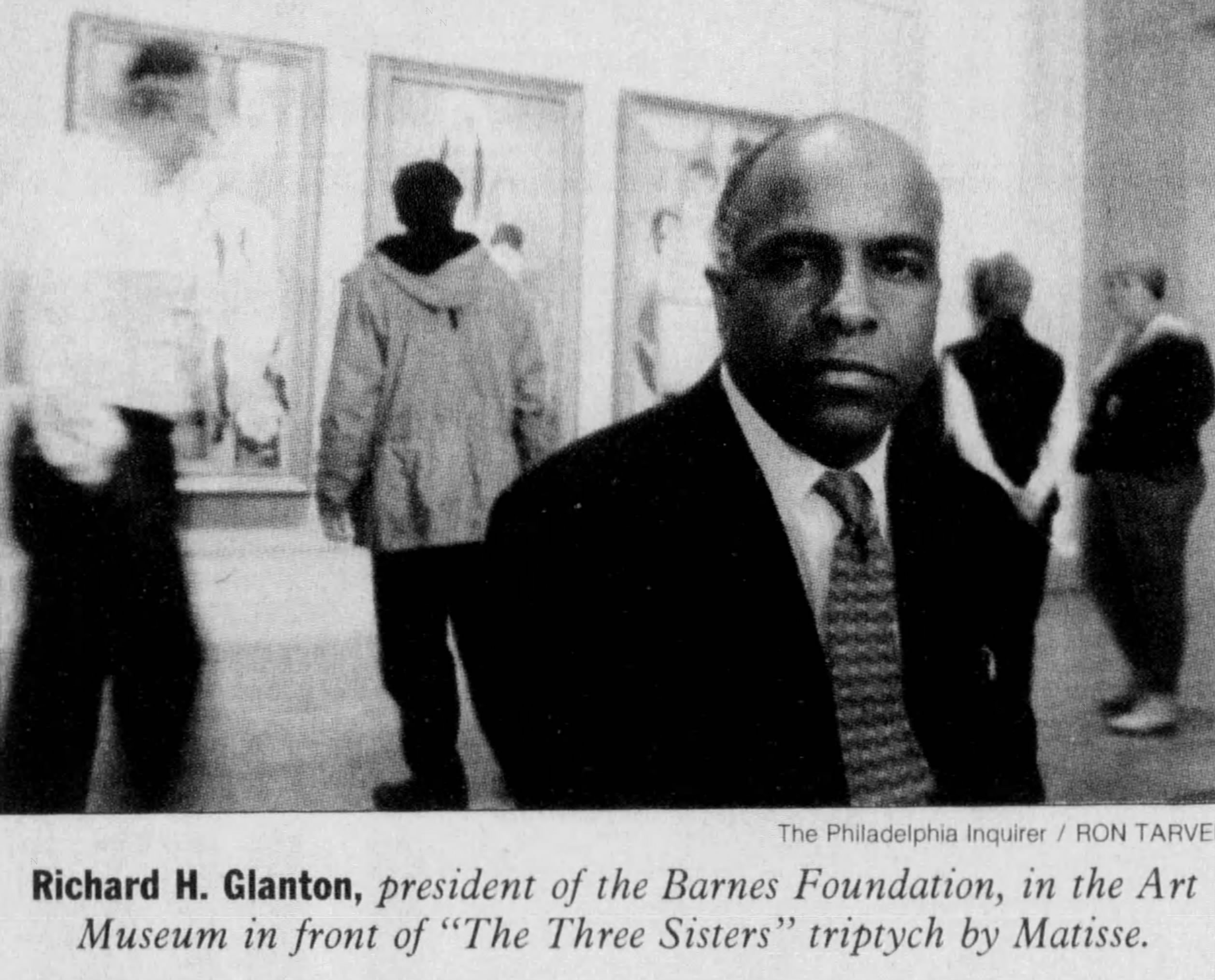
    A story and this photo of Mr. Glanton appeared in The Inquirer in 1995.Newspapers.com

    Mr. Glanton was executive deputy counsel to Gov. Thornburgh from 1979 to 1983, and he met often with constituents and helped fill judicial vacancies. “Richard is a political animal,” Ted Pillsbury, then director of the Kimbell Art Museum in Fort Worth, told The Inquirer in 1995. “He understands politics. He understands what makes politics work, and he understands people. And he does not take certain things personally.”

    Mr. Glanton earned his law degree at the University of Virginia School of Law in 1972 and spent several years with the Equal Employment Opportunity Commission, United Airlines, and other companies. In Philadelphia, he represented politicians and other notable clients, and specialized in energy, insurance, and real estate cases for firms known now as WolfBlock and Reed Smith.

    He was also senior vice president of corporate development at Exelon Corp., founder of a local TV station, social media company, and consulting firm, and board member at Aqua America, the Morris Arboretum, Children’s Hospital of Philadelphia, and other groups. He ended a workplace sexual harassment suit with a private settlement in the early 1990s and had public policy spats with local government officials and former Lincoln president Niara Sudarkasa.

    He considered running for mayor in 1995. Former Gov. Ed Rendell said: “He was exceptionally bright, courageous, and never afraid to challenge the status quo in pursuit of what he believed was right.”

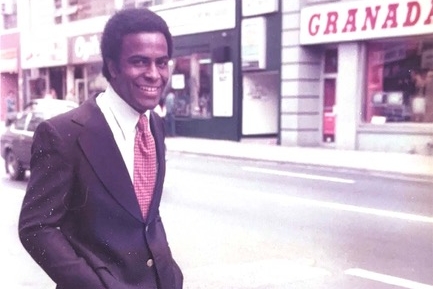
    Mr. Glanton was at home in a suit jacket and tie.Courtesy of the family

    One of 11 children, Richard Howard Glanton was born Nov. 21, 1946. He was reared in rural Villa Rica, Ga., did not start school until the fourth grade, and worked with his siblings for years on the family farm.

    He earned a bachelor’s degree in English and, in 2005, was awarded an honorary doctorate from West Georgia. He married Scheryl Williams, and they had a daughter, Morgan, and a son, David.

    After a divorce, he married Eileen Candia, and they had a daughter, Georgia. They lived in Philadelphia and Chicago, and moved to Princeton in 2009.

    Mr. Glanton was a doting father, his family said. He taught his children to ride bikes and read Shakespeare. “He taught me that there was no room in which I didn’t belong or couldn’t strive to enter,” his daughter Morgan said. “I love him for that.”

    Mr. Glanton was an avid reader and golfer.Courtesy of the family

    Nearly everyone he met remembered his laugh and perpetual suit jacket and tie. He played golf, was an avid reader, and would talk politics for hours.

    “He was fearless in his conviction to do what he believed was necessary and proper to achieve his goals and provide for his family,” his son said. His wife said: “He was kind and generous. He made everyone he spoke to feel special. He was always bringing you in.”

    In addition to his wife, children, and former wife, Mr. Glanton is survived by two sisters, four brothers, and other relatives. One sister and four brothers died earlier.

    Memorial services are to be held at noon Saturday, July 18, at Pleasant Hill United Methodist Church, 119 Thomas Dorsey Dr., Villa Rica, Ga. 30180, and at 11 a.m. Friday, Sept. 18, at the Union League, 140 S. Broad St., Philadelphia, Pa. 19102.

    Donations in his name may be made to the University of Virginia Law School Foundation’s Elaine R. Jones Scholarship, 580 Massie Rd., Charlottesville, Va. 22903.

    Mr. Glanton (left) enjoyed working on projects.Courtesy of the family
  • William T. Hangley, celebrated cofounder and chair emeritus of Hangley Aronchick Segal Pudlin & Schiller, has died at 85

    William T. Hangley, celebrated cofounder and chair emeritus of Hangley Aronchick Segal Pudlin & Schiller, has died at 85

    William T. Hangley, 85, of Philadelphia, celebrated cofounder and chair emeritus of the Hangley Aronchick Segal Pudlin & Schiller law firm, longtime litigator, judge-appointed legal adviser, substitute Common Pleas Court judge, former student organizer, mentor, and onetime music teacher, died Tuesday, June 23, of esophageal cancer at his home in Center City.

    A lifelong advocate of music, education, and the law, Mr. Hangley earned a bachelor’s degree in music education, taught elementary school students in Long Island for a year, and got his law degree with high honors at the University of Pennsylvania in 1966.

    He was a senior student leader at the State University of New York at Fredonia in 1963, and a dean recognized his organization and leadership skills. So he suggested that Mr. Hangley forgo the music classroom for the courtroom.

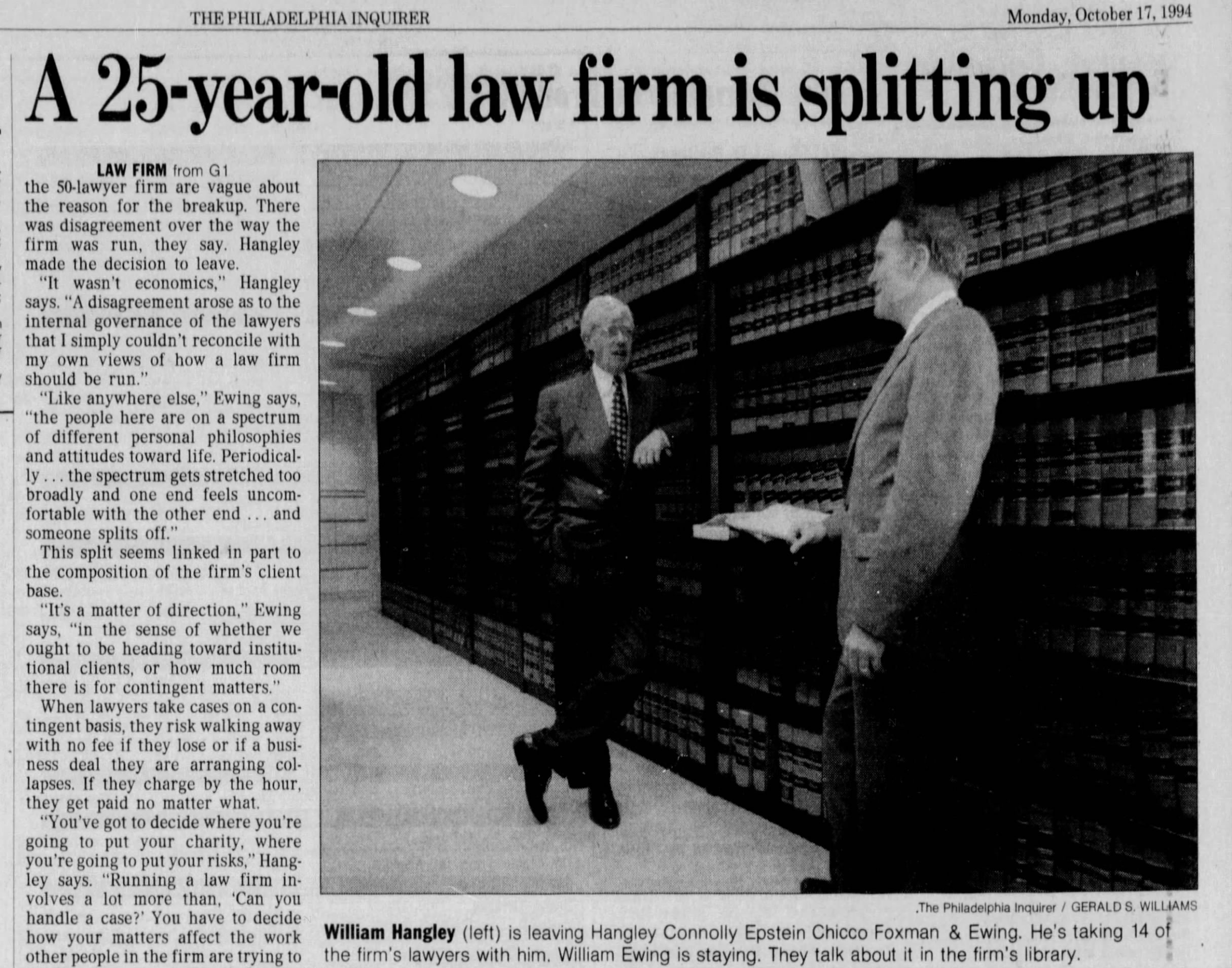
    A story and this photo of Mr. Hangley (left) appeared in The Inquirer in 1994.Newspapers.com

    Mr. Hangley did, and, over the next 60 years, until recently, he tried all kinds of court cases and counseled business owners, executives, employees, students, government officials, journalists, and, in one of his career highlights, a client who was incorrectly sentenced to death.

    He was an expert in business litigation and professional liability defense, and he tackled cases about intellectual property, business contracts, antitrust, real estate, malpractice, capital punishment, and other issues.

    “He set a standard for integrity, rigor, and creative problem solving,” his family said in a tribute. “He could take virtually any kind of case to trial and win.”

    Mr. Hangley appeared on the cover of Super Lawyers magazine for Pennsylvania and Delaware in 2012. Super Lawyers magazine

    Colleague David Pudlin said: “Bill was a giant at everything he did.”

    Mr. Hangley won especially notable cases for The Inquirer, Children’s Hospital of Philadelphia, the Albert Einstein Healthcare Network, heirs to the Tylenol fortune, the Temple University student government, and women athletes at Temple. “The ones I enjoy the most,” he told Super Lawyers magazine in 2012, “are when I get to represent the little guy.”

    In 1996, Mr. Hangley won a complex libel case for The Inquirer, and a now-former editor, in a personal letter to Mr. Hangley, said his closing argument “lit up the First Amendment like bolts of lightning in a night sky.”

    Mr. Hangley was funny, daring, and dapper, friends and colleagues said. Courtesy of the family

    He was known for his people skills, wide range of expertise, concise legal writing, and crafty courtroom communication techniques. “Some lawyers are confrontational,” he told Super Lawyers. “They want to make a witness feel like dirt, and then he’s putty in their hands. That’s not my approach. I think a lot of witness examination should be freestyle, where the witness is invested in the conversation.”

    He cofounded what is now Hangley Aronchick Segal Pudlin & Schiller in 1994, served as chair until 2014, and helped the firm grow to include experts in estate planning and real estate, tax, corporate, and family law. He continued to advise and counsel as chair emeritus until a few months ago.

    Earlier, he worked at Schnader Harrison Segal & Lewis, Goodman & Ewing, and Hangley Connolly Epstein Chico Foxman & Ewing.

    Mr. Hangley and his wife, Mary, were married for nearly 61 years. Courtesy of the family

    Mr. Hangley was funny, daring, and dapper, friends and colleagues said. He wore Gucci ties in the courtroom and joked with judges and other lawyers. He told The Inquirer after a case in 1978: “We got a good settlement, and I managed to get off a good one-liner. What man could ask for more?”

    He was onetime chair of the Good Judges for Philadelphia political action committee and a special master in district court cases. He served on committees for the American Bar Association and was active with the American College of Trial Lawyers and the Institute for the Advancement of the Legal System.

    He earned appointments to advisory roles from Supreme Court Justice John G. Roberts Jr., former Pennsylvania Chief Justice Ronald Castille, and Judge Anthony Scirica of the U.S. Court of Appeals for the Third Circuit. In 1970, he ran unsuccessfully for the state Senate as a Democrat.

    Mr. Hangley (middle left) enjoyed time with his family.Courtesy of the family

    “I can’t think of anything else I could have done with my life that I would have enjoyed as much as what I’m doing now,” he told Super Lawyers. “I really hit the big one.”

    The youngest of 11 children, William Thomas Hangley was born March 11, 1941. He worked as a beach club cabana boy and an ice cream vendor in Long Beach, N.J., when he was young.

    He met fellow teacher Mary Dupree after college and asked her to go bowling on their first date, and they married in 1965. They had daughters Michele and Katie and a son, Bill Jr., and lived in Center City and West Mount Airy.

    Mr. Hangley and his family enjoyed memorable vacations at their summer home in Martha’s Vineyard, Mass. He followed the Eagles, loved dogs and classical music, and supported the Philadelphia Orchestra and other cultural groups.

    “My dad described himself as an optimist,” Mr. Hangley’s daughter Katie said.Courtesy of the family

    He and his wife hosted rollicking holiday parties, and he sang and danced. He doted on his children and grandchildren, and was onetime president of the C.W. Henry Elementary School and home association.

    “My dad described himself as an optimist, a gambler at heart, and a person who was grateful for all the joy he had experienced,” said his daughter Katie, “and eager for more.”

    His son, Bill, said: “He stood for integrity.” His daughter Michele said: “He told us, ‘I’ve had a good run,’ and he was right.”

    In addition to his wife and children, Mr. Hangley is survived by two grandchildren and other relatives. Five sisters and five brothers died earlier.

    A private service was held earlier. A celebration of his life is to be held later.

    Donations in his name may be made to the Academy of Vocal Arts, 1920 Spruce St., Philadelphia, Pa. 19103; Community Legal Services of Philadelphia, 1424 Chestnut St., Philadelphia, Pa. 19102; and the Crossing, 8855 Germantown Ave., Philadelphia, Pa. 19118.

  • Bill Wine, Emmy Award-winning film and TV critic, and longtime La Salle professor, has died at 81

    Bill Wine, Emmy Award-winning film and TV critic, and longtime La Salle professor, has died at 81

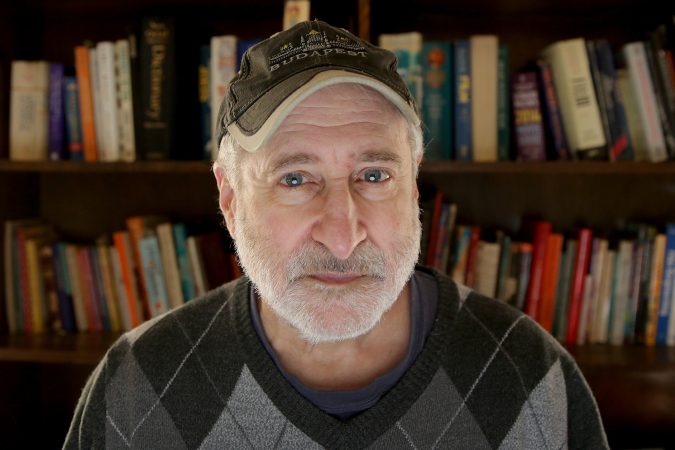
    Bill Wine, 81, of Philadelphia, three-time Mid-Atlantic Emmy Award-winning film and TV critic, retired tenured associate professor of TV and film at La Salle University, onetime freelance TV critic for the Daily News, freelance writer, playwright, and popular lecturer, died Sunday, June 14, of complications from Parkinson’s disease at his home in Chestnut Hill.

    The son of two part-time amateur actors and a lifelong devotee of theater, film, TV, writing, and teaching, Mr. Wine was a film critic for WTXF-TV, Channel 29, for 12 years and KYW radio for 17 years. Known for his pithy, witty, and often acerbic reviews, and a breezy conversational style of writing, he worked at Channel 29 from 1990 to 2002 and KYW from 2001 to 2018.

    “Bill Wine was a character out of a Neil Simon comedy, more Oscar than Felix,” said Carrie Rickey, former Inquirer movie critic. “You didn’t have to wait long for the punchline.”

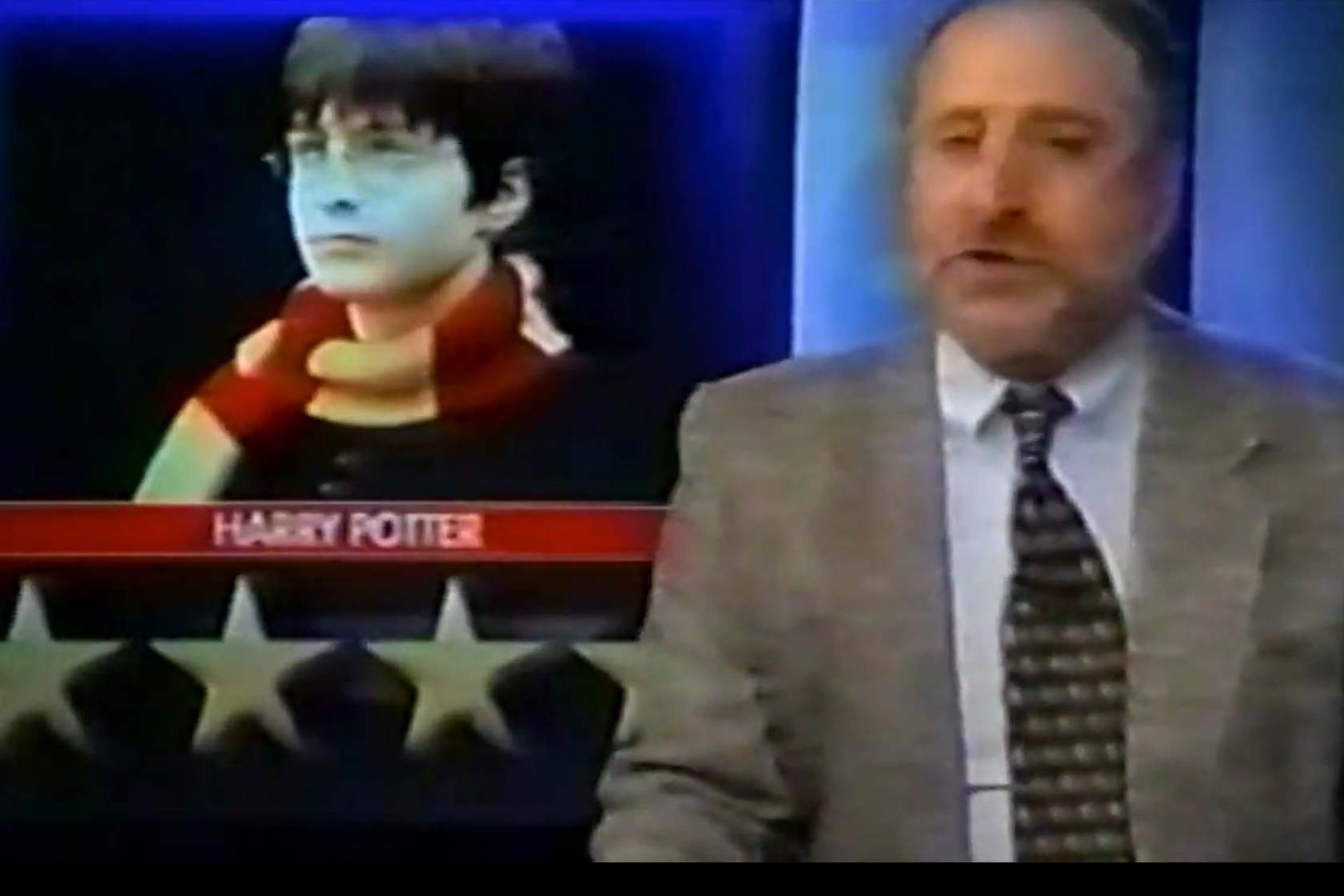
    Mr. Wine’s film reviews on Channel 29 were often funny and entertaining. Channel 29

    At Channel 29, Mr. Wine was nominated for eight regional Emmy Awards for commentary and writing, and won three. He appeared regularly on the station’s Ten O’Clock News, in primetime movie preview and review programs, and later on Mondays, Wednesdays, and Fridays on Good Day Philadelphia.

    By 1990, he had already written hundreds of freelance film reviews for the Daily News and Courier-Post, done radio reviews for WPEN, and taught a variety of classes about film and writing for a decade at La Salle. So, despite no previous TV experience, he was hired at Channel 29 over 60 other film critic applicants.

    “I had never been on TV, but I wasn’t nervous,” he told the Daily News in 2001, “because I had been standing in front of 100 students for 10 years.”

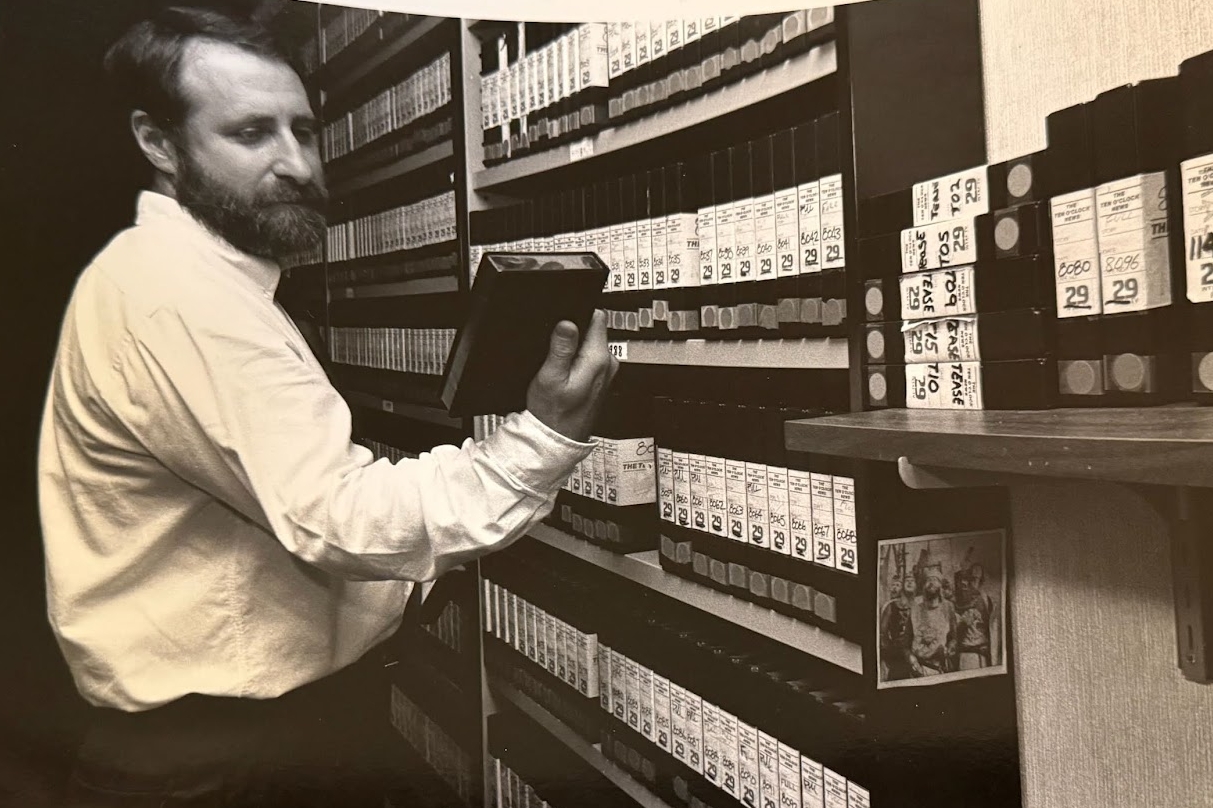
    Mr. Wine worked at at WTXF-TV, Channel 29, for 12 years.Courtesy of the family

    He started at KYW radio in 2001 and usually aired reviews and reports on Thursdays, Fridays, and Saturdays. Sometimes, he watched three movies in one day. He left Channel 29 in 2002 and KYW in 2018 only after both companies eliminated their local film critic position.

    “When I started [writing film reviews], it was before the internet,” he told The Inquirer in 2018. “A lot of people [now] feel like, ‘Who the heck is a movie critic to come on in a minute and to dismiss something that took hundreds of people and millions of dollars to create?’”

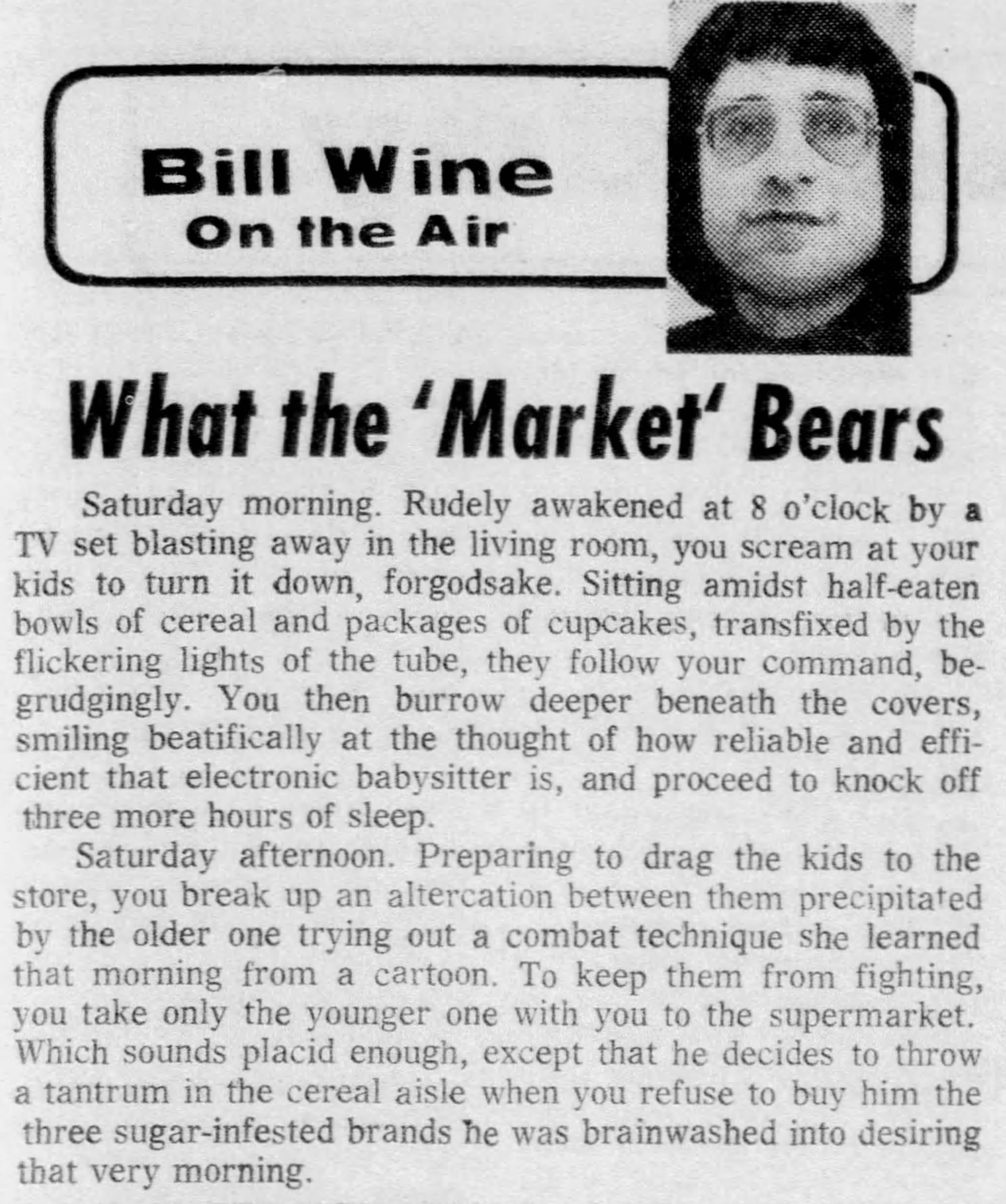
    In the 1970s and ‘80s, he wrote articles and reviewed films, TV shows, books, and plays for WPEN, The Inquirer, Courier-Post, Philadelphia Magazine, and other outlets. In 1975, he wrote dozens of freelance TV columns called “On the Air” for the Daily News.

    Mr. Wine wrote dozens of columns as a freelance TV critic for the Daily News in 1975.Newspapers.com

    He spent three years in California in the 1970s working on plays and film and TV scripts. He hobnobbed with famous writers, producers, and actors in Los Angeles, staged one of his own plays, and was a winning contestant on a new TV game show.

    He wrote 11 plays over the years, and several made it to the stage. “Now the people who disagree with my reviews can come and find out if I’m as dumb as they think I am,” he told The Inquirer in 2002.

    He aired reviews on WIP radio and lectured often at libraries, schools, community centers, theaters, and other venues about his favorite films, adapting books to film, and other topics. “He could be wickedly funny, especially when delivering a pan of a movie,” his family said in a tribute. “One of his favorite quotes was: ‘I had a bad seat. It was facing the screen.’”

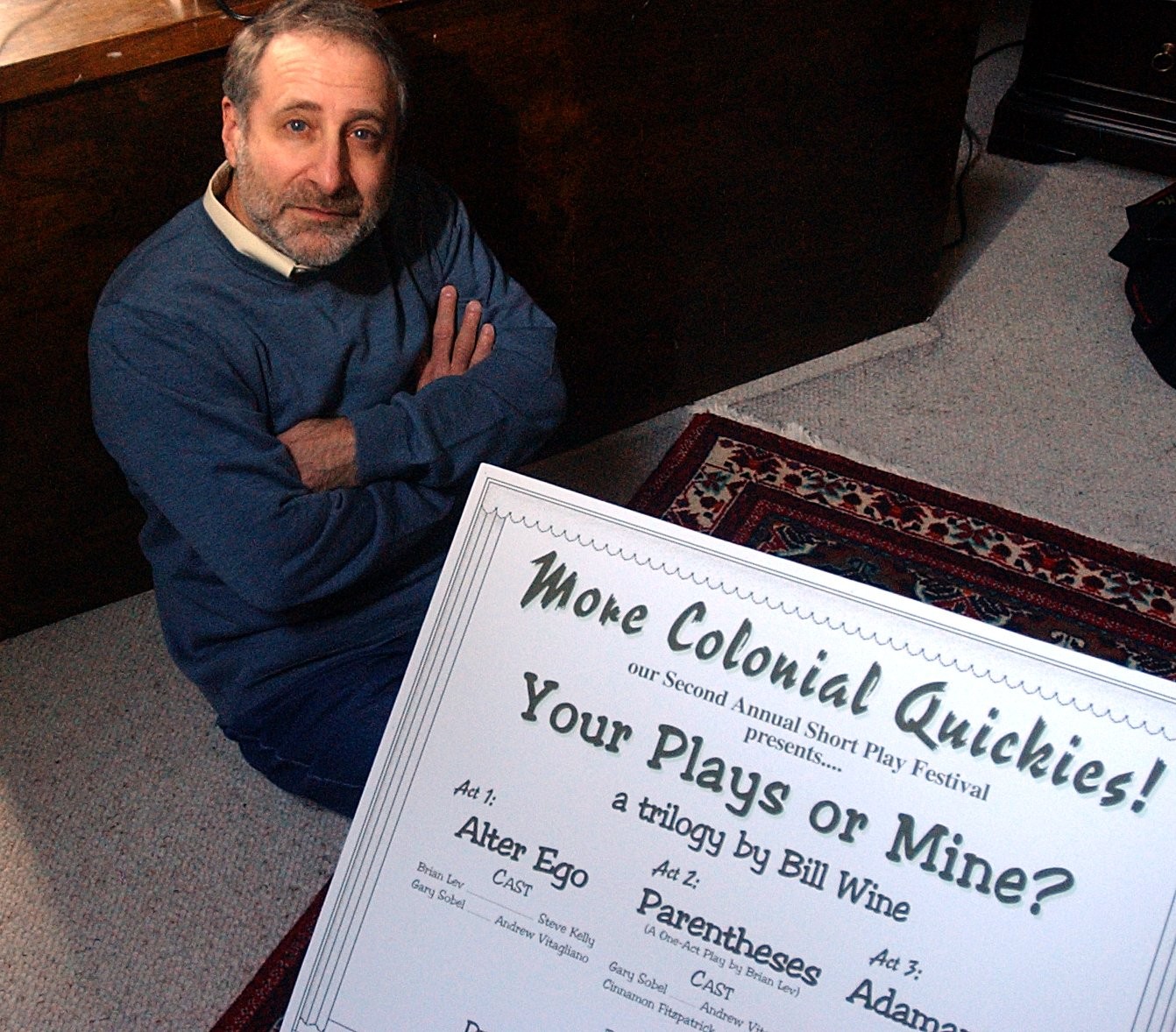
    Mr. Wine was a prolific playwright who enjoyed table readings with family and friends. La Shina Clark / Staff Photographer

    Mr. Wine earned a bachelor’s degree in math at Drexel University and a master’s degree in communications at Temple University. He helped design La Salle’s nascent Communication Department in the 1980s, and school officials called him one of their “Founding Fathers.” He also taught briefly at Drexel, and came close to earning a doctorate at Temple.

    In 2001, he was featured in a Daily News story about “celebrity professors” and said: “You have to remind yourself that this is television, not the classroom. You mention, say, ‘film noir’ on TV, and you get a memo.”

    William David Wine was born June 21, 1944, in Germantown. He grew up in West Oak Lane and Cherry Hill, attended Central High School, and graduated from the old Cherry Hill High School.

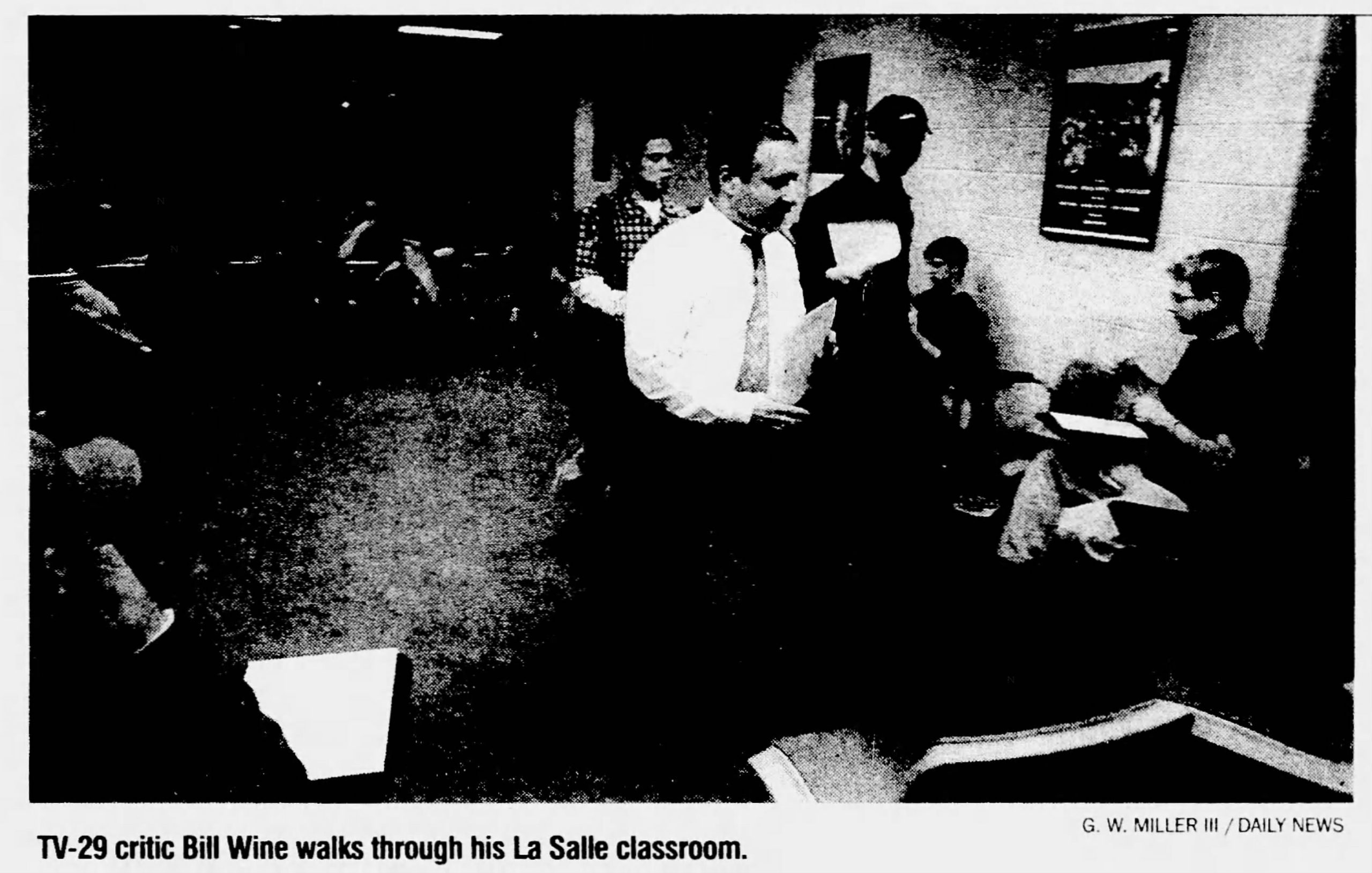
    A story and this photo of Mr. Wine about his time as a professor at La Salle appeared in the Daily News in 2001.Newspapers.com

    As a boy, he devoured newspaper movie reviews and fell in love with film after seeing Alfred Hitchcock’s 1954 thriller Rear Window. He got positive reviews of his own freelance movie review when he was at Temple, and he knew then, he said later, that writing about movies was his creative niche.

    “The first time I saw my byline, I was hooked,” he told Drexel Magazine in 2016.

    He married Dina Lichtman, and they divorced later. He married Suzanne Monsalud in 1981, and they had daughters Simone and Paulina, and lived in Germantown, Wyncote, and Chestnut Hill.

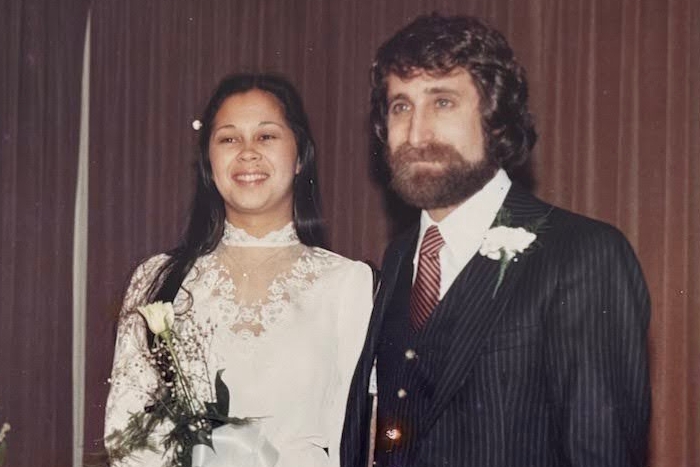
    Mr. Wine and his wife, Suzanne, married in 1981.Courtesy of the family

    Together, Mr. Wine and his family traveled to Paris and London, and he and his wife honeymooned in Rio de Janeiro, Brazil. He doted on his daughters and sometimes took them to his La Salle classroom, the Channel 29 TV set, and movie screenings.

    Friends, former colleagues, and former students called him “a force of nature,” “smart and gifted,” and “a rare combination of kindness, professionalism, and humor.” His daughter Simone said: “His humor, warmth, and presence made life brighter.”

    Mr. Wine played tennis, third base on adult softball teams, and pickup basketball into his 70s. He followed the Phillies, 76ers, and Eagles closely, and hit tennis balls with Hall of Famer Rod Laver at a publicity event in Los Angeles.

    Mr. Wine and his family made memorable trips to Paris, London, and elsewhere. Courtesy of the family

    “He was a wonderful father and a dedicated teacher,” his wife said. “He was a real Philadelphian, and we complemented each other.”

    His daughter Paulina said: “Dad, I think you cracked the code. We’ll see you at the movies.”

    In addition to his wife and daughters, Mr. Wine is survived by three grandchildren, a sister, Marcia, and other relatives. A sister died earlier.

    A celebration of his life was held earlier.

    Donations in his name may be made to the Bill Wine Scriptwriting Award at La Salle University, 1900 W. Olney Ave., Philadelphia, Pa. 19141.

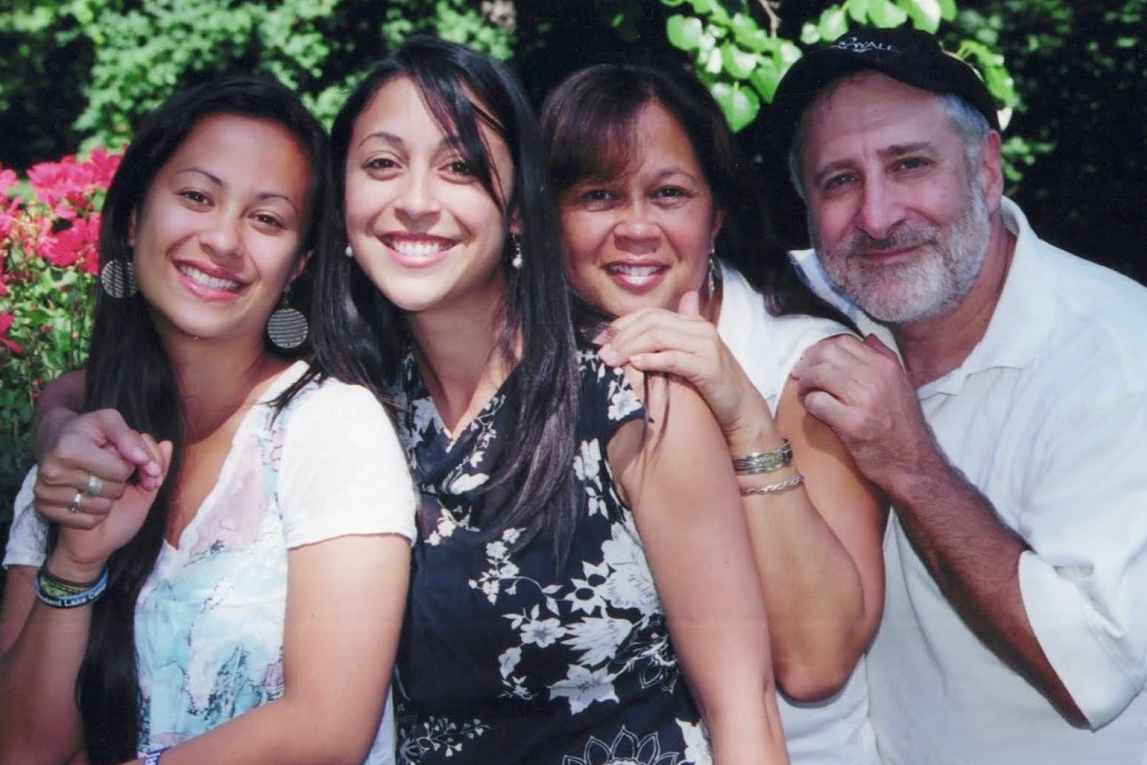
    Mr. Wine (second from left) enjoyed time with his family. Courtesy of the family
  • Peter Grove, award-winning science educator and lifelong environmentalist, has died at 82

    Peter Grove, award-winning science educator and lifelong environmentalist, has died at 82

    Peter Grove, 82, of Narberth, longtime award-winning science teacher at Friends’ Central Lower School in Wynnewood, former executive director of the Norris Square Neighborhood Project in West Kensington, lifelong environmentalist and conservationist, prolific writer, lecturer, British Special Air Service Reserve veteran, mentor, and world traveler, died Wednesday, May 6, of age-associated decline at his home.

    Reared in rural Surrey, England, Mr. Grove arrived in Philadelphia in 1972 and spent the next 45 years teaching science, horticulture, and civic responsibility to students young and old. He also mentored other teachers and fellow naturalists, and created dozens of notable community gardens and wildlife habitats around the region.

    “Gardening,” he told The Inquirer in 1986, “is a real way to bring about change.”

    He earned bachelor’s and master’s degrees in English and education at the University of Pennsylvania in the 1970s, and joined the Friends’ Central Lower School faculty in 1987. Until his retirement in 2017, Mr. Grove taught thousands of preschool and elementary school-age students at Friends’ Central about gravity, butterflies, bees, birds, mold, trees, and other scientific wonders.

    He was a gifted young student of horticulture back at the old Surrey County Merrist Wood Farm Institute in the 1950s and ‘60s, and he dreamed up dozens of riveting scientific demonstrations for his students. They launched hot air balloons, waded in streams to study fungi, and traversed fields and woods on orienteering treasure hunts.

    They even pulled his car up a hill every year with a scientific pulley system. “He made learning come alive,” a colleague said in a tribute.

    Outside his brick-and-mortar classroom, Mr. Grove and generations of students landscaped much of Friends’ Central’s Lower School campus on Old Gulph Road. They designed fish ponds, a bird blind, a bridge, and flower and vegetable teaching gardens.

    In 1995, they collaborated with students at Overbrook School for the Blind to make a fragrance and texture garden for blind people. “This was great for our kids,” Mr. Grove told The Inquirer. “They’re all digging and working, and making new friends, and learning about a different kind of school.”

    Mr. Grove and his wife, Nancy Greene, scaled Mount Kenya in Africa.Courtesy of the family

    Before Friends’ Central, Mr. Grove taught second graders at the Miquon School in Montgomery County. He was also an adjunct science professor at Rosemont College in the 1990s, a summer camp science instructor for the Smithsonian Institution in Washington, D.C., in the early 2000s, and a science instructor for Penn’s Teach for America program from 2007 to 2010.

    In 1981, he became executive director of the Norris Square Neighborhood Project and supervised the building of a solar greenhouse in 1983 and the cleanup of Norris Square Park in 1985. “Everything we do here is slanted toward the neighborhood,” he told The Inquirer in 1983. “It’s all aimed at being able to produce something, do something, or find something.”

    He was also an award-winning lifetime honorary board member at the Riverbend Environmental Education Center in Gladwyne and onetime president of the Narbrook Park Improvement Association. During a sabbatical from teaching one year, he volunteered in Costa Rica to protect leatherback turtle eggs from poachers.

    He earned a lifetime achievement award from the Lower Merion Township Environmental Advisory Council, was a semifinalist for the National Science Teachers Association’s Teacher of the Year Award, and received more than a dozen other honors.

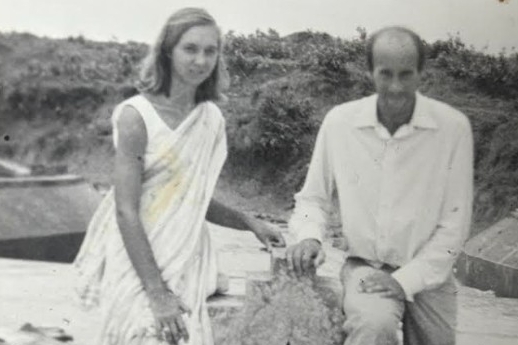
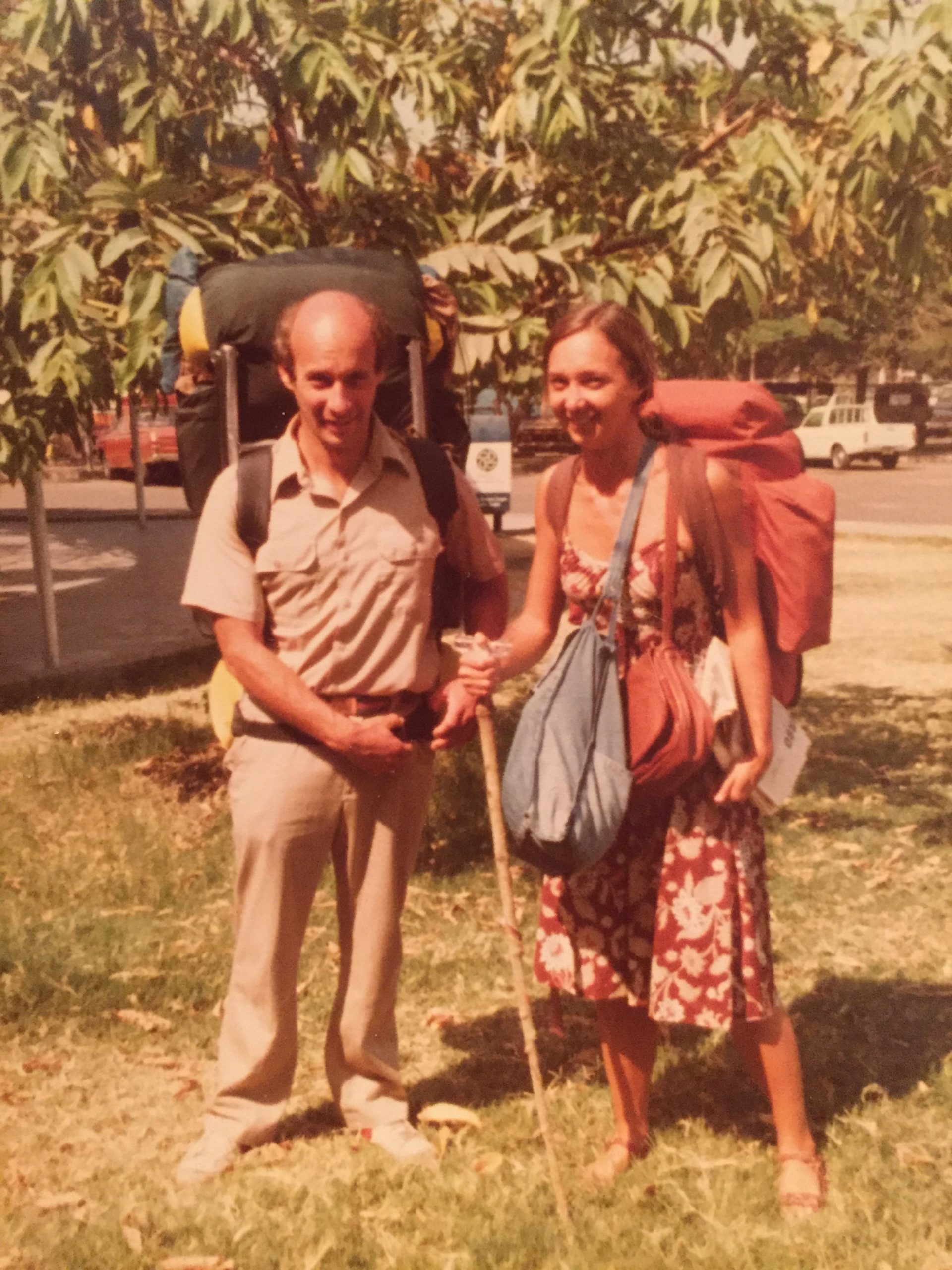
    Inspired by the 1956 film Around the World in 80 Days, he signed on with a Norwegian oil tanker in 1966, bicycled across North America, and returned to Europe on a Swedish oil tanker in 1968. He then hitchhiked to India, worked for two years on agricultural improvements for underserved communities, and met his future wife, Nancy Greene, a longtime Philadelphia resident.

    Amazingly, she was also inspired by Around the World in 80 Days and on her own global road trip. After India, Mr. Grove moved on to construction jobs in New Zealand and Australia. He finally settled in Philadelphia and married Greene in 1976.

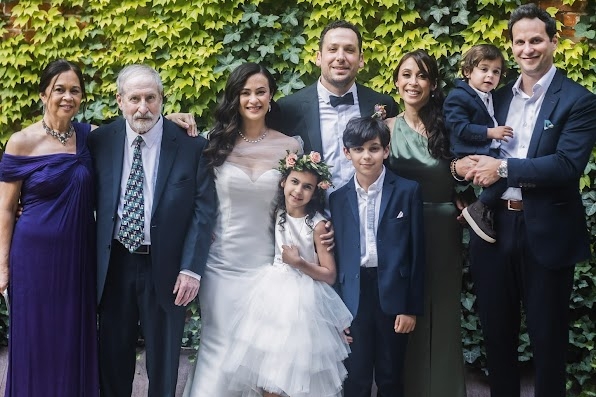
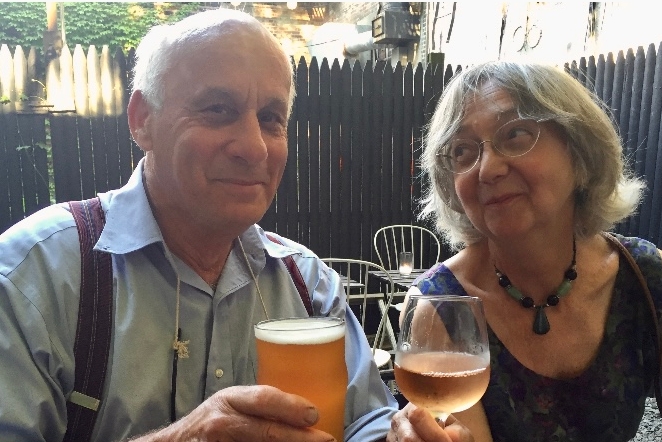
    For the next 50 years, the two adventurers hiked trails in Borneo and New Zealand, and climbed Mount Kenya and Mount Kinabalu. “I was his biggest supporter,” his wife said.

    Born June 1, 1943, Peter Adrian Grove grew up in Send, a village about 28 miles southwest of London. He connected with nature as a boy, worked as a landscaper and carpenter in the early 1960s, and spent two years in the British Special Air Service Reserve.

    Mr. Grove and his wife, Nancy Greene, traveled the world together for decades. Courtesy of the family

    He earned an associate’s degree in English and biology in 1974 at Montgomery County Community College, and his bachelor’s degree at Penn in 1976 and master’s degree there in 1977. He constantly wrote and recorded audio clips about his life and adventures, and he shared those tales enthusiastically in school and at public events.

    He and his wife had a son, Evan, and a daughter, Marian, and lived in Fitler Square and then Narberth. He doted on his children and grandchildren, and bonded with his dogs.

    Mr. Grove constantly whipped up candlelit gourmet dinners for his family. He was funny, everyone said, and he loved to sing, dance, and fish.

    He called himself a simple man despite his many achievements and lived with cancer for years. “He was,” his wife said, “quite simply one of a kind.”

    Mr. Grove met his wife, Nancy Greene, in India in 1968.Courtesy of the family

    In addition to his wife and children, Mr. Grove is survived by five grandchildren and other relatives. Two sisters died earlier.

    A celebration of his life is to be livestreamed on YouTube.com at 1 p.m., Saturday, Aug. 8, at Wayne Presbyterian Church, 125 E. Lancaster Ave., Wayne, Pa..

    Donations in his name may be made to Friends’ Central School, 228 Old Gulph Rd., Wynnewood, Pa. 19096; the Lower Merion Conservancy, 1301 Rose Glen Rd., Gladwyne, Pa. 19035; and Friends of the Earth, Box 7010, Merrifield, Va. 22116.

    Mr. Grove was an avid fisherman.Courtesy of the family
  • Robin Cogan, renowned Camden school nurse and national health and safety advocate, has died at 65

    Robin Cogan, renowned Camden school nurse and national health and safety advocate, has died at 65

    The letters that follow Robin Cogan’s name represent some of healthcare’s most impressive achievements. NCSN, nationally certified school nurse. FNASN, fellow of the National Academy of School Nursing. FAAN, fellow of the American Academy of Nursing. Also, RN and MEd.

    Then there are the awards. Two-time President’s Award winner from the National Association of School Nurses. The 2017 Population Health Hero Award from the New Jersey Department of Health. The Johnson & Johnson 2017 School Nurse of the Year. And many more.

    Robin Cogan joined the Camden City School District as a school nurse in 2001 after training earlier as an art therapist and spending 14 years as a psychiatric clinical nurse and corporate health services manager. It was with the school district and its students, families, and staff where she really found her groove.

    For nearly three decades, Robin Cogan championed school safety and population healthcare, and advocated tirelessly for school nurses everywhere. Her website, blog, frequent podcast appearances, and wide-ranging institutional activism gave voice to school nursing stories, and combated gun violence and other pressing problems.

    She started blogging on RelentlessSchoolNurse.com in 2017 and cocreated the No More Empty Desks student art campaign in 2019 to memorialize students killed in gun violence. “Robin’s national reach and advocacy know no bounds,” a Camden colleague said on Facebook. “Robin Cogan is the embodiment of the school nursing profession.”

    On May 10, Robin Cogan blogged: “The profession is better, and so are countless children, because of the relentless, brilliant nurses who choose school nursing year after year.”

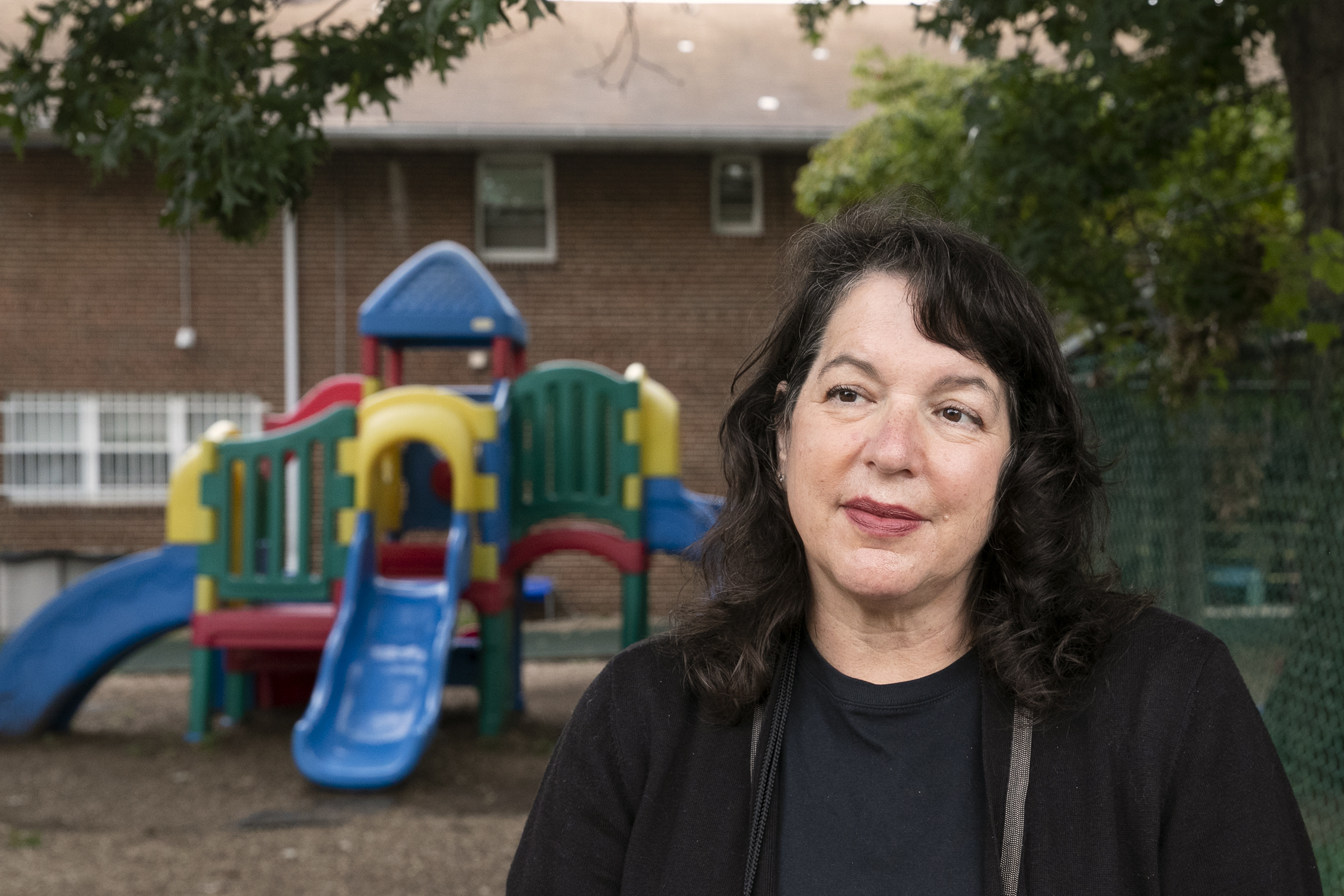
    Mrs. Cogan became a school nurse in Camden in 2001.Heather Khalifa / Staff Photographer

    On Thursday, June 11, Robin Cogan died of cancer at Cooper University Hospital in Camden. She was 65.

    “Robin dedicated her life to caring for others,” Pamela K. Clark, president of the Camden Education Association, said in a tribute. “Her work extended far beyond the walls of our schools, leaving a lasting impact on the profession she loved.”

    Born in Philadelphia, Mrs. Cogan graduated from Cherry Hill West High School in 1978 and earned a bachelor’s degree in art therapy and psychology in 1982 at what is now the College of New Jersey in Trenton. She gained her nursing credentials at the Helene Fuld College of Nursing in New York and Rowan University, and earned a master’s degree in clinical, counseling, and applied psychology at Wilmington University in Delaware in 2009.

    As a school nurse in Camden, she oversaw more than 900 students from preschool through eighth grade at Cooper’s Poynt School and, most recently, more than 400 students at three preschools. She took temperatures, counseled worried parents, and personally helped thousands of people weather the COVID-19 pandemic.

    “She influenced policy, championed health equity, elevated the role of school nurses,” a colleague said on Facebook, “and reminded us that one person truly can create ripples that become waves.”

    Mrs. Cogan was the New Jersey director for the National Association of School Nurses and taught in the school nurse certification program at Rutgers University-Camden. She earned grants, sat on boards, lectured around the country, wrote or cowrote dozens of columns, papers, and articles about health issues, and posted advice and information frequently on X, Bluesky, Facebook, and other online platforms.

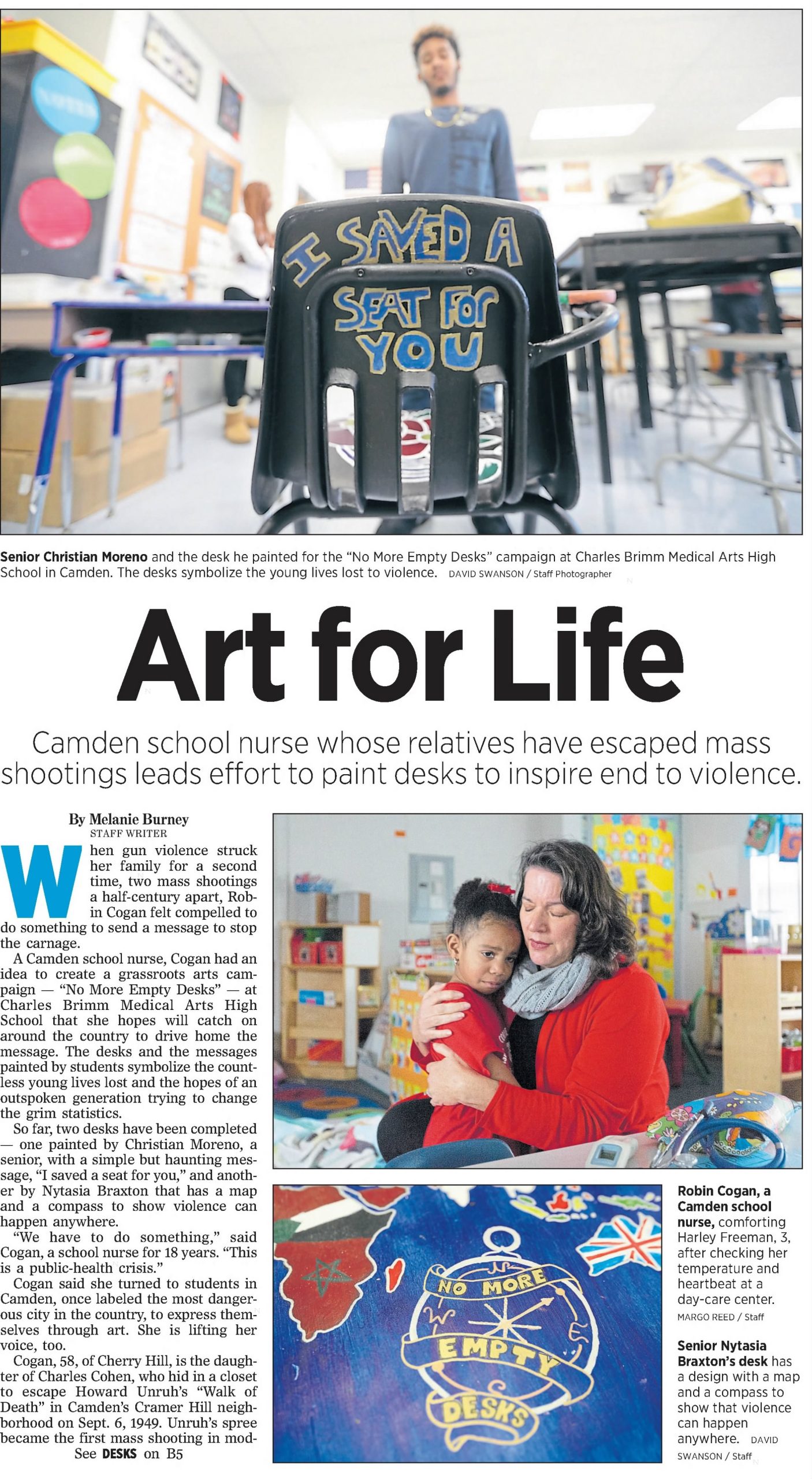
    The Inquirer published this story and photos about Mrs. Cogan’s art program in 2019.Newspapers.com

    She was featured in The Inquirer and other publications, and appeared on TV and radio programs and podcasts. She focused on “shared values” to connect people, she said often, and posted the motto for her Relentless Nurse website on the homepage: “Be relentless in your practice whatever it is.”

    Robin Michelle Cohen was born June 28, 1960. She met Ed Cogan in college, and they married in 1984, lived in Trenton and Cherry Hill, and had twin daughters Allie and Jill.

    Mrs. Cogan was driven to address gun violence, she said, after her father survived a mass murder in Camden in 1949, and her niece survived the 2018 mass shooting at Marjory Stoneman Douglas High School in Florida. “I hope my legacy is helping solve this crisis,” she told The Inquirer in 2022. “Don’t we owe that to our kids?”

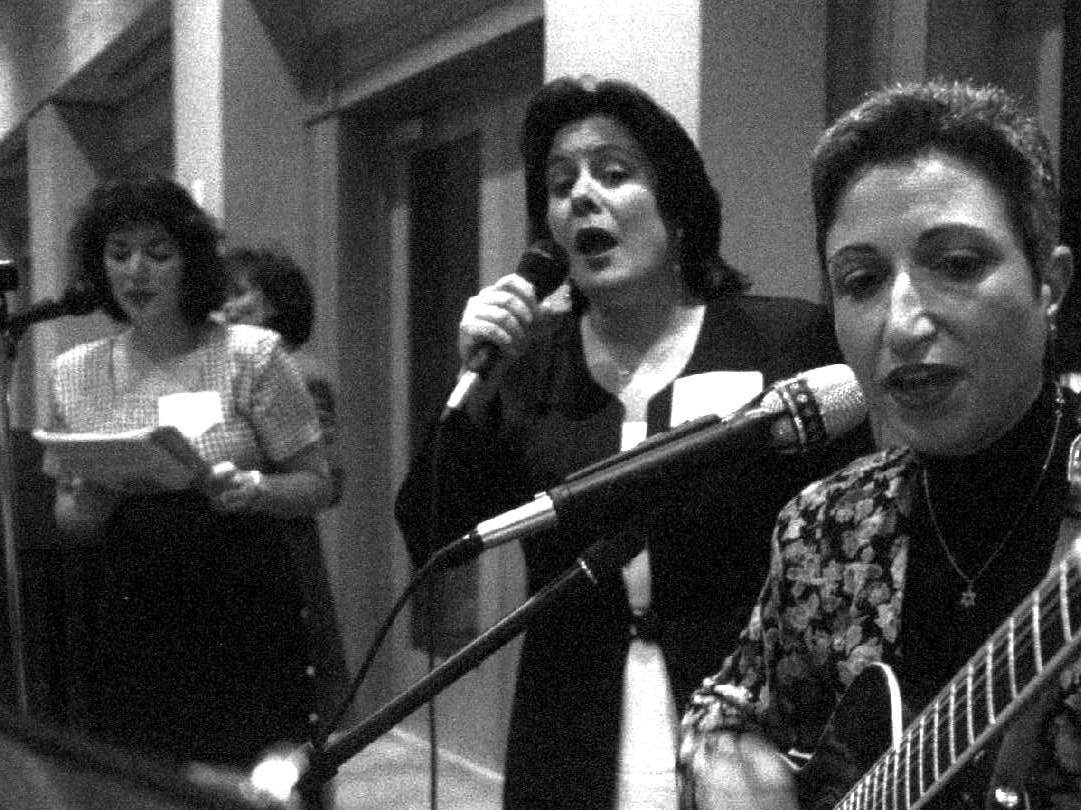
    This photo of Mrs. Cogan (left) and others at the old Temple Emanuel in Cherry Hill appeared in The Inquirer in 1996.Elizabeth Robertson / Staff Photographer

    She was a talented painter and designed a popular pin that she and a friend sold in a home-based spiritual jewelry and art business. She loved nature and 1970s folk music. She enjoyed hosting Thanksgiving dinners and visiting the Jersey Shore. She was one-time president of the old Temple Emanuel Sisterhood in Cherry Hill.

    “She was a helper,” said her daughter Allie. “She was good at relationships and never really turned off her working mind.”

    In addition to her husband and daughters, Mrs. Cogan is survived by a granddaughter, Nora, a nephew, Matthew, sisters Lori and Merri, and other relatives.

    Private services were held earlier. A celebration of her life is to be held later.

    Donations in her name may be made to Brady: United Against Gun Violence, 840 First Street N.E., Suite 400, Washington, D.C. 20002; and Grandparents for Vaccines.

  • Phyllis Taylor, pioneering hospice nurse, celebrated prison chaplain, and renowned world peace activist, has died at 84

    Phyllis Taylor, pioneering hospice nurse, celebrated prison chaplain, and renowned world peace activist, has died at 84

    As a young nurse in Philadelphia, Phyllis Taylor met dying people desperate for hospice care. So she did it.

    She met people in prison desperate for a healthcare advocate and an empathetic chaplain. So she did that, too.

    In 1963, she met Sarah Baker and her family as they struggled to live as the first Black family in Folcroft, Delaware County. The Bakers were desperate for fearless allies to help fend off months of racism and violence. She also did that.

    For nearly her whole life, Phyllis Taylor championed peace, justice, and human rights, and helped people who were desperate. She got arrested for civil disobedience, cofounded and directed several nonprofit social service programs, and, with her husband, Richard, helped establish Witness for Peace in Nicaragua, and the Movement for a New Society in Philadelphia.

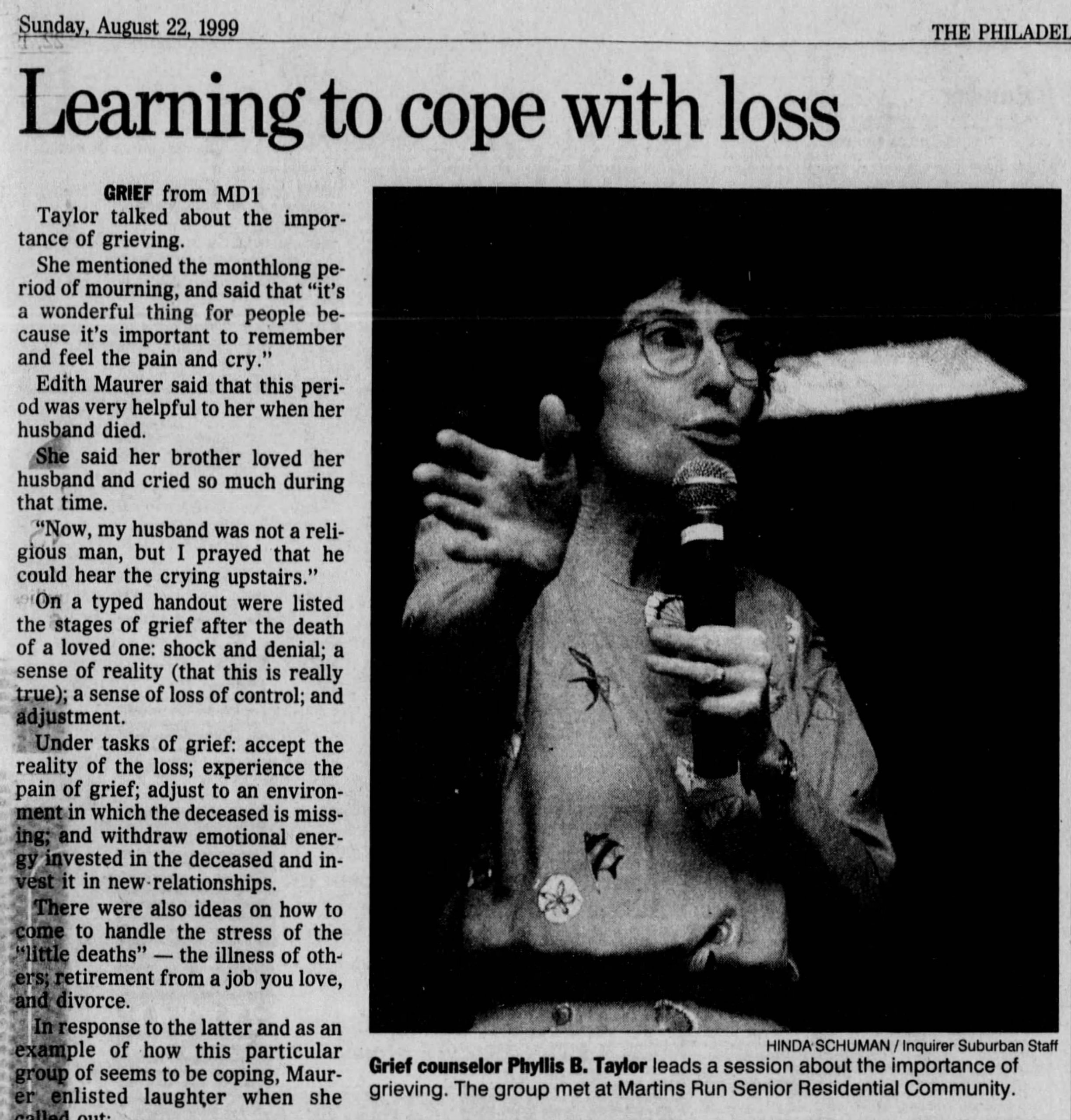
    She fed the hungry at St. Vincent de Paul Church, befriended immigrants and refugees with the New Sanctuary Movement, and comforted children and families at St. Christopher’s Hospital for Children. “Her entire life was about giving,” her son Dan said. “She refused to be someone who watched injustice and did nothing.”

    On Thursday, June 4, Phyllis Taylor died of endometrial cancer at KeystoneCare Hospice in Wyndmoor. She was 84.

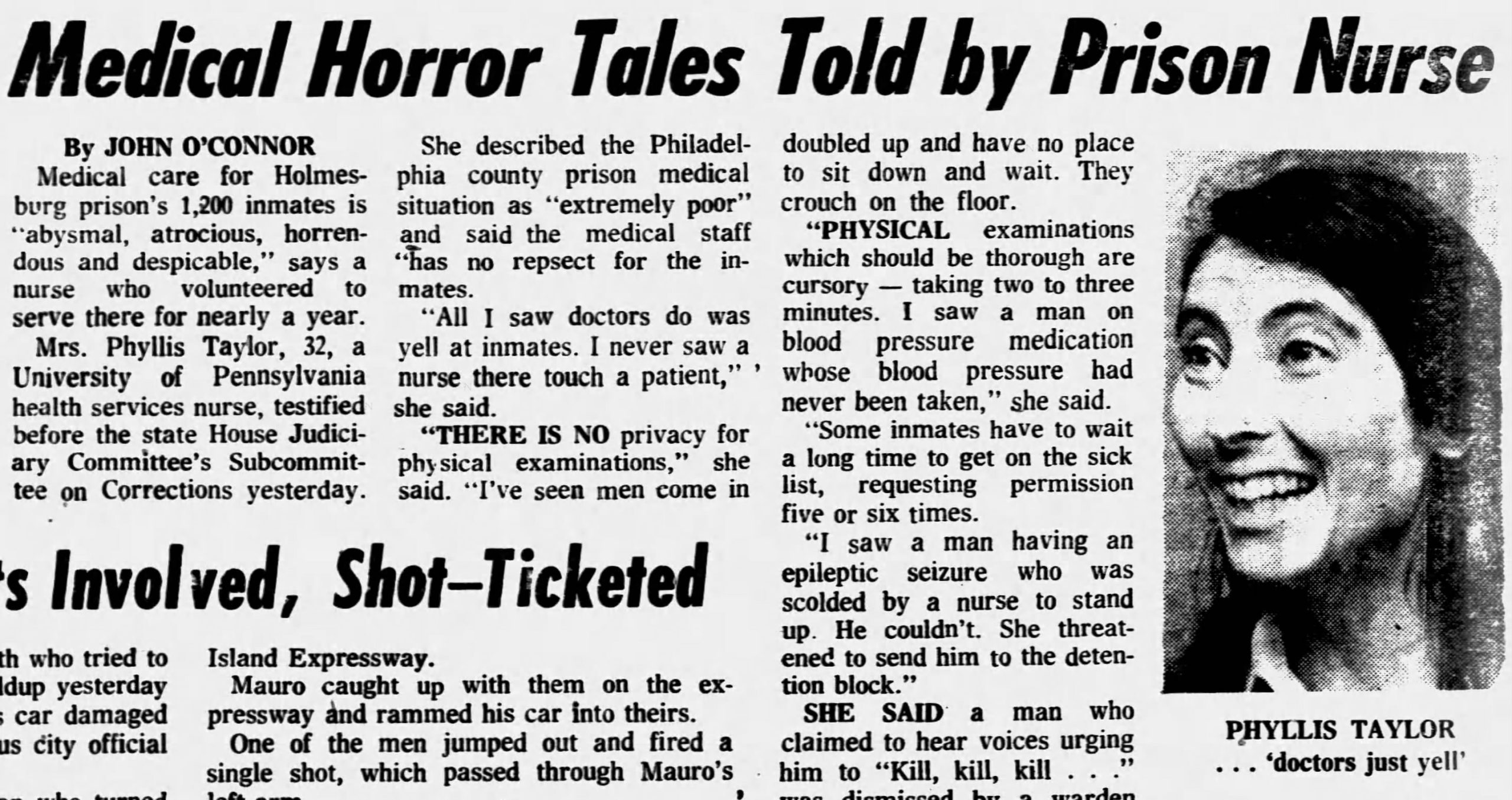
    The Daily News published this story about Mrs. Taylor in 1973.Newspapers.com

    “I really love what I do,” Mrs. Taylor told the Pennsylvania Prison Society in 2025. “I get the satisfaction of being able to journey with somebody, to let them know that they are not abandoned and alone.”

    Born in Brooklyn, N.Y., Mrs. Taylor earned a bachelor’s degree at what is now Arcadia University in 1963. After nursing school, she became a volunteer nurse and then a consultant for the University of Pennsylvania health services at Holmesburg Prison and elsewhere.

    She became senior counselor of hospice service for the new Death and Dying Program at Albert Einstein Medical Center’s Northern Division in 1978, and taught classes about death and grief, counseled parents whose babies had died, and comforted patients with terminal illnesses.

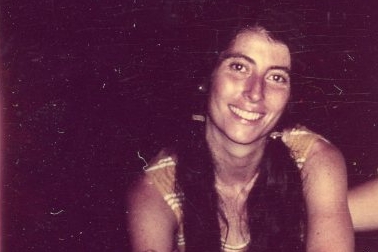
    Mrs. Taylor graduated from what was then known as Beaver College in 1963. It is Arcadia University now. Courtesy of the family

    She was featured in a 1980 story in the Sunday Inquirer called “The Gift of a Good Death” and said that her own health scares motivated her to embrace nursing. The horrors of the Holocaust, she said, compelled her to human rights activism, and the deaths of a friend, her brother, and her father moved her to hospice work.

    “It makes me happy to give someone the gift of a good death,” she told The Inquirer.

    Mrs. Taylor was also an enterostomal therapy nurse, head of the AIDS committee at the Philadelphia College of Osteopathic Medicine medical center, and director of education at the old Hospice of Delaware Valley. She wrote research articles for journals and letters to the editor, appeared on local TV and radio shows, and lectured often at conferences and seminars about death, grief, and medical and financial ethics. She never retired.

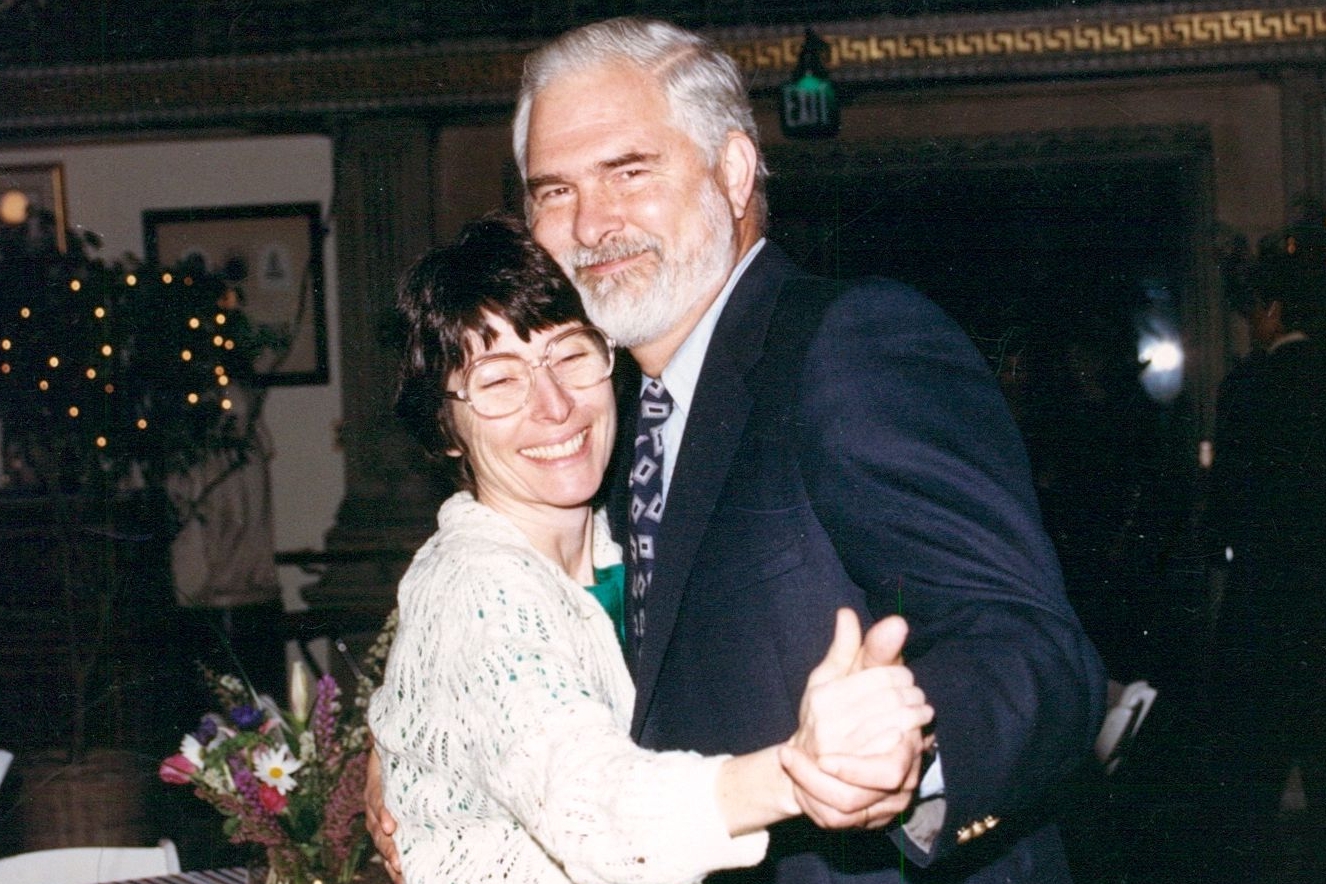
    Mrs. Taylor and her husband, Richard, traveled the world together fighting for peace, justice, and human rights. Courtesy of the family

    She went on Freedom Rides to integrate buses in the South and moved in temporarily with the Bakers as they sought to integrate Folcroft in the 1960s. In the 1970s, she demonstrated against the Vietnam War and America’s involvement in Iran and elsewhere.

    In the 1980s, she taught civil disobedience classes and protested violence at the border between Nicaragua and Honduras. In the 1990s and beyond, she volunteered to protect Muslims and Arabs from reprisals after the Sept. 11 attacks, traveled the world to decry pollution and unfair housing practices, and volunteered with Amnesty International and Planned Parenthood.

    She earned credentials as a chaplain and volunteered for decades with the Pennsylvania Prison Society to counsel and advocate for crime victims and prisoner rights. She was featured in the 2016 documentary Blockade, named the Prison Society’s Volunteer of the Year in 2022, and honored at Arcadia’s 2025 Women Who Lead Forum.

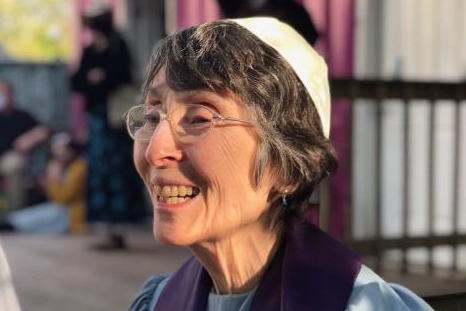
    As a chaplain, Mrs. Taylor officiated at weddings and funerals, and advocated for prison reform.Courtesy of the family

    “She felt a deep unwavering need to dedicate all her waking time to marginalized populations,” her son said. “Someone called her a merging of Ruth Bader Ginsburg and Mother Teresa.”

    Phyllis Claire Brody was born Aug. 10, 1941. She grew up Jewish in Lawrence, N.Y., and joined a Quaker meeting after she moved to Philadelphia.

    She met fellow peace activist Richard Taylor at a civil rights event in 1962, and they married in 1963 and lived in Germantown, Mount Airy, and West Philadelphia. They reared their son, Dan, and daughter, Deborah, and welcomed Blessing Mtshali and other children and families into their home for extended stays. Her husband died in 2024.

    Mrs. Taylor and her husband liked to hike and canoe. She lived with lupus and mailed handmade birthday cards to family and friends year after year.

    “What a life well lived,” her son said.

    In addition to her children, Mrs. Taylor is survived by her sisters, Margaret Noonan and Audrey Randolph, many grandchildren and great-grandchildren, and other relatives. A brother died earlier.

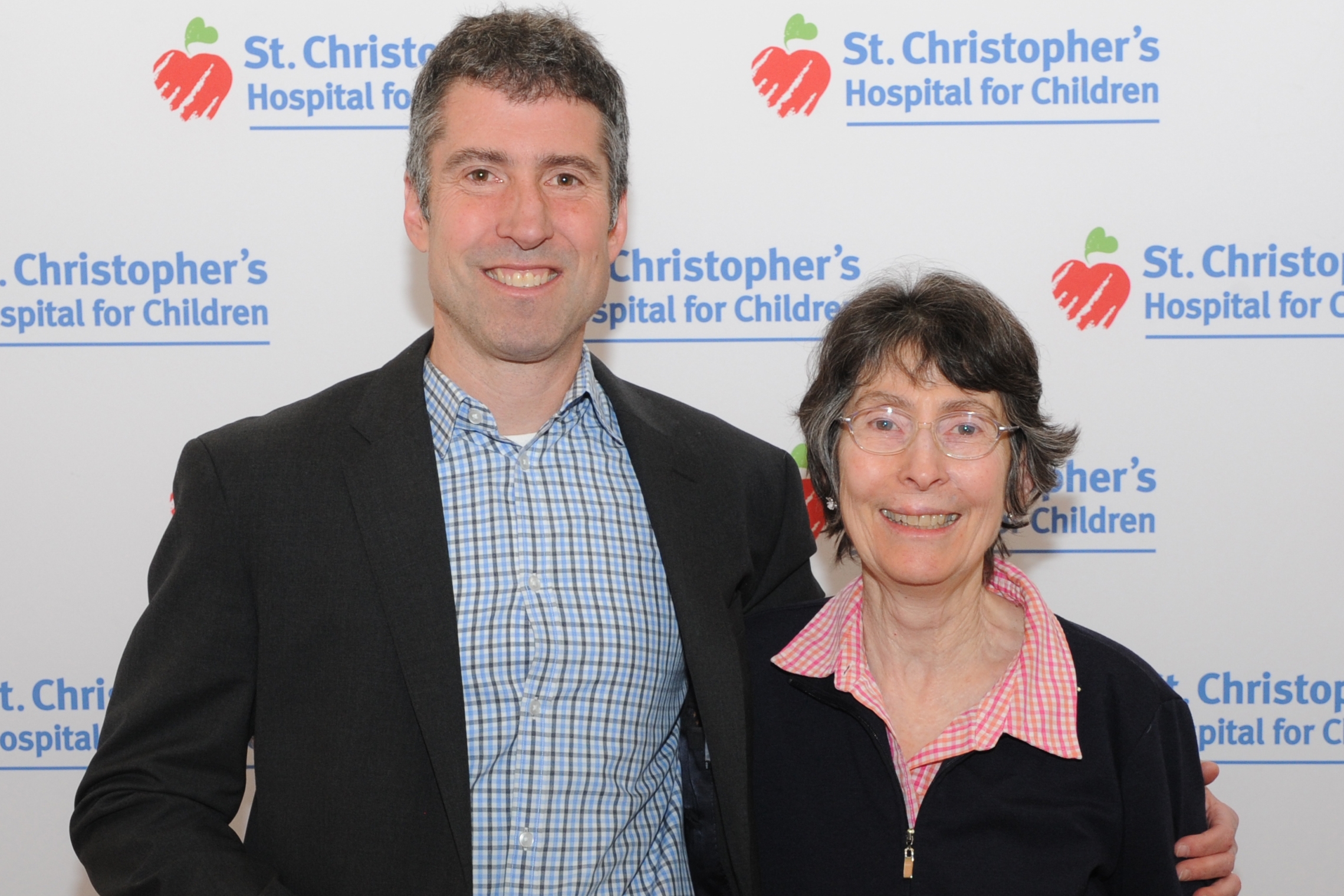
    Mrs. Taylor stands with her son Dan in 2017.Handout

    A celebration of her life is to be held at 2 p.m. Sunday, Sept. 20, at Germantown Monthly Meeting, 47 W. Coulter St., Philadelphia, Pa. 19144.

    Donations in her name may be made to the New Sanctuary Movement of Philadelphia, Box 46242, Philadelphia, Pa. 19160; and Face to Face, 123 E. Price St., Philadelphia, Pa. 19144.

    Mrs. Taylor was featured in The Inquirer in 1999.Newspapers.com
  • Bennett L. Aaron, longtime attorney and honorary trustee of the Jewish Federation of Greater Philadelphia, has died at 92

    Bennett L. Aaron, longtime attorney and honorary trustee of the Jewish Federation of Greater Philadelphia, has died at 92

    Bennett L. Aaron, 92, of Bryn Mawr, longtime Philadelphia attorney, honorary trustee of the Jewish Federation of Greater Philadelphia, former president of the Federation of Jewish Agencies of Greater Philadelphia, board member for the Jewish Agency for Israel, onetime chair of the United Israel Appeal, mentor, volunteer, and world traveler, died Monday, June 1, of age-associated decline at Beaumont at Bryn Mawr retirement community.

    Born in Brooklyn, Mr. Aaron earned his law degree at Columbia Law School in New York in 1957, moved to Philadelphia, and spent the next six decades, until his semi-retirement in 2019, focusing on estate planning, gift taxation, probate, and trust law at Cohen, Shapiro, Polisher, Shiekman & Cohen and, later, Pepper Hamilton law firms.

    His clients included principals at Pocono Raceway and the Rite Aid Corp., and colleagues praised his ability to engage through both professional and personal connections. “He understood that estate planning was not merely about documents and tax strategy,” his family said in a tribute, “but about values, legacy, and protecting treasured family succession plans.”

    His son Steve said: “He was a superior listener and problem solver. That was his superpower.”

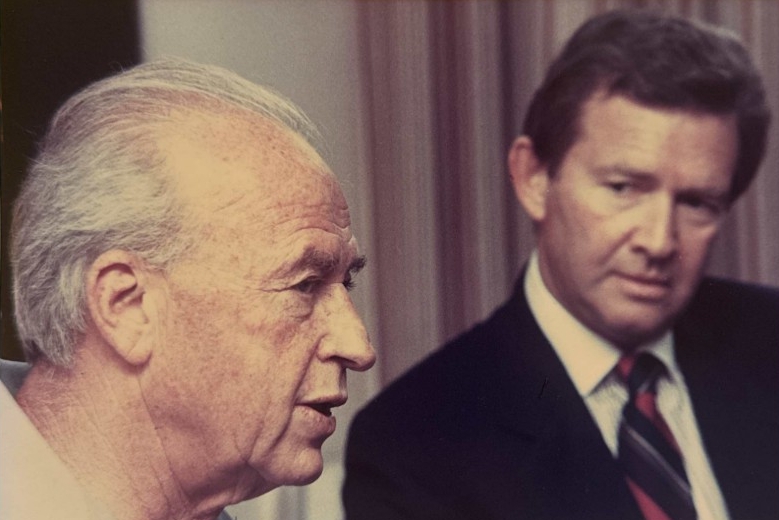
    Mr. Aaron (right) listens to Yitzhak Rabin, former primer minister of Israel.Courtesy of the family

    Mr. Aaron was friendly and energetic, his family said, and he excelled at collaborating through phone conversations and face-to-face encounters. He rarely micromanaged big contracts, colleagues said, but was available if something extra was needed.

    He mentored young lawyers and talked frequently with former Gov. Ed Rendell, former Sens. Arlen Specter and Bob Casey, and other government officials. Colleagues called him “a tremendous community leader and visionary” and “the smartest, warmest, most terrific guy” in online tributes.

    One colleague said: “It was easy to see the positive impact he had on those around him.”

    The son of a New York rabbi, Mr. Aaron was a prolific fundraiser and the local public face of Jewish philanthropy for decades. He served as president of the Federation of Jewish Agencies of Greater Philadelphia from 1983 to 1987, as chair of the United Israel Appeal for the United Jewish Appeal, as chief volunteer officer for the Jewish Federations of North America, and in other roles.

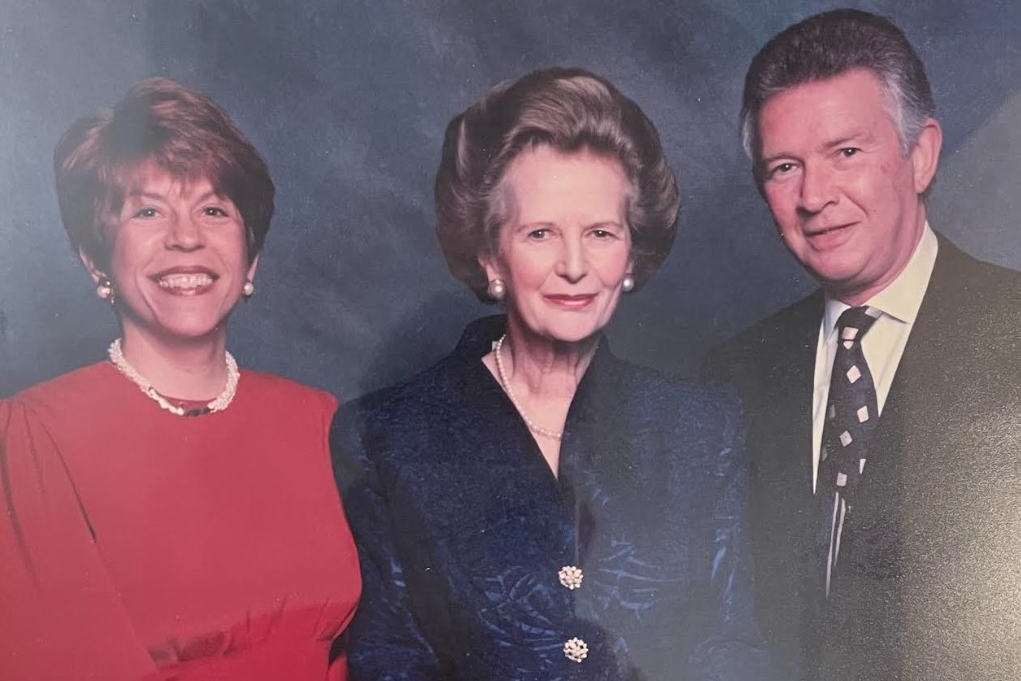
    Mr. Aaron and his wife, Carol (left), met Margaret Thatcher, former prime minister of the United Kingdom, on their travels.Courtesy of the family

    He was adept at balancing assets and liabilities for the nonprofit agencies. He oversaw record-breaking fundraising campaigns in Philadelphia and helped other leaders determine the direction of international Jewish philanthropy.

    His 10-hour fundraising phone-athon at the Civic Center in 1986 drew more than 2,400 volunteer callers and raised a then-record $2.4 million in pledges to the United Jewish Appeal. “We have no trouble getting more than enough volunteers for this,” Mr. Aaron told The Inquirer. “People look forward to coming here all year. There’s camaraderie and plenty of fun.”

    Colleagues at the Jewish Agency for Israel called him “an inspiration to many” and “a true mensch whose character, integrity, and warmth will be greatly missed.”

    Mr. Aaron traveled to Israel often and met with former Prime Minister Yitzhak Rabin, former U.K. Prime Minister Margaret Thatcher, and other leaders. “He worked tirelessly to foster understanding and solidarity between his Philadelphia community and Israel,” his family said. “He leaves behind a legacy of integrity, service, and enduring impact on the city he came to cherish and the causes that defined his life.”

    Mr. Aaron and his wife, Carol, married in 1955.Courtesy of the family

    Bennett Louis Aaron was born Oct. 2, 1933. He and his older brother, Joseph, shared a tiny bedroom, played stickball after school, and cheered for the old Brooklyn Dodgers baseball team.

    He graduated from high school at 16 and earned a bachelor’s degree at Columbia University in 1954 and a master’s degree in taxation at New York University School of Law in 1966.

    He met Carol Perlmann in 1953 at the Pennsylvania summer camp his parents owned, and they married in 1955. They lived in Merion and Bala Cynwyd before moving to Beaumont, and reared daughters Marjorie and Roberta, and sons Morrie and Steve. His daughter Roberta died in 2003.

    Mr. Aaron was an avid tennis player. He had season tickets to Eagles games and traveled with his wife to four Olympic Games.

    Mr. Aaron (right) was close with his sons Morrie (left) and Steve.Courtesy of the family

    He cherished his family, everyone said, and he and his wife toured the world together. He was dapper and debonair. He liked to explore downtown city streets between meetings and answer the phone with “Hello there.”

    “He set the standard for hard work and integrity,” his son Morrie said, “always coupled with kindness, compassion, and generosity.”

    “He was the definition of a gentle man,” his son Steve said. His family said: “His was a life lived fully, purposefully, and with a really, really big heart.”

    In addition to his wife, children, and brother, Mr. Aaron is survived by eight grandchildren and other relatives.

    Mr. Aaron “was the definition of a gentle man,” his son Steve said.Courtesy of the family

    Services were held earlier.

    Donations in his name may be made to Penn State Hillel, 180 S. Garner St., State College, Pa. 16801; and the Jewish Federation of Greater Philadelphia, 2 Commerce Square, 2001 Market St., Suite 2300, Philadelphia, Pa. 19103.