Author: Gary Miles

  • Joan M. Satterthwaite, talented tailor and seamstress, and longtime office administrator, has died at 92

    Joan M. Satterthwaite, talented tailor and seamstress, and longtime office administrator, has died at 92

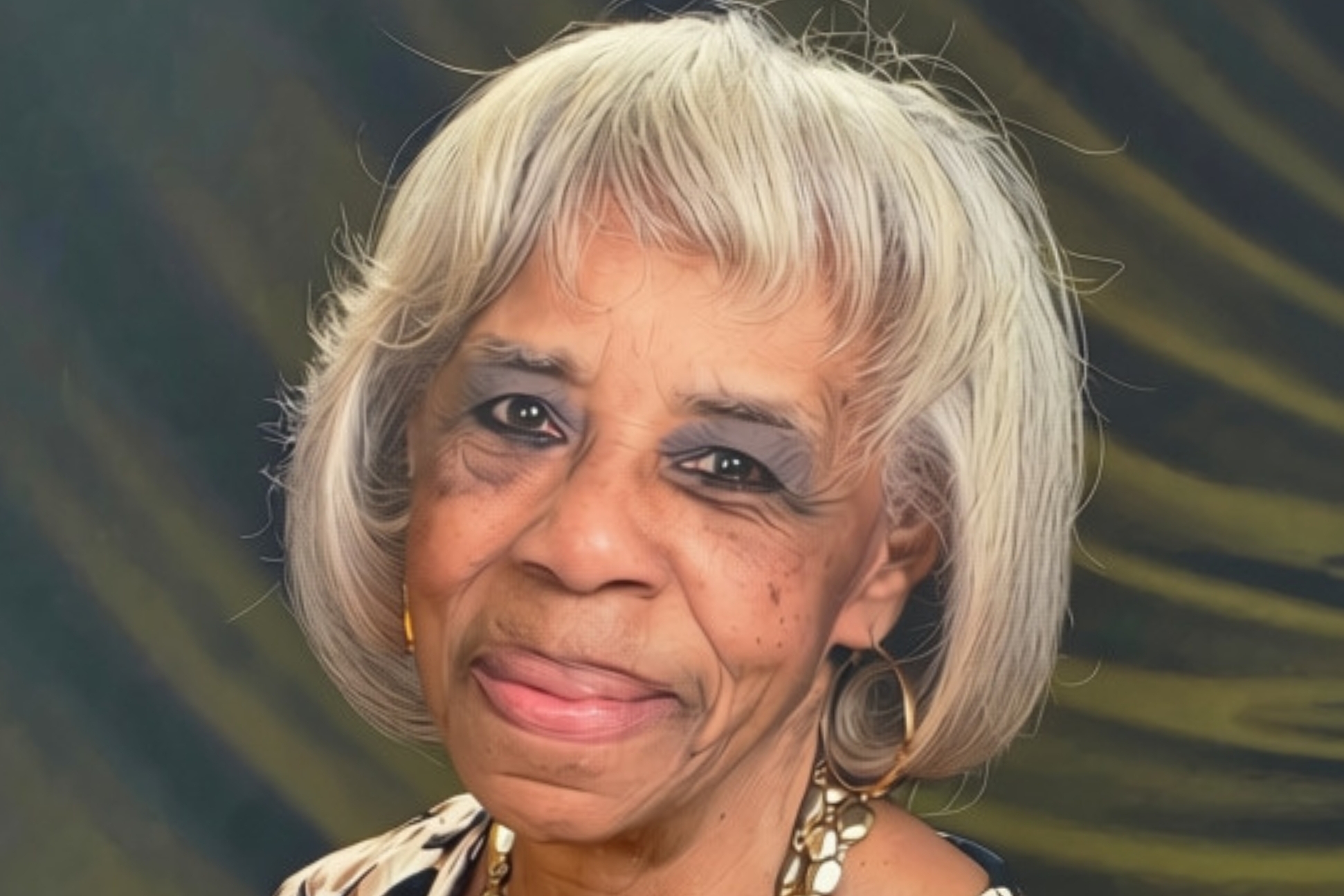
    Joan M. Satterthwaite, 92, of Philadelphia, talented tailor and seamstress, longtime office administrator for the Mayor’s Commission on Aging, volunteer, and community caretaker, died Tuesday, Aug. 4, of sepsis at Jefferson Washington Township Hospital in Gloucester County.

    Adept at designing, constructing, fitting, and altering garments of all kinds, Ms. Satterthwaite worked at the Botany 500 factory at Broad Street and Lehigh Avenue, and for other clothing manufacturers in Philadelphia, for more than 20 years. She could do every job on the intricate clothing assembly line, her son Kevin said, and she did them fast and well.

    She joined the International Ladies’ Garment Workers’ Union in the 1950s and supplemented her weekday work by producing gowns, dresses, suits, and other clothing for family, friends, church choirs, wedding parties, and local businesses.

    She made Halloween costumes for her two sons when they were young and tailored suits when they were older. She designed a wedding dress for her daughter-in-law.

    She could duplicate many patterns by looking at them just once. Over the years, she collected eight sewing machines. “Her craftsmanship and attention to detail earned her the admiration and loyalty of countless clients,” her family said in a tribute.

    Her son Kevin said: “We would call her an entrepreneur today.”

    In the mid-1980s, Ms. Satterthwaite left garments and became certified in office administration and computer technology at the old Philadelphia School of Office Technologies. For a decade, she worked for the Joseph Shein Law Firm.

    She tried to retire in the mid-1990s. But she impressed officials at the Mayor’s Commission on Aging so much as a client that they recruited her as a receptionist and administrative assistant. She left that job in 2018, at 85.
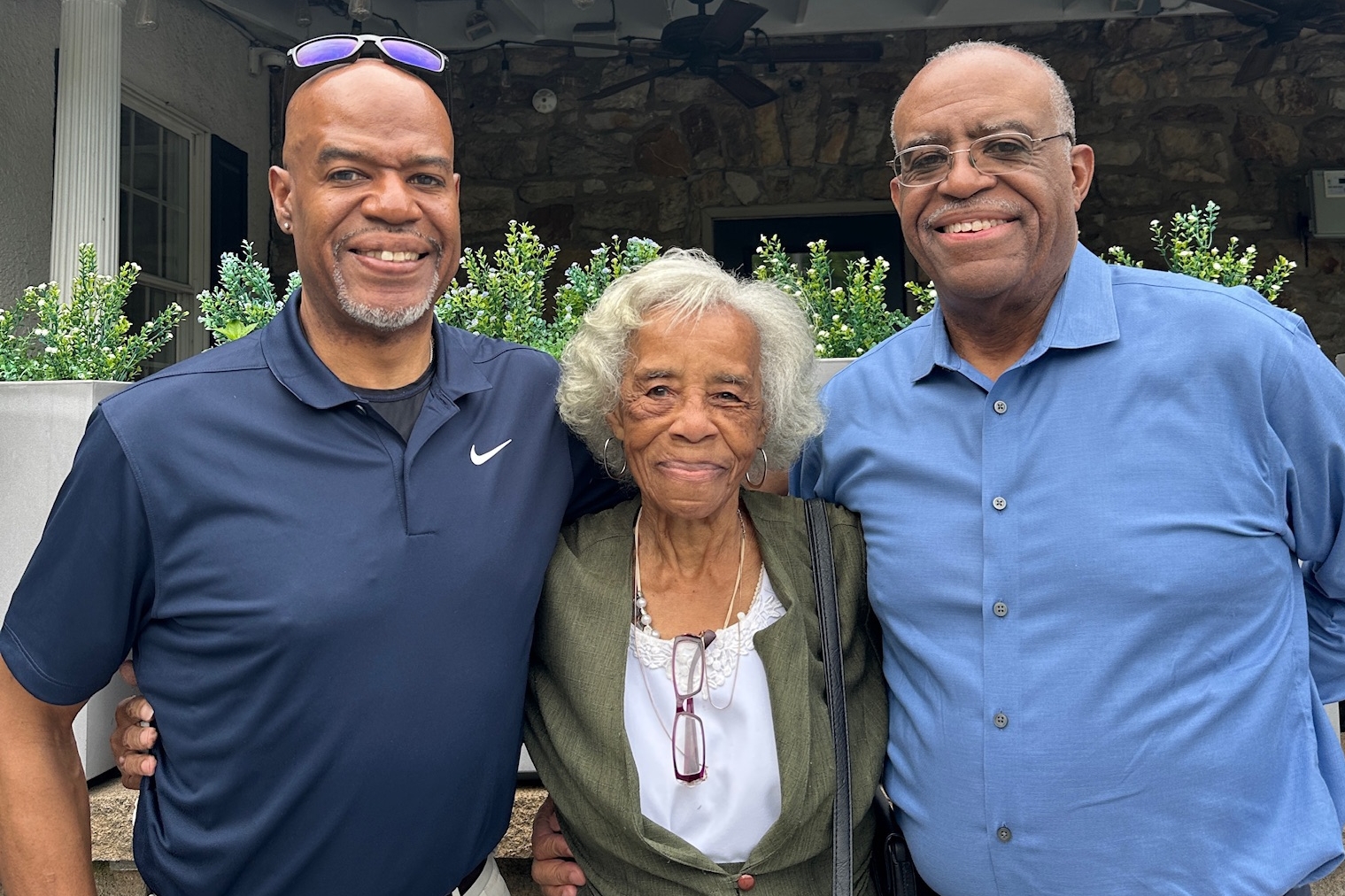
    Ms. Satterthwaite reared her sons in Philadelphia. Courtesy of the family

    After that, she volunteered with veterans groups, was active in the community, and opened her home to anyone in need. “If someone asked for help,” her son Kevin said, “she was there.”

    Her family said: “Joan’s life was a testament to perseverance, faith, compassion, and determination. Her kindness, generosity, and genuine concern for others became hallmarks of a life well lived.”

    A friend said online: “Ms. Joan was the nicest person ever. … Her kind spirit reminded me of my grandmother.”

    Joan Marie Watts was born Dec. 28, 1933, in North Philadelphia. Her mother died when she was 2, and she was reared by her grandfather and his wife.
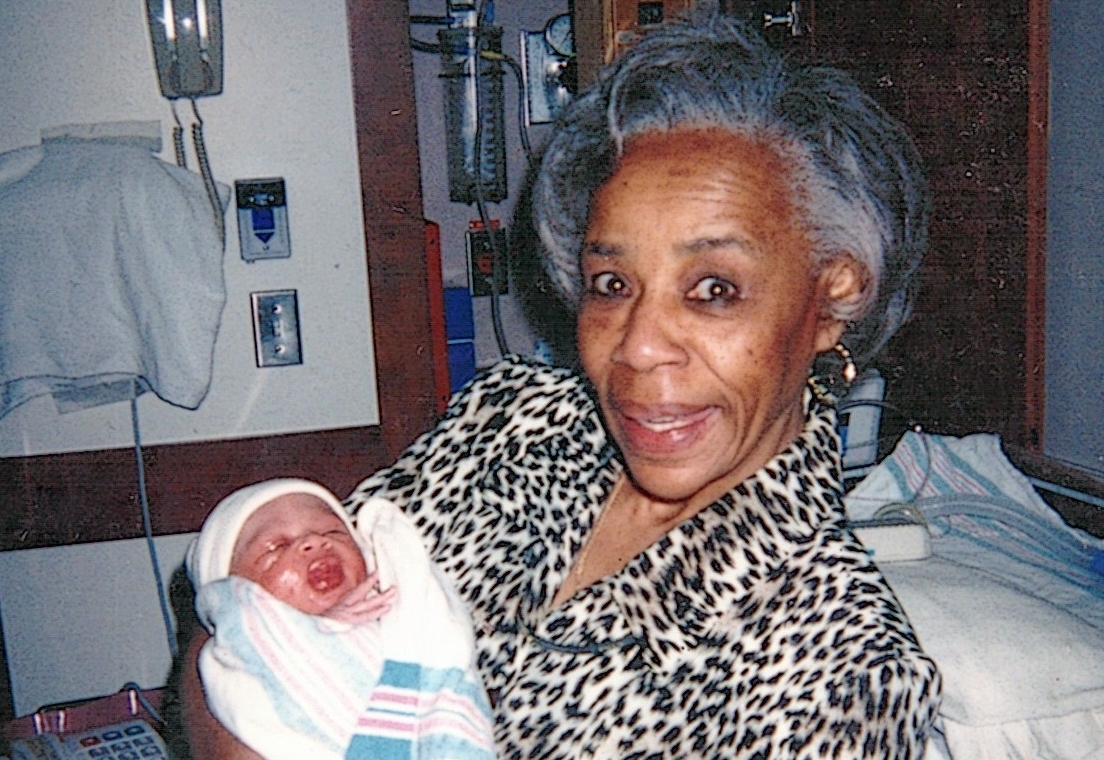
    Ms. Satterthwaite doted on her grandchildren.Courtesy of the family

    She studied tailoring and sewing at William Penn High School and graduated in 1952. She married Charles Satterthwaite in 1953, and they had sons Kevin and Eric. Her husband died earlier.

    Ms. Satterthwaite was a member of Triumph Baptist Church for more than 35 years, and she went to breakfast with others often after Sunday service. She had breakfast with her sons on Saturdays, bowled every week for 30 years, hosted memorable family gatherings on holidays, and pored over puzzle books when she was older to stay sharp.

    Her family noted her “warm heart, generous spirit, and love of people” in a tribute and said: “Her kindness, patience, and genuine concern for others left a lasting impression on all who knew her.”

    She doted on her family and told them often that education was a key to success. She lived in Nicetown and Logan, and most recently in Washington Township.
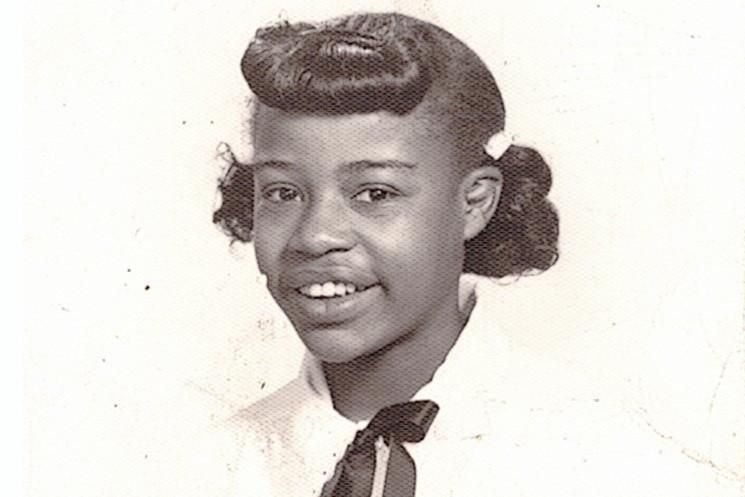
    Ms. Satterthwaite graduated from William Penn High School. Courtesy of the family

    Her son Eric praised her “unwavering belief that nothing in life was more important than family.” Her son Kevin said: “She was welcoming and warm. She liked being around people. Her life force kept her going.”

    In addition to her sons, Ms. Satterthwaite is survived by four grandchildren, two sisters, a brother, and other relatives. Two brothers died earlier.

    Services were held earlier.

    Donations in her name may be made to Triumph Baptist Church, 1648 W. Hunting Park Ave., Philadelphia, Pa. 19140.
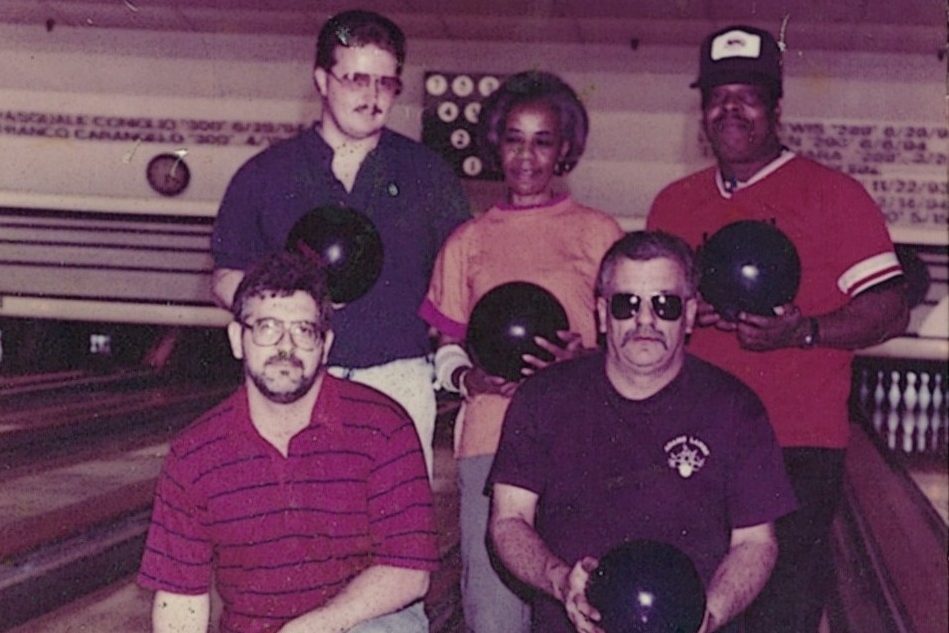
    Ms. Satterthwaite bowled every week for decades. Courtesy of the family
  • Ron Avery, retired Daily News reporter and Philadelphia historian, has died at 85

    Ron Avery, retired Daily News reporter and Philadelphia historian, has died at 85

    Ron Avery, 85, of Philadelphia, retired eclectic reporter and columnist for the Daily News, Philadelphia historian, volunteer city tour guide, author, high school history teacher, veteran, and canoe enthusiast, died Sunday, Aug. 2, of complications from amyotrophic lateral sclerosis at his home in East Falls.

    Reared in Fairmount, Mr. Avery graduated from Thomas Edison High School and earned a bachelor’s degree in history at Pennsylvania State University. He was assigned to the ship newspaper in the Navy after college, found a creative niche in journalism, and went on to work for more than 30 years at the Associated Press, the Bucks County Courier Times, the Courier-Post in South Jersey, and the Daily News.

    He wrote for the Daily News as a correspondent in 1981, joined the staff in 1982, and, until his retirement in 2000, wrote thousands of stories about crime, casinos, war orphans, historic houses, the MOVE bombing, local notables, and other subjects. His columns, “Poor Ronald’s Almanac” and “One of Us,” hammered away at local issues and featured everyday people doing exceptional things.

    “He covered every nook and cranny of the city,” said his son Serge. “That burning curiosity sustained him till his last days.”

    He wrote three books about Philadelphia, including A Concise History of Philadelphia in 1999. He produced a series of video guides he called the Urban Explorer for local TV in 2004 and posted blogs about the city from 2017 to 2019 on a website called Philadelphia Cracks Me Up.

    “Like all cities,” he said in a 1995 Daily News column, “Philadelphia is honeycombed with hidden spaces and forgotten places.” In a 1997 review of his book, City of Brotherly Mayhem: Philadelphia Crimes and Criminals, The Inquirer’s Thomas Brady said: “The book … is decidedly a fun read.”

    Alex Strang, his director on the Urban Explorer videos, called Mr. Avery an “unforgettable legend” and “a walking encyclopedia of the city’s history and eccentricities” in a Facebook tribute. Other former colleagues said he was “a clever journalist” and “a true Philadelphian.”

    Longtime Daily News colleague Robin Palley said on Facebook: “He had an amazing knack of finding quirky people with fascinating skills or habits and making them come to life on our pages.”

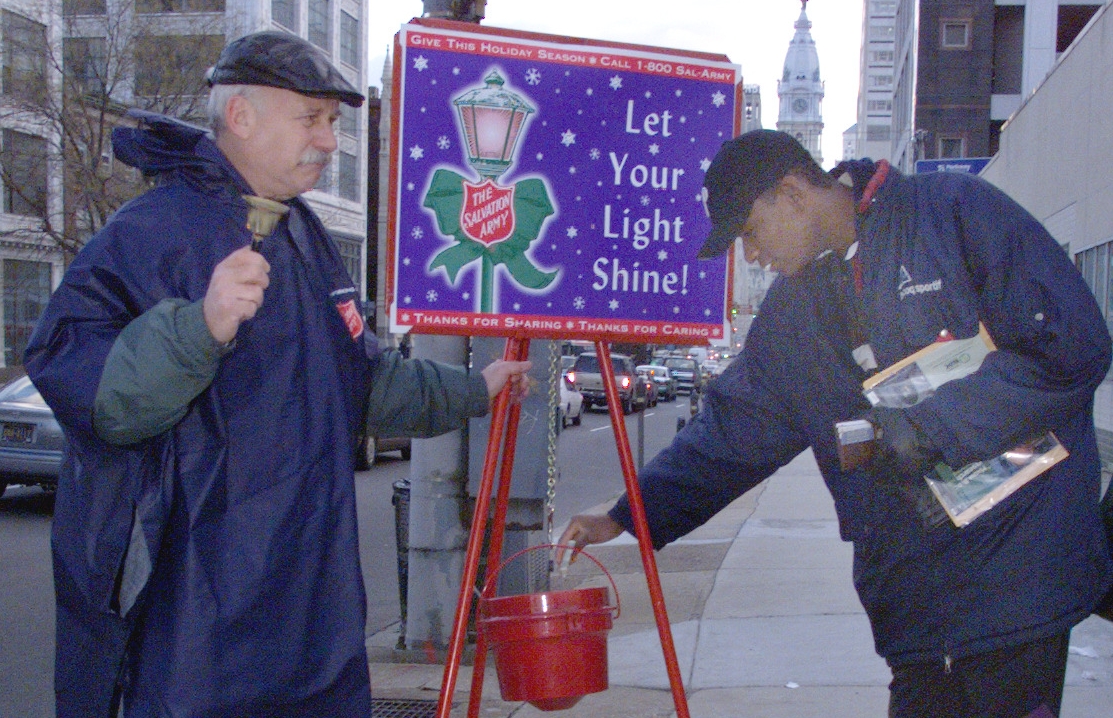
    Mr. Avery (left) mans a Salvation Army donation kettle in 1999.Steven M. Falk / Staff Photographer

    Before the Daily News, Mr. Avery wrote news and feature stories for the Courier-Post in the 1970s, and the Courier Times and the AP in the 1960s. He moved to Israel for six months in 1972 but returned to work for the Courier-Post in 1973.

    He also wrote freelance pieces for the Hidden City Daily, PhillyHistory.org, UShistory.org, and op-eds later for The Inquirer and Daily News. He served in the Navy from 1964 to 1966, joined the Philadelphia Canoe Club later, and led water trips in the New Jersey Pine Barrens and elsewhere.

    Knowledgeable, energetic, and naturally affable, he was a tireless promoter and volunteer guide in Philadelphia. He led walking tours throughout the city for students, civic groups, and other organizations, and his explanatory video tours featured cobblestone alleys, urban gardens, museums, statues, and other features of city life.

    He was a stickler for details and historical accuracy, and he helped spur City Council to pass an ordinance in 2008 to educate and certify paid Center City tour guides. “They score high as Philadelphia ambassadors of good will,” he said in a 1995 column about uneducated guides, “but as historians they often flunk out.”

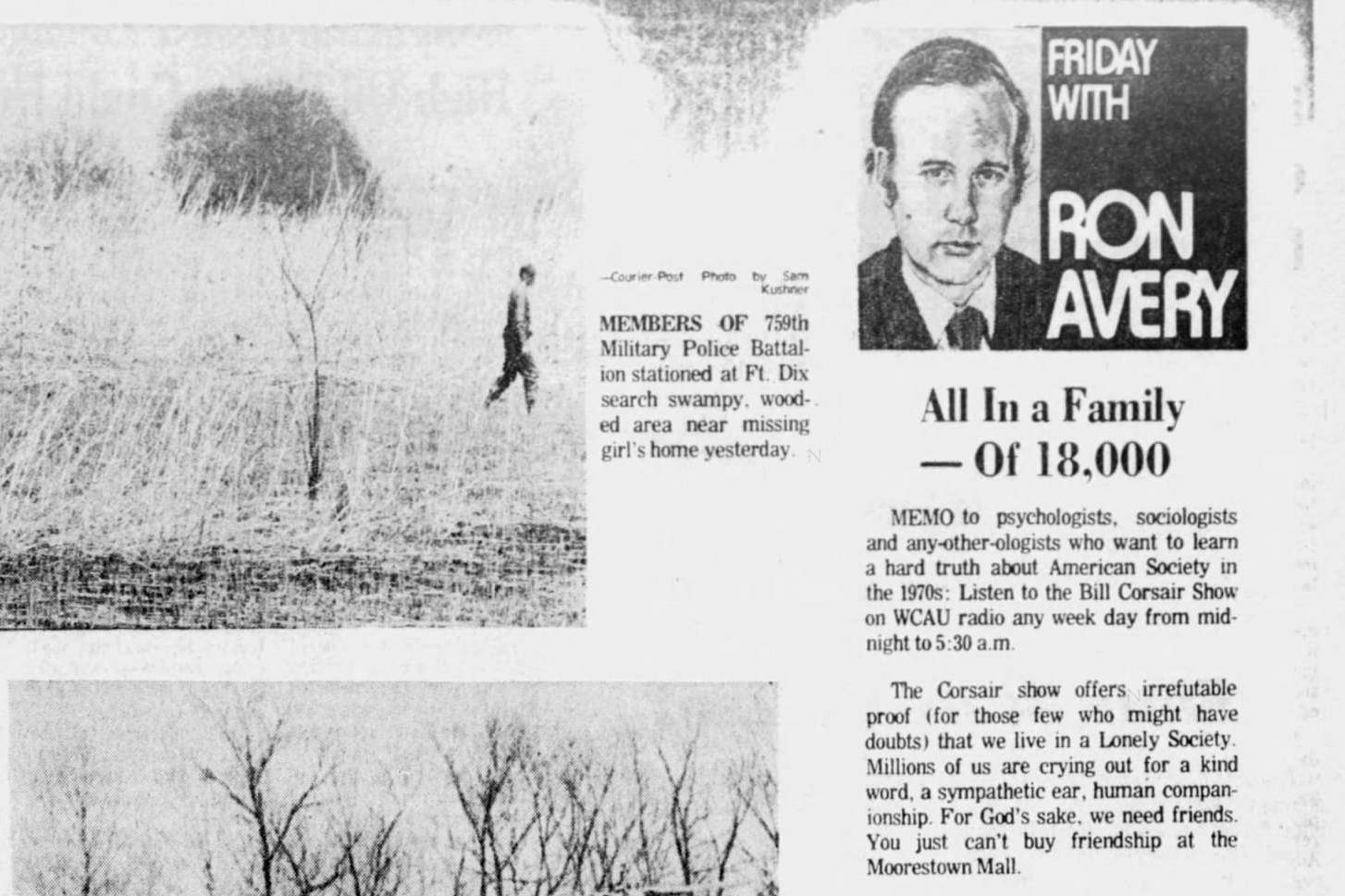
    Mr. Avery wrote a column for the Courier-Post in 1974.Newspapers.com

    Ronald Avery was born June 10, 1941, in Strawberry Mansion. He joined the Boy Scouts, earned his bachelor’s degree at Penn State in 1963, and taught history at Bensalem High School for a year.

    He was a boxer in college and, mesmerized by the sport, later worked as a referee for amateur matches.

    He met Suzet Habif in Israel in 1967, and they married in 1968. They had sons Serge and Ben, and lived for years in a rowhouse in Oxford Circle.

    Mr. Avery cared for his wife during her long illness in the 1980s and ’90s. She died in 1993.

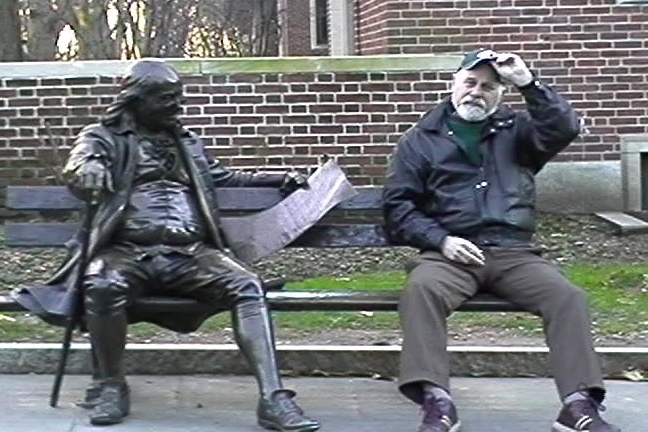
    Mr. Avery liked to hang out with Benjamin Franklin and other historic figures. Alex Strang

    He lived later in Pennsport and East Falls, was diagnosed with ALS in 2015, and proudly outlived its average life expectancy of 18 months by nearly a decade. “He defied that diagnosis and did not let it define him,” his son Serge said. “He always said he had a lot to live for.”

    Mr. Avery was an avid reader and street photographer. He liked poetry, wrote limericks on birthday cards, and posted hundreds of his photos on flickr.com. One of his photos won a contest and was displayed at the airport.

    He enjoyed jazz and jokes, led the prayers at family gatherings, and gave Yiddish quizzes to his two grandsons. He shared favorite recipes with Daily News colleagues and whipped up memorable homemade soups, especially white bean.

    “I’ll greatly miss his endless anecdotes about all things Philadelphia,” said his daughter-in-law, Rebecca Houlding, “the stories about the local criminals, and his love of his family and friends.”

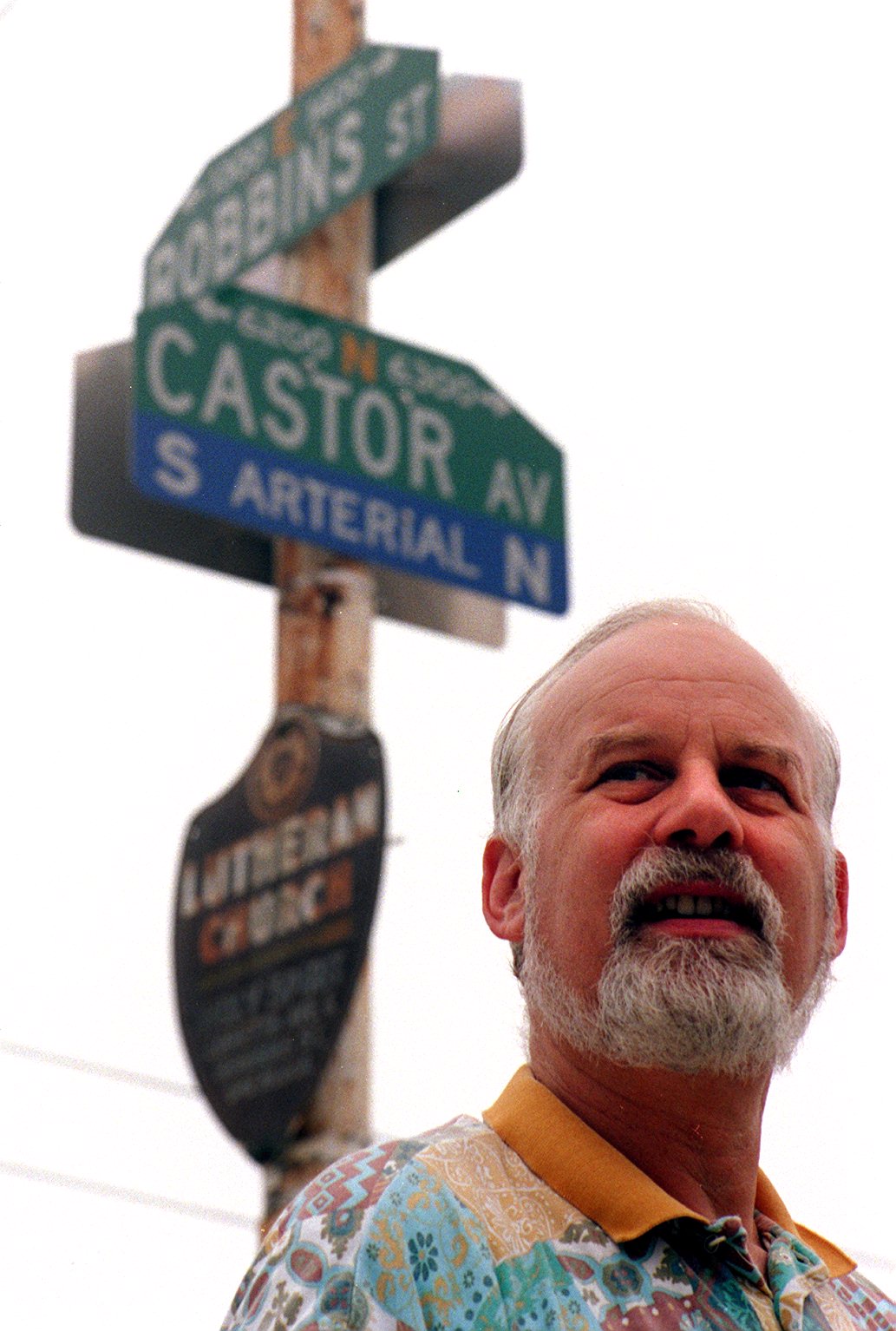
    Mr. Avery wrote about his life in Northeast Philadelphia for the Daily News in 1997.Alejandro A. Alvarez / Staff Photographer

    His son Serge said: “He loved chasing the stories from the back alleys and driveways, highlighting the working people of our town.”

    In addition to his sons, daughter-in-law, and grandsons, Mr. Avery is survived by other relatives. A sister died earlier.

    Services were held earlier.

    Donations in his name may be made to Paralyzed Veterans of America, Box 758589, Topeka, Kan. 66675; and the Hebrew Immigrant Aid Society, Box 8688, Philadelphia, Pa. 19101.

    Mr. Avery “loved chasing the stories from the back alleys and driveways, highlighting the working people of our town,” his son Serge said.Alex Strang
  • Thora Jacobson, award-winning former chief executive officer at the Fleisher Art Memorial, has died at 77

    Thora Jacobson, award-winning former chief executive officer at the Fleisher Art Memorial, has died at 77

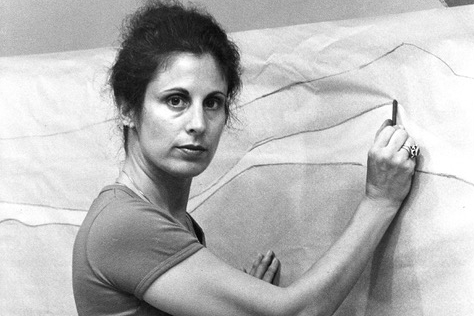
    Thora Jacobson, 77, of Philadelphia, award-winning former chief executive officer at the Fleisher Art Memorial, former executive director at the Philadelphia Art Alliance, former director of design review for Mural Arts Philadelphia, former chief operating officer for Philagrafika, former chair of the Philadelphia Art Commission, onetime adjunct instructor at Drexel University, independent curator, artist, mentor, Mummers Parade judge, and much more, died suddenly Sunday, Aug. 2, at her home. The exact cause of her death has not been determined.

    Born and reared in Ridley Park, Delaware County, Ms. Jacobson became interested in art education, administration, and conservation at Trinity Washington College in Washington in the 1960s. She settled in South Philadelphia after college in the 1970s and spent the next 50 years organizing, promoting, and inspiring local artists and art organizations.

    “Philadelphia richly deserves to be known as a place that honors its own,” she told The Inquirer in 2006.

    She joined Fleisher in 1972, rose to CEO in 1983, and left in 2006 to work over the next two decades at Philagrafika, Mural Arts Philadelphia, the Philadelphia Art Alliance, and elsewhere. During her 34 years at Fleisher, she developed its Center for Works on Paper, the Community Partnerships in the Arts program, and the Challenge series juried competition.

    She also oversaw three capital campaigns and told The Inquirer that her priority was “seeing connections and possibilities between and among artists, institutions, and their constituencies.” A colleague said on Facebook: “To many of us she was Fleisher.”

    She prepared Philagrafika to host the city’s first international festival of printmaking in 2010, consulted with artists on major projects at Mural Arts, and organized popular national juried exhibitions at the Art Alliance. “Her love and commitment to the arts knew no bounds,” Jane Golden, executive director of Mural Arts Philadelphia, said in a tribute. “Thora’s imprint was profound.”

    John Ittmann, former curator at the Philadelphia Museum of Art, told The Inquirer in 2006: “Thora is a real firecracker. She has a wonderful type of energy that is really infectious.”

    Ms. Jacobson was also chair of the Philadelphia Art Commission for a decade, interim director of operations for the Asian Arts Initiative, vice president of the Philadelphia Volunteer Lawyers for the Arts, trustee of the National Guild of Community Arts Education, member of the American Swedish Historical Museum, and, most recently, a visual arts management consultant.

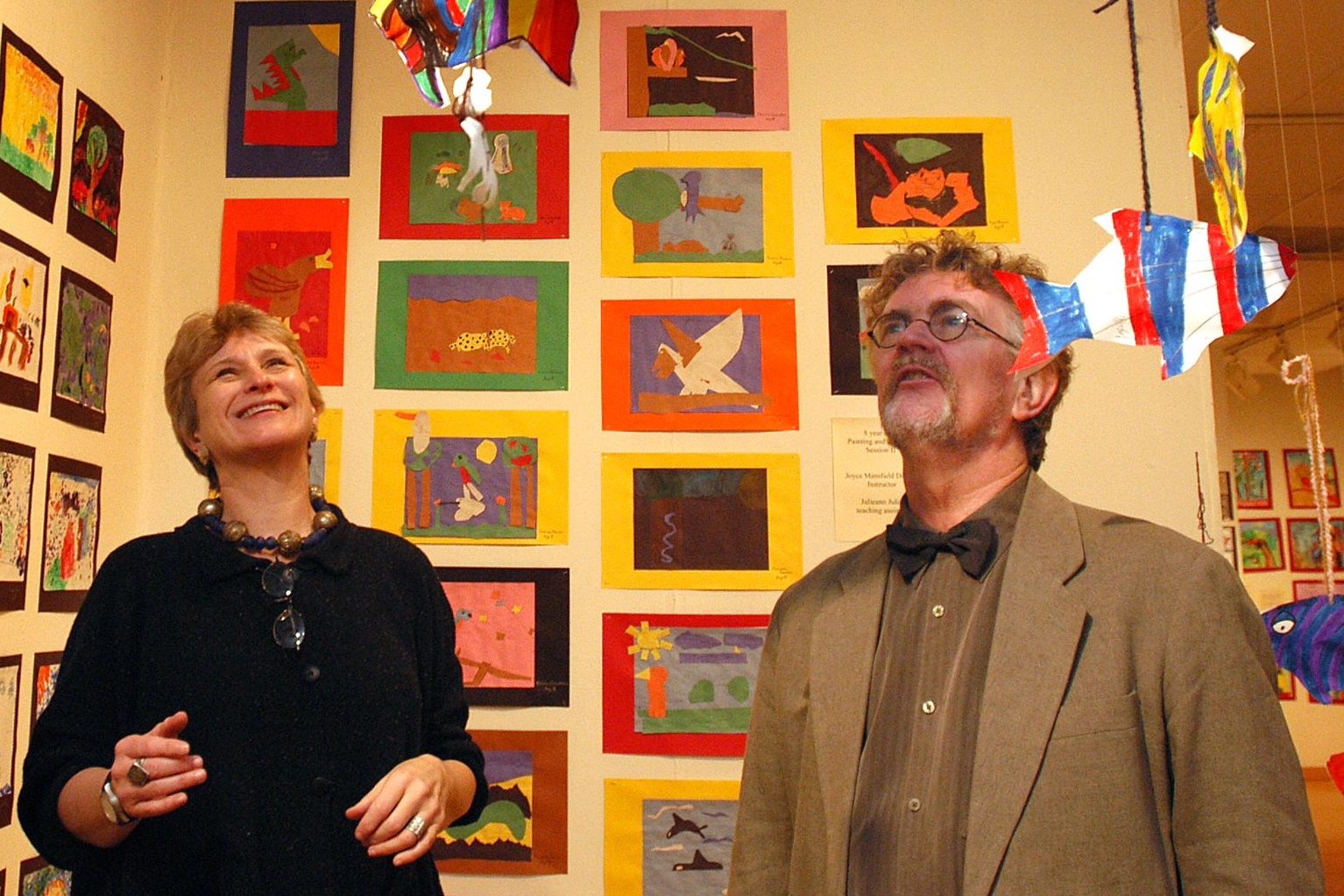
    Ms. Jacobson and fellow curator Warren Angle admire an exhibition at the Fleisher Art Memorial in 2002. April Saul / Staff Photographer

    “Thora was kind and clear,” colleagues at Social Impact Studios said on Facebook, “but firm as she pushed us to keep tweaking things until they were as strong as they could be.”

    She was an adjunct instructor at Drexel University from 2010 to 2014 and led research projects at Drexel and the University of Pennsylvania on social impacts of art in Philadelphia neighborhoods. Her first job out of college was coordinator of the student center at the Art Museum.

    She curated and juried shows, and wrote forwards and essays for art books and catalogs. She drew in her spare time and judged the Mummers Parade for years.

    She was featured in The Inquirer and Daily News, and appeared in the 1992 TV art documentary Monuments in Love. In 2006, she earned the Visionary Woman Award from Moore College of Art and Design, and was honored for lifetime achievement by Tri-State Artists Equity.

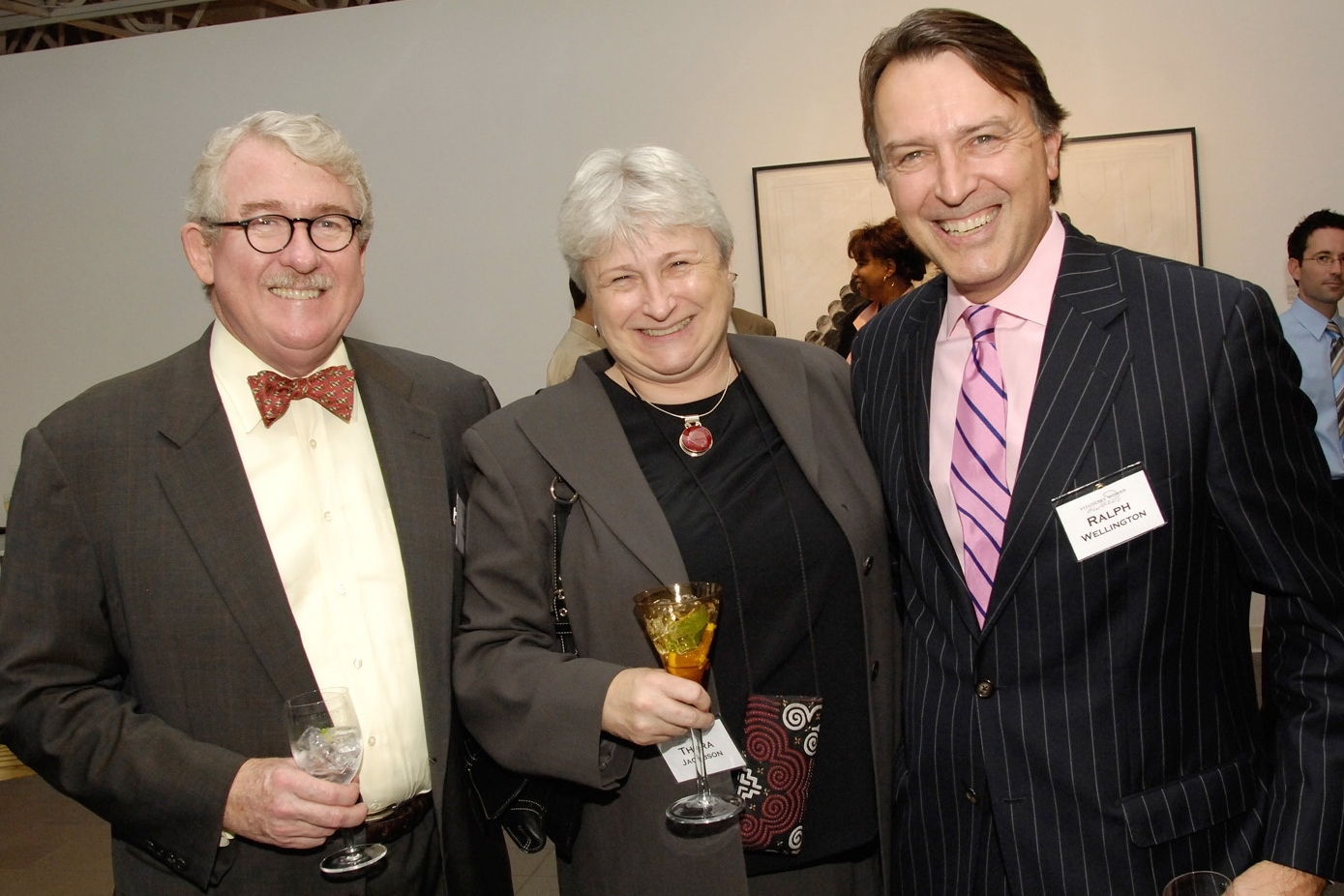
    Ms. Jacobson, standing between Jim Straw, to the left, and Ralph Wellington to her right, earned the Visionary Woman Award from Moore College of Art & Design in 2006.Gary Horn Photography

    “She’s really respected throughout the arts community in Philadelphia,” Happy Fernandez, then president of Moore, said in 2006. Anne d’Harnoncourt, then director of the Art Museum, said Ms. Jacobson’s “impact has been enormous.”

    William Valerio, director and CEO of the Woodmere museum, said: “Thora was a towering figure in the arts of Philadelphia, a builder of institutions whose accomplishments are lasting.”

    Thora Elizabeth Jacobson was born Feb. 19, 1949, in Ridley Park. She was the youngest of three children; her father died when she was 3. She played field hockey in high school, was fascinated by words and language, and graduated from the old Holy Child Academy in Sharon Hill.

    She met her husband, Antonio Sorgini, when he was taking classes at Fleisher, and they married in 1980 and had a son, Antongiulio. Her husband died in May.

    Ms. Jacobson, her husband, Antonio Sorgini, and their son, Antongiulio, lived in South Philadelphia.Courtesy of the family

    Ms. Jacobson was a talented seamstress and baker. She did humorous impersonations, collected art, and enjoyed working with young people.

    Friends noted her “many kindnesses” and “decades-long advocacy for artists and the cultural community” in online tributes. Woodmere’s Valerio said: “She was both a strong voice and a warm friend to many.”

    Her son said: “She had a sharp wit and relished cheerful banter among friends and colleagues. Above all, she took the work of mentorship very seriously.”

    In addition to her son, Ms. Jacobson is survived by a sister and other relatives. A brother died earlier.

    Friends noted Ms. Jacobson’s “many kindnesses” and “decades-long advocacy for artists and the cultural community.”Courtesy of the family

    A celebration of her life is to be held later.

    Donations in her name may be made to the Fleisher Art Memorial, 719 Catharine St., Philadelphia, Pa. 19147; and Mural Arts Philadelphia, 1727-29 Mount Vernon St., Philadelphia, Pa. 19130.

    Ms. Jacobson was a talented seamstress and baker.
    Mark Garvin, / Philadelphia Museum of Art
  • Albert James Mamary, attending physician and professor of thoracic medicine and surgery at Temple, has died at 59

    Albert James Mamary, attending physician and professor of thoracic medicine and surgery at Temple, has died at 59

    Albert James Mamary, 59, of Wynnewood, attending physician and professor of thoracic medicine and surgery at Temple University, researcher, writer, mentor, artist, outdoorsman, craftsman, and amateur bicycling champion, died Thursday, July 9, of cholangiocarcinoma at Temple University Hospital.

    A 1999 graduate of Temple’s Lewis Katz School of Medicine, Dr. Mamary spent his career at Temple and affiliated hospitals. He was an expert in pulmonary disease, transplants, and sleep disorders at the Temple Lung Center, and became program director of the Pulmonary and Critical Care Fellowship at Temple Hospital in 2006.

    He earned a master’s degree in anthropology at the College of William and Mary in Virginia and his premedical school credits at the University of Pennsylvania. In a tribute, his family said: “His education in both medicine and anthropology reflected a lifelong belief that caring for a patient required understanding not only the disease but the whole person.”

    Over more than three decades at Temple — as a student, resident, fellow, professor, and physician — Dr. Mamary treated thousands of patients, mentored hundreds of students and doctors, lectured in classrooms and at seminars, and wrote more than 60 scientific papers and textbook chapters. He was named a top doctor by Philadelphia Magazine several times and was featured in The Inquirer and on 6abc TV for his lead role in a successful double-lung transplant in 2015.

    “It’s been 120 to 145 patients, individual patients that we’ve been able to help every year,” Dr. Mamary told CBS News in 2024. “That’s really the aim here, is to add years of life to patients who otherwise wouldn’t have that opportunity.”

    Colleagues called Dr. Mamary a “physician’s physician” and noted his “amazing intelligence and clinical acumen” in tributes. Gerard J. Criner, chair of Temple’s Department of Thoracic Medicine and Surgery, said: “His patients loved him not only for his clinical skills but also for the warmth, compassion, and humanity he brought to every encounter.”

    A former patient said online: “He was a calm in the storm of my end stage disease. … The world has lost a hero.”

    A former student said: “His kindness, thorough and balanced approach to medicine, and quiet, thoughtful approach to even the most stressful emergencies reminded me of a Jedi master.”

    Dr. Mamary and his wife, CeilaSue, married in 1996.Courtesy of the family

    Away from the hospital, Dr. Mamary liked to bike, hike, and camp. He built his own 18-foot mahogany canoe, walked the entire 272-mile Long Trail in Vermont, and won masters bicycling championship races.

    He also painted and sculpted, and earned a bachelor’s degree in art and psychology at Haverford College. He and his wife, CeliaSue, initiated the Shortridge Memorial Park Arboretum in Wynnewood and earned a 2024 community service award from Narberth and Lower Merion officials.

    “James brought wisdom, kindness, curiosity, and genuine joy to every moment,” his wife said.

    Albert James Mamary was born June 12, 1967, in Hempstead, N.Y. He grew up in Binghamton, N.Y., became an Eagle Scout, and was a wilderness river guide for the Boy Scouts in Maine during his college years.

    Dr. Mamary was an avid bicyclist and won masters championship races. Courtesy of the family

    He met CeliaSue Jaffe in class at Haverford, and they married in 1996 and had daughters HannahRose and LilyRuth. They lived in East Falls and Wynnewood, and he rode his bike from home to Penn and then Temple as often as he could.

    Dr. Mamary enjoyed traveling, baking, cooking, and gardening. “His specialty is fruits and vegetables, and I grow the flowers,” his wife said.

    He followed the Phillies, rescued cats and dogs, and doted on his daughters. Everybody said he was funny and silly.

    “He was curious and always learning or doing something new,” his daughter LilyRuth said. “He took joy in simple things.” His daughter HannahRose said: “Even if he wasn’t my dad I would want him as a friend because he was so interesting and so easy to talk to.”

    Dr. Mamary was a wilderness river guide for the Boy Scouts in Maine during his college years.Courtesy of the family

    Dr. Mamary was diagnosed with cholangiocarcinoma, bile duct cancer, in 2020 and treated by longtime colleagues and friends at Temple, some of whom he had mentored. “It was a profound reflection of the life he lived,” his family said, “that so many of those he had taught ultimately became his caregivers.”

    His wife said: “He was a very vibrant and adventurous person but so thoughtful, steady, and reliable. James was incredible.”

    In addition to his wife and daughters, Dr. Mamary is survived by a sister and other relatives.

    Private services were held earlier.

    Donations in his name may be made to the Albert James Mamary Memorial Fund at the Cholangiocarcinoma Foundation, 5526 West 13400 South, No. 510, Herriman, Utah 84096.

    Dr. Mamary “was a very vibrant and adventurous person but so thoughtful, steady, and reliable,” his wife said. Courtesy of the family
  • Janet Klein, celebrated longtime historic preservationist and philanthropist, has died at 96

    Janet Klein, celebrated longtime historic preservationist and philanthropist, has died at 96

    Janet Klein, 96, of Rydal, Montgomery County, former member of the Philadelphia Historical Commission, historic program director for the Fairmount Park Commission, regional project coordinator for the National Trust for Historic Preservation, chair of the Pennsylvania Historical and Museum Commission, volunteer, and philanthropist, died Tuesday, Aug. 4, of age-associated decline at her home.

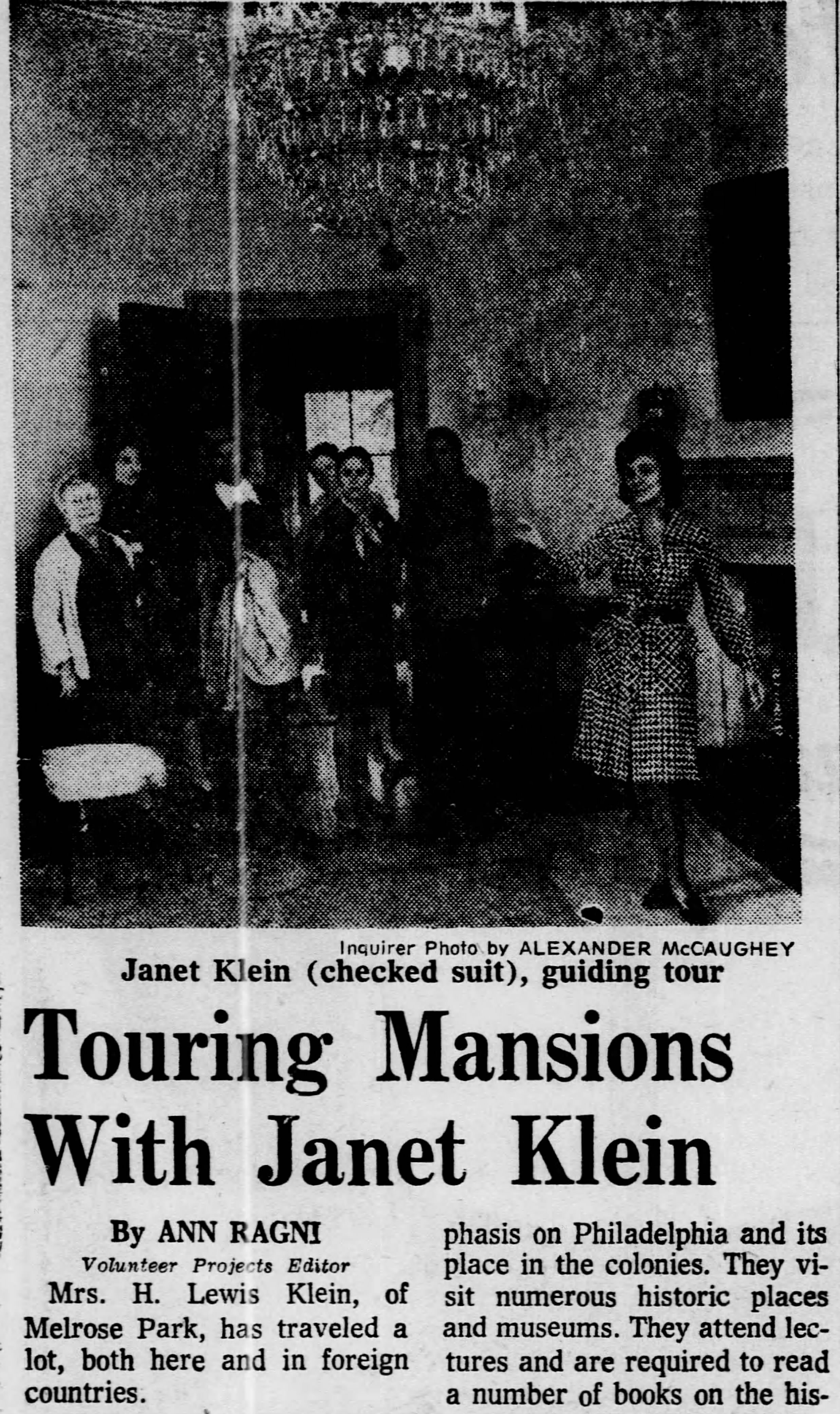
    Born in Philadelphia, Mrs. Klein earned degrees at Philadelphia High School for Girls and the University of Pennsylvania. She and her husband, Lewis, traveled the world after they married in 1952, and she told The Inquirer in 1973 that she became interested in local historic preservation after returning from abroad in 1964.

    “I felt something was lacking here,” she said. “There was no pride nor a thorough knowledge of what we really have in Philadelphia to share with visitors.”

    So she joined the Philadelphia Museum of Art’s tour guide program, rose to chair of guides for the Fairmount Park house tours, and conducted hundreds of tours for thousands of visitors to the eight historic houses in the park. “The guides,” she said in 1973, “can’t help but sense that somehow they have passed on to the visitors the continuing life of historic Philadelphia.”

    Eventually, Mrs. Klein became historic program director for the Fairmount Park Commission, was appointed to the Philadelphia Historical Commission by then-Mayor Wilson Goode in the 1980s, and served as chair of the Pennsylvania Historical and Museum Commission from 1997 to 2003. Friends called her “formidable” and compared her to the Energizer Bunny.

    Keen to spark public interest in historic sites, Mrs. Klein forged partnerships between site officials and schools, community groups, businesses, and the media. In 1997, she oversaw filmmakers as they shot scenes for the movie Beloved at the Landis Valley Museum in Manheim Township.

    She appeared often in The Inquirer and said in 1989: “We often find that people who live just around the corner from a house museum don’t know it existed.”

    At Fairmount Park, she redefined the commission’s operating procedures and enlisted students as volunteers at its public mansions. At the city historical commission, she led walking tours of Old City and helped determine the historic designation of the old Lit Bros. building, the Boyd Theatre, the Dilworth house, and other significant structures.

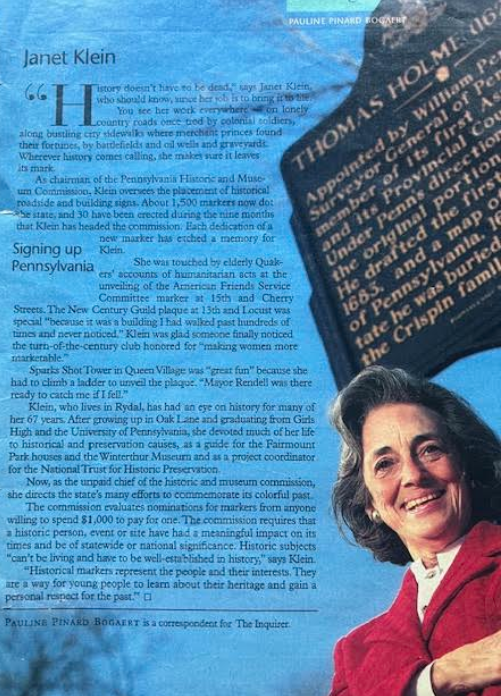
    This story and photo of Mrs. Klein (right) was published in The Inquirer in 1973.Newspapers.com

    With the state historical and museum commission, she erected historical markers across the state, helped designate the Art Museum as a Commonwealth Treasure in 2002, and directed the commission’s public relations, tourist promotions, and preservation efforts.

    “History doesn’t have to be dead,” she said in 1998. “Historical markers represent the people and their interests. They are a way for young people to learn about their heritage and gain a personal respect for the past.”

    She also led the Comprehensive Historic Assistance Program for the National Trust for Historic Preservation in the 1980s, helped create the Liberty Trail near Independence Hall, and directed the restoration of the first historic home in the Lukens National Historic District of Coatesville.

    She served on the board of visitors at Temple University’s Ambler campus and Klein College of Media and Communications, on the collections committee at the Union League, and as a guide at the Winterthur Museum in Delaware. She was active with the Pennsylvania Department of Conservation and Natural Resources, the Museum Council of Philadelphia, and other groups.

    This story and photo of Mrs. Klein appeared in The Inquirer in 1998.Temple University

    She was honored for her service by the Women’s Center of Montgomery County in 1999 and by the Preservation Alliance for Greater Philadelphia in 2001, and was named a Distinguished Daughter of Pennsylvania in 2000. In 2018, she earned an award for service and philanthropy from Coatesville’s National Iron and Steel Heritage Museum.

    As philanthropists, Mrs. Klein and her husband supported what became, named after them, the Klein College at Temple, the National Association of Television Program Executives, the Police Athletic League, the American Heart Association, and other organizations dedicated to education, healthcare, youth development, and social service. They created the Janet and Lew Klein Making A Difference Award for the Pennsylvania Association of Broadcasters and donated his professional papers to Temple.

    “She was an inspirational community leader,” said David Boardman, dean of Temple’s Klein College, “who inspired others through her generosity, her brilliance, and her warmth.”

    Janet Surman was born March 3, 1930. She grew up in Oak Lane and earned a bachelor’s degree at Penn.

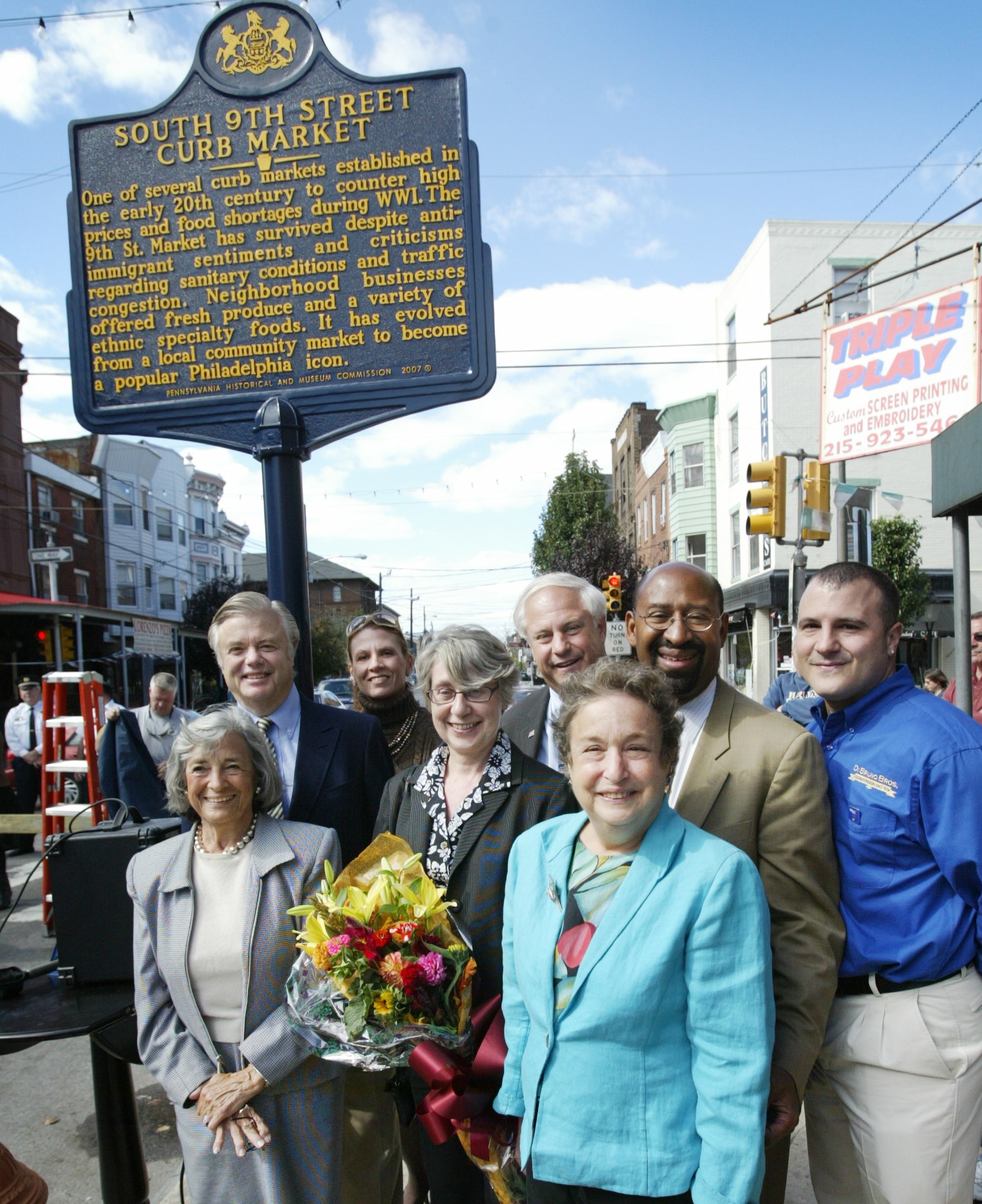
    Mrs. Klein (left) appeared with others in 2007 to celebrate a historical marker at the corner of 9th and Christian Streets.Alejandro A. Alvarez / Staff Photographer

    She met Lewis Klein in college, and they married in 1952. They had a son, Stephen, and a daughter, Ellen, and lived in Melrose Park and Rydal. Her husband, a pioneering TV broadcaster and cofounder of Gateway Communications, died in 2019.

    Mrs. Klein and her husband traveled the world for decades and attended dozens of galas and fundraising events. She enjoyed gardening, was an avid reader, and liked to play Scrabble.

    In 1993, Inquirer columnist Clark DeLeon called her “a wonderful, funny, vivacious lady.” Temple’s Boardman said: “She was truly one of the best human beings I’ve ever had the privilege to know.”

    In addition to her children, Mrs. Klein is survived by a granddaughter, two great-grandchildren, and other relatives.

    A celebration of her life is to be held later.

    Donations in her name may be made to the Abington Police Athletic League, 1166 Old York Rd., Abington, Pa. 19001.

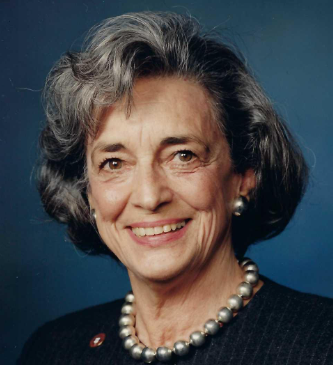
    Mrs. Klein grew up in Oak Lane and earned a bachelor’s degree at Penn. Courtesy of the family
  • Betty J. Wilson, celebrated South Jersey teacher, singer, and poet, has died at 92

    Betty J. Wilson, celebrated South Jersey teacher, singer, and poet, has died at 92

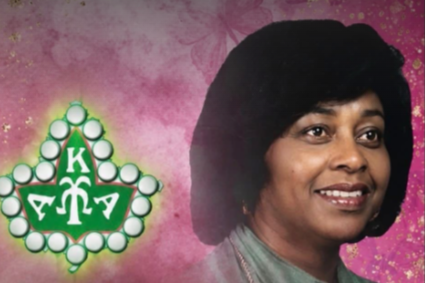
    Betty J. Wilson, 92, of Cherry Hill, celebrated longtime South Jersey teacher, singer, poet, mentor, community advocate, volunteer, and two-time chapter president of Alpha Kappa Alpha Sorority Inc., died Thursday, July 16, of cancer at her home.

    Mrs. Wilson taught elementary school students in Bordentown, Bridgeton, and Mount Laurel from the early 1960s to the late 1990s, and served as two-time president of the Mount Laurel Teachers Association. She was named one of the country’s top teachers in 1972 by the old Outstanding Teachers of America Association and told the Courier-Post: “Children are our most valuable asset. If we don’t give them the proper training early, there’s not much chance for the future.”

    Her family called her “dynamic and outgoing” in a tribute, and her daughter, Saundra Umstead-Capers, said: “She was a born leader and had a commanding presence.”

    Mrs. Wilson championed discipline and parental participation in school and at home, and told the Courier-Post: “Most of our children are allowed to talk first and ask too many questions before complete directions are given. … If the child is used to directives, he won’t resent authority. And in life, we all have to take directions from someone else no matter who we are.”

    She represented Mount Laurel teachers during sometimes contentious contract negotiations with Board of Education officials and helped improve teacher benefits and job protection through the New Jersey Education Association.

    She joined Alpha Kappa Alpha in 1953 at what is now Virginia State University. Later, she cofounded local AKA chapters in Cherry Hill and Voorhees, served as two-time president of the Theta Pi Omega chapter in Cherry Hill, and was recognized by national AKA officials for her contributions.

    Friends called Mrs. Wilson “a phenomenal woman” and “a beautiful, smart, professional woman” in online tributes.Courtesy of the family

    The theme of her sorority presidency was service, scholarship, and Black American heritage, and she helped establish social service, public speaking, and scholarship programs. “Her presence,” sorority colleagues said in an online tribute, “will be profoundly missed.”

    As a singer, Mrs. Wilson had a soaring soprano voice, and she took lessons in high school and college. She performed on a local TV station in Western Pennsylvania when she was young and sang with a traveling choir in college and for the school president.

    She also wrote poetry for years and acknowledged the one-year anniversary of the 1999 death of her husband, Wilbur Wilson, by writing in 2000: “Your legacy stays with us and shall always light the way/We thank God for your presence and your sharing every day.”

    She lobbied locally for the Civil Rights Act and the Voting Rights Act in the 1960s, and volunteered with the Rancocas Valley chapter of the Links and the South Jersey chapter of the Continental Societies. She served on the education committee at Evergreen Baptist Church in Palmyra and tutored the children of many church members.

    In online tributes, friends called her “a phenomenal woman” and “a beautiful, smart, professional woman.” One friend said: “She impacted so many lives, especially the students she taught.”

    Betty Jane Atkins was born April 6, 1934, in Library, Pa., about 12 miles south of Pittsburgh. The oldest of nine children, she was an honor student and the lead singer in every musical during her years at the old Snowden Township High School.

    She attended Mt. Zion Baptist Church in Library, earned scholarships to attend college, and graduated with a bachelor’s degree in education at Virginia State.

    Stylish and sophisticated, Mrs. Wilson was a popular figure on the college campus. She was selected by the football team to represent it on their homecoming float in 1953, and she served as the school’s Miss Valentine in February, Miss Apple Blossom in the spring, and Miss ROTC.

    She was also assistant class president and selected to accompany the daughter of Supreme Court Justice Thurgood Marshall during a visit to the campus.

    She met Chester Whittaker in college, and they married, and had a daughter, Saundra. They divorced later, and he died in 1998.

    She married Wilbur Wilson, and they lived in Cherry Hill for decades. She played piano and was an avid reader and an expert seamstress.

    She was an engaging storyteller and, her daughter said, “a lot of fun.”

    “Sister Wilson embodied the ideals of an Alpha Kappa Alpha woman,” sorority colleagues said, “elegant, poised, and gracious.”

    In addition to her daughter, Mrs. Wilson is survived by a granddaughter, three sisters, a brother, and other relatives. Two sisters and two brothers died earlier.

    Visitation with the family is to be from 6 to 8 p.m. Friday, Aug. 7, at Boyd Funeral Home, 1458 Mt. Ephraim Ave., Camden, N.J. 08104. Services are to be at 11 a.m. Saturday, Aug. 8, at Evergreen Baptist Church, 602 W. 3rd St., Palmyra, N.J. 08065.

    Donations in her name may be made to Evergreen Baptist Church, 602 W. 3rd St., Palmyra, N.J. 08065.

  • Dick Langman, retired award-winning editor at The Inquirer, has died at 99

    Dick Langman, retired award-winning editor at The Inquirer, has died at 99

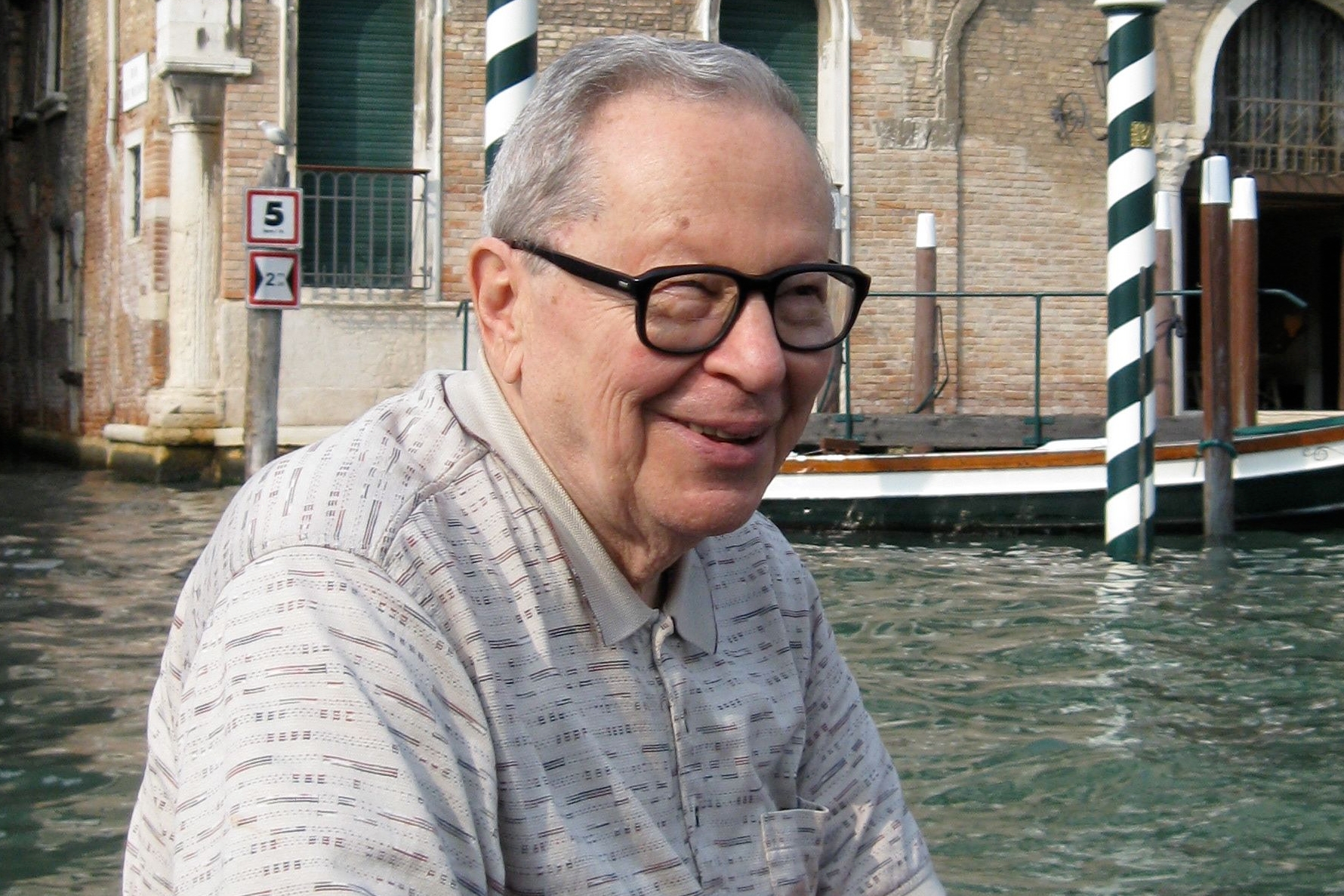
    Dick Langman was always a wordsmith.

    Even as a boy in New York, he loved language, literature, and poetry. He earned a bachelor’s degree in English, took graduate classes at the University of Missouri School of Journalism, and could recite lines from Shakespeare, Wordsworth, and Frost on demand.

    He was generally calm and reasonable, too, his sons said. “He didn’t get upset easily,” his son Mark said.

    His vocabulary was extensive, and he could spell practically any word. So it is no surprise that he spent 50 years, from the early 1950s to his retirement in 2002, as an editor, page designer, and reporter for The Inquirer, the Bulletin, the Morning Call of Allentown, the Pottstown Mercury, the Honolulu Star-Bulletin, and the Evening Tribune in Hornell, N.Y.

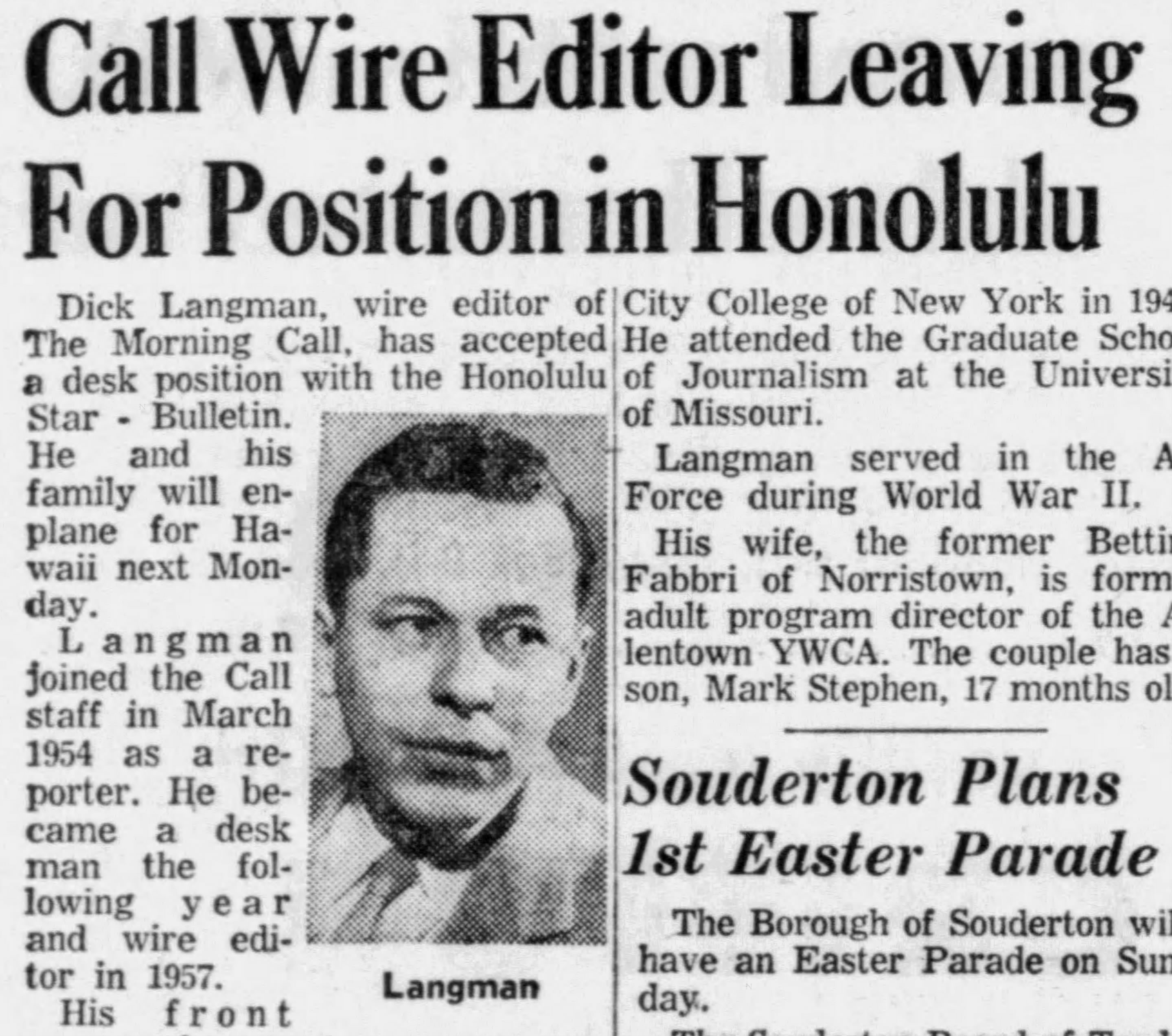
    The Morning Call published this story in 1959 when Mr. Langman left to work in Hawaii.Newspapers.com

    He joined The Inquirer in 1981 and worked mostly nights for 21 years as a copy editor, assistant news editor, and suburban assigning editor. Former colleagues at The Inquirer called him a “meticulous” editor, “enormously patient,” and “a man of great integrity” in online tributes.

    He won an award from the old Pennsylvania Newspaper Publishers Association in 1957 for a front page he designed for the Morning Call and spent 20 years as assistant city editor and news editor at the Bulletin. “I’m glad that I had a chance to work with him,” a former Inquirer copy desk colleague said. “What a pro.” Another said: “I could not have had a better teacher.”

    On Saturday, June 13, Dick Langman died of complications from pneumonia at Bryn Mawr Hospital. He was 99.

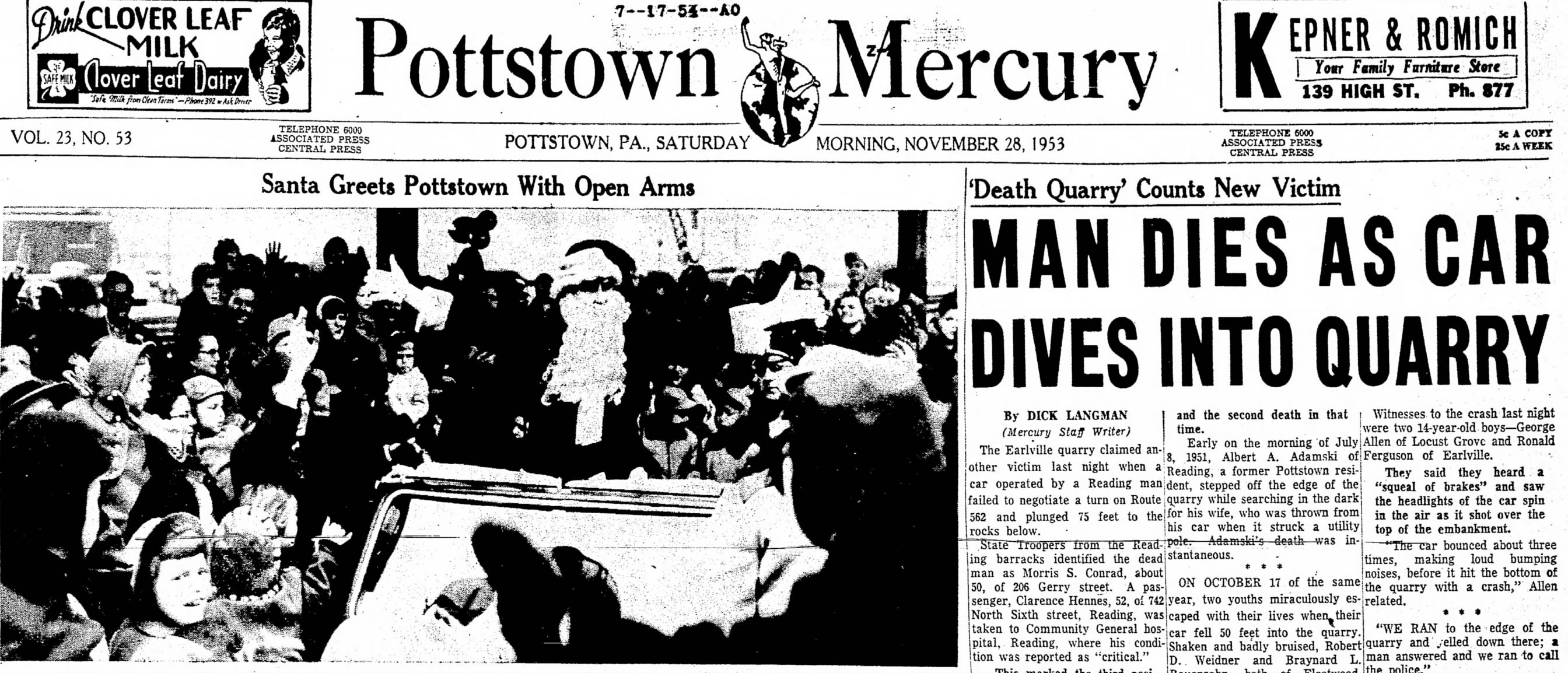
    Long before he came to Philadelphia in 1961, Mr. Langman was a seasoned newspaperman. He honed his reporting skills as a writer at the Evening Tribune in New York and the Mercury in Pottstown.

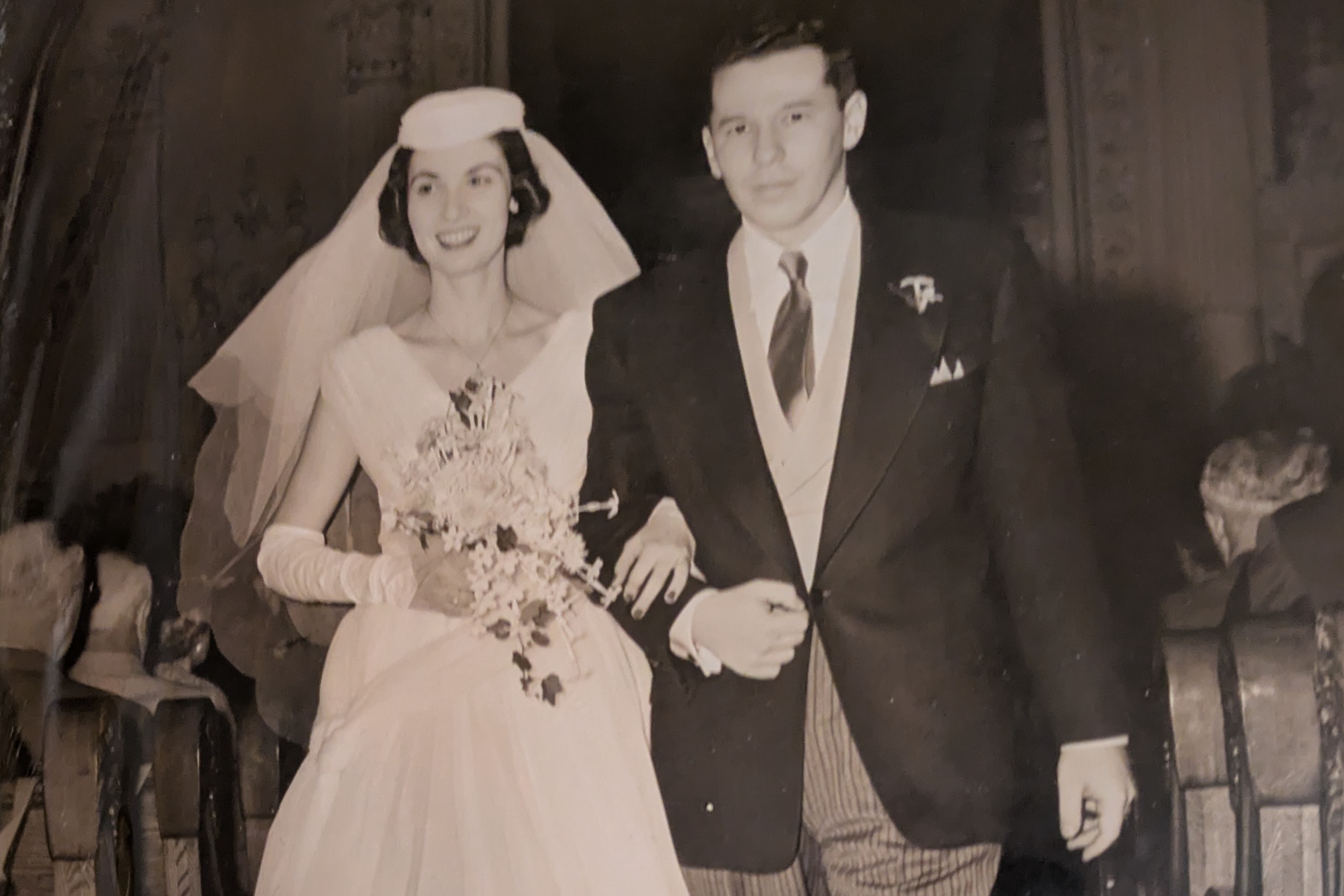
    Mr. Langman and his wife, Betty, married in 1954.Courtesy of the family

    In January 1954, he opened a Page 1 story for the Mercury with: “From clomping around in wooden shoes in Holland to wearing modern footwear in Bechtelsville is a long way, and Mrs. LaVerne Fronheiser is glad to be home. She’s not too glad, however, because her husband had to stay in Germany, where he’s stationed with the infantry.”

    On Page 1 in March 1954, he wrote: “They had need of a chaplain yesterday at borough hall. He could have served well the 50 moaners and groaners whose cars were tagged for parking violations.”

    He moved on to the Morning Call and covered high school sports and other news. He left for Honolulu in 1959 and became sports editor at the Star-Bulletin. But he missed the East Coast and returned to work at the Bulletin in Philadelphia in 1961.

    “Hawaii is one of the loveliest places in the world,” he told the Morning Call. But his wife, Betty, had roots in Norristown, he said, and they both got homesick.

    Mr. Langman wrote this Page 1 story for the Pottstown Mercury in 1953.Newspapers.com

    Earlier, after college, Mr. Langman worked briefly for the Associated Press in New York and as a statistician for what is now the Elias Sports Bureau. He enlisted in the Army after high school in 1944, went to active duty in 1945, and served until the end of World War II.

    At The Inquirer, a former colleague recalled, Mr. Langman edited a story about a horse that had injured a leg. Naturally, he tried to find out which leg was hurt.

    “Dick was a painstaking editor,” his former colleague said on Facebook, “and a master in getting the details right.”

    Richard Langman was born Sept. 5, 1926, in New York. He graduated from Stuyvesant High School and earned a bachelor’s degree at City College of New York in 1948.

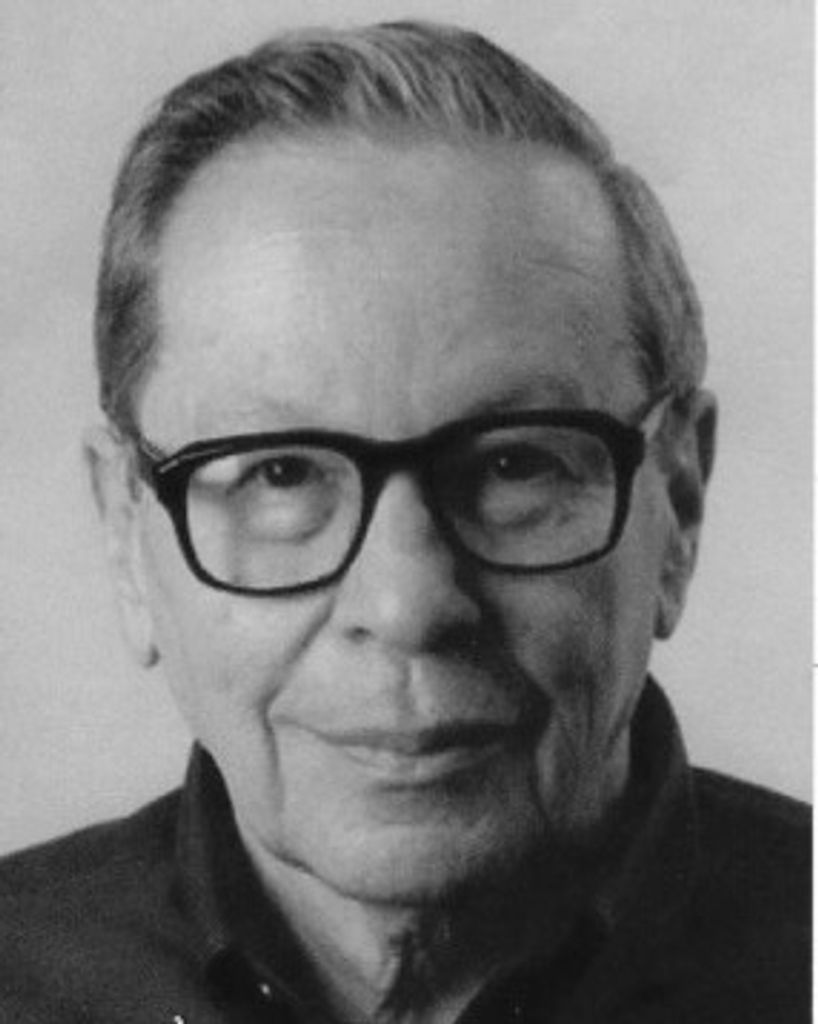
    Mr. Langman enjoyed cooking and shared his favorite recipes with colleagues at The Inquirer.Dick Langman

    He met Betty Fabbri, the society editor at the Mercury, and they married in 1954. The Morning Call announced their union in its Breakfast Chatter column by saying: “Best wishes to reporter Dick Langman, who walks the long mile in Norristown Sunday with Bettina.”

    He and his wife had sons Mark, Peter, and Andrew, and lived in Allentown, Ardmore, and the Quadrangle retirement community in Haverford. His wife died in 2017.

    Mr. Langman and his wife shared wanderlust, and they went to Russia, Austria, Hungary, Europe, and elsewhere. They visited Italy 10 times, France three times, and Cape May as often as possible.

    They liked to cook together, too, and he shared his favorite recipes with colleagues at The Inquirer. At the Bulletin, he became part of the “old bulls” lunch group.

    He submitted his own prewritten obituary to his funeral director long before it was needed and said: “He enjoyed classical music, poetry, mystery novels, and British mystery and comedy.” He also liked crossword puzzles, fishing, table tennis, classic movies, and duplicate bridge.

    He cheered for the New York Yankees baseball team and the Green Bay Packers and Penn State football teams.

    “He delighted in jokes and was a real fan of the Marx Brothers,” his son Peter said. “When we were children and a local movie theater would feature a Marx Brothers film for one night, my parents made sure that we went. Fond memories indeed.”

    In addition to his sons, Mr. Langman is survived by two grandchildren and other relatives.

    Services were held earlier.

    Donations in his name may be made to the Lenfest Institute for Journalism, 100 S. Independence Mall West, Suite 600, Philadelphia, Pa. 19106.

  • Albert Gury, popular painter and award-winning professor of art education, has died at 74

    Albert Gury, popular painter and award-winning professor of art education, has died at 74

    Albert Gury, 74, of Philadelphia, lifelong painter, former chair of the painting department at the Pennsylvania Academy of the Fine Arts, award-winning lecturer at the old University of the Arts and other institutions, author, mentor, community advocate, and cat rescuer, died Thursday, June 25, after a long illness at the Hospital of the University of Pennsylvania.

    Born in Peoria, Ill., Professor Gury came to Philadelphia in the early 1970s after a professor at St. Louis University advised him to enroll at the Pennsylvania Academy of the Fine Arts. He did, and he never left.

    He earned a four-year certificate in painting at PAFA in 1976 and, starting in 1980, taught painting, drawing, figure drawing, anatomy, art history, and art education at PAFA. He was chair of the painting department from 2000 to 2022 and creator of several innovative art education programs.

    He painted portraits of young gun violence victims for PAFA’s Lost Dreams on Canvas exhibit and founded and directed the academy’s popular after-school free art program for high school students in 1994. In 2026, he earned a community recognition award from the Philadelphia School District.

    “This is a way for us to reach out to the community and really try to do something beneficial,” Professor Gury told The Inquirer in 2005. “We train them as if they are college freshmen, not high school kids. It raises the bar on the quality of their work.”

    Professor Gury also lectured for decades at University of the Arts, the Fleisher Art Memorial, the Barnes Foundation, and elsewhere. He instructed students at Jefferson Medical College on anatomy, consulted for the city’s mural arts program, and ran art seminars and painting workshops regionally and in Scotland and Croatia.

    He earned a master teacher’s award from University of the Arts and a master’s degree in fine arts at the University of Delaware in 1992. Former students called him “unfailingly caring, and supportive, and smart,” and “very generous in sharing his wealth of knowledge” in online tributes. One said: “What a great example to us all.”

    In a tribute, PAFA officials said: “We remember Al not only for what he taught but for how he taught: with patience, conviction, humor, discipline, and an open heart.”

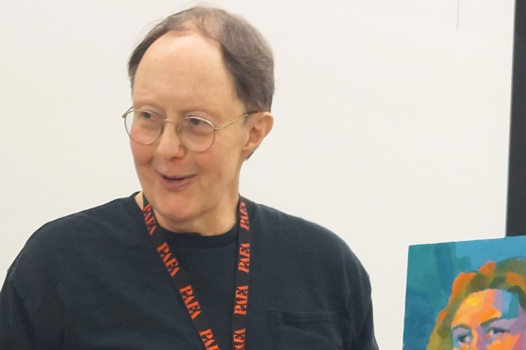
    Professor Gury (center) draws and explains the nature of the human form to students at Jefferson Medical College in 2007.

    In the studio, Professor Gury painted colorful figures, landscapes, still life, and portraits. His portrait Alice of Dunk’s Ferry hangs in historic Christ Church in Old City, and he showed at the Philadelphia Museum of Art, the F.A.N. Gallery on Arch Street, the National Academy of Design in New York, the U.S. Capitol in Washington, and elsewhere.

    He especially enjoyed painting abstract landscapes, he said in a 2014 video, because “they are pure.” He told the Daily News in 2000: “I like to paint the things I love. I like the intimacy of small paintings. I move the paint around and put together elements in nature even if they don’t exist that way. I like to imagine things rather than just paint what is in front of me. Sometimes it becomes a little surreal.”

    In 2000, critic Anne R. Fabbri said in the Daily News that many of Professor Gury’s paintings are “united by his layered brushwork, tonal depths, and the creative act that transforms color, line, and composition into a life-enhancing work of art.” He was honored by the Philadelphia Sketch Club in 2017.

    Professor Gury wrote three textbooks: Alla Prima: A Contemporary Guide to Traditional Direct Painting in 2009, Color for Painters: A Guide to Traditions and Practice in 2010, and Foundations of Drawing: A Practical Guide to Art History, Tools, Techniques, and Styles in 2017. He also contributed articles about painting and art to magazines and museum publications around the world, and was a contributing editor for the international journal Per Contra.

    In his neighborhood, Professor Gury advocated for better housing and fostered rescue cats in his home. He volunteered at the Philadelphia Animal Welfare Society and was named its 2015 volunteer of the year. The group renamed its kitten maternity ward after him.

    “We are searching for words to express just how extraordinary Al was, what a profound difference he made, and how much we loved and appreciated him,” colleagues at PAWS said in a tribute. “We hope he knew what an immense impact he made, and how much better and more beautiful the world is because of him.”

    Albert Francis Gury was born Oct. 23, 1951. A family friend introduced him to painting when he was young, and he spent many days roaming the galleries at the Art Institute of Chicago while his father worked downtown.

    He earned a bachelor’s degree in fine arts at St. Louis University in 1973 and won scholarships, grants, and honors as both a student and a professor at PAFA. He collected quilts and rare books on art.

    Professor Gury loved animals, especially cats.Philadelphia Animal Welfare Society

    In 2018, his apartment building on Chestnut Street burned down in an early-morning fire. Several of his cats and parakeets perished, and much of his artwork was lost. “The whole thing is just tragic,” he told The Inquirer then.

    Friends called him “a classic caregiver” and a “protector of the underdog.” Longtime friend and colleague Reza Ghanad said: “If you were feeling down, he would pick you up.”

    Friend and colleague Morgan Hobbs said: “He noticed students who could have gone unnoticed without him. He had a special gift for that.”

    Professor Gury is survived by several relatives.

    His ashes are interred at Christ Church Burial Ground. A celebration of his life is to be held later.

    Donations in his name may be made to the Philadelphia Animal Welfare Society, 100 N. Second St., Philadelphia, Pa. 19106.

    Much of Professor Gury’s work features color and shape. Al Gury
  • Booker Rowe, celebrated trailblazing Black violinist with the Philadelphia Orchestra, has died at 85

    Booker Rowe, celebrated trailblazing Black violinist with the Philadelphia Orchestra, has died at 85

    Booker Rowe, 85, of Philadelphia, award-winning violinist, the first Black musician to play with the Philadelphia Orchestra and the Nashville Symphony String Quartet, the second permanent full-time Black player in the Philadelphia Orchestra, teacher, mentor, and role model, died Friday, July 31, of complications from pneumonia and sepsis at Jefferson Abington Hospital.

    A lifelong musician — he played piano at age 5 and violin at 11 — Mr. Rowe was invited by famed music director Eugene Ormandy in 1968 to become the first Black musician to perform with the Philadelphia Orchestra. He was a substitute violin during most of the 1968-69 season and returned for good in 1971 as the orchestra’s second Black permanent full-time member.

    Mr. Rowe stayed for 49 years.

    “My first day, I came in late from New York, and the orchestra was already rehearsing, and I sat myself down on the last stand to play,” Mr. Rowe told The Inquirer’s Peter Dobrin in 2020. “The sound was amazing. It was like stereo all around me. The stage was slanted down, and when the brass and winds would play I had to brace myself with my right leg from being blown off stage. It was just so beautiful.”

    For five decades, until his retirement in 2020, Mr. Rowe played with half a dozen elite conductors and traveled the world in the orchestra’s second violin section. He and his colleagues gave thousands of memorable performances at the Academy of Music, the Kimmel Center, and the Mann Center in Philadelphia, Carnegie Hall and the Lincoln Center in New York, and the Saratoga Performing Arts Center in Saratoga Springs, N.Y.

    They played at the 1993 World Series at Veterans Stadium, for Pope Francis in 2015, and at the Vail Music Festival in Colorado. They played in Europe, South America, Asia, and elsewhere around the world.

    This photo of Mr. Rowe (left) appeared in the Daily News in 1993Newspapers.com

    In 1973, the orchestra made a historic 10-day, five-concert cultural exchange tour in China, and Mr. Rowe told the Daily News afterward that he visited a commune and returned with Chinese instruments. In 2008, he mingled with former Secretary of State Alexander Haig and other international notables after a concert in Beijing.

    In 2013, he posed for pictures with the Chinese welcoming contingent at Shanghai Airport. “Booker was such a kind soul, and his passion, his artistry, and his humanity are woven into who we are,” Yannick Nézet-Séguin, the orchestra’s music and artistic director, said in a tribute.

    Ryan Fleur, the orchestra’s president and chief executive officer, said: “He was a warm and steadying presence in our orchestra.”

    Born in Kentucky, Mr. Rowe and his family moved to North Philadelphia when he was 2. His father was a singer, and his mother played piano, and they “pushed me in the direction of classical music,” he told the Daily News in 1981.

    He became concertmaster for the West Philadelphia High School orchestra, the All-City high school orchestra, and the old all-Eastern Conference college orchestra. He earned a bachelor’s degree in music at Temple University in 1963 and a master’s degree in music at Yale University in 1968.

    Before Philadelphia, he played solo in New York and with symphony orchestras in Nashville, New Haven, Conn., and Washington. Later, he played with the old Symphony Club of Philadelphia, the Lansdowne Symphony Orchestra, and other local groups.

    Mr. Rowe (left) stands with fellow musicians Andre Watts (center) and Renard Edwards.Courtesy of the family

    He also got freelance gigs with Sammy Davis Jr., Isaac Hayes, Smokey Robinson, the Supremes, Barbra Streisand, Aretha Franklin, and other stars. He played with chamber music ensembles around the country and gave dozens of free concerts for children, churches, and community and scholarship fundraisers.

    He championed racial and ethnic diversity, and was active with the Philadelphia Orchestra’s cultural diversity initiative. He sought and performed work by Black and other minority composers, and mentored dozens of colleagues and students.

    He encountered at least one racist incident that first year in Philadelphia and told the Daily News in 1981: “The time was right for an Afro-American in the Philadelphia Orchestra. It was just a matter of finding somebody who was ready.”

    Mr. Rowe and his family lived in Center City, East Mount Airy, and Germantown. Courtesy of the family

    A friend said on Facebook: “His legacy and historical contributions are unparalleled.”

    Mr. Rowe taught at Settlement Music School and gave private lessons. He earned music and service awards from City Council, the American Foundation for Negro Affairs, and other groups.

    In 2019, he was asked to advise young musicians in a video interview for the Philadelphia Orchestra website, philorch.ensembleartsphilly.org. “Practice, practice, practice,” he said. “But also enjoy, enjoy, enjoy. Do it with love in your heart.”

    Booker Taliaferro Washington Vance Rowe Jr. was born Dec. 10, 1940, in Lexington, Ky. In Philadelphia, he studied at the old Philadelphia Musical Academy and Settlement Music School, and his father worked at RCA Victor records in Camden. So their home was always filled with music.

    Mr. Rowe (rear center) stands with Philadelphia Orchestra colleagues and members of the Chinese welcoming contingent in 2013.

    Jan Regan / Philadelphia Orchestra

    He met soprano Patsy Baxter at a Philadelphia Orchestra concert, and they married in 1970 and had a son, Landis, and a daughter, Vivian. They lived in Center City, East Mount Airy, and Germantown, and visited his family often back in Kentucky and Tennessee.

    Mr. Rowe enjoyed puzzles, hiking and kayaking with his family, and tai chi. Friends noted his “kindness,” “million-dollar smile,” and “cheerful presence” in Facebook tributes.

    “He liked people,” his wife said. “He liked socializing. He liked to stick with one thing and concentrate on it.”

    His son said: “My father and I always had a good time together, and we never knew when playful sparring would break out.”

    Mr. Rowe and his wife, Patsy, married in 1970.
    Jose F. Moreno / Staff Photographer

    His daughter said: “He was very fiery and lovable. He was always who he was. He was one of a kind.”

    In addition to his wife and children, Mr. Rowe is survived by a daughter-in-law, Maria, two granddaughters, and other relatives.

    A celebration of his life is to be held later.

    Mr. Rowe (rear second from left) enjoyed time with his family.Courtesy of the family
  • Barbara Gillette Price, prolific painter, fine arts teacher, and former president of Moore College of Art and Design, has died at 87

    Barbara Gillette Price, prolific painter, fine arts teacher, and former president of Moore College of Art and Design, has died at 87

    Barbara Gillette Price, 87, formerly of Philadelphia, celebrated painter and designer, former president of Moore College of Art and Design, former dean of Cranbrook Academy of Art in Michigan, former vice president for academic affairs at the Maryland Institute College of Art in Baltimore, fine arts teacher, mentor, and role model, died Friday, April 24, of age-associated decline at a hospital in Granada, Spain.

    A lifelong artist and longtime educator, Ms. Gillette Price liked to skip her high school classes in the 1950s and wander around the galleries at the Philadelphia Museum of Art. In sixth grade, she told The Inquirer in 1994, her artistic talent drew attention from the teacher when her drawing of a female form was all too accurate.

    She took Saturday classes at Temple University’s Tyler School of Art and the Fleisher Art Memorial when she was young, and earned a scholarship to the old Philadelphia Museum School of Art. She married artist Melville Price in 1957, moved to Tuscaloosa, Ala., in 1958, and earned bachelor’s and master’s degrees in fine arts at the University of Alabama.

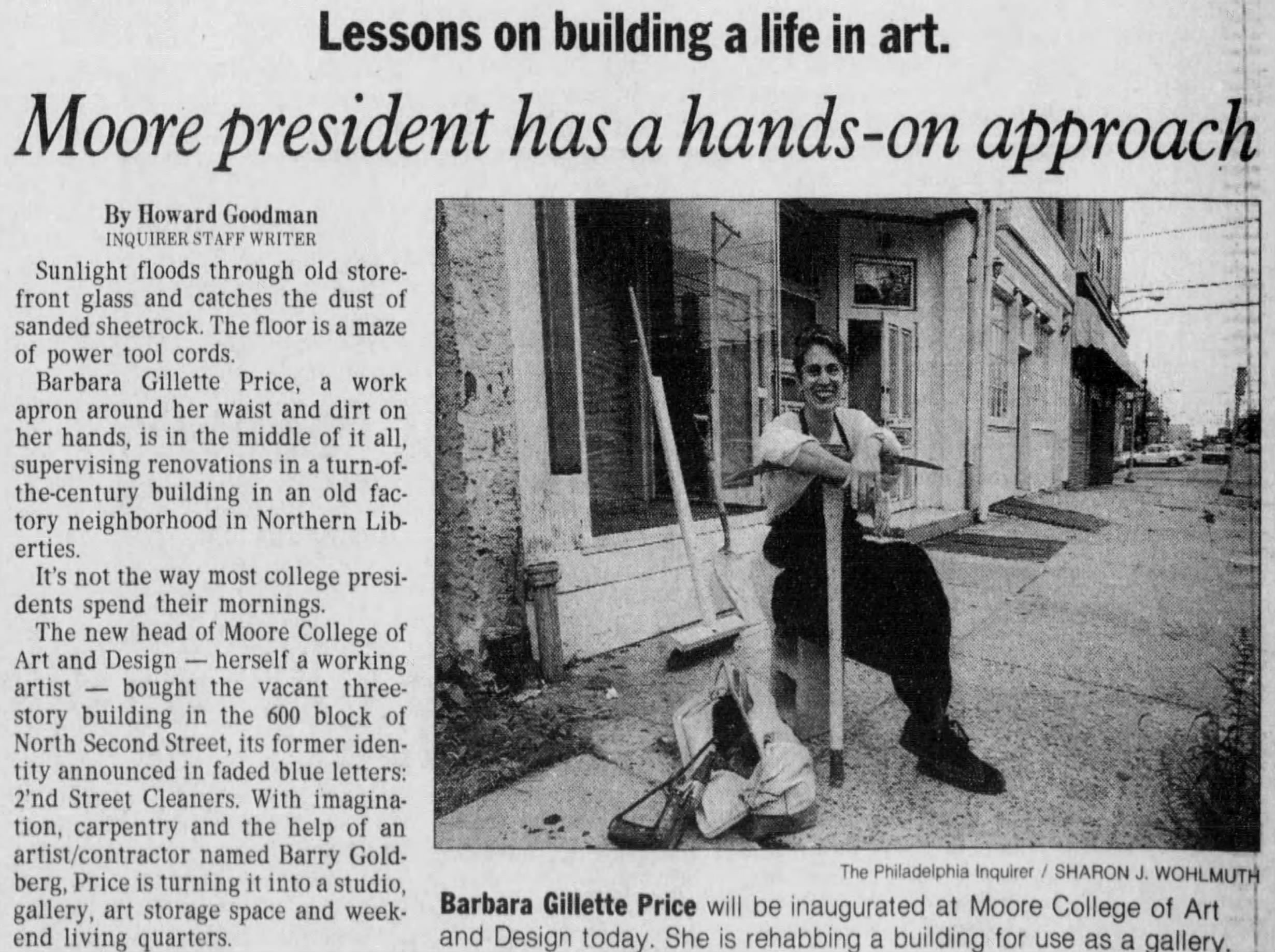
    She joined Cranbrook Academy of Art in 1978, the Maryland Institute College of Art in 1982, and Moore in 1994. At each stop, she renovated nearby old buildings into studios and galleries, expanded curriculum, and invigorated students with international and innovative programs.

    At Moore, she increased enrollment, established a career center, and personally refurbished her three-story studio on North Second Street into a gallery where students exhibited their work and handled logistics and publicity. She also forged working relationships with the Philadelphia School District and other art institutions, supervised an advertising campaign for female artists, and served as a role model for working artists in academia.

    “That’s why I think my presence at Moore is a good thing,” she told The Inquirer in 1994.

    In 1998, Rochelle Levy, then chair of Moore’s board of trustees, said: “Barbara has really been our ambassador out there. She has set an incredible role model for the students as a woman artist.”

    Ms. Gillette Price left Moore in 1998, moved to Spain in 2000, taught art to primary school students, and continued to create and show her work. “Her commitment to arts education helped shape generations of creative thinkers,” former colleagues at Moore said in a tribute. “Her legacy lives on through the institutions she helped strengthen, the students she inspired, and the vibrant body of artistic work she leaves behind.”

    Ms. Gillette Price was featured in The Inquirer when she joined Moore in 1994.Newspapers.com

    As an artist, Ms. Gillette Price was a colorist and inspired by what she called her “labyrinth of imagination.” She expressed herself often in themes and collages, and was adept at abstract and figurative works on canvas, paper, wood, silk, and other textiles.

    One critic said her work “is of an inherent elegance that emerges from excellent craftsmanship and an intelligent narrative.”

    She showed in dozens of solo and group exhibitions in Spain, Philadelphia, Maryland, Michigan, Washington, and elsewhere, and liked to work in the gallery as well as her studio. She painted about nature, light, woman’s perspectives, isolation and fear during the COVID-19 pandemic, and other topics.

    “I seek to make the ordinary extraordinary,” she said on her website, barbaragilletteprice.com. “I am inspired by images I accumulate as I travel and view the world about me. This takes the form of remembered landscapes, figurative compositions, and subtle political statements.”

    She was active in the Civil Rights Movement in Alabama in the 1960s, worked with the Woman’s Caucus for Art in Washington in the 1970s, and taught ceramics, painting, and drawing at the old Corcoran School of Art and Design in Washington and elsewhere. She belonged to the College Art Association and was on boards at the National Association of Schools of Art and Design, the Philadelphia Art Commission, and other organizations.

    She earned grants for her painting and wrote essays and white papers about art. In one paper, she said: “The arts are the humanizing element in the education of the citizens of the 21st century.”

    Barbara Amelia Gillette was born June 26, 1938, in Philadelphia. She and her family spent many summers in Atlantic City, and she graduated from Philadelphia High School for Girls.

    She took piano lessons, attended Saturday concerts at the Philadelphia Orchestra for years, and hung out with high school boyfriend Edward Cutler and others at jazz clubs and the Gilded Cage coffee shop.

    Melville Price died in 1970, and she reconnected with Edward Cutler. They married, had a daughter, Michelle, and lived in Washington. They divorced later, and he died earlier.

    “I consider my mother’s greatest achievement to be the way she showed up as a parent,” her daughter said. “Her artistic legacy can be found in her paintings, drawings, textiles, and exhibitions. Her personal legacy lives on in the people she inspired, mentored, encouraged, and welcomed into her life.”

    Ms. Gillette Price created in the galleries as well as her studio.Barbara Gillette Price

    In addition to her daughter, Ms. Gillette Price is survived by a son-in-law, Eric Maroldo, and other relatives. A sister died earlier.

    Services were held earlier.

    Donations in her name may be made to Alhama Street Animal Protection in Granada, Spain.

    Ms. Gillette Price (right) and her daughter, Michelle, were close. Courtesy of the family