Author: Gary Miles

  • Akira Suwa, award-winning photojournalist at The Inquirer, has died at 84

    Akira Suwa, award-winning photojournalist at The Inquirer, has died at 84

    Akira Suwa, 84, of Laurel Springs, Camden County, award-winning longtime photojournalist at The Inquirer, mentor, and lifelong green-thumb gardener, died Tuesday, July 14, of complications from dementia at his home.

    Born in what is now South Korea and reared in Japan, Mr. Suwa came to the United States for good in 1967 as a landscape designer and amateur photographer. When a landscaping job at a Florida garden center dried up, he polished his photography skills and, from 1969 to his retirement in 2014, worked as an award-winning staff photographer at the Tampa Tribune, the St. Petersburg Times, the Palm Beach Post, and The Inquirer.

    He joined The Inquirer in 1977 and, for 37 years, provided readers with thousands of illustrative, dramatic, stylish, and emotion-evoking photos from assignments around Philadelphia, South Jersey, and the world. He took poignant photos after the Three Mile Island nuclear accident, the fall of the Berlin Wall in Germany, and the Sept. 11 terrorist attacks, and during Operation Desert Storm in Saudi Arabia and the 1998 Winter Olympic Games in Japan.

    He sent back tragic and heroic images of conflict and despair from Libya and Brazil. He photographed drug traffickers in Colombia and was detained by authorities in China.
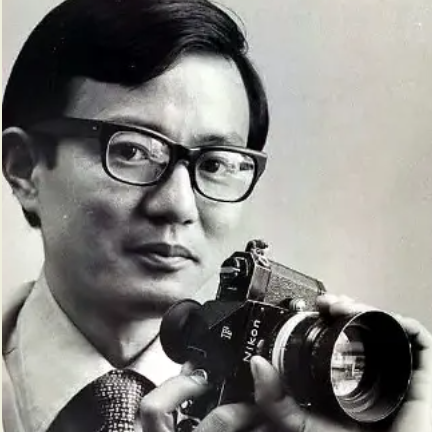
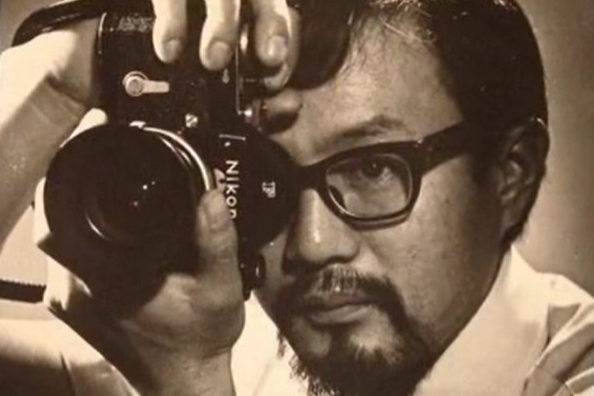
    Before the Inquirer, Mr. Suwa took photographs for the Palm Beach Post, the St. Petersburg Times, and the Tampa Tribune.Courtesy of the family

    Locally, he photographed athletes celebrating and commiserating, politicians and celebrities walking and waving, fashion models on runways, and restaurant specialties on tables. Former Inquirer colleagues called him a “brilliant photojournalist” and a “funny, engaging and terrific colleague” on Facebook.

    One former colleague said: “Akira told thousands of great stories with his camera.” His family said in a tribute: “Akira believed every story was worth telling.”

    Before the Inquirer, Mr. Suwa took photographs on all kinds of assignments for the Palm Beach Post, the St. Petersburg Times, and the Tampa Tribune. His father was an avid amateur photographer back in Japan, and Mr. Suwa honed his own emerging photo skills at nights and on weekends in Florida before joining the Tribune in 1969.

    He won several awards from the National Press Photographers Association and was named the 1973 Florida Newspaper Photographer of the Year by the University of Florida. He mentored young photographers and students, and one former student said: “He taught me so much about making the best photos possible.”
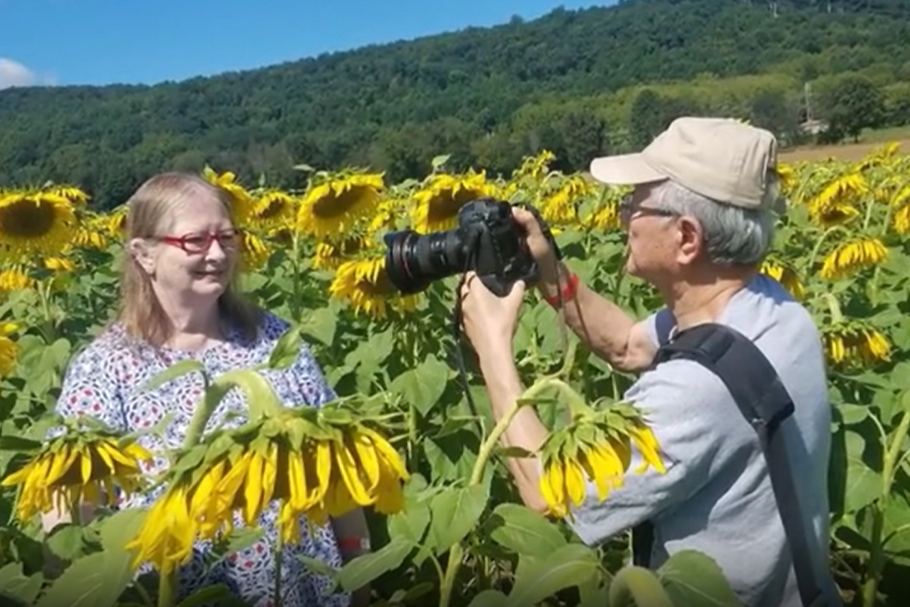
    Mr. Suwa photographed his wife, Deborah, often.Courtesy of the family

    Away from the lens, Mr. Suwa enjoyed tending his backyard garden in South Jersey, watching the birds flit about the feeders, and chasing the squirrels away. His mother was a serious gardener in Japan, and he studied agriculture in California as an exchange student while earning a degree at Tokyo Agricultural University in 1966.

    In 1964, he took a year off from college to work as a busser in the Japan pavilion at the World’s Fair in New York. “I fell in love with America, especially New York City,” Mr. Suwa wrote in an autobiography he shared with his family. “I was young and motivated to do something different from my peers back in Japan.”

    Akira Suwa was born Dec. 22, 1941, in what was then Taegu, Korea. He and his family fled Korea for Japan as refugees after World War II, and he grew up mainly in Osaka.

    He never formally studied photography, but his innate camera skills got him a job with a photo studio in Florida in the late 1960s.
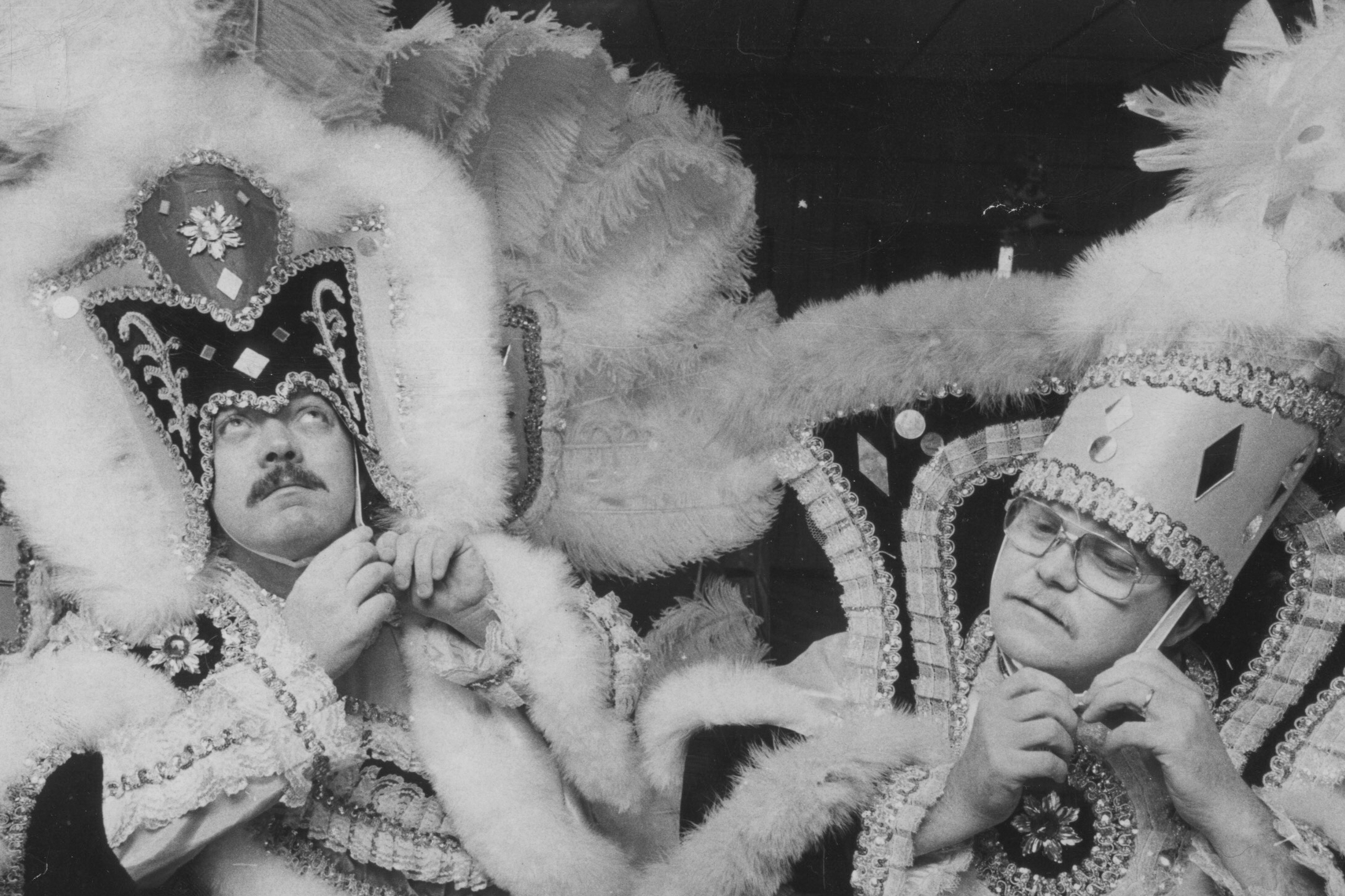
    Mr. Suwa photographed these Mummers in 1978. Akira Suwa / Staff Photographer

    He met Deborah Carter through a mutual friend at the studio, and he took her to see the musical Hello, Dolly! on their first date. She was smitten, she said, and they married in 1969, and had daughters Jasmine and Keiko.

    They settled in Laurel Springs when he joined The Inquirer and traveled to Japan several times to visit family and friends. “We enjoyed the best of both cultures,” his wife said.

    Mr. Suwa listened to jazz and built his own home computers. He liked to play pranks on the girls, his daughter Keiko said, but was simultaneously warm, serious, and practical. “If there was a job to do,” she said, “he would get it done.”

    His daughter Jasmine said: “He was forthright, sincere, and full of integrity.”
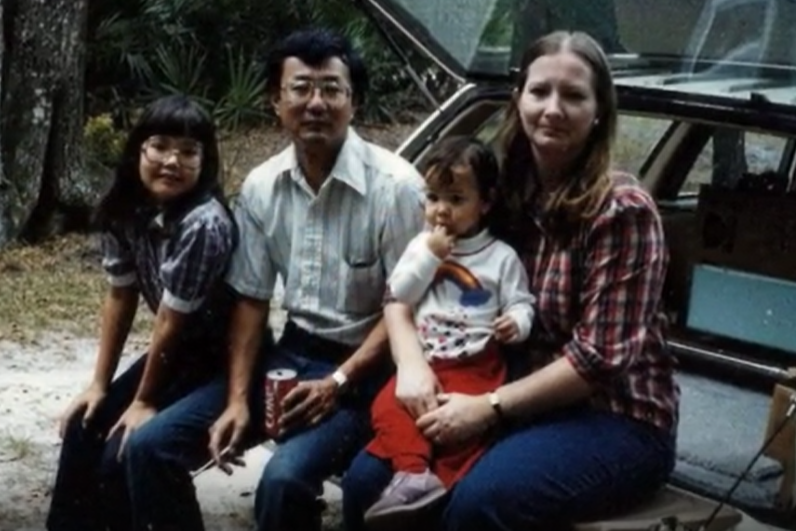
    Mr. Suwa and his family traveled to visit family in Florida and Japan. Courtesy of the family

    He doted on his wife and their grandchildren, and his family praised “his sharp eye, his mischievous sense of humor, and his devotion to his family.” His wife said: “He had my back and was as honest as the day is long.”

    Friends called him “the kindest person,” “wonderful and enormously talented,” and “a caring person to everyone.” He was interviewed by Photo Lounge in 2022 and said: “I just take pictures, and I like people.”

    His wife said: “He was my human, my person, my guy.”

    In addition to his wife and daughters, Mr. Suwa is survived by two grandchildren and other relatives. A brother died earlier.

    Visitation with the family is to be from 1 to 3 p.m. Saturday, Aug. 1, at Gardner Funeral Home, 126 S. Black Horse Pike, Runnemede, N.J. 08078.

    Donations in his name may be made to the Committee to Protect Journalists, Box 2675, New York, N.Y. 10108; and the Animal Welfare Association, 509 Centennial Blvd., Voorhees, N.J. 08043.
  • Keith A. Morrison, celebrated artist and former Temple dean, has died at 84

    Keith A. Morrison, celebrated artist and former Temple dean, has died at 84

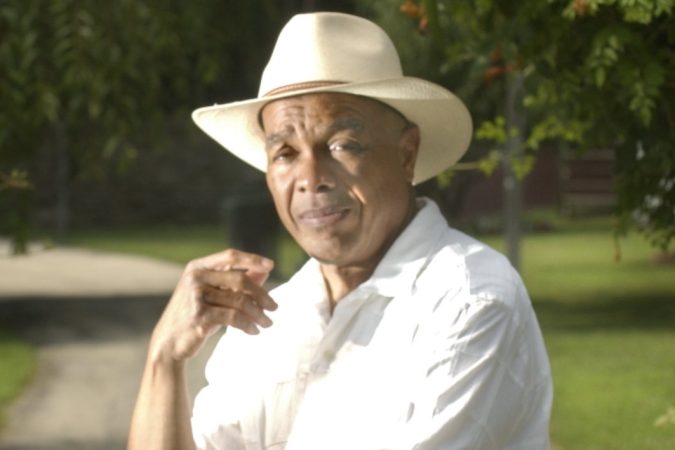
    Keith A. Morrison, 84, of Meadowbrook, Montgomery County, celebrated artist, professor of painting emeritus and former dean at Temple University’s Tyler School of Art and Architecture, curator, critic, consultant, writer, and lecturer, died Monday, June 1, of cancer at Fox Chase Cancer Center.

    Born in Jamaica, Dean Morrison left the Caribbean island for the School of the Art Institute of Chicago when he was 17 and earned bachelor’s and master’s degrees in fine arts and art education. He went on to teach college art classes in Nashville, Chicago, and College Park, Md., and, in addition to Temple, serve as dean at San Francisco State University, the University of Maryland, and the old San Francisco Art Institute.

    He was the first Black academic dean of art in a predominantly white American school in 1993 at the San Francisco Art Institute and joined Temple as dean of its art school in 2005. He became a professor of painting at Temple in 2008 and retired in 2018 as professor emeritus.

    As head of the Temple art school for three years, Dean Morrison hired staff, expanded degree programs, and coordinated popular activities with the school’s affiliated art programs in Europe and Japan. In an online tribute, former colleagues at Temple called him a “dedicated advocate for artists and arts organizations.”

    Earlier, he was associate dean of architecture and art at the University of Illinois, art department chair at DePaul University in Chicago, and associate professor of art at Fisk University in Nashville. He lectured around the world and was a visiting scholar at Sichuan Fine Arts Institute in China and the University of Michigan.

    “He was very serious, very thinking,” said his wife, Susan C. Alunan. “People said he was present and insightful, even life-changing.”

    As an artist, Dean Morrison was inspired by his Afro-Caribbean heritage, his childhood memories of lush Jamaican landscapes, and his multicultural experiences in Europe, Cuba, Mexico, and elsewhere. He worked in watercolors, oils, acrylic, and prints, and created memorable abstract, figurative, and surreal images.

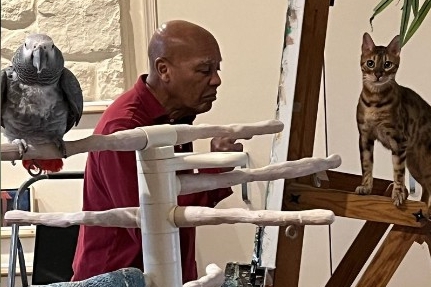
    Many of his paintings feature landscapes, people, plants, and animals, often including Scout, his African gray parrot. His images, he told colleagues, were “more intuitive than intellectualized.”

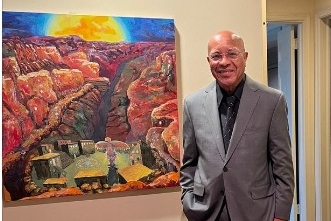
    Dean Morrison worked most often at his home studio in Meadowbrook. His parrot, Scout (left), sometimes appeared in his work. Susan C. Alunan

    Friends and colleagues called his paintings “unique and moving” and “magical in content and accessible by all who encounter them.” Allan Edmunds, founder of Brandywine Workshop and Archives, said on Facebook: “His art connects and shares hidden stories and myths that helped shape his creative vision of multiculturalism as a global reality.”

    Dean Morrison’s work appears on the covers of books and magazines, and in hundreds of solo and group shows around the world. It resides in collections at the Philadelphia Museum of Art, the Pennsylvania Academy of the Fine Arts, the National Gallery of Art and the Smithsonian American Art Museum in Washington, and other galleries.

    Colleagues at the David C. Driskell Center at the University of Maryland said in a tribute: “Morrison’s vivid, imaginative paintings — filled with brilliant color, history, mythology, and fantasy — speak to African diasporic experience as well as Morrison’s unique sense of humor and narrative composition.”

    As a writer, he pioneered Pan-African art criticism and was, in his own words, a Black critic “interested in art from a Black person’s perspective.” He was a visiting editor at the New Art Examiner in Chicago, and his reviews, interviews, and general observations appeared in the Washington Post, museum catalogs, and other publications.

    His book Art in Washington and Its Afro-American Presence: 1940-1970 was published in 1985 and serves as a text at art schools. In 2004, Renée Ater wrote a 128-page monograph called Keith Morrison.

    As a curator, Dean Morrison supervised exhibitions in the United States, Jamaica, and Cuba. He represented the United States and Jamaica at international art exhibitions, and was active with Brandywine Workshop and the Washington Project for the Arts.

    He earned lifetime achievement awards from Howard University and Brandywine Workshop, and was named a Jamaican Commander in the Order of Distinction in 2017 for “outstanding and important services to Jamaica.”

    “My mood is always happy,” Dean Morrison said in a 2008 interview with the University of Delaware’s UDaily. “You can paint anything you want. It does not have to be because you yourself feel that way.”

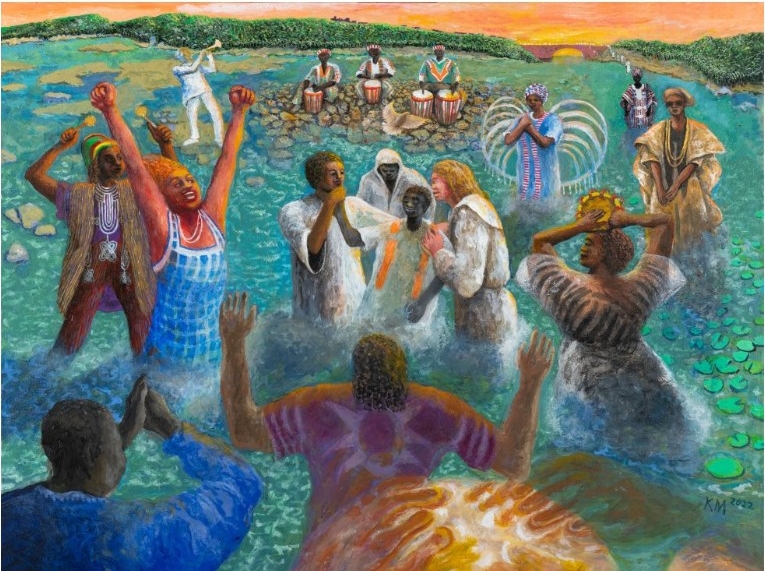
    This is Dean Morrison’s “In the Rivers of Babylon.”Keith A. Morrison
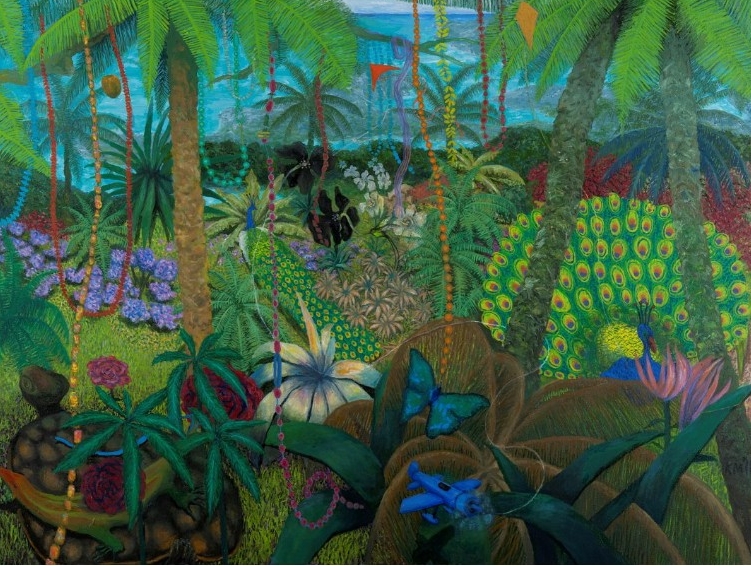
    This is Dean Morrison’s “Scenes From Childhood.”Keith A. Morrison

    Keith Anthony Morrison was born May 20, 1942, in Linstead, Jamaica. He ran track in high school and took drawing classes at the Jamaica School of Arts and Crafts.

    He learned about the School of the Art Institute of Chicago after high school and worked as a disc jockey and sound effects man for a Jamaican radio station to earn money to travel to the United States. He earned his bachelor’s degree at the University of Chicago in 1963 and his master’s degree at the Art Institute of Chicago in 1965.

    He had a son, Ron, a daughter, Melinda, and, after a divorce, married Alunan in 2003 and welcomed her children into his family. His daughter and former wife died earlier.

    Dean Morrison studied Aristotle and earned a Fulbright Senior Scholar grant. He enjoyed classical music and jazz, and he and his wife traveled the world together.

    Dean Morrison “had a great imagination and sense of humor,” his wife said.Susan C. Alunan

    He played tennis and ran, and lived in Chicago, Washington, and San Francisco before settling in Meadowbrook. “He had a great imagination and sense of humor,” his wife said. “He was a fun guy.”

    In addition to his wife and son, Dean Morrison is survived by a brother and other relatives.

    A celebration of his life is to be held later. Brandywine Workshop and Archives has scheduled a showing of his work from 6 to 8 p.m. on Thursday, Aug. 6.