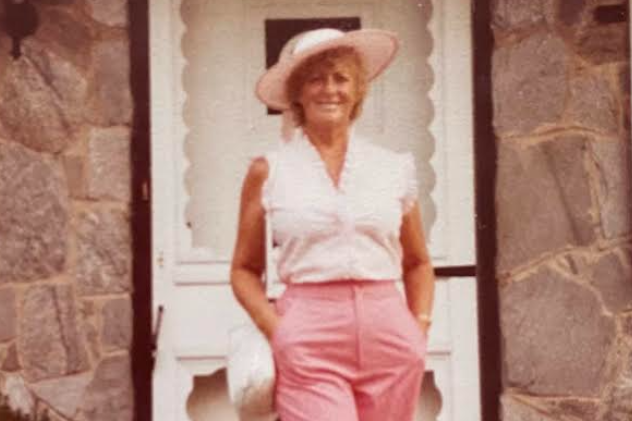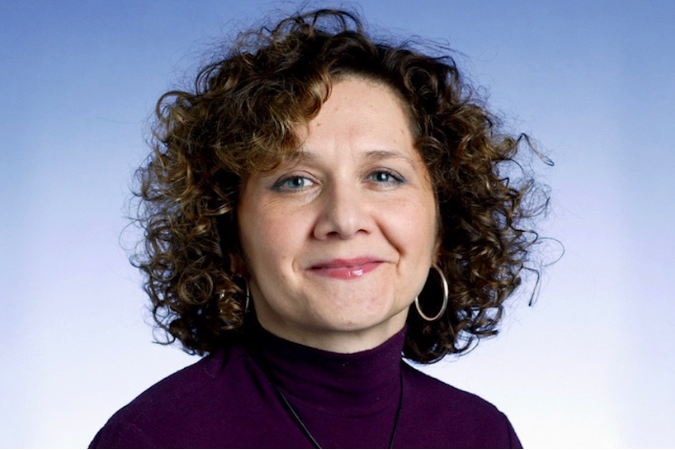
Author: Gary Miles

  • Monica Rhor, award-winning journalist, former Inquirer reporter, and teacher, has died at 65

    Monica Rhor, award-winning journalist, former Inquirer reporter, and teacher, has died at 65

    Monica Rhor was born in Ecuador in 1960. She came to the United States with her family in 1963.

    On Feb. 14, 1997, she became a naturalized U.S. citizen in a ceremony at the immigration office in Cherry Hill. On Tuesday, the National Association of Hispanic Journalists recognized her long career as a reporter, editor, mentor, and inspiration with a Lifetime Achievement Award.

    In between all that, she earned bachelor’s and master’s degrees, and wrote thousands of consequential stories for The Inquirer, Miami Herald, Boston Globe, Houston Chronicle, Chalkbeat, and other news organizations. She taught journalism and English classes to high school and college students in Texas, mentored countless other journalists, volunteered with several journalism organizations, and wrote insightfully about her life as an immigrant.

    “My [older] sister survived immigration by becoming wholly American,” she wrote in The Inquirer in 1997. “I survived by remaining resolutely Ecuadorian. We both lost something in the process. She has become an outsider to her own culture. And I have always felt outside this one.”

    On Sunday, Nov. 1, Monica Rhor, journalist, sister, mother, daughter, and friend, died of glioblastoma at a skilled nursing center near Houston. She was 65.

    “Monica was fearless,” Marisol Bello, a longtime friend and colleague, said. “She was one of the many women in my life that I admired and so wanted to be like. Her energy, wit, and capacity for love was just larger than life.”

    Colleagues at Chalkbeat called Ms. Rhor “soft-spoken, a careful listener, a bit stoic, mindful of her words, patient, and, above all, kind.” Colleagues at the NAHJ said: “Everything she touched, she made shine, whether it was copy, story framing, or a life.”

    Ms. Rhor liked to say she became a writer in fifth grade. Encouraged by a teacher to put her ever-flowing thoughts and ideas down on paper, she journaled voraciously as a girl and earned a bachelor’s degree in journalism at New York University in 1983.

    The National Association of Hispanic Journalists honored Ms. Rhor on Nov 17. National Association of Hispanic Journalists

    She wrote nearly 1,000 stories during her nine years at The Inquirer, from 1992 to 2001, and hundreds more for the Herald, Globe, Chronicle, Orange County Register, Associated Press, USA Today, Chalkbeat, and smaller papers in Texas, Delaware, and Florida. She won several awards and was named the 2008 Associated Press Writer of the Year in Texas.

    She covered politics, the economy, education, crime, immigration, healthcare, racism, war, sports, art, dance, and everyday life in South Jersey and Philadelphia for The Inquirer. She reviewed books and wrote front-page features, long Sunday magazine stories, obituaries, and news briefs.

    She was particularly interested in stories about systemic inequities, marginalized voices, and the triumphs and tragedies that defined the daily lives of her readers. “I believe in the power of the written word,” she said during a writing seminar in 2012. “I believe it has the power to change lives. … Writing changed my life.”

    Bello said: “She had a fierceness and sense of justice that drove her love of stories.”
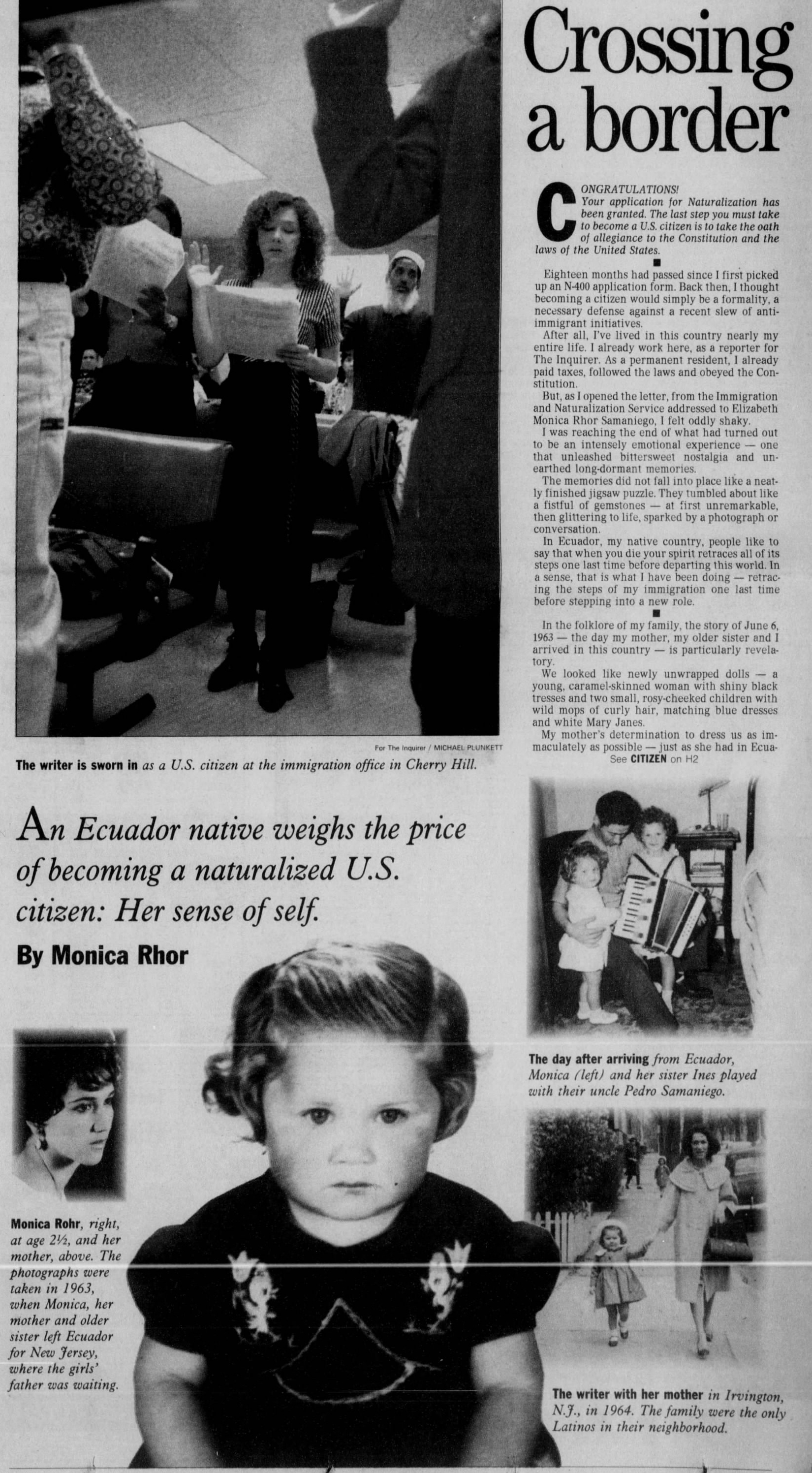
    Ms. Rhor wrote about her life as an immigrant from Ecuador in The Inquirer in 1997.Newspaprs.com

    To open a 1994 Inquirer story about a grieving mother, Ms. Rhor wrote: “Elizabeth Burgos couldn’t find baby clothes small enough to bury her infant daughter in.” In a 2000 story about urban gardens, she wrote: “North Philadelphia rattles noisily around the plot of land surrounded by chain link and bordered in back by train tracks. But inside the fence, the city slips away and soft echoes of a verdant, Southern farm rise.”

    After The Inquirer, she was an enterprise writer in Miami, an immigration reporter in Boston, an investigative reporter in Orange County, Calif., and a narrative writer covering gender, sexuality, spirituality, and race in Houston. She moved to Texas in 2006 and rose to columnist and editorial writer at the Chronicle in 2019.

    She joined Chalkbeat, a nonprofit that reports on schools and education, as a story editor in 2021 to cover a beat, she said on LinkedIn, “close to my heart and the intersection of so many critical issues.”

    She earned an online master’s degree in education from the University of Missouri in 2023 and taught journalism and English to high school and college students in Texas. She led seminars and workshops through the NAHJ and was active with all kinds of projects for the National Association of Black Journalists, the Education Writers Association, Unity Journalists, and the old Next Generation Radio Project.
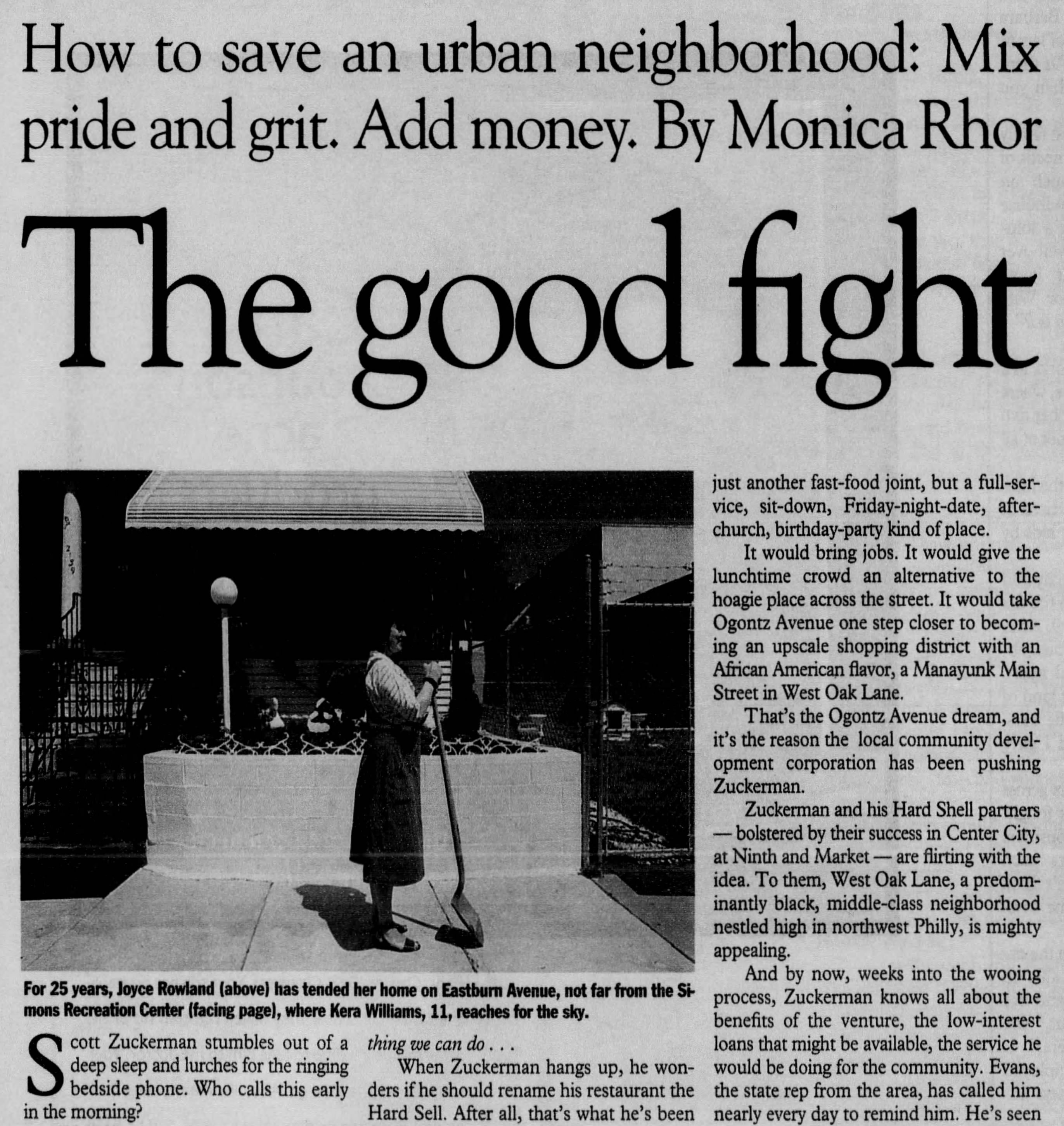
    Ms. Rhor wrote this magazine story about changing neighborhoods in Philadelphia for The Inquirer in 1996.Newspapers.com

    Her death, a former colleague at The Inquirer said on Facebook, “leaves a hole in the heart of American journalism.” A colleague at Chalkbeat said: “Monica connected with colleagues not just as a journalist but as a human.”

    Elizabeth Monica Rhor Samaniego was born Dec. 20, 1960, in Riobamba, Ecuador. In 1997, she wrote about the struggles she and her older sister, Ines, faced as Latinas growing up in northern New Jersey. “My childhood was a tightrope walk between this new culture and that old one,” she wrote in The Inquirer. “Yet, no matter how either of us acted, the surrounding world saw us as interlopers.”

    Still, they excelled, and friends and colleagues called Ms. Rhor “a fighter since day one,” “a gifted storyteller,” and “a bright light for many of us” in recent tributes. She lived in Cherry Hill and Center City when she worked for The Inquirer, and she developed a keen interest in popular culture.

    She enjoyed classic movies and zombie horror flicks. She was an avid reader, her younger sister Sylvia said, and “she loved newsprint on her fingers.”
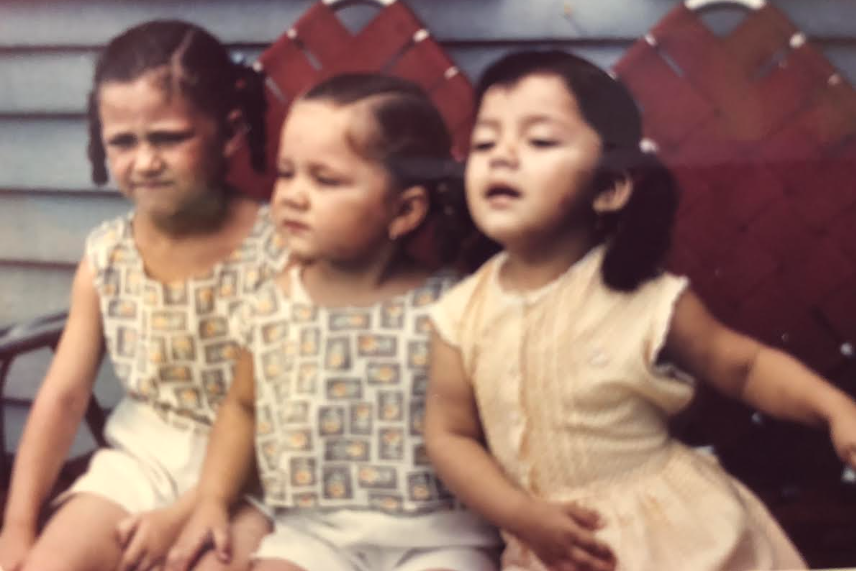
    Ms. Rhor (center) and her older sister Ines (left) enjoyed time with their family,Courtesy of the family

    She married and divorced, adopted two daughters, and lived in Kingwood, Texas, 30 miles northeast of Houston. Recently, she took up crocheting and watercolor painting. Her friends, her family said, sustained her.

    “She felt everything so deeply,” her sister Sylvia said. “Joy, sadness, and empathy for others. She was curious about people. She was so full of life. Her irrepressible energy is all around us.”

    In addition to her sisters, daughters, and father, Jorge, Ms. Rhor is survived by other relatives.

    A celebration of her life is to be held later.

    Donations in her name may be made to the National Association of Hispanic Journalists, 1050 Connecticut Ave., Washington, D.C. 20035.
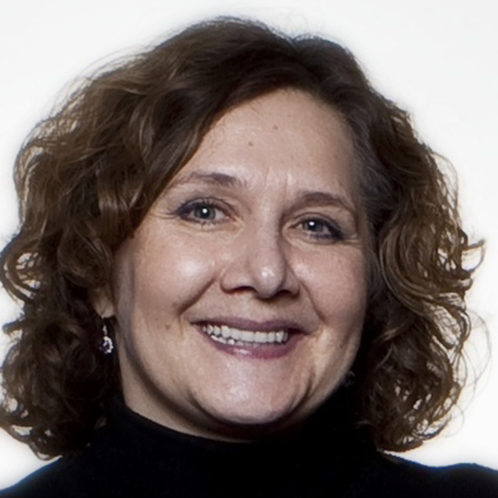
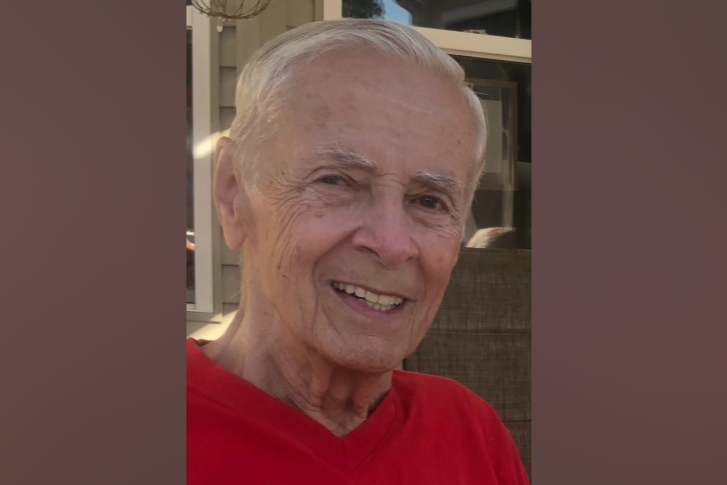
    Ms. Rhor “felt everything so deeply,” her sister Sylvia said. “Joy, sadness, and empathy for others. She was curious about people.”Courtesy of the family
  • Jim Purcell, retired teacher, principal, and Hall of Fame boys’ basketball coach, has died at 92

    Jim Purcell, retired teacher, principal, and Hall of Fame boys’ basketball coach, has died at 92

    Jim Purcell, 92, formerly of Glenolden, Delaware County, retired teacher, high school principal, star basketball player, and Hall of Fame boys’ basketball coach at Cardinal O’Hara and St. Thomas More High Schools, died Sunday, Nov. 15, of age-associated decline at the Bellingham at West Chester senior living community.

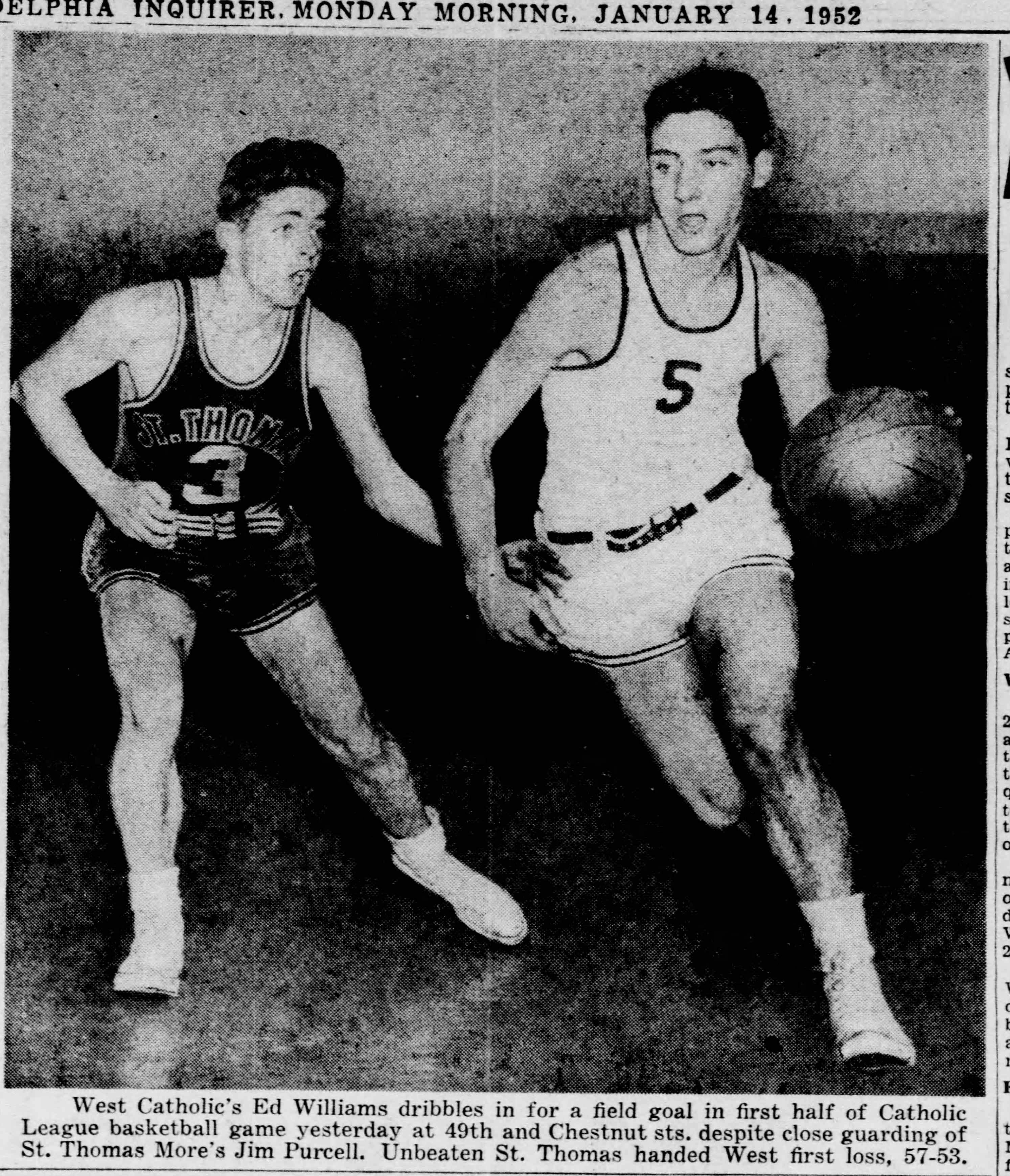
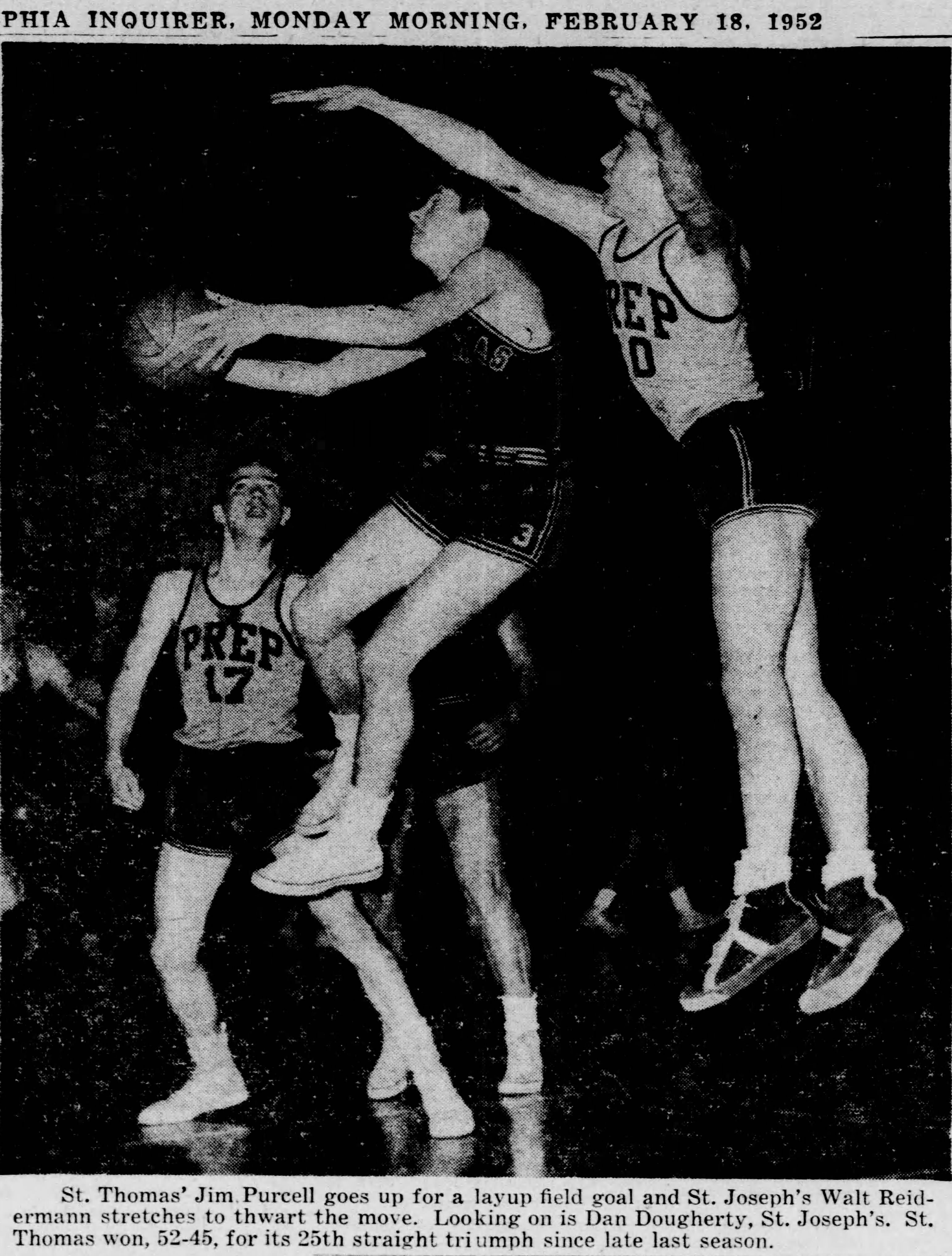
    Known as “Coach” and “Delaware County royalty” to many former players, colleagues, and basketball fans in and around Philadelphia, Mr. Purcell was a star basketball player at the old St. Thomas More High School and what is now St. Joseph’s University. Inquirer sportswriter Hal Freeman called him “an efficient, swift, and heady playmaker” in a 1952 article, and Mr. Purcell helped St. Thomas More win its first Philadelphia Catholic League boys’ basketball championship in 1951.

    He graduated in 1952, returned to the high school in 1958 as a teacher and basketball coach, and, in 1961, became the first person to win the Catholic League boys’ basketball championship as a player and a coach. He left More in 1963 to teach and coach basketball at Cardinal O’Hara, won the Catholic League championship there in 1968, and became the first coach to win Catholic League titles at two schools.

    His teams at O’Hara made the Catholic League playoffs in seven of his eight seasons, and he finished, according to the Daily News, with a career record of 126-68 at O’Hara and 82-51 in six seasons at More. He was inducted into both the Cardinal O’Hara Hall of Fame and the St. Thomas More Hall of Fame.

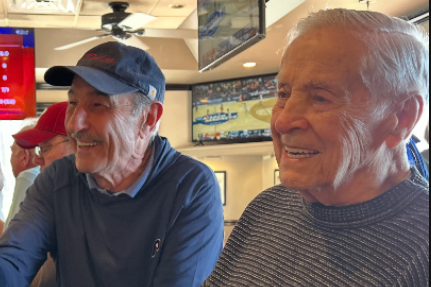
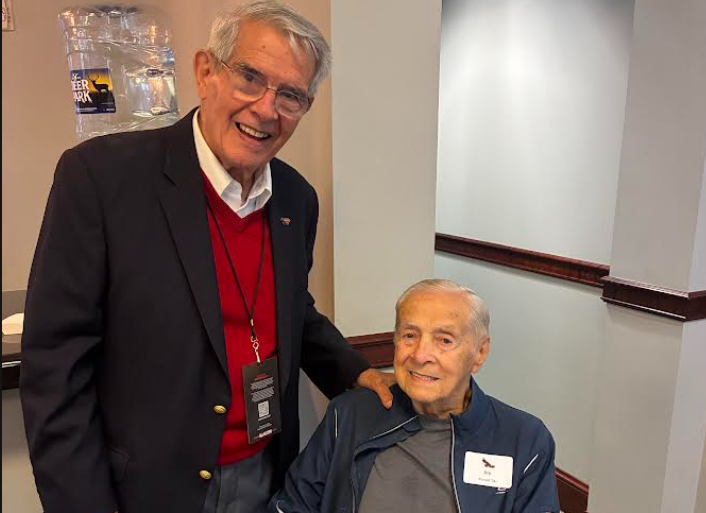
    Above, Mr. Purcell (right) was close with his former Cardinal O’Hara player Tom Ingelsby. Below, he (right) poses with St. Joseph’s longtime administrator Don DiJulia. Courtesy of the family

    Mr. Purcell’s 1967-68 championship team at O’Hara featured star players Tom Ingelsby and Joe Hazinsky, and finished 13-1 in the Catholic League. His 1971-72 team featured Mike Arizin, finished 13-3 in the league, and lost a heartbreaker to More in the division semifinals.

    “The team I coached in 1968 was one of the best,” Mr. Purcell told The Inquirer in January 1972. “But this [1971-72] team is potentially one of the greatest.”

    Ingelsby said: “Coach Purcell insisted his players to be fundamentally sound, very team-oriented, and very competitive.” Arizin said: “He was the best coach I ever had. He quietly but firmly taught us all how to play and that basketball was a team sport. I respected him immensely and listened to him. He made me better.”

    At St. Joseph’s, he played in 64 games over three seasons, averaged 5.1 points per game, and helped the Hawks win the inaugural Big Five college men’s basketball championship in 1956. “Jim was an outstanding player and a loyal teammate,” former St. Joe’s player Ray Radziszewski said in an online tribute, “soft-spoken, quiet leader both on and off the court.”

    Mr. Purcell taught Spanish and business math at More and O’Hara. He served as dean of students and vice principal at O’Hara for six years, and, in 1977, was named principal at Archbishop Kennedy High School. He retired from Kennedy in 1983 and worked for years as a construction contractor.

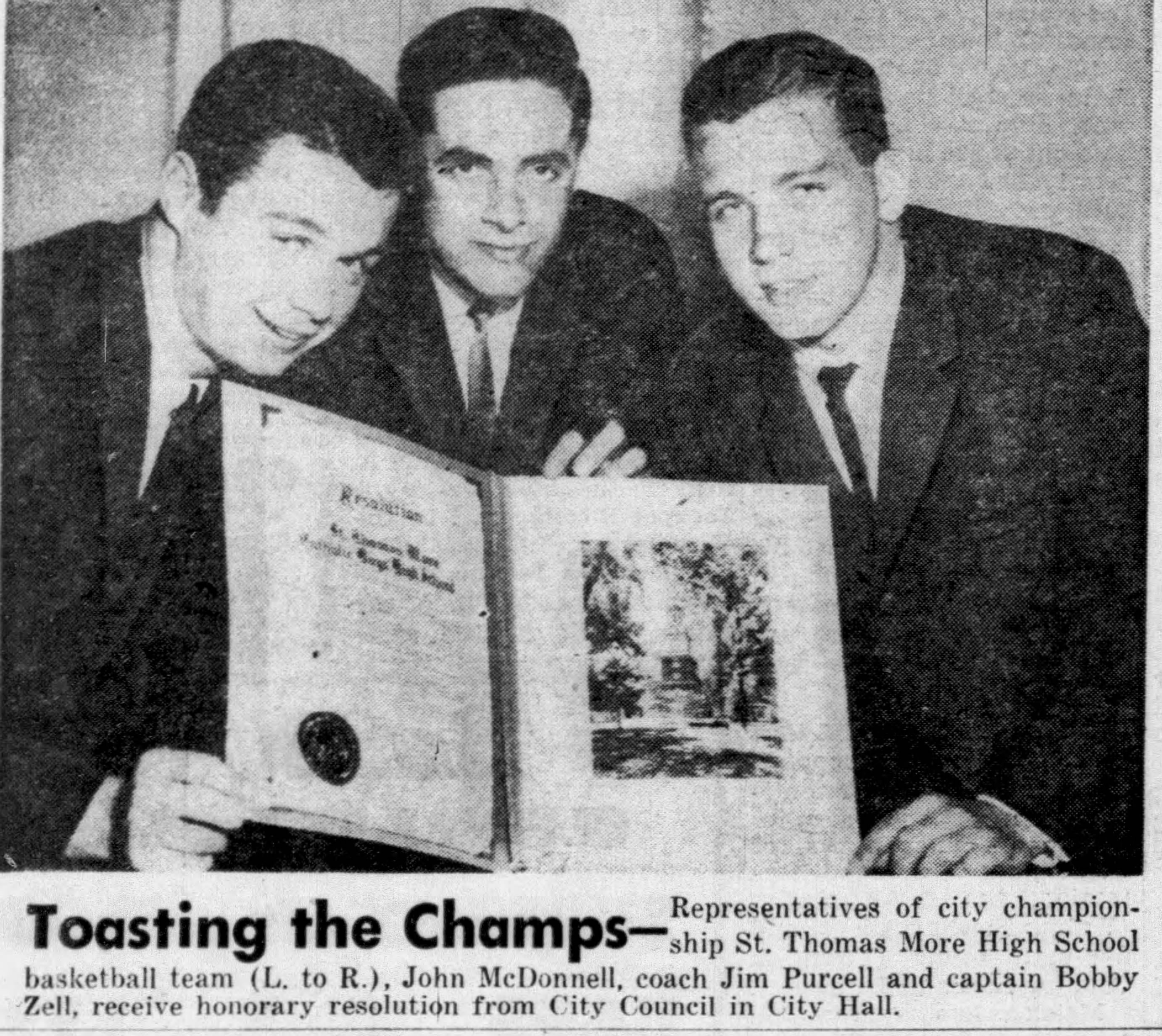
    These photos of Mr. Purcell, left above and center below, appeared in The Inquirer in 1952.
    Newspapers.com

    In a tribute, his family said: “Jim’s passion for basketball and his former students and players lasted a lifetime.”

    James A. Purcell was born April 1, 1934, in Philadelphia. The youngest of six children, his mother died when he was young, and his older sister became his primary caretaker.

    He played basketball all the time as a boy. Mr. Purcell earned a bachelor’s degree in political science in 1956 and a master’s degree in education in 1963 at St. Joseph’s. He married Dolores Doheny, and they had a son James, and lived in Aldan, Delaware County. They divorced later, and he lived in Glenolden, Collingdale, and Upper Darby.

    “He was humble and low-key,” his nephew Steve Purcell said. “He was a bright guy who would talk to both the janitor and the CEO. We knew him as Delaware County royalty.”

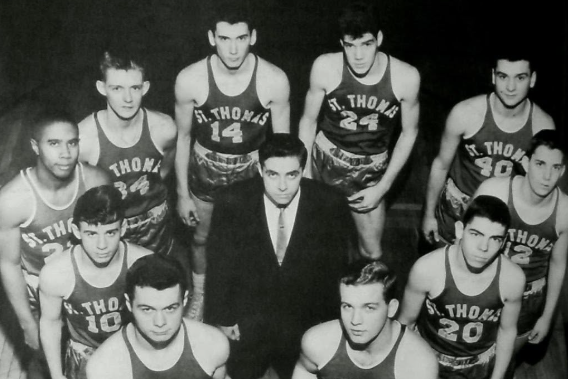
    Mr. Purcell, center above and below, coached his St. Thomas More basketball team to the 1961 Philadelphia Catholic League championship.St. Thomas More High School

    In addition to his son, former wife, and nephew, Mr. Purcell is survived by three grandchildren and other relatives. Four brothers and his sister died earlier.

    Visitation with the family is to be from 9 to 10:15 a.m. Tuesday, Nov. 24, at St. Dorothy Catholic Church, 4910 Township Line Rd., Drexel Hill, Pa. 19026. A service is to follow at 10:30.

    Donations in his name may be made to Cardinal O’Hara High School, 1701 S. Sproul Rd., Springfield, Pa. 19064.

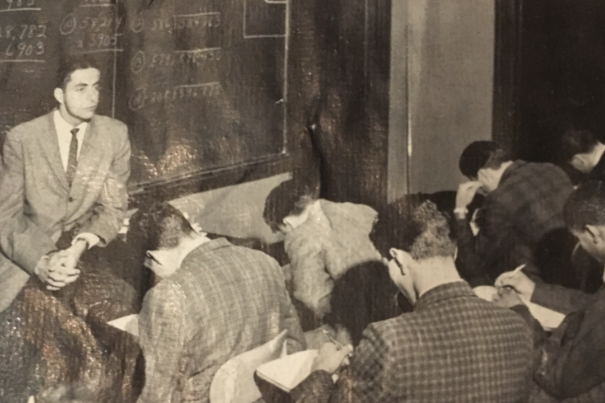
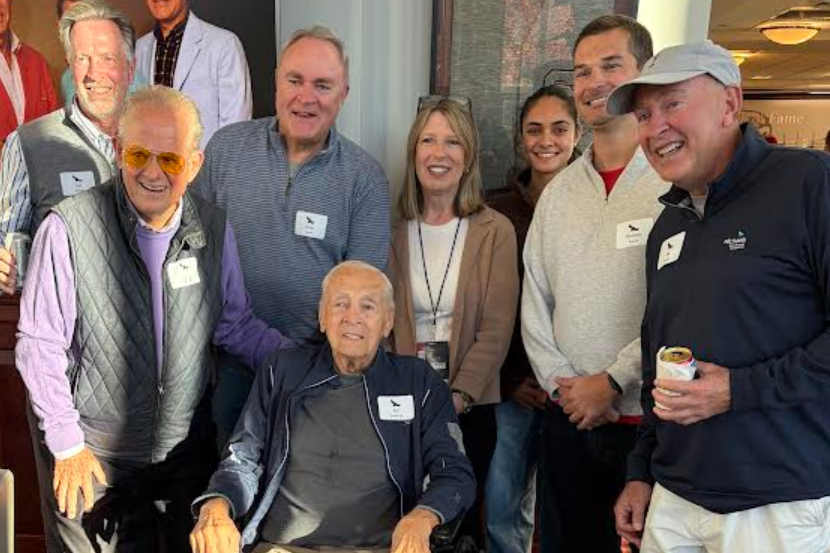
    Above, Mr. Purcell (left) in class. Below, he is surrounded by friends and colleagues at St. Joseph’s University. Courtesy of the family
  • Heather Kovich, pioneering rural physician and medical educator, has died at 49

    Heather Kovich, pioneering rural physician and medical educator, has died at 49

    Heather Kovich, 49, formerly of Philadelphia, pioneering physician in rural family medicine, founding director of the first family medicine residency for the federal Indian Health Service, clinical assistant professor of community and family medicine for Dartmouth College, writer, and athlete, died Saturday, Oct. 31, of injuries after an incident that occurred while she was running near her home in Shiprock, N.M. The incident is under investigation by the FBI and other law enforcement agencies.

    Reared in West Philadelphia and a graduate of Central High School and the Temple University Lewis Katz School of Medicine, Dr. Kovich joined the Northern Navajo Medical Center in Shiprock in 2009. She served as the center’s chief of staff for four years, mentored colleagues, treated patients, oversaw clinics and other service programs, and trained visiting residents from the University of New Mexico, Dartmouth, and elsewhere.

    She joined the New Mexico Primary Care Training Consortium Board in 2025 and said in a recent online interview with the Accreditation Council for Graduate Medical Education: “I wanted to work where I was needed and be part of the local community.”

    Dr. Kovich was an expert in population health, substance abuse treatment, musculoskeletal medicine, hospital procedures, and other topics. She raised funds and earned grants that benefited patient care, medical education, public health outreach, and other programs at Northern Navajo Medical Center.

    Colleagues praised her “unwavering stamina,” “compassionate care,” and “incredible dedication” in tributes. They said she “touched so many lives” and was “a caring, compassionate physician who was deeply committed to her Native patients.”

    Her patients called her “a very caring wonderful doctor” and “a great lady in every way” in tributes. A friend said: “She embraced our people, valued our culture, and became part of our family and our community.”

    In her Indian Health Service profile, Dr. Kovich said: “I work here because I can’t imagine living or working anywhere better.”

    In 2021, to improve medical care for the Navajo Nation in New Mexico, Dr. Kovich helped establish the Indian Health Service’s first family medicine residency program. Residents spend their first year working in Albuquerque with the University of New Mexico School of Medicine and the next two years at the Northern Navajo Medical Center in Shiprock.

    Dr. Kovich was remembered by colleagues on the Ellsworth LLC website.Ellsworth LLC

    “Residents work in our inpatient and outpatient settings, and out in our community,” Dr. Kovich said in the ACGME interview. “The community teaches the residents how to be excellent physicians and also how to butcher a sheep.”

    Dr. Kovich earned a bachelor’s degree in religious studies at Williams College in Massachusetts in 1999 and her medical degree at Temple in 2005. She served a residency at the University of Washington in Seattle and was drawn to New Mexico, she said, for its natural wonders and healthcare needs.
    She sat on panels and spoke at conferences, and her articles about the Navajo Nation, population density, disease distribution, and other issues appeared in the New England Journal of Medicine, Family Practice, American Family Physician, and other publications.

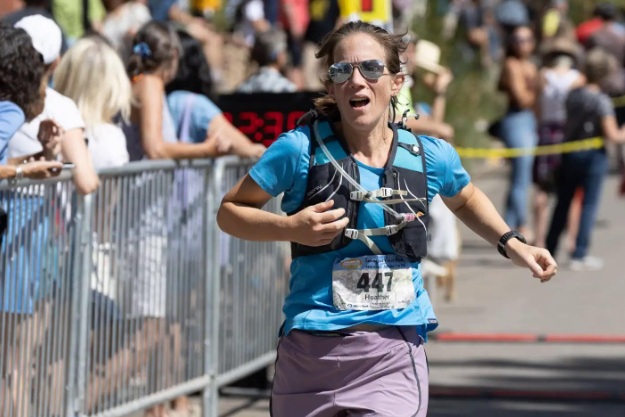
    Away from work, Dr. Kovich was an avid runner and bicyclist. She ran in the New York City and Boston Marathons, cycled with her family across Europe, and worked on the Appalachian Mountain Club trail crew.

    She rowed for the Williams crew team in college and coached University of Vermont teams at the Dad Vail Regatta on the Schuylkill. “She was determined and self-motivated,” her mother said. “She worked hard and played hard. She liked adventure.”

    Born March 7, 1977, Heather Clare Kovich grew up with her parents, Peggy and Todd, and younger sister Emily. She played bassoon in the Philadelphia Youth Orchestra and the school orchestra at Central, and the piano at home.

    She also played field hockey in high school and won science fair competitions. She even appeared on a quiz show when she was 10 and won a TV set. “She was all in on life,” her sister said.

    She met writer Andrew Weber in Seattle, and they married in 2008 and had sons Bennett and Russell. Even in New Mexico, she continued to cheer for the Eagles and the Phillies.

    Dr. Kovich ran in many marathons and other races, and enjoyed time with her family.Courtesy of the family

    She liked to quote Taylor Swift song lyrics and often said: “I can do hard things.” Her father said: “She was intense. She wasn’t put off by whatever it took to get things done. She cared.”

    Her husband said: “Beyond her professional life, she was an amazing wife and mother to our family.”

    In addition to her husband, sons, parents, and sister, Dr. Kovich is survived by other relatives.

    A celebration of her life was held earlier and another is to be held later.

    Donations in her name may be made to the Heather Kovich Fund for the Shiprock Family Medicine Residency, c/o UNM Foundation, 700 Lomas Blvd. N.E., 2 Woodward Center, Albuquerque, N.M. 87102.

    Dr. Kovich (second from right) was featured in Williams College Magazine in 2016.Williams College
  • John J. Sweeney Jr., former state senator and longtime federal Small Business Administration official, has died at 99

    John J. Sweeney Jr., former state senator and longtime federal Small Business Administration official, has died at 99

    John J. Sweeney Jr., 99, of Haverford, former Pennsylvania state senator, longtime official with the federal Small Business Administration, veteran, and volunteer, died Friday, Oct. 2, of age-associated decline at his home.

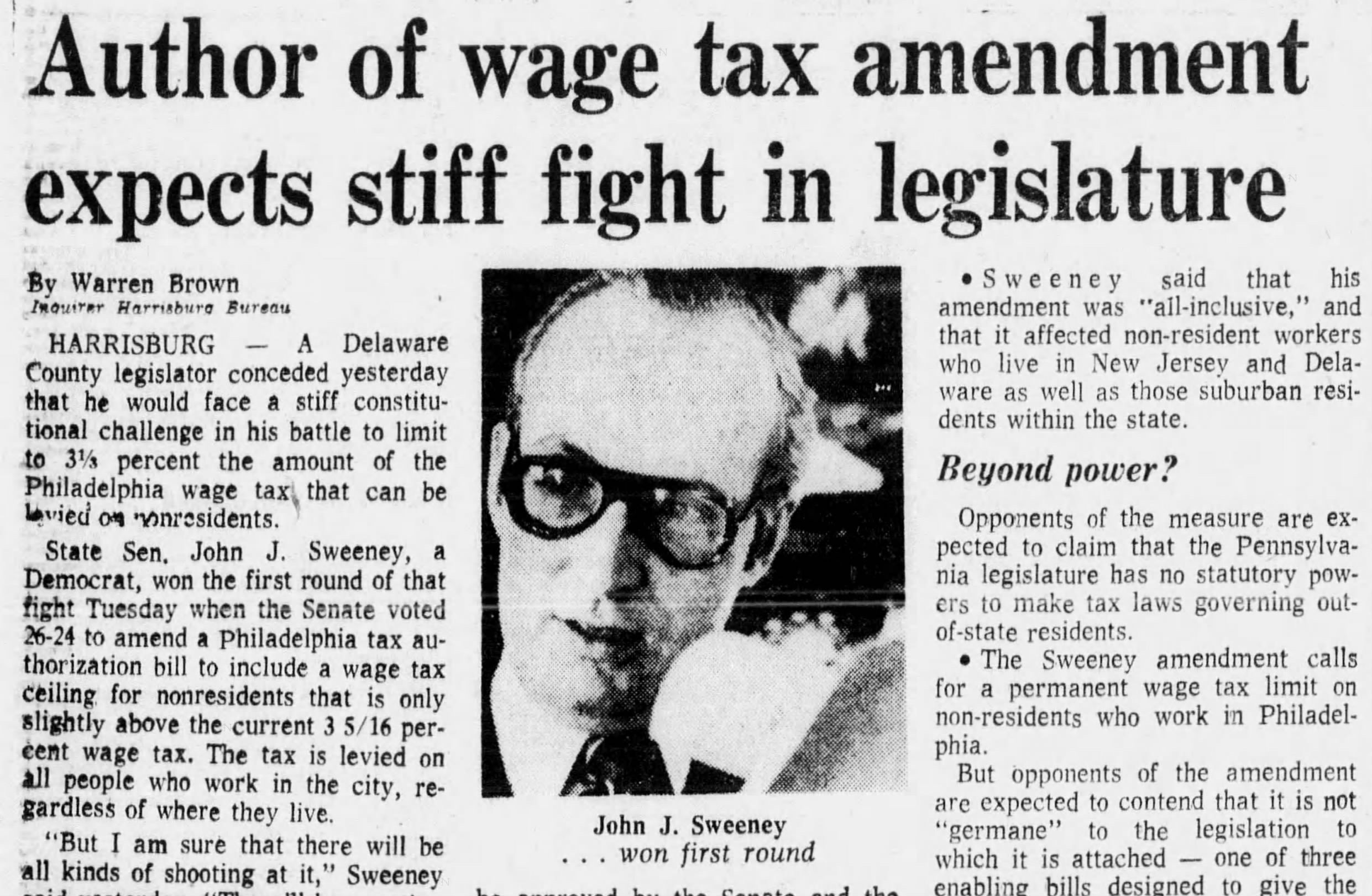
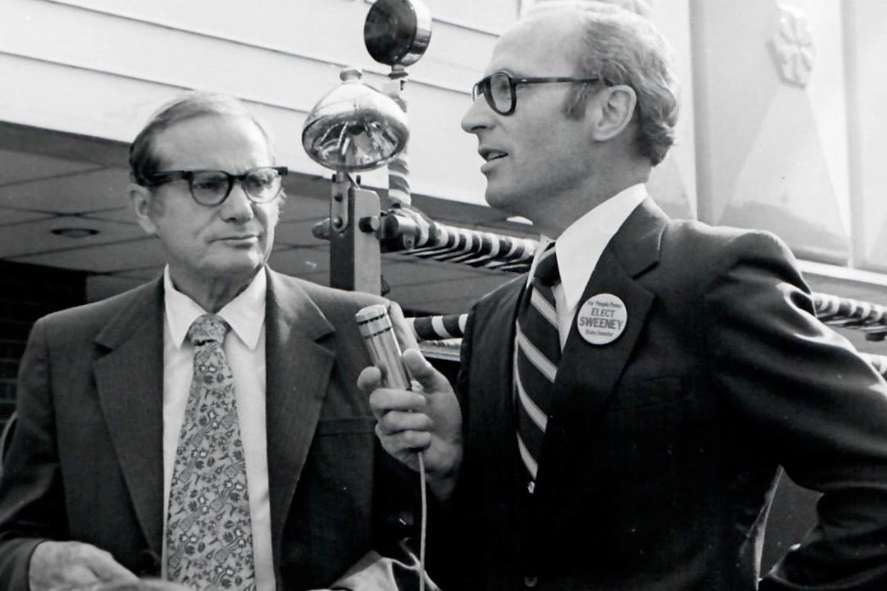
    Sen. Sweeney served in the state Senate from 1975 through 1978 as the first Democrat elected to represent the 26th District in Delaware County. The Inquirer covered his 600-vote election victory over Republican F. Joseph Loeper in 1974 and said he had been “given little if any chance even by members of his own party” to win in a district “that includes some of the strongest Republican areas in the county.”

    A month before his victory, Sen. Sweeney told The Inquirer: “I find that my biggest asset is that I’ve never been in politics.” His daughter Kathy said: “He loved election night. That was his Super Bowl.”

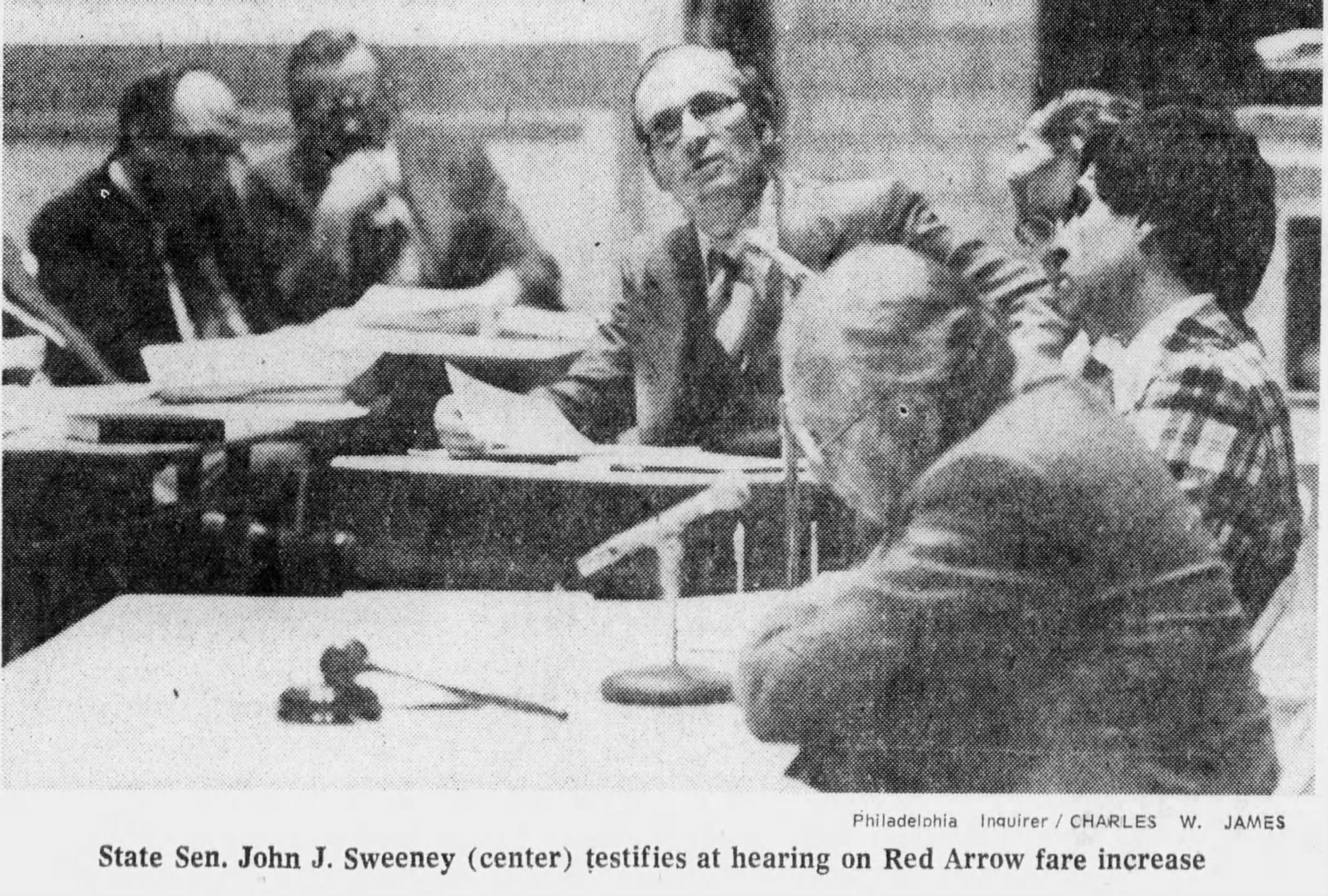
    He went on to become chair of the Senate’s old Military Affairs and Aeronautics Committee, vice chair of the Consumer Affairs Committee, and member of the Health and Welfare Committee and the Pennsylvania Public Television Commission. In 1976, he championed legislation that provided a permanent wage tax limit on nonresidents who work in Philadelphia and urged SEPTA to voluntarily place itself under the supervision of the state’s Public Utility Commission due to fare increase issues.

    Sen. Sweeney appeared many times in The Inquirer in 1976.Newspapers.com

    He also opened the first local state senator’s office in Delaware County. According to his online Senate Library biography, he did not seek reelection “as the $18,720 salary couldn’t support his [growing] family.”

    On Oct. 21, the state Senate recognized Sen. Sweeney with a moment of silence on the floor and a resolution of condolence. “He modernized Senate procedures, most notably with Senate confirmation hearings for cabinet appointments, and championed other important reforms for the commonwealth,” Sen. Tim Kearney, a Delaware County Democrat, said in a tribute. “It was an honor to celebrate his life of service.”

    After his Senate term, Sen. Sweeney spent 30 years as an award-winning administrator with the federal Small Business Administration in Philadelphia and Washington. In retirement, he mentored juveniles for the Upper Darby Youth Aid Panel and seniors for the Delaware County Office of Services for the Aging.

    He also represented Irish Americans for the old Pennsylvania Heritage Affairs Commission. One of his favorite sayings was: “A Sweeney never quits.”

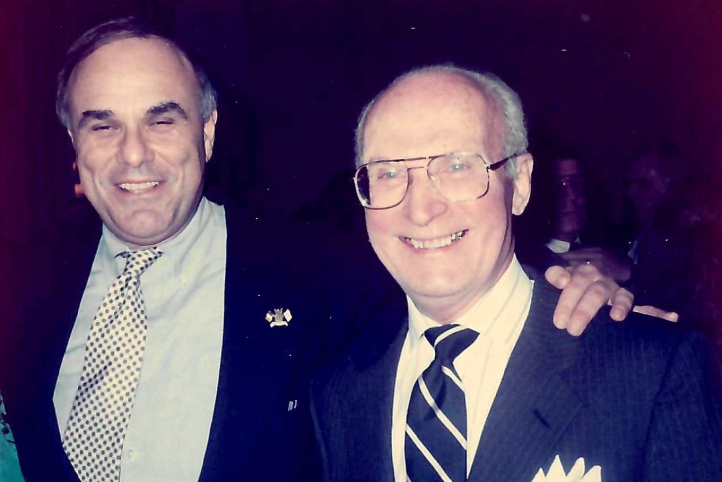
    Sen. Sweeney, right in both photos, worked with Gov. Milton Shapp (above) and Gov. Ed Rendell (below). Courtesy of the family

    Sen. Sweeney enlisted in the Army in 1946, was stationed in Japan after World War II, and rose to the rank of staff sergeant. He attended classes at St. Joseph’s, Temple, and Pennsylvania State Universities, earned a real estate broker license, and was vice president at Mortgage Corp. of America before joining the Senate.

    His father died when he was 9, and he worked jobs at a pharmacy, a butcher’s shop, and elsewhere to help support his mother and two sisters. He graduated from the old St. Thomas More High School in 1945.

    “The challenges he faced as he grew up laid the foundation for his future success,” his family said in a tribute. “He believed the dinner table was the foundation of a loving family, a time to gather, listen, learn, support, and advise those we loved.”

    John James Sweeney Jr. was born June 1, 1927, in Philadelphia. A first-generation Irish American, he married Dolores Grzymala in 1954, and they had sons John III, Gerard, Dennis, Joseph, and Kevin and daughters Grace Ann and Kathleen.

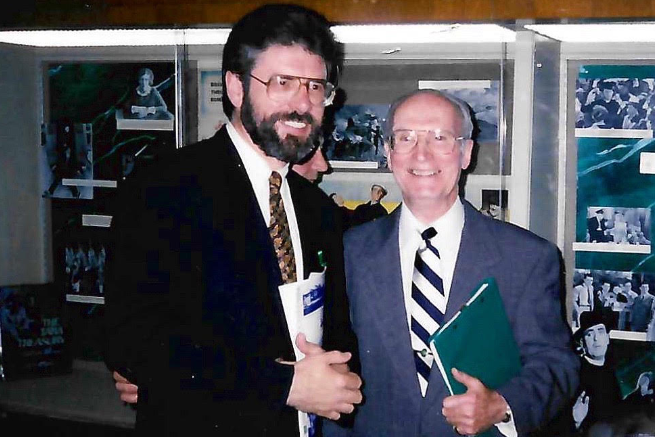
    Sen. Sweeney (right) stands with Irish politician Gerry Adams.Courtesy of the family

    They lived in Springfield, Delaware County, Drexel Hill, and Haverford. His wife and son Kevin died earlier.

    A devout Catholic, Sen. Sweeney was a Communion minister and youth religion teacher at St. Andrew the Apostle Church in Drexel Hill. He was active with the Knights of Columbus and received an honorary title of Kentucky Colonel by the governor of Kentucky for his work in the state with the Small Business Administration.

    He was an avid reader and do-it-yourself plumber, carpenter, and electrician. He was active with many Irish American cultural activities and spent memorable vacations with his family in Avalon, N.J.

    His son John said: “We learned kindness and compassion for others through his example. Charity was a consistent theme.”

    Sen. Sweeney and his wife, Dolores, married in 1954.Courtesy of the family

    His daughter Grace Ann said: “He was devoted to helping people. His door was always open.”

    His family said: “He was always ready to lend a hand, give a hug, wipe a tear, or just listen. He was a rich man not defined by wealth but by love of his family.”

    In addition to his children, Sen. Sweeney is survived by many grandchildren and great-grandchildren, a sister, and other relatives. A sister died earlier.

    Services were held earlier.

    Donations in his name may be made to the Basilica Shrine of Our Lady of the Miraculous Medal, 475 E. Chelten Ave., Philadelphia, Pa. 19144.

    Sen. Sweeney (front left) “was a rich man not defined by wealth but by love of his family,” his family said.Courtesy of the family
  • Mark ‘Chumley’ Singer, eclectic events producer and community activist, has died at 65

    Mark ‘Chumley’ Singer, eclectic events producer and community activist, has died at 65

    Mark “Chumley” Singer, 65, of Philadelphia, eclectic events producer, graphic designer, entrepreneur, adjunct professor of visual merchandising at Drexel University, and community, charity, and gay rights activist, died Monday, Oct. 26, of pancreatic cancer at his sister’s home in Cherry Hill.

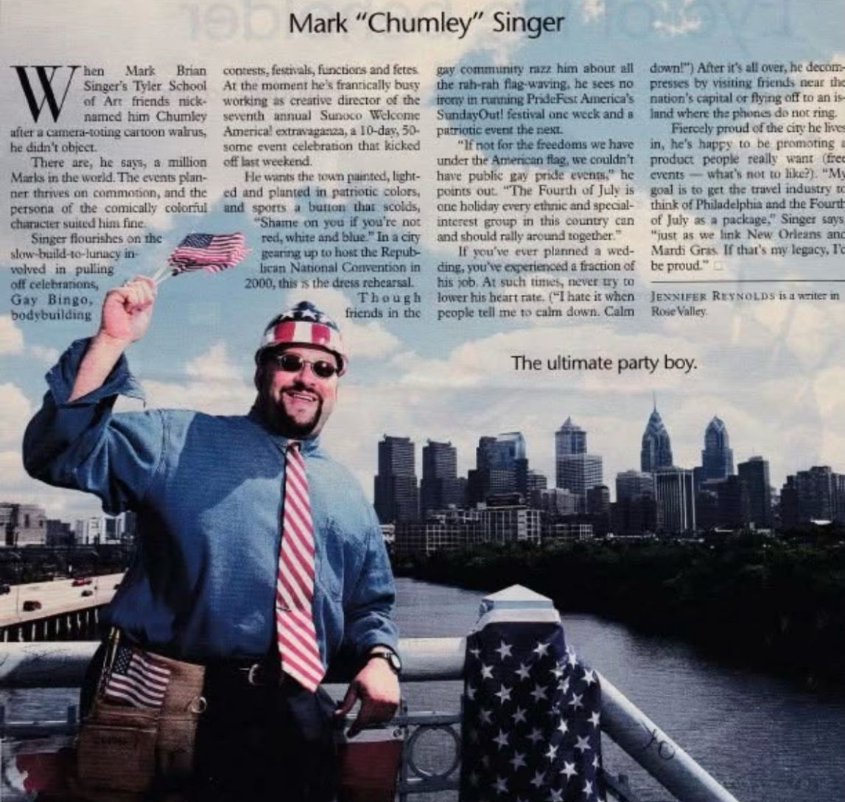
    Nicknamed after the lovable walrus sidekick to the 1960s penguin cartoon character Tennessee Tuxedo, Mr. Singer was what the Daily News in 2002 called “a local man-about-town.” He was onetime creative director for Welcome America Inc., events and marketing manager for the Eagles Youth Partnership, and a founding committee member of the Lights for the Cure breast cancer awareness project.

    He helped develop the city’s skyline lighting initiative in the early 2000s and coordinated marketing and community events affiliated with the city’s millennium celebration, the Liberty Bell Pavilion, the National Constitution Center, the Philadelphia Museum of Art, and the Mummers, Thanksgiving Day, and Independence Day parades. He was also a founding board member of the Philadelphia Gay Tourism Caucus.

    “The Philadelphia of today,” a longtime friend and colleague said on Instagram, “was formed by Chumley’s creative mind.”

    In 1999, Mr. Singer told The Inquirer: “My goal is to get the travel industry to think of Philadelphia and the Fourth of July as a package just as we link New Orleans and Mardi Gras. If that’s my legacy, I’d be proud.”

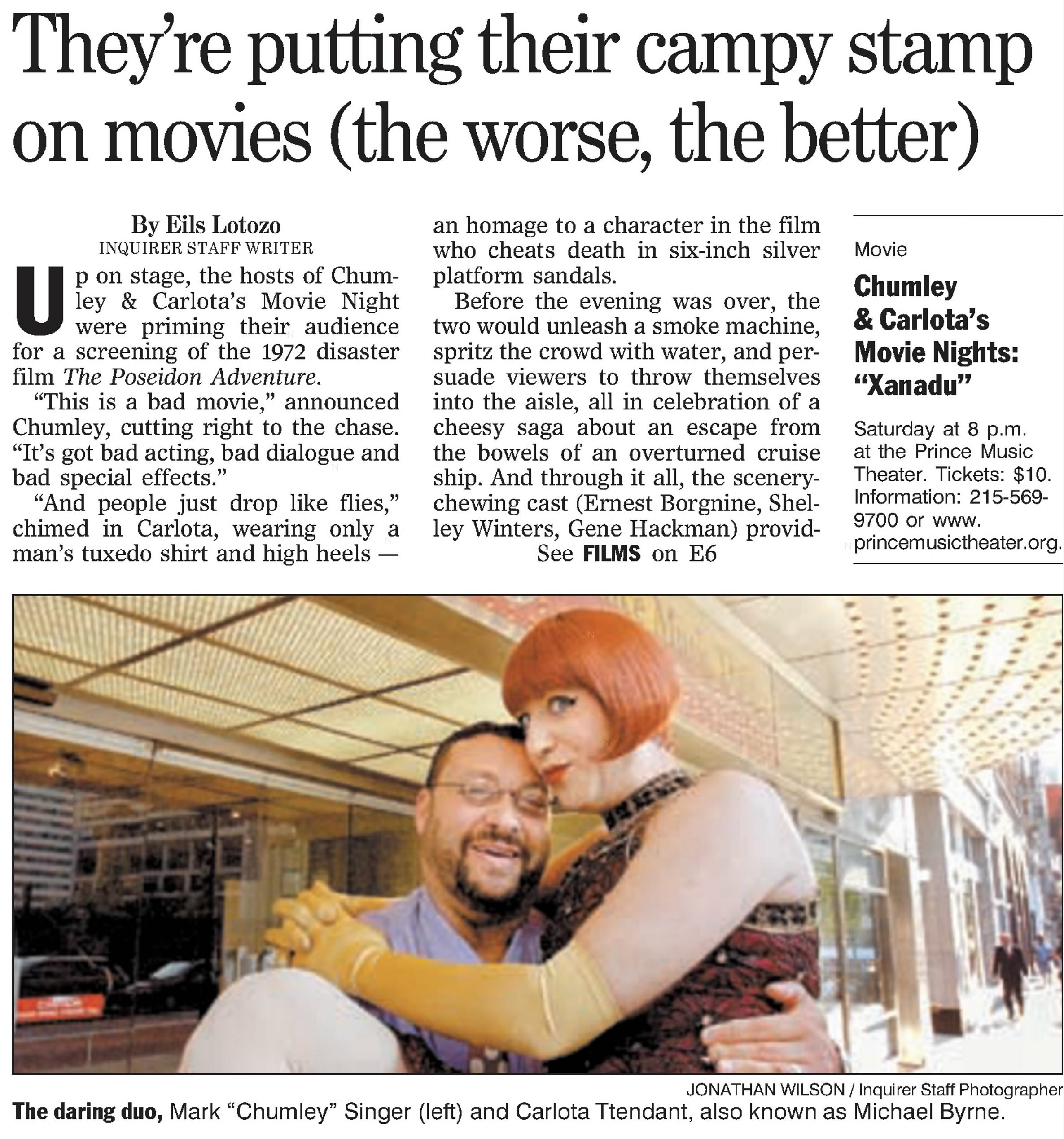
    He became a serious fundraiser after his best friend died of AIDS, and he organized popular gay bingo nights and other events to benefit HIV/AIDS services. He designed the rainbow street signs in Philadelphia’s Gayborhood and collaborated with fellow performer Michael Byrne to cohost gay bingo, movie night at the Prince Music Theater, and other community get-togethers.

    “He leaves behind a legacy of memorable celebrations, meaningful philanthropy, and lasting connections,” Byrne said. “He developed a reputation for transforming an idea into an experience that people would remember long after the lights came up.”

    Mr. Singer earned a bachelor’s degree in graphic design at Temple University’s Tyler School of Art and Architecture in 1984 and worked at first as a visual merchandiser at Gimbels, Macy’s, Urban Outfitters, and other retailers. In the 1990s, he painted frescoes for homeowners and opened a store that sold unique home furnishings.

    Mr. Singer appeared in The Inquirer in 1999, above, and 2002, below. Newspapers.com

    In 2003, to celebrate the gay community’s “hairy/beefy/burly/gay ‘bears,’” he established Chumley’s Bear Cruises, a group tour company that books cruises to Alaska, Aruba, and elsewhere around the world.

    Affable and engaging, Mr. Singer appeared on the podcast A Jaded Gay, was featured often in The Inquirer and Daily News, and was named to the Daily News’ Council of Cool in 2002. In online tributes, friends and colleagues called him “a creative visionary,” “an unspeakably beautiful man inside and out,” and “everyone’s advocate, cheerleader, and a voice of encouragement.”

    Byrne said: “He helped create spaces where people could gather, celebrate, and feel connected. If Chumley said, ‘I can do it,’ he could.”

    Mark Brian Singer was born April 18, 1961, in Philadelphia. His father died when he was 9, and he graduated from the Milton Hershey School in Hershey, Pa.

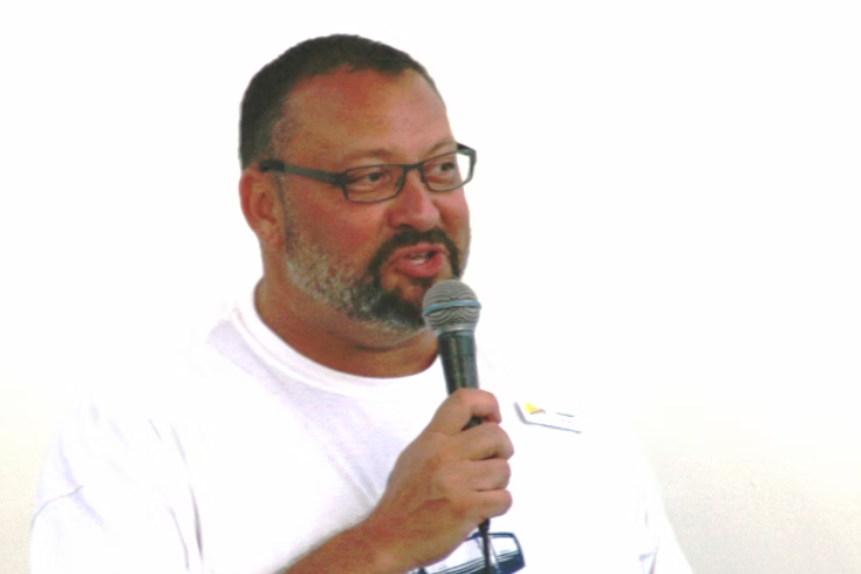
    Mr. Singer, left above, was a dynamic speaker and organizer. Rebecca Barger / Staff Photographer

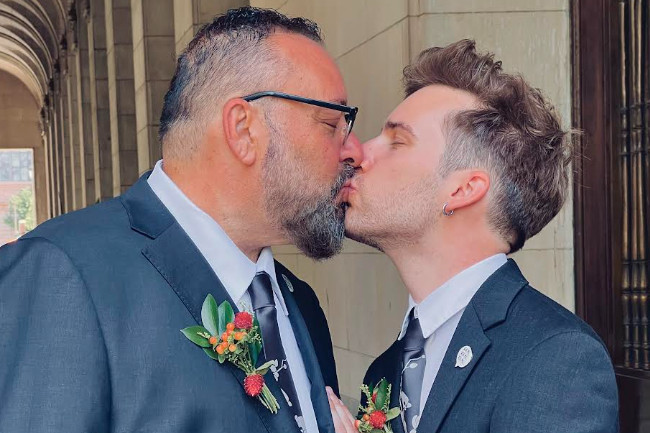
    He met fellow artist and actor Ven Schmidt in 2017, and they married in 2022 and lived in South Philadelphia.

    Mr. Singer enjoyed camping and traveling. He listened to the Smiths and followed the Eagles closely.

    He liked to watch movies and take weekend getaways to Atlantic City and New Hope with his husband. He was habitually punctual.

    “He not only advocated for the gay community as a whole, he made individual people feel uplifted and welcome,” his husband said. “He inspired me and truly changed my life. He had a heart of gold, and I wanted to be just like him.”

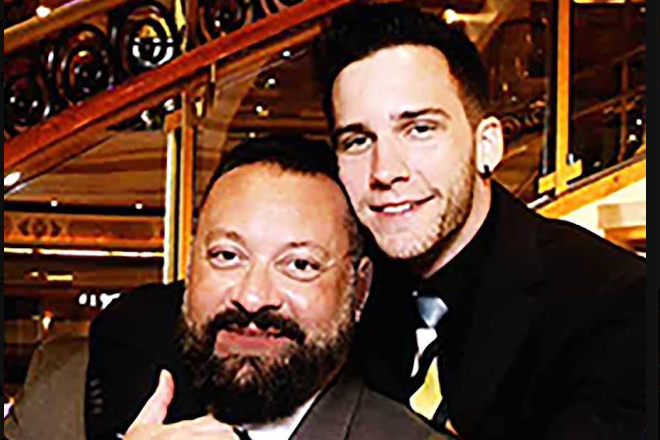
    Mr. Singer, left above and below, and his husband, Ven Schmidt, married in 2022.Courtesy of the family

    In addition to his husband, Mr. Singer is survived by a sister, Aline Zaslow, and other relatives.

    Services were held earlier. A celebration of his life is to be held later.

    Donations in his name may be made to the Breathing Room Foundation, Box 287, Jenkintown, Pa. 19046.

    Mr. Singer “not only advocated for the gay community as a whole, he made individual people feel uplifted and welcome,” his husband said.Courtesy of the family
  • Paul Stankard, an internationally acclaimed master glass artist, has died at 83

    Paul Stankard, an internationally acclaimed master glass artist, has died at 83

    Paul Stankard, 83, of Mantua, Gloucester County, internationally acclaimed pioneering master glass artist, college adjunct instructor, mentor, author, and poet, died Tuesday, Oct. 6, of cancer at Jefferson Washington Township Hospital.

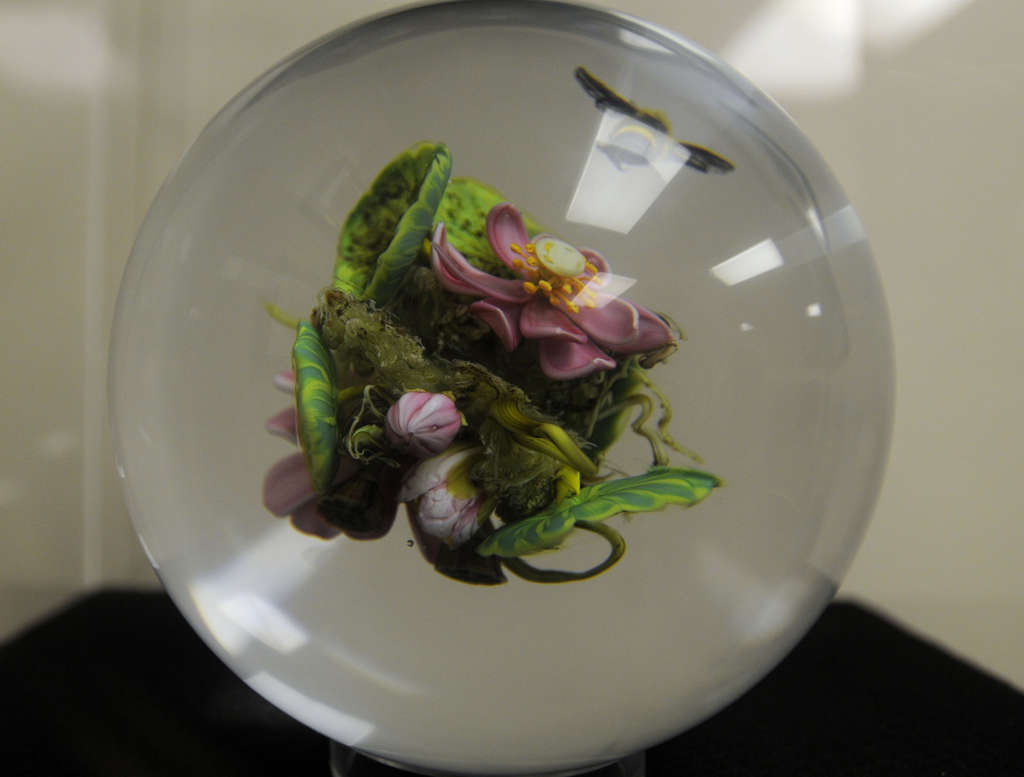
    Delighted and mesmerized throughout his life by nature, art, poetry, and teaching, Mr. Stankard combined all four of his passions to forge a 65-year career as an innovative, world-renowned glass artist and adjunct college instructor. He specialized in making intricate glass paperweights and what he called “botanicals,” tiny colored glass flowers, fruits, insects, and other evocative figures encased in crystal orbs and blocks.

    “I want to make more than a pretty flower in a glass,” Mr. Stankard told The Inquirer in 1988. “I’m trying to communicate feeling, communicate my interest in nature.”

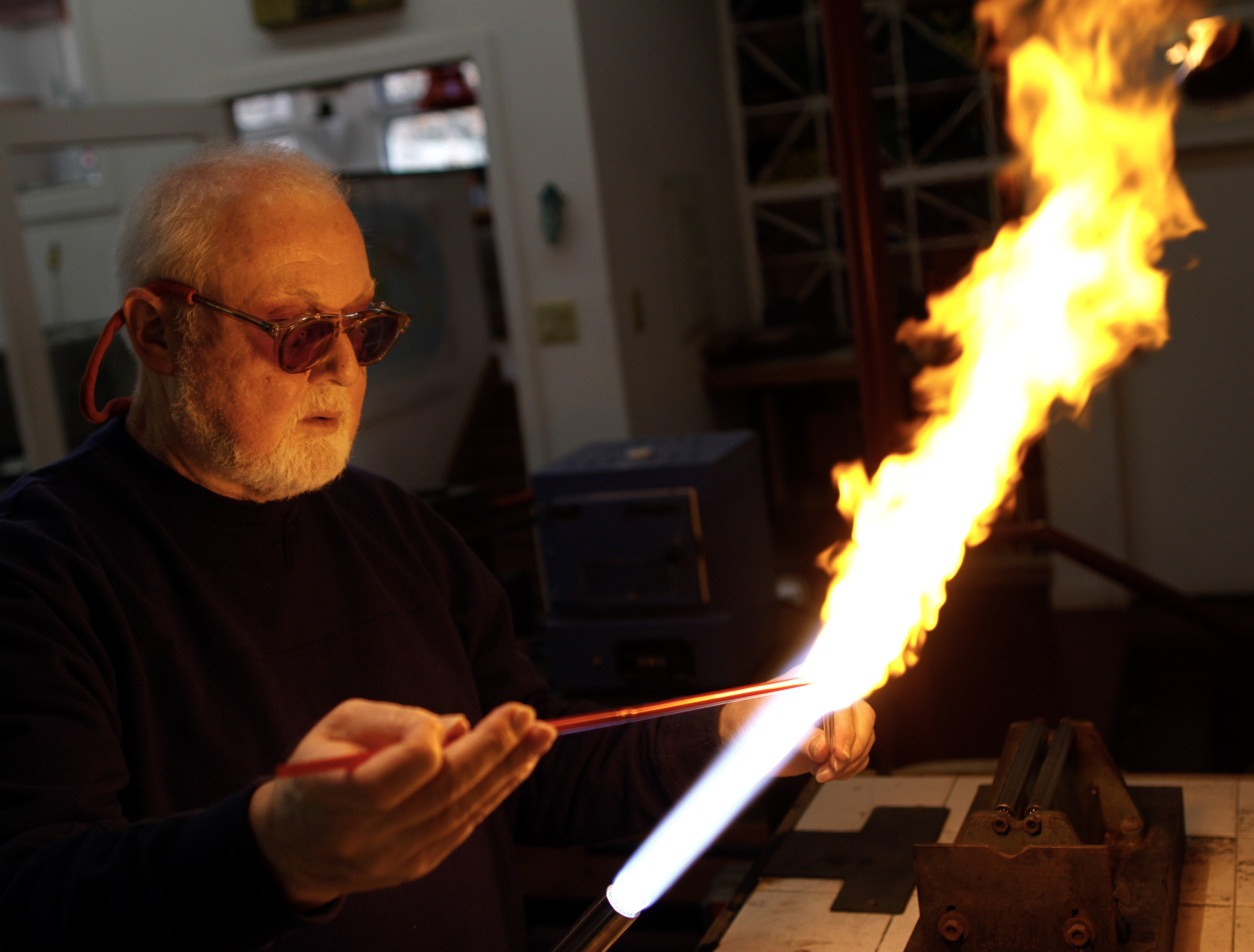
    Using rods of colored glass, a gas torch, tweezers, a paddle, and a small oven to fabricate his pieces, Mr. Stankard created tiny flowers and insects so lifelike that many viewers thought they were real. A lifelong naturalist, he learned scientific glassblowing technology at what is now Salem Community College, studied the structure of flowers, and made them the centerpiece of his art.

    Mr. Stankard (left) donated this glass creation to the old Gloucester County College in 2007. Gloucester County College

    “I’ve taken all the scientific technology I learned and plugged it into a little glass flower,” he said in 1988. “They’re more sophisticated than most scientific instruments.”

    Inquirer art critic Edward J. Sozanski reviewed Mr. Stankard’s creations in a 1990 column and wrote: “Stankard’s flower sculptures are so delicate and artfully crafted that they seem technically improbable, and they’re worth seeing for that reason alone.”

    In 2001, Mr. Stankard said: “That’s the magic. If I can fool the eye, that’s success for me.”

    Some of his signature pieces, such as “Honeybee Swarm with Flowers and Fruit” and “Celestial Bouquet,” are routinely showcased at exhibitions and have sold for thousands of dollars. His work continues to be shown in museums, galleries, and private collections around the world.

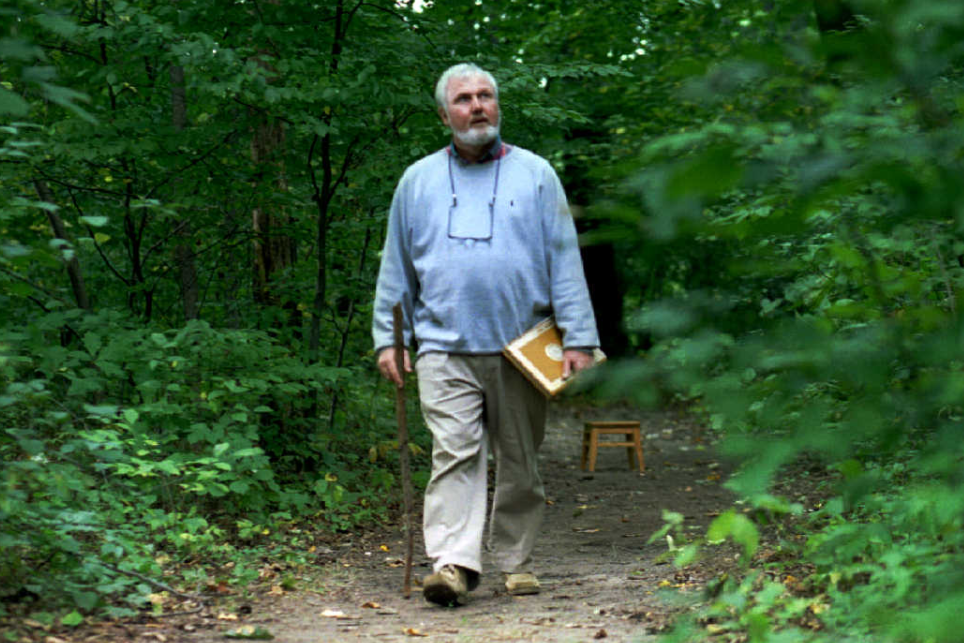
    Mr. Stankard found inspiration in nature.Elizabeth Vorhauer

    He also wrote poetry to accompany some of his pieces and told The Inquirer that Camden poet Walt Whitman was “my spiritual mentor.” In 2001, he said: “I’ve been exploring ways to express feelings about nature, to express illusion in nature, for 30 years, and it’s always evolving, always changing.”

    Mr. Stankard taught glassmaking classes and organized workshops at Salem Community College, Rowan University, and elsewhere for years. He helped create the glass art associate’s degree program at Salem, funded a scholarship, and served as artist-in-residence.

    He established Salem’s International Flameworking Conference and Contemporary Glass Resource Center. The college named its glass art studio in his honor, and college colleagues said in a tribute: “He was truly one of a kind.”

    Mr. Stankard lived with dyslexia and earned three honorary degrees. He wrote essays and books, including his 2007 autobiography, No Green Berries or Leaves, and 2022’s Inspiration from the Art of Paul J. Stankard.

    Mr. Stankard and his wife, Pat, married in 1964.Courtesy of the family

    He won awards from the South Jersey Cultural Alliance and the Glass Art Society, and was active with the American Craft Council and Smithsonian American Art Museum. He was featured on CBS Sunday Morning in 2014 and in the 2024 award-winning documentary film Paul J. Stankard: Flower & Flame.

    WheatonArts in Millville sponsors the Paul Stankard Flamework Fellowship. “He was youthful,” former assistant and fellow artist David Graeber said. “He was always pushing things. You knew he was in the room when you heard that laugh.”

    Paul Joseph Stankard was born April 7, 1943, in North Attleboro, Mass. His family moved to South Jersey in 1958, and he graduated from Pitman High School in 1961.

    After graduating from Salem Community College in 1963, he made precision glass instruments for Philco-Ford, Rohm & Haas, and other companies. He sold decorative glass novelties and paperweights on the side for years and, encouraged by a local art dealer, left his industrial work in 1971 to go full-time into glass art.

    Mr. Stankard created this glass orb.Ron Tarver / Staff Photographer

    By 1980, inspired by the miniature sculptures he saw in classic 19th-century French paperweights, he introduced his own signature tiny botanicals. “They transcend ornament,“ Sozanski wrote in 1990. ”Besides being colorful and elegant, they express a reverence for life that ultimately is their most noteworthy feature.”

    Mr. Stankard married Patricia Ann LaPatrick in 1964, and they had daughters Christine, Pauline, and Katherine and sons Joseph and Philip. He worked in his home studio and recently joined a men’s Bible study group.

    “Dad was defined not just by his craft but by his profound generosity of spirit,” his family said in a tribute. “He walked through life welcoming everyone he encountered, mentoring others, and proving that a positive outlook can carry you through anything.”

    In addition to his wife and children, Mr. Stankard is survived by six grandchildren, three brothers, three sisters, and other relatives. A sister and a brother died earlier.

    Mr. Stankard “was defined not just by his craft but by his profound generosity of spirit,” his family said in a tribute.Courtesy of the family

    Services were held earlier.

    Donations in his name may be made to Salem Community College, 460 Hollywood Ave., Carneys Point, N.J. 08069.

  • Maida Odom, trailblazing Black Inquirer reporter and retired assistant professor of journalism at Temple, has died at 73

    Maida Odom, trailblazing Black Inquirer reporter and retired assistant professor of journalism at Temple, has died at 73

    Maida Odom is believed to be the second Black woman to work as a reporter for The Inquirer. She joined the staff in 1978 and, by all accounts, was a trailblazing firecracker of a journalist.

    Former Inquirer colleagues called her “tough” and “intimidating,” and she covered all sorts of stories until she left the paper in 2000 to pursue other opportunities. She reported on school desegregation in Wilmington in 1978, on a spectacular armored truck heist in Philadelphia in 1981, and on a visit from South African politician and social activist Winnie Mandela in 1997.

    She also wrote stories about AIDS, the NAACP, the Nation of Islam, the death of former U.S. Rep. Barbara Jordan, how local businesses employed ex-offenders, and dozens of other topics.

    Most notably, in May 1985, Professor Odom spent 20 hours secretly reporting from a nearby house during the two-day confrontation between police and members of the MOVE group on Osage Avenue in West Philadelphia. She and a colleague were eventually discovered by police and escorted from the area shortly before police dropped a bomb on the MOVE house, and 61 homes in West Philadelphia were destroyed.

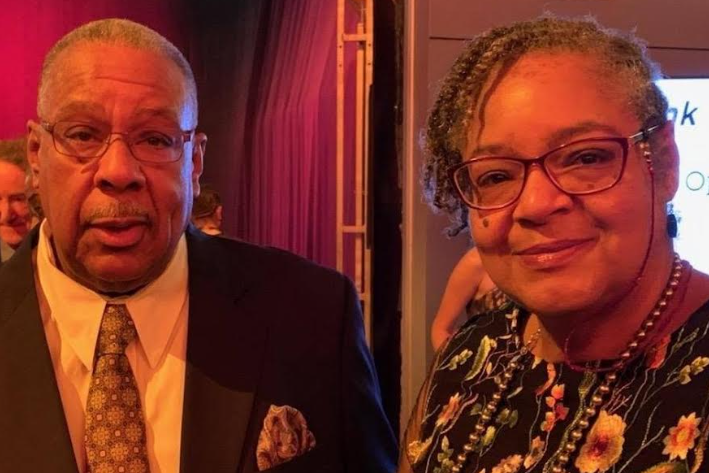
    Professor Odom was one of the few Black reporters in The Inquirer newsroom the 1970s.Maida Odom

    For the next year, Professor Odom was a key member of The Inquirer’s reporting team on MOVE that was a finalist for the 1986 Pulitzer Prize for general news coverage. “She was an exacting journalist,” former Inquirer colleague Annette John-Hall said. “She knew how to get past the first layer of a story and get under the second layer.”

    In The Inquirer on Dec. 6, 1985, Professor Odom wrote: “There were no flowers, no hymns, no sorrowful tears. MOVE co-founder John Africa and his nephew, Frank James Africa, were laid to rest in Whitemarsh Memorial Park in eastern Montgomery County yesterday with bitter tears and angry words.”

    On Saturday, Oct. 24, Professor Odom died of complications from metastatic breast cancer at Pennsylvania Hospital. She was 73.

    “She was a genuine person,” Sandra Long Weaver, former vice president of newsroom operations for The Inquirer and Daily News, said. “She was interested in promoting people of color and seeing people succeed.”

    Above, Professor Odom celebrates her retirement from Temple in 2019. Below, she (second from right) attends an event with colleagues for the National Association of Black Journalists.Germaine Edwards

    Arlene Notoro Morgan, former assistant managing editor at The Inquirer, said: “She certainly was fearless in covering the streets.”

    After leaving The Inquirer, Professor Odom spent 13 years, from 2005 to her retirement in 2019, as an assistant professor in the Department of Journalism at Temple University. She was also a playwright, a documentary filmmaker, and, according to David Boardman, dean of Temple’s Klein College of Media and Communication, “a champion of diversity and opportunity.”

    “Maida … was a passionate advocate for the integrity of journalism,” Boardman said in a tribute, “in both the newsroom and the classroom.”

    At Temple, Professor Odom connected with students and forged relationships between the university and local high schools and other organizations. She taught public affairs reporting and elements of writing, was director of internships, and created Temple’s high school journalism workshops.

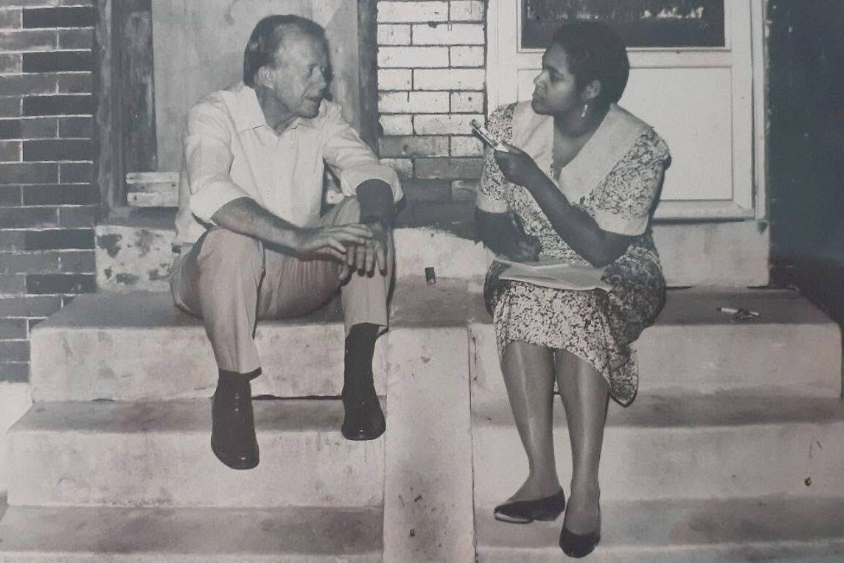
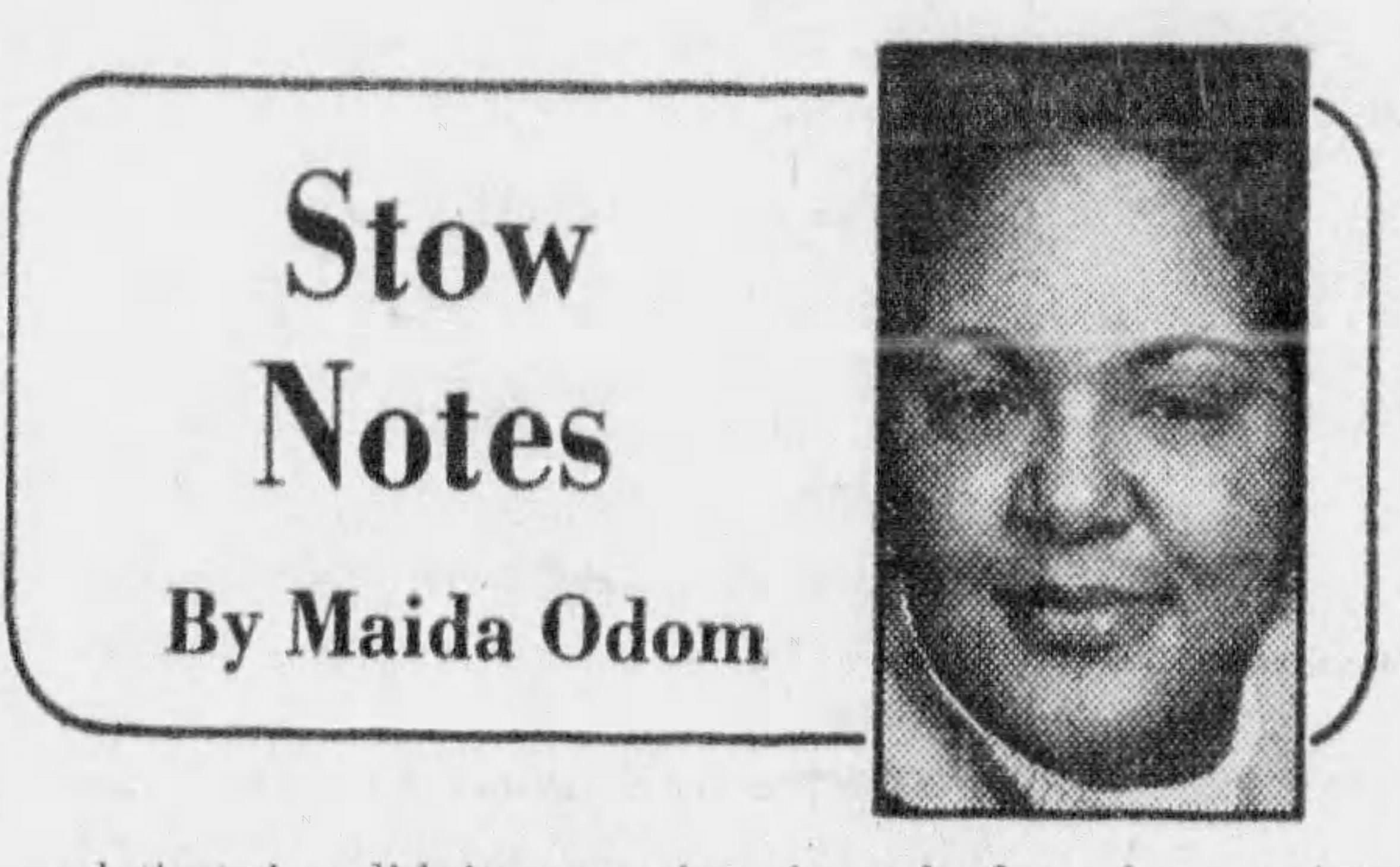
    Above, Professor Odom interviews Jimmy Carter in the 1970s. Below, she wrote a local column for the Akron Beacon Journal in 1976.Maida Odom

    “It’s part of an overarching notion of community-based education where a lot of your learning doesn’t take place in the classroom,” she told the Temple News in 2014 about the high school workshops. “And I think that’s very important, particularly for journalists.”

    In 2025, Professor Odom was featured in a six-part podcast called MOVE: Untangling the Tragedy that was produced by Temple and The Inquirer. She also wrote a play, MOVE Mocks Us All, about the bombing and told The Inquirer in 2025: “What I learned most from all of this is when you sow seeds of hatred, you can’t control how they grow.”

    She coproduced 1199 at 25: The Power of Collective Action, a 2002 documentary about the labor struggles of the National Union of Hospital and Health Care Employees in Philadelphia. She mentored young people wherever she worked and was active with the Philadelphia chapter of the National Association of Black Journalists.

    Before The Inquirer, Professor Odom covered Jimmy Carter and the 1976 presidential election for the Dayton Daily News in Ohio. Before that, she wrote about community news for the Akron Beacon Journal. She followed Charyn Sutton, the first Black woman reporter at The Inquirer, and also worked in public relations and as a newsletter editor, and was on the board at Scribe Video Center.

    Professor Odom was close with her brother, Vernon.Courtesy of the family

    Friends and colleagues called her an “extraordinary woman,” “a delightful person,” a “great journalist,” and “an exceptional teacher” in Facebook tributes. One colleague said on Instagram: “She was a no nonsense truth teller, a brave, fearless journalist who refused to look away.”

    Her brother, Vernon, said: “She was intense.” Longtime Inquirer colleague Roy H. Campbell said: “She had a low tolerance for BS.”

    Maida Cassandra Odom was born Dec. 12, 1952, in Louisville, Ky. She grew up in Akron, Ohio, and was a talented writer and straight-A high school student.

    She was inspired to engage in social activism and academia by her parents, and she earned a bachelor’s degree in journalism at Northwestern University in Illinois. Later, she did extensive graduate work in Africana studies and other topics at the University of Pennsylvania.

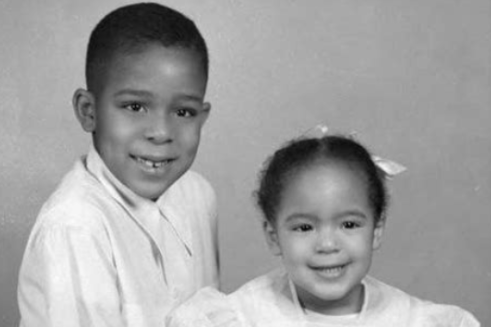
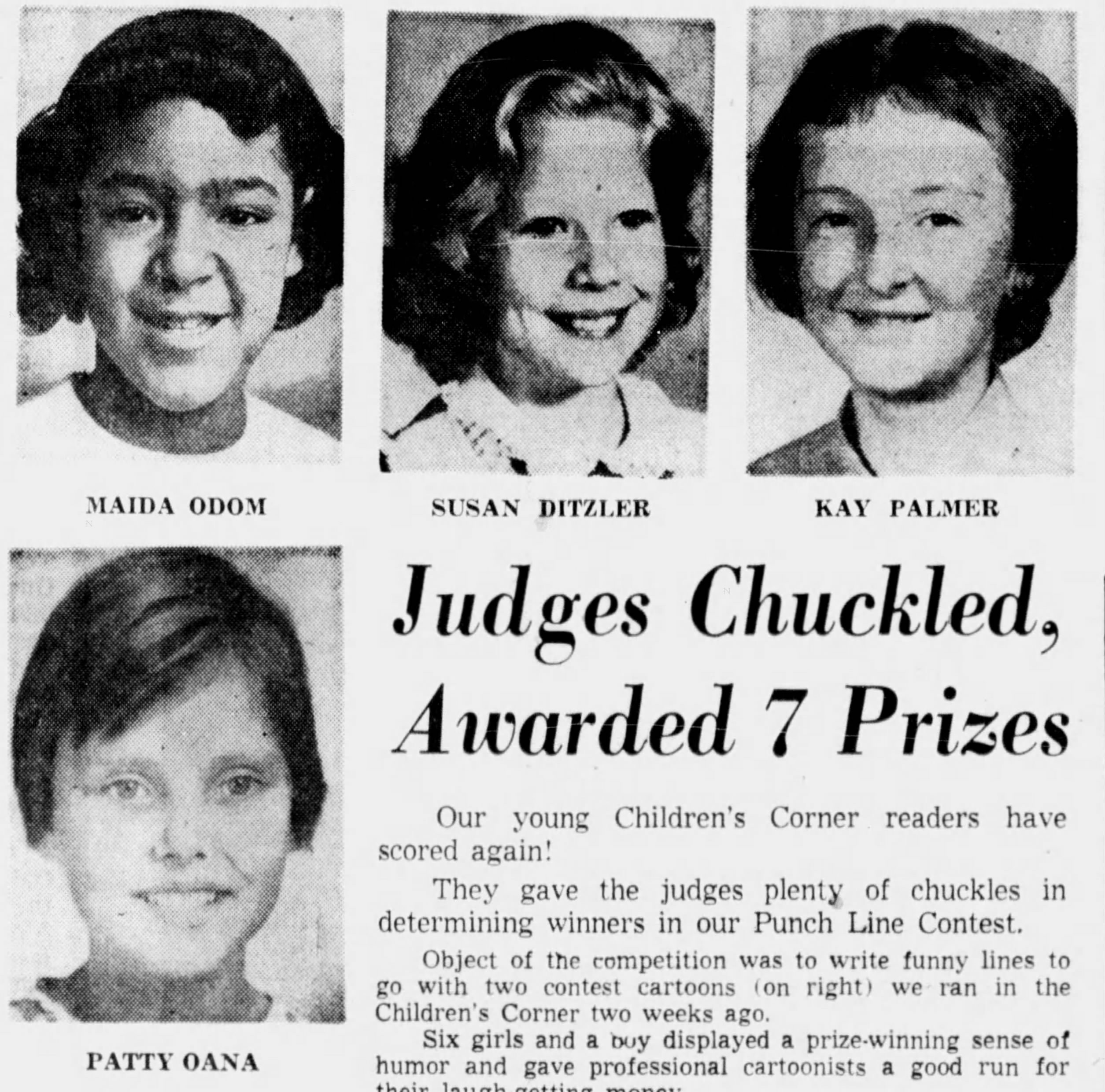
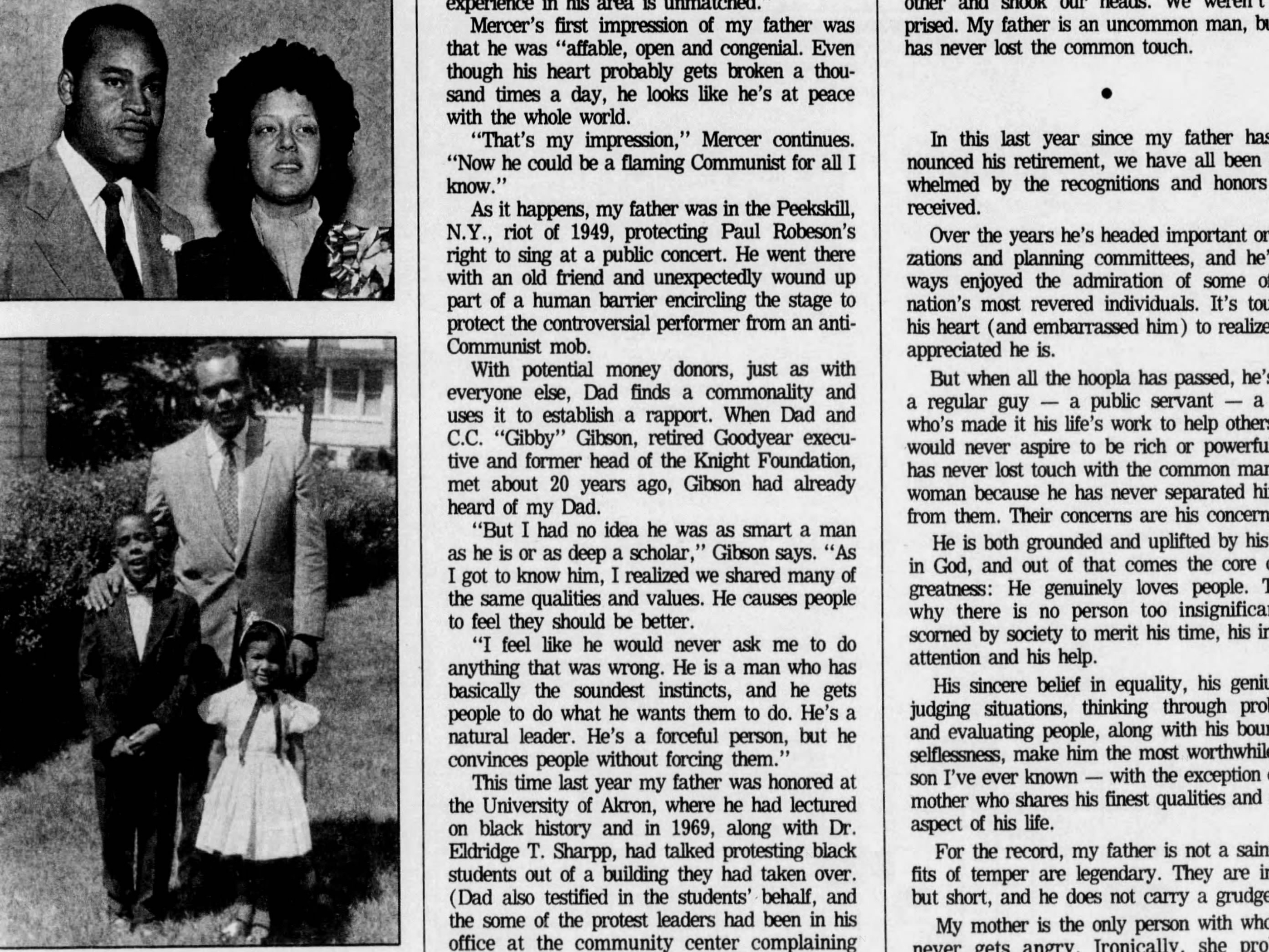
    Professor Odom (top left) appeared in the Akron Beacon Journal in 1963 as a 10-year-old for winning a caption-writing contest. Below, she stands with her father and brother in a photo that appeared with her 1992 story in the Beacon Journal about her family. The top photo below is of her father and mother. Newspapers.com

    Professor Odom enjoyed reading and traveling, especially to the beach in Jamaica. She was a member of Alpha Kappa Alpha Sorority Inc. and taught Sunday School and was on the board of trustees at St. Matthew AME Church.

    “Maida’s reach was far,” her brother said. “Maida’s reach was wide.”

    In addition to her brother, Professor Odom is survived by other relatives.

    Services are to be at 11 a.m. Wednesday, Nov. 11, at St. Matthew AME Church, 215 N. 57th St., Philadelphia, Pa. 19139.

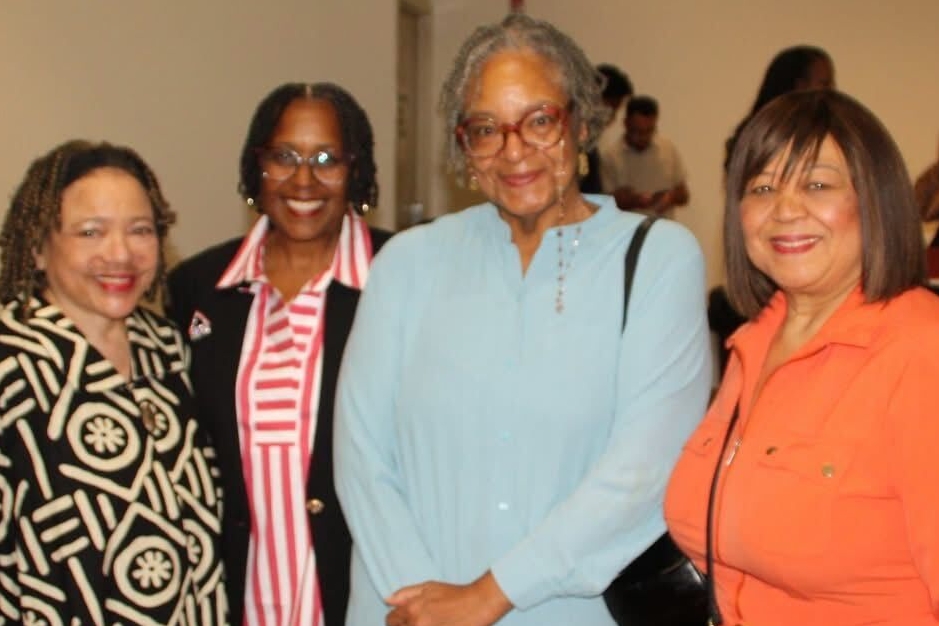
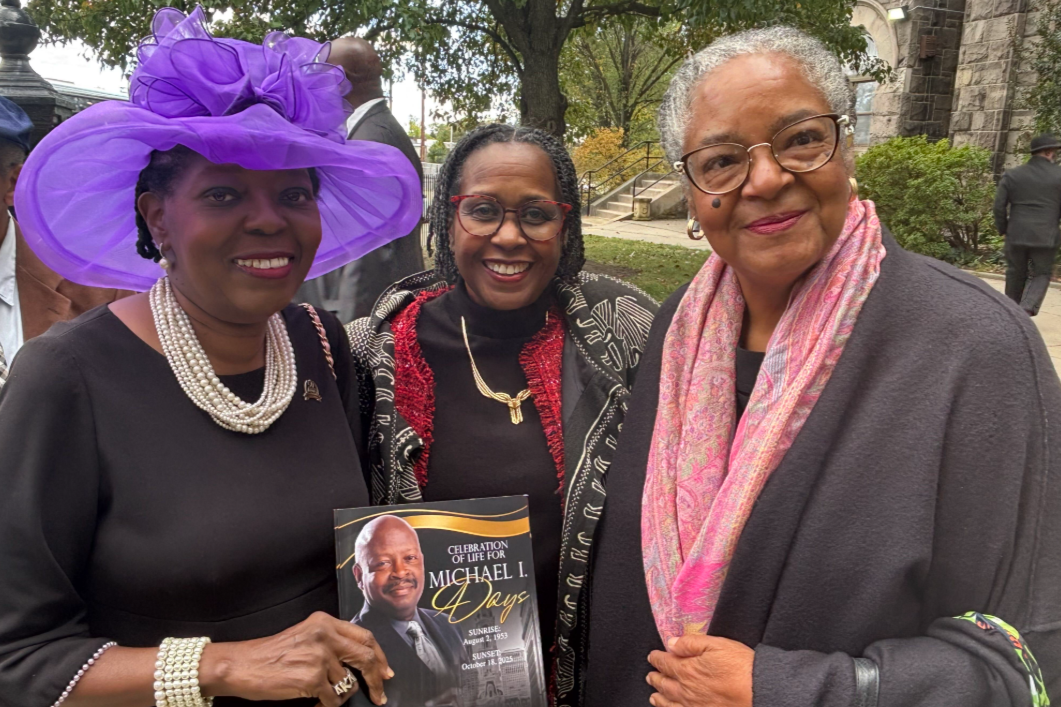
    Professor Odom, right above and rear left below, enjoyed time with her friends and family. Melanie Burney
  • Peggy King, Hall of Fame actor and top-selling Rat Pack-era singer, has died at 96

    Peggy King, Hall of Fame actor and top-selling Rat Pack-era singer, has died at 96

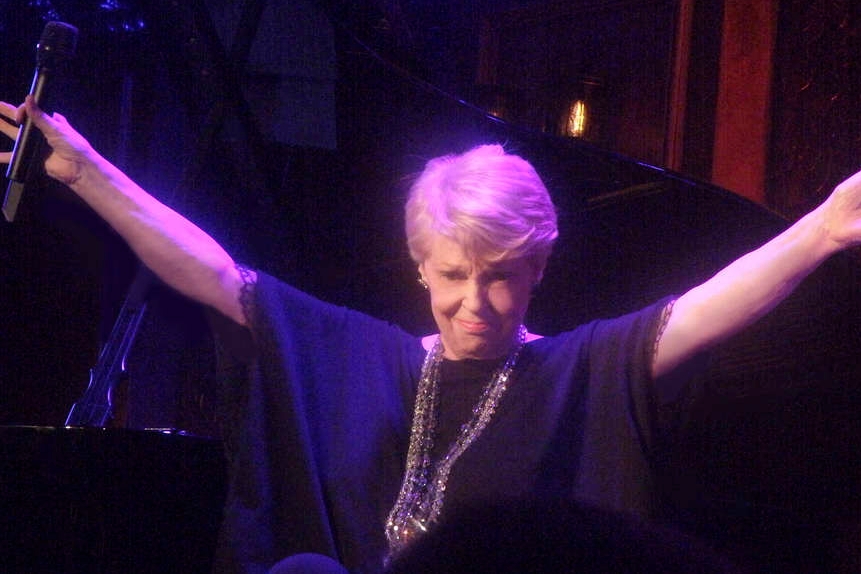
    Peggy King, 96, formerly of Philadelphia, Hall of Fame TV and film actor, top-selling Rat Pack-era singer and entertainer, and popular vocalist with the Philadelphia-based All-Star Jazz Trio, died Sunday, Oct. 25, of complications from Alzheimer’s disease at Saunders House assisted living center in Wynnewood.

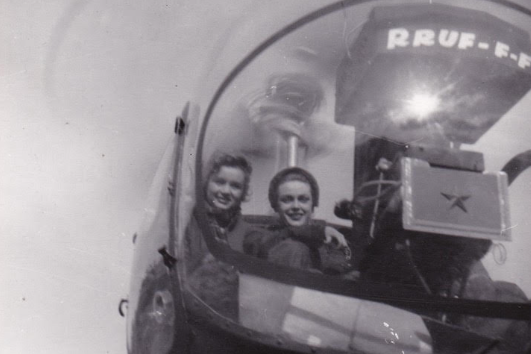
    Celebrated for her soaring soprano voice, girl-next-door appeal, photographic memory, and collegial nature, Miss King was discovered singing for a Cleveland radio station in 1950 by bandleader Charlie Spivak. Over the next 10 years, she toured with Spivak and other big bands, recorded hit singles and top-selling albums with Columbia Records, and sang with Frank Sinatra and Bing Crosby. She cohosted The George Gobel Show on TV, and earned film roles in The Bad and the Beautiful, Abbott and Costello Meet the Mummy, and Zero Hour!

    She was nominated for an Emmy Award as best female singer on TV in 1955 and named best new singer in 1956 by DownBeat and Billboard magazines. On Oct. 22, 1955, she was on the cover of TV Guide.

    In 1960, she earned one of the first stars on the Hollywood Walk of Fame. In 2010, she was inducted in the Philadelphia Broadcasting Pioneers Hall of Fame.

    “I belong on a stage singing anything I can touch people with,” Miss King told the Daily News in 1983. File Photo

    Miss King started singing as soon as she could talk, she told jazz journalist Marc Myers in a 2015 interview on JazzWax.com. “Singing, to me, came naturally,” she said, “like waking up.” Her daughter, Suzy, said: “She was wildly creative.”

    She also sang popular jingles for TV commercials in the 1950s and signed contracts with Columbia Records and several movie production companies. She became a favorite guest on TV game and talk shows.

    She performed jazz and popular songs on variety shows and benefits, and played it straight in comedy routines with Crosby, Bob Hope, Tony Bennett, Mel Tormé, Sammy Davis Jr., Jimmy Stewart, Jack Benny, and other entertainers.

    Everyone said she remarkably resembled actor and singer Judy Garland, even Judy Garland. She went shopping with actors Debbie Reynolds, Jane Powell, and Dinah Shore.

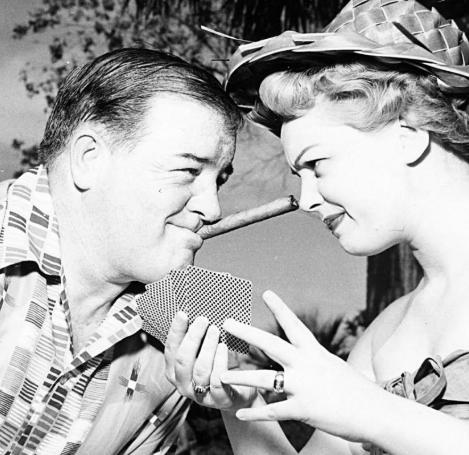
    Miss King performed with comedian Lou Costello.Courtesy of the family

    A writer for The George Gobel Show nicknamed her “pretty perky Peggy King.” Gobel used it on air, and it stuck.

    “The grand dame of song has left us,” composer Andrea Clearfield said on Facebook. Clearfield called Miss King “a musical legend and such a wonderful, heartfelt human being.”

    Miss King stepped away from show business after she married Philadelphia clothier Sam Rudofker in 1961. They lived in Merion, Gladwyne, and Philadelphia, and she returned to performing with the Philly Pops Orchestra and other groups in the 1980s.

    “I know who I am, and I know where I belong,” she told the Daily News in 1983 after her son, Jonathan, and daughter, Suzy, left home for college. “I belong on a stage singing anything I can touch people with.”

    Miss King (right) and Debbie Reynolds entertained troops in Korea in the 1950s.Courtesy of the family

    She joined the Philadelphia-based All-Star Jazz Trio in 2013 after the death of her husband in 1994 and her son in 2000. In 2016, she released her first album in decades, Songs a la King.

    “People turn to different things when their life turns upside down,” she told The Inquirer in 2016. “I lost them both in a short period. You either completely fall apart or you find a way to live with it. I knew the one thing I could count on was singing.”

    In 2013, music writer A.D. Amorosi wrote in The Inquirer: “There’s bittersweet nuance to everything she sings.”

    Miss King also mentored other singers and supported the Philadelphia Boys Choir, the Curtis Institute of Music, and other organizations. Her husband shared his love of classical music, and she studied Mozart and other composers.

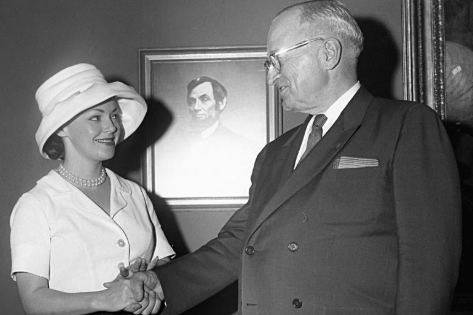
    Miss King met President Harry S. Truman at the White House.Courtesy of the family

    “She hungered for knowledge and always wanted to learn,” her daughter said. “She was a trailblazer.”

    Margaret Elizabeth King was born Feb. 16, 1930, in Greensburg, Pa., 35 miles east of Pittsburgh. She told Marc Myers that she was adopted by her aunt and uncle during the Great Depression and that she inherited her singing voice from her birth mother, with whom she reconciled when she was a teen.

    She practiced singing into a tin can on a broomstick when she was young, performed in all the school plays and musicals, and graduated from high school in Ohio when she was 16. She got jobs singing for a local radio station and a hotel band in Cleveland before being discovered by Spivak.

    “I came from poverty and had to find a way to get out of it through singing,” she told The Inquirer in 2016.

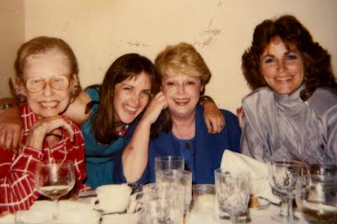
    Miss King (second from right) enjoyed time with family and friends. Courtesy of the family

    She married and divorced musician Knobby Lee in the 1950s and met Sam Rudofker while singing in Chicago. She moved to Saunders House from Philadelphia nine years ago.

    Miss King was an avid reader and a Civil War buff. She posed with President Harry S. Truman in front of a portrait of President Abraham Lincoln at the White House and was close friends with Larry Bowa, the former Phillies player and manager, and his former wife, Sheena.

    Dennis Creedon, former director of education for what is now Opera Philadelphia, said Miss King “celebrated the gift of life in all she did. No matter what crisis life presented, ice cream was always her cure.”

    Marc Myers asked her: “How would you prefer to be remembered?” Miss King said: “As an actress who sings. I’d like to think someone would read that.”

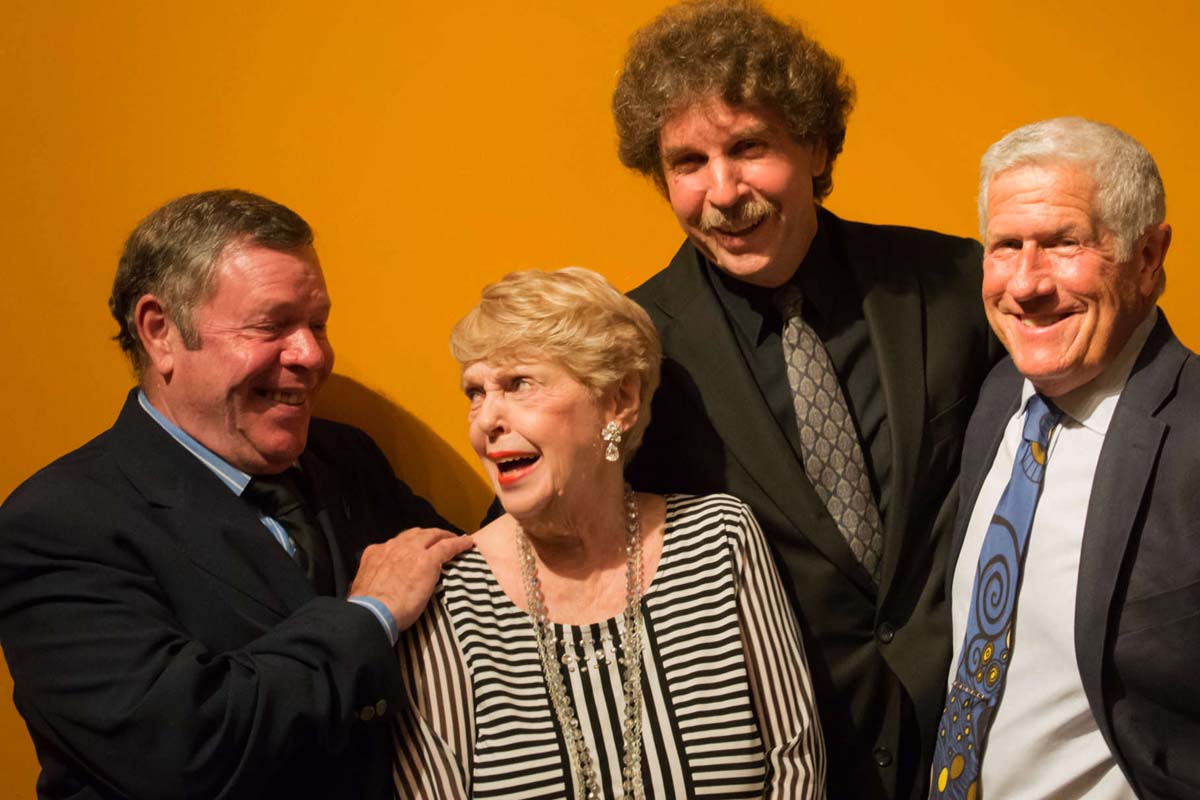
    Miss King released an album with the All-Star Jazz Trio in 2016 when she was 86.

    In addition to her daughter, Miss King is survived by her son-in-law, Dwain Goforth, and other relatives.

    A private musical dubbed “Peggapalooza” is to be held later.

    Donations in her name may be made to the Curtis Institute of Music, Attn: Advancement, 1726 Locust St., Philadelphia, Pa. 19103; the Philadelphia Boys Choir and Chorale, 1336 Spring Garden St., Philadelphia, Pa. 19123; and Main Line Health HomeCare and Hospice, 240 N. Radnor Chester Rd., Suite 100, Radnor, Pa. 19087.

  • Joseph T. Cox, celebrated former headmaster of the Haverford School and decorated 30-year Army veteran, has died at 80

    Joseph T. Cox, celebrated former headmaster of the Haverford School and decorated 30-year Army veteran, has died at 80

    Joseph T. Cox, 80, formerly of Haverford, celebrated former headmaster of the Haverford School, decorated 30-year Army veteran, former associate professor of English at the U.S. Military Academy in West Point, N.Y., author, poet, mentor, and volunteer, died Thursday, Oct. 8, of complications from dementia at Echo Lake assisted living center in Malvern.

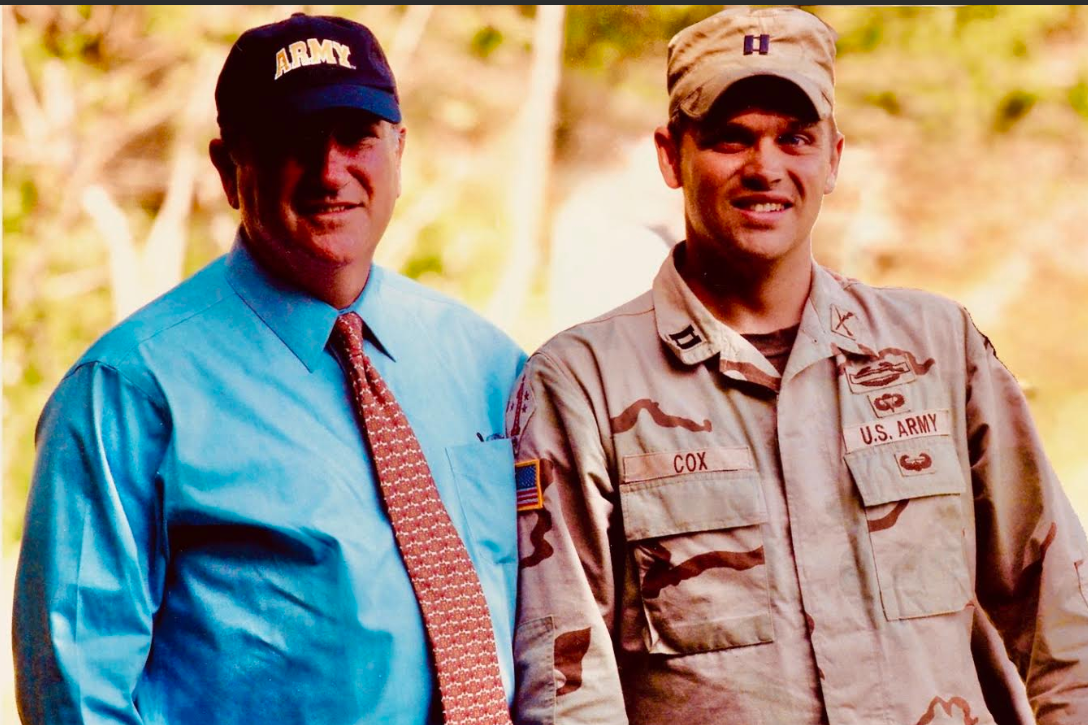
    Born in Springfield, Mass., Dr. Cox joined the Army after college, served in Vietnam and stateside, rose to colonel, and taught English to cadets at West Point for more than 14 years. He joined the Haverford School in 1998 as its eighth headmaster and, until he retired in 2013, championed servant leadership, compassion, and enhanced student engagement at the all-boys school on Lancaster Avenue.

    “When I was a battalion commander, I had 660 young men to work with,” Dr. Cox told The Inquirer in 2011. “And then I came [to the Haverford School] and had 893 young men to work with. They have amazing character, and they make [the job] worthwhile.”

    A former Haverford student said recently on Facebook: “He had an incredible way of making sure every student knew they mattered.”

    At West Point, Dr. Cox coached the sprint football team and was officer representative to the men’s lacrosse team.Courtesy of the family

    In a tribute, former colleagues at the Haverford School praised his “extraordinary leadership, his unwavering dedication to Haverford, and the lasting impact he had on generations of Fords.”

    Dr. Cox lived on the school grounds at Haverford and taught senior English classes for several years. “I think my being in the classroom sends a message that teaching is the most important part of the school,” he told The Inquirer when he was hired.

    He went on to establish a student honor code and mentorship program, and a modern teacher evaluation process. He oversaw new campus construction and was a fixture at sports games and other events.

    He had the words respect, honesty, and courage stamped onto the football team uniforms, and was inducted into the school’s athletic Hall of Fame in 2013 for “special recognition.”

    Dr. Cox was close to his daughter, Ansley, and son, Matt. Courtesy of the family

    In 2011, a Haverford colleague praised his “forward thinking.” A student said then: “That’s his most important quality, his approachability.”

    In 2010, Haverford School donors established the Joseph T. Cox Servant Leadership Symposium. In 2013, they founded the Joseph T. Cox Leadership Scholarship Fund.

    He also served as president of the Pennsylvania Association of Independent Schools and secretary of the International Boys’ Schools Coalition. He was active with the Lafayette College Board of Trustees and the City Year Philadelphia education nonprofit.

    After Haverford, he mentored graduate students in the University of Pennsylvania’s School of Education and was headmaster briefly at the La Jolla Country Day Upper School in San Diego. At West Point, he also coached the sprint football team, was officer representative to the men’s lacrosse team, and founded a Big Brothers Big Sisters chapter.

    Dr. Cox and his wife, Kathy Stevenson, traveled the world together. Courtesy of the family

    Before West Point, Dr. Cox was a ranger and a paratrooper, and he commanded a battalion in the 101st Airborne Division in Kentucky. He earned the Legion of Merit and two Bronze Stars.

    A former West Point cadet said on Facebook: “The world was a better place because of Joe Cox’s leadership.”

    Dr. Cox was also a writer. His 282-page book, The Written Wars: American War Prose Through the Civil War, was published in 1995. His poetry appeared in journals, magazines, and elsewhere, and his 50-page collection, Garden’s Close, was published in 2002.

    He wrote several opinion essays for The Inquirer and said in 2011: “We need to develop an understanding of masculinity that respects the emotional lives of boys and men, recognizing their demonstrations of emotional depth as natural and, in the long run, healthy.”

    Dr. Cox doted on his grandchildren.Courtesy of the family

    On Facebook, a friend called him “one of the greatest men I’ve ever known.”

    Joseph Thomas Cox was born July 31, 1946. He played track and field, and football at a technical high school in Massachusetts, and briefly considered work as an engineer.

    He earned a bachelor’s degree in English at Lafayette College in 1968 and, following his father, joined the Army on an ROTC commission as a lieutenant. Later, while serving in North Carolina, he earned a master’s degree and a doctorate in 19th-century American literature at the University of North Carolina.

    He married Joanne Shirk, and they had a son, Matt, and a daughter, Ansley. After a divorce, he married Kathy Stevenson, and they lived in Haverford, San Diego, Illinois, and Malvern.

    Dr. Cox “was extremely compassionate,” his son said. Courtesy of the family

    Dr. Cox enjoyed camping, hiking, fishing, and photography. He and his wife traveled often, and his home library was extensive.

    “He was extremely compassionate,” his son said. “He was a role model. He had standards. You knew what they were, and he would help you get there if you were willing to work.”

    In addition to his children and wife, Dr. Cox is survived by five grandchildren and other relatives. His former wife died earlier.

    A celebration of his life is to be at 2 p.m. Monday, Nov. 16, at the Haverford School, 450 Lancaster Ave., Haverford, Pa. 19041. He is to be interred later at Arlington National Cemetery in Virginia.

    Donations in his name may be made to the Joseph T. Cox Leadership Scholarship Fund, the Haverford School, 450 Lancaster Ave., Haverford, Pa. 19041, Attn: Palmer House.

  • Sarah Hart, longtime South Jersey teacher and onetime rider of Steel Pier’s high-diving horses, has died at 90

    Sarah Hart, longtime South Jersey teacher and onetime rider of Steel Pier’s high-diving horses, has died at 90

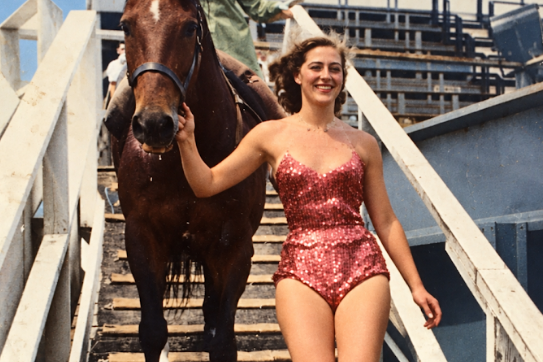
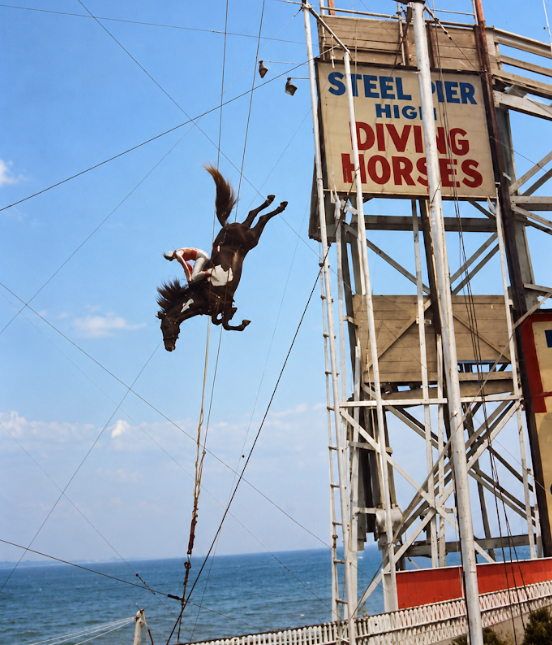
    Sarah Hart was 21 when she met Gamal and the other horses that high dived into a 10-foot pool of water several times a day at Steel Pier in Atlantic City.

    Gamal, she told the Courier-Post in 1998, liked to leap off the 40-foot-high platform without a second thought. Other horses, she said, “would take five minutes before they’d jump.”

    It was 1957, and Mrs. Hart, already a skilled diver and college swimmer, knew about the horse-diving grand finale at Steel Pier’s water circus. “It was a little bit spectacular to see this huge horse flying through the air,” she told the Courier-Post. “The motion was beautiful. A young girl brave enough to ride the horse added to it.”

    That summer, Mrs. Hart became one of those brave girls. She outperformed 100 other applicants and, until 1962, rode Gamal and his counterparts off the platform and into the water below.

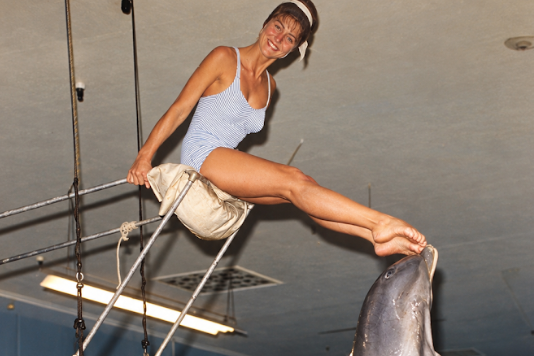
    Mrs. Hart was equally comfortable riding horses into pools of water and frolicking with dolphins.Courtesy of the family

    “What you have to do is just simply get on the horse and hang on tight, and go along for the ride,” she told the Courier-Post in 1993. In 1998, she said: “It was the easiest thing I ever did.”

    On Tuesday, Oct. 13, Mrs. Hart, also a longtime South Jersey teacher, an environmentalist, and the wife of Gene Hart, the longtime Flyers broadcaster, died of heart failure at her home in Gladwyne. She was 90.

    “She was a free spirit,” her daughter Lauren said. “She did a little bit of everything.”

    Born in Chester, Mrs. Hart grew up on and around the Boardwalk in Atlantic City. She went to schools in Pleasantville and worked at Boardwalk carnival games as a teenager. For years, she told a story about beating future Hall of Famer Wilt Chamberlain in the old shoot-the-basketball game.

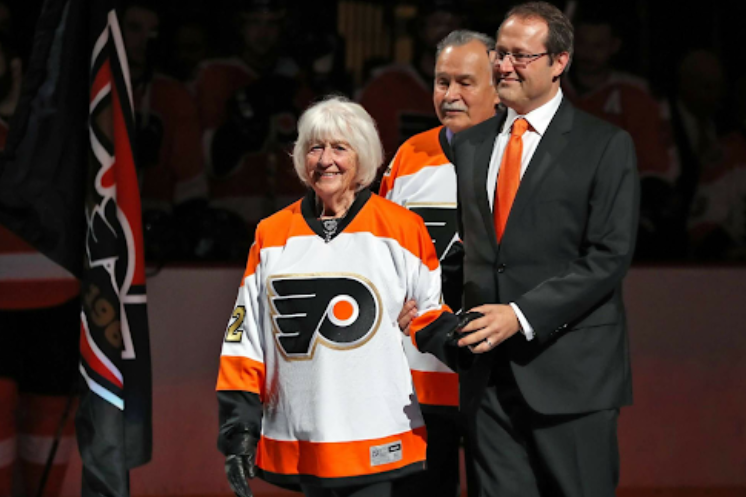
    Mrs. Hart, left below, was a lifelong Flyers fan. Courtesy of the family

    She performed with synchronized swimming teams at the University of Florida after high school and at the 1958 World’s Fair in Brussels, Belgium. She met the Flying Wallendas, singer Tony Bennett, and other entertainers at Steel Pier, and swam with the dolphins at the old Aquarama Aquarium Theater of the Sea in South Philadelphia in the 1960s.

    She met her husband, Gene, at Steel Pier, and they married in 1963. His mother had ridden the high-diving horses at Steel Pier in the 1930s, and he was a comic diver and announcer for the water circus.

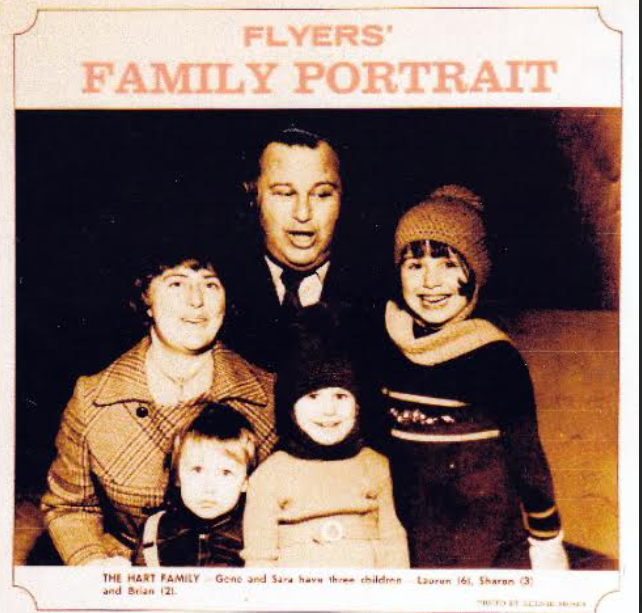
    They had daughters Lauren and Sharon and a son, Brian, and lived in Cherry Hill. Her husband died in 1999, and she moved to Gladwyne during the COVID-19 pandemic.

    Mrs. Hart taught English as a second language for decades at schools in the Lenape Regional High School District and later as a general substitute. She ran unsuccessfully for Cherry Hill Township Council in 1981 and was active with the Cherry Hill Environmental Board and the Pinelands Preservation Alliance. She was a longtime election worker at voting polls in South Jersey.

    Mrs. Hart, front above and left below, enjoyed time with her family. Courtesy of the family

    She graduated from high school in Florida, returned to South Jersey after two years of premed classes at the University of Florida, and earned a bachelor’s degree in English with honors at what is now Rowan University.

    “A more kind and generous spirit you will never find,” a former teaching colleague said in a Facebook tribute, “and what a great advocate for students and their needs.” A longtime friend said: “There was no sweeter, more considerate, or kinder soul on the face of the Earth.”

    Sarah Gregg Detwiler was born Aug. 2, 1936. She enjoyed dancing, nature, and animals as a girl, and even flew small airplanes out of the Atlantic City airport. Her family moved to Apopka, Fla., 20 miles northwest of Orlando, before her senior year of high school.

    Later, she and her husband traveled the world together, sharing fine art, classical music, opera, and the theater. For years, Monday night was date night at the Metropolitan Opera House in New York.

    Mrs. Hart, second from left below, was popular wherever she went. Courtesy of the family

    She stabled her own horse near their home for a time and landscaped the entire property, in-ground pool and all, when they moved to Tampa Avenue in Cherry Hill in 1971. “There wasn’t a tree in the yard when we moved in,” Gene Hart told The Inquirer in 1981.

    Mrs. Hart especially liked roses and said: “I’m an outdoor person, and we all love the water.” Of course, she was a lifelong Flyers fan.

    “She was known above all for her warmheartedness and egalitarian spirit,” her family said in a tribute. Her daughter Lauren said: “She was kind and always working in the service of others. She was a giver.”

    In addition to her children, Mrs. Hart is survived by five grandchildren, two sisters, and other relatives. A sister and three brothers died earlier.

    Mrs. Hart “was known above all for her warmheartedness and egalitarian spirit,” her family said in a tribute. Courtesy of the family

    Private services are to be held later.

    Donations in her name may be made to the Gene Hart Scholarship Fund at Temple University, 115 Mifflin St., Philadelphia, Pa. 19148.