Author: Joseph N. DiStefano

  • Hanwha vs. Holt: How New Jersey lost a shipyard

    Hanwha vs. Holt: How New Jersey lost a shipyard

    Hanwha Philly Shipyard says it needs a lot more space outside its 110-acre South Philadelphia complex to win lucrative U.S. Navy contracts, turn the money-losing facility profitable, and hire up to 1,000 union welders and metalworkers.

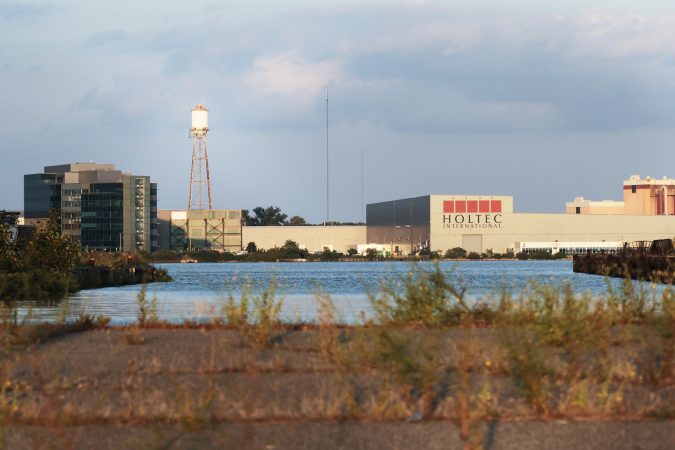
    The Korean-owned yard’s leaders thought they had found just the place, four miles by barge down the Delaware River at the New Jersey-funded Paulsboro facility, vacated by the offshore wind industry when President Donald Trump killed that program. In December, Hanwha agreed to take over the lease.

    But port operator Holt Logistics refused approval and sued to block the deal. After months of lobbying, Hanwha has given up and is now collecting offers from southern states that hope Hanwha will invest a big chunk of the $5 billion it has pledged for U.S. shipbuilding into their yards and future workers.

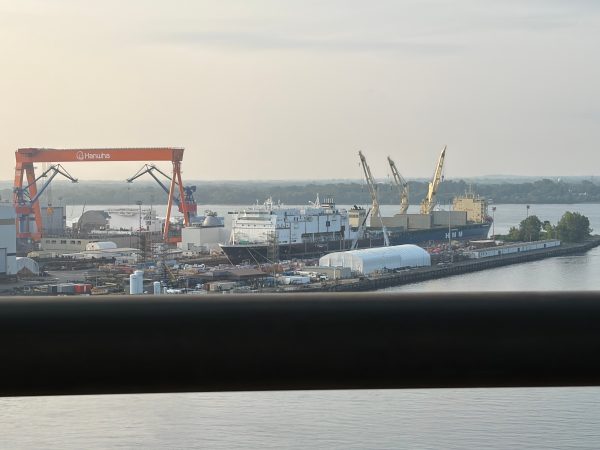
    Philadelphia Shipyard as seen from southbound I-95 in 2024.Alejandro A. Alvarez / Staff Photographer

    This despite the fact Hanwha’s proposal enjoyed support from federal, state, and local officials and even made it into the U.S. military budget for fiscal year 2026, which called for $110 million “to support shipbuilding industrial capacity” and steel fabrication in a manufacturing facility “formerly used for offshore wind manufacturing.”

    Paulsboro Mayor John Giovannitti estimates that on a given day, there are fewer than 50 workers at the port.

    Leo Holt, whose century-old company runs ports in Gloucester City and South Philadelphia, said he’s not completely averse to manufacturing around the Paulsboro terminal after his family’s plans to beef up container and bulk shipping there accelerate.

    Hanwha declined to comment, confirming only that the shipyard is still looking for space “in the U.S.”

    A rendering of a 600-acre shipyard that the Port of Tampa Bay has offered to build for Hanwha. Port Tampa Bay

    What went wrong?

    Since the early 2010s, New Jersey borrowed and spent more than $500 million building a Paulsboro wharf, highway ramps, and other facilities to attract big employers to the port. It replaced lost oil industry jobs and also compensated for nearby Camden’s loss of piers due to Holtec Inc.’s redevelopment in that city’s aging port district.

    In borrowing documents and news releases, the public spending was justified by predictions that the port would draw hundreds, even thousands, of port and industrial jobs, which in more than a decade have yet to arrive.

    Paulsboro sublets the facility to Holt as the port operator. Holt paid $1.6 million to use the property last year.

    At the urging of then-Gov. Phil Murphy, then-State Senate President and iron workers union leader Steve Sweeney, then-Paulsboro Mayor John Burzichelli, and other officials, Holt in 2020 agreed to let EEW, a global pipemaker based in Germany, build supports up to 400 feet long and 40 feet across for the federally subsidized offshore wind-electric generation facilities that its Danish partner Orsted planned to locate off the New Jersey coast.

    Orsted canceled in 2023, citing rising costs. Trying to cut his company’s losses, EEW executive vice president Esben Strandgaard began looking for new tenants, attracting more than 200 inquiries and initiating talks with Hanwha.

    Hanwha needed the landlord’s permission to take over the lease. Hanwha Defense USA president Tom Anderson, a retired Navy rear admiral, and the Holts met last fall to discuss the proposal.

    Instead of approving, the Holts sued, challenging EEW’s authority to pick a replacement and demanding control of the facility.

    Hanwha, aided by its political supporters, tried to make a deal, but Holt stood firm. In March, Hanwha canceled the agreement.

    What the Holts want

    “The north star for redevelopment at Paulsboro has been marine terminal operations,” said Leo Holt, president of the Gloucester City-based company. “We stretched to assist the state in any way we could,” but “Hanwha was never a part of the plan, nor was shipbuilding.”

    Holt spoke of the failed industrial proposals — wind, shipbuilding, and others to build power plant equipment on site — as an obstacle, not a goal.

    “The detour imposed on New Jersey is over, and the road is clear to the Paulsboro Marine Terminal,” he said. “We were glad to see that the page was turned on the detour.”

    Holt Logistics, which has been expanding containerized cargo facilities on both sides of the river, has shipped containers to Paulsboro and hopes to augment Paulsboro’s current port tenants, Holt said.

    Those include Novolipetsk Steel (NLMK), owned by Russian billionaire Vladimir Lisin, which due to Ukraine war sanctions stopped importing Russian steel through the port for its plant in Farrell, Pa., and has switched to steel from Latin America, East Asia, and other countries, according to Holt.

    The port also ships containers to the U.S. Navy base in Rota, Spain, and to ports in Cyprus, Israel, and other Mediterranean countries.

    More than a container port

    New Jersey has spent more than half a billion dollars improving the Paulsboro site with a wharf, highway connections to I-295, and other public works, the mayor said.

    “I’m not aware of Paulsboro people, Gloucester County people, working there right now,” said Burzichelli, now a state senator and a supporter of both the wind and the Hanwha projects.

    New Jersey invested in the BP site to make it more than a container port, Burzichelli says.

    “That [state-built] wharf was designed to handle any industry, and the public investment was designed to create the maximum amount of high-paying jobs that can be created,” he said.

    The port section “was always intended to be a bulk port,” requiring plenty of longshoremen’s labor, and “certainly not a container port,” which “take up a lot of space but don’t generate big jobs,” Burzichelli said.

    “They don’t pay taxes the way an [industrial] building will pay,” he added.

    The Holts’ “choices and the interest of the state of New Jersey, the interests of Gloucester County, and the interests of the borough of Paulsboro, are not aligned, at this point,” Burzichelli said. “I hope we can get them aligned.”

    Mayor Giovannitti said, “We thought we had a deal last year with Hanwha” but are left with “a $750,000 hole in our budget” — the annual payment, in lieu of taxes, that EEW and its partners paid the borough while it was operating. The town’s annual budget is $13 million.
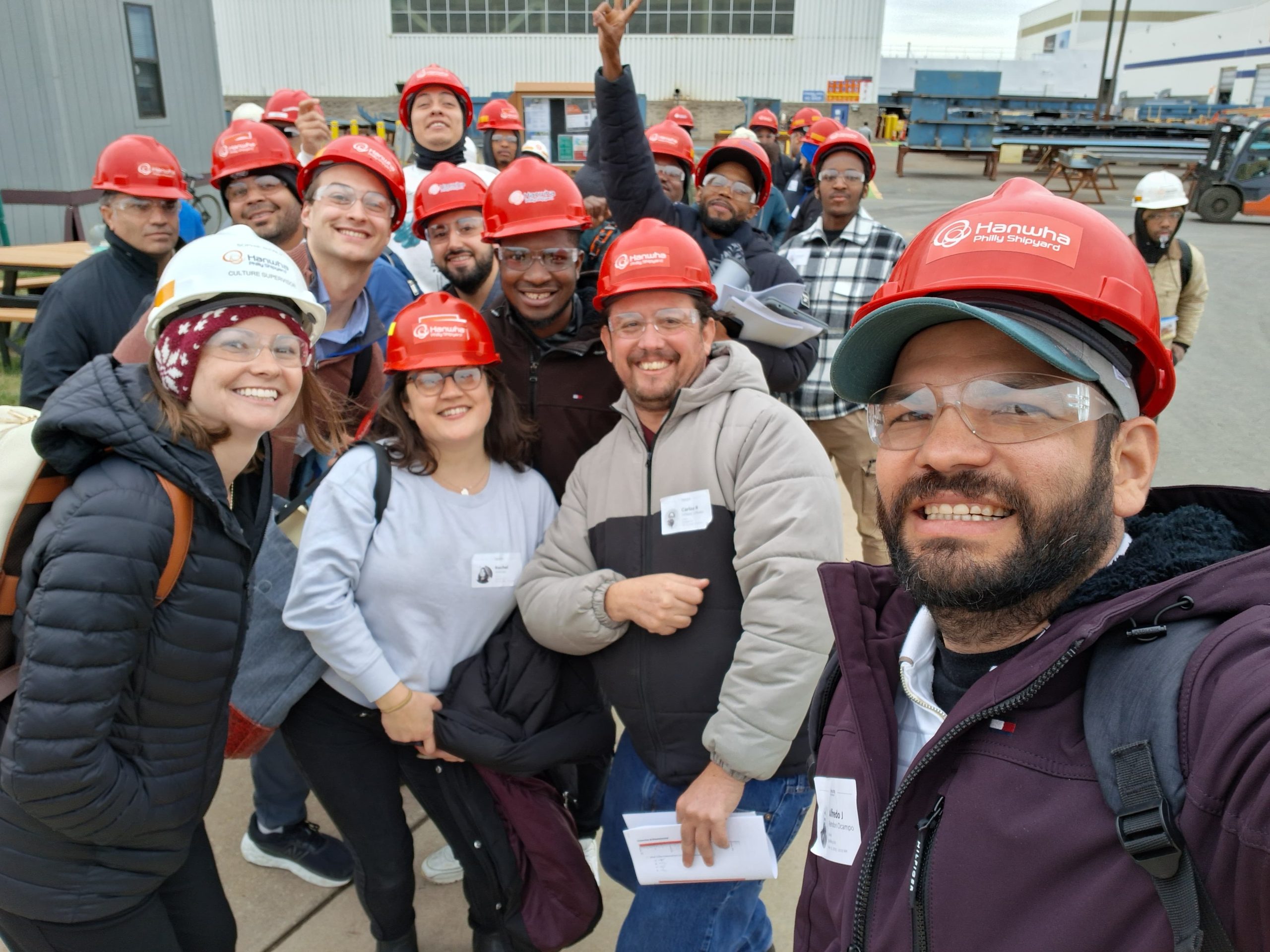
    Instructors and graduates of the union-backed preapprenticeship program Global Skills Union Pathways Project at Philly Hanwha Shipyard in February.GSUPP

    What Paulsboro could offer

    Strandgaard says he’s not surprised Hanwha decided not to “waste any more of their time” on Paulsboro: “They could not see themselves working with a hostile landlord.”

    It’s an ideal site for shipbuilding or any other industry that needs a deep water port, he said. But “Holt Logistics really controls what comes in and out. This was very upsetting, for us and Hanwha, that Hanwha with the support of the Navy did not have enough leverage.”

    Other East Coast sites would take a year or more to prepare. “The beauty of Paulsboro is they could start the day after” concluding a deal, Strandgaard said.

    He said he was surprised the new administration of New Jersey Gov. Mikie Sherrill didn’t make landing Hanwha a priority.

    Sherrill was “disappointed that EEW could not reach an agreement with Hanwha or other parties despite the state’s efforts to facilitate discussions and bring stakeholders together,” spokesperson Maggie Garbarino said in a statement.

    Holt’s goal: A modern marine terminal

    On any given day, between 500 and 900 Holt employees are moving cargo at the company’s South Jersey operations, Holt said. He declined to estimate how many of those were in Paulsboro.

    According to tax records, the port handled about 250,000 tons of cargo last year. That’s less than one-tenth of all South Jersey Port Corp. cargoes.

    Holt called the state “vital partners in the renovation of the facility. We are working to have both marine operations and manufacturing operations. But we cannot be deterred from taking it where we promised: to be an active modern marine terminal.”

    He said he expects the Sherrill administration will prove to be more congenial to the Holts’ vision for the property — “manufacturing, distribution, or anything” that makes sense to his family.

    South Jersey officials say they haven’t given up. “The people of Paulsboro were told this was about jobs, jobs, jobs, and those would be manufacturing jobs. Not stacking containers four high with automated forklifts,” Giovannitti said.

    Burzichelli still hopes Hanwha and Holt can be brought to the same page. “Many of us still don’t think we are done with manufacturing,” he said.

  • Philly developer Post Brothers faces contractor lawsuits and a union campaign

    Philly developer Post Brothers faces contractor lawsuits and a union campaign

    More than a dozen Philadelphia-area contractors have sued apartment developer Post Brothers, alleging the company failed to fully pay for all the work they did.

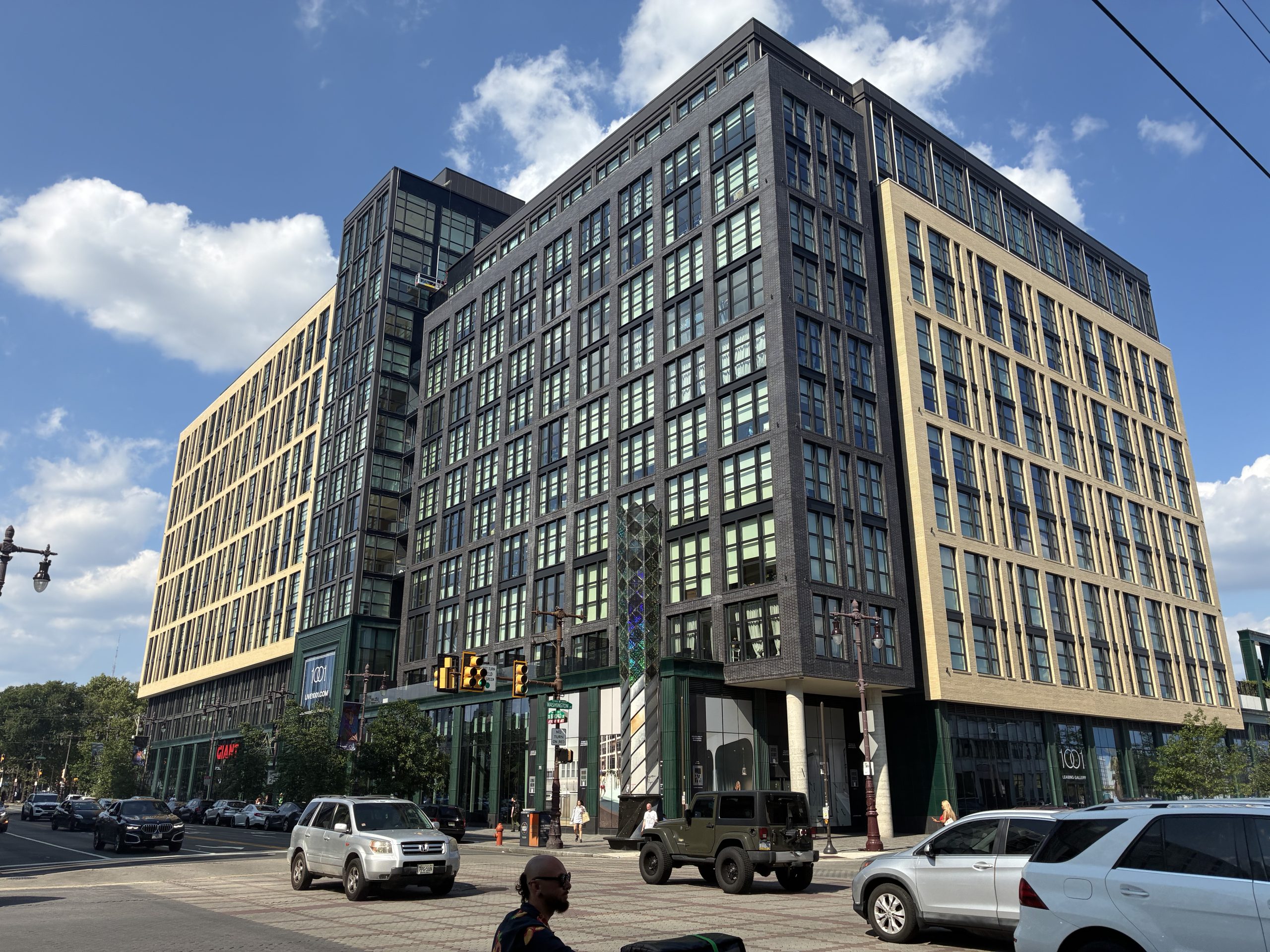
    In state and federal courts, the building and professional-services contractors, most of them affiliated with the city’s carpenters union, allege Post Brothers owes more than $9 million for work at the 630-unit One Thousand One apartment complex at Broad Street and Washington Avenue in South Philadelphia.

    “The Post Brothers want to take a Donald Trump business model where they don’t want to pay their contractors,” said James Hocker, assistant executive secretary-treasurer of the Eastern Atlantic States Regional Council of Carpenters.

    One of the contractors, Healy Long & Jevin, a concrete construction company based in Wilmington, alleges the Post Brothers mismanaged the project at Broad and Washington and should pay an additional $14 million.

    Post Brothers alleges it’s Healy that should pay them a larger sum — for poor performance. Healy’s lawyers did not respond to a request for comment.

    Doylestown-based Apollo Contractors and other smaller contractors filed the next-largest claim, for $5.8 million.

    According to Apollo’s complaint, the developer “doesn’t have adequate funds because the owners” used company funds “for their own personal benefit and expenses.” Healy has made similar claims.

    Post Brothers in court papers called the union contractors’ lawsuits “without merit.” The development company argues that the conflict is about who should bear the costs of inflation.

    “Subcontractors who agreed to a price in 2022 experienced 30% inflation probably throughout the course of the project,” which is wrapping up this year, said Michael Pestronk, CEO of the Post Brothers, who runs the company with his brother Matthew.

    But “the way that contracts work, our financing works, we pay lump sums for agreed scopes of work,” Pestronk said. “It’s up to the subcontractors to fix their costs and allow for that.”

    He also says the fraud allegations are baseless and just an example of contractors “throwing [stuff] at the wall” to see what sticks.

    The carpenters have launched a pressure campaign against Post Brothers, including nine billboards denouncing the company along Philadelphia’s highways. They say contractors at the Broad and Washington site had to pay union members and contribute to health and pension funds, despite not being fully remunerated.

    “That’s why they’re fighting hard to get what is owed to them because they have a lot of money on the street, and it’s jeopardizing their business,” Hocker said. “But they made their employees whole.”

    Post Brothers has made a counterclaim against Healy, accusing the concrete contractor of “false billing” and other violations. A judge rejected a motion from union-aligned Healy to dismiss the developer’s counterclaim.

    Pestronk says the legal saga is a manifestation of high interest rates and inflation in the construction market. Multifamily residential construction outside the city’s wealthiest neighborhoods has slowed dramatically. Office construction has ceased, and industrial sites do not require as many building trades.

    “Subcontractors and general contractors are feeling much more hungry today than two years ago,” Pestronk said. “Their pipelines are totally dry.”

    The Post Brothers development at Broad Street and Washington Avenue, which is at the heart of the conflict with the carpenters union.Jake Blumgart

    What’s in dispute

    One of the largest dollar-value claims against Post Brothers is a joint demand for $5.8 million from a group of businesses, led by Apollo Contractors, a carpentry, drywall, and finishing firm, and Fluid Works, a plumbing contractor, based at the same Doylestown address.

    Apollo and Fluid are owned by members of the Sharpan family, who are also partners with the Pestronks in another business, Mega Supply in Bensalem. The Sharpans are separately suing the Pestronks over money they say the Pestronks owe Mega Supply.

    The Apollo-Fluid Works complaint, filed in Philadelphia Common Pleas Court last August, was the first to include fraud allegations.

    Apollo says that the Pestronks paid Apollo to improve “their respective private residences” even as they owed millions to the contractors for work in Philadelphia, according to Apollo’s complaint. Attached to the suit are invoices for more than $200,000 worth of carpentry, painting, tile and drywall work that Post Brothers paid Apollo to perform at Michael Pestronk’s Eagle Farm in Villanova in 2021 and 2022.

    The groundbreaking for the Broad and Washington project was in December 2021.

    The Apollo complaint alleges that Post Brothers knew they didn’t have enough money to pay for the work but didn’t tell the contractors until the work was done.

    Early in July, Healy amended its federal complaint, pending before Judge Michael Baylson, to add similar claims. The Post Brothers denies those allegations and says the contractors have not offered detailed support for the allegations.

    “They are preposterous,” Pestronk said.

    Healy also demanded Post pay an additional $14 million for “mismanagement” at the Broad and Washington site that made the work difficult to complete and unprofitable. Post filed a counterclaim blaming Healy for “defective performance” that cost the developer $17 million. Each has asked the judge to dismiss the other’s allegations beyond the original complaint.

    Other lawsuits asked sums well under $1 million. Some have been in settlement talks; others are slated for trial.

    Post Brothers’ history with unions

    In addition to the nine billboards condemning the Post Brothers, the carpenters union has an electronic messaging truck attacking the company rolling around the city.

    The carpenters union’s electronic messaging truck outside City Hall, denouncing the Post Brothers.Eastern Atlantic States Regional Council of Carpenters

    The clash is the latest conflict between building trades unions and the company, which has always used an “open shop” mix of union-and-unorganized workers on their job sites.

    In 2012, the Pestronks sought to redevelop a former textile mill at 12th and Wood Streets into a 164-unit apartment complex called the Goldtex building, using an open shop model.

    The Philadelphia Building Trades Council, an umbrella group that covers many of the construction unions, fought for 100% union representation on the site.

    Union workers blocked access to the site — sometimes bringing construction to a standstill — and the Philadelphia sheriff’s office had to enforce a court order that protests stay back from the building. Violent tactics by protesters were caught on video.

    Relationships between the Post Brothers and the building trades have never been that contentious since, although they’ve never been tension-free either. The company still uses a mix of organized and nonunion labor.

    “We worked very hard to develop a relationship with Post Brothers over the last 10 to 15 years,” said Hocker of the Eastern Atlantic States Regional Council of Carpenters. “There was some bad blood [but] … we were able to secure some work on some of the Post Brothers’ work, specifically around concrete.”

    According to both the carpenters and the Post Brothers, the project at Broad and Washington employed greater numbers of union workers than some of their other major projects recently, such as Piazza Alta in Northern Liberties.

    “We were trying to play nice with the unions, and we made a commitment to hire these contractors at frankly greater expense than we otherwise would have incurred to try to foster relationships,” Michael Pestronk said. “And it turned out not to have gone well.”

    Besides the billboards and messaging truck, there have been periodic pickets at Broad and Washington, but according to Pestronk, nothing remotely comparable to the protests over the Goldtex building years ago.

    The carpenters are not a part of the Philadelphia Building Trades Council or the Philadelphia AFL-CIO. Other unions have not joined the campaign against Post Brothers, although the carpenters say they have invited them to partake.

    The union also has released a larger campaign, Build Fair Philly, meant to highlight what they consider unscrupulous development in the city. The billboards critical of Post Brothers bear the larger effort’s emblem. They also are trying to build alliances with neighborhood groups.

    “Post’s practices ultimately affect the whole market, and we welcome anyone who wants to be part of holding developers accountable,” Hocker said.

    Pestronk shrugs off the conflict. He notes that the Post Brothers continue to build in Philadelphia and says the current conflict does not compare to his company’s earlier struggles with the trades.

    “When that was going on, that was something I spent a lot of time thinking about and figuring out what to do every day,” Pestronk said. “This is less than 1% of that. These are just some [nonsense] lawsuits that just go on in the normal course of business.”

  • Hanwha is importing parts for made-in-America ships

    Hanwha is importing parts for made-in-America ships

    Longshoremen at Hanwha Philly Shipyard this week have been unloading fuel tanks and other imported equipment from the China-built cargo ship HMM Nabi. They are to be used in ships Hanwha has started building under a law requiring the use of U.S.-built ships on routes connecting U.S. ports.

    Nabi, a bulk cargo carrier operated by Korea-based Hyundai Merchant Marine (HMM), arrived last weekend at its berth next to where the Schuylkill flows into the Delaware River.

    “We’ve had 12 or 13 guys on that pier” each day, starting Monday, to unload the Nabi, said Boise Butler, president of International Longshoremen’s Association Local 1291, which handles cargoes moving through Philadelphia port terminals.

    Nabi left the Chinese shipbuilding and ship-equipment manufacturing center of Nansha in April and has since called at other U.S. ports, including Dundalk, Md., before arriving in Philadelphia last weekend, according to shipping records.

    “The HMM Nabi is at Hanwha Philly Shipyard to deliver materials and equipment that will be used in the construction of the second of three new Matson Aloha Class containerships currently under construction at the shipyard,” Hanwha spokesman Rob Loveless said.

    Hanwha referred questions on the cargo to Matson Navigation Co., which is based in Honolulu. Matson officials had no immediate comment. Industry sources familiar with the shipment confirmed it includes parts made in China and in Korea.

    Matson has said it plans to use the ships to connect West Coast ports with terminals on Hawaii and Guam and for its service connecting Los Angeles’ Long Beach port to China.

    Shippers moving cargoes exclusively between U.S. ports are required to use ships assembled in the U.S. and crewed by U.S. merchant marine sailors under the federal Jones Act, designed to protect U.S. shipbuilders from cheaper competition.

    The Jones Act, long a target of free-market advocates who oppose U.S. shipbuilding subsidies, was suspended by President Donald Trump in March, citing the need for flexibility following the start of the Iran war.

    U.S. shipping advocates who support Jones Act protections and shipbuilding subsidies argue that Trump’s plan to rebuild U.S. shipping in competition with high-volume shipyards in China, Korea, and Japan requires Jones Act protections — at least until U.S. shipbuilding has grown much larger, cutting costs per ship.

    Jones Act ships can use foreign engines, tanks and other components and foreign metal, so long as they are assembled in U.S. yards. Ships originating in foreign ports can call at multiple U.S. ports without violating the Jones Act.

    Shipyard owner Hanwha Systems told investors Wednesday that it is still losing money at Philly Shipyard, but less lately as it steps up the pace of its shipbuilding.

    Philly Shipyard lost around $15 million for the quarter, down from around $33 million in losses the previous quarter and $22 million a year ago. Sales rose to $160 million, up 40% for the quarter and more than 50% from a year earlier.

    Container ships, like the ones it’s building for Matson, lose money, the company said. But Hanwha expects to profit next year from additional U.S. government contracts.

    Besides the Matson commercial ships, Hanwha confirmed earlier this month it has won an order from the U.S. Missile Defense Agency to build the first of two Missile Range Instrumentation Vessels (MRIVs) to replace the 1960s-era “tracking ships” that help locate and defend against potential attacks on the U.S. Hanwha says the contracts could eventually be worth $2 billion.

    Hanwha representatives have been scouting the Delaware Valley, including the former BP refinery site in Paulsboro, for an additional shipyard site but have not yet closed a deal, according to industry sources.

    Hanwha has also considered shipyards in the South and on the Gulf Coast if it can’t expand as much as it wants in the Philadelphia area.

  • Like rival Wawa, Delco’s Swiss Farms plans to add gas pumps under its latest owner

    Like rival Wawa, Delco’s Swiss Farms plans to add gas pumps under its latest owner

    The new owner of Swiss Farm Stores, a Delco fixture selling dairy, groceries, and convenience goods almost as long as cross-county rival Wawa, is planning new stores with gas pumps in Delaware, Philadelphia, Montgomery, and Bucks Counties.

    “We were neck and neck with Wawa, then they went into gas in 1996, and it revolutionized their business,” said Arsh Pola, a Drexel University graduate and gas station and convenience store operator, who bought the chain in stages after starting talks in 2022.

    “It’s a beautiful business,” Pola said. Serving through drive-up windows from posted menus of hot and cold foods and pantry items, “we have a different customer from other stores: mom. We are serving local families milk and the things that built a cult following. We will add more of the right things.”

    Side entrance at Swiss Farm Stores’ Drexel Hill, location.Joseph DiStefano

    Pola’s vision to update Swiss Farm, which started in 1968, is fuel and an expanded menu.

    Adding gas to a drive-up chain might not be a long jump for Pola, who owns gas stations, stores, and apartments in Philadelphia and Montgomery County.

    The North Penn High School alumnus jokes that his retail focus in a family of professionals — engineer, pharmacist, dentist — makes him “a black sheep” but also tracks with his Gujarati immigrant grandfather, a teacher who saved his pay to buy a New England convenience store.

    Pola began negotiating to buy Swiss Farm franchises in 2022, two years after Florida-based Farm Stores bought the company from Radnor-based MVP Capital and other investors.

    Earlier owners tried and failed to grow Swiss Farms beyond Delaware County. When Pola realized the Delco-area franchises were the only stores still open, he bought one after another, starting in 2024, and then the parent company. He was financed by regional banks that also backed his gas station deals. The purchase closed June 30.

    His plans rely on execution by Swiss Farm veterans, topped by Chris Gray, who worked 25 years at the company and rose to CEO before MVP let him go. Pola, now CEO, brought Gray back as chief operating officer.

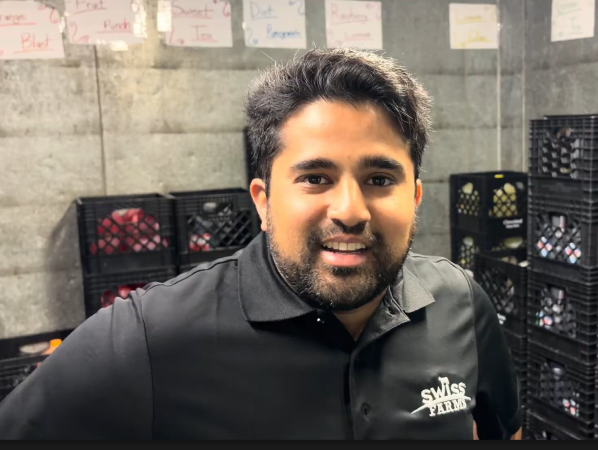
    Pola agreed to detail his plans for Swiss Farms to The Inquirer in interviews at the Broomall and Drexel Hill stores.

    How did you get into retail?

    When I was studying finance at Drexel [graduated 2019], I had the dream of working at Goldman Sachs. I became the youngest co-op at Goldman Sachs. And they quickly told me, ‘You get along really well with the clients.’

    I started buying gas stations while I was still a student. I took Warren Buffett’s advice: ‘Buy something with a moat around it.’ Gas stations have a very strong customer cash flow that’s recession-proof.

    I started with a former Liberty, up at Ridge and Manatawna. I wanted my own brand on the store. I called it Posh [with a crown over the P]. I ended up doing Marathons and Lukoils. I still have a few stations in Philadelphia and Montgomery County.

    How could you afford to buy Swiss Farms?

    Each gas station required a million-dollar investment. So I wanted to do a portfolio deal [buy several at once]. Everything was financed from the banks that knew me. They do 20-year mortgages.

    Farm Stores’ goal was: ‘Let’s franchise!’ Wawa doesn’t franchise. Raising Cane’s CEO Todd Graves talks about this: You can’t control the quality of a franchise when you don’t own it.

    I told Farm Stores, ‘You guys are 1,500 miles away. Let me buy it all.’

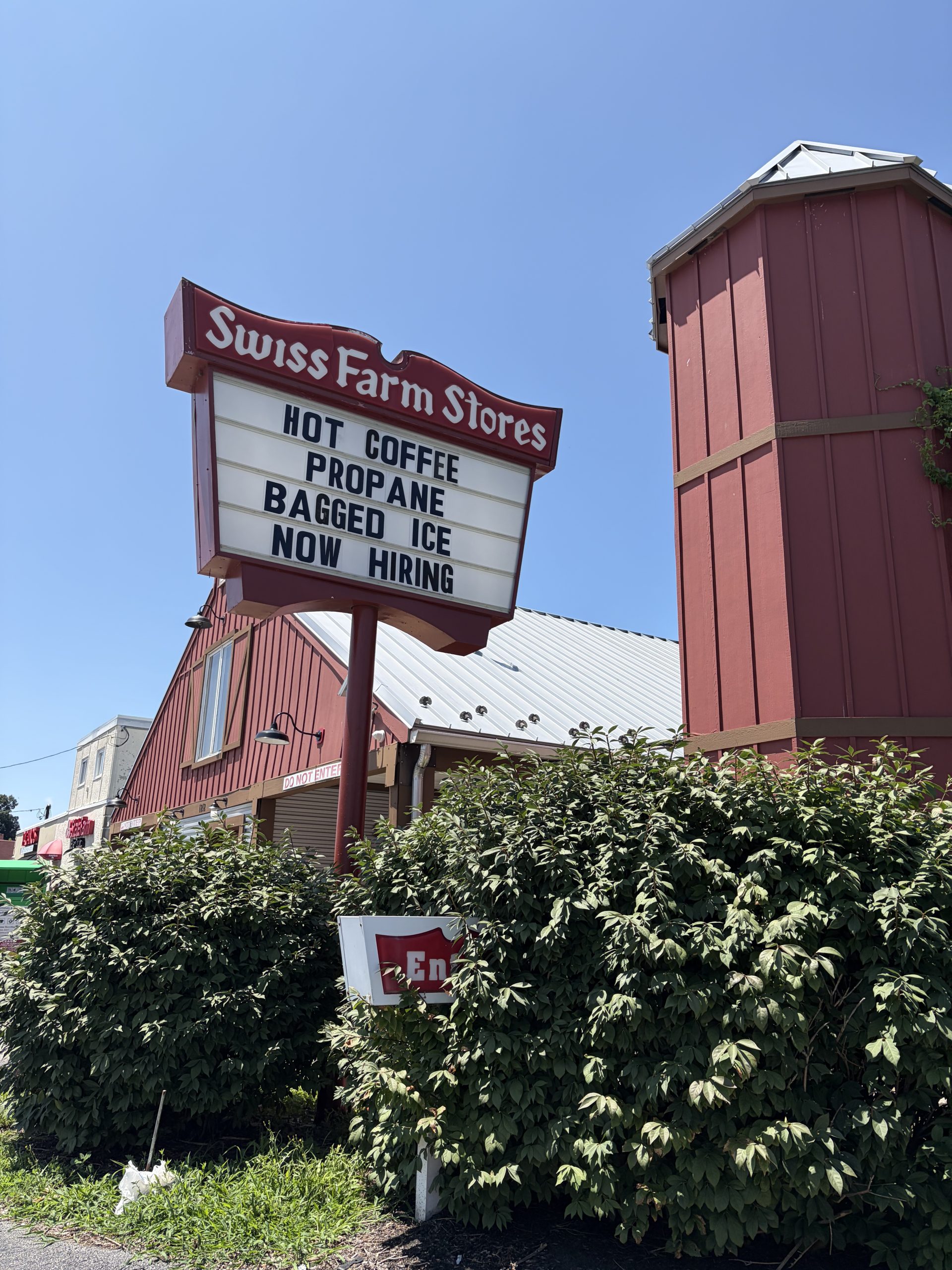
    Sign at Swiss Farms’ Broomall, Delaware County store.Joseph DiStefano
    What are the first few things you will add or take away?

    The stores need a facelift. We won’t take away the silos, but [we’ll give them] a fresh look.

    And the stores need more employees. In-N-Out doubled their payroll, and sales went up three or four times over.

    We always had employees in these black shirts. Now we’ve added six new colors, make it fun for the staff.

    We just did an event with [former Eagle] Brian Dawkins. Everyone on his staff knew Swiss Farms and loves us.

    How can you compete with large chains like Wawa and 7-Eleven that can purchase gas and food in bulk at lower costs?

    I’m already in the gasoline business. I buy on the open market every day. I buy from the same [fuel suppliers] that sell to BJ’s and Sunoco. We are going to price gas the most aggressively we can.

    Some costs you can cut. Swiss Farms had a consultant negotiating what were supposed to be the best trash rates. We cut that.

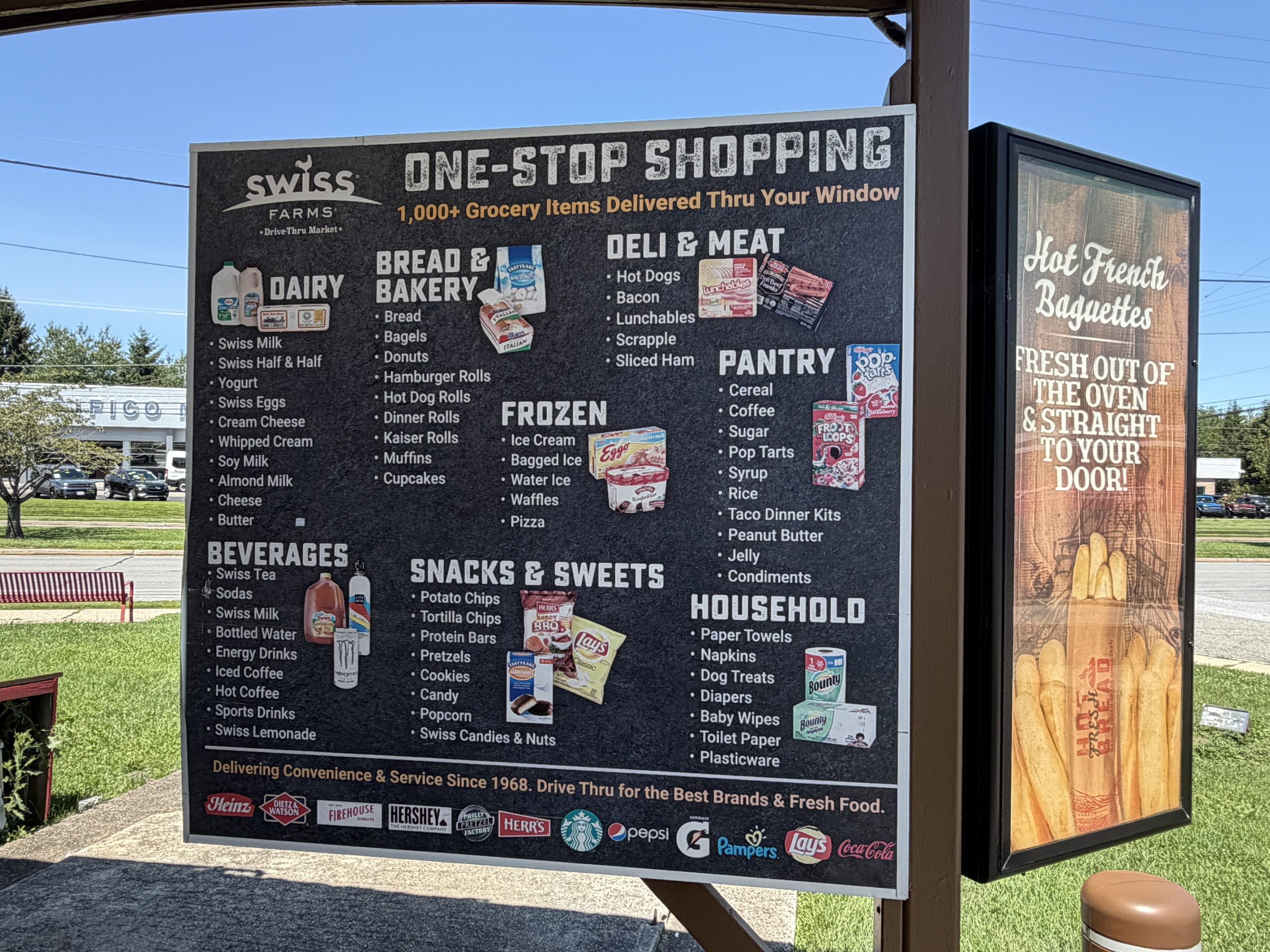
    Swiss Farm Stores drive-up menu, July 2027Joseph N. DiStefa
    Kathy Strimmel, who runs the Drexel Hill store, says she’s a longtime customer, who’s now been working there for a year. Is it hard to find people to work your stores?

    It’s difficult to find quality talent. People don’t all have the same drive, or loyalty. We start at $10 to $12 an hour.

    Your milk costs maybe a dollar more a gallon than the store down the street, why?

    It’s good milk! People don’t say, ‘Can I get a gallon of whole milk?’ They say, ‘Can I get Swiss Vitamin D?’ And we share the cost for getting it into your car.

    We do have the best prices on our iced teas. I don’t know why, but Delaware County has a reputation as the best iced-tea market in the country.

    How many new stores are you planning?

    Twenty-five in the next five years. We will find locations here in Delaware County, and we will enter Philadelphia, Montgomery County, and Bucks County. After that, we will grow organically, state by state, where it makes sense.

    I respect Wawa. [Wawa CEO] Chris Gheysens said, ‘It took 60 years for us to get into six states; it’ll take six years to get into the rest.’”

    Wawa has closed several of its Philadelphia stores. How can Swiss Farms make the city work if Wawa can’t?

    You have to choose locations very wisely. I have gas stations in Philadelphia. I know how to do that.

  • Pa. mushroom growers are divided over cheap, grocery-store fungi

    Pa. mushroom growers are divided over cheap, grocery-store fungi

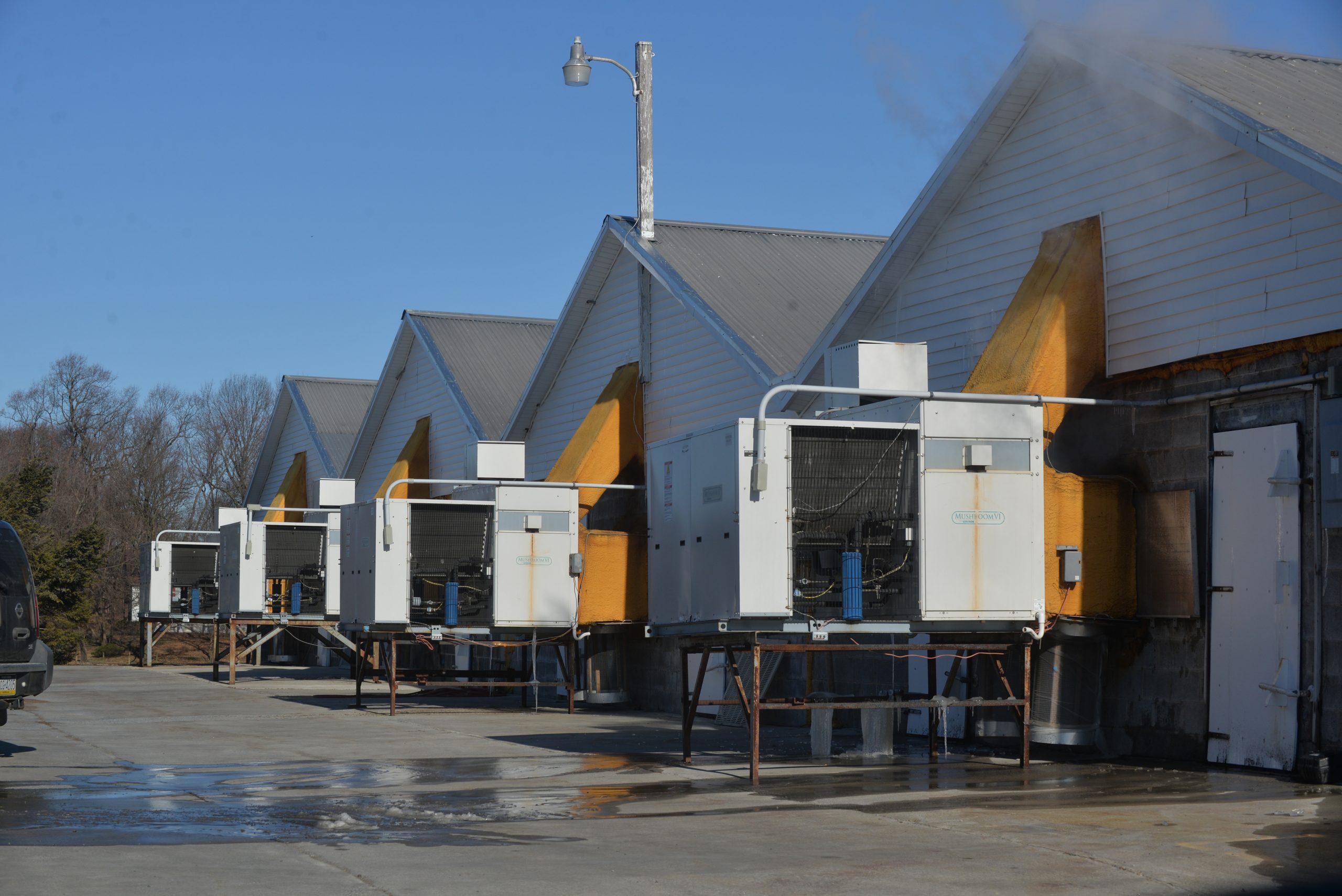
    Pennsylvania mushroom growers welcomed this month’s U.S. Department of Commerce preliminary finding that Canadian farms are selling mushrooms to U.S. grocery stores at unfairly low prices.

    The ruling against “dumping” threatens to make mushrooms more expensive to import, easing competitive pressure on family-owned U.S. growers in an industry also under pressure from a shortage of harvesters amid the U.S. immigration crackdown.

    “This ruling supports the long-term health of our industry” in Pennsylvania, said CJ Ciarrochi, CEO and fourth-generation owner of Modern Mushroom Farms in Toughkenamon, Chester County, part of the Fresh Mushrooms Fair Trade Coalition supporting the case against the Canadians.

    But one of the largest area growers called the decision a protectionist move that would enable aging U.S. farms to avoid upgrades and leave consumers with fewer choices.

    “We sell our Canadian-grown mushrooms in the U.S. at a higher price than our U.S.-produced mushrooms — the polar opposite” of dumping, said Lewis Macleod, Kennett Square-based CEO of South Mill Champs mushrooms, which also has operations in Canada and Mexico.

    (function(){function e(){window.addEventListener(`message`,function(e){if(e.data[`datawrapper-height`]!==void 0){var t=document.querySelectorAll(`iframe`);for(var n in e.data[`datawrapper-height`])for(var r=0,i;i=t[r];r++)if(i.contentWindow===e.source){var a=e.data[`datawrapper-height`][n]+`px`;i.style.height=a}}})}e()})();

    Final decisions in September could impose penalties that boost U.S. grocery stores’ cost to buy Canadian mushrooms. The Commerce Department’s calculations suggest anti-dumping and countervailing-duties penalties, if adopted, could add 10 to 15 cents per $1 to the price of Canadian mushrooms exported by Champs, owned by Eos Partners of New York; Highline Mushrooms, owned by Japan-based Sumitomo Corp.; and Windmill Mushrooms, owned by Toronto-based Instar Asset Management.

    That would ease import competition for Pennsylvania growers, who produce more than two-thirds of the U.S. mushroom crop, mostly in clusters of climate-controlled sheds in northern Berks County and southern Chester County.

    At Modern Mushroom Farms, on Newark Road, Toughkenamon, Chester County, in 2020.Bob Williams For The inquirer

    The Department of Commerce’s finding “is a win for fairness, competition and the future of American mushroom farming” and for “everyone to play by the same rules,” said Mark Currie, CEO of 99-year-old Giorgio Cos.’ food division, the largest of the coalition members.

    Giorgio employs over 2,300 in Berks and Chester Counties and also buys from other growers such as Modern. Its corporate parent, Giorgi Global Holdings, is an international bottle and can maker with $5 billion in yearly sales.

    While Champs’ Macleod predicted the Commerce Department’s final probes would find no dumping, Currie said he expects the review of sales records would find more evidence.

    “We know the private-equity playbook: ‘Let’s drive the mom-and-pops out, jack prices, and then flip our companies” to outside investors and global companies, Currie said. “We called them on it. Enough’s enough.”

    Both sides agree that Canadian growers have been winning a larger share of the U.S. market.

    Sales to U.S. buyers peaked at around 1 billion pounds in 2019 but have since declined, according to the Mushroom Council, a national organization that promotes the crop. Canadian farms are gaining larger sales in a smaller U.S. market.

    U.S. production peaked in 2015 at 811 million pounds and has fallen each year since, to 631 million pounds in 2025.

    Fresh mushroom imports, mostly from Canada, have grown steadily since 2012, more than doubling to 208 million pounds in 2025.

    The trade coalition says at least 10 U.S. mushroom farms have closed since 2022, including five in Chester County and one in Berks County.

    In its investigation, the Commerce Department compared the prices of premium-grade U.S. mushrooms to lesser-grade Canadian mushrooms and discounted low-priced U.S. mushrooms, Macleod said.

    Canadian exports are winning U.S. customers not because Canadians are selling unfairly cheap but because Canadian farms tend to be new and efficient and grow an attractive product, he said.

    Commerce began the investigation of alleged dumping and subsidies in January. The department’s latest finding follows its May “preliminary affirmative determination” that some Canadian mushroom farms were operating with an effective Canadian government subsidy of up to 5%.

    South Mill Champs was set up in 2017 by Eos Private Equity, which bought a controlling stake of South Mill’s Kennett Square mushroom-growing complex from the founding Pia family and combined it with the Champs mushroom farms in British Columbia. It is based in Kennett Square.

    South Mill Champs built an additional plant in 2023 in Chester County’s Elk Township, near the Maryland border, and now directly employs around 400 in the county, according to Macleod.

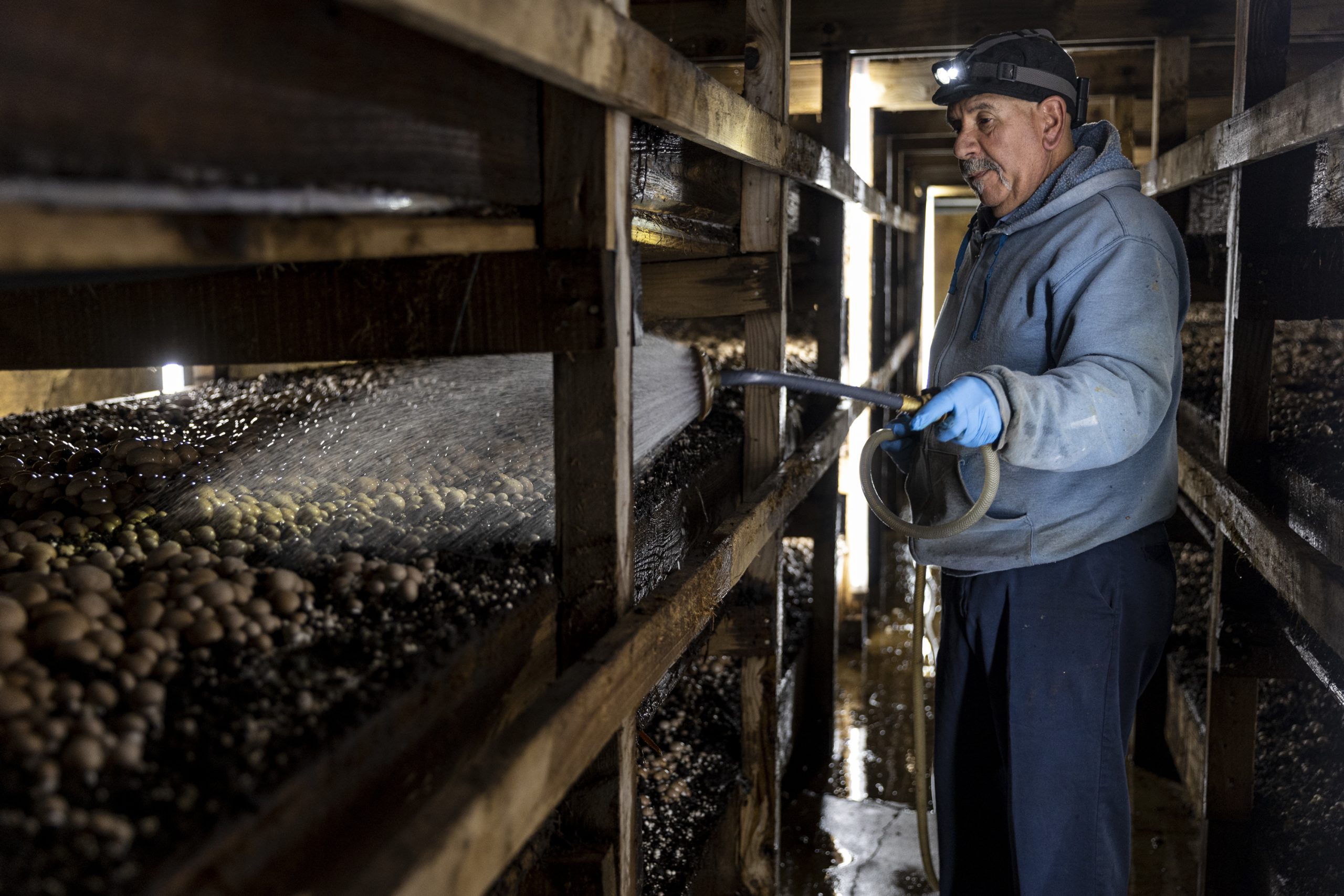
    A worker is watering Crimini Mushrooms being grown at The Woodlands at Phillips Mushroom Farm in Kennett Square in 2022.Tyger Williams / Staff Photographer

    The company also has added mushroom production near Winnipeg, Manitoba, and is building in Mexico’s Guanajuato state. It has a processing plant in Cambridge, Md., and has diversified into mushroom-based snacks and fruit storage and distribution.

    Rival Giorgio has a joint-venture plant in Saltillo, northern Mexico, which has been selling to Mexican and U.S. buyers since the 1990s.

    Many of Chester County’s Mexican mushroom workers are from Guanajuato. Thousands gained legal resident status and a path to citizenship in President Ronald Reagan’s 1980s amnesty program. Many have raised families and started businesses in the county. Nearly half Kennett Square’s population is Latino, according to the U.S. Census’ 2025 estimates.

    Mario Gomez, of West Grove, cooks white mushrooms in butter, garlic, and salt to give out as free samples during the annual Mushroom Festival in Kennett Square in 2023.Tyger Williams / Staff Photographer

    In recent years, growers have had more difficulty obtaining U.S. work permits for workers from other countries.

    Miguel Morales, a Guatemalan labor contractor who served as employer of record for nearby Chester County mushroom growers from his base at an Oxford convenience store, was convicted in federal court in Philadelphia last year of hiring unauthorized workers and failing to collect and pay taxes for some of them. He was sentenced to a year in prison, plus $8 million in restitution to the IRS. The growers were not charged.

    South Mill Champs’ Macleod said he and his neighbors, though they differ on trade and sanctions, all support efforts by the American Mushroom Institute to expand legal status for immigrant farm laborers.

    But with government restrictions on labor growing instead of easing, he said, “we have had to limit our expansion in the U.S., owing to challenges with labor availability.”

    Macleod says the key to the U.S. mushroom industry’s survival and growth is automation.

    The “distraction” of the trade dispute has delayed South Mill Champs’ proposed investment in a new, fully automated mushroom farm at its Oxford facility, where there’s room to triple the size of the current facility, he said.

  • New CEO of Philadelphia steel company dies suddenly

    New CEO of Philadelphia steel company dies suddenly

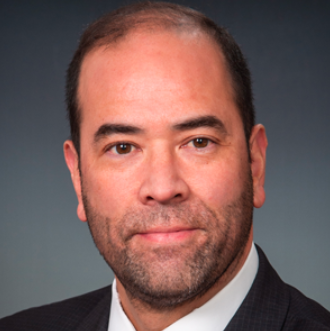
    Brian J. Malloy, chief executive officer of Philadelphia-based Carpenter Technology Corp., died “suddenly and unexpectedly” Friday, July 24, three weeks after he was promoted to run the company, which employs 4,500, Carpenter said in a statement. He was 59.

    Malloy made “significant contributions” to the growth of Carpenter, a 137-year-old, $3 billion-a-year company that makes stainless-steel alloys for aerospace, medical, military, and industrial uses at its plants in Berks County, Western Pennsylvania, and Alabama.

    “We are deeply saddened at Brian’s passing,” the company said.

    Tony Thene, Malloy’s predecessor as CEO and executive chairman, has stepped back in to replace Malloy.

    Malloy had been scheduled to report recent results to Carpenter’s investors and discuss its prospects in a conference call Thursday. The call will go ahead on schedule. Shares fell about 4% to around $580 in trading Monday on word of the new CEO’s death.

    The stock had been trading over $600, its highest ever, for the past month, on the expectation that Carpenter would profit on higher U.S. military spending and new space orders.

    Malloy studied engineering at Virginia Tech and held an MBA from the College of William and Mary, as well as certifications in AI from Northwestern University and digital transformation from MIT. He is listed on five patents.

    He joined Carpenter in 2015, heading a unit that includes titanium products and powdered metals. In 2023, he was named chief operating officer before succeeding Thene as CEO when Thene retired earlier this month.

    Part of the Carpenter Technology complex in Reading. The Philadelphia-based specialty steelmaker also has operations in western Pennsylvania and Alabama, and a finishing plant in China.Greater Reading Chamber Alliance

    Before joining Carpenter, Malloy was an executive at Berwyn-based Ametek and for Alcoa.

    Carpenter moved its headquarters to Philadelphia from Spring Township near Reading, the year after Malloy joined the company, one of several upstate Pennsylvania companies that moved to Philadelphia in hopes of attracting management and technical talent.

  • Citizens Bank says it has ended lending to private prison companies used by ICE

    Citizens Bank says it has ended lending to private prison companies used by ICE

    Citizens Bank no longer funds two private-prison companies that house people detained by federal immigration services, the company said in a statement on its investor page Friday.

    The federal government has purchased some facilities it had been using from private prison operator CoreCivic and plans to buy some from the GEO Group, so those companies no longer need as much capital, according to the bank. Citizens now finds it “appropriate to exit” those lending relationships, the bank said.

    Citizens, based in Rhode Island, has the largest bank branch network in the Philadelphia area, according to FDIC data, and ranks among the dozen largest U.S. commercial banks.

    Opponents of the facilities have asked for “assurances in writing” from Citizens Bank that the GEO Group and CoreCivic relationships are over, said Peyton Fleming, a spokesperson for De-ICE Coalition, which organized protests against the bank.

    Earlier this month, CoreCivic announced the sale of two prisons in California to the U.S. for $1.5 billion.

    Protests against Avelo Airlines’ role in transporting deportees for immigration agencies ended last winter after ICE purchased its own airplanes.

    A billboard near the Route 420 exit of I-95 North in Delaware County pressuring Citizens Bank to stop funding private prison operators who housed deportees for federal agencies.Indivisible Highlands

    De-ICE in a statement Friday called Citizens’ decision “an important victory for the people who refused to let a major bank finance human suffering brought on by ICE detention activities of the current federal administration.”

    De-ICE backers sponsored signs, trucks, a billboard on northbound I-95 near the Route 420 exit, a flyover banner before the Major League All-Star Game, and pickets in the region urging Citizens to drop the prisons. The group took credit for the decision, said Debbie Travers, a healthcare consultant and a leader of Indivisible Highlands and Beyond, a Wilmington-based group opposed to aggressive worker and family deportations.

    Citizens, one of the few big banks to finance private prison companies, also was targeted in New Jersey and other states by local ordinance proposals urging towns to withdraw public accounts from Citizens. Jersey City and Montclair voted earlier this summer to withdraw more than $300 million in total from Citizens, according to NJ.com.

    This truck, adorned with illuminated signs urging “Citizens Bank Stop Financing ICE Detention Centers,” was parked near a Citizens branch in Delaware as part of a national protest March 5. Organizers said they visited 68 branches, including several in the Philadelphia area.Joseph DiStefano

    In its statement, Citizens said that due to privacy concerns, it hadn’t previously commented on its relationships with private prison owners and U.S. Immigration and Customers Enforcement detention center operators CoreCivic, which Citizens had served since 2011, and the GEO Group, which Citizens has financed since 2018.

    Activists, including Philadelphia and Delaware chapters of Indivisible, complained that Citizens funding enabled the GEO Group, of Boca Raton, Fla., to operate the Moshannon Valley Processing Center in central Pennsylvania, Delaney Hall in New Jersey, and more than a dozen ICE prisons where conditions have been criticized. CoreCivic, of Brentwood, Tenn., ran the Elizabeth Detention Center in New Jersey, among others.

    Protest organizers, including local branches of Indivisible, said they had marched outside at least 70 of Citizens’ 988 full-service branches, including locations in Center City and Northwest Philadelphia last winter and spring.

    The bank said it has been “disappointed that the activists have dragged it into what is largely a political matter” and complained they mischaracterized the bank as anti-immigrant, pointing to its record of funding agencies that serve immigrants and other nonprofit support.

    Citizens also said bank regulators don’t allow them “to deny banking services to individuals and to lawful businesses based on political or religious considerations, a practice referred to as ‘debanking.’”

    The federal Office of the Comptroller of the Currency, a bank regulatory agency in the Treasury Department, is reviewing banks and has threatened to punish them for politically motivated debanking, citing private prison operators, gun makers, and oil companies among the industries the administration wants to protect.

    Banks “must consider these regulatory and contractual frameworks in making decisions on who to bank or not bank,” Citizens said. “Fair access to bank funding should be something all should agree with. Political concerns should be addressed through political channels.”

    De-ICE spokesperson Fleming said group members believe “public conscience and community resistance” helped change the policy, adding that “doing some good does not cancel out the harm caused by these business relationships.”

    In 2019, eight large U.S. banks including JPMorgan Chase & Co. and Citibank agreed to stop funding private-prison operators.

    In 2024, Citizens’ banking arm agreed to lead a group of lenders raising $1.3 billion for the GEO Group, which operates 82 prisons for state and federal agencies, some of which house immigration detainees.

    Last year, Citizens led a group of lenders, mostly smaller Southern banks, in raising $500 million for CoreCivic, to pay down debt and “for general corporate purposes.”

  • N.J.-based Holtec plans IPO to boost sales of its mass-produced small nuclear plants

    N.J.-based Holtec plans IPO to boost sales of its mass-produced small nuclear plants

    Holtec Nuclear Corp. plans an initial public stock offering that would transform the 40-year-old Camden company from the industry’s well-paid undertaker that shuts down aging uranium plants into a rapid-growth supplier of next-generation mini-nuclear plants and liquid batteries, the company said in a Securities & Exchange Commission filing earlier this month.

    Holtec hasn’t settled on a date or floated how much money it wants to raise — or what part of IPO proceeds would go into bringing its factory goods to market versus how much would go to company founder Krishna P. Singh.

    Singh and his family would remain the controlling shareholder, even as the IPO potentially boosts Singh’s compensation above last year’s $7.5 million with newly public shares and proceeds.

    The 400-page IPO registration describes a highly profitable nuclear service enterprise preparing to market new power products. Holtec has spent years preparing these products, just as federal government support and industry demand brings nuclear power back into fashion.

    The products include:

    • Uranium-fueled, water-cooled Small Modular Reactors, designed and mass-produced at the company’s factory on the Delaware River waterfront. The reactors could be sold or leased in groups by Holtec, and each unit swapped out so they can be refueled without shutting off all power.
    • The “green boiler,” a liquid solar-energy storage battery Holtec is testing at facilities that Singh owns in India.

    In the statement, Holtec addresses “succession” issues under chief executive Singh, who turns 80 next year. In 2012-13, Singh was a part owner of The Inquirer. Holtec says it has a full management team and succession plans in place. It also requires senior officials to travel separately so an accident won’t put them all out of commission.

    The company president, who was promoted to the post in April after his predecessor departed, is Holtec veteran Rick Springman, 47. He earned a mechanical engineering doctorate at the University of Pennsylvania, as did Singh, donor and namesake of Penn’s nanotechnology labs. Springman joined Holtec in 2009.

    The nuclear industry is attracting renewed interest and investment after decades punctuated by accidents at Three Mile Island (1979), Chernobyl (1986), and Fukushima (2011) when few, if any, new nuclear plants were built.

    Nearly 100 existing plants provide nearly 20% of U.S. electricity, and the U.S. plants compose about a quarter of the global nuclear power industry, according to Holtec data.

    Among fans of expanding nuclear power are President Donald Trump and private-equity investors building electricity-thirsty AI data centers.

    Steel canisters (at left) used to store nuclear waste for decades dwarf a worker at the Holtec manufacturing plant in Camden.

    On sales of $567 million last year, Holtec reported $395 million in net income — which looks at first glance like a very fat 70% profit margin.

    But the statement notes that half the profits were due to gains on the company’s financial investments. Profits from Holtec products and services were still a comfortable $200 million for a margin of 35%. But that’s down sharply from sales of $766 million and profits of $333 million, the year before.

    Most of Holtec’s sales and earnings flowed from an international business in which it is a leading provider: “decommissioning” and shutting down aging uranium-power reactors and building equipment to manage, store and transport spent uranium. Holtec makes that equipment at plants in Turtle Creek, near Pittsburgh; Orrville, Ohio; and Camden.

    Holtec says its 2025 financial performance suffers by comparison to its unusually profitable 2024 results. The earlier year was boosted by extra revenues from shutting down the Indian Point nuclear reactor in New York and other payment-scheduling vagaries.

    But the company expects U.S. decommissioning work will decline in the near-term, as fewer nuclear stations go out of service — a reversal from the 2010s, when power companies like Exelon shut plants like Three Mile Island because natural gas had become a cheaper fuel.

    Since then, fast-growing power demand for investor-backed data centers has boosted interest in nuclear power. Aided by the U.S. Department of Energy taxpayer-subsidized loans, Exelon spinoff Constellation Corp. is reopening a Three Mile Island nuclear reactor, and Holtec plans to help bring others back online.

    Holtec has been rated below NuScale Power, GE Hitachi, and other developers in the competition among U.S. nuclear companies to win Department of Energy (DOE) approval for its modular nuclear plants. But in 2024, the DOE agreed to guarantee a Federal Financing Bank loan of up to $15 billion so Holtec could install its first commercial small reactors — model SMR-300 — at the former Palisades nuclear plant in Michigan, where Holtec was also the decommissioning contractor.

    Holtec is also hoping the DOE will give it up to $400 million to speed the Palisades work.

    Reopening Palisades is “in the final stages with all major upgrades” completed and smaller jobs done this year for reopening in early 2027, according to the registration statement. Holtec said it can install more small reactors through a partnership with Korea-based Hyundai’s engineering division. Holtec expects the small reactors will prove most attractive in countries that don’t already have nuclear power.

    Small reactors could take longer to win regulatory approval, build, and install than expected, Holtec says. And success isn’t guaranteed for the recently developed Holtec Green Boiler and new solar-based Holtec systems, which “could drive significant long-term growth opportunities.”

    Among the litigation Holtec lists in its registration disclosures is a dispute with the company’s former outside accountants over what Holtec alleges was “inaccurate accounting and tax guidance” and a lawsuit by a former chief financial officer who alleged he was fired in a dispute over investor communications. The company denied wrongdoing.

    Despite the recent surge of support for nuclear power, Holtec said, “negative public and political perceptions of nuclear energy” and news of nuclear accidents could still damage the company.

    The statement adds, “Our business is dependent, in part, upon public and political support for nuclear power in the United States and other countries” and on projects that can last beyond a single U.S. presidency.

  • How thousands of heavy-duty recycling carts made in Hunting Park ended up on construction sites around the U.S.

    How thousands of heavy-duty recycling carts made in Hunting Park ended up on construction sites around the U.S.

    The TommyCart, a durable, bar-coded, welded-steel recycling wagon made in Philadelphia, is popping up at U.S. construction sites from the Wanamaker Building’s apartment conversion in Center City to the Tennessee Titans’ new stadium in Nashville.

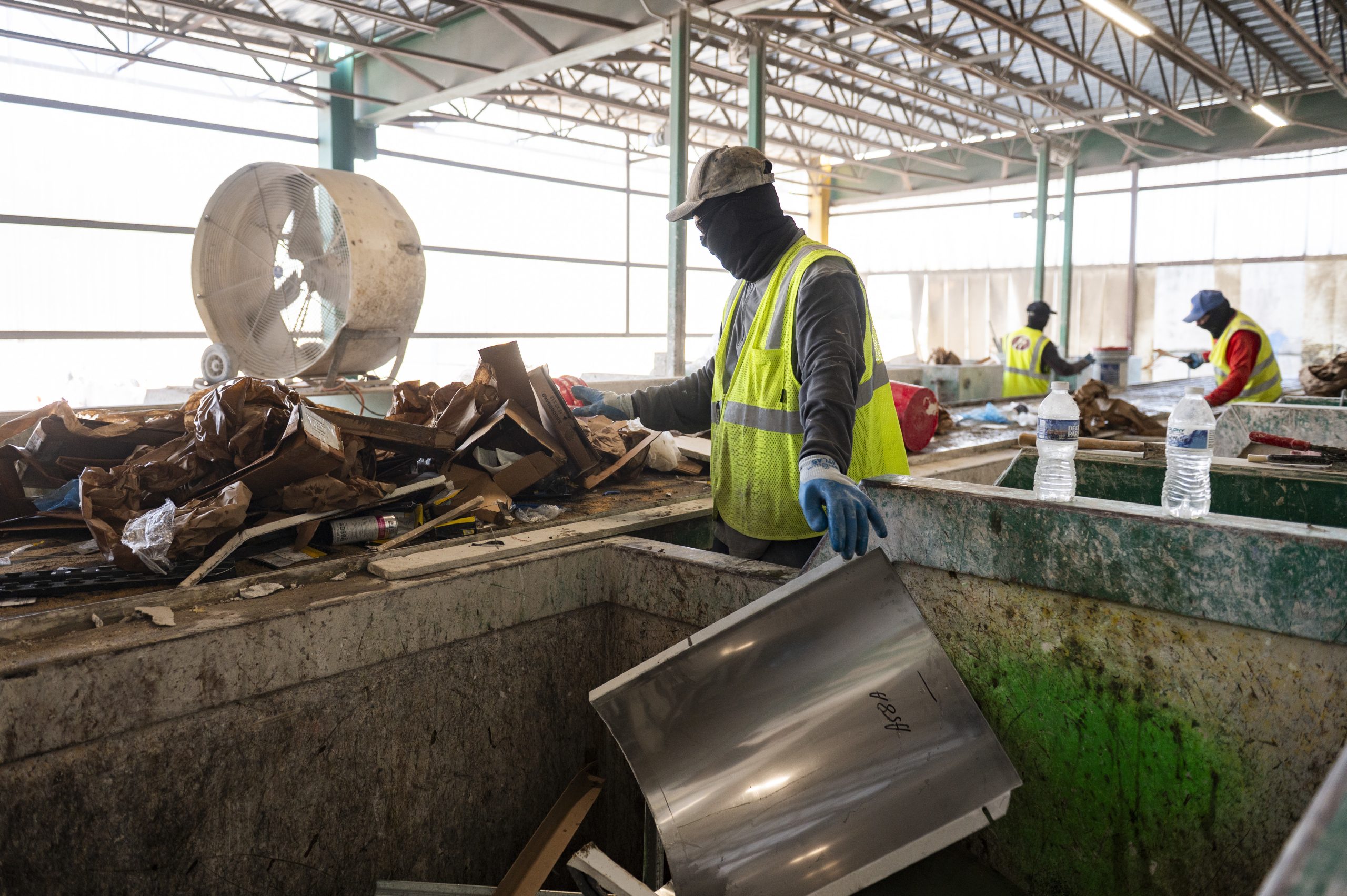
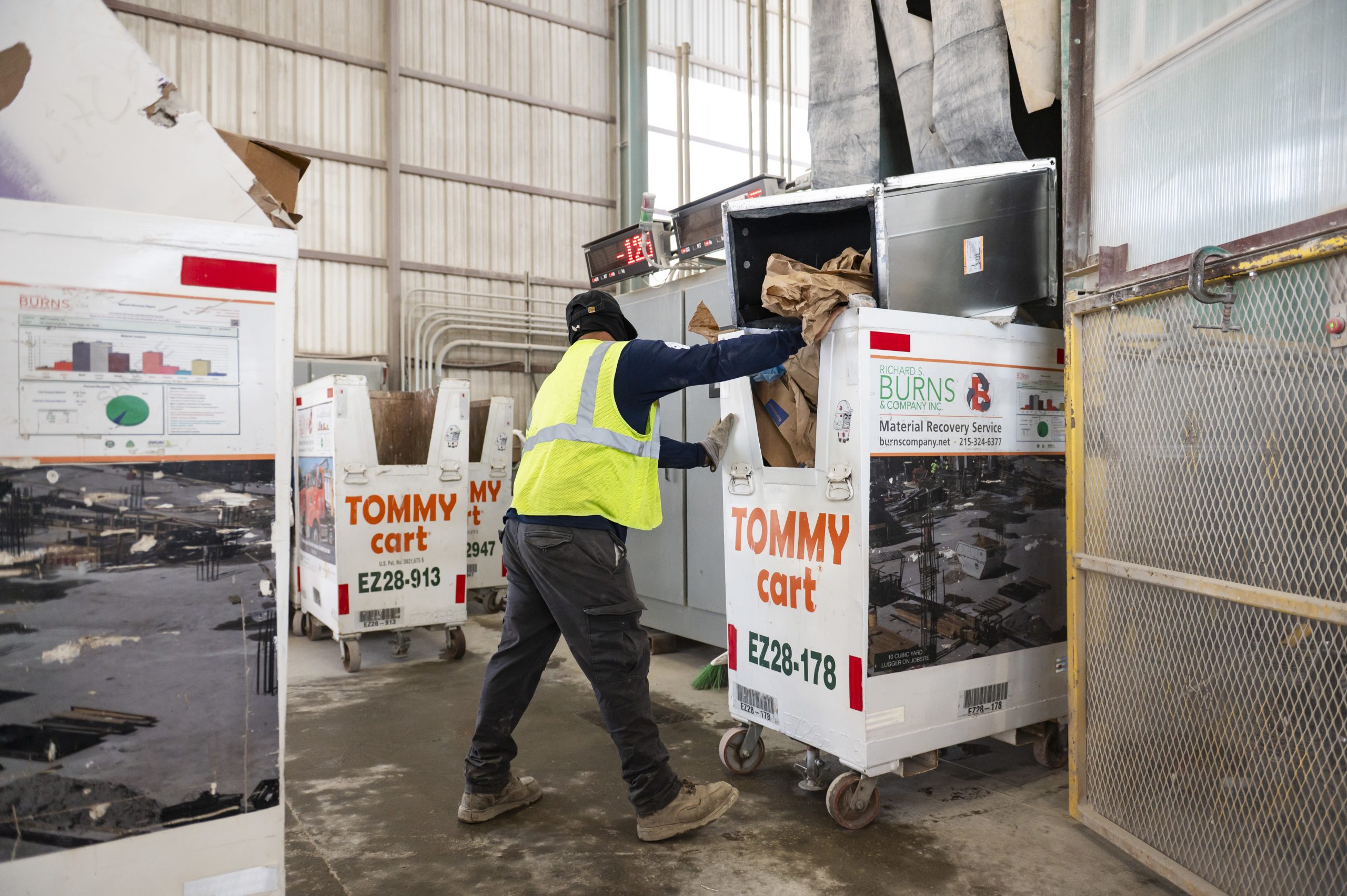
    The carts, specialized for recycling, were developed by Richard S. Burns & Co. at its 13-acre Hunting Park complex where demolition debris is sorted for resale to steel mills, building-materials makers, plastics plants, and other reusers.

    “We were struggling with increasing the quality of recycling material going out the door, and from the increased quantity of material coming in the door,” said Allen T. Burns, who runs the company, now known as Burns Services.

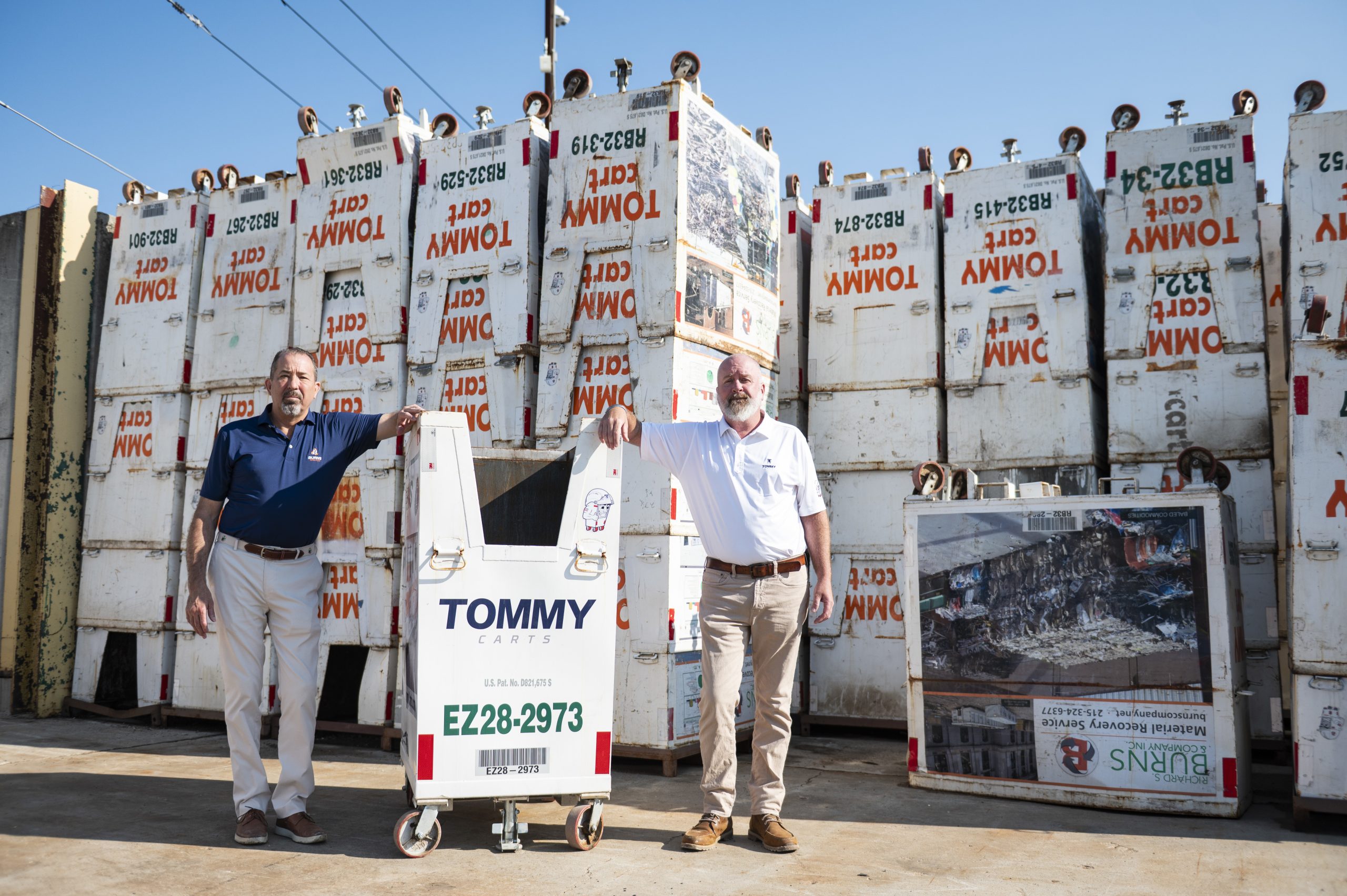
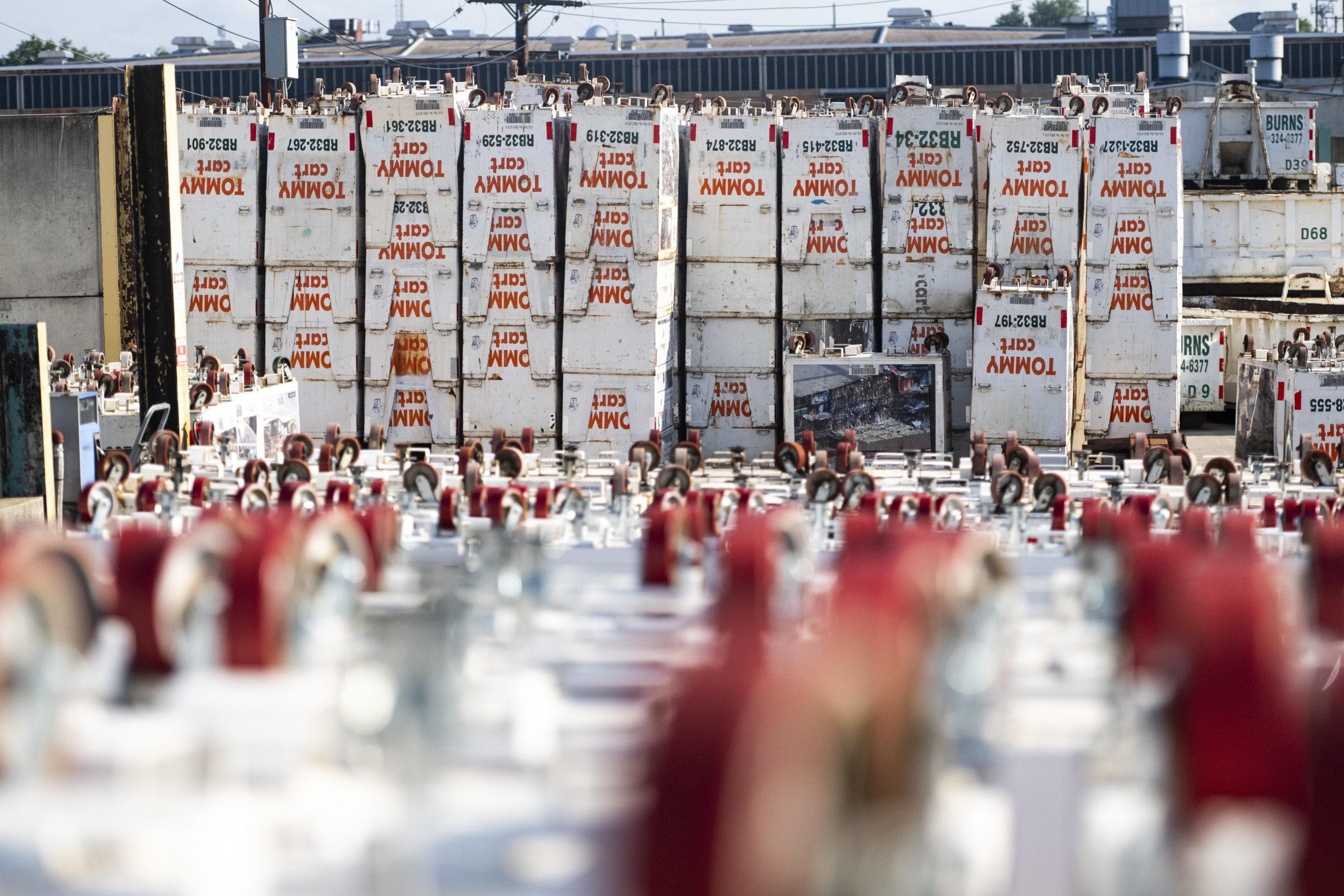
    Allen T. Burns (left), owner of Burns Services, and Ryan Fitzpatrick, director of business development, in front of stacks of TommyCarts, developed and patented by the company. Allie Ippolito / For The Inquirer

    His father, company founder Richard S. Burns, tried automatic sorters but found they chewed up and wasted more than half the material.

    So the family-led team invented and patented a heavy-duty cart, more nimble than the heavy dumpsters used to collect industrial waste. With the carts, they could more easily weigh, measure, and handle materials at crowded building sites. The process was efficient enough to resume hand-sorting and recover far more material to resell.

    Burns ships several thousand TommyCarts back and forth from his Hunting Park complex to regional building sites and has leased thousands more to construction recyclers in Washington, D.C., Pittsburgh, Chicago, and Tennessee.

    Using the TommyCarts, the company can sell about 80% of the recyclables it collects for reuse.

    Burns rolled out its first TommyCarts in 2015. The firm collected a string of patents, began selling the carts to other recyclers in 2023, and won a key industry certification last year. The goal is to produce up to 3,000 TommyCarts in 2027, double this year’s output and triple last year’s.

    How the company grew

    Burns Services has made an average of 500 carts a year since 2015, mostly for its own use at the company’s 13-acre Hunting Park complex. Truckloads and TommyCart-loads of debris — 500 trailers’ worth on a typical day — arrive at the yard, where the materials are sorted and sold.

    “We have six welders, and we can make 15 carts a day. We need to get close to 50 a day to keep up with demand. So we are getting into full robotic welding,” Burns said.

    The carts are named for Burns’ business developer, Tommy Garlick, who is listed as co-inventor on some of Burns’ nine patents.

    “We have rebuilt our maintenance shop, renovated our welding shop, sandblaster, and paint shop to make room for the automation,” Burns said.

    His father, born in an upstate prison, started the company after his Marine Corps service, a semi-pro football career, and a stint at a steel company.

    At the time, recycling was a response to the rising cost of landfills.

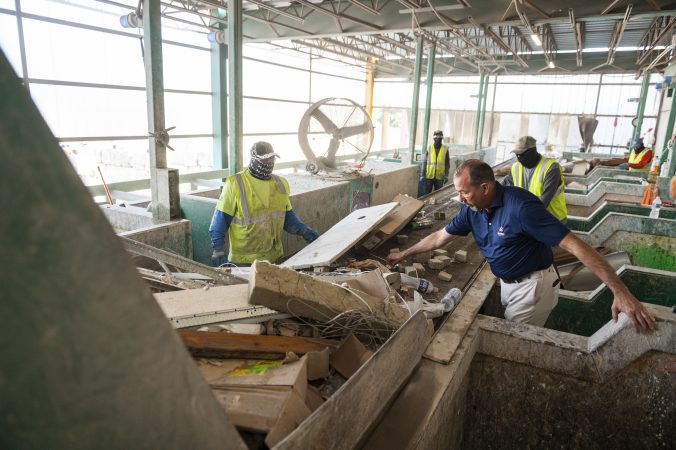
    “Dad’s philosophy is that waste is a commodity you haven’t found a market for,” Burns said on a hot June day over the clash of falling debris, sprayed by industrial misters, from the conveyor belt-driven sorting line above two lines of TommyCarts.

    A Burns worker sorts through debris emptied from a TommyCart at the Hunting Park plant.Allie Ippolito / For The Inquirer

    This is no clean-room factory, as where pharmaceuticals or computer chips are made. Carts are assembled in the Burns welding shop, with rectangular grips for forklifts, wheel mountings, and a brake attached below.

    Outside, sorting-line workers stand wrapped, booted, visibility-vested, and goggled like travelers in a sandstorm — though Burns worked gloveless as he lent a hand, flicking wallboard, steel trim, and plastic liners from truck-fed conveyor belts to the TommyCarts waiting below.

    Pre-TommyCart efforts at automated sorting mangled and smeared the loads, so less than a third of the material could be recycled. Next-generation TommyCarts, numbered and coded, are easy to move in confined areas, simple to weigh before and after sorting, and less damaging.

    Fire can be a menace in a scrapyard — more so recently, with rapidly growing incidence of hot lithium-ion fires from improperly discarded tool and appliance batteries. The EMR scrapyard, Burns’ go-to buyer for iron and steel near Camden’s Beckett Street metal-shipping port terminal, was closed after its latest fire in May, forcing area yards like Burns to find new buyers.

    Burns also had fires traced to batteries this summer, noted John Thomas, Hammonton-based president of the Construction & Demolition Recycling Association, which named Burns “Recycler of the Year” for 2025.

    Honky-tonk cleanup

    In 2023, a Nashville builder gutting a 30,000-square-foot site for country star Morgan Wallen’s new bar had a problem: Trucks couldn’t squeeze onto the site in the city’s crowded Lower Broadway honky-tonk strip and had to be hand-loaded from a distance — at prohibitive cost.

    Lincoln Young, a demolition-debris contractor who runs Rockwood Sustainable Solutions in Tennessee, reached out to Burns in Philadelphia. “He has a patented system, a proven process,” for rolling TommyCarts into the building and back to the trucks, Young said, so the material can be easily weighed, sorted, and sold.

    Rockwood leased carts for the job and became Burns’ first outside TommyCart user.

    “The beautiful thing, these carts would cost me maybe $1,200 to make, but leasing them I have no capital cost. I can scale more or less of them when I need them,” Young said. “General contractors around the country are now calling for TommyCarts in their contract specs. We have hundreds of TommyCarts now at the new Titans stadium.”

    A worker pushes a TommyCart to be emptied and sorted at Burns Services in Hunting Park. Allie Ippolito / For The Inquirer

    Burns says verifiable measurement is the key to paid recycling. The conveyor system reads the bar codes and records the gross weights to calculate payment.

    “This is not the cheapest way of doing it,” Burns said. “We have competitors who charge less per container. But this way you have accountability. You can get industry certifications.”

    The carts are welded — 20 feet of weld per cart — joining plates of 3/16-inch steel supplied by distributor Joseph Fazzio in Glassboro from U.S. and foreign mills.

    Burns also has tried automated painting systems for the sandblasted metal surfaces, so carts can go a decade without repainting. A $50,000 automated-spraying rig can pay for itself in two years by using less paint, he said.

    “Automation itself is not the issue. Like any tool, it is how it is used,” said Anton Ruesing, director of the Finishing Trades Institute for the IUPAT painters’ labor union. “Tools that reduce repetitive motion injury, improve safety, increase productivity, or even lower costs can enhance both the worker’s and the contractor’s experience” — as long as the worker remains in control and helps plan the job.

    TommyCarts are used at building and demolition sites to collect recyclable materials and shipped back to Burns Services for sorting and selling.Allie Ippolito / For The Inquirer

    The company’s Philadelphia location helps recruit reliable labor, Burns said. He’s hired industry veterans, immigrants, former prisoners, and family members of employees. Some workers have been targeted by Immigration and Customs Enforcement, incurring legal bills even though they are in the U.S. legally, Burns said.

    Work in the yard starts at $16.50 an hour plus benefits, rising to $38 an hour. Overtime starts with the federally mandated time-and-a-half over 40 hours a week, rising to 1.8 times base pay after 60 hours. Sorters can earn more than $50,000 a year, plus benefits.

    Burns’ sons work there, too. “Me and my brothers, we dropped out of high school and worked for my dad,” he said.

    Burns says he learned more in decades of long work, weeks next to his father in the workshops, and from the lawyers, accountants, architects, engineers, and other professionals that help deal with clients and suppliers.

    “I worked elbow-to-elbow with my father,” he said.

    Burns says automation makes work smarter but doesn’t eliminate the need for people, who come up with in-house solutions to tough problems.

    That’s why, as construction companies are experimenting with artificial-intelligence systems, Burns has built a staff of four full-time software programmers.

    “Off-the-shelf systems don’t do what we need,” Burns said.

  • Hanwha Philly Shipyard picked to build two Golden Dome missile defense ships

    Hanwha Philly Shipyard picked to build two Golden Dome missile defense ships

    The federal government plans to build two new missile defense ships at Hanwha Philly Shipyard after it finishes the last of the “multi-mission” training and disaster-assistance ships it’s been building, Trump administration and shipbuilding officials said Friday.

    But new Navy combat ships that yard leaders also hope to build in Philadelphia will have to wait until the yard has additional space ready, shipbuilding officials said.

    The $1.4-billion contract to build two “Golden Defender” ships — officially Missile Range Instrumentation Ships, or tracking ships, topped by bulbous radar, antenna, and other surveillance gear — was announced Friday by U.S. Office of Management and Budget director Russell Vought to hundreds of shipbuilders and government staff. The ships will replace surveillance ships built in the 1960s.

    The group had assembled to watch Fox News host Rachel Campos-Duffy christen TS Lone Star State, the fourth National Security Multi-Mission Vessel completed at the yard since 2023. The last of that line, TS Golden Bear, is due next year.

    Fox News host Rachel Campos-Duffy christened the training and emergency ship TS Lone Star at Hanwha Shipyard. In her remarks, Campos-Duffy invoked the protection of Jesus Christ and Stella Maris, a manifestation of Christ’s mother, Mary, as the “Star of the Sea,” to protect the ship and its crews.Joseph N. DiStefano

    The anti-missile ships will be built on hulls the same size as the multi-mission ships, but without the multistory cabins used for cadets and hospital personnel, to make room for large-scale surveillance gear.

    The new ships fit into a network of surveillance and combat gear developed by L3Harris and other big military contractors for the planned “Golden Dome” anti-missile network. They will keep the “hot production line” busy at the 2,000-worker shipyard for the next few years, U.S. Transportation Secretary Sean Duffy said.

    Golden Dome will be built by Lockheed Martin, L3Harris, and other defense contractors.

    The new ships will be built under a management contract with Tote Services, a Jacksonville, Fla., company that has been overseeing construction of the multi-mission ships.

    Tote and Hanwha have been delivering those ships “ahead of time and under budget,” Duffy said.

    From left: U.S. Rep. Mary Gay Scanlon (D., Pa.); Russell Vought, director of the U.S. Office of Management and Budget; U.S. Transportation Secretary Sean Duffy; and his wife, Rachel Campos-Duffy, a Fox News host, at Hanwha Philly Shipyard. Joseph N. DiStefano

    He contrasted Tote’s and Hanwha’s record, which built on previous yard owner Aker’s upgrades to the yard, with the slow pace of Navy shipbuilding in past decades. He said more ships should be built the Philadelphia way.

    “Who controls the seas controls the world,” Duffy said, noting that the Trump administration supports reviving U.S. shipbuilding.

    That effort will require vast public spending on design and procurement, plus recruiting and training hundreds of thousands of marine welders, crane operators, and other ship construction workers.

    “I’m a free enterprise guy, but we have to recognize that free enterprise doesn’t exist in shipbuilding because every [other nation is] subsidizing commercial vessels,” Duffy said.

    Other new shipbuilding contracts are in the works for yards in Philadelphia and competing cities, he said.

    “Big orders are coming our way. This is just the beginning,” Duffy said. “There is a lot of partisanship in Washington, but America stands together, Democrats and Republicans, as we figure out how we staff and build ships in our country.”

    Jeff Dixon, President of Jacksonville, Fla.-based Tote Services, with government officials after the christening of TS Lone Star State, a federally-funded training vessel built under Tote’s management at Hanwha Philly Shipyard, July 17, 2026.Joseph N. DiStefano

    One of those “big orders” could bring more Navy ship construction to Philadelphia soon — if Hanwha can execute its long-planned expansion of the yard in time. The company has pledged an eventual $5 billion to help revive American shipbuilding but still operates the yard with a single 1,000-foot dry dock and one Goliath crane, a fraction of the size of its main South Korean yard on Geoje Island.

    On July 13, the Navy’s Portfolio Acquisition Executive for Maritime, the ship design, construction, and maintenance agency formerly known as NAVSEA whose local offices are the largest employer in Philadelphia’s Navy Yard business district, awarded Tote Services a $2.2 billion contract to build up to eight Landing Ship Medium (LSM) vessels for the Marines.

    Those ships will be built in three U.S. shipyards: Italian-owned Fincantieri’s Marinette, Wis., works; the family-owned Bollinger shipyard in Mississippi; and a third yard that has not yet been chosen, Jeff Dixon, president of Tote, said in an interview.

    “The Marine Corps needed these landing ships in the Pacific two years ago,” Dixon said, stressing the military’s urgency to get the landing craft built. “Philly will compete in that process. I think they could fit them in,” and still continue work on its commercial ship construction contracts, if the yard can line up new berthing space.

    Neighbor Rhoads Industries has two smaller drydocks and other space in and around the yard that could be converted if Hanwha can arrange the space and the financing, he and other shipyard sources said.

    JPMorgan Chase & Co. chief executive Jamie Dimon on a visit to the Navy Yard district said Tuesday that his bank has worked with Hanwha on other projects and is eager to back the company’s plans to expand construction of U.S. ships. Hanwha has expressed interest in building combat and support ships, submarines, and drones for the U.S. in South Korea, Philadelphia, and other potential locations.

    Hanwha leaders have said U.S. military shipbuilding can be profitable and competitive with the leading shipbuilding nations — China, South Korea, and Japan — only if it scales up construction of commercial ships, making it much more efficient to build each ship.

    The Philadelphia yard has been finishing a ship, on average, every eight months. Hanwha says it wants to build up to 20 ships a year in an expanded shipyard.