Author: Joseph N. DiStefano

  • Main Line cannabis payments operator charged with $9 million fraud

    Main Line cannabis payments operator charged with $9 million fraud

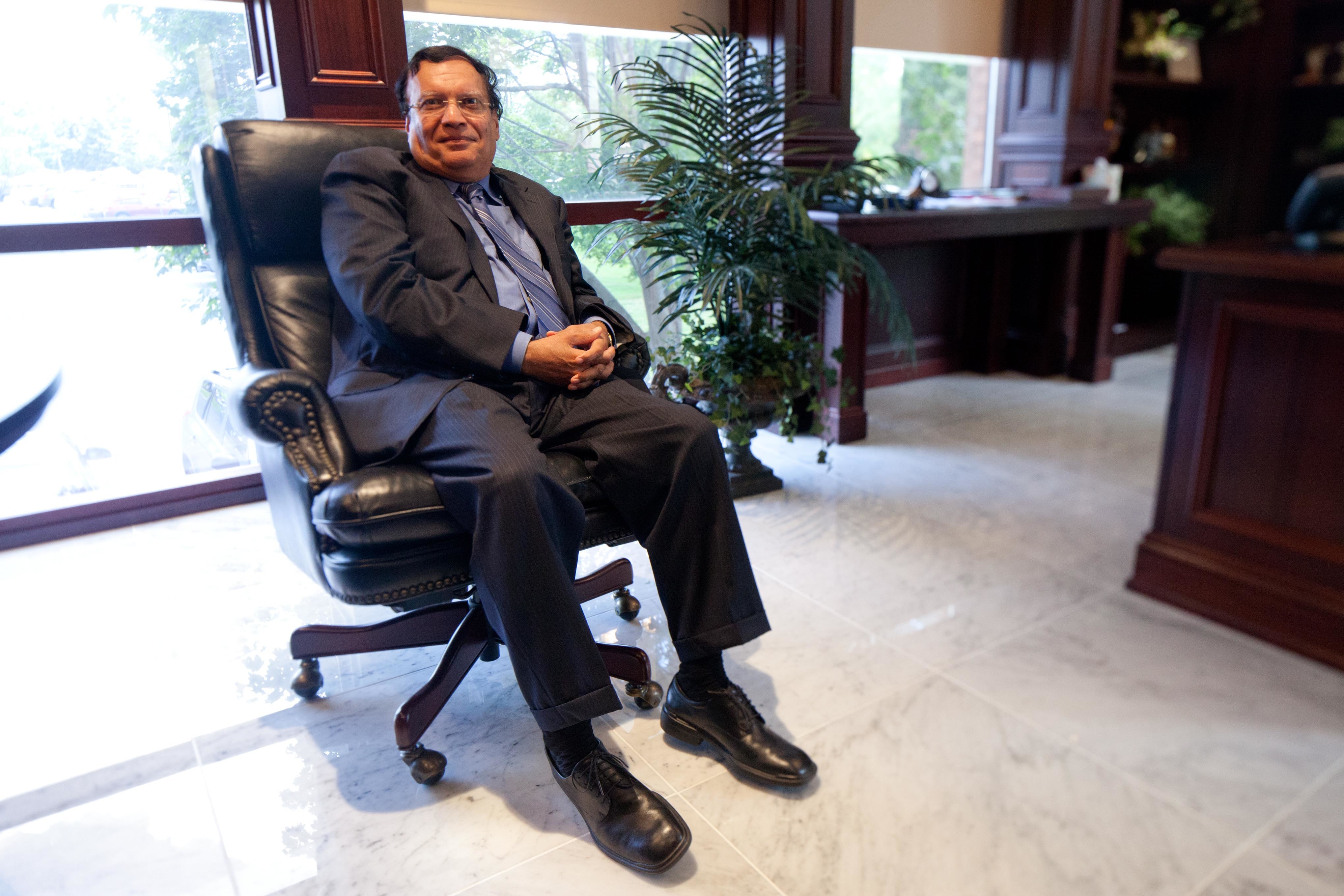
    A Lower Merion businessman who raised $9 million from more than 50 Main Line, pro sports, and Hollywood investors for Kind Financial, his marijuana payment-processing business, was charged by federal prosecutors Tuesday with five counts of fraud.

    The businessman, David Dinenberg, “fraudulently induced dozens of people into buying shares of Kind” by supplying false sales and business information, and “misleading the investors into believing that their entire investments were being used” for the company, not “diverted” for his personal use, according to charges filed in Philadelphia federal court. Dinenberg did not return calls seeking comment.

    The U.S. Attorney also called on Dinenberg to forfeit $9 million prosecutors contend he had raised from investors by fraud.

    Kind worked his networks of friends and business contacts to raise money from singer John Legend; former tennis star Andy Roddick and his actress-model wife, Brooklyn Decker; former Sixers manager Billy King; former Eagles star Brian Westbrook; investor Lindy Snider, whose family once owned the Flyers; and dozens more, according to investor lists.

    Investors had spoken to federal investigators.

    But Snider and others who invested in Kind, then tried to keep the company going after the board confronted Dinenberg about his spending and he left in 2023, said Wednesday that they had no advance notice of the criminal charges.
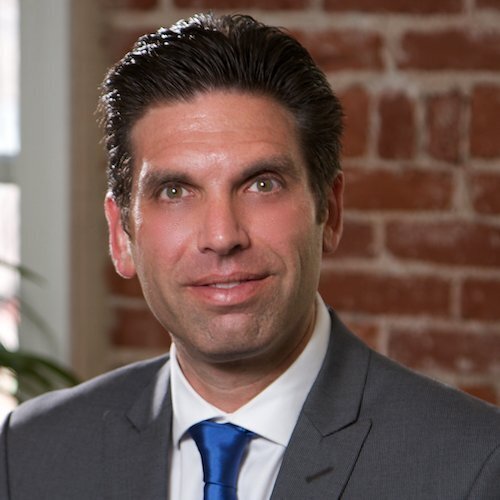
    David Dinenberg, who headed Kind Financial, hoped to serve cannabis growers at a time when few banks would do business with the industry. He has been charged with fraud and accused of embezzling.Kind Financial

    Instead of using all the money to build his marijuana business, Dinenberg allegedly “embezzled” more than $750,000 to pay for “unauthorized personal expenditures,” including family members’ school tuition, a luxury California rental home, and country club memberships. Prosecutors say he lied to investors by exaggerating sales and prospects for Kind.

    Dinenberg is also accused of stealing $175,000 from Rhode Island, which had hired Kind to collect cannabis fees from growers.

    Prosecutors say Dinenberg was supposed to forward that money to the state, less a small transaction payment, but began keeping the fees, and reported money that should have gone to the state as company revenue.

    Dinenberg started Kind in 2012 to process cannabis transactions that were legal in some states but prohibited under federal law. The legal complexity discouraged national banks from working with cannabis businesses, but also created what Dinenberg persuaded investors was an opportunity for his company to focus on serving legal-cannabis pioneers.

    The prosecutors depict Dinenberg as a successful fundraiser who founded a series of related companies, hiring two friends and a “family connection” to run the business in 2014, and tapping each of the three employees to help fund Kind.

    Kind in 2015 acquired cannabis-farm payments software from Colorado-based Agrisoft Development Group, which had clients in Colorado and a few other states, and used that relationship to land a software development partnership with Microsoft that won national media coverage.

    After the Microsoft deal, Kind won the Rhode Island contract. But Kind’s cash flow from the Rhode Island work was so meager that Dinenberg stopped paying his lawyers and stopped paying Kind employees — while keeping the tax and Social Security deductions he had withheld for them, prosecutors said.

    Dinenberg issued glossy investor documents that projected sales of under $500,000 in 2016 would zoom to over $10 million in 2017 and $40 million in 2018 — with “no factual basis” for the unaudited financial reports, their “false” revenue data, and baseless projections, prosecutors allege.

    In 2019, Dinenberg closed a business deal with pioneering cannabis investor Hartstreet Holdings and Colorado-based Herring Bank to develop a KindPay app to pay cannabis transactions through the Mastercard payment network, according to the prosecutor’s charges.

    At first, it worked: “In 2020 and 2021, KindPay was working and some dispensaries even had KindPay kiosks” to enable sales, according to prosecutors.

    But in 2021, Mastercard figured out that KindPay was used for marijuana sales, and cut the service off, according to prosecutors.

    By 2023, Dinenberg had taken more than $750,000 from Kind bank accounts to cover personal expenses. Confronted by an employee, Dinenberg admitted he’d stolen money but claimed the total was $80,000, according to prosecutors. He resigned May 4 of that year.

    Snider and other investors looked at ways to keep the company going, but its websites have since gone dark.

    “The company has been defunct for some time, and it’s truly a shame what has happened,” said Snider in an email after learning of the charges. She declined further comment.

  • Sixers’ new sponsor Bloom Energy was long a money-loser and now soars with AI data center orders

    Sixers’ new sponsor Bloom Energy was long a money-loser and now soars with AI data center orders

    The logo of Bloom Energy, maker of mini-power plants, is replacing Crypto.com on the Sixers’ uniform advertising patch this season.

    Bloom Energy is hiring and trying to raise its local profile, said vice president Barry Sharpe, who runs the company’s plant in Newark, Del. Bloom has stepped up recruiting in nearby Pennsylvania, New Jersey, and Maryland.

    So what exactly is Bloom Energy, and why are they supporting the Sixers?

    Bloom is based in San Jose, but its biggest employee center is the Newark factory, which has languished for years but suddenly became profitable in 2025. That’s when Bloom began selling its modular, off-grid electric plants to power-starved high-speed artificial intelligence data centers.

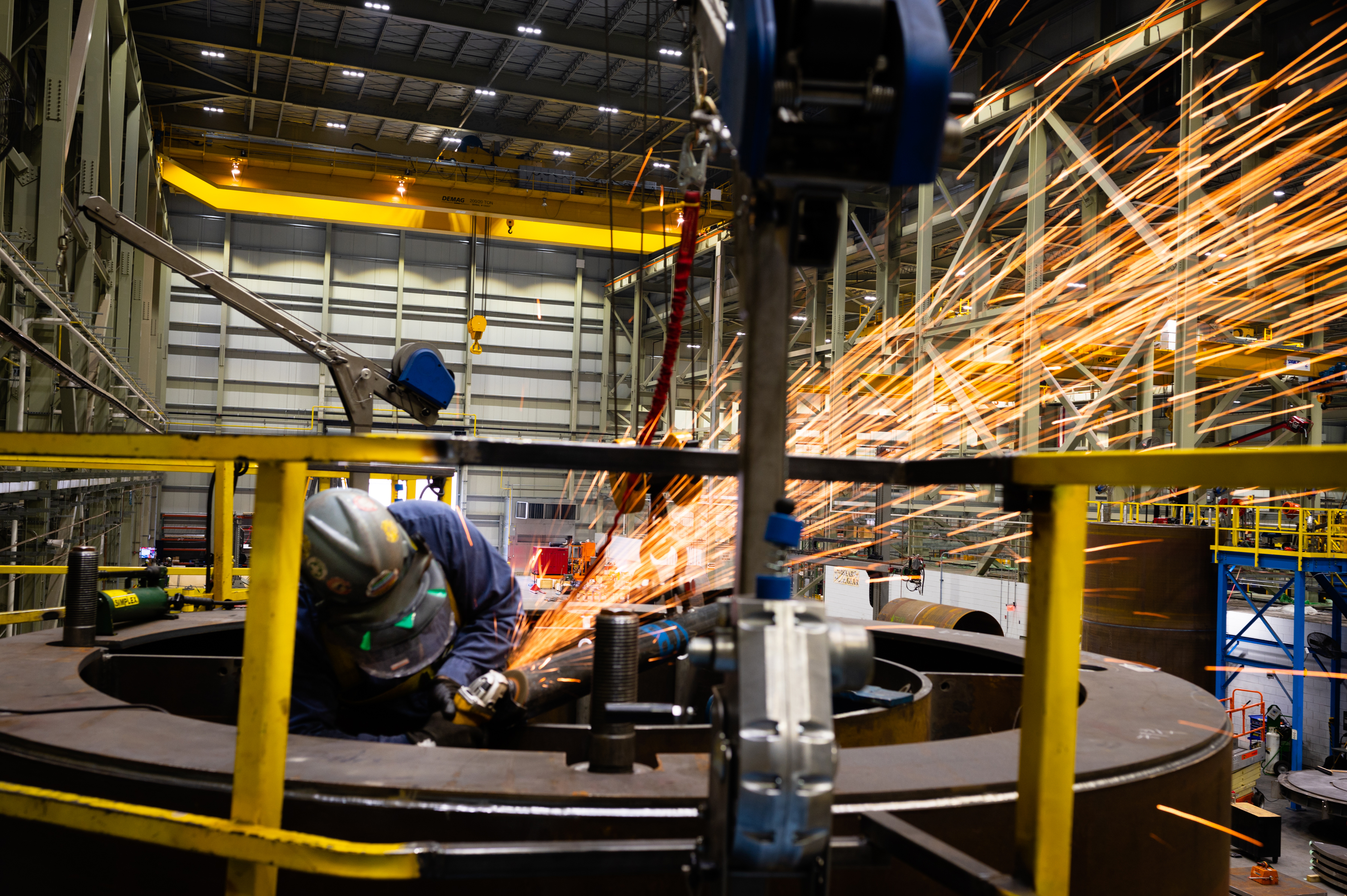
    The Newark plant, where 1,200 of Bloom’s 2,200 employees work, makes fuel cells, an update of 1800s technology that presses natural gas or other hydrogen-based fuels through battery-like metal plates at superhot temperatures to generate electricity — at temperatures of around 800 degrees Celsius (about 1470 degrees Fahrenheit).

    Fuel cells run independent of electric-power grids, which can take years to grant approval for new plants to power data centers.

    AI data centers built for Oracle, Microsoft, Intel, and other giants, including the DataOne center in Vineland, have been placing orders with Bloom. That’s helped pack the Newark plant with a production backlog, new hires, and new robots.

    Bloom offers “reliable, clean power that can be quickly deployed and easily scaled,” Oracle Cloud Infrastructure executive vice president Mahesh Thiagarajan said in a statement.

    Bloom joined the S&P 500 list of the most-valuable U.S. companies last week.

    The Newark plant is located among labs and offices that have sprung up between I-95 and the University of Delaware. A warehouse, a repair center, and other Bloom structures line a nearby road.

    Besides data centers, Bloom says its boxes help power Urban Outfitters’ headquarters at the Navy Yard, as well as Coherent Corp.’s data center and telecom-equipment factories in Pennsylvania and New Jersey. Bloom also sells power to PSE&G in New Jersey and to Delmarva Power in Delaware — whose customers continue to pay monthly surcharges that cover certain Bloom costs, as part of the deal that brought the factory to Newark.

    A sudden boom

    Though the company opened the Newark plant in 2012 with state aid and went public in 2018, Bloom Energy lost money and its stock price languished below its original offering price.

    The new orders have boosted Bloom’s share price from under $20 to around $300. As of Friday, the company was worth $85 billion on the stock market, more than Comcast or General Motors.

    Short-sellers and subsidy critics have warned that Bloom’s data-center orders may not come in on schedule, or at all; that fuel cells aren’t always as efficient as claimed; and that the company’s proprietary metal-and-ceramic fuel-cell cores depend on specialized materials that are hard to find from U.S. sources.

    But even as Oracle and other data-center boom stocks falter, Bloom shares have stayed close to their bullish high. On Friday, Bloom closed at $288.70.

    Bloom has a smaller plant near its Silicon Valley headquarters. “We like to say that California builds the [fuel cell] engines; Delaware builds the cars,” Sharpe said, referring to the 30-foot-long, 8-foot-high, 4-foot-wide modular boxes installed on-site at users’ locations. Sharpe, a former Ford and Toyota executive, has run the Newark plant since 2012.

    Each 325-kilowatt, 13-ton cell group is housed in one of the metal boxes made in Delaware. As local power sources, they enable data centers to open without tapping the strained U.S. electric grid. As they wear down, the cylindrical fuel cells in these Bloom boxes are swapped out for easy replacement without shutting the system.

    The Newark plant was built in anticipation of rapid growth that took more than a decade to materialize. Sharpe said the plant has only recently reached its limit, with the addition of an automated welding line that will enable a single controller to join plates, instead of the three-worker welding crews.

    The company is making plans for a 125,000-square-foot addition.

    How it started

    Bloom was founded in 2001 by University of Arizona rocket scientist KR Shridhar, who remains the CEO. Early investors included Kleiner Perkins Caufield & Byers, a Silicon Valley venture capital firm. Kleiner Perkins helped secure government funding from the Barack Obama administration and state governments for energy projects that offered less-polluting alternatives than burning coal, oil, or gas.

    Then-Delaware Gov. Jack Markell was eager to replace lost Chrysler, GM, and DuPont Co. factory jobs in the state. Delaware power users have contributed over $200 million to their power company to cover certain Bloom costs — more than Bloom’s total profits to date — under a 21-year contract critics have failed to end in legal and regulatory challenges.

    The first wave of Bloom Energy customers included Walmart, JPMorgan, and other image-conscious companies that wanted credit for burning less carbon. Delmarva Power, the local utility, also uses some Bloom cells.

    The assembly plant stood partly empty for its first decade, with a fraction of the projected workforce. In 2019, Bloom had to return a slice of its subsidy because it employed just 300 in Delaware, a third of its targeted 900.

    The company has now passed that target and won’t have to repay more, Bloom officials say.

  • Hanwha is leasing another 47 acres at the Navy Yard

    Hanwha is leasing another 47 acres at the Navy Yard

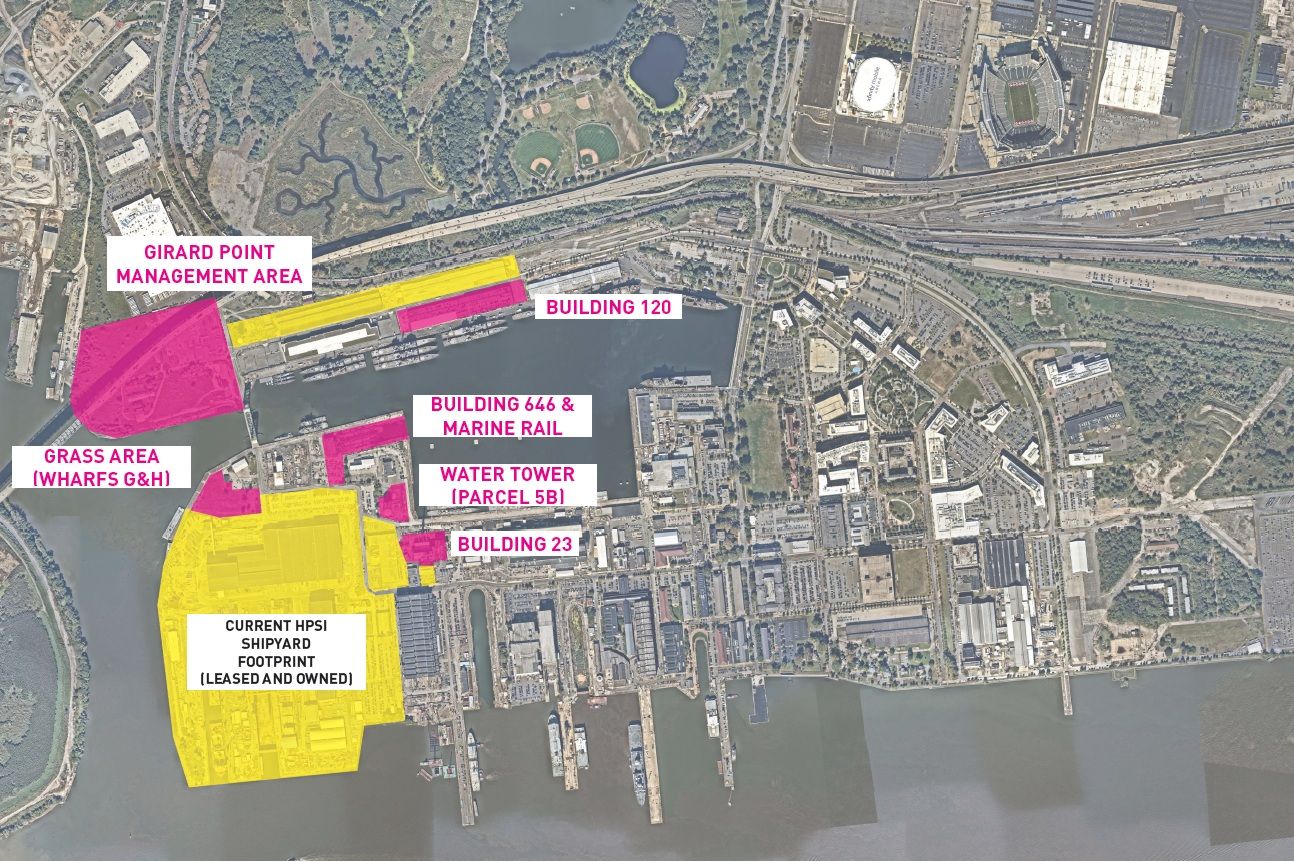
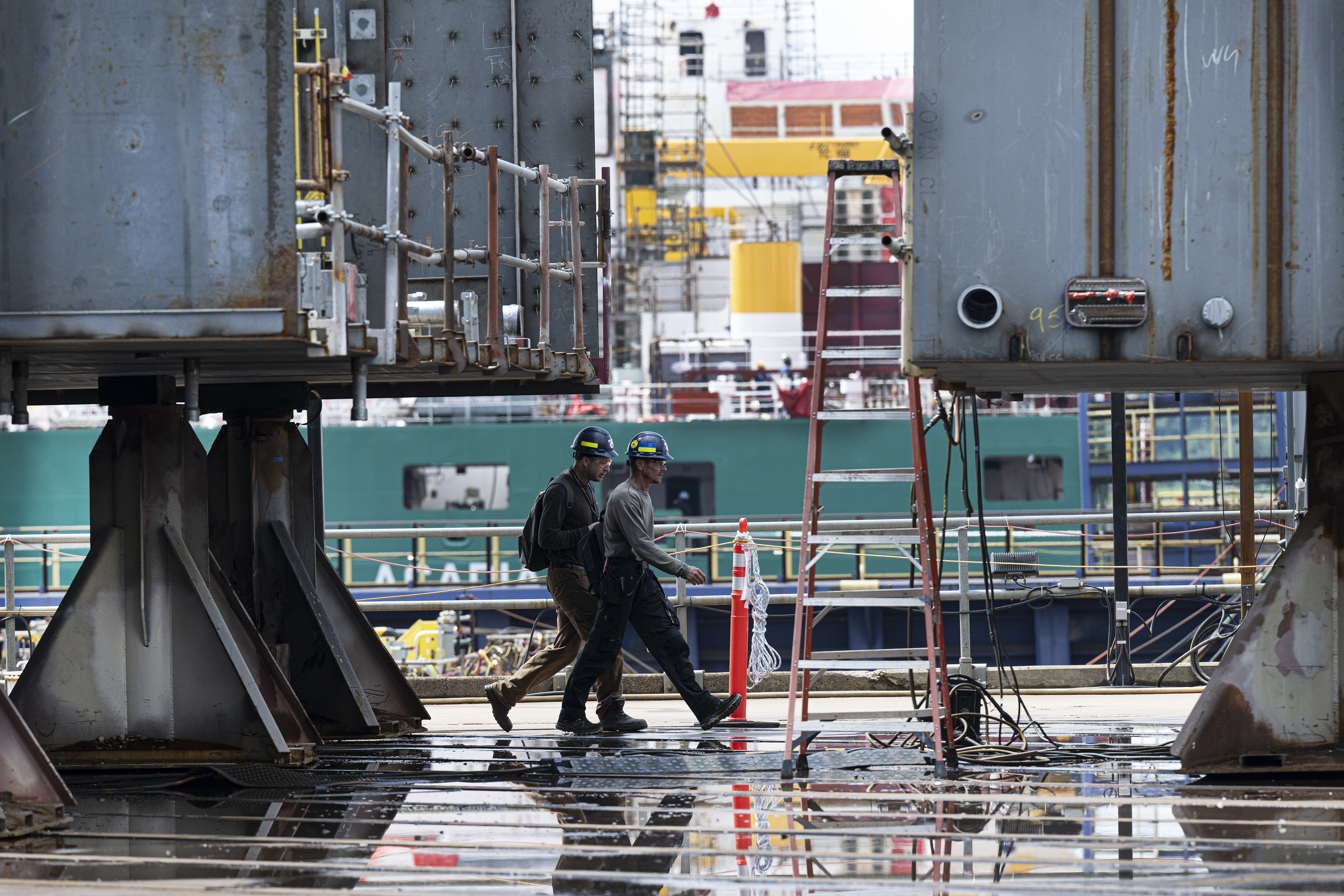
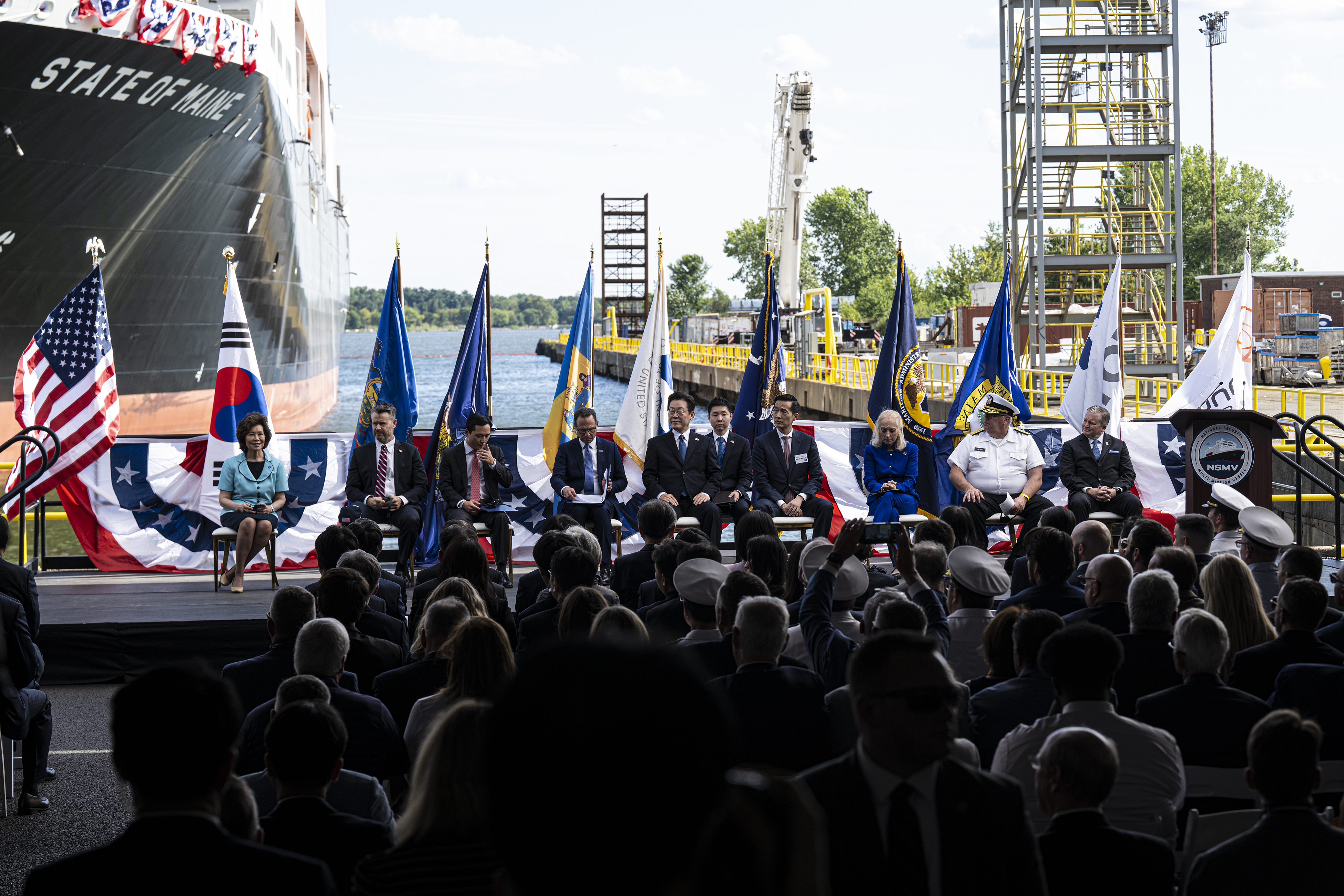
    Hanwha Philly Shipyard has agreed to lease more space at the Navy Yard, adding 47 acres across several properties around the western Reserve Basin.

    The company already has 110 acres of facilities in the former Navy complex since buying Philly Shipyard from Aker for $100 million in 2024.

    The new property will give Hanwha additional locations to make good on its 2025 pledge to invest $5 billion in new docks, cranes, and shipbuilding facilities and hire thousands more workers. That’s all intended to help Hanwha build more ships to turn the money-losing yard profitable.

    “It’s about throughput, getting more ships out the door per year, and having the capacity to expand to meet our customer’s future demand,” a Hanwha spokesperson said in a statement Wednesday.

    The 47-year-and-8 month lease, with the option of renewal or purchase at its end, was approved by the Philadelphia Authority for Industrial Development (PAID) at its meeting Tuesday. PAID is managed by the Philadelphia Industrial Development Corp., a partnership of the city and the regional chamber of commerce.

    Hanwha employs close to 2,000 full-time workers at the yard and “intends to grow its Philadelphia workforce, adding up to 5,000 full-time employees” with its new investment, according to a PAID resolution authorizing the lease.

    “PIDC has been working closely with Hanwha to support its historic investment in Philadelphia, and this lease represents the next formal step,” PIDC spokesperson Kevin Lessard said in a statement. “It puts nearly 50 acres of Navy Yard land to work for shipbuilding and quality jobs, while we continue investing in the infrastructure that helps every company at the Navy Yard grow.”

    Philadelphia maritime manufacturers including Hanwha expect to need thousands more workers as the U.S. expands Navy shipbuilding contracts and subsidizes private shipbuilding in competition with China’s navy and world-leading commercial shipyards. The companies have turned to community colleges, metal-trades union apprenticeship programs, and nonprofits to help train these recruits.

    A map shared by PIDC shows Hanwha Philly Shipyard’s expansion plans in the Navy Yard as the company leases another 47 acres of land.Courtesy of PIDC

    The Navy Yard properties Hanwha is adding to its footprint include open ground or World War II-era structures that could be demolished and replaced with construction structures, improved piers, parking, and other facilities. Hanwha also plans to move its offices east to the former FS Investments building in the office section of the former naval base.

    The new lease includes:

    • The 28-acre former Navy storage and disposal property under the east bank of the Girard Point Bridge
    • The marine-railway property and Building 646 on 5.5 acres connecting Hanwha’s main shipyard area to the waterfront
    • The 5.4-acre field between the southwest tip of Hanwha’s current shipyard and the 28th Street bridge
    • The 2-acre property including the former Navy Yard steam plant, Building 23, east of Hanwha’s current shipyard offices
    • A 5.2-acre property including Building 120, formerly a Navy archive, and Building 613, a battery facility, on Langley Avenue north of the Reserve Basin
    • The 1.5-acre water-tower property at 2001 Constitution Ave. near the current Hanwha shipyard gate.

    Rent will be calculated from an initial $4,500 per acre per month, or around $214,000 a month total, rising 2.5% per year, plus taxes and Navy Yard district maintenance expenses. The rent won’t be charged for the first 2½ years.

    Hanwha’s properties are interspersed with lots occupied by Rhoads Industries, whose several hundred workers repair ships and build modules for General Dynamics’ Navy nuclear submarines, and which plans to double employment over the next several years. Also occupying parts of the area is the Navy itself, still the neighborhood’s largest employer with over 4,000 civilian and military staff in its offices, propeller foundry, and testing facilities.

    Hanwha is currently building the last of five training vessels for the U.S. Maritime Administration and has advanced work on the first of three Aloha-class container ships for the Matson cargo lines that will travel between U.S. Pacific ports and China.

    Hanwha has agreed to construct two additional radar-tracking ships for the U.S. government. And the company is pursuing other contracts that could double the yard’s workforce of around 2,500, according to Hanwha officials.

    Hanwha has also said it will be ready to build civilian commercial ships in Philadelphia as it seeks to make the yard profitable. The company says it can increase its construction rate to more than 10 ships a year, as it currently builds no more than two per year.

  • After decades of fund growth, Vanguard pivots

    After decades of fund growth, Vanguard pivots

    “Trees don’t grow to the sky,” the late Vanguard Group founder John C. Bogle Jr. was fond of warning — meaning that it’s a mistake to think happy days and profitable trends will go on forever.

    Malvern-based Vanguard itself seemed to defy Bogle’s warning. Led by Vanguard’s index funds simulating the S&P 500 and other broad market benchmarks, founded 50 years ago on Aug. 31, Vanguard grew relentlessly, even accelerating after the dot-com bust and in the Great Recession, when rival Fidelity and other investment firms shrank and cut staff.

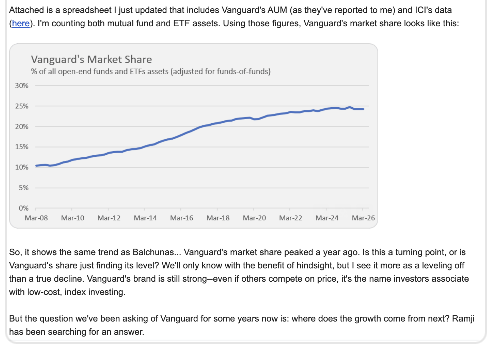
    But data posted by Morningstar Inc. and confirmed by other investment trackers show Vanguard’s share of the U.S. mutual fund and exchange-traded industry, a business that now totals $40 trillion, has plateaued in recent years and actually shrank to 27% from 28% over the past year.

    Vanguard Group’s market share of U.S. mutual funds and exchange-traded funds (EPS), as measured by Jeff DeMaso, publisher of the Independent Vanguard Adviser, using data collected from the Investment Company Institute and other industry sources. The text also references similar findings by Eric Balchunas, a Bloomberg investments analyst and author of a book on Vanguard’s founder, “The Bogle Effect.”Jeff DeMaso

    “SHOCK: Vanguard’s market share of US fund assets has begun to DECLINE after rising for 50 years,” Eric Balchunas, a Bloomberg LP fund analyst and author of The Bogle Effect, posted earlier this month on social media.

    It’s not that Vanguard took its eye off the ball, Balchunas said in an interview. Like other fund groups, Vanguard has shifted some retirement-plan assets — it won’t say how much — into other accounts that don’t show up in the publicly traded fund listings.

    But the shift marks the end of an era, he said, not so much a loss for Vanguard but “a dream realized” as the legacy of founder Bogle, who died in 2019. Fidelity, BlackRock, Schwab, and other Vanguard rivals “lowered fees and increased value” to shareholders because Vanguard’s strategy forced them to compete with low prices and simple products.

    “Vanguard’s market share peaked a year ago,” said Jeff Del Maso, publisher of the Independent Adviser for Vanguard Funds, after reviewing industry data. “I see it more of a leveling off than a true decline. But where does the growth come from next?”

    More Vanguard effects?

    Salim Ramji, a former BlackRock fund executive tapped by Vanguard’s board in 2024 as the company’s first “outside” CEO, has outlined in public interviews some other areas where Vanguard hopes to transfer its energy. He declined to be interviewed for this article.

    Under Ramji, Vanguard has:

    • Added dozens of new bond funds and other debt investments, which tend to attract investors when interest rates go higher, economic expansion slows, and stock prices slow.
    • Emphasized a new generation of cash savings accounts, years after Vanguard did away with its old bank-style checking accounts. Under Ramji, Vanguard has expanded promotion of its FDIC-insured Vanguard Cash Plus Account, with yields comparable to bank certificates of deposit in an effort to keep Vanguard customers from moving short-term money to banks and outside firms and to lure in new investors.
    • Added investor advice. Ramji’s predecessors built advisory services since the 1990s with phone-based, digital, and hybrid systems. Seeing a big still-untapped market, Ramji in August agreed to pay $4.6 billion for Altruist, whose founder, self-described Bogle disciple Jason Wenk, developed Hazel, an “AI-forward” financial tech and custody platform popular with independent investment advisers who sell Vanguard funds. Wenk will run the business, separate from Vanguard’s Digital Advisor and Personal Advisor units, when the deal closes.
    • Partnered with Wellington Management and Blackstone to launch private investment funds, starting in July. The WVB funds expect to report their holdings after Sept. 30. WVB All Markets and a smaller WVB Blackstone All Privates fund are being sold for now through Bank of America and its Merrill Lynch affiliates.

    But Ramji has stopped short of following other investment houses into predictions markets and cryptocurrency investments.

    “We believe investments deliver cash flows or have prospects of cash flows,” which these speculative investments don’t, Ramji said last month in an interview with Peter Mallouk of $800 billion asset, Kansas-based financial adviser Creative Planning LLC. Ramji compared such products to “a slot machine where the house always wins. That does harm to the individual investor.”

    Avoiding activism

    Under Ramji, Vanguard has promised not to use its extra clout — its funds own around 8% of most U.S. stocks — to pressure companies to change policies.

    Vanguard has backed off “environmental, social and governance” commitments. In March‚ Vanguard agreed to pay $30 million to Texas and other Republican-run states to settle litigation alleging that Vanguard violated antitrust laws when it joined environmentally minded groups that sought to reduce U.S. reliance on coal and other carbon energy sources.

    The settlement with the states helped lower Vanguard’s profile in the fraught world of political investing. Ramji went further than other firms. BlackRock and others sued by the states have so far declined to settle similar lawsuits.

    Analyst Balchunas is bullish that Ramji has cleared the way to reach more customers, extending “the Vanguard effect,“ even if its fund business has plateaued for a time.

    “The Vanguard effect is bigger than Vanguard now,” Balchunas said.

    This story has been updated to delete an incorrect figure for the WVB All Markets Fund.

  • Holtec delays IPO, citing energy demand uncertainty amid U.S. data center backlash

    Holtec delays IPO, citing energy demand uncertainty amid U.S. data center backlash

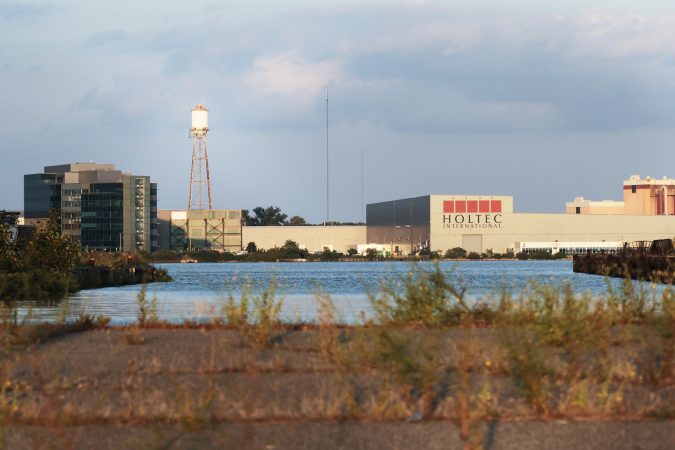
    Camden-based Holtec Nuclear says it will postpone its plans to raise more than $750 million in an initial public stock offering (IPO).

    “Market conditions” sparked the delay in what Wall Street had expected to be one of the largest companies to go public this fall, Holtec spokesperson Patrick O’Brien said.

    In particular, founder and CEO Krishna P. Singh has blamed the uncertainty in demand for power by U.S. data centers.

    “Our business, rightly or wrongly, is ​viewed as connected to [data centers],” Singh told the Financial Times of London. “We provide nuclear power. So that was, of course, a big factor in market sentiment against nuclear.”

    Plans for giant data centers to power artificial intelligence applications, credited with reigniting demand for new U.S. nuclear electric plants, have become an issue in the fall U.S. election campaigns. Political leaders including Pennsylvania Gov. Josh Shapiro and his Republican opponent, state Treasurer Stacy Garrity, have diluted and even reversed previous support for data center projects amid a wave of strong local opposition.

    Nuclear power stocks that soared on expected data center demand have slipped. For example, shares of Constellation Energy — the Baltimore company that is speeding work to reopen a nuclear power plant at Three Mile Island near Harrisburg — have fallen from a high of over $400 last fall to the mid-$260s in recent trading.

    The VanEck Uranium and Nuclear ETF, an index-based investment fund whose largest holding is Constellation and also includes uranium suppliers such as Cameco and Denison Mines, peaked at over $160 in January but has lately traded below $110.

    Holtec said it plans to release a formal statement on the IPO delay later Thursday.

    The company employs around 4,150 people, including employees at its Advanced Manufacturing Division and headquarters in Camden, plus manufacturing units in Pittsburgh and Orrville, Ohio.

    Holtec is best known for decommissioning and removing spent uranium fuel from aging nuclear power plants, which were mostly developed in the 1970s and 1980s.

    Holtec is one of several U.S. companies that has developed smaller, modular reactors (SMRs). It says these can replace larger power plants and be swapped out for maintenance without turning off power production. It is working install the first two SMRs at the Palisades nuclear plant site in Michigan, which Holtec decommissioned, purchased, and is now working to restart. Other products Holtec has been developing include the “Green Boiler” liquid battery for storing solar energy.

    The company had enlisted J.P. Morgan, Guggenheim Securities, Goldman Sachs & Co., Citigroup, and Bank of America’s securities arm to lead its IPO share sales effort. Morgan Stanley and Commerce Secretary Howard Lutnick’s Cantor Fitzgerald also participated.

  • Philly-area war robot makers Asylon and Rajant reveal plans to score military contracts

    Philly-area war robot makers Asylon and Rajant reveal plans to score military contracts

    Two Philadelphia-area robot developers who have sought more contracts from the rapidly increasing U.S. military budget have detailed growth plans with new investments.

    German-based Bosch Ventures on Sept. 14 agreed to make a large new investment in Asylon, a Norristown-based robot systems maker whose products the Air Force is testing to perform automated aircraft inspections at its Warner Robins base in Georgia.

    Asylon also helps run drone-based security systems for the Air Force and for civilian clients, including Citizens Bank.

    Bosch Ventures says it typically spends up to $30 million to buy up to 25% of each company it targets for investment. It has not confirmed how much it has pledged to Asylon.

    Bosch, which has branch offices in the U.S. and Israel, made its bet on Asylon after its Bosch Building Technologies affiliate became a user of Asylon’s DroneIQ platform.

    That placed Asylon’s birdlike Guardian flying drones and DroneDog systems in position to detect and respond to intruders and other threats at Bosch’s building security and safety clients. Asylon’s DroneDog systems are typically clipped onto Boston Dynamics’ doglike Spot robots.

    Even before the latest investment, the relationship with Bosch helped Asylon in “connecting traditional alarm infrastructure with autonomous robotic response,” Damon Henry, Asylon’s founder and CEO, said in a statement.

    Bosch’s investment “will accelerate our path” to better production and lower costs “for some of the most demanding [clients] in the world,” he said.

    By combining autonomous aerial and ground systems with intelligent software, Asylon is bringing robotics into demanding real-world environments, Ingo Ramesohl, co-managing director at Bosch Ventures, said in a statement.

    Asylon’s investors include New York-based Insight Partners, Virginia-based Veteran Ventures Capital, Indiana-based Allegion Ventures, and the taxpayer-financed GO PA Fund.

    Separately, Malvern-based Rajant on Sept. 14 said it had purchased Bellwether Group, a military and spy agency contractor run by the husband-and-wife team of Tim Teal, a Navy veteran and former U.S. Cyber Command and National Security Agency manager, and Shana Teal, an information scientist, based in suburban Washington, D.C.

    The Teals, who have “top secret” military clearance, according to Rajant, will report to Rajant co-founder and CEO Robert J. Schena. They can help Rajant land contracts “in areas we couldn’t reach before,” Schena said in a statement. The cost of the acquisition wasn’t disclosed.

    Tim Teal, now Rajant’s chief mission and capability officer, in a statement called Rajant’s technology “extraordinary,” adding that “the opportunity now is to connect those capabilities directly to mission” and “deliver capabilities that make a meaningful difference for the warfighter.

    Shana Teal, who holds an information technology Ph.D. from the University of North Carolina at Charlotte, was named Rajant’s chief scientist. Besides her career in data analytics, she has experience working within “highly cleared government environments,” Rajant said in a statement.

    Rajant, founded in 2002, has developed communications systems for NFL coaches and for mines in remote areas of South America’s Andes Mountains, among other clients.

    The company’s Kinetic Mesh broadband communications system was developed to operate without needing to be part of an outside communications grid.

    CEO Schena told The Inquirer in 2020 that he tried to build a factory near his offices in Tredyffrin but was stymied by obstacles in local development approval.

    The company instead located the factory in Morehead, Ky., and last year agreed to expand the operation.

    Rajant’s investors have included Pittsburgh-based Wabtec (Westinghouse Air Brake Technologies,) Japan’s Mitsui, and Pennsylvania’s state-supported Ben Franklin Technology Partners.

  • Delaware Container Port plan is full speed ahead, despite lacking research showing it’s needed

    Delaware Container Port plan is full speed ahead, despite lacking research showing it’s needed

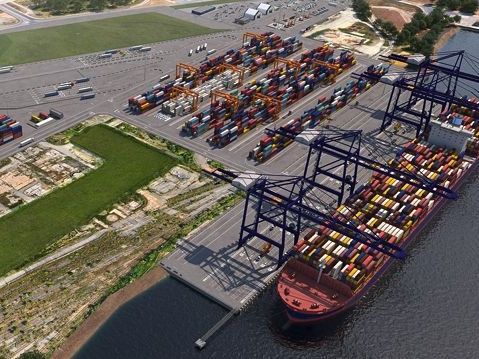
    Contractors for Delaware and its port manager, Enstructure LLC, have started work on a $669 million container port that leaders hope will attract thousands of jobs to the state’s industrial northeast near the Pennsylvania state line.

    Delaware has agreed to pay $325 million of the container terminal cost, with Enstructure, which is financed by the Blackstone private equity group and other investors, committing $225 million. Federal grants are expected to cover the rest.

    U.S. Sen. Chris Coons (D., Del.) told the crowd of construction and port workers and public officials at a groundbreaking Monday that the Delaware Container Port is designed to replace high-wage union industrial jobs lost when northern Delaware’s auto, steel, and chemical works shut over the past 20 years.

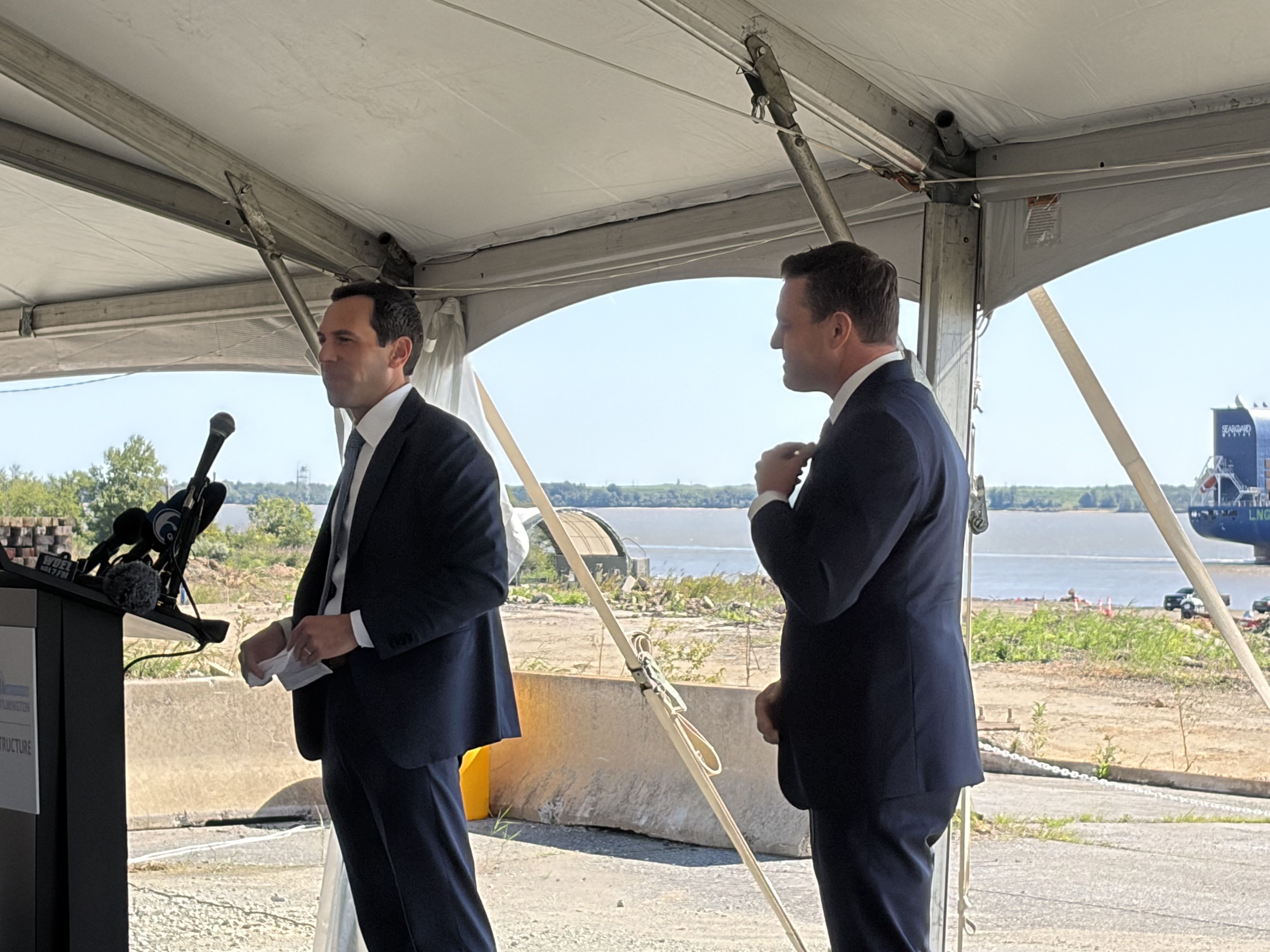
    When the port is finished by late next year, “bigger ships will come to Delaware first,” Gov. Matt Meyer said, as container ships traveling the Delaware River to Pennsylvania and South Jersey terminals passed by.

    Meyer said the new Delaware terminal would feature electric cranes and other equipment, instead of diesel power at “one of the cleanest, greenest ports in the world.”

    Shippers have been “containerizing” cargo into trailers suitable for shipping by sea, rail, and truck since the 1950s, though union leaders complain that automated cargo handling reduces the need for labor. Port managers clear land, buy cranes, and pour concrete based on uncertain estimates. South Carolina earlier this year shut a four-year-old, $1 billion container port because it attracted few cargoes.

    The site of Delaware’s new port is a former DuPont Co. titanium dioxide plant at Edgemoor, north of Wilmington. During Monday’s event, earth movers smoothed property east of a mound that sealed in contaminants left over from DuPont days.

    Coons said the site had been “the biggest dioxin pile in North America” before it was sealed and praised advocacy by the International Longshoremen’s Association for the site’s “new beginning.”

    ILA activists said they faced long opposition from political leaders concerned by the cost of a new port and from competing ports who sued to derail the project.

    Litigation is ongoing, but the work is going ahead, said Delaware Secretary of State Charuni Patibanda-Sanchez, whose father was an engineer at the DuPont plant before its 2015 shutdown. “The very complex legal situations still continues, but we will work through it,” she said in an interview.

    The new port is designed to handle 1.2 million Twenty-foot Equivalent Units (TEUs) — about 600,000 40-foot trailers. Meyer said that’s triple the capacity of the Port of Wilmington, three miles south.

    And it’s more trailers than the port of Philadelphia handled in 2025, a record year. In Philadelphia, the state port authority says it has raised $266 million from the U.S. Department of Transportation to boost container capacity at the Mustin property it acquired last year and is also growing space at the Packer Avenue terminal. “Competition among neighbors working together is good for all,” said PhilaPort CEO Rich Lazer. he added that new terminal space anywhere on the river can boost the region’s market share.

    Matthew Satnick (left) and Philippe De Montigny, are co-CEOs of Enstructure, the port management company overseeing construction of Delaware’s planned port at the former DuPont Co. titanium dioxide plant at Edgemoor on the Delaware River.Joseph N. DiStefano

    State officials did not present research supporting the need for the new terminal. Patibanda-Sanchez, who chairs the state-controlled Diamond State Port Corp. board that oversees the ports, said a study by University of Delaware researchers is not finished.

    The port will support “2,500 to 3,000″ workers when fully open by 2028, according to Bill Ashe, international vice president of the International Longshoremen’s Association and president of ILA Local 1694, which he said represents 1,500 workers at the current Port of Wilmington.

    He said the port’s rail service would be able to send stacked railroad cars to industrial sites in the region, such as the 4 million-square-foot Amazon warehouse in nearby Stanton, Del.

    Holt Logistics and its affiliates, which manage facilities in South Philadelphia, Camden, and Gloucester City, is spending more than $200 million adding cranes and expanding its container storage and service areas, Leo Holt, president of the family-owned business, said in an interview last week.

    Separately, PhilaPort, the city’s port agency, and state officials are considering a new container facility in part of the Mustin property whose $90 million purchase was announced last year.

    With all these possible container ports in the works, Holt said, Delaware is waging an expensive “race to the bottom” and should cooperate with Pennsylvania and New Jersey instead of competing.

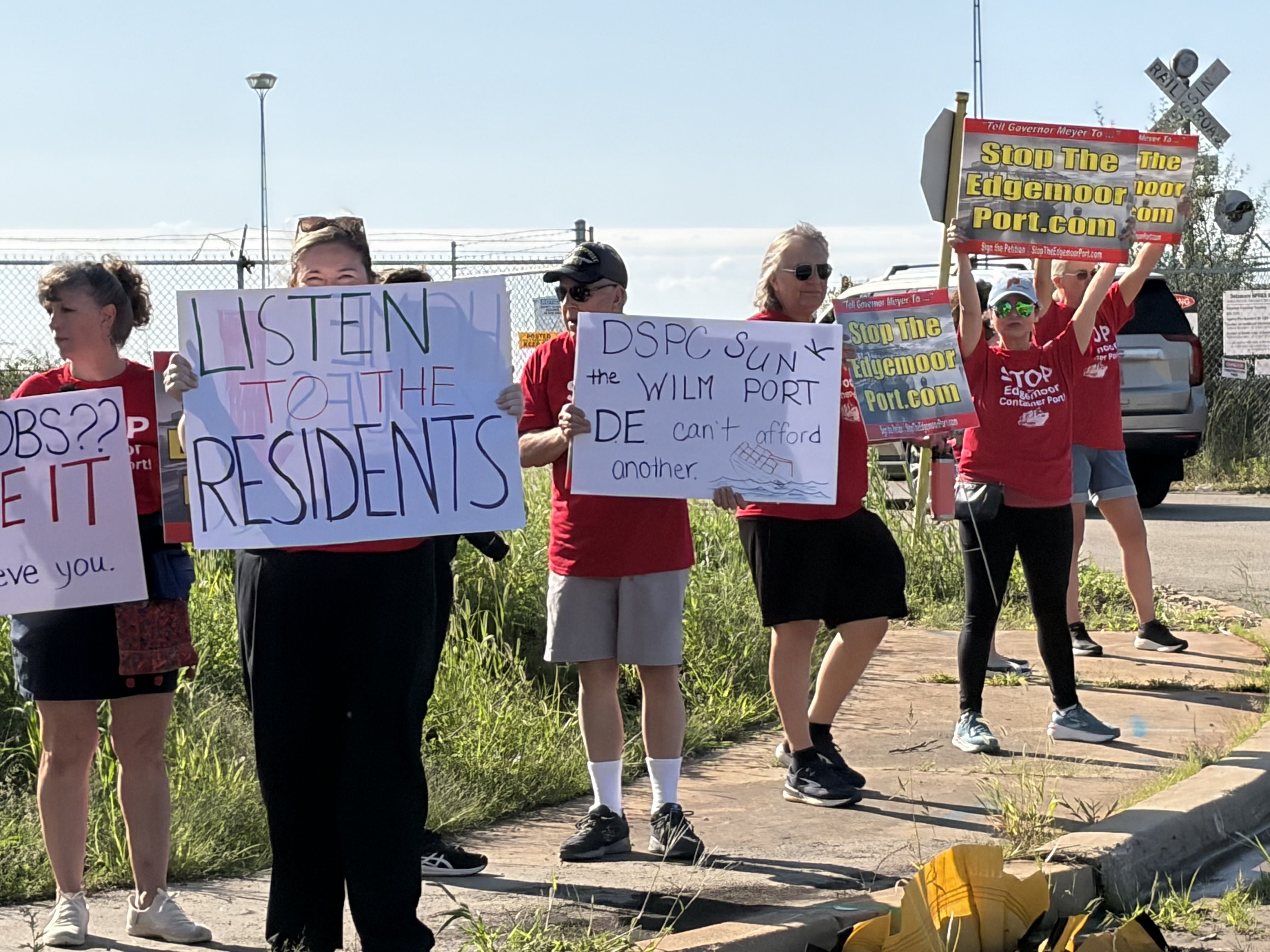
    Protesters picket at the entrance to Delaware’s planned port at Edgemoor on the Delaware River during a groundbreaking Monday attended by federal, state, and local officials. Joseph N. DiStefano

    As leaders arrived at the groundbreaking, protesters gathered at an entrance to the property holding signs urging officials to reverse the plan and backing candidates who are challenging incumbent Democrats in Tuesday’s primary.

    Karen Hartley-Nagle, a former New Castle County Council chair, said neighbors were worried about increased ship and truck traffic.

    Among the supporters who spoke after Gov. Meyer was Daniel Elkins, head of the Bellevue Community Center, which runs youth and other programs near the port. He said Enstructure had supplied food for neighborhood families after the Trump administration stopped a federal food program. He said port jobs would boost the neighborhood.

    “Thank you for bringing back opportunity,” he said.

    Delaware Gov. Matt Meyer, in a yellow tie, waits for his turn to speak at the groundbreaking for his state’s long-proposed container port at Edgemoor on the Delaware River. Joseph N. DiStefano

    Enstructure, the port operator, is a 10-year-old firm that operates more than 20 port facilities, including the port at the former U.S. Steel Fairless Works in Lower Bucks County.

    Co-CEO Matthew Satnick told the crowd he and his partner had founded the firm in Winona, Minn., in 2016, and were used to being underestimated. He promised to complete the container port “on time and budget,” with “economic development to follow.”

  • Camden’s Holtec hopes to raise $750 million in an IPO, as Wall Street signs on

    Camden’s Holtec hopes to raise $750 million in an IPO, as Wall Street signs on

    Holtec Nuclear Corp., a Camden company best known for servicing spent uranium fuel and shutting down aging nuclear power plants, is trying to raise more than $750 million by going public.

    The company plans to use the money to further its vision for new products including small nuclear reactors that can be swapped in and out of power grids without shutting down a nuclear station.

    The company, led by CEO Krishna P. Singh, and its share salespeople are trying to sell at least 50 million shares at more than $15 a share. They plan to list the company on the Nasdaq Stock Market under the symbol HNUC, according to a preliminary prospectus filed Tuesday with the Securities and Exchange Commission.

    The new filing adds details to the initial public stock offering proposal Holtec announced in July. No date has been set.

    Proceeds of the sale would be used to build and sell small reactors, Green Boiler power batteries, uranium storage facilities, and for new markets such as cybersecurity and military products.

    J.P. Morgan, Guggenheim Securities, Goldman Sachs & Co., Citigroup, and Bank of America’s securities arm are leading the sales effort and “road show” marketing Holtec to big investors. Morgan Stanley, Commerce Secretary Howard Lutnick’s Cantor Fitzgerald, and other firms also are participating, according to the SEC filing.

    Holtec said in the statement that the company expects to cash in on a “surge” in demand for electric power in general — and nuclear-powered plants in particular — to supply data centers, compensate for increasingly extreme weather, and meet power needs for other new customers.

    Risk factors Holtec disclosed include that the company’s plans “are premised on assumptions regarding future electricity demand, utilization levels, and long-term market conditions that may not be fully realized,” a potential pullback in data center and artificial intelligence power demand, and changes in government regulators’ or the public’s support of nuclear energy.

    Krishna P. Singh, CEO of Holtec International, in 2014, before he moved the company to Camden from Marlton, N.J. DAVID M. WARREN

    Founder Singh, who will be 80 next year, would control a disproportionately large 10 votes for each of his Class B shares, giving him 99% of the vote in naming board members and other shareholder decisions, sharply limiting the influence of investors buying Class A common shares in the offering.

    As members of the Holtec board, Singh and his wife, Martha, a real estate investor, form a “concentration of ownership” that “may not be fully aligned with the interests” of shareholders buying into the IPO, the company warned potential investors. There are also four independent directors, including Susan N. Story, former CEO of Camden-based American Water Works.

    The company employs around 4,150 people at facilities including its Advanced Manufacturing Division in Camden and manufacturing units in Pittsburgh and Orrville, Ohio, according to the prospectus.

  • Philly maker of hand-held device tracking software for retailers plans expansion after big investment

    Philly maker of hand-held device tracking software for retailers plans expansion after big investment

    Asset Recharge Center (ARC), a Philadelphia firm whose software and sensor systems track and recharge hand-held devices used by workers at Walmart, Lululemon, and other big retail store and warehouse companies, has raised $60 million from a New York tech investor.

    The investment, from Acadia Investment Partners, will help the company boost sales to grocers, airlines, governments, and other new customers.

    It’s the first big outside investment for ARC, which started in 2011 as the Chargeitspot cellphone-charging service for customers of stores such as Bloomingdale’s and Target. It switched focus to workers’ electronics when customers were barred from stores during the COVID-19 pandemic.

    Earlier it was backed by smaller investors from locally based Robin Hood Ventures, Soundboard Angel Fund, and start-up millionaires.

    ARC, which says it has been used by workers to check out and return electronic tools 130 million times since 2021, is poised to grow fast “as frontline operations become increasingly technology dependent,” Acadia founder Harsh Agarwal said in a statement. He and Acadia “operating advisor” Peter Schmitt joined ARC’s board under terms of their investment deal.

    “We started the business to solve a consumer-facing problem — the [panic] when batteries run out,” said ARC CEO Douglas Baldasare, a Villanova native and Wharton School graduate. British health officials identified the condition in the early smartphone era as nomophobia.

    Stores found customers spent more time shopping and bought more items when their phones were stationed at Chargeitspots. The COVID shutdowns forced founder Baldasare to find new applications for what his team had learned about securing, tracking, and charging devices.

    He studied the losses retailers and warehouses were suffering when they issued electronic devices to track inventory and workflow that ended up lost, left home, or piled in bins of non-working appliances companies shipped back to manufacturers like Zebra and Honeywell.

    Those makers too often found that after a device was offline for weeks or month, the only problem was a bad cable or battery that could have been resolved quickly if the problem were diagnosed, marked, and recorded in a useful way — the problem ARC addresses.

    “We realized managing these devices at scale was very difficult,” Baldasare said. “Companies were still using manual check-ins and check-outs on clipboards. Workers were standing in queues every shift; it was inefficient.”

    “You’re working in a chaotic field environment where people tend not to follow rules,” Baldasare said. “Things break. You need an effective, efficient way to secure and maintain your hardware. We had unintentionally built a system” for retail customers’ phones that could be applied to worker devices.

    By adding automatic employee sign-in, check-back, tracking, and data reporting systems, ARC cut losses, according to customers.

    ARC ensures employees have access to the ”next best available device, fully charged and in optimal working condition” every day, Lani Lindsay, vice president of central operations for Walmart Canada, said in a statement. Walmart’s Sam’s Club stores in the U.S. also use ARC.

    “ARC’s ‘smart locker’ system has made a material difference for our business,” said Divey Gulati, cofounder of Chicago-based ShipBob, a contract shipper that competes with Amazon. “We’ve dramatically reduced time spent managing devices.”

    About 100 people work for ARC, a headcount that founder Baldasare said will grow as ARC uses Acadia funds to add staff.

    Philadelphia has a reputation as a low-turnover labor market for tech employers, said Baldasare, who recruits Drexel co-ops, along with students from other area schools. “It’s a really smart, roll-up-your-sleeves population, who, when they find a happy place, reward you by sticking around to grow with the company.”

  • Why don’t construction and factory workers want to build ships?

    Why don’t construction and factory workers want to build ships?

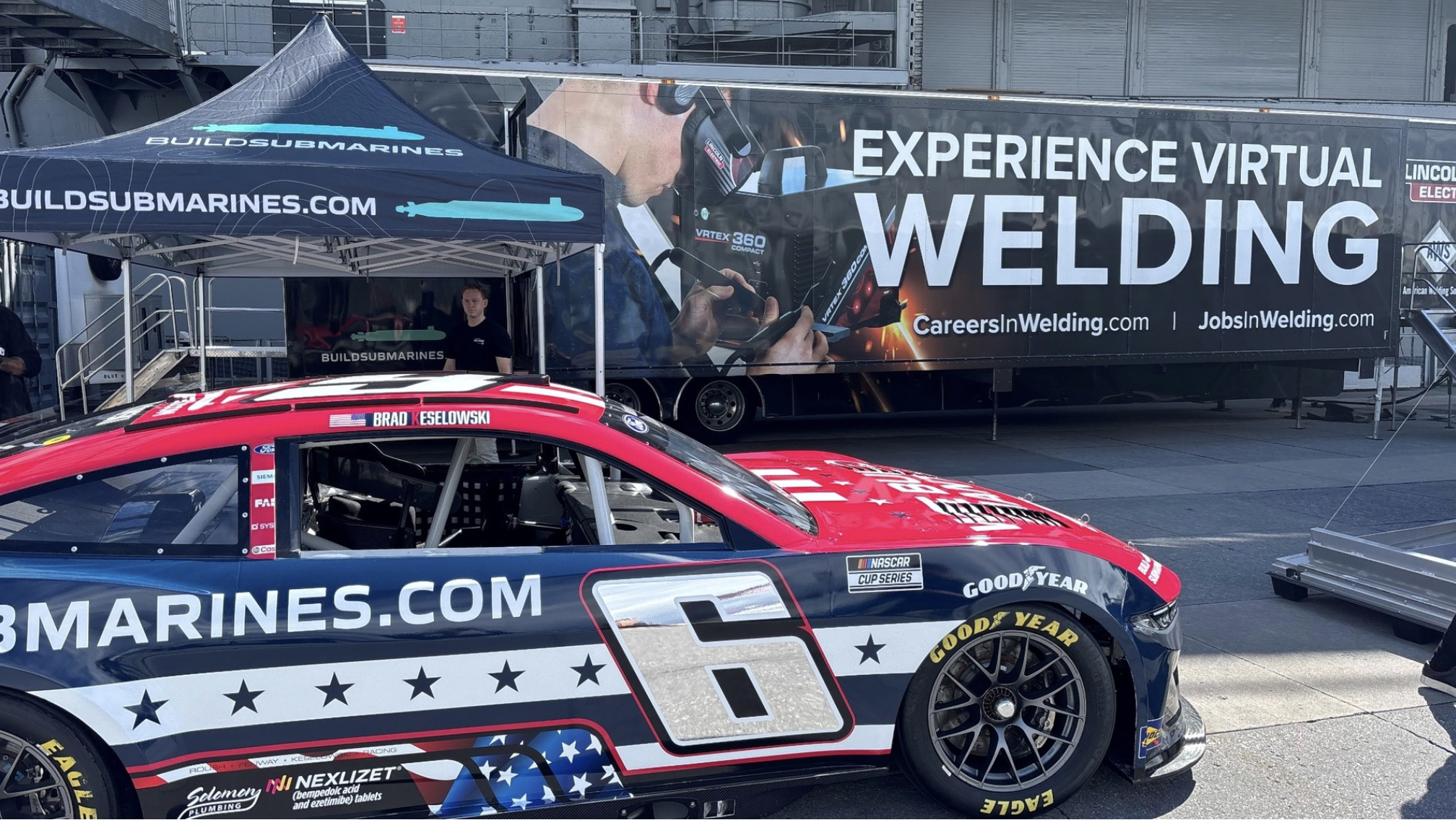
    The U.S. government is spending over a billion dollars to recruit hundreds of thousands of workers it estimates will be needed in Philadelphia and other shipbuilding centers to expand the Navy and compete with lower-cost Chinese yards, as President Donald Trump proposes. The campaign includes “Build Submarines” ads on social media and SEPTA bus shelters and grants to training programs.

    “You have to work the parents,” Michael Cadenazzi, assistant secretary of war for industrial base policy, told contractors assembled by Trump and U.S. Sen. Dave McCormick (R., Pa.) at the U.S. Army War College in Carlisle in July. “Mom and Dad need to understand their kid is succeeding,” even if they skip college for “AI-proof jobs” as “the wizards behind the warriors — shipfitters, welders, pipe fitters.”

    BuildSubmarines.com, a U.S. government-funded marketing effort, is trying to recruit workers for shipyards through public-transit and social-media ads. It also sponsors a Nascar team.U.S. Navy

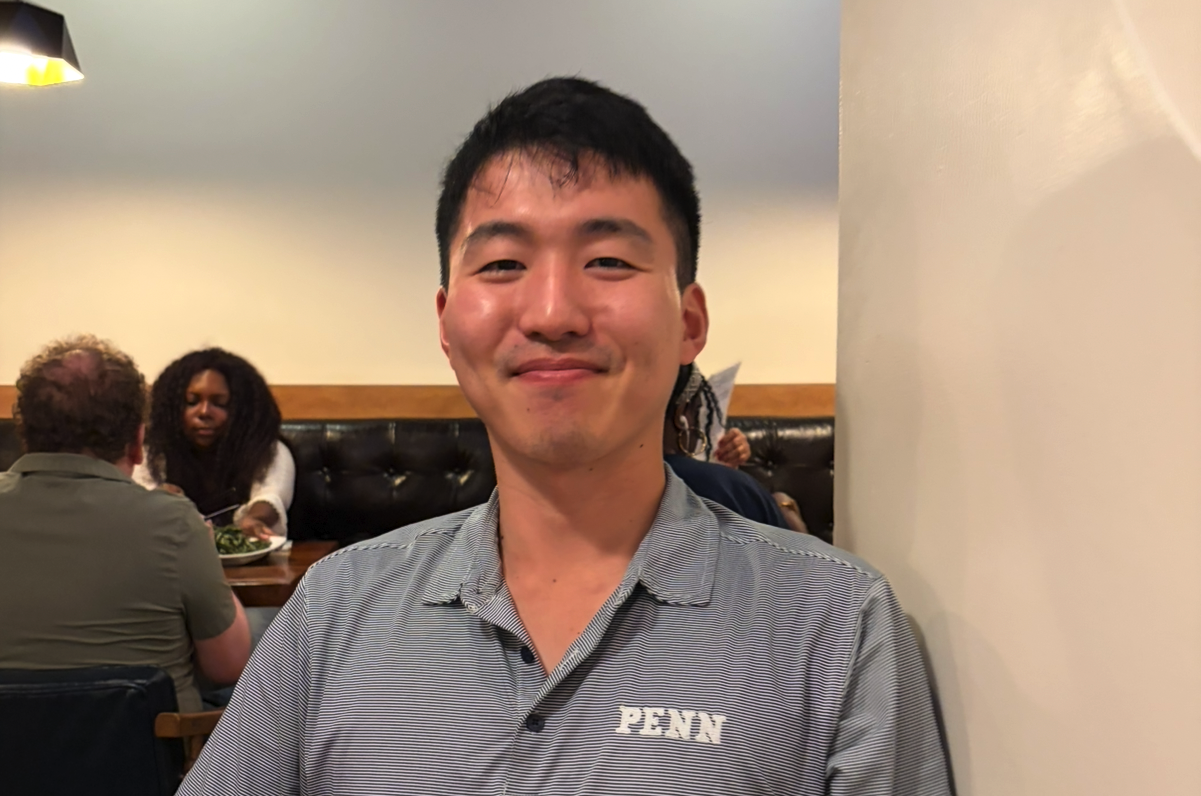
    If would-be college students prove a tough sell, there’s an even larger population of American workers who have what it takes to build ships but don’t want to, said Gary Kim, a Wharton School graduate student who has studied U.S., Chinese, Japanese, and Korean shipyards.

    In essays for the U.S. Naval Institute and a series of papers titled The Brutal Realities of Building Ships, Kim, formerly a junior officer with U.S. Navy construction units in Asia and a Detroit manufacturing manager, has detailed rough conditions and skilled-labor shortages and suggested what shipyards have to do to realistically fill those jobs.

    Kim is a scheduled speaker at the Philadelphia Navy Yard Symposium on Sept. 26. He agreed to an interview with The Inquirer on a recent visit to Philadelphia. Questions and answers have been edited for clarity and brevity.

    You’ve written that shipbuilding is heavy construction work — more dangerous than putting up buildings, less comfortable than modern factories, but not better paid.

    Shipyards are great for everyone except the people who work there. The economic boom is paid for in blood.

    The question we should be answering isn’t ‘Why can’t we convince 150,000 more kids to build ships?’ but ‘Why are the 30 million Americans already in the industrial workforce — construction, manufacturing, transportation — refusing shipyard jobs?’

    Gary Kim in Philadelphia in August 2026. Kim is a Wharton School graduate student and naval reserve officer who has studied U.S., Chinese, Japanese, and Korean shipyards.Joseph N. DiStefano

    Shipyard work is an agglomeration of tasks done in the wider industrial economy: welding, plumbing, truck driving. Why does most of that workforce turn away from building ships? Because it’s dark work in dangerous corners. And it doesn’t pay much.

    Companies have invested a lot in improving factory conditions over the past 30 years. Manufacturing became gentler on your body.

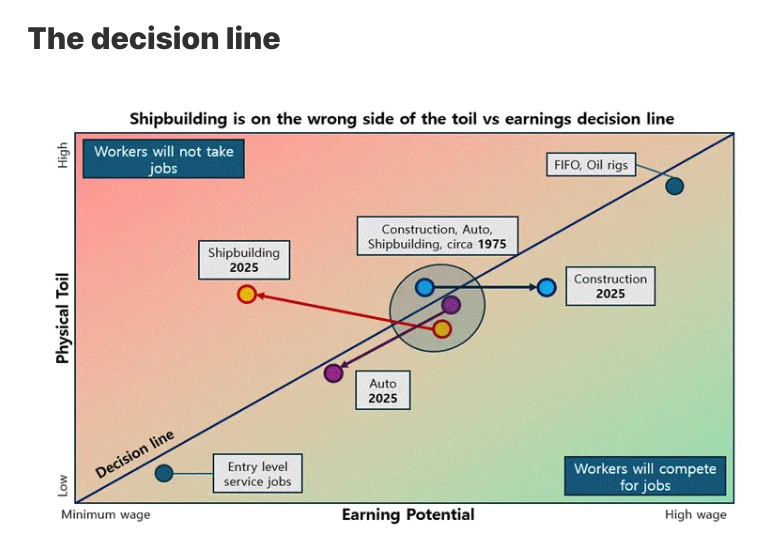
    But it’s also less unionized than before. In the new factories, adjusting for inflation, the pay is less. Factory workers and warehouse workers accept repetitive labor in air-conditioned facilities, in exchange for lower pay.

    Construction is a rough trade, but it pays better. The economic rewards have increased. Not only there’s better pay, but it’s a way men and women can become entrepreneurial. Some become contractors. It’s just as hard as shipbuilding, but the payoff is better.

    In shipbuilding, the pay in real terms has declined, but the workplace is only transforming recently with advanced robotics. Sometimes shipyard apprenticeship programs that teach industrial skills see [their graduates] leave for other industrial jobs.

    Comparison of construction, shipbuilding, factory, energy, and entry-level service jobs, pay vs. relative danger, 1975-2025, from data compiled by Gary Kim and posted in his series “The Brutal Realities of Shipbuilding.”Gary Kim
    Could Philadelphia double the ship workforces, as Hanwha Philly Shipyard and Rhoads Industries say they hope to do in the next few years?

    Philly is going to struggle to recruit an industrial workforce. There is a rhyme and rhythm to an industrial city.

    You have industrial accidents. You have elevated rates of chronic conditions years afterward.

    Look at the reactions to the Canada wildfires. Detroit had the worst air quality in the world for a day, but nothing shut down. Everyone from the UAW director to the people in the city government knows the four or five closest auto plants each generate tens of millions of dollars in economic activity daily. Even if city health officials say it’s too much risk, nobody needs to be told what you are taking out of the city if you close.

    Industrial work brings prosperity and less economic inequalities, with [personal and environmental] costs. Manufacturing requires higher risk and having your citizens accept that risk. You have that in the Gulf [home to the U.S. oil industry] and in the Mississippi Valley [where the U.S. steel industry has moved], and in Michigan [auto plants].

    The economy here has been running on services and logistics for so long that I don’t think Philadelphia any longer has that intestinal fortitude to accept what shipyards really are.

    Do U.S. shippers really want more U.S. commercial ships at U.S. prices?

    If the Jones Act [requiring U.S. ships for cargoes between U.S. ports, suspended by Trump] is waived indefinitely, companies are not going to need more ships built here.

    And you need more orders. If a shipyard does not lay out several a ships a year, you can’t develop a career. You start laying a keel; you need a lot of welders. Then cutters. Then plumbers. Then there’s a surge of need for electricians. You can’t sustain that workforce unless you can stage crews across different jobs in the time it takes to build a ship.

    Rhoads in Philadelphia fabricates nuclear-submarine modules for General Dynamics. Can this region eventually build subs?

    Nuclear reactors, spaceships, and American submarines are the most stringent things to build in the world. If Philadelphia wants a more meaningful part of the submarine value chain, we need to build with spaceshiplike tolerances.

    The Navy is putting out the correct messaging that the industrial base needs a diversity of jobs. An amazingly large part of the maritime industrial base doesn’t come from port cities but from inland operations. The most critical part of submarines is the gearboxes, built in California.

    The government has ordered two missile and satellite tracking ships from Hanwha Philly Shipyard. Will Philadelphia-area defense contractors likely do the electronics?

    [The Lockheed Martin-run Navy electronics facility in Moorestown] is the technology center of that industry. But I think the biggest reason Philadelphia landed the tracking ships here was that the yard needed a win. And backlogs in other shipyards are now 10 years and more.

    Hanwha wants to buy Austal’s Alabama shipyards and submarine module works and its California ship repair facility. What does that leave for Philly Shipyard?

    Hanwha wants to be a globally competitive defense prime contractor. Buying Austal would make Hanwha a solid #3 shipyard operator in the U.S., plus their megayard in Korea.

    I expect the Austal yard would focus on smaller warships. Philly would focus on surface auxiliary vessels.

    Most yards lose more money the more ships they build. Hanwha thinks they can do better, and I seriously hope they are right.

    Editor’s note: This article wrongly identified the role of Philadelphia Gear in Navy ship construction. It has been updated.