Tag: Weekend Reads

  • Ten years into life as a star, Christian Pulisic arrives at the World Cup he has long dreamed of

    Ten years into life as a star, Christian Pulisic arrives at the World Cup he has long dreamed of

    FAYETTEVILLE, Ga. — A decade later, the headline from the front page of The Inquirer back then still stands out.

    “Pa. teen is rising star of American soccer,” it said — and yes, we mean the actual newspaper, not just the internet. “Christian Pulisic dazzles on big stages.”

    A few weeks after that, a then-17-year-old phenom born in Hershey came to Philadelphia as a U.S. national team player during the Copa América Centenario. He didn’t play in the Americans’ game here, but his presence alone was enough to draw attention and another round of headlines.

    How many have there been since then? Too many to count, no doubt. But another from along the way still resonates now.
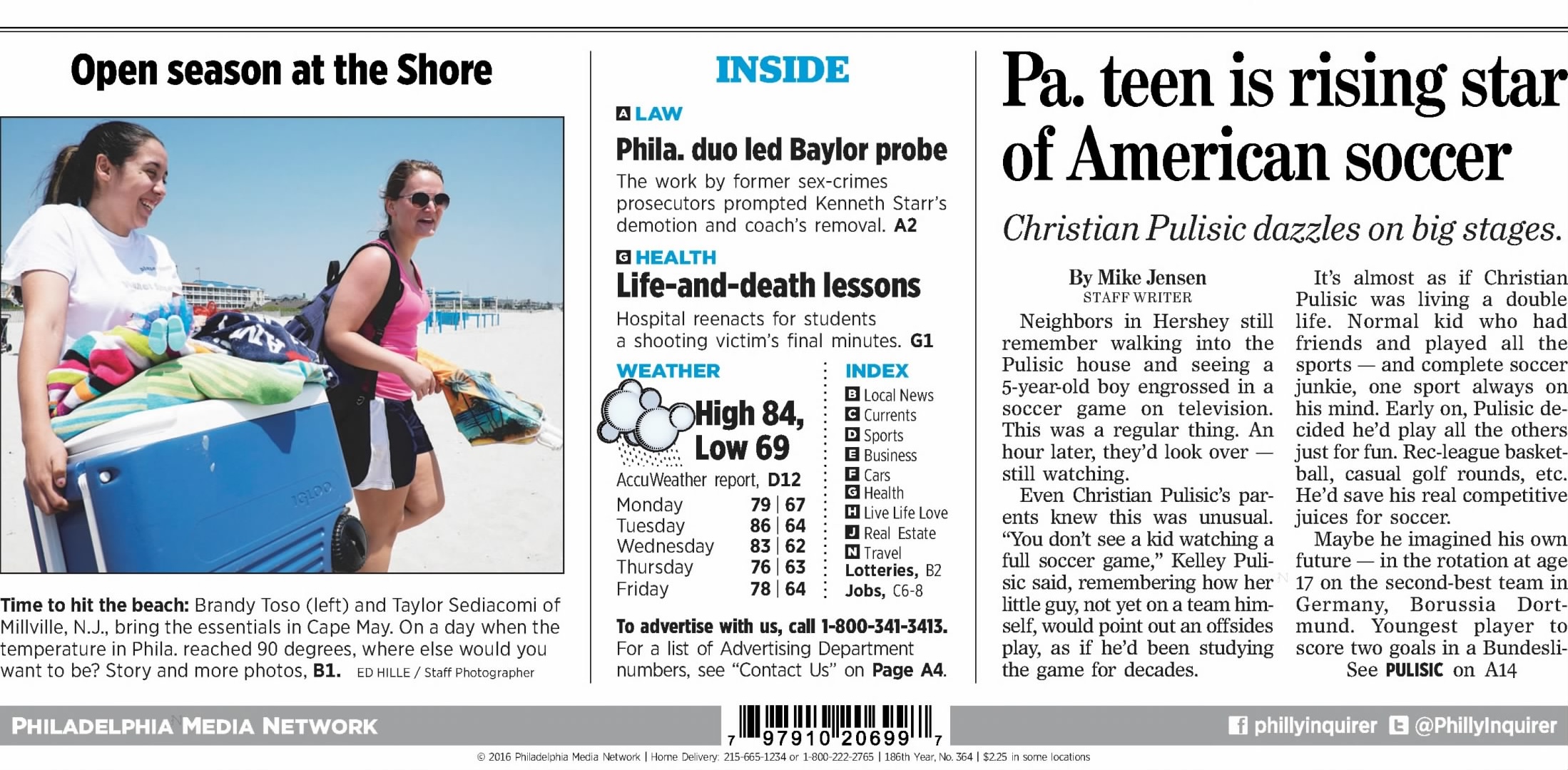
    A clipping from the front page of The Inquirer on May 29, 2016, the first time Christian Pulisic was featured in the newspaper.Inquirer Archives

    It was five years ago, this time in the business section — a feat of its own kind, along with his goals and assists.

    “In soccer and marketing, Christian Pulisic is attracting fans and fame,” the big type declared, for a feature noting how rare this was for an American men’s soccer player.

    Now here he is at age 27, on the cusp of one of soccer’s rarest privileges: playing in a World Cup on home soil. Pulisic is still very much an American poster boy, even as the sport has grown so much that he’s no longer the only one.

    There are so many ways to measure the time that has passed. But doing so keeps bringing the mind back to the word decade.

    How has it been that long already?
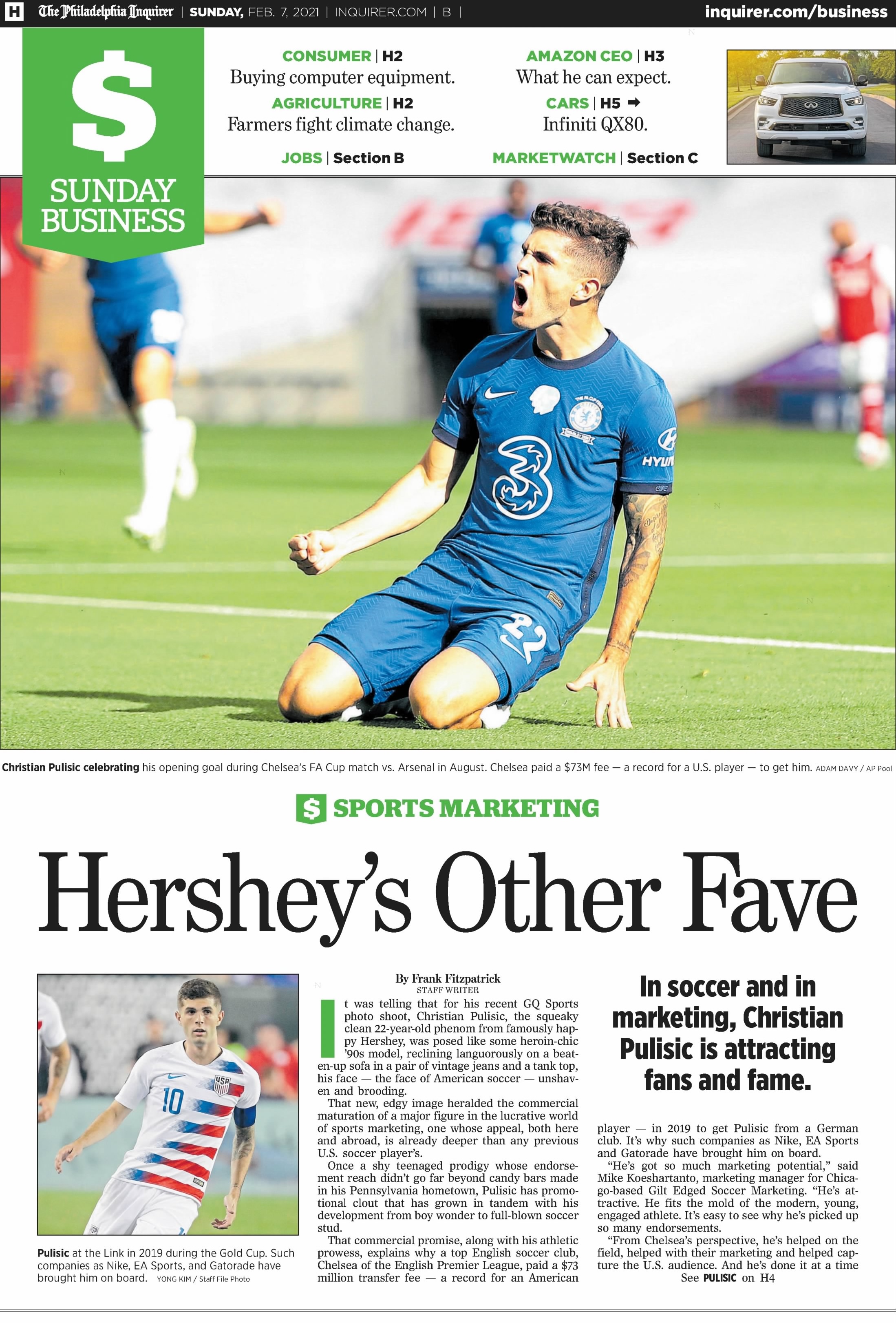
    A clipping from the front page of The Inquirer’s business section on Feb. 7, 2021, putting Christian Pulisic in the spotlight again.Inquirer Archives

    “I think of that every once in a while, and it is pretty crazy,” he told The Inquirer in an interview earlier this month, when he had a rare moment to not be as rushed as he is after games or in news conferences. “In some ways I still feel like I’m a young player. And then I realize, you see guys playing now born in [2006], and it makes you think: ‘like, wow, I really have been around for a while.’”

    Not that he is old, for the record. His age is a soccer player’s prime, right on time for the biggest stage of his life.

    “I still feel like I have a long road ahead of me,” he said. “It is crazy, though, that I’ve been doing this for so long. It’s not easy to maintain this level and to keep going, and I’m happy and I’m just so blessed that this is what I get to do.”

    A national star, but still a hometown hero

    The arrival of this World Cup has brought Pulisic a new round of endorsement deals, joining what was already a long list. They’re all on his Instagram page if you want to see them, and some are even on that old-fashioned platform called television commercials.

    There sometimes feels to be a contrast between seeing him in so many ads and knowing he isn’t much of a talker on camera. He never has been, and though he has opened up more with age, he’s still never going to be the most chatty. He admitted as much again in this interview.

    “I’m obviously in this position, and I think in some ways, it’s important to give my opinion on some things, and I get it,” he said, “People want to hear from me at times, and I’ve gotten more comfortable with it. But no, I haven’t changed really much, I would say.”

    He added that for “people that know me and have spoken to me, it’s definitely not how people view me, and I’m OK with that. I think there’s a lot of athletes like that.”

    And though these times seem oversaturated with commerce, some of Pulisic’s deals genuinely pull at the heartstrings — including his own. When a Hershey native gets his name and likeness on the city’s world-famous chocolate bar, that counts for something extra, and the company’s ads nailed the tone.

    “I think I’ve officially made it,” Pulisic says in one of them, a staged phone call with his mother. “Happiness is knowing home is already rooting for you,” a chocolatier says in another, as he ships a box of bars to Milan, the player’s club soccer home. On arrival, a doorman delivers them to Pulisic, and he looks genuinely moved.

    Even the biggest food conglomerate imaginable has a genuine place in Pulisic’s heart. He was one of countless kids who’d go to McDonald’s after a game. Now he’s one of nine global soccer stars on the fast food chain’s soda cups and combo meals, along with legends David Beckham, Ronaldinho, and Thierry Henry, and four big names who’ll play this summer: Canada’s Alphonso Davies, Mexico’s Santi Giménez, South Korea’s Son Heung-Min, and Spain’s Lamine Yamal.

    “Driving home from soccer tournaments, the amount of times stopping at McDonald’s and picking up a nice meal there,” he said, “to now be a part of this, have this FIFA World Cup meal, have a chance to win one of my cups — obviously it’s something I just never expected.”

    Even though Pulisic was speaking on the sponsor’s behalf, you can take a moment to say there’s significance in an American being in such company. Some years ago, longtime Inquirer writer Mike Jensen got a chance to interview Pelé when offered by one of the Brazilian legend’s sponsors. That was news on its own, as Pulisic’s turn is now.

    ‘Exactly where I’m meant to be’

    Though Pulisic spends most of his days abroad, and his family moved to Florida a few years ago, he still says Hershey “will always be home.”

    He spoke of “that house I grew up in,” and how “when I think of home, that’s what it is. That’s where I grew up and spent most of my life.”

    He knew who he was speaking to, for sure, and for how long The Inquirer has chronicled his career. But these words also sounded genuine.
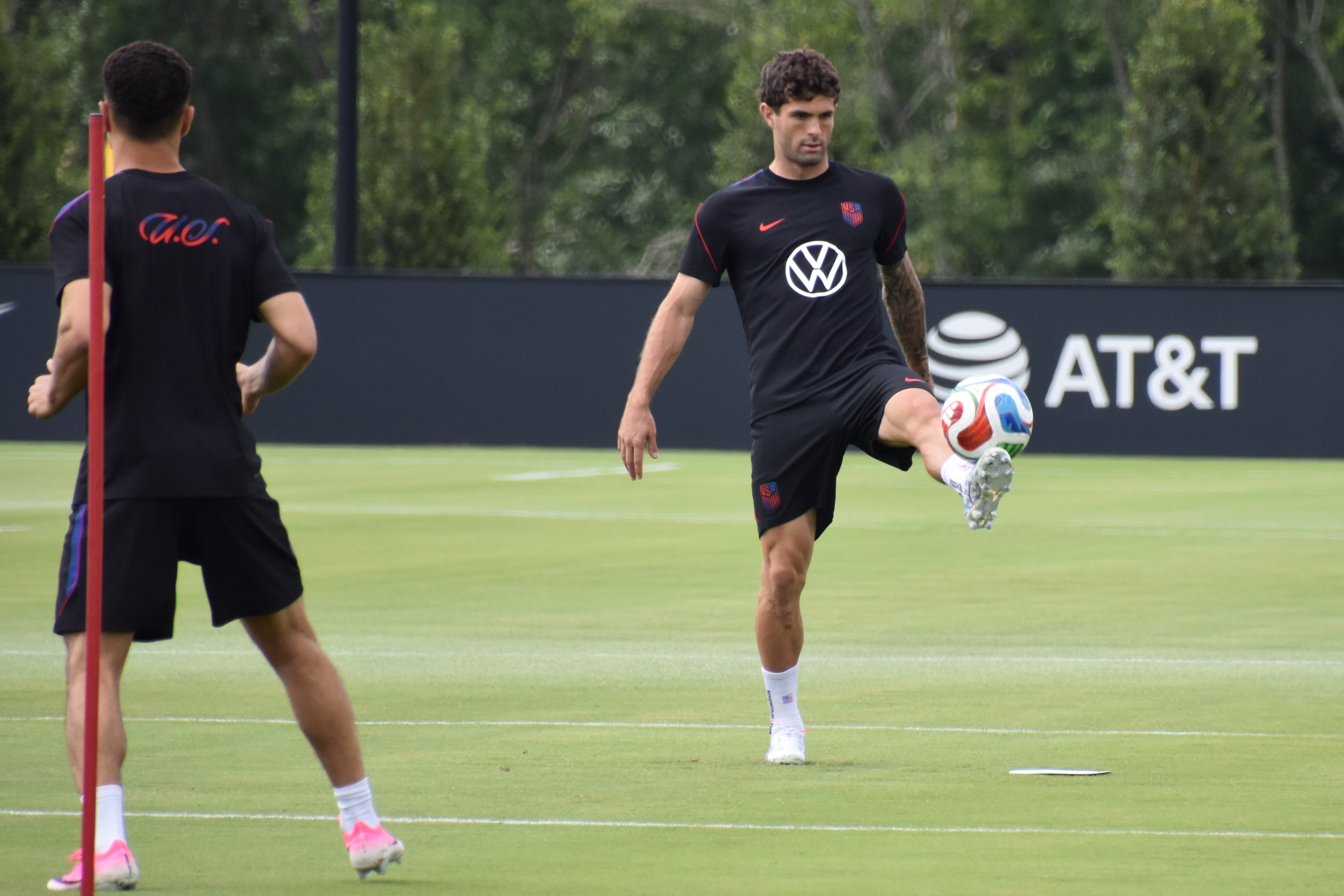
    Christian Pulisic (right) has 33 goals and 20 assists in 85 games for the U.S. men’s soccer team.Jonathan Tannenwald

    “I’m really proud to be from there, and that’s it,” Pulisic said. “It’s kind of sad that I don’t get to go back as much as I’d like to, with such a busy schedule during the year. But Pennsylvania, whenever my friends always talk about who they rep, Pennsylvania, that’s me. I rep Pennsylvania, central and eastern PA — it’s always a big part of my life.”

    That includes being a 76ers fan, albeit casually these days; and it is, he admitted, “the only Philly team I really do support.” But that has rarely been a secret. His longtime allegiance to the NFL’s New York Jets, in particular, has been written about plenty.

    (Pulisic has a small tie to the Union, too, having played for one of the club’s youth teams in a tournament in 2012. Asked if any photos exist somewhere, he said they probably do, but he doesn’t have them.)

    On the field, he arrives at this World Cup in the company of teammates who are also longtime friends, especially Tyler Adams, Weston McKennie, Haji Wright, and Alejandro Zendejas.

    “It just feels like this is exactly where I’m meant to be,” Pulisic said. “I’ve known some of these guys for so long, and so now to share the biggest stage with them, it’s incredible. We talked about it, we dreamed about this together.”

    He described the moment as “everything we could have imagined and more, and we’re just thankful that this is what we get to do.”

    Their World Cup opener is nearly here, which almost feels hard to believe after so long.

    “The American fans are excited,” Pulisic said, “and that just gives us such a boost. It can really carry us through games.”

    He knows as well as anyone could.
  • DA Larry Krasner publicly criticized Mayor Cherelle Parker as he flirts with running for her office

    DA Larry Krasner publicly criticized Mayor Cherelle Parker as he flirts with running for her office

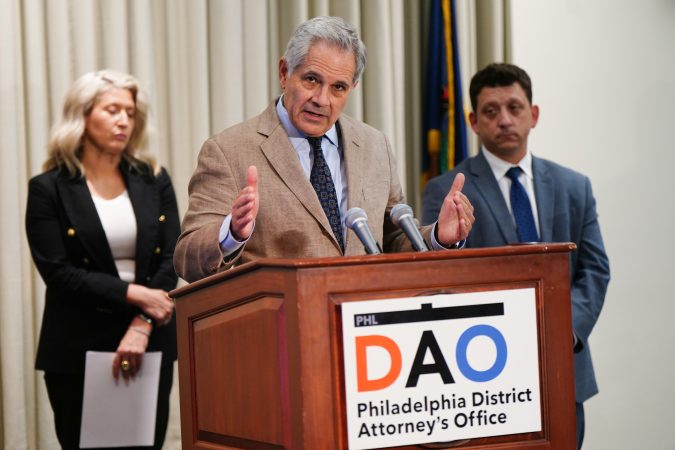
    District Attorney Larry Krasner said Monday that, in the more than two years since Mayor Cherelle L. Parker was sworn in, he has only met with her three times.

    And despite his visit to her City Hall office on Monday in what Krasner described as “the spirit of hopeful collaboration,” that number did not grow to four.

    The district attorney, along with a phalanx of staff and television cameras, walked across the street from his downtown office to the mayor’s suite on the second floor of City Hall, armed with a letter lamenting his budget as inadequate. In it, Krasner wrote that he needs an additional $5.6 million from the city to bolster shootings investigations, domestic violence prosecutions, and victim services.

    Asked why he was delivering a letter to Parker in person, Krasner said: “There is nothing new and nothing inappropriate about civil rights leaders, activists, and politicians getting the word out.”

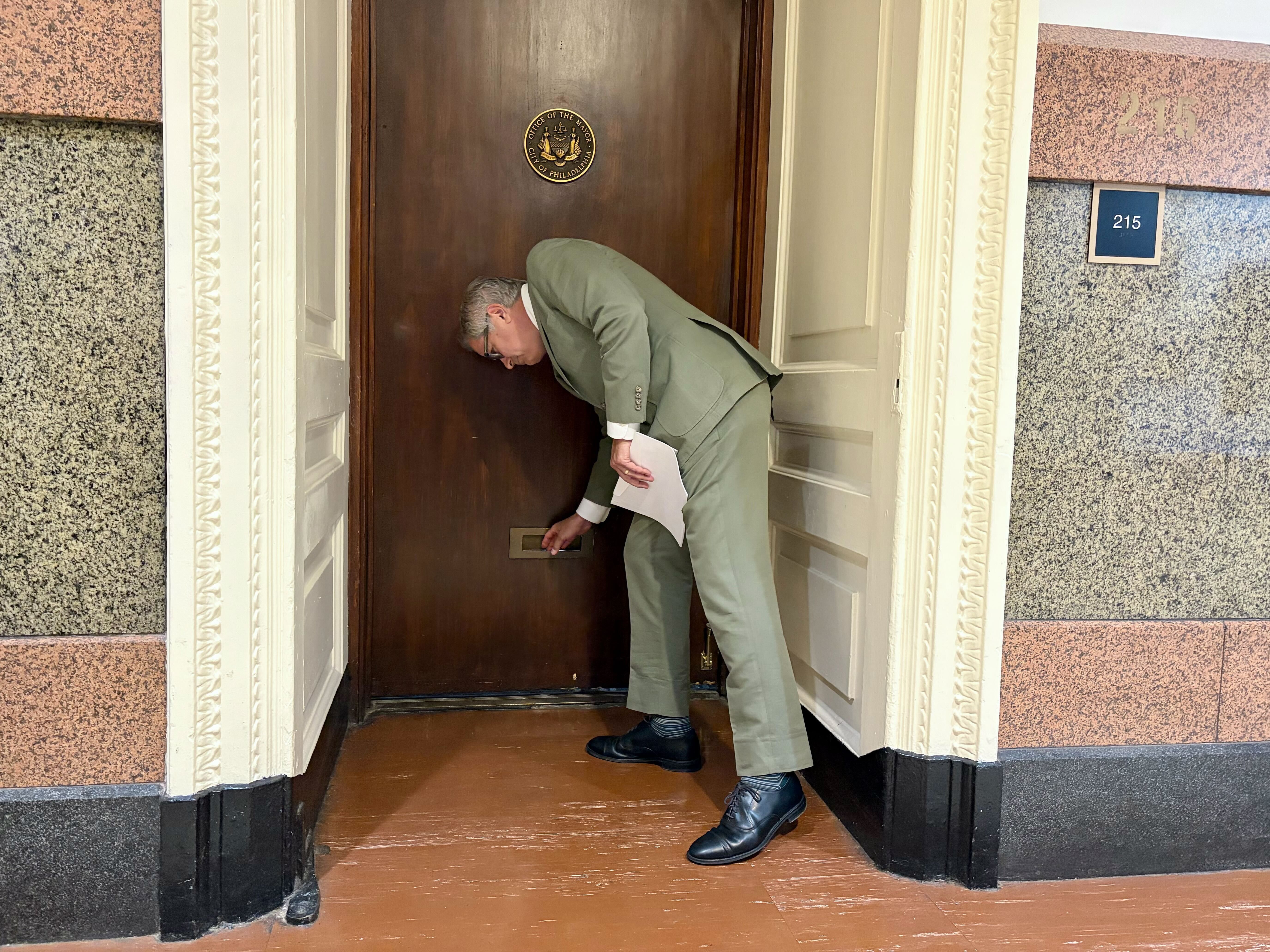
    The mayor did not open her door. Krasner pushed his letter through a mail slot.

    District Attorney Larry Krasner delivers a letter to Mayor Cherelle L. Parker’s office after hosting a news conference to ask the mayor to consider allocating millions more dollars to his office this year.Anna Orso

    The public plea came just days after City Council gave the green light to a city budget for the fiscal year that begins on July 1, including a record-high $62.4 million allocation to the District Attorney’s Office, which is about $3 million more than it received last year.

    Krasner, who called a news conference at the district attorney’s office before his trip to City Hall, said his office needs additional funding to “prevent potential layoffs,” but he did not specify the number of jobs on the line. The city budget will be up for a final vote in Council on Thursday, and it is unlikely to substantially change before then.

    In response to a request for comment, a spokesperson for the mayor shared data showing that the District Attorney’s Office budget has increased by 55% over the last five years.

    Krasner’s televised appeal to Parker on Monday came as rumors swirl that the third-term progressive may run for mayor next year when Parker, a centrist Democrat, is up for reelection. He has also been floated by political observers as a potential candidate for U.S. Senate to run for the seat currently held by Sen. John Fetterman, a Democrat who has angered many in the party and will be up for reelection in 2028.

    Krasner, who is the city’s most prominent progressive and who won reelection to be the city’s top prosecutor last year, said he is not plotting another run for office.

    But he has done little to suppress the speculation. He recently got into a spat with labor leader Ryan N. Boyer, one of Parker’s closest political allies, and he publicly called on former U.S. Rep. Bob Brady, the longtime chair of the city’s Democratic Party, to step aside.

    And on Monday, Krasner, who was reelected to a third term in November, wouldn’t commit to serving out his entire four-year term. (Philadelphia’s Home Rule Charter requires that city officeholders resign to run for higher office.)

    “Am I running for these offices today? No. Do I have a plan to run for these offices today? No,” Krasner said. “But if you’re asking me to say that I would never, under any circumstance, no matter what was going on locally or nationally, consider some other office, it would be foolish for me to completely rule out those possibilities.”

    He is one of several people who progressive leaders in the city may look to next year to challenge Parker, who is backed by much of the city’s Democratic establishment and organized labor. She has been criticized by some on the left for her law enforcement-driven initiatives to address the Kensington drug market and her cautious approach to President Donald Trump.

    The mayor’s race became even more attractive to Philadelphia’s left-wing faction of the Democratic Party last month after State Rep. Chris Rabb, a democratic socialist, won the party’s nomination for an open seat in Congress.

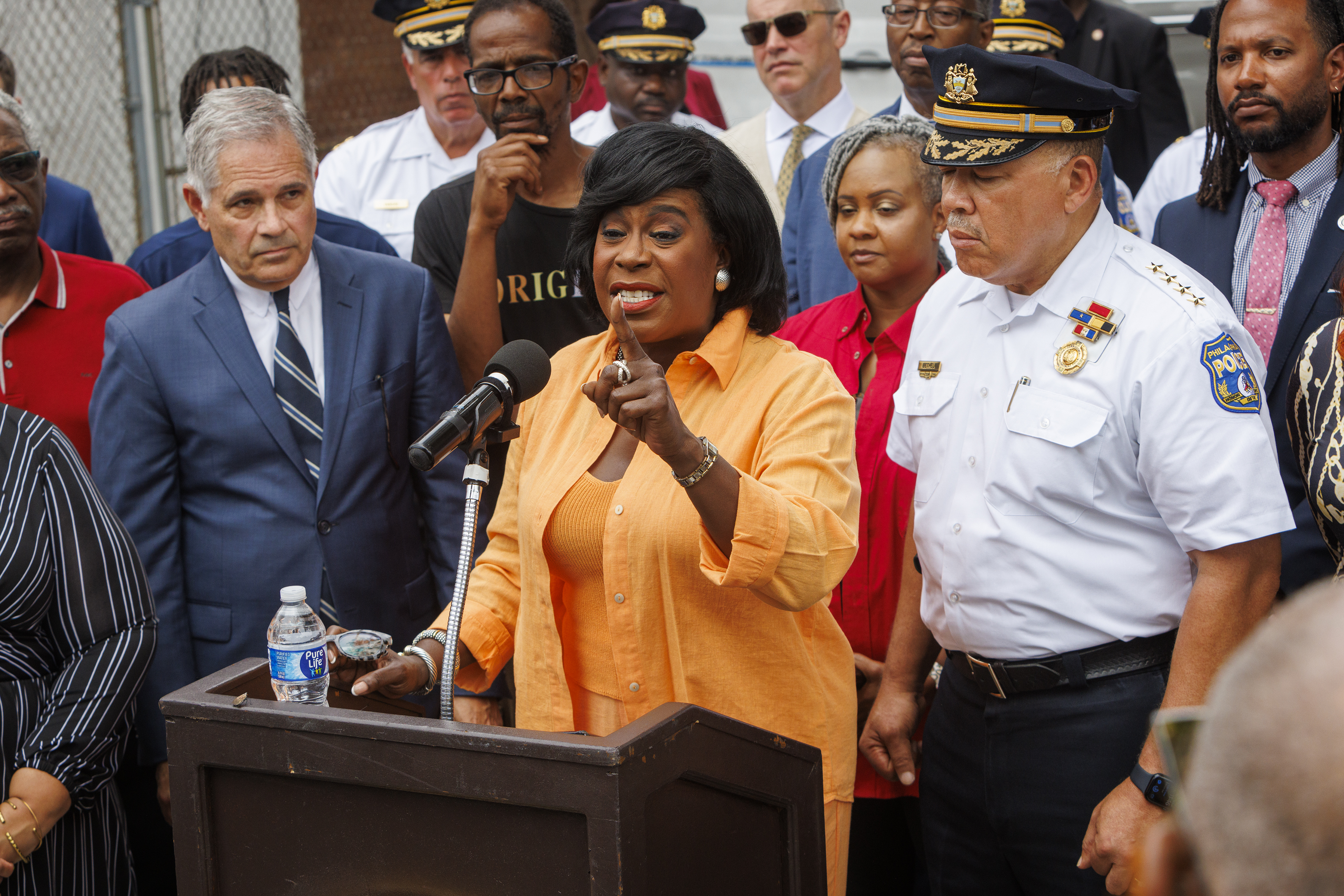
    Mayor Cherelle L. Parker is flanked by Police Commissioner Kevin Bethel and District Attorney Larry Krasner (left) on July 22, 2024.Alejandro A. Alvarez / Staff Photographer

    Krasner’s public criticism of Parker this week is also notable because he and the mayor have, despite not meeting regularly, attempted to maintain a veneer of civility.

    While Parker ran for office on a tough-on-crime message that could be seen as in tension with the district attorney’s progressive platform, she has not directly criticized Krasner. She also campaigned on a promise of close collaboration with other governmental entities after conflict between Krasner and former Mayor Jim Kenney spilled into public view on several occasions.

    Krasner on Monday insisted that his trip across the street to Parker’s office was not intended to inflame hostilities. He cited his letter, which began with thanking the mayor for her “leadership, vision, and goals.”

    The letter ended with Krasner saying that the city’s leaders should “truly model the peace and unity we hope to see within our communities.”

    He added: “We can achieve more together!”

    Staff writer Ellie Rushing contributed to this article.

  • Mike Gansey plans to build around Sixers’ current core while growing the team’s culture: ‘I want fountains, not drains’

    Mike Gansey plans to build around Sixers’ current core while growing the team’s culture: ‘I want fountains, not drains’

    The 76ers need to establish an identity, Bob Myers said Monday.

    That’s the central task ahead of new president of basketball operations Mike Gansey, who will look to bring the Sixers past the second-round hump and build them into a true championship contender.

    When asked if the franchise was committed to Joel Embiid in the long-term, Gansey said that he considers Embiid, Tyrese Maxey, VJ Edgecombe, and Paul George the four tentpoles of the roster in the short-term.

    “We have those four and we’ve got to maximize those four,” Gansey said. “Obviously [Edgecombe] and [Maxey] are younger, but [George] and [Embiid] can still play at a high level. We were 24-14 when Joel played, and obviously in the playoffs, coming back from Boston. We’ve got to rely on those four, and obviously keep them on the floor, and then just build around them.”

    The Sixers were not elite offensively or defensively last season — they ranked in the middle of the league in both offensive (17th) and defensive (16th) rating — and the new leadership group wants to change that.

    But getting their stars on the floor at the same time is easier said than done. Myers cosigned that to establish a team identity, the Sixers need to have their top four guys, namely Embiid and George, who both missed significant chunks of the last two seasons, all on the floor together.

    “In order to see what we are, we’ve got to be on the floor, right?” said Myers, president of sports for Harris Blitzer Sports & Entertainment and the head of the search that led to the Sixers hiring Gansey. “You have to have a consistent product on the floor, and maybe that’s not good enough, or maybe it is, but we’ve got to figure out what are we, what can we stand on as a team.”

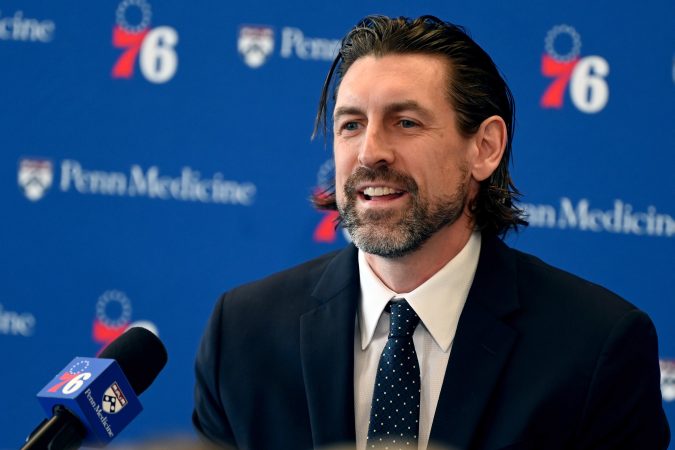
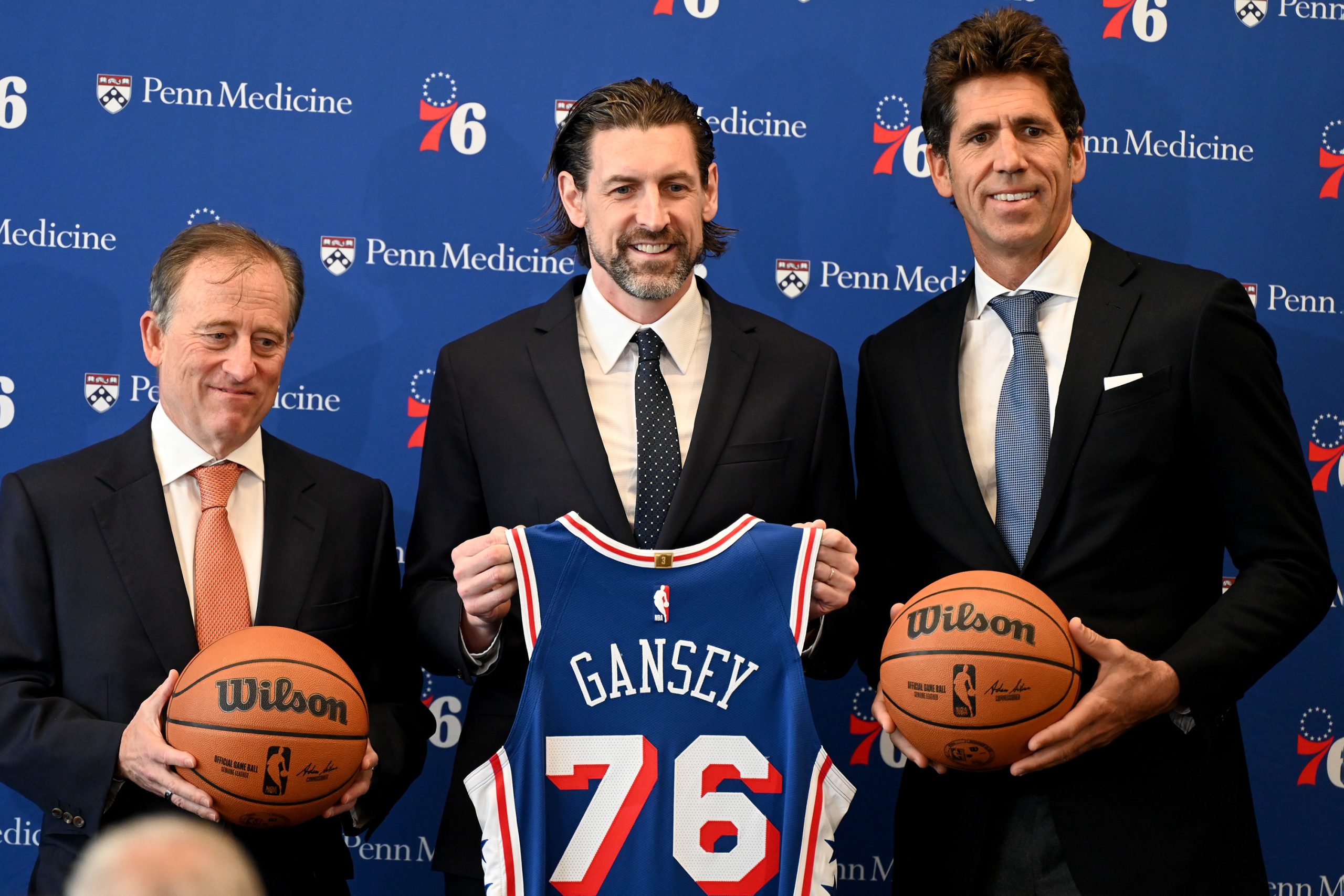
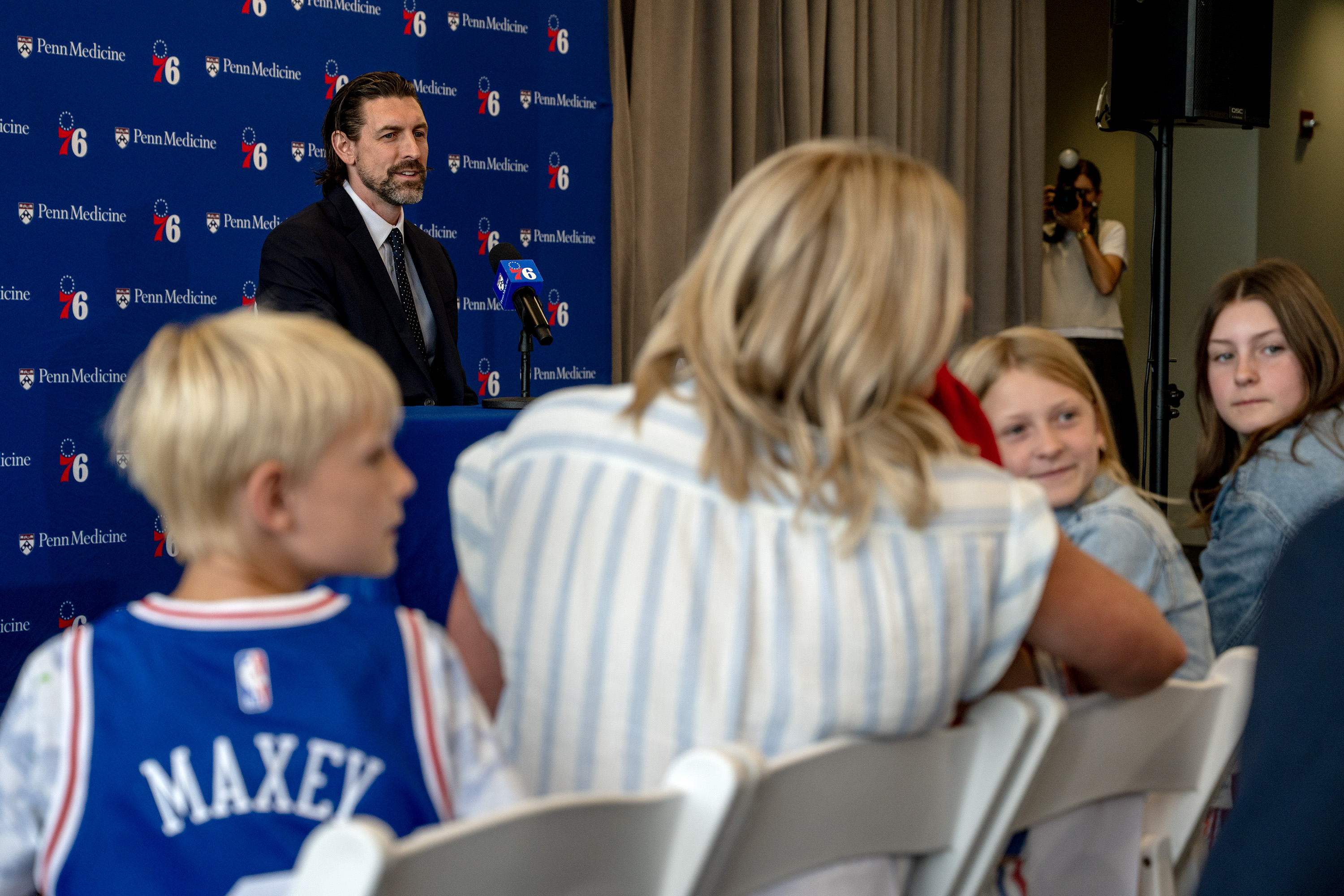
    Mike Gansey (center) was introduced to the Philadelphia media Monday by managing partner Josh Harris (left) and president of sports for Harris Blitzer Sports & Entertainment Bob Myers (right).Tom Gralish / Staff Photographer

    Myers referenced Embiid’s comments that the season was “successful” because he felt like he’d worked past the knee issues that hampered him for several years. Embiid has no scheduled surgeries this summer and the Sixers hope he can use the offseason to build instead of recover.

    But Embiid has missed more games than he’s played in his NBA career, partially due to just exceptionally bad injury luck, like last season’s appendectomy, or an orbital fracture or a bout with Bell’s palsy. Embiid has never played 70 games in a season, and hasn’t played more than half the games in a year since his MVP campaign in 2022-23.

    “He’s too important, and we are a top heavy team, right?” Myers said. “That’s just what it is. Look at the contracts. We need those guys to play, and you need depth underneath it. The league has changed, so we need both, but to experience what this team is, we need a healthy roster in training camp.”

    The other aspect of building a team identity is through the internal culture of the organization. Gansey said explicitly that the Sixers roster is not championship caliber as it stands, but “we’re going to do everything we can to bring in players that fit” in order to build that roster.

    “I want guys that want to be in Philly, first and foremost,” Gansey said of his roster construction philosophy. “… I want fountains, not drains. I want guys with high character, guys with high work ethics, and guys that want to be in Philadelphia.”

    Gansey also said it was “a sticking point” for him to keep Jameer Nelson on and promote him to executive vice president of basketball operations. As a Chester native and former St. Joe’s star, Nelson knows the culture of basketball in the city in a way no one else in the organization does.

    Mike Gansey speaks to the Philadelphia media Monday as his wife Amy and their four children sit in the front row.Tom Gralish / Staff Photographer

    With the draft at the end of the month, Gansey’s first big task will be to add another piece that can hopefully make an impact for the Sixers next year. Gansey did not delve too deeply into his draft philosophy, but said that at No. 22 he would consider both best fit and best player available.

    But it’s not just about getting the pick right. It’s also about what the Sixers do from there. The team has come under scrutiny recently for its struggles in keeping and developing players. This year’s NBA conference finals featured several ex-Sixers, including former draft picks Jared McCain, Landry Shamet, Isaiah Joe, and even Mikal Bridges, though he never suited up for Philly.

    Now in Philly, Gansey hopes to fix that — starting with some of the players already on the roster.

    “The big part is just internal development, with Tyrese, VJ, and some of our other young guys, like they’ve got to get better too,” Gansey said.

  • Bucks County DA sues creators of Roblox, saying the game creates loopholes for predators to exploit kids

    Bucks County DA sues creators of Roblox, saying the game creates loopholes for predators to exploit kids

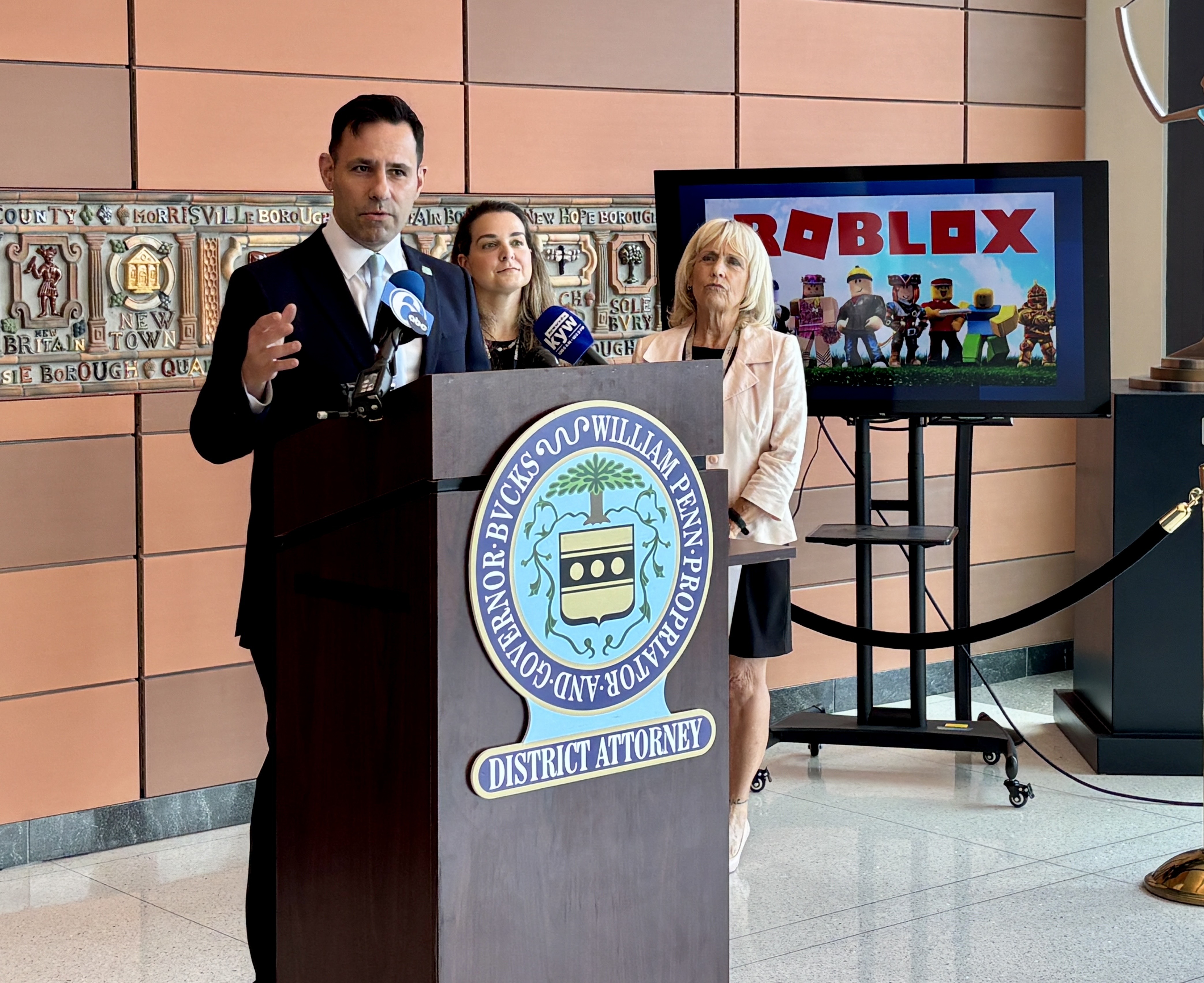
    Bucks County District Attorney Joe Khan, saying parents are “outmatched” by social media companies in the fight for the online safety of their children, has filed a federal lawsuit against the makers of a popular online video game that he said had allowed sexual predators to exploit children.

    Khan announced Monday that his office is taking legal action against the creators of Roblox, a game that he said 75% of American children between the ages of 9 and 12 play regularly and one that he said has led to crimes against them.

    “Today we are sending a clear message to social media companies,” Khan said. “If you put our children in harm’s way, we’re coming for you.”

    A spokesperson for Roblox did not immediately respond to a request for comment.

    In underscoring the necessity of the lawsuit, Kahn cited the recent conviction of a child predator who used the game to find victims. Alec Magill, of Southampton, posed as a teenage boy on Roblox and persuaded two teenage girls to send him sexually explicit photos and videos. On Friday, he was sentenced to up to two years minus one day in county jail.

    “Roblox gave Magill the tools to hide in plain sight and then target and exploit children from behind his phone and computer screen here in Bucks County,” Khan said, adding that Magill, 32, used the game’s “completely lax parental notification,” and lack of age-verification features to seek out his victims.

    Khan filed the suit in federal court in California as an amended version of a lawsuit he began in 2023 while serving as Bucks County’s solicitor. The suit contends that the companies behind TikTok, Instagram, Facebook, Snapchat, and YouTube have worsened anxiety and depression among young people through their apps, particularly in Bucks County schools.

    The amended complaint adds Roblox, as well as Elon Musk’s X and Discord, an online messaging platform, alleging that they have allowed underage users to be exposed to “an endless barrage of pornography, hate speech, cyberbullying.”

    The gaming platform Roblox, seen here on a tablet in 2021, is played by 75% of American children between the ages of 9 and 12, according to Bucks County prosecutors.Leon Keith

    Bucks County Commissioner Diane Marseglia said Monday that she and her colleagues support Khan’s efforts, saying the social media companies “have ignored both science and the law.”

    “If you are 21 years or younger, you have had social media in your life the entire time,” she said. “In fact, an entire generation has now reached maturity with social media and without the protections they deserve, and, looking back, it seems we should have known the risks, but we didn’t.”

    Khan filed the suit under the state’s Unfair Trade Practices and Consumer Protection Law, which gives county prosecutors the authority to pursue cases such as this to prevent a danger to the communities they serve.

    Earlier this year, he filed another civil action against Richard and Ronald Goetter, who own a rental property in Dublin. Khan characterized the two as “slumlords” who forced their low-income tenants to live in hazardous conditions.

    The district attorney says the risk Roblox poses to children is just as dangerous.

    “As a parent of two young kids in Bucks County, I believe that social media companies can and should do more to ensure their products are not used as a back door for predators to access them,” he said. “It is time that we hold these global corporations responsible for the harm that they caused.”

  • Longtime Philly State Sen. Anthony Williams is running for the last time — and won’t commit to fulfilling his full term

    Longtime Philly State Sen. Anthony Williams is running for the last time — and won’t commit to fulfilling his full term

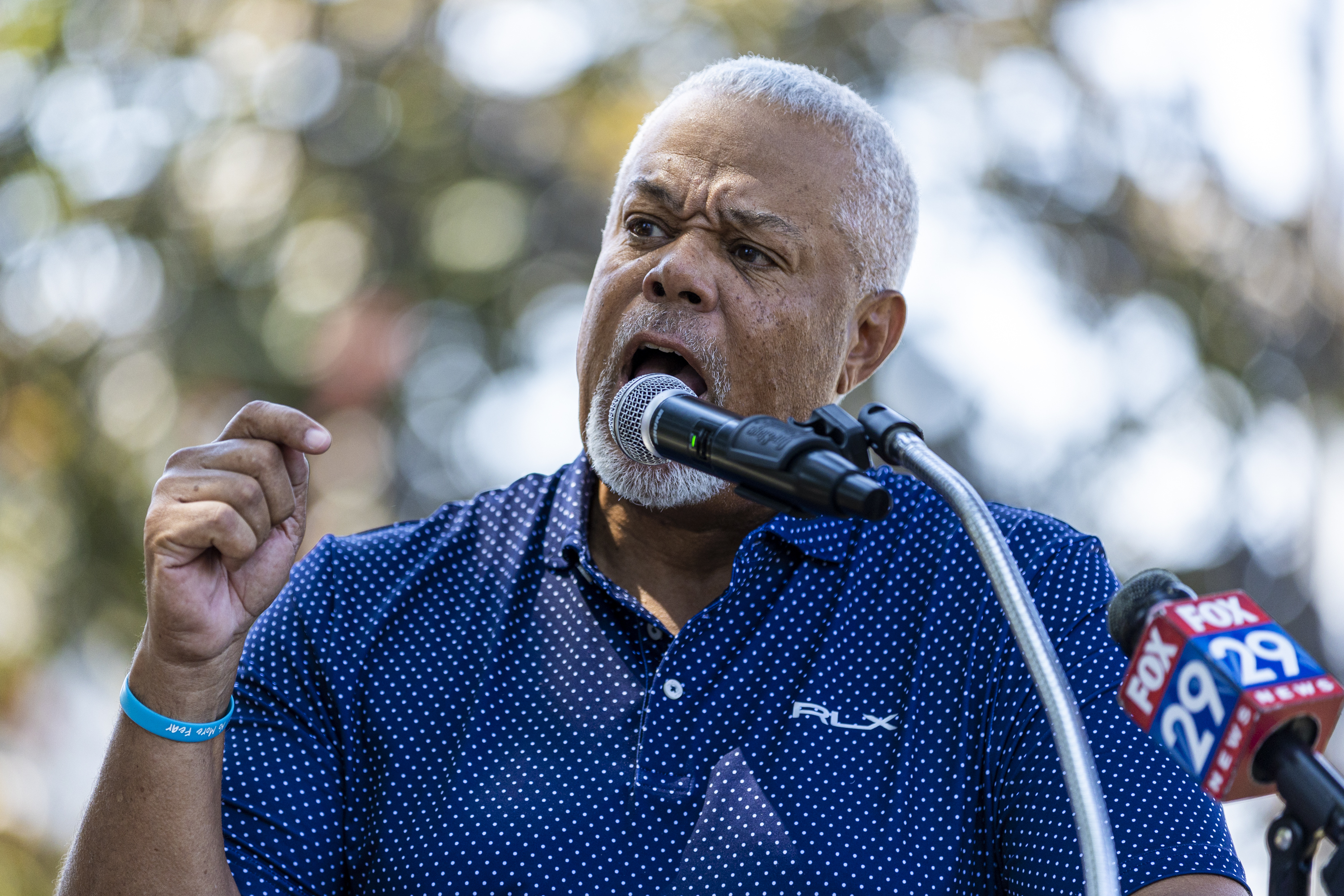
    State Sen. Anthony H. Williams, a veteran state senator from Philadelphia known for his advocacy on school choice and who has led one of the city’s most muscular political factions for decades, says November will be his last time running for reelection.

    But first, he has more work to do for the advancement of Black Philadelphians and the Democratic Party before he retires, he added in an interview this week.

    Williams, 69, did not commit to completing another four-year term, opening up the possibility that he could handpick his successor if he decides to retire early.

    “I’m thinking about getting reelected and serving, that’s all I’m thinking about,” he said. “I’m here, I’m gonna run to November, and we’ll see what happens after that.”

    Williams ran unopposed in 1998 for the seat after his father, the late Hardy Williams, decided within hours of the filing deadline he would not run for reelection. At the time, the move was was widely seen as an intentional play by the late Williams to hold the seat for his son. Now, Anthony H. Williams says that recollection excluded a key piece of information as to why his father retired so suddenly: He had been diagnosed with dementia just before he decided not to run.

    “We didn’t have a plan for me to take over,” the younger Williams said, noting that former State Rep. James Roebuck Jr. had filed to run, too, but ultimately withdrew from the race due issues with his petitions. “It wasn’t like I got a free pass.”

    When a state legislator resigns before the end of his or her term, a special election is called to fill the vacancy. The ward leaders in that district then get to choose who should take over the seat, dodging a competitive primary and largely deciding the outcome in closed-door meetings.

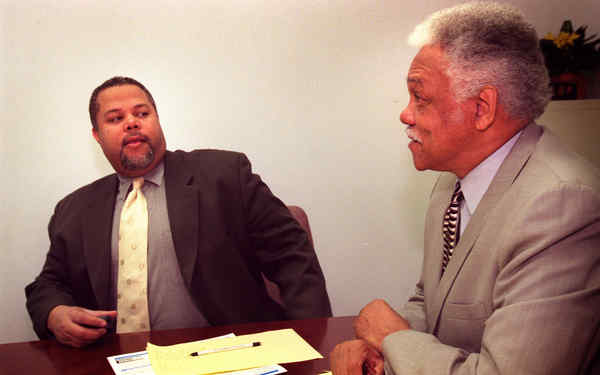
    Anthony Hardy Williams (left), seen here in 1998, when he was a state representative and his father (right) was a state senator.File photo

    Williams —who has been in state government, both as a representative and senator, for nearly four decades — is seeking his sixth term to represent parts of Southwest Philadelphia and Delaware County in Harrisburg. He recently won his primary election over Democratic challenger David Goldsmith Jr. and will not face a Republican challenge in November.

    Williams has had a far-reaching — and at times, turbulent — legacy in Harrisburg and the city, running twice unsuccessfully for Philadelphia mayor in 2015 and 2019 and once unsuccessfully for governor in 2010.

    Over 37 years in Harrisburg, Williams has mentored numerous young Philadelphians who started as aides in his Senate office, who have gone on to become top legislative leaders. That list includes: House Speaker Joanna McClinton, Philadelphia City Council President Kenyatta Johnson, House Appropriations Chair Jordan Harris, Superior Court Judge Timika Lane and more.

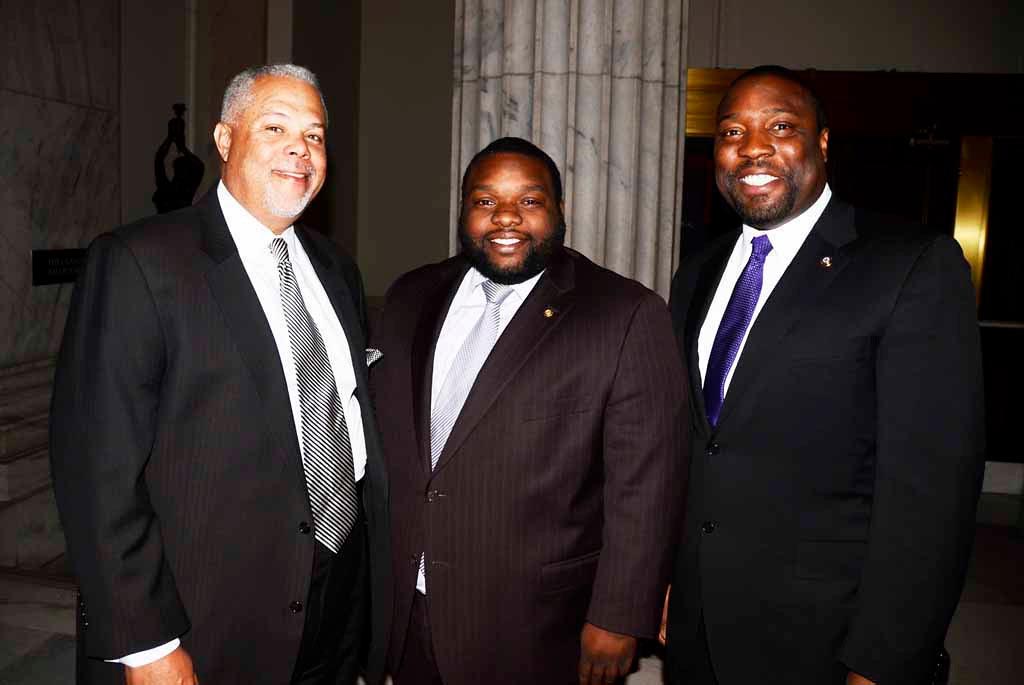
    State Sen. Anthony H. Williams, State Rep. Jordan Harris and Councilman Kenyatta Johnson at the Inaugural Dorys Erving Fit Youth Foundation Celebration at the Ritz-Carlton on Friday, November 15, 2013. (HughE Dillon/Philly.com)

    “It’s a testament to his dedication and his commitment to seeing Black independent politics grow and mentoring young people to get into office — not to just be there, but to do something,” Harris said Friday.

    Looking at Williams’ list of mentees who now outrank him in office shows his legacy and humility, Harris added. And Williams is willing to have spirited disagreements with his mentees, Harris said.

    “He’s mentored people who vehemently disagree with him on certain issues, but the endgame of upward mobility for underrepresented people is all the same,” Harris said.

    Johnson, in a statement, credited Williams for playing a formative role in his political climb, and for always being willing to “share his wisdom, offer candid advice, and invest in the next generation of leaders.”

    “Philadelphia is a better city because of [Williams’] service, and I am proud to call him both a colleague and a friend,” Johnson added.

    In an interview, Williams said that he’s seen Harrisburg change tremendously since he first was elected to as a state representative in 1989. Today, Democrats control the state House after flipping the chamber in 2022 for the first time in 12 years, a Black woman from Philadelphia leads the House, and a democratic socialist leads Philadelphia’s delegation to Harrisburg in the Senate. Democratic lawmakers successfully fought to change how Pennsylvania’s public education system is funded, and they’ve advanced gun reforms.

    And, he said, it’s no longer a place for career politicians like him.

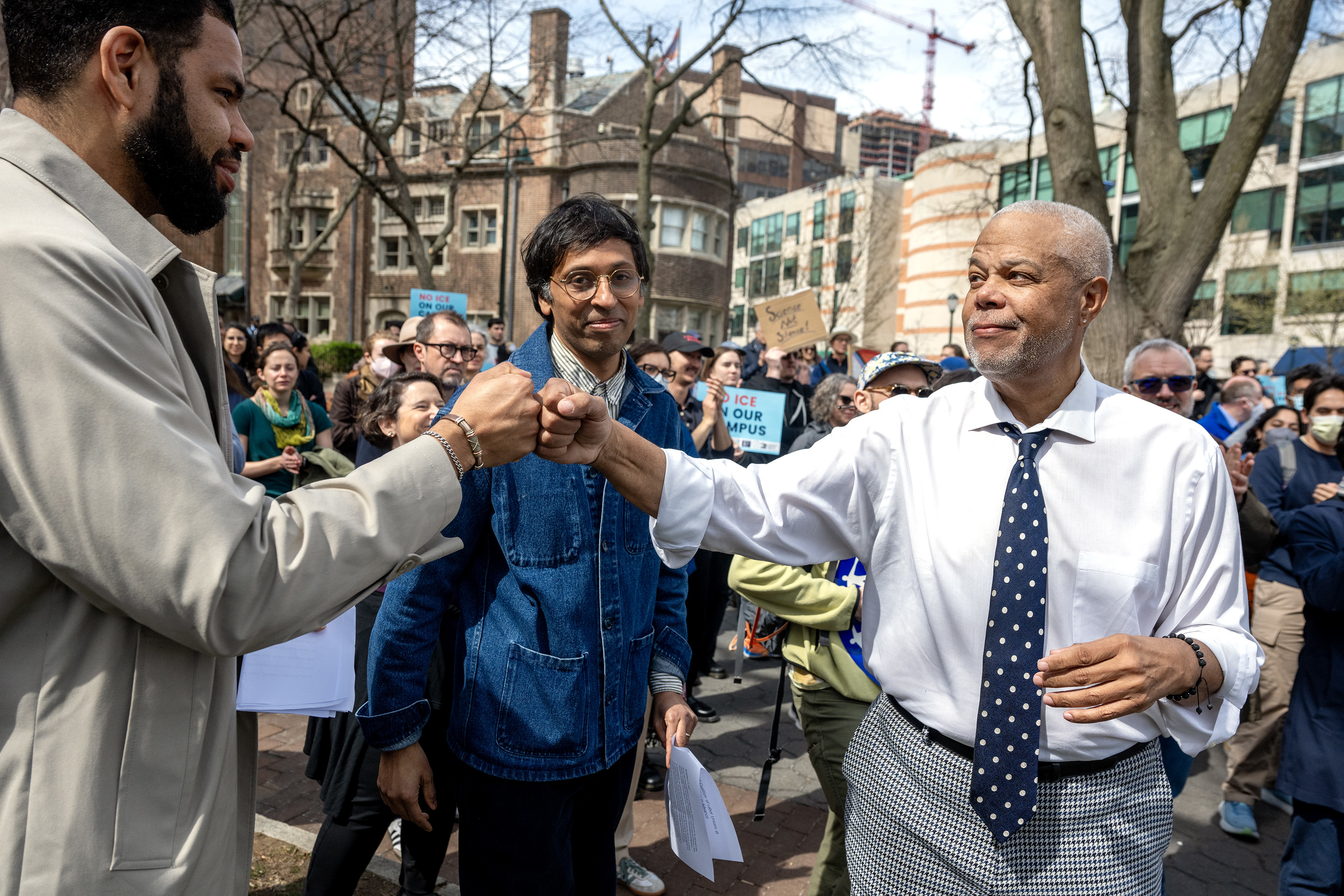
    Philadelphia elected officials State Rep. Rick Krajewski (from left), State Sen. Nikil Saval, and State Sen. Anthony Williams attend a rally at the University of Pennsylvania Mar. 20, 2025.Tom Gralish / Staff Photographer

    But Williams said there are still critical issues of policy and politics that he wants to address with his time left in office.

    First, he wants to be a bridge between generations of Democratic leaders — though he dislikes how Democrats currently label themselves as “progressive” or “moderate” to differentiate their views. He said he’s been speaking frequently with progressive leaders since State Rep. Chris Rabb, a democratic socialist, won the party’s nomination to represent Pennsylvania’s 3rd Congressional District in Congress.

    “The Democratic Party as it’s currently constituted is something that’s not current, and not visionary about moving forward,” Williams said.

    “I want to spend time working with those folks who are in that progressive community who will identify with the fact we have common ground on a lot of these areas. We have a different rhythm, or as they say, a different vibe,” he added.

    Throughout his time in office, he said he’s had his ideas stolen and boasted by white leaders, including a successful illegal gun task force. He’s cut deals with top Republicans for impactful programs that still exist today, such as an apprenticeship program that helped increase diversity in the building trades. He’s been an outcast at times as one of few Democrats to advocate for school choice options, a label that he knows follows him.

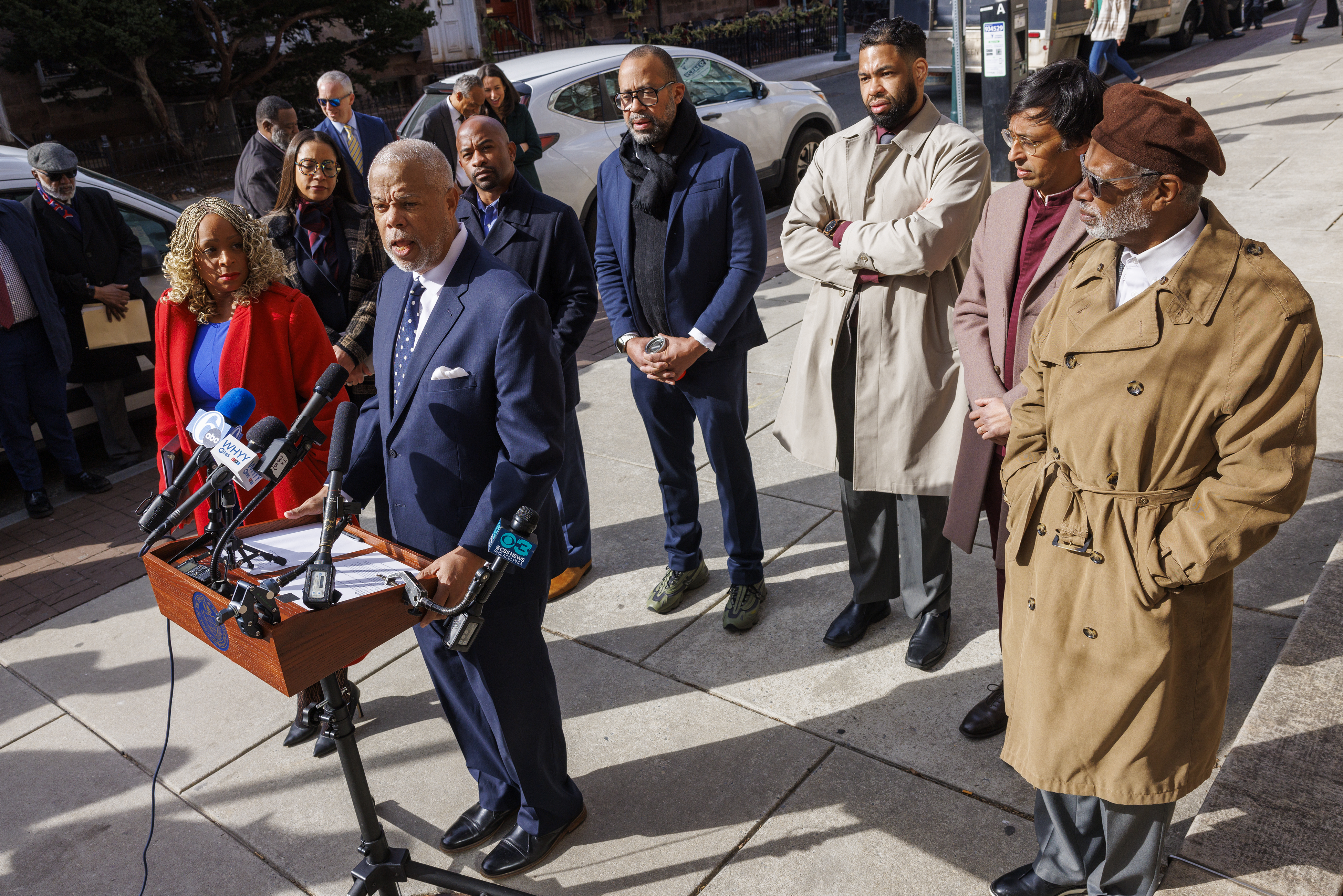
    News conference hosted by Pennsylvania State Senator Anthony H. Williams (podium) outside the Penn Carey Law School, Tuesday, Feb. 25, 2025. At rear from left are Councilmember Jamie Gauthier, law professor Stacy Hawkins, State Rep. Napoleon Nelson, Rev. Marshall Mitchell, Penn Trustee Board, State Rep. Rick Krajewski, State Sens. Nikil Saval and Art Haywood.Alejandro A. Alvarez / Staff Photographer

    Now, he wants the buy-in of state legislators and the private sector to address economic inequities among Black Philadelphians. Black residents make up the largest racial or ethnic groups in Philadelphia, but have one of the highest poverty rates in the city with 22.3% of Black residents living in poverty in 2024, according to a Pew Charitable Trusts survey released this year. Instead, Black residents should be driving the economy, Williams said.

    “Fundamentally, we have to take hold of the economy in the city,” he said. “We collectively have the power to do something about it. Not individually, collectively.”

    He sees more school choice options — and reimagining the whole public school system if necessary — as part of this solution. He’s faced criticism throughout his career for his support of school choice efforts, citing his big-dollar support from Pennsylvania’s richest man Jeffrey Yass, who solely supports candidates willing to send state money to private schools.

    Yass, who usually supports Republican candidates, was among the sole funders of Williams’ failed bids for governor and mayor. Williams has been criticized for taking money from a top GOP supporter who wants to divert money away from Pennsylvania’s public school system.

    “People think I’m a one-hit wonder,” Williams said of his support for using public dollars to send some students to private schools. “We have to be honest about what we’re doing and not doing and have honest, hard conversations about how we’re gonna change how we do this.”

  • FDR Park’s massive slide didn’t meet new safety standards, keeping the playground closed for months

    FDR Park’s massive slide didn’t meet new safety standards, keeping the playground closed for months

    A real-life lesson in patience is here for Philly’s young playground users.

    Already closed since the winter, FDR Park’s Anna C. Verna Playground will be fenced in for at least another few weeks while it awaits the arrival of new parts for its massive 30-foot slide, after an inspection found the equipment did not meet updated voluntary safety guidelines. The award-winning playground and home of the largest “Megaswing” swing set in North America was a signature piece of FDR Park’s $250 million revamp.

    The playground’s construction was overseen by the nonprofit Fairmount Park Conservancy, and Verna opened to the public in October 2023. Following its completion, ownership of and responsibility for the playground passed over to the city. A final safety audit before opening day found it to be in compliance with the voluntary guidelines in place at the time, according to Meghan Talarowski, the playground designer and executive director of Studio Ludo.

    Last year, two organizations issuing standards and recommendations for playgrounds — the Consumer Product Safety Commission and American Society of Testing and Materials— each created new safety recommendations regarding tall towers, like the Verna slide. Previously, there was no such guidance, Talarowski said.

    After Philadelphia Parks and Recreation conducted a routine inspection of the playground in January, it found the slide did not meet those new recommendations, which included having safety guards along the structure.

    The department immediately shut the entire playground down and put chain-link fences around it, according to Parks and Recreation Commissioner Sue Slawson, who began her role in 2024. The inspector also determined the structure users climb to get to the top of the slide had many missing or loosened bolts, she said.

    Previous Philadelphia Parks and Recreation inspectors had identified missing or loose bolts and replaced them, but this was the first time the guard issue has been raised, she said. Last summer, a video went viral of a little boy climbing the outside of the slide and falling to the ground, luckily without major injury.

    “Once we realized that there was an issue and we were concerned about liability and safety for the young people that were using it, we put up the fence. And our goal was to ensure that it was not used until we got the necessary pieces to ensure that the playground was safe,” Slawson said.

    Nicky Talarowski, 8, plays on a slide at the new Anna C. Verna Playground at FDR Park in Philadelphia, Pa. on Sunday, Feb. 4, 2024.Monica Herndon / Staff Photographer

    The city ordered the necessary bolts and guards from the playground’s parts manufacturer in Germany in March, and they are expected to arrive later this month. Installation will begin upon their arrival, according to parks and recreation department spokesperson Ra’Chelle Rogers.

    Philadelphia Parks and Recreation has put up signage informing visitors the playground was closed “for maintenance,” Slawson said. But the precise cause of the closure has not been well known or advertised. Visitors have regularly pried open the fence to use the playground despite the department resealing it multiple times, Slawson said.

    While Verna could reopen relatively soon, another significant Philadelphia Parks and Recreation closure does not figure to be remedied in time for this summer. Towey Recreation Center in North Philadelphia announced its closure last week, after an assessment determined its roof was structurally compromised and required immediate repairs, Rogers said.

    Towey will be closed indefinitely while the city determines a renovation plan. Repair work could take several months.

    In the meantime, its playground will remain open, Rogers said. Towey’s summer camp will be moved to Cruz Recreation Center, which has the capacity to accommodate campers from both sites. Other programming will be accommodated at nearby Philadelphia Parks and Recreation facilities.

  • Main Line Health, UnitedHealthcare contract dispute could leave 32,000 patients out of network later this month

    Main Line Health, UnitedHealthcare contract dispute could leave 32,000 patients out of network later this month

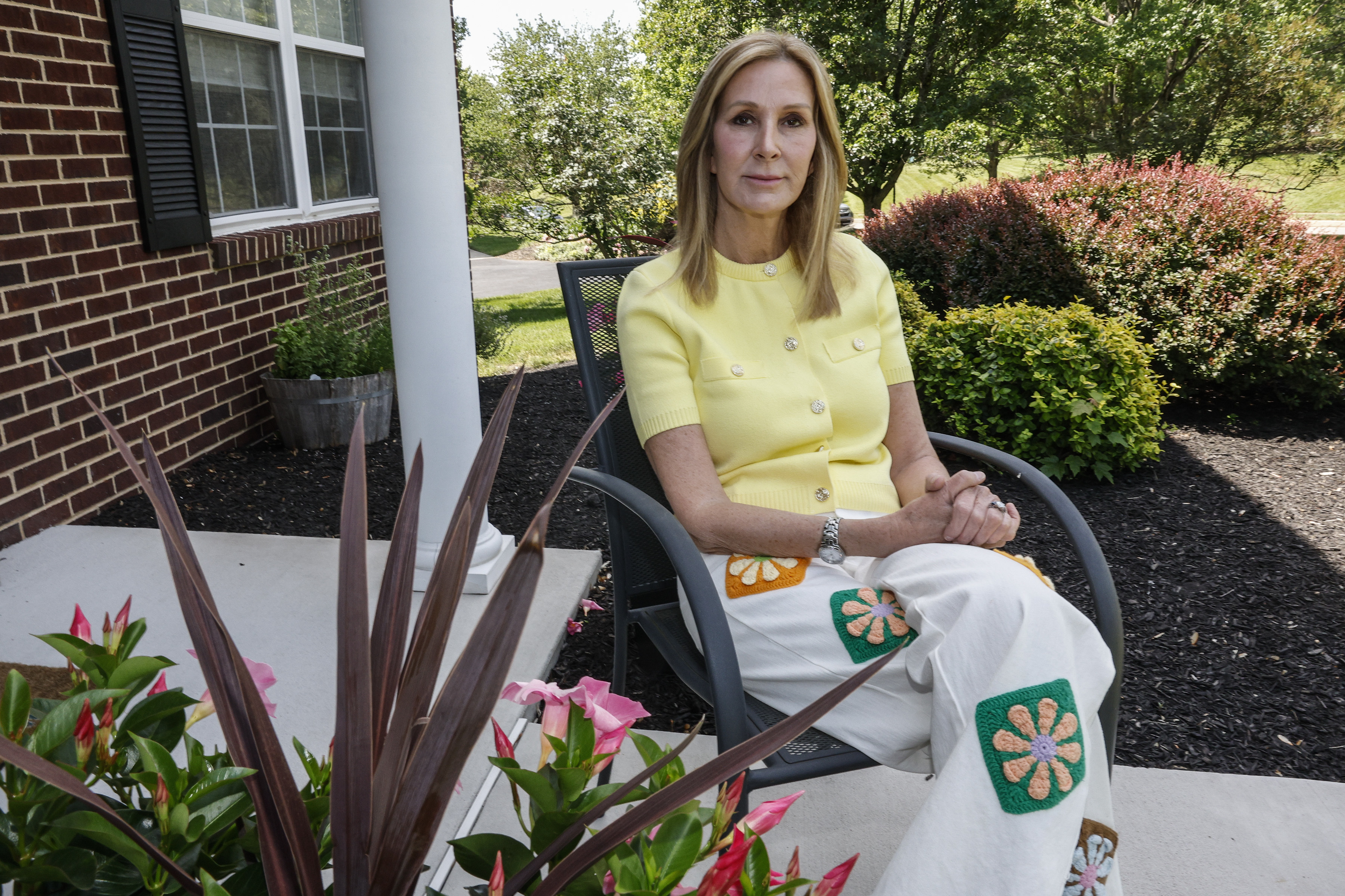
    Chris Feaster sees Main Line Health clinicians for mammograms, breast MRIs, and other preventive screenings required due to her high risk of breast cancer.

    The 61-year-old Montgomery County resident has been panicked in recent weeks after Main Line sent patients a letter warning that the nonprofit health system’s contract with her insurer, UnitedHealthcare, may end later this month.

    Main Line is a leading provider of care across Philadelphia’s western suburbs, where it has four hospitals. Feaster has relied on its facilities for care for 40 years.

    “They know me,” she said of her Main Line providers in an interview. “I have been getting monitored there since the time I was in my early 30s.”

    Feaster, who lives in Trooper, has already experienced a healthcare disruption caused by another insurance dispute. Two years ago, Axia Women’s Health and United failed to reach adeal. That forced Feaster to find a new gynecologist after 40 years.

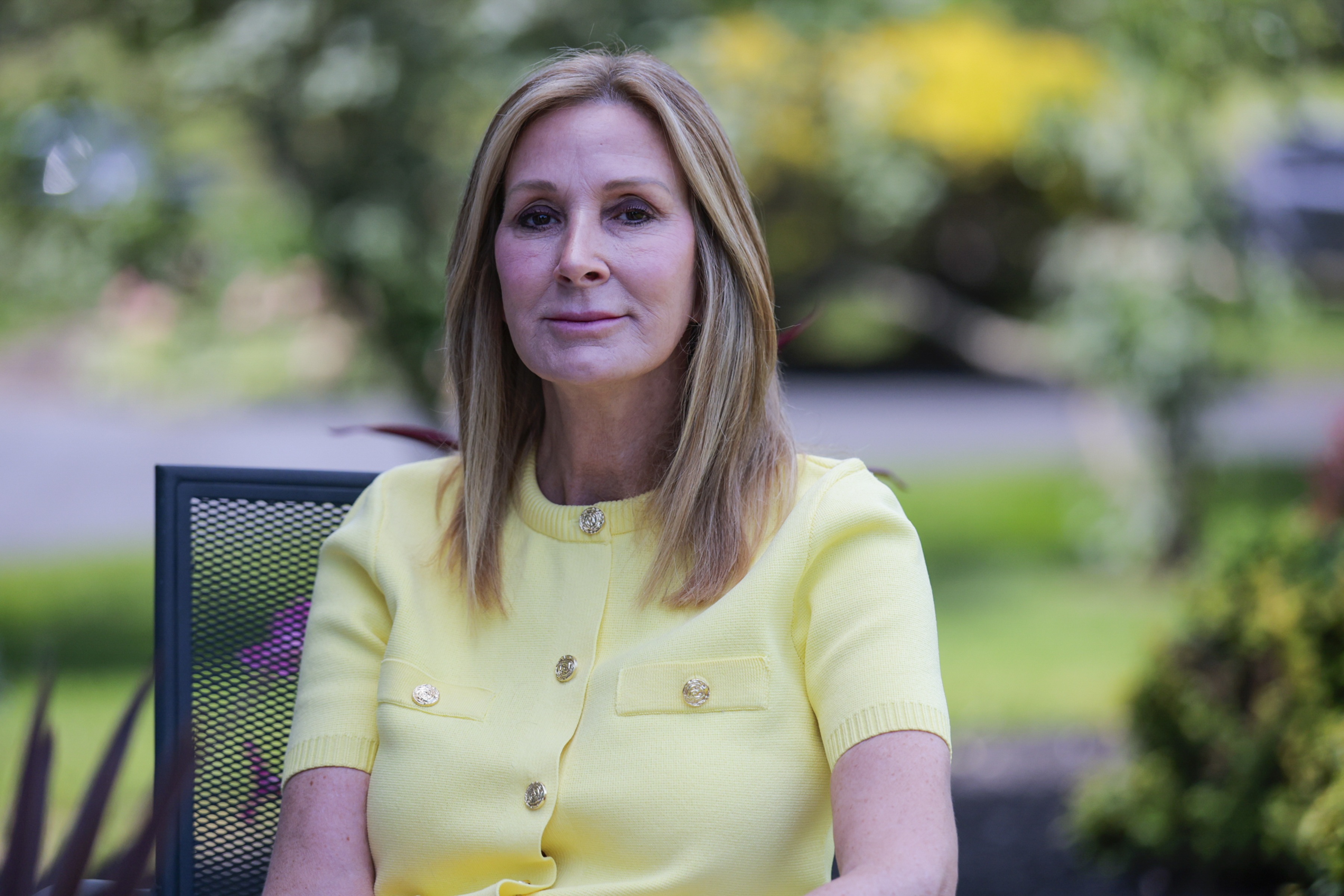
    Chris Feaster is among thousands of Main Line Health patients worried about the prospect of Main Line Health going out of network with UnitedHealthcare at the end of this month.Steven M. Falk / For The Inquirer

    If no deal is reached by June 30, Feaster could be facing a repeat. She is among 32,000 affected Main Line patients who have United insurance through Medicare Advantage plans and commercial insurance from employers.

    It’s not unusual for health systems and insurers to go down to the wire when negotiating contracts, but Axia’s failure to reach a deal — and the decision by Jefferson Health’s Lehigh Valley Health Network to go out of network with United — has people on edge.

    Main Line Health said that United had been engaging more meaningfully in negotiations in recent weeks. “We are hopeful that momentum continues. We remain committed to reaching a resolution before June 30,” its statement said.

    For Main Line, which is far less profitable than it was before the pandemic, the dispute is not just about rate increases. The nonprofit health system also wants to reduce claim denials, prior authorization delays, and excessive audits.

    UnitedHealthcare focused on prices in a statement, and the impact high costs have on employers who pay for health benefits.

    “Main Line Health is seeking price hikes that would significantly increase costs for families and employers,” UnitedHealthcare said.

    United added that self-insured companies would absorb the biggest hit ”impacting the money they have to grow their business and compensate their employees.”

    Worries about maternity care

    Jessica Geida, a Newtown Square resident and an ob/gyn who is not currently practicing, is particularly worried about access to maternity care in Delaware County, given that Axia is already out of network with United.

    Main Line operates the only practice that delivers babies at Riddle Hospital for people with UnitedHealthcare (UHC), said Gaida, who has worked at Axia and Main Line. “If they drop UHC, there would be no access to care in the Delaware County,” she said.

    Maternity care has been under pressure in Delaware County since the maternity unit closed at Delaware County Memorial Hospital in early 2022, followed by the shutdown of Crozer-Chester Medical Center a year ago as part of the Prospect Medical Holdings bankruptcy.

    Mercy Fitzgerald Hospital in Darby closed its labor and delivery unit more than 20 years ago.

    If Main Line and United fail to reach a deal, UnitedHealthcare patients might have to go to Penn Medicine’s Chester County Hospital in West Chester, which is already busy.

    Patients who get into Penn’s ob/gyn practice at Penn Medicine Radnor deliver babies at the Hospital of the University of Pennsylvania in Philadelphia, according to that group’s web site.

    A disappointing call

    Feaster said a call from UnitedHealthcare Friday left her feeling very uncertain about her care.

    Feaster grew up in Wayne and kept seeing Main Line doctors when she moved to Trooper, which is north of King of Prussia.

    Feaster would have to specially request a continuation of care to keep seeing each of her Main Line doctors at in-network prices, the UnitedHealthcare representative told her.

    The temporary stopgap is designed to help people who have significant needs — including cancer patients in the middle of treatment — avoid gaps in care while they switch to doctors who accept their insurance.

    Feaster would have to fill out part of the form, and her doctors would have to complete another part. She’d also have to take the same steps for Main Line providers of her regular mammograms, breast MRIs, and DEXA bone density scans.

    UnitedHealthcare would then review each request to determine whether to approve.

    “I’m really worried,” she said.

  • A Philly grandmother says $600 of EBT benefits were stolen in a skimming scheme. A solution for Pa. might be on the horizon.

    A Philly grandmother says $600 of EBT benefits were stolen in a skimming scheme. A solution for Pa. might be on the horizon.

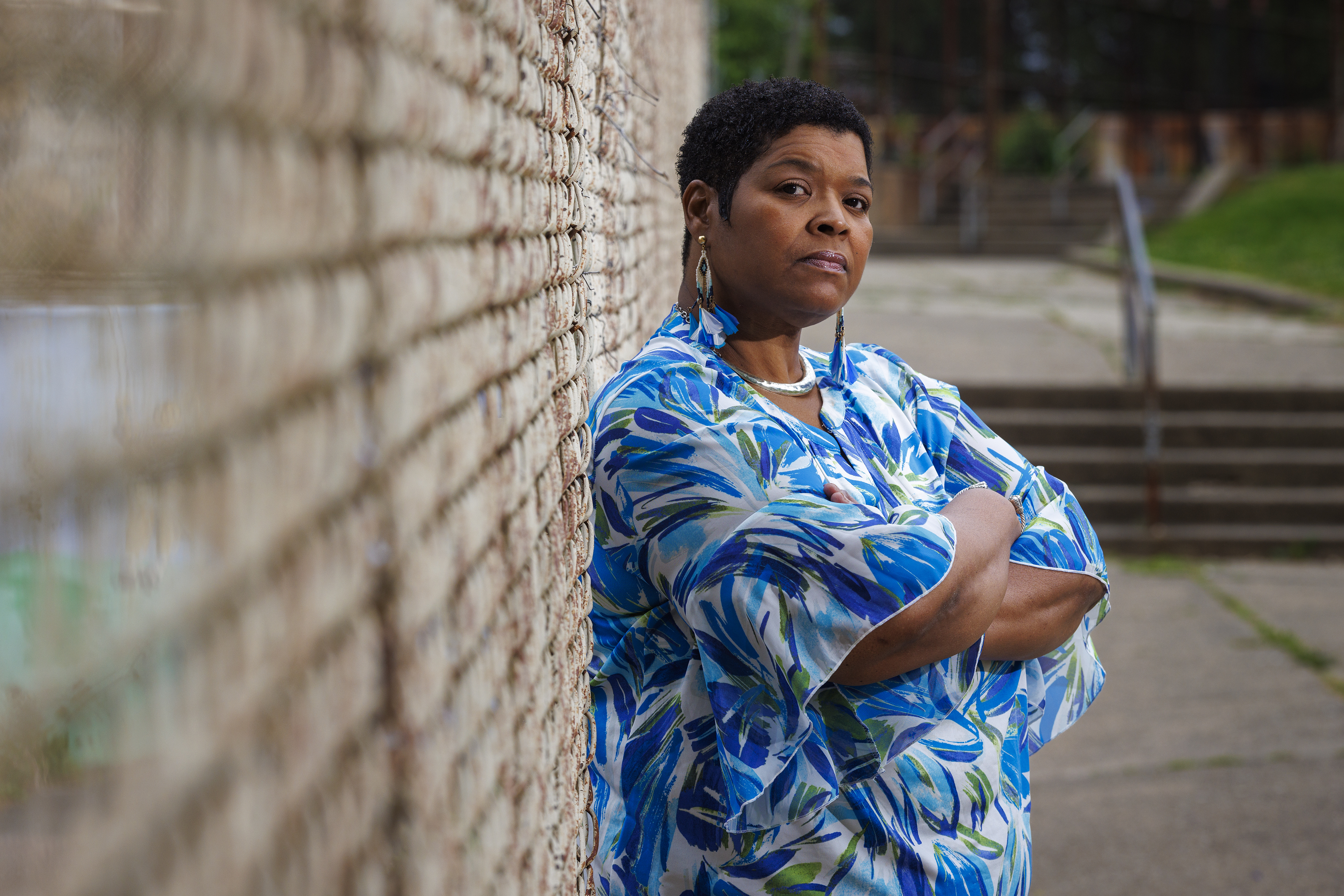
    Keenya Banks lives in Philadelphia with her husband and the two grandchildren they care for. She has never been to Fishkill in New York’s Hudson Valley.

    Yet, that’s where someone spent more than $650 in food assistance benefits for her family at a Sam’s Club in April in an alleged case of EBT skimming, just one of the more than 5,100 cases reported in Pennsylvania between the start of the year and May. This year’s skimming incidents account for approximately $2.5 million in stolen benefits, according to the Pennsylvania Office of State Inspector General, which investigates the reports and seizes the skimming devices.

    It’s likely Banks used her EBT card in a point-of-sale machine rigged with a device designed to copy her card information and pin number. Someone then applied her EBT information to a different physical card and drained her monthly benefits the next day.

    “I was too numb to cry because I just couldn’t believe it,” said Banks, 56, who was alerted to the fraud as she tried to purchase food days after she had gotten her month’s benefits. “They said, ‘Ma’am, this is declined.’ I said, ‘No, no, I have at least 600-something dollars.’”

    Even more devastating to Banks: For a brief stretch of time, benefits were being reimbursed through a federal program, but that ended December 2024 because Congress did not extend funding. The most that the Pennsylvania Department of Human Services can do is direct victims to food banks and other food assistance programs. The end of the federal reimbursement program also means the skimming incident data Pennsylvania has on hand are likely an undercount: Victim advocates say people may simply skip reporting if they believe nothing can be done.

    Pennsylvania is looking at a possible solution, but without one immediately available, Banks spent a month scrambling to put food on the table with the help of food pantries and what she had on hand.

    “We had been storing up, like a lot of canned goods and water, and we had a deep freezer, and thank God we were able to really kind of make ends meet.”

    Victim advocates argue EBT skimming has risen to a nationwide crisis because the federal government has failed to invest in more secure card technology. Between October 2022 and the end of the reimbursement program in 2024, states reported $320 million in stolen Supplemental Nutrition Assistance Program benefits, according to the Government Accountability Office.

    EBT cards: From cutting-edge technology to scammers’ favorite

    The idea that someone’s food benefits could be loaded digitally onto something that worked like a debit card was once revolutionary.

    Before federal supplemental food assistance could be loaded onto a card, it used to come by way of coupon books or mailed checks, depending on the program. These methods not only came with high administrative costs but in the case of the coupons, also known as “food stamps,” there was an element of stigma and a risk of forgery.

    The federal government launched its first “electronic benefit transfer” pilot in Reading in 1984, yet it was not until 2002 that all states were required to make the switch.

    By then, scammers had already learned how to exploit the magnetic stripe technology used in debit, credit, and EBT cards. While banks have made cards more secure by adopting chip technology, the federal government has stuck with the magnetic stripes for EBT cards.

    In the absence of chip adoption, states have resorted to other added security measures. Last May, Pennsylvania launched ConnectEBT, an app that allows people to lock their cards until they are at the checkout line, ready to use them.

    Mackenzie Libbey, staff attorney in the health and independence unit at Community Legal Services, noted the current system places the onus on families, which are required to lock and unlock their cards, monitor their spending, and change their PIN regularly to stay ahead of fraudsters.

    “It’s just not something that anyone would expect of a middle-class consumer using a credit or debit card,” Libbey said. “It’s a lot of extra effort to protect benefits that they have shown they’re entitled and eligible to receive.”

    CLS has advocated for the federal government to reimburse victims of skimming again and for Pennsylvania to adopt chip cards.

    Pennsylvania eyes chip EBT cards

    The federal government did not approve the use of chip and tap-enabled EBT cards until 2024, largely due to concerns over the costs of upgrading the aging technological infrastructure in use.

    Some states were eager to become early adopters and tackle the skimming issue.

    In February 2025, California became the first state to begin replacing the magnetic stripe cards, with a handful of states following suit because of their own issues with skimming. Oklahoma launched a two-month pilot this March, and in April, Massachusetts announced its plan for a pilot later this year. New Jersey also has plans for a chip card rollout.

    But the U.S. Department of Agriculture has approved only two vendors for the new cards, and users in early adopter states have complained about issues with the chips and difficulties getting the cards to process.

    Those issues gave Pennsylvania Secretary of Human Services Val Arkoosh pause. She has previously said the technology was not quite ready.

    In a May hearing with the House Democratic Policy Committee, however, Arkoosh said Pennsylvania’s vendor had promising data. After Alabama adopted chip cards, the state saw an 83% reduction in theft in 60 days among the people using the chip, she said.

    “I do think I can now sit here and say to you, I believe that the technical issues have largely been solved,” she said at the hearing. “I didn’t want us to embark on this before we were confident that it would work, but I think we’re there now.”

    And there appears to be interest in Harrisburg to go after EBT skimming.

    A bipartisan bill that would require Pennsylvania to transition to chip-enabled EBT cards by 2028 moved out of committee Wednesday to the full House.

    A recent cost estimate puts the overhaul at about $14 million, according to the Pennsylvania Department of Human Services. It would take six to eight months to roll out chip cards after approval, barring any significant challenges, according to a December report by the department.

    Should legislators in Harrisburg choose to fund the transition, they would have an incentive to move fast. While the federal government used to split SNAP administrative costs evenly with states, come Oct. 1, states will be on the hook for 75% of these expenses because of the One Big Beautiful Bill Act.

    For now, the Pennsylvania Office of State Inspector General’s skimming response teams continue to search for these devices and prosecute fraudsters. Between April 2025 and March of this year, the agency said, it had prevented $8.3 million in potential losses.

    The USDA, meanwhile, said it is not stopping at card locking and chip adoption. It is combating skimming and other SNAP fraud with mobile payment pilots and encouraging states to block out-of-state and online SNAP transactions by default.

    These efforts, while welcome, cannot undo what Banks and her family went through the month after the theft they experienced. She hopes her story can alert other families to scammers targeting EBT users.

    Until chip cards come, even Banks’ 10-year-old grandson is on the lookout, monitoring their card benefits and inspecting point-of-sale machines at the grocery stores.

    “He’s so tech savvy and he’s very, very wary,” she said. “So he’s like, ‘Grandma, did you check and see if there’s a skimmer on there?’”

  • A 50-year-old partnership allows Haverford and Bryn Mawr students to take classes or even pick a major on the other campus

    A 50-year-old partnership allows Haverford and Bryn Mawr students to take classes or even pick a major on the other campus

    Caitlin Cowan chose Haverford College because she liked its Quaker roots and honor code and that it was a small campus near a big city.

    But when it came time to choose a major, she selected anthropology at nearby Bryn Mawr College.

    And that was no problem at all.

    For decades, the two colleges, just a five-minute shuttle ride apart, have allowed students to take classes, participate in clubs and programs, and eat in dining halls on each other’s campus for no additional charge. Students have even been able to live on the other campus, though college officials say few do.

    At left is Anastacia Dulany a student at Bryn Mawr taking a Growth and Structure of Cities class along side Marco Calia a student from Haverford. The class was held at Bryn Mawr College where the Growth and Structure of Cities program is based. Alejandro A. Alvarez / Staff Photographer

    Many take advantage: During the fall 2025 semester, 40% of Bryn Mawr students took courses at Haverford and 42% of Haverford students did the same at Bryn Mawr. In total, there were more than 1,700 course registrations on the non-home campuses in fall 2025. (Haverford and Bryn Mawr students also can take classes at Swarthmore College and the University of Pennsylvania and select a major at Swarthmore.)

    The relationship between Haverford and Bryn Mawr — which together enroll about 2,800 students — opens many more options to students, allows faculty to collaborate, and saves money, college officials said. Both are highly selective liberal arts colleges; Bryn Mawr is a women’s college.

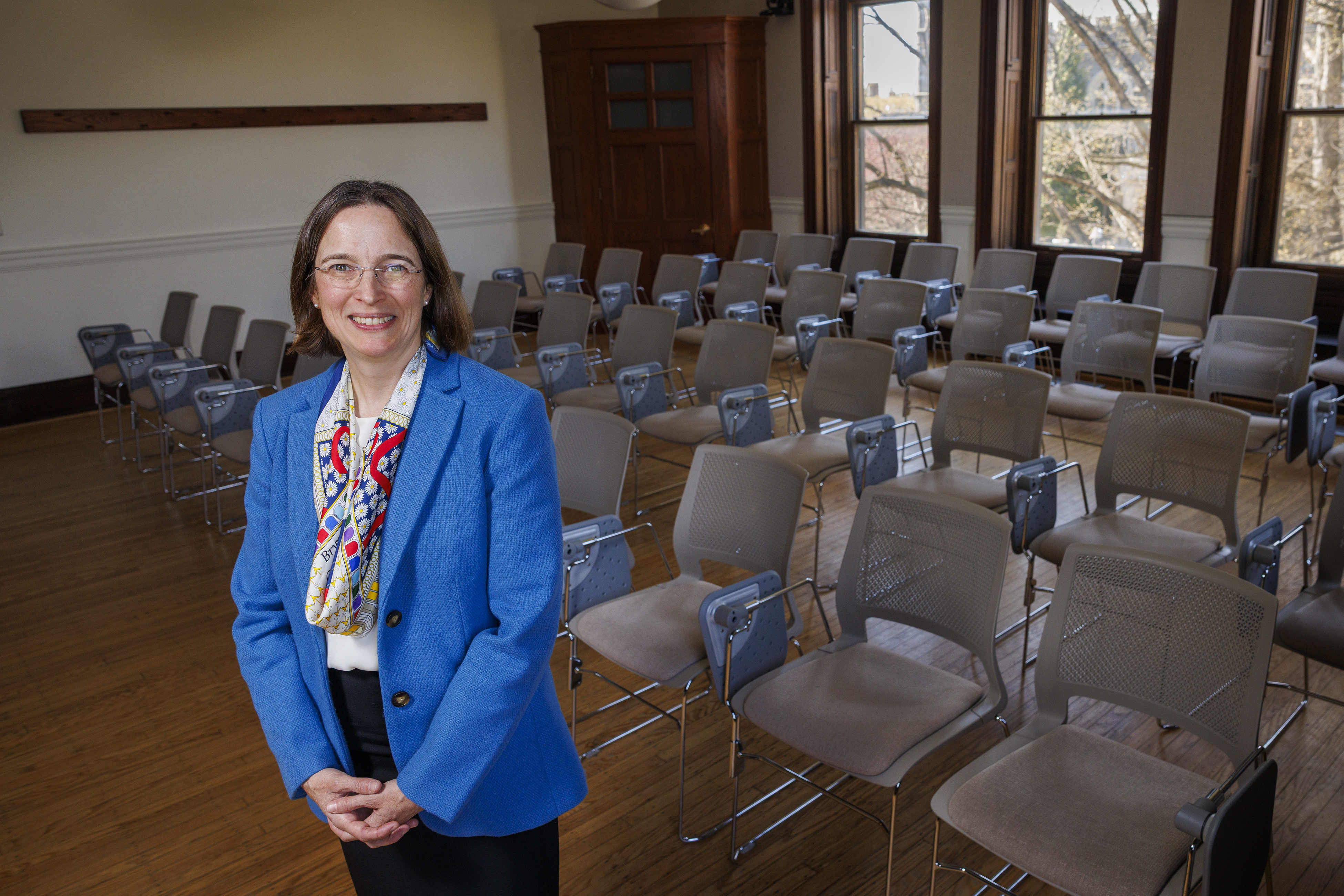
    “The academic offerings that we provide are exponentially larger than they would be without the partnership,” said Bryn Mawr president Wendy Cadge.

    Wendy Cadge, president of Bryn Mawr CollegeAlejandro A. Alvarez / Staff Photographer

    It was 1997 when Cowan, now an elementary school reading teacher in Minneapolis, got her degree from Haverford while majoring at Bryn Mawr. Now her daughter, Tabitha, 21, is enrolled at Bryn Mawr and is enjoying the benefits of both campuses, too.

    “It just broadens your world,” Tabitha Cowan said.

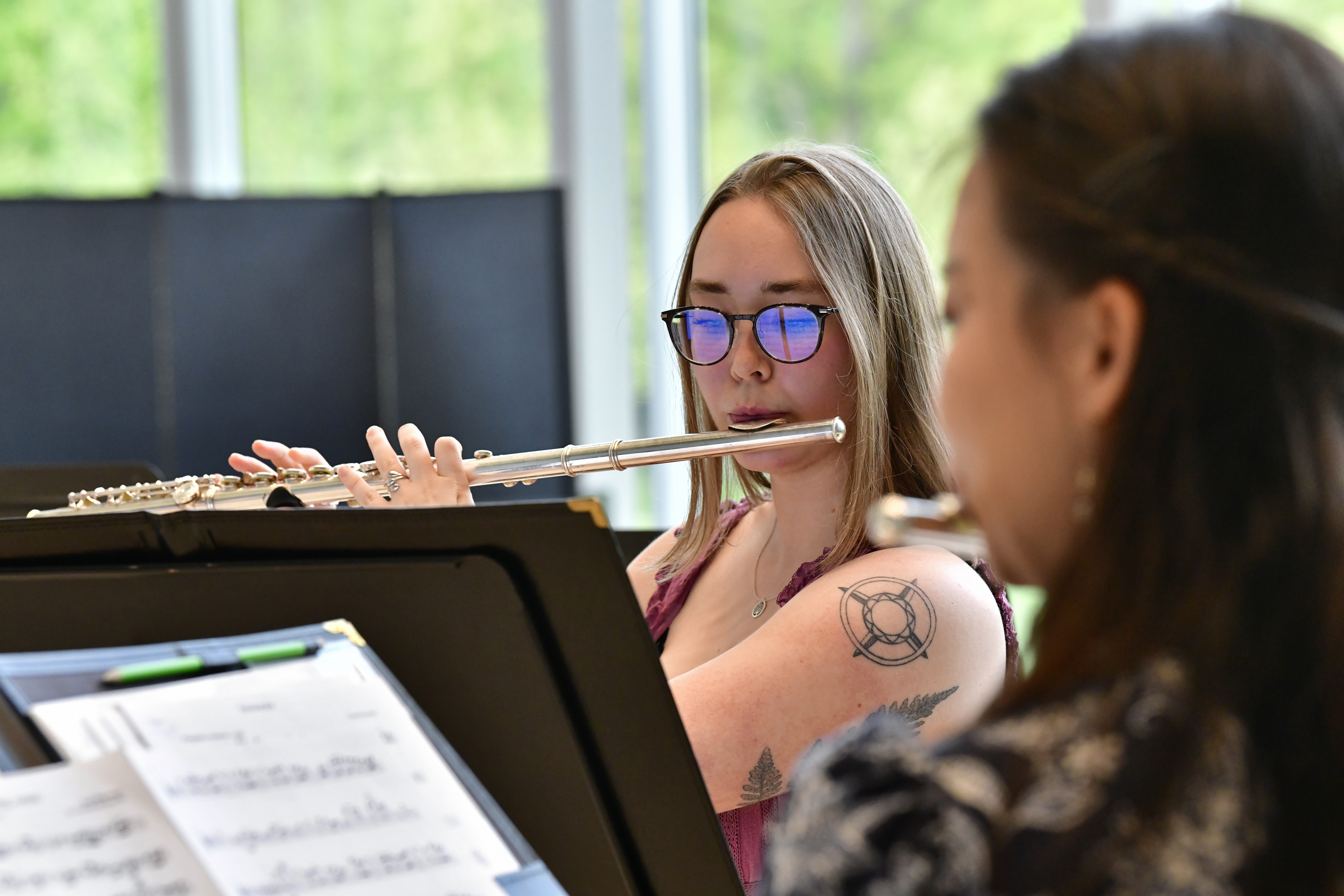
    Majoring in architecture studies and Spanish, she participates in the Bi-College flute choir, made up of two Haverford students and 11 Bryn Mawr students.

    Tabitha Cowan, a Bryn Mawr College student, plays the flute for the Bi-College Flute Choir.Courtesy of Bryn Mawr College

    “We have access to Haverford’s performance spaces because we do not have a music program here at Bryn Mawr,” she said.

    They practice twice a week, once at Haverford and once at Bryn Mawr.

    Joint majors and projects

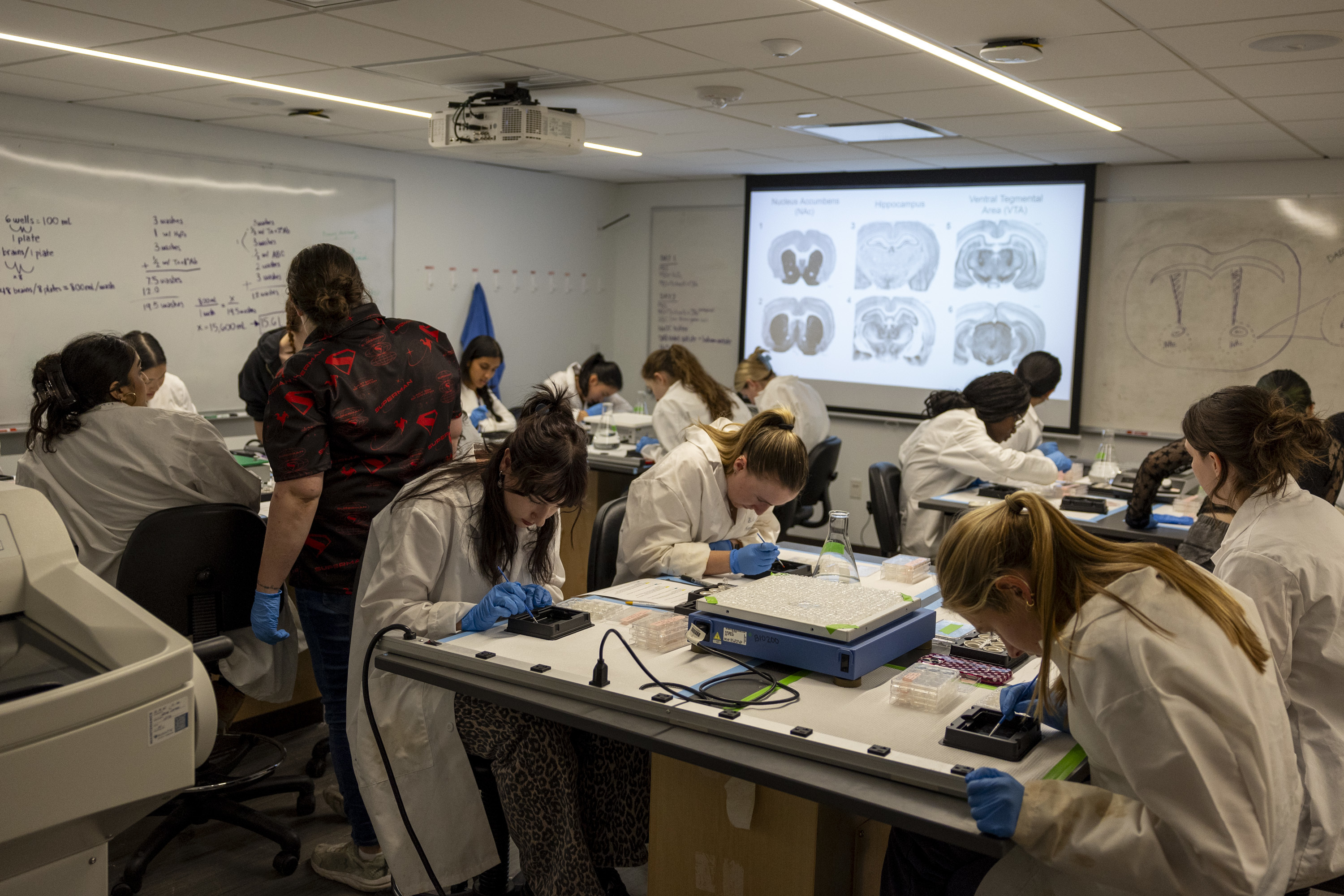
    The colleges have been able to launch joint majors in technology-intensive, interdisciplinary fields like neuroscience — which has become the most popular major on Haverford’s campus — that would have been harder to support individually. It also means the schools share expanded instructional technology and library services.

    Students from both Bryn Mawr and Haverford take a neuroscience class at Haverford College. Tyger Williams / Staff Photographer

    Faculty from both schools are working on joint projects that received institutional pilot grants, encouraging closer collaboration. One project that launched last semester is focused on developing a Jewish studies program, while another aims to reinvigorate Black studies. Others involve interdisciplinary training, chemistry, and narrative across languages and cultures.

    “We really do try to make it as seamless as possible,” said Bryn Mawr provost Dee Matthews.

    Students get one transcript, and colleges share non-salary operating costs, such as administrative overhead, for some of the offerings shared by the campuses, she said.

    “It’s a way in which we can have a large academic community while still preserving the scale of our individual institutions,” said Haverford provost Helen White.

    The two schools earlier this year re-upped a memorandum of understanding on the partnership, which started 50 years ago. The schools will explore new ways to make the most of the partnership and elevate its visibility for students.

    “We affirm that ‘each college is a better version of itself because of the richness of ideas, community, and organization made possible by the Bi-College connection,’” the memo states.

    There are about 75 such consortia nationally, with differences in how they collaborate, said Sarah Pfatteicher, executive director of the Five College Consortium in western Massachusetts. The two oldest were formed about a century ago, one in California and one in Georgia. More may start, given the political and financial pressures on higher education and the influence of artificial intelligence, said Pfatteicher, who has written a book about college consortia.

    “Any time there is pressure on higher education, particularly financial pressures, there is incentive to say, ‘What could we gain by working with our colleagues instead of trying to go this alone?’” she said.

    Complementary offerings

    The partnership between Haverford and Bryn Mawr — both of which have substantial endowments — has not been driven by finances.

    Each school brings unique features to the table. Bryn Mawr has a pool, Haverford a track. Bryn Mawr has art history and Haverford the fine arts. Haverford has music; Bryn Mawr has theater.

    The food is better at Bryn Mawr and the parties at Haverford, students say.

    “Certain sports teams at Haverford watch our menus and then come here because they think our food is better,” Cadge said. “It’s all the same food, but don’t tell.”

    Haverford student Gabriel Bernstein may differ. He said he and his track teammates often board the bus to eat at Bryn Mawr.

    “Bryn din,” he called it.

    In Bryn Mawr’s Class of 2025, 2% were enrolled in a major exclusive to Haverford, while 2.8% took a Haverford major with a Bryn Mawr component and 12.8% had a major shared by the colleges. For Haverford, 4.1% were enrolled in a major exclusive to Bryn Mawr, while 7.2% took a Bryn Mawr major with a Haverford counterpart and 11.1% had a shared major.

    Jet Li, a Haverford College student, arrives at Bryn Mawr College to take a class. Alejandro A. Alvarez / Staff Photographer

    ‘Deeply invested in the liberal arts’

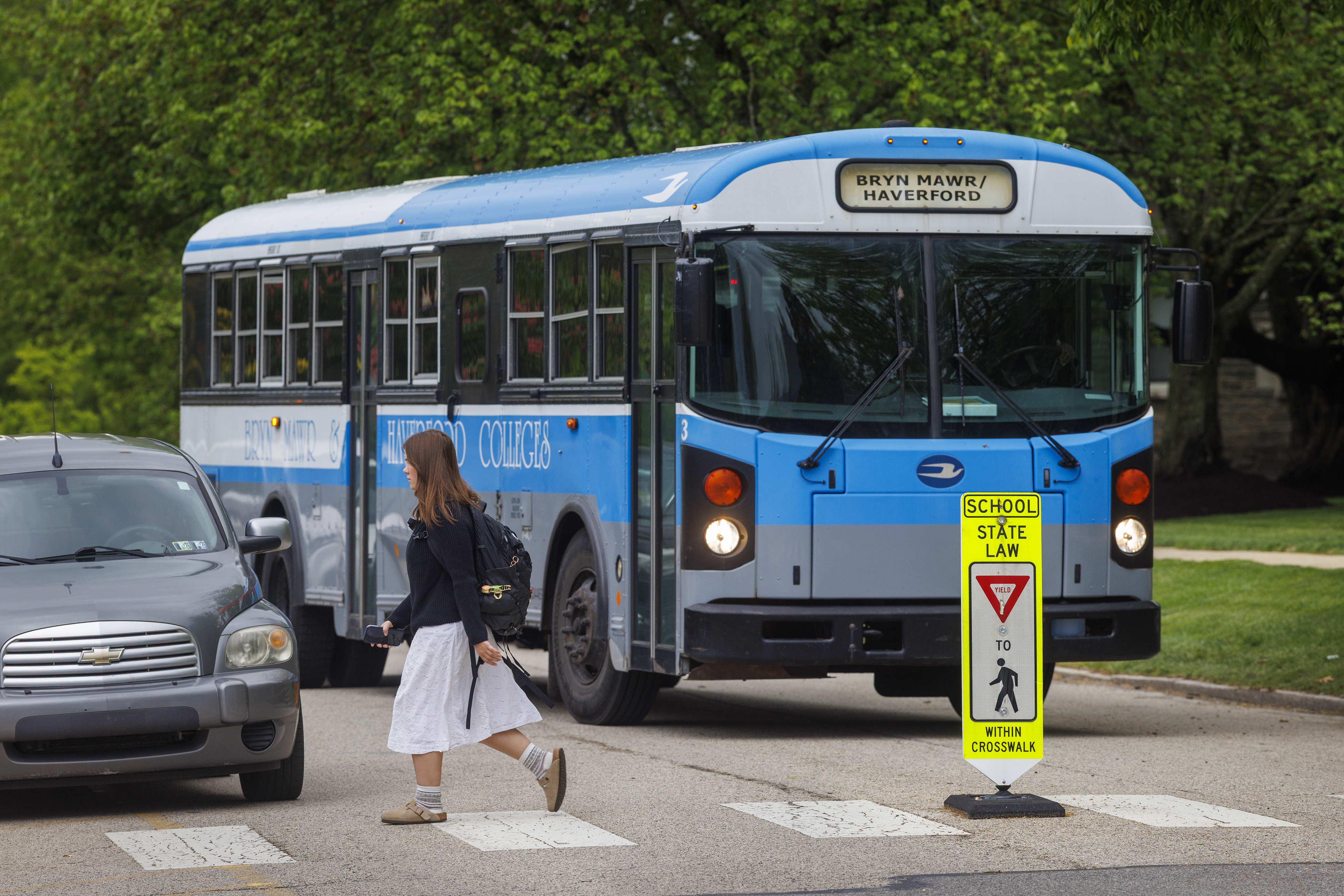
    One day during the spring semester, a group of Haverford students got off the Blue Bus, which shuttles students back and forth between the campuses about every 20 minutes, They had arrived at Bryn Mawr to take a Chinese class not offered at Haverford.

    Meanwhile, Corry Varney-Irlam, 21, a Bryn Mawr student, boarded the bus to head to Haverford for a political science class.

    “It worked better with my schedule,” Varney-Irlam said.

    Matt Ruben teaches in the Growth and Structure of Cities program at Bryn Mawr College. In his class of about 50 students, 12 are Haverford students. Alejandro A. Alvarez / Staff Photographer

    Bryn Mawr professor Matt Ruben teaches classes in the growth and structure of cities program, a major based at Bryn Mawr. In a recent class of 50 students, 12 were from Haverford. Typically, 40% to 50% of the program’s majors are Haverford students, he said.

    Students from the two schools have a lot in common, he said.

    “They’re all really highly skilled,” he said. “They’re highly engaged. They’re all highly motivated. And they’re all deeply invested in the liberal arts experience.”

    Some Haverford students were men — the partnership means males take classes at Bryn Mawr, a women’s college.

    Students said the gender mix in classes really didn’t matter.

    “I don’t mind it,” Varney-Irlam said. “There’s definitely a benefit to having predominantly women in Bryn Mawr classes. But I think that it’s nice to have a change of environment and more people around to socialize with.”

    Cowan said she enjoyed taking classes at Bryn Mawr in the 1990s because it seemed women had more space to talk and there was more support.

    “Sometimes men can take up a lot of space in the room,” she said.

    That is not as much of a factor now, said Ruben, the professor, because there is more gender fluidity, and different levels of consciousness about gender-related issues.

    “It makes a difference and it’s always going to make a difference, but it makes less of a difference than it did like 10 years ago,” he said.

    Madeline Dosen, left, a student at Haverford College, stands with her twin sister Daniela Dosen, (right) a student at Bryn Mawr College. They both played soccer for their respective schools.Courtesy of Daniela Dosen

    The Dosen family has seen the partnership from both sides. Daniela Dosen, 22, was a physics major at Bryn Mawr, while her twin sister, Madeline, majored in biology at Haverford. Both women played varsity soccer for their schools and graduated May 16. The colleges even coordinate commencements — one was in the morning, the other in the afternoon.

    First semester freshman year they had an 8 a.m. Spanish class together at Bryn Mawr. Daniela had a short walk, while her sister had to board the bus.

    “Sometimes we showed up in the same beach sweatshirt,” she said.

  • Before she married Tug, Diane McGraw led Philly’s bid for a World Cup. There was one problem: They wanted the Vet for two months

    Before she married Tug, Diane McGraw led Philly’s bid for a World Cup. There was one problem: They wanted the Vet for two months

    Diane McGraw was never a sports person. As a young girl in Ridley Park, she dreamed of being an actress, and paid far more attention to the film industry than she ever did to the Phillies or Eagles.

    This ethos applied to her day-to-day life, as well. In the late 1960s, McGraw slipped and fell while playing field hockey for Notre Dame High School in Moylan, Pa.

    It would be the end of her short-lived athletic career, but she was unbothered and quickly found a way to occupy her time.

    “I was the athletic rep for my class,” she said, “that helped organize the intramurals.”

    Little did McGraw know, the role would become a precursor to her future profession.

    Over the coming decades, she’d organize celebrity tennis tournaments and national and international sporting events, from NCAA volleyball championships to the Ryder Cup to the MLB All-Star Game.

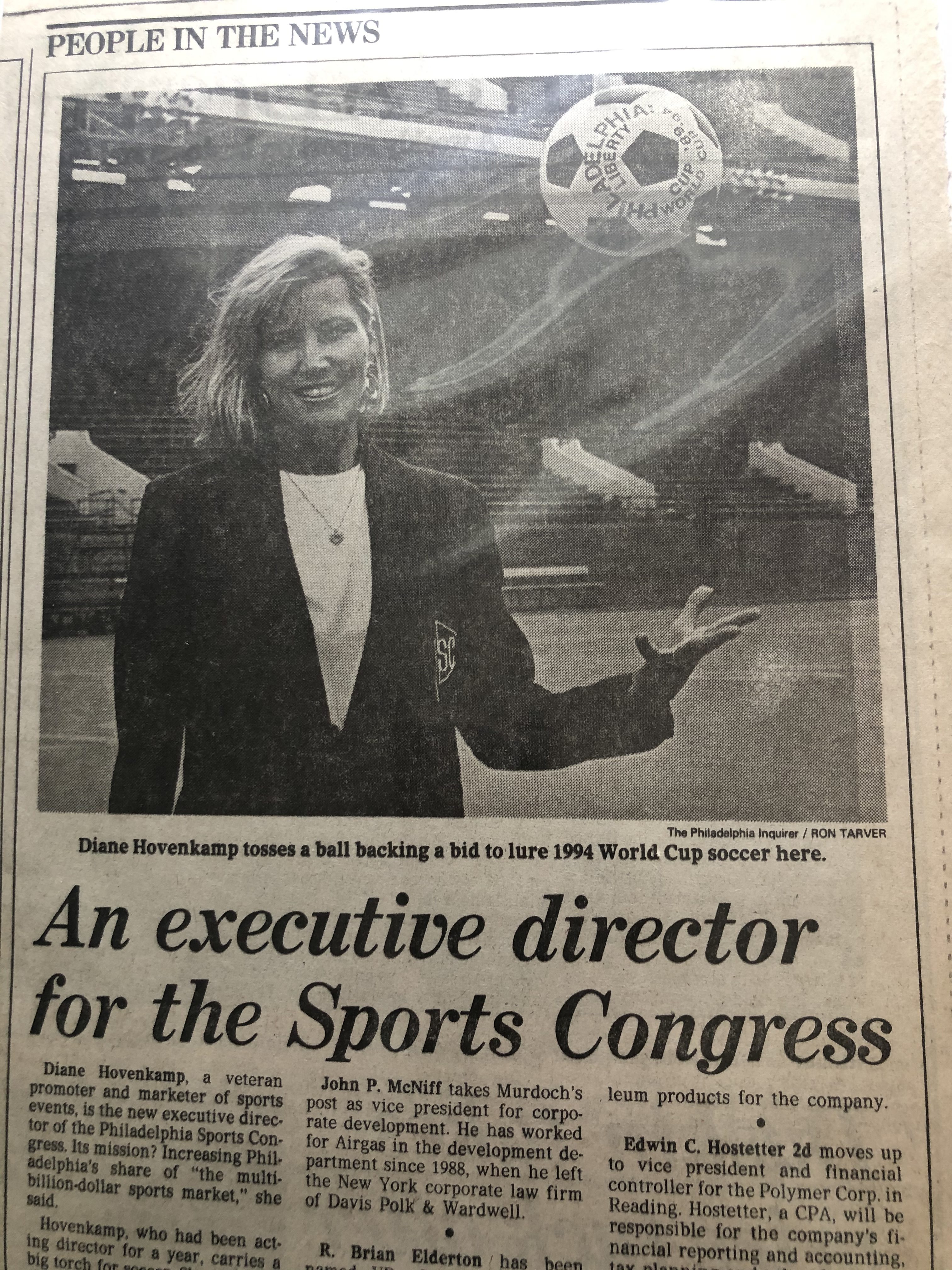
    As executive director of the Philadelphia Sports Congress, Diane McGraw (née Hovenkamp-Robertson) was instrumental in trying to bring the 1994 FIFA World Cup to Philadelphia.Courtesy / Diane McGraw

    McGraw would find herself atop sports and entertainment commissions in four U.S. cities — Philadelphia, Los Angeles, Louisville, and Orlando — and in 1995 married longtime Phillies reliever Tug McGraw.

    The aspiring actress went from having no casual interest in sports to living a life full of them. And among her most fulfilling projects was one that never came to be.

    Under McGraw’s leadership, Philadelphia became one of the first major U.S. cities to host international soccer matches throughout the late 1980s and 1990s. They drew well, often with attendance numbers as high as 45,000.

    In the early 1990s, she was put in charge of Philadelphia’s bid to host the 1994 World Cup. The bid was unsuccessful, but McGraw did prove something in the process.

    Major corporate sponsors like Aramark and Blue Cross helped fund the bid. It was clear that there was local interest in the sport. The timing just wasn’t right.

    Now, it is. As Philadelphia hosts its first World Cup this month, McGraw is grateful to have played a small part.

    “I was thrilled [to hear] that it was coming here,” she said. “Finally. We deserve to have it here. And I’m just sorry we missed out on it back then.”

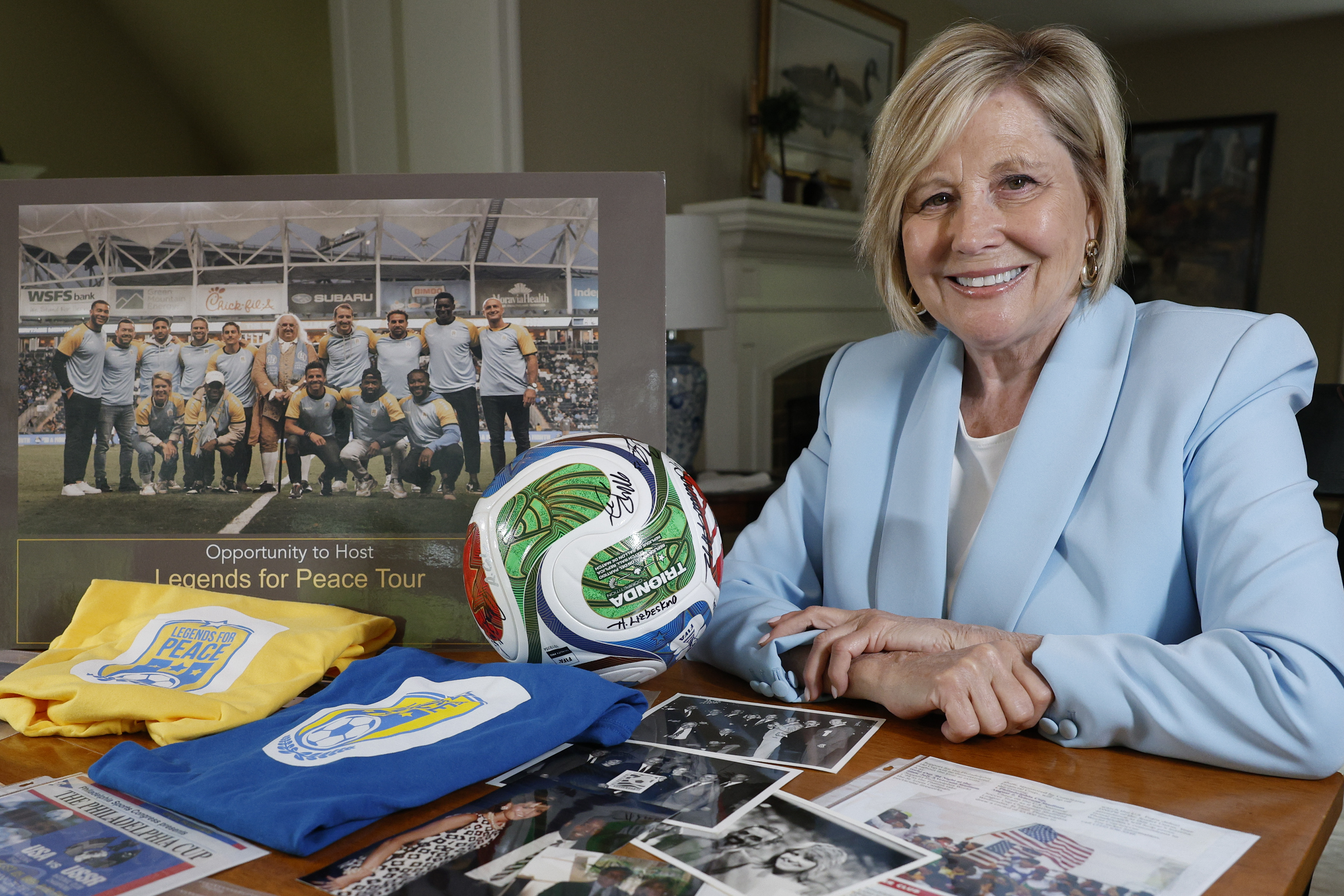
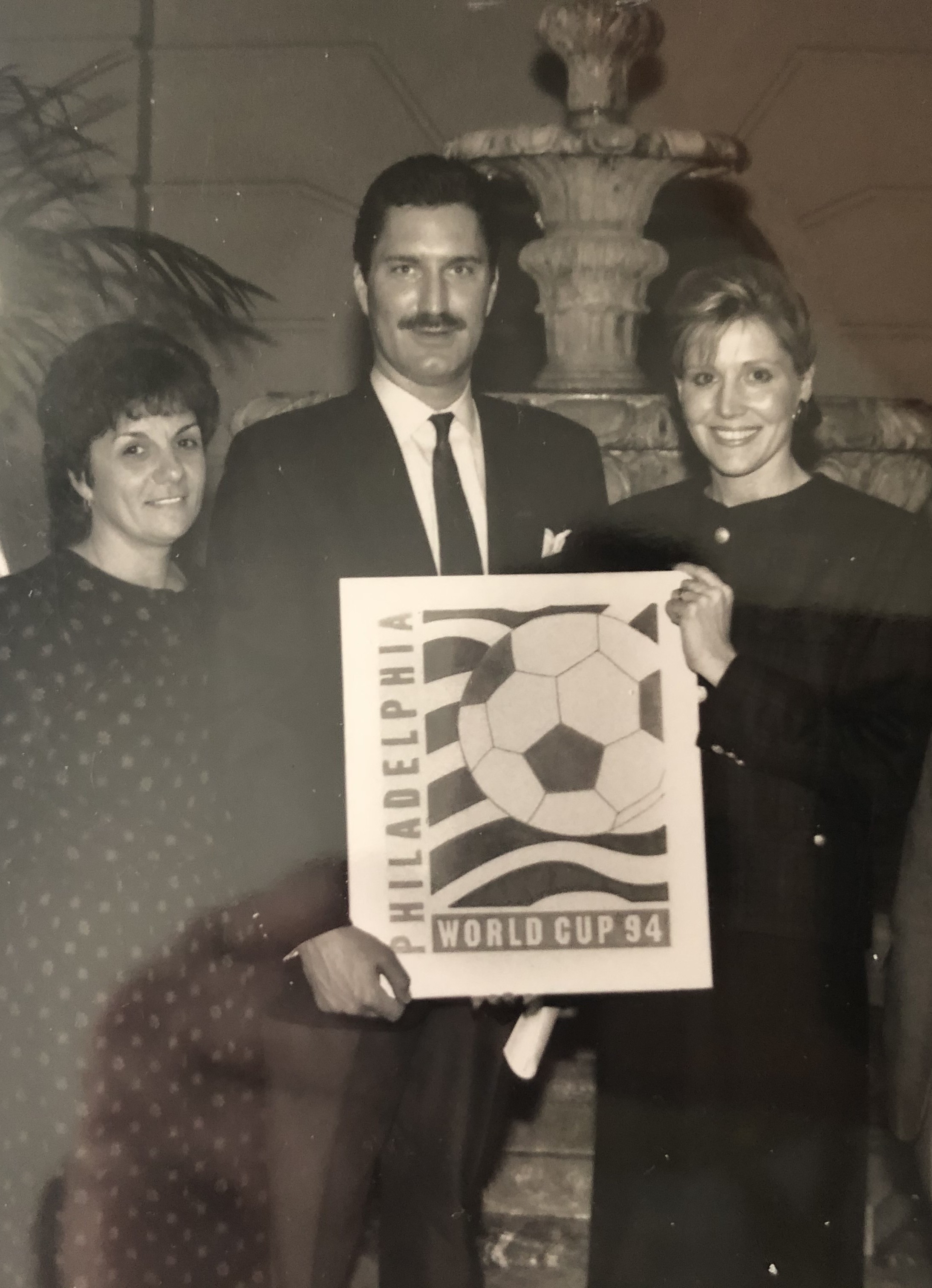
    A look at materials that became Diane McGraw’s memorabilia from Philly’s 1994 World Cup bid.Steven M. Falk / For The Inquirer

    From acting aspirations to a life in sports

    McGraw’s entry into sports was unconventional. After graduating from high school, she worked part-time as a model, which landed her a few appearances on local daytime talk shows.

    In 1977, she moved to New York, determined to fulfill her acting aspirations. McGraw had no job and only a little money, but continued picking up modeling gigs here and there and was eventually hired as a personal assistant to the president of Sassoon Jeans.

    Diane McGraw (right) shows the graphic for Philly’s 1994 bid for the World Cup at Veterans Stadium. Courtesy / Diane McGraw

    Two years later, she left for a position at the Screen Actors Guild, thinking she could parlay it into a career in entertainment. That did not pan out, but the role did open some doors.

    Not long after McGraw began her new job, she attended a networking event at East River Tennis Club. The pros, well aware that the SAG assistant had contacts, asked if she’d be open to organizing a pro-celebrity tennis tournament.

    It was the first of many sporting events to come. McGraw started her own business, under her maiden name, Robertson Productions — of which she was the only employee — and taught herself everything she could about the industry.

    She began with tennis, but quickly broadened her scope to other sports. This meant spending a lot of time with sponsors, and one day, while on the sidelines of a New York Cosmos game, McGraw had an encounter she’d never forget.

    A small, athletically built man with a warm smile approached her and asked for an autograph. English wasn’t his first language, and McGraw realized that what he actually wanted was her phone number.

    She demurred, giving him the business card for Gaylord’s Restaurant, one of the sponsors of the Cosmos game. The man walked away.

    A few minutes later, Gaylord’s owner, Jati Hoon, returned with the same suitor.

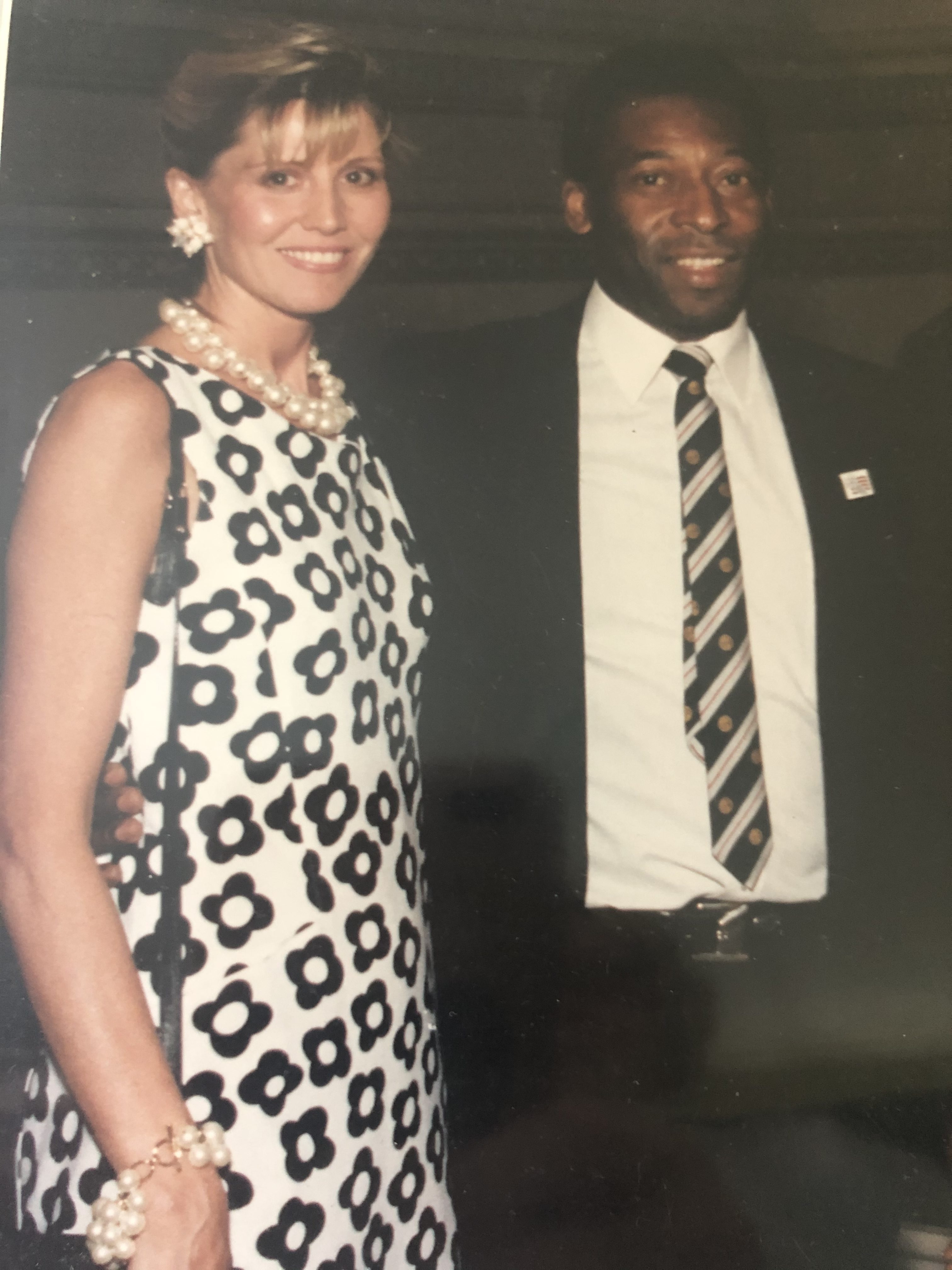
    Diane McGraw with soccer legend Pelé.Courtesy / Diane McGraw

    “He says, ‘Diane, I want you to meet Pelé,’” she recalled. “I had no idea who he was.”

    By that point, McGraw was fairly used to meeting world-class athletes. Through the tennis community, she’d gotten to know John McEnroe and Björn Borg, among other stars of the game.

    But her run-in with the soccer phenom was different, in that it would come to a serendipitous conclusion decades later.

    After a few more years of star-studded galas and tournaments, McGraw married her first husband, Jan Hovenkamp. He was a native of Holland, and the young couple moved to the Netherlands in 1983.

    She continued to plan celebrity tennis events, and at one of them, she met the president of AFC Ajax, a professional football club in Amsterdam. He suggested that McGraw bring “real football” to the United States and offered to help provide a team from Holland and Brazil.

    When McGraw returned to Philadelphia in 1986, she kept this in mind and reached out to the general manager of Veterans Stadium about renting it.

    It was a short conversation.

    “He said, ‘Diane, we don’t like soccer here,’” McGraw said. “‘We’re the Philadelphia Eagles. We’re only football.’”

    He directed her to the group that ran Franklin Field, which directed her to the Philadelphia Sports Congress. They agreed to support the project, if McGraw could find the sponsors.

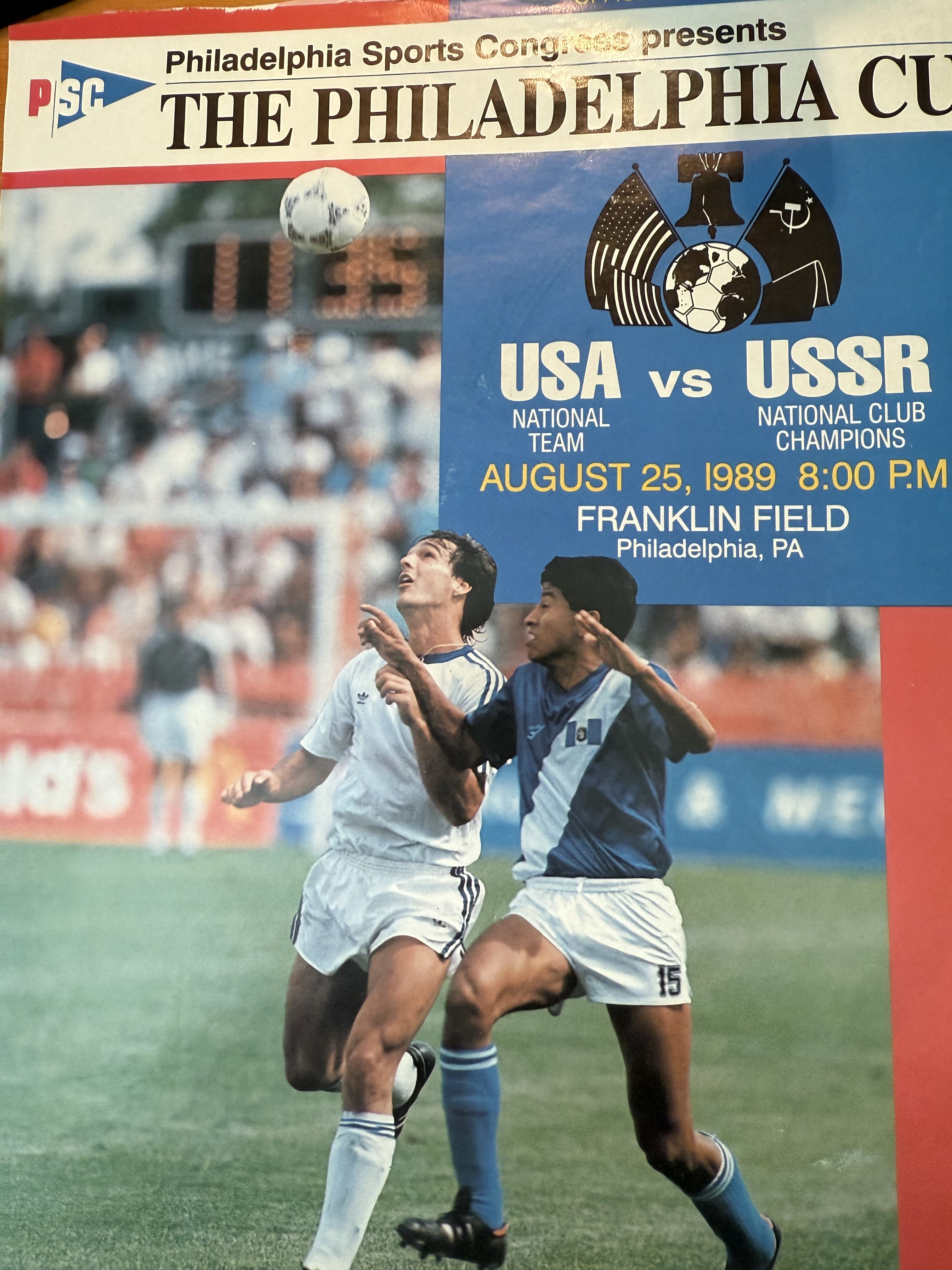
    She did, and in 1989, McGraw brought the first international soccer match to the Delaware Valley. Dubbed the Philadelphia Cup, the game between the U.S. and the U.S.S.R. drew 43,000 people and was broadcast on WIP (94.1-FM), which at the time was on AM radio as SportsRadio WIP. (Holland and Brazil were unavailable due to scheduling conflicts).

    The program for the 1989 Philadelphia Cup, which at the time was the first soccer match between the two nations. Courtesy / Diane McGraw

    A year later, in 1990, McGraw organized another match, this time between Sheffield Wednesday and the USMNT. Forty-five thousand fans showed up.

    The two matches netted over $500,000 and earned McGraw a job as executive director of the Philadelphia Sports Congress — as well as a new unofficial title.

    “I ended up becoming the World Cup person,” she said.

    A fortuitous encounter with Pelé

    Because McGraw had successfully convinced two European soccer teams to travel to the City of Brotherly Love, the Sports Congress decided to have her lead their efforts to bid for the 1994 World Cup.

    This was a daunting task, as Philadelphia had never hosted an international soccer tournament. But McGraw felt strongly that they had a case, and not just because of the attendance numbers from the 1989 and 1990 matches.

    The congress had collected data from the Eastern Pennsylvania Youth Soccer Association, which showed that more than 100,000 local families were actively engaged in the sport.

    McGraw couldn’t offer state-of-the-art facilities. But she did have an audience: a city full of passionate fans, who had shown they’d pack a stadium for events beyond American football.

    It was a grueling process. The Sports Congress had to dole out $250,000 just to submit a bid. Once Philadelphia was approved, McGraw spent the next three years finding sponsors, mapping out hotels and security, as well as transportation and venue options.

    As fate would have it, this role reunited her with a familiar face. In 1991, a group of soccer supporters testified in front of Congress.

    Their goal was to convince the federal government to mint a commemorative coin as a means of fundraising for the World Cup.

    Among those who testified? Pelé.

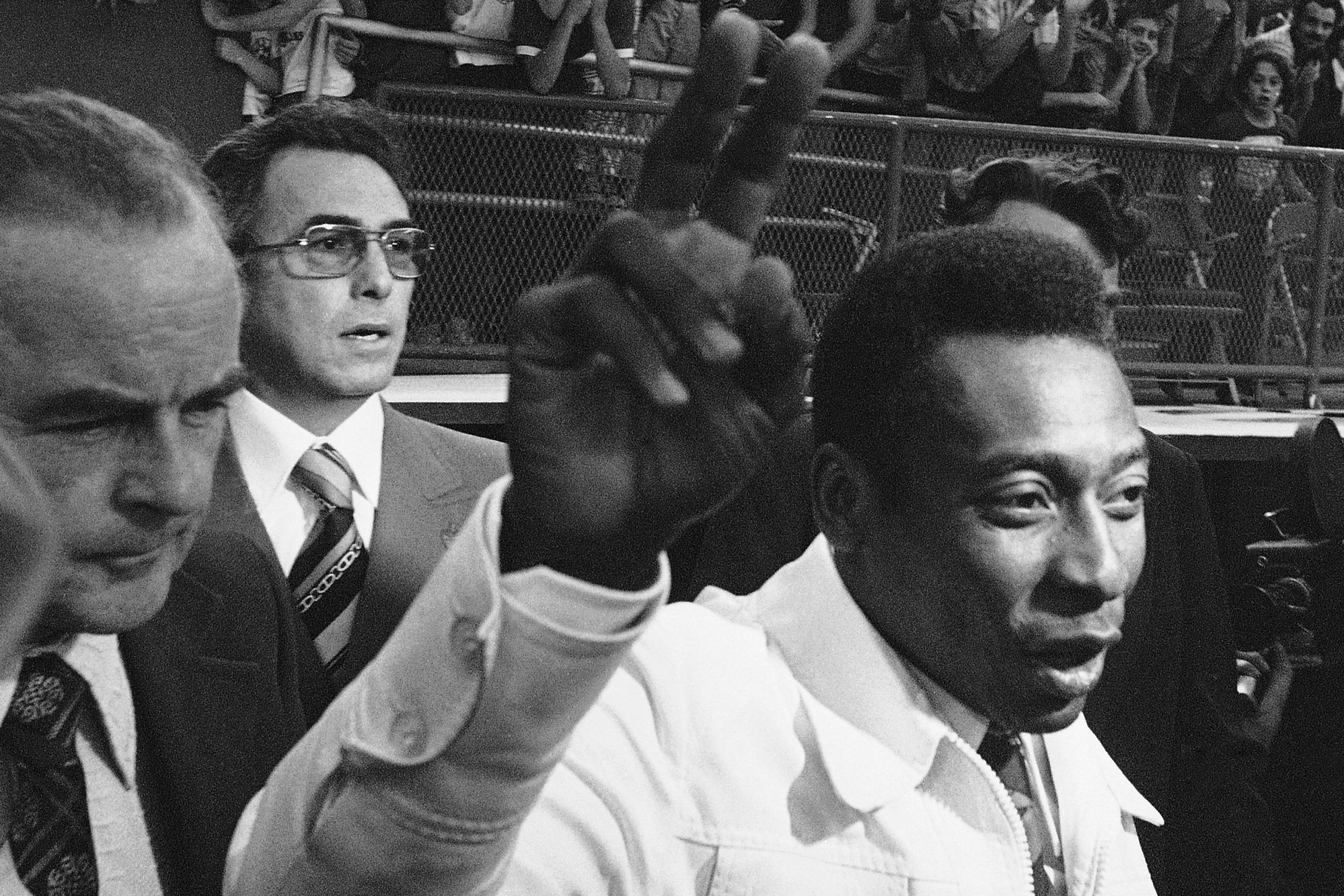
    Pele, then with the New York Cosmos, waves to the crowd at Veterans Stadium in June 1975.Bill Ingraham

    McGraw reintroduced herself and explained what she was trying to achieve. The three-time World Cup winner was on his way to a dinner, but before he left, he reached for his wallet and gave McGraw a gift.

    It was a four-leaf clover.

    “He said, ‘Diane, I’m going to help you get the World Cup to Philadelphia,’” she said with a laugh. “And then we got out of the car and I never saw him again.”

    For a while, McGraw was optimistic — and not just because she had Pelé on her side.

    The event organizer seemingly had an answer for every problem, even those as granular as the surface the athletes would play on.

    (Astroturf wasn’t going to cut it.)

    “We came up with a formula from a company here in Pennsylvania,” McGraw said. “They were going to grow the grass outside the stadium in trays, and bring it in, and let them fit it together. We had it all planned out.”

    But there was one quandary she couldn’t solve. FIFA wanted control of the local stadiums for roughly two months. That ruled out the Vet; Major League Baseball was not about to send the Phillies on a road trip for six to eight weeks.

    The congress didn’t have any other location to offer. The bid failed.

    “I’ll never forget sitting in the boardroom of the convention and visitors bureau, with FIFA on the phone, saying, ‘These are our host cities,’” McGraw recalled. “‘We’d like to thank Boston. We’d like to thank so and so.’ They never mentioned Philadelphia.”

    Diane met former Phillies reliever Tug McGraw in 1992. They were married three years later.

    A full-circle moment

    Diane met Tug in 1992. She was in the Sports Congress office, and the former Phillies reliever was picking up tickets for an ice skating event at The Spectrum.

    He invited her to the opening of Oriole Park at Camden Yards in Baltimore. A day before they were supposed to leave, McGraw gave her a call.

    “He goes, ‘I want to take you out to dinner first so we can have a predate, before our regular date,’” she said. “We went to some restaurant on South Street, just to get to know each other.”

    They were married three years later. Diane’s job took her all over the country — from Florida to California — but Tug accompanied her every step of the way.

    In 2003, their lives took a devastating turn, when Tug was diagnosed with a brain tumor. He died 10 months later at his son’s home in Tennessee. With two teenagers from her previous marriage and a 7-year-old to raise, it was an extremely challenging time.

    But the widow saw it through. She immersed herself in motherhood and work, moving to Kentucky to lead the Louisville Sports Commission before returning to Philadelphia in 2009.

    Now, McGraw plans on enjoying the soccer tournament she almost brought here all those years ago. She isn’t on the host committee, but has found a way to take part in the festivities.

    The organizer will be holding a watch party in South Philly on June 12 to stream the U.S. vs. Paraguay match. All proceeds will go toward the World Peace Project (an initiative McGraw started last year) to fund a youth sports summit in a few months.

    It’s McGraw’s way of giving back. Her life has taken some difficult, unexpected turns, but she is grateful for the journey and will continue to savor it — four-leaf clovers and all.

    “I want to thank Pelé,” McGraw said with a laugh. “Even though it all came [true] 30 years later.”