Tag: UniversalPremium

  • Philadelphia was the star in its men’s World Cup debut

    Philadelphia was the star in its men’s World Cup debut

    It took 96 years, but the most sacred version of the beautiful game came to Philadelphia.

    Both the city and the match met the moment.

    Extra public transportation, hydration stations, and modest traffic framed an evening of graceful and powerful football, the kind every other nation reveres except ours.

    Amid the spectacle of team jerseys, flags, and team benches covered by vibrant roofs identifying the sides in national colors, the grass was the star. The stadium’s normal turf is a ragged Bermuda thatched with 5% plastic to withstand the cleated NFL rhinoceroses who usually play there. For the World Cup, it was transformed into a flawless pitch, golf-course quality ryegrass and bluegrass, the sort of surface you on which could imagine Jason Kelce lying on his back and making snow angels.
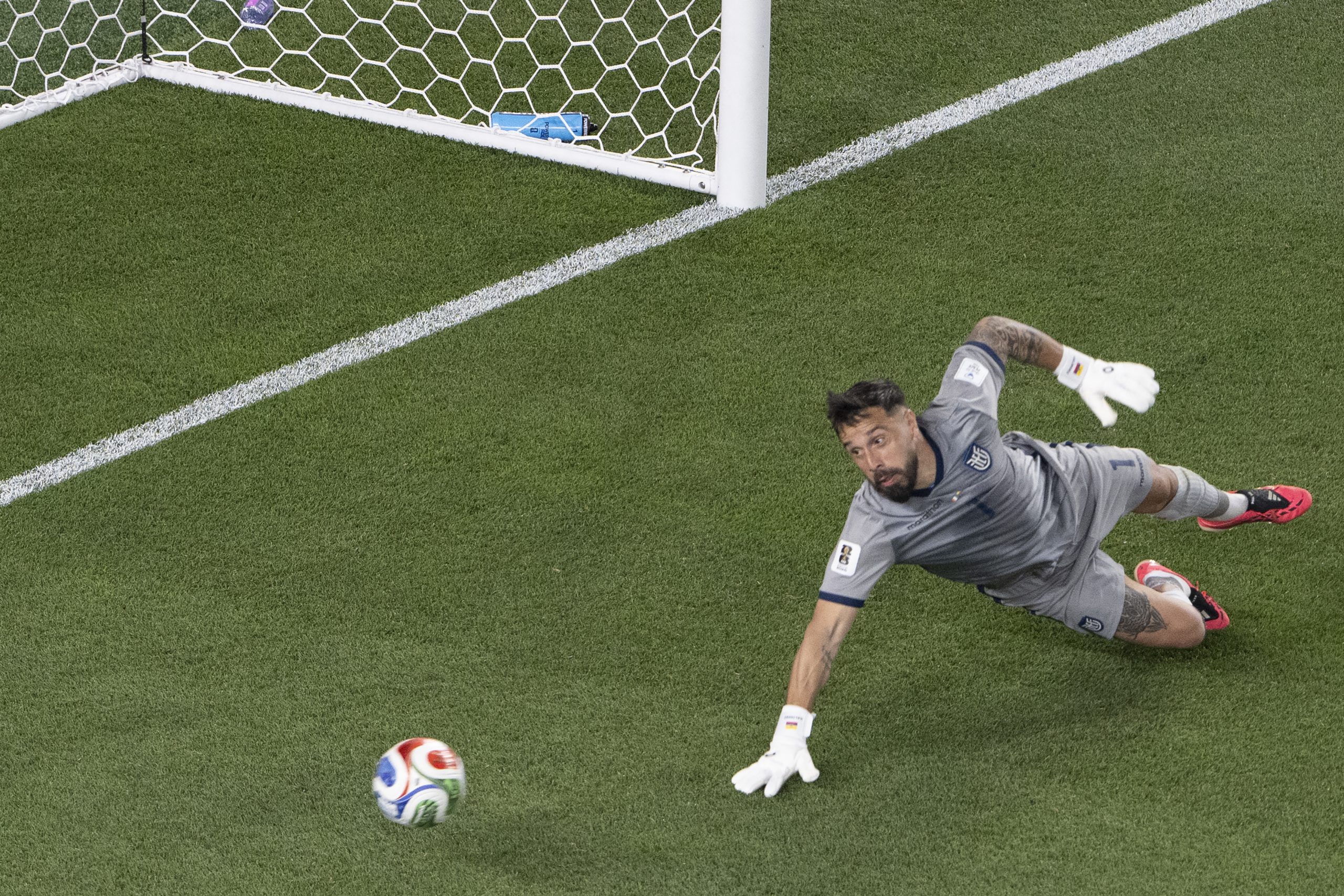
    Ecuador goalkeeper Hernán Galíndez watches as the ball crosses the goal line on a shot by Ivory Coast’s Amad Diallo late in the second half of Sunday’s game.Jose F. Moreno / Staff Photographer

    Viewed through an international lens, even a soccer game this insignificant still was the most significant sporting event in the history of the city. A town that has seen two World Series titles and a Stanley Cup won within its borders has never hosted anything that riveted folks on six of the continents.

    What comes close? Maybe Rocky Marciano, when he knocked out Jersey Joe Walcott in 1952, and won the heavyweight championship. Maybe not.

    More moments will come, since the group-stage match between Ivory Coast and Ecuador is just the first of five such games. On July 4, Philadelphia will host an elimination game in the Round of 16, and then that will become the most significant sporting event in the history of the city.

    The difference was deserving of the night’s significance. At the top of the box, Amad Diallo, who plays for Manchester United, redirected a simple cross from Wilfried Singo with his left foot in the 90th and final minute of regular play. Given eight minutes of stoppage time, Ecuador could not break through.

    Three crucial points to Les Elephants, following the 1-0 final.

    After three days of pre-tournament watch parties and fan fests (the Cup began in Mexico City on Thursday), Philly’s hot, sticky, 90-degree moment finally arrived.

    The city, four weeks removed from the PGA Championship at Aronimink and four weeks from hosting the Major League Baseball All-Star Game at Citizens Bank Park, finally seemed to grasp the magnitude of the world’s biggest single-sport sporting event landing at its doorstep.

    The catalyst: How about the 4-1 thunderbolt win the United States laid on Paraguay in Los Angeles on Friday night.

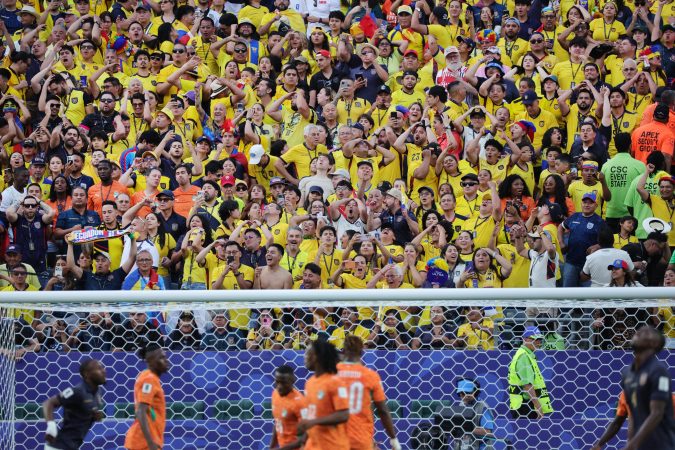
    Ecuador hit the crossbar twice in a first half and nearly scored on a blast from Flamengo’s Gonzalo Plata just before the water break in the second half. Ivory Coast hit the crossbar six minutes into the second half. All of those shots drew gasps, but gasps of different timbre; either delight denied or disaster averted, because the gasps were almost completely Ecuadorian.

    Ecuador is nearly 3,000 miles from Philadelphia, but, for two hours, the stadium served as an Ecuadorian colony, its fans wearing yellow, accounting for 90% of the 68,247 fans in the seats. If they’d issued 60,000 pairs of goggles, they’d have had 60,000 Minions.

    Little wonder. About half of the approximately 850,000 people in the United States who claim a connection with Ecuador live in either New York or New Jersey. Most estimates of Ivorians in the U.S. don’t even reach 10,000.

    After the 5 p.m. SEPTA Broad Street Line express was taken out of service at Race-Vine because a door wouldn’t close, the 5:15 local train was inundated with Ecuador enthusiasts when it hit the City Hall stop.

    The cars were full to bursting by the time they hit Walnut-Locust, yellow jerseys shoulder to shoulder and chest to chest, men and women alike. As the train pulled out a song arose, full throat and deafening in the hot, cramped subway car:

    “¡Vamos, vamos ecuatorianos, esta noche tenemos que ganar!”

    Or:

    “Let’s go, let’s go, Ecuadorians, tonight we have to win!”

    As the throng exited up the stairs of NRG Station, their hearts and voices swelled again. The song rang out again and again during the match.

    Unfortunately, the Ecuadorians were not singing on the subway ride home.
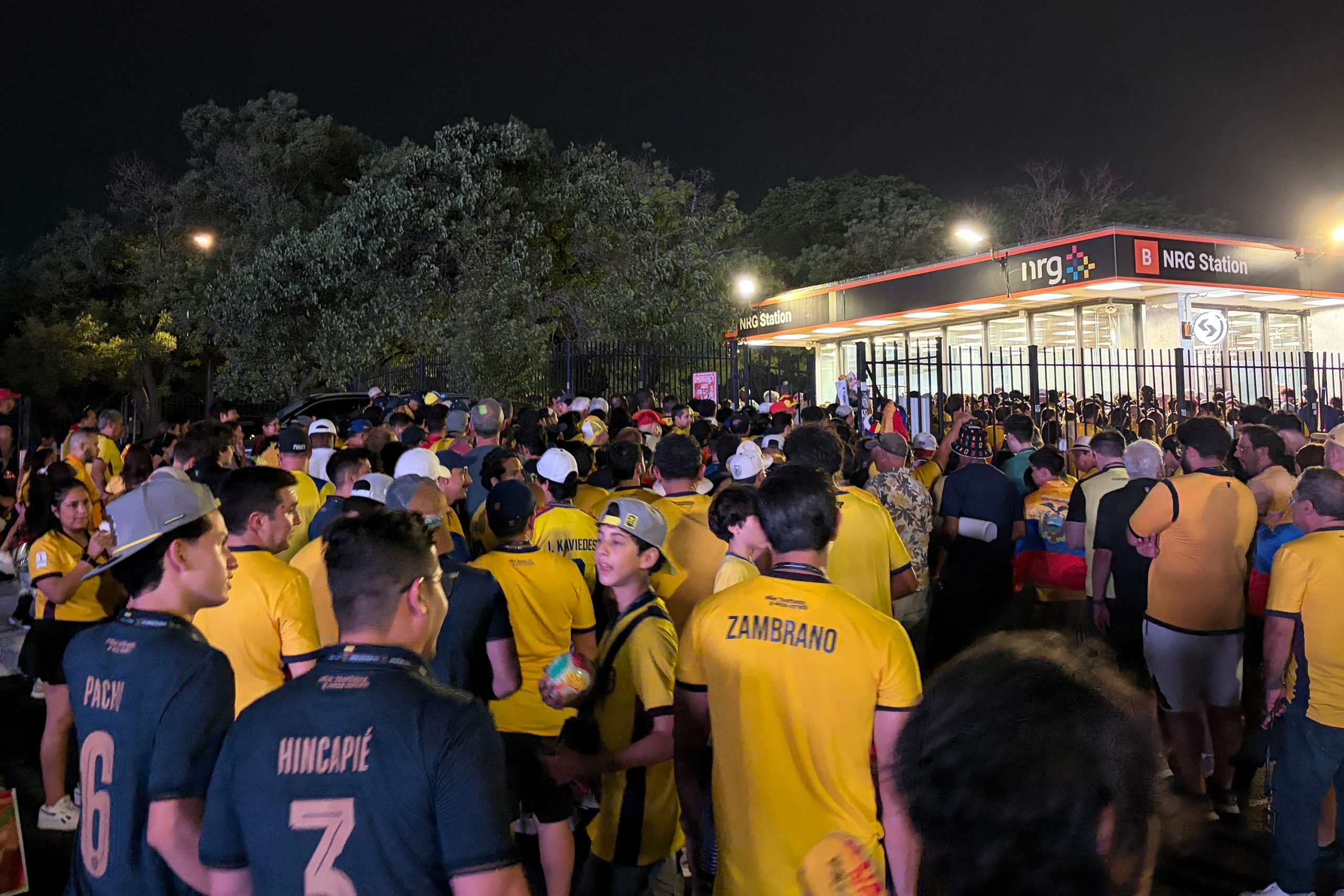
    Fans wait outside SEPTA’s NRG Station near the stadium following Ivory Coast’s victory over Ecuador Sunday night.Michelle Myers

    Only the Olympics does a better job than FIFA capitalizing on nationalistic spectacle, and Sunday night was no exception. The stunning FIFA World Cup 2026 emblem tapestry laid on the ground covered the midfield circle. Replicas of the flags of Ecuador and the Ivory Coast took up most of the rest of the pitch in front of the goals, crescents cut in the extra fabric to frame the FIFA logo tapestry at midfield. The teams stood on their respective sides of the circle, facing the south stands, as the anthems played.

    The match occurred where the Eagles play, at Lincoln Financial Field, which must be referred to as Philadelphia Stadium during World Cup games. FIFA has a strict policy that prohibits references to sponsors who don’t give FIFA money.

    That said, Sunday’s affair was nothing like an Eagles game. It was far more elegant.

    When Ivory Coast dawdled, La Tri — a nickname for Ecuador’s fans, who wear the tricolor yellow, blue, and red of the flag — booed and whistled. It was not unlike the response of Eagles fans whenever the Cowboys score.

    Fans of the American version of football might balk at the contention that soccer is a bigger deal, and lovers of the Olympics might contend that the ever-shifting collection of summer and competitions matters more. They are wrong.
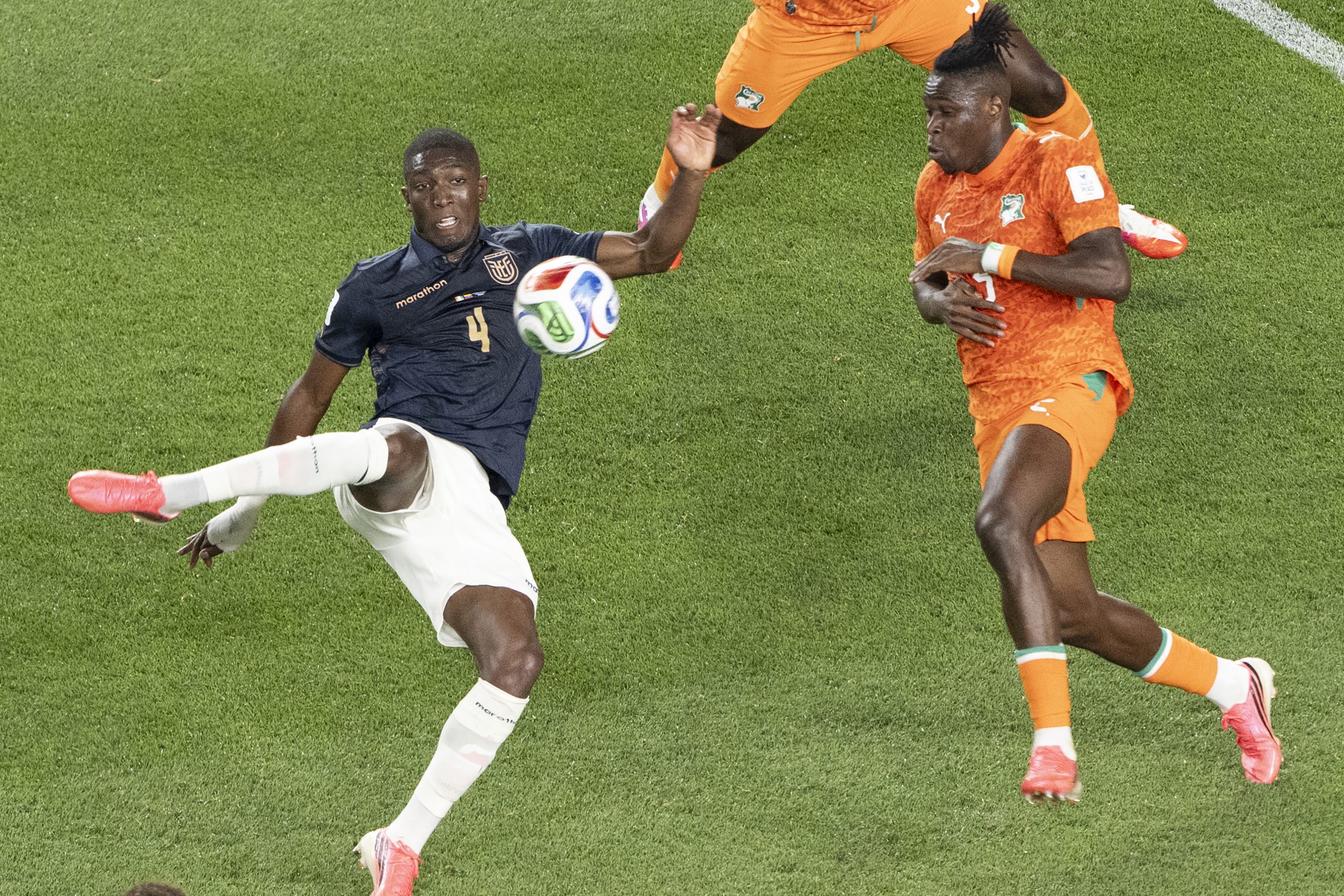
    Ivory Coast’s Wilfried Singo, right, defends against Ecuador’s Jean Michaël Seri during the second half of a FIFA World Cup Group E match on Sunday.Jose F. Moreno / Staff Photographer

    The World Cup is a different animal than the Olympic Games, concentrated and egalitarian. You don’t have to own a horse or skis to prepare to compete in the World Cup, just a ball.

    The only thing in America that reflects a World Cup is an NFL season. Consider the first 17 games, the regular season, the group stage. Consider the playoffs the knockout Round of 16.

    The NFL season in its entirety and intensity is the one comparison that might allow most Americans to understand the depth of investment and emotion other nations harbor for soccer.

    And, when you factor in the fact that virtually every man, woman, and child in many of these countries have played the sport, then you can better comprehend why soccer is, for so many people on earth, as much religion as it is diversion, and how sacred evenings like Sunday can be for anyone connected with the Ivory Coast or Ecuador.

    The folks who organized it all understood the gravity of the moment.

    Meg Kane, CEO of Philadelphia Soccer 2026, had measures of both delight and relief in her voice as she sat in the stadium parking lot Sunday night.

    “It’s been an exciting four days,“ she began, noting that there were 36 more to go. “I think everything we hoped this would be has been borne out.”

    The delight was easy to source: She had just seen a really good soccer game in a grand stadium with two excellent teams, snuck in just minutes before a thunderstorm, with little or no complication.

    The relief was probably based on the reception most of the millions of residents had given these unusual visitors.

    “People in Philadelphia are excited to be hosting something like this,” Kane said. “Philadelphians love when people choose to spend their time here.“

    The best news: Philadelphia gets to do this five more times.
  • You can trace Jalen Brunson’s greatness and the Knicks’ NBA title right to Villanova

    You can trace Jalen Brunson’s greatness and the Knicks’ NBA title right to Villanova

    In a Rock Hill, S.C., restaurant last Wednesday night, during a recruiting road trip to the Nike 100 Camp, Ashley Howard locked his eyes on a television above the bar, enthralled by the most dramatic comeback in NBA Finals history, his mind recalling a more modest rally from nine years earlier.

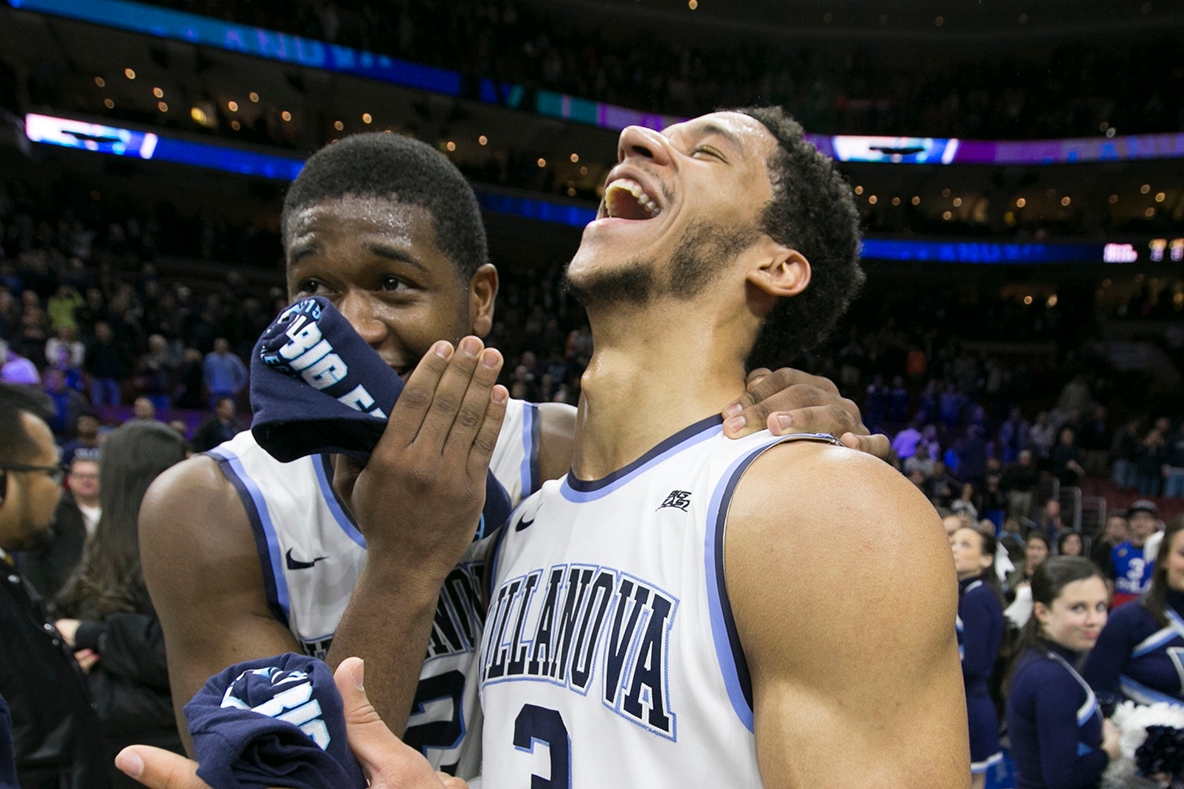
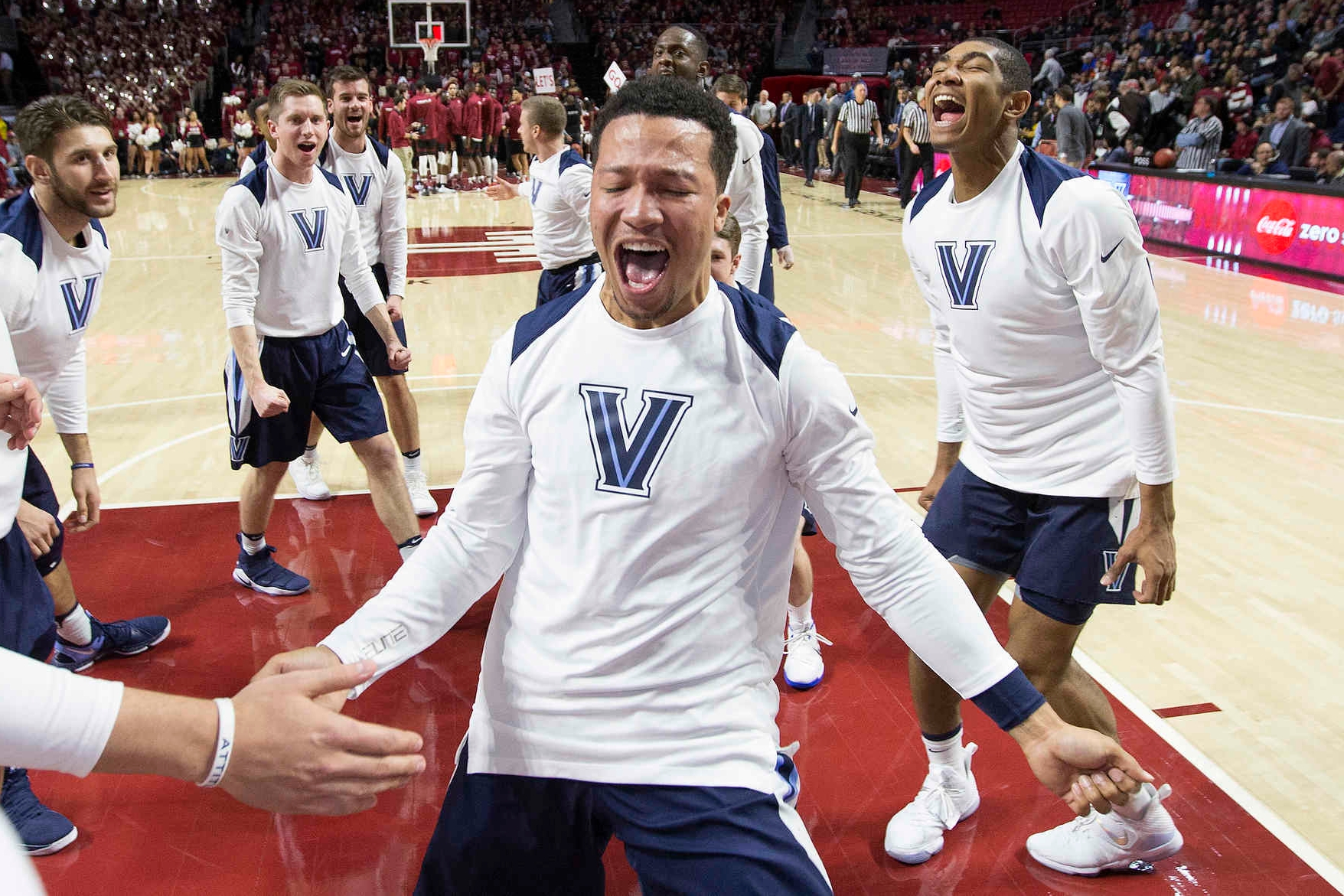
    Jalen Brunson, Josh Hart, Mikal Bridges, and the New York Knicks kept chopping into that 29-point San Antonio Spurs lead. Madison Square Garden kept getting louder. And as Game 4 slowly shifted from a series-tying rout to the surest sign that three former Villanova stars would soon bring about the end of a 53-year championship drought, Howard remembered a college basketball game from January 2017, from the season between ’Nova’s ‘16 and ‘18 national championships.

    An assistant under Jay Wright then, an assistant under Kevin Willard now, Howard reminisced with the friend sitting next to him — former Villanova head coach Kyle Neptune, now an assistant with the Charlotte Hornets — about a 61-59 Wildcats victory over Virginia. Villanova had trailed that day by 12 points with less than 10 minutes to go, an imposing deficit given how Tony Bennett’s Cavaliers teams could slow a game to a crawl. But Hart and Brunson had pulled ‘Nova back from the brink, and Donte DiVincenzo had tipped in an off-target Hart layup at the buzzer, and Howard saw the residue of that win in OG Anunoby’s soaring-eagle tip-in and the Knicks’ 107-106 stunner in Game 4. In Brunson’s 45-point masterpiece Saturday night in the clinching Game 5. In the title run of a team that was smarter, tougher, and tighter than every other in the NBA playoffs.

    “After winning the first national championship, every game these guys played together in ‘17 was the biggest game for whoever they played,” Howard said in a phone interview. “They have everything to lose, and their opponent doesn’t. There’s a different type of mental toughness and mental fortitude you have to have to not only play under that pressure but answer the call in those moments.

    “Now they’re all back together, and it’s almost like déjà vu where that Villanova connection is back. The other pieces are different. The coaches are different. But when you look at that Knicks team, you say, ‘Yo, those dudes are playing Villanova basketball.’ It’s really all about how they play hard. They compete for the entire game. They never, never quit. They play unselfishly, and you can tell that they love each other. That just makes my chest stick out as wide as all outside.”

    Josh Hart (right) won the 2016 national title with the Wildcats.Charles Fox / Staff Photographer

    Howard was at the nexus of the origin of the ‘Nova Knicks, and the irony of his role in that story is that he, with such deep Philadelphia hoops roots, had left town when he made his first connections with Brunson, Hart, and Bridges. A standout guard at Monsignor Bonner and Drexel, he was climbing the college coaching ladder — first four years at La Salle, then four back at Drexel — when in 2013 he accepted the chance to assist Chris Mack at Xavier. It was a more highly regarded mid-major, a better shot to jump to a bigger program, and in that one year he spent in Cincinnati, Howard recruited that trio before reuniting with them again at Villanova.

    In Hart, Howard saw a relentless and tenacious guard who pulled down as many as 25 rebounds in games at Sidwell Friends in Washington and for his AAU club, Team Takeover. He also met a low-maintenance kid who, when Howard coaxed him to Xavier for an on-campus, didn’t need a fancy dinner at an exclusive restaurant. No, when Howard offered to buy him lunch, Hart instead was desperate for a sack of double-cheese sliders from White Castle. “Shows what a freak of nature he is,” Howard said.

    Bridges’ and Brunson’s recruitments were more personal for Howard, starting at Xavier and continuing after he joined Wright’s staff at ’Nova. Howard was friendly with Bridges’ cousin Bernard Tyler, who forwarded him a video of the kid’s highlights from Great Valley High School and Team Final, one clip after another of Bridges cutting to the basket and creating shots within Great Valley’s motion offense, with an enticing text: This is the next one. Make sure you get this dude. And Howard could only chuckle when Mack called him one day after attending a high school holiday tournament in Chicago and asked him, Hey, Ash, do you know Rick Brunson? His kid is really good.

    “Reached out to Rick,” Howard said. “We caught up, and I jumped on Jalen from that point on.”

    There’s a chicken-or-egg aspect to the greatness that Wright’s program achieved during that stretch in the mid-2010s and to the qualities that Brunson, Bridges, and Hart developed there and still carry with them. Would these players, because of their inherent strengths, have thrived in other programs? Or did they need to learn under Wright and his staff and his culture? A dash of both, of course, and the conditions and choices that led to their flourishing at Villanova — and to those two national championships — aren’t likely to be duplicated in college basketball’s current era of status seeking and coin chasing.

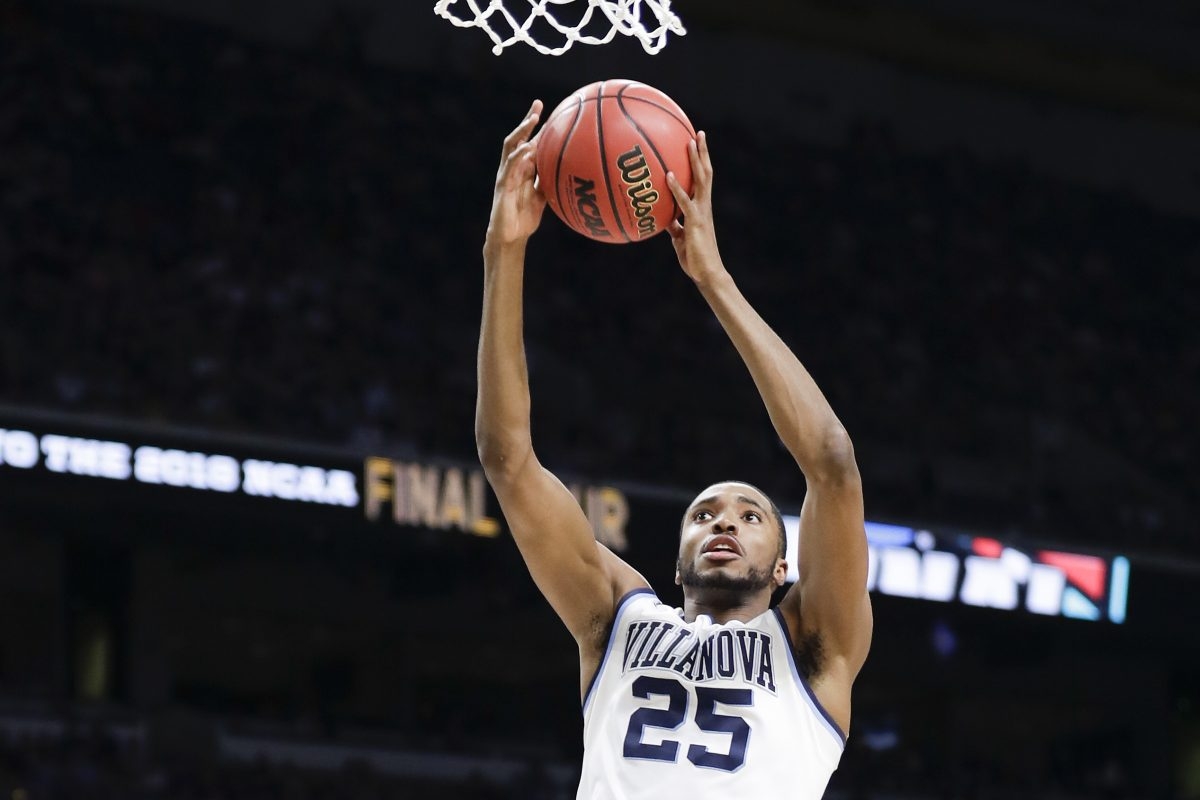
    Mikal Bridges was on both the 2016 and 2018 Villanova championship teams.Yong Kim / Staff Photographer

    Bridges went to Wright and Howard and suggested that he redshirt as a freshman, that he sit out an entire season for the sake of his growth as a player and person. Hart started just three games over his freshman and sophomore seasons, could have transferred out of frustration and a search for more playing time, and didn’t. Brunson as a freshman took a secondary role alongside Ryan Arcidiacono, then ran the Wildcats’ show for two years before entering the NBA draft. Good luck being so patient in developing players and building a program now.

    “It was a period of time where you could build off your failure and mistakes and learn from them collectively,” Howard said. “You could develop young people over a course of time and nurture and appreciate the process. … All these guys in their own way trusted us and allowed us to push them to limits. Parts of their experience at Villanova, man, it was tough, but they allowed us to make them uncomfortable.”

    It was the perfect preparation for these playoffs, for these NBA Finals, for a remarkable run capped when Brunson took control of Game 5, when the sub-6-foot guard with the impeccable footwork, with the endless array of head fakes and midrange shots, with the glorious old man’s game was once again the coolest customer on the court.

    “You could see the Spurs getting tight,” Howard said, “and you could see Jalen saying, ‘Yo, get me the ball. I’m gonna make these plays.’ Me being around J, it’s like, ‘Here he comes. It’s on.’ When the stakes get high, that dude is coming.”

    It had been 53 years, long enough for any franchise and its fans to wait for that kind of ride, and all it took was something Ashley Howard and everyone at Villanova had seen a million times before. All it took was Jalen Brunson, Josh Hart, and Mikal Bridges doing what they’ve always done.

  • IBX and Highmark want to cut costs by moving more outpatient care to surgery centers

    IBX and Highmark want to cut costs by moving more outpatient care to surgery centers

    Independence Blue Cross, the Philadelphia region’s largest health insurer, launched this month a policy designed to move care into lower-cost surgery centers and away from hospitals and clinics that can generate payments twice as high for the same treatment.

    The policy started June 1 echoes Medicare’s efforts to slow federal healthcare spending by paying the same price for outpatient procedures such as colonoscopies and knee surgery in hospitals as in surgery centers.

    Pressure from employers to control costs has similarly motivated IBX and a newer regional competitor, Pittsburgh-based Highmark, which implemented a similar policy on Jan. 1. Both companies’ policies affect people with low risk of complications who are covered by commercial insurance or Medicare Advantage.

    When doctors seek insurance authorization for certain procedures, IBX reviewers will ask whether doctors can treat low-risk patients in a surgery center, according to the company’s chief operating officer Richard Snyder.

    “This is a gentle move,” Snyder said. “We’re not willing to force you to change doctors to have your colonoscopy or your service, but we want docs to get privileges in ambulatory surgery centers.”

    The region doesn’t have enough low-cost surgery center capacity for a large-scale move to that setting, Snyder said. That means the policy might not hit hospital finances right away.

    But the implication is that the policy could take a harder edge in the future. IBX’s goal is to spur the development of more surgery centers — either by the incumbent health systems or by new competitors, Snyder said.

    Even now, the potential for delayed care and denied coverage has several regional health systems worried. Temple University Health System, for example, does not own ambulatory surgery centers, so the time could come when it has to coordinate care with outside providers.

    The money at stake

    Surgery to remove torn cartilage on the knee can cost $7,190 when performed on an outpatient basis in a hospital, nearly three times the $2,477 cost in ambulatory surgery centers, according to Philadelphia-area commercial insurance averages from heath prices data firm Turquoise Health.

    Smaller gaps exist for hernia repairs and colonoscopies with a biopsy, Turquoise reported. Another data firm, Medscout, showed that a majority of those colonoscopies had already shifted to ambulatory surgery centers by 2024. The shift was far less advanced for hernia repairs — a procedure IBX is targeting.

    (function(){function e(){window.addEventListener(`message`,function(e){if(e.data[`datawrapper-height`]!==void 0){var t=document.querySelectorAll(`iframe`);for(var n in e.data[`datawrapper-height`])for(var r=0,i;i=t[r];r++)if(i.contentWindow===e.source){var a=e.data[`datawrapper-height`][n]+`px`;i.style.height=a}}})}e()})();

    Some physicians’ groups already are seeing opportunity in commercial and government insurers’ increased emphasis on surgery centers as a way to reduce spending — as well as regulatory changes that allow more procedures to be done in free-standing surgery centers.

    Southeastern Pennsylvania now has four relatively new cardiovascular surgery centers.

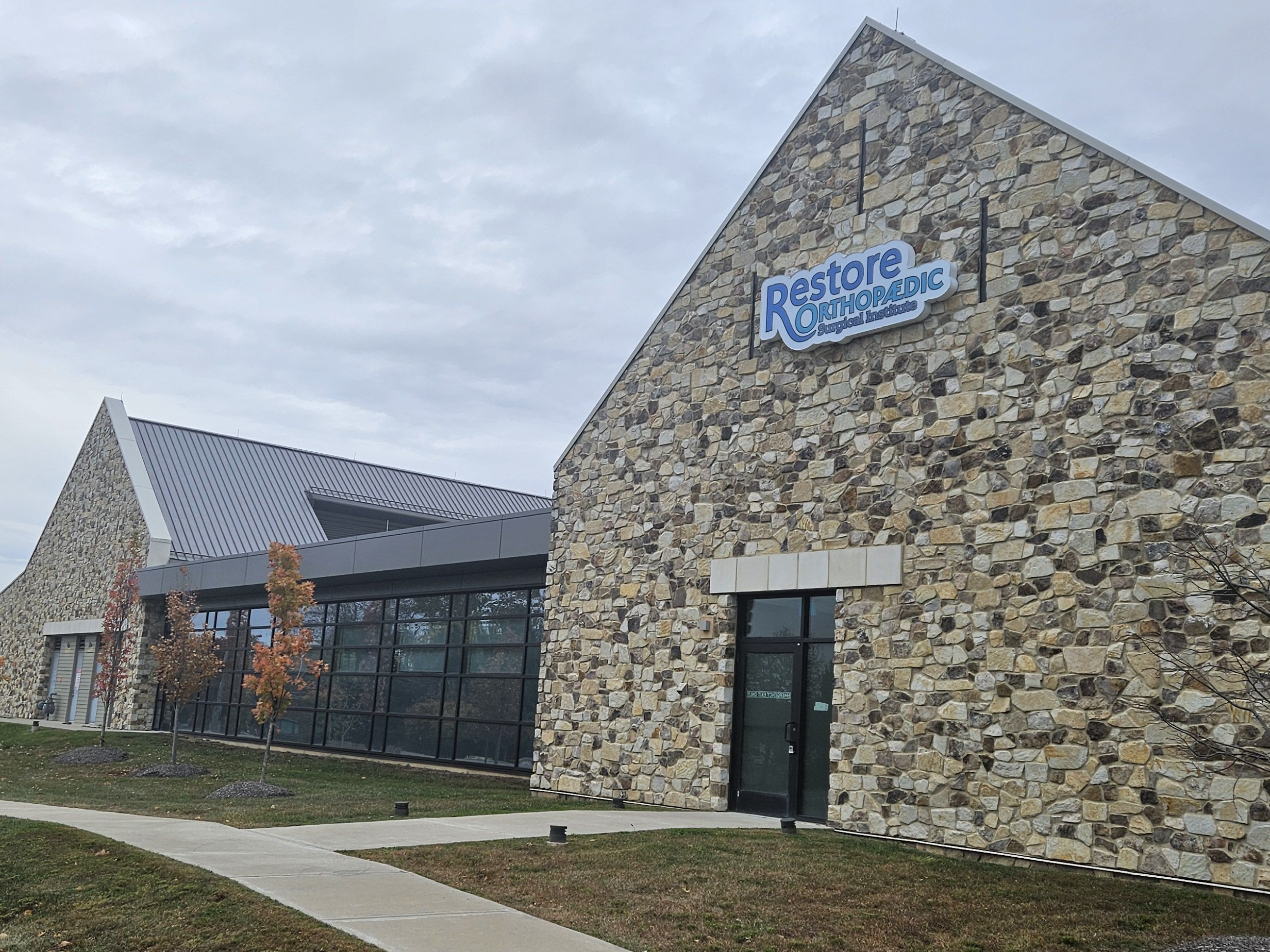
    Restore Orthopaedic Surgical Institute in Chadds Ford, founded by a group of Delaware doctors, has been quickly become a high-volume joint-replacement center.

    In the coming year, Rothman Institute plans to open three surgery centers in the Philadelphia region, the private practice’s CEO Christian Ellison said.

    Restore Orthopaedic Surgical Institute in Chadds Ford has grown quickly to become one of the top joint replacement destinations in Southeastern Pennsylvania after opening in March 2023. The center is positioned to take advantage of an effort by Highmark and IBX to move outpatient procedures from high-cost hospitals to lower-cost surgery centers.Restore Orthopaedic Surgical Institute

    Potential consumer impact

    Several major health systems said the new site-of-care review policies raise questions about the potential impact on patients, without commenting on the implications for their finances.

    Because Temple University Health System does not have any ambulatory surgery centers, “the policy will require certain studies and procedures to be referred outside the health system. This could create additional coordination requirements and may contribute to delays in testing, crucial diagnosis, and/or treatment,” Temple said in an email.

    Main Line Health also said it anticipates the policy “could disrupt established care pathways, including in circumstances where surgeons lack privileges at available free-standing surgery centers,” the nonprofit said in a statement. Main Line has ownership interest in three surgery centers in Philadelphia’s western suburbs.

    The University of Pennsylvania Health System said it will “advocate for our patients’ best interest and appeal any service denials based on the clinical and nonclinical exceptions outlined in the policy.”

    Additional concerns for consumers include complexity, confusion, and possibly more risk of having care denied to what can already be a burdensome prior authorization process, said Christine Monahan, assistant research professor at Georgetown University’s Center on Health Insurance Reforms.

    Monahan said she understands insurers’ impulse to steer people to lower-cost settings, but called policies like IBX’s “maybe not the most efficient way to handle the inefficient pricing in the system.”

    The economic and political backdrop

    The biggest increases in healthcare costs in 15 years are hitting employers this year, according to Mercer’s National Survey of Employer-Sponsored Health Plans.

    The average increase was 6.7%, according to the February survey of 161 chief financial officers, who were not identified.

    The increases are substantially higher than broader inflation. “It becomes more of a tax on employers,” Snyder said. “Next to salaries, many will tell you, that’s the biggest line item” in their expenses.

    IBX has taken other steps to reduce healthcare spending, such as in 2015 introducing a benefit design that includes a preventive colonoscopy with no out-of-pocket costs for the patient at what are called Preventive Plus facilities. Elsewhere, they have a $750 co-pay.

    Highmark and IBX have new policies designed to move more outpatient procedures and treatments out of high-cost hospitals and into lower-cost surgery centers.Pablo Martinez Monsivais

    Medicare has pushed for the last decade to pay the same for services in hospital outpatient departments as in doctors’ offices and surgery centers.

    Medicare prohibited most new off-campus hospital clinics from billing at hospital rates in 2017. So-called site-neutral payments expanded in 2019 to include clinic visits. This year, the government applied the standard to payments for drug administration, such as chemotherapy.

    Highmark Health Plans’ approach

    In the first five months of under new policy, Highmark Health Plans has found some health systems are willing to accept lower surgery center rates for procedures performed within hospitals.

    “What we’ve found is that a number have been willing to do that,” said Kate Musler, chief financial officer for Highmark’s insurance arm. “It may be advantageous for them to have that volume flow through the hospital and keep some volume there, it’s just not necessary in terms of the expense level.”

    Musler cited bariatric surgery as an example of how technology and surgical practices have advanced to the point where a hospital is no longer needed.

    It’s too early to say how much savings the new policy has generated, including in Southeastern Pennsylvania, Musler said. Highmark has seen its policy accepted at different levels across the five states where it took effect.

    Some hospital systems are proactively shifting care to surgery centers to reduce costs, said Musler, who oversees Highmark underwriters helping employers understand their health expenses.

    “We hear directly from employers who are making very difficult decisions,” she said. “It is now more than ever a question of whether they can afford employee health.”

  • The Eagles have to get more daring on offense this season. Nick Sirianni has to let them.

    The Eagles have to get more daring on offense this season. Nick Sirianni has to let them.

    OK, here’s a hypothetical scenario.

    It’s Week 5 of the Eagles’ season. They’re 2-2, but their record is not the concerning thing, not really. They have lost their most recent game, at home to the Los Angeles Rams, but that loss, in and of itself, is not the concerning thing, not really. The Rams are favored to represent the NFC in the Super Bowl, after all, and any team would struggle to hold Myles Garrett at bay, and the Eagles could not.

    No, here’s what’s concerning: Jalen Hurts is doing the one thing that he generally does not do. He’s turning the ball over. He’s throwing interceptions, and it’s clear that those interceptions are born of his acclimation to the Eagles’ new offensive system under their new offensive coordinator, Sean Mannion. The Eagles would be at least 3-1, perhaps 4-0, if not for Hurts tossing the ball to their opponents too many times.

    So … what does Nick Sirianni do in this scenario?

    The question cuts to the core not only of the Eagles’ fortunes this season but their long-term future. And Hurts’ future. And Sirianni’s. Spend just a few minutes watching one of the Eagles’ recent minicamp workouts or listening to Hurts and Lane Johnson speak about Mannion’s offense, and you understand how big a change this will be and how committed the Eagles are to making it. Hurts will be under center more. The offensive line’s blocking techniques and schemes will be different. Oh, and A.J. Brown isn’t here anymore.

    Put simply, this transition may take some time, and it may be rough at the start. If it is, it promises to force Sirianni to choose between riding out Hurts’ rite of passage in Mannion’s system and falling back on one of his primary coaching principles: Above all else, protect the football.

    “As long as I’m the head coach here, we’re going to be very diligent about winning that turnover battle and winning the explosive-play battle,” Sirianni said Wednesday. “I know it’s like, ‘OK, that sounds simple,’ but there’s an art to it because you’ve got to be able to create explosives in different ways and sometimes that puts the ball at risk. But at the end of the day, that ball is still the most important thing.

    “We’ll know how to create explosives in that time, but taking care of the ball is the most important thing, and we talk about this all the time: Can we come out of a game with every drive ending in a kick? Whether that’s an extra point, hopefully, whether that’s a field goal, or whether that’s a punt.”

    Will Jalen Hurts be given the bandwidth to struggle in his early moments within the Sean Mannion offense?Monica Herndon / Staff Photographer

    A quick review of the last two seasons provides plenty of evidence that Sirianni is pastor of The Church of Do No Harm. In 2024, Hurts threw the ball at least 30 times in each of the Eagles’ first four games and was intercepted four times as the Eagles went 2-2. Over the remaining 13 regular-season games, he surpassed 30 pass attempts in a game once, and he threw just one interception, and the Eagles rode Saquon Barkley, their O-line, and their defense to a Super Bowl victory.

    In 2025, Hurts’ most daring passing performance — and, in Sirianni’s eyes, his most destructive — came in Week 14 against the Los Angeles Chargers. Hurts made some dazzling downfield throws that night … and tossed four picks, including one in overtime that ended the Eagles’ hopes of winning. His subsequent four games were a case study in cautiousness. He attempted just 15 passes in a rout of the (awful) Las Vegas Raiders. He had 185 passing yards on 30 attempts against the Washington Commanders, then threw for a piddling 110 yards (in freezing and windy weather, granted) against the Buffalo Bills, then managed just 168 yards on 35 attempts in that maddening wild-card loss to the San Francisco 49ers.

    The Eagles wouldn’t have hired Mannion if they believed such an approach were sustainable. The combined greatness of Barkley and their offensive line was responsible for the offense’s quick-strike and big-play capabilities in 2024, and it had the added bonus of cutting down the occasions when Hurts or anyone else had to put possession of the football at risk. But those circumstances and conditions were ideal and difficult, if not impossible, to replicate, and the Eagles couldn’t and didn’t in 2025.

    Now they have Mannion, who is regarded as a sharp, up-and-coming mind in the NFL. And they have Hurts, who for the sake of his own improvement and his team’s fate has to master a system unlike any he has played in before. And they have Sirianni, whose instinct has been to minimize any possibility of a big mistake. Something might have to give, and the season just might come down to the head coach and his ability to resolve a fundamental conflict within himself.

  • It looks — and sounds — like the Eagles knew what they were doing with Sean Mannion, Jeff Stoutland, and A.J. Brown

    It looks — and sounds — like the Eagles knew what they were doing with Sean Mannion, Jeff Stoutland, and A.J. Brown

    One of the Eagles’ great strengths as an organization is they understand the implications of the NFL’s competitive Darwinism. You evolve, or you die. It is a league full of maniacs who will not sleep until they figure out what your team is doing and how to stop it. The margins are slim, so fortune can flip fast. The Eagles saw it with Chip Kelly in Year 1 vs. Years 2 and 3. Anybody who can’t adapt to what comes next will quickly be out of the league.

    The Eagles were on the field for only a few days this week, but their mandatory minicamp was long enough to give you a real sense of why the offseason went the way it did. It was a startling thing to behold, both on the practice field and inside the building. Over five seasons, almost nothing had changed with regard to the fundamentals of the Eagles offense. Sure, coordinators came and went, but the identity remained the same. It served them well, with two Super Bowl appearances in three years, one of them a title from which they were less than a year removed when the offseason began. Yet they clearly sensed that an inflection point was coming, if it hadn’t already arrived.

    That sense was most evident in the words and tone of one Lane Johnson, the eldest statesman of the offense and the keystone around which the Eagles have built everything over the last decade and a half. Earlier this week, the veteran tackle spoke publicly for the first time since before a foot injury sidelined him for the last eight games of the season. A lot had changed in the interim. Gone was Jeff Stoutland, the legendary offensive line coach who inspired a fierce loyalty in his former players. In his place was a new blocking scheme, with new terminology, and a new philosophy, all under the command of a 34-year-old first-time playcaller whose playing career ended less than three years ago.

    Yet here was Johnson, barely a year removed from anchoring one of the greatest single-season offensive line performances of all time, and having done so under the tutelage of one of the greatest offensive line coaches of all time, en route to one of the most dominant Super Bowl victories of all time, and dadgummit if he didn’t sound positively refreshed.

    “I think with this offense, we’ll be able to stretch the field and really work our zone game and get the defense running and work things off of that,” Johnson said. “I’m really excited for what it can do, not just for tackles. I think it will open up a lot in our game.”

    The two keywords there are “this offense.” As opposed to that offense. You know, the one the Eagles used to run. It may sound like a small thing, but only if you didn’t listen closely during the four previous changes at playcaller. I don’t think that phrase was ever used. At least, not like Johnson and the rest of the Eagles who spoke publicly have been using it. As a signifier of real, legitimate change. It didn’t sound like this when Nick Sirianni gave way to Shane Steichen, nor when Steichen gave way to Brian Johnson, nor Johnson to Kellen Moore or Moore to Kevin Patullo. The operative question always centered on who would have final say over the plays rather than what those plays would look like from a broad schematic standpoint.

    Not so this time around.

    The change is real. That was the biggest takeaway from this week’s preamble to training camp. The hiring of Mannion, the jettisoning of Stoutland, the trading of A.J. Brown, the subtle challenges to Jalen Hurts … this was not the same window-dressing offseason of years past. These were purpose-driven moves rooted in the realization that 2025 would not be a one-year blip if the Eagles fooled themselves into thinking that the things that worked in previous seasons would one day work again.

    It remains to be seen what the scheme will actually look like. You’d have to work just to get an NFL coach to admit he will have precisely 11 players on the field. But Johnson referred to Mannion’s scheme as a Kubiak/Shanahan system, the archetype being the 1990s Broncos teams that utilized heavy amounts of outside zone/stretch runs from under center and the resulting play action looks that offered quarterbacks ample passing lanes and plenty of distance between them and the line.

    Head coach Nick Sirianni and the Eagles have seemingly embraced an offensive scheme change this offseason.Monica Herndon / Staff Photographer

    “I’ve always envied wanting to be a part of it,” Johnson said. “So here I am, after all these years, getting that chance. Not to say we’re going to be better because there’s a lot to learn. I think we have the ability to be a lot more than what we were last year.”

    The Eagles did the right thing in treating last year as a sign of the times rather than awarding themselves a mulligan. Their strength as an organization has long been their willingness and ability to execute a hard pivot. Dating back to Joe Banner’s reign as club president, the Eagles front office has built its decision-making processes on a cold philosophical calculus. A team is better off being a year early than a year late on its consequential decisions.

    It is true at all levels of football management, from awarding contract extensions to the evaluation of veteran players to the identification of leaguewide trends. There is considerable risk in being early, which is why a lot of teams end up being late. It isn’t easy to let a franchise icon leave town, or to spend a second-round pick on a quarterback when one already has a starter. Vindication occurs in a separate time horizon from a fan base’s patience. It is good to be proved right. It is better to be employed.

    What Jeffrey Lurie and Howie Roseman both realize is that the last teams to arrive for dinner often become the dinner. Barely a year after winning their second ever Super Bowl title, the Eagles decided that they’d arrived at one of those inflection points that plenty of teams would ignore in the interest of convenience or ego protection.

    Will the offense actually look different? Like, materially? The players sure seem to think it will. In which case, the big question is this:

    Will it work?

  • Is there a better duo in baseball than Zack Wheeler and Cristopher Sánchez? We asked the experts.

    Is there a better duo in baseball than Zack Wheeler and Cristopher Sánchez? We asked the experts.

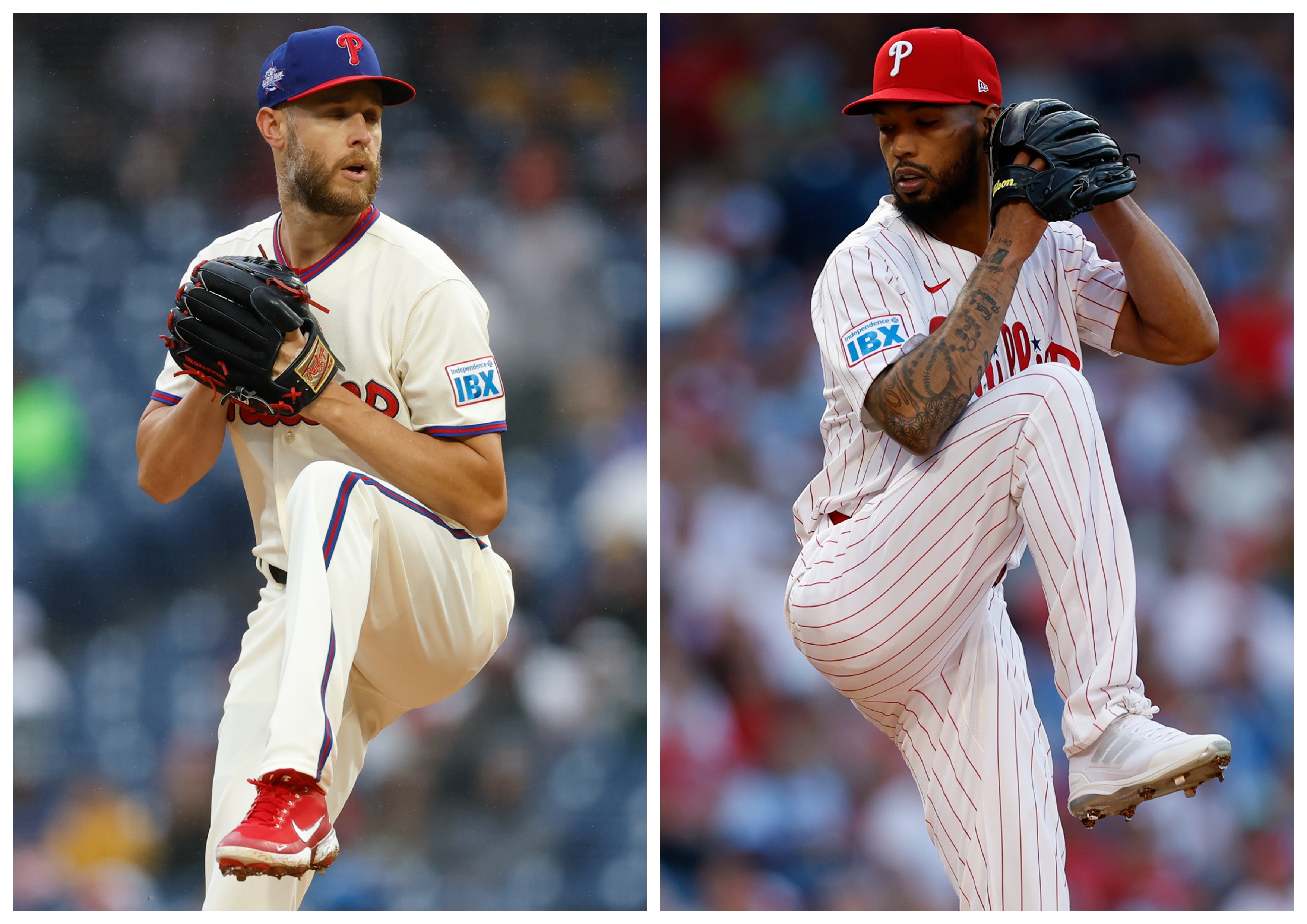
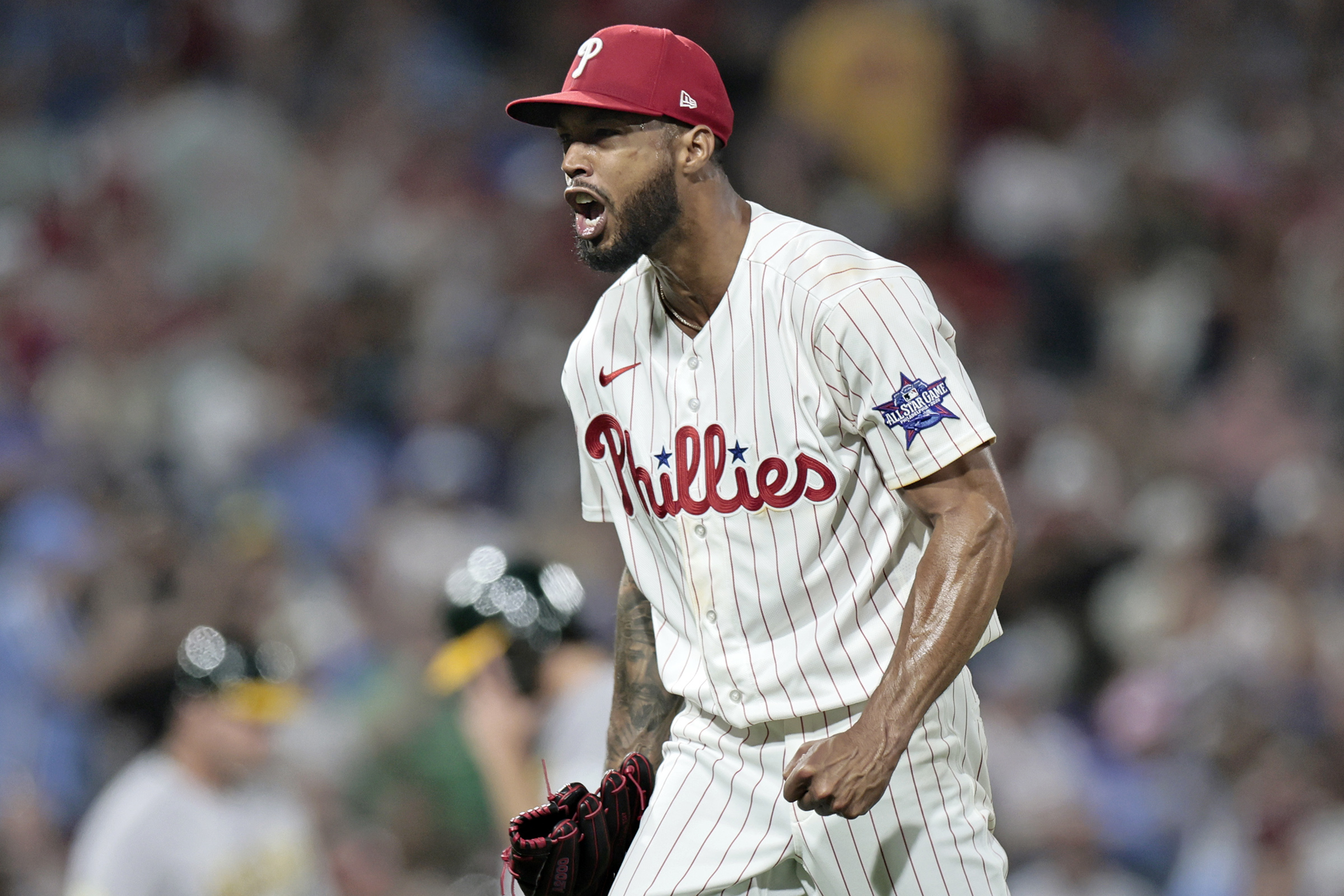
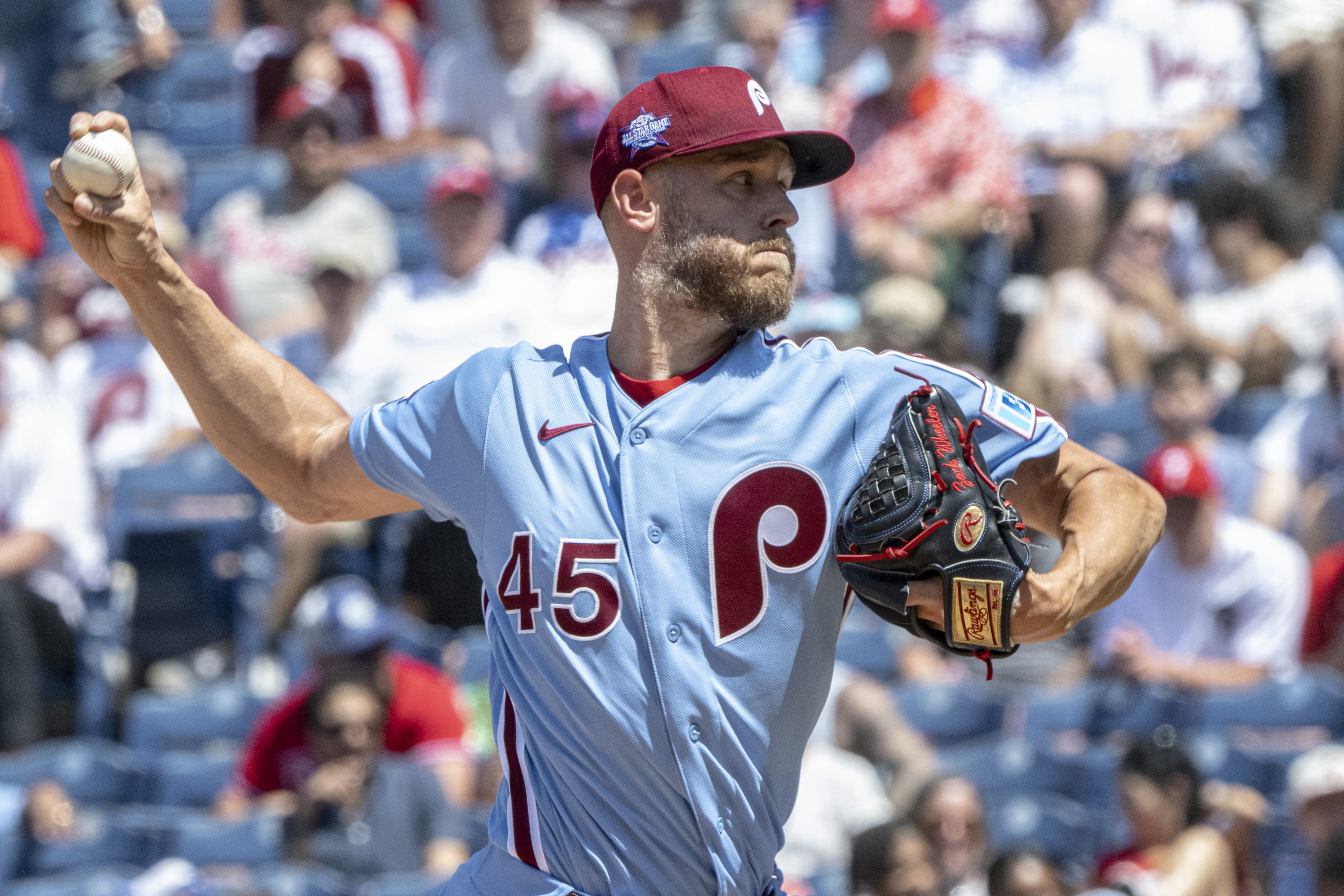
    The subject came up in the Phillies’ clubhouse recently, after Zack Wheeler followed a Cristopher Sánchez gem with one of his own.

    Is there a better one-two pitching punch in baseball?

    Bryce Harper answered the question with a question.

    “Yeah, I mean, I’m going to ask you,” the Face of the Franchise said. “What do you think? Is it the best one-two? I mean, it’s got to be up there.”

    Up there? No doubt.

    The best?

    Anecdotally, it’s hard to believe there’s a better tandem. Sánchez and Wheeler have started back-to-back for seven turns through the rotation, five times against the same team. Here’s how it’s gone:

    • Sánchez, May 5 vs. A’s: 8 innings, 0 runs
    • Wheeler, May 6 vs. A’s: 6⅓ innings, 3 runs
    • Sánchez, May 10 vs. Rockies: 7 innings, 0 runs
    • Wheeler, May 12 at Red Sox: 7⅓ innings, 1 run
    • Sánchez, May 16 at Pirates: 9 innings, 0 runs
    • Wheeler, May 17 at Pirates: 7 innings, 0 runs
    • Sánchez, May 22 vs. Guardians: 8 innings, 0 runs
    • Wheeler, May 23 vs. Guardians: 6 innings, 0 runs
    • Sánchez, May 27 at Padres: 7 innings, 0 runs
    • Wheeler, May 29 at Dodgers: 6 innings, 4 runs
    • Sánchez, June 3 vs. Padres: 7 innings, 1 run
    • Wheeler, June 4 vs. Padres: 7 innings, 2 runs
    • Sánchez, June 8 at Blue Jays: 7 innings, 2 runs
    • Wheeler, June 9 at Blue Jays: 6 innings, 1 run

    That’s a 0.51 ERA in 53 innings for Sánchez, last year’s Cy Young Award runner-up in the National League. The 29-year-old recently went 50⅔ innings without giving up a run, the longest streak by a lefty and fifth-longest overall since at least 1893.

    Cristopher Sánchez recently went 50⅔ innings without allowing a run, the longest streak by any left-handed pitcher since at least 1893.Elizabeth Robertson / Staff Photographer

    And it’s a 2.17 mark in 45⅔ innings for Wheeler, a two-time Cy Young runner-up. You wouldn’t know that he turned 36 two weeks ago — or had a rib removed nine months ago to relieve a compressed vein.

    Philly hasn’t seen a better one-two punch since the trio of Roy Halladay, Cliff Lee, and Cole Hamels in 2011, maybe since Rocky’s left jab and right cross.

    Sánchez leads all pitchers in wins above replacement (5.1, as calculated by Baseball-Reference) and innings (93⅓), and ranks second in strikeouts (113), and third in ERA (1.54). Wheeler is tied for sixth in WAR (2.7) and has a 2.22 ERA in nine starts.

    “I love Wheeler, and I think Sánchez is above Wheeler now,” said a talent evaluator from a National League team. “That’s how good I think Sánchez is.”

    Sure, but are they the best?

    “It’s relentless,” Pirates manager Don Kelly said last month after Sánchez’s six-hit shutout preceded seven scoreless innings from Wheeler. “Whenever you get to that level and you’re facing those types of guys, those are the types of arms you’re going to see in October.”

    After Sánchez blanked the Guardians for eight innings on May 22, Cleveland manager Stephen Vogt called him “special.” A day later, the Guardians were muted for six innings by Wheeler, whom Vogt called “one of the best righties in the game.”

    Put them together, and well, it’s a two-headed monster that gives the Phillies an edge over almost any team in a short series.

    But there are others. An informal survey of scouts this week produced other dynamic-duo nominees. Among them:

    Zack Wheeler has a 2.22 ERA in nine starts after returning from thoracic outlet syndrome.Jose F. Moreno / Staff Photographer

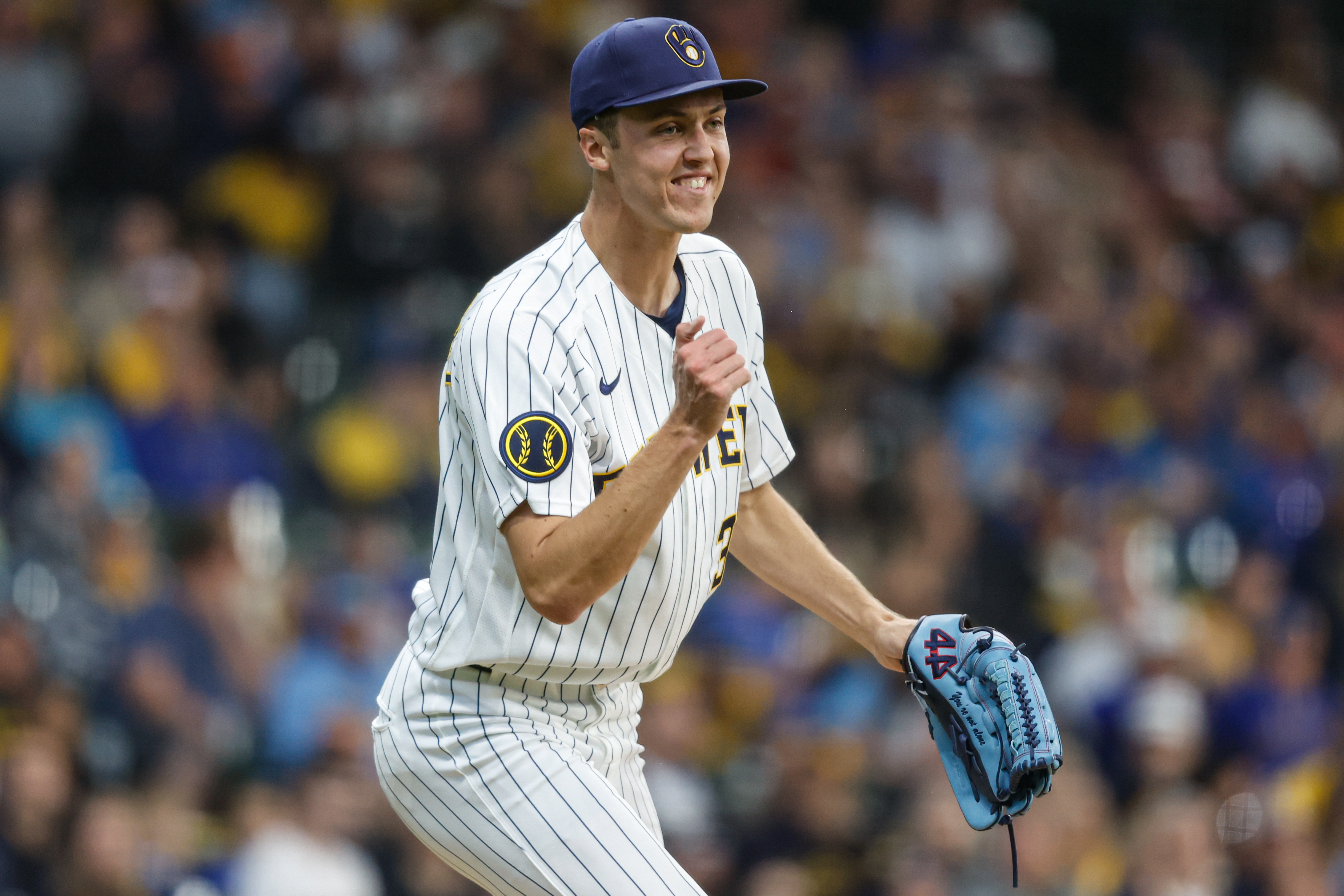
    Jacob Misiorowski and Kyle Harrison, Brewers: When it comes to velocity, nobody beats The Miz. The 24-year-old righty’s fastball averages — repeat: averages — 100 mph. Harrison is a revelation, though one NL evaluator was skeptical of the 24-year-old lefty, who has been traded twice (Giants to Red Sox to Brewers) since last June 15. Misiorowski and Harrison will take 1.50 and 2.72 ERAs into starts Friday and Sunday, respectively, against the Phillies in Milwaukee.

    Shohei Ohtani and Yoshinobu Yamamoto, Dodgers: Imagine if the Phillies convinced Yamamoto to take their $300 million-plus offer in December 2023? After his iconic postseason last year, he has a 2.68 ERA through 12 starts. Ohtani seems determined to add a Cy Young Award to his MVP collection (four, and almost certainly counting). He allowed five runs through his first 10 starts and has a 1.06 ERA overall. One rival NL scout dinged the Dodgers’ duo, dominant as it is, due to the unique usage of Ohtani, who rarely starts on less than six days’ rest.

    Cam Schlittler and Gerrit Cole, Yankees: Every team wishes it could clone its Cy Young-winning ace. The Yankees seem to have done it. Schlittler (1.87 ERA through 14 starts) resembles Cole not only in terms of physical appearance but also stuff, notably a big fastball and hard cutter. Two scouts — one in each league — put the Yankees’ 25- and 35-year-old righties slightly ahead of Sánchez and Wheeler. But one NL scout cautioned that, like Wheeler, Cole is coming back from surgery. So far, though, four starts into his return from Tommy John elbow surgery, he has a 2.45 ERA that has him looking like vintage Cole.

    Another NL scout cited the emergence of righty Braxton Ashcraft (3.28 ERA through 13 starts) as a sidekick to Paul Skenes (2.84 in 14 starts) to give the Pirates a formidable tandem. The AL scout pointed to Blue Jays right-handers Dylan Cease (2.91 ERA in 12 starts) and Kevin Gausman (3.60 in 14 starts).

    Off the top of his head, Harper submitted Braves lefty Chris Sale and, when healthy, hard-throwing Spencer Schwellenbach. But the latter had surgery in February to remove bone spurs from his right elbow and isn’t expected to pitch until late in the season.

    In any case, the Phillies believe Sánchez and Wheeler don’t take a back seat to anyone. They’re 10-4 in Sánchez’s starts (including a 1-0 loss to the Guardians on May 22), 7-2 in Wheeler’s, and 20-25 in all other games.

    Unlike the Dodgers’ and Yankees’ co-aces, Sánchez and Wheeler give the Phillies a lefty-righty balance. They present stylistic contrasts, too, and come from vastly different backgrounds.

    Brewers ace Jacob Misiorowski, who will face the Phillies on Friday night, is half of Milwaukee’s formidable top-of-the-rotation tandem.Jeffrey Phelps

    Sánchez, acquired from the Rays in a minor trade after the 2019 season, represents a victory for the Phillies’ scouting, analytics, and mostly player-development departments. Specifically, pitching coach Caleb Cotham credits César Ramos, who worked with Sánchez in triple A before becoming the major league bullpen coach.

    In three years, Sánchez harnessed his command, honed his changeup, and went from a last-resort fifth starter in 2023 to the best lefty in the NL — and maybe in the entire sport.

    Since the beginning of the 2024 season, Sánchez has a 2.62 ERA and leads all pitchers with 16.9 WAR, as calculated by Baseball-Reference.

    “It’s the coolest thing I’ve ever been a part of, from where he started to where he is now,” Cotham said this week on The Inquirer’s Phillies Extra podcast. “The attention to detail and the small things, tightening the delivery, we can go on and on. They turned into huge things for him.

    “You watch a ’23 video, ’22, even some ’24 video, it still kind of smacks me in the face, where it’s like, wow. I know the delivery is tighter, it’s cleaner. But he’s a big dude. There was arms and hands and feet going everywhere. It’s still kind of jarring watching even ’24 video with how much better and consistent and compact his delivery is compared to then. It’s just gotten better and better each year.

    “That’s probably the biggest piece for me with Cris. The physicality got to a point to allow the delivery to get to where you’re no longer wondering where this ball’s going to go.”

    Cristopher Sánchez has a 2.62 ERA since the start of the 2024 season.Yong Kim / Staff Photographer

    Wheeler has evolved, too. He still leans on his fastball, although it’s a few ticks slower after his surgery. But he added a sweeper and splitter over the last few years, and in any given start, one or the other, or maybe his curveball, might be his best off-speed pitch.

    “The splitter’s arguably as good as it’s ever been, movement-wise,” Cotham said. “The sweeper’s been very good. He’s thrown the last couple of starts some of the better curveballs he’s thrown. The cutter was a pitch he didn’t quite have early in the year. It’s gotten better lately.”

    Oh, and for hitters, here’s the scary part.

    “I still think,” Cotham said, “there’s another level for him.”

    Said interim manager Don Mattingly: “It’s always good to have Wheels out there. We talk about Sánchy being an ace. But it’s hard to have a true ace if you’re not saying Wheeler is the guy. It’s good to have these guys back-to-back.”

    Regardless of where Sánchez and Wheeler stack up, few teams have anything like them.

    “It’s tough coming into a ballpark and knowing that you’re going to face those two guys in a series,” Harper said. “So, yeah, I really don’t know if there’s a better one-two punch in the game right now.”

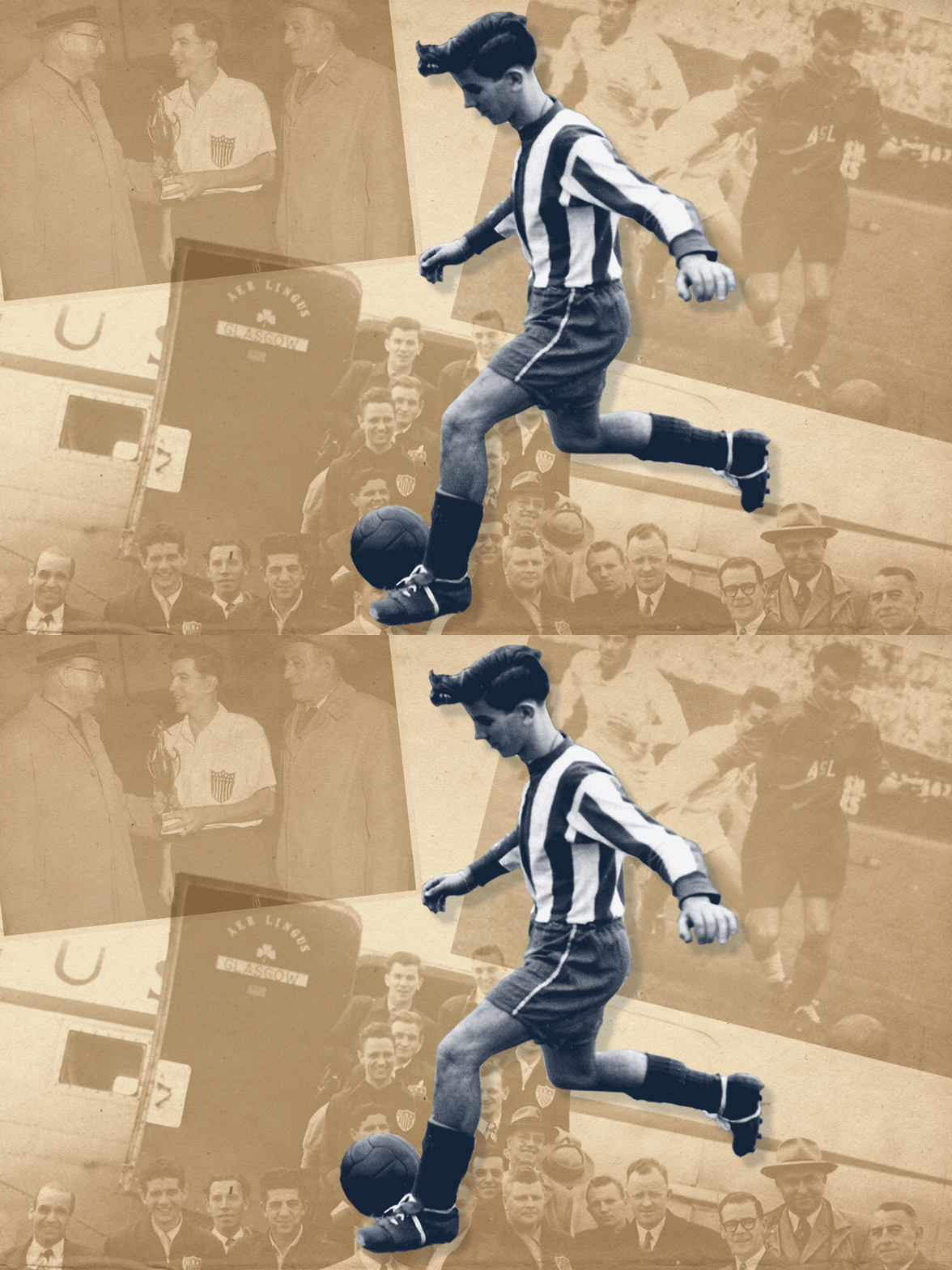
  • Benny McLaughlin was a Philly soccer pioneer. He couldn’t get off work to play in the World Cup.

    Benny McLaughlin was a Philly soccer pioneer. He couldn’t get off work to play in the World Cup.

    The parking lot was crammed, and the game was already underway when Benny McLaughlin pulled his Impala toward McVeigh Playground, the spot in Kensington where he played as a kid before traveling the world as one of Philadelphia’s true soccer pioneers.

    He grew up on Hurley Street in a rowhouse across from the playground where neighbors hung out their windows in the summer of 1948 to fete McLaughlin with a ticker-tape parade after he made the Olympic team.

    McLaughlin played professionally as a teenager, was a star at North Catholic, kicked leather balls that felt like cinder blocks in the rain, and helped the U.S. qualify for the 1950 World Cup.

    But he had to miss the tournament in Brazil. Why? Because his job refused to give him time off.

    McLaughlin, who once played in front of more than 100,000 people in Scotland, was told by a British journalist that he was good enough to play in England’s first division. Considered by one admirer to be the “Babe Ruth” of his neighborhood, in Philadelphia soccer circles, McLaughlin was an icon.

    But he still needed a parking spot that Sunday afternoon in the early 1970s at his old playground. Finally, he was spotted behind the wheel.

    “Someone goes, ‘Benny’s here,’” said his son, Andy, who sat in the passenger seat. “They waved him in and just said, ‘Park the car anywhere. Leave the keys. Drop it here.’”

    Benny McLaughlin already had his cleats and shorts on. He was in his early 40s, there to play in a reunion game of old teams.

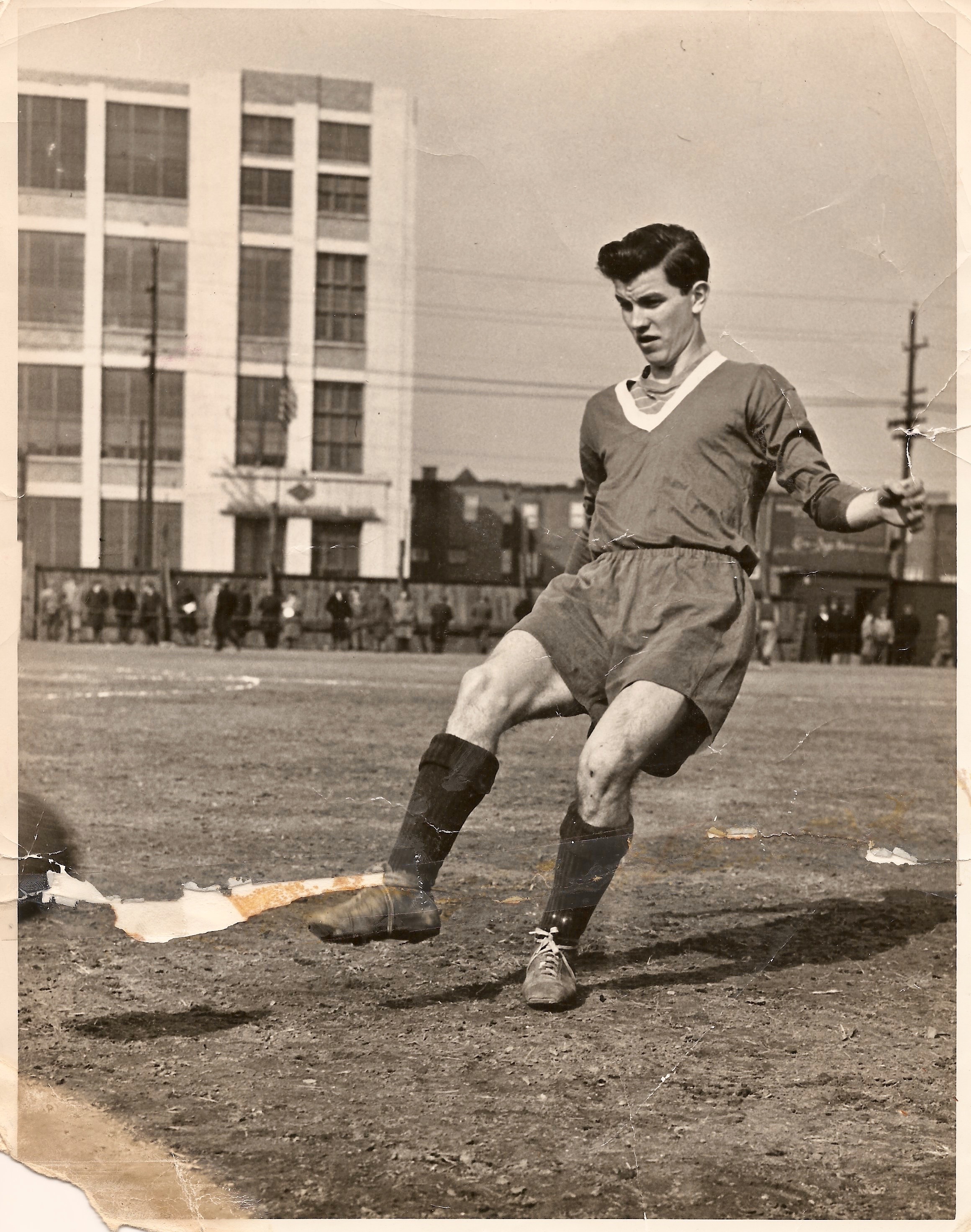
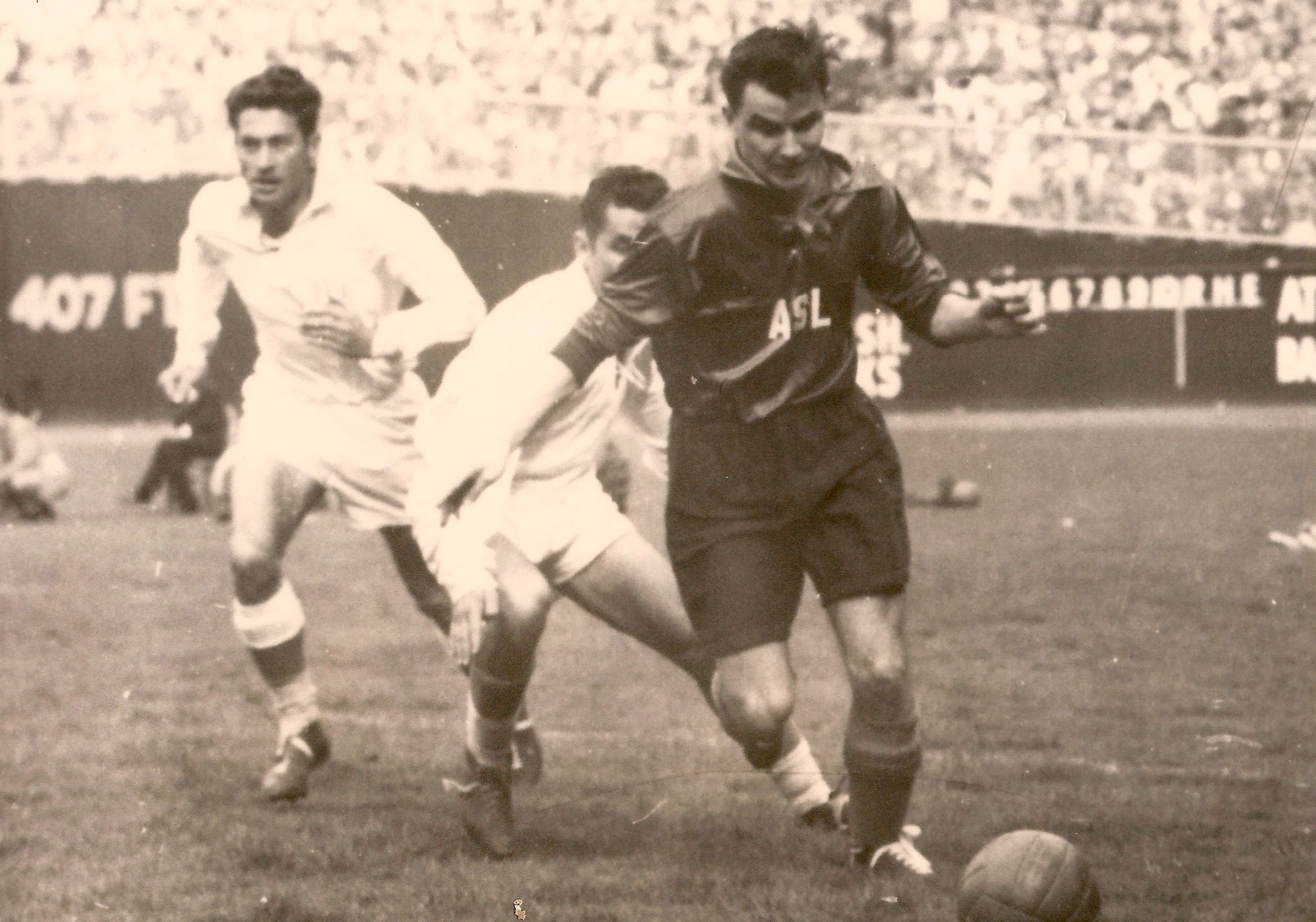
    Benny McLaughlin playing for the Philadelphia Nationals at Holmes Stadium on Erie Avenue.Mark McLaughlin

    Andy, then 12 years old, watched as his dad subbed in. A defender from the Five And One Club — another Kensington watering hole — pointed to McLaughlin and said he had him covered. Good luck.

    “He made a move or two around the guy and the guy just fell down,” said Andy, 65. “He took a quick pop shot, and it was in. It was just smooth. I was going crazy. I get goose bumps thinking about it now. And it’s true. I witnessed it. He still had it.”

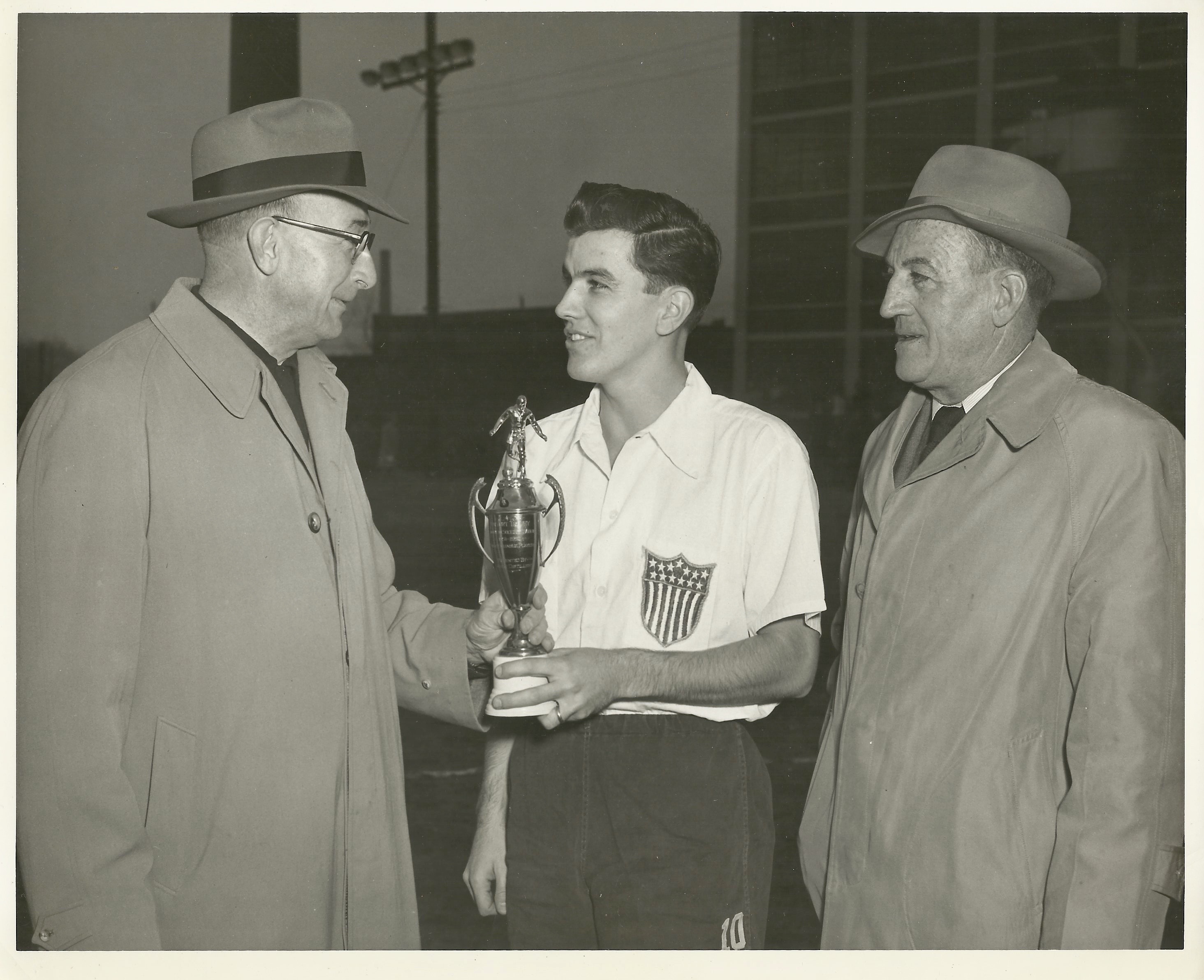
    McLaughlin’s six children would often ask their dad how good he was back in the day. The dad guarded his heroics like state secrets. He was humble. McLaughlin was inducted into the National Soccer Hall of Fame in 1977 and told his kids that it was because he had good teammates.

    Just once, Andy said, he wished his dad would brag. That wasn’t McLaughlin, who always had a second — or third — job while raising his family on Convent Avenue in the Northeast.

    He finally gave his son a glimpse of the life he lived when he blasted that shot into the net at his old playground.

    “That was the proof,” Andy said. “I was like, ‘Yeah!’ I was roaring. What would you do? My friends needle me like, ‘What happened to you?’ It’s like being Mickey Mantle’s son. What do you want from me?”

    Benny McLaughlin was the 1951-52 American Soccer League MVP.Mark McLaughlin

    Missing the World Cup

    The World Cup will be broadcast worldwide over the next six weeks as players from 48 nations play in sold-out stadiums across three countries. Six games will be in Philadelphia, and the event is now a spectacle after years of planning.

    But in 1950, it was anonymous to most Americans. McLaughlin, then 22 years old, was in Mexico the previous September to help the U.S. qualify for the 1950 World Cup. He graduated from North Catholic three years earlier and was an all-American at Temple before dropping out after one year to work.

    He was hired in 1949 by Fischer & Porter, a factory in Hatboro that made parts for Navy ships and submarines, where his brother-in-law was an executive. McLaughlin asked the company if he could have a few weeks off to go to Brazil and play in the World Cup.

    “They told him, ‘If you go, you no longer have a job,’” Andy said.

    Len Oliver, a Hall of Fame soccer writer and Philadelphia native, once wrote that McLaughlin was one of the best American-born players of his era. He was a star. But he couldn’t play in the World Cup.

    “Imagine that happening today,” Andy said. “Let’s say you’re a youth player, you make the national team, and you’re going to go represent the U.S. in a foreign country. They would wrap the company’s logo around you. It had to be a real kick in the teeth not to go. But he had to decide. He had a life decision to make. He needed to work. He wanted to get married. If the company said you can’t go, then what do you do?”

    McLaughlin playing for the American Soccer League All-Stars in 1947 at Ebbets Field.Mark McLaughlin

    That’s Bernie Flanagan

    McLaughlin’s father, Bernard, immigrated from Scotland after being recruited by Bethlehem Steel to work at its plant and play on its soccer team. The McLaughlins eventually moved to Kensington, where Benny learned to play soccer in the streets as the boys used the neighborhood’s narrow passages as soccer fields.

    His skills blossomed at Lighthouse Boys Club where he played with Walter Bahr, another Kensington kid who became a giant in Philadelphia soccer. They were best friends and played together as teenagers on the Philadelphia Nationals, a professional squad that traveled to New York on the weekends.

    McLaughlin was just 15, so he used a false name — Bernie Flanagan — to protect his amateur status while making $15 a game. A tipster wrote to the U.S. Olympic Committee in June 1948, informing them that Bahr and McLaughlin were pros. The USOC passed the information to the U.S. Soccer Federation, which said it would investigate the high schoolers. Nothing to see here, they said.

    “Ben, a young fellow doing a graduate thesis came across these letters,” Bahr wrote to McLaughlin years later after being sent a series of correspondences about their amateur case. “Thought you’d get a kick out of them.”

    McLaughlin and Bahr remained amateurs and played together on the U.S. team at the 1948 Olympics in London.

    “He looked up and saw 90,000 fans,” said McLaughlin’s son, Bernie, 73. “His cousins from Scotland came over to see him play. He said he was never more proud to be an American.”

    Two years later, he was ready for the World Cup. But the company did not budge. McLaughlin, engaged to be married later that year, couldn’t risk losing his job.

    “He needed a job, right?” said his son Mark, 59. “All he ever said to us was that it was for personal reasons. What do you do? You choose family. That’s him.”

    The U.S. team stunned England that summer in a 1-0 win that still stands as one of the most significant moments in American soccer history. It was so hard to fathom that the Brits back home thought the score was a mistake. They even made a movie about the upset.

    Bahr assisted the winning goal, which was scored by the player Andy said replaced his dad on the roster. McLaughlin and Eugene Olaff — who was slated to be the backup goalie but couldn’t get off work as a New Jersey state trooper — read about the win in the newspaper.

    “Imagine getting that news,” Andy said. “It had to be bittersweet. You’re thrilled for them but sorry for yourself. When you have time to evaluate it, what’s a few weeks when you’re making history?”

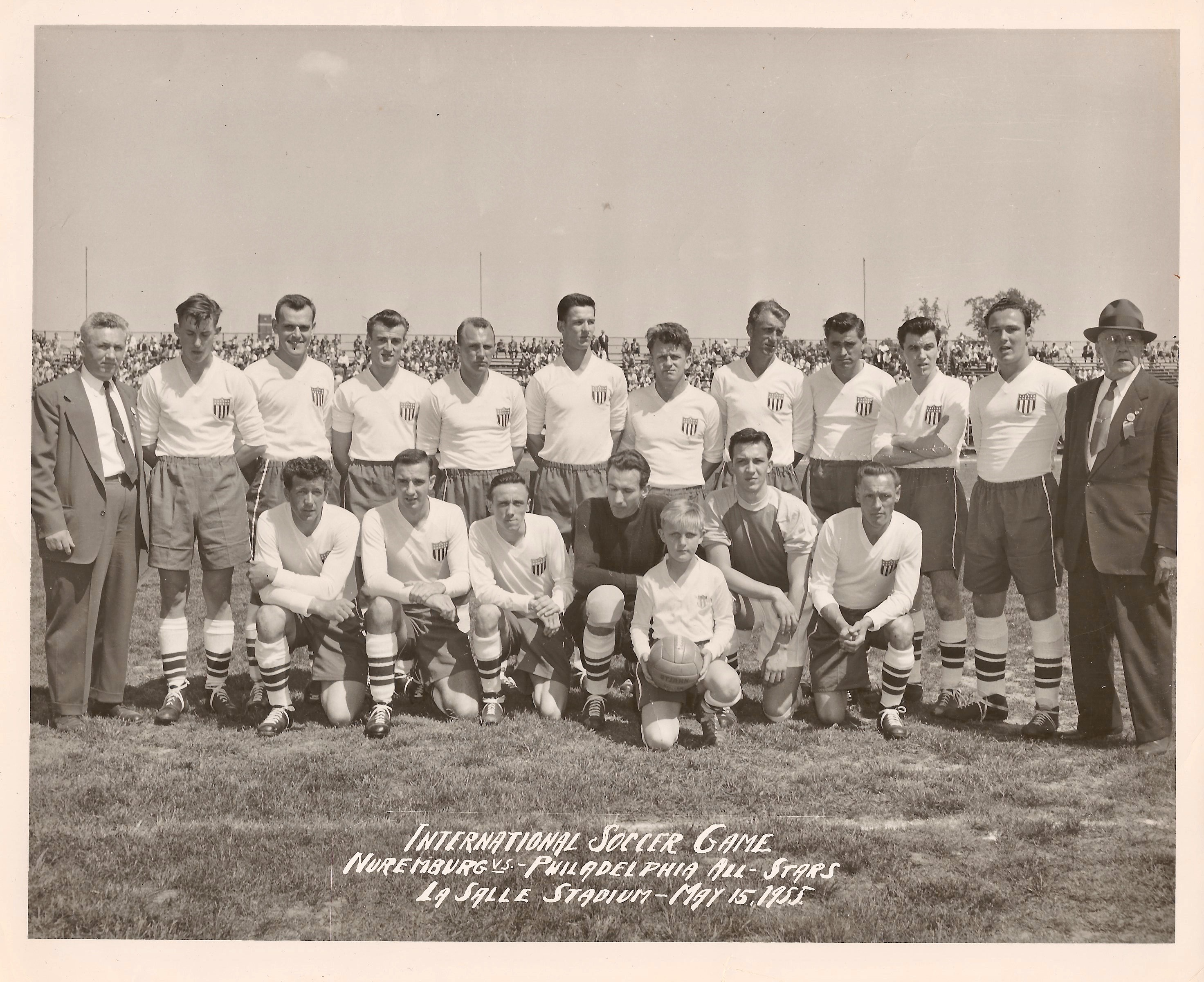
    Benny McLaughlin (second from right in second row) at a Philadelphia All-Stars game in 1955.Mark McLaughlin

    Benny’s legacy

    Bernie was a freshman at St. Joseph’s when some teammates who grew up in his dad’s old neighborhood recognized his last name.

    “My dad’s picture was hanging up in bars in Kensington,” he said as the taverns all sponsored teams. “They said, ‘Is your dad Benny McLaughlin?’ I said, ‘Yeah.’ They said, ‘Well, if you grew up in our neighborhood, you would’ve never had to buy yourself a beer.’”

    About 10 years ago, Andy was sitting at a quiet bar on Torresdale Avenue when he heard a few guys talking about soccer. He joined the conversation.

    “I said, ‘Yeah, my dad played one time,’” Andy said. “The guy said, ‘Oh yeah? Who’s your dad?’ I said, ‘Benny McLaughlin.’ He looked stunned. He said, ‘Your dad is Benny McLaughlin? Benny McLaughlin is your dad?’ He was fumbling for words. Finally, he says to the bartender, ‘This guy is on scholarship for the rest of the afternoon.’”

    McLaughlin’s name still means something in Philadelphia, but his legacy has dimmed outside the city. Perhaps that would be different if he played in that World Cup and scored that iconic goal. But he never thought about it, his sons said. It didn’t make him bitter or dim his love of the game he learned to play as a kid in Kensington.

    He kept a pair of old soccer cleats — “You would’ve thought they were Frankenstein’s boots,” Mark said — under the basement stairs and watched VHS tapes of European highlights, marveling at how they blasted the ball. He cheered the next generation of American players, some of whom grew up near Kensington. The game never left him.

    “He always said that soccer is for the new generation,” Mark said. “He had no regrets for what he did. He was grateful for what he was able to accomplish. He never looked back.”

    Ed Blaney, who played at St. Joe’s, told the McLaughlins that he credited their dad for his college scholarship. McLaughlin, he told them, helped make soccer relevant in the U.S., which caused more colleges to field teams.

    Blaney played at North Catholic and grew up in Kensington, just like McLaughlin. He would not have been able to afford college without the pathway the neighborhood celebrity created. Forget the World Cup. That is McLaughlin’s legacy, Bernie said.

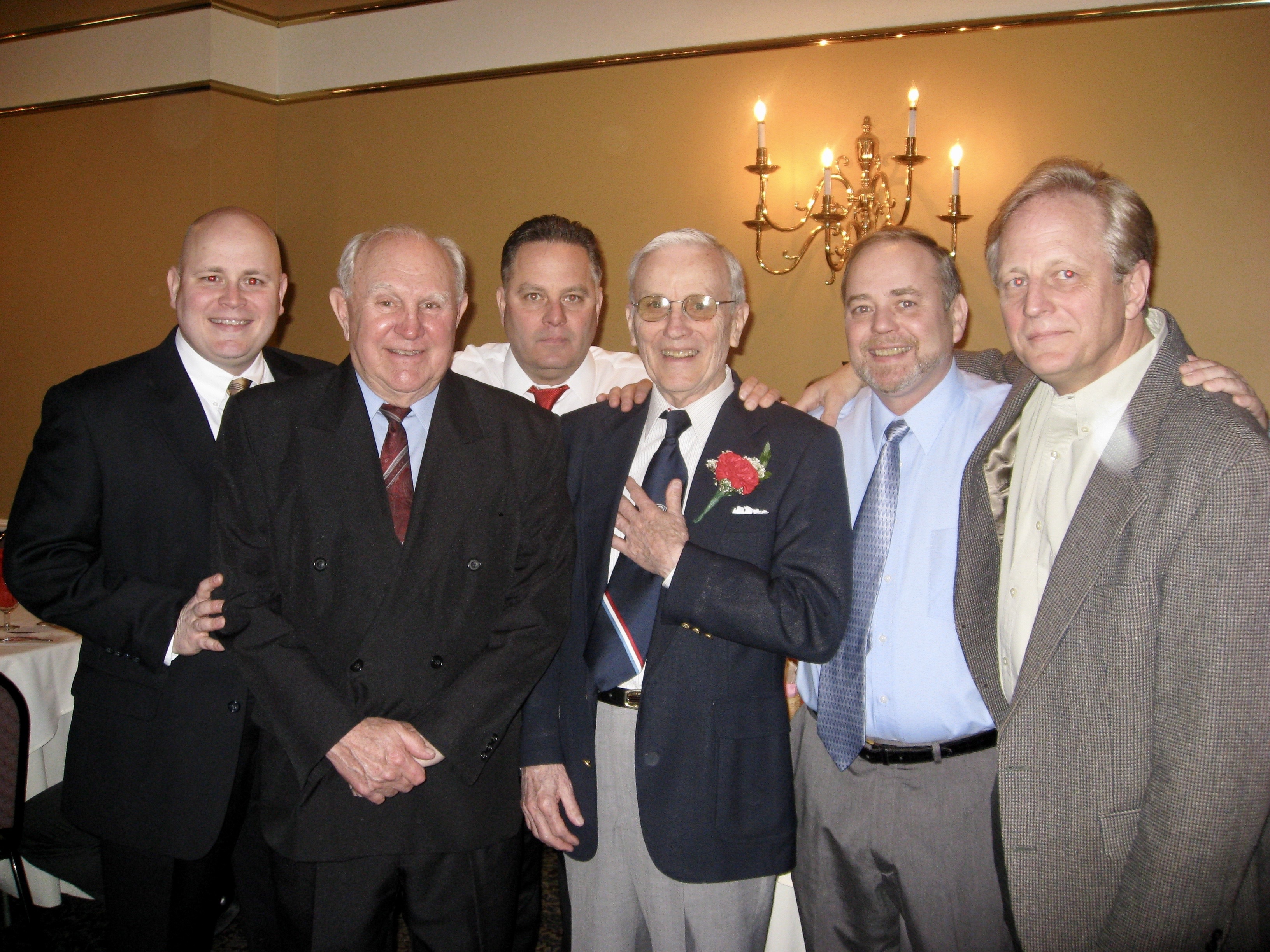
    Walter Bahr and Benny McLaughin with McLaughin’s four sons: Mark, Andy, Brian, and Bernie.Mark McLaughlin

    One last reunion

    McLaughlin kept his job at Fischer & Porter for more than 20 years before working for the city in the redevelopment authority. He sold carpet at night and delivered kegs on the weekend, doing whatever it took to raise six children with his wife, Joan. McLaughlin made breakfast every Sunday — fried eggs and bacon — and often topped a summer barbecue with a drive to Goodnoe’s Ice Cream in Bucks County.

    “I want to stop myself from bragging about him,” Andy said. “But I don’t. As great as a soccer player as he was, he was a great dad, too. He was always looking out for us. He always had a nice word for you. He was just a great, loving dad.”

    McLaughlin was starting to fade in 2010 when his family moved him to a senior facility in West Chester. A few weeks later, a new resident named Harry Naughton was complaining about his hips. He told the staff he used to play soccer. They told him they had someone else living there who once was a big soccer player in Philly.

    “Don’t tell me it’s Benny McLaughlin,” Naughton said.

    The staff asked Naughton how he knew it would be McLaughlin.

    “Who doesn’t know Benny McLaughlin?” he said.

    Mark soon took his dad to Naughton’s apartment. Benny couldn’t say much, but his son knew he recognized his old teammate. Naughton was a goalie on the Philadelphia Nationals, the team McLaughlin played for under that fake name.

    Mark took out his phone, called Bahr, and put him on speakerphone. The three teammates were together again.

    Bahr asked Naughton how his back was feeling. He said it was giving him trouble, but how did Bahr know?

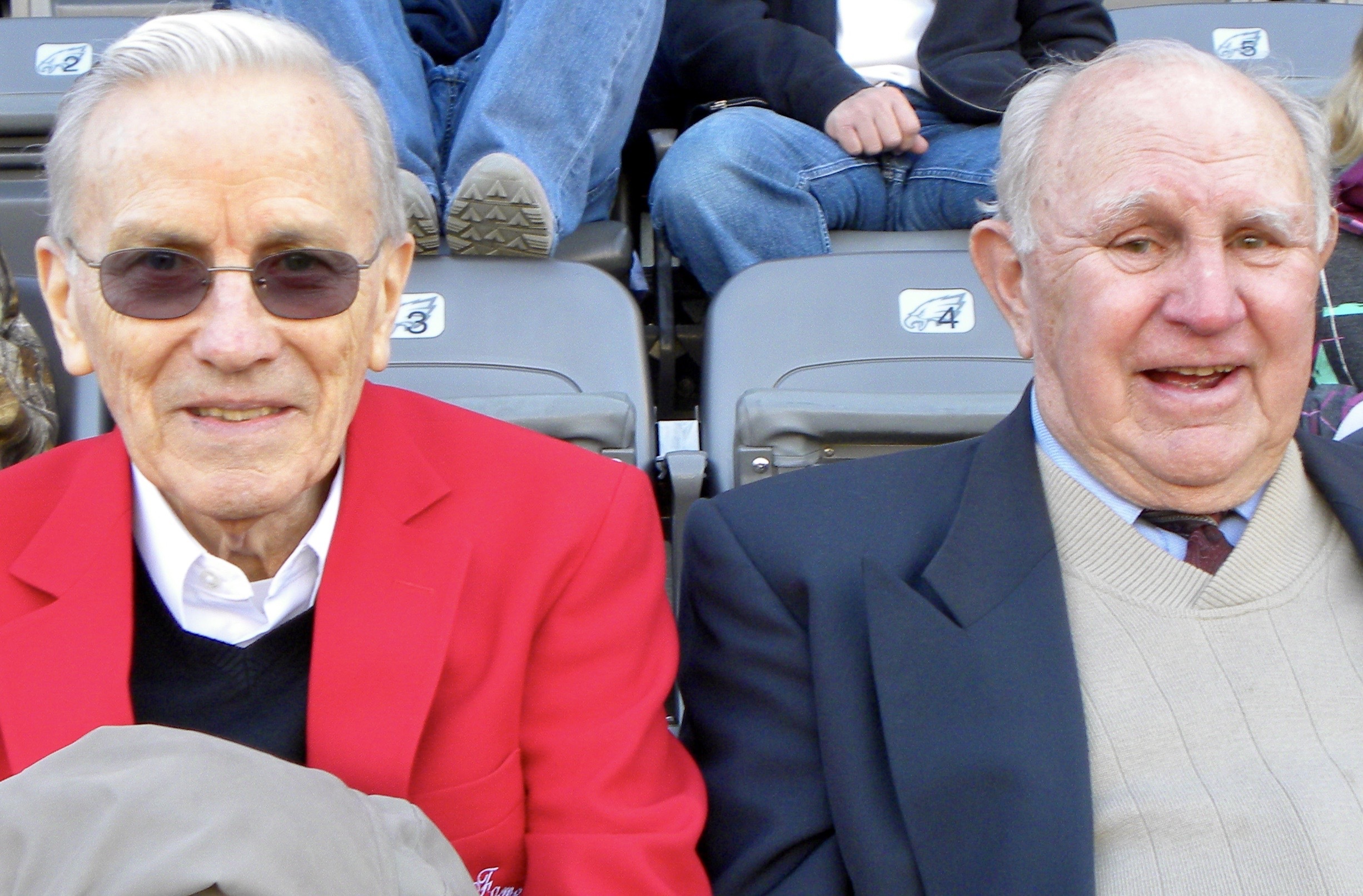
    Benny McLaughlin (left) and Walt Bahr at Lincoln Financial Field for the Union’s first game in April 2010.Mark McLaughlin

    “‘Oh, I just figured it would be bad from all the times you had to bend over to pick the damn ball up from the back of the net,’” Bahr said.

    Benny McLaughlin, who died two years later in 2012 at age 84, laughed. So did the others as they chatted that afternoon about the old days.

    McLaughlin played the game as a kid with wizardry, a skinny kid from Kensington who moved the ball with ease and always seemed to find an open teammate. Eric Charleson, one of America’s earliest soccer experts, once wrote that McLaughlin had “a fire, spirit, and determination that defied the rigors of the sport.” But he was more than that, Charleson wrote, as McLaughlin had “integrity, sportsmanship, and character.” That’s why he didn’t talk much about his career. His game said it all.

    And there he was in his old buddy’s apartment, talking about the game they once mastered. The game they played on the streets in Kensington and the game they toasted in those little neighborhood taprooms. The game that took them around the world and the game that wasn’t yet popular enough to get you off from work. But McLaughlin didn’t mind. The game gave him enough memories. He didn’t need a World Cup.

    “You almost saw a youth come into all of them,” Mark said. “They were young again for a minute. The joy and the smile. The eyes were shining. It was just so awesome. It was the best day ever.”

  • Jalen Brunson and ‘Nova Knicks overcome NBA Finals record 29-point deficit to take 3-1 lead over Spurs

    NEW YORK — The legend of Jalen Brunson grows.

    The ‘Nova Knicks, all heart and grit and chilling composure, completed the greatest comeback in NBA Finals history, erasing a 29-point second-quarter deficit to take a one-point lead on a floater by — who else — indomitable point guard Brunson with 1 minute, 22 seconds left to play. With 1.2 seconds remaining, trailing by one, OG Anunoby tipped in Brunson’s missed three-pointer.

    It was Brunson’s 36th point. It was Anunoby’s 33rd.

    It was a 107-106 win over the Spurs, forever enshrined as the NBA’s biggest chokers. The Knicks know all about that.

    However, they now stand 48 minutes away from ending a 53-year drought. Only one NBA team has blown a 3-1 lead in the Finals, and those 2016 Golden State Warriors faced prime Kyrie Irving and LeBron James in his prodigal return to Cleveland.

    This was a momentum win. A historic win. A fairy tale win that carved the hearts out of a team with far better players but with far less backbone.

    It was a last-second, never-say-die win in the Mecca of basketball, Madison Square Garden, accomplished in front of stars ranging from Jerry Seinfeld to Jay-Z to Taylor Swift to Timothée Chalamet.

    A win delivered by divine intervention, perhaps; after all, a nun blessed the Garden with holy water after the Game 3 loss, and Villanova is a Catholic university, after all.

    OK, it might not have been miraculous, or even sacral, but it’s probably the best win in the history of the franchise. The kind of win that 19,812 attended but 1.9 million will claim to have witnessed in the flesh.

    It was that epic.

    It was the sort of statement game that gets a number retired, hung from the rafters in the Garden alongside Walt Frazier and Bill Bradley and Patrick Ewing and Willis Reed. A number like the No. 11 that Brunson wears. He carried the Knicks all season, all playoffs, and all night.

    He was drafted 33rd in 2018 having won two NCAA titles at Villanova, both with Knicks teammate Mikal Bridges, one with Knicks teammate Josh Hart. Asked recently what the NBA teams missed that draft, Brunson replied:

    “Everything.” He looked down. “Humph.”

    Bridges was largely absent Wednesday, and Hart actually missed a dunk and failed to box out on a play that gave the Spurs their last lead, but that’s hoop. They just hoop.

    All three have overachieved, but no one has overachieved in the NBA like Brunson in decades.

    Maybe ever.

    He’s 6-foot-1-ish. He can’t jump. He’s not super fast.

    But he is everything that New York loves about itself, and everything Villanova was in the Jay Wright era.

    The Coach was there, by the way. Brunson, towel over his shoulders, found him on the court after the game. They hugged.

    As they were in Finneran Pavilion and what’s now called Xfinity Mobile Arena and all those NCAA tourney sites, the ‘Nova Knicks were indefatigable. Relentless. Resilient.

    The opposite of San Antonio.

    The Spurs were probably the most talented team in the NBA this season, and for 24 minutes, the played like it. They also are the second-youngest team in NBA Finals history, and, for the final 24 minutes of Game 4, they played like it.

    What was the game like? It was like the Patriots, nine years ago, in Super Bowl LI, when Tom Brady erased a 25-point deficit. That’s the only thing that comes close.

    Jalen Brunson.

    Tom Brady.

    Seriously.

    If Brady had done it in Foxborough, Mass., in front of a home crowd that hadn’t won a title since Richard Nixon was president.

    Just before his game-winning putback, Anunoby blocked a layup that, with 11 seconds to play and a one-point lead, De’Aaron Fox inexplicably and inexcusably took, so he will get more shone today. Fine. Let him have his moment.

    This is Brunson’s team. These are the ‘Nova Knicks.

    The ‘Nova Knicks lead the best-of-seven series, 3-1.

    It feels like 5-1.

    “One word that captures that all is just ‘believe,’” Brunson told ESPN afterward. “Just believing in each other. Believing in the process.”

    It felt impossible early, especially considering the officiating in the series, and the signature play so far, which, of course, involved Brunson.

    The play happened in the first quarter of Game 3 on Monday, which the Knicks lost by four points, and it was seismic at the time and it is seismic today. It was a no-call on Victor Wembanyama that the NBA reviewed to determine if it was flagrant. It was not.

    Had the foul been deemed a Flagrant 2, it would have been Wembanyama’s second of the playoffs. Flagrant 2 fouls carry two flagrant points. Four total flagrant points carry an automatic one-game suspension.

    The NBA simply could not have that. Wemby’s just too important.

    Why does that matter now, several days later?

    Because in Game 4 on Wednesday, Wembanyama was assessed a Flagrant 1 when he cracked Karl-Anthony Towns in the jaw with an elbow.

    That gave him three flagrant points. Which means had the foul Monday been deemed a Flagrant 1, Wembanyama would have been disqualified for Game 5 on Saturday.

    Again: He’s too important.

    Towns? Not so much.

    Within the first 62 seconds on Wednesday, KAT, who carried the Knicks in Games 1 and 2, was on the bench with two questionable fouls. Less than two minutes later, the Knicks trailed, 12-2.

    It changed the complexion of the game, the series … everything.

    The series is pulling crazy ratings thanks in part to the Big Apple’s Big Three, but Brunson, Hart, and Bridges operate on a thin margin for error. To beat a team like the Spurs, who won nine more regular-season games than the Knicks, they need Towns on the court and on his game.

    He picked up his third foul less than five minutes into the second quarter, another phantom infraction considering the physicality of these Finals.

    The Wemby Show, the NBA’s most wholesome narrative since Steph Curry, continues, even though he missed two late throws.

    Wembanyama finished third in MVP voting in his just his third season. An elegant Frenchman of Congolese descent with the comportment and habits of a Renaissance man — he plays competitive chess and sketches in the park — Wembanyama is the NBA’s best vehicle for basketball globalization since Joel Embiid. That one hasn’t really worked out.

    At the time of Wemby-Gate, the Knicks led the series, 2-0. A bit later, at halftime of Game 3, the Knicks led the game by seven.

    And then … the Spurs were awarded 16 more free throws than were the Knicks in the second half of Game 3. Afterward, when asked about the altercation, Brunson replied, “Whatever you saw is what you saw.”

    The refs saw nothing in real time. The NBA saw a catastrophe if Wembanyama missed Game 4. He’d scored 32 in Game 3, and even with all that free-throw help, the Spurs still barely won.

    He missed two free throws late Wednesday. Karma.

    Then, that horrid first half for the home team. If it seemed like everything was going against the Knicks, well, it was.

    And, then, it wasn’t.

  • Eagles practice observations: Jalen Hurts and offense strike back; rookie setbacks; Riq Woolen excels again

    Eagles practice observations: Jalen Hurts and offense strike back; rookie setbacks; Riq Woolen excels again

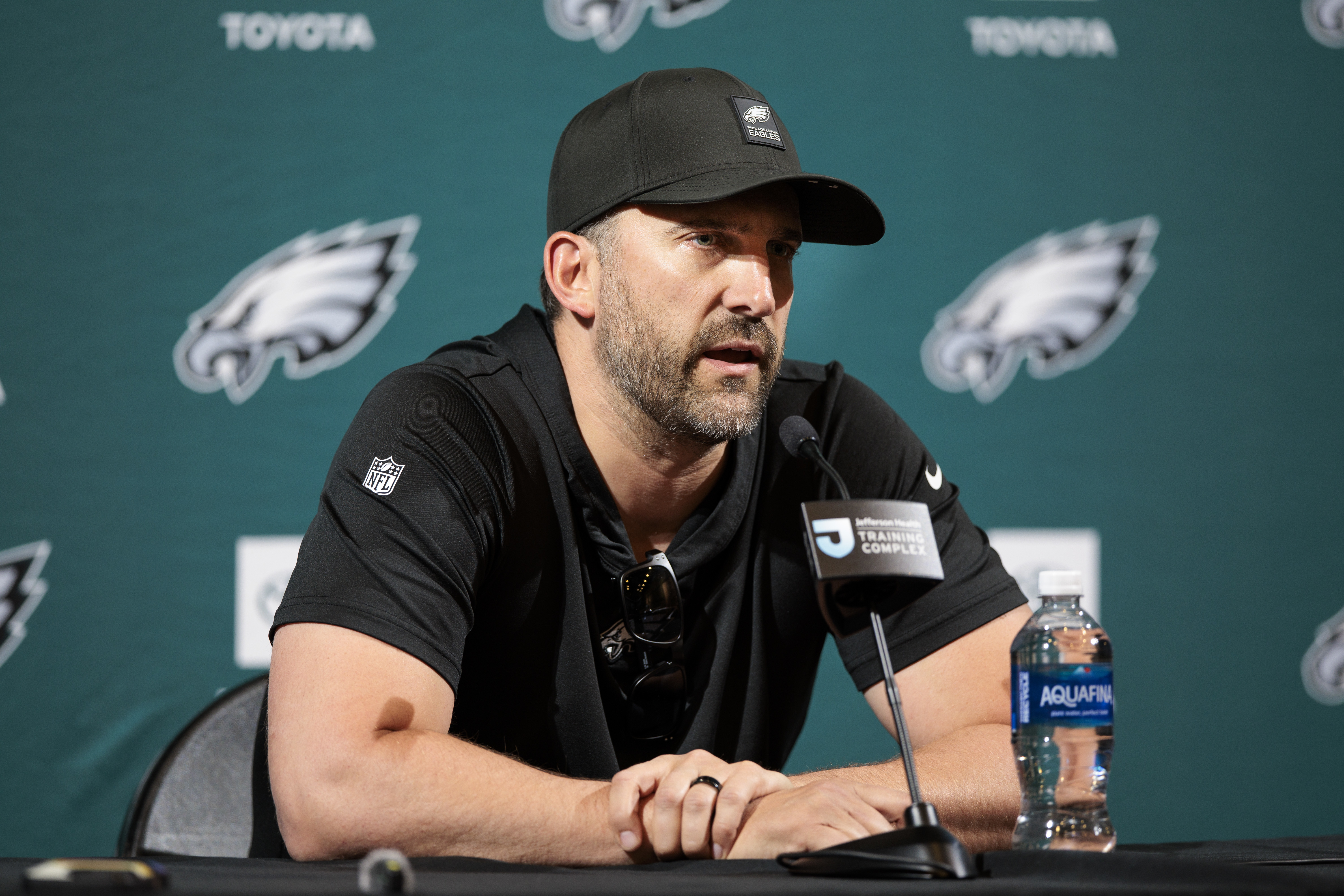
    The Eagles held their second and final practice of minicamp on Wednesday at the Jefferson Health Training Complex. Here were my observations:

    Bell bottom

    Markel Bell was the most notable addition to the Eagles’ injured list. The rookie tackle, who repped with the starters in Lane Johnson’s absence during organized team activities, watched practice. Bell joined the following who continued to sit out with injuries: linebacker Jihaad Campbell (shoulder), wide receiver Makai Lemon (hamstring), tight end Grant Calcaterra, receiver Britain Covey, fullback Carson Steele, linebacker Chandler Martin (who was later released), and safety Tucker Large.

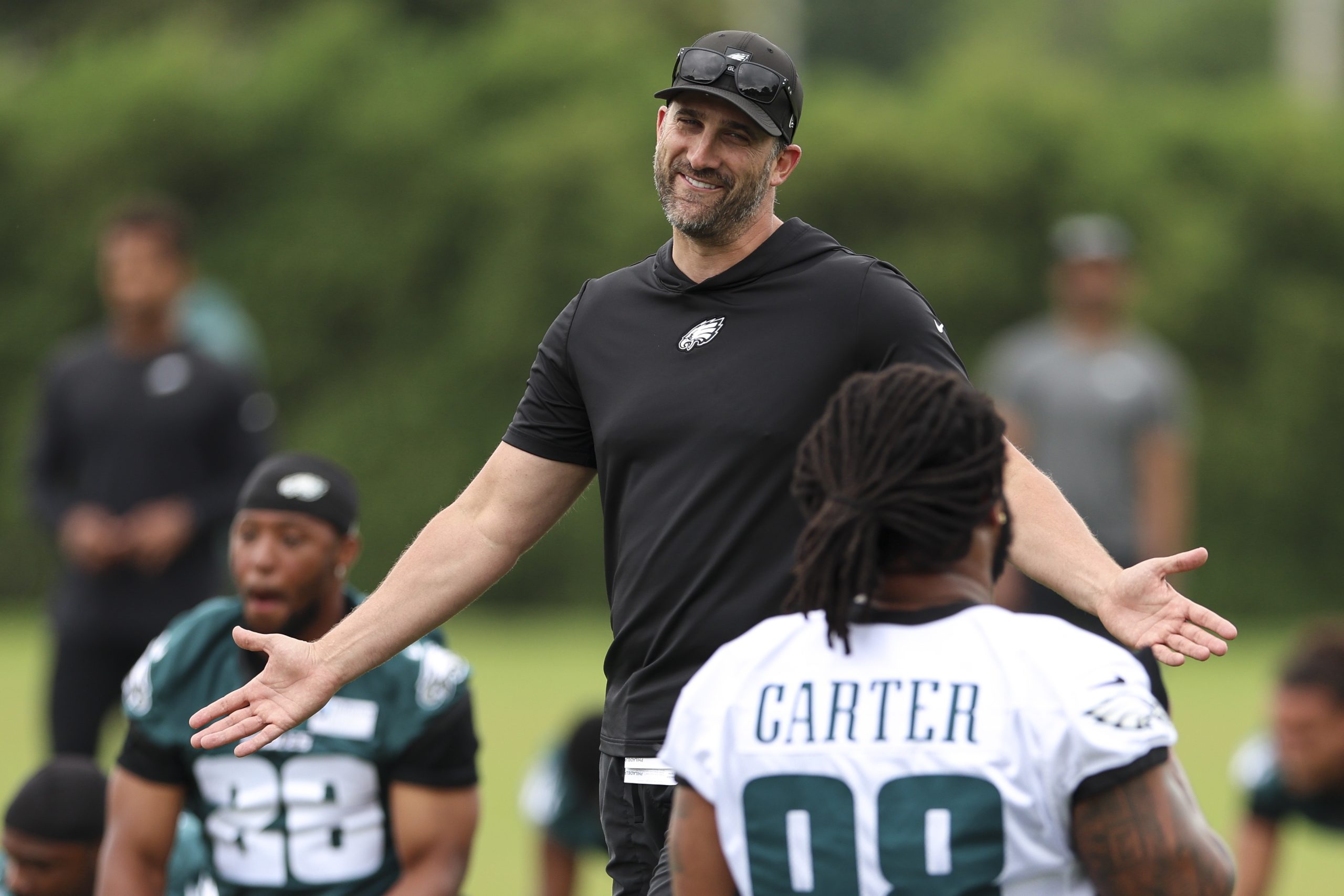
    The Eagles had several players who were limited to varying degrees. Defensive tackle Jalen Carter and edge Jonathan Greenard (shoulder) sat out team drills again. Eagles coach Nick Sirianni declined to say whether Carter’s reduced workload was due to his health or ongoing contract negotiations. The Eagles seem intent on getting one of their more important players, who dealt with shoulder woes all last season, to training camp 100%. Receiver Darius Cooper was also limited.

    Receiver DeVonta Smith was excused for a personal reason. Edge Joe Tryon-Shoyinka was missing again.

    Power to Stowers

    Eli Stowers was in full uniform, but he didn’t partake in most drills. The rookie tight end wore a sleeve on his right leg. I mentioned on Tuesday that he had been relatively quiet during the competitive periods that reporters witnessed this spring, but it seems likely he’s been held back by injury. Sirianni had glowing things to say when I asked about the second-round pick before practice, but conceded that he has plenty to learn. The Eagles aren’t sounding the alarms, but it wasn’t ideal to have all three of their top draft picks — Lemon, Stowers, and Bell — injured during minicamp.

    Saquon Barkley got dinged up during seven-on-seven drills. The running back stretched out for a Jalen Hurts pass he couldn’t haul in near the sideline and landed awkwardly. He got checked out by trainers and returned.

    Eagles tight end Dallas Goedert (right) made a nice catch on a crossing route during Wednesday’s minicamp.Monica Herndon / Staff Photographer

    For the offense

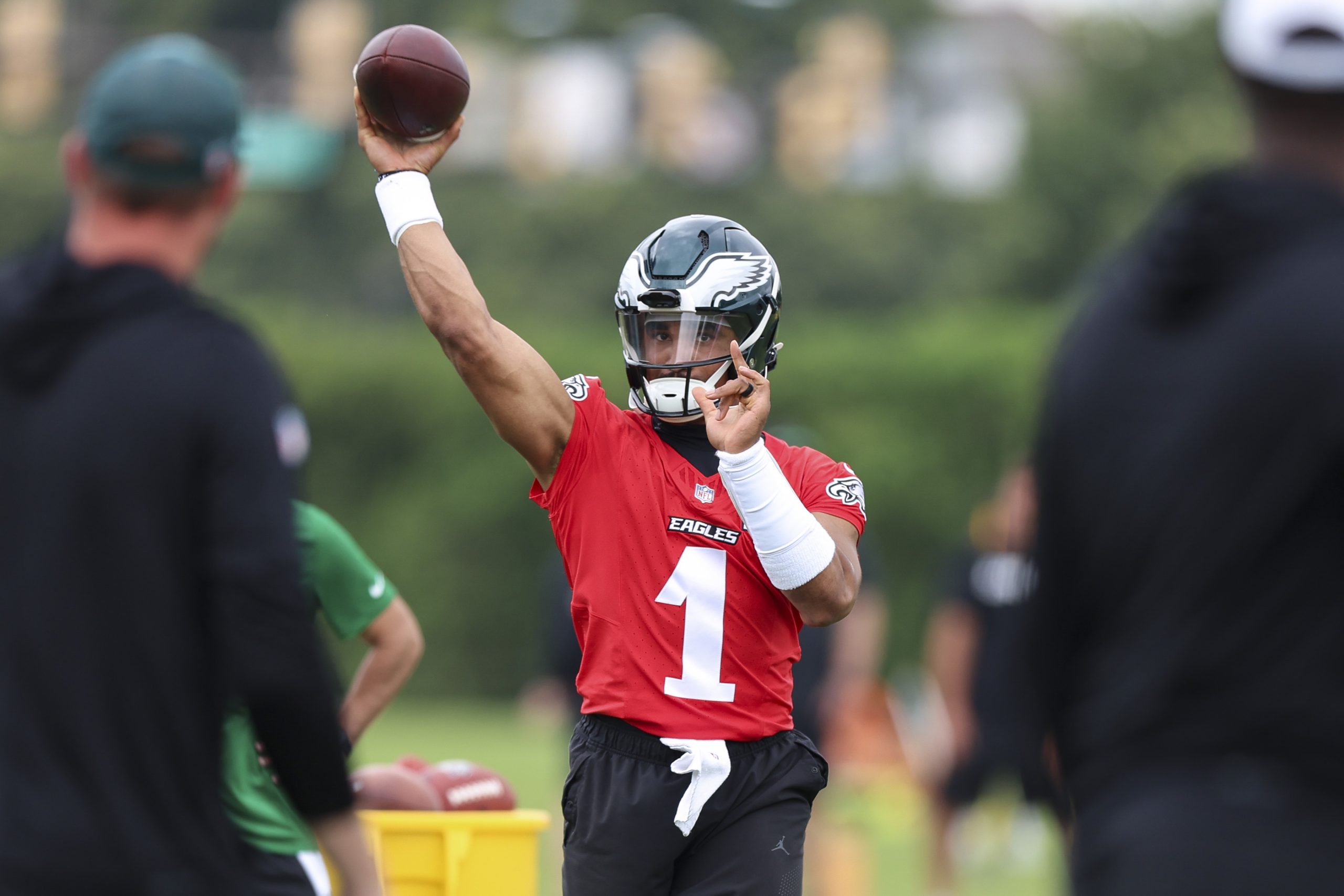
    I’m going to lead with the first-unit offense because I thought it had its best set of the four open practices during team drills. The first three plays came with Hurts under center and two were well executed. On the first play, the offense was in 13 personnel with all three tight ends with their hands in the ground. Hurts’ play-action fake and a deep post route by receiver Hollywood Brown seemingly created space for tight end Dallas Goedert on a crossing route. Hurts hit him in stride. On the second, Barkley bounced outside through a gaping hole and was off to the races. There was also a successful pass play out of shotgun with Hurts layering a throw over the outstretched hand of a defender to receiver Dontayvion Wicks.

    Woolen Co.

    The first-team defense rebounded during the next team period. Riq Woolen has a been a clear standout. He added to his spring resumé with a sack on a corner blitz and followed with an interception on the very next play. Hurts’ pass went right to the cornerback. There had to be a miscommunication between the quarterback and intended target Goedert.

    There was also some confusion on where to line up so the offense had to re-huddle a play later. Hurts’ last two attempts fell incomplete: a dropped checkdown by tight end E.J. Jenkins and a throw wide of receiver Danny Gray on a comeback route.

    Eagles defensive back Riq Woolen has a been a clear standout during practices open to the media this summer.Monica Herndon / Staff Photographer

    Deep impact

    Spring workouts offer the chance to glean early information on new players and schemes, but the Eagles won’t get a better sense of where they’re at until full pads are on in training camp. It’s difficult to put stock in competitive portions when plays are prescripted, but the first-unit offense didn’t get much going downfield in the four open workouts.

    Hurts, despite being without Smith, went deep twice during seven-on-sevens. Both passes weren’t close to being completed. The first went to receiver Elijah Moore. He might have had a half step on Woolen, but the cornerback accelerated and muzzled Moore from making a play on the ball. Hurts also heaved one to Quez Watkins. But safety Michael Carter was in prime position and the ball floated out of the back of the end zone.

    Trending up

    If I was asked to give a short list of players trending up after watching four spring practices, I’d rank them:

    1. Woolen: His length and speed really stood out.
    2. Running back Tank Bigsby: He displayed juice with the ball and should be utilized more this season.
    3. Linebacker Jeremiah Trotter Jr.: He made the most in Jihaad Campbell’s absence.
    4. Edge Arnold Ebiketie: He seemed to always be around the ball.
    5. Linebacker Chance Campbell: He could make the roster if he proves he’s valuable on special teams.

    Backing up

    Sirianni confirmed that Tanner McKee is no longer the unquestioned backup quarterback. He said that Andy Dalton and McKee were rotating at the No. 2 spot and declined to make any further declarations about the depth chart. While Dalton had gotten more snaps with the second offense in the open sessions, McKee ran with the twos on Wednesday. It was mostly checkdown city during seven-on-sevens, which might have been all that was there.

    But the quarterback didn’t get much going during team drills either. McKee one-hopped a throw to Watkins off play-action, although his receiver could have run a better route. He got sacked by a blitzing Campbell. And McKee had a play effectively blown dead when he dropped and seemingly had nothing.

    Sean Mannion’s (right) scheme will bring more changes to the Eagles’ running game than any other aspect of the offense. Monica Herndon / Staff Photographer

    Scheme theory

    There’s a lot of new from Sean Mannion’s scheme if you look close enough. There’s been more under-center and play-action passes. There’s been more motion. But I think the biggest changes will come once we see more of the run game. The wide zone blocking scheme employed in the Shanahan-McVay system is completely foreign to some Eagles offensive linemen. I asked center Cam Jurgens if he had any prior experience with it — maybe in college? — and he said only in watching.

    We should see more bunched sets in the Mannion offense. Wicks got wide open out of a three-by-one formation and Hurts found him in stride on a short crossing route. I think we’ll see more diversity in the screen game, too. Mannion dialed up back-to-back screens with the second unit in team drills. Bigsby knifed through a crowd of bodies on the first. Jenkins had two blockers and space on the second.

    Third-and-10

    Dalton got just one set under center with the third-team offense in team drills. His first throw was late and cornerback Ambry Thomas jumped the out route for an interception. Rookie quarterback Cole Payton had more success with the group. He completed back-to-back throws with the second going to tryout receiver Joaquin Davis on a second-level dig route.

    Extra points

    Defensive tackle Marlon Tuipulotu, who was drafted by the Eagles in 2021 and played three seasons in Philly, was a tryout participant. … The Eagles had Family Day on the last day of minicamp. It was the first time I recall that happening. … The spring program is over. The Eagles will reconvene sometime in late July for the start of training camp. The official schedule has not yet been released.

  • The Sixers need to reconnect with the region. Jameer Nelson is their best hope.

    The Sixers need to reconnect with the region. Jameer Nelson is their best hope.

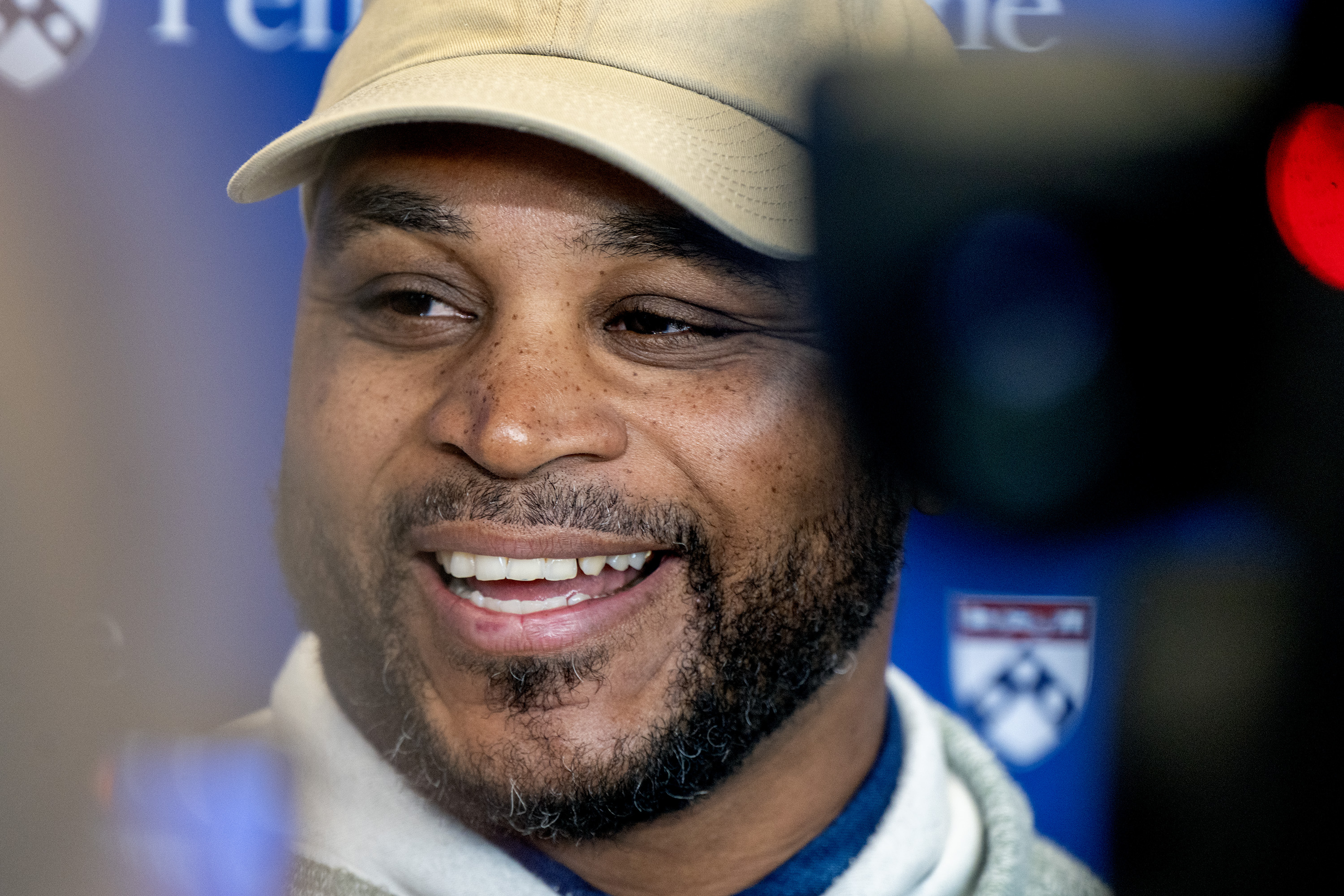
    Jameer Nelson took care to draw a distinction that was important to him and should be important to the franchise that has promoted him.

    “Growing up in this area — everybody keeps saying Philly — I’m a Chester native,” he said Monday. “Philly adopted me.”

    There’s a difference between the two, as anyone who has lived and followed basketball in the Philadelphia area long enough can tell you. Chester is a small, forever struggling city with its own glorious hoops history, with a high school program that has won eight PIAA boys basketball championships, with its own heroes and legends, the 76ers’ executive vice president of basketball operations among them.

    When Nelson mentioned his favorite players as a kid, he name-dropped Charles Barkley and Allen Iverson. Any Chester aficionado would have chided him for leaving John Linehan and Zain Shaw off his list, and he laughed in acknowledgment of the omission.

    That contrast might not seem to mean much. But it said everything about Nelson’s potential value to the Sixers, to his ability to provide at least some of the institutional memory and understanding of the market that the organization has lacked for so long. “No one more capable,” Phil Martelli, Nelson’s coach at St. Joseph’s, said in a text message Monday.

    He knows Philadelphia and Chester and knows they aren’t quite the same. He knows what it was like here in 2001, when Iverson led the Sixers to the NBA Finals, and he knows what it was like in early 2004, when Nelson himself led the Hawks in that magical unbeaten regular season and that run to the Elite Eight.

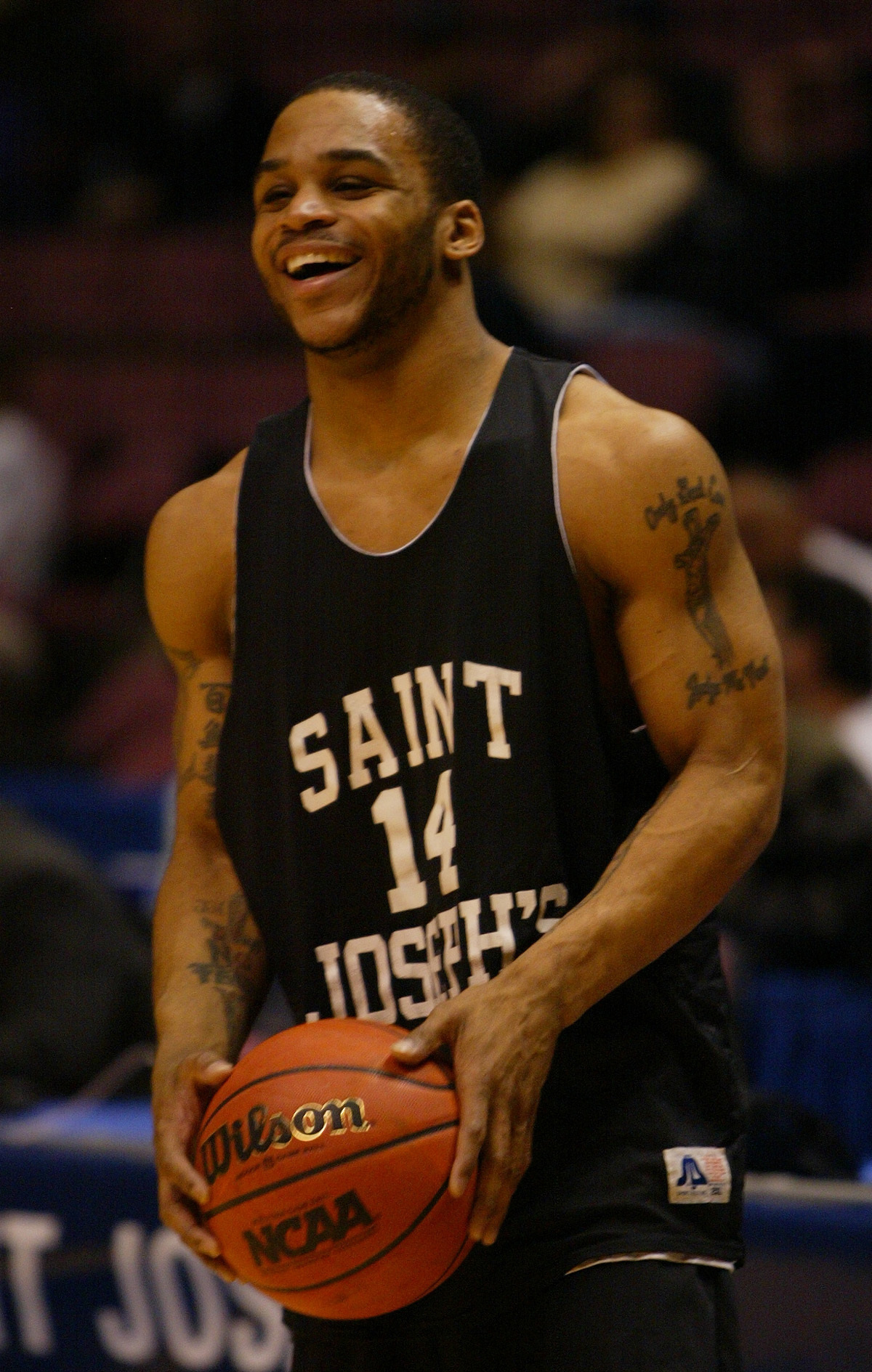
    Jameer Nelson Sr. was a 2,000-point scorer for St. Josephs. He ignited the Hawks to the NCAA Tournament Elite Eight in 2004.George Reynolds / Staff Photographer

    He knows what will play here and what won’t, who can play here and who can’t.

    “Understanding the landscape and understanding what this team means to the city, I can bring that,” said Nelson, who had a 14-year playing career in the NBA. “I can help everybody in the building understand that because I understand it. Growing up, I was one of the people who are doing what people are doing now.”

    Too few people among the Sixers’ previous power players have had that background, and no member of the current leadership has it. Harris Blitzer Sports & Entertainment president Bob Myers lives in California. Mike Gansey, the Sixers’ new president of basketball operations, reminded people at the team’s headquarters in Camden that he “just got here” after growing up in the Cleveland area and working for the Cavaliers for 15 years. And managing partner Josh Harris splits his time between Miami and his $28 million mansion in the Georgetown section of Washington, parachuting into town for home games and the latest hiring/firing news conference.

    Nelson still is third in the pecking order at best within the Sixers’ basketball hierarchy, behind Myers and Gansey. But at least his new title might afford him a louder, stronger voice when it comes time to draft, sign, or trade for players the Sixers hope to have here for a while. Myers said aloud Monday what anyone who has followed this team already knew to be true: “We’ve got to find an identity. We just don’t have one.” That assertion goes beyond the Sixers’ style of play.

    It gets to the character and attitude of the players, the coaches, everyone in the organization. It gets to the Sixers’ giving themselves a better chance of making better decisions. For every time they’ve recognized that Tyrese Maxey or VJ Edgecombe had the mental and emotional makeup to cut it here, they’ve failed to see that Ben Simmons and Markelle Fultz didn’t, that James Harden and Paul George and mercenaries like them, stars who require a softer setting, were unlikely to thrive or to be embraced.

    “Anytime you can put somebody in a leadership role who understands and embraces it and is reared here, it’s an advantage,” Myers said. “I don’t know to say it was a negative last year or in years past, but I do think most people would agree this is a uniquely spirited community, and having someone who knows that and grows up and feels that — and the responsibility that comes with it — I love that Jameer is in the place he’s in.”

    The Sixers under Harris need Nelson’s instincts and experience and all the additional help they can get in that regard. A longtime NBA executive noted recently that in professional sports, you often can trace a franchise’s excellence or stability to the geographical proximity and familiarity of its owner. Does the person in charge live where the team is based? Did they grow up there? Do they truly understand the city and its fan base?

    Spurs managing partner Peter Holt has deep familial ties to San Antonio. The Heat’s Micky Arison has lived most of his life in Miami. Joe Lacob was a Warriors season ticket-holder for nearly 10 years before he bought the team in 2010. Jeffrey Lurie relocated from Boston and took the time to learn what Philadelphia was all about. Ed Snider and John Middleton were already here to know.

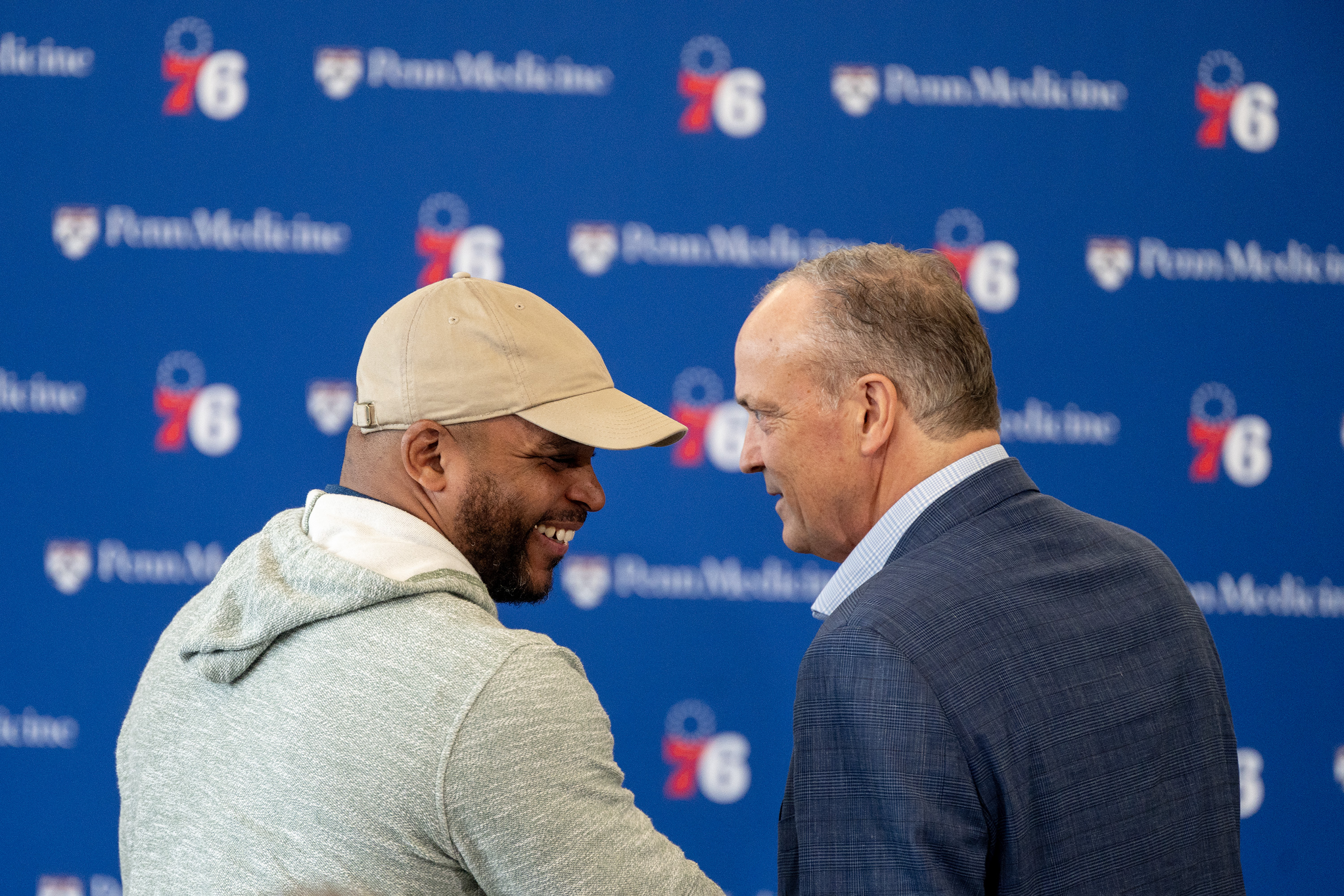
    New Sixers executive vice president of basketball operations Jameer Nelson (left) talks with Harris Blitzer Sports & Entertainment CEO Tad Brown (right) after Mike Gansey’s introduction press conference on Monday.Tom Gralish / Staff Photographer

    James Dolan is a surveillance-happy nepo-Boomer who, after a quarter-century of mismanaging the Knicks, finally stumbled into ecstasy thanks to Leon Rose, William “Worldwide Wes” Wesley, and Jalen Brunson. But Dolan’s also a native Long Islander who felt the heat in New York — the city where rebuilding isn’t allowed — every time one of his cockamamie attempts to quick-fix his franchise went awry.

    Too often since Harris took control of them in 2011, the Sixers have acted as if they’re content to be interesting, to settle for the sugar rush of another roster shake-up and a sold-out arena instead of putting in the demanding, patient work that leads to genuine and lasting success. “You can’t buy championships,” said Myers, who won four of them as the Warriors’ general manager. “You have to go through it to get them.”

    Whether it’s the pain of Sam Hinkie’s Process or the cost of exceeding the league’s luxury-tax threshold, Harris’ Sixers have shown a reluctance to make such sacrifices, and their status in the city and their performance come the second round of each year’s playoffs have sunk because of it. If nothing else, in Jameer Nelson, out of Chester and adopted by Philadelphia, they have someone who can remind them that the hard way is what this region prizes and rewards, the only way that works.