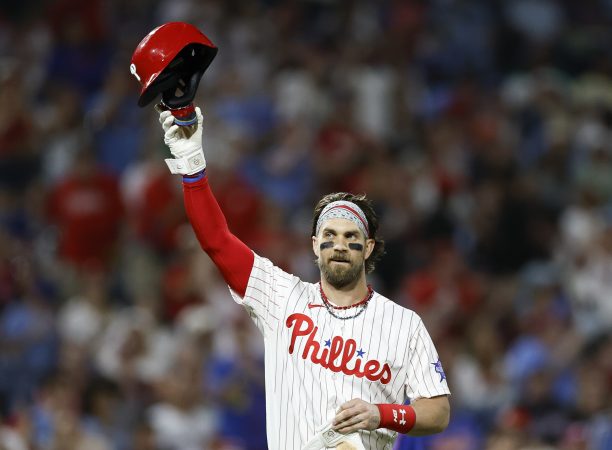
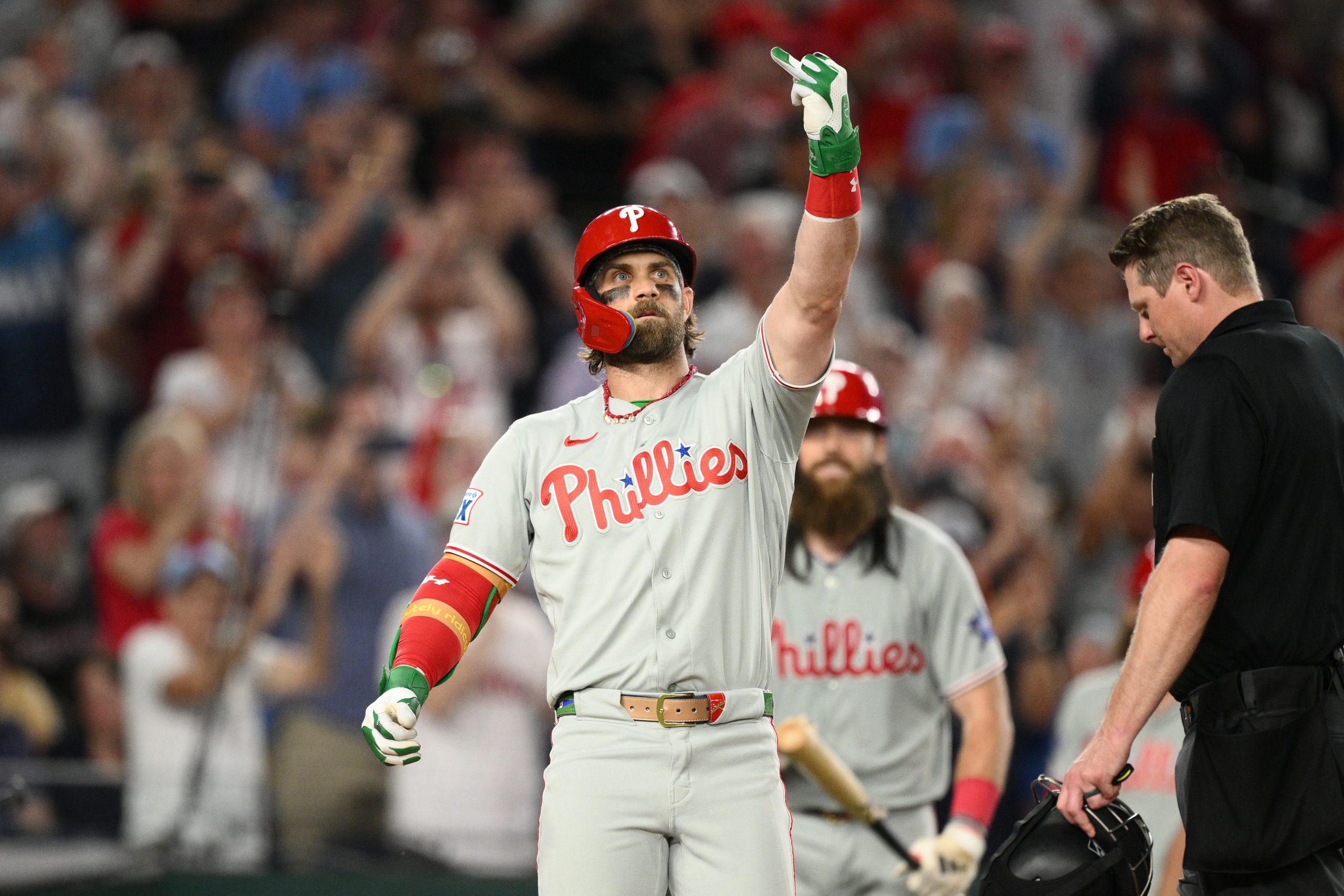
Bryce Harper hit 20 home runs through the Phillies’ first 88 games, a pace that would put him on the doorstep — but not quite over the threshold — of 400 for his career.
And wouldn’t that spice up opening day 2027?
Well, assuming it doesn’t get canceled.
Can you see the storm clouds on the horizon? Baseball’s biggest stars are about to converge on South Philly for the 96th All-Star Game, a celebration of the best talent in the sport. And once they leave, the threat of an ugly, protracted, self-destructive work stoppage will begin to creep ever closer.
It’s impossible to ignore, even though owners, players, and everyone stuck in between will try their darndest to pretend they don’t see it during the two-day All-Star festivities.
But it’s almost inevitable that the owners will lock out the players on Dec. 1, when the collective bargaining agreement expires. And unlike five years ago, when a 99-day lockout preceded a mid-March settlement and a briefly delayed start to a full 162-game season, the disagreement this time is over the fundamental structure of the sport’s economic system.
The owners are proposing a salary cap, a concept the players have rejected for, well, forever. The players are calling for changes to how revenue is shared between the clubs that they believe, in theory, would improve competitive integrity.
It’s as if one side is speaking French and the other is replying in German. Until they converse in English, progress will be virtually nonexistent.
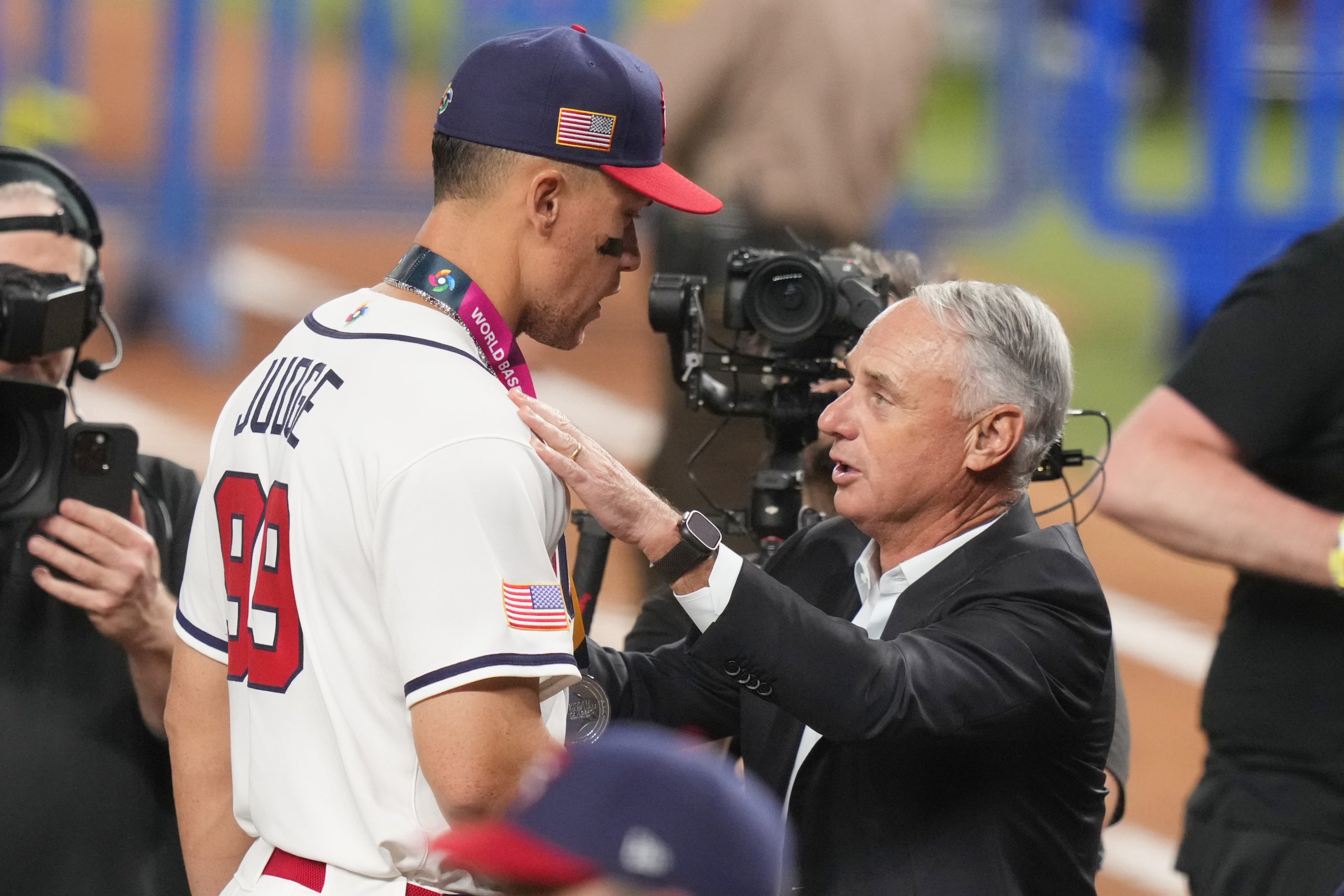
MLB commissioner Rob Manfred (right) and players such as Yankees star Aaron Judge will soon be at odds over baseball’s economic system.Lynne Sladky
And depending on how long that takes, the 2027 season — or at least a portion of it, if a deal isn’t reached before the middle of March — could be in peril.
“I hope that we can come together for the sake of our game and for where our game is right now, the direction that it’s going,” Harper said recently in a conversation with The Inquirer. “I don’t think it’s ever been, in the years that I’ve played, it’s never been [as good as] this.
“We need to both come together and understand what is best for both sides to make it work and us to play baseball because the game is where it needs to be right now. And I just see it getting better and better.”
Indeed, there’s momentum from last year’s epic World Series and the well-attended, highly rated World Baseball Classic in March. Rules changes, including the pitch clock and automatic ball-strike system, are wildly popular. The San Diego Padres recently sold for $3.9 billion, a record price for an MLB team by about $1.5 billion.
By most projections, baseball is a $13 billion industry. And in 2028, MLB will negotiate new national television deals that figure to pour even more money into the pool.
“When you’re in a position where you’ve had record attendance, record revenues, when you go through all this … we’re in a completely different place than we were five years ago,” agent Scott Boras said on The Inquirer’s Phillies Extra podcast. “We also now have a presence in Asia that is completely different; we have a presence in Canada that’s completely different. Netflix paid $100 million just for the rights for the Japanese feed for the WBC alone.
“So, when you’re seeing that, we’re in great prosperity, revenue-wise, attendance-wise. … I think it’s very difficult for anyone to say that we’re not in a far better position than we were five years ago in every category.”
A work stoppage, especially if it drags into next season, could be catastrophic for business.
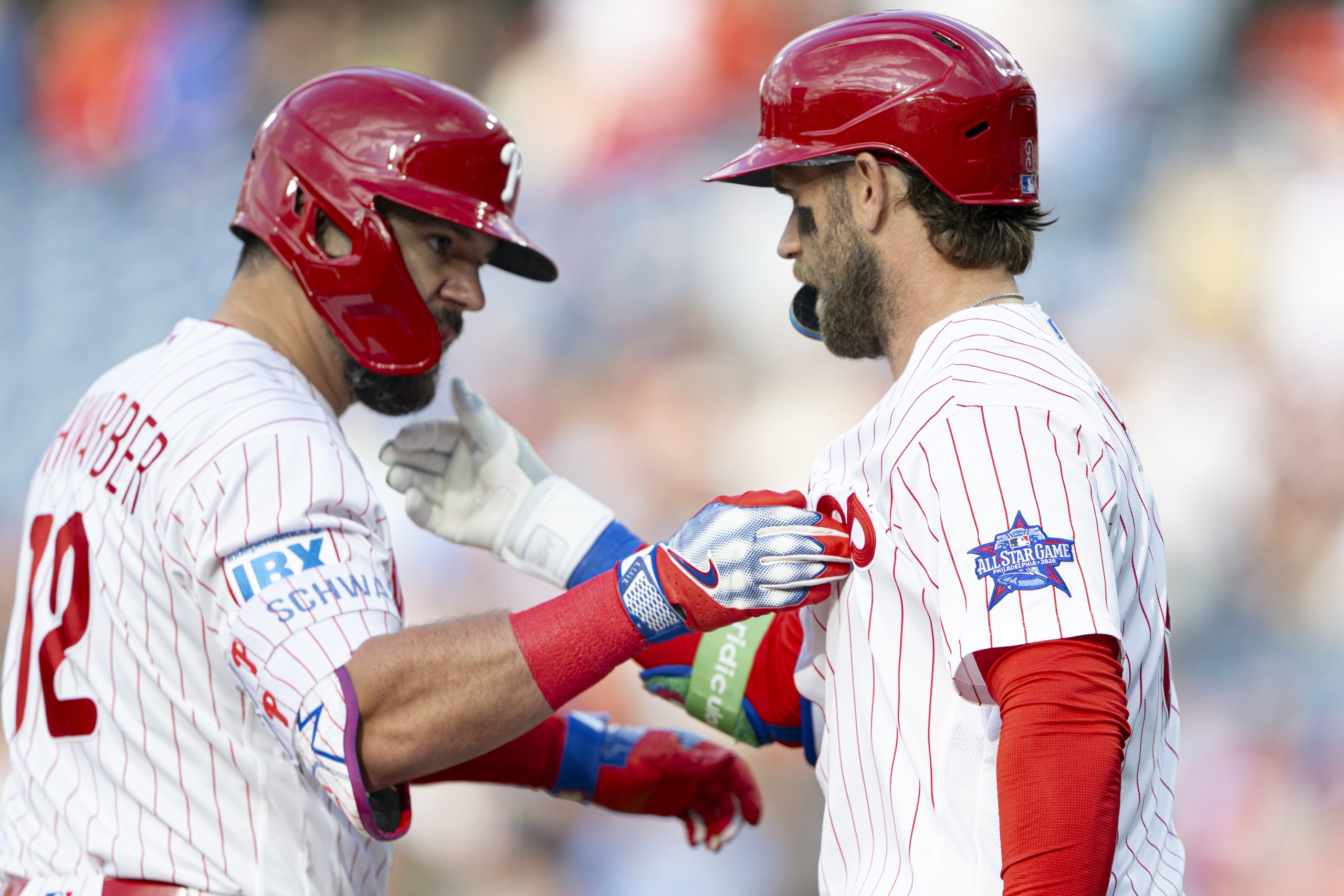
Kyle Schwarber (left) and Bryce Harper are both closing in on 400 career home runs.Jose F. Moreno / Staff Photographer
It could also detract from players’ legacies.
Take Harper, for example. Since 2022, when the Phillies broke a decadelong playoff drought, he has chased an elusive World Series crown with a familiar group of teammates, notably J.T. Realmuto, Zack Wheeler, Aaron Nola, and Kyle Schwarber. Trea Turner joined the pursuit in 2023, when Cristopher Sánchez reached the majors for good.
According to Baseball-Reference, the Phillies have the second-oldest group of position players (average age: 30.1 years old) in the majors this season. Realmuto is 35; Harper, Schwarber, and Turner are 33. On the pitching side, Wheeler is 36 and Nola 33.
Playing careers are finite. Father Time is undefeated. And losing a season because of a labor dispute doesn’t help.
Just ask the NHL players whose careers spanned two shortened seasons (1994-95, 2012-13) and one that was canceled entirely (2004-05). The stoppages probably cost Jaromir Jagr close to 100 career goals.
As much as any player, Harper realizes the impact on a career. He’s closing in on 400 homers, and with a desire to play beyond the five years left on his contract, he’s a good bet to reach 500 and maybe even 600.
But there wasn’t any recouping, say, 20 homers from the pandemic-shortened 60-game 2020 season. If all or part of the 2027 season is lost, it could deprive Harper of another 30 homers … or Schwarber of his bid for 500 homers … or Wheeler in his pursuit of Hall of Fame numbers.
“Yeah, for sure,” Harper said. “Obviously missing those games, it’s possibly 30 more homers or an MVP or a World Series, right?”
And yet, it’s a sacrifice he says he’s willing to make.
The son of a former union ironworker who laid rebar to help build Las Vegas casinos, Harper is an influential voice within the MLB Players Association. When Rob Manfred visited the Phillies last July as part of his annual meetings with each team, Harper confronted the commissioner over what he perceived as an attempt to sell players on the idea of a salary cap.
“Individual numbers, getting later in my career, all that kind of stuff has to take a back seat,” Harper said. “We all think that. At the end of the day for us, it can’t be about one individual or anything else. There’s a fine line of wanting that over what Curt Flood did for us and what the guys did all through the ’70s, ’80s, ’90s.
“All the guys that sat out, went through strikes, went through situations that I couldn’t fathom — missed checks, missed meals, all that kind of stuff — way back when. I don’t want our decisions to be a negative for what those guys did for us. I couldn’t fathom being part of the group that took [a salary cap proposal] and was like, ‘OK, yeah, we’re good.’”
So, Harper will do his part as one of the bigger stars in the sport to help keep the players unified. But he won’t be a hawk, either. Mostly, he wants a compromise.
“None of us want to miss games,” he said. “But at the end of the day, if we do miss games, there’s nothing we can do at that point until the two sides come together.
“I understand where the commissioner’s office is coming from; I understand where the players are coming from. I understand both sides. But also we can’t, as owners or as players, come in and go, ‘We’re not doing this, we’re not doing this.’ We need to both come together and understand what is best for both sides to make it work.”
A former Connolly Dermatology employee filed a lawsuit Thursday in Atlantic County, N.J., seeking unpaid wages for herself and other employees of the once fast-growing skin care practice.
The plaintiff, Tracy Piccardo, worked in the Linwood office as a receptionist. More than 70 employees owed back pay had been identified, according to her lawsuit, filed in Superior Court by David R. Castellani. Piccardo did not immediately respond to a text seeking comment on the lawsuit.
The practice’s owner, dermatologist Coyle S. Connolly,did not provide an on-the-record comment.. At its peak, Connolly had 30 locations, mostly in New Jersey and Pennsylvania. It’s not clear if any of them are open now.
Connolly’s practice stood out as Medicare’s top biller three consecutive years for a skin cancer treatment that saw a 40% reimbursement cut this year under the government insurance program.
The lawsuit alleges violations of the state’s Wage Payment Law/Wage Theft Act, breach of contract, and unjust enrichment.
It seeks payment of back wages with interest, damages to be determined at trial, and attorney’s fees. The complaint had no estimate of how much money is at stake.
At that point, Piccardo and other employees hadn’t been paid for three weeks, she said at the time. That was the second payroll lapse this year, Piccardo and other employees told The Inquirer.
The New Jersey Department of Labor said in May that it was investigating complaints about missed payrolls.
At least two Connolly landlords have sued over unpaid rent since May.
In early May, the owner of a Montgomeryville office sued to take possession of it after Connolly allegedly failed to pay rent in April.
Last month, a landlord sued Connolly for unpaid rent on a property in Middle Township, N.J., that the practice had occupied since 2007. The lawsuit says Connolly was delinquent on more than $39,000 of rent.
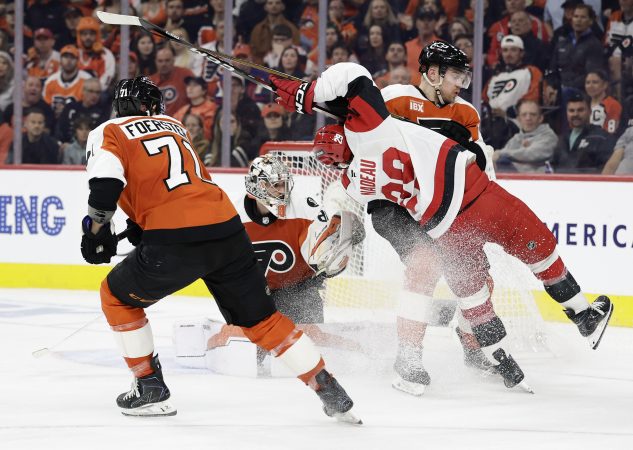
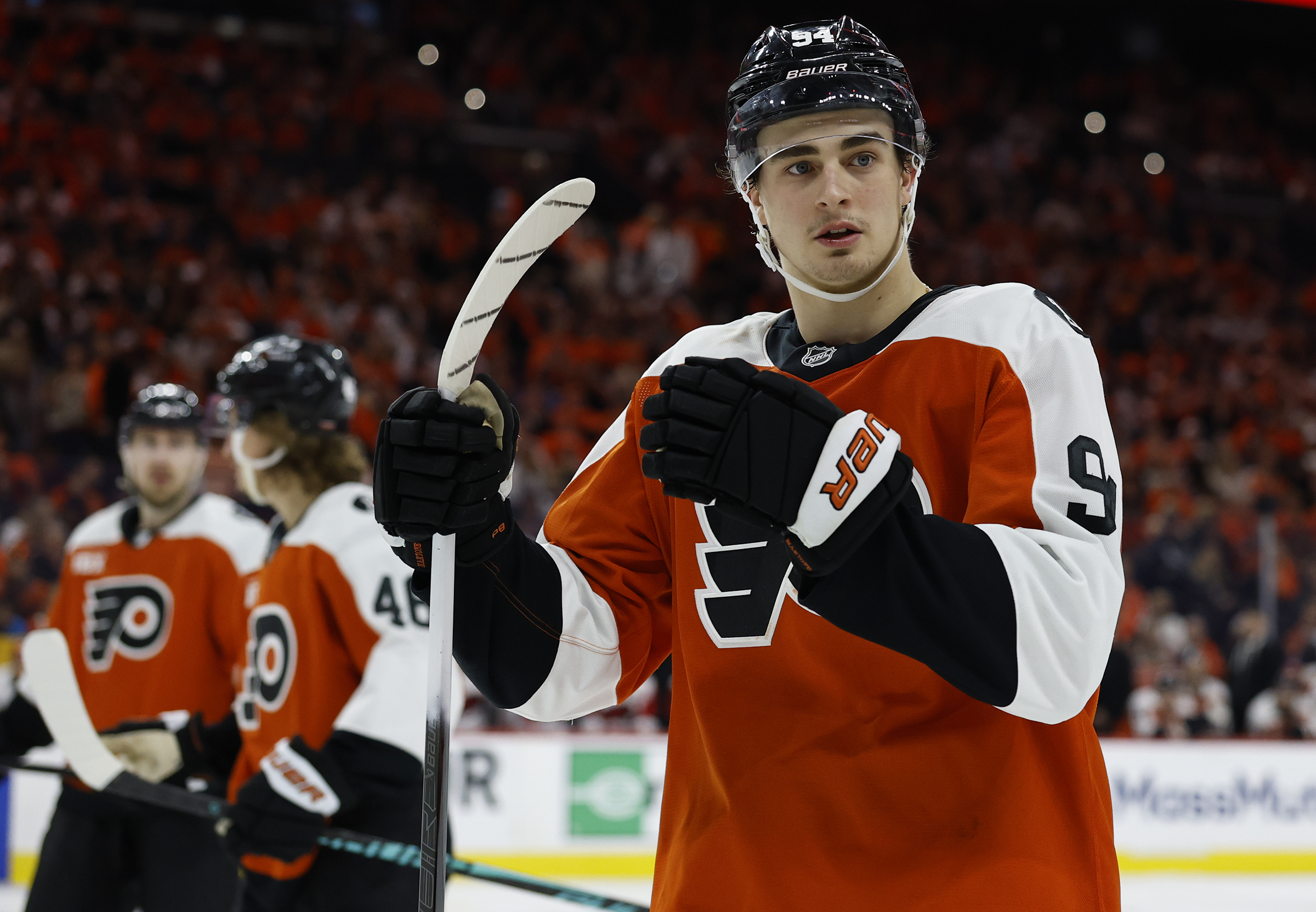
If we’ve learned anything lately from smallish Flyers GM Danny Brière, it’s that size matters.
The Flyers were swept out of the second round of the playoffs by the fast, physical, slightly bigger Carolina Hurricanes, and often struggled against bigger, heavier teams. Their defensemen were particularly unimposing, and Brière has been on teams where the bigger, the better. His teams as a young player in Buffalo brought the beef and laid the wood. The 2010 Flyers made their Stanley Cup runs with 6-foot-6, 220-pound Chris Pronger and 6-5, 224-pound Braydon Coburn lying in wait for unsuspecting forwards.
The Flyers’ most promising prospect is 5-10, 172-pound wing Matvei Michkov. Brière, who was 5-9 and 174 pounds as a player, knows little guys need big guys to protect them.
For all the beautiful hockey witnessed in South Philly, physicality is part of the Flyers’ DNA. The franchise’s two best players, Bobby Clarke and Eric Lindros, were known as much for their guts as their skill.
Brière recognizes this.
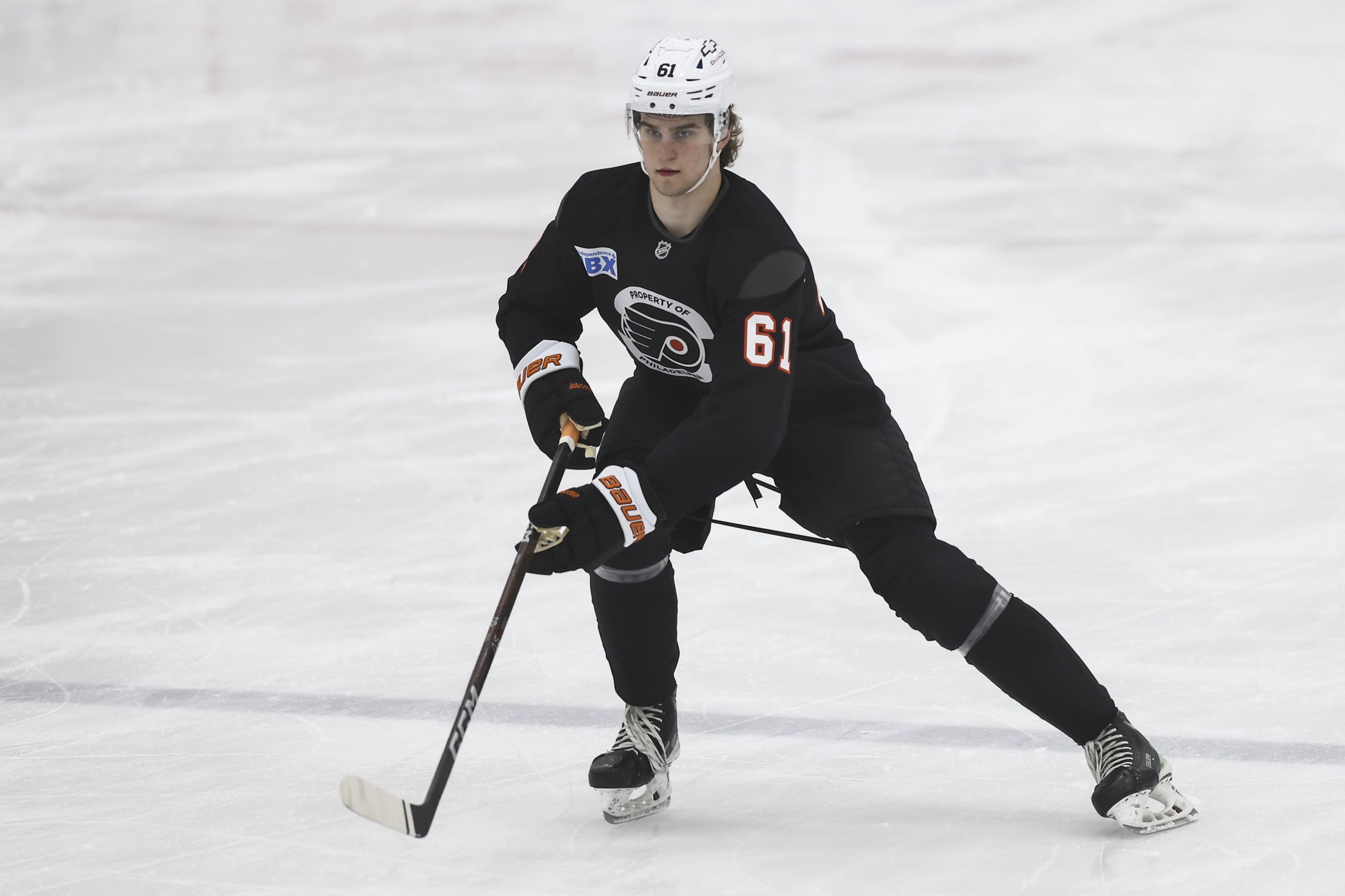
His two, er, biggest pieces last offseason were 6-5 veteran goalie Dan Vladař and 6-3 first-rounder Porter Martone, both of whom pushed the Flyers into the playoffs and past the Penguins in the first round.
Darnell Nurse, Donovan McNabb’s nephew and a defenseman who asked for a trade out of Edmonton, landed with San Jose but the Flyers were in the mix. He’s 6-4, 215, and he would have been the second-biggest skater on the roster if he came to Philadelphia.
Porter Martone’s late-season addition to the Flyers helped push them to the playoffs and to a series win over the Penguins.Yong Kim / Staff Photographer
Vladař also signed an extension, for five years and $27.5 million. Only four other full-time starters are as big as he is; his nickname, “Darth Vladař,” certainly fits.
Retaining Foerster and Vladař underscored the club’s commitment to heft. The most significant move before those deals included trading talented defenseman Emil Andrae, who, at 5-9, was the shortest of a legion of Lilliputian blueliners. Cam York, the overtime hero who eliminated the Penguins in Game 6 of their first-round playoff series, is listed at 6-foot, perhaps measured while wearing his helmet. Jamie Drysdale, the No. 2 scoring defenseman last season, is 5-11 … ish.
“It did make our defense a little small at times,” Brière said when Andrae was dealt. “We have Jamie and Yorky there, so the three of them — it wasn’t ideal.”
It’s notable that Brière recently has traded sizable wingers Garnet Hathaway, who is part wolverine, and Nic Deslauriers, who is not. And Brière will always choose exceptional skill in a smaller package over modest skill in XXL.
But XXL occupies more space on the ice and carries a lot more punishment in the corners than small/medium. These Flyers are growing by leaps and bounds in performance, expectation, and laundry bills.
Team Canada defenseman Travis Sanheim, the Flyers’ best player at 6-4 and 222 pounds, is the biggest skater on the roster, and he’s under contract for five more years. The back end of that deal could see the back end of the hockey team grow like Jack’s beanstalk.
The Flyers used their first-round pick on Maksim Sokolovskii, a 6-7, 240-pound bulldozer with the attitude of that bulldog you see on the grills of Mack dump trucks. Properly fed, he could occupy most of the defensive zone by himself. He doesn’t even turn 18 until July 12.
Apparently, neither his speed nor his skill warrants a first-round grade, but, as Brière noted, speed and skill can be developed.
“He was also a big defenseman, something we don’t have a lot of. We don’t expect him to be the next big point producer. We see him as a big physical force, a defenseman that’s going to be tough to face,” Brière said. “The way our development has worked the last few years, we feel confident that it’s going to come. We know there’s a lot of work to be done, but there are things that you can’t teach.”
Things like size. Things like grit.
The Flyers selected 6-foot-7 defenseman Maksim Sokolovskii in the first round of the NHL draft last week.Monica Herndon / Staff Photographer
“He’s still going to be 6-foot-7 two years from now,” Brière said, “and that internal physicalness is something you can’t really teach.”
That was true when 6-6 Kjell Samuelsson and 6-5 Chris Therien helped the Flyers to the 1997 Stanley Cup Final.
It was true when — in a different era, when a 200-pound defenseman was imposing — the Broad Street Bullies went to three straight Cup finals from 1974-76, and won twice.
Will Brière’s strategy revive the Broad Street Bully ethic and swagger?
No. Nothing will ever do that. The NHL has grown softer than playoff ice, and won’t allow it.
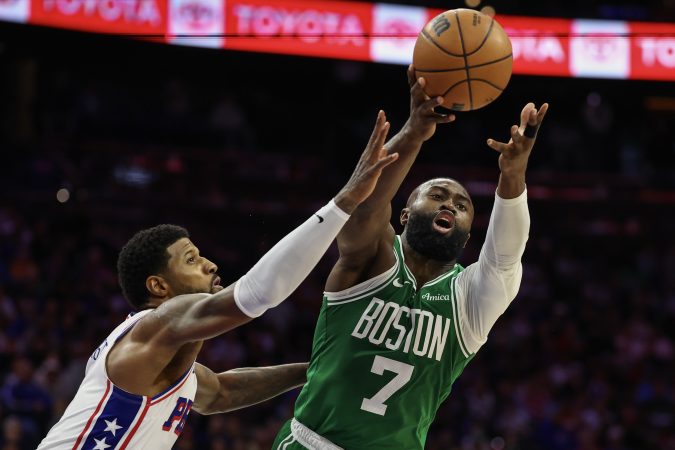
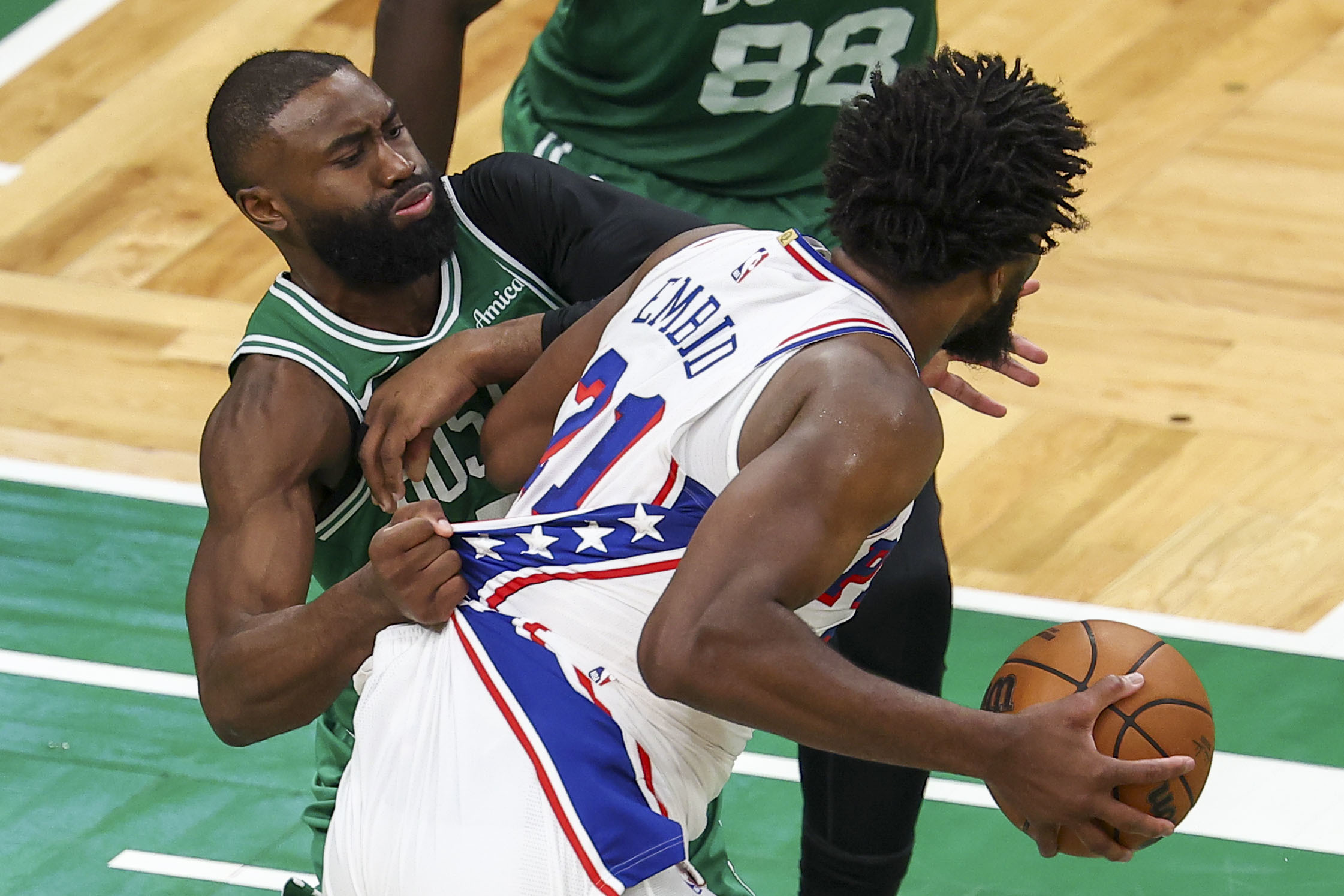
Not only did the Sixers come from out of nowhere to stun the NBA by acquiring Celtics superstar Jaylen Brown, and not only did they do it for a criminally cheap price, but they also somehow managed to ship out the remaining two years and $110 million remaining on Paul George’s contract.
And, just like that, a new window of title contention has arrived.
That’s the most important takeaway for Sixers fans. Brown transforms the Sixers in both the short and long term. The 2024 NBA Finals MVP and a sixth-place finisher in regular-season voting this year, the longtime Celtics wing is basically the exact player you would create in a lab if you were dreaming up the perfect star to maximize a team with Tyrese Maxey and VJ Edgecombe in the backcourt. He has the size, versatility, and defensive chops to help make up for however much of that they give away at the guard position. He is a straight-line player who can get to the rim through traffic with or without the ball in his hands. He is an adequate and willing three-point shooter who showed signs of being much more than that earlier in his career. He can alternate seamlessly between primary and secondary scoring roles. Basically, he is the exact player the Sixers would have been crossing their fingers to have a chance to draft at some point in order to make the Maxey-Edgecombe pairing a legitimate contender.
Even if only half of that was true, the Sixers would have still been justified in making this deal. The unprocessable thing about this deal is the mind-bogglingly low price Gansey somehow managed to finagle from a Celtics team that doesn’t make many bad decisions.
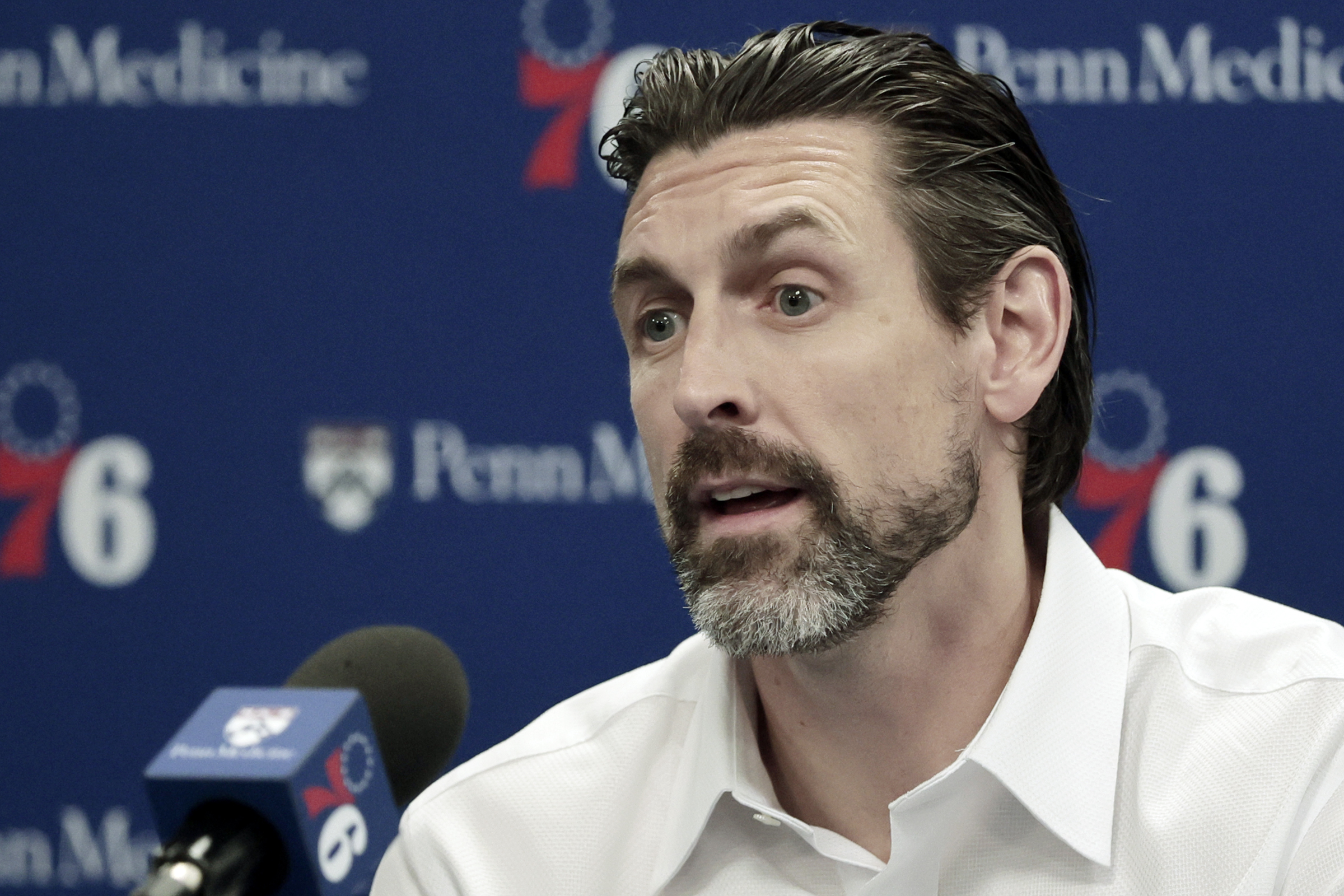
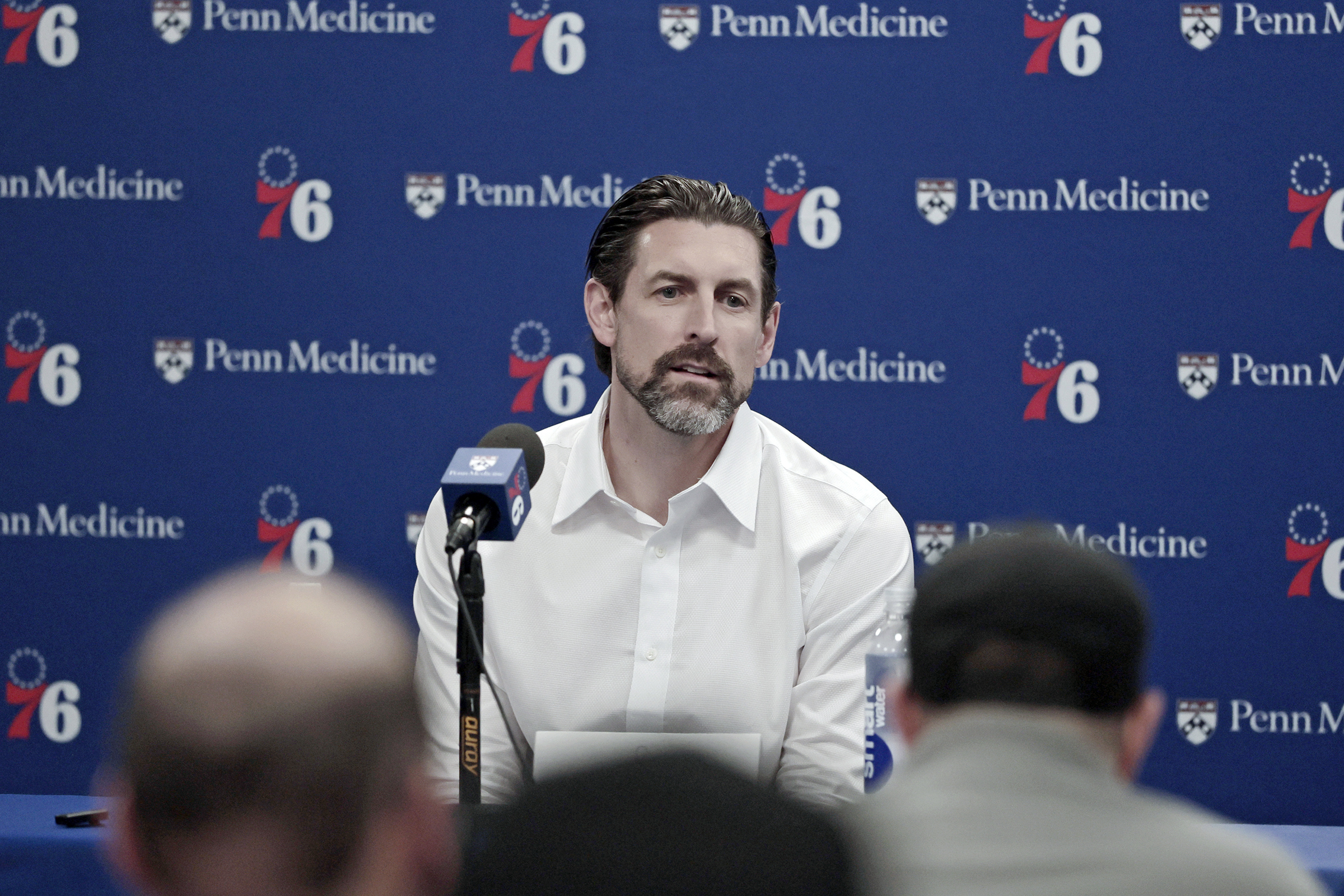
Sixers president of basketball operations Mike Gansey has gotten off to a strong start in Philly. Elizabeth Robertson / Staff Photographer
Consider a deal that the Lakers and Jazz struck earlier in the day on Wednesday. In exchange for the right to sign restricted free agent center Walker Kessler, a zero-time All-Star who played just five games last season before undergoing shoulder surgery, the Lakers agreed to pay:
a 2031 unprotected first-round pick
a 2033 unprotected first-round pick
two first-round pick swaps
That’s what the Lakers gave up for the right to sign Kessler to a four-year, $130 million deal.
Here is what the Sixers will reportedly give up to acquire Brown:
a 2031 unprotected first-round pick
an additional first-round pick, TBD (initial reports suggest it will either be the Clippers’ unprotected 2028 first-rounder or the Sixers’ 2028 first-rounder, whichever is more favorable).
two second-round picks, one in 2028 and the other in 2030
(It’s worth noting that the Kessler deal was struck by Jazz CEO Danny Ainge, the former Celtics president who once upon a time acquired Brown and Tatum while fleecing teams in the process.)
Jaylen Brown will partner with Joel Embiid, Tyrese Maxey and VJ Edgecombe to lead a revamped Sixers roster. Monica Herndon / Staff Photographer
But the real coup de grace is the inclusion of George, whose contract many believed was under water to the point that the Sixers would’ve needed to attach a first-round pick just for some other team to take it onto their books. Maybe that was errant thinking about the rest of the league’s willingness to spend $110 million over two years on a 36-year-old who has played in 78 games over the last two regular seasons and has played in more than 56 games just once since 2019. Whatever the case, the Sixers should be thrilled.
George is a tidy anchor for such a mind-blowing deal. The Sixers basically traded him for a much better player who is 6½ years younger. The cost for the move was less than what the Raptors traded for 35-year-old Kawhi Leonard (Brandon Ingram, Gradey Dick, two unprotected firsts, a pick swap, and change), who is in the last year of his contract and will be able to walk away if the Raptors don’t give him a huge contract extension into his late 30s.
Even if the Celtics and the rest of the NBA knows or suspects something that the Sixers don’t, even if the trade doesn’t prove to be a game changer, it still doesn’t leave them a whole heck of a lot worse off than they would’ve been over the next couple of years with George.
Heading into the offseason, it sure looked like the Sixers would need to be in a mode of making the best of things and preparing for the day when George would move on and free up some payroll maneuverability. Instead, they’ve vaulted themselves into the realm of top-end contenders for the next three seasons.
On Wednesday evening, FanDuel had the Sixers tied as the fifth favorite for the NBA title at 22-to-1, trailing the Spurs (2.4-to-1), Thunder (2.5-to-1), Knicks (8.5-to-1), and Celtics (14-to-1).
Their immediate title hopes still hinge largely on the availability of Joel Embiid. The difference now is that they will not need Embiid to be anything close to his MVP prime in order to be taken seriously. Even if he is some lesser form of who he was last postseason, the Sixers can make an argument for having the edge in top-end talent regardless of matchup. Even if Embiid is absent entirely, they almost certainly should be expected to challenge for a top-four playoff seed.
Are there ways this could go wrong? Sure. The loss of the 2028 pick would be particularly acute for a team that was presumed to need two or three solid drafts to get itself ready for the post-Embiid era. The Sixers’ depth is still a major question mark. They have a conspicuous lack of volume-capable three-point shooting on the wing. We have yet to hear Brown’s thoughts at having been traded to a place like Philadelphia, on a team with two young ball-dominant scorers and Embiid. At the same time, they can always pivot if it doesn’t work.
There is always risk. The question is the price of it. For the Sixers, there wasn’t much to decide.
There is more than a little symbolism in Mike Gansey’s first free agent signing as 76ers president.
In handing a four-year, $39 million contract to veteran forward Dean Wade, the Sixers didn’t just add a veteran glue guy whom Gansey helped to discover during the latter’s tenure as an assistant general manager in Cleveland. They also effectively closed the door on at least one and potentially both of Daryl Morey’s shrewdest wins as a roster-builder.
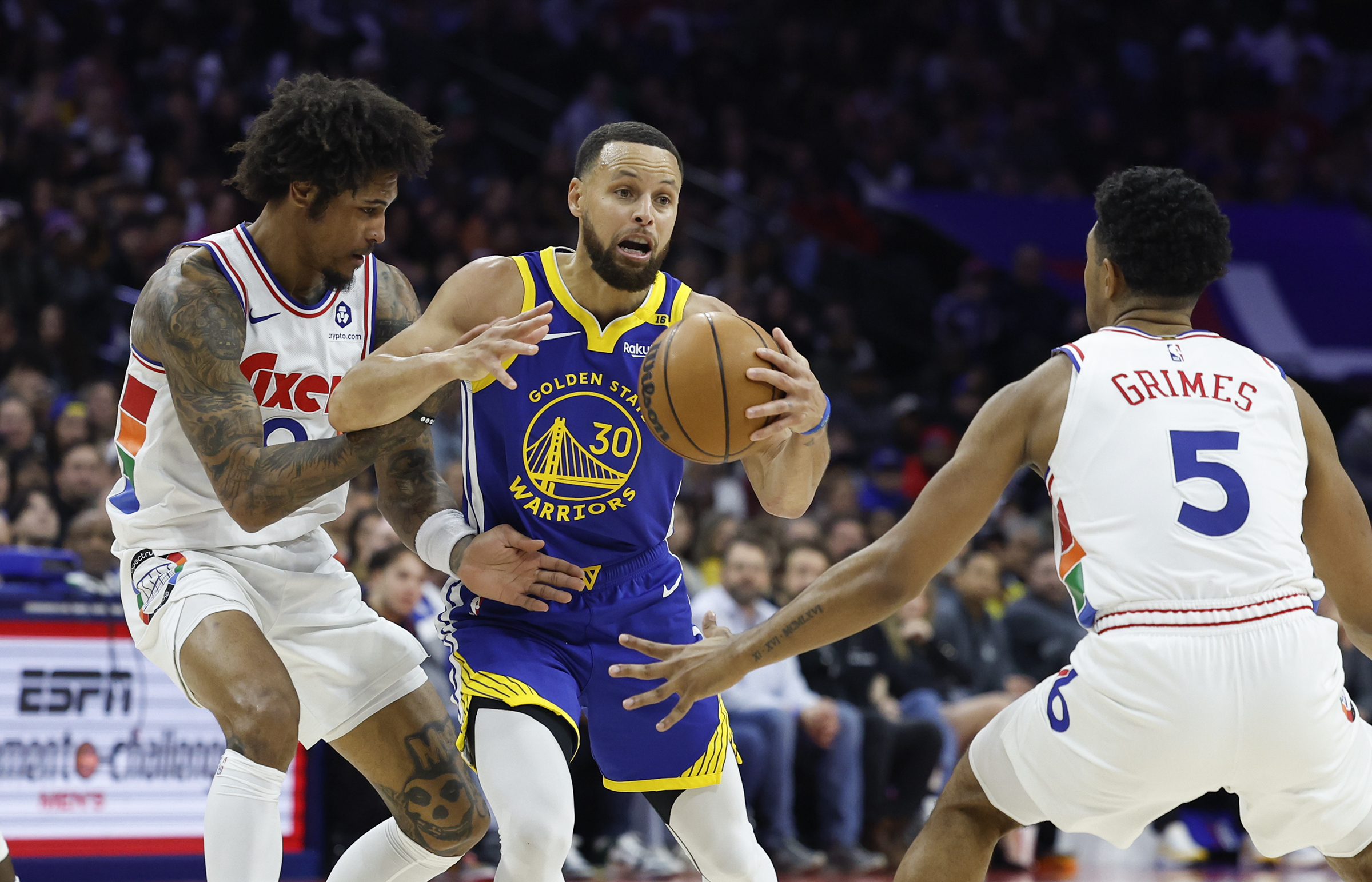
Goodbye, Quentin Grimes.
Good day, Kelly Oubre Jr?
Time will tell whether Day 1 of NBA free agency was a meaningful step in an intentional direction or just a modest change that will make the Sixers’ roster a little more sensible next season. Either way is fine.
While many will focus on Gansey’s personal connection to Wade, the 29-year-old iwould have made a lot of sense on virtually any incarnation of the Sixers in the post-Ben-Simmons era. The rare stretch four who adds big value on defense, Wade developed from an undrafted free agent to a critical playoff rotation piece in Cleveland by excelling at a lot of the dirty work that exceeds the capabilities or willingness of many 6-foot-9 shooters. This postseason, the Cavaliers outscored opponents by a net of 16.2 points per 100 possessions when Wade was on the court versus off it. That’s impressive stuff.
Wade can play small alongside a couple of bigs the way he did with Evan Mobley and Jarrett Allen. He can play a power four alongside a trio of guards, as he sometimes did with James Harden, Donovan Mitchell, and Sam Merrill. He could even give Nick Nurse an option as a small-ball five, though a lot depends on the other pieces the Sixers will presumably add this offseason.
Wade is hardly a prolific scorer. Among players who have averaged 20 minutes per game in 200+ games over the last four seasons, only Nicolas Batum has scored fewer than Wade’s 5.4 points per game. But he is an effective enough shooter — .375 on about six three-point attempts over 100 possessions this postseason — to create space for others on the offensive end.
That’s all that’s needed for a team with a couple of ball-dominant scorers in the backcourt. That’s who the Cavs have been in the Donovan Mitchell era, whether paired with Darius Garland or James Harden. It’s who the Sixers figure to be with VJ Edgecombe and Tyrese Maxey.
There aren’t many value plays on the free agent market. Wade sure doesn’t count as one even at a modest $10ish million per season. But if the Sixers were going to overpay by a couple of million bucks, it made sense to do it for a player with the size and versatility that will be an absolute necessity on the wing with Maxey, Edgecombe, and this year’s first-round draft pick, Labaron Philon Jr.
Sixers guards Kelly Oubre Jr. and Quentin Grimes are free agents this summer.Yong Kim / Staff Photographer
When the Sixers drafted Philon, Gansey said the move was not an indication that the team would move on from Grimes, whom Morey acquired from the Mavericks in a low-cost trade in 2025, and who played well enough that year to enter free agency looking for a serious contract. Grimes was less impressive while playing out 2026 on a qualifying offer, but still agreed to a $60 million deal with the Lakers.
Oubre could still end up back in Philly, at least according to the math. The Sixers would maximize their available payroll by re-signing Oubre and then using part of the remaining MLE to add another player. Doing so could create some logistical difficulties during the season, and perhaps limit their trade possibilities, given that they’d be hard-capped at the luxury tax line.
Sixers president of basketball operations Mike Gansey is leading his first free agency in Philly. Elizabeth Robertson / Staff Photographer
With Oubre reportedly meeting with five teams on Tuesday, the Sixers could be better off focusing on using the rest of their MLE on a player who offers them a better mix of size, shooting, and affordability, not to mention consistency. That’s a difficult combination to find, of course. Retaining Oubre would leave the Sixers with a competitive starting five when Joel Embiid and Paul George are healthy and a potentially competent one even when one of the two veterans is out.
The important thing is that Gansey’s focus remain as much on the world beyond 2026-27. Wade fits that bill. He will be 33 years old at the end of this contract, when he will hopefully be a solid role player on a championship team. The goal now should be to find the younger versions of Wade: guys you might one day re-sign for a lot more money than you initially needed to give them. It is a difficult thing to develop, grow, and compete all at the same time. But that needs to be the goal.
First Bank’s independence from presidential authority was cited as precedent on the first page of Monday’s’s 5-4 Supreme Court decision that backed the independence of the Federal Reserve.
The long-departed central bank also remains a center of controversy: A dissenting opinion challenged the First Bank’s actual role, as did hostile Democrats back in its day.
The First Bank — along with the partly government-owned original Bank of the United States and the Second Bank of the United States — was cited by Chief Justice John Roberts and a bare majority in the decision that blocked President Donald Trump from firing Fed governor Lisa Cook.
“The United States has a long tradition of independent central banking,” Roberts wrote, noting that Philadelphia-based central banking enjoyed “independence from the federal government,” even though its job was maintaining a sound U.S. dollar.
After President Thomas Jefferson ended the First Bank and President Andrew Jackson refused to recharter the Second Bank, 80 years of “ruinous financial panics” convinced Congress to protect “public and private interests at times when they were imperiled” by setting up today’s Federal Reserve, Roberts wrote for the majority.
The resulting system of independent Federal Reserve Banks in Philadelphia and 11 other cities shares control of the system with the presidentially appointed Federal Reserve Board of Governors. The governors are appointed to 14-year terms, stretching across three or four presidential terms. They can be fired only “for cause.”
Calling the court’s ruling an early Independence Day for the Fed, Michael Reynolds, vice president at Glenmede, a $50 billion investment firm based in Center City, said the court majority “are carving out a special place for the Fed,” and it’s not by accident.
The Fed “is a distinct case,” and its “unique historical lineage” tracing back to the First and Second Banks of the United States in Philadelphia provided legal justification to the court for preserving its independence, he said in an interview.
The Cook decision contrasts with the court’s 6-3 Slaughter opinion, posted the same day, which allows Trump freer rein to fire staff at the Federal Trade Commission and other “independent” federal agencies.
First Bank’s independence echoes in Fed
Trump tried to fire Cook, a Fed governor appointed by President Joe Biden in 2024, alleging falsehoods in her mortgage application. Lower courts said Trump lacked the power to fire her that way. As Roberts put it, the president can fire a Fed governor “for cause” but subject to court review as to whether the president’s target has committed a fireable offense.
“The Federal Reserve operates at a deliberate remove from the ordinary political process, including a budget free of congressional control and policies set not only by governors, but also by representatives of the private regional banks,” Roberts wrote.
If a president could cite or make up any reason for firing a Fed official, “any perceived or alleged misstep, past or present, could provide a ready pretext for a governor’s removal,” Roberts wrote — and “nothing could be more corrosive of the independence that Congress sought” than for Fed leaders to know the president could fire them on any pretext, while pushing them to ratify his favored policies.
Trump didn’t allow Cook to challenge her firing. She “was entitled notice and some opportunity to respond,” which Trump denied her, Roberts wrote.
Liberal-leaning Justices Sonia Sotomayor, Elena Kagan, and Ketanji Brown Jackson concurred, along with Roberts’ fellow conservative Brett Kavanaugh.
Kavanaugh added that letting a president fire Fed leaders at will would “expose the Federal Reserve to political influences and jeopardize the efficacy of U.S. monetary policy,” sparking “political upheaval” and “turmoil in the U.S. and world economies. I would not go down that road. I would not risk destabilizing the U.S. economy.”
Justice Clarence Thomas in his solo dissent disparaged Philadelphia’s First and Second Banks as “short-lived corporations.” He noted that Paul Warburg, one of the bankers who helped found the current Federal Reserve System in 1913, had sought to distance the planned Fed from the Philadelphia central banks, “ridiculing” them as no more advanced than banks of medieval Italy or even ancient Mesopotamia.
Justices Samuel Alito, Neil Gorsuch, and Amy Coney Barrett in separate dissents argued that Roberts wrote too sweeping an opinion in a case that should have been reviewed at greater length in the lower courts.
The Fed’s Independence Day
“Central bank independence is not an abstraction,” Glenmede’s Reynolds wrote in a letter to investors Tuesday. “The premise that monetary policy is set by long-term price stability, rather than near-term political pressure, underpins the credibility of the dollar, the anchoring of inflation expectations,” and the yield on Treasury debt.
“A Fed perceived as subject to political direction” would hurt the dollar’s value, he added. Removing that risk “is a quiet but meaningful positive for the stability” of U.S. interest rates.
Reynolds said in an interview that the court’s Slaughter decision, allowing the president wider powers to fire leaders of other agencies, is pro-business — even though its conclusion freeing Trump to fire Federal Trade Commissioners seems at odds with the Cook case.
Greater presidential control of regulatory agencies should “accelerate deregulation efforts, which is a priority of both the president and his Treasury secretary,” Reynolds added.
But Reynolds predicted that it will be a few years until such changes are likely to significantly reshape U.S. business rules.
For now, he’s more interested in the Fed’s next jobs report, due Thursday.
Editor’s note: This story has been updated to correct the day of the Supreme Court’s decision.
MAX Surgical Specialty Management, a private-equity backed company consolidating oral and maxillofacial surgery groups in the Northeastern U.S., has acquired two more practices in the Philadelphia area.
The latest deal, announced Friday, gives the Hackensack, N.J., firm 12 surgeons at 12 locations in Pennsylvania. Surgeon Jason M. Auerbach founded MAX in 2022 with private-equity backing and entered Pennsylvania two years later.
The two newly acquired practices have six offices in Bucks and Chester Counties.
Oral and Maxillofacial Surgeons P.C. has three surgeons, and offices in Doylestown, Quakertown, Warminster, and Chalfont. Oral Associates of the Main Line has two surgeons and offices in Exton and Paoli.
MAX did not disclose financial terms of the transactions.
In addition to New Jersey and Pennsylvania, MAX has practices in Connecticut, New York, and Vermont. The company — a management services organization — is majority-owned by its physicians, Auerbach said.
Oral and maxillofacial surgeons work at the crossroads of dentistry and medicine. Most have dental degrees, but some also have medical degrees. They remove wisdom teeth, install dental implants, repair facial traumas, and treat jaw injuries, among other services.
North Jersey origins
Auerbach founded Riverside Oral Surgery in Bergen County in 2007 and grew it to 12 locations before founding MAX with private equity partners. Part of his motivation was to create a home for independent physicians, Auerbach said in a May interview.
The Philadelphia region still has a high concentration of independents, with strong patient demand. “It’s hard nowadays to be an independent oral-maxillofacial surgeon, in terms of the complexities in running a healthcare business,” Auerbach said.
Robert Mogyoros, whose Greater Philadelphia Oral Surgery is in Elkins Park, said he valued his independence above all, but decided to look for a group to joinafter the business side had gotten too challenging.
Physician groups get better prices from vendors, better deals with insurers, and have an upper hand in physician and employee recruitment, said Mogyoros, who became part of MAX last July.
“What attracted me to MAX was that it’s doctor-driven and doctor-run,” he said in a May interview.
Rothman and Kim Oral & Maxillofacial Surgery, with offices in Northeast Philadelphia and Cinnaminson, was MAX’s first acquisition in Southeastern Pennsylvania. That deal also happened last year when MAX announced that it had borrowed $77 million to support growth.
When doctors sell their practices to MAX, they typically invest about 30% of the value into MAX, Auerbach said. MAX’s outside investors are MedEquity Capital near Boston, RF Investment Partners in New York, and Kian Capital in Charlotte, N.C.
Editor’s note: This article was update to correct the year when MAX made its first Pennsylvania acquisition.
It’s unorthodox to begin a piece by denigrating a subject of sympathy, but in this case, it applies.
Indiana Fever superstar Caitlin Clark is smug, and she’s kind of a jerk, and plays a little bit dirty herself. Also, there’s little viable argument that if she were a bit less abrasive then perhaps she would be less of a target.
But there’s no doubt that she has been a target of jealousy and resentment since her arrival in the league, and there’s less doubt that the WNBA and its officials do a pathetic job of protecting her. She is, after all, the greatest asset not only in women’s basketball, nor in the history of women’s basketball, but in the history of women’s sports.
That’s with all due respect to Billie Jean King, Babe Didrikson Zaharias, Serena Williams, et al. Clark is the queen of a mainstream team sport in an era when mainstream team sports matter more than ever. She should be treated like royalty. Instead, she’s treated like crap.
She’s filled arenas, sparked expansion, and sold millions of jerseys, both her own and those of her peers. Her reward? She’s been the victim of nine flagrant fouls since she joined the league in 2024, more than anyone else.
The latest flagrant wasn’t even called in real time, if you can believe it. As a matter of fact, it wasn’t even called a foul.
On Wednesday, while pursuing a loose ball, Phoenix Mercury forward Alyssa Thomas kneed Clark in the thigh and jammed her fist into Clark’s throat as Clark lay on the ground.
This angel of Alyssa Thomas cheapshotting shows that not only did she punch Caitlin Clark in the throat; she kneed her in the groin too.
The league should look at this, assess a flagrant, & do everything they can to protect their most important player. pic.twitter.com/xDArcPTYiS
The league reviewed the incident, declared that Thomas had committed a Flagrant 2, and suspended her for Saturday’s game against Toronto. Thomas, a hard-nosed, Draymond Green-type of player, has a history of flagrancy; last season, she elbowed rookie Kiki Iriafan in the throat and threw Angel Reese to the ground.
In the same game Clark was undercut on two jump shots, neither judged flagrant in real time or upon review. She left the game having aggravated a back injury.
That’s right: The most important player in WNBA history entered the game with a back issue, was the recipient of three dangerous fouls, and left the game having been reinjured.
She missed the Fever’s game this past Saturday, and her status is unknown for this coming Sunday’s game in Las Vegas.
She missed most of her sophomore season in 2025 with various injuries.
Not all of Clark’s missed time has been a result of hard fouls, but that’s the point. She’s the draw. Any hard foul on here should be amplified.
She should be preserved like ancient parchment. She should be protected like religious relics. She is worth 10,000 times her weight in gold and should be treated accordingly.
You should get two technicals for brushing her cheek. You should get a Flagrant 1 for coughing on her.
Intentional foul on a fast break? Twenty years to life.
Is this fair? Of course not. Is this business? Yes, it is. Business is seldom fair. If you don’t think that’s true, you should study capital gains taxes, corporate tax breaks, and film of Larry Bird in the 1980s.
It doesn’t matter that Clark is not the best player in women’s basketball history (that’s Diana Taurasi), and it doesn’t even matter that she’s not the best player today (that’s A’ja Wilson). What matters is that Clark’s the most valuable female athlete, at a time when female athletics is finally experiencing its true value.
One financial projection valued women’s sports revenues to generate at least $3 billion this year, an increase of 340% since 2022. You know what else happened in 2022? Clark, a sophomore at Iowa, became the first player in women’s Division I history to lead the nation in both points and assists. She became a phenomenon.
A cocky phenomenon; a celebrating, taunting, in-your-face phenomenon — but a phenomenon nonetheless.
For the record, I don’t like it when Steph Curry or LeBron James flaunt their cellys either. But as much as they mean to their sport, neither touches the importance of Clark either in her chosen profession or in her demographic.
Protect her at all costs.
Phil’s just desserts
Seventeen years ago, the myth of Tiger Woods collapsed when the report of an affair, a car crash, and series of mistresses revealed the greatest golfer of all time, branded as a squeaky-clean, monomaniacal über-athlete to also be one of the greatest hypocrites of all time.
No one benefited more from Tiger’s downfall than Phil Mickelson, Tiger’s biggest rival. Even after his departure to LIV Golf that sparked a wider exodus and a bitter feud, and even as Mickelson bizarrely delves further into support of far-right policies on social media, there remained a core of Mickelson supporters who adored his magnificent talent, swashbuckling style, and his entertaining public pronouncements.
That’s all over. Phil’s done.
Two weeks ago, Golf Digest reported that Phil Mickelson, Woods’ biggest rival, was kicked off The Farms Golf Club near San Diego and had his membership rescinded in the middle of a round after club officials determined that he had made inappropriate advances and contact with a female staff member. Mickelson denied the accusation.
Two days ago, Skratch Golf correspondent Alan Shipnuck produced a scathing report that detailed several more inappropriate episodes with two other women. It also supplied evidence that Mickelson cheated with at least one woman on a regular basis, paying a pro shop kid $500 to drive around the course with Mickelson’s cell phone so that if his wife, Amy, wondered what he was doing, she would think he was playing golf.
In light of the transgressions by Woods, which include various addictions, it’s been astonishing to witness the leeway given Mickelson during his three decades in the limelight. He’s been connected with insider trading, he’s been cast as an inveterate gambler — he was accused of trying to bet on the 2012 Ryder Cup, which he and the rest of the U.S. team lost by 1 point (Mickelson went 3-1-0) — and created a legion of enemies on the PGA Tour and in its galleries when he defected to LIV.
Now, this.
Now, what?
Tiger has admitted his transgressions, has faced his demons, and has largely recovered his image.
Phil never will.
The biggest difference between Mickelson and Woods is that, whatever advances Tiger made in pursuit of his infidelities, as far as we know, they were at least consensual, if not welcomed or pursued.
Mickelson isn’t the only distasteful star in professional golf — Fred Couples admitted he cheated on his wife while she was fighting cancer — he’s just the smarmiest, the creepiest, and the phoniest. Golf writers and broadcasters protect their cash cows like baseball writers did in the 20th century: They shield flawed heroes from the glare of reality.
Phil was especially alluring, since, in contrast to surly, multi-ethnic Tiger Woods, he was a generally affable Great White Hope.
Regardless, both made their beds. There, they will lie.
Another ‘Golden Goal?’
I was there for Sidney Crosby’s overtime Golden Goal that beat the United States at the 2010 Winter Olympics in Vancouver. Wayne Gretzky, the Great One, and Donald Sutherland, perhaps the greatest Canadian actor, sat just above my right shoulder, and they erupted with joy when Sid the Kid potted the winner. It was only the second time since 1952 that Canada won Olympic gold in its national sport. Most Canadians who witnessed it know where they were that day.
That was the sort of hyperbole coming from the Great White North when Canada beat South Africa in the World Cup’s Round of 32 knockout stage Sunday. More Canadians play soccer than hockey, and soccer ranks second in popularity with the 40 million Canadians.
“We really wanted to give this win to all the Canadians,” Stephen Eustáquio said in a television interview. He scored the winner in extra time. “When I shot, I felt everybody shot with me. Everybody put a bit of power on it and it went into the back of the net.”
It was the first time Canada reached a knockout round, though, even as one of the host nations, they didn’t host the game; they had to travel to Los Angeles because they did not win their group. The Maple Leaf flag will fly next in Houston on Sunday, when our northern neighbors, who entered the tournament ranked No. 30 in the world, will face the winner of No. 6 Morocco and No. 7 Netherlands.
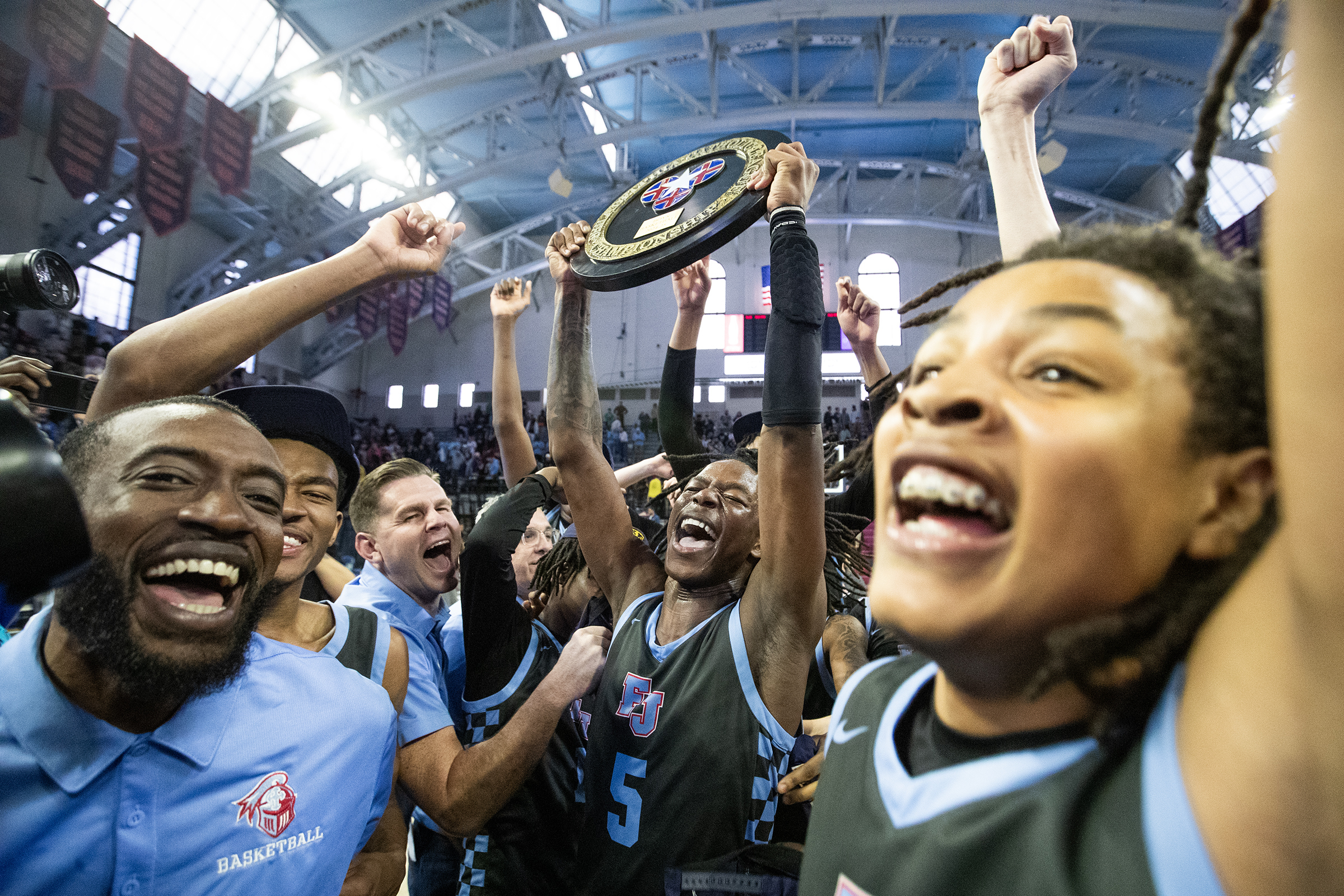
Philadelphia Catholic League basketball was a fixture for Kevin Grugan — a mild obsession, even — throughout his childhood. Growing up in Rhawnhurst, he had deep and natural ties to Father Judge’s program in particular. His uncle, Ron Zawacki, was an assistant under legendary head coach Bill Fox, and Grugan competed in Judge’s summer basketball camps, went to the Crusaders’ games on Friday nights and Sunday afternoons in the winter, and graduated from the school in 1996.
“I would watch the games,” he said, “and be enthralled.”
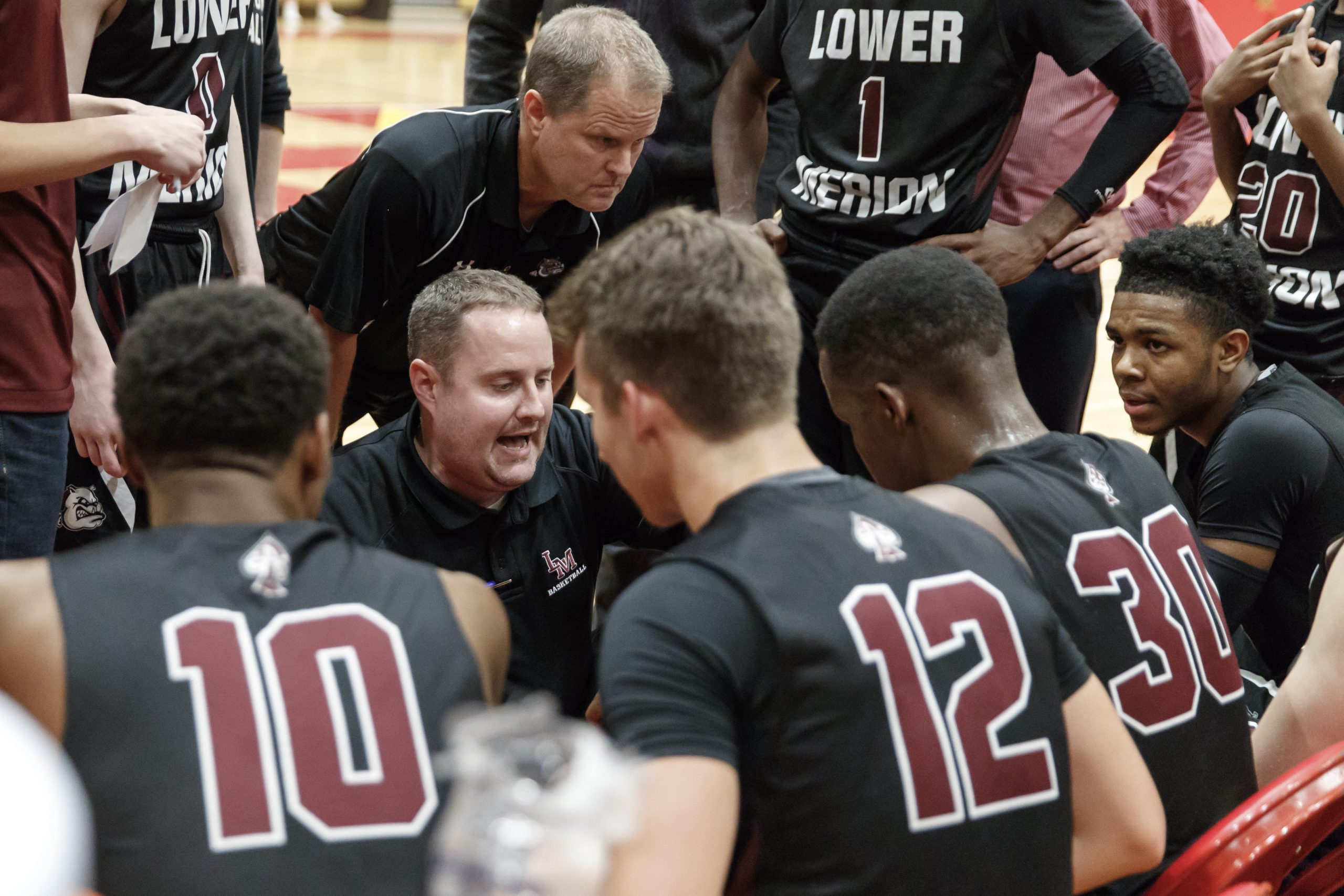
His fascination had faded by 2007, when Lower Merion High School’s administration hired him to teach math and assist Gregg Downer, the school’s longtime boys’ basketball coach. The subsequent years have not reignited his nostalgia for the old days of Northeast Philly hoops. In fact, in his role as a coach at a suburban public school, Grugan has come to resent what he perceives as an uneven playing field throughout Pennsylvania sports. Parochial, private, and charter schools, after all, don’t have borders; they can draw their students, and their student-athletes, from anywhere. Public schools can’t.
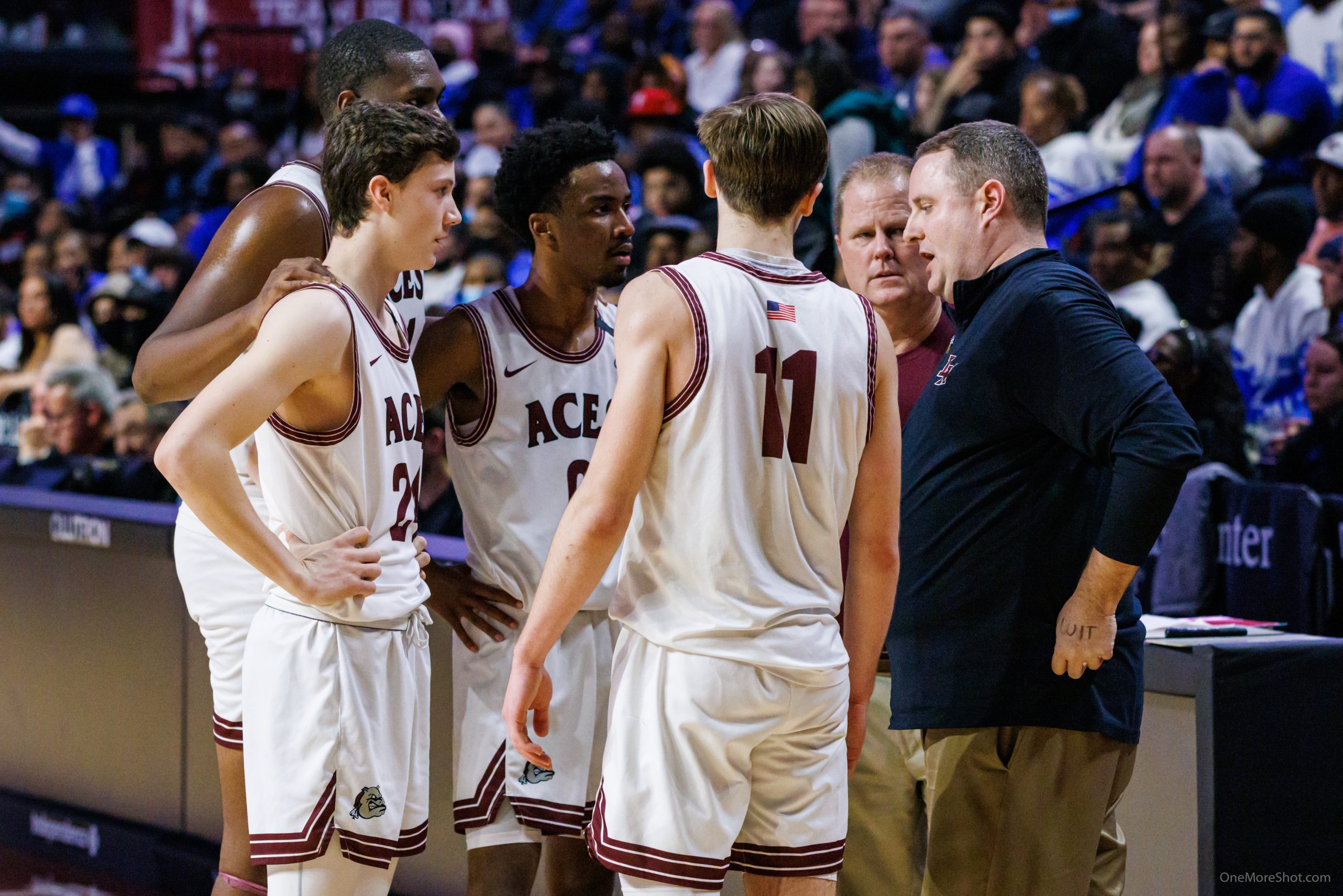
Kevin Grugan is a longtime boys’ basketball assistant at Lower Merion.Courtesy of Kevin GruganHe believes competing against private schools has presented an uneven playing field throughout Pennsylvania sports: “High school athletics is about building a team, building a culture.”Courtesy of Kevin Grugan
“High school athletics is about building a team, building a culture,” Grugan said recently. “You’re devising competition. You’re learning from that competition. You’re trying to improve on the next game. But you go into those events, and suddenly standing across from you are multiple if not five Division I athletes. You can’t watch enough film to find that very secret flaw that nobody else has found.”
Grugan’s complaints have become common among Pennsylvania’s public school coaches, administrators, parents, and players since the Catholic League and Public League moved under the jurisdictional umbrella of the PIAA in the fall of 2008. And that fierce debate about fairness could soon be cast in stark relief.
In April, the Pennsylvania State House of Representatives passed, by a 178-23 vote, House Bill No. 41, which would allow the PIAA to “establish separate playoffs and championships for athletics for boundary schools and non-boundary schools.” The Pennsylvania Senate can vote on the bill at any time but has not yet. A spokesperson for Gov. Josh Shapiro said that “the Shapiro administration is monitoring the bill as it moves through the legislative process” but did not have a position on it.
Shapiro and his aides might be the only people connected to Pennsylvania’s high school sports who don’t have a position on the bill or the public-private divide.
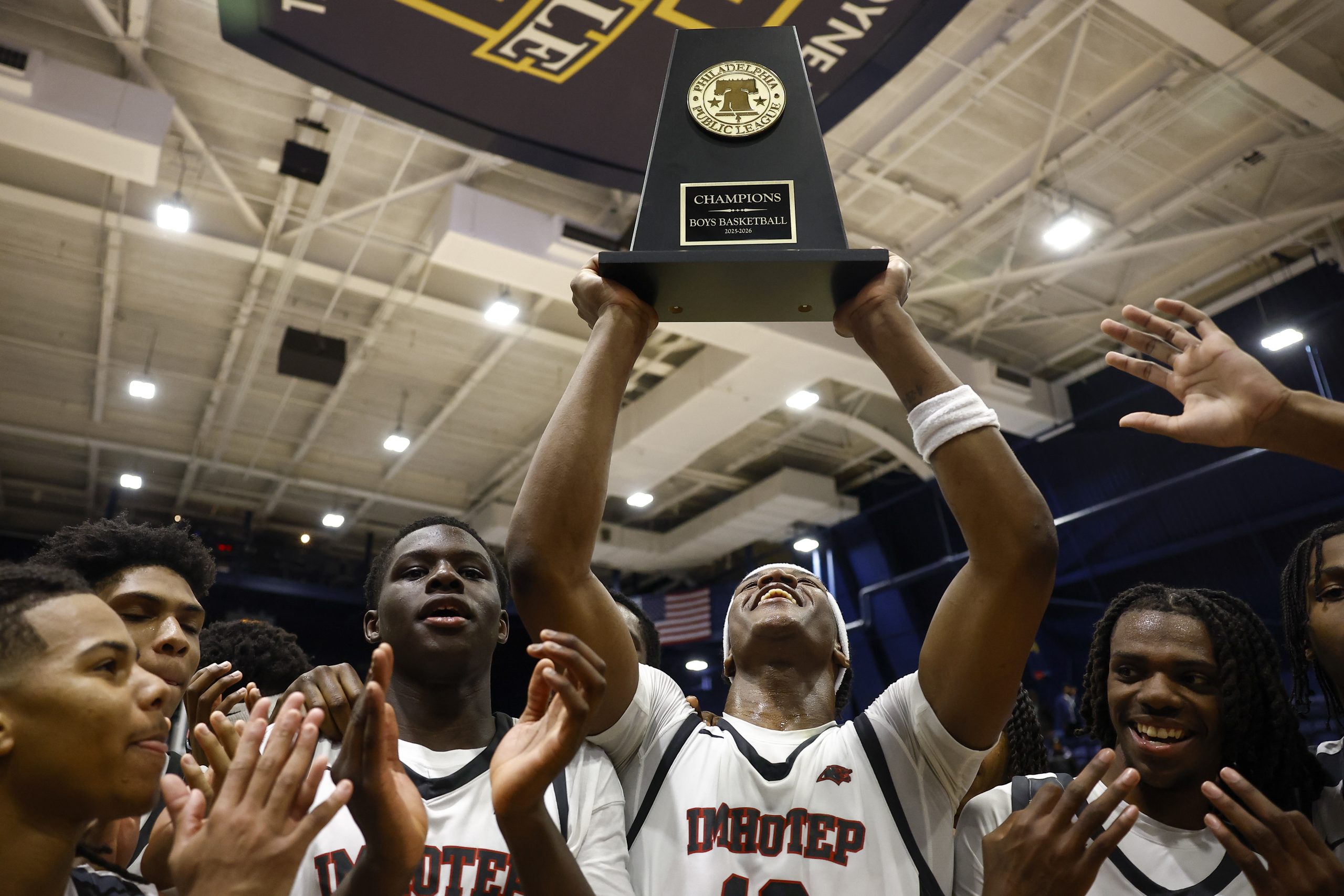
Imhotep Charter has won six consecutive Public League boys’ basketball titles. Monica Herndon / Staff Photographer
It’s difficult to find a state issue that provokes such strong viewpoints and often-strident opinions. And this issue has plenty of big-picture and hyper-local tentacles, including the professionalization and commodification of high school sports, the question of athletics’ appropriate purpose and role in secondary education, and accusations that some non-boundary schools violate PIAA bylaws by recruiting student-athletes for the sole purpose of having them play sports.
“All we’re trying to do is say that part of high school sports is teaching kids how to play a fair game,” Rep. Scott Conklin (D), who introduced House Bill No. 41 and represents the 77th district, in State College, said in a phone interview. “It’s something they can use for the rest of their lives. We don’t want to teach them that there are two sets of rules: one set for a boundary school, one for a non-boundary school.”
The traditional city and neighborhood rivalries within the Catholic League mean more to some coaches, players, and fans than the district and state tournaments do. Elizabeth Robertson / Staff Photographer
Conklin cited player safety, particularly within football, as a primary reason for House Bill No. 41, arguing that non-public schools can attract more athletes — and more athletes who are bigger, stronger, and faster — than their public opponents can.
“The boundary school may have 18 really good players; they play offense and defense,” he said. “By the second quarter, those kids are tired, and that’s when children get hurt: when they’re gassed.”
He did not provide any statistical evidence to support this claim, and in a Dec. 3, 2024, memo he circulated to state House members to introduce the bill, he made it clear another factor was just as important, if not more so.
“When it comes to competition in team sports, especially football and basketball,” Conklin wrote, “the private, charter, and parochial schools have been dominant in state playoffs in recent years.”
Among the highest-profile sports, that dominance hasn’t been quite as severe as Conklin suggested. Consider these results since the beginning of the fall 2008 sports season:
Boundaryschools have won 54of the 92 football state championships.
Non-boundary schools have won 63 of the 86 boys’ basketball state championships, including 16 of the last 18.
Non-boundary schools have won49 of the 86 girls’ basketball state championships.
(function(){function e(){window.addEventListener(`message`,function(e){if(e.data[`datawrapper-height`]!==void 0){var t=document.querySelectorAll(`iframe`);for(var n in e.data[`datawrapper-height`])for(var r=0,i;i=t[r];r++)if(i.contentWindow===e.source){var a=e.data[`datawrapper-height`][n]+`px`;i.style.height=a}}})}e()})();
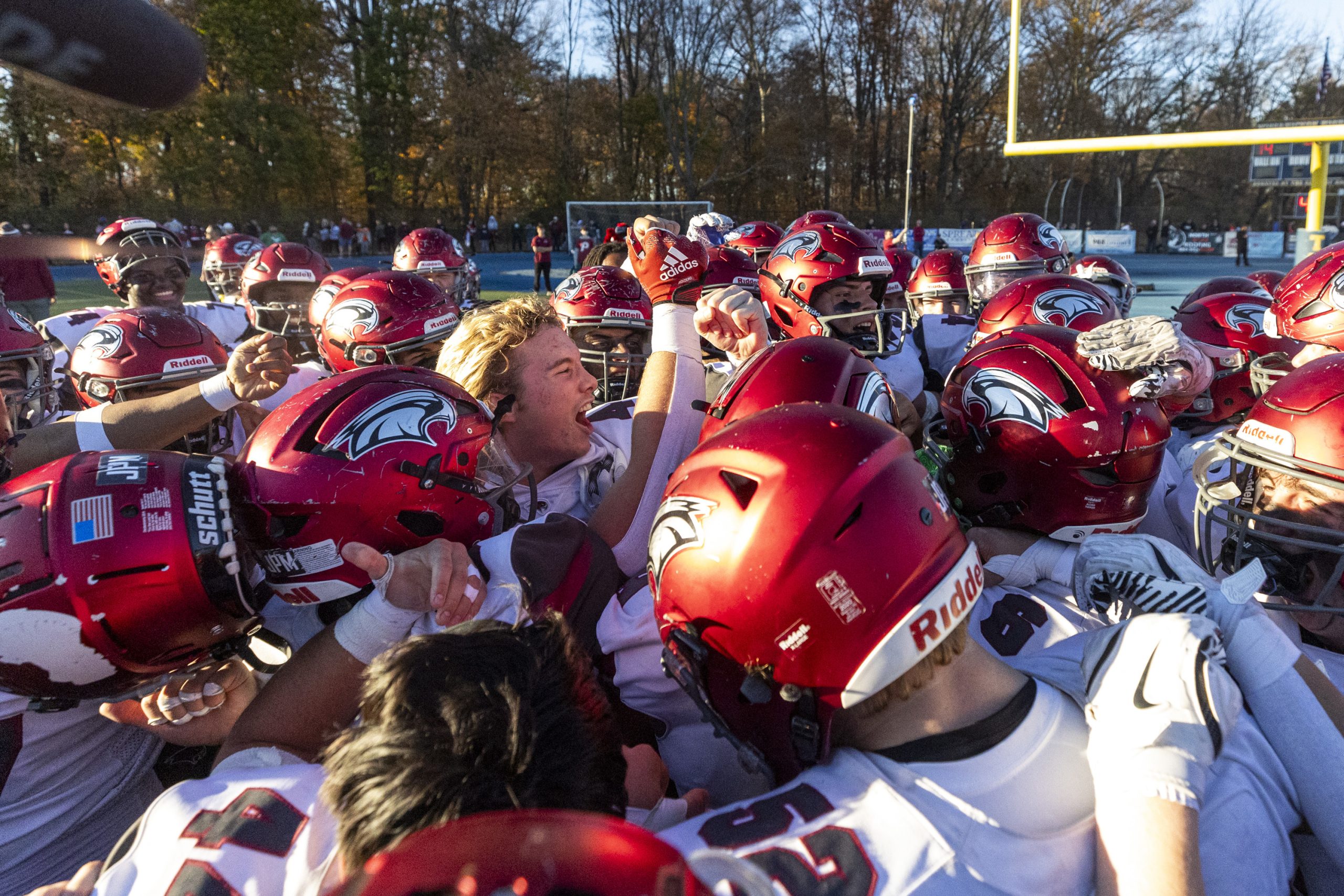
In an attempt to achieve and maintain competitive balance, the PIAA does use a formula, based on non-boundary schools’ success and the number of transfer students they accept, that can allow teams to move up in enrollment classification. Still, St. Joseph’s Prep, with an all-male enrollment of roughly 900 and without a football stadium on its North Philadelphia campus, has won seven PIAA Class 6A championships in the last 10 years while competing alongside the state’s biggest public schools, including North Penn, which has more than 3,000 students. What’s more, a recent donation of $74 million from Prep alumnus and billionaire entrepreneur Nick Howley is likely to help the Hawks separate themselves further from the 6A field.
“They’re just two different structures,” Prep president John Marinacci said. “All our student-athletes, whether it be football or anything else, come from the same geographic locations that our whole student body comes from. I know there are allegations out there that we have students from all over America. You know where the Prep is. It’s 15 minutes from Jersey. Do we have kids who play football who come from Jersey? We do. We also have a lot of kids who play other sports or don’t play sports who come from Jersey. The geographic reach of the school is what it is. We’re a regional school.”
St. Joe’s Prep has won seven PIAA Class 6A football championships in the last 10 years.Tyger Williams / Staff Photographer
‘We’re coming’
Intrastate athletic competition among different types of Pennsylvania high schools is nothing new. In 1972, the state legislature amended the Public School Code to allow non-public schools to participate in postseason and championship events with public schools, and some private and parochial institutions have been members of PIAA leagues and conferences for years. When eight Delaware Valley schools came together to found the Pioneer Athletic Conference in 1985, for example, two of them were Lansdale Catholic and St. Pius X, and the members of the all-girls Catholic Academies League have long competed against suburban Philadelphia public schools within PIAA District One.
The issue took on increased salience both in the region and throughout Pennsylvania, though, when the Catholic and Public Leagues entered the PIAA 18 years ago. At the time, association members who might have raised questions about competitive fairness were cautioned against making any such case, according to a source who was directly involved in negotiating and implementing the expansion. If they did, the legislature would take steps to strip the PIAA of much of its power, oversight, and relevance.
The Public League has 73 member schools. But nearly half of them — 34 — are charters, including football and boys’ basketball powerhouse Imhotep.Elizabeth Robertson / Staff Photographer
“Almost every legislator’s child went to a non-public school,” the source said, “and everybody wants to have that state-championship medal. … They said, ‘Don’t try us, ’cause we’re coming.’”
So the Catholic and Public Leagues formed District 12, and the inclusion of the Public League counterbalanced the injection of private-school strength into the association only so much. The Public League today has 73 member schools. But nearly half of them — 34 — are charters, among them football and boys’ basketball powerhouse Imhotep, and the School District of Philadelphia’s open-enrollment policy can allow exceptional athletes to attend just about any high school and compete for any coaches or programs they want.
For the two leagues, the ostensible reasoning that justified joining the PIAA still stands up. It would lead to more fulfilling experiences for student-athletes: better (or at least more diverse) competition, travel outside the limits of the city and the suburbs that ring it, perhaps more exposure to and interaction with recruiters — and, of course, the opportunity to call themselves state champions.
(function(){function e(){window.addEventListener(`message`,function(e){if(e.data[`datawrapper-height`]!==void 0){var t=document.querySelectorAll(`iframe`);for(var n in e.data[`datawrapper-height`])for(var r=0,i;i=t[r];r++)if(i.contentWindow===e.source){var a=e.data[`datawrapper-height`][n]+`px`;i.style.height=a}}})}e()})();
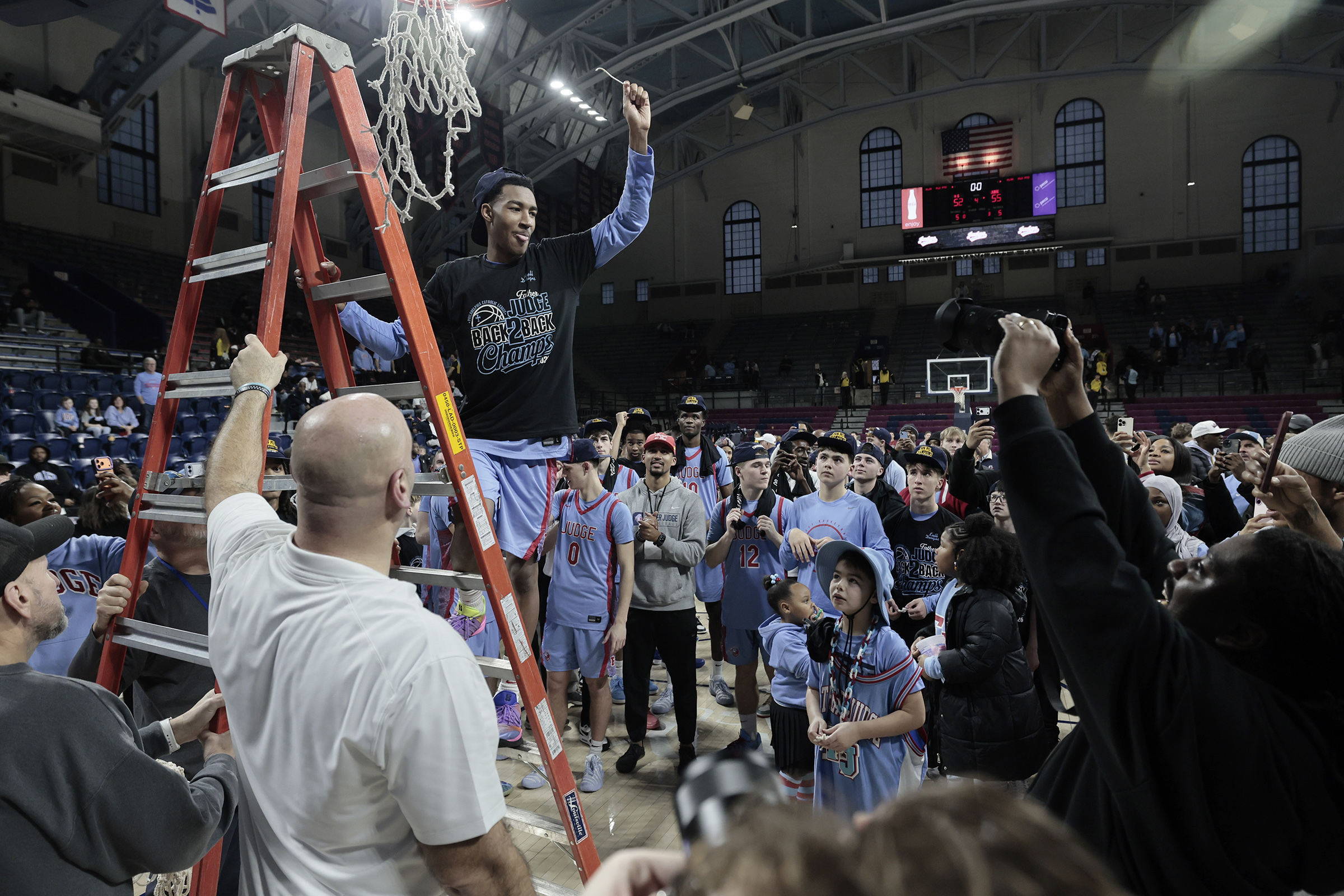
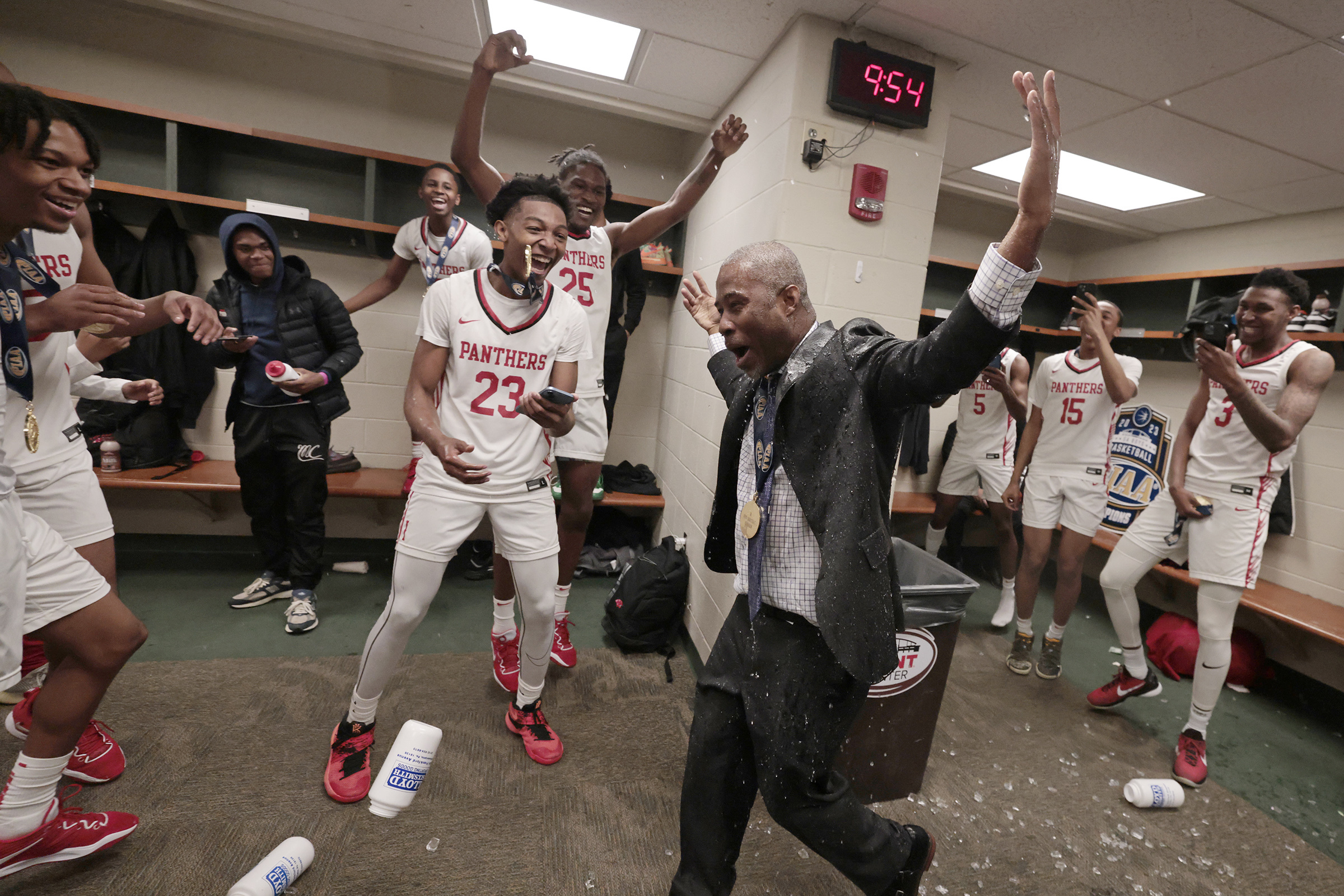
“I’d go to college and hear somebody say, ‘We beat Neshaminy in a state championship game,’” said Father Judge basketball coach Chris Roantree, who won a Catholic League boys’ championship as a player with the Crusaders in 1997 before guiding them to back-to-back PCL titles and a PIAA Class 6A championship over the last two years. “I’d be like, ‘We played Neshaminy and beat them by 50. Are you really a state champion?’
“Here’s the thing: Philly is Philly. So if you want all the Philly kids to go to public schools, they’re still going to dominate. There’s so much talent in Philadelphia that it doesn’t matter where it goes. That’s a disadvantage for us. There are six, seven, eight, 10 good teams in the Catholic League. If they’re in the playoffs, they’re going to make some noise in the states. There’s a lot of good players spread out. I laugh at it sometimes, but we can only control what we can control.”
The Catholic and Public Leagues, loaded with student-athletes who have chosen to attend and play for their respective schools, have another advantage over the publics: They are in alignment with the generational shifts and trends throughout youth sports, as young athletes and their parents crave more freedom and place greater importance on AAU, club, and travel teams.
“We need to be looking at increasing the opportunities for kids,” District One chairman Mike Barber said. “If not, they’re going to find other places to play.”
It’s difficult to deny that, in this modern landscape, the PIAA benefits from the presence of private, parochial, and charter schools, that these programs infuse the association’s competition with more talent and prestige.
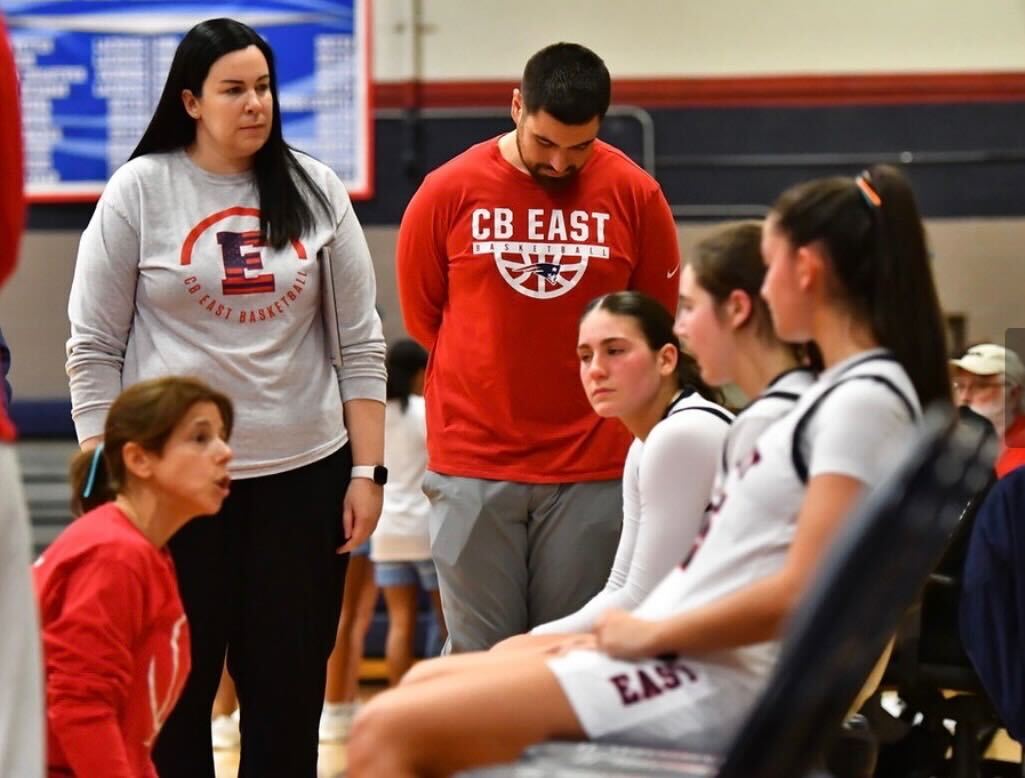
Liz Potash is the Central Bucks East girls’ basketball coach.Courtesy of Diane BarryShe says “when I have to compete for the same championship [as a private school], there’s a disparity there, and I think obviously everyone is aware of that.”Courtesy of Diane Barry
“What they do is unbelievable,” former Central Bucks East girls’ basketball coach Liz Potash said. “We played Archbishop Carroll in our Christmas tournament, and you watch that scout film, and you’re like, ‘Oh, my gosh! This is unbelievable.’ I have all the respect in the world for those programs. Where it gets me is in the postseason, when I have to compete for the same championship. Then it’s just not a level playing field. … I’ll play them in-season. I have no issue with that. But when I have to compete for the same championship, there’s a disparity there, and I think obviously everyone is aware of that.”
The reality that non-boundary schools can and do pull students from New Jersey, Delaware, and the suburbs that feed District One’s public schools has stoked plenty of us-vs.-them tension. Potash herself admitted to rooting for Perkiomen Valley during its run to the 2025 Class 6A girls’ hoops championship, and when CB East beat Germantown Academy — a private, non-PIAA program — last season, one of Potash’s fellow public school coaches called to tell her, Man, there’s nothing I like to see more than when one of us knocks off a team like that.
In 2025, Grace Galbavy, Quinn Boettinger, and Bella Bacani led Perkiomen Valley girls’ basketball to its first state title. The Vikings beat Archbishop Carroll to get there.Charles Fox / Staff Photographer
“District One and District 12 hate each other,” one area athletic director said, though Starr Davenport, the Philadelphia School District’s director of finance for athletics, tried to soften that assertion by drawing on a familiar rivalry as an analogy.
“You can compare it to almost Dallas vs. the Eagles,” she said. “We don’t really hate them. It’s a healthy, quasi-toxic athletic approach to, ‘We’re better than District One.’ It’s the proximity. It’s the ongoing battles that are close. It gets to the point where it’s one vs. the other, but I think there’s harmony and respect across both districts.”
The irony — and, for many public school coaches, the frustration — is that the traditional city and neighborhood rivalries within the Catholic and Public Leagues mean more to some coaches, players, and fans than the district and state tournaments do. The rollicking sellout crowds filling the Palestra every year for the PCL boys’ basketball semifinals and the boys’ and girls’ championship games have been just the most obvious example.
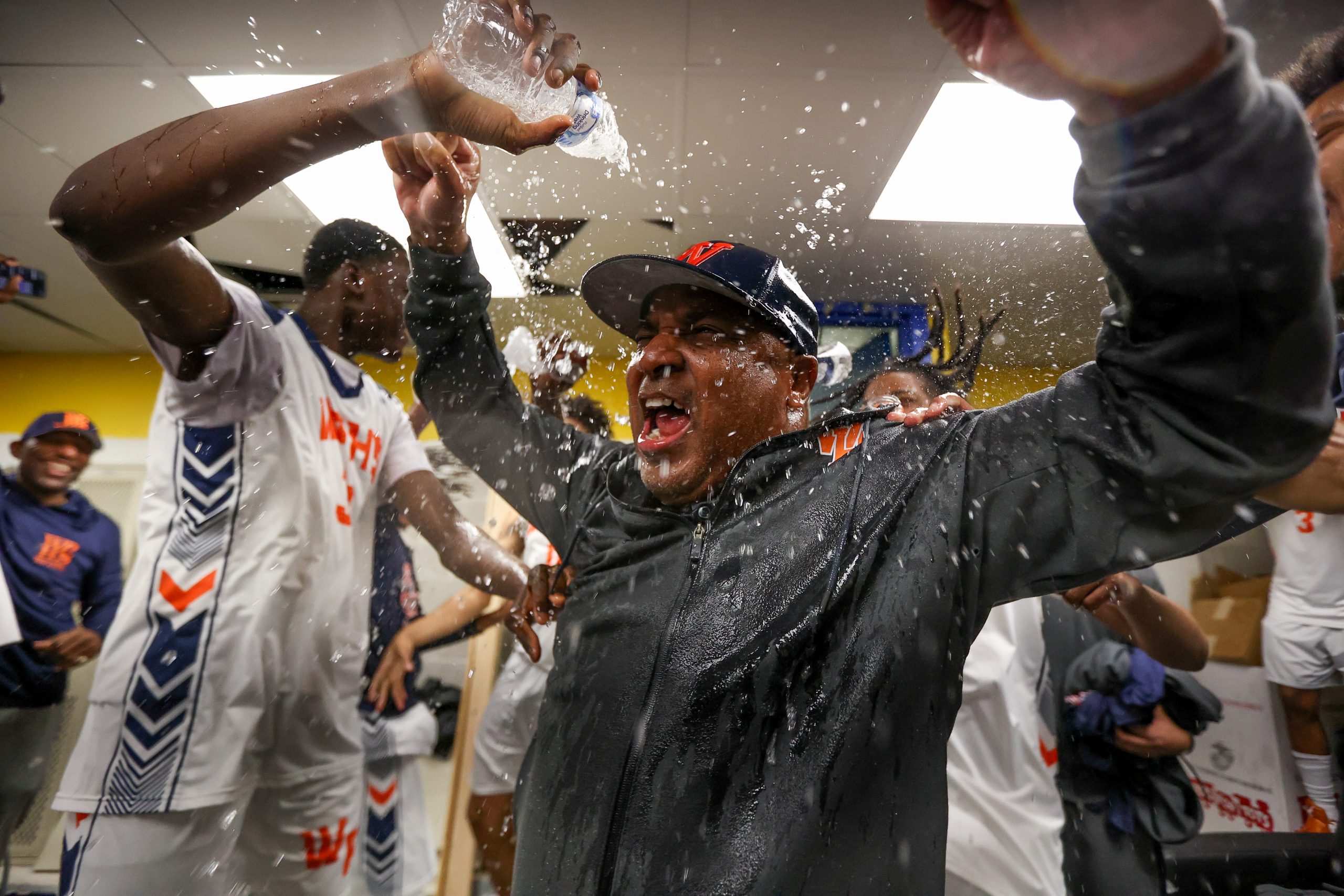
West Philadelphia coach Adrian Burke values the history of the Public League, and winning the title carries more weight compared to other championships.Isaiah Vazquez / For The Inquirer
“We want to win the Pub,” West Philly High boys’ basketball coach Adrian Burke said in February, before his team lost to Imhotep in this year’s Public League championship game. “It’s legendary. You’re talking about some of the greatest basketball players ever. You’re talking about Wilt Chamberlain, Gene Banks. I could [go] on and on and on. When you think about the Public League, you think about all those guys who paved the way for us to play.
“We don’t care too much about districts. States is good. But we want to win the Pub.”
Father Judge won back-to-back PCL boys’ basketball titles and a PIAA Class 6A championship over the last two years.Charles Fox / Staff Photographer
A solution?
Splitting the PIAA playoffs into boundary and non-boundary brackets would not be unprecedented, but it would be unusual. New Jersey is one of four states that allows public and private schools to compete during regular seasons but keeps them separate for postseasons, according to a survey conducted earlier this year by the USA Today Network. Another four states, including Maryland, don’t permit boundary and non-boundary schools to play against each other.
Grugan wouldn’t mind such a measure, wouldn’t mind seeing House Bill No. 41 signed into law and put into effect. Lower Merion won its last state title in 2013, and in 2019 and every year from 2021 through 2025, it lost in the state playoffs to either Roman Catholic or Archbishop Wood. The question that he, Rep. Conklin, and everyone involved or interested in Pennsylvania high school sports has to ask and answer is this: Is it better to have lost to these non-boundary teams or never to have played them at all?
“We keep making these decisions based on the idea that all high school athletes are performing at this high Division I level,” Grugan said, “and my thing is, most of the high school athletes you’re coaching are going to have a high school basketball experience and that’s it. And by the way, that’s a great thing. That is going to teach them so many lessons, and they’ll be able to thrive in other situations in their lives with amazing memories. We still celebrate big games by getting pizza. That’s as good a moment as anything we’re going to produce on the court.”
Staff news developer Chris A. Williams contributed to this article.
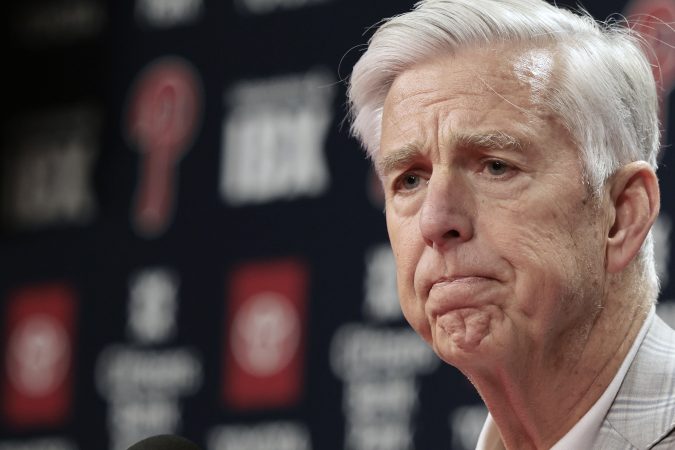
The funny thing about Bryce Harper’s 2026 world-wrecking tour is that he has somehow managed to both vindicate his boss and hang him over the dunk tank. There isn’t an executive in Major League Baseball that should be feeling more pressure than Dave Dombrowski now that Harper has answered fully and satisfactorily the infamous question that the Phillies president posed this offseason.
“Can he rise to the next level again?‚” Dombrowski asked about Harper after the Phillies’ postseason loss to the Dodgers. “I don’t really know that answer.”
Eight months later, Dombrowski should know it better than anyone. The Phillies’ personnel boss has spent 84 games watching Harper bail him out of another failure of an offseason. One year after the Phillies’ superstar posted an .844 OPS that was his lowest since 2016, his current .915 OPS would be his best since 2021, when he hit .309/.429/.615 with 35 home runs en route to winning his second MVP.
Harper’s 19 home runs in his first 83 games were his second-most as a member of the Phillies. His .391 wOBA ranked eighth in the major as of Saturday. His .278/.379/.536 batting line is pretty much exactly his career baseline. It is a lofty baseline. You might even call it elite.
While Harper might argue that retribution is a dish best served raw (like milk), his performance this season actually lends some credence to his boss’ offseason critique. Harper isn’t proving Dombrowski wrong. He is proving him right.
Fact is, Harper wasn’t an elite player in 2025. Between 2021 and 2024, Harper was one of five players in the majors with a wOBA of .390+. The other four were Aaron Judge, Shohei Ohtani, Juan Soto and Yordan Alvarez. Add in Ronald Acuña Jr., Freddie Freeman, and Mookie Betts, and those were the truly elite hitters in Major League Baseball.
Bryce Harper has hit 19 home runs this season.Nick Wass
In 2025?
Harper’s .361 wOBA ranked 25th, behind guys like Ramon Laureano (.364), Pete Alonso (.368) and Geraldo Perdomo (.370). That was Dombrowski’s whole point. You can certainly question whether it was an appropriate one to make. The under-the-hood numbers suggested that Harper’s “down” year was mostly attributable to chance.
There weren’t any significant dips in his hard hit rate or his strikeout rate or his bat speed. He showed fewer signs of regression than most 32-year-old hitters. The Phillies could not have hoped for a better return on the first seven years of the 13-year, $330 million contract that Harper signed in 2019. As the old saying goes, don’t look a gift horse in the mouth and tell him he isn’t elite.
At the same time, Dombrowski’s assessment was correct. In 2025, Harper’s production wasn’t in the same realm as a Judge or a Soto or an Ohtani. It just wasn’t. He was still a very, very good player. He just wasn’t a singular one.
Here in 2026, Harper is reminding us just how much of an impact he can make when he is elite. The Phillies have been the best team in baseball since the beginning of May despite a lineup that has five regulars who have been 30% worse than league average as measured by OPS+. Harper’s 146 OPS+ is more than twice as high as those of four of the six guys who hit behind him in the lineup.
The onus is now on Dombrowski to do his part.
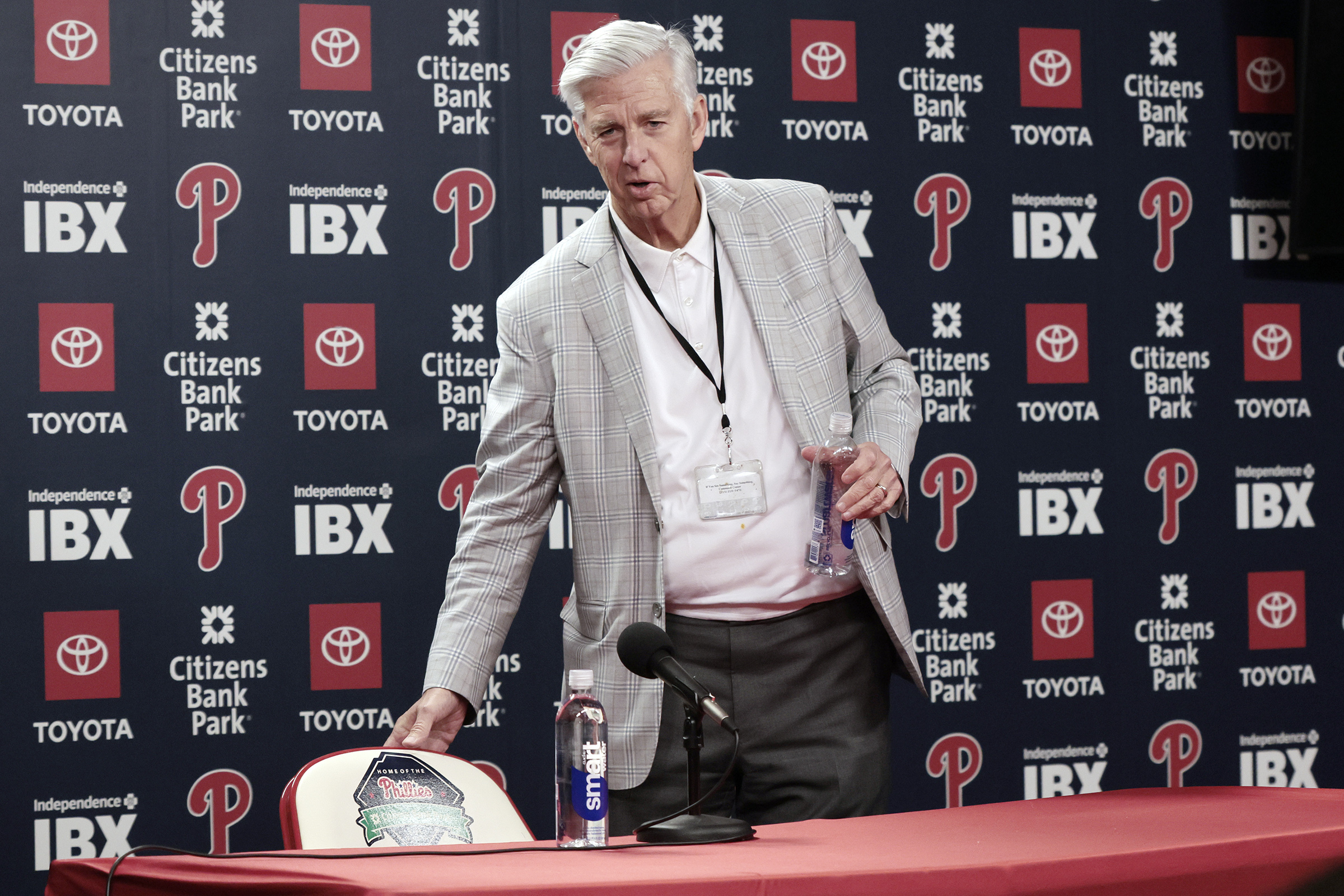
How active will Dave Dombrowski and the Phillies be at the MLB trade deadline?Elizabeth Robertson / Staff Photographer
As good as the Phillies have been since replacing Rob Thomson with Don Mattingly, any realist should wonder how good they’d be with a roster that wasn’t completely reliant on two MVP seasons at the plate, two Cy Young seasons in the rotation, and one of the best closers in the game … and Brandon Marsh. It would be foolish for anybody to think that formula can carry them through a month of playoff baseball.
With just over a month to go until the trade deadline, Dombrowski and his front office better have a serious plan for broadening the team’s potential contributors for a postseason series against the Dodgers or Braves.
window.addEventListener(“message”,function(a){if(void 0!==a.data[“datawrapper-height”]){var e=document.querySelectorAll(“iframe”);for(var t in a.data[“datawrapper-height”])for(var r,i=0;r=e[i];i++)if(r.contentWindow===a.source){var d=a.data[“datawrapper-height”][t]+”px”;r.style.height=d}}});
Even with Marsh’s All-Star-worthy season, the Phillies’ outfield entered Sunday with the sixth-worst collective OPS in the majors. At catcher, theirs is the second-worst OPS. They rank in the bottom five at third base and shortstop and are 23rd at third base. But, hey, other than that they’ve been great.
Right now, Dombrowski’s offseason looks like a near-total failure. Adolis García, J.T. Realmuto, Andrew Painter, Brad Keller, Justin Crawford — all received his stamp of approval as he tinkered with a roster that had suffered three straight playoff disappointments.
Even if you are willing to credit Crawford with being a perfectly adequate bottom-of-the-order hitter at a premium position in center field, the aggregate output of the offseason maneuvering still qualifies as a man-made disaster.
It may not be now or never. But it is getting close. The Phillies owe it to Harper, Schwarber, Zack Wheeler, Cristopher Sánchez and Jhoan Duran to aggressively address the holes that threaten to undermine one of the greatest efforts we’ve ever seen from five superstars in one season.