Tag: topic-link-auto

  • Voters are turning out in droves to cut autocrats down to size

    Voters are turning out in droves to cut autocrats down to size

    It’s not just the U.S. midterms: An anti-authoritarian wave appears to be crashing over elections around the world.

    In country after country that has struggled with creeping authoritarianism and democratic decay, outraged electorates have turned out in record numbers, delivering indisputable victories that have checked the autocratic advance.

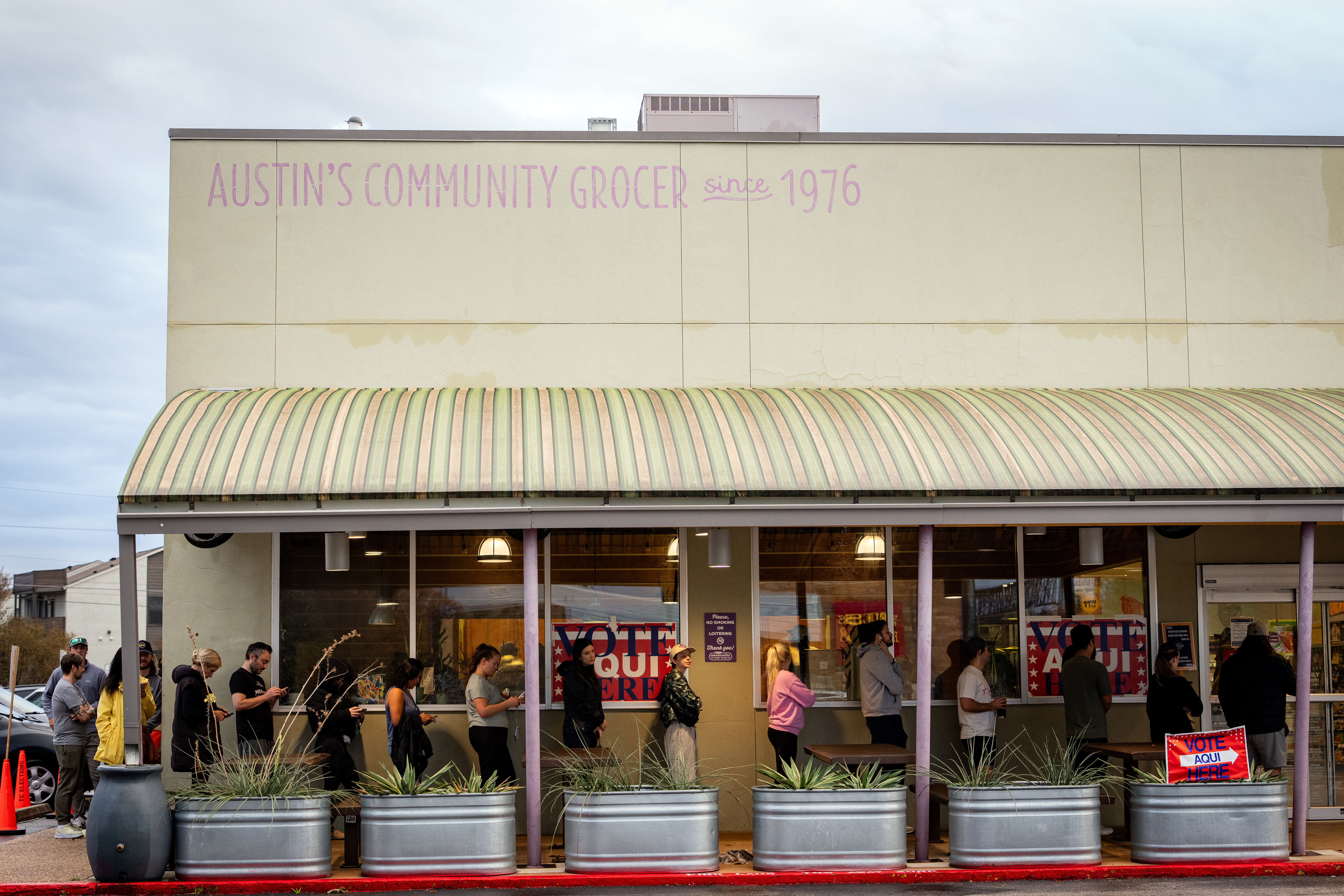
    The United States crossed into “competitive authoritarianism” during President Donald Trump’s second term, according to eminent political scientists Steven Levitsky and Lucan A. Way. Voters issued a stunning rebuke in the midterms, when an expected blue wave turned out to be a blue tsunami.

    The outpouring was just what Kamala Harris, the former Democratic presidential contender, urged before the vote when she told supporters, “We just need to turn out in really large numbers that would be too big to rig.” It even overcame exceptional efforts by Trump and his party to gerrymander impenetrable Republican districts.

    Voters are still seen as more likely to go to the polls to defend their pocketbooks than democratic principles. But when those issues intersect — for instance, in angry accusations of corruption, at a time when voters are struggling economically — the combination has proved especially motivating.

    The year has provided a host of examples, as voters turned out in numbers that capsized the efforts of nationalist autocrats, tainted by corruption accusations, to tilt the political playing field their way even before elections could begin.

    Last month, when Aleksandar Vucic, Serbia’s longtime nationalist strongman, was swept out of power, estimates suggested that voter turnout was nearly 70%, the highest since the breakup of the former Yugoslavia.

    In Brazil, President Luiz Inácio Lula da Silva defeated Flávio Bolsonaro, whose father, the former president Jair Bolsonaro, was jailed for attempting a coup after he lost the last election to Lula. In this year’s election, turnout increased by nearly 3 million voters between the first and second rounds, bucking the usual trend of votes falling in the runoff. Voter absenteeism fell to the lowest level of any Brazilian presidential election.

    In Hungary, Viktor Orban, a MAGA favorite who had proclaimed himself the champion of “illiberal democracy,” was ousted in April after nearly 16 successive years as prime minister. Voter turnout reached its highest level since the fall of Communism in 1989 — about 80%.

    ‘Too big to rig’

    The overwhelming turnout and high margins of those victories were important, because they neutralized the tactics that authoritarian leaders often use to prejudice electoral outcomes in their favor, said Kim L. Scheppele, a professor at Princeton University who studies democracy in Eastern Europe.

    “If you have a close vote, then autocratic capture can always pull them over the line with dirty tricks of different kinds,” she said. But when the margin is huge, such tricks no longer work, and disfavored leaders must either step down or fully abandon democracy in favor of a violent crackdown, as former President Nicolás Maduro of Venezuela did when he faced a loss in 2024.

    In Hungary, for example, the opposition Tisza party won an absolute majority in Parliament, overcoming even the rejigged rules that Orban had long used to ensure that a plurality of votes gave his party a supermajority in the legislature.

    In Israel, by contrast, Prime Minister Benjamin Netanyahu’s coalition lost its parliamentary majority in elections in October, due in part to record-high turnout among Israeli Arabs. But the coalition bargaining is so narrow that Netanyahu has tried to cast doubt on the results by claiming without evidence that the Arab parties stole the election.

    Youth in revolt

    Young people have been a crucial element of this new anti-authoritarian wave.

    “I want to thank the generosity of Brazilian youth, who took to the streets to defend democracy,” Lula said in his victory speech, referring to student protests that broke out after he finished in second place in the first round of the presidential election. In the second round, Lula’s substantial advantage with voters younger than 35 powered him to victory.

    In the United States, 70% of all voters younger than 30 cast their ballots for Democrats, according to New York Times data. Even more notably, 61% of young men voted Democrat — a big change from 2024, when more than 56% of them supported Trump.

    In Hungary, according to exit polls, 67% of voters younger than 30 cast their ballots for the victorious Tisza party, compared with just 8% for Orban’s party, Fidesz.

    The most notable youth effects came in Serbia, where the opposition’s victory was driven by a new youth-led political bloc called Student List-Students Win, which grew out of a longtime student protest movement. The students recruited candidates from outside the political system: doctors, scientists and others. Their message — anti-politics but pro-democracy — resonated with voters.

    “If you can get all new faces, then you can build these big-tent parties and let young people power it with social media,” Scheppele said. “Then you can get these huge election victories, which enable you to really root out the prior autocratic government.”

    This article originally appeared in The New York Times.
  • Court weighs Trump’s appeal in the Stormy Daniels hush money case

    Court weighs Trump’s appeal in the Stormy Daniels hush money case

    NEW YORK — New York appeals judges grilled President Donald Trump’s lawyers and prosecutors Thursday about his bid to erase his historic hush money conviction, but the court didn’t signal how or when it would rule.

    The judges delved into legal theory, presidential immunity, and some evidence in Trump’s 2024 trial. Convicted of 34 felony counts of falsifying business records to obscure a $130,000 payment to adult film performer Stormy Daniels, Trump denies any wrongdoing. He has turned to state and federal courts in hopes of unwinding the verdict.

    Trump, who denounced the case on social media as recently as September, didn’t attend Thursday’s court session.

    Much of the back-and-forth focused on prosecutors’ theory that the hush money was meant to keep unflattering information about Trump away from the electorate before the 2016 vote, and that it amounted to an illegal campaign contribution under the Federal Election Campaign Act.

    Trump lawyer Robert Giuffra Jr. told the judges that Manhattan District Attorney Alvin Bragg’s office has no place tying a case to a federal election law.

    “We think it’s the most obvious ground for reversal,” he said.

    Prosecutors argued that they weren’t prosecuting an alleged federal campaign finance offense, but rather presenting it as a factor underlying what they claim was a Trump-orchestrated conspiracy.

    “So are you relying upon FECA in order to prove your falsifying business records (charge)?” Justice Troy Webber asked.

    “Only partially,” replied Bragg’s appeals chief, Steven Wu, adding that it was “important only to show that the purpose for the falsifying business records here was to conceal that conspiracy.”

    Judges drill down on question about White House conversations

    The appeal also concerns whether jurors should have been allowed to hear testimony about supposed White House workflow and conversations — some with then-Communications Director Hope Hicks — and even Trump social media posts during his first term. His lawyers cite presidential immunity for official acts, and they argue his official conduct included responding to the Daniels drama once it became public in 2018.

    “Ms. Hicks was serving as a White House official,” talking with the president about how to respond to press inquiries that implicitly concerned his fitness for office, Giuffra told the appeals judges.

    Wu countered later: “In this conversation, they were not speaking about a press response. … The president was talking to her about his private opinion.”

    The appeals judges pressed both sides about the matter and the specifics of Hicks’ testimony. She told jurors that she asked Trump how he wanted to respond, but as for what he said, she testified only that he expressed relief that the Daniels story hadn’t emerged during the campaign.

    Bragg’s office contends that all the White House-related evidence was fair game. The conversations were “unofficial conduct,” some of the other evidence was public record, and some was a general description of office practices, prosecutors say. They maintain that even if some of the evidence should have been excluded, its admission was a “harmless error” that doesn’t warrant overturning a conviction that rested on “a mountain” of other proof against Trump.

    Justice Bahaati E. Pitt-Burke wondered aloud about that.

    “If you take all of those things cumulatively, right, and there’s a problem with this evidence, there’s a problem with this evidence, at what point … does it stop being harmless error and turn into something else?” she asked.

    “It would have to be a lot more than there was in this case,” Wu responded.

    Trump’s lawyers also have argued the case was political

    While the appeal turns on complex legal disputes, political overtones aren’t hard to find. The very first paragraph of one of the Trump team’s court filings contended that the case was the flimsy product of “immense political pressure” on a Democratic prosecutor to go after Trump — rhetoric that echoes the Republican president’s own oft-repeated claims in the court of public opinion.

    The May 2024 verdict made Trump the first former — and now current — U.S. president with a criminal conviction. While historic, it didn’t impede his return to the White House or subject him to any punishment.

    The trial involved $130,000 that Daniels got from Trump’s then-fixer and lawyer, Michael Cohen, weeks before the 2016 election. The money bought, for a time, her silence about an alleged sexual encounter with the married Trump a decade earlier. He says that nothing sexual happened between them.

    Trump’s company reimbursed Cohen in 2017, logging those payments as legal expenses.

    Trump’s lawyers argue there’s only “weak” evidence that he even knew about Cohen’s dealings at the time. His trial attorneys also said that payments to Cohen were indeed legal expenses, and that any hush money expended on Trump’s behalf wasn’t hidden campaign spending, just an effort to avoid embarrassing his family.

    The distinction matters because, under New York law, falsifying business records isn’t a felony unless it’s done with an intent to commit or conceal a separate crime.

    While pursuing his state appeal, Trump also has been trying to shift the case to federal court and have it dismissed on immunity grounds. A federal judge said no — for the third time — in August. Trump’s attorneys are appealing that decision, with arguments set for Nov. 16.

  • Multiple flights in Europe diverted because of bomb threats after earlier hoaxes

    Multiple flights in Europe diverted because of bomb threats after earlier hoaxes

    MILAN — Multiple flights in Europe made emergency landings on Thursday after being diverted because of bomb threats, authorities said. The incidents followed hoax bomb threats earlier this week that prompted searches, diversions and in one case a military escort.

    More than a dozen flights from cities including Copenhagen, Dublin, Helsinki, Madrid, Milan and Warsaw were confirmed to have been targeted with bomb threats, most diverted to other airports for emergency landings while others landed safely at their destinations. So far inspections have not turned up hazardous or suspicious materials.

    Such threats are not new, but the latest incidents come at a time of increased geopolitical tensions and other disruptions, like attacks on supermarket refrigeration systems, drone incursions in Europe and mysterious triggers to alert apps. Authorities have warned that hybrid threats abound.

    Czech police said searches of another four planes that landed in Prague after being targeted by bomb threats were clear. They have not given details on where the flights originated.

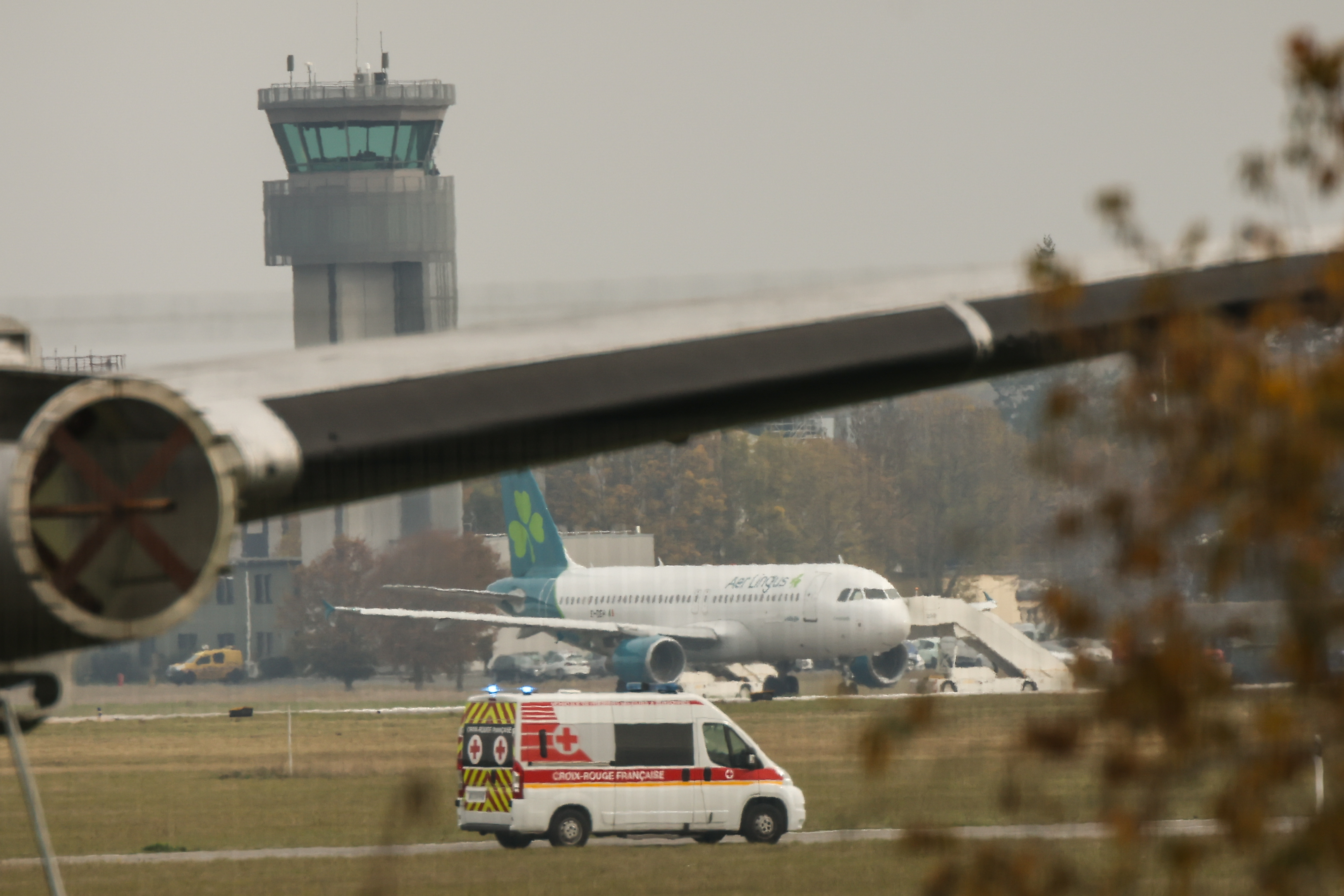
    Earlier, a flight from Dublin to Rome was diverted to a military air base in western France because of a bomb threat, the French prime minister’s office said. The flight landed safely at the base in Evreux in Normandy, Prime Minister Sebastien Lecornu’s office said. All 151 passengers and six crew members were safe and military bomb disposal teams were examining the plane, the office said.

    It added that it was following the situation in real time. No other information was immediately released.

    Authorities report ‘abstract threats’ to several airports

    A LOT Polish Airlines flight from Warsaw to Brussels landed at its destination, where inspections found no hazardous or suspicious items, the airline said. A Wizz Air flight from Milan to Bucharest landed safely in Bucharest following a bomb threat, airport spokesman Teo Postelnicu said.

    A Finnair flight from Helsinki to Rome landed safely at Rome’s Leonardo da Vinci airport at around 9:30 a.m., escorted by Italian air force fighter jets, according to an airport official with knowledge of the situation. The official spoke on condition of anonymity because they weren’t authorized to speak publicly.

    An emailed bomb threat had been received, and security clearance procedures by police bomb disposal experts were completed, with no explosives found, the official said.

    A flight to Warsaw landed in Vienna following a mail to Polish authorities containing an abstract threat, said Stefan Loidl, a police spokesperson in Lower Austria province. Nothing was found and the plane continued to Warsaw.

    He said there was also an abstract threat to Vienna Airport concerning four other flights, which he declined to identify, but operations were not disrupted.

    Polish authorities checked a LOT flight that was about to depart from Warsaw to Paris on Thursday morning after a threat was reported at Warsaw’s Chopin Airport, said airport spokesman Piotr Rudzki. No threat was ultimately identified. One runway at Chopin airport was temporarily closed while authorities carried out standard security procedures.

    Three Ryanair flights bound for Sofia, Bulgaria, had to make emergency landings because of bomb threats on board. Two of the flights, one from Copenhagen, Denmark, and the other from Madrid, landed safely at Sofia’s Vasil Levski Airport, airport officials told reporters. The third Sofia-bound flight, from London’s Stansted Airport to Sofia, had been diverted and landed safely at the airport in Plovdiv, Bulgaria’s second-largest city, Plovdiv Airport CEO Krassimir Peshev said.

    Hoaxes prompted similar searches earlier this week

    Several flights across Europe received hoax bomb threats earlier this week that prompted searches, diversions and, in one case, an escort by the Italian air force until landing, officials said.

    The flights included Polish airline LOT, Scandinavian Airlines, Wizz Air and Ryanair. The hoax threats came after a plane headed for Bulgaria was diverted to Hungary after receiving a similar bomb threat while in the air. No one was injured.

  • Now that Democrats have won Congress, their first priority must be governing — not impeaching Trump

    Now that Democrats have won Congress, their first priority must be governing — not impeaching Trump

    Michael A. Gottesman is the founder of the New Jersey Public Education Coalition, a nonpartisan group that advocates for secular public education.

    The Nov. 3 midterm elections have given Democrats majorities in both the House of Representatives and the Senate, putting them in control of Congress when the new members take office. They now face an important decision: Will they address the enormous problems confronting American families, or make Donald Trump and impeachment the centerpiece of their agenda?

    Immediately pursuing impeachment would be a serious mistake.

    I say that as someone deeply critical of Trump, his administration, and many of his policies. My opposition to an impeachment-first agenda is not a defense of Trump. It is a defense of Americans who have spent too long watching political warfare while their problems grow.

    Americans are struggling. In October, an AP-NORC poll found that 85% of voters considered the economy among their most important voting issues, while 84% said the same of the cost of living.

    In the same time frame, a Pew Research Center survey reported widespread concern about energy, food, healthcare, and housing costs. These are the realities of parents choosing between groceries and childcare, seniors stretching fixed incomes, and young adults unable to afford a home.

    These people do not need another Washington spectacle. They need results.

    Impeachment is a constitutional safeguard, not a political strategy. Congress must investigate credible evidence of corruption, abuse of power, or other serious misconduct, no matter who occupies the White House. But there is a difference between legitimate oversight and deciding in advance that impeachment will define the next Congress.

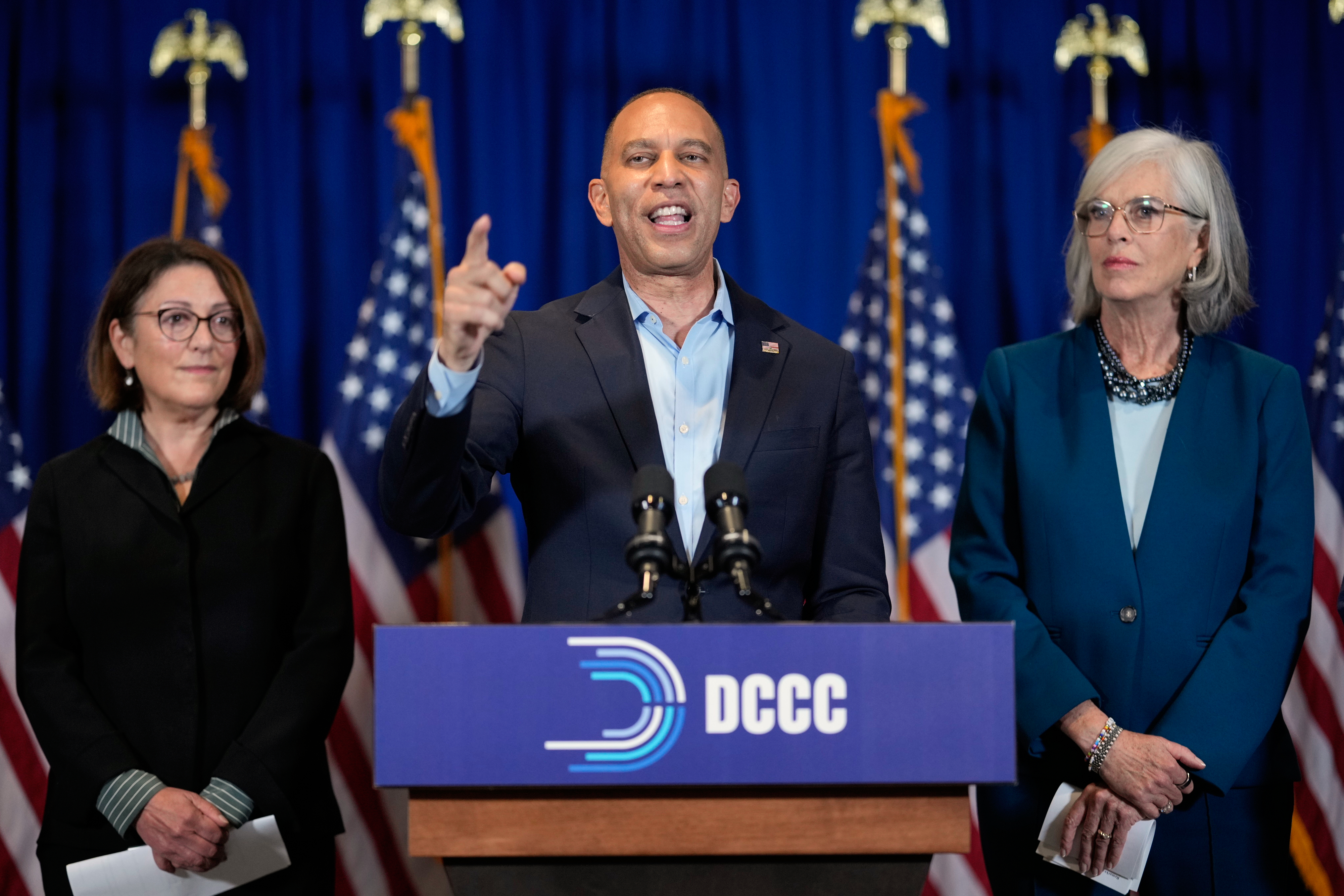
    House Democratic Leader Hakeem Jeffries struck both notes in his election-night speech, promising to deliver change while declaring, “We’re going to bring accountability to those who have visited unprecedented corruption on this country.”

    I agree that credible abuses must be investigated and those responsible held accountable. But that pursuit must remain secondary to governing. Democrats should not allow investigations, however warranted, to consume the time, attention, and political capital needed to deliver the changes Americans are demanding. Accountability should support the work of government, not become a substitute for it.

    The House can impeach by a simple majority, but conviction and removal require two-thirds of the senators present. Democrats’ Senate majority is still nowhere near the 67 votes needed if all 100 senators participate. In other words, they could have the votes to impeach but not the votes to remove Trump.

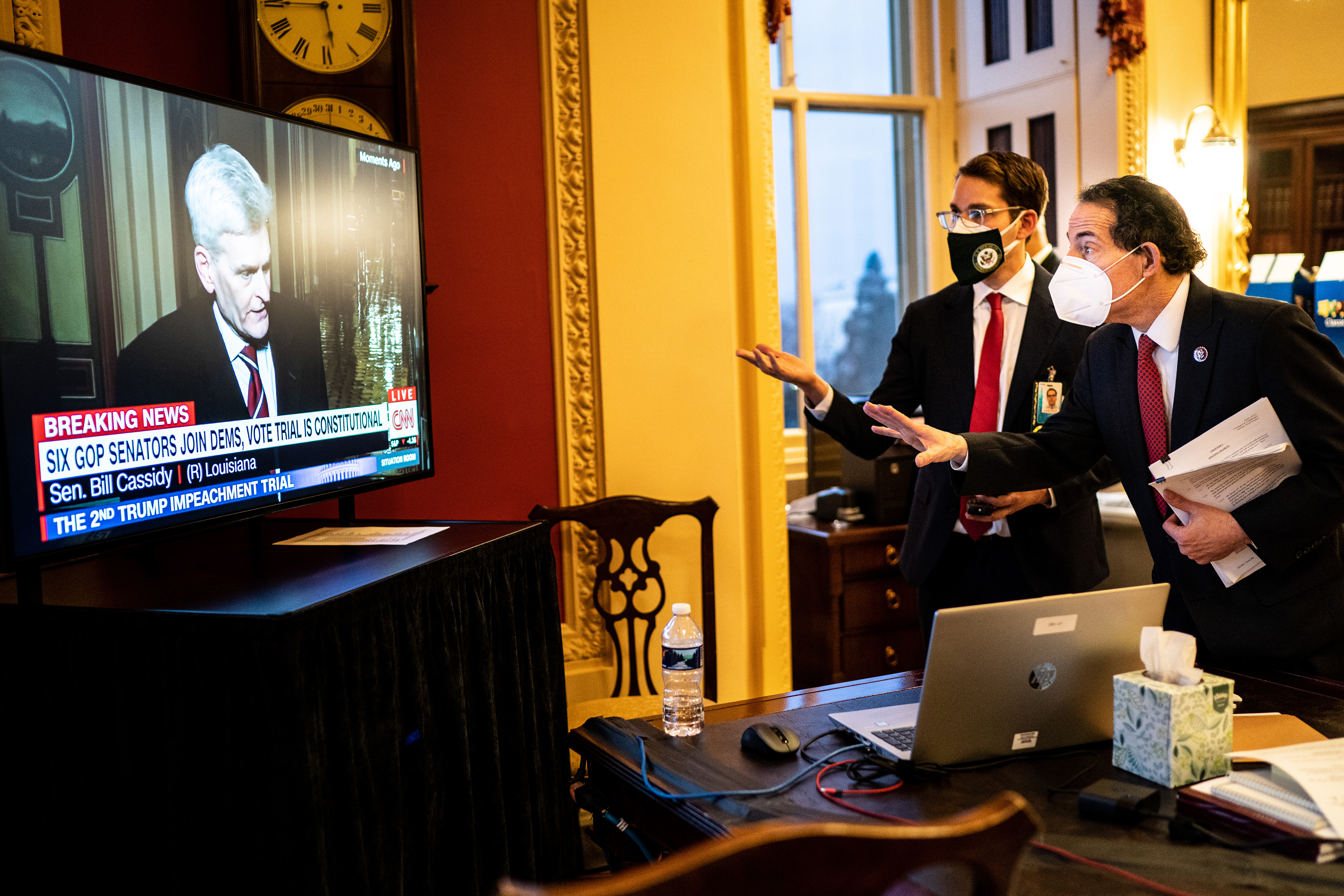
    Lead House impeachment manager U.S. Rep. Jamie Raskin (D., Md.) (right) and counsel Joshua Matz watch a television as U.S. Sen. Bill Cassidy (R., La.) speaks to reporters about why he switched his vote regarding the constitutionality of impeaching then-former President Donald Trump at the close of the first day of the Senate impeachment trial at the U.S. Capitol in Washington, Feb. 9, 2021.ERIN SCHAFF

    That makes an impeachment-first agenda even harder to justify: months of hearings, a Senate trial, and relentless headlines could dominate Washington without changing who occupies the White House, while groceries remain expensive, healthcare remains unaffordable, and housing shortages persist.

    There is also a political danger. Trump has repeatedly turned confrontation into a major part of his public messaging. An immediate impeachment drive could allow him to shift attention from scrutiny of his policies to claims of persecution. Whether that approach would work is unknowable. But Democrats need not make it easier for debate to revolve around political scores rather than policy outcomes.

    Imagine instead a Congress devoted to healthcare costs, affordable housing, Social Security and Medicare, public education, childcare, wages, prescription prices, and consumer protection. Imagine committees examining why full-time work still leaves so many households financially insecure. Not every bill would become law: Trump would still hold the veto pen, and Senate rules could block legislation even under Democratic majorities.

    But voters would see concrete priorities and meaningful choices.

    Accountability and governing are not mutually exclusive.

    Congress can hold hearings, demand records through lawful processes, scrutinize contracts and spending, and expose abuses. If credible evidence establishes misconduct serious enough to warrant impeachment, Congress must assess that evidence and fulfill its constitutional duty. The point is not to rule impeachment out if compelling evidence and constitutional obligations demand it. It is to refuse to treat impeachment as an automatic reward for winning an election, particularly when the votes for removal are absent.

    Trust in government has suffered while Americans watch both parties accuse one another of putting advantage ahead of public service. The incoming Democratic congressional majority has a chance to demonstrate a different approach. That does not mean excusing wrongdoing or abandoning principles. It means understanding that power is a means of serving the public, not an end in itself.

    Families trying to put food on the table, seniors worried about medical bills, and parents concerned about their children’s futures deserve to see Congress tackle those concerns. Investigate wrongdoing when evidence warrants it. Hold the administration accountable. Defend the Constitution. But do not confuse retaliation with public service.

    The measure of congressional success should not be how effectively one party punishes another. It should be whether Americans’ lives improve because their representatives were entrusted with power.

  • The long-dead Echelon Mall hits another redevelopment roadblock

    The long-dead Echelon Mall hits another redevelopment roadblock

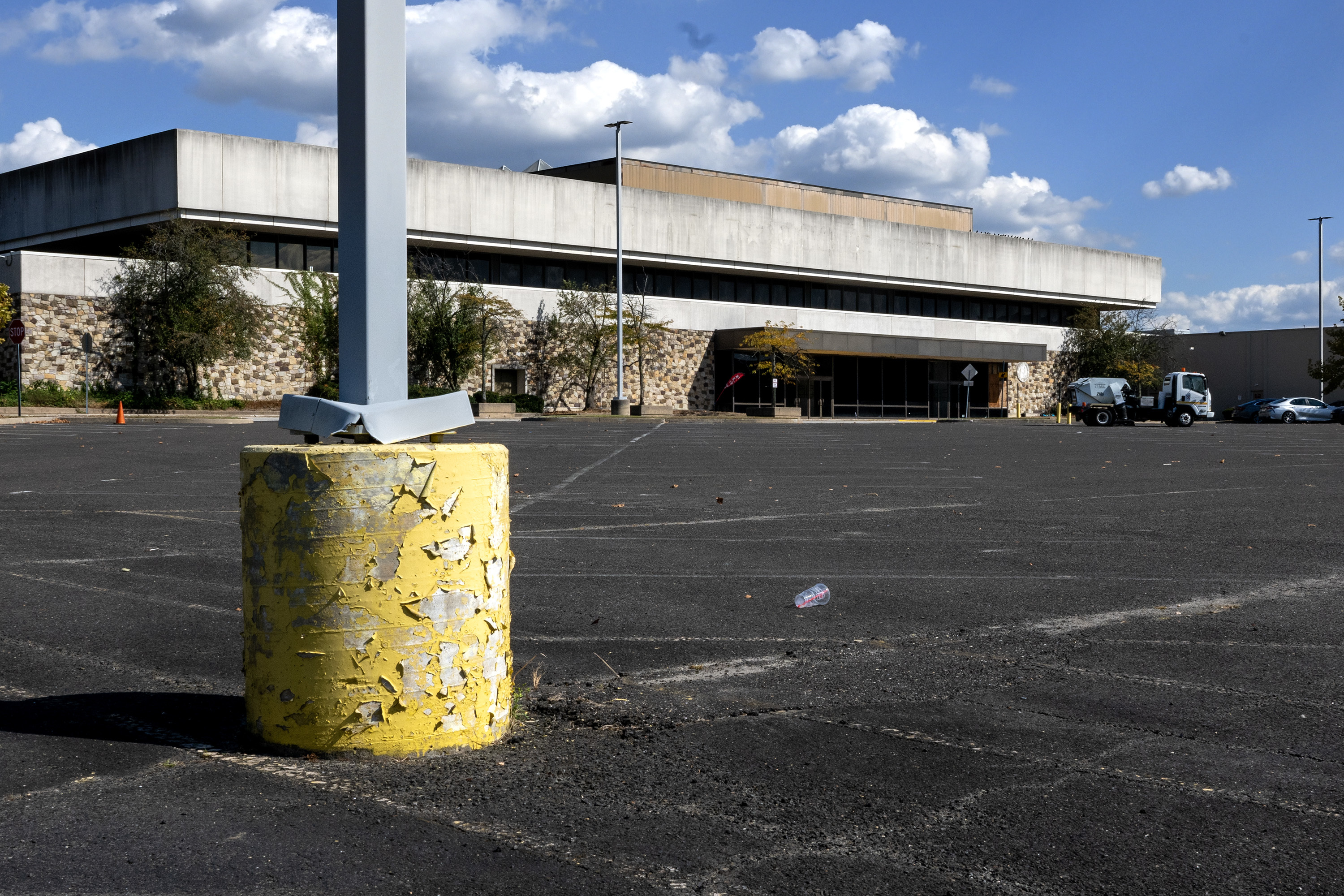
    The North Jersey developer that had plans to turn the long-dead Echelon Mall in Voorhees into a $250 million “regional destination” has withdrawn.

    George Vallone, president of the Hoboken Brownstone Co., said he could not proceed because his company could not get a $90 million state tax credit. The firm had been banking on the gap financing through the Aspire program, but the state recently paused the program “in an effort to balance fiscal responsibility.”

    And so the saga of the old Echelon Mall continues.

    For nearly two decades, the sprawling complex off Somerdale Road — one of several dead malls in the Philadelphia region — has been redeveloped in fits and starts.

    The Echelon Mall, built in the 1970s, began struggling with vacancies in the early 2000s.

    In 2008, it was partially demolished to make way for a $150 million Main Street-style mixed-use development. The property was rebranded as the Voorhees Town Center, which included the enclosed mall and the open-air complex.

    Namdar Realty Group, which is known to scoop up distressed malls, bought the property from PREIT for $13.4 million in 2015, but retailers and customers continued to flee. In 2024, a two-alarm fire damaged the inside of the building, and it has not reopened.

    The closed former Echelon Mail was photographed through a window in 2024.Tom Gralish / Staff Photographer

    In recent years, Namdar officials have not responded to requests for comment about their plans for the property.

    Had Hoboken Brownstone been able to get the tax break, the company had planned to buy the mall building from Namdar, Vallone said earlier this year. The sale would not have included Voorhees Town Hall or Boscov’s, the site’s sole department store.

    On the site, Hoboken Brownstone had planned to construct more than 200 market-rate townhouses, as well as more than 100 units of affordable housing, both for-sale townhouses and rental apartments, according to township documents.

    The company also wanted to build 38,000 square feet of new commercial and entertainment space; a parking garage with at least 1,300 spots; outdoor areas and bike paths; and a 30,000-square-foot indoor community space.

    Voorhees Township officials did not respond Wednesday to requests for comment about the property’s future.

    Township administrator Stephen Steglik told the Philadelphia Business Journal that Hoboken Brownstone’s withdrawal was “obviously disappointing.”

    “We would like to see Namdar make corrections to the mall itself” and reopen, Steglik told the Business Journal, adding that township officials would also be open to other plans that include residential and retail uses. “It would be great if another developer could come and not need the tax credits. That’s one less hurdle.”

  • The first Philadelphia Thanksgiving Day Parade had Santa Claus climbing the Gimbels fire ladder

    The first Philadelphia Thanksgiving Day Parade had Santa Claus climbing the Gimbels fire ladder

    Thanksgiving Day 1920 was a cold, dark, and rainy day in Philadelphia. City dwellers went to church under the cover of black umbrellas, and hundreds flocked to Franklin Field to watch the University of Pennsylvania beat Cornell in football.

    But Ellis A. Gimbel of the Gimbels department stores quietly started a new tradition that would go on to mark the official start of the holiday shopping season. Gimbel enlisted 50 of his store’s employees to dress like Santa’s elves and drive brand new Model Ts down Market Street ushering Santa Claus into town.

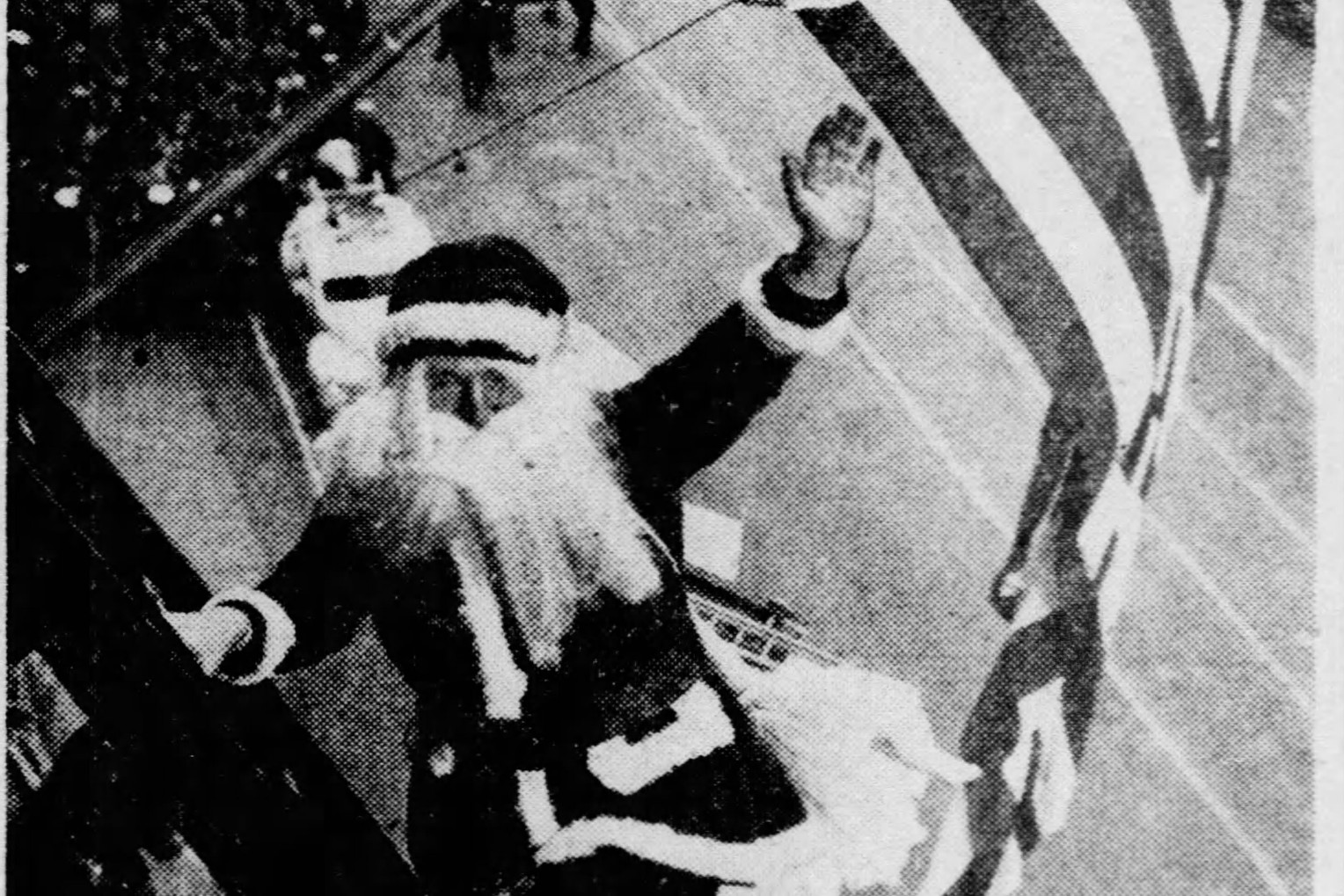
    When Kriss Kringle arrived at Gimbels’ Ninth and Market Street entrance, he climbed a fire ladder to an eighth floor window and hoisted himself into Toyland. Here, Philadelphia’s little ones would take turns sitting on his lap, whispering Christmas wishes into his ear through Christmas Eve.

    Caresh Walker’s No. 1 It pays homage to community, homecoming and the arrival of a new season, capturing the timeless energy and joy of the Thanksgiving Day Parade as it marches down the parkway.Caresh Walker and the Colibri Workshop

    That parade — which through the years would also be called Uncle WIP’s Annual Toyland Parade — was America’s first Thanksgiving Day Parade.

    The time-honored celebration will be feted Saturday from 11 a.m. to 1 p.m. at the Weitzman National Museum of American Jewish History. The party is the Philadelphia Historic District’s 45th firstival. Firstivals are weekly day parties honoring American traditions with strong Philadelphia roots during America’s 250th birthday year.

    In its early years, Gimbels’ Thanksgiving Day Parade marched along Market Street with little to no fanfare, explained Todd Marcocci, coproducer of the the 6abc Dunkin’ Thanksgiving Day Parade.

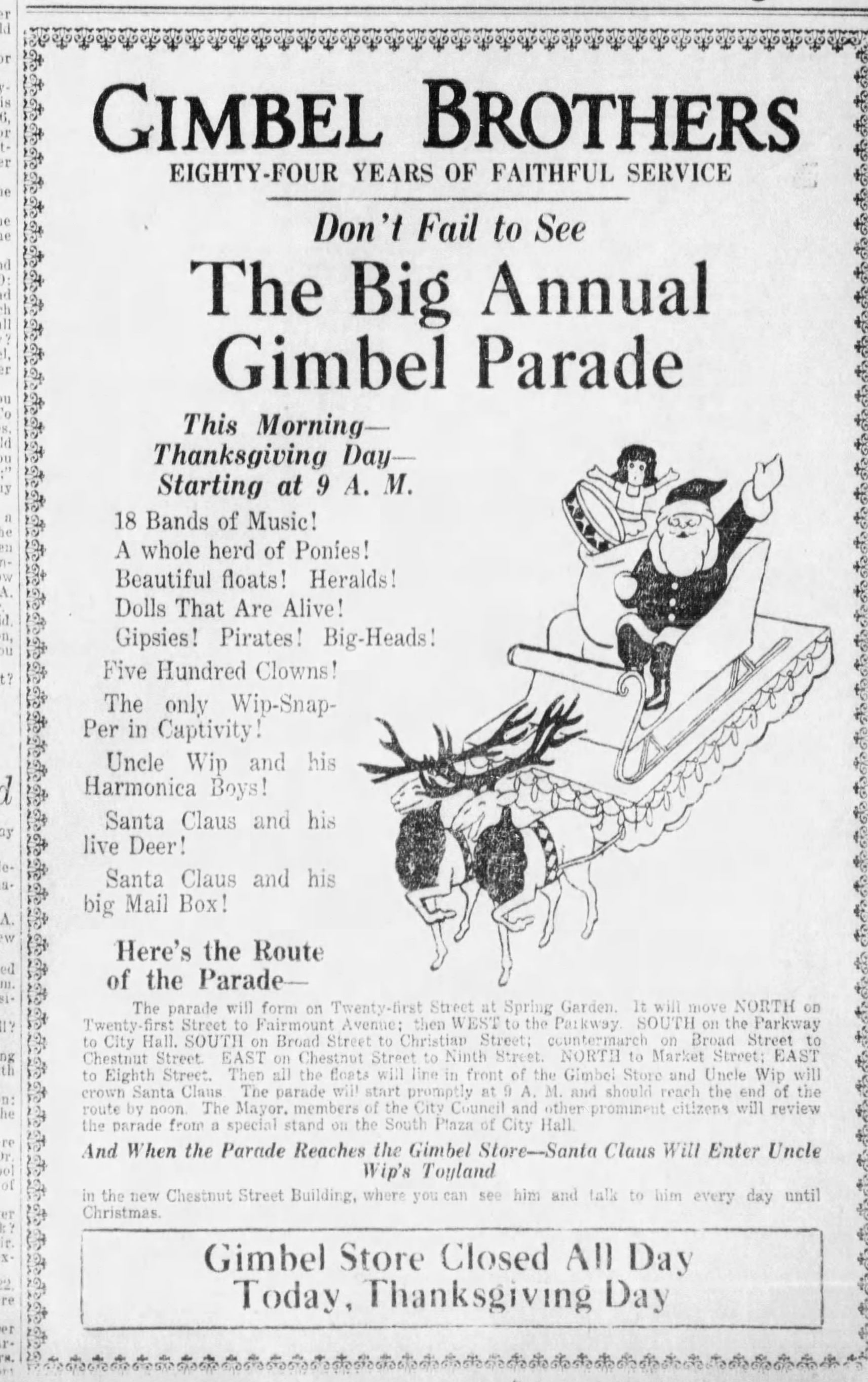
    In fact, the first advertisement for it didn’t appear in The Inquirer until 1925, a year after R.H. Macy introduced his store’s Thanksgiving Day parade in New York.

    Gimbel Brothers advertisement for the Thanksgiving Day parade published in The Inquirer on Nov. 25, 1926.Newspapers.com

    That was the first year The Inquirer covered the festivities.

    “Thousands of children enthusiastically cheered and abetted” Santa Claus, read an article in The Inquirer, which also reported the inclusion of nursery rhyme characters Little Red Riding Hood, Raggedy Ann, and Peter the Pumpkin Eater as they walked the route starting at 21st and Spring Garden, wound their way around City Hall, and ended at Gimbels.

    According to the 1925 article, then-Philadelphia Mayor Freeland Kendrick and Sen. George W. Pepper joined Ellis Gimbel and his wife, Minnie, on the sidelines.

    Each year, attendance swelled as Gimbel invited more children, including orphans and the blind. His motto: Not one child in Philadelphia should be hungry or unhappy on Christmas Day. It also became custom for Santa to receive a key to the city before hoisting himself up the engine ladder.

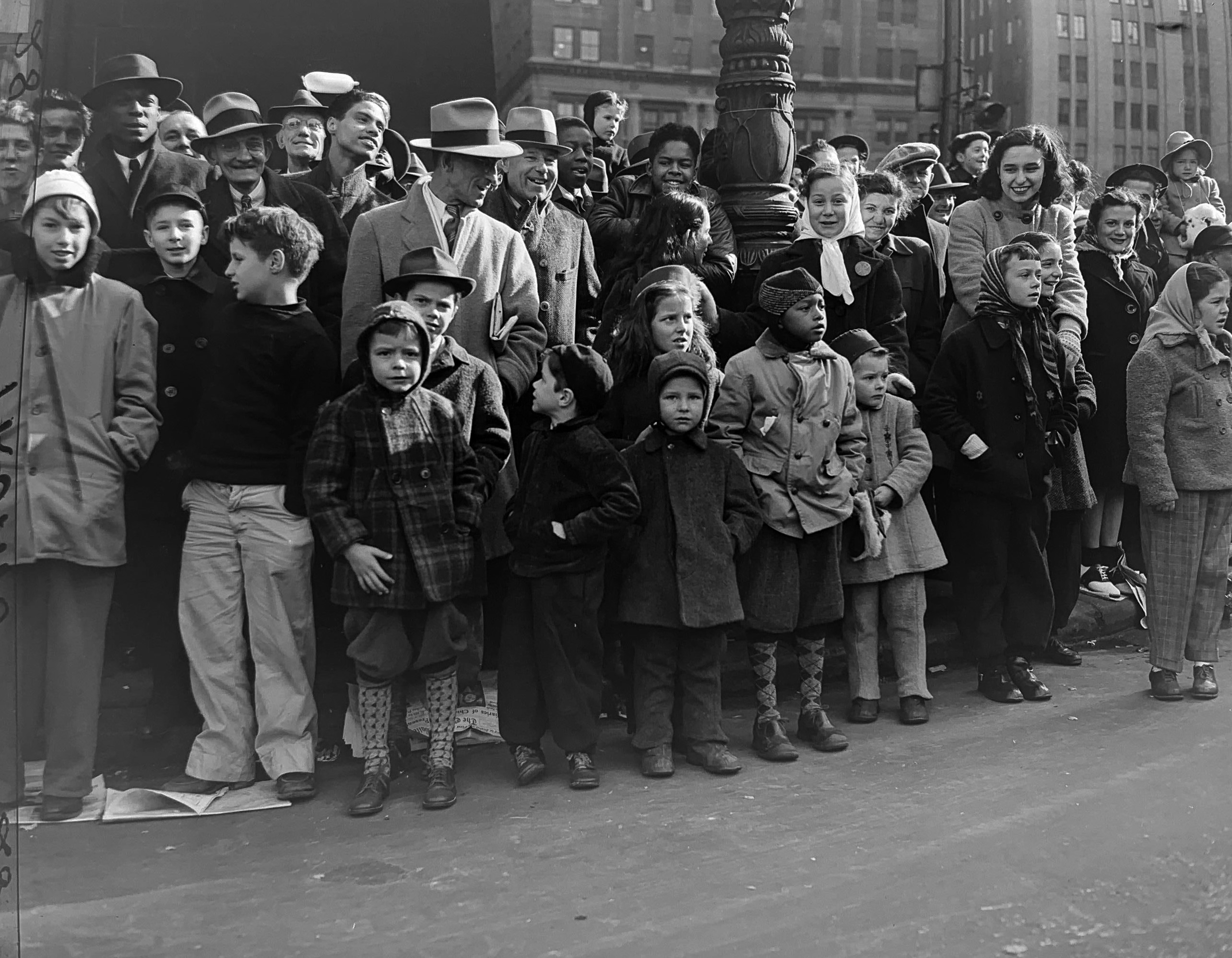
    People watch Philadelphia’s Thanksgiving Day parade in 1945.Inquirer/Daily News archives

    Adam Gimbel, Ellis Gimbel’s father, was a Jewish immigrant from Bavaria who started the Gimbel empire with a general store in Indiana in 1842. Ellis Gimbel was born in 1865 in Indiana and moved with his family to Philadelphia as an infant. He and his six brothers purchased the lot at Ninth and Market Streets and opened the flagship Gimbels on the East Coast in 1894.

    The Gimbel brothers opened their New York store in 1910, starting a fierce competition with R.H. Macy. Ellis Gimbel stayed on in Philadelphia.

    In 1936, Ellis Gimbel — an 1883 graduate of Central High School — became chairman of the Gimbels board. He died in 1950; a two-page obituary in The Inquirer referred to him as the leading member of Philadelphia’s “happiness cabinet.”

    Gimbels’ Thanksgiving Day Parade turned 50 in 1969 and, by then, had grown to 5,000 participants with more than 110 floats and 31 bands. “Hundreds of thousands of Philadelphians jammed the streets” to see the festivities, according to an Inquirer article written that year.

    Rain and high wind caused the parade’s first cancellation in 1971.

    In 1982, the parade dropped Gimbels from its moniker and became the Philadelphia Thanksgiving Day Parade.

    Allied Stores bought Gimbels in 1986, converting the department store at Ninth and Market to Stern’s. Allied didn’t want to pay the roughly $200,000 it cost to put on the parade. 6abc, the ABC-owned Philadelphia TV station, stepped in as the parade’s new sponsor. In 1996, the Walt Disney Co. acquired ABC and started producing the parade. Dunkin’ Donuts started collaborating with 6abc in 2011.

    Philadelphia’s official Thanksgiving Day Parade came to be known as the 6abc Dunkin’ Thanksgiving Day Parade.

    Santa Claus hypes up the crowd on the Benjamin Franklin Parkway during the 6abc Dunkin’ Thanksgiving Day Parade in Philadelphia on Thursday, Nov. 23, 2023.Heather Khalifa / Staff Photographer

    In 2020, the parade’s 100th birthday year, it was canceled for only the second time in its 106-year history because of COVID. This year it’s expected to attract more than half a million spectators.

    The 6abc news team will host, including Rick Williams and Alicia Vitarelli. Special guests willl include Quinta Brunson of Abbott Elementary, Ken Jennings of Jeopardy!, and Wheel of Fortune’s Ryan Seacrest. Plus performances from Ensemble Arts Philadelphia productions Waitress, Hell’s Kitchen, and The Who’s Tommy.

    This week’s Firstival is Saturday, Nov. 7, from 11 a.m.-1 p.m., at Weitzman National Museum of American Jewish History, 101 S. Independence Mall East

    Each week, The Inquirer is highlighting a “first” from the Philadelphia Historic District’s 52 Weeks of Firsts. A “52 Weeks of Firsts” podcast, produced by All That’s Good Productions, drops every Tuesday.

  • Historic South Philly church on 16th Street is being converted into a hotel

    Historic South Philly church on 16th Street is being converted into a hotel

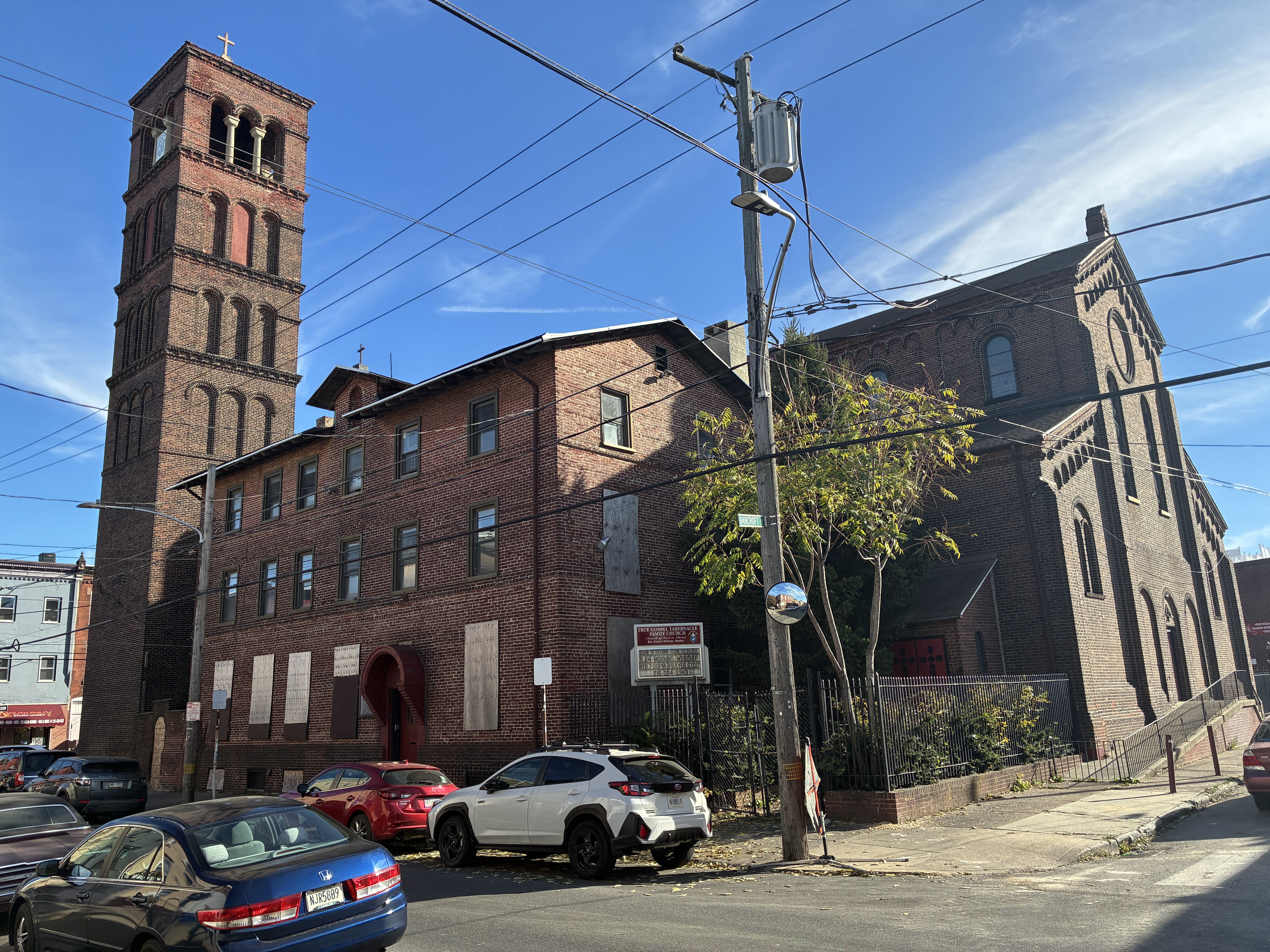
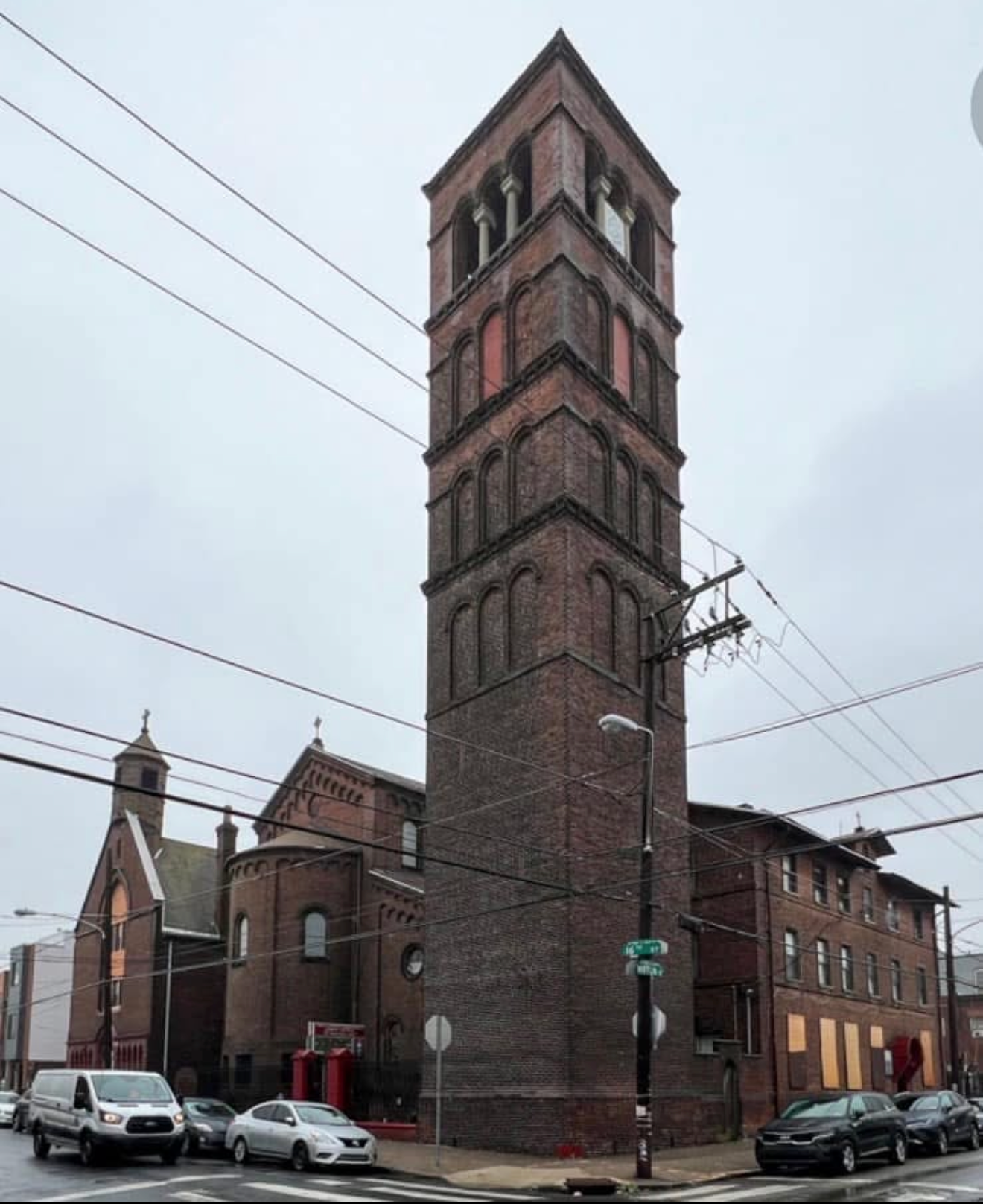
    The former True Gospel Tabernacle Family Church at 1900 S. 16th St. is slated for a new purpose under a new owner.

    The imposing half-block complex was sold earlier this year to Robert Huttenlock, a contractor and developer with a history of remaking venerable buildings.

    Huttenlock purchased the building for $2 million and plans an $8 million renovation of the complex into a 30-room hotel and event space.

    “There’s a need for hotel rooms in Philadelphia and especially in and around that area,” Huttenlock said. “There’s really nothing there” in terms of hotel space.

    “We do have them set up so that they could be longer-term hotel stays because each unit does have a kitchenette in it,” he said.

    The church is just west of Broad Street and bustling East Passyunk Avenue and north of Snyder Avenue. It is close to South Philly Tap Room, Second District Brewing, and the pizza and Mediterranean restaurant Stina.

    The property encompasses three buildings across half a city block.

    The sanctuary space is 42 feet high, which presents challenges for cooling and lighting. It will require underpinning and removal of 1,000 cubic yards of soil.

    In 2024, the previous owner, Atlis Real Estate Partners, planned 33 apartments for the building, as well as an event space in the sanctuary.

    The tower of the church, at 16th and Mifflin Streets.Bob Huttenlock

    Huttenlock’s team will preserve the event space from the earlier plan and also retained the previous developer’s designer, Janice Woodcock, who is now a principal with the firm Michael Graves Architecture.

    The project is still in its early stages, with zoning permits secured for the 30-room hotel on Oct. 29 as well as a gym, kitchen, bar, and a takeout restaurant space.

    The eatery will be placed in the foot of the tower at the intersection of 16th and Mifflin Streets, and will be open to the public.

    “We will have outdoor seating within the courtyard at the base of the tower,” said Huttenlock. “It will be a coffee shop with pastries and light sandwiches.”

    Huttenlock says he is still determining whether the event space and hotel will be operated by the same vendor.

    The vision is not, however, for the rooms to be rented out via short-term rental companies like VRBO or Airbnb.

    “We’re beginning talks now about who’s going to operate the space, but we don’t want people just checking in on their phone and having no human interaction,” said Tristan Doherty, the project manager, who also works for Huttenlock at his Philadelphia-based Best Choice Plumbing & Heating.

    “We would like there to be somebody to talk to, somebody to tell them about the brewery around the corner,” Doherty said.

    The property is zoned for smaller-scale rowhouse apartment development.

    But the project can move forward without permission from the zoning board due to a 2019 law passed by City Council that makes it easier to repurpose churches that are on the Philadelphia Register of Historic Places.

    The former True Gospel Tabernacle Family Church has been historically protected since 1967.

    The 2019 law is also being used to transform the former Second Nazareth Missionary Church, another historically protected building at 1800 Tasker St. in Point Breeze, into a family-friendly brewery and restaurant.

    The project at 1900 S. 16th St., by contrast, is just getting underway. The timeline is projected to last into 2029.

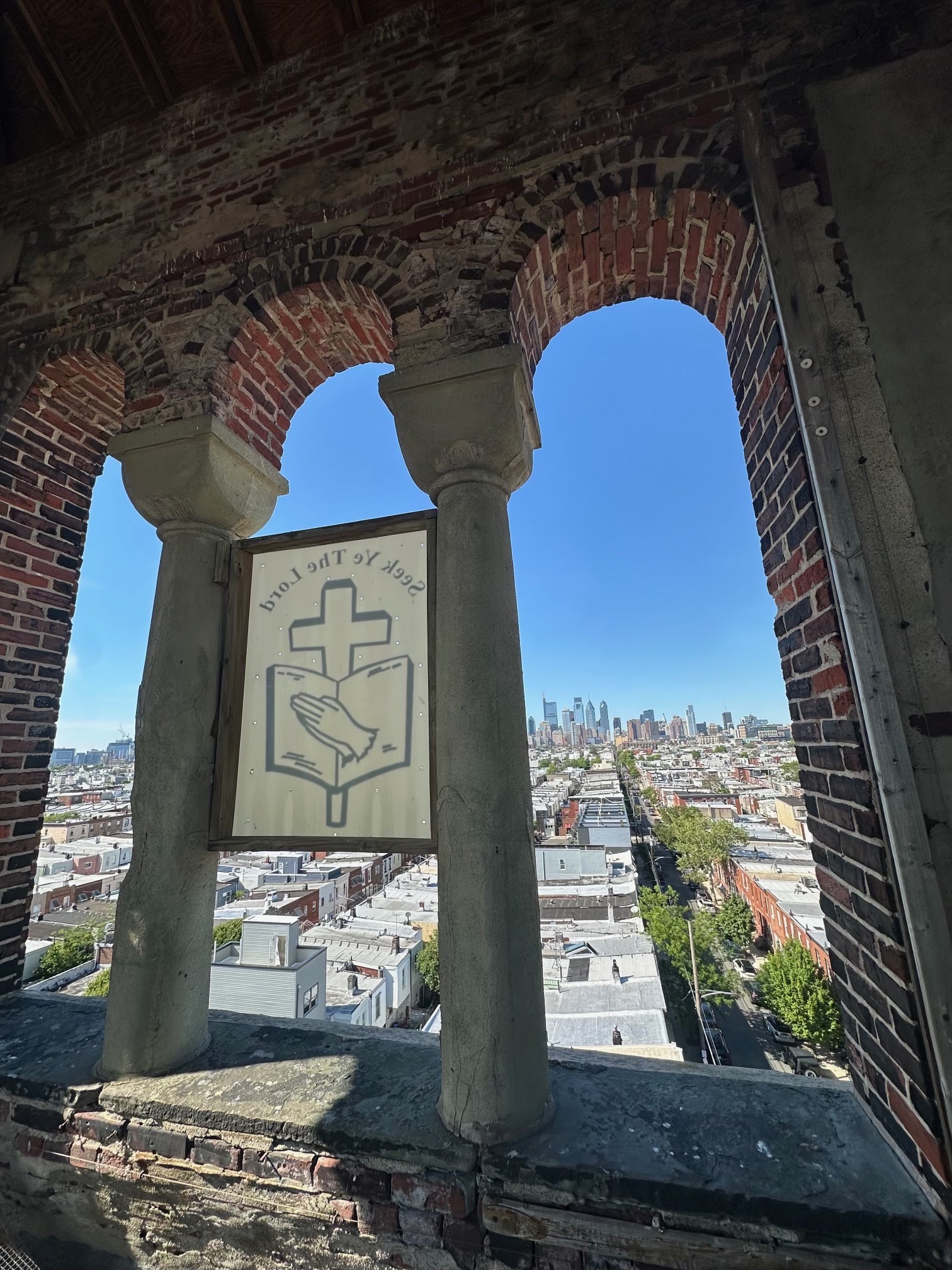
    The view from the tower at 16th and Mifflin.Bob Huttenlock

    Huttenlock is an adaptive reuse enthusiast, in addition to being CEO of Best Choice Plumbing & Heating.

    Other projects include turning the former Holy Name of Jesus Church convent in Fishtown into an eight-unit apartment building. He is nearly finished turning a former covenant at 3230 Belgrade St. in Port Richmond into a 12-unit apartment building.

    The church at 1900 S. 16th will be his biggest historic redevelopment yet.

    “It’s going to be a great project. It’s going to be well done; no corners are going to be cut,” Huttenlock said. “We have a few of these types of adaptive reuse projects under our belt already, and they’ve been great additions to each community that they’re in.”

  • Gaining 40 pounds and studying Stallone’s emails: Inside the making of ‘I Play Rocky’

    Gaining 40 pounds and studying Stallone’s emails: Inside the making of ‘I Play Rocky’

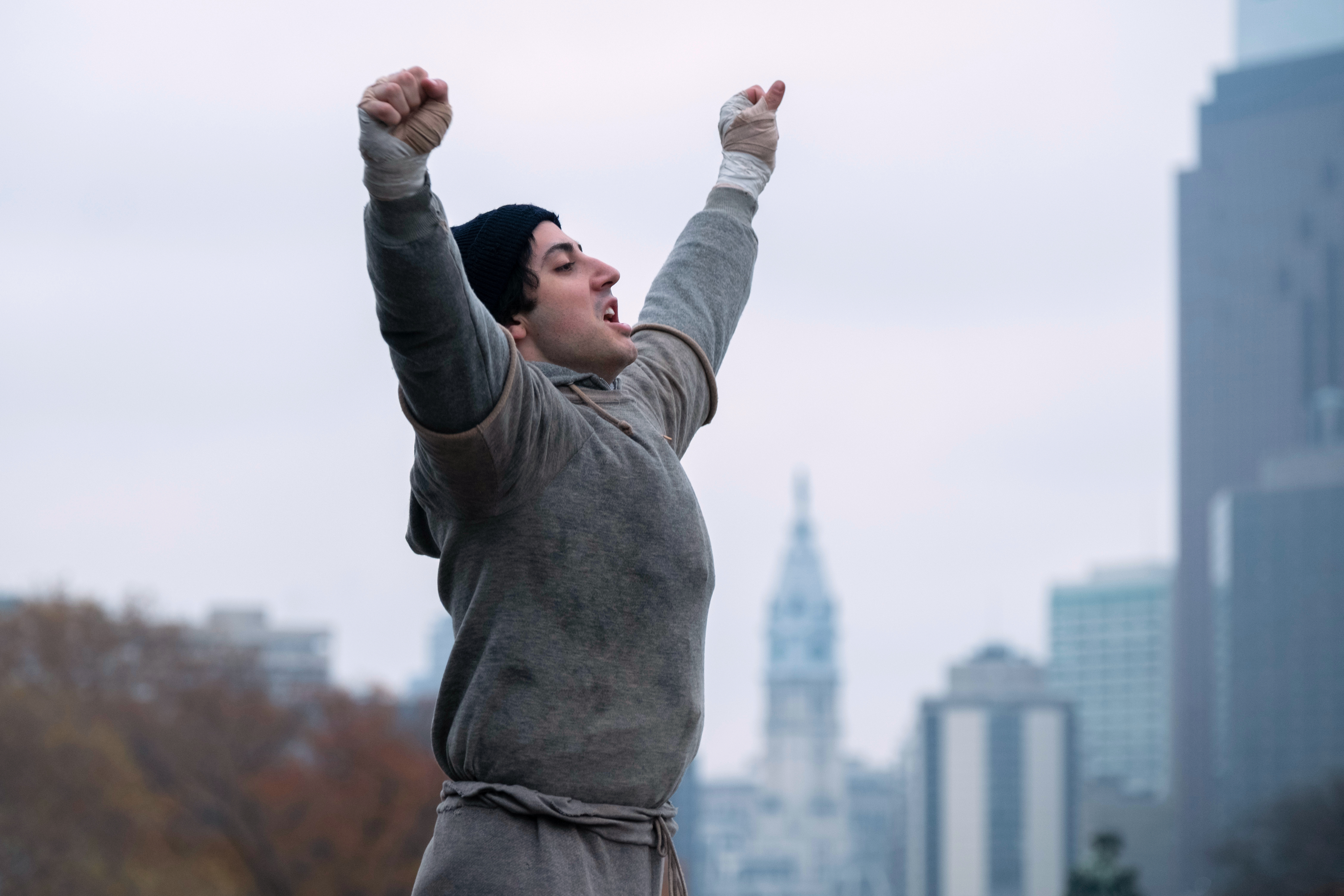
    Inside South Philadelphia’s Villa di Roma hangs a poster for I Play Rocky, the new film about the making of Sylvester Stallone’s 1976 classic, which follows an underdog boxer from Kensington who gets an unlikely shot at the world heavyweight title.

    More than 50 years ago, Stallone ran past the doors of the family-owned restaurant on his way to the Philadelphia Museum of Art steps in the film’s now-iconic training montage. After climbing the steps, Stallone, as Rocky Balboa, raises his fists toward the city that would embrace him as one of its own.

    Rocky made Stallone a Hollywood star, and the fictional boxer he created has became one of Philadelphia’s most-beloved characters and enduring cultural icons.

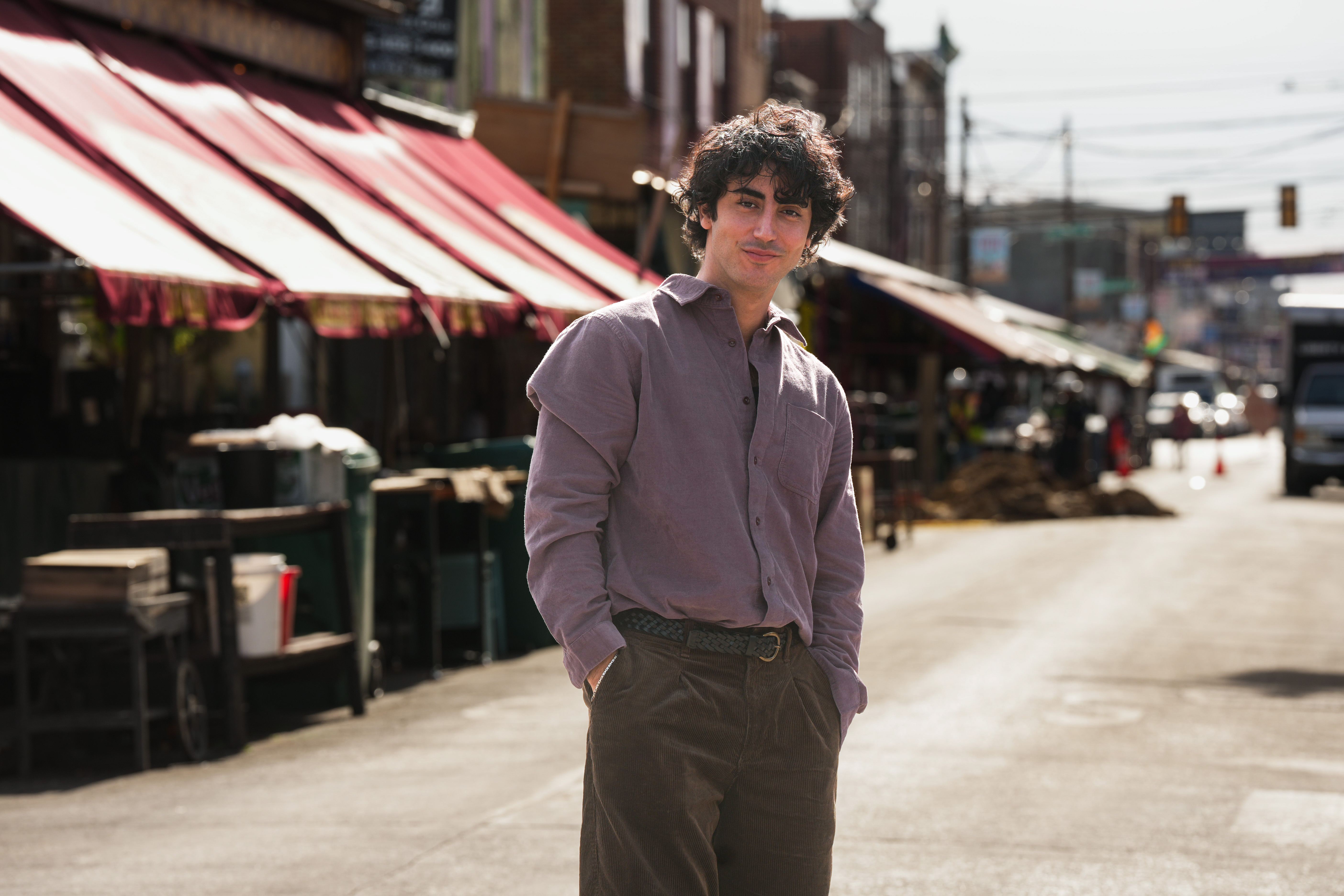
    Actor Anthony Ippolito, from the film “I Play Rocky’, outside at the Italian Market, in Philadelphia, November 2, 2026.Jessica Griffin / Staff Photographer

    Now, when The Inquirer meets Anthony Ippolito, the actor portraying a young Stallone in I Play Rocky, he is sitting inside that same Italian Market restaurant. That poster of Ippolito raising his fists atop the Art Museum steps, a la Stallone, hangs right by him.

    On the sunny November afternoon, Ippolito is joined by costar AnnaSophia Robb, who plays Stallone’s first wife, Sasha Czack, and Oscar-winning director Peter Farrelly.

    The lead actor, noticeably fatigued by the media blitz, asks for a cappuccino before sitting down for the interview.

    I Play Rocky, opening in select theaters Friday ahead of a wider release Nov. 20, retraces Stallone’s journey from a struggling actor sleeping on the streets of New York City to writing the script for Rocky and fighting to bring his dream movie to the screen.

    This image released by Amazon MGM Studios shows Anthony Ippolito as Sylvester Stallone in a scene from “I Play Rocky.” Claire Folger

    The cast includes P.J. Byrne as producer Irwin Winkler, Toby Kebbell as the late producer Robert Chartoff, Matt Dillon as Frank Stallone Sr., Jay Duplass as director John Avildsen, Stephan James as Carl Weathers, who played Apollo Creed, and Kiki Seto as Talia Shire, who played Adrian.

    Before reading Peter Gamble’s script, Farrelly, who was born in Phoenixville and grew up in Rhode Island, thought he knew everything about the making of Rocky. He had seen the documentaries and heard the stories that have circulated in Hollywood for decades. Still, the “shocking” parallels between Stallone and Rocky drew him to the project.

    “This is the same story, except I’d argue Stallone has a better or bigger arc than Rocky because when Rocky starts, he at least has a job,” said Farrelly. “He’s breaking bones, but he has a job.”

    But Stallone, he said, lived on the street, “selling his dog, and doing soft-core porn.”

    “Rocky doesn’t win,” said Farrelly. “He survives.” On the other hand, “Stallone wins Best Picture, and I recognize, like, ‘Wow, this is amazing.’”

    Director Peter Farrelly from the film “I Play Rocky’, outside at the Italian Market, in Philadelphia, November 2, 2026.Jessica Griffin / Staff Photographer

    Bringing that story to the screen required an actor who could portray both Stallone and his most famous character without slipping into an impersonation or caricature.

    After reading an article announcing that Farrelly and producer Toby Emmerich were taking on the project, Ippolito began his campaign.

    “I really wanted to try to get my foot in the door for it in some way, but it was hard because at the time I didn’t really have a script or anything like that,” he said. “But I was really passionate about it.”

    In his grandmother’s basement on Long Island, Ippolito recorded videos of him reciting lines from Rocky, with a friend’s help, in hopes of grabbing Farrelly’s attention.

    The video made its way across Farrelly’s desk, and the director continued to feed Ippolito portions of the script before officially casting him in the role.

    Ippolito’s portrayal of Al Pacino in the 2022 biographical mini-series The Offer proved his elasticity as an actor. But Farrelly said it was his Stallone-like approach to the role that convinced him and Emmerich that the 27-year-old actor was the ideal choice.

    Not long after, Farrelly tapped Robb to play Czack.

    “It was a blessing because we had a great script, and it was fully formed,” Farrelly said. “And then I ran into these two actors, who were both unbelievable … Both of them were the first actors I looked at for these roles.”

    Actor AnnaSophia Robb from the film “I Play Rocky,’ at the Italian Market, in Philadelphia, November 2, 2026.Jessica Griffin / Staff Photographer

    For Robb, portraying Czack presented a different challenge. Unlike Stallone, Czack has largely remained out of the public eye, leaving Robb with fewer resources to draw from.

    She turned to documentaries and The Official Rocky Scrapbook, Stallone’s 1977 book featuring photographs Czack took during the filming of Rocky. Robb also read emails Stallone sent to Emmerich describing Czack as “sunshine” and their marriage as “two rocks leaning against each other.”

    “I thought those were really specific and very useful visuals as an actor,” Robb said.

    She also took inspiration from her own marriage with entertainment lawyer Trevor Paul to embody the role of Czack.

    “I think without [Czack] there wouldn’t be a Rocky. It’s the people in our lives who aren’t necessarily public-facing that are taking you by the hand. They’re encouraging you on your down day,” Robb said.

    Actors AnnaSophia Robb and Anthony Ippolito, from the film “I Play Rocky,” at the Italian Market, in Philadelphia, November 2, 2026.Jessica Griffin / Staff Photographer

    Ippolito, for his part, amped up his workout routine and changed his diet to gain 40 pounds, a process that required a complete “lifestyle shift,” the actor said.

    “Stallone was hugely inspired by Steve Reeves, who played Hercules, so he turned to weightlifting at a really young age,” Ippolito said. “It was a part of who he was, and then who Rocky was. It required a lot, but thankfully I had a lot of time to do it.”

    To master Stallone’s voice, Ippolito watched hours of Stallone interviews, and researched the origins of Stallone’s facial paralysis from a birth complication to capture the “depth” of his voice.

    “It was a gradual process — the physical part of this,” he said. “None of it was really an overnight thing.”

    Robb said she often marveled at Ippolito, as he alternated between playing Stallone and Balboa. “I get goose bumps,” she said. “I think the whole cast looked at each other and thought, ‘Damn.’”

    This image released by Amazon MGM Studios shows Anthony Ippolito as Sylvester Stallone in a scene from “I Play Rocky.” Claire Folger

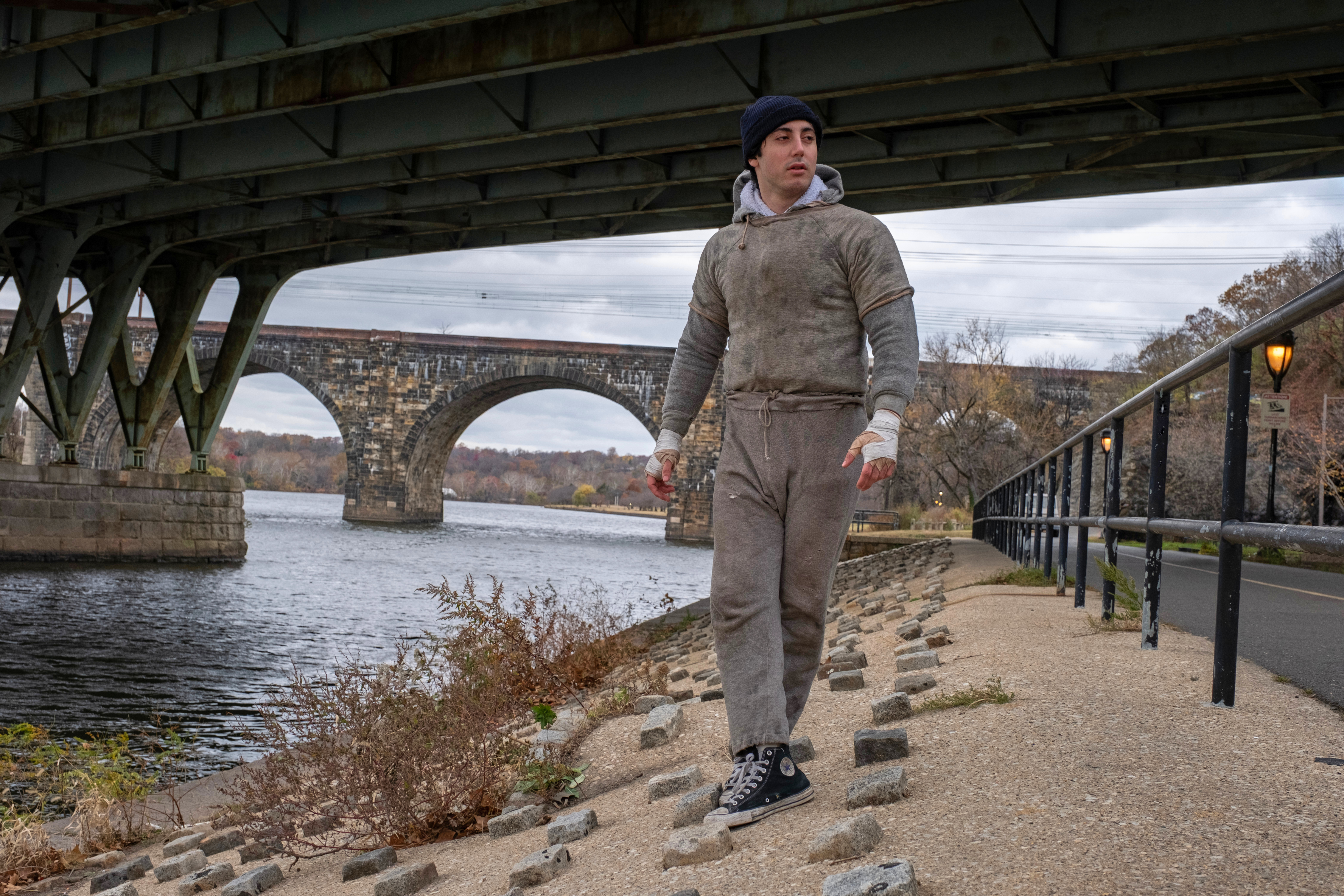
    While the production was mostly filmed in Los Angeles and New York City, they also filmed at the Italian Market, Schuylkill River Trail, PMA, and Rocky’s Kensington apartment.

    It made Farrelly recognize why the character is such an integral part of the city, even decades after the film’s release.

    “You could just feel the energy. The city is such a big character in Rocky,” he said. “We were only here for a few days, but that was the most important part of the shoot. It was just magical.”

    The local connection also extends to the music used throughout the film.

    The original score by Dave Palmer was recorded and mixed at Northern Liberties’ Undercarriage Recordings with Philly-based musicians Tom Spiker, Daniel Villarreal, and the War on Drugs’ Charlie Hall.

    This image released by Amazon MGM Studios shows Anthony Ippolito as Sylvester Stallone in a scene from “I Play Rocky.” Claire Folger

    After watching I Play Rocky, Ippolito said he wants Stallone’s story to inspire viewers to follow their dreams, just as Stallone did, and persevere through the obstacles they encounter along the way.

    “I don’t think there are as many films that give you that sort of feeling,”he said. “I’m glad that this film has those kinds of elements.”

    For Robb, the story also serves as a reminder that even the most celebrated achievements rarely happen alone.

    She said there’s often an “individualistic” approach to the American dream, but she hopes audiences recognize the importance of the people who support them along the way.

    As long as you cherish those who stick by your side and keep pounding the pavement, “you can go the distance,” she said.

    “I Play Rocky” will be in select theaters on Friday, followed by a wider theatrical release on Nov. 20.

  • Pa. police are rushing to help ICE with immigration enforcement. Formal agreements have nearly doubled in six months.

    Pa. police are rushing to help ICE with immigration enforcement. Formal agreements have nearly doubled in six months.

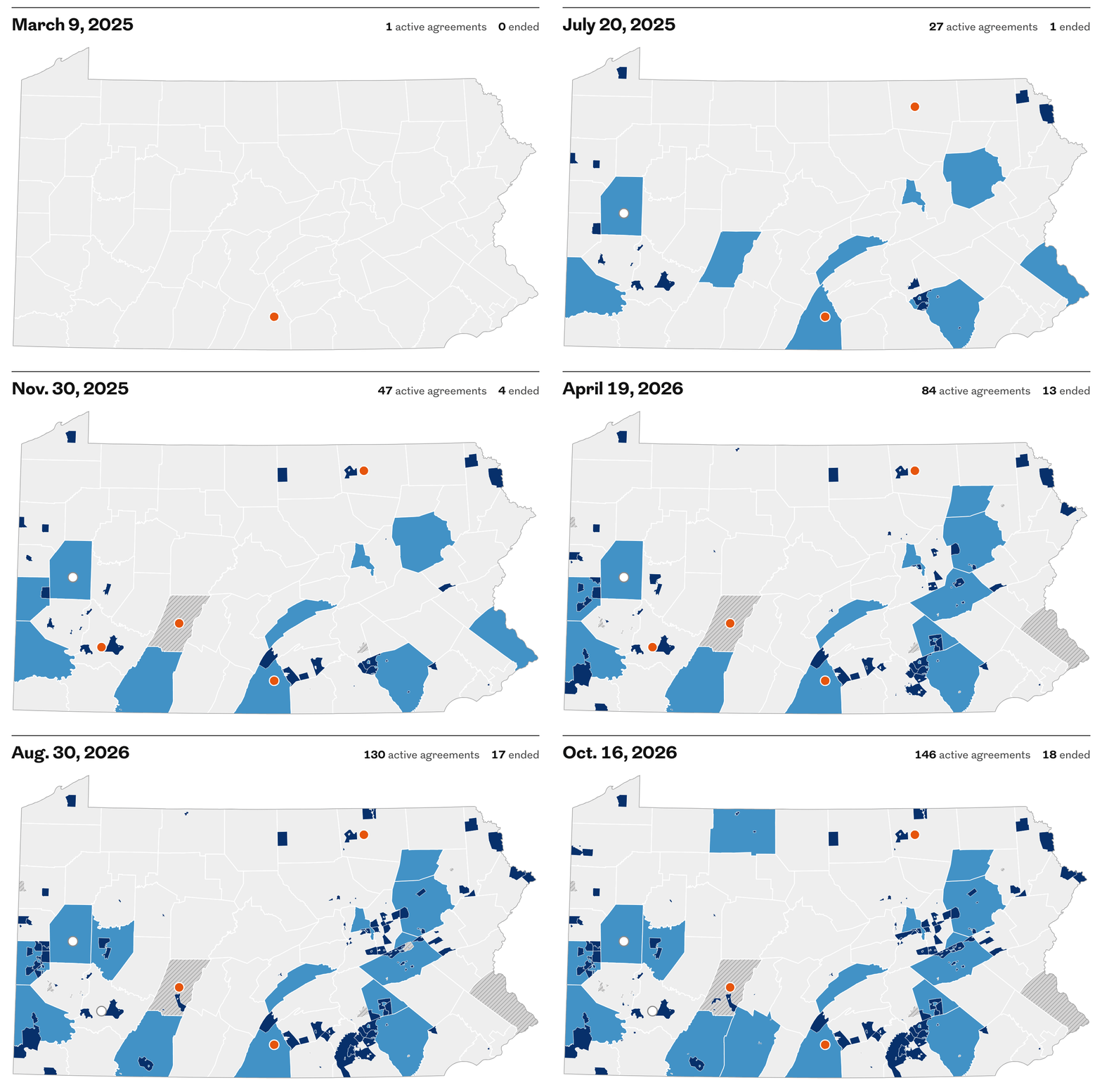
    The number of Pennsylvania police agencies signing up to help ICE enforce federal immigration law has nearly doubled in the last six months.

    That is on top of a big, earlier increase that took place in winter and spring.

    Today 146 local agencies have inked formal agreements to assist U.S. Immigration and Customs Enforcement in its work, up to and including arresting immigrants and turning them over for deportation proceedings.

    That is up from 78 in April.

    (function(){function e(){window.addEventListener(`message`,function(e){if(e.data[`datawrapper-height`]!==void 0){var t=document.querySelectorAll(`iframe`);for(var n in e.data[`datawrapper-height`])for(var r=0,i;i=t[r];r++)if(i.contentWindow===e.source){var a=e.data[`datawrapper-height`][n]+`px`;i.style.height=a}}})}e()})();

    The police-ICE alliances are part of a controversial agency initiative known as 287(g), named for a section of a 1996 immigration act, in which state and local police assist the agency in identifying, arresting, and removing immigrants. The Trump administration says the agreements make Americans safer, acting as a force multiplier for immigration enforcement.

    “Under the Biden Administration, Pennsylvania had zero 287(g) partnerships with ICE,” a spokesperson for the Department of Homeland Security said in a statement. “Under President Trump’s leadership, they are surging because state and local law enforcement want to help make America safe again.”

    Nationally, as of Oct. 20, the number of program partnerships had increased nearly 1,900% since the beginning of Trump’s second term ― from 135 agreements to 2,698, according to the department.

    “Our 287(g) partners work with ICE to protect the public safety of the communities in which they live and serve, without fear, favor, or prejudice, and they should be commended for doing so,” the department said. “Partnerships with law enforcement are critical to having the resources we need to arrest criminal illegal aliens. … When politicians bar local law enforcement from working with DHS, our law enforcement officers must have a more visible presence so that we can find and apprehend the criminals let out of jails and back into communities.”

    Some of the agencies that recently signed up in Pennsylvania include the district attorneys’ offices in Bedford, Armstrong, and McKean Counties, the Butler Township Police Department, the Pottsville City Police Department, the Lehigh Township Police Department, and regional police departments in Northern York County, Eastern Pike County, and Conneaut Lake, which serves Conneaut Lake Borough, Sadsbury Township, North Shenango Township, and Linesville Borough.

    They join other municipal police departments, county sheriff’s offices, and constables’ offices that work with ICE to serve the president’s push for mass deportations of immigrants.

    (function () {window.addEventListener(‘message’, function (e) { var message = e.data; var els = document.querySelectorAll(‘iframe[src*=”‘ + message.id + ‘”]’); els.forEach(function(el) { el.style.height = message.height + ‘px’; }); }, false); })();

    During the first 18 months of Trump’s second term, DHS completed about 980,000 deportations ― a faster pace than under the Biden and first Trump administrations, though still below early-2000s levels, according to a new analysis by the Migration Policy Institute in Washington.

    “It’s a very harmful program, because it’s turning local police into ICE agents,” said Patty Torres Vera, co-executive director of the immigrant rights group Make the Road Pennsylvania. “It erodes the trust that the community should have in police. People become afraid, afraid to report crimes, to help in investigations, because they fear consequences.”

    The agreements foster racial profiling of Black and brown people, she said, while putting local communities at risk of paying big legal settlements.

    “Local police, they’re not required to enforce local immigration laws ― they’re choosing to sign these agreements,” Torres Vera said. “Their limited resources should be focused on keeping their communities safe, not carrying out the duties of federal authorities.”

    The new statistics come from the Deportation Data Project, a group of attorneys and academics committed to transparency in immigration enforcement data. The organization used government statistics, provided by ICE in response to a Freedom of Information Act request, that were then processed by the project and analyzed by The Inquirer.

    The figures show not just the overall number of agreements, but also how local alliances with ICE are shaping immigration arrests in Pennsylvania.

    The first Pennsylvania arrest under the program occurred in July 2025. Since then, 1,342 people have been arrested under 287(g), about 13% of the 10,163 ICE arrests in the state.

    Program arrests hit a monthly high of 414 in July, constituting one out of three ICE arrests that month. While arrests under the program are making up a larger share of all immigration arrests in the state, the geographic distribution varies widely.

    In dozens of cities, arrests under 287(g) make up more than 90% of all ICE arrests. In hundreds of other places, however, they account for less than 10%.

    The arrests data are current as of Aug. 5.

    The program designates three main models under which local authorities can help ICE:

    • The Task Force model, the most expansive, which enables local police to enforce federal immigration laws during routine patrols. That includes arresting people who police suspect are not citizens.
    • The Jail Enforcement model, where local officers identify and process for possible immigration offenses those who have been arrested on criminal charges.
    • The Warrant Service Officer program, which authorizes local police to execute ICE administrative warrants at jails.

    All but three of the 146 agreements in the state fall under the task force model.

    (function(){function e(){window.addEventListener(`message`,function(e){if(e.data[`datawrapper-height`]!==void 0){var t=document.querySelectorAll(`iframe`);for(var n in e.data[`datawrapper-height`])for(var r=0,i;i=t[r];r++)if(i.contentWindow===e.source){var a=e.data[`datawrapper-height`][n]+`px`;i.style.height=a}}})}e()})();

    Some police departments and local governments, including those in Philadelphia, not only avoid the agreements but also deliberately limit their cooperation with ICE. They say that their sanctuary and welcoming policies create trust in immigrant communities, and that undocumented crime victims and witnesses will not come forward if they fear being arrested for lack of legal status.

    ICE says the program adds staff strength to an agency workforce that numbers an estimated 21,000 nationwide. DHS Secretary Markwayne Mullin encourages local officials to join forces with ICE, saying they can be key partners in keeping Americans safe.

    ICE provides incentives for local police including stipends, equipment, and financial reimbursements.

    Opponents insist that turning police officers into immigration agents hurts local economies, including at farms and restaurants, as communities use their own tax dollars to help drive away the workforce on which they depend.

    New Jersey has long barred local collaboration with ICE, first by directive and, as of March, by law, after Gov. Mikie Sherrill signed legislation prohibiting those agreements.

    Pennsylvania has no such restrictions.

    Nationally, the number of agencies signing on to help ICE grows nearly every day, covering 38 states and two ​U.S. territories.

    Vanessa Stine, a senior staff attorney for immigrants’ rights at the ACLU of Pennsylvania, said she sees the federal government aggressively pushing the expansion of 287(g) ― increasing racial profiling and legal risk for local taxpayers.

    “It’s shameful and squarely wrong for so many law enforcement agencies in Pennsylvania to enter into 287(g) agreements, and really calls into question their core mission and values, when they voluntarily choose to do a job that is not actually their job,” she said. “Pennsylvanians should be upset about that.”

  • 🦅 Go, Joe, Go! | Sports Daily Newsletter

    🦅 Go, Joe, Go! | Sports Daily Newsletter

    OK, so we know most of Philly views this Eagles season as a wrap.

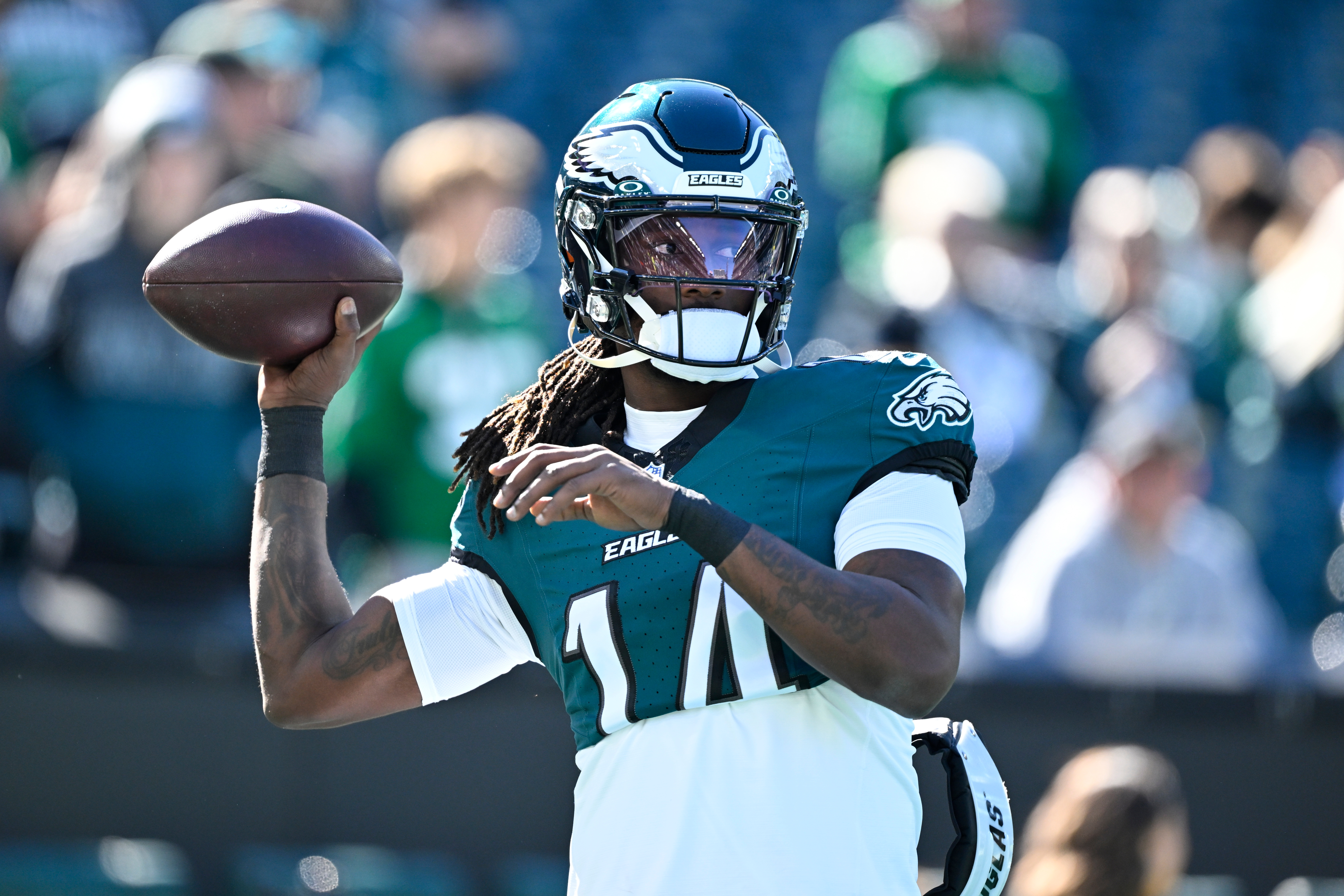
    However, the franchise made a decision and yesterday to give Joe Milton the keys to the offense ahead of Sunday’s game against the NFC East-leading New York Giants is intriguing.

    The news of Milton’s takeover arrived midday yesterday, and almost immediately it reminded me of another NFL journeyman who transformed an Eagles season for the better: Jeff Garcia.

    For those too young to remember, in 2006, after quarterback Donovan McNabb went down with an injury, Garcia stepped in and stepped up, leading the Birds to the playoffs. We’re not saying that Milton is going to do that in Week 9, but in a season with so much bad, what if Milton is the good the Eagles need?

    Of course, getting healthy at receiver and running back wouldn’t hurt, either.

    Any who …

    Rain is in the forecast for your Thursday, but a bit of good news: highs are expected to hit the 70s once again.

    — Kerith Gabriel, @phillysport, sports.daily@inquirer.com.

    If someone forwarded you this email, sign up for free here.

    ❓What do you think about the Eagles switching up their QB situation? Email us back for a chance to be featured in the newsletter.

    Cruise control

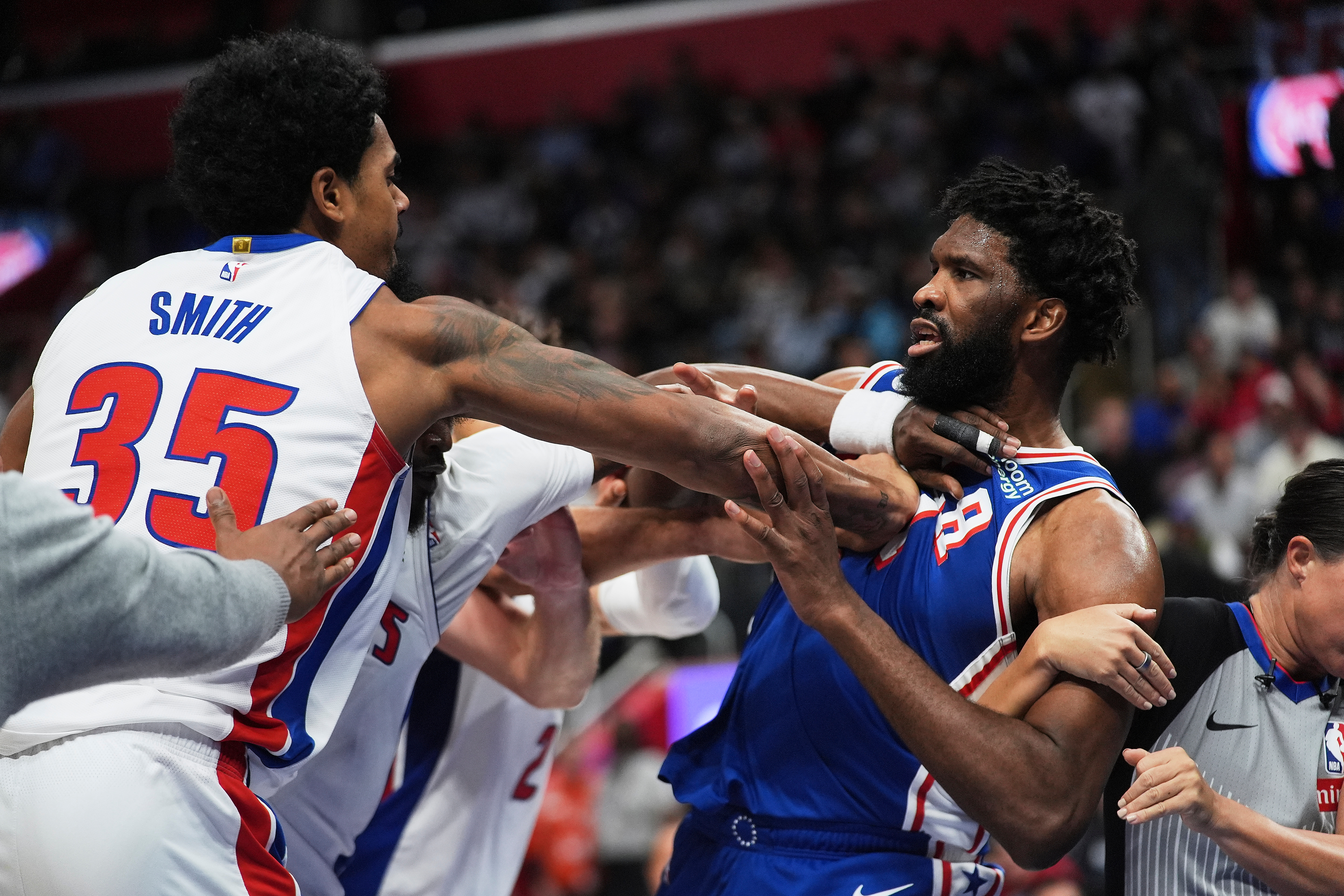
    Pistons forward Tolu Smith (35) and Sixers center Joel Embiid (21) scuffle in the first half of their game in Detroit on Wednesday
    .Paul Sancya

    The Sixers are now 8-1 following a massive 112-106 win against the Detroit Pistons last night. That one loss on the Sixers’ season? To the Pistons.

    The difference on Wednesday night? The Sixers had their full squad, and it showed as the team led by as much as 18 points and had all five starters scored in double figures, including LeBron James, who finished with 13 points and 10 rebounds.

    Next up for the Sixers is group stage play of the NBA Cup against the Cavaliers (7:30 p.m., Prime Video).

    Oh, and a side note for you sneakerheads out there … did you see Reebok is reviving Allen Iverson’s iconic “Question” shoe? With a few upgrades at that.

    What we’re …

    📖 Reading: The number of players you, our readers, chose to save on this current Eagles team. Spoiler alert: The pickings were slim.

    🏈 Learning: The science behind the Tush Push, as told by Jason Kelce on the latest installment of “New Heights.”

    ⚾ Watching: Former Phillies utility player Garrett Stubbs’ take on the impending MLB lockout.

    🛩️ Sharing: Savannah James on LeBron’s move to Philly and the new reality of navigating being in three different spots.

    Touching the stove

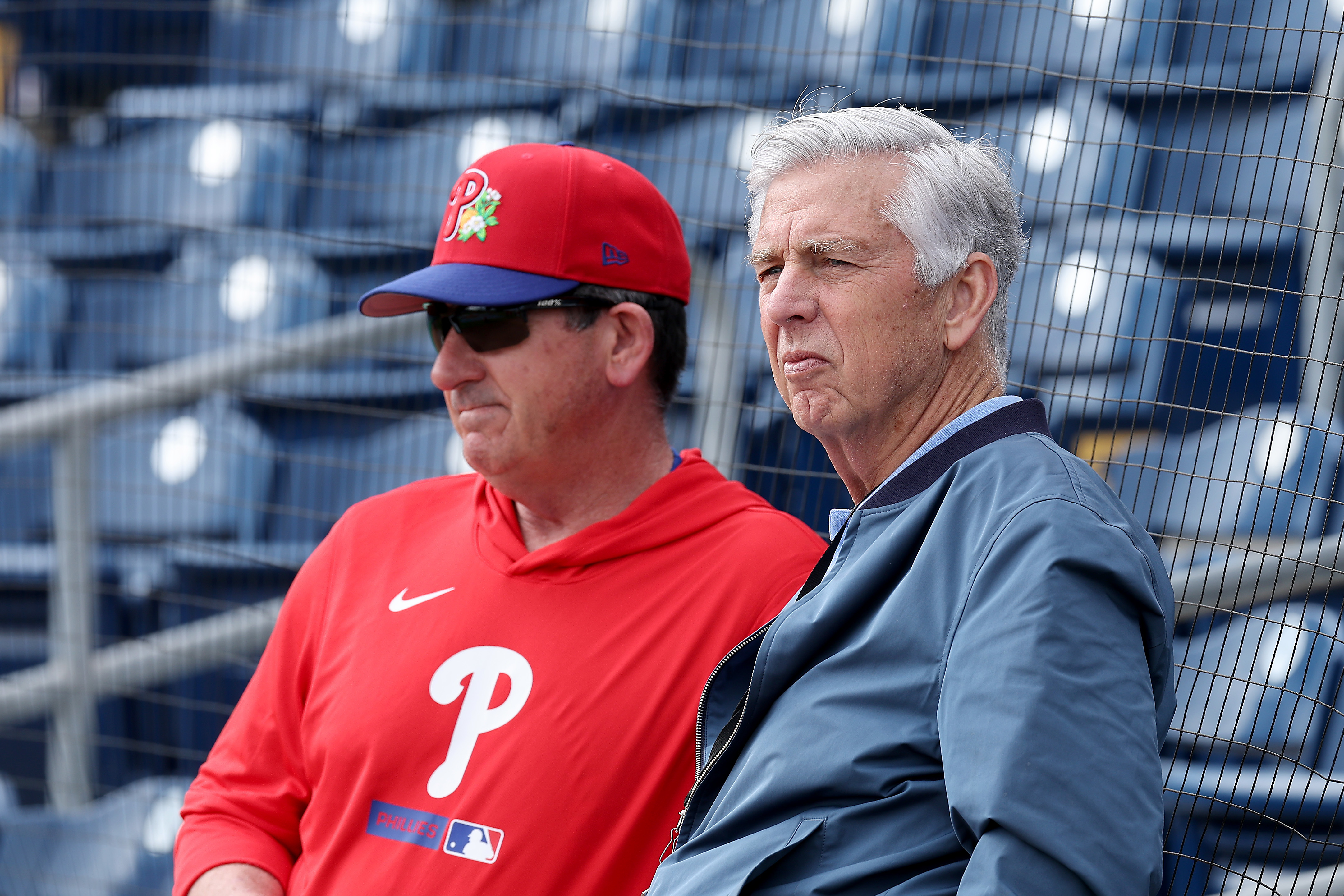
    Phillies manager Rob Thomson (left) and president of baseball operations David Dombrowski (right) have much to consider this offseason, in addition to an impending lockout.David Maialetti / Staff Photographer

    This year’s MLB offseason will be different from most, with the looming expiration of MLB’s collective bargaining agreement on Dec. 1.

    Our focus is on the Phillies and what moves, both incoming and outgoing, could be on the horizon. Inquirer writer Lochlahn March created this primer looking at everything, from the lockout, the dates you need to know and what moves the Phillies have to make.

    Baby steps

    Flyers center Denver Barkey skates with the puck against the Utah Mammoth on Sunday, Nov. 1, 2026 in Philadelphia.Yong Kim / Staff Photographer

    The Flyers have yet to truly recover from their record nine-game winless streak to start the year. Despite their 4-9-4 record, Rick Tocchet thinks his team is slowly improving.

    “I’ll be the first guy to admit [it], we have been awful all year early on on [winning pucks], but I think we’ve gotten better,” Tocchet said after Tuesday’s 4-2 loss to Minnesota.

    “Where there’s been 50-50 pucks, we’ve come out with them. I thought a little bit more tonight again, so that is something that we are improving on. It makes a difference because then you’re getting more chances or more shots or more action at the net.”

    Speaking of getting better, Gabriela Carroll wrote about Denver Barkey, the unsung hero of the Flyers’ suddenly competent power play.

    Next: The Flyers kick off a five-game road trip in New York tonight against the Rangers (7 p.m., NBCSP).

    Christian, meet Cavan

    The Union’s Cavan Sullivan was selected to U.S. Soccer’s 26-man roster for a pair of upcoming final matches in 2026. Jeff Roberson

    In the final FIFA international date of 2026, U.S. Soccer will pair Christian Pulisic, who is on another tear with his club team AC Milan, with Union phenom Cavan Sullivan. It’s set to be a potentially explosive pairing that should aid the U.S. in progressing in the CONCACAF Nations League quarterfinal against Haiti on Nov. 14 (4:30 p.m., TBS, Universo).

    Additionally, four other players with local ties cracked U.S. manager Mauricio Pochettino’s 26-man roster, setting up another opportunity to see homegrown talent on the highest stage. Jonathan Tannenwald breaks down the roster and the duo of Cavan and Christian.

    On this date

    Oct. 5, 2022: The Phillies would find themselves on the losing end of a 4-1 final in Game 6 that lifted the Houston Astros to their second World Series title. It was a game that would see longtime Astros manager Dusty Baker become the oldest manager to win a pennant at 73 years young.

    David Murphy’s take …

    Quarterback Joe Milton will be the next man up for an Eagles offense that has been hapless for most of this season.Terrance Williams

    “The most likely outcome is not that [Joe] Milton plays well enough to enter the offseason as the Eagles’ presumptive QB2 for 2027. But it is at least a potential outcome, which is more than you can say for [Tanner] McKee.” — In his latest, Murphy takes a look at what the Eagles stand to gain from starting Joe Milton over Tanner McKee on Sunday.

    What you’re saying about sports moments

    We asked: What’s the wildest thing you’ve ever witnessed at a sporting event?

    For all of us who weren’t old enough to remember the Miracle in the Meadowlands in 1978 and barely old enough to remember Brian Westbrook’s incredible punt return to beat the Giants in 2003 — Giants Stadium has seen some incredible moments at the end of games for the Eagles.

    What I saw during the Holidays of 2010 — was one of those moments. It was hard to be surrounded by Giants’ fans all basking in the glory of a 31–10 lead late in the 4th quarter. But then Michael Vick found Brent Celek for a 56-yard touchdown with just under eight minutes left in the game. The Eagles then recovered an onside kick, and Vick ran in from six yards out to bring the score to 31–24.

    The Giants faithful were silenced again when Vick found Jeremy Maclin for a 13-yard score to tie the game at 31–31. Everyone in that stadium knew what was possible when DeSean Jackson secured the football and then ran for a 65-yard punt return touchdown to win the game 38–31 — placing pure disbelief on the faces of New York fans. — Michael L.

    I saw the Santa Claus snowball throwing game at the Vet in 1968 on a cold, miserable day. I once saw a fan run out on the court at Convention Hall during a Sixers game. I think, but not sure, that the ref was Mendy Rudolph. — Everett S.

    We compiled today’s newsletter using reporting from Olivia Reiner, Mike Livingston, Chris Hine, Devin Jackson, Matt Mullin, Scott Lauber, Lochlahn March, David Murphy, Jackie Spiegel, Gabriela Carroll, Jonathan Tannenwald, Ariel Simpson, and Mia Messina.

    By submitting your written, visual, and/or audio contributions, you agree to The Inquirer’s Terms of Use, including the grant of rights in Section 10.

    That’s your Thursday. I’ll be spending mine tonight finishing that Tyson documentary on Netflix. If you haven’t seen it, definitely recommend it. I’ll be back tomorrow to get you set for a full sports weekend. — Kerith