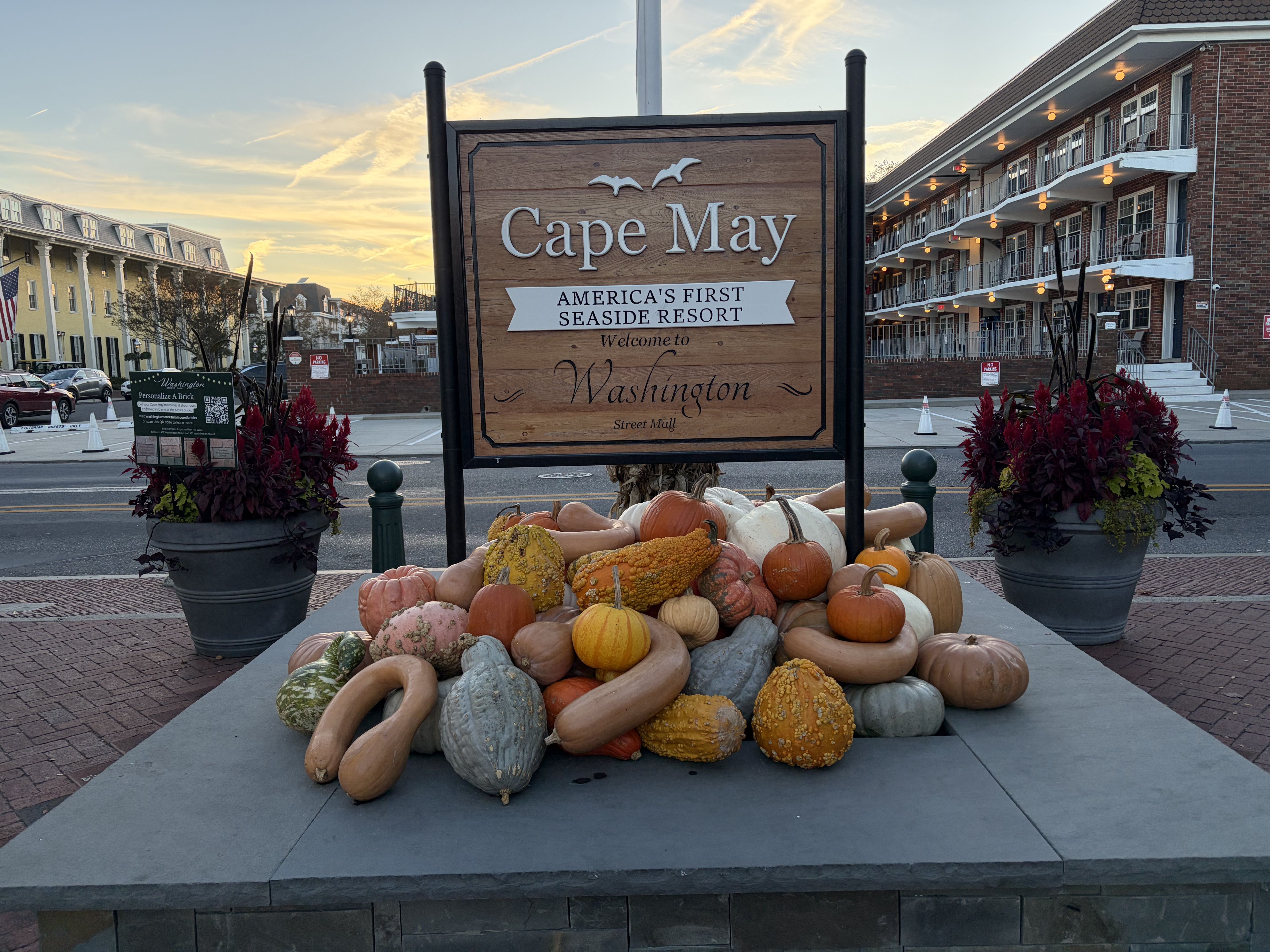
Hi, Philly. Grab your shades — it’s set to be a sunny day, with a high near 62.
In the shadow of one defunct mall after another, a Reading-based retailer often remains standing. Our main read explores how and why it manages to survive.
As long as Boscov’s is still there, customers will come.
At least that’s what CEO Jim Boscov has learned in witnessing them flock to the store amid otherwise-vacant malls.
The 110-year-old family business has managed to outlive its neighbors, fueled by loyal in-person shoppers, and the benefit of long-term leases.
A love of nostalgia helps, too. But the company has been working to attract and retain younger customers, and early figures suggest the moves are paying off.
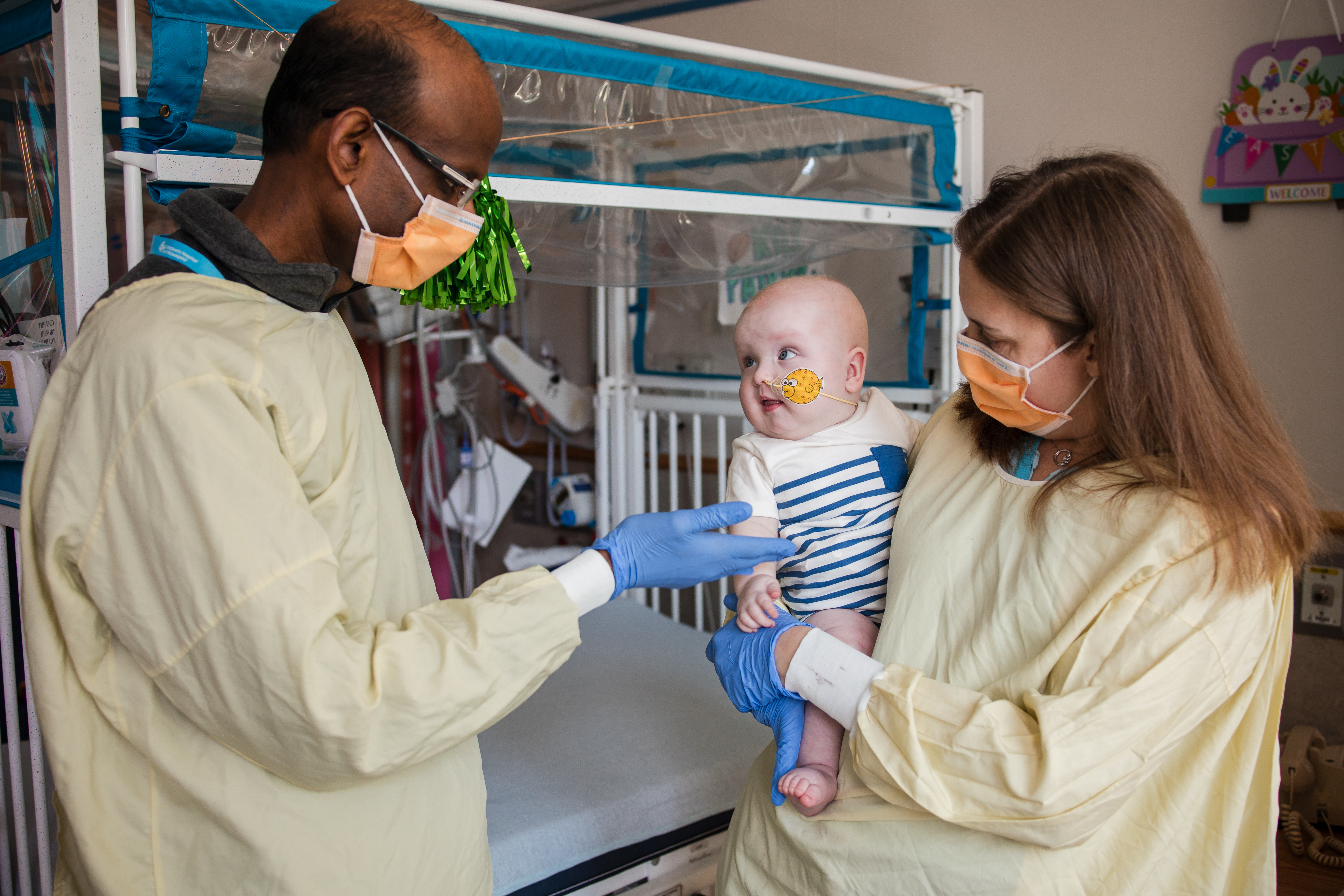
Last year, a Philadelphia-area infant with a rare metabolic disease was treated with a groundbreaking gene therapy. It fixed the genetic mutation driving the disease.
Now, scientists at Penn Medicine and CHOP are working closely with federal regulators to craft new guidance that could accelerate the development of other gene therapies. The current framework makes it difficult to pursue these advancements without having to conduct new expensive and laborious clinical trials each time.
Pennsylvania regulators will invoke a consumer protection law if Independence Blue Cross and Highmark don’t have new Jefferson contracts by Dec. 31.
A Philadelphia pastor pleaded guilty this week in federal court to charges stemming from an alleged conspiracy with another pastor to create and share child pornography. The case against the second pastor is still pending.
Temple University hired a Philadelphia deputy police commissioner with more than three decades of experience as its new vice president of public safety.
A much-delayed mega retail project just south of the Italian Market has received approval to start building. Meanwhile, in West Philadelphia, an ambitious plan for 420 apartments and commercial space hit a snag after a zoning board ruled against part of the project.
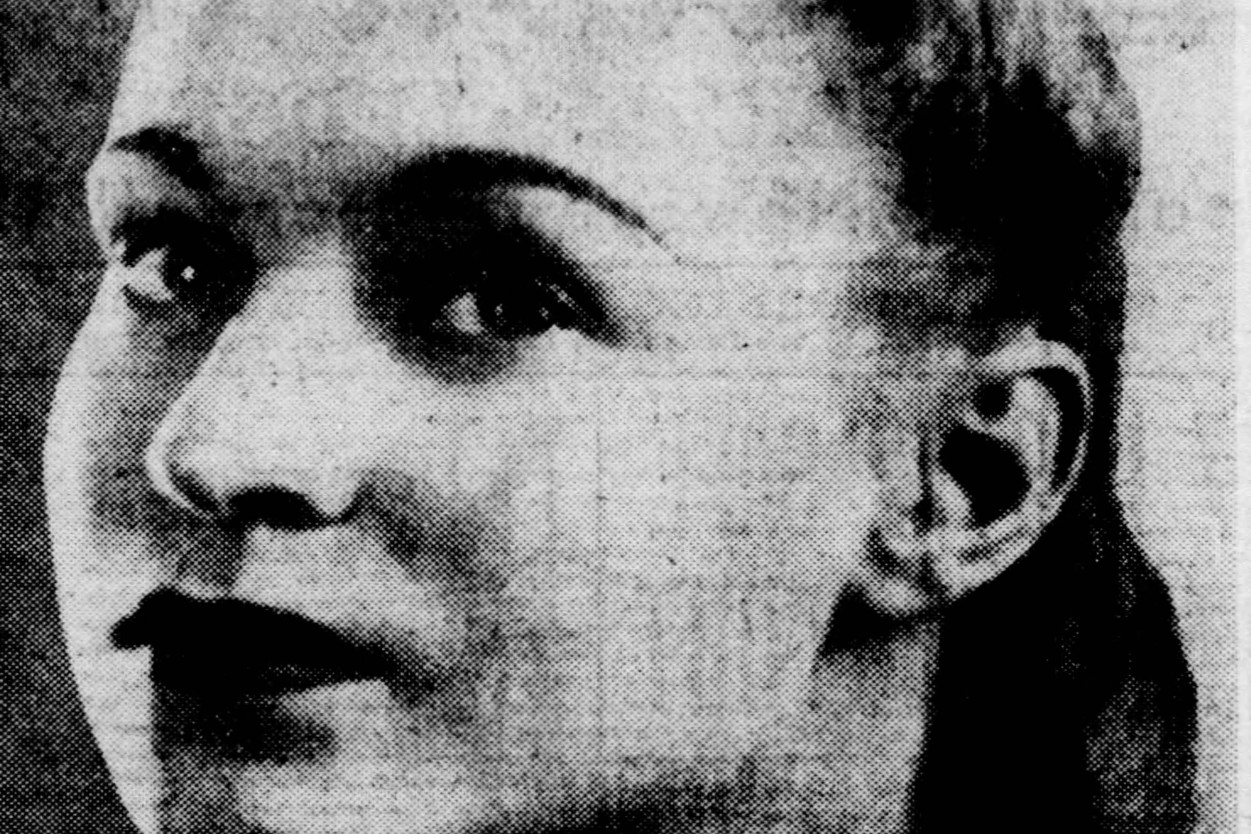
🎤 Here’s Tommy Rowan with a look back at a 21-year-old ballet star who died from injuries suffered in a car crash.
Mardee Vosseler’s dancing feet “were stilled forever” on the morning of Nov. 3, 1941.
One of the opera company’s top dancers, full of performance potential and all of 21, was being driven home after a New Jersey nightclub appearance. The car was filled with friends.
And on their drive home, around 3 a.m., their vehicle collided, head-on, with another in the streets of Camden.
Cheers to Helen Duncan, who correctly guessed Saturday’s answer: The Children’s Place. The kids’ clothing chain plans to close its two dozen New Jersey stores and lay off 732 employees statewide amid reports that the retailer may file for bankruptcy.
Illustration of the day
🍂 Walks in the Wissahickon and an abundance of seasonal produce are just a few of local illustrator Marie Coons’ favorite fall-in-Philly things. “Philadelphia in the fall is a mash-up of color, community, art, sports, and culinary delights,” writes Coons. “It makes me feel especially grateful that I get to call this city home.”
🎶 Today’s song goes like this: “I only wish my words could just convince myself that it just wasn’t real / But that’s not the way it feels.”
The late Philly singer and Villanova grad Jim Croce once sang with the Spires, an a capella group at the university. Today, members invoke his name at the end of every practice, shouting, “Jim Croce, pray for us.” The group is going viral for their birthday serenade surprises.
👋🏽 As always, thank you for reading. Have a great Sunday.
By submitting your written, visual, and/or audio contributions, you agree to The Inquirer’s Terms of Use, including the grant of rights in Section 10.
The film Blacula (1972) was made on a budget of $500,000 and went on to earn more than $1 million in box office returns, becoming an early success in the genre later called Blaxploitation.
The genre was later seen as propagating racist stereotypes with its depictions of sexual violence, crime, and drugs. But at the time, it created a market for low- and midbudget films with a Black cast set in urban settings, made by Black filmmakers.
After the success of Blacula — whose plot involved an African prince sealed in a coffin by Count Dracula — the production company Kelly-Jordan Enterprises wanted to make a film just like it.
They picked Philadelphia-born filmmaker Bill Gunn.
The result was Ganja and Hess (1973), also involving a Black vampire but totally unlike Blacula. Instead, Gunn turned the genre on its head to tell the story of an anthropologist, Hess Green, who becomes a vampire after beingstabbed by his assistant George Meda with a cursed dagger. In a plot involving Meda’s suicide and other dark turns, Green falls in love with Meda’s widow, Ganja.
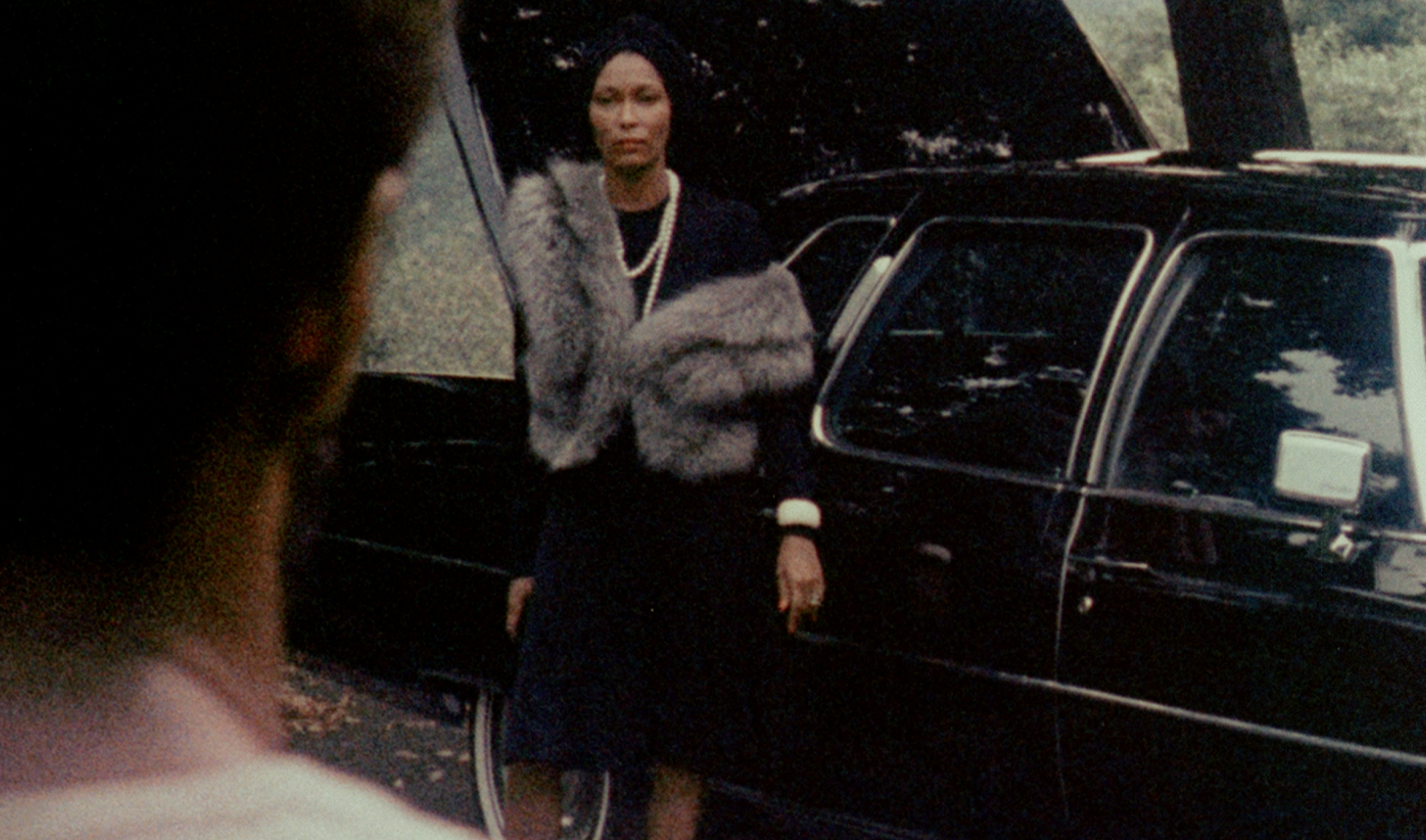
A still from “Ganja and Hess,” the 1973 film made by Philadelphia native Bill Gunn, which appears in Ashley Clark’s book “The World of Black Film: A Journey Through Cinematic Blackness in 100 Films.”Courtesy of Kino Lorber
The film screened at the Cannes Film Festival’s Critics’ Week and was called “ineffectually arty” by a New York Times critic.
(“There are times when the white critic must sit down and listen. If he cannot listen and learn, then he must not concern himself with black creativity,” Gunn wrote in a letter to the Times.)
“They got the wrong guy with Bill Gunn,” said Clark. “He decided to use the sort of vampire scaffolding as an opportunity to hang on to it, all sorts of weird, provocative, sexual, racial, historical, religious themes, and the film was quickly pulled from theaters.”
It was later recut, chopped up, and released in “many, many different versions with hideously reductive and silly titles, and it took a long time to come back into the popular consciousness,” said Clark. Seeing a resurgence of sorts in the 2010s, the film was restored, preserved, and newly distributed.
A still from “Ganja and Hess,” the 1973 film made by Philadelphia native Bill Gunn, which appears in Ashely Clark’s book “The World of Black Film: A Journey Through Cinematic Blackness in 100 Films.”Courtesy of Kino Lorber
This delayed appreciation of Black films, Clark said, is a key point of the book.
“These kinds of politically and thematically provocative films by Black filmmakers are either underappreciated or suppressed, even upon release, but find welcome audiences a long time after the fact, and I think Ganja and Hess is very much one of those.”
Clark’s book runs the gamut of Black film, from blockbusters like Ava DuVernay’s Selma and Spike Lee’s Malcolm X to criminally underseen films like My Contribution (1972) by Cuban filmmaker Sara Gómez.
“At the risk of sounding like some sort of a clichéd athlete, I guess I’ve been preparing for this moment my whole life,” said Clark, who has previously worked as director of film programming at New York’s Brooklyn Academy of Music, and curated film series for London’s BFI Southbank and the Museum of Modern Art in New York.
“The World of Black Film” by Ashley Clark is a survey of important and influential Black films from around the globe. It features several Philadelphia-connected films including ones by filmmakers Cheryl Dunye and Ephraim Asili.Laurence King Publishing
Upon writing the book, Clark realized “there was potentially a gap in the market for an accessible and rigorous survey of international Black film.” In his own experience, as “someone who’s followed Black film intently over the years,” he had seen most such undertakings focus on Black American films.
“I did think that there was an opportunity to fill that gap, and do something that was genuinely internationally minded, and draw all sorts of fun and interesting connections that might be both illuminating for prospective audiences but also a learning experience for me,” said Clark, who is British American.
The list came together relatively quickly, he said, but not without some “painful omissions.”
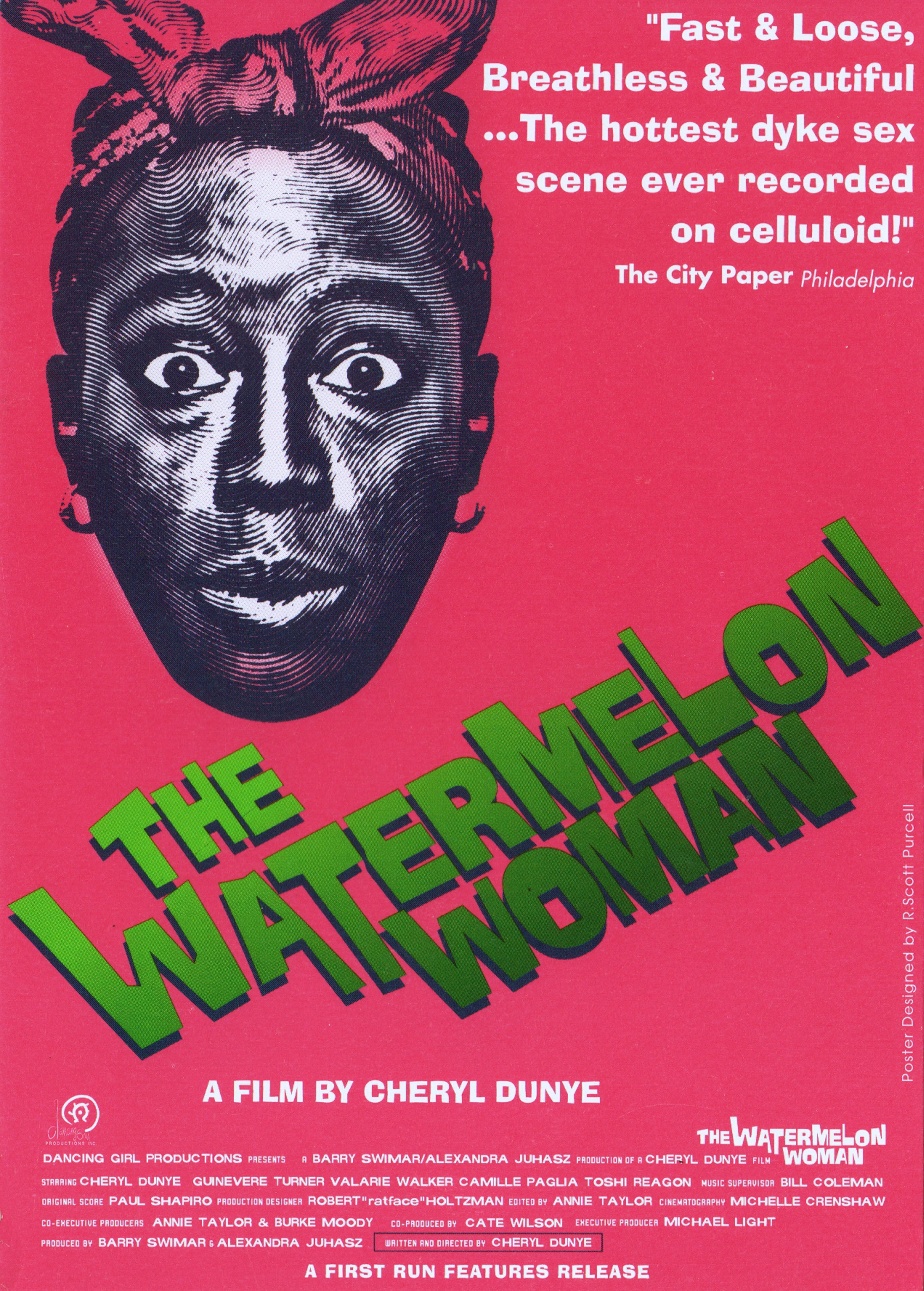
Among the films that make it is a gem of a film by one-time Philadelphian Cheryl Dunye. In the queer mockumentary hybrid rom-com TheWatermelon Woman (1996), Clark sees a creative precursor to this year’s massively popular You Can See Everything.
“The Watermelon Woman” (1996)Alamy Stock Photo
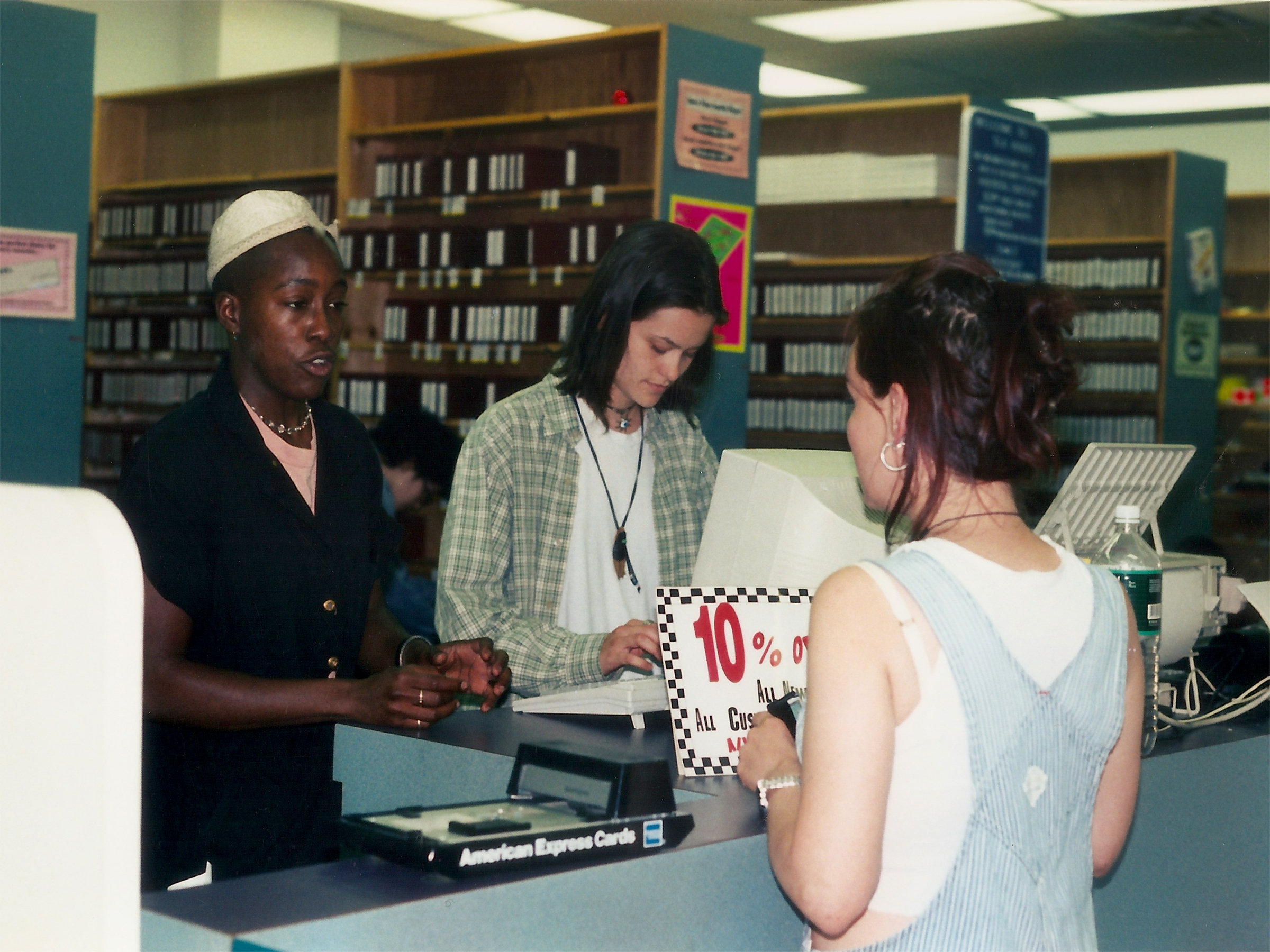
Set in Philadelphia, the story follows Cheryl, a young Black lesbian who works at a video store and is obsessed with an obscure 1930s Black actress known as “the Watermelon Woman.” The film and its frank discussion of homosexuality led to a Republican congressman demanding to cut the National Endowment for the Arts funding by $31,500, the grant amount Dunye received for the film. “It was a total triumph for Dunye’s debut,” wrote The Inquirer’s Rosa Cartagena when including the film in The Inquirer’s list of 50 best Philadelphia films.
“There’s this massive interest in form bending and hybridity of documentary reality. With Watermelon Woman, you have something that’s just straight out the gate… It’s really playful. It’s mixing fact and fiction. It’s very witty, but it’s also very earnest. I think it’s such a unique and thoughtful and funny piece of work,” said Clark, who lives in Jersey City. “I just think it’s a brilliant film.”
A film still from Cheryl Dunye’s “The Watermelon Woman,” a Philadelphia-set story that follows a young Black lesbian named Cheryl, who works at a video store and is obsessed with an obscure 1930s Black actress known as “the Watermelon Woman.”Courtesy of the Film Collaborative
Roslyn, native and Temple Film alum Ephraim Asili’s The Diaspora Suite also finds inclusion in Clark’s book. The collection of five short films includes the 19-minute American Hunger, which travels from the streets of Philadelphia to the Jersey Shore and then to Ghana as Asili meditates upon the relationship between Black Americans and the African diaspora.
“It was one of the first things on my list to include in the book,” said Clark. “He just brings that sort of realness and that sense of questing for a fuller picture of blackness, and connecting it to the diaspora. I feel that he’s a very authentic, driven, disciplined artist, and I think that is indivisible from where he comes from, which has shaped his sense of self.”
Asili also made the 2009 documentary Points on a Space Age on Sun Ra, the Afrofuturist bandleader and cosmic visionary who chose Germantown as his home base in the late 1960s. The Sun Ra Arkestra’s Marshall Allen, 102, still lives there.
Points on a Space Age is not on Clark’s list (he had a rule about not including multiple works from the same filmmaker), but John Coney’s 1974 “profane jazz odyssey” Space is the Place is.
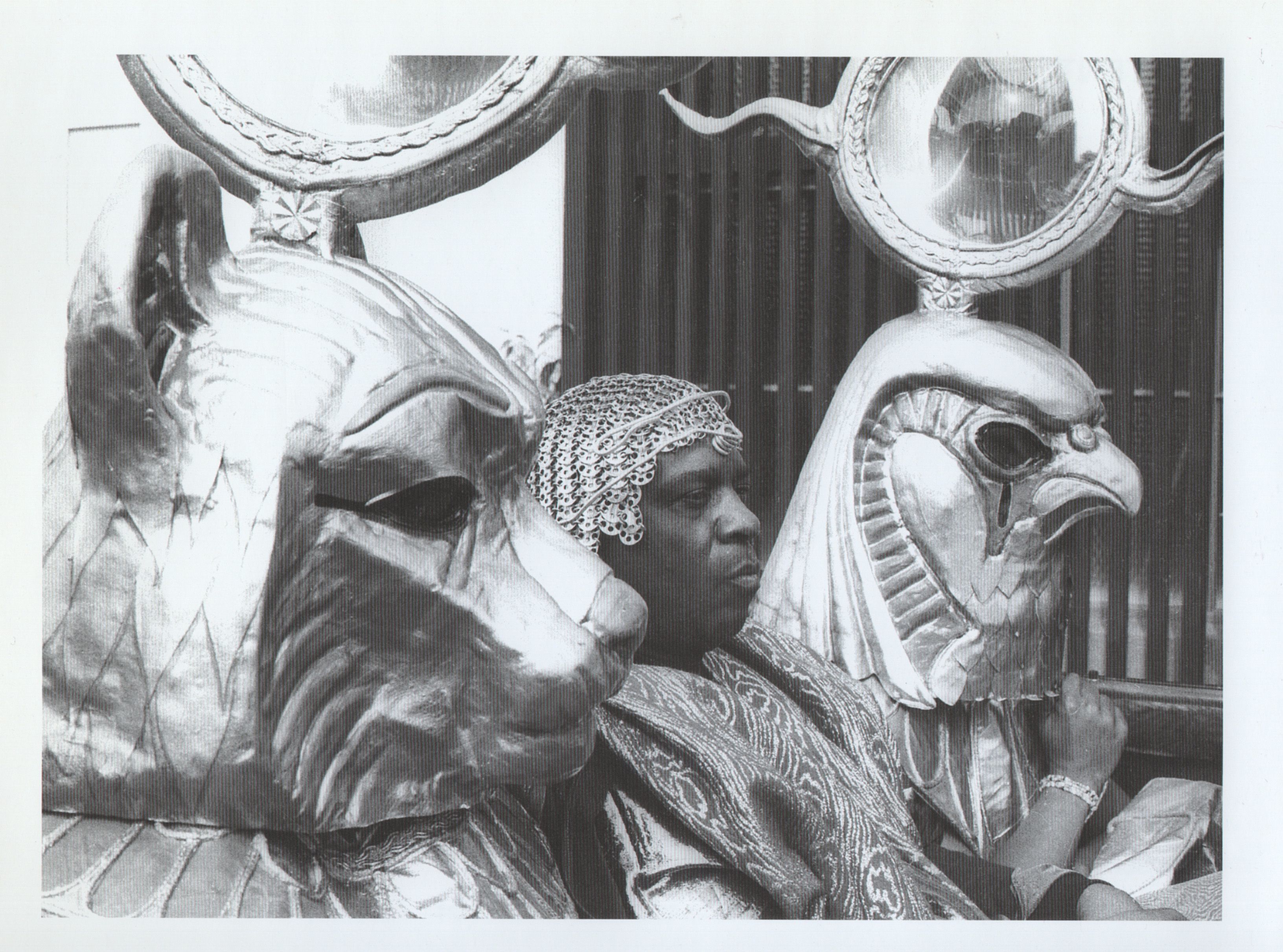
Sun Ra, on the set of the 1974 film “Space is the Place.”Jim Newman
In the film, Sun Ra plays a divine guru who wants to move disempowered young Black people from Oakland, Calif., to outer space.
It is definitely one of the strangest films in his book, Clark admits.
“It’s completely unhinged. What to say about Sun Ra? It’s hard to put this sort of cosmic energy into words. I just want people to check this film out and figure out what they make of it.”
A sense of “realness” and “a willingness to go to slightly uncomfortable places” mark the Philadelphia films on his list, Clark said. “A certain aspect of a confrontational quality is present in all the films, and there’s a sort of celebration of Blackness.”
Like the city of Philadelphia itself, its films show a “sort of front foot in your identity. And there’s just a confidence and a sureness to a film like Watermelon Woman, even though it’s a debut feature. There’s just a realness to it that tracks with my experience of being in Philadelphia.”
“The World of Black Film” is available in digital and physical bookstores.
Ashley Clark joins Stephanye R. Watts of the Be Reel Black Cinema Club in conversation following a screening of Julie Dash’s 1991 “Daughters of the Dust,” which also appears in Clark’s book. Nov. 9, 6:30 p.m., Two Locals Brewing Co., 3675 Market St., Suite 100, Phila. cinespeak.eventive.org
As a youngster growing up in Camden, Sophia Leon loved animals and set her sights on becoming a veterinarian.
She had no idea that the odds were against her: Only 8.5% of veterinarians are Hispanic or Latino and even fewer, only about 1.2%, are Black, according to the U.S. Bureau of Labor Statistics.
Leon, now a 17-year-old senior at Camden Academy Charter High School, learned about the statistics during a recent career day that provided encouragement to students in underrepresented communities like Camden by introducing them to veterinarians who overcame similar barriers.
“I thought there were more. There should be more,” Leon said.
Niccole Bruno, a veterinarian from Houston who started the Believe and Belong in Veterinary Medicine program, hopes to make that happen by providing students the hands-on opportunity to learn about career possibilities, meet veterinarians, and obtain mentors to help with their journey.
“We’re the least diverse medical profession,” said Bruno, founder and CEO of the blendVET Foundation, a veterinary education training group. “My goal is to have them become whatever they want to be in the profession.”
Bruno recruited veterinarians, mostly Black, from around the country to participate in the all-day career event at the Marjorie and Lewis Katz Clubhouse in Camden in late October. So far, the program, launched in 2023, has reached more than 1,600 students around the country.
“I do believe representation matters. When they see us, it makes it easier to have it in their mind,” said Lisa R. Branner, the emergency medical director of VCA Old Marple Animal Hospital in Springfield, Delaware County. “It is enlightening to be able to show them this is what you can do.”
Students rotated among labs that included emergency medicine, general practice, neurology, clinical pathology, and ophthalmology. They learned about careers from veterinary technician to surgeon.
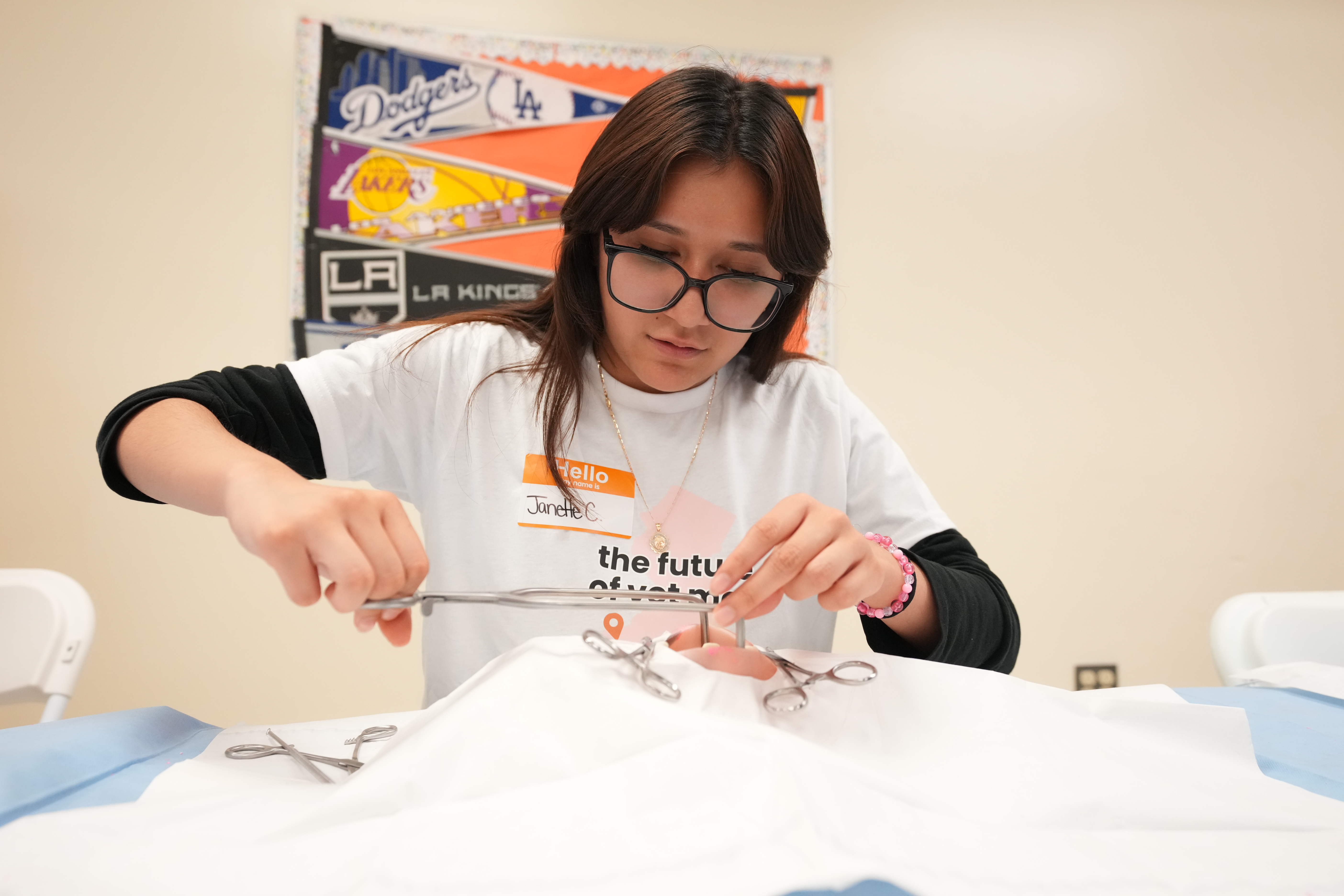
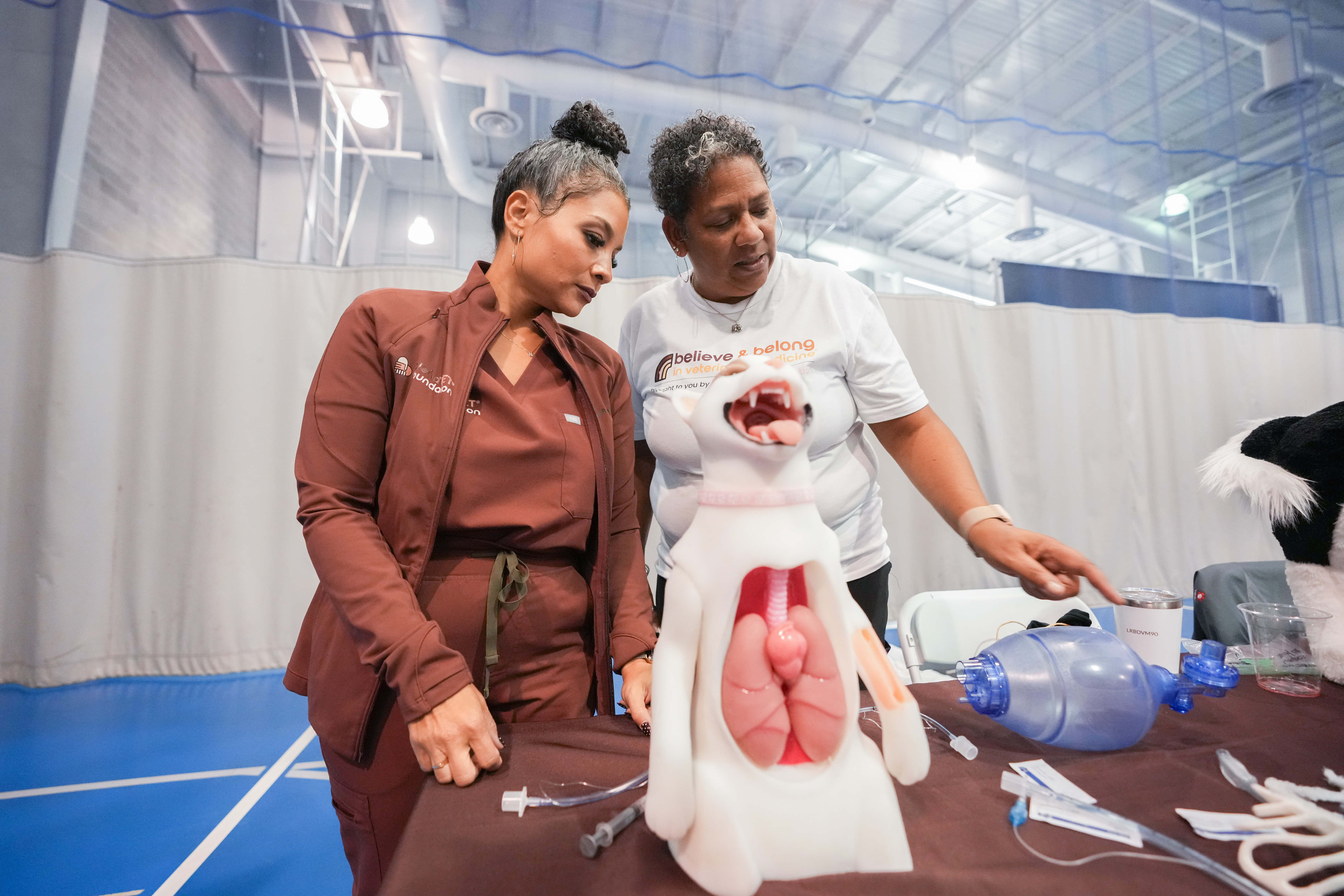
Janette Campos De Castilla works with a veterinary teaching model at the career day at the Katz Boys & Girls Clubhouse in Camden.Jessica Griffin / Staff Photographer
A visit to the first-floor gym where they met Hazel, a friendly 2½-year-old golden retriever, was a favorite stop. Her owner, Elsa Schock, described her family pet as “a people dog.”
A trio of students listened intently as Schock, a veterinarian at the Oakhurst Veterinary Hospital in Monmouth County, showed them how to examine Hazel by checking her ears, paws, and teeth. They took turns using a stethoscope to listen to her heart rate and take her pulse.
Hazel patiently lay on the floor, occasionally rewarded with treats. She was examined at least 20 times, Schock said.
“I thought it was cool that we get to interact with the dog,” said Mayte Coyotl, 16, a junior at Camden Academy Charter High School. “I’ve come to love animals.”
Coyotl said that spending time with Hazel and the veterinarians gave her a new insight and that she would possibly consider a career in veterinary medicine.
Dr. Niccole Bruno, left, and Dr. Lisa Branner were both on site to work with the students during the education program.Jessica Griffin / Staff Photographer
This is the second time that Bruno has brought the program to Camden. Bruno, who grew up in Queens, N.Y., credits her mother with helping her overcome racial barriers. Her younger sister, Jasmine, is also a veterinarian and participates in the program.
In addition to Camden Academy Charter, students from Camden’s Promise Middle School and KIPP Lanning Square Middle School were also in attendance.
“I love it,” said Leon, who has enjoyed tending to animals while visiting relatives in Nicaragua. “It’s a great opportunity for us.”
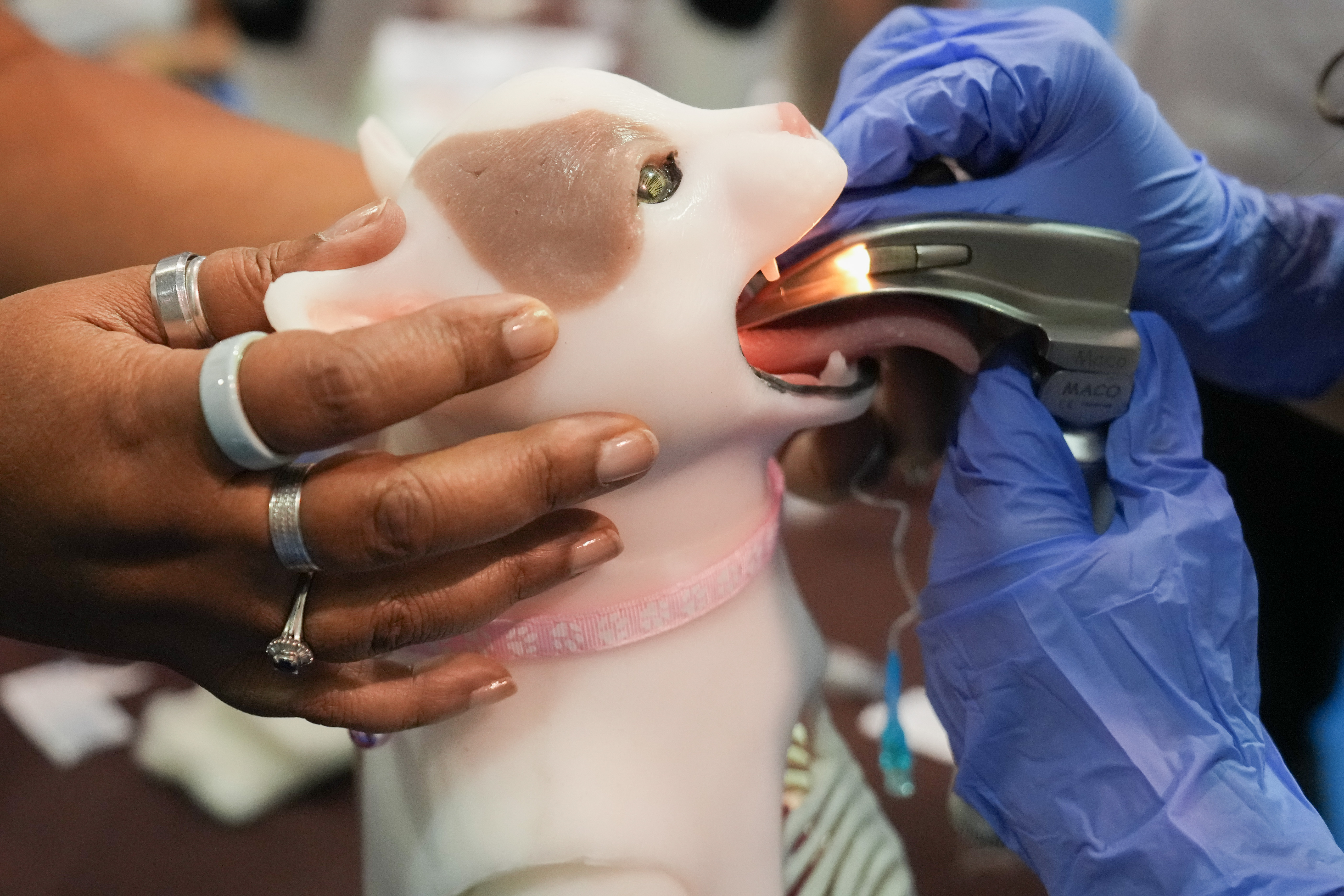
The students were also able to try surgical techniques, learn how to perform CPR on animals, bandage wounds, and do basic suturing. They learned how to don surgical gowns, carefully keeping them sterile before practicing techniques to neuter or spay stuffed animals.
“I’m scrubbing out,” quipped Yadrian Gonzalez, 17, a senior at Camden Academy, after taking off his blue gown and moving on to his next rotation.
Students worked with a feline teaching model.Jessica Griffin / Staff Photographer
Across the hall in a room with the lights lowered, a few students sat at desks hunched over microscopes to examine dead pig eyes. Kenneth Pierce, a veterinary ophthalmologist, showed them how to do an eye exam and diagnose common ocular diseases.
The students were impressed when Pierce, a veterinary consultant based in Philadelphia, told them that he has treated domestic animals and exotic animals, including performing cataract surgery on a chimpanzee.
“Do you think this is the best field to go into just starting?” asked Winter Glover, a student at Camden Academy.
Pierce said he underwent years of training and has enjoyed his career.
“It’s always in high demand,” said Pierce, who added that he is trained to treat just about any animal. “I’ve looked at humans, too, but legally I can’t prescribe anything for them.”
The day was an eye-opener for some students. One squeamish student, overwhelmed by the pig eye exam, needed a break and briefly left the room.
Katelynn Moreno, 17, said she was intrigued by the surgical lab where students were shown how vets treat a herniated disk.
“I got to learn a lot of new things. This is something I could actually see myself doing,” said Moreno, a senior at Camden Academy.
Armani Holden, 17, also a senior at Camden Academy, is interested in culinary arts but attended the vet program out of curiosity.
“Honestly, I liked it better than I thought it would be,” she said. “I thought it would be boring.”
Bruno, whose program evolved from a presentation she made at an international veterinary conference in 2023, said she looks forward one day to seeing a student she met in the program graduate from veterinary school.
“The first one will be the most special,” she said. “I’ll be in the audience crying with their parents.”
In a city as old asPhiladelphia, historical buildings designed in the Colonial or Victorian styles get a lot of attention. But a yearslong project by Thomas Jefferson University researchers and nonprofit volunteers aims to put a spotlight on the city’s collection of modernist buildings.
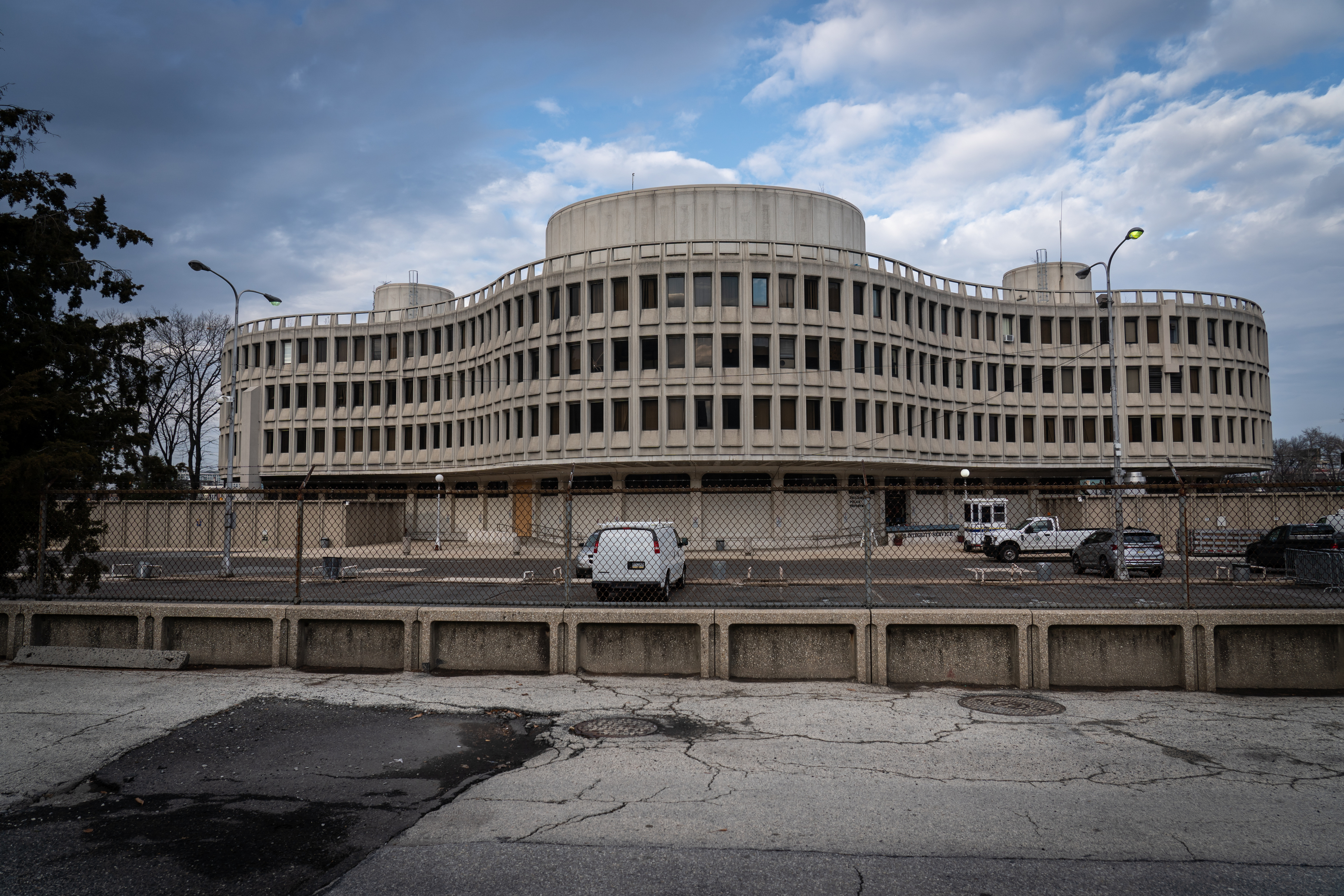
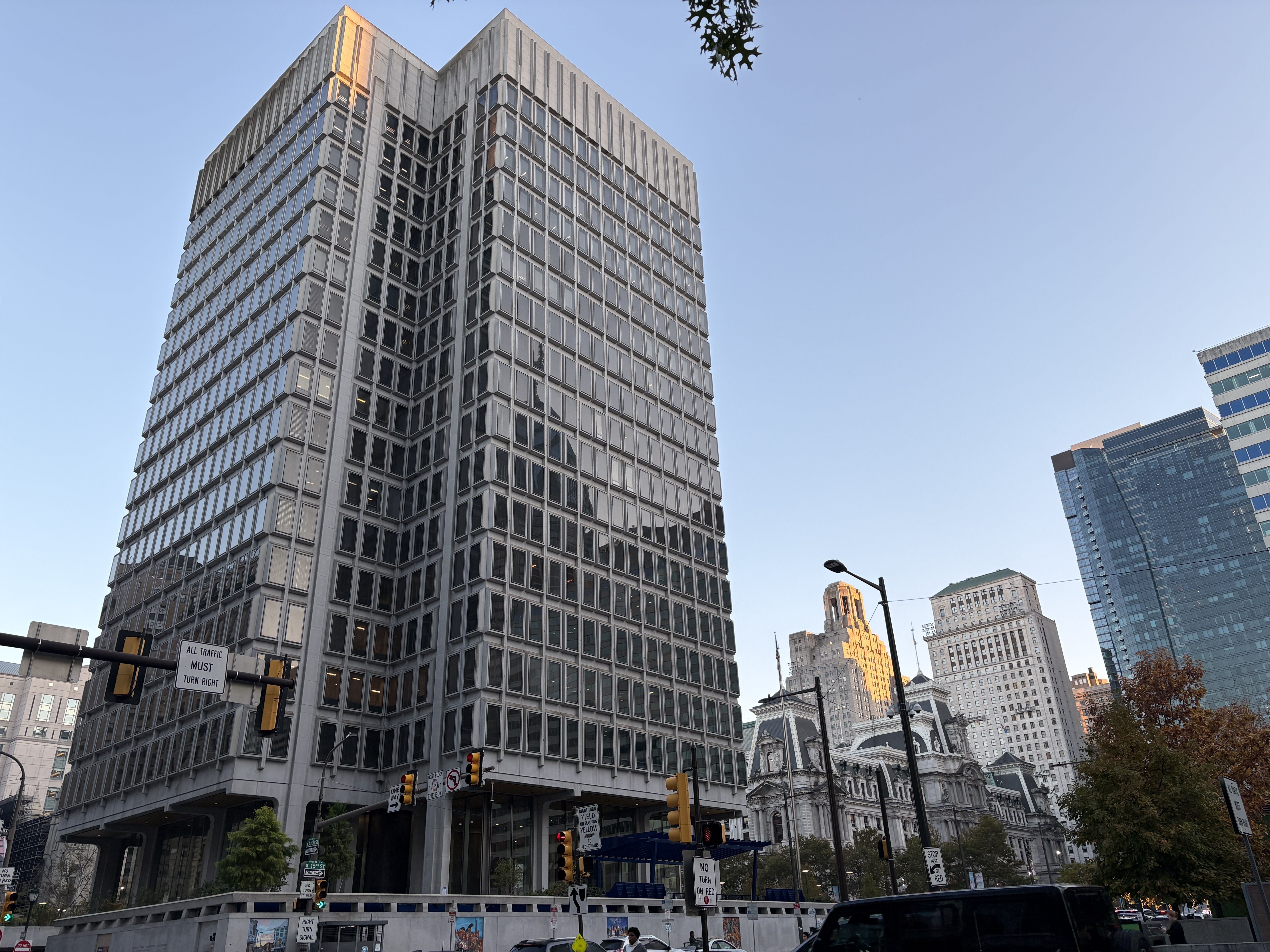
Researchers at the university’s Center for the Preservation of Modernism and members of the Philadelphia-area chapter of Docomomo US, which advocates for modernist sites, have created an interactive map of almost 700 mid-century modern buildings.They includethe Municipal Services Building at 1401 John F. Kennedy Blvd., Three Penn Center, and the Roundhouse, which the map calls “one of Philadelphia’s most iconic, and most contested, examples of modernism.”
Residential buildings, hotels, schools, houses of worship, libraries, and fire houses are among the structures the map highlights. Researchers are continuing to comb through records and walk the streets of Philadelphia searching for more.
The Roundhouse, the former headquarters of the city police, is one of Philadelphia’s most prominent examples of modernist architecture. Jessica Griffin / Staff Photographer
“It is exciting to think they’re out there,” said Suzanne Singletary, director of the Center for the Preservation of Modernism and a Jefferson professor who specializes in historic preservation and architectural history. “They’ve been pretty much overlooked, and we’re trying to change that.”
Singletary said modernism is an important architectural style that “creates Philadelphia just as much as Colonial or Victorian or any other style.” And this map, she said, gives “a sense of the scale and the scope of modernism in Philadelphia.”
Researchers hope bringing attention to the city’s modernist buildings can promote appreciation for the style and help protect structures from demolition.
Mid-century modern buildings generally have clean, straight lines and don’t have ornamentation. Hallmarks include expansive walls of windows, flat roofs, and interconnected interior spaces. Metal, glass, and stone are primary building materials.
The Municipal Services Building at 1401 John F. Kennedy Blvd. is a mid-century modern building included on the map. Michaelle Bond / Staff
These buildings are “characterized by off-the-shelf materials and simple forms,” said Kevin King, a graduate student in Jefferson’s historic preservation program and a member of the steering committee at the Center for the Preservation of Modernism.
“They don’t jump off the street, if you will, in the way some high styles do,” King said. But “both are worthy of appreciation and preservation.”
Paul Steinke, executive director of the Preservation Alliance for Greater Philadelphia, said modernism “is meant to kind of signify a departure from historical architectural styles rooted in European precedent.”
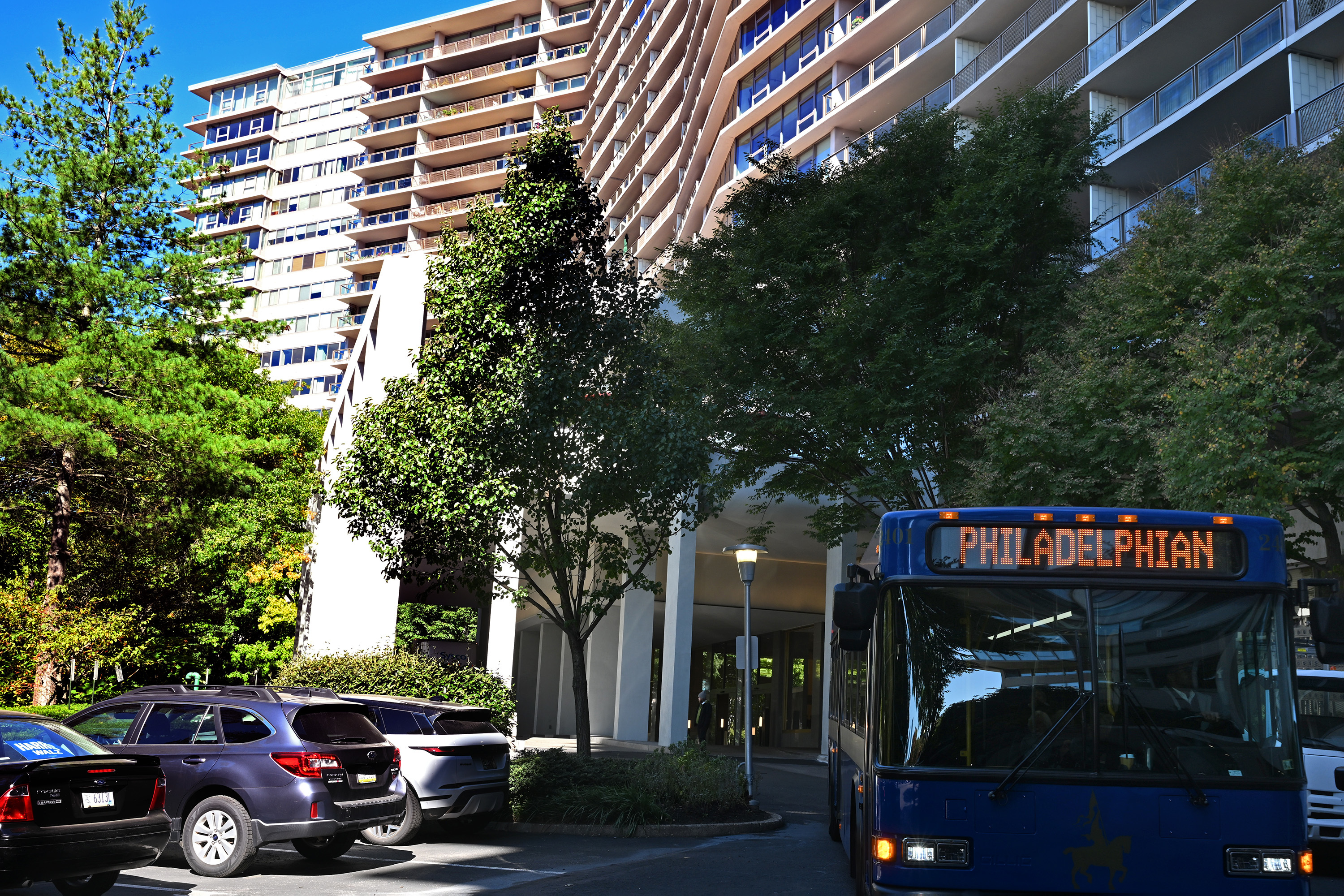
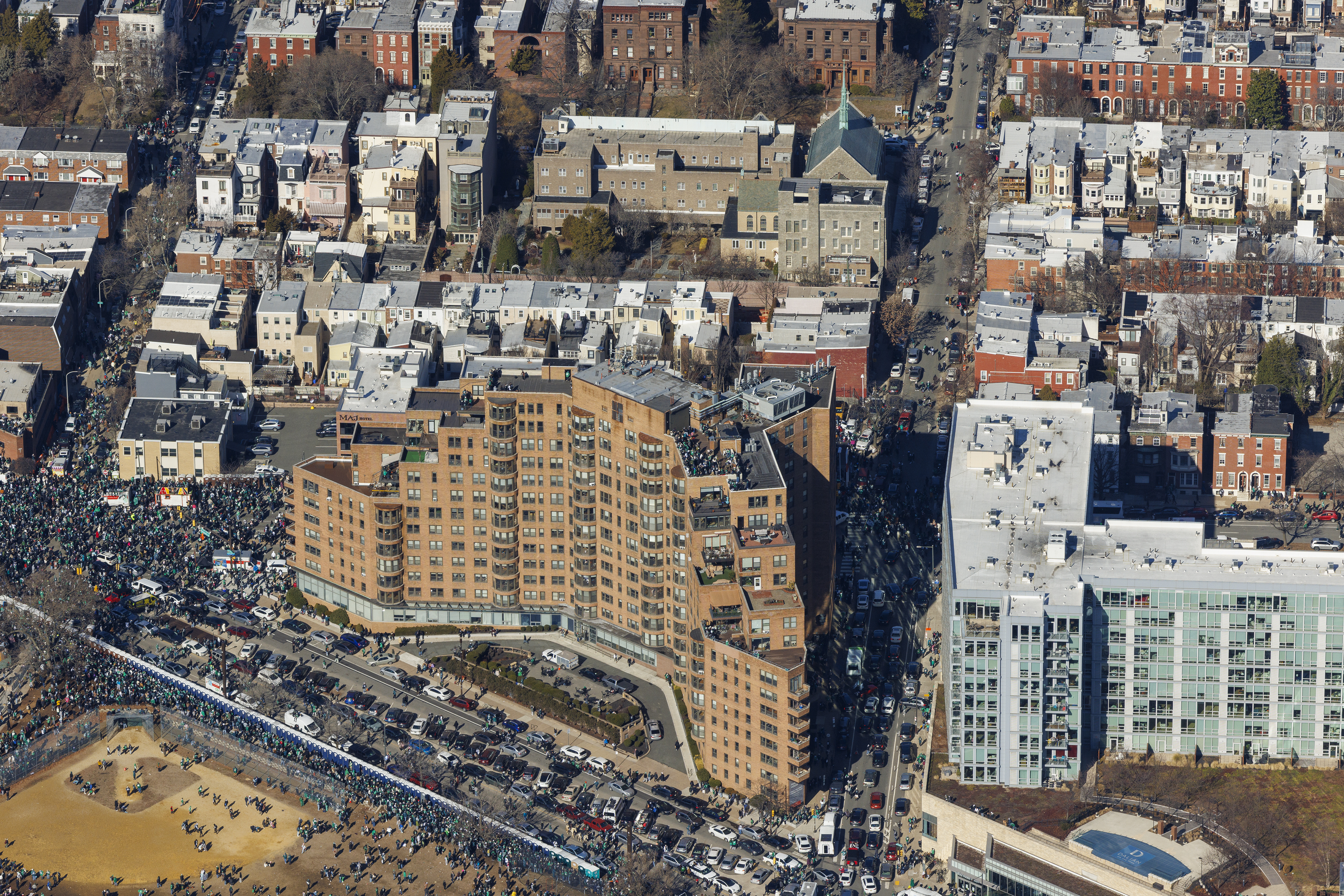
Parkway House apartments tower above 2201 Pennsylvania Ave. Alejandro A. Alvarez / Staff Photographer
Creating the map
King said the modernism map is “a huge undertaking, and we could not have done it without a huge group of people.”
The Center for the Preservation of Modernism partnered with the Philadelphia-area chapter of Docomomo US to create the map. Local architectural photographers contributed photos. The database of the Philadelphia Architects and Buildings Project provided a wealth of information.
Researchers started with a mid-century modern inventory that the Preservation Alliance built more than a decade ago.
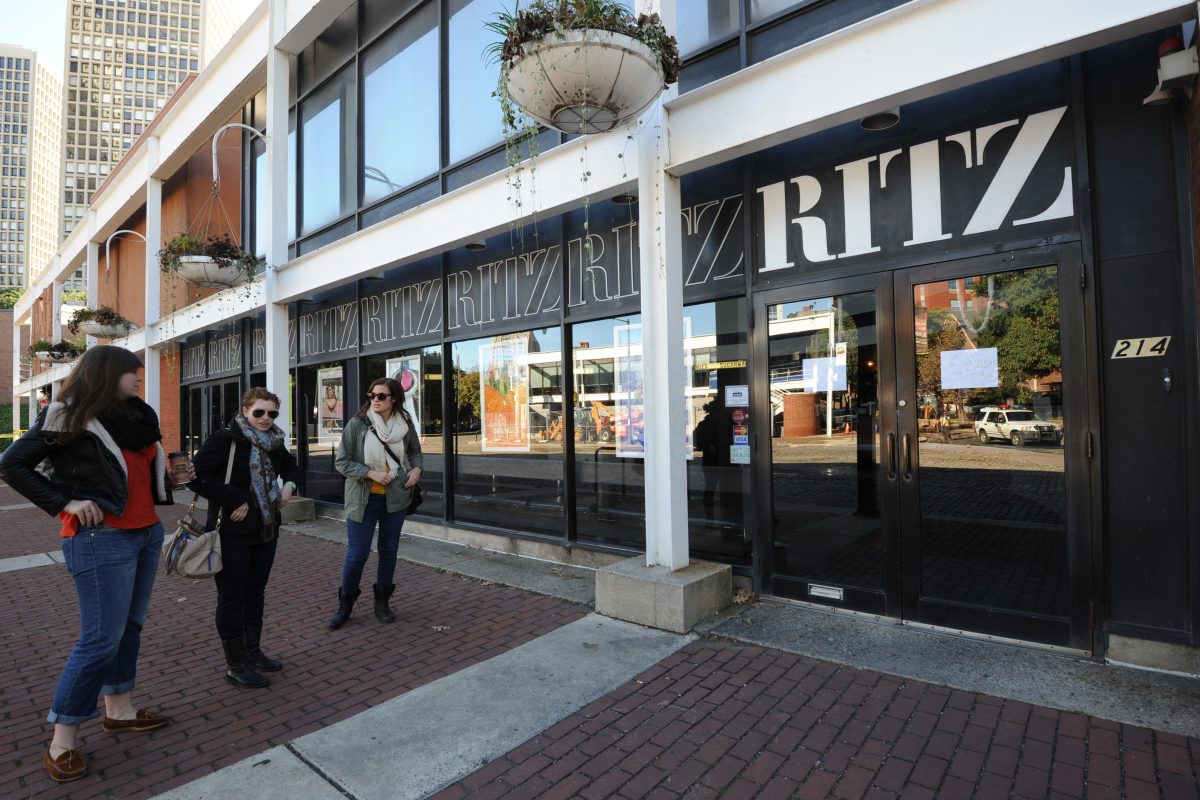
The Landmark Ritz 5 movie theater at 214 Walnut St. is included in the map of modernist architecture.APRIL SAUL / File
The organization created the inventory as part of efforts to nominate modernist buildings forhistoric preservation, protect them from demolition, and encourage their reuse.
The Preservation Alliance was spurred by the demolition of the Sidney Hillman Medical Center at 2116 Chestnut St., a modernist building constructed in 1950 and designed by architect Louis Magaziner.
The modernism map went live in September after about five years of legwork, and researchers want to expand it to include more sites in Philadelphia and beyond city limits.
Modernist examples
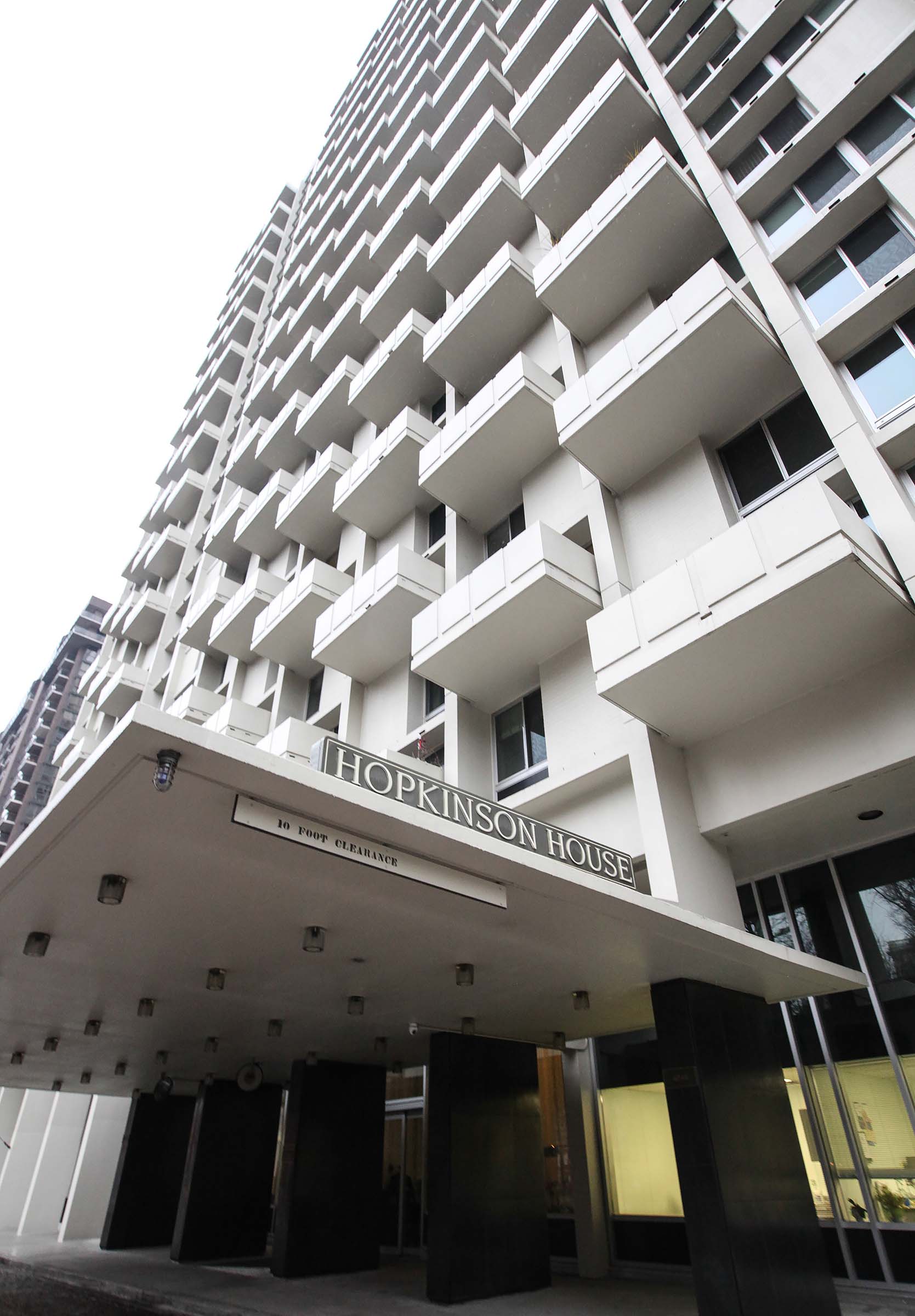
Included on the map are residential buildings, such as the Philadelphian at 2401 Pennsylvania Ave., which is the city’s largest condo building; the Hopkinson House condo building on Washington Square; the Academy House condo building at 1420 Locust St.; and the Parkway House apartment building at 2201 Pennsylvania Ave., which was one of the first luxury apartment buildings built in the city after World War II.
Sites include those designed by acclaimed architects such as Louis Kahn; Frank Weise; and Elizabeth Hirsh Fleisher, the first woman in Philadelphia to get an architecture license.
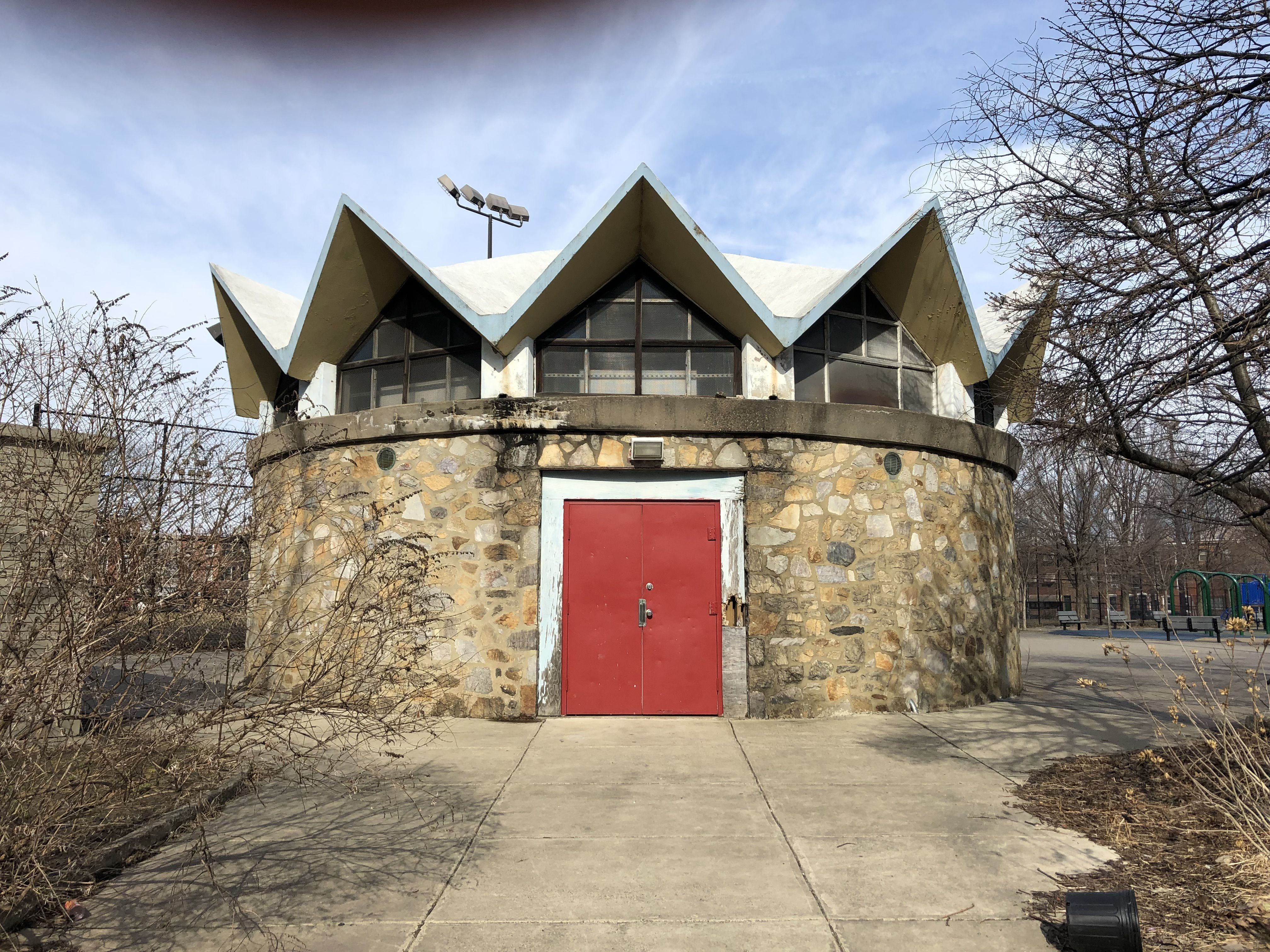
Designed by Elizabeth Hirsh Fleisher, the first woman to receive architectural accreditation in Philadelphia, in 1960, this unusual round building that was a landmark for half a century in South Philadelphia’s Columbus Square was demolished in 2019.Inga Saffron
The map has buildings that are on the Philadelphia Register of Historic Places, ones whose historic nominations have been rejected, and others that haven’t been nominated as historic.
The map also includes buildings that already have been demolished.
Using the map
Users of the map can click on locations to learn about the city’s modernist sitesand search by architect or building name, for example.
Jefferson researchers are working to fill in data so that each location includes a photograph, information about the architect or designer, the date a building was constructed, historical notes, and descriptions.
The Hopkinson House at 604 S. Washington Square is one of Philadelphia’s many modernist buildings. Steven M. Falk
They hope the map can be useful to preservationists, students, and residents who want to know more about the city and its buildings.
Singletary called modernism one of the least understood and appreciated of Philadelphia’s architectural styles.
“Before people start to realize this is something valuable, it could be demolished, because it’s not appreciated,” she said.
The Center for the Preservation of Modernism welcomes submissions of modernist buildings for the map.
Editor’s Note: This story has been updated to clarify Docomomo’s role in creating the map.
When I first joined the Office of the City Commissioners back in 2014, I only understood elections as results. Even as I learned all about the process and hard work needed to keep democracy on track, my most important lesson came from veteran administrator Joe Lynch: When you run elections, you don’t care who wins or loses. You just don’t want it to be close.
On Tuesday, it wasn’t even. Philadelphia, already a Democratic stronghold, reflected the mood of the national electorate, which sharply turned against the GOP.
At the end of Election Day, after the bulk of the workers had been sent home, Democratic City Commissioners Omar Sabir and Lisa Deeley expressed similar sentiments. “The day was as beautiful as the weather,” Deeley told me. The election was smooth, “just like the weather,” Sabir said.
That doesn’t mean there weren’t a few clouds, though.
Commissioner Seth Bluestein, the panel’s Republican member (and a friend since our days at Central High School), compared Election Day to planning 685 weddings — the number of polling places in the city — on the same day. For voters, even the smallest inconvenience can generate anxiety about whether their ballot will be counted. For candidates, this thinking can turn conspiratorial.
That’s where Bluestein comes in. Both now and in his previous job as deputy to then-Commissioner Al Schmidt — who, as secretary of the commonwealth, is now responsible for elections in Pennsylvania — Bluestein has become widely known as a go-to troubleshooter, with Republicans, mainstream Democrats, and left-leaning insurgents alike calling him for advice and information.
Thanks to Gov. Josh Shapiro’s 20-plus-point win, this election was a relatively light lift for the commissioners and their staff. At around 10:30 p.m., Bluestein’s deputy, Eric Kapenstein, released most of the workforce. They had already counted the 95,000 mail ballots received. Six years after the introduction of no-excuse mail voting in Pennsylvania, the staff has mastered the process.
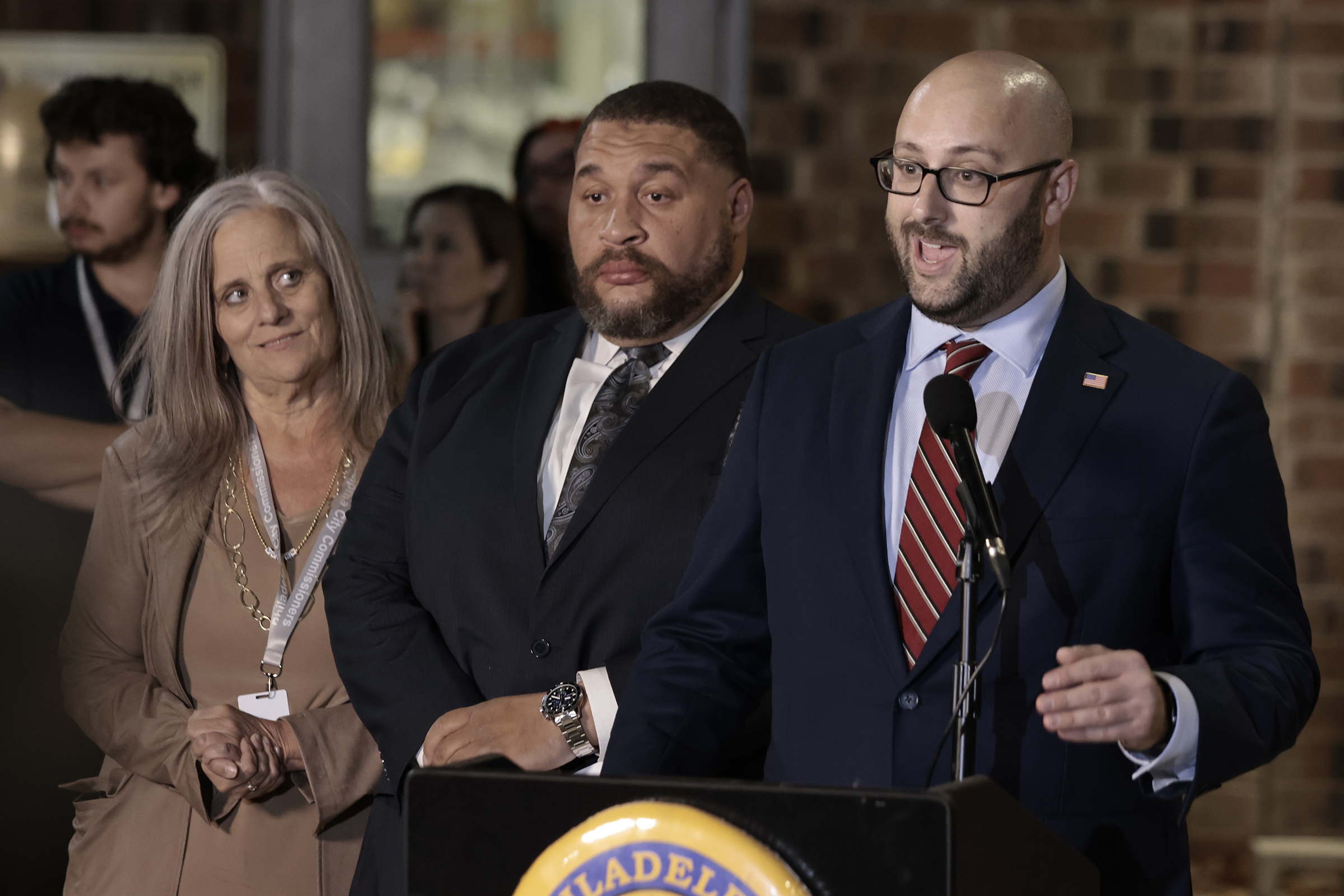
City Commissioners Lisa Deeley, Omar Samir, and Seth Bluestein give election updates to the media at Philadelphia’s election warehouse on Roosevelt Boulevard in 2024.Elizabeth Robertson / Staff Photographer
Despite some concern over the presence of U.S. Department of Justice poll monitors, the biggest voter suppression worry I heard about Tuesday was a data error. Out of the roughly three million texts sent by the Pennsylvania Democratic Party, around 3,000 went to the wrong person. These voters were given incorrect information on where to vote.
Clearly, given the Democrats ended up winning control of the General Assembly, this did not have a decisive effect.
That’s not to say there was nothing to do. After starting his workday at 6 a.m. and spending the morning observing the count at the voter registration warehouse in far northeast Philadelphia, Bluestein took me along as he visited polling stations around the city.
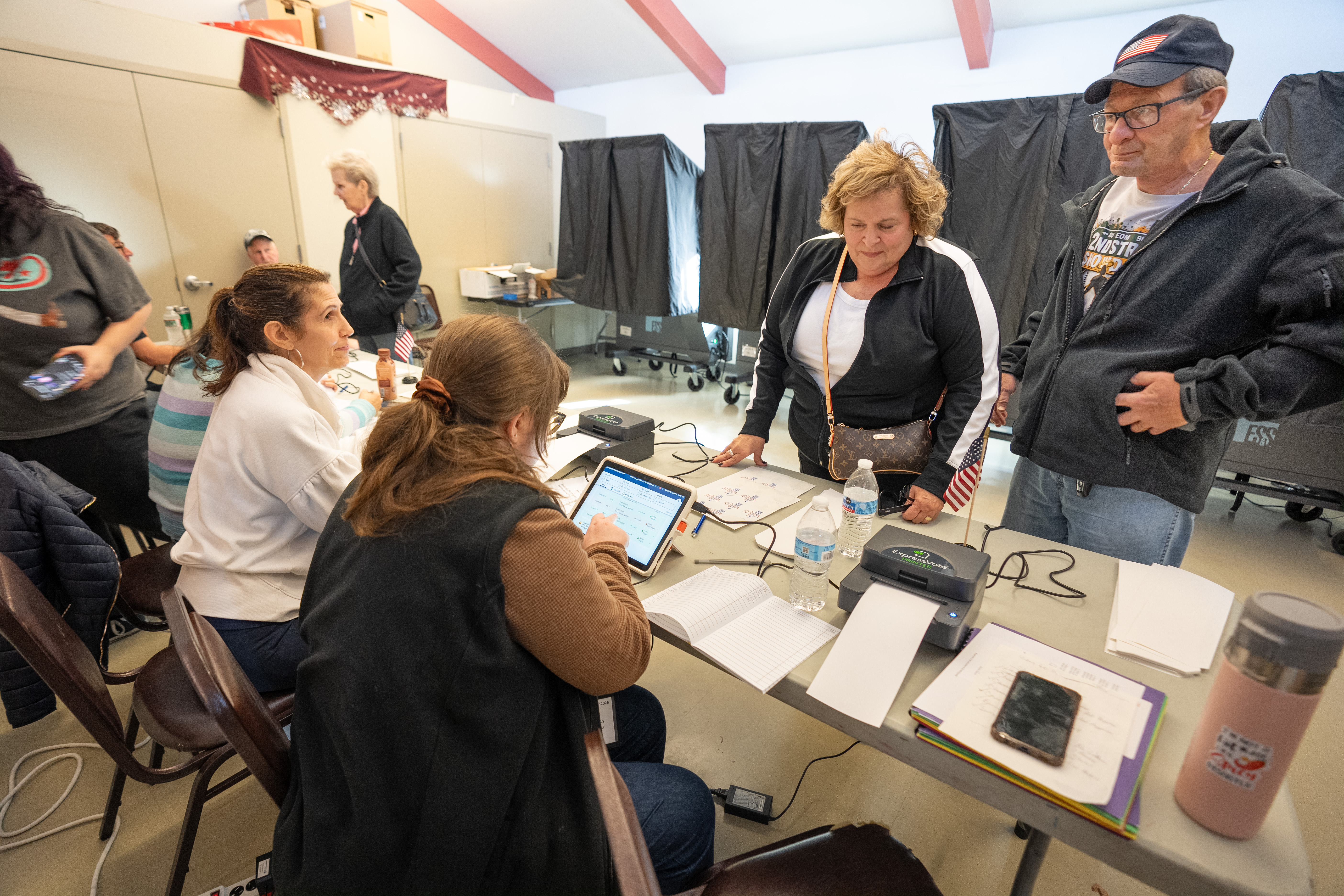
Most of these visits were done in conjunction with activists from Asian Americans United and the Asian American Legal Defense and Education Fund. After years of lobbying, Philadelphia added Chinese to the list of ballot languages available in 2022.
In the past, representatives from these groups were able to enter polling places to verify that translators were present and competent, interpretation cards were properly displayed, and to make suggestions for improvements in the future. But because these groups are not affiliated with a campaign or political party, recent state guidelines meant they were not eligible to enter the polls this year.
This limited their ability to check on polling stations, so Bluestein offered to do it for them. Across Asian American communities in Northeast Philadelphia, Center City, and South Philadelphia, he checked on conditions. Because the addition of Mandarinis still relatively fresh, poll workers sometimes forget to post the pink sample ballot with the new language outside the polling place entrance. The interpretation card was also judged too small.
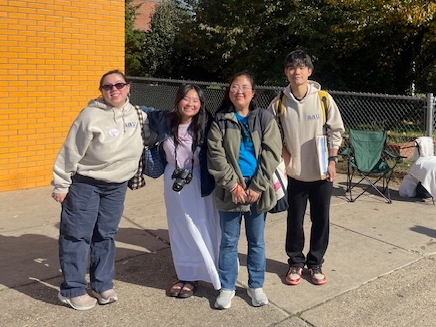
Volunteers from Asian Americans United outside Mayfair Elementary School on Election Day.Daniel Pearson
While these issues may seem trivial, activists like Shihong Lin and Wei Chen with Asian Americans United understand that language access is a key part of democracy.
The last stop on Bluestein’s polling place tour was a division in the Far Northeast. Out of the three congressional races, three state Senate races, the gubernatorial race, and 26 state House races, only the contest between Republican Martina White and Democrat Rob Gurtcheff in the 170th District was anywhere close to competitive.
After hearing reports that polling machines may have been temporarily unattended, Bluestein visited the division. Upon reviewing the clerk book, pollbooks, and voting machines, he defused any concerns. White was reelected by roughly 15 points.
For what ended up being a widely consequential election across the country and the Keystone State, Election Day in Philadelphia was satisfyingly low-key.
The biggest issues of the day were a translation card that could be bigger, an electrical outage at Germantown’s Happy Hollow Recreation Center, and a texting glitch. The federal election monitors, a source of alarm for many, had no impact as far as I could tell. And threats of immigration agents at the polls did not materialize.
Spending the day with Bluestein and remembering the elections I’d worked beside him in the past — including the 2020 race when Philadelphia came under siege by election deniers — I was struck by how the job demands patience and understanding.
Voters, poll workers, and activists need to have election rules explained to them without raising their ire, making them feel ignored, or getting into a back-and-forth about how things should be.
Still, Bluestein’s efforts and those of his fellow commissioners, although effective, are just one piece of the puzzle. While election officials do all they can to educate the public, prevent fraud, and improve operations, it is incumbent on voters to accept their answers.
We’ll have to wait until the next fiercely contested election to see if they do.
As store manager of the Neshaminy Boscov’s, Michael Fanelli has heard one question repeatedly from customers: “Are you closing with the rest of the mall?”
The answer, of course, is no. Boscov’s is outliving the mall next door.
The Reading-based chain has persisted despite uncertainty for department stores. But can Boscov’s — a place where older women flock and where the vast majority of sales occur in-person — attract and retain millennial and Gen Z customers? How long can the company thrive with old-school vibes?
Time will tell. But at the moment, energy is high inside Philly-area Boscov’s.
Days before the Neshaminy Mall’s Oct. 31 closure, the massive two-story department store was buzzing with activity from the shoe section to the greeting-card aisle.
As surrounding retailers have shuttered, “there hasn’t been a reason for the last few years to come to the mall,” Fanelli said as he stood between colorful racks of children’s clothes. “We’re very fortunate that people are choosing to come here.”
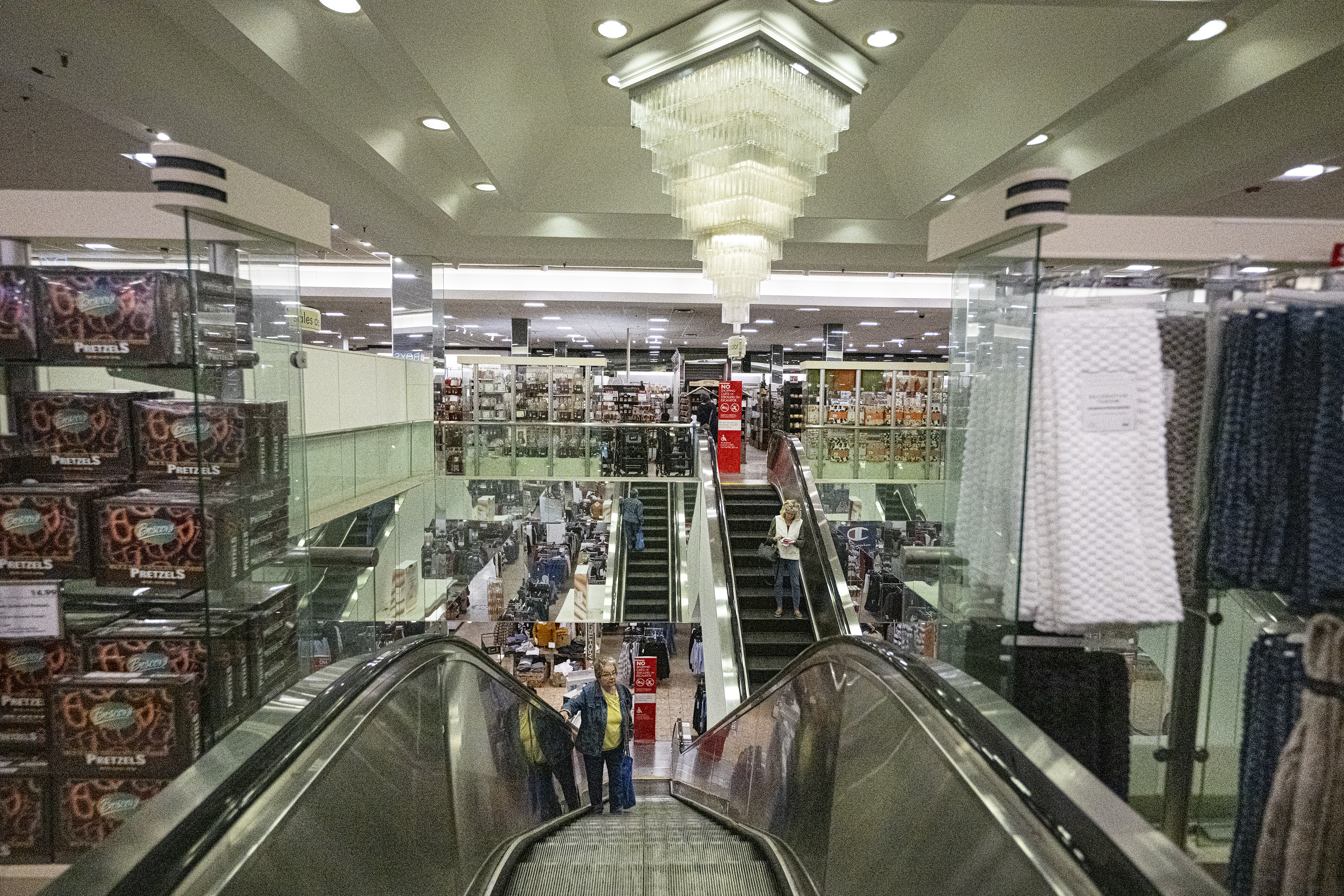
Customers shop at the Neshaminy Mall Boscov’s, which remains open despite the mall’s Oct. 31 closure.Jose F. Moreno / Staff Photographer
Nearby, Kathy Oschman, 67, of Croydon, and her neighbor Sandi Aragon, 66, said they visit the Bensalem Boscov’s weekly. The pair like to shop in-person, Oschman said: “Everything is closing. Where else can we go?”
“I came for one thing today,” she said, laughing, as she lifted a large bag. She ended up spending $100 on sale items, including Christmas decor and a baby gift. Their trips get sidetracked, too, the friends said, by conversations with Boscov’s employees, many of whom have worked there for decades.
“People like coming in, getting out of the house, and seeing a smile,” said Fanelli, a Boscov’s employee for 29 years, the last 10 in Bensalem. He is confident that customers will keep coming.
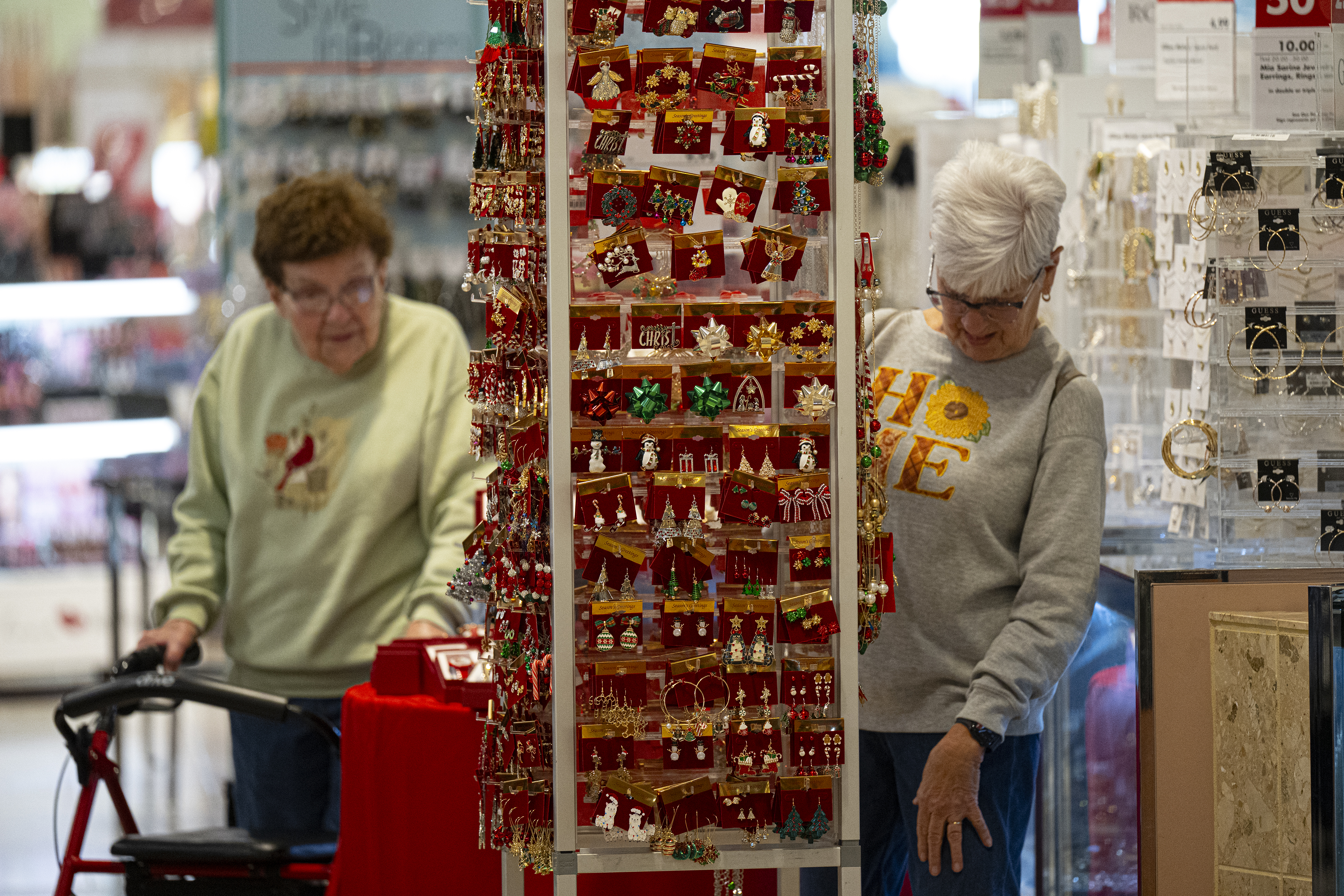
Customers browse a rack of holiday earrings at Boscov’s at Neshaminy Mall. Jose F. Moreno / Staff Photographer
Why Boscov’s customers love shopping in-store
On a mid-October Monday, the Boscov’s at the otherwise-vacant Echelon Mall in Voorhees was bustling.
“I hope they don’t go away with the rest of the mall,” said Jeannie Dorazio, 66, of Blackwood, who shops in person at Boscov’s because she likes to feel her clothes before purchasing. She was happy to hear it’s expected to stay open as developers and township officials figure out the mall’s future.
At Boscov’s “you always get whatever you’re looking for,” said Dianne Williams, 72, of Pine Hill, who was buying a Thanksgiving tablecloth during a 15%-off sale.
A week later, the Exton Boscov’s — next to the recently closed Exton Square Mall — was jam-packed on a Wednesday for the chain’s annual “Friends Helping Friends” day, when customers get 25% off in exchange for a $5 donation to a local charity.
In the shadow of the vacant mall and its overgrown greenery, excited Boscov’s shoppers — mostly middle-aged and older women — filled the department store’s parking lot.
It’s a scene that CEO Jim Boscov said he has seen countless times at the company’s 51 stores, nearly three dozen of which are in Pennsylvania and New Jersey.
Boscov’s customers are so loyal, he said, that store managers seldom need to change their strategies if adjoining malls shut their doors. He said Boscov’s usually has long-term leases — often 20 years with multiple 10-year extensions — that allow stores to stay open.
As long as Boscov’s is still there, the top boss has learned, customers will come.
And they will come in person. Only about 7% of Boscov’s annual sales occur online, according to the CEO. By comparison, about 17% of all retail sales nationwide happen on the internet, according to U.S. Census Bureau data analyzed by the Federal Reserve Bank of St. Louis.
At Boscov’s, “the in-store experience is something that’s very special,” Jim Boscov said. “The goal would honestly be to try to replicate that online, but it’s very hard to do.”
And so far, it hasn’t been necessary for the survival of the 110-year-old family business.
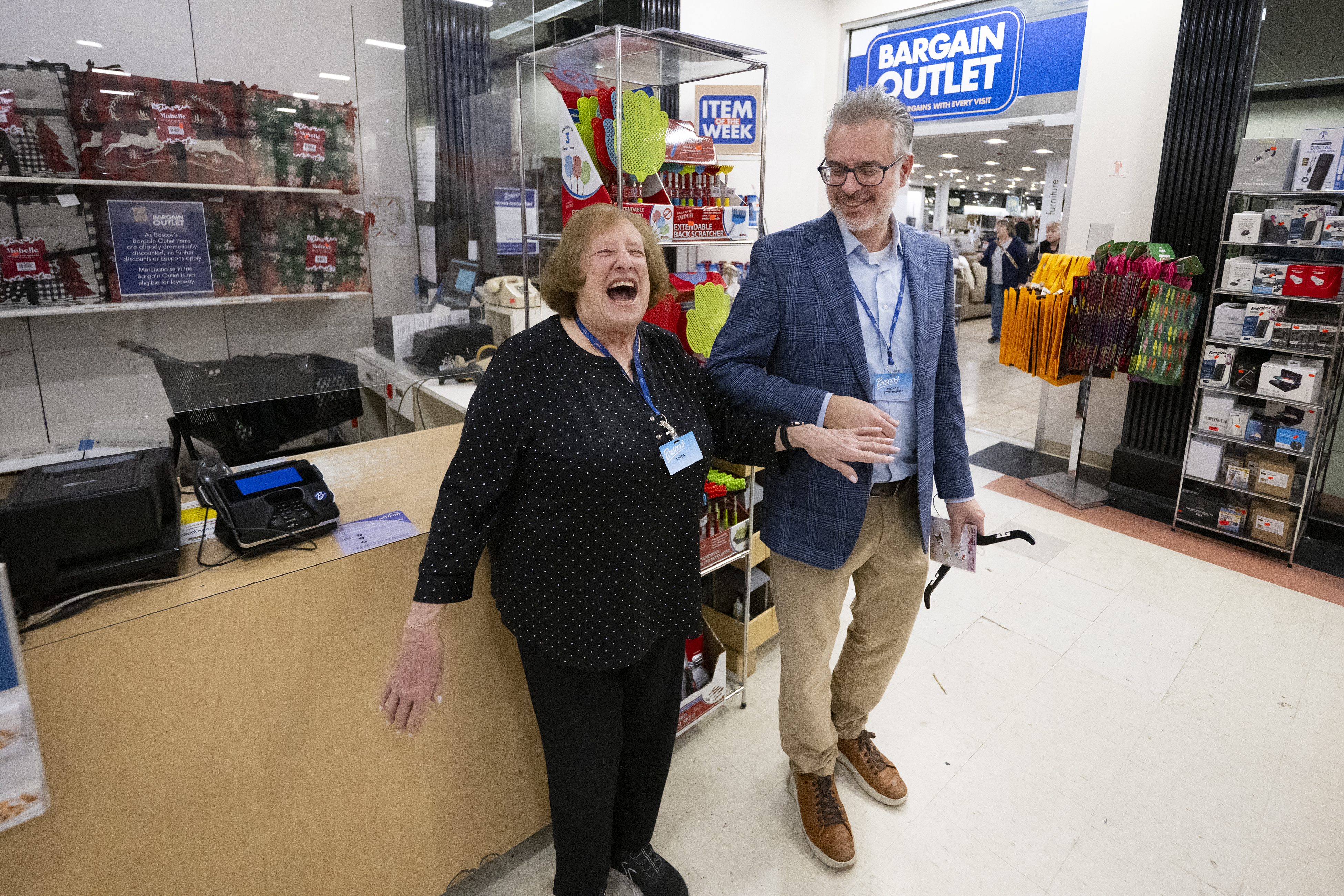
Boscov’s employee Linda Kasman laughs with store manager Michael Fanelli at the Neshaminy Mall location. Jose F. Moreno / Staff Photographer
As a privately held company, Boscov’s is not required to disclose its earnings, and its CEO declined to provide specific numbers. But he said annual sales continue to be “in the ballpark” of $1.2 billion, a number that appears not to have changed in about 18 years. Other retailers such as Kohl’s, Target, and Macy’s have seen revenue plateau or decline in recent years, according to their earnings reports.
Jim Boscov, 77, attributes the company’s staying power to its wide selection of products, “very aggressive” pricing, and 8,000 personable “coworkers,” who know many regular customers by name. He is optimistic that younger generations will be drawn to Boscov’s for these same reasons, and then some.
“If you’re successful, you want to keep doing what’s made you successful, but it doesn’t mean you want to stay static,” Boscov said. “You have to remain relevant to people with the products that you sell and the way you communicate with them.”
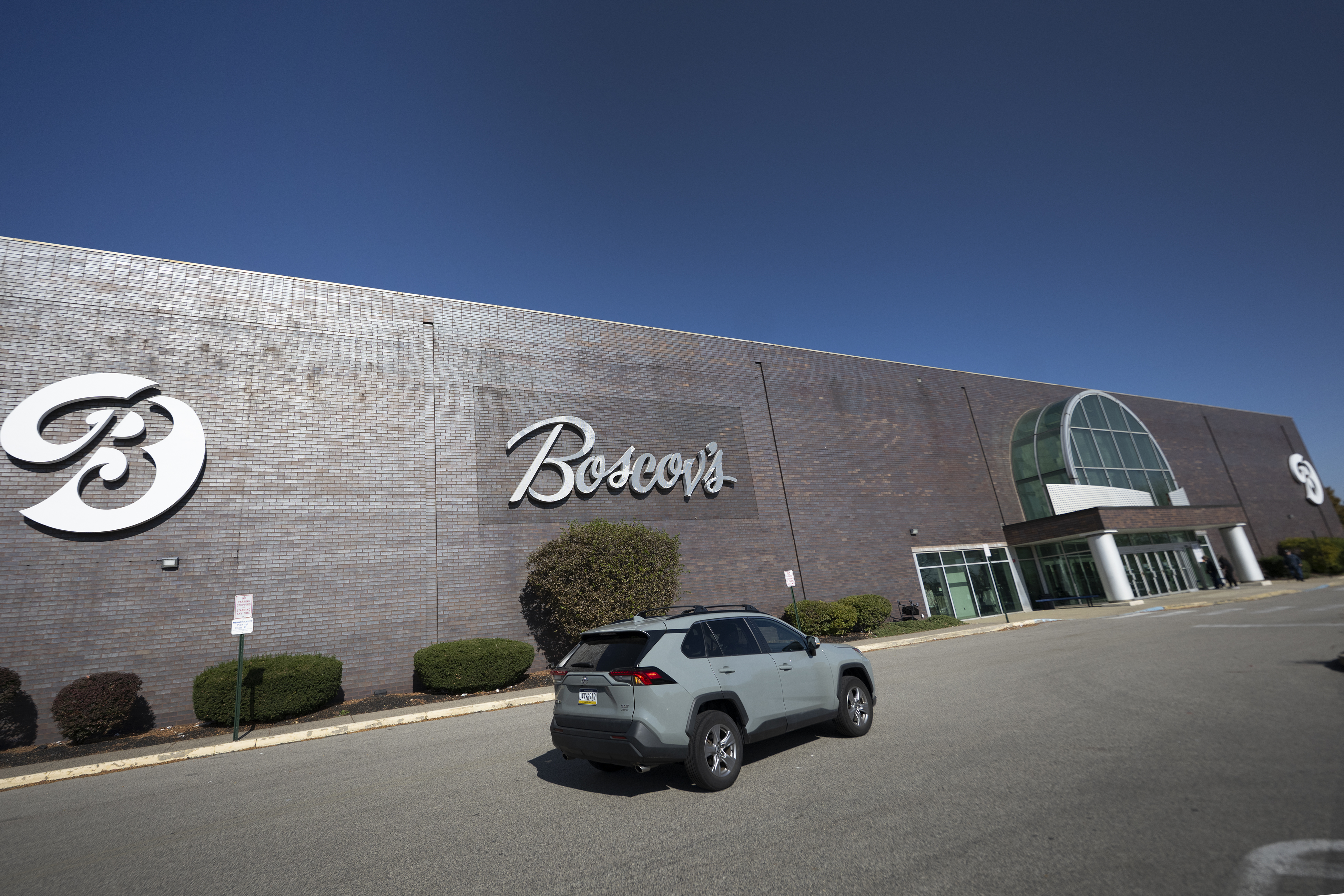
Boscov’s at Neshaminy Mall is open despite the broader mall’s recent closure. The department store has also survived at the dead Exton Square Mall. Jose F. Moreno / Staff Photographer
How Boscov’s is trying to attract younger customers
In the middle of the Exton Boscov’s, Cyndi Woodruff, 31, used one arm to push her 6-month-old in a stroller. In the other, she balanced a pile of holiday pajamas and Philly sports gear for her family of four.
When leaving home this morning, “none of this was part of my plan,” Woodruff said with a laugh, motioning to the haul. She had intended to use the 25%-off “Friends Helping Friends” discount on toys and other holiday gifts for her children.
Woodruff, of Lansdale, used to frequent the Exton Square Mall next door. In recent years, she said she has visited the complex only to shop at Boscov’s with her 59-year-old mother, Denise Gowie.
Gowie, of West Chester, has been a Boscov’s customer for at least 30 years and has remained loyal for many reasons: “The clothing. The fit. Definitely the pricing. And the selection.”
Gowie held a handful of shirts that she said would be about $3 each after the discount.
“I always say there’s a lot of hidden gems at Boscov’s,” Woodruff said.
Boscov’s customer base has traditionally consisted of women in their 50s and 60s, the CEO said, but the company is trying to attract younger consumers like Woodruff. Stores have expanded their maternity sections and children’s shoe departments, he said, and started selling viral skincare products to compete with Ulta and Sephora. Boscov’s has also focused more on digital marketing than newspaper ads.
There are early signs that these moves are paying off, Boscov said: Over the last two years, the company has seen a 17% increase in shoppers under 40.
“I’m delighted to see that,” Boscov said, “and I’m delighted to see it without jettisoning the older customer.”
Upstairs at the Exton store, near where a line of women with full carts waited for the elevator, Marie Bantum, 70, browsed bedding with her sister, Carlette Hines, 64. The women, both from Coatesville, had already picked up Sealy pillows and a vacuum.
“We love Boscov’s,” said Bantum, who shops there about once a week. “Boscov’s better not change.”
Customers shop at Boscov’s at Neshaminy Mall. CEO Jim Boscov cites the company’s wide selection of products as one of the reasons it has survived for decades.Jose F. Moreno / Staff Photographer
Some shop at Boscov’s for the nostalgia
In many ways, walking into a Boscov’s feels like going back in time.
At some stores, neon signs direct customers toward products now hard to find at any brick-and-mortar store — let alone all in one place.
Boscov’s sells mattresses, air fryers, furniture sets, holiday decor, clothing, children’s toys, and jewelry. Their stores have optical departments and hearing aid centers. At some locations, Boscov’s travel advisers can help plan your next vacation.
Walking into Boscov’s “gives me the same feeling I had when I was a kid and we had all those [department] stores,” said Heather Giove, 46, of Delran. “And every time I go I think of Nan.”
Nan was Giove’s late grandmother, Marilyn Gaul, a regular at the Moorestown Boscov’s.
“I’m not the shopper that my grandmother was,” Giove said. “But if I need something, it’s the first store I go to.”
Boscov’s was founded by Solomon Boscov, a Russian immigrant who sold housewares to Berks County farmers before opening the Economy Shoe & Dry Goods store in Reading in 1918. The first full-service Boscov’s opened in suburban Reading in 1962. For years, the company opened new stores in suburban malls, before branching out into some midsize cities.
A 1987 Inquirer headline called Boscov’s “an elixir for struggling downtowns,” such as Wilkes-Barre. In the article, former CEO Al Boscov, son of Solomon Boscov, said: “We believe very, very strongly that there is such a thing as loyalty,” between the customers and the Boscov family and vice versa.
The sentiment is shared by the current boss, Jim Boscov.
But today, instead of helping revive urban centers, Boscov’s often finds itself as a conduit between suburban malls’ past and future.
Such was the case at the old Granite Run Mall in Media, where the interior shopping complex closed in 2015. That structure was torn down and rebuilt as the Promenade at Granite Run, with apartments, restaurants, new retail, medical offices — but the Boscov’s stayed.
Boscov’s was among the “strong tenants” that boosted foot traffic during the transition, said Michael Markman, president of BET Investments, which built the Promenade at Granite Run.
In Bensalem, Mayor Joe DiGirolamo has said Neshaminy Mall’s owner, Lakewood, N.J.-based Paramount Realty, wants to knock down the 1 million-square-foot interior mall and build something new, though the developers have not revealed details. They have said the AMC, Barnes & Noble, and Boscov’s would remain.
“Malls go through life cycles,” Jim Boscov said. “We’ve been there while the mall is vital and vibrant, and we’ve been there when the mall is dying, and then we’ve been there when the mall has been reimagined.”
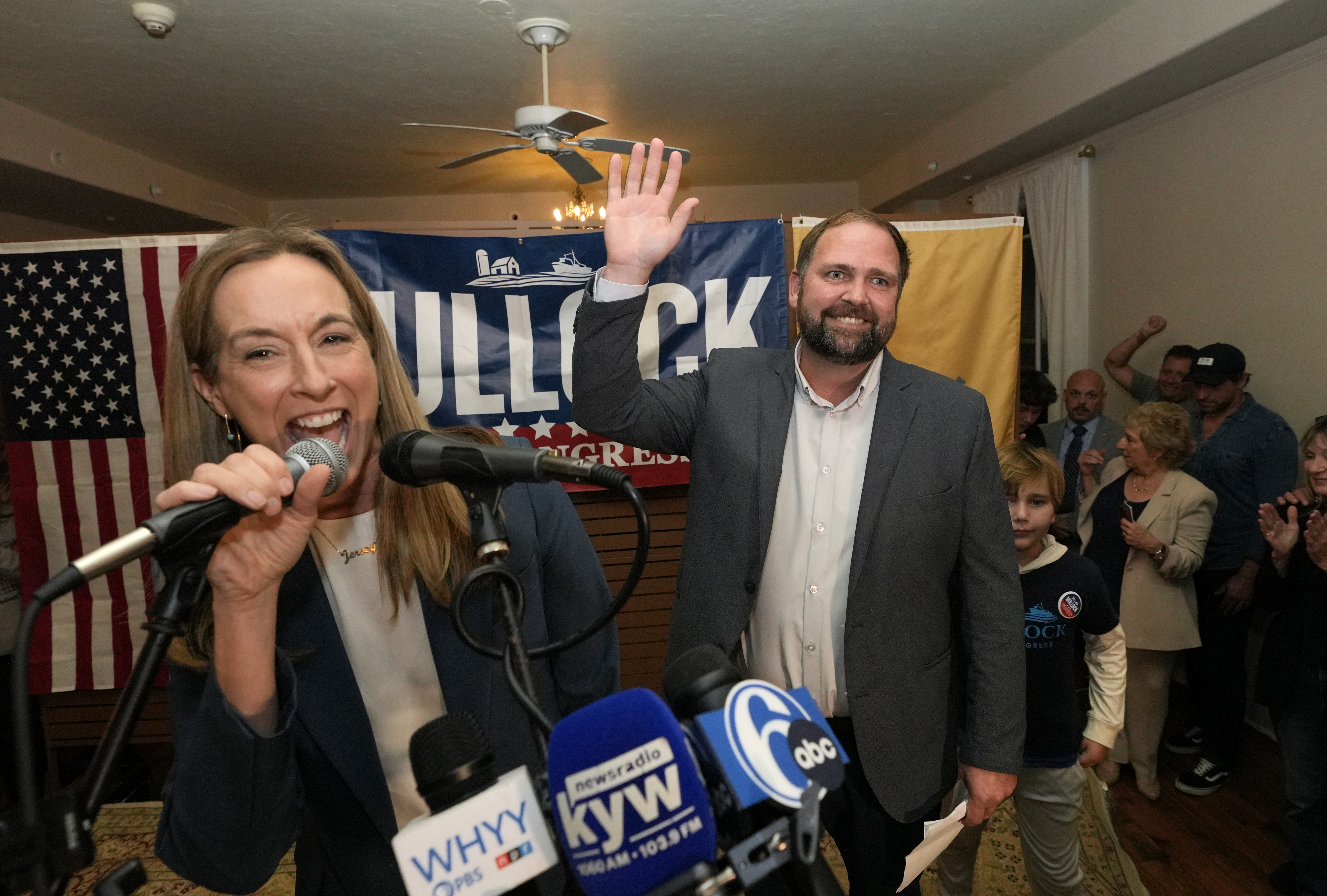
The day after the midterm election, U.S. Rep.-elect Zack Mullock simultaneously fielded calls from members of Congress and hugs from Cape May residents on the street. One person slowed down his car and shouted congratulations out his window. Others stopped their bicycles to express their well wishes.
A coffee shop customer said it was pretty cool thatMullock won. “But who’s gonna be mayor?”
The Jersey Shore mayor’s congressional race was not even on the map for national Democrats until just over a month ago. But after Mullock’s improbable win over a Republican four-term incumbent in a district President Donald Trump won by nearly 13 percentage points in 2024, his phone has not stopped ringing.
“I missed a call from Kamala Harris last night,” Mullock, 41, said Wednesday, sitting on a stool at his friend’s coffee shop, less than a 10-minute walk from the home he bought with his wife, Justine, in 2013, the front yard littered with their three kids’ sporting equipment. “So, yeah, I have a long list of people to call.”
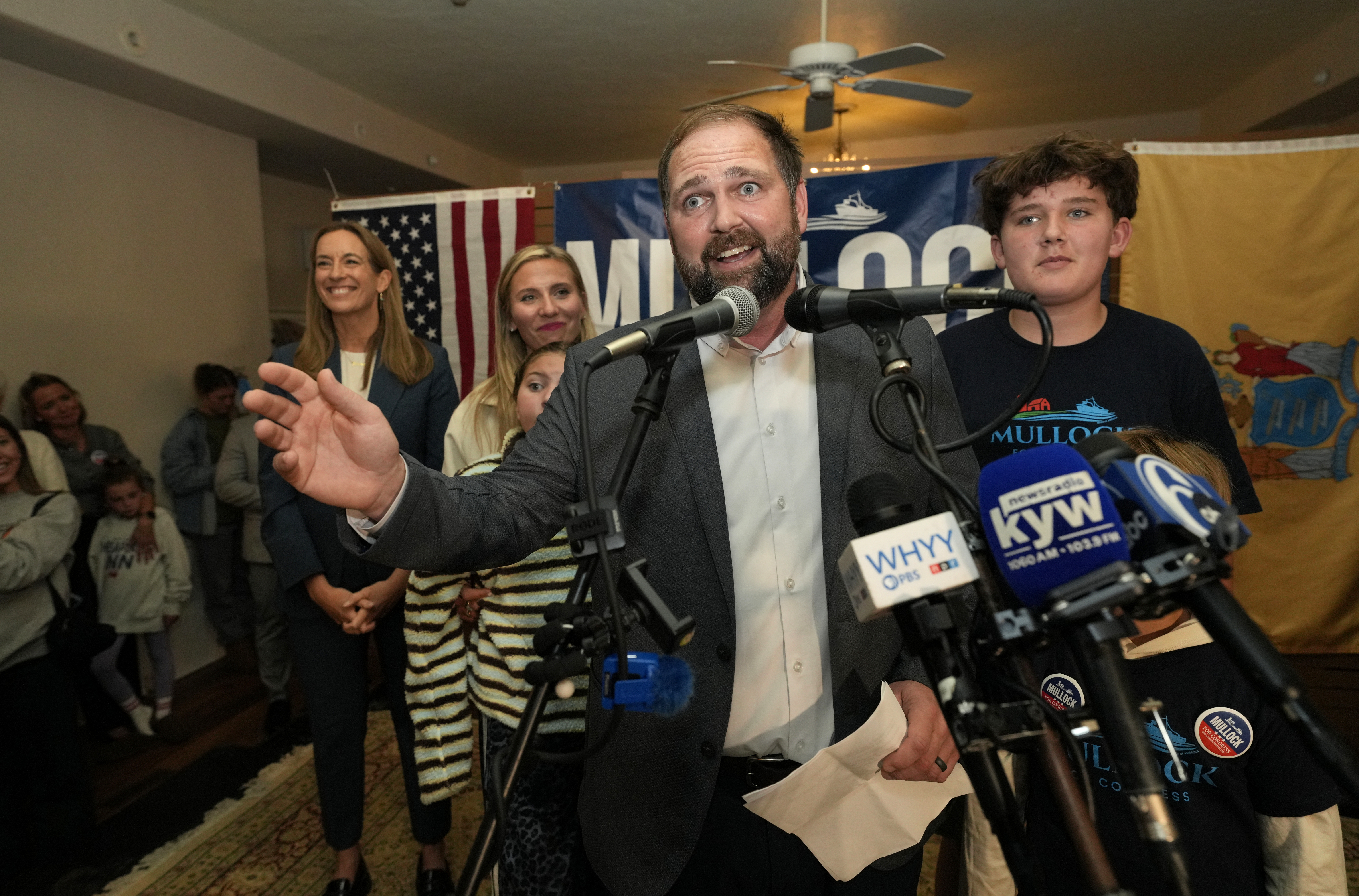
Lee Zektzer of Cape May cheers as she watches returns come in during a party for Democrat Zack Mullock, at the Chalfonte Hotel in Cape May on Tuesday, Nov. 3, 2026.Tim Hawk / For The Inquirer
Locals in Cape May were giddy with excitement that their mayor beat Van Drew, who had won reelection by close to 20 percentage points the last two cycles. If anyone saw it coming, it was local organizers who watched Mullock meticulously build a winning operation over several months as he flew under the radar.
But many people were in utter shock, including Mullock, who said that when he first jumped in the race earlier this year, he didn’t think he would win.
“I really did it out of principle,” he said.
The last Democrat to win the seat was actually Van Drew in the 2018 anti-Trump wave. But the lawmaker switched parties a year later and declared his “undying support” for the president.
After winning a crowded primary in June, Mullock hit the pavement across the six counties in the district, and he kept hearing Republicans and independents say they would vote for him. Come September, he started to feel like, “OK, we have a shot here.”
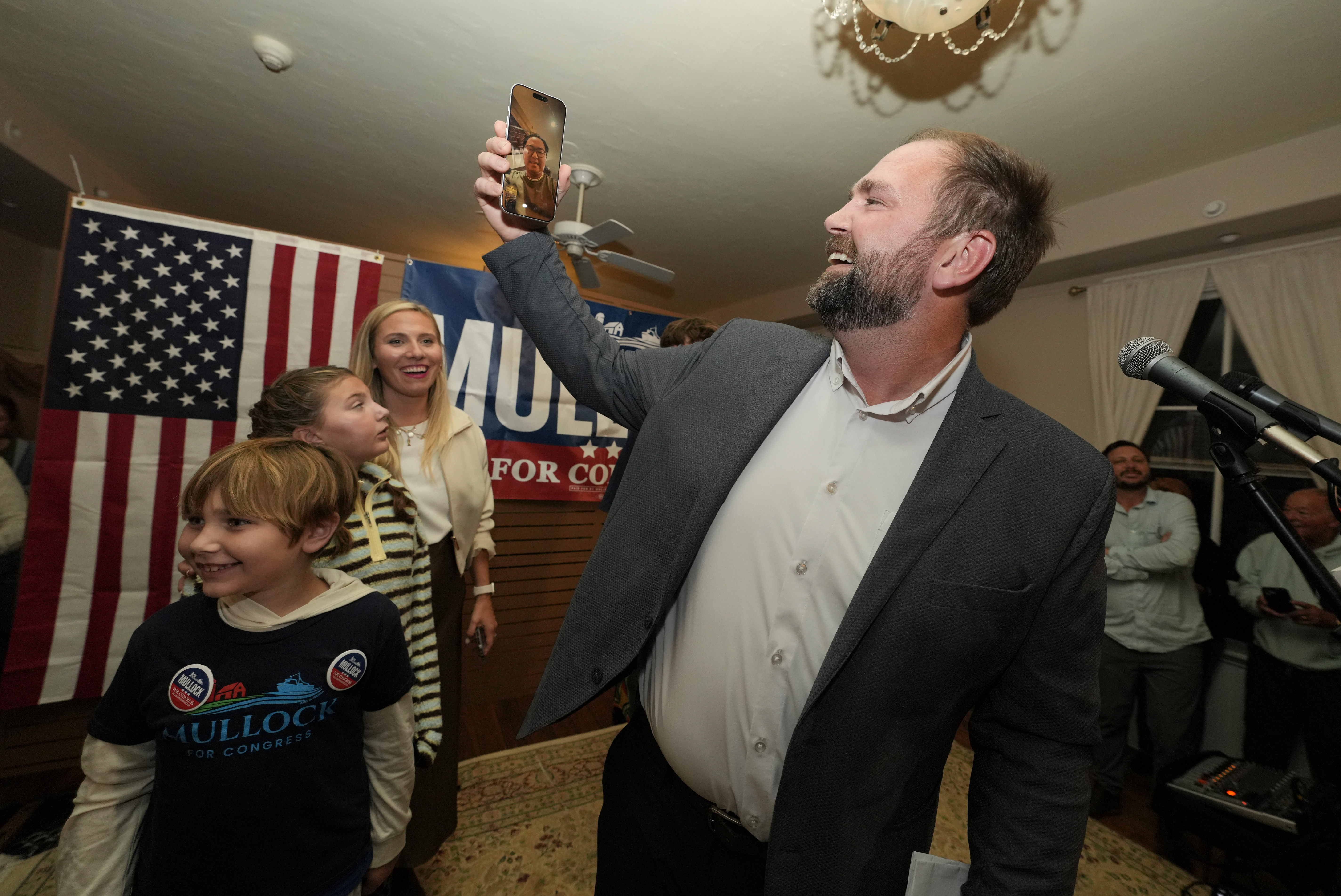
Cape May Mayor Zack Mullock holds his phone to show Sen. Andy Kim the crowd during his election party at the Chalfonte Hotel after incumbent Jeff Van Drew conceded on Tuesday.Tim Hawk / For The Inquirer
As national forecasters predicted Van Drew’s reelection, Mullock felt a tighter race on the ground as he spoke with thousands of South Jerseyans in the sprawling district, which spans from Gloucester County in the Philly suburbs to Ocean County and the Jersey Shore.
“I just felt like there are too many people telling me they want change,” he said.
Video: Zack Mullock talks about pulling off N.J.’s most improbable victory of election night
How Zack Mullock did it
Mullock swung the district by about 20 points, one of the biggest shifts in the national blue wave.
And he did it largely without help from the national party other than a last-minute batch of outside spending and campaign trail appearances by a handful of prominent Democrats, including New Jersey U.S. Sens. Andy Kim and Cory Booker, in the final weeks of the race.
He ran as an everyday guy. His first campaign video featured him watching an Eagles game with his family. And he showed throughout his campaign that he could relate to other South Jerseyans. He was humble, saying he did not have a sales pitch when recording a video for social media with the governor just days before the election. But he also showed a fiery side on the debate stage with Van Drew, unabashedly cutting in to correct the incumbent.
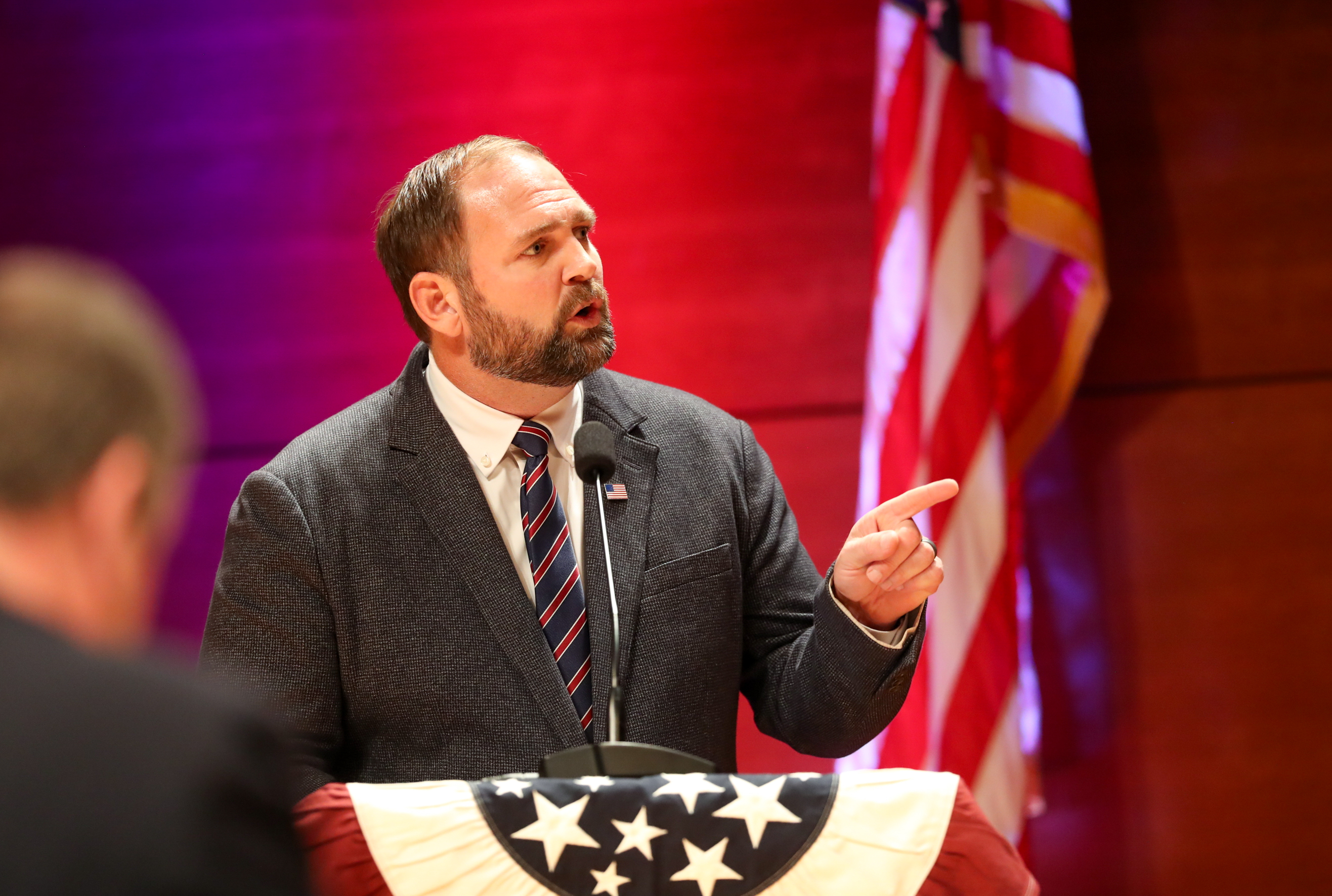
Democrat Zack Mullock points to U.S. Rep. Jeff Van Drew during a debate in the Campus Center Theatre at Stockton University, Thursday, Oct. 22, 2026.Tim Hawk / For The Inquirer
“The way he did that really caught my attention,” said Jacovi Lindsey, a Vineland Democrat who leads Project Inspiration,alocal organization that provides programming for underserved families.
Lindsey was one of many, many district residents who saw Mullock speak on the campaign trail. That was part of his winning strategy, said Mullock’s campaign manager, Chris Carroll.
“We would schedule stops everywhere every day, and we hit all six counties multiple, multiple, multiple times a week,” Carroll, 35, said in an interview Wednesday.
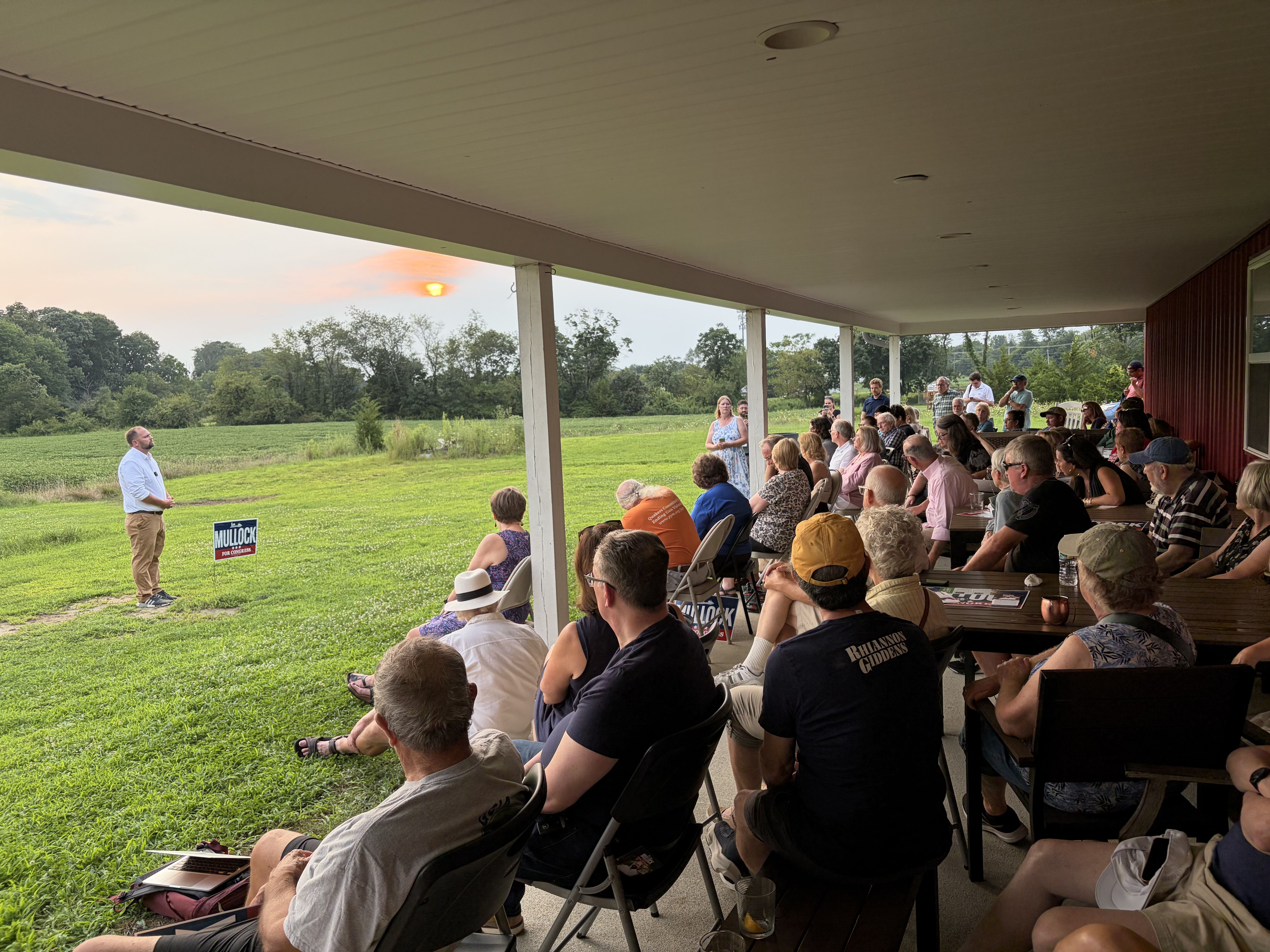
So many people had packed into the back of Independent Spirits Distillery in Gloucester County’s Woolwich to hear Mullock speak in August, they had to move outside.
Zack Mullock held a campaign event at Independent Spirits Distillery in Gloucester County’s Woolwich on Aug. 11.Aliya Schneider / StaffZack Mullock speaking to Democrats in Vineland on Monday, the day before Election Day.Aliya Schneider / Staff
Mullock told the crowd that he had asked Amy Kennedy — Van Drew’s 2020 challenger, who had come the closest before Mullock — if she was planning to run again. She was not, but she encouraged him to go for it. (Mullock ended up hiring Carroll, Kennedy’s former scheduler).
Two weeks later, he was sitting in a room with JFK’s bomber jacket behind him in the home Kennedy shares with her husband, the late president’s nephew, former U.S. Rep. Patrick Kennedy.
“The first thing I said is, ‘I’m Zack Mullock, I’m a proud husband and a father of two,’ and my wife looks at me and I said, ‘Oh, I have three kids.’ So that was the start of the campaign,” he told the crowd to laughter.
He also recounted recently going on the national news to talk about Cape May’s water department being hit by an Iranian cyberattack, which he said was “a major reminder of just how important this election is.”
Nearly three months later, supporters had to once again move outside because so many people showed up at a get-out-the-vote event for Mullock with Gov. Mikie Sherrill in Vineland. Angela Bardoe, 55, chair of the Vineland Democratic Committee, said she had not seen that much energy in the decade she has been organizing in Cumberland County.
“We were always pulling teeth trying to get people to volunteer, and we’re not pulling teeth anymore,” she said the day before Election Day.
Mullock, who hasworked as both a local contractor and a businessperson, was able to energize people across thediverse district, which includes multimillion-dollar homes along the Shore, immigrant communities, farmland, and Phillysuburbs.
Carroll described Mullock as “the Mr. Rogers of Cape May” but also “a fighter for the people.”
“You feel at ease and at home with him,” Carroll said, noting voters’ exhaustion with the “messy” politics of the Trump era. “They just want a return of normalcy and decency, and that’s what Zack brought.”
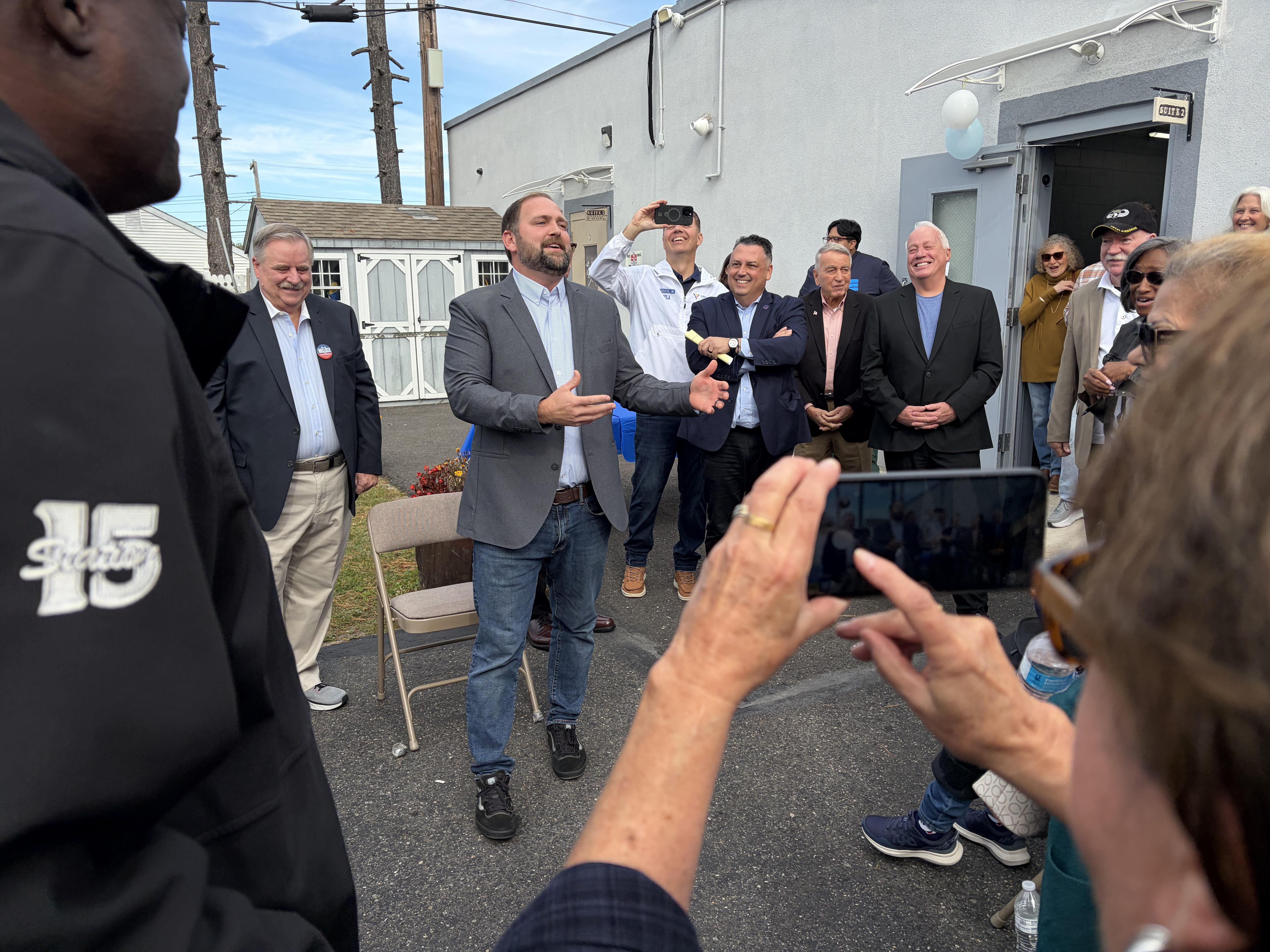
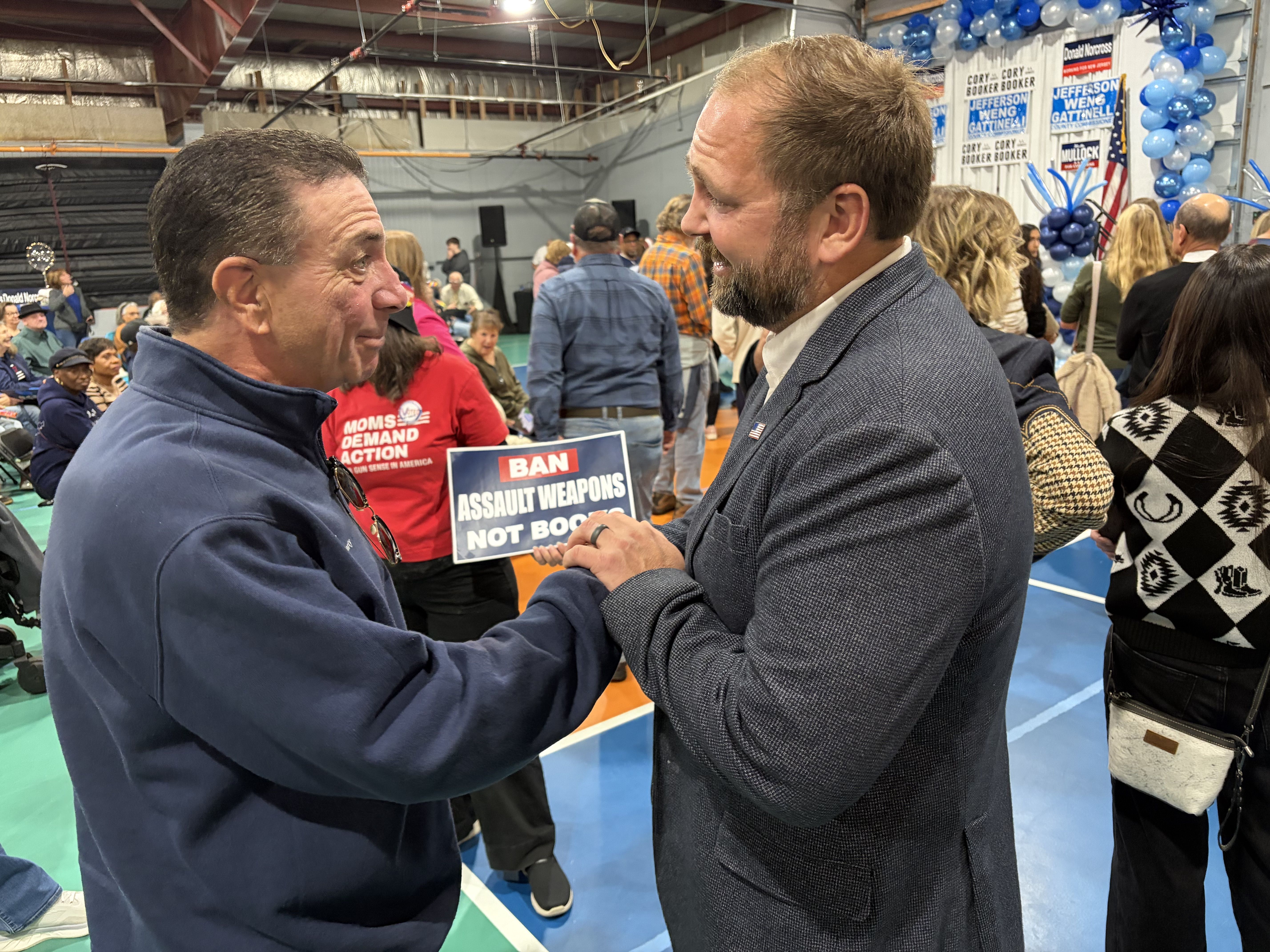
State Sen. Paul Moriarty, a Gloucester County Democrat, speaks with Zack Mullock at a Gloucester County Democratic Committee rally on Oct. 24.Aliya Schneider / Staff
He said the campaign had a big focus on unaffiliated voters,who make up 35% of the district’s electorate, more than either party.
Carroll said he knows the election was a referendum on Trump’s policies. But local issues like concerns about a large data center in Vinelandalso helped Mullock’s bid.
Mullock focused a lot on Van Drew’s support for Trump’s tariffs, his vote for a bill that cut Medicaid, and his votes against resolutions to end the Iran war. The cost of living, homeownership, and flooding concerns were also big issues, he said.
Van Drew’s campaign frequently posted about Mullock online, deriding him as a liar. The lawmaker told The Inquirer ahead of the election thatbacklash to Trump could shed a few points from his total, but he felt confident he would prevail.
As of Oct. 14, Van Drew’s campaign spent nearly $2.3 million during the 2026 cycle while Mullock’s campaign spent just upward of $855,000. Van Drew still had almost $900,000 left in his coffers at that point while Mullock had just over $100,000.
And while it was easy to find a public meet-and-greet with Mullock over the course of the summer and fall, the same could not be said for Van Drew, who largely attended community events without advertising his schedule.
Mullock knows Republicans, who make up 34% of the district’s electorate, crossed the aisle to support him.
“Just walking around town today, people were giving me the thumbs-up … and by the way, a lot of those people are Republicans,” he said Wednesday.
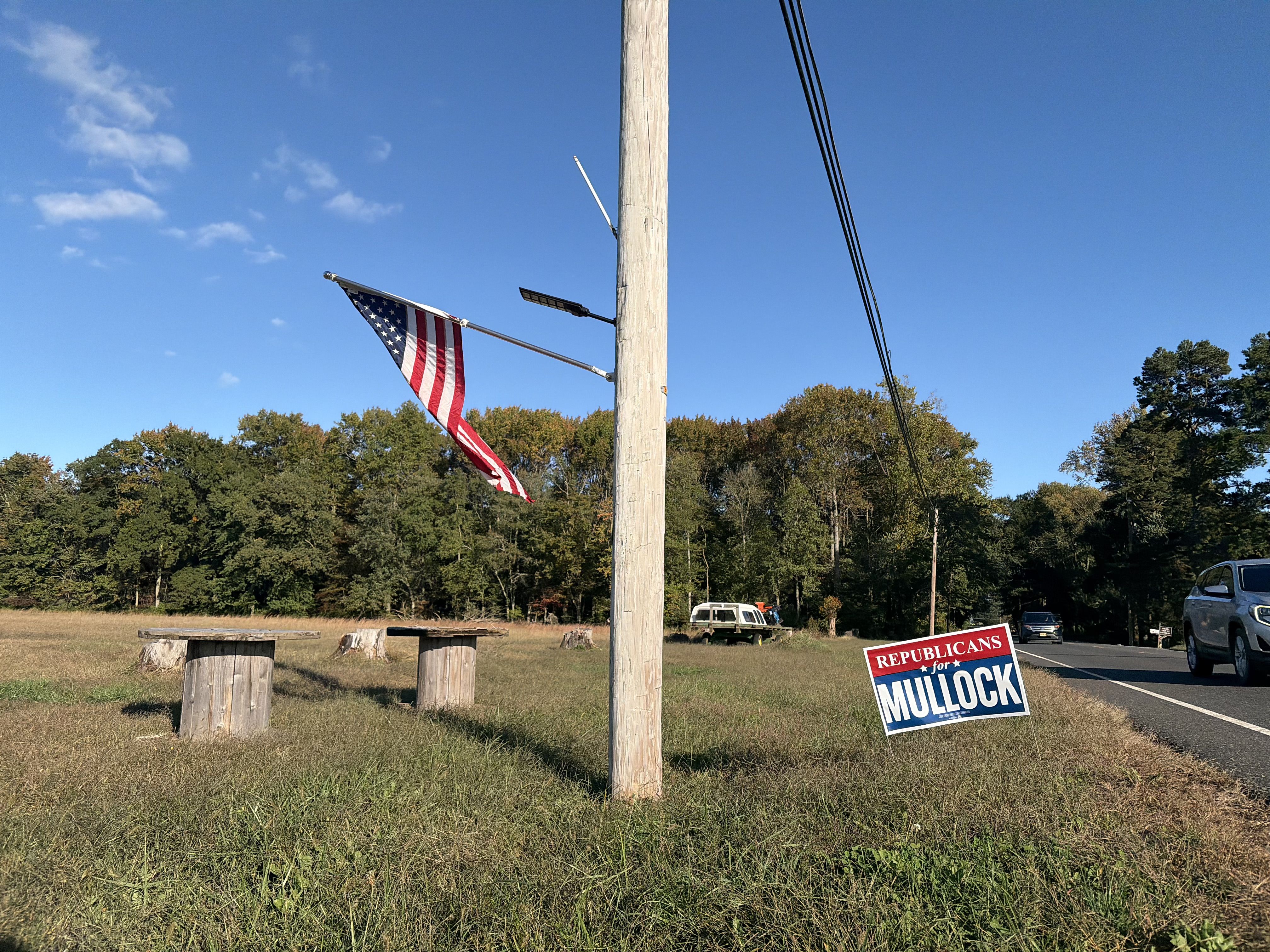
A Republicans for Mullock sign on Almond Road in Pittsgrove on Oct. 12.Aliya Schneider / Staff
Republican Anne Nelson said in a phone interview Wednesday that Mullock was the best vote she has ever cast. Nelson, 56, had voted against Van Drew in the past but said attending a meet-and-greet with Mullock drove her to volunteer with his campaign.
“I’ve never been a huge political person. I paid attention, but not the way I paid attention this time,” said Nelson, a public school speech therapist who lives in Mays Landing.
Over the objections of some of her Trump-supporting family members, she decorated her lawn with “Republicans for Mullock” signs, along with a sign for a local Republican candidate.
“I feel like I can think independently about topics that matter, and I’m not going to just vote straight party lines when so much is on the line,” she said.
Meghan Protassi, Mullock’s childhood friend and owner of Buoy Coffee Shop, said in an interview Wednesday that as she phone-banked for Mullock, people told her that their significant other who historically voted for Van Drew planned to support Mullock.
“They’re just ready for something a little bit different,” said Protassi, 40, a Democrat.
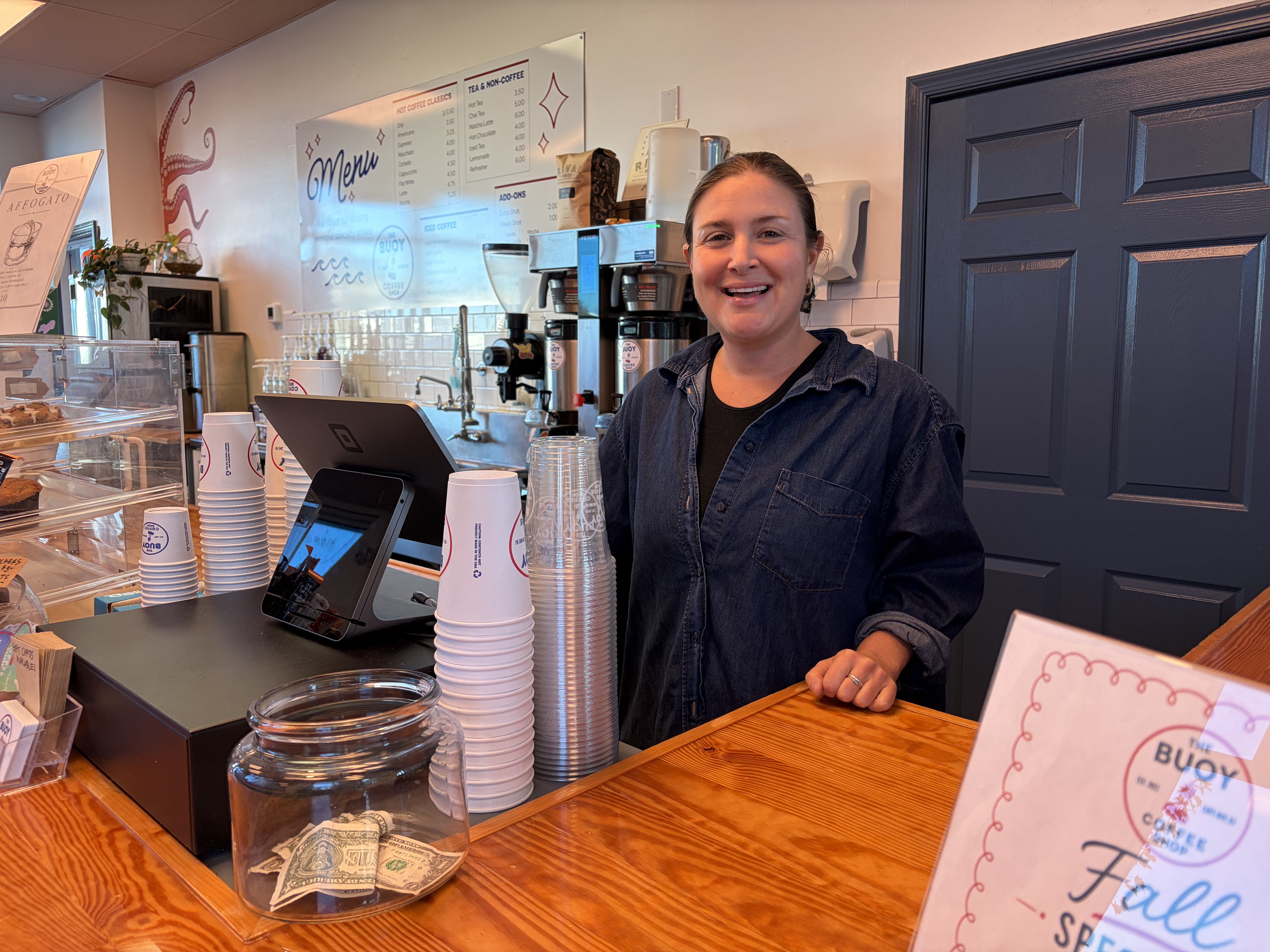
Meghan Protassi, Zack Mullock’s childhood friend and owner of Buoy Coffee Shop, in Cape May on Wednesday.Aliya Schneider / Staff
A Shore mayor headed to Congress
A restaurant on Cape May’s beachside promenade was closing up shop for the season on Wednesday afternoon. But Mullock was quick to say that there is no off season as the small city’s mayor.
In a campaign video on Facebook that garnered more than 6,000 views, Mullock walked through Cape May to show some of his accomplishments in office: a new firehouse, a library, a theater, and a police station in the works. He squeezes down a blue slide, touting an ADA-accessible playground.
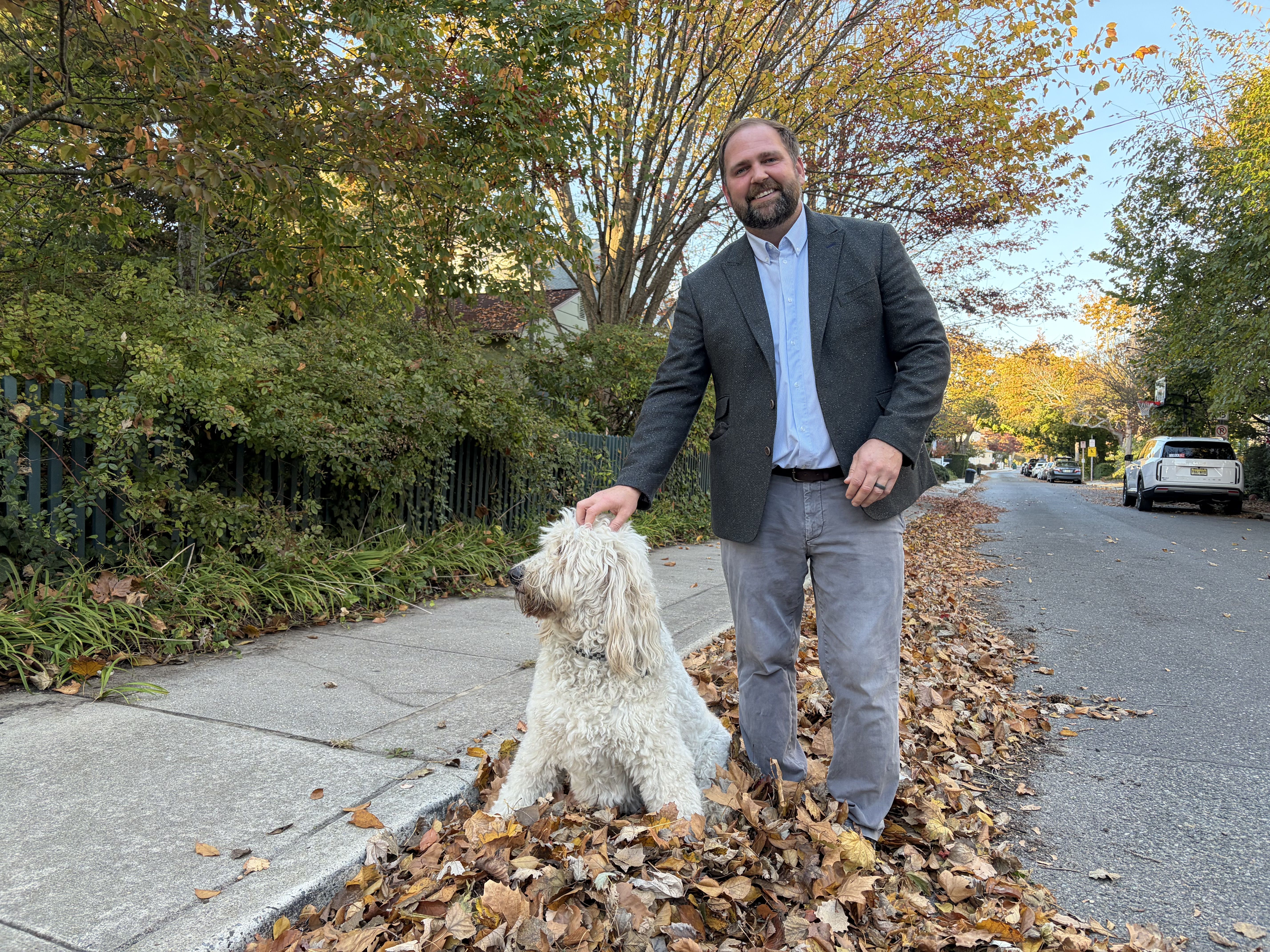
Cape May Mayor Zack Mullock, the representative-elect for New Jersey’s 2nd Congressional District, in Cape May with his dog on Wednesday, the day after the election.Aliya Schneider / Staff
“We’ve done this all the same way: Democrats, Republicans, independents, moderates all working together — and even surfers,” he said, a young surfer making a cameo with a big smile. “That’s what I’ve done here in Cape May, and that’s what we’ll do in Congress.”
Mullock ran for Cape May City Council 10 years ago and lost. He won two years later, unseated the mayor two years after that in 2020, and was reelected without opposition.
It doesn’t hurt that people in Cape May and Cape May Point know the Mullock family well. With the candidate’s father, Bob Mullock, at the helm, family members have taken on projects to save historic landmarks, including the Sisters of St. Joseph’s beachfront retreat they turned into the Cape May Arts and Science Center.
His family also founded the Harriet Tubman Museum in Cape May, where Mullock worked as the volunteer general contractor for the project.
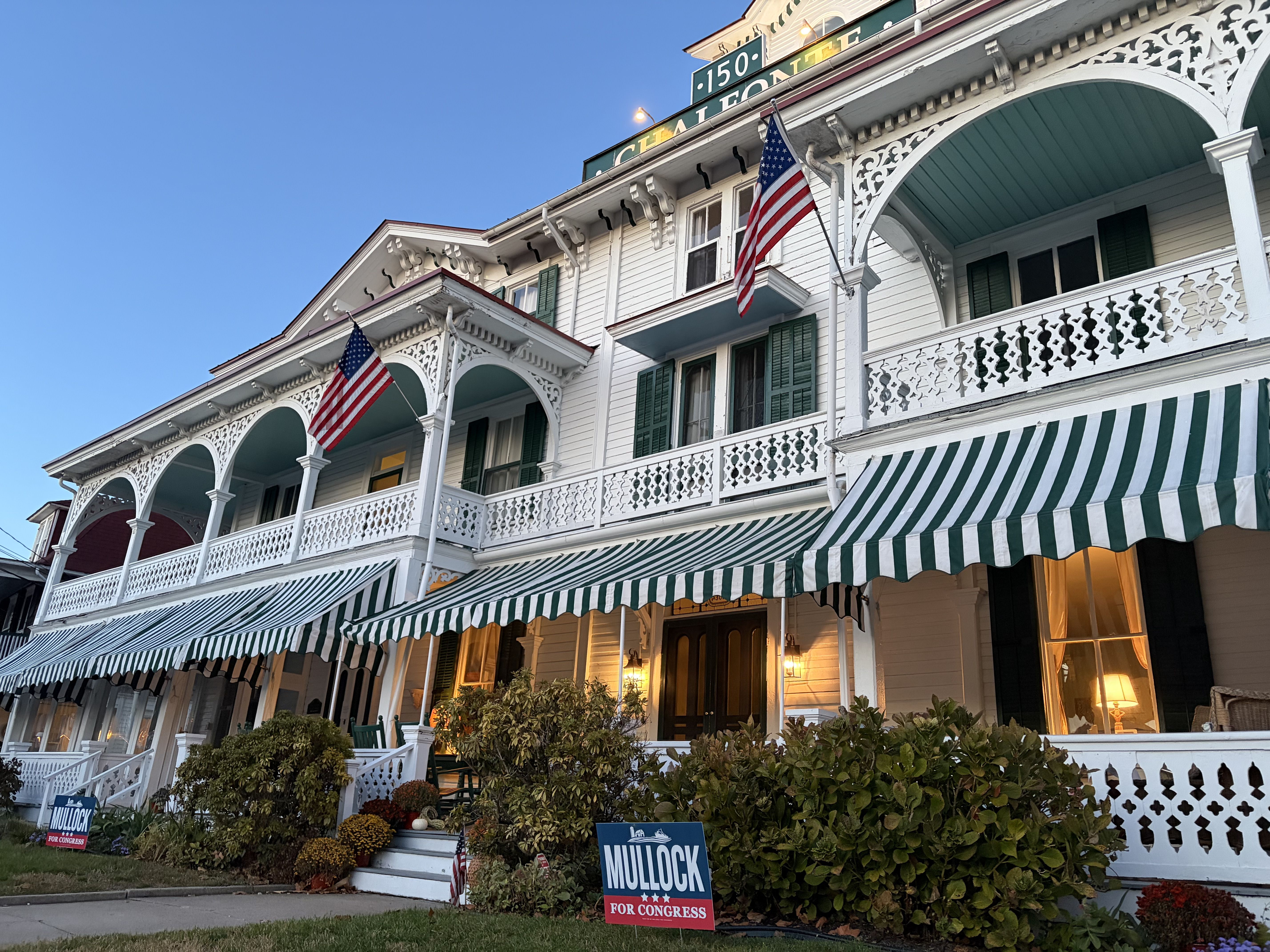
The Chalfonte Hotel in Cape May on Wednesday.Aliya Schneider / StaffThe city of Cape May on Wednesday.Aliya Schneider / Staff
Members of Mullock’s family own the Chalfonte Hotel and the Cape May National Golf Club. Born and raised in Cape May Point, Mullock grew up working in hospitality, plumbing one minute and greeting customers the next, which he said was good training for elected office. He also served on the Atlantic Cape Community College Foundation Board for a decade.
Protassi said she is excited to see Mullock implement changes nationally that she has seen in Cape May.
“I do really think he has the ability to unite people. I think he can speak to people, and they really are receptive, and you know they’re interested in what he has to say.”
James Rosin, 71, who said he leans libertarian, said that he supported Trump’s promises to stay out of wars and the ideas behind the Department of Government Efficiency (DOGE), but that the president has gone “off the rails.”
A retired psychiatric intensive care unit nurse who has lived in Cape May for 10 years, Rosin said independent-minded voters had “a change in tenor” that helped Democrats.
“He’s a very effective mayor,” Rosin said, walking from Acme to his bus stop on Wednesday. “He’s very personable. You know, everybody in town knows him.”
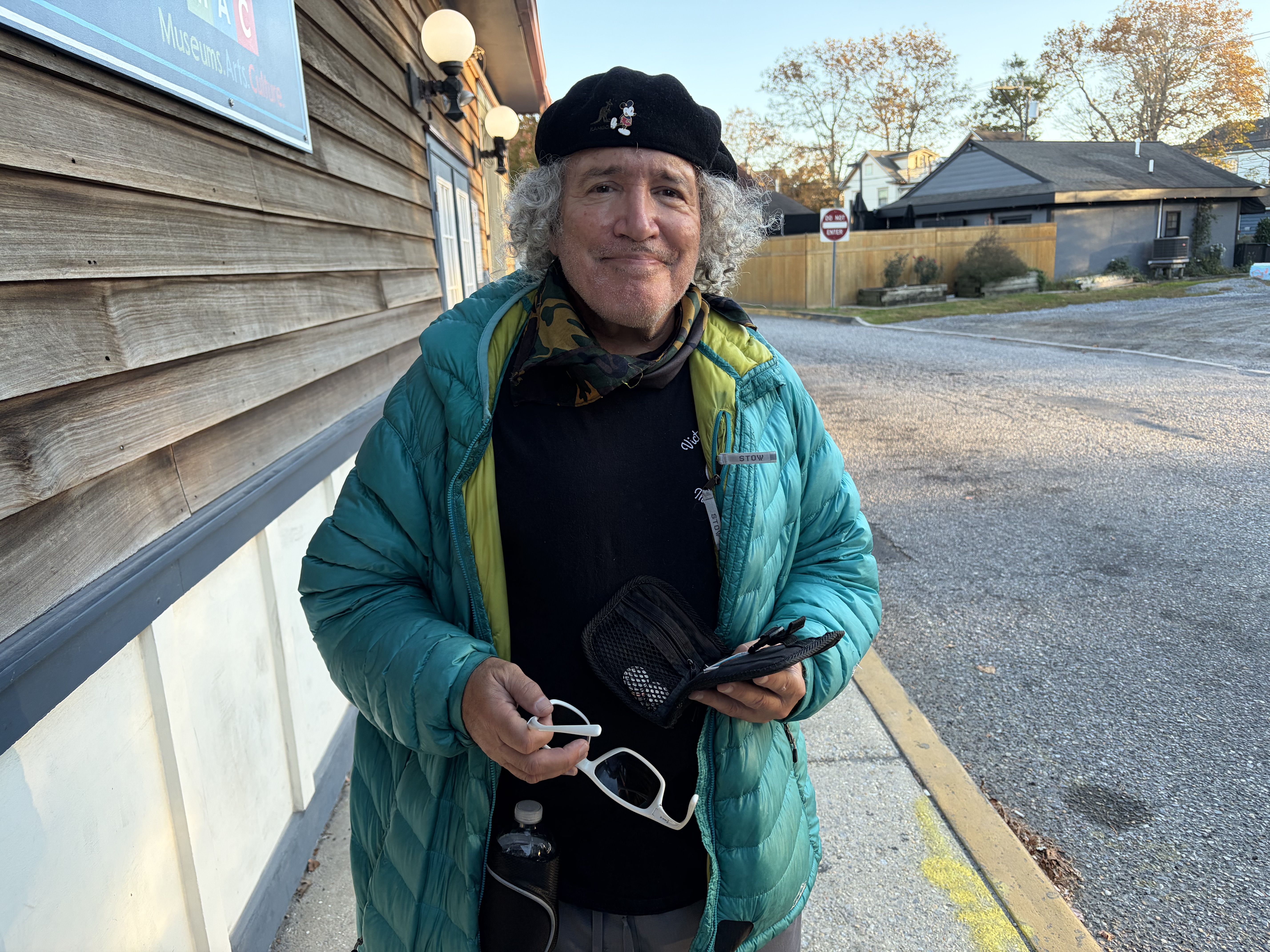
James Rosin, 71, in Cape May on Wednesday.Aliya Schneider / Staff
On Wednesday, Mullock ran into his old friend Rick Rutherford at the coffee shop. The two men were in a basement punk rock band together as young teens — Mullockplayed guitar and sang vocals, and played on a golf team with Rutherford’s brother. Rutherford was shocked and impressed when Mullock was even elected mayor.
Rutherford, 42, said he normally does not vote because he does not like the partisan political system. But the local chef-restaurant owner cast his vote for Mullock — and wrote in his wife for sheriff as a joke.
“I know him from, like, the roots of childhood and that he actually, like, just worked from the grassroots, ground up, all the way to where he is,” said Rutherford, who is registered as a Republican but does not identify with either party.
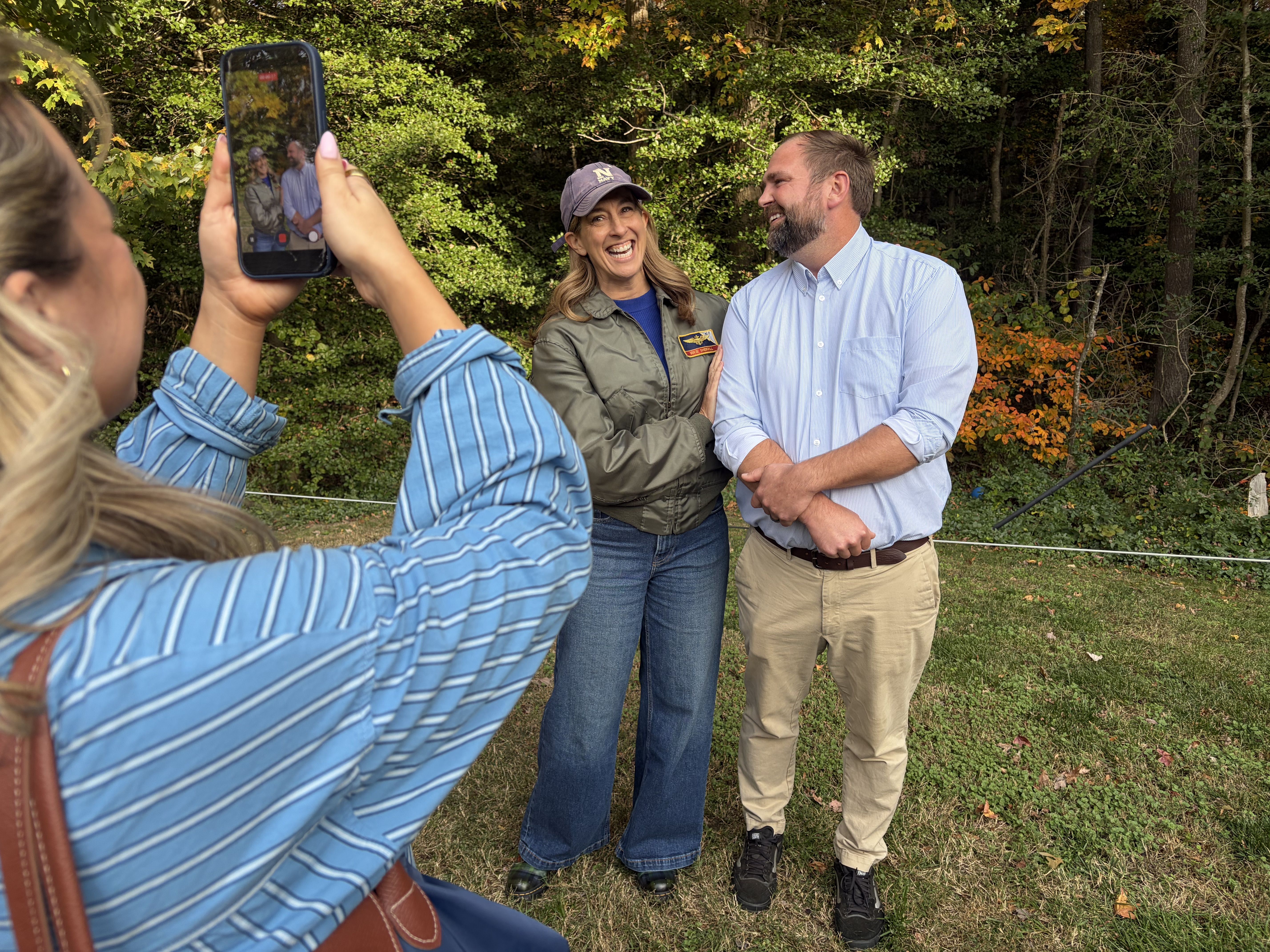
A political staffer for Gov. Mikie Sherrill takes a video of her with Zack Mullock on the Saturday before the election in Whitesboro.Aliya Schneider / Staff
The final day
Mullock spent the morning of Election Day in a very Jersey fashion: visiting 12 diners across six counties. He went home for a lunch break and started feeling antsy that he was not working, so he began phone-banking, then went to hand out campaign literature in front of three different Wawas.
“I needed something to do,” he said.
Democrats had an enthusiastic showing in early voting, but as more votes came in on Election Day he thought he probably lost.
However, as the votes were tallied, he realized Republicans and unaffiliated voters must have really cast ballots for him. He had a chance.
And all of a sudden, at 10 p.m., Van Drew’s name came up on his phone — he knew thanks to caller ID, because he did not have his contact saved — and the lawmaker congratulated him.
“Honestly I started tearing up, because I just didn’t expect it,” Mullock said. “It was very emotional in that moment. My wife was next to me, so I gave her a big hug, and everyone cheered.”
Protassi was also caught off guard. She said she thought he might not win the seat on his first try and she might be making phone calls for him again in two years. “Then when I heard that he got the call, I was like, ‘Is this? Are we sure?’”
They were celebrating at his family’s hotel. His sister Cindy Mullock noted they hosted fundraisers for Van Drew in the same ballroom back when he was a Democrat.
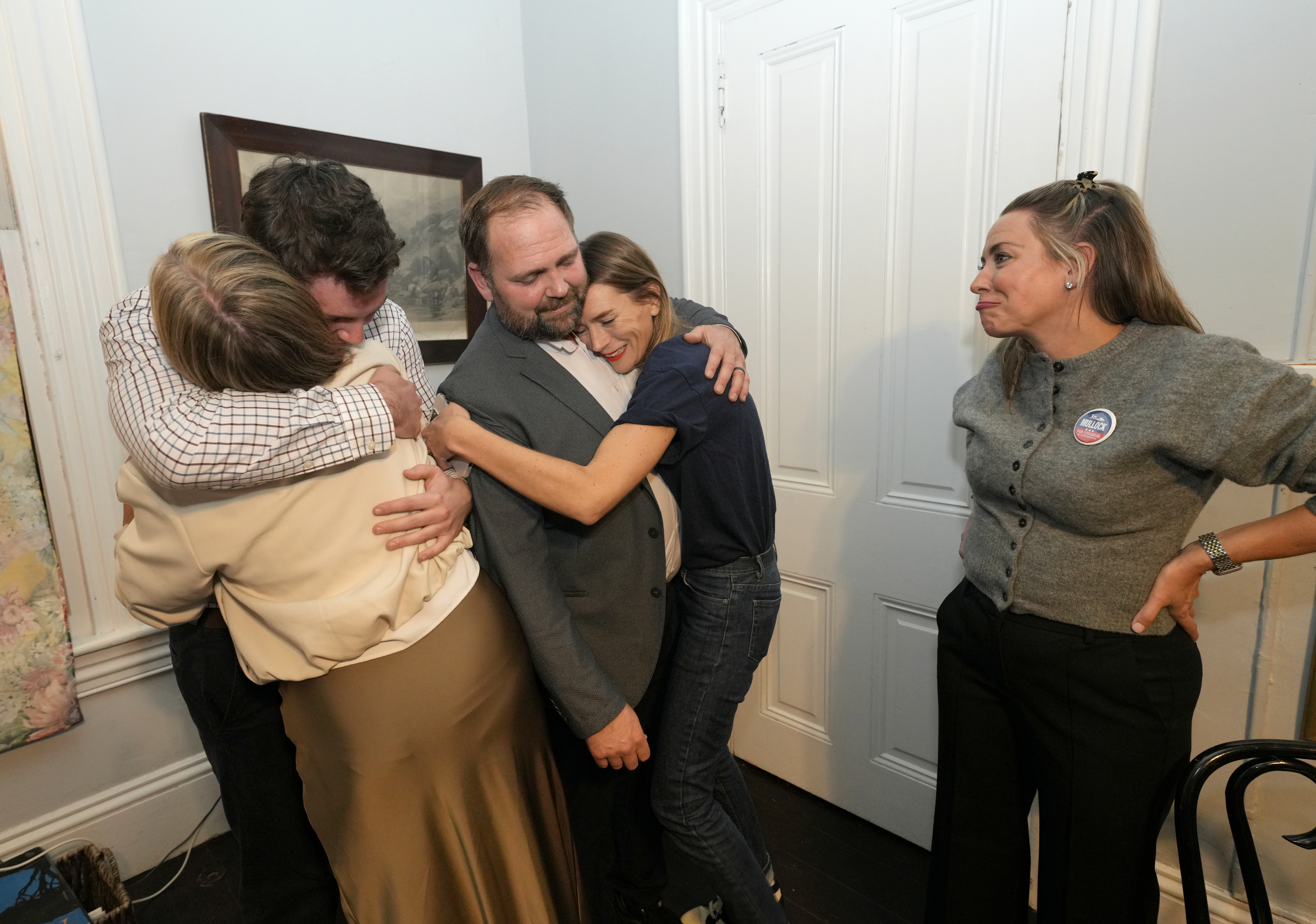
From left, Justine Mullock hugs campaign staffer Aidan Kilgannon and Zack Mullock hugs volunteer campaign advisor Justine Magariel after he received a concession call from U.S. Rep. Jeff Van Drew.Tim Hawk / For The InquirerGov. Mikie Sherrill introduces U.S. Rep.-elect Zack Mullock, during an election party at the Chalfonte Hotel, Tuesday, Nov. 3, 2026. Mullock defeated incumbent Jeff Van Drew.Tim Hawk / For The Inquirer
Mullock got emotional when asked about how his family feels about him going to Washington.
“They’re so proud, my mom and dad,” he said, needing to step aside for a minute. “I just haven’t, I haven’t had a moment to process this yet,” Mullock said Wednesday, running on three hours of sleep, adrenaline, and coffee.
Trying to answer the question again, he said he was grateful for his wife, Justine, for her support, his kids, whose ballgames he had to miss, and his parents.
Mullock said he would not have launched his campaign if not for Trump, who he often says has been a negative role model for his 12-year-old son. But frankly, he acknowledged, he doesn’t feel ready for Congress.
“It is going to be a learning curve,” he said. “But I do remember the day I got elected as the youngest mayor in Cape May, and realizing that I don’t know everything that I’m doing, but I know my guiding principles, and I know my moral compass of right and wrong, and working to help others, and I think ultimately those are the decisions that you’re going to make in Congress.”
After Van Drew’s call came in Tuesday night, the governor flew down by helicopter from fellow New Jersey DemocratRebecca Bennett’s victory party to celebrate. Mullock’s phone began buzzing with calls and texts that never really stopped. He went to bed at 3 a.m. and woke up at 6 a.m., and heard his phone buzzing throughout those three hours as well. He got up feeling full of love and graciousness.
“I mean, I just, I am — I’m a small-town mayor,” he said. “So to feel like people have the faith in you to represent them, … it’s a beautiful thing.”
Staff writer Amy Rosenberg contributed to this article.
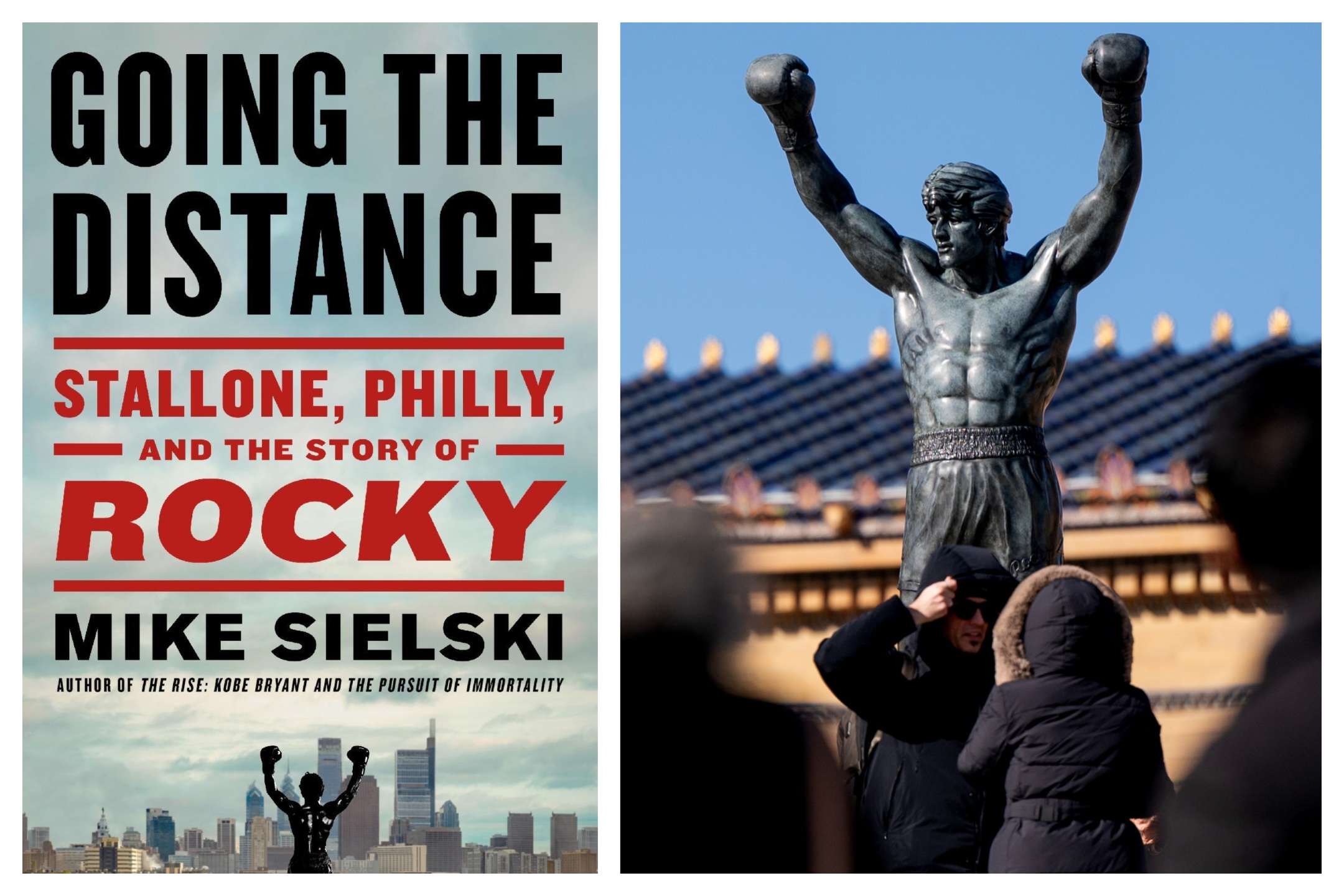
In this excerpt from his new book, “Going the Distance: Stallone, Philly, and the Story of ROCKY,” Inquirer sports columnist Mike Sielski describes the stakes and risks that Sylvester Stallone faced as he, the cast, and the crew began filming the movie. “Going the Distance” will be available Tuesday, Nov. 10, wherever books are sold.
Sometime before he climbed aboard a train for the cross-country trip from Los Angeles to Philadelphia in December 1975, crowding into a tiny car with his pregnant wife and his rambunctious bull mastiff, Sylvester Stallone had decided to stop eating bread.
He had written a screenplay that, by a combination of serendipity and his sheer will, was about to be made into a movie, Rocky, the filming of which would begin in just a matter of days — a matter of hours, really — once the train pulled into 30th Street Station. Stallone had more at stake in the project than anyone else involved in it, including the producers who were on the hook for some of the film’s funding. They stood to lose money. He stood to lose his entire career, to destroy his reputation, to make himself into a fool, to cast himself as a cautionary tale to all the young Hollywood aspirants in his wake, to have his name become synonymous with failure. You don’t want to be another Stallone, do you? All that risk, so much riding on a chance he might never have again, all because he had remained resolute that he and he alone — not James Caan, not Burt Reynolds, not Ryan O’Neal, not any actor who, unlike Stallone, was at all familiar to America’s mainstream moviegoing public in the mid-1970s — would play the title character: Rocky Balboa, a lovable, lunkhead boxer who gets an improbable shot at the heavyweight title, falls in love, and earns some self-respect.
His insistence on playing Rocky, his intractable belief that only he could, had compelled him to turn down several lucrative and potentially life-changing offers for the rights to the script. Just step out of the way, Sly, and you’ll be a quarter million dollars richer. No. It had to be him; he would accept less money and greater risk for the freedom to do justice (as he saw it) to the film and its protagonist, to oversee the process of creating Rocky and Rocky, to ensure they would turn out as he and no one else envisioned them. It was the only way, he believed, that the movie would succeed … and the only way that he could live with himself afterward. His efforts on the project had to be all-encompassing.
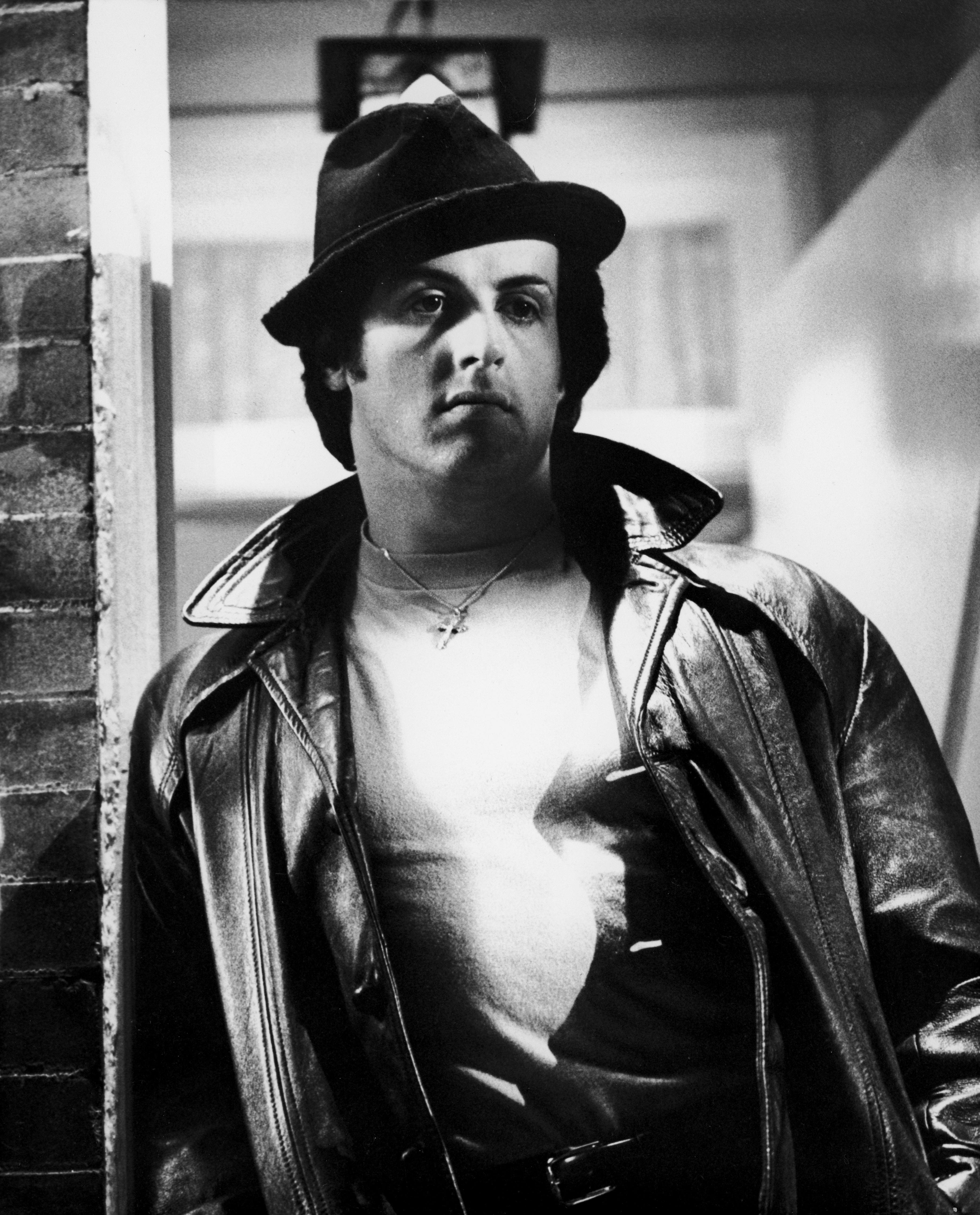
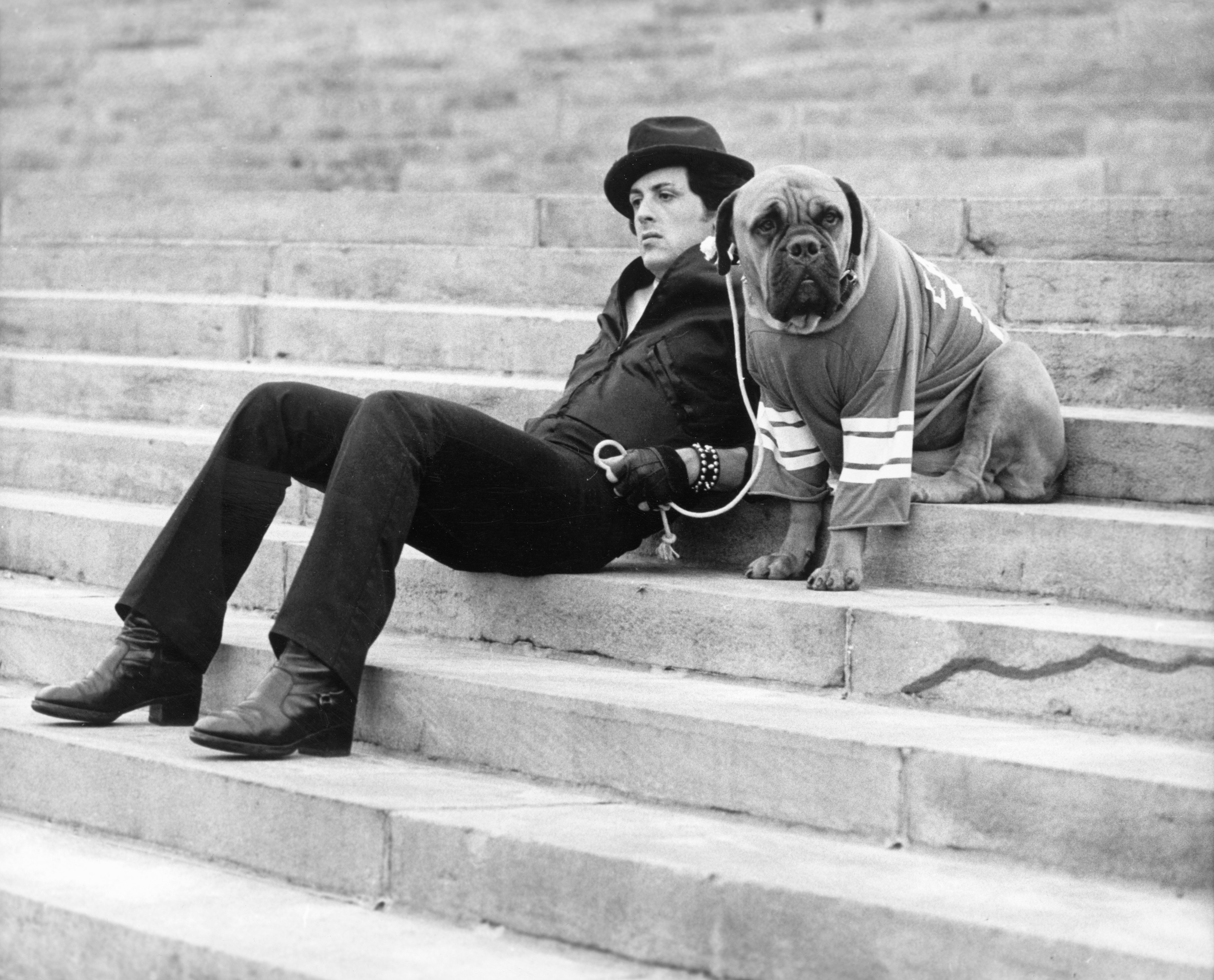
American actor Sylvester Stallone leans against a doorway in a hat and a leather jacket in a still from the film, ‘Rocky,’ directed by John G. Avildsen, 1976.Getty Images
To prepare for the role, for instance, he had put himself on a strict diet: all shrimp and other shellfish, no carbohydrates. Carbs, Stallone had read, stimulated brain activity. So he reasoned that, by depriving himself of them, he would lower his intelligence level — that he would literally make himself dumber — and make it easier not merely to play Rocky, but to become him.
Already he was walking and talking like Rocky, spontaneously breaking into fits of shadowboxing like Rocky, sniffing like Rocky, as if his nose was always running. Now he would think like Rocky, too … or, more accurately, not think. And even if all his theorizing was bunk, even if his seafood-based attempt at method acting was nonsense, it would at least help him to get into the proper frame of mind for the part. Stallone was confident, though, that his unorthodox diet was working, that he was actually transforming himself into a different person. His evidence? He had, out of nowhere, developed a strange and sudden fondness for country music.
Going the Distance: Stallone, Philly and the Story of Rocky is available Nov. 10 wherever books are sold.Courtesy: St. Martin's Press
Stallone was 29, and he had been virtually anonymous in the film industry for years. Five talent agencies in New York had signed him. All five had dumped him. The others in town hadn’t bothered with him in the first place. A unique case. That was the term he’d hear describing him upon each moment of rejection, upon each decision that the decision-makers made once they heard him deliver his lines and slur his words so badly that they assumed he had a speech impediment, which he did. He was accustomed to bouncing from one audition to another, to having a door shut behind him after four minutes and knowing it would never open for him again. He took whatever acting work he could get, and there wasn’t much of it … if he was lucky to be cast at all. They were bit parts and nothing more: the mugger on the subway, the sidekick who doesn’t say much, the guy in the background. He’d even done a porno film.
Within a year, he would tell a journalist at The New York Times that he and his wife, Sasha, had just $106 in their bank account when they were on that train. It made sense that he would tell someone at The New York Times this, because The New York Times had the readership and reach and credibility to spread the legend of Rocky’s making far and wide. The information in Judy Klemesrud’s profile would be lifted by other writers and media members, repackaged in smaller newspapers and on television stations, and carried from coast to coast on the wire services and even on the wind. The notion that the man behind this beloved movie had just $106 in his bank account when he made the beloved movie was a juicy and dramatic detail, so specific, so telling.
And yet … maybe … in the end, the actual dollar figure was irrelevant, because no matter how much money Sylvester and Sasha Stallone had in their back account as they rode that train, this much was undeniable: Sylvester Stallone was the worst thing to be in Hollywood or in Manhattan or anywhere in the creative arts or anywhere else. He was a man without power.
Philadelphia was an essential character in Sylvester Stallone’s, and Rocky’s, story. Jose F. Moreno / Staff Photographer
Rocky’s world
His selection of Philadelphia as Rocky’s home was no accident. Throughout the 1960s and into the early 1970s, the city embodied the windswept emptiness and gritty industrial decay of a post-modern wasteland: construction machinery idling near high mounds of tan dirt, factory buildings and warehouses once essential and vibrant now abandoned into nothing more than giant stone cubes, skeletal metal bridges bisecting neighborhoods. This was Rocky’s world. This was a world Stallone, who had lived in the city as a youth, knew well. This was a world and a man Stallone could study and place at the center of a compelling story.
Back when he was thirteen, fourteen years old, living in Northeast Philadelphia, Stallone had admired Rocky Marciano — “I had written this with Rocky Marciano in mind, 100%,” he said in an email — and had hung around with a kid named Johnny Robert. Johnny Robert had a hair-trigger temper, got into his share of scuffles. These experiences were formative for the greatest product of Stallone’s imagination. The character’s official name, as would be revealed in the film’s first sequel, was “Robert Balboa.” His nickname was a throw-in, a byproduct of his intrinsic traits, an indication of his toughness. As far as Stallone was concerned, there was no such thing, could be no such thing, as a smooth, gifted fighter named Rocky.
This was a character, Stallone thought from the beginning, who could be used for social commentary — put him in particular situations, see how he acts and reacts, see how viewers react to the reaction, how they might see themselves in the character, how they might see who they are and, more importantly, who they want to be. This was a character who could fall in love — and that’s how Stallone saw Rocky, not as a boxing movie, not as a sports movie at all, but as a love story between Rocky and Adrian — and who, more importantly, would have the people in the studio rooting for him to fall in love. A character who connected with that audience, with any audience, with every audience, because every audience wanted to believe in miracles, wanted to be inspired or moved or transported to a setting that felt raw and real.
“If there was ever a predesigned miracle to take place in this country,” Stallone once theorized, “I think the city it would choose would undoubtedly be Philadelphia. It has that aura of sitting there, waiting patiently for some great cataclysmic event that’s going to rock the nation.”
A character who was out of sync with the era in which he appeared, “a twentieth-century gladiator in a pair of sneakers and a hat,” as Stallone called him. A character who represented a city whose residents believed that few people outside that city, few people anywhere in the country, gave a damn about them. A character who could be the centerpiece of not just this script, not just this film, but a second film, a third, a fourth, more. A character with a backstory that Stallone could flesh out, add to, mold. He could reveal aspects of that backstory to the audience, and he could keep aspects to himself; he once told a friend that he had “a bible in his head about Rocky, from the day he’s born until the day he dies.” This was a character who would endure.
“Rocky isn’t based on me,” he told The New York Times in November 1976, a week after the film had opened. “But we both went the distance.”
The bet Sylvester Stallone made on himself in respect to the Rocky film would pay lifelong dividends. Getty Images
A moment of truth and transformation
Stallone rose before dawn on December 5 in South Philadelphia to temperatures that were below freezing. The first day of shooting promised unseasonably warm weather, sunny, in the fifties, but not at 4 a.m., when Mike Westmore, the film’s makeup artist, knocked on Stallone’s door at the Hilton Inn to do him up for the first scene: Rocky’s first true training session, the run from City Hall to the steps of the Art Museum that would leave him exhausted and aching.
Soon, the trailer, the cast and crew’s only trailer, was slowing to a stop at a curb near the shoot site. Inside, Stallone asked everyone to go outside and give him a few minutes alone. He stared at himself in a mirror hanging near the door — a stocking cap on his head, a dirty sweatshirt covering his chest, the makeup blending so fully into his face that it appeared his eye really did have a scar jutting across it, that he no longer knew where he ended and the underdog hero he had made began.
All right. This is it, Sylvester. You’ve bluffed and bullied and badgered your way here. Are you going to do it? Or are you going to sit here and become a bum for the rest of your life?
One of the assistant directors knocked on the trailer’s door. OK, Sly, we’re ready.
Stallone turned away from the mirror. You got the wrong guy. Sly’s in California. Rocky. Call me Rocky.
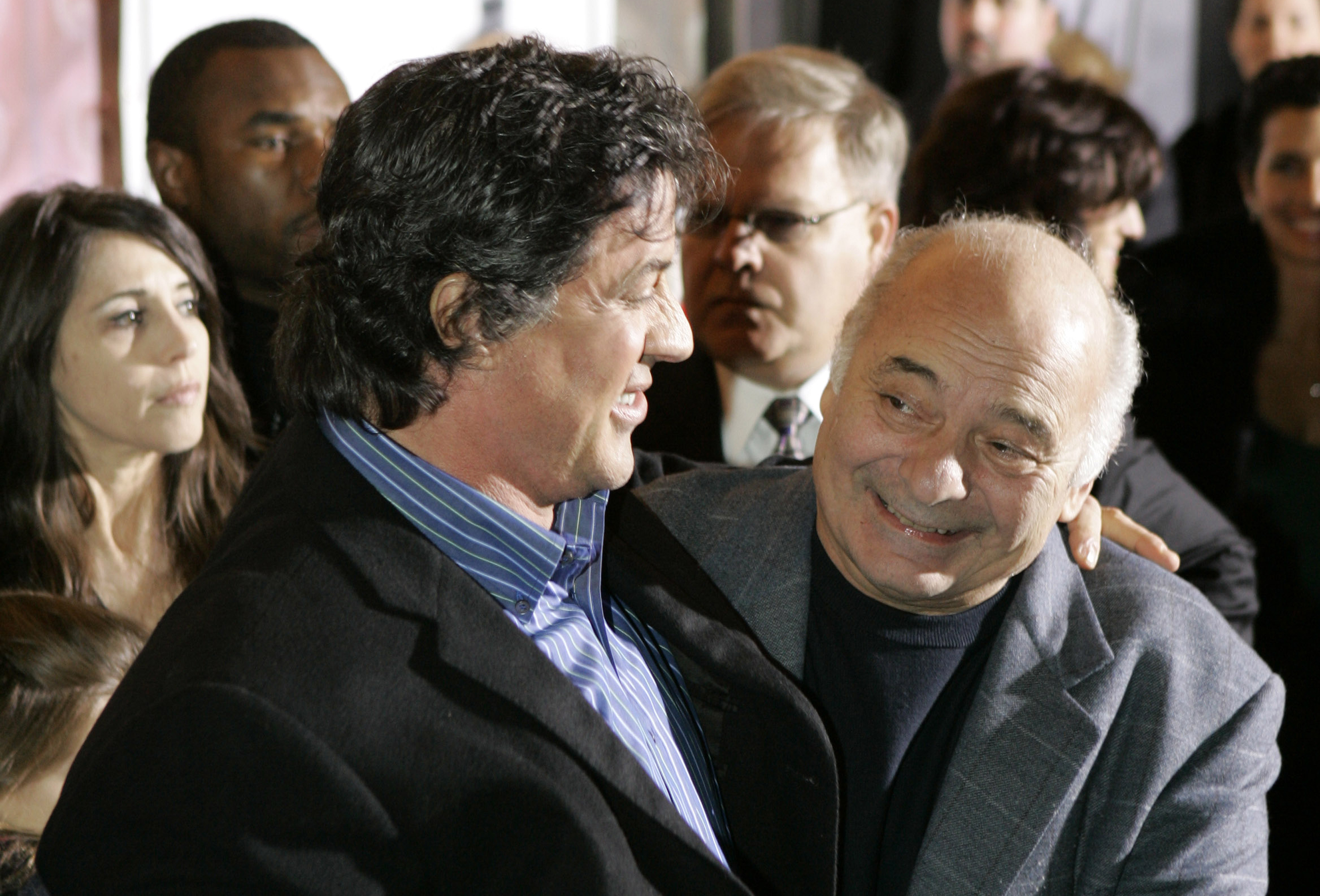
Actor Burt Young (right), pictured with Sylvester Stallone in 2006, was considered a vital piece of the film’s casting. Matt Rourke
Outside the trailer, John Avildsen, the film’s director, lay in a nearby gutter, the wind picking up trash and specks of dust in its swirl, and peered through a viewfinder to line up the shot. Burt Young, who was playing Paulie — Rocky’s friend and Adrian’s brother — watched Stallone step out of the trailer and take a fragile sigh. Young had been the one cast member, above any of the others, whom Stallone, Avildsen, and the producers had to have in the movie, a respected character actor so perfect as Paulie that Rocky would have been a dud with anyone else in the role. Young admired Stallone, thought the script he had written was a piece of urban poetry, eloquent and blunt. The two of them shared a silent glance. “He remembers it as I remember it,” Young said later. “‘Let’s cut out the talk. Now it has to happen.’ Then he went on like a soldier.”
One of the most remarkable stories in American film history was about to enter its next chapter. Nothing was secure. Everything might yet be lost. Sylvester Stallone strode toward the set. The clock atop City Hall shone like a sun amid the last remnants of night.
Newly proposed federal guidelines could enable more treatments like the first-of-its-kind gene therapy developed last year foraPhiladelphia-area infant with a rare disease.
Thecustom drug fixed the genetic mutation driving KJ Muldoon’s rare metabolic disease, dramatically improving his liver function.
The draft guidance released late last month by the Food and Drug Administrationreflects a central tension: What made KJ’s treatment so groundbreaking also exposed gaps in the existing regulatory framework.
The therapy was custom-made for KJ’s genetic mutation, meaning it would not necessarily work for every baby with the same disease. Many rare diseases are caused by multiple genetic mutations that can differ from patient to patient.
Under the current regulatory system, scientists would need to conduct a clinical trial and seek approval for every version of the therapy they develop. That would be expensive, laborious, and effectively impossible for diseases with hundreds of possible mutations.
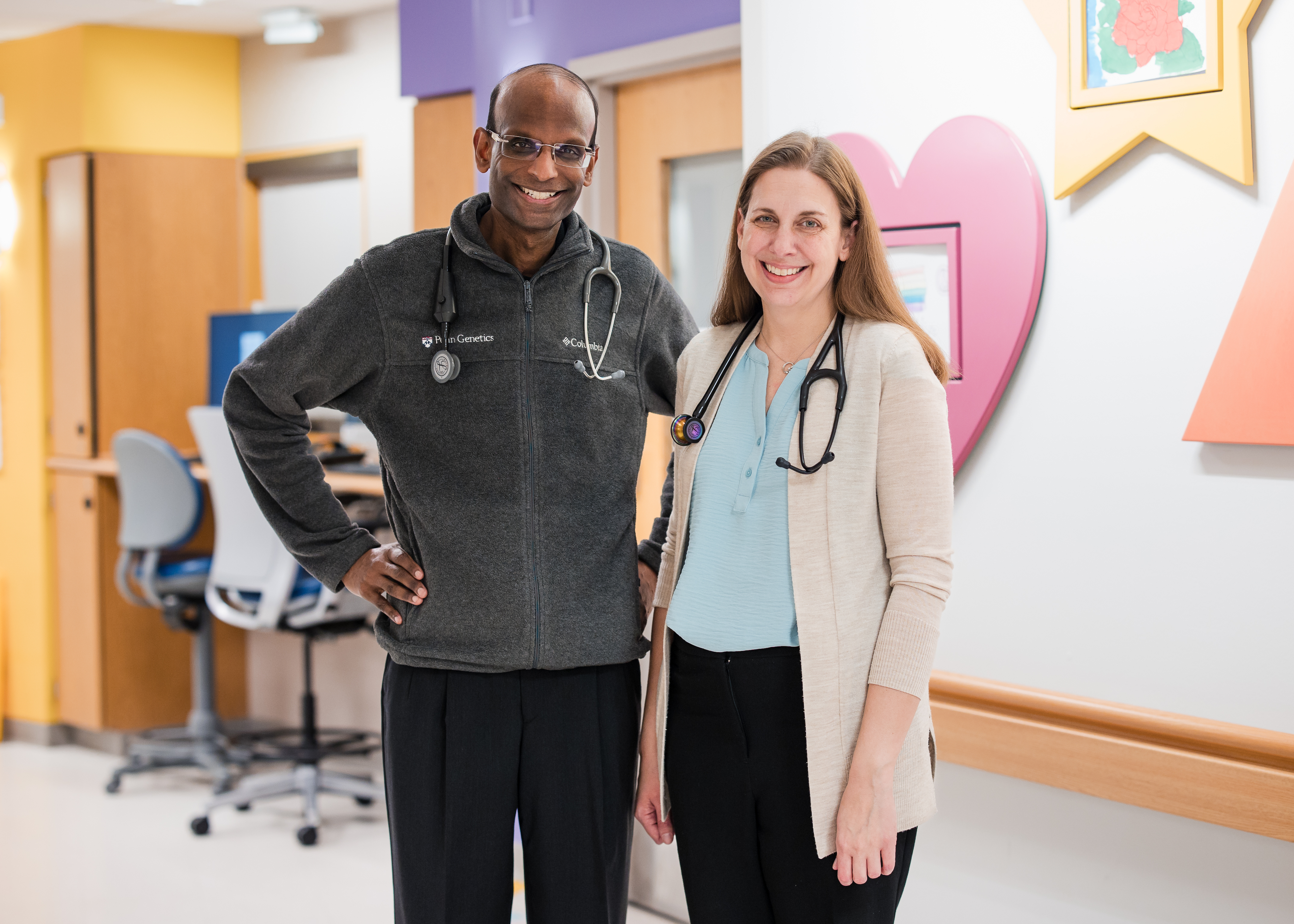
“Of course, no one’s going to do it,” said Penn Medicine’s Kiran Musunuru, who developed KJ’s treatment with Children’s Hospital of Philadelphia’s Rebecca Ahrens-Nicklas.
Both worked closely with federal regulators on the draft guidance that enables scientists to instead test the underlying platform against a sample of mutations. If approved, they could then customize the platform for individual patients without conducting an entirely new clinical trial each time.
Musunuru called the approach“a huge boon” for the gene-editing field, which has been advancing toward personalized therapies for ultrarare diseases.
A trio comprising Musunuru, Ahrens-Nicklas, and CHOP doctor Lindsey George received a $39 million federal award last summer to develop a scalable platform for treating rare genetic, liver-related diseases in infants and children.
“It’s what will make it feasible to bring this technology forward for patients,” said George, who develops gene therapies for bleeding disorders.
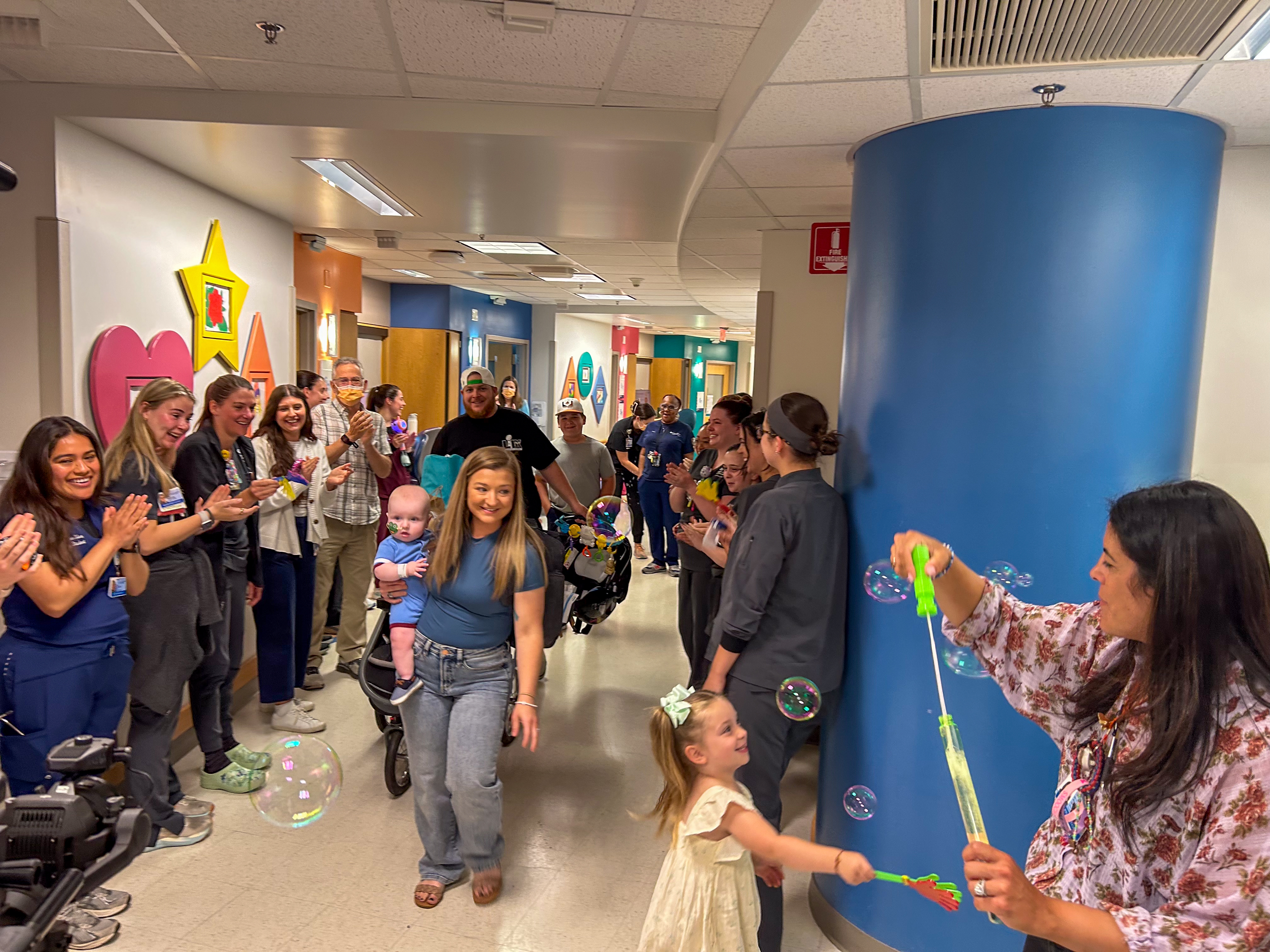
KJ Muldoon gets a “clap-out” with his mother, Nicole, and father, Kyle, as he leaves his unit at CHOP to go home in June 2025. Courtesy of CHOP
Laying the groundwork
Musunuru and Ahrens-Nicklas first approached the Food and Drug Administration in February 2024 to discuss the need for a new approach to regulation.
They were working on gene-editing medicines for a rare disease called phenylketonuria (PKU), where the body is unable to break down the amino acid phenylalanine. Over time, the inherited disorder can cause severe brain damage.
The current practice is to restrict patients to a low-protein diet, usually encompassing medical food, starting from birth. They may also need daily pills and injections for life.
Musunuru, who had been working on a gene-editing treatment for cholesterol, proposed using that same drug platform to correct the genetic mutations behind PKU, creating a more permanent fix.
Think of the gene as a string of letters, and the mutation as a single-letter typo. His goal was to correct that misspelling.
Some misspellings occur more commonly than others. Take PKU: The most frequent mutation affects around a third of patients in the U.S.
Musunuru and Ahrens-Nicklas developed several versions of a gene-editing drug, each targeting different mutations behind PKU to cover a wider swath of patients.
“They’re the same drug basically,” Musunuru said.
“You just change the GPS,” he added, comparing the drug’s search-and-find function to a navigation system.
Eager to start testing the treatment in a clinical trial, the scientists asked the FDA in early 2024 if they could simply do a single clinical trial for the different versions of the drug, rather than having to do separate trials for each.
FDA officials said they weren’t sure, Musunuru recalled.
“This was probably the first time or one of the first times they were asked this kind of question,” he said.
Kiran Musunuru and Rebecca Ahrens-Nicklas pictured at Children’s Hospital of Philadelphia.Courtesy of Children's Hospital of Philadelphia
That inspired a series of meetings where they discussed what a clinical trial and manufacturing of the drug would look like.
By the summer of 2025, Musunuru and Ahrens-Nicklas once again asked the FDA if they could treat their therapy as six different versions of the same drug, rather than as six different drugs.
They said yes.
What do the new guidelines say?
The scientists were able to work out a new framework called “an umbrella clinical trial,” Musunuru said, where different versions of a gene-editing drug could be treated under the same trial.
Last month’s proposed guidance takes the concept a step further by defining the approval process.
Instead of each version of a drug needing separate approval, all variations of the gene-editing therapy would have the same name on the drug label.
“This is exactly what we were hoping to see and what we’ve been talking about with the FDA,” Musunuru said.
George, who has traveled to the nation’s capital three times in the past 15 months to discuss personalized gene-editing therapies with the FDA, concurred.
The FDA outlined a new term called “the individualized feature space,” which essentially refers to the accepted variation between versions of a drug.
If a new version is within those parameters and has the same core features, it doesn’t need to be tested in a whole new clinical trial. That makes it possible to customize the drug for new patients after approval, even if their mutations weren’t included in the clinical trial.
George hopes the agency will eventually provide more details about requirements for “postmarketing surveillance,” the monitoring of a drug’s long-term effects and safety after approval.
She emphasized that scientists still need to complete the clinical trials to show that their personalized gene-editing medicines are safe and effective.
“We have our work cut out for us,” she said.
Lindsey George of Children’s Hospital of Philadelphia is part of the team that worked with the FDA on a guidance proposal for gene therapy. Here she checks the vitals of hemophilia patient Jay Konduros.DAVID MAIALETTI / Staff Photographer
Implications for the future
The Massachusetts-based company Beam Therapeutics is now setting up a clinical trial for Musunuru and Ahrens-Nicklas’ PKU gene-editing medicine.
The draft guidance would make it easier to attract companies to invest in personalized gene therapies for rare diseases, Musunuru said, by making it more economically feasible to test and seek approval for the medicines.
“Companies should be doing this with rare diseases, but they haven’t wanted to because they haven’t perceived there to be a return on investment,” he said.
The FDA is currently accepting comments regarding the draft guidance, which has not been finalized, until Nov. 27.
ROME — Joyce Roush’s son wanted her to move to Philadelphia, so she started researching adult education opportunities in the city.
She wound up in Italy instead.
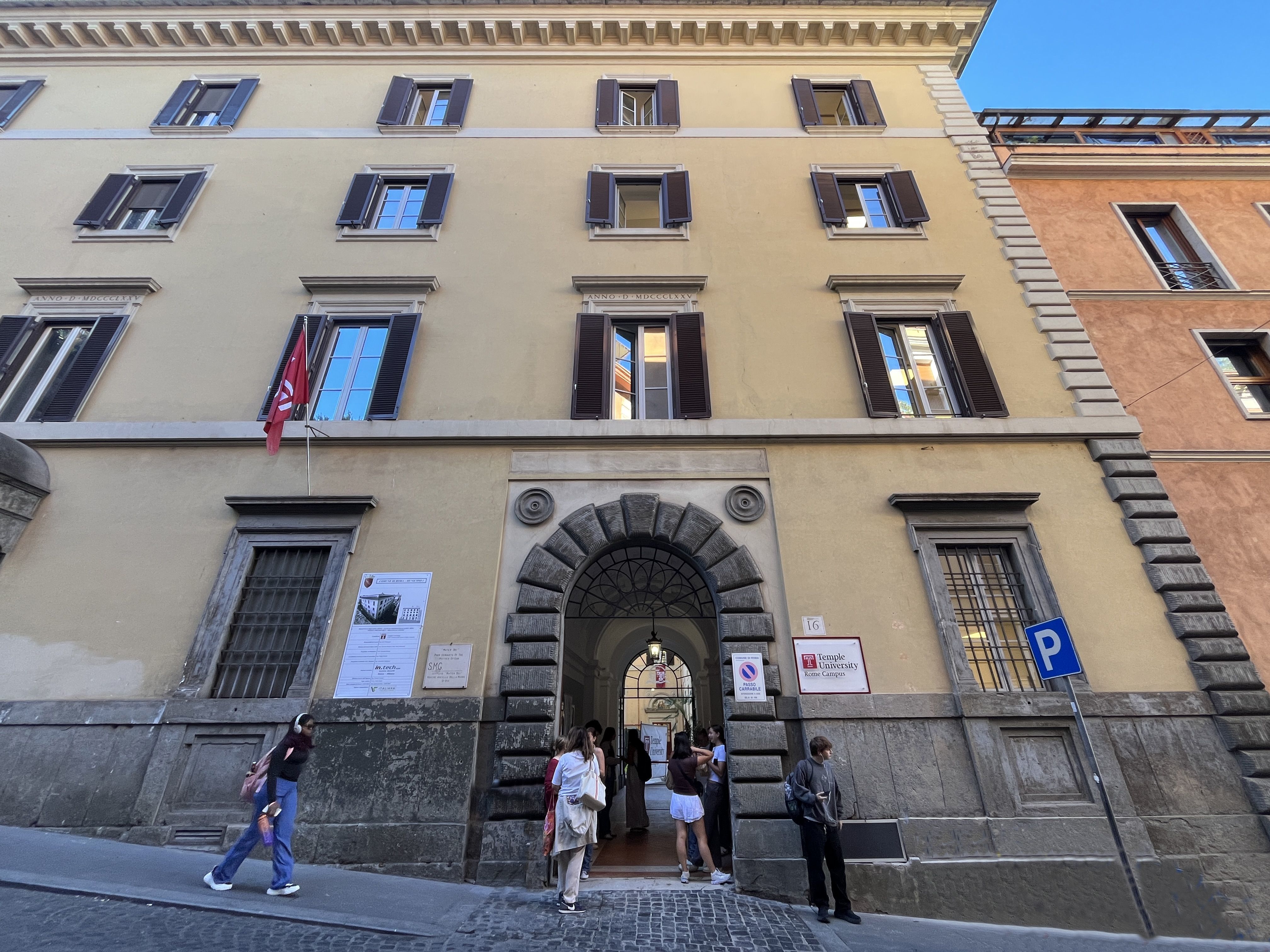
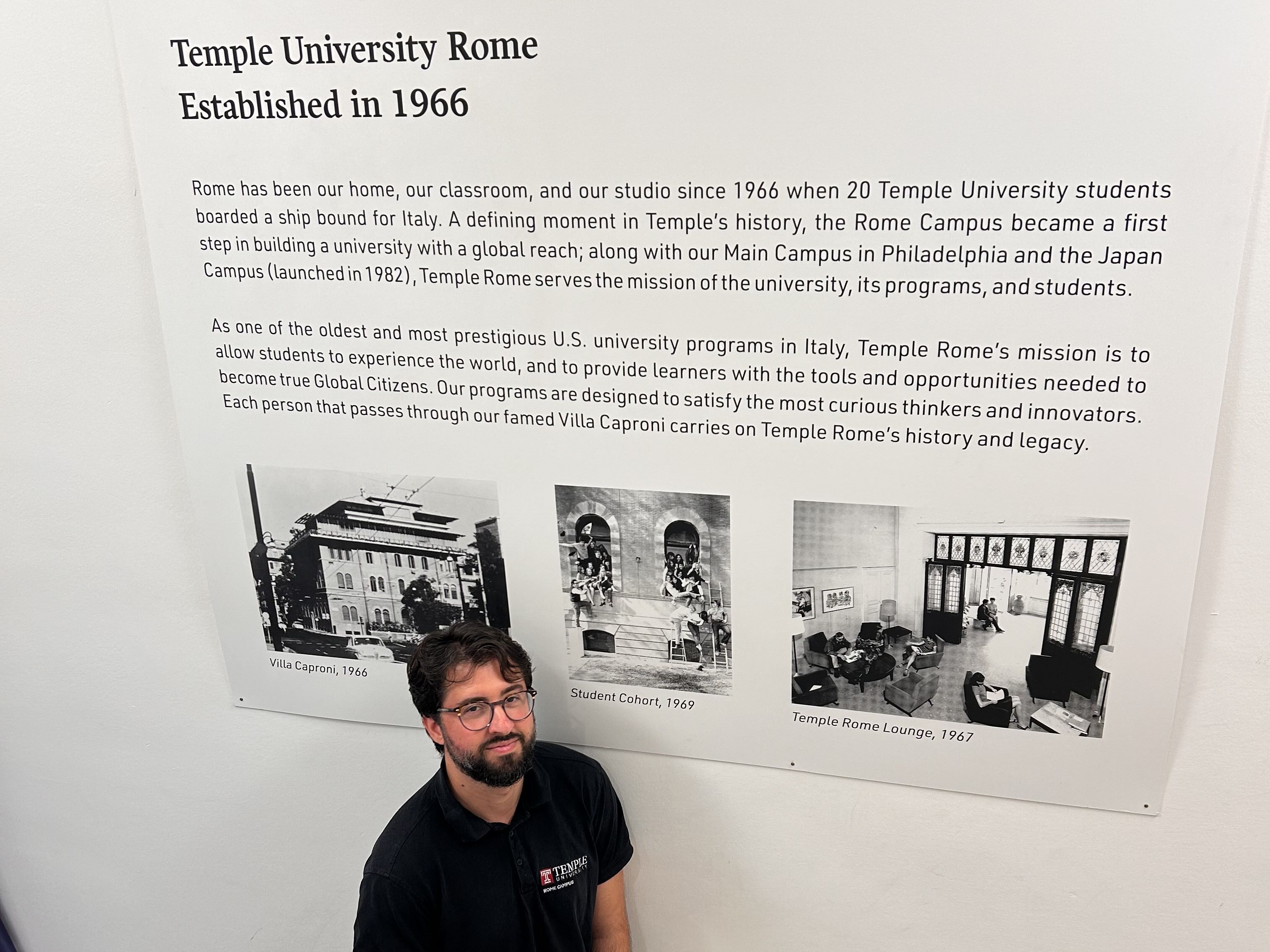
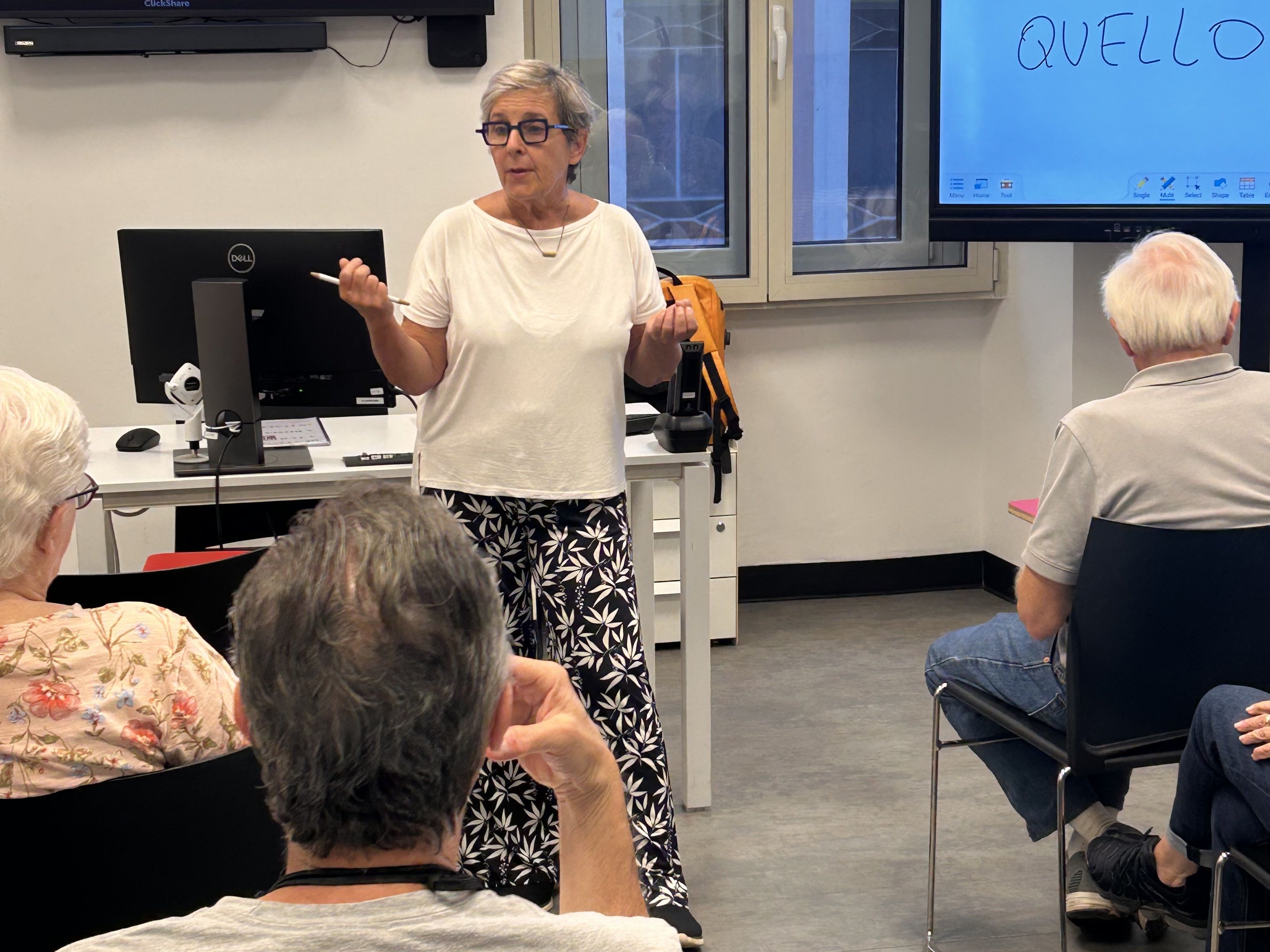
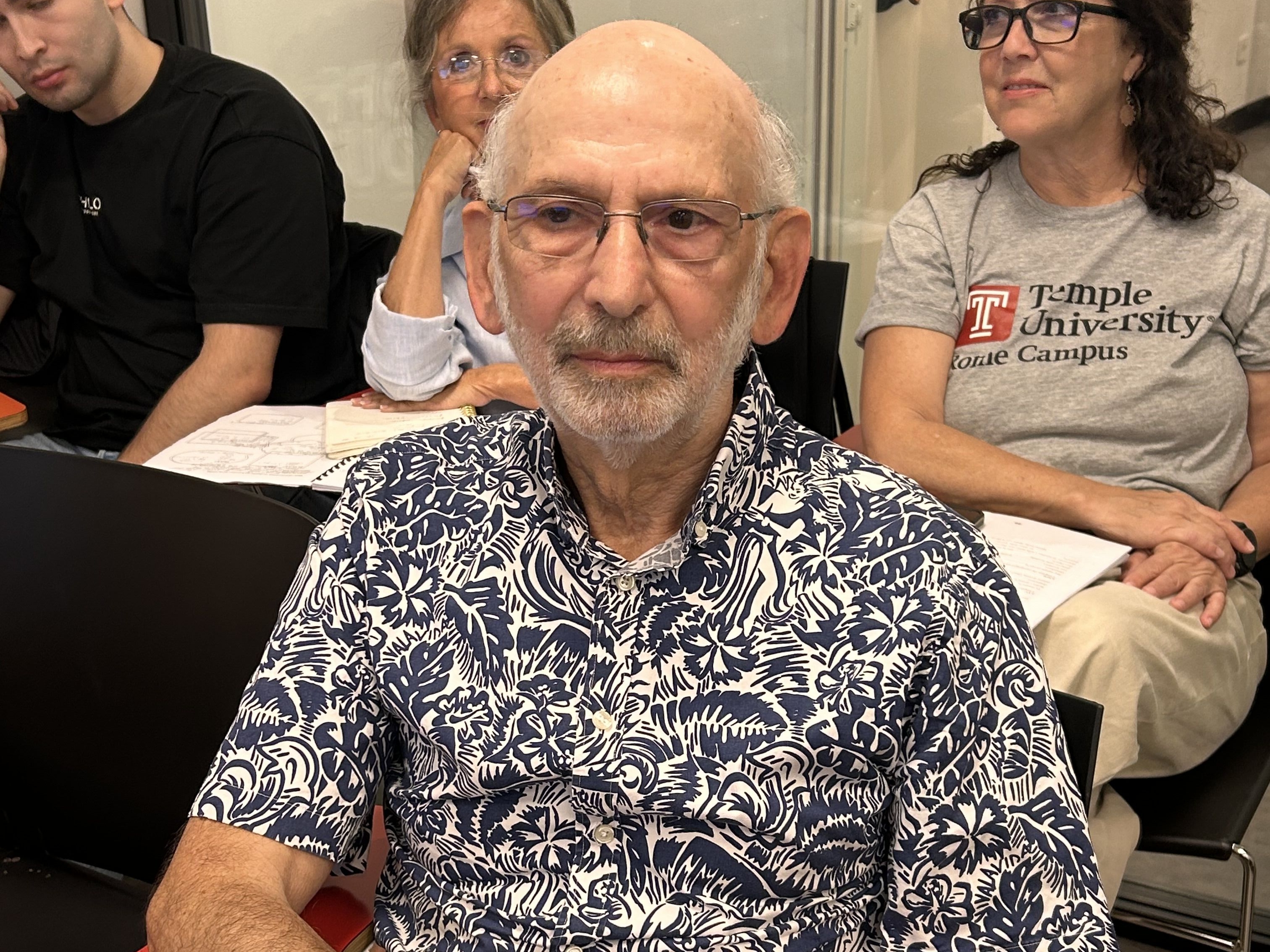
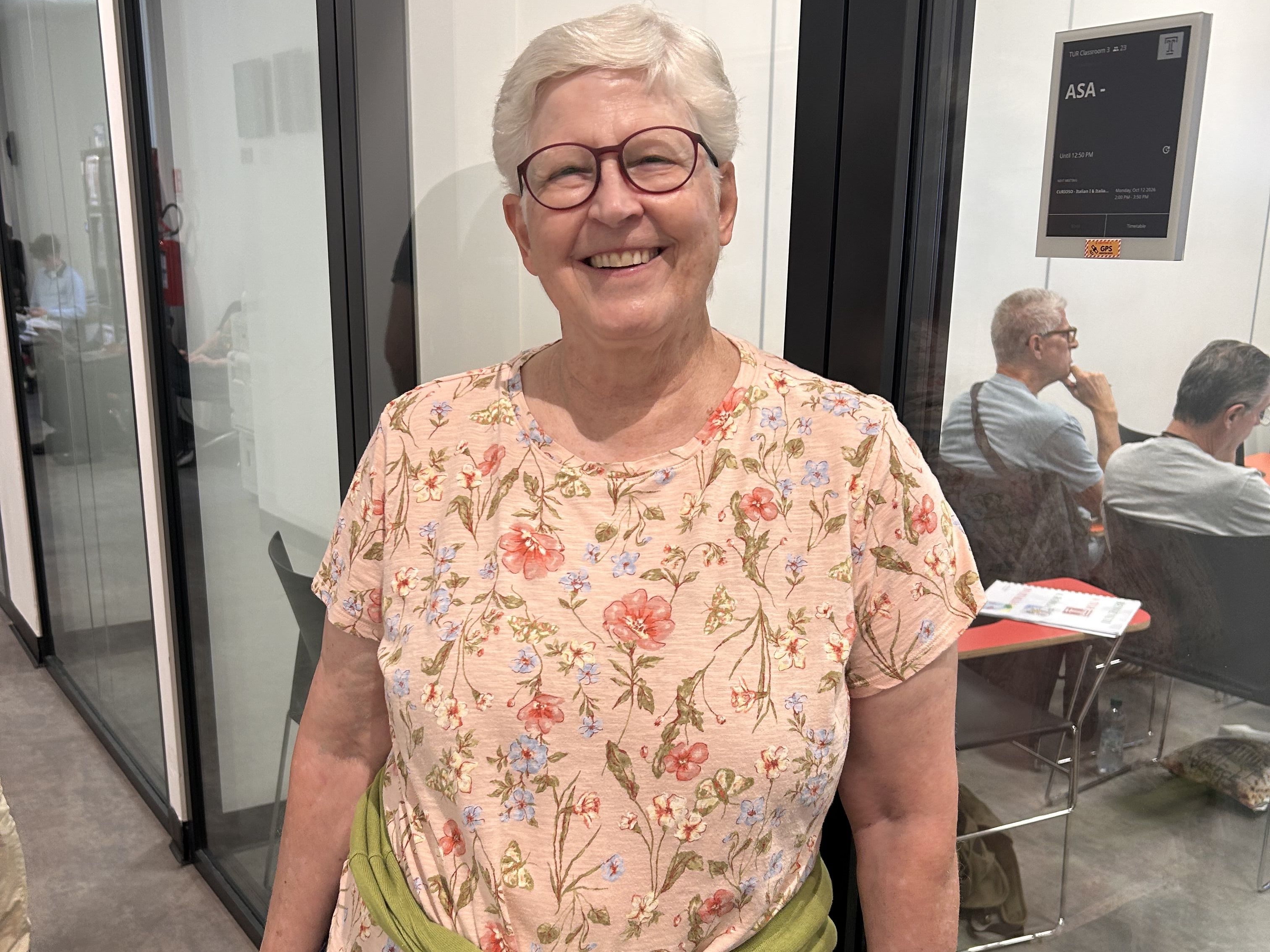
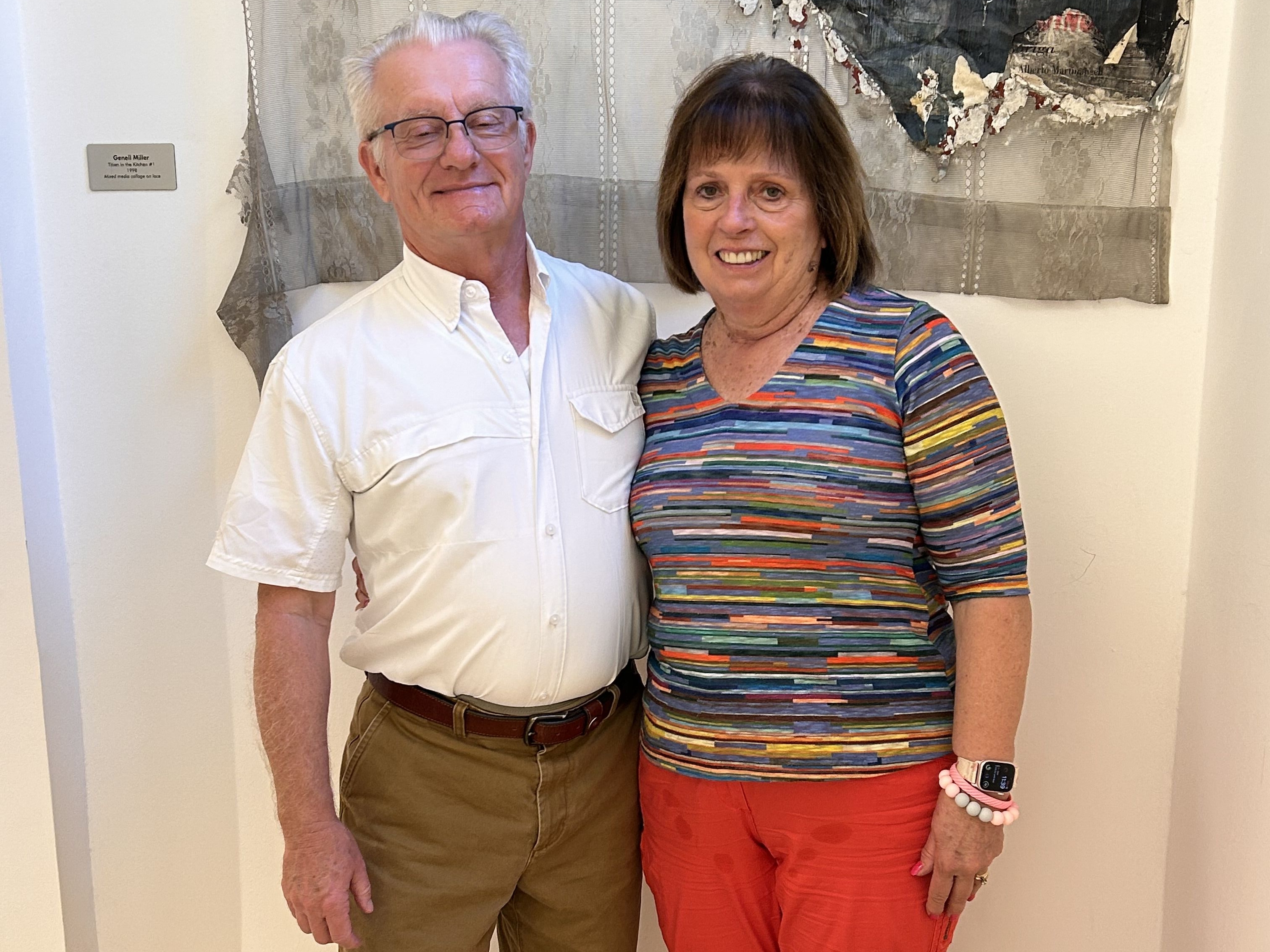
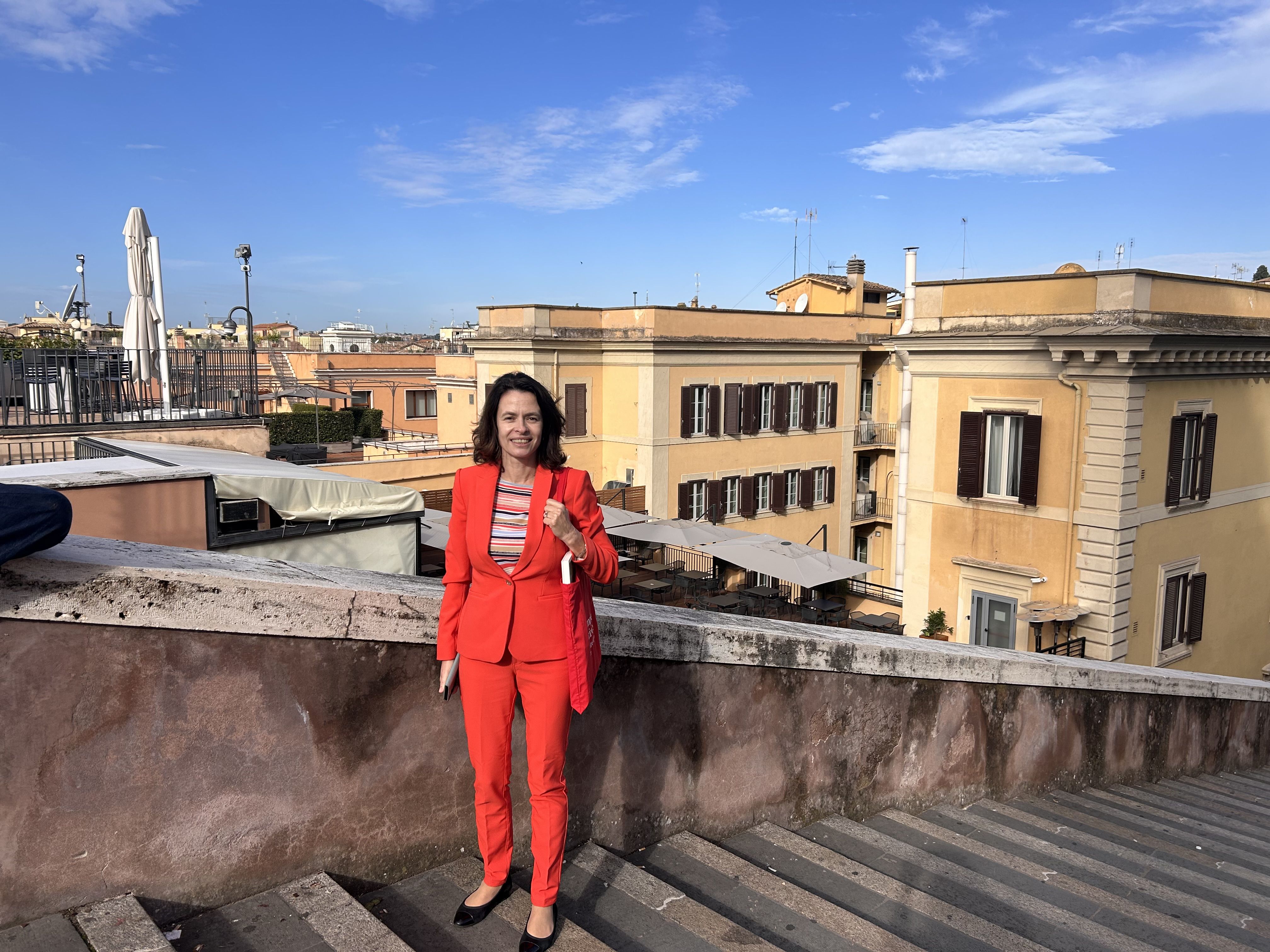
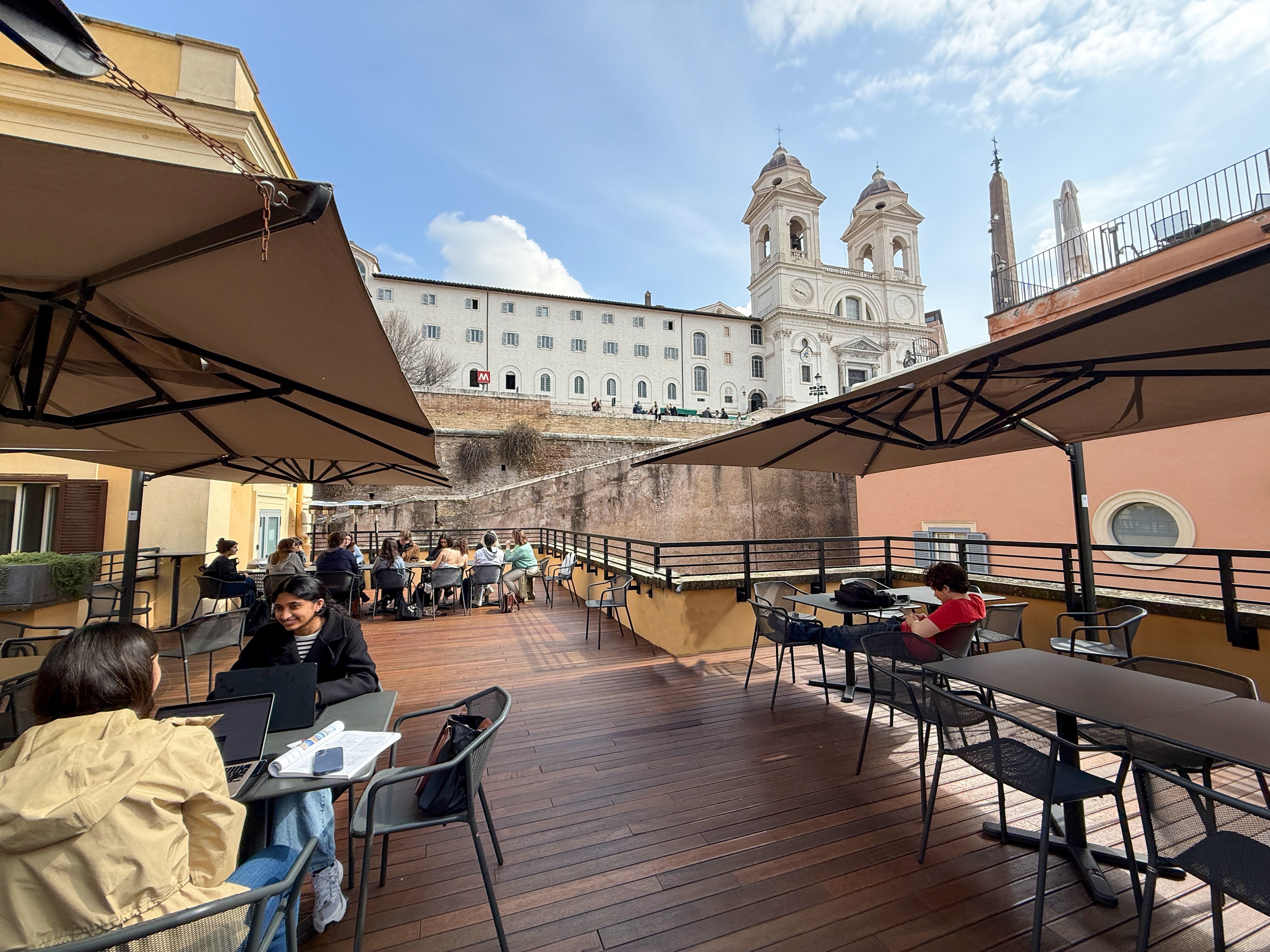
Roushfound that Temple University offered what it believes is the only noncredit study abroad program for adults by a U.S. college on a foreign-based campus — and she enrolled. Now, she is one of nearly 50 adult students from cities around the country who took six weeks of classes at Temple’s Rome campus, nestled in an upscale, historic area of the city adjacent to the famous Spanish Steps.
“So I didn’t end up moving to Philadelphia, but I ended up coming to this program,” Roush, 79, a retired foreign language teacher from Louisville, Ky., said. “I would highly recommend it.”
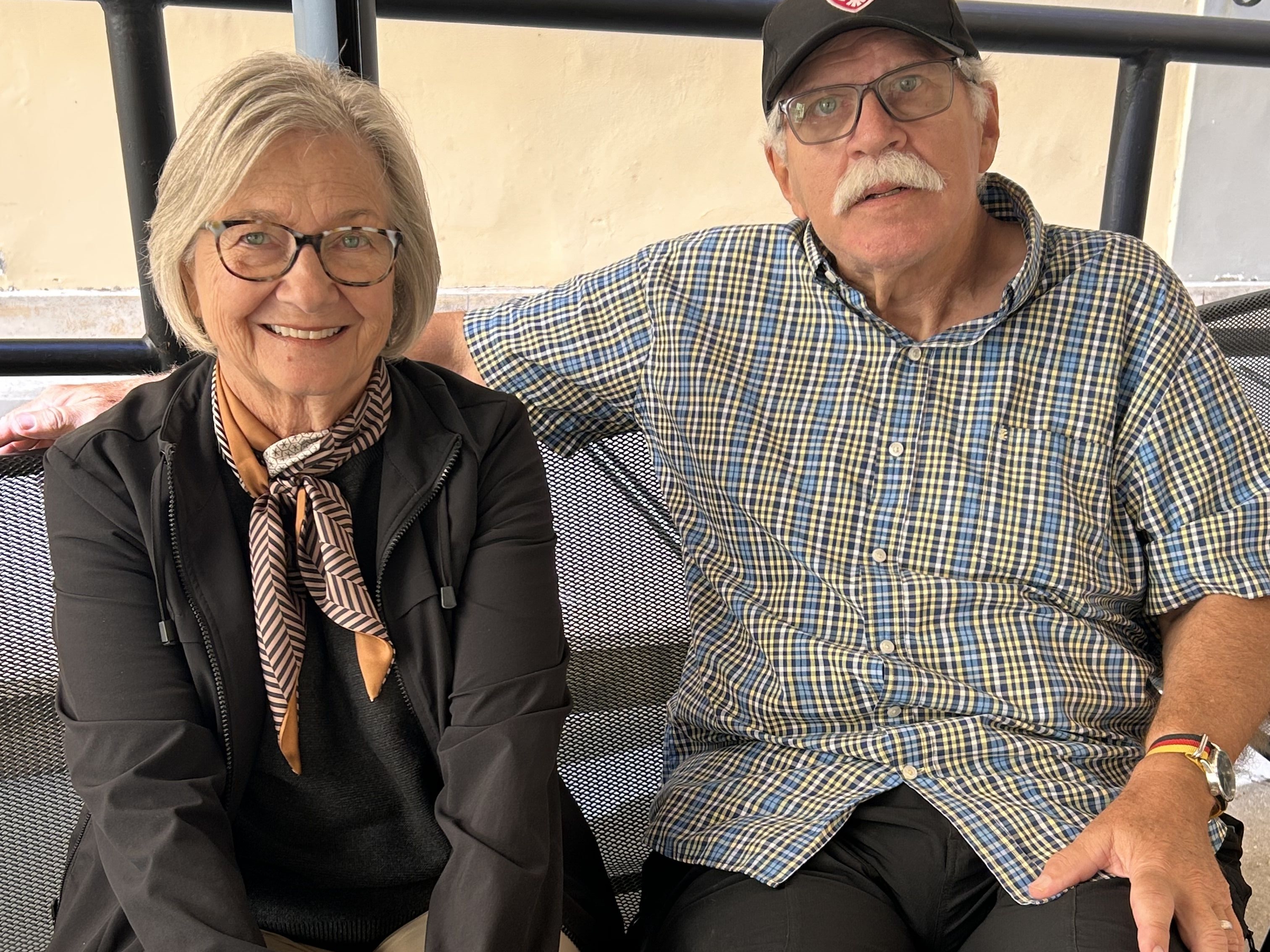
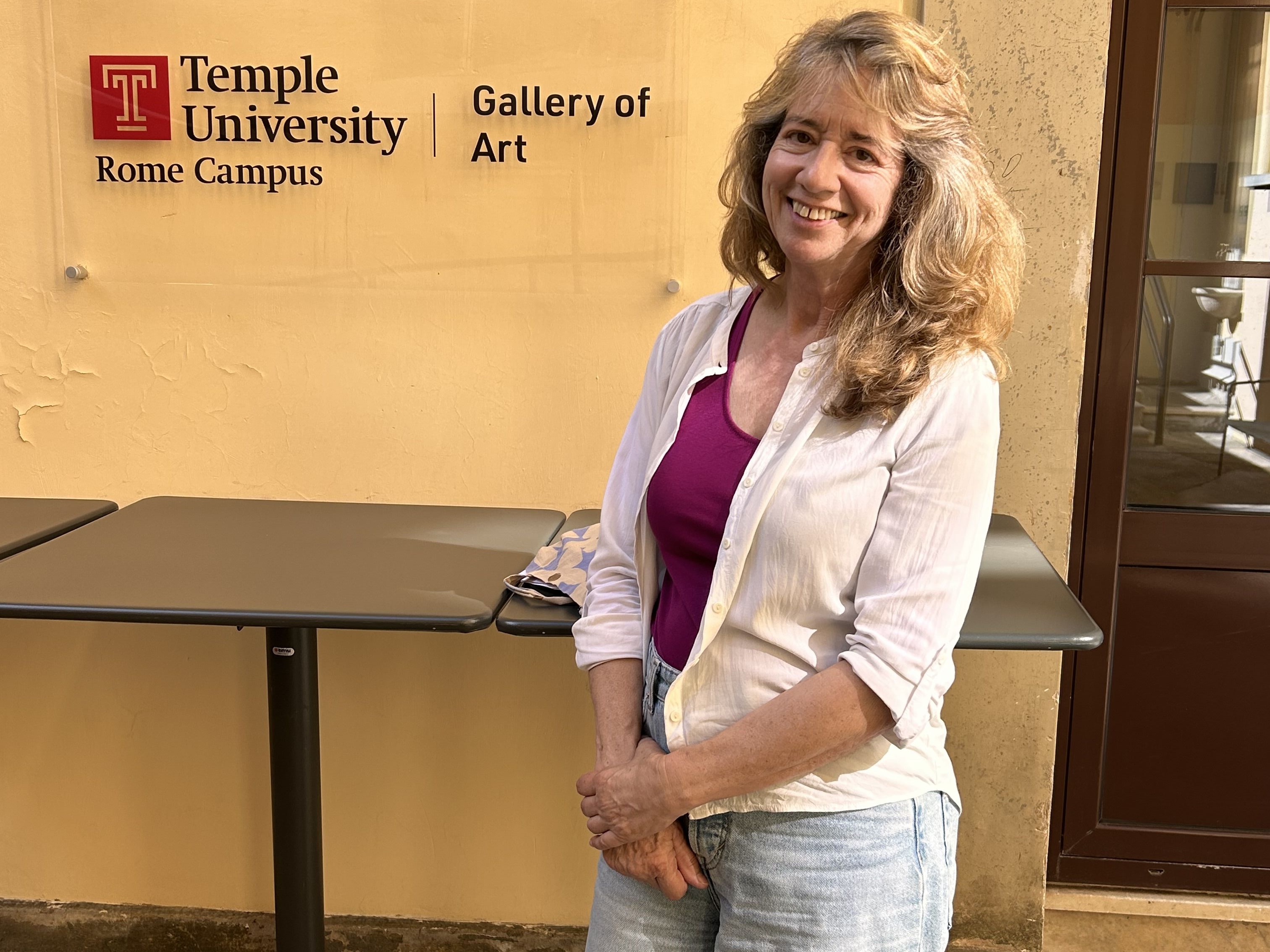
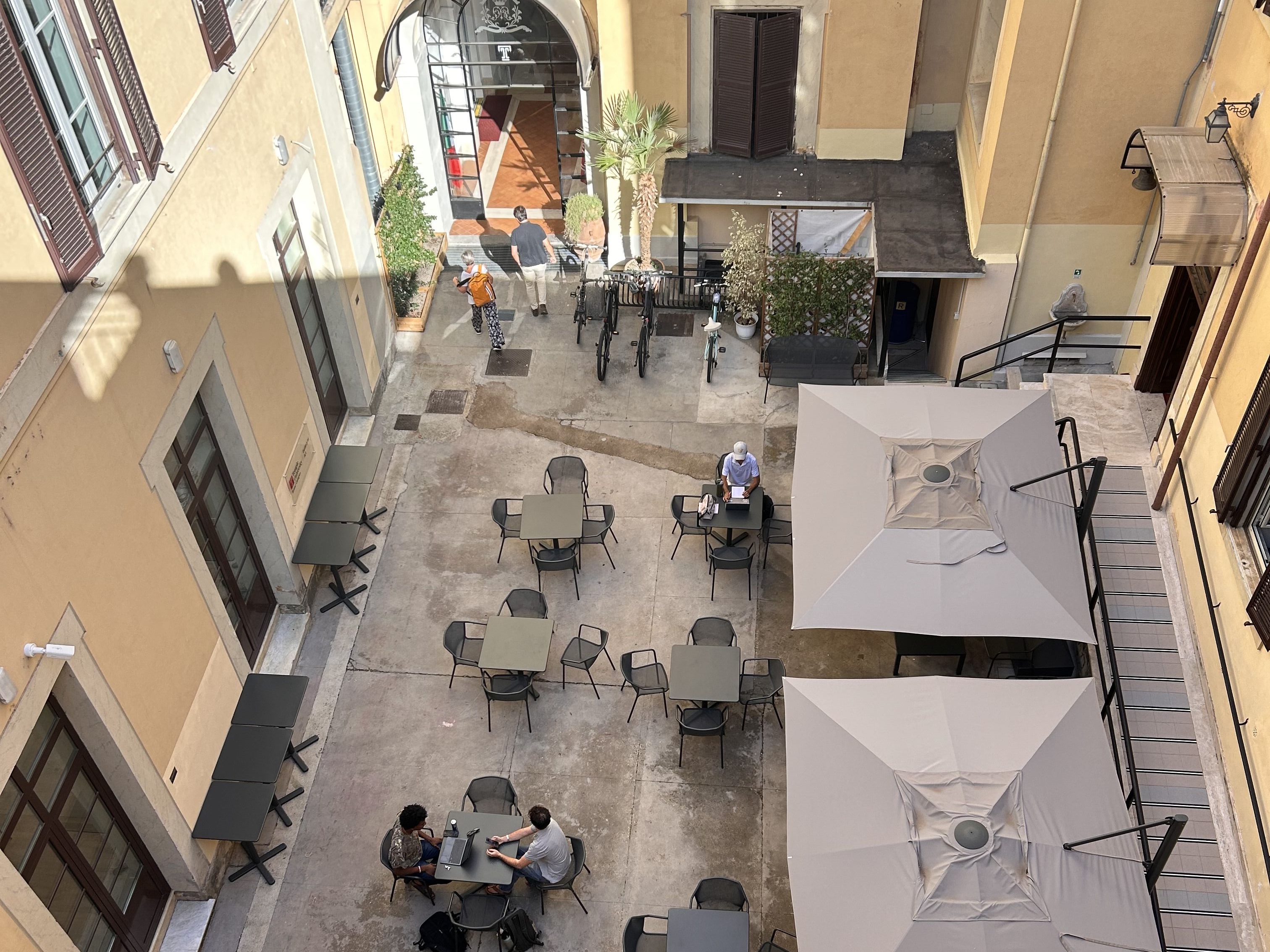
Joyce Roush, of Kentucky, and Guenther Tumasz, of Warrington, sit in the courtyard on Temple University’s Rome campus and talk about their experiences at the school. “I would highly recommend it,” Roush said. “I would highly recommend it to anyone who loves walking and loves going up and down hills,” Tumasz said.Susan Snyder
Temple opened its Rome campus 60 years ago, serving students in art and architecture from its Tyler School of Art. Then it began largely enrolling traditional undergraduate students from Temple and other universities who wanted to study abroad. In 2019, an alumna audited courses and the school decided based on her experience to launch a formal adult program in 2021. Its first cohort was just 10 students, growing to two groups and about 30 in 2022.
Acting on the Rome campus’ success, Temple’s campuses in Tokyo and Kyoto launched adult study abroad this year and their cohorts were filled, with waiting lists, said Matthew J. Wilson, president and dean of Temple University Japan. Two more programs will be held in Kyoto in November and December, with another scheduled for next year, he said.
“There’s clearly a big demand out there,” said AJ Fitzgerald, the Rome campus’ director of adult education.
Though they cannot say it definitively, Temple officials think their adult study abroad program might be the only one of its kind. While there are touring and travel programs for adults to learn abroad, Temple officials are not aware of any others run in the same way by a university, said Emilia Zankina, dean of the Temple Rome campus and vice provost of global engagement.
AJ Fitzgerald, director of adult education at Temple’s Rome campus, said “there’s clearly a big demand out there” for adult study abroad programs. “Our tagline has become ‘it’s not a vacation. It’s an adventure.’”Susan Snyder
The courses are noncredit. No tests, grades, or stress.
“They’re here for enjoyment,” said Daniela Curioso, an Italian language professor.
Temple offers a six-week program in the fall and a four-week program in the spring, with courses in the ancient history of Rome, its modern history, and its art history from classical to the Baroque period.
Curioso teaches immersive Italian, which is a mix of language instruction and tips for daily living, such as how to order items in a market and make gelato.
“We try to make the students use the language they learn in class for these experiences,” she said.
Daniela Curioso, a professor of Italian, teaches an immersive Italian class to students in Temple University’s adult study abroad program in Rome.Susan Snyder
Students have done field trips to Cinecittà Studios, where Federico Fellini and, more recently, Martin Scorsese made films. They also visited a local high school and an opera theater. There are weekend trips, too, to Tuscany, the Gulf of Naples, and Palermo, where students hear about its Mafia history.
Enthusiasm for the program abounds. The campus’ largest gift — $1 million — came from Jack and Monica Pinkowski, who attended the program in 2024. The money is being used to fund scholarships of up to $10,000 per academic year for credit-bearing undergraduate students.
When the program started, it served almost exclusively Temple alumni, but now more than half are non-alumni, Fitzgerald said.
“The bulk I’d say are from Pennsylvania, although now we’re getting more from Texas, California, New York,” he said.
There is a man from the Netherlands, and a couple from Australia, too, he said.
Sid Kaplan, 79, a retired foreign service officer from Washington, said he really enjoyed visiting Cinecittà Studios, where Federico Fellini made his films.Susan Snyder
Sid Kaplan, 79, a retired foreign service officer from Washington, had audited classes at Georgetown University and looked for experiences outside the United States. He found Temple’s.
Loria Cavallo, 67, a retired elementary school principal from West Virginia, read about Temple’s program in the book You Deserve Good Gelato by Kacie Rose, who moved from New York City to Italy.
“She says if you really want to learn the Italian culture you need to immerse yourself for a length of time, and then she recommended this program at Temple,” said Cavallo, an Italian American who was eager to learn more about the country.
Connie Martin, 72, of Warrington, studied in Rome when she was an undergraduate at Pennsylvania State University in the 1970s.
“I fell in love with Rome 51 years ago, tossed lots and lots of lira in the Trevi Fountain,” said Martin, who attended this fall’s program with her husband, Guenther Tumasz, 76. “This is our first trip back.”
Connie Martin, 72, of Warrington, studied in Rome when she was an undergraduate at Pennsylvania State University. “I fell in love with Rome 51 years ago … this is our first trip back,” she said.Susan Snyder
Tumasz, who had worked in trade financing, said he found the trip interesting but warns there is a lot of walking — he said he averaged 10,000 steps a day.
“I would highly recommend it to anyone who loves walking and loves going up and down hills,” he said.
Ann Waters, 72, a Temple alumna and retired planner from South Carolina, got an email about the program and enrolled along with her husband, Mike, a retired risk analysis executive.
The couple at one time lived in the Philadelphia area and raised their children in Delaware County. Neither studied abroad as undergraduates, and they jumped at the chance to do it now.
“We’re going to parts of Rome that tourists don’t normally ever see and experience so that we can understand the past, present, and future of Rome,” said Mike Waters, 71. “We’re seeing it like a Roman.”
Mike Waters and his wife Ann, a Temple alumna, hadn’t studied abroad as undergraduates and jumped at the chance to attend Temple University’s Rome campus.Susan Snyder
While the majority of students are in their 60s and above, the program also attracts mid-career and young adults, Zankina said.
“One year we had this group of women, not retired yet, but who had sent off their kids to college, and they came as a group,” she said.
Some students — including six of the 49 this fall — are returning for the second or third time.
That includes Kathryn Aurand, 69, who is from Lewistown, Pa., but now lives in California. She first studied on the Rome campus in 1979, when she was an art history major at Penn State.
Kathryn Aurand, 69, who is from Lewistown but currently lives in California, participated in Temple University’s adult study abroad program for the third time this fall.Susan Snyder
She returned in 2021 as part of the inaugural class of adult study abroad students, then again in 2023, and a third time this fall.
Now, she is thinking about trying a program at Temple Kyoto.
Adult students arrange for their own housing. Some said they opted for Airbnbs or apartment rentals. The base fee for the fall program next year will be $4,695, according to Temple’s website, with discounts for certain groups, such as alumni, employees, and parents of students. There are additional charges for trips and elective courses.
Emilia Zankina, dean of Temple Rome, stands at the top of the Spanish Steps overlooking the campus.Susan Snyder
In addition to adult study abroad students, the campus enrolls about 240 credit-bearing students this fall, the bulk of them traditional-age study abroad students who attend for a semester or their full first year. Thirty of those spending their first year on the campus are international. In addition, the campus this year launched its first four-year degree programs, enrolling 15 new students and retaining seven students who attended as freshmen last year.
“The goal is for us to become a campus where about maybe half of the population is degree seeking and the other half is study abroad,” Zankina said.
The campus expects to have 400 credit-bearing students this spring and aims to grow to about 600 over five years, she said.
To accommodate growing interest in adult study abroad, the school this fall for the first time offered a weeklong alumni reunion, which brought back 26 former participants.
The courtyard in the middle of Temple’s Rome campus.Susan Snyder
The campus this spring also is starting a one-week program focusing on Italian gardens. About 160 people signed up, Fitzgerald said.
“There’s been way more interest than we expected,” he said. “We’re trying to figure out how we can best accommodate everyone.”
The terrace at Temple Rome’s campusCourtesy of Emilia Zankina