Tag: topic-link-auto

  • Too sick to work, but can they prove it? New Medicaid rule worries patients

    NEW YORK (AP) — On hot afternoons, DeAnna Brandon’s three dogs zag around while she splashes in a backyard kiddie pool with her grandkids. These are the moments the 48-year-old blood cancer survivor cherishes — and wonders if she’ll get to have in the years to come.

    Brandon, who lives in Rockwell, North Carolina, is worried that new Medicaid work requirements starting next year could jeopardize her health coverage. She had expected to qualify for a medical frailty exemption, but new guidance introduced by President Donald Trump’s administration last week has thrown that into question.

    The interim final rule released by the Centers for Medicare and Medicaid Services means being sick with extreme exhaustion and memory challenges related to her treatments may not be enough for Brandon to evade the new work requirements. She’ll have to attest and later prove that those symptoms “significantly impair” her ability to fulfill the new mandates.

    If the government doesn’t accept her case, she could lose her coverage — and the twice-monthly maintenance chemotherapy that keeps her multiple myeloma in remission. Working is “outside of the realm of possibility for me,” she said in an interview.

    “I was always a push-through-it person — you know, ‘Oh, you’re tired. Push through,’” Brandon said. “It’s hard to explain to people you can’t push through it.”

    Health analysts have sounded the alarm about the Republican Trump administration’s newest guidance, which differs from what states had been expecting. Experts said it will put more Americans at risk of losing their health insurance and force states to scramble in their already harried efforts to implement the changes on time.

    “This will mean more paperwork for Medicaid patients — specifically for the sickest Medicaid patients,” said Adrianna McIntyre, a professor at Harvard University’s school of public health. That, she said, “is going to push in the direction of more people needlessly losing coverage.”

    Medical frailty rules may mean paperwork nightmares for sick people

    The new Medicaid restrictions were part of Trump’s big tax and policy law in 2025. The change affects those covered through an expansion, which most states chose to make, that gave more lower-income people access to the government’s safety net healthcare program.

    Expansion enrollees aged 19 to 64 will have to show that they work or do community service at least 80 hours a month or are in school at least half the time. There are exceptions for those considered medically frail or in addiction treatment programs, among others.

    Last week’s announcement from CMS caught states off guard with a new definition of medical frailty. The law had said medically frail people include those who have substance use disorders, disabilities or serious medical conditions. But the CMS rule last week went further, saying someone’s condition must “significantly impair” their ability to work, volunteer or attend school at the rates required in the law for them to be granted an exemption.

    In 2027 and once in 2028, the patient can attest that they meet this definition. But when they try to renew coverage in 2028, they’ll need to prove it.

    Advocates said it’s unclear what kind of documentation could prove that point. They said doctor notes may be required — something some providers don’t feel comfortable writing. Medicaid enrollees fighting disease may carry the bureaucratic burden.

    Brandon, who tried to prove she couldn’t work to access disability benefits during her active cancer treatment and failed, said she’s worried about the hoops she and other patients may need to jump through.

    “It’s not that easy — you may have to go through four doctors,” Brandon said. “If you’re already battling an illness like this, you don’t have the physical or the mental or the emotional energy to do that all the time.”

    States and advocates are confused by the government’s approach

    States have been planning to use Medicaid claims data and other data sources to automatically exempt eligible enrollees whenever possible.

    CMS Administrator Dr. Mehmet Oz on a call with reporters last week endorsed that approach, saying he hoped most people would be helped “without ever having to talk to anybody.”

    Asked to clarify how the rule should be implemented, CMS told The Associated Press in an emailed statement that the agency “chose not to allow states to categorically exclude individuals from work requirements based solely on a diagnosis or condition type.” For renewal in 2028, it said, “verification through claims data or other documentation will generally be required.”

    But state Medicaid officials and consultants said Medicaid claims data doesn’t prove someone is significantly impaired from working, and they don’t know of any existing data that does. That has left them confused about how to honor the government’s rule.

    “States are going to be asked to make a determination using information that doesn’t exist in their systems,” said Kinda Serafi, a partner at the consulting firm Manatt Health who is working with states to make the changes.

    One state, Nebraska, started the new Medicaid work requirements ahead of schedule. But it used diagnostic codes to identify people who are medically frail, and it therefore will likely have to rework its system, said Sarah Maresh, healthcare access program director at the advocacy group Nebraska Appleseed.

    Maresh said she was concerned doctors in the rural state who are already reluctant to take Medicaid patients may decide to stop.

    “They’re already drowning in paperwork, so to require them to do an additional step of certifying whether someone is able to work, I think is concerning,” she said.

    Preparing for the Jan. 1 kickoff of the new policies is an immense and expensive task. A $200 million federal allotment is flowing to states to help, and CMS has partnered with technology companies to provide free and discounted services, but the tab for the additional technology requirements and more staff is likely to exceed $1 billion, according to an AP analysis. That extra cost will be borne by a mix of federal and state tax dollars.

    Republicans say the rules will save Medicaid for those who need it most

    Republicans promoting the new rules say they are commonsense measures to eliminate government freeloading and preserve benefits for people who need them most. Oz last week, citing a report by the conservative American Enterprise Institute think tank, said able-bodied people on Medicaid spend an average of 6.1 hours a day “watching TV or just hanging out.”

    “This is a concern, not a criticism,” he said. “Work requirements are going to turn this around, we hope.”

    But current enrollees who don’t meet the work requirement threshold said that’s a misrepresentation of their experience.

    Mids Meinberg, a 42-year-old freelance writer from New Jersey who lives with chronic depression and diabetes, said that even with his health issues, he’s proud to have found a meaningful career. But his conditions make him unable to work 80 hours a month. He said he thinks there are many people with disabilities who are “too disabled to work but not disabled enough for the state to think they can’t work.”

    Brandon, in North Carolina, said she wants the government to understand that she’s “not just sitting around wasting time or being a drain on society.”

    “I’m pouring into my grandchildren,” she said. “We’re valuable, and we can still contribute to our communities even if it’s not working.”
  • The body of a Philly teen who disappeared on a class trip to Wildwood has been recovered

    The body of a Philly teen who disappeared on a class trip to Wildwood has been recovered

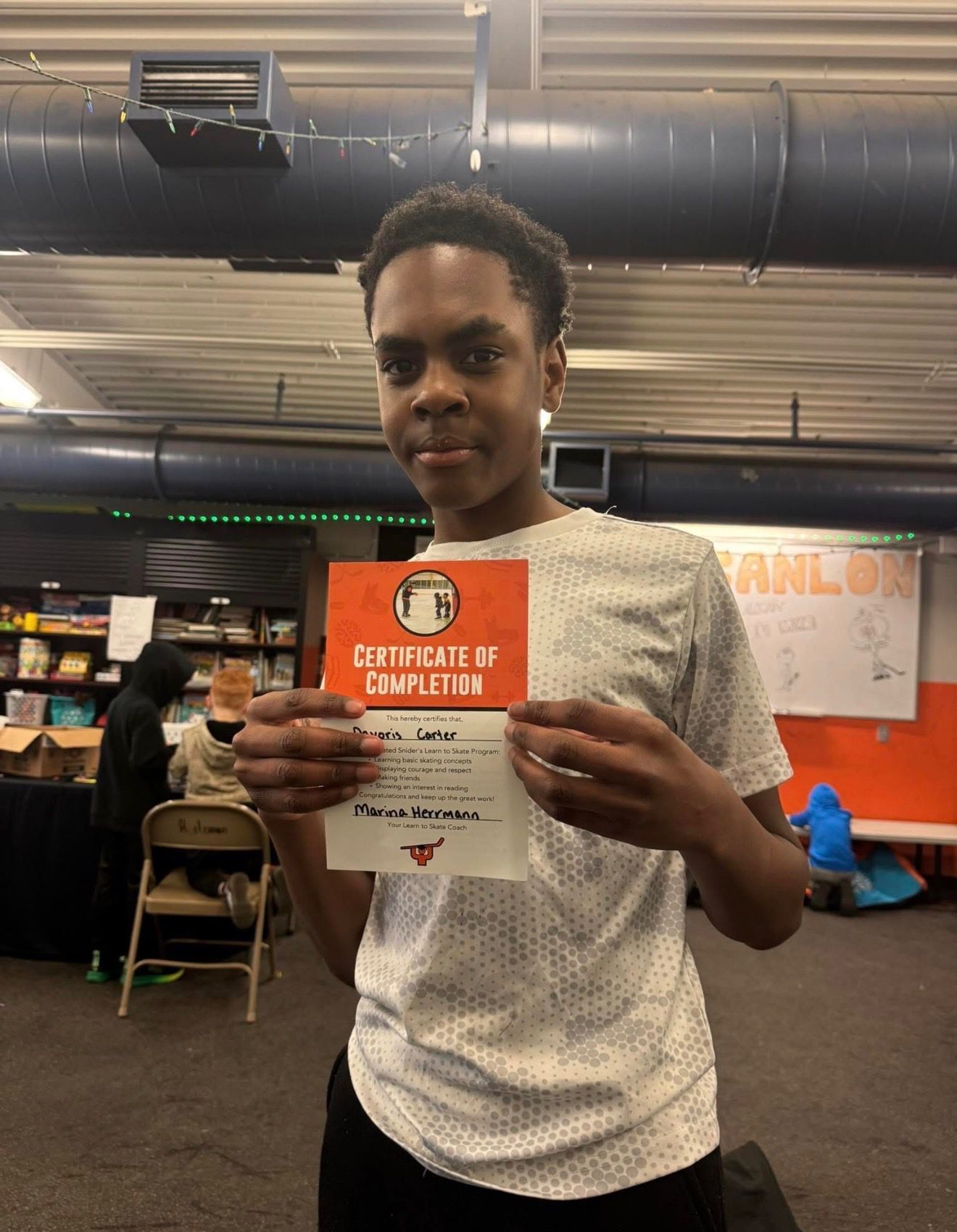
    The body of a Philadelphia teenager who vanished earlier this month while swimming in the ocean at the Jersey Shore has been recovered, the Wildwood Police Department said.

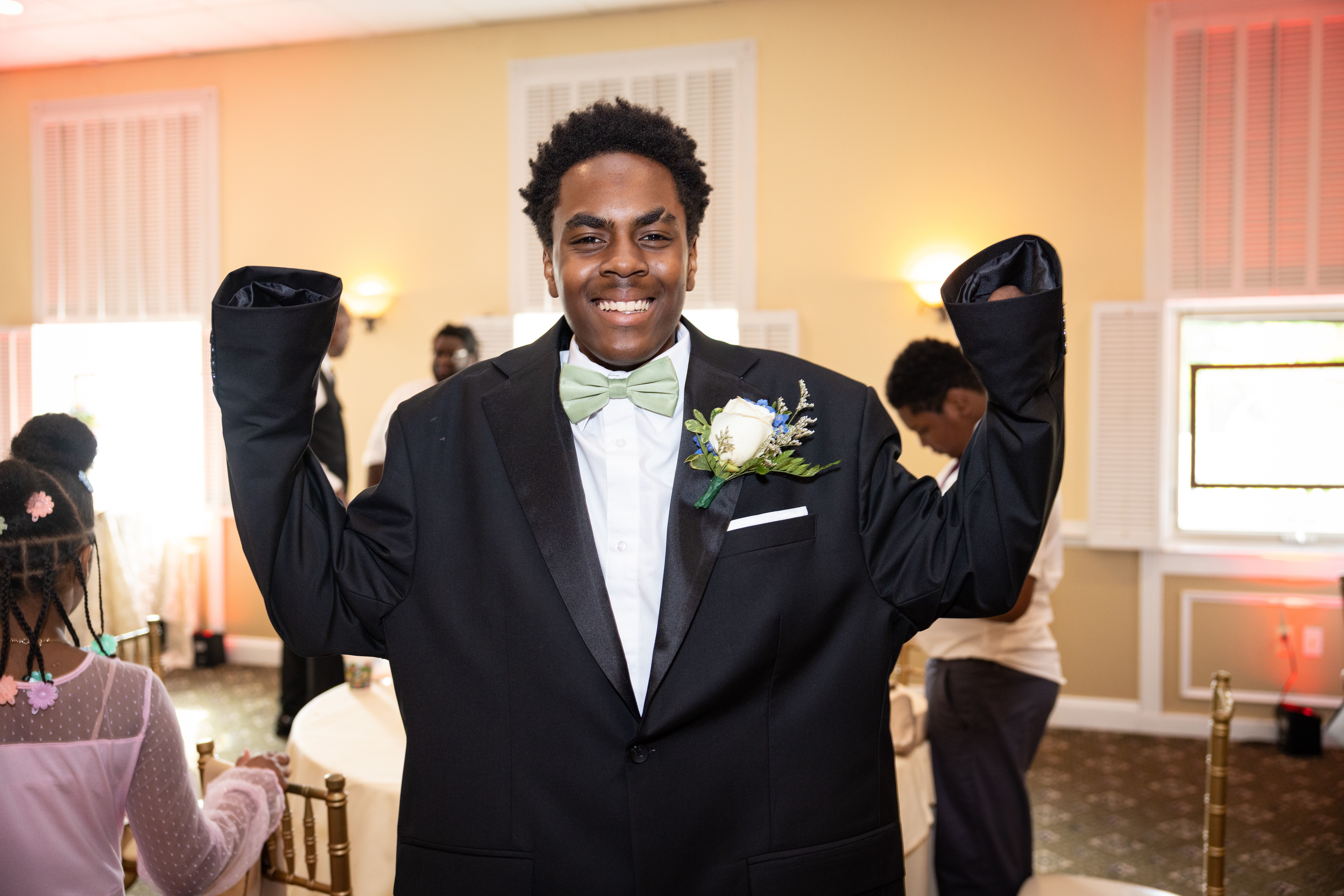
    Davoris Carter III, 14, was on a class trip to Wildwood when he disappeared on the afternoon of June 1. Carter’s body was found Tuesday near the U.S. Coast Guard Training Center in Cape May, and a forensic analysis confirmed it was that of the missing teen.

    “Our sincere condolences are with the juvenile victim’s friends and family during this very difficult time,” Wildwood police said in a statement.

    Shyara Hill, Carter’s mother, told The Inquirer her son and other special-needs students traveled to the beach with school staffers to celebrate graduating eighth grade from Delta School in Philadelphia.

    Davoris Carter was recently accepted into the Philadelphia Police Department’s “Explorer Cadet” program, according to his mother. Courtesy of the family

    There were no lifeguards at the beach when the students entered the ocean, and around 1:30 p.m. on June 1, police responded to several swimmers in distress. Officials said three were rescued, but Carter disappeared.

    Delta School did not respond to a request for comment. The school’s director of education told NBC10 last week school officials were cooperating with the investigation and that the class trip was “appropriately supervised with the right number of staff members.”

    The school said in a message posted on its website: “Delta School is heartbroken over the recent loss of student Davoris Carter III. As we navigate this difficult time, we continue to hold Davoris, his family, and every member of our school community in our thoughts and prayers.”

    Carter, the oldest of four siblings, was a good student and a kind and funny kid, Hill told The Inquirer. She said he was recently accepted into the Philadelphia Police Department’s “Explorer Cadet” program, which introduces young people to aspects of law enforcement, as well as the Philadelphia City Rowing program.

  • Homeowners turn their properties into art through a Philly tradition: The mural

    Homeowners turn their properties into art through a Philly tradition: The mural

    After first-time homebuyer Brendan McCreath settled into his Bella Vista rowhouse last spring, his first priority was contacting Mural Arts Philadelphia.

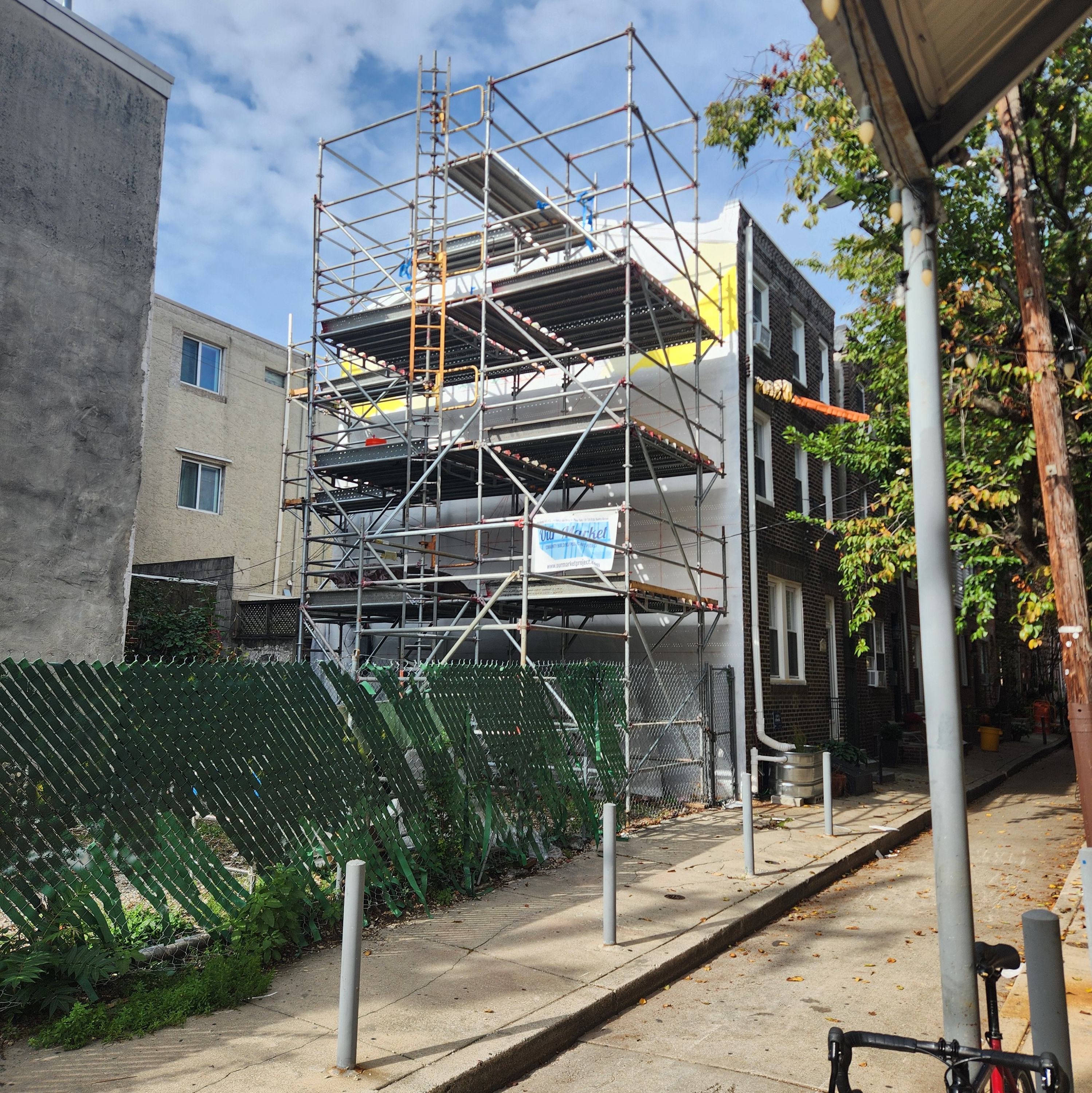
    During the closing process, he had learned that the previous owner had agreed to let an artist paint a mural on the house, but withdrew her support. McCreath wanted to revive the plan.

    “I love that Philly is just loaded with murals,” he said. “It’s beautiful.”

    In a city internationally known for murals, roughly 1,000 are on private homes through partnerships with Mural Arts. Homeowners don’t have to go through the organization to put a mural on their house. But if they do, Mural Arts covers the costs of preparing the wall, installing the piece, and maintaining the mural.

    “We appreciate homeowners so much who really hold art in esteem and are thinking not just about their house but about the communal effect the art will have on the city,” said Jane Golden, founder and executive director of Mural Arts. “Murals become part of our collective identity.”

    Homeowner Brendan McCreath captured photos of artist Michelle Angela Ortiz’s mural as it was installed last year.Brendan McCreath

    Artists plan murals in collaboration with homeowners and neighbors. Some paint directly onto walls, but most now paint on large sections of cloth and piece them together later on surfaces, Golden said.

    She estimates the wait list for artwork through Mural Arts is close to a thousand strong. In Philadelphia, “people 100% absolutely love public art,” she said.

    The city gets about a hundred new works per year through Mural Arts. Pitches come from the wait list as well as artists, Mural Arts staff, city officials, and funders.

    But the city also loses murals to development and demolitions. Mural Arts tries to stay away from vulnerable sites, including those next to vacant lots.

    Lack of funding is usually what prevents Mural Arts from doing more work, Golden said. But sometimes, artists just need walls. The organization has an official “wall hunter” who scouts potential locations. The job has gotten harder, as more properties are owned by limited liability companies (LLCs), and tracking down humans who can give permission for murals is difficult.

    Bella Vista homeowner John Del Rossi gave an immediate “yes” when Mural Arts approached him.

    “I can’t imagine anybody saying, ‘No, don’t put this beautiful mural on my wall. Leave it blank and ugly,’” he said.

    The Inquirer asked six homeowners why they wanted their properties to join Philadelphia’s rich tapestry of murals.

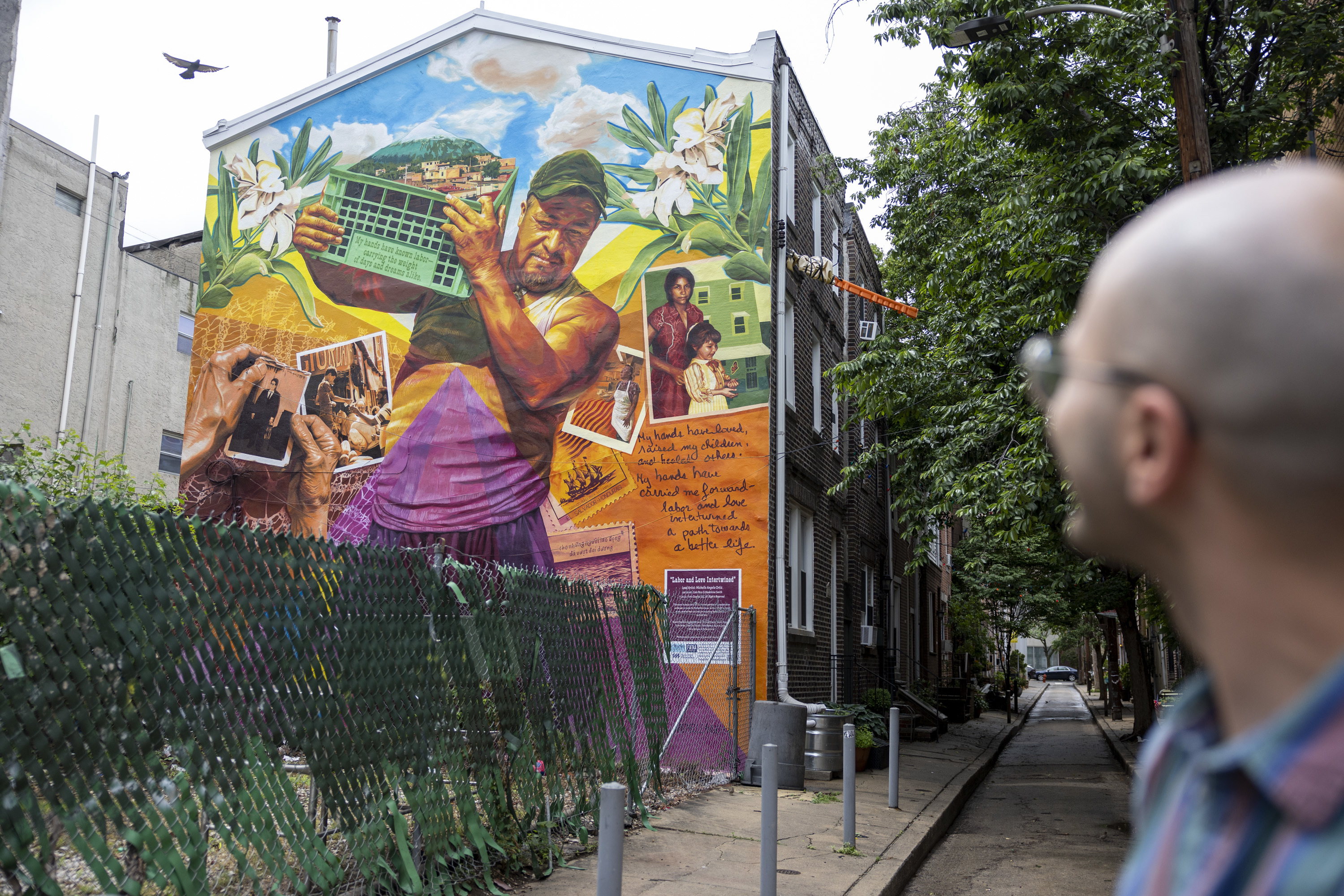
    Brendan McCreath looks at the mural painted on the side of his rowhouse.Tyger Williams / Staff Photographer

    Labor and Love Intertwined

    Sometimes, McCreath will spot people gazing at the mural and stop to gaze with them. Then he’ll take out his keys and walk through the door behind it.

    “There’s many people who will stop dead in their tracks and take a photo of the side of my house,” he said. “It’s such an open wall out to Ninth Street. It truly feels like the perfect placement for a mural.”

    Creator Michelle Angela Ortiz makes art nationally and internationally, and turned to other projects when the mural fell through. But she was disappointed. She was born and raised on this block of League Street, and her parents still live there. Ortiz had wanted to paint a mural “at home” in her neighborhood.

    So when McCreath revived plans for the mural, she was ecstatic.

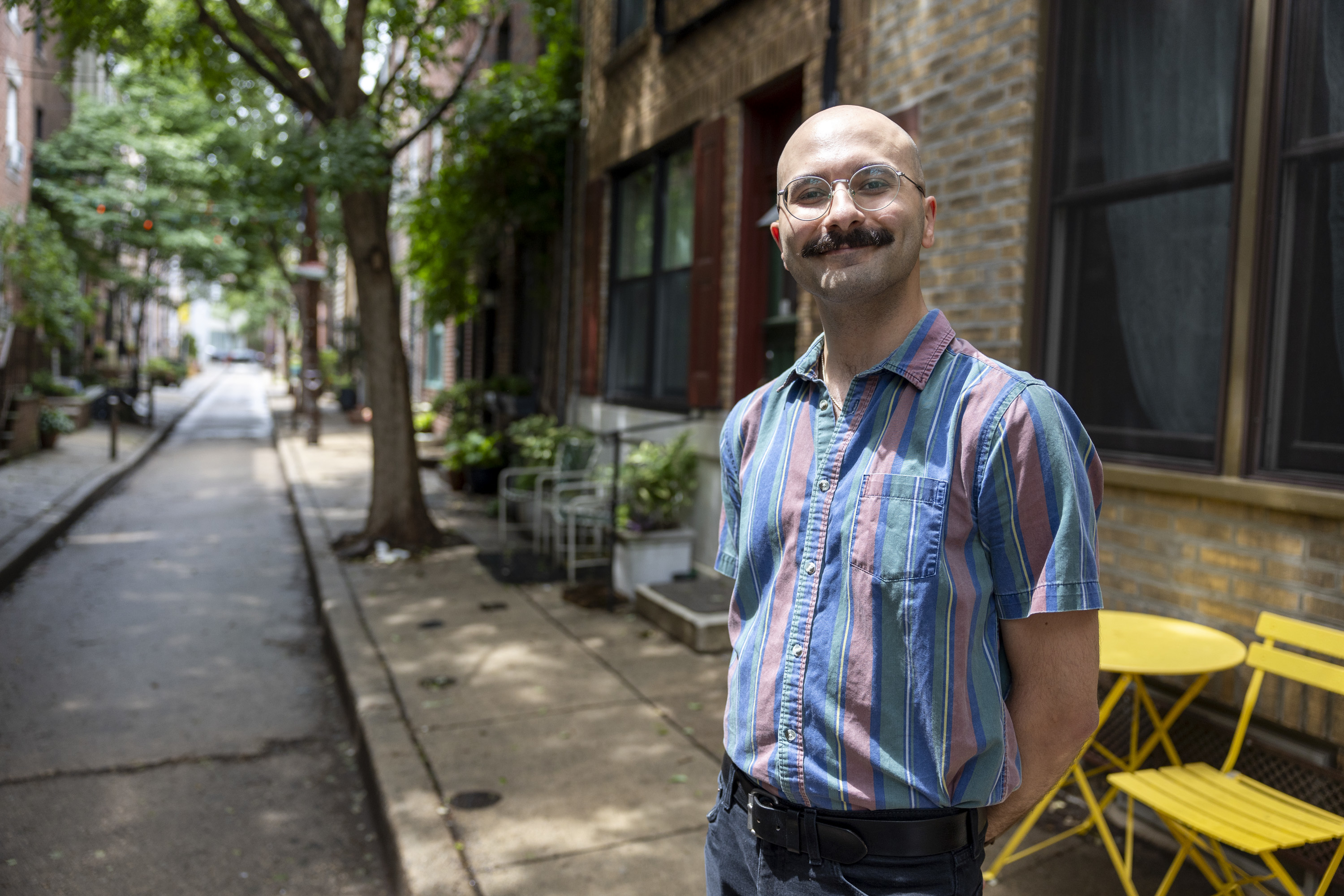
    Brendan McCreath poses for a portrait outside his home.Tyger Williams / Staff Photographer

    The work is part of the Our Market Project that Ortiz created six years ago to broaden the narrative of what has become known as the Italian Market and honor the people from different backgrounds who make the market on South Ninth Street what it is.

    “What we do in the market is not just sell things. We take care of one another,” Ortiz said. “We raise our families. We bring our culture. We bring our values and our spirit to the market.”

    In the mural, which she painted directly onto McCreath’s wall, she highlights stories of neighbors with ties to the market. The center image is of a Mexican immigrant named Gabriel who works at Tran’s Produce, owned by Vietnamese immigrants. The mural includes a poem by Alice Harrison, a longtime market worker and the daughter of Holocaust survivors, who also lives on League Street.

    Ortiz said her Our Market Project is “my love letter to my community, but also a way to pay homage and honor to my mother, who is an immigrant from Colombia and work[ed] at Giordano’s for 25 years.”

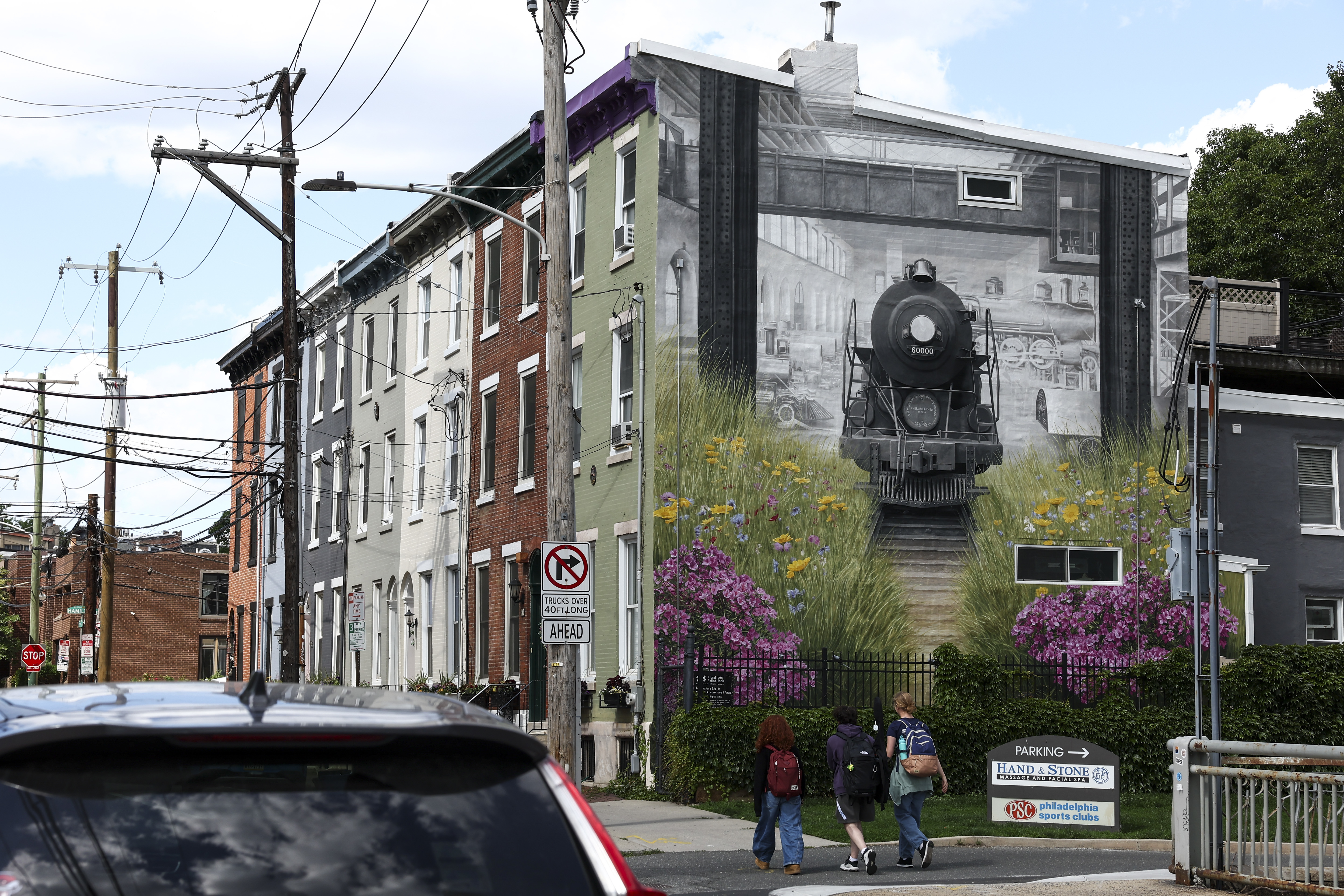
    This mural by Phillip Adams pays tribute to Baldwin Locomotive Works and the Lenape.Monica Herndon / Staff Photographer

    Industrious Light: Baldwin Locomotive Works

    If you stare at the mural of a train on North 20th Street and think you hear a faint whistle, you’re not imagining things. Homeowner Susan Freeland likes to blow a train whistle when she sees the mural getting attention.

    “Many people remark that it actually looks like the train is coming toward you, because it looks larger than life,” she said.

    Freeland and her husband owned their house for a few years before she called Mural Arts about their “ugly, empty” wall. It was visibly lumpy from when the neighboring house was torn down.

    “You would never know that to see the mural on it,” she said.

    About six months after Freeland’s call, Mural Arts called back. That led to meetings with nearby neighbors and artist Phillip Adams. The mural stalled when neighbors said they didn’t like Adams’ first idea for a still-life painting.

    His second idea, Freeland said, “really spoke more to explaining what used to be in the area right where we live.” It pays tribute to Baldwin Locomotive Works, once the world’s most successful builder of steam locomotives, and the Lenape, who once lived on the land.

    For Freeland and her husband, having the mural on the house “makes us feel very special indeed.”

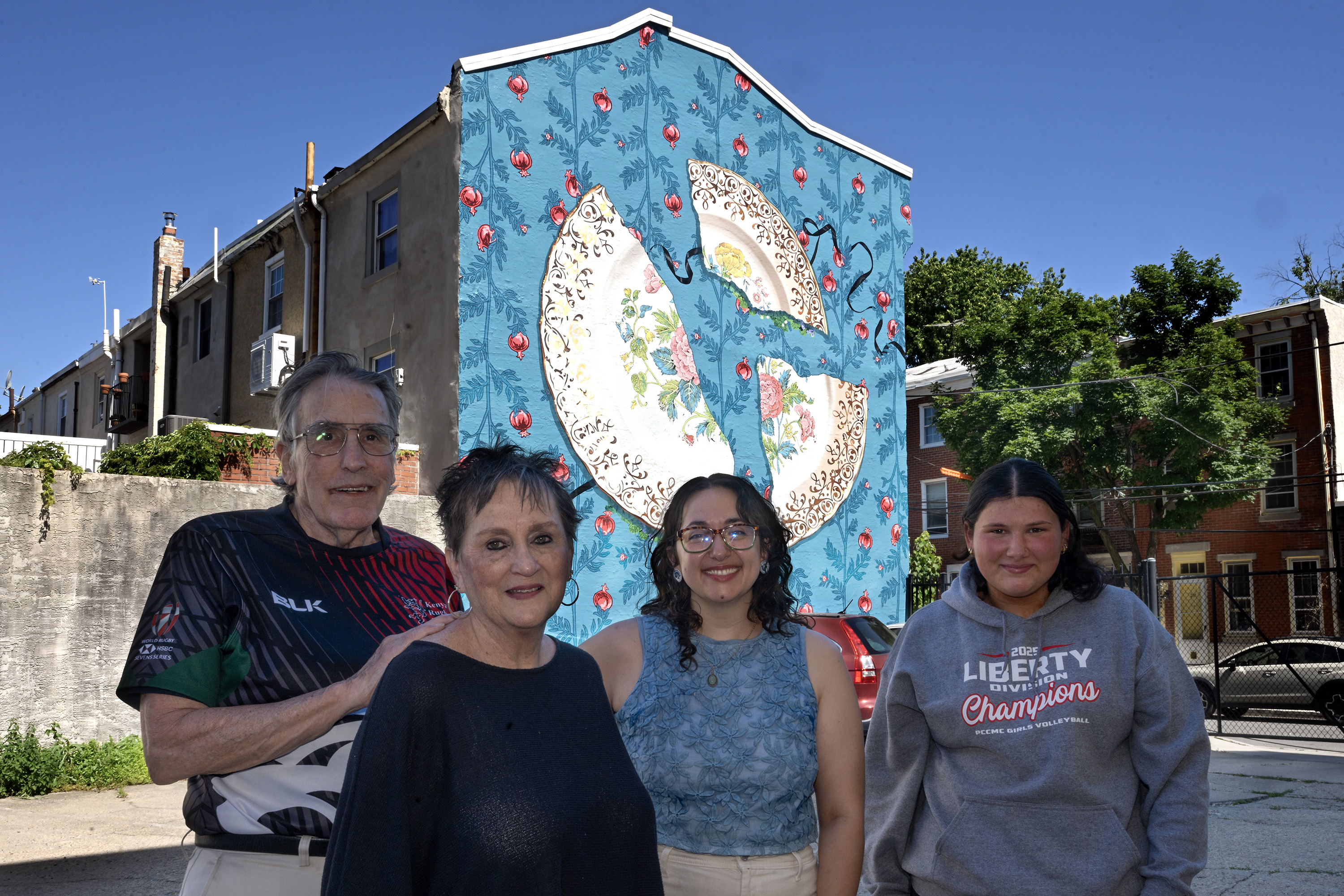
    Homeowners Sara and Clark DeLeon (left) and their granddaughter Lucy Metzker (right) pose in front of their mural with artist Sammy Kovnat (center).Tom Gralish / Staff Photographer

    Pomegranates and Plate Shards

    Sara DeLeon was persistent. She kept calling to check on her 2016 application for a mural through Mural Arts. For years, she stayed on the wait list.

    “My husband and I, we just kept believing that one day, the right mural would be up on our wall, and the right artist would choose our wall,” she said.

    In 2024, Sara and her husband, Clark, finally got the call they’d been hoping for. Artist Sammy Kovnat needed a wall after another one fell through when a neighbor refused to make space for the installation process.

    “We feel very lucky that she chose us,” DeLeon said.

    Three renters in the neighboring building enthusiastically gave up their spots in the parking lot for a month so the mural could be installed.

    The DeLeons were thrilled with the design, and so were their neighbors.

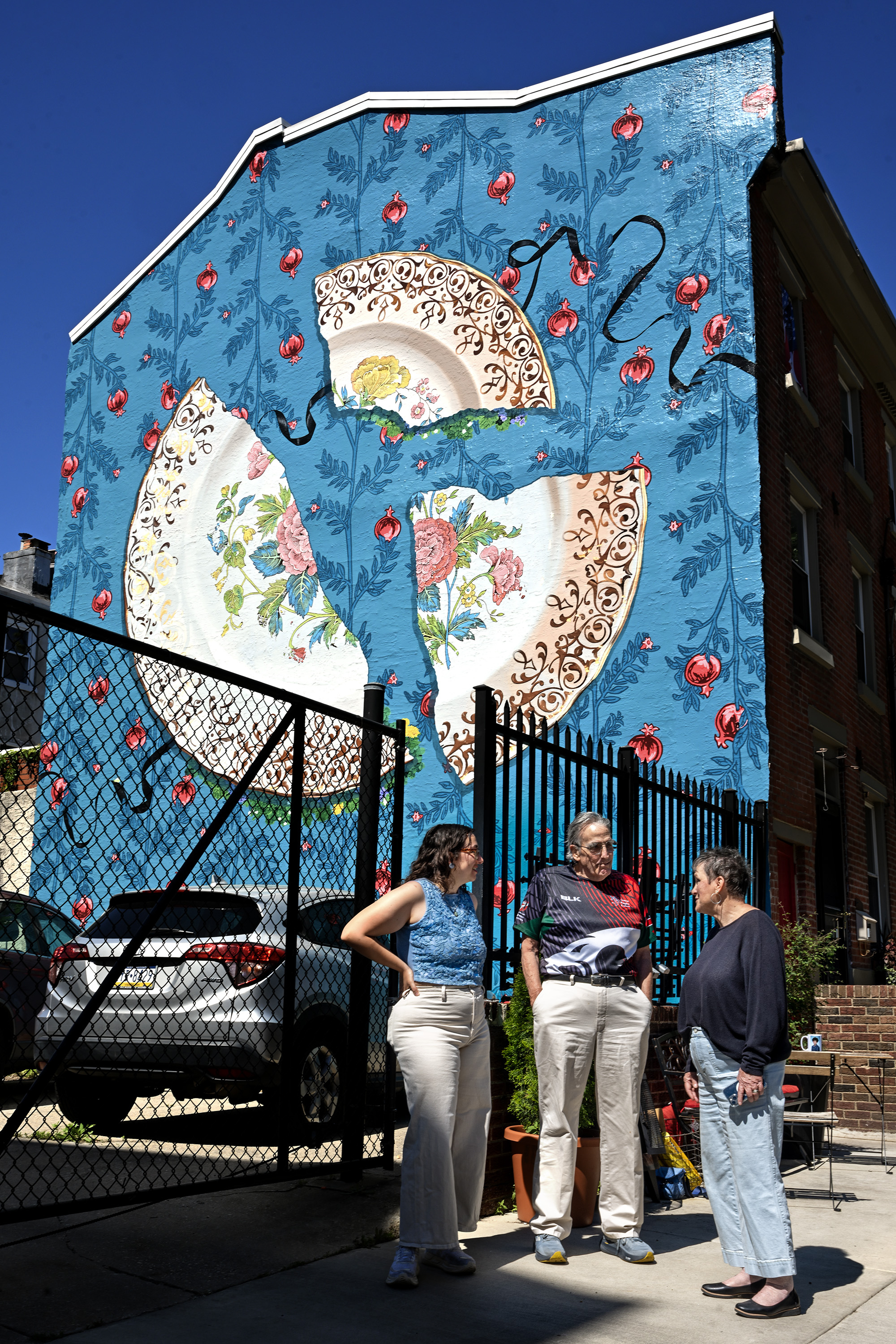
    Artist Sammy Kovnat (left) talks with homeowners Sara and Clark DeLeon in front of their mural.Tom Gralish / Staff Photographer

    “It’s the block’s mural, not just ours,” DeLeon said. “It’s become just a wonderful focal point.”

    The DeLeons also discovered a surprising personal connection when they saw the artist’s plans that made the mural feel “like fate.” They had inherited a set of dishes from Clark’s mother with an almost identical design to the one on the large plate featured on the mural.

    Kovnat makes mosaics using broken dishes, and painted the plate in shards as part of her work exploring healing after trauma. The background of the mural is an homage to her grandfather, the Philadelphia-based founder of a national wallpaper hangers union.

    Whenever the DeLeons see people they don’t recognize looking at the mural, they always stop to talk and answer questions.

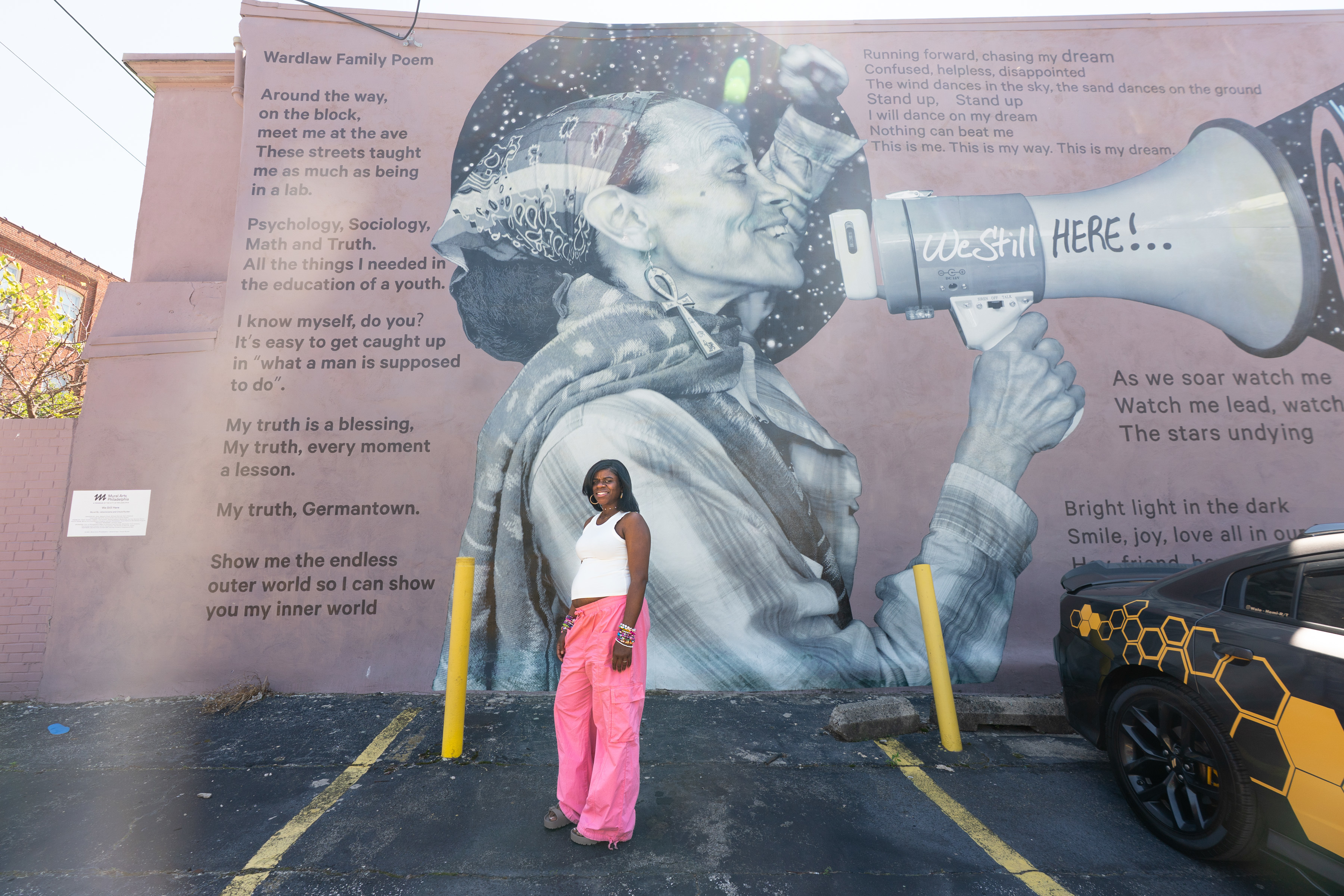
    Shirley Wardlaw stands in front of the mural featuring poet and recording artist Ursula Rucker on her property, which includes a poem she wrote with her husband and daughter.Jessica Griffin / Staff Photographer

    We Still Here!

    In 2019, a North Philadelphia mural of poet and recording artist Ursula Rucker was covered when a developer constructed a mixed-use building next to it. So Mural Arts invited artist Chip Thomas, aka Jetsonorama, to create another. The organization asked Shirley Wardlaw whether a mural of the Germantown native could go on her mixed-use building in Germantown.

    Wardlaw operates a nursery school out of the building, and for a few years lived in the apartment above with her husband, Eckloff, and daughter, Sanayah. When the Wardlaws bought the property, the side wall had a partly sketched-out mural that had languished since Shirley was in high school. The wall was cracking, and it “looked pretty bad,” she said.

    So Wardlaw applied to Mural Arts. And in came Jetsonorama.

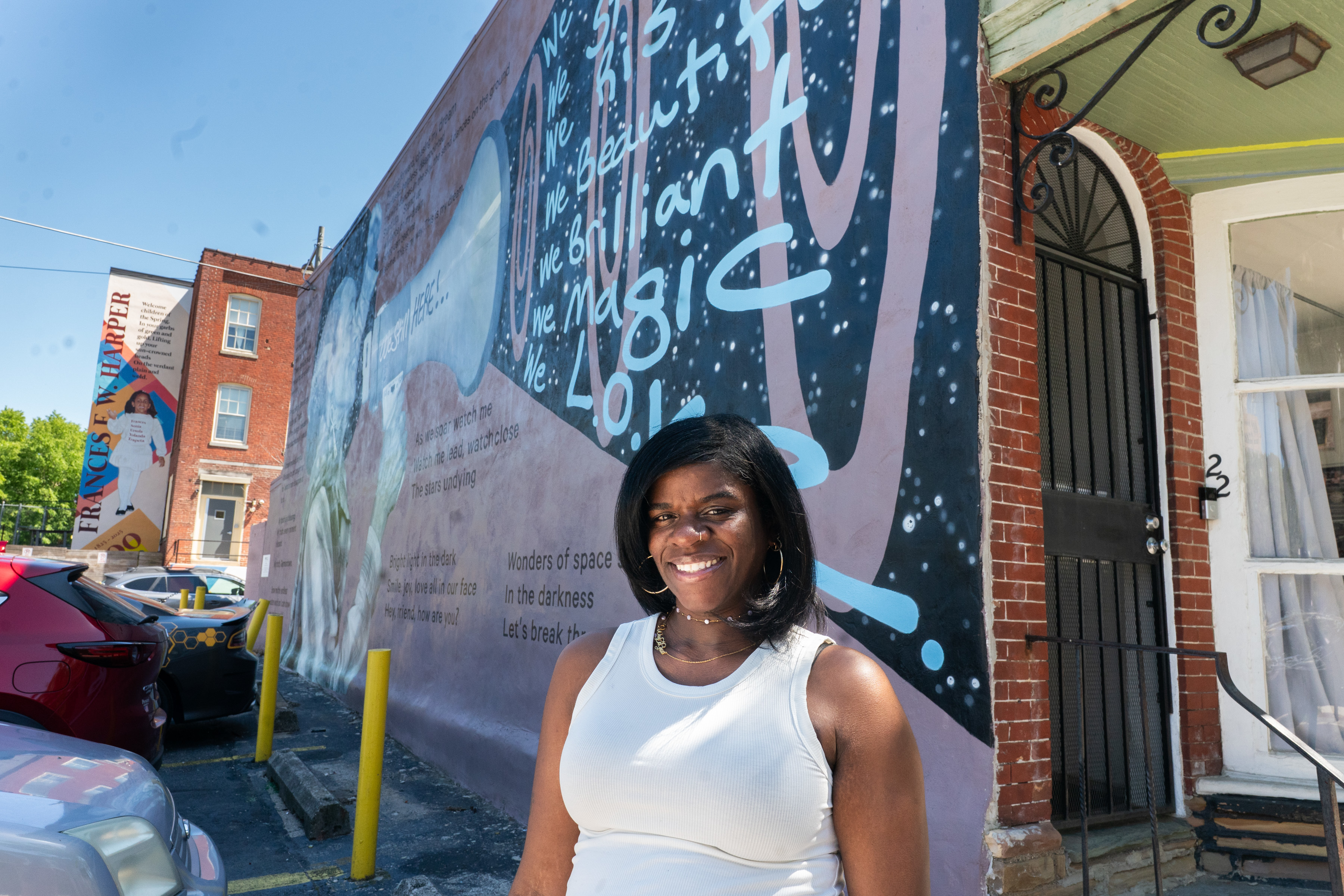
    Shirley Wardlaw worked with Mural Arts to get a mural on the side of her building, where she operates a nursery school.Jessica Griffin / Staff Photographer

    “I was really attracted to his real-life art and the black and white photos,” Wardlaw said.

    The mural features an image of Rucker holding a megaphone that amplifies a poem celebrating the community. Another poem was written by the Wardlaw family. Young people in the neighborhood also contributed poetry.

    The mural “brought back life” to the area and is “a big attraction” for visitors, Wardlaw said.

    “It’s a beautiful, colorful space at the end of our block,” she said.

    Wardlaw thinks the mural helps draw families to her nursery school, and she has pitched murals to other neighborhood businesses as a way to attract customers.

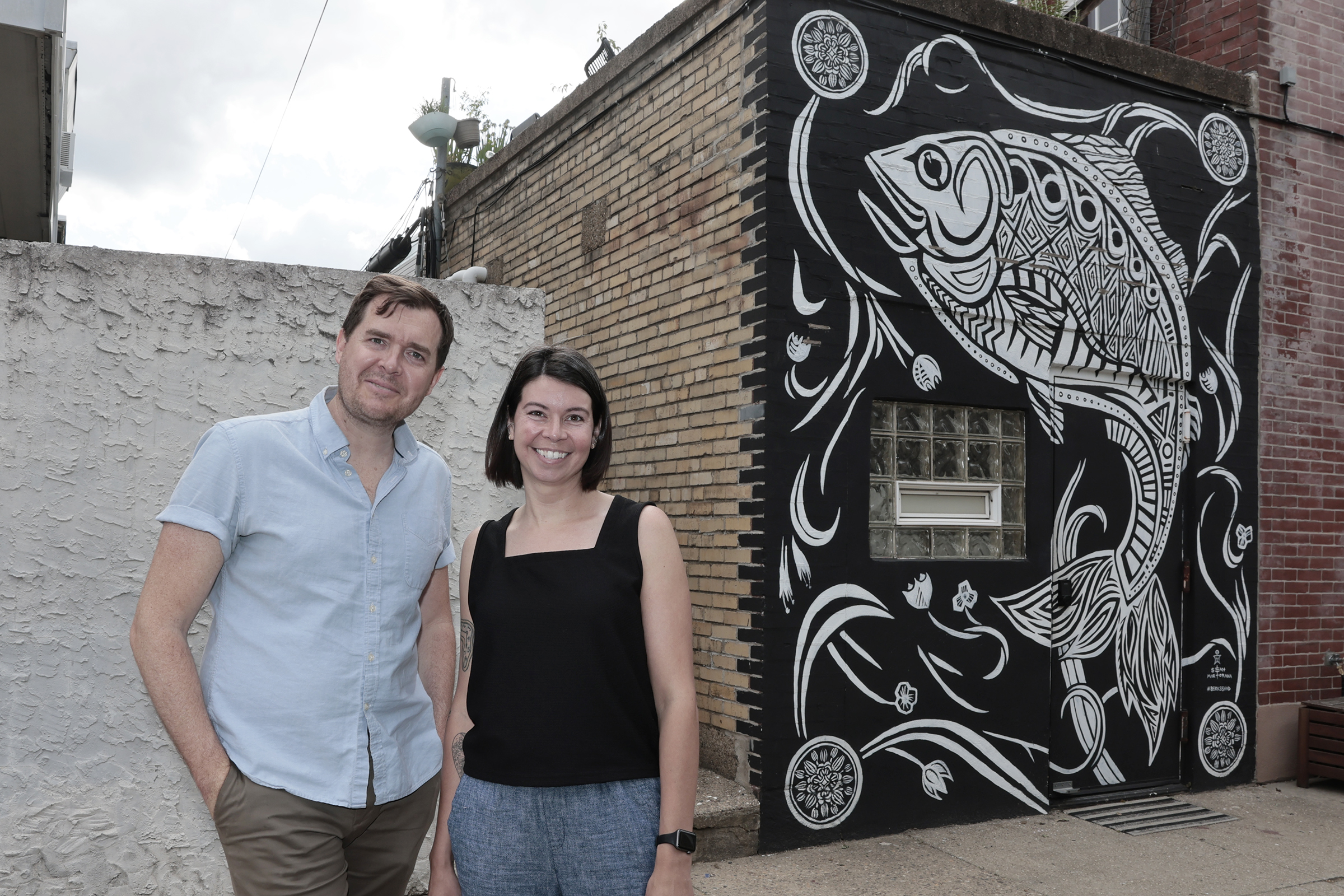
    Christopher and Shannon Wink stand in front of the “Berks Shad” mural on their Fishtown home.Elizabeth Robertson / Staff Photographer

    Berks Shad

    The plain brick wall on Shannon and Christopher Wink’s Fishtown property was “screaming for a mural,” Shannon said.

    The year after they moved in, it got one.

    The Winks had known Philadelphia artist Sean Martorana for years and liked his style. So they asked him to paint the exterior wall of a structure that had been a cold storage room decades earlier. It was Martorana’s first outdoor mural.

    “We knew we wanted something Fishtown,” Shannon Wink said. “It can easily get a little over-the-top, but it’s so nice to have a neighborhood that has its own visual identity.”

    Martorana painted a giant shad surrounded by the Pennsylvania state flower, mountain laurel, in black and white, since the Winks didn’t want something too colorful. It all stands out next to the brick of their house.

    “The way that the fish is oriented, it’s facing the river, which is something that Sean and we wanted to be really intentional about,” Wink said.

    Sightseers often use their mural as a backdrop for photos. People have come in their wedding dresses.

    The Winks’ two daughters were born after the mural was painted, so they’ve never known a home without it. The girls love walking around the neighborhood and seeing other decorated walls.

    A neighbor of theirs, inspired by the Winks’ mural, got a similar one on their home, also painted by Martorana.

    Wink encourages homeowners to get in on the city’s mural tradition.

    “It’s just a really nice way to sometimes beautify, but also just create some more fun in a neighborhood,” she said.

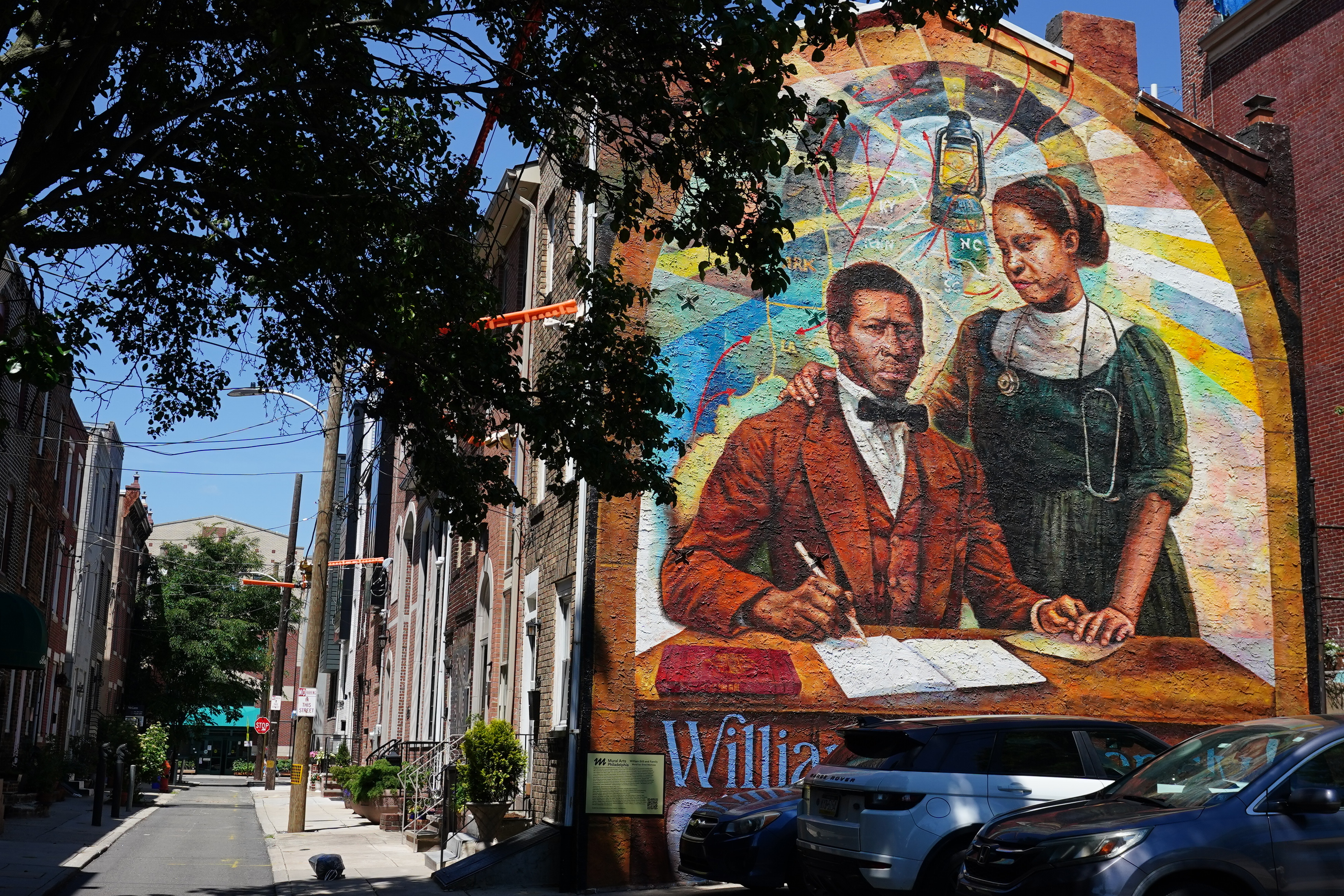
    Mural Arts asked homeowner John Del Rossi for permission to honor William and Letitia Still, Underground Railroad leaders who once lived in the home. Jessica Griffin / Staff Photographer

    William Still and Family

    John Del Rossi bought his Bella Vista rowhouse in 2006. But he didn’t know about its historic significance until 2018, when he learned the property was nominated for designation as the William and Letitia Still House, named for the Underground Railroad leaders who once lived there.

    A few years after the house joined the Philadelphia Register of Historic Places, Mural Arts asked Del Rossi for permission for a mural to honor the Stills. He said hosting the artwork is an additional honor.

    “The mural says a lot about what the house stood for,” he said. “It’s a visible representation of what took place in the home, and the sacrifice and the courage that people had in order to make that home what it was.”

    During the design process, Del Rossi got to meet descendants of the Stills, which he called “a goose bumps type of meeting.”
    “It was pretty surreal,” he said.

    As the homeowner, he was invited to share his thoughts on the mural’s design, but he left the decisions to those who know more about art.

    “I’m not an artist. I’m in medicine,” said Del Rossi, who works in California and rents out his home.

    All mural expenses were covered, but he said he would have paid for the artwork himself if he had to in order to honor this piece of Philadelphia’s abolitionist history.

    “I’m not gonna live forever,” Del Rossi said. “But hopefully, the mural will remain, and it’ll be a representation for the neighborhood and people in future generations to be able to see and understand what took place within those walls.”

    Editor’s note: This story has been updated to correct the name of the mural, “Pomegranates and Plate Shards.”

  • A new streaming movie showcases McGillin’s Olde Ale House and its 165 years of tipsy memories

    A new streaming movie showcases McGillin’s Olde Ale House and its 165 years of tipsy memories

    Back in 2022, Eric Carosella, 28, was a young South Philly filmmaker searching for inspiration for his debut feature film.

    Bouncing ideas off a friend over beers in the cozy upstairs room of McGillin’s Olde Ale House — he had long been a fan of the storied and timeworn 165-year-old tavern on Drury Street — it hit him.

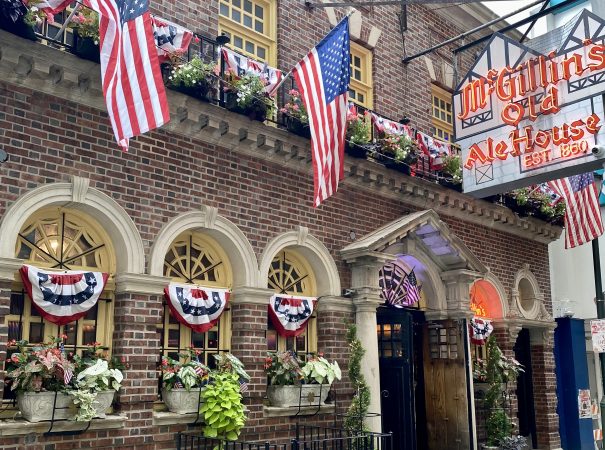
    History pours from every nook of Philly’s oldest operating public house.

    The sepia-toned ghosts and rogues gallery of tipsy-eyed merrymakers captured in the countless photographs paper the bar’s dark-paneled walls. A blue-collar mentality of survival has kept the suds flowing in an alehouse that has endured a Civil War, two World Wars, prohibition, a Great Depression, and two pandemics.

    Carosella didn’t need an idea. He was sitting in it.

    “It’s been the town hall of Center City for as long as it’s been there,” he said. “It has a history that’s really tangible — and a certain charm that you can’t really find anywhere else.”

    Bella Tierce from New Jersey watches as the Phillies Kyle Schwarber homers against the Padres while watching the game at McGillin’s on Oct. 18, 2022.Steven M. Falk / Staff Photographer

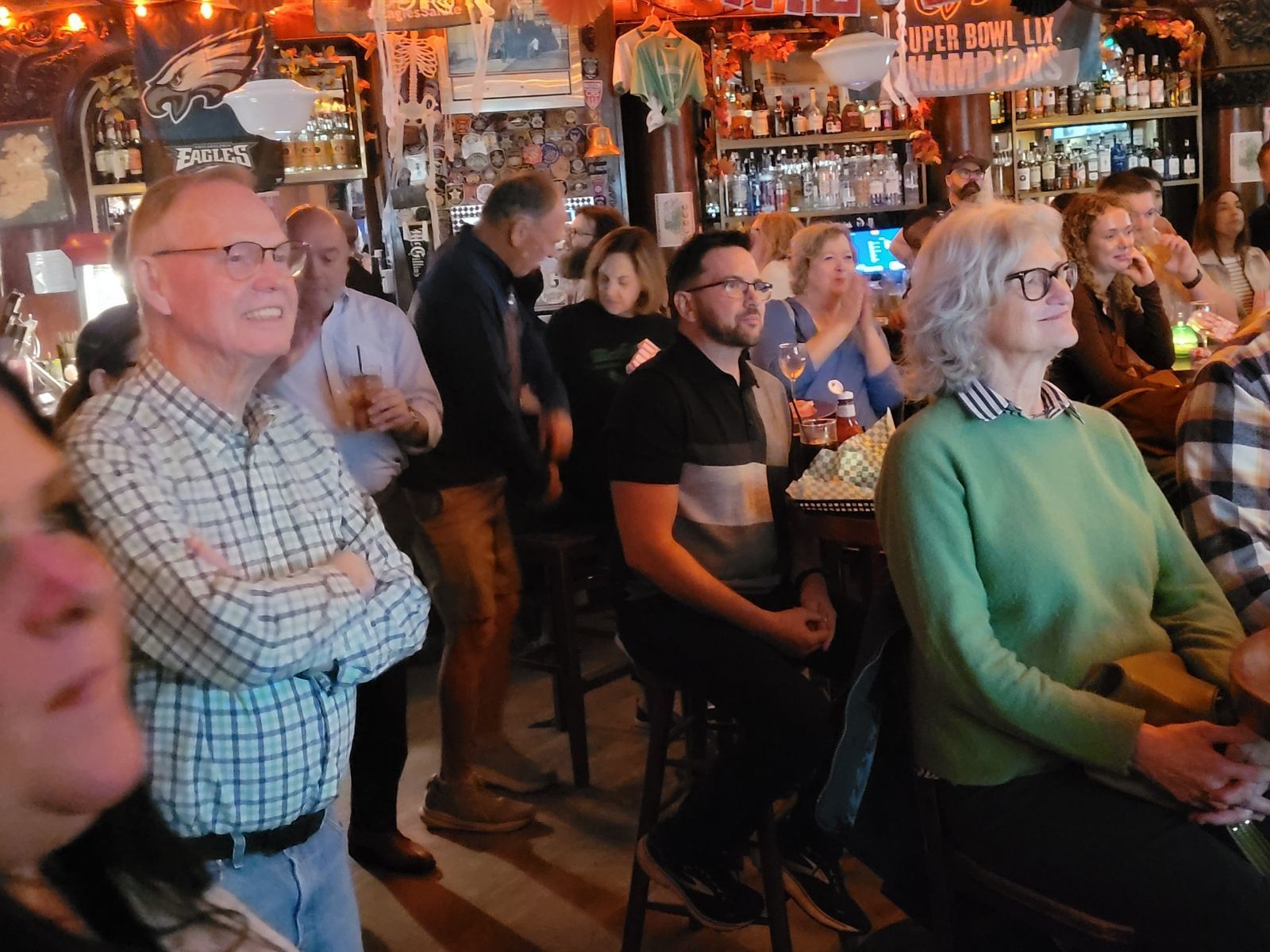
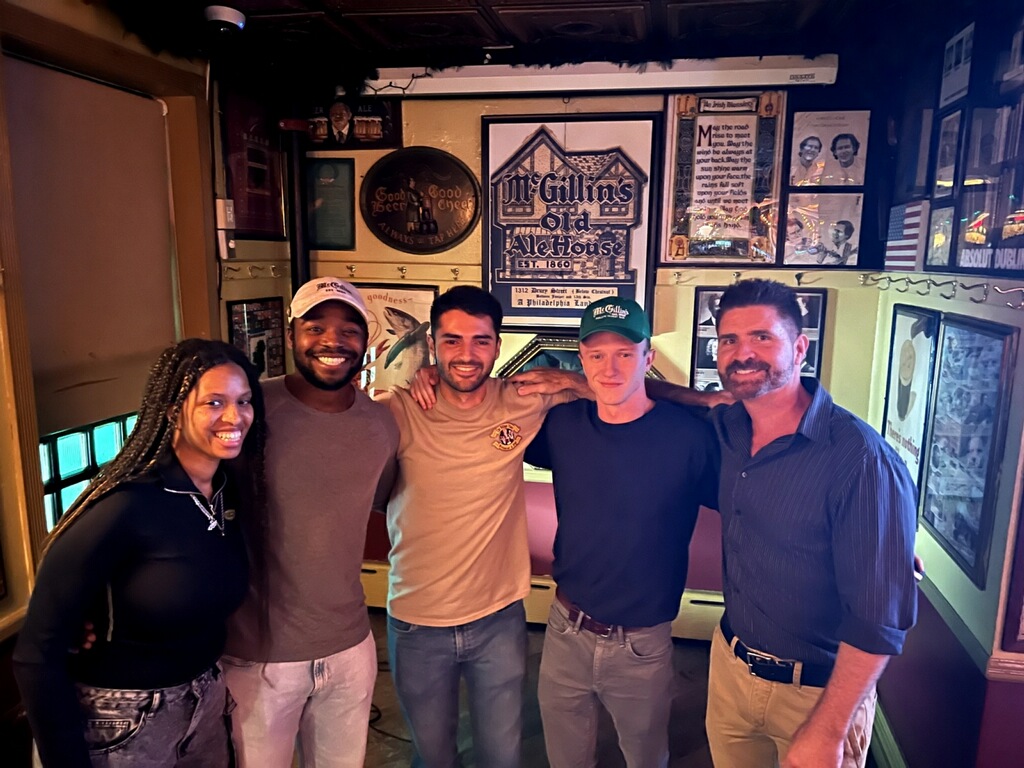
    On Thursday, Carosella’s documentary, McGillin’s: Philadelphia’s Oldest Bar, debuts on WHYY, with a watch party planned in the same paneled parlor where inspiration struck the director. This comes after a showing of the film at McGillin’s in October, when a packed house cheered and toasted the 42-minute documentary that tells the tale of a tavern — but also of a city.

    ‘Everyone has a McGillin’s story’

    Carosella made his four-year passion project through the local production company he founded after college, Clearbound Media, with friends and creative partners, Christopher Gaida, Brendan McCafferty, and Tina Duncan.

    The film quickly evolved into something more than just an ode to colorful characters and a history of the bar that Irish immigrants and husband and wife, William and Catherine McGillin, opened as the Bell in Hand Tavern in a rundown Drury Street trinity in 1860.

    Longtime patrons and employees packed McGillin’s Olde Ale House on Oct. 2, 2025, to watch a screening of “McGillins: Philadelphia’s Oldest Bar,” a documentary about the historic Center City bar.Courtesy of Eric Carosella

    That same year, a fellow named Abraham Lincoln got elected president.

    You can’t tell the story of McGillin’s without telling the history of the city, and its fiercely proud and passionate denizens, said Carosella, who studied film at Pace University and works days at his family’s South Philly building supply store.

    “It’s a place Philadelphians have been coming to connect and have fun and find love and watch sports for more than 150 years,” he said. “Everyone has a McGillin’s story.”

    Interviewees include McGillin’s co-owner, Chris Mullins Jr., whose family has run the bar since 1958; Philly urban historian Stephen Nepa; and famed brewmaster Carol Stoudt, who founded Stoudts Brewing Company in Adamstown in 1987, and whose beer has flowed from McGillin’s 31 taps for decades.

    Staff and proud regulars like Philly sports radio and TV personality Natalie Egenolf also make appearances.

    “There’s that tradition, oral history and family stories that keep people coming back year after year after year,” Mullins Jr. says in the film. “It’s part of my DNA, part of our customer’s DNA, part of our staff’s DNA. Not everyone can tell stories from a hundred years ago. We can.”

    And there are plenty of stories.

    Drunken politicians and late-night ragers

    Over the years, starlets and stars, and working stiffs have rubbed elbows at McGillins.

    Starting out, “Pa” and “Ma” McGillins raised 13 children in the upstairs rooms of their beat-up alehouse, which didn’t look anything like the bar today, even as it quickly expanded into connecting row houses. Reserved and spare, Pa McGillin stubbornly refused the pleas of his wife and customers to spruce up the joint, says Mullins Jr., who serves as the bar’s oral historian in the film.

    South Philly filmmaker Eric Carosella (center) poses with the crew of his debut feature documentary on McGillin’s Olde Ale House. The 42-minute film – McGillin’s: Philadelphia’s Oldest Bar airs on WHYY June 11. Tina Duncan, editor (L), Kyle Henley, second assistant director, Eric Carosella, director, Brenden McCafferty, camera operator, and Chris Gaida, producer.Courtesy of Clearbound Media

    After Pa’s death in 1901, Ma McGillin got to work. She tore the alehouse down and rebuilt it as it looks today. She also renamed Bell in Hand to its nickname, McGillin’s Olde Ale House.

    The iron-fisted alehouse matriarch took no guff. She posted a list of rowdy regulars who could no longer cross the sill, blacklisting even prominent Philly politicians and big-spending swells for breaking house rules.

    During the dry years of prohibition, Ma McGillin shut the front door of the tavern, and then quickly opened a side entrance, says Mullins Jr.

    “There are a lot of theories that we probably did operate through prohibition,” says Mullins Jr. “Being so close to City Hall, it’s quite possible that some of these people were sneaking in here for some of the beer that was left down in the cellar.”

    It was national news when Ma McGillin died in 1936. For a time, her daughter, Mercedes McGillin Hooper, and her husband, William “Doc” Hooper, ran things.

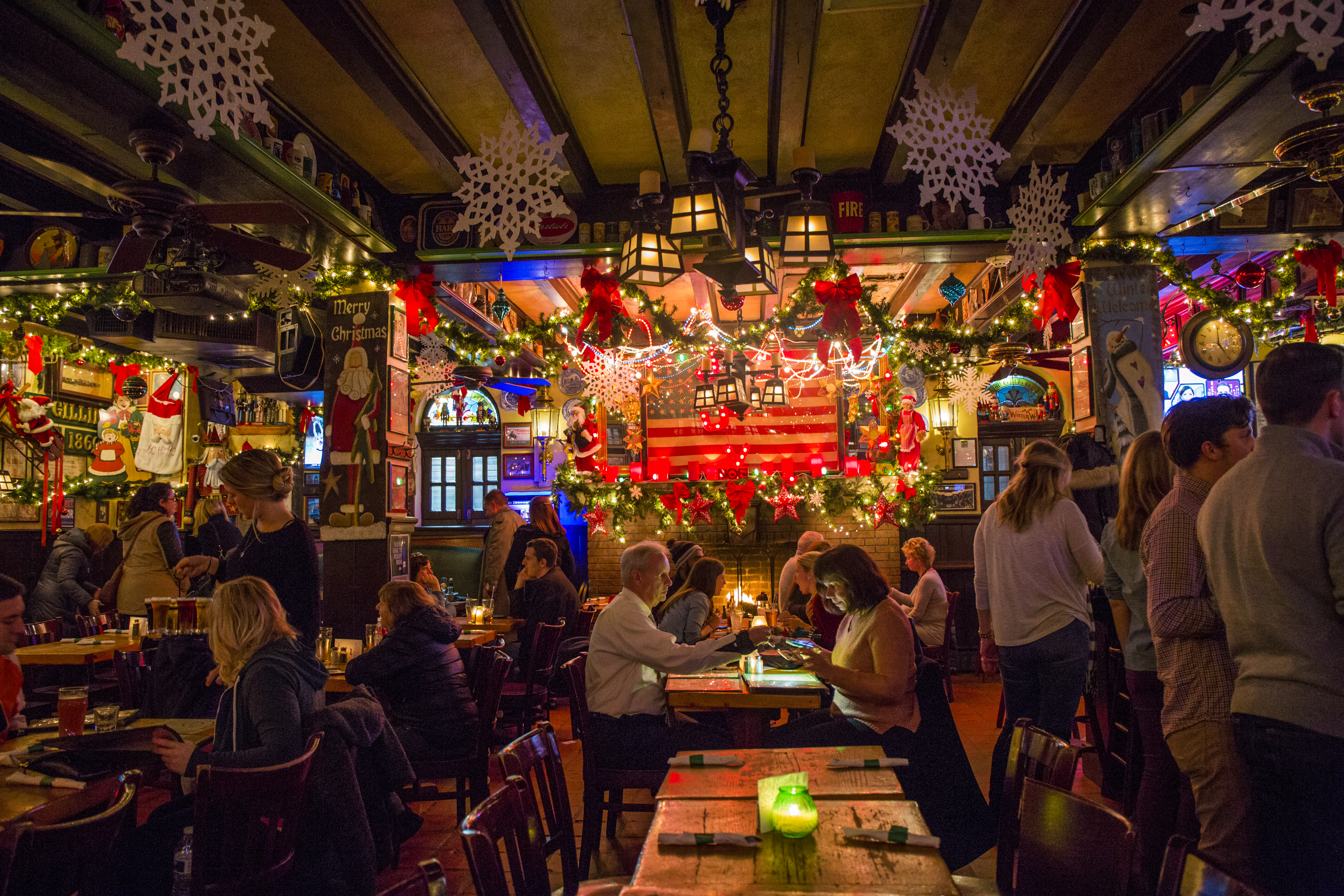
    Christmas decorations at McGillin’s Olde Ale House in a photo from 2024M.Fischetti

    “He was definitely a little wild,” Meg Woody, the Hoopers’ great-great-granddaughter, says of Doc.

    Doc Hooper’s legendary late-night parties at McGillin’s never suffered from a shortage of women.

    “Not like a tawdry house,” she says in the film, with a smile. “But there was definitely some experienced Philadelphia ladies hanging in the pub after hours.”

    Growing more legendary

    McGillin’s has since evolved into a craft beer bar, sports-watching haven, and match-making mecca. In February, the bar hosted a reunion for married couples who met at McGillin’s. It was packed.

    Coincidentally, the bar is also where Martino Picareiello, Carosella’s drinking partner that fateful night four years ago, met his soon-to-be-bride, Aimee.

    That same night when inspiration struck, right before walking out the door.

    What’s at the heart of Carosella’s film is the idea that what makes the bar truly rare is just how special a place it has in so many Philadelphian hearts.

    “We made this movie to showcase their stories,” he said, adding that for weeks after the crowd erupted in cheers at last year’s bar screening, he was flooded with emails from staff and patrons, old and new, who shared their own cherished McGillin’s memories.

    After its debut on WHYY, the documentary will be available to stream on PBS Passport. Carosella hopes to develop it into a larger series on America’s oldest bars.

    The thriving tavern only grows more legendary with each passing year, Carosella said.

    “And it truly deserves it,” he said.


    “McGillin’s: Philadelphia’s Oldest Bar” plays on WHYY-TV (Channel 12) on Thursday, 7:30 p.m. The watch party starts at 6:30 p.m. at McGillin’s Olde Ale House, 1310 Drury St. RSVP at events.ticketleap.com

  • Center City’s Mole Street is getting redeveloped and losing its affordable houses

    Center City’s Mole Street is getting redeveloped and losing its affordable houses

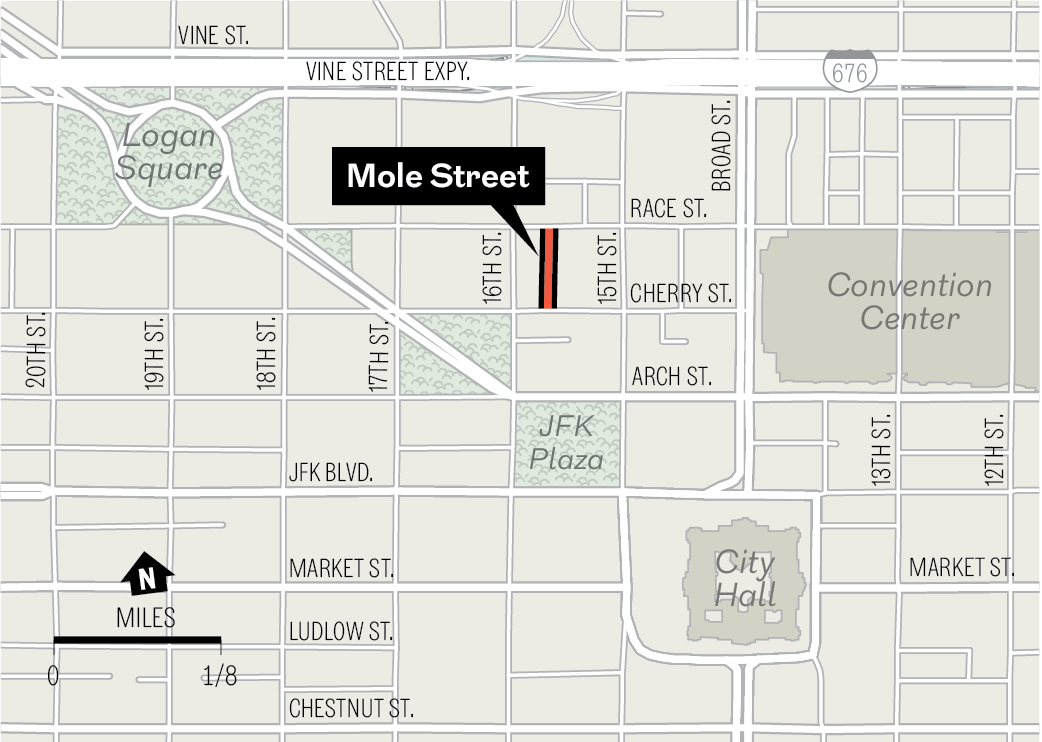
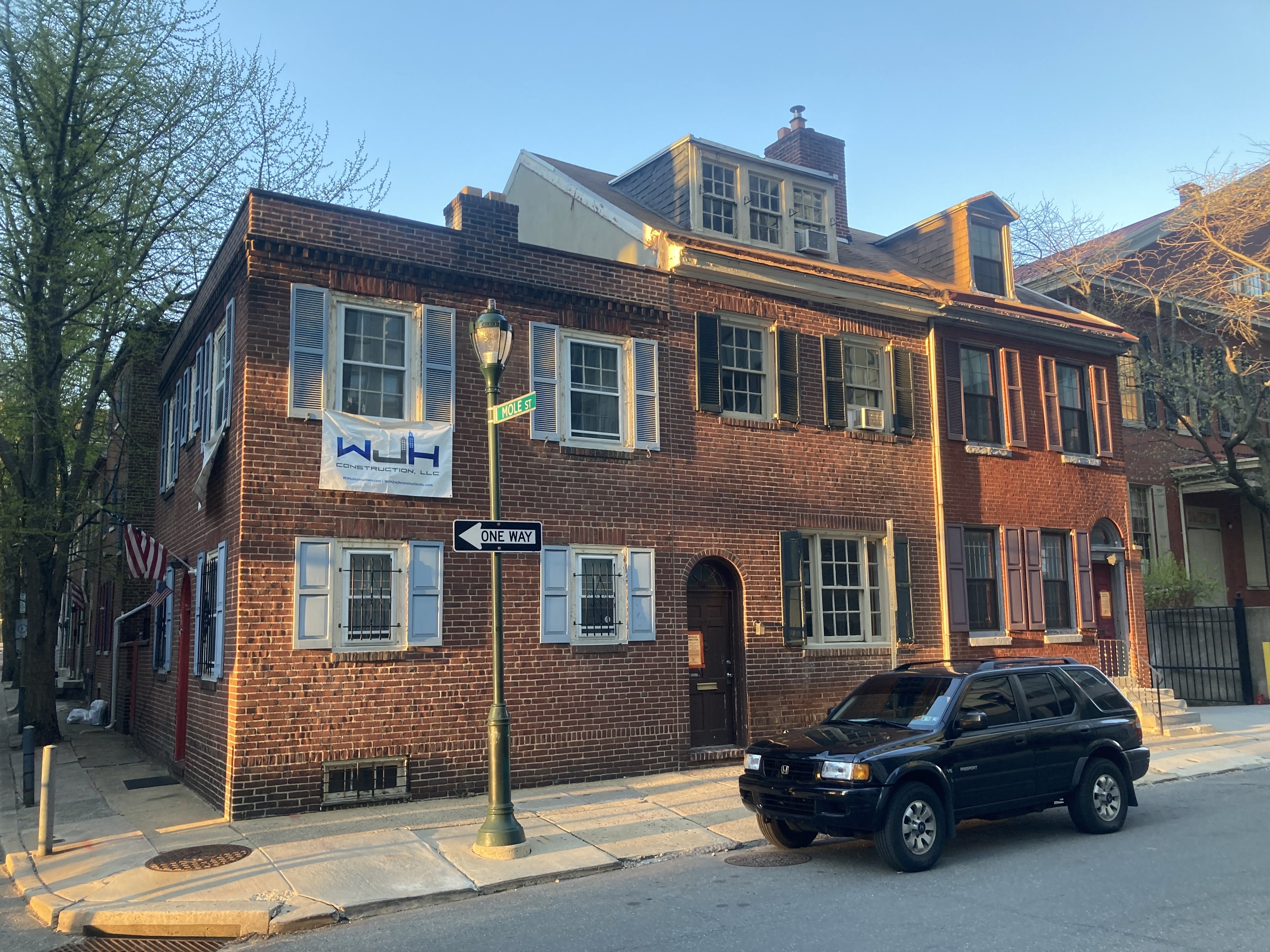
    The tree-lined 100 block of North Mole Street seems to cast a spell on everyone who lives there.

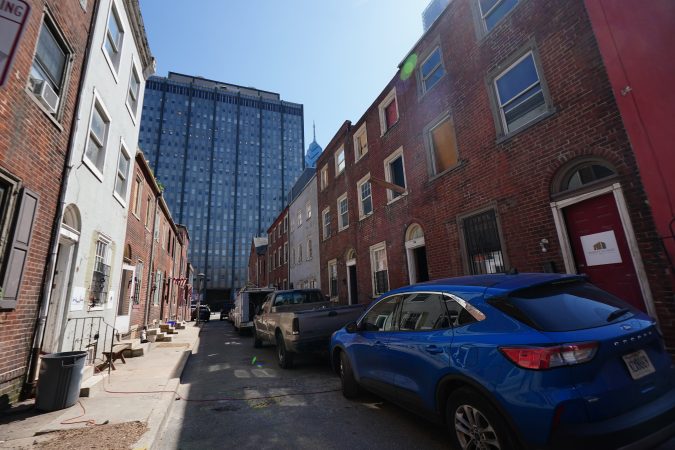
    This cluster of 30 two-story brick houses dates to the mid-19th century — some are close to 200 years old — and has long turned residents into devotees of its artsy parties and communal life.

    The street stands out from the surrounding blocks of high-rise buildings and surface parking lots, a lone historical holdout in the heart of Center City, where most rowhouses have been erased. Affordable rents two blocks from City Hall have attracted a mix of artists, students, and — for some reason — airline flight attendants.

    Except, now, almost all the trees have been cut down and the mid-block pocket park torn up. Many of the homes are being redeveloped, and leases are not being renewed for the motley assortment of renters who have long populated the block.

    “I’m pretty close with most people on the block, and, I mean, this sucks,” said Teddy Powell, 34, a musician who has lived on this stretch of North Mole since 2020 and can reel off the names and occupations of most people on the block.

    “We’re all being forced out of the houses that we love living in,” he said.

    Teddy Powell is being forced off the 100 block of North Mole along with most of the rest of the tenants.Jake Blumgart

    The 100 block of North Mole Street managed to stand apart for so long because it is owned by a family trust, which also dates to the 1800s, and belongs to descendants of founding father Robert Morris. The homes on Mole Street were given historic preservation protections in 1960.

    It neighbors the Central Friends Meeting, which lies just to the east and dates to the 19th century as well.

    Until last year, the trust owned 25 of the 30 homes. Rents were kept low: well under $2,000 for four-bedroom homes, mostly hosting roommates, a stone’s throw from City Hall. Individual renters would often pay just hundreds of dollars a month.

    That’s a deal that cannot be found in most other parts of Center City, where new buildings have an average rent of over $2,600 and median household incomes are among the highest in Philadelphia.

    And the group houses on this block of Mole Street tended to be tight knit, with parties spilling into the shaded street.

    From the 1980s until the COVID-19 pandemic, the block hosted the Molestice Festival, with live music, food trucks, and a pop-up bar in the pocket park tucked into the block. In 2018, cheerful chalk graffiti daubed frontages with phrases like “The Mole Hole” and “We R Sky Trash Kappa Mole.”

    “We had a lot of fun here; we’ve carried on the tradition,” Powell said. “It’s all over now, though, man. The party’s over.”

    Last year, a developer bought eight of the North Mole Street homes for $3.1 million.

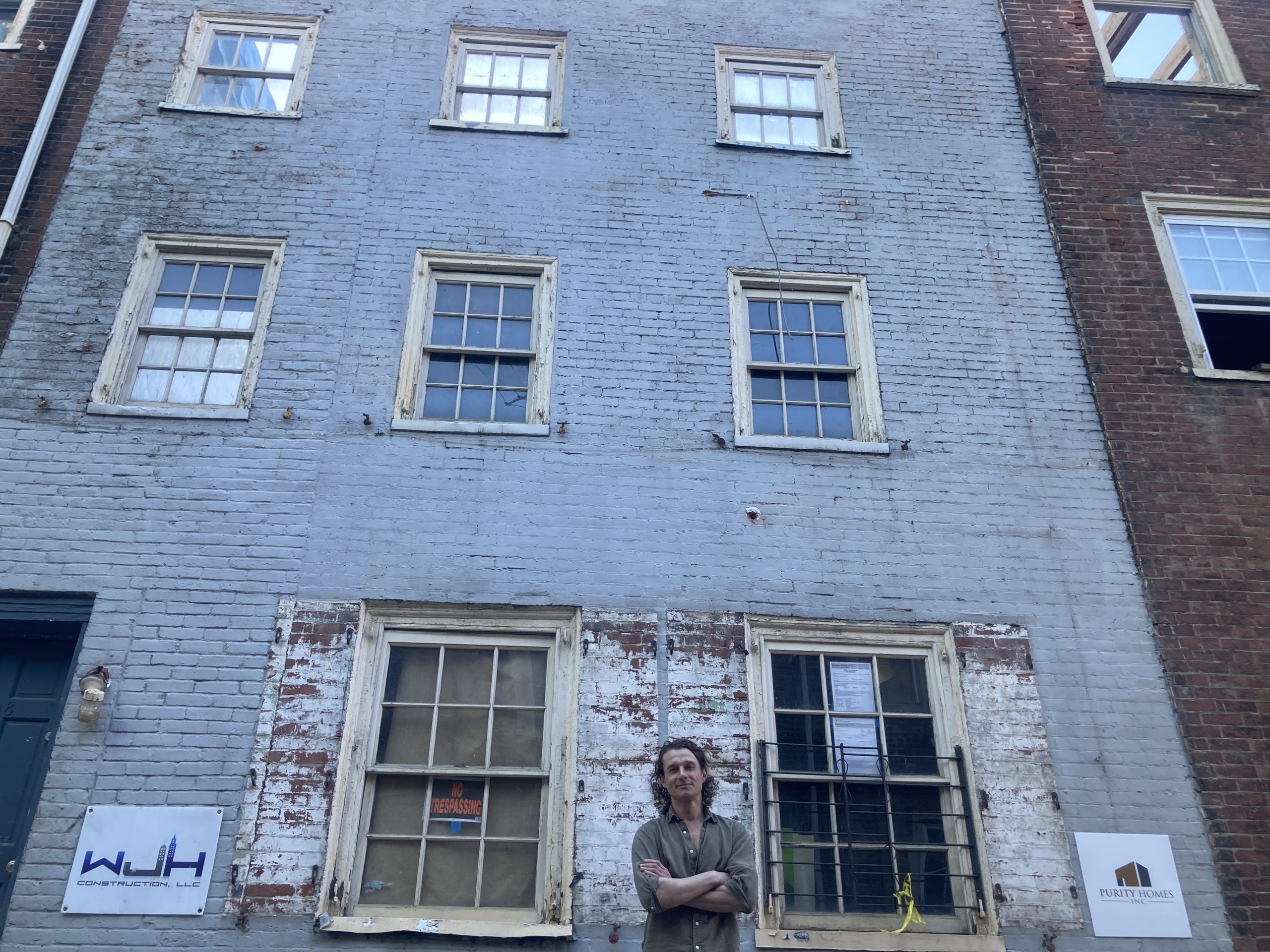
    The new owner is Purity Homes Inc. Some of the zoning documents filed with the city are signed by real estate investor Armando Ahmad, with the owner’s mailing address listed in either Arlington, Texas, or a Point Breeze rowhouse that hosts seven other real estate-related LLCs.

    Ahmad did not respond to a request for comment, and the architect for the project, Carey Jackson-Yonce of Canno Design, declined to comment.

    The rowhouses holding out on the 100 block of North Mole Street in Center City are conveniently located to almost everything.John Duchneskie

    But at a meeting last September of the city’s Historical Commission reviewing Purity Homes’ plans for eight of the homes, Jackson-Yonce said his client planned to acquire most of the block.

    “They are heavily investing on the entire block, and I think in the end they will probably be able to acquire approximately 80% of the block,” Jackson-Yonce said. “This is just probably Phase One of what will probably be at least one more, if not two, more phases.”

    Jackson-Yonce noted that the family trust that has owned North Mole Street for the better part of two centuries is selling the properties in batches, perhaps to see how the developer does with the first eight.

    He assured commission members that his client was “100% committed to the faithful restoration of these homes.”

    The plans displayed at that meeting centered on adding square footage to the rear of the homes, while the interiors are being gutted to create more space. The Historical Commission regulates only the exteriors that can be seen from the street. Currently several of the homes lack roofs.

    The exception to the plan to supersize the block is the three homes at 1527, 1525, and 1523 Cherry St., on the south end of the block, which are being demolished.

    1527 to 1523 Cherry St., three 19th-century homes slated for demolition at the end of Mole Street. This photo was taken before most of the trees were cut down. Jake Blumgart

    They are not protected by historic regulations. Paul Steinke of the advocacy group Preservation Alliance says the developer wants to build an eight-unit apartment block in the place of those 19th-century rowhouses.

    Purity Homes’ plans for Mole Street will necessarily entail sharp rent increases due to the amount of money being spent to acquire and redevelop the homes.

    Powell and two other tenants on the block say that they were recently told their leases won’t be renewed.

    “Everybody that I know over here is pretty sad and disappointed about the whole thing,” said Joshua McIntyre, a more recent resident of the 100 block of Mole.

    “It’s a lot of different kinds of young people, artists, and there were several bands that practice over here, but now it’s going to be like the rest of Center City, I guess,” McIntyre said.

    Canno Architects’ designs promise that the exteriors of the buildings on this stretch of Mole Street will remain — as preservationists watch closely.

    “This block is really a magical one,” David Traub of the preservation group Save Our Sites said at last September’s Historical Commission meeting. “It’s really a miracle that it still exists in the context in which it is situated, immediately adjacent to the very center of the city … [it’s an] extremely important remnant of Old Philadelphia in Center City.”

  • Odunde Festival 2026: What to know about Philly’s annual African cultural celebration

    Odunde Festival 2026: What to know about Philly’s annual African cultural celebration

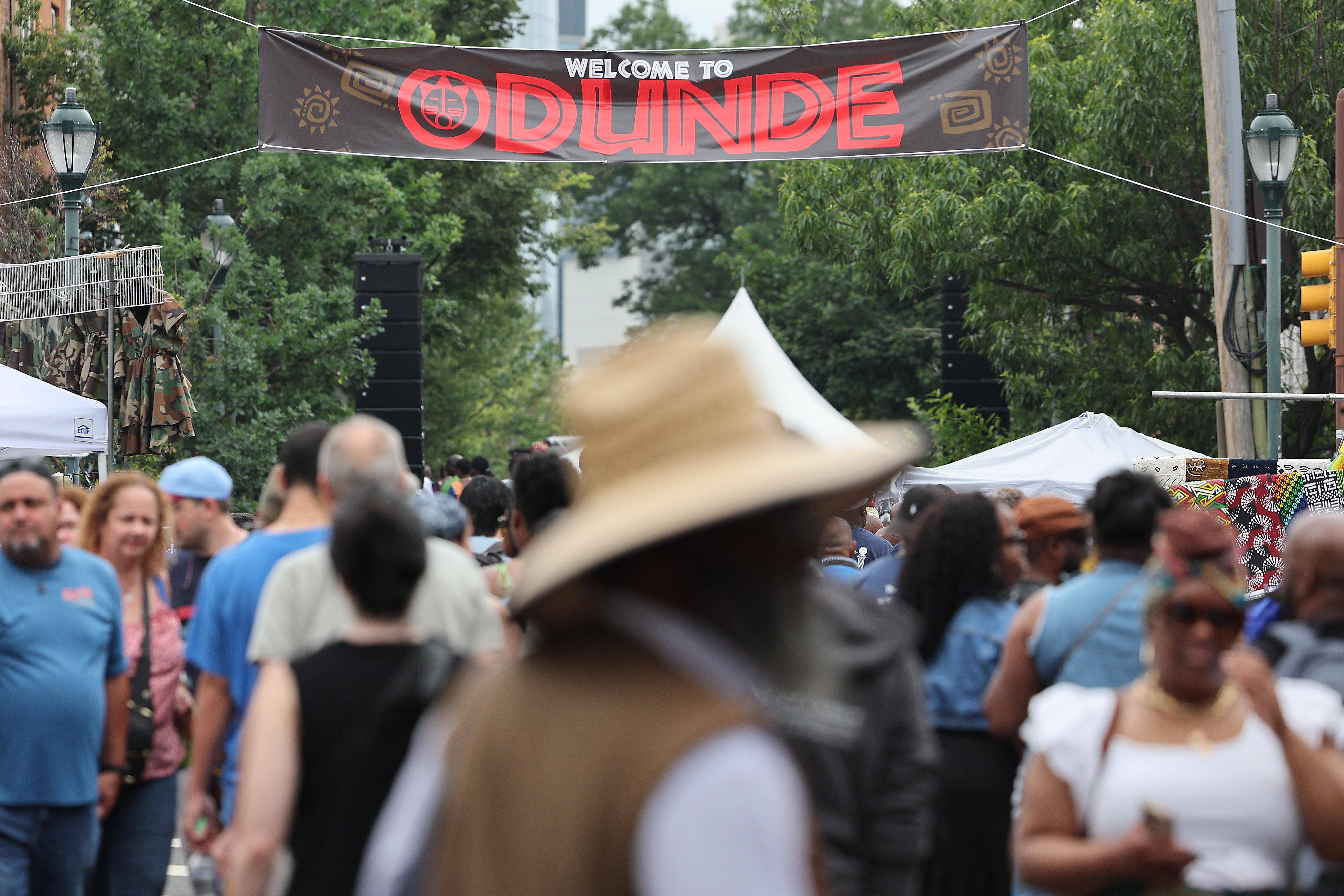
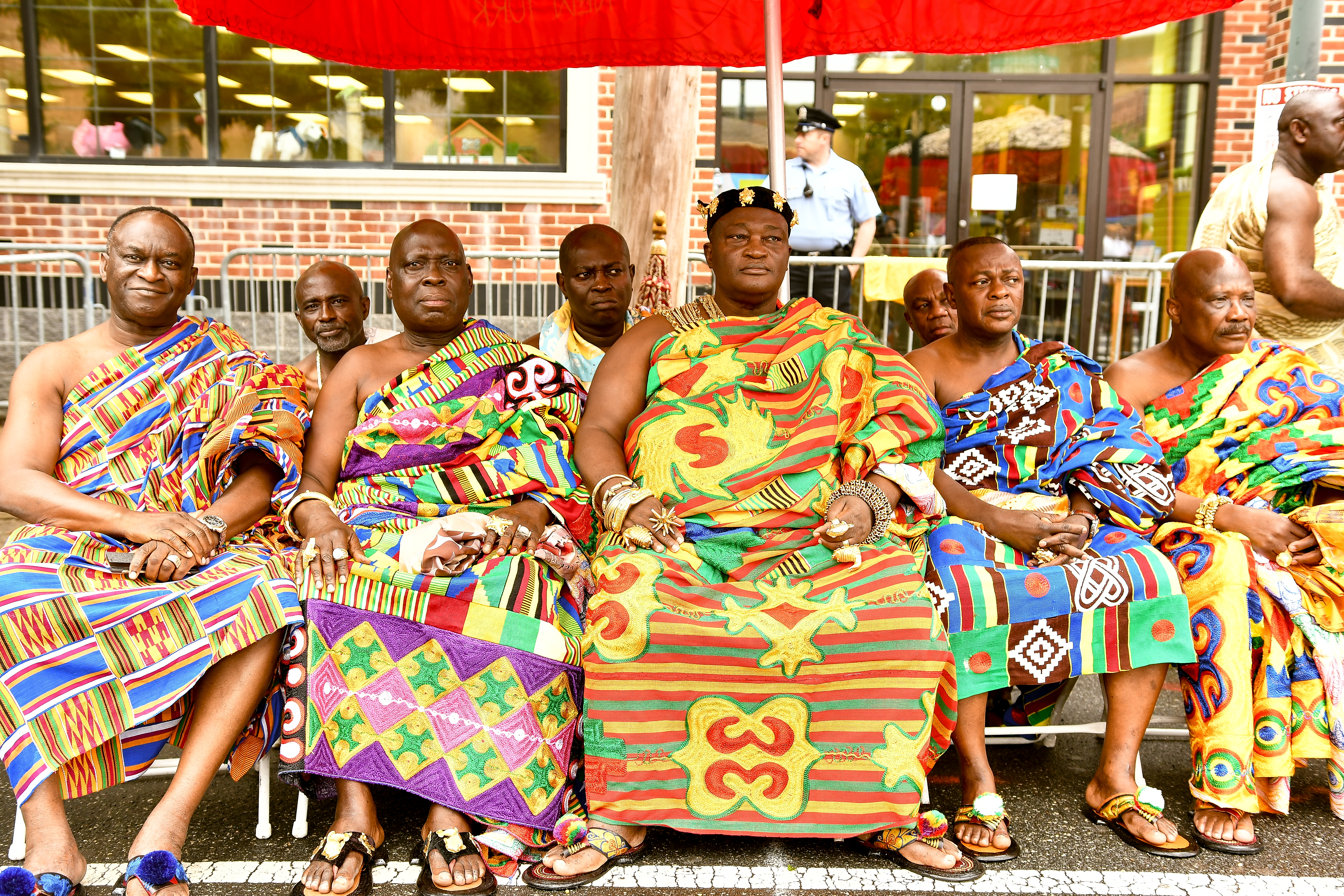
    What sprouted from humble beginnings — the inaugural edition was funded by a $100 grant — has transformed into a daylong festival spanning 16 city blocks and including more than 100 vendors.

    Billed as North America’s largest African American street festival, the Odunde Festival annually brings up to 500,000 visitors to Philadelphia’s Graduate Hospital neighborhood.

    The lead up to the festival includes a week of events, culminating with the daylong celebration on Sunday, June 14, featuring an array of foods, arts and crafts, and musical performances.

    Best of all, it’s free.

    Here’s what you need to know ahead of this year’s festival:

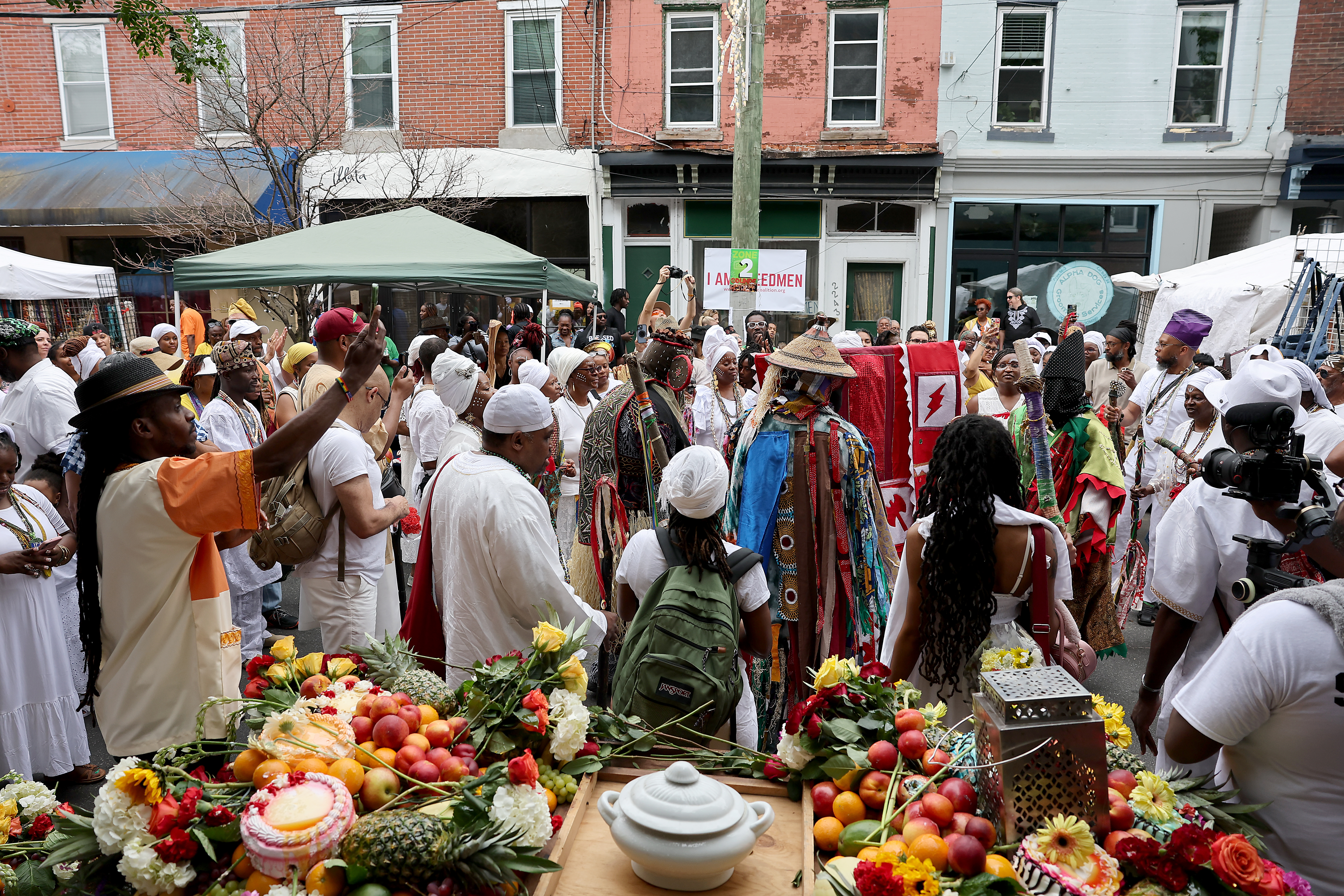
    Oduyemi Oniwason, of South Philadelphia, makes an offering to the goddess Oshun during the Odunde Festival in Philadelphia on Sunday, June 8, 2025.David Maialetti / Staff Photographer

    When is the Odunde Festival?

    This year’s festival will take place on Sunday, June 14, from 10 a.m. to 8 p.m.

    The South Street Stage, at the corner of 23rd and South Streets, will serve as the event’s main stage, with additional performers slated for a stage along Grays Ferry Avenue.

    The Odunde procession

    The festival includes a spiritual procession that starts at noon at 23rd and South Streets, and moves to the Schuylkill, where participants make traditional offerings — including fruit and flowers — to Oshun, the Yoruba goddess of the river. The ritual, which honors the festival’s West African roots, is open to all and serves as the cultural and spiritual kickoff to the day’s events.

    Events and performers at the Odunde Festival

    Bel Biv DeVoe — the Boston-based band that formed out of the group New Edition — is slated to headline this year’s festival, and the day will feature a variety of additional acts across two stages.

    For a full schedule of events and performances, check the festival’s website, where you can also find a map of the festival grounds.

    Participants in the procession to the Schuylkill dance in front of the offering to the goddess Oshun during the Odunde Festival in Philadelphia on Sunday, June 8, 2025.David Maialetti / Staff Photographer

    Arts and crafts vendors

    More than 100 vendors will line the streets, offering handmade goods like jewelry, clothing, and artworks. The African marketplace also features authentic wares from Africa, the Caribbean, and South America, making it one of the most vibrant and diverse shopping experiences in the city.

    Will there be food and drink?

    Yes.

    One of the highlights of the festival is its various food offerings, which include African, Caribbean, soul, and Brazilian fare — available on a pay-as-you-go basis.

    Road closures

    These streets will be closed from 6 a.m. to 11 p.m. on Sunday, June 14:

    • 1600 – 2400 blocks of South Street, between 16th and S. Bambrey streets.
    • 500-600 blocks of 23rd Street, between Lombard and South streets.
    • 500-600 blocks of 22nd Street, between Lombard and Bainbridge streets.
    • 2200-2500 blocks of Grays Ferry Avenue, between South St. and Washington Ave.
    • All affected side streets

    No parking will be allowed on these streets during this timeframe, with violators being relocated.

    How to get to the Odunde Festival

    Crowds and street closures might make parking difficult, but there are various ways to get to the festival via public transit.

    SEPTA’s 7, 12, 17, and 40 bus lines will all get you close to the action — though detours will be in place from 5 a.m. on Sunday, June 14, through 1 a.m. on Monday, June 15 — as will the Broad Street Line.

    Those looking for additional advice can check out The Inquirer’s guide on parking near Philly’s biggest attractions.

    An image from a past Odunde Festival. The free public festival is the largest African American street festival in North America, drawing up to 500,000 attendees each year.Courtesy of ODUNDE Festival

    Where does the money go?

    Odunde is a nonprofit organization. The funds generated by the festival go toward Odunde 365, a program that provides yoga, dance, fashion, karate, fitness, videography, and other programs for Philadelphia youth.

  • Bilal’s shake-up won’t fix what ails the sheriff’s office | Editorial

    Bilal’s shake-up won’t fix what ails the sheriff’s office | Editorial

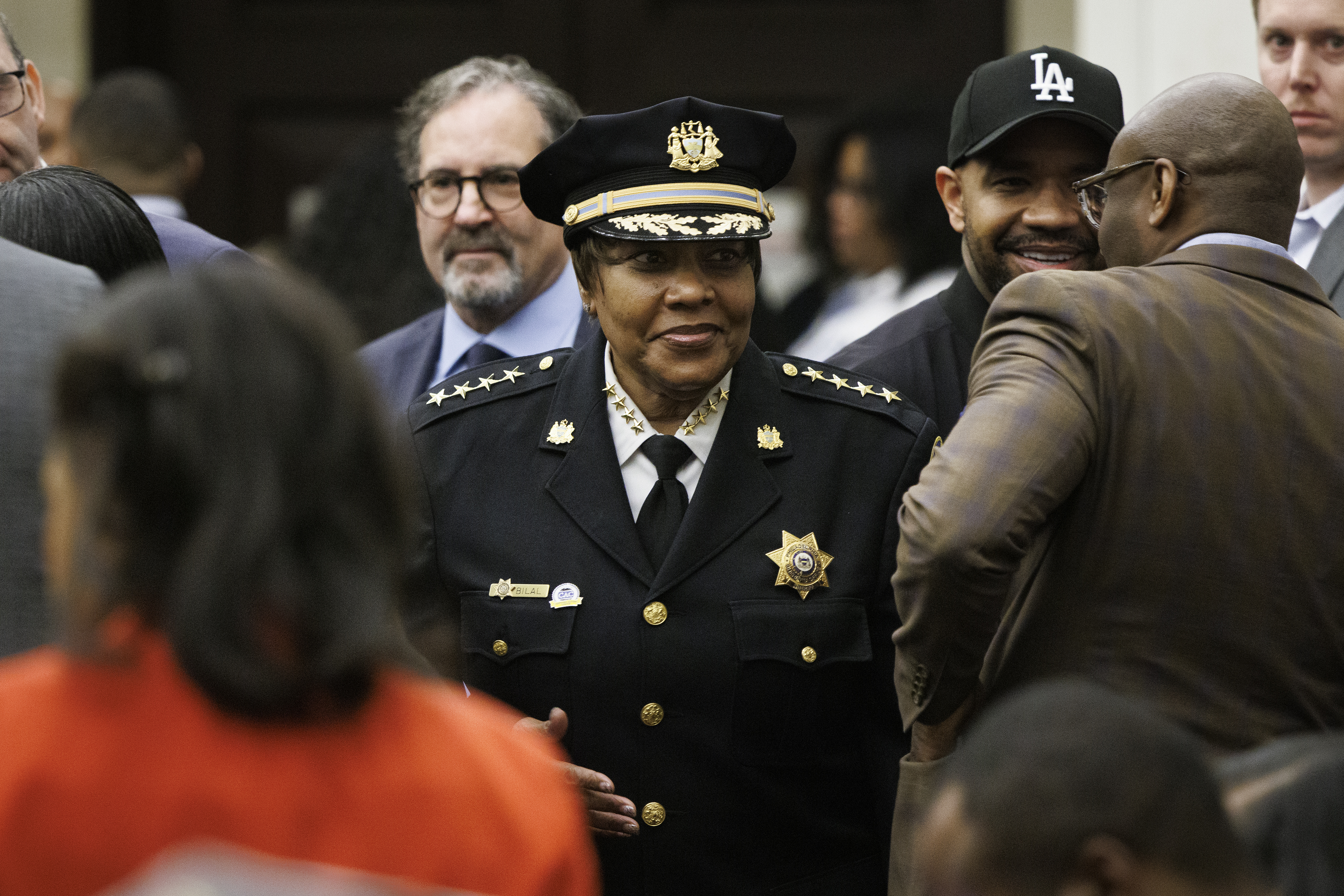
    After insisting for months that all is well in her office, Philadelphia Sheriff Rochelle Bilal has finally acknowledged that it isn’t.

    Bilal’s announcement of a shake-up in her department — which has been widely criticized for failing to properly execute some of its core duties, such as handling property auctions and providing courtroom security — was an important step forward for some long-overdue systemic changes.

    Her proposed restructuring, however, still falls short of what the city really needs: the abolition of the office itself.

    After all, troubles at the Philadelphia Sheriff’s Office are not new. The office has been plagued by a history of misconduct stretching back nearly 170 years.

    Once the city established a full-time police department in 1854, the sheriff’s office became a vestigial organ in the vast anatomy of Philadelphia municipal agencies. And, not unlike the evolutionary leftovers in the human body, such as an appendix or wisdom teeth, it’s mostly noticed these days for the discomfort it can cause.

    There’s good reason to doubt Bilal’s proposed restructuring will meaningfully improve outcomes. We’ve heard these promises from her before. When Bilal first ran for sheriff in 2019, she pledged to reform the office.

    Nevertheless, her critics say, she has spent her tenure engaged in the same tactics as her predecessors (she even hosted a “going to prison” party for one of them, former Sheriff John Green).

    Good government advocates say she’s used departmental revenue as a slush fund, struggled to collect firearms from accused domestic abusers, failed to process deeds in a timely fashion, left court officials exposed to dangerous conditions, lost dozens of guns under departmental control, fired whistleblowers, and has been admonished by the courts.

    All the while, she has insisted that complaints are unfounded and unfair.

    As Lauren Cristella, president and CEO of the Committee of Seventy, a municipal watchdog organization, said in a statement, the reorganization plan “should have been in place long ago.”

    Given that Bilal has been in power for six years, that is a legitimate complaint. Especially since the sheriff has insisted sales and deeds were being processed at “full blast” just weeks ago during budget hearings, only to be disproven by Inquirer reporting and reprimanded by the city’s courts.

    Bilal, for her part, responded by saying that changing an ancient office can’t happen overnight, and that she is operating with limited resources. Considering her time in office and penchant for, shall we say, unconventional spending, that argument is dubious.

    Bilal’s plan is also thin on some key details. While Tariq El-Shabazz, who has faced his own share of scrutiny in his role as Bilal’s deputy, is set to retire, Bilal has not confirmed the identity of a new undersheriff, or any of the other new staff positions that have been created to implement the plan.

    Additionally, there does not seem to be a written outline of her proposals. A request from this board to Bilal’s spokesperson for a copy of the plan had gone unanswered by Wednesday afternoon.

    One thing is clear: The courts must continue to press Bilal for improvements to her agency. It may still be necessary, for example, to appoint a court official to oversee deed issuance, particularly given the lack of transparency about how well those processes are functioning.

    Ultimately, the sheriff’s office overhaul the city should undertake is one that will eliminate the department altogether, alongside the similarly mismanaged and unnecessary Register of Wills. Until then, the bad news will keep on coming, restructuring plan or not.

  • ‘Freakishly strong, freakishly fast’ Uar Bernard is relishing the ‘learning process’ of his NFL transition

    ‘Freakishly strong, freakishly fast’ Uar Bernard is relishing the ‘learning process’ of his NFL transition

    Uar Bernard has been in Philadelphia — a world away from his small village in Nigeria — for nearly seven weeks now. He visits restaurants, goes sightseeing, and even took in a Sixers playoff game.

    But nothing compares to his favorite spot:

    The Eagles’ practice facility.

    “I hardly go out,” Bernard said after Day 2 of Eagles mandatory minicamp on Wednesday at the Jefferson Health Training Complex. “I just focus on my playbook and my teammates, so coming into the building is fun for me and I love it here. I want to grow every day, so I keep my focus in the building and keep the main thing the main thing.”
    On the rare occasions he does go out, Eagles fans typically flock to the novice defensive tackle who, up until last month’s rookie minicamp, had never participated in a football practice. The towering 6-foot-4, 306-pounder became an instant fan favorite when the Birds drafted him in the seventh round in April. His impressive physical traits and status as a player from the international pathway program — from which the Eagles have greatly benefited with tackle Jordan Mailata — make fans bullish about his potential.

    So, how is he adjusting to life in the NFL? Off the field, Bernard said it’s a “home run” to be in such a passionate football city.

    “The fact that I can’t even go out without taking pictures with the fans outside, it’s amazing,” Bernard said with a smile. “Being here is like a dream come true to me because I’ve never experienced that before. I just came into the town from Nigeria and it’s amazing.”

    Uar Bernard says so far that his NFL transition “is going smoothly.”Jose F. Moreno / Staff Photographer

    As for life on the field, Bernard called it a “learning process” — which makes sense given he went from not playing football to the NFL.

    “It’s good,” Bernard said. “I don’t see anything hard if you keep working out. If you have passion for what you do, you’re going to progress every day. So, I believe that the process is going smoothly.”

    His teammates and coaches agree. Speaking with reporters last week, Mailata — who had a relationship with Bernard before the draft thanks to their IPP ties — called him a “freak of nature.”

    “He’s just freakishly strong, freakishly fast,” Mailata said. “And I can’t even compare him to me just because he’s just again, not of this world just by like metrics and numbers-wise. … Once he puts it all together, I think it’s a wrap.”

    Defensive line coach Clint Hurtt, who nudged general manager Howie Roseman to draft Bernard, has been “like a father” to Bernard. Like Mailata, Hurtt believes that, if the team is patient enough with him, he can become a force in the league.

    “I’m not putting my stamp on everybody,” Hurtt said last week. “If you don’t have a great work ethic, if I don’t believe in your character and who you are as a person, I’m not putting my family’s well-being in anybody’s hands.

    “But when I saw the kid’s work ethic and character, he’s an unbelievable human being. I know as people get a chance to spend some time with him, he’s a great kid. So I felt good about doing that.“

  • Flyers Q&A: Danny Brière on the NHL draft and the progression of Jett Luchanko

    BUFFALO — In the second installment of our interview with Danny Brière at the NHL’s scouting combine, we talked with the Flyers general manager about the upcoming draft, his fourth with the team, and who has impressed him in the organization the most.

    This interview has been edited and condensed for clarity. It was conducted on June 3, before it was revealed that Dylan Larkin wanted a trade out of Detroit.

    Q: Does how the year went, especially because of the postseason, change your strategy or impact your outlook at the draft?

    A: It does not, no. It’s a different animal. We know that what happened was great — the stretch, and then the playoffs were awesome. Expectations are going to grow; we’re aware of that, but we want to try to be careful with the expectations, too. A lot of time it’s not a straight line up. We see it individually with the players, and we see it with teams as well. There’s going to be ups and downs along the way. So we’re trying to be careful with managing the expectations going forward. It’s not going to change our approach. We still feel that we’re in a growth stage of our rebuild, and we don’t want to deviate from that too much, unless it really makes too much sense.

    Q: It is a slightly different setup for you this year compared to your previous drafts. By picking at No. 21, does that change your mindset?

    It doesn’t change the mindset, as far as the approach, where we’re still looking to pick the best player, especially at the higher-end level. You want to make sure that you have someone who can be a difference-maker, not just a filler, hopefully; never have a guarantee, but that’s the goal. But, yeah, obviously we have to dig in a little bit more on more players, because the range or the amount of players changes a little bit. When you’re picking [at] six, usually you know who’s going one and two, and even when we were at 13, it’s a small group of players who are going to be there. At 21, it can start to go sideways usually after pick 10 or 11; it can go in many different directions, so we have to be prepared that way and try to know more players this year.

    Matthew Gard is one of several center prospects in the Flyers system. He is heading back to the Western Hockey League next season.Alejandro A. Alvarez / Staff Photographer

    Q: Since assistant general manager Brent Flahr was hired, the Flyers have drafted nine centers — eight of those since you became GM. Is there still a need to draft a center?

    A: Absolutely. You can never have enough centers, and it’s a lot easier to move a center to the wing than the other way around. When I talk to other GMs, nine out of 10 GMs are looking for centers. It’s a position that is tough to fill, and part of it is because when a player is usually not able to make it down the middle or doesn’t fulfill what they’re looking for down the middle, they move them to the wing. So wingers are a lot easier to find. Every team is looking for centers, so that’s not a problem to have a surplus of centers. We have one in Cole Knuble who played a lot of the center position, and then last year played mostly on the wing. Well, we know that he can play both, and he played both in Lehigh Valley. So it’s a nice luxury to have too many centers.

    Before I arrived, there were some centers who didn’t hit, like Nolan Patrick, German Rubtsov, and Jay O’Brien. So there have been a few that they just didn’t pan out. I think the organization was trying to draft centers, the players didn’t pan out or didn’t develop the way the organization expected, and that’s why all of a sudden we came up and we didn’t have very many centers.

    So hopefully now the players that are in place will keep developing. We believe in Jett Luchanko. We believe in Jack Nesbitt, the way he’s developed. Jack Berglund has really stepped up. We think Heikki Ruohonen is trending in the right direction, and hopefully the guys we signed, Riley Thompson and Knuble, at the end of the year could really help us there. Matthew Gard is also in there. So it’s a nice luxury to have, and if we have the chance to jump on a center, we won’t hesitate to get.

    Q: It feels like it’s either defensemen or centers in this draft.

    A: It seems to be a lot, but you look at last year, there were all these centers. There was one winger in the top 10, I think; who drafted the winger? We did — which we don’t regret, by the way. Porter Martone has been amazing. But we went with what we felt was the best player on the board, not considering the position at that time. So it’s going to be the same approach. But, yeah, there seem to be a lot of defensemen and centers in this draft.

    Q: Is there any update on the first-round pick from Toronto, acquired in the Scott Laughton trade, in regards to which year?

    A: No, I haven’t heard from the NHL on that yet.

    Q: Hunter McDonald is a restricted free agent. Where do things stand in his contract negotiations? Where do you see him projecting long-term, and is he ready for the NHL?

    A: Hunter took a big step last year in his development, and that’s why he played that game late in the season. I think our coaching staff was really impressed on how he took a step forward this year. He put in the work and really elevated his game, earned that NHL game at the end, and he was around the team when we played in the playoffs as well.

    Really exciting to see him have growth to his development. It’s a big summer for him, but we’re excited about him. A big, physical defenseman like that is not easy to find, and we hope he’s going to be one of those guys, eventually. But he’s going to have to beat someone at some point to earn those minutes.

    Flyers defenseman Hunter McDonald is one of several players expected to push for an NHL job come September.Yong Kim / Staff Photographer

    Q: Do you foresee Emil Andrae, also an RFA, having long-term success in Philadelphia?

    A: What we love about Emil is his compete level. I was really impressed with him after training camp when we sent him down to go work on his game — he wasn’t happy about it — but he went down and didn’t pout and decided to show everybody that he didn’t belong in the American [Hockey] League anymore. So that part is what you love about him. He’s going to compete; he’s going to give you everything he has. But, again, now you’ve got to beat someone in the top six to play on a regular basis. That’s not easy to do. We do have some good defensemen, and that’s going to be the same challenge for him moving forward.

    When you’re at that stature, and I lived it myself, you almost have to be perfect, and that’s the tough part. We’re asking a lot out of him for him to be able to be in the lineup, and I think he’s getting better at it. Making fewer big mistakes, he has gotten better, but that’s the reality that he’s dealing with, and he knows that, and he’s good with it, and he’s really working hard on his game to become a very, very efficient and effective defender.

    Q: Do you like that there might be all this internal competition now?

    A: Absolutely. I think it’s great. I think it’s great that we have an internal rivalry to beat each other out for minutes. That’s the great part too, with our veterans. They understand, they respect it, because they did it at one point, they beat someone out. So I think our guys realize, and that’s great, that it also pushes our veterans to stay on top of their game and keep getting better.

    Q: Is there anyone in the system who impressed you?

    A: Ty Murchison had a great [year], and that’s why he got some games early, before his injury; that was an impressive year. I think Oliver Bonk, after dealing with some injuries early in the season, built up his game and got better as the season went on. David Jiříček will be a very interesting one because he had a really good, strong finish to the season in Lehigh Valley. So that’s just been in the [AHL]. Up front, you saw Porter Martone, Alex Bump, and Denver Barkey; they earned it. Nothing was given for free; they earned their minutes, they earned playing more and more because they were competitive, they were ready to go. So that’s really exciting.

    Q: Who is the player who needs to take the biggest step next year?

    A: I can’t really pinpoint one. I think we expect that from every player. There are expectations. It’s not just hoping if you want to make it. And that’s a little bit of the tough part with our guys — we do have a lot of players and a lot of good, young players, so you have to earn your way. You have to push yourself, and you have to be willing to commit to a regimen to get ready for next season that is probably out of your comfort zone. That’s just the reality. You want to be an NHL player, you’re going to have to do that.

    Flyers forward Jett Luchanko skated in four regular-season games and one playoff game this season.Yong Kim / Staff Photographer

    Q: Jett Luchanko had a little bit of an up-and-down year. Where do you see him fitting in as his career progresses? And what do you need to see from him next season?

    A: We’re excited to see him turn [fully] pro. I think that’s great. For Jett, it’s been tough, and he’s been on so many teams. Just last year alone, from Flyers to Guelph [of the Ontario Hockey League] to Brantford to World Juniors, back to Brantford, to the Flyers. There’s been bouncing around, and that’s two years in a row that he’s kind of done that. Stability will probably be a good thing for him.

    We expect a big summer out of him, and he’s got to get ready. The big thing with Jett is, he has an elite skill in skating that is almost unmatched from anyone in the organization, other than maybe Owen Tippett. So that’s always going to have a lot of value for anybody to have a player like that. Now it’s our job to try to help him and round out his game to make it in the NHL. But what I would expect, I would say, is probably for him to play a year in Lehigh Valley.

  • This Havertown resident is 90 and still competes in track and field. What’s his secret?

    This Havertown resident is 90 and still competes in track and field. What’s his secret?

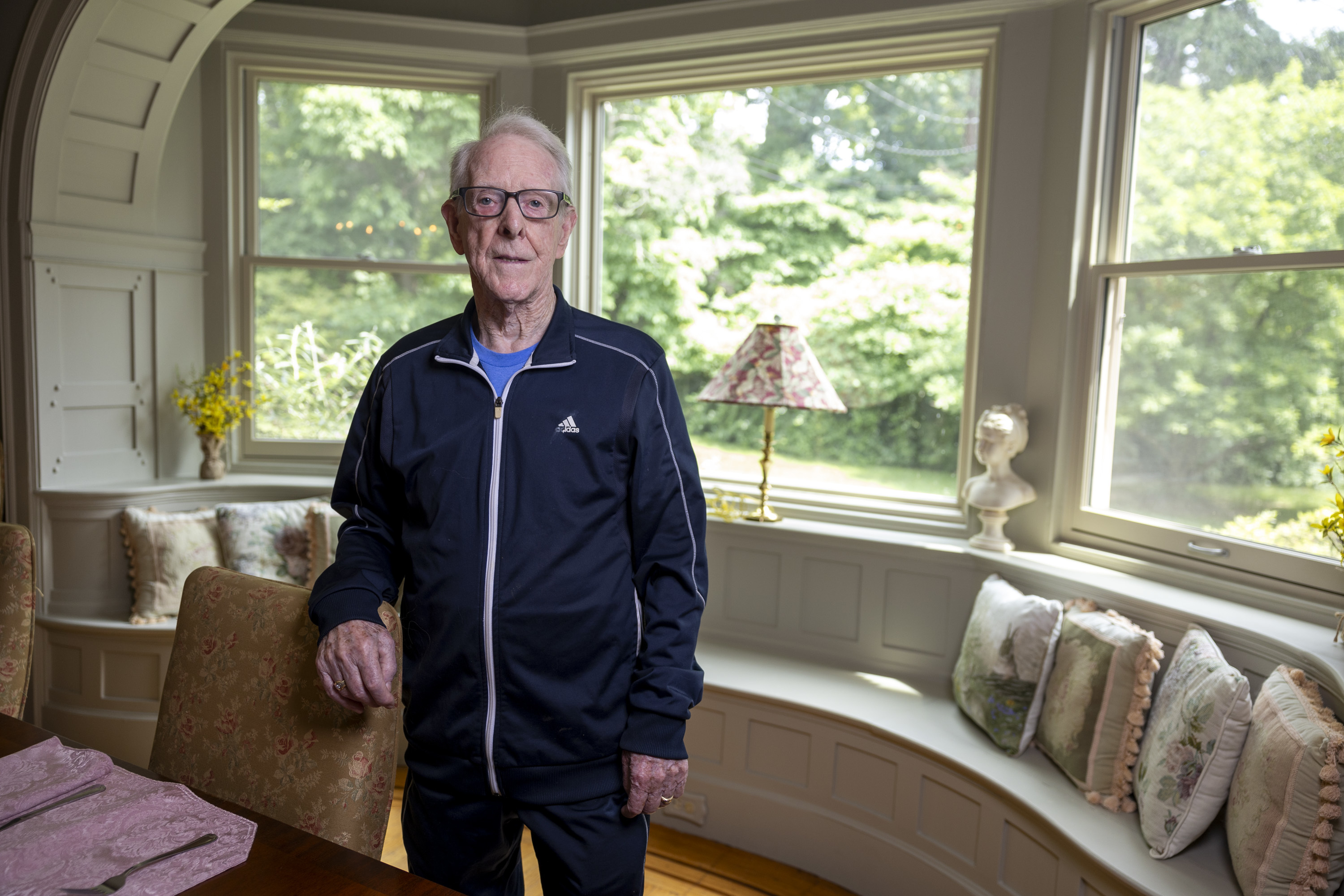
    People in John Durning’s circle have come to know him as “Superman,” which makes sense, given his growing collection of gold medals.

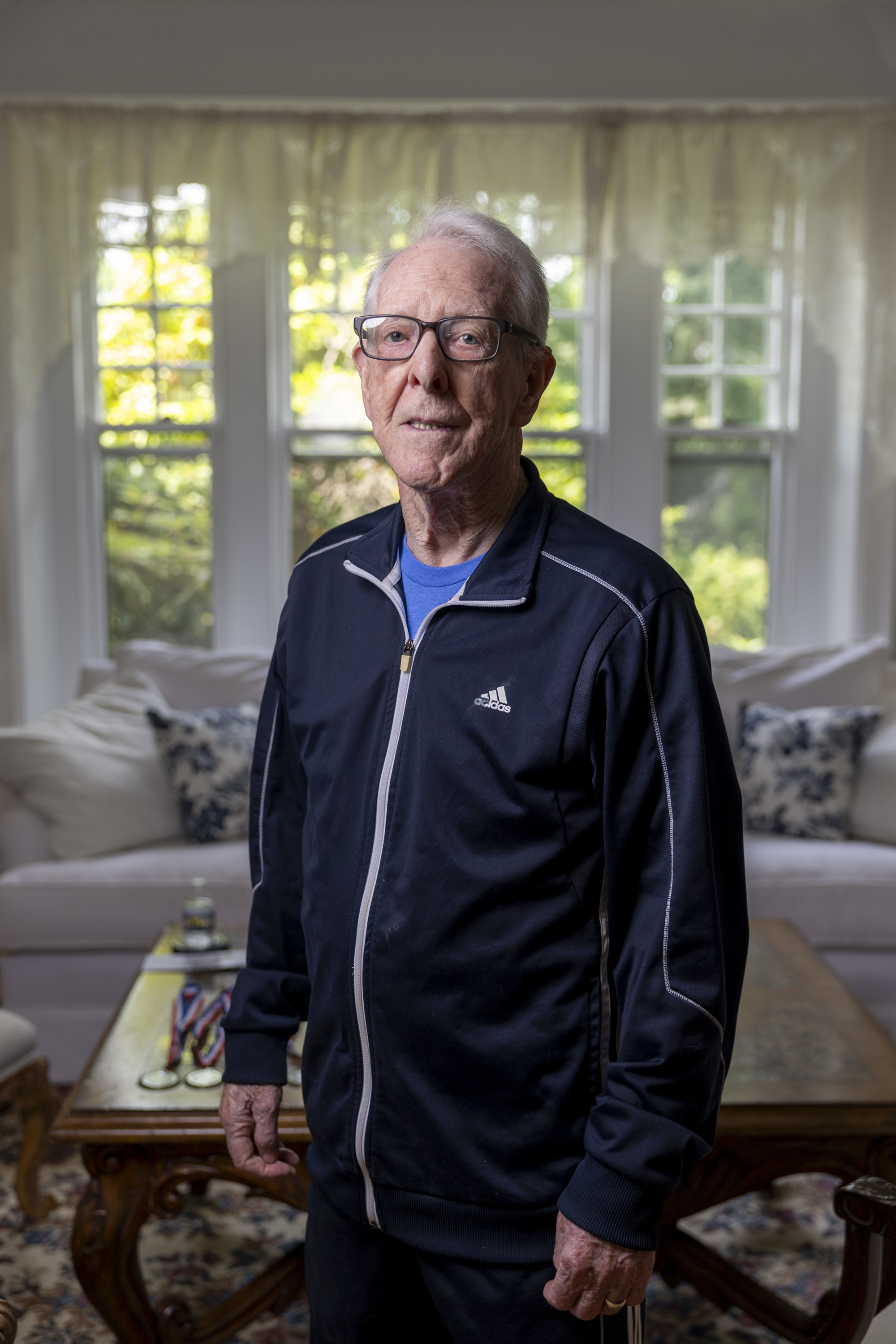
    At 90 years old, the Irish immigrant and Havertown resident competed in the 36th annual Delaware County Senior Games on Thursday. He competed in several events, including a 100-, 200-, and 400-meter run, a softball and football throw, and, Durning’s favorite, the long jump.

    Last year, as the sole 89-year-old in the 85-89 age division, Durning still had some competition. He may be one of the few in the 90-plus age category this year, but Durning doesn’t mind if he wins gold by default.

    “This week brings the total to 230 medals,” Durning said before Thursday’s Games. “I have nine more silvers than I do gold, so I’m trying to beat that.”

    He came away with 10 golds and one silver, winning each of his track and field events as well as singles and doubles bowling, miniature golf, and shuffleboard over the course of the Games, which ran from June 1-12. His silver came in team bowling.

    Durning began competing in the games when he was a spry 56-year-old after hearing about them from a friend. The games are meant to keep folks active as they age and retire. Spending his retirement on the couch, however, was never a concern for Durning’s friends and family.

    John Durning added to his medal collection at the Delaware County Senior Games.Tyger Williams / Staff Photographer

    Changing plans

    Durning was born in 1935, the second-youngest of 10 children, and raised on a farm in Donegal, Ireland. He learned to play Gaelic football with his five older brothers at an early age. Needing to find a job, he immigrated to the United States at 21, where an aunt and cousins lived.

    “I came through New York City on April 17, 1957, and I saw the lit-up Statue of Liberty,” Durning said. “It was beautiful.”

    He planned to stay for only three years. The plan was to work and save up to open a sporting goods store back in Ireland. However, after 16 months in the United States, he was drafted into the U.S. Army, where he went on to become a paratrooper with the 101st Airborne.

    The Army saw his athletic potential, and he was recruited to compete on the U.S. Army soccer and track teams. He competed against other military branches and colleges while he was based at Fort Lee in Virginia.

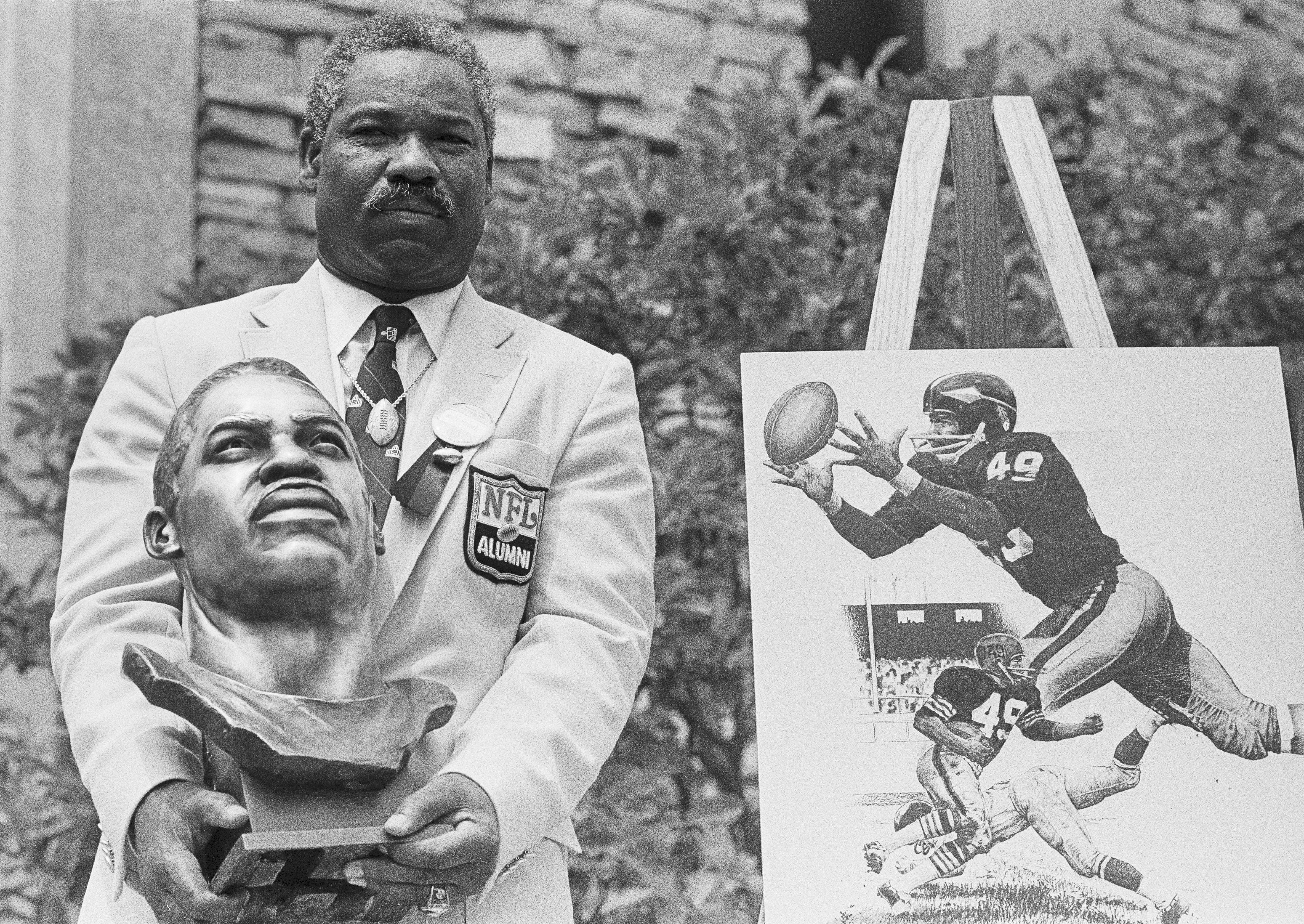
    “I’ve rubbed shoulders with some great athletes when I was in the Army,” Durning said. “Like Bobby Mitchell, who was a wide receiver for the Cleveland Browns.”

    John Durning says he crossed paths with Bobby Mitchell, a Hall of Fame halfback and wide receiver, during his time in the Army.Gus Chan

    Unlike many of his teammates, John had no thoughts of going pro after he left the military in the early 1960s. Besides, he soon had a family to support.

    He met the love of his life, Helen, at a dance, and they married in 1962 and had the first of their four sons a year later. Durning worked night shifts at Acme Baking Co. and coached his sons’ soccer and track teams in the afternoons.

    “He has always had a sense of humor about our sports,” said Brian Durning, the second-oldest of the Durning sons. “I remember he would take us to the Haverford High School track on the weekends to practice baton handoffs and understand what we were doing better, and help us ahead of time not make a mistake.”

    Over the years, Durning coached a multitude of sports for local teams, including soccer and track at Malvern Prep, Waldron Mercy Academy, and the Haverford School. The number of kids he has coached is innumerable.

    “I have people here and there who tell me, ‘You were my coach,’” he said. “They are teaching their own kids now and ask me to come and watch … coach them on coaching.”

    A large part of Durning’s legacy is the founding of two soccer clubs. The first, when he was only 17, was the St. Michael’s GAA Club in Donegal. He played on the team and served as treasurer and secretary in the club’s early years. The club recently honored Durning for his 90th birthday by placing a bench engraved with his name outside the clubhouse.

    In 1974, he helped found what became Haverford Soccer Club, where he remained involved for years, helping the organization grow from just 68 boys to more than 2,000 players and coaches.

    Durning retired from coaching at age 75 after the Haverford School won the 2011 Pennsylvania Independent Schools Athletic Association state championship.

    “After that, I knew it was time to step away,” he said.

    Staying active

    Between the annual Senior Games, Durning stays on his feet. Heavily involved in the Donegal association of Philadelphia and the local Irish Center, he is an athlete in many ways — including dance.

    “At the Irish Center, he’s known as the best waltzer in the Irish community,” said Pari Livermore, Durning’s best friend. “He’s like dancing with air. He can still dance with about 15 to 20 girls. No one can move like him anymore. That’s why they call him Superman.”

    Durning and Livermore make it a habit to dance as much as they can.

    “We met at an Irish dance,” Livermore said. “We sat down next to each other, and I asked, ‘Would you like a drink?’ He said, ‘No, I don’t drink’ … so that’s one reason why I think he is so healthy and so active.”

    Added Durning: “At one point I was a bartender, and I’ve still never had a drop. I sold cigarettes in my father’s shop, and not once did I ever smoke.”

    John Durning makes it a point to stay active in retirement.Tyger Williams / Staff Photographer

    The Irishman adds to his regimen by stretching every morning and walking around the neighborhood most evenings. Even Durning, though, has had his hardships.

    “I’ve had three back surgeries and two hip replacements,” he said. “And I’m still running and doing the long jump. A lot of people have back surgeries, knee replacements, and all, but they never continued with physical therapy exercises, which is key. It just takes 20 minutes a day.”

    Durning has encouraged others to continue staying active. Once a coach, always a coach, he now helps friends with their Senior Games performances. Despite being an accomplished athlete, his community remembers him for more than his medals.

    “If you were to go around his friends and say, ‘Can you describe John with one word?’” Livermore said, “they would all probably say he is a gentleman, not an athlete. They would say he is a gentleman.”

    Durning plans to stay active and “compete until I am physically unable to,” but not without warning.

    “You know, I’ve been told to slow down,” Durning said. “‘You could get a heart attack and drop dead on the track,’ they say, and I just said, ‘Well, we have the long jump pit and the shovels out. You can just throw me in and do it dirt cheap.’”

    Durning has a plan for his medals when the time inevitably arrives. It’s somewhat of a tradition, he explained, to hand out the silver, gold, and bronze awards one received in the Senior Games at their funeral. Durning will have more than 230 medals to share — a physical reminder of the zest he has for life.

    “I say you’ll never, ever be too old,” he said. “If you want something, as long as you’re healthy enough to do it, you should be doing it.”