Tag: topic-link-auto

  • Feds award $43 million to Philly gene therapy research to advance treatments for rare diseases

    Feds award $43 million to Philly gene therapy research to advance treatments for rare diseases

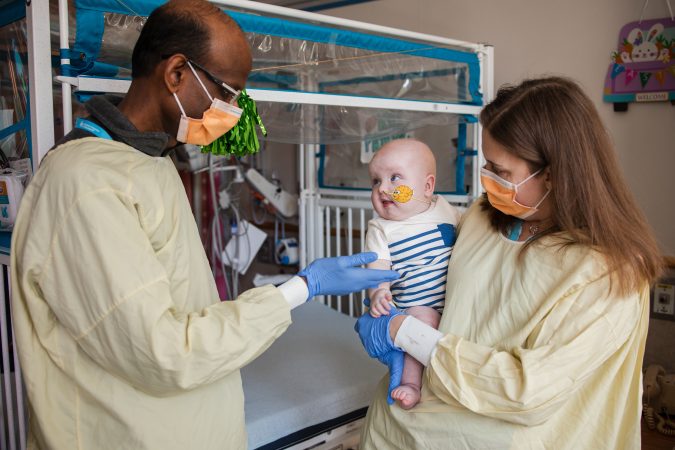
    The U.S. government has awarded Children’s Hospital of Philadelphia $39 million to develop a scalable platform for treating rare genetic, liver-related diseases in infants and children.

    The federal Advanced Research Projects Agency for Health (ARPA-H) also announced this week another $4 million for local gene therapy pioneer Jim Wilson to design gene therapies using AI at his University of Pennsylvania spinout, GEMMABio.

    The $43 million in funding earmarked for Philadelphia researchers comes through a new federal effort to advance gene therapies for rare diseases.

    CHOP’s team includes the duo behind last year’s first-of-its-kind, personalized gene-editing treatment involving a Philadelphia-area infant, known as Baby KJ. CHOP’s Rebecca Ahrens-Nicklas and Penn Medicine’s Kiran Musunuru together created a custom drug to correct the genetic mutation driving Baby KJ’s rare metabolic disease — dramatically improving his liver function.

    The funding will expand their work and bring in another CHOP researcher, Lindsey George, who develops gene therapies for bleeding disorders.

    “We’re trying to move beyond just one diagnosis or one gene,” Ahrens-Nicklas said.

    Philly-based scientists comprise two of seven research teams nationwide to receive funding through ARPA-H’s new $160 million effort.

    Called THRIVE, the program aims to help the roughly one in 10 people — most being newborns, infants, and children — with chronic genetic diseases. Ninety-five percent of rare diseases have no approved treatments.

    Leaders want to develop “precision genetic medicines through platforms that can test multiple treatments for multiple diseases in a single clinical trial,” ARPA-H director Alicia Jackson said in a Thursday news release.

    CHOP’s expanding focus

    The CHOP team will focus on building a scalable gene-editing platform that can be used to treat a variety of infants and children.

    Their initial focus is on liver-related genetic diseases, ranging from urea cycle disorders to blood clotting diseases.

    “Essentially it’s the same drug, whether or not you’re targeting a genetic variant that causes a rare metabolic disease or a genetic variant that causes a rare coagulation disorder,” Ahrens-Nicklas said.

    Their five-year plan includes launching preclinical and clinical trials testing the safety and efficacy of their individualized treatments.

    They will also pursue regulatory approvals, work with payors, and implement their therapies at community sites and remote hubs to expand access.

    “We are the three musketeers that already text 25,000 times a day, and will continue to do so,” Ahrens-Nicklas said.

    Wilson experimenting with AI

    Wilson founded academia’s first gene therapy program back in 1993 as a professor at Penn.

    He left in 2024 to spin out biotech start-ups dedicated to tackling rare diseases with genetic medicines.

    “The question is, can we find ways to scale this bespoke personalized medicine strategy, so that it is affordable and cost-effective?” he said.

    In partnership with a biotech called ProFluent, GEMMABio will use AI to design its base editors — the machinery that goes in and make edits to DNA.

    The tool could be rapidly adapted to different patients and diseases, theoretically making the process more affordable, scalable, and efficient, Wilson said.

    His $4 million award will fund preclinical studies of their technology.

    GEMMABio’s initial focus is on two rare liver diseases “for which there is significant unmet need,” he said, including Maple Syrup Urine Disease and homozygous familial hypercholesterolemia (HoFH).

  • A 75-year-old man is charged with murder in fatal Roxborough shooting

    A 75-year-old man is charged with murder in fatal Roxborough shooting

    A 75-year-old man was charged with murder and related crimes in the fatal shooting of a 20-year-old contractor at his Roxborough home this week, authorities said.

    George Barr of Philadelphia was arraigned early Friday morning and was being held in custody without bail.

    In addition to murder, Barr was charged with possessing an instrument of a crime and reckless endangerment in connection with the Wednesday incident.

    Police said that is when Barr, of the 400 block of Ripka Street, shot and killed Salis Hanrahan as the young man and a group of workers were doing construction work at Barr’s home.

    Officers responded to an emergency call there around 2:20 p.m. and found Hanrahan collapsed on the sidewalk with a gunshot wound to the chest, police said.

    He was taken to Jefferson Einstein Philadelphia Hospital and pronounced dead at 2:45 p.m.

    Police have not identified a motive in the shooting and continue to investigate.

    Barr is being represented by a public defender and is expected to appear in court for a preliminary hearing on July 27.

  • Philly hotels and cultural institutions saw historic crowds during Independence Week

    Philly hotels and cultural institutions saw historic crowds during Independence Week

    The crowds came to Philadelphia on the Fourth.

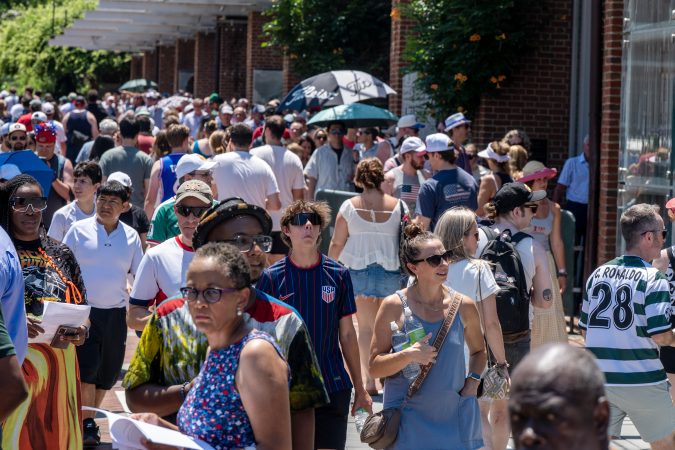
    Philadelphia hotels reached nearly 90% occupancy on July 4, according to exclusive new data released Friday by Visit Philadelphia. The number represents the highest average daily rate since the agency began tracking July 4 data in 2007.

    The previous high was 60% occupancy on July 4, 2016.

    “The July 4 holiday gave us an early glimpse of what’s possible this year,” said Angela Val, president & CEO of Visit Philadelphia, the nonprofit that serves as the city’s official leisure-tourism marketing organization. “Hotels were nearly full, and the strong demand we’re seeing is a great sign for the months ahead.”

    City hotels generated nearly $6 million in revenue alone on July 4, the data showed. Overall, Philadelphia County hotels reaped more than $7 million.

    The average city hotel daily room rate soared to $459 on July 4 — more than double last year, Val said. Philadelphia County room rates reached $413.

    “We’re only halfway through 2026,” Val said. “There are still major events and celebrations to come, and we’re focused on making this a year that inspires people to come back to Philadelphia again and again.”

    Those numbers come just as the Philadelphia Convention and Visitors Bureau announced Friday that Philly hotel revenue jumped more than 50% during the city’s six FIFA World Cup matches.

    “Philadelphia thrives when our city, business community, and hospitality industry come together to welcome the world and showcase all that our city has to offer,” said Gregg Caren, president and CEO of the PHLCVB. “We anticipate the FIFA World Cup will inspire not only future international travel to the city but serve as a shining example of how we can successfully execute major global events, drawing key future business to Philadelphia.”

    In June, officials from the Greater Philadelphia Hotel Association expressed concern that some of Center City’s 14,500 hotel rooms were still available on match days, hosted at Philadelphia Stadium from June 14 to July 4.

    On Friday, John Fricke, chair of the GPHA, said the crowds came.

    “We’re fortunate that our city and hotel team are used to welcoming guests during major events in Philadelphia,” Frickle said in a statement. “But the FIFA World Cup was something truly unique. Hearing guests share how much they enjoyed Philadelphia’s history, neighborhoods, food, and their overall experience was incredibly rewarding — it was a proud moment for us, and a great reminder of why hospitality is so special.”

    More than 400,000 fans from 190 countries attended the matches, while crowds of 250,000 packed into the FIFA Fan Festival at Lemon Hill, according to the Philadelphia Convention and Visitors Bureau.

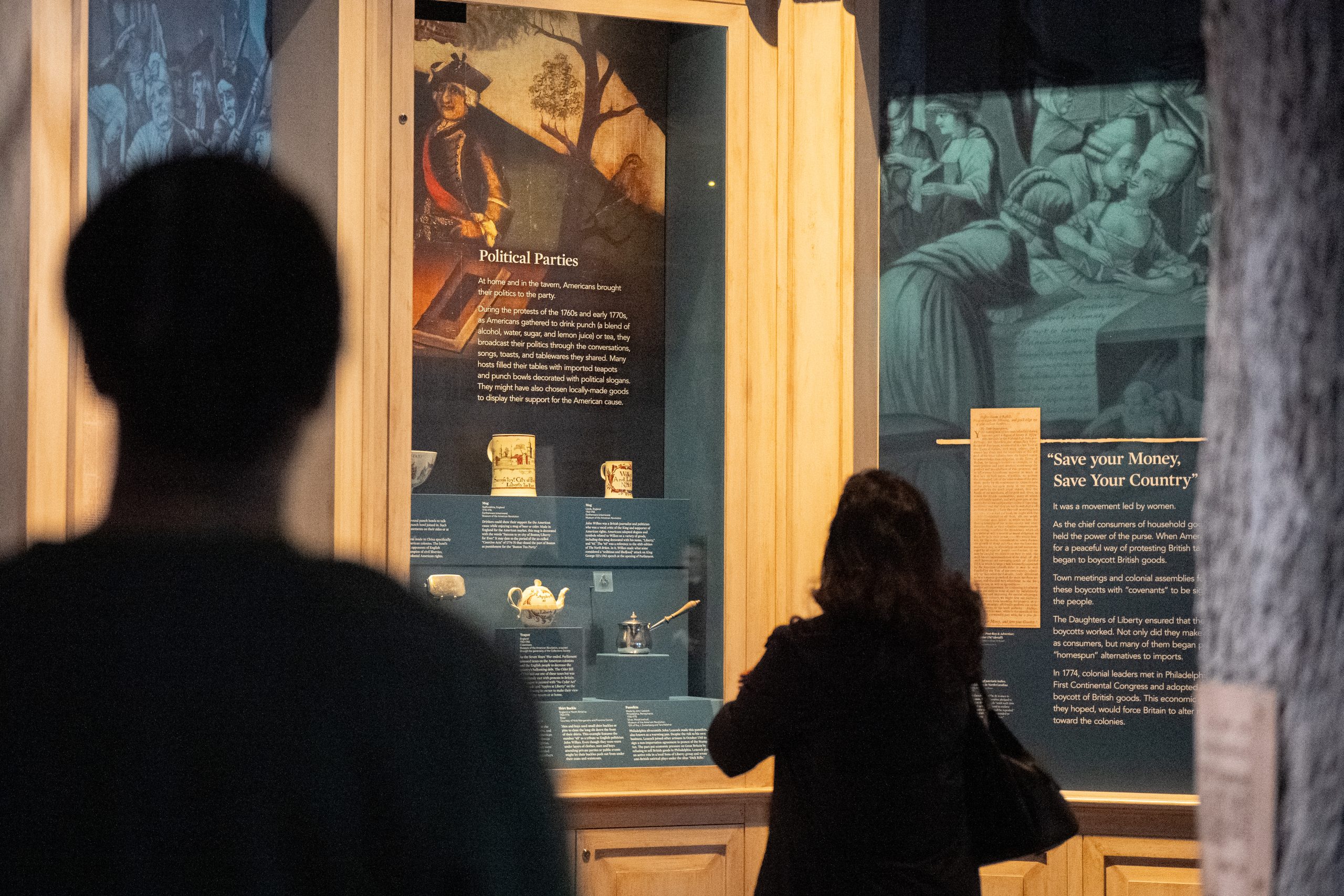
    Guests tour the Museum of the American Revolution in Old City.Jessica Griffin / Staff Photographer

    Philadelphia cultural institutions also reported historic numbers, with more than 12,000 people visiting the National Constitution Center and the Museum of the American Revolution during Independence Week, according to data released by the city.

    The Revolution museum hosted 8,000 visitors over the holiday weekend alone, its highest three-day attendance ever.

    “The 1st to the 5th was the biggest week we’ve had,” said Scott Stephenson, president and CEO of the museum, which opened in 2017. “July 3 was our biggest payday since the museum opened.”

    The museum was nearly at capacity on July 3 and 4, said Stephenson, who spent hours letting long lines of guests into the museum’s grand theater exhibit featuring George Washington’s original field tent, which ran every 15 minutes instead of once an hour.

    And it wasn’t just the crowds. It was the vibe that was special, Stephenson said.

    “I was just so positive,” he said. “It was just a lot of pride and optimism. People were chatting with each other and having such a great time together, really celebrating our country.”

    “You know we wondered in the years leading up to this if there still was an impulse for families to come to Philadelphia for the 250th,” he said. “The question was, ‘Well, are they going to come?’ And boy, they came.”

  • Here’s how the World Cup provided a sense of ‘community’ at this University City coffee shop

    Here’s how the World Cup provided a sense of ‘community’ at this University City coffee shop

    Driving to West Philadelphia’s Shibam Coffee Co., Ayham Muhanna got a flat tire.

    Muhanna, a rabid Morocco fan, wasn’t going to let that stop him from making it to the cafe, which was hosting a watch party for Morocco’s World Cup quarterfinal matchup against France.

    “I love the community. I love the vibes out here,” Muhanna said. “We could have gone anywhere else, but we decided to come to Shibam. After coming here for the first time for the Egypt and Iran game, we saw that the energy was through the roof. We saw that the community was all here showing out and showing love.”

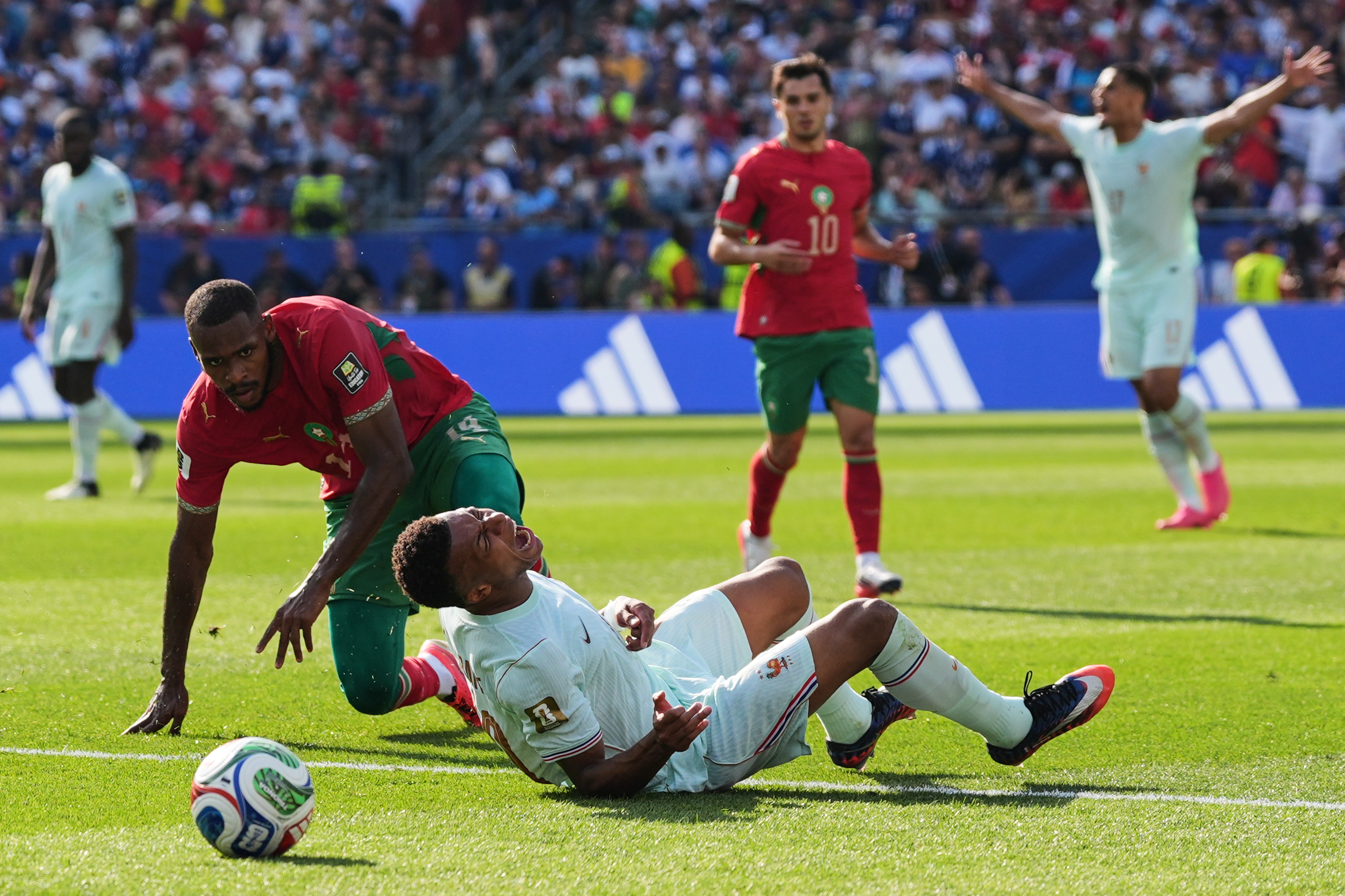
    France’s Kylian Mbappe (center) reacts to being tripped by Morocco’s Issa Diop (left), during the World Cup quarterfinal soccer match on Thursday.Stephanie Scarbrough

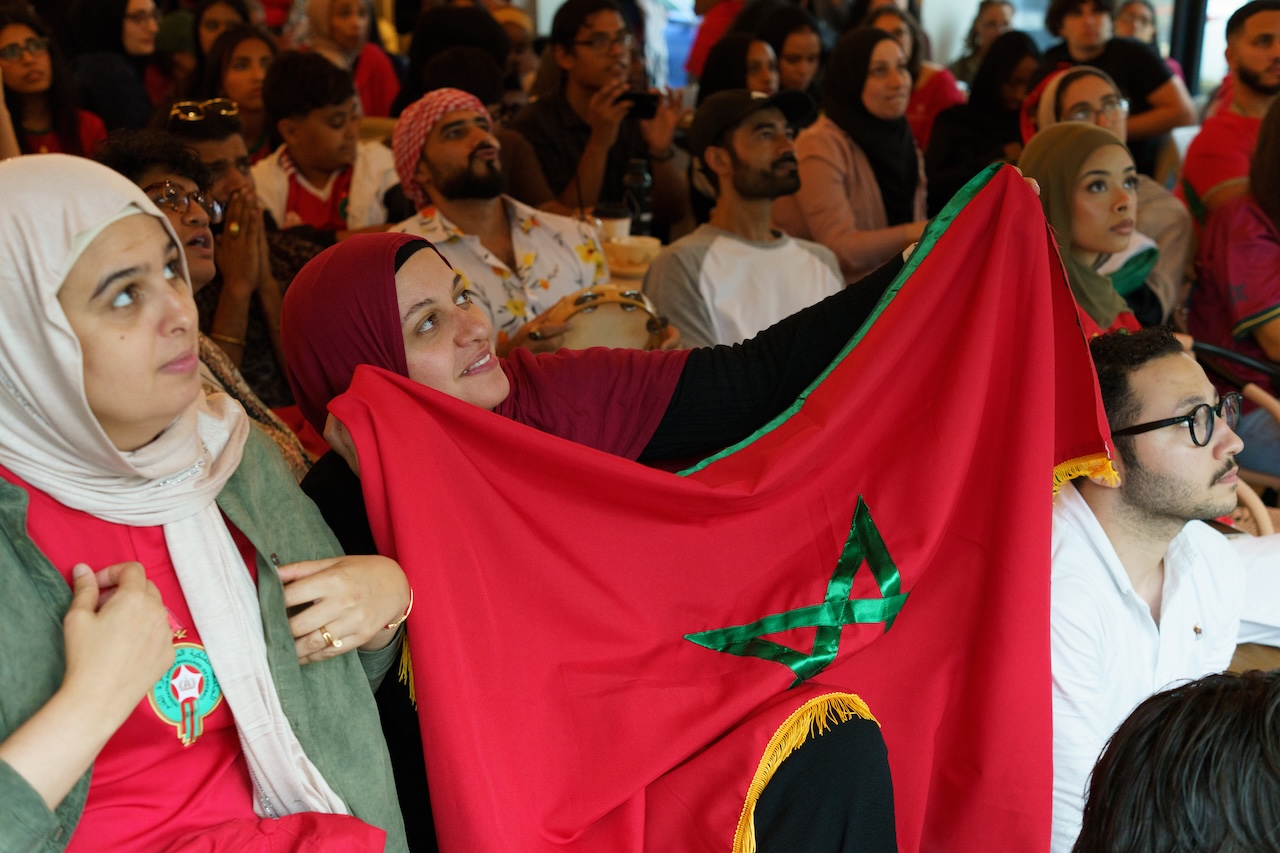
    Although Morocco lost, 2-0, to France in Thursday’s match, the energy was palpable inside Shibam, a Yemeni coffee shop, as a mostly Morocco-supporting crowd packed the cafe. Yemen and Morocco, despite being thousands of miles apart, share many similarities in terms of language, culture, religion. During the World Cup, fans of each country tend to support one another. This was evident at Shibam, as most of the fans were members of the region’s vast diaspora.

    The original Shibam Coffee Co. is based out of Dearborn, Mich., the only Arab-majority city in the United States. Fahad Azam is a part-owner of the West Philadelphia franchise, one of 19 Shibam locations in the country. While not a soccer fan himself, Azam saw an opportunity to further connect with the surrounding community by holding watch parties for the World Cup. The turnout for the first game blew away his expectations.

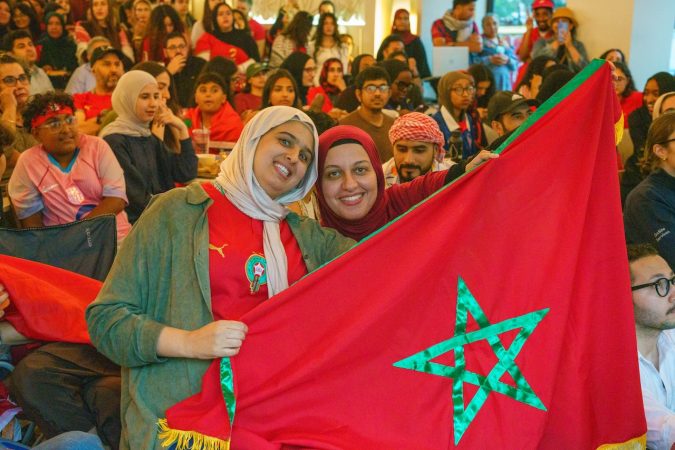
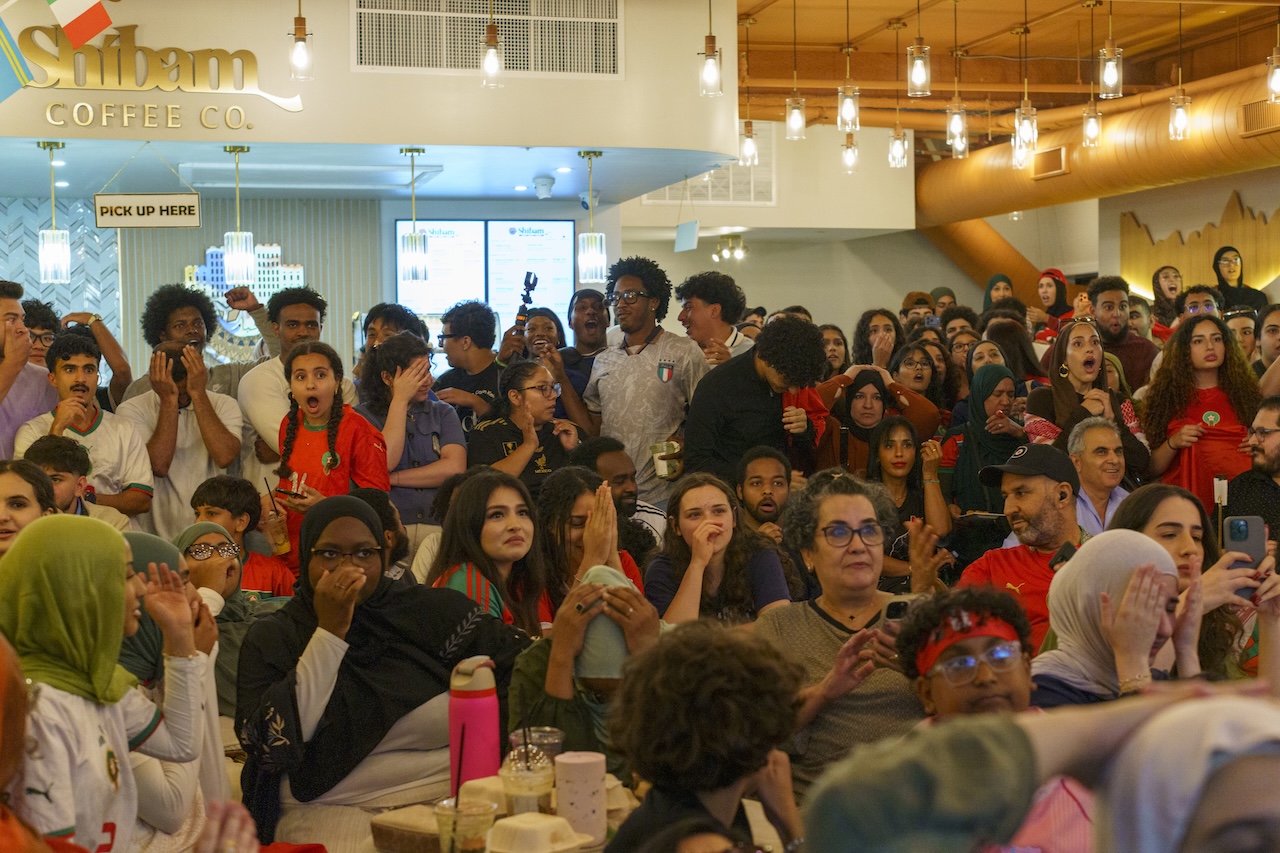
    A packed house at Shibam Coffee in West Philadelphia is on hand to watch Morocco take on France in Thursday’s World Cup quarterfinal. Courtesy / Sam Foster

    “It was a madhouse,” Azam said. “We didn’t know what we signed up for, but obviously we love the environment, we love the passion that everyone brings. We want to do more. The World Cup is not going to happen again next year. We wanted to show the community that we’re not just a coffee shop.”

    That they did. Although Morocco’s offense was stagnant — France held a 22-5 shot advantage — the fans who packed into Shibam held out hope until the game’s final moments. The biggest crowd reaction came in the 28th minute after Moroccan goalkeeper Yassine Bounou denied France star Kylian Mbappé’s penalty attempt. Then, to start the second half, fans brought out tambourines and drums to lead the usually quiet coffee shop in song.

    The line to get a coffee spanned the cafe. It was impossible to maneuver without bumping into multiple people. Nonetheless, when everyone rose to their feet in anticipation of a shot or as fans broke out into a rendition of Shakira’s “Waka Waka” after the pop star was shown on screen, any would-be negatives disappeared.

    “I’m half Moroccan, so it’s always been in my family, supporting Morocco and coming out for them,” said Mahdi El-Hadi, a Newtown Square resident. “I’ve been a huge Morocco supporter since I was a kid. … We have the vibes; we have the music. We’re always super excited for every game.”

    One watch party attendee, Yusra Aziz, owns a psychotherapy practice. At work, Aziz readily shares the importance of finding and embracing community to her clients. She listened to her own advice on Thursday. Aziz is the daughter of immigrants — her mother was born in Morocco while her father came over from Iraq. The joyful scene inside Shibam was a point of pride for her.

    Fans in attendance at Shibam Coffee in University City for Thursday’s World Cup quarterfinal say that the sense of community was equally as important as the match between Morocco and France. Courtesy / Sam Foster

    “When I was growing up, there was a lot of this type of vibe in our house,” Aziz said, gesturing to the crowd around her. “My family would host it. There would be a lot of our community members. When I was growing up, I could have only dreamed of having something like this. I did not see things like this growing up — cafes that were hubs for our community.

    “It feels symbolic of what my parents did by coming here. They met here in Philadelphia, and I wouldn’t exist if they didn’t meet here. Looking at all these people here, I know that a lot of them are in similar circumstances. Their parents came here, and they were born here.”

  • El Niño is rapidly intensifying and could become the strongest on record and last through winter

    El Niño is rapidly intensifying and could become the strongest on record and last through winter

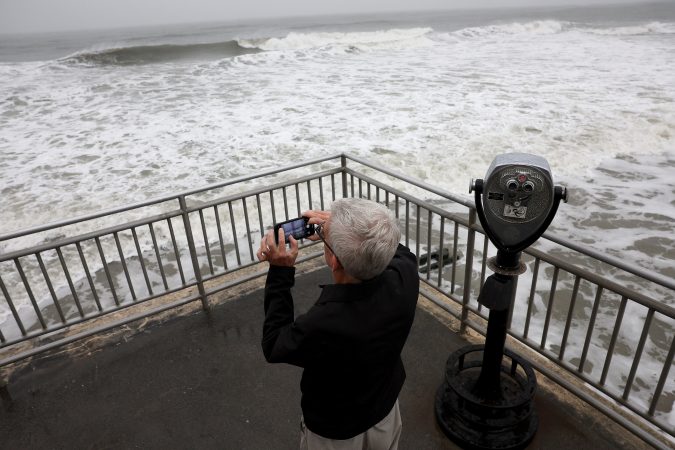
    Warming in the tropical Pacific has been intensifying rapidly, and with increasing certainty government meteorologists say this El Niño event could become the strongest in records dating to 1950.

    It is all but certain to have profound effects on the Atlantic hurricane season and the winter of 2026-27 across the United States. It’s also going to stick around.

    In its Thursday update, the National Oceanic and Atmospheric Administration advised that El Niño would “strengthen through the end of the year, with a 97% chance it will last through early spring 2027.”

    Sea-surface temperatures over a critical 2.4 million-square-mile portion of the tropical Pacific are running about 2 degrees Fahrenheit above long-term averages, more than qualifying for El Niño status.

    In records dating to 1950, those temperatures have reached as high as 4.5 degrees above normal. In this El Niño event, the temperatures have a “43% chance” of reaching that level, said Michelle L’Heureux, physical scientist at NOAA’s Climate Prediction Center.

    As for what impacts it will have, NOAA scientists point out that El Niňo will not be acting in isolation and that it would be impossible to know. However, based on past strong El Niños, expect unusual levels of strangeness for the next several months.

    For Philly, it may have significance for the stubborn drought conditions, but that also could come with a positive development.

    And its potentially benign effects on the Atlantic hurricane season may save some lives and yield a robust bonus for the U.S. treasury.

    How does El Niño affect the U.S. weather?

    El Niño events develop as part of a periodic natural process as east-to-west trade winds that push water into the western Pacific slacken, allowing prodigious, massive amounts of warm water to move eastward.

    The warmer water interacts with the overlying air, setting off convective thunderstorms and altering west-to-east upper-air winds that deliver the weather to the United States and other parts of the world.

    Reliable responses to El Niño include storminess in the southern United States and warmth in much of the northern states and Canada. For Philly, about the only constant has been weirdness.

    How is El Niño affected by other phenomena?

    El Niño is a crucial piece of the atmospheric puzzle in long-range forecasting. However, it also interacts with other phenomena, such as the Arctic Oscillation — shifts in atmospheric pressure between the Arctic and the lower latitudes, and an important driver of winter temperatures — and patterns in the North Atlantic, which “may reinforce or counteract each other,” said Johnna Infanti, a climate center meteorologist.

    And when it comes to developing outlooks for the seasons, forecasters have to consider earthly phenomena such as changes in soil moisture and sea ice, she said.

    “It is important to remember that an El Niño can shift the odds toward certain outcomes,” she said, “but the outcome is not guaranteed.”

    That said, “stronger events can tilt the odds more heavily in favor of the expected outcome,” she added.

    Was El Niño behind the July 4th weekend extreme heat?

    The short answer in all probability would be no, Infanti said.

    In summer, she said, “there is no clear link between above-average temperatures over the United States and El Niño.”

    Besides, this El Niño is still a relative toddler. This one is expected to last for about a year, a typical lifespan, L’Heureux said.

    While the sea-surface temperature has surpassed the El Niño threshold, “the atmosphere is still aligning,” said Matthew Rosencrans, NOAA’s lead hurricane seasonal forecaster.

    As it intensifies and the atmospheric response strengthens, the impacts will become more evident, and they are likely to be significant during the peak of the hurricane season, from mid-August into September, he said.

    That may be welcome news for residents and property owners along the Atlantic coast and for U.S. taxpayers.

    How will El Niño likely affect the number of Atlantic hurricanes?

    El Niño can generate powerful upper-air shearing winds that can suppress hurricane development in the Atlantic Basin.

    In the six years in which sea-surface temperatures in the key El Niño zone remained 3.5 degrees or higher above normal for three months or more, the Atlantic tropical-storm season was far less active than normal.

    The numbers for all named storms, those with winds of 39 mph or higher; hurricanes, which have winds of at least 74 mph; and “major” hurricanes, those with winds of 111 or higher, were substantially below long-term averages.

    (function(){function e(){window.addEventListener(`message`,function(e){if(e.data[`datawrapper-height`]!==void 0){var t=document.querySelectorAll(`iframe`);for(var n in e.data[`datawrapper-height`])for(var r=0,i;i=t[r];r++)if(i.contentWindow===e.source){var a=e.data[`datawrapper-height`][n]+`px`;i.style.height=a}}})}e()})();

    Among all federal disaster relief fund disasters, hurricanes are far and away the most expensive. In a congressional study covering the 30-year period through 1992, hurricanes accounted for 44%, or more than $150 billion, of all federal disaster money.

    A potential downside would be that fewer storms would lessen the chances for any drought-relieving tropical-storm remnants. (On the plus side, the region would not have to deal with their attendant flooding: See Ida, 2021.)

    Will El Niño affect the Philadelphia winter?

    Looking way ahead, El Niño is not much help in determining how the winter might play out.

    One characteristic of strong El Niños has been persistence of certain patterns. What happens tends to keep happening, since ocean temperatures change slowly.

    The six strongest El Niños persisted into winter and left quite a disparate legacy in Philly. The winters of 1991-92 and 1997-98 were nearly snowless, and that of 1972-73 was the only truly snowless winter in Philadelphia history.

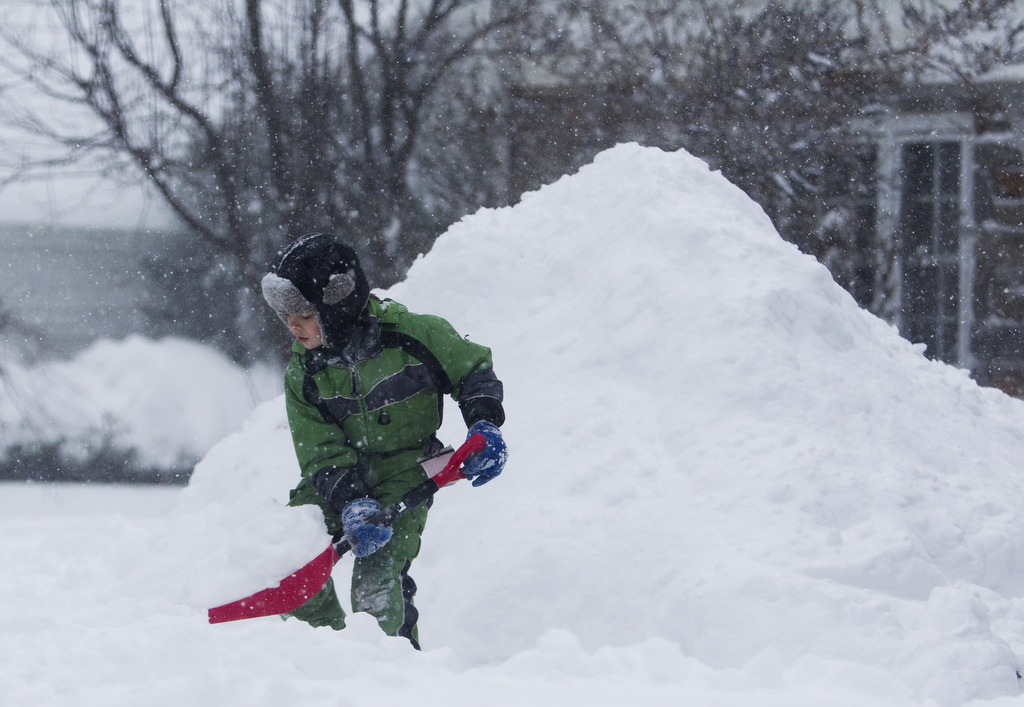
    An industrious young man in Swarthmore adds to a mountain of snow his father crated from the prodigious January 2016 snowfall.

    Conversely, snow was well above normal in the winters of 1965-66, even though no snow had fallen until the end of January; in 1982-83, when an all-out blizzard occurred in February; and in 2015-16, which featured a two-footer in January.

    The upshot: Expect anything.

  • Artist bringing a new mural to South Philly ahead of MLB’s All-Star Game: ‘It’s a love letter to Philadelphia’

    Artist bringing a new mural to South Philly ahead of MLB’s All-Star Game: ‘It’s a love letter to Philadelphia’

    Paul Carpenter grew up in Northwest Philly watching the 1993 Phillies take over the city as they claimed the National League East title.

    Witnessing their success gave him inspiration for his first big project. At just 8 years old, the young artist stared at his bedroom wall, visualizing a blank canvas for his very first mural: a painting of the NL East champions.

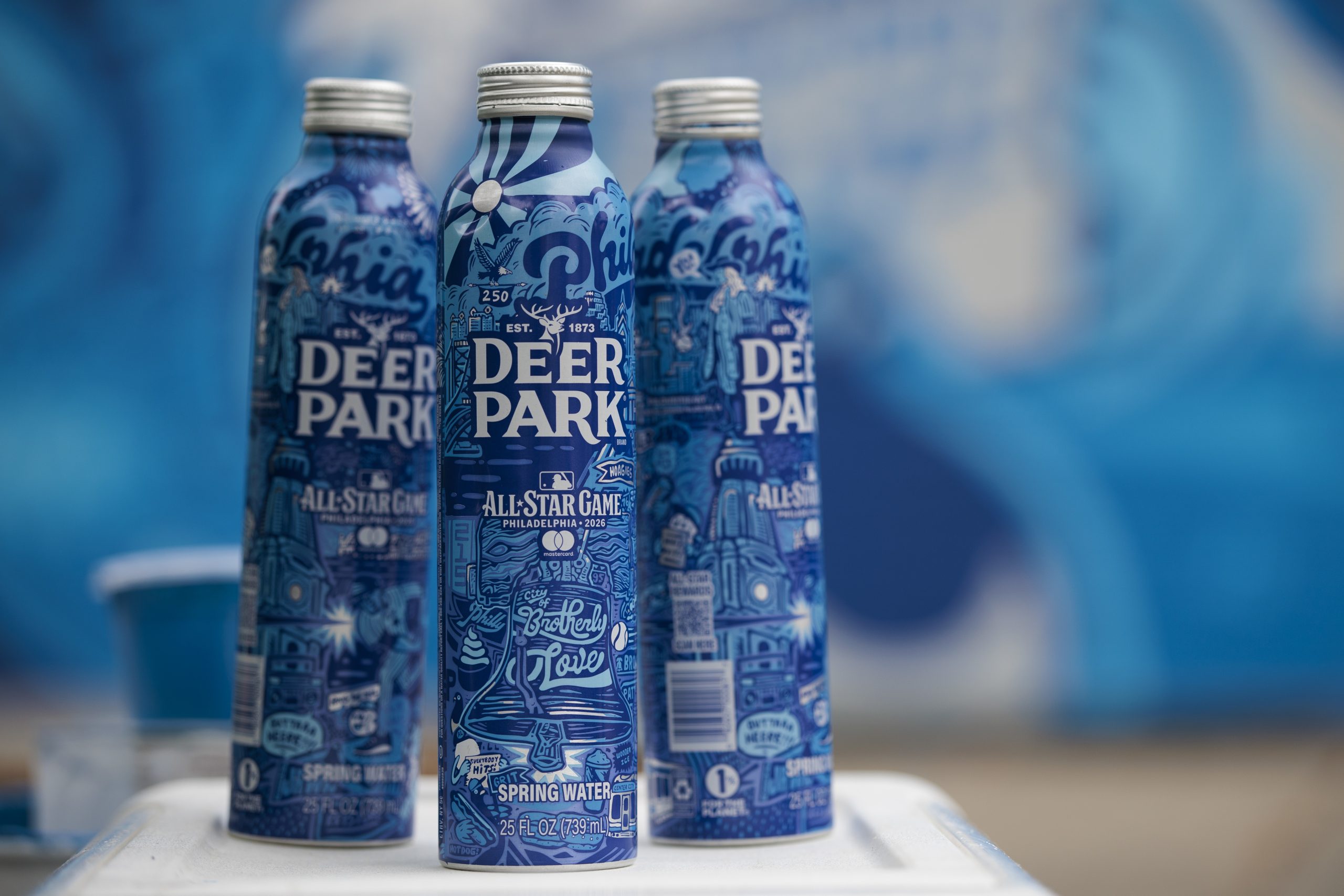
    Now, over three decades later, Carpenter has landed his “dream job,” designing Deer Park’s limited-edition All-Star Game aluminum bottles as the midsummer classic makes its way to Philadelphia.

    “This just aligned perfectly for me,” Carpenter said. “Obviously, I’m a die-hard Philly sports fan. This being the All-Star Game, such a high-profile game, it’s just mind-blowing. A really great opportunity for me.”

    Paul Carpenter created the design on the Deer Park limited-edition 2026 MLB All-Star aluminum bottles.Monica Herndon / Staff Photographer

    Carpenter has created art his whole life and studied illustration in college at Delaware. After years doing design work for La Vida Hospitality and Liquid, Surf, Skate, Snow in Delaware, he made his way back to Philly in 2009.

    Despite his experience designing beer cans for Crooked Hammock Brewery, there still were challenges printing the design.

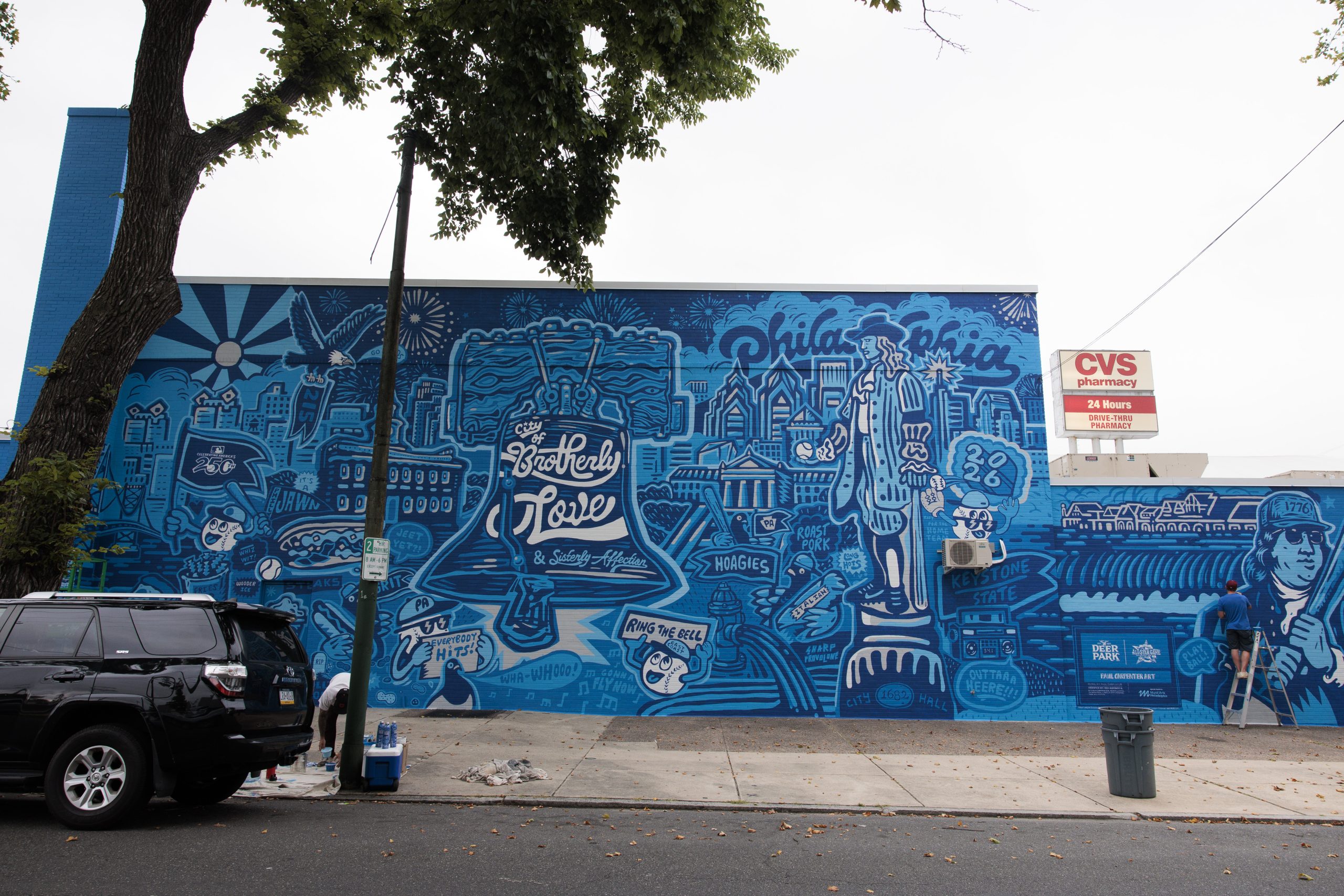
    “The scale was pretty hard to envision, and making sure that everything still’s readable, that the hierarchy of the design holds up and that the different layers of color came out correctly to make the design look exciting and make Philadelphia look great nationally,” Carpenter said. “But, basically, it’s a love letter to Philadelphia. I wanted to capture all the things that really resonate with our cultural fabric as a city.”

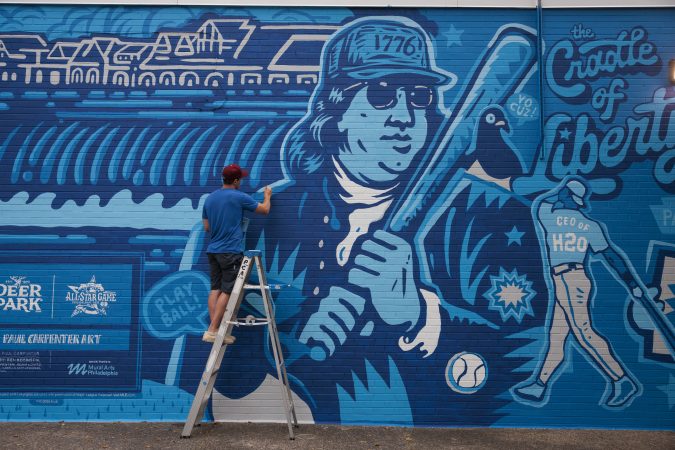
    The design features iconic monuments like the Liberty Bell and Ben Franklin holding a baseball bat. The city’s food culture is represented with images of cheesesteaks, crab fries, and soft pretzels. And there are plenty of Easter eggs for Philly natives — including a reference to the “Woohoo guy” and the William Penn curse.

    “This was easy,” Carpenter said. “This was all low-hanging fruit. It’s all stuff that’s in my lexicon and visual language at this point.”

    Now, Carpenter has a new challenge presented to him: recreating the design in mural form.

    Carpenter has created over 30 murals — not including the one from his childhood bedroom — many of which are in the Philadelphia area, including 11 pillars at Xfinity Mobile Arena and one at Citizens Bank Park.

    The toughest part about this the mural? “The scale.”

    “They’re almost polar opposites,” Carpenter said. “The bottle is very small, 12 inches high, and vertically orientated. And the wall, we got is 2,700 square feet. So, basically, it was like cutting, chopping up the design, and redesigning it to a much different scale.

    “When it’s on a scale of this magnitude and you’re walking down the street, it definitely impacts you differently. All of a sudden, instead of the water ice being tiny, it’s six feet tall.”

    The design features iconic monuments like the Liberty Bell and Ben Franklin holding a baseball bat, the city’s food culture, and plenty of Easter eggs for Philly natives — including a reference to the “Woohoo guy” and the William Penn curse.Monica Herndon / Staff Photographer

    It will take nearly two weeks for Carpenter to finish the mural, known as Hometown Grit, located on Oregon Avenue and South 20th Street. Throughout the process, he painted through all the elements, from thunderstorms to 100 degree heat. The finished product will be unveiled around 2 p.m. Saturday.

    “I’m really looking forward to the interaction of seeing the neighborhood come together,” Carpenter said. “We’ve been interacting with people all week, and it’s really cool because a lot of the work is bringing the local culture and community together. That’s really the big part of my work, celebrating the city, and the people, and the cultural fabric of the city. There’s so much pride in Philadelphia. It’ll be cool to see that in real time.”

  • The Big Picture: World Cup heartbreak, All-Star previews, and the best Philly sports photos of the week

    The Big Picture: World Cup heartbreak, All-Star previews, and the best Philly sports photos of the week

    Each Friday, Inquirer photo editors pick the best sports images from the last seven days. France met Paraguay in the final match at Philadelphia Stadium (aka Lincoln Financial Field), while fans across the area and the nation watched the U.S. bow out of the tournament. The summer of sports continues, though, with preparations underway for MLB’s All-Star Game at Citizens Bank Park.

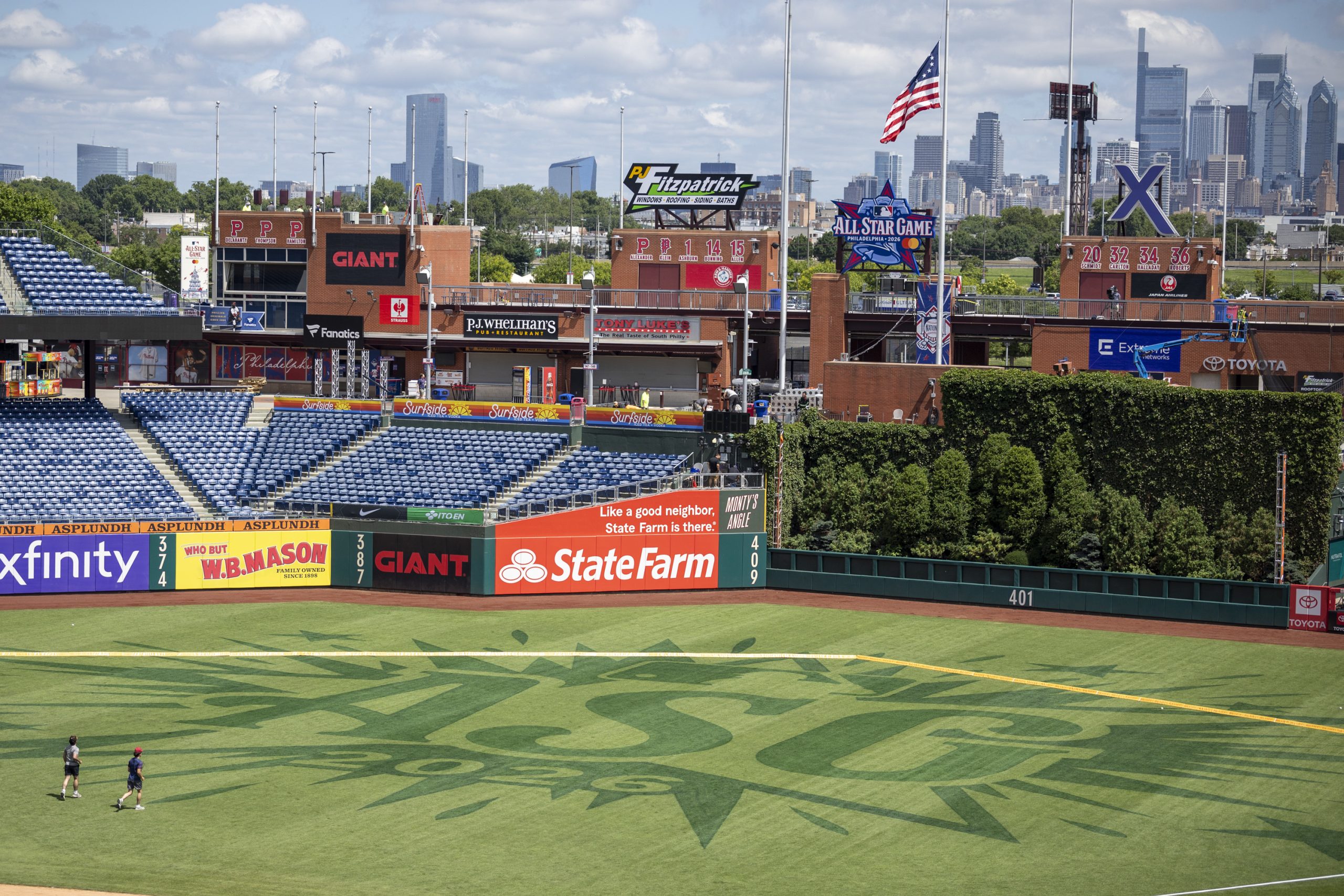
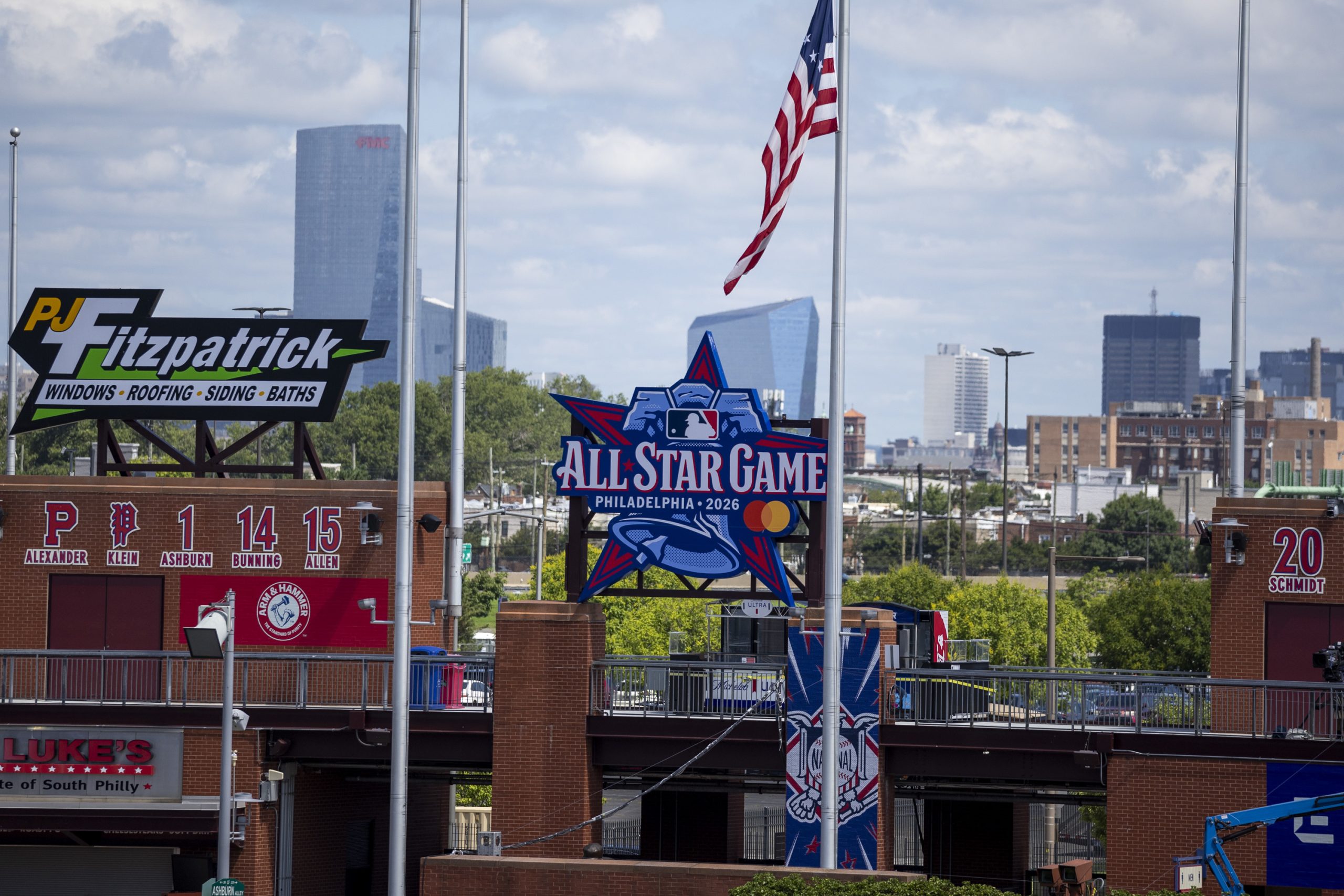
    Preparations for the MLB All-Star Game are underway, and the logo is on the field at Citizens Bank Park.Tyger Williams / Staff Photographer
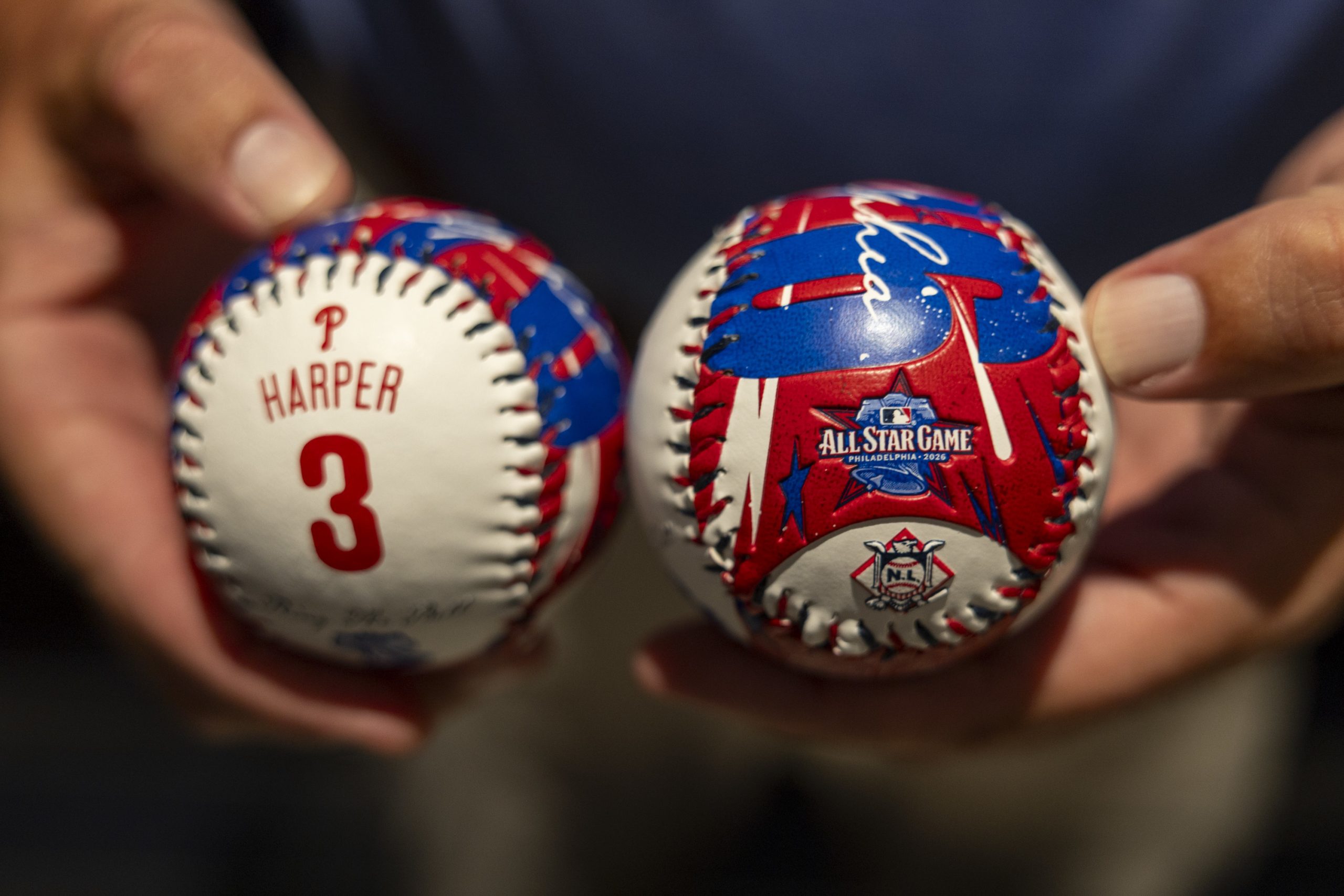
    Francis Winkey shows off the merchandise he created for the 2026 All-Star Game, including the baseballs with players’ names and the game’s logo.Tyger Williams / Staff Photographer
    The All Star-Game logo adorns Citizens Bank Park on July 8.Tyger Williams / Staff Photographer
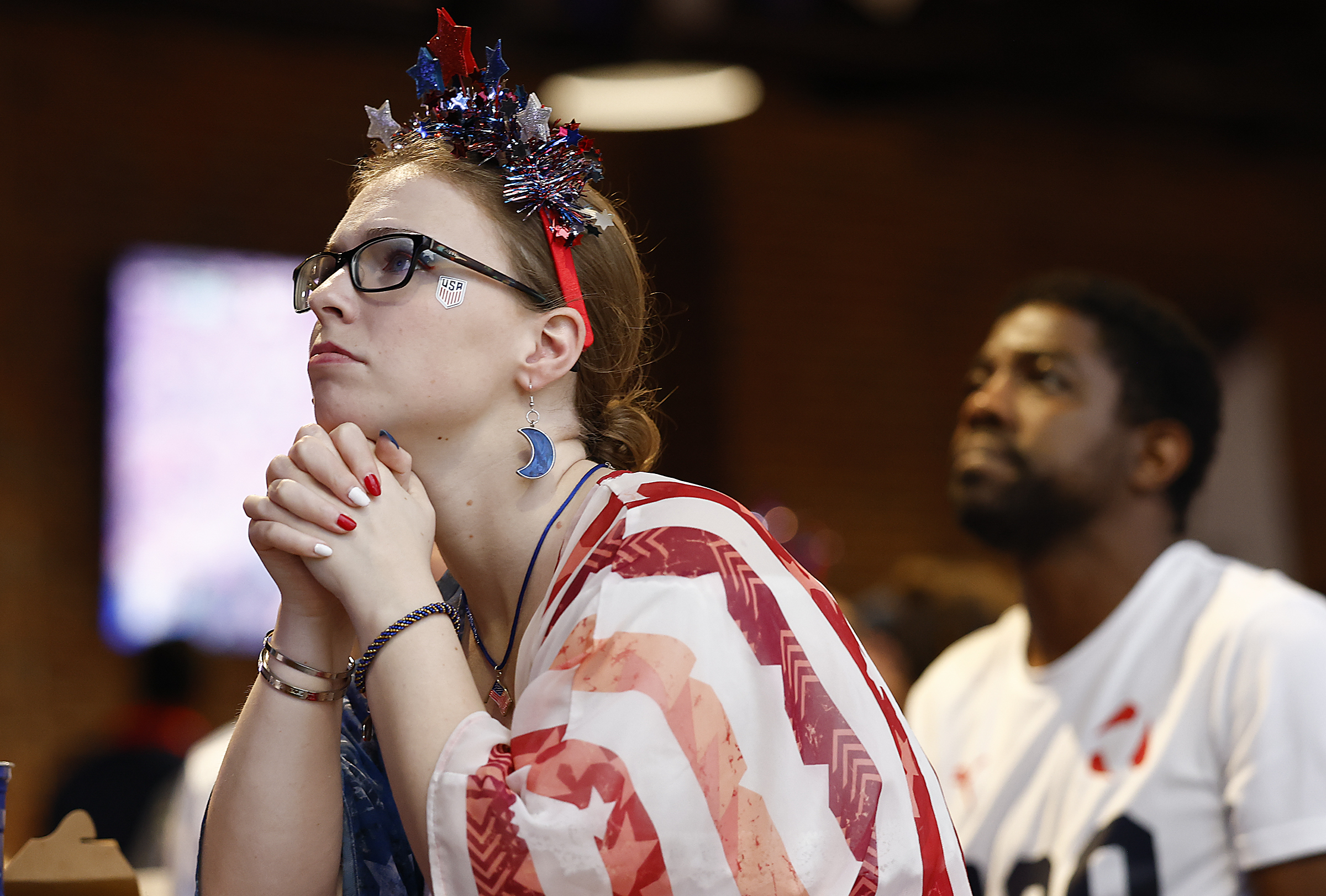
    Taylor Davis watches the first half of the United States’ World Cup round of 16 game against Belgium on Monday. The USMNT lost, 4-1.Yong Kim / Staff Photographer
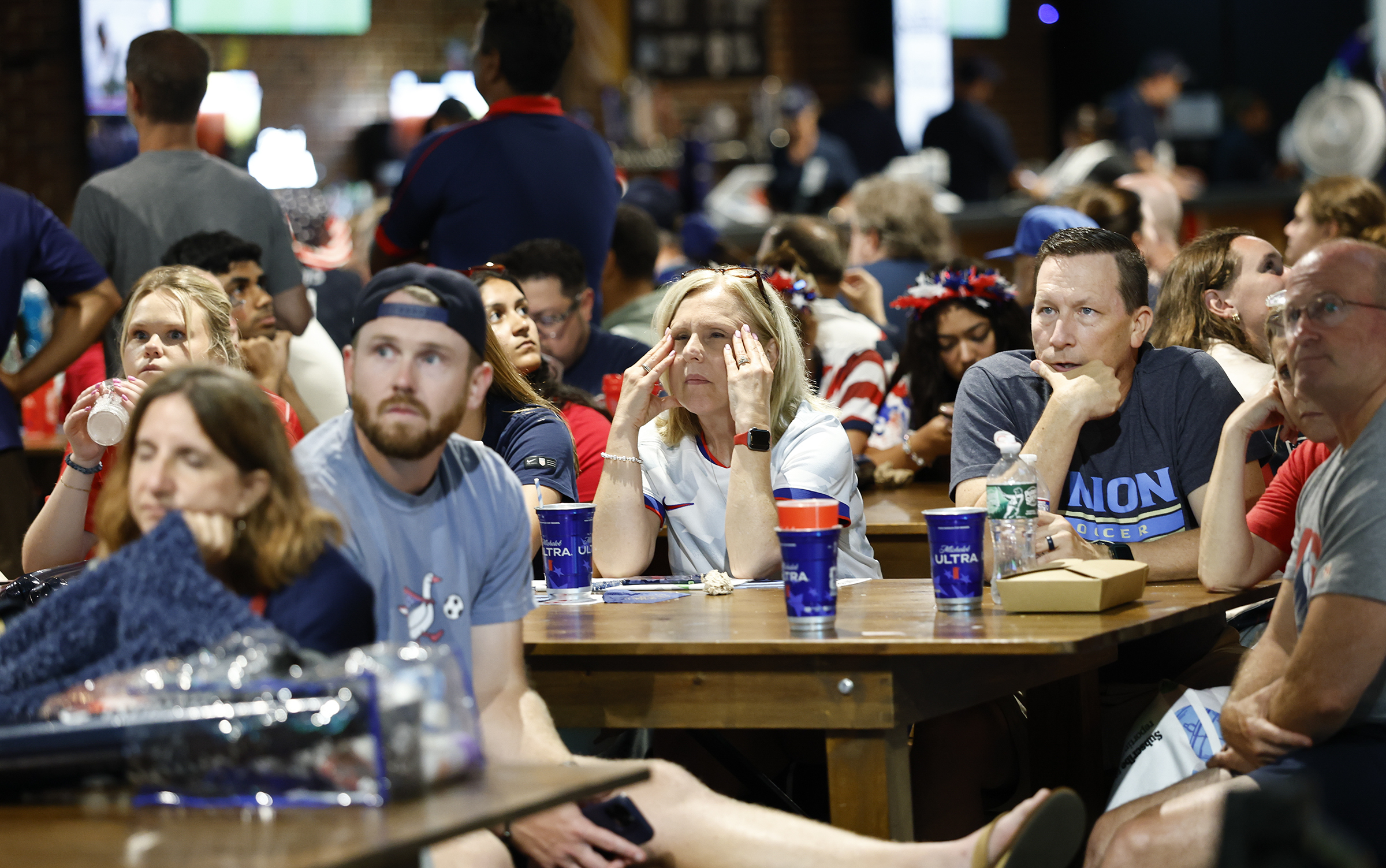
    Soccer fans at Union Yards in Chester watch second-half action in the United States’ World Cup round of 16 game against Belgium on Monday. Belgium scored three unanswered goals after the USMNT tied the game at 1-1.Yong Kim / Staff Photographer
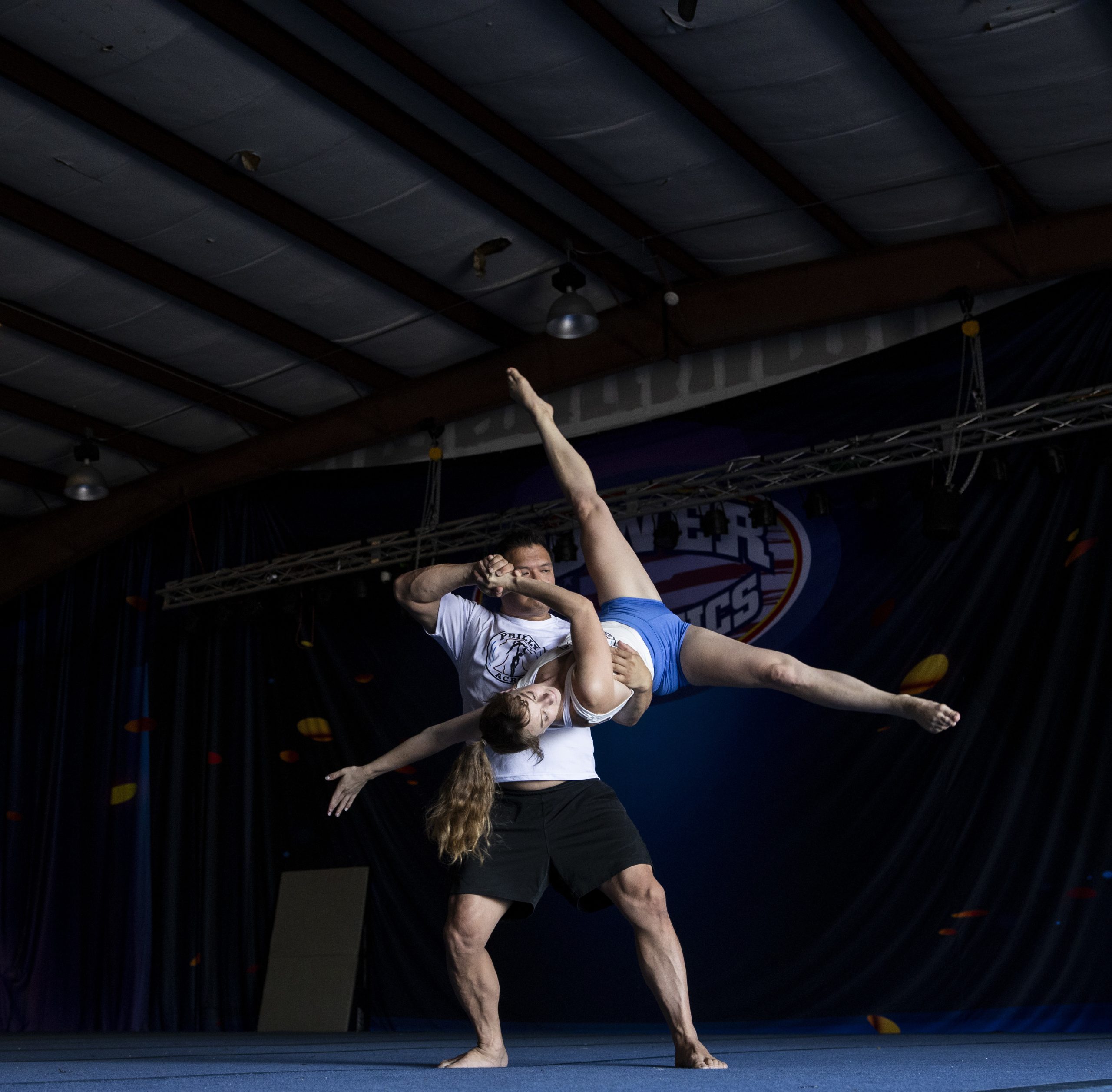
    Rob Li lifts Dawn Trucksess as they work together during a Philly Acro Skill Share at Power Athletics on July 5, 2026 in Atco, NJ.Monica Herndon / Staff Photographer
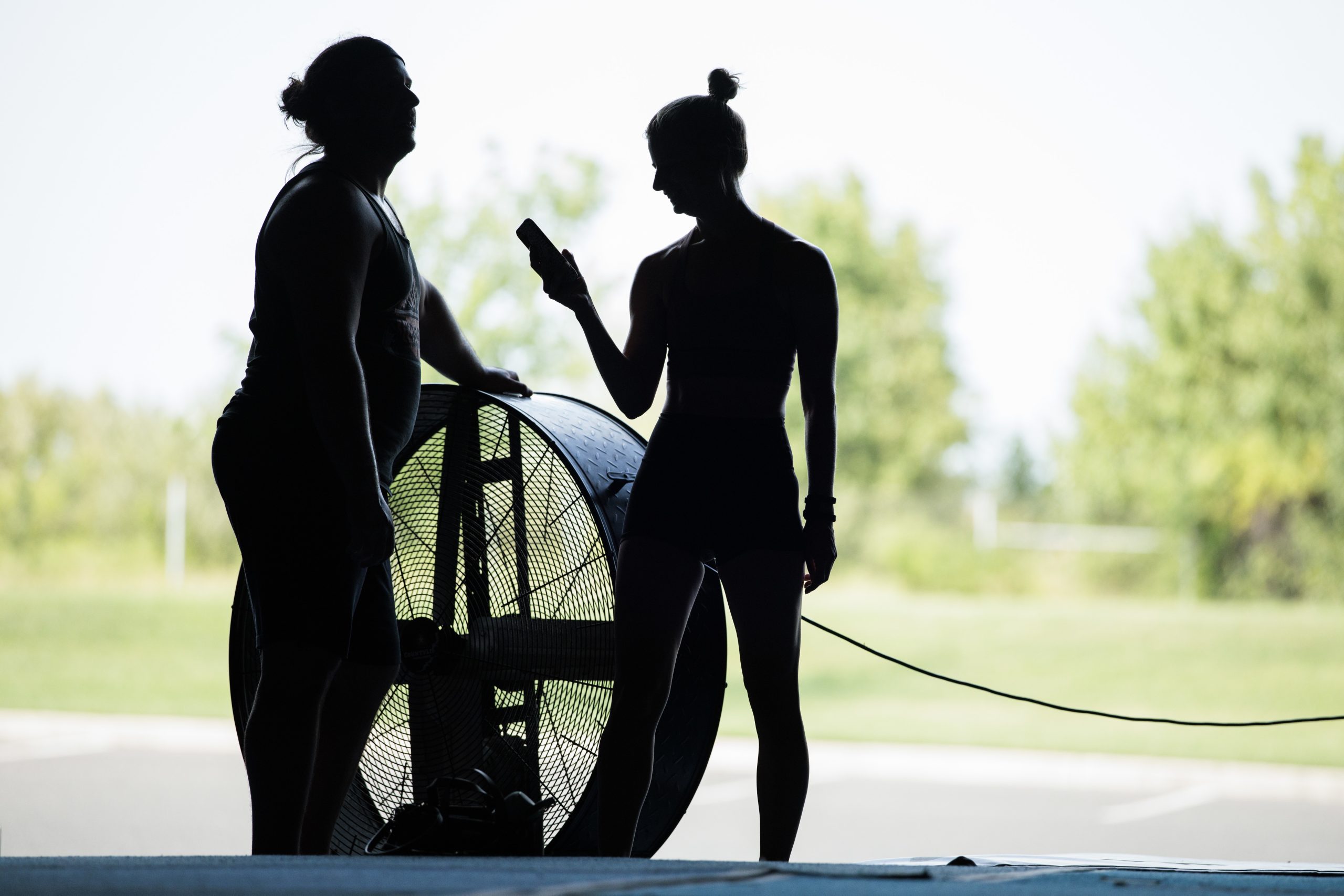
    Rob Li (left) and Acacia Noel work on a skill with hoops during a Philly Acro skill share on July 5 at Power Athletics in Atco, NJ.Monica Herndon / Staff Photographer
    Oliver Herrine, of Merion Station, and Juliana Martell, of Old City, take a break during a Philly Acro skill share.Monica Herndon / Staff Photographer
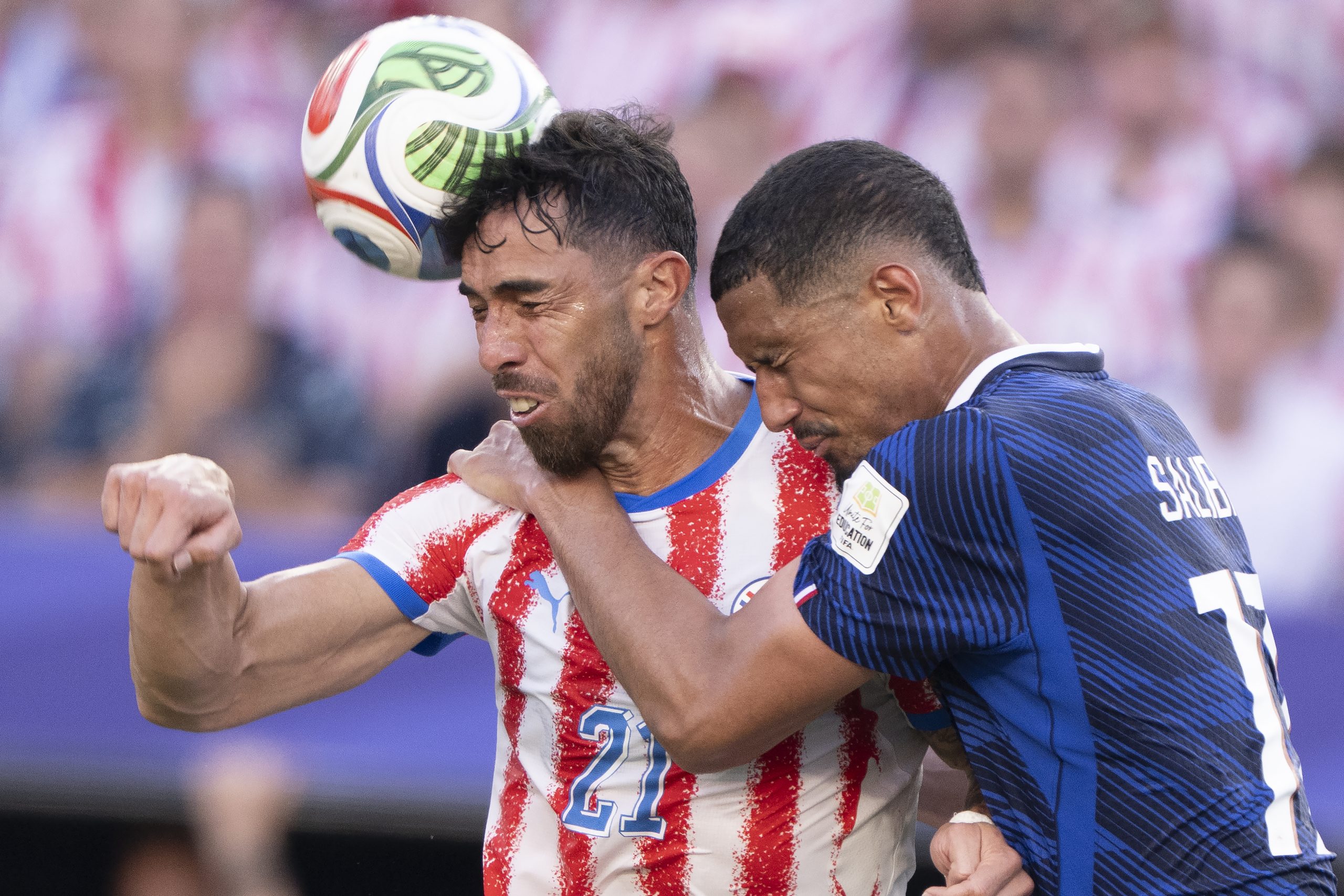
    France’s William Saliba (right) heads the ball as Paraguay’s Gabriel Ávalos defends during the second half of a FIFA World Cup round of 16 match on July 4 at Philadelphia Stadium (aka Lincoln Financial Field). France won, 1-0.Jose F. Moreno / Staff Photographer
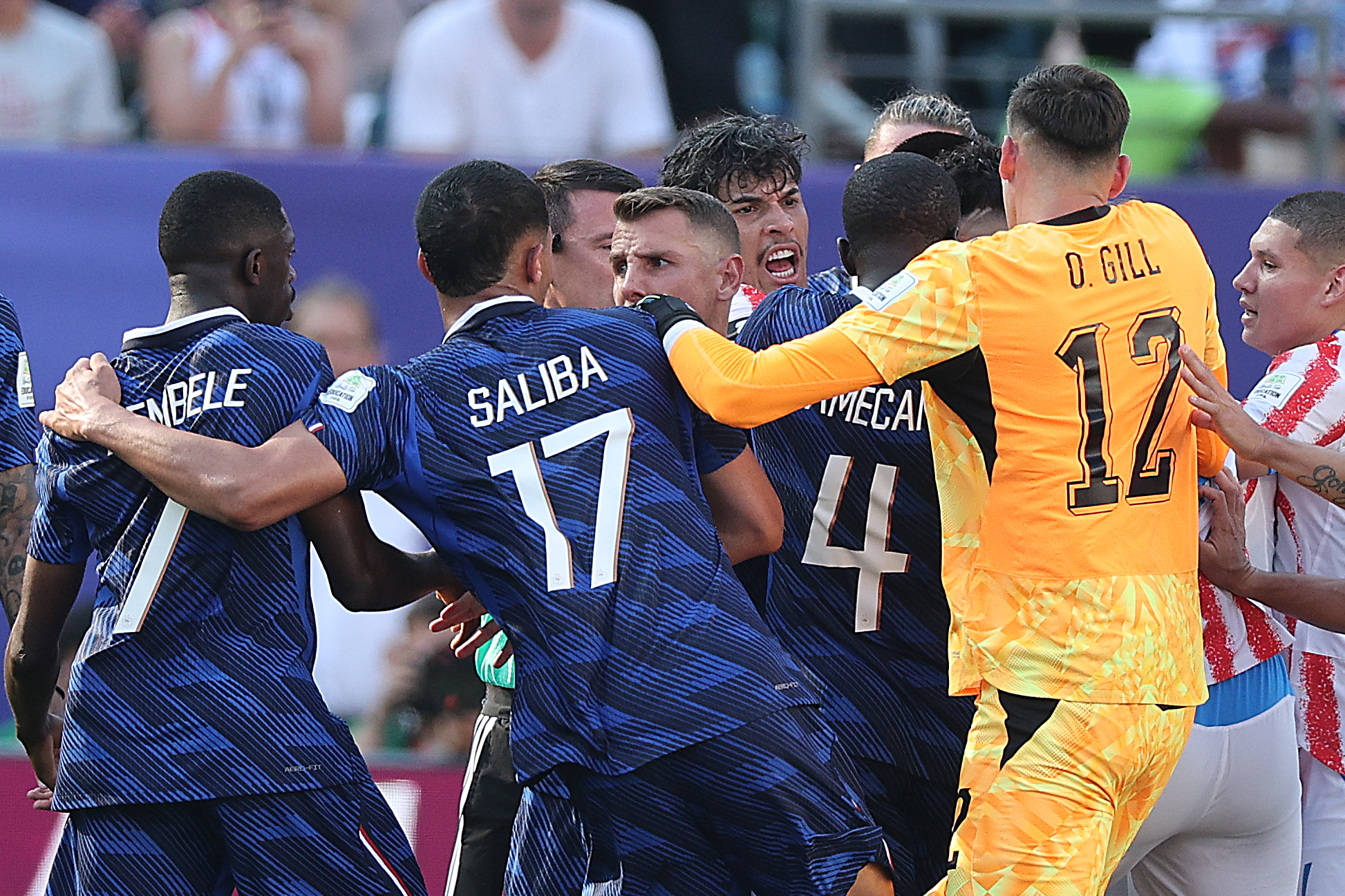
    France and Paraguay players tussle during their round of 16 match on July 4.David Maialetti / Staff Photographer
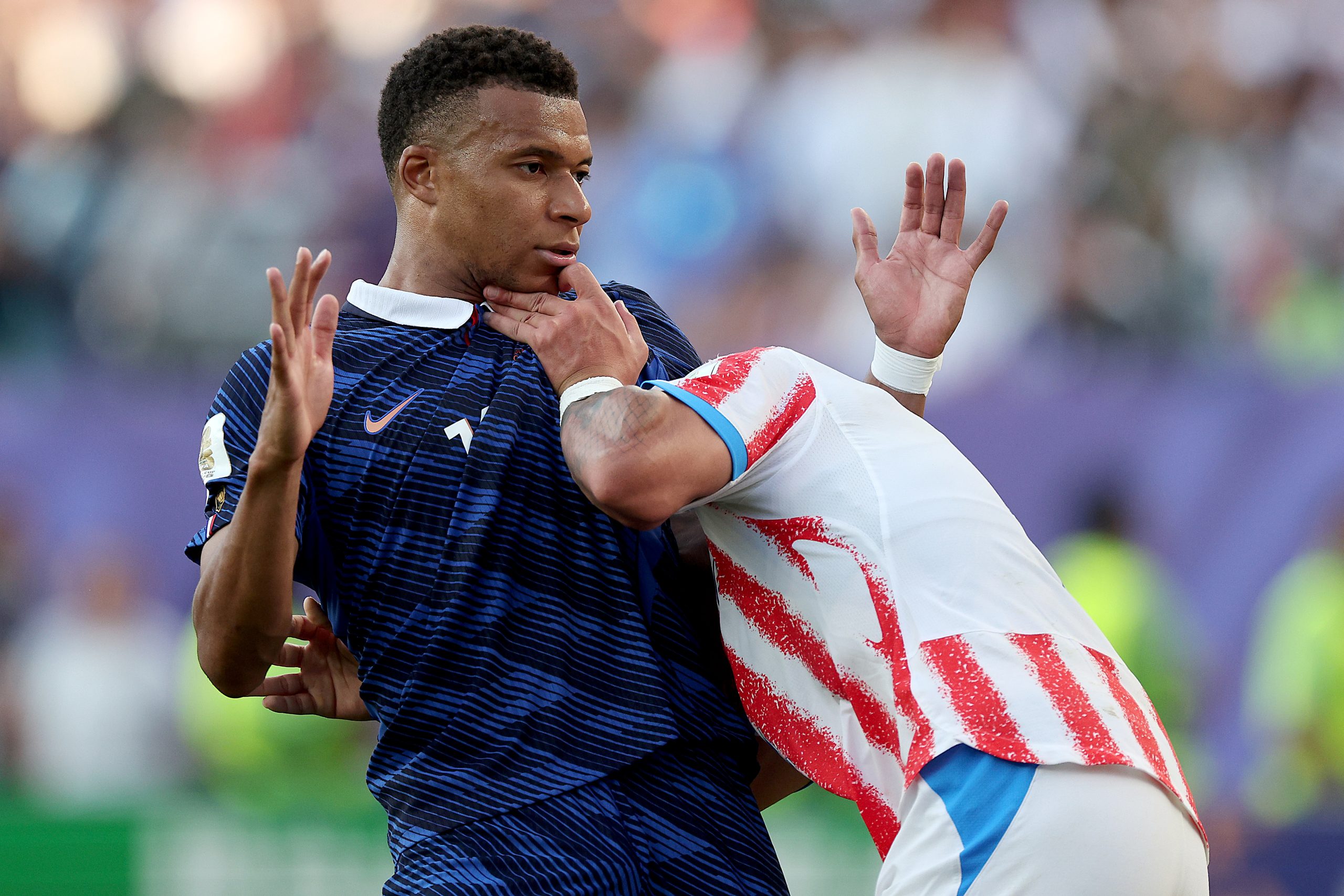
    France forward Kylian Mbappé (left) reacts as Paraguay defender Juan José Cáceres grabs him late in the July 4 match. David Maialetti / Staff Photographer
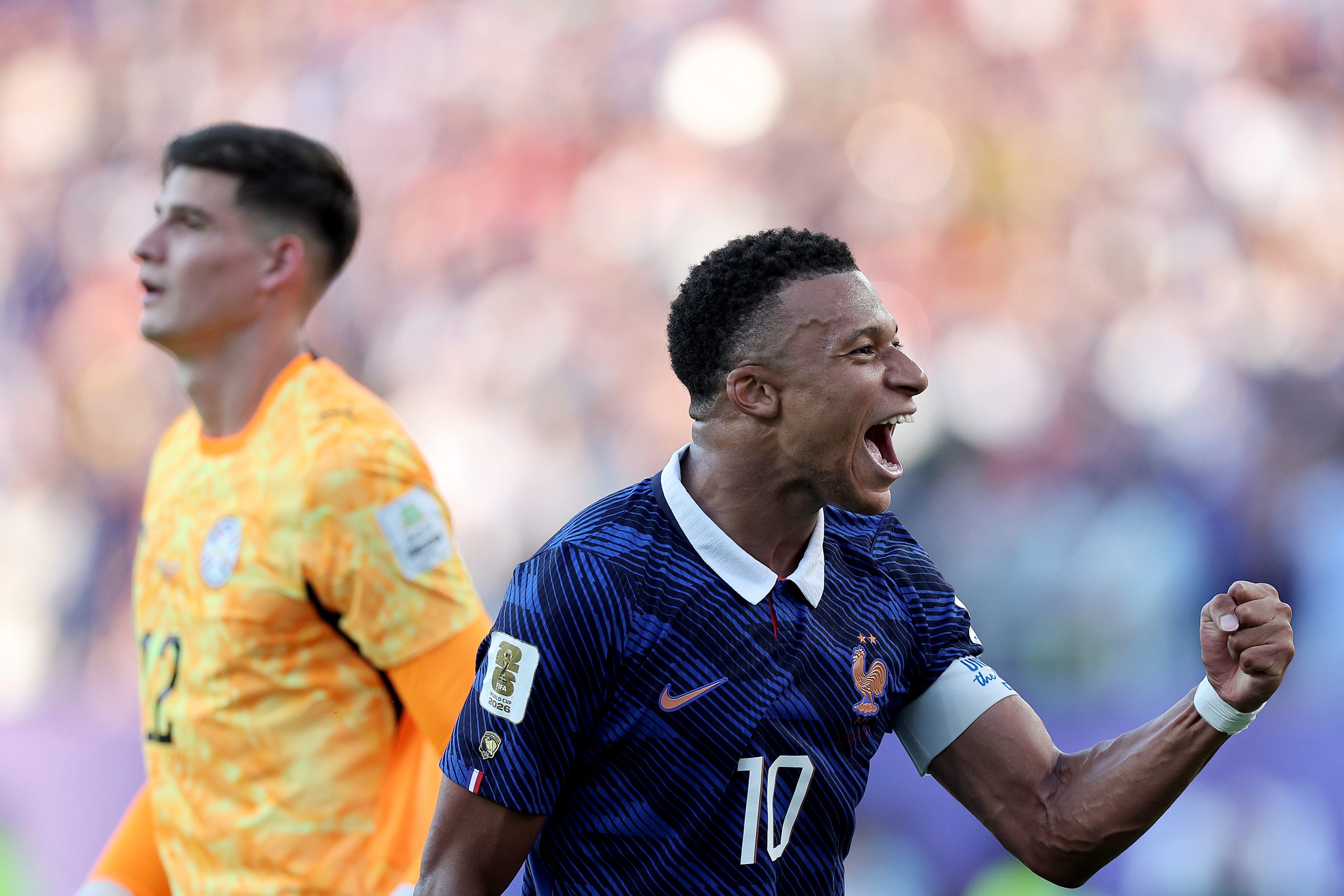
    France forward Kylian Mbappé (right) celebrates as Paraguay goalkeeper Orlando Gill walks off after France defeated Paraguay, 1-0, in the round of 16.David Maialetti / Staff Photographer
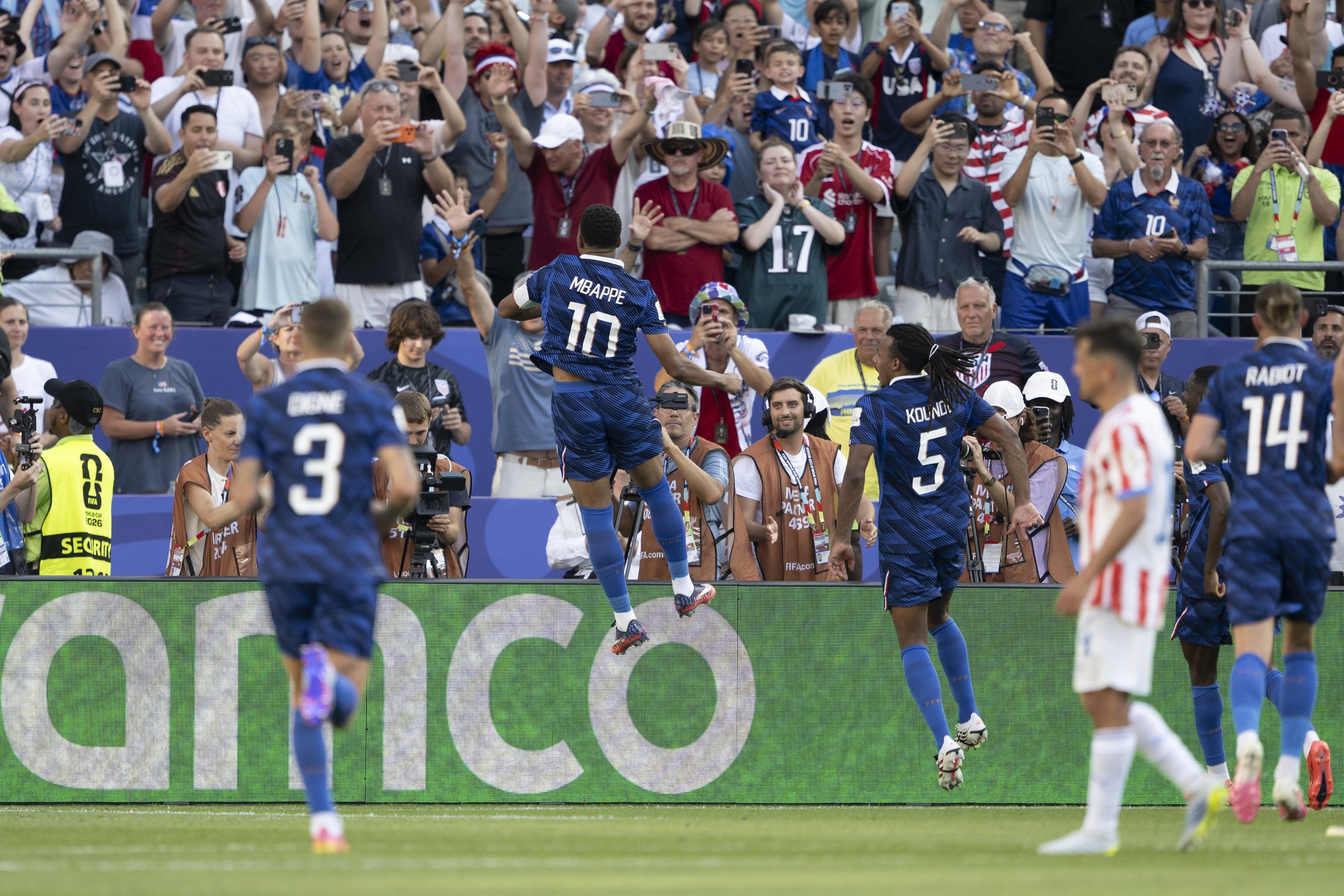
    France’s Kylian Mbappé celebrates after scoring the decisive penalty kick in the 70th minute of a round of 16 game against Paraguay.Jose F. Moreno / Staff Photographer
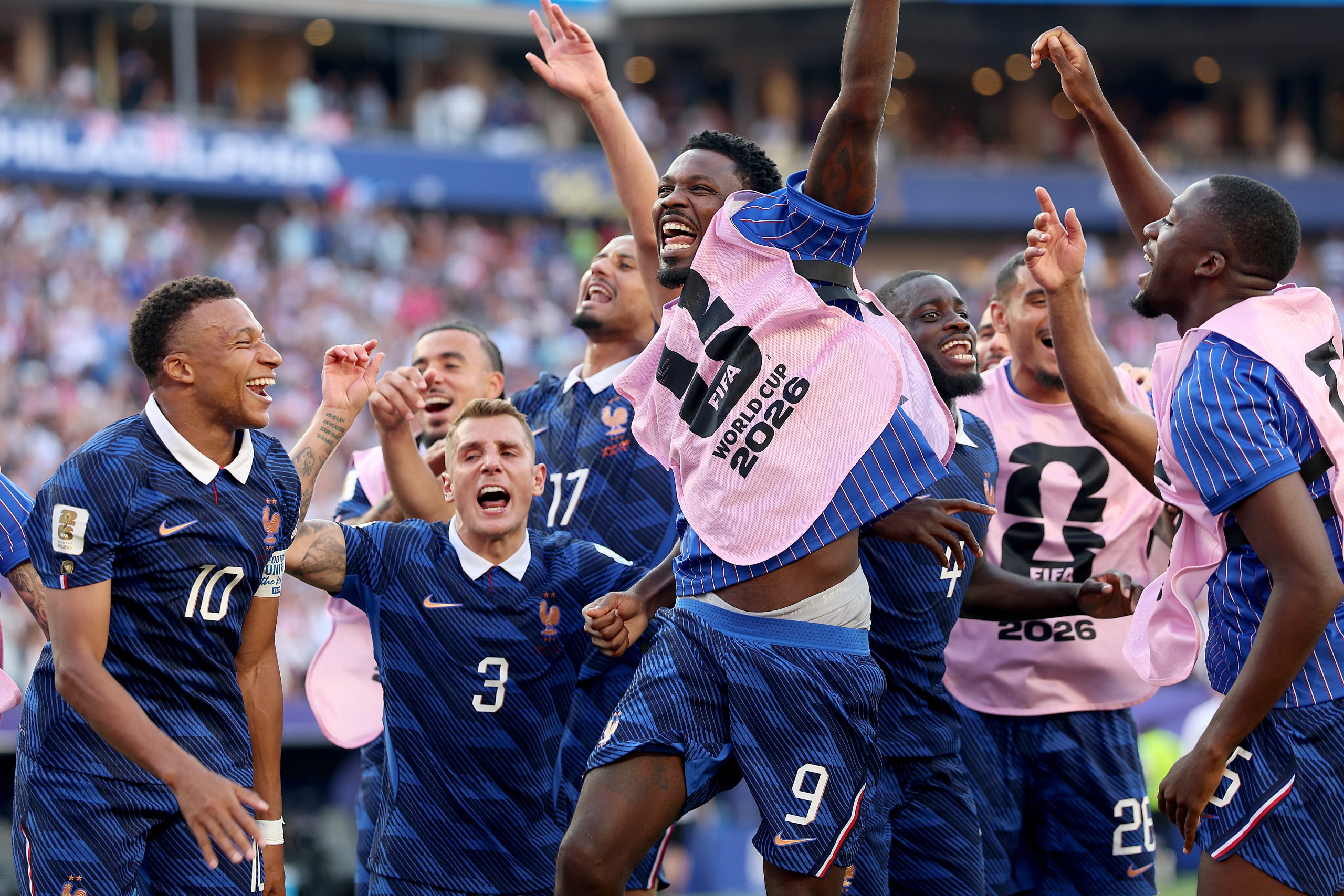
    France celebrates after beating Paraguay, 1-0, in the round of 16.David Maialetti / Staff Photographer
  • The Sixers’ title hopes still hinge on Joel Embiid. Mike Gansey admitted as much.

    The Sixers’ title hopes still hinge on Joel Embiid. Mike Gansey admitted as much.

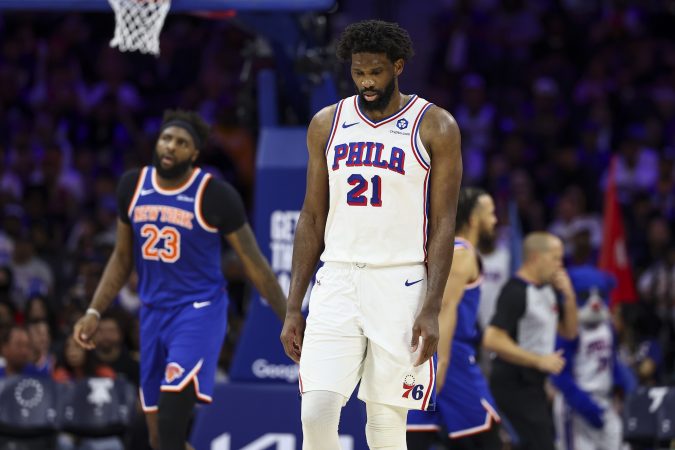
    With all due respect to LeBron James, the Sixers’ greatest and most impactful unknown is the same as it has always been.

    Mike Gansey acknowledged as much on Thursday.

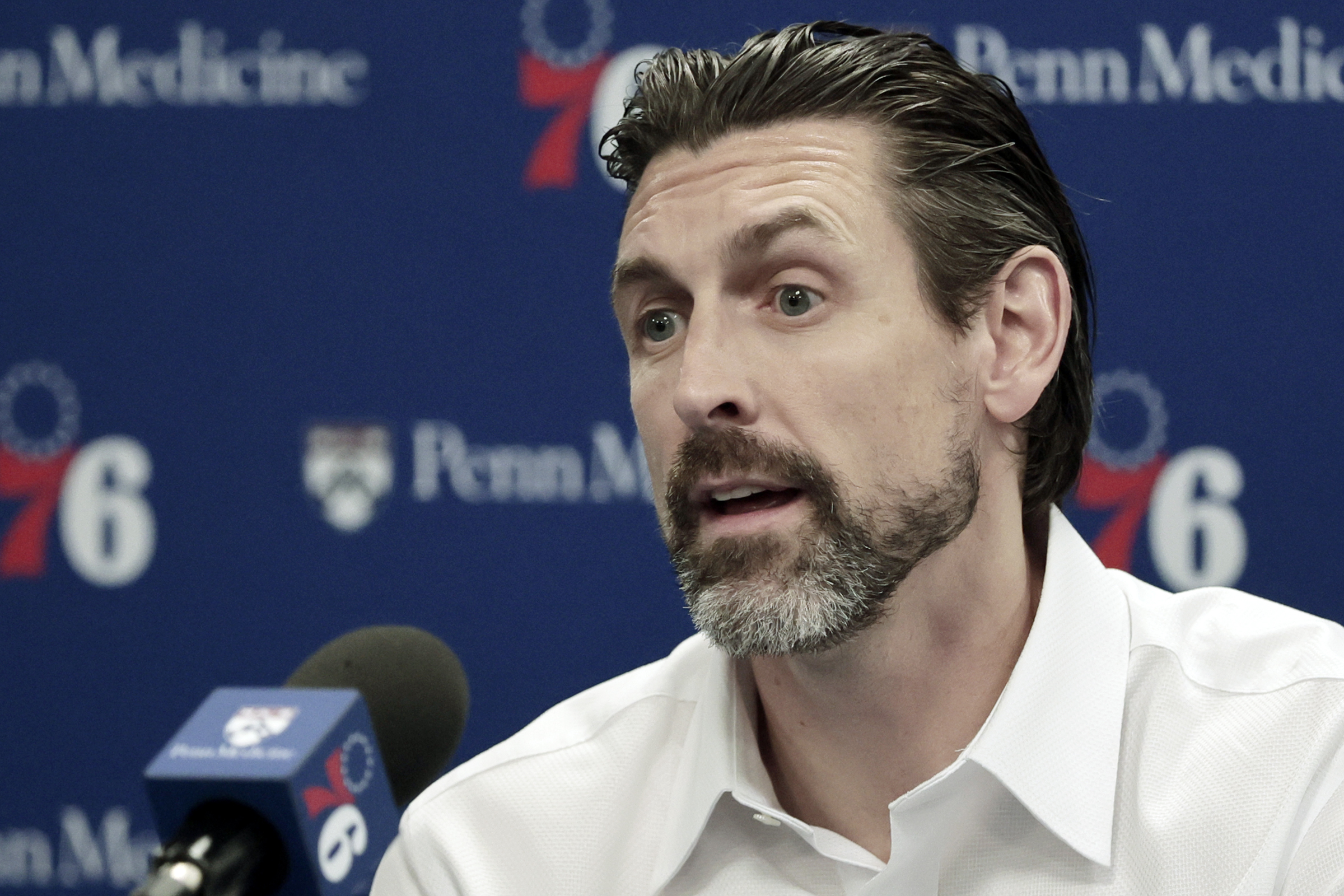
    “Obviously,” the Sixers new president of basketball operations said in a courtside interview during ESPN’s broadcast of the team’s summer league opener, “the big fella is the X-factor.”

    It speaks to the magnitude of Joel Embiid that such a sentiment can be qualified as obvious. Nothing about the Sixers over the last two months has been obvious. From the firing of Daryl Morey to the hiring of Gansey as his replacement to the dramatic trade of Paul George and a couple of first- and second-round picks to the Celtics for some guy named Jaylen Brown to the front office’s attempt to woo James, the Sixers are in the midst of an overhaul more radical than any Embiid has seen in his decade with the team.

    For maybe the first summer of his career, everyone’s focus is elsewhere. Yet, everyone is fooling themselves if they think they can talk about the Sixers as a legitimate contender without factoring the big fella into the equation.

    The exact nature of the question has changed. There’s no doubt about that. It is no longer, “How far can Embiid carry the Sixers?” In Tyrese Maxey and VJ Edgecombe, they have young guards who carried them to a Game 2 playoff win over Brown and the Celtics without Embiid. In Brown, they have a player who was overwhelmingly responsible for Boston’s win over the Sixers in Game 1 of the same series. That trio is talented enough to pencil in the Sixers for a playoff spot and, potentially, a top-four seed even if Embiid were not to play a game. At no point prior in the Embiid era have we been able to say such a thing.

    That’s more than a good thing. It’s the reason that a jaded city can now deconstruct its emotional walls and allow itself to invest time and energy in the Sixers again. The potential outcomes are no longer as divergent as “championship contention” or “No. 3 overall draft pick.” The exhaustion that people feel with regard to Embiid is in large part a function of his inordinate importance over the years. With him, the Sixers could beat anybody. Without him, there was little point in watching.

    So, yeah, the question has changed. But it is still the one that matters most when it comes to handicapping the Sixers’ 2026-27 title odds.

    What do they expect out of Embiid?

    What will they get?

    The first part is more interesting. The organization’s public rhetoric regarding their big man has shifted since the change in regimes.

    For Morey, Embiid was something like a mission statement: any time the former president spoke publicly about his team, his comments were centered around the center. He took the job in 2020 with the idea that Embiid was the exact sort of front line, once-in-a-generation superstar that teams need to win a title. The goal was to get him whatever help he needed. Morey professed that belief to (virtually) the bitter end.

    Sixers president of basketball operations Mike Gansey says Joel Embiid was excited about the Jaylen Brown trade.Elizabeth Robertson / Staff Photographer

    Gansey and ownership proxy Bob Myers have been far less committed in their public sentiments about Embiid. In his introductory press conference a month ago, Gansey avoided talking with much specificity about the big man beyond including him in the framing of the Sixers’ existing roster structure as a “Big Four.”

    “They’re our four guys, they’re under contract. We got to do the best to get them to their best self,” Gansey said on his first day on the job, “because I think every night at 7 p.m., we got to get them to their best to help us win.”

    Barely a month later, George was en route to Boston and the Sixers “Big Four” was now a “Big Three.”

    Perhaps it is notable, then, that Gansey now feels comfortable speaking of Embiid in such terms as the ones he deployed in his ESPN interview on Thursday.

    “Joel’s in a good space,” Gansey said. “He’s finally healthy going into the offseason. He’s excited about this summer. He’s getting to work here shortly. He expects to have a good year, as we all do.”

    Embiid has been conspicuously silent since the Brown trade. His lone Twitter post in the wake of the deal was about the Tour de France. In an interview with the Sixers’ flagship radio station on Thursday, Gansey said that Embiid was excited and “fired up” when Gansey informed him of the trade.

    Whatever the case, the Sixers are well past the point of factoring Embiid’s feelings into their actions. The Brown trade was as much about the Sixers’ ability to compete without him as with him. At the same time, the only way they contend for a title this season is with him.

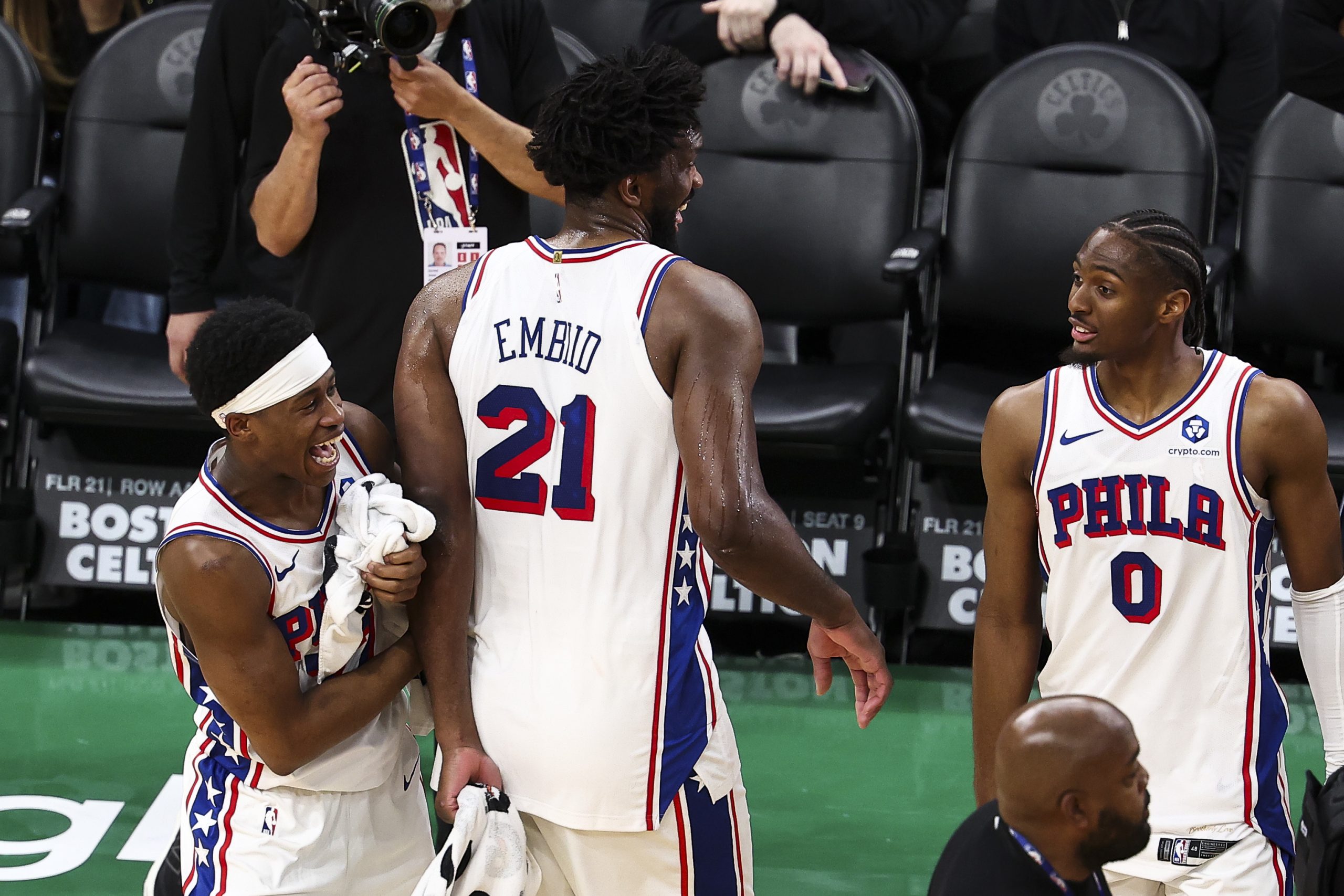
    VJ Edgecombe (left), Joel Embiid, and Tyrese Maxey celebrate after winning Game 7 against the Boston Celtics in May.Monica Herndon / Staff Photographer

    April’s playoff series against the Celtics offers a tidy encapsulation of where the Sixers are. As dominant as Brown was during various stretches, Boston still lost. As impressive as Maxey and Edgecombe were at times, the Sixers still needed to win a Game 7 against the Jayson Tatum-less Celtics just to earn the right of getting blown out of the playoffs by the Knicks. Celtics coach Joe Mazzulla offered the definitive sound byte after the Sixers finished off their series comeback.

    “What changed in this series was Joel Embiid came back and they’re a completely different team,” Mazzulla said.

    Embiid missed Game 2 of the next series. The Sixers were outscored by 57 points in the 88 minutes he played against the Knicks. Somewhere on that continuum, their immediate hopes lie.

  • 90 percent of U.S. adults have this syndrome — but most have never heard of it

    90 percent of U.S. adults have this syndrome — but most have never heard of it

    Susan Gilchrist, a preventive cardiologist and epidemiologist, sees patients all the time at the University of North Carolina Cardiovascular-Kidney-Metabolic (CKM) Syndrome Clinic who don’t know what CKM is and are not sure why they’re in her clinic.

    It’s not surprising — CKM syndrome was only recently coined, in 2023, by the American Heart Association (AHA). And roughly 9 in 10 U.S. adults — about the same number of people estimated to have it — have never heard of it.

    CKM syndrome is not one disease but rather “a broad disorder that recognizes the overlap between cardiovascular, kidney and metabolic conditions such as diabetes and obesity,” said Muthiah Vaduganathan, a cardiologist at Brigham and Women’s Hospital who has conducted landmark studies on CKM syndrome. Doctors have long known that people often have more than one of these conditions at once. CKM syndrome reflects a newer understanding that the very same factors — specifically, extra weight, high blood pressure, high blood sugar, abnormal cholesterol and reduced kidney function — can contribute to the onset and progression of all three types of disease, Vaduganathan said.

    The good news is that a similar set of therapies can be used to manage conditions across the CKM triangle, Vaduganathan said.

    How does CKM syndrome start and progress?

    Researchers have defined CKM syndrome as a four-stage continuum, reflecting how symptoms and risk factors progressively pile up, raising the likelihood of a heart event or kidney failure.

    • Stage 1: Includes people with extra fat tissue — defined as a body mass index (BMI) of 25 or higher, or a waist circumference of 88 centimeters or greater in women and 102 centimeters or greater in men — and those with “dysfunctional” fat tissue, who may not have a larger body but show signs of poor glucose tolerance, like prediabetes. Because BMI can’t distinguish lean body mass from fat, it can misclassify short or muscular people as overweight, which is why Gilchrist said experts often use it in tandem with the other metrics here to pinpoint those who fall in this risk bucket.
    • Stage 2: Includes people with metabolic risk factors that often flow from extra fat tissue, like high blood levels of a type of fat called triglycerides, high blood pressure, metabolic syndrome (a cluster of symptoms that can include either of the previous two, as well as a large waist, poor cholesterol and high blood sugar), diabetes or chronic kidney disease. At this stage, people still tend to be asymptomatic, Vaduganathan said. Getting categorized requires bloodwork, usually done at a routine physical.
    • Stage 3: Includes those from prior stages who’ve developed presymptomatic heart disease, such as atherosclerosis or heart failure, and those with very high-risk CKD or a risk greater than 20 percent of a heart event in the next 10 years, based on the AHA’s PREVENT calculator. Since the disease might still be silent at this point, a person would be classified when their doctor orders screenings based on the above risk factors.
    • Stage 4: Includes people from the above stages who’ve been diagnosed with a stroke, heart failure, coronary heart disease, peripheral artery disease or atrial fibrillation. This stage, which can occur with kidney disease (stage 4b) or without (stage 4a), covers the most severe outcomes of CKM syndrome and brings a high risk of future heart events, too.

    This framework has helped Gilchrist explain to patients why weight matters for health: Carrying extra weight alone does not equate to disease — but it may put you on a path toward it. A large waist circumference and high blood sugar, in particular, are signs of what Gilchrist called “metabolically dangerous” fat. It releases inflammatory proteins into the blood and can rev up your body’s “fight or flight” stress state, she said.

    That combination can raise blood pressure and levels of certain fats in the blood, and make cells resistant to insulin (which helps with sugar uptake), dumping even more sugar in the blood. Both high blood sugar and high blood pressure can damage the tiny blood vessels feeding the kidneys, harming their ability to filter waste and extra fluid, said Joshua Joseph, an endocrinologist at the Ohio State University Wexner Medical Center. The fluid backup increases blood volume, straining the heart and further raising blood pressure, Joseph said, setting off a downward spiral toward heart events and kidney failure.

    Why is CKM syndrome becoming a more common diagnosis?

    The CKM framework was only formalized in 2023, and the physician guidelines for identifying and managing it, in June 2026, so the syndrome is just now gaining recognition.

    CKM syndrome affects 90 percent of Americans because it’s broadly defined to capture everyone on the continuum from those who might feel well but have early metabolic risk factors, to those with full-fledged heart disease. “It doesn’t mean that 90 percent of Americans require treatment,” Vaduganathan said. The goal isn’t to overmedicalize but to push prevention: “It’s more that 90 percent of Americans should be aware that they are at least at risk for progression of one or more of these conditions — metabolic, kidney or heart — and that early lifestyle management can help.”

    Gilchrist pointed out that the guidelines even describe a “Stage 0,” which includes the other 10 percent of Americans. They may not technically have the syndrome but are still at risk for developing it if they don’t actively subscribe to a healthy lifestyle, she said.

    So much of the American public falls between Stage 1 and Stage 4 CKM syndrome because of our typical lifestyle behaviors, said Joseph. “We live in a 24-hours-a-day society where we may struggle to eat healthy foods, be physically active and get enough sleep,” he said. Roughly 20 percent of U.S. adults also use tobacco products, he added, which ratchets up risk, too.

    But our behaviors also occur in the context of our environments, Joseph pointed out. You might live in a rural area without easy access to a grocery store or in a city lacking green spaces or other safe areas to go out and be active. Or maybe your home is surrounded by factories that pump pollutants into the air. “Both the environmental foundation and the lifestyle behaviors are levers we’re trying to move,” Joseph said.

    What are the treatments for CKM syndrome?

    At early stages, treatment centers on lifestyle interventions. For instance, “we know that a Mediterranean-style diet can not only help mitigate blood pressure and blood sugar, but has also been shown to reduce long-term cardiovascular risk,” Joseph said. Beyond diet, the AHA guidelines for CKM syndrome also note being physically active, avoiding nicotine products and getting quality sleep plus, in people with extra weight, behavioral weight loss programs led by clinicians.

    A handful of long-used medications are also still recommended to tackle specific risk factors and diseases in people at higher stages — for example, metformin to lower blood sugar, statins to combat high cholesterol and angiotensin-converting enzyme (ACE) inhibitors to control blood pressure.

    But the biggest focus for people across the CKM spectrum is on new medications with broader effects across organs, the experts said. For instance, glucagon-like peptides (GLP-1s) can help with weight and lower blood sugar by slowing down digestion, which has been shown to benefit the heart and kidneys. Then there’s sodium-glucose cotransporter 2 (SGLT2) inhibitors, which help you urinate out sugar and are also proven to reduce heart failure admissions and stabilize kidney function, Joseph said. And nonsteroidal mineralocorticoid receptor antagonists (nsMRAs) can limit fluid backup in the kidneys with upstream benefits for the heart.

    We’re in such a “great era of medicine,” Gilchrist said, because we don’t just have drugs that lower one risk factor. With the CKM framework, we can find people at risk, she said, and “we can offer medicines that may actually help them stay out of the hospital and live longer.”

  • The MLB draft in Philly has a few firsts, including the Phillies being penalized

    The MLB draft in Philly has a few firsts, including the Phillies being penalized

    The 2026 Major League Baseball draft kicks off Saturday in Center City Philadelphia as part of the All-Star festivities, taking place in the City of Brotherly Love for the first time since the production hit the road in 2021.

    Another first? NBC will broadcast the first hour and a half of the draft, which kicks off at 1 p.m. Saturday at the Pennsylvania Convention Center. It’s the first time since MLB started televising the draft live in 2007 that it’ll air on broadcast TV, at least until it switches over to the MLB Network at 2:30 p.m.

    The MLB draft hasn’t historically been a big TV draw because of how long it takes players to make it to the big leagues. Last year’s No. 1 pick, shortstop Eli Willits, is just 18 and is currently playing for the Washington Nationals’ single-A team in Fredericksburg, Va.

    The fastest top pick to be called up? Former third baseman (and one-time Phillie) Dave Roberts, who started just one day after being taken with the No. 1 pick by the San Diego Padres in 1972.

    For the fourth-straight year, the first six picks of the draft were determined by a lottery that took place in December. The Chicago White Sox enter the draft with the No. 1 pick for the first time since 1977, when they took future Hall of Famer Harold Baines.

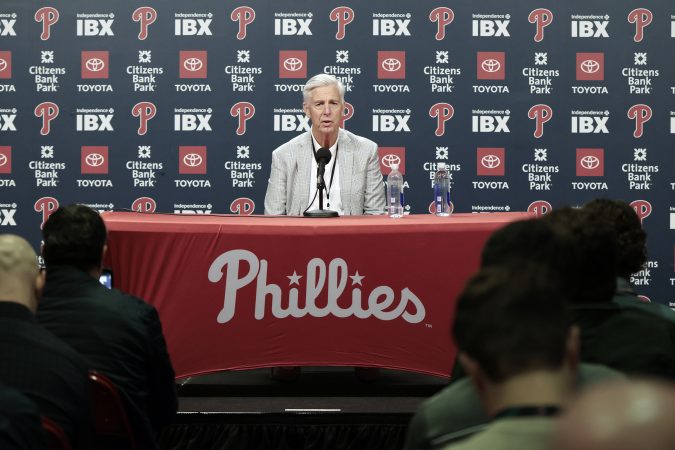
    The Phillies don’t technically have a first-round pick; they were pushed back 10 spots because their 2025 roster exceeded the second surcharge of MLB’s luxury tax. As a result, they have the No. 36 pick, the first time in franchise history they’ve received such a penalty.

    Here’s everything to know about the MLB draft:

    2026 MLB draft TV schedule

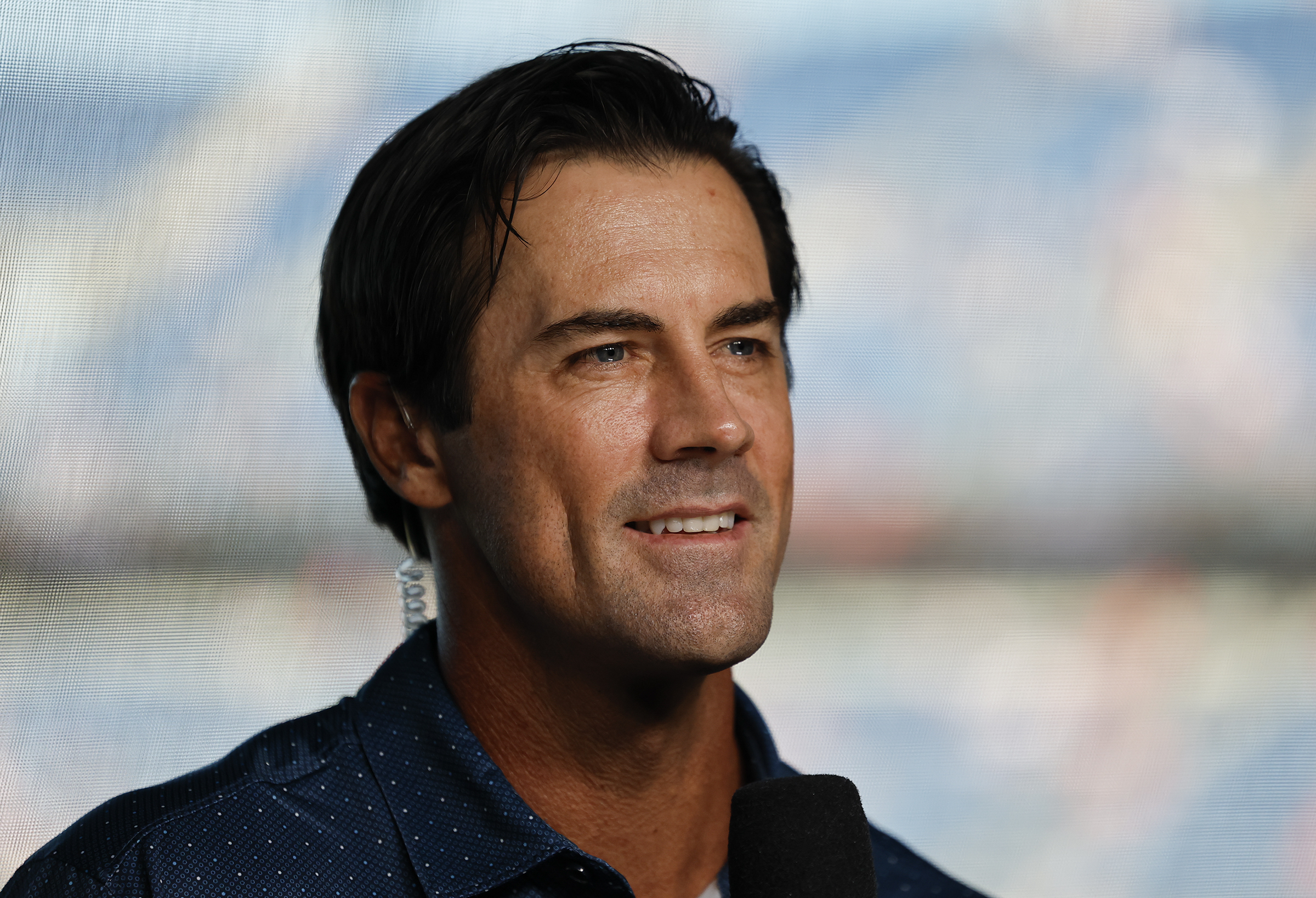
    Former Phillies pitcher Cole Hamels will be among the analysts on TV for the 2026 MLB draft. Yong Kim / Staff Photographer

    The 2026 MLB draft is scheduled to begin Saturday at 1 p.m. Philly time at the Pennsylvania Convention Center and run through 7:45 p.m., but not all of it will air on TV.

    NBC will broadcast the first hour and a half, covering the first 10 picks, before handing off to MLB Network at 2:30 p.m. The event will shift to streaming only at 4:30 p.m., with both Peacock (which is streaming the entire draft) and MLB.com carrying the proceedings through the fourth round.

    Rounds 5 through 20 will stream on Peacock and MLB.com Sunday beginning at 11:30 a.m.

    While NBC is dipping its toes into broadcasting the draft, MLB Network will be handling the production. A new face this year will be 2008 World Series MVP Cole Hamels, who will provide analysis alongside Mark DeRosa, Harold Reynolds, and former Colorado Rockies general manager Dan O’Dowd. Coverage will be hosted by Greg Amsinger.

    Phillies 2026 MLB draft picks

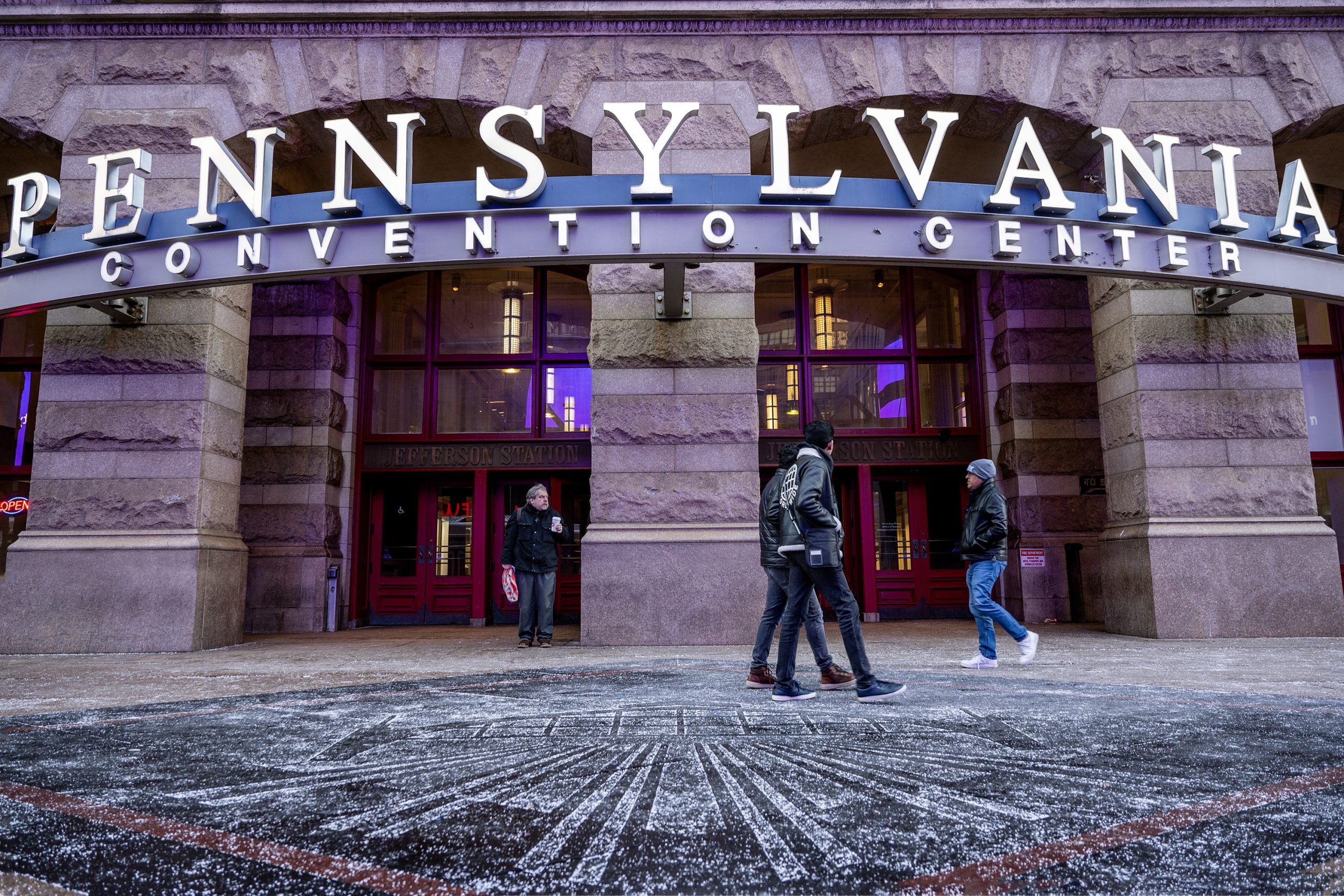
    The 2026 MLB draft will take place at the Pennsylvania Convention Center in Center City.Tom Gralish / Staff Photographer

    The Phillies have five picks Saturday: Nos. 36, 64, 100, 128, and 135.

    They’ll get 16 more Sunday, beginning with the No. 161 pick in the fifth round and ending with the No. 209 pick in the 20th round.

    Yes, the MLB draft is long, but a lot shorter than it used to be. The draft used to last 40 rounds before being cut down during the COVID-19 pandemic. Prior to 2011, it ran upwards of 50 rounds.

    Who will the Phillies draft with their first-round pick?

    It’s really anyone’s guess who the Phillies will take with the No. 36 pick, but experts have some thoughts.

    In his final MLB mock draft, ESPN insider Kiley McDaniel has the Phillies selecting 2026 grad Archer Horn, a shortstop prospect who already committed to Stanford after batting .406 with six homers this year for St. Ignatius Prep in San Francisco.

    One other name McDaniel mentioned is Taj Marchand out of South Carolina, another high school shortstop, who hit .531 with 13 home runs this year. But Marchand is expected to be taken before the Phillies are on the clock.

    MLB Network’s Jonathan Mayo predicted the Phillies would take Notre Dame pitcher Jack Radel in his most-recent mock draft.

    The Athletic’s Keith Law, who correctly predicted the Phillies would take Gage Wood last year with the No. 26 pick, didn’t include the Phillies in his final mock draft.

    Recent Phillies first-round picks

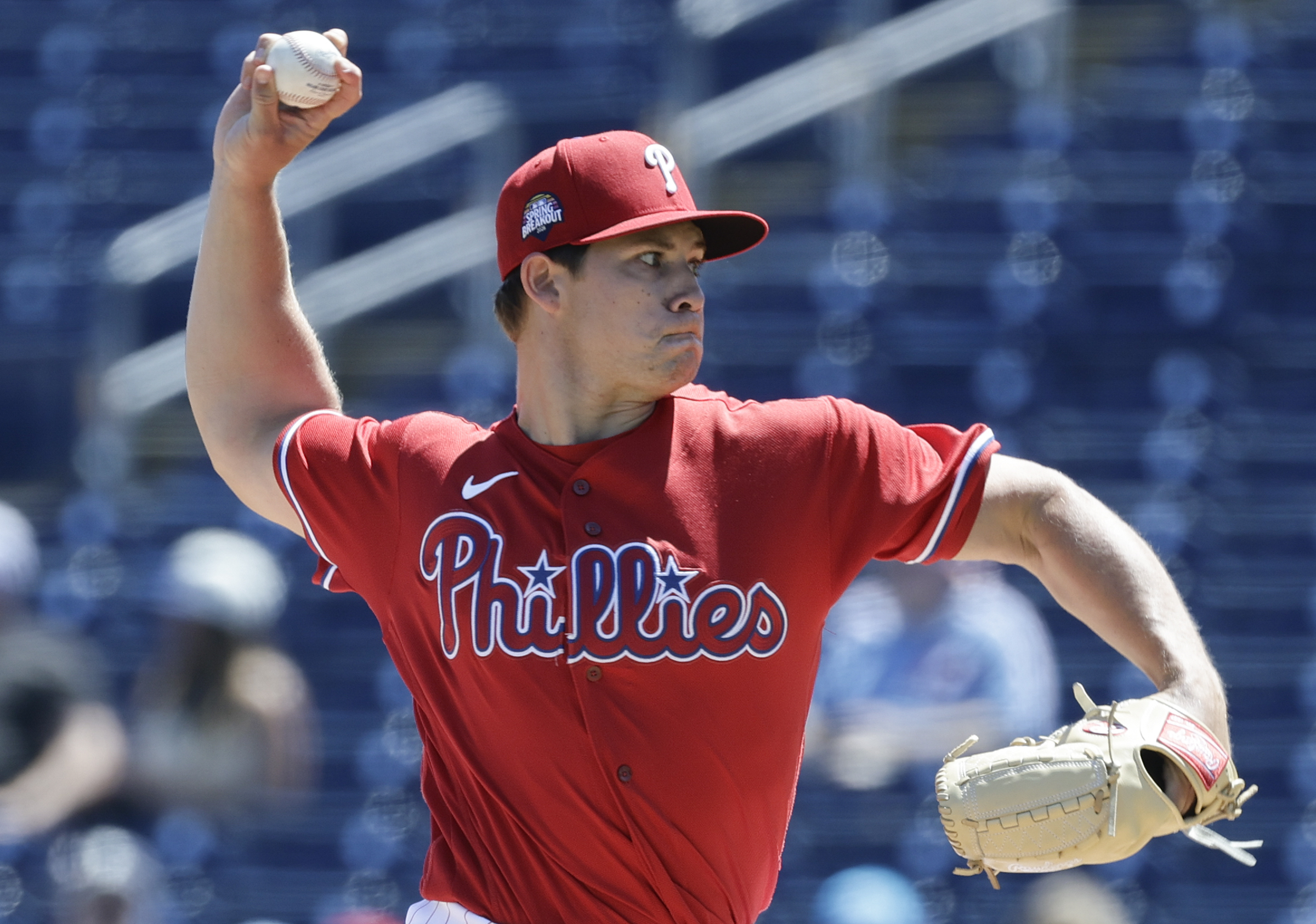
    The Phillies drafted pitching prospect Gage Wood with their first-round pick last year. Yong Kim / Staff Photographer

    The Phillies have had some success landing major league players in recent years, with three former first-round picks — Justin Crawford, Bryson Stott, and Alec Bohm — currently starting for the team.

    Andrew Painter, the Phillies top pitching prospect, struggled during 12 starts for the team this season and was demoted to triple A last month. The Phillies haven’t outlined a timetable for when he could return.

    Two former first-round picks play for other teams. Mickey Moniak, the No. 1 pick in the 2016 draft, was traded to the Los Angeles Angels in 2022 and currently plays for the Colorado Rockies. Pitcher Mitch Abel, taken with the No. 15 pick in 2020, was traded to the Minnesota Twins last year in the deal that landed closer Jhoan Duran.

    Here are the Phillies recent first-round picks:

    !function(){“use strict”;window.addEventListener(“message”,function(a){if(void 0!==a.data[“datawrapper-height”]){var e=document.querySelectorAll(“iframe”);for(var t in a.data[“datawrapper-height”])for(var r,i=0;r=e[i];i++)if(r.contentWindow===a.source){var d=a.data[“datawrapper-height”][t]+”px”;r.style.height=d}}})}();

    MLB draft first-round order

    This year, the first round of the draft has just 25 true picks. Three teams — the Phillies, New York Yankees, and New York Mets, exceeded MLB’s surcharge tax threshold in 2025, pushing their first-round picks 10 spots down into the second round.

    The Atlanta Braves and Houston Astros were awarded picks for promoting prospects

    There are also a handful of compensatory picks that will take place after all the first-round picks have been made.

    Here is the order for the first round, including supplemental picks that begin with No. 26:

    1. Chicago White Sox
    2. Tampa Bay Rays
    3. Minnesota Twins
    4. San Francisco Giants
    5. Pittsburgh Pirates
    6. Kansas City Royals
    7. Baltimore Orioles
    8. Athletics
    9. Atlanta Braves
    10. Colorado Rockies
    11. Washington Nationals
    12. Los Angeles Angels
    13. St. Louis Cardinals
    14. Miami Marlins
    15. Arizona Diamondbacks
    16. Texas Rangers
    17. Houston Astros
    18. Cincinnati Reds
    19. Cleveland Guardians
    20. Boston Red Sox
    21. San Diego Padres
    22. Detroit Tigers
    23. Chicago Cubs
    24. Seattle Marines
    25. Milwaukee Brewers
    26. Atlanta Braves (prospect incentive)
    27. New York Mets (luxury tax penalty)
    28. Houston Astros (prospect incentive)
    29. San Francisco Giants (via trade)
    30. Kansas City Royals
    31. Arizona Diamondbacks
    32. St. Louis Cardinals
    33. Tampa Bay Rays (via trade)
    34. Pittsburgh Pirates
    35. New York Yankees (luxury tax penalty)
    36. Philadelphia Phillies (luxury tax penalty)
    37. Colorado Rockies