Tag: topic-link-auto

  • ‘Didn’t we try this before?’ And other questions about permanent daylight saving time, answered.

    ‘Didn’t we try this before?’ And other questions about permanent daylight saving time, answered.

    The House passed a bill Tuesday that would make daylight saving time permanent.

    Proponents, including President Donald Trump, say the switch would amount to more daylight during the times when Americans are most active. The act is in turn called the Sunshine Protection Act

    Trump called the House’s vote “great news for America.”

    But critics say it’s not that simple, citing public safety and health issues.

    So, if the change really means more sunlight, what could go wrong? And haven’t we tried this before? Here is everything we know so far about a potential switch to permanent daylight saving time.

    What is daylight saving time?

    Daylight saving time is the period between spring and fall when clocks in most parts of the United States are set one hour ahead of standard time.

    The protocol provides the advantage of pushing back the night, allowing for long summer nights.

    So what is standard time?

    Standard time is the time without daylight saving in effect.

    We are currently observing daylight saving (from March through November). Standard is what most of the country would revert to in November — “falling back” an hour — but not if the Sunshine Protection Act has its way.

    Some lawmakers have also proposed a permanent standard time, which is favored by sleep researchers and medical professionals. But that is not on the table right now.

    The American Academy of Sleep Medicine has advocated for year-round standard time, saying moving the clocks forward presents “significant public health and safety risks” from sleep deprivation.

    What states honor which time?

    Most of the United States alternates between daylight saving and standard time. The exceptions are Hawaii and most of Arizona, which stay on standard time all year long.

    What do supporters say about permanent daylight saving time?

    The argument for daylight saving time hinges on what could be accomplished with an extra hour or so of sunlight. Supporters say the pros include basics like more time for youth recreational sports in daylight and more time for summer grilling.

    Businesses, from outdoor amusement parks and restaurants with patio seating to retail shops, say more sunlight could mean more time for spending money. Experts say a permanent switch could boost retail and tourism spending.

    What do critics say about permanent daylight saving time?

    Detractors say permanent daylight saving time would lead to darker and potentially more hazardous winter mornings when children would be waiting for school buses and adults would be commuting to work in darkness.

    “Millions of Americans will wake up during the winter months in complete darkness, with the sun not rising until long after people get up and travel to school or work or have to go about their days,” said U.S. Rep. Mary Gay Scanlon (D., Pa.), who voted against the bill. Scanlon also advocated for a bill she introduced that would support permanent standard time, which has not gained traction.

    U.S. Rep. Jim McGovern (D., Mass.) voted in favor of the bill, but he questioned whether it was the best way for Congress to be spending its time.

    “For folks getting crushed by rent, groceries, utility bills, and healthcare costs, is this really the best the majority can do?” McGovern asked. “Is this really the most pressing issue before the American people at this moment?”

    Agricultural advocates also say permanent daylight saving time would negatively affect their crops and livestock, resulting in delayed harvesting, behavioral disruptions, and product loss.

    How would permanent daylight saving time look in Philadelphia and across the Northeast?

    Pretty dark in the mornings! Because of Philly’s position on the eastern edge of the Eastern time zone, permanent daylight saving time would mean about an hour more of sun before it sets in the evening.

    But it would also mean winter sunrises rolling in until as late as around 8:30 a.m. This rings true for areas of New York and New Jersey, too.

    Critics caution this would impact morning commutes, circadian rhythms, and general health.

    Was the nation ever on year-round daylight saving time? How did it go?

    During World War II, the nation moved up the clocks year-round from 1942 to 1945, in what officially was designated “War Time.” The hour switch then became a local option again until 1966, when the Uniform Time Act divided the clock year into standard and daylight saving time.

    Later, during the energy crisis of the 1970s, the United States tried year-round daylight saving time, but the experiment was wildly unpopular.

    The National School Boards Association called for the experiment’s immediate end because school buses were picking up students in darkness.

    The experiment was supposed to last two years — it was abandoned after 10 months.

    Where do the House and Senate stand?

    The House vote was 308-117.

    The Senate’s stance is unclear, with senators expressing mixed feelings so far.

    A similar Senate version of the Sunshine Protection Act previously stalled because senators said they needed more time to review the legislation.

    Neither of Pennsylvania’s senators has commented publicly about the current legislation. In 2022, Democratic Sen. John Fetterman, then Pennsylvania’s lieutenant governor, said he supported a similar bipartisan bill pushing for permanent daylight saving time.

    Sen. Dave McCormick, a Republican, has not voted on the issue previously.

    Would permanent daylight saving time happen this year?

    It’s a race against the clock. The House approved its legislation to make daylight saving time permanent, but the Senate would have to do the same before the act could get signed into law. If that does not happen by this fall, Americans will still be expected to turn their clocks back to standard time.

    As it stands, the current Sunshine Protection Act language does not include a start date. According to the Time and Date website, if the act became law before the November switch, the United States would “lock the clock” where it is. But if it were signed into law during standard time, the nation would perform a final “spring forward” in March and then stay in daylight saving time.

    When does daylight saving time end in 2026?

    Daylight saving time is scheduled to end when the clocks “fall back” on Sunday, Nov. 1, at 2 a.m. — returning to standard time. This happens on the first Sunday in November.

    Staff writer Anthony R. Wood contributed to this article, which contains information from the Associated Press.
  • 4.6-million-square-foot King of Prussia data centers poised for nitty-gritty discussion

    4.6-million-square-foot King of Prussia data centers poised for nitty-gritty discussion

    A Main Line developer’s plan to build more than 4.6 million square feet of data centers in a small section of King of Prussia is set for an in-depth review beginning next week.

    The Upper Merion Planning Commission is scheduled to discuss three of Brian O’Neill’s five proposed data centers at its next meeting on Wednesday, July 22, according to Township Manager Anthony Hamaday and a meeting agenda posted online.

    After receiving an overview of the project at an initial planning commission meeting in May, the township has “done an official review, and we have forwarded our comments to the applicant,” Hamaday said. The plans “have been revised and sent back.”

    Next, Hamaday said, the planning commission will dive into the nitty-gritty, scrutinizing whether the project complies with township code.

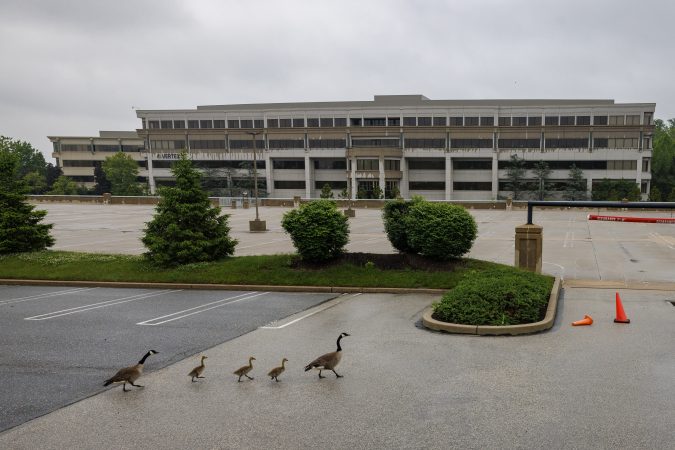
    Next Wednesday, they will review the proposed 2-million-square-foot data center at the Renaissance Boulevard office park; the proposed 370,000-square-foot data center at the current site of a daycare at 3200 Horizon Dr.; and the proposed 188,000-square-foot data center at an office and lab building on a remediated Superfund site at 2100 Renaissance Blvd.

    The other two proposed data centers are set to be reviewed at a meeting on Aug. 12, Hamaday said Tuesday.

    At the May meeting, O’Neill, whose MLP Ventures is behind the proposal, called it “an opportunity to change the world for the better” through AI-powered biotech that would complement his existing life-sciences complex, Discovery Labs. He said most of the centers would be leased to tenants, but has not specified which ones.

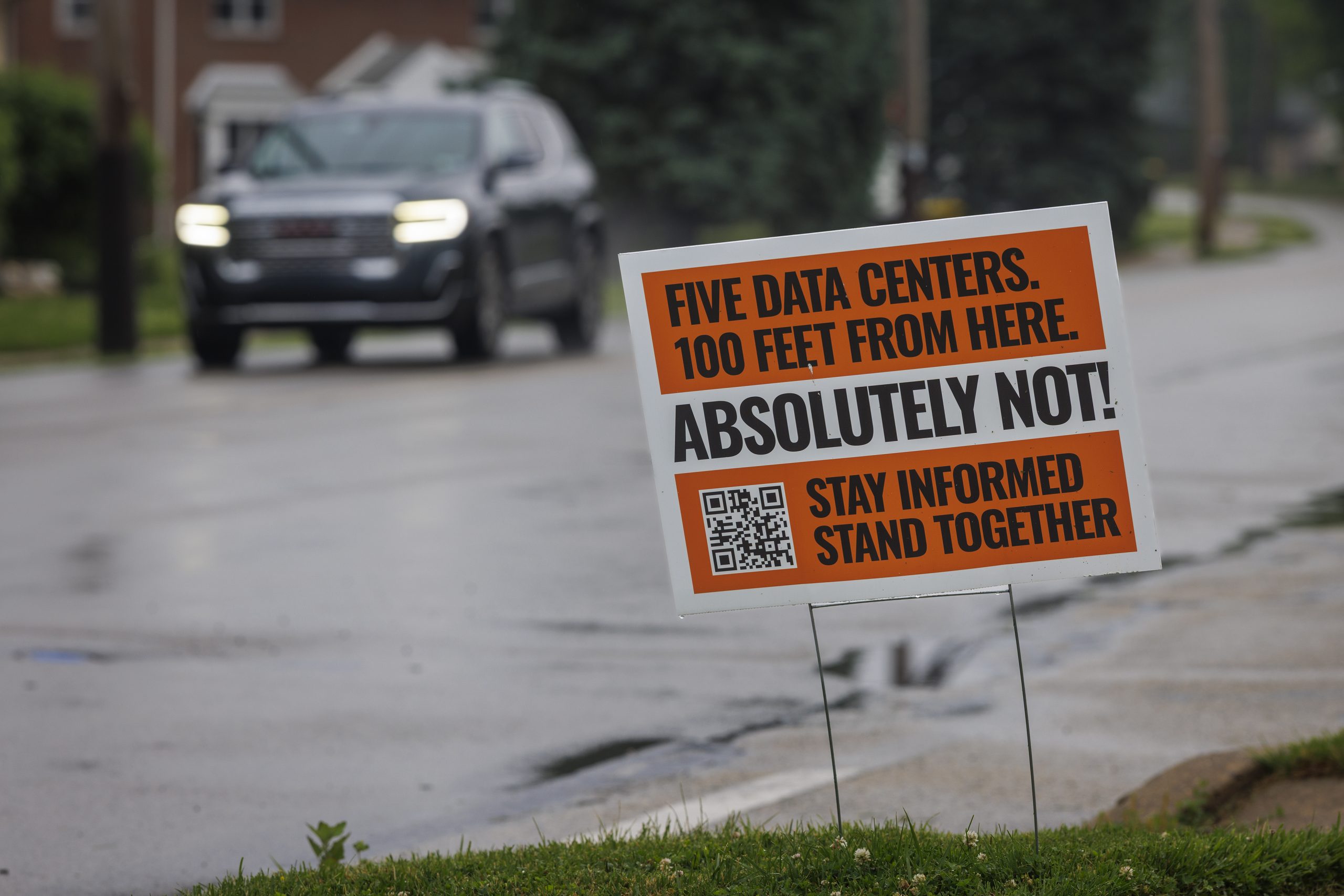
    Anti-data center lawn signs seen in King of Prussia in late May.Alejandro A. Alvarez / Staff Photographer

    Many area residents have rallied against the centers, with some displaying bright orange lawn signs that read: “Five data centers, 100 feet from here. Absolutely not!” Opponents have cited concerns about the potential for noise, light, and other pollution, as well as the general disruption to their daily lives.

    Hundreds of people packed the May meeting. Hamaday said the forthcoming meetings would be moved to the Upper Merion Area Middle School to accommodate expected crowds. They will also be broadcast live, potentially on the local TV channel, he said, and streamed on Zoom.

    Upper Merion Township isn’t the only place where O’Neill has set his sights.

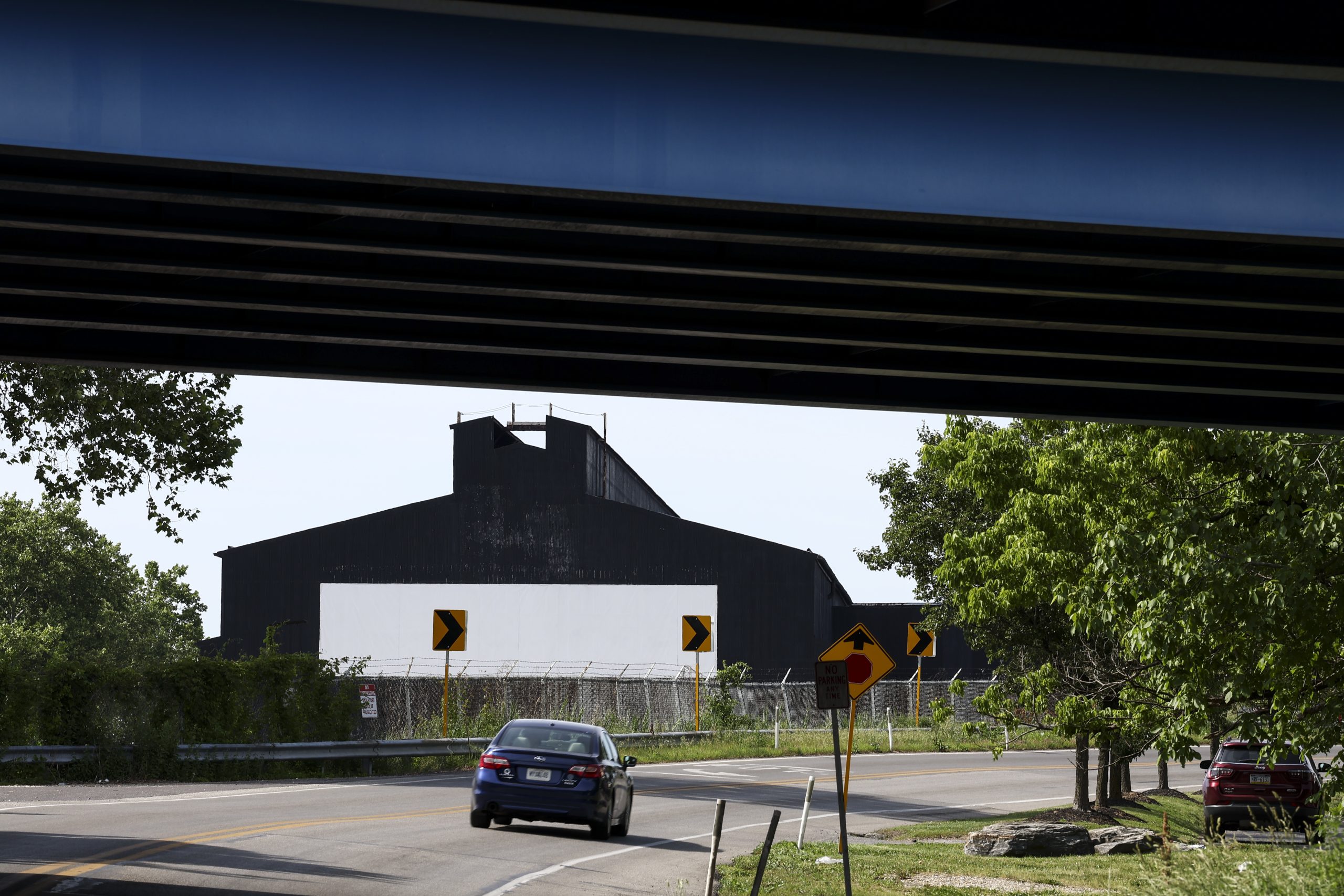
    Across the Schuylkill, on the outskirts of Conshohocken, the developer wants to build another 2 million-square-foot AI data center at the site of the former Cleveland-Cliffs steel mill. He has said the center would be operated by a tenant related to the life sciences.

    The closed Cleveland-Cliffs steel Mill, pictured in June, where Brian O’Neill wants to build a 2-million-square-foot AI data center.Monica Herndon / Staff Photographer

    He recently resubmitted a plan to Plymouth Township, and a procedural zoning hearing board meeting was held last month.

    A similar proposal was abruptly withdrawn in the fall due to legal issues over the sale agreement.

    The next meeting about the Conshohocken-area project is scheduled for Aug. 6 at Colonial Middle School and via livestream on the township’s YouTube channel.

    Both the Conshohocken-area and King of Prussia plans would require multiple recommendations and approvals before construction could begin.

  • All-Star Game trips are a tradition for two brothers after a near-death experience: ‘Just keep living, baby’

    All-Star Game trips are a tradition for two brothers after a near-death experience: ‘Just keep living, baby’

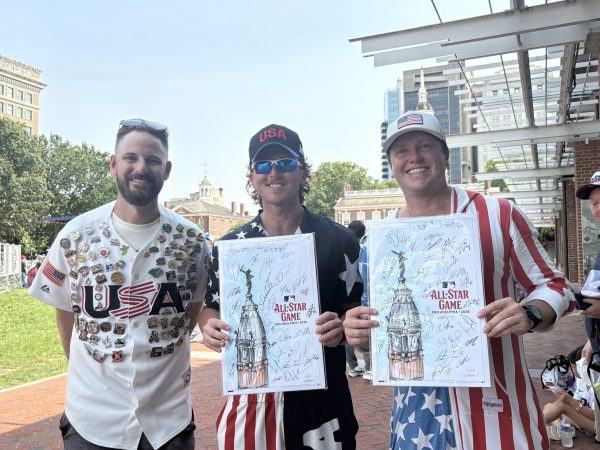
    Independence Mall was completely transformed for MLB’s 2026 All-Star red carpet. A crowd of fans filled the center, lining the zigzag path as they watched the league’s best players arrive in style ahead of Tuesday night’s All-Star Game. And as each player passed, two brothers could be heard through it all.

    Evan, 33, and Brent Folan, 35, made the trip from Puerto Rico, where they’ve been living the past two years, to attend this year’s All-Star Weekend. The trip marked the fourth All-Star Weekend the Folans attended as part of their annual brothers’ trip, a tradition that began after Evan’s near-death experience in 2019.

    With Independence Hall right behind them, the Texas natives were appropriately dressed for this year’s stop in Philadelphia. They called their outfits “the freedom look,” which consisted of the American flag overalls they’ve worn to almost every sporting event they’ve attended.

    The Folans even caught the attention of a certain green, furry creature with similar fashion sense.

    The Folan brothers said they wanted to “spread positivity” throughout the afternoon, and did so by cheering for anyone who walked the red carpet, whether it was the players, mascots, ball girls, or staffers.

    “This event is so much fun,” Brent said. “Baseball fans from all over the country, even the world, are here. So, just love each other. It’s amazing. It unites us all and everybody deserves to be celebrated.”

    The Folans’ goal is to “bring happiness” wherever they go. It’s a life lesson they learned in 2019 when Evan needed to be revived after a car crash in which he suffered a severe traumatic brain injury, leaving him with short term memory loss.

    “We’re just best friends, we love each other and we want to spend as much time as we can together,” Evan said. “I have really bad short term memory. … I’m not going to remember this tomorrow. So I’m just living in the moment with my brother, just enjoying life because it was taken away from me momentarily.”

    Evan now has a book titled Forgetting to Remember, which shares the story of rebuilding his life following the accident. He also started the clothing brand Toro and Tides to support and raise awareness for those suffering brain injuries.

    After a tire flew through his window, Evan was in a coma for two days, suffered a broken neck, a fractured skull, and significant brain bleeding. He was told that his memory would continue to decline and he’ll more than likely develop dementia.

    But since the incident, Evan and Brent have traveled across the globe to different sporting events. And this year has been busier than ever — they’ve flown to Milan and Cortina for the Winter Olympics, attended the World Baseball Classic in Puerto Rico, and hit four cities in their World Cup tour.

    “I mean, it’s a different life that he’s living now, but it’s something we grew up on,” Brent said. “We love each other, we’re best friends, and it’s going to keep us connected no matter what happens. So we’re going to do it every year that we can.”

    During the red carpet, the Folans caught the attention of 33 players, getting signatures from players like Juan Soto. They also got Yoshinobu Yamamoto, after chanting the Japanese phrase san kudasai, a plea for an autograph which they learned from a Japanese cameraman before the red carpet began.

    During last year’s Home Run Derby in Atlanta, Evan caught a home run from Pittsburgh Pirates slugger Oneil Cruz in the semifinals, which happened to be a rare bonus ball hit. That luck continued this year when Brent caught a signed home run ball from Philly’s own Kyle Schwarber.

    “This is amazing,” Brent said. “All-Star Weekend, this is the closest you’ll get to the players, like the actual All-Stars. The All-Star Village is cool but these are the guys you’re going to be seeing playing in the Home Run Derby, playing in the All-Star Game. You’re literally a foot from them. So, getting to talk to them, seeing they’re human, getting a laugh out of them, it’s been amazing.”

    After a successful weekend — catching Schwarbombs, getting nearly three dozen red-carpet signatures, and most importantly, spending quality time with one another — the Folans have a piece of advice for everyone willing to listen.

    “Just keep living, baby. Live life,” Brent said. “You never know what’s going to happen so just do what makes you happy.

    Evan added: “Spread positivity and bring happiness.”

  • Wildfire smoke and a Delco junkyard fire raise concerns about Philly air quality amid high temps

    An unpleasant meteorological melange of heat and pollutants is about to envelop the region.

    Continuing high temperatures and high humidity will be met by smoke drifting south from a batch of Canadian wildfires.

    The smoke will bring hazy skies and fine particle pollutants that can irritate lungs and increase health threats to those with asthma and respiratory illnesses.

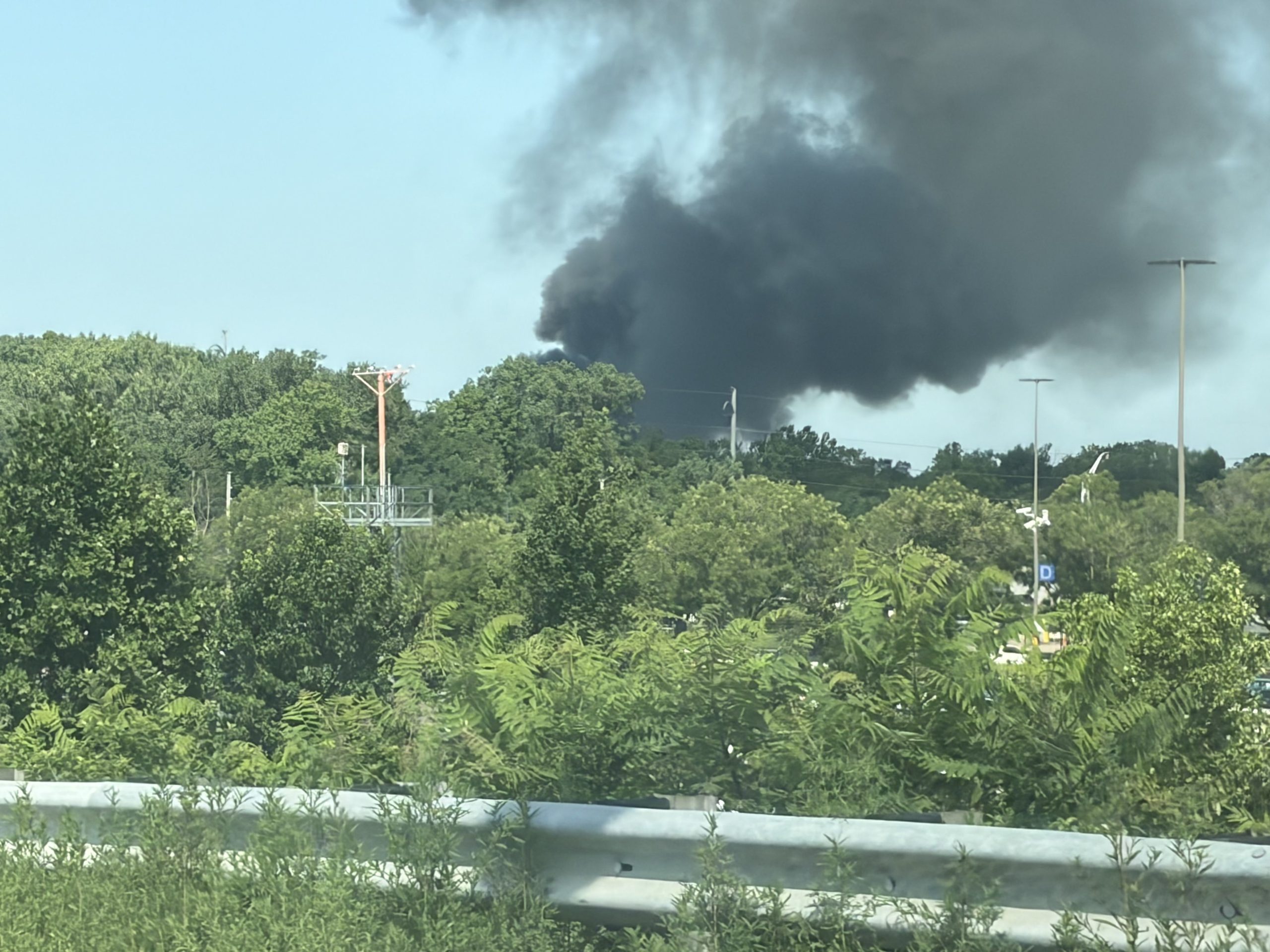
    Additionally, smoke from a large scrapyard fire at EMR’s facility in Darby Township, Delaware County, on Wednesday prompted the Philadelphia Department of Public Health to urge residents to take precautions to avoid exposure. The fire was brought under control by 4 p.m., but smoke was still visible.

    Map by NOAA shows projected smoke from Canadian wildfires in the Philadelphia area on Thursday.National Oceanic and Atmospheric Administration

    The heat

    The National Weather Service has issued an extreme heat warning for Wednesday with heat index values expected up to 107. Thursday’s forecast calls for areas of smoke and mostly sunny, with a high near 96.

    The conditions could worsen ground-level ozone, a pollutant that forms when nitrogen oxides and volatile organics emitted by vehicles, power plants, and industry react in sunlight, especially during hot days.

    Ozone can cause airways to constrict, leading to shortness of breath, and so it can especially affect those with asthma, emphysema, and chronic bronchitis.

    The smoke

    And then there is the smoke that carries PM2.5, a fine particulate matter measuring 2.5 microns or smaller. It is of special concern because the particles are so small — far smaller than the width of a human hair — that they are easily inhalable.

    Health effects can stem from short or long exposure, and can range from aggravation of asthma and other respiratory illnesses to premature death in people with chronic heart or lung diseases. Children and seniors are most vulnerable.

    Philadelphia’s Air Management Services is monitoring for wildfire smoke but has not issued any statements.

    The city launched a real-time network of air quality monitors last year that measure PM2.5 and nitrogen dioxide (NO2), a component of ozone.

    The air quality in Philadelphia at noon Wednesday was listed as moderate, meaning there may be a risk for people unusually sensitive to air pollution.

    The Pennsylvania Department of Environmental Protection has declared a statewide Code Red air quality day for PM2.5 for Thursday due to the wildfire smoke.

    Code Red means that young children, elderly people, and those with respiratory problems, such as asthma, emphysema, and bronchitis, are especially vulnerable and should avoid outdoor activities. Everyone else should reduce prolonged or heavy exertion.

    When we’ll see smoke

    Paul Fitzsimmons, a meteorologist with the National Weather Service in Mount Holly, said smoke from the Canadian wildfires was expected to enter northeast Pennsylvania and northwest New Jersey on Wednesday afternoon. It would then carry into Philly.

    “It’s possible for visibility getting into the range of one or two miles,” Fitzsimmons said. Typically, visibility is about six miles under clear conditions.

    The weather service said the smoke will be closer to the ground and especially acute on Thursday.

    “This is the kind that you’ll be able to smell outside, reducing visibility and potentially causing air quality issues,” the forecasting agency said on social media.

    Smoke from Canadian wildfires has become almost an annual summer ritual.

    Last June, Canadian wildfire smoke brought a milky haze to Philly, prompting an air quality alert. In August 2024, the smoke produced a haze higher in the sky.

    And in June 2023, smoke affected conditions at a Phillies game. Visibility was at two miles.

    (function () {window.addEventListener(‘message’, function (e) { var message = e.data; var els = document.querySelectorAll(‘iframe[src*=”‘ + message.id + ‘”]’); els.forEach(function(el) { el.style.height = message.height + ‘px’; }); }, false); })();

    A public health threat

    Jane Clougherty, a professor of environmental health at Drexel University’s Dornsife School of Public Health, was in Toronto on Wednesday and said she could see a yellow haze.

    “From a scientific standpoint, this increase in the frequency and severity of wildfire smoke absolutely is related to climate change,” Clougherty said.

    The combination of increasing heat and wildfires exacerbated by climate change, she said, is a public health threat.

    Wildfire season is starting earlier and lasting longer, she noted. Scientists are still studying the impact of wildfire smoke beyond just fine particulate matter.

    But Clougherty was also concerned about the scrapyard fire.

    The Philadelphia Office of Emergency Management said it had not detected hazardous substances, and a 4 p.m. email by the office said it would no longer be updating residents. However, it was still recommending that people avoid exposure to the smoke, and avoid going outdoors if possible, close windows and doors, and use fans to recirculate air.

    A view July 15 from I-95 of a large scrapyard fire in Darby, just outside of Philadelphia.Joseph DiStefano

    She said varied materials were burning and could emit volatile organic compounds (VOCs), polycyclic aromatic hydrocarbons (PAHs), and potentially old lead.

    She said those gases can heighten the human body’s adverse reaction to fine particles.

    She believes that nearby residents should leave if possible, despite the shelter-in-place warning and advice to circulate air with fans. She noted that fans do not filter hazardous particles.

    If they cannot leave, she said, she suggests residents use HEPA filters in their air-conditioning or use N95 masks.

  • Campbell’s jumps on the protein-maxxing trend with 5 new soups

    Campbell’s jumps on the protein-maxxing trend with 5 new soups

    Campbell’s has hopped on the protein trend with a new soup lineup boasting 20 grams of protein per can.

    With enhanced macronutrient profiles on five soups, the Camden-based soup and snack brand has joined the ranks of food companies that recently launched protein-forward products. Chipotle debuted a high-protein menu in December, and Starbucks now offers protein coffee, matcha, and cold foam.

    “As consumers increasingly seek foods that offer both great taste and meaningful nutrition, this innovative product line will bring excitement and drive consumers to the soup category,” Benjamin Crook, senior vice president of soup and broth, said in a news release.

    In 2025, 70% of Americans reported trying to consume more protein, according to a survey by the nonprofit International Food Information Council.

    Campbell’s new soup line includes Italian-style wedding, homestyle chicken and rotini, lemon pepper chicken, Mediterranean lentil, and southwest black bean flavors.

    The updated soups contain more protein than the company’s original iterations. The existing homestyle Italian wedding soup has 7 grams of protein, and the basic chicken noodle has 3 grams.

    The protein soup line is Campbell’s second release of the summer designed to appeal to “better-for-you” consumer preferences. In June, Campbell’s partnered with Banza to introduce its first gluten-free chicken noodle soup. Banza makes chickpea pasta, which has 50% more protein and three times as much fiber as traditional pasta.

    In addition to soups, Campbell’s has a vast food and snack portfolio. Under its umbrella is Pepperidge Farm, the baking company that produces Goldfish and Milano cookies, and Snyder’s-Lance, which owns Cape Cod Potato Chips, Kettle Brand, and Late July. In 2024, Campbell’s acquired the parent company of sauce brand Rao’s.

    The company reported in June that net sales decreased 4% in the third quarter of the 2026 fiscal year. In the meals and beverages segment, sales decreased primarily due to declines in U.S. soup, Prego pasta sauces, and V-8 beverages, but those were partially offset by gains in Rao’s.

    Campbell’s had 13,700 employees in 2025, per the company’s annual report. In 2023, the company launched a $50 million upgrade of its Camden headquarters. The expansion was anticipated to be completed over three years, bringing 330 additional positions to Campbell’s Camden offices.

  • Villanova and Wisconsin men’s hoops will meet at Xfinity Mobile Arena on Dec. 12

    Villanova and Wisconsin men’s hoops will meet at Xfinity Mobile Arena on Dec. 12

    Villanova and Wisconsin are set to meet in nonconference men’s basketball play for the second straight season, Villanova announced Wednesday.

    After Villanova claimed a 76-66 overtime win over Wisconsin at Fiserv Forum in Milwaukee last December, the schools will meet again for a matchup at Xfinity Mobile Arena on Dec. 12 in an event Villanova is calling the Philly Hoops Showdown.

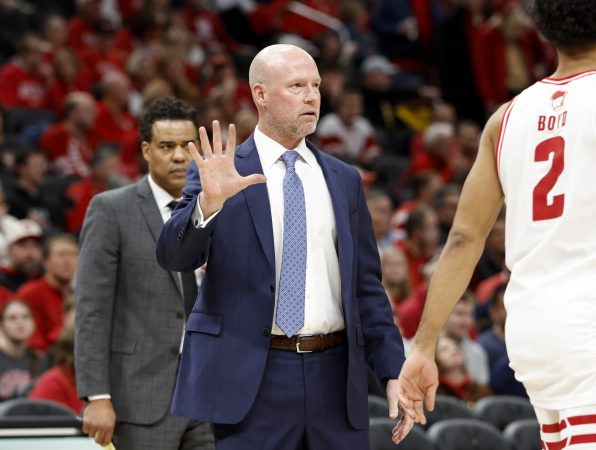
    Kevin Willard coached the Wildcats back to the NCAA Tournament in 2025-26 after a three-season drought. Villanova was eliminated from the dance in the first round by Utah State, but Willard has reinforced his lineup with key portal pickups, including Italian big man Luigi Suigo.

    Greg Gard has led Wisconsin to six of the last seven NCAA Tournaments. The Badgers were a No. 5 seed in last year’s bracket but were upset by No. 12 seed High Point in the first round.

    While Villanova has historically played home nonconference and Big East games in South Philly, the school’s announcement specifies Xfinity Mobile Arena will be considered a neutral site, and that all aspects of the game will be managed by Chicago-based marketing company Intersport.

    Tyler Perkins returns to a Wildcats team that is looking to defeat the Badgers of the Big Ten for a second straight year. Kayla Wolf

    Last season’s game in Milwaukee was also considered a neutral site event. That factor could influence how the NCAA Tournament selection committee views the game closer to March. A home win against a team ranked in the top 30 of the NET is considered a Quadrant 1 win, but at a neutral site, the threshold for a Quad 1 win is expanded to the the top 50 teams in the NET rankings.

    Villanova played three games at Xfinity Mobile Arena last season, two of which were considered home games. The other was the Big 5 Classic final, which the Wildcats won for the first time since the retooling of the Big 5 format in 2023.

    The matchup against Wisconsin in South Philly will be the fourth-ever meeting between the schools’ men’s programs. Before 2025, Villanova picked up a win against Wisconsin in 1995, and the Badgers upset the defending champion Wildcats in the second round of the 2017 NCAA Tournament.

    Wisconsin is the latest confirmed addition to Villanova’s nonconference schedule, which will open with Notre Dame in Rome at the Eternal City Tip-Off on Nov. 1. The Wildcats’ nonconference schedule also includes a trip to face Kansas on Nov. 27 at Allen Fieldhouse as part of a home-and-home series.

  • Bob Dylan and his ever-changing band sang in the shadows at the Highmark Mann

    Bob Dylan and his ever-changing band sang in the shadows at the Highmark Mann

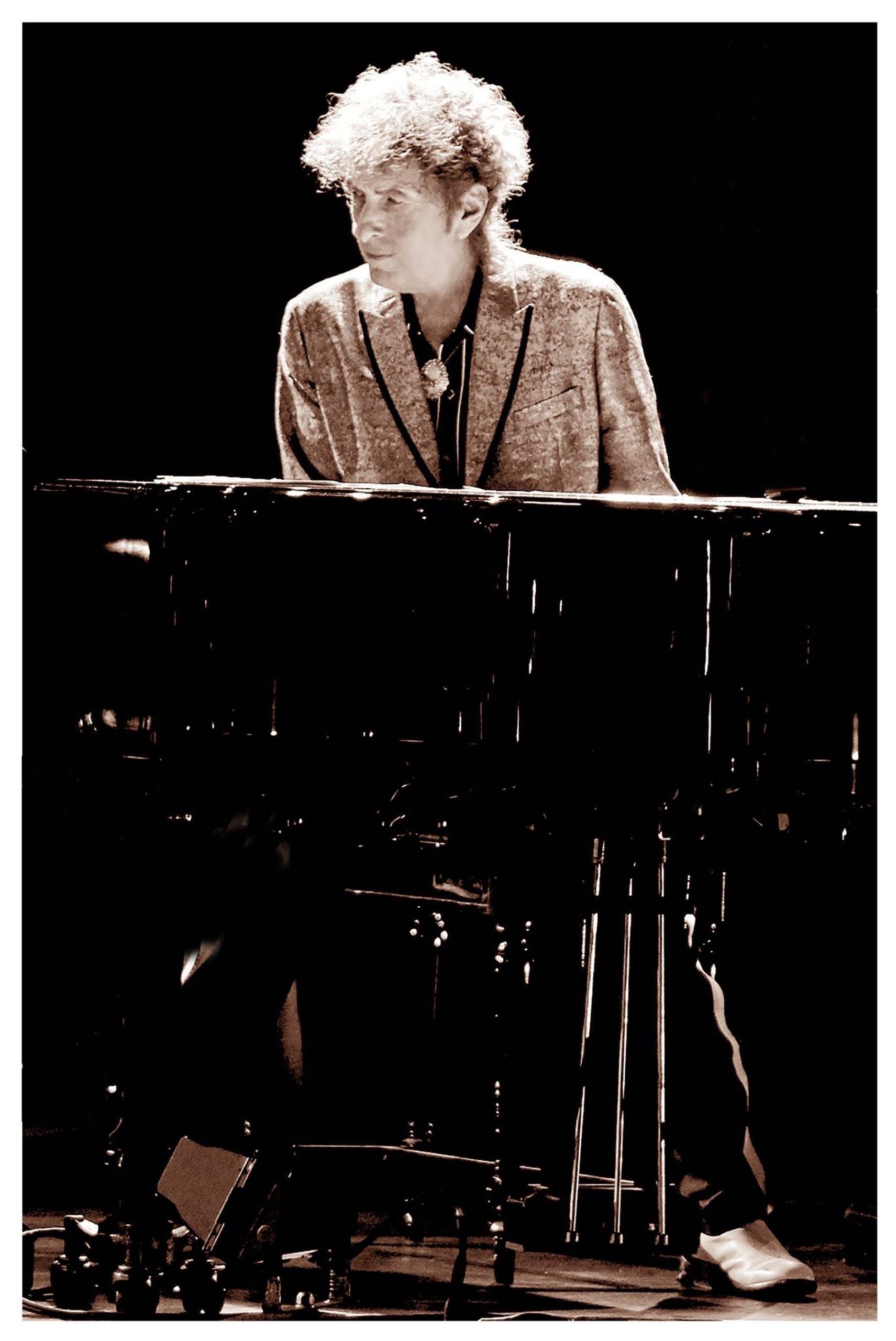
    The man in the short, white jacket singing “The Man in the Long Black Coat” at the Highmark Mann on Tuesday? That was Bob Dylan.

    You might not have known by looking because he wasn’t easy to see. Dylan has always been a master at hiding in plain sight, maintaining mystery about his true self — or selves — and resisting being known despite his every move being obsessively scrutinized for more than six decades.

    These days, Dylan also blurs himself visually. On Tuesday at the Mann’s TD Pavilion — a venue he last played 10 years and a day earlier — he stood behind an electric piano at the rear of the stage, his face partly obscured by the hood he kept over his head as if he were expecting rain.

    With the boudoir lighting on stage, it was as if the audience — surprisingly youthful, no doubt thanks for Timothee Chalamet’s star turn as Dylan in A Complete Unknown — was invited to witness a late-night jam in a ramshackle roadhouse.

    (Mobile phone photo taking — or phone use of any kind — was prohibited during the show, and enforced by security workers hustling around the amphitheater with flashlights.)

    And who were those shadowy figures on the film noir stage set interacting with the grizzled Bard? That was a source of intrigue as well. Dylan has been a road warrior on what he has dubbed the “Long Hot Summer Tour,” playing 51 shows so far in 2026.

    But while he and longtime bass player and bandleader Tony Garnier and drummer Anton Fig have been constants, the guitarists have been in flux.

    First, in June, Doug Lancio left the band, and Dylan watchers were wowed when he was replaced by improvisational jazz guitarist extraordinaire Julian Lage. Then longtime second guitarist Bob Britt quit the band without explanation, though he did post a “Sayonara Bobby” goodbye on Facebook.

    Britt was then replaced with Chicago jazz, blues, and Western swing player Joel Paterson. And the lineup then continued to shuffle this month when Lage missed shows due to prior commitments, and Memphis R&B player Jad Tariq filled in for him.

    Bob Dylan and his band at the close of his show at the TD Pavilion at the Highmark Mann on Tuesday, July 14, 2026. Left to right: Julian Lage, Tony Garnier, Bob Dylan, Anton Fig, and Joel Paterson.Dan DeLuca

    On Tuesday at the Mann, however, Lage was back in Tariq’s place, standing to the right of Garnier and his upright bass. Both kept a close eye on Dylan, careful to follow his lead throughout an 80-minute performance that worked as a steamy midsummer mood piece and intermittent meditation on mortality, while taking an alternative route through the world’s greatest living songwriter’s oversized oeuvre.

    Dylan is famous for rearranging much-loved songs from his 1960s and 1970s heyday to the point they become unrecognizable until a chorus comes around.

    There was a little of that this time. It took me a minute to realize that the sprightly third song, which was one of many marked by intuitive interplay between Paterson and Lage, was “It Ain’t Me Babe.”

    But mainly Dylan keeps the crowd from getting too comfortable by keeping his best-known warhorses out of the set. Nine of 16 songs he sang — in a clear, non-phlegmy voice by his standards, with the band skilled at staying out of his way — came from what are considered latter day Bob Dylan albums. (Though he’s been around for so long that one of those newish albums, Oh Mercy, is 37 years old.)

    With Paterson taking most of the leads, the set also included covers of three old-time rock and roll and R&B deep cuts. Bo Diddley’s “I Can Tell,” Jerry Lee Lewis’ “I’ll Make It All Up to You,” and Bobby “Blue” Bland’s ”Share Your Love With Me” were all examples of Dylan playing homage and drawing strength from bedrock American vernacular artists who inspire him. That was also true of the evening’s penultimate song, his own “Goodbye Jimmy Reed.”

    Dylan is 85, and the New York Times recently asked him about being an octogenarian and to perhaps offer President Donald Trump sage advice on a milestone birthday.

    He declined the latter opportunity but said that in his 80s “you don’t chase the parade anymore. You’re an old king from some vanished country. … You’re not rushing to become anything and you’re not haunted by the things that you did.”

    Dylan’s songs are enigmatic. They mean different things at different times to different people. Or you might say they “contain multitudes,” as Dylan sang of himself on his most recent album, 2020’s Rough & Rowdy Ways, which led the way with five tracks performed from it on Friday.

    Bob Dylan played the Highmark Mann in Fairmount Park on Tuesday.Carol Friedman

    But for those tempted to try to puzzle out what Dylan is thinking and feeling about his own eventual demise, Tuesday night’s set did offer opportunities.

    Two songs — one played early on, one mid-set — could be interpreted as dances with death, populated by mythical figures that may or may not be the Grim Reaper.

    In the doomy, foreboding, and thoroughly compelling “Man in the Long Black Coat,” darkness is embodied by a ghostly presence “with a face like a mask” who takes a woman away “without a goodbye, not even a note.”

    And in “Black Rider,” Dylan sounded feisty, casting himself as a mythical figure.

    As if his ability to keep on keepin’ on required it, he vowed to fight Death to the death: “Don’t turn on the charm,” he snarled, “I’ll take a sword and hack off your arm.”

    That set the stage for the gospel influenced “I Shall Be Released,” which has recently replaced the philosophical “Every Grain of Sand” as Dylan’s closing number.

    The song he first recorded with The Band in 1967 can be read as a prayerful plea from a prisoner, or a supplicant seeking heavenly relief from struggles and strife on this mortal coil.

    Either way, it was a stirring finale to a satisfying summer evening, and one of two songs — along with the title tune to the 1990 album Under the Red Sky — that featured a Dylan harmonica solo, with both drawing rousing ovations.

    Guitarist Jimmy Vaughn preceded Dylan with his Tilt-A-Whirl Band. It marked Vaughn’s return to the Mann, which he played in 1986 with the Fabulous Thunderbirds, opening for his brother Stevie Ray Vaughn, who died in 1990.

    Vaughn is a superb Texas blues guitarist. He never showboats or overplays, and along with his band — which included a three-member horn section — he revved up the crowd with a set that included covers of Roscoe Gordon, Slim Harpo, plus “Texas Flood,” the Larry Davis composition that became his brother’s trademark.

    The show kicked off with Brittney Spencer, the Maryland-raised Nashville-based vocalist who is a key player in this decade’s Black country renaissance.

    Spencer was a featured guest on Beyoncé’s Cowboy Carter, and along with slide guitarist Omri Skop, she followed Queen Bey’s lead in covering the Beatles’ “Blackbird.” And in addition to her own songs “New to This Town” and “Better As Friends,” she won over the crowd with a quality interpretation of Dylan’s own much-covered love song, “Make You Feel My Love.”

  • The whitewash is the lesson

    The whitewash is the lesson

    I taught high school history in Vermont in the 1980s, during the waning years of the Cold War. When we got to Hiroshima and Nagasaki, I dug up the translation of a Soviet textbook and made copies of the pages that described America’s atomic attacks on Japan.

    I gave the pages to my students and asked them to compare the Soviet account to the one in their textbook, which said the U.S. dropped the bombs because Japan wouldn’t surrender. By contrast, the Soviet book claimed that our real aim was to demonstrate our technological prowess and block the global spread of communism.

    Many years later, I got an email from a former student who said that exercise opened her mind to the way different people think about the world. And it made her realize that history isn’t simply a record of names, dates, and events. It’s a debate about their meaning and significance.

    We have a great opportunity to teach that lesson right now. And we don’t have to look abroad to find material for it.

    The debate over history is here. It’s happening all around us. The only question is whether we can muster the will — and the courage — to expose our young people to it.

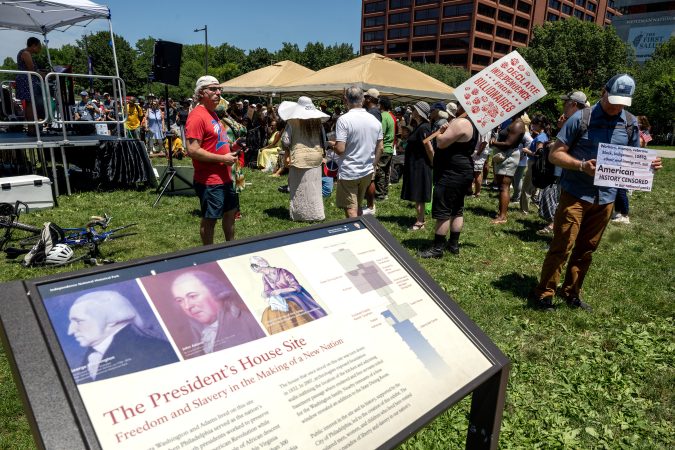
    Consider the controversy over slavery exhibits at the President’s House here in Philadelphia. Back in January, the Trump administration ordered the removal of panels about the nine African Americans whom George Washington enslaved. And last month, a federal appeals court upheld the right of the White House to replace those panels with, yes, a different interpretation.

    The administration’s new panels — which you can read online — acknowledge that Washington and other Founding Fathers practiced slavery. But the panels remove earlier language, highlighting its brutality. Instead, we are told, enslaved people living in the President’s House “experienced a greater modicum of autonomy than elsewhere.”

    On July 4, protesters converged upon the site and taped printed copies of the original panels to the walls. “I know they’ll get torn down,” one demonstrator said, “but hopefully there’s enough people here today for the holiday that they’ll be seen, and maybe it’ll inspire someone else to do the same.”

    Here’s who I hope will be inspired: America’s history teachers. They should give the text of the original panels — and also of the new ones — to their students, just as I shared American and Soviet interpretations of the atomic bombings.

    And they should ask their students about the differences. Why did one of the earlier panels highlight “The Dirty Business of Slavery” — especially the buying and selling of human beings — and why did the Trump administration omit that? Why did it also leave out most of the details about Ona Judge, Martha Washington’s personal maid, who escaped to freedom in 1796?

    Teachers should also share the Trump administration’s recent report attacking the Smithsonian’s National Museum of American History. There’s too much at the museum about racism and oppression, the White House says, and not enough about progress and freedom.

    A display in the “Great Debate” section of a democracy exhibit at the Smithsonian’s National Museum of American History, seen in August 2025.Calvin Woodward

    Again, is that right? Schools that are close enough to Washington, D.C., should take students to the museum and let them decide for themselves. Everyone else should assign the Trump administration report and rejoinders to it by historians and others.

    Teachers have been doing lessons like that for a long time. In the 1980s, Oregon history instructor Bill Patterson had his students compare their state-approved textbook with A People’s History of the United States by radical scholar Howard Zinn.

    And if you think this was all just an exercise in left-wing propaganda, think again. Patterson’s students wrote letters to Zinn and took issue with his interpretations, including his claim that the bombings of Hiroshima and Nagasaki were unnecessary.

    I can’t remember what my own students decided about America’s use of atomic weapons in Japan. But I’m glad I didn’t give them a single interpretation of it. That’s not education; it’s indoctrination.

    A few days after he returned to the presidency in January 2025, Donald Trump issued an executive order “ending radical indoctrination in K-12 schooling.” But in its first sentence, the order calls on schools to “instill a patriotic admiration for our incredible nation.”

    That’s indoctrination, too. I know the White House doesn’t want the kind of debate I’m advocating here. But neither do some people on the left, who will inevitably dismiss my approach as “bothsidesism.”

    Please. Our students need to come to their own conclusions about the President’s House, the Smithsonian, and everything else. If you only want them to hear your side, you’re in the same league as Trump and his disciples.

    News flash: We disagree about our nation. On its 250th birthday, the best way to celebrate it would be to present our differences to our students openly and honestly. It’s not our job to tell them what to think. It’s their job to figure it out.

    Jonathan Zimmerman teaches history and education at the University of Pennsylvania. His next book, “Schooling Citizens: How Education Can Save Democracy,” will be published in the spring by the American Philosophical Society Press.

    Editor’s Note: An earlier version of this column incorrectly noted that the story of Ona Judge, a woman enslaved by George Washington, was not part of a new display at Independence Mall. She is, in fact, featured in the exhibit.

  • Kathy M. Winter, lifelong artist, teacher, and former parish council president, has died at 91

    Kathy M. Winter, lifelong artist, teacher, and former parish council president, has died at 91

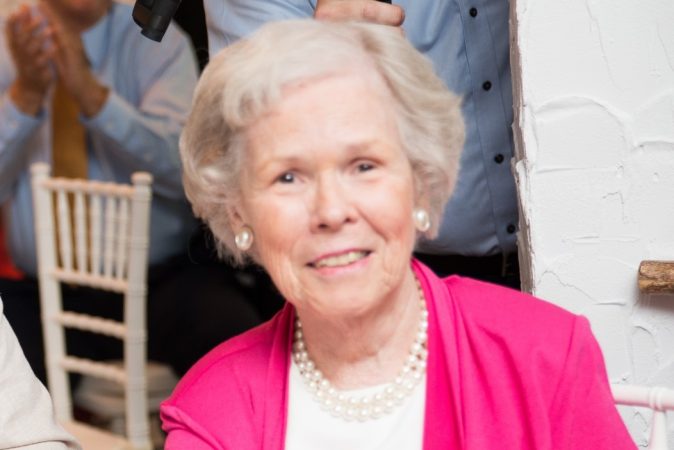
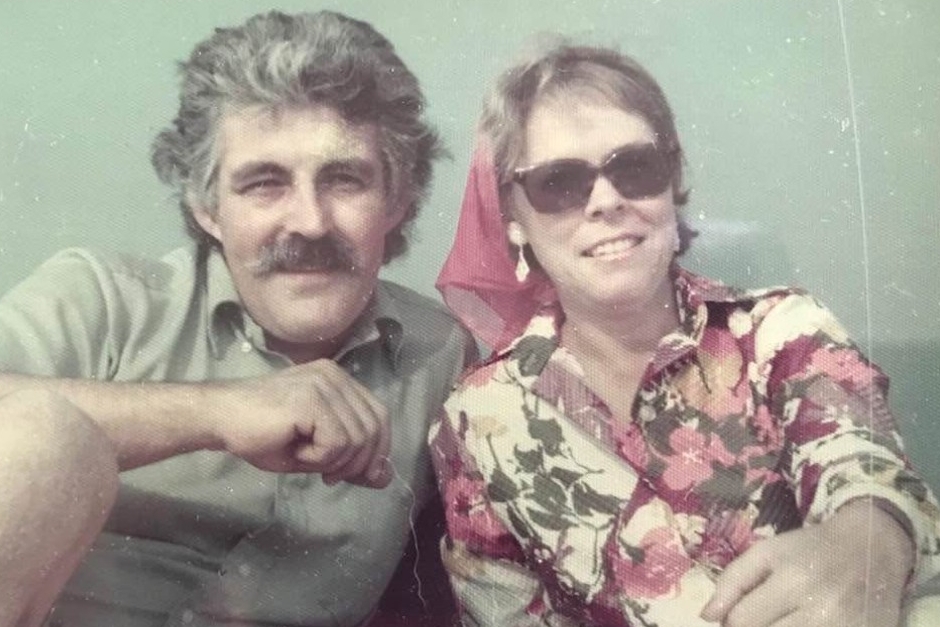
    Kathy M. Winter, 91, formerly of Philadelphia, lifelong artist, art and grade school teacher, author, and former council president at Our Mother of Consolation Parish in Chestnut Hill, died Tuesday, June 9, of complications from pneumonia at Forbes Hospital in Monroeville, Pa.

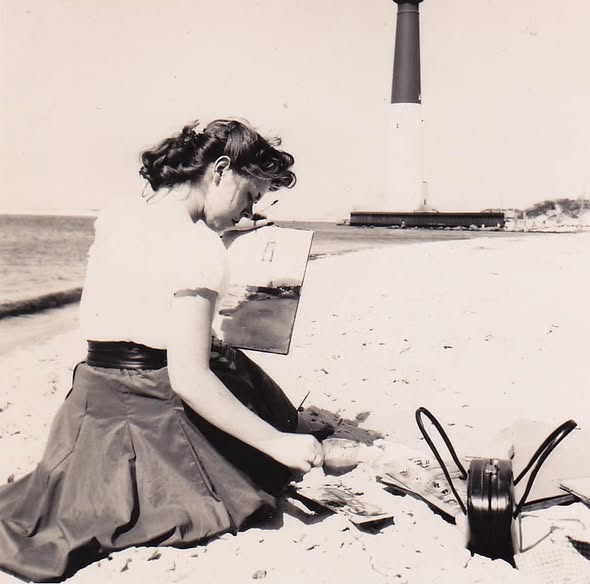
    Born in Philadelphia, Mrs. Winter studied art at the Pennsylvania Academy of the Fine Arts and earned a bachelor’s degree in fine arts at the University of Pennsylvania. She specialized in portraits, still life, and landscapes, and worked mostly in watercolors, pastels, oils, and acrylics.

    She painted portraits of celebrated naval chaplain John F. Laboon and Chinatown icon T.T. Chang, and contributed to a collection called “Lost Dreams on Canvas” that featured portraits of innocent victims of violent crime in Philadelphia. “You get into a portrait like that,” Mrs. Winter told the Chestnut Hill Local in 2012, “and you’re into the person.”

    She painted the statue of St. Gianna Beretta Molla for the Shrine of the Nativity of Our Lord in Warminster, and her painting of a restored statue of St. Gabriel for a church in New Orleans was featured in The Inquirer in 2007. She also designed stained glass windows for St. Bede the Venerable Church in Holland, Bucks County, and the chapel at Shore Memorial Hospital in Somers Point, N.J.

    “The best thing,” Mrs. Winter told the Chestnut Hill Local in 2012, “is that you don’t have to retire from making art.” Courtesy of the family

    Mrs. Winter studied Chinese brush painting with artist Phoebe Shih in Flourtown and showed her work at the Woodmere Art Gallery, the Conshohocken Art League, Daylesford Abbey, the Lutheran Theological Seminary, the Knickerbocker Exhibition in New York, and elsewhere. She also taught art classes at the Abington and Main Line Art Centers, the Conshohocken Art League, Our Mother of Consolation School, and elsewhere.

    “The best thing,” she told the Local in 2012, “is that you don’t have to retire from making art.”

    She met her husband, sculptor Joseph Winter, at the Pennsylvania Academy of the Fine Arts in 1953, and they opened Winter Art Studio in their Chestnut Hill home in 1983. For several commissions, he created the sculpture, and she painted it.

    “Since Joe was a sculptor and I’m a painter, we complemented each other very well,” Mrs. Winter told the Chestnut Hill Local in 2021. “If we had both been painters or both been sculptors, it would not have worked out so well. There would have been too much competition.”

    Mrs. Winter painted fruit and flowers.Courtesy of the family

    In 2021, she self-published a 48-page children’s book called How the Bears Got to the Park. It features illustrations by her husband, and the plot she wrote is based on his award-winning 1966 sculpture Family of Bears that is displayed at Three Bears Park at Third and Delancey Streets in Society Hill.

    Mrs. Winter was a longtime member and onetime council president at Our Mother of Consolation Parish. She and her husband moved to Chestnut Hill from Southwest Philadelphia in 1962 so their children could attend the parish school, and she taught all subjects to third and fourth graders for a few years.

    Parish members scheduled Mass intentions to honor her on June 28, July 5, and July 10. “She was very determined,” her daughter Genienne Navarro said. “She never let anything stand in her way and would move mountains to get something done.”

    Kathleen Marie McKenna was born April 21, 1935. Her family moved to Virginia when she was young and returned to Philadelphia a few years later, and she graduated from West Philadelphia Catholic High School for Girls.

    Mrs. Winter and her husband, Joe, married in 1956. Courtesy of the family

    A perceptive nun recognized her artistic skills in high school and arranged for an admission interview with officials at the Pennsylvania Academy of the Fine Arts. She received a full scholarship, met her husband there, and they married in 1956 and had daughters Kathy and Genienne and a son, Joseph.

    Her husband died in 2020, and she moved to the Pittsburgh area a few years ago to be close to family. Mrs. Winter kept in touch with former classmates at the Pennsylvania Academy of the Fine Arts for years and took additional art classes later at Temple University and Chestnut Hill College.

    She played piano, doted on her family, and survived cancer in the 1970s. A longtime friend called her a “true, loving, nourishing, protective, guiding, steadfast Blessed Mother to me.”

    Her family said in a tribute: “She will be remembered for her friendship, spiritual support, listening ear, humor, deep caring, generosity, and undaunted optimism.”

    Mrs. Winter (rear left) enjoyed time with her family.Courtesy of the family

    Her daughter Genienne said: “Her favorite saying was, ‘Nothing is impossible with God.’”

    In addition to her children, Mrs. Winter is survived by six grandchildren, three great-grandchildren, and other relatives. A sister died earlier.

    A memorial service is to be at 11 a.m. Saturday, Sept. 19, at Our Mother of Consolation Church, 9 E. Chestnut Hill Ave., Philadelphia, Pa. 19118.

    Donations in her name may be made to Our Mother of Consolation Church and School, 9 E. Chestnut Hill Ave., Philadelphia, Pa. 19118.

    Mrs. Winter and her husband, Joe, pose in their Chestnut Hill home studio. Courtesy of the family
    Mrs. Winter was an expert in designing stained glass. Courtesy of the family
  • Philadelphia to take over sexual assault response center after years of funding uncertainty

    Philadelphia to take over sexual assault response center after years of funding uncertainty

    The city government will assume control of the Philadelphia Sexual Assault Response Center, the only program in the city that offers free sexual assault exams, after years of uncertainty over how the center would be managed and financed.

    Mayor Cherelle L. Parker’s administration announced Wednesday that the Philadelphia Department of Public Health will take over PSARC, a nonprofit program that is currently operated by Drexel University and serves about 300 patients a year.

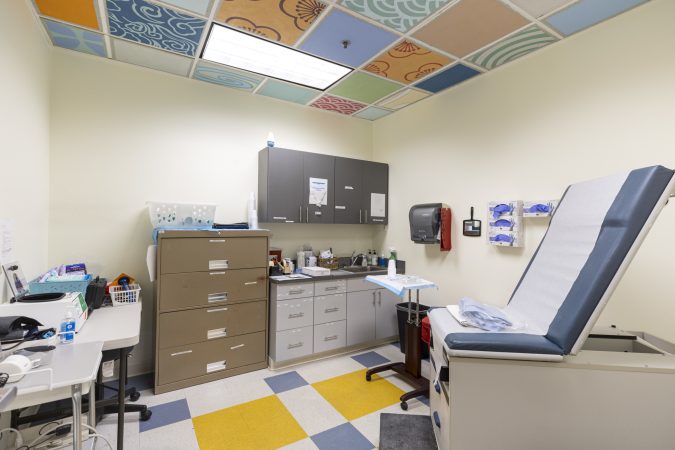
    The center is staffed 24-7 by nurses trained to conduct sexual assault exams that are performed to collect DNA and other evidence, sometimes known as “rape kits.” The center is located at 300 E. Hunting Park Ave., in the same building as the Philadelphia Police Special Victims Unit; patients are not required to report sexual assault to police, however.

    PSARC was founded in 2011 and contracts with hospitals that do not have staff specially trained in handling sexual assault response. It was previously managed by Hahnemann University Hospital, the historic Center City facility that shuttered in 2019 after filing for bankruptcy.

    Since then, Drexel’s College of Nursing and Health Professions has managed the center.

    But PSARC has struggled to survive amid years of funding challenges. Prior to last year, it did not receive dedicated funding from the city — it was funded entirely by Drexel, and the state reimbursed the center $1,000 for each patient treated there.

    Drexel officials told members of Parker’s administration last year that the university could not continue managing the program, according to two sources involved in the conversations who spoke on the condition of anonymity because they were not authorized to discuss the matter. Last fall, Drexel was in the midst of cutting staff and benefits university-wide amid a massive operating deficit and low enrollment.

    The Parker administration explored transitioning the program to the control of another crisis center, the sources said.

    But other nonprofits were facing their own funding-related disruptions last year. For example, in October, Philadelphia’s only rape crisis center, the Philadelphia Center Against Sexual Violence, paused some of its services and laid off staff amid the monthslong state budget impasse.

    Ultimately, Drexel continued operating PSARC, with the city allocating $250,000 in emergency funding last year to support the program.

    This year’s city budget, which took effect on July 1, includes $300,000 in funding for PSARC. That money was allocated to the health department.

    In a statement, Crystal Yates-Gale, the city’s deputy managing director for health and human services, thanked Drexel “for supporting PSARC since its founding and for making this transition seamless so there is no pause in operations.”

    Emily Roper, the dean of Drexel’s College of Nursing and Health Professions, said in a statement that the transition “has been thoughtfully planned in close collaboration with the City of Philadelphia to ensure continuity of services for survivors.”

    “For more than a decade, PSARC has provided compassionate, expert care to survivors of sexual assault,” she said, “and we are deeply grateful to the dedicated clinicians and staff whose unwavering commitment has made that possible.”