Tag: topic-link-auto

  • Big 5 Classic men’s and women’s dates are set with a new venue for the women’s championship

    Big 5 Classic men’s and women’s dates are set with a new venue for the women’s championship

    The dates and locations for the men’s and women’s Big 5 Classic are set.

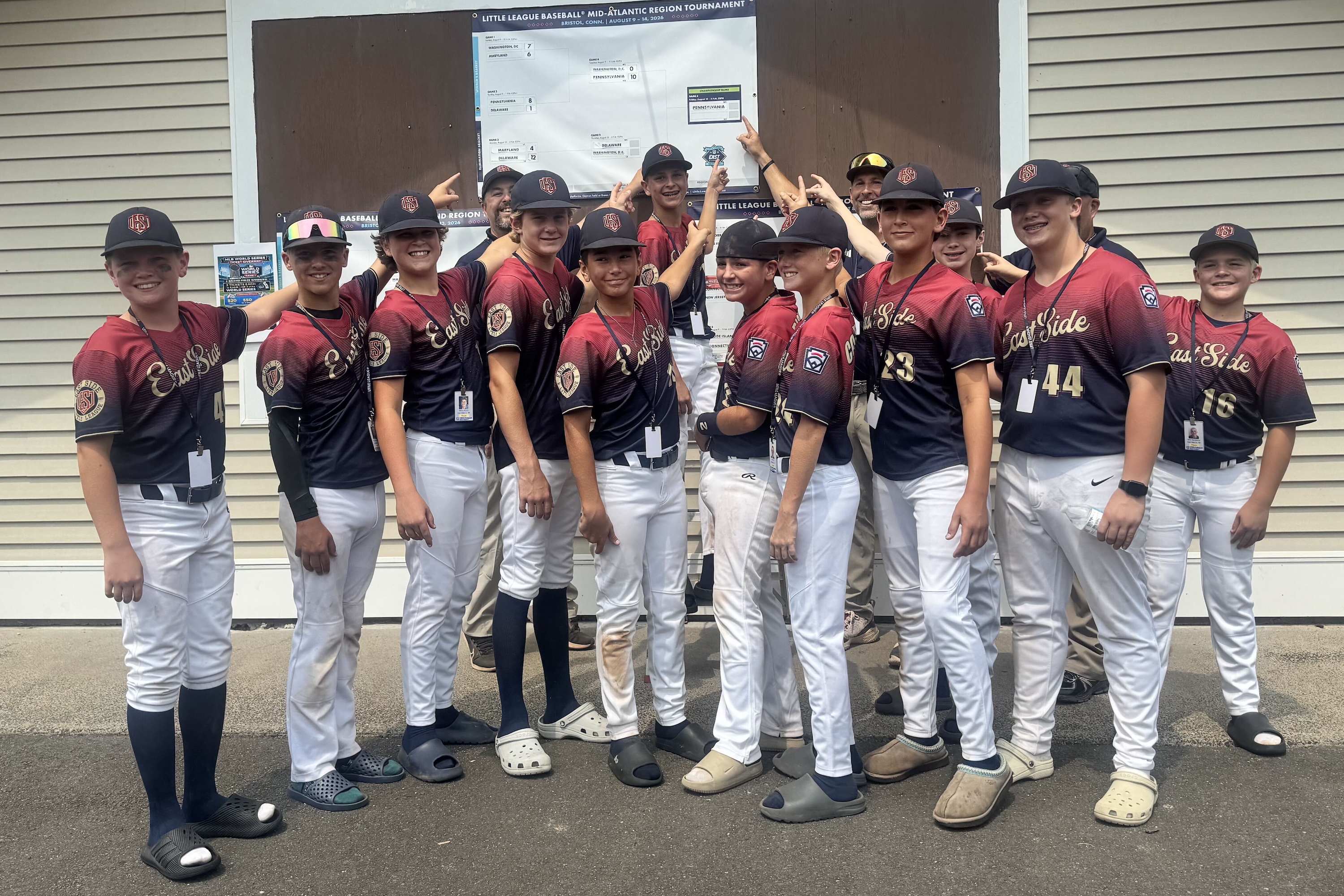
    The men’s classic will be held at Xfinity Mobile Arena for the fourth consecutive year on Dec 5. Meanwhile, the women’s classic will come to the Palestra on Dec 6.

    The choice of Palestra for the women’s classic coincides with the 100-year anniversary of the storied arena. The event was held at Villanova’s Finneran Pavilion for its first two years.

    Along with the women’s Big 5 Classic, Penn is hosting an expanded Cathedral Classic during Thanksgiving weekend and the men’s and women’s Ivy League tournaments this season.

    Both the men’s and women’s Big 5 Classic will feature the city’s six Division I programs playing in a triple-header. Seeding will be once again be determined by the teams’ performance in pod play. Each pod game will take place at the schools’ on-campus arenas in a round-robin format.

    For both the men and women, the teams that make up each pod are the same. Pod 1 will feature Drexel, Penn, and Saint Joseph’s while Pod 2 will consist of La Salle, Temple, and Villanova.

    St. Joe’s and Villanova’s men’s teams are separated for a second year in a row. The Hawks won the first two iterations of the Big 5 Classic, while Villanova enters its season as the defending champions after it trounced Penn, 90-63.

    In the women’s championship, the Wildcats also came out on top, defeating St. Joe’s 76-70.

  • Justice Dept. targets another Philly ‘ICE Out’ ordinance after a court win on masking ban

    Justice Dept. targets another Philly ‘ICE Out’ ordinance after a court win on masking ban

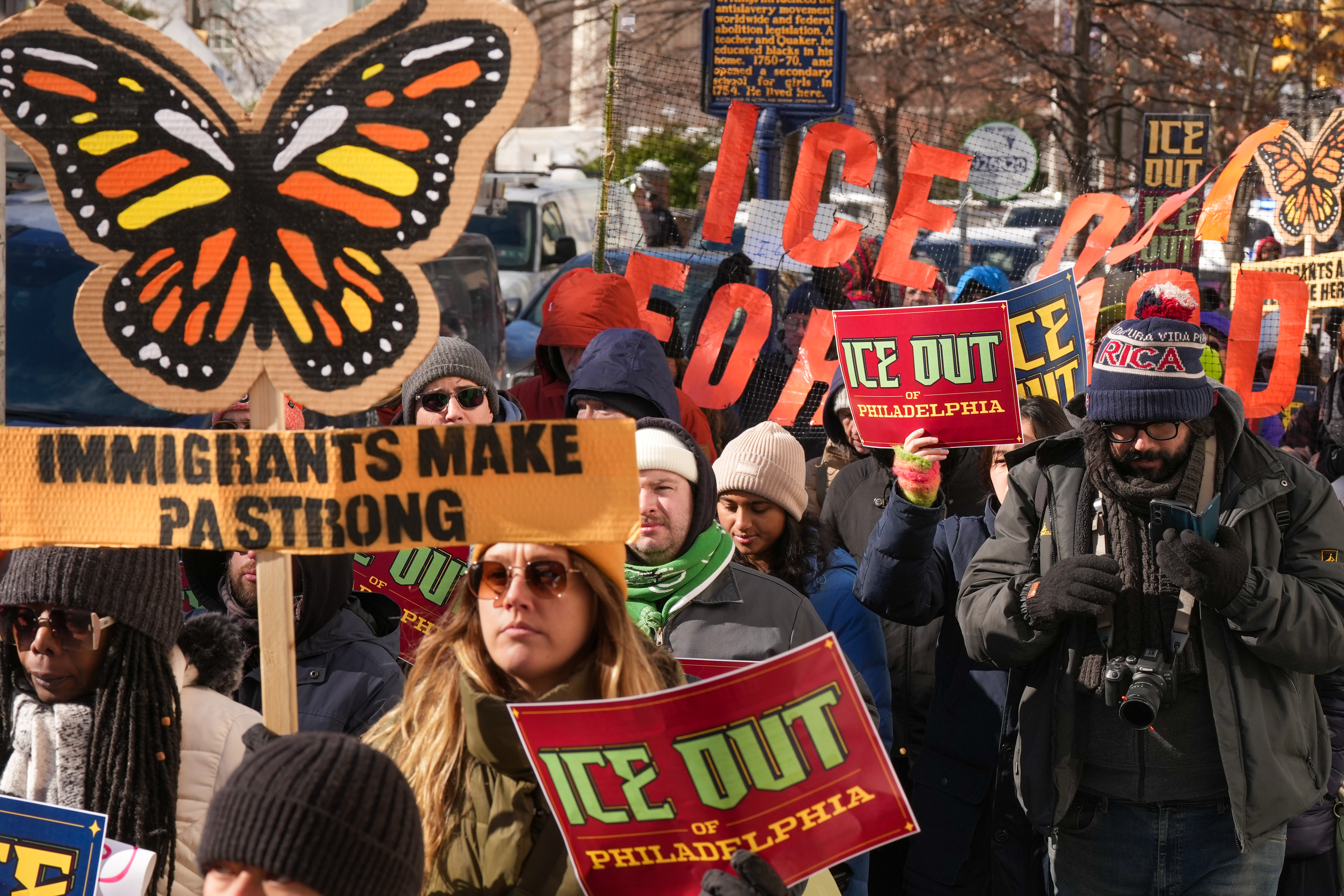
    When President Donald Trump’s administration sued Philadelphia over one of seven new local restrictions on U.S. Immigration and Customs Enforcement — a ban on law enforcement officers from wearing masks or concealing their identity — the federal lawsuit included a footnote.

    “The United States has grave concerns over the constitutionality of other parts of the Bill as well as other components of the ‘ICE Out’ legislation and reserves the right to bring additional challenges in the future,” the June complaint said.

    The U.S. Department of Justice did so Monday evening, expanding its lawsuit to challenge a second ordinance.

    The “ICE Out” legislation package that took effect July 6 codified the city’s long-standing practice of not honoring immigration detainers, which are requests by ICE that a local law enforcement agency keep a person in custody long enough to be handed over to federal agents.

    The ordinance makes it illegal for a city agency or employee to comply with a detainer by keeping people otherwise eligible for release in custody because of an immigration detainer, an administrative warrant, or suspicion that they violated immigration law.

    The ordinance imposes a “blanket refusal” by the city to cooperate with the federal government, the suit says, and amounts to a “standing assurance that the federal handoff Congress built into federal immigration law will never happen within Philadelphia, whatever the circumstances.”

    The amended complaint does not mention Philadelphia’s history of not cooperating with ICE jail detainers. But with the local law, the city “foreclosed” the prospect of using the mechanism to deport people who were arrested, the suit says.

    Since the ordinance took effect, ICE’s Enforcement and Removal Operations office in Philadelphia sent the city 26 detainers, the suit says. Fifteen were not honored and the city released the people from custody, the complaint says, while the subjects of the remaining 11 are incarcerated and the detainers remain active.

    The detainers were for people arrested for crimes that include violent assaults, harassment, and drug distribution.

    “Without these detainers being honored, ICE was only able to arrest a fraction of the aliens, with the remaining criminals ending up at-large,” the suit says.

    A spokesperson for the city’s law department declined to comment. District Attorney Larry Krasner, who is also named as a defendant, did not respond to a request for comment.

    The Justice Department beefed up its lawsuit nearly two months after a judge ruled Philadelphia could not enforce a ban on law enforcement agents concealing their identity or using an unmarked vehicle, with some exceptions, finding it was an unconstitutional attempt by a city to regulate how federal agencies operate.

    Mayor Cherelle L. Parker allowed the mask bill to become law without her signature in May, following the advice of City Solicitor Renee Garcia that signing the bill “would send an inaccurate signal to the public that the Administration can legally or practically enforce” its provisions.

    Parker signed the ban on honoring immigration detainers.

    The case against the mask ordinance also benefited from a ruling by the U.S. Court of Appeals for the Ninth Circuit that a California bill requiring agents to “visibly display identification” was unconstitutional.

    But courts so far have been unconvinced that the federal government can force cooperation with ICE.

    For example, last year a federal judge in Illinois dismissed a Justice Department lawsuit challenging Cook County and Chicago’s sanctuary city policies that included a ban on honoring immigration detainers.

    Detainers offer localities and states “the opportunity to assist in civil immigration enforcement,” U.S. District Judge Lindsay C. Jenkins wrote. But policies that ban honoring these requests “don’t make ICE’s job more difficult; they just don’t make it easier,” the Joe Biden appointee said.

    And last month, Eric C. Tostrud, the Trump-appointed chief judge of the federal district court in Minnesota, issued a similar ruling finding that immigration detainers were requests, not mandates.

  • Pennsylvania attorney general sues Snapchat over addictive features

    Pennsylvania attorney general sues Snapchat over addictive features

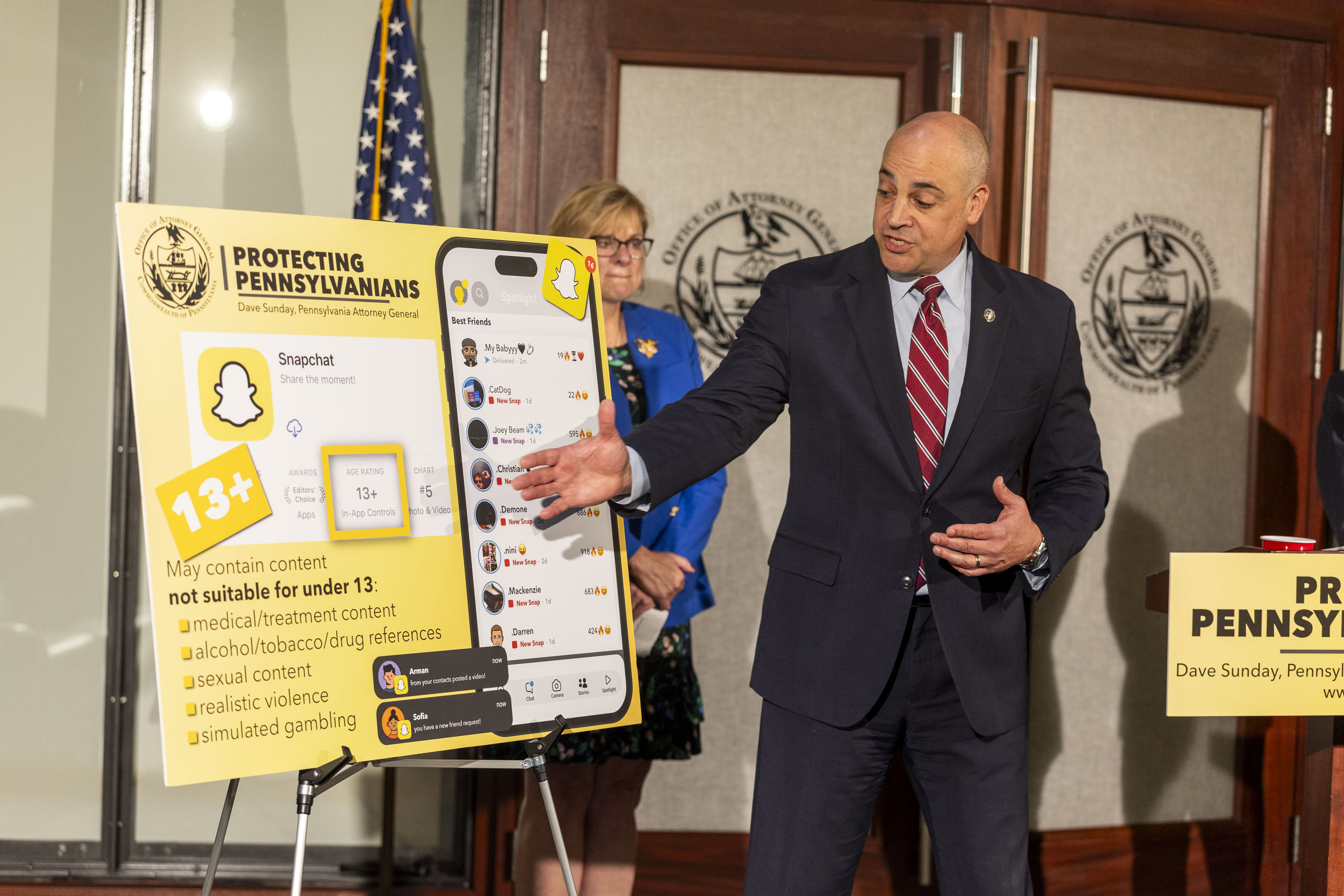
    Pennsylvania Attorney General David Sunday is suing Snapchat’s parent company for allegedly failing to protect children from addiction.

    This comes after he announced a lawsuit against TikTok over the same issue earlier this month.

    “Both of these actions reflect my priority as attorney general to protect our young people from tech giants who are choosing growth at all costs over the mental wellness of its users,” Sunday said Tuesday at a news conference in Philadelphia.

    The suit alleges that Snap Inc., owner-operator of Snapchat, does not properly warn users of the addictiveness of its features and does not protect children properly from compulsive use.

    “The allegations against Snap fundamentally misrepresent our platform and our approach to teen safety,” a Snap spokesperson said in a statement. “We share the Attorney General’s commitment to protecting young people online and are disappointed they have chosen litigation rather than working with us toward that shared goal.”

    The complaint, which Sunday’s office filed this week in Common Pleas Court in Philadelphia, asks the company to take steps to protect children from becoming addicted. It cites the SnapStreak feature and the ephemeral nature of the content as examples of ways the app hooks teens specifically.

    “To a 13-, 14-, 15-year-old, social acceptance is everything,” Sunday said. “The streak feature puts a tangible value on friendships and influences a child’s feelings of self-worth.”

    The app sends an implicit message that the more a child is on the app, the more friends they will have and the more socially accepted they will be, Sunday said.

    “That exploits the fear-of-missing-out culture to the absolute extreme,” he said.

    It also alleges that Snapchat improperly promotes how frequently adult-themed material — including sexual content and nudity, suicidal ideation, and drug use — appears on the platform to achieve an age-13-plus app rating in app stores.

    Through this litigation, Sunday said, he hopes to see Snapchat required to provide a more honest depiction of its content to app stores so it can be marked with a more mature rating, and to change its algorithm to be less addictive.

    Montgomery County similarly sued some of the nation’s largest social media companies, including Snapchat’s and TikTok’s parent companies, in a federal court in Northern California earlier this month.

  • Lincoln University just sued Lower Oxford Township in federal court over event rules it says are unconstitutional and racially discriminatory

    Lincoln University just sued Lower Oxford Township in federal court over event rules it says are unconstitutional and racially discriminatory

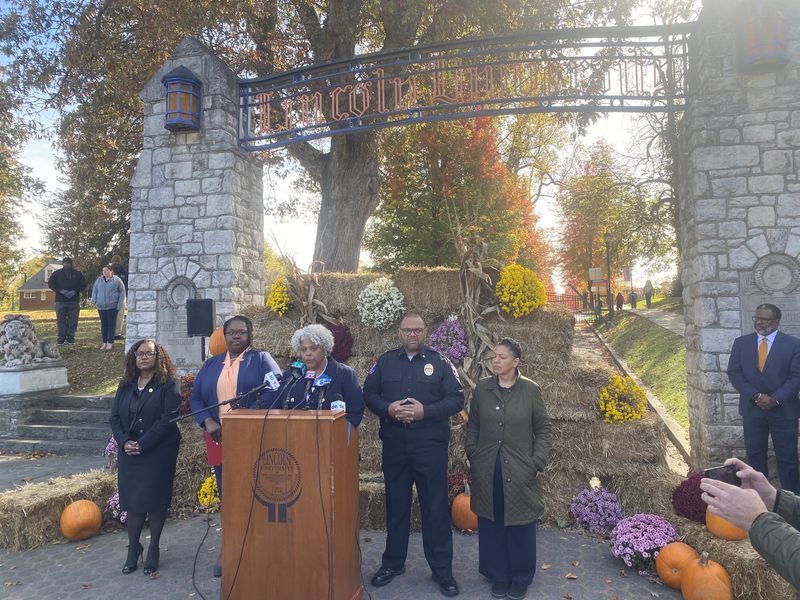
    An event ordinance passed earlier this month by Lower Oxford Township unfairly targets Lincoln University and is unconstitutional and racially discriminatory, the historically Black school said in a federal lawsuit filed Tuesday.

    “The ordinance’s disparate negative impact on the Lincoln University community is the result of deliberate racial gerrymandering — or other illicit gerrymandering — by the Defendants,” the school’s lawyers argued in the complaint, filed in the U.S. District Court for the Eastern District.

    The suit notes that the township’s three supervisors are white and that the population of the township nestled in farm fields with about 5,000 residents is “overwhelmingly white” except for Lincoln’s community.

    The ordinance seeks to regulate events with more than 500 people, requires a permitting process, allows the township to revoke permits without a hearing for a violation, and threatens to prohibit an entity from applying for another permit for two years if a violation occurs. In the permit request, applicants will be asked to address security, parking and traffic impact, number of attendees, planned activities, and other elements. Violations will result in fines of up to $1,000, the ordinance states.

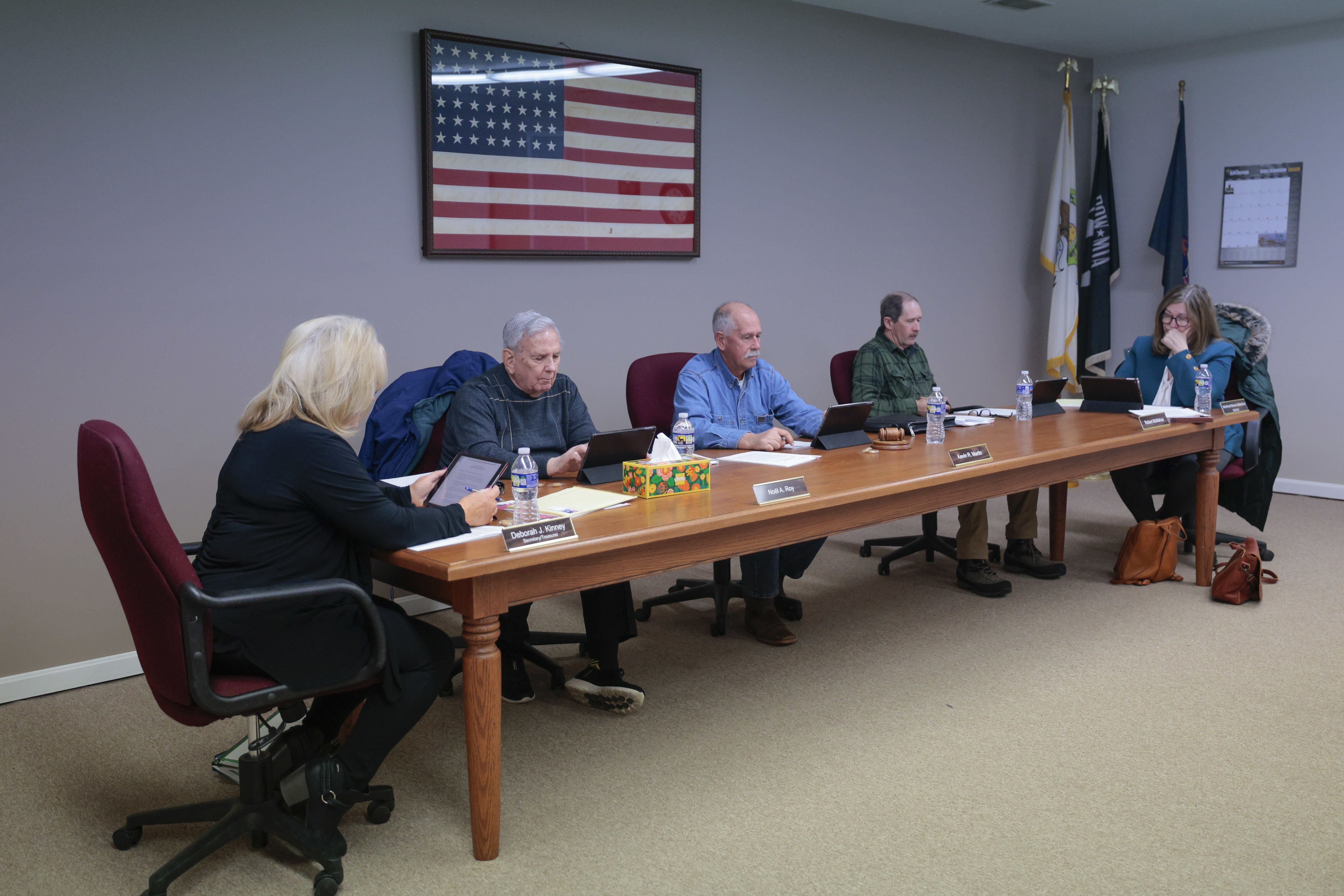
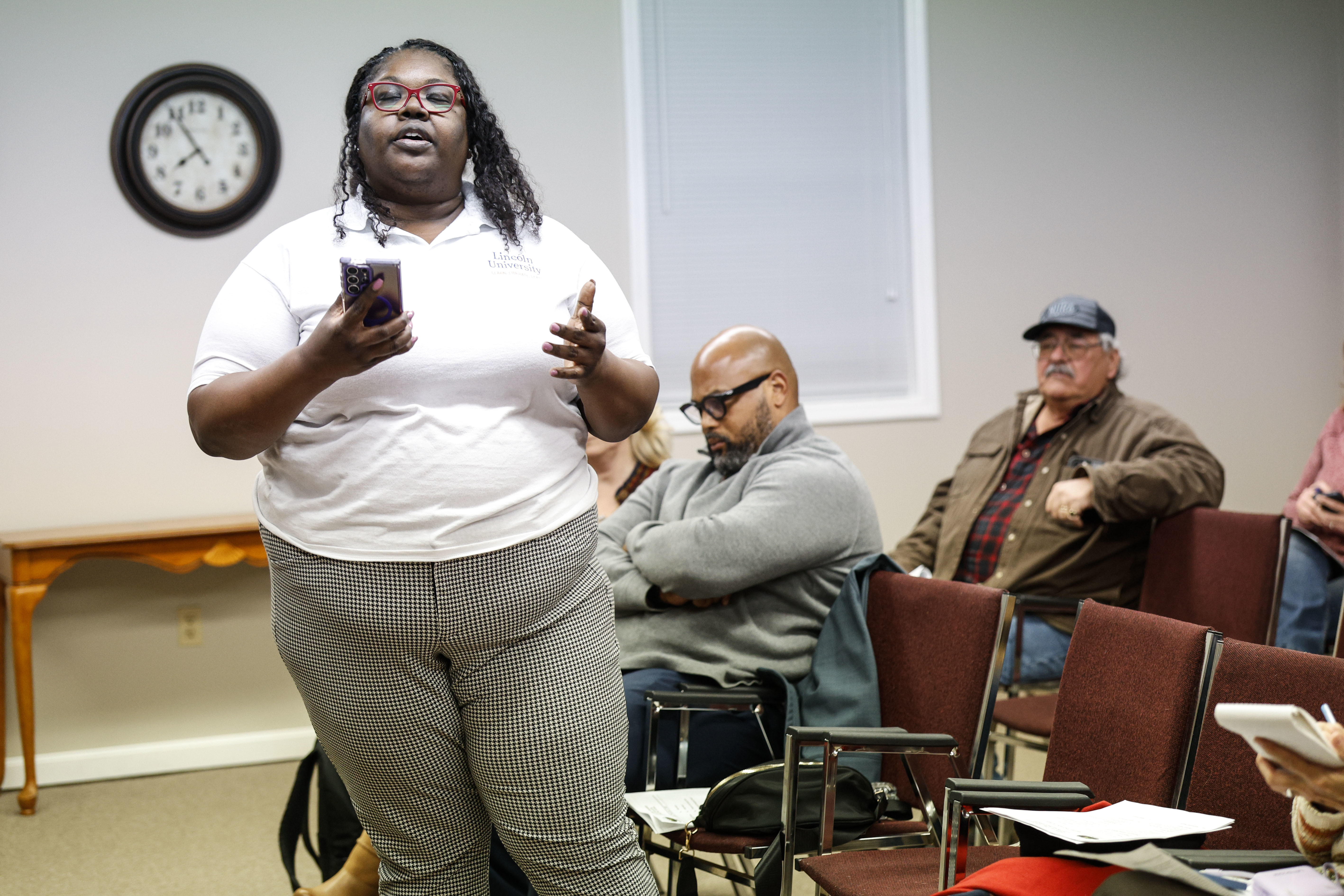
    Lower Oxford Township supervisors meet and discuss a potential event ordinance to address problems with large events held on Lincoln University’s campus, Monday, Dec. 8, 2025.Steven M. Falk / For The Inquirer

    The rural Chester County township began looking at enacting the ordinance following the shooting last October of seven people, one of whom died, on Lincoln’s campus during homecoming festivities. Township officials also had cited ongoing concerns about traffic, trash on neighbors’ lawns, and other disturbances, including crimes, during large events on the 422-acre campus, where 1,650 students are enrolled. The township previously had passed a parking ordinance in response to access issues created during large events at Lincoln.

    Deborah Kinney, township secretary/treasurer and codes enforcement officer, said Tuesday she had not been aware of the lawsuit until The Inquirer called. She declined immediate comment.

    Lincoln president Brenda A. Allen said the university is seeking to stop the township from depriving members of its community of their First Amendment rights to free speech, freedom of assembly, and freedom of religion. The ordinance, she said, is attempting to restrict the university from events that are essential to its academic mission.

    “Lower Oxford Township’s ordinance is a targeted, unconstitutional overreach that threatens the hallowed traditions ingrained in the university’s foundation,” Allen said in a statement Tuesday. “Lincoln University will remain on the front lines of protecting, defending, and advancing our community as we take this matter seriously.”

    In its ordinance, the township states that “activities associated with special events can constitute a hazard to the public’s health, safety and welfare and that these activities can also create a public nuisance when unregulated.”

    Venus Boston, Lincoln general counsel, speaks to the Lower Oxford Township supervisors in December 2025 as they discuss a potential event ordinance to address issues with large events held on Lincoln University’s campus, Monday, Dec. 8, 2025.Steven M. Falk / For The Inquirer

    The township’s supervisors, the ordinance states, have “determined that the impact of special events that involve large numbers of attendees on roads and other infrastructure within the Township represents both a traffic hazard and an impediment to the delivery of emergency services to residents of the Township and therefore constitutes a nuisance.”

    The shootings that spurred the township to begin considering an ordinance occurred Oct. 25, when thousands gathered on campus for Lincoln’s homecoming. Emergency personnel had to use all-terrain vehicles to transport patients on stretchers because ambulances could not access the campus, given how many cars were parked around the venue, township officials said at the time.

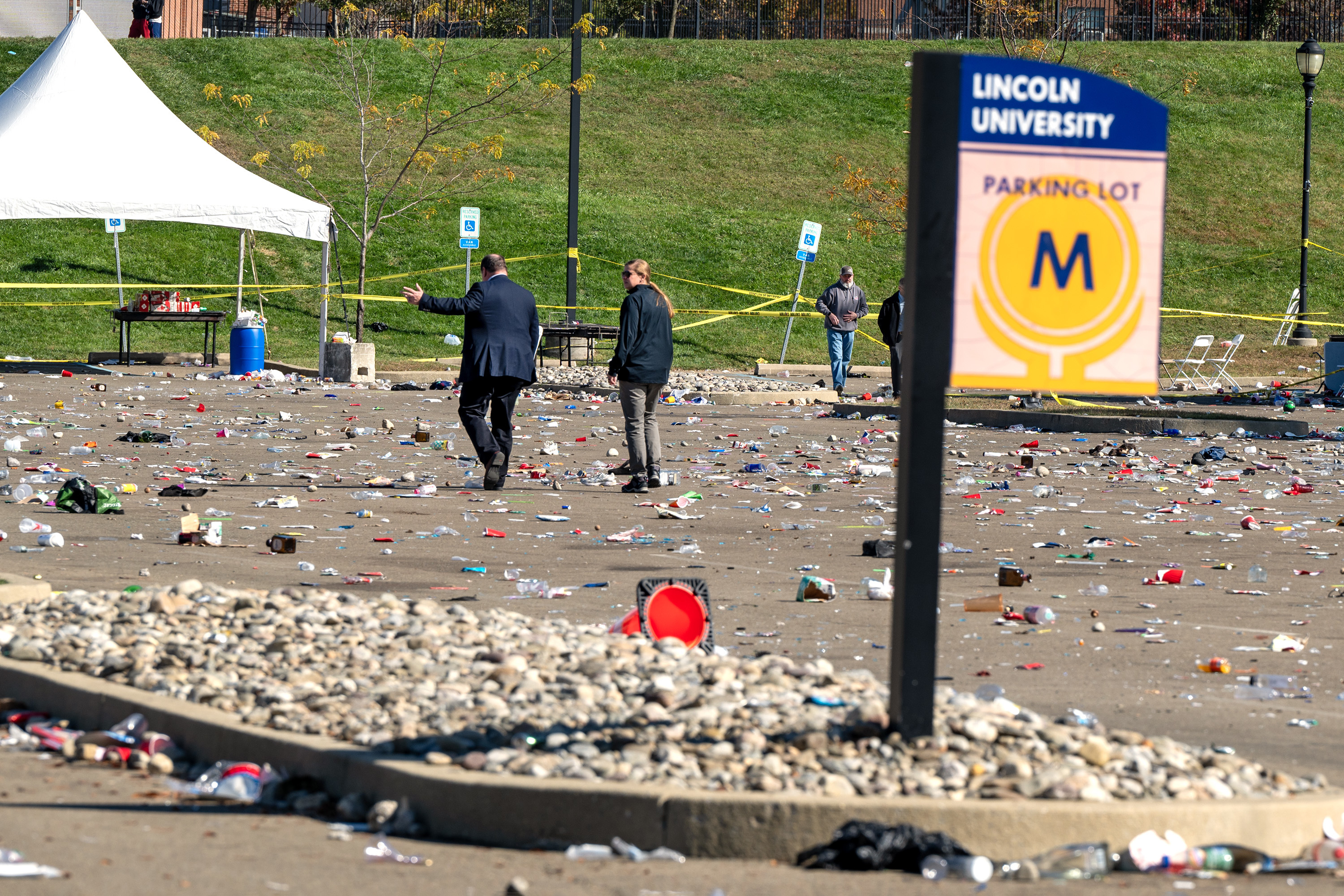
    Investigators are on the scene outside Lincoln University’s International Cultural Center Sunday, Oct. 26, 2025, where one person was killed and several others were shot the night before during homecoming weekend celebrations.Tom Gralish / Staff Photographer

    While the ordinance applies to other township events, the school’s lawyers argue that it targets Lincoln and specifically names examples of special events subject to regulation as “College homecoming or other similar events, college, university or school commencement, graduation or baccalaureate.”

    “It was enacted by the township with the deliberate purpose and with the calculated effect of targeting Lincoln,” the school’s lawyers argued. “Specifically, the ordinance was enacted to interfere with Lincoln’s academic mission and with the speech and other academic activities of the Individual Plaintiffs and their academic colleagues.”

    The ordinance targets events with over 500 people “with the knowledge that the Lincoln University community is at all times several times in excess of that threshold” and “with the knowledge that very few — if any — of the events outside of Lincoln would exceed that threshold,” the lawyers said.

    The ordinance, the school’s lawyers argued, violates Lincoln’s constitutional rights by imposing restrictions on its speech and “its ability to serve as a marketplace of ideas.” The ordinance also violates the First Amendment right to assembly because it treats events of more than 500 people as a nuisance, the lawyers said. And the lawyers said it infringes on religious freedom by naming baccalaureates, which they said “in general — and baccalaureates at Lincoln in particular — are religious services.”

    They objected, too, that the township has sole discretion over whether an event is subject to the ordinance and over whether it should be permitted, and that no objective standards exist. And they disputed the township’s intention to require event holders to have liability insurance subject to approval by the township solicitor.

    “The ordinance also makes the sponsor of a special event liable for actions of people over whom it has no control,” the school’s lawyers argued.

    The ordinance states that the sponsor “shall be responsible to the township for damages sustained to township property caused by participants in the special event.”

    Founded in 1854, Lincoln is known as the first degree-granting historically Black university in the nation. The first presidents of both Nigeria and Ghana are Lincoln graduates, as are Philadelphia Mayor Cherelle L. Parker, former U.S. Supreme Court Justice Thurgood Marshall, and poet Langston Hughes.

    The school has received $45 million in gifts from philanthropist MacKenzie Scott, the ex-wife of Jeff Bezos. Allen, Lincoln’s president, who in 2020 had survived an internal battle to oust her and had her contract extended to 2030, was named a top leader of a historically Black college by a national nonprofit in 2021.

    Township officials had been expressing concerns about events at Lincoln for a while before the homecoming shootings brought renewed attention.

    In spring 2023, two women were shot and injured on Lincoln’s campus during its annual Spring Fling event. In 2022, a student was fatally stabbed by the sister of a student during a fight inside a dorm. During an on-campus dance in 2018, 15 students were taken to the hospital following a brawl in which a security officer was assaulted. In 2016, there was a robbery and shooting on Lincoln’s campus following homecoming. And in 2015, Lincoln tightened security after shots were fired in a dorm.

    At the homecoming last October, Ju’Juan Jeffers, 20, of Wilmington, was killed, and six others, ages 20 to 25, including a student, were also shot. Jeffers’ mother subsequently filed a lawsuit against the school, and three Wilmington men — William Sells, 20; Makaveli Valera, 19; and Karon Rollins, 17 — were charged with second-degree murder, conspiracy, and related crimes in connection with the shootings.

    “We have had meetings with people at Lincoln,” Township Supervisor Noel Roy said last December. “They’ve been somewhat reluctant to do what needs to be done to try and control the situation.”

    Allen at that time acknowledged that changes were needed around large events as well as better collaboration with the township.

    “We want to come together because we are a part of this community as well,” Venus Boston, Lincoln’s general counsel, said during a supervisors meeting last December.

    Before its Spring Fling in April, the university announced new safety plans for large events, including no outdoor events after dusk, screening guests, and allowing only one registered guest per student.

  • Judge rejects Philly Sheriff Rochelle Bilal’s last-minute attempt to avoid court testimony

    Judge rejects Philly Sheriff Rochelle Bilal’s last-minute attempt to avoid court testimony

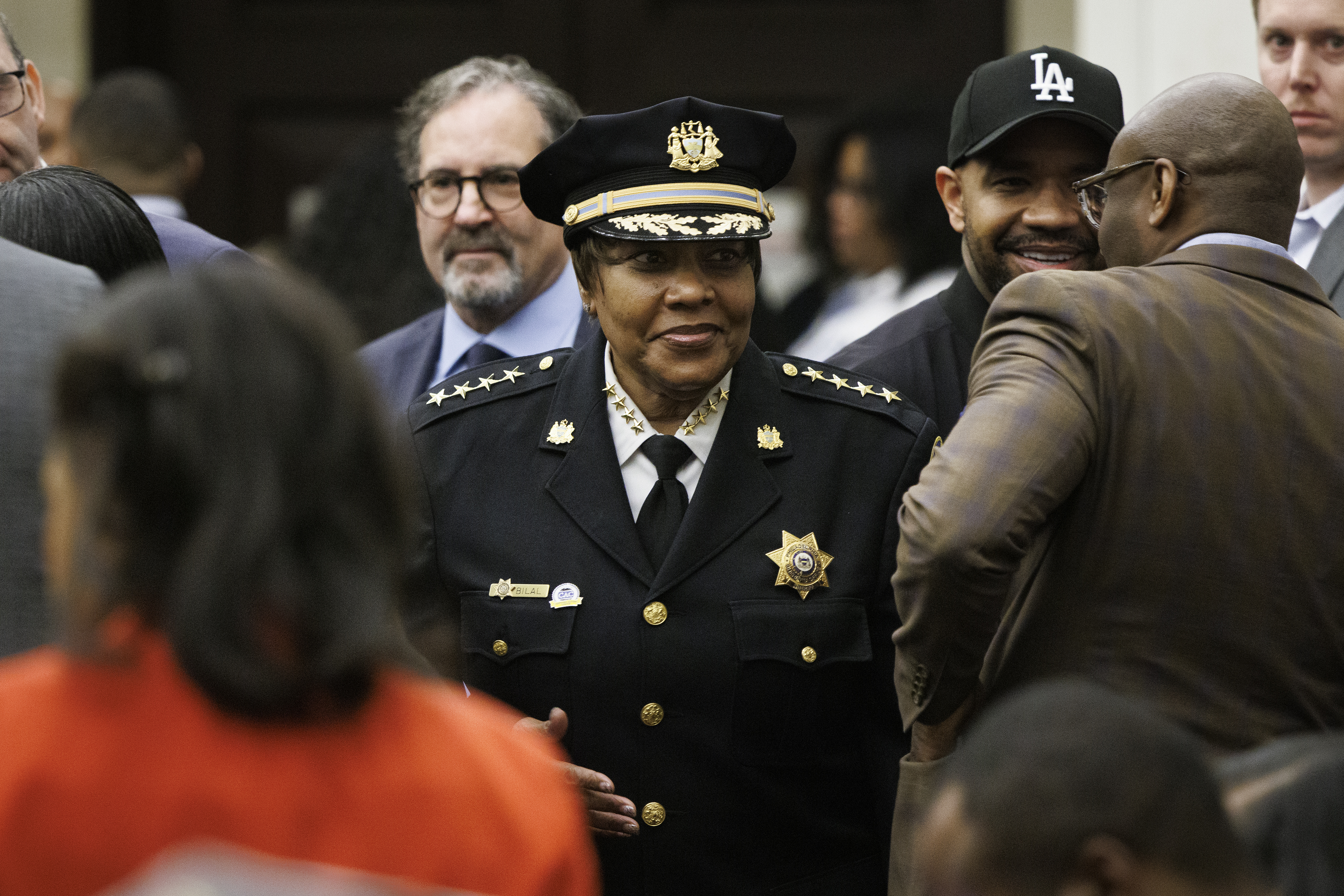
    Philadelphia Sheriff Rochelle Bilal made an unsuccessful, last-ditch attempt to avoid facing a city judge about major problems in her office, arguing through an attorney that she has “limited personal knowledge” of the real estate transactions she oversees.

    Jonathan Rardin, a lawyer the city retained to represent Bilal, wrote in a motion filed Friday afternoon that the embattled sheriff should not have to testify before Common Pleas Court Judge Paula Patrick at Wednesday’s hearing on sheriff sales because it would involve “matters outside her unique personal knowledge.”

    On Tuesday morning, Patrick rejected Bilal’s request for a protective order to shield her from testifying, writing that “Bilal and any other relevant parties shall appear” on Wednesday morning and “be expected to testify if necessary.”

    Patrick, supervisor of the court’s commerce division, scheduled the hearing in May, as winning bidders at sheriff sales continued to flood the courts with petitions seeking their deeds. As The Inquirer first reported in July 2024, Bilal’s office had not been issuing the deeds for a year or more after the auctions, leaving neglected homes unable to be renovated, rented, or resold.

    An attorney who represents real estate investors recently filed a lawsuit arguing that Bilal had breached the terms of a 2003 consent order requiring the office to issue deeds within 40 days of settlement. Patrick responded by ordering Bilal’s office to demonstrate at a public hearing that it was not in violation of the decree.

    Wednesday’s hearing will help decide whether Patrick will appoint a “special master,” a title agent, or some other third-party expert in real estate to administer sheriff sales in Philadelphia — arguably the most important function of Bilal’s office.

    Bilal’s lawyer had already successfully pushed back the hearing, which originally had been set for July 27, by arguing the sheriff had an unavoidable scheduling conflict due to “a previously scheduled vacation.” That request to delay the hearing did not mention that Bilal hoped to completely avoid testifying, and at the time, Rardin wrote that her “presence in this matter is necessary.”

    Yet last week’s motion argued instead that the sheriff’s knowledge is “limited to the information provided to her by her staff” and that she should not have to personally testify at all.

    “Requiring Sheriff Bilal to appear and testify regarding events and administrative practices that are not within her unique personal knowledge would impose an unreasonable burden and oppression” under the state’s rules of civil procedure “and would divert a high public official from the discharge of her official duties …,” Rardin wrote.

    Daniel Bernheim, the lawyer for a property group whose March lawsuit triggered Patrick’s court order, said Monday evening that Bilal’s attempt to avoid testimony was a “disappointing response by an elected official.” On Tuesday, Bernheim — himself an elected commissioner in Lower Merion Township — filed a response to her motion that sought to force Bilal to testify in court.

    “[T]he sheriff seeks to avoid answering questions based upon a series of cases which have no relevance whatsoever with the present proceedings and a claim of immunity from testifying which does not exist,” Bernheim wrote.

    In April, Bilal claimed at a City Council budget hearing that most post-auction delays had been resolved. She blamed any ongoing delays in issuing deeds on buyers who did not submit required forms or fees.

    But after Patrick filed her court order in May, Bilal’s office within 48 hours processed 277 deeds, some attached to auctions that had taken place more than a year ago. The office filed more paperwork in two days than it had in the prior three months.

  • Uncle Giuseppe’s, a gourmet Italian grocer, is coming to King of Prussia and Moorestown

    Uncle Giuseppe’s, a gourmet Italian grocer, is coming to King of Prussia and Moorestown

    Uncle Giuseppe’s Marketplace, a New York-based chain of high-end Italian supermarkets, is expanding into the Philadelphia area.

    The company recently announced plans to open stores in King of Prussia and Moorestown in late 2027.

    The King of Prussia market, the chain’s first Pennsylvania location, is set to open at 320 W. DeKalb Pike, the site of the closed Hobby Lobby in the DeKalb Plaza shopping center.

    The Moorestown store, the first in South Jersey, will be located at 1311 Nixon Dr., replacing the Barnes & Noble and PetSmart in the East Gate Square complex.

    Each of the new locations will be about 58,000 square feet.

    The inside of a recently opened Uncle Giuseppe’s Marketplace in New York.Courtesy Uncle Giuseppe's Marketplace

    “King of Prussia and Moorestown are two markets we’ve been looking at for some time,” Carl DelPrete, CEO and cofounder of Uncle Giuseppe’s Marketplace, said in a statement. “We look for communities where we believe our stores will be a good fit and where customers are looking for fresh, quality food and good service.”

    Founded on Long Island in 2001, Uncle Giuseppe’s now operates 13 locations in New York and North Jersey.

    Every store sells made-in-house mozzarella, homemade pasta, prepared foods, fresh produce, specialty cheeses, imported Italian products, natural and organic items, and more traditional groceries. Each market also has full-service meat and seafood departments, an Italian deli, a scratch bakery, and a catering department.

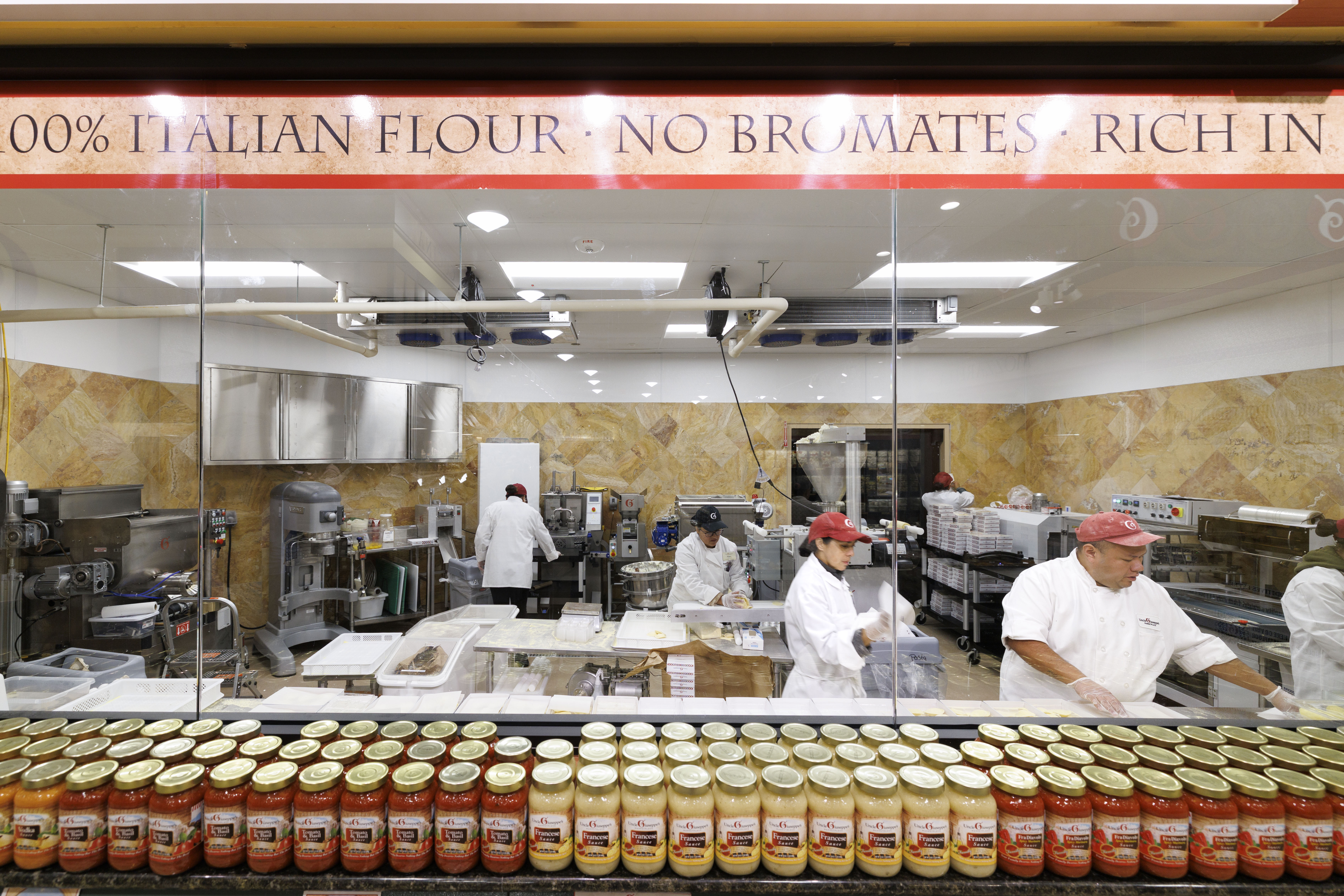
    Customers can watch workers make pasta at a recently opened Uncle Giuseppe’s Marketplace in New York.Courtesy Uncle Giuseppe's Marketplace

    Company executives call shopping at Uncle Giuseppe’s an experience, one in which customers can watch pasta, mozzarella, and bread being made and see meats being cut to order.

    The company is expanding as some other chain grocers contract — and some consumers cut back due to higher prices.

    Earlier this year, Amazon closed all of its brick-and-mortar Amazon Fresh stores, including six in the Philadelphia region, and Grocery Outlet bargain market closed dozens of stores nationwide, including eight in the Philadelphia area.

    Gourmet grocers have not been spared. Di Bruno Bros., the Philly-based Italian-food retailer, closed three of its five locations this winter, two years after being acquired by Wakefern Food Corp., the North Jersey-based supermarket cooperative that operates ShopRite.

    Despite industry uncertainty, Uncle Giuseppe’s is not the only grocer expanding. Sprouts, the organic supermarket chain, is adding stores, too, including in Havertown, Limerick, and Washington Township.

    The Washington Township outpost will be up and running Sept. 11, with the Limerick store to follow Oct. 2. The Havertown location is set to open in early 2027.

    Opening dates, store hours, and other information about Uncle Giuseppe’s new stores will be announced next year, company executives said.

  • Penn State ‘White Out’ game scheduled for Oct. 10 against Southern Cal

    Penn State ‘White Out’ game scheduled for Oct. 10 against Southern Cal

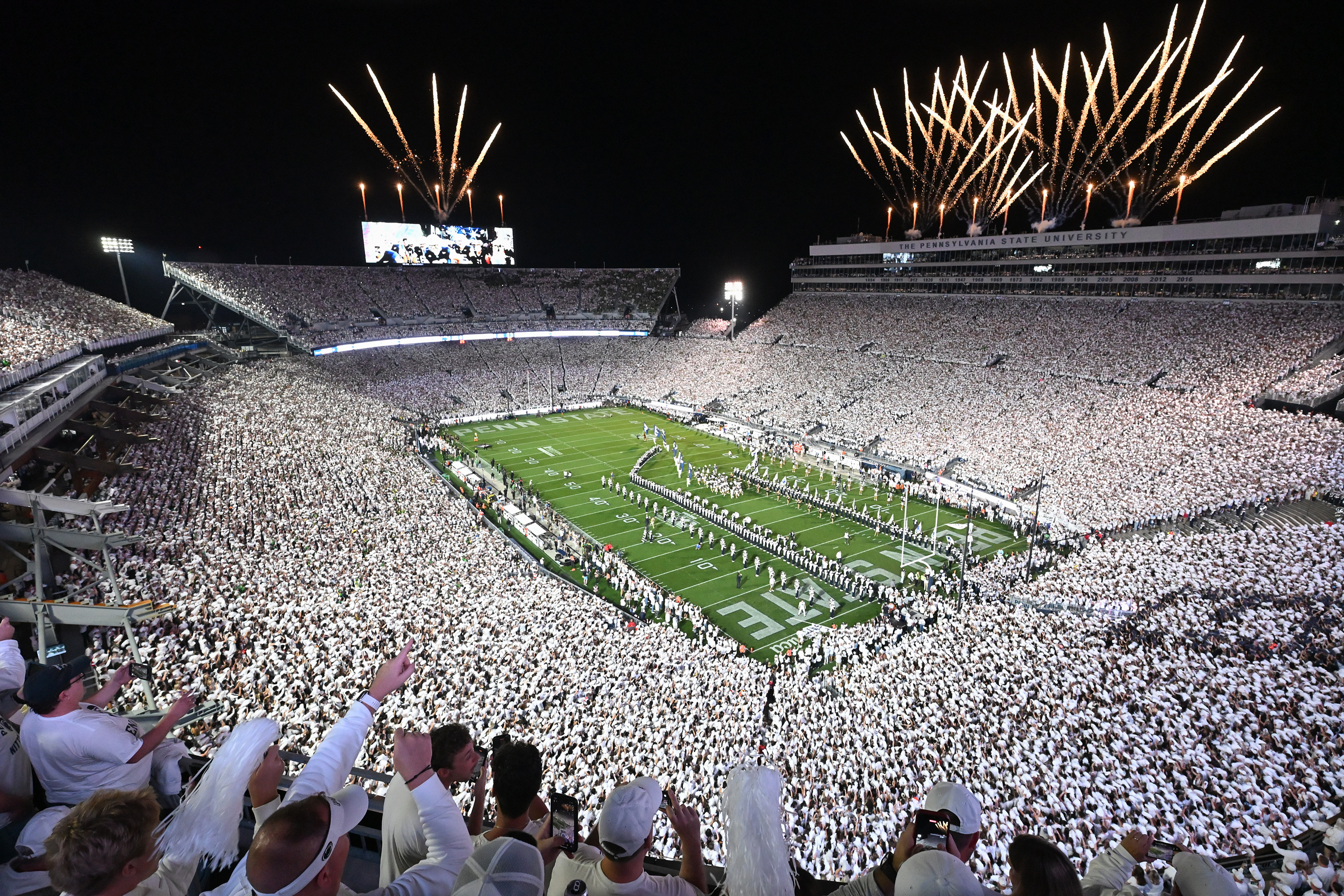
    One of college football’s best atmospheres has an official date.

    Led by new head coach Matt Campbell, Penn State will host its iconic “White Out” game against Southern California on Oct. 10, the program announced on Tuesday. Kickoff is set for 7:30 p.m. (NBC10, Peacock).

    The tradition started in 2004 with just the Penn State student section and expanded to the entire stadium in 2007. This will be the 19th year with a full “White Out” in Happy Valley.

    Last season, the Nittany Lions lost to Oregon during the “White Out” game in overtime, which set off a string of six straight losses and included the firing of longtime head coach James Franklin. Last year’s loss also ended a six-game winning streak in the annual game, dating back to 2019.

    This matchup will also mark the first time Penn State will host USC in Beaver Stadium since the Trojans joined the Big Ten ahead of the 2024 season. Their only meeting as conference foes came in 2024, when the Nittany Lions overcame a 14-point halftime deficit to win in overtime, 33-30. Overall, USC holds a 6-5 advantage in all-time meetings between the two programs.

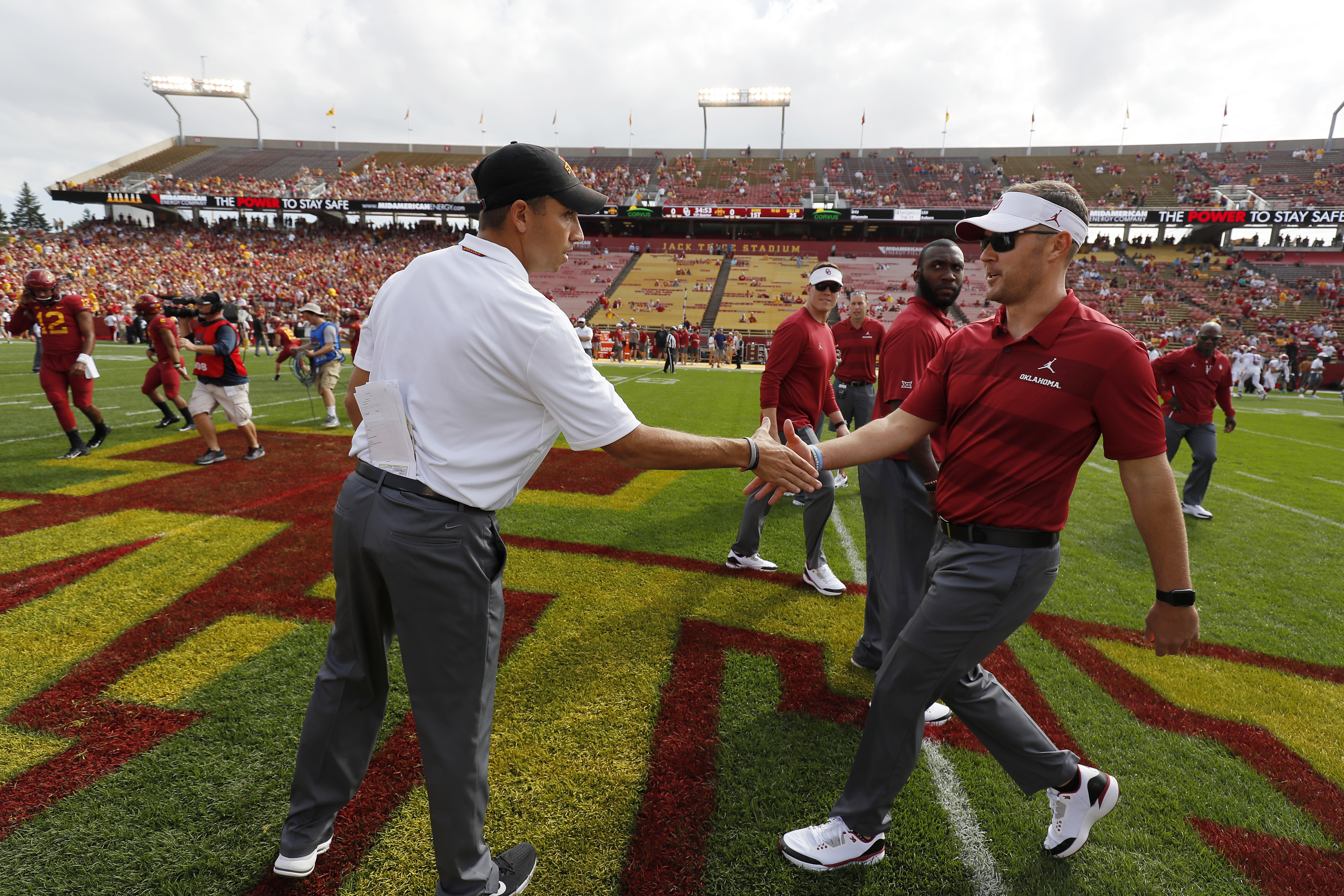
    Iowa State head coach Matt Campbell, left, meets with Oklahoma head coach Lincoln Riley, right, before an NCAA college football game, Saturday, Sept. 15, 2018, in Ames, Iowa. (AP Photo/Matthew Putney)Matthew Putney

    Campbell and Lincoln Riley will face off as head coaches for the first time since 2021, when the former was at Iowa State and the latter was with Oklahoma. Riley’s Sooners held a 4-2 advantage over Campbell’s Cyclones, including a Big 12 championship game win in 2020.

    Before Penn State hosts USC for the White Out game, it will face Marshall (Sept. 5) at home, travel to Lincoln Financial Field for a noon kickoff against Temple (Sept. 12), and host Buffalo (Sept. 19). Then, Big Ten Conference play begins with the opener against Wisconsin (Sept. 26) before traveling to Northwestern’s new Ryan Field for a Friday night in Evanston, Ill. (Oct. 2).

  • Amtrak to expand daily service between Pittsburgh and New York before Thanksgiving

    Amtrak to expand daily service between Pittsburgh and New York before Thanksgiving

    A second daily Amtrak passenger train between New York’s Penn Station and Pittsburgh will begin operating in mid-November, after an $80 million state investment in track and safety upgrades, the Pennsylvania Department of Transportation announced Monday.

    Bringing another Pennsylvanian train into service will double travel options for people traveling east-west between the state’s two largest cities; it also will provide more capacity for riders to and from New York.

    The train currently has stops in Philadelphia, Harrisburg, Altoona, Johnstown, Latrobe, Greensburg, and Pittsburgh.

    “The people of Western Pennsylvania have waited a long time for more passenger rail service and my administration has chased every opportunity to get this done,” Gov. Josh Shapiro said in a statement.

    The Pennsylvanian travels the Norfolk Southern-owned Pittsburgh Line, part of a main artery for freight moving between Chicago and metropolitan New York. The freight railroad has major terminals in Toledo, Cleveland, Pittsburgh, Harrisburg, and the Lehigh Valley.

    To expand passenger rail service on the line, the Shapiro administration in 2023 obtained $143 million in federal passenger rail funding for infrastructure improvements, including crossovers, sidings, and signals. Construction continues and is scheduled to be finished by 2030.

    In fiscal year 2025, the daily round-trip Pennsylvanian carried 236,000 passengers, according to Amtrak.

    Details about schedules and booking information will be released closer to when the expanded service begins, Amtrak spokesperson Beth Toll said.

  • Pa. Democrats vow to keep fighting for mail voting after Supreme Court ruling creates uncertainty as November approaches

    Pa. Democrats vow to keep fighting for mail voting after Supreme Court ruling creates uncertainty as November approaches

    A Supreme Court decision on mail voting has created uncertainty with 70 days until critical midterm elections, but Pennsylvania Democrats are trying to reassure voters that they will have the option to cast a ballot by mail.

    More litigation over this highly watched issue is expected and further rulings could still come even after November, affecting the next presidential election.

    “We will continue to fight at every stage — including in the Supreme Court the moment they attempt to implement this — to make sure every eligible Pennsylvanian can cast their ballot by mail, free from federal interference,” said Montgomery County Commissioner Neil Makhija, a Democrat and an attorney who sits on the county’s election board.

    The procedural update, issued Monday, does not rule on the underlying legality of President Donald Trump’s March executive order that directed the U.S. Postal Service to help decide which voters should receive mail ballots but rather whether lower courts had the authority, at this stage, to block it.

    Pennsylvania was among the states suing to block the order.

    “Absolutely nothing has changed here in Pennsylvania. You can vote in person on Election Day or you can vote by mail before Nov. 3,” Democratic Gov. Josh Shapiro said Tuesday evening during a visit to the Eagles’ training camp.

    “Your vote will be counted. Your vote is safe and secure,” Shapiro said. “No matter how many times the president wants to try and undermine people’s right to vote in this commonwealth, he needs to know that he will be met with a swift rebuke from me.”

    Shapiro noted that the election is administered by the state and its counties under the Constitution.

    Revival of the debate about the availability and security of mail voting, and the temporary clearance, however, may instill doubt among voters that their ballot will be received and tabulated, Makhija said.

    “With just weeks until ballots go out, last-minute federal interference sows chaos for the voters we serve,” he said.

    Trump’s efforts to restrict mail voting, part of his long-standing grievance against the system despite repeatedly utilizing the method himself, are still working through the courts, and several experts doubt the proceedings will move fast enough to affect the November elections, when four swing districts in Pennsylvania could help determine control of the U.S. House.

    “Whatever may ultimately happen in this litigation, I’m pretty skeptical that anything is going to change for this November’s election,” said Ben Geffen, staff attorney at the Public Interest Law Center in Philadelphia, a nonprofit group that monitors election issues.

    States across the country will soon begin preparing applications and mailing ballots to voters.

    Pennsylvania voters, who can cast a ballot by mail for any reason, must complete an application by Oct. 27, and all ballots must be returned by Nov. 3 at 8 p.m., according to the Pennsylvania Department of State’s website.

    “Turning that battleship around in a matter of days is extremely unlikely,” Geffen said.

    A spokesperson for the Pennsylvania Department of State said the ruling does not change state law, and voters should be confident that counties will continue to ensure eligible voters can cast their ballot by mail.

    “The USPS action is not lawful, and we will continue to challenge that rule to ensure that Pennsylvania voters can have their voice heard — whether they vote in person, on demand, or by mail,” Geoff Morrow, the department spokesperson, said.

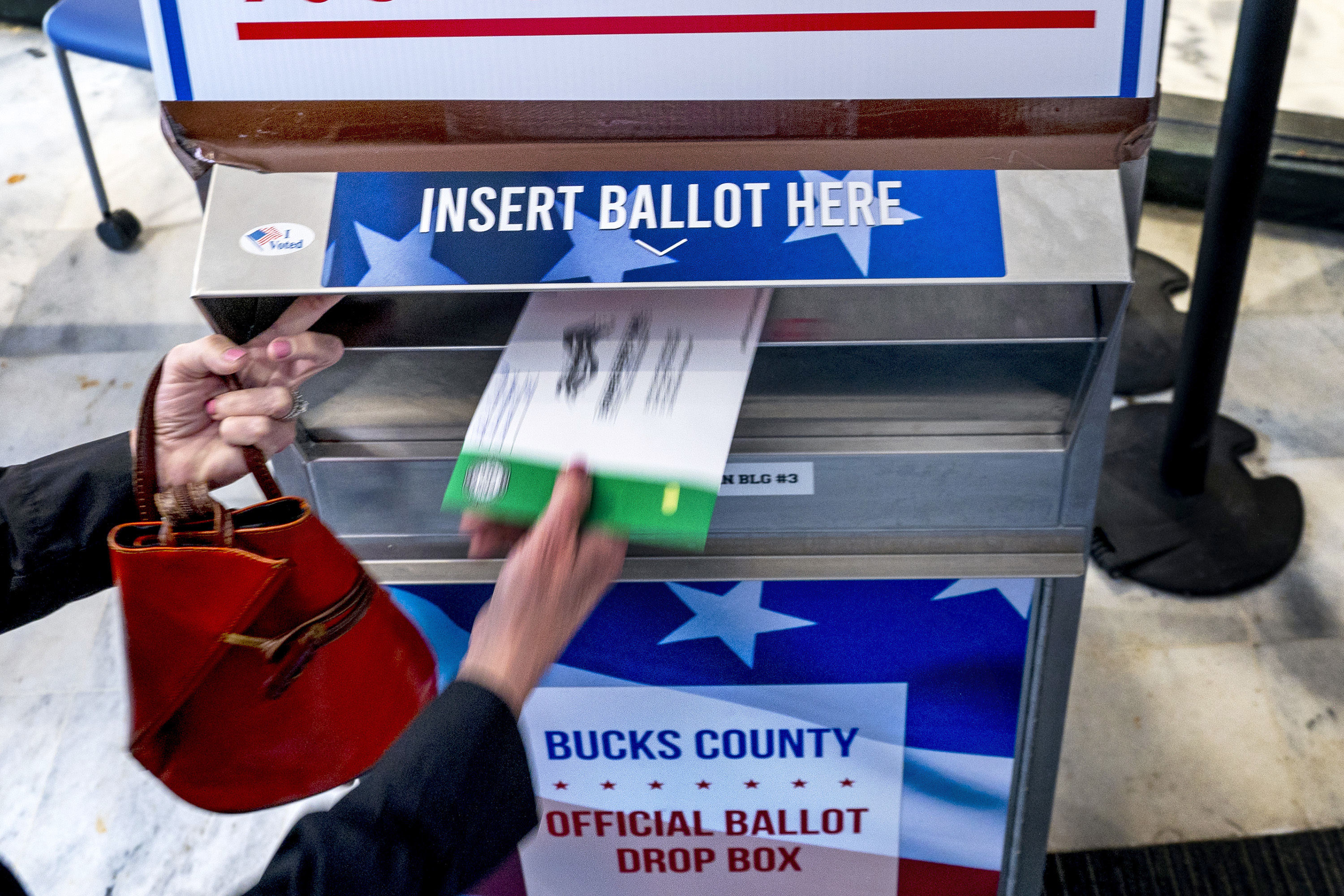
    Geffen’s advice for those concerned is to start early. Get your mail ballot application in right away, and as soon as you receive your ballot, fill it out and return it. For now, you can still send your ballot through the U.S. mail. But you can also drop it off at your county election board, and many counties offer satellite locations and drop boxes.

    If you prefer to vote in person on Election Day, go in the morning, he said.

    “You have options for how to vote, and you will get to vote. Nobody’s taking away the election, and just jump on it early,” he said.

    After Trump, through his directive, ordered the Postal Service to withhold mail ballots to individuals who are not on an approved list, which he instructed states to develop in order to prevent noncitizens from voting, Shapiro promised to protect Pennsylvanians’ right to vote by mail. In April, he used his power as governor to join other Democratic states in a lawsuit that argued the order violated states’ constitutional power to carry out elections.

    The unions representing postal employees also criticized Trump’s push to restrict mail voting as November approaches.

    A statement from the National Association of Letter Carriers, the union that represents about 200,000 postal workers throughout the country, underscored their dedication to delivering ballots reliably and securely.

    “Any insinuation that voting by mail is not safe and secure is severely misguided. Letter carriers have securely delivered ballots for decades, and there is no evidence that the existing system requires substantial changes,” NALC president Brian L. Renfroe said in the statement.

    Gwen Ivey, president of the American Postal Workers Union, Local 89, which represents between 1,300 and 1,400 U.S. clerks in Philadelphia who process mail, maintenance employees, and drivers who transport mail, also warned against inserting the Postal Service into decisions over voting.

    “The Postal Service is a public institution that serves the American people,” Ivey said Tuesday. “It should not be placed in a position of determining who is entitled to participate in elections or becoming an instrument for restricting access to the ballot boxes.”

    Trump has long railed against mail voting, referring to the ballots as “crooked” in his State of the Union address and suggesting they amount to cheating. But his 2024 victory in Pennsylvania was thanks, in part, to a higher rate of mail voting by Republicans.

    The practice is particularly useful for seniors and voters in rural areas — often with strong Republican bases — where voters may live far from their nearest polling location.

    “If you want to win, mail it in, that’s our message to our Republican voters,” then-Pennsylvania GOP chairman Lawrence Tabas said two years ago. The Pennsylvania GOP did not respond to a request for comment for this article.

    Pennsylvania Republicans have been more supportive of Trump’s SAVE America Act, an election reform proposal stalling in Congress that he insists will make voting more secure, though most election experts say new guidelines in the legislation would make it harder to vote.

    A spokesperson for Sen. Dave McCormick (R., Pa.), who has repeatedly championed the SAVE Act, did not respond to a request for comment on the court ruling.

    A separate but similarly Trump-aligned bill supported by House Republicans, including U.S. Reps. Rob Bresnahan and Ryan Mackenzie — two of the four incumbents in Pennsylvania’s competitive congressional districts — would ban universal mail voting and require mail ballots to be received, not just postmarked, by Election Day to be counted.

    Neither lawmaker immediately commented Tuesday on the Supreme Court ruling.

    This story was updated to include Gov. Josh Shapiro’s Tuesday evening comments.
  • East Side Little League falls 6-5 to Phenix City, ending its run in Williamsport

    East Side Little League falls 6-5 to Phenix City, ending its run in Williamsport

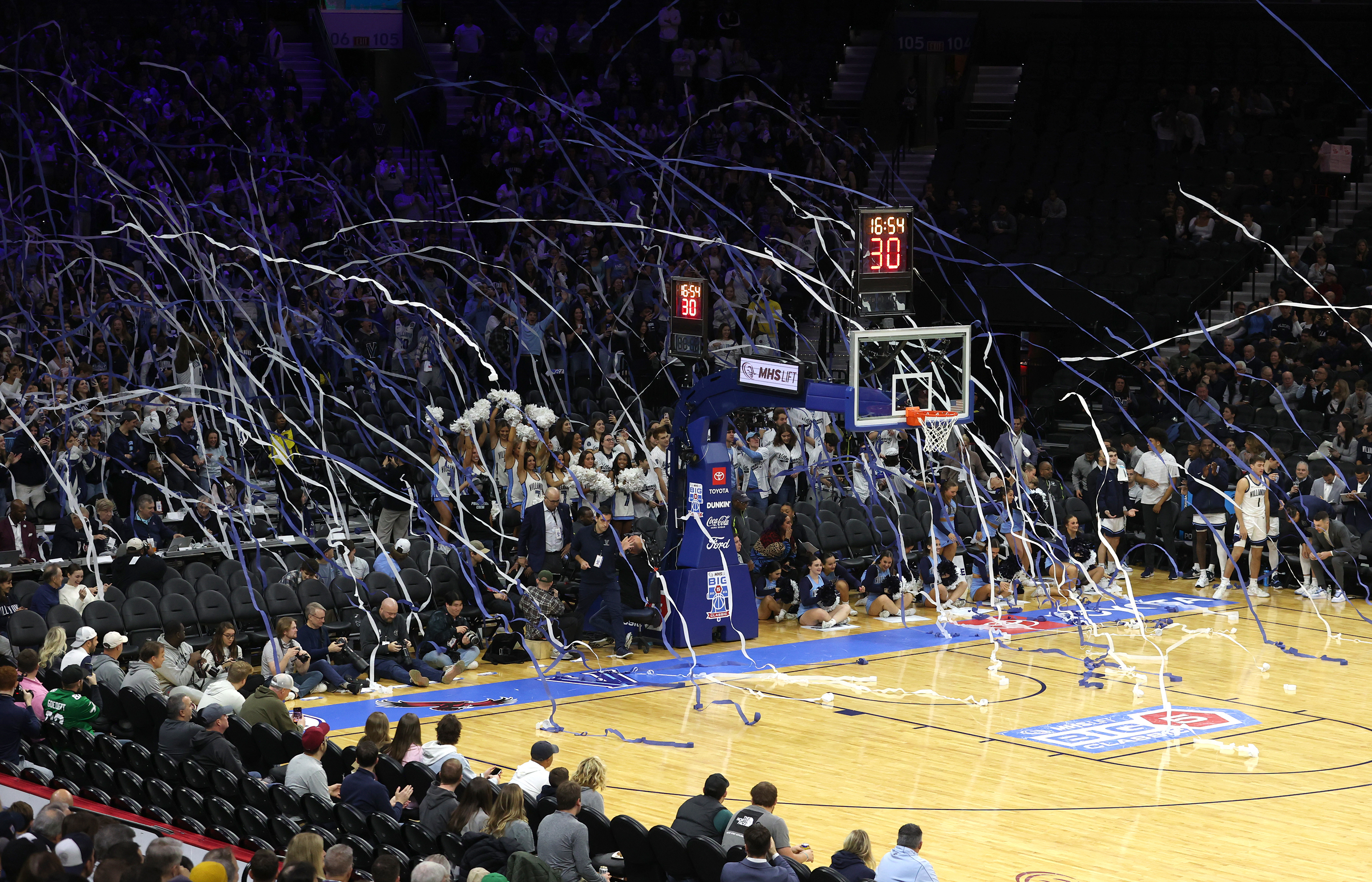
    East Side Little League, a 12-and-under baseball team from West Chester, saw its run in Williamsport, Pa., end in a heartbreaker.

    On Monday, East Side fell 6-5 to Phenix City Youth Baseball LL and was eliminated from the Little League World Series. Powered by its stellar hitting, East Side came out to an early 5-0 lead. However, a big third inning from Phenix City led the Alabama team’s comeback.

    Trailing 5-0 with two outs in the third, Phenix City left fielder Cooper Champion stepped up to the plate with the bases loaded and hit a two-run single to right field. Phenix City added two runs before the inning was capped off by an RBI single from pitcher Kinley Rasmus that tied the score.

    Rasmus is just the 25th girl to appear in a Little League World Series game.

    The game stayed tied at 5-5 through the regulation six innings until Phenix City catcher Brooks Cameron’s single scored Urijah Berklite with the winning run in the bottom of the seventh.

    For East Side, Cole Warner scored a run in the first inning before hitting a two-run homer to center field in the third. After starting the game at center field, Warner moved to the mound in the fourth inning. He allowed just one run while collecting six strikeouts to close out the game.

    East Side outfielder Ryan Hennessey, the son of coach Bob Hennessey, scored two runs and had a two-run double before Phenix City stormed back.

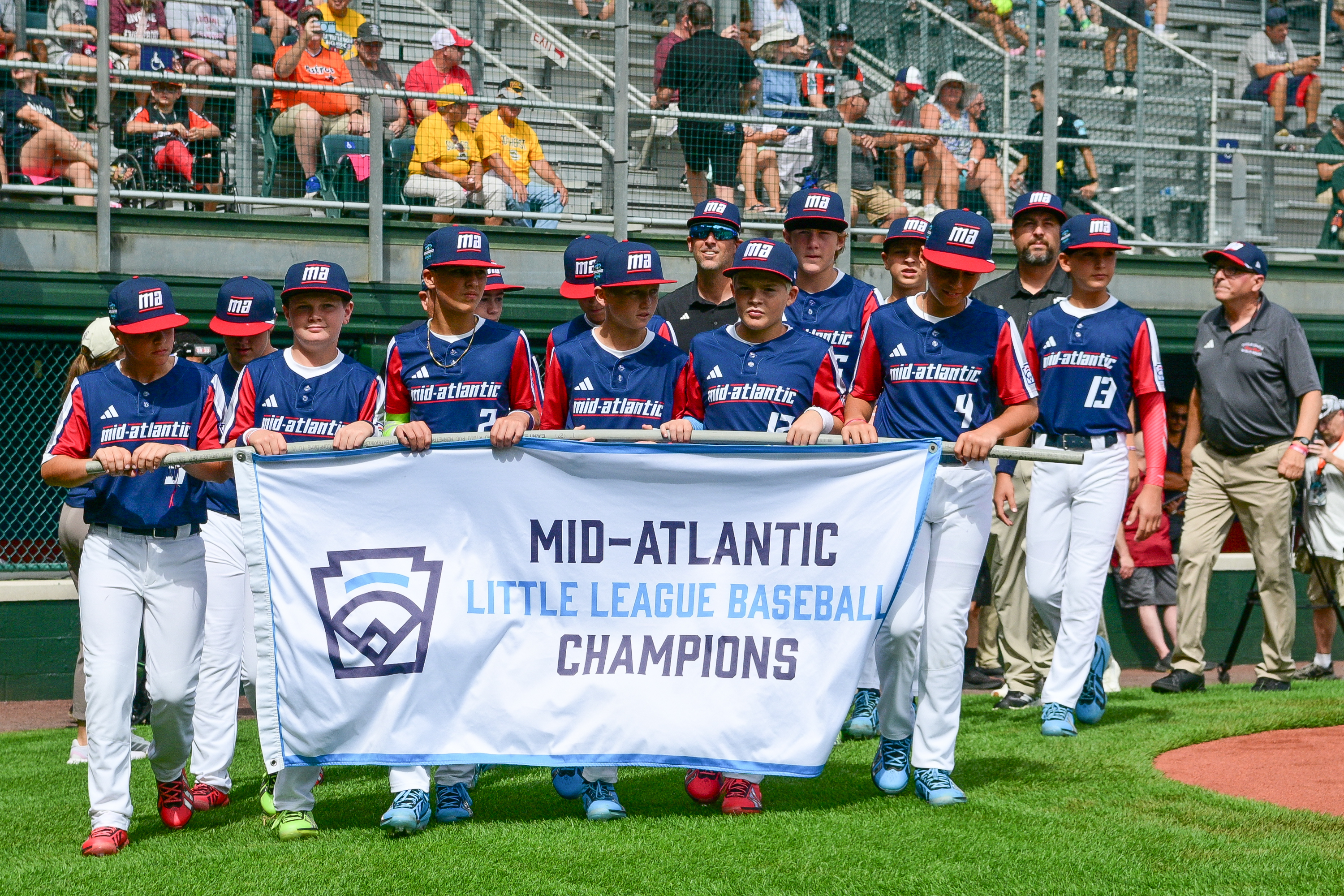
    The kids from East Side Little League in West Chester made the trip to Williamsport.Courtesy of Katherine Cowperthwait

    The loss marks East Side’s second of the tournament in as many appearances. The team, which battled out of the loser’s bracket in the Pennsylvania state tournament, gained significant support from the Greater Philadelphia area after cruising through the Mid-Atlantic regionals. In West Chester, watch parties, filled with East Side alumni and fans, sprung up around the borough.

    In Williamsport, the East Side players were able to interact and befriend peers from all over the world — even bunking with Japan’s 12-and-under team. They also had the chance to meet players from the Milwaukee Brewers and Atlanta Braves before the Little League World Series MLB Classic.

    “It’s just a dream come true, to be honest,” Bob Hennessey previously told The Inquirer. “That’s every Little Leaguer’s dream. It was my dream growing up to see these boys get here and get to experience it. Nothing but amazing.”