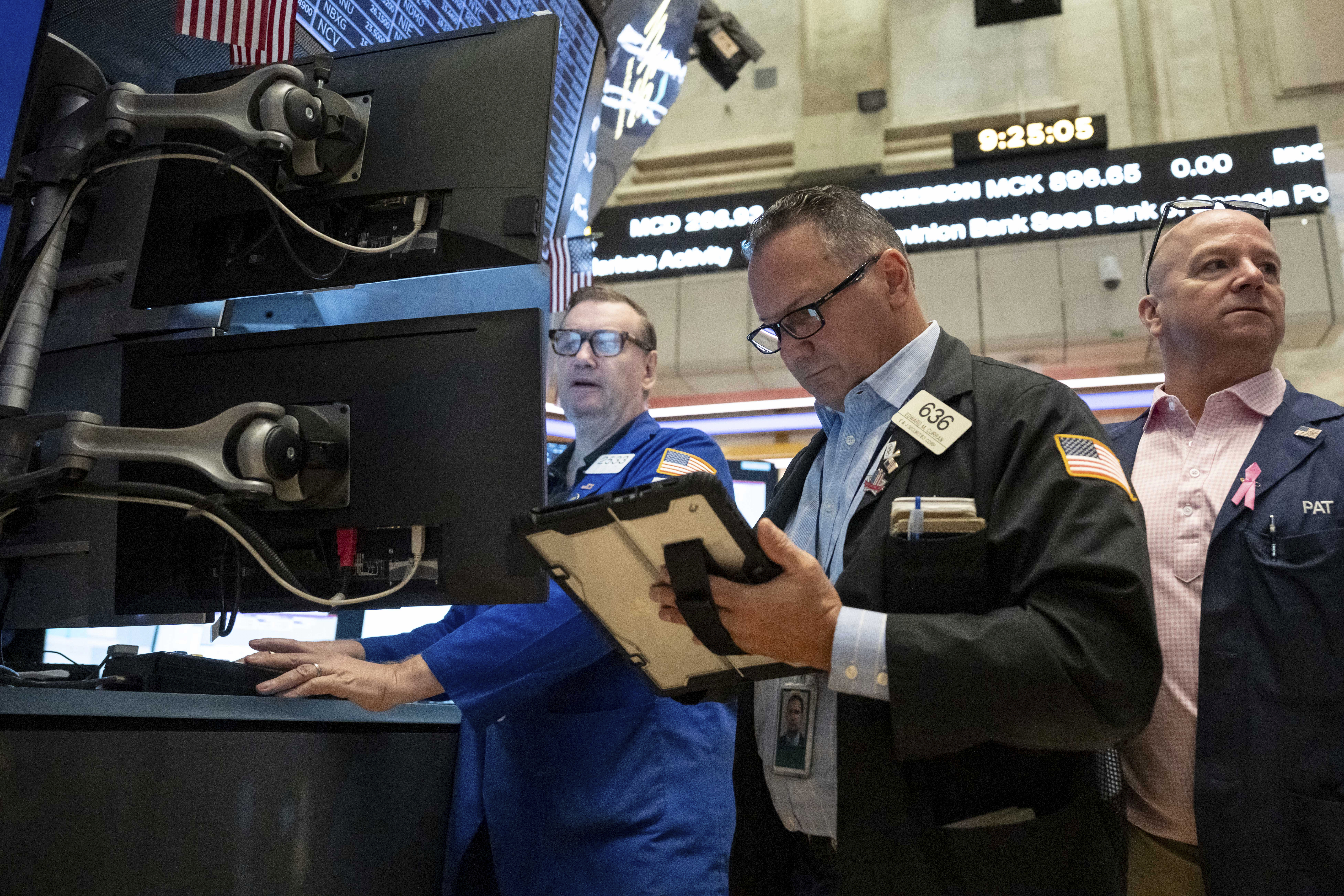
NEW YORK — Oil prices keep climbing as the war with Iran keeps clogging the global flow of crude, and they leaped Thursday to their highest levels since before the summer. That worsened worries about inflation and cranked up pressure within the bond market, helping to send stocks lower again on Wall Street.
The S&P 500 fell 0.6% for a fourth straight loss, its longest such streak since June, though it’s not far from its all-time high set last month. The Dow Jones Industrial Average dropped 316 points, or 0.6%, and the Nasdaq composite sank 0.7%.
Stocks sank under the weight of rising oil prices. Brent crude, the international standard, climbed another 6.3% and briefly topped $108 per barrel for the first time since May before settling at $107.63.
It’s jumped from less than $72 in early July as hopes fade that the war with Iran will allow oil to flow freely again from the Middle East anytime soon. President Donald Trump said on Wednesday that oil prices likely won’t come down until after the U.S. midterm elections in November.
The jump has vaulted the price for a gallon of regular gasoline to an average of nearly $4.28 across the United States, according to AAA. That’s up nearly 34% from a year earlier and is not only costing people more at the pump but also through higher prices for all kinds of products that move by truck to store shelves.
A report on Thursday said inflation at the U.S. wholesale level accelerated to 5.4% last month from 4.8% in July, and retailers could eventually pass such increases in prices onto shoppers. A report is coming on Friday that will show how much inflation U.S. consumers are feeling.
The typical move to rein in high inflation is for the Federal Reserve to raise its main interest rate, the federal funds rate. Such a move then filters out through the rest of the bond market, makes it more expensive for U.S. households and businesses to borrow money, slows the overall economy, and undercuts prices for investments. That hopefully would remove some of inflation’s fuel.
A report on Thursday suggested the U.S. job market may remain solid, with fewer workers applying for unemployment benefits last week. That could give the Fed more confidence that the economy could withstand higher interest rates.
Following Thursday’s reports, traders see a roughly 73% chance the Fed will raise the federal funds rate at its meeting next week. That’s up from the 61% probability seen the day before, according to data from CME Group. That’s also despite Trump’s consistent lobbying for interest rates to go lower rather than higher.
The Fed’s counterpart in Europe, the European Central Bank, raised its own interest rates on Thursday in hopes of getting inflation in check. It cited “the conflict in the Middle East” and how it “continues to generate inflation pressures.”
It all pushed the yield on the 10-year Treasury up to 4.95% from 4.83% late Wednesday, which is a significant move for the bond market.
It’s up from just 3.97% before the war with Iran began and is back to where it was in the autumn of 2023. That was after the Fed cranked the federal funds rate higher to get super-high inflation coming out of the COVID pandemic under better control.
Higher yields mean investors can make more money putting their money into bonds, which can in turn make investors less willing to pay high prices for stocks and other investments that are riskier than bonds.
Some investors see a 5% yield on the 10-year Treasury as the next potential flashpoint. But strategists at Bank of America’s Research Investment Committee suggest 7% may be the more important threshold, pointing to peaks for expensive stocks around that point in the past.
In the meantime, the rising 10-year Treasury yield is making mortgages more expensive and hurting the housing industry. One report on Thursday said the average long-term U.S. mortgage rate hit its highest level in over 14 months, while a second one said sales of previously occupied U.S. homes fell in August to their slowest pace in more than a year.
The benchmark 30-year fixed rate mortgage rose to 6.76% from 6.71% last week, mortgage buyer Freddie Mac said Thursday. One year ago, the average rate was 6.35%.
That helped sent stocks of homebuilders lower, including drops of 3.5% for Lennar and 2.4% for D.R. Horton.
Elsewhere on Wall Street, Macy’s fell 4.7% even though the retailer reported stronger profit and revenue for the latest quarter than analysts expected. While raising its forecast for earnings this fiscal year, it warned that “there are macroeconomic and geopolitical factors that could influence” how much its customers feel comfortable spending.
Macy’s said it received $116 million in tariff refunds from the government — $98 million during the quarter and another $18 million after the quarter ended. Macy’s CEO Tony Spring told the Associated Press Thursday that it’s using some of the proceeds to lower prices on certain items like furniture and other big-ticket purchases.
All told, the S&P 500 fell 44.66 points to 7,591.70. The Dow Jones Industrial Average dropped 316.56 to 52,064.10, and the Nasdaq composite sank 171.62 to 26,081.72.
In stock markets abroad, indexes slipped across much of Europe and Asia. Hong Kong’s Hang Seng dropped 1.3% for one of the world’s biggest moves.
Zack Wheeler went to a full count against back-to-back hitters only to walk both and load the bases. His pitch count climbed above 100 on a hot, sticky afternoon.
And rookie reliever Alex McFarlane was ready.
Easy call, right?
Maybe in the playoffs, assuming the Phillies get in, Don Mattingly will act like most managers and be aggressive with the bullpen. Not yet, though. And come to think of it, maybe never. Not with three starting horses who are easier to trust on fumes than any of his fresh relievers.
So, Mattingly stuck with Wheeler, who slung a sweeper to escape the seventh inning Thursday, only to watch star closer Jhoan Duran give up a tiebreaking homer to the Astros’ Cam Smith in the ninth in a dud of a 2-1 loss to cap a homestand that felt, well, meh.
“Playoff situation, you’re usually not letting your guys roll like that,” Mattingly said after pushing Wheeler to 110 pitches. “You’ve got to be more careful. But right now, I think he was the best guy for that situation today.”
If Wheeler could’ve thrown 130 pitches, he would’ve been the best choice beyond the seventh inning, too, just as Cristopher Sánchez and Jesús Luzardo would when they start.
Let’s get back to that. First, a check of the standings: The Phillies slid to four games behind the division-leading Braves before hopping on a flight to Atlanta for three games that would’ve felt so much more like a showdown if the deficit was only three games.
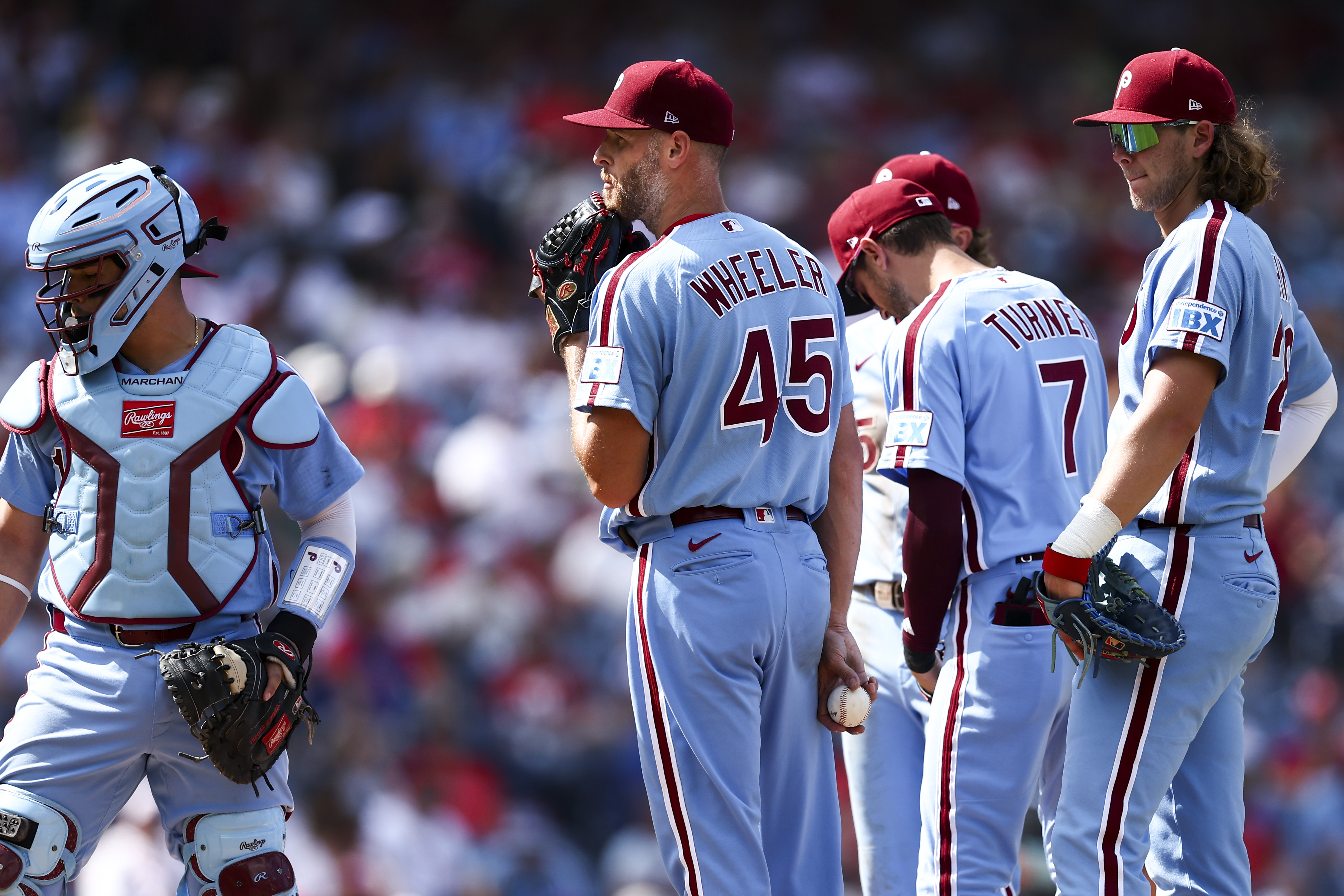
Phillies starter Zack Wheeler (center) talks it over with teammates during the seventh inning Thursday.Monica Herndon / Staff Photographer
Instead, the Braves could finish 7-8 and the Phillies would have to go 12-3 to overtake them.
Not impossible, but also not likely, considering they alternated losses and wins during a 3-4 homestand and haven’t won consecutive games since a six-game roll from Aug. 26 to Sept. 1.
But the Phillies still lead the Cubs by one game for the top National League wild card, which brings the benefit of playing the best-of-three first-round miniseries at home.
“We want to play at home,” Bryce Harper said. “It’s a huge advantage in the postseason, just hearing it from other players coming into here and playing in this environment. We expect our crowds to be loud and crazy and obnoxious and talk the crap that they do to other players. I think it plays a huge part.”
In that case, it would behoove the Phillies to play well over the next nine games in Atlanta, Washington, and New York.
And it sure feels like they wasted an opportunity in the finale against the Astros.
Despite not getting a hit through four innings against Astros righty Cristian Javier (remember him from the combined no-hitter in Game 5 of the 2022 World Series?), the Phillies tied it in the fifth on Luis Arraez’s leadoff single, Alec Bohm’s double, and a fielder’s choice.
Wheeler recorded his third consecutive solid start after his roughest six-start stretch in seven seasons with the Phillies. But after striking out the side on 16 pitches in the sixth inning, he loaded the bases in the seventh on a leadoff bunt single and back-to-back two-out walks.
Luis Arraez reacts on a single in the fifth inning of the Phillies’ 2-1 loss Thursday.Monica Herndon / Staff Photographer
The Phillies got McFarlane loose. Did Mattingly consider going to him?
“It’s hard to bring in a kid there, bases loaded,” Mattingly said. “[Wheeler] was throwing the ball good. He felt good. I thought it was his.”
Said Wheeler: “He asked me before the inning if I was good, and I said, ‘Yeah.’ But it’s obviously up to him and his call. You’ve got to respect that. I was able to wiggle out of that, and I appreciate him letting me go out there and get that done.”
Across the sport, managers tend to ask less of starting pitchers in the postseason. Maybe Mattingly’s approach with Wheeler foretells that the Phillies will actually ask Wheeler, Sánchez, and Luzardo — all among the top-10 pitchers in baseball — for more.
“I think a few things probably play into it,” Wheeler said. “Maybe who’s coming up, how much the bullpen’s been used, all that stuff.”
Also, who’s in that bullpen. The Phillies’ main bridge to Duran consists of Jonathan Bowlan (career postseason appearances: zero), erratic lefty José Alvarado, and rookie McFarlane, with Orion Kerkering attempting to get back on the upswing of his roller coaster history.
Even Duran is showing cracks. He hung a splinker — his signature splitter/sinker hybrid — to Smith, who hit only the second homer against him all season. It came a few days after he gave up a hard-hit double and triple and gave up a go-ahead run in the ninth inning against the Braves.
“I feel good,” said Duran, who likely will be asked to get more than three outs in his postseason appearances. “I feel much better than when I started the season. I feel really good right now.”
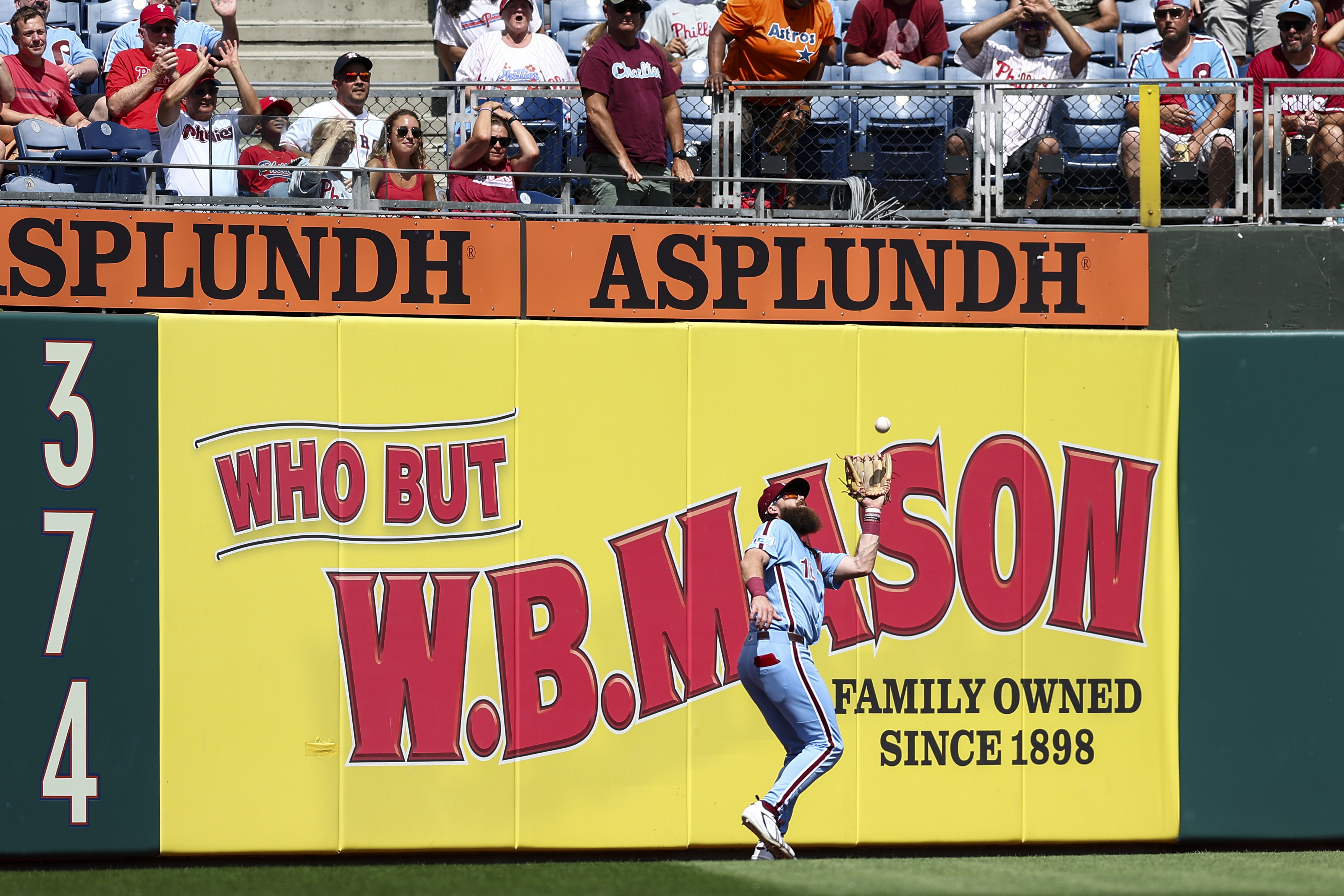
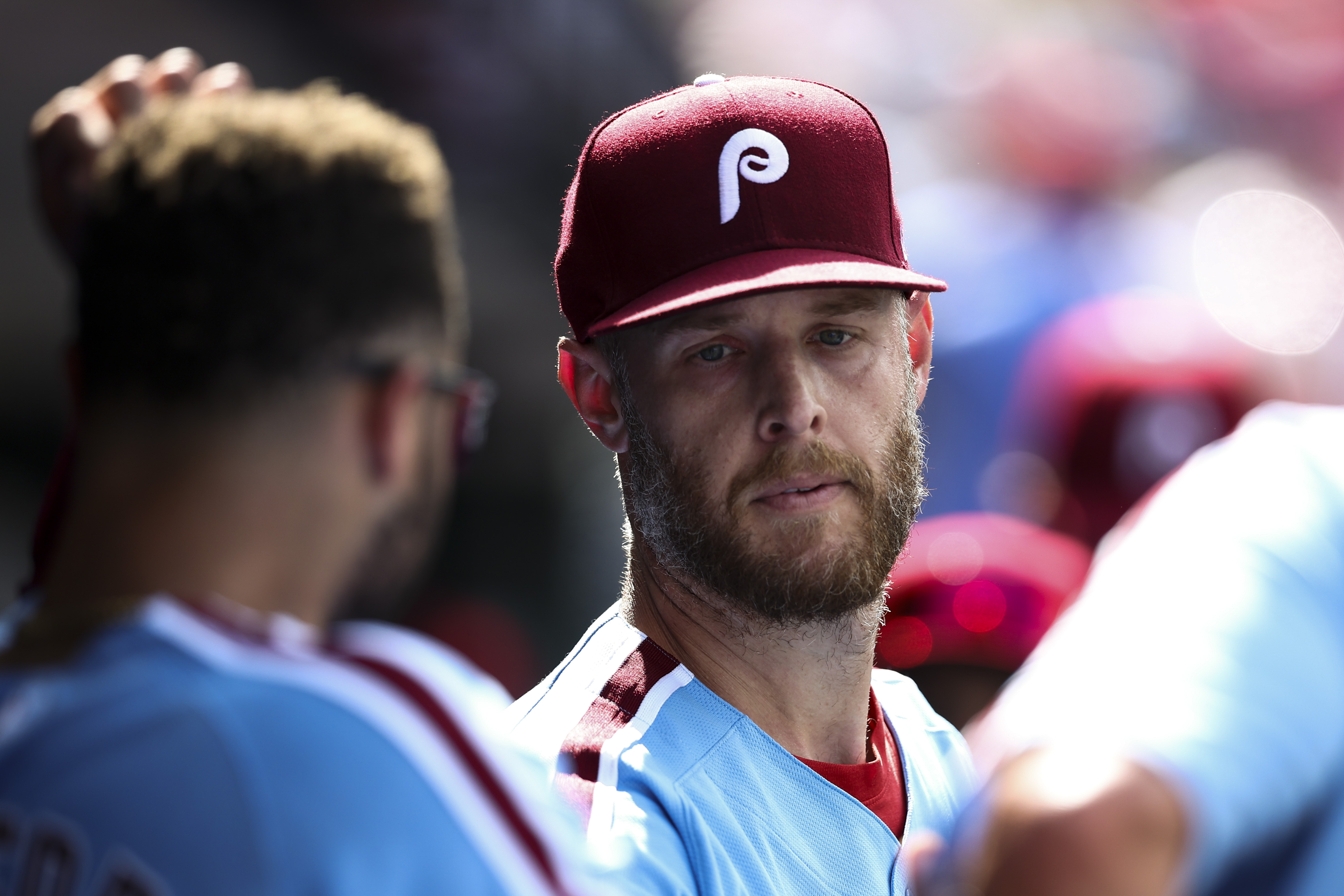
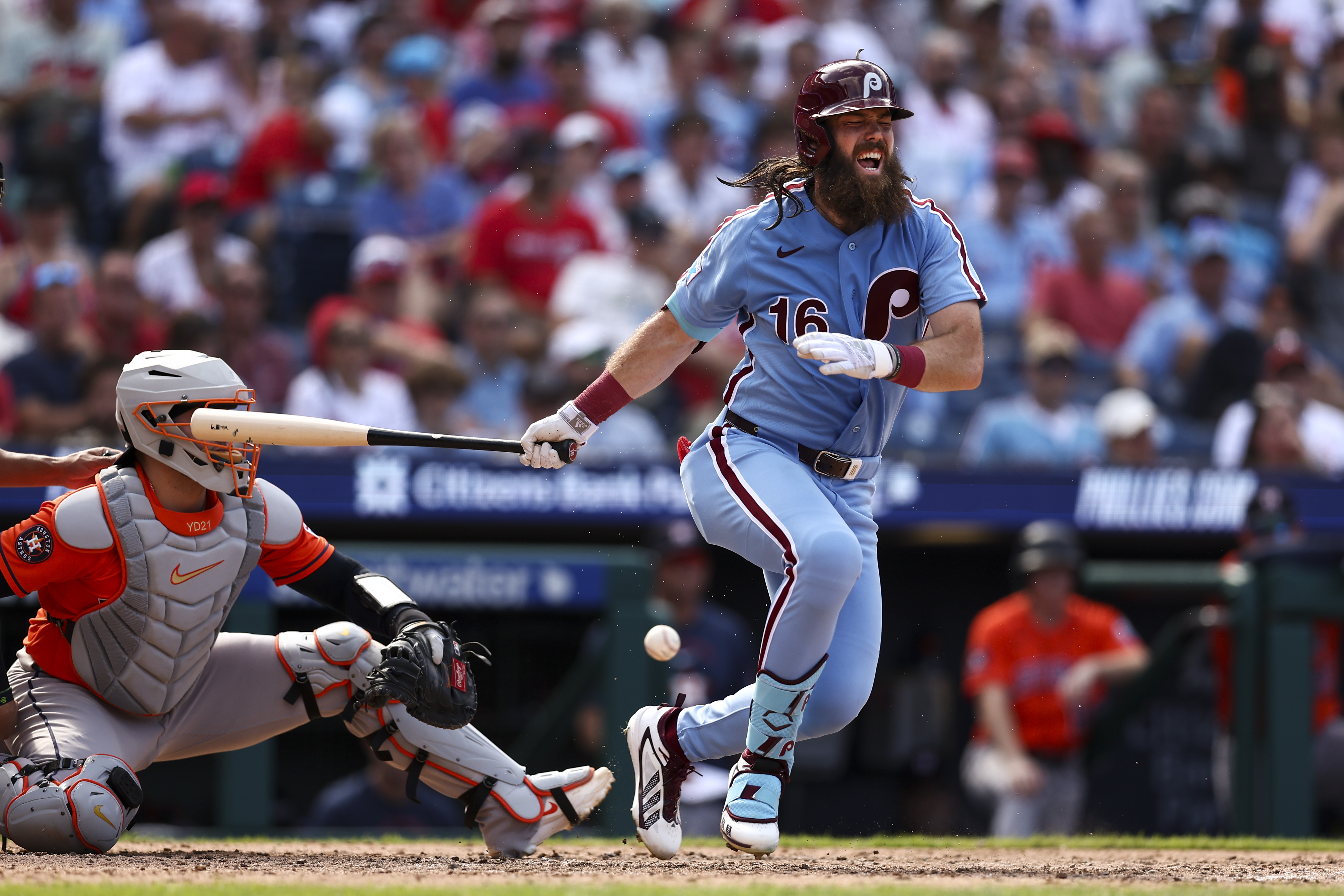
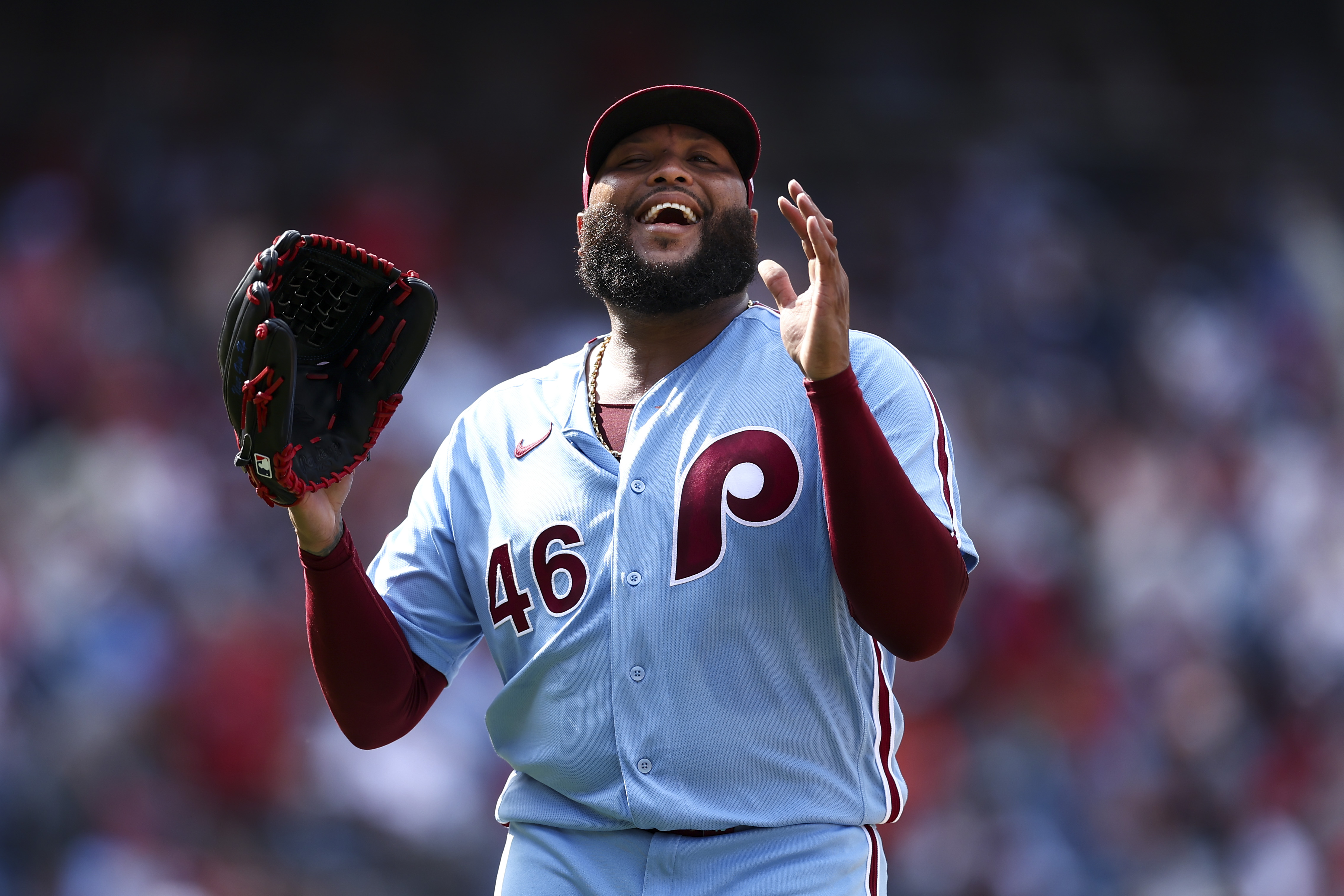
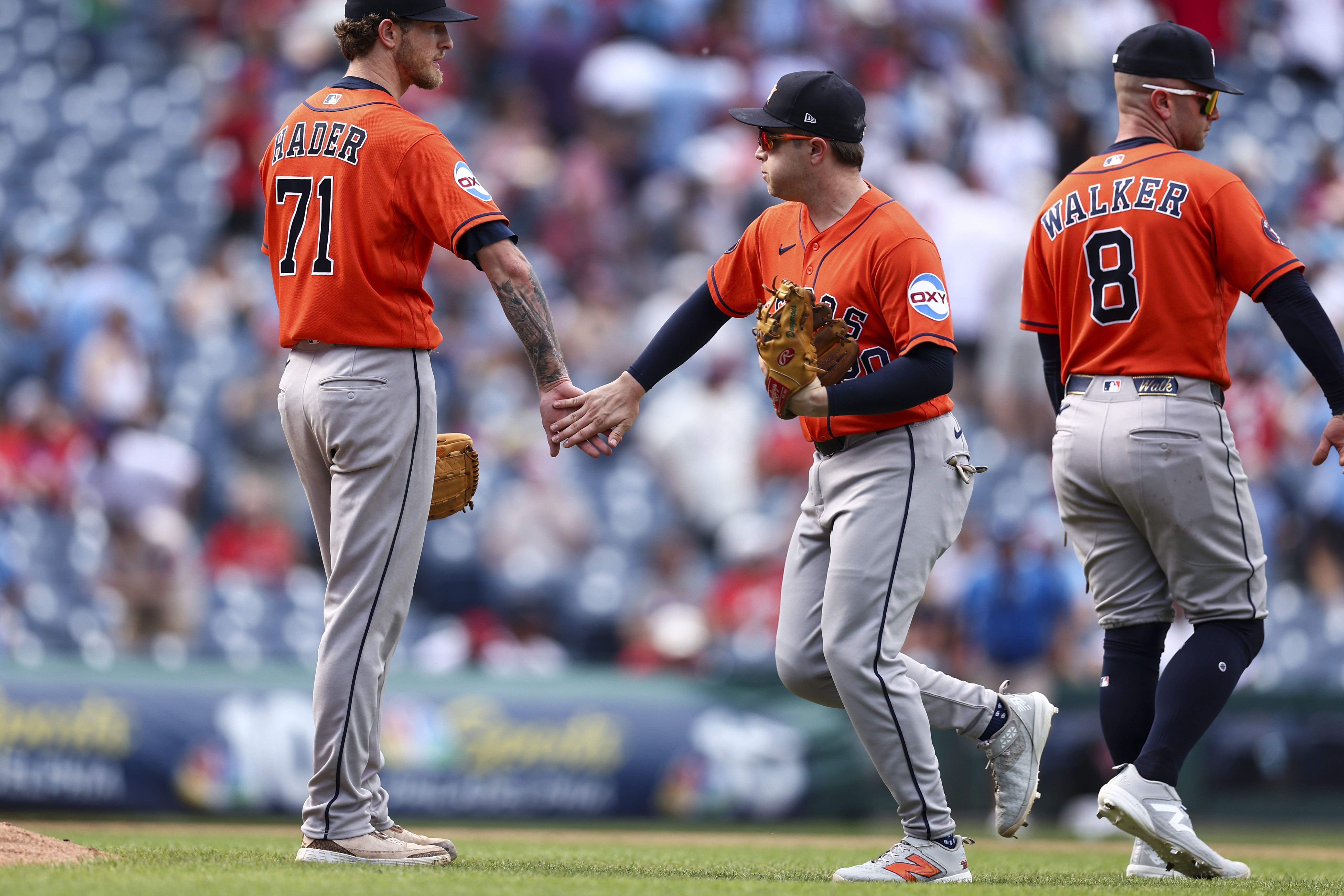
Philadelphia Phillies pitcher Zack Wheeler throws during the first inning.Monica Herndon / Staff PhotographerPhiladelphia Phillies third baseman Bryson Stott flies out during the second inning.Monica Herndon / Staff PhotographerPhiladelphia Phillies pitcher Zack Wheeler throws during the second inning.Monica Herndon / Staff PhotographerPhiladelphia Phillies left fielder Brandon Marsh catches a fly ball during the first inning.Monica Herndon / Staff PhotographerPhiladelphia Flyers forward Porter Martone throws out a ceremonial first pitch.Monica Herndon / Staff PhotographerPhiladelphia Phillies third baseman Bryson Stott gets caught in a rundown with Houston Astros shortstop Jeremy Peña during the fifth inning.Monica Herndon / Staff PhotographerPhiladelphia Phillies shortstop Trea Turner tags Houston Astros right fielder Cam Smith out at second base during the fifth inning.Monica Herndon / Staff PhotographerPhiladelphia Phillies third baseman Bryson Stott throws to first as Houston Astros second baseman Jose Altuve is safe during the seventh inning.Monica Herndon / Staff PhotographerPhiladelphia Phillies pitcher Zack Wheeler talks with teammates during the top of the seventh inning.Monica Herndon / Staff PhotographerPhiladelphia Phillies designated hitter Kyle Schwarber strikes out swinging during the fourth inning.Monica Herndon / Staff PhotographerPhiladelphia Phillies pitcher Zack Wheeler walks through the dugout after closing out the top of the seventh inning.Monica Herndon / Staff PhotographerPhiladelphia Flyers players shoot hot dogs into the stands with the Phanatic.Monica Herndon / Staff PhotographerPhiladelphia Phillies second baseman Luis Arraez reacts after a single during the fifth inning.Monica Herndon / Staff PhotographerPhiladelphia Phillies pitcher Jhoan Duran throws during the ninth inning.Monica Herndon / Staff PhotographerPhiladelphia Phillies left fielder Brandon Marsh gets hurt during the eighth inning.Monica Herndon / Staff PhotographerPhiladelphia Phillies pitcher José Alvarado reacts after the 8th inning.Monica Herndon / Staff PhotographerHouston Astros celebrate defeating the Philadelphia Phillies.Monica Herndon / Staff Photographer
In any case, Mattingly’s best bet may be to push the starters, at least until it’s time for Duran.
Wheeler conceded that 110 pitches in September often feels different than it would in April.
“Today it felt like that, just because it was hot and that last inning I worked a little bit more,” he said. “Some days are different than others.”
There may be more days like this for the Phillies’ big three starters. Their ability to hold up could determine if the Phillies host a wild-card series — and, ultimately, how far beyond that they advance.
“It’s big, you know?” Wheeler said. “There’s nothing like playing here in the playoffs. It’s probably the best atmosphere there is. To be able to host and play here, it’s important.”
Kelly N. Moore, 46, of Burlington Township, award-winning clinical psychologist, founder of Moore Wellness LLC, director of the Center for Psychological Services at Rutgers University, graduate school clinical associate professor, former fellow at the University of Pennsylvania’s Center for the Treatment and Study of Anxiety, mentor, author, mental health activist, volunteer, and 2026 Willingboro High School Hall of Fame inductee, died Thursday, Aug. 20, of kidney cancer at Virtua Voorhees Hospital.
Adept at treating anxiety, depression, trauma, and perinatal disorders, Dr. Moorebecame director of the Rutgers Center for Psychological Services and a clinical associate professor in the Graduate School of Applied and Professional Psychology in 2020. As CPS director, she mentored hundreds of doctoral students regarding academic requirements and clinical procedures, and supervised the center’s community mental health clinic.
She significantly expanded the center’s services and outreach, Rutgers colleagues said in a Facebook tribute, and forged important partnerships on campus and in the community. Colleagues said: “Her warm demeanor, melodic voice, vibrant spirit, and calming presence made all who met, and were fortunate enough to know her, feel seen, welcomed, and heard.”
She spent two years as a fellow at Penn’s Center for the Treatment and Study of Anxiety after earning her doctorate in clinical psychology at Rutgers in 2011. During the COVID-19 pandemic, she founded Moore Wellness LLC and focused on helping women, children, and clients of color.
“Wellness does not mean you will never experience challenges,” Dr. Moore said in an online profile for Psychology Today magazine. “Rather, it means having the tools to manage the challenges when faced with them.”
Dr. Moore was an outspoken activist for mental health education and services. She spoke with groups often, organized workshops, and was featured in newspapers and magazines and on TV and podcasts. “Just trying to get people to understand as much as they can about the impact their mental health and well being have on their day-to-day lives,” she said in a 2026 podcast interviewwith the Multicultural Counseling Institute.
She belonged to the American Psychological Association and the New Jersey chapter of the Association of Black Psychologists. She was active with the Therapy for Black Girls podcast and the Leadership Institute for Women in Psychology.
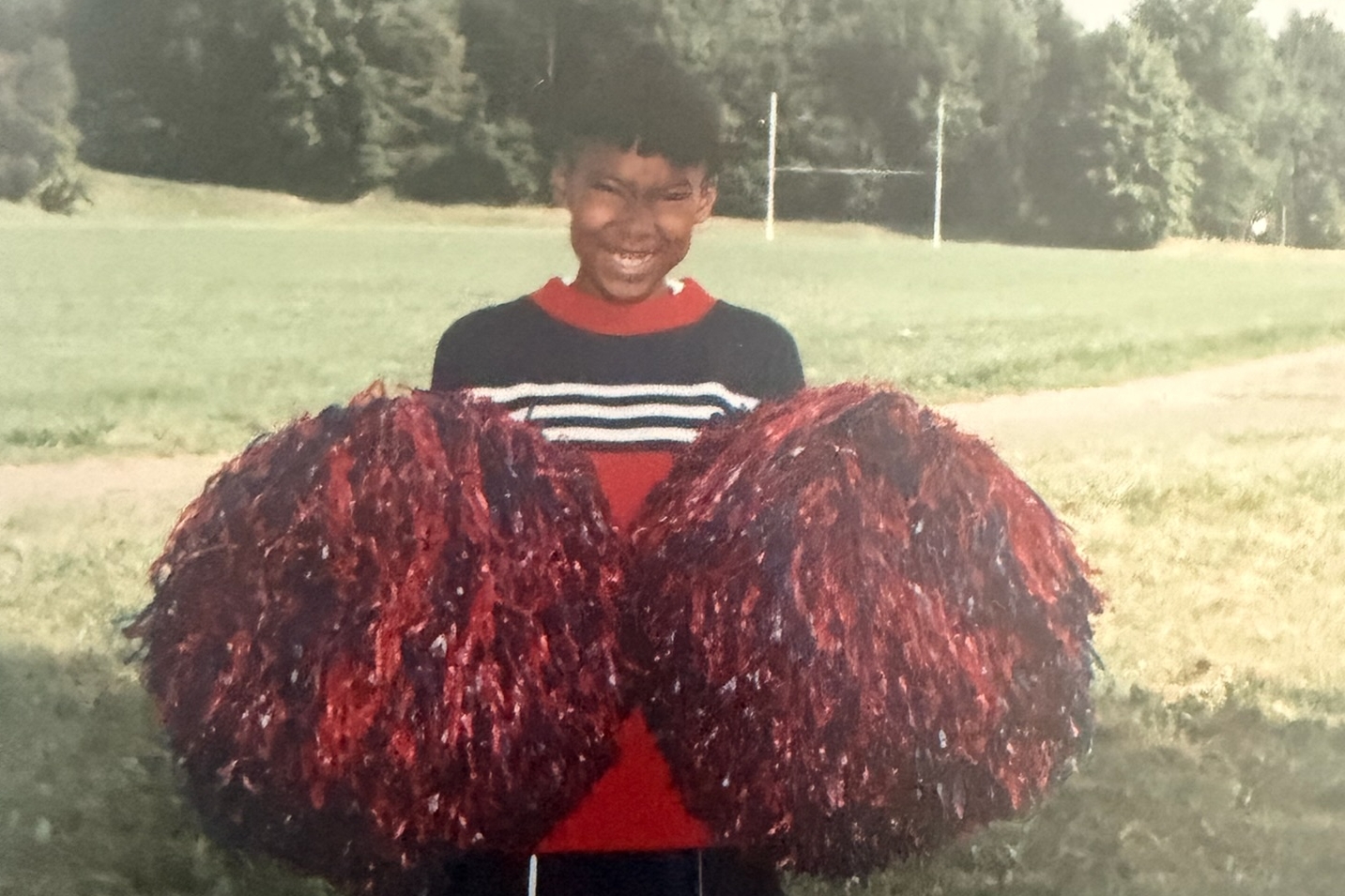
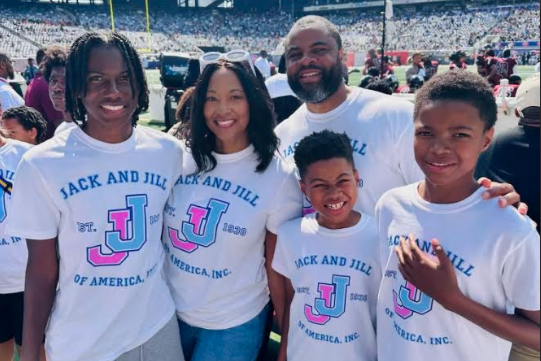
Dr. Moore was a cheerleader and lacrosse player, and graduated from Cornell University in 2002.Courtesy of the family
She earned leadership and achievement awards from the New Jersey Psychological Association, the National Council of Schools and Programs of Professional Psychology, and other groups. She was president and a board member of the Burlington County chapter of Jack and Jill of America Inc. Colleagues there called her “a beautiful example of leadership, service, grace, and love.”
Kelly Nicole Walker was born Aug. 20, 1980, in Philadelphia. Her family moved to Willingboro when she was 2, and she graduated from Willingboro High School in 1998.
She was a cheerleader and played lacrosse and viola as a teenager. Her mother, Diana, was a social worker, and she showed Dr. Moore up close how one person could impact their community.
“I was just fascinated by this concept,” Dr. Moore told the Multicultural Counseling Institute in the podcast interview. “It was already set at a young age that this was the kind of work I should be doing.”
She earned a bachelor’s degree in human development at Cornell University in 2002 and a master’s degree in education at Penn in 2003.
She met Melvin Moore through friends, and they married in 2004 and had sons Miles, Mason, and Matthew. They lived in Marlton and Delanco, and, since 2015, in Burlington Township.
Dr. Moore was a longtime member and dance choreographer at the Gospel Tabernacle Church. She joined Alpha Kappa Alpha Sorority Inc. at Cornell in 2000 and was on the executive board of its Pi Mu Omega chapter in Willingboro.
Friends noted her “warmth, generosity, and kindness,” and called her “genuine” and “quietly brilliant” in online tributes. One friend said: “She sure made me proud to be from Willingboro.”
Dr. Moore and her husband, Melvin, married in 2004 and had three sons. Courtesy of the family
Dr. Moore doted on her sons and called them her “M & M’s.” She was an avid reader and led several book clubs.
She liked to garden, play piano, take photos, cook, and crochet. She was diagnosed with renal medullary carcinoma about a year ago and was determined, her husband said, to reach her 46th birthday. She did it.
In just a few days, Lincoln Financial Field will be filled with screaming fans. But on Thursday morning, Kylie Kelce brought some casual fun to the stadium with an on-site taping of her podcast, Not Gonna Lie.
The episode featured Eagles offensive linemen Lane Johnson, Jordan Mailata, and Landon Dickerson — aka her husband, Jason’s, former teammates — as well as their wives, Kelsey, Niki, and Brooke. The roughly hourlong episode ran the gamut in topics from game day superstitions, first impressions, and Jason Kelce crash outs to a low-stakes version of The Newlywed Game. Mailata, Jason Kelce, and Johnson’s Philly Specials Christmas albums also came up, and Johnson said those “are on standby.”
As the Kelces and Eagles prepare for Week 1, Kylie and the O-linemen shared some of their good-luck practices. Kylie even brought a wooden spoon to the field, just in case she needed to knock on wood to ward off any bad Eagles luck.
“Game day rituals usually include a very specific T-shirt,” Kelce said. “It means whatever T-shirt I take out that has a new Eagle — which is not the old-school Eagle, that one has not worked out for me in the past. … I’ve tracked it.”
And pro tip: She says not to tag her in social media posts or send her messages, especially pregame. On game days, “Life is not happening. The Eagles are happening, and that’s what we’re focused on,” she said. That’ll include Sunday, when she plans to be at the Linc for the season opener vs. the Washington Commanders.
Some other rituals included eating the same meals before games, though Mailata now says he’s “tired of being a prisoner of superstition.”
“I’d have the same pasta order for like seven years,” said Mailata, who was drafted in 2018 but is entering his seventh NFL season. “Even breakfast, the same breakfast. I wasn’t even hungry, but I’d force down eight eggs and four pancakes. Now, just four pancakes because I just prioritize the carbs.”
Johnson was less devoted to his rituals, but he admitted that he sometimes looks away when a game isn’t going the Eagles’ way. Kelce has gone as far as rotating a full 180 degrees in her seat at the Linc rather than watching.
Even as a veteran entering his 14th season, there’s still an element of unknown entering the season opener for Johnson.
“The first game is always weird because nobody’s playing in preseason,” Johnson said. “Like, you have some things you see, but it’s really like you’re going to learn it in the first couple drives, series, what their cards are.”
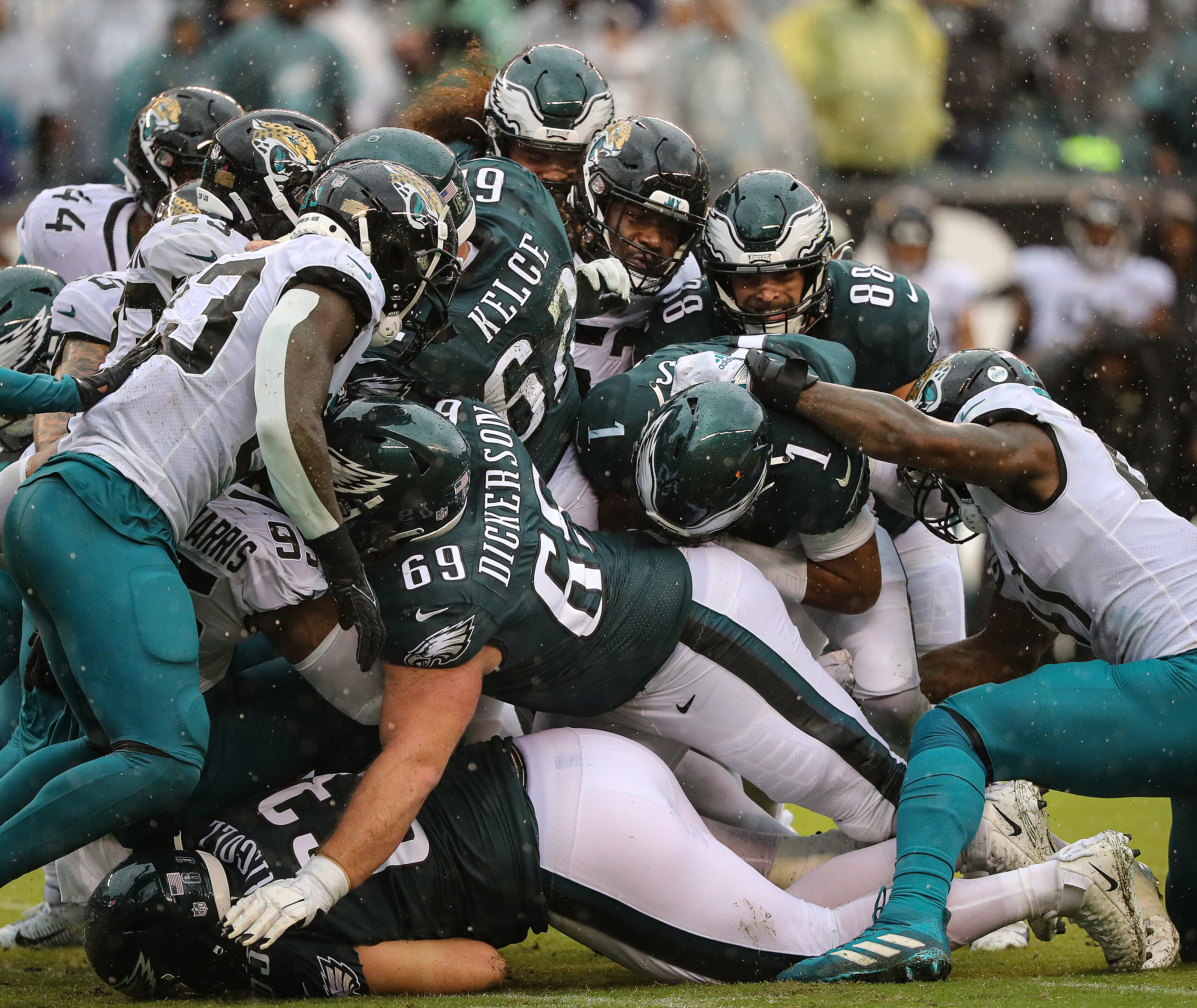
Jason Kelce and his fellow offensive linemen help Jalen Hurts sneak for a first down.David Maialetti / Staff Photographer
The players discussed their feelings about longstanding rivalries, like the Cowboys (and their thoughts on the “America’s Team” branding), as well as other contenders like the San Francisco 49ers, Kansas City Chiefs, and Los Angeles Rams.
“My husband is on record saying that Aaron Donald is the guy he least looked forward to playing up against,” Kylie Kelce said, receiving a chorus of agreement about the Rams star.
“Yeah, him and his teammate Myles [Garrett],” Johnson added.
The wives appeared later in the episode and shared similar sentiments about their nerves watching the games and being immersed into NFL life.
“When I think of my ‘welcome to the NFL’ moment,” Niki Ikahihifo-Bender Mailata said, “Jordan got injured early on, and I remember being like, ‘Oh my gosh, oh my gosh!’ And then they’re like, ‘No, it’s OK, it’s OK. It’s only bad if the cart comes out,’ and then the cart came out.”
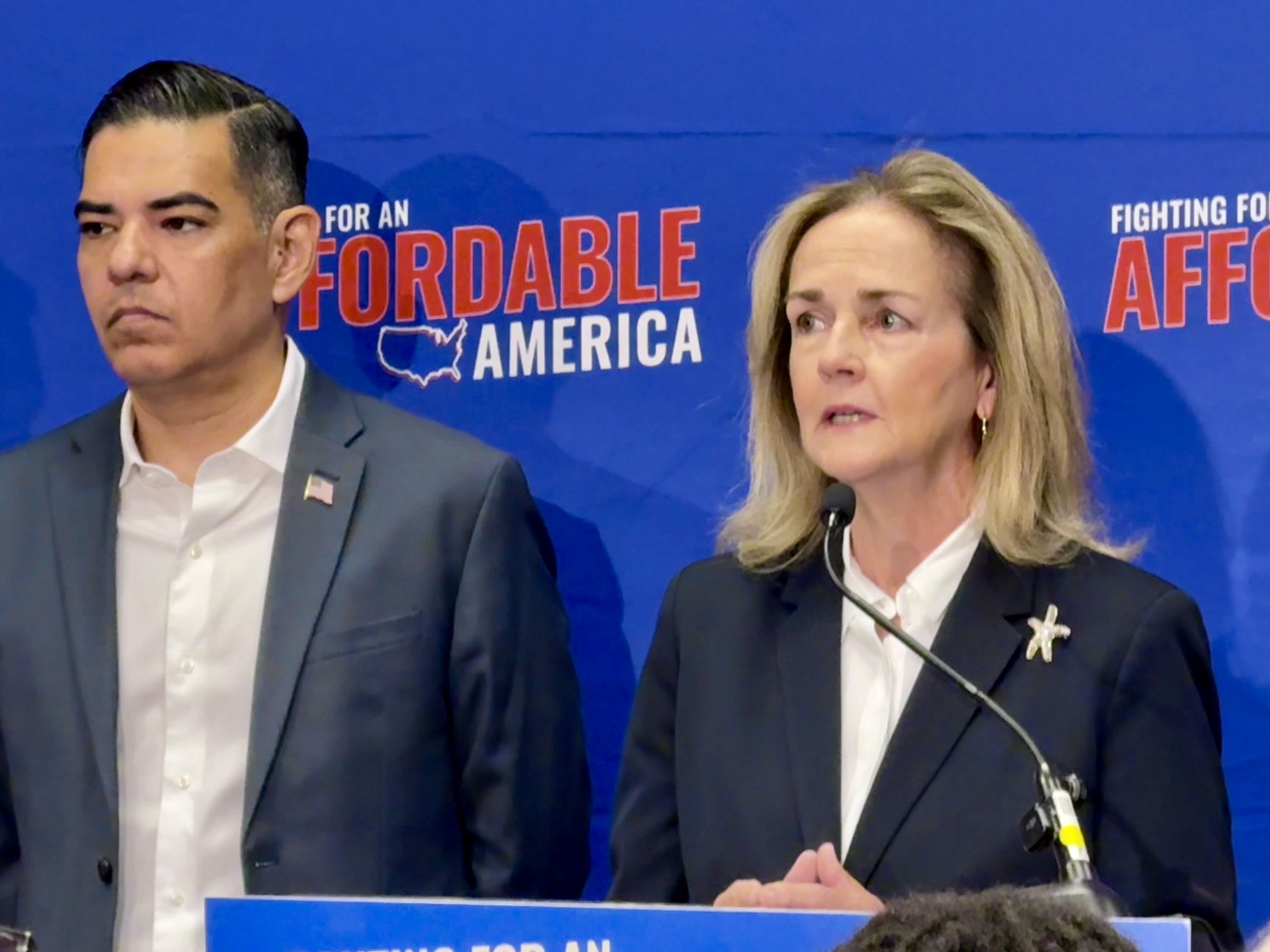
DALLAS, Texas — Just steps away from a Republican midterm convention that she slammed as a “farce,” U.S. Rep. Madeleine Dean (D., Montgomery) said Thursday she was “gravely disappointed” with Democratic U.S. Sen. John Fetterman’s participation in the event — as well as a range of other issues that she said indicate his abandonment of democratic values.
“What I wish he was doing was — back home in Pennsylvania — making sure, like I am, that Pennsylvania will see more Democratic members of the House to uphold the values that he originally ran on,” Dean said after Fetterman appeared in a video at the convention Wednesday night that praised President Donald Trump.
Fetterman’s appearance was a remarkable and rare turn for a Democratic lawmaker, even one who has frequently crossed the aisle to support the opposing party like he’s done since Trump returned to office.
In a video that served as an introduction to a speech by U.S. Sen. Dave McCormick (R., Pa.), Fetterman said he and McCormick are able to “work with President Trump to fight and defend the steel way of life” in Pennsylvania.
As he’s done repeatedly, he also denounced socialism and what he considers the “anti-American way of life” that the leftist wing of his party represents. That message fit nicely into some of Republicans’ most prominent attacks on Wednesday as they tried to motivate their base to turn out for GOP candidates in the midterm elections — including in several Pennsylvania key races.
On Thursday, a web page soliciting donations to Fetterman’s campaign committee included a link to the video and said Fetterman would “keep standing his ground, speaking his mind, and putting Pennsylvania first.”
Fetterman said in a statement later that he made the video to support McCormick, who has become a staunch ally and one of his biggest defenders. He also said, as he has for months, that would not switch parties.
“That’s entirely on John,” Dean said Thursday when asked by a reporter if Fetterman should remain in the Democratic Party. “I will tell you, from the ground, from suburban Philadelphia, my constituents are livid. Those who went out and knocked doors for him, they are absolutely livid.”
Dean was in town on the second and final day of the convention alongside four other House Democrats who blasted what they were hearing from the gathering, which has largely been a celebration of Trump.
But Dean was quickly asked by reporters about the convention’s most surprising turn so far — the appearance of Pennsylvania’s controversial Democratic senator.
Dean has, historically, had a closer relationship with Fetterman compared to some of the other Democratic members of Pennsylvania’s U.S. House delegation. The pair briefly ran against each other in the 2018 lieutenant governor primary, which Fetterman won. Dean said it was then that she grew to “really like him and his family, and his values.”
Those values, she said, have taken a turn in more ways than one. She criticized his convention video as a “stunt” while saying she was mostly disappointed by his work ethic, his decisions to back Trump policies, and his “blind support” of Israeli Prime Minister Benjamin Netanyahu’s attacks in Gaza.
“All I want is for his good health, his well being. And that has been my worry,” Dean said in an interview after the press conference, referring to Fetterman’s well-documented health struggles.
“But I think you have to look at his record, and his record of not working, of not participating, and not caucusing with Democrats, of not being active in his committees — alongside what he is active on, [which] is voting alongside Mr. Trump, and enabling this corruption of chaos,” she said.
Dean is one of several Pennsylvania Democrats who have ramped up their public concerns about Fetterman, with some essentially promising to oust him if he runs for reelection in 2028.
“He’s not going to be a senator after 2028 — mark my words,” U.S. Rep. Chris Deluzio, an Allegheny County Democrat who is a potential candidate for the seat, after the video.
Dean did not comment on the next election other than saying “voters will have to decide whether that is appropriate” for Fetterman to conduct himself the way he has, including associating closely with Israeli leadership.
Democratic Gov. Josh Shapiro, who has clashed with Fetterman but hasn’t heavily criticized his job performance as a senator, said Thursday he did not see the video. The governor said at an event in Chester he was “not going to get distracted” from his duties as governor and his reelection campaign.
SCHUYLKILL HAVEN, Pa. — Brett Sell had a bad feeling about coming to work on July 28. The painting contractor was part of a small work crew rehabbing a two-story commercial property in Orwigsburg — a borough of just over 3,000 people in the heart of east-central Pennsylvania’s coal country — and workers had seen what looked like an unmarked law enforcement vehicle circling the site the day before.
“Yo, look up!” Sell said to his fellow painter, Orlando Rivera.
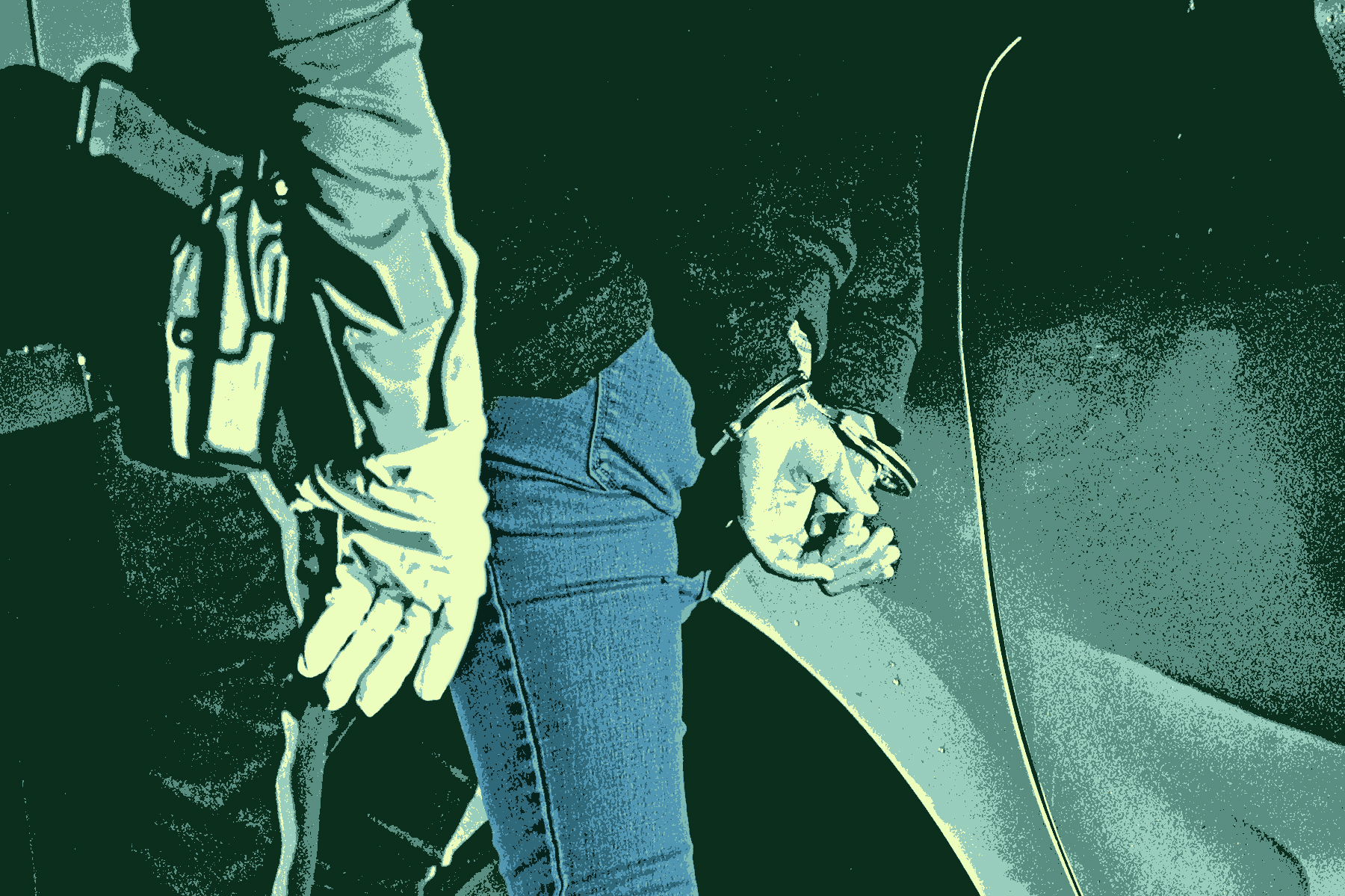
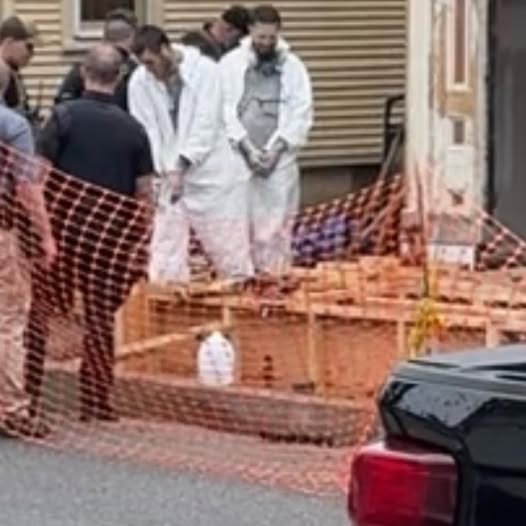
Police cars from Orwigsburg and neighboring Schuylkill Haven, lights flashing, blocked off the street while agents from U.S. Immigration and Customs Enforcement in tactical vests swarmed the work site. Sell was stunned as he and four other workers were quickly handcuffed by ICE agents — even though Sell and Rivera are native-born U.S. citizens.
Rivera, a biracial Puerto Rican who grew up in Bethlehem and now lives in another Schuylkill County borough, Tamaqua, said he was “embarrassed” as he stood in handcuffs while locals came out into the street to gawk. “I do a lot of work in that town,” he said, adding that “it made me feel like I was portrayed as a criminal.”
And he’s convinced he was handcuffed — even after offering to show the agents his ID — because of his race. “I get that my skin tone is tan,” he said, “but with the Fourth Amendment, they can’t go off my skin color, you know?”
Two workers were detained. One was later released, but the other — Catarino Hernandez Velasquez — a Mexican native who’s lived in Pottsville for at least 14 years, and a well-known contractor who poured concrete for the just-reopened 1928 Miners Hotel — was taken away and sent to ICE’s Moshannon Valley Detention Center in Central Pennsylvania, known for its overcrowding and complaints about lousy food and medical neglect. Kevin Medina, a leader of the local Latino community, bemoaned the arrest of a “very hardworking gentleman with a stable contracting business in the area … very busy.”
Now, gone … in a matter of minutes.
Painting contractors Brett Sell (left, white painting outfit) and Orlando Rivera are handcuffed during an ICE raid on a job site in Orwigsburg, Pa., on July 28. The men — both native-born U.S. citizens — were released without charges.Facebook
The Orwigsburg raid was a dramatic moment, yet such scenes are becoming increasingly common this summer in Schuylkill County, Pa., a constellation of rusty boroughs where coal was king in the 20th century, and Donald Trump got 71% of the vote in 2024.
‘In Schuylkill Haven, they can’t go there’
Since the start of the year, ICE — flush with a whopping windfall of $170 billion shoveled by Congress to the U.S. Department of Homeland Security to amp up immigration raids and detention — has dangled pledges to many tiny police departments. In Schuylkill County, which locals call “the Skook,” more than $1.5 million has been distributed to law enforcement. The police chief and pols all but publicly salivated at the chance — under the controversial program known as 287(g) — to buy a desperately needed new cruiser or other cop tools in return for working with ICE to arrest and hold local immigrants for the feds.
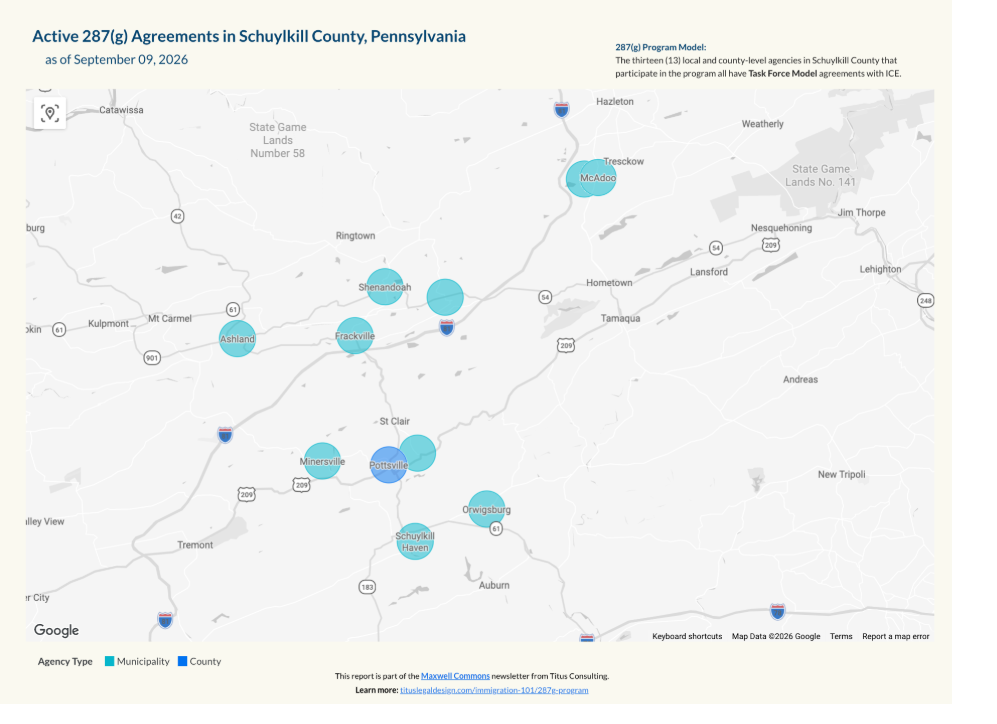
Some 14 law enforcement agencies — the most of any of Pennsylvania’s 67 counties — have inked 287(g) pacts with ICE, launching a new era of beat cops making immigration arrests that has roiled daily life in Schuylkill County. Practically overnight, cops were setting up truck inspections on a busy rural bypass or running checkpoints at places like the Freeze, a popular ice cream joint on the main drag, Route61. Officers were pouncing on immigrants who showed up at the county courthouse in Pottsville, or assisting ICE on workplace raids like the one in Orwigsburg.
Arrests leading to ICE detention and deportation cases skyrocketed across Schuylkill County — more than 100 since the start of the year, with most the result of ICE cooperation under 287(g) — leaving families torn apart while creating a climate of fear among what had been a rapidly growing Latino community in and around Pottsville. Suddenly, essential workers or their loved ones grew terrified that a busted taillight or failing to signal while shifting lanes could turn their world upside down.
One borough with just over 5,000 residents — Schuylkill Haven — has seen at least 59 immigration arrests in about four months, a staggering number. The figures come from Chicago-based ICE watcher Andrew Thrasher, a law-firm staffer and data expert who regularly crunches federal statistics obtained by the Deportation Data Project through Freedom of Information Act (FOIA) requests.
“People are afraid to go out,” Medina — who immigrated to Schuylkill County from Honduras, became a U.S. citizen and a notary and insurance agent, and formed a local Latino support group, Puentes de Apoyo — told me when we met in a Hispanic-owned Pottsville pizza joint. “I’ve got one contractor who told me they’ve got to change routes because now they know that in Schuylkill Haven, even they can’t go over there. And the stress, mentally, that I’m seeing in these families of, ‘What am I goingto do if this happens?’”
A map, provided by immigration statistics expert Andrew Thrasher, showing 13 current Schuylkill County localities that have signed 287(g) cooperation agreements with ICE. A 14th, Mahanoy Township, is inactive.Andrew Thrasher
The wave of arrests has put Schuylkill County — mostly rural, mostly conservative, and far removed from the glare of media or the kind of organized ICE resistance you see in big cities — on the cutting edge of an aggressive new strategy for mass deportation. This approach is bringing a xenophobic Donald Trump regime closer to fulfilling its once-unthinkable goal of removing one million immigrants from the United States every year.
Trump Country embraces 287(g)
The tag team of local cops and tactical-gear-wearing ICE agents is the biggest reason why federal immigration arrests spiked in July to a Trump-era high of 49,571, or about 1,600 every day. Statisticians who are tracking mass deportation said that 287(g) arrests — named for the section of a 1996 law that authorized the program — involving local police went from less than 3% of the total under Joe Biden to about 15% now, and will only climb higher as hundreds of new departments sign up.
This year, about 58% of the people nabbed by cops and turned over to ICE under 287(g) have no criminal record or pending charges, a higher rate than the typical ICE arrestee. Thrasher found the number for Pennsylvania is even higher, about 70%.
While not as numerous as inbig and heavily conservative states like Texas and Florida, the Keystone State’s 1,216 arrests under the 287(g) program in the first seven months of 2026 rank the commonwealth fourth in the nation — on a Top 15 list made upof states almost exclusively south of the Mason-Dixon Line.
Pennsylvania’s outlier status is punctuated by the fact that two large bordering states — New York and Maryland — have moved, with some bumps, to ban their police agencies from signing 287(g) agreements. Almost all of the Pennsylvania arrests came from smaller cities, exurbs, or rural areas — especially the south-central and northeastern regions of the state, and a smattering of western localities — that voted heavily for Trump and his anti-immigrant message.
The small-town nature of this renewed push for mass deportation is a defining feature of the Trump regime strategy, and not a bug. The race among Schuylkill County’s police departments — many with just three or four cops, including the chief — to sign up for 287(g) and its pumped-up pile of cash came exactly as the two Minneapolis murders of U.S. citizens by immigration cops were fueling growing public outrage.
As a brutal ICE winter ended, the Trump regime ousted Homeland Security Secretary Kristi Noem and the notorious field general Greg Bovino, and ended an era of loud, publicity-seeking operations with catchy names in large blue cities that stirred up local protesters who blew whistles and filmed every move by the masked, armed agents.
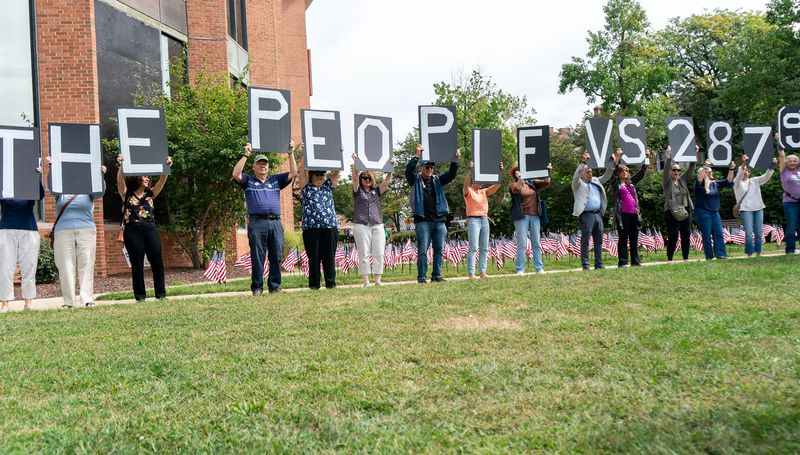
Immigrants’ rights advocacy group members and their supporters hold up letters that read “The people vs 287(g)” during a rally last September in Doylestown against the Bucks County sheriff’s efforts to implement a 287(g) program.Daniella Heminghaus | Bucks Coun
Under new DHS boss Markwayne Mullin, ICE and its allies are focused on what you might call small-batch immigration busts — in courthouses or on airport security lines, and thanks to 287(g), at local traffic stops or truck inspections. No one is blowing whistles, and few of these busts get caught on video. Yet, even here in blood-red Trump Country, some locals are troubled by the intense police focus on immigrants and what it’s doing to the moral fabric of their community.
‘Arrest them like the Gestapo’
“No one’s telling you not to arrest people — I’m telling you not to hunt for them, to do stops on the side of the road and arrest them like the Gestapo,” a Democratic city council member in Pottsville, Andy Wollyung, told me after he tried and failed to stop the county seat from joining 287(g). He later fretted that immigration arrests “will drive a wedge in people, you know? These aren’t unknown people. These are our neighbors.”
“When local police officers serve as a force multiplier for ICE, we know that people become more afraid to report crime,” Nayna Gupta, policy director at the American Immigration Council, told me. “They become less willing to cooperate with local law enforcement when it comes to investigations, including things like homicides. And there’s an overall mistrust of public institutions.”
The irony is that today’s Schuylkill County was built on the backs of immigrants — initially a wave of Irish who dug the 19th-century coal mines and were also persecuted, including six members of the infamous Molly Maguires who were hanged in Pottsville in 1877. They were followed by Eastern Europeans who filled the local mining towns like Mahanoy City and Shenandoah.
Those who stayed behind after the mines started closing in the 1950s and kept its hillside towns of striking Victorian architecture and utilitarian rowhouses alive got a booster shot in the 21st century with an unexpected new wave: Latinos. Many landed in Schuylkill County when seeking a place with cheaper housing and more job opportunities for hard workers than big cities like New York or Philadelphia.
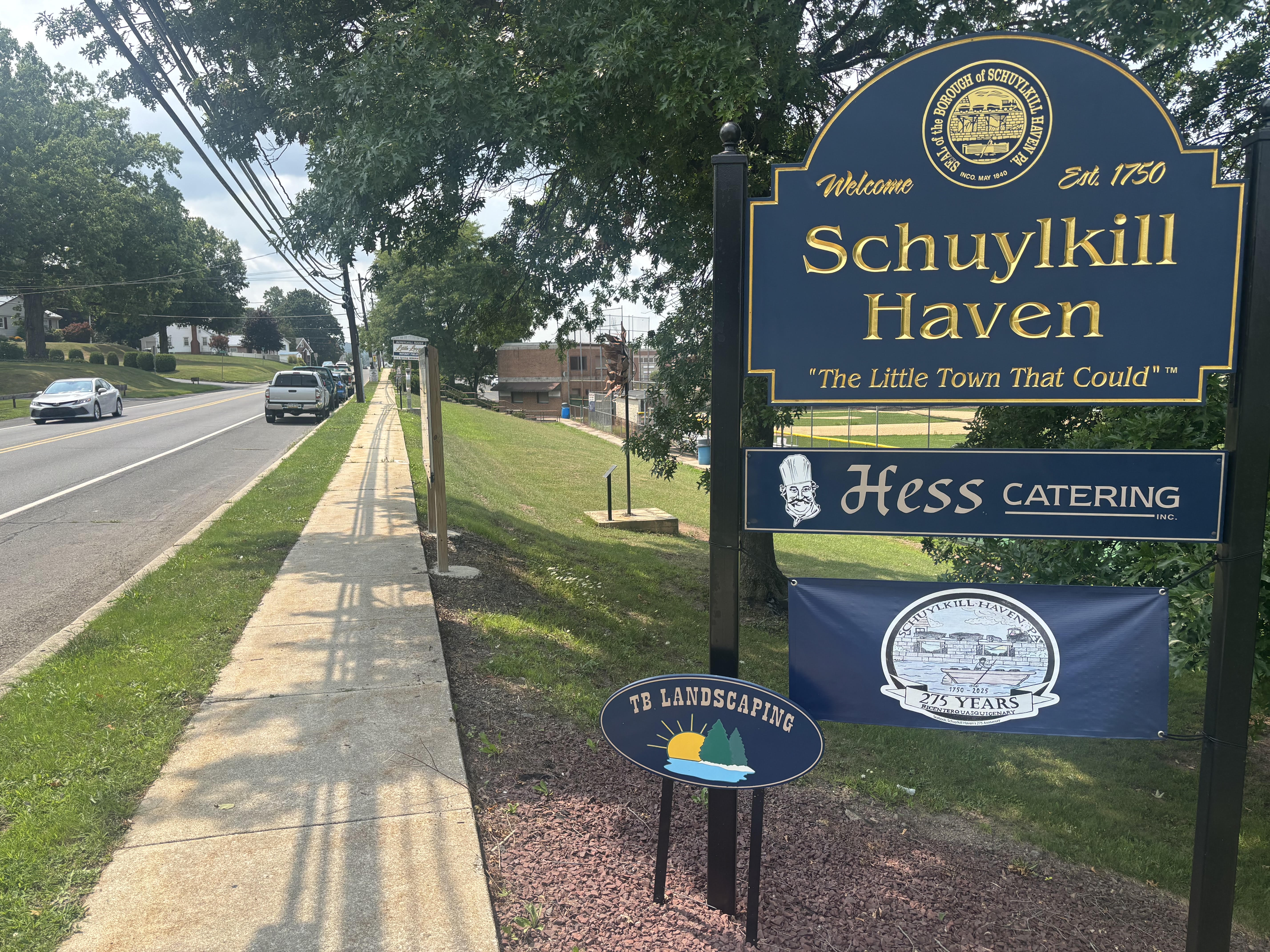
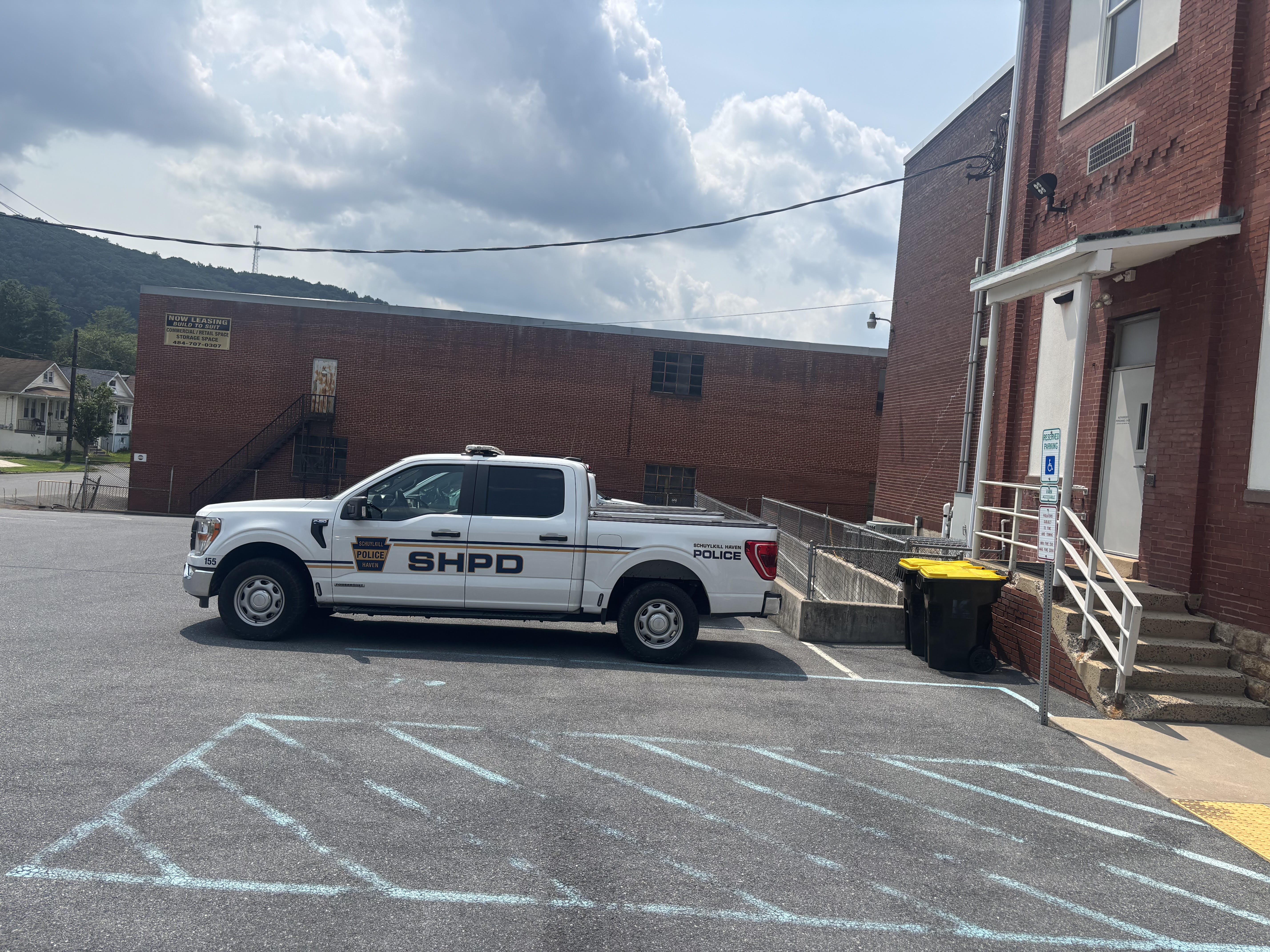
Schuylkill Haven, with a population of just over 5,000, has arrested at least 59 people and turned them over on federal immigration charges since signing a so-called 287(g) agreement with U.S. Immigration and Customs Enforcement (ICE) this spring.Will Bunch
Four years ago, Pastor Luis Rivera and his wife bought a historic local church building in Pottsville and rechristened it as Iglesia Cristiana El Kairos, under the umbrella of the Evangelical New Life Church, to serve a Latino community now growing by leaps and bounds.
“You see a lot of traffic,” the pastor told me. “You see people remodeling more houses. And a lot of the stores are opening around here … It was really dead before, you know?” Today, it’s estimated that about 1,000 of Pottsville’s 14,000 residents are Latino.
A ‘stable’ life is upended
Six of the more recent arrivals were Venezuelan-born Carlos Moreno, his wife, Wendy Martínez, and their blended family of four teenagers. They’d been on the run from government persecution and armed conflict across South America when they came to America in 2023, and stayed in a cramped public shelter in New York City as the family sought asylum and obtained work permits.
When they moved to a narrow rowhouse on a rugged patch of Norwegian Street on the steep hillside up from downtown Pottsville, the couple found jobs at the county’s large Amazon warehouse and even started a small cleaning business, even though Moreno, 37, is legally blind and has severe hearing problems.
“For the first time in years, it felt like our lives were finally becoming stable,” Martínez would later write. “Then, in the fall of 2025, we learned that I was pregnant. It was an unexpected surprise, but a very welcome one.”
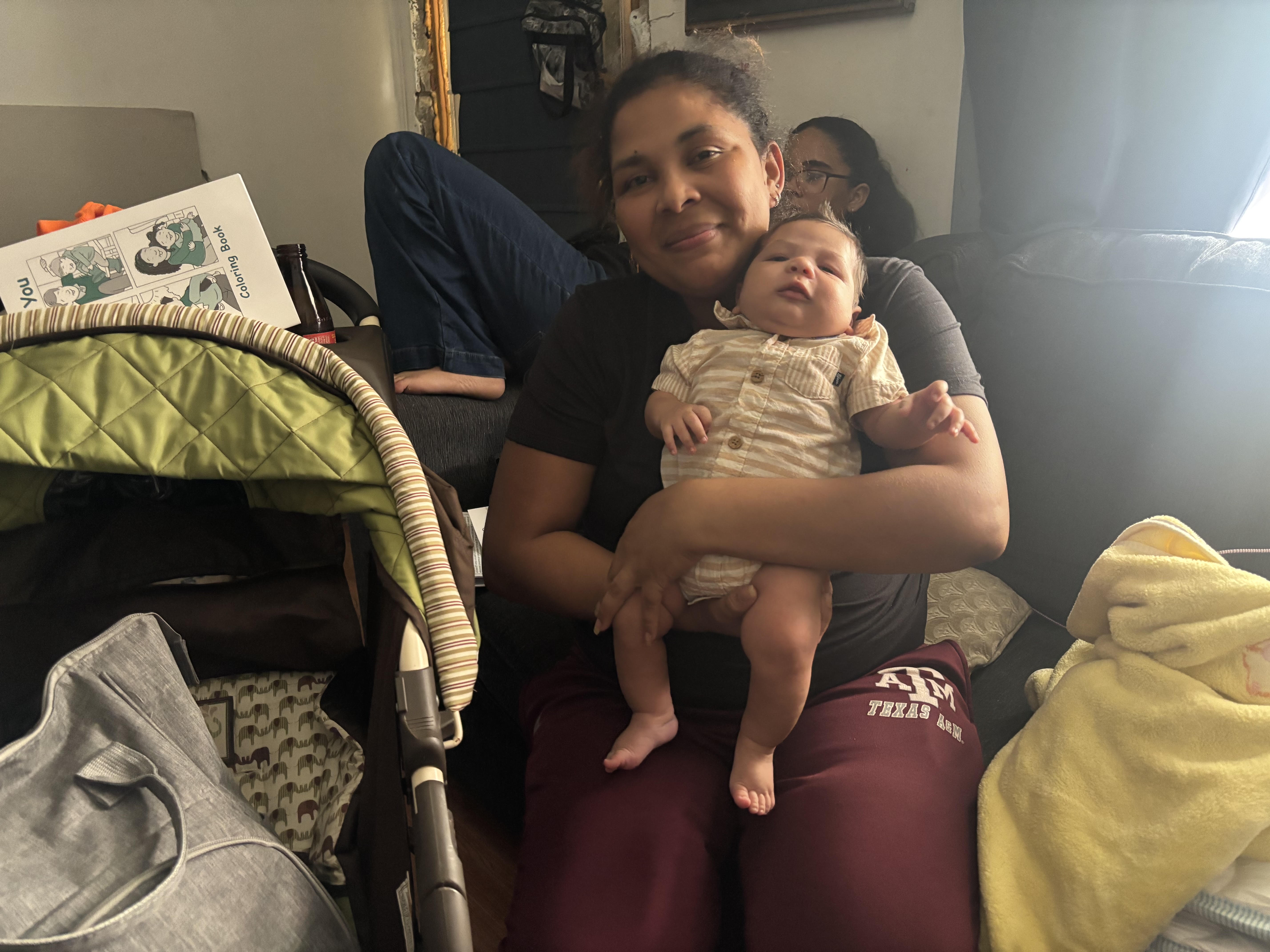
Wendy Martínez, whose husband, Carlos Moreno, a Venezuelan refugee, has been detained by immigration authorities since May after losing a misdemeanor noise complaint at the Schuylkill County Courthouse. She is holding her baby Noah, who was roughly 6 weeks old.Will Bunch
A bigger and less welcome surprise awaited. This spring, a neighbor called police to complain about noise —music from a small boom box — and Moreno received a summons. He decided to challenge it at the Schuylkill County Courthouse a few blocks away, and when he lost, he paid a fine, walked out of the courtroom — and right into ICE agents waiting to arrest him. He was sent to detention in the Cambria County Jail and stayed there as massive earthquakes halted deportations to Venezuela. He was locked up when his son, Noah, was born — on the Fourth of July.
Martínez was alternately rocking and bouncing her then-6-week-old son when I joined Medina in visiting their cluttered, narrow rowhouse in August. The windows were covered with thick blankets that let in only a sliver of light, and Martínez was bookended on a sofa by her two daughters, on their phones, who rarely leave home.
“They told him that he was a dangerous person,” Martínez said in Spanish, interpreted by Medina, as her baby babbled. “There hasn’t been any situation where he was against the law, or anything.” Struggling to pay her bills and support the five children, Martínez launched a GoFundMe page, but has only raised $2,695 of her $4,000 goal. Her husband was recently moved to ICE detention in Louisiana.
In August, Schuylkill Haven officials said they’re expecting a federal check for $152,000 — money the police department wants to spend on buying the currently leased police headquarters, pictured here.Will Bunch
Like most immigration arrests since 287(g) swept across Schuylkill County, there is an element of mystery about what exactly happened to Moreno. I twice called the Schuylkill County sheriff, Shawn Butler, to ask if his department — the first county agency to join 287(g), back in January — was involved, but he did not get back to me. Not once in a month of reporting did a police chief or municipal official return a call or email from this out-of-town columnist. Secrecy, and a lack of accountability, seems to be baked into the 287(g) program.
‘You don’t answer anything’
“Any Right-to-Know requests, any FOIA requests, anything — you defer that right down to the Department of Homeland Security,” Jody Long, the then-police chief in Mahanoy Township, told the Pottsville City Council when it was voting on a 287(g) agreement in May. “You don’t answer anything with that. That’s right from their legal team.”
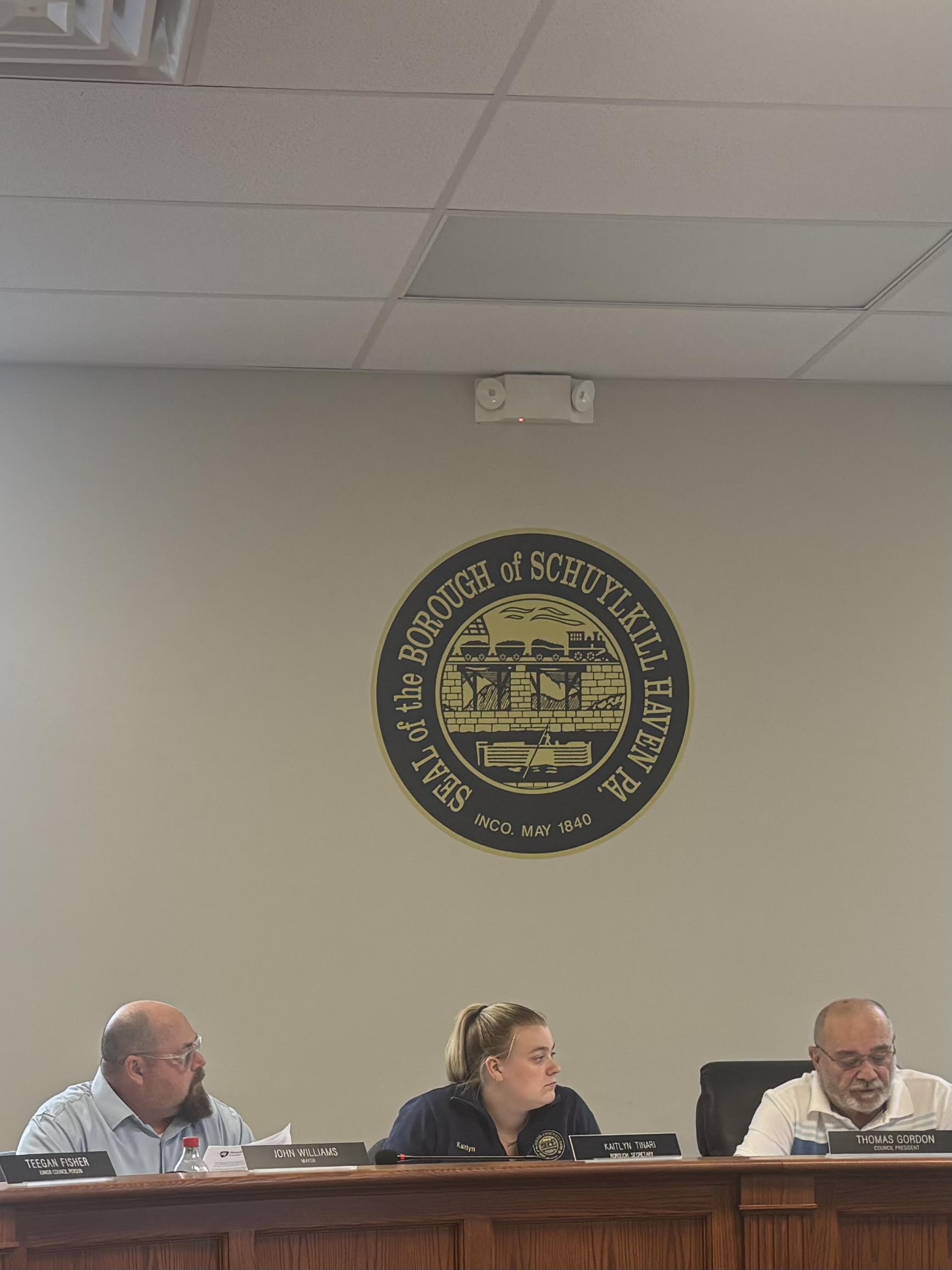
In early September, I attended the bimonthly meeting of the Schuylkill Haven borough council hoping to ask Police Chief Jeffrey Walcott, Mayor John Williams, or other officials how and why their small borough just south of Pottsville had managed to make at least 59 immigration arrests since signing a 287(g) pact with ICE on April 5. I didn’t get very far.
In a brief conversation, Walcott suggested, interestingly, that commenting on 287(g) might bring protesters to Schuylkill Haven. When I asked Williams about the program after the meeting, the police chief interrupted our conversation to say there should be “a unified response,” and then later told me any information would need to come from Homeland Security or a FOIA request.
Schuylkill Haven Mayor John Williams (left) at a borough council meeting on Sept. 2. Next to him are borough secretary Kaitlyn Tinari (center) and council president Thomas Gordon (right). Williams said Schuylkill Haven’s cooperation with federal immigration enforcement is going well, but declined to elaborate.Will Bunch
Most of what citizens and the media in Schuylkill County know about the 287(g) programs comes from borough or township council meetings in which a police chief tells elected officials about all the sweeteners that cash-flush ICE added to the program when Congress and Trump enacted the so-called Big Beautiful Bill in 2025.
Police departments or county sheriffs who join the most common 287(g) Task Force model get $100,000 for vehicles or other equipment and $7,500 for each officer who undergoes 40 hours of mostly online training, as well as additional dollars for their time on immigration matters — all contingent on making actual arrests. In August, Schuylkill Haven officials said they’re expecting a federal check for $152,000 — money the borough wants to spend on buying the currently leased police headquarters.
The cash incentives have sparked a kind of deportation arms race across Pennsylvania, which has gone from just a few 287(g) programs at the start of the year to more than 130, with new ones coming online every day. Most of the council debates tread lightly on the question of liability for an officer who makes a bad arrest — a problem ICE is belatedly looking to fix with a proposal to insure each officer up to $500,000 — or the elevated risk that a traffic stop could lead to violence.
Fighting in the Schuylkill
That’s already happened. On May 20, a Schuylkill Haven cop stopped a car on Route61 after he claimed the driver had illegally dark-tinted windows. ICE agents who were in the borough and arrived at the stop ran the license of 34-year-old Yensy Rafael Santana Alvarez of New York City and determined he had an immigration removal order.
According to the Skook News, a court affidavit said the man handed over his car keys and stepped out of his car — then ran for it. Alvarez led the law officers on a wild foot chase across the Schuylkill and back, getting tased once, and allegedly pulling one officer underwater as another suffered minor injuries. He was eventually arrested, and felony charges were filed but then dropped.
Some local critics also questioned whether minimally trained cops making immigration arrests is a good idea in a county where some departments have a history of police abuses. “In northern Schuylkill County, over the last 10 years, we’ve had horrendous police … acting very unprofessional in different departments,” John Hampton, a lawyer who has worked with Mahanoy Township, told me.
A heated and emotional debate over the federal 287(g) immigration enforcement program dominated Monday night’s Pottsville Council meeting.
After initially failing in a 3-2 vote, the resolution was reopened moments later and ultimately passed following a council member changing… pic.twitter.com/kSW1QXhgqS
In 2022, two then-police officers in the borough of Minersville were indicted on still-pending federal police brutality charges for allegedly severely beating a man during a traffic stop and falsifying police reports to cover it up. That didn’t prevent ICE from signing a 287(g) agreement with Minersville police in May.
That same month, local activists pleaded with the Pottsville City Council during a meeting that lasted more than five hours not to join the 287(g) program, arguing that immigration arrests would make tourists and new businesses not want to come there. They thought they’d won in a 3-2 vote, only to have GOP council member Scott Price change his position and demand a revote that flipped the outcome, saying that, in the end, “I have to side with our police officers.”
One of the few pro-287(g) advocates who spoke at that May hearing was Mahanoy Township’s Long, who said his department had been “the leader in the county” by making 10 immigration arrests, mainly at what he called a truck-safety inspection point. “ICE does not come in and tell you what to do,” Long insisted. “We tell them what to do.”
He was joined by one of his officers, Anthony Maldonado, who cited his own heritage as a Puerto Rican to insist there is no racial profiling. “I have family members who are light-skinned, dark-skinned, everywhere in between, so I would take it very personally if we conducted ourself unprofessionally to that effect,” he said.
‘Because you look like a Mexican’
The room in Pottsville did not hear from Moe Montalvo, a gutter contractor from nearby Tamaqua who, in mid-April, passed through the checkpoint on Burma Road operated by cops from Mahanoy Township and assisted by adjacent Ryan Township officers. He said he was part of a two-truck convoy, and the first one with two white occupants was waved through, while his was stopped to allow the officers to ask Montalvo, a 28-year-old U.S. citizen who is half Puerto Rican and half Egyptian, for his ID and grill him about his identity.
Montalvo posted that day on Facebook that when he told an officer he was born in Montgomery County, the cop replied: “Are you sure? Because you look like a Mexican.” Montalvo also quoted the officer: “Why are you worried? The only thing you should be worried about is when I take my Taser out, because I’m going to aim right for your nose piercing.” I confirmed the incident with Montalvo, who told me that “it seems like there was no doubt that racial profiling was involved here.”
Weeks later, the Mahanoy Township Police Department went dark, at least temporarily, after Long, Maldonado, and its other officer all quit in a disagreement with supervisors. One of the supervisors, Republican Tony Merchlinsky, confirmed to me the entire force had resigned after a dispute with supervisors over its refusal to wear body cameras. He said it was triggered by a civilian complaint over an arrest that did not involve immigration, although he added that “it may have involved racial profiling.”
Maldonado took to Facebook to give his side of the story, saying that a different supervisor had told the township officers they were making too many arrests, and that, as quoted by Maldonado, he preferred “a [B]arney Fife department and have his police drive around and wave at people instead of making arrests.” Merchlinsky confirmed that Mahanoy Township — which recently hired a new, albeit part-time, police chief — has yet to see one dime from the feds of the more than $100,000 that was promised.
The checkpoint drama and police tensions in Mahanoy Township demonstrate some of the many problems when beat cops are drafted to join Trump’s mass deportation crusade. Are police really making their towns safer when one part of the community is taking long traffic detours and covering up their windows in terror of any contact with cops? Is the economic gloom over Pennsylvania’s fading coal country really going to be lifted by clamping down on immigrants who’d been flocking there to pour concrete and rehab old buildings?
Does a region whose very DNA is handed down by the immigrants who once came here to shovel anthracite now want to be known in the 21st century as a “show me your papers” police state?
Few of these questions are being asked as one former coal burg after another races to embrace a Trumpian bargain with the 287(g) program. The latest is Mahanoy Township’s next-door neighbor, Ryan Township, which in June voted conditionally to join the ICE mass deportation program, citing as the biggest incentive its need to replace its run-down Ford Explorer, one of the oldest police cars in Schuylkill County.
The Philadelphia Fringe Festival returns for its 30th year
A performer for Bearded Ladies Cabaret, a queer arts organization that partnered with FringeArts for a string of cabaret shows for the 2025 Philadelphia Fringe Festival.Courtesy of John Jarboe
More than 350 bold, alternative shows will be staged throughout the region for the month-long festival. This year’s lineup features uncensored works by new and independent artists through Sept. 27.
The lineup includes the Philadelphia premiere of Kramer/Fauci by director Daniel Fish, who was behind Broadway’s Oklahoma!. There will also be world premieres by Philly-based institutions such as the Nichole Canuso Dance Company, Ninth Planet and The Bearded Ladies Cabaret.
🍯 A sweet time in Germantown: The Philadelphia Honey Festival is coming to Wyck Historic House and Gardens this Saturday. The day includes honey extractions, bee beard demos, honey tastings, and a conversation led by head beekeeper Jeff Eckel.
🍷 A taste of wine delight: Stop by Girard College on Saturday for the Philly Black Wine and Spirits Festival. The daylong event features live music, curated bites, and wine and spirits from Black-owned makers.
🍄 Have a little fungi: Make your way to Kennett Square, home to the “Mushroom Capital of the World,” this weekend. The Kennett Square Mushroom Festival offers two days of fungi-themed activities, food, live entertainment and shopping along State Street.
🎺 Jazz and rhythm in Northwest Philly: Jazz will fill the streets of West Oak Lane on Thursday for the return of the Uptown Rhythm Festival. The event will be hosted by radio legend Patty Jackson and headlined by homegrown jazz band Breakwater.
The scene by the food tents along the waterfront at the Mexican Cultural Center tent during the Mexican Independence Day Festival at the Independence Blue Cross RiverRink at Penn’s Landing Sunday, Sept. 14, 2025.Tom Gralish / Staff Photographer
The celebration will feature mariachi music, local artisans, family-friendly activities and the “El Grito” ceremony led by the consul of Mexico in Philadelphia.
This free event will take place from 2 to 7 p.m. at the Independence Blue Cross RiverRink at Penn’s Landing.
🎉 Rave at Subaru Park: Breakaway Music Festival takes off at Subaru Park this weekend. The two-day festival will feature EDM performers and DJs such as Marshmello, SOFI TUKKER, Tiësto, and others from Friday to Saturday.
🐎 High-jumping horsemanship: Make a stop in Chester County for the 13th annual Devon Fall Classic, where equestrians will put their skills to the test over four days inside the historic Dixon Oval.
🎃 Who says it’s too soon for Halloween?: The Nightmare Before Christmas Pop Up returns to Craftsman Row Saloon starting Friday. The Jewelers’ Row bar will be adorned in Halloween decor from door to door. Don’t get spooked.
📷 Keep your eyes peeled: The 10-day 20/20 Photo Festival will bring photographers from across the region and beyond. Highlights include photographer Mike Klusek’s Fishtown Photo Walk on Thursday, Ron Tarver’s new exhibition, The Long Ride Home: Black Cowboys in America, on Friday, andthe Photo Book Fair at Cherry Street Pieron Saturday.
Staffer picks
Here’s pop music critic Dan DeLuca’s list of the best concerts this weekend.
🎵Thursday: Actress and musician Alicia Witt, who first rose to stardom as Alia in David Lynch’s Dune, is on the road in support of her album, Between Heaven and Earth. She performs at World Cafe Live on Thursday.
🎤Friday: British-born superstar Charli XCX, who released her latest album, Music, Fashion, Film, in July, will touch the Xfinity Mobile Arena stage with opener and San Francisco-bred artist Underscores.
🔊Saturday: Florida rapper Rod Wave, who’s amassed millions of fans with his blend of auto-tuned confessions and melodic trap songs, is hitting the stage at Xfinity Mobile Arena on Saturday.
🎸Sunday: Glam rock band Julez and the Rollerz will perform at MilkBoy on Sunday. The Los Angeles-based quartet will be joined on stage by Philly-based musicians Ripley, Erin Fox, and Squiggler
Temple’s leading scorer from last season, Derrian Ford, has been practicing with the team and is on track to play for the Owls in the 2026-27 men’s basketball season after a recent court ruling in Louisiana paved the way for a fifth season of eligibility, sources told The Inquirer.
Ford, a guard who transferred to Temple from Arkansas State prior to the 2025-26 season, averaged 18.1 points and 4.3 rebounds in 35.6 minutes last season with the Owls.
The Arkansas native was among a group of athletes who challenged in a Louisiana court the NCAA’s newly adopted rule that will grant five full years of eligibility to college athletes moving forward but did not include the high school class of 2022 who had already completed four seasons. The court ruled in their favor, granting them a temporary restraining order against the NCAA.
Derrian Ford is a key returner for the Owls in the 2026-27 season.Elizabeth Robertson / Staff Photographer
Ford did not sign a professional contract, unlike football players Zxavian Harris and Dae’Quan Wright, a tight end who spent part of training camp with the Eagles. Harris and Wright’s attempts to join the roster at LSU have been at the center of the latest legal and ethical issues in college athletics. A Louisiana judge issued a preliminary injunction last week that appeared to make the players eligible to join the LSU football team, but the school is proceeding without adding them, a move that came after LSU’s conference, the SEC, threatened to hold a vote to expel the school from the conference.
Ford is unlikely to face the same type of legal hurdles in order to play in 2026-27. Other members of the Louisiana case have already made their first appearances after the ruling. Jazmin Ferguson and Jocelyn Ollivierre, two LSU soccer players, have made three appearances with their team so far this season. Ferguson, according to the Business Journal, testified in court recently that she was paid $4,500 by a USL team but returned the money when playing again at LSU became a possibility.
Ford had interest from professional teams, according to sources, but did not sign a contract.
He is not the only Big 5 men’s basketball player who successfully challenged in court for an additional season. Villanova center Duke Brennan was part of a lawsuit in California that ended with him and others receiving additional eligibility. Brennan will play his final college season at Oklahoma.
As of Thursday afternoon, Ford was not one of the 14 players listed on Temple’s official roster on the school’s athletics website. The Owls return a few players from the 2025-26 season, most notably Gavin Griffiths, who averaged 10.1 points. Coach Adam Fisher retooled the roster in the transfer portal, and while the Owls made some key additions, none of them may have the impact that Ford’s return will.
Temple has not yet announced its 2026-27 schedule, but the college basketball season begins in early November.
Approaching the fourth anniversary of its rare and historic bankruptcy, the City of Chester is about to get $97.1 million in public and private investments, Gov. Josh Shapiro announced Thursday.
“I might just be the happiest mayor in America,” said Chester Mayor Stefan Roots, among those who joined Shapiro for the announcement in Delaware County’s only city.
Shapiro, noting that the resolution of the protracted and often acrimonious bankruptcy “would take far longer than I’d like,” said “the time to invest in Chester is now.”
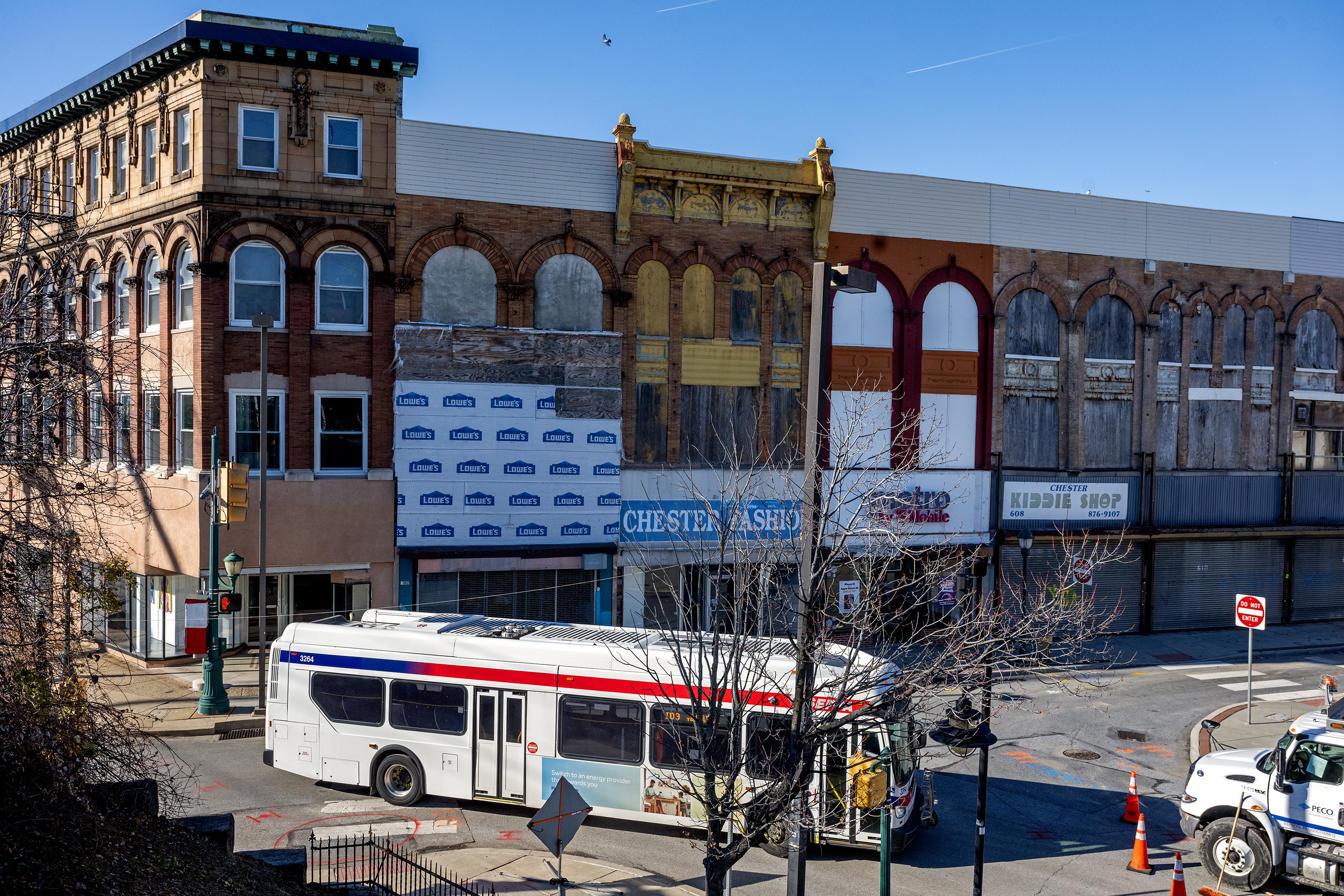
Roots said the money would go toward beautifying neighborhoods and dealing with blighted properties in the city of 33,000. “We’re going to be repairing homes. … We’re going to be improving roads and sidewalks,” he said.
The majority of the funding, $52.6 million, will go to “revamp and redesign” a section of Route 291/U.S. 13, part of the old “Industrial Highway,” which separates the riverfront from the city neighborhoods. The bulk of that money would come from the Pennsylvania Department of Transportation and the Delaware Valley Regional Planning Council.
The highway has long been a serious safety hazard for motorists and people who live along it, Roots said in an interview after the event. Speeding has been a major issue, he added.
PennDot also would be putting up $7.3 million for new sidewalks and walkways to Widener University, at the north end of town, in an effort to integrate the campus with the rest of the city.
“How do you be a city with a college, and not be a college town?” Roots said.
He said major efforts would be made to spruce up the Avenue of the States, which is a thoroughfare from City Hall to the campus about 10 blocks away.
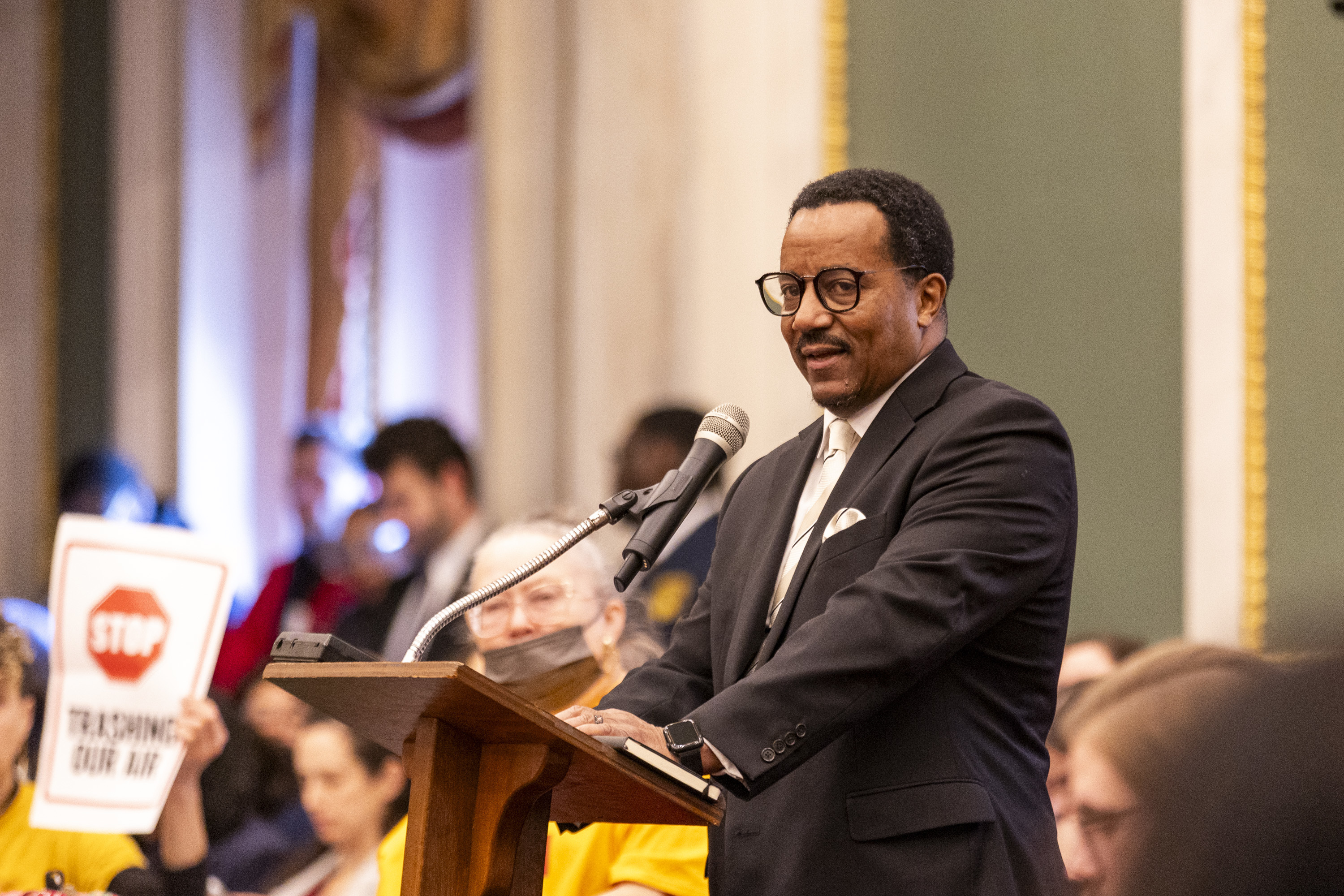
Mayor of Chester Stefan Roots speaks at a Philadelphia City Council meeting in January regarding the incinerator, which has been an important source of Chester’s revenue and a source of protests. Tyger Williams / Staff Photographer
The state and the Philadelphia Union soccer team are putting up $27.5 million to build “new outdoor fields, a 100,000-square-foot field house, indoor courts, academy space, and a performance center to expand youth programs and support school and community sports” at the riverfront Sportsplex in the city’s West End, according to a state news release.
Wawa, Essential Utilities Inc., Power Home Remodeling, and Delaware County are contributing $2 million for demolition work and to acquire 10 lots and two buildings, along with fixing up 25 other structures.
Shapiro said that Chester was now an “enterprise zone,” a Pennsylvania Department of Community and Economic Development program in which tax breaks and grant money would be made available to investors.
The department is overseeing the city’s bankruptcy process, which began in fall 2022, in part due to several years of missed pension payments.
But the city’s financial distress has been about 70 years in the making, as it has struggled to pay bills with the loss of businesses and its once-formidable industrial base. Among its prime sources of revenue today are an incinerator and a casino.
Among the nation’s more than 35,000 municipalities, only about 30 have filed for bankruptcy.
Neither Shapiro nor Roots made any mention of the bankruptcy beyond the governor’s opening comments.
State-appointed bankruptcy receiver Vijay Kapoor said in a statement: “We are very grateful for the commonwealth’s and the private sector’s investment in the City of Chester’s future.”
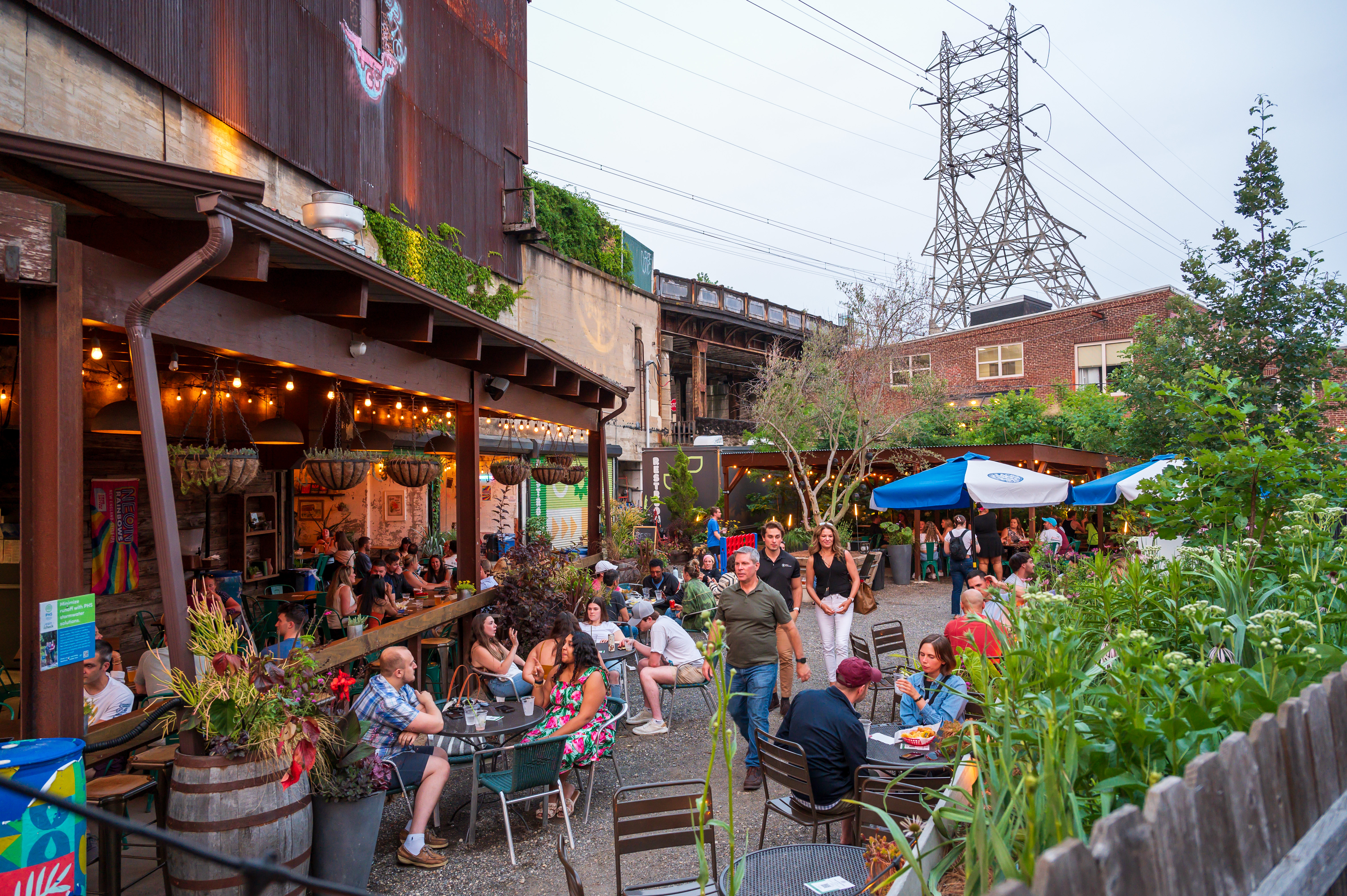
The Pennsylvania Horticultural Society (PHS) announced Wednesday that its popular pop-up beer garden in Manayunk will close permanently Oct. 5.
The property at 106 Jamestown Ave. is slated to become a six-story, 73-unit apartment building from local developer Dan Greenberg, although it faces community and political pushback.
Its hearing before the city’s Zoning Board of Adjustment was postponed last month.
“The day will serve as a celebration of PHS’s time in Manayunk and the many visitors, plant lovers, and community members who have made the garden a beloved gathering place over the years,” a PHS news release issued Wednesday said.
“PHS invites the community to come together this fall to enjoy the garden, share memories, and celebrate the lasting impact of this special green space in Manayunk,” the release said.
Since Greenberg’s plans were announced, community groups and neighbors have been pushing for the preservation of the public gathering space just off Main Street.
But PHS has emphasized that its pop-up beer gardens are not intended to be permanent.
The Manayunk location opened in 2020, while the site at 1438 South St. has been in operation since 2014.
As development plans for 106 Jamestown have advanced, PHS has been searching for another location in the city to open a new beer garden.
“Our team is actively assessing other potential sites and neighborhoods for future PHS Pop Up Gardens, but we don’t have a confirmed site to announce,” said Sin Gogolak, vice president of brand and communications for PHS.
The new location will not necessarily be in Manayunk or Northwest Philadelphia. But Gogolak confirmed they are looking in the city limits.
“PHS is grateful for the opportunity to have called Manayunk home for an extended period and is proud of what the garden has meant to the neighborhood,” PHS said in the news release.
A new zoning board hearing has not been scheduled for the apartment building at 106 Jamestown Ave.
The developer needs permission from the board to build apartments on land zoned for industrial and commercial uses and to build above the height limits set by the Main Street Manayunk zoning overlay.
Feedback from City Council and neighborhood groups will be considered by the zoning board.
“Fortunately for [Greenberg], he’s not finally purchased it yet because zoning is an essential part of the sale,” City Councilmember Curtis Jones Jr., who represents the area, said in an interview last month. The delay at the board “gives them the opportunity to talk to the community, but as it stands, I cannot support it.”